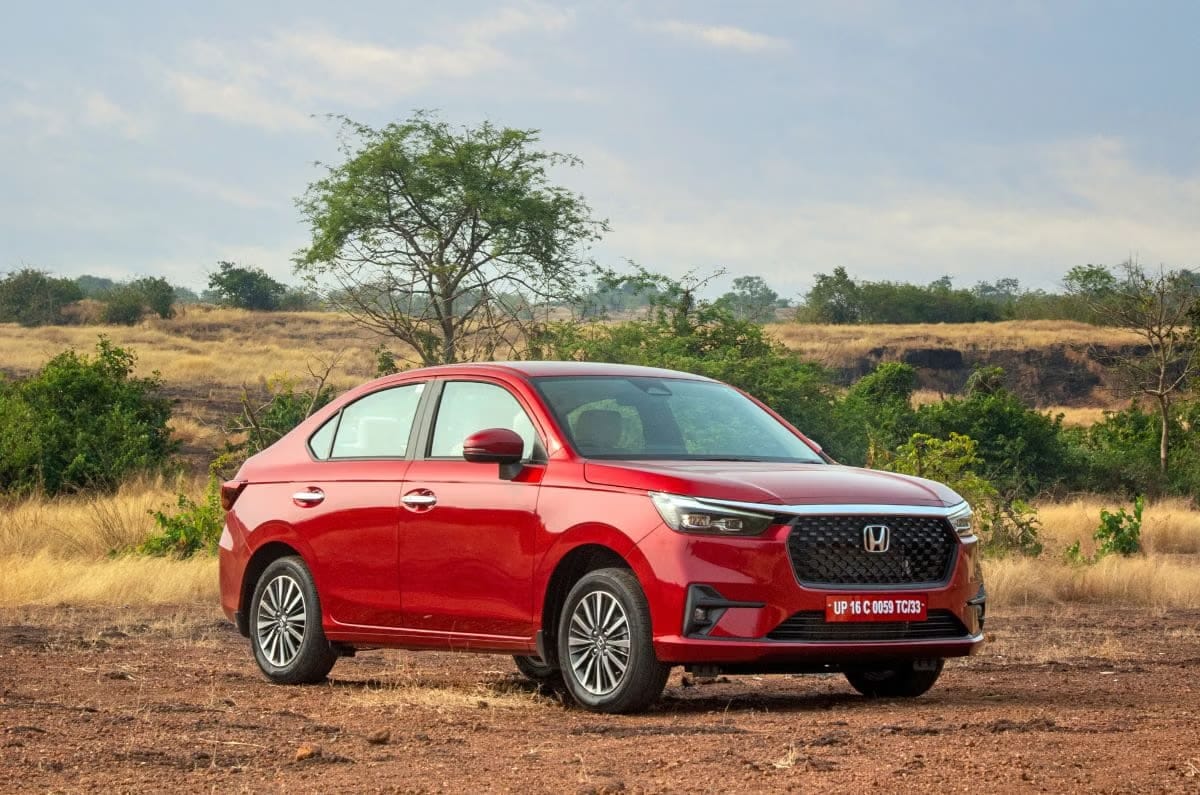
3 reasons to buy the Honda Amaze and 3 reasons to avoid it

Honda Amaze front three quarter static

Honda sells both the second-gen and third-gen iterations of the Amaze in India. However, our focus here would be solely on the latter as it’s the latest and thus the best-equipped to tussle with other sub-4-metre sedans. As the Japanese brand’s most affordable offering, the Amaze carries a price tag of between Rs 7.65 lakh and 10.00 lakh (ex-showroom). Considering the brand’s badge appeal and some segment-first features, should you buy the Honda Amaze? Let’s find out.

Reasons to buy the Honda Amaze

Rear-seat comfort and a spacious boot

Usable interior space and a large boot add practicality to the Amaze
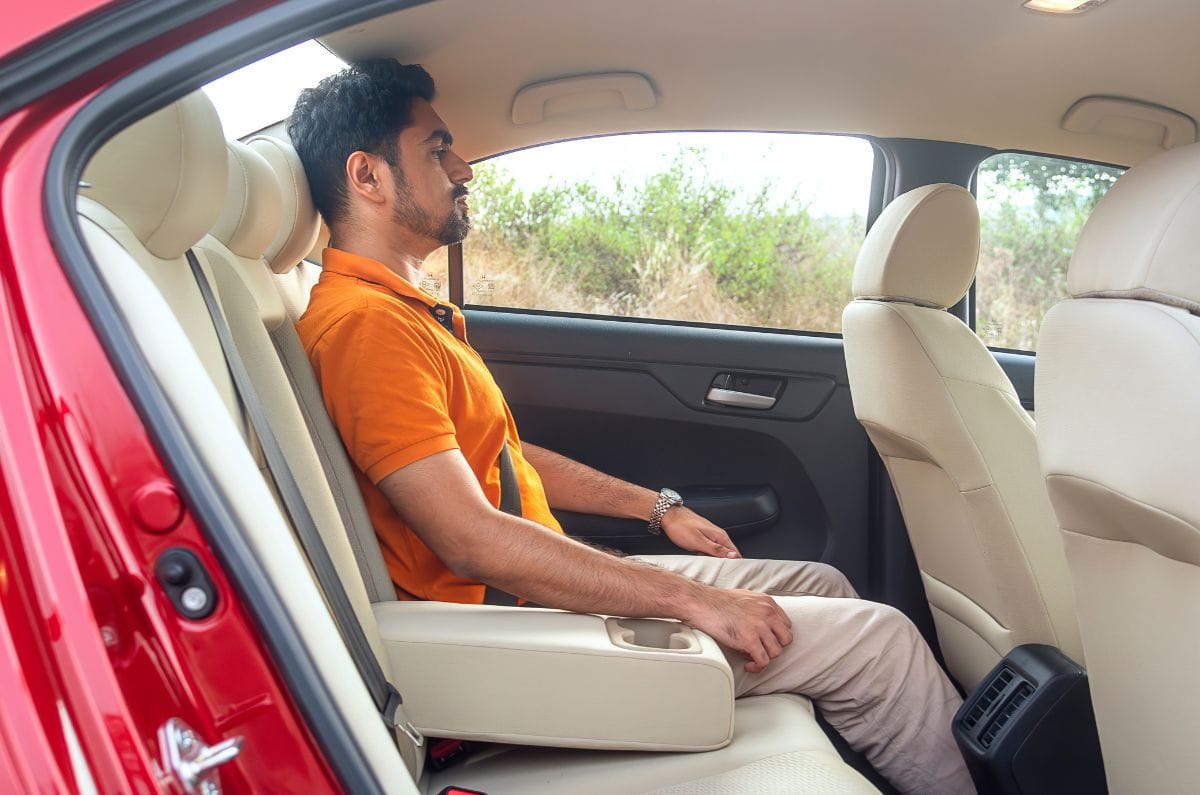
Honda Amaze rear seats

The rear seats of the Amaze are especially more comfortable than the front ones. Not only do the outer seats provide ample support, but their backrest angle is good too. Making these back seats more comfortable is the usable amount of kneeroom and legroom on offer, partly helped by the scooped-out portion of the front seatbacks. Further aiding comfort here are the dedicated AC vents, a centre armrest with cupholders, and headrests for all three passengers.
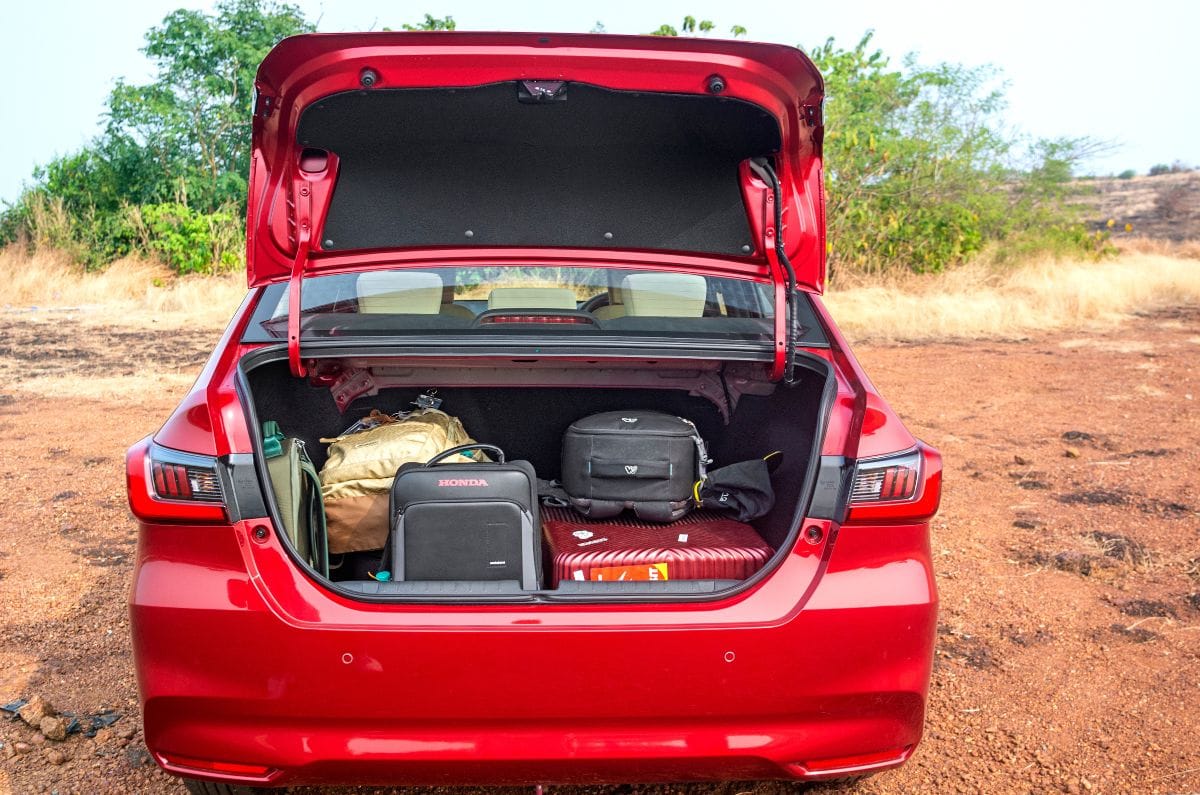
Honda Amaze boot space

As for the Amaze’s luggage-carrying capacity, its 416-litre boot is one of the most spacious in the segment, easily trumping the Maruti Dzire and Hyundai Aura. While the loading lip is high, The Amaze’s boot offers plenty of width and depth to accommodate your luggage.

Easy to live with

The Amaze gets several user-friendly details right while also feeling more premium

The Amaze’s beige-black interior theme, an expansive glass area and a low-set dashboard make its cabin feel light and airy. This two-tone colour scheme, along with the high perceived quality and overall levels of fit & finish, make the Honda Amaze’s interior feel more premium over its rivals.
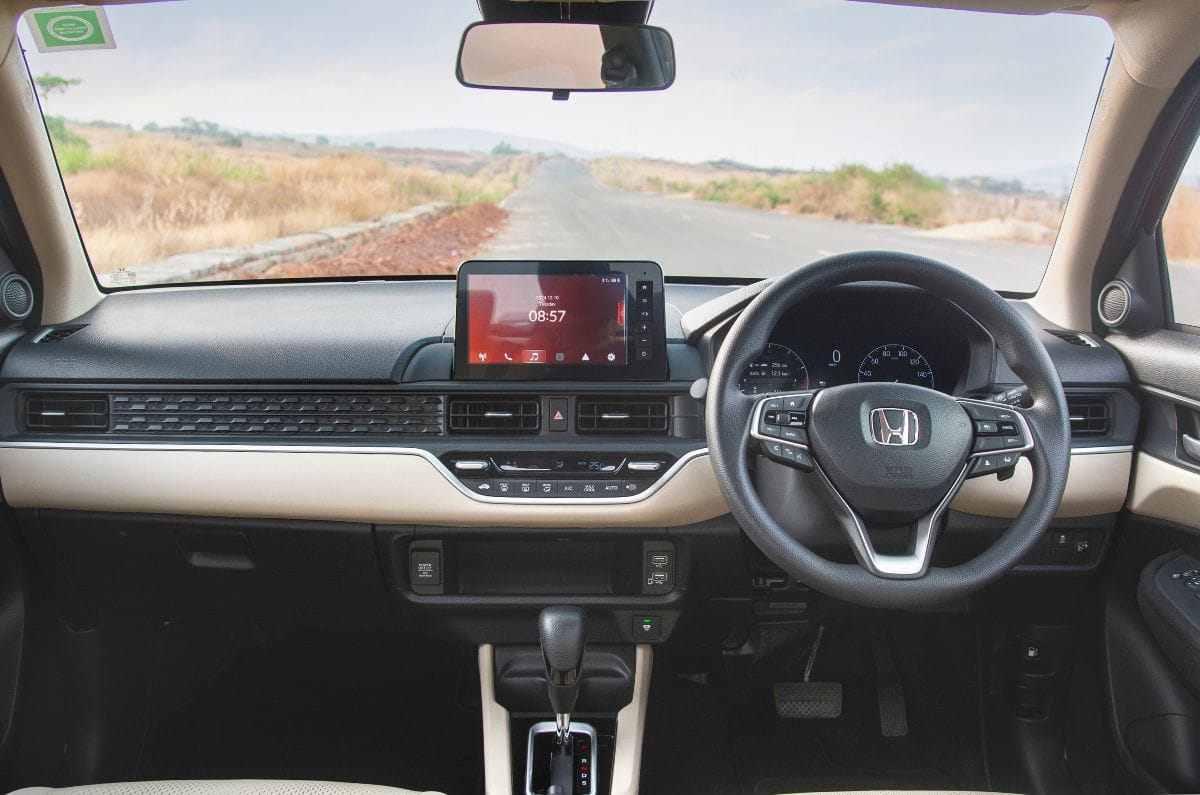
Honda Amaze interior

The light steering and clutch, a tight turning radius plus an easy-to-use manual gearbox mixed with good all-round visibility, make pottering around town easy. If you go for the CVT (continuously variable transmission) option, driving the Honda Amaze becomes a hassle-free affair. It comes with paddle shifters that react promptly and also come in handy when there’s a need for engine braking. Meanwhile, the physical controls for the HVAC system allow users to adjust the temperature or the fan speed without getting too distracted.

ADAS is available

This is the only car in its class to feature advanced driver-assistance systems
Honda Amaze front tracking

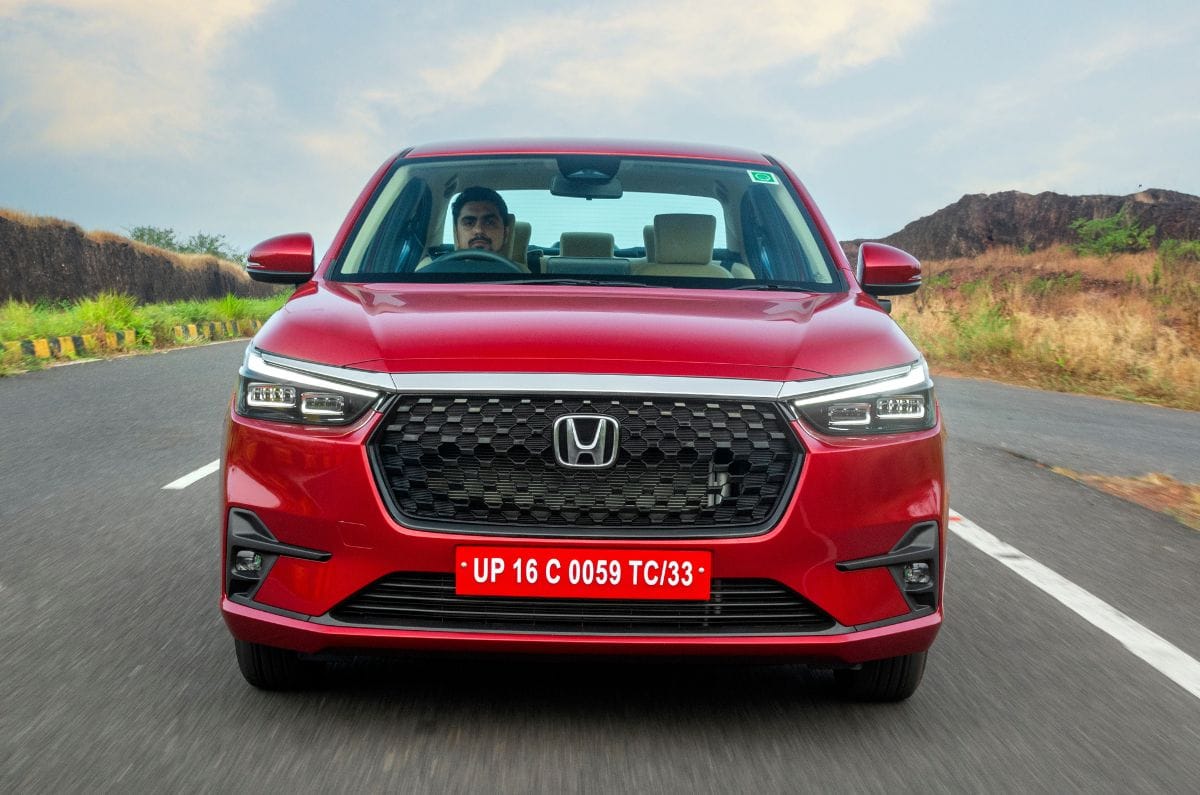
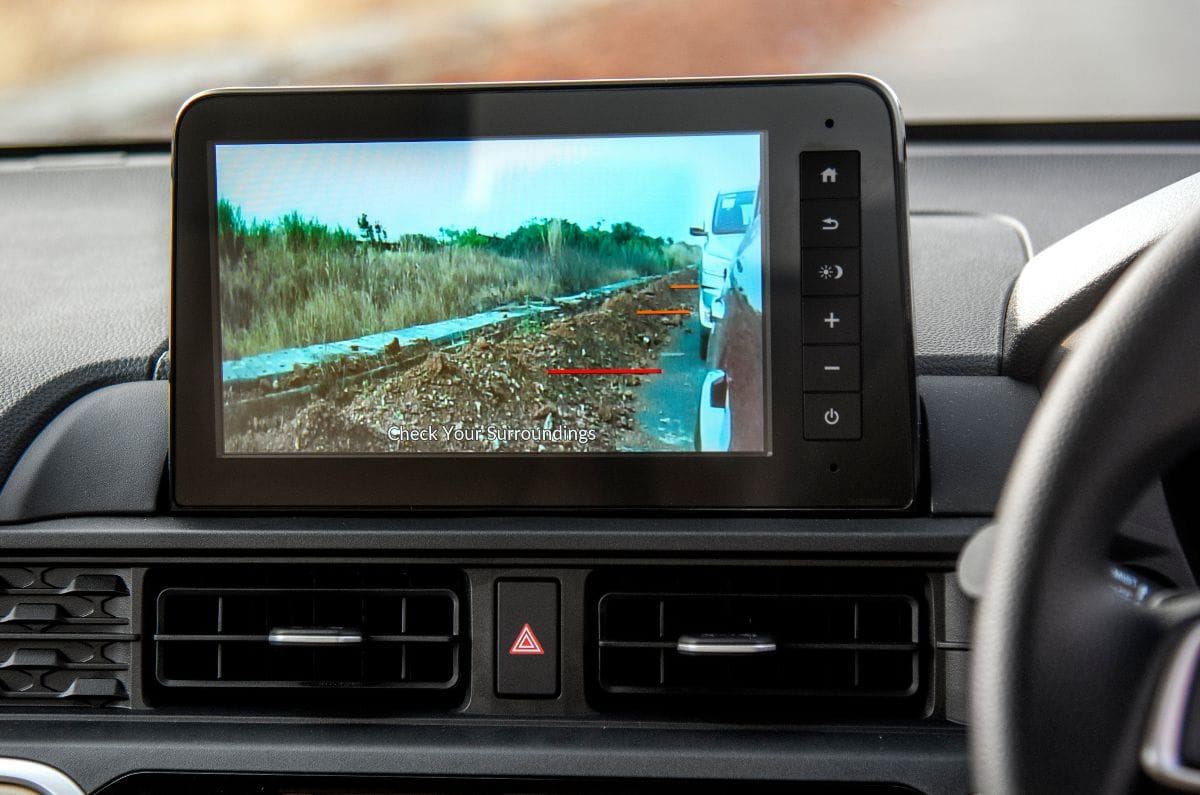
The Amaze is offered with the camera-based Honda Sensing ADAS (advanced driver-assistance systems) suite on the top-spec ZX trim. For those who want that extra layer of active safety nannies, features such as adaptive cruise control with autonomous emergency braking, lane-keeping assist and automatic high-beam will be useful add-ons. The Amaze can also be had with the brand’s LaneWatch Camera system, which displays the camera feed on the infotainment screen, aiding situational awareness.

Reasons to avoid the Honda Amaze

Poor cabin insulation

The Amaze’s cabin is quite an audible one

One of the aspects of driving the Honda Amaze is its lack of proper cabin insulation. Apart from engine and road noises, even ambient sounds from the outside world make it into this cabin with relative ease. This means that the Amaze’s cabin never really feels as relaxing as it could have been.

Underwhelming performance

This Honda sedan lacks engine punch to keep up with some rivals

The 1.2-litre four-cylinder petrol engine of the Honda Amaze is happy to rev to its redline without complaint, but it isn’t a punchy unit. While there’s enough grunt once you get past the 4500rpm mark, this engine feels weak below 2,000rpm. Honda has tried to counter this by providing shorter ratios for the first and second gears.
Honda Amaze soft suspension

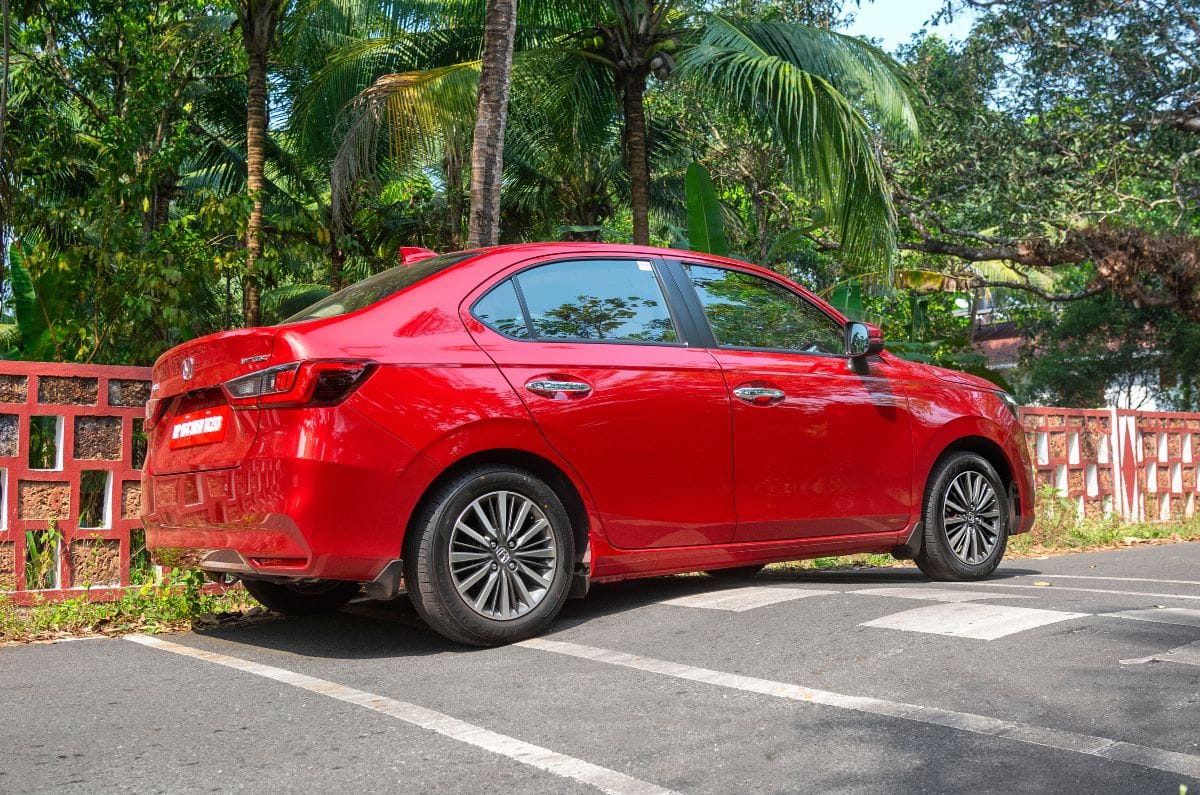
However, this leads to one having to downshift constantly when driving in bumper-to-bumper traffic or even when trying to drive away from speed-breakers. Even though the CVT masks this engine’s weak low-end and mid-range performance, pushing it results in the type’s characteristic rubber-band effect becoming apparent. The soft suspension means that the Amaze sags under load, raising the risk of scraping the belly on large speed-breakers. It also causes the Amaze to roll noticeably in the corners.

Pricier than rivals

The Amaze remains the most expensive offering in its segment
Honda Amaze LaneWatch camera

Unlike the top-spec Maruti Dzire, which is Rs 64,000 cheaper the fully loaded Honda Amaze, it still gets a powered sunroof and a 360-degree camera setup. The Amaze also lacks Type-C USB ports, offering just Type-A and 12-volt outlets. While the higher price tag of the top-spec trim can be explained away due to the inclusion of ADAS, buyers would still want the aforementioned missing features at this price bracket.

Also read

Tata Sierra vs Kia Seltos diesel AT performance comparison

Kia Seltos vs Tata Sierra diesel automatic: Real world mileage compared

पटना में बाइक सवार को अचानक पुलिस ने रोका, वजह जान हैरान रह गए लोग, VIDEO वायरल

बिहार की राजधानी पटना का एक वीडियो सोशल मीडिया पर काफी वायरल हो रहा है। पटना में रात के समय बाइक से जा रहे एक युवक को पुलिस ने अचानक रोक लिया। पुलिस के अचानक रोकने पर युवक घबरा गया। आमतौर पर पुलिस ट्रैफिक नियम तोड़ने या दस्तावेजों की जांच के लिए किसी वाहन को रोकती है, लेकिन इस मामले में वजह कुछ अलग थी। पुलिस ने युवक को उसकी जैकेट में छिपे एक छोटे से पिल्ले की वजह से उसे रुकवाया। सोशल मीडिया पर ये वीडियो तेजी से वायरल हो रहा है।

पिल्ले की वजह से रोका

X पर शेयर किए गए एक वीडियो में एक युवक रात के समय बाइक चलाता नजर आया। उसने अपनी जैकेट के अंदर एक छोटे पपी को सेफ रखा हुआ था। सड़क लगभग खाली थी और दोनों बाइक से घूम रहे थे। इसी दौरान कुछ पुलिसकर्मियों ने उसे रुकने का इशारा किया। युवक को पहले लगा कि शायद पुलिस सामान्य ट्रैफिक जांच के लिए उसे रोक रही है। लेकिन पुलिस ने युवक को किसी नियम के उल्लंघन के लिए नहीं रोका था। पुलिसवालों की नजर उसकी जैकेट के अंदर बैठे छोटे पपी पर पड़ी थी।

वायरल हुआ वीडियो

एक पुलिसकर्मी ने प्यार से पपी को बाहर निकालकर सहलाया। शुरुआत में पपी थोड़ा घबराया हुआ था, लेकिन कुछ देर बाद वह सहज हो गया। पुलिसकर्मी ने उसके सिर पर हाथ फेरते हुए उसका हाल भी पूछा। पुलिसवाले ने पूछा, “ठीक है, अच्छे से हो ना?” वहां मौजूद दूसरे लोग राइडर और उसके पपी को देखकर मुस्कुराते नजर आए, जब पुलिसकर्मी उसे प्यार कर रहा था। इसके बाद पुलिसवालों ने युवक को जाने दिया और वह पपी को जैकेट के अंदर आराम से बैठाकर वहां से चला गया।


लोगों ने किया कमेंट

सोशल मीडिया ये वीडियो तेजी से वायरल हो रहा है। वीडियो सामने आते ही यूजर्स का ध्यान इस पर गया और लोगों ने इस खूबसूरत पल की जमकर तारीफ की। एक यूजर ने लिखा, “भाई सड़क पर सबसे प्यारे पैसेंजर को ले जा रहा था!” दूसरे यूजर ने लिखा, “उसने कितने प्यारे तरीके से पूछा, ‘ठीक है, अच्छे से होना।’” एक अन्य यूजर ने मजाक में कहा, “दिन का सबसे अच्छा ट्रैफिक स्टॉप। चालान के बजाय छोटे पैसेंजर के सिर पर प्यार से हाथ फेरा गया। कभी-कभी दयालुता का एक छोटा सा काम हर किसी का दिन बेहतर बना देता है।” वहीं, एक अन्य यूजर ने कमेंट किया, “सबसे प्यारे छोटे को-राइडर ने एक सामान्य ट्रैफिक स्टॉप को यादगार पल में बदल दिया।”

Ducati Multistrada V4 Pikes Peak Review: Shapeshifter!

Ducati Multistrada V4 Pikes Peak Review: Shapeshifter!

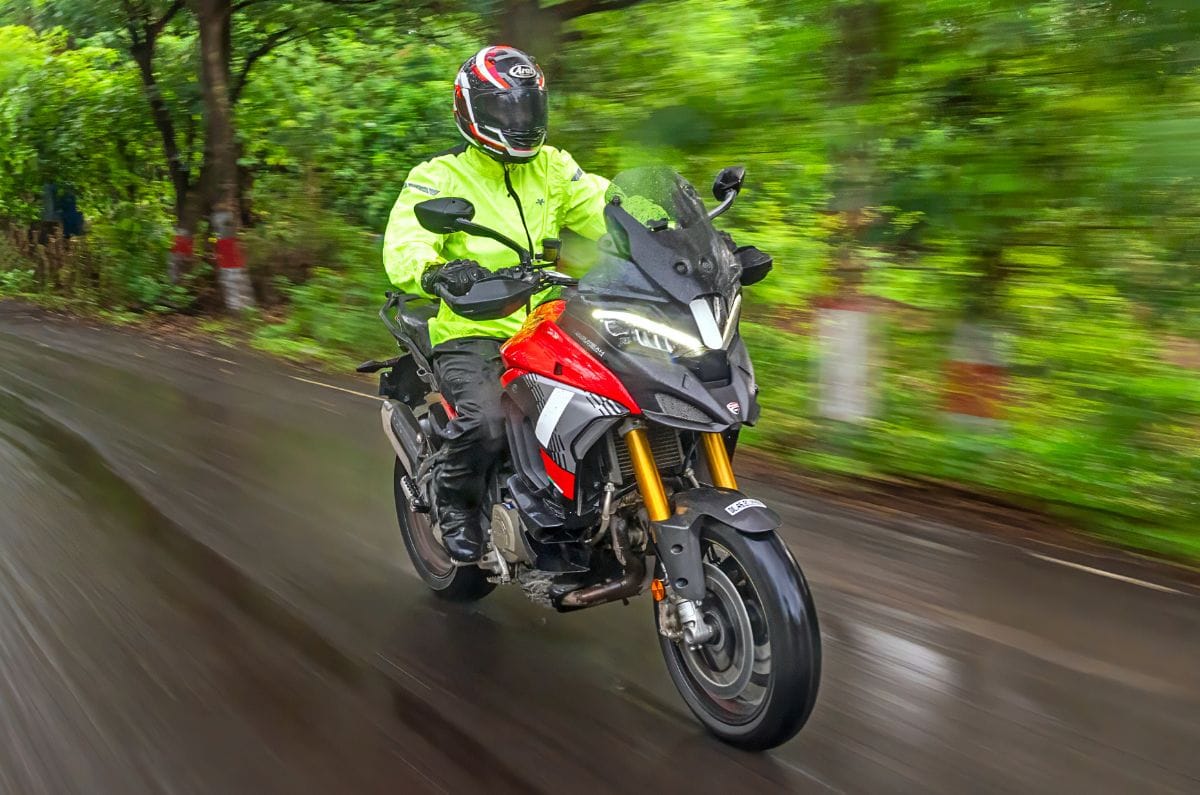
The Ducati Multistrada is one of the most successful modern motorcycles to have raced up the famed Pikes Peak hill climb, having taken 7 wins over the years. Motorcycle racing was banned at the Peak after Ducati star Carlin Dunne tragically lost his life in a crash just metres before the finish line in 2019, but Ducati still has a tribute to this race in the form of the Multistrada V4 Pikes Peak.

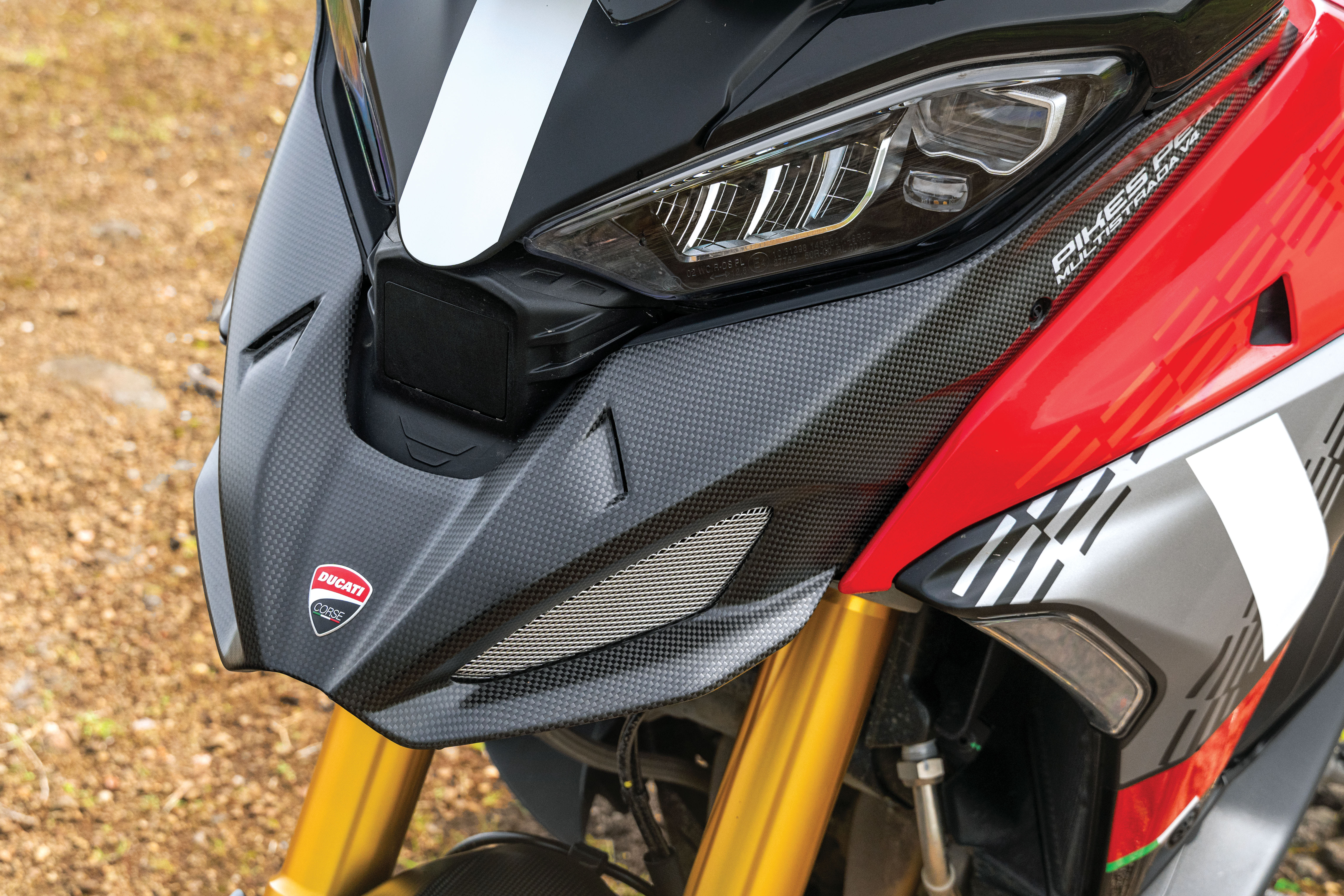
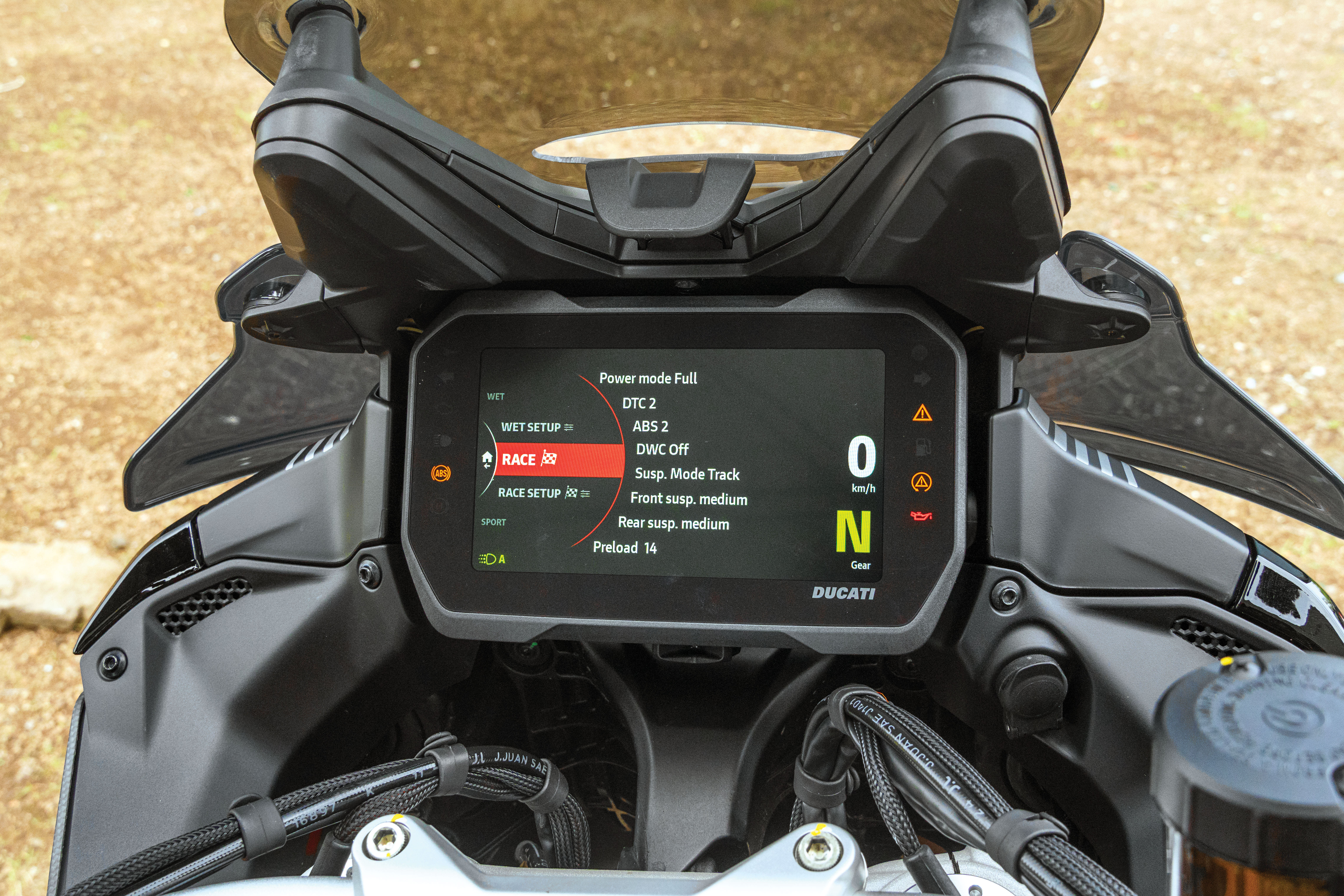
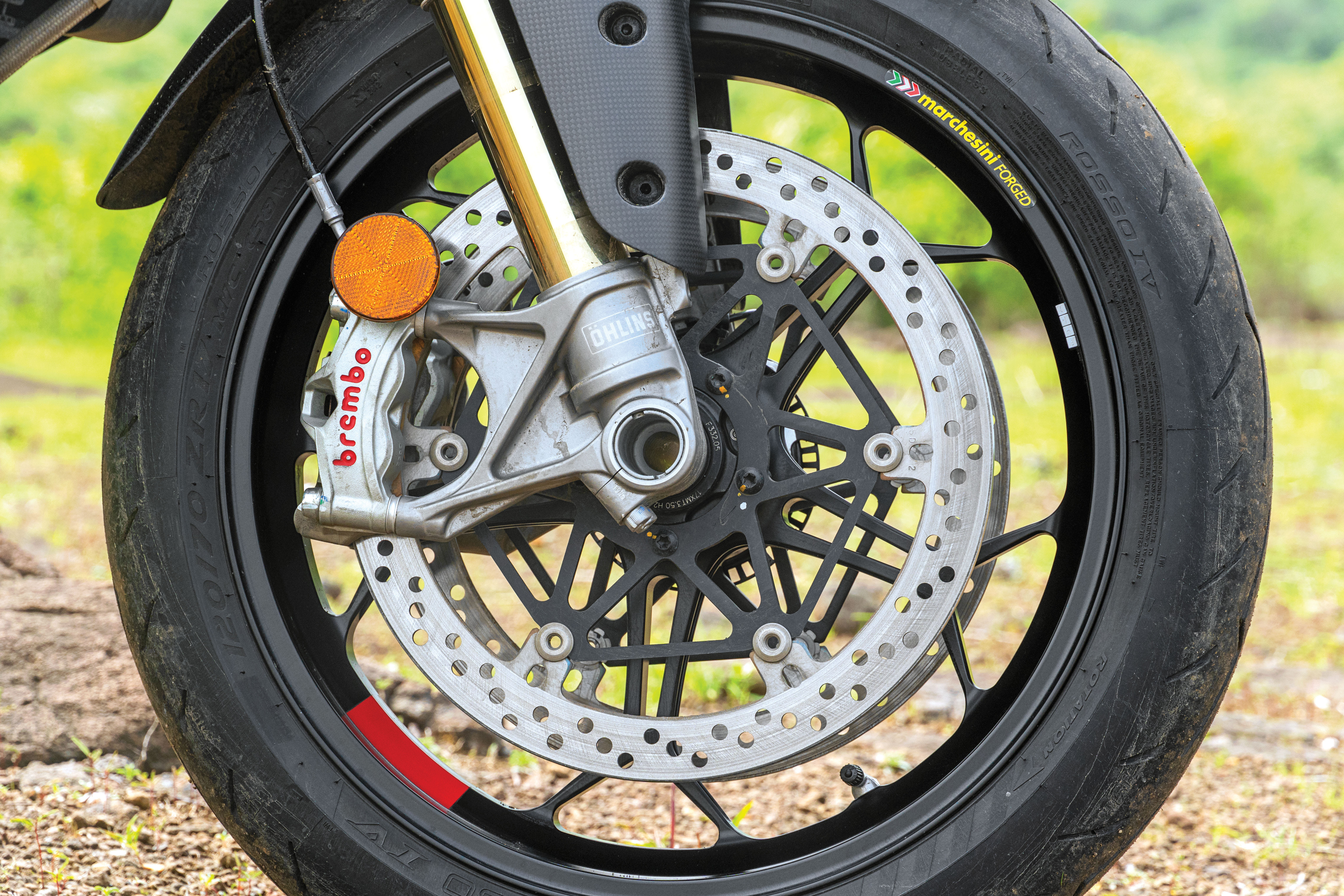
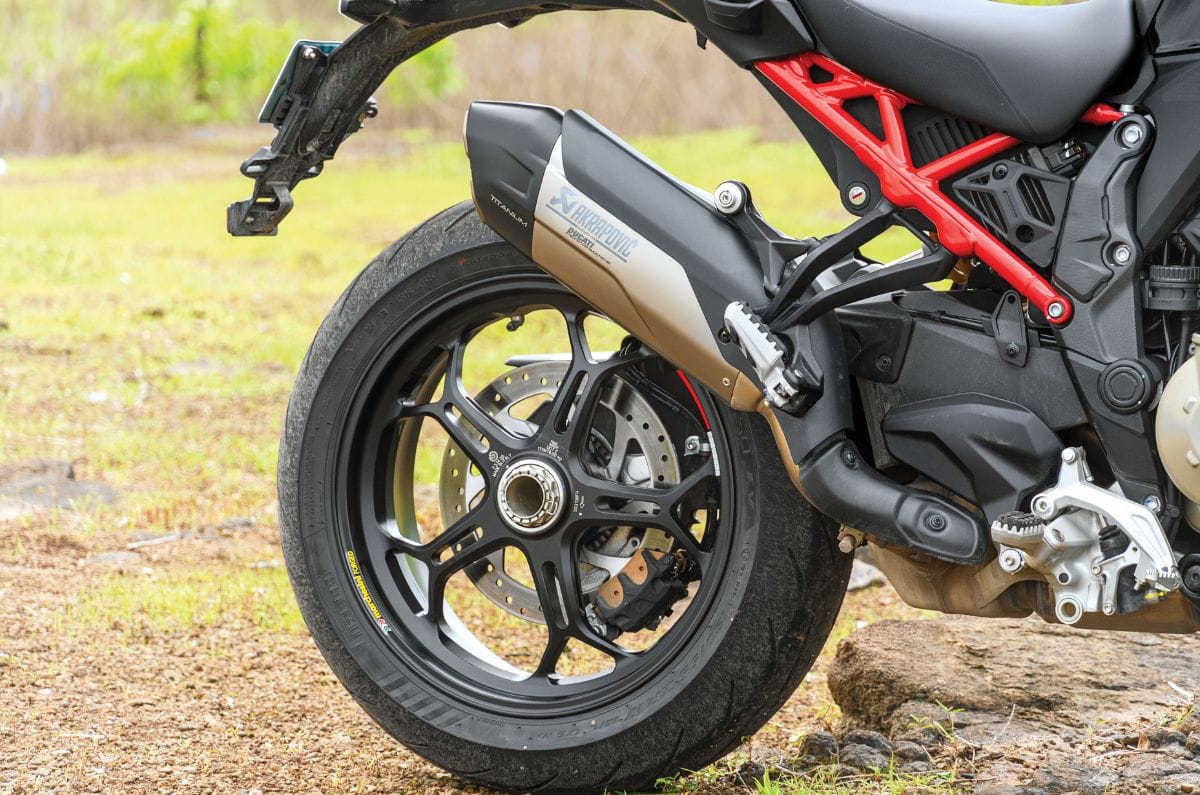
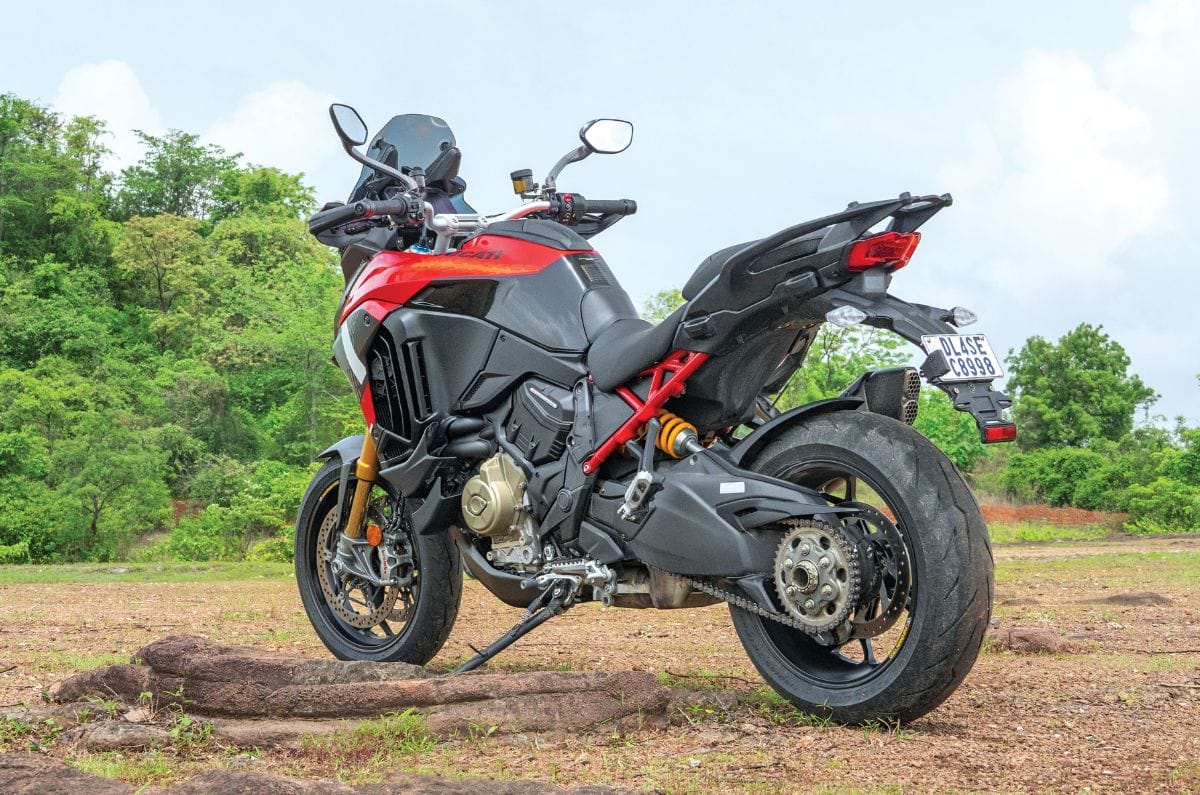
Effectively, this motorcycle goes back to the Multistrada’s roots of being a tall, sporty road-biased motorcycle. The primary sporty element comes in the shift from a 19-inch front on the standard Multistrada V4 to a 17-inch unit here. But there’s a whole lot more that you get for the (considerable) extra cash over the Multi V4 S than just a smaller front wheel. That includes a new Race Mode and Öhlins EC 2.0 semi-active suspension, just like you would have found on the previous-gen Panigale V4 S. It even gets a single-sided swingarm, forged aluminium wheels and a road-legal titanium Akrapovič end-can.

Multistrada V4 Comfort – 8/10

All of these changes are aimed at sharpening the Multi’s handling capabilities, which leaves the question – how much of an adventure bike is still in there? To find an answer, I pulled out Google Maps and picked a few random roads that I’d been eyeing over the years, but never had the opportunity to explore. The idea was to end up at the fabulous roads around Tahmini ghat, which is closer to Pune, and I’d chalked out a round-trip that came up to about 350km.

The Pikes Peak gets carbon parts, different ergos and reduced wind protection

The first quest would be the hour-long escape from the mayhem of Monday morning Mumbai. Ducatis are usually the worst bikes for being stuck in jammed traffic, but the V4-engined Multi is different. As with its lesser V4 siblings, the Pikes Peak uses twin radiators that are housed on the sides, and the bodywork neatly ducts the hot air blast away from the rider. Also, as with all Ducatis, the cooling system does a remarkable job of keeping the operating temperature below 106 degrees even when stationary.

SpecificationsValues
Engine Displacement1158 cc
Max Engine Power170 hp @ 10,750 rpm
Max Engine Torque124 Nm @ 9000 rpm
Number of Gears6

So, unless you’re stuck in a nasty bad jam where the clutch can get painful, this bike is surprisingly pleasant to manage in traffic. Of course, that’s a fairly relative statement, considering that this is a big, tall, 240-plus-kilo motorcycle.

However, after an hour or so, there’s no escaping the heat radiating off the rear cylinder bank that’s right under your thighs. I noticed that this was an issue in 36-degree afternoon heat on the highway, but not so much when the temperatures dropped in the hilly regions around Lonavala. Despite this, the Multi was far happier when it broke free from the clutches of the city.

Multistrada V4 Performance and suspension setup – 9/10

What truly blew me away on the Pikes Peak was the sheer range of its ability to change character. Like with the other V4 models, this one also has many different riding modes, a boat-load of electronic assists and minutely adjustable electronic suspension modes. However, the difference between ‘full chill’ and ‘full attack’ mode on this bike is truly breathtaking. After a couple of hours of quick and perfectly pleasant highway riding, the Multi and I soon found ourselves staring at miles of completely broken rural roads without a soul on them.

There’s no way I’d ever want to bring a sporty Italian exotic to a place like this, but putting the engine into Low Power mode (115hp instead of 170hp) and diving deep into the suspension setting menus to slack off the damping and preload completely changed the bike.

SpecificationsValues
Wheelbase1595 mm
Seat height840-860 mm
Kerb Weight227 kg
Fuel Tank Size22 L

With ADV seating comfort and the 170mm of suspension travel soaking in the terrain quite well, I had no concerns with simply riding through these non-stop broken road conditions. The bike was unbothered to the point that I could ride it at a gentle pace and enjoy the spectacular beauty of rural Maharashtra in the monsoon. However, I must also make it clear that while the Pikes Peak can tolerate this sort of punishment, it doesn’t thrive on it. Think of this as a surprisingly comfortable road-tourer rather than a true ADV.

Race-bred electronics and superbike-spec suspension are what make the Pikes Peak experience unique.

Multistrada V4 Ride and Handling – 10/10

A big Tiger or GS would have surely been more capable in these conditions, but the Pikes Peak would have simply blown away any ADV on the roads that came next. After ages of enduring gravel and shattered tarmac, we finally arrived at Tahmini to be greeted by some of the finest riding roads in the country.

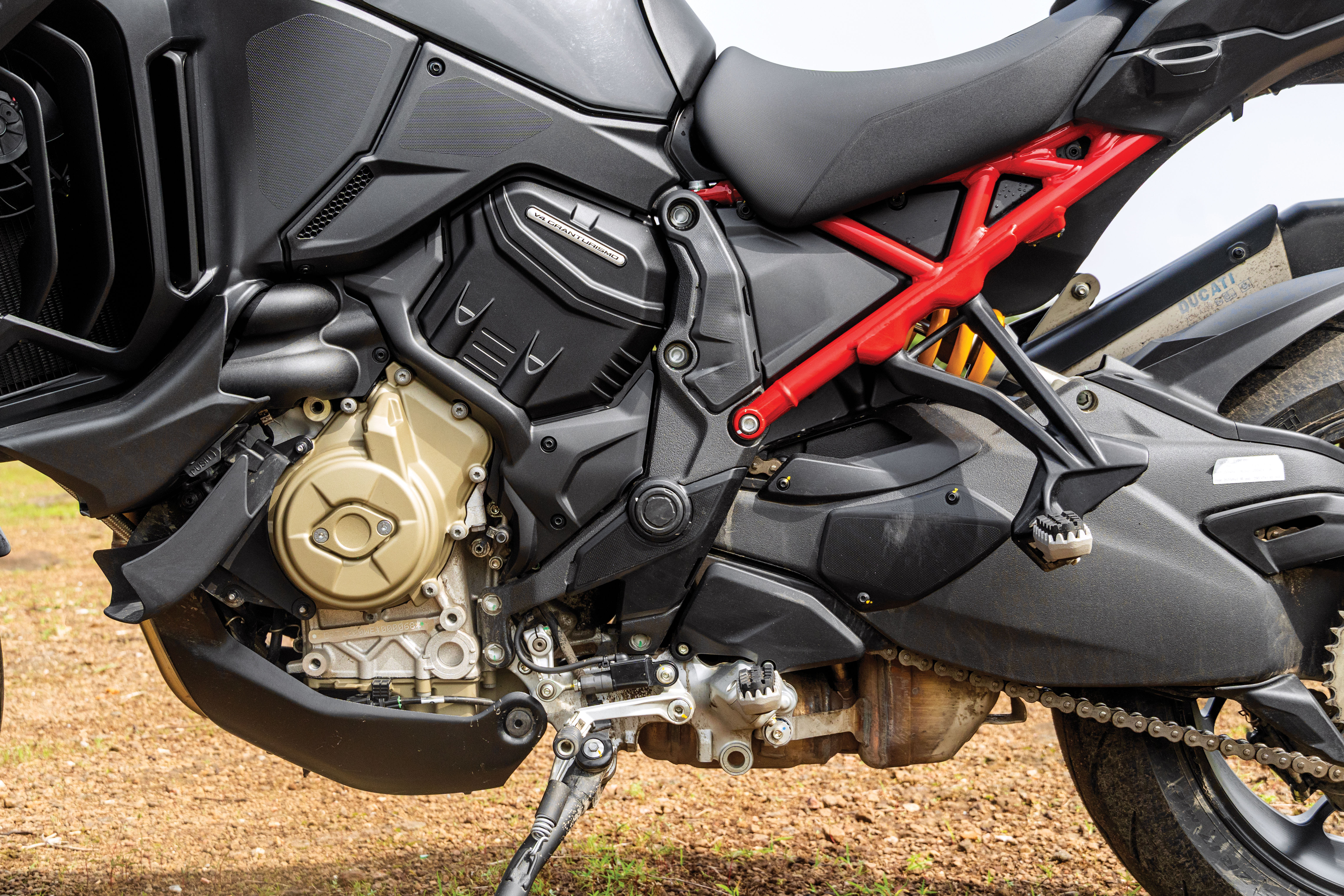
It uses the standard V4 engine with conventional spring valves

A few button presses later, the Multi was now in Race mode, and the difference was startling. The bike suddenly felt tight, taut and taller, thanks to increased preload at the rear. This was no longer a cushy tourer and had suddenly turned into quite a fearsome beast that demanded respect. The raucous intake bark as the V4 engine snarled past 6,000rpm was almost as intoxicating as the way it built speed. While you could get the same sort of performance on a ‘normal’ Multi V4 that uses the same engine, the immense braking and incredible suspension composure of the Pikes Peak was something else.

Pikes Peak gets a single-sided swingarm, forged wheels and an Akrapovič end-can

I was now riding a sport bike, and it cornered and braked with such ferocity that it was easy to get carried away. I had to remind myself that this was a public road and we were going far too fast for good health! Slap on a sticky set of tyres, and this bike could genuinely embarrass a swarm of sport bike riders on the racetrack. After an awesomely exhilarating time on the ghat, there was no doubt that the Pikes Peak spirit is truly alive in this bike, and it most certainly isn’t just a branding exercise to charge a heap of money.

Multistrada V4 Price and Verdict – 8/10

Nevertheless, a heap of money is exactly what you have to pay to own this motorcycle. At Rs 36.9 lakh (ex-showroom), the Pikes Peak is exorbitantly expensive, and you still have to pay more for extras like heated grips, tyre pressure monitoring and keyless functionality for the fuel tank. At the end of the day, this is the connoisseur’s version of what is already a connoisseur’s adventure motorcycle. You’ve got to really want this particularly unique combination of all-road sport bike skills. After all, you can get either phenomenally capable super ADVs or proper super bikes for far less money.

The sheer range of its ability to change character is what is truly incredible.

I struggle to convince myself that it’s worth the price, but I’m also infinitely grateful that such a thing even exists and that we have the option to own one in India. If you’re among the precious few with the desire and funds to own such a bike, all I’d like to say is go for it!

Maruti Suzuki Victoris S-CNG review: A Sensible Choice

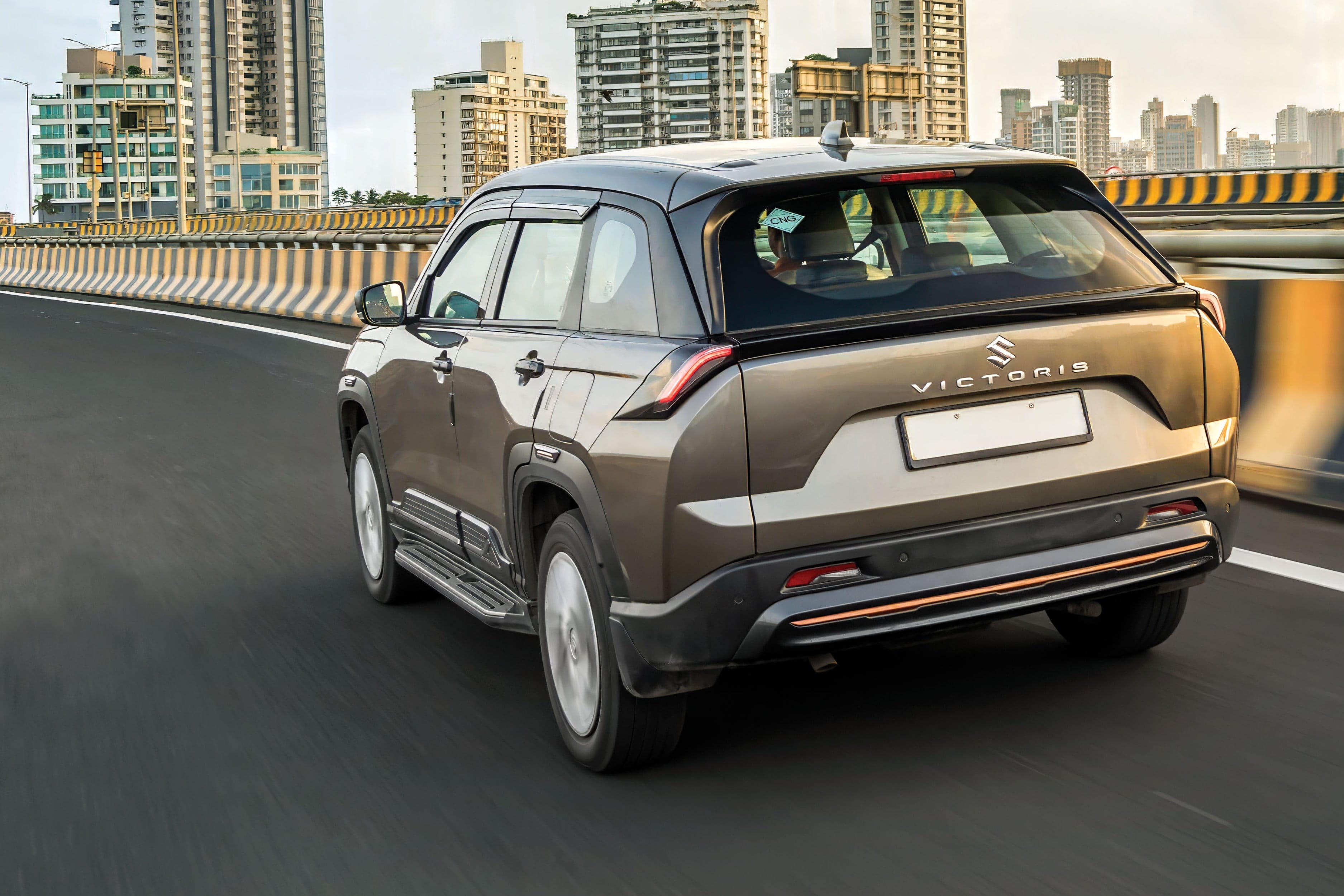
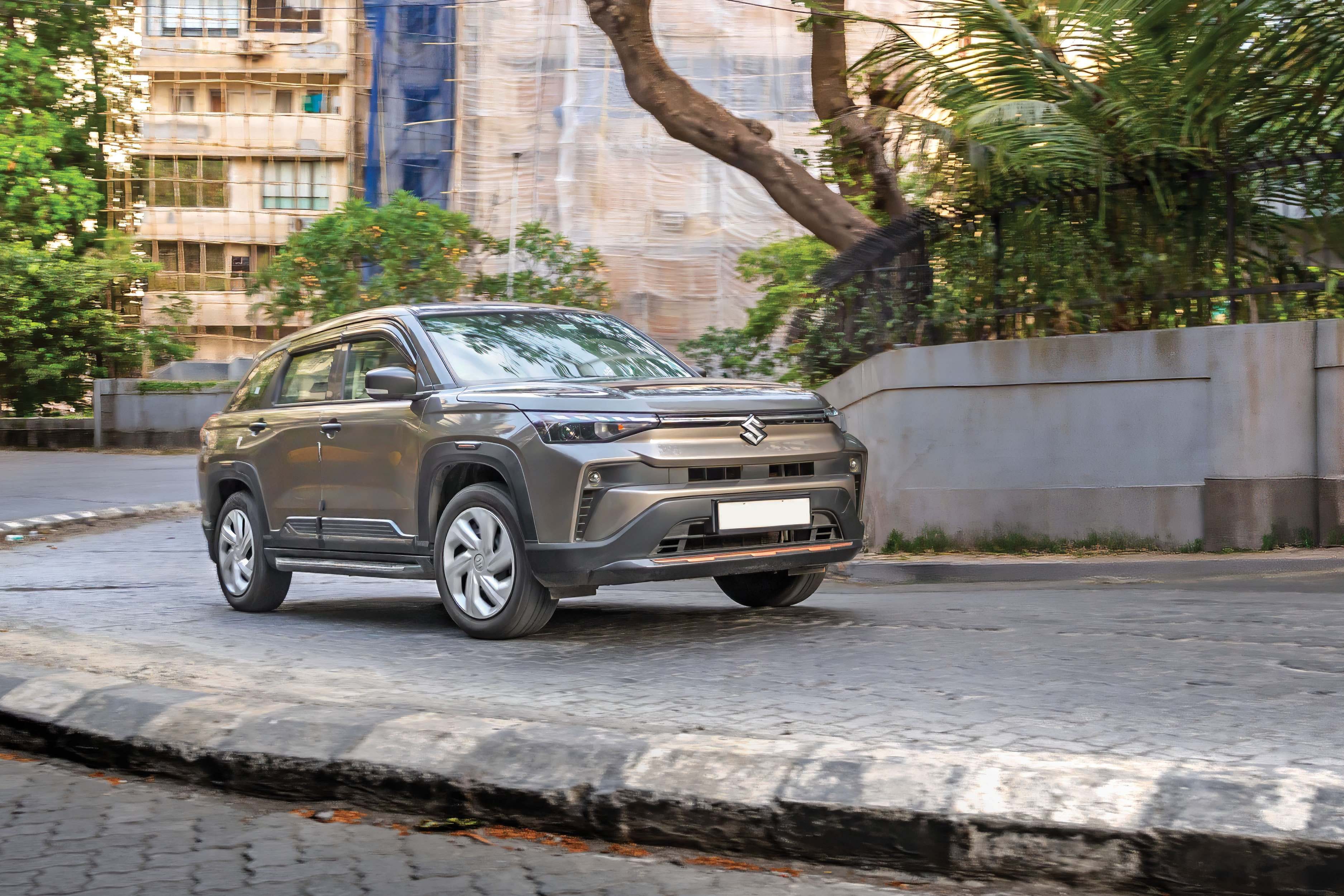
Maruti Suzuki Victoris S-CNG

Maruti offers buyers a wide range of powertrain options with the Victoris – a 1.5-litre petrol engine paired with either a manual or automatic transmission, an all-wheel-drive automatic, a strong hybrid, and a CNG version. Interestingly, nearly one in every two Victoris buyers opts for the CNG variant. To understand the reason behind its popularity, we put it through our real-world tests.

Maruti Suzuki Victoris S-CNG engine performance – 7/10

City drivability is good; efficiency is impressive.

Powered by a 1.5-litre four cylinder engine, the Victoris produces 88hp and 122Nm when running on CNG. While those figures may appear modest on paper, the good news is that the engine feels responsive right from the outset, and overall driveability remains impressive. It is more than capable of keeping pace with city traffic, and up to about 80kph, with the engine spinning below 3,000rpm, there is enough performance on tap to satisfy most users. You do need to be mindful of being in the right gear, and occasionally, you may find yourself revving the engine harder for a quick overtake. On that note, Maruti’s 5-speed manual gearbox remains one of the best in the business, offering precise shifts and a light, effortless action. The clutch is also light, making the Victoris CNG particularly easy to drive.

Maruti Suzuki Victoris S-CNG acceleration times 
 CNGPetrol 
Speed (Kph)Time (Sec)Time (Sec)
201.33 
1.32
403.283.22
606.31 
5.79 
809.88 
8.87 
10015.14 
13.43 
12023.44 
19.56 

That said, performance isn’t effortless, and when it comes to quick overtakes, you’ll need to work the engine harder. But it is only then that the difference between petrol and CNG modes becomes noticeable. In petrol mode, the engine feels freer and more eager to rev, whereas in the CNG mode, it feels slightly more restrained. To put things into perspective, the Victoris accelerates from 0-100kph in 15.14 seconds in CNG mode, making it 1.7 seconds slower than in petrol mode. Performance also tapers off noticeably beyond 100kph, regardless of which mode you are in.

Maruti Suzuki Victoris S-CNG rolling acceleration 
Speed (Kph)Time (Sec)Time (Sec)
20-80kph 
(3rd gear)
16.1415.98 
40-100kph 
(4th gear) 
22.4518.92

Maruti Suzuki Victoris S-CNG mileage – 9/10

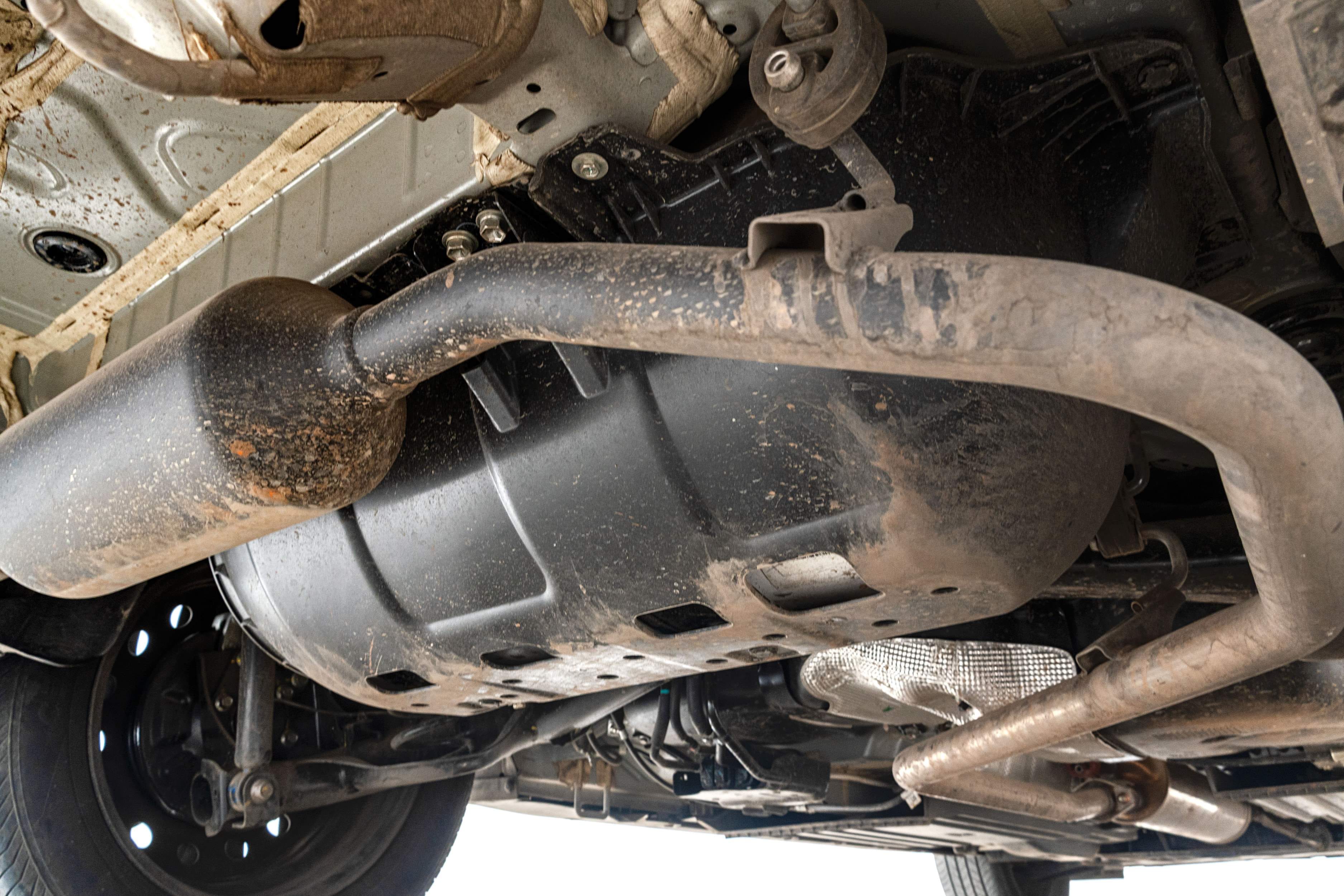
Under-floor CNG tank occupies spare tyre space.

Owners, however, will certainly appreciate this SUV’s efficiency. In our tests, the Victoris CNG delivered 18km/kg in the city and 26km/kg on the highway. The latter figure is particularly impressive, coming close to Maruti’s claimed fuel-efficiency figure of 27.02km/kg.

Maruti Suzuki Victoris S-CNG tested fuel efficiency 
City 18km/kg 
Highway 26km/kg

Its 55-litre CNG tank, mounted beneath the vehicle, can typically hold between 7.4kg and 8kg of gas, depending on ambient conditions and pump pressure. Based on our findings, owners can expect an average real-world driving range of around 180km on a full CNG fill.

Maruti Suzuki Victoris S-CNG ride comfort and handling – 8/10

You’ll need to work its engine harder on hilly terrain or to make quick highway overtakes.

Shifting focus to other aspects, the Victoris inspires confidence on almost every kind of road thanks to its well-sorted underpinnings and expertly judged suspension setup. It feels tough and robust in the way it smothers small undulations and absorbs even sharp road shocks with ease. Even when driven at higher speeds, this Maruti remains composed, riding flat without unnecessary body movements.

Maruti Suzuki Victoris S-CNG features and safety – 8/10

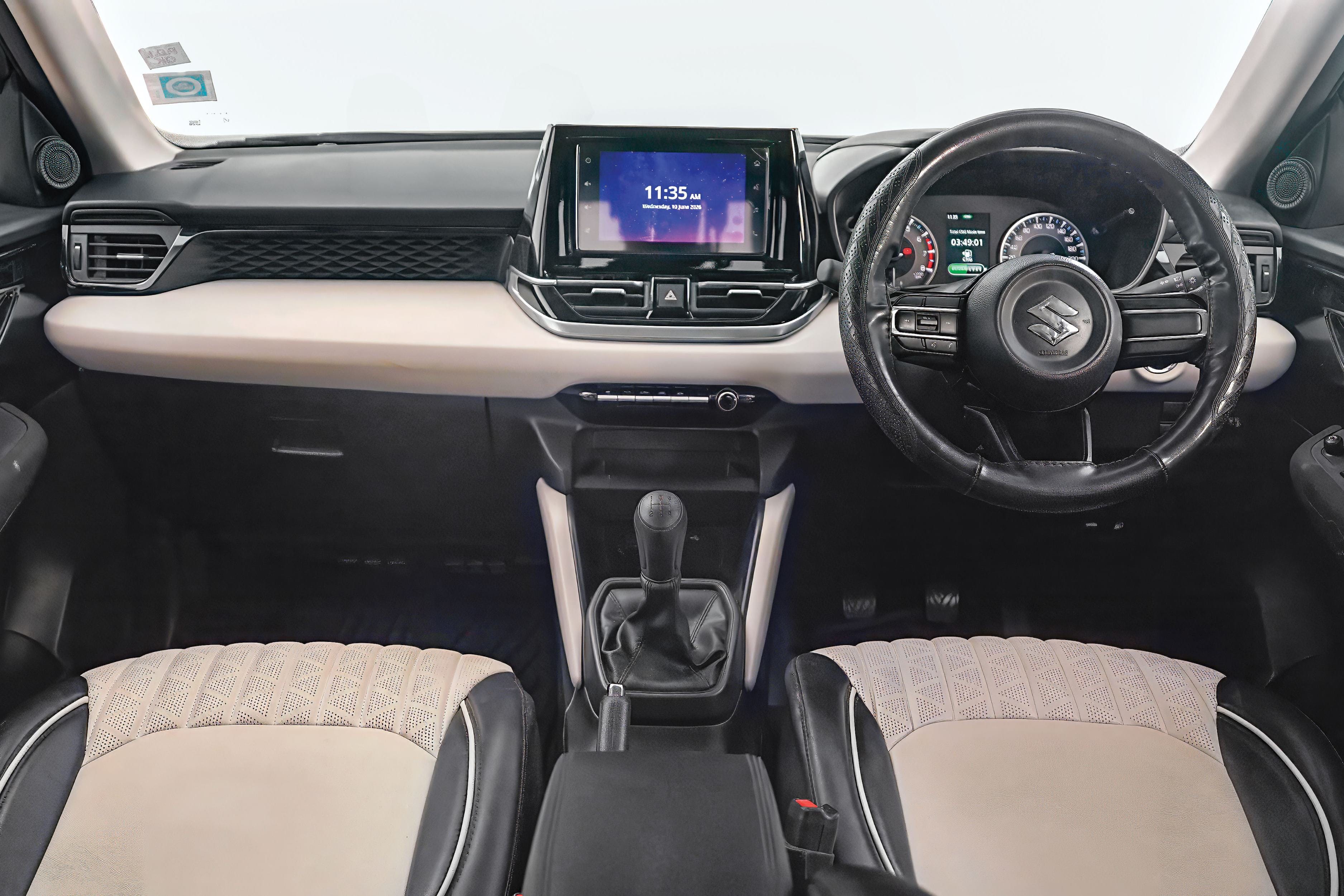
Pleasing dual-tone interiors with generous standard equipment.

As for safety, six airbags, ESP, ABS with EBD and all the essential modern safety features come as standard. Notably, the entry-level LXI variant represents excellent value for money. Priced at Rs 11.5 lakh, it comes equipped with keyless entry, push-button start, automatic climate control, a 7-inch touchscreen with wireless Android Auto and Apple CarPlay, and projector headlamps, among other notable features.

Maruti Suzuki Victoris S-CNG boot space – 8/10

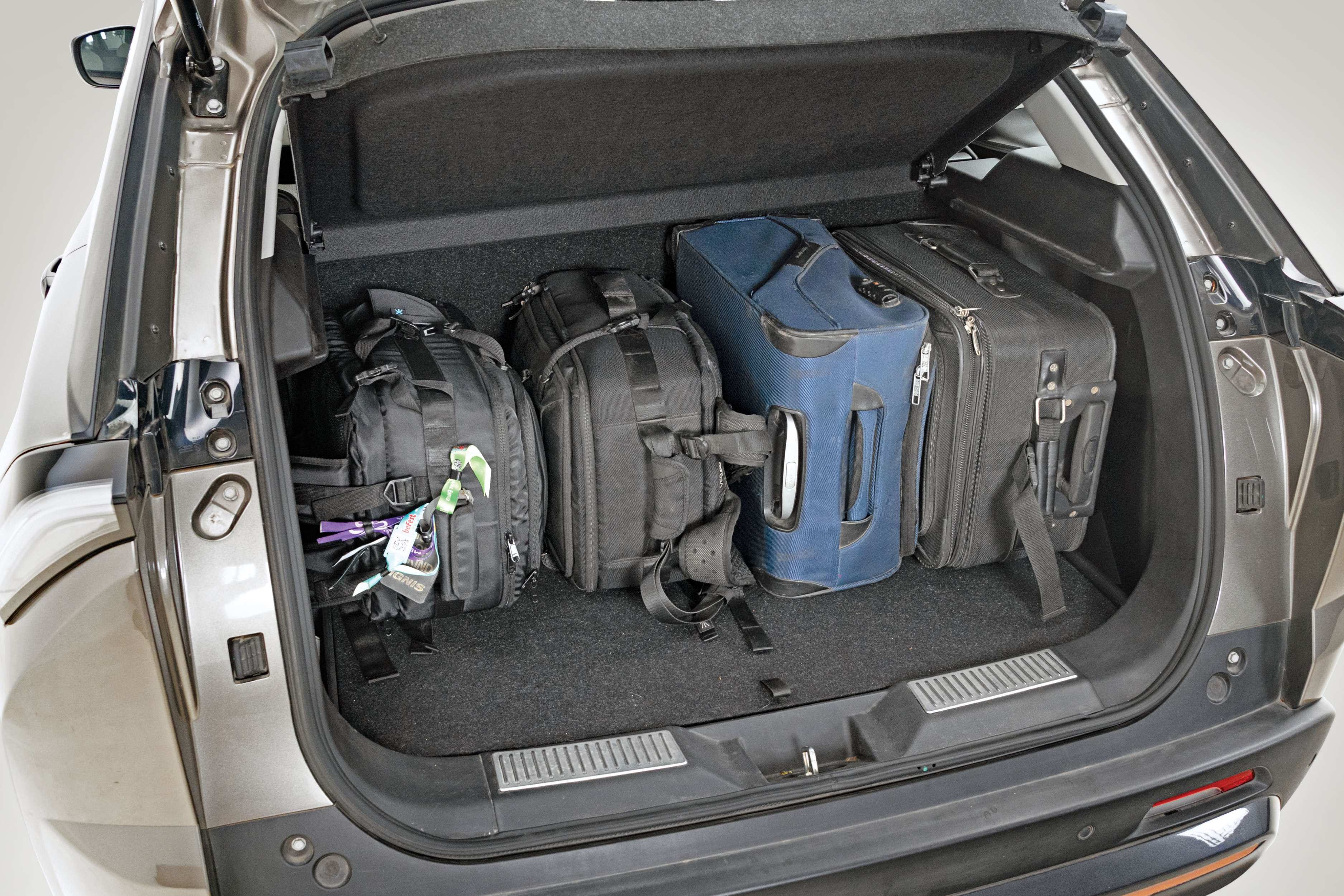
With the under-floor CNG tank, boot space is good.

Maruti has also cleverly packaged the Victoris’ CNG tank beneath the boot floor, which means luggage space remains identical to the petrol version, making it just as practical. The only compromise is the absence of a spare tyre, with CNG variants making do with a tyre inflator kit instead.

Maruti Suzuki Victoris S-CNG verdict- 8/10

It is an efficient, sensible, value-for-money SUV.

In summary, the Victoris is a sensible, efficient and genuinely value-for-money midsize SUV. For buyers with high running requirements who want to keep fuel costs in check, the CNG version is the obvious choice. The drivability is good, the efficiency is excellent, and although it costs around Rs 1 lakh more than an equivalent petrol version, the significantly lower running costs should allow owners to recover that premium over time.

BMW F 450 GS Performance Tested and Explained

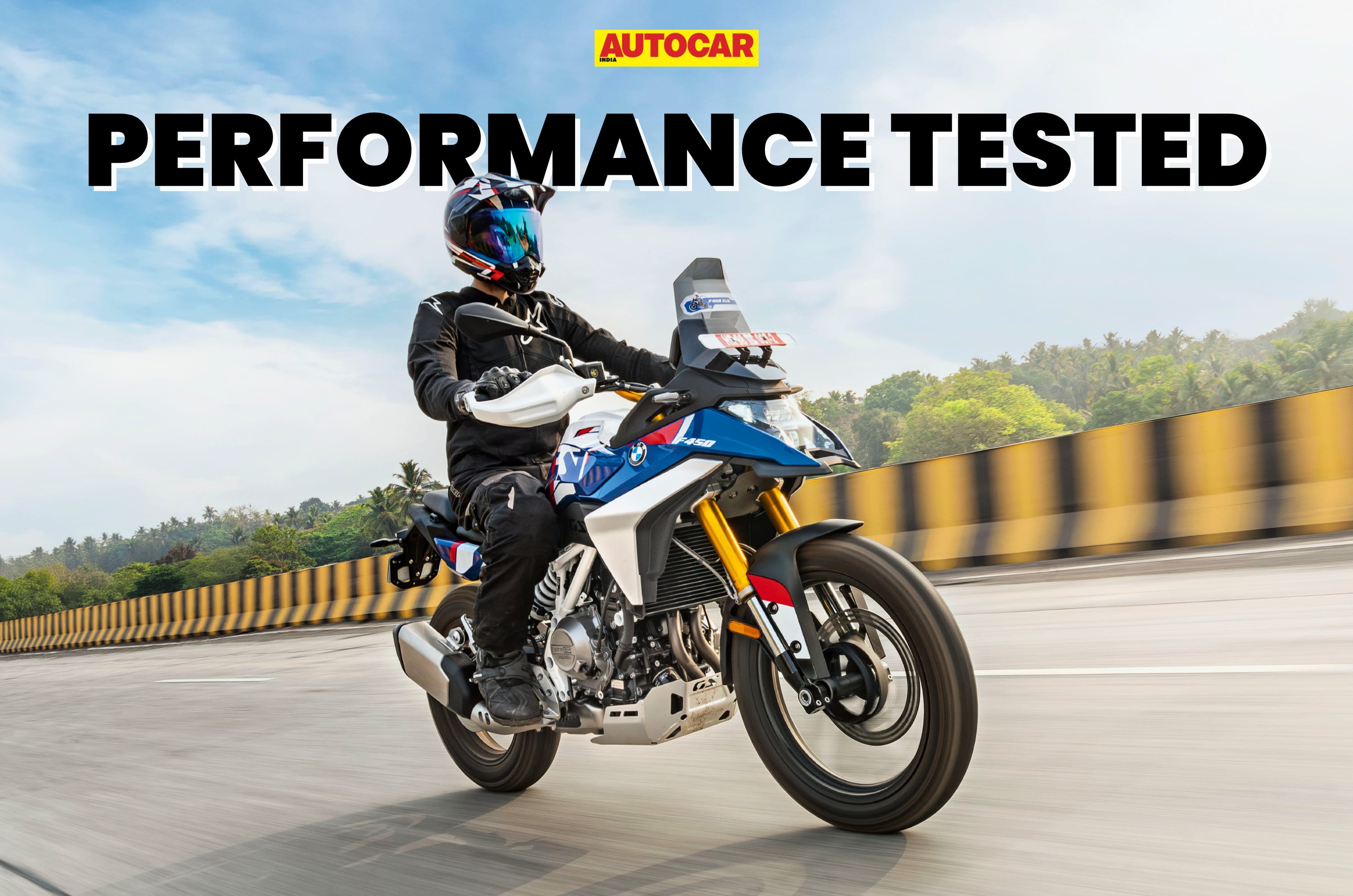
BMW F 450 GS tracking Shot

The BMW F 450 GS line-up is spread across three variants – Base, Exclusive and GS Trophy – which share the same engine and differ based on features and components. The 420cc parallel-twin liquid-cooled engine produces 48hp at 8,750rpm and 43Nm at 6,750rpm, paired with a 6-speed gearbox. BMW’s Shift Assistant Pro for clutchless upshifts and downshifts is standard from the Exclusive variant. For this test, we had the top-spec variant that gets BMW’s Easy Ride Clutch.

BMW F 450 GS: Acceleration

During our test, the road conditions were wet.

Acceleration

Time (seconds)

0-40kph

1.55s

0-60kph

2.57s 

0-80kph

3.88s

0-100kph

5.72s

For the acceleration test, we were riding the bike in Road mode with the traction control turned off. We launched the bike manually instead of using the Easy Ride Clutch for a quick launch off the line. The bike offers potent performance in the mid range and acceleration tapers off as the revs climb close to the redline. The F 450 GS achieved the 0-100kph sprint in 5.72 seconds, which is a quick timing. 

BMW F 450 GS: Roll-On Acceleration

The bike makes 48hp at 8,750rpm and 43Nm at 6,750rpm.

Roll-On Acceleration

Time

20-50kph (2nd Gear)

1.81 seconds

30-70kph (3rd Gear)

3.04 seconds

50-80kph (4th Gear)

2.95 seconds

In our roll-on acceleration tests, the bike took 1.81 seconds to get from 20-50kph, 3.04 seconds from 30-70kph, and 2.95 seconds for the 50-80kph run. In the city, it is tractable, able to make quick overtakes effortlessly and the Easy Ride Clutch makes commutes with a lot of traffic a breeze. 

BMW F 450 GS: Braking

Strong braking performance with sharp feedback.

Braking

Distance

60-0kph

16.52 metres

The F 450 GS features disc brakes at both ends with dual channel ABS. The feedback at the lever is sharp and in our tests, it took just 16.52 metres to come to a complete stop from 60kph. The tyres are also really grippy and inspired confidence, despite the road being wet.

BMW F 450 GS: Specifications and price

There are a total of three variants including Base, Exclusive and GS Trophy.

Engine

420cc, twin-cyl, liquid-cooled

Power

48hp at 8,750rpm

Torque

43Nm at 6,750rpm

Gearbox

6-speed with ERC (Easy Ride Clutch)

Fuel capacity

14 litres

Kerb weight

178kg

Seat height

845mm

Brakes (F/R)

310mm disc / 240mm disc

Tyres (F/R)

100/90-R19 / 130/80-R17

The bike is priced starting at Rs 4.70 lakh for the Base, Rs 4.90 lakh for the Exclusive, and goes up to Rs 5.30 lakh for the GS Trophy variant (ex-showroom prices).
 

Bajaj Pulsar N160 (4V) vs TVS Apache RTR 160 4V: Price and spec comparison

Bajaj Pulsar N160 (4V) vs TVS Apache RTR 160 4V: Price and spec comparison

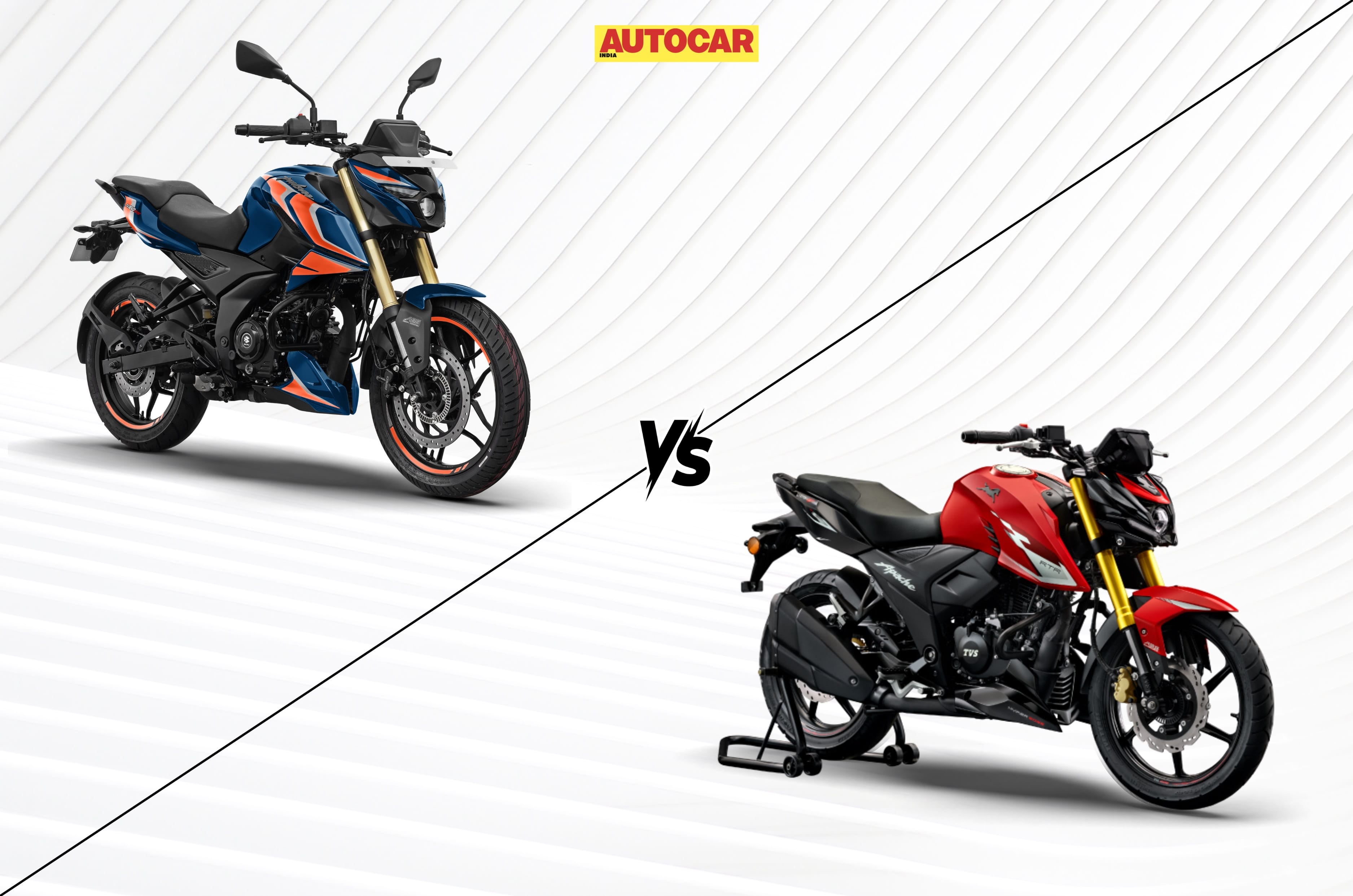
Bajaj has revealed the updated Pulsar N160, celebrating 25 years of the Pulsar brand’s legacy, and a simplified variant nomenclature. The motorcycle now gets a brand-new four valve engine that has more power than before. The higher variant gets a host of new features including a TFT instrument cluster with Google Maps mirroring, traction control, and four ride modes. This is perhaps the biggest challenger yet to the current segment leader, the TVS Apache RTR 160 4V, upgraded last year. Let’s see how the popular street-nakeds compare, on paper.

Bajaj Pulsar N160 (4V) vs TVS Apache RTR 160 4V: Engine and output

Similar peak power and torque figures


Bajaj Pulsar N160 (4V)

TVS Apache RTR 160 4V

Engine

164.5cc, single-cylinder, oil-cooled

159.9cc, single-cylinder, oil-cooled

Power

18.5hp at 9,500rpm

17.55hp at 9,250rpm

Torque

14.4Nm at 8,000rpm

14.73Nm at 7,500rpm

Gearbox

5-speed

5-speed

Power-to-weight ratio

122.52hp/tonne

120.21hp/tonne

Bajaj has given the N160 an all new 4V engine that’s more powerful than the existing 2V engine. You get more power and 0.25Nmslightly loweress torque although both are delivered later in the rev range than on the Pulsar N160 (2V). The 4V engine is also oil-cooled now, an upgrade from the 2V’s air-cooled engine. On the Apache both peak power and torque come in earlier in the rev range.

Bajaj Pulsar N160 (4V) vs TVS Apache RTR 160 4V: Dimensions and weight

Point to Bajaj, mostly


Bajaj Pulsar N160 (4V)

TVS Apache RTR 160 4V

Fuel tank capacity

14 litres

12 litres

Ground clearance

165mm

180mm

Kerb weight

151kg

146kg

Seat height

795mm

790mm

Wheelbase

1,348mm

1,357mm

The new Bajaj Pulsar N160 (4V) weighs 151kg which at first glance looks heavier compared to the Apache’s 146kg. However, the TVS gets a smaller 12-litre fuel tank and for motorcycles of this segment that translates to roughly 100km lesser range which isn’t a small number. As for seat height, the Apache has the upper hand with a 5mm lower seat height. The Apache also touts 15mm more ground clearance over the Pulsar, and a 9mm longer wheelbase.
Bajaj Pulsar N160 (4V) vs TVS Apache RTR 160 4V: Tyres, brakes, and suspension

Level ground


Bajaj Pulsar N160 (4V)

TVS Apache RTR 160 4V

Tyres (F,R)

100/80-17, 130/70R17

90/90-17, 130/70R17

Brakes (F,R)

300mm disc, 230mm disc, dual-channel ABS

270mm disc, 240mm disc, dual-channel ABS

Suspension (F,R)

USD fork, monoshock

USD fork, monoshock

Things start getting a bit more equal in this area, but please note that we are comparing the top variants of both bikes. On paper, the Bajaj gets a larger front tyre but it’s a minor difference. As for brakes, Bajaj has the superior numbers there with a larger front disc rotor. The suspension specifications on both are extremely similar, but real-world experiences may vary. It’s worth mentioning here that until a year or two ago, TVS was the only manufacturer in this segment offering adjustability on both front and rear suspensions, but unfortunately that’s not the case anymore as the brand doesn’t offer that adjustability anymore.

Bajaj Pulsar N160 (4V) vs TVS Apache RTR 160 4V: Features

The Pulsar N160 is the first Bajaj model to offer a TFT dash

Offering segment first features has been a TVS specialty for a while now, but Bajaj is now looking to beat them at their own game with the new Pulsar N160. Bajaj offers features like an electronic throttle body and Google Maps mirroring on the top variant of the N160. To get the Google Maps mirroring on a TVS Apache, one currently has to look at the RTX 300. They remain in lockstep with respect to other features like traction control, ride modes, TFT cluster, and a crawl mode to make navigating traffic easier.

Bajaj Pulsar N160 (4V) vs TVS Apache RTR 160 4V: Price

TVS undercuts the Bajaj by Rs 3,000


Bajaj Pulsar N160 (4V)

TVS Apache RTR 160 4V

Price (Top-most variant)

Rs 1.42 lakh

Rs 1.39 lakh

The new Pulsar N160 has two variants, S and SS, and they cost Rs 1.33 lakh and Rs 1.42 lakh respectively (ex-showroom, Delhi). The Apache RTR 160 4V, on the other hand, has four different variants at the time of writing and starts at Rs 1.19 lakh and goes all the way up to Rs 1.39 lakh for the fully loaded top variant. The differences between the two motorcycles are minor, but thankfully clear enough which should make picking one easier.
 

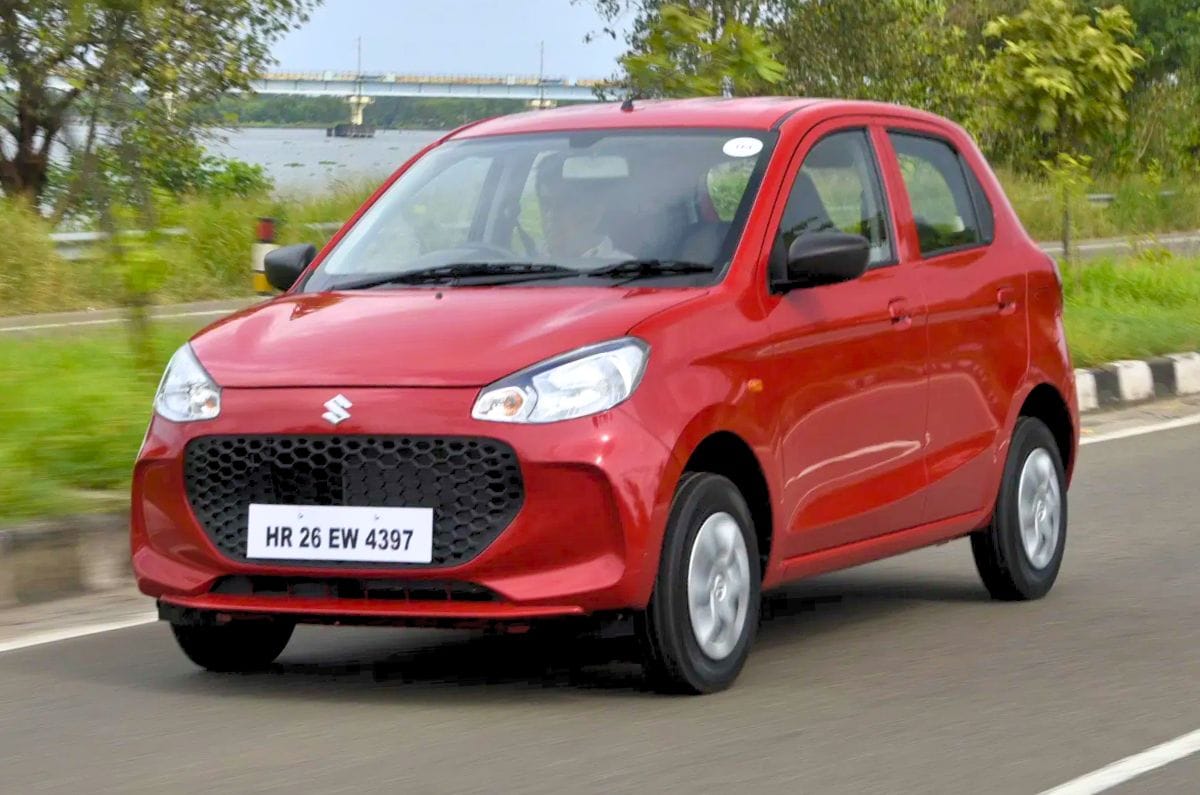
2 reasons to buy the Maruti Alto K10, 2 reasons not to

2 reasons to buy the Maruti Alto K10, 2 reasons not to

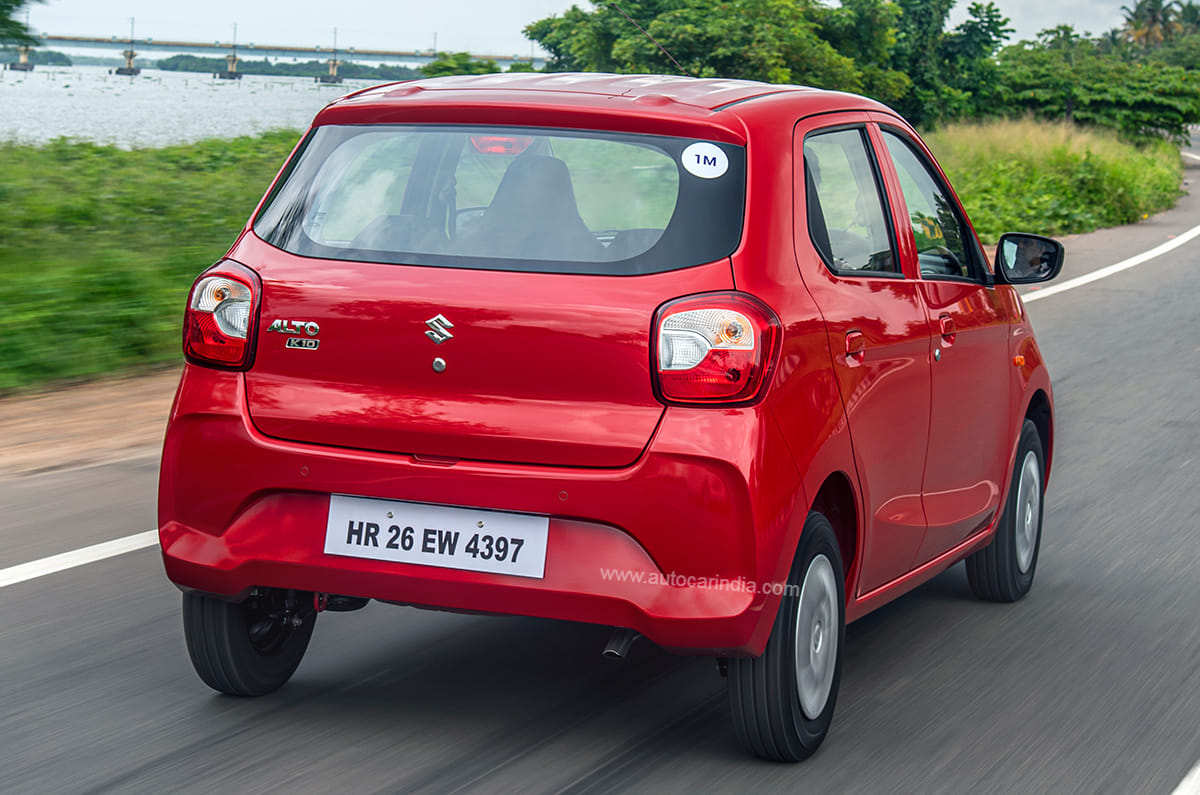
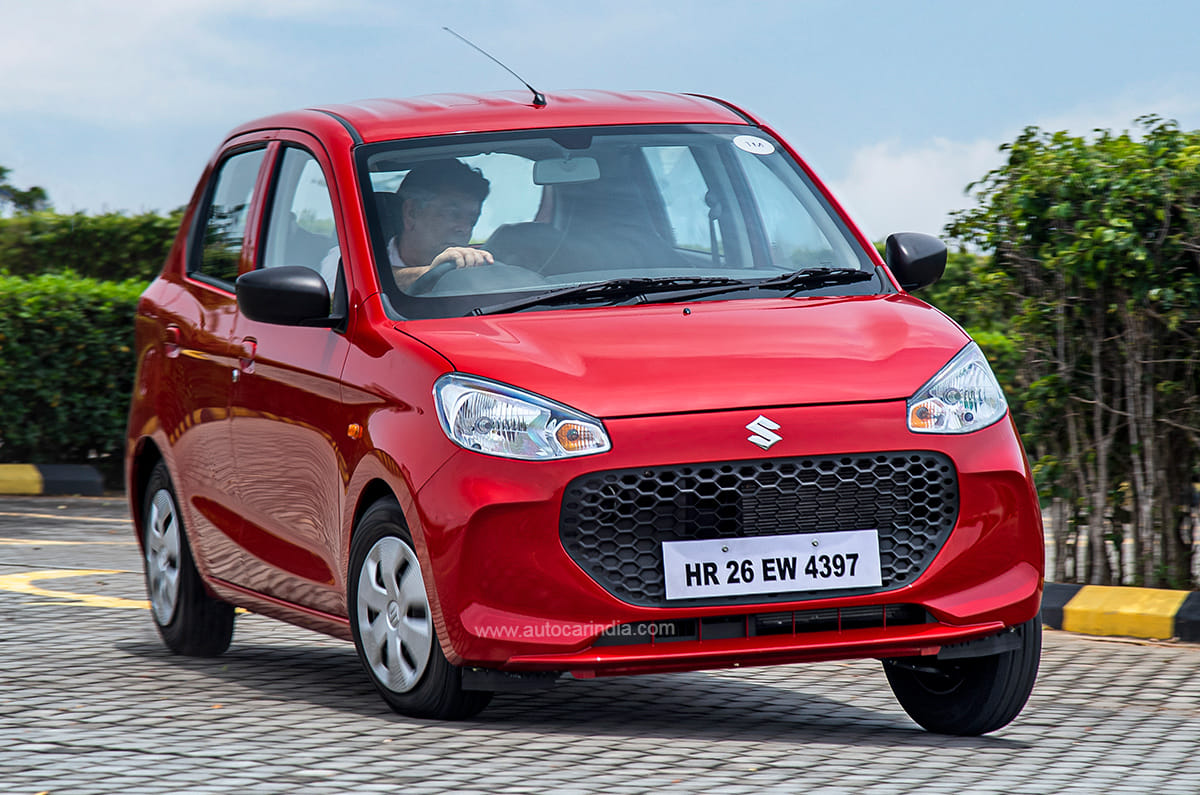
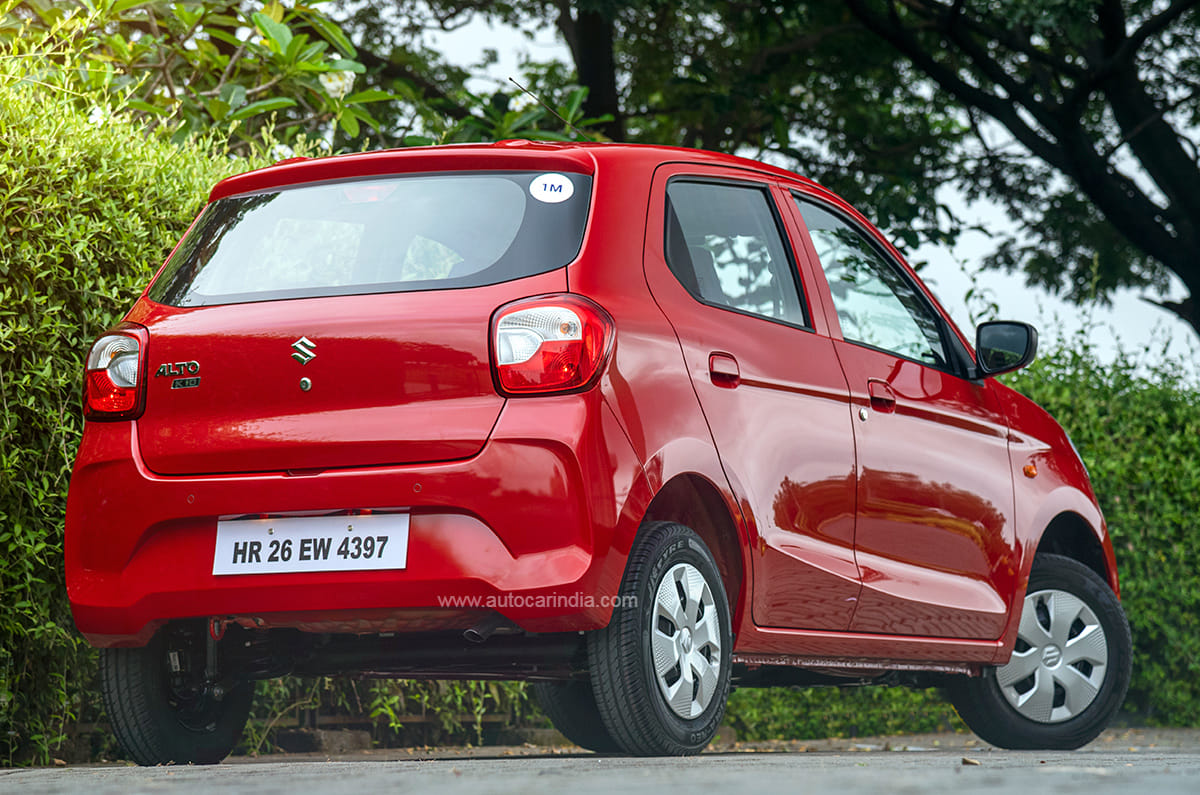
The Maruti Alto K10 is one of the most affordable cars in India. It is offered with a potent engine, a fairly equipped cabin and a price tag that, despite a drop in hatchback sales over the years, has kept the Alto K10 a very relevant car in the market. But should you buy it? Here are two reasons to buy the Alto K10 and two reasons not to. 

Reasons to buy the Maruti Alto K10

Gets a zippy engine

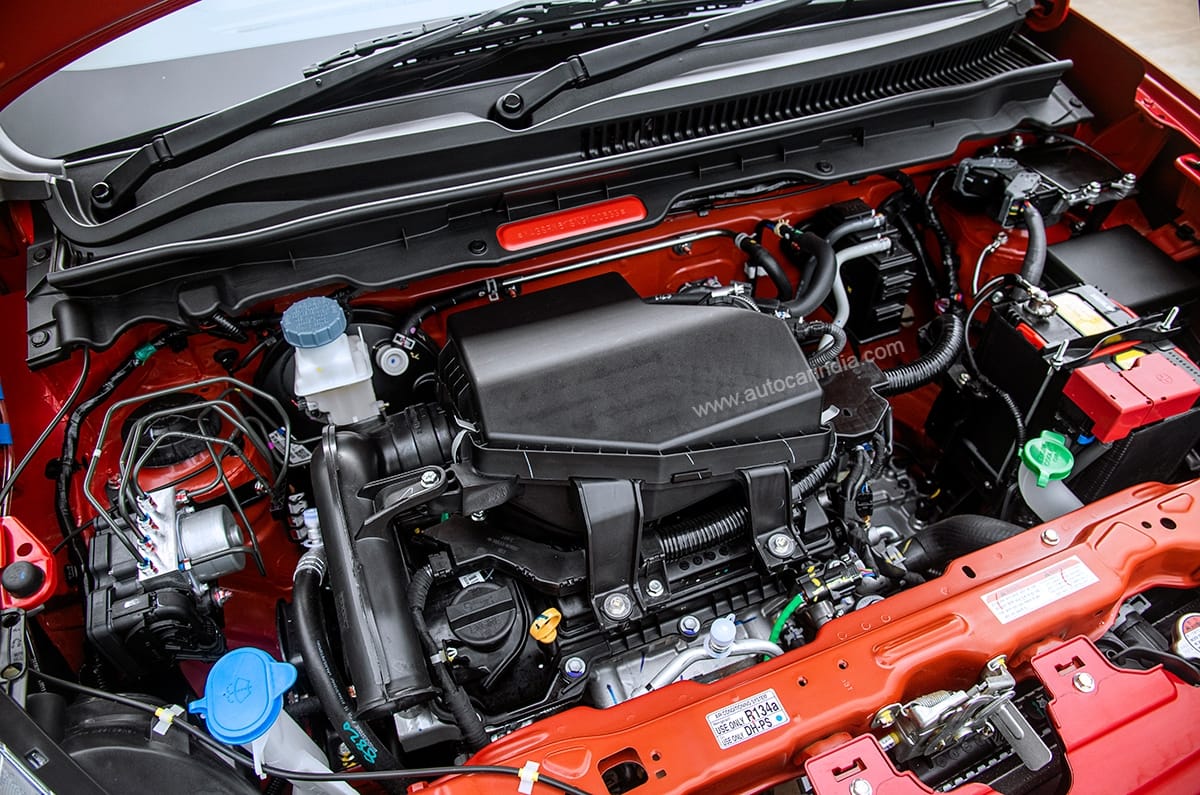
Maruti offers the Alto K10 with a 1.0-litre 3-cylinder naturally aspirated petrol engine mated either with a 5-speed manual or a 5-speed automated manual transmission (AMT). Although producing just 69hp and 91Nm, the Alto K10’s engine feels zippy, especially with the manual transmission, which allows the Alto to accelerate vigorously. 

The engine feels the strongest in the top half of the rev range, where it also gets quite vocal. However, the engine never sounds harsh or strained, even in high revs. At city driving speeds, minor taps on the accelerator pedal are enough to keep up with the traffic. Low-speed jerkiness is, however, felt in stop-and-go traffic.

Compared to the manual gearbox, the AMT feels lethargic and takes some time to shift, especially through lower gears. However, the gearbox responds quite well during kickdown, but high-speed overtakes still require planning. It is in city traffic, especially in stop-and-go situations, where the AMT shines with the creep function, making it easier to modulate the throttle while crawling through the traffic. 

Offers an easy ownership experience

The Alto K10, since its dawn in 2010, and even after rising input costs and inflation, has remained one of the most affordable cars in India, priced from Rs 3.70 lakh. Not only is the Alto K10’s initial cost one of the lowest in the market, but its running costs are also low, mainly due to its high fuel efficiency, which Maruti claims is over 24kpl. The cost of parts and service is also relatively cheap, making the Alto K10 easy to maintain over the years.

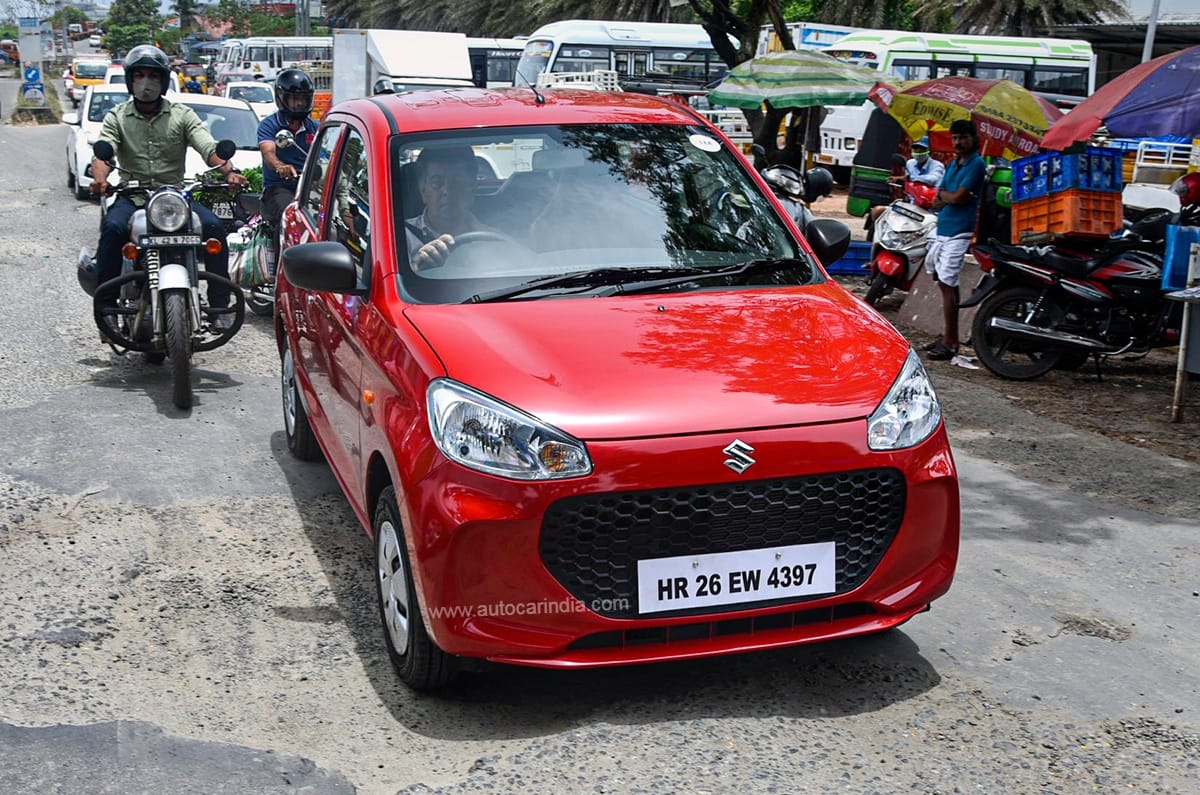
Its compact form factor also makes it easier not only to navigate narrow city lanes, but also to park it in smaller spaces, which will be appreciated by newer drivers. The suspension system also feels robust, and makes the Alto K10 feel built to take a lot of beating without any stress. The quality of materials inside the cabin is quite good and can withstand years of wear and tear.

Reasons not to buy the Maruti Alto K10

Feels unsettled at high speeds

While the Alto K10 gets a peppy engine that loves to rev, the lack of proper steering feel does not inspire much confidence to push the hatchback to triple-digit speeds. At high speeds, a lot of steering corrections have to be made to stay in the correct lines, and a fair bit of body roll is also felt inside the cabin. Under hard braking too, the Alto K10 does not feel sure-footed and shimmies a bit, especially on uneven terrain.

Higher variants are expensive

Although the Maruti Alto K10’s price starts at Rs 3.70 lakh, it goes up to Rs 5.45 lakh, which does not feel affordable, especially for a car whose price is at the core of its appeal. The AMT prices, which range from Rs 4.95 lakh to Rs 5.45 lakh, are especially high and feel out of reach compared to the manual variants, making a buyer think twice before choosing an AMT over the manual. 
Prices are ex-showroom, India.

3 reasons to buy the Maruti Jimny and 3 reasons not to

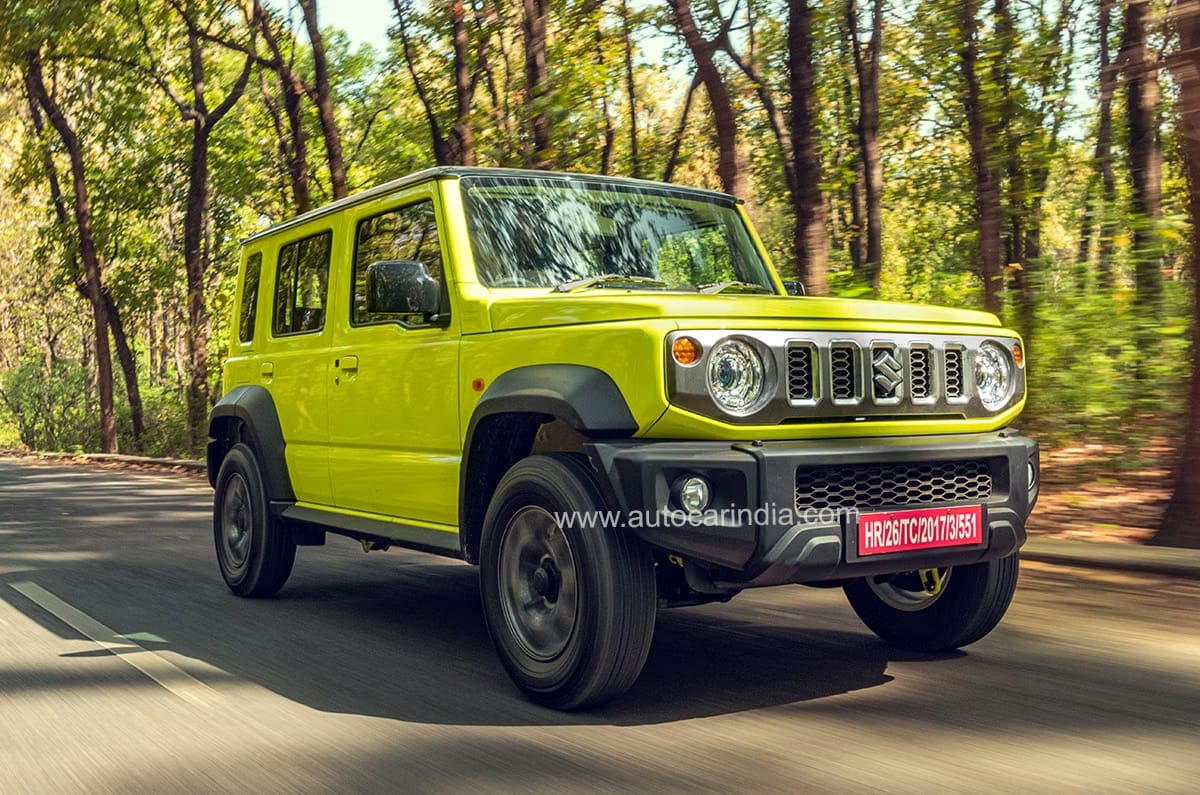
Maruti Jimny front quarter tracking

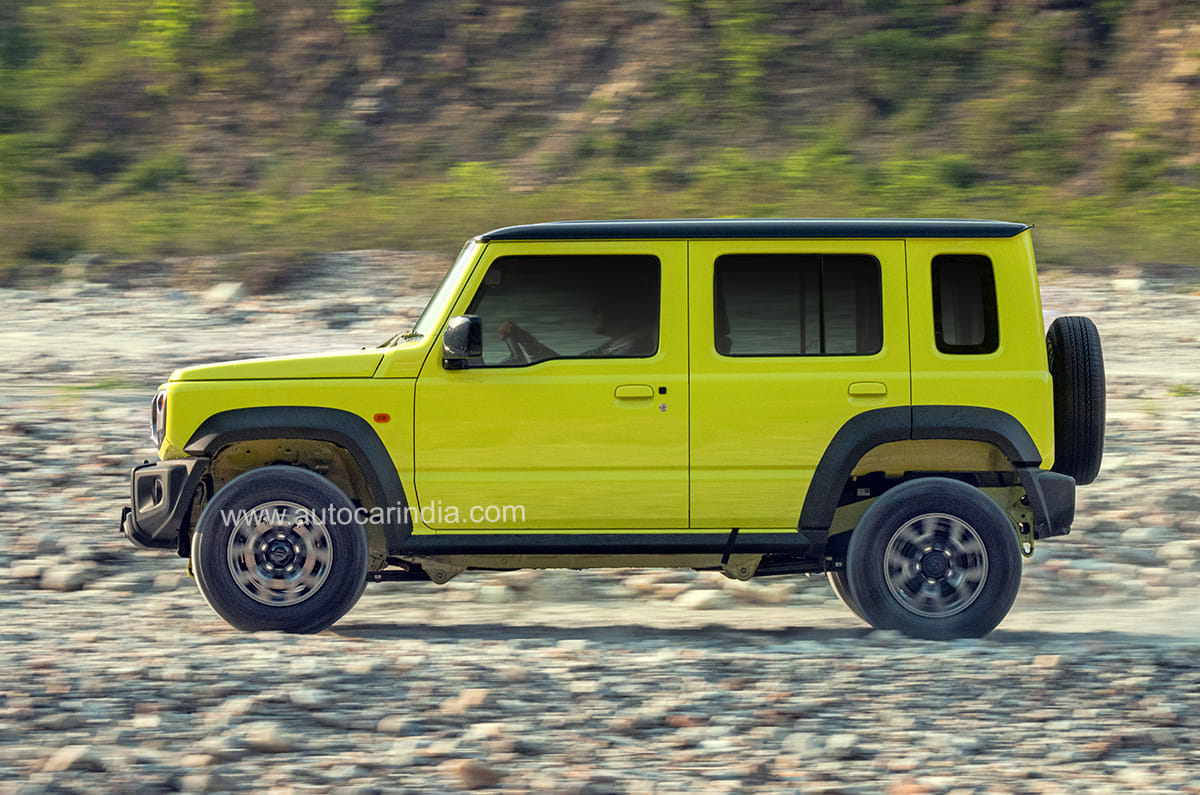
Introduced in 2023, the Jimny debuted in India as Maruti’s successor to the Gypsy. And while the Jimny was sold internationally as a 3-door model, India was the first country to have the 5-door Jimny. It gets retro-futuristic looks, high ground clearance, and a 4×4 drive system with low range. If you’re looking for a hardcore compact off-road SUV, should you consider the Jimny? We list out reasons to buy one and why it may not be the SUV for you.

Reasons to buy the Maruti Jimny  

Superb Off-road ability 

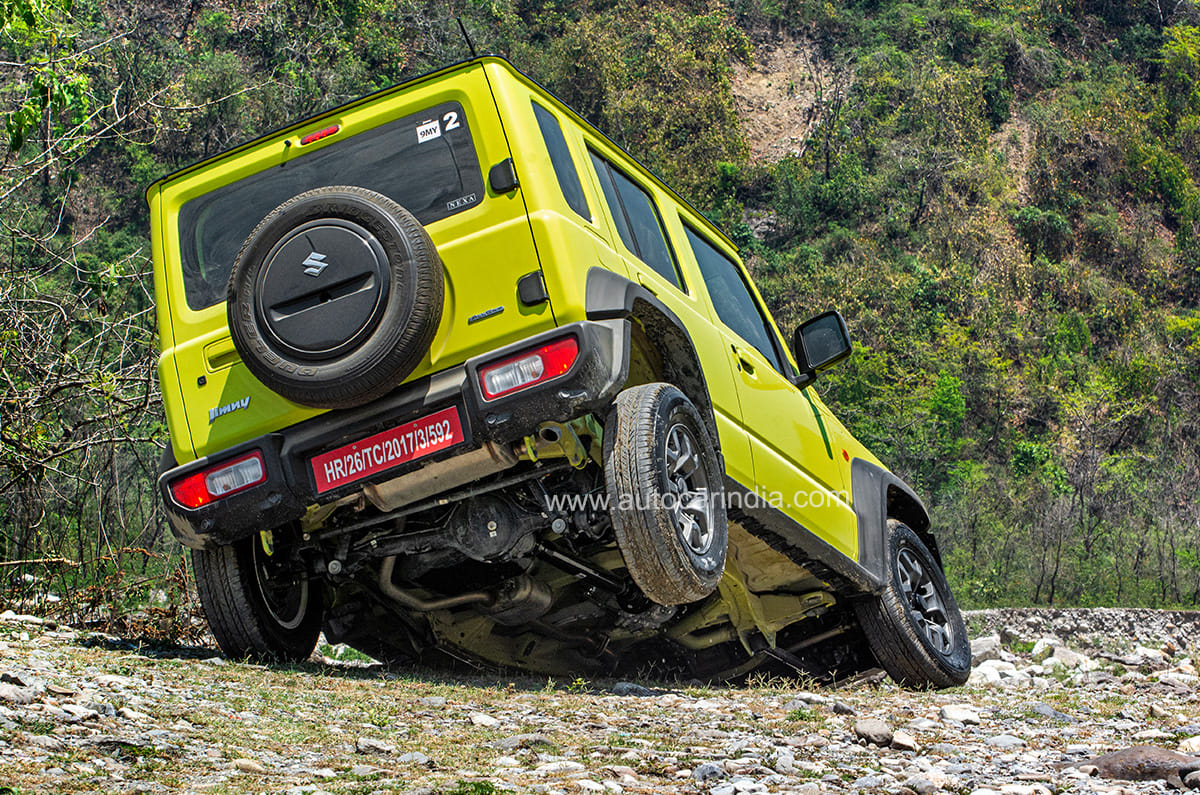
Underpinning the Jimny is a ladder frame chassis that’s best suited for heavy off-roading. Additionally, it gets Suzuki’s All Grip Pro 4×4 drive system with a lever to switch to ‘2WD-high’, ‘4WD-high’ and ‘4WD-low.’ High approach (36-degree) and departure (47-degree) angles, solid front and rear axles along with tech like hill-start assist, hill-descent control, and electronic braking differential (front and rear), help the Jimny feel right at home when off-roading. It performs superbly when wading through water, going up rock-covered steep inclines, pulling out of tricky situations and leaning at unimaginable angles all without breaking a sweat.

Charming character

In a sea of pseudo SUVs, the Jimny comes across as one of the few hardcore compact off-road SUVs that’s underpinned by a ladder-frame chassis. Additionally, it’s the only compact off-roader with 5-doors as opposed to other off-road SUVs in the segment like the Force Gurkha 3-door and Mahindra Thar. What’s best is that it isn’t as intimidating as the latter two and is very usable in the city as well. Adding to its overall appeal is a quirky exterior and interior with retro-futuristic elements all over, lending it a very charming character. 

Comfortable ride 

While ladder-frame vehicles aren’t known for their ride quality, the Jimny feels comfortable on the whole. Especially when compared to rivals, it is more pliant and has better-controlled body roll. It handles broken roads and potholes with ease, and you could take two wheels off the road to dodge traffic with confidence. With a 210mm ground clearance, you wouldn’t need to think twice about going on a beaten path. 
Reasons to not buy the Maruti Jimny

Weak engine 

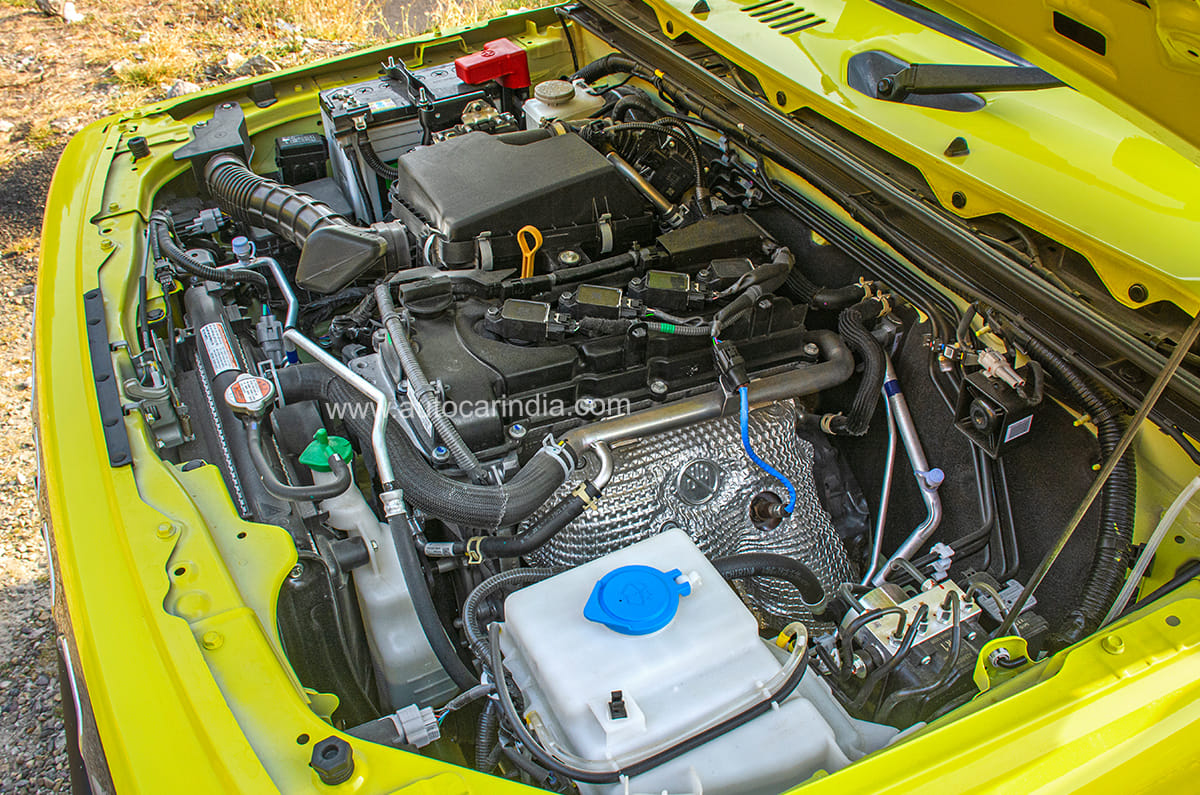
The Jimny is powered solely by a 1.5-litre naturally aspirated petrol engine developing 104hp and 134.2 Nm of torque. It’s grunty enough in urban and off-road conditions, but it falls short if you ask more of it. As with naturally aspirated engines, mid-range punch is lacking. For simple overtakes, you’ll find yourself flattening your right foot and wringing the motor’s neck. 0-100kph acceleration timings were 14.59 and 17.47 seconds for the manual and automatic gearboxes respectively, which is slow.

Clunky manual gearbox 

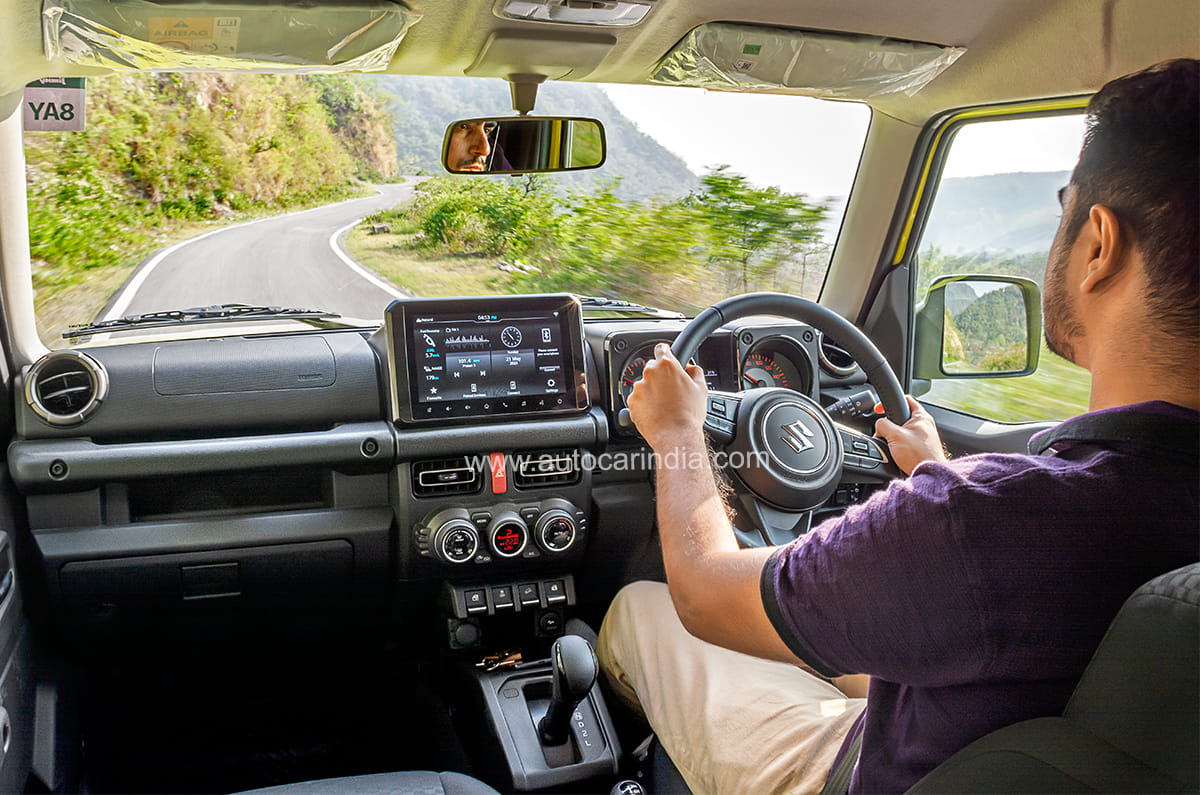
While manual Marutis have been known for buttery-smooth operation, the same can’t be said for the Jimny. Though acceleration is quicker when paired with the manual gearbox, it doesn’t bode well with the Jimny. Shifting is firm and requires substantial effort to slot it into gears, thus taking away the fun that’s associated with driving a manual gearbox. The heavy clutch is also a let-down, especially when driving in city conditions.

Heavy steering 

The Jimny’s steering takes 4+ turns lock-to-lock, which is more than most cars, and is cumbersome. Secondly, the electric power steering is slow-geared, and while that’s good for off-roading, it does not bode well on the road. The weight of the steering itself is heavier than most vehicles of its size and has a huge turning radius of 5.7 metres.

₹50 हजार की स्कूटी पर 10 लाख रुपये का चालान! गुरुग्राम में पुलिस ने रोका तो सामने आया 96 बार नियम तोड़ने का हैरान करने वाला रिकॉर्ड

गुरुग्राम में ट्रैफिक नियमों को लेकर पुलिस की सख्ती के बीच एक ऐसा मामला सामने आया है, जिसने सभी का ध्यान खींच लिया है। राजीव चौक पर नियमित जांच के दौरान पुलिस ने एक स्कूटी सवार को रोका, लेकिन दस्तावेजों की जांच आगे बढ़ते ही मामला काफी अलग निकला। वाहन के रिकॉर्ड में कुछ ऐसा सामने आया, जिसने पुलिस अधिकारियों को भी हैरान कर दिया। यह मामला सिर्फ एक चालान या नियम उल्लंघन तक सीमित नहीं था, बल्कि लंबे समय से चली आ रही लापरवाही का खुलासा कर रहा था।

ट्रैफिक पुलिस ने कार्रवाई करते हुए वाहन को जब्त कर लिया और अन्य वाहन चालकों को भी नियमों का पालन करने की सलाह दी है। आखिर स्कूटी के रिकॉर्ड में ऐसा क्या मिला, जिसने इसे चर्चा का विषय बना दिया? आगे जानिए पूरी कहानी।

96 बार तोड़े ट्रैफिक नियम, 10 लाख रुपये का जुर्माना लंबित

जांच में पता चला कि इस स्कूटी के खिलाफ कुल 96 चालान दर्ज थे, जिनकी जुर्माना राशि करीब 10 लाख रुपये तक पहुंच चुकी थी। ये सभी चालान लंबे समय से लंबित थे। पुलिस के अनुसार, वाहन पर कई बार ट्रैफिक नियमों का उल्लंघन किया गया था, लेकिन चालान का भुगतान नहीं किया गया।

गलत दिशा में चला रहा था स्कूटर, हेलमेट भी नहीं था

पुलिस ने बताया कि जब युवक को रोका गया, उस समय भी वह नियमों की अनदेखी कर रहा था। वह गलत दिशा में स्कूटी चला रहा था और उसने हेलमेट भी नहीं पहना था। पूछताछ के दौरान जब उससे वाहन के दस्तावेज मांगे गए तो वह कोई कागज पेश नहीं कर सका।

कैमरों और ई-चालान से पकड़ी गईं गलतियां

ट्रैफिक अधिकारियों के मुताबिक, स्कूटी पर दर्ज चालानों में कुछ ई-चालान मशीन के जरिए जारी किए गए थे, जबकि ज्यादातर चालान कैमरा आधारित निगरानी प्रणाली से बनाए गए थे। ये चालान मोटर वाहन अधिनियम, 1988 के अलग-अलग नियमों के उल्लंघन से जुड़े थे।

2017 मॉडल की स्कूटी बहन के नाम पर थी

पूछताछ में युवक की पहचान निशांत के रूप में हुई। जानकारी के मुताबिक, वह मेदांता अस्पताल के पास एक मेडिकल स्टोर पर काम करता है। यह 2017 मॉडल की स्कूटी उसकी बहन दीपिका के नाम पर रजिस्टर्ड थी।

पुलिस ने वाहन मालिकों को दी चेतावनी

गुरुग्राम ट्रैफिक पुलिस ने कार्रवाई करते हुए स्कूटी को जब्त कर लिया। अधिकारियों ने बताया कि लंबित चालान वाले वाहन मालिकों के खिलाफ अभियान चलाया जा रहा है और लोगों से अपील की गई है कि वे समय पर अपने चालानों का भुगतान करें, ताकि भविष्य में ऐसी कार्रवाई से बचा जा सके।

Independence Day 2026: भारत का अनोखा शहर! जहां 15 अगस्त की सुबह नहीं, 14 अगस्त की रात ही फहराया जाता है तिरंगा

पहाड़, जंगल या सुनसान रास्ता… गूगल मैप्स का यह फीचर हर जगह देगा साथ!

आज के समय में घूमने निकलते ही ज्यादातर लोग सबसे पहले गूगल मैप खोलते है। लेकिन कई लोग इसका इस्तेमाल सिर्फ रास्ता देखने के लिए करते हैं। यदि गूगल मैप की कुछ आसान ट्रिक्स पता हों, तो सफर ज्यादा आसान, सेफ और बिना किसी परेशानी के हो सकता है।

ऑफलाइन मैप रखें (Offline Maps)

आपको किसी ऐसी जगह जाना हैं जहां मोबाइल नेटवर्क कमजोर रहता है, तो निकलने से पहले उस एरिया का ऑफलाइन मैप डाउनलोड कर लें। इससे इंटरनेट बंद होने पर भी रास्ता देखने में परेशानी नहीं होगी। पहाड़ी इलाकों, गांवों या विदेश ट्रिप में यह फीचर काफी काम आता है।

ट्रैफिक पहले देखें (Live Traffic)

घर या होटल से निकलने से पहले Google Maps पर ट्रैफिक जरूर चेक करें। इससे आपको पता चल जाएगा कि रास्ते में कहीं जाम, रोड बंद या कोई और परेशानी तो नहीं है। इससे जरूरत पड़ने पर आप दूसरा रास्ता चुन सकेंगे और टाइम भी बच जाएगा।

जरूरी जगह सेव करें (Save Places)

ट्रिप शुरू करने से पहले होटल, रेस्टोरेंट, पेट्रोल पंप, एटीएम, अस्पताल और घूमने वाली जगहों को Google Maps में सेव कर लें। इससे नेटऑन करने या बार-बार सर्च करने की जरूरत नहीं पड़ेगी और जरूरत पड़ने पर जल्दी लोकेशन मिल जाएगी।

लाइव लोकेशन शेयर करें (Share Live Location)

अगर आप अकेले ट्रैवल कर रहे हैं या रात हो जाए, तो अपनी लाइव लोकेशन परिवार या दोस्तों के साथ शेयर करें। इससे उन्हें पता रहेगा कि आप कहां हैं और जब भी जरूरत पड़े तो वे आपकी मदद भी कर सकेंगे। यह फीचर सेफ्टी के हिसाब से काफी उपयोगी है।

आसपास की जगह खोजें (Explore Nearby)

किसी नए शहर में पहुंचने के बाद Google Maps का Explore फीचर जरूर इस्तेमाल करें। इससे आसपास के अच्छे रेस्टोरेंट, कैफे, पेट्रोल पंप, मेडिकल स्टोर, एटीएम और घूमने की जगहें जल्दी मिल जाती हैं। इससे वहां पर आपको किसी से पूछने की जरूरत नहीं पड़ती।

भीड़ का सही समय देखें (Popular Times)

किसी मंदिर, मॉल, म्यूजियम या मशहूर टूरिस्ट डेस्टिनेशन पर जाने से पहले Google Maps में Popular Times जरूर देख लें। इससे आप जान पाएंगे कि वहां किस समय सबसे ज्यादा भीड़ रहती है। फिर सही टाइम देखकर लंबी लाइन और भीड़ से बच सकते हैं।

पहले ही जगह देख लें (Street View)

अगर किसी जगह पर पहली बार जा रहे हैं, तो Street View फीचर की मदद से वहां की सड़क, होटल का एंट्री गेट, पार्किंग और आसपास का एरिया पहले ही देख सकते हैं। इससे वहां पहुंचने के बाद रास्ता ढूंढने में कम परेशानी होती है और आप सही लोकेशन तक पहुंच जाते हैं।