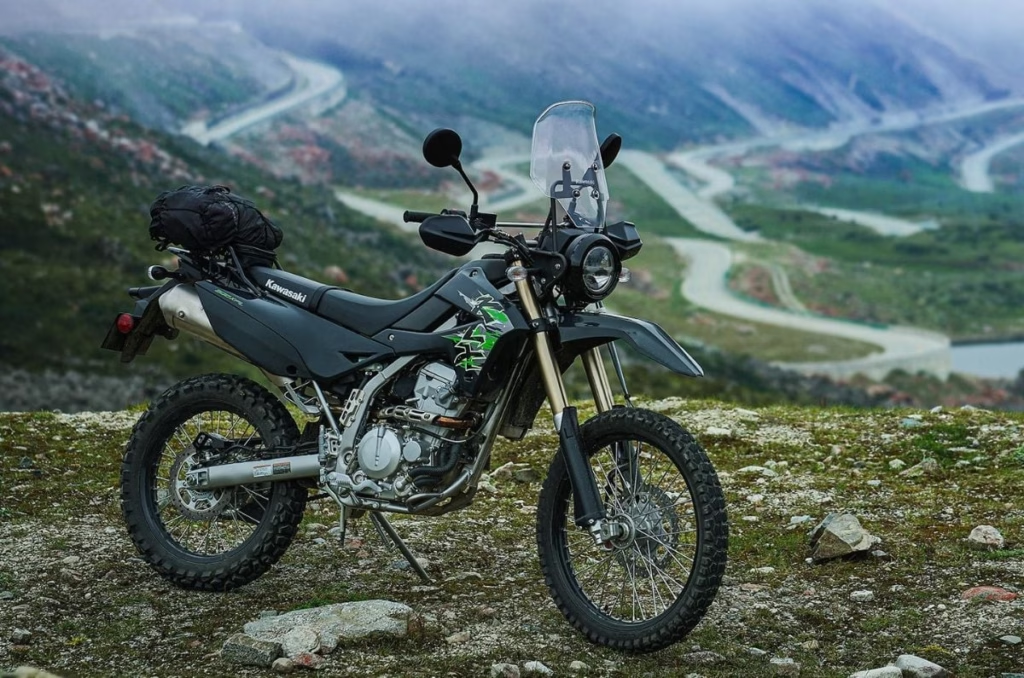
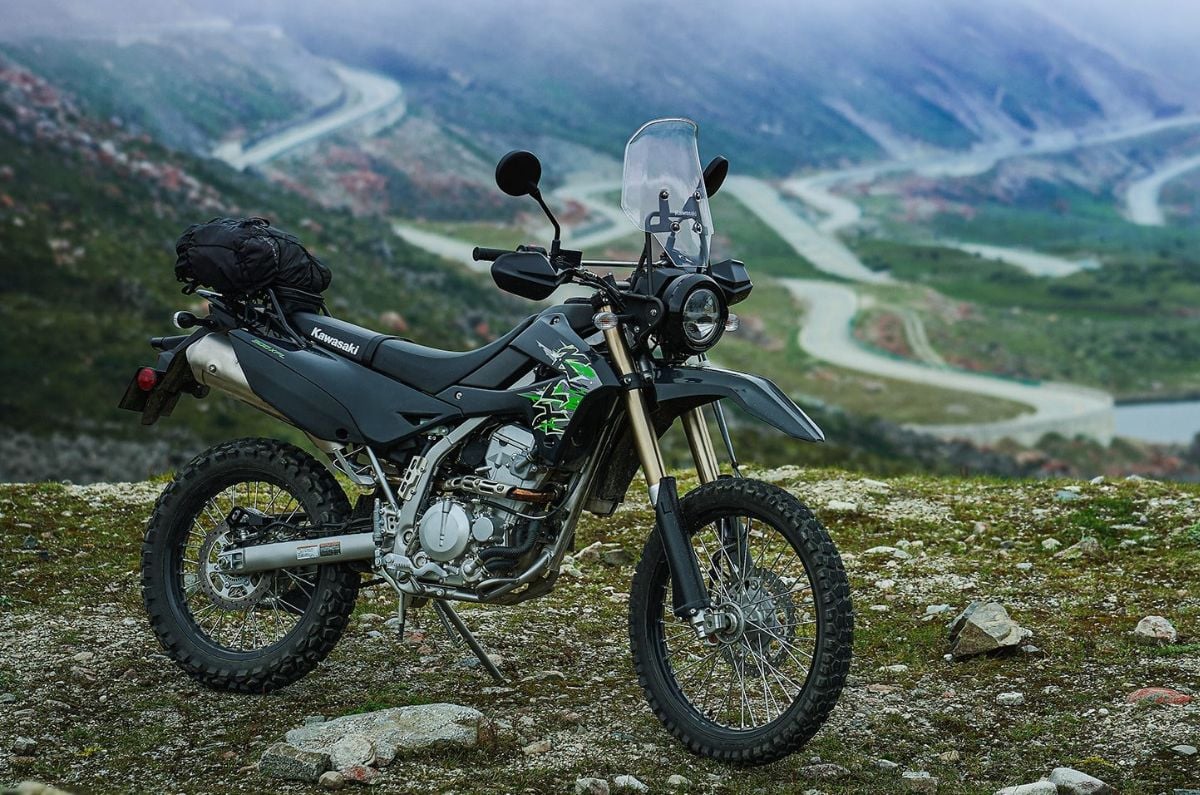
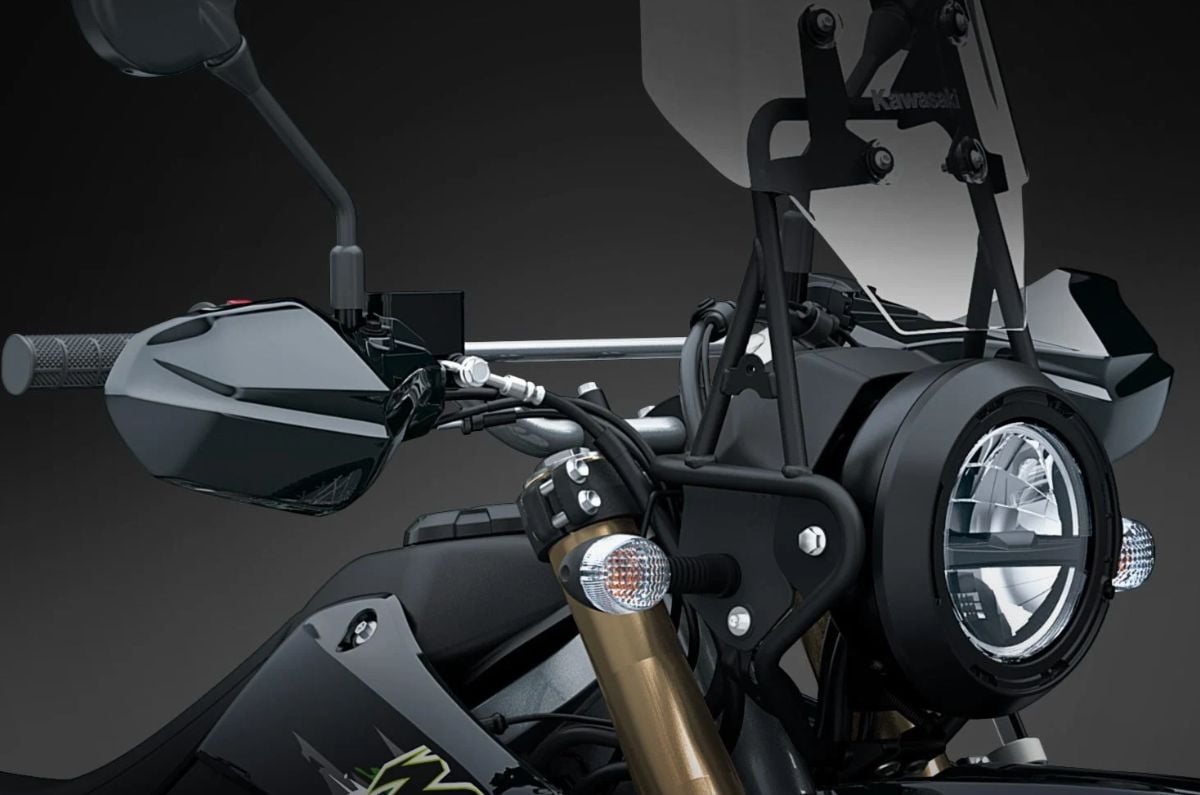
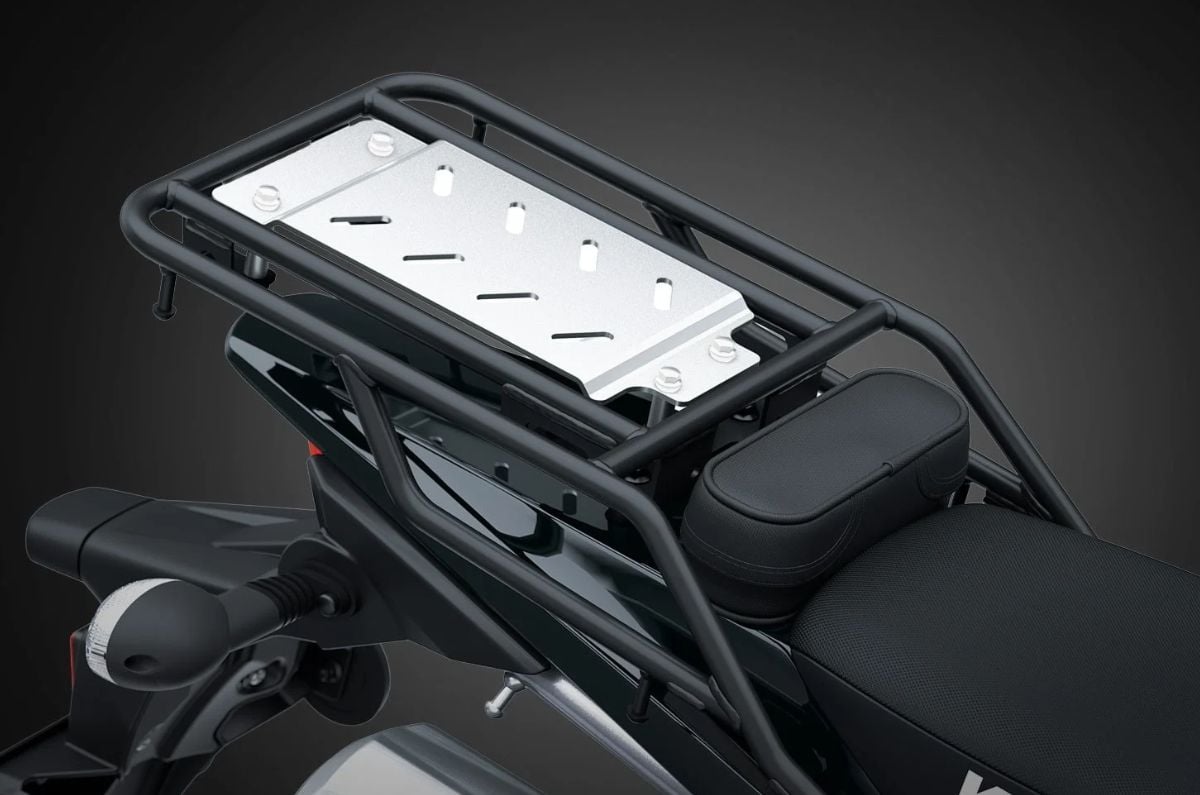
Kawasaki has launched the KLX300 XPL in America, priced at USD 6,499 (equivalent to Rs 6.17 lakh). This travel-oriented dual-sport motorcycle is based on the base KLX300 but has factory-fitted accessories which include a tall windscreen, handguard and rear carrier. This lineup also comprises the standard KLX300, the KLX300 DF (which adds a hand guard and a rear carrier as standard), and KLX300 SM (supermoto with 17-inch wheels and road-focused tyres).
Powered by a 292cc liquid-cooled engine making 27hp, 25Nm of torque
Gets adjustable suspension both at the front and rear
Uses a 21/18 wheel setup like the KLX230
2027 Kawasaki KLX300 XPL details
The liquid-cooled single-cylinder engine makes around 27hp and 25Nm of torque
Setting the new KLX300 XPL apart from the rest of the range is a distinct round LED headlight. All four variants are powered by the 292cc liquid-cooled single-cylinder engine, producing 26.8hp at 8,000rpm and 24.9Nm of torque at 6,800rpm, paired with a 6-speed gearbox. Kawasaki has introduced revised internals like a new connecting rod bearing design across the 2027 range to enhance engine performance and reliability. The twin-radiator setup from the previous model has also given way to a repositioned single unit to accommodate the new ABS hardware.
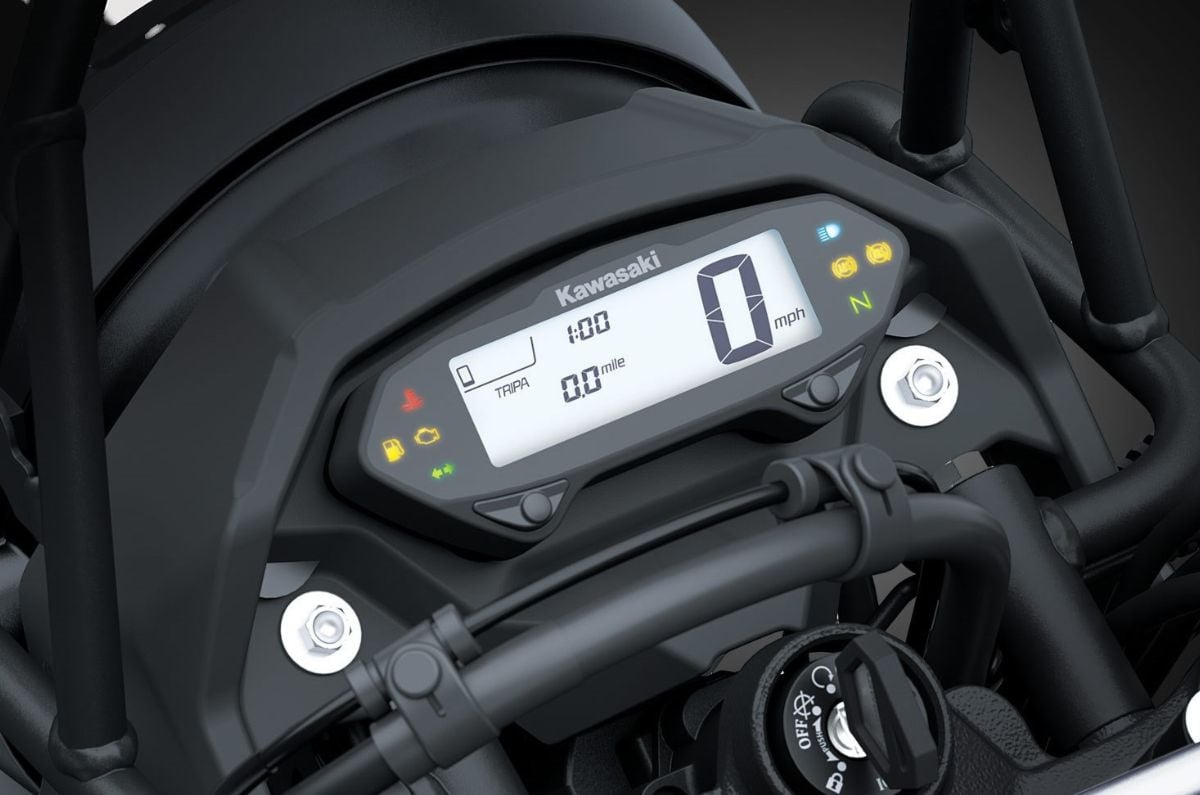
On the features front, the 2027 updates brings a redesigned LCD instrument cluster with smartphone connectivity through the Kawasaki Rideology app. Kawasaki has also equipped the KLX300 lineup with front-wheel ABS, which can be disabled to tailor braking performance when riding off-road. When the motorcycle is turned off and restarted, ABS automatically returns to its default active setting.
Chassis setup comprises a double cradle frame paired with an aluminum swingarm. Up front, it features a 43mm USD fork with adjustable compression damping, while the rear gets a fully adjustable link-type monoshock. Despite the additional equipment on offer, the KLX300 XPL (142kg) only weighs 3kg more than the KLX230 which is sold in India (139kg).
In theory, the KLX300 would make for a good step up from the KLX230 (Rs 2.19 lakh ex-showroom) sold in India, which has an air-cooled 233cc motor. However, Kawasaki India currently has made no announcement to indicate that the liquid-cooled KLX models will be coming to our shores.
USD-to-INR conversions are based on exchange rates at the time of writing.
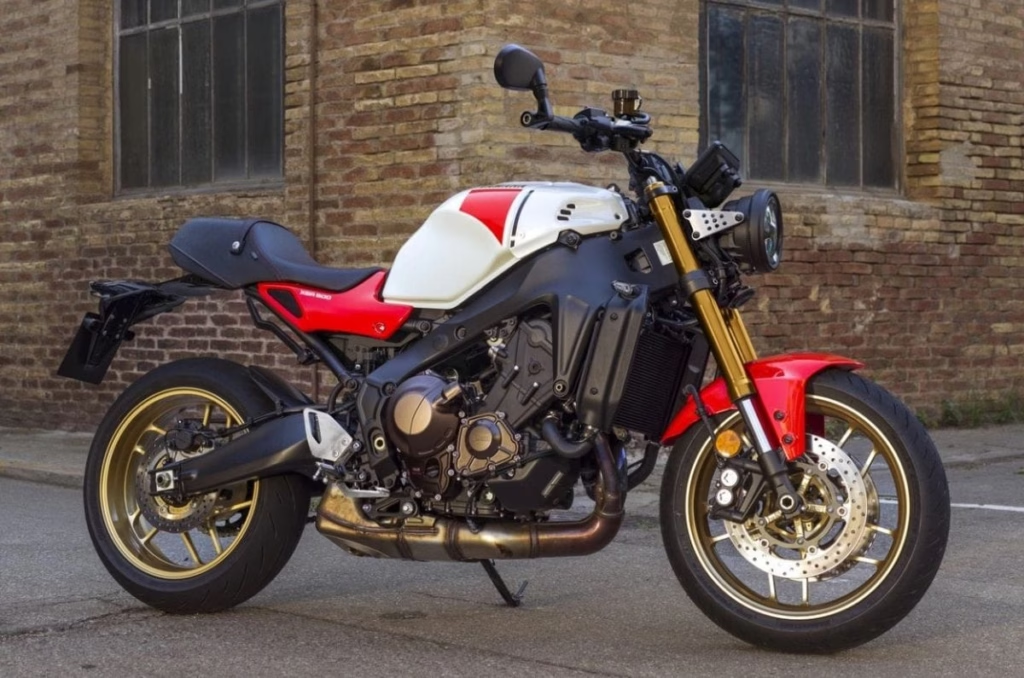
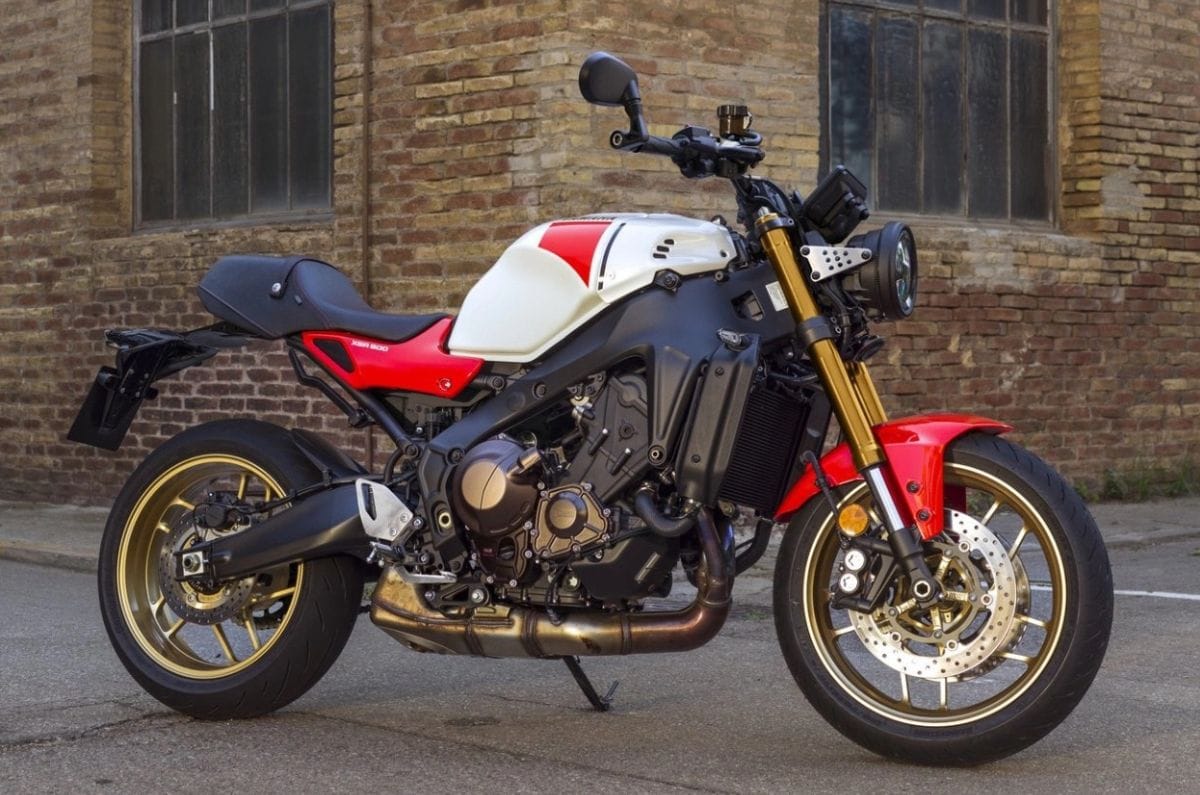
Yamaha appears to be preparing a higher-spec version of its retro-styled XSR900. An XSR900 SP has surfaced in US regulatory filings, pointing to the possibility of a new performance-focused variant of the 890cc neo-retro motorcycle.
XSR900 SP name appears in Yamaha’s US NHTSA filings
Expected to share the 117.4hp CP3 engine with the standard XSR900
Could borrow premium suspension and braking hardware from the MT-09 SP
Yamaha XSR900 SP: what the filings reveal
The XSR900 SP has appeared in vehicle identification number (VIN) filings submitted by Yamaha to the US National Highway Traffic Safety Administration (NHTSA). The documents list both a standard XSR900 SP and a California-spec version, indicating that Yamaha is preparing the model for the 2027 model year.
The filings show that the XSR900 SP will use Yamaha’s 890cc, three-cylinder CP3 engine, with a peak output of 117.4hp. This is identical to the output listed for the standard XSR900, as well as the MT-09, Tracer 9 and R9 in the same documentation. This suggests that the SP variant will focus on chassis and equipment upgrades rather than additional engine performance.
XSR900 SP could get MT-09 SP hardware
While Yamaha has not revealed the equipment list for the XSR900 SP, the motorcycle’s relationship with the MT-09 SP gives a strong indication of what could change.
The MT-09 SP gets DLC-coated front forks, an Öhlins rear shock, Brembo Stylema brake calipers and additional electronic features over the standard MT-09. Yamaha could bring similar upgrades to the XSR900 SP, giving the neo-retro motorcycle a more premium chassis and braking package.
There is one caveat to the filings. The latest NHTSA documents list the XSR900 SP but do not mention the XSR900 GP, while separate California Air Resources Board (CARB) documents for the 2027 XSR900 range list the XSR900 GP but not the SP. This could be down to an error in one of the filings or the documents being updated at different times.
The VIN information does, however, point towards the XSR900 SP being a new variant rather than simply the XSR900 GP being introduced in another market. The SP gets a different VIN prefix from the existing XSR900 GP, further strengthening the case that Yamaha is developing the model.
There is no word yet on when Yamaha will officially reveal the XSR900 SP or which overseas markets will receive it.
Yamaha R2 to launch in India next week
Closer to home, Yamaha is preparing to launch the much-anticipated R2 in India on August 27. The company has already opened pre-bookings for the motorcycle at Rs 10,000, ahead of its official debut.
The R2 is expected to sit above the R15 in Yamaha’s Indian line-up and is being developed and manufactured in India for both domestic sales and exports. Yamaha has yet to reveal its complete specifications, but the motorcycle is expected to use a larger-capacity single-cylinder engine than the R15.
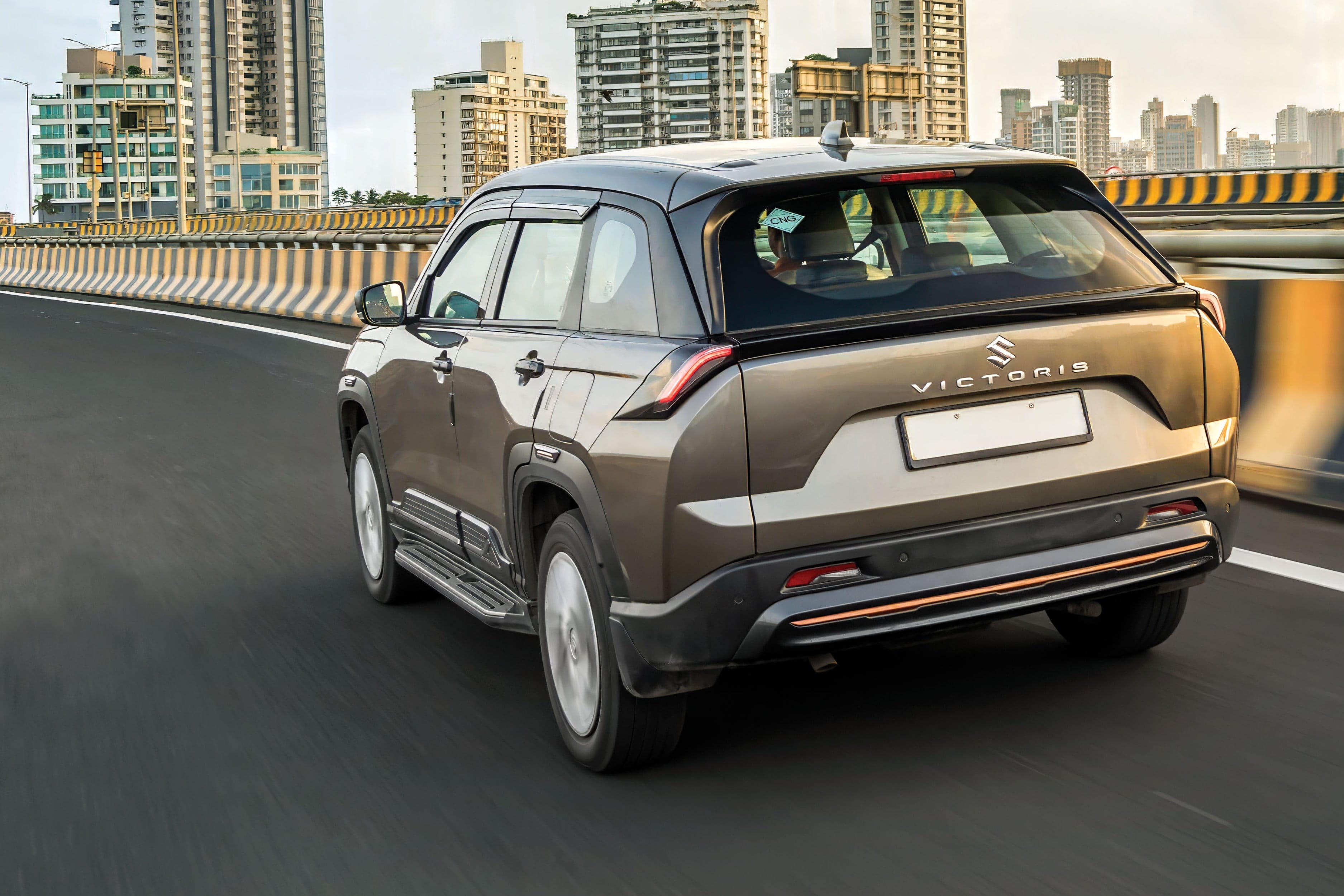
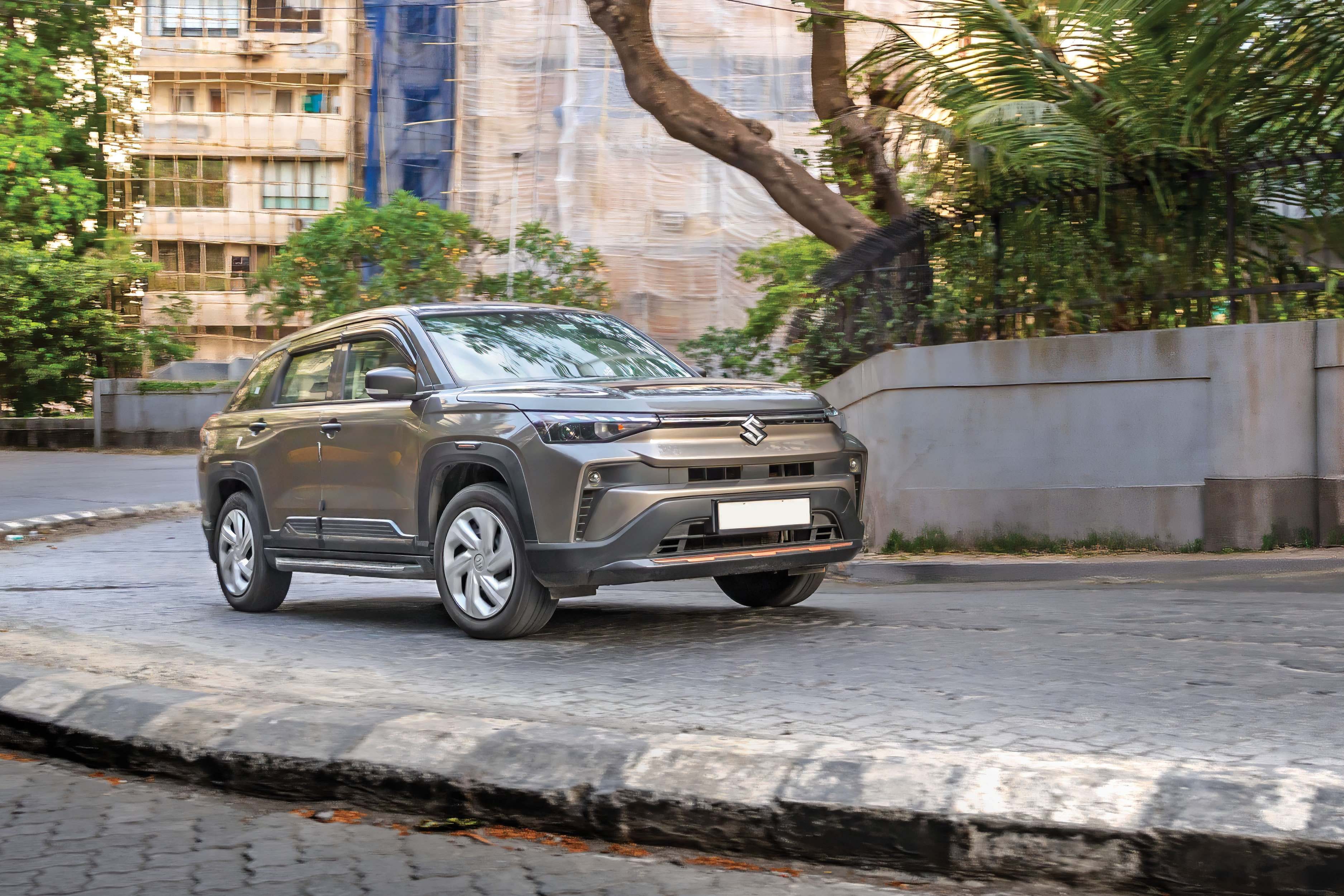
Maruti offers buyers a wide range of powertrain options with the Victoris – a 1.5-litre petrol engine paired with either a manual or automatic transmission, an all-wheel-drive automatic, a strong hybrid, and a CNG version. Interestingly, nearly one in every two Victoris buyers opts for the CNG variant. To understand the reason behind its popularity, we put it through our real-world tests.
City drivability is good; efficiency is impressive.
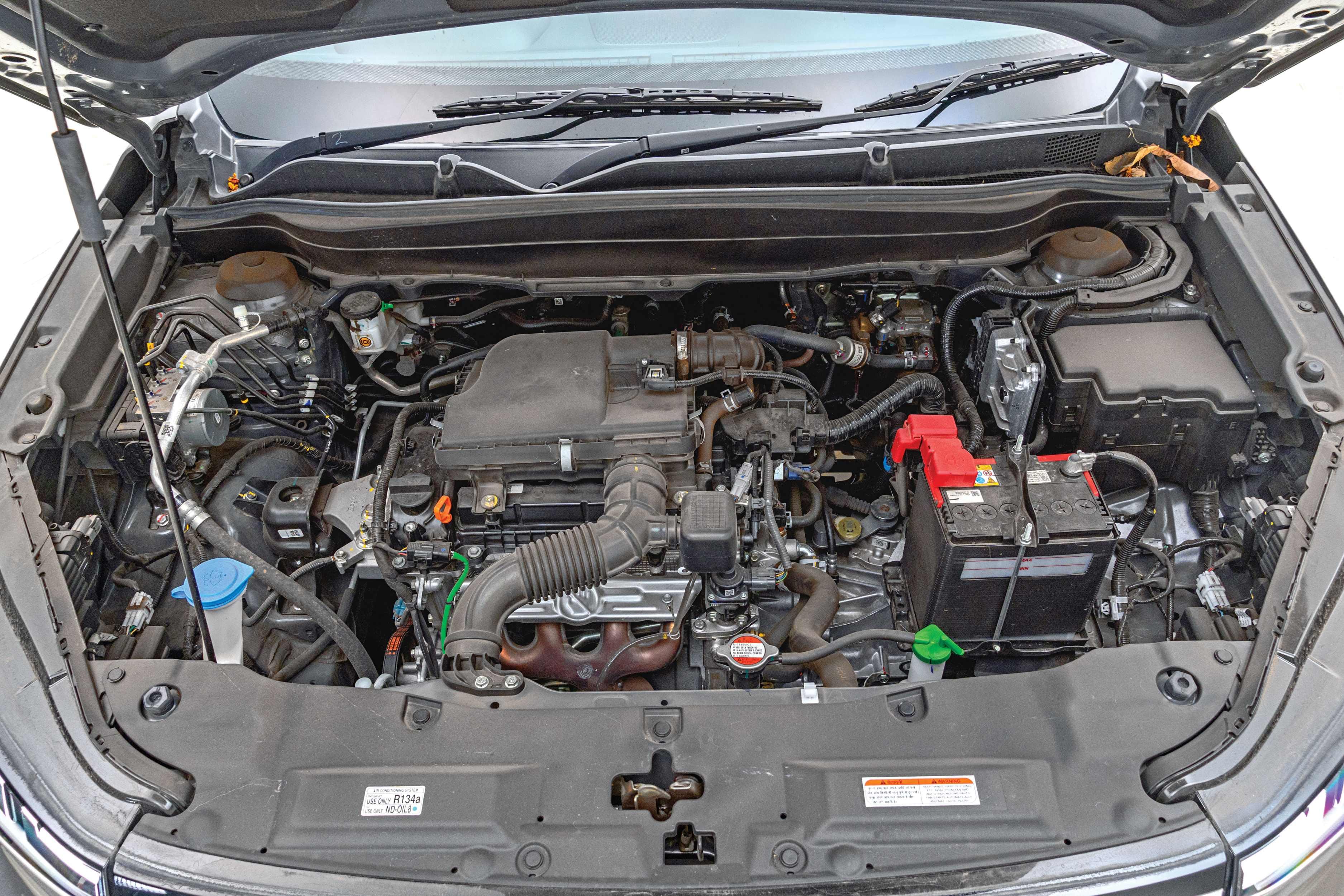
Powered by a 1.5-litre four cylinder engine, the Victoris produces 88hp and 122Nm when running on CNG. While those figures may appear modest on paper, the good news is that the engine feels responsive right from the outset, and overall driveability remains impressive. It is more than capable of keeping pace with city traffic, and up to about 80kph, with the engine spinning below 3,000rpm, there is enough performance on tap to satisfy most users. You do need to be mindful of being in the right gear, and occasionally, you may find yourself revving the engine harder for a quick overtake. On that note, Maruti’s 5-speed manual gearbox remains one of the best in the business, offering precise shifts and a light, effortless action. The clutch is also light, making the Victoris CNG particularly easy to drive.
Maruti Suzuki Victoris S-CNG acceleration times
CNG
Petrol
Speed (Kph)
Time (Sec)
Time (Sec)
20
1.33
1.32
40
3.28
3.22
60
6.31
5.79
80
9.88
8.87
100
15.14
13.43
120
23.44
19.56
That said, performance isn’t effortless, and when it comes to quick overtakes, you’ll need to work the engine harder. But it is only then that the difference between petrol and CNG modes becomes noticeable. In petrol mode, the engine feels freer and more eager to rev, whereas in the CNG mode, it feels slightly more restrained. To put things into perspective, the Victoris accelerates from 0-100kph in 15.14 seconds in CNG mode, making it 1.7 seconds slower than in petrol mode. Performance also tapers off noticeably beyond 100kph, regardless of which mode you are in.
Maruti Suzuki Victoris S-CNG rolling acceleration
Speed (Kph)
Time (Sec)
Time (Sec)
20-80kph (3rd gear)
16.14
15.98
40-100kph (4th gear)
22.45
18.92
Maruti Suzuki Victoris S-CNG mileage – 9/10
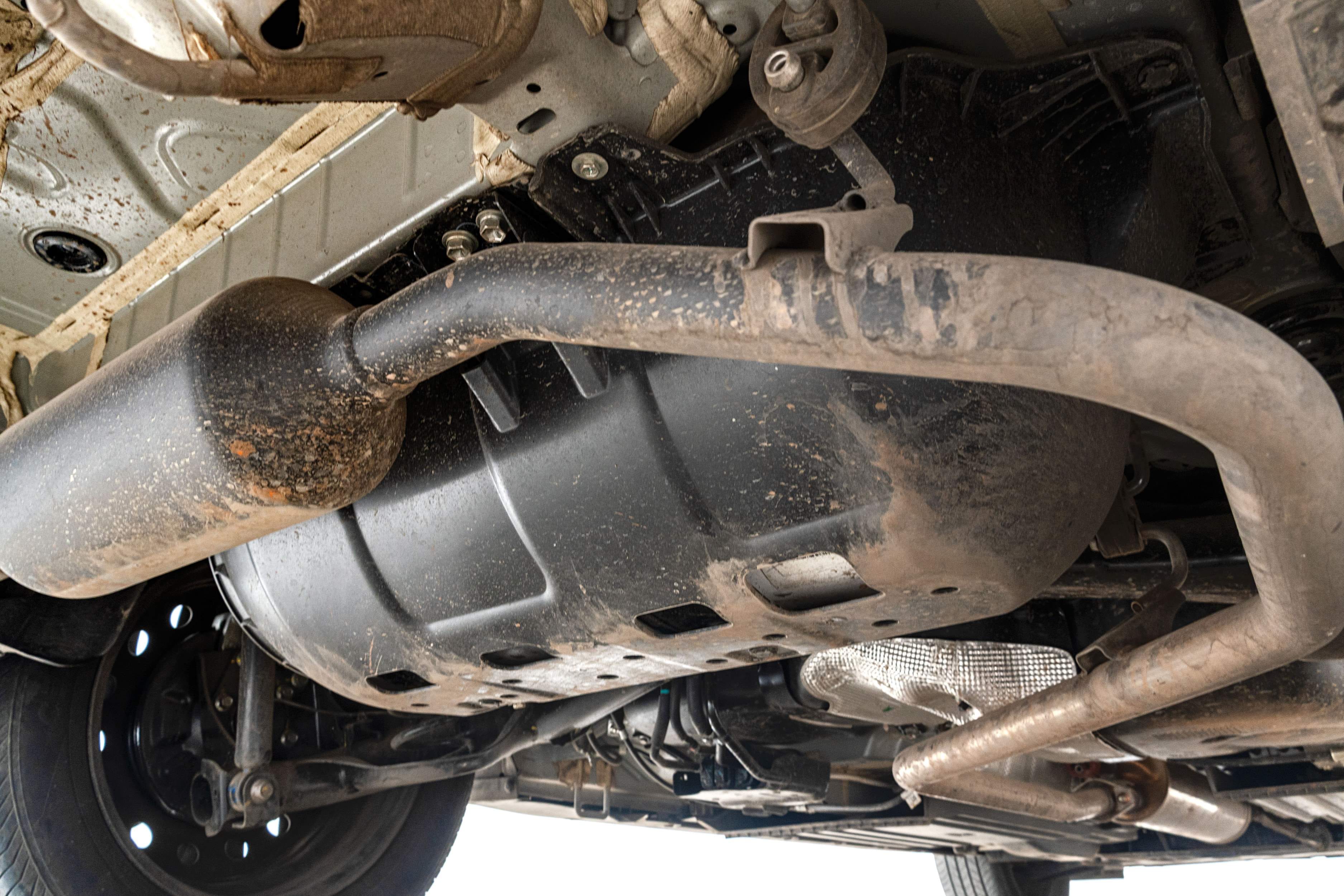
Under-floor CNG tank occupies spare tyre space.
Owners, however, will certainly appreciate this SUV’s efficiency. In our tests, the Victoris CNG delivered 18km/kg in the city and 26km/kg on the highway. The latter figure is particularly impressive, coming close to Maruti’s claimed fuel-efficiency figure of 27.02km/kg.
Its 55-litre CNG tank, mounted beneath the vehicle, can typically hold between 7.4kg and 8kg of gas, depending on ambient conditions and pump pressure. Based on our findings, owners can expect an average real-world driving range of around 180km on a full CNG fill.
Maruti Suzuki Victoris S-CNG ride comfort and handling – 8/10
You’ll need to work its engine harder on hilly terrain or to make quick highway overtakes.
Shifting focus to other aspects, the Victoris inspires confidence on almost every kind of road thanks to its well-sorted underpinnings and expertly judged suspension setup. It feels tough and robust in the way it smothers small undulations and absorbs even sharp road shocks with ease. Even when driven at higher speeds, this Maruti remains composed, riding flat without unnecessary body movements.
Maruti Suzuki Victoris S-CNG features and safety – 8/10
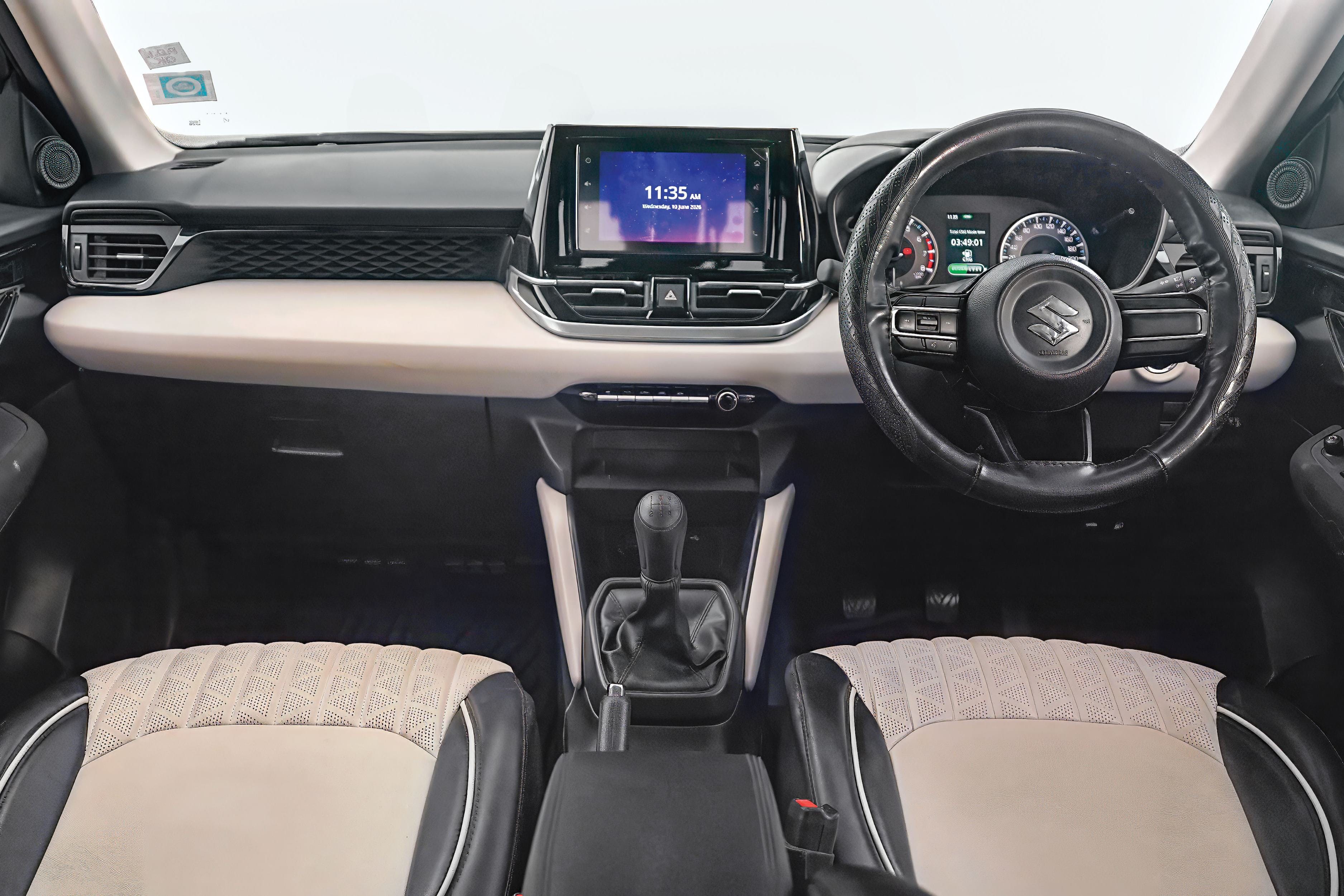
Pleasing dual-tone interiors with generous standard equipment.
As for safety, six airbags, ESP, ABS with EBD and all the essential modern safety features come as standard. Notably, the entry-level LXI variant represents excellent value for money. Priced at Rs 11.5 lakh, it comes equipped with keyless entry, push-button start, automatic climate control, a 7-inch touchscreen with wireless Android Auto and Apple CarPlay, and projector headlamps, among other notable features.
Maruti Suzuki Victoris S-CNG boot space – 8/10
With the under-floor CNG tank, boot space is good.
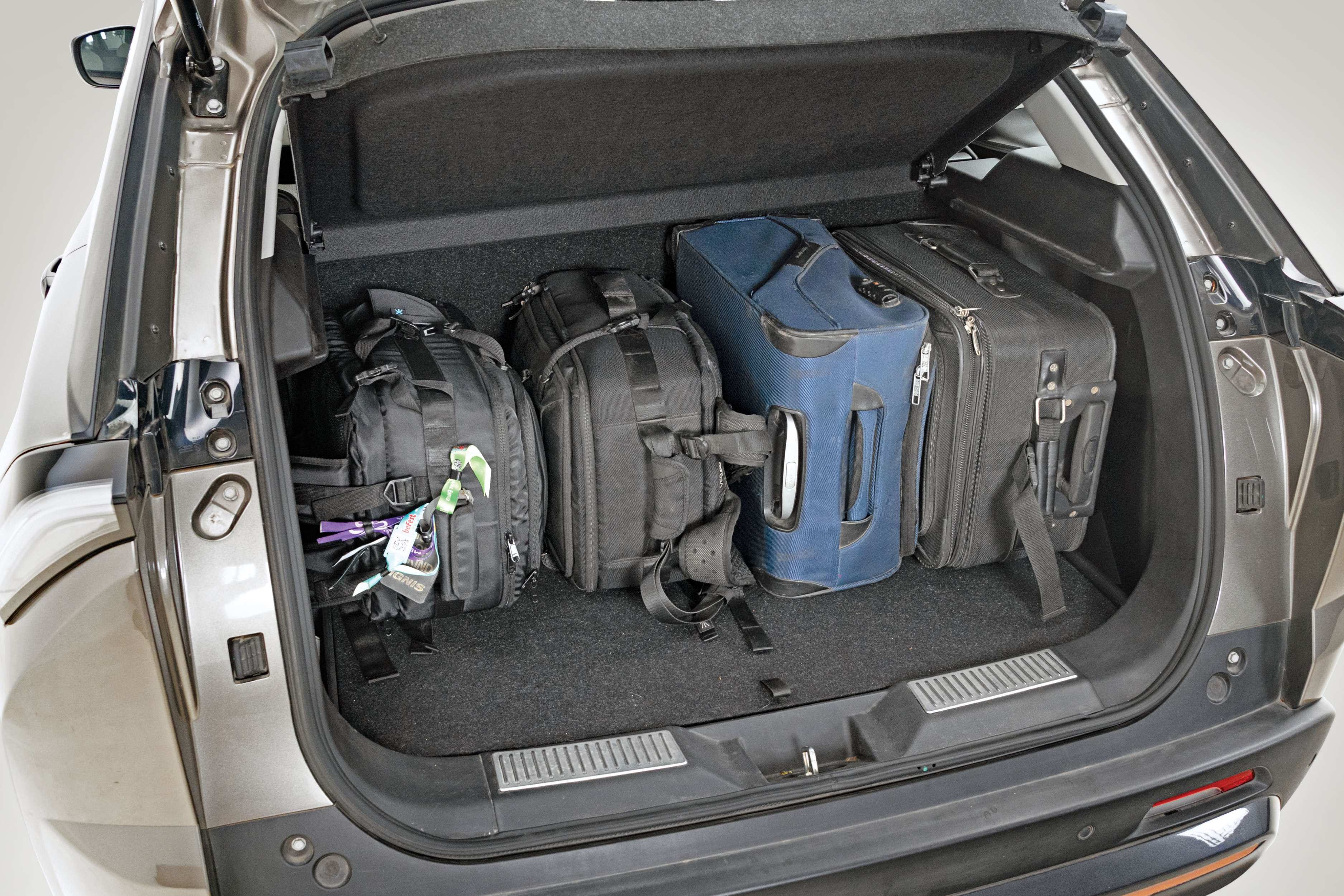
Maruti has also cleverly packaged the Victoris’ CNG tank beneath the boot floor, which means luggage space remains identical to the petrol version, making it just as practical. The only compromise is the absence of a spare tyre, with CNG variants making do with a tyre inflator kit instead.
Maruti Suzuki Victoris S-CNG verdict- 8/10
It is an efficient, sensible, value-for-money SUV.
In summary, the Victoris is a sensible, efficient and genuinely value-for-money midsize SUV. For buyers with high running requirements who want to keep fuel costs in check, the CNG version is the obvious choice. The drivability is good, the efficiency is excellent, and although it costs around Rs 1 lakh more than an equivalent petrol version, the significantly lower running costs should allow owners to recover that premium over time.
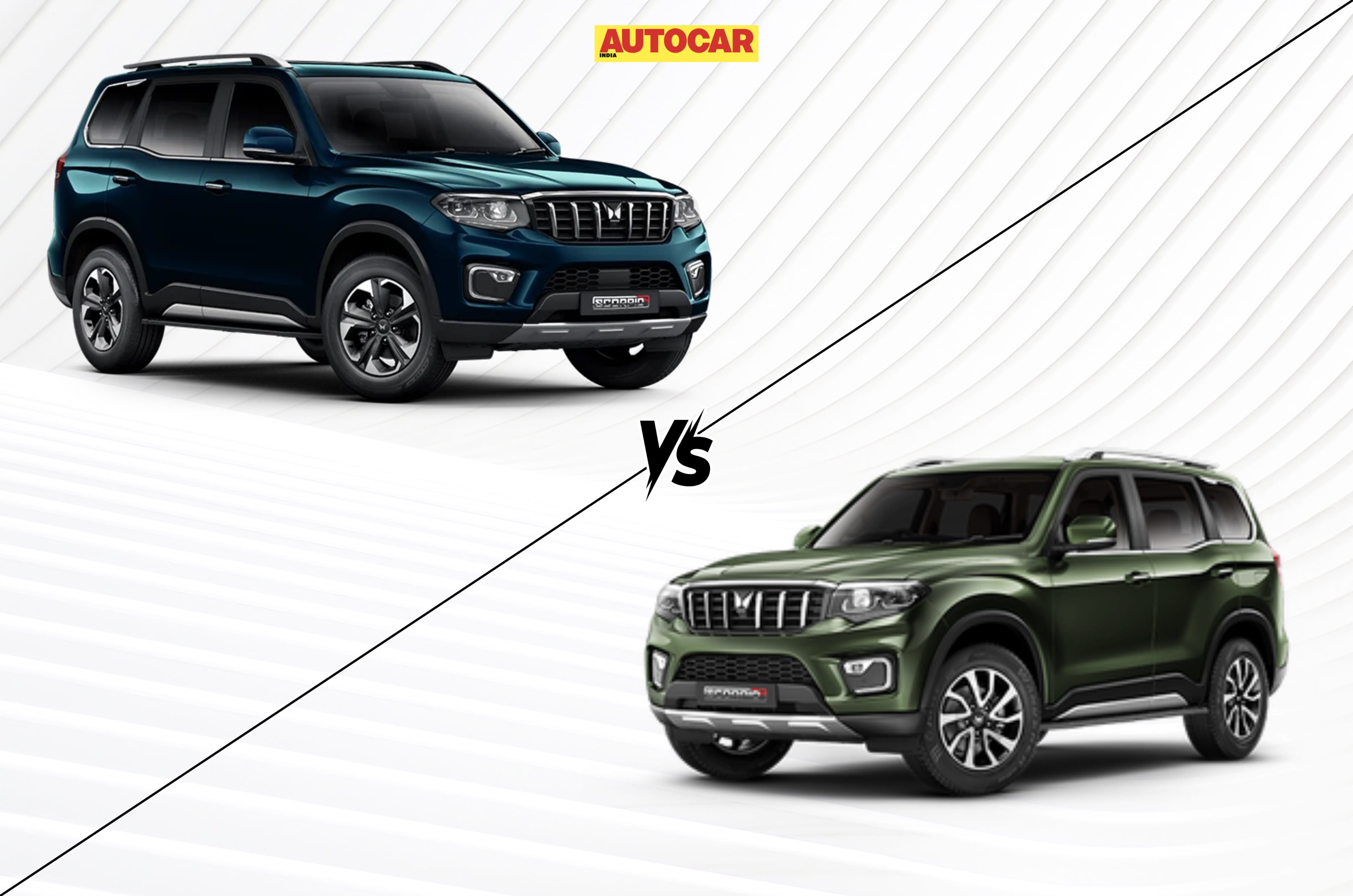
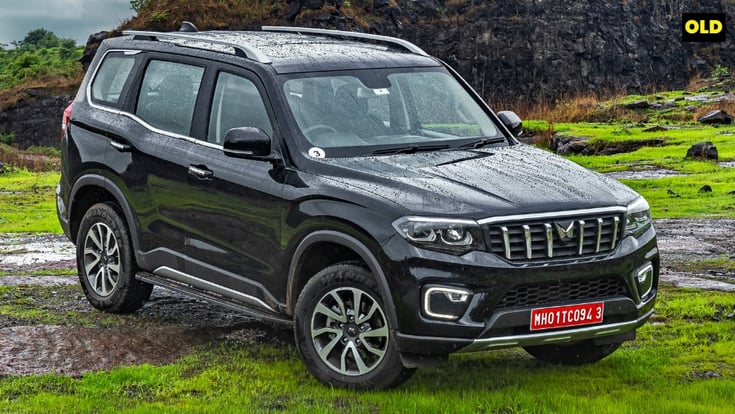
Four years after its introduction, Mahindra has facelifted the Scorpio N for 2026. The Scorpio N facelift gains a revised interior, new features and very minor styling tweaks. We go in-depth, comparing the Scorpio N facelift with its previous version and list out all differences and similarities from exterior, interior, features, engines and price.
Mahindra Scorpio N new vs old: Exterior
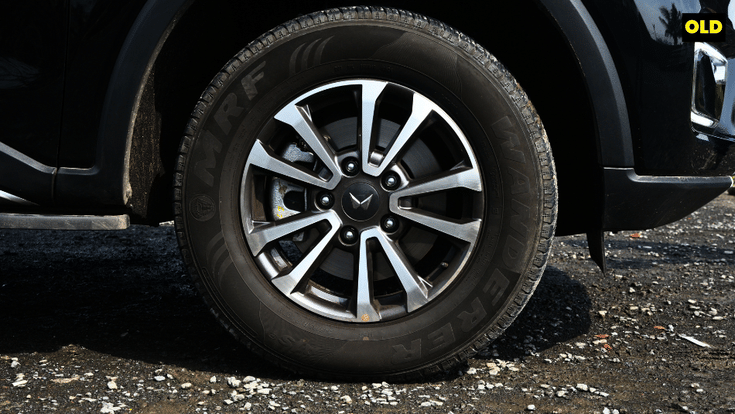
Except for new alloy wheels, everything else remains the same
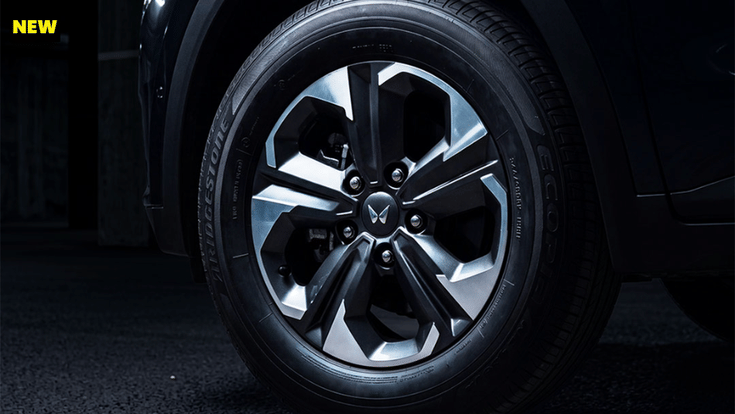
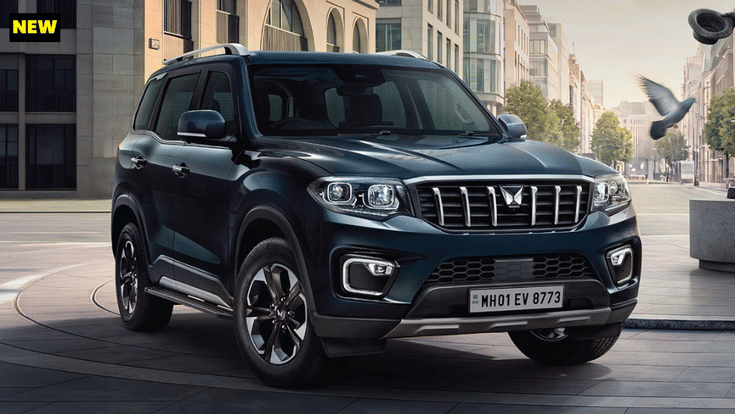
Updates on the outside of the Scorpio facelift aren’t very comprehensive. There’s a new design for the dual-tone 18-inch alloy wheels. Apart from that, things remain unchanged over the older model. The Scorpio N facelift retains the pre-facelift’s butch, and boxy looks, including a rugged design for the bumpers, six-slatted grille, faux skid plates, LED light setups, cladding on the lower sides of the doors, roof rails, and a ‘scorpion tail’ chrome element for the windowline.
Mahindra Scorpio N new vs old: Interior and features
Gets a redesigned dash and new equipment
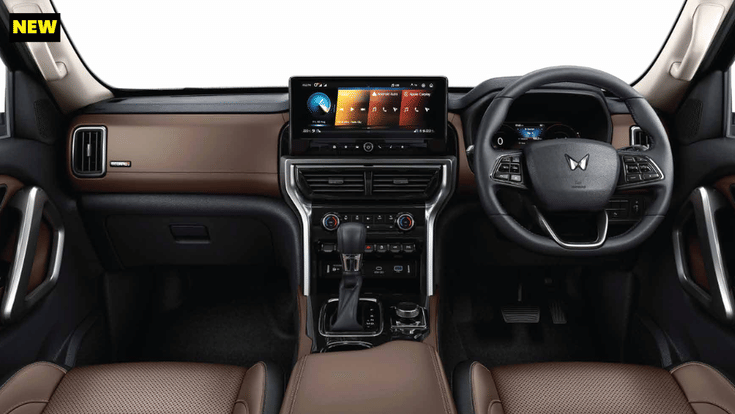
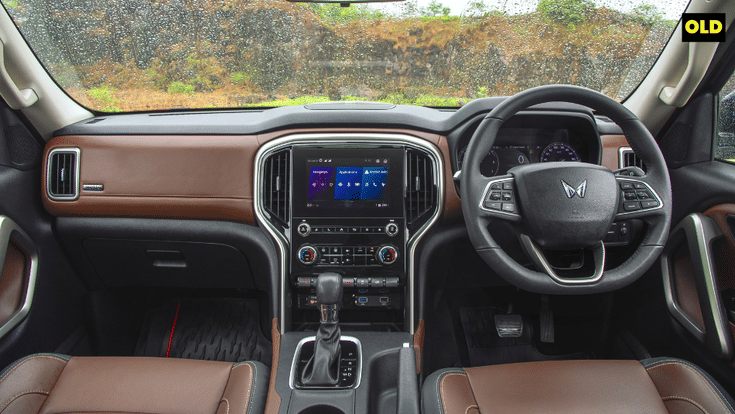
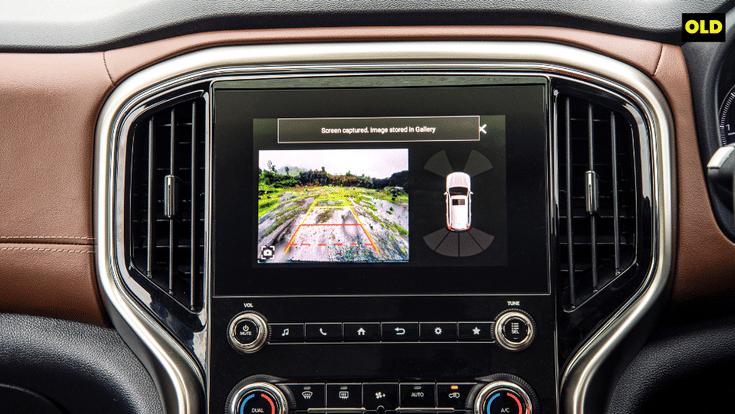
Unlike the exterior, changes to the interior of the Scorpio N facelift are more extensive. The biggest update is the infotainment display, wherein the dash-integrated unit is replaced with a freestanding screen. Secondly, the infotainment screen is a 12.3-inch in size, which is larger than the previous version’s 9-inch unit. The repositioned infotainment screen has also brought about a redesigned centre console, and there’s some new switchgear as well. Vertical aircon vents have now made way for horizontal ones that are placed below the infotainment display. Meanwhile, the previous model’s black and brown colour scheme and seat upholstery design have been carried over.
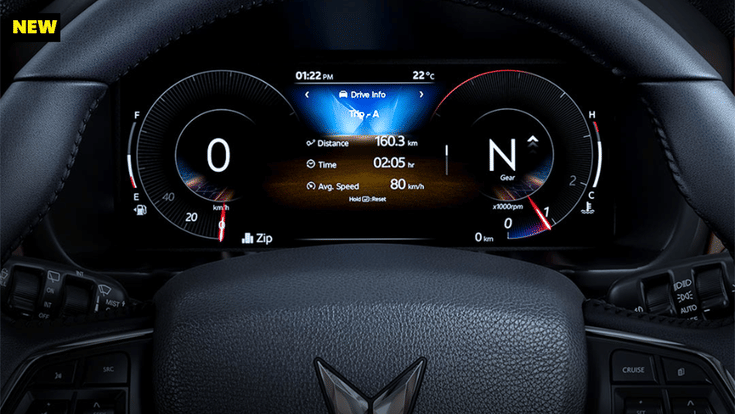
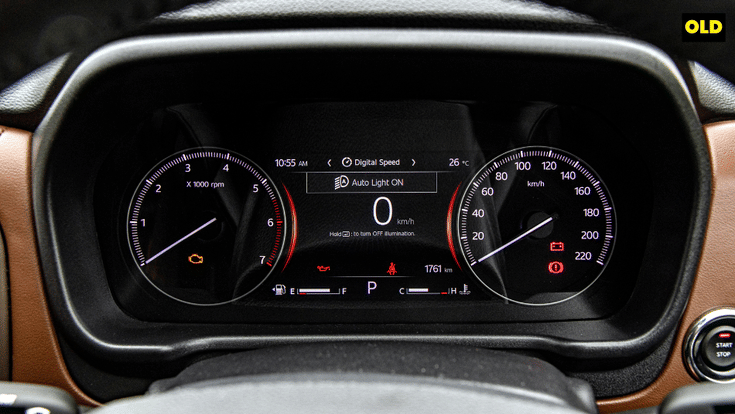
As for equipment, Mahindra has replaced the single-pane sunroof from the older Scorpio N with a much larger panoramic unit in the Scorpio N facelift. Also, the semi-analogue dials with a 7-inch MID from the previous model are replaced by an all-digital 10.25-inch screen, and the front row now gets a 65WType-CC charging port.
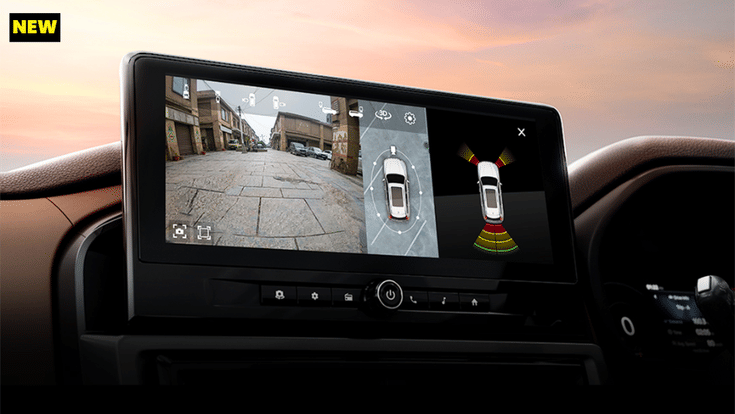
A new ‘Adventure Statistics’ feature in the infotainment showcases a plethora of information like engine performance, roll and pitch, compass, altimeter and G-force. On the other hand, the safety kit sees the inclusion of a 540-degree surround view camera and a blind view monitor, replacing the front and rear cameras of the older model.
Mahindra Scorpio N new vs old: Engine and gearbox
Mechanically, things remain unchanged
Under the hood,d the Scorpio N facelift retains the powertrain options from the older model. This includes a 2.0-litre direct-injection turbo-petrol engine and a 2.2-litre turbo-diesel engine with the latter available in two states of tune. The turbo-petrol mill churns out 204hp and 370Nm with the manual gearbox, while automatic versions get slightly higher torque at 380Nm.
On the other hand, lower variants powered by the turbo-diesel unit develop 132hp and 300Nm, while higher variants produce 175hp and 370Nm, with the latter increasing to 400Nm in automatic versions. In diesel guise, only the one above base Z4 and the top-end Z8T and Z8L offer a 4×4 drive layout, while the remaining variants, including the petrol, come standard with RWD. Consumers can choose between a 6-speed manual or a 6-speed torque converter automatic gearbox.
Mahindra Scorpio N new vs old: Price
Updates make the facelift pricier by up to Rs 83,500
As far as price is concerned, the facelifted Scorpio N starts from Rs 13.69 lakh, which is Rs 20,000 pricier than its predecessor. The same is the case at the top end, where the most expensive Z8L 7-seat diesel-automatic 4×4 variant of the facelift is pricier by Rs 54,00 in comparison to the corresponding variant of the older model. Depending on the variant chosen, the newer Scorpio N facelift is more expensive than the pre-facelift version by up to Rs 83,500.
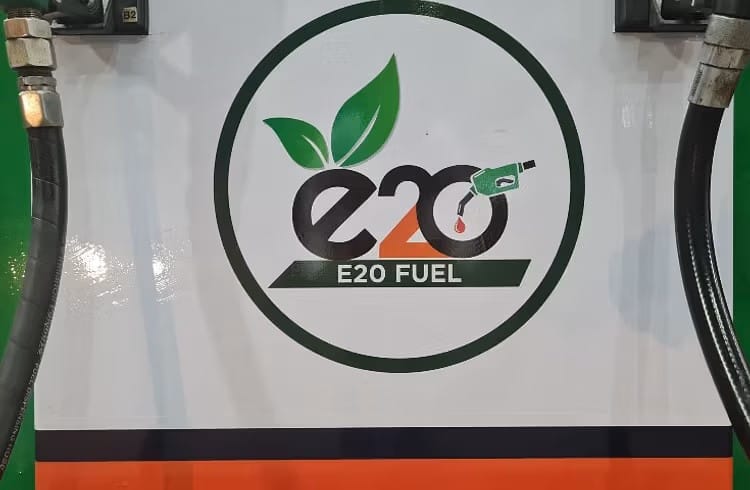
Not long after the success of the Cockroach Janta Party’s (CJP) protests, a new social media-led campaign calling itself the E20 Janta Party has cropped up. It demands that Indian vehicle owners be given the option to purchase ethanol-free petrol alongside E20 fuel, as well as the resignation of Union Road Transport and Highways Minister Nitin Gadkari, who is a major proponent of the government’s ethanol blending policy.
For context, the E20 rollout started in April 2025, and it was mandated as the baseline petrol blend exactly one year later – all in an effort to reduce dependence on crude oil imports. This is despite the fact that E20 compliance was mandated in April 2023 as part of the BS6 Phase 2 emission norms, which means a hefty chunk of vehicles plying on Indian roads are not E20-compliant.
E20 Janta Party wants more transparency and options for fuel
No demands for E20 to be discontinued
Inspired by the CJP’s satirical, meme-driven approach, E20 Janta Party declared itself as a consumer rights movement that is not seeking the withdrawal of E20 petrol, but instead greater transparency and freedom of choice at fuel stations. Although ethanol-free fuel has been available in the form of 100-octane premium petrol (XP100, Speed100, and Power100), it’s sold only at select fuel stations and costs significantly more than standard E20, limiting its feasibility for most motorists.
“Our demand is very clear. E20 Janta Party is a people-powered movement demanding transparency, accountability, and the right of every Indian to know how the E20 policy affects their vehicles, wallets, and consumer rights,” the group said in a social media post. The campaign even referenced CJP’s initial call to mobilisation with a post stating, “What if all bike/car owners come together?”
The E20 Janta Party says it is not opposed to ethanol blending, nor is it asking for subsidies or free fuel. Instead, it wants fuel stations to offer consumers the choice between unblended petrol and ethanol-blended fuel. E20 Janta Party is also demanding transparent fuel labelling, publication of government data on the costs and benefits of different fuel blends, and independent scientific studies into mileage, engine performance, emissions, and maintenance costs, with the findings made publicly available.
Support pouring in for E20 Janta Party
At the time of writing, E20 Janta Party’s Twitter and Instagram accounts have attracted over 31,000 followers cumulatively, and the campaign has even begun attracting support beyond social media. Political commentator Tehseen Poonawalla announced a “Gaadi March” on July 31 against the E20 policy, while the Delhi Taxi and Tourist Transporters and Tour Operators Association planned a march to Parliament on August 4. The taxi association has raised concerns over fuel efficiency, maintenance costs and engine performance, particularly in older vehicles.
Govt continues to stand strong on ethanol blending policy
In recent months, motorists have expressed heightened acrimony surrounding the impact of E20 petrol on fuel efficiency and vehicle durability, whereas the government remains steadfast in its defence of the policy, saying E20 is a safe and cleaner fuel backed by scientific evaluation. A few weeks ago, prominent manufacturers like Maruti Suzuki, Toyota, and Hero Motocorp also backed E20 at a government briefing, notably claiming that they have found no significant concerns regarding accelerated wear and tear in older, non-compliant vehicles.
Petroleum Minister previously ruled out offering pure petrol or E10 alongside E20
Replying to a question in Parliament last week, Minister of State for Petroleum Suresh Gopi said the government had not received any “widespread or substantiated” complaints linking E20 petrol to vehicle performance issues. Petroleum Minister Hardeep Singh Puri earlier shot down the prospect of offering unblended and E10 petrol alongside E20, citing tremendous logistical issues like separate storage, transportation, and dispensing infrastructures.
Ethanol content in petrol could increase; diesel likely to be blended with isobutanol
India completed the nationwide rollout of E20 petrol in April last year, making it the standard grade of petrol sold at fuel stations across the country. E20 contains 20 percent ethanol and 80 percent petrol, replacing the lower ethanol blends that were sold previously.
The transition has raised several questions among vehicle owners about compatibility, fuel efficiency, maintenance, warranties and long-term reliability. We separate the facts from the misconceptions and answer the key questions around E20.
1. What is E20 petrol and why has India switched to it?
E20 is fuel blended with 20 percent ethanol and 80 percent petrol. Ethanol is a biofuel produced from agricultural feedstocks such as sugarcane, maize and surplus food grains. India introduced the Ethanol Blended Petrol (EBP) Programme in 2003 with E5 petrol, and while the blended percentage kept varying for a while, it was eventually increased to E10 before completing the nationwide rollout of E20 in 2025, five years ahead of the planned implementation. According to the government, the programme aims to reduce dependence on imported crude oil, improve energy security, lower emissions and create an additional market for agricultural produce.
2. Can I use E20 fuel in my car or bike?
New petrol cars and two-wheelers sold in India today are compatible with E20 petrol. Under the government’s roadmap, vehicle manufacturers were required to make new petrol models manufactured from April 2023 compatible with E20.
Vehicles manufactured before April 2023 were designed for lower ethanol blends, so compatibility may vary depending on the model and year of manufacturing. However, some brands state that they had E20 material compliance before 2023, for a list click here.
3. How do I know if my car is E20 compatible?
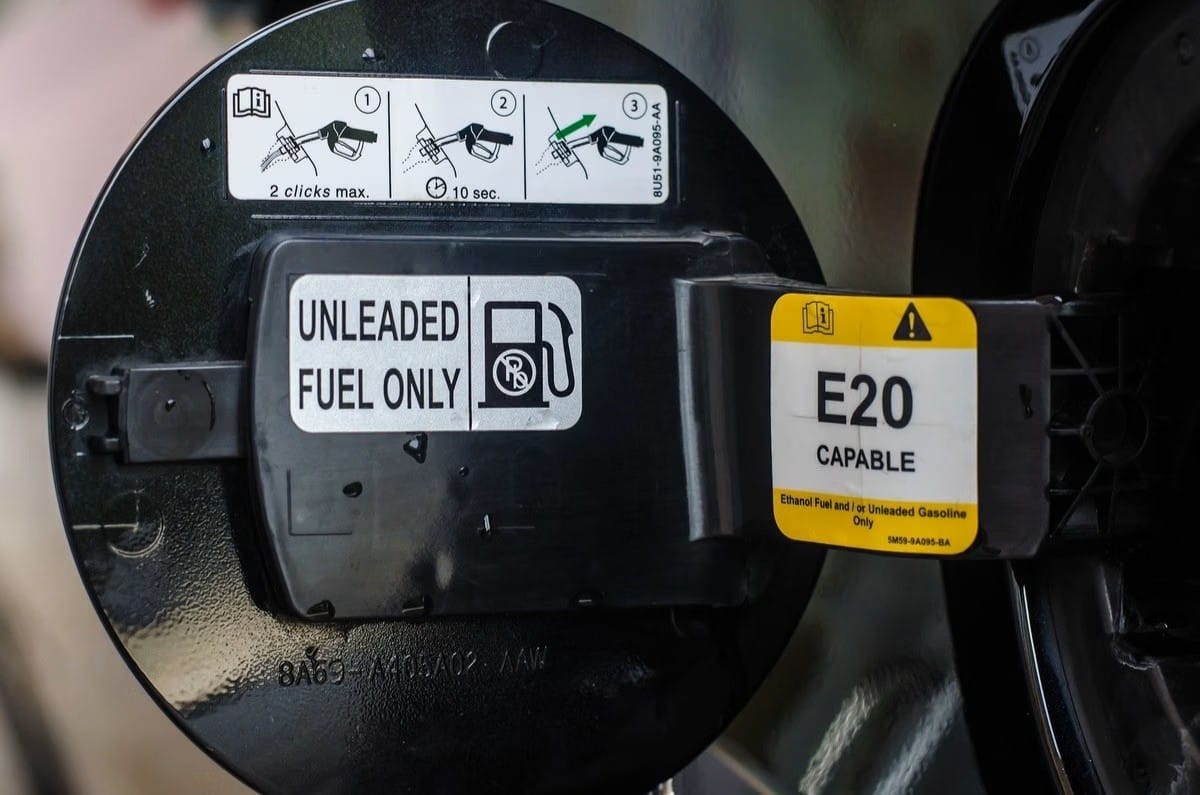
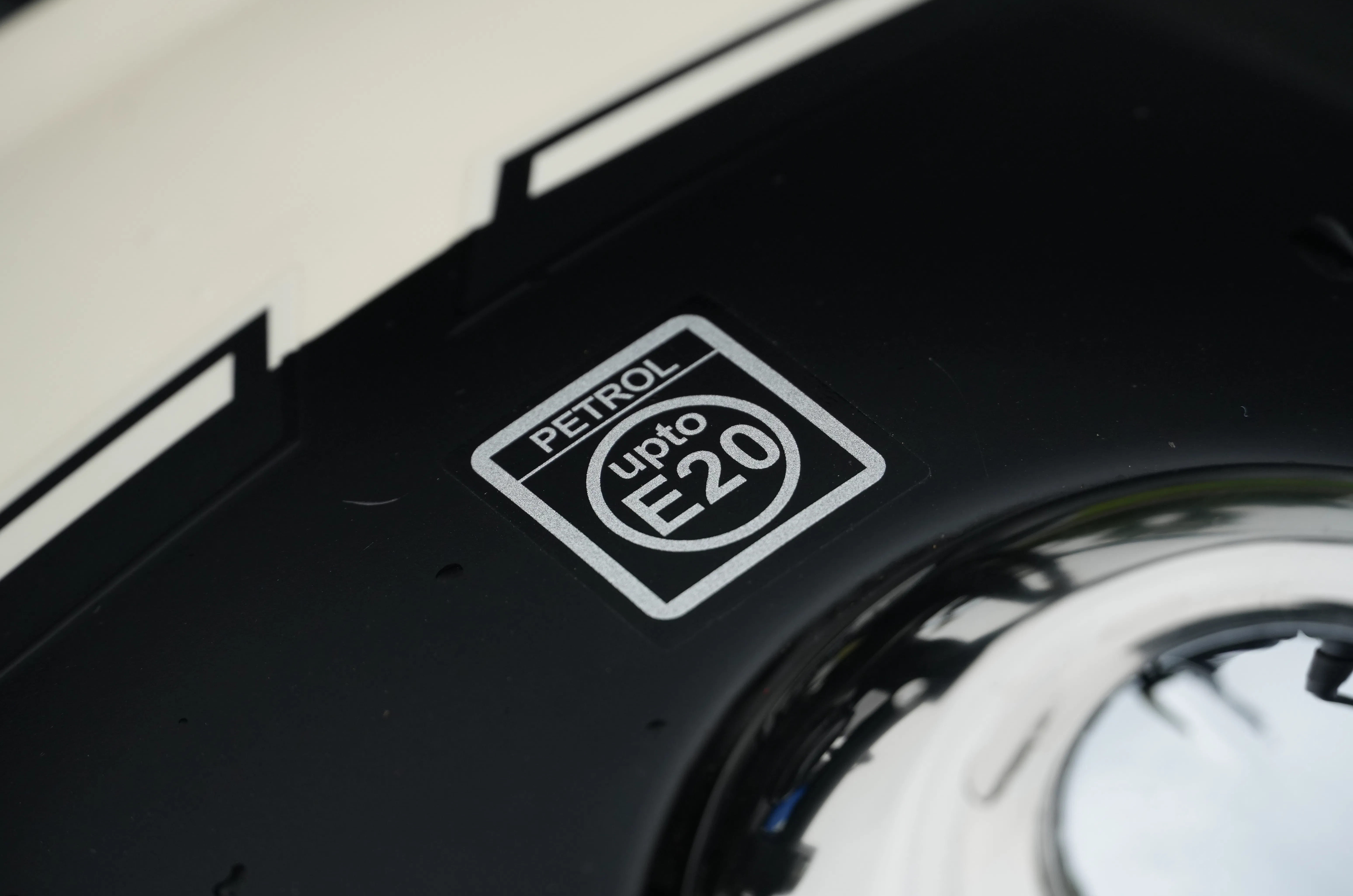
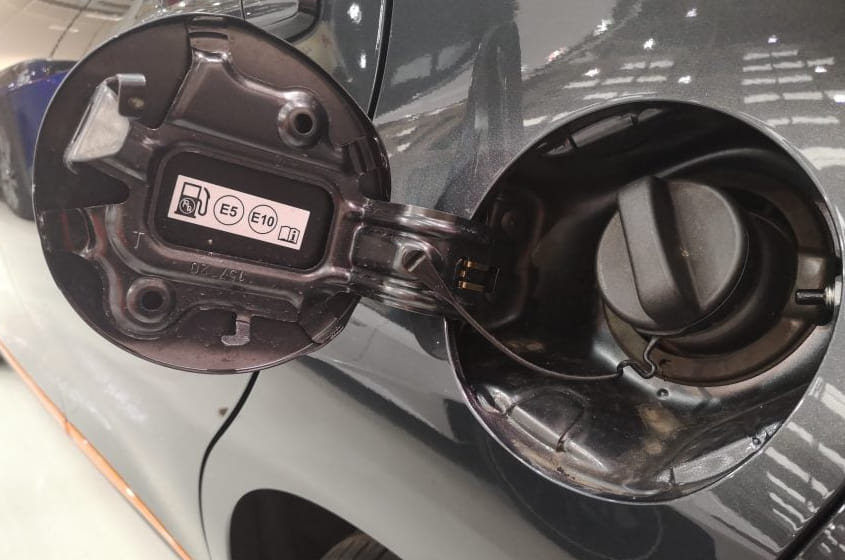
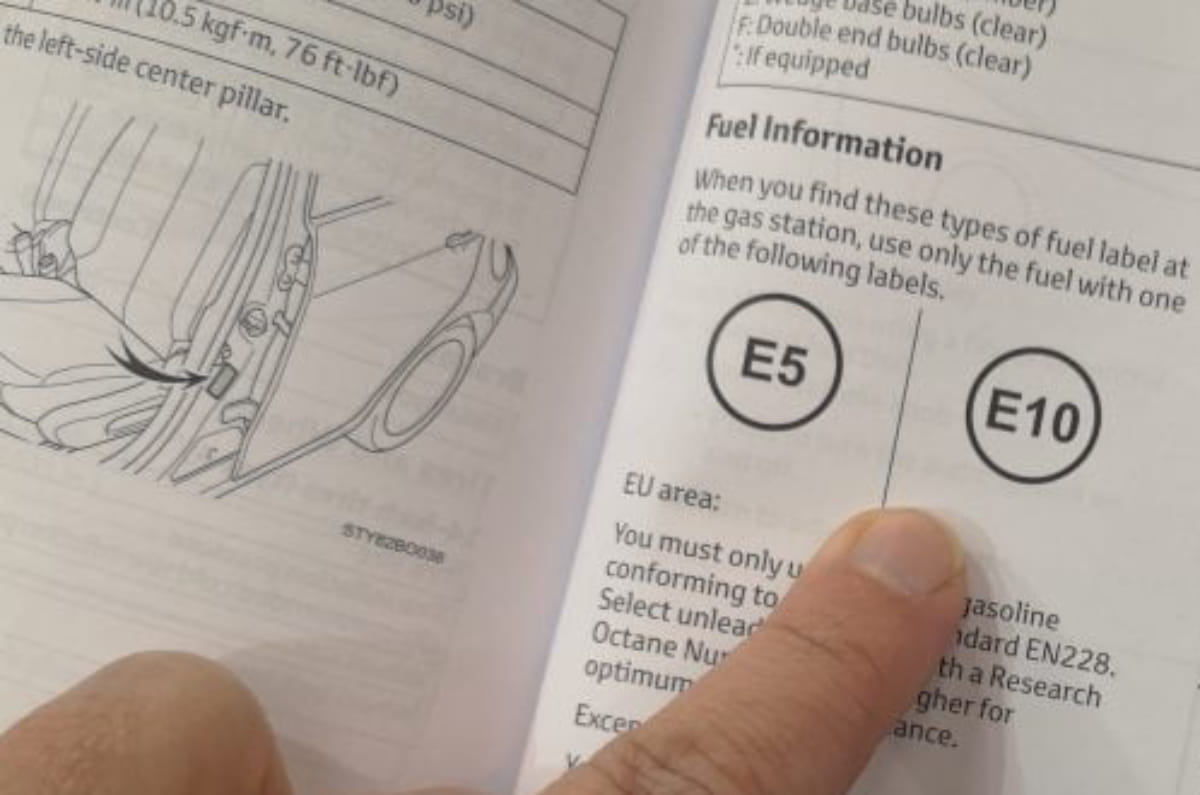
The easiest way is to check your vehicle’s fuel flap or the owner’s manual or contact the manufacturer’s authorised dealership. As part of the government’s E20 roadmap, manufacturers progressively introduced E20-compatible petrol vehicles from 2023 onwards. However, compatibility can vary depending on the model and year of manufacture, so owners should not assume that every petrol vehicle is fully E20-compatible.
4. Can E20 damage older engines or fuel-system components?
Concerns about E20 mainly relate to older vehicles that were not originally designed for higher ethanol blends. While ethanol has not been found to significantly directly affect metal fuel-system components, prolonged exposure to E20 can accelerate wear in some older rubber and plastic parts such as fuel hoses, seals, O-rings, gaskets and certain fuel pipes if they are made from materials that are not ethanol compatible.
Before approving E20, ARAI tested metals, elastomers and plastics commonly used in fuel systems. The study found no significant corrosion of metal components, but certain rubber compounds and plastics used in older vehicles showed greater deterioration than with E10 fuel. These findings prompted manufacturers to use ethanol-compatible materials in newer vehicles. Thus, owners of older vehicles should keep up with regular servicing and follow the manufacturer’s recommended maintenance schedule, increasing the inspection frequency if damage is suspected.
5. Does E20 reduce fuel efficiency?
Yes. E20 fuel generally returns lower fuel efficiency than petrol with a lower ethanol content because ethanol contains less energy than petrol. The exact reduction varies depending on the vehicle, engine and calibration.
E20 vs E10 mileage test results
Creta N Line
Dzire (BS 6)
Polo GT TSI
Dzire (BS 4)
Registration year
2024
2024
2017
2016
Average speed
17.8kph
20.25kph
18.0
19.3
Kpl on E20
10.59
14.24
9.13
9.8
Kpl on E10
12.12
14.81
9.63
11.19
Kpl variance
1.53
0.57
0.50
1.39
% variance
-12.62
-3.84
-5.19
-12.42
ARAI estimates a fuel efficiency drop of 1-6 percent with E20, while some manufacturers put it closer to 7-8 percent. In Autocar India’s real-world testing, both newer E20-compatible cars and older pre-E20 vehicles recorded a measurable drop in mileage when compared with an equivalent E10 blend. Among the newer cars, the Maruti Suzuki Dzire recorded a 3.8 percent drop, while the Hyundai Creta N Line saw a 12.6 percent decline.
Among older BS4-era cars, the Volkswagen Polo GT TSI posted a 5.2 percent drop, while the older Maruti Suzuki Dzire recorded a mileage drop of 12.4 percent.
The results also showed that there is no single figure applicable to every vehicle. Factors such as engine calibration and compression ratio all influence fuel efficiency, meaning some vehicles adapt better to E20 than others.
6. Does E20 improve performance or reduce emissions?
Octane rating test results
Fuel type
RON result
Regular E20 petrol
98.2 RON
XP95
98.8 RON
Yes, but not in a way that most motorists are likely to notice. E20 has a higher-octane rating than regular petrol, which improves resistance to engine knocking and can benefit engines designed to take advantage of higher-octane fuel.
The government says E20 aims to lower emissions by replacing a portion of petrol with domestically produced ethanol which is a renewable fuel. For most motorists, however, the most noticeable effect of switching to E20 is likely to be a small drop in mileage rather than a change in vehicle performance.
7. Is E20’s water contamination issue a real problem?
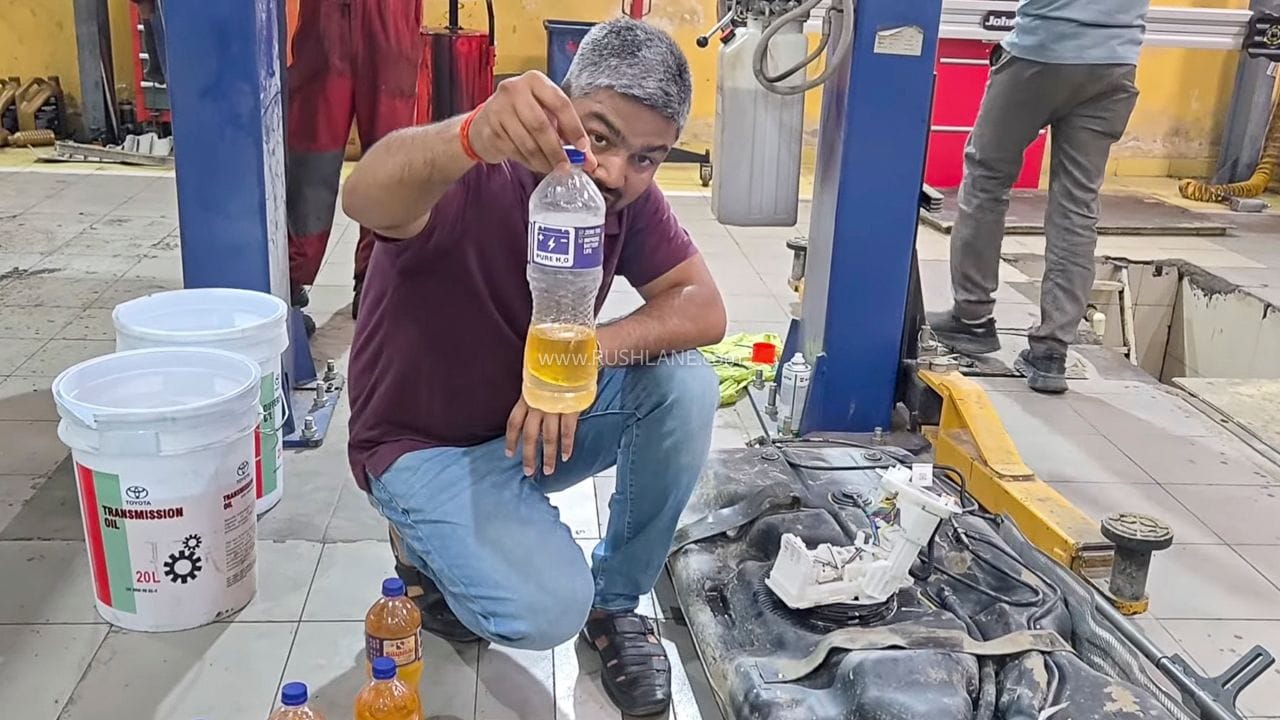
Image credit – Rushlane
Ethanol is hygroscopic, meaning it has the capability to absorb moisture. As a result, E20 is more susceptible to water contamination if excess moisture enters the fuel during storage or handling. In severe cases, this can lead to phase separation, where the ethanol and water separate from the petrol, affecting fuel quality.
Some petrol pump operators have raised concerns that existing underground storage tanks, particularly during the monsoon or in coastal areas, could be more prone to moisture ingress, increasing the risk of phase separation. However, the government and the Federation of Automobile Dealers Associations (FADA) says that there is no evidence linking E20 itself to widespread fuel contamination or vehicle failures.
8. Will using E20 affect my vehicle’s warranty?
For most owners, no. Vehicle manufacturers have said that using E20 petrol will not affect the warranty of their vehicles, and valid warranties will continue to be honoured. The government, SIAM and several manufacturers have stated that vehicles continue to be covered under their standard warranty terms when fuelled with E20, for a full list click here. SIAM has also said that OEMs will honour the warranty committed to customers for E20 usage, and that insurance claims will remain unaffected.
9. Why isn’t E20 petrol cheaper than regular petrol?
Although E20 contains 20 percent ethanol, it is not cheaper than regular petrol because ethanol currently costs more to procure and blend than petrol under prevailing market conditions. The cost of ethanol procurement, tax, transportation, blending and distribution offsets any potential saving from replacing a portion of petrol with domestically produced ethanol.
Any savings from lower crude oil imports are realised at the national level rather than by consumers through lower pump prices.
10. Why can’t I still buy E10 or pure petrol?
Because by policy E20 is now India’s standard petrol. Following the nationwide rollout of the Ethanol Blending Programme, oil companies have standardised regular petrol and premium 95-octane petrol to an E20 blend. Maintaining parallel supplies of E10 and E20 would require separate storage, transportation and dispensing infrastructure, making nationwide distribution significantly more complex.
As a result, motorists can no longer choose between E10 and E20 at regular fuel stations. The only exception is 100-octane petrol, such as IndianOil XP100 and HP Power100, which remains effectively ethanol-free because it is a niche fuel sold in limited volumes. For most vehicle owners, however, E20 is now the only petrol available.
11. Is the government planning to increase ethanol blending beyond E20?
Not yet, but the groundwork has begun. While the government has said no decision has been taken to mandate petrol with more than 20 percent ethanol, it has begun preparing the regulatory framework for higher blends.
In May 2026, the Bureau of Indian Standards (BIS) notified fuel quality standards for E22, E25, E27 and E30 petrol, indicating that the government is laying the groundwork for future adoption. It has also proposed recognising E85 and E100 fuels under the Central Motor Vehicles Rules.
Separately, the government has tasked the Automotive Research Association of India (ARAI) with studying the impact of E25 petrol on existing E10- and E20-compatible vehicles, including its effect on fuel efficiency, durability, emissions and engine performance under long-term use.
However, any move beyond E20 will require extensive testing and consultation with vehicle manufacturers, fuel companies and research agencies to assess engine durability, emissions and fuel-system compatibility before it is introduced.
12. What should owners of older cars do now?
If your vehicle is not certified as E20-compatible, it does not necessarily mean it will experience immediate problems. However, owners should follow the manufacturer’s guidance, keep up with regular servicing and replace worn fuel-system components as required. It would also be prudent to increase the frequency of inspection of your vehicles fuel system to ensure there is no corrosive damage and catch it before it gets acute.
If you own a classic car, an older imported vehicle or a high-performance model designed for lower ethanol blends, using ethanol-free 100-octane petrol may be worth considering.
13. Can I convert my vehicle to run on E20 fuel?
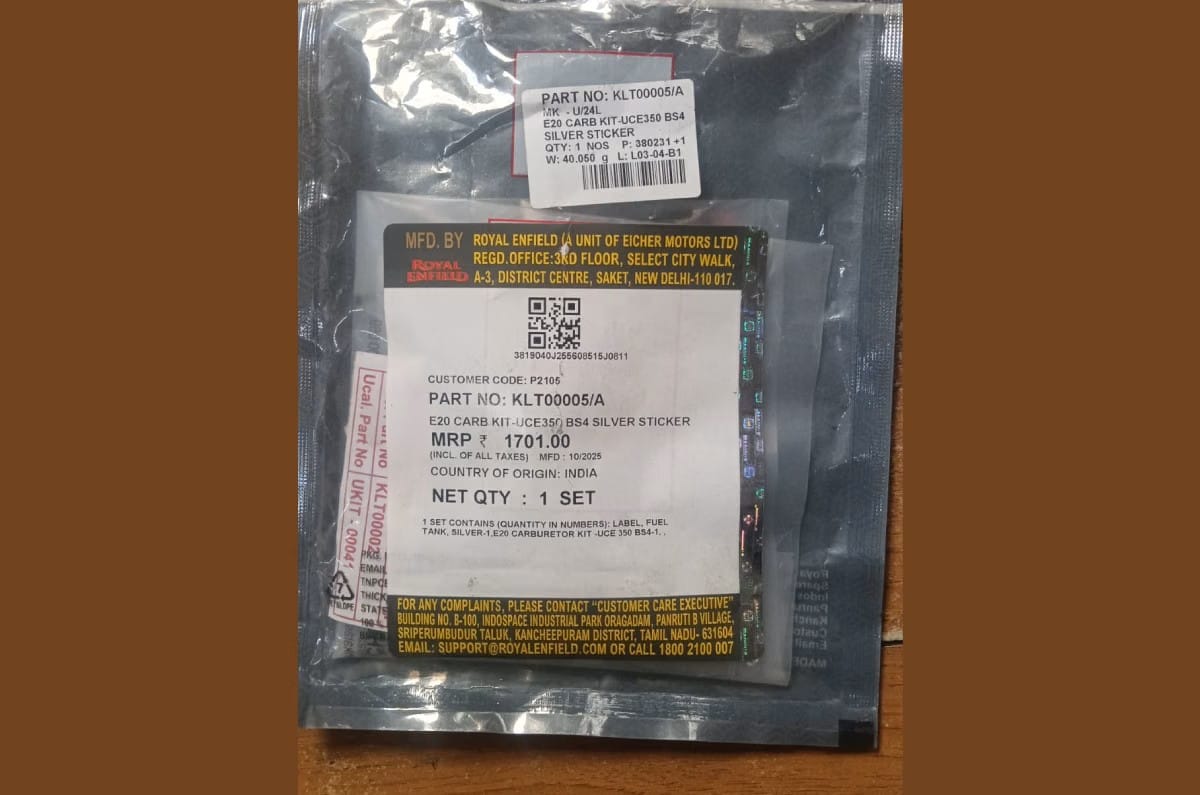
Yes, but official upgrade programmes are currently limited and while a few manufacturers, like Royal Enfield and Maruti Suzuki, had mentioned a plan for these earlier, they don’t have much to say for now. In a recent government press conference that aimed to quell the E20 backlash, Maruti stated that the kits are for R&D purpose only.
Theoretically, it’s possible to replace critical components susceptible to E20 damage with those designed to handle the fuel – especially if your vehicle is still in production – and if you feel the need to, you can go ahead and have parts like fuel lines, fuel pump and gaskets replaced but by your authorised workshops only.
So, should you be worried about E20 petrol?
Not worried, but alert. Modern petrol cars and bikes designed or updated for E20 are engineered to run on the fuel without major issues, and extensive testing by the government, research agencies and manufacturers found no evidence of widespread reliability concerns.That said, E20 is not without trade-offs. Most motorists should expect a small reduction in fuel efficiency.
For owners of older vehicles, it would be wise to pay closer attention to fuel-system maintenance.
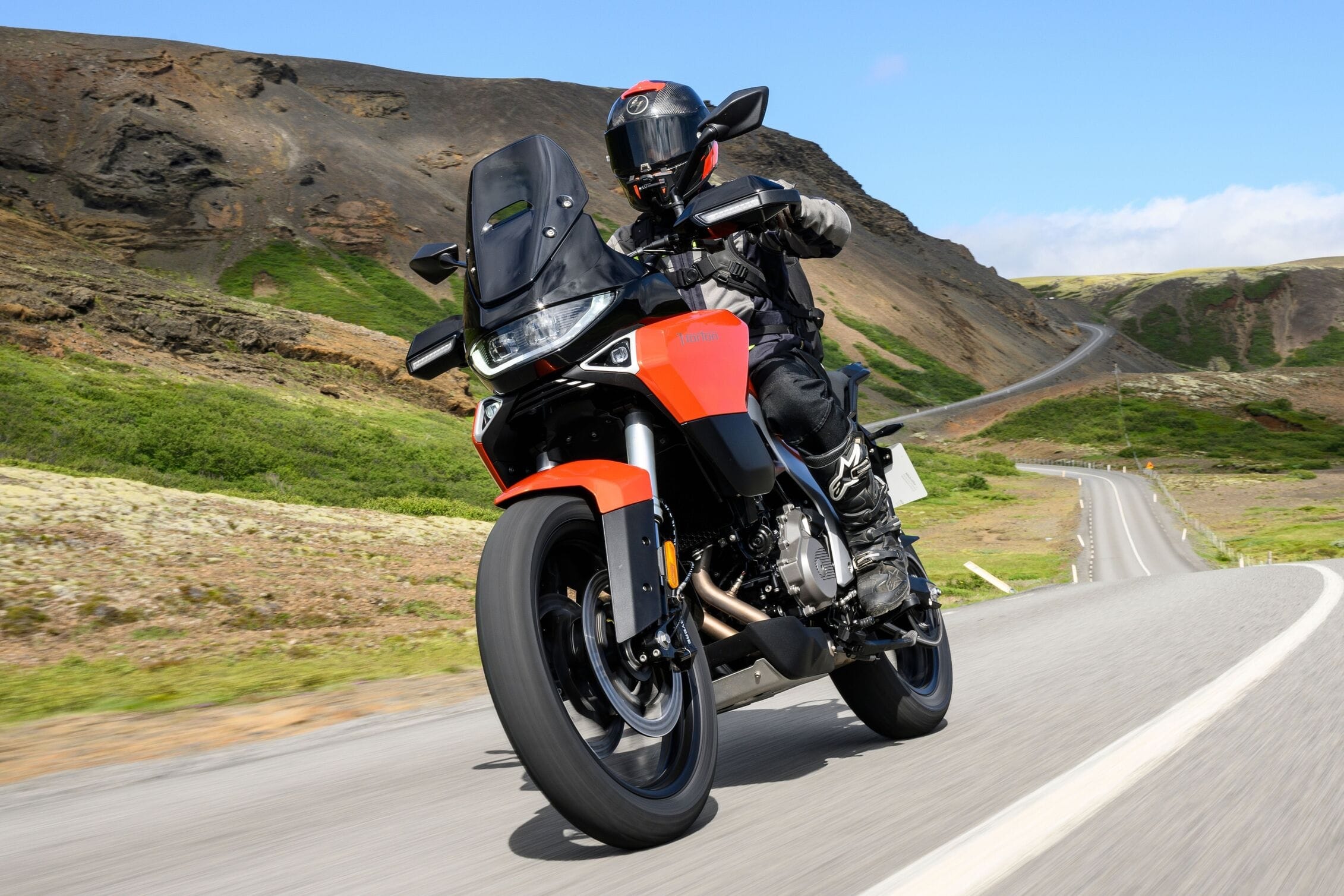
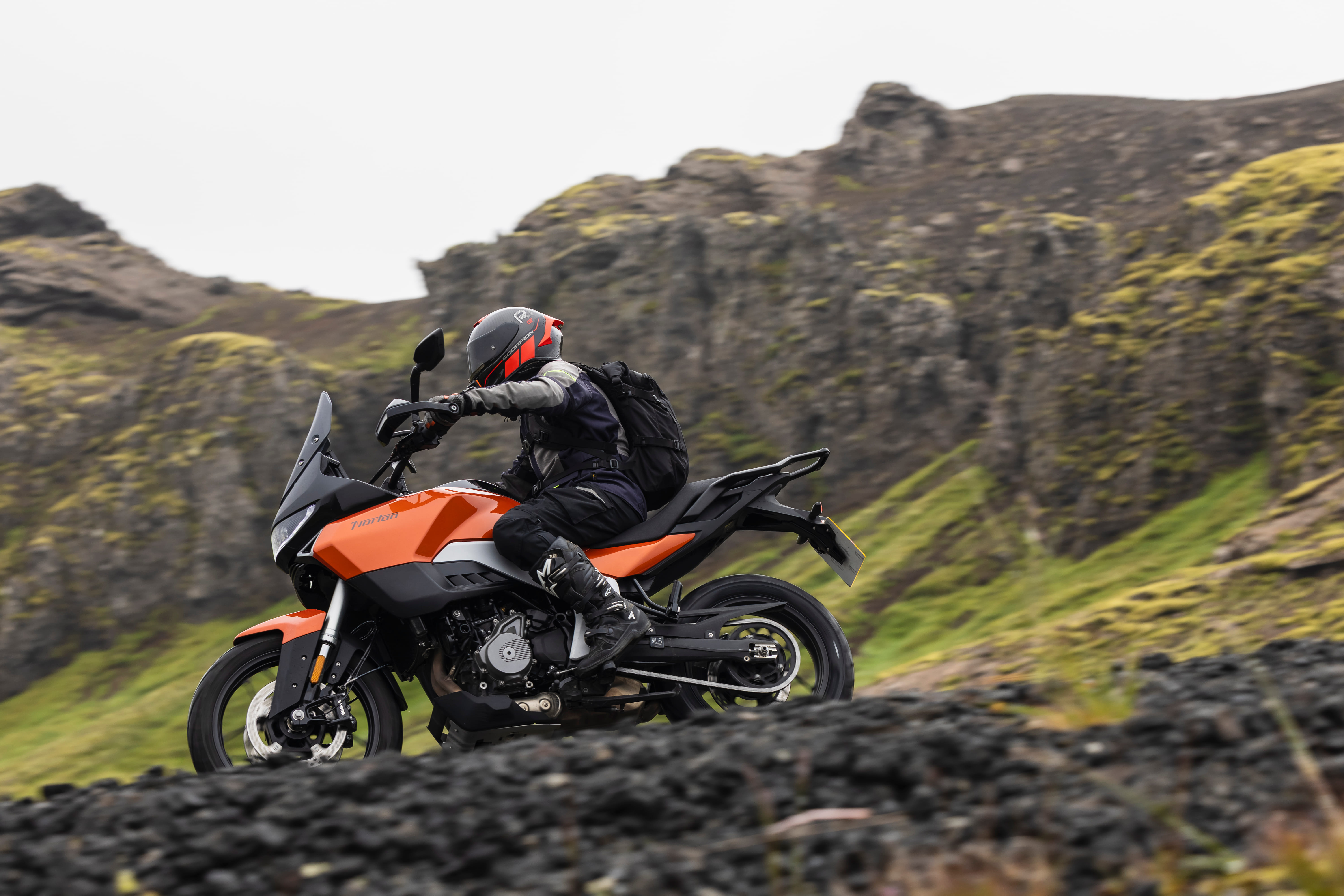
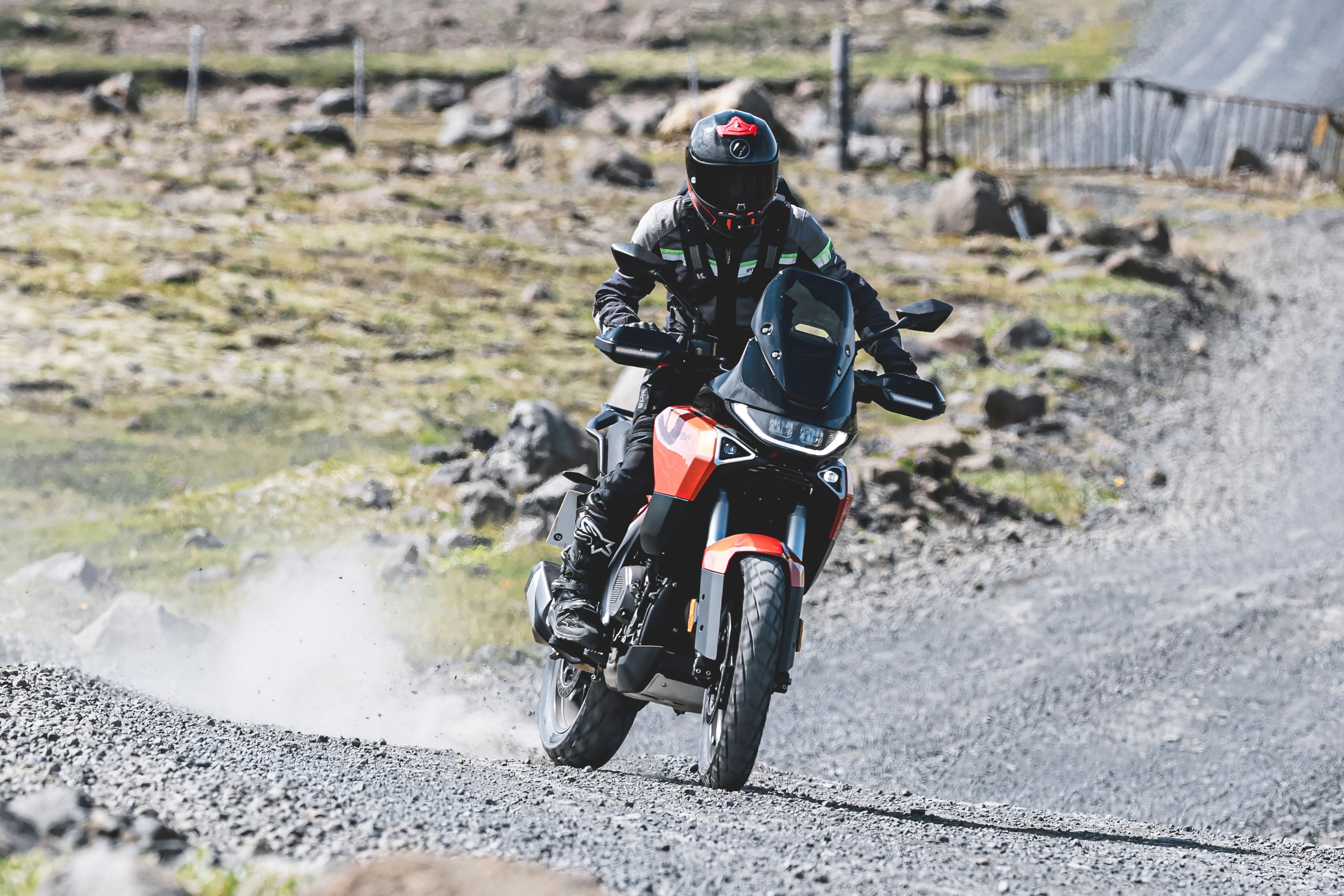
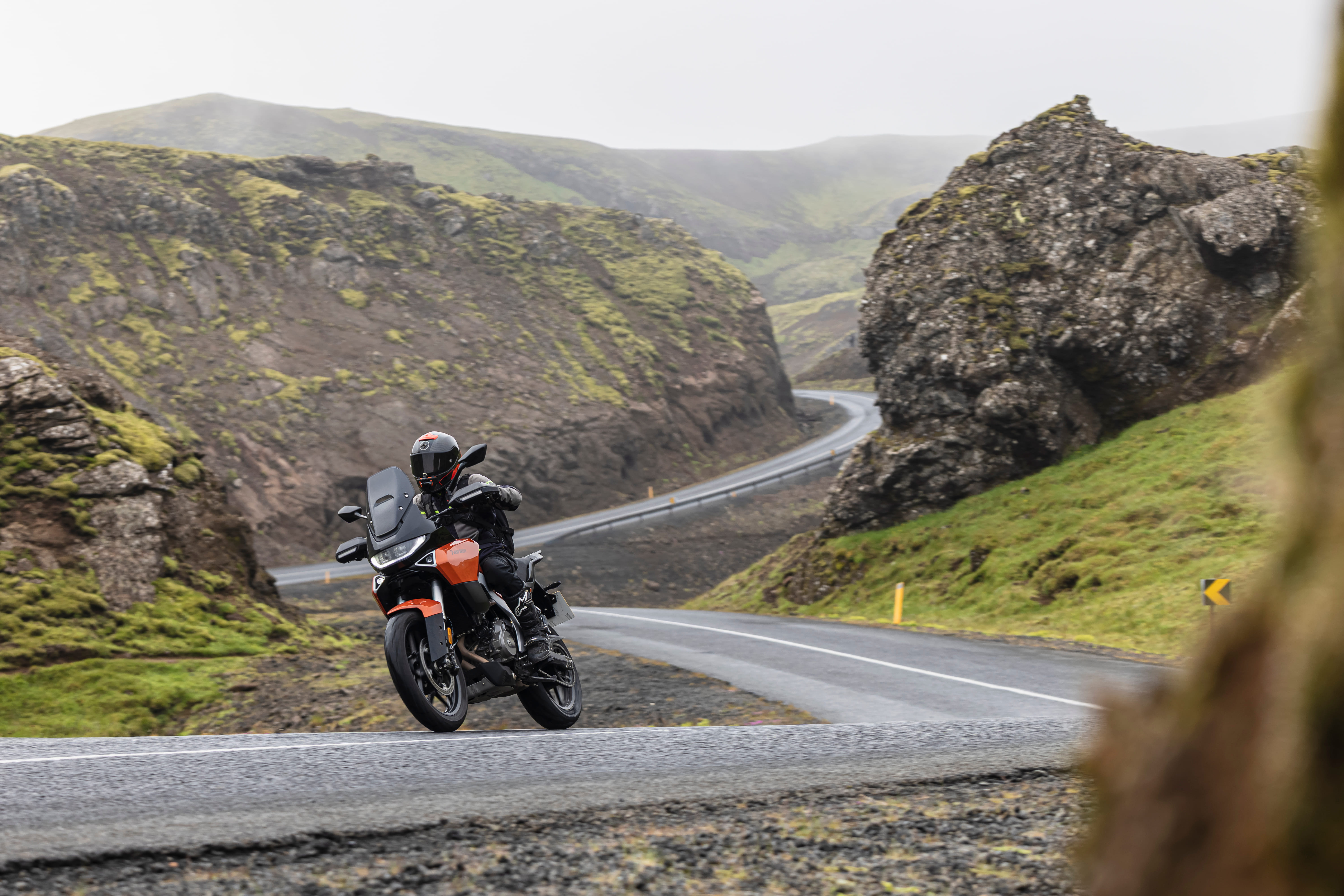
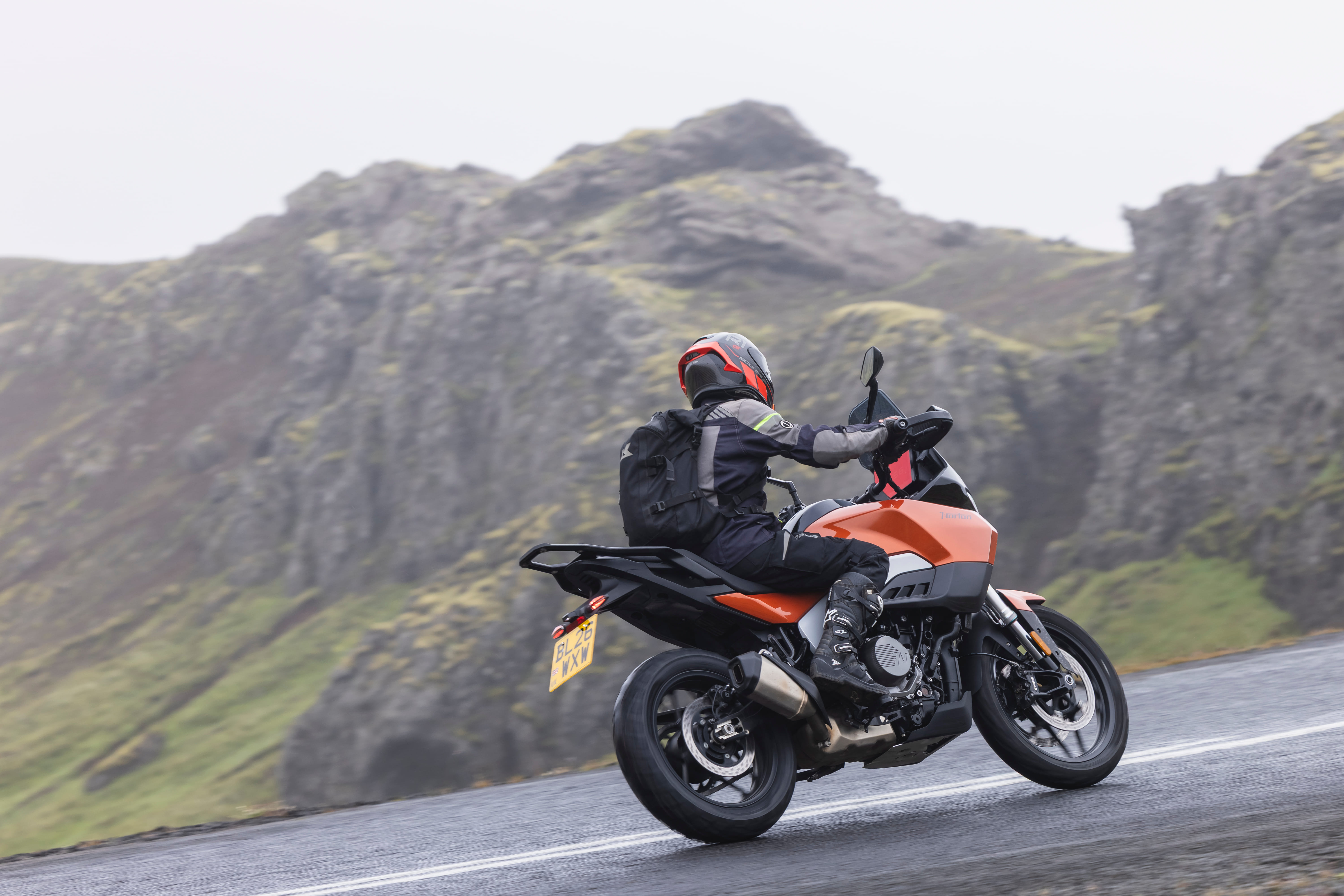
The Atlas is only the second motorcycle to emerge from the revived Norton under TVS ownership, following the Manx R. For this first ride, we got to ride the fully-loaded Apex variant, equipped with a 19-inch front and 17-inch rear alloy wheel, alongside a full suite of electronic rider aids. Over the course of nearly 200km, we rode across Iceland’s sweeping mountain roads before venturing onto gravel trails to understand where the Atlas fits in the competitive adventure-touring segment.
Design and Quality – 8/10
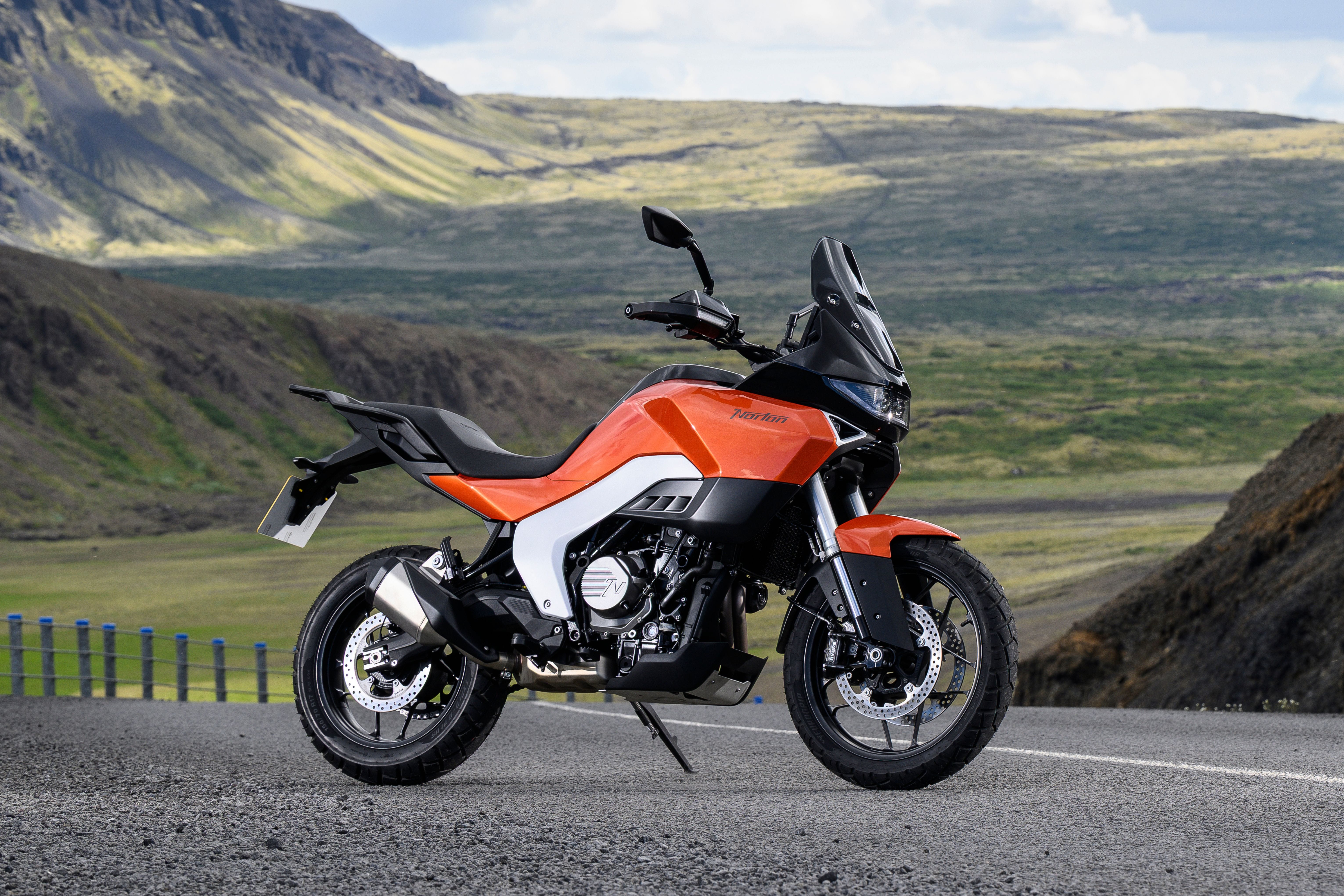
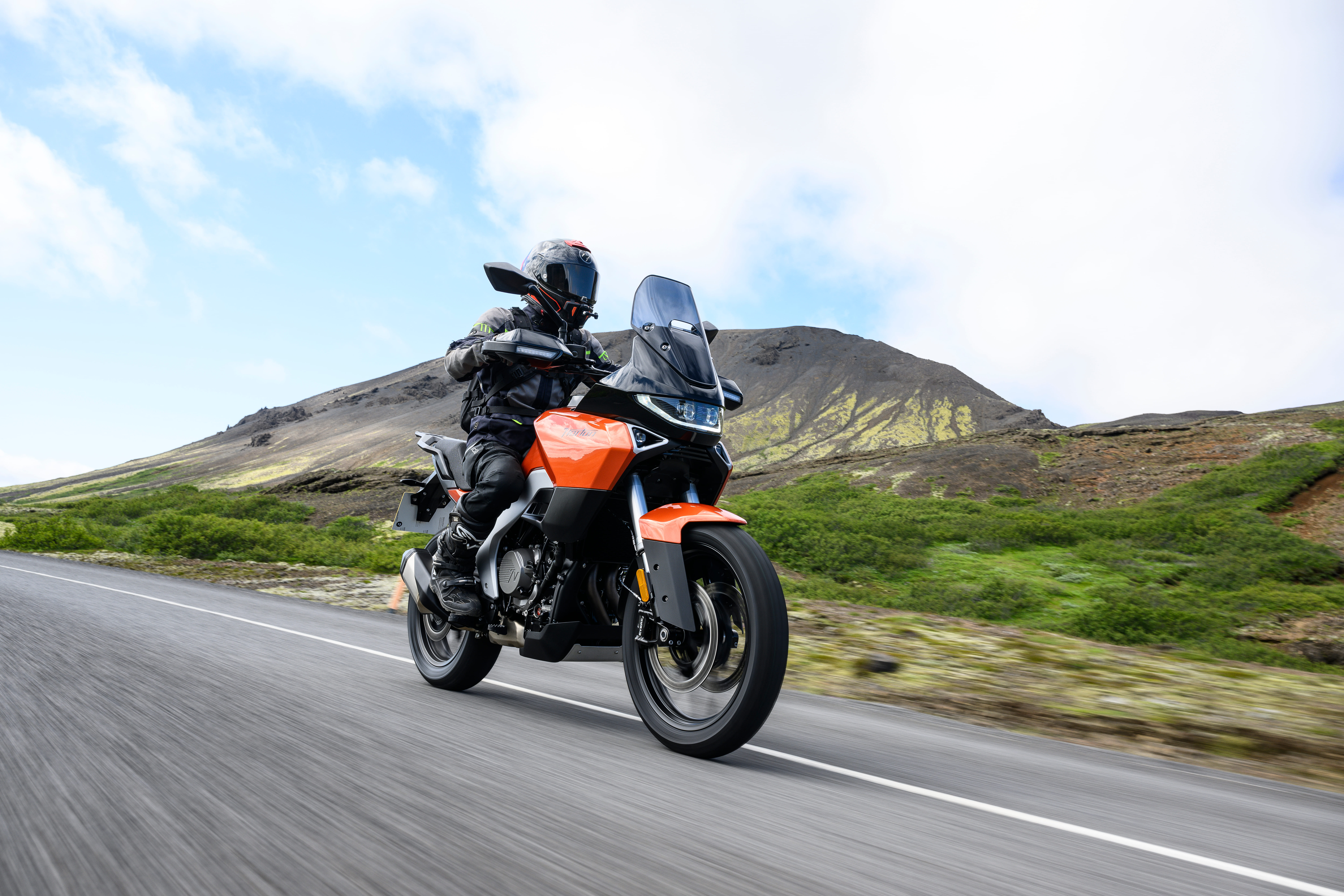
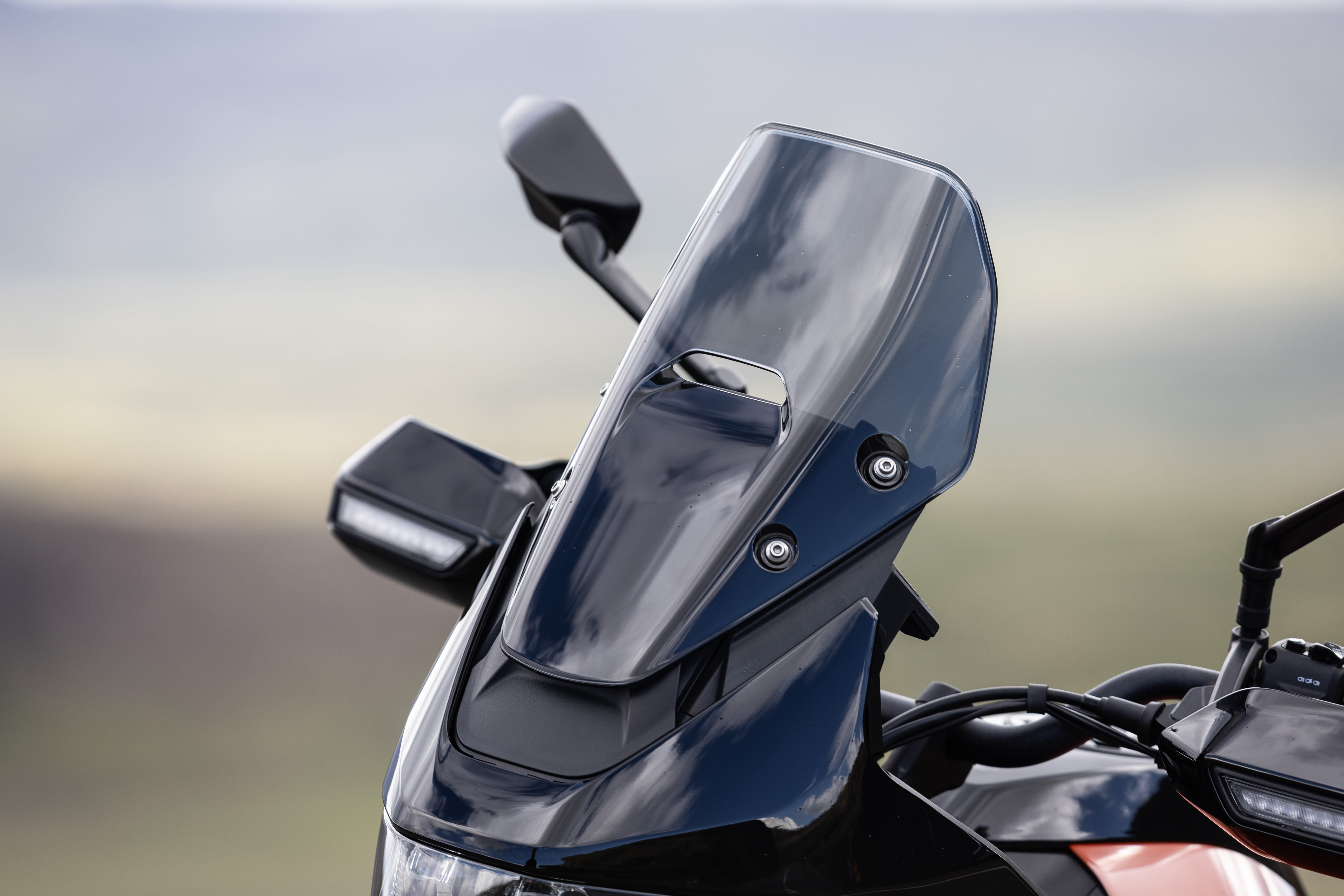
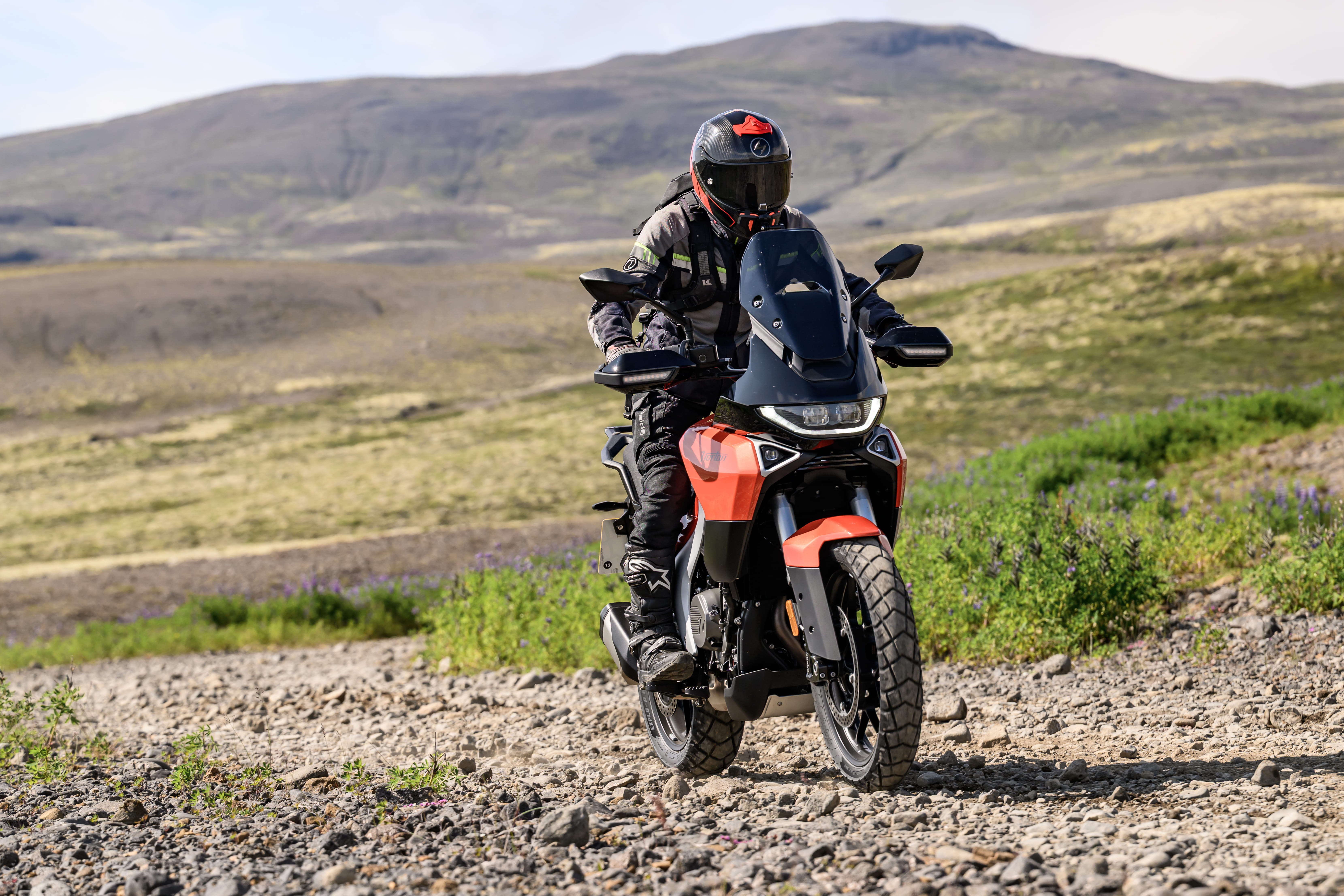
The Atlas follows the same flowing design philosophy as the Manx R, with clean bodywork and proportionate styling that looks better in person than it does in photographs. The front end is particularly distinctive. A unique LED headlamp sits at the centre, flanked by triangular cornering lights. The indicators are neatly integrated into the handguards, giving the bike a clean appearance, while an adjustable windscreen sits above. Adjusting it requires pressing buttons on either side simultaneously, which means you can only do so while stationary.
The 15.4-litre fuel tank appears well-sized for long-distance touring, and towards the rear there’s a practical luggage rack, tail-light integrated into the indicators, and a one-piece seat. The fit and finish leaves a positive impression with consistent panel gaps, good switchgear, and it is an overall well-built motorcycle.
Position and Comfort – 9/10
Despite its touring intentions, the Atlas strikes an interesting balance in terms of ergonomics. With an 845mm seat height, it certainly isn’t low. At 5ft 7in, I couldn’t completely flat-foot the motorcycle, although reaching the ground did not feel intimidating. More importantly, once seated, the riding position feels natural and commanding.
The wide, raised handlebar offers excellent leverage while keeping you upright during long hours in the saddle. Meanwhile, the footpegs are positioned slightly rearset compared to many adventure motorcycles. That gives the Atlas a subtly sporty riding position without compromising comfort, allowing you to enjoy curving mountain roads just as much as relaxed highway cruising.
The seat comfort was surely impressive and even after an entire day in the saddle, it remained supportive with no soreness. The Apex variant weighs 192kg without fuel, which translates to roughly 204kg with a full tank of fuel. You certainly notice the weight while manoeuvring at walking pace, but once on the go, the weight is not felt as much.
Performance – 9/10
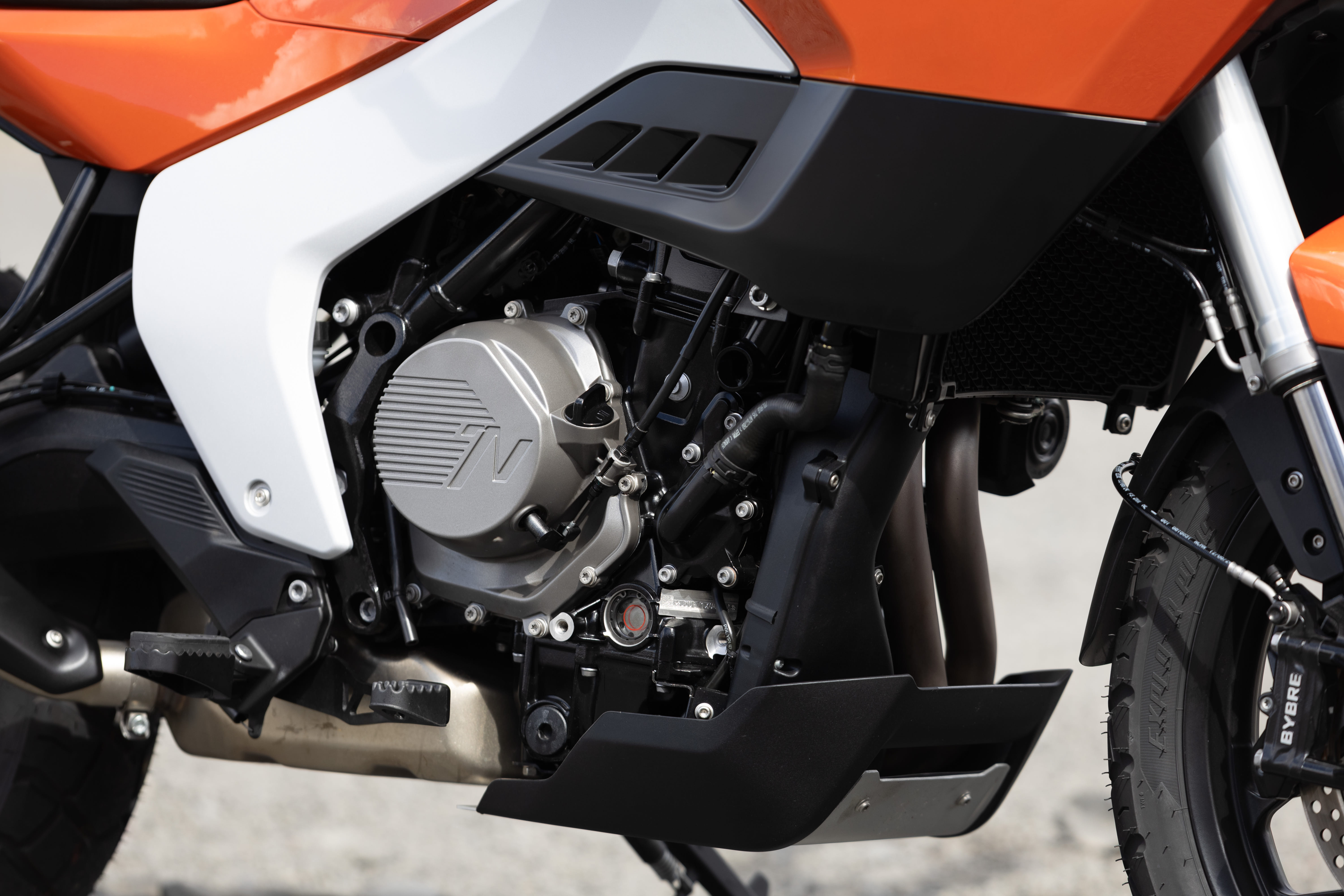
Powering the Atlas is an all-new 585cc parallel-twin engine producing 70hp and 57.5Nm. It features a 270 degree crankshaft, giving it a distinctive exhaust note and an engaging character. The cylinders are plasma-coated, which Norton says reduces friction, lowers weight and improves durability. Another interesting engineering detail is the removable cassette style six-speed gearbox, which can be serviced without moving or removing the engine.
Out on the road, the engine has strong low-end torque. Pulling away from a standstill requires little effort, and there is a healthy surge in the lower half of the rev range. Around 5,000rpm, the torque curve begins to flatten and the power delivery becomes progressively more linear towards the top end. It never felt intimidating, but was certainly entertaining.
Cruising refinement is equally impressive. The engine remains smooth for the most part, with only mild vibrations creeping through the motorcycle at higher revs. They’re noticeable, but never intrusive enough to spoil the riding experience.
The bike also gets a bi-directional quickshifter as standard. Downshifts are slick and seamless, but upshifts tell a slightly different story. At city speeds around 60kph it performs well, although at higher speeds it cuts power fractionally longer than expected, resulting in shifts that occasionally feel jerky.
Features and Safety – 9/10
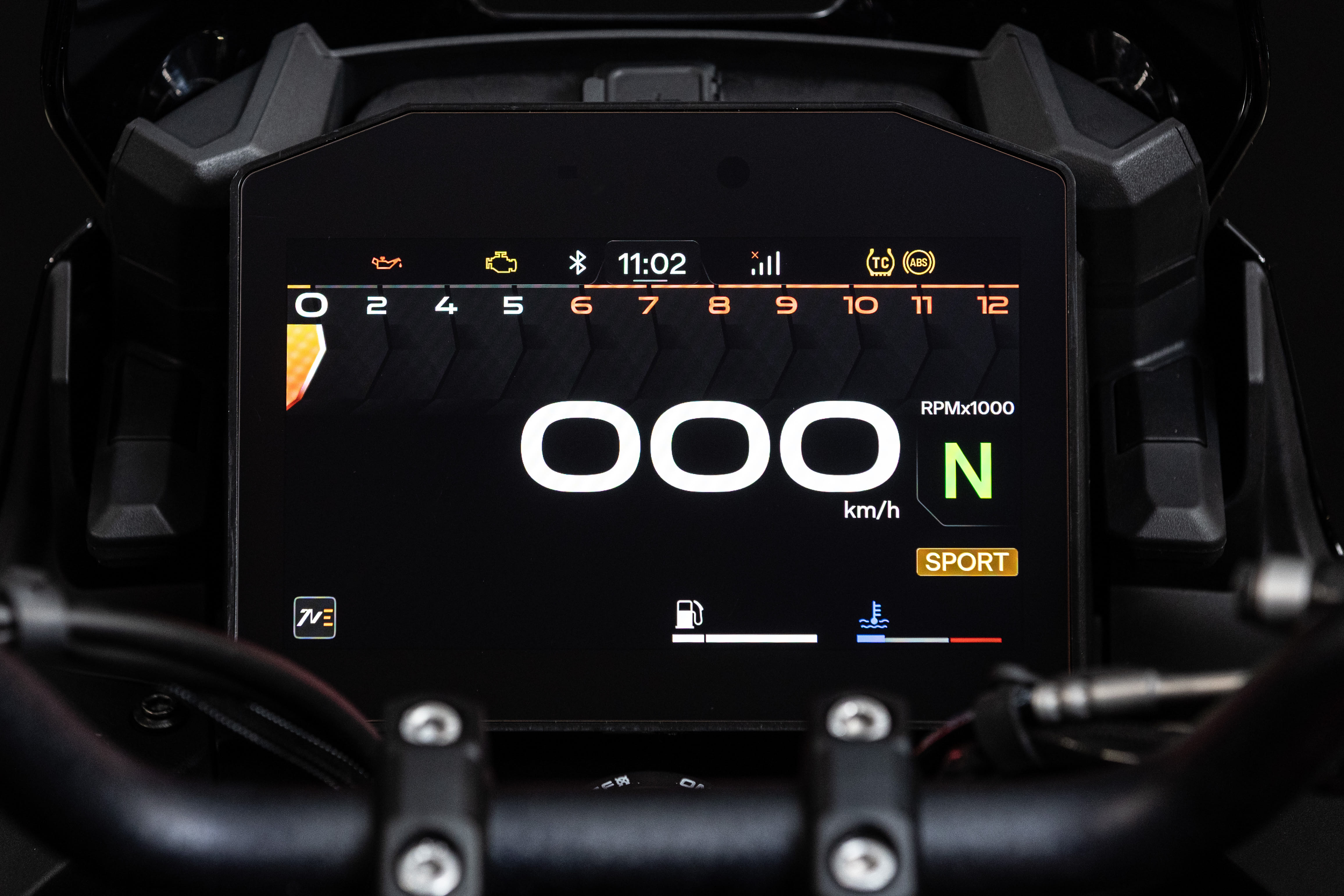
The Atlas Apex comes loaded with technology. It uses the same 8-inch TFT touchscreen similar to the unit seen on the Manx R. The display is bright, crisp and easy to read, while the touchscreen itself responds well to inputs. It is paired with a comprehensive electronics package including traction control, cornering ABS, cruise control, hill hold assist and heated grips. Given Iceland’s chilly weather, the heated grips proved to be helpful throughout the day, while cruise control made covering long stretches of open highway effortless.
Five riding modes are available, each altering throttle response, engine braking, traction control and ABS intervention. I spent most of my time in touring mode and it offered good throttle response that was perfectly suited to the flowing roads we spent most of the day riding. Sport mode noticeably reduces the intervention from both traction control and ABS, allowing a more spirited riding experience, while Enduro mode also tweaks the throttle response for loose surfaces and disengages rear ABS.
One feature that stood out was the slide control calibration in Enduro mode. On gravel roads, it allows enough rear-wheel movement to enjoy controlled slides without things getting risky. Adding to the practicality is a dedicated traction control button on the left switchgear, allowing riders to disable the system altogether without navigating through multiple menus.
There are, however, a couple of minor annoyances. The TFT display takes longer than expected to boot up after switching on the ignition. The keyless system also feels unnecessarily complicated, requiring you to press an unlock button on the key fob every single time before starting the bike. This was a small inconvenience that could become frustrating during long tours with frequent stops, but it is something that Norton could fix with a software update.
The adjustable windscreen also generates noticeable buffeting at higher speeds, although it is worth mentioning that Iceland’s notoriously strong crosswinds likely exaggerated the issue.
Ride and Handling – 8/10
Suspension duties are handled by a fully-adjustable, 43mm KYB upside-down fork up front and a KYB monoshock at the rear with remote preload adjustment. The remote preload adjuster is a welcome feature for touring, although its placement requires reaching deep inside the motorcycle to make adjustments. Suspension travel measures 180mm at both ends. The standard setup leans towards the firmer side, but that suits the motorcycle’s road-focused personality perfectly.
On sweeping mountain roads, the motorcycle feels composed. It changes direction with confidence, remains planted through long corners and inspires plenty of confidence at higher cruising speeds. The chassis remained stable despite battling strong crosswinds for much of the day. Even when exposed on wide, open stretches of road, the Atlas never felt nervous or unsettled.
Although the Atlas carries adventure-bike styling, it is best viewed as a road-biased tourer that isn’t afraid of venturing off road. On flowing dirt roads, the motorcycle remained confidence inspiring, with the electronics working seamlessly in the background. Standing on the pegs felt natural, and the suspension dealt comfortably with smaller bumps and loose surfaces.
Over larger rocks and rougher terrain, however, the weight becomes more noticeable, while the suspension transmits sharper impacts than a dedicated off-road machine would. If your adventures regularly involve technical trails, there are better options available. But for riders whose definition of adventure includes the occasional gravel road between long stretches of tarmac, the Atlas feels perfectly at home.
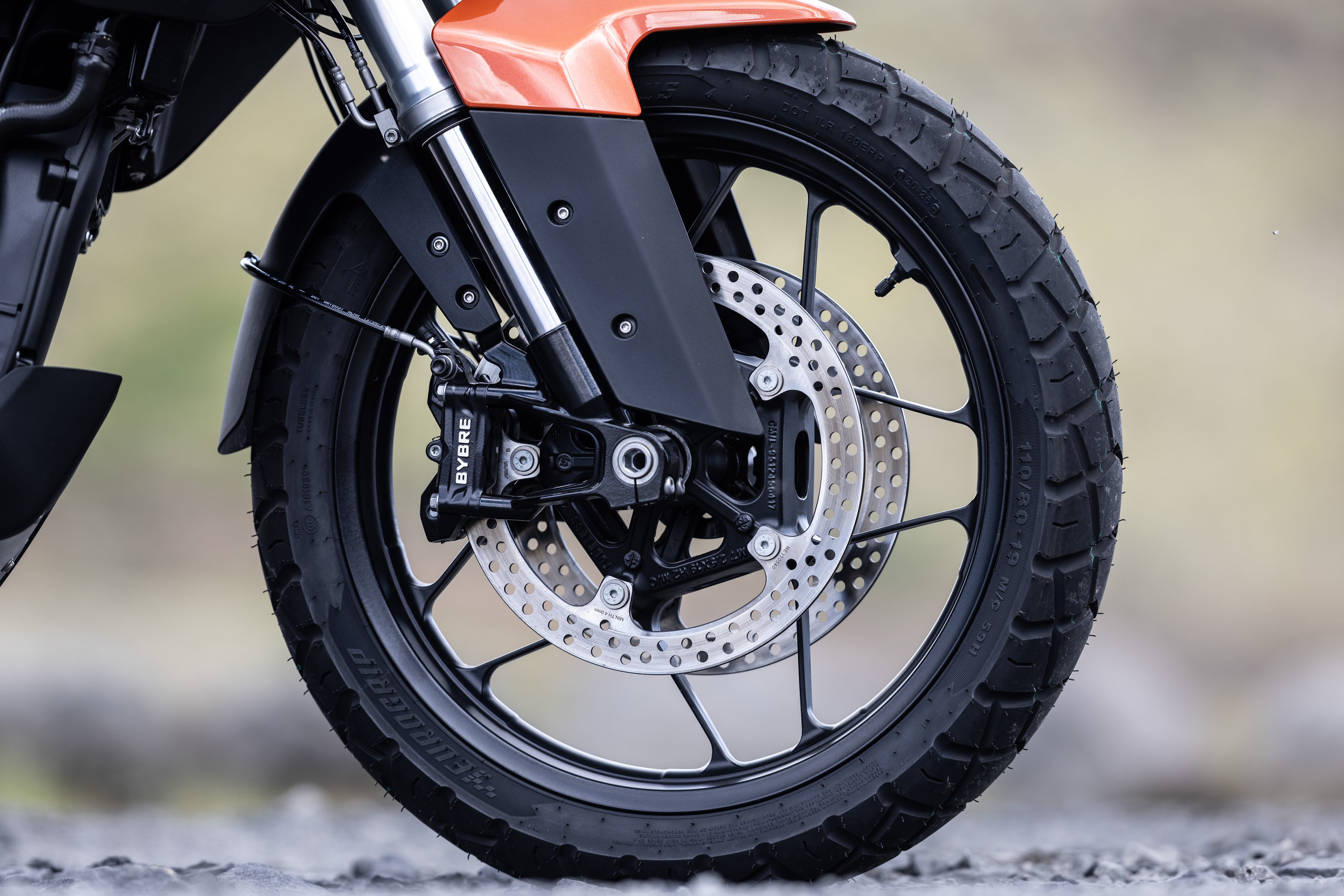
One component that consistently impressed throughout the ride was the set of dual-purpose Eurogrip Xplo-R Plus tyres. Whether attacking sweeping corners, riding through gravel or dealing with wet roads, they delivered excellent grip and confidence, even in the sub 10 degree cold we had at the start of the ride. The Atlas tipped into corners willingly, remained composed at speed and, even in the rain, never once felt nervous or unpredictable.
The braking system, unfortunately, wasn’t quite as convincing. On paper, it sounds promising, featuring twin front discs, ByBre calipers and steel-braided brake lines. Additionally, this variant also gets an electronically combined braking system. However, there is hardly any initial bite when first applying the brakes. Instead, the stopping power builds suddenly once the lever reaches roughly halfway through. While outright braking performance is strong, the abrupt transition makes smooth modulation difficult until you become familiar with the system. It is one area that requires further refinement.
Verdict – 9/10
The Norton Atlas did make a strong first impression. It blends handsome styling, premium build quality, engaging engine performance and a comprehensive electronics package into a motorcycle that feels genuinely capable of covering serious distances. It focuses on delivering an enjoyable touring experience while retaining enough off-road ability for occasional detours. Its few shortcomings like the slightly awkward quickshifter, unusual brake feel and some quirks with the keyless system are minor in the context of an otherwise polished package.
The biggest question, however, isn’t how it rides. It’s how much it will cost. With production set to take place in India under TVS, expectations are naturally high for competitive pricing. At 585cc, it has much more displacement than a 450cc bike, a little less than a 650cc and with 70hp of power, it is in a league of its own. But considering it is above 350cc, it will attract a 40 percent GST as well.
If Norton can bring the Atlas to India with a starting price between Rs 5 lakh and Rs 5.5 lakh (ex-showroom), it could be a successful product. Now, all that’s left is to see how it performs on our Indian roads.
भारत में E20 (20 फीसदी एथेनॉल मिश्रण वाले) पेट्रोल का दायरा तेजी से बढ़ रहा है। इसके साथ ही आम जनता के बीच गाड़ी के माइलेज में गिरावट और इंजन को संभावित नुकसान पहुंचने की बहस भी तेज हो गई है। उपभोक्ताओं की इसी चिंता और भ्रम को दूर करने के लिए ऑयल और एनर्जी इंडस्ट्री के दो दिग्गज एक्सपर्ट्स शनिवार को सामने आए और उन्होंने इस ईंधन से जुड़े तमाम मिथकों की सच्चाई उजागर की। मुंबई में आयोजित एक हाई-लेवल मीडिया ब्रीफिंग के दौरान समाचार एजेंसी ANI से बात करते हुए बीपीसीएल (BPCL) के रिटायर्ड डायरेक्टर (रिफाइनरीज) आर रामचंद्रन और आईजीएल (IGL) के रिटायर्ड चेयरमैन व बीपीसीएल के डायरेक्टर राज कुमार दुबे ने लैब के पुख्ता डेटा के आधार पर सड़क के व्यक्तिगत अनुभवों से पैदा हुए भ्रम को दूर किया और E20 को भविष्य का ईंधन बताया।
क्या E20 पेट्रोल से सच में 10% घट जाती है माइलेज?
वाहन चालकों की ओर से अक्सर यह शिकायत आती है कि एथेनॉल ब्लेंडेड पेट्रोल के इस्तेमाल से गाड़ी की माइलेज में 10 फीसदी तक की गिरावट आ रही है। इस पर बात करते हुए आर रामचंद्रन ने साफ किया कि व्यापक इंस्टीट्यूशनल टेस्टिंग से पता चलता है कि माइलेज पर इसका सिर्फ मामूली असर पड़ता है। रामचंद्रन ने समझाया कि कुछ इससे अलग मामले भी हो सकते हैं, जिन्हें अलग तरीके से ठीक किया जा सकता है। उन्होंने इशारा किया कि वाहनों का पुराना होना, सामान्य टूट-फूट या अग्रेसिवी सिटी ड्राइविंग जैसी स्थिति भी कम माइलेज के पीछे की असल वजह हो सकती है।
#WATCH | Mumbai, Maharashtra: On ethanol-blended fuel, Director (Refineries) (Retd.), BPCL, R Ramachandran says, “We had this consultation with our automobile friends. They had explained to us extensive studies carried out across the diving cycle with various vehicles by… pic.twitter.com/engsvzxnDu
इस मुद्दे पर राज कुमार दुबे ने एक बेहद दिलचस्प बात जोड़ी। उन्होंने कहा कि वाहन चालक पिछले एक साल से भी ज्यादा समय से बिना जाने ही E20 जैसा ब्लेंडेड ईंधन खरीद रहे हैं। दुबे ने कहा कि अचानक अगर आप यह सवाल उठाते हैं कि माइलेज नाटकीय रूप से कम हो रहा है तो इन बातों का कोई तार्किक आधार नहीं है। उन्होंने उपभोक्ताओं से अपील की कि वे किसी व्यक्तिगत राय के बजाय टेस्टिंग एजेंसियों के दावों पर भरोसा करें।
क्या 2023 से पहले की गाड़ियों के इंजन हो जाएंगे खराब?
साल 2023 से पहले बनी देश की लाखों पुरानी गाड़ियों में सीधे तौर पर E20 ईंधन के इस्तेमाल की फैक्ट्री कंप्लायंस नहीं है। ऐसे में मैकेनिकल नुकसान के डर पर एक्सपर्ट्स ने स्थिति स्पष्ट की। राज कुमार दुबे ने बताया कि एक्सेलरेटेड टेस्टिंग से यह सामने आया है कि पुराने इंजनों के लिए दीर्घकालिक तौर पर सिर्फ मामूली बदलावों की ही जरूरत होगी। दुबे ने कहा कि बहुत पुराने वाहनों में रबर के पार्ट्स पर कुछ असर पड़ सकता है। सामान्य तौर पर मान लीजिए कि आप 10 साल में रबर पार्ट्स बदलना चाहते हैं तो इस ईंधन के साथ आपको रबर पार्ट्स को शायद आठ साल में बदलने पर विचार करना होगा। उन्होंने आगे कहा कि इतने बड़े राष्ट्रीय अभियान के लिए यह बहुत ही छोटी कीमत है।
इसके साथ ही आर रामचंद्रन ने बीमा से जुड़ी उन अफवाहों को भी खारिज कर दिया जिनमें दावा किया जा रहा था कि ऐसी गाड़ियों का इंश्योरेंस अमान्य हो जाएगा। उन्होंने स्पष्ट किया कि स्पष्ट अधिसूचनाएं इसकी पुष्टि करती हैं कि इंश्योरेंस पॉलिसियां पूरी तरह से वैध रहती हैं।
पर्यावरण को नुकसान और पानी की बर्बादी का सच
कुछ रिपोर्टों में यह दावा किया गया था कि एक लीटर एथेनॉल ईंधन के उत्पादन में 10000 लीटर तक पानी बर्बाद हो जाता है। इन पर्यावरण संबंधी चिंताओं को दोनों दिग्गजों ने सिरे से खारिज कर दिया। रामचंद्रन ने कहा कि कृषि उत्पादन में होने वाली पानी की खपत का बोझ एथेनॉल पर नहीं डाला जाना चाहिए। उन्होंने इस बात पर विशेष जोर दिया कि अधिकांश नए जमाने की डिस्टिलरीज 100% वाटर रीसाइक्लिंग और जीरो-इफ्लुएंट डिस्चार्ज के सिद्धांत पर काम कर रही हैं।
देश को मिल रहा है भारी आर्थिक फायदा
एक्सपर्ट्स ने बताया कि इस नीति से देश को बहुत बड़ा व्यापक आर्थिक लाभ मिल रहा है। सरकार को इससे 1.8 लाख करोड़ रुपये से 1,9 लाख करोड़ रुपये तक की विदेशी मुद्रा की बचत होने की उम्मीद है। राज कुमार दुबे ने ध्यान दिलाया कि यह नीति अंतरराष्ट्रीय बाजार में कच्चे तेल की उतार-चढ़ाव भरी कीमतों के खिलाफ एक सुरक्षा कवच का काम करती है। उन्होंने दलील देते हुए कहा कि अगर E20 पेट्रोल अस्तित्व में न होता और इस 20 प्रतिशत अतिरिक्त हिस्से को भी हमें विदेशों से आयात करना पड़ता तो इस देश में पेट्रोल की कीमत क्या होती? आज पेट्रोल के दाम 5 से 7 रुपये प्रति लीटर और ज्यादा बढ़ गए होते। उन्होंने ये भी कहा कि देश की पूंजी को घरेलू अर्थव्यवस्था के भीतर बनाए रखने से सीधा फायदा हमारे स्थानीय गन्ना किसानों को मिल रहा है और वे समृद्ध हो रहे हैं।