Post Office Top 5 Schemes: अगर आप शेयर बाजार के जोखिम से दूर रहकर सुरक्षित निवेश के जरिए अपना पैसा बढ़ाना चाहते हैं, तो पोस्ट ऑफिस की योजनाएं आज भी सबसे पसंदीदा विकल्प हैं। बीते दिनों भारत सरकार ने अक्टूबर से दिसंबर 2026 तिमाही के लिए लघु बचत योजनाओं की ब्याज दरों को पुरानी दरों पर ही बरकरार रखने का ऐलान किया। यानी ब्याज में कोई कटौती नहीं की गई है जो निवेशकों के लिए गुड न्यूज है। इन योजनाओं में 8.2% का अधिकतम ब्याज मिल रहा है।
100% सरकारी गारंटी, शानदार ब्याज दरों और टैक्स छूट के साथ अगर आप भी अपने वित्तीय लक्ष्यों को हासिल करने के लिए सही निवेश ऑप्शन की तलाश में हैं, तो पोस्ट ऑफिस की ये 5 सबसे धांसू स्कीम्स आपके लिए सबसे बेस्ट साबित होंगी।
1. Senior Citizen Savings Scheme (SCSS) – सबसे ज्यादा 8.2% ब्याज
60 वर्ष या उससे अधिक आयु के वरिष्ठ नागरिकों के लिए यह पोस्ट ऑफिस की सबसे लोकप्रिय और सबसे ज्यादा रिटर्न देने वाली योजना है।
ब्याज दर: 8.20% सालाना (ब्याज का भुगतान हर तिमाही किया जाता है)।
निवेश की अवधि: 5 साल।
निवेश सीमा: न्यूनतम ₹1,000 से अधिकतम ₹30 लाख तक।
कमाई का गणित: अगर आप इसमें ₹30 लाख का अधिकतम निवेश करते हैं, तो 8.20% की दर से आपको हर 3 महीने में ₹61,500 का ब्याज मिलेगा। यानी हर महीने लगभग ₹20,500 की नियमित आय।
टैक्स लाभ: इनकम टैक्स की धारा 80C के तहत ₹1.5 लाख तक की टैक्स छूट का लाभ मिलता है।
2. Post Office Monthly Income Scheme (POMIS) – हर महीने पक्की पेंशन जैसी आय
अगर आप एकमुश्त पैसा जमा करके हर महीने एक निश्चित आय पाना चाहते हैं, तो यह स्कीम आपके लिए सबसे मुफीद विकल्प है।
ब्याज दर: 7.40% सालाना (मासिक भुगतान)।
निवेश की अवधि: 5 साल।
निवेश सीमा: सिंगल अकाउंट में अधिकतम ₹9 लाख और जॉइंट अकाउंट में अधिकतम ₹15 लाख तक।
कमाई का गणित:
सिंगल अकाउंट: ₹9 लाख जमा करने पर आपको हर महीने ₹5,550 की पक्की आय मिलेगी।
जॉइंट अकाउंट: ₹15 लाख जमा करने पर आपको हर महीने ₹9,250 का ब्याज मिलेगा।
3. Post Office Time Deposit (5-Year FD) – बैंक से बेहतर रिटर्न और टैक्स छूट
पोस्ट ऑफिस की 5 साल की एफडी में सुरक्षित निवेश के साथ-साथ आपको इनकम टैक्स बचाने का डबल फायदा मिलता है।
ब्याज दर: 7.50% सालाना (तिमाही आधार पर कंपाउंडिंग)।
निवेश की अवधि: 1 से 5 साल (5 साल वाली FD पर सबसे ज्यादा ब्याज)।
न्यूनतम जमा: ₹1,000 से शुरुआत कर सकते हैं, अधिकतम की कोई सीमा नहीं है।
टैक्स लाभ: केवल 5 साल की टाइम डिपॉजिट में जमा की गई राशि पर धारा 80C के तहत ₹1.5 लाख तक की टैक्स छूट मिलती है।
4. Post Office Recurring Deposit (5-Year RD) – छोटी बचत से बड़ा फंड
जो लोग एक साथ बड़ी रकम निवेश नहीं कर सकते, उनके लिए हर महीने छोटी-छोटी बचत करके बड़ा फंड तैयार करने का यह सबसे आसान तरीका है।
ब्याज दर: 6.70% सालाना (तिमाही कंपाउंडिंग)।
न्यूनतम जमा: सिर्फ ₹100 प्रति माह से शुरुआत की जा सकती है।
कमाई का गणित: अगर आप हर महीने ₹5,000 की RD करते हैं, तो 5 साल में आपकी कुल जमा रकम ₹3,00,000 होगी। 6.70% की दर से इस पर करीब ₹56,830 का ब्याज मिलेगा और मैच्योरिटी पर आपको ₹3,56,830 प्राप्त होंगे।
खास सुविधा: 12 महीने लगातार खाता चलाने के बाद आप कुल जमा राशि पर 50% तक का लोन भी ले सकते हैं।
5. Post Office Savings Account – इमरजेंसी फंड के लिए सुरक्षित खाता
अगर आप अपना पैसा किसी भी समय निकालने की सहूलियत के साथ सुरक्षित रखना चाहते हैं, तो यह सामान्य बचत खाता सबसे बेहतरीन है।
ब्याज दर: 4.0% सालाना।
न्यूनतम जमा: केवल ₹500 से खाता खुलवा सकते हैं।
टैक्स लाभ: सामान्य नागरिकों के लिए धारा 80TTA के तहत ₹10,000 तक का ब्याज पूरी तरह टैक्स फ्री है। वहीं वरिष्ठ नागरिकों के लिए धारा 80TTB के तहत ₹50,000 तक का ब्याज टैक्स फ्री रहता है।
आपके लिए कौन सी योजना है सबसे बेहतर?
रिटायरमेंट के बाद गारंटीड इनकम के लिए: Senior Citizen Savings Scheme (SCSS)
हर महीने घर खर्च के लिए फिक्स्ड इनकम: Monthly Income Scheme (POMIS)
एकमुश्त जमा पर टैक्स बचाने के लिए: 5-Year Time Deposit (FD)
हर महीने छोटी-छोटी बचत करने के लिए: 5-Year Recurring Deposit (RD)
इमर्जेंसी फंड और रोजाना की जरूरतों के लिए: Post Office Savings Account
Disclaimer: यहां मुहैया जानकारी सिर्फ सूचना के लिए दी जा रही है। यहां बताना जरूरी है कि मार्केट में निवेश बाजार जोखिमों के अधीन है। निवेशक के तौर पर पैसा लगाने से पहले हमेशा एक्सपर्ट से सलाह लें। मनीकंट्रोल की तरफ से किसी को भी पैसा लगाने की यहां कभी भी सलाह नहीं दी जाती है।
Kia has rolled out a range of benefits across its India line-up for October 2026, including cash discounts, exchange and scrappage offers, loyalty benefits and corporate discounts. The offers vary by model, variant and powertrain, with select cars also getting additional benefits such as an extended warranty. Here is a model-wise breakdown of Kia’s October offers.
Disclaimer: Offers/benefits may vary by city and are subject to stock availability. Buyers are advised to check with their local dealer for exact figures.
Kia Carnival discounts in October 2026
Up to Rs 1.70 lakh off
The Kia Carnival gets the highest benefits in Kia’s October 2026 offer programme, with savings of up to Rs 1.70 lakh. The package comprises a Rs 1 lakh exchange offer, Rs 20,000 scrappage benefit and corporate benefits of up to Rs 50,000.
Kia’s flagship MPV focuses on rear-seat comfort and space, making it a compelling choice among chauffeur-driven buyers. Priced from Rs 59.65 lakh, the Carnival does not have a direct rival, although the MG M9 is positioned in a similar price bracket.
Kia Carens Clavis discounts in October 2026
Up to Rs 95,000 off
The Kia Carens Clavis gets benefits of up to Rs 95,000 on its ICE variants, excluding the CNG version. The offer comprises a Rs 10,000 cash discount, Rs 30,000 exchange benefit, Rs 20,000 loyalty benefit, Rs 20,000 scrappage benefit and corporate benefits of up to Rs 15,000.
The Clavis is available in six- and seven-seat configurations, with naturally aspirated petrol, turbo-petrol, CNG and diesel engine options. Prices range from Rs 11.39 lakh to Rs 21.79 lakh, ex-showroom. It is sold alongside the older Carens, which remains the lower-priced option in Kia’s MPV line-up. The Clavis rivals MPVs such as the Maruti Suzuki XL6 and Toyota Rumion, while its price also overlaps with larger three-row SUVs such as the Hyundai Alcazar and Tata Safari.
Kia Carens Clavis EV discounts in October 2026
Up to Rs 75,000 off
The Carens Clavis EV gets benefits of up to Rs 75,000 across its range. The offer includes a Rs 20,000 exchange benefit, Rs 20,000 loyalty benefit, Rs 20,000 scrappage benefit and corporate benefits of up to Rs 15,000. No cash is available for the Clavis EV this month.
The electric MPV offers a practical, well-finished cabin and strong performance even under load. However, it is significantly more expensive than the ICE-powered Clavis. The Clavis EV is priced between Rs 18.04 lakh and Rs 25 lakh, ex-showroom. It rivals the BYD eMax 7 and VinFast VF MPV 7.
Kia Sonet discounts in October 2026
Up to Rs 65,000 off
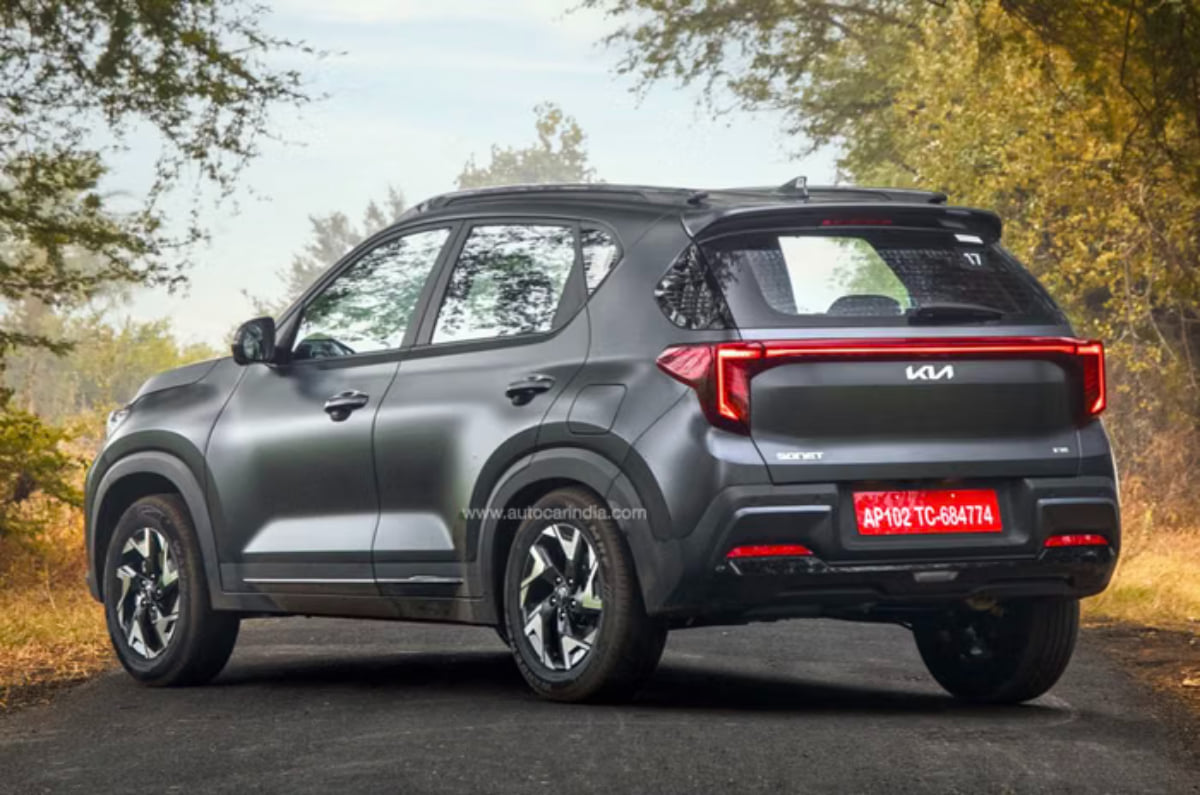
Benefits on the Kia Sonet vary by powertrain and variant. The naturally-aspirated petrol 1.2-litre HTK (O) gets the highest benefits of up to Rs 65,000, comprising a Rs 15,000 cash discount, Rs 20,000 exchange benefit, Rs 15,000 scrappage benefit and corporate benefits of up to Rs 15,000. The Sonet diesel , turbo-petrol and naturally-aspirated variants get benefits of up to Rs 50,000.
The compact SUV offers a long equipment list and multiple engine options. However, rear-seat space is limited and higher variants can get expensive. A rival to the Maruti Suzuki Brezza, Tata Nexon, Skoda Kylaq, Hyundai Venue and Mahindra XUV 3XO, the Sonet is priced between Rs 7.41 lakh and Rs 14.27 lakh.
Kia Syros discounts in October 2026
Up to Rs 55,000 off
The Kia Syros gets benefits of up to Rs 55,000 on its ICE variants. The offer includes a Rs 20,000 exchange benefit, Rs 20,000 scrappage benefit and corporate benefits of up to Rs 15,000. Kia is also offering a free extended warranty with the Syros.
The Syros stands out for its stylish cabin and spacious rear seats, although NVH levels in both petrol and diesel variants remain high. The Kia Syros’ rivals include the Tata Nexon, Mahindra XUV 3XO, Maruti Suzuki Brezza, Skoda Kylaq and Hyundai Venue. It is priced from Rs 8.42 lakh to Rs 15.82 lakh.
Kia Carens discounts in October 2026
Up to Rs 45,000 off
The Kia Carens, excluding CNG variants, gets benefits of up to Rs 45,000. These comprise a Rs 10,000 exchange benefit, Rs 20,000 scrappage benefit and corporate benefits of up to Rs 15,000. The Carens CNG gets a Rs 20,000 scrappage benefit.
The Carens offers a spacious cabin, good practicality and a generous feature list. However, diesel performance under full load is not particularly strong, and the petrol engine is not very fuel-efficient. The Carens is priced between Rs 11.02 lakh and Rs 12.88 lakh, ex-showroom, it rivals the Toyota Rumion and Maruti Suzuki Ertiga.
Kia Seltos discounts in October 2026
Up to Rs 40,000 off
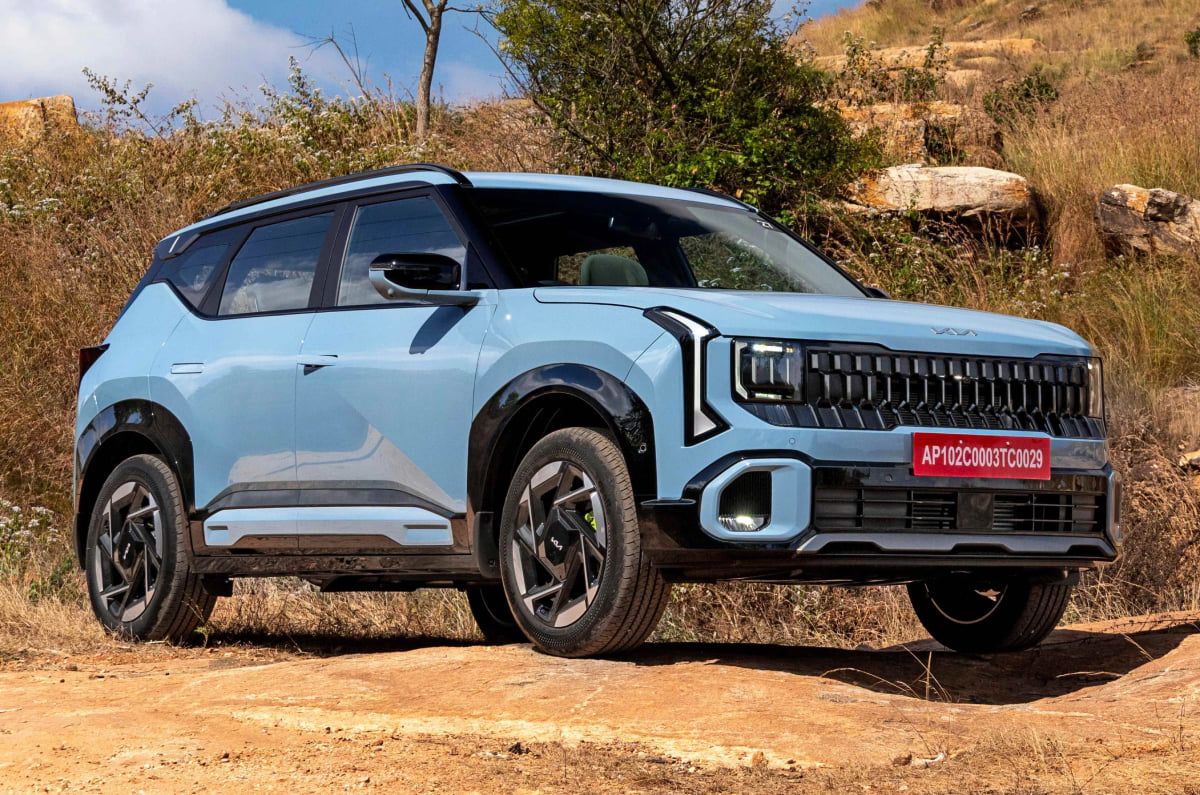
The Kia Seltos gets benefits of up to Rs 40,000 across its range. These comprise a Rs 20,000 loyalty benefit and Rs 20,000 scrappage benefit. There is no cash discount or exchange benefit for the Seltos this month.
The midsize SUV combines a comfortable ride with good handling and a strong turbo-petrol engine option. However, some rivals offer a more comprehensive feature list, and the diesel engine lacks punch. The Seltos rivals the Hyundai Creta, Tata Sierra, Maruti Grand Vitara, Toyota Urban Cruiser Hyryder, Volkswagen Taigun, Skoda Kushaq, Renault Duster and MG Astor. Its prices range from Rs 11 lakh to Rs 21.82 lakh.
Kia Sorento discounts in October 2026
Up to Rs 40,000 off
The recently launched Kia Sorento gets benefits of up to Rs 40,000 across its range. The offer comprises a Rs 20,000 loyalty benefit and Rs 20,000 scrappage benefit.
The Sorento is Kia’s flagship three-row SUV in India and is offered with a 2.2-litre diesel engine or a 1.6-litre turbo-petrol strong-hybrid powertrain. Prices range from Rs 27.99 lakh to Rs 40.39 lakh. It competes with SUVs including the Jeep Meridian, Skoda Kodiaq and Volkswagen Tayron.
Small Savings Scheme: सरकार ने बुधवार को छोटी बचत योजनाओं की ब्याज दरों पर बड़ा फैसला किया है। अक्टूबर-दिसंबर 2026 तिमाही में इन दरों में कोई बदलाव नहीं होगा। यानी PPF, NSC, KVP, सुकन्या समृद्धि योजना और सीनियर सिटिजन सेविंग्स पर अभी वाली ब्याज दर ही मिलेगी।
निवेशकों को उम्मीद थी कि सरकार कुछ योजनाओं की दरों में बदलाव कर सकती है। लेकिन ऐसा नहीं हुआ। जुलाई-सितंबर तिमाही में भी ब्याज दरों में कोई बदलाव नहीं किया गया था। ये छोटी बचत योजनाएं कम जोखिम वाले निवेश के लिए पसंद की जाती हैं। सरकार इनकी ब्याज दर की हर तीन महीने में समीक्षा करती है।
अभी कितना ब्याज मिल रहा है?
PPF पर सालाना 7.1% ब्याज मिल रहा है। SCSS और सुकन्या समृद्धि योजना पर 8.2% ब्याज है। वहीं, NSC पर 7.7% ब्याज मिल रहा है। पोस्ट ऑफिस मंथली इनकम स्कीम पर 7.4% और किसान विकास पत्र पर 7.5% की कमाई होती है।
पोस्ट ऑफिस टाइम डिपॉजिट में 1 साल के लिए 6.9% का इंटरेस्ट रेट है। 2 साल के लिए 7% और 3 साल के लिए 7.1% ब्याज मिलता है। 5 साल की जमा पर 7.5% ब्याज है। वहीं, 5 साल के Post Office Recurring Deposit पर 6.7% इंटरेस्ट मिल रहा है।
ब्याज दर कैसे तय होती है?
सरकार हर तिमाही छोटी बचत योजनाओं की ब्याज दर की समीक्षा करती है। इन दरों का आधार Government Securities यानी G-Sec की यील्ड होती है।
अलग-अलग योजनाओं के लिए अलग स्प्रेड तय होता है। इसलिए G-Sec की यील्ड में बदलाव होने पर छोटी बचत योजनाओं की दरों पर भी असर पड़ सकता है। हालांकि, अंतिम फैसला सरकार ही लेती है। हर तिमाही सरकार ब्याज दरों को नोटिफाई करती है।
आखिरी बार दर कब बदली थीं?
छोटी बचत योजनाओं की ब्याज दरों में आखिरी बदलाव जनवरी-मार्च 2024 तिमाही के लिए हुआ था। दिसंबर 2023 में सरकार ने कुछ योजनाओं की दरें बढ़ाई थीं।
तब 3 साल की Post Office Time Deposit की ब्याज दर 7% से बढ़ाकर 7.1% की गई थी। Sukanya Samriddhi Yojana की दर भी 8% से बढ़ाकर 8.2% कर दी गई थी।
SBI Safe Savings Schemes: देश का सबसे बड़ा सरकारी बैंक, स्टेट बैंक ऑफ इंडिया (SBI), अपने ग्राहकों को एफडी के अलावा ऐसी कई स्मॉल सेविंग्स और सरकारी बचत योजनाएं पेश करता है, जहां आपका पैसा पूरी तरह सुरक्षित रहता है और रिटर्न भी सामान्य बैंक एफडी की तुलना में ज्यादा मिलता है।
अगर आप शेयर बाजार के जोखिम से दूर रहकर गारंटीड और टैक्स-फ्री या टैक्स-एफिशिएंट रिटर्न कमाना चाहते हैं, तो एसबीआई के जरिए मिलने वाली ये 3 सरकारी योजनाएं बेहतरीन विकल्प हैं। आइए जानते हैं इन 3 सबसे सेफ स्कीम्स की ब्याज दरों, शर्तों और मिलने वाले फायदों के बारे में।
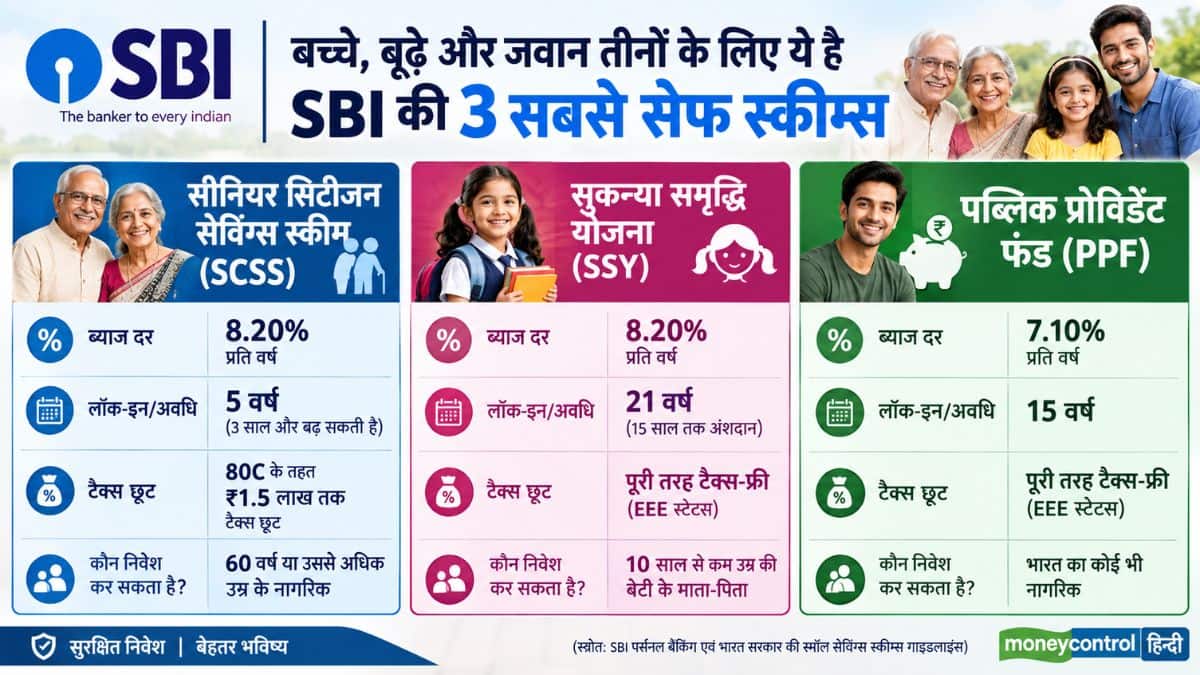
1. सीनियर सिटीजन सेविंग्स स्कीम (SBI SCSS): वरिष्ठ नागरिकों के लिए सबसे बड़ा सहारा
अगर आपकी उम्र 60 साल या उससे अधिक है, तो साधारण एफडी कराने के बजाय एसबीआई के जरिए सीनियर सिटीजन सेविंग्स स्कीम(SCSS) में निवेश करना एक बेहतरीन विकल्प है।
एफडी से ज्यादा ब्याज: जहां एसबीआई सामान्य 5-वर्षीय एफडी पर वरिष्ठ नागरिकों को करीब 7.05% ब्याज दर देता है, वहीं SCSS में 8.20% की गारंटीड ब्याज दर मिलती है।
तिमाही आय: इसमें जमा राशि पर हर 3 महीने (अप्रैल, जुलाई, अक्टूबर और जनवरी) में ब्याज का भुगतान सीधे आपके एसबीआई बचत खाते में कर दिया जाता है।
अधिकतम निवेश: इस योजना में अधिकतम ₹30 लाख तक जमा किए जा सकते हैं। इनकम टैक्स एक्ट की धारा 80C के तहत इसमें किए गए निवेश पर ₹1.5 लाख तक की टैक्स छूट भी मिलती है।
2. सुकन्या समृद्धि योजना (SBI SSY): बेटियों के भविष्य के लिए 100% टैक्स-फ्री रिटर्न
अगर आपके घर में 10 वर्ष से कम उम्र की बेटी है, तो एसबीआई शाखा या YONO ऐप के जरिए खोला गया सुकन्या समृद्धि अकाउंट बैंक एफडी के मुकाबले कहीं बेहतर रिटर्न देता है।
धमाकेदार रिटर्न: वर्तमान में इस योजना पर सरकार 8.20% सालाना की दर से चक्रवृद्धि ब्याज दे रही है।
EEE टैक्स स्टेटस: यह योजना Exempt-Exempt-Exempt (EEE) श्रेणी में आती है। इसका मतलब है कि इसमें जमा राशि, मिलने वाला ब्याज और मैच्योरिटी की पूरी रकम 100% टैक्स-फ्री होती है।
निवेश की सीमा: एक वित्तीय वर्ष में न्यूनतम ₹250 से लेकर अधिकतम ₹1.5 लाख तक जमा किए जा सकते हैं।
3. पब्लिक प्रोविडेंट फंड (SBI PPF): बिना किसी रिस्क के लॉन्ग-टर्म वेल्थ क्रिएशन
लॉन्ग-टर्म फाइनेंशियल गोल्स या रिटायरमेंट प्लानिंग के लिए पब्लिक प्रोविडेंट फंड(PPF) देश की सबसे पसंदीदा और सुरक्षित योजनाओं में से एक है।
सरकारी गारंटी और स्थिर रिटर्न: इसमें मिलने वाला 7.10% सालाना ब्याज (जो कि सालाना आधार पर कंपाउंड होता है) सामान्य 5 से 10 साल की बैंक एफडी (6.05% – 6.45%) से काफी बेहतर है।
टैक्स फ्री मैच्योरिटी: सुकन्या योजना की तरह PPF भी पूरी तरह से EEE कैटेगरी में आता है, यानी इस पर मिलने वाला ब्याज और मैच्योरिटी अमाउंट पूरी तरह से इनकम टैक्स से मुक्त होता है।
फ्लेक्सिबिलिटी: इसे 15 साल की लॉक-इन अवधि के बाद 5-5 साल के ब्लॉक में जितनी बार चाहें आगे बढ़ाया जा सकता है। इसमें न्यूनतम ₹500 से निवेश शुरू किया जा सकता है।
बच्चे, बूढ़े और जवान तीनों के लिए ये है SBI की 3 सबसे सेफ स्कीम्स
एसबीआई में कैसे करें इन स्कीम्स में अप्लाई?
इन तीनों ही योजनाओं में निवेश करना बेहद आसान है:
ऑनलाइन माध्यम: अगर आप SBI के इंटरनेट बैंकिंग या YONO SBI ऐप का इस्तेमाल करते हैं, तो बिना ब्रांच गए ‘E-Services / Govt Schemes’ सेक्शन में जाकर PPF या सुकन्या खाता खोल सकते हैं।
ऑफलाइन माध्यम: आप अपनी नजदीकी स्टेट बैंक ऑफ इंडिया (SBI) शाखा में आधार कार्ड, पैन कार्ड, पासपोर्ट साइज फोटो और आवश्यक न्यूनतम राशि के साथ जाकर तुरंत खाता खुलवा सकते हैं।
Disclaimer: यहां मुहैया जानकारी सिर्फ सूचना के लिए दी जा रही है। यहां बताना जरूरी है कि मार्केट में निवेश बाजार जोखिमों के अधीन है। निवेशक के तौर पर पैसा लगाने से पहले हमेशा एक्सपर्ट से सलाह लें। मनीकंट्रोल की तरफ से किसी को भी पैसा लगाने की यहां कभी भी सलाह नहीं दी जाती है।
Small Savings Schemes: पैसा निवेश करने के लिए हर किसी को शेयर बाजार का जोखिम पसंद नहीं होता। खासकर जब बात बच्चों की पढ़ाई, रिटायरमेंट या भविष्य के लिए जमा की गई रकम की हो।
ऐसे निवेशकों के लिए सरकार की कई स्मॉल सेविंग स्कीमें हैं। इनमें पैसा तय नियमों के तहत लगाया जाता है और ब्याज दर सरकार तय करती है। PPF, NSC, सुकन्या समृद्धि योजना और सीनियर सिटीजन सेविंग्स स्कीम जैसी योजनाएं इसी कैटेगरी में आती हैं।
1. PPF
PPF यानी Public Provident Fund लंबे समय के निवेश के लिए है। इसका मैच्योरिटी पीरियड 15 साल है। इसमें हर महीने ₹5,000 जमा करते हैं तो साल में ₹60,000 निवेश होगा। 15 साल में आपकी कुल जमा रकम ₹9 लाख होगी।
मौजूदा 7.1% ब्याज दर को मानें तो 15 साल बाद यह रकम मोटे तौर पर ₹16 लाख के आसपास हो सकती है। यानी करीब ₹7 लाख ब्याज से जुड़ सकते हैं। असल रकम जमा करने की तारीख और उस समय लागू ब्याज दर पर निर्भर करेगी। PPF की ब्याज दर सरकार समय-समय पर तय करती है।
2. सुकन्या समृद्धि योजना
अगर बेटी के भविष्य के लिए पैसा जमा करना है तो सुकन्या समृद्धि योजना एक विकल्प है। मौजूदा ब्याज दर 8.2% है। इसमें हर महीने ₹3,000 जमा करने पर सालाना ₹36,000 निवेश होगा। 15 साल में कुल जमा रकम ₹5.40 लाख होगी।
अगर मौजूदा ब्याज दर के आसपास रिटर्न बना रहता है, तो 21 साल की मैच्योरिटी अवधि में यह रकम करीब ₹17 लाख तक पहुंच सकती है। यहां ध्यान रखें कि सुकन्या की ब्याज दर भी समय-समय पर बदल सकती है। इसलिए इसे एक अनुमान के तौर पर देखें।
3. सीनियर सिटीजन सेविंग्स स्कीम
60 साल या उससे ज्यादा उम्र के लोगों के लिए SCSS यानी Senior Citizens Savings Scheme है। रिटायरमेंट के बाद नियमित ब्याज आय चाहने वालों के लिए यह विकल्प देखा जा सकता है।
मौजूदा ब्याज दर 8.2% है। ऐसे में अगर कोई ₹10 लाख जमा करता है तो सालाना ब्याज करीब ₹82,000 बैठेगा। ब्याज तिमाही आधार पर मिलता है, यानी करीब ₹20,500 हर तिमाही। 5 साल में कुल ब्याज करीब ₹4.10 लाख बनता है, अगर पूरी अवधि में यही दर बनी रहे।
4. नेशनल सेविंग्स सर्टिफिकेट
NSC यानी National Savings Certificate उन लोगों के लिए है जो एक तय अवधि के लिए पैसा लगाकर ब्याज कमाना चाहते हैं। मौजूदा ब्याज दर 7.7% है और इसकी अवधि 5 साल है।
अगर आप ₹5 लाख NSC में लगाते हैं तो 5 साल बाद रकम करीब ₹7.23 लाख हो सकती है। यानी करीब ₹2.23 लाख ब्याज से जुड़ेंगे। NSC का ब्याज सालाना कंपाउंड होता है।
5. किसान विकास पत्र
KVP यानी Kisan Vikas Patra में निवेश रकम तय अवधि में दोगुनी होती है। मौजूदा ब्याज दर 7.5% है और इस दर पर रकम 115 महीने यानी करीब 9 साल 7 महीने में दोगुनी होती है।
इस हिसाब से अगर आप ₹3 लाख KVP में लगाते हैं तो मैच्योरिटी पर रकम करीब ₹6 लाख हो सकती है। यानी करीब ₹3 लाख का ब्याज मिलेगा। KVP में मैच्योरिटी अवधि उस समय लागू दर के आधार पर तय होती है।
किसके लिए कौन सी स्कीम?
अगर आपका लक्ष्य लंबी अवधि का है तो PPF पर विचार किया जा सकता है। बेटी के भविष्य के लिए सुकन्या समृद्धि योजना देख सकते हैं। रिटायरमेंट के बाद नियमित ब्याज आय चाहिए तो SCSS पर नजर डाल सकते हैं।
वहीं तय अवधि के लिए रकम लगानी है तो NSC या KVP जैसे विकल्प आजमाए जा सकते हैं। इन योजनाओं में बाजार के रोजाना उतार-चढ़ाव का असर सीधे आपके निवेश पर नहीं पड़ता।
नोट: इन सभी छोटी बचत योजनाओं की मौजूदा दरें जुलाई से सितंबर 2026 की तिमाही के लिए लागू हैं।
Disclaimer: यहां दी गई जानकारी सिर्फ सामान्य जागरूकता के लिए है। किसी भी निवेश, लोन, टैक्स, बीमा या दूसरे वित्तीय फैसले लेने से पहले संबंधित एक्सपर्ट्स से सलाह जरूर लें। मनीकंट्रोल किसी भी फाइनेंशियल प्रोडक्ट या सर्विस की सिफारिश नहीं करता।
Minimum Balance Charges: कई लोगों के बैंक अकाउंट से अचानक पैसे कट जाते हैं। स्टेटमेंट देखने पर पता चलता है कि रकम ‘मिनिमम बैलेंस चार्जेज’ के नाम पर काटी गई है। अगर आपके साथ भी ऐसा हुआ है तो पहले यह समझिए कि बैंक ने पैसा किस नियम के तहत काटा है।
मिनिमम बैलेंस का नियम हर अकाउंट में अलग हो सकता है। इसलिए सबसे पहले अपने अकाउंट की शर्तें और बैंक का लागू चार्ज स्ट्रक्चर चेक करें।
कितना पैसा कट सकता है, ऐसे समझें
मान लीजिए आपके अकाउंट में ₹10,000 का मिनिमम बैलेंस रखना जरूरी है। महीने में आपका औसत बैलेंस ₹7,000 रहा। यानी ₹3,000 की कमी हुई।
अब बैंक के नियम के मुताबिक अगर इस कमी पर ₹150 का चार्ज बनता है तो ₹150 काटा जा सकता है। लेकिन बैंक मनमाने तरीके से कोई भी रकम नहीं काट सकता। RBI के नियमों के मुताबिक मिनिमम बैलेंस का चार्ज कमी के अनुपात में होना चाहिए।
बैंक को पहले सूचना देनी होती है
अगर आपका बैलेंस कम है तो बैंक को आपको इसकी जानकारी देनी चाहिए। यह SMS, ईमेल या दूसरे माध्यम से दी जा सकती है।
RBI के नियमों के मुताबिक ग्राहक को कम से कम एक महीने का समय दिया जाना चाहिए। इस दौरान मिनिमम बैलेंस पूरा नहीं करने पर ही पेनल चार्ज लगाया जा सकता है।
बिना सूचना पैसा काट लिया तो क्या करें?
मान लीजिए आपके अकाउंट में ₹8,000 का मिनिमम बैलेंस जरूरी था और बैंक ने ₹500 काट लिए। लेकिन आपको पहले कोई सूचना नहीं मिली।
ऐसी स्थिति में बैंक से लिखित में पूछें कि पैसा किस नियम के तहत काटा गया। साथ ही यह भी पूछें कि आपको बैलेंस कम होने की सूचना कब दी गई थी। बैंक से Schedule of Charges भी मांगें। इससे पता चलेगा कि आपके अकाउंट पर कितना चार्ज लागू है।
अकाउंट माइनस में चला गया तो?
सिर्फ मिनिमम बैलेंस न रखने के चार्ज की वजह से सेविंग अकाउंट का बैलेंस निगेटिव नहीं होना चाहिए। RBI ने इस बारे में स्पष्ट निर्देश दिए हैं।
उदाहरण के लिए अकाउंट में ₹100 हैं और बैंक ने मिनिमम बैलेंस के नाम पर ₹300 काटे। सिर्फ इस चार्ज की वजह से अकाउंट को -₹200 नहीं किया जाना चाहिए।
पैसा वापस कैसे मांगें?
अगर आपको लगता है कि बैंक ने गलत या ज्यादा चार्ज काटा है तो पहले बैंक में शिकायत करें। ऐप, वेबसाइट, ईमेल या ब्रांच के जरिए शिकायत की जा सकती है।
शिकायत में तीन चीजें जरूर लिखें। कितनी रकम काटी गई, किस तारीख को काटी गई और किस नाम से चार्ज लगाया गया। बैंक से चार्ज की पूरी गणना और उसका आधार भी मांगें।
मान लीजिए बैंक ने ₹800 काटे, लेकिन उसके नियम के हिसाब से चार्ज ₹200 ही बनता है। ऐसे मामले में आप ₹600 वापस करने की मांग कर सकते हैं।
बैंक समाधान न करे तो RBI में शिकायत
पहले बैंक में शिकायत करना जरूरी है। अगर 30 दिन में समाधान नहीं होता या जवाब से आप संतुष्ट नहीं हैं तो RBI की शिकायत व्यवस्था का इस्तेमाल किया जा सकता है।
इसलिए बैंक की शिकायत संख्या, स्टेटमेंट और बैंक के जवाब को संभालकर रखें। आगे शिकायत करते समय ये दस्तावेज काम आएंगे।
BSBDA अकाउंट में मिनिमम बैलेंस नहीं
अगर आपका अकाउंट Basic Savings Bank Deposit Account यानी BSBDA है तो इसमें मिनिमम बैलेंस रखने की शर्त नहीं होती। इसलिए ऐसे अकाउंट से मिनिमम बैलेंस के नाम पर पैसा काटा गया है तो बैंक से इसकी वजह जरूर पूछें।
यानी पैसा कटते ही सिर्फ अकाउंट में रकम डालना ही समाधान नहीं है। पहले देखें कि चार्ज सही है या नहीं। अगर नियमों के मुताबिक चार्ज नहीं लगा है तो बैंक से पैसा वापस मांगने का रास्ता खुला है।
In what’s set to be the largest and most ambitious product offensive in its 99-year history, Volvo announced that it’ll launch 13 new cars by the end of 2030. The line-up will consist of 7 models for Western markets and 6 models for China, spread across pure-electric (EV) and hybrid powertrains. Volvo is also aiming to make a few design changes while reducing the over-reliance on touchscreens, with Head of Design Thomas Ingenlath saying, “we have to aim for a better harmony, a better balance between the interactions we have with our digital device and the physical interaction.”
New models to include sedans and estates.
China-only cars will share platforms, tech and supply chain with Geely.
Western-market models will use existing SPA2 and SPA3 platforms.
Volvo also plans to rework the on-board user interface.
New Volvo models to include sedans and estates
Chinese models will be co-developed with Geely; US market to get a new electric SUV
Volvo’s new 13-car product offensive was revealed at the brand’s ‘Strategy Update’ event in Stockholm, where it was announced that there will be separate models to suit different market requirements. Cars bound for Western markets such as the EU, UK and US will be based on the existing SPA2 and SPA3 platforms, running the HuginCore computing architecture.
Volvo will be introducing new sedans and estates to its European portfolio, while a new full-size electric SUV is planned for the American market. The Swedish brand also said that it will be collaborating with parent company Geely for its China-specific models. The exercise will see the two automakers sharing platforms, a dedicated tech stack and a shared parts and supply-chain ecosystem.
Reworking design cues and the user interface
Upcoming models to integrate updated design elements and a more user-friendly interface
Coinciding with the Swedish brand’s 100th anniversary in 2027, Volvo is expected to introduce a new design language through a concept. While no details have been put forth, Ingenlath stated that the brand’s signature ‘Ironmark’ badge and diagonal grille slash will see a reiteration. Meanwhile, drawing parallels with Leica cameras, Ingenlath said that the aim is to strike a better balance between touchscreens and physical switchgear.
“The touchscreen is about flexibility and displaying what you don’t need to display all the time. So, use the touchscreen for what it’s good for and reintroduce a couple more buttons than what’s offered in today’s cars,” highlighted Ingenlath. “A function shouldn’t live permanently on a screen just because it can,” he continued. However, the design chief was quick to note that this approach could vary based on market preferences. Since digital interactions are more popular in China compared to most other markets, the models that will be sold there could sport a screen-heavy design.
Volvo’s regionalised approach to boost profitability
The brand aims to take advantage of increasing regionalisation to better match customer preferences
Volvo hasn’t disclosed model-wise details based on their target markets yet. However, it said that the plan is to double the brand’s market share in the pure-electric (BEV) segment while also offering the new third-generation hybrid powertrains for buyers who are reluctant to go fully electric. “Our showrooms will look very different in 2030. This is our strongest product pipeline ever, tailored to regional needs, and emphasises our ambition to be the leading premium car brand,” Volvo President and CEO Hakan Samuelsson said.
By developing regionally specific models through its ‘Strategy Update’ initiative, Volvo aims to tackle technology restrictions and trade tariffs alongside changing customer preferences. “The challenges for the car industry are immense, but our strategy gives a clear answer to how we adapt to these and our ambition is to be the leading premium car brand,” Samuelsson said.
Volvo expects to increase the commonality in parts shared with Geely to reach 30 percent, while the savings on material costs (apart from additional indirect savings) to hit 5 percent by 2030. Utilisation of existing SPA or shared hybrid platforms means lower investment per car when compared to the previous ‘first-car-on-platform’ launches such as the EX60. The company said that it will also be working on internal efficiency improvements to curb corporate overheads and increase productivity across the value chain. Combined, Volvo aims to push operating profit margins to go beyond 8 percent.
30 साल की उम्र में अगर किसी कपल की संयुक्त नेटवर्थ 50 लाख रुपये हो जाए, तो इसे आमतौर पर बड़ी आर्थिक उपलब्धि माना जाएगा। लेकिन एक Reddit यूजर के लिए यह मुकाम खुशी के साथ-साथ उलझन भी लेकर आया है। करीब सात साल से नौकरी कर रहे इस शख्स ने बताया कि अच्छी कमाई और बचत के बावजूद उसे लगता है कि वह अपने दोस्तों से आर्थिक रूप से पीछे रह गया है।
पति-पत्नी की कमाई 32 लाख
इस शख्स के मुताबिक, उसकी सालाना कमाई करीब 20 लाख रुपये है, जबकि उसकी पत्नी लगभग 12 लाख रुपये कमाती हैं। दोनों की कुल मासिक इन-हैंड इनकम करीब 2.2 लाख रुपये है। इसके बावजूद उनकी लाइफस्टाइल काफी साधारण है। दोनों अभी किराये के घर में रहते हैं और उनके पास अपनी कार भी नहीं है। रोजमर्रा के काम के लिए वह अब भी करीब आठ साल पुरानी बाइक चलाते हैं। इतना ही नहीं, शादी को लगभग दो साल हो चुके हैं, लेकिन दोनों अभी तक ठीक से हनीमून पर भी नहीं जा पाए हैं।
दोस्तों को देखकर होने लगा खुद पर शक
Reddit पर अपनी कहानी शेयर करते हुए इस शख्स ने लिखा कि उसके कई कॉलेज फ्रेंड्स उससे काफी आगे नजर आते हैं। किसी ने दो फ्लैट खरीद लिए हैं, जिनमें से एक किराये पर दिया हुआ है। कई दोस्तों के पास कार है और वे बाली तथा मालदीव जैसी जगहों पर घूमने भी जा चुके हैं।
दूसरों की जिंदगी देखकर उसे अपनी आर्थिक स्थिति को लेकर सवाल उठने लगे हैं। उसे समझ नहीं आ रहा कि 50 लाख रुपये की नेटवर्थ होने के बावजूद आखिर उसे खुद को ‘पीछे’ क्यों महसूस हो रहा है।
पत्नी के खर्च से भी होती है परेशानी
उसने यह भी स्वीकार किया कि कभी-कभी पत्नी के खर्च को लेकर उसे चिढ़ होती है। सोशल मीडिया से प्रभावित होकर पत्नी महंगे मेकअप और दूसरी फैंसी चीजों पर पैसे खर्च करती हैं। यही अंतर उसे और ज्यादा सोचने पर मजबूर करता है। वह खुद बचत और आर्थिक सुरक्षा को प्राथमिकता देता है, जबकि उसे लगता है कि पत्नी वर्तमान जिंदगी को थोड़ा ज्यादा खुलकर जीना चाहती हैं।
‘क्या मैं बहुत ज्यादा बचत कर रहा हूं?’
इस पूरे मामले में उसका सबसे बड़ा सवाल यही है कि कहीं वह पैसे बचाने के चक्कर में जिंदगी जीना तो नहीं भूल रहा। उसने लिखा कि वह गर्व महसूस करता है कि दोनों ने मिलकर 50 लाख रुपये की नेटवर्थ हासिल की है। लेकिन साथ ही वह एक बेहतर घर खरीदना, पत्नी के साथ घूमना और जिंदगी का आनंद लेना भी चाहता है। दूसरी तरफ उसे डर है कि ऐसा करने से कहीं उसकी आर्थिक स्थिरता खतरे में न पड़ जाए। वह यह भी सोचता है कि क्या वह दूसरों से अपनी तुलना बहुत ज्यादा कर रहा है या फिर वास्तव में उसकी वित्तीय योजना में कोई कमी है।
Reddit पर लोगों ने दी ‘रियलिटी चेक’ की सलाह
उसकी पोस्ट पर कई Reddit यूजर्स ने उसे दोस्तों की जिंदगी से अपनी तुलना बंद करने की सलाह दी। एक यूजर ने कहा कि तुलना खुशी छीन लेती है और उसे अपने लिए अगले 5-10 साल का लक्ष्य तय करना चाहिए, न कि दूसरों की जिंदगी देखकर अपनी सफलता मापनी चाहिए। एक अन्य यूजर ने उसकी स्थिति पर सहमति जताते हुए बताया कि वह भी किराये के घर में रहता है और उसके पास कार नहीं है। वह अब भी आठ साल पुरानी बाइक चलाता है, जिसका सेल्फ-स्टार्ट तक काम नहीं करता और एक इंडिकेटर भी खराब है। एक अन्य व्यक्ति ने इस सलाह को सही बताते हुए कहा कि जिंदगी में कभी-कभी किसी ऐसे व्यक्ति की जरूरत होती है, जो हमें रियलिटी चेक दे सके।
असली सवाल 50 लाख नहीं, संतुष्टि का है
इस कहानी ने एक दिलचस्प सवाल खड़ा किया है क्या आर्थिक रूप से सफल होने का मतलब सिर्फ घर, कार और विदेश यात्राएं हैं? या फिर अपनी जरूरतों के मुताबिक बचत करना और भविष्य को सुरक्षित रखना भी सफलता है? शायद इस कपल के लिए सबसे जरूरी यह तय करना है कि उन्हें वास्तव में कैसी जिंदगी चाहिए। क्योंकि दूसरों की उपलब्धियों से अपनी खुशी और आर्थिक सफलता की तुलना करने पर 50 लाख भी कम लग सकते हैं।
Car buyers today are pretty spoilt for choice. Beyond a multitude of brands, body styles and variants, there are now more fuel options than ever before. Petrol, diesel, CNG, hybrid, electric, and soon even ethanol-powered vehicles are all vying for attention, making the decision increasingly complicated. So, which powertrain makes the most sense for you?
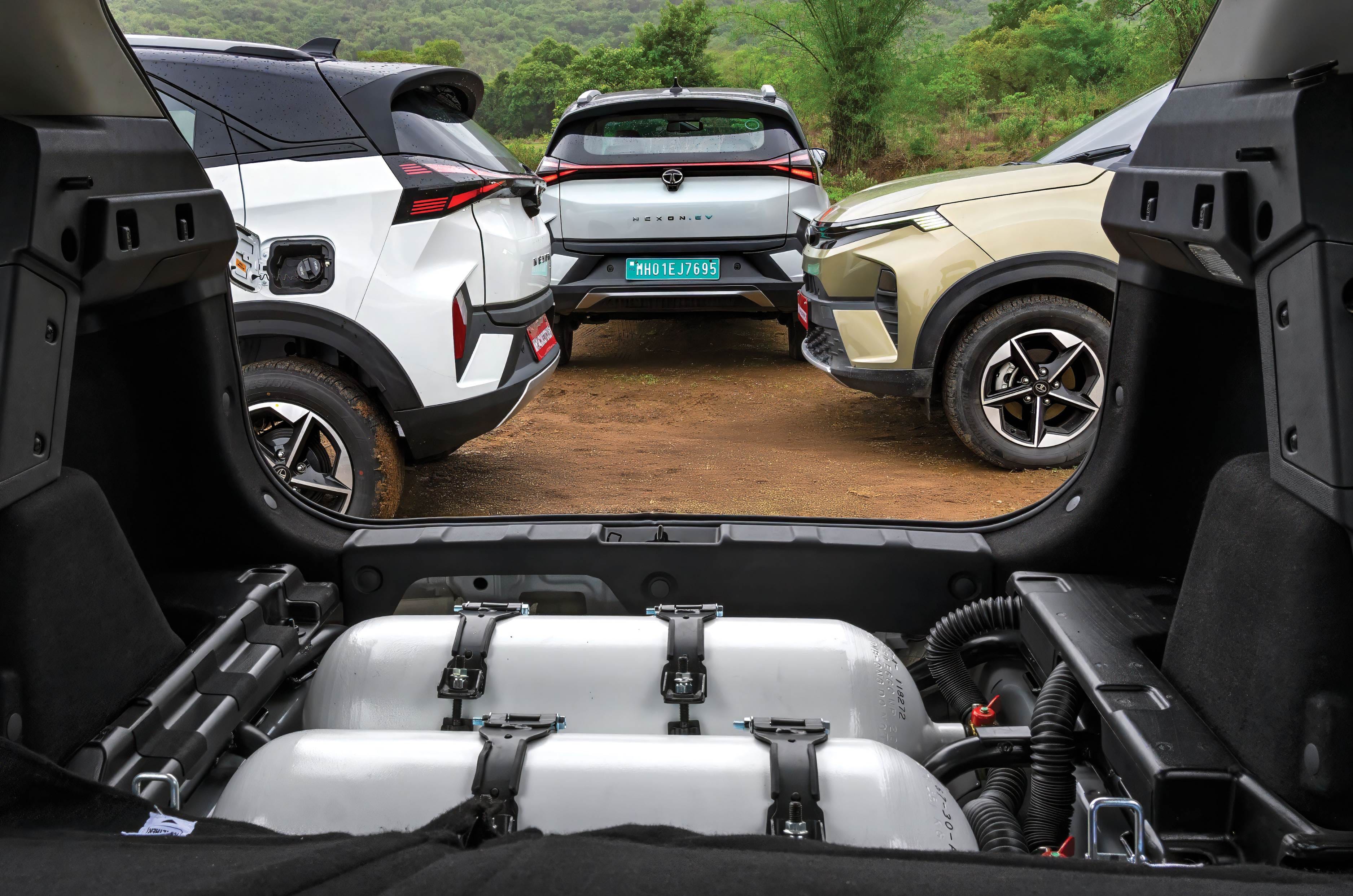
Tata Nexon models (left to right): Petrol, diesel, petrol-CNG and EV.
To answer that question, we turned to one of the most versatile models on sale in India – the Tata Nexon. Few vehicles offer such a broad range of powertrain choices, and with design, space, practicality, safety and features remaining largely consistent across the range, the Nexon provides the perfect platform to isolate the one key variable – the fuel itself. So, we got together the turbo-petrol, CNG, diesel, as well as the EV to find out each fuel’s pros and cons, and thus, which would best fit your needs.
Disclaimer: Fuel prices vary from state to state.
Tata Nexon turbo-petrol: Fuss free
Tata’s 1.2-litre, three-cylinder ‘Revotron’ turbo-petrol engine debuted with the Nexon in 2017 and received a power bump in 2020, taking outputs to 120hp and 170Nm. Today, it is offered with an unusually wide range of transmission choices – a 5-speed manual, 6-speed manual, 6-speed AMT and a 7-speed dual-clutch automatic.
Prices start at Rs 7.40 lakh and extend up to Rs 13.90 lakh, ex-showroom (excluding dual-tone, Dark and Red Dark editions). Its broad variant spread and attractive pricing are key reasons why the turbo-petrol accounts for 42 percent of all Nexon sales.
The engine offers decent driveability and benefits from selectable Eco, City and Sport drive modes. But outright performance, refinement and smoothness aren’t class-leading and not what you get from other turbo-petrols.
Within the range, the 7-speed DCA stands out as the most desirable option. Despite accounting for less than 4 percent of total Nexon sales, it is arguably the nicest ICE-powered Nexon on sale. The wet-clutch dual-clutch transmission prioritises smoothness over sportiness and suits the engine’s character well. While downshifts can occasionally feel a touch hesitant, the overall experience is noticeably more polished than the manual and AMT alternatives. Notably, the top-spec Turbo DCA is the best-equipped ICE version and is also the only version to offer ADAS.
Fuel efficiency, however, remains this powertrain’s weakest area. In our tests, the turbo-petrol DCA returned 7.7kpl in the city and 13.9kpl on the highway, translating to an average running cost of Rs 9.46 per kilometre – the highest among all Nexon powertrains.
To put that into perspective, even though a fully loaded Fearless + A PS DCA is Rs 2.65 lakh more affordable than a top-spec Empowered + A 45 EV, the EV’s significantly lower running costs (of Rs 1.03 per km using home charging) allow owners to recover that initial price difference in roughly 32,000km.
Tata Nexon diesel: Highway star
The diesel range starts at Rs 9.15 lakh and extends up to Rs 14.40 lakh for the top-spec AMT. Interestingly, while the diesel once outsold the petrol version in the Nexon’s early years, buyer preferences shifted following the BS6 transition, causing diesel sales to gradually decline to 13 percent. Despite this, Tata has persisted with the fuel, and today remains one of the few carmakers still offering diesel engines in its portfolio.
Instead of adopting a conventional SCR setup with a urea tank, AdBlue injection system and additional electronic controls, Tata developed a Lean NOx Trap system for the 1.5-litre, four-cylinder turbo-diesel engine. Despite this relatively low-cost passive emissions-control system, the price premium over an equivalent turbo-petrol variant remains around Rs 1 lakh – broadly in line with what rivals charge. The only tangible benefit for buyers is that, unlike many competitors, there is no urea tank requiring periodic top-ups, resulting in marginal savings over time and a bit less hassle.
Like the turbo-petrol, refinement isn’t this diesel’s strongest suit. And even though turbo lag is more perceptible than in the petrol iteration, performance flows in a rather strong manner, making it well-suited for highway drives. Its tall fuel efficiency also makes it ideal for those who cover long distances frequently. In our tests, the diesel-manual delivered an impressive average of 17.95kpl, resulting in a running cost of just Rs 5.30 per kilometre – significantly lower than the turbo-petrol.
Tata Nexon EV: Smooth operator
As India’s first widely accessible electric SUV from a domestic manufacturer, the Nexon EV played a pivotal role in democratising EV ownership. Combining brisk performance, usable real-world range and a relatively accessible price point, it opened up the Tata brand to an entirely new set of buyers. For a long time, it was India’s bestselling EV. Within the Nexon range, it accounts for 14 percent of total sales.
Today, the Nexon EV range spans Rs 12.49 lakh to Rs 17.49 lakh, with buyers able to choose between two battery packs – 30kWh and 45kWh. The line-up itself is relatively straightforward, with three trims available for each battery option.
In the real world, the 30kWh version can deliver a little over 200km on a charge, while the larger 45kWh battery can comfortably manage around 350km. For buyers seeking the smoothest and most refined driving experience, nothing quite matches the seamlessness of an EV. Acceleration feels brisk, and its zippy yet seamless performance makes for a hushed, enjoyable drive experience.
The two battery versions differ in more ways than just capacity. The 45kWh version uses Tata’s newer Gen 2 motor, which is lighter, more compact and more efficient than the Gen 1 unit used in the 30kWh variant. The long-range version’s more modern architecture also enables significantly faster DC charging. To put it into perspective, the 30kWh version takes about an hour to charge from 20-80 percent using a DC fast charger, whereas the 45kWh variant achieves the same in just 29 minutes. Not only does the larger battery offer greater range, but it is also quicker to recharge despite its higher capacity, making it the more suitable choice for longer highway journeys.
Interestingly, the EV also enjoys a feature advantage over the best-equipped turbo-petrol DCA, gaining a larger 12.3-inch touchscreen, rear disc brakes, and an electronic parking brake with auto-hold functionality.
Coming to the 45kWh version’s running cost, using a home charger (at an average cost of Rs 8 per unit of electricity), buyers can enjoy driving around at just Rs 1.03 per km. Even if users opt for public DC fast-charging, the rates of which range between Rs 24 and Rs 28 per unit, still, average running costs work out to merely Rs 3.34 per km, which is almost a third of the petrol-automatic’s number and about sixty percent of a diesel-manual’s cost per km.
Tata Nexon CNG: Jack of all trades
There’s a lot Tata has got right with the Nexon CNG. For starters, prices range from Rs 8.35 lakh to Rs 13.60 lakh, positioning it neatly between the petrol and diesel alternatives.
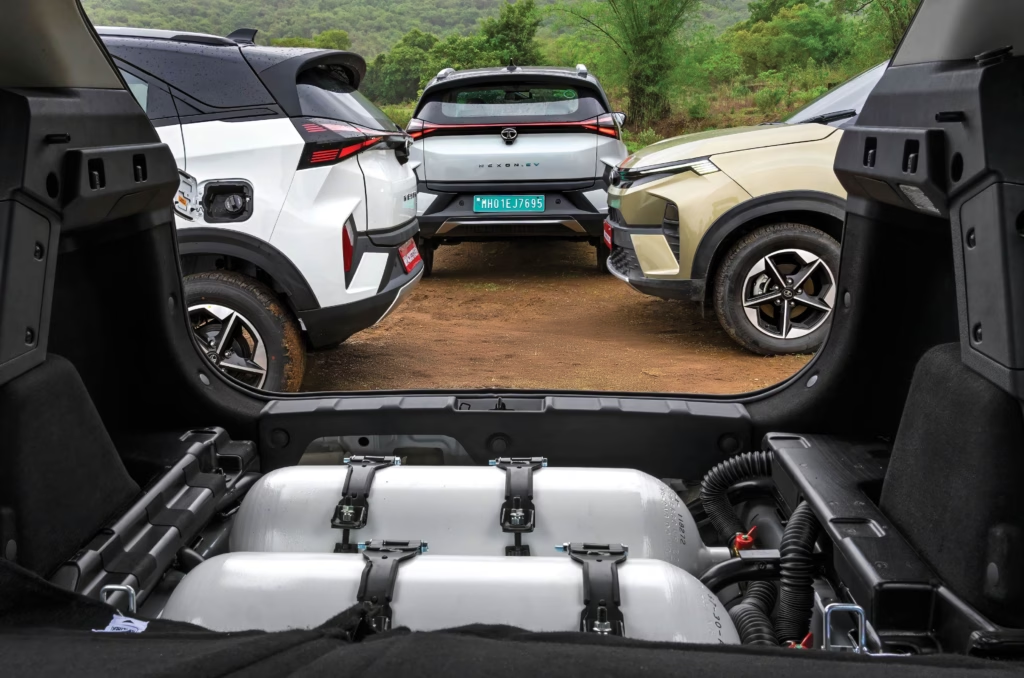
Under the bonnet is the same 1.2-litre, three-cylinder turbocharged engine found in the petrol Nexon. Not only is it India’s first turbo-petrol CNG SUV, but it is also the most powerful, producing 100hp and 170Nm when running on CNG. Impressively, peak torque remains identical to the petrol version, although it is available across a narrower band. As a result, driveability feels remarkably similar to the turbo-petrol, and users are unlikely to find themselves wanting for performance, whether in urban conditions or on the highway.
Being a turbocharged CNG engine, efficiency in city driving can take a hit. In our real-world city test involving frequent stop-start traffic, the Nexon CNG returned 15.1km/kg. Out on the highway, however, flowing traffic and the presence of a sixth gear helped it achieve close to 24km/kg. The end result is an average running cost of just Rs 4.28 per kilometre, making it the most economical option in the ICE line-up.
With driveability that’s remarkably close to the turbo-petrol, lower purchase and running costs than the diesel, and very few compromises in practicality or equipment, the Nexon CNG presents perhaps the strongest all-round case in the range. Its only notable drawback is the limited CNG infrastructure. While station availability continues to improve, rising CNG adoption often leads to longer queues and wait times at many outlets.
Unlike many CNG vehicles, the Nexon CNG doesn’t feel like a stripped-down, budget-focused alternative. It remains spacious, practical and generously equipped while delivering the lowest running costs of any ICE Nexon. Small omissions, such as cruise control, connected-car technology and JBL-branded speakers, are unlikely to be deal-breakers for most buyers.
Viewed through the lens of value, usability and cost of ownership, the Nexon CNG strikes perhaps the most convincing balance of the lot. Which perhaps explains why, despite being offered with just one engine and a manual gearbox, it now contributes more than a third of all Nexon sales.
Tata Nexon petrol vs diesel vs CNG vs EV: Verdict
The turbo-petrol’s lowest starting price, as well as the widest choice for buyers, is the reason behind its popularity. Our pick of the range, however, is the priciest 7-speed DCA, which delivers the smoothest and most polished Nexon ICE driving experience. That said, performance and efficiency aren’t exactly class-best.
The diesel’s impressive fuel efficiency and thus low running costs make it an ideal choice for those who rack up high annual mileages. Performance is the strongest among all ICE versions, and its torquey nature makes it an excellent highway companion, perfect for those who regularly cover long distances.
For buyers with reliable home charging, a predominantly urban usage pattern and high annual running, the EV is the one to pick. The 45kWh model has a genuinely usable real-world range and is also the most advanced version with a rich feature list, making it a very well-rounded option.
The Nexon CNG retains the petrol’s drivability, offers low running costs, a long range, and buyers aren’t forced to compromise features or practicality either. It thus strikes a convincing balance between price, performance and real-world usability, emerging as the sweet spot of the line-up.
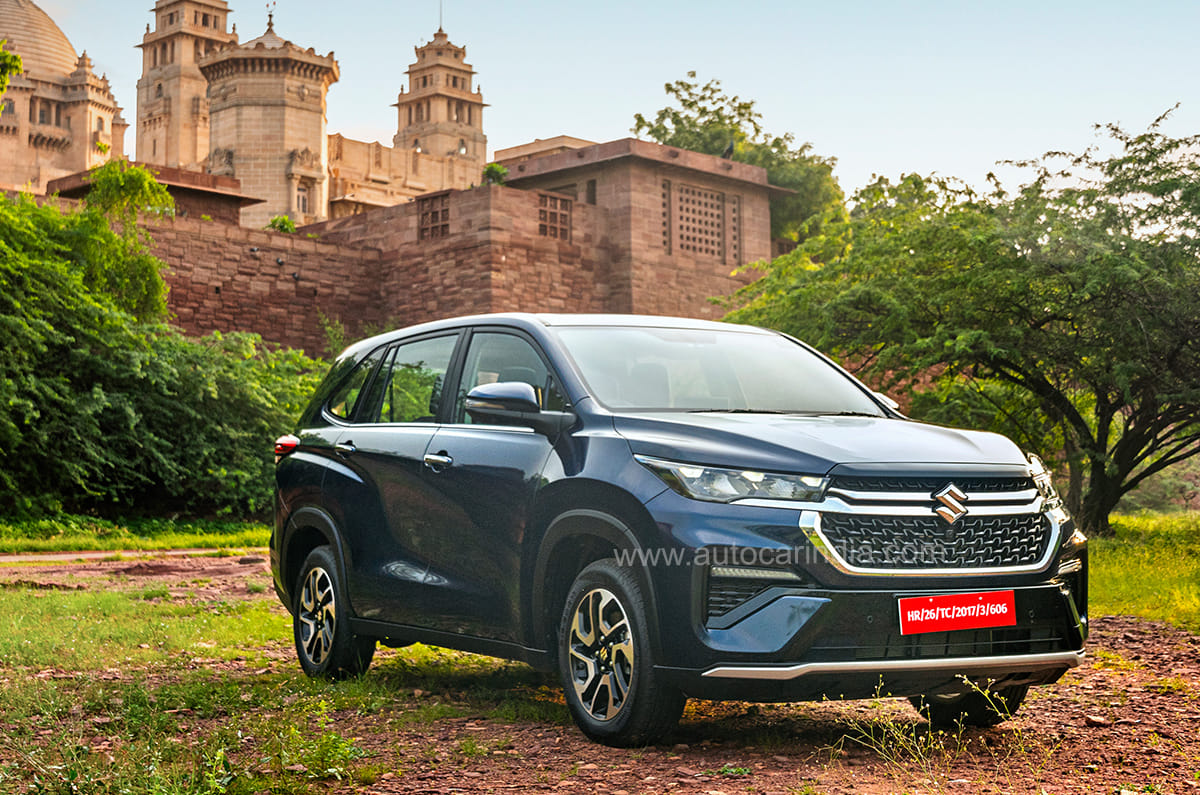
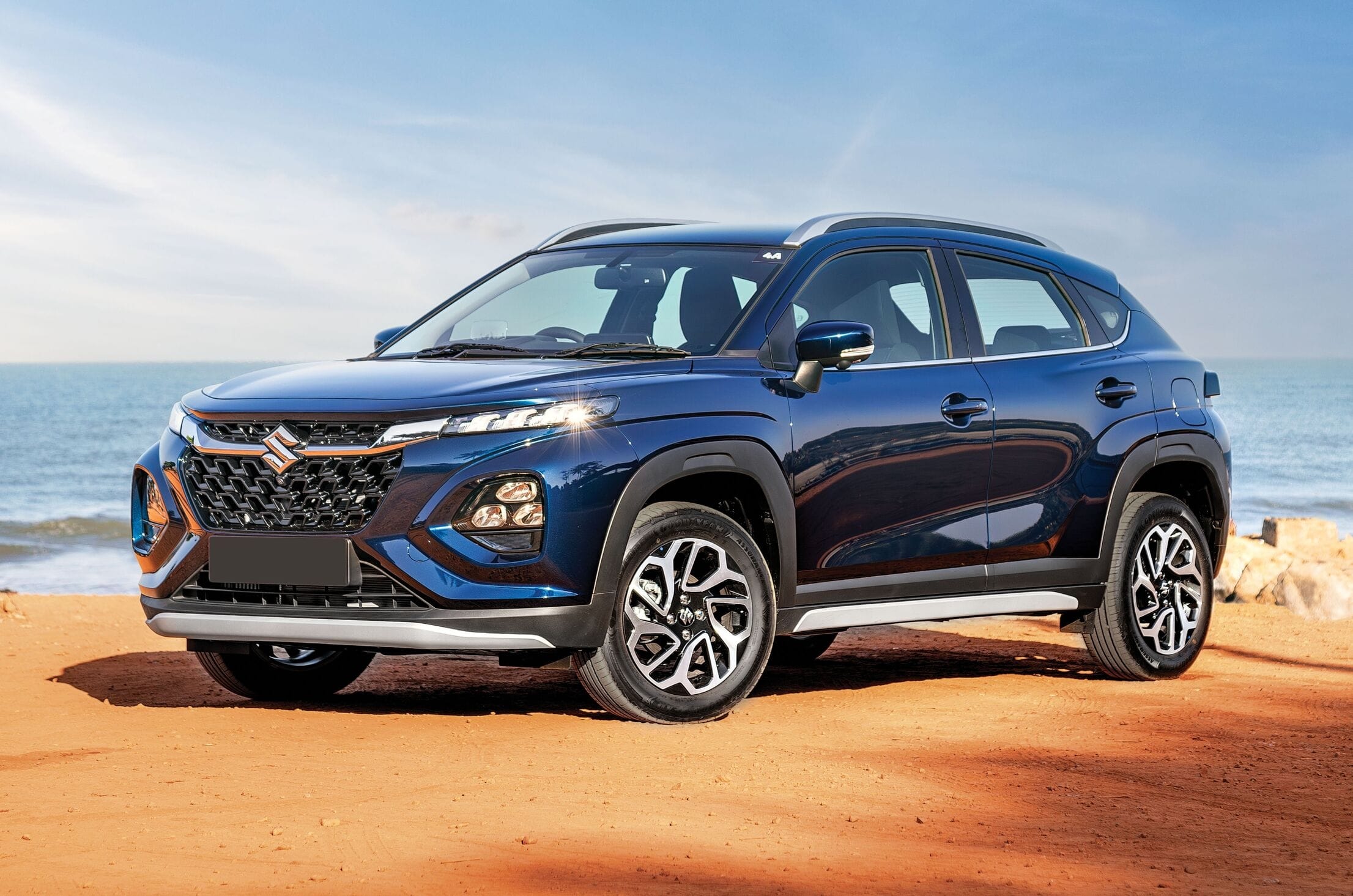
Offers applicable to Maruti Nexa cars in September 2026 have been revealed. Among all Nexa models, the Grand Vitara is carrying the highest benefits of up to Rs 3.10 lakh, followed by the Invicto, XL6, Jimny and Fronx. However, there are no benefits on the recently launched Baleno facelift and e Vitara EV. Let us take a look at the model-wise offer breakdown for Maruti Suzuki’s Nexa models in India for the month.
Note: These offers are applicable until September 30 and may vary by city, dealership and stock availability. Please check with your nearest Maruti Nexa dealership for the exact figures.
Maruti Grand Vitara September 2026 offers
Up to Rs 3.10 lakh
All Maruti Grand Vitara variants are available with either an exchange bonus of up to Rs 75,000 or a scrappage bonus of up to Rs 45,000, a loyalty bonus of up to Rs 30,000 and a corporate offer of up to Rs 20,000. Select variants are also available with a free 5-year extended warranty. Interestingly, the Grand Vitara’s strong hybrid variants are being offered with a zero road tax benefit, amounting to savings of up to Rs 1.85 lakh. The Maruti Suzuki Grand Vitara is priced from Rs 10.77 lakh to Rs 19.62 lakh and rivals midsize SUVs like the Hyundai Creta, Tata Sierra, Kia Seltos, Renault Duster and Nissan Tekton.
Maruti Invicto September 2026 offers
Up to Rs 1 lakh
The Maruti Invicto MPV is being offered with benefits of up to Rs 1 lakh in September 2026. These include a choice between up to Rs 50,000 exchange bonus or a scrappage bonus of the same amount, a loyalty bonus of up to Rs 30,000 and a corporate offer of up to Rs 20,000. The Maruti Invicto is priced from Rs 24.97 lakh to Rs 28.71 lakh, and locks horns with the Toyota Innova Hycross and can be considered an alternative to the Toyota Innova Crysta.
Maruti XL6 September 2026 offers
Up to Rs 50,000
All Maruti XL6 variants are being offered with benefits up to Rs 50,000, which includes a cash discount of up to Rs 20,000, and a choice between an exchange bonus of up to Rs 30,000 or a scrappage benefit of up to Rs 15,000. The Maruti XL6 prices range from Rs 11.62 lakh to Rs 14.42 lakh, and it rivals the Maruti Suzuki Ertiga, Kia Carens Clavis, Kia Carens and Toyota Rumion.
Maruti Jimny September 2026 offers
Up to Rs 35,000
In September 2026, the Maruti Jimny is being offered with a cash discount of up to Rs 35,000. Other than this, it is not being officially offered with any scrappage, exchange, loyalty or corporate bonuses. The Maruti Jimny’s prices range from Rs 12.54 lakh to Rs 14.52 lakh, and it rivals the Mahindra Thar and Force Gurkha 3-door.
Maruti Fronx September 2026 offers
Up to Rs 20,000
All variants of the Maruti Fronx are offered with an exchange bonus of up to Rs 15,000 or a scrappage bonus of up to Rs 10,000. The turbo-petrol variants are further available with a cash discount of up to Rs 5,000. Prices of the Maruti Suzuki Fronx range from Rs 6.85 lakh to Rs 11.84 lakh, and it serves as an alternative to compact SUVs like the Tata Nexon, Hyundai Venue, Kia Sonet, Mahindra XUV 3XO and Maruti Brezza.