How Maruti Suzuki Became India’s Number One CNG Carmaker

How Maruti Suzuki Became India's Number One CNG Carmaker
Number One CNG carmaker Maruti

When Maruti Suzuki introduced its first factory-fitted CNG models in 2010, the fuel had little acceptance among private buyers. Availability was largely restricted to Delhi-NCR, Mumbai-Pune and Gujarat, while the filling network was small and uneven. CNG penetration remained at just 1-2 percent until 2016-17, but Maruti continued to improve the technology and expand its range. It began with affordable cars such as the Alto and Eeco before taking CNG to the WagonR, Swift, Baleno, Dzire and Ertiga. Today, its portfolio includes SUVs such as the Brezza, Fronx, Grand Vitara and Victoris.

Fixing what buyers disliked

In the late 1990s, buyers who wanted a CNG car usually had to convert a petrol model using an aftermarket kit. Most kits were imported, often from Italy or Argentina, and a conversion cost around Rs 30,000-32,000.

As demand grew, some dealers began tying up with local retrofitters. But when these cars developed problems, owners often returned to Maruti workshops even though the company had not supplied or installed the kit. Poorly fitted systems raised concerns about gas leaks and vehicle fires. An aftermarket conversion could also invalidate the manufacturer’s warranty, while the engine and fuel system were not always designed to cope with CNG.

Performance was another weakness. Early conversions resulted in a noticeable drop in power. Some owners would switch to petrol before overtaking or climbing steep roads and returned to CNG once the additional performance was no longer needed.

Factory-fitted systems addressed many of these problems. Engines, valve seats, fuel lines and mounting points were designed to work with CNG. Better calibration reduced the performance loss, while the car retained its manufacturer warranty and could be serviced through Maruti’s dealer network.

The financial case was already strong. Around 2010, CNG cost roughly Rs 20-21 per kg, compared with about Rs 48 per litre for petrol and Rs 38 for diesel. A factory-fitted system added around Rs 45,000-54,000 to the price of the car, but offered better engineering, safety and warranty protection than an aftermarket conversion.

Even so, CNG did not take off immediately. Diesel was widely available, delivered better performance and offered low running costs. In 2013, diesel accounted for around 38 percent of India’s passenger vehicle market, making it the easier choice for many high-mileage users.

The network caught up

India had around 1,200 CNG stations in 2016-17. By March 2026, the network had expanded to about 8,900 stations across roughly 350 cities. This made CNG practical beyond its traditional strongholds. Petrol prices also rose sharply after 2020, crossing Rs 100 per litre in several cities and strengthening the case for switching to a cheaper fuel.

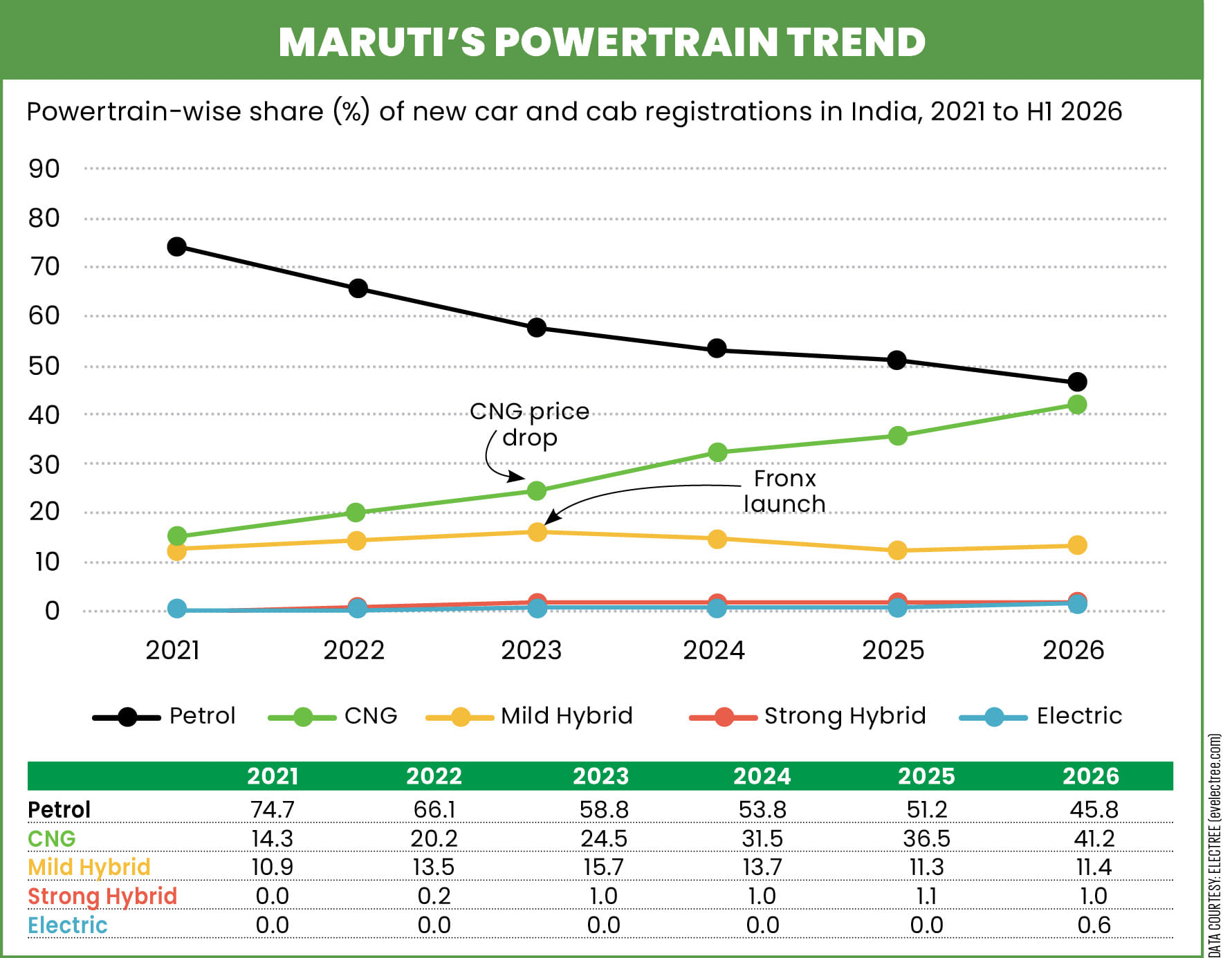
By then, Maruti had already addressed many of the product-related concerns and could respond with a broad factory-fitted portfolio. CNG’s share of Maruti’s new registrations, including private cars and cabs, increased from 14.3 percent in 2021 to 41.2 percent in the first half of 2026. Petrol’s share fell from 76.5 percent to 45.9 percent over the same period. The sharpest jump came between 2023 and 2024, when CNG’s share rose from 24.6 percent to 32 percent.
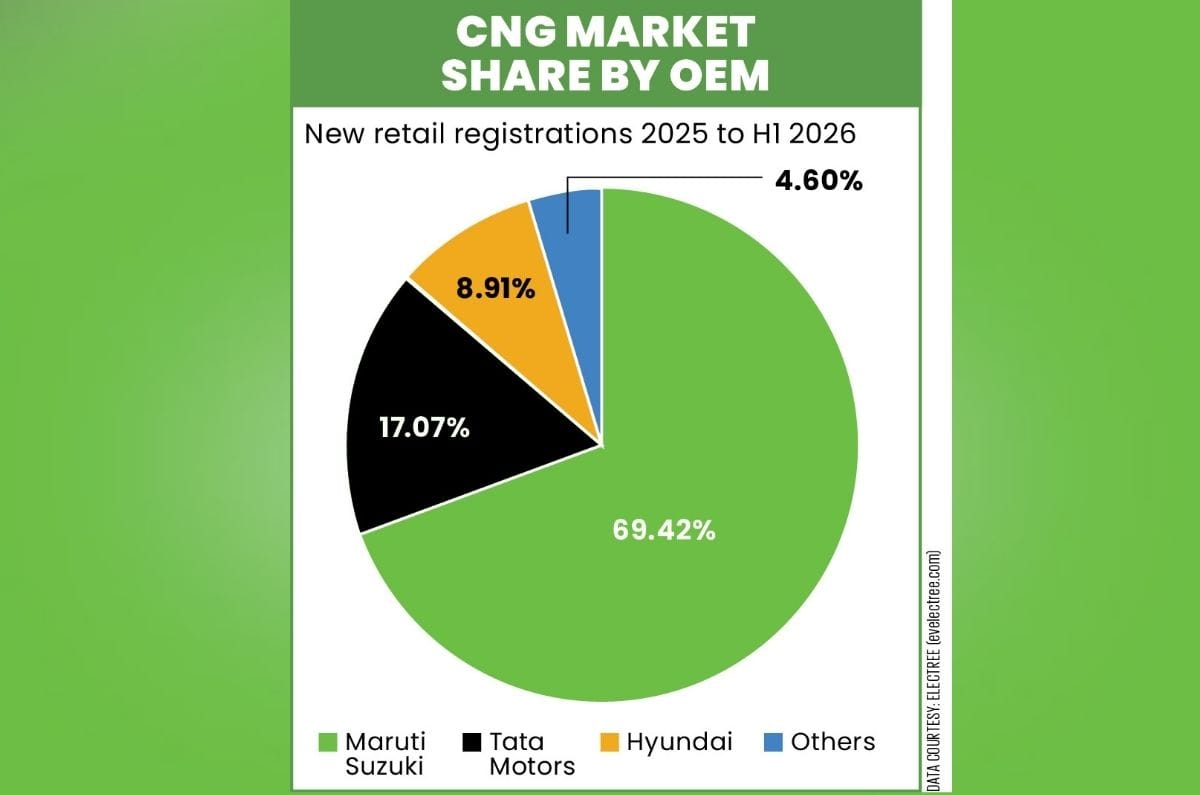
Commercial vehicles remain important. Cabs account for around 10 percent of Maruti’s cumulative registrations, but contribute more than a quarter of its CNG volumes. However, private buyers now account for the larger part of demand.

“Earlier, if a customer was opting for CNG, the perception was that he was just a very value-conscious customer,” says Maruti Suzuki’s senior executive officer, sales and marketing, Partho Banerjee. “Now, especially with underbody CNG, the profile of customers has changed. They are not only looking for mileage, they also want an aspirational product that feels no different to drive from gasoline.”

CNG moves beyond small cars

The WagonR remains the quintessential CNG hatchback. Its CNG share has risen from 42.5 percent in 2021 to 49.1 percent in the first half of 2026. Nearly every second WagonR buyer now chooses it. CNG is also gaining ground in models that were once overwhelmingly petrol-powered. Its share in the Swift has increased from 1.9 percent to 18 percent, while the Baleno has moved from 2.1 percent to 14.5 percent.

The Dzire has seen an even sharper change. CNG accounted for just 1.7 percent of its registrations in 2021. Its share reached 33.6 percent in H1 2026. 
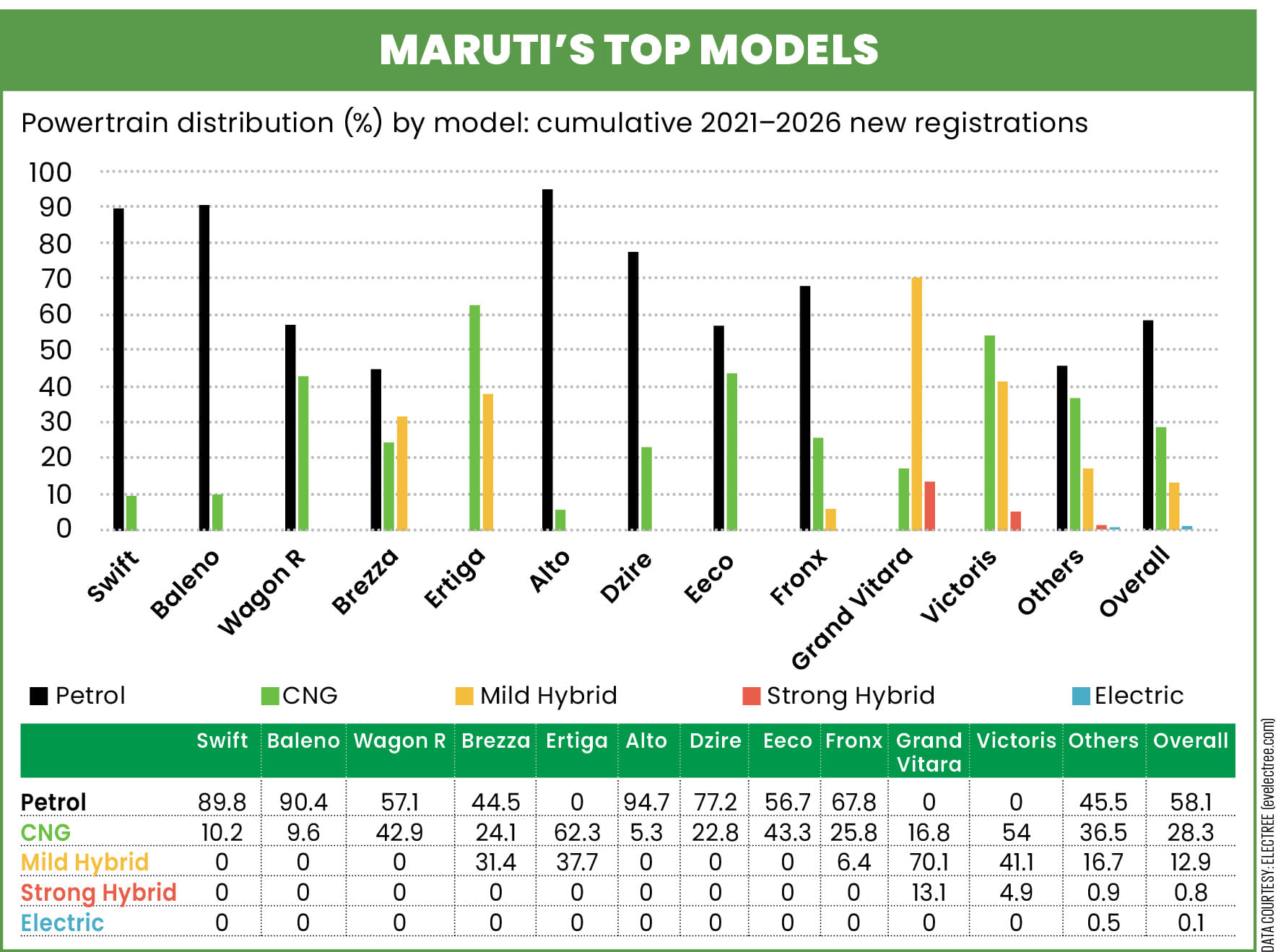
Adoption is strongest in vehicles that cover longer distances or carry more passengers. CNG’s share of the Ertiga has risen from 39.3 percent to 73.6 percent, while the Eeco has moved from 31 percent to 55.2 percent. Big shifts are now also taking place in the SUV segment, where buyers care as much about design, features and luggage space as they do about mileage.

CNG accounts for 43.4 percent of Brezza registrations, compared with 23.7 percent for its Smart Hybrid powertrain in H1 2026. The Fronx has seen its CNG share rise from 10.9 percent at launch in 2023 to 35.4 percent in the first half of 2026. In the case of the Grand Vitara, it has increased from zero to 23.9 percent.

The Victoris has moved even faster. CNG accounted for 55.2 percent of its registrations in the first half of 2026. Its strong response shows that midsize SUV buyers will accept the fuel when it does not compromise the overall ownership experience. 

Better packaging removes a key compromise

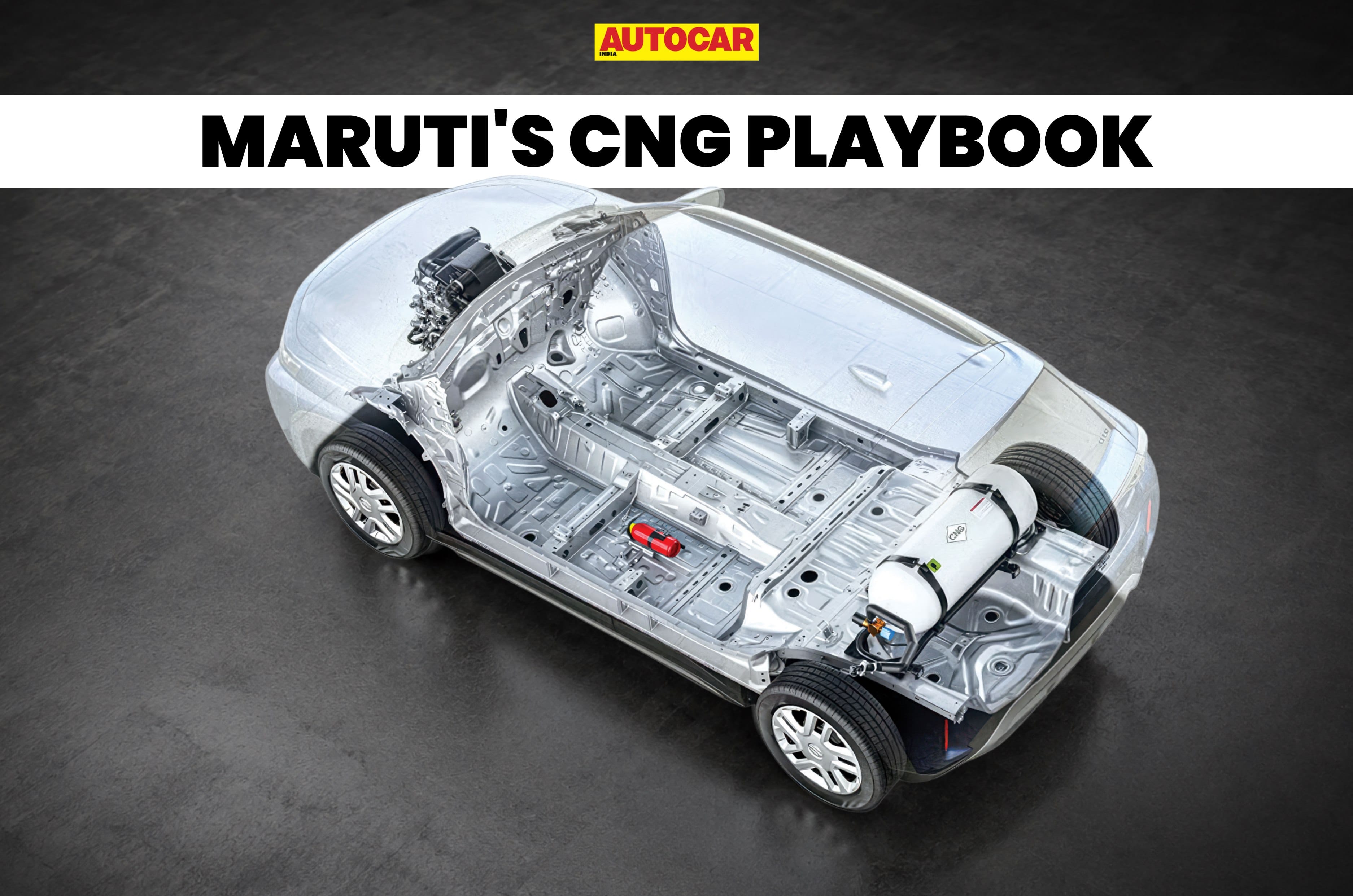
A large cylinder placed across the luggage compartment has long been one of CNG’s biggest drawbacks. Dual-cylinder systems that divide the gas storage between two smaller cylinders positioned lower in the boot, or placing an underbody tank, create a flatter and more usable luggage area.
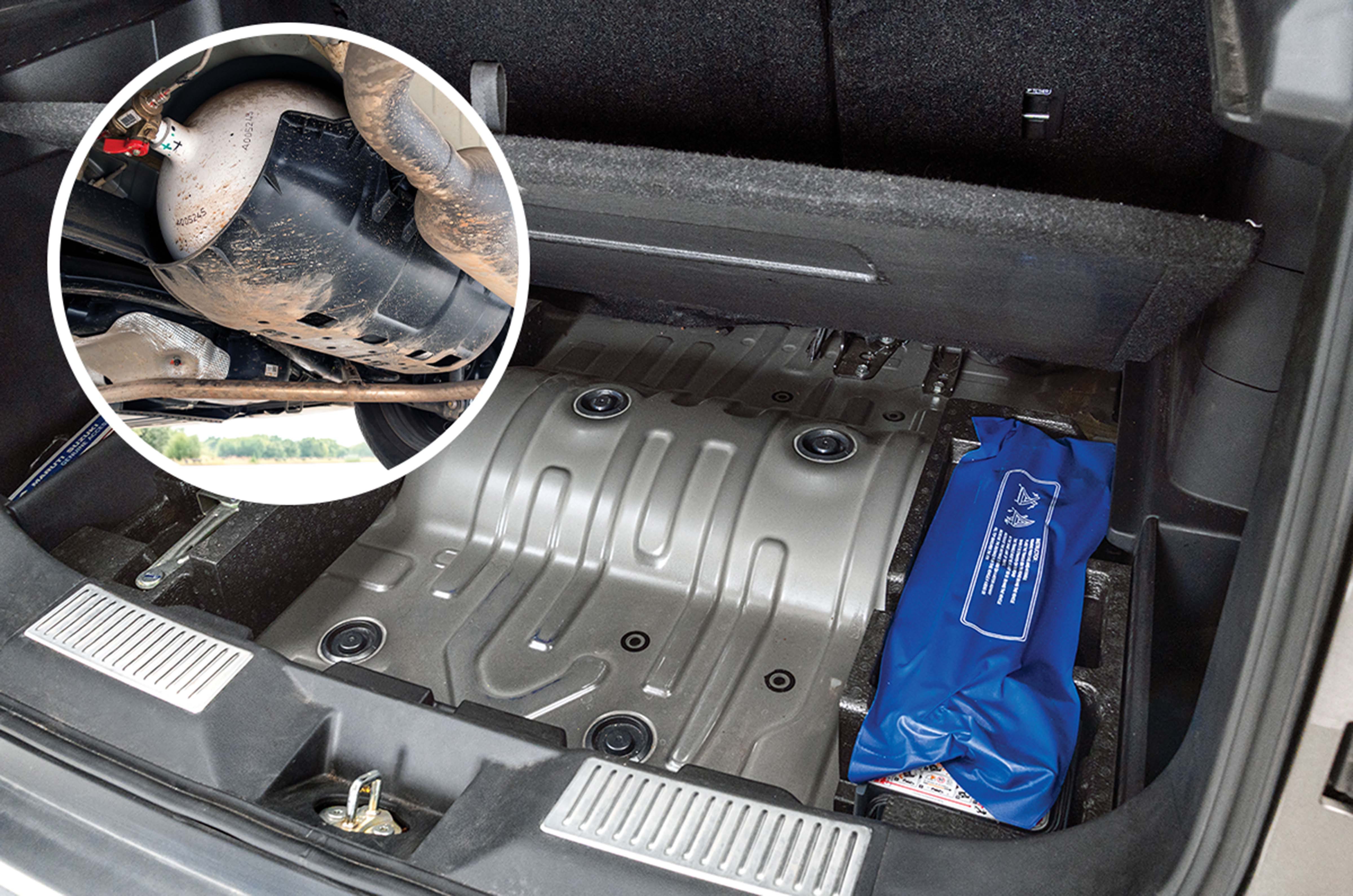
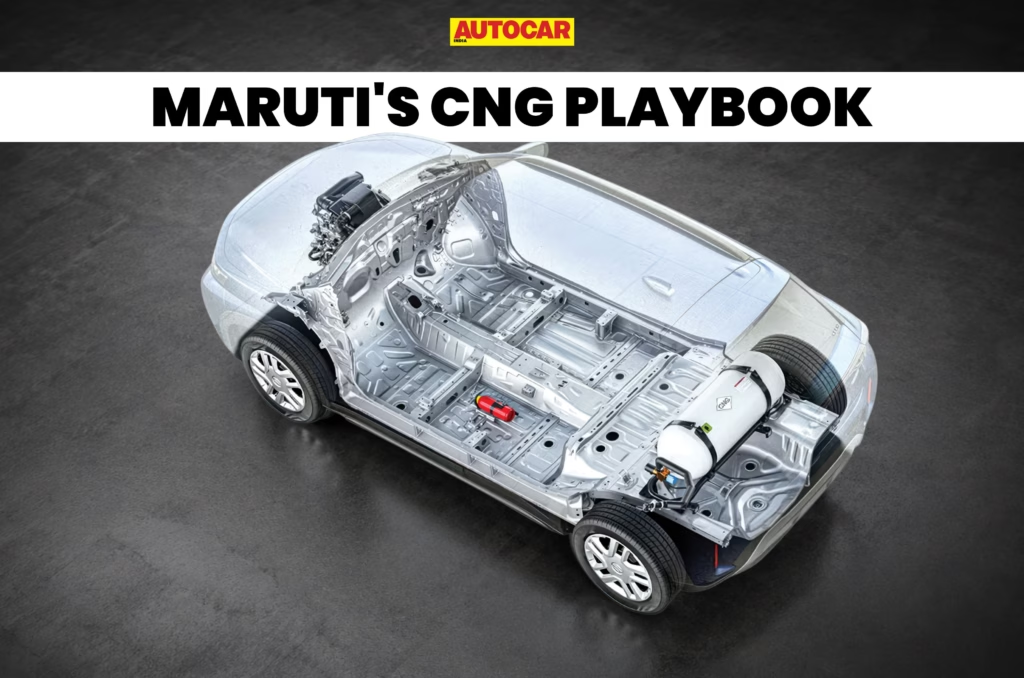
Maruti’s latest CNG development is the underbody tank on the Victoris and Brezza.

Central to Maruti’s next CNG push is the underbody CNG setup. The newly launched CNG Brezza opts for this setup – just like in the Victoris – where the tank is placed beneath the floor. It does negate the ability to have the spare tyre, but luggage space remains useable with a boot that is pretty much free of intrusions.

“If I don’t compromise on my driving experience, and I don’t lose boot space, and on top of that I reduce my total cost of ownership, then it is ticking all the boxes. Why would I not go for it?” says Banerjee.

Filling the gap left by diesel

Maruti’s exit from diesel in 2020 left a gap for buyers seeking low running costs without moving to an EV. CNG has become the answer. It cannot match a diesel engine’s torque or effortless highway performance, but it can cost substantially less to run than petrol, particularly for buyers covering high monthly distances. The vehicle can also switch to petrol when CNG is unavailable.

CNG will not replace diesel in every situation. Drivers who regularly travel on highways, carry heavy loads or value strong mid-range performance may still prefer diesel where it remains available. But for largely urban use, CNG now delivers much of the economic advantage that once made diesel attractive. The market has moved beyond mileage.
CNG has reached around 20 percent penetration without requiring buyers to completely change the way they use a car. There is no home charger to install, and the vehicle can run on petrol when the gas runs out. But the next stage will require more than savings. Buyers moving onto larger and more expensive vehicles will expect performance, equipment, luggage space and convenience alongside lower running costs.

“Quality, reliability and mileage are now hygiene,” says Banerjee. “You need to give all of that anyway and then still meet their lifestyle expectations.”

With the Victoris establishing CNG in the midsize SUV market and the Brezza addressing the compact SUV space, Maruti is now taking the fuel deeper into India’s largest vehicle segment, and it says there’s more to come.

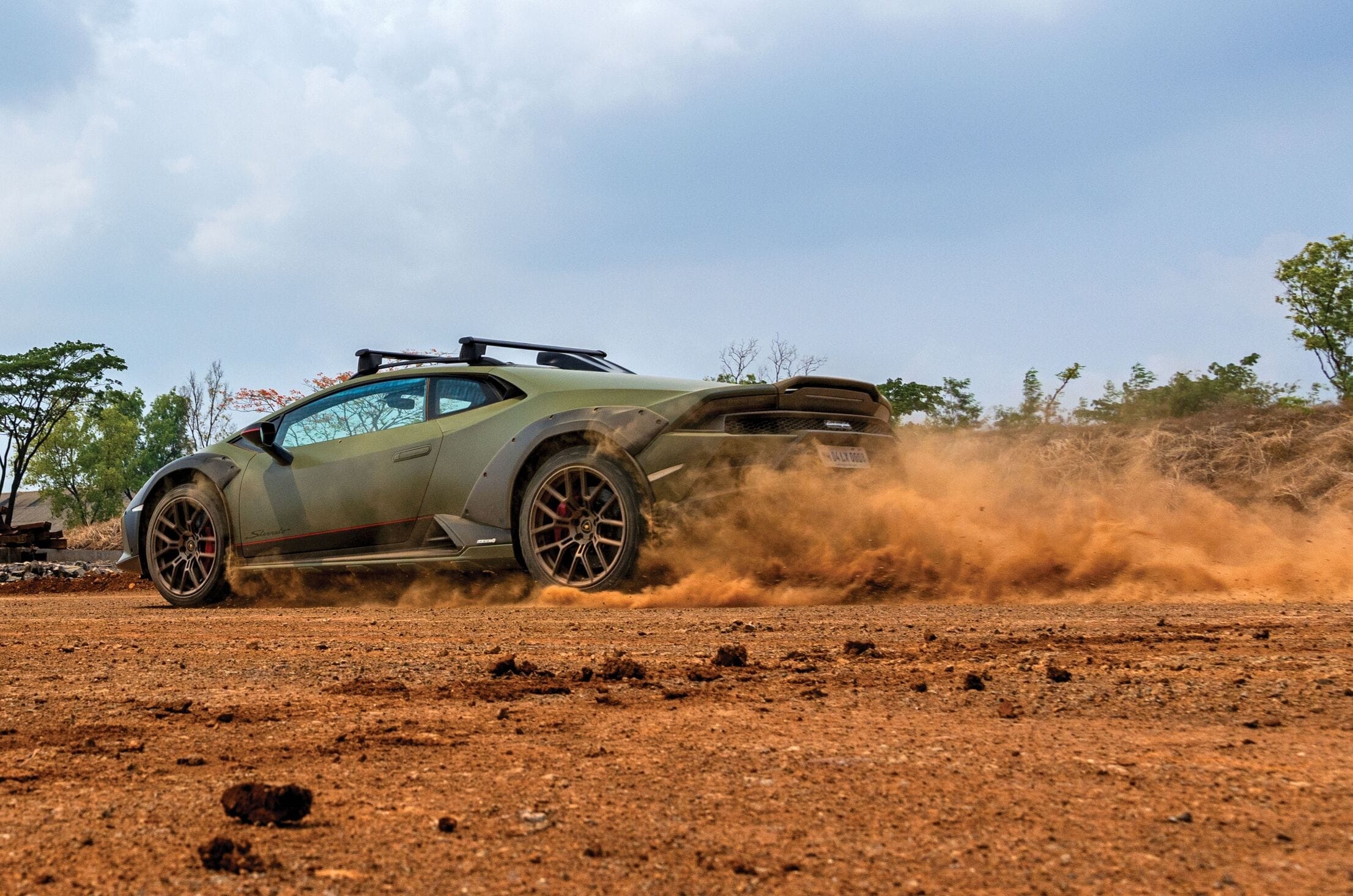
Lamborghini Huracan Sterrato driven at Nanoli Speedway before the tarmac arrives

Lamborghini Huracan Sterrato rear quarter tracking

Somewhere in the folds of the Western Ghats, where the Mumbai-Pune Expressway peels off from Lonavala into quieter country, a piece of land is being reshaped into what will, by this time next year, become Maharashtra’s first race track. Except to call it just a race track undersells the ambition entirely. What is rising here, on the grounds of the Nanoli Stud Farm, is a race resort, where cars are not just driven or raced, but lived with.

The Dhunjibhoy family has owned this land for decades, ever since the Nanoli Stud and Agricultural Farm was set up in the early 1990s. Khushroo Dhunjibhoy has spent a lifetime around shipping and thoroughbreds, and it is that same instinct for breeding something exceptional that he and his son, Zahir, have turned toward motorsport.

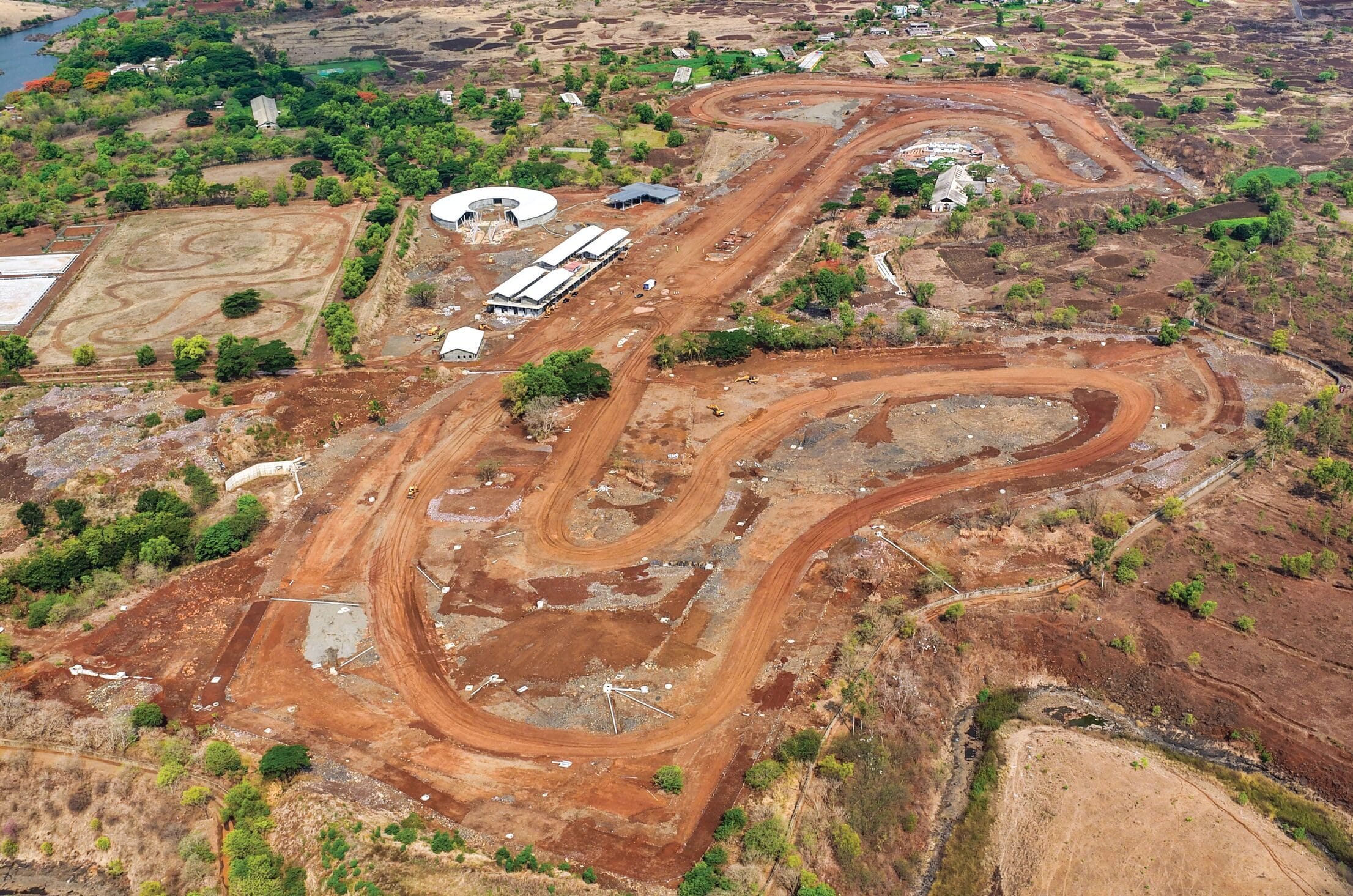
Aerial view of Nanoli before the tarmac is laid. This 3km circuit will be Maharashtra’s first and a haven for enthusiasts in western India.

Their plan is not a bare circuit with a pit lane bolted on. It is villas, high-end rooms and a clubhouse built into the same grounds as the horses. There will also be a 100-car garage with humidity control to protect exotic machinery from the heat, sun, dust and monsoons. The paddock and pit buildings will be state-of-the-art, with a hospitality deck that gives you a bird’s-eye view of nearly half the circuit. The circuit itself, designed to FIA Grade 3 specs by Driven International out of the UK, will eventually stretch close to three kilometres, with the option to split into shorter east and west configurations, depending on what the day calls for.

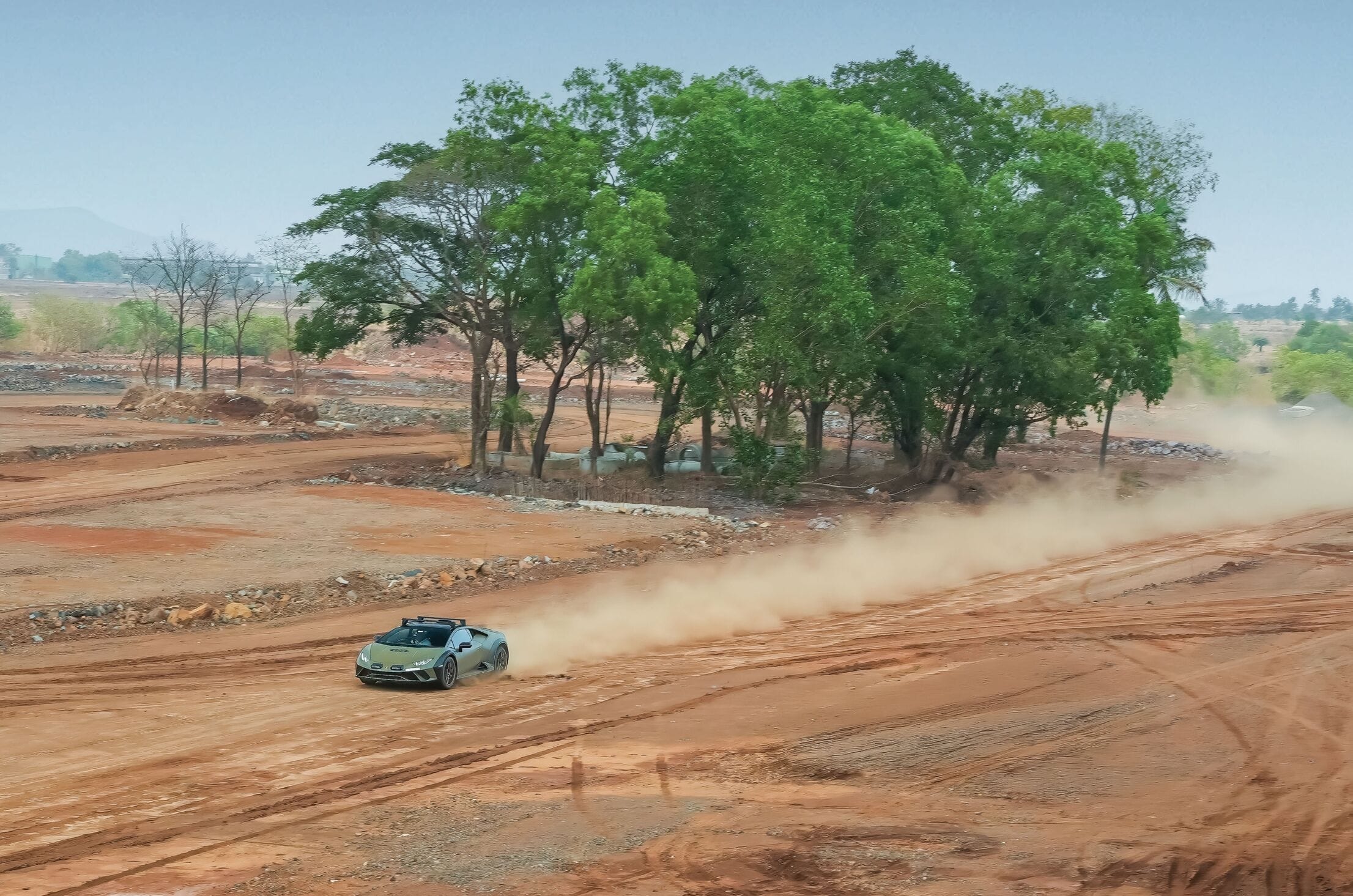
None of that exists yet in finished form. What does exist, right now, is the base layer. The dirt has been laid and compacted to a finish so smooth, it could pass for a rally special stage, which is roughly how we decided to treat it.

The obvious car for an afternoon like this would have been something with four-wheel drive and a reassuring amount of ground clearance. Something like an Urus or an RS Q8 – the kind of SUV that turns loose surfaces into a non-event. But ‘obvious’ has never made for a good story. So instead, we brought a Lamborghini Sterrato, which is, in essence, a Huracán that someone at Sant’Agata decided should grow up into a WRC car.

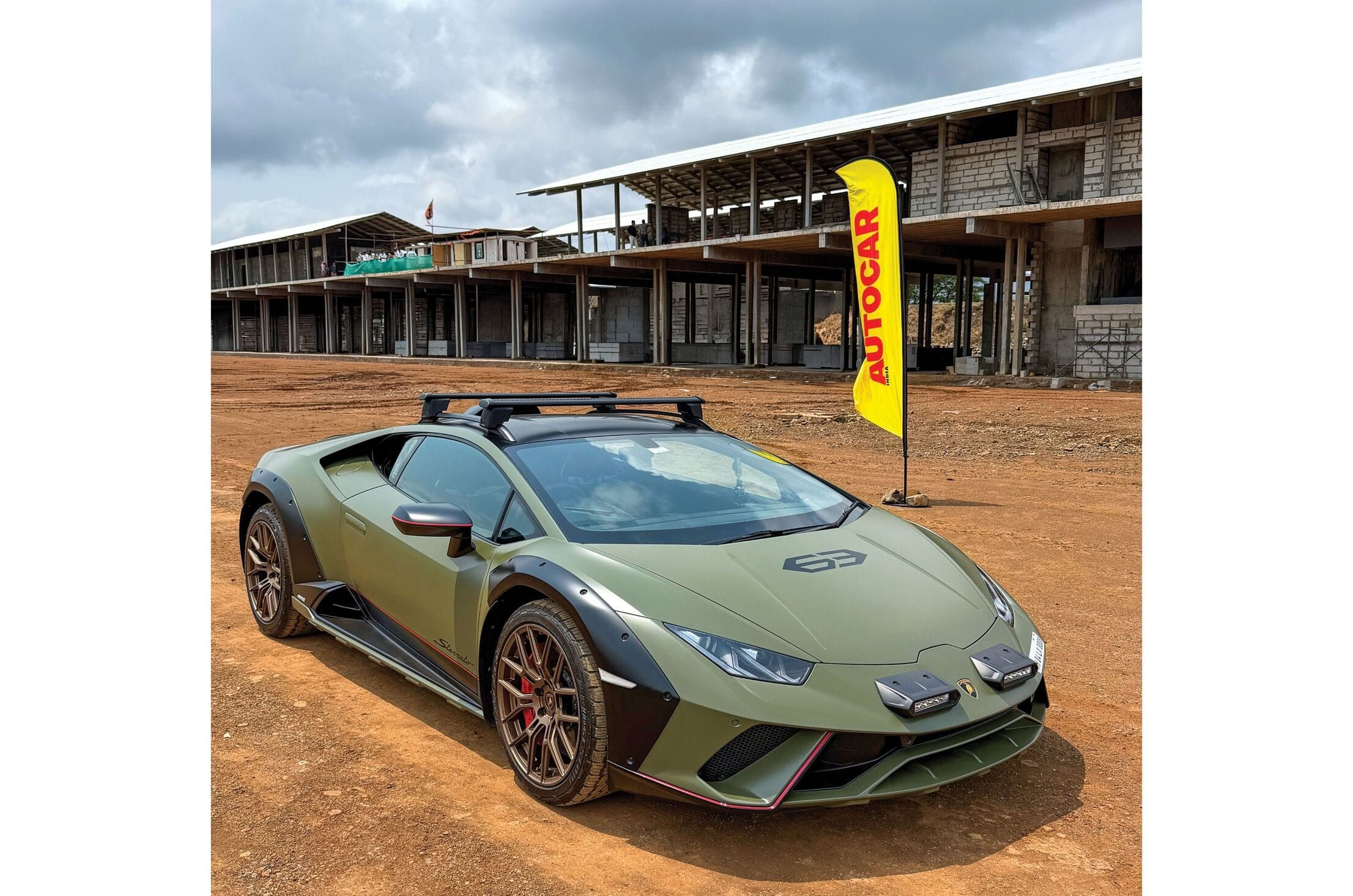
Before the tarmac arrives, the Sterrato enjoys Nanoli in its rawest form, with the future pit and hospitality complex taking shape behind it.

The Sterrato is not a styling exercise with some plastic cladding glued on. Lamborghini jacked the ride height by 44mm, fitted bespoke Bridgestone all-terrain rubber wrapped around 19-inch wheels, widened the front and rear tracks, and reworked the all-wheel-drive system and suspension geometry so the car can absorb a rutted surface without snapping its splitter off in the first hundred metres. Underneath sits the same naturally aspirated 5.2-litre V10 found in the rest of the Huracán range, here tuned to 610hp, still screaming to over 8,000rpm with no turbos to soften the theatre. Only 1,499 Sterratos were built before Lamborghini closed the production run, and of those, 15 made their way to India.

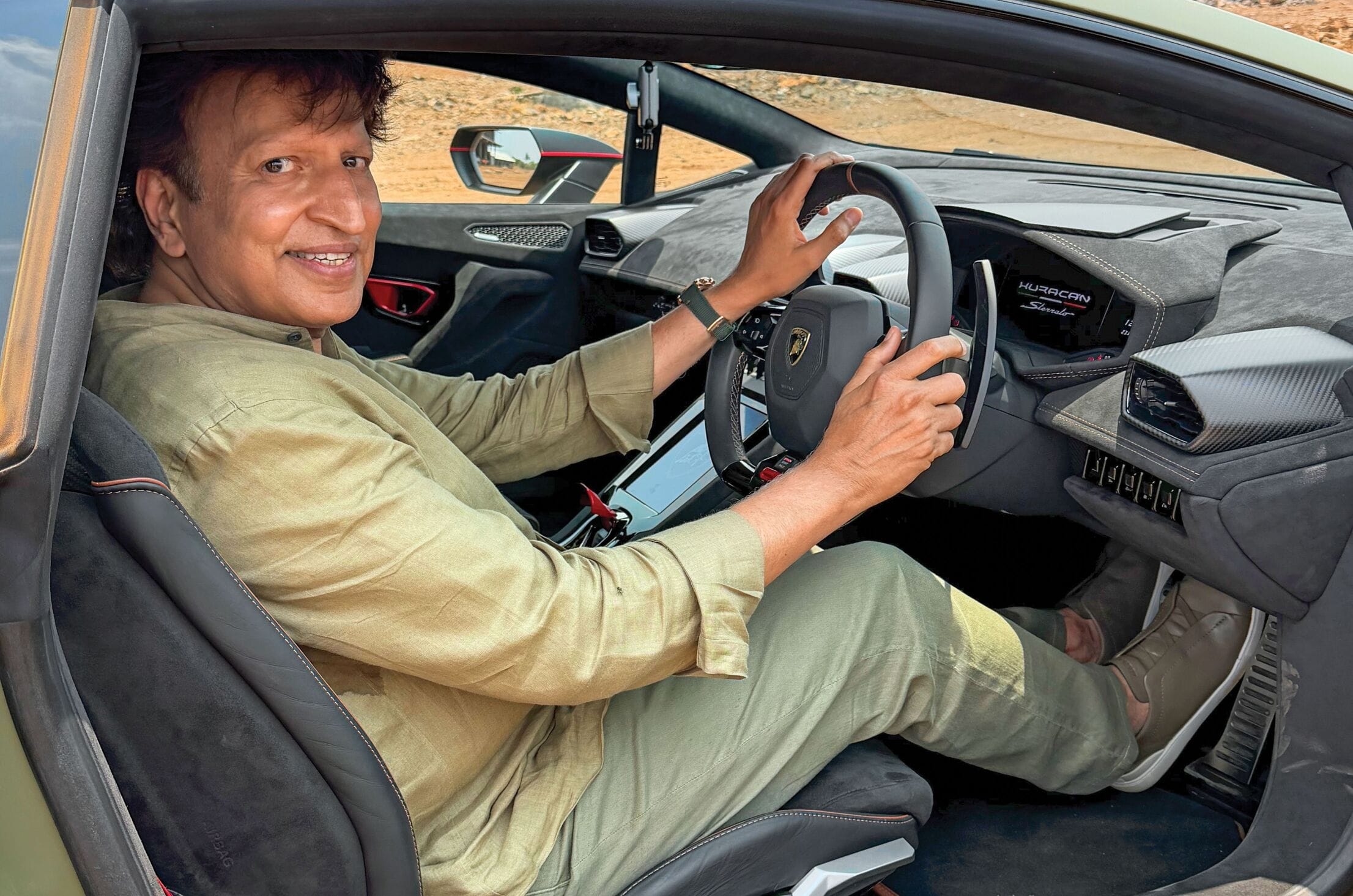
The example driven here belongs to Dinesh Thakkar, who was not only generous enough to hand over the key for a day, but also had the distinction of setting what can be considered the first recorded lap at Nanoli Speedway. 

His time of 2m34.80sec won’t be the quickest, but it’s a significant milestone for a circuit that is yet to officially open.

Mechanically, the Sterrato retains the naturally aspirated 5.2-litre V10, producing 610hp and driving all four wheels through a dual-clutch transmission. On paper, it remains very much a Huracán. In practice, the changes in character are immediately evident.

On the compacted dirt, the first impression is one of adaptability. Turn-in is not as immediate as it would be on tarmac, but the front axle bites with a reassuring consistency. The real shift comes under power. Where a standard Huracán demands restraint, the Sterrato encourages exploration.

The recalibrated driving modes, particularly Rally mode, allow for controlled slip. The rear steps out progressively, and crucially, predictably. There is a fluidity to the way the car moves, a willingness to rotate that transforms the experience. It is less about outright speed and more about managing balance.

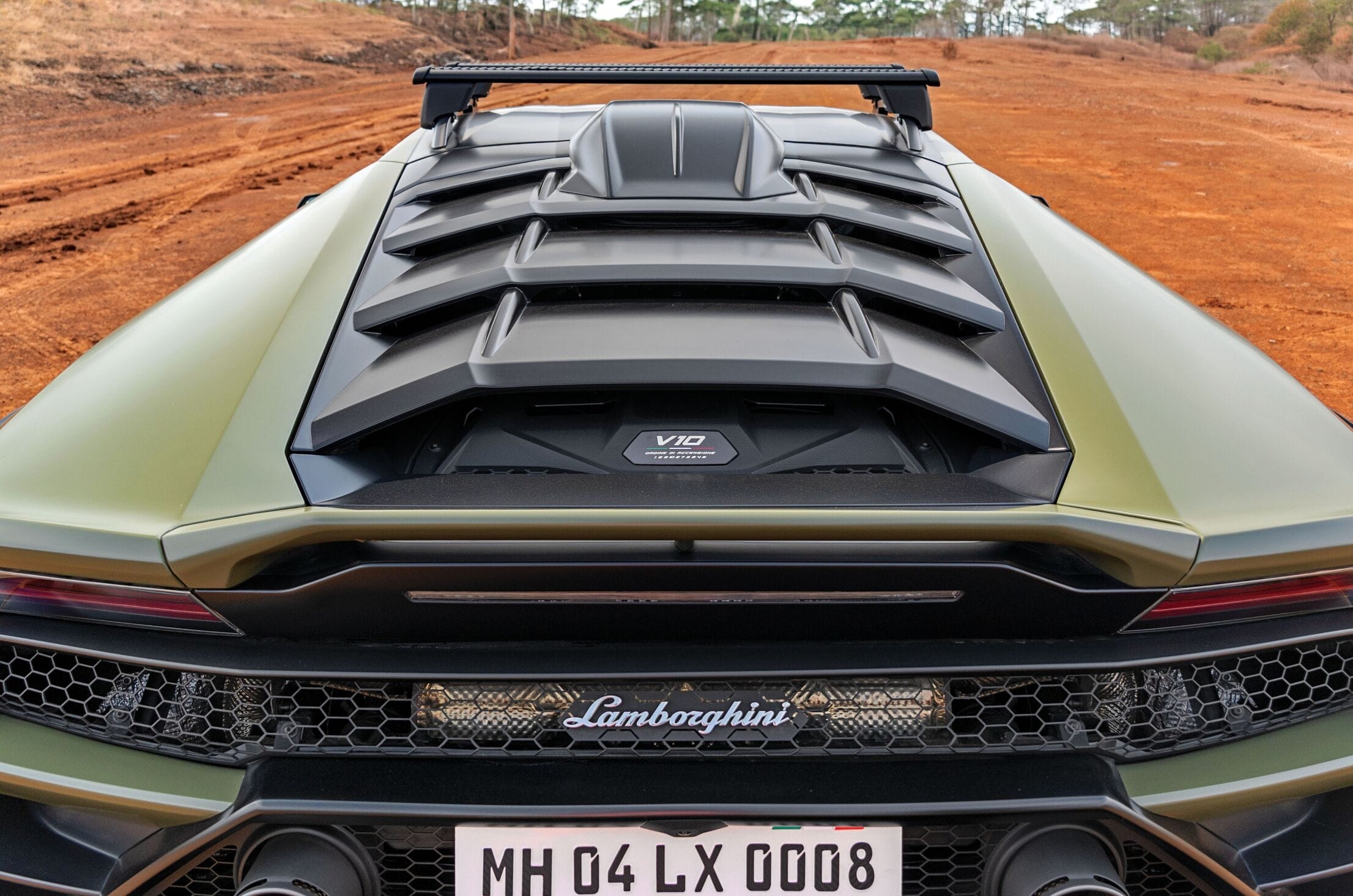
5.2-litre V10 a nod to the best of internal combustion.

The additional suspension travel plays a defining role. Over the subtle undulations of the track, the car remains composed, absorbing variations in the surface without unsettling the chassis. It allows you to commit earlier, carry speed through sections that would otherwise require caution, and rely on the car to work with the terrain rather than against it.

The V10 is natural aspiration at its best. It sounds absolutely brilliant; the sharp throttle response allows you to precisely meter every one of those 610 horses, and every tap of the throttle feels utterly engaging. Under the sonorous wail of the V10 is the muted rattle of gravel ricocheting off the underbody, giving the full effect of a WRC car.

For Thakkar, setting that first lap was less about outright pace and more about being part of something that will only happen once. Once the tarmac goes down, no one will ever again get to slide a supercar through Nanoli’s corners on loose dirt. That window closes the day the asphalt trucks arrive, which made every lap feel like it mattered a little more than it should have for what was, on paper, just a test session on an unfinished track.

Sterrato owner Dinesh Thakkar is all smiles after a memorable day.

What Nanoli represents, once finished, goes well beyond a fun afternoon for a few car nuts and a Lamborghini. Mumbai’s supercar owners have long had money and machinery with nowhere proper to use either. The city’s roads are hostile to anything with a low chin, and Pune offers little better. A circuit within striking distance of both cities, built to international standards and backed by a family that clearly does not believe in doing things by half measures, could genuinely change how western India’s car culture behaves. This is not simply about building a track. It is about creating an ecosystem. The members-only model ensures exclusivity, but also fosters a focused community. For enthusiasts in Mumbai and Pune, long constrained by infrastructure, this represents a fundamental shift. It’s a controlled environment where cars can be driven to the max without fear of speed cameras or speed breakers.

The tarmac will come soon enough, and Nanoli will become a proper circuit with lap times and lap records and all the polish that comes with a finished facility. But for one afternoon, before any of that, it was just a dirt track, a Sterrato V10, and the kind of first lap that only ever happens once.

Pre-facelift Tata Tiago EV long term review, 5,800km report

Pre-facelift Tata Tiago EV

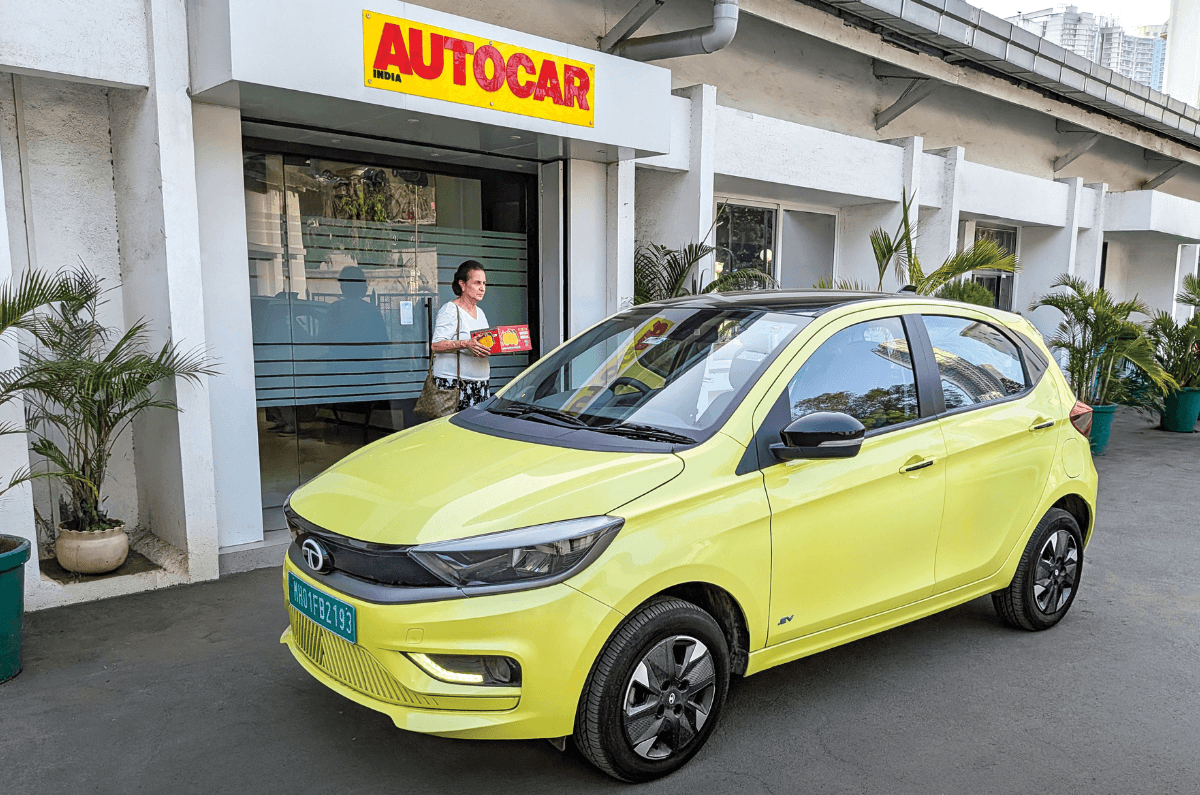
The recently updated Tata Tiago EV is a real good looker, and that’s no surprise; it’s got strong bones. Take a look at the pre-facelifted car; the proportions and stance are spot on. Then there are the lines – crisp and sharp, and the sheet metal skinning looks nice and taut. A testament to its styling is the fact that even ten years after its launch, it still turns heads. Of course, a lot has to do with the neon-yellow shade our car came in. Not everyone at the office is a fan, but I really love it. And even in more sober shades, the Tiago has the ability to grab a few glances.

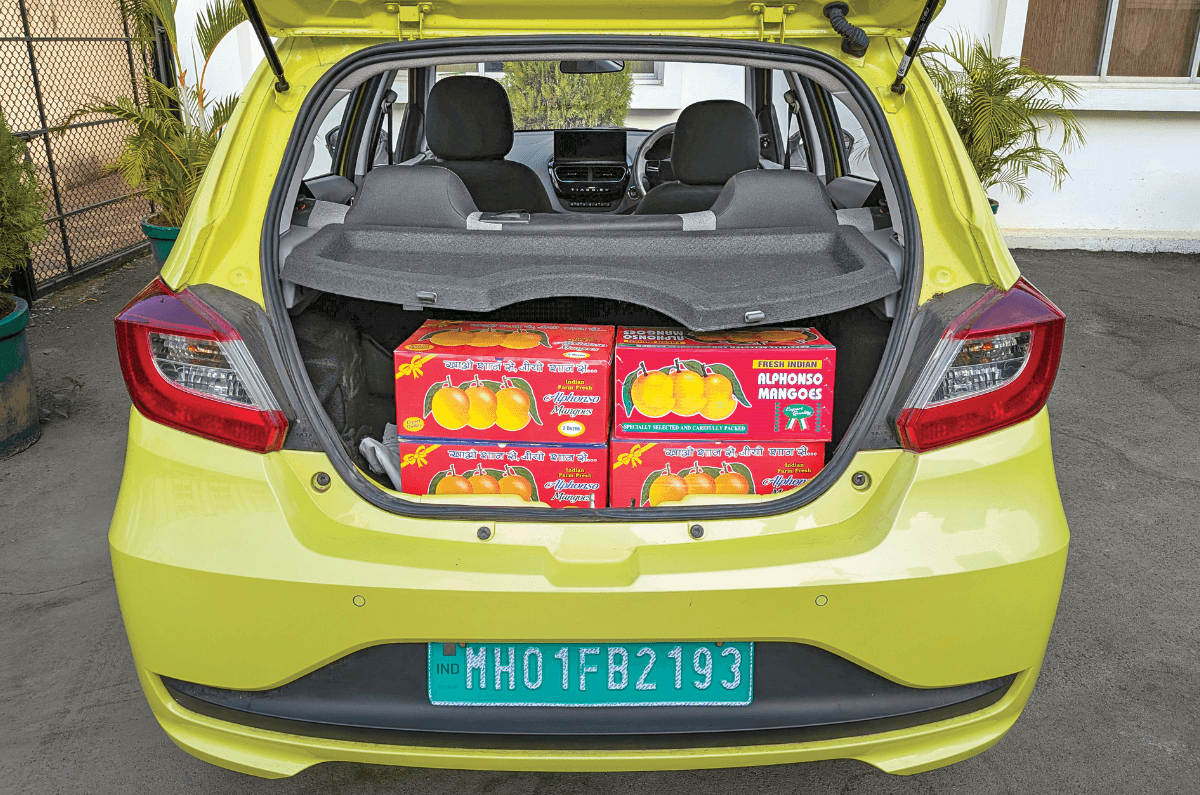
A cold glance, though, was what it got when I suggested to our receptionist, Zenobia (the lady pictured in the lead image), that we would use it to drop off some eight dozen mangoes she had ordered. She wasn’t convinced they would all fit inside and wanted a larger car. But to her surprise and my relief (she can be quite mean when you get things wrong), they fit quite easily inside the boot. At about 240 litres, it’s not that large, but it’s well-shaped, and for regular-sized luggage like these rectangular boxes, it’s not a problem. You have to load over a lip, though, and the opening is narrow.

Tata Tiago EV
240-litre boot isn’t large, but manages small luggage.

Besides the mango run, I used the car mainly to commute to the office and for chores around my home, unlike Ameya, who took it to Pune quite a few times. The Mumbai-to-Pune run is about 150km and with a climb as well, but he managed the trip with about 10 percent battery left. I wasn’t going to test the Tiago’s 24kWh battery to that extent. As a practice, I never let the battery level drop below 40 percent on any EV. With me, the Tiago returned an efficiency of around 8km/kWh, which would translate to a range of about 192km. Pretty good, and more than adequate for what is a city EV. 

Another benefit of an EV is that you have to wait in the car for someone. I had to wait 25 minutes for my wife at the parlour, and all through it I sat in the Tiago reading a book, comfy and cool with the AC on. I forgot to record the exact drain on the battery, but it was only about four percent. I would not have dreamt of doing this with an internal combustion car.

Pre-facelfit Tata Tiago EV toushcscreen
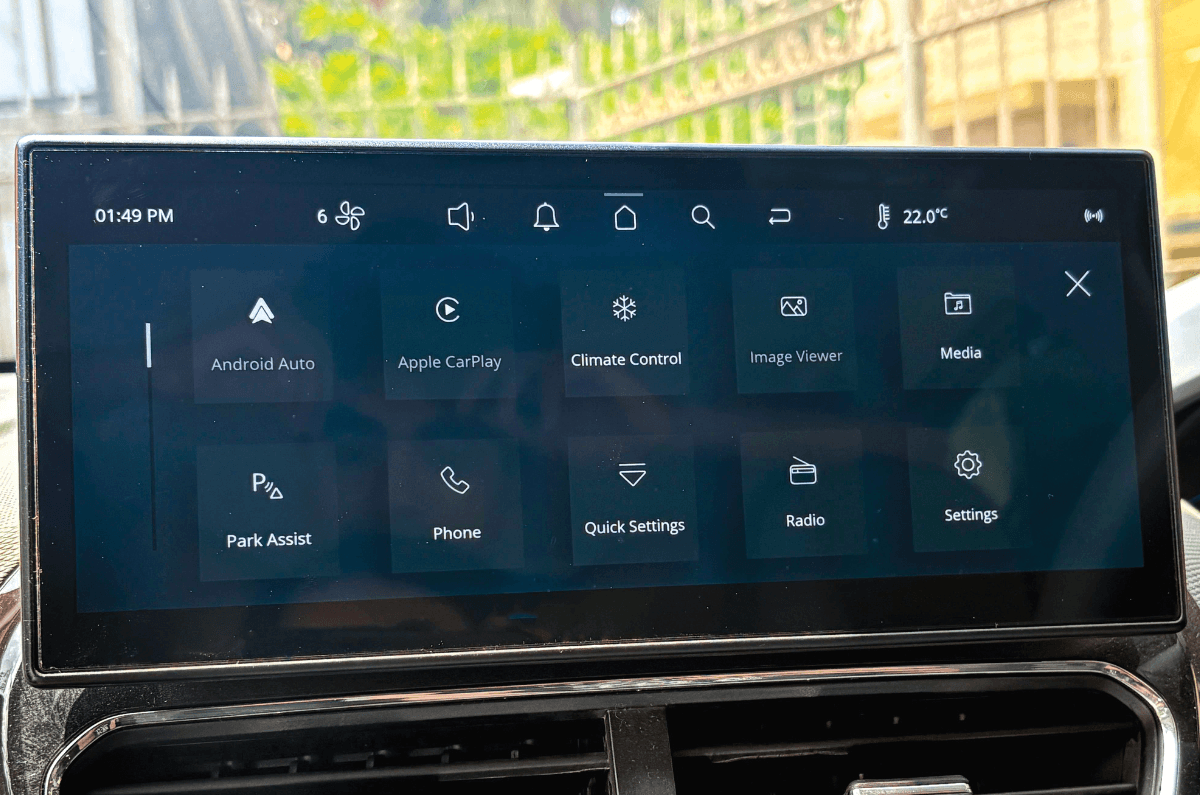
Touchscreen is very modern; slick, responsive and with plenty of features.

My wife loved the car too. Its size made it handy in the city, and for some reason, she really found the electric motor whirr pleasing and even cute; not something she’s liked on other EVs. I think it’s more to do with the cute appeal of the car and the fact that the sound is like a little spaceship or something like that. But everything about it isn’t small. As with most Tata Motors cars, the space inside is big; headroom, particularly so, and my son, for whom we recently bought an Altroz, found the Tiago to be an airier cabin.

Tata Tiago EV
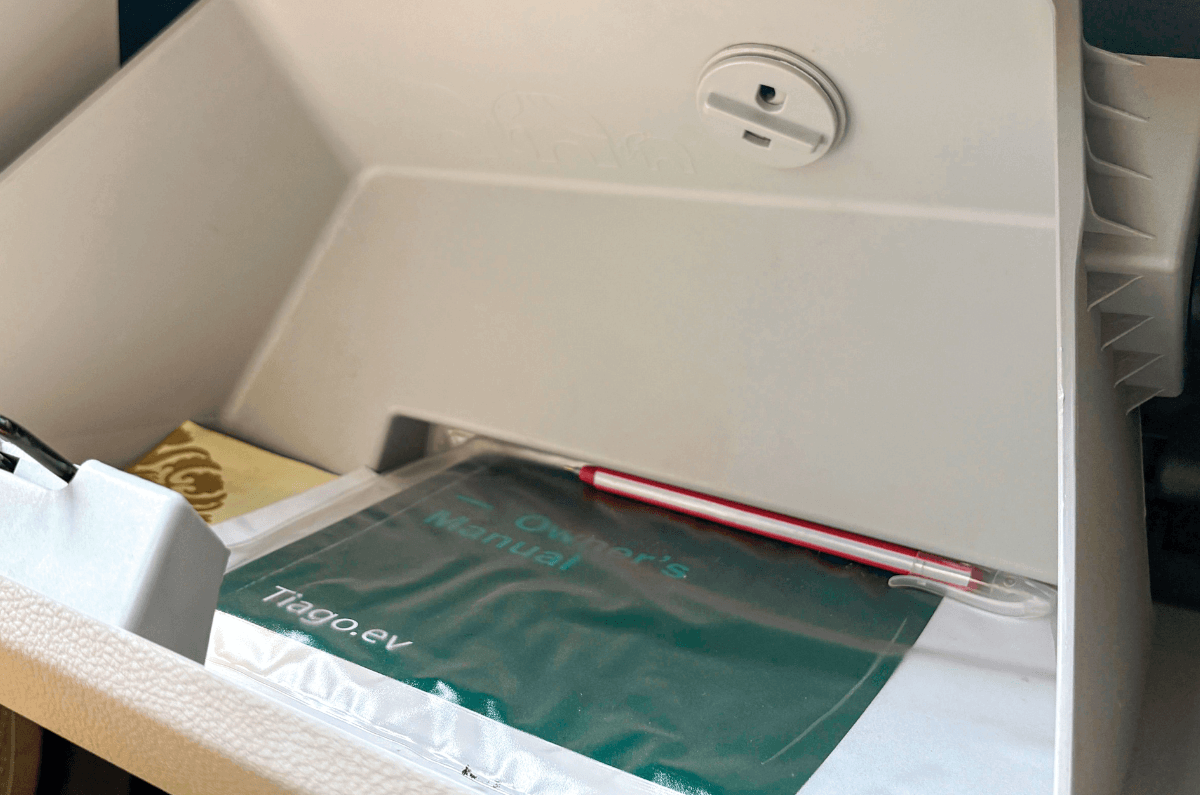
Glove box has an AC vent providing cooled storage, which is quite large too.

Besides the space, the seats are comfy, and the cabin is well-equipped. Since its launch, the Tiago has been steadily updated, and the steering wheel and touchscreen are what you will find on Tata’s newer models. I’m no fan of a two-spoke steering wheel; I find them generally awkward and somehow incomplete, and it’s the same here. The buttons are handy to have but are fiddly to use; they are stubby, and I find toggling them up or down to be something of a deliberate action rather than a natural and easy flick of the thumb. The touchscreen, though, is lovely. It looks nice and sharp, is responsive to touch, and it’s got wireless Apple CarPlay and Android Auto too. While I’m on about features, I like the fact that there is a 45W Type-C USB charging slot, and to my wife’s surprise, she found out that it had a cooled glovebox too.

Pre-facelift Tata Tiago EV
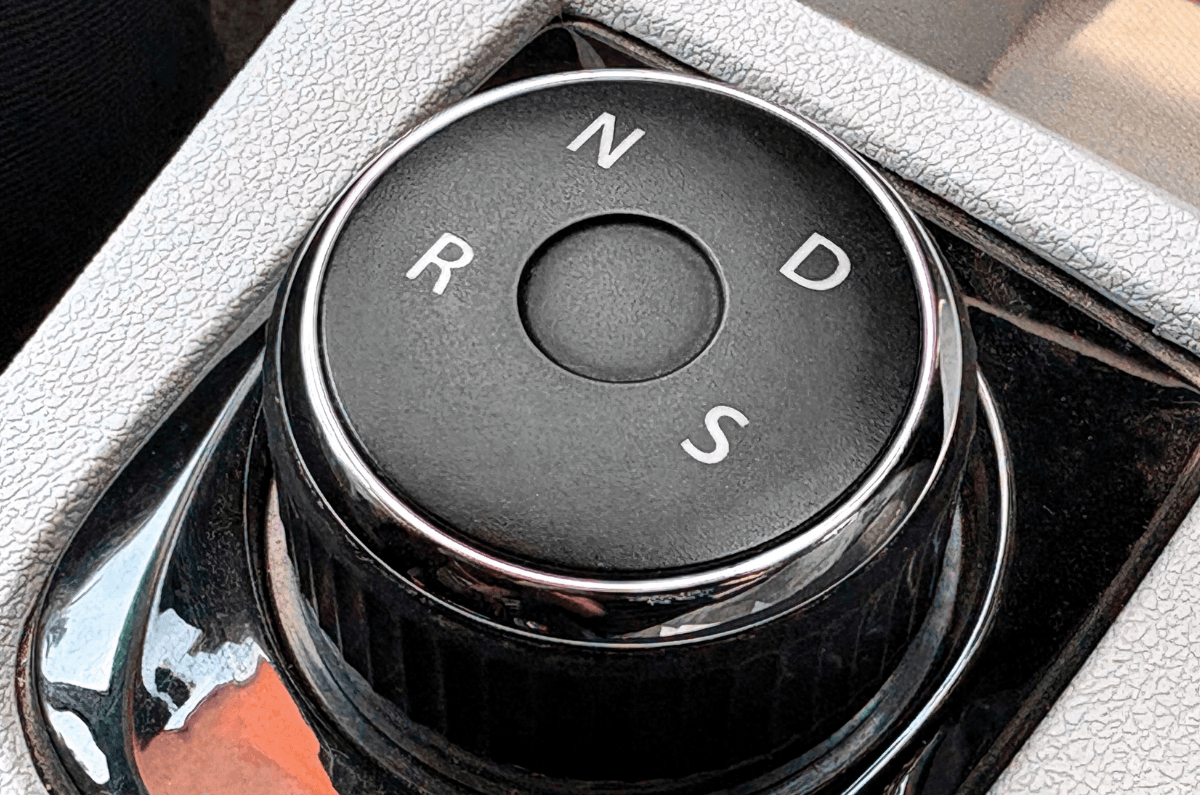
Drive selection is slow and needs firmer-than-usual brake pedal pressure.

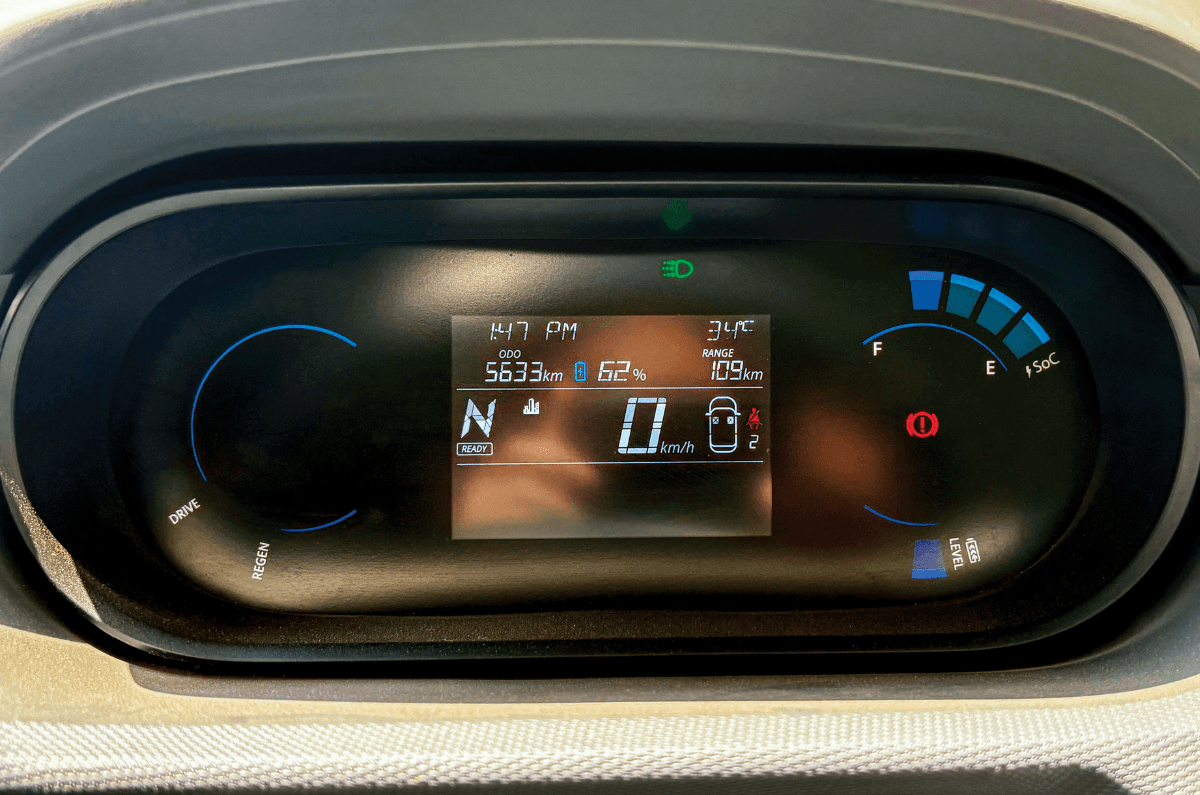
As with most EVs, driving the Tiago is a very straightforward affair. I would have said fuss-free, too, but the rotary drive selector does not engage sometimes. An old issue that hopefully the new car will have sorted. The instrument panel, too, is something I don’t like. There are dial-like info readouts, but not for speed, which is mixed in with other alphanumeric info in the centre.

Pre-facelift Tata Tiago EV instrument cluster
Driver’s display carries enough info, but its presentation is cluttered and untidy.

Speaking of speed, this is something the Tiago does quite well. Despite its humble 75hp motor, performance isn’t an issue. Overtaking is quick, even in the regular City mode, and passing vehicles at higher speeds, too, is quite a straightforward affair. Ameya found it easy to maintain momentum even out on the Mumbai-Pune expressway. The ride, too, is something that has found praise from all of us. It has the maturity of a larger car – it’s soft at low speeds, but at highway pace, you don’t feel unsettled going over long-wave undulating stretches. This is certainly a car we are all going to miss, and with the update out already, we’re hoping to see the new version in our garage soon.

Pre-facelift Tata Tiago EV XZ+ Tech Lux LR test data

Odometer5,800km
Last recorded priceRs 11.14 lakh (ex-showroom, India)
Economy8km/kWh
Maintenance costsNil
FaultsNone
Previous reportMay 2026

Hydrogen Trials Routes: दिल्ली-आगरा से मुंबई-पुणे तक… देश के उन 10 रूटों की फुल लिस्ट जहां शुरू हुआ हाइड्रोजन ट्रायल, जानिए क्या है पूरी तैयारी

Hydrogen Trials Routes: केंद्रीय सड़क परिवहन और राजमार्ग मंत्री नितिन गडकरी ने परिवहन उद्योग के भविष्य को लेकर एक बड़ा विजन पेश किया है। पीटीआई की रिपोर्ट के मुताबिक, गांधीनगर में आयोजित प्रवास 5.0 और भारत प्रवास अवार्ड्स कार्यक्रम को संबोधित करते हुए केंद्रीय मंत्री ने घोषणा की है कि हाइड्रोजन ही परिवहन उद्योग का भविष्य है। उन्होंने इस दौरान बताया कि सरकार देश भर के 10 महत्वपूर्ण रूटों पर ईंधन के रूप में इसके इस्तेमाल का ट्रायल कर रही है।

नितिन गडकरी ने जोर देकर कहा कि वैकल्पिक ईंधन और बायोफ्यूल के क्षेत्र में भारतीय ऑटोमोबाइल इंडस्ट्री बहुत शानदार काम कर रही है। आने वाले समय में भारत अपनी बेहतरीन तकनीक और किफायती लागत के दम पर इस क्षेत्र में वैश्विक स्तर पर नेतृत्व करेगा।

देश के वे 10 रूट जहां चल रहा है हाइड्रोजन का ट्रायल

केंद्रीय मंत्री के मुताबिक सड़क परिवहन और राजमार्ग मंत्रालय जिन 10 रूटों पर हाइड्रोजन ईंधन का पायलट प्रोजेक्ट चला रहा है, उनकी पूरी लिस्ट यहां नीचे देखिए-

ग्रेटर नोएडा – दिल्ली – आगरा

पुणे – मुंबई

साहिबाबाद – फरीदाबाद – दिल्ली

अहमदाबाद – वडोदरा – सूरत

जामनगर – अहमदाबाद

भुवनेश्वर – कोणार्क – पुरी

जमशेदपुर – कलिंगा नगर

तिरुवनंतपुरम – कोच्चि

कोच्चि – एडपल्ली

नेशनल हाईवे-16 विशाखापट्टनम – बय्यावराम

नंबर 1 बनने की ओर भारतीय ऑटोमोबाइल इंडस्ट्री, 4.5 करोड़ नौकरियां

नितिन गडकरी ने देश की ऑटोमोबाइल इंडस्ट्री की अभूतपूर्व तरक्की के आंकड़े भी साझा किए। उन्होंने बताया कि जब उन्होंने मंत्रालय का कार्यभार संभाला था तब देश की ऑटोमोबाइल इंडस्ट्री का आकार 14 लाख करोड़ रुपये था और यह वैश्विक स्तर पर 7वें स्थान पर थी। आज यह 22 लाख करोड़ रुपये के आकार के साथ दुनिया में तीसरे स्थान पर पहुंच चुकी है। हमारा लक्ष्य जल्द से जल्द दुनिया में पहले स्थान पर पहुंचना है।

यह इंडस्ट्री केंद्र और राज्य सरकारों को सबसे ज्यादा राजस्व देती है और इसके जरिए देश में 4.5 करोड़ नौकरियां पैदा हुई हैं। भारत के टू-व्हीलर निर्माता आज अपनी सुरक्षा और तकनीक के दम पर 50 प्रतिशत उत्पाद विदेशों में बेच रहे हैं।

सड़क सुरक्षा सबसे बड़ी प्राथमिकता, हर साल 1.80 लाख मौतें

सड़क सुरक्षा को लेकर केंद्रीय मंत्री ने गंभीर आंकड़े पेश किए और ट्रांसपोर्टर्स व निर्माताओं से मदद की अपील की। देश में हर साल 5 लाख सड़क हादसे होते हैं जिनमें 1.80 लाख लोगों की जान चली जाती है। इन हादसों में जान गंवाने वाले लोगों में से 66 प्रतिशत लोग 18 से 36 वर्ष की आयु वर्ग के होते हैं। इन दुर्घटनाओं के कारण देश को 3 प्रतिशत जीडीपी का नुकसान उठाना पड़ता है। इसलिए सड़क सुरक्षा सरकार की सर्वोच्च प्राथमिकता है।

बस निर्माताओं को बड़ी राहत, टेस्टिंग चार्ज 50% घटेगा

नितिन गडकरी ने बसों की संख्या बढ़ाने उनकी सुरक्षा और निर्माताओं को राहत देने के लिए कई महत्वपूर्ण बातें कहीं। देश में सालाना 3 लाख बसों की जरूरत है लेकिन हमारे निर्माता सिर्फ 70000 से 80000 बसें ही बना पा रहे हैं। उत्पादकता को तीन गुना बढ़ाना होगा। निर्माताओं का कर्तव्य है कि वे विश्व स्तरीय तकनीक के साथ उचित आर्थिक मूल्य पर अधिक आराम प्रदान करें। पिछले साल सितंबर में संशोधित बस बॉडी कोड लागू किया गया था।

अब सरकार ने 600 से अधिक बस बॉडी निर्माता इकाइयों (जिसमें 75000 कर्मचारी कार्यरत हैं) को राहत देते हुए टेस्टिंग चार्ज को 50 प्रतिशत कम करने और प्रोसेसिंग की समयसीमा को 16 सप्ताह से घटाकर 6 सप्ताह करने का निर्णय लिया है। गडकरी ने इलेक्ट्रिक बस निर्माताओं से अपील की कि वे लिथियम-आयन बैटरी की घटी हुई कीमतों का लाभ उपभोक्ताओं तक पहुंचाएं।

उन्होंने कहा कि वर्तमान में चार्जिंग के लिए 20 रुपये की बिजली दर अधिक है। उनका मंत्रालय बसों, ट्रकों व कारों के लिए इसे कम करने पर काम कर रहा है। मंत्रालय देश में प्राइवेट बसपोर्ट बनाने पर काम कर रहा है। इसके अलावा ग्रीन एक्सप्रेस हाईवे के निर्माण से यात्रा का समय कम होगा जिससे ट्रांसपोर्ट इंडस्ट्री का टर्नओवर और मुनाफा बढ़ाने में मदद मिलेगी।