MotoGP 2026: Marco Bezzecchi wins Indonesian GP

MotoGP 2026: Marco Bezzecchi wins Indonesian GP
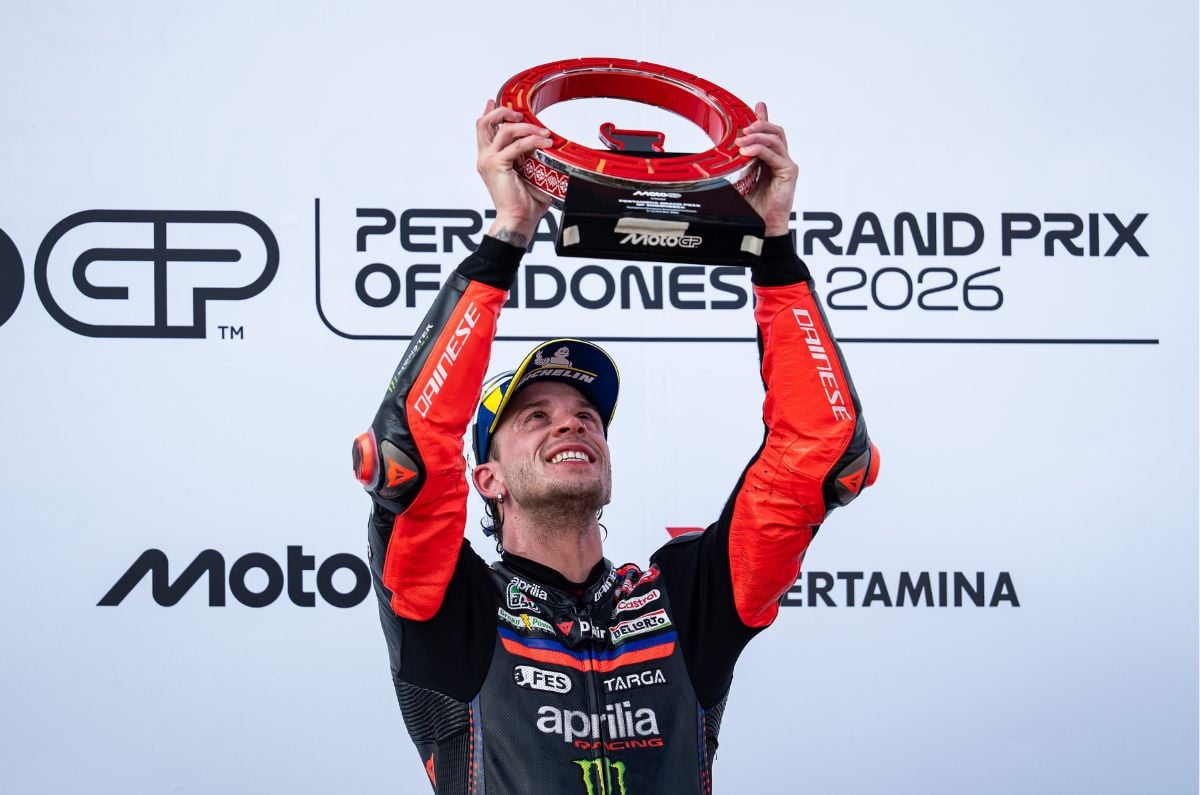
Marco Bezzecchi on the P1 podium at the Indonesian GP.

The last leg of the 2026 MotoGP season is here, and the stakes are only getting higher. Aprilia Racing rider Marco Bezzecchi, currently P3 in the world championship, won the Indonesian GP (133 days after his last win), and Jorge Martin, who currently leads the standings, took P3. Raul Fernandez and Ai Ogura of the Trackhouse MotoGP team ranked P2 and P4, resulting in an Aprilia 1-2-3-4 for the first time in the history of the premier class.

  1. Marco  Bezzecchi wins for the first time since the dominant Italian GP victory
  2. Martin and Marquez are separated by 2 points, same as after Motegi the previous week
  3. Maximo Quiles wins Moto3 championship, with Izan Guevara continuing to chip away at Manu Gonzalez’s lead in Moto2

Marc Marquez started off strong with Sprint win

Aided by Raul and Marco’s crash

Going into the weekend, Aprilia was expected to be the better performer and that largely held true throughout the practice sessions. However, during Saturday’s sprint, Marco Bezzecchi’s momentary lapse in judgement resulted in him and Raul Fernandez crashing out in the very first corner of the first lap. This gave the lead to Jorge Martin (started in P5), who held on to it until lap 9, when a front tyre pressure warning forced him to slow down and let the trailing rider, Marc Marquez, overtake him. Marc then started building a gap between the two of them, and while Martin sorted out his issues and started catching up to Marc, he ran wide on the last lap, thereby falling out of the podium positions, with a final P4 result.

Pedro Acosta was actively in the battle for podium with Fabio DiGiannantonio and Ai Ogura, until he received a long lap penalty for track limits and ended the Sprint with P6, behind Alex Marquez. A series of technical issues and the early crash guided Marc to a Sprint win, making him the outright championship leader on Saturday by 4 points, with Fabio and Ogura finishing in P2 and P3, respectively. Fernandez ended up with a broken index finger as a result of the crash but was cleared to race on Sunday.

An eventful Grand Prix, dominated by Aprilias

An injury-stricken Raul showed admirable resilience

The Sunday race, though, went as expected as can be. Fernandez started from pole position and had to modify his riding technique to brake with his middle finger, owing to his broken index finger. He was quick to race away from the rest of the pack, with Marco closely following for 17 out of the 27 laps, where he finally overtook him on turn 1 and won the race eventually. In addition to winning, Bezzecchi also set the fastest lap of the race at 1:29:660 and finished the race 21.060 seconds quicker compared to 2025.

Marc Marquez – rejuvenated by his Sprint victory – started strong in P3 but was subsequently overtaken by Jorge Martin and then Pedro Acosta later in the race. Marc and Pedro had a back-and-forth for some laps, where they both faced apparent front tyre pressure warnings (similar to Martin on Saturday), so they let each other pass a few times to let their tyres recover. Once Pedro resolved the issue, he overtook Marc but was then overtaken by Ogura. The race ended with Martin in P3, Ogura in P4, Pedro in P5 and Marc in P6.
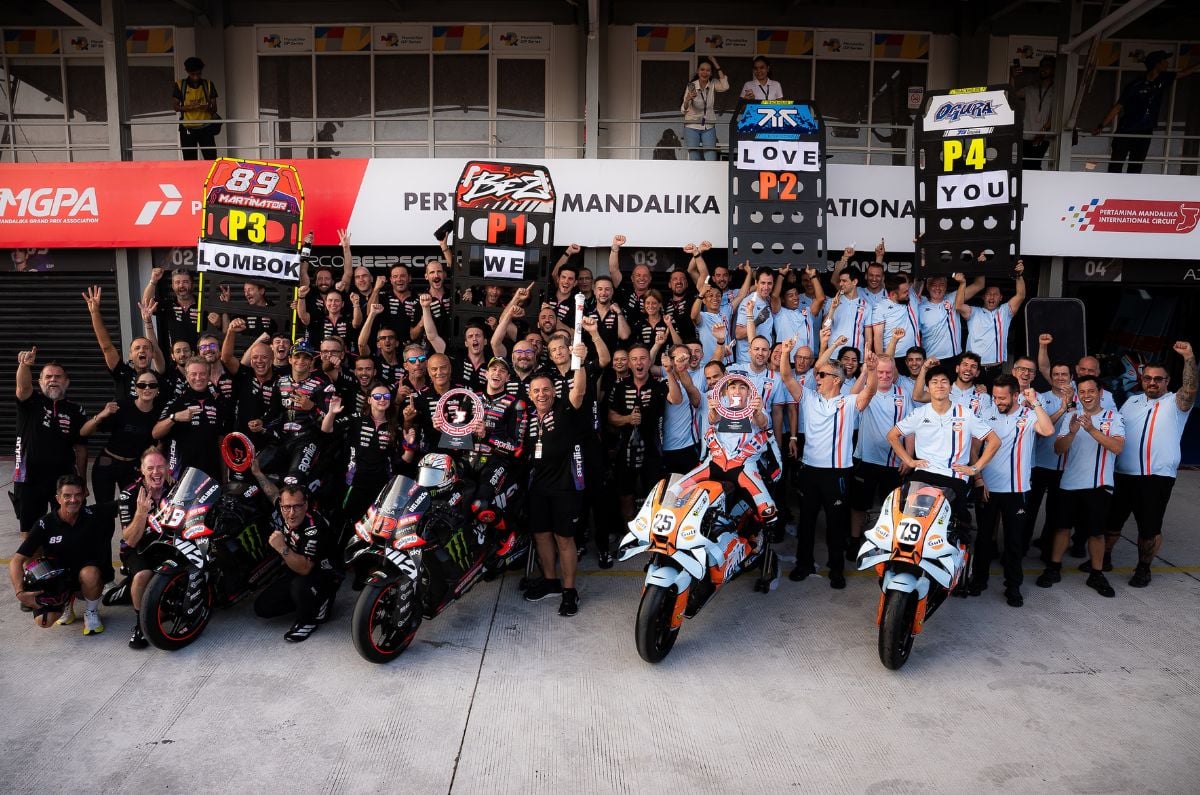
Jorge Martin, Marco Bezzecchi, Raul Fernandez and Ai Ogura celebrating the Aprilia 1-2-3-4 with their teams.
Left to right: Jorge Martin (P3), Marco Bezzecchi (P1), Raul Fernandez (P2) and Ai Ogura (P4) celebrating the historic Aprilia 1-2-3-4 with their teams.

Fabio DiGiannantonio had a desirable race start at P3 but was quickly overtaken by all the riders above as well as Alex Marquez, ending his race with P8. Pedro was once again the best performing KTM rider, after Enea Bastianini out-performed him in Motegi. Speaking of whom, Enea ended his run with P10, followed by Pedro’s teammate Brad Binder in P11.

After his win in the Japanese GP, Marc Marquez had reduced the points gap to leader Jorge Martin to 2; and he briefly led the championship after his Sprint win. However, the race results have brought the duo back to the same gap with Jorge Martin once again becoming the leader, followed by Marc Maquez with a two points deficit going to Phillip Island, Australia.

Hot track, hotter riders, notable crashes

Four DNFs and one DNS

The Indonesian GP, hosted in the Lambok island, is considered to be a trying track for the riders as well as their motorcycles. During the MotoGP race, the track temperature was at a scalding 62 degree celsius and the air temperature was bordering around 29 degrees with 73 percent humidity. The conditions remained similarly scorching throughout the weekend, and evidently, it was a tough environment to race in. Fermin Aldeguer, last year’s Indonesian GP winner, crashed out at the end of lap 1, followed by Jack Miller and Pecco Bagnaia – separate incidents – in lap 5. Toprak Razgatlioglu retired in lap 8, due to weakness and lack of feeling in his right shoulder following a massive highside on Saturday practice, as he explained in post race interviews.

Honda had announced Aleix Espargaro will be replacing Joan Mir for the weekend and Aleix partook in all the practice sessions and the Sprint. However, he withdrew from the Grand Prix, citing arm pump issues and choosing to focus on Honda’s 850cc tests in Sepang next week.

Maximo Quiles takes Moto3 championship

A chaos filled Moto2 race with a closer championship fight than MotoGP

The other two races were just as eventful and perhaps more chaotic than MotoGP. After an impressive 2026 campaign, Maximo Quiles of CFMoto Gaviota Aspar team became the Moto3 World Champion with five races remaining. Quiles has the second-best win rate of 58.8 percent, trailing only David Alonso’s dominant run of 2024, with a 70 percent win rate.

Speaking of David Alonso, his Moto2 race came to a sadly premature end. Alonso started as P2 in the race, but in the first turn of the first lap, his CFMoto Power Electronics Aspar teammate Dani Holgado crashed into him leading to Alonso’s bike getting severely damaged. The crash also took out Joe Roberts and Collin Veijer, which brought red flags out, and resulted in a race restart with a reduced 14 laps (versus planned 22 laps). Except Alonso, the other three riders were able to restart their races, although Joe Roberts quickly retired because of an issue with his rear brake.

Klint Racing’s Alex Escrig was quick to overtake Izan Guevara and held on to the lead successfully, until a technical issue with his bike made him drop out of the race with two laps to go, handing Izan the victory. The final race results saw Izan Guevara in P1, current rider championship leader Manu Gonzalez in P2, and Dani Holgado in P3. With his hattrick race win, Izan has reduced the points gap to Manu to 6.5, going to Phillip Island in two weeks’ time.

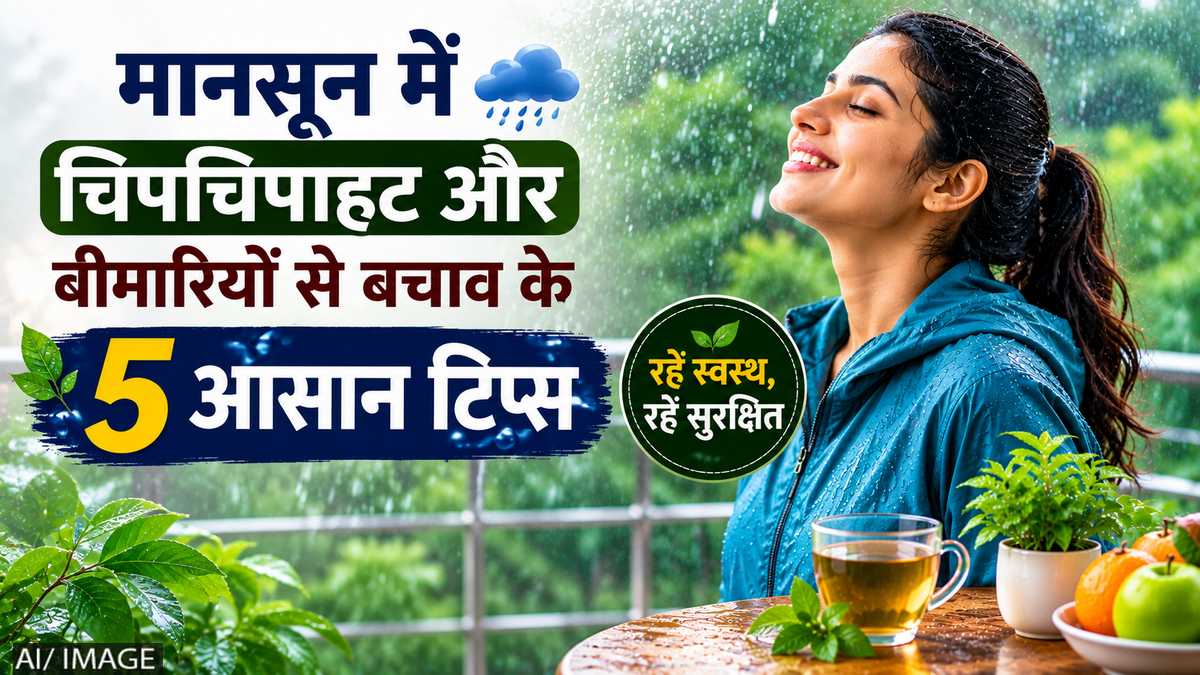
मानसून में बालों का झड़ना और चेहरे की चिपचिपाहट होगी गायब, बस डेली रूटीन में शामिल करें ये 5 लाइफस्टाइल टिप्स

image shows a girl getting drenched in the rain, and the caption reads:

Health Tips: देशभर में 6 अगस्त को झमाझम बारिश के साथ मौसम का मिजाज बदल चुका है। लेकिन इस सुहावने मौसम के साथ उमस, स्किन इंफेक्शन, हेयर फॉल और प्लेटलेट्स गिरने का खतरा भी तेजी से बढ़ रहा है। यदि आप इन समस्याओं से बचना चाहते हैं तो अपनाएं ये 5 आसान और असरदार टिप्स।


  • बारिश के मौसम में नमी की वजह से स्किन और बालों का नेचुरल ऑयल बैलेंस बिगड़ जाता है।
  • इम्यून सिस्टम मजबूत रखने के लिए रोजाना डाइट में एंटी-ऑक्सीडेंट्स और ताजे फलों को शामिल करें।
  • डेंगू और मानसून इंफेक्शन से बचने के लिए शरीर को ढंककर रखें और बासी खाने से परहेज करें।

1. मानसून का बदलता ट्रेंड और सेहत की चुनौतियां:

  • 6 अगस्त को आईएमडी (IMD) ने देश के कई राज्यों में ऑरेंज अलर्ट जारी किया है। बारिश गर्मी से राहत जरूर दिलाती है, लेकिन इसके साथ ही हवा में नमी (Humidity) का स्तर 90% तक पहुंच जाता है।
  • इस मौसम में फंगल इंफेक्शन, चेहरे पर मुंहासे (Acne), तेजी से बाल झड़ना और डेंगू जैसे मच्छरों के काटने का जोखिम सबसे ज्यादा होता है। अगर आप इस मौसम में अपने डेली केयर रूटीन पर ध्यान नहीं देंगे, तो इंफेक्शन आपको आसानी से अपना शिकार बना सकता है।

ALSO READ: सावधान! थाली में रखा पनीर असली है या वेजिटेबल ऑयल से बना नकली? 2 मिनट के इस टेस्ट से जानें सच्चाई

2. मानसून में स्किन और सेहत को फिट रखने के 5 आसान टिप्स:

सेलिसिलिक एसिड बेस्ड फेसवॉश का इस्तेमाल करें: हफ्ते में 3 से 4 बार यह वॉश चेहरे के एक्स्ट्रा ऑयल (Sebum) को हटाता है और पसीने से होने वाले मुंहासों को रोकता है।

एंटी-फंगल पाउडर का इस्तेमाल: बारिश में भीगे कपड़ों या जूतों की वजह से फंगल इंफेक्शन का खतरा रहता है। नहाने के बाद टॉवल से शरीर पूरी तरह सुखाकर पाउडर लगाएं।

हल्का और गर्म खाना खाएं: बारिश के दिनों में पाचन क्रिया धीमी हो जाती है। स्ट्रीट फूड और बासी खाने से बचें; सूप, हर्बल टी और घर का ताजा खाना ही लें।

बालों को गीला न छोड़ें: बारिश के पानी में एसिडिक तत्व होते हैं। अगर बाल भीग जाएं तो तुरंत माइल्ड शैम्पू से धोकर ड्राई कर लें।

हाइड्रेशन का रखें ध्यान: ठंडक महसूस होने पर भी दिन में कम से कम 2.5 से 3 लीटर पानी जरूर पीएं ताकि बॉडी डिटॉक्स होती रहे।

एक्सपर्ट की राय:-

“मानसून के दिनों में हवा में नमी की वजह से बैक्टीरिया और फंगस तेजी से पनपते हैं। अपने स्कैल्प को सूखा रखना, गीले कपड़े न पहनना और प्लेटलेट्स का ध्यान रखने के लिए विटामिन-C रिच डाइट लेना इस मौसम में सबसे जरूरी है।”- डॉक्टर राजेंद्र बिस्वारी (स्किन केयर विशेषज्ञ)


3. मानसून में भूलकर भी न करें ये 4 गलतियां:

गीले बाल बांधना: गीले बालों को बांधने से स्कैल्प में फंगस और डैंड्रफ की समस्या दोगुनी तेजी से फैलती है।

भारी मॉइस्चराइजर लगाना: मानसून में जेल-बेस्ड (Gel-based) या ऑयल-फ्री मॉइस्चराइजर का ही इस्तेमाल करें; हैवी क्रीम्स पोर्स को ब्लॉक कर देती हैं।

ठहरा हुआ पानी नजरअंदाज करना: घर के आसपास 24 घंटे से ज्यादा पानी जमा न होने दें, यह डेंगू के मच्छरों का मुख्य ब्रीडिंग ग्राउंड बनता है।

सनस्क्रीन स्किप करना: बादलों के पीछे भी यूवी (UV) किरणें मौजूद रहती हैं, इसलिए बिना सनस्क्रीन लगाए बाहर न निकलें।


बारिश का मौसम का आनंद लेने के साथ-साथ अपनी सेहत और स्किन की सही देखभाल करना बेहद आसान है। बस अपने डेली रूटीन में ये छोटे-छोटे बदलाव करें और इस मानसून को पूरी तरह सुरक्षित और झंझट-फ्री बनाएं!क्या आपने इस मानसून में अपना नया स्किनकेयर या फिटनेस रूटीन शुरू किया है? हमें कमेंट सेक्शन में जरूर बताएं!

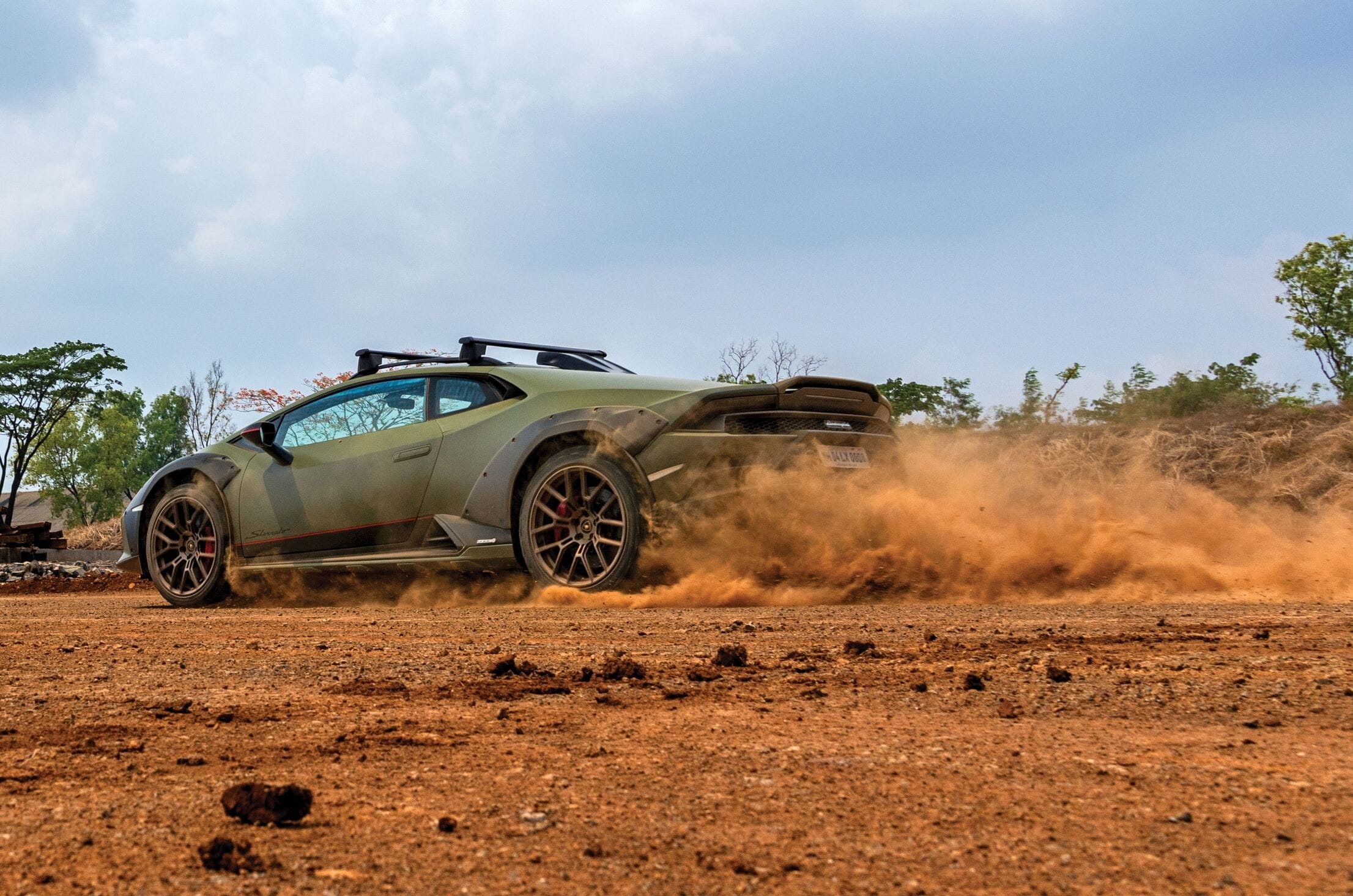
Lamborghini Huracan Sterrato driven at Nanoli Speedway before the tarmac arrives

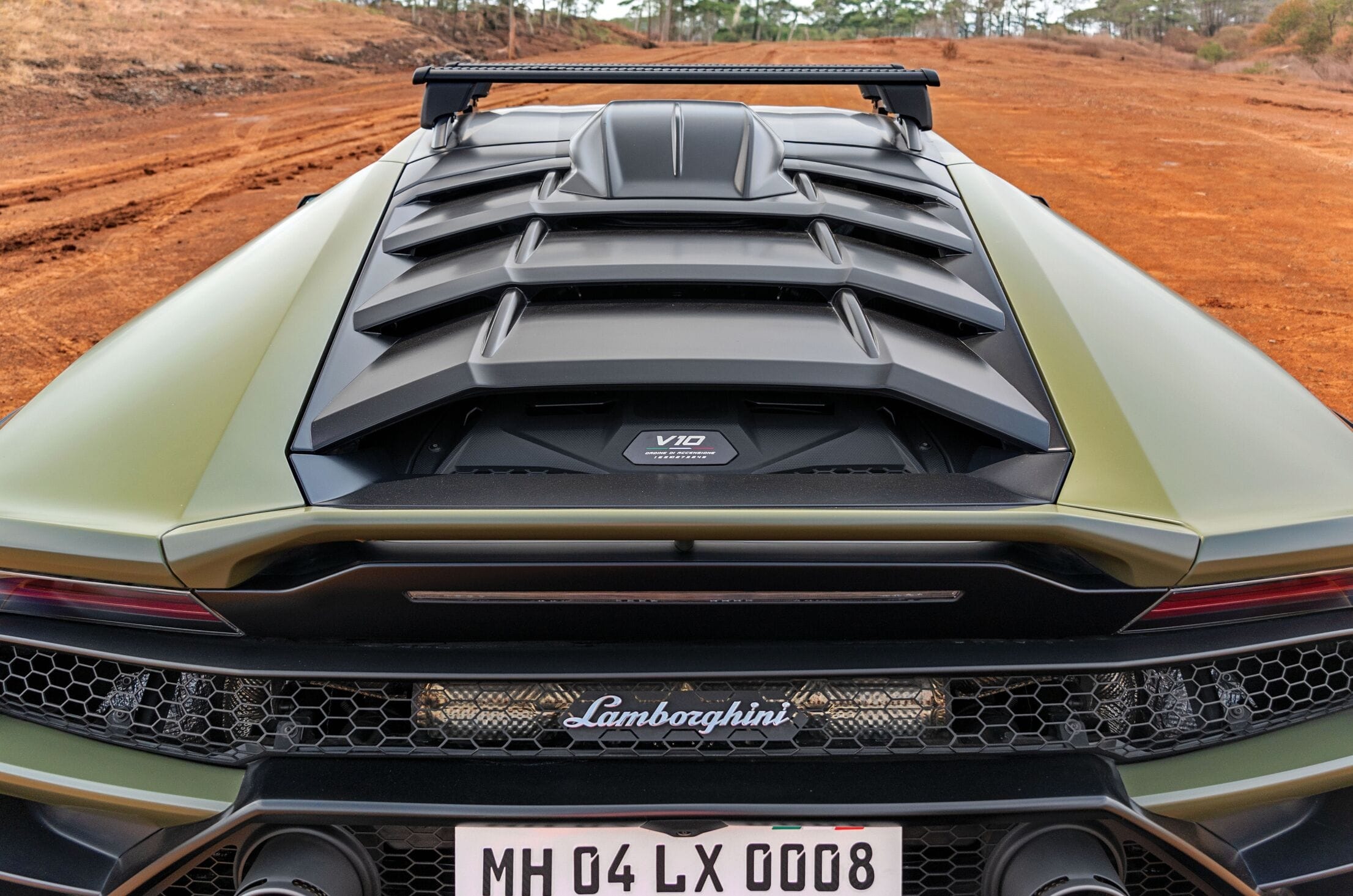
Lamborghini Huracan Sterrato rear quarter tracking

Somewhere in the folds of the Western Ghats, where the Mumbai-Pune Expressway peels off from Lonavala into quieter country, a piece of land is being reshaped into what will, by this time next year, become Maharashtra’s first race track. Except to call it just a race track undersells the ambition entirely. What is rising here, on the grounds of the Nanoli Stud Farm, is a race resort, where cars are not just driven or raced, but lived with.

The Dhunjibhoy family has owned this land for decades, ever since the Nanoli Stud and Agricultural Farm was set up in the early 1990s. Khushroo Dhunjibhoy has spent a lifetime around shipping and thoroughbreds, and it is that same instinct for breeding something exceptional that he and his son, Zahir, have turned toward motorsport.

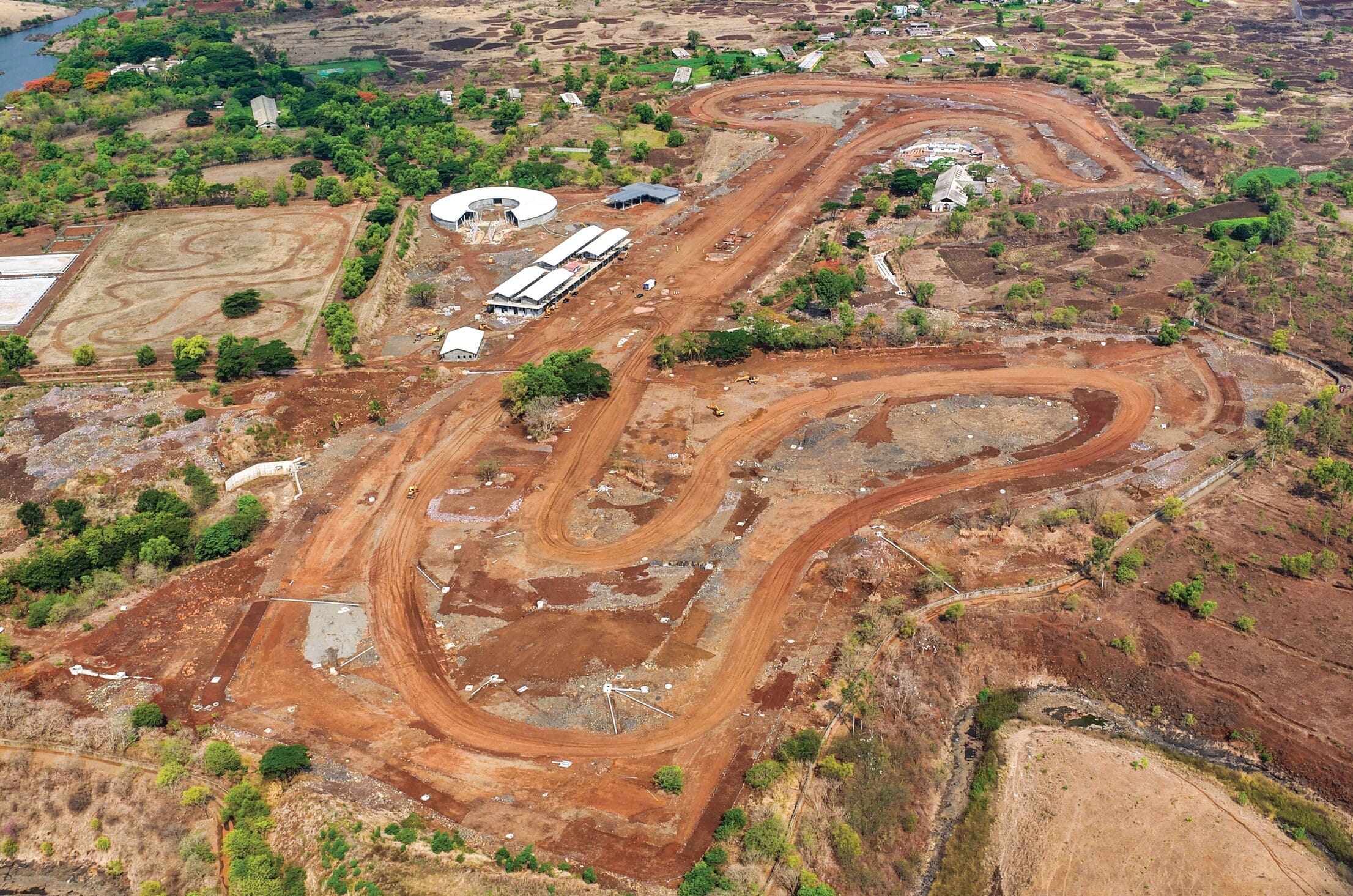
Aerial view of Nanoli before the tarmac is laid. This 3km circuit will be Maharashtra’s first and a haven for enthusiasts in western India.

Their plan is not a bare circuit with a pit lane bolted on. It is villas, high-end rooms and a clubhouse built into the same grounds as the horses. There will also be a 100-car garage with humidity control to protect exotic machinery from the heat, sun, dust and monsoons. The paddock and pit buildings will be state-of-the-art, with a hospitality deck that gives you a bird’s-eye view of nearly half the circuit. The circuit itself, designed to FIA Grade 3 specs by Driven International out of the UK, will eventually stretch close to three kilometres, with the option to split into shorter east and west configurations, depending on what the day calls for.

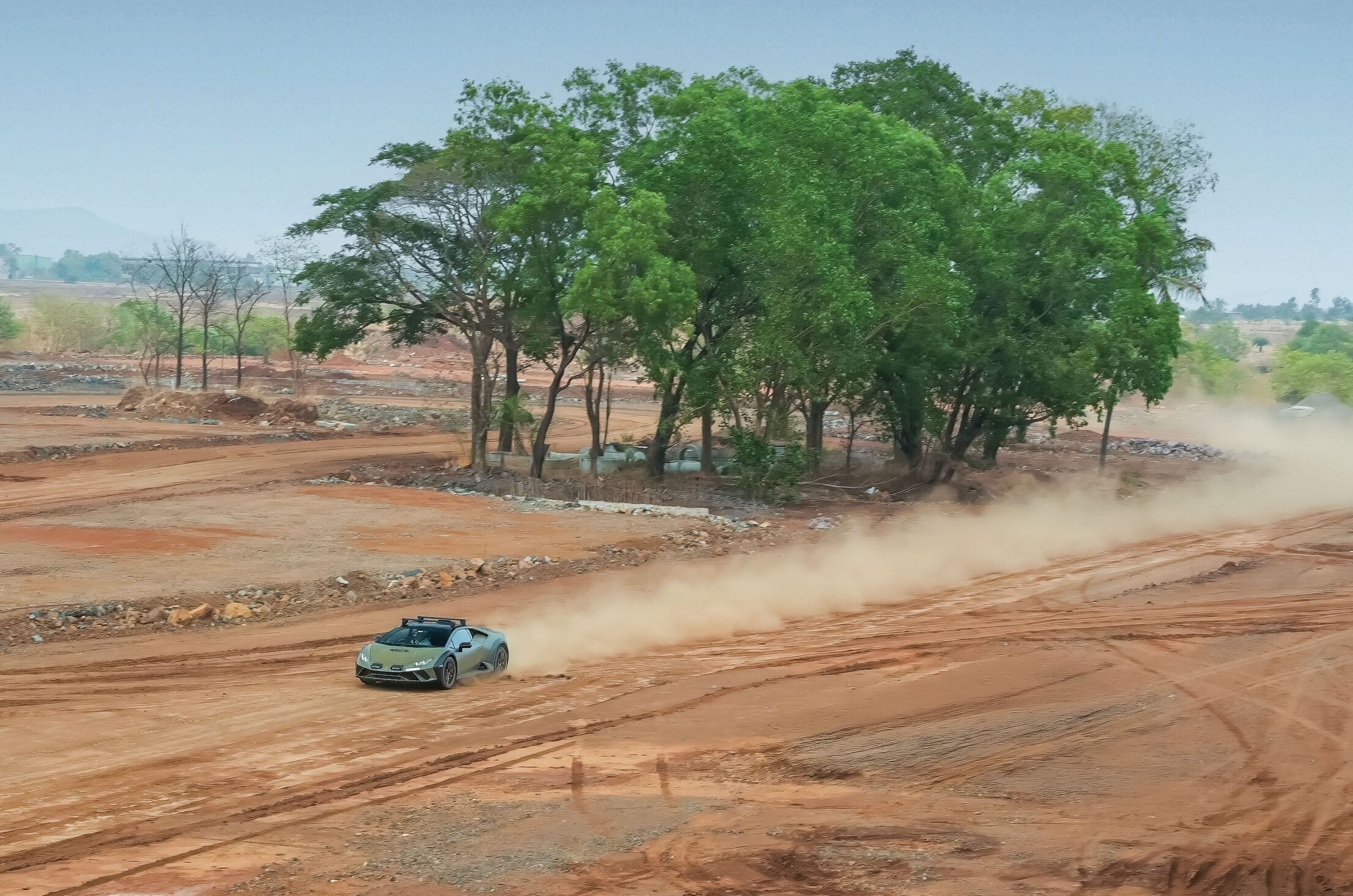
None of that exists yet in finished form. What does exist, right now, is the base layer. The dirt has been laid and compacted to a finish so smooth, it could pass for a rally special stage, which is roughly how we decided to treat it.

The obvious car for an afternoon like this would have been something with four-wheel drive and a reassuring amount of ground clearance. Something like an Urus or an RS Q8 – the kind of SUV that turns loose surfaces into a non-event. But ‘obvious’ has never made for a good story. So instead, we brought a Lamborghini Sterrato, which is, in essence, a Huracán that someone at Sant’Agata decided should grow up into a WRC car.

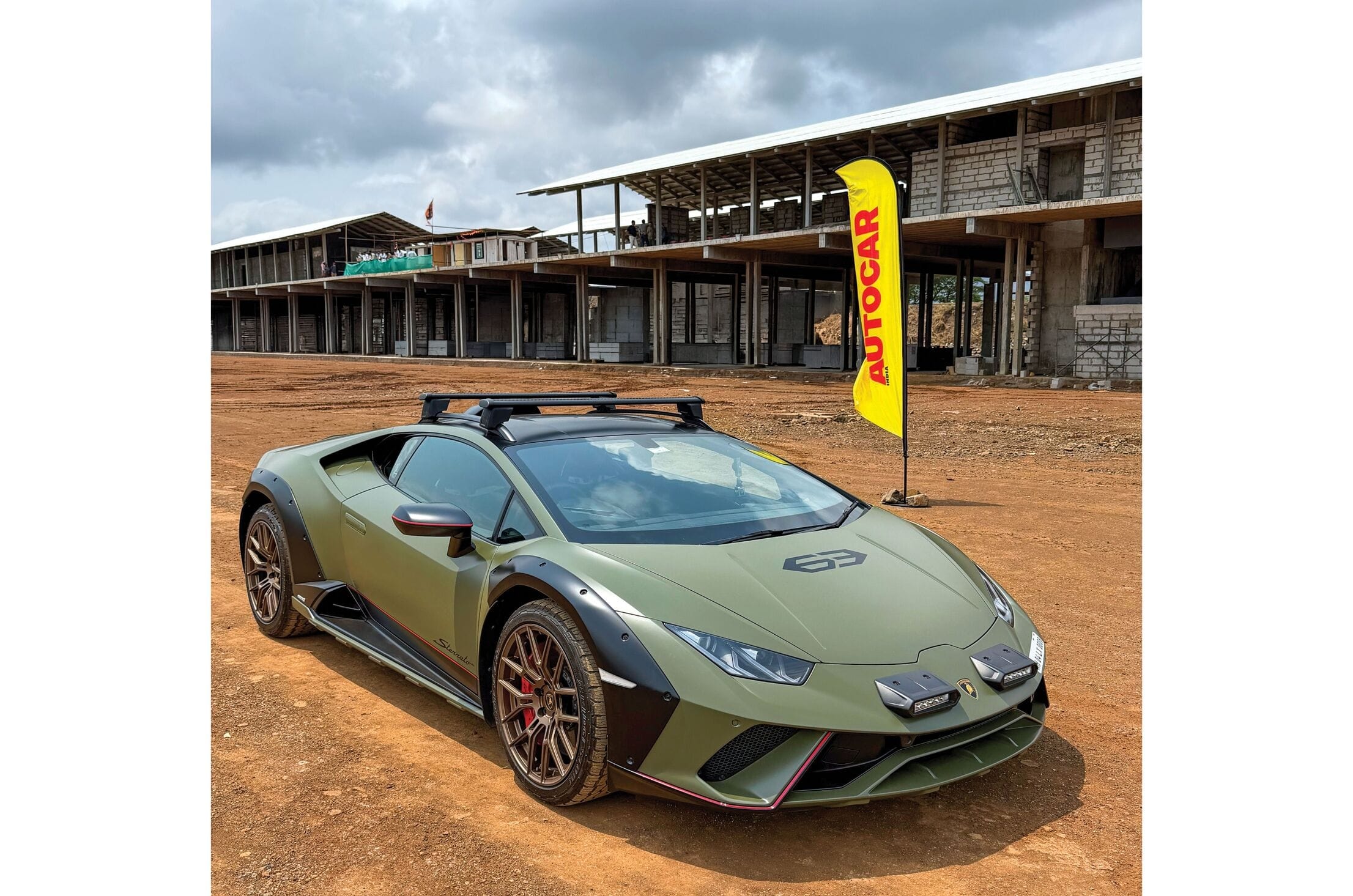
Before the tarmac arrives, the Sterrato enjoys Nanoli in its rawest form, with the future pit and hospitality complex taking shape behind it.

The Sterrato is not a styling exercise with some plastic cladding glued on. Lamborghini jacked the ride height by 44mm, fitted bespoke Bridgestone all-terrain rubber wrapped around 19-inch wheels, widened the front and rear tracks, and reworked the all-wheel-drive system and suspension geometry so the car can absorb a rutted surface without snapping its splitter off in the first hundred metres. Underneath sits the same naturally aspirated 5.2-litre V10 found in the rest of the Huracán range, here tuned to 610hp, still screaming to over 8,000rpm with no turbos to soften the theatre. Only 1,499 Sterratos were built before Lamborghini closed the production run, and of those, 15 made their way to India.

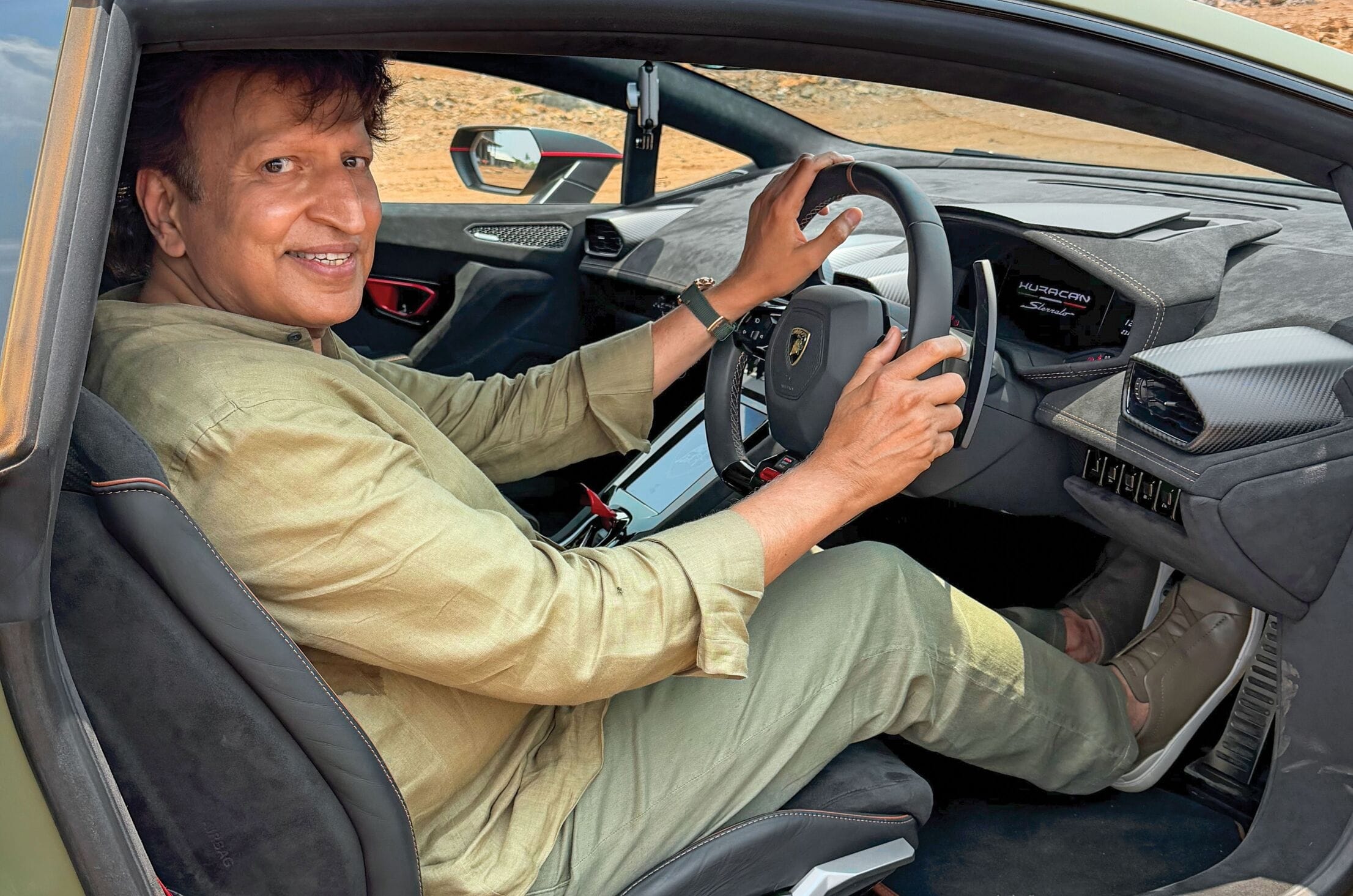
The example driven here belongs to Dinesh Thakkar, who was not only generous enough to hand over the key for a day, but also had the distinction of setting what can be considered the first recorded lap at Nanoli Speedway. 

His time of 2m34.80sec won’t be the quickest, but it’s a significant milestone for a circuit that is yet to officially open.

Mechanically, the Sterrato retains the naturally aspirated 5.2-litre V10, producing 610hp and driving all four wheels through a dual-clutch transmission. On paper, it remains very much a Huracán. In practice, the changes in character are immediately evident.

On the compacted dirt, the first impression is one of adaptability. Turn-in is not as immediate as it would be on tarmac, but the front axle bites with a reassuring consistency. The real shift comes under power. Where a standard Huracán demands restraint, the Sterrato encourages exploration.

The recalibrated driving modes, particularly Rally mode, allow for controlled slip. The rear steps out progressively, and crucially, predictably. There is a fluidity to the way the car moves, a willingness to rotate that transforms the experience. It is less about outright speed and more about managing balance.

5.2-litre V10 a nod to the best of internal combustion.

The additional suspension travel plays a defining role. Over the subtle undulations of the track, the car remains composed, absorbing variations in the surface without unsettling the chassis. It allows you to commit earlier, carry speed through sections that would otherwise require caution, and rely on the car to work with the terrain rather than against it.

The V10 is natural aspiration at its best. It sounds absolutely brilliant; the sharp throttle response allows you to precisely meter every one of those 610 horses, and every tap of the throttle feels utterly engaging. Under the sonorous wail of the V10 is the muted rattle of gravel ricocheting off the underbody, giving the full effect of a WRC car.

For Thakkar, setting that first lap was less about outright pace and more about being part of something that will only happen once. Once the tarmac goes down, no one will ever again get to slide a supercar through Nanoli’s corners on loose dirt. That window closes the day the asphalt trucks arrive, which made every lap feel like it mattered a little more than it should have for what was, on paper, just a test session on an unfinished track.

Sterrato owner Dinesh Thakkar is all smiles after a memorable day.

What Nanoli represents, once finished, goes well beyond a fun afternoon for a few car nuts and a Lamborghini. Mumbai’s supercar owners have long had money and machinery with nowhere proper to use either. The city’s roads are hostile to anything with a low chin, and Pune offers little better. A circuit within striking distance of both cities, built to international standards and backed by a family that clearly does not believe in doing things by half measures, could genuinely change how western India’s car culture behaves. This is not simply about building a track. It is about creating an ecosystem. The members-only model ensures exclusivity, but also fosters a focused community. For enthusiasts in Mumbai and Pune, long constrained by infrastructure, this represents a fundamental shift. It’s a controlled environment where cars can be driven to the max without fear of speed cameras or speed breakers.

The tarmac will come soon enough, and Nanoli will become a proper circuit with lap times and lap records and all the polish that comes with a finished facility. But for one afternoon, before any of that, it was just a dirt track, a Sterrato V10, and the kind of first lap that only ever happens once.

मानसून वेडिंग में इन 7 स्मार्ट एक्सेसरीज के बिना अधूरी है हर दुल्हन की तैयारी!

मानसून वेडिंग (monsoon wedding) जितनी खूबसूरत लगती है, उतनी ही परेशानी भी साथ लेकर आती है। कभी बारिश, कभी उमस तो कभी मेकअप (makeup) और आउटफिट (outfit) खराब होने की टेंशन। ऐसे में अगर आपकी वेडिंग किट (wedding kit) में कुछ जरूरी एक्सेसरीज (accessories) पहले से मौजूद हों, तो आपका ब्राइडल लुक पूरे दिन फ्रेश और परफेक्ट बना रह सकता है:

Transparent Umbrella (ट्रांसपेरेंट छाता)

Rain At An Indian Wedding - Indian wedding guides

मानसून ब्राइड (monsoon bride) के लिए ट्रांसपेरेंट छाता सबसे जरूरी एक्सेसरीज में से एक है। यह आपको बारिश से बचाने के साथ-साथ ब्राइडल लुक (bridal look) भी नहीं छिपाता। फोटोशूट में भी यह बेहद खूबसूरत दिखाई देता है और मेकअप व हेयरस्टाइल को खराब होने से बचाता है।

Waterproof Makeup Touch-up Kit (वॉटरप्रूफ मेकअप टच-अप किट)

Story pin image

बारिश और उमस के कारण मेकअप जल्दी खराब हो सकता है। इसलिए अपने साथ कॉम्पैक्ट पाउडर (compact powder), ब्लॉटिंग पेपर (blotting paper), वॉटरप्रूफ काजल (waterproof kajal),लिपस्टिक (lipstick) और सेटिंग स्प्रे (setting spray) जरूर रखें। इससे जरूरत पड़ने पर कुछ ही मिनटों में मेकअप फ्रेश किया जा सकता है।

Anti-slip Footwear (एंटी-स्लिप फुटवियर)

गीली जमीन पर भारी हील्स पहनना मुश्किल हो सकता है। ऐसे में अच्छी ग्रिप वाले सैंडल या एंटी-स्लिप फुटवियर आपको फिसलने से बचाते हैं और लंबे समय तक आराम भी देते हैं।

Hair Fixing Kit (हेयर फिक्सिंग किट)

Top 10 Trending Indian Bridal Hairstyles in 2026 | Stylish Mehndi designs

बारिश की नमी (Humidity) से हेयरस्टाइल (hairstyle) जल्दी खराब हो सकती है। मिनी हेयर स्प्रे (mini hairspray), बॉबी पिन (bobby pin), हेयर पिन (hairpins) और छोटे रबर बैंड (rubber band) अपने साथ रखें ताकि जरूरत पड़ने पर हेयरस्टाइल तुरंत ठीक की जा सके।

Microfiber Handkerchief or Small Towel (माइक्रोफाइबर रूमाल या छोटा टॉवल)

Elegant Indian Bride in Traditional Wedding Attire Stock Photo | Adobe Stock

उमस और पसीने के कारण चेहरा बार-बार पोंछना पड़ सकता है। माइक्रोफाइबर रूमाल या छोटा टॉवल मेकअप (makeup) खराब किए बिना नमी सोखने में मदद करता है और पूरे दिन फ्रेश (fresh) महसूस कराता है।

Waterproof Clutch or Pouch (वॉटरप्रूफ क्लच या पाउच)

फोन (phone), जूलरी (jewelry), कैश (cash) और जरूरी कॉस्मेटिक्स (cosmetics) जैसी चीजों को सेफ रखने के लिए वॉटरप्रूफ क्लच या पाउच जरूर रखें। इससे बारिश के दौरान भी आपका जरूरी सामान सेफ रहता है।

Portable Mini Fan (पोर्टेबल मिनी फैन)

Bride Wallpaper Stock Photos, Images and Backgrounds for Free Download

मानसून में बारिश के साथ उमस भी काफी होती है। छोटा रिचार्जेबल हैंड फैन (rechargeable handheld fan) चेहरे को ठंडक देता है, पसीना कम करता है और मेकअप को लंबे समय तक टिकाए रखने में मदद करता है।

इस तरह शादी की तैयारियों (wedding preparation) के साथ इन जरूरी एक्सेसरीज (accessories) को भी अपनी वेडिंग चेकलिस्ट (wedding checklist) में जरूर शामिल करें, ताकि आप पूरे दिन बिना किसी चिंता के अपने खास पल को खुलकर एंजॉय कर सकें।

एक ही 40°C, फिर भी अलग एहसास! जानिए भारत, दुबई और फ्रांस में गर्मी का फर्क

भारत, दुबई और फ्रांस में अगर टेम्परेचर 40 डिग्री सेल्सियस हो, तो इसका मतलब यह नहीं कि तीनों जगह गर्मी एक जैसी महसूस होगी। मौसम, नमी, हवा की रफ्तार, धूप की तीव्रता और वहां के इंफ्रास्ट्रक्चर की वजह से गर्मी का अहसास बदल जाता है। यही कारण है कि एक ही टेम्परेचर अलग-अलग देशों में अलग एक्सपीरियंस देता है। आइए जानते हैं कि 40°C पर कहां कितनी तपिश महसूस होती है और इसके पीछे कौन-से फैक्टर जिम्मेदार हैं:

1. एक जैसा टेम्परेचर, लेकिन महसूस अलग

Dubai Airport issues update following closure - full statement - Manchester Evening News

भारत, दुबई और फ्रांस में अगर टेम्परेचर 40°C हो, तब भी तीनों जगह गर्मी एक जैसी महसूस नहीं होती। इसकी वजह यह है कि हर देश का मौसम, वातावरण, नमी, हवा और रहने का तरीका अलग होता है। इसलिए शरीर को गर्मी का अहसास भी अलग-अलग होता है।

2. फ्रांस में गर्मी का असर 

1600x900 Nice, France, Villefranche-Sur-Mer background image | Best Free Download images

गर्मियों में फ्रांस में दिन 15 से 17 घंटे तक लंबे होते हैं, जिससे धूप ज्यादा देर तक रहती है। सड़कें, इमारतें और फुटपाथ पूरे दिन गर्मी सोख लेते हैं और रात में भी गर्म रहते हैं। कई बार हवा कम चलने से गर्मी बाहर नहीं निकल पाती और मौसम ज्यादा तपता हुआ महसूस होता है।

3. घरों का डिजाइन भी बड़ी वजह है

UAE Travel News: दुबई ट्रैवल के लिए बड़ा अपडेट, 9 एयरलाइंस ने बदल दिए नियम | dubai-flight-cancellation-news-airlines-update-for-dubai-know-before-travel-advisory-2026-airport-latest-news | Asianet News Hindi

फ्रांस के ज्यादातर पुराने घर ठंड से बचाने के लिए बनाए गए हैं। उनकी दीवारें मोटी और खिड़कियां छोटी होती हैं, जिससे घर के अंदर की गर्मी आसानी से बाहर नहीं निकलती। इसके अलावा कई जगहों पर पहले से एसी और सीलिंग फैन आम नहीं थे, इसलिए हीटवेव के दौरान लोगों को ज्यादा परेशानी होती है।

4. दुबई का रेगिस्तानी इलाका

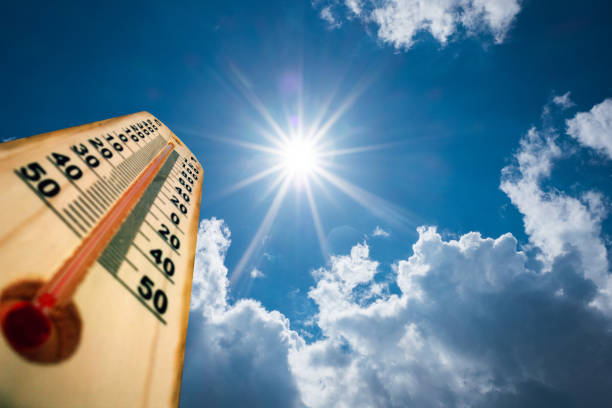
6,461,000+ Scorching Heat Stock Photos, Pictures & Royalty-Free Images - iStock | Heat wave, Hot weather, Heat stroke

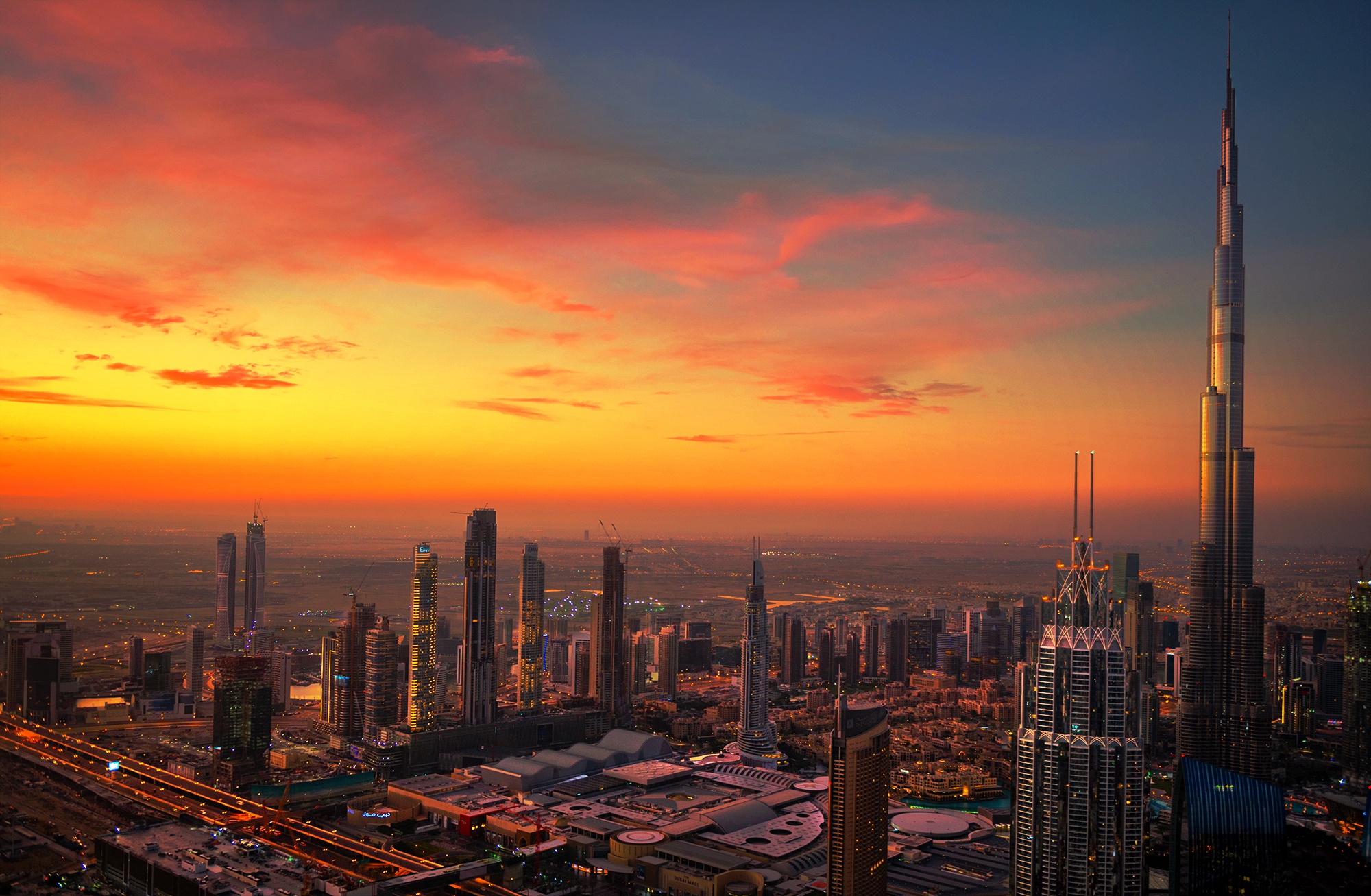
दुबई रेगिस्तानी इलाका है, इसलिए वहां धूप बहुत तेज होती है और गर्म हवाएं चलती हैं। हालांकि, लगभग सभी इमारतों, मॉल, बस स्टॉप, मेट्रो और कारों में एयर कंडीशनिंग की सुविधा होती है। इसी वजह से बाहर गर्मी ज्यादा होने के बावजूद लोगों को अंदर राहत मिलती है।

5. भारत में लोग गर्मी के आदी हैं

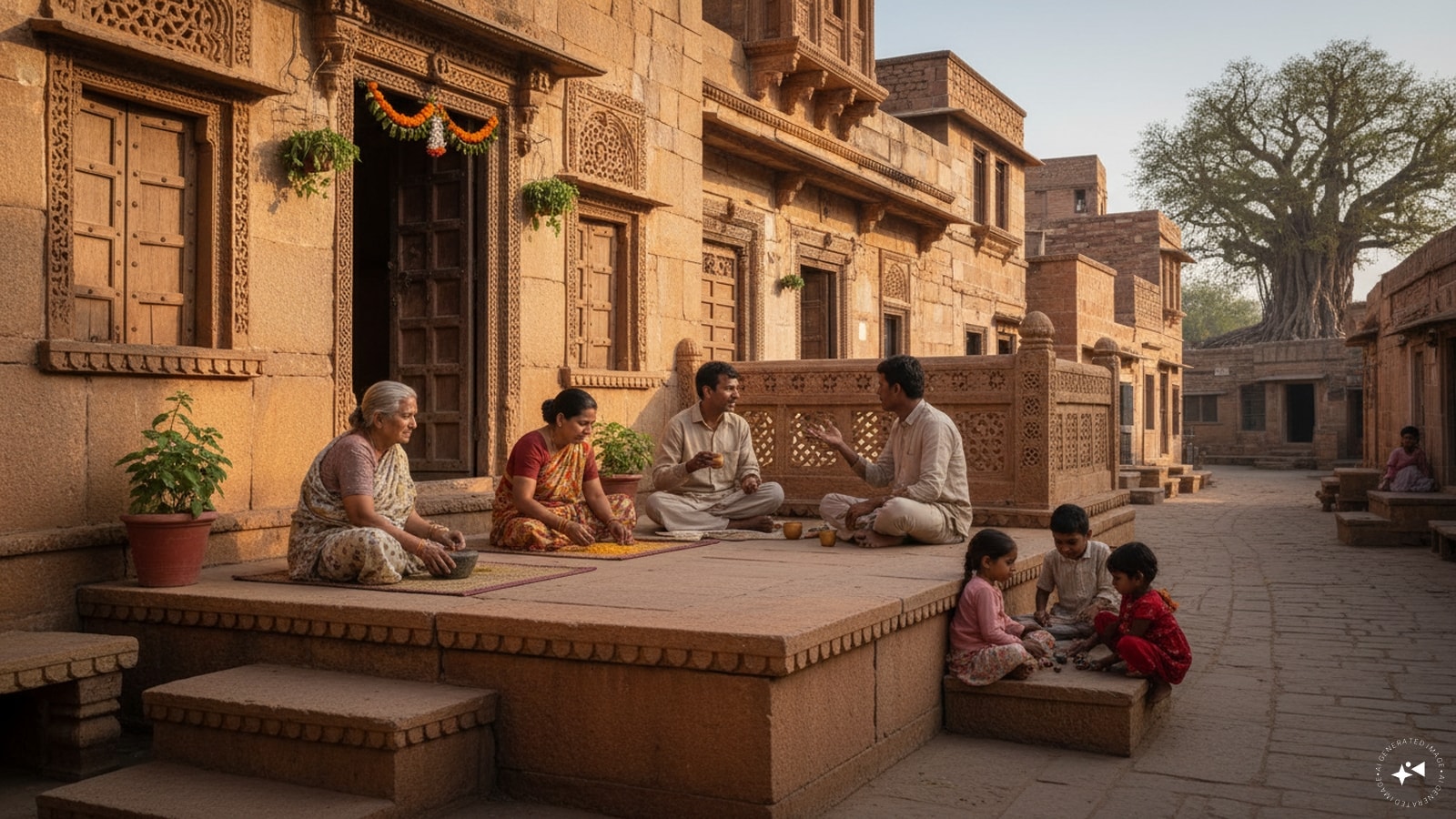
पुराने घरों के बाहर चबूतरा क्यों बनता था? इसकी असली वजह जानकर आप भी कहेंगे- कमाल की सोच थी - News18 हिंदी

भारत में हर साल कई राज्यों में टेम्परेचर 40°C या उससे ऊपर पहुंच जाता है। लंबे समय से ऐसी गर्मी झेलने के कारण लोग और उनका शरीर इस मौसम के काफी हद तक आदी हो जाते हैं। यहां के कई घर भी ऐसे बनाए जाते हैं जिनमें ऊंची छत, बरामदा और क्रॉस वेंटिलेशन जैसी सुविधाएं होती हैं, जो गर्मी कम करने में मदद करती हैं।

6. गर्मी का एहसास बदलता है

पुलकित-कृति की शादी का राजवंश कनेक्शन, इस लैविश हेरिटेज होटल में लेंगे सात फेरे, Photos - Pulkit samrat kriti kharband to marry in itc grand heritage hotel gurugram inspired by mughal maratha

सिर्फ टेम्परेचर ही नहीं, बल्कि हवा में नमी, हवा की रफ्तार, धूप की तीव्रता, इमारतों का डिजाइन और आसपास का वातावरण भी तय करते हैं कि 40°C कितना गर्म महसूस होगा। यही वजह है कि एक ही टेम्परेचर अलग-अलग जगहों पर अलग एक्सपीरियंस देता है।

7. तीनों देशों में अंतर

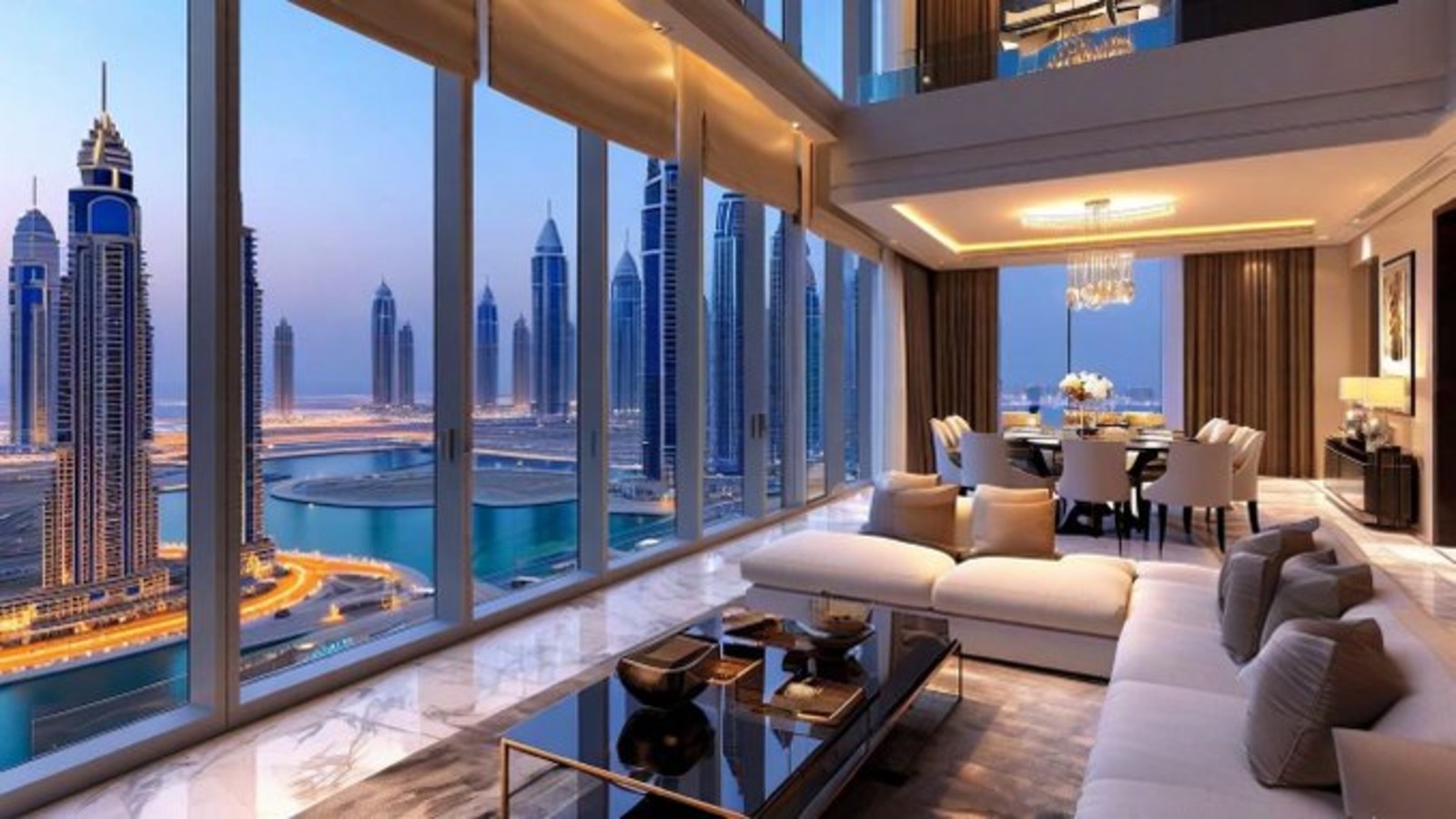
Wallpaper sunset, building, skyscrapers, panorama, Dubai, UAE, UAE, Dubai Dubai for mobile and desktop, section город, resolution 2000x1307 - download

फ्रांस में लंबे समय तक धूप, गर्म इमारतें और सीमित कूलिंग व्यवस्था हीटवेव को ज्यादा कठिन बना सकती है। दुबई में तेज गर्मी के बावजूद मॉडर्न एसी इंफ्रास्ट्रक्चर राहत देता है। वहीं भारत में लोग गर्म मौसम के ज्यादा आदी हैं, लेकिन 40°C से ऊपर की गर्मी में भी पर्याप्त पानी पीना और धूप से बचाव करना जरूरी रहता है।

हर देश में 40°C का टेम्परेचर एक जैसा दिखाई दे सकता है, लेकिन उसका असर वहां के मौसम, नमी, हवा, धूप और इंफ्रास्ट्रक्चर के अनुसार अलग होता है। इसलिए केवल टेम्परेचर देखकर गर्मी का सही अंदाजा नहीं लगाया जा सकता।

ऐसे मौसम में सबसे जरूरी है कि पर्याप्त पानी पिएं, तेज धूप से बचें और शरीर को ठंडा रखने के उपाय अपनाएं। चाहे भारत हो, दुबई या फ्रांस, हीटवेव के दौरान सावधानी और सही तैयारी ही सेफ रहने का सबसे अच्छा तरीका है।