आजकल ज्यादा रिटर्न पाने के लिए कई लोग म्यूचुअल फंड में निवेश करते हैं। लेकिन कभी-कभी निवेश के चक्कर में वे अपने कर्ज को नजरअंदाज कर देते हैं। ऐसा ही एक मामला स्टार्टअप CEO आबिद हसन ने सोशल मीडिया पर साझा किया है। वह अपने नाई के साथ बातचीत कर रहे थे, तभी उन्हें पता चला कि वह एक तरफ म्यूचुअल फंड में पैसा लगा रहा है, जबकि दूसरी तरफ उस पर भारी ब्याज वाले कई लोन भी हैं। इस घटना के बाद हसन ने लोगों को निवेश और कर्ज से जुड़ी एक जरूरी सलाह दी।
बाल कटवाते समय सामने आई हैरान करने वाली बात
आबिद हसन ने X पर बताया कि एक दिन उनके नाई ने उनसे अपने म्यूचुअल फंड पोर्टफोलियो के बारे में राय मांगी। इसके बाद हसन ने उसकी आर्थिक स्थिति को समझने की कोशिश की। बातचीत में पता चला कि नाई ने तीन लोन ले रखे थे, जिन पर 20 फीसदी से ज्यादा ब्याज देना पड़ रहा था।
इसके बावजूद वह म्यूचुअल फंड में निवेश कर रहा था। जब हसन ने उससे इसकी वजह पूछी, तो उसने बताया कि उसे अपने निवेश से 30 फीसदी से ज्यादा रिटर्न मिलने की उम्मीद है।
20% ब्याज वाले कर्ज के बीच निवेश करना कितना सही?
हसन ने इस सोच पर सवाल उठाया। उनका कहना था कि शेयर बाजार या म्यूचुअल फंड से हर बार ज्यादा रिटर्न मिलने की गारंटी नहीं होती। बाजार में उतार-चढ़ाव के कारण निवेश की वैल्यू घट भी सकती है। दूसरी तरफ, लोन पर ब्याज चुकाना एक जरूरी जिम्मेदारी है।
उदाहरण के लिए, अगर किसी व्यक्ति को अपने कर्ज पर 20 फीसदी ब्याज देना पड़ रहा है, तो उसके लिए निवेश से लगातार इससे ज्यादा रिटर्न कमाना मुश्किल हो सकता है। ऐसे में बाजार से मुनाफे की उम्मीद करने के बजाय महंगे कर्ज को कम करना ज्यादा फायदेमंद हो सकता है।
10% से ज्यादा ब्याज वाला लोन पहले चुकाने की सलाह
आबिद हसन ने सलाह दी कि अगर किसी व्यक्ति पर 10 फीसदी से ज्यादा ब्याज वाला कर्ज है, तो उसे अतिरिक्त निवेश करने से पहले कर्ज चुकाने पर ध्यान देना चाहिए। इससे ब्याज का बोझ कम हो सकता है और आर्थिक स्थिति मजबूत बनाने में मदद मिल सकती है।
उन्होंने यह भी कहा कि लोन की किस्त समय पर नहीं चुकाने पर पेनल्टी और अतिरिक्त खर्च बढ़ सकते हैं। नौकरी छूटने जैसी स्थिति में कर्ज चुकाना और भी मुश्किल हो सकता है।
कम आमदनी वाले लोगों के लिए भी जरूरी संदेश
हसन ने लोगों से अपील की कि वे यह सलाह घरेलू कामगारों, ब्लू-कॉलर कर्मचारियों और कम अनुभव वाले नौकरीपेशा लोगों तक भी पहुंचाएं। कई बार लोग लोन की असली लागत और ब्याज दर को ठीक से समझ नहीं पाते।
The person who regularly gives me haircuts once told me he invests in MFs, and asked for my feedback on his portfolio. While he was cutting hair, I thought I will do a financial planning exercise for him. I found out that he had like 3 loans exceeling 20% interest. And yet he was investing in MF. I asked him why, he said he expects 30% plus return.
That tells you how grossly wrong the notions of investors have been in the last few years. And how distorted our financial expectations have gotten. There is no way the market would give him more than his interest rate on loans. And this one financial mistake, of investing while still servicing high interest loans, is something we may all have seen often.
So here is a tip: If you have a loan even in excess of 10% interest, please pay that off first. There is no way market gives you more than that in the long run. Worse, if you miss loan payments, you will have higher interest rates and penalities. If you lose your job, debt is what kills you with all this + extortive collection agents
Most of you reading this might not have this problem – so please tell this to others who might. Your domestic helpers, blue collar workers, even some entry level white collar crowd. They are the ones who are hit the most by the loan sharks
Please pay off your high interest debt first. Investing can wait.
हसन की पोस्ट पर कुछ यूजर्स ने कहा कि कई लोग म्यूचुअल फंड को बचत का जरिया मानते हैं और कर्ज को अलग जिम्मेदारी समझते हैं। एक यूजर ने बताया कि उसके दोस्त ने लोन लिया था, जिसकी प्रभावी सालाना ब्याज दर 24 फीसदी से ज्यादा निकली।
(डिस्क्लेमर: यह रिपोर्ट सोशल मीडिया पर यूज़र द्वारा शेयर किए गए कंटेंट पर आधारित है। मनीकंट्रोल इन दावों की न तो स्वतंत्र रूप से पुष्टि नहीं करता है और न ही इनका समर्थन करता है।)
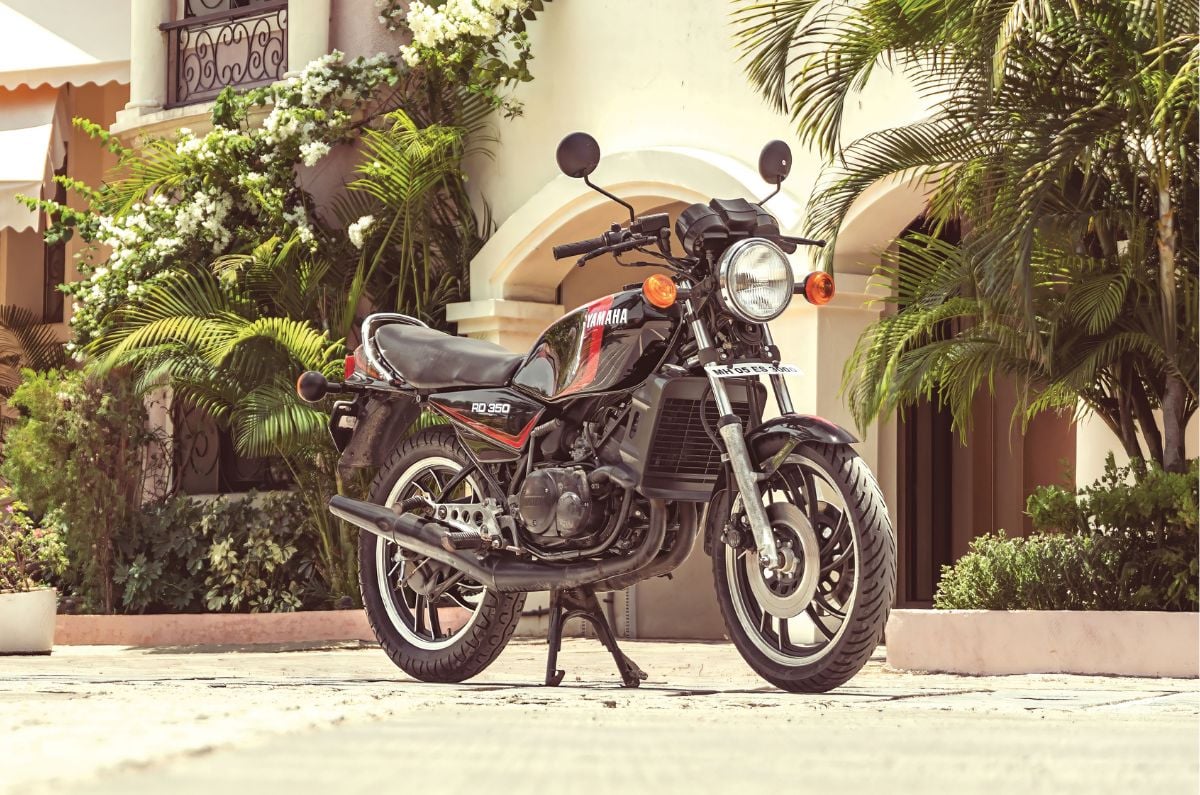
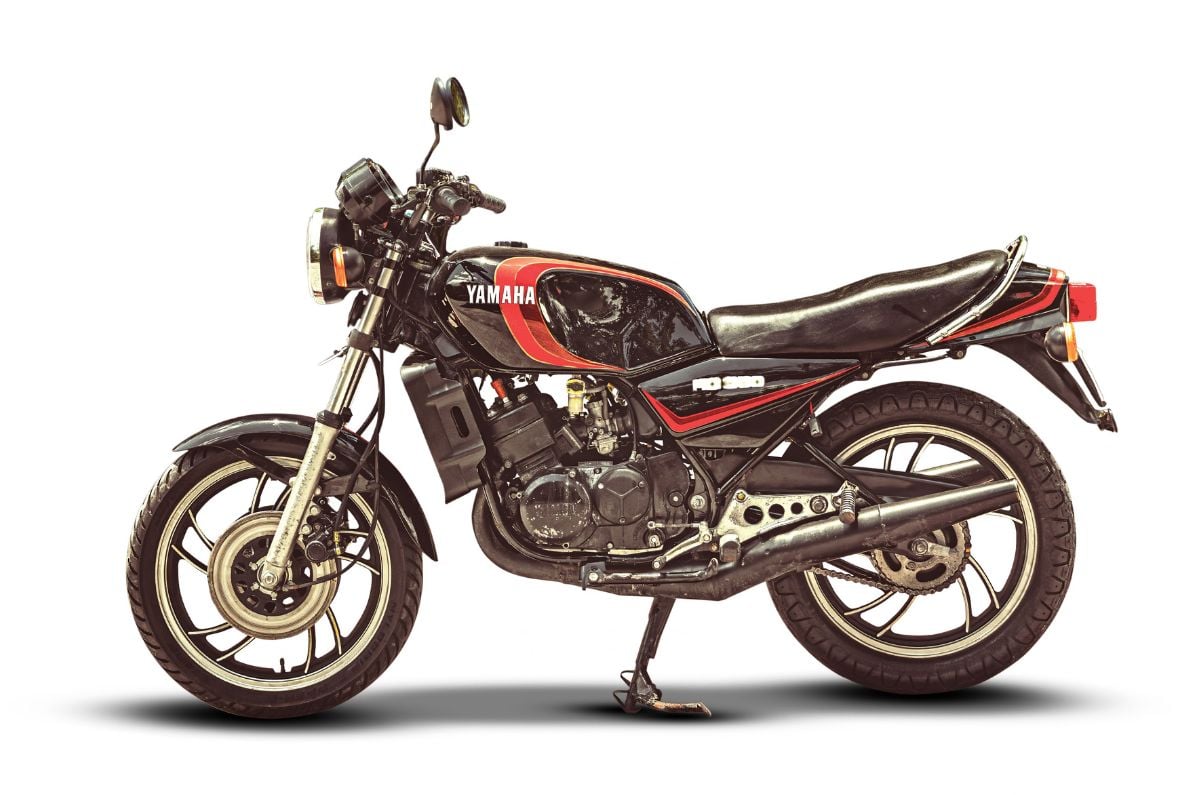
When most Indians picture a Yamaha RD350, a bike that looks like a UJM (Universal Japanese Motorcycle) with an air-cooled, twin-cylinder motor comes to mind. This was the bike on sale in India in the ‘80s via the Escorts licensing agreement, and it cemented Yamaha’s reputation as a maker of seriously fast motorcycles. However, during the same era, in global markets, there was a completely different bike being sold bearing the RD350 nameplate, crucially with an LC suffix (informally) attached to it. This version was never officially sold in India and packed a more powerful liquid-cooled motor, a sportier chassis and very different styling. What you see here is that very bike and, as you’ll read, this is quite a different animal to the air-cooled RD.
Genesis
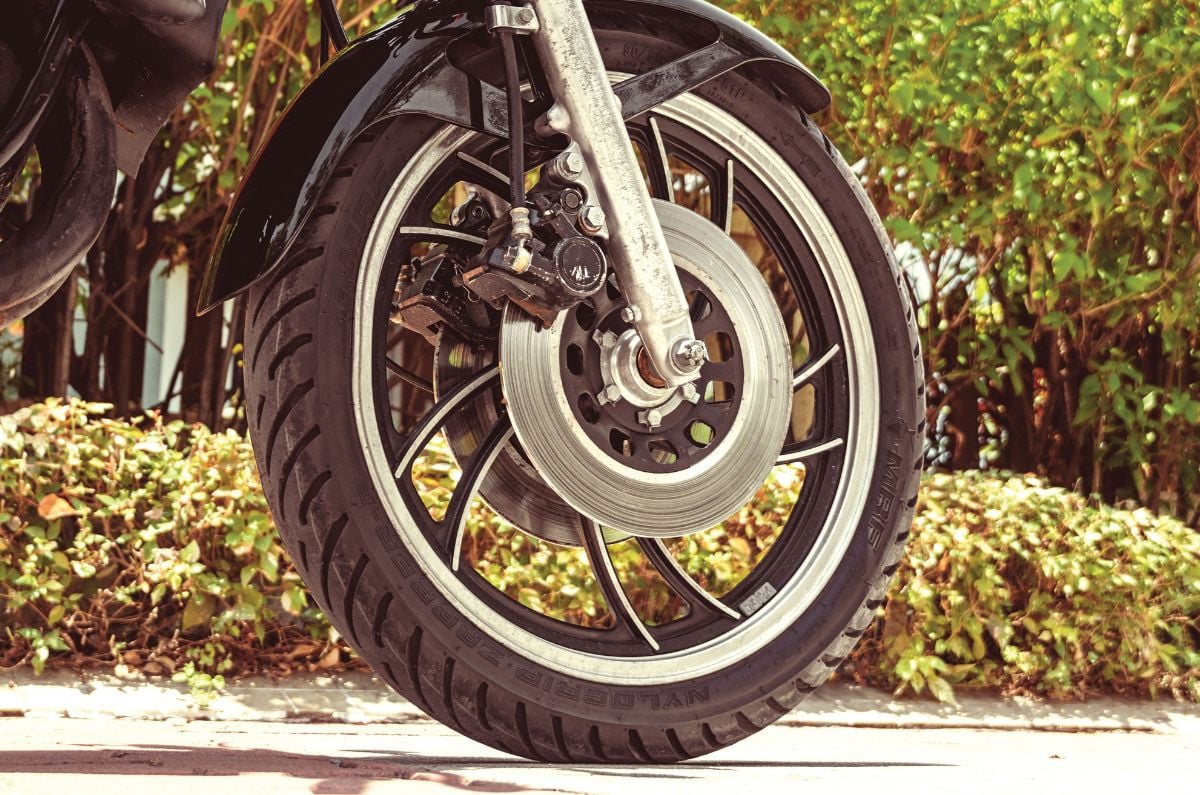
At the end of the air-cooled RD’s lifecycle, Yamaha must have realised that while it was undoubtedly violently quick, it was also like wielding a double-edged sword – the rider could get hurt when putting its power down. Taming such a ferocious engine would simply need more sophistication from the chassis. To achieve that, the LC moved from the air-cooled bike’s archaic chassis to a new one that was actually inspired by Yamaha’s TZ350 racer of the era. This was complete with monoshock rear suspension and lighter cast alloy wheels, which also brought in the convenience of tubeless tyres.
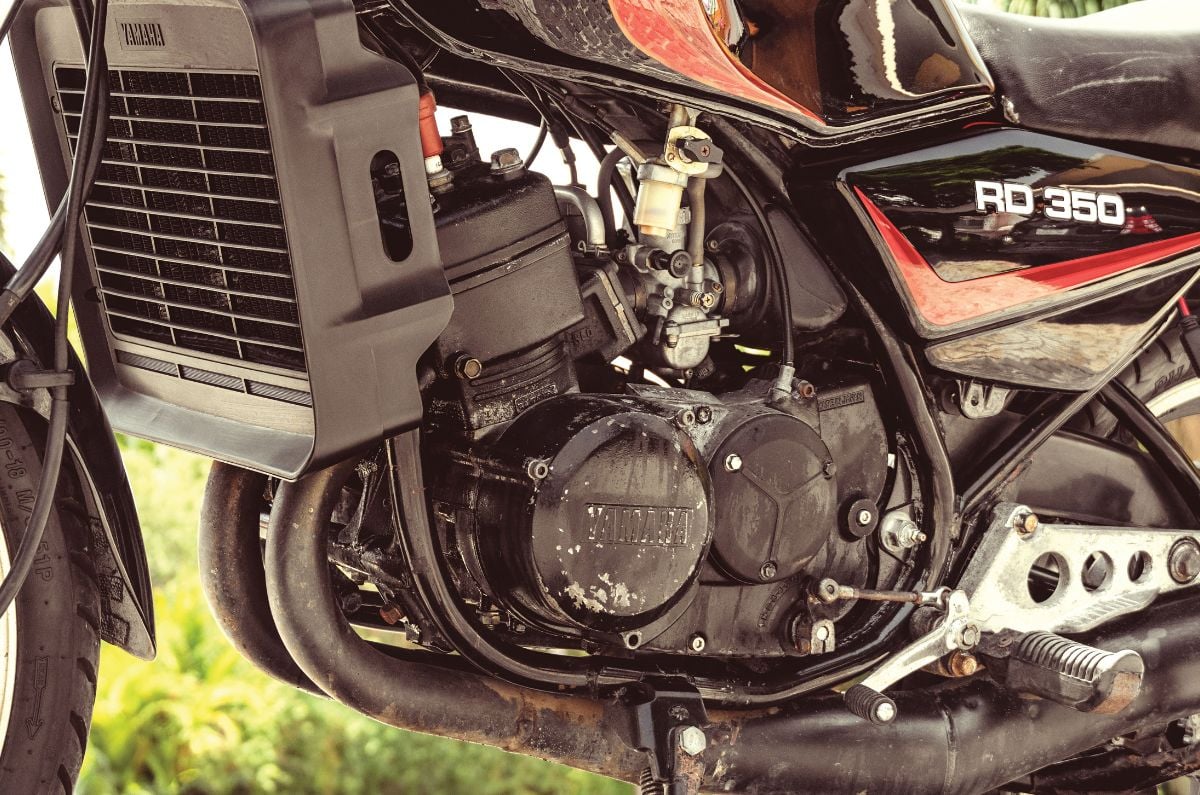
The LC suffix in its name stands for liquid cooling, and Yamaha moved to this more modern architecture to extract more output from the 347cc twin-cylinder motor. Plus, with liquid cooling, you have tighter tolerances and better reliability even when you keep pushing the performance envelope – which a lot of people back in the day did, because the LC was a common sight on racetracks overseas owing to its relative affordability.
Water-cooled twin needs revs to make power, but once you do so, you better hold on!
Over the years, there were subsequent versions that made more power courtesy of YPVS (Yamaha Power Valve System), and at one point, there was even a fully faired version. This very example is from 1980 and is one of the earliest ones from the LC’s lifecycle. Introductions made, now it’s time to get down to business – what is it like riding this nearly half-a-century-old bike?
Forward Progress
Today, this bike might be 46 years old, but it honestly doesn’t feel ancient like the air-cooled RD does in many respects. However, on both RDs, the star of the show is the vociferous and powerful engine. Once you find an empty road, it is monumental fun to chase the 9,500rpm redline, grab another gear and repeat this grin-inducing cycle. Blasting past 100-120kph is very easy and the performance that the ‘Elsie’ has to offer feels much stronger than the roughly 45-50hp output its engine can make at its peak in stock form.
Now, the three words “at its peak” are very important ones here because the bottom end is very dull and weak, and the engine vehemently protests being below 4,000rpm! Perhaps it was just this bike, but anything below 3,000rpm required constant clutch slipping, and the engine really didn’t like being there. Above that threshold, you’ll make quick progress, although the real fun is to be had between 6,000rpm and the 9,500rpm redline.
This is a trait demonstrated by pretty much every two-stroke machine, no matter its displacement, architecture or cylinder count, so this isn’t a criticism, more a personality trait you need to work your way around. In fact, I’d wager that the way the LC pulls in the top three and a half thousand revs is so hard that it feels like even some current-day 60hp machines will be left in the dust.
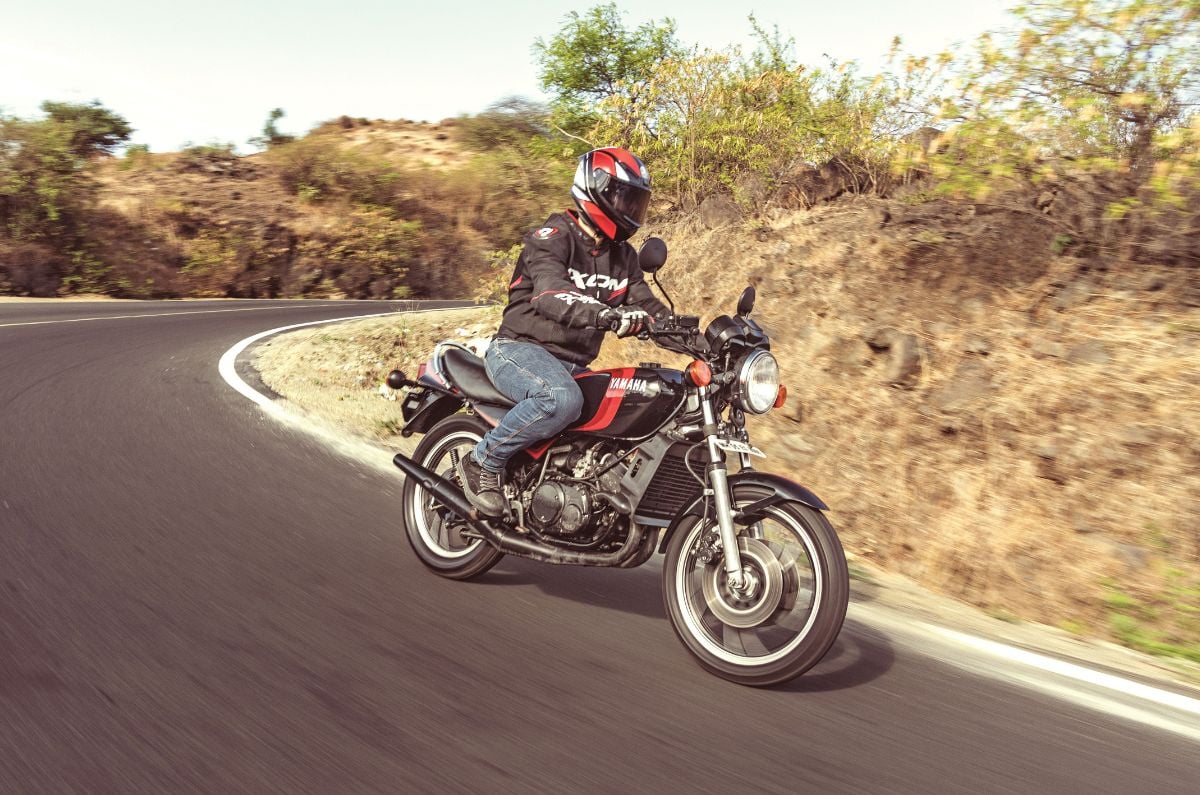
It is pleasantly well-behaved around a corner for a near 50 year old bike.
Another reason you’ll very much want to keep the revs up is the high-pitched banshee howl it has for an exhaust note. The sound emanating from its twin upswept pipes when the revs are high and you’ve got the throttle pinned is a thing of real beauty! It’s real childlike fun to listen to a 2-stroke motor roar its heart out, and this twin belts out an awesome soundtrack, one that – sadly – no longer exists today.
In the past, I have had the pleasure of riding an air-cooled RD350, and while the violent nature of the engine and its rather heavy clutch pull are also present here, the LC’s ride and handling are a pleasant surprise! Since the LC’s frame was inspired by the TZ350 racebike (but was unique and road-biased), you actually had decent handling to somewhat effectively wield the firepower on tap. It doesn’t feel as delightfully taut as a similarly sized modern machine, but it also doesn’t feel like a horse-drawn carriage when you take a corner at speed.
Another very welcome surprise was that the LC provided surprisingly good ride comfort. Over the few bad roads we encountered through the course of our shoot, it kept me reasonably comfortable. Truthfully, the one facet that feels woefully out of place here is the weak binders. The LC’s twin disc brakes are an upgrade on the air-cooled RD’s single disc (India-spec ones came with an even weaker front drum brake to cut costs), but the stopping force still feels more like a suggestion than a direct order.
Feeble brakes will instil the fear of God in you.
Intangible Special Sauce
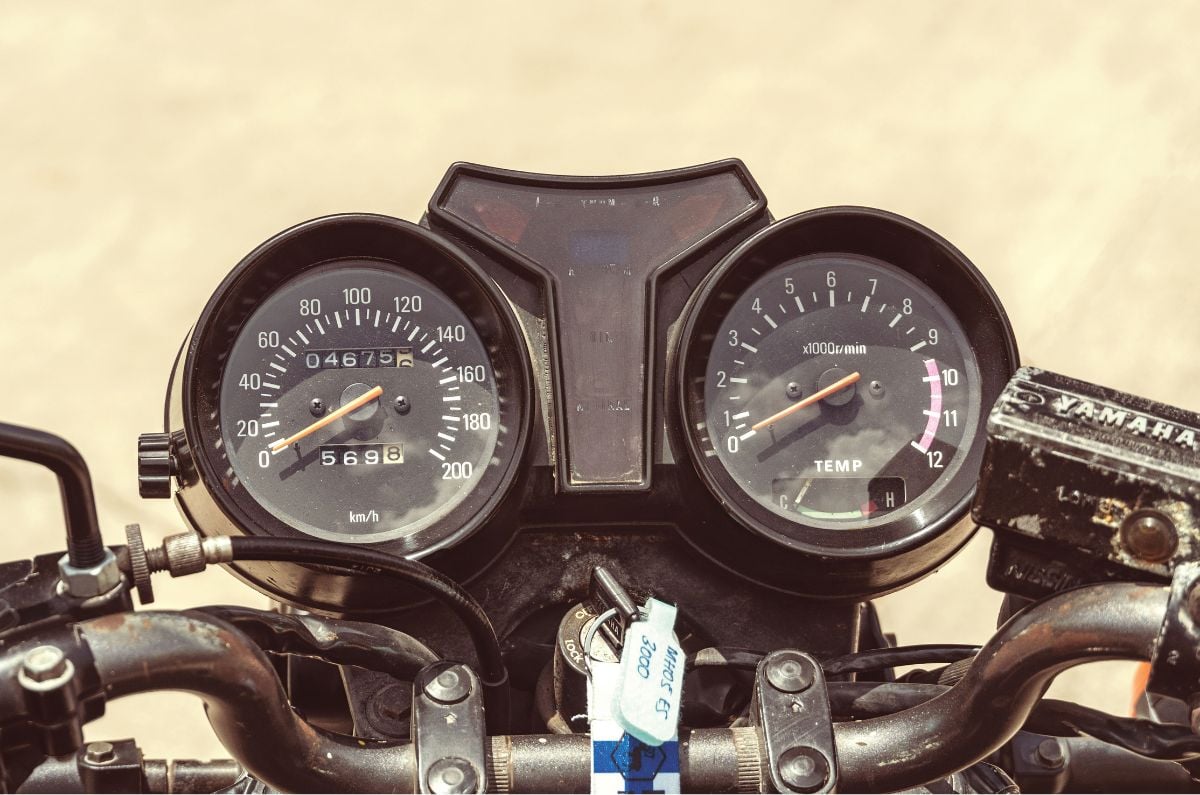
But this is not a review, and I’m not here to evaluate this bike – I’m here to experience it, and what an experience it has been! I’ve said this before and I’ll say it again, from the rider’s POV, it’s so refreshing and heartwarming to see two honest-to-goodness physical needles circling around in this day and age, and no TFT can come close to a set of analogue gauges.
Twin-pod analogue clocks a very refreshing sight today.
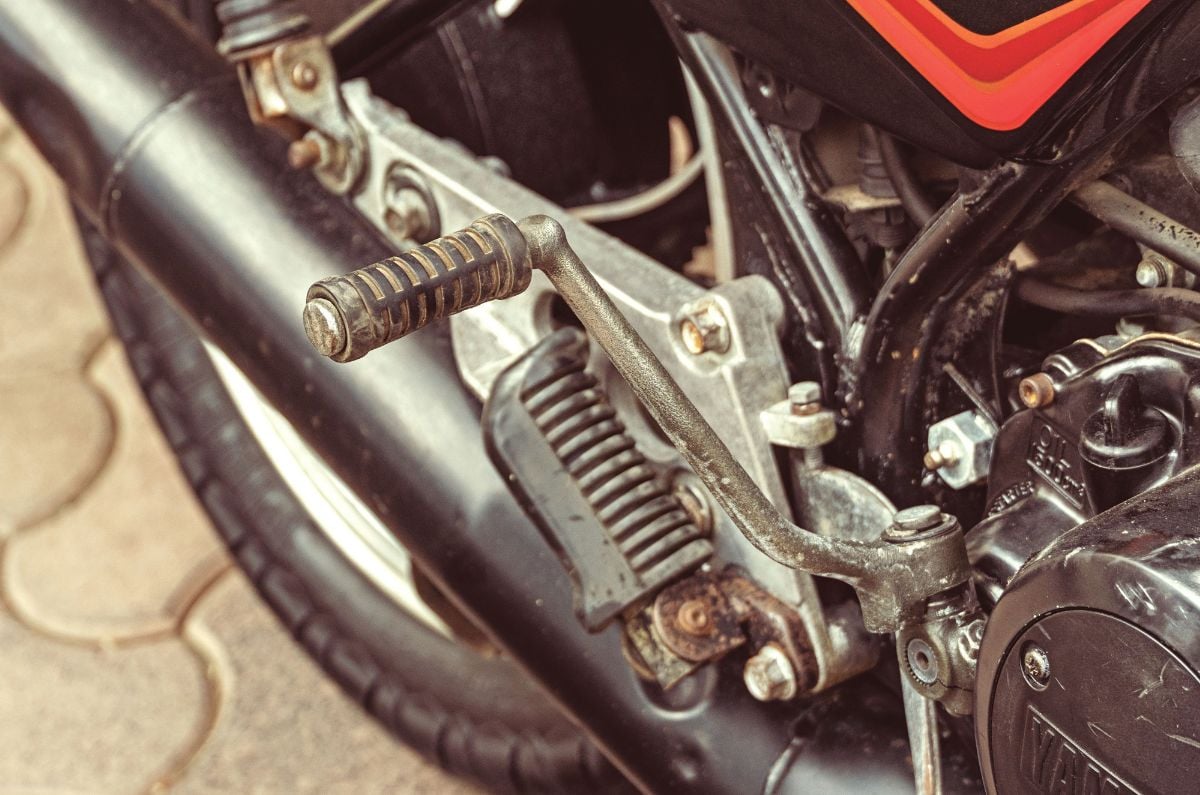
This was a raw, unadulterated machine before electronics and rider aids, so to keep yourself upright, you had to be both sensible and skilled. Of course, there’s no electric start here, and you’ll need to use your leg to start the motor, with a good old-fashioned swift kick! Speaking of, one quirk the LC had was that the rider’s footrest needed to be folded inward to make room for the kick lever to go down fully.
Rider footrest needs to be folded to kickstart the motor.
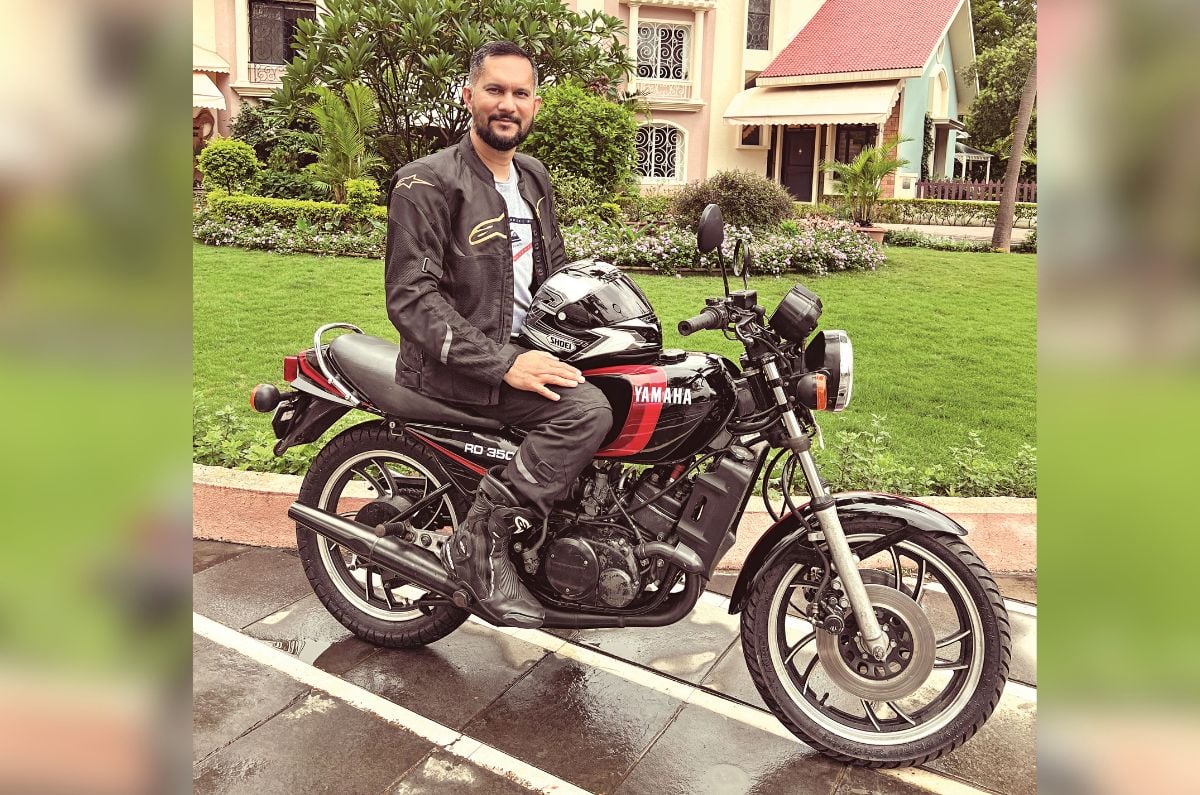
Yes, these are some areas where the LC very obviously feels its age, but today, even a single-cylinder 2-stroke machine is a rare sight, let alone a twin, and this liquid-cooled one is rarer than hen’s teeth because it was never officially sold in India. This bike was a private import back in the day (one of a single-digit handful), and currently it is in the custody of a very kind and gracious friend of mine who let us have it for a day!
Big props to the owner, Leo Noronha, for letting us have his ‘Elsie’ for a day.
One rather funny way the LC feels its age is that even though it was considered a properly sporty machine for its time, it’s actually not a hard-edged, uncompromising machine. The rider isn’t hunched over the ‘bar, there’s a flat seat, which will seat a pillion comfortably without them feeling like they’re perched precariously on the first floor, and it even has a centre stand!
I think somewhere along the way, racetrack performance, bragging rights for how much horsepower your machine has, and the latest gizmos and gadgets trumped rider involvement and real-world practicality, which seems like motorcycling may have veered off course.
Nevertheless, for one very happy morning, I got to tick off one of my bucket list riding dreams. This proverbial hero lived up to my expectations and how! Yes it’s old, yes it can be a bit cantankerous and temperamental at times, yes it pollutes the air a little too much and yes, it’s expensive to own and maintain, but all of those drawbacks pale in the face of the joy you’ll feel when you start riding!
This particular example is maintained at Kumar Auto Works in Andheri, Mumbai.
This isn’t a machine built to tick any boxes or fill a clearly demarcated role, and its only purpose is to put a smile on the rider’s face. All said and done, the RD350LC is an extinct breed in today’s ever-so-strict times, and as motorcyclists, we should ensure that bikes like these continue to survive and be enjoyed rather than just being relegated to a footnote in the history books.
RBI Repo Rate Hike Expectations: अमेरिकी केंद्रीय बैंक फेडरल रिजर्व द्वारा ब्याज दरों में 25 बेसिस प्वाइंट (0.25%) की बढ़ोतरी के बाद अब सभी की नजरें भारतीय रिजर्व बैंक पर टिक गई हैं। देश में बढ़ती रिटेल इंफ्लेशन और कच्चे तेल की आसमान छूती कीमतों के बीच अर्थशास्त्रियों का अनुमान है कि आरबीआई भी अक्टूबर 2026 की MPC समीक्षा बैठक में ब्याज दरें बढ़ा सकता है।
अगर दरों में 25 बेसिस प्वाइंट की बढ़ोतरी होती है, तो रेपो रेट 5.50% से बढ़कर 5.75% हो सकता है। आइए आपको बताते हैं कि आरबीआई यह कदम क्यों उठा सकता है और इसका आपकी होम लोन ईएमआई और फिक्स्ड डिपॉजिट (FD) की दरों पर क्या असर पड़ेगा।
आरबीआई क्यों बढ़ा सकता है रेपो रेट?
अमेरिकी फेड के फैसले के अलावा भारत के आंतरिक आर्थिक हालात भी आरबीआई को सख्त रुख अपनाने पर मजबूर कर रहे हैं। अगस्त में खुदरा महंगाई बढ़कर 4.82% पर पहुंच गई जो जुलाई में 4.45% थी। अल-नीनो के कारण कमजोर मानसून, खाद्य वस्तुओं के दाम और कच्चे तेल की कीमतें $100 प्रति बैरल के करीब पहुंचने से महंगाई 6% के ऊपरी दायरे को पार कर सकती है। अगर डॉलर के मुकाबले रुपया और कमजोर होता है, तो भारत का क्रूड ऑयल इंपोर्ट का बिल काफी बढ़ जाएगा, जिससे देश में महंगाई और बढ़ेगी।
एसबीआई, एचएसबीसी, डॉयचे बैंक और आईडीएफसी फर्स्ट बैंक के अर्थशास्त्रियों का मानना है कि आरबीआई अक्टूबर और दिसंबर की बैठकों में 25-25 बीपीएस की दो किश्तों में रेपो रेट बढ़ा सकता है।
होम लोन ग्राहकों पर क्या असर पड़ेगा?
अगर आरबीआईअक्टूबर में रेपो रेट में 25 बीपीएस की बढ़ोतरी करता है, तो इसका सीधा असर आपके रिटेल लोन पर पड़ेगा। ज्यादातर होम लोन एक्सटर्नल बेंचमार्क (EBLR) से जुड़े होते हैं। रेपो रेट बढ़ते ही बैंक आपके लोन की ब्याज दरें बढ़ा देंगे।इससे अगली रीसेट डेट पर या तो आपकी मासिक EMI बढ़ जाएगी या फिर आपकी लोन चुकाने की कुल अवधि लंबी हो जाएगी।
इसे उदाहरण से समझे तो अगर आपने ₹30 लाख का होम लोन 20 साल के लिए लिया है, तो 0.25% ब्याज दर बढ़ने से आपकी ईएमआई में हर महीने ₹400 से ₹500 तक का एक्स्ट्रा इजाफा हो सकता है।
फिक्स्ड डिपॉजिट पर क्या होगा असर?
रेपो रेट बढ़ने पर अमूमन बैंक जमा दरों में भी बढ़ोतरी करते हैं, लेकिन लोन की तरह यह तुरंत लागू नहीं होता। बैंक बाजार में लिक्विडिटी, अपने एसेट-लायबिलिटी मैनेजमेंट (ALM) और फंड की जरूरतों के आधार पर ही एफडी दरों में रिवीजन करेंगे। ब्याज दरें बढ़ने पर बैंक विशेष मैच्योरिटी वाली एफडी पर ब्याज बढ़ा सकते हैं, जिससे नए एफडी निवेशकों और वरिष्ठ नागरिकों को बेहतर रिटर्न मिलने की संभावना बनेगी।
Disclaimer: यहां मुहैया जानकारी सिर्फ सूचना के लिए दी जा रही है। यहां बताना जरूरी है कि मार्केट में निवेश बाजार जोखिमों के अधीन है। निवेशक के तौर पर पैसा लगाने से पहले हमेशा एक्सपर्ट से सलाह लें। मनीकंट्रोल की तरफ से किसी को भी पैसा लगाने की यहां कभी भी सलाह नहीं दी जाती है।
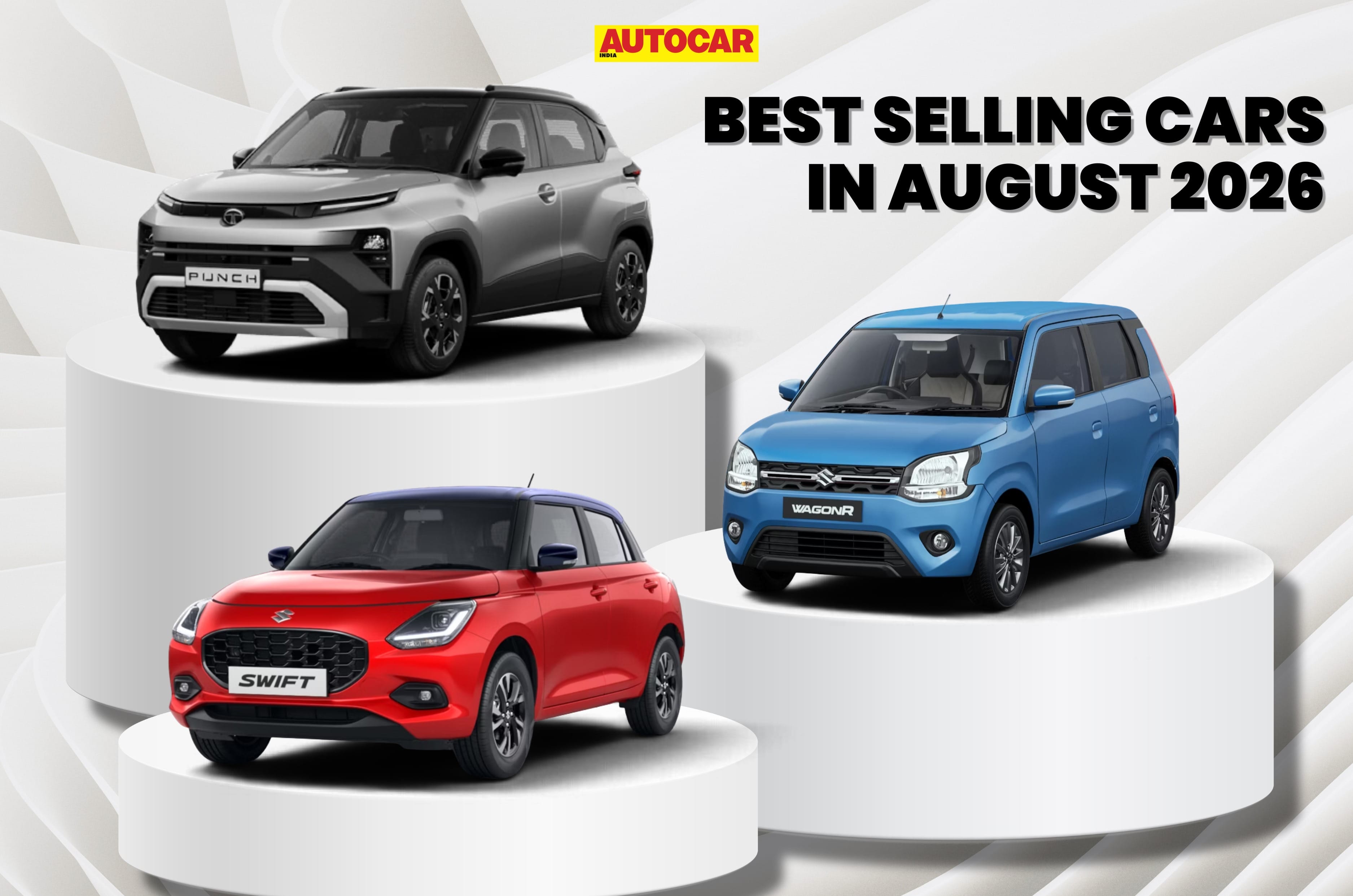
The Tata Punch was India’s best-selling car in August 2026, with 21,320 units sold, ahead of the Maruti Suzuki Wagon R and Swift. The top 10 models together recorded 1,83,037 units, up from 1,37,334 units in August 2025. Nine of the 10 models recorded year-on-year growth, with Maruti Suzuki accounting for six models in the list.
The year-on-year increase came against a lower base in August 2025, when buyers deferred purchases and manufacturers moderated dealer dispatches amid expectations of GST changes announced that month.
Rank
Model
August 2026 sales (units)
August 2025 sales (units)
YoY growth (percent)
1
Tata Punch
21,320
10,704
99
2
Maruti Suzuki Wagon R
20,180
14,552
39
3
Maruti Suzuki Swift
19,832
12,385
60
4
Maruti Suzuki Fronx
18,730
12,422
51
5
Maruti Suzuki Ertiga
18,516
18,445
0
6
Tata Nexon
18,431
14,004
32
7
Maruti Suzuki Dzire
18,418
16,509
12
8
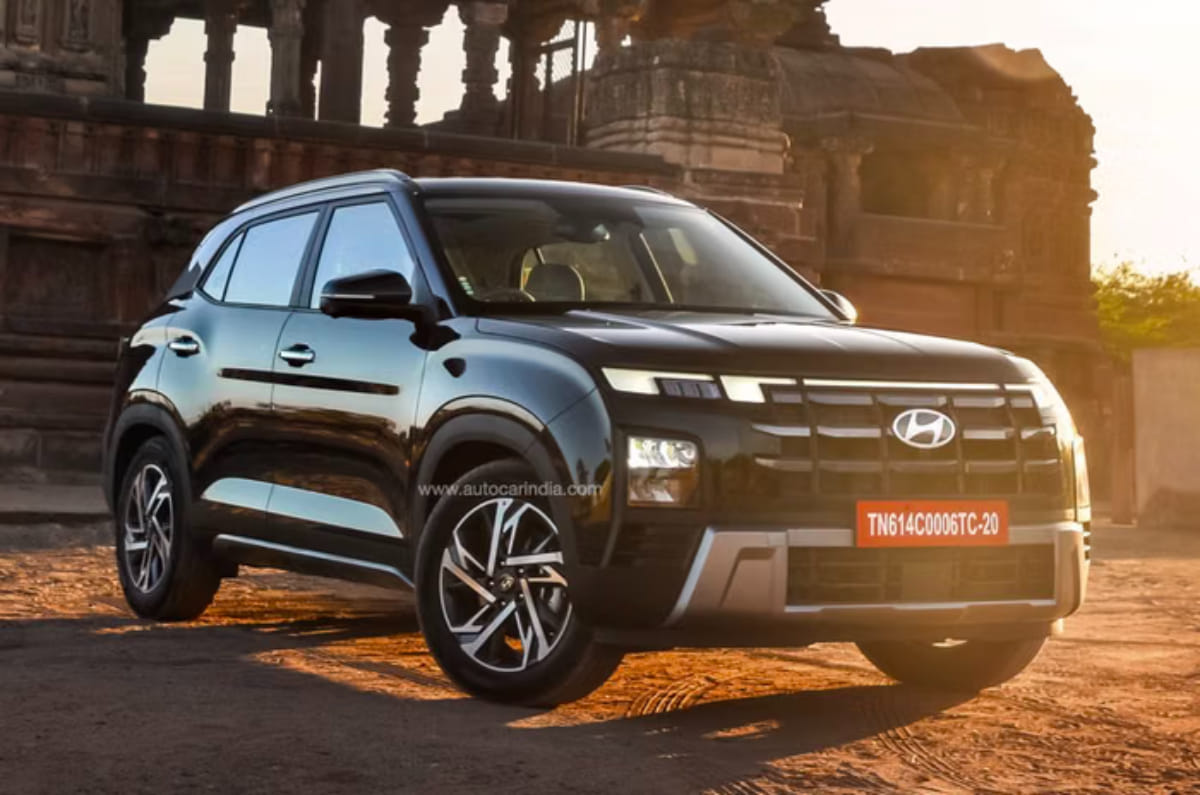
Hyundai Creta
16,288
15,924
2
9
Maruti Suzuki Baleno
15,746
12,549
25
10
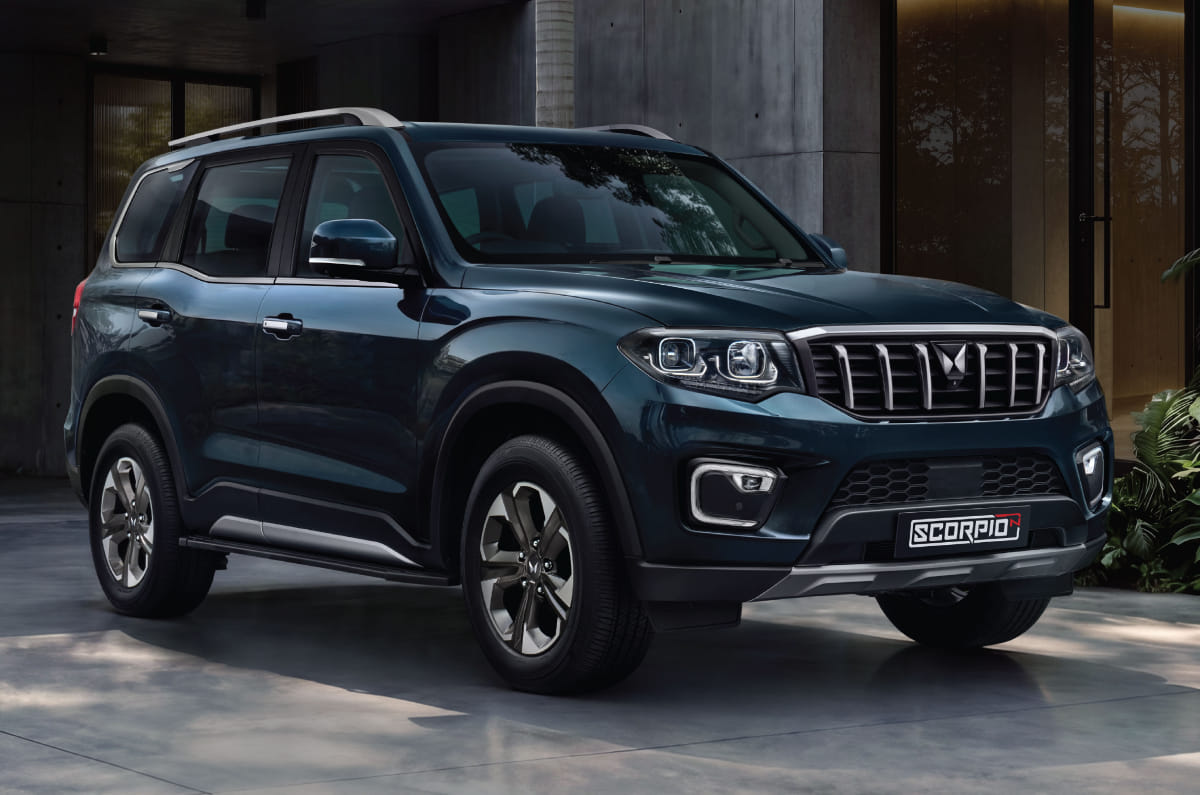
Mahindra Scorpio
15,576
9,840
58
Total
1,83,037
1,37,334
33
1. Tata Punch
Sales: 21,320 units
The Tata Punch topped the August 2026 sales rankings with 21,320 units, almost double the 10,704 units sold in August 2025. Its sales increased 99 percent year on year, the highest growth among the 10 models.
Tata’s smallest SUV is offered with multiple powertrain options, while its compact dimensions and ride and handling balance remain key strengths. The Punch rivals the Hyundai Exter and Citroen C3 and is priced from Rs 5.75 lakh to Rs 10.77 lakh.
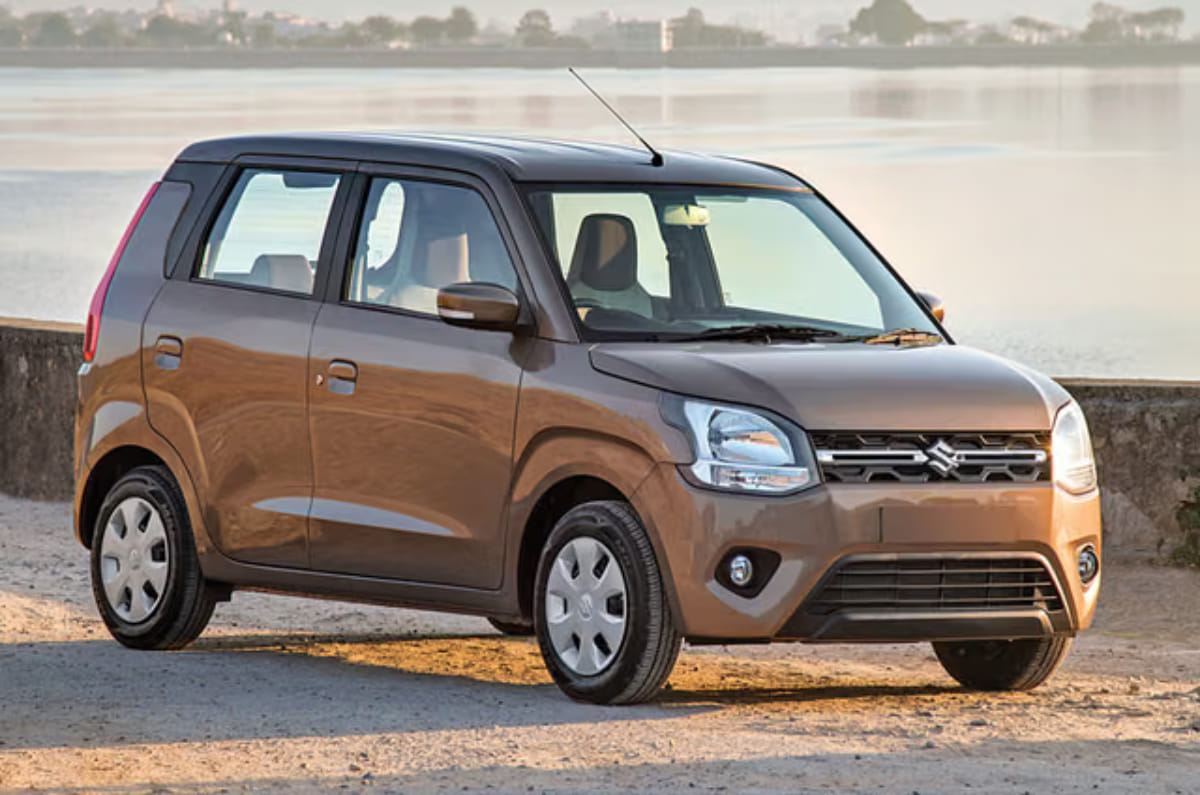
2. Maruti Suzuki Wagon R
Sales: 20,180 units
The Maruti Suzuki Wagon R finished second in August 2026 with 20,180 units, up from 14,552 units in August 2025. Its sales increased 39 percent year on year, putting it 1,140 units behind the Tata Punch.
Its spacious cabin, ease of driving and low running costs remain key strengths, although its light build and limited highway ability are drawbacks. The Wagon R rivals the Tata Tiago and Citroen C3 and is priced between Rs 4.99 lakh and Rs 7.24 lakh.
3. Maruti Suzuki Swift
Sales: 19,832 units
The Maruti Swift ranked third in August 2026 with 19,832 units, compared with 12,385 units in August 2025. Its sales increased 60 percent year on year, leaving it 348 units behind the Wagon R.
Its high fuel efficiency, light controls and easy-to-drive nature continue to support demand, although the top variants are priced close to the more premium Baleno. The Swift rivals the Hyundai Grand i10 Nios and Tata Tiago and is priced between Rs 5.84 lakh and Rs 8.74 lakh.
4. Maruti Suzuki Fronx
Sales: 18,730 units
The Maruti Suzuki Fronx was fourth in August 2026 with 18,730 units, compared with 12,422 units in August 2025. Its sales increased 51 percent year on year, leaving it 1,102 units behind the Swift.
The Fronx’s crossover styling, comfortable cabin and fuel-efficient powertrains continue to support demand, although it lacks some popular features. It rivals the Nissan Magnite and Renault Kiger and is priced between Rs 6.85 lakh and Rs 11.84 lakh.
5. Maruti Suzuki Ertiga
Sales: 18,516 units
The Maruti Suzuki Ertiga finished fifth in August 2026 with 18,516 units, almost unchanged from the 18,445 units sold in August 2025. Its sales were effectively flat year on year.
The Ertiga continues to hold the title of India’s highest-selling MPV. Its practical cabin, strong fuel efficiency and value-for-money positioning attract both private and fleet buyers, although it misses out on some features offered by rivals. It is priced from Rs 8.90 lakh to Rs 13.04 lakh and rivals the Kia Carens and Toyota Rumion.
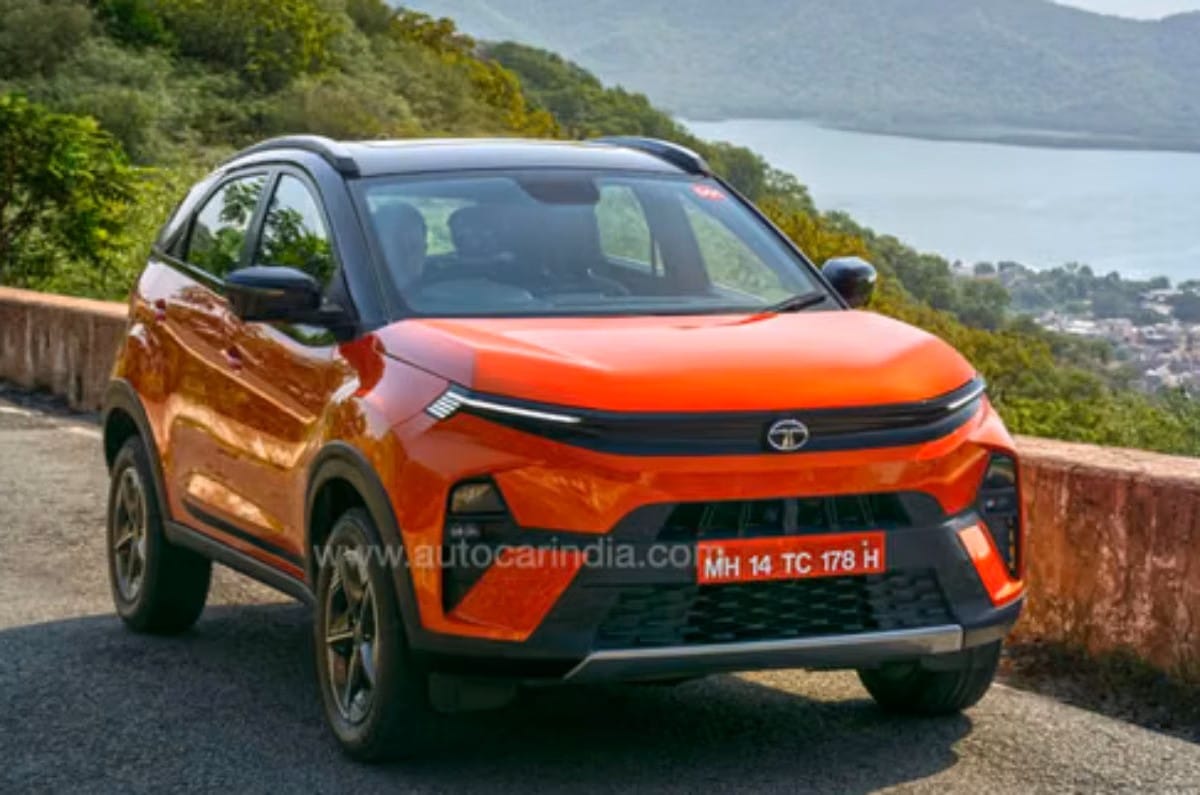
6. Tata Nexon
Sales: 18,431 units
The Tata Nexon, including the ICE and EV versions, recorded 18,431 units in August 2026, up from 14,004 units in August 2025. Its sales increased 32 percent year on year, making it the sixth best-selling model in the month.
The Nexon is offered with petrol, diesel, CNG and EV powertrain options, along with a feature-rich cabin. However, its fit and finish are not as polished as some rivals. It competes with the Maruti Suzuki Brezza, Hyundai Venue, Kia Sonet and Mahindra XUV 3XO and is priced from Rs 7.40 lakh to Rs 14.52 lakh.
7. Maruti Suzuki Dzire
Sales: 18,418 units
The Maruti Dzire was seventh in August 2026 with 18,418 units, compared with 16,509 units in August 2025. Its sales increased 12 percent year on year, with the Dzire being the only sedan in the top 10.
Strong fleet demand, fuel efficiency and a well-balanced ride and handling setup continue to support the compact sedan’s volumes. The Dzire rivals the Hyundai Aura, Honda Amaze and Tata Tigor and is priced between Rs 6.31 lakh and Rs 9.41 lakh.
8. Hyundai Creta
Sales: 16,288 units
The Hyundai Creta finished eighth in August 2026 with 16,288 units, up from 15,924 units in August 2025. Its sales increased 2 percent year on year, making it the only Hyundai model in the top 10.
A roomy cabin and long feature list continue to attract buyers, although the top variants are expensive and some interior plastics could be better. The Creta rivals the Kia Seltos, Maruti Suzuki Grand Vitara, Toyota Urban Cruiser Hyryder, Honda Elevate and Tata Sierra. It is priced between Rs 10.91 lakh and Rs 20.11 lakh.
9. Maruti Suzuki Baleno
Sales: 15,746 units
The Maruti Suzuki Baleno ranked ninth in August 2026 with 15,746 units, compared with 12,549 units in August 2025. Its sales increased 25 percent year on year, making it the third Maruti Suzuki hatchback in the top 10.
The premium hatchback has recently received a facelift and rivals the Hyundai i20, Tata Altroz and Toyota Glanza. The Baleno is priced between Rs 5.99 lakh and Rs 9.99 lakh.
10. Mahindra Scorpio
Sales: 15,576 units
The Mahindra Scorpio, comprising the Scorpio N and Scorpio Classic, completed the August 2026 top 10 with 15,576 units, up from 9,840 units in August 2025. Its sales increased 58 percent year on year, the third-highest growth rate among the top 10 models.
The Scorpio nameplate remains popular for its strong engines, rugged character and off-road ability. However, the third-row seating is cramped and the luggage area is not particularly practical. The Scorpio N rivals the Tata Safari, Hyundai Alcazar and Mahindra XUV 7XO and is priced from Rs 13.69 lakh to Rs 25.49 lakh.
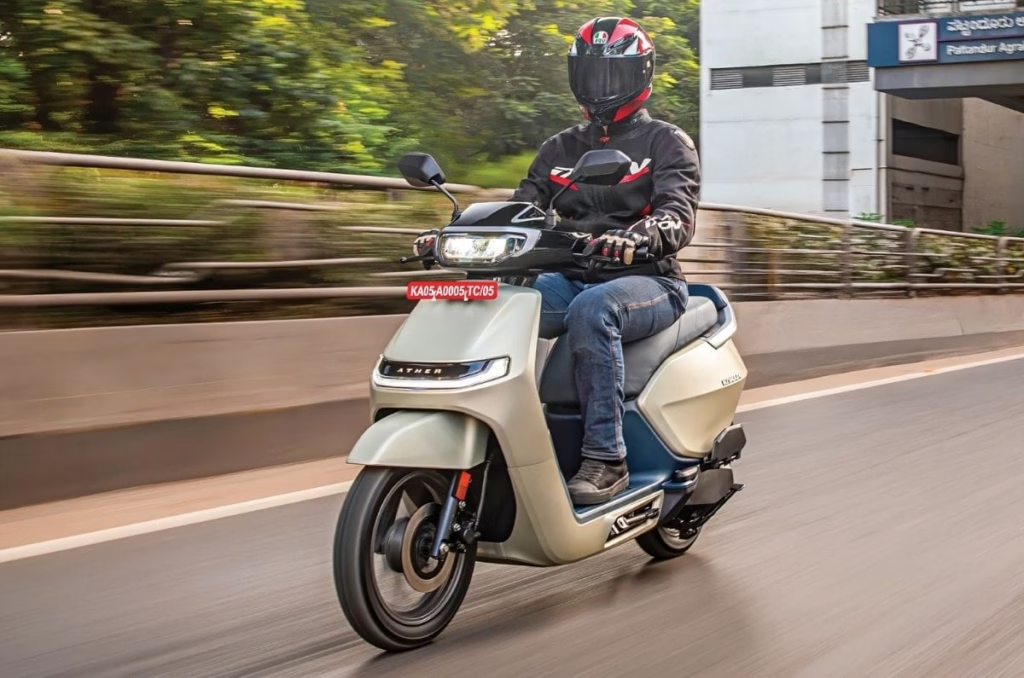
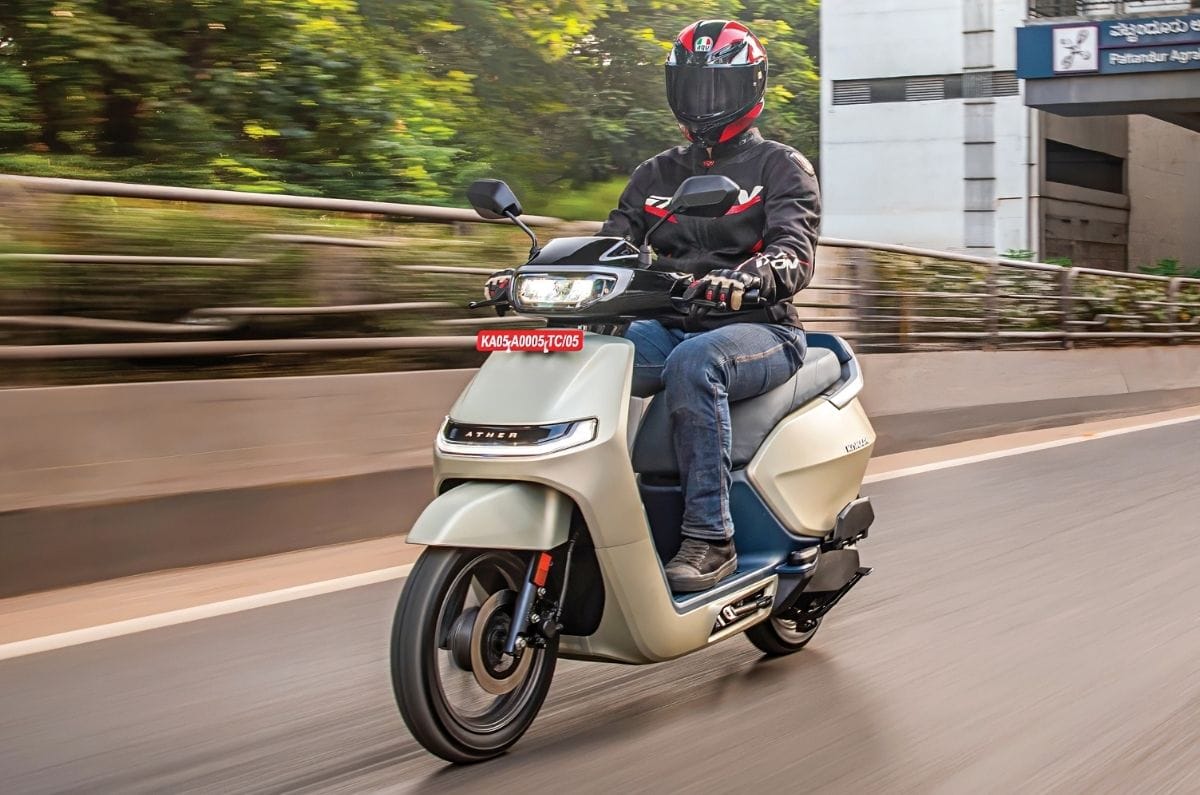
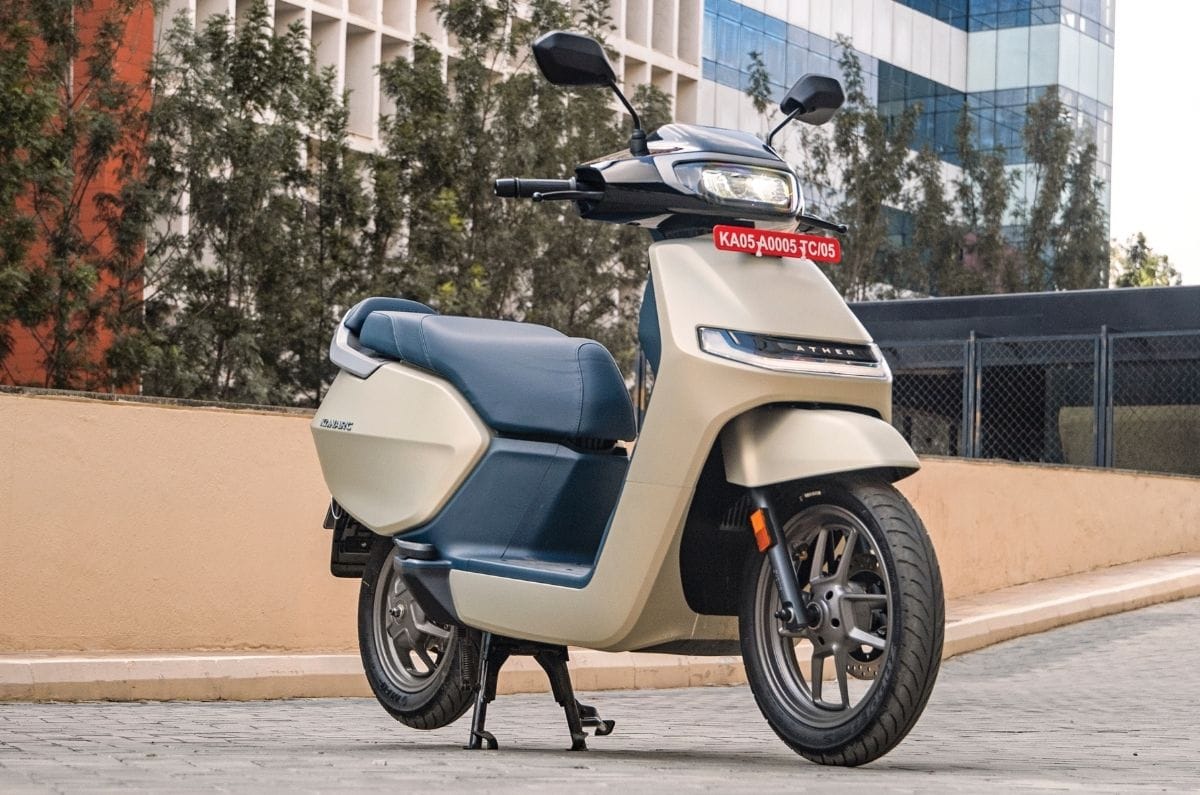
It’s not a stretch to say that the Konarc is the most important product from Ather yet, because the company hopes this new EV will help it unlock segments and markets hitherto untouched by it. The question then is, will the Konarc live up to the lofty expectations placed on its shoulders?
Konarc Design and Quality – 9/10
Straightforward design with high quality finish
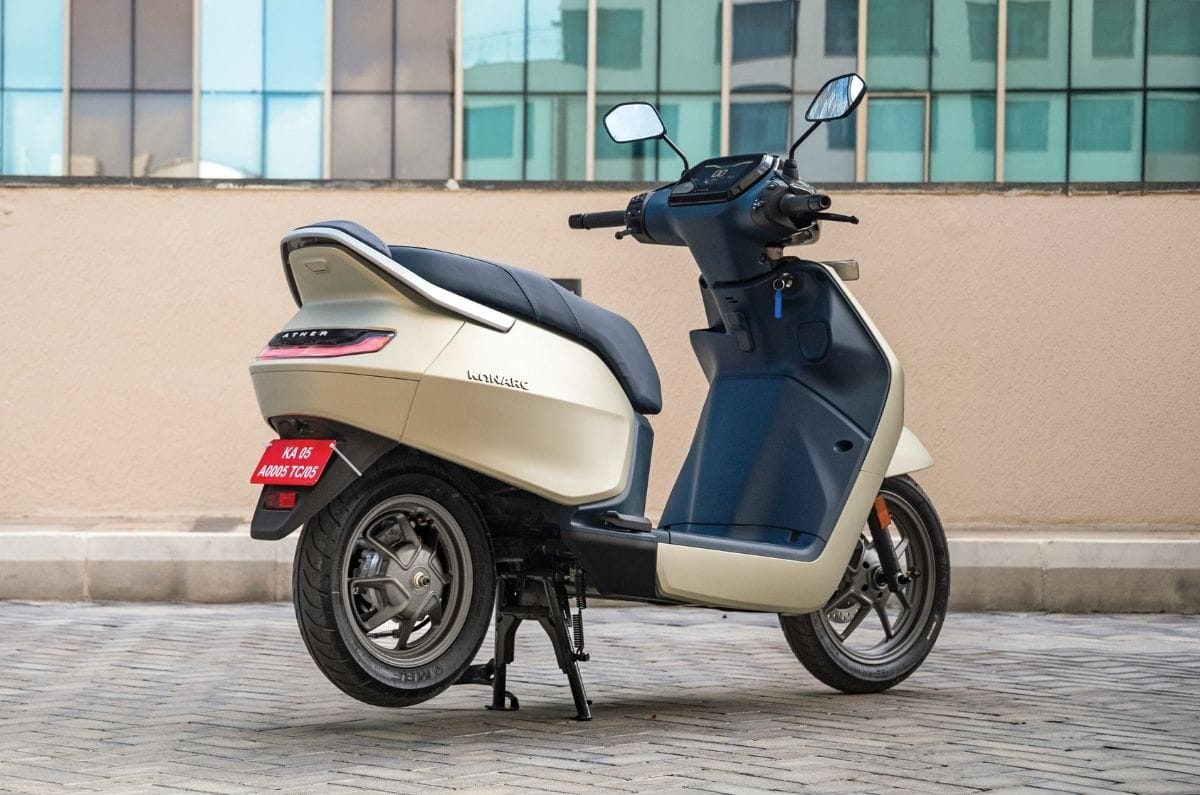
The Konarc S is offered in four classy yet inoffensive colours
Striking looks aren’t a trait family scooters are known for and Ather wanted to play it very safe with the Konarc to bring in buyers that typically shop for ‘decent-looking’ scooters. While it does look a bit plain, it will still not completely meld into the ocean of humdrum two-wheelers on the road. Further reinforcing its family scooter aspirations are a quartet of very classy, yet inoffensive colours.
Another aspect that the Konarc’s prospective customers will appreciate is its excellent finish and quality levels all across – a typical Ather trait.
Konarc Ride and Handling – 9/10
Excellent ride and seating comfort, planted and surefooted handler
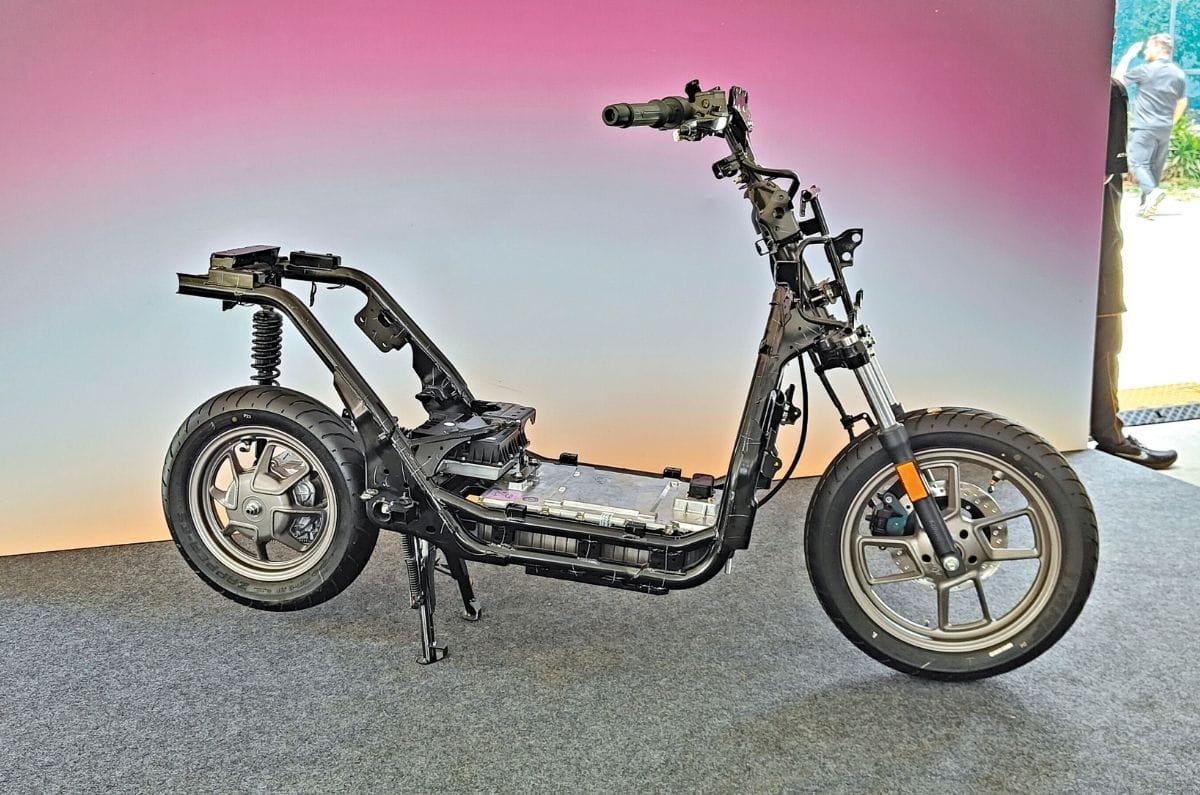
One big reason Ather moved to the new EL platform is that its earlier platform was never built for outright comfort and practicality. In this application, the main focus was to maximise comfort for both rider and pillion. The use of a 14-in front wheel and suspension with 90mm/100mm (F/R) of travel are two key factors in providing lovely ride comfort here.
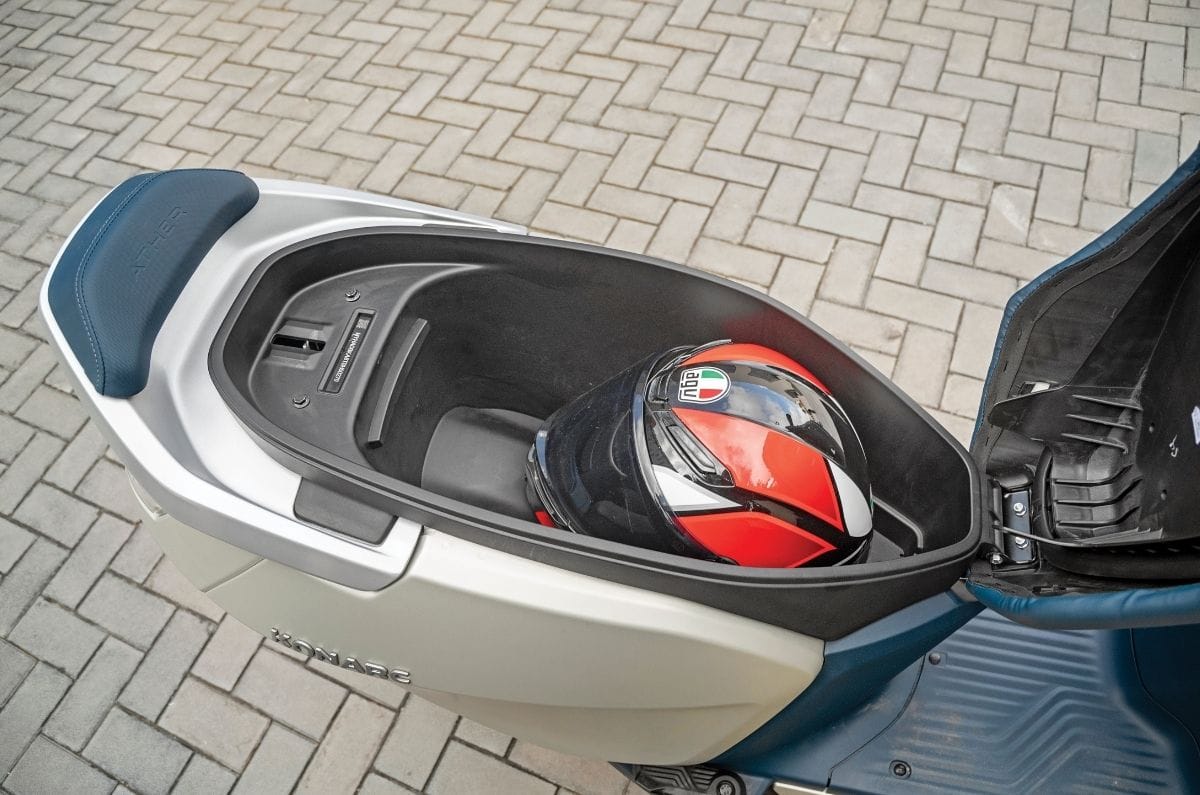
31L boot is deep enough to fit a premium helmet
Point the Konarc towards most bumps and it will round them off without getting unsettled while isolating you from the shock to a great extent. In the scooter space, this is one of the most comfortable options available. Ofcourse, this is still a scooter and really big bumps will filter through – don’t expect motorcycle-like comfort.
Specifications
Values
Wheelbase
1352 mm
Kerb Weight
126.5 kg
Chassis type
Monocoque Full – Steel Body Construction
Something that a typical family scooter buyer values is a centre stand and the Konarc becomes the first Ather to offer it. Like other family scooters, the Konarc’s chassis is geared towards stability and ease of use. Despite the larger 14-in wheel and long 1352mm wheelbase, it felt very straightforward to ride. Its low 770mm seat height will help shorter folks get their feet down comfortably although its wide floorboard will have an impact here.
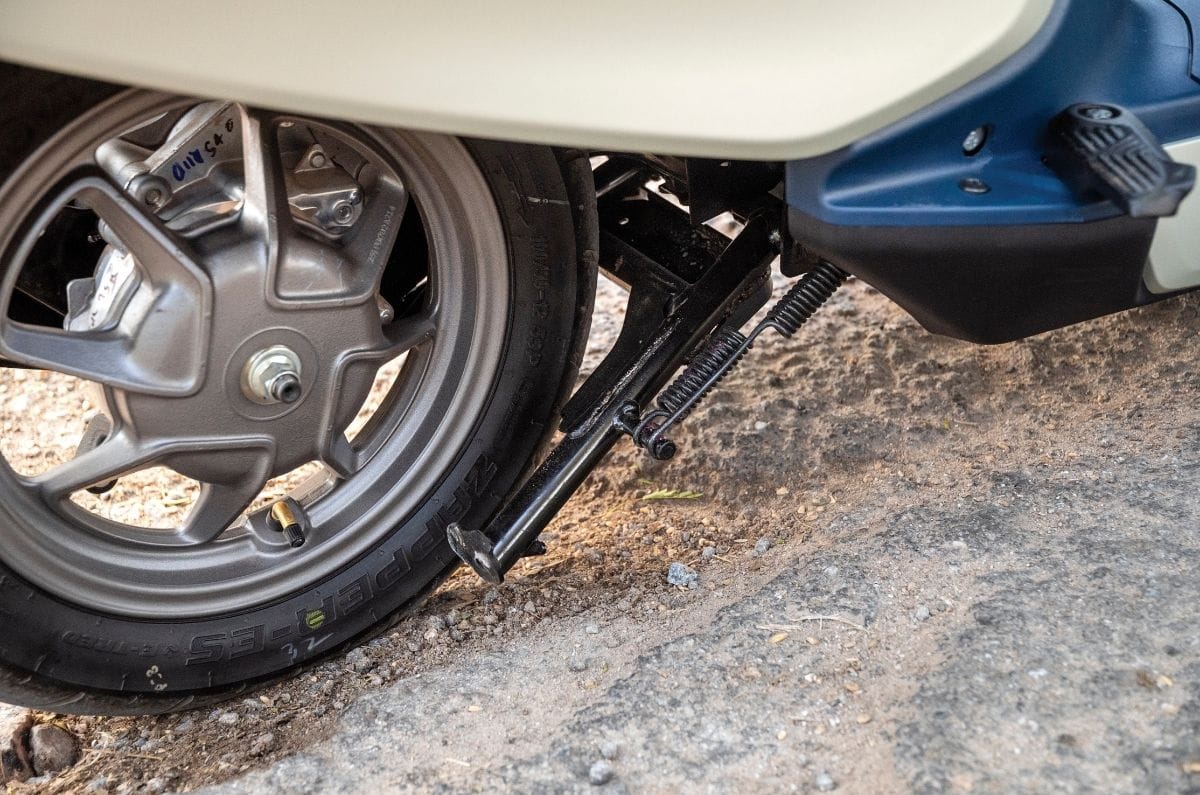
Main stand can touch down in deep ruts
A spacious seat with a padded backrest means two full-size riders will fit comfortably on the Konarc. Another nice feature is that the front end doesn’t get flighty even with a heavy pillion onboard, despite no preload adjustability on the monoshock. The only ergonomic miss is that riders taller than 5’10 will find their knees touching the handlebar during full-lock turns.
Specifications
Values
Wheel Size
Front – 14 inch, Rear – 12 inch
Front Tyre Size
90/90-14
Rear Tyre Size
100/90-12
Brake type
Front – Disc, Rear – Drum
Front Brake Size
220 mm
Rear Brake Size
130 mm
Front Suspension Type
Telescopic Fork, 90mm travel
Rear Suspension Type
Dual Hydraulic Coil Spring, 100mm travel
Konarc Performance – 8/10
Has enough performance, new motor has very silent running
Not only is the Konarc a big leap ahead in terms of comfort, its riding experience is also well-suited to city commuting. A big part of that is down to the comfort but its new swingarm-mounted motor also contributes here. Unlike the Rizta and 450 which used a rather noisy and relatively more maintenance intensive belt final drive, this motor is whisper quiet. It also directly powers the rear wheel without a chain or belt, reducing the number of components in the powertrain.
Specifications
Values
Fuel Type/ Propulsion
Electric
Motor Type
PMSM
Max Motor Power
4.7 kW
Max Motor Torque
16 Nm
EV Battery Capacity
2.7 kWh
With 4.7kW and 16Nm of torque on tap, the Konarc’s performance is best described as sufficient, but only in the top Power mode. Here, the scooter is capable of negotiating its way through big city traffic reasonably quickly. Switching to Eco / SmartEco dulls acceleration significantly and unless you’re running out of juice or you live in a small town, this level of performance will feel out of place.
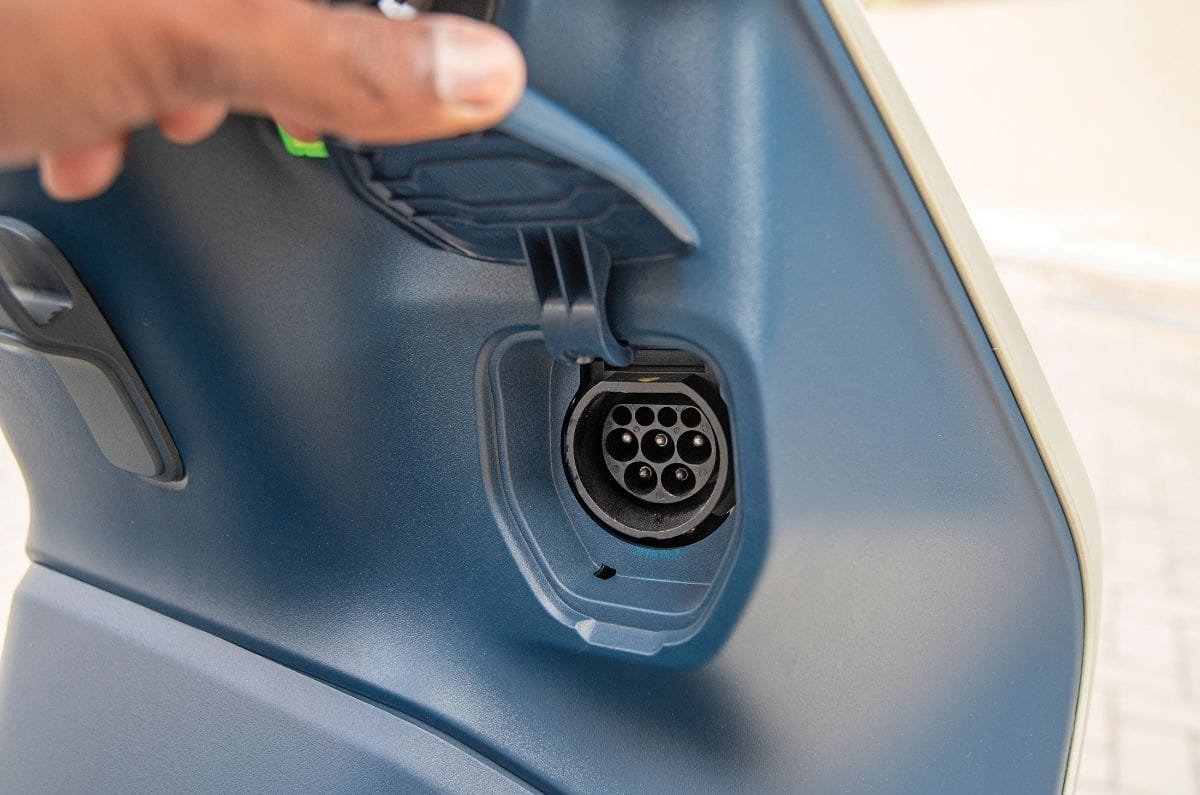
450W onboard charger integrated into motor controller means you only need to carry a small cable around
Except for the bottom 2.1, all S variants come with a front disc brake, a rear drum and CBS. This setup is capable of bringing the Konarc to a halt quickly and safely with almost no hiccups. The one concern with the combined braking system was that the front could lock up when braking on sandy, gravelly loose surfaces using the rear brake lever exclusively. Only the Z variants launching next year come with Ather’s AeBS (Advanced Electronic Braking System) which uses the regen system to shorten braking distances.
Konarc Features – 8/10
S variants are decently equipped but Z gets all the feel-good ones
And that is a good segue into the way Ather has distributed features across the S and Z. The keyless ignition system, automatic seat opening, AeBS, Magic Twist regen braking, traction control, the colour TFT display and all the smart functions enabled by it are reserved only for the Z. Common to all Konarcs is the 31L underseat storage area, which can easily swallow an imported full-face helmet with room to spare.
7-inch dash informative and legible but not full colour
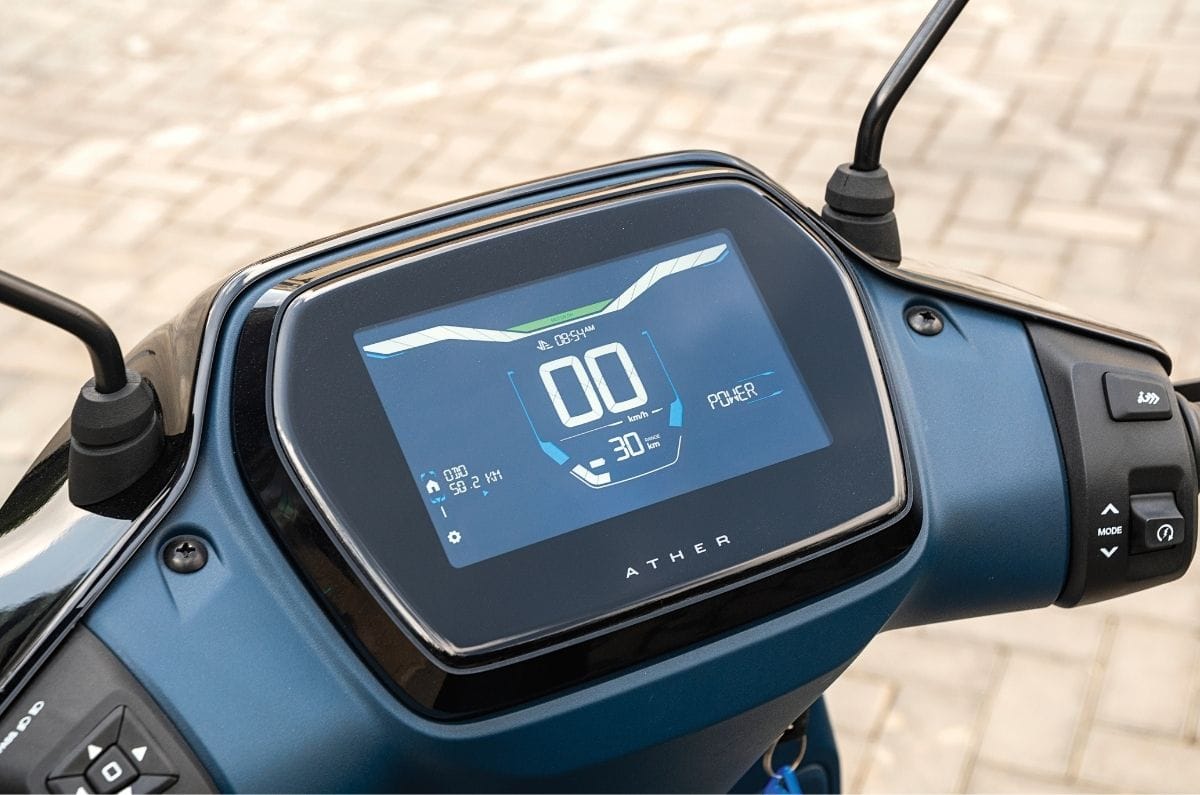
What three S variants (except the most affordable one) get is the 7-in simple TFT dash with Bluetooth connectivity, hill hold assist, reverse, several app-based functions, a 450W onboard charger and Airwalk. Airwalk is basically the Konarc’s motor sending a tiny amount of power to the rear wheel when you’re pushing it around to help make your life easier – this is truly effective and makes the 129kg Konarc feel far lighter than it is when moving it around. While the S has a good number of features, when you bring pricing into the equation, it stings a little.
Same charging port for both onboard & portable chargers
Konarc Price and Verdict – 8/10
Not a cutthroat price but this is still a polished and competitive scooter
The two S variants which are on sale right now, S 125 and S 161, are priced at Rs 1.22 lakh and Rs 1.45 lakh, respectively – near identical pricing to the Rizta S. Like the Rizta, you have to pay extra for the Ather StackPro which unlocks many of the smart electronic features.
The base S 2.1 (Rs 99,999) misses out on niceties like the disc brake and backrest and comes with rudimentary tech and a basic 4.2-in display. In that sense, the Konarc isn’t really pushing the envelope when it comes to an alluring price.
Variant
Price (ex-showroom)
Konarc S 100
Rs 1 lakh
Konarc S 125
Rs 1.22 lakh
Konarc S 161
Rs 1.45 lakh
However, as a scooter, the Konarc is a well-thought out product that nails comfort, promises enough performance, predictable range and lower maintenance costs. Ather claims a 10,000km / 1 year service interval and lower service charges owing to fewer parts and quicker turnaround times.
It may not have made as stellar an impression as it could have with more aggressive pricing, but nonetheless the Konarc definitely has what it takes to elevate Ather to a higher echelon in the market.
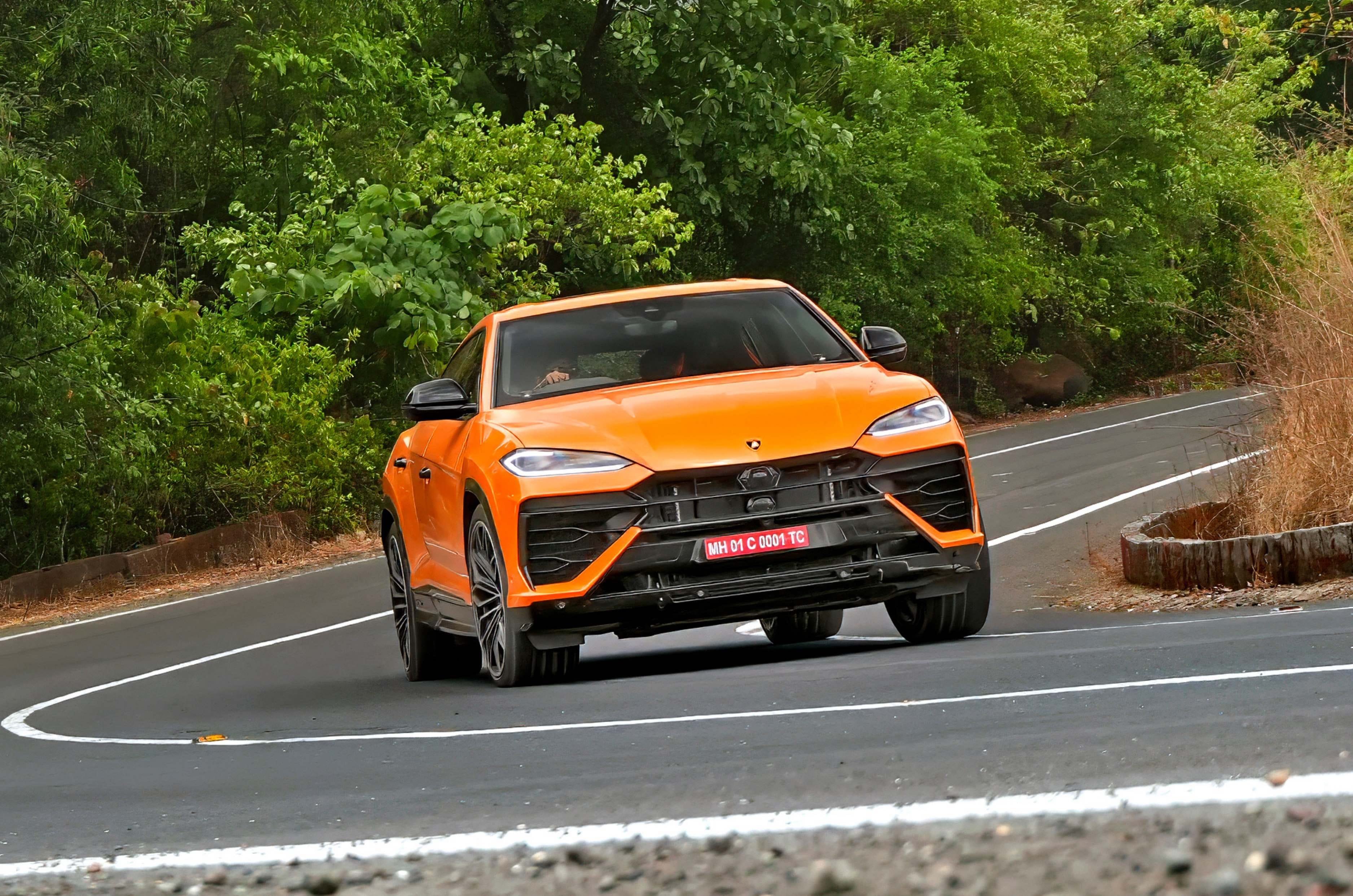
When introduced originally, the Lamborghini Urus rewrote the playbook of what an SUV could be. Sharp to look at, ferociously fast and with a mighty V8 soundtrack, the Urus has become the benchmark of performance SUVs. Now though, thanks to ever tightening regulations, the Urus has had to pivot to hybridisation. But has that diluted the experience? We got behind the wheel of the Lamborghini Urus SE to answer that question.
Lamborghini Urus SE Exterior Design and Engineering – 9/10
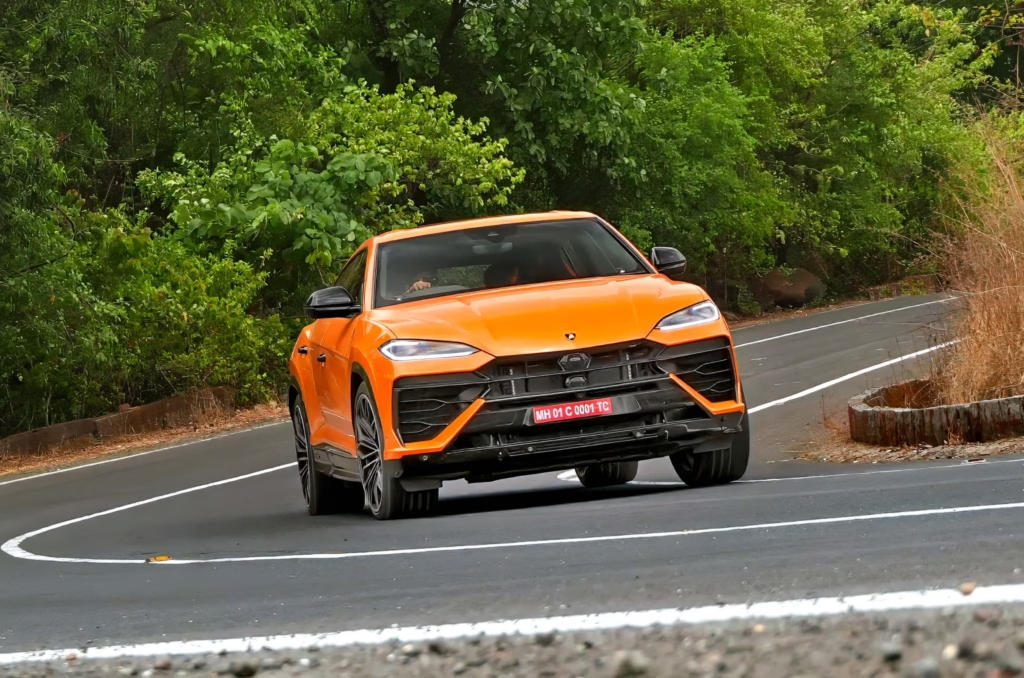
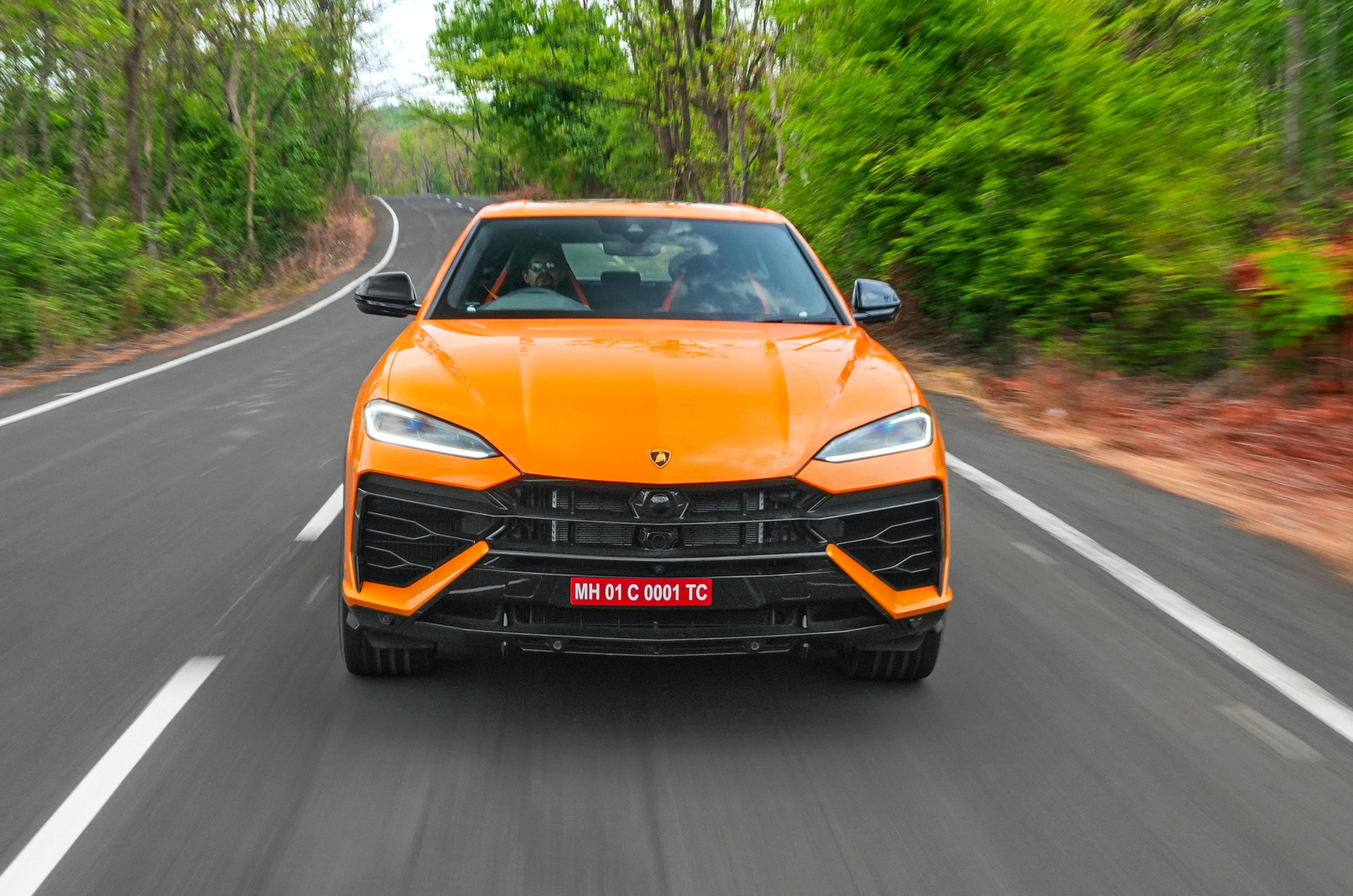
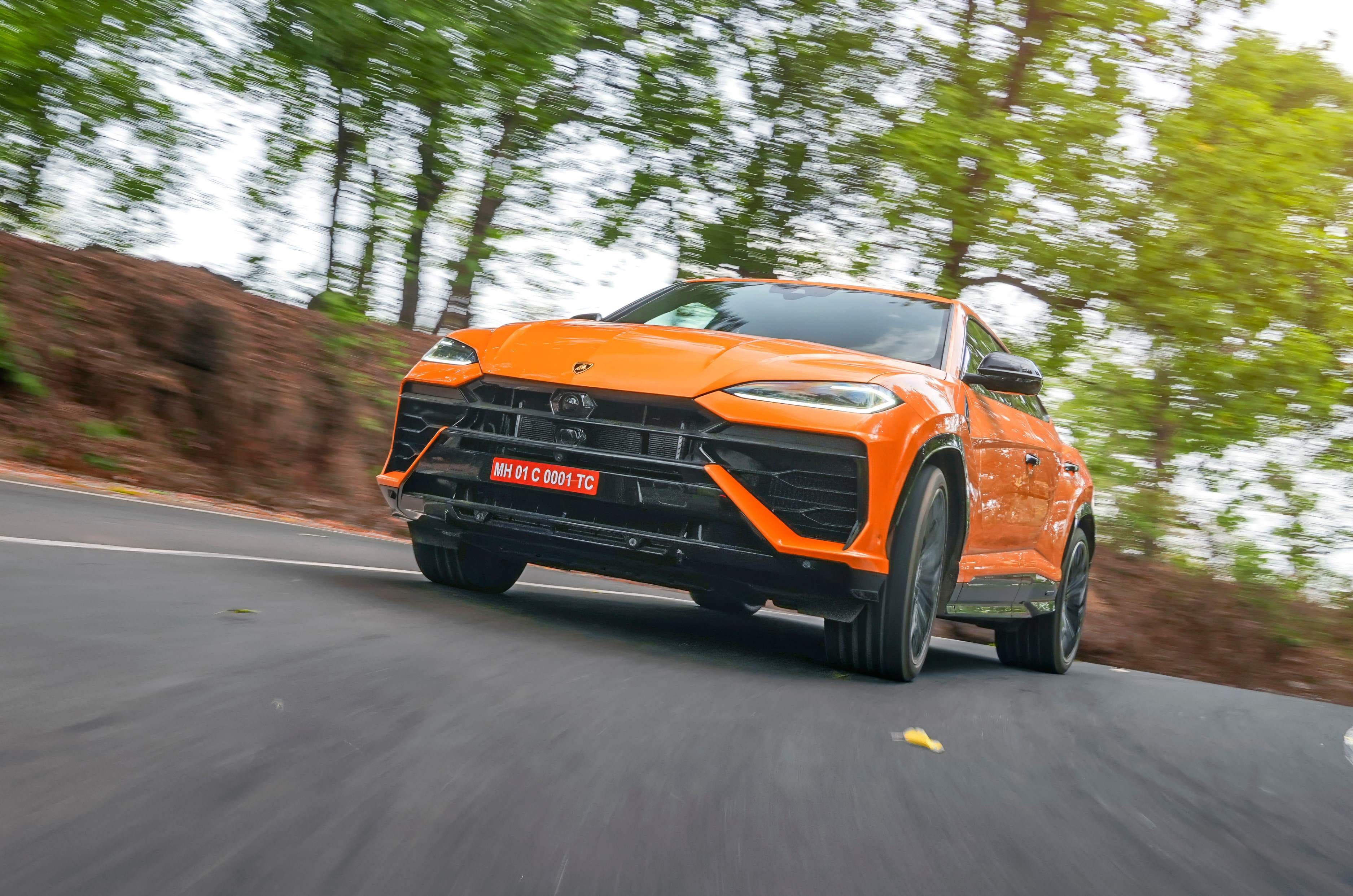
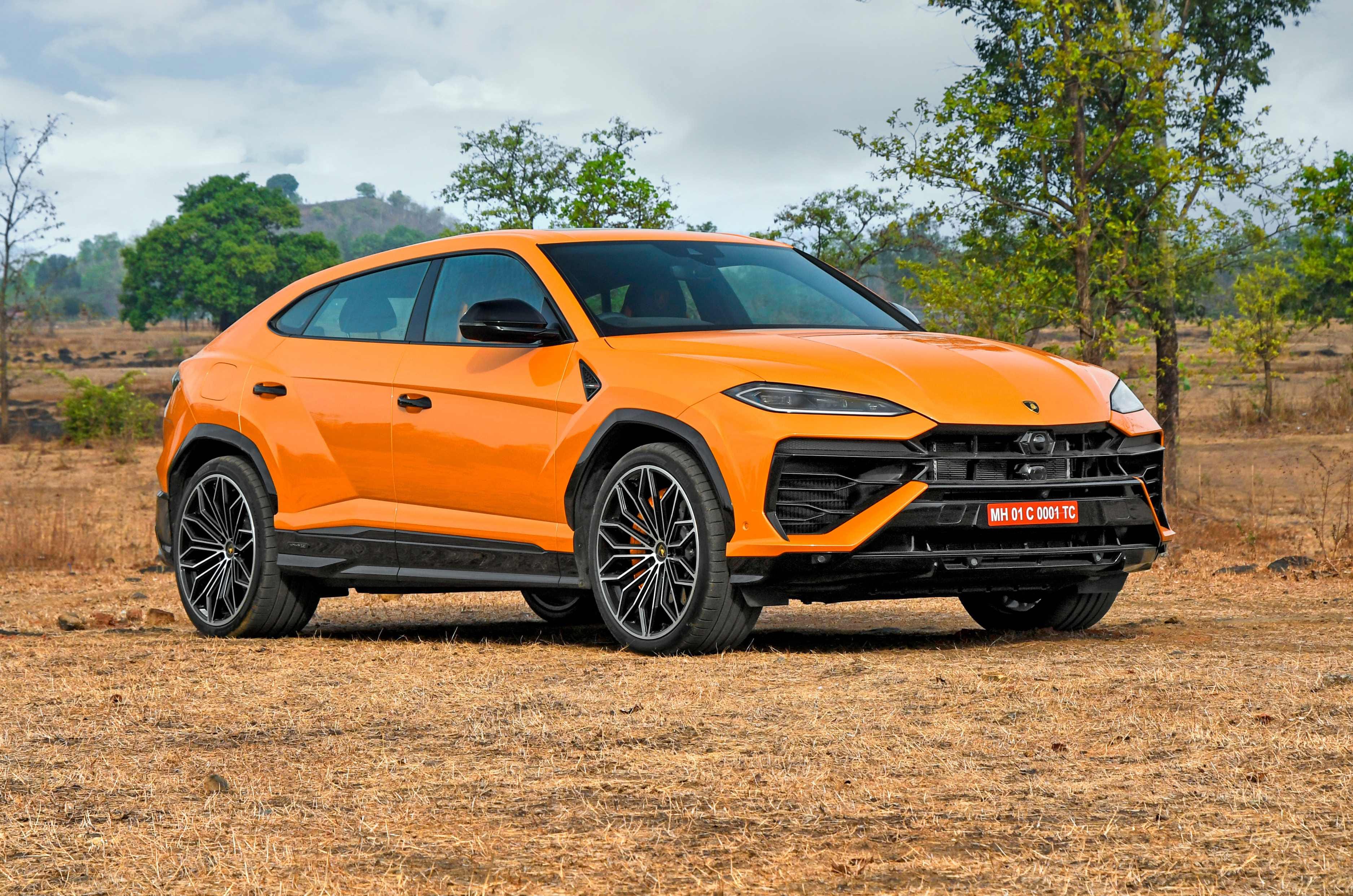
Urus SE has a more rounded-off design than its predecessor, but it’s no less menacing.
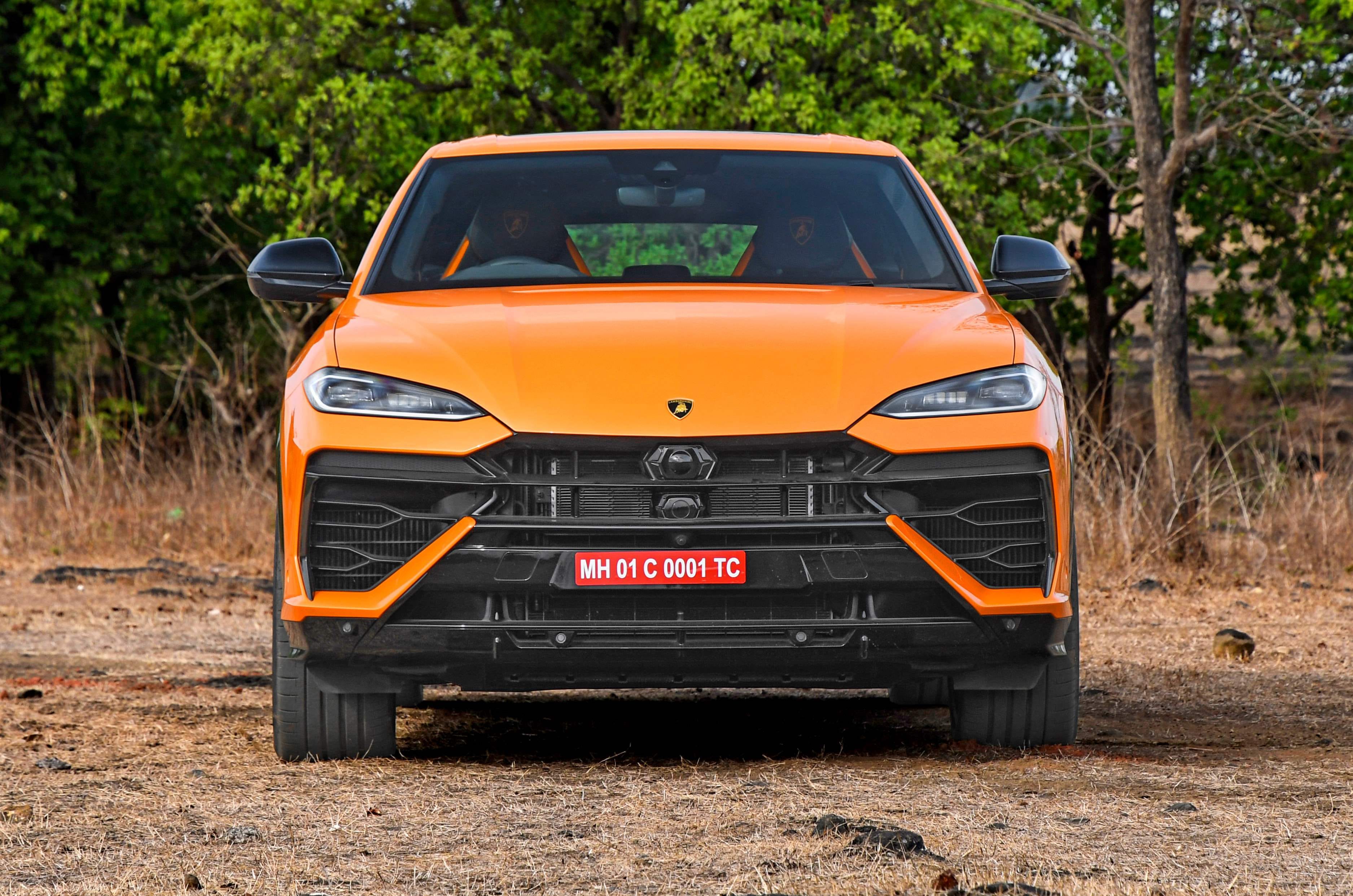
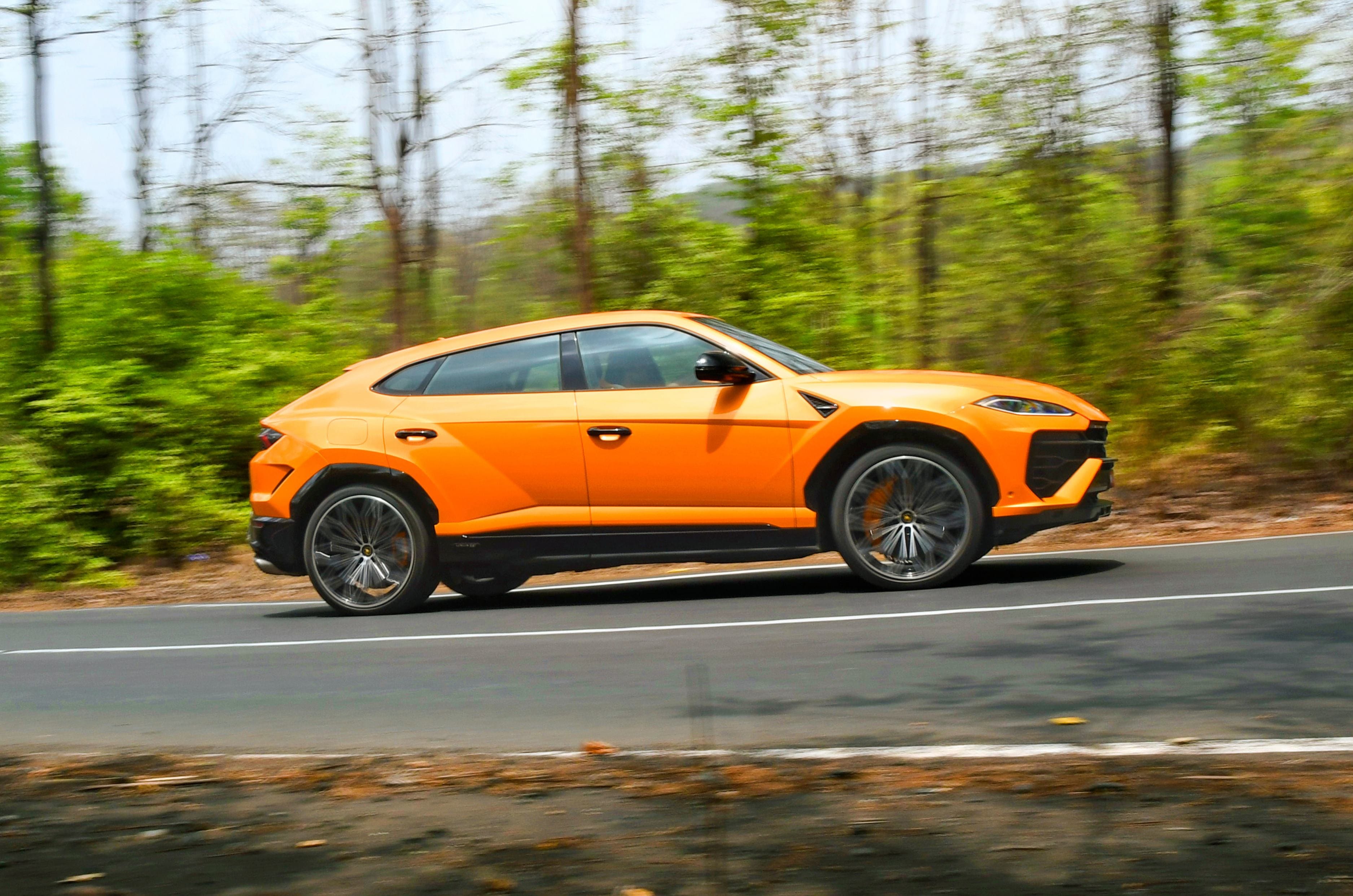
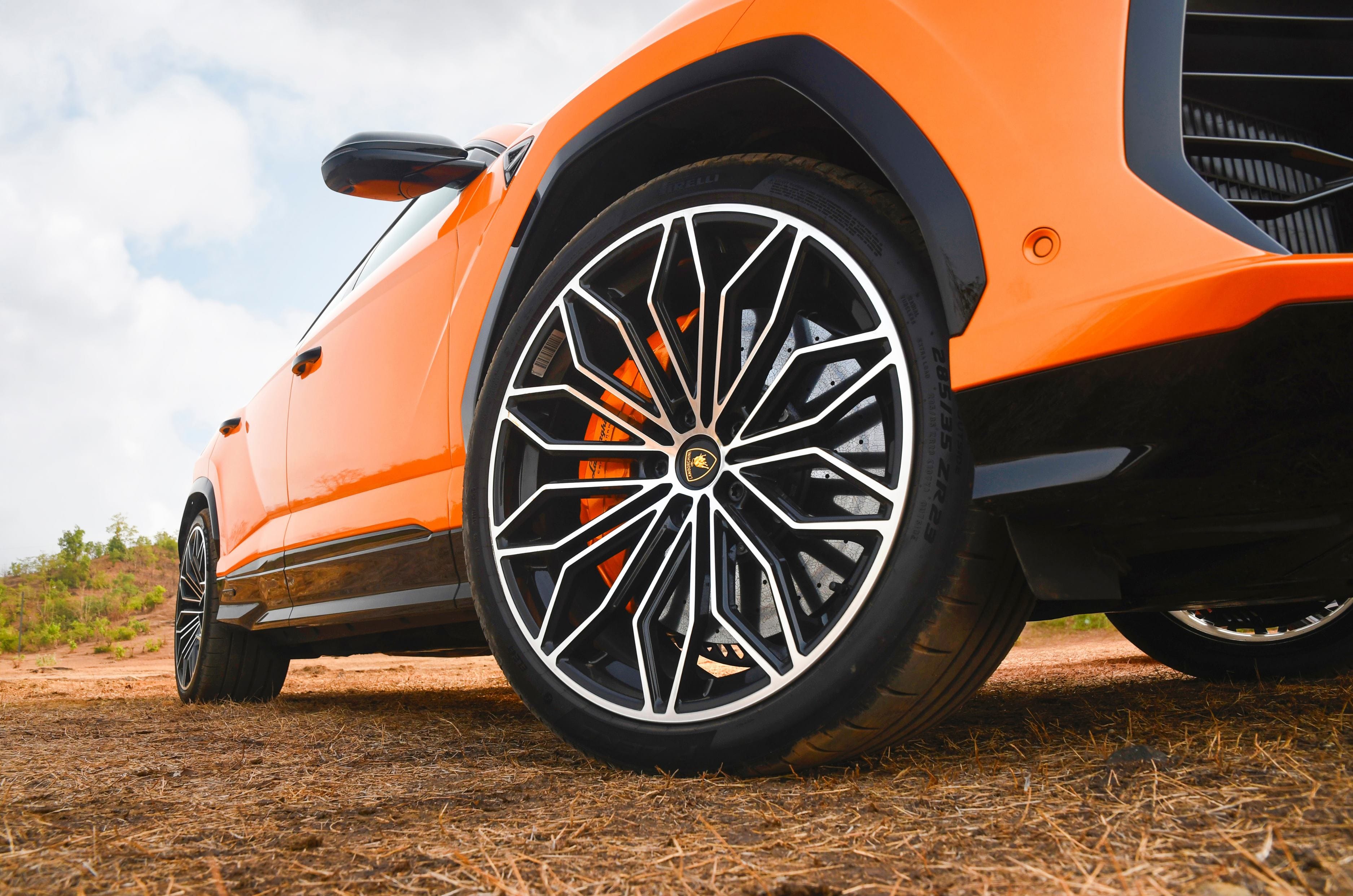
In comparison to the older Urus and the mad Urus Performante, the Urus SE does appear a bit softer and more rounded off. But that’s not to say it lacks presence by any means. It’s still full of sharp angles and surfaces, the Arancio Borealis optional paint on our test car looked stunning as did the diamond-cut, multi-spoke 23-inch alloy wheels. Up front, there’s a new bonnet, redesigned bumper and a larger front grille, while the slimmer headlights are now matrix LED units and a different DRL signature.
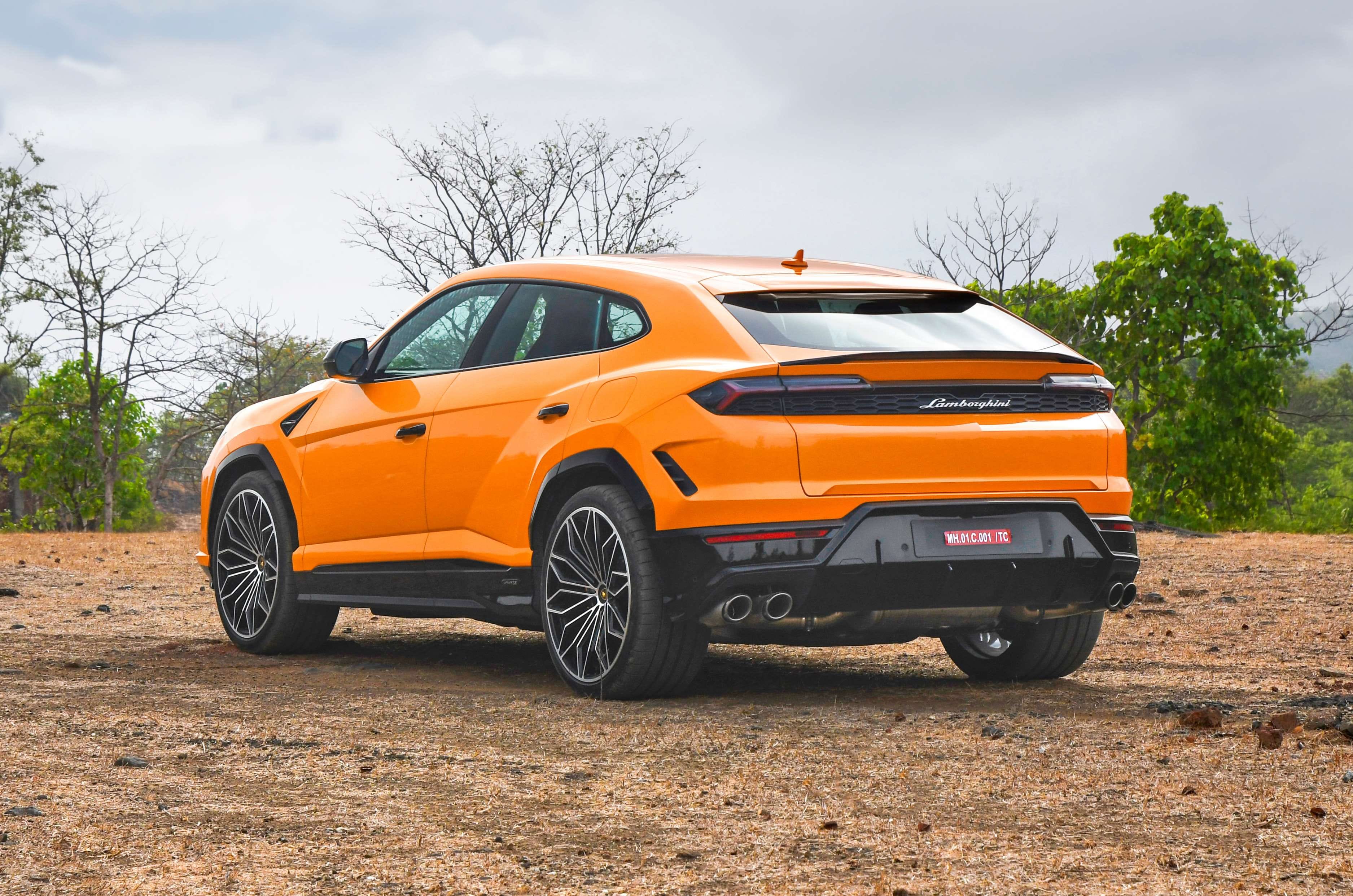
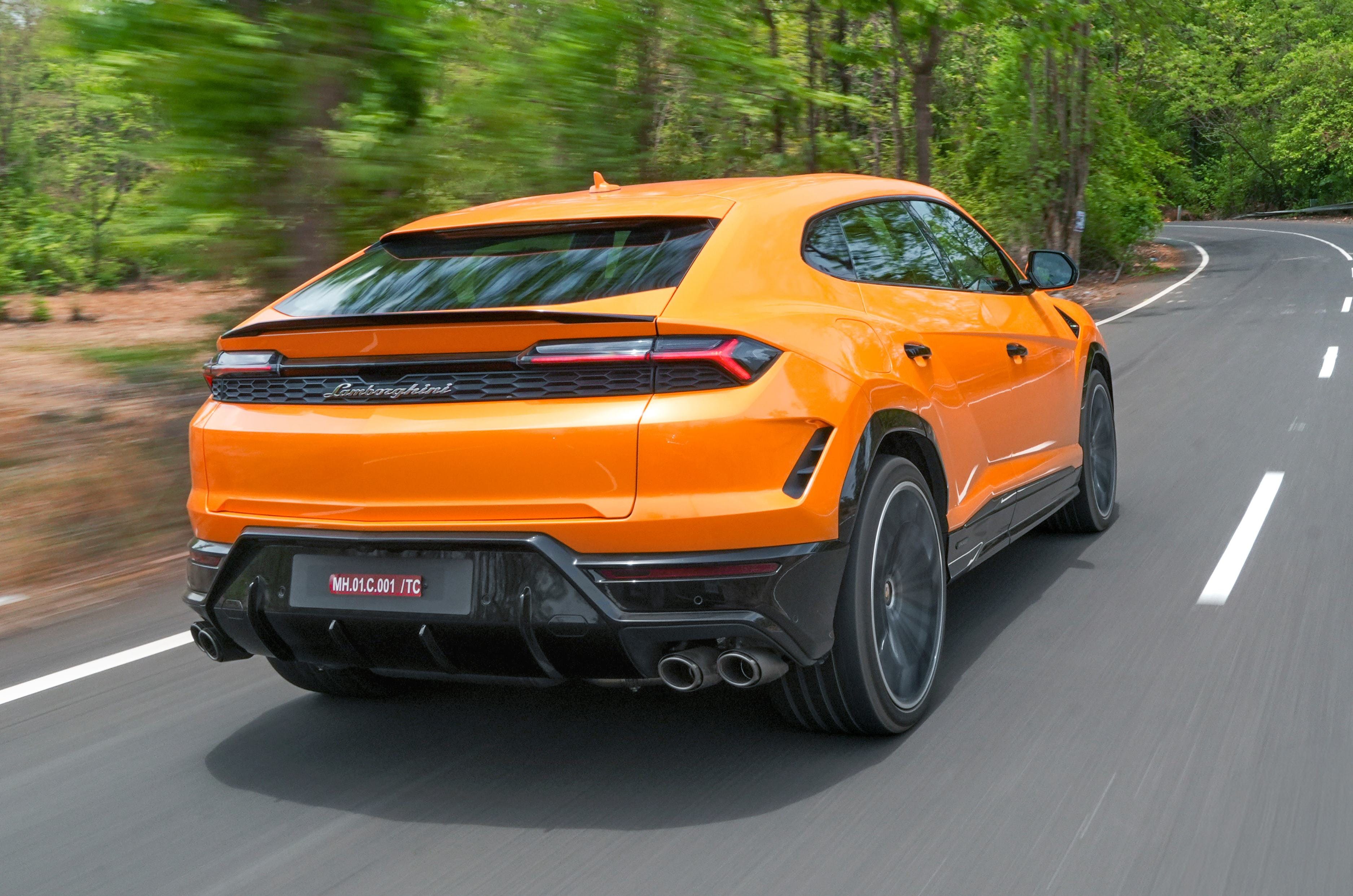
Rear end features quad-exhaust setup, sporty raked roofline, and a hexagon-patterned grille connecting the tail-lights.
The differences are immediately apparent at the rear too, with a new tailgate, rear bumper and a connecting tail-light grille. As always, Lamborghini’s Ad Personam personalisation programme offers an enormous scope for customisation, so buyers can tailor the Urus SE as per their needs. It remains a substantial machine, measuring 5.12m long and 2.02m wide, with a 3m wheelbase. Kerb weight is a hefty 2,505kg, which makes the fact that it can sprint from 0-100kph in just 3.4sec all the more impressive.
Lamborghini Urus SE Interior Space and Comfort – 8/10
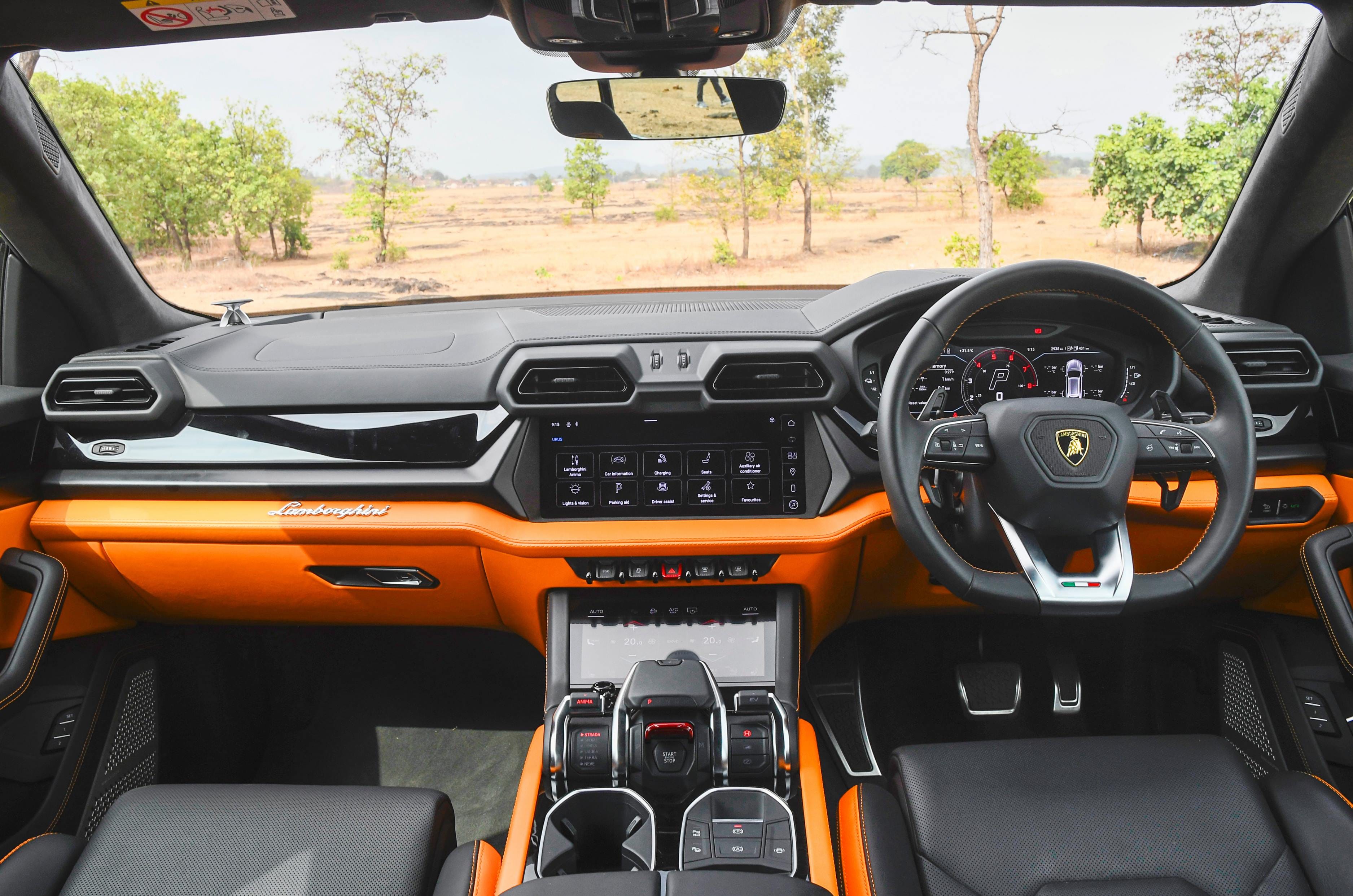
Dashboard layout is premium and feature-loaded, and gets a lot of Lamborghini theatrics.
Inside, the Urus SE retains the familiar Lamborghini approach of combining the ambience of a supercar with the practicality expected of an SUV. However, the changes here are less apparent than those on the outside. The centre console is ever so slightly redesigned with a new array of toggle switches under the touchscreen. The touchscreen itself is larger than the earlier Urus, with updated graphics and a slicker user interface.
Lamborghini’s signature flip-up engine start/stop button is inspired by those of fighter jets.
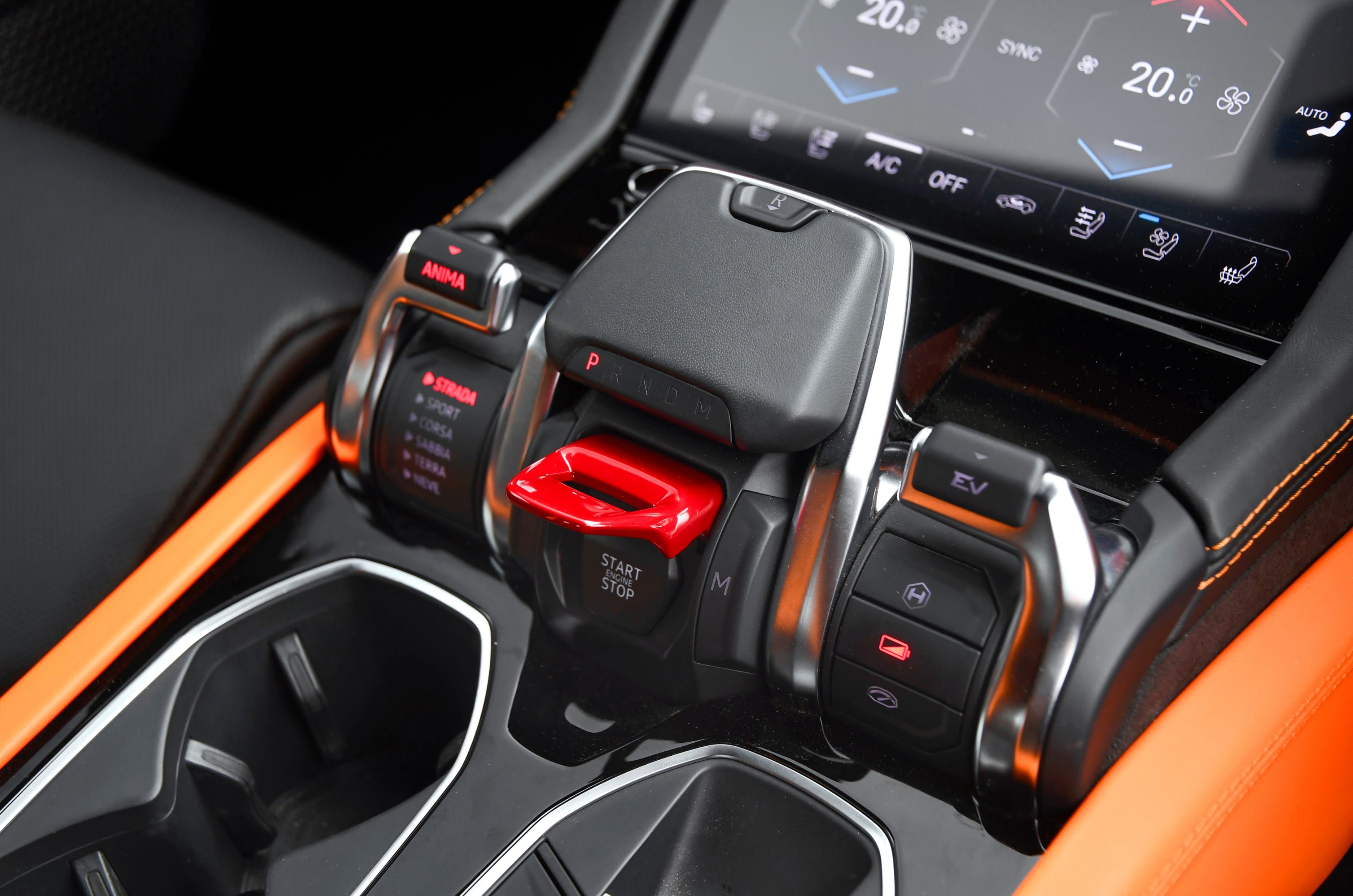
There’s plenty of visual theatre, too, and it looks just as extroverted as the outside. Standout elements include the hexagonal AC vents, the Lamborghini badging on the dashboard, the aircraft-style levers for the drive modes and of course, the fighter-jet inspired flap-up engine start/stop button. Lamborghini has also introduced new colour and trim combinations with the SE, with our test car featuring the same predominantly orange theme as on the outside.
Rear space is surprisingly plentiful given the Urus SE’s sporty proclivities.
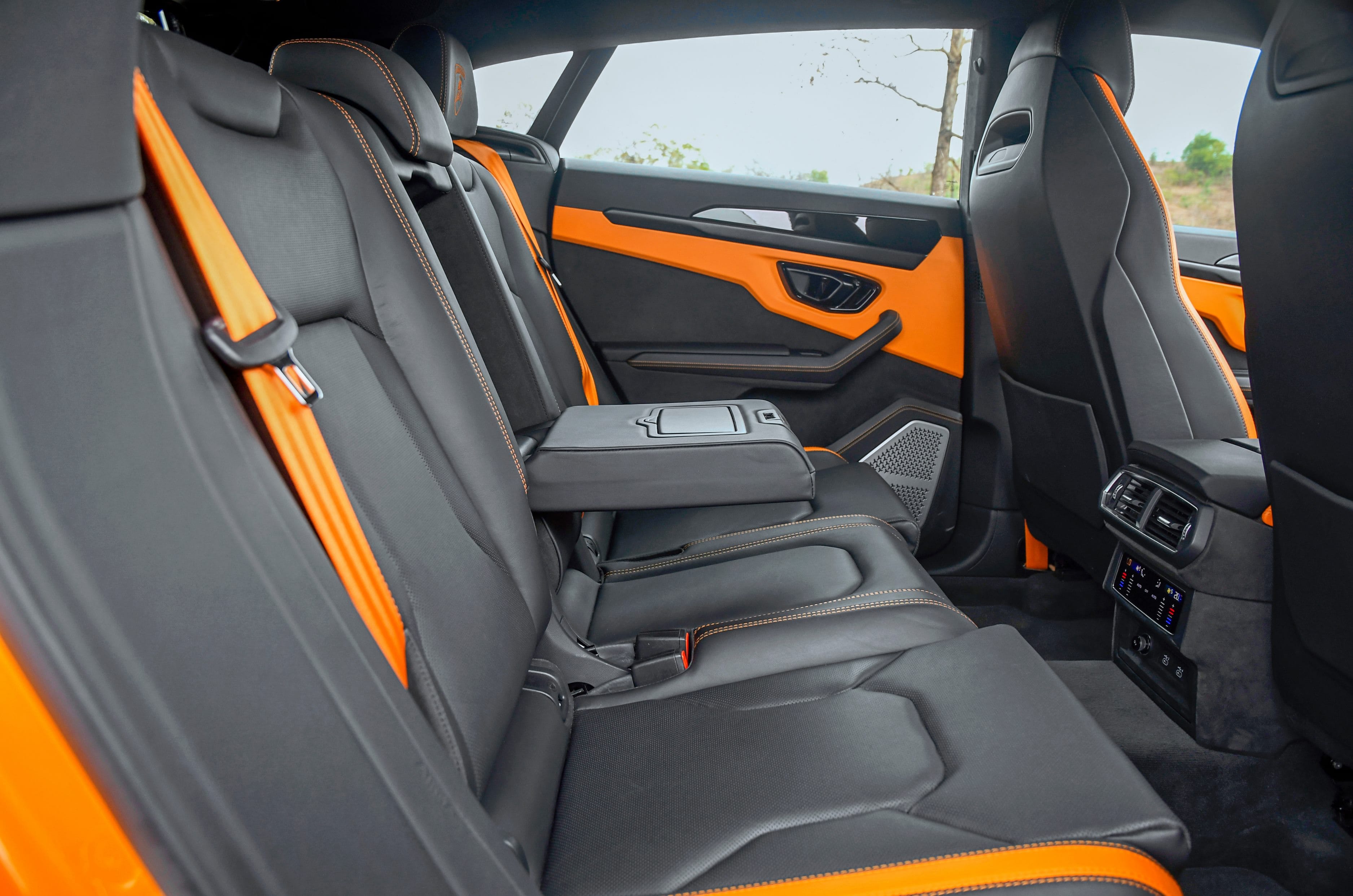
Despite all the drama, this remains a practical SUV. The long wheelbase means there’s plenty of legroom at the rear and it’s wide enough for three too, though taller passengers may find headroom a bit tight thanks to the tapering roofline. The front seats are large, well padded and the optional Lamborghini crest on the headrests just adds to the ambience. The glovebox is decent sized, there’s cupholders and the boot offers 454 litres of capacity.
Lamborghini Urus SE Features and Safety – 8/10
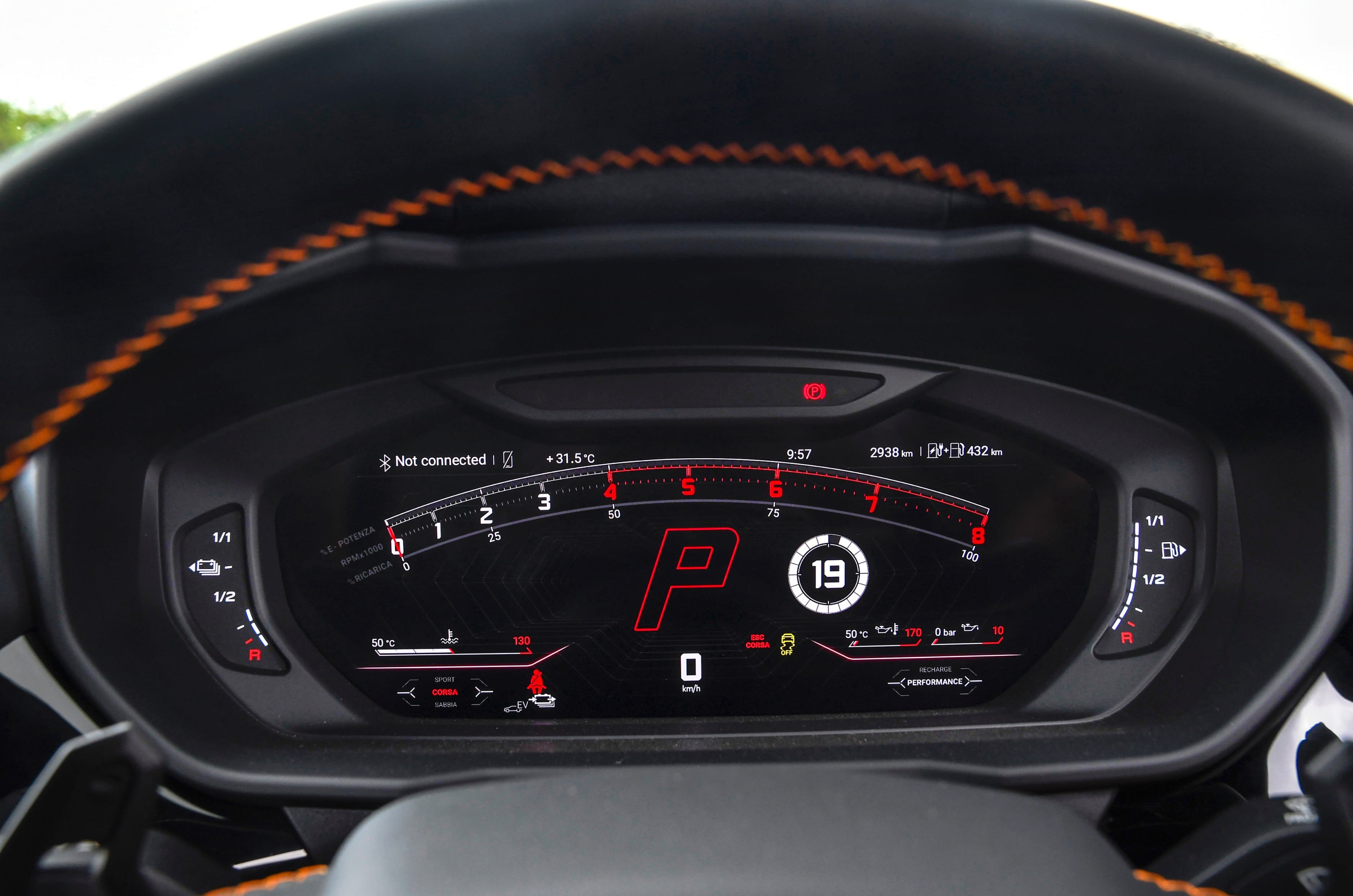
Info-packed driver’s display interface can get confusing at times.
As standard, the Urus SE gets plenty of features like the three screen setup – for the infotainment, AC system and driver’s display – wireless Android Auto and Apple CarPlay, LED matrix headlamps, four-zone auto climate control, leather upholstery, 360-degree camera, connected car tech and so much more.
The SE also gets a comprehensive technology upgrade, with the new user interface being one of the more significant updates. It features a carousel-style layout on the touchscreen to access the numerous sub-menus it packs in, while the driver’s display shows all sorts of data pertaining to the hybrid system, navigation, media and other car-related info. Navigating all the sub-menus can get confusing, however.
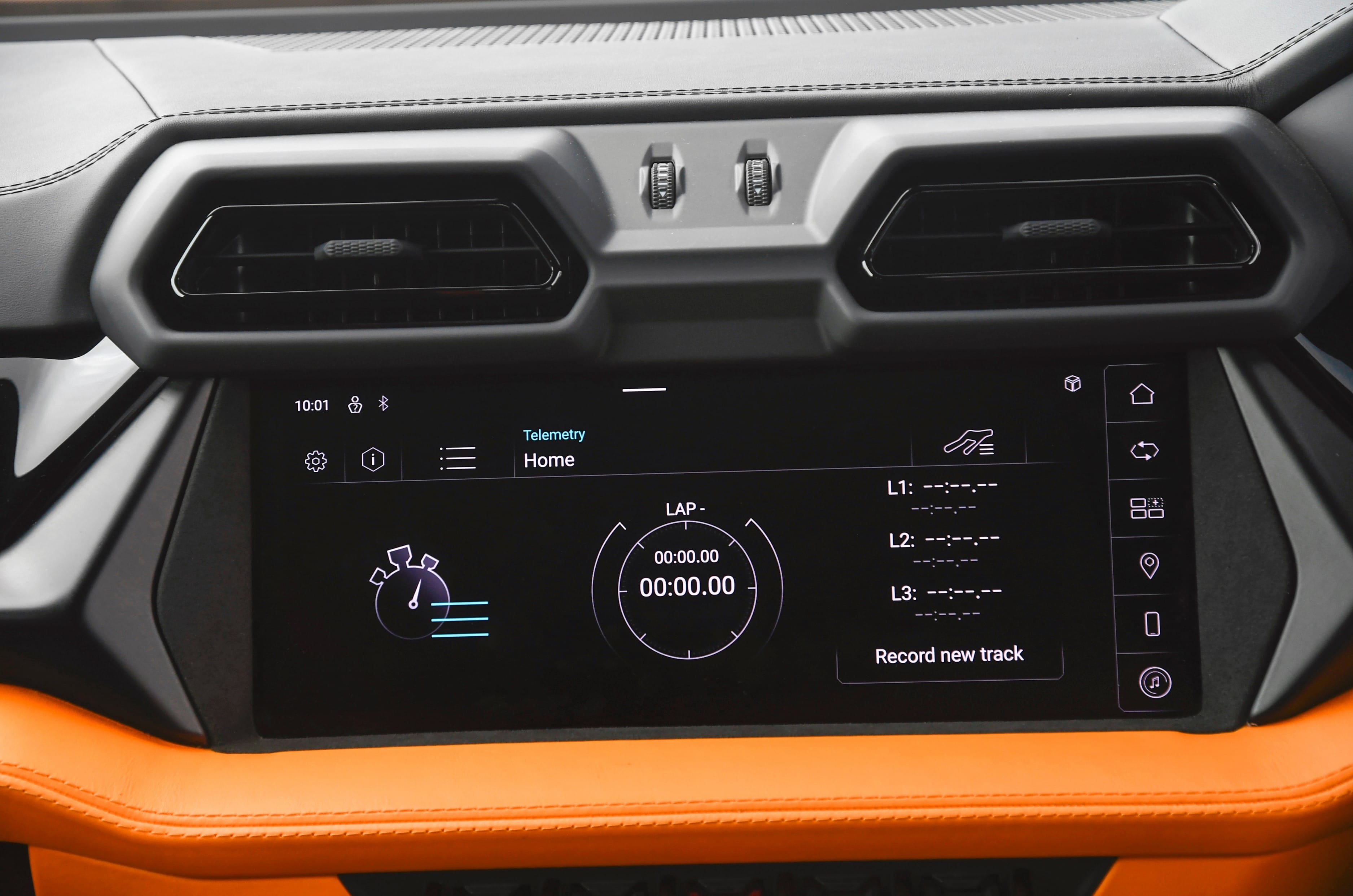
New Lamborghini Telemetry function comes with over 300 pre-loaded racetracks to record lap times on.
There’s also ‘Lamborghini Telemetry’ that can display lap times and sector information for more than 300 preloaded circuits, as well as record new tracks. Connected services extend to navigation, real-time traffic, remote locking, vehicle-status information, remote charging, remote cooling of the cabin and various safety and security alerts.
Also part of the package is ADAS tech like autonomous emergency braking, lane keep assist, adaptive cruise control and more. But there’s a lot that’s optional too, like a large panoramic sunroof, a Bang and Olufsen 3D audio system and a whole lot more, apart from the usual trim, material and stitching options. On the whole, the Urus SE is well-equipped but some of the optional extras really could have been standard fitment given the asking price.
Lamborghini Urus SE Performance and Refinement – 9/10
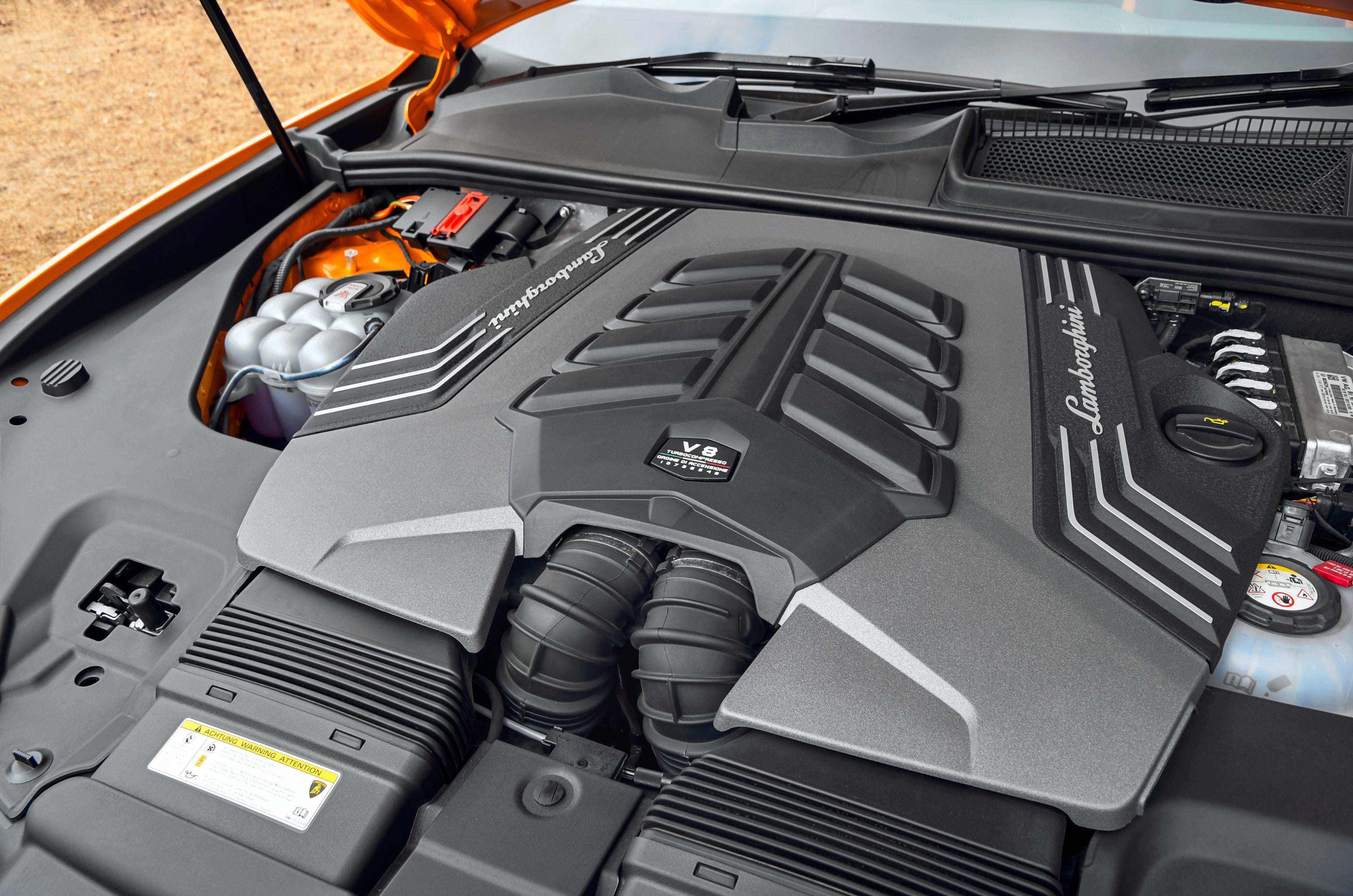
Twin-turbo V8 and electric motor develop a combined 800hp and 950Nm.
As for the numbers, they are, predictably, staggering. The Urus SE combines the familiar 4.0-litre twin-turbo V8 with a 25.9kWh lithium-ion battery and a permanent-magnet synchronous electric motor for an eye-watering combined output of 800hp and 950Nm. The result is 0-100kph in 3.4sec and 0-200kph in 11.2sec, with a claimed top speed of 312kph. Those figures put the Urus SE firmly in supercar territory, despite its size and weight.
And it does feel like one from behind the wheel too, especially in a straight line. Acceleration is relentless and it feels borderline scary on narrow, two-lane roads. The Urus SE always feels like it has power in reserve, especially when you’ve got the powertrain fully dialled up. There’s Strada mode for everyday driving, Sport for when you want to have a bit more fun and of course, Corsa for when you want a proper scare. Couple that with the hybrid system in its full performance mode, and the SE can really feel overwhelming. But if you don’t drive with a heavy foot, it’s surprisingly cordial and sedate. The SE really has a Jekyll and Hyde character about it.
Unrelenting acceleration can get scary on public roads.
What makes the SE more interesting than simply being a faster Urus is the way the electric motor has been integrated. Of course, it’s to help with emissions and meet regulations, but it’s also to boost performance. In EV mode, it can reach up to 135kph and go as far as 66km. But with a flick of a switch, it can turn from silent to violent.
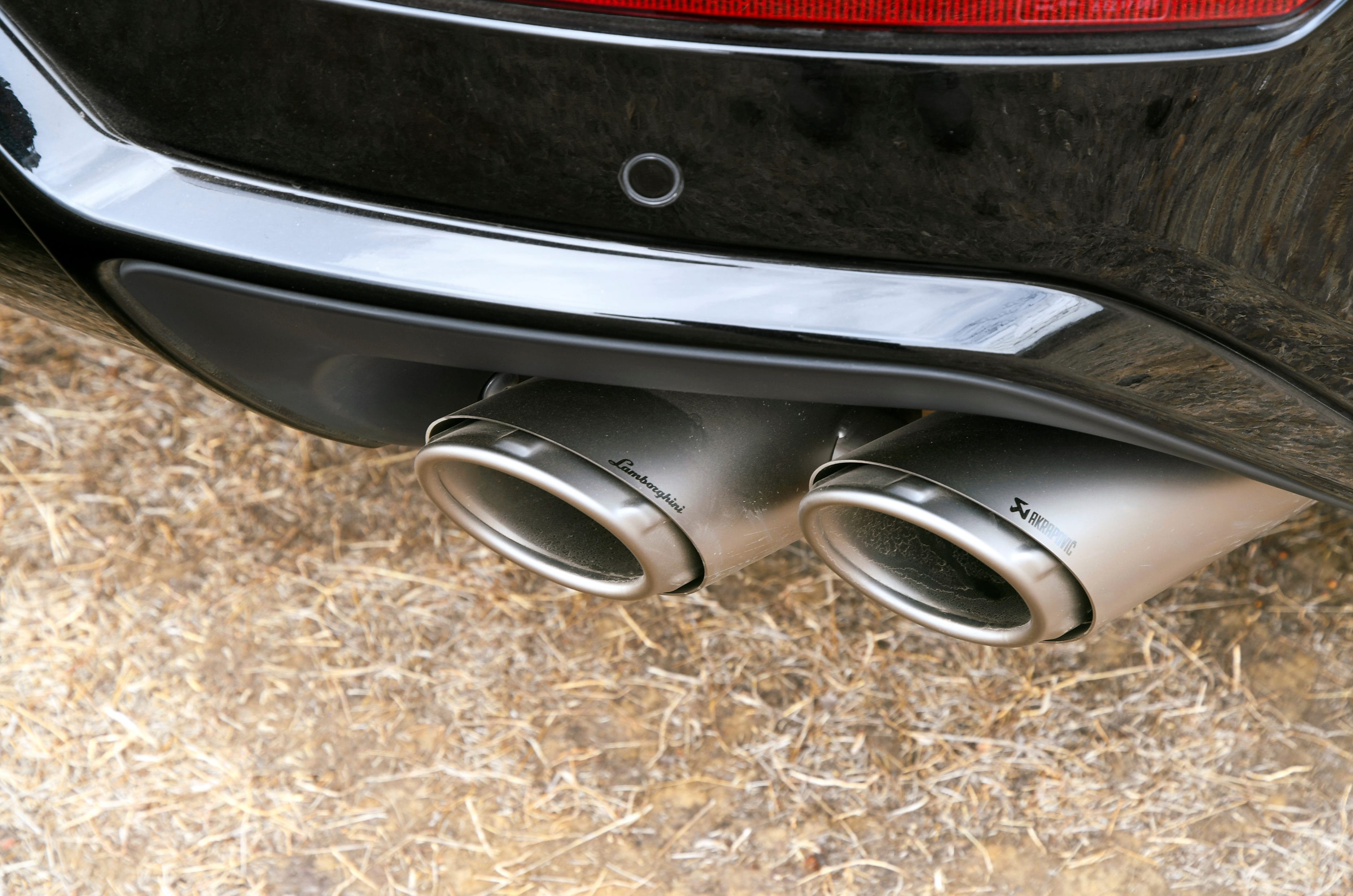
The V8 also hasn’t become anonymous with the hybridisation. It still makes its presence felt, especially through the optional Akrapovic exhaust our car came fitted with, but it does feel a bit subdued. It’s also piped through the speakers, which doesn’t feel entirely ethical but it does help its case.
Optional Akrapovic exhaust system helps enhance the V8’s aural character.
Lamborghini has also paid considerable attention to keeping performance consistent, with additional cooling for the powertrain and brakes. Not that we ever managed to push it so hard to test out that claim. And apart from the aforementioned drive modes, there’s even some off-road modes baked in, but how many buyers actually take their prized possession off the grippy stuff remains to be seen.
Lamborghini Urus SE Mileage and Efficiency – 7/10
This is where the Urus SE’s plug-in hybrid system makes a big difference. Lamborghini quotes a WLTP combined energy consumption of 4.67km/kWh plus 17.54kpl. With a discharged battery, however, combined claimed fuel efficiency falls to 7.75kpl.
Thanks to the 25.9kWh battery, the Urus SE claims a 66km all-electric range.
The headline figure therefore needs some context. The SE’s efficiency advantage is greatest when the battery is regularly topped up. With a claimed 66km of EV range, many shorter daily journeys can theoretically be completed without the V8 needing to fire up at all.
For longer journeys, the hybrid system allows the electric motor and V8 to share the workload. But once the battery is depleted, this remains a 2.5-tonne SUV with a twin-turbo V8, so expectations of conventional-SUV fuel economy would be unrealistic.
Lamborghini Urus SE Ride Comfort and Handling – 8/10
Ride isn’t all that absorbent due to the low-profile Pirelli P Zero tyres.
The Urus SE uses a multilink suspension setup front and rear with semi-active dampers, all of which make this large SUV feel engaging around corners without sacrificing comfort. There is a sense of pliancy at low speeds with the ride firming up as speeds rise. Of course, riding on 23-inch wheels means you can feel potholes and road imperfections, but still it isn’t uncomfortable by any means.
Rear-wheel steering, semi-active dampers, e-diff, and torque vectoring help make the Urus SE a keen handler.
It also gets rear-wheel steering, which helps make it more manageable at lower speeds while contributing to agility at higher speeds. The SE feels eager to change direction and the e-diff and clever torque vectoring system do their best to keep things tidy around bends. You also get a good sensation from the steering which has good heft to it and the Pirelli P Zero tyres it comes with are grippy too. Lamborghini has also worked on the aerodynamics, with a new rear aero lip and diffuser increasing rear downforce by 35 percent over the Urus S. Overall though, the SE feels agile enough but there’s no escaping its heavy kerb weight.
Giant carbon-ceramic brakes peek out from behind the 23-inch alloys.
You’re also backed by massive carbon-ceramic brakes, measuring 440mm at the front and 410mm at the rear, and they do take some time getting used to. They may not have the initial bite like with conventional steel brakes, but the stopping power is immense and they stay consistent despite repeated hard braking, which is essential in something as big and powerful as the Urus SE.
Lamborghini Urus SE Value for Money – 7/10
The Urus SE is arguably the most convincing expression yet of Lamborghini’s super-SUV. More importantly, it hasn’t sacrificed the characteristics that make a Lamborghini feel special in the pursuit of meeting ever tightening restrictions. There’s still a V8, it’s still outlandish inside and out, and it still delivers a driving experience that goes well beyond what you’d expect from something this large. All of that while adding the benefit of the plug-in hybrid system for performance and efficiency, as well as properly usable EV range.
The Urus SE is the all-in-one Lamborghini.
At Rs 4.47 crore (ex-showroom, before options), of course, the Urus SE is expensive. But that’s almost beside the point. The Urus SE isn’t for those who expect rational value; it is for those who want a vehicle that can combine supercar pace, SUV practicality, luxury, all-electric driving and aspirational brand value all in one package. As a technological statement and a performance SUV then, the Urus SE makes a compelling case for Lamborghini’s hybrid future.
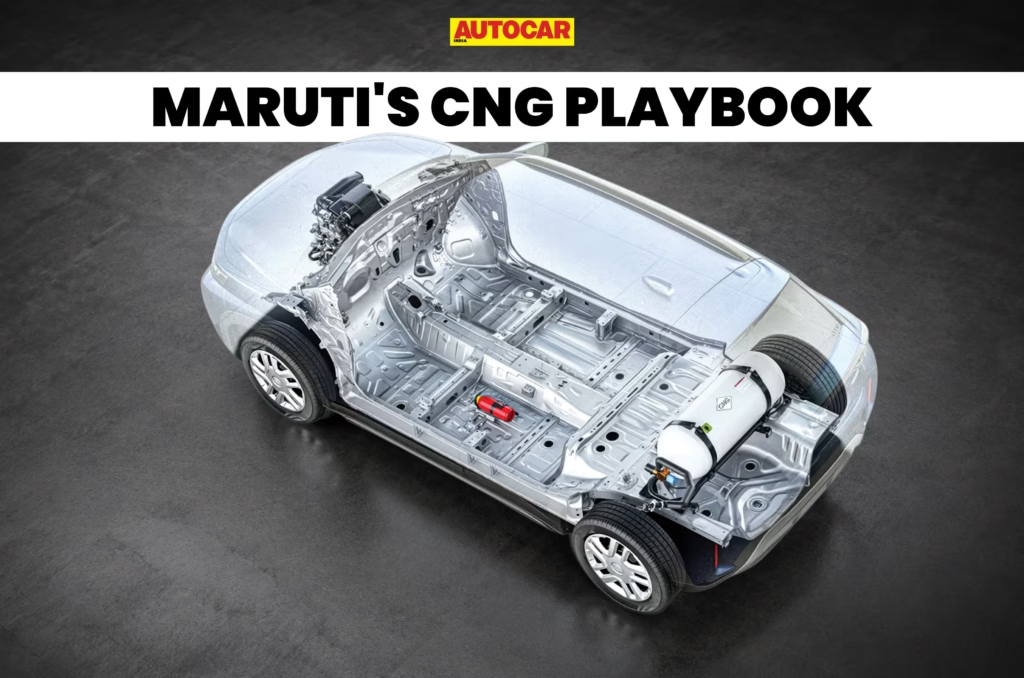
When Maruti Suzuki introduced its first factory-fitted CNG models in 2010, the fuel had little acceptance among private buyers. Availability was largely restricted to Delhi-NCR, Mumbai-Pune and Gujarat, while the filling network was small and uneven. CNG penetration remained at just 1-2 percent until 2016-17, but Maruti continued to improve the technology and expand its range. It began with affordable cars such as the Alto and Eeco before taking CNG to the WagonR, Swift, Baleno, Dzire and Ertiga. Today, its portfolio includes SUVs such as the Brezza, Fronx, Grand Vitara and Victoris.
Fixing what buyers disliked
In the late 1990s, buyers who wanted a CNG car usually had to convert a petrol model using an aftermarket kit. Most kits were imported, often from Italy or Argentina, and a conversion cost around Rs 30,000-32,000.
As demand grew, some dealers began tying up with local retrofitters. But when these cars developed problems, owners often returned to Maruti workshops even though the company had not supplied or installed the kit. Poorly fitted systems raised concerns about gas leaks and vehicle fires. An aftermarket conversion could also invalidate the manufacturer’s warranty, while the engine and fuel system were not always designed to cope with CNG.
Performance was another weakness. Early conversions resulted in a noticeable drop in power. Some owners would switch to petrol before overtaking or climbing steep roads and returned to CNG once the additional performance was no longer needed.
Factory-fitted systems addressed many of these problems. Engines, valve seats, fuel lines and mounting points were designed to work with CNG. Better calibration reduced the performance loss, while the car retained its manufacturer warranty and could be serviced through Maruti’s dealer network.
The financial case was already strong. Around 2010, CNG cost roughly Rs 20-21 per kg, compared with about Rs 48 per litre for petrol and Rs 38 for diesel. A factory-fitted system added around Rs 45,000-54,000 to the price of the car, but offered better engineering, safety and warranty protection than an aftermarket conversion.
Even so, CNG did not take off immediately. Diesel was widely available, delivered better performance and offered low running costs. In 2013, diesel accounted for around 38 percent of India’s passenger vehicle market, making it the easier choice for many high-mileage users.
The network caught up
India had around 1,200 CNG stations in 2016-17. By March 2026, the network had expanded to about 8,900 stations across roughly 350 cities. This made CNG practical beyond its traditional strongholds. Petrol prices also rose sharply after 2020, crossing Rs 100 per litre in several cities and strengthening the case for switching to a cheaper fuel.
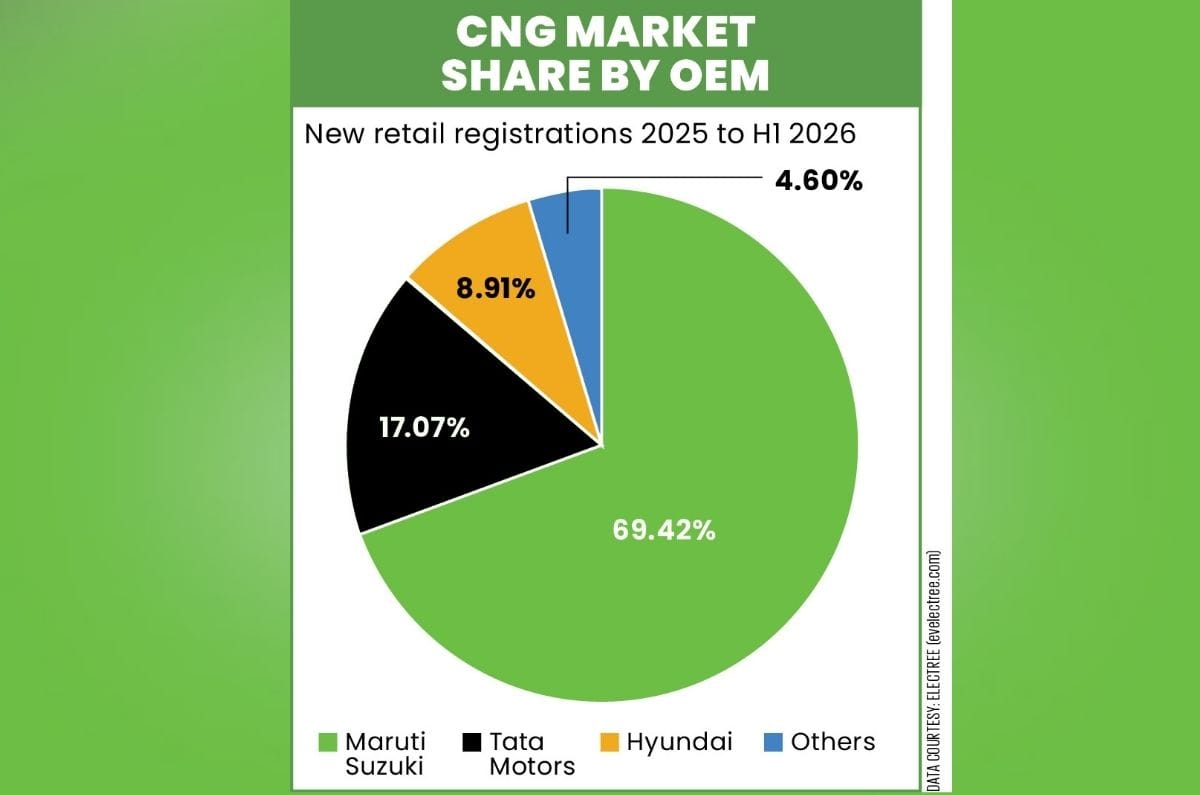
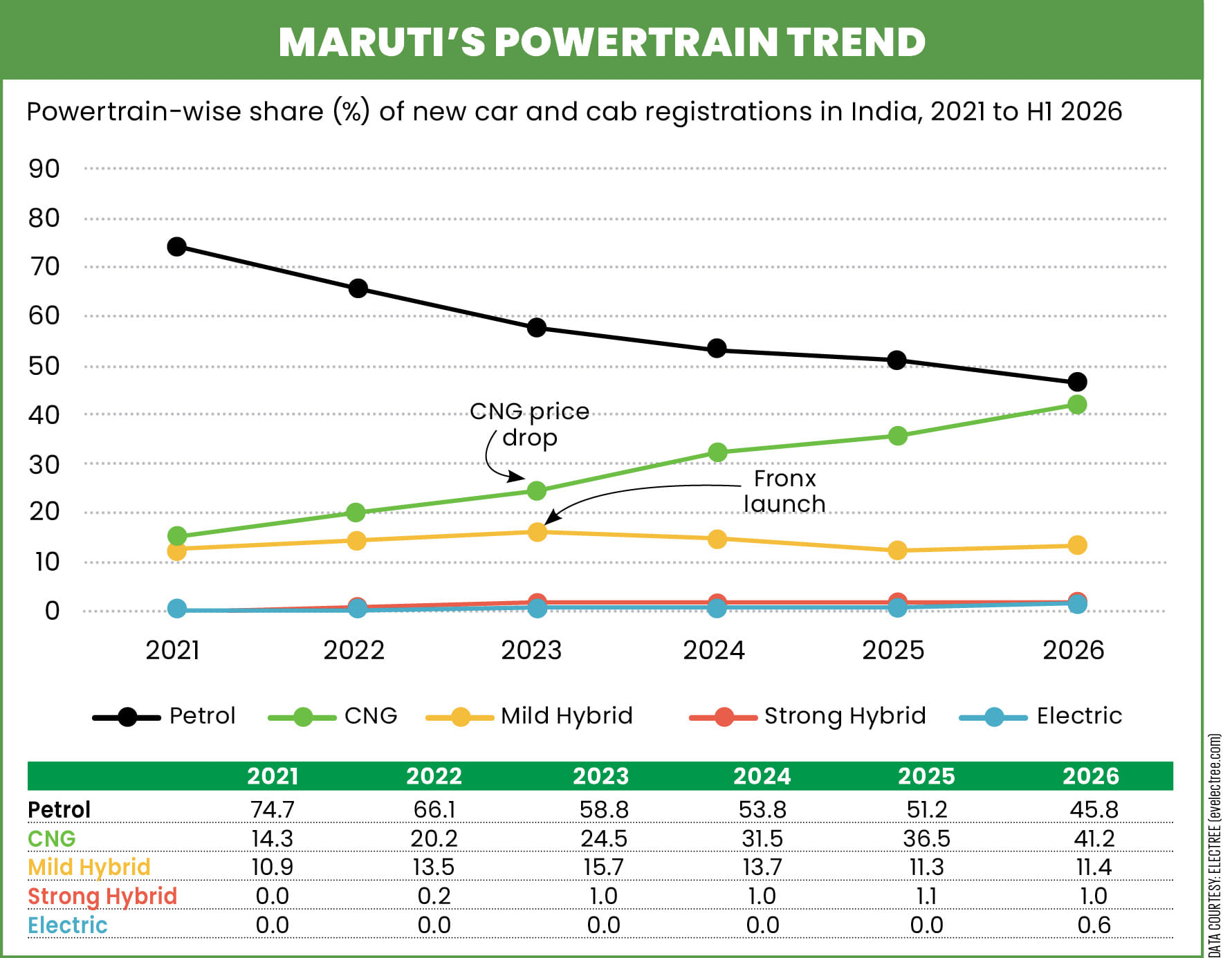
By then, Maruti had already addressed many of the product-related concerns and could respond with a broad factory-fitted portfolio. CNG’s share of Maruti’s new registrations, including private cars and cabs, increased from 14.3 percent in 2021 to 41.2 percent in the first half of 2026. Petrol’s share fell from 76.5 percent to 45.9 percent over the same period. The sharpest jump came between 2023 and 2024, when CNG’s share rose from 24.6 percent to 32 percent.
Commercial vehicles remain important. Cabs account for around 10 percent of Maruti’s cumulative registrations, but contribute more than a quarter of its CNG volumes. However, private buyers now account for the larger part of demand.
“Earlier, if a customer was opting for CNG, the perception was that he was just a very value-conscious customer,” says Maruti Suzuki’s senior executive officer, sales and marketing, Partho Banerjee. “Now, especially with underbody CNG, the profile of customers has changed. They are not only looking for mileage, they also want an aspirational product that feels no different to drive from gasoline.”
CNG moves beyond small cars
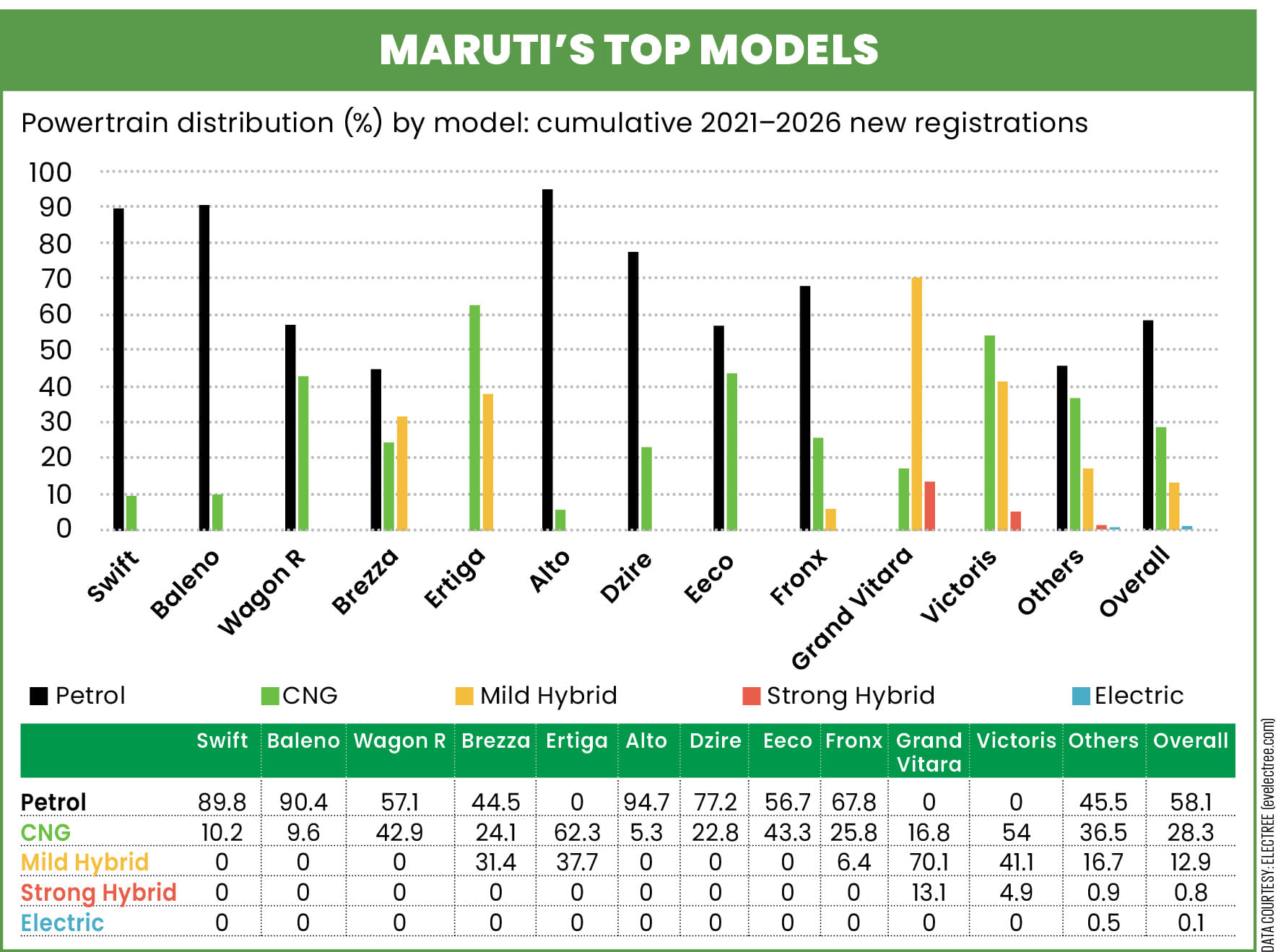
The WagonR remains the quintessential CNG hatchback. Its CNG share has risen from 42.5 percent in 2021 to 49.1 percent in the first half of 2026. Nearly every second WagonR buyer now chooses it. CNG is also gaining ground in models that were once overwhelmingly petrol-powered. Its share in the Swift has increased from 1.9 percent to 18 percent, while the Baleno has moved from 2.1 percent to 14.5 percent.
The Dzire has seen an even sharper change. CNG accounted for just 1.7 percent of its registrations in 2021. Its share reached 33.6 percent in H1 2026.
Adoption is strongest in vehicles that cover longer distances or carry more passengers. CNG’s share of the Ertiga has risen from 39.3 percent to 73.6 percent, while the Eeco has moved from 31 percent to 55.2 percent. Big shifts are now also taking place in the SUV segment, where buyers care as much about design, features and luggage space as they do about mileage.
CNG accounts for 43.4 percent of Brezza registrations, compared with 23.7 percent for its Smart Hybrid powertrain in H1 2026. The Fronx has seen its CNG share rise from 10.9 percent at launch in 2023 to 35.4 percent in the first half of 2026. In the case of the Grand Vitara, it has increased from zero to 23.9 percent.
The Victoris has moved even faster. CNG accounted for 55.2 percent of its registrations in the first half of 2026. Its strong response shows that midsize SUV buyers will accept the fuel when it does not compromise the overall ownership experience.
Better packaging removes a key compromise
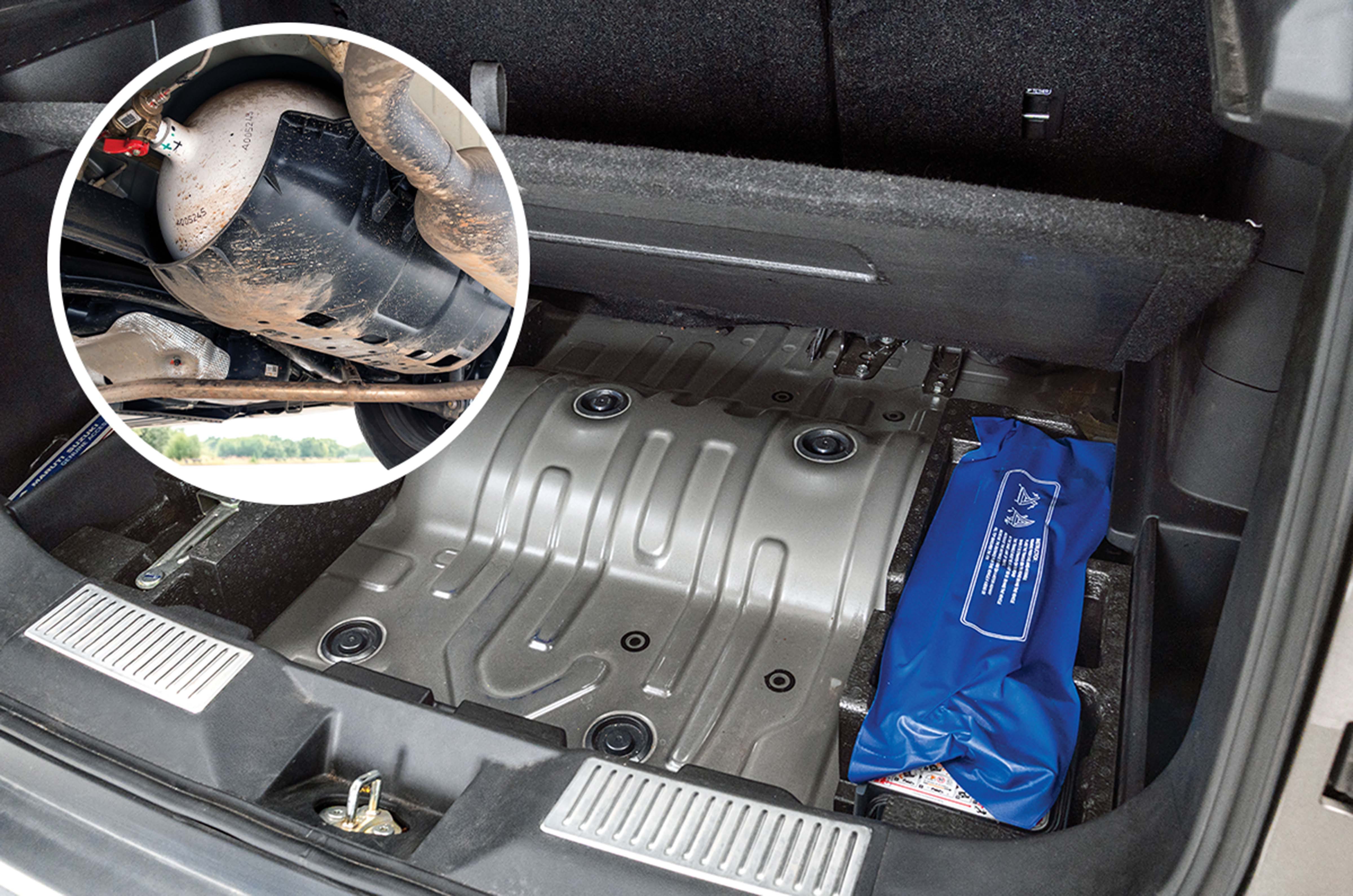
A large cylinder placed across the luggage compartment has long been one of CNG’s biggest drawbacks. Dual-cylinder systems that divide the gas storage between two smaller cylinders positioned lower in the boot, or placing an underbody tank, create a flatter and more usable luggage area.
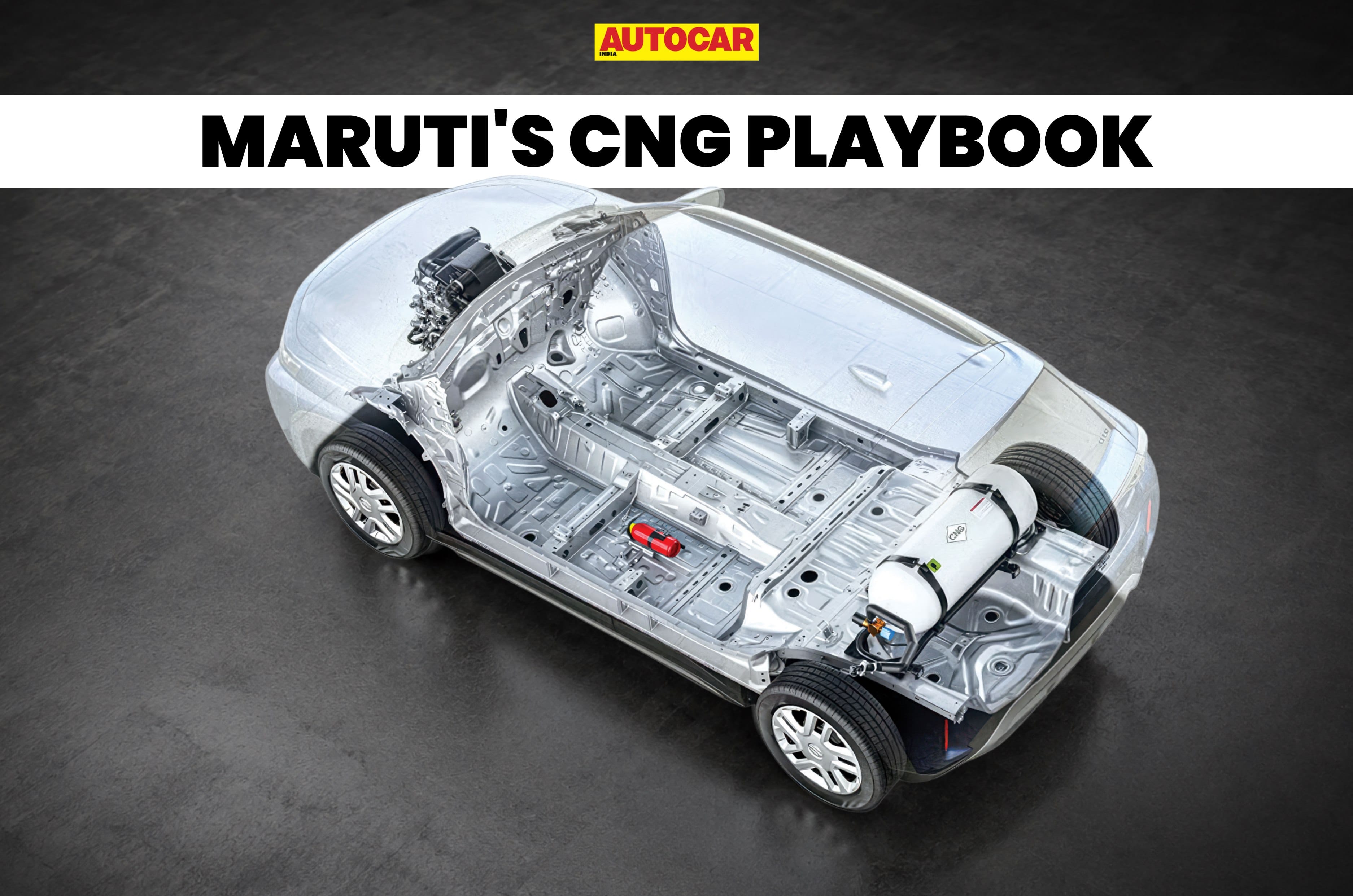
Maruti’s latest CNG development is the underbody tank on the Victoris and Brezza.
Central to Maruti’s next CNG push is the underbody CNG setup. The newly launched CNG Brezza opts for this setup – just like in the Victoris – where the tank is placed beneath the floor. It does negate the ability to have the spare tyre, but luggage space remains useable with a boot that is pretty much free of intrusions.
“If I don’t compromise on my driving experience, and I don’t lose boot space, and on top of that I reduce my total cost of ownership, then it is ticking all the boxes. Why would I not go for it?” says Banerjee.
Filling the gap left by diesel
Maruti’s exit from diesel in 2020 left a gap for buyers seeking low running costs without moving to an EV. CNG has become the answer. It cannot match a diesel engine’s torque or effortless highway performance, but it can cost substantially less to run than petrol, particularly for buyers covering high monthly distances. The vehicle can also switch to petrol when CNG is unavailable.
CNG will not replace diesel in every situation. Drivers who regularly travel on highways, carry heavy loads or value strong mid-range performance may still prefer diesel where it remains available. But for largely urban use, CNG now delivers much of the economic advantage that once made diesel attractive. The market has moved beyond mileage.
CNG has reached around 20 percent penetration without requiring buyers to completely change the way they use a car. There is no home charger to install, and the vehicle can run on petrol when the gas runs out. But the next stage will require more than savings. Buyers moving onto larger and more expensive vehicles will expect performance, equipment, luggage space and convenience alongside lower running costs.
“Quality, reliability and mileage are now hygiene,” says Banerjee. “You need to give all of that anyway and then still meet their lifestyle expectations.”
With the Victoris establishing CNG in the midsize SUV market and the Brezza addressing the compact SUV space, Maruti is now taking the fuel deeper into India’s largest vehicle segment, and it says there’s more to come.
शादी से पहले होने वाले पति की एक बात सुनकर महिला ने रिश्ता खत्म करने का फैसला लिया। सोशल मीडिया पर ये मामला तेजी से वायरल हो रहा है। महिला ने X पर बताया कि उसने शादी से इनकार इसलिए किया क्योंकि होने वाले पति ने कहा था कि शादी के बाद उसकी मां भी उनके साथ रहेगी। महिला को ये बात पसंद नहीं आया और उसने आगे बढ़ने के बजाय रिश्ता खत्म करना बेहतर समझा। इस पोस्ट के बाद शादी से पहले सीमाओं और जिम्मेदारियों पर साफ बातचीत को लेकर सोशल मीडिया पर बहस छिड़ गई।
सोशल मीडिया पर किया पोस्ट
अपनी बातचीत को याद करते हुए महिला ने एक्स पर पोस्ट में बताया कि, “मैंने एक आदमी को इसलिए रिजेक्ट कर दिया क्योंकि उसने मुझसे कहा था कि शादी के बाद उसकी मां हमारे साथ रहेगी।” उस व्यक्ति ने कहा, “वह बूढ़ी हो चुकी हैं, मैं और क्या कर सकता हूं?” महिला ने साफ किया कि उसे इस बात से कोई परेशानी नहीं है कि वह अपनी मां की देखभाल करे, लेकिन उसे इस बात पर आपत्ति है कि बिना उसकी सहमति के उससे भी इस जिम्मेदारी की उम्मीद की जाए। उसने कहा, “तुम उनका ख्याल रखो, लेकिन जिस फैसले में मेरी सहमति नहीं है, उसकी जिम्मेदारी मुझ पर मत डालो।”
जिम्मेदारी साफ होनी चाहिए
महिला ने बताया कि, उसकी बात सुनने के बाद उस व्यक्ति ने उसे स्वार्थी कह दिया। महिला ने कहा कि, शादी करने का फैसला लेने का यह मतलब नहीं है कि कोई व्यक्ति बिना चर्चा के हर तरह की नई जिम्मेदारी स्वीकार कर ले। उसके मुताबिक, शादी से पहले दोनों लोगों के बीच यह साफ होना जरूरी है कि आगे चलकर कौन-सी जिम्मेदारियां किसकी होंगी और किन बातों पर दोनों की सहमति है। महिला ने कहा कि बिना बातचीत और सहमति के किसी पर जिम्मेदारी डालना सही नहीं है।
सोशल मीडिया पर लोगों ने किया रिएक्ट
महिला की पोस्ट सामने आने के बाद सोशल मीडिया पर लोगों ने अलग-अलग तरह की राय दी। कुछ यूजर्स इस फैसले को लेकर बंटे रहे। कुछ ने इसे सही बताया, तो कुछ ने शादी की जिम्मेदारियों से बचना कहा। इस मुद्दे पर यूजर्स दो अलग-अलग राय में बंटे नजर आए। एक यूजर ने महिला के फैसले पर सवाल उठाते हुए लिखा, “आपने किसी खराब पति को मना नहीं किया। आपने उस आदमी को इसलिए ठुकराया क्योंकि वह शादी से पहले से चली आ रही अपनी एक जिम्मेदारी को छोड़ना नहीं चाहता था।”
I rejected a man because he told me his mother would be living with us after marriage.
He said, “She’s old. What else am I supposed to do?”
I said, “Take care of her. Just don’t make me responsible for a decision I didn’t make.”
दूसरे यूजर ने कहा, “अगर आप शादी में किसी तरह की जिम्मेदारी नहीं लेना चाहते हैं, तो महिलाओं को भी शादी से पहले प्री-नप एग्रीमेंट करना चाहिए। आप अपनी जिंदगी में जैसा चाहें वैसा रह सकते हैं, लेकिन इसका मतलब यह भी है कि शायद आप शादी की असली जिम्मेदारियों को नहीं समझते।”
लोगों ने उठाए सवाल
इस चर्चा के बीच कुछ यूजर्स ने महिला के फैसले पर काफी तीखी प्रतिक्रिया भी दी। एक यूजर ने लिखा, “वह आदमी बहुत खुशकिस्मत है कि वह इस रिश्ते से बच गया। उसने एक बड़ी मुसीबत को आने से पहले ही टाल दिया।” वहीं, एक अन्य यूजर ने कहा, किसी बुजुर्ग मां की देखभाल को ऐसी जिम्मेदारी बताना, जिसे वह शादी के साथ “विरासत में लेने” के लिए तैयार नहीं थी, उसके सोचने के तरीके को काफी हद तक सामने लाता है।