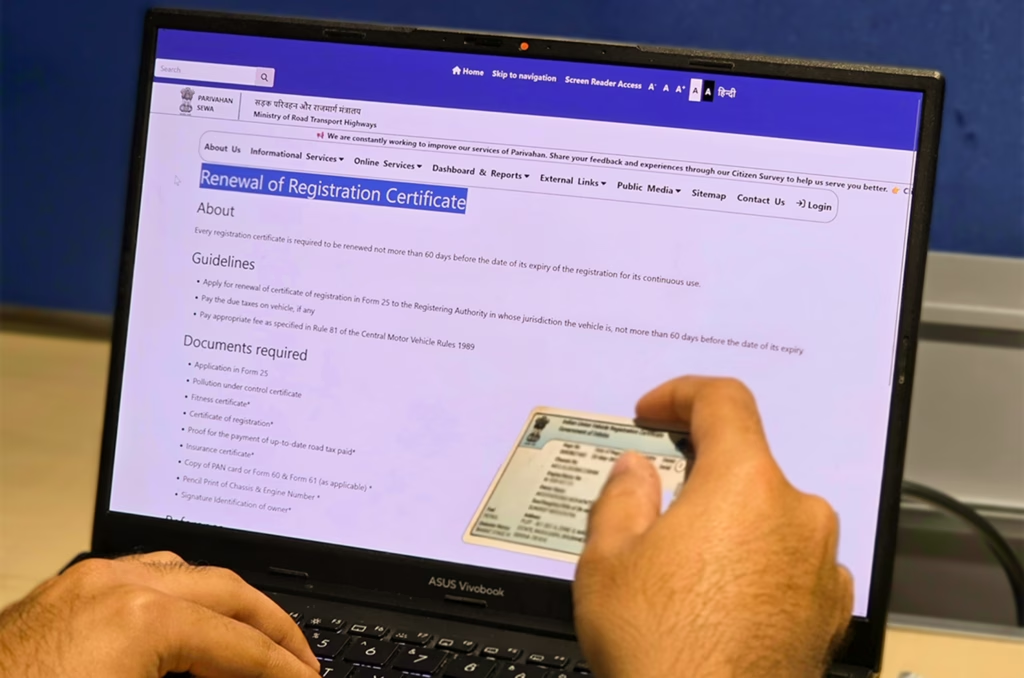
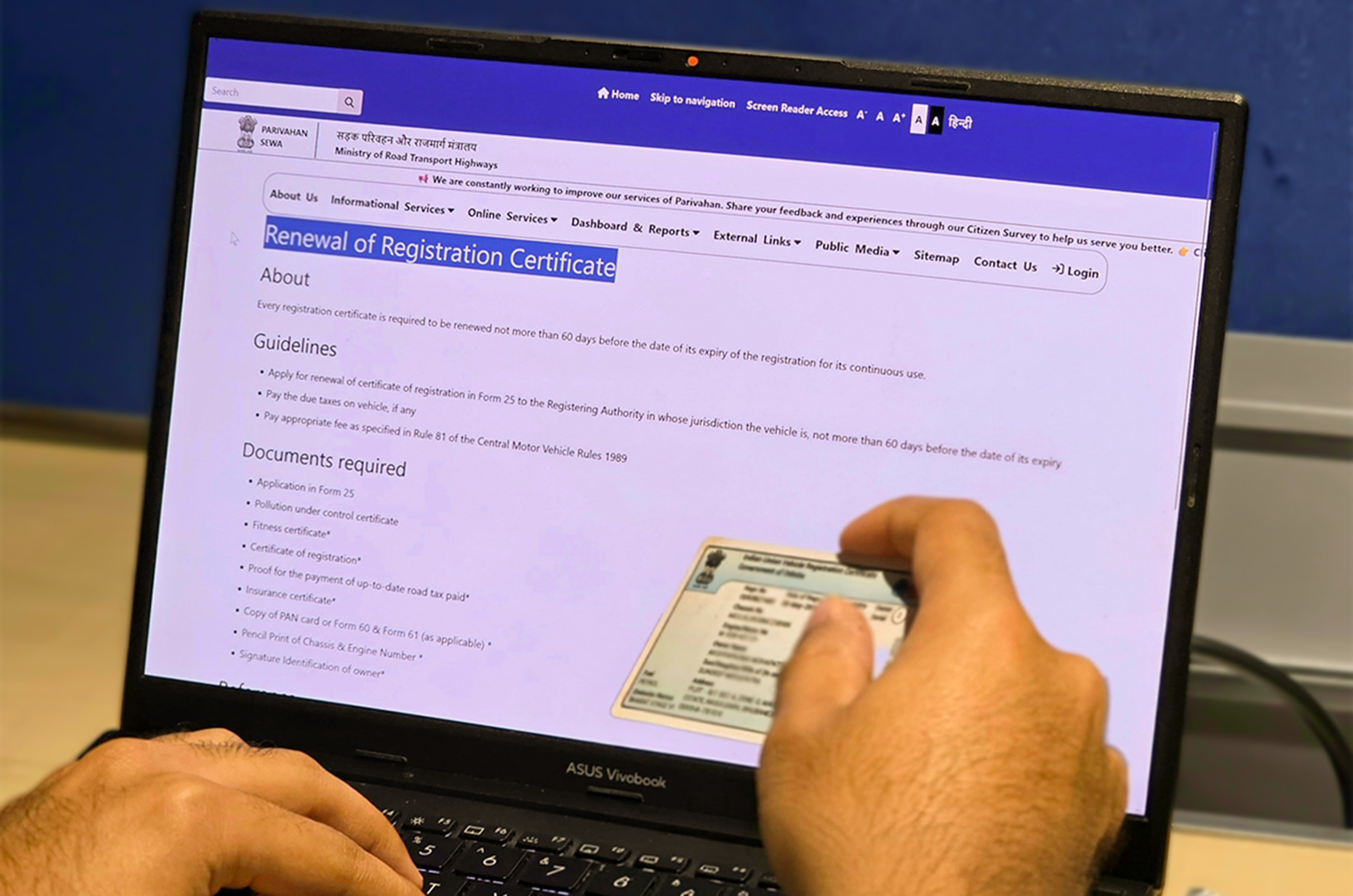
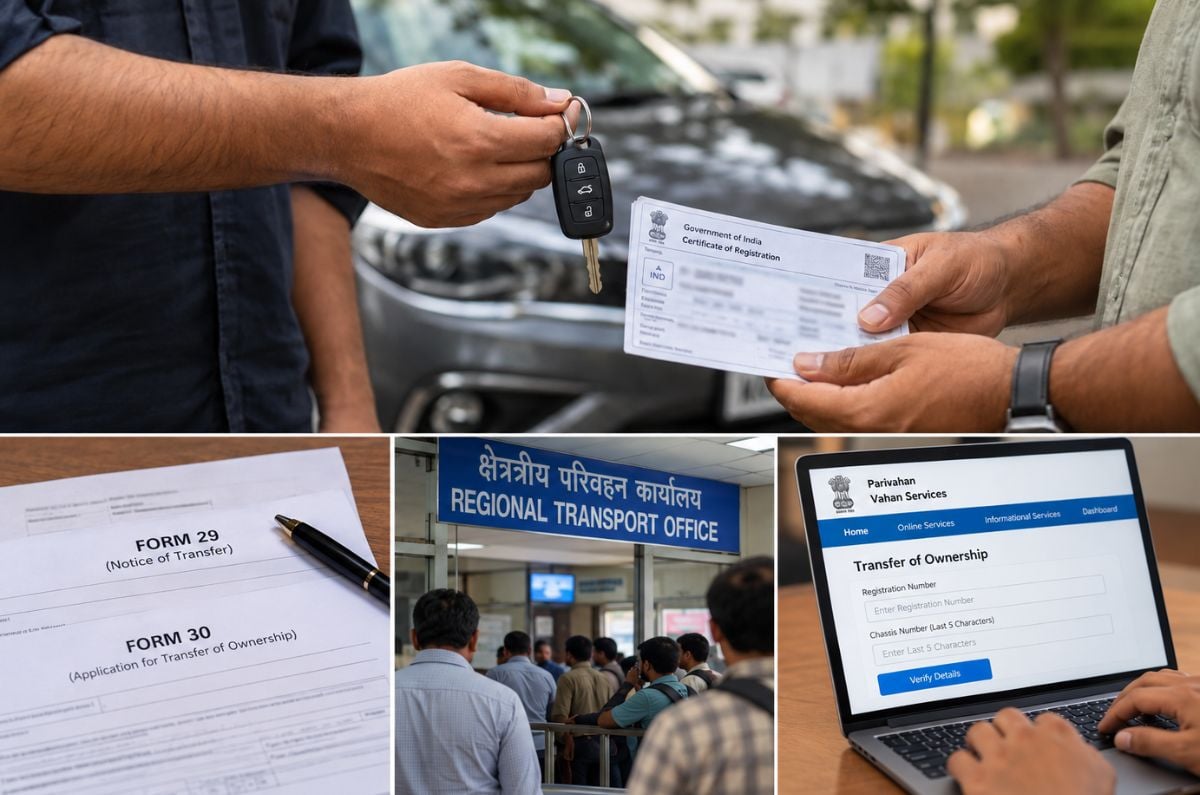
A vehicle’s Registration Certificate (RC) is an essential document that confirms its registration with the Regional Transport Office (RTO) and establishes its legal identity. In India, the RC for a private vehicle is generally valid for 15 years from the date of registration, after which it must be renewed every five years.
Owners can apply for renewal through the government’s Parivahan Sewa portal within 60 days before the RC expires, although a physical vehicle inspection may be required before approval. If the RC has already expired, they should follow the prescribed renewal process and check the applicable requirements with their RTO.
Driving with an expired RC is illegal and can attract penalties. It can also complicate insurance claims and the transfer of vehicle ownership. Here is how to renew an RC online, the documents required and the applicable fees.
Documents required for RC renewal
Before starting the application, vehicle owners should keep the following documents ready:
Form 25: The application form for renewal of registration.
Existing RC: The original or a copy of the expired registration certificate for verification.
Valid insurance certificate: Proof of active third-party or comprehensive insurance.
Pollution Under Control (PUC) certificate: A valid certificate confirming compliance with applicable emission standards.
Road tax receipt: Proof of payment of applicable road tax.
Identity proof: An Aadhaar card, PAN card, passport or another accepted government-issued document.
Address proof: An Aadhaar card, voter ID, utility bill or another accepted document.
Fitness certificate: Required for applicable vehicle categories, particularly commercial vehicles.
Chassis and engine number pencil print: This may be required as part of the application process.
Document requirements can vary depending on the vehicle category and the relevant RTO.
How to renew your RC online through Parivahan
The RC renewal application can be submitted through the government’s Parivahan Sewa portal by following these steps:
1. Visit the Parivahan Sewa portal
Open the official website at https://parivahan.gov.in/ and navigate to ‘Online Services’, followed by ‘Vehicle Related Services’.
2. Select the state and RTO
Choose the state in which your vehicle is registered and select the relevant registering authority.
3. Enter the vehicle details
Log in if required, and enter your vehicle’s registration number. The portal may also ask for the last five digits of the chassis number.
4. Select the renewal service
Choose ‘Renewal of Registration’ from the list of available vehicle-related services.
5. Fill in the application form
Verify the details of your vehicle, including its make, model, year of manufacture, engine number, and chassis number. Enter any other requested information accurately.
6. Upload the required documents
Submit scanned copies of the existing RC, insurance certificate, PUC certificate, identity proof, address proof, and other applicable documents.
7. Pay the renewal fee
Complete the online payment. The amount depends on your vehicle’s category and applicable charges.
8. Book a vehicle inspection
Schedule an appointment at the relevant RTO if required.
9. Take your vehicle for inspection
Present your vehicle and original documents for verification. The RTO will assess the application and your vehicle’s road-worthiness where applicable.
10. Receive the renewed RC
Once the application is approved, the renewed certificate will be processed. Depending on the applicable procedure, it may be dispatched to your registered address. Applicants can also check their application status online.
RC renewal fees in India
The registration renewal fees listed under Rule 81 of the Central Motor Vehicles Rules, 1989, vary according to the vehicle category.
Vehicle category
RC renewal fee (Rs)
Motorcycle
300
Medium passenger motor vehicle
1,000
Heavy passenger motor vehicle
1,500
Imported motorcycle
2,500
Imported motor vehicle
5,000
Invalid carriage
50
Three-wheeler, quadricycle, or light motor vehicle (non-transport)
600
Three-wheeler or light motor vehicle (transport)
1,000
Medium goods vehicle
1,000
Heavy-duty vehicle
1,500
Other vehicle categories
3,000
Additional charges may apply for delayed renewal, smart card issuance, inspection and other applicable services. The supplied fee schedule lists delayed-renewal charges of Rs 300 per month for motorcycles, and Rs 500 per month for passenger cars, along with a Rs 200 charge for smart card reissue or renewal. Owners should confirm the current charges on the Parivahan portal or with their RTO before making a payment.
How to check your RC renewal status
After submitting the RC renewal application, you can track its progress through the Parivahan Sewa portal. Navigate to the vehicle-related services section, select the relevant state, and enter your vehicle’s registration details. Open the applicable application or registration status option to check whether the renewal is being processed, has been approved or requires further action. The online application makes it easier to initiate the renewal process, but approval may still depend on document verification, payment of applicable fees, and a physical inspection where required.
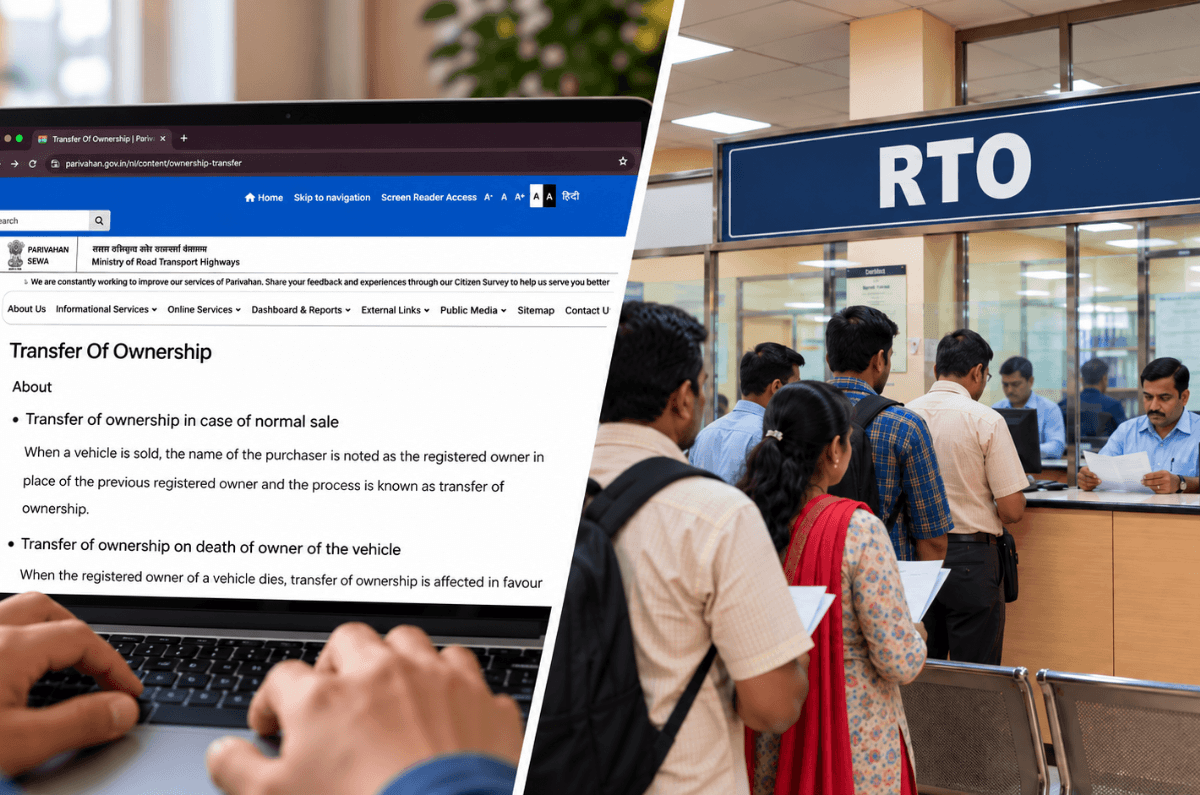
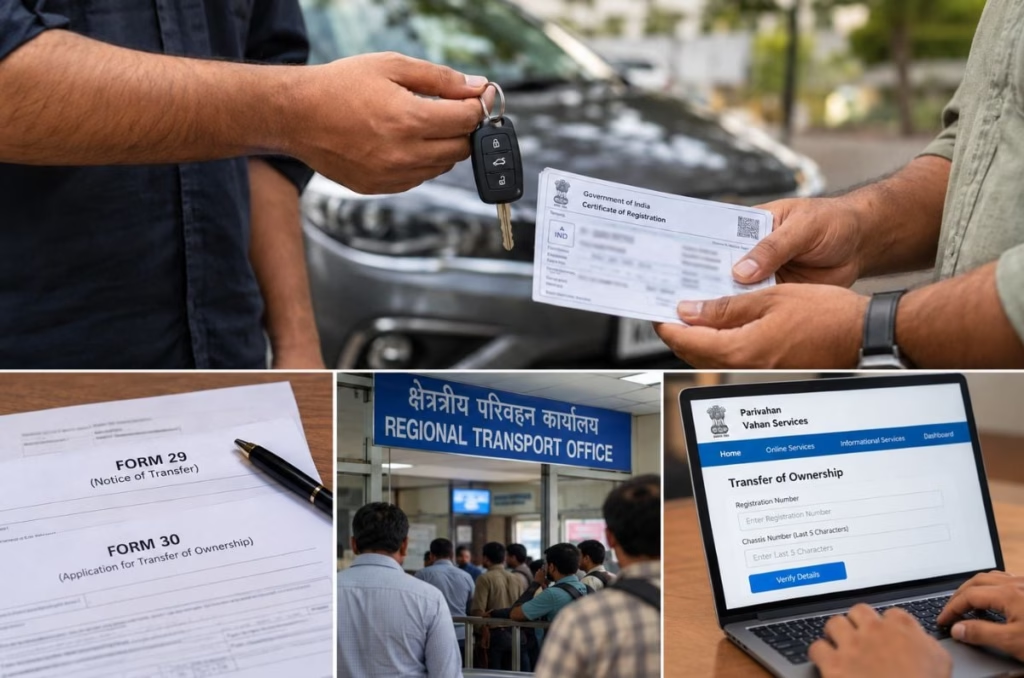
If you are moving to another state or selling your car to someone, you need to transfer the vehicle registration. This updates the registration to the new state if you relocate, or to the new owner if you sell the car. Since each state’s transport department has its own rules, registration certificate (RC) transfer fees, requirements and timelines can differ. So how exactly do you transfer your RC to a new regional transport office (RTO) and what are the documents and fees required in the process? We answer all your questions here.
Disclaimer:This guide is for private vehicles. Commercial vehicles need additional paperwork, such as permit and fitness documents, which are not covered here. The information used here comes from the Parivahan portal. Documents, fees and deadlines vary by state and RTO, and are subject to change. Check with your local RTO before you apply or pay.
What forms are required for an RC transfer?
Form
Purpose
Form 29
The seller’s notice reporting the transfer of ownership.
Form 30
The buyer’s application to register the vehicle in their name.
Form 31
Transfer of the vehicle to the person who succeeds the owner after their death.
Form 32
Transfer of a vehicle bought through a government auction.
Form 28
Application for a No-objection Certificate (NOC).
Form 35
Application to remove loan, lease or hypothecation details from the RC.
The form you need depends on how the vehicle’s ownership is changing. Forms 29 and 30 are the main forms used in a regular used-car sale.
Why should you complete the RC transfer soon after a sale?
If you do not complete the ownership transfer or pay the applicable RTO charges, you may face penalties. You could also be held legally responsible if a car you sold is still registered in your name and is involved in an accident or criminal offence.
For a vehicle transferred within the same state, the buyer should submit the ownership-transfer application within 14 days of the sale. If the vehicle is registered in another state, the buyer should apply within 45 days. The seller should also protect their own interests instead of waiting for the buyer to finish the entire process. Form 29 and the sale intimation should be submitted promptly to create an official record of the handover. State transport departments may charge late fees or impose penalties if the application is submitted after the deadline.
Don’t forget to transfer the insurance policy
Updating the RC does not automatically transfer the motor insurance policy. The buyer should contact the insurer, submit the updated ownership documents and complete a new proposal or endorsement request. The RC and insurance policy should ultimately show the same owner’s name and address.
The seller’s No Claim Bonus (NCB) belongs to the seller. The seller can request an NCB retention certificate and use the eligible discount on another vehicle. The buyer should start the insurance transfer immediately and complete it within 14 days of the ownership transfer. A delay may affect eligibility for an own-damage claim.
What other documents are required for an RC transfer?
The exact list can vary by state and RTO. A regular sale usually requires:
Original RC.
Completed and signed Forms 29 and 30
Valid motor insurance certificate
Valid pollution under control (PUC) certificate
The buyer’s identity and address proof
PAN card or Form 60, where applicable
Passport-sized photographs
Pencil print of the chassis and engine numbers, if required
Sale agreement or delivery note
Applicable tax-clearance proof
Fee-payment receipt
Financier’s NOC and Form 35, if a loan is recorded
RTO NOC for an interstate transfer
Some states allow Aadhaar-based authentication and digital document submission. Others may require physical copies or verification at the RTO.
How to transfer an RC online?
You can usually start the ownership transfer through the Parivahan vehicle-services portal.
Step 1: Open vehicle-related services
Go to the vehicle-related services section on Parivahan and select the state where the vehicle is registered.
Step 2: Enter the vehicle details
Enter the registration number and open the online services section. For authentication, you may need the last five digits of the chassis number and an OTP sent to the registered mobile number.
The mobile number linked to the RC must be active. If it is outdated, the registered owner may need to update it before continuing.
Step 3: Select transfer of ownership
Choose the transfer-of-ownership service. In some states, the seller must start the application before the buyer can enter the remaining details.
Step 4: Enter the buyer and sale details
Enter the sale date, the buyer’s address and identity details, and any other information requested. Make sure all entries match the supporting documents.
Step 5: Upload the documents
Upload the signed forms and supporting documents where online uploads are available. Make sure the images are clear, and all signatures can be seen.
Step 6: Pay the applicable fee
Check the fee details and pay online. Save the payment receipt and application number.
Step 7: Complete verification
Depending on the state, verification may be completed through Aadhaar authentication, faceless verification or a physical visit to the RTO.
For a physical verification, you may need to bring the original RC, signed forms and identity documents.
Step 8: Track the application
Use the application number or vehicle registration details to check the status on the Parivahan portal. After approval, the updated RC may be available digitally through DigiLocker or mParivahan before the physical card arrives.
How to transfer an RC offline?
You can also complete the transfer by visiting the RTO. The seller and buyer should fill in and sign Forms 29 and 30. The buyer then submits the forms, original RC, insurance, PUC, identity documents and other required papers to the appropriate registering authority.
After the fee is paid, the RTO checks the application and updates the registration record. It may ask for a physical vehicle inspection, especially for interstate transfers, address mismatches or document discrepancies. Always collect an acknowledgement or receipt when you submit the application.
How to transfer an RC within the same state?
A transfer within the same state is usually simpler because the vehicle keeps its existing registration number. The buyer generally submits Forms 29 and 30 along with the RC, insurance, PUC and personal documents. A separate NOC for an interstate transfer is normally not required. However, the process can differ if the seller and buyer come under different RTO jurisdictions within the same state. The online portal will usually direct the application to the relevant authority.
How to transfer an RC between states?
An interstate sale may involve two related processes:
Ownership transfer
Re-assignment of the registration mark in the buyer’s state
The seller should get an NOC from the original RTO using Form 28. The buyer then submits the ownership-transfer documents and pays the applicable road tax in the destination state, whether it be from Haryana, Maharashtra or Tamil Nadu. We will explain this process in the following FAQs.
The documents may include:
Original RC
Forms 29 and 30
RTO NOC
Insurance and PUC certificates
The buyer’s local address proof
Tax-payment documents
Pencil print of the chassis and engine numbers
Vehicle inspection report, if required
If the vehicle is moved to another state for more than 12 months, the owner may also need to apply for a new registration mark.
A road-tax refund from the original state is handled separately and depends on that state’s rules. The owner may need to provide proof of re-registration and tax payment in the new state.
How to get an NOC?
There are two ways to apply for an NOC – offline and online. The first method requires you fill out a copy of the Form 28. After that, attach the other required documents which are mentioned above, pay the applicable fee and submit the application at your RTO. Before starting, make sure there are no pending challans, unpaid toll dues, or vehicle tax payments, as the RTO will not issue an NOC if any dues remain. This process can also be done online by visiting the Parivahan portal – parivahan.gov.in. An NOC is valid for six months from the date of issue.
How to transfer the RC of a car with an active loan?
Check the RC for a hypothecation entry that names the bank or finance company. A vehicle with an active loan generally cannot be transferred without the financier’s consent. The seller should first close the loan or obtain the required approval. After the dues are cleared, the lender provides a loan-closure or no-dues certificate and signs Form 35. The owner can then apply to remove the hypothecation entry from the RC. In some states, you can request hypothecation removal and ownership transfer at the same time. Completing the loan-removal process first can reduce the risk of rejection.
How to transfer the RC of a car after the registered owner’s death?
When the registered owner dies, the person who succeeds to the vehicle should inform the registering authority and apply to transfer ownership using Form 31. The successor may use the vehicle for up to three months if the registering authority is informed within 30 days of the owner’s death.
The application usually requires:
Form 31
Original RC
Insurance and PUC certificates
Death certificate
Proof of succession or legal-heir documents
Declarations from other legal heirs
The applicant’s address and identity proof
Vehicle-verification documents, if required
Requirements can differ if there is a will, more than one legal heir or a dispute over ownership.
How to transfer the RC of a car bought at a government auction?
If you buy a vehicle through an auction held by or on behalf of the Central or a state government, you should apply using Form 32 within 30 days of taking possession. The buyer must submit the auction certificate or sale order, the government authorisation for the auction, the available vehicle documents and the applicable fee. Auction vehicles may have incomplete records, repairs that are still needed or unusual registration histories. Check the documents before bidding.
How much does an RC transfer cost?
RC transfer charges depend on the vehicle category, state, smart-card fee, postal charge, any outstanding tax and whether extra services are needed. The Parivahan portal shows the amount payable before you make an online payment. Under Rule 81 of the Central Motor Vehicles Rules, the RC transfer fee is half the standard registration fee. This may amount to Rs 150 for a motorcycle and Rs 300 for a private car. Delays can attract a late fee of Rs 300 per month for motorcycles and Rs 500 per month for cars. Some states may also impose a penalty if the application is not submitted within 14 days of purchase. Road tax is charged separately, and is applicable if the vehicle is being re-registered in another state.
The sale of a car or two-wheeler isn’t considered complete until its registration certificate (RC) carries the name of the new owner. Prior to this, the seller of the vehicle remains its legal owner on record. This means that any challans issued, tax dues, or even liability in case of an accident are to be resolved by the existing owner. So, how does vehicle ownership transfer work and what are the necessary steps one needs to take to complete this process.
Disclaimer:This guide is for buyers and sellers of private vehicles. Commercial vehicles need additional paperwork, such as permit and fitness documents, which isn’t covered here. The information used here comes from the Parivahan portal and state transport department websites. Documents, fees and deadlines vary by state and RTO, and are subject to change. Check with your local RTO or a government-approved official portal before you apply or pay.
1. Why you need to complete the RC transfer soon after sale?
Both the seller and buyer should sign a sale agreement, thus documenting the transaction. Remember, the vehicle legally belongs to whoever’s name appears on the RC. This means unless the RC is transferred to the new owner, any untoward incident (including traffic violations, accidents and crimes) involving the vehicle can remain the responsibility of the seller. A factor for the buyer to consider is the insurance policy, which is deemed transferred along with the vehicle, though the buyer still has to apply to the insurer within 14 days to have it put in their name.
Before the sale, the seller should clear any pending challans and ensure that there are no unpaid National Highway tolls. Both parties should confirm that any pending loan amount (if applicable) on the vehicle has been cleared. Once the vehicle is handed over, the seller should also close or delink the FASTag linked to it.
2. What paperwork do you need for an RC transfer?
A normal sale of a vehicle involves two forms. The seller files Form 29 (notice of transfer), reporting the sale to the registering authorities where the seller and buyer reside. Meanwhile, the buyer files Form 30 (application for transfer), along with the RC and insurance certificate. Depending on the state, the RTO may also ask for the PUC certificate, PAN card or Form 60, address proof, a chassis and engine pencil print, the buyer’s date of birth proof and undertaking, a passport-size photograph and a tax clearance certificate.
There are three cases that may involve extra paperwork. If the vehicle is registered in another state, the RC transfer application will also need a no objection certificate (NOC) from the source RTO (whether it be from Delhi, Maharashtra or Karnataka). If the owner has died, the legal heir applies on Form 31 with the death certificate. In case the vehicle was bought at a government auction, the buyer applies on Form 32 with the sale certificate and a copy of the government order authorising the auction.
Bank auctions are a bit different to government-run ones. These usually involve vehicles repossessed by banks and finance companies over unpaid loans. Since they aren’t government auctions, Form 32 doesn’t apply here. Instead, the lender provides a sale letter and a NOC, though the RC transfer follows the same process as a government auction. Vehicles here are sold on an ‘as is’ basis, so no warranty or test drives – any pending challans or road tax are likely to be sorted by the buyer. To know about all the other forms that may be required, scroll to the bottom of the story.
3. How much does an RC transfer cost and what are the deadlines?
The RC transfer application has to be submitted within 14 days of the transfer if the vehicle is registered in the same state. The deadline goes up to 45 days if the vehicle is from another state. A legal heir has to inform the RTO within 30 days of the original owner’s death and apply for a transfer within three months. Meanwhile, an auction buyer gets 30 days to transfer the RC from the date of taking possession of the vehicle.
As for the costs involved, the central fee that’s set under Rule 81 of the Central Motor Vehicles Rules describes it as half the registration fee, depending on the vehicle’s class. This works out to Rs 150 for a motorcycle and Rs 300 for a private car. If the buyer misses these deadlines, they will attract a late NOC fee of Rs 300 a month for motorcycles and Rs 500 a month for cars. Certain states levy a penalty if the RC transfer isn’t applied for within 14 days of purchase. Road tax is separate, and is applicable if the vehicle is being re-registered in another state.
4. Should you apply for RC transfer online, through an agent or do it yourself?
You can apply for an RC transfer through the Vahan portal (vahan.parivahan.gov.in/vahanservice/vahan). Enter the registration number, select ‘Basic Service’s and verify with the last five digits of the chassis number and an OTP sent to your registered mobile number. Then choose ‘Transfer of Ownership’, fill in the details and pay the fee displayed. The receipt carries a trackable application number, while the application moves to the concerned RTO for processing.
Some states also let you upload documents and book an appointment online, while others still want the papers submitted in person. Doing it yourself at the RTO costs nothing beyond the official fee, and your documents go directly to the office in charge of processing them. However, this can take time and effort from your end, perhaps even requiring multiple visits in case of missing or incorrect documents.
If absolute convenience is what you want, you can get the process done through an agent. This will not only save you the hassle of standing in queues or making follow-up visits to the RTO, but also help with inter-state RC transfers that can involve an NOC and re-registration. Understandably, this convenience comes at a cost (which can vary from agent to agent) and also having your original documents and signed forms being with a third party. If you do use an agent, don’t sign blank forms and always ask for official receipts and the application number for self-tracking the progress.
5. Other forms that may be required for an RC transfer
Form
What’s it for
Submitted by
Form 28
Application for a no objection certificate (NOC)
Seller – when the vehicle moves to another RTO or state
Form 31
Application for transfer on death of the owner
Legal heir
Form 32
Application for transfer of a vehicle bought at public auction
Auction buyer
Form 35
Notice of termination of hypothecation
Owner and financier, if there was a loan on the vehicle
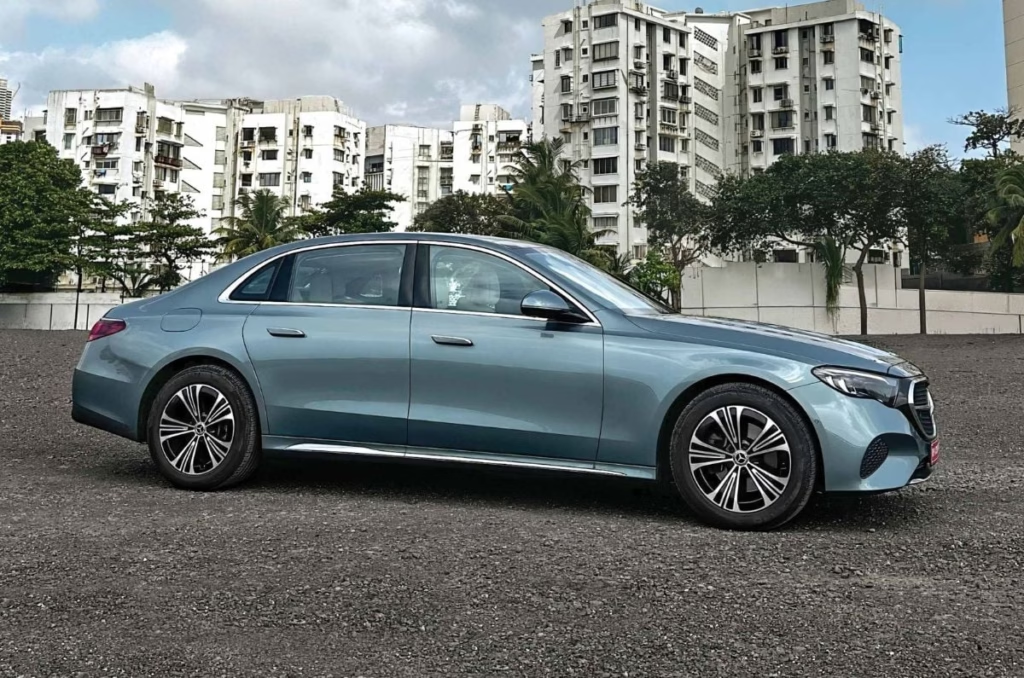
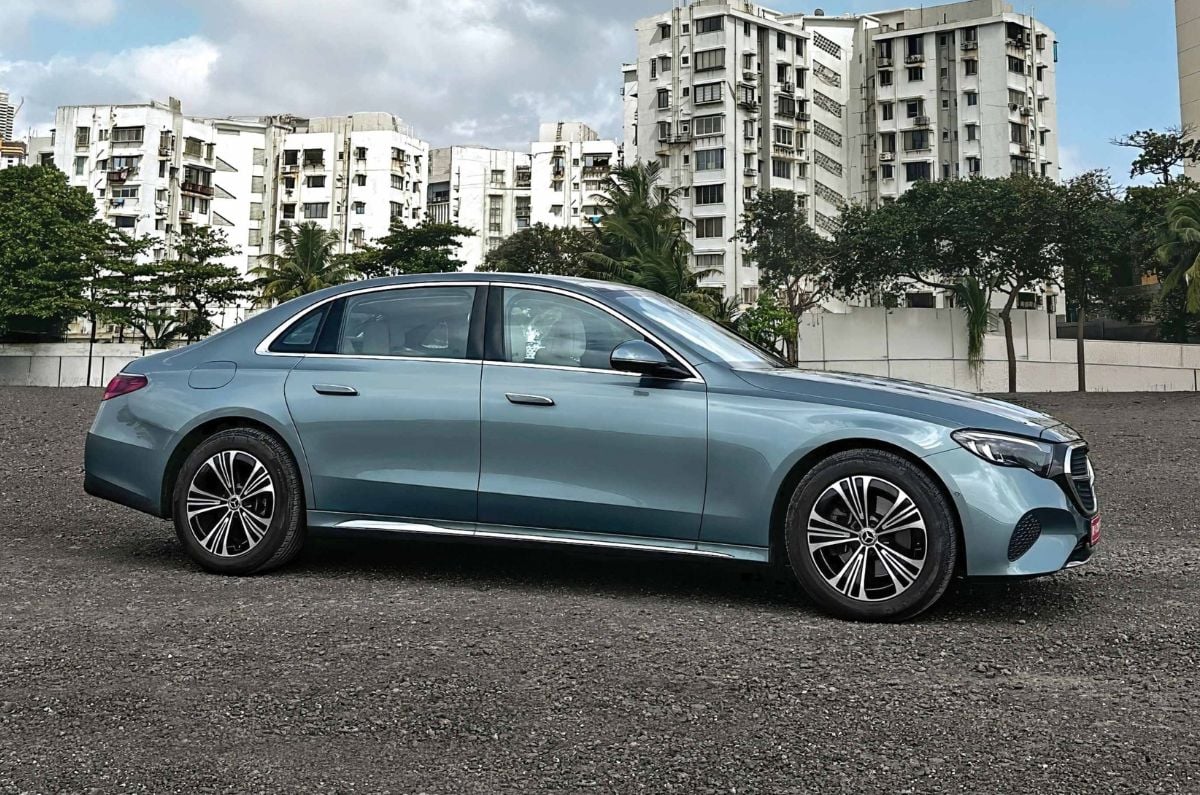
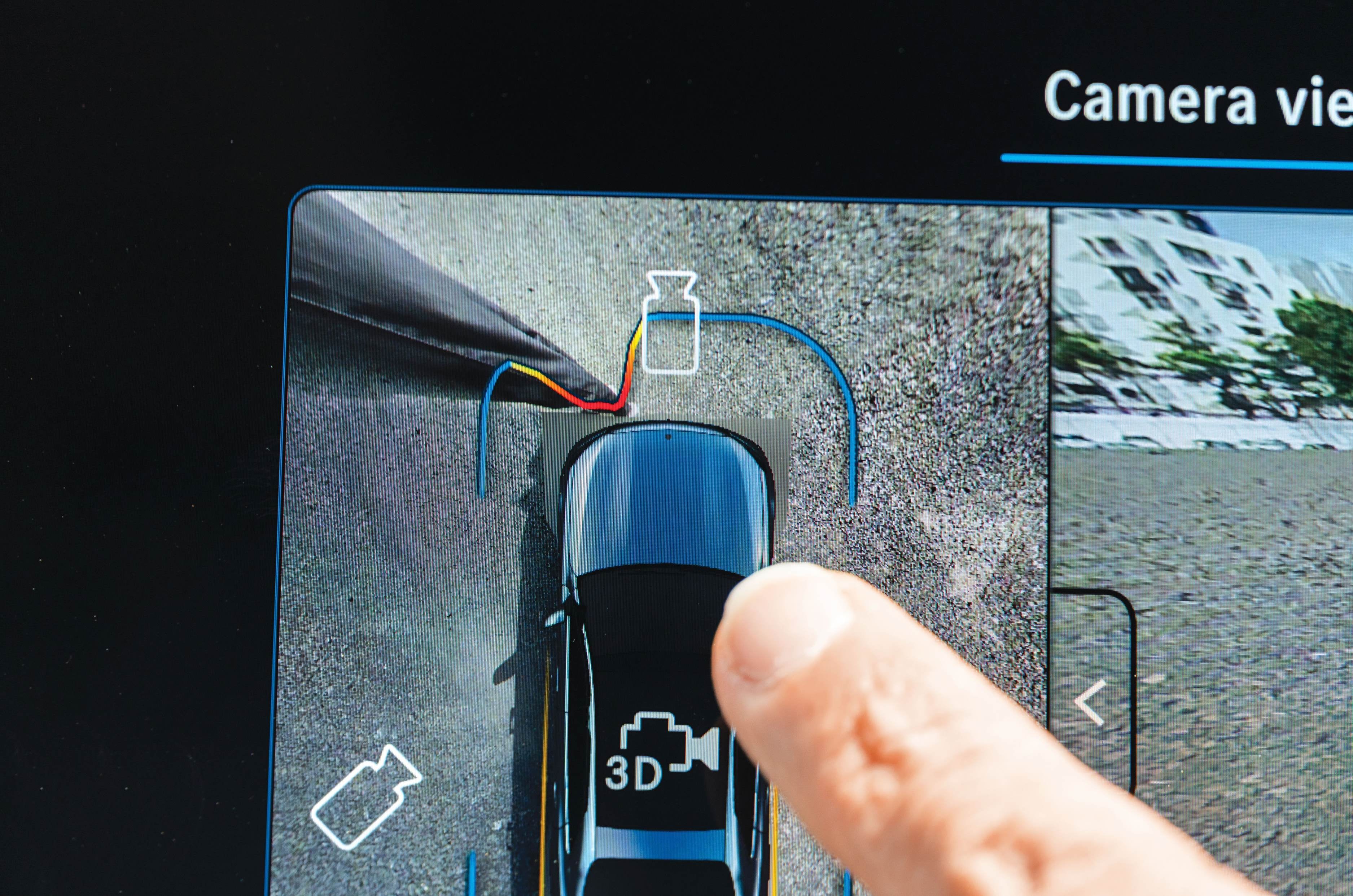
My start-up ritual is always the same. Fire the engine, drop the windows and take the fan speed to max. It’s the fastest way to vent the greenhouse and cool the cabin, especially on a baking hot day. On the E-Class, this, however, presents something of a problem. Pushing the fan speed up to maximum is a two-step process. You first have to select the fan-speed icon on the bottom of the touchscreen, and once you’ve hit that accurately, then it’s tap, tap, tap it up to max. This is not something you can do while reversing, as the camera feed pops up on the screen. And then you have to judge gaps, steer and move the car back and forth. There, however, is a hack – all I do is say, “Hey Mercedes, take fan speed to maximum,” and the blower speed increases, even as I work to get out of the parking lot. At times, I even ask Mercedes to open the windows. ‘Helga’ comprehends quite a lot these days.
Reversing pictogram is tiny, and you can’t see obstacles clearly.
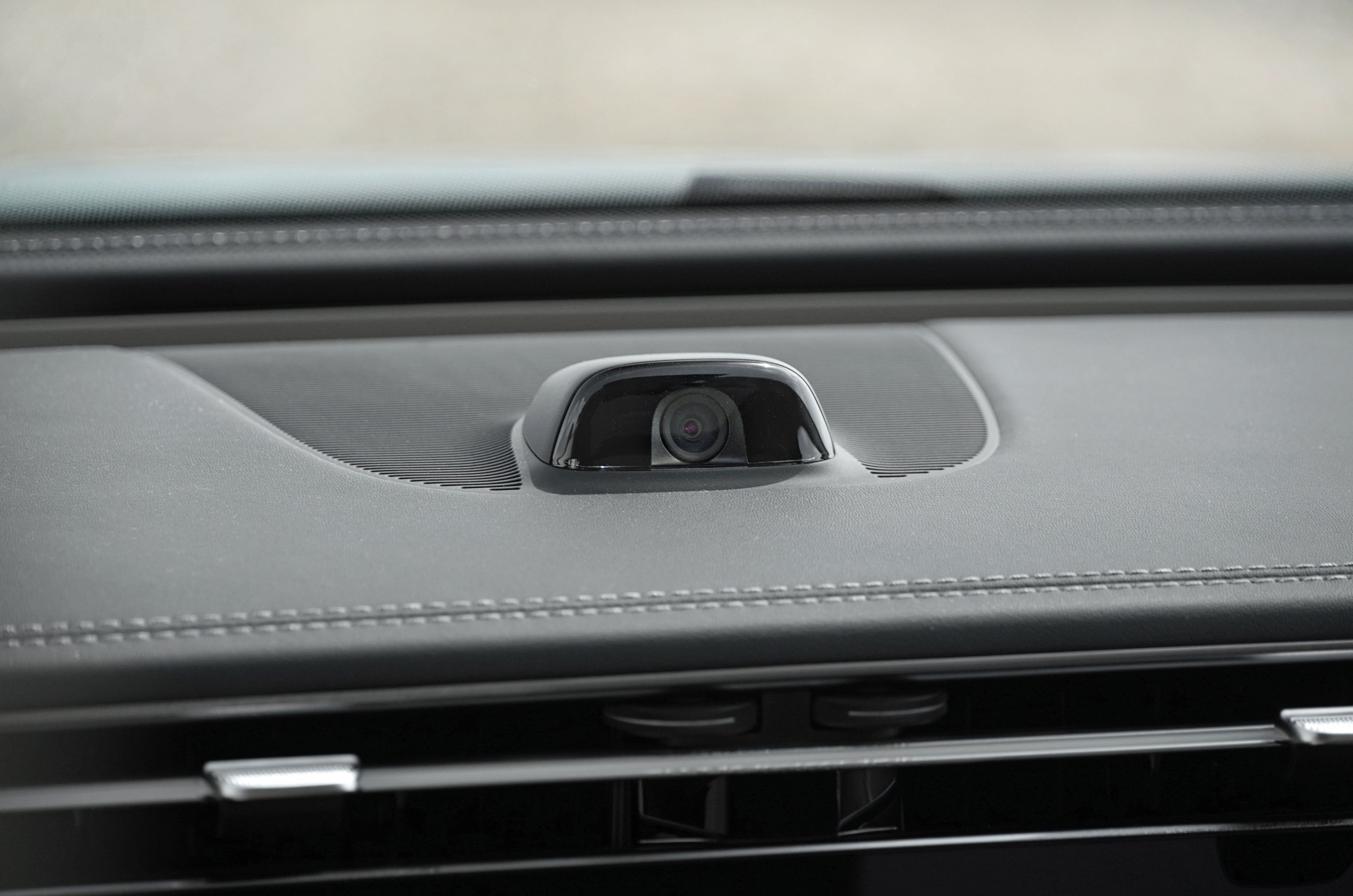
Over the weeks I’ve been driving the car, I’ve also found that, apart from being thoroughly modern, there’s also plenty of traditional ‘Mercedes’ in the E-Class, something that just elevates the experience. Sure, there are a few bits that make you ask “is this really Mercedes?”… such as the build of the gear selector or some creaky plastics, a culprit here seems to be the dashboard camera mounting that sounds a bit creaky. But what lends a tremendous sense of well-being is just how robust and solid the fundamental structure feels.
A few dashboard creaks can be heard, the culprit seems to be the camera mounting.
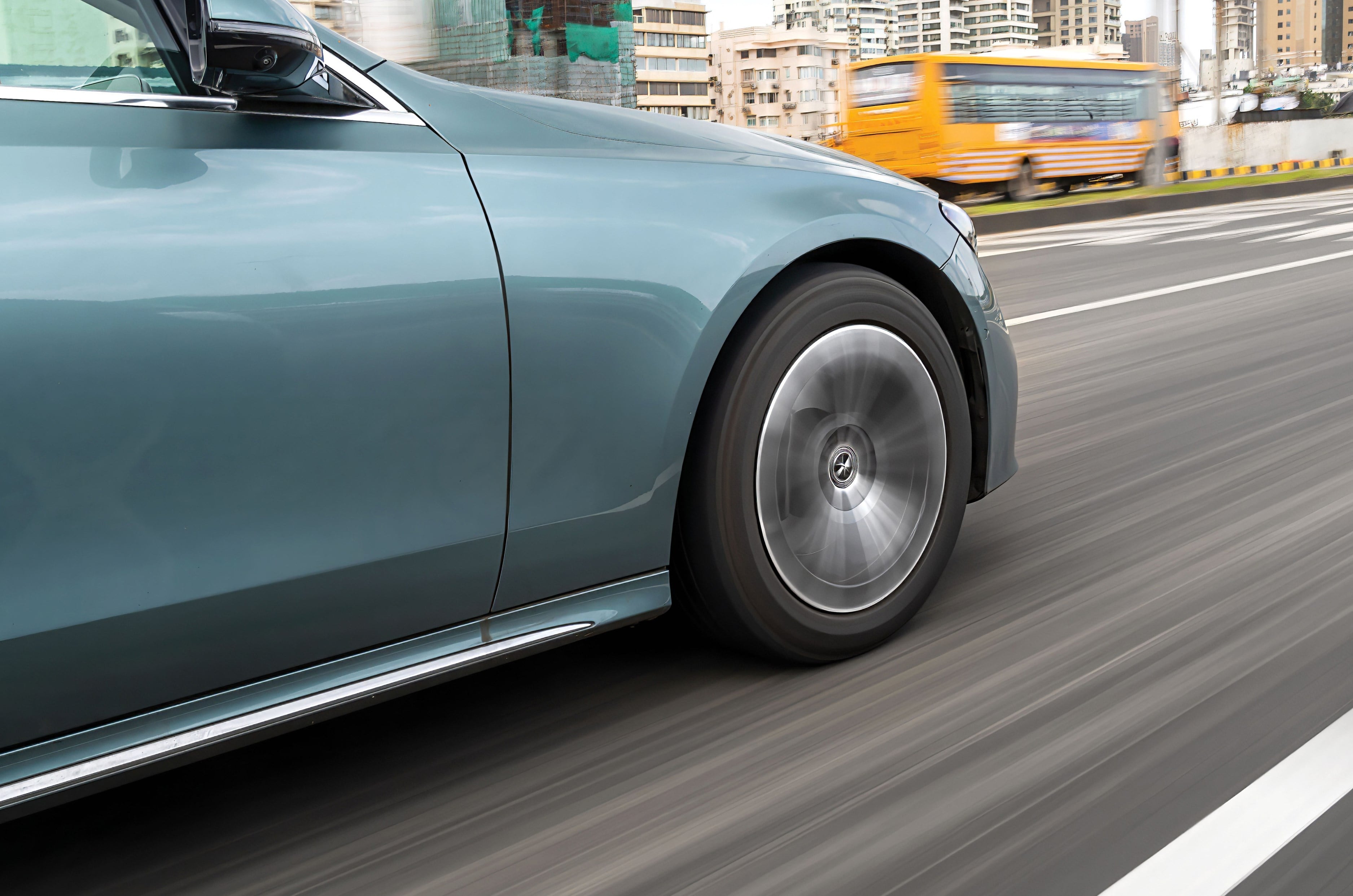
Then, there’s how majestically it rides over our pothole-infested and poorly patched roads. An essential skill in our conditions, something I appreciate almost every second I’m in the car. The suspension is supple and absorbent, and the E remains flat even over bad patches, with vertical movement superbly damped. Worth noting is the fact that in our conditions, where sharp bumps abound, coil springs often get the better of air springs, the steel coils reacting to sharp bumps and sudden changes in direction more seamlessly. And then, of course, this car gets both the long wheelbase and, more importantly, the sedan advantage; no SUV, like-for-like, can ride as well as a sedan.
Even the worst surfaces are ridden over with great suppleness.
Ladled in with the good build and great ride is superb insulation. Sitting in the cabin just cuts you off from so much noise going on outside. Sure, you can hear loud spikes, but the general hubbub of Indian traffic just fades into the background. This allows the long-wheelbase E-Class to cover ground in a graceful, elegant and effortless manner, the chaotic and loud world around you somewhat muted. I can’t help thinking of this every time I cross one particularly noisy junction in Byculla near our office in Mumbai.
The 220 diesel also impresses when it comes to refinement. First up, it’s difficult to tell this is a diesel at low and medium speeds from the passenger seat. This is especially true once the engine is warmed up. Sure, you can look at the tachometer and the truncated powerband and guess, but with no typical diesel rattle at low engine speeds and no clatter under load, telling passengers in the car this is a petrol, and getting them to believe it, is a fun game I often played. It’s only when you rev the engine close to the redline that there is a faint diesel drone.
Want to fall in love with diesel again? Take this car on a long drive.
What’s odd about the diesel is that it feels way too relaxed and laid back when you need to take off from rest. Squeeze down gently on the accelerator pedal, say as the traffic lights turn green, and, at times, the car barely moves. This makes you tap the throttle a bit harder and gets you to second guess yourself. Not comfortable when you are sat with large commercial vehicles bearing down on you at the lights. It only appears to be a matter of tuning; it doesn’t happen in Sport. Once on the move, the hybrid system delivers 27hp of e-boost so seamlessly, it’s tough to pinpoint when exactly the e-power comes in; and then power flows in a seamless, smooth, almost petrol-like manner. You do miss the turbo-diesel spike of torque at low speeds, though; today’s tighter emission-control norms somewhat strangle the responses.
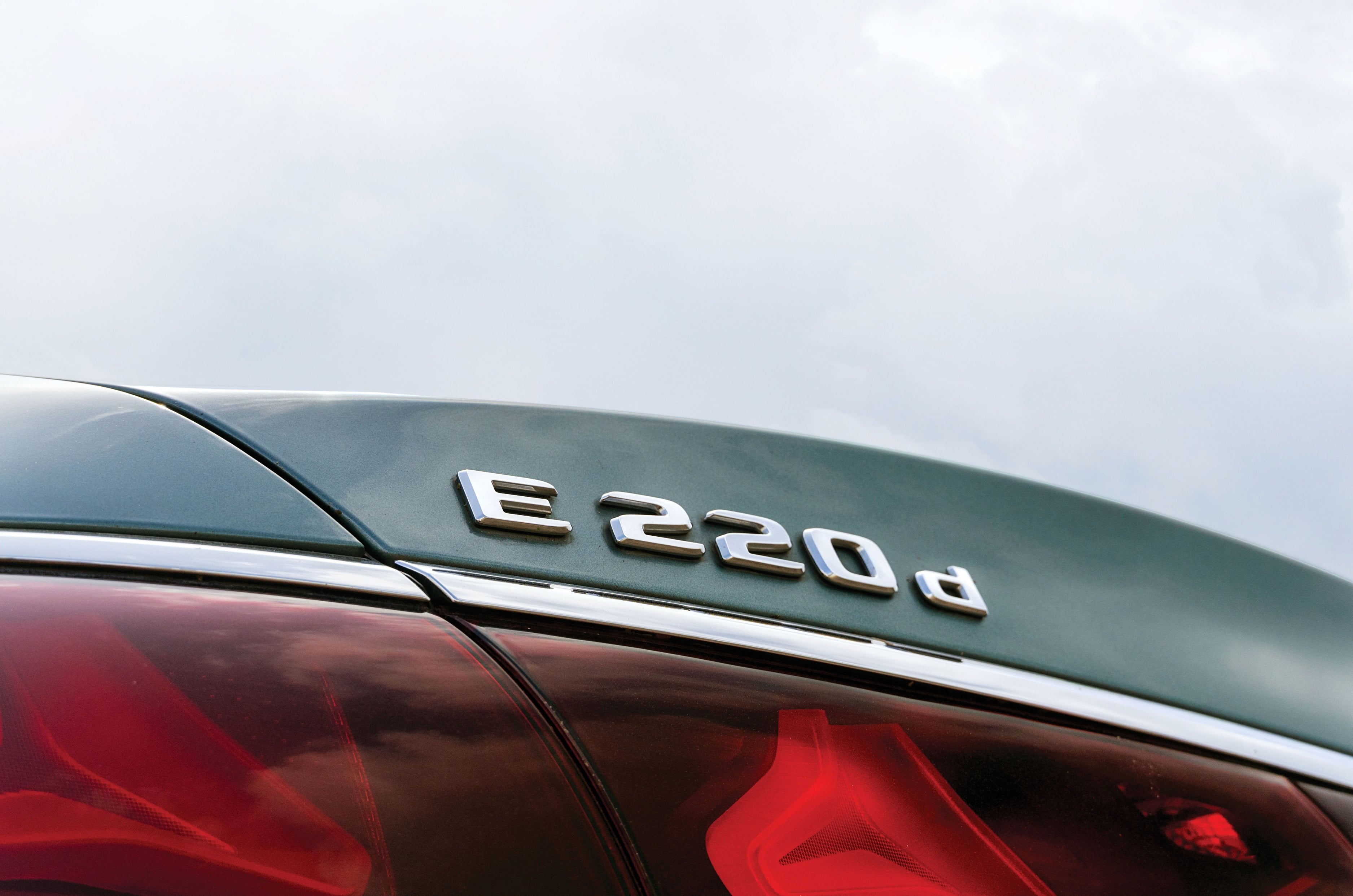
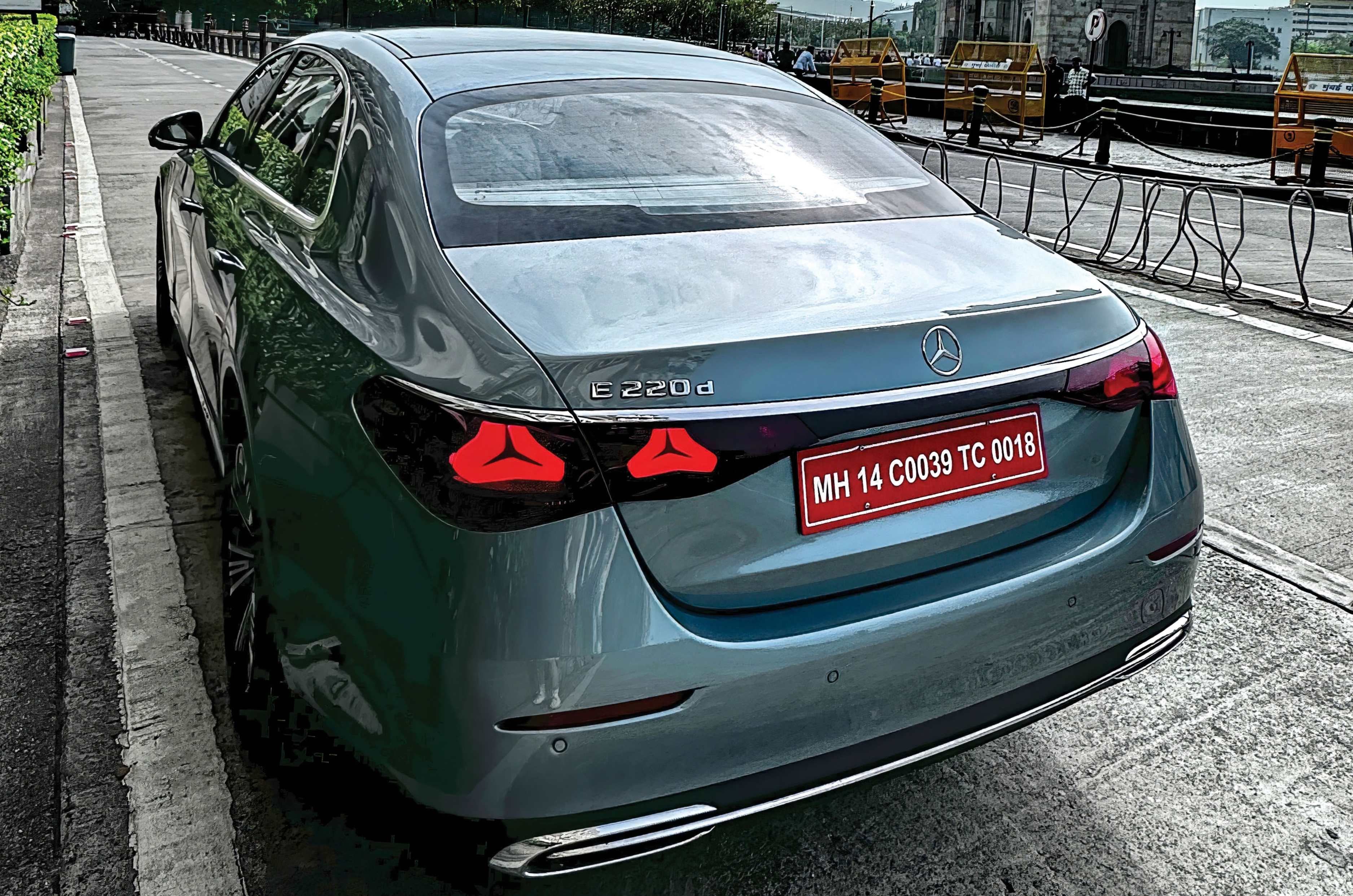
Two red stars in tail-light tell you this is an E-Class, even at a distance.
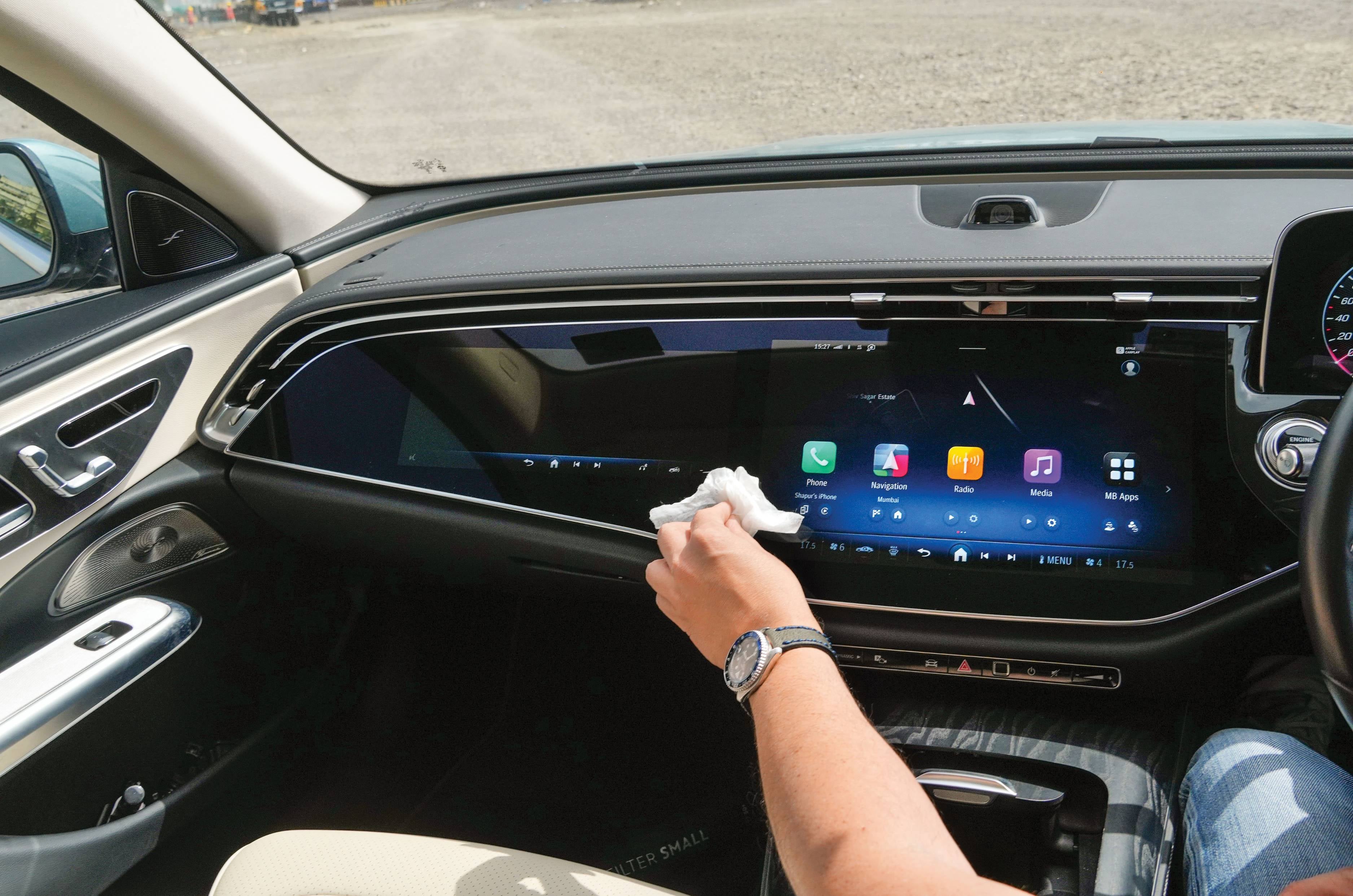
Over the time we had the car with us, we also discovered a few other niggles. The ‘glass’ dashboard picks up too many fingerprints, to begin with, and these prove difficult to clean. The E-Class also isn’t the most comfortable five seater, the narrow centre seat is only usable for short drives. Then, at times, because of the long wheelbase, some of the large speedbreakers are better traversed at an angle, so that the belly of the car is raised higher. This is especially when the car is fully loaded.
Piano black and polished glass pick up fingerprints very easily.
What endears you to this car, however, is that the new E-Class steers much better, even managing to sort of shrink around you when you begin to enjoy wheel time. That, of course, and the sheer comfort and calm you get when you are sat at the rear, the refinement, plush ride and solid build delivering a near-first-class experience in the back. And then, since it’s a diesel with a healthy e-boost, it’s also super-efficient, currently the most fuel-efficient car in our fleet, double digits in the city, and from a car this size! It ticks so many boxes, no wonder it’s still the class leader by a country mile, and that’s despite the healthy premium it asks for.
Bajaj Auto has exported 11,00,827 two-wheelers in the April-August period of FY27, up 50 percent year-on-year from 7,34,193 units in the same period last year. The figure already represents 56 percent of Bajaj’s highest-ever annual motorcycle export tally of 19.6 lakh units in FY26, putting the company on course to set a new record by the end of the fiscal year. Across all vehicle categories – two-wheelers, three-wheelers and the Qute quadricycle – Bajaj exported 12,66,714 units in the five-month period, up 50 percent year-on-year.
Bajaj Auto exports 11 lakh two-wheelers in April–August FY27
Holds 41 percent share of India’s total two-wheeler exports; TVS second at 28 percent
Entry-level 100-125cc bikes account for 71 percent of motorcycle export volumes
Bajaj Auto 2W export breakdown
Latin America and Africa drive demand
Of the 10,96,009 motorcycles exported (remaining 4,818 units in the two-wheeler tally were Chetak electric scooters) in the period, bikes displacing 100-110cc accounted for the largest share at 4,70,362 units – up 95 percent year-on-year – and a 43 percent share of total motorcycle exports. The 110-125cc bracket contributed a further 3,04,191 units, up 42 percent, for a 28 percent share. Together, these two entry-level categories account for 71 percent of Bajaj’s motorcycle exports in the period.
The 125-150cc bracket (Boxer, CT 150, Pulsar) contributed 1,02,266 units, up 11 percent, while the 150-200cc range fared better at 1,22,481 units, up 17 percent. In terms of geographies, motorcycle exports have risen strongly in Latin America – particularly Brazil and Mexico, the region’s two largest two-wheeler markets – and in Africa, where the Boxer 125 Heavy Duty is seeing strong demand in Nigeria.
Commercial vehicles and Qute
Three-wheeler exports also posted strong growth, with Bajaj shipping 1,60,685 units in the period – up 48 percent year-on-year – for a commanding 62 percent share of India’s total three-wheeler exports of 2,59,593 units. Demand for the Qute surged 206 percent year-on-year to 5,202 units, driven by Egypt, Turkey and select African markets, and is already 78 percent of the Qute’s highest-ever annual export total of 6,696 units in FY26.
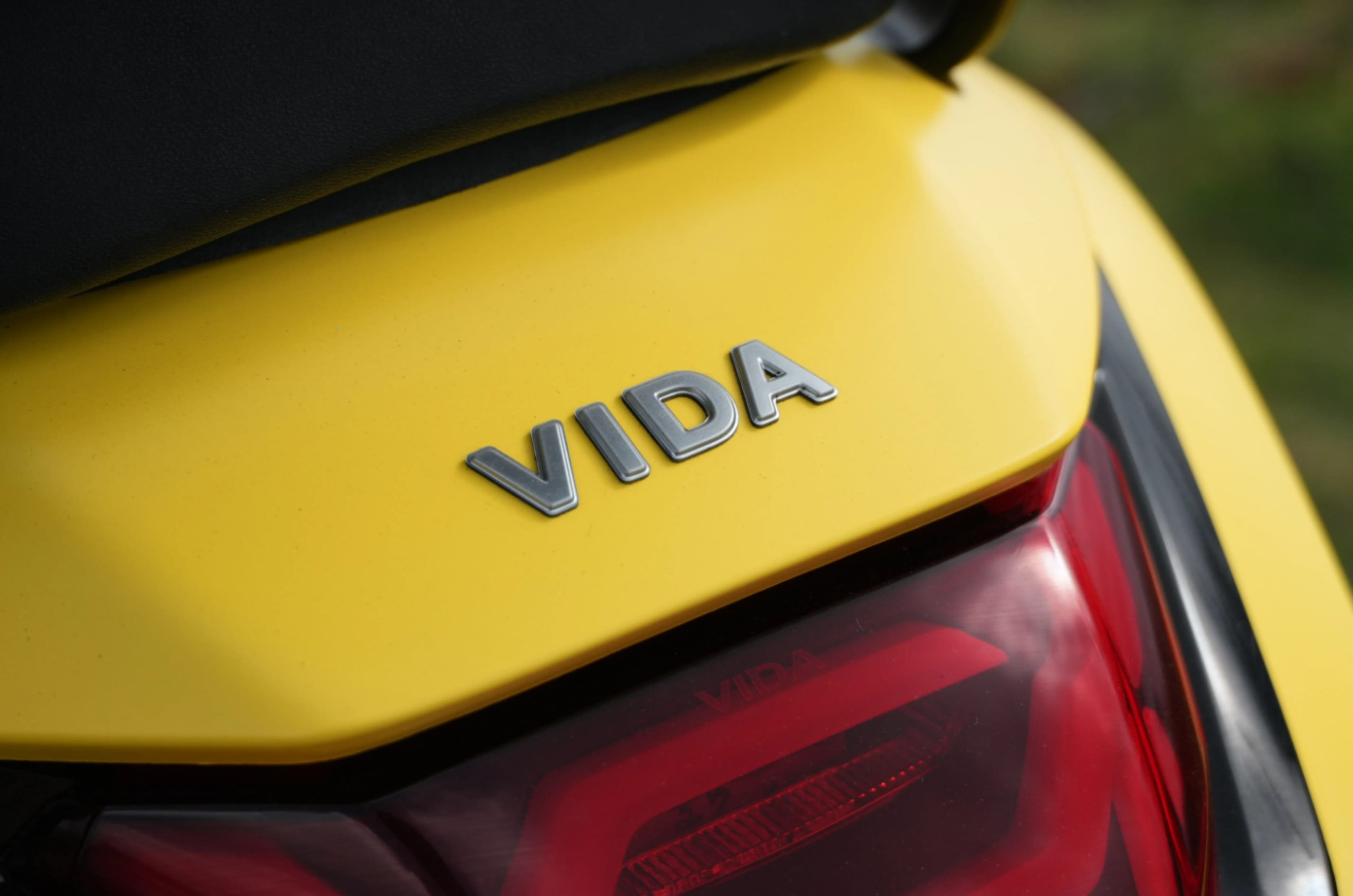
Hero is targeting the top position in India’s electric two-wheeler market as it scales up its Vida business and continues to back Ather Energy. “We clearly are focusing on being number one. There we are not shy of that,” Hero MotoCorp CEO Harshavardhan Chitale told Autocar Professional at the SIAM Annual Convention in New Delhi. He added that Vida and Ather sales, taken together, have already occupied the top position during some months. Considering individual sales numbers from January till August this year, Vida is currently fourth, behind Ather.
Hero currently invests in Ather Energy and Euler Motors; recently increased its Ather investment
Vida currently offers scooters with both fixed and removable batteries
Hero CEO says Ather-Hero joint product may happen in future
Vida is Hero’s EV subsidiary
Company is increasing production and exploring different offerings
Hero initially differentiated the brand through removable batteries, targeting, among others, customers living in apartments without convenient access to charging. The company is now pursuing fixed-battery scooters alongside its removable-battery models. Chitale said the two configurations are attracting different sets of buyers. Fixed batteries allow Hero to offer a more competitively priced product, with the difference between the two configurations at around Rs 10,000.
Vida has gained almost 600 basis points (6 percent) of market share over the past year and is seeing year-on-year growth of around 100 percent, according to Chitale. Demand has prompted Hero to increase production. Chitale said EV capacity would rise by almost 50 percent this month compared with the previous month, followed by a further doubling by December. Demand for removable-battery models has remained strong, despite the introduction of fixed-battery alternatives.
Ather-Hero partnership progress
Charging already integrated, joint product might happen in future
Hero’s EV strategy also includes its investment in Ather, which it has continued to support through successive fundraises, including the most recent one of Rs 1758 crore. For now, the two companies will continue pursuing independent product roadmaps rather than integrating their vehicle platforms. However, that could change as the market matures. Chitale said the companies discuss areas including battery-cell sourcing, software, motors and motor components. Joint sourcing could become an option, although no such arrangement is currently underway.
Charging infrastructure is already an area where both the companies are working together. Hero and Ather are part of an interoperable fast-charging initiative which, according to Chitale, now involves close to 20 companies and nearly 6,000 charging points.
Hero also has an interest in electric commercial vehicle maker Euler Motors. Chitale described Euler as potentially the “next Ather in making” and said Hero would continue supporting the company through its fundraises. The combination of Vida, Ather and Euler gives Hero exposure across electric two-wheelers and commercial vehicles as it seeks a larger share of India’s expanding EV market.
With inputs from Mukul Y. Singh, Hormazd Sorabjee, Ketan Thakkar, and Stephen Raj Antony.
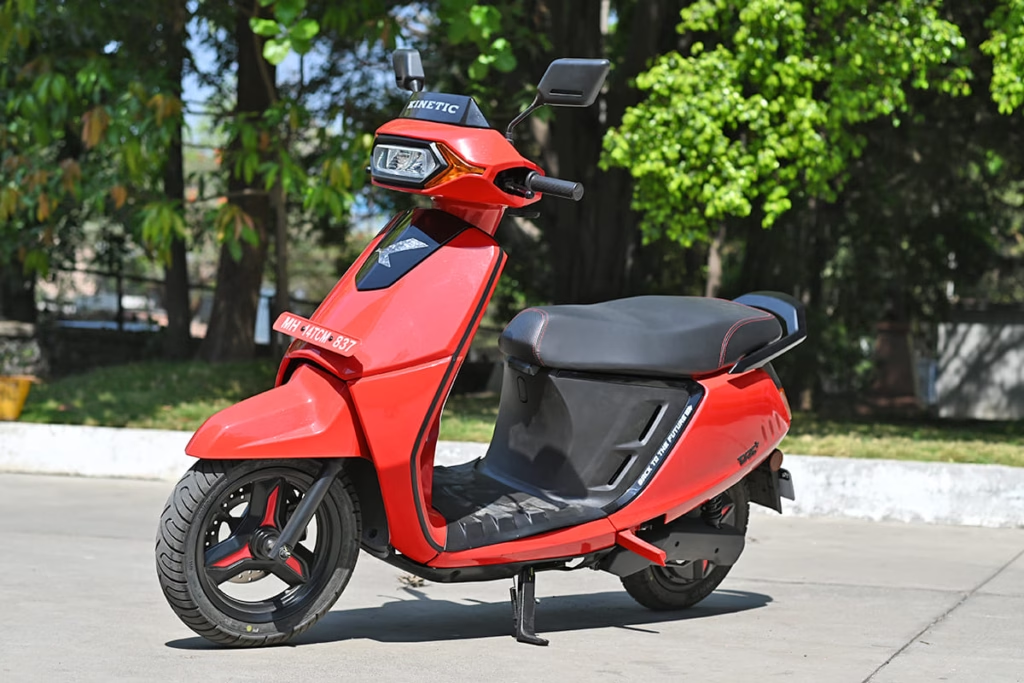
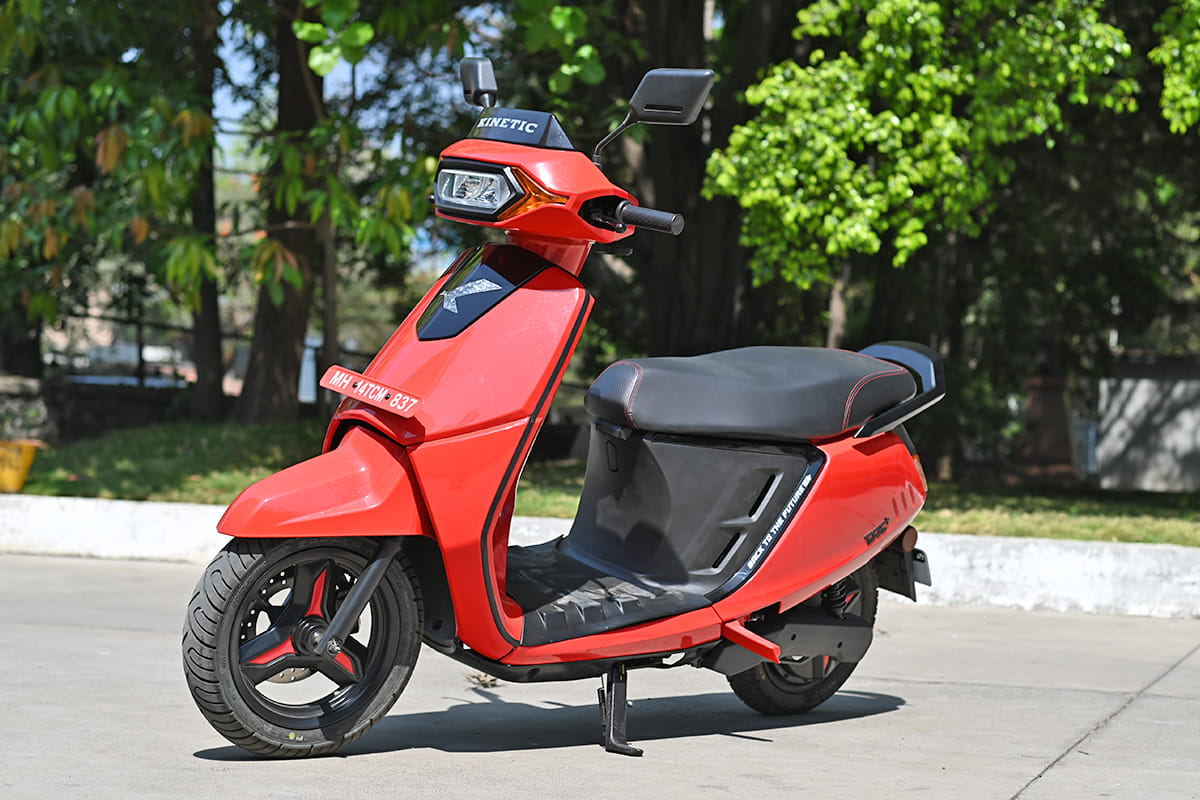
Kinetic Watts & Volts (KWV) is evaluating seven international markets as the Pune-based electric two-wheeler maker looks to expand beyond India. Turkey, Nepal, Sri Lanka, Bangladesh, Kenya, Nigeria and Egypt are currently being assessed, with KWV studying local regulations, customer requirements, electric two-wheeler demand and potential distribution partners.
International expansion to cover markets across Europe, South Asia and Africa
Makarand Joshi appointed to lead KWV’s international business development
Company plans to add 40 more exclusive showrooms in India
Kinetic EV international expansion plans
It has also issued 150 LOIs to prospective dealership partners.
KWV currently sells the Kinetic DX and DX+ electric scooters in India, with the range positioned around accessible urban mobility. The company is now looking to identify markets and distribution partners that can support its next phase of growth overseas.
KWV has appointed Makarand Joshi as head of international business development to lead its overseas plans. Joshi has more than two decades of experience in developing overseas markets for Indian automotive products, with experience across Asia, the Middle East, Europe and Africa. His background includes two-wheelers, commercial vehicles and tractors, as well as international distribution and market-entry strategies.
Ajinkya Firodia, Vice Chairman and Managing Director, Kinetic Watts & Volts, said the company’s products had been designed with a broad range of markets in mind. He added that the momentum of its domestic business had allowed KWV to begin laying the groundwork for international expansion. The company is yet to confirm which of the seven markets it will enter or provide a timeline for its overseas launch.
KWV’s international plans come as it continues to build its presence in the Indian market. The company currently has 45 exclusive showrooms and expects another 40 outlets to become operational within the next two months. It has also issued 150 Letters of Intent (LOI) to prospective dealership partners.
When Maruti Suzuki introduced its first factory-fitted CNG models in 2010, the fuel had little acceptance among private buyers. Availability was largely restricted to Delhi-NCR, Mumbai-Pune and Gujarat, while the filling network was small and uneven. CNG penetration remained at just 1-2 percent until 2016-17, but Maruti continued to improve the technology and expand its range. It began with affordable cars such as the Alto and Eeco before taking CNG to the WagonR, Swift, Baleno, Dzire and Ertiga. Today, its portfolio includes SUVs such as the Brezza, Fronx, Grand Vitara and Victoris.
Fixing what buyers disliked
In the late 1990s, buyers who wanted a CNG car usually had to convert a petrol model using an aftermarket kit. Most kits were imported, often from Italy or Argentina, and a conversion cost around Rs 30,000-32,000.
As demand grew, some dealers began tying up with local retrofitters. But when these cars developed problems, owners often returned to Maruti workshops even though the company had not supplied or installed the kit. Poorly fitted systems raised concerns about gas leaks and vehicle fires. An aftermarket conversion could also invalidate the manufacturer’s warranty, while the engine and fuel system were not always designed to cope with CNG.
Performance was another weakness. Early conversions resulted in a noticeable drop in power. Some owners would switch to petrol before overtaking or climbing steep roads and returned to CNG once the additional performance was no longer needed.
Factory-fitted systems addressed many of these problems. Engines, valve seats, fuel lines and mounting points were designed to work with CNG. Better calibration reduced the performance loss, while the car retained its manufacturer warranty and could be serviced through Maruti’s dealer network.
The financial case was already strong. Around 2010, CNG cost roughly Rs 20-21 per kg, compared with about Rs 48 per litre for petrol and Rs 38 for diesel. A factory-fitted system added around Rs 45,000-54,000 to the price of the car, but offered better engineering, safety and warranty protection than an aftermarket conversion.
Even so, CNG did not take off immediately. Diesel was widely available, delivered better performance and offered low running costs. In 2013, diesel accounted for around 38 percent of India’s passenger vehicle market, making it the easier choice for many high-mileage users.
The network caught up
India had around 1,200 CNG stations in 2016-17. By March 2026, the network had expanded to about 8,900 stations across roughly 350 cities. This made CNG practical beyond its traditional strongholds. Petrol prices also rose sharply after 2020, crossing Rs 100 per litre in several cities and strengthening the case for switching to a cheaper fuel.
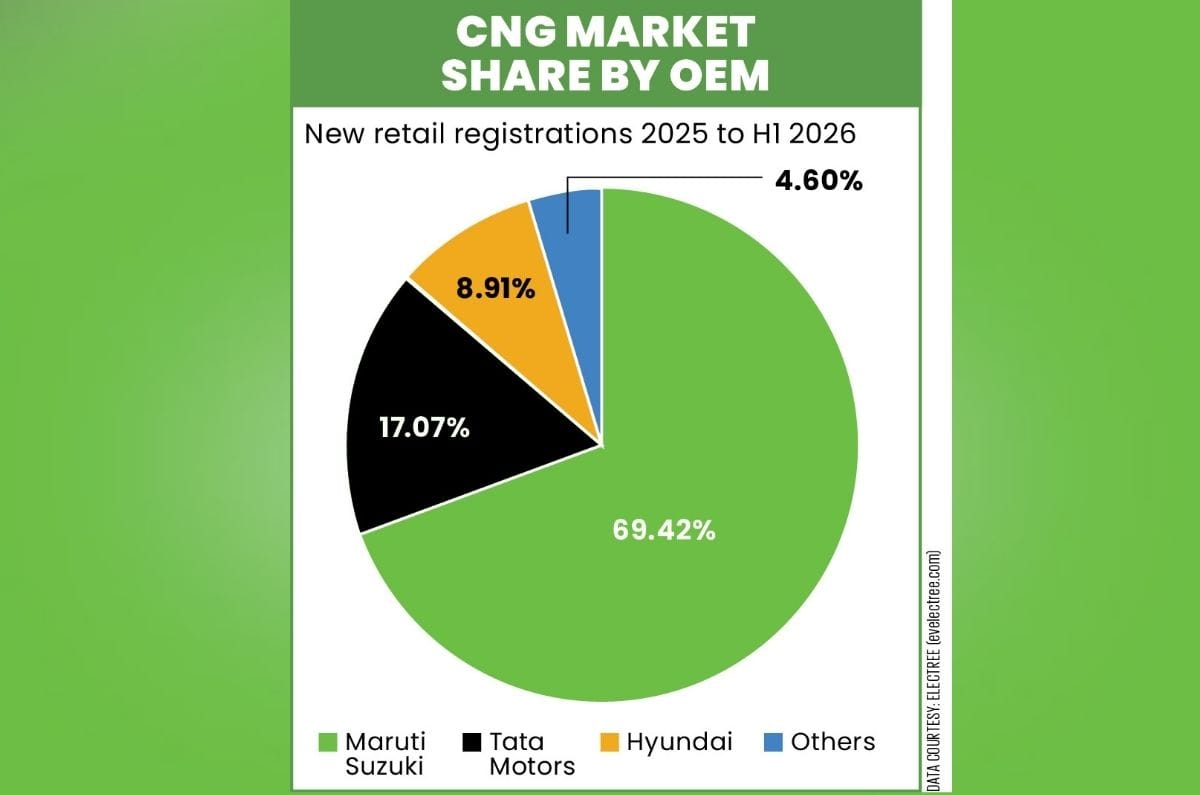
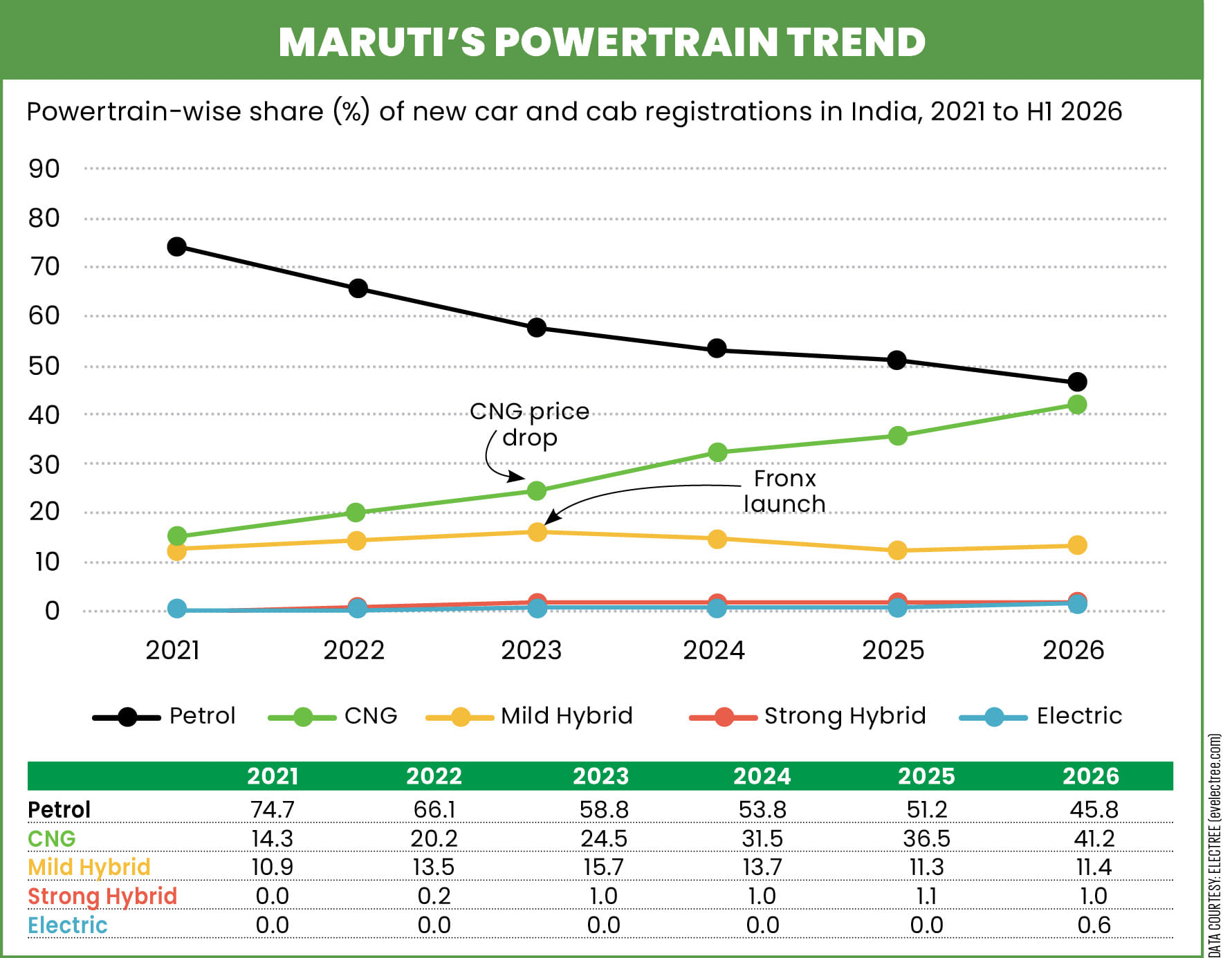
By then, Maruti had already addressed many of the product-related concerns and could respond with a broad factory-fitted portfolio. CNG’s share of Maruti’s new registrations, including private cars and cabs, increased from 14.3 percent in 2021 to 41.2 percent in the first half of 2026. Petrol’s share fell from 76.5 percent to 45.9 percent over the same period. The sharpest jump came between 2023 and 2024, when CNG’s share rose from 24.6 percent to 32 percent.
Commercial vehicles remain important. Cabs account for around 10 percent of Maruti’s cumulative registrations, but contribute more than a quarter of its CNG volumes. However, private buyers now account for the larger part of demand.
“Earlier, if a customer was opting for CNG, the perception was that he was just a very value-conscious customer,” says Maruti Suzuki’s senior executive officer, sales and marketing, Partho Banerjee. “Now, especially with underbody CNG, the profile of customers has changed. They are not only looking for mileage, they also want an aspirational product that feels no different to drive from gasoline.”
CNG moves beyond small cars
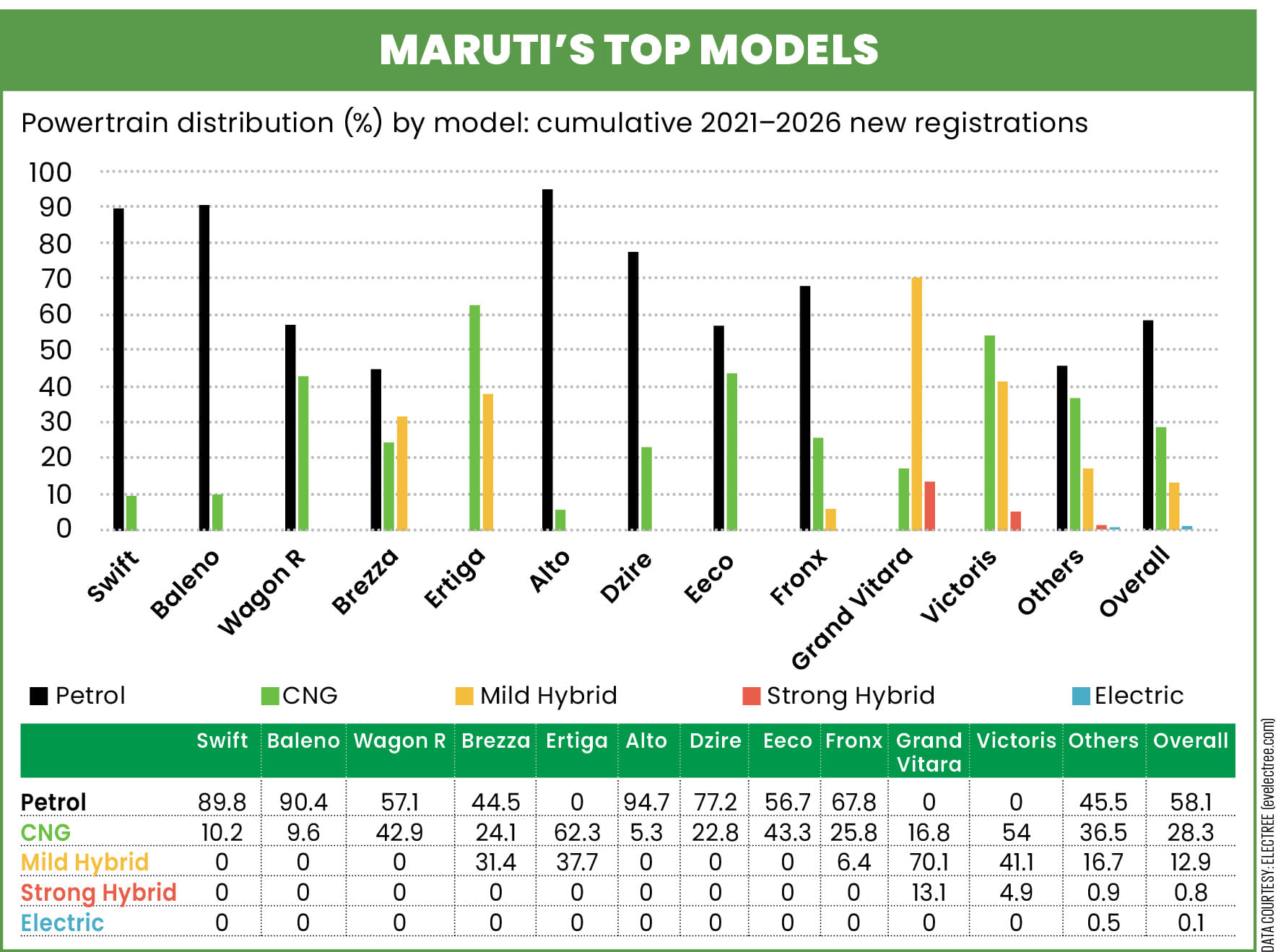
The WagonR remains the quintessential CNG hatchback. Its CNG share has risen from 42.5 percent in 2021 to 49.1 percent in the first half of 2026. Nearly every second WagonR buyer now chooses it. CNG is also gaining ground in models that were once overwhelmingly petrol-powered. Its share in the Swift has increased from 1.9 percent to 18 percent, while the Baleno has moved from 2.1 percent to 14.5 percent.
The Dzire has seen an even sharper change. CNG accounted for just 1.7 percent of its registrations in 2021. Its share reached 33.6 percent in H1 2026.
Adoption is strongest in vehicles that cover longer distances or carry more passengers. CNG’s share of the Ertiga has risen from 39.3 percent to 73.6 percent, while the Eeco has moved from 31 percent to 55.2 percent. Big shifts are now also taking place in the SUV segment, where buyers care as much about design, features and luggage space as they do about mileage.
CNG accounts for 43.4 percent of Brezza registrations, compared with 23.7 percent for its Smart Hybrid powertrain in H1 2026. The Fronx has seen its CNG share rise from 10.9 percent at launch in 2023 to 35.4 percent in the first half of 2026. In the case of the Grand Vitara, it has increased from zero to 23.9 percent.
The Victoris has moved even faster. CNG accounted for 55.2 percent of its registrations in the first half of 2026. Its strong response shows that midsize SUV buyers will accept the fuel when it does not compromise the overall ownership experience.
Better packaging removes a key compromise
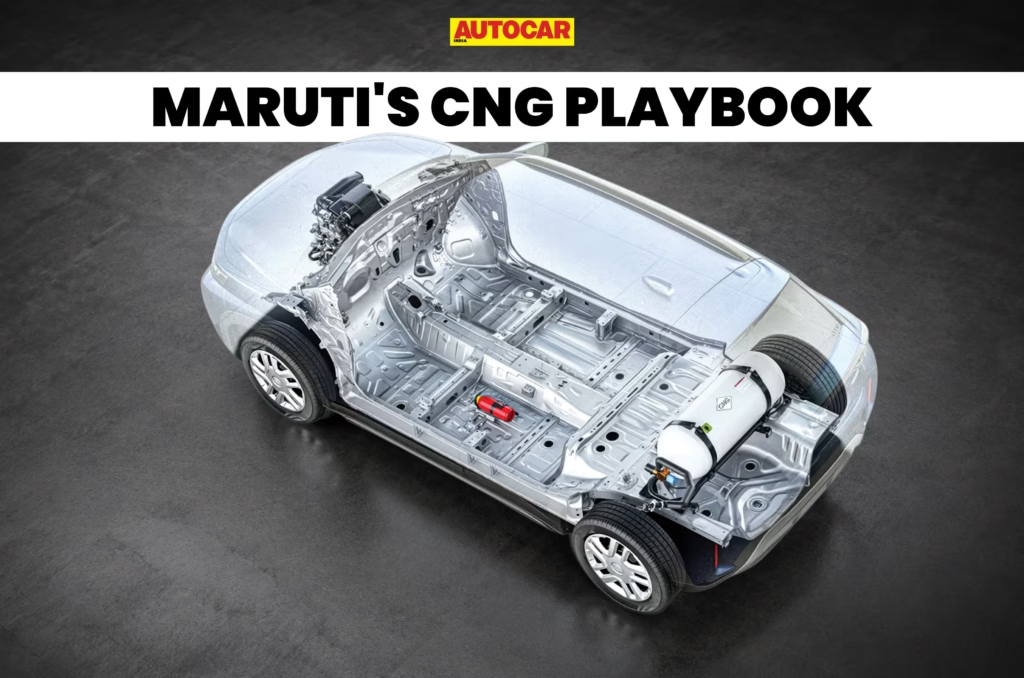
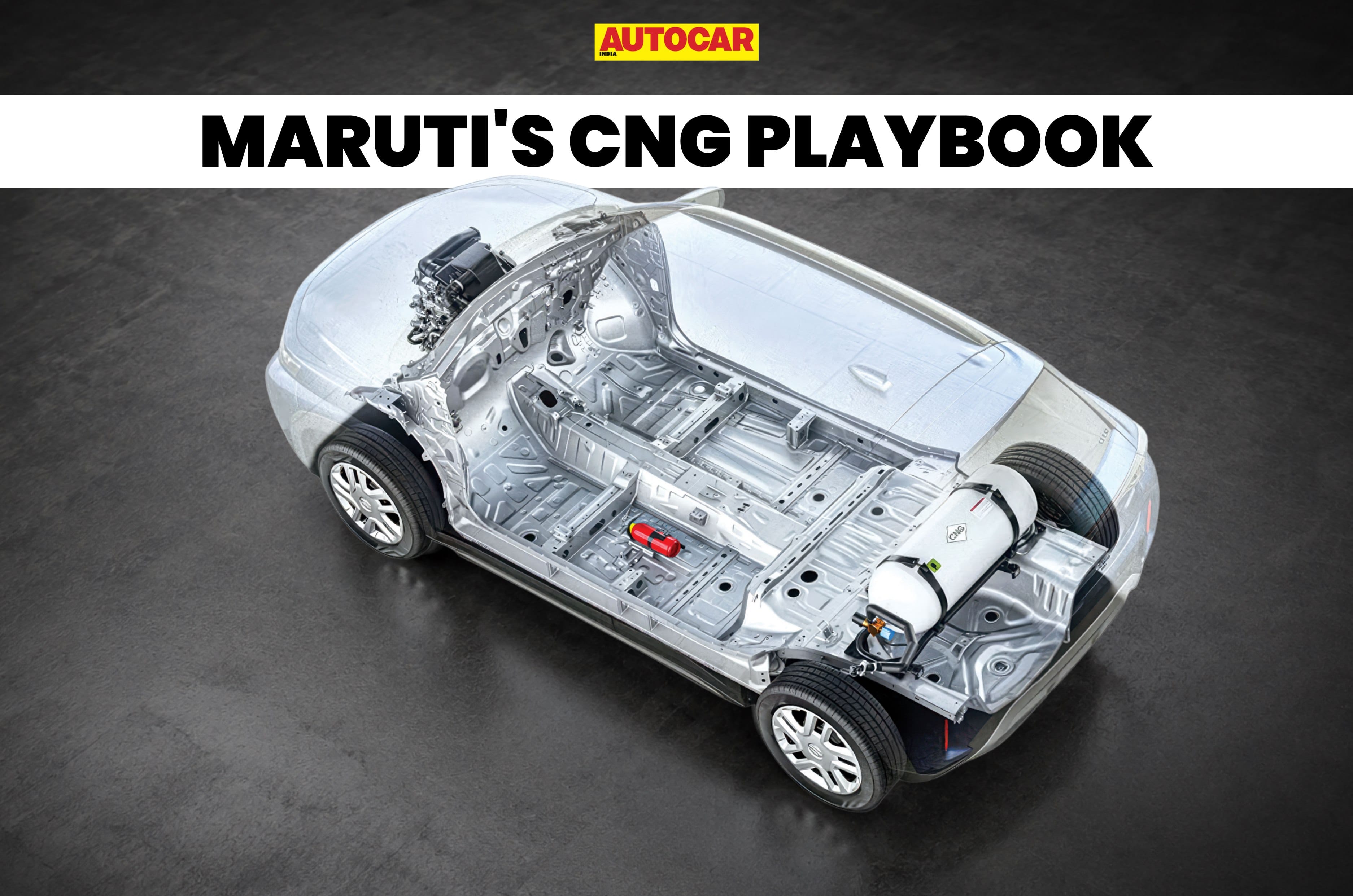
A large cylinder placed across the luggage compartment has long been one of CNG’s biggest drawbacks. Dual-cylinder systems that divide the gas storage between two smaller cylinders positioned lower in the boot, or placing an underbody tank, create a flatter and more usable luggage area.
Maruti’s latest CNG development is the underbody tank on the Victoris and Brezza.
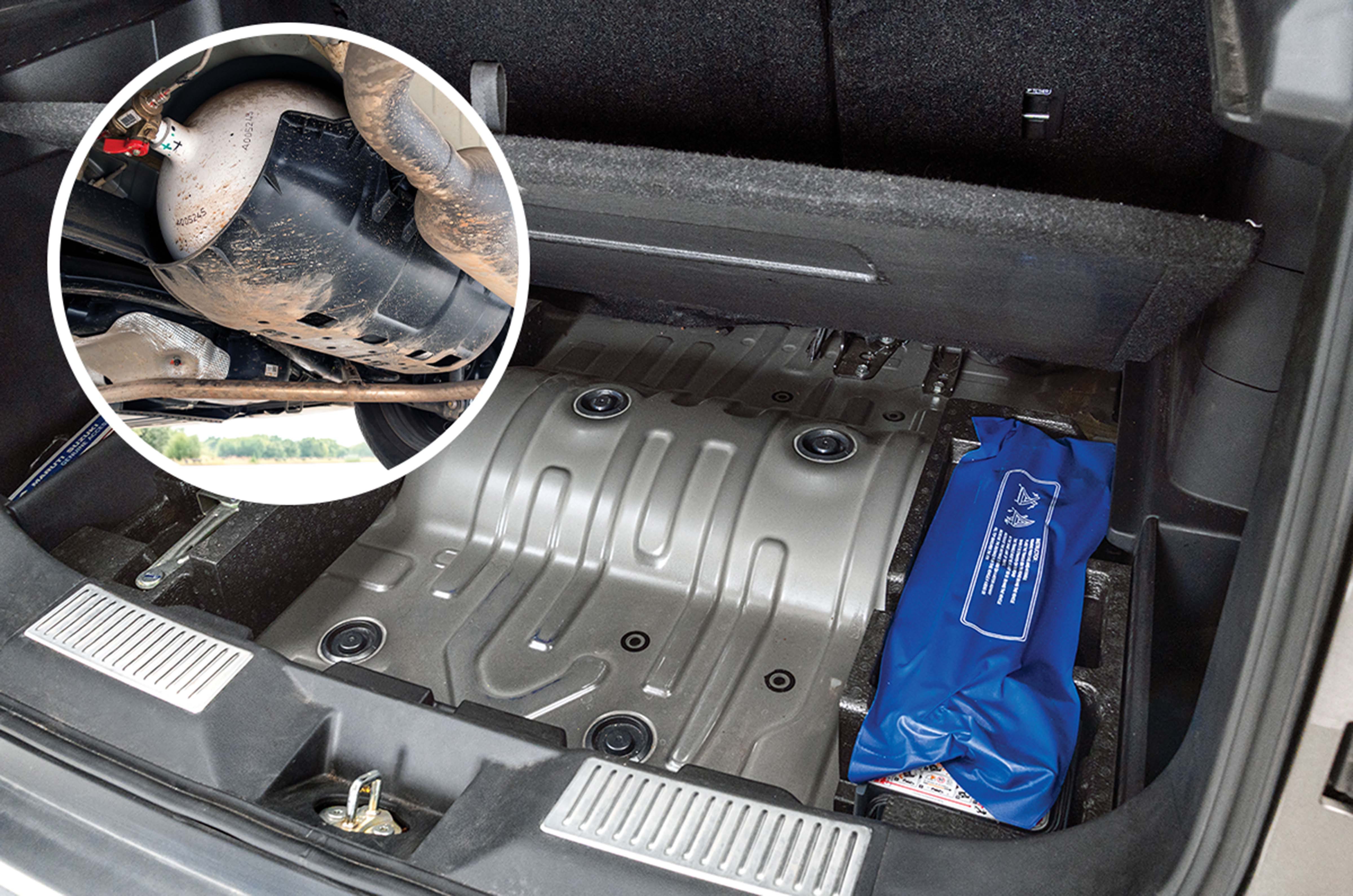
Central to Maruti’s next CNG push is the underbody CNG setup. The newly launched CNG Brezza opts for this setup – just like in the Victoris – where the tank is placed beneath the floor. It does negate the ability to have the spare tyre, but luggage space remains useable with a boot that is pretty much free of intrusions.
“If I don’t compromise on my driving experience, and I don’t lose boot space, and on top of that I reduce my total cost of ownership, then it is ticking all the boxes. Why would I not go for it?” says Banerjee.
Filling the gap left by diesel
Maruti’s exit from diesel in 2020 left a gap for buyers seeking low running costs without moving to an EV. CNG has become the answer. It cannot match a diesel engine’s torque or effortless highway performance, but it can cost substantially less to run than petrol, particularly for buyers covering high monthly distances. The vehicle can also switch to petrol when CNG is unavailable.
CNG will not replace diesel in every situation. Drivers who regularly travel on highways, carry heavy loads or value strong mid-range performance may still prefer diesel where it remains available. But for largely urban use, CNG now delivers much of the economic advantage that once made diesel attractive. The market has moved beyond mileage.
CNG has reached around 20 percent penetration without requiring buyers to completely change the way they use a car. There is no home charger to install, and the vehicle can run on petrol when the gas runs out. But the next stage will require more than savings. Buyers moving onto larger and more expensive vehicles will expect performance, equipment, luggage space and convenience alongside lower running costs.
“Quality, reliability and mileage are now hygiene,” says Banerjee. “You need to give all of that anyway and then still meet their lifestyle expectations.”
With the Victoris establishing CNG in the midsize SUV market and the Brezza addressing the compact SUV space, Maruti is now taking the fuel deeper into India’s largest vehicle segment, and it says there’s more to come.
Tata Motors CV Q1 Results: टाटा ग्रुप की कंपनी Tata Motors Commercial Vehicles Ltd ने 12 अगस्त को जून तिमाही के शानदार नतीजे जारी किए। कंपनी का कंसोलिडेटेड नेट प्रॉफिट सालाना आधार पर 83% बढ़कर ₹2,560 करोड़ हो गया। इंफ्रास्ट्रक्चर, लॉजिस्टिक्स और फ्रेट ग्राहकों से मजबूत मांग ने कंपनी के प्रदर्शन को सहारा दिया। हालांकि, कमोडिटी की बढ़ती लागत का दबाव भी रहा।
Tata Motors CV का रेवेन्यू 20% बढ़ा
टाटा मोटर्स CV का ऑपरेशंस से रेवेन्यू पहली तिमाही में 20% बढ़कर ₹20,576 करोड़ हो गया। पिछले साल की इसी तिमाही में यह ₹17,192 करोड़ था।
कंपनी के MD और CEO गिरीश वाघ ने कहा कि वित्त वर्ष 2027 की पहली तिमाही में कमर्शियल व्हीकल इंडस्ट्री ने मजबूती दिखाई। भारत की मजबूत आर्थिक स्थिति, बेहतर फ्लीट इस्तेमाल और अलग-अलग सेक्टर से बनी मांग ने कारोबार को सहारा दिया।
उन्होंने कहा कि Tata Motors के कमर्शियल व्हीकल वॉल्यूम में सालाना आधार पर 26% की बढ़ोतरी हुई। कंपनी के मुताबिक, मजबूत प्रोडक्ट पोर्टफोलियो, बेहतर मार्केट रणनीति और लगातार अच्छे अमल से कंपनी की बाजार स्थिति और मजबूत हुई है।
इलेक्ट्रिक कमर्शियल व्हीकल की मांग भी बढ़ी
टाटा मोटर्स ने इलेक्ट्रिक कमर्शियल व्हीकल सेगमेंट में भी अच्छी ग्रोथ दर्ज की। eSCV सेगमेंट ने मई और जून में अब तक का सबसे अच्छा प्रदर्शन किया।
इन दो महीनों में इस सेगमेंट की हिस्सेदारी 10% रही। वहीं, पहली तिमाही में eSCV सेगमेंट में Tata Motors की बाजार हिस्सेदारी 47% रही। कंपनी का कहना है कि इससे इलेक्ट्रिक कमर्शियल व्हीकल की बढ़ती मांग और उसके EV इकोसिस्टम की मजबूती का पता चलता है।
EBITDA मार्जिन 11.7% रहा
टाटा मोटर्स के CFO जीवी रमणन के मुताबिक, पहली तिमाही में रेवेन्यू और मुनाफे के साथ EBITDA मार्जिन भी मजबूत रहा। यह 11.7% रहा।
कमोडिटी की कीमतों में बढ़ोतरी और जियोपॉलिटिकल तनाव के बावजूद कंपनी ने यह मार्जिन हासिल किया। तिमाही में फ्री कैश फ्लो भी मजबूत रहा और यह करीब ₹1,100 करोड़ रहा।
कंपनी ने कहा कि कमोडिटी की लागत का दबाव अभी बना हुआ है। इससे निपटने के लिए ऑपरेशनल एफिशिएंसी, कीमतों में अनुशासन और बेहतर सप्लाई चेन मैनेजमेंट पर फोकस किया जा रहा है।
Tata Motors CV का मार्केट शेयर कितना रहा?
कंपनी के मुताबिक, वित्त वर्ष 2027 की पहली तिमाही में घरेलू CV VAHAN मार्केट शेयर 36.8% रहा। पिछली तिमाही के मुकाबले इसमें 100 बेसिस पॉइंट की बढ़ोतरी हुई।
कैटेगरी के हिसाब से HCV में कंपनी की बाजार हिस्सेदारी 56.3% रही। ILMCV में 36.9%, SCV PU में 27.7% और CV Passenger सेगमेंट में 41.3% रही।
शेयर में 1.6% की गिरावट
Tata Motors CV के शेयर 12 अगस्त को 1.6% की गिरावट के साथ ₹342 पर बंद हुए। कंपनी ने तिमाही नतीजे बाजार बंद होने के बाद जारी किए। इसलिए इन नतीजों का असर अगले कारोबारी सत्र में शेयर पर देखने को मिल सकता है।
कंपनी ने आगे के प्रदर्शन को लेकर भी भरोसा जताया है। Tata Motors के मुताबिक, मजबूत प्रोडक्ट पोर्टफोलियो, लगातार इनोवेशन और ग्राहकों को बेहतर वैल्यू देने पर फोकस के चलते आने वाली तिमाहियों में कंपनी अपनी बाजार स्थिति मजबूत करने और मुनाफे के साथ ग्रोथ जारी रखने की उम्मीद कर रही है।
Disclaimer: यहां मुहैया जानकारी सिर्फ सूचना के लिए दी जा रही है। यहां बताना जरूरी है कि मार्केट में निवेश बाजार जोखिमों के अधीन है। निवेशक के तौर पर पैसा लगाने से पहले हमेशा एक्सपर्ट से सलाह लें। मनीकंट्रोल की तरफ से किसी को भी पैसा लगाने की यहां कभी भी सलाह नहीं दी जाती है।
Skoda Auto Volkswagen India and the JSW Group are in the final stages of discussions for a manufacturing joint venture, we have learned. The two companies are likely to sign a non-binding memorandum of understanding (MoU) within the next two months. The proposed venture is currently being discussed as a 51:49 joint venture, with the JSW Group expected to hold the majority stake.
Emails seeking comments were sent to Skoda Auto Volkswagen India and the JSW Group on Tuesday, but neither company responded till the time of publishing. Autocar Professional, our sister publication, understands senior global executives from Skoda Auto and Volkswagen are expected to visit India in the second fortnight of August. The proposed alliance with the JSW Group is expected to be among the key subjects on the agenda as the two sides work towards signing the non-binding MoU.
Equity infusion could fund EV development
The proposed partnership comes as Skoda Auto Volkswagen India prepares its next round of investments in electrification and localisation. The equity infusion from the JSW Group is expected to fund the development and localisation of electric vehicles and support future product programmes.
A large part of the investment is expected to go towards vehicles based on the India Main Platform (IMP), Volkswagen Group’s EV architecture for India. The IMP is derived from the China Main Platform (CMP), allowing the group to use an existing EV architecture and adapt it to Indian regulations, the local supplier base and localisation requirements.
The platform is expected to underpin multiple electric SUVs for the Skoda and Volkswagen brands over the next few years. Higher localisation will be key to bringing down costs and reducing dependence on imports. The scope of discussions goes beyond manufacturing. We understand that the sales and marketing operations across the group’s brands are also part of the talks. A few years ago, the sales organisations of Skoda, Volkswagen, Audi, Porsche and Lamborghini were integrated with the manufacturing business under Skoda Auto Volkswagen India. This has also brought the premium brands within the scope of the discussions.
JSW’s broader automotive strategy
For the JSW Group, the proposed venture is part of a broader effort to build an integrated automotive business across passenger vehicles, commercial vehicles, batteries, manufacturing and exports. Unlike JSW MG Motor India, the proposed Skoda Auto Volkswagen venture will have no Chinese participation, allowing the group to further de-risk its automotive business from China-linked partnerships. We understand the alliance will also help diversify JSW Group’s passenger vehicle operations while creating a Make in India manufacturing base serving both domestic and export markets by leveraging Volkswagen Group’s global production and distribution network. The proposed India-EU Free Trade Agreement is also expected to strengthen the business case for exports from India to Europe over the longer term, making exports an important part of the proposed alliance.
The partnership also fits into the group’s wider automotive plans. JSW already has its joint venture with MG, has set up JSW Motors as a separate passenger vehicle business for products outside the MG alliance, operates JSW Greentech for buses and commercial vehicles, and is investing in cell manufacturing and localisation. The group is looking to connect these businesses with its existing strengths in steel, paints and energy, creating greater vertical integration across its automotive operations.
Localisation of some models being studied
We understand the alliance will also look to leverage manufacturing assets across the JSW Group wherever feasible. This includes the JSW Motors facility at Sambhaji Nagar, formerly Aurangabad, where higher localisation of products such as the Skoda Kodiaq and select Audi models is being evaluated. The aim is to improve localisation levels while making better use of the group’s existing manufacturing footprint.
The alliance is also evaluating the localisation of the next-generation Kodiaq platform. If approved, it could underpin a locally manufactured three-row SUV positioned in the Mahindra XUV 7XO segment. Localising the platform would allow Skoda Auto Volkswagen to compete in one of the country’s largest SUV segments with significantly higher local content.
Following the signing of the non-binding MoU, the two sides are expected to finalise the equity structure, including the shareholding pattern, before moving towards definitive agreements and the required approvals. The discussions are currently centred on a 51:49 joint venture, with the JSW Group expected to hold the majority stake.