Scooter sales hit record high in first half of FY2027

Scooter sales hit record high in first half of FY2027
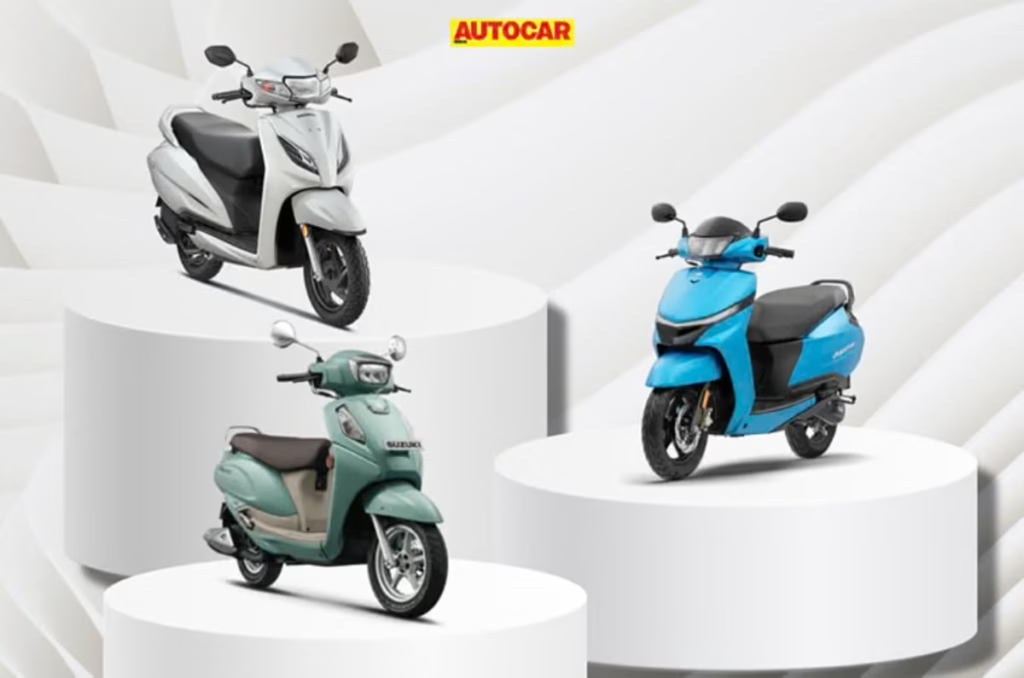
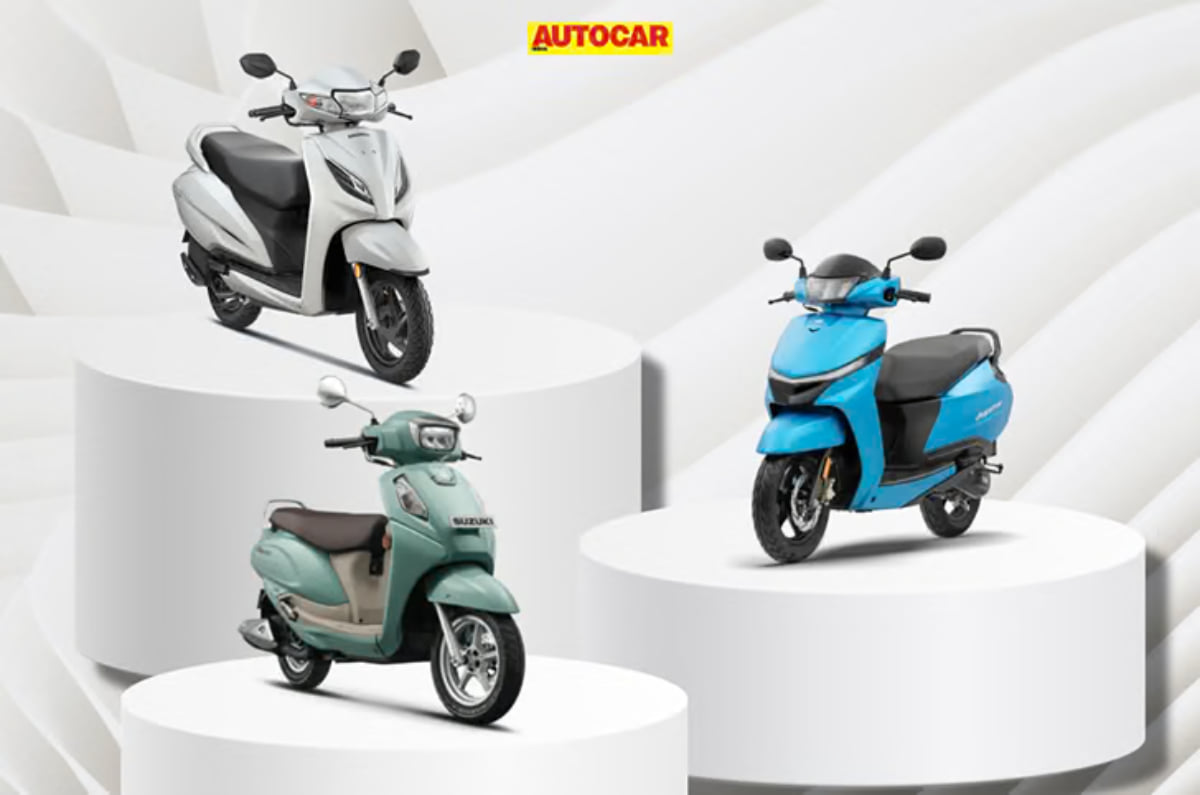
Graphic with Activa, Jupiter, and Access on a podium

Two-wheeler manufacturers have dispatched a record 48,65,192 scooters in the domestic market in the first half (H1) of FY2027. That’s an additional 10.8 lakh units over the same period last year, representing a 29 percent increase. The six-month period included two monthly records: April 2026 opened as the best-ever April, with 6,91,993 units, while September registered 9,95,576 units – the highest monthly total ever for the category and just 4,424 units short of the million-unit (10 lakh) milestone.

Zooming out, the scale of the growth becomes clearer. Scooter sales have more than doubled over 12 years. In H1 FY2016, the total was 2.4 million units, whereas FY2027’s first half has already reached about 60 percent of FY2026’s full-year record of 8.11 million units.

Electric scooters double, claim a 20 percent share

Honda leads overall, TVS grows faster

The fastest-growing part of the segment is electric. E-scooter wholesales hit 9,78,017 units in H1 FY2027, up 103 percent year-on-year from 4,81,199 units in H1 FY2026. This surge has pushed EVs’ share of total scooter sales from 13 percent to 20 percent in a single year.

TVS Motor Company leads the e-scooter market, with 3,05,972 iQube and Orbiter units dispatched, up 107 percent year-on-year, giving it a 31 percent share. Bajaj Auto is second, with 2,60,982 Chetak and Yulu units – a 116 percent jump – and a 27 percent share. Together, the two account for 58 percent of all e-scooters sold in the first half. Ather Energy, with 1,71,611 units and 56 percent growth, held third place, though its share dipped from 23 percent to 18 percent as the market expanded. Hero MotoCorp’s Vida dispatched 1,33,964 units, up 118 percent, for a 14 percent share.

The three Japanese players – Honda, Suzuki and Yamaha – collectively sold 12,523 e-scooters, accounting for a combined 1 percent share. Honda led the group with 7,010 units, up 176 percent.
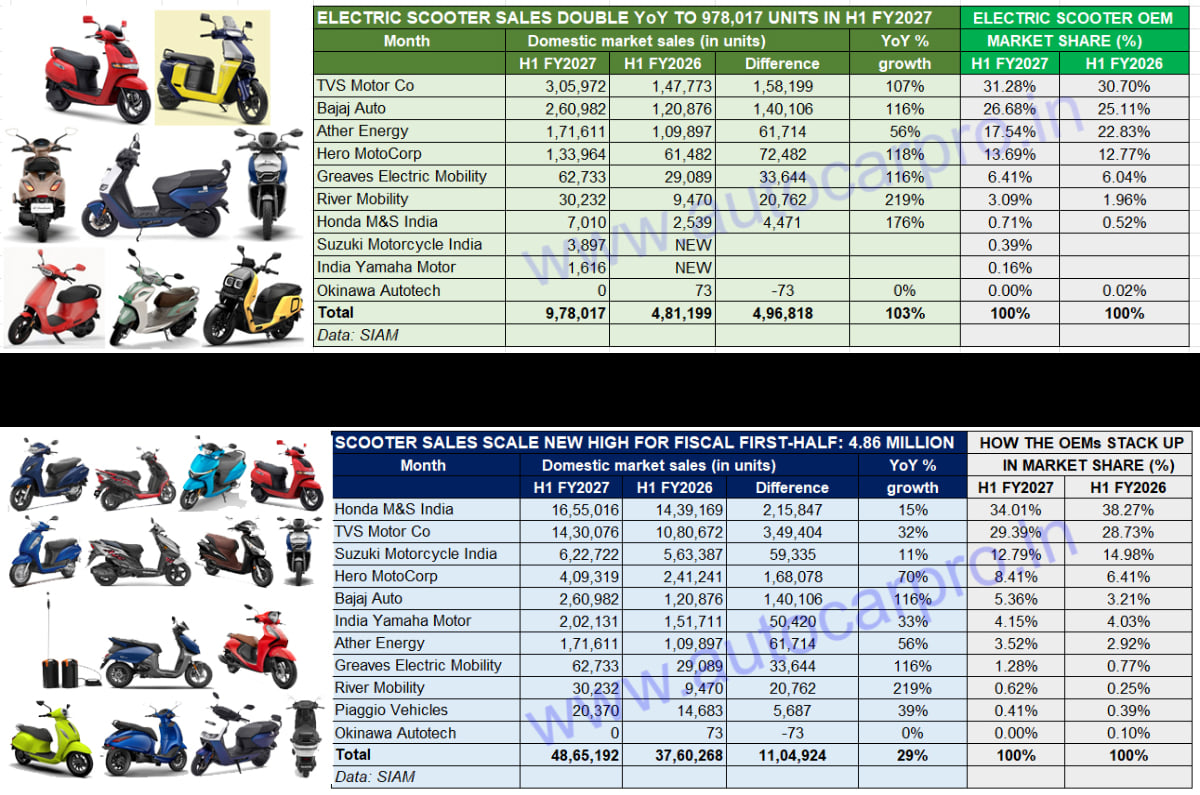
Across ICE and EV models combined, Honda Motorcycle & Scooter India remains the category leader with 1.65 million units, up 15 percent, although its market share has dipped from 38 percent to 34 percent. TVS Motor Company is in second place with 1.43 million units and 32 percent growth, adding 3,49,404 units year-on-year. Nearly half of that incremental volume came from its electric lineup.

Suzuki, with 6,22,722 units and 11 percent growth, and Hero MotoCorp, with 4,09,319 units and 70 percent growth, hold third and fourth place, respectively. Bajaj Auto has climbed to fifth with 2,60,982 units and 116 percent growth, displacing Yamaha, which recorded 2,02,131 units, up 33 percent. Ather Energy is seventh with 1,71,611 units, while River Mobility has entered the top 10, overtaking Piaggio with 30,232 units of the Indie scooter.

With the festive season now underway, the industry will be looking to convert the strong H1 momentum into retail sales. Whether Q3 and Q4 can sustain the near-30 percent growth rate needed to push scooter sales past 10 million units for the first time remains to be seen, but the trajectory points firmly in that direction.


 

Top 10 best-selling cars in September 2026: Baleno takes top spot

Top 10 best-selling cars in September 2026: Baleno takes top spot
Top 10 best-selling cars in September 2026

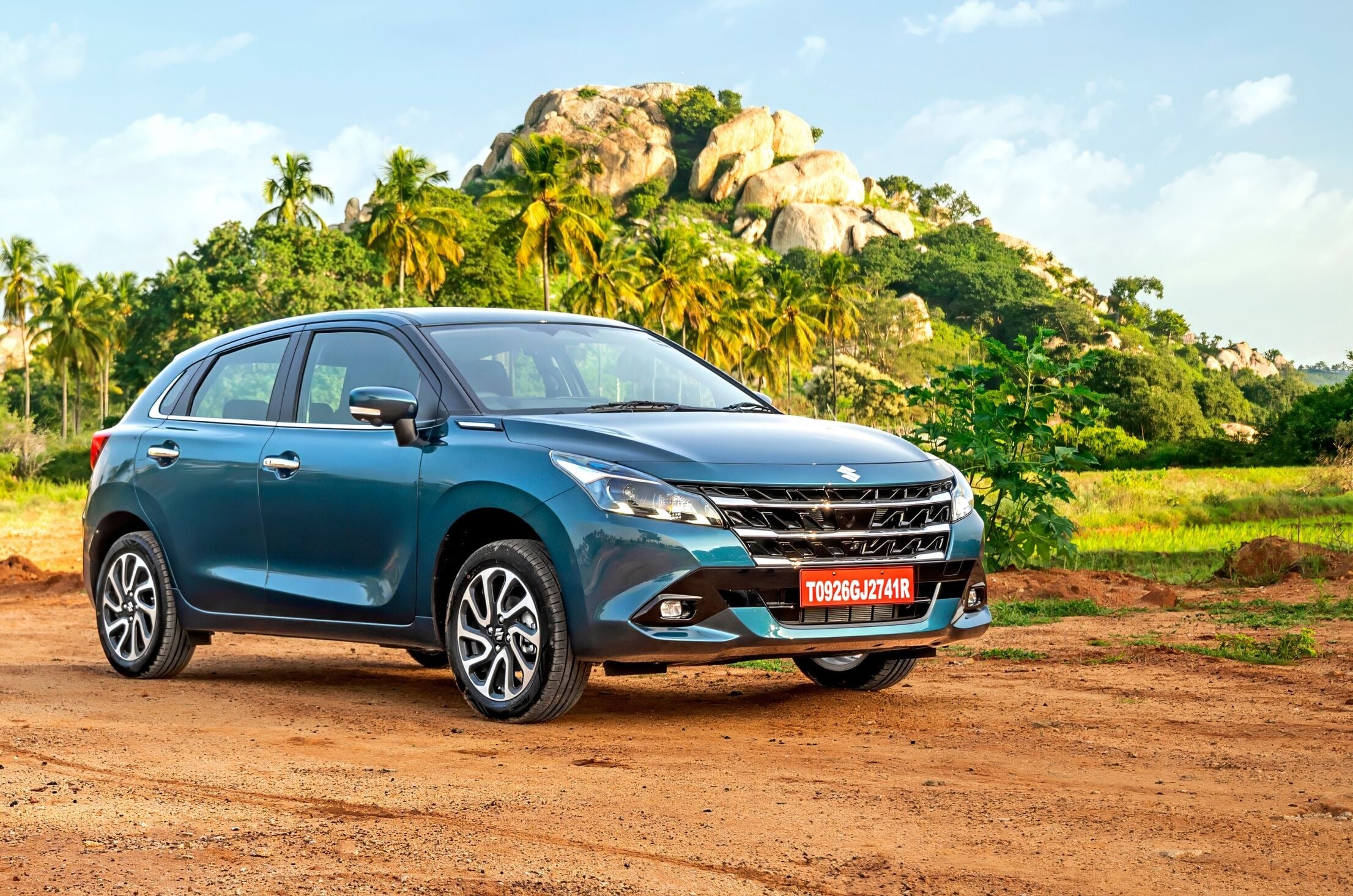
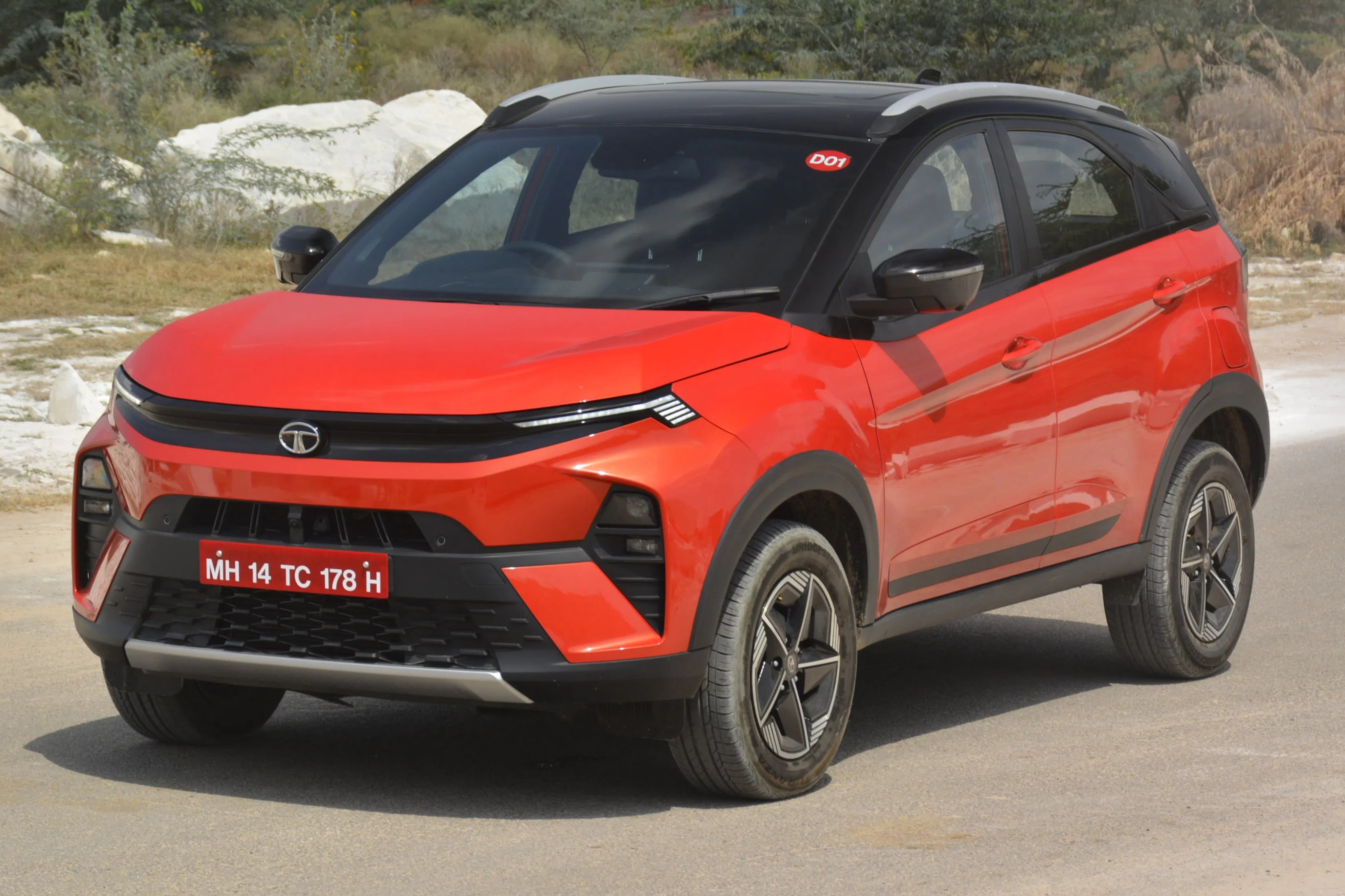
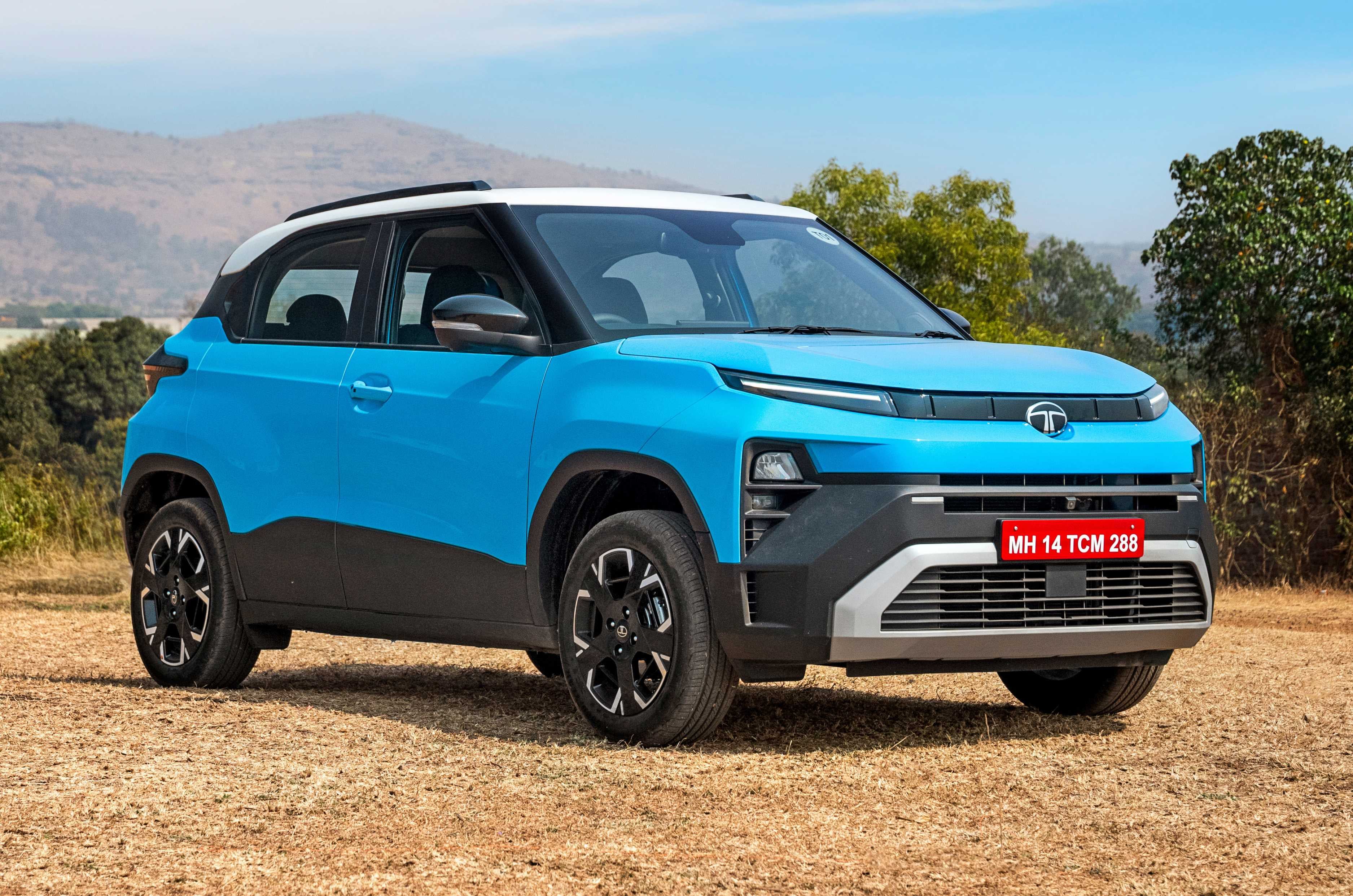
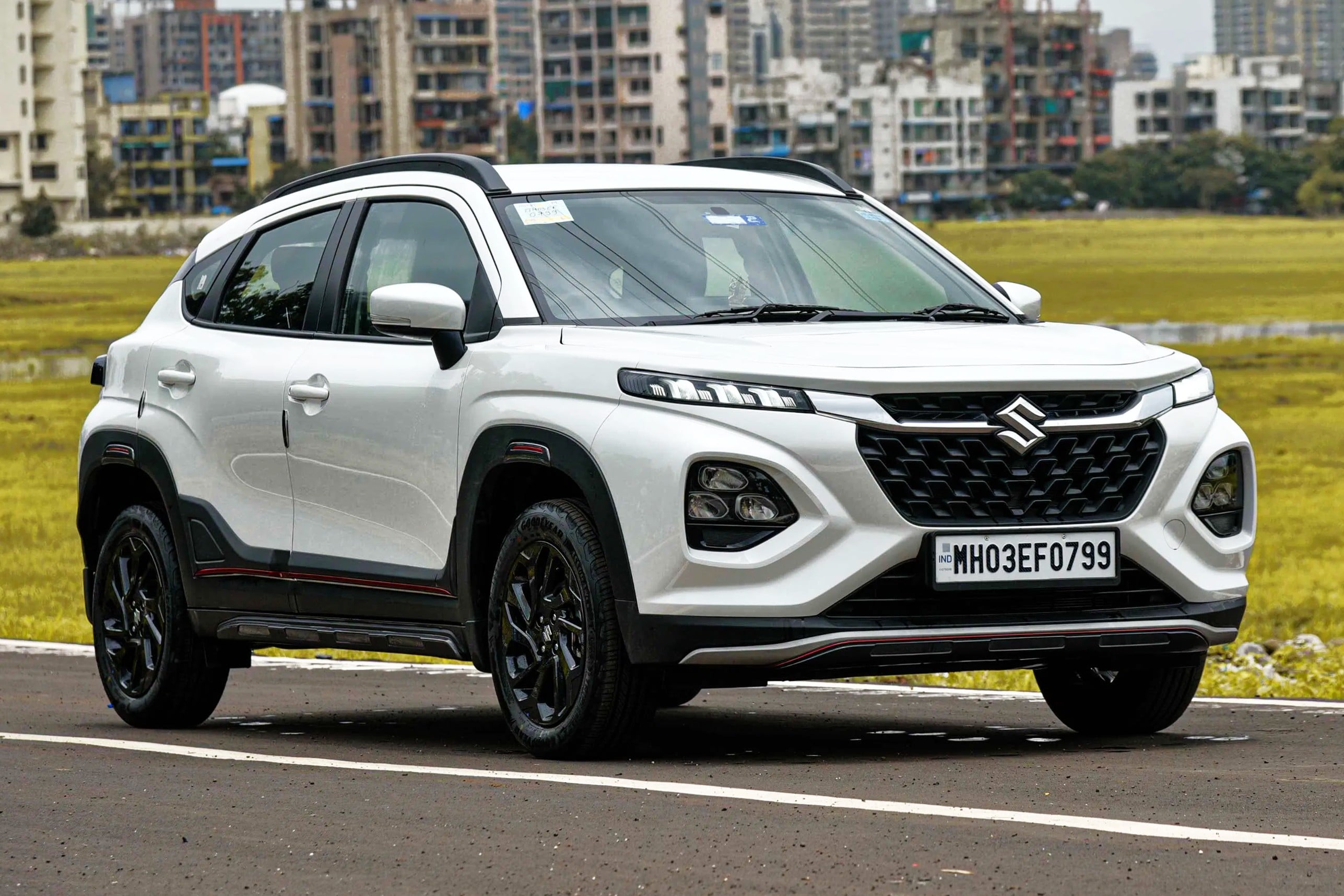
September 2026 saw the Maruti Suzuki Baleno top the best-selling cars list with 25,392 units dispatched, a 93 percent increase year on year. The Tata Nexon and Punch ranked second and third, respectively, with over 20,000 units each. Combined dispatches of the top 10 models rose 15.5 percent to 1,91,332 units. Maruti Suzuki had six models on the list, followed by Tata Motors with two, and Hyundai and Mahindra with one each.

Top 10 best-selling cars in September 2026

RankModelSep 2026 sales (units)Aug 2026 sales (units)Sep 2025 sales (units)MoM change (%)YoY change (%)
1Maruti Baleno25,39215,37613,173+61+93
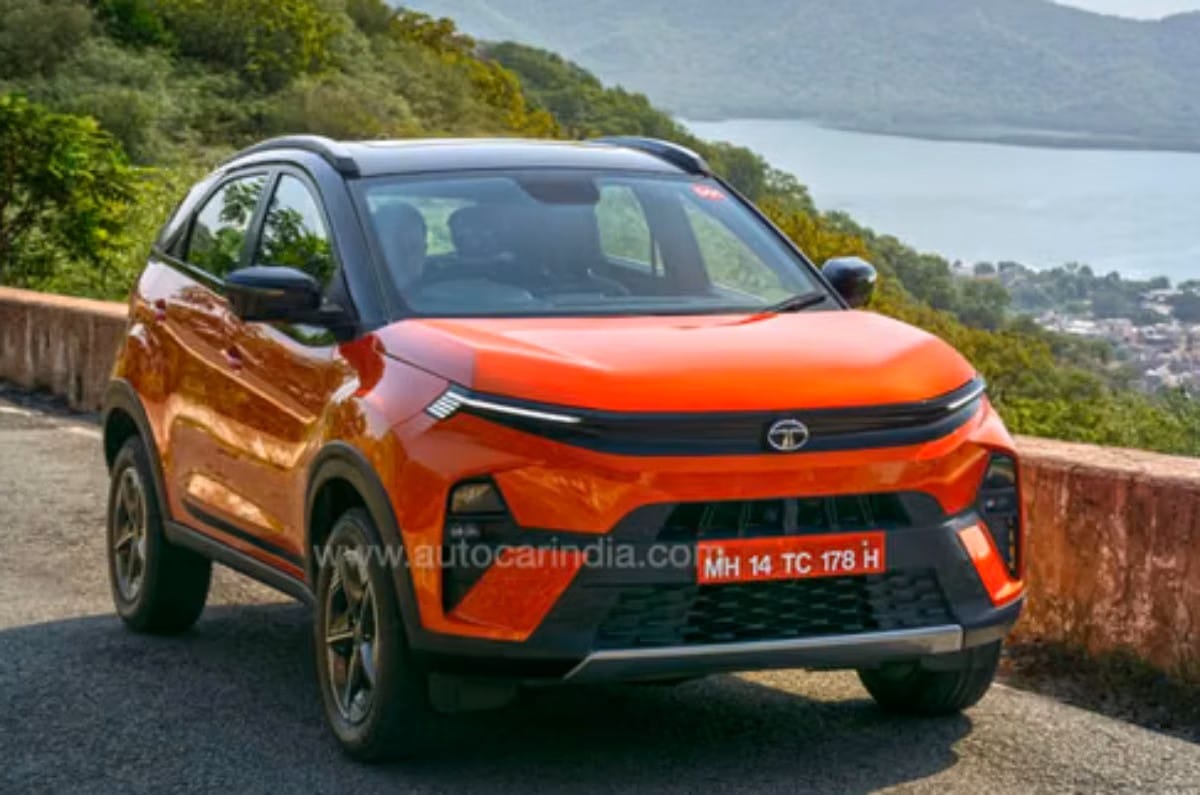
2Tata Nexon20,45618,43122,573+11-9
3Tata Punch20,33321,32015,891-5+28
4Maruti Fronx19,28218,73013,767+3+40
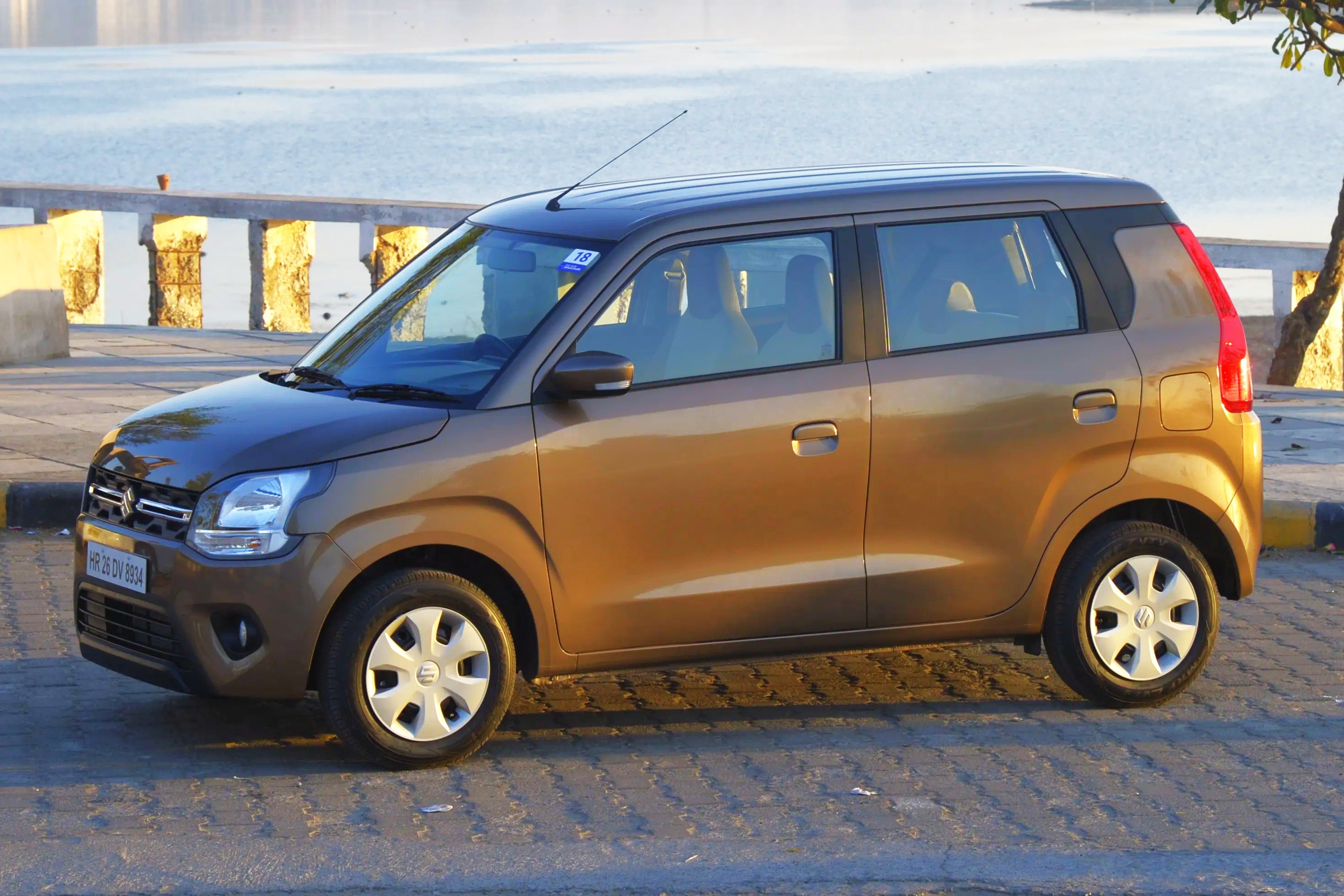
5Maruti Wagon R18,83520,18015,388-7+22
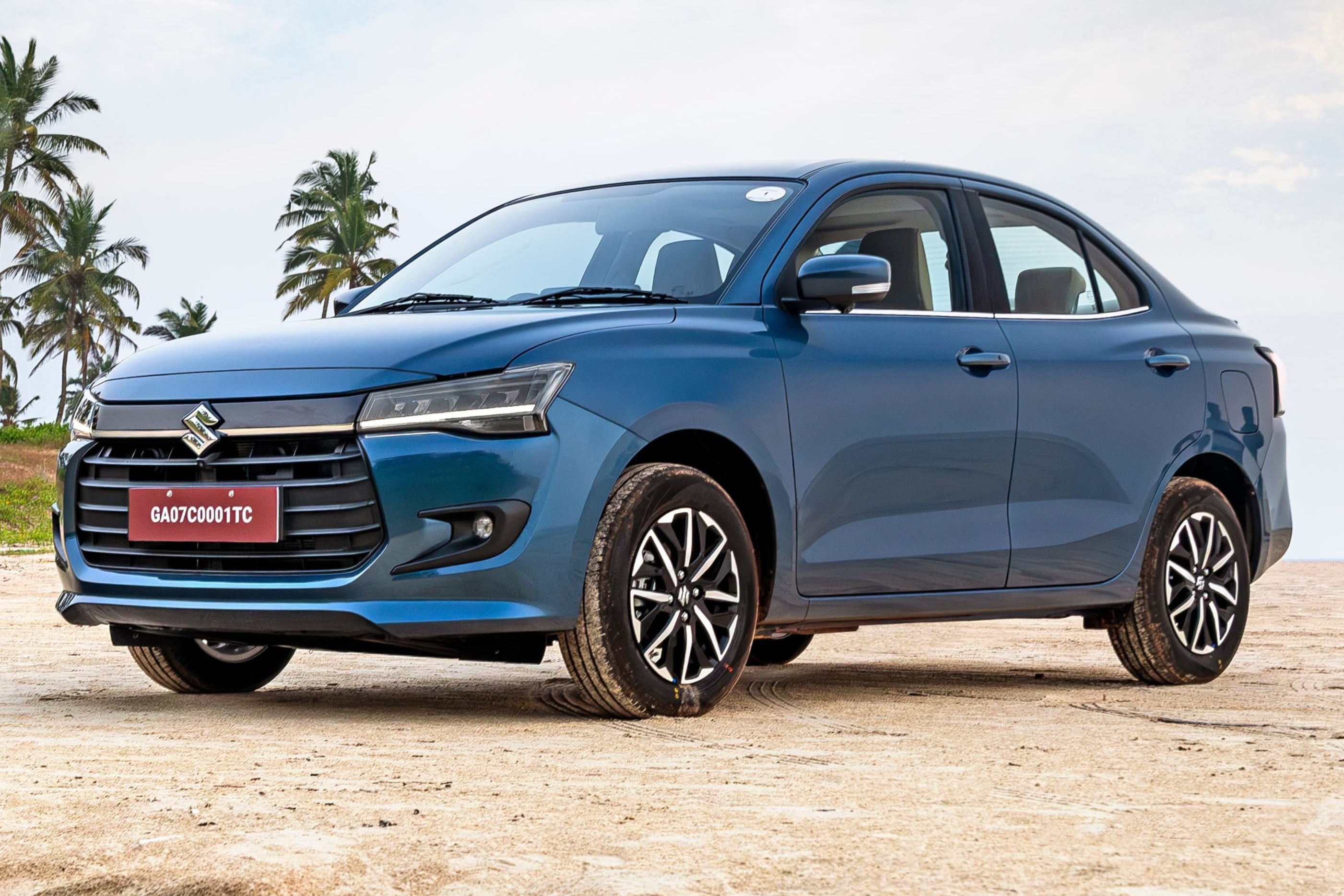
6Maruti Dzire17,75418,41820,038-4-11
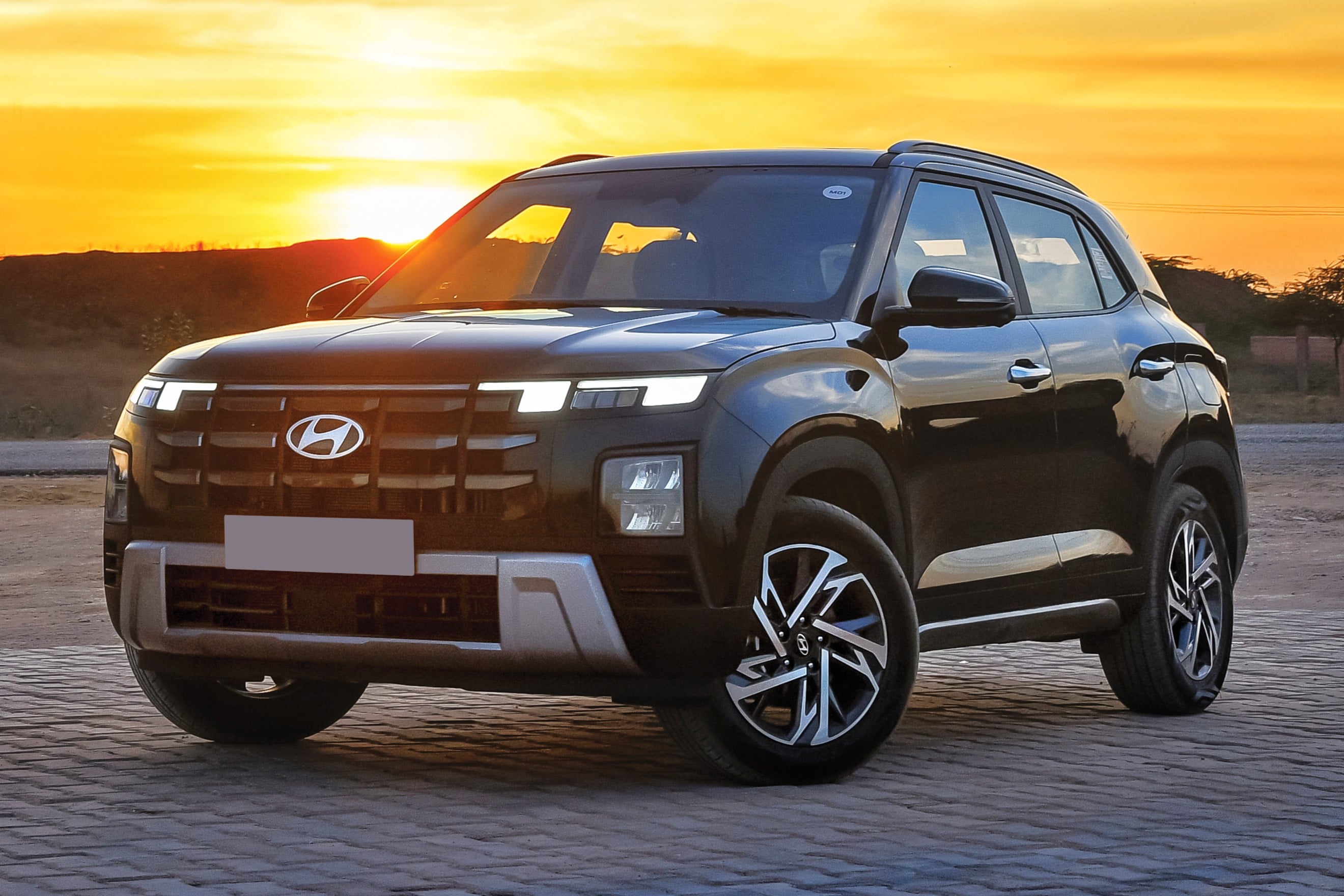
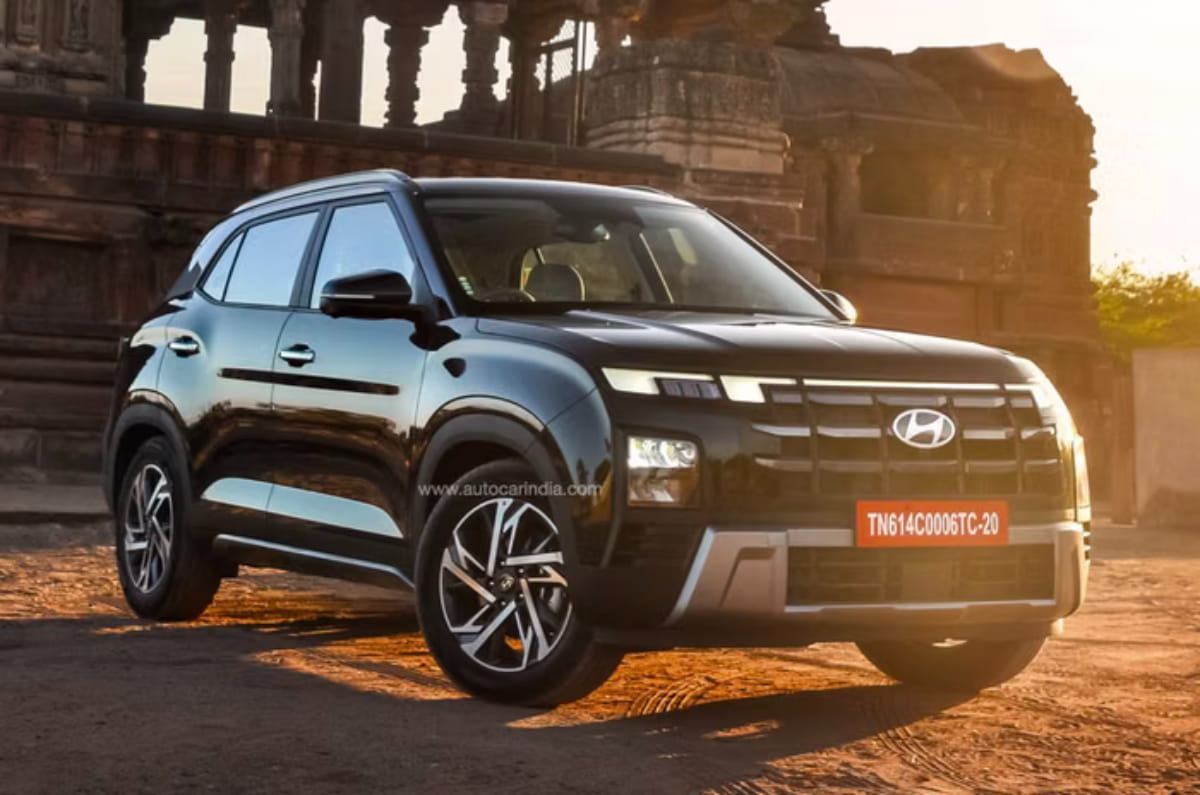
7Hyundai Creta17,65716,28818,861+8-6
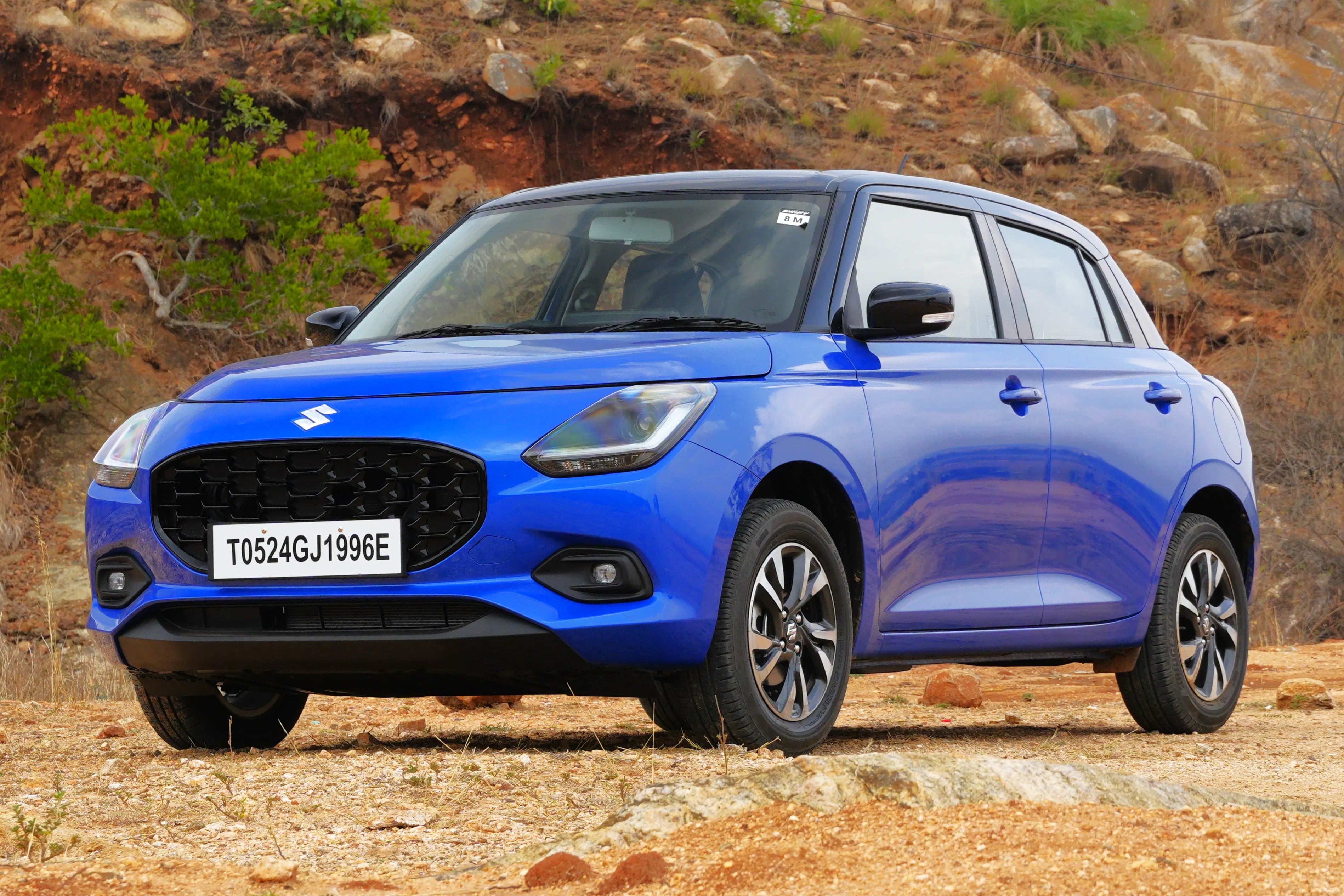
8Maruti Swift17,39919,83215,547-12+12
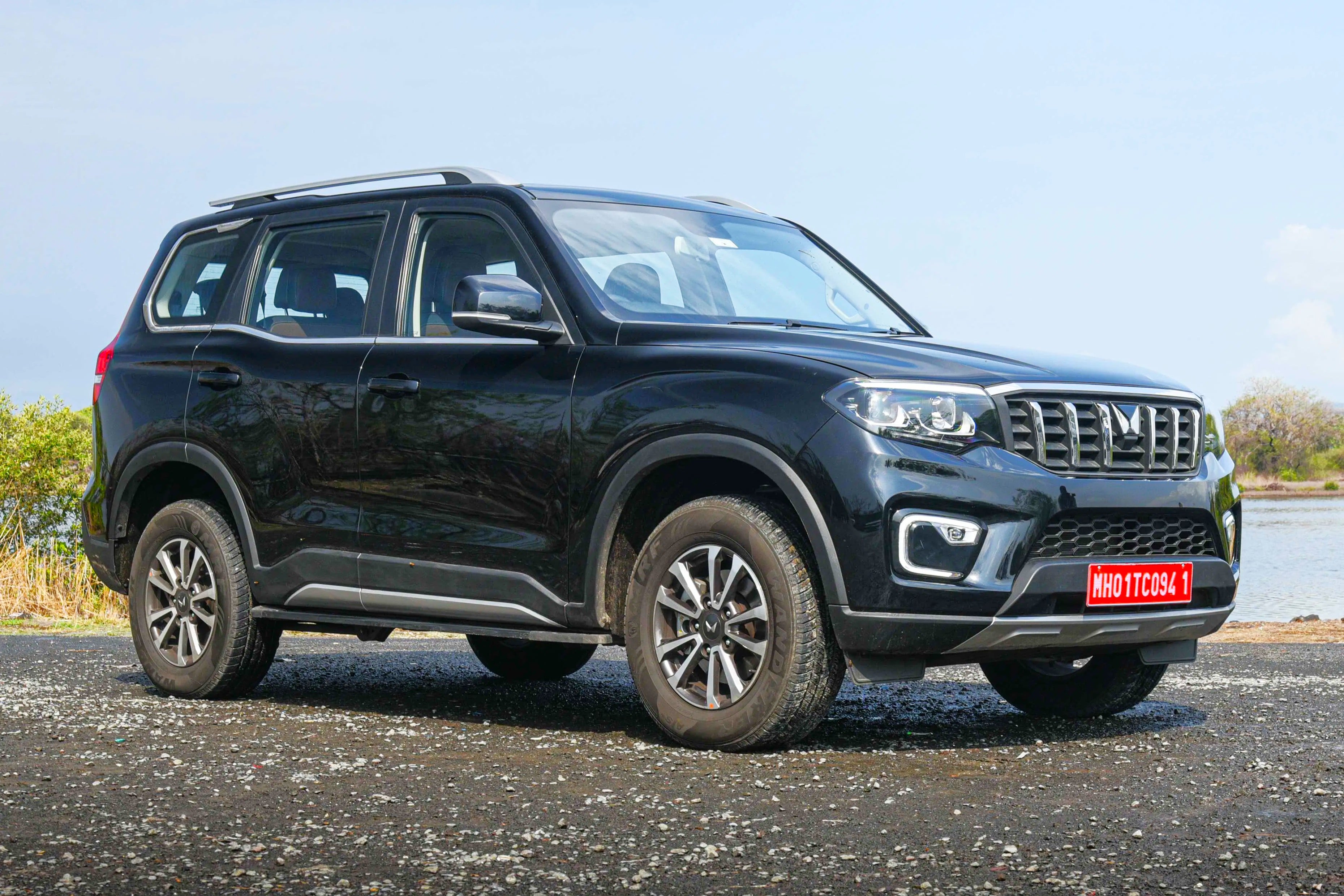
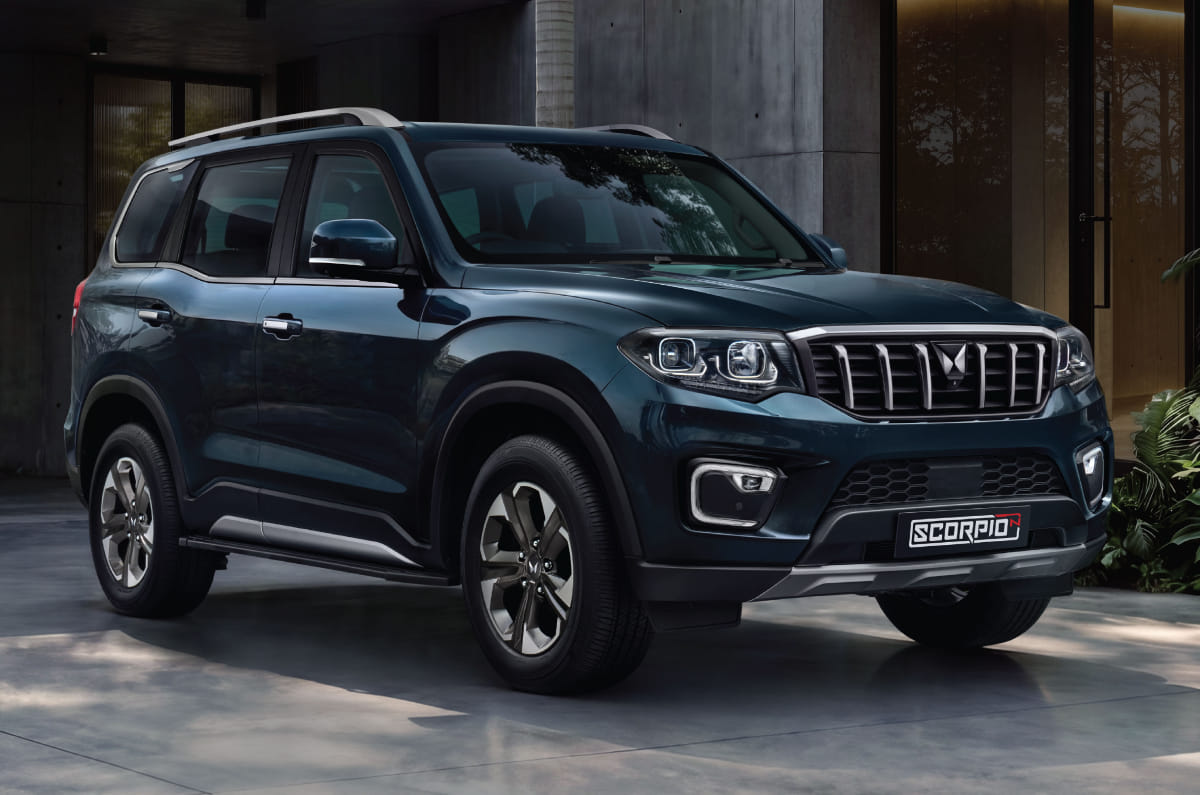
9Mahindra Scorpio17,31315,57618,372+11-6
10Maruti Ertiga16,91118,51612,115-9+40

1. Maruti Suzuki Baleno

The Maruti Suzuki Baleno topped the September 2026 sales rankings with 25,392 units, compared with 13,173 units in September 2025. Its dispatches increased 93 percent year on year, the highest growth rate among the 10 models. The premium hatchback recently received a facelift and is sold through Maruti Suzuki’s Nexa dealership network. It rivals the Hyundai i20, Tata Altroz and Toyota Glanza. The Baleno is priced between Rs 5.99 lakh and Rs 9.99 lakh.

2. Tata Nexon

The Tata Nexon, including the Nexon EV, recorded 20,456 units in September 2026, down 9 percent from 22,573 units in the same month last year. It finished second, just 123 units ahead of the Punch. The Nexon is available with petrol, diesel, CNG and electric powertrains. It rivals the Maruti Suzuki Brezza, Hyundai Venue, Kia Sonet and Mahindra XUV 3XO and is priced from Rs 7.40 lakh to Rs 14.52 lakh for the ICE powered Nexon, while the Nexon EV starts at Rs 12.49 lakh and goes up to 17.89 lakh.

3. Tata Punch

The Tata Punch, including the Punch EV, recorded 20,333 units in September 2026, up 28 percent from 15,891 units a year earlier. It ranked third in the overall list, with the Nexon finishing narrowly ahead. Tata’s smallest SUV is offered with multiple powertrain options, while its compact dimensions and ride-and-handling balance remain key strengths. The Punch rivals the Hyundai Exter and Citroen C3 and is priced from Rs 5.75 lakh to Rs 10.77 lakh. The Punch EV meanwhile is priced from Rs 9.79 lakh to Rs 12.99 lakh.

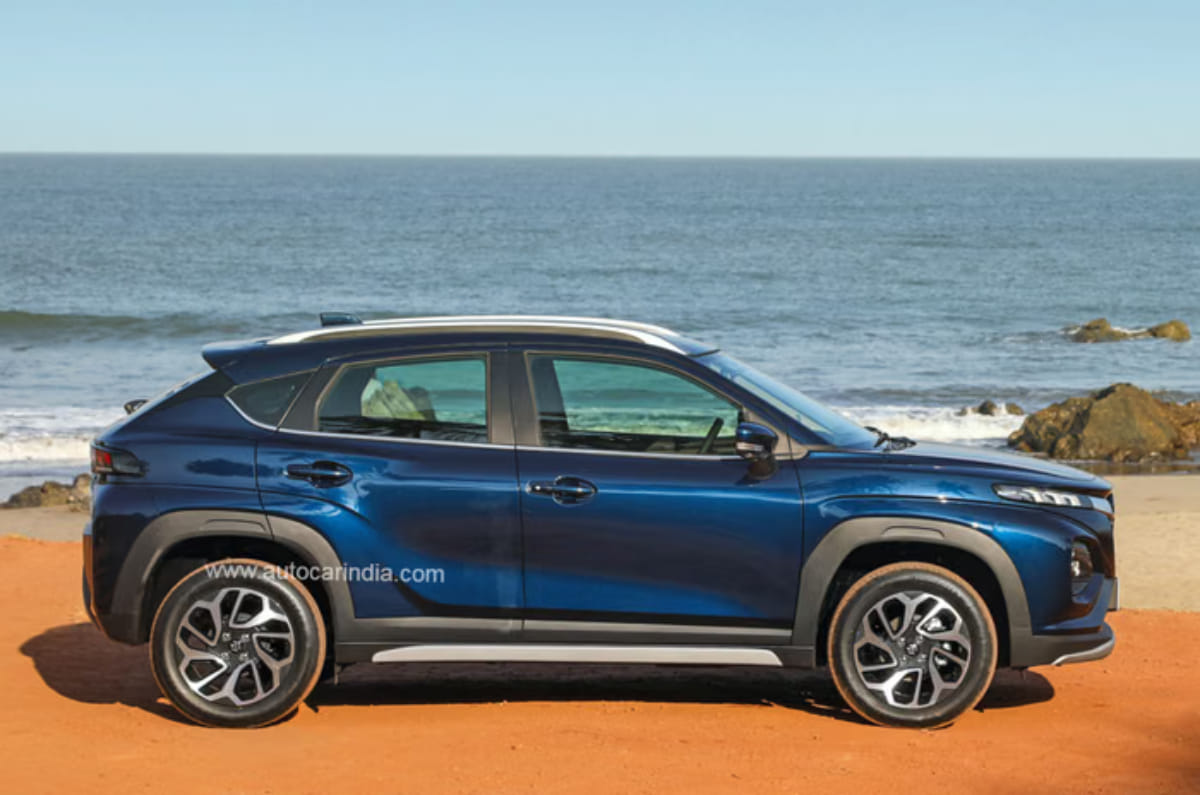
4. Maruti Suzuki Fronx

The Maruti Suzuki Fronx ranked fourth in September 2026 with 19,282 units, compared with 13,767 units in September 2025. Its dispatches increased 40 percent year on year. The Fronx’s crossover styling, comfortable cabin and fuel-efficient powertrains continue to support demand, although it lacks some popular features. It rivals the Nissan Magnite and Renault Kiger and is priced between Rs 6.85 lakh and Rs 11.84 lakh.

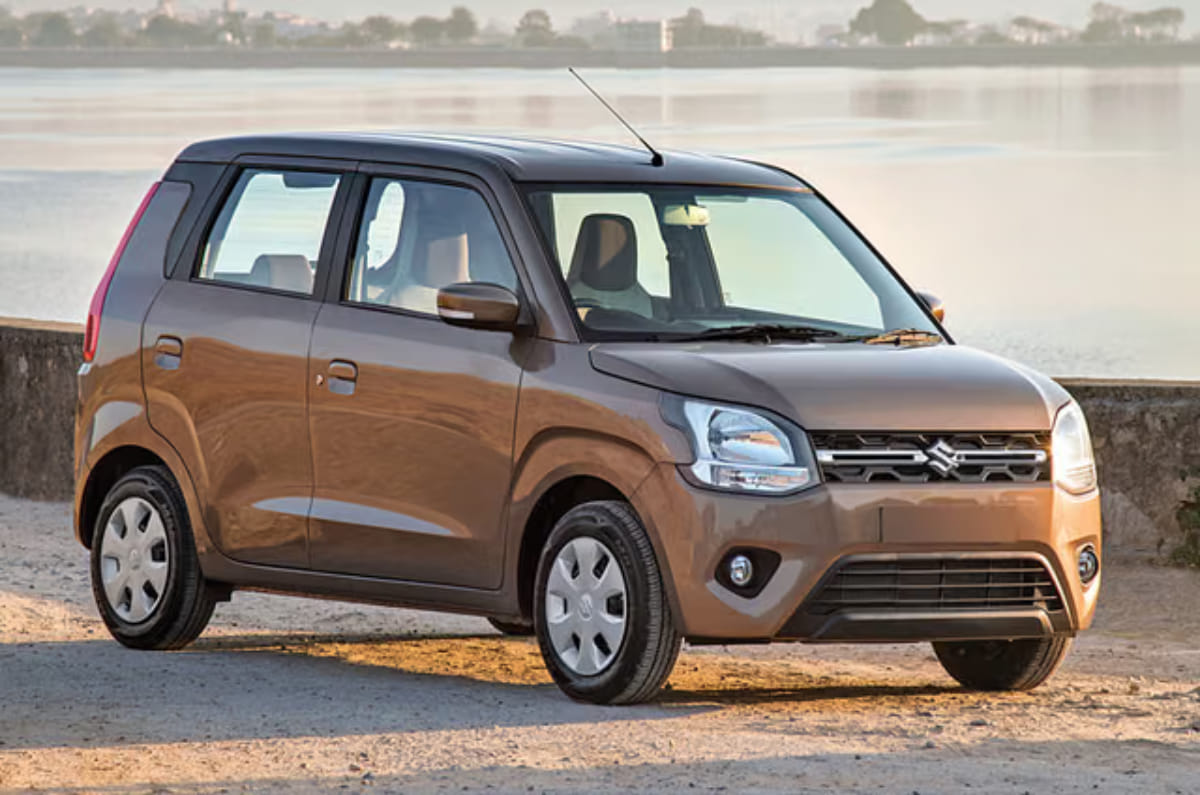
5. Maruti Suzuki Wagon R

The Maruti Suzuki Wagon R recorded 18,835 units in September 2026, up 22 percent from 15,388 units in the same month last year. It finished fifth in the rankings. Its spacious cabin, ease of driving and low running costs remain key strengths, although its light build and limited highway ability are drawbacks. The Wagon R rivals the Tata Tiago and Citroen C3 and is priced between Rs 4.99 lakh and Rs 7.24 lakh.

6. Maruti Suzuki Dzire

The Maruti Suzuki Dzire recorded 17,754 units in September 2026, down 11 percent from 20,038 units in September 2025. It ranked sixth and was the only sedan in the top 10. Strong fleet demand, fuel efficiency and a well-balanced ride and handling setup continue to support the compact sedan’s volumes. The Dzire rivals the Hyundai Aura, Honda Amaze and Tata Tigor and is priced between Rs 6.31 lakh and Rs 9.41 lakh.

7. Hyundai Creta

The Hyundai Creta, including the Creta Electric, recorded 17,657 units in September 2026, a 6 percent decline from 18,861 units in the year-ago month. It was the only Hyundai model in the top 10, finishing seventh. A roomy cabin, multiple powertrain options and a long feature list continue to attract buyers, although the top variants are expensive and some interior plastics could be better. The Creta rivals the Kia Seltos, Maruti Suzuki Grand Vitara, Toyota Urban Cruiser Hyryder, Honda Elevate and Tata Sierra. It is priced between Rs 10.91 lakh and Rs 20.14 lakh.

8. Maruti Suzuki Swift

The Maruti Suzuki Swift recorded 17,399 units in September 2026, up 12 percent from 15,547 units a year earlier. It finished eighth and was one of three Maruti Suzuki hatchbacks in the top 10. Its high fuel efficiency, light controls and easy-to-drive nature continue to support demand, although the top variants are priced close to the more premium Baleno. The Swift rivals the Hyundai Grand i10 Nios and Tata Tiago and is priced between Rs 5.84 lakh and Rs 8.74 lakh.

9. Mahindra Scorpio

The Mahindra Scorpio, combining the Scorpio N and Scorpio Classic, recorded 17,313 units in September 2026. This was down 6 percent from 18,372 units in September 2025, placing it ninth. The Scorpio nameplate remains popular for its strong engines, rugged character and off-road ability. However, the third-row seating is cramped and the luggage area is not particularly practical. The Scorpio N rivals the Tata Safari, Hyundai Alcazar and Mahindra XUV 7XO and is priced from Rs 13.69 lakh to Rs 25.49 lakh.

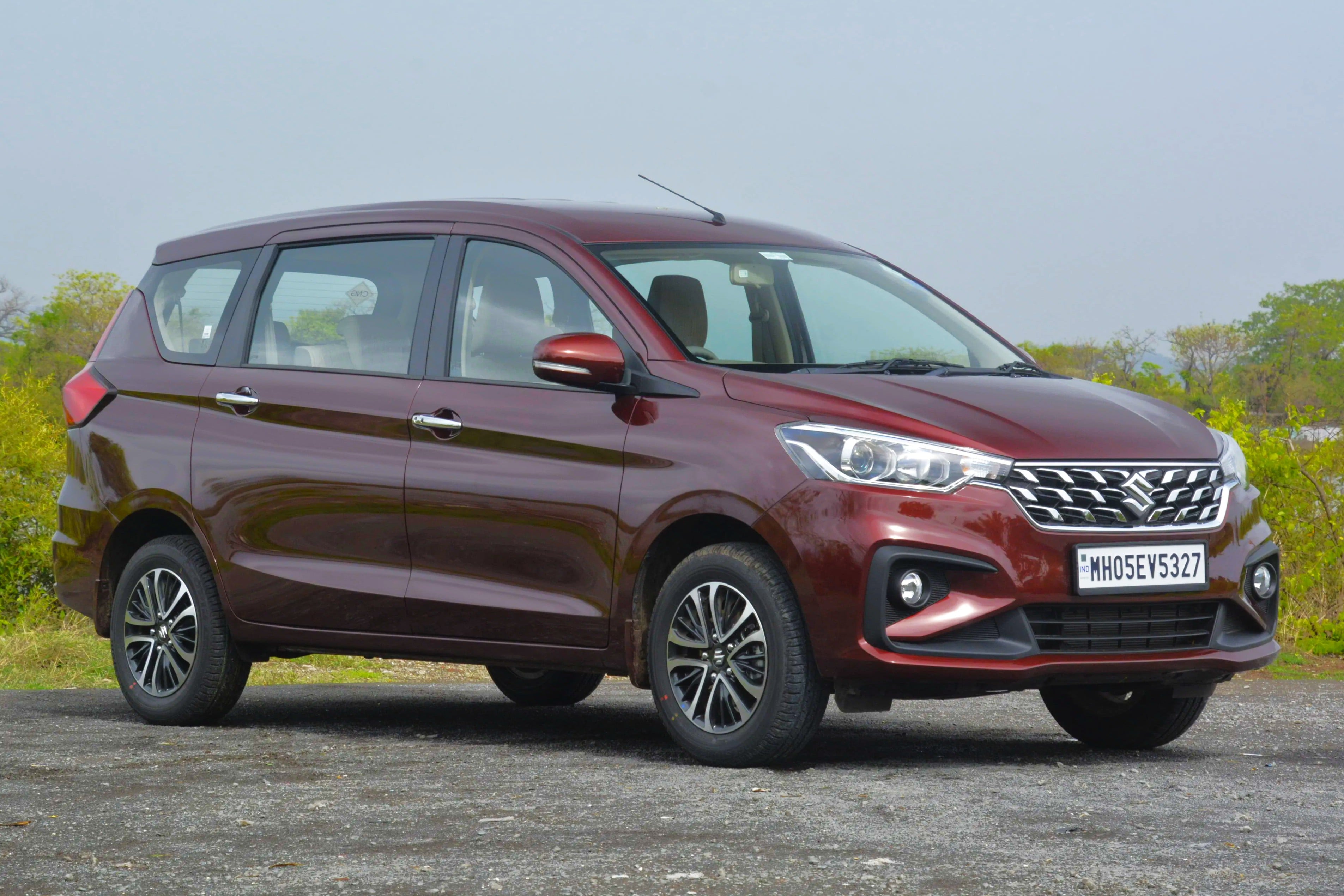
10. Maruti Suzuki Ertiga

The Maruti Suzuki Ertiga completed the top 10 with 16,911 units in September 2026, up 40 percent from 12,115 units in the same month last year. It was the sixth Maruti Suzuki model in the rankings. The Ertiga continues to hold the title of India’s highest-selling MPV. Its practical cabin, strong fuel efficiency and value-for-money positioning attract both private and fleet buyers, although it misses out on some features offered by rivals. It is priced from Rs 8.90 lakh to Rs 13.04 lakh and rivals the Kia Carens and Toyota Rumion.

All prices are ex-showroom, India.

Best OnlyFans Ranking Guide: Choosing Top Creators for Success

Best OnlyFans Ranking: A Practical Guide to Choosing the Top Creators

1. Understanding the OnlyFans Landscape

OnlyFans has grown from a niche subscription service into a global marketplace where creators of all types can monetize exclusive content. The platform is open to artists, fitness coaches, chefs, and many other professionals, each leveraging a personalized fan base for recurring income. Because the ecosystem is so diverse, newcomers often wonder how to identify the most successful creators and whether those rankings matter for their own strategy.

In practice, the best onlyfans ranking reflects a blend of audience size, earnings consistency, engagement rates, and niche relevance. By studying these factors, you can gauge which creators set realistic standards and which tactics are worth emulating. This understanding forms the foundation for any decision‑making process on the platform.

2. How Rankings Are Determined

Rankings typically aggregate public metrics such as subscriber count, monthly earnings, post frequency, and interaction levels (likes, comments, direct messages). Some third‑party tools also factor in growth trends and audience demographics to provide a more nuanced picture. While raw numbers are important, qualitative aspects like brand consistency and content quality heavily influence long‑term ranking stability.

Most reputable rankings use algorithms that assign weighted scores to each metric. For example, subscriber count might carry a 30 % weight, while engagement averages account for 25 %. Understanding this methodology helps you interpret a ranking position beyond just a headline number.

3. Top Criteria for Evaluating OnlyFans Creators

When you compare creators, focus on the following criteria:

  • Audience size and growth rate: A large, steadily expanding subscriber base indicates market demand.
  • Engagement quality: High comment and message volumes show a loyal, interactive community.
  • Content diversity: Regularly varied media (photos, videos, live streams) keeps fans interested.
  • Monetization tactics: Use of paid messages, tip menus, and subscription tiers indicates revenue optimization.
  • Brand consistency: Cohesive visual style and messaging help maintain fan trust.

By scoring each creator against these benchmarks, you can build a personalized ranking that aligns with your business needs.

4. The Current Best OnlyFans Ranking – Who Leads the Pack

Based on publicly available data from the last quarter, the following creators consistently appear at the top of the best onlyfans ranking. They excel across the criteria discussed above and set industry standards for content strategy, pricing, and fan interaction.

CreatorMonthly SubscribersAverage Earnings (USD)Primary NicheKey Strength
Alice Blaze125,000$780,000Fitness & LifestyleHigh‑volume live workouts
Nova Noir98,000$620,000Adult EntertainmentPersonalized video requests
Chef Marco47,000$210,000Culinary ArtsExclusive recipe bundles

These creators illustrate how different niches can dominate the ranking when they master the fundamental metrics of subscriber growth and fan engagement.

5. Features and Benefits of High‑Performing OnlyFans Accounts

Top‑ranked creators typically leverage a robust set of platform features. Automated subscription reminders, drip‑feed content schedules, and integrated payment processing reduce administrative overhead while maximizing revenue.

Benefits include predictable cash flow, deeper fan relationships, and the ability to scale content production without sacrificing quality. By using the dashboard analytics, successful creators can identify peak posting times and adjust pricing tiers to capture maximum willingness to pay.

6. Pricing, Payouts, and Monetization Strategies

Pricing is a delicate balance between perceived value and market competition. Most top creators set a base subscription between $15‑$30, then offer premium bundles, pay‑per‑view content, and tip incentives. Seasonal promotions—such as limited‑time discounts or exclusive holiday bundles—can boost subscriber acquisition without long‑term price erosion.

Payouts on OnlyFans are processed weekly, with a standard 20 % platform fee. Creators should plan for tax obligations and reserve a portion of earnings for reinvestment in equipment, marketing, or content upgrades.

7. Setting Up for Success – Step‑by‑Step Guide

Getting started on OnlyFans doesn’t require a degree in digital marketing, but a systematic approach helps you replicate the practices of the best onlyfans ranking leaders.

  1. Create a professional profile: Use high‑resolution photos, a concise bio, and clear content categories.
  2. Define pricing tiers: Start with a modest base price, then add premium options as your library grows.
  3. Develop a content calendar: Plan at least three posts per week, mixing photos, videos, and live streams.
  4. Engage daily: Respond to messages, run polls, and thank top fans to boost loyalty.
  5. Analyze performance: Use the built‑in dashboard to track subscriber growth and adjust strategies.

Following these steps positions you to climb the ranking ladder while maintaining a sustainable workflow.

8. Common Pitfalls and How to Avoid Them

Even the most dedicated creators encounter obstacles. Below are frequent mistakes and practical solutions:

  • Inconsistent posting: Set automated reminders or batch‑create content to maintain a steady flow.
  • Over‑pricing early on: Test lower price points first; you can increase rates once you have proven value.
  • Neglecting fan feedback: Conduct regular surveys and adjust content based on direct requests.
  • Ignoring platform policies: Review OnlyFans terms to avoid content removals or account suspensions.

By proactively addressing these issues, you minimize churn and protect your position in the best onlyfans ranking.

9. Frequently Asked Questions

Is the best onlyfans ranking reliable for newcomers?

While rankings provide a useful snapshot of top performers, they should be combined with your own niche analysis. Use them as benchmarks, not absolute rules.

How long does it take to appear in the ranking?

Most creators see measurable movement within three to six months of consistent effort, provided they follow best practices for content and engagement.

Can I improve my ranking without increasing prices?

Yes. Enhancing engagement, offering exclusive experiences, and optimizing posting times can boost your score even with stable pricing.

Top 10 bestselling cars in August 2026: Punch back on top spot

Top 10 bestselling cars in August 2026: Punch back on top spot
Bestselling cars in August

The Tata Punch was India’s best-selling car in August 2026, with 21,320 units sold, ahead of the Maruti Suzuki Wagon R and Swift. The top 10 models together recorded 1,83,037 units, up from 1,37,334 units in August 2025. Nine of the 10 models recorded year-on-year growth, with Maruti Suzuki accounting for six models in the list.

The year-on-year increase came against a lower base in August 2025, when buyers deferred purchases and manufacturers moderated dealer dispatches amid expectations of GST changes announced that month.

RankModelAugust 2026 sales (units)August 2025 sales (units)YoY growth (percent)
1Tata Punch21,32010,70499
2Maruti Suzuki Wagon R20,18014,55239
3Maruti Suzuki Swift19,83212,38560
4Maruti Suzuki Fronx18,73012,42251
5Maruti Suzuki Ertiga18,51618,4450
6Tata Nexon18,43114,00432
7Maruti Suzuki Dzire18,41816,50912
8Hyundai Creta16,28815,9242
9Maruti Suzuki Baleno15,74612,54925
10Mahindra Scorpio

15,576

9,84058
 Total

1,83,037

1,37,334

33

1. Tata Punch

Sales: 21,320 units

The Tata Punch topped the August 2026 sales rankings with 21,320 units, almost double the 10,704 units sold in August 2025. Its sales increased 99 percent year on year, the highest growth among the 10 models.

Tata’s smallest SUV is offered with multiple powertrain options, while its compact dimensions and ride and handling balance remain key strengths. The Punch rivals the Hyundai Exter and Citroen C3 and is priced from Rs 5.75 lakh to Rs 10.77 lakh.

2. Maruti Suzuki Wagon R

Sales: 20,180 units

The Maruti Suzuki Wagon R finished second in August 2026 with 20,180 units, up from 14,552 units in August 2025. Its sales increased 39 percent year on year, putting it 1,140 units behind the Tata Punch. 

Its spacious cabin, ease of driving and low running costs remain key strengths, although its light build and limited highway ability are drawbacks. The Wagon R rivals the Tata Tiago and Citroen C3 and is priced between Rs 4.99 lakh and Rs 7.24 lakh.

3. Maruti Suzuki Swift

Sales: 19,832 units

The Maruti Swift ranked third in August 2026 with 19,832 units, compared with 12,385 units in August 2025. Its sales increased 60 percent year on year, leaving it 348 units behind the Wagon R.

Its high fuel efficiency, light controls and easy-to-drive nature continue to support demand, although the top variants are priced close to the more premium Baleno. The Swift rivals the Hyundai Grand i10 Nios and Tata Tiago and is priced between Rs 5.84 lakh and Rs 8.74 lakh.

4. Maruti Suzuki Fronx

Sales: 18,730 units

The Maruti Suzuki Fronx was fourth in August 2026 with 18,730 units, compared with 12,422 units in August 2025. Its sales increased 51 percent year on year, leaving it 1,102 units behind the Swift.

The Fronx’s crossover styling, comfortable cabin and fuel-efficient powertrains continue to support demand, although it lacks some popular features. It rivals the Nissan Magnite and Renault Kiger and is priced between Rs 6.85 lakh and Rs 11.84 lakh.

5. Maruti Suzuki Ertiga

Sales: 18,516 units

The Maruti Suzuki Ertiga finished fifth in August 2026 with 18,516 units, almost unchanged from the 18,445 units sold in August 2025. Its sales were effectively flat year on year.

The Ertiga continues to hold the title of India’s highest-selling MPV. Its practical cabin, strong fuel efficiency and value-for-money positioning attract both private and fleet buyers, although it misses out on some features offered by rivals. It is priced from Rs 8.90 lakh to Rs 13.04 lakh and rivals the Kia Carens and Toyota Rumion.

6. Tata Nexon

Sales: 18,431 units

The Tata Nexon, including the ICE and EV versions, recorded 18,431 units in August 2026, up from 14,004 units in August 2025. Its sales increased 32 percent year on year, making it the sixth best-selling model in the month.

The Nexon is offered with petrol, diesel, CNG and EV powertrain options, along with a feature-rich cabin. However, its fit and finish are not as polished as some rivals. It competes with the Maruti Suzuki Brezza, Hyundai Venue, Kia Sonet and Mahindra XUV 3XO and is priced from Rs 7.40 lakh to Rs 14.52 lakh.

7. Maruti Suzuki Dzire

Sales: 18,418 units

The Maruti Dzire was seventh in August 2026 with 18,418 units, compared with 16,509 units in August 2025. Its sales increased 12 percent year on year, with the Dzire being the only sedan in the top 10.

Strong fleet demand, fuel efficiency and a well-balanced ride and handling setup continue to support the compact sedan’s volumes. The Dzire rivals the Hyundai Aura, Honda Amaze and Tata Tigor and is priced between Rs 6.31 lakh and Rs 9.41 lakh.

8. Hyundai Creta

Sales: 16,288 units

The Hyundai Creta finished eighth in August 2026 with 16,288 units, up from 15,924 units in August 2025. Its sales increased 2 percent year on year, making it the only Hyundai model in the top 10.

A roomy cabin and long feature list continue to attract buyers, although the top variants are expensive and some interior plastics could be better. The Creta rivals the Kia Seltos, Maruti Suzuki Grand Vitara, Toyota Urban Cruiser Hyryder, Honda Elevate and Tata Sierra. It is priced between Rs 10.91 lakh and Rs 20.11 lakh.

9. Maruti Suzuki Baleno

Sales: 15,746 units

The Maruti Suzuki Baleno ranked ninth in August 2026 with 15,746 units, compared with 12,549 units in August 2025. Its sales increased 25 percent year on year, making it the third Maruti Suzuki hatchback in the top 10.

The premium hatchback has recently received a facelift and rivals the Hyundai i20, Tata Altroz and Toyota Glanza. The Baleno is priced between Rs 5.99 lakh and Rs 9.99 lakh.

10. Mahindra Scorpio

Sales: 15,576 units

The Mahindra Scorpio, comprising the Scorpio N and Scorpio Classic, completed the August 2026 top 10 with 15,576 units, up from 9,840 units in August 2025. Its sales increased 58 percent year on year, the third-highest growth rate among the top 10 models.

The Scorpio nameplate remains popular for its strong engines, rugged character and off-road ability. However, the third-row seating is cramped and the luggage area is not particularly practical. The Scorpio N rivals the Tata Safari, Hyundai Alcazar and Mahindra XUV 7XO and is priced from Rs 13.69 lakh to Rs 25.49 lakh.

RBI के अनुमान को भी पीछे छोड़ सकती है भारत की GDP ग्रोथ, डिप्टी गवर्नर पूनम गुप्ता ने दिए ये बड़े संकेत

आरबीआई की डिप्टी गवर्नर पूनम गुप्ता ने गुरुवार को कहा कि मार्च में खत्म होने वाले फाइनेंशियल ईयर में भारत की ग्रोथ रेट 7% के करीब रह सकती है,जो सेंट्रल बैंक के 6.7% के अनुमान से बेहतर है। इस रफ्तार के साथ भारत दुनिया की सबसे तेजी से ग्रोथ करने वाली बड़ी अर्थव्यवस्थाओं में शामिल रहेगा। फाइनेंशियल एक्सप्रेस में आई अखबार के आधार पर ब्लूमबर्ग ने बताया कि चेन्नई में मद्रास स्कूल ऑफ इकोनॉमिक्स में एक कार्यक्रम में बोलते हुए पूनम गुप्ता ने कहा कि उनका यह अनुमान अप्रैल-जून तिमाही के मजबूत रहने की उम्मीदों पर आधारित है। इस अवधि के आधिकारिक आंकड़े इस महीने के आखिर में आने वाले हैं। अर्थशास्त्रियों का अनुमान आम तौर पर 6.9% से 8% के बीच है। इसका मतलब है कि पूरे साल की ग्रोथ रेट काफी ज़्यादा,यानी 7% के करीब रह सकती है।

तमाम चुनौतियों के बावजूद कायम रही रफ्तार

इकोनॉमी की तेज रफ्तार से पता चलता है कि कमजोर मॉनसून और एनर्जी की बढ़ी लागत जैसे झटकों के बावजूद अर्थव्यवस्था में मजबूती बनी हुई है। इससे यह भी पता चलता है कि गुप्ता का रुख हाल ही में काफी सख्त क्यों हो गया है। इस हफ्ते जारी RBI की अगस्त पॉलिसी मीटिंग के मिनट्स से पता चला कि गुप्ता ने इस साल के आखिर में ब्याज दरें बढ़ाने की संभावना जताई थी।

पूनम गुप्ता ने कहा “इन झटकों के बावजूद,आगे के लिए मैं कहूंगी कि 7.5% ग्रोथ तो तय है और हमें इससे बेहतर करने की कोशिश करनी चाहिए।”

बाहरी खातों को लेकर भी जताया भरोसा 

पूनम गुप्ता ने भारत के बाहरी खातों (external accounts) को लेकर भी भरोसा जताया और कहा कि आगे स्थिति काफी बेहतर होगी। अर्थशास्त्रियों को उम्मीद है कि पहले घाटे के अनुमान के बावजूद,इस फाइनेंशियल ईयर में देश का बैलेंस ऑफ पेमेंट पॉजिटिव हो जाएगा। इसकी मुख्य वजह विदेशी मुद्रा में गिरावट को रोकने के उपायों के बाद 80 अरब डॉलर तक विदेशी फंड आने की उम्मीद है। इन उपायों में विदेशी मुद्रा डिपॉजिट को आकर्षित करने के लिए खास इंसेंटिव भी शामिल हैं।

भारत को एक विकसित देश बनाने के लिए 8% से ज्यादा की ग्रोथ रेट की जरूरत 

पूनम गुप्ता का यह बयान ऐसे समय में आया है जब भारतीय अधिकारी देश की अर्थव्यवस्था को लेकर ज्यादा उम्मीदें जता रहे हैं,क्योंकि ईरान युद्ध के चलते जितने बुरे हालात का डर था,वे सच साबित नहीं हुए। मजबूत ग्रोथ को देखते हुए प्रधानमंत्री नरेंद्र मोदी ने पिछले हफ्ते 2047 तक भारत को एक विकसित देश बनाने के अपने लक्ष्य को फिर से दोहराया। अर्थशास्त्रियों का कहना है कि इस लक्ष्य को हासिल करने के लिए हमें कम से कम दो दशकों तक लगातार 8% से ज्यादा की ग्रोथ रेट की जरूरत हो सकती है।


Monetary Policy : अगर महंगाई ऊंचे स्तर पर रही तो RBI ब्याज दरों में कर सकता है बढ़ोतरी – MPC मेंबर