मशहूर यूट्यूबर और कॉमेडियन समय रैना ने YouTube की खुलकर आलोचना की है। उन्होंने आरोप लगाया है कि प्लेटफॉर्म ने अपने व्यू-काउंटिंग सिस्टम में ऐसे बदलाव किए हैं जिनसे क्रिएटर्स पर बुरा असर पड़ सकता है और यह पता लगाना भी मुश्किल हो सकता है कि दर्शक किसी कंटेंट को कितना पसंद कर रहे हैं।
इस मुद्दे पर बात करते हुए रैना ने कहा कि YouTube ने वीडियो व्यूज को रिकॉर्ड करने का तरीका बदल दिया है, जिससे व्यू काउंट पहले के मुकाबले कम मायने रखते हैं। उनके मुताबिक, यह बदलाव तब सामने आया जब वह ‘इंडियाज गॉट लेटेंट’ (India’s Got Latent) के हालिया एपिसोड की परफॉर्मेंस देख रहे थे।
रैना ने बताया कि शो के पिछले कई एपिसोड के मुकाबले इस नए एपिसोड को ज्यादा व्यूज मिले थे, फिर भी लाइक्स की संख्या काफी कम थी। उन्होंने कहा कि इस अंतर को देखकर ही उन्होंने यह पता लगाने की कोशिश की कि प्लेटफॉर्म अभी व्यूअरशिप को कैसे मापता है।
समय रैना ने यूट्यूब पर लगाए आरोप
इस बदलाव के बारे में अपनी समझ बताते हुए, रैना ने आरोप लगाया कि पहले YouTube किसी वीडियो पर ‘व्यू’ तभी गिनता था जब कोई यूजर उसे कुछ समय तक (लगभग 30 सेकंड) देखता था। उन्होंने दावा किया कि नए सिस्टम के तहत, अगर कोई दर्शक वीडियो पर क्लिक करता है और उसे बस एक पल के लिए देखकर छोड़ देता है, तब भी ‘व्यू’ गिना जा सकता है। इस अपडेट को प्लेटफॉर्म के सबसे खराब फैसलों में से एक बताते हुए, रैना ने तर्क दिया कि इससे दर्शकों की असली दिलचस्पी का पता चले बिना ही ‘व्यू काउंट’ बढ़ जाता है।
कॉमेडियन ने आगे कहा कि हो सकता है YouTube, Meta के इकोसिस्टम से आइडिया ले रहा हो, जहां वीडियो व्यूज को अक्सर पारंपरिक लंबे वीडियो वाले प्लेटफॉर्म से अलग तरह से गिना जाता है। उनके नजरिए से, इस बदलाव से ‘व्यू काउंट’ की उस अहमियत के कम होने का खतरा है जो दर्शकों के जुड़ाव (engagement) का एक भरोसेमंद पैमाना माना जाता है।
रैना ने तर्क दिया कि क्रिएटर्स हमेशा से वॉच टाइम, लाइक्स और ऑडियंस रिटेंशन जैसे पैमानों पर निर्भर रहे हैं, ताकि यह समझ सकें कि दर्शकों को उनका कंटेंट पसंद आ रहा है या नहीं। उन्होंने कहा कि अगर बहुत कम समय के इंटरैक्शन से भी व्यूज मिल सकते हैं, तो किसी वीडियो के असल असर का अंदाजा लगाने के लिए यह संख्या बहुत कम काम की रह जाएगी।
समय रैना ने अपने ‘Still Alive’ के आंकड़ों का दिया उदाहरण
अपने ही चैनल का उदाहरण देते हुए, रैना ने कहा कि अगर प्लेटफॉर्म के गिनती के तरीके बदल गए हैं, तो उनके सबसे ज्यादा देखे गए कुछ वीडियो अब शायद दर्शकों की असल दिलचस्पी को सही ढंग से न दिखा पाएं। उन्होंने सवाल उठाया कि YouTube ऐसी दिशा में क्यों बढ़ रहा है, जिससे उनके मुताबिक क्रिएटर्स के लिए अपने कंटेंट के असल परफॉर्मेंस का अंदाजा लगाना मुश्किल हो जाता है।
इस यूट्यूबर ने प्लेटफॉर्म के फैसलों और क्रिएटर्स की जरूरतों के बीच बढ़ती दूरी को लेकर भी निराशा जताई। अपनी बात रखते हुए, रैना ने इस मामले को संभालने के YouTube के तरीके की कड़ी आलोचना की और कहा कि ऐसे बदलावों से आखिरकार उन क्रिएटर्स को नुकसान हो सकता है जो बढ़ा-चढ़ाकर दिखाए गए व्यू काउंट के बजाय असल जुड़ाव (meaningful engagement) पर निर्भर करते हैं।
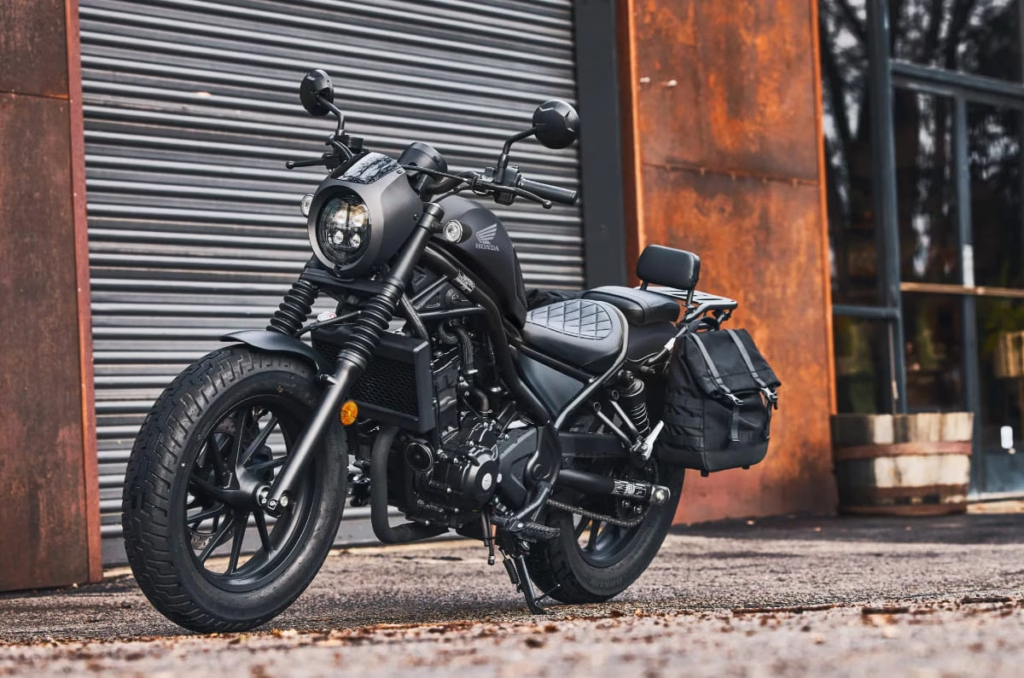
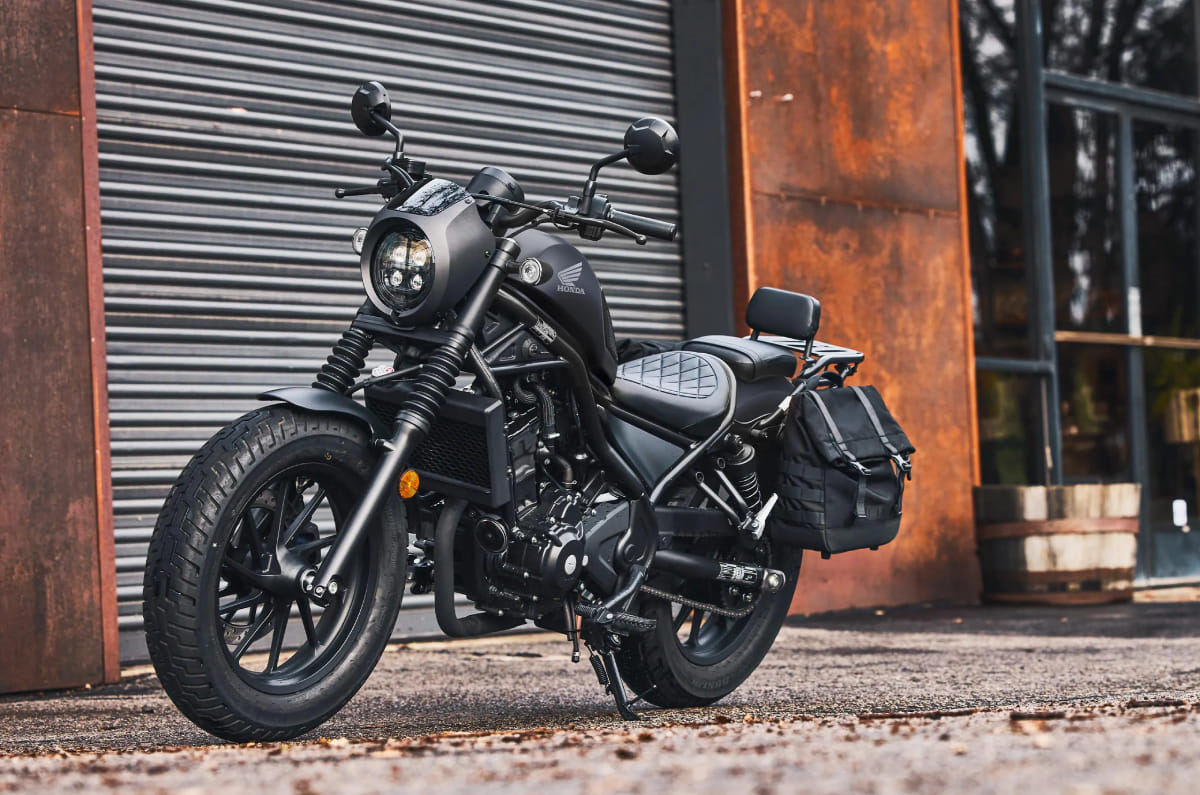
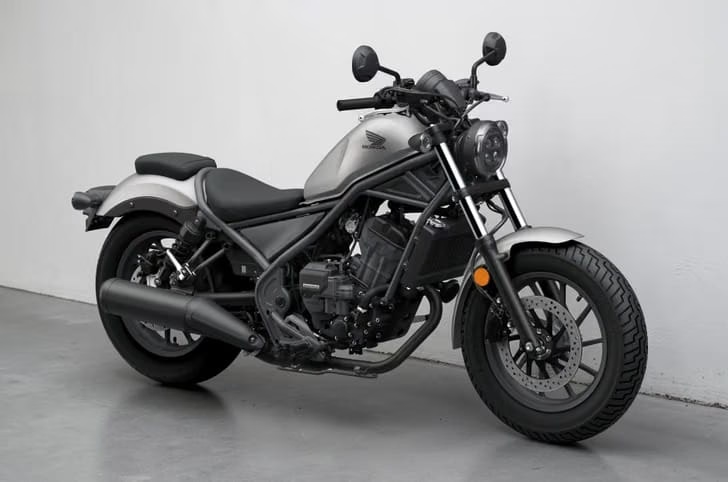
The Honda Rebel 300 is available in two variants – Standard and E-Clutch – both of which share the same 286cc liquid-cooled single-cylinder engine, chassis, styling and feature set.
Honda Rebel 300 variant breakdown
Standard
The Rebel 300 Standard is powered by a 286cc liquid-cooled single-cylinder engine producing 30hp and 27.5Nm, paired with a 6-speed gearbox and a conventional hydraulic clutch operated via a handlebar lever. Features include a circular TFT display with Honda RoadSync connectivity and turn-by-turn navigation, full LED lighting with a projector headlamp and dual-channel ABS. The Standard variant is priced at Rs 2.22 lakh (ex-showroom, Bengaluru).
E-Clutch
The E-Clutch variant is mechanically and visually identical to the Standard, with one addition – Honda’s E-Clutch automated clutch system. The E-Clutch uses actuators to automatically operate the clutch, allowing the rider to change gears without using the clutch lever. It does not make the Rebel 300 a fully automatic motorcycle – the rider still selects gears manually using the gear lever – but the system handles clutch engagement and disengagement on its own.
Crucially, the clutch lever is retained and can be used manually whenever the rider chooses, retaining the conventional usability of the clutch lever. The E-Clutch variant is priced at Rs 2.62 lakh (ex-showroom, Bengaluru) – a substantial Rs 40,000 premium over the Standard.
The Honda Rebel 300 is the first model in the Rebel family to be manufactured locally and acts as the brand’s most accessible cruiser motorcycle here. Built around a bobber-style design with a teardrop fuel tank, round LED headlamp and short exhaust, it is sold exclusively through Honda BigWing dealerships. Here are answers to some of the most commonly asked questions about it.
What is the price of the Honda Rebel 300?
The Honda Rebel 300 is available in two variants. The Standard variant is priced at Rs 2.22 lakh and the E-Clutch variant at Rs 2.62 lakh – a Rs 40,000 premium for the automated clutch system. At Rs 2.22 lakh, the Standard variant undercuts the Royal Enfield Goan Classic 350 (Rs 2.25-2.28 lakh, ex-showroom, Chennai), one of the few other bobber-styled motorcycles currently on sale in India.
What engine does the Honda Rebel 300 use?
The Honda Rebel 300 is powered by a 286cc single-cylinder, liquid-cooled engine producing 30hp and 27.5Nm of torque, paired with a 6-speed gearbox. This is the same engine that powered the CB300R previously sold in our market.
What features does the Honda Rebel 300 have?
Both variants of the Rebel 300 get a circular TFT instrument display with Honda RoadSync connectivity and turn-by-turn navigation, full LED lighting and dual-channel ABS. The E-Clutch variant additionally allows the rider to configure the clutch system via the TFT display.
What is the Honda Rebel 300 E-Clutch and how does it work?
Honda’s E-Clutch is an electronically automated clutch system that uses actuators to operate the clutch automatically, allowing the rider to change gears without using the clutch lever. It does not make the Rebel 300 a fully automatic motorcycle, as the rider still selects gears manually using the gear lever. However, the system handles clutch engagement and disengagement on its own.
Importantly, the clutch lever is retained and can be used manually whenever the rider chooses. The system is designed to reduce rider fatigue in stop-and-go traffic while making the bike more accessible for those who find operating a clutch lever demanding.
What is the seat height and weight of the Honda Rebel 300?
The Honda Rebel 300 has a seat height of 690mm, making it one of the lowest motorcycles currently on sale in our market. This uld make it exceptionally accessible for a wide range of riders. The upright handlebar and forward-set footpegs complement the low t to create a relaxed, unhurried riding position. Kerb weight is 172kg and fuel tank capacity is 11 litres.
अमेरिका के नए राजदूत सर्जियो गोर अपने पहले कश्मीर दौरे पर श्रीनगर पहुंचे और वहां के बदलते सुरक्षा माहौल की जमकर तारीफ की। उन्होंने कश्मीर को भारत का एक अहम हिस्सा माना और कहा कि मोदी सरकार ने इसे पहले से कहीं ज्यादा सुरक्षित बना दिया है। उनके इस 'सुरक्षित' वाले बयान के बहुत बड़े मायने हैं, जिसे उन्होंने अपने अगले ही वाक्य में साफ भी कर दिया। गोर ने बताया कि वाशिंगटन जल्द ही अपने नागरिकों के लिए जारी 'नेगेटिव ट्रेवल एडवाइजरी' की समीक्षा करने वाला है।
It was a pleasure to receive @USAmbIndia Sergio Gor in Srinagar today. We had a very good conversation about the possibilities that exist to widen & deepen the engagement between J&K & the United States of America, particularly in areas like tourism, horticulture & the new… pic.twitter.com/VsJdJSbzJg
राजदूत सर्जियो गोर ने कश्मीर को भारत का एक 'बेहद खूबसूरत और महत्वपूर्ण हिस्सा' कहा है। उन्होंने कहा कि वो पहली बार कश्मीर आए हैं और यहां की सुंदरता को देखकर हैरान हैं। केंद्र सरकार और जम्मू-कश्मीर प्रशासन द्वारा सुरक्षा व्यवस्था को मजबूत करने के लिए उठाए गए कदमों की तारीफें करते हुए गोर ने कहा कि क्षेत्र अब काफी सुरक्षित हो चुका है और बड़ी संख्या में अमेरिकी नागरिक यहां आकर इसकी खूबसूरती का अनुभव जरूर करना चाहेंगे।
‘मैं दूसरे देश के राजदूत के सामने अपनी शिकायतें नहीं रखता’
इससे पहले जम्मू-कश्मीर के मुख्यमंत्री ने कहा कि उमर अब्दुल्ला ने कहा, “मैं उनकी बात सुनने के लिए अधिक उत्सुक हूं। मुझे अपनी शिकायतें किसी दूसरे देश के राजदूत के सामने रखने की आदत नहीं है। हमारे मामले वॉशिंगटन में हल नहीं होने वाले हैं, बल्कि इन्हें हमारे देश की सरकार ही सुलझाएगी।” उन्होंने कहा कि किसी दूसरे देश के राजदूत के सामने शिकायत करना उनके लिए उचित नहीं होगा।
बीजेपी का विरोध प्रदर्शन, उमर ने भ्रष्टाचार के आरोपों पर दिया जवाब
इस बीच, बीजेपी की जम्मू-कश्मीर इकाई ने बुधवार को सिविल सचिवालय के बाहर विरोध प्रदर्शन करने का कार्यक्रम बनाया है। पार्टी ने उमर अब्दुल्ला सरकार पर कथित भ्रष्टाचार का आरोप लगाया है। बीजेपी के आरोपों पर मुख्यमंत्री उमर अब्दुल्ला ने तंज कसते हुए कहा कि जम्मू-कश्मीर सरकार में इतना भी सामर्थ्य नहीं है कि वह इस तरह के कथित भ्रष्टाचार को “छिपा” सके।
McLaren has revealed the McL 6GT concept at the 2026 Monterey Car Week. Inspired by Bruce McLaren’s unfinished M6GT road car project from the late 1960s, it previews a production model due in 2028 and becomes the first McLaren since the F1 to feature a manual transmission.
First manual McLaren since the F1 launched in 1992
Inspired by Bruce McLaren’s original M6GT road car
Production version confirmed for launch in 2028
McLaren McL 6GT exterior
The McL 6GT takes inspiration from the original M6GT, the road-going version of the M6A Can-Am race car that Bruce McLaren had intended to build before the project was abandoned. The concept combines classic proportions with a contemporary design, featuring a low nose, wide stance, clean surfacing and a Kammback-style rear. McLaren says the car has been developed to honour the original M6GT while previewing a future low-volume production model.
The concept is built around a carbon-fibre monocoque with carbon-fibre body panels. Other design details include a new “Racing Loop” tail-light signature, Bruce McLaren’s signature on the engine cover and the historic Speedy Kiwi emblem engraved into the fuel filler cap.
McLaren McL 6GT interior
The cabin combines modern technology with design cues inspired by the original M6GT. It features a digital instrument display, machined aluminium controls, exposed carbon-fibre trim and upholstery patterned after the quilted seats of Bruce McLaren’s road car. Physical switchgear has been retained throughout, while the manual gear lever incorporates a three-dimensional Speedy Kiwi emblem. McLaren says the interior has been designed to prioritise driver engagement while maintaining the simplicity of the original M6GT.
McLaren McL 6GT powertrain
Power comes from a rear-mounted V8 petrol engine paired with a manual transmission, driving the rear wheels. It is the first McLaren road car to offer a manual gearbox since the F1, which was introduced in 1992. The company has not disclosed engine output, displacement or performance figures.
McLaren says the McL 6GT has been engineered to deliver a more mechanical driving experience, with hydraulic steering, traditional controls and a manual gearshift forming the core of the driving experience.
McLaren McL 6GT production
McLaren has confirmed that the McL 6GT will enter production in 2028 as a low-volume model positioned outside the brand’s core product range. It joins the company’s growing line-up of limited-production models inspired by its history, although pricing and production numbers have not yet been announced.
Hennessey has unveiled the Blackbird, its latest hypercar inspired by the Lockheed SR-71 Blackbird reconnaissance aircraft. While the Venom F5 was developed with outright speed and power as its priority, the Blackbird instead places greater emphasis on driver engagement through a naturally aspirated V8, rear-wheel-drive layout, a 6-speed manual gearbox and a screen-free cabin. Production will be limited to 71 units, and customer deliveries are scheduled to begin in 2029.
Naturally aspirated 6.2-litre V8 revs to over 9,000rpm
Targets sub-1,360kg dry weight and 354kph top speed
Screen-free cabin with analogue dials and manual gearbox
Hennessey Blackbird: Engine and performance
Powering the Blackbird is an all-new 6.2-litre naturally aspirated V8, developed with Ilmor Engineering, the company known for its work in IndyCar and NASCAR. Hennessey says the engine will produce 811-862hp, rev beyond 9,000rpm and be the world’s most powerful production naturally aspirated V8. Power is sent exclusively to the rear wheels via a 6-speed manual gearbox with an exposed gate and an exposed linkage.
Without turbochargers or hybrid assistance, Hennessey says the V8 has been engineered to deliver immediate throttle response, linear power delivery and a more engaging soundtrack.
Hennessey claims the Blackbird can sprint from a standstill to 97kph in under 3.0 seconds and reach a 354kph top speed. The Blackbird uses a bespoke carbon-fibre monocoque and carbon-fibre bodywork, giving it a targeted dry weight of under 1,360kg, while also featuring adaptive suspension, Michelin Pilot Sport Cup 2 tyres, ABS and traction control. Despite these performance figures, Hennessey says the focus remains on delivering a more involving driving experience and long-distance usability than on outright performance figures.
Hennessey Blackbird: Exterior design
The Blackbird’s styling takes direct inspiration from the SR-71 Blackbird aircraft. The most distinctive elements are the pair of active vertical stabilisers at the rear, which deploy at speeds above 71mph (114kph) and sit at +/-71 degrees to improve stability and downforce. The diamond-shaped quad exhaust is inspired by the Bell X-1, the first aircraft to break the sound barrier, while the sculpted side pods and bodywork are said to be influenced by Formula 1 and aerospace design. The crisp body-side chine line is another defining styling element of the Blackbird, directly inspired by the SR-71.
Beyond its aircraft-inspired styling, the Blackbird has been engineered for high-speed stability and improved usability. Hennessey says improvements such as a larger glasshouse, better visibility and increased luggage capacity over the Venom F5 are intended to make the car more practical for longer journeys.
Hennessey Blackbird: Interior
The Blackbird’s cabin adopts a deliberately analogue layout. Instead of a digital instrument cluster and central touchscreen, it gets traditional analogue dials, an exposed gear linkage, physical switchgear and a traditional, insert-and-twist ignition key. Smartphone connectivity is handled through the “Hennessey holster”, a dedicated phone mount rather than an integrated infotainment system, while the steering wheel is free of buttons.
Hennessey says the cabin offers more space than the Venom F5 and enough luggage capacity for two full-size carry-on bags. The company also claims the Blackbird has been designed to cover over 1,200km comfortably in a single day, underlining its touring-focused brief.
Hennessey Blackbird: Production
Production of the Blackbird will begin in Texas in 2029, and prices start at USD 2.5 million (around Rs 24 crore), before taxes. Just 71 examples will be built, and more than two-thirds of production has already been allocated ahead of its public debut on August 14 at The Quail during Monterey Car Week in California.
The Mercedes-AMG E53 Hybrid 4MATIC+ arrives at a time when performance cars are being asked to do more than simply go fast. It has to deliver the pace and character expected of an AMG while embracing electrification to meet increasingly stringent emissions norms and changing buyer expectations. The result is a plug-in hybrid performance sedan that combines a 3.0-litre turbo-petrol inline-six engine with an electric motor for a formidable system output of 585hp, while also offering enough electric-only range for mundane daily drives.
But this isn’t just an E-Class with a bigger battery and more power. The E53 gets AMG-specific chassis hardware, all-wheel drive, rear-wheel steering and a suite of performance-focused electronics designed to counter the added weight. Can this electrified AMG still deliver the thrills enthusiasts expect while remaining a genuinely usable luxury sedan every day?
Mercedes-AMG E53 Exterior Design and Engineering
Expectedly, the E 53 has put on quite a bit of muscle. The front bumper is sportier, with large air dams. The Panamericana grille gets illuminated surrounds and is wide enough to gulp massive amounts of air to cool the engine, while the power lines on the bonnet add more intent to its character.
The E53 has good amount of muscle with aggressive bumpers, big grille and power lines
The profile flaunts flared wheel arches, larger 20-inch wheels (the last-gen E 53 featured 19-inchers) and, like before, a standard wheelbase, giving it sportier proportions than the long-wheelbase E-Class.
At the rear, there’s an E 53 badge with red highlights, a quad-exhaust setup that isn’t actually connected to the exhaust pipes, a diffuser and a ducktail spoiler that’s large enough to be noticed but won’t do much for downforce.
Not being a long wheelbase gives it perfect proportions
Overall, it’s a handsome-looking car with just the right amount of restraint. However, if you’re looking for a bit more visual drama, you’ll have to pay extra for the MANUFAKTUR paint finishes, as the standard colour palette is more E-Class than AMG.
Mercedes-AMG E53 Interior Space and Comfort
Inside, the E 53 strikes an appealing balance between luxury and sportiness. Instead of carbon-fibre or piano-black trim, Mercedes has used open-pore wood that feels rich and tactile. A large central MBUX touchscreen dominates the dashboard, while the passenger display found on the standard E is absent – not particularly bothersome given how good the main screen is.
Red and black upholstery looks racy while open pore wood adds luxe factor
The AMG sports seats offer plenty of support and adjustment, although ventilated and massage functions are missing. Likewise, the chunky AMG steering wheel feels superb in hand but is cluttered with touch-sensitive controls that remain frustrating to use.
Rear-seat space is naturally tighter than the long-wheelbase E-Class, but there’s still enough room for two adults to travel comfortably. Manual sunblinds and a panoramic sunroof add to the ambience, although the large transmission tunnel makes this a strict four-seater.
There’s good space in the rear despite this not being a long wheelbase
The boot, however, sees the biggest compromise. At 370 litres, it’s 170 litres smaller than the standard E-Class because the battery sits beneath the floor. There’s no spare wheel either, with its space instead occupied by the charging cable and puncture repair kit.
Mercedes-AMG E53 Features and Safety
The E 53 is a well-equipped sedan despite missing features such as ventilated seats. The centre screen is the brains of the operation and, unfortunately, many of the controls are routed through it, making them difficult to operate on the move.
We’ve praised the MBUX infotainment system for its clear interface and high-resolution display, but usability isn’t its strongest suit. The large screen makes it difficult to accurately select the desired function while driving.
Too many controls on the steering is distracting
The E 53 gets a comprehensive suite of driver assistance systems, including Lane Keep Assist, Automatic Emergency Braking, Rear Cross Traffic Alert and Blind Spot Monitoring. Thankfully, these systems can also be switched off manually if required.
The 360-degree camera is crisp and high-resolution, while the 17-speaker Burmester 4D audio system delivers an exceptional listening experience. As impressive as the sound system is, however, it ultimately plays second fiddle to the performance on offer.
Mercedes-AMG E53 Performance and Refinement
Like before, the new E 53 is powered by a 3.0-litre turbo-petrol straight-six engine. This time, however, it gets support from a 28.6kWh battery pack and an electric motor, taking the combined output to 585hp and 750Nm.
585hp six-cylinder engine makes 150hp more than before
Unlike the bigger PHEV AMGs, the E 53 isn’t an ‘E PERFORMANCE’ model, which means the electric motor is mounted within the gearbox housing rather than integrated into the rear axle. Power is sent to all four wheels via the familiar 9-speed automatic transmission, and the E 53 gets a host of drive modes that are noticeably different from one another.
‘Individual’ lets you tailor the engine, gearbox and suspension to your liking. ‘Battery Hold’ prevents the car from using the battery charge, saving it for when you truly need it. ‘EL’ is the full-electric mode, provided there’s sufficient charge in the battery. ‘Comfort’ offers a more relaxed setup, ‘Sport’ sharpens the responses, and ‘Sport+’ is the most aggressive setting.
Naturally, Sport+ is the mode you’ll spend most of your time in if you want the E 53 to feel like a proper AMG. The exhaust note, the urgency of the power delivery and the firmer suspension all come together beautifully. With the engine and electric motor working at full tilt, straight-line performance is genuinely rapid. Acceleration is smooth yet thrilling, as the engine piles on speed rapidly without the neck-snapping brutality of a powerful EV. Power delivery is strong and linear across the rev range, and the gearbox complements the aggressive character of Sport+ perfectly. 0-100kph takes just 4 secs with the ‘Race Start’ which is essentially launch control included in the AMG Dynamic Plus package as power jumps up to 612hp.
For greater driver involvement, you can also engage ‘M’ mode, which gives you full manual control of the gearbox. It will happily bounce off the limiter without automatically upshifting until you pull a paddle.
The exhaust note is a bit of a mixed bag. It’s genuine, but it’s also channelled into the cabin through the speakers and a subwoofer in the boot. It’s not the ideal solution because, outside the car, the engine and exhaust produce a genuinely enjoyable snarl. Still, in an era of synthesised, computer-generated soundtracks, a real exhaust note—even if it’s amplified through the speakers—is worth appreciation.
Switch to Comfort mode and the E 53 adopts an entirely different character. It’s calm, refined and smooth, with gentler power delivery that’s well suited to long-distance cruising.
Where the powertrain disappoints is in city traffic and slow stop-start driving. The gearbox is simply too eager and, even in Comfort mode, it feels a bit like walking an overexcited Rottweiler. It’s constantly trying to surge forward and grab the next gear before you’ve asked it to. The constant shuffling through the lower gears results in unnecessary jerks that spoil the experience.
The solution is to engage EL mode. It’s almost as if it was designed specifically for this scenario. In EL, the E 53 feels smooth and effortless. There’s very little noise apart from the drone generated by the Michelin Pilot Sport 4S tyres, which can be quite rumbly, especially on concrete surfaces.
Braking is less convincing, however. Despite massive 390mm front discs and regenerative braking, the pedal never delivers a natural or consistent feel. Stopping power is strong, but the spongy, inconsistent pedal detracts from an otherwise polished driving experience.
Mercedes-AMG E53 Mileage and Efficiency
One of the biggest talking points of the new E 53 isn’t its staggering performance, but the fact that it can deliver it without constantly visiting a fuel station. This plug-in hybrid marks a significant shift in AMG’s philosophy, combining electrification with a silky-smooth six-cylinder engine to create a performance sedan that’s as comfortable commuting as it is attacking a mountain road.
Charging via an 11kW AC charger will replenish the battery in 2.25 hrs; No DC charging option
The headline figure is a claimed electric-only range of up to 100km, courtesy a 28.6kWh battery pack. You can expect 75-90km on electric power alone making it entirely possible to complete daily urban commutes without firing up the engine.
Once the battery begins to deplete, the turbocharged 3.0-litre inline-six takes centre stage. Even then, the hybrid system continues to contribute through regenerative braking and electric assistance, ensuring the E 53 feels responsive while reducing fuel consumption compared to a conventional performance sedan. Mercedes has also equipped the car with four regenerative braking modes, allowing drivers to maximise energy recovery or opt for a more natural driving experience. For owners with access to home or workplace charging, fuel stops could become surprisingly infrequent. Charging is equally convenient, with the 11kW AC onboard charger replenishing the battery in around three hours.
28.6kWh battery allows for an electric-only range of 100km
Mercedes-AMG E53 Ride Comfort and Handling
For those who enjoy being behind the wheel, the E 53 delivers in abundance. Despite carrying the additional weight of a sizable battery pack, it feels remarkably composed. In Sport and Sport+, the car tightens up noticeably. Body roll is kept firmly in check, the dampers become more alert, and the steering gains welcome heft. What impresses most is how well the chassis disguises its mass. The battery may add considerable weight, but it’s mounted low in the car, lowering the centre of gravity and lending the E 53 impressive stability through fast corners.
The rear-biased 4MATIC+ all-wheel-drive system plays a major role here. The rear wheels can turn up to 2.5 degrees, which isn’t a huge amount, as you’ll still find yourself making the occasional three-point turn. Above 60kph, however, they turn in the same direction as the front wheels, adding another layer of stability through corners.
It is over 400kg heavier than the last-gen model but you just can’t feel it from behind the wheel
The Michelin Pilot Sport 4S tyres aren’t the quietest, but they allow the driver to deploy the combined output with confidence, even when exiting slower bends. Turn-in is crisp, and while the steering isn’t overflowing with feedback, it’s accurate enough to place the car confidently on a winding road.
At low speeds, the adaptive AMG Ride Control suspension does an admirable job of filtering out broken tarmac, expansion joints and sharp-edged potholes. It isn’t perfect, though. Compared with the last-generation E 53, which rode on smaller 19-inch wheels with taller-profile tyres, the new car’s 20-inch wheels have sacrificed a degree of ride compliance. As a result, the low-profile tyres transmit the occasional thud over particularly nasty potholes.
The adaptive dampers mated with the active engine mounts offer terrific stability
Ultimately, the Mercedes-AMG E 53 Hybrid 4MATIC+ isn’t as razor-sharp as a dedicated sports sedan, nor is it as pillowy as the standard E-Class. Instead, it strikes an impressive middle ground, blending everyday comfort with genuine driver engagement. It’s a car that feels just as at home soaking up kilometres on the expressway as it does carving through a series of fast, flowing corners.
Mercedes-AMG E53 Value for Money
Prices start at Rs 1.45 crore for the Performance Edition and Rs 1.48 crore for the Racing Edition. In this price range, there isn’t a direct rival to the E 53. The BMW M5 is both more powerful and considerably more expensive, while the BMW M4 is effectively rivalled by the Mercedes-AMG CLE 53 as a two-door coupe. The Audi RS5, meanwhile, hasn’t been launched in India yet.
The E 53 succeeds because it doesn’t try to be everything at once. It delivers the pace, handling and character expected of an AMG while introducing meaningful electric-only capability that genuinely enhances everyday usability. The brakes may lack the natural feel you’d expect from a performance sedan, and the gearbox can feel over-eager in slow-moving traffic, but these shortcomings do little to overshadow what is otherwise a remarkably accomplished package.
Fast, engaging and surprisingly efficient, the new E53 Hybrid is one of the most complete performance sedans on sale today. More importantly, it proves that electrification doesn’t have to dilute the AMG experience—it can make it even more usable.
Royal Enfield has said that internal combustion engine (ICE) motorcycles will remain central to its business even after the launch of its first Flying Flea electric motorcycle. The company detailed its long-term strategy in its latest annual report under a new framework called RE-BALANCE.
Royal Enfield will continue investing in new ICE motorcycles alongside EVs.
Brazil is now the company’s largest and fastest-growing international market.
In the company’s annual report, Eicher Motors Executive Chairman Siddhartha Lal said Royal Enfield is committed to building its electric future but will continue investing in petrol-powered motorcycles for as long as possible. The RE-BALANCE strategy focuses on balancing investments in ICE and EVs, improving customer experiences, driving profitable growth and advancing sustainability.
While the company acknowledged that changing consumer preferences and dependence on ICE motorcycles pose long-term business risks, it said it will address these through product innovation, stronger brand relevance and deeper engagement with younger customers.
Royal Enfield said the RE-BALANCE strategy will guide its gradual expansion into electric mobility while continuing to invest in its established ICE portfolio. Its EV ambitions will be led by the Flying Flea brand, and Royal Enfield says that Flying Flea is designed to complement, rather than replace, its existing ICE lineup.
The C6, which is the first model under the brand, was showcased across several cities before its launch in India alongside the opening of the first Flying Flea store in Bengaluru. The motorcycle is priced at Rs 2.79 lakh (ex-showroom Bengaluru) and with Battery as a service (BaaS), the price comes down to Rs 1.99 lakh.
The annual report also highlighted Royal Enfield’s continued global expansion. Brazil emerged as its largest and fastest-growing international market, while the company further strengthened its overseas manufacturing footprint with new assembly facilities in Bangladesh and Thailand.
In welcome news for enthusiasts, BMW has indicated that the next-gen ICE-powered M3 will continue to offer a manual gearbox. BMW M chief executive officer Frank van Meel stated in a recent interview that the performance division intends to keep the three-pedal option alive “as long as possible” despite tightening regulations and dwindling supplier support.
Manuals offer a way better mechanical connection, says BMW M boss
M2 manual sees particularly strong demand in the automatic-dominated US market
BMW M3 Handschalter manual gear lever. Image used for representative purposes only.
Speaking to Autocar UK, van Meel noted that manual transmissions remain an important part of BMW M’s identity because of the driver engagement they provide. “We want to have this mechanical connection, shifting by yourself. It’s an emotional thing; it’s not just an engineering thing, and it’s still there,” van Meel said.
He pointed to the BMW M2 as proof that demand for manual gearboxes remains strong. In the US – a market where automatic cars vastly outsell manual ones – M2 sales are split roughly 50:50 between the performance coupe’s 6-speed manual and the 8-speed automatic variants. In May 2026, BMW even introduced a limited-run M3 CS Handschalter edition with a 6-speed manual only for the US and Canada.
BMW M Concept Neue Klasse. Image used for representative purposes only.
However, van Meel acknowledged that offering manual gearboxes is becoming increasingly difficult. “The supplier base is getting smaller, and with all the driver-assist systems, it is getting more difficult to disconnect the drivetrain,” he said, before adding that BMW still intends “to keep the manual as long as possible”.
S58 turbo straight-six to live on in next-gen M3
No PHEV setup as BMW upgraded the S58 for Euro 7 compliance
Unlike the new Audi RS5, which uses a V6 plug-in hybrid powertrain in the interest of meeting emission norms, the next-gen ICE M3 will continue using its predecessor’s 3.0-litre ‘S58’ turbo-petrol inline-six engine with no major electric assistance.
Euro 7-compliant BMW S58 engine.
BMW recently upgraded the S58 engine to comply with upcoming Euro 7 emissions regulations, introducing pre-chamber combustion (wherein the air-fuel mixture is ignited right before it enters the cylinder) and new variable-geometry turbochargers. The changes are touted to improve combustion efficiency, reduce emissions and maintain performance without sacrificing the engine’s character.
Enhanced aural experience, but no difference in engine output
According to BMW, the Euro 7-compliant S58 even has throatier induction and exhaust sounds at high revs. However, engine output will remain unchanged from that of the current M3, which churns out 530hp and 650Nm. The BMW M boss added that the automaker is confident it can preserve the engine’s performance despite stricter emissions requirements, although cooling remains one of the biggest engineering challenges.
BMW M Concept Neue Klasse. Image used for representative purposes only.
“If you go on track, of course, temperature is an issue. We improved cooling to counteract; the challenge with the big engines and the big coolers is that they need to be even stronger,” van Meel remarked. Therefore, expect the front end of the new ICE-powered M3 to sport a large open grille with a big intercooler behind it.
ICE and electric M3s to co-exist in similar price ranges
BMW wants to offer buyers the choice between petrol and electric
BMW M Concept Neue Klasse. Image used for representative purposes only.
BMW will sell both ICE and EV versions of the next-generation M3 simultaneously. While the two models will share similar styling inspired by the Vision Neue Klasse M Concept, they will be underpinned by different platforms and use entirely different powertrains.
According to van Meel, BMW wants customers to decide whether they prefer petrol or electric performance rather than forcing either on them: “There might be customers who say ‘I want to have a combustion engine because I like the sound… or I cannot charge.’ That’s fully okay.”
BMW M Concept Neue Klasse. Image used for representative purposes only.
BMW M sales boss Sylvia Neubauer separately told Autocar UK that the ICE and electric M3 will be priced in the “same ballpark” and confirmed that the carmaker will continue offering combustion-powered M cars for enthusiasts who are not ready to switch to electric.
BMW M3 Touring estate to see another generation
Neubauer also confirmed that there will be a Touring estate version of the next-gen M3, as the current one is among BMW M’s strongest-performing models, especially in China. Expect the next-gen M3 Touring to have mechanicals similar to its sedan counterpart.
The Renault Duster impressed us at the first drive event with its muscular design, modern interior and ride and handling balance. We’ve now subjected all versions of the new Duster to our in-depth performance and efficiency testing to tell you how it stacks up against its established competition in the midsize SUV segment.
Renault Duster Exterior Design and Engineering – 9/10
Butch, muscular SUV has good road presence; India model based on RGMP platform
Renault has absolutely nailed the design of the new Duster. While it retains clear visual links to its predecessor, the styling feels thoroughly modern. Up front, large LED headlamps are paired with distinctive eyebrow-shaped DRLs that double as turn indicators, while the grille replaces the Renault logo with a prominent ‘Duster’ script, capitalising on the model’s strong brand recall. A protruding silver skid plate evokes memories of the original Duster, and pixel-style fog lamps, a sculpted bonnet and functional air curtains add further visual muscle.
Left to right: Proudly wears the Duster badging on the nose; 18-inch alloys look proportionate.
In profile, the Duster embraces a rugged SUV character with chunky black cladding, concealed rear door handles in the C-pillar and functional roof rails. It rides on striking 18-inch alloy wheels and offers 212mm of ground clearance. The rear design is relatively clean but features distinctive triangular tail-lamps connected by an LED light bar. A roof spoiler and contrasting silver insert in the bumper help enhance its stance. Overall, the Duster has considerable road presence. Colour options include Sunset Red, Pearl White, River Blue, Moonlight Silver, Stealth Black and Jade Mountain Green, while the Launch Edition adds neon-green accents and blacked-out alloys (pictured here).
The roof rails are functional and have a rated 50 kg load-carrying capacity.
Meanwhile, the 1.0 range tops out at the mid-spec Techno trim, but Renault has done a very good job of not making it look like so. You still get the same butch and muscular styling, LED lights, roof rails and body cladding. The only prominent difference from the top trims is the alloy wheels, which are a size smaller at 17 inches and feature a slightly different design.
Unlike the global CMF-B-based model, the India-spec Duster sits on an updated RGMP platform.
Unlike the European-spec Duster, which uses the CMF-B platform, the India model sits on an updated version of it, which Renault calls the Global Modular Platform (RGMP). It features a Google co-developed electronic architecture, and the platform is designed to accommodate a wide range of body styles and powertrains, including hybrids, CNG and full-electric derivatives. Interestingly, the cabin is around 40mm taller due to the addition of a panoramic sunroof, which necessitated a higher roofline to preserve cabin headroom. Ground clearance is slightly higher too, making the India car 50mm taller overall than the international model. Measuring 4,343mm long, 1,813mm wide and 1,659mm tall, with a 2,657mm wheelbase, the Duster sits squarely in the midsize SUV segment.
The Duster gets a segment-best 518-litre boot, though the loading lip is high.
The powered tailgate reveals a segment-leading 518-litre boot (700 litres up to the roof), although Renault only provides a puncture repair kit instead of a spare wheel as standard. Despite no AWD option, off-road credentials remain a key part of the Duster’s appeal, with 26.9-degree approach and 34.7-degree departure angles.
Renault Duster Interior Space, Comfort and Practicality – 8/10
Modern interior impresses with its design, but it isn’t as spacious as some rivals in the segment
Fit and finish of materials inside the cabin are good.
Inside, the dashboard features a twin-screen layout, with a mix of textured and soft-touch materials that lend the interior a premium feel. Silver accents, faux carbon-fibre trim and contrast green stitching add visual drama without making the cabin feel overly busy.
Glovebox is quite shallow and small on the whole.
Crucially, Renault has resisted the temptation to digitise everything. The Duster strikes a sensible balance between touchscreen functions and physical controls, with a row of buttons and knobs for key functions, including the climate control system. Interestingly, the manual and automatic versions feature different centre console layouts. The automatic gets a raised console with a deep, cooled storage compartment, cup holders, a wireless charger and a stubby gear selector, while the manual features a lower-set console with a conventional handbrake and an additional storage shelf beneath the dashboard controls. The manual gear lever feels pleasingly tactile and well-engineered.
Audio controls are on a separate stalk behind the steering wheel; it takes some time getting used to.
Practicality is par for the course. The sliding front armrest incorporates a storage compartment, but the glovebox is on the smaller side, and the door pockets struggle to accommodate 1-litre bottles. The flat-bottom, flat-top steering wheel feels good to hold and houses controls for the instrument cluster and cruise control, while audio controls continue to sit on a separate stalk behind the wheel, a familiar Renault trait. What’s nice is that it features auto up/down for all windows from the base trim.
10.25-inch digital cluster has a split-screen function; some will miss classic round dials, though.
The digital instrument cluster is crisp, colourful and configurable, although some buyers will miss straightforward analogue dials. Less impressive is the key fob, shared with the Triber and Kiger, which feels very budget-oriented.
1.0 range gets a smaller 7-inch driver’s display and brown- black fabric seat upholstery.
The dual-tone black-and-dark-green upholstery with neon-green stitching in the top-spec Iconic Launch Edition adds some character to the cabin. The Techno trim, meanwhile, which is where the 1.0 tops out, features brown-and-black seat upholstery with some different trim elements.
Front seats are well-padded, accommodating and ideal for long drives.
Up front, the seats are supportive and comfortable over long distances, and they feature electric adjustment and an effective ventilation function. Rear-seat comfort is good for two adults, with adequate knee room and good headroom. While a third passenger can be accommodated, limited shoulder room and the transmission tunnel make it a squeeze.
There’s good knee room and headroom on offer, but overall space is less than some rivals.
Rear occupants also get AC vents, charging ports and a centre armrest with cup holders. The large panoramic sunroof and expansive glass area help create an airy feel, although rear sun blinds are notably absent. One drawback is that the window line is considerably higher than before, meaning outward visibility isn’t quite as good as in the original Duster, which was renowned for its excellent all-round view out.
Renault Duster Features and Safety – 8/10
Top-spec comes very well-equipped, though features could’ve been better spread out
10.1-inch touchscreen is slick and high- resolution, but the UI isn’t as logical or straightforward as some rivals.
The Duster comes loaded with all the features expected of a midsize SUV. Its infotainment system supports wireless smartphone connectivity and impresses with crisp graphics and vibrant colours, matching the digital instrument cluster. However, the 10.1-inch touchscreen’s ratio makes it feel relatively slim.
The standout feature is the integration of Google services – Google Maps, Google Assistant and the Google Play Store, which are built into the system, and work seamlessly. The interface is slick and responsive, though it isn’t very intuitive to use, lacking the straightforward layout and menu structure seen in some rivals.
The large panoramic sunroof livens up the cabin without hampering headroom.
Equipment highlights include ventilated and powered front seats, a panoramic sunroof, wireless phone charging, a powered tailgate, dual-zone climate control, connected car technology, auto headlamps and wipers, and a 360-degree camera, although image quality could be sharper.
Safety equipment is comprehensive, with six airbags as standard, front and rear parking sensors, TPMS, an electronic parking brake on DCT variants, disc brakes all around, adjustable headrests and three-point seatbelts for all occupants. The Duster is also Renault India’s first model to feature Level 2 ADAS. During our drive, the system felt well calibrated and largely unobtrusive, though lane-keep assist was slightly overzealous. A dedicated button allows drivers to disable all ADAS functions without diving into touchscreen menus, which is a welcome touch. Commendably, Renault has also secured a full 5-star crash safety rating from Bharat NCAP for the SUV.
It scored 30.49/32 points for adult occupant protection and 45/49 points for child occupant protection.
Overall, the Duster is well equipped to compete with its rivals, though Renault could have distributed some premium features like ventilated seats more effectively across the range, particularly on mid-spec variants. As for the 1.0 range, the top-spec Techno is well specified with features like the same touchscreen, panoramic sunroof, powered tailgate and more.
Renault Duster equipment checklist
Auto LED headlamps
Yes
Alloy wheels
18-inch
Powered front seats
Yes
Ventilated seats
Yes
Panoramic sunroof
Yes
Ambient lighting
Yes
Touchscreen
10.1-inch
Android Auto/Apple CarPlay
Yes
Arkamys Kardon audio
Yes
ADAS
Level 2
Renault Duster Engine Refinement and Performance – 8/10
Both turbo-petrols are refined and have a strong midrange punch; DCT is the pick of the lot
The Duster range starts with a 1.0-litre three-cylinder turbo-petrol producing 100hp and 166Nm, paired exclusively with a 6-speed manual gearbox. Then there’s a 1.3-litre four-cylinder turbo-petrol with a segment-leading 163hp and 280Nm, available with either a 6-speed manual or a 6-speed DCT automatic. We’ve tested all three versions of the Duster on sale currently.
Renault Duster powertrain specs
1.0TP MT
1.3 TP MT
1.3TP DCT
Installation
Front, transverse
Front, transverse
Front, transverse
Type
3 cyls, 999cc, turbo-petrol
4 cyls, 1333cc, turbo-petrol
Bore/ stroke (mm)
72.2/81.3
72.2/81.3
72.2/81.3
Compression ratio
9.5:1
10.5:1
10.5:1
Valve gear
4 valves per cyl
4 valves per cyl
4 valves per cyl
Power (hp)
100 at 5000rpm
163 at 5250rpm
163 at 5250rpm
Torque (Nm)
166 at 2000-3750rpm
280 at 2000-3500rpm
280 at 2000-3500rpm
Power to weight (hp per tonne)
75.98
118.80
117.01
Torque to weight (Nm per tonne)
126.13
244.17
244.17
Specific output (hp per ltr)
100
125.38
125.38
Drive layout
Front-wheel drive
Front-wheel drive
Front-wheel drive
Gearbox
6-speed manual
6-speed manual
6-speed dual-clutch automatic
A strong-hybrid powertrain will join the line-up later this year. It combines a 109hp 1.8-litre petrol engine with a 49hp electric motor and a 20hp hybrid starter generator, drawing power from a 1.4kWh battery. Total system output stands at 160hp and 172Nm. Notably, unlike the original, the new Duster isn’t available with a diesel engine or an AWD option.
Both engines are refined and have a strong midrange, but aren’t very fuel-efficient.
The 1.3-litre engine is impressively refined, with virtually no vibrations at idle and excellent smoothness throughout the rev range. Cabin insulation is equally impressive, keeping engine noise largely out of the cabin unless you’re extending it towards the redline. You do hear quite a bit of the turbo’s blow-off sound though. There is some turbo lag, followed by a noticeable surge in performance at around 2,500rpm, after which the engine delivers a strong and eager mid range.
The 1.3-litre turbo-petrol engine has the highest output in its class with 163hp and 280Nm.
Thanks to its wet clutch, the DCT allows for some slip, given that the lubrication manages wear as well as heat build-up. Thus, shifts prioritise smoothness over outright speed, feeling more like a conventional torque-converter automatic in city driving. This makes it exceptionally easy to live with in traffic, while responsive paddle shifters add an extra layer of engagement on a spirited drive. We recorded a 0-100kph time of 11.3 seconds, which is decent for the segment. However, the tall gearing does blunt low-speed responses somewhat.
Enthusiasts will naturally gravitate towards the manual. Driven on winding and open roads, it feels engaging and rewarding, with a light clutch and a precise shift action. However, turbo lag is more noticeable here than in the DCT, particularly when accelerating from slow speeds. This does make city drives somewhat cumbersome. Combined with the tall gearing, it often requires an extra downshift to keep the engine in its sweet spot.
Manual versions get a lower-set centre console with a manual handbrake.
The manual posted a 0-100kph time of 10.3sec, making it a whole second quicker than the DCT. Both versions feature Comfort and Eco drive modes, although the addition of a Sport mode would have better suited the Duster’s otherwise enthusiastic character.
The 1.0 entry-level engine is a familiar unit that also powers the Kiger. However, Renault has made tweaks, with torque increasing to 166Nm, up by 6Nm over the Kiger, while a 6-speed manual gearbox replaces the compact SUV’s 5-speed unit. There’s no automatic option, though, which does limit its appeal.
The Duster shares its 1.0-litre engine with the smaller Kiger.
Like most three-cylinder engines, there’s a noticeable thrum and some vibrations at idle, but things smoothen out considerably once on the move. Being a small-capacity turbocharged motor, there is some lag low down in the rev range. However, once past 2,000rpm – where peak torque arrives – the engine feels responsive and pulls cleanly towards the redline. Performance is more adequate than exciting. Around town, it keeps pace with traffic comfortably, and part-throttle responses are respectable. On highways and steep inclines, however, you’ll need to work the gearbox to extract the best from the engine, particularly when overtaking.
The clutch is light, making it easy to use in traffic, while the 6-speed gearbox offers a precise shift action. It isn’t the slickest unit around, though, and enthusiastic drivers will notice that shifts require a bit more effort than expected.
Renault Duster acceleration times
Speed (kph)
1.0TP MT time (sec)
1.3TP MT time (sec)
1.3TP DCT time (sec
0-10
0.60
0.56
0.86
0-20
1.32
1.15
1.71
0-30
2.08
1.75
2.54
0-40
3.13
2.42
3.55
0-50
4.27
3.41
4.51
0-60
5.42
4.61
5.52
0-70
7.36
5.58
6.80
0-80
8.91
6.65
7.94
0-90
10.67
8.66
9.31
0-100
13.26
10.32
11.33
0-110
15.95
12.11
13.24
0-120
19.01
13.86
15.37
0-130
22.84
16.02
17.97
1/4 mile
18.55
16.86
17.85
20-80 (rolling)
11.44
10.33
6.07
40-100 (rolling)
12.71
11.08
7.60
Renault Duster Fuel Efficiency – 6/10
Small-capacity turbo engines mean efficiency isn’t great
Renault Duster tested fuel efficiency (kpl)
1.0TP MT
1.3TP MT
1.3TP DCT
City
7.98
8.04
6.47
Highway
13.98
13.24
13.47
Average
10.95
10.64
9.97
Tank size (ltr)
50
50
50
The Duster 1.0 has a claimed ARAI fuel efficiency of 19.41kpl. In our real-world tests, it returned 7.92kpl in the city and 13.98kpl out on the highway, for an average of 10.95kpl. It packs in an Eco drive mode and auto start/stop tech, which help boost its efficiency. However, the ambient temperature during our test reached a soaring 40degC, which meant the AC was working hard to keep the cabin at our preset 22degC and the auto start/stop would only shut off the car for a brief time at traffic lights, which affected the efficiency.
Overall tank range stands at 498.5km for the 1.3 DCT, 532km for the 1.3 MT and 547.5km for the 1.0.
The 1.3 MT is the second most fuel-efficient version from the Duster range, returning 8.04kpl in the city and 13.24kpl on the highway for an average of 10.64kpl. The 1.3 has better efficiency than the 1.0 in the city owing to its taller gearing, which requires less frequent shifts. Meanwhile, as you’d expect, it’s the 1.3 DCT that’s the least fuel-efficient. It managed 6.47kpl in the city and 13.47kpl on the highway, for an average of 9.97kpl. Like with the 1.0, high ambient temperatures played a role in affecting its efficiency as well. Still, compared to its rivals, the Duster’s real-world efficiency is on the lower side.
Renault Duster Ride Comfort and Handling – 9/10
Feels solid and composed over all surfaces and is engaging to drive
Renault Duster suspension, steering, and brakes
Front suspension
Independent, McPherson strut, Coil springs, anti-roll bar
Rear suspension
Semi-independent, Torsion beam, Coil springs, Anti-roll bar
Steering type
Rack and pinion
Type of power assist
Electric
Turning circle
5.2m
Front brakes
Disc
Rear brakes
Disc
Ride comfort was one of the original Duster’s defining strengths, and thankfully, that trait has carried over to the new model. There’s a distinctly European firmness to the suspension setup, particularly at lower speeds, but comfort isn’t compromised. The Duster absorbs rough patches, sharp edges and large potholes with impressive composure, preventing harsh impacts from filtering into the cabin. Unlike the older model, there’s also very little steering kickback over rough surfaces.
Electric power steering is precise and doesn’t have the kickback like the old Duster.
Contributing to this pliant ride are the relatively tall sidewalls of the 225/55 R18 tyres, which add an extra layer of cushioning. In fact, the 1.0 variants may even feel a touch plusher owing to their smaller 17-inch wheel size, though the difference is barely perceptible. At highway speeds, the Duster feels equally accomplished, remaining stable and reassuringly planted.
If you stall the manual, it will automatically restart when you press the clutch pedal.
Anti-roll bars are present at the front, and uncharacteristically, Renault has utilised one at the rear too, integrating it within the twist-beam axle. Handling is enjoyable through corners, and body control is commendable. However, there is some roll when pushed hard, and it doesn’t feel quite as agile or as tightly tied down as some other European rivals. The steering is light but accurate, with enough feedback to inspire confidence on a twisty road. Steering modes are available on the 1.3 that add useful weight for more enthusiastic driving.
Renault Duster braking performance
80-0kph
26.33mtr, 2.34s
Renault Duster Price and Verdict – 8/10
Builds on its legacy of rugged styling and engaging drive with a very modern and well-equipped cabin
Renault Duster price (Rs lakh)
Techno 1.0 MT
13.49
Iconic Launch Edition 1.3 MT AT
17.19
Iconic Launch Edition 1.3DCT
18.69
The new Renault Duster is a well-rounded package that is well equipped to take on the congested midsize SUV space. It’s not without its shortcomings, though, as it would have benefitted from a bit more rear-seat space, better real-world efficiency, and the option of a diesel would have widened its appeal.
Offered in five trims: Authentic, Evolution, Techno, Techno+, and Iconic.
That aside, it stays true to its predecessor by offering a tough and solid feel, outstanding ride comfort and an engaging drive experience, while moving the game forward. The cabin feels properly modern, with all the new-age features; it’s got punchy turbo-petrol engine options, and it’s got the rugged styling to match. There’s even a strong hybrid on the way. Bottom line is, the Duster feels fresh, desirable and a proper match for the heavy hitters in its segment.