वर्ल्ड बैंक ने कहा है कि वह अगले पांच सालों में क्रिटिकल मिनरल्स के कारोबार को पांच गुना बढ़ाने की योजना पर काम कर रहा है। वर्ल्ड बैंक के अध्यक्ष अजय बंगा ने शुक्रवार को बताया कि स्थानीय उद्योगों को विकसित करने के लिए संभावित साझेदारियों के वास्ते 20 देशों की पहचान की गई है। उन्होंने इस बात पर जोर दिया कि विकासशील अर्थव्यवस्थाओं के भीतर ही अधिक नौकरियां और इकोनॉमिक वैल्यू बनाए रखने के प्रयास किए जा रहे हैं।
बैंकॉक में वर्ल्ड बैंक की वार्षिक बैठकों के एक सेशन को संबोधित करते हुए, अजय बंगा ने कहा, “हम अगले पांच सालों में क्रिटिकल मिनरल्स के क्षेत्र में अपने कारोबार को पांच गुना करने की योजना पर काम कर हैं। इस सप्ताह, हमने अन्य MDB (मल्टीलेटरल डेवलपमेंट बैंक) साझेदारों के साथ मिलकर अपने पहले ‘कंट्री कॉम्पैक्ट्स'(देश-स्तरीय समझौते) शुरू किए हैं। इसका मकसद लोकल स्तर पर उद्योगों की स्थापना करना और खनिज कारोबार से मिलने वाले मूल्य और नौकरियों को संबंधित देश के भीतर ही बनाए रखना है।” उन्होंने आगे बताया कि इस काम के लिए उन्होंने 20 देशों की पहचान की है, जिनके साथ वे साझेदारी करेंगे।
आर्थिक गलियारों के विकास पर दिया जा रहा जोर
उन्होंने आगे कहा कि वर्ल्ड बैंक ग्रुप आर्थिक गलियारों (economic corridors)पर अपना फोकस और बढ़ा रहा है, जो बुनियादी ढांचे के विकास को निवेश के अवसरों के साथ जोड़ते हैं। इस संस्था ने पिछले साल 52 नई आर्थिक गलियारा परियोजनाएं शुरू कीं, जबकि इससे एक साल पहले इनकी संख्या सिर्फ 23 थी।
अजय बंगा ने एक ऐसे कॉरिडोर का उदाहरण दिया, जिसे शुरू में मुख्य रूप से खनिजों के परिवहन के लिए बनाया गया था, लेकिन बाद में किसान अपनी फसलों को बाजारों तक पहुंचाने के लिए इसका इस्तेमाल करने लगे, जिससे इस रास्ते के किनारे बसे कस्बों और शहरों के विकास में मदद मिली।
विकास के लिए निजी पूंजी जुटाने पर फोकस बढ़ा
इन प्रयासों के साथ-साथ, वर्ल्ड बैंक ग्रुप विकास कार्यों के लिए निजी पूंजी जुटाने के अपने प्रयासों का विस्तार कर रहा है। बंगा ने बताया कि पिछले साल इस संस्था ने 112 अरब अमेरिकी डॉलर की निजी पूंजी जुटाई, जो वित्त वर्ष 2022 के लगभग 35 अरब अमेरिकी डॉलर के मुकाबले तीन गुना से भी अधिक है।
उन्होंने कहा,”पिछले साल 112 अरब अमेरिकी डॉलर जुटाए गए,जो कि तीन गुना बढ़त है।” उन्होंने आगे बताया कि संस्था की अपनी फंडिंग को मिलाकर कुल फंडिंग 230 अरब अमेरिकी डॉलर से अधिक हो गई है।
उन्होंने यह भी बताया कि निम्न-मध्यम आय वाले देशों में निजी पूंजी जुटाने की मात्रा लगभग तीन गुना हो गई, जबकि उच्च-मध्यम आय वाले देशों में यह चार गुना हो गई। वहीं, पूरे अफ्रीका में इसमें दोगुने से अधिक की वृद्धि हुई। हालांकि,कम आय वाली,कमजोर और संघर्ष-ग्रस्त अर्थव्यवस्थाओं में निजी पूंजी जुटाने की स्थिति स्थिर रही है,जहां व्यावसायिक निवेश आकर्षित करना अब भी मुश्किल बना हुआ है।
विकास के लिए साझा सिस्टम विकसित करने पर जोर
अजय बंगा ने कहा कि यह संस्था गारंटी, इक्विटी और स्थानीय मुद्रा में फाइनेंसिंग के ज़रिए करेंसी रिस्क और फाइनेंस तक सीमित पहुंच जैसी बाधाओं को दूर कर रही है। यह अन्य बहुपक्षीय विकास बैंकों के साथ मिलकर ऐसे साझा सिस्टम विकसित करने पर भी काम कर रही है, जिससे निवेश को दूसरे निवेशकों तक पहुंचाया जा सके और नई विकास परियोजनाओं के लिए पूंजी जुटाई जा सके। इसका मेन मकसद उन क्षेत्रों में निवेश बढ़ाना है जो उत्पादकता में सुधार करते हैं और रोजगार पैदा करते हैं। इनमें बुनियादी ढांचा और ऊर्जा, कृषि-व्यवसाय, स्वास्थ्य सेवा, पर्यटन और वैल्यू एडेड मैन्यूफैक्चरिंग (value-added manufacturing) जैसे क्षेत्र शामिल हैं।
नौकरी कोई आंकड़ा नहीं, नौकरी सम्मान है
अजय बंगा ने ग्लोबल लेवल पर लगभग 80 करोड़ नौकरियों की अनुमानित कमी की ओर भी इशारा किया। उन्होंने चेतावनी दी कि अगर युवाओं के लिए अवसर पैदा नहीं किए गए,तो पूरी दुनिया में इसके खराब परिणाम देखने को मिल सकते हैं। उन्होंने युवाओं को अपना भविष्य बनाने में सक्षम बनाने के लिए रोज़गार के महत्व पर ज़ोर देते हुए कहा “नौकरी कोई आंकड़ा नहीं है। नौकरी सम्मान है।”
वर्ल्ड बैंक ग्रुप का विकास मॉडल कई चीजों का मेल
उन्होंने आगे कहा कि वर्ल्ड बैंक ग्रुप का विकास मॉडल कई चीजों का मेल है। पब्लिक फाइनेंलिंग (वहां,जहां बाजार नहीं पहुंच पाते), निजी पूंजी (वहां, जहां बड़े पैमाने पर नौकरियां पैदा की जा सकती हैं), शुरुआती जोखिमों में मदद के लिए परोपकारी निवेश और फाइनेंशिग को अधिक प्रभावी बनाने के लिए तकनीक शामिल हैं। अजय बंगा ने कहा,”नौकरियों की कमी केवल एक अनुमान है। जरूरी नहीं कि हमारा भविष्य भी ऐसा ही हो।” उन्होंने विकास से जुड़ी पहलों को और बड़े पैमाने पर तथा तेजी से लागू करने का आह्वान किया।
Follow us for more:
12 साल तक मीडिया में काम किया, लेकिन एक वक्त ऐसा आया जब जसवीर सिंह जस्सी और पत्नी सुधा शाह की नौकरियाँ चली गईं। आर्थिक तंगी आई, लोगों ने ताने मारे और कई बार लगा कि अब आगे कोई रास्ता नहीं है।
फिर मुंबई में सिद्धिविनायक मंदिर गए और वहाँ पर खाए एक वड़ा पाव ने उनकी ज़िंदगी की दिशा बदल दी।
आज यही कपल नोएडा सेक्टर 19 में अपना वड़ा पाव स्टॉल चलाता है और मेहनत से अपनी नई पहचान बना रहा है।
उनकी कहानी याद दिलाती है कि कोई काम छोटा नहीं होता, अगर आप उसे ईमानदारी और हौसले से करते हैं।
आपके लिए सफलता का असली मतलब क्या है?
@patrakarcouple
न्यूज़रूम से वड़ा पाव के ठेले तक | Journalist Couple Vada Pav Business | Patrakar Couple Vada Pav Wale | Noida
[Journalist couple started vada pav business in Noida, journalist turned street food entrepreneur, Couple lost jobs and started their own business, Small business success story, From job loss to successful business]
नौकरी करने वाले लोगों के लिए सालाना सैलरी हाइक का इंतजार काफी अहम होता है। बढ़ती महंगाई के बीच वेतन में होने वाली बढ़ोतरी से घर का बजट संभालने में मदद मिलती है। लेकिन सॉफ्टवेयर कंपनी Zoho के कर्मचारियों को इस साल निराशा का सामना करना पड़ सकता है। कंपनी के संस्थापक श्रीधर वेम्बू ने बताया है कि इस साल कर्मचारियों की सैलरी में सामान्य सालाना बढ़ोतरी नहीं की जाएगी। इसके पीछे आर्टिफिशियल इंटेलिजेंस (AI) से जुड़े बढ़ते खर्च, सर्वर की महंगी कीमतें और वैश्विक कारोबारी अनिश्चितता जैसे कारण हैं। हालांकि, उन्होंने कर्मचारियों को यह भरोसा भी दिया है कि कंपनी बड़े पैमाने पर छंटनी से बचने की पूरी कोशिश करेगी।
Zoho कर्मचारियों को इस साल नहीं मिलेगा सालाना इंक्रीमेंट
श्रीधर वेम्बू ने सोशल मीडिया प्लेटफॉर्म X पर एक पोस्ट के जरिए कंपनी की मौजूदा स्थिति साझा की। उन्होंने बताया कि सॉफ्टवेयर इंडस्ट्री का भविष्य फिलहाल अनिश्चित बना हुआ है और AI के बढ़ते इस्तेमाल से कंपनियों का खर्च काफी बढ़ गया है। इसी दबाव के चलते Zoho ने इस साल कर्मचारियों की सामान्य वेतन वृद्धि रोकने का फैसला किया है। वेम्बू ने स्वीकार किया कि यह फैसला लेना आसान नहीं था। उन्होंने कर्मचारियों से माफी भी मांगी कि वह इस साल सैलरी हाइक को जारी नहीं रख सके।
AI के कारण चार गुना बढ़ी सर्वर की कीमतें
कंपनी के सामने सबसे बड़ी चुनौतियों में से एक डेटा सेंटर के लिए जरूरी सर्वर की बढ़ती लागत है। वेम्बू के मुताबिक, सर्वर की कीमतें चार गुना तक बढ़ गई हैं। इसके अलावा, AI टूल्स का इस्तेमाल तेजी से बढ़ने के कारण कंपनी के परिचालन खर्च में भी इजाफा हुआ है। इन बढ़ते खर्चों को नियंत्रित करने के लिए Zoho ने अपने मार्केटिंग बजट में कटौती की है। वैश्विक भू-राजनीतिक परिस्थितियों ने भी कारोबारी माहौल को चुनौतीपूर्ण बना दिया है।
बड़े पैमाने पर छंटनी से बचने की कोशिश
सैलरी हाइक रोकने के फैसले के बीच कर्मचारियों के लिए राहत की बात यह है कि कंपनी फिलहाल बड़े पैमाने पर छंटनी से बचना चाहती है। वेम्बू ने कहा कि कंपनी कर्मचारियों की बड़े स्तर पर नौकरी जाने की स्थिति से बचने के लिए पूरी मेहनत करेगी।
हालांकि, उन्होंने यह भी चेतावनी दी कि सॉफ्टवेयर क्षेत्र में नौकरियों का भविष्य चुनौतीपूर्ण दिखाई दे रहा है। उनके मुताबिक, Zoho ने पिछले 18 महीनों से अपने कर्मचारियों की संख्या में बढ़ोतरी नहीं की है। इससे कंपनी में भर्ती की रफ्तार धीमी रहने का संकेत मिलता है।
The business outlook for software is uncertain and AI has raised costs dramatically with a) massive 4-fold increase in server prices which we need for data centers b) AI usage increasing rapidly, leading to much higher expenses, which we are trying to control.
On top of that is the challenging geopolitical backdrop.
We have cut down on our marketing budget. We have also told our employees that we cannot have our usual pay increase this year. I have apolgized for not being able to avoid this.
We will work hard to avoid mass layoffs but the outlook for software jobs in general is grim. We have not been growing our employee count for 18 months now.
Most of our employees understand the situation. I am thankful to them.
We are in the middle of reinventing ourselves. The next 3-5 years will decide how our reinvention has worked. Please pray for us
वेम्बू ने बताया कि कंपनी इस समय खुद को नए कारोबारी माहौल के अनुरूप ढालने की प्रक्रिया में है। अगले तीन से पांच साल यह तय करने में महत्वपूर्ण होंगे कि कंपनी का बदलाव कितना सफल रहता है।
उन्होंने कर्मचारियों के सहयोग के लिए आभार भी जताया। उनके मुताबिक, ज्यादातर कर्मचारी कंपनी की स्थिति को समझ रहे हैं। यह फैसला ऐसे समय में आया है, जब तकनीकी कंपनियां AI में निवेश बढ़ाने के साथ अपने खर्चों पर नियंत्रण रखने की चुनौती का सामना कर रही हैं।
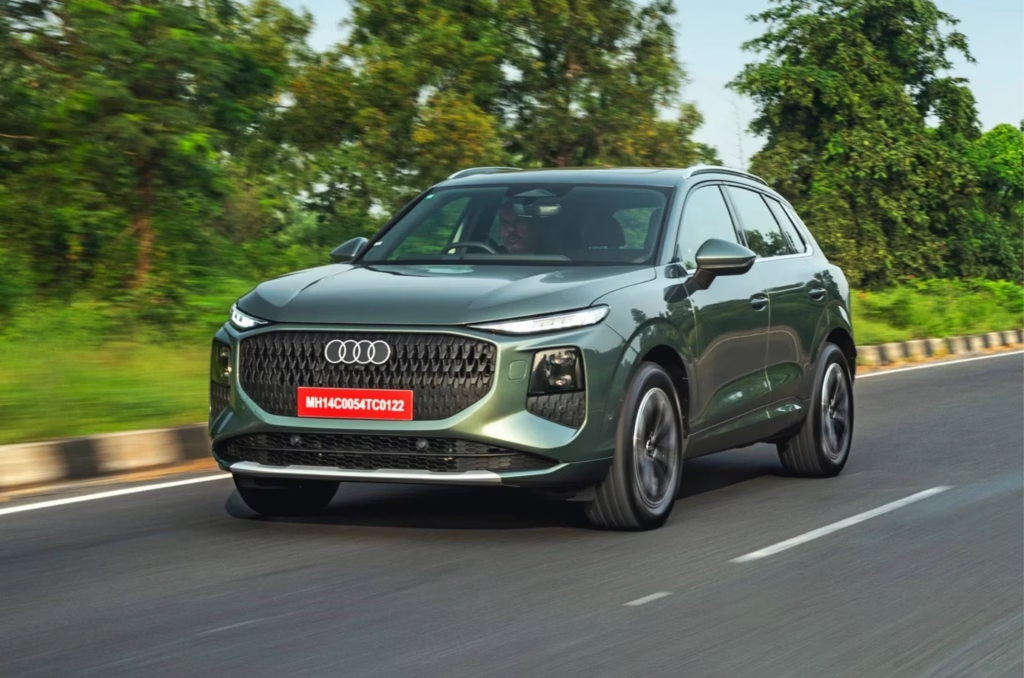
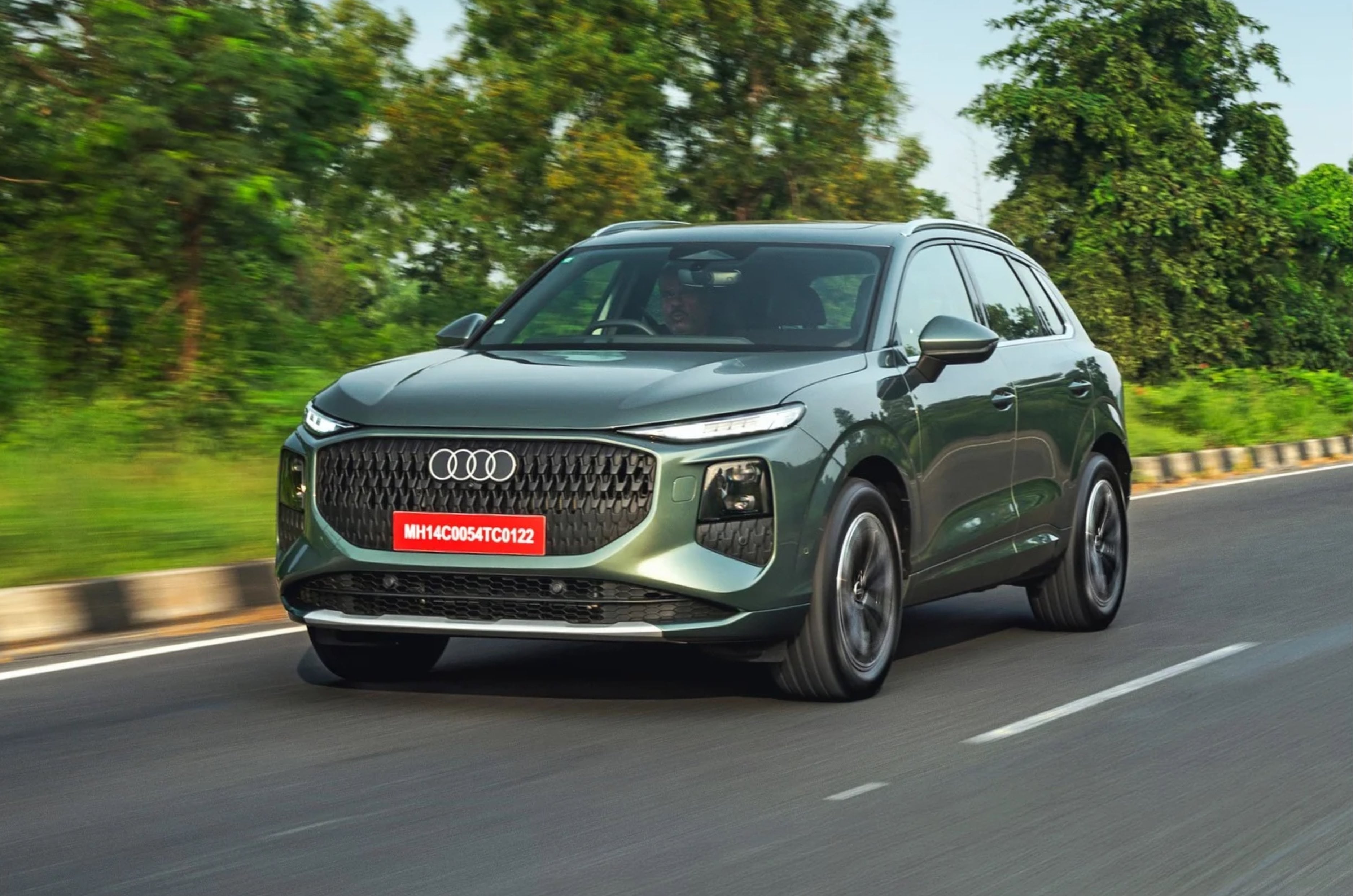
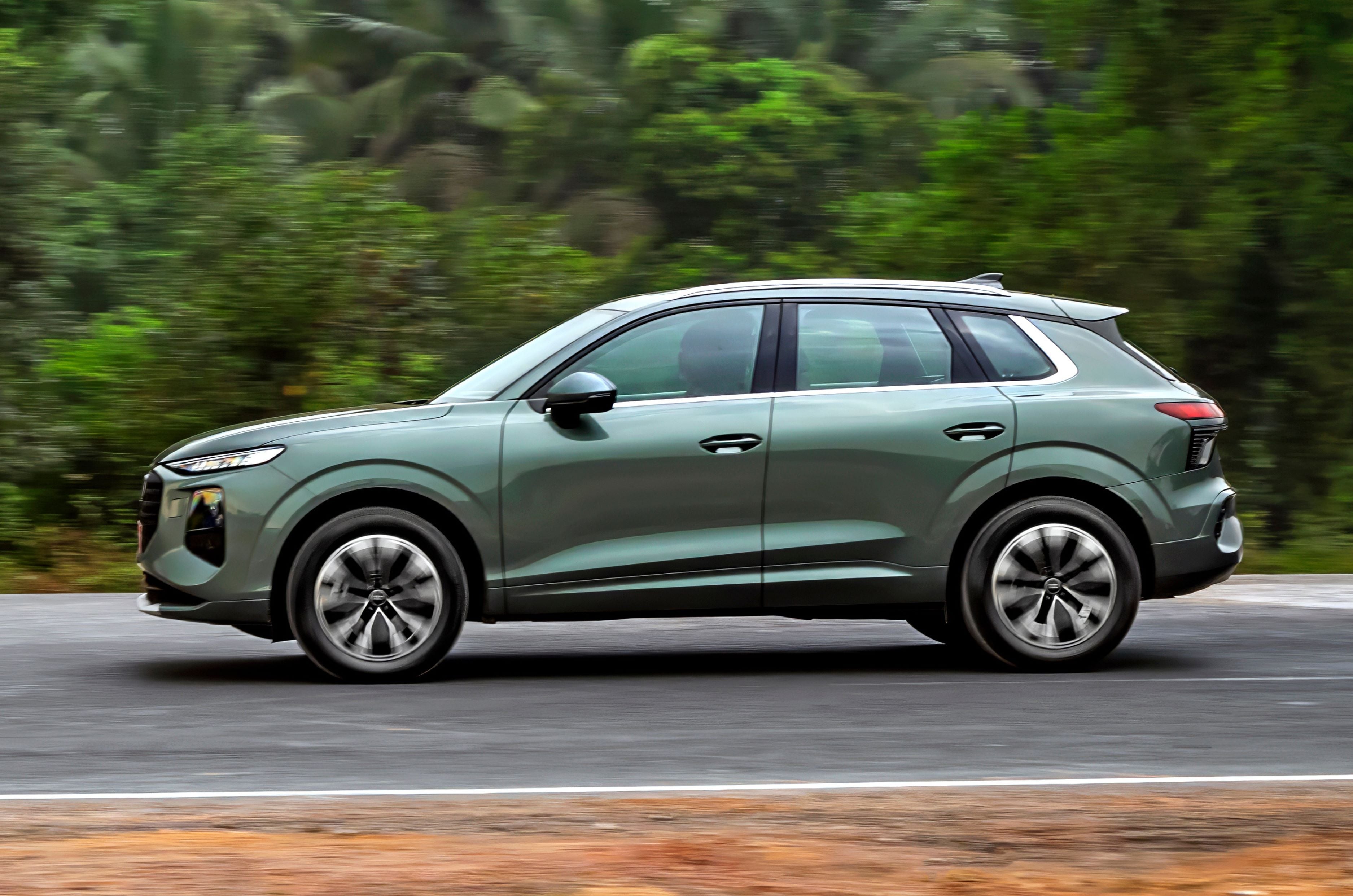
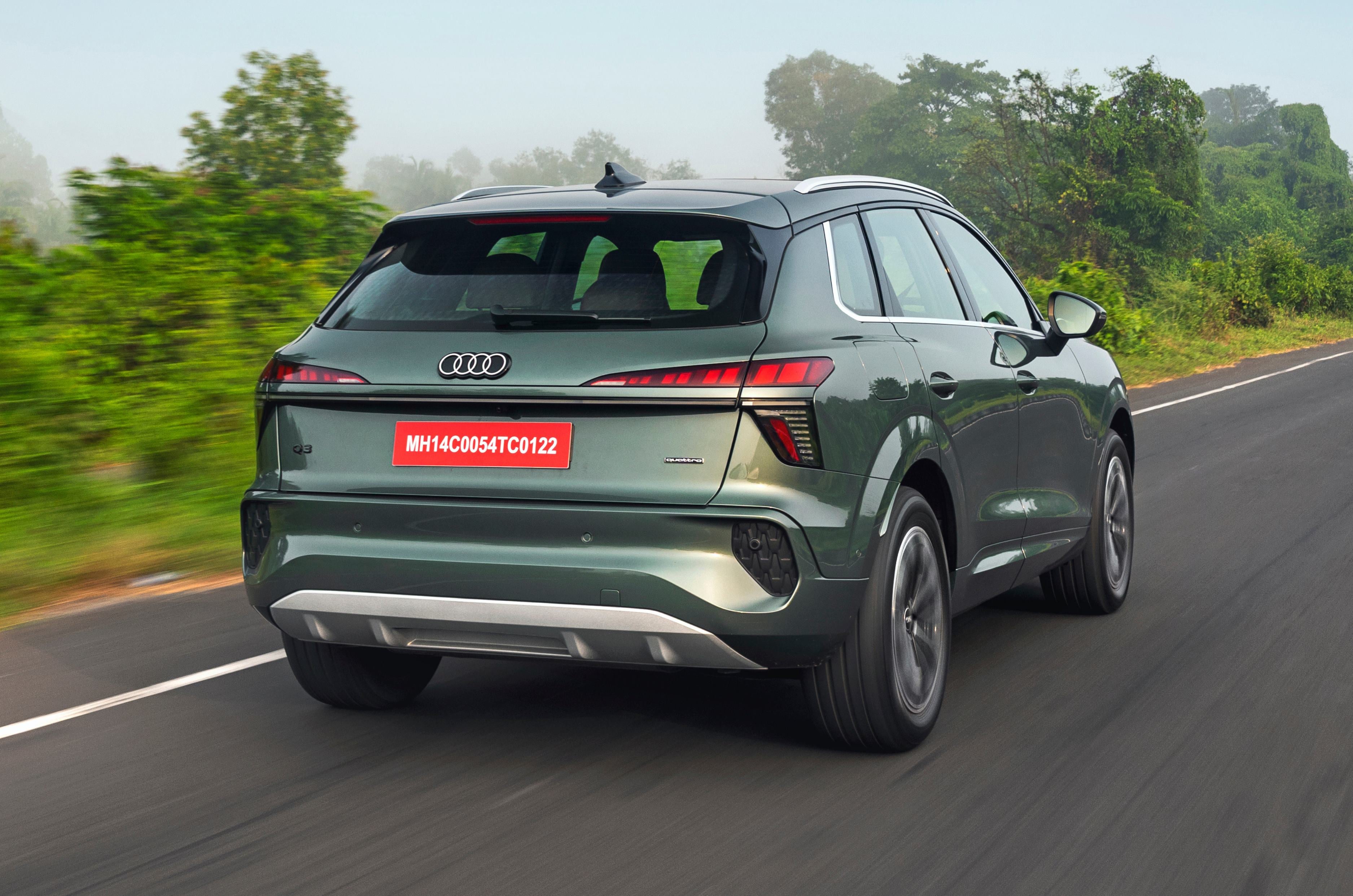
It would be easy to file the third-generation Q3 as just another new model but it isn’t. For Audi India, this is closer to a reset. The brand has spent the past few years soldiering on with ageing, outdated products and its showroom traffic has paid the price for this freeze in new products. But that’s all changed now. With fresh investment pouring in from its headquarters, Audi is on a new product offensive which has been kicked started with the Q3. This compact SUV is also the entry point into the brand, so it carries the burden of deliveringthe maximum sales. There’s a lot riding on the Q3’s gentle shoulders and Audi is hopeful that this will model will mark the turning point for the brand. But first, Audi has to convince customers. Is the new Q3 a quantum leap over the past Q3? We drove it in Goa to find out.
Audi Q3 Exterior Design and Engineering – 8/10
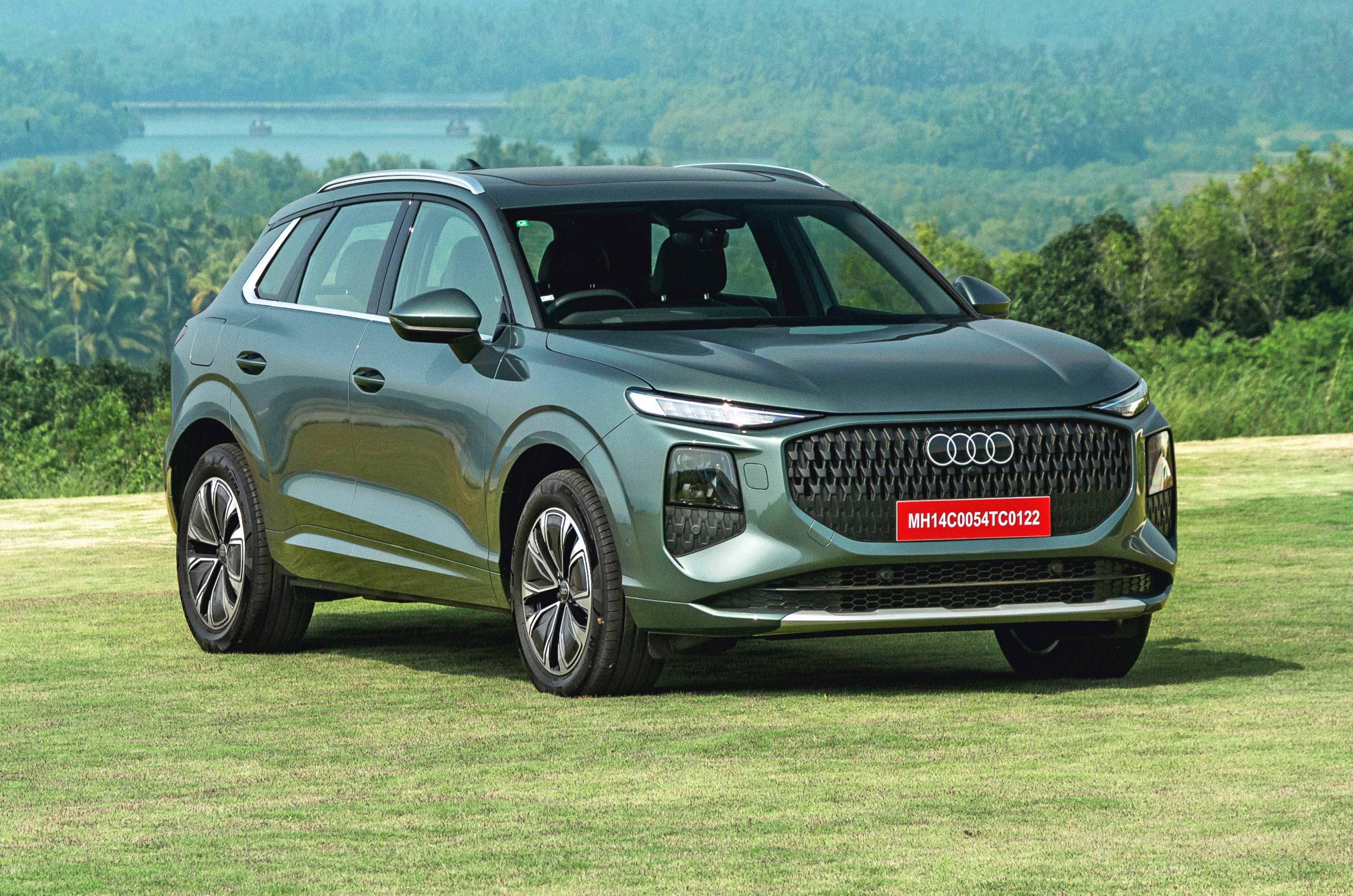
The crisp, edgy lines of the old car have made way for something more fluid and flamboyant. The new Q3 has grown marginally in every dimension, but the 2,681mm wheelbase is unchanged, so it keeps the compact footprint its urban buyers like.
A fluid and flamboyant new design language replaces the edgy styling of the old car
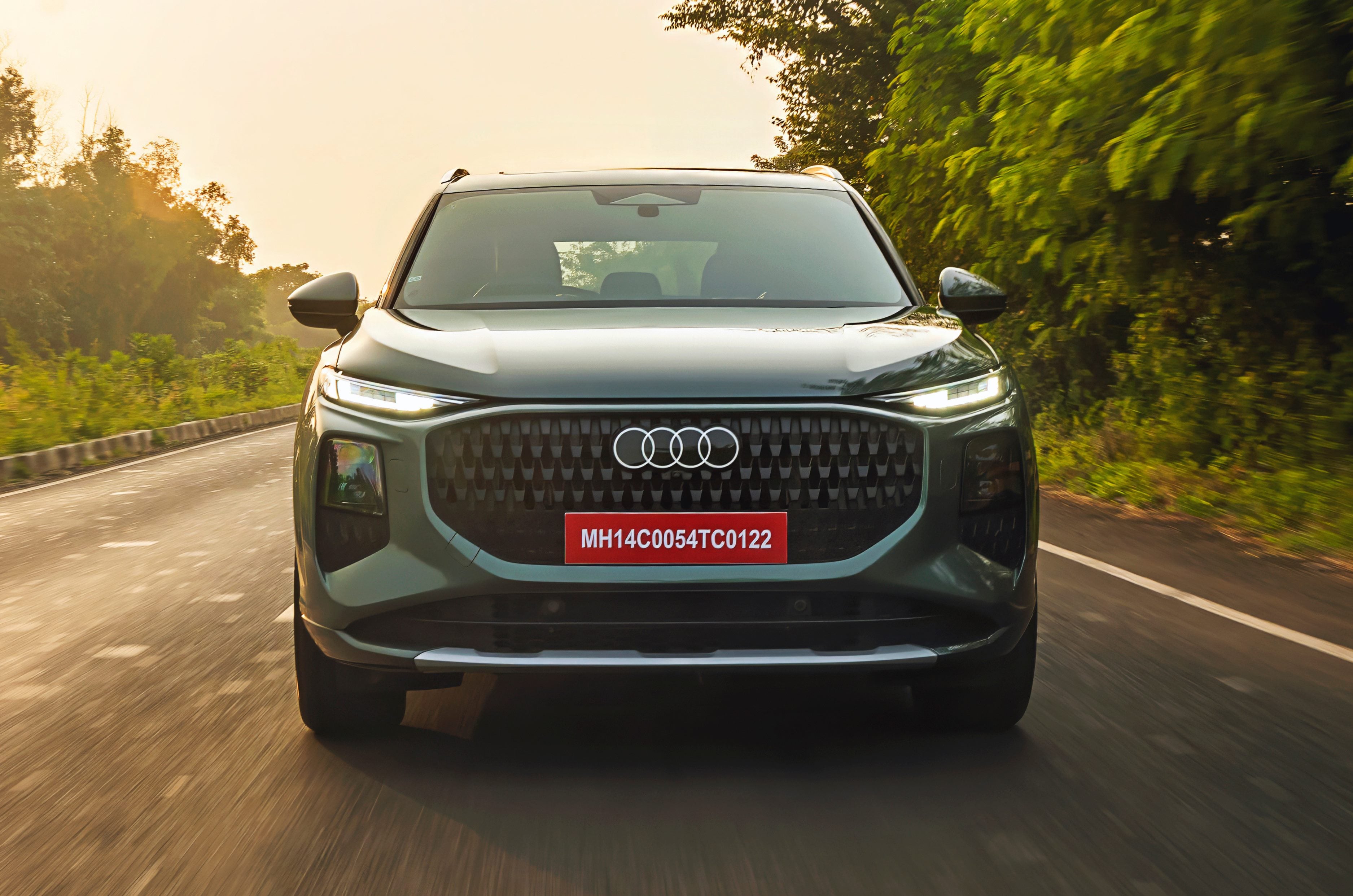
The face is split in two. Slim LED daytime running lights sit up top and double as dynamic indicators, while the main headlamps are stacked below. The wide honeycomb grille certainly makes a statement, and its flat 2D logo hides the ADAS radar. Up close, though, the grille’s finish looks a touch plasticky for a car wearing four rings.
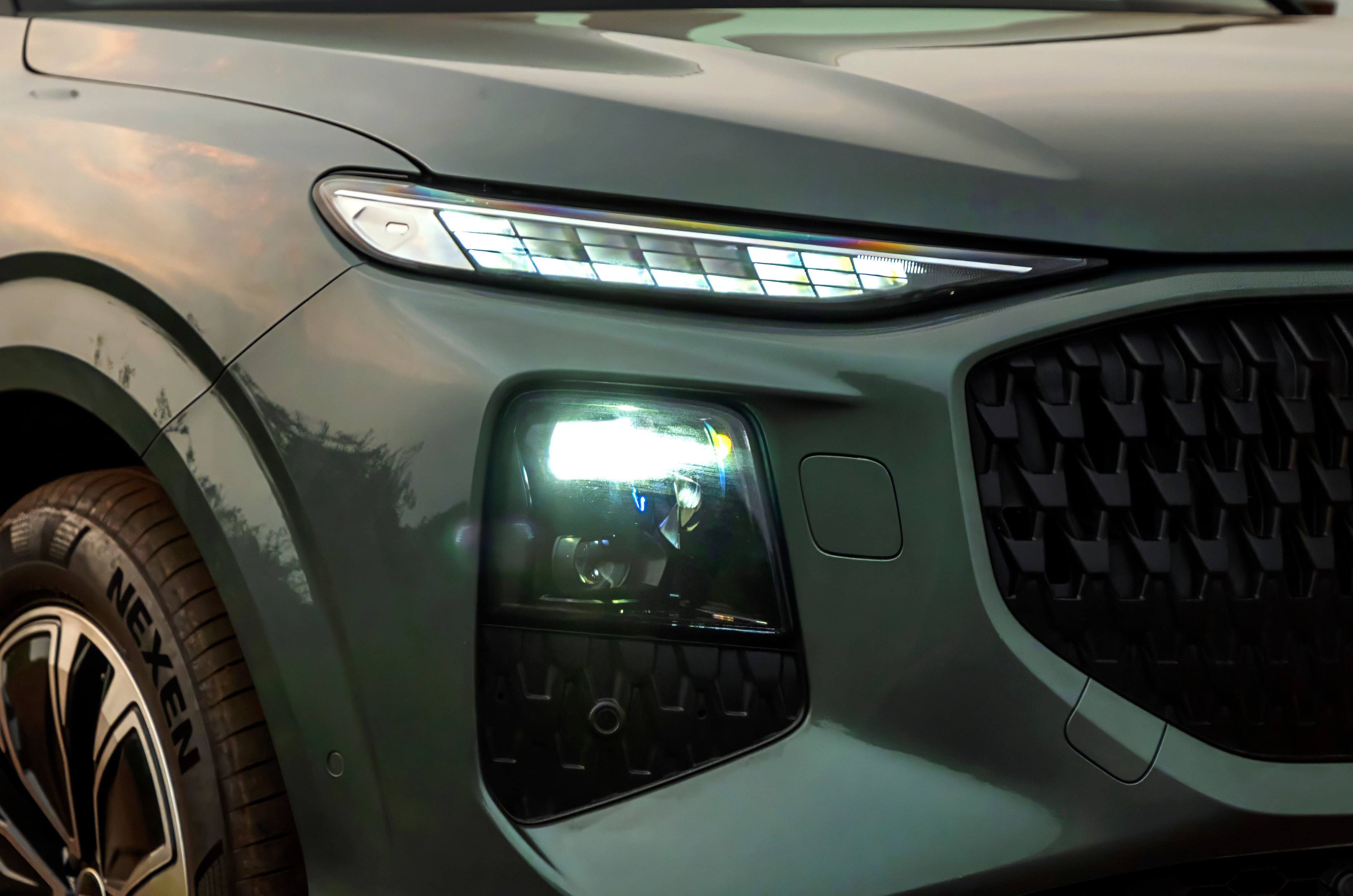
Lighting is the real party piece. The Digital Matrix LED units use micro-LED technology, with some 25,600 individually controlled pixels per headlamp. That lets them do far more than dip and glare-free high beam. They can project a carpet of light in your own lane, and when you flick the indicator, the beam stretches across to illuminate the lane you are moving into. It’s a clever way to flag your intent and place the car on dark, unlit roads. The DRLs also offer four selectable light signatures via the touchscreen. There is a caveat. The projection tricks are at their best on pitch-black roads; with streetlights around, the effect is largely lost.
Trick Digital Matrix LED headlights use 25,600 individually controlled pixels per side
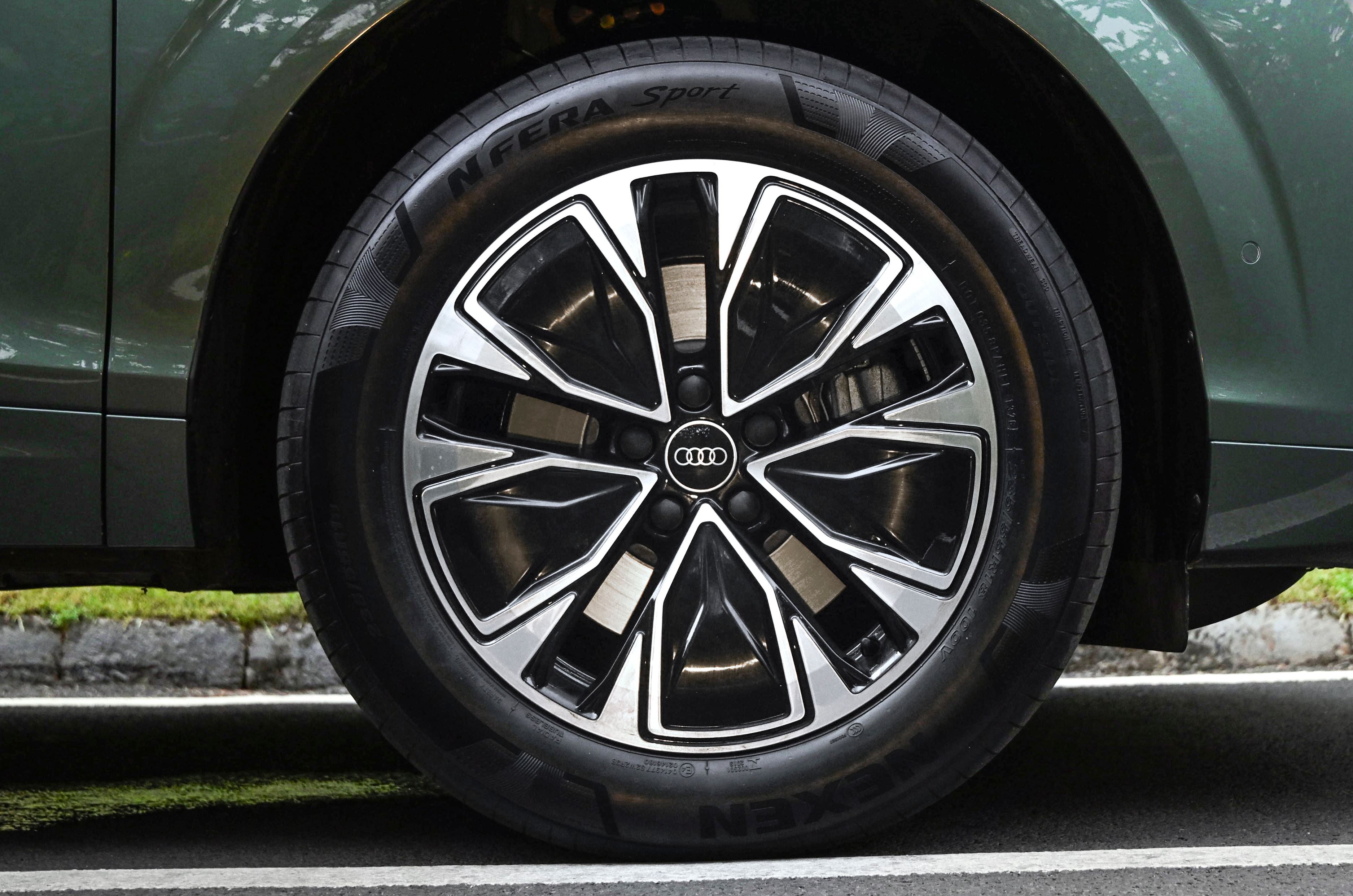
In profile, brushed aluminium below the windows and gloss black above create a floating-roof effect, and the rear haunches add a hint of muscle. For once, the wheels deserve a mention too. Audi has rarely nailed its alloy designs, but these are genuinely striking, wrapped in chunky, high-profile rubber. At the back, split LED tail-lamps are joined by a slim light bar and an illuminated Audi logo, and the tailgate is powered.
Stunning 18-inch alloys get self-leveling centre caps and are wrapped in high-profile tyres
Audi Q3 Interior Space and Comfort – 8/10
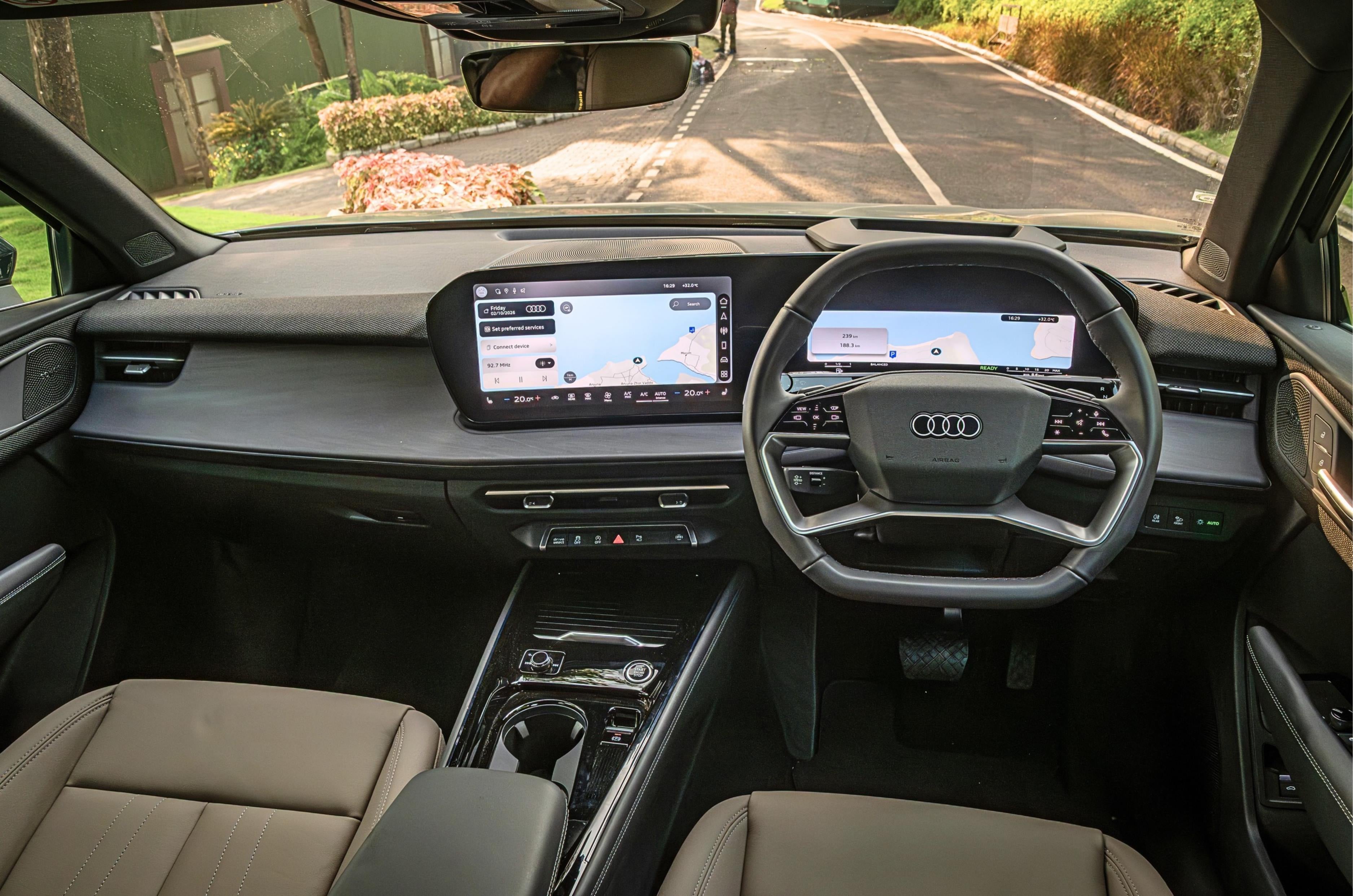
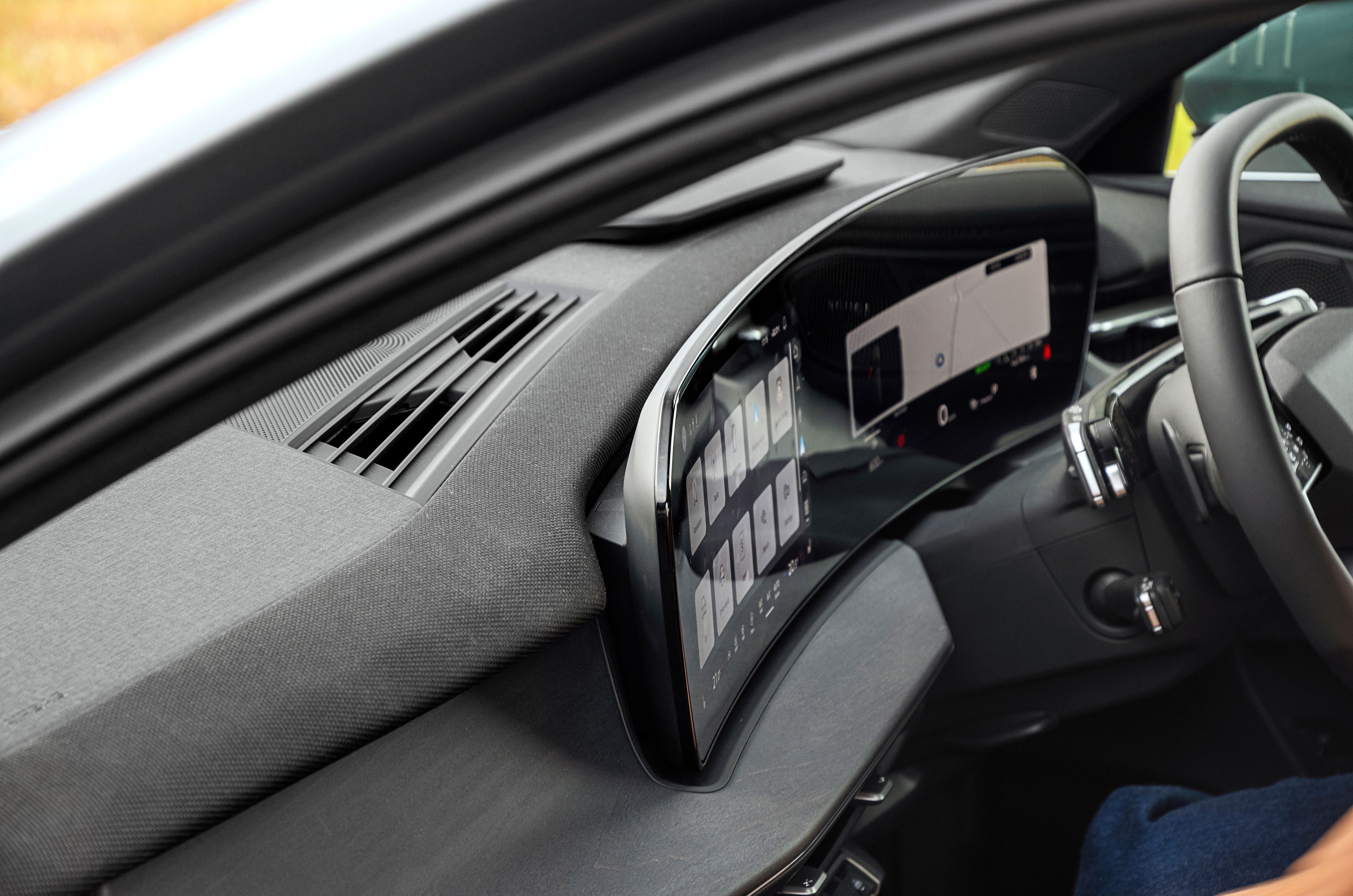
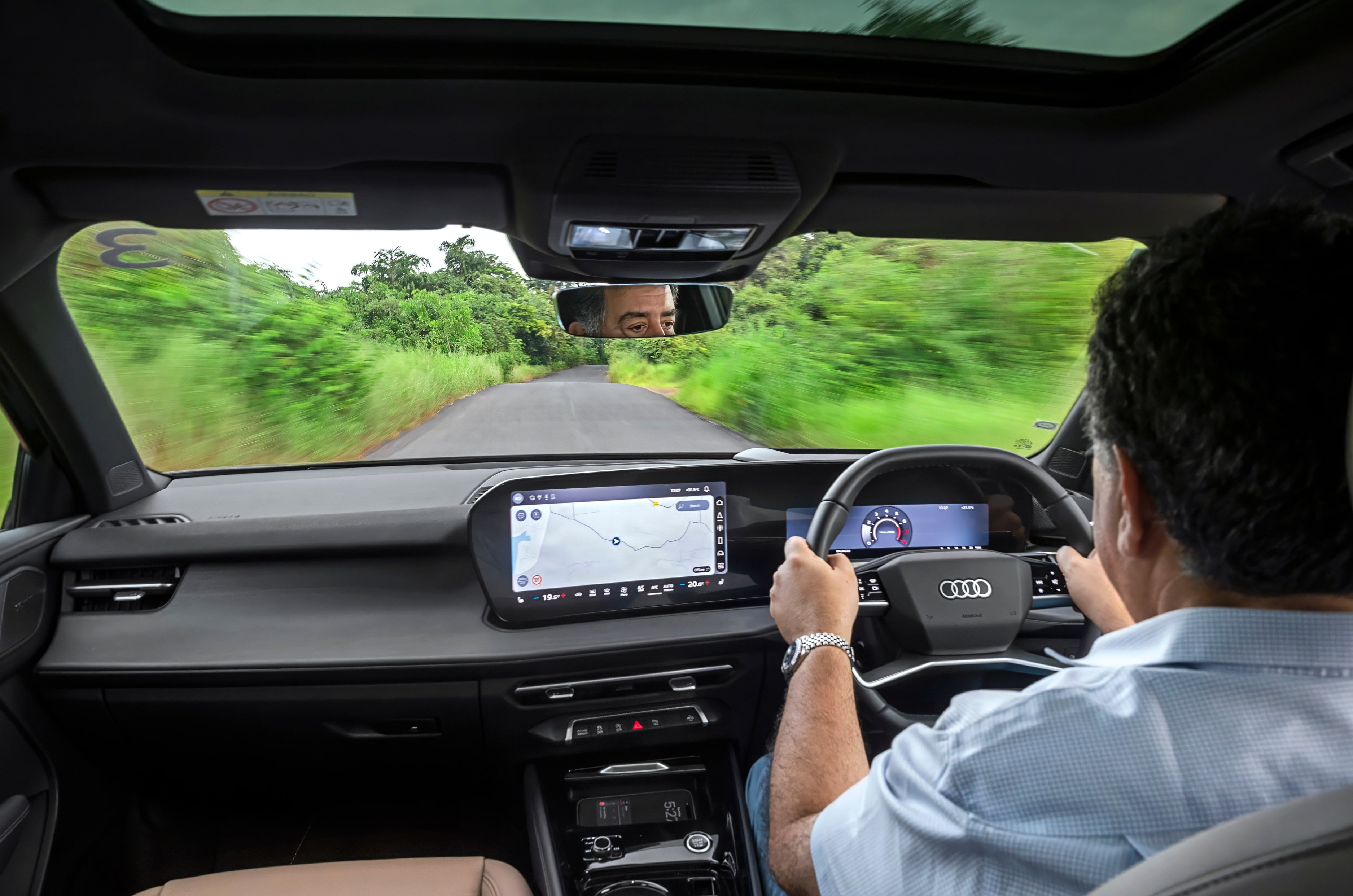
Step inside and the leap over the old Q3 is obvious. The dashboard is clean and contemporary, anchored by a curved panel that houses an 11.9-inch driver’s display and a 12.8-inch touchscreen. Fabric replaces leather across much of the cabin and the lower plastics are on the hard side. Yet the overall impression is of a cabin that’s solidly screwed together, and it feels more robust than its German rivals. Small details help: the fat tabs that adjust the air-con vents have a reassuringly substantial action.
New interior is a big leap over the last model and feels better built than its German rivals
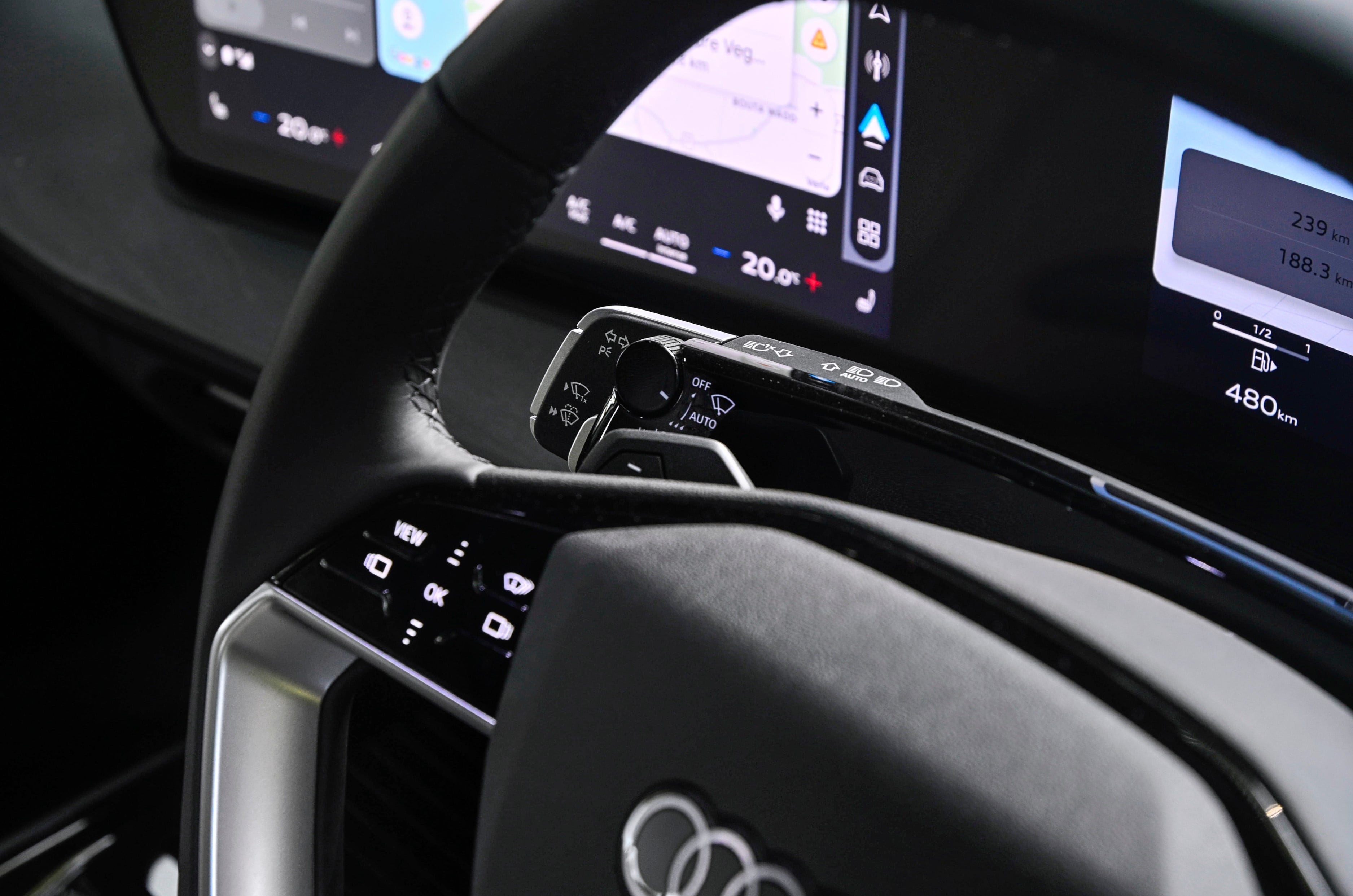
The hexagonal steering wheel takes some getting used to. So does the new control stalk, which Audi has loaded with an astonishing number of jobs: indicators, front and rear wipers and headlamp controls all live on one chunky lever. The gear selector moves to a stalk of its own on the other side. It feels awkward at first, but within a day it becomes second nature.
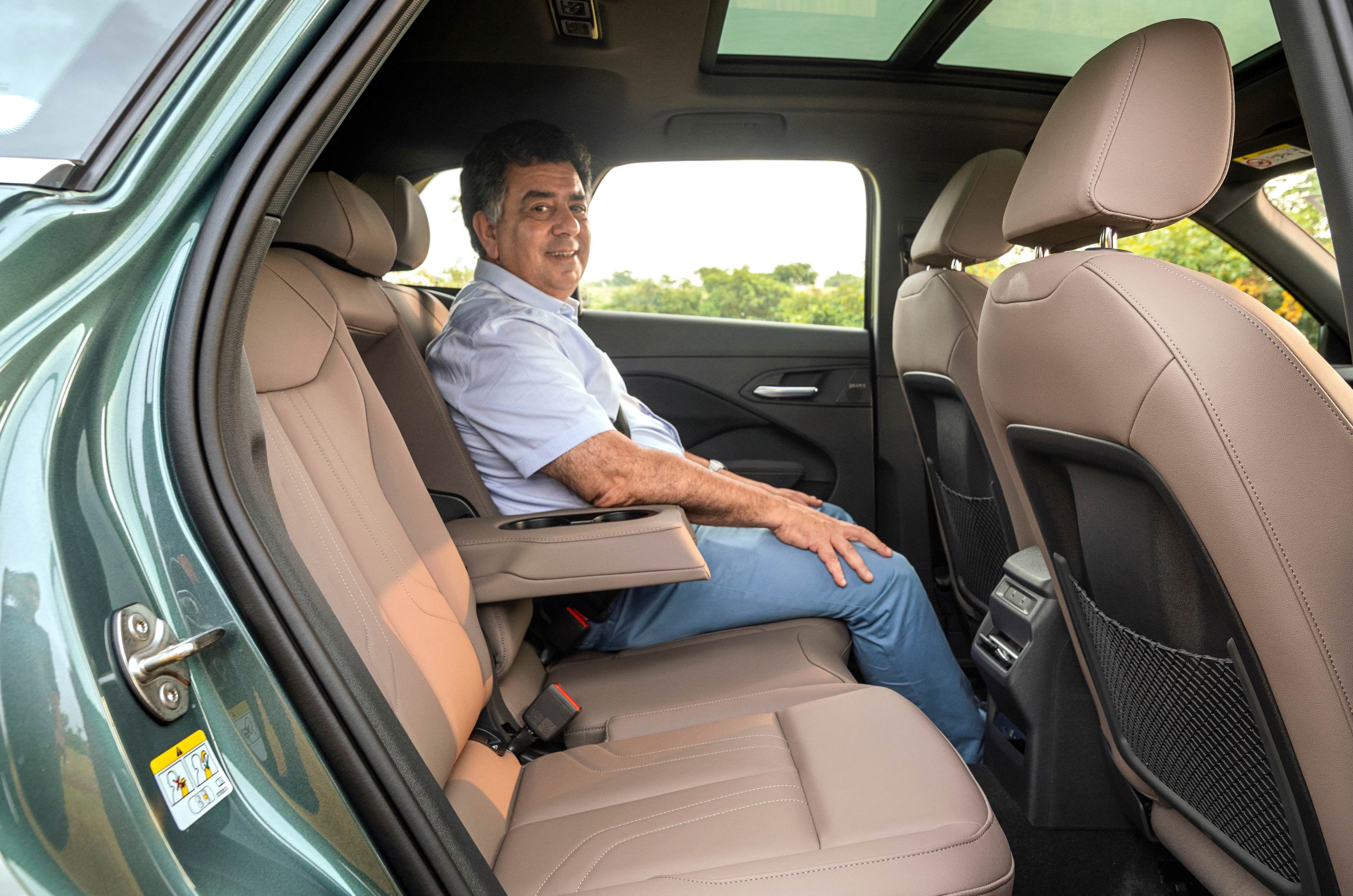
Two adults will be comfortable in the back seat, but a third will feel like a sqeeze
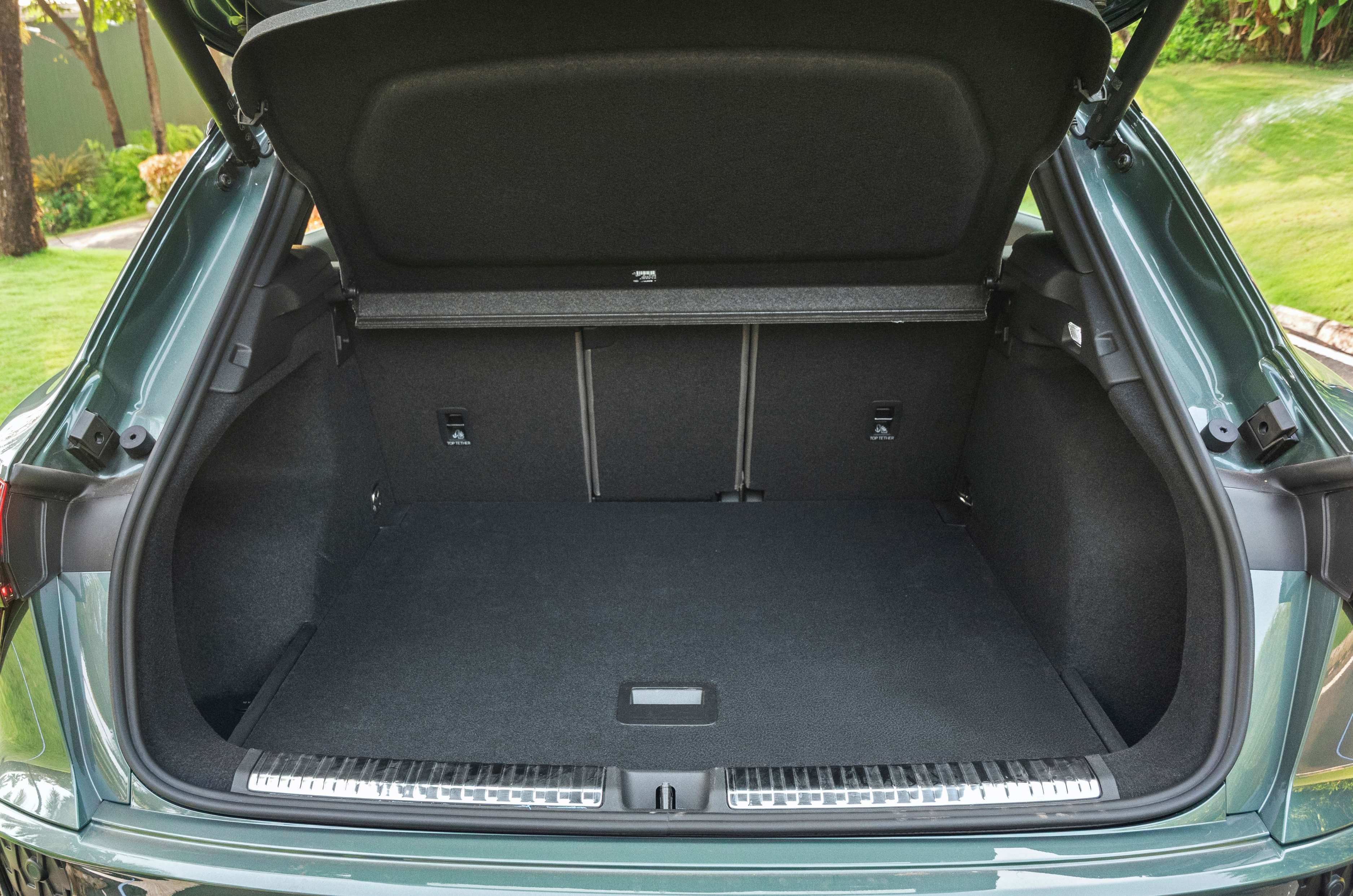
The front seats are generous, well bolstered and very comfortable over long stints. The rear hasn’t moved on much from the old car. Two large adults will be fine, but three is a squeeze; think of it as a four-seater with an occasional fifth. Rear passengers do get a third climate zone and two USB-C ports. The boot is spacious, and it’s good to find a space-saver spare under the floor.
Powered tailgate opens to a large 488-litre boot; seats split 40:20:40 for longer items
Audi Q3 Features and Safety – 7/10
The curved touchscreen works well, and the curvature itself cuts out glare and reflections. Response is smooth and quick, though the icons are, in typical Audi fashion, a bit subdued and not instantly distinguishable. Physical buttons are fewer, but the climate controls sit permanently at the base of the screen, so you never dig through menus to change the temperature or blower speed.A head-up display brings key information into your line of sight and the fonts are crisp and sharp.
Curved display cuts out glare and reflections
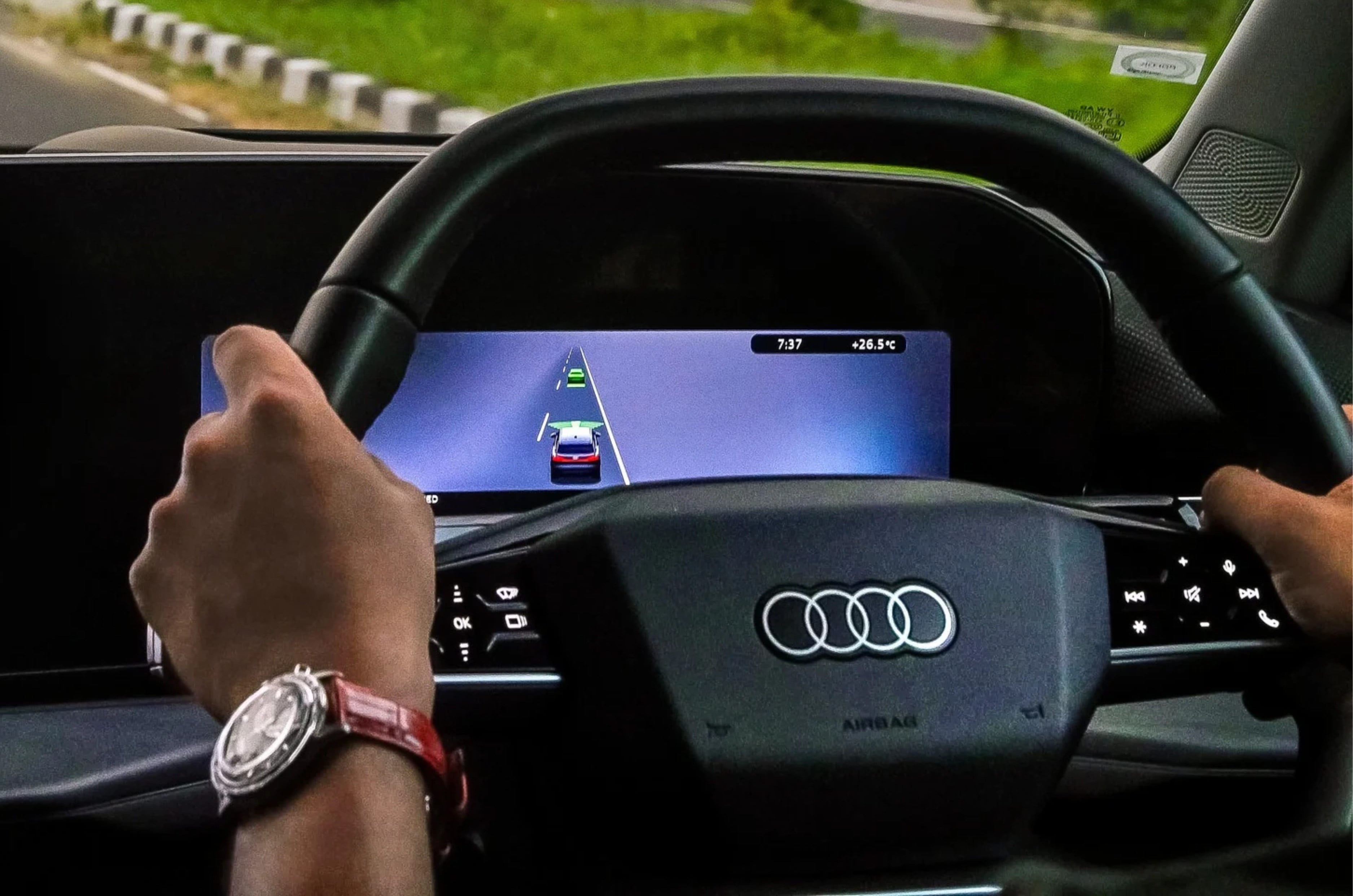
Audi’s own navigation is good, but integrated Google Maps, increasingly the benchmark, is expensive to licence and hence missing. The instrument cluster is surprisingly basic too, with little configurability and minimal choice of layouts and that’s a let-down from the brand that pioneered the virtual cockpit.
We also hit a software glitch with our iPhones. Wireless phone mirroring connected initially, then dropped out and refused to reconnect, prompting a switch to USB. It’s the sort of bug an over-the-air update should fix.
Lighting and wiper controls are odd at first but easy to get used to
The equipment list isn’t thin. There’s a superb-sounding 12-speaker Sonos system, a large panoramic sunroof, powered and heated front seats with driver memory, nine airbags and adaptive cruise control. That cruise works well, too. But for a car costing over Rs 50 lakh and launching in 2026, there gaps that are hard to overlook.
There is no lane-keep assist, so the ADAS suite stops at adaptive cruise. A full Level 2+ package is now table stakes in this class, all the more so when far cheaper mass-market cars offer one. There are no ventilated seats either, near-essential in our climate. The biggest miss, though, is a 360-degree camera, something a great many buyers actively look for. The reversing camera’s resolution is disappointing, although there is an auto-park function.
ADAS kit limited to auto emergency braking and adaptive cruise control
None of this is unusual for its rivals. But as the newest kid on the block, the Q3 should have moved the game on, and here it hasn’t.
Audi Q3 Performance and Refinement – 9/10
The engine is the star of the show. Audi’s 2.0 TFSI makes 201bhp and 320Nm, and it is smooth, strong and refined. That alone hands the Q3 a massive edge over the underwhelming, smaller-capacity motors in the X1 and GLA.
Strong and refined 2.0 TFSI makes 204hp and 320Nm, enough for 0-100kph in 7.1 seconds
It isn’t flawless. At low revs there’s a brief hesitation before it gathers itself and pulls smartly, which is why we left it in Dynamic mode most of the time. Once on the boil, though, it is eager and free-revving, a reminder of why this is the best 2-litre turbo-petrol in the business. Around town it feels responsive; on the highway it builds pace effortlessly. Audi claims 0-100kph in 7.1sec, which puts the Q3 at the top of its class.
The 7-speed dual-clutch remains a fine partner, eager to drop a gear to keep the engine in its powerband. Flick it into Sport or reach for the paddles if you want to take charge. Quattro all-wheel drive is now standard on every Q3, not an option, and there’s a range of drive modes including an off-road setting to make the most of it. It’s good insurance on slippery surfaces and gives the Q3 an edge over rivals when conditions turn tricky. Whether many owners need it, or more importantly will pay extra for it, is another question.
Strikes a great balance of ride and handling; gets Quattro all-wheel drive as standard
Audi Q3 Ride Comfort and Handling – 9/10
The big surprise is the handling. The variable-ratio steering adjusts its response to both speed and lock, so its light and effortless at parking speeds, then quicker and more direct as you wind on more lock. Barring a touch of slack around the straight-ahead, it is accurate and weights up superbly.
Quick steering often makes a car nervous at speed. Not here. The Q3 stays stable and reassuring when the needle climbs, yet changes direction with an agility you simply don’t expect from an Audi SUV.
New Progressive Steering is light at parking speeds, but gets sharper and more direct as speeds rise
What you do expect from an Audi is a good ride, and the Q3 delivers. It is on the firm side but never uncomfortable, soaking up potholes and broken patches with real composure. A big help is the 55-profile tyres. Their roughly 130mm sidewall is the first line of defence, absorbing much of the shock before it reaches the suspension and, ultimately, the cabin.
Audi Q3 Value for Money – 8/10
The new Q3 is a superbly engineered car, and its mechanical package sits well ahead of its rivals. The cabin is a big step up too, but given its timing, the Q3 doesn’t quite leapfrog the competition here; it lands a little short on equipment.
What it does do is drive brilliantly. It is by far the nicest car to drive in its class, and that matters, because Audi says 84 percent of Q3 owners drive themselves.
Easily the nicest car to drive in its class, but doesn’t leapfrog the competition in terms of features
A lot now rides on price. At around Rs 65 lakh on-road, it is steep. Not because the car isn’t worth it, but because buyers may balk at paying so much more than the outgoing Q3, whose transaction price had slipped to around Rs 40 lakh.
On the product front, though, Audi has come back with a bang. A brilliant powertrain, a superb blend of ride and handling and a genuinely classy feel make the Q3 the enthusiast’s pick of the class. If this is the opening act, Audi’s reset is off to a promising start.
Railway jobs: रेलवे रिक्रूटमेंट बोर्ड (RRB) ने सेंट्रलाइज्ड एम्प्लॉयमेंट नोटिफिकेशन (CEN) नंबर 06/2026 के तहत नॉन-टेक्निकल पॉपुलर कैटेगरीज (NTPC–ग्रेजुएट) भर्ती प्रक्रिया में ग्रेजुएट-लेवल की 3,548 वैकेंसी की घोषणा की है। यह भर्ती योग्य ग्रेजुएट को इंडियन रेलवे में करियर बनाने और देश के सबसे बड़े पब्लिक सर्विस संगठनों में से एक के कामकाज में योगदान देने का मौका देगी।
इस भर्ती में चार तरह के पद शामिल हैं
इस वैंकेंसी में 4 तरह के पद शामिल हैं। चीफ कमर्शियल कम टिकट सुपरवाइजर, गुड्स ट्रेन मैनेजर, जूनियर अकाउंट्स असिस्टेंट कम टाइपिस्ट और सीनियर क्लर्क कम टाइपिस्ट। ये पद कमर्शियल सर्विस, ट्रेन ऑपरेशन, अकाउंट्स और एडमिनिस्ट्रेशन जैसे क्षेत्रों में करियर के मौके देते हैं और देश भर में रेलवे सर्विस को बेहतर ढंग से चलाने में मदद करते हैं।
कुल 3,548 वैकेंसी में से 2,750 वैकेंसी गुड्स ट्रेन मैनेजर के लिए हैं। इसके बाद सीनियर क्लर्क कम टाइपिस्ट के लिए 371, जूनियर अकाउंट्स असिस्टेंट कम टाइपिस्ट के लिए 300 और चीफ कमर्शियल कम टिकट सुपरवाइजर के लिए 127 वैकेंसी हैं। ये वैकेंसी ग्रेजुएट को रेलवे ऑपरेशन और एडमिनिस्ट्रेशन के अलग-अलग कामों में काम करने का मौका देती हैं।
वेतन की प्रक्रिया
इन पदों पर सातवें केंद्रीय वेतन आयोग (Seventh Central Pay Commission) के तहत शुरुआती बेसिक पे (basic pay) मिलता है। चीफ कमर्शियल कम टिकट सुपरवाइजर के लिए शुरुआती बेसिक पे ₹35,400 प्रति माह (पे लेवल 6) है, जबकि बाकी तीन कैटेगरी के लिए शुरुआती बेसिक पे ₹29,200 प्रति माह (पे लेवल 5) है। लागू होने वाले भत्ते और सर्विस की शर्तें संबंधित नियमों के अनुसार होंगी।
जरूरी तारीखें और योग्यता की शर्तें
ऑनलाइन आवेदन प्रक्रिया 8 अक्टूबर 2026 को शुरू हुई और योग्य उम्मीदवार 6 नवंबर 2026 को रात 11:59 बजे तक अपना आवेदन जमा कर सकते हैं। परीक्षा शुल्क जमा करने की आखिरी तारीख 8 नवंबर 2026 है, जबकि आवेदन में बदलाव करने की सुविधा 9 नवंबर से 18 नवंबर 2026 तक उपलब्ध रहेगी।
उम्मीदवारों के पास किसी मान्यता प्राप्त यूनिवर्सिटी या उसके समकक्ष संस्थान से डिग्री होनी चाहिए और उन्हें पद के लिए तय योग्यता शर्तों को पूरा करना होगा। 1 जनवरी 2027 को उम्र सीमा 18-33 साल तय की गई है, जिसमें तय नियमों के तहत योग्य कैटेगरी के लिए उम्र में छूट भी मिलेगी।
योग्य ग्रेजुएट लोगों को सलाह दी जाती है कि वे डिटेल्ड नोटिफिकेशन देखें। अपनी पसंद की पोस्ट के लिए जरूरी शर्तों को चेक करें और तय समय-सीमा के अंदर एप्लीकेशन प्रोसेस पूरी करें।
योग्य उम्मीदवारों के लिए प्रावधानों के साथ मेरिट-आधारित चयन
चयन प्रक्रिया में पहले चरण का कंप्यूटर-आधारित टेस्ट (CBT), दूसरे चरण का CBT, और उसके बाद ज़रूरत के अनुसार डॉक्यूमेंट वेरिफिकेशन और मेडिकल जांच शामिल है। चयन मेरिट और तय योग्यता शर्तों को पूरा करने के आधार पर होगा। भर्ती प्रक्रिया में तय नियमों के अनुसार आरक्षण और उम्र में छूट के लाभ भी दिए गए हैं, साथ ही दिव्यांग उम्मीदवारों के लिए लेखक (स्क्राइब) की मदद और अतिरिक्त समय (कम्पेंसेटरी टाइम) का प्रावधान भी है।
CEN नंबर 06/2026 के तहत एक और प्रावधान यह है कि जूनियर अकाउंट्स असिस्टेंट कम टाइपिस्ट और सीनियर क्लर्क कम टाइपिस्ट के पदों के लिए कंप्यूटर-आधारित टाइपिंग स्किल टेस्ट (CBTST) नहीं लिया जाएगा। फिर भी, उम्मीदवारों से कंप्यूटर और टाइपिंग की बेसिक जानकारी होने की उम्मीद की जाती है। जॉइनिंग के बाद इसकी जांच की जाएगी, जैसा कि नोटिफिकेशन में बताया गया है।
भर्ती से जुड़ी जानकारी के लिए आधिकारिक डिजिटल प्लेटफॉर्म
उम्मीदवार रेलवे रिक्रूटमेंट बोर्ड की आधिकारिक वेबसाइट के जरिए विस्तृत नोटिफिकेशन, वैकेंसी का विवरण, योग्यता के नियम और भर्ती से जुड़े अपडेट देख सकते हैं।
RRB की आधिकारिक वेबसाइट- https://rrb.indianrailways.gov.in
हर कोई लाखों के पैकेज वाली नौकरी पाने का सपना देखता है, लेकिन IIT रुड़की के हरकिरत सिंह ने नौकरी मिलने के बाद ही अपना रास्ता बदलने का फैसला किया। Goldman Sachs जैसी बड़ी कंपनी छोड़कर उन्होंने फ्रीलांसिंग में हाथ आजमाया और रिपोर्ट्स के मुताबिक, सालाना 80 लाख रुपये तक कमाए। अब Gather में उनकी रिमोट सॉफ्टवेयर डेवलपर की नौकरी का पैकेज करीब 4 करोड़ रुपये बताया जा रहा है। उनकी कहानी सिर्फ मोटी सैलरी तक पहुंचने की नहीं, बल्कि करियर में अलग रास्ता चुनने के फैसले की भी है। हालांकि, इतनी बड़ी कमाई की खबर के बीच यह समझना भी जरूरी है कि हर किसी के लिए ऐसा सफर एक जैसा नहीं होता।
IIT रुड़की से पढ़ाई, Google के प्रोग्राम में भी लिया हिस्सा
हरकिरत सिंह ने 2018 में IIT रुड़की से कंप्यूटर साइंस में बीटेक किया था। उनकी प्रोफेशनल यात्रा में Google Summer of Code में दो बार हिस्सा लेना भी शामिल रहा। इसके अलावा, उन्होंने FAANG कंपनियों, फाइनेंस सेक्टर और स्टार्टअप्स के साथ काम करके अपना अनुभव बढ़ाया। इस तरह उनका करियर सिर्फ एक कंपनी या एक क्षेत्र तक सीमित नहीं रहा।
Goldman Sachs छोड़ी, फ्रीलांसिंग को बनाया कमाई का जरिया
आमतौर पर बड़ी वित्तीय कंपनी में नौकरी मिलना युवाओं के लिए बड़ी उपलब्धि माना जाता है। लेकिन हरकिरत ने महामारी से ठीक पहले इस नौकरी को छोड़कर दूसरे अवसर तलाशने का फैसला किया। इसके बाद उन्होंने फ्रीलांसिंग के जरिए काम करना शुरू किया।
बताया जाता है कि इस दौरान उनकी सालाना कमाई करीब 80 लाख रुपये तक पहुंच गई। अलग-अलग प्रोजेक्ट्स पर काम करने और तकनीकी कौशल का इस्तेमाल करने से उन्हें वैश्विक बाजार में अवसर तलाशने का मौका मिला।
अब ₹4 करोड़ के रिमोट पैकेज की चर्चा
हरकिरत सिंह को लेकर साझा की जा रही जानकारी के मुताबिक, उन्हें Gather में रिमोट सॉफ्टवेयर डेवलपर की भूमिका मिली, जिसके लिए सालाना पैकेज करीब 4 करोड़ रुपये बताया जा रहा है। हालांकि, इस रकम और नौकरी की शर्तों की स्वतंत्र पुष्टि उपलब्ध जानकारी से नहीं होती।
Meet Harkirat Singh, a 2018 https://t.co/YSvOF5fxhn Computer Science graduate from IIT Roorkee. This guy secured a remote software developer role at Gather with a package of ₹4 crore per year.
He has participated in Google Summer of Code twice and worked across FAANG companies, finance, and startups.
He resigned from Goldman Sachs just before COVID to explore new opportunities. Through freelancing, he reportedly earned around ₹80 lakh per year and eventually secured a remote software developer role with a package of ₹4 crore per year.
Here are some remote job platforms where companies pay in USD.
उनकी कहानी पर कुछ यूजर्स ने तकनीकी कौशल और लगातार सीखते रहने की अहमियत बताई। वहीं, एक यूजर ने कहा कि फ्रेशर्स और जूनियर कर्मचारियों के लिए रिमोट नौकरी पाना आज भी मुश्किल है, जबकि अनुभवी लोगों को अपेक्षाकृत ज्यादा अवसर मिलते हैं।
हरकिरत की यात्रा यही दिखाती है कि करियर में नए रास्ते तलाशना फायदेमंद हो सकता है, लेकिन इसके लिए कौशल, अनुभव और जोखिम उठाने की तैयारी भी जरूरी है।
भारत में सरकारी नौकरी को अक्सर सुरक्षित भविष्य और अच्छी जिंदगी की गारंटी माना जाता है। लेकिन मुंबई में काम करने वाले उत्तर प्रदेश के आजमगढ़ निवासी एक नाई की कहानी इस सोच से अलग नजर आती है। दावा है कि वह महीने में करीब 1 लाख रुपये कमाता है। दिलचस्प बात यह है कि इतनी कमाई के बावजूद वह एंट्री-लेवल सरकारी नौकरी मिलने पर भी अपना मौजूदा काम छोड़ना नहीं चाहता।
लेखक और फंड मैनेजर हर्ष गुप्ता मधुसूदन ने सोशल मीडिया प्लेटफॉर्म X पर इस नाई के साथ हुई बातचीत साझा की। उनकी पोस्ट के मुताबिक, नाई हफ्ते में छह दिन सुबह से रात तक काम करता है। यात्रा के बुनियादी खर्च निकालने के बाद उसकी मासिक कमाई करीब एक लाख रुपये बताई गई है।
मेहनत और आजादी को मानता है अपनी सबसे बड़ी पूंजी
हर्ष के मुताबिक, बातचीत के दौरान नाई ने कहा कि काम करने और मेहनत करने वालों के लिए अवसरों की कमी नहीं है। वह अपने काम को पसंद करता है और इसमें मिलने वाली आजादी उसके लिए अहम है। यही वजह है कि वह सरकारी नौकरी के बजाय अपना मौजूदा काम जारी रखना चाहता है।
उसकी कहानी ने रोजगार को लेकर एक दिलचस्प सवाल खड़ा किया है क्या अच्छी कमाई और संतुष्टि के लिए सरकारी नौकरी ही एकमात्र रास्ता है? हालांकि, एक व्यक्ति का अनुभव पूरे रोजगार बाजार की तस्वीर नहीं बताता।
आजमगढ़ से लखनऊ तक का सफर हुआ आसान, विकास से खुश है परिवार
बातचीत में उत्तर प्रदेश के विकास का जिक्र भी आया। हर्ष के अनुसार, नाई ने बताया कि पहले उसके गांव से लखनऊ पहुंचने में 7-8 घंटे लगते थे। अब बेहतर सड़कों के कारण उतने ही समय में आना-जाना संभव हो गया है, वह भी रास्ते में चाय और खाने के लिए रुकने के बाद।
नाई ने देश में हुए विकास कार्यों पर खुशी जताई। उसने बताया कि गांव में उसके परिवार को कुछ सरकारी योजनाओं का लाभ मिला है, हालांकि शहर में ऐसा लाभ नहीं मिला।
टैक्स भरने पर गर्व, बेटे की पढ़ाई पर भी ध्यान
इस कहानी का एक और पहलू उसकी पारिवारिक जिंदगी है। हर्ष के मुताबिक, नाई की कमाई से टैक्स कटता है और वह गर्व के साथ इनकम टैक्स रिटर्न भी दाखिल करता है। कई बार उसे रिफंड भी मिलता है।
उसका एक छोटा बेटा है, जिसे वह निजी प्री-स्कूल में पढ़ाता है। उसकी पत्नी भी कमाई में योगदान देती थी, लेकिन फिलहाल बच्चे की देखभाल के लिए काम से ब्रेक पर है।
Got a hair cut via Urban today morning. The barber has been in Mumbai for sometime but is from Azamgarh. Works six days a week, morning to night and earns around a lakh rupees per month after his basic travel expenses. Said there is no dearth of opportunity or jobs, just need to work hard. Said wouldn’t take an entry level government job even if offered as he likes his work and autonomy.
I asked him about UP. He said earlier it took 7-8 hours to go from his village to Lucknow. Now you can do a round trip in that time while stopping for lunch and tea. Added that your glass of tea is unlikely to spill on the highways – they are so good. Was very happy with the development work in the country. Said in the village his family got some scheme benefits but not in the city. Told me TDS is deducted so he proudly files his returns and often gets refunds.
Has one son who he sends to a private pre-school and wife earned extra but is currently on break given the kid is small. I felt like telling him that he must let go of this toxic positivity about India and his life, and he must pronto create an account on X and Instagram to receive the “correct” opinions about our ostensibly ‘failed’ nation – but I didn’t have the heart to say that to him! 😉
सोशल मीडिया पर छिड़ी बहस, क्या हर किसी के लिए ऐसे अवसर हैं?
पोस्ट वायरल होने के बाद सोशल मीडिया पर लोगों की अलग-अलग प्रतिक्रियाएं सामने आईं। कुछ यूजर्स ने नाई की मेहनत और आत्मनिर्भरता की तारीफ की। वहीं, कुछ ने सवाल उठाया कि क्या एक नाई के लिए हर महीने एक लाख रुपये कमाना आम बात है। कुछ लोगों ने इस कमाई के दावे की तुलना दूसरे शहरों में नाइयों की आमदनी से भी की।
दूसरी ओर, कुछ यूजर्स ने कहा कि एक व्यक्ति की सफलता को देश में रोजगार की पूरी स्थिति का प्रमाण नहीं माना जा सकता। उन्होंने शिक्षित युवाओं के रोजगार, शिक्षा की गुणवत्ता और महिलाओं की सुरक्षा जैसे मुद्दे भी उठाए।
हर्ष ने अपनी पोस्ट के अंत में व्यंग्य करते हुए लिखा कि उनका मन नाई से कहने का हुआ कि वह भारत और अपनी जिंदगी को लेकर इतनी सकारात्मक सोच छोड़कर सोशल मीडिया पर देश की नाकामियों के बारे में पढ़े, लेकिन वह ऐसा कह नहीं सके।
इस कहानी का असली पहलू यही है कि जहां कुछ लोग सरकारी नौकरी को सफलता मानते हैं, वहीं कुछ के लिए अपने काम में कमाई, संतुष्टि और आजादी ज्यादा मायने रखती है।
(डिस्क्लेमर: यह रिपोर्ट सोशल मीडिया पर यूज़र द्वारा शेयर किए गए कंटेंट पर आधारित है। मनीकंट्रोल इन दावों की न तो स्वतंत्र रूप से पुष्टि नहीं करता है और न ही इनका समर्थन करता है।)
कभी पहले ही Demo Lecture में कह दिया गया था “आप Teacher नहीं बन सकते।”
आज वही Sanjay Appan लाखों Students के Favourite Professor हैं।
Mumbai की Chawl से शुरू हुआ सफर,
Call Centre और Bank की Jobs से होते हुए Classroom और फिर Instagram तक पहुँचा। आज 2.2 Million Followers हैं,
हजारों Students हैं और Sanjay Appan Academy के जरिए उन बच्चों तक भी Education पहुँचाने की कोशिश है
जो सिर्फ पैसों की वजह से आगे नहीं पढ़ पाते।
संजय ने अपने सफर से एक बात साबित की –
आप कहाँ से आते हैं, ये मायने नहीं रखता।
आप क्या कर सकते हैं, ये मायने रखता है।
@sanjay_appan
[Sanjay Appan journey from chawl to professor, Sanjay Appan academy, Storyteller Teacher, teacher who teaches through storytelling, Gen Z Favourite teacher]
Chawl से 2.2M Followers तक | Sanjay Appan की कहानी | Influencer Teachers
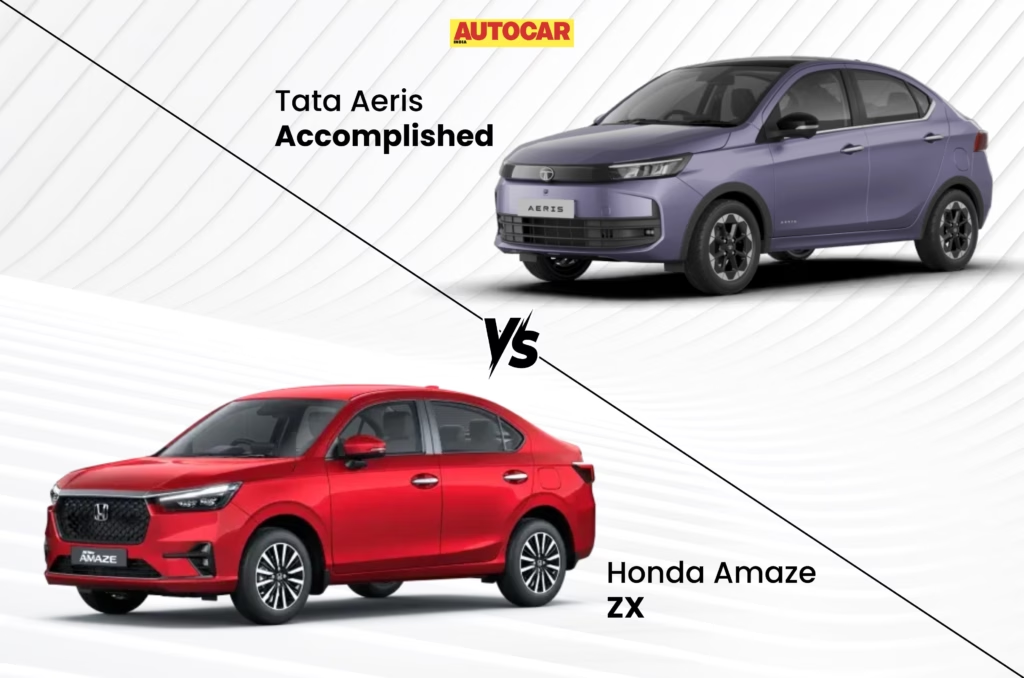
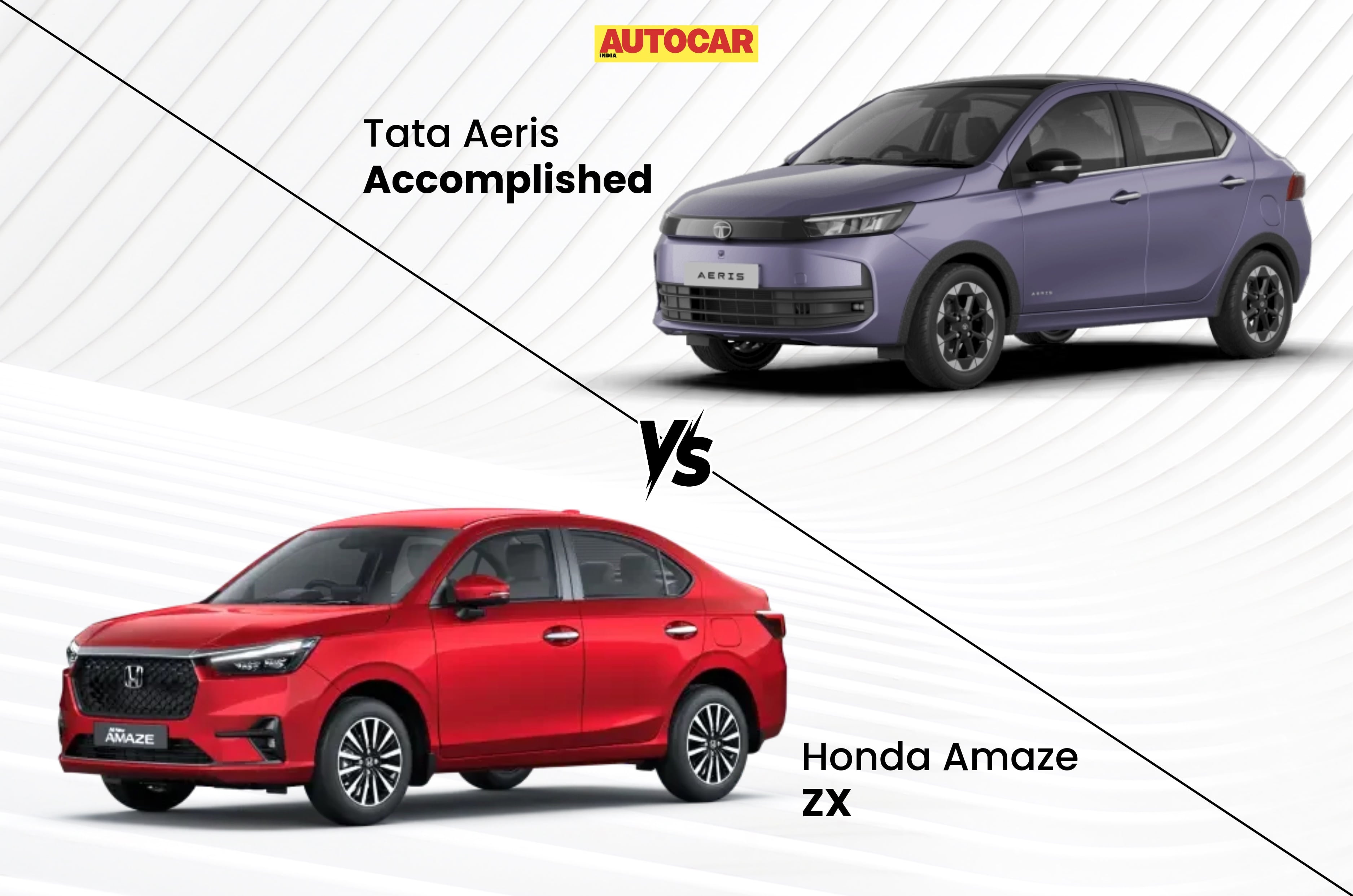
With the arrival of the new Aeris, Tata has made an attempt to strengthen its prowess in the compact sedan space. Though based on the Tigor, the Aeris comes with fresher styling elements and added features. Here, we’ve compared it with the Honda Amaze, which is currently in third-gen form and one of the longstanding contenders in the segment. For this comparison, we’ve chosen the Aeris’ Accomplished trim and the Amaze’s ZX trim.
For full specs, features, and a price breakdown, check our Aeris vs Amaze comparison.
Tata Aeris vs Honda Amaze: Dimensions
Aeris is taller and gets the larger boot; Amaze is wider and has a longer wheelbase
Tata Aeris vs Honda Amaze: Dimensions
Tata Aeris
Honda Amaze
Difference
Length (in mm)
3,995
3,995
–
Width (in mm)
1,684
1,733
-49
Height (in mm)
1,532
1,500
+32
Wheelbase (in mm)
2,450
2,470
-20
Ground clearance (in mm)
170
172
-2
Boot space (litres)
419
416
+3
The Aeris and Amaze have the same length but differ greatly in other dimensions. The Amaze is wider, has a longer wheelbase, and rides a narrow 2mm higher than the Aeris. On the other hand, the Aeris is taller and has a slightly bigger boot. One thing to note is that the Aeris’ boot is likely to have more usable space, as its boot lid uses gas struts to open and close, whereas the Amaze’s trunk lid utilises a hinge mechanism.
Tata Aeris vs Honda Amaze: Powertrain
CNG AMT combo offered only on the Aeris
Tata Aeris vs Honda Amaze: Powertrain
Tata Aeris
Honda Amaze
Engine
1.2-litre 3-cyl petrol | 1.2-litre 3-cyl CNG
1.2-litre 4-cyl petrol
Power (hp)
86 | 76
90
Torque (Nm)
113 | 97
110
Transmission
5MT / 5AMT
5MT / CVT
In petrol guise, both the Aeris and Amaze get a 1.2-litre naturally aspirated unit. The former’s mill uses a 3-cylinder setup, whereas the latter adds an additional cylinder. Amaze’s power output is higher than the Aeris, but the latter delivers slightly more torque. Both models get a 5-speed manual, but automatic variants of the Aeris use an AMT while the Amaze gets a CVT gearbox.
The Aeris offers a factory-fitted CNG kit on its top Accomplished trim with petrol and AMT gearbox choices. In CNG guise, it gets a dual-cylinder setup that doesn’t sacrifice much boot space as opposed to a single large tank. While Honda also offers a CNG kit on the Amaze, it’s exclusively offered with the manual gearbox and is fitted at the dealer level.
Tata Aeris vs Honda Amaze: Exterior
Dual-tone paint options exclusive to the Aeris
Tata Aeris vs Honda Amaze: Exterior
Tata Aeris
Honda Amaze
Headlights
Auto LED
Projector Auto LED
Tail-lights
LED
LED
DRLs
Yes
Yes
Front fog lamps
LED
Projector LED
Wheels
15-inch alloys
15-inch alloys
Powered ORVMs
Yes
Yes
Shark-fin antenna
Yes
Yes
Colour
Dual-tone, 6 options
Monotone, 6 options
On the visual front, the Aeris and Amaze are neck and neck with LED light setups, fog lamps, 15-inch alloy wheels, powered ORVMs, and a sharkfin antenna. However, when it comes to paint options, the Aeris Accomplished is limited to dual-tone finishes with a black roof, and the Amaze gets monotone paint jobs only.
Tata Aeris vs Honda Amaze: Interior
Aeris gets the popular front seat ventilation feature
Tata Aeris vs Honda Amaze: Interior
Tata Aeris
Honda Amaze
Instrument cluster
Digital dials
Part-digital TFT display with analogue dials
Infotainment screen
10.25-inch
8-inch
Android Auto, Apple CarPlay
Wireless
Wireless
Sunroof
No
No
Front seat ventilation
Yes
No
Audio system
4-speaker, 2-tweeter
4-speaker, 2-tweeter
Wireless phone charger
Yes
Yes
Climate control
Automatic
Automatic
Driver seat adjustment
Height, reach (manual)
Height, reach (manual)
Steering adjustment
Tilt
Tilt
Rear AC vents
Yes
Yes
Rear centre armrest
Yes
Yes
Seat upholstery
Leatherette
Fabric
Connected car tech
Yes
Yes
Keyless entry
Yes
Yes
Push-button start
Yes
Yes
Cooled glove box
Yes
No
USB ports
2x Type-C 1x Type-A
2x Type-A ports
Inside is where the odds look in favour of the Aeris. It gets a larger infotainment screen, front seat ventilation, leatherette seat upholstery, and a cooled glovebox over the Aeris. Meanwhile, the Amaze’s instrument cluster has a colour TFT with configurable displays on offer.
Tata Aeris vs Honda Amaze: Driving features
Paddle shifters found on both; Adaptive cruise control exclusive to the Aeris
Tata Aeris vs Honda Amaze: Driving features
Tata Aeris
Honda Amaze
Paddle shifters
Yes
Yes
Cruise control
Regular
Adaptive
As for driving features, both get paddle shifters with their respective automatic versions. But the Aeris gets regular cruise control as opposed to the advanced adaptive cruise control found on the Amaze.
Tata Aeris vs Honda Amaze: Safety features
360-degree camera exclusive to the Aeris; Amaze is the only compact sedan with ADAS
Tata Aeris vs Honda Amaze: Safety features
Tata Aeris
Honda Amaze
BNCAP rating
Not tested
5 stars
Airbags
6
6
ADAS
No
Level 1
Camera setup
360-degree
Rear
Blind view monitor
Yes
Yes
Dashcam recording
Yes
No
Rain sensing wipers
Yes
Yes
Parking sensors
Rear
Rear
Disc brakes
Front
Front
Tyre-pressure monitoring
Yes
Yes
Interior rearview mirror (IRVM)
Manual dimming
Manual dimming
Hill-hold assist
Yes
Yes
ESC
Yes
Yes
Traction control
Yes
Yes
Adjustable headrests
Front only
Front only
The Amaze has achieved a 5-star crash safety rating by BNCAP. While the Aeris is yet to be tested by BNCAP, it’s worth noting that the Tigor that it’s based on achieved a 4-star rating by GNCAP. As for safety equipment, both are well equipped with six airbags, ESC, traction control, rear parking sensors, TPMS, and hill hold assist. Additionally, the Aeris gets a 360-degree camera as opposed to the Amaze’s rear-view only, but the latter offers an ADAS suite which the former misses out on. Meanwhile, both skip adjustable headrests for the rear occupants.
Tata Aeris vs Honda Amaze: Price and verdict
Tata Aeris vs Honda Amaze: Price
Tata Aeris Accomplished
Honda Amaze ZX
Petrol manual
8.20
9.39
Petrol automatic
8.75
10.00
CNG manual
9.20
–
CNG automatic
9.75
–
Comparing like-for-like powertrain combinations, the Aeris is more affordable than the Amaze by up to Rs 1.25 lakh. Interestingly, even its CNG automatic version is cheaper than the Amaze petrol CVT. Between the Aeris and the Amaze, it’s the former we’d pick. Not only is the Aeris more affordable than the Amaze by over a lakh, but it also packs in more features and offers more powertrain combinations. Though in automatic guise the Amaze’s CVT unit delivers a more refined experience than the AMT on the Aeris, the premium that it commands isn’t justified.
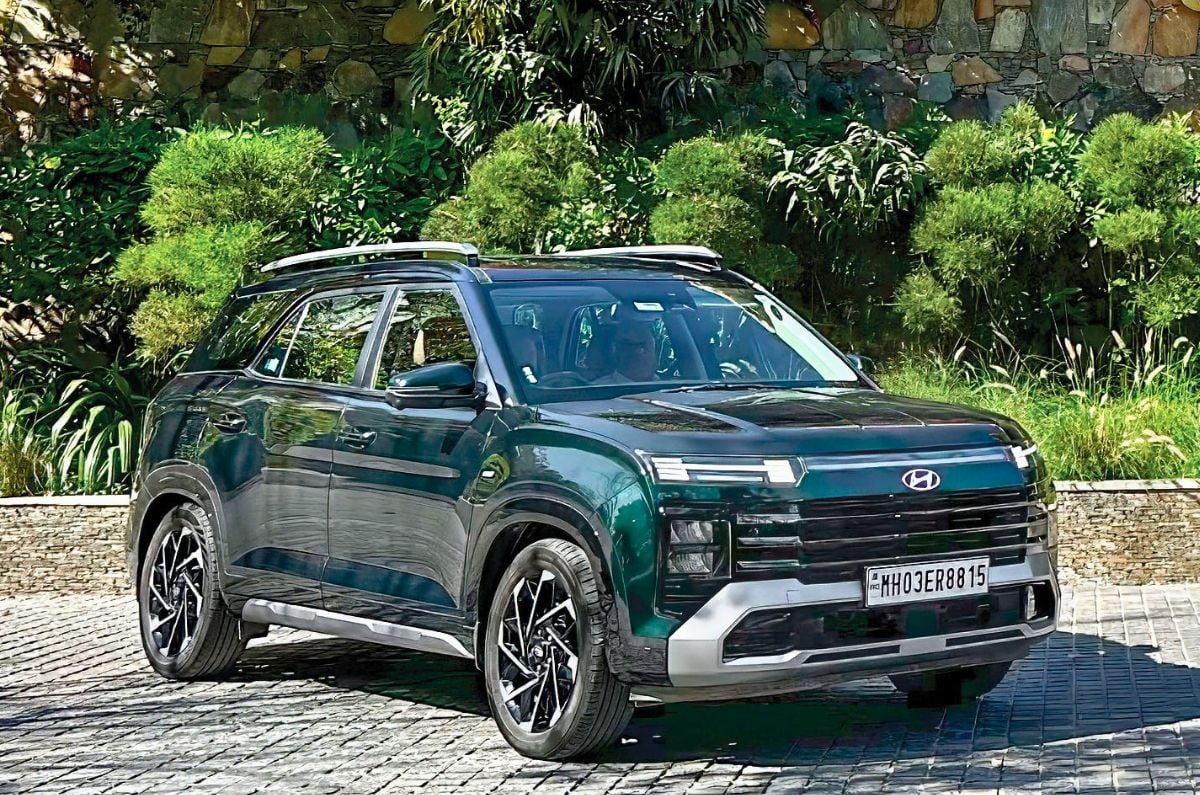
Our long-term Alcazar has done all sorts of jobs since it joined the fleet. City runs, airport pickups, the odd weekend getaway. But nothing quite like what it was asked to do recently. It had to play support car for our camera crew shooting a feature on the Delhi-Mumbai Expressway, and that meant a 2,700km round trip between Mumbai and Delhi with barely a day’s rest in between.
I wasn’t driving the entire way myself, and the Alcazar was only handed over to me in Delhi by one of our drivers. His enthusiasm to ask me if we needed him to drive it back to Mumbai was a testament of how impressed he really was with the Alcazar.
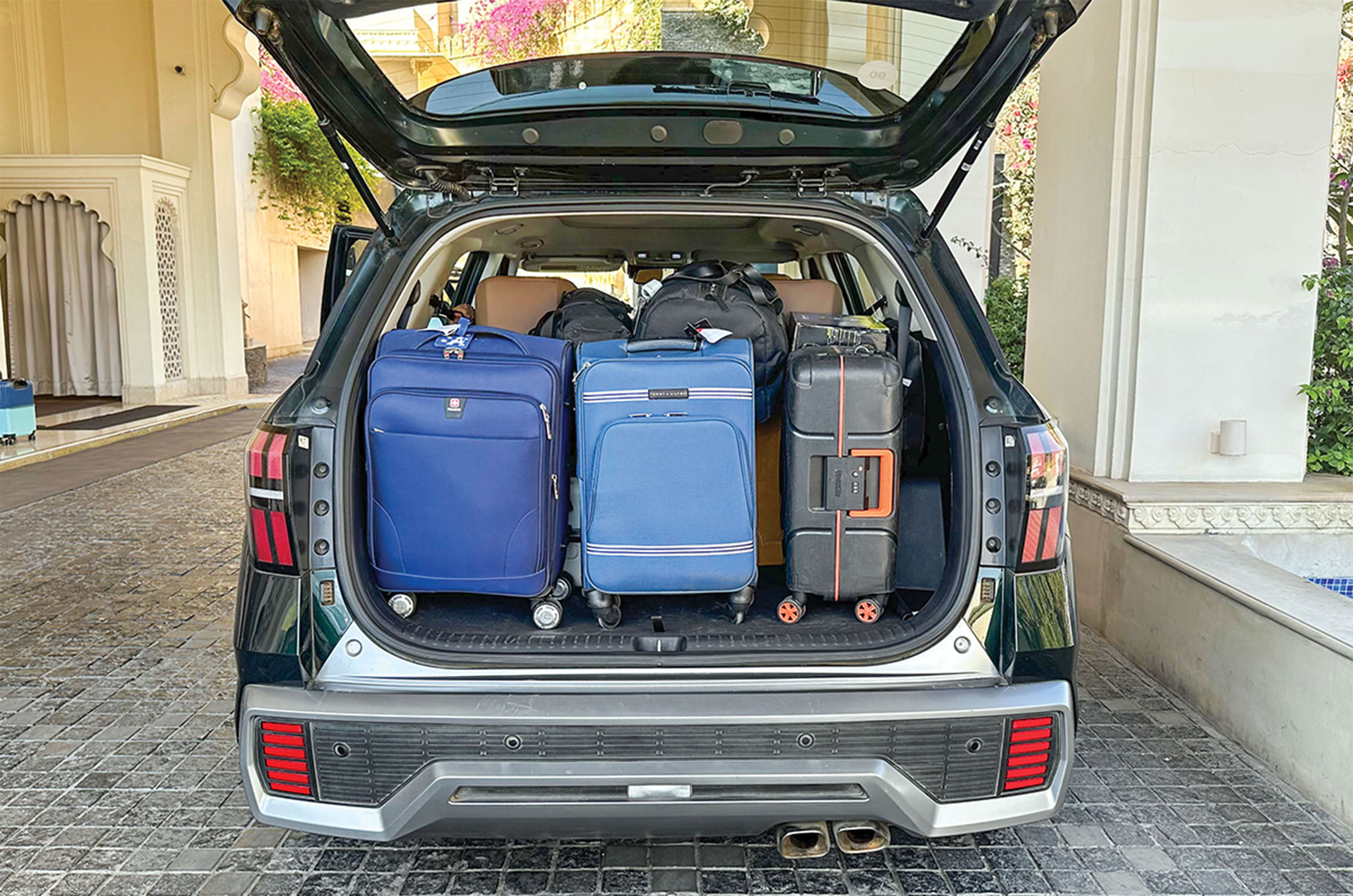
Folded third row frees up a lot of space for luggage.
The brief was simple. The Alcazar had to carry three crew members and all their camera gear along with all our luggage. This is exactly the kind of job our Alcazar has proven good at before, and it didn’t disappoint this time either. With the third row folded flat, the boot swallowed almost everything.
The captain seats in the second row turned out to be a real boon, especially for the camera crew – super comfy during a long day of shooting. The foldable tray table was handy for the laptop to copy and work on footage, and the fact that it was steady enough says a lot about the good build quality.
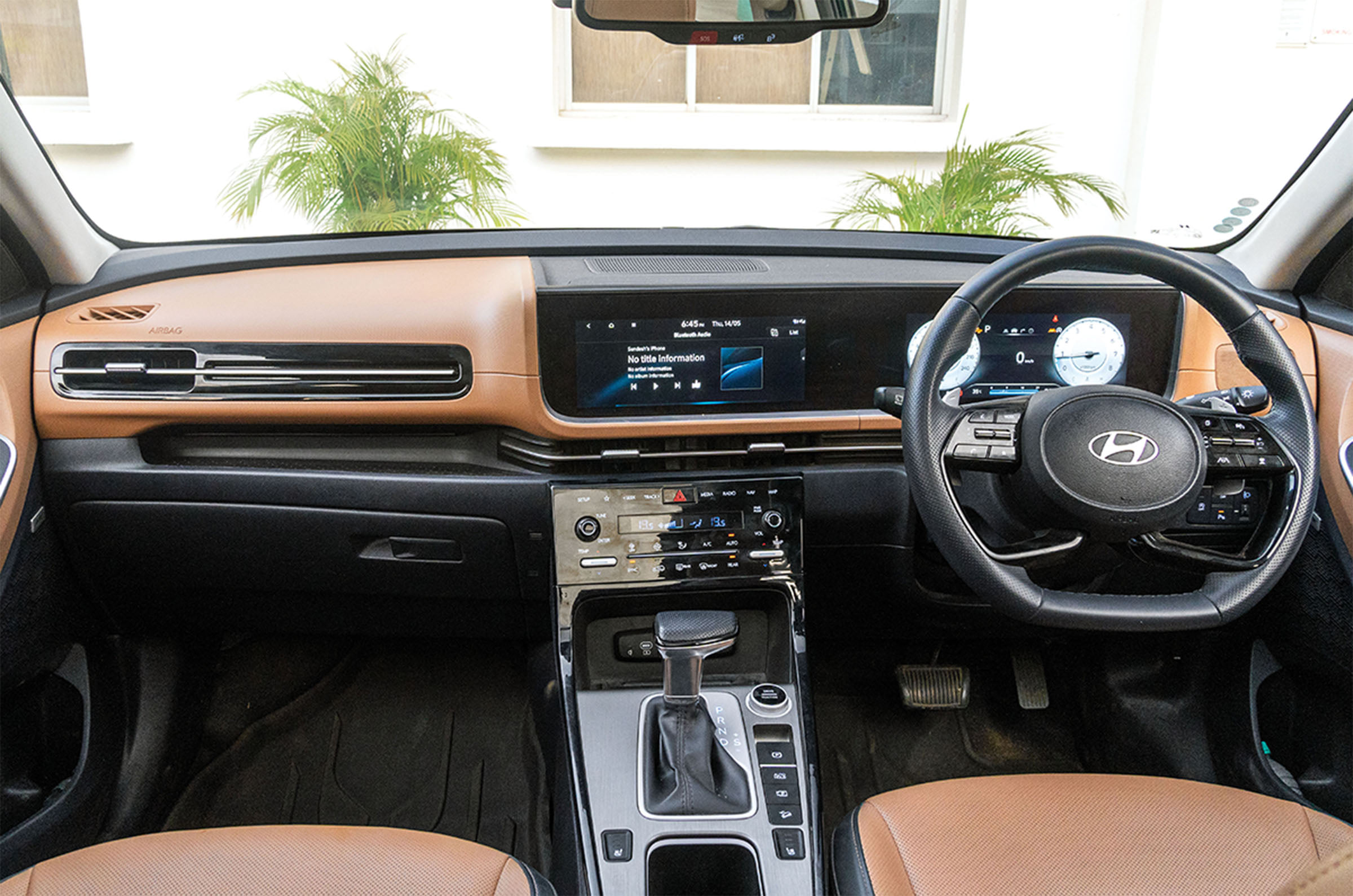
Design is simple yet ergonomic. Dark-coloured interiors help it look clean.
The Delhi-Mumbai Expressway is where this car was always going to shine, and it did. Long, arrow-straight sections let the 1.5-litre turbo-petrol settle into an easy cruise. At 100kph in top gear, the engine barely feels stressed, and wind noise is well contained for a car this size. We clocked long hours driving in a single day on the way back, stopping only for fuel and food, and nobody complained of fatigue by the end of it.
The DCT, which I’ve spoken of before, is jerky in bumper-to-bumper traffic, but was not an issue here. Once you’re past 40kph and holding a steady throttle, it’s smooth and quick to respond. It’s really only the crawl through Mumbai and Delhi outskirts where its low-speed hesitation showed up.
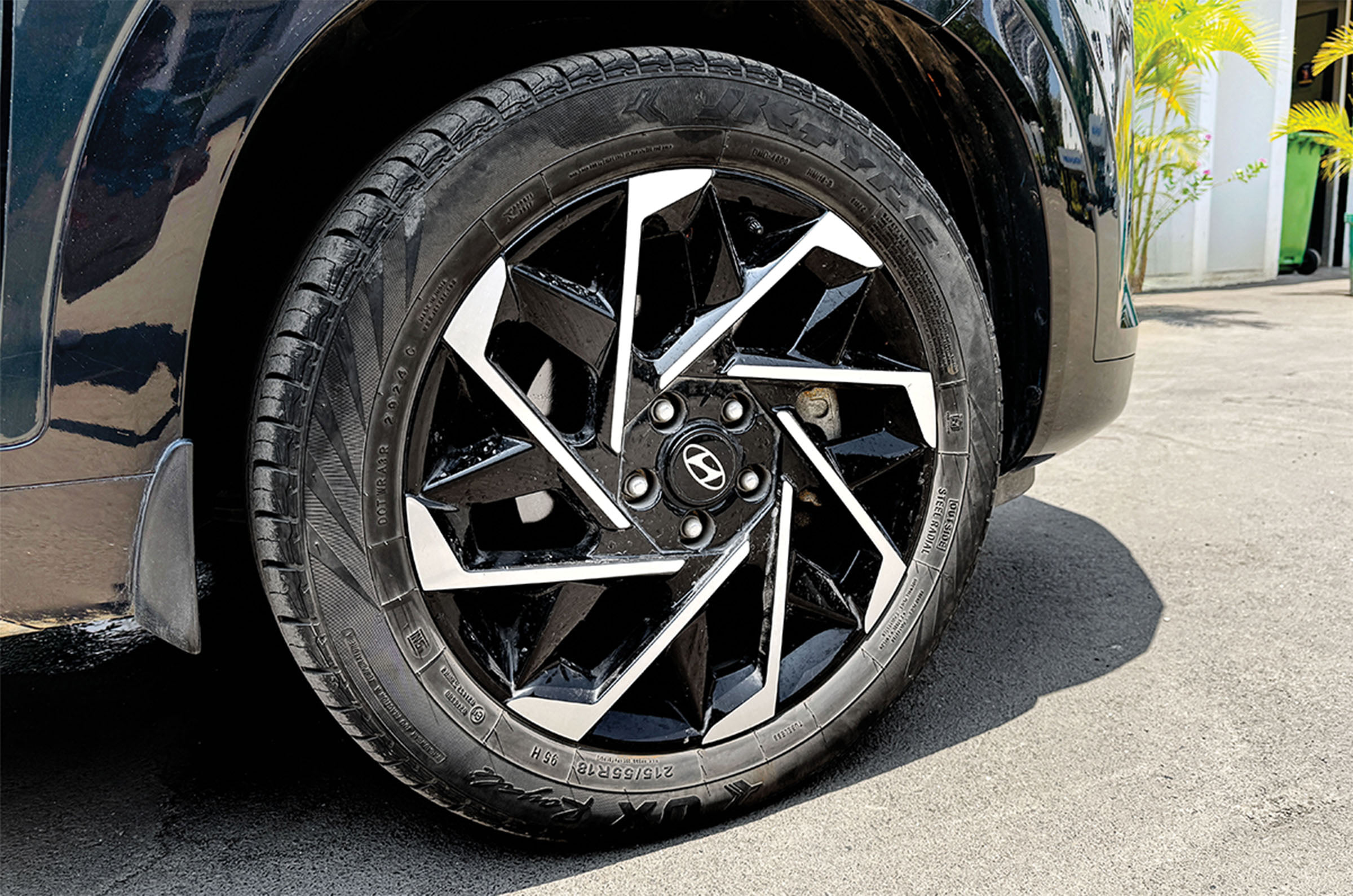
Large 18-inch wheels look stylish, but they don’t help the Alcazar’s ride quality.
The return leg we took had some patchy sections in Maharashtra, where the NE4 Expressway ends and connects to the old Golden Quadrilateral section of the highway. The Alcazar’s ride, tuned more for comfort on good surfaces, felt busy over broken patches. Nothing alarming, but the ride did feel slightly firmer than I expected from a car this size.
This stretch also penalised fuel efficiency. Loaded up with gear, four adults, and running the air conditioning at full blast through most of the drive, the trip computer settled at 12.8kmpl. That’s respectable for a heavy petrol SUV doing this kind of duty, but it’s definitely not the frugal numbers our diesel Alcazar managed, doing the same duty on the Kashmir-to-Kanyakumari run a few years back.
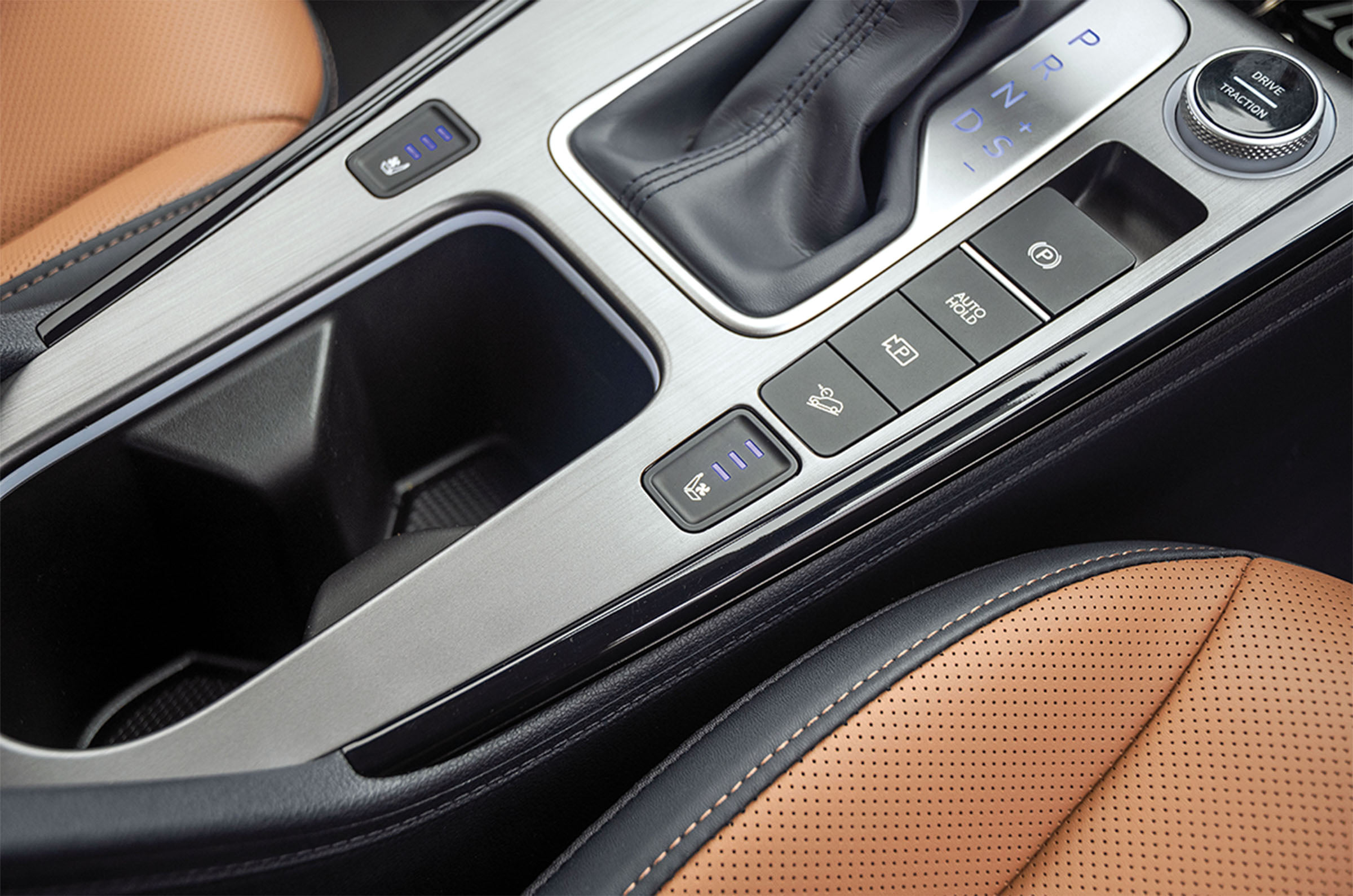
Ventilated driver and passenger seats are a boon on a hot, sunny afternoon.
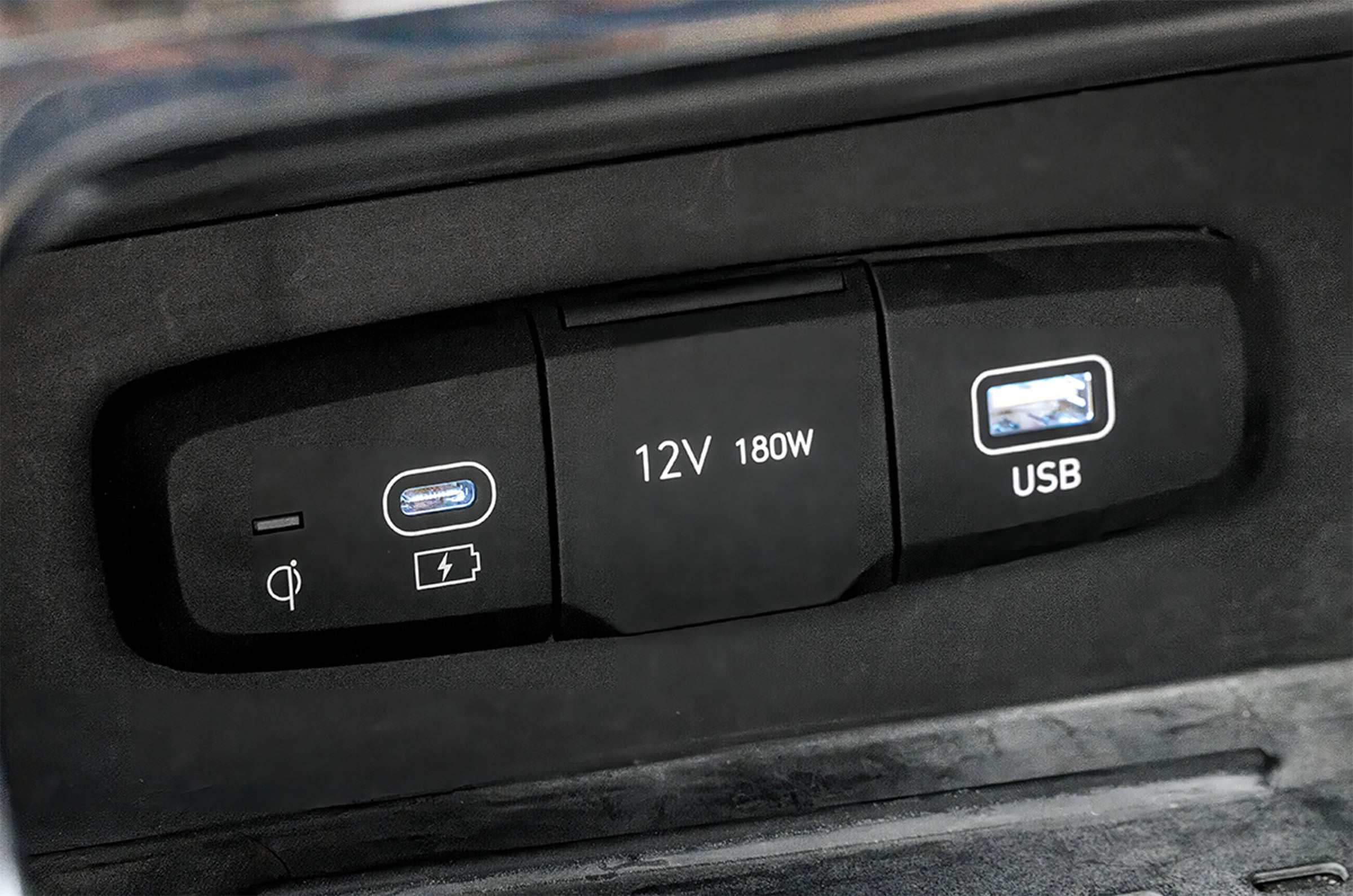
A few other bits we did appreciate. The ventilated seats made the long hours of driving through the heat a lot more comfortable. The adaptive cruise control also was genuinely useful on the Expressway stretch, taking a lot of the fatigue out of long, straight sections. The absence of wireless Android Auto or Apple CarPlay was an irritant, as it meant connecting to the Infotainment using the cable and having a fully charged phone constantly plugged in for a long period of time.
Another observation on this trip: the plasticky bits on the dashboard picked up a fair bit of dust, especially with four people living out of the car for five days. To be honest, though, the camera crew kept the windows rolled down for a fair amount of time shooting. Thankfully, nothing a wipe down couldn’t fix.
Type-A USB for smartphone interface needed. Type-C only works for charging.
At the end of it all, the Alcazar clocked close to 2,750km in five days absolutely fuss-free. No warning lights, no rattles that weren’t there before. It’s exactly the kind of trip that reminds you why a car like this earns its place in our long-term fleet. Not glamorous, not the fastest thing on the road, but dependable when you need it most. As it happens, this Mumbai-Delhi-Mumbai run turned out to be its last big assignment with us. With this report, our time with the Alcazar comes to a close, and it’s headed back to Hyundai. It leaves the fleet the same way it arrived, quietly capable, and it’s fitting that its final outing was spent doing what it always did best, hauling people and gear over long distances without a fuss.
Hyundai Alcazar Petrol DCT Signature 6-seater test data