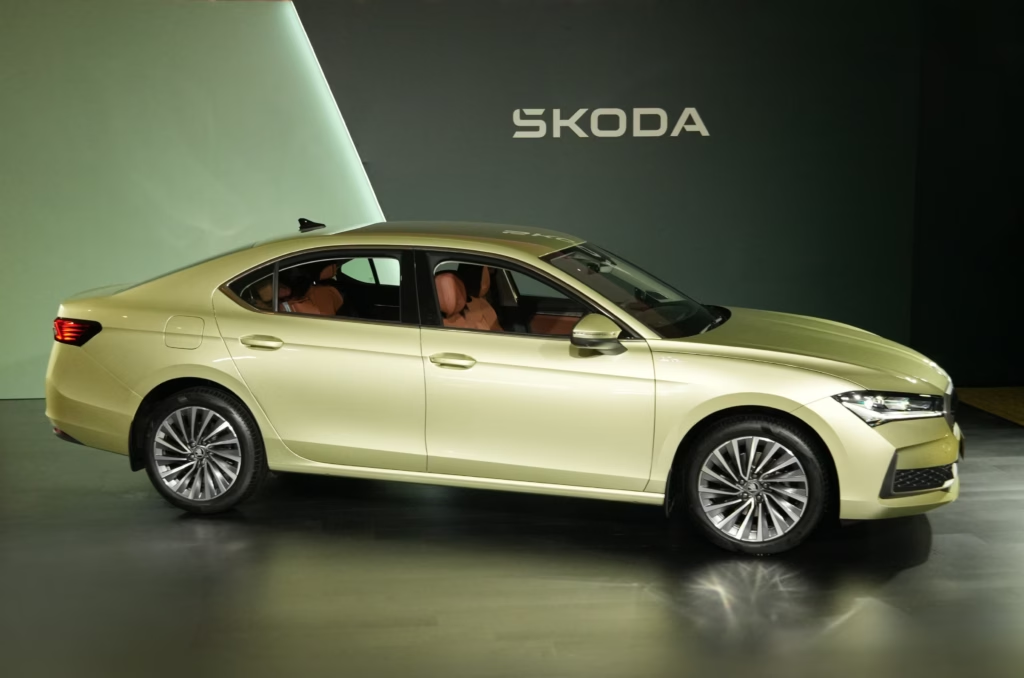
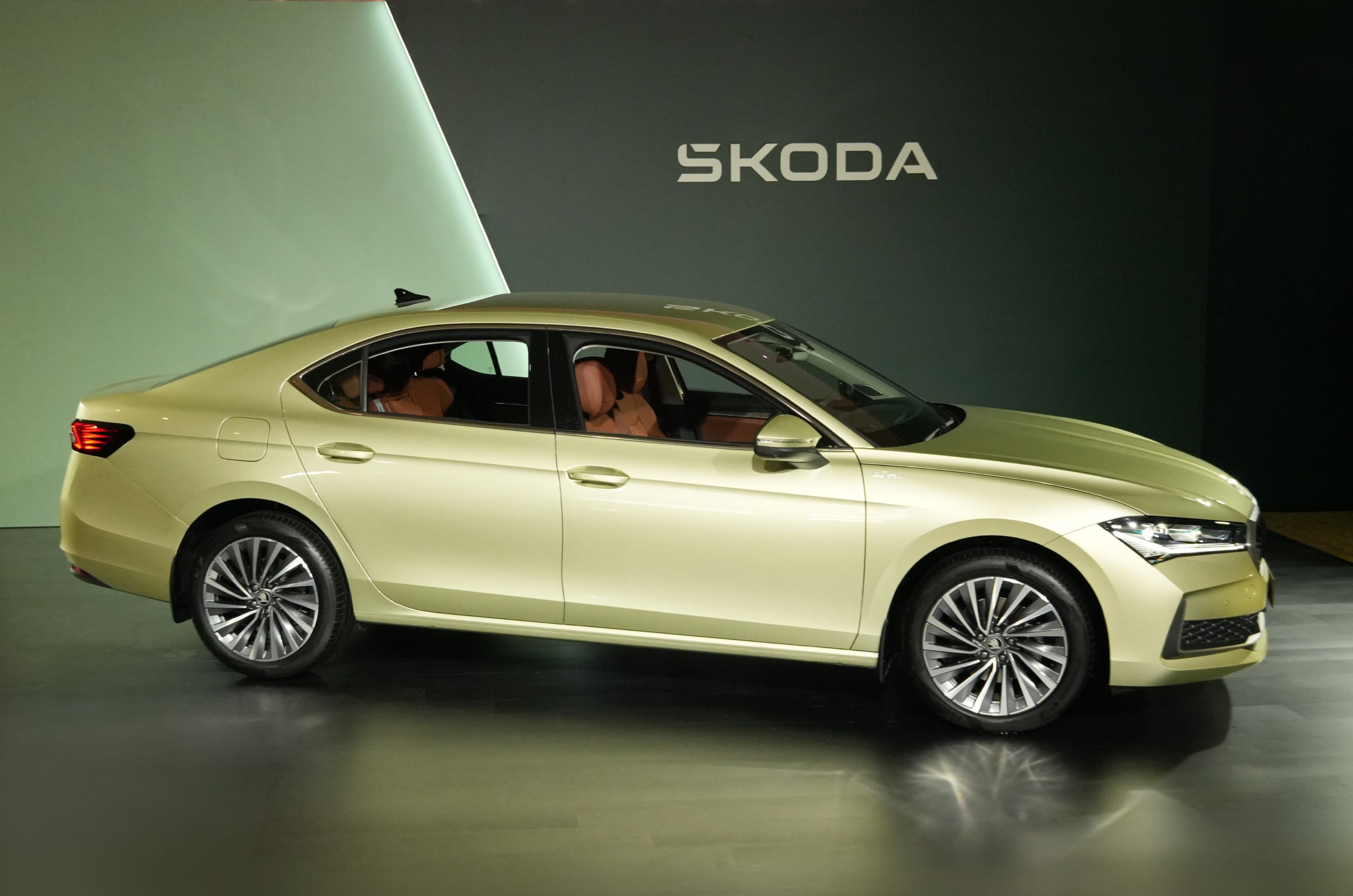
All you need to know about the 2027 Skoda Superb diesel

All you need to know about the 2027 Skoda Superb diesel
2027 Skoda Superb diesel front quarter

Skoda will be bringing the fourth-generation Superb to India in 2027 in its top-spec Laurin & Klement (L&K) trim, no less. However, this time around, the premium sedan will be offered in diesel guise – a first for the brand since it discontinued diesel models in India when BS6 emission norms took effect in 2020. Without further ado, here’s all you need to know about the upcoming 2027 Skoda Superb diesel.

1. How much will the 2027 Skoda Superb diesel cost?

2027 Skoda Superb diesel L&K

Skoda will bring the 2027 Superb diesel to India in limited numbers via the CBU (completely built units) route, with the expected starting price to be around Rs 50 lakh (ex-showroom). This means that the fully imported fourth-gen Superb diesel could be priced along the same lines as the Toyota Camry, which also has the price benefit of being a CKD (completely knocked down) model.

2. When will deliveries of the 2027 Skoda Superb diesel start in India

The reason why Skoda is yet to finalise on the price of the India-spec Superb diesel has to do with the upcoming India-EU Free Trade Agreement (FTA), which is set to come into effect by early 2027. While the FTA’s lower import duties will benefit fully imported modes like the Skoda Superb, the brand is awaiting further clarity before announcing its price. We know that the premium sedan will reach our shores in Q1 or Q2 of 2027 and will only be available in limited numbers.

3. What engine and gearbox will the 2027 Skoda Superb diesel get?
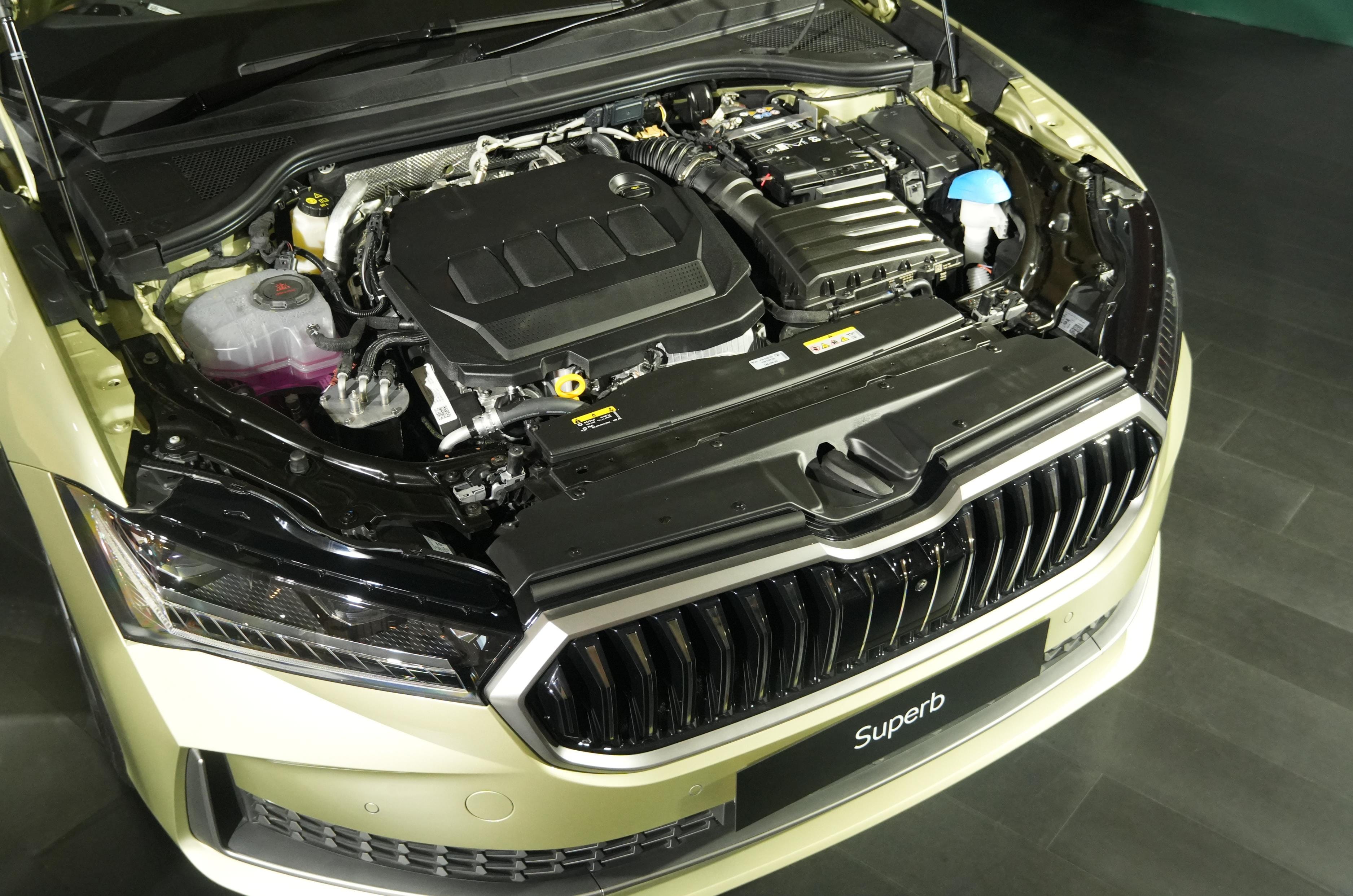
2027 Skoda Superb diesel engine

Under the bonnet of the 2027 Skoda Superb sits a 2.0-litre four-cylinder turbocharged diesel (TDI) engine rated at 150hp and 360Nm of torque. This transverse-mounted engine comes mated to a 7-speed dual-clutch automatic transmission (DCT) and drives the front wheels. Drive modes aside, the 2027 Skoda Superb for India will get the brand’s Progressive Dynamic Steering and Dynamic Chassis Control (DCC) systems. Skoda says that these automatically adjust the car’s ride and handling balance depending on the drive mode, road conditions and vehicle speed.

4. What are the exterior highlights of the 2027 Skoda Superb diesel?
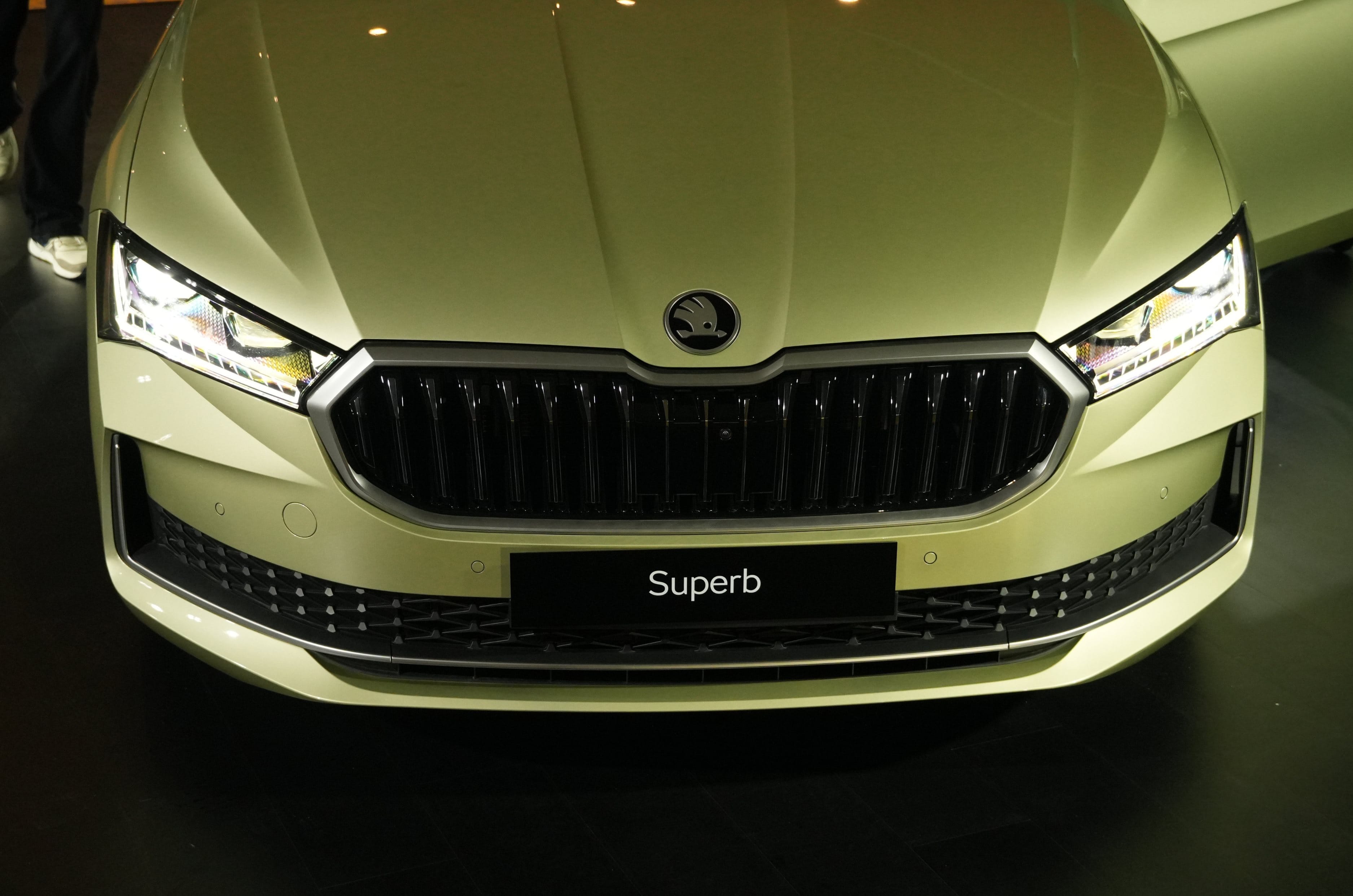
2027 Skoda Superb diesel front quarter

The top-spec L&K trim of the Skoda Superb diesel comes with Matrix LED headlamps with ‘Skoda Crystal Lighting’ branding, a large black grille with shiny surrounds, full-LED tail lamps with sequential turn indicators, 18-inch alloy wheels with turbine-like detailing, ‘Laurin & Klement’ badging on the front fenders, chrome garnish for the windowline, and a simplistic bootlid with large ‘SKODA’ lettering.
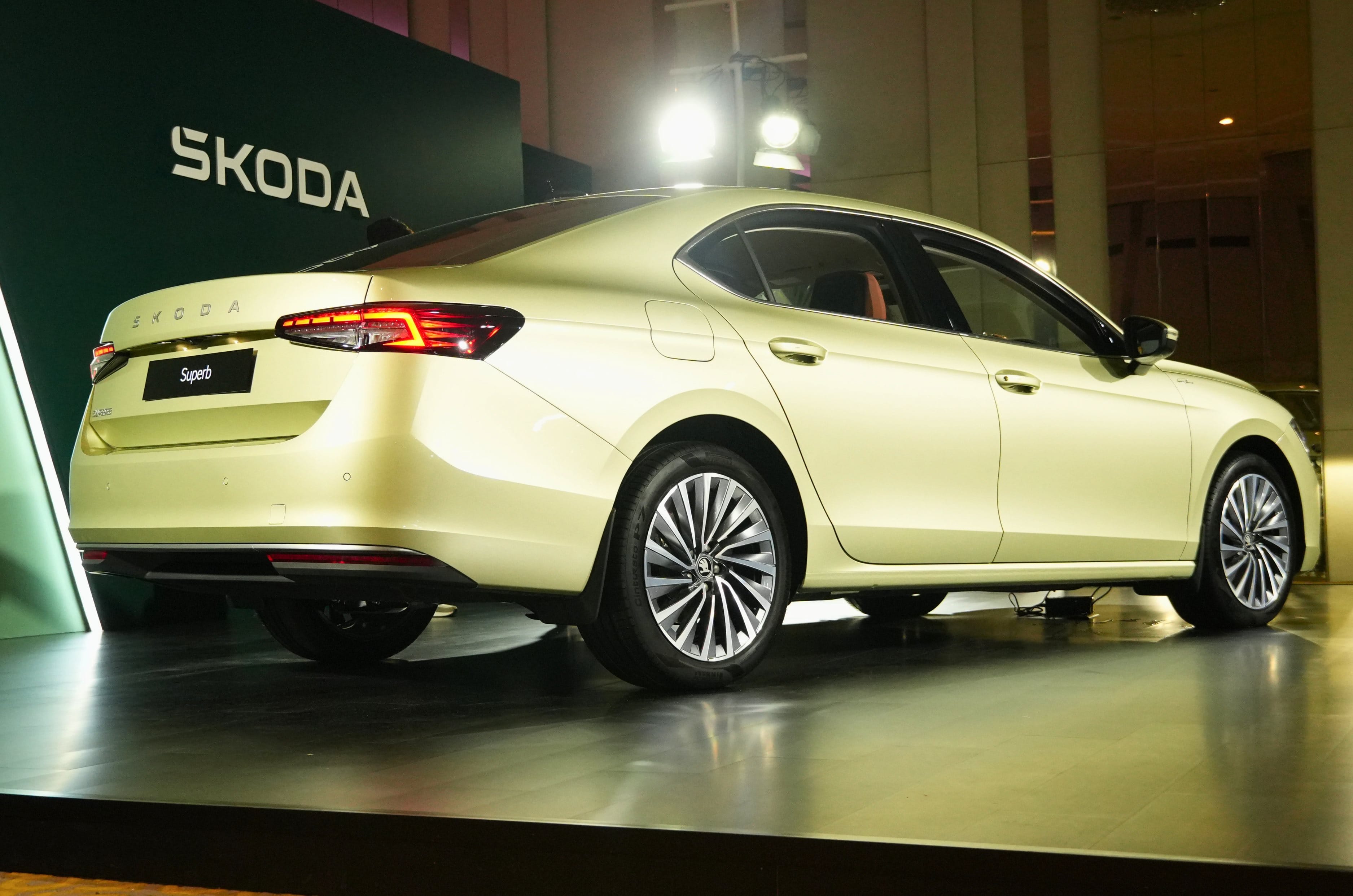
2027 Skoda Superb diesel rear quarter

Opening the power-operated bootlid reveals the Superb’s familiar liftback design and a 645-litre luggage space. There are storage cubbies here too, along with bag hooks, an extendable cargo cover, a space-saver spare wheel, flip-down rear seat releases and through-loading for carrying longer items. Overall, the 2027 Skoda Superb looks elegant and premium, while its liftback design offers more practicality than a typical three-box sedan.

5. Does the interior of the 2027 Skoda Superb diesel feel premium enough?
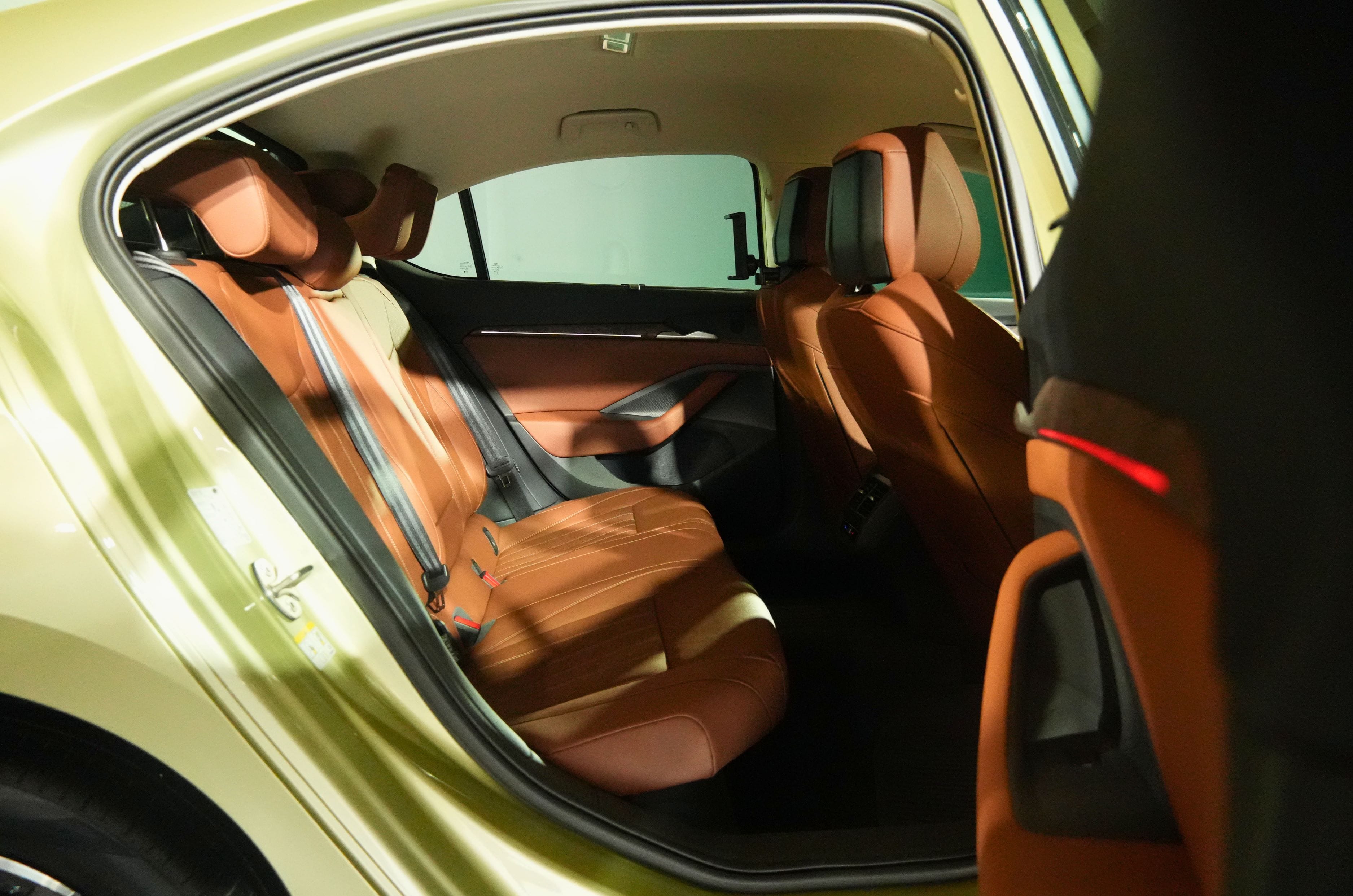
2027 Skoda Superb diesel rear seats

The 2027 Skoda Superb, like its predecessors, is aimed at buyers who prefer to be seated at the back. There’s plenty of space for rear-seat occupants – no shortage of legroom or kneeroom – even taller folks shouldn’t have trouble stretching out. The interior is upholstered in what Skoda calls “Cognac leather”, which looks premium.
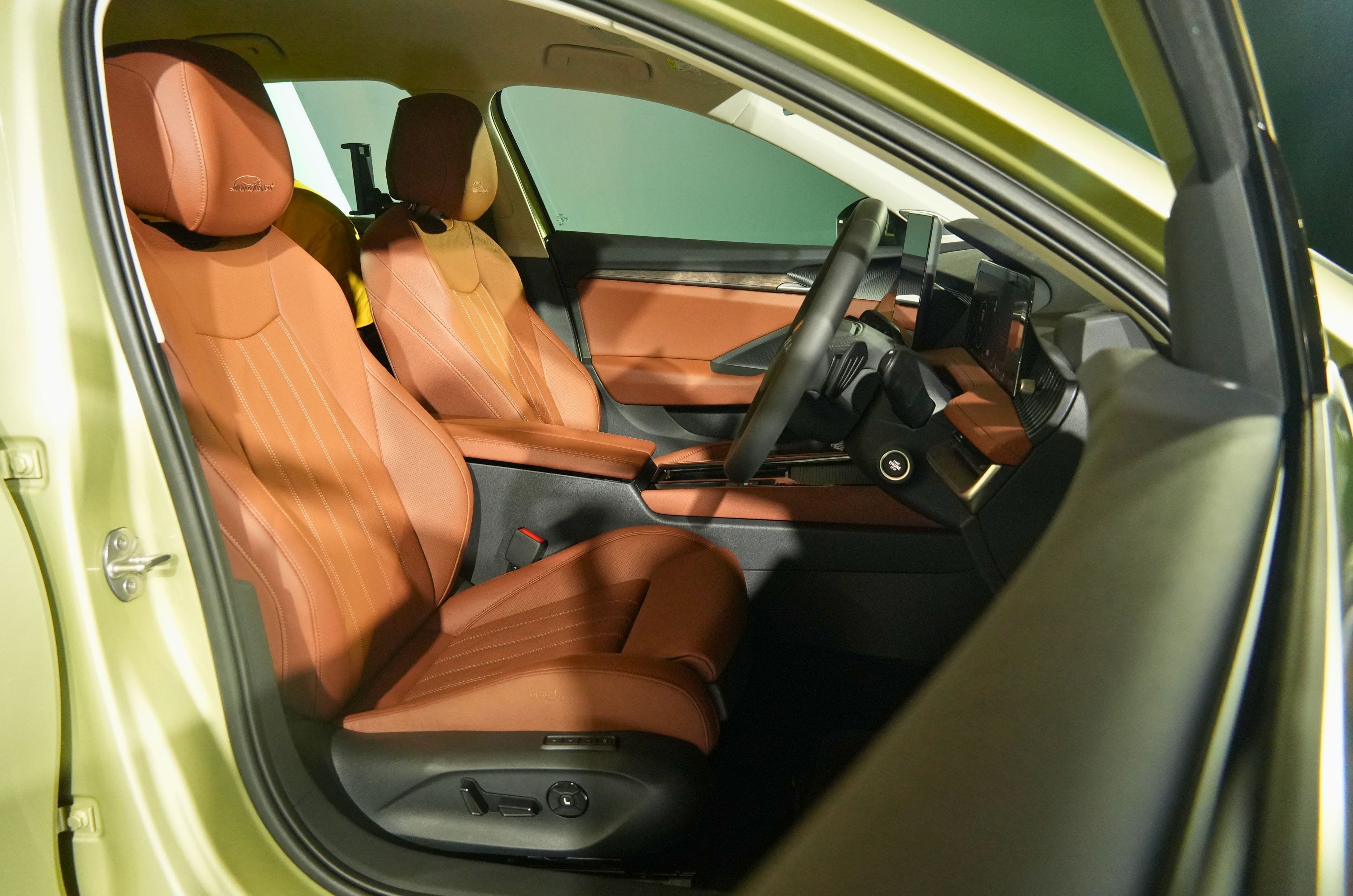
2027 Skoda Superb diesel front seats

The quality and tactility of the physical dials up front feel good, too. These dials integrate multiple functions and users can cycle through the climate control and seat ventilation & heating settings easily. There’s a covered storage tray beneath these dials and another even deeper storage cubby under the front-centre armrest. The front seats look nice and are multi-way powered and have a memory feature, of course.

6. What are some of the feature highlights of the 2027 Skoda Superb diesel?

Enhancing comfort further is a ‘Rear Sleep Packagage, which bring sunblinds for the rear-side windows as well as for the rear windscreen, and specially designed ‘wings’ on the headrests to help support your head should you fall asleep. There’s a fold-down armrest with cupholders and also a slot for holding a smartphone – the backrest of the front seats also get such device holders.
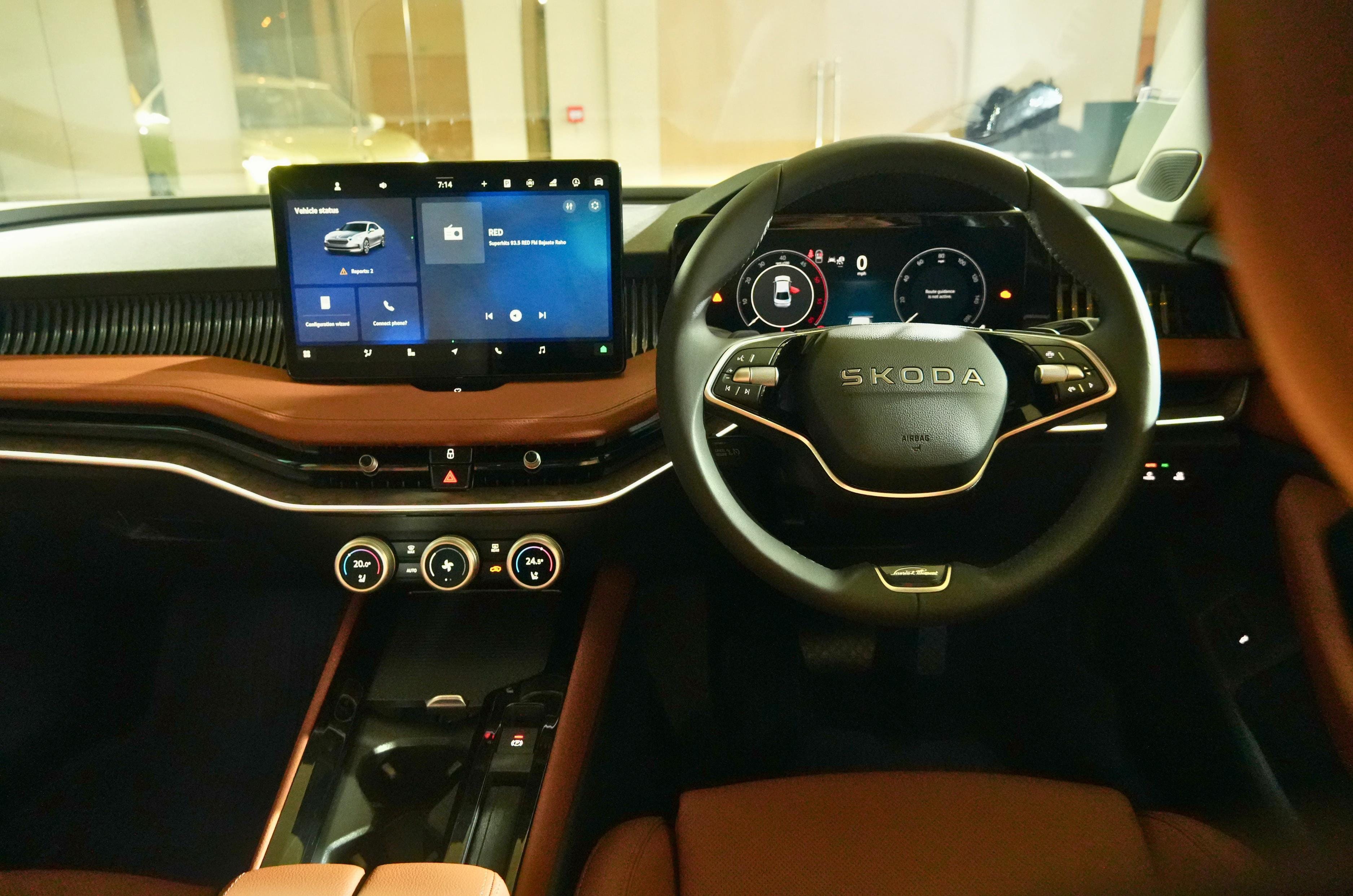
2027 Skoda Superb diesel interior

Other highlights inside the 2027 Skoda Superb diesel include roof-mounted LED reading lights, a dedicated climate control zone for the rear seats (it’s a three-zone system), backlit USB charging ports, a 14-speaker Canton audio system, multi-colour LED ambient lighting, a wireless charging slot at the front, a 12.9-inch touch-infotainment system, 360-degree cameras, Level 2 ADAS and 10 airbags. However, the 2027 Superb misses out on a sunroof and recline-adjustable rear seats, among a few other features.

Also read

All you need to know about the Mahindra Scorpio Lifestyler

Kia Sonet vs Toyota Taisor turbo-petrol automatic performance compared

2 reasons to buy the Toyota Fortuner, 2 reasons not to

2 reasons to buy the Toyota Fortuner, 2 reasons not to

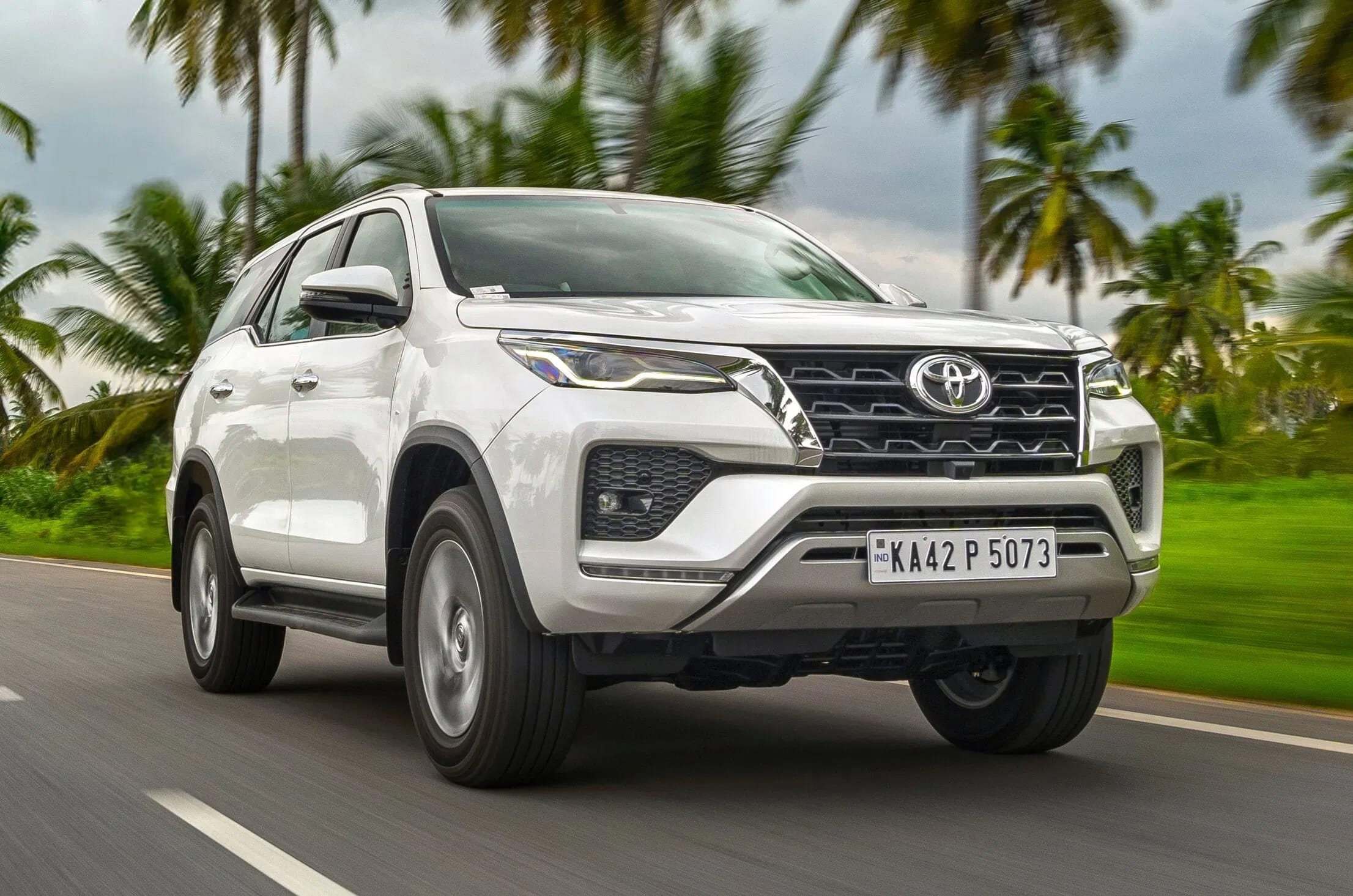
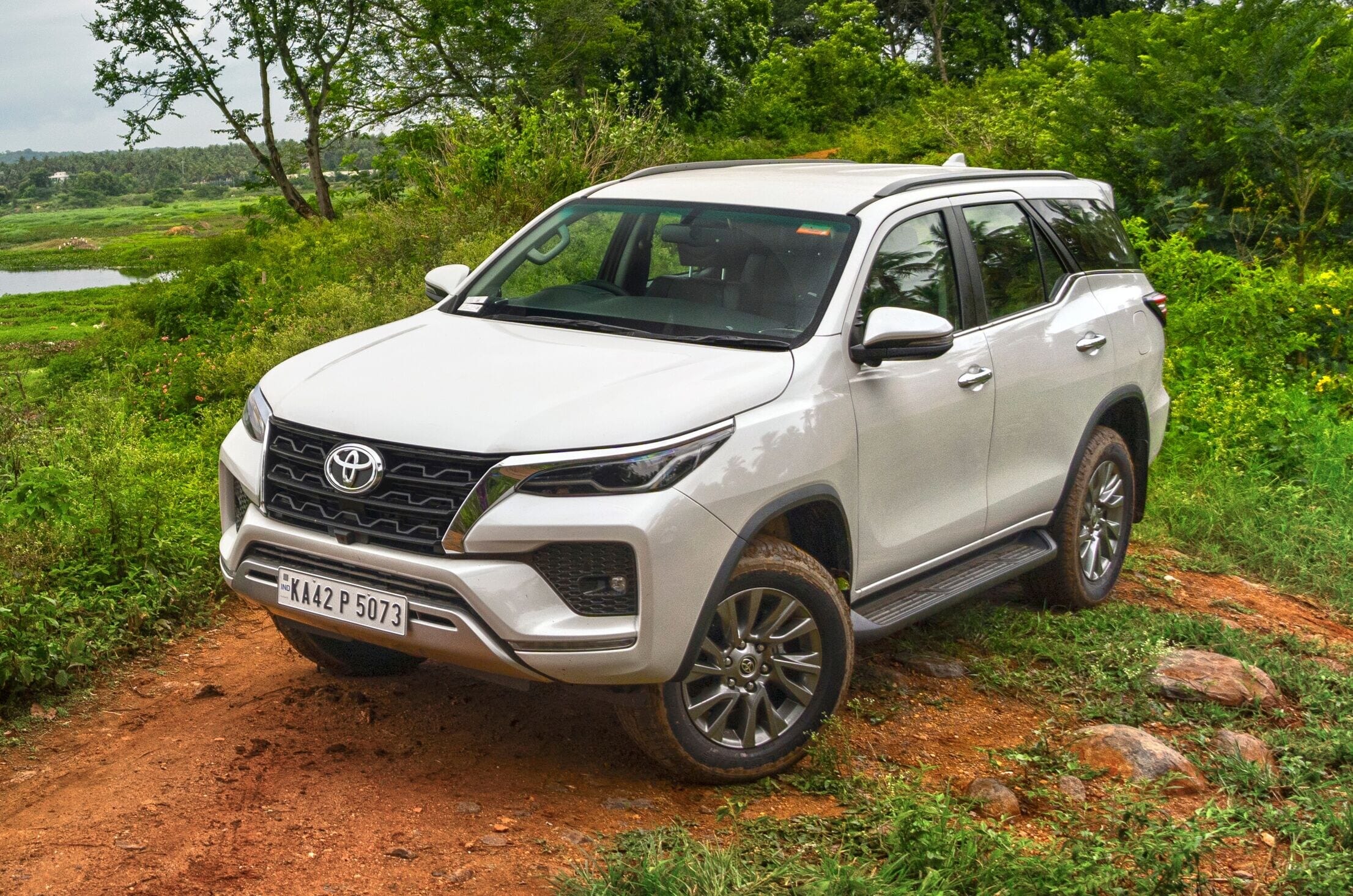
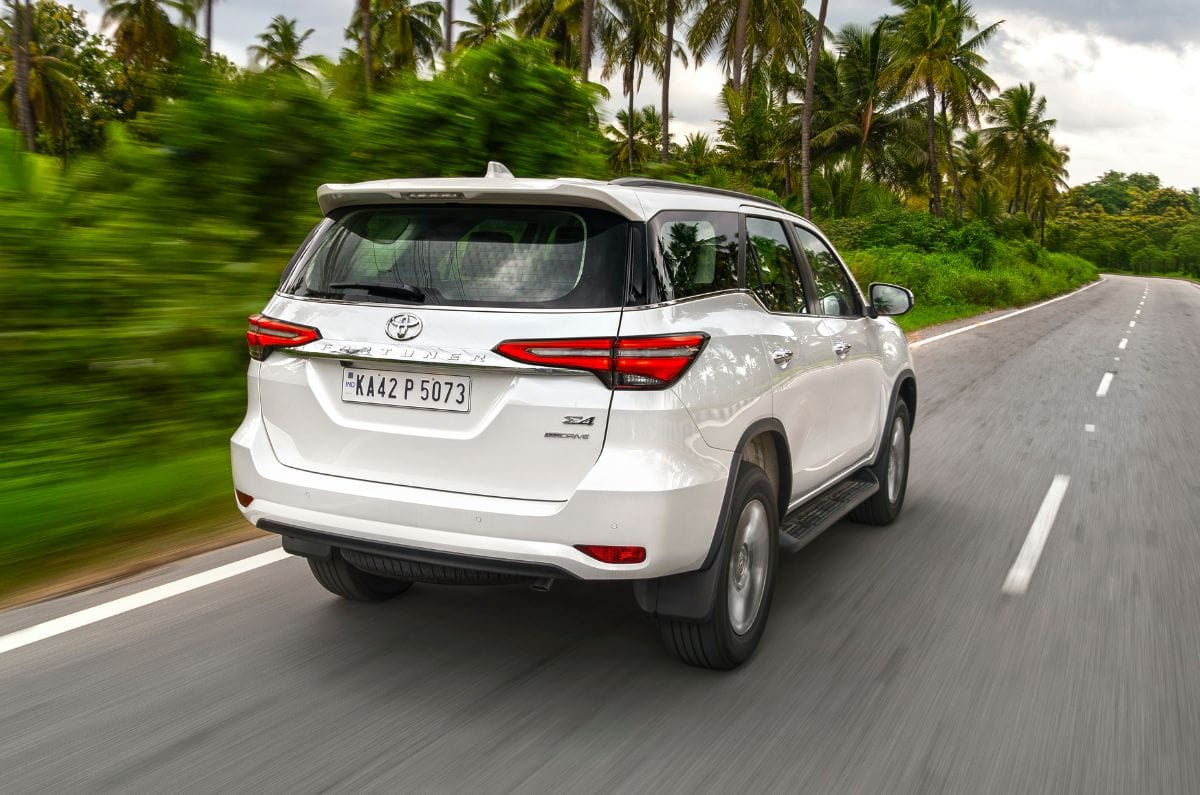
The Toyota Fortuner is one of the most popular SUVs in India and continues to be among Toyota’s bestselling models. It is known for its powerful engines, rugged construction, off-road ability, and Toyota’s reputation for reliability. The SUV is currently available in its second-generation facelift, which was launched in 2021. If you’re planning to buy one, here are two reasons to consider the Fortuner and two reasons why you may want to look at other options. Let’s start with the positives.

Reasons to buy the Toyota Fortuner:

Feels indestructible

Robust suspension and body-on-frame construction make it feel bulletproof

The Toyota Fortuner’s body-on-frame construction makes it feel solid and built to last. Its suspension is tough and is designed to handle rough roads with ease. While the ride feels firm at low speeds and small bumps can be felt inside the cabin, the suspension handles large potholes, broken roads, and unpaved tracks without much trouble.

The Fortuner is also one of the most capable off-road SUVs in its segment. It comes with a low-range transfer case, Multi-Terrain Select (MTS) modes, an electronic differential lock, and a water wading capacity of 700 mm. These features make it easy to drive through muddy trails, rocky paths, steep inclines, and even waterlogged roads. Whether you’re heading to the mountains or exploring off the beaten path, the Fortuner has the hardware to handle it with confidence.

Offers a strong performance

The torquey diesel engine allows for a sub-10s 0-100kph real-world run time

One of the Fortuner’s biggest strengths is its engine options. It is offered with a 2.7-litre petrol engine that makes 166hp and 245Nm, and a 2.8-litre diesel engine that produces 204hp and up to 500Nm. The diesel engine is also available with a 48V mild-hybrid system.

We tested the diesel-automatic version, which sprinted from 0-100 kmph in 9.96 seconds. That’s impressive for an SUV of this size and weight. The diesel engine delivers its maximum torque from low revs, so the Fortuner feels effortless to drive in the city and while overtaking on highways. It doesn’t need to be revved hard, although performance starts to taper off at higher revs.

The six-speed automatic gearbox is tuned for smooth and reliable performance rather than quick gear changes. It works well for daily driving and long-distance cruising, but enthusiasts may find it less engaging than the faster-shifting automatic transmissions offered by some newer SUVs.

Reasons to not buy the Toyota Fortuner:

Interior does not feel premium

The cabin looks dated and misses out on a lot of feel-good features

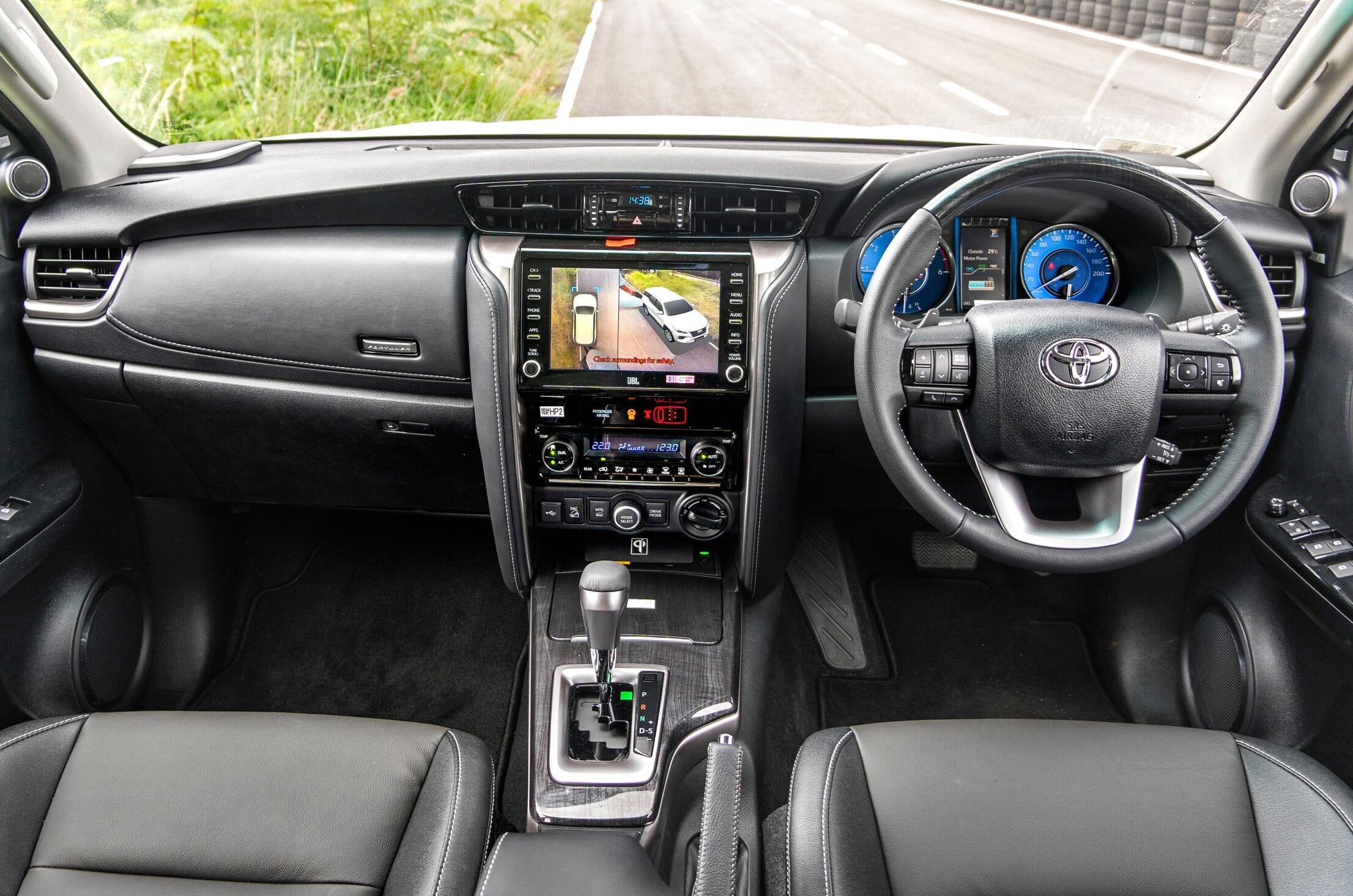
The Toyota Fortuner’s interior is starting to feel dated compared to newer rivals. While the 2021 facelift brought some updates, the overall dashboard design and cabin layout have remained largely unchanged since the second-generation model arrived in India. Compared to SUVs like the MG Majestor, Skoda Kodiaq, Volkswagen Tayron, and Jeep Meridian, the Fortuner’s cabin does not feel as modern or premium. The use of hard plastics and average-quality switches also remind you that this is an older design. At a price point that goes close to Rs 50 lakh, the cabin feels like it could offer more in terms of quality and sophistication.

The Fortuner’s feature list is another area where it falls behind newer rivals. It gets useful features like ventilated front seats, an 8-inch touchscreen infotainment system, dual-zone climate control, an 11-speaker JBL audio system, a 360-degree camera, and a powered tailgate on select variants. However, it misses out on features like a sunroof, advanced driver assistance system (ADAS), powered front seats, and an electronic parking brake, which are now available in several more affordable SUVs. Even the 360-degree camera quality feels average compared to newer competitors, making the Fortuner feel less tech-focused than its rivals.

Prices are on the steeper end

The Fortuner is priced at a premium over its rivals

Toyota Fortuner ex-showroom prices vs rivals

Model

Price range

Toyota Fortuner

Rs 34.76 lakh to Rs 50.46 lakh

MG Majestor

Rs 40.99 lakh to Rs 44.99 lakh

Jeep Meridian

Rs 23.33 lakh to Rs 35.96 lakh

Skoda Kodiaq

Rs 36.99 lakh to Rs 46.99 lakh

Volkswagen Tayron

Rs 41.99 lakh to Rs 46.99 lakh

The Toyota Fortuner is priced from Rs 34.76 lakh to Rs 50.46 lakh (ex-showroom), making it one of the most expensive SUVs in its segment. At this price, it is expected to offer a more premium experience, but its dated cabin, average material quality, and missing modern features make it feel expensive compared to newer rivals.

However, the Fortuner’s appeal goes beyond features and cabin quality. Its rugged construction, off-road capability, proven reliability, strong resale value, and Toyota’s widespread service network continue to attract buyers. For many, the confidence of owning a durable and low-maintenance SUV outweighs the lack of premium features offered by newer rivals. These qualities have helped the Fortuner maintain a strong following in India, despite falling behind competitors in areas like interior quality and technology.

Prices are ex-showroom, India. 

Third-generation Audi Q3 to launch in October

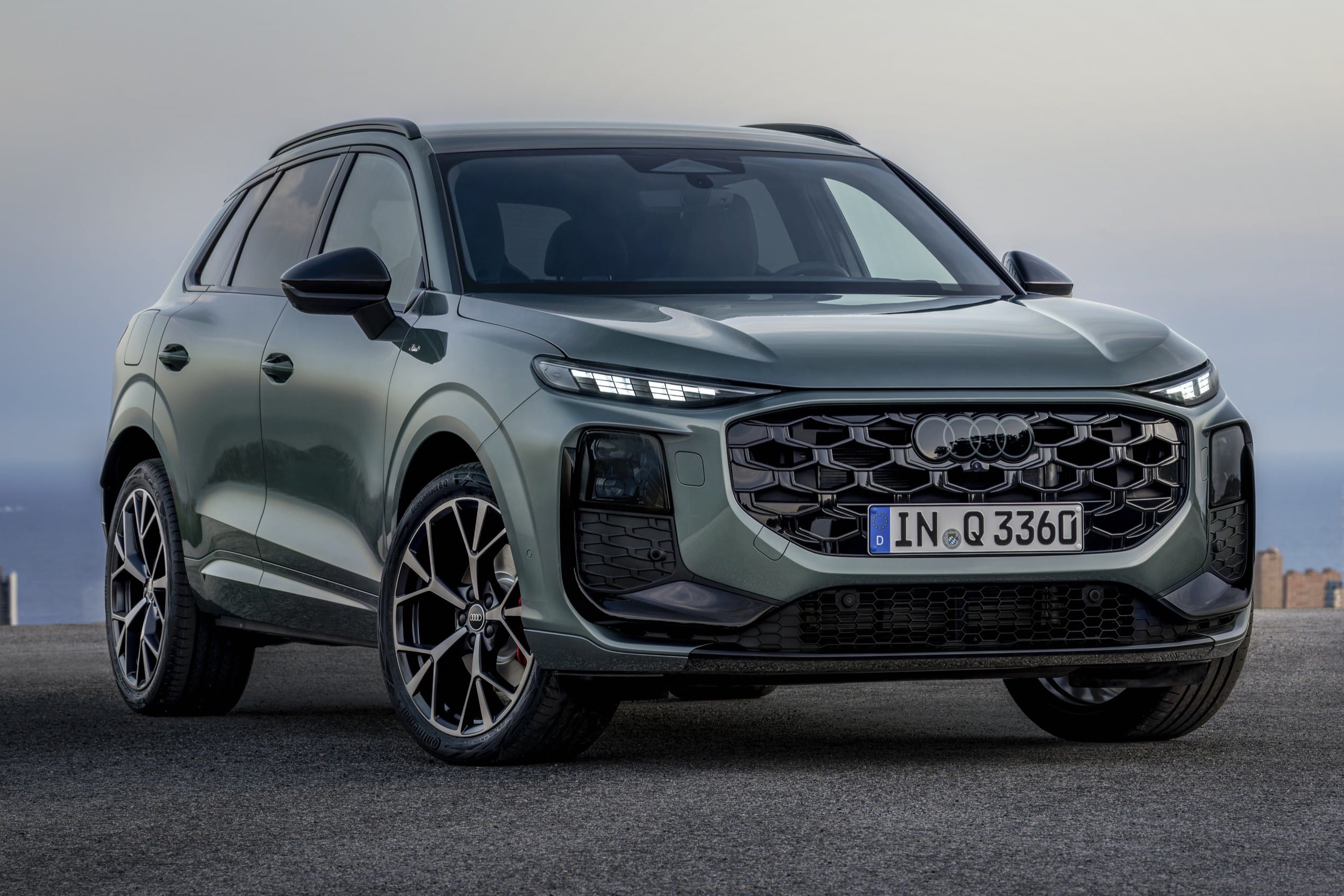
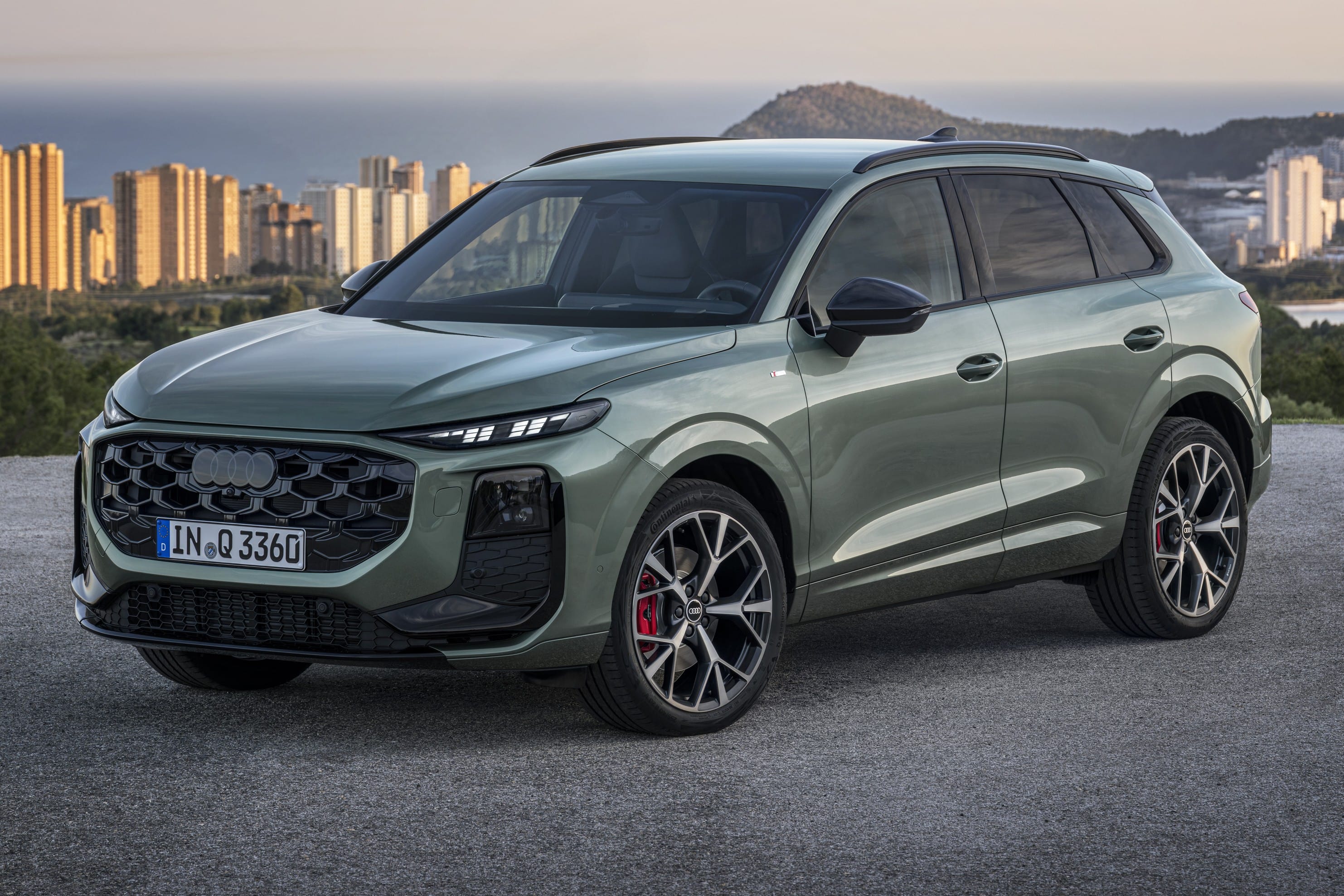
Audi Q3 front quarter static

After four years of being on sale, Audi India is slated to replace the second-generation Q3 in India. Our dealer sources have indicated that the third-generation Q3 will launch in October 2026. In the months leading up to its debut, Audi’s entry-level luxury SUV has been spied on our roads.

Third-generation Audi Q3 exterior details

Gets a more aggressive look in comparison to the previous-gen 

While the previous-gen Q3’s design took an understated approach, the new-gen goes for a flamboyant look. The imposing front-end has a split headlamp design, with slim LED DRLs with four configurable light signatures and vertically stacked LED headlamps. The grille is larger than before, featuring a hexagonal pattern and a 2D Audi logo. The bumper gets a dual-tone look with black surrounds for the headlamps, and there are wide air intakes with a honeycomb pattern.

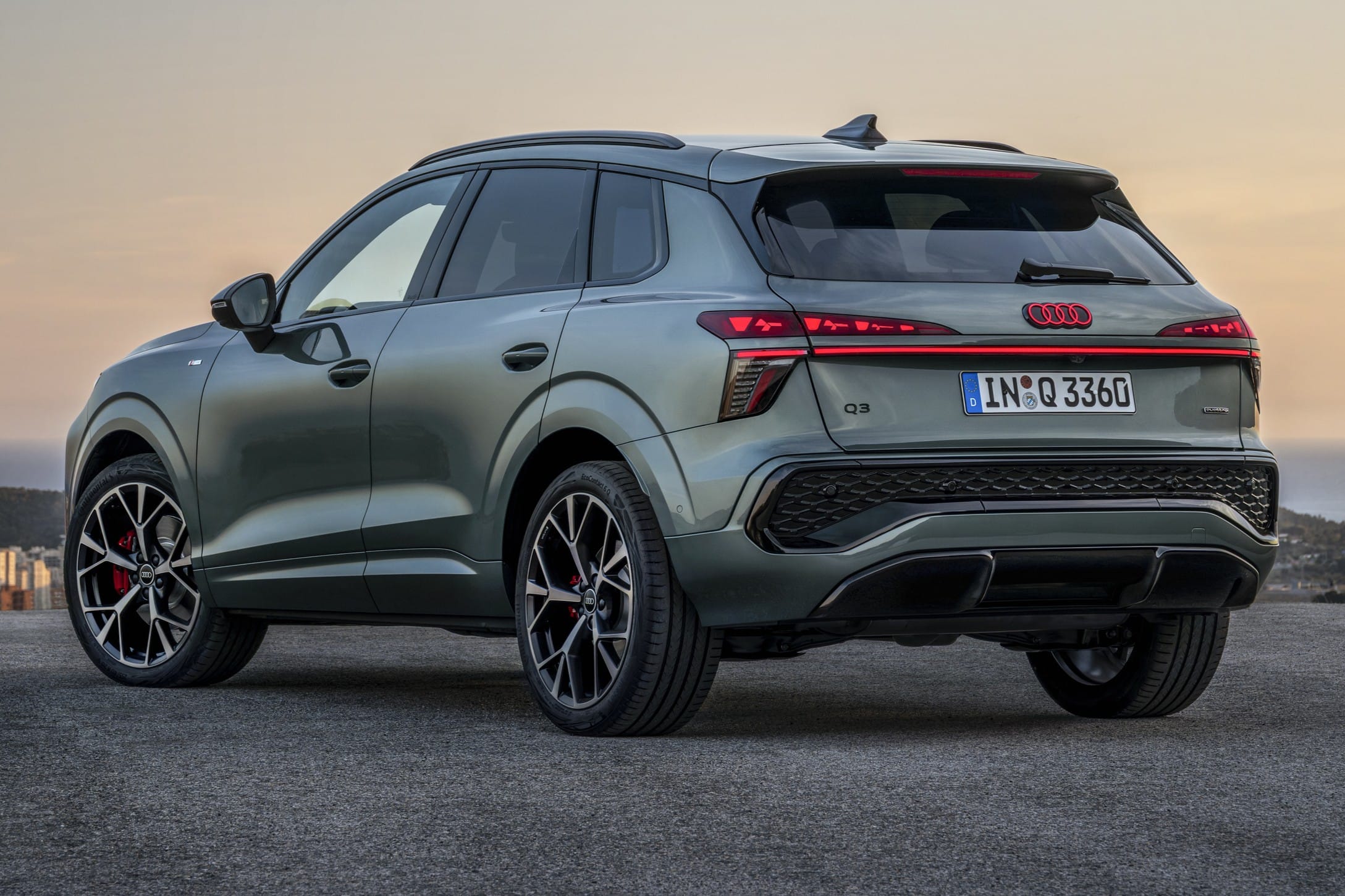
In profile, the Q3 gets a clean design with subtle moulding for the lower side of the doors, and creases over the wheel arches. You also get a split-lamp design for the back, with the main units having a striking design with optional OLED illumination. Additionally, you also get a thin light bar, and the Audi logo is illuminated. Though the global-spec Q3 gets wheel sizes ranging from 18 to 20 inches, expect the India-spec version to have 18-inch rims. 

The third-gen Q3 sits on the latest version of the VW Group’s MQB platform. The global-spec version is 4,531mm long, 1,859mm wide, 1,601mm tall, and gets a 2,681mm wheelbase. Compared to the previous generation, it is 96mm longer, 10mm wider, and 6mm shorter, while the wheelbase is 1mm longer. 

Third-generation Audi Q3 interior and features

Comes with a driver-focused cabin and updated tech

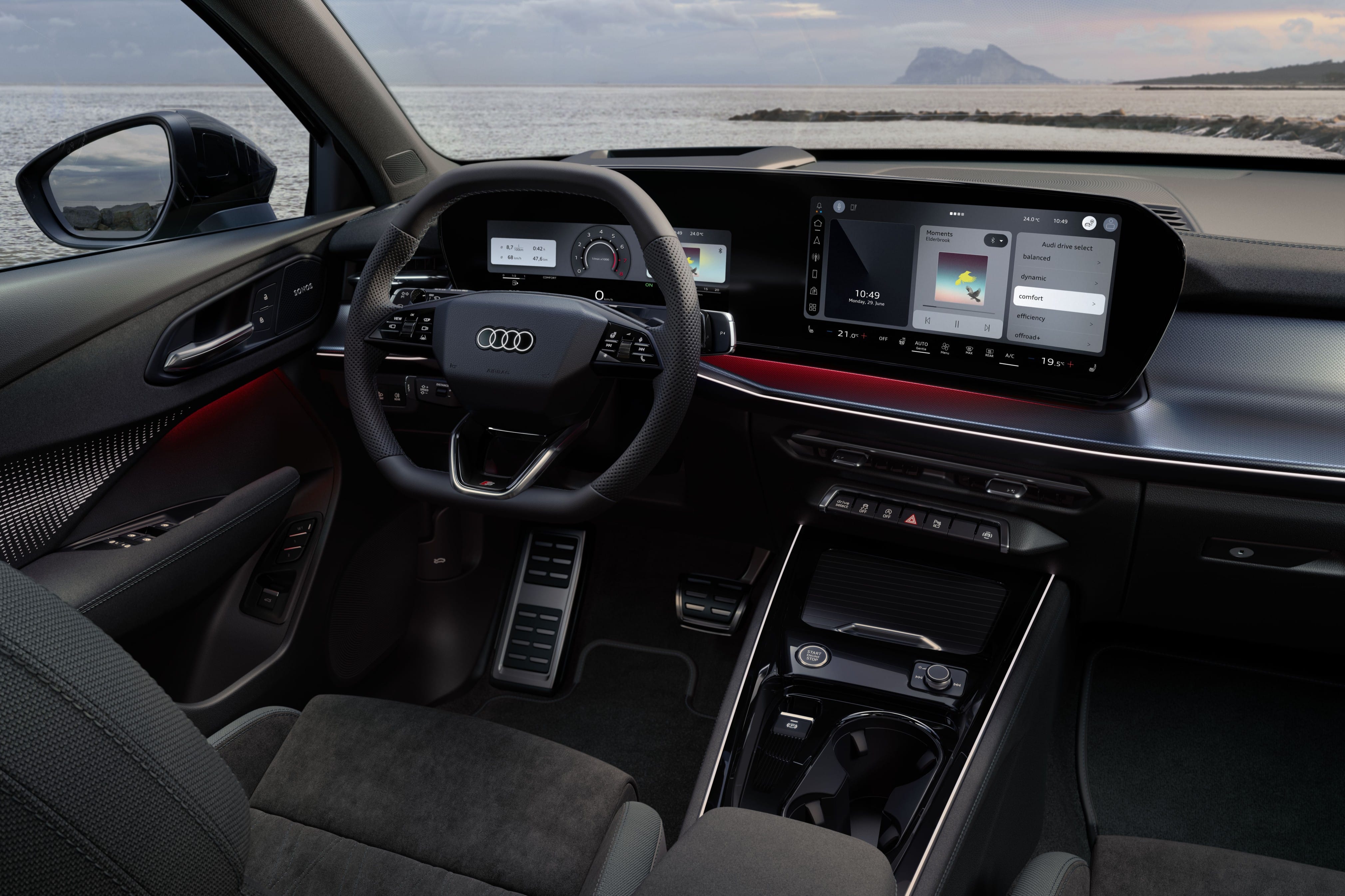
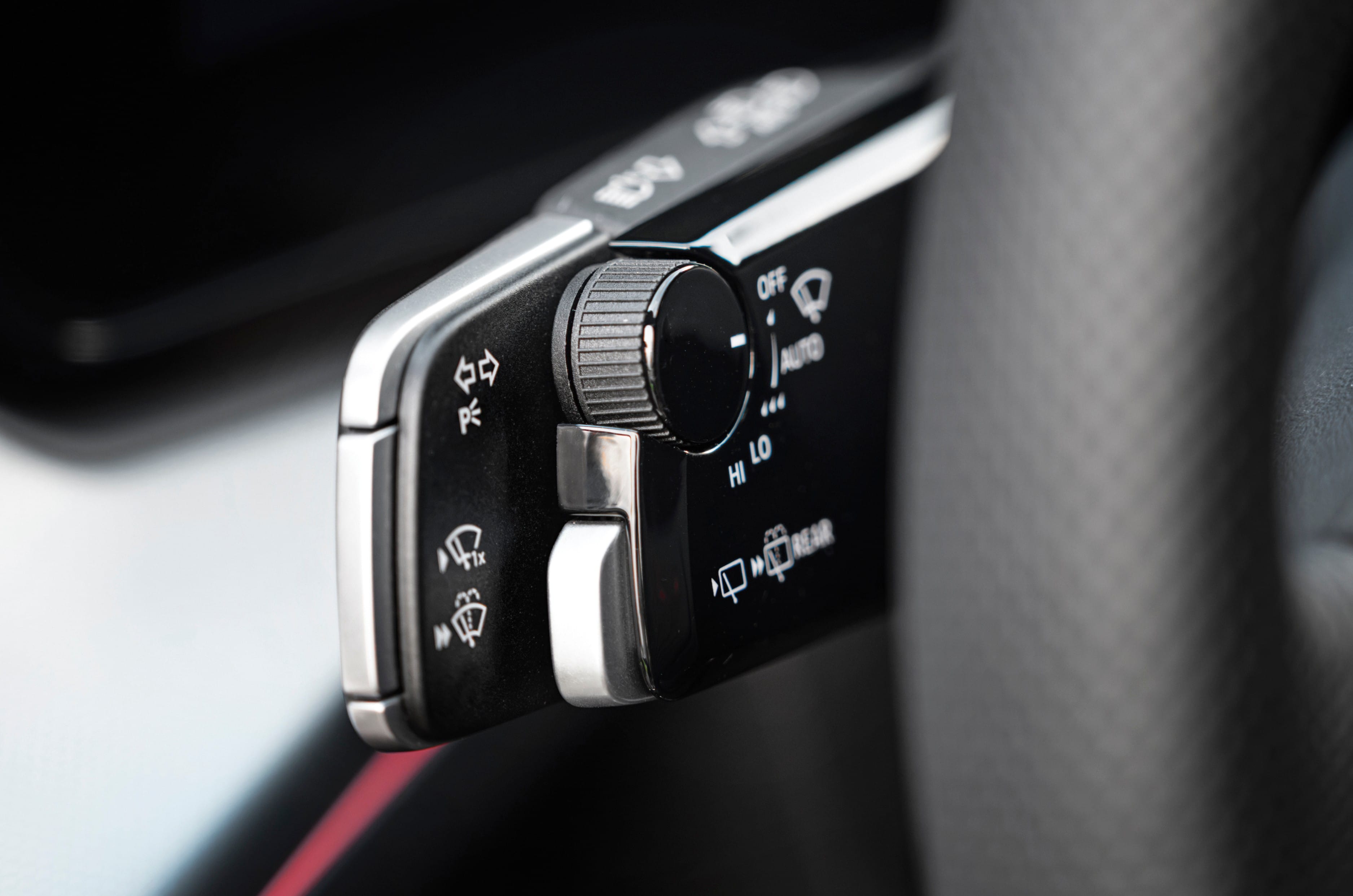
Like the exterior, the interior is also a departure from the current version, with the dashboard angled toward the driver. You get a curved dual-screen setup dominating the dashboard, a new sporty-looking three-spoke flat-bottom steering wheel, and the gear lever has moved from the centre console to the steering column. A unique touch is that controls for the lights, wipers and indicators are combined into a single stalk. However, like most manufacturers, Audi has reduced the number of physical buttons. While the global-spec Q3 gets a black theme for the interior and offers a choice of black or beige seats, it remains to be seen how the India-spec version’s interior would be specced. 

As for equipment, the Audi Q3 is expected to have a 11.9-inch digital driver’s display, a 12.8-inch infotainment system with Apple CarPlay and Android Auto, configurable ambient lighting, 3-zone climate control, a panoramic sunroof, a powered driver’s seat, and cooled front seats. The safety kit could include an ADAS suite and a 360-degree camera, along with essentials like 7 airbags, ABS, and ESC. 

Third-generation Audi Q3 expected powertrains 

Likely to be powered by a single petrol engine

The Q3 is expected to arrive with petrol-only powertrains as its previous generation. It will likely utilise an updated version of the current 2.0-litre TSI unit, churning out 14hp more power at 204hp and 320Nm. A 7-speed DCT handles transmission duties, while you get Quattro AWD as standard. 

Third-generation Audi Q3 expected price and rivals

To likely be priced from Rs 50 lakh onward

Expect the new-gen Q3 to be pricier than the previous version. The second-gen that’s currently sold in India has an ex-showroom price of Rs 43.67 lakh to Rs 53 lakh. It will take on the likes of the Mercedes-Benz GLA and the BMW X1. We even had the opportunity to drive the third-gen Q3 in global-spec guise. 

All prices are ex-showroom, India

Kia unofficially opens bookings of the Sorento

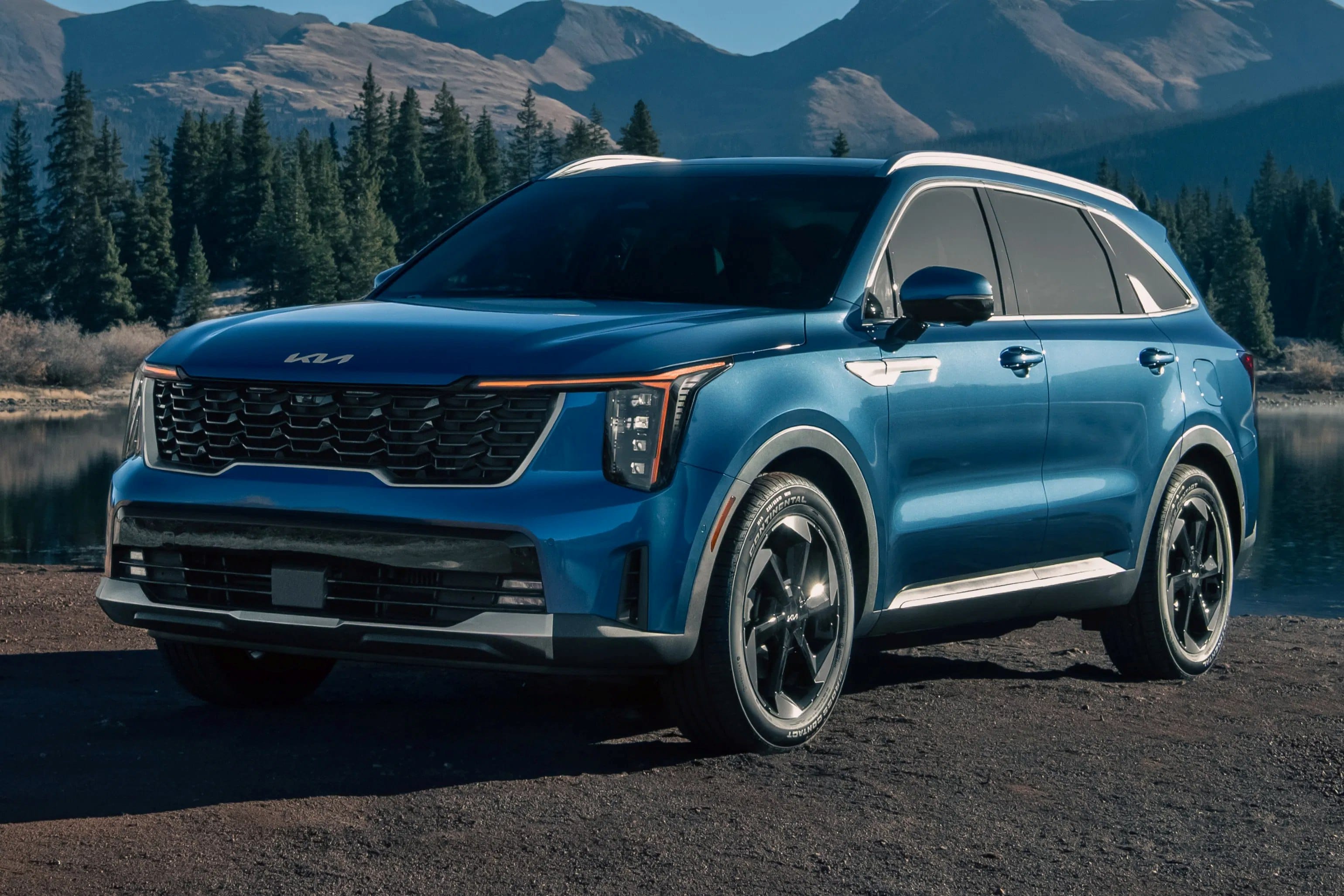
Kia Sorento front quarter static

Kia has unofficially commenced pre-bookings for the Sorento for an amount of Rs 25,000, our dealer sources have confirmed. The new model will serve as the flagship ICE-powered SUV of Kia India’s lineup. While the Sorento is expected to debut later this month, our dealer sources have hinted at an October 2026 launch. 

Kia Sorento: All that we know so far

Our dealer sources stated that a 1.6-litre strong-hybrid turbo-petrol engine would power the Sorento. While power figures remain under wraps, the UK-spec Sorento, for reference, gets a 1.6-litre strong-hybrid turbo-petrol engine that produces a combined 238hp and 380Nm of torque, and comes mated to a  6-speed torque converter automatic transmission. Depending on the market, the Sorento is offered in FWD or AWD configurations, and it remains to be seen what is brought to India. 

Additionally, dealers mentioned that the SUV would offer 5,6, and 7-seater configurations. If that’s the case, it would be the segment’s only model to offer three seating configurations. 

Kia Sorento: Additional details

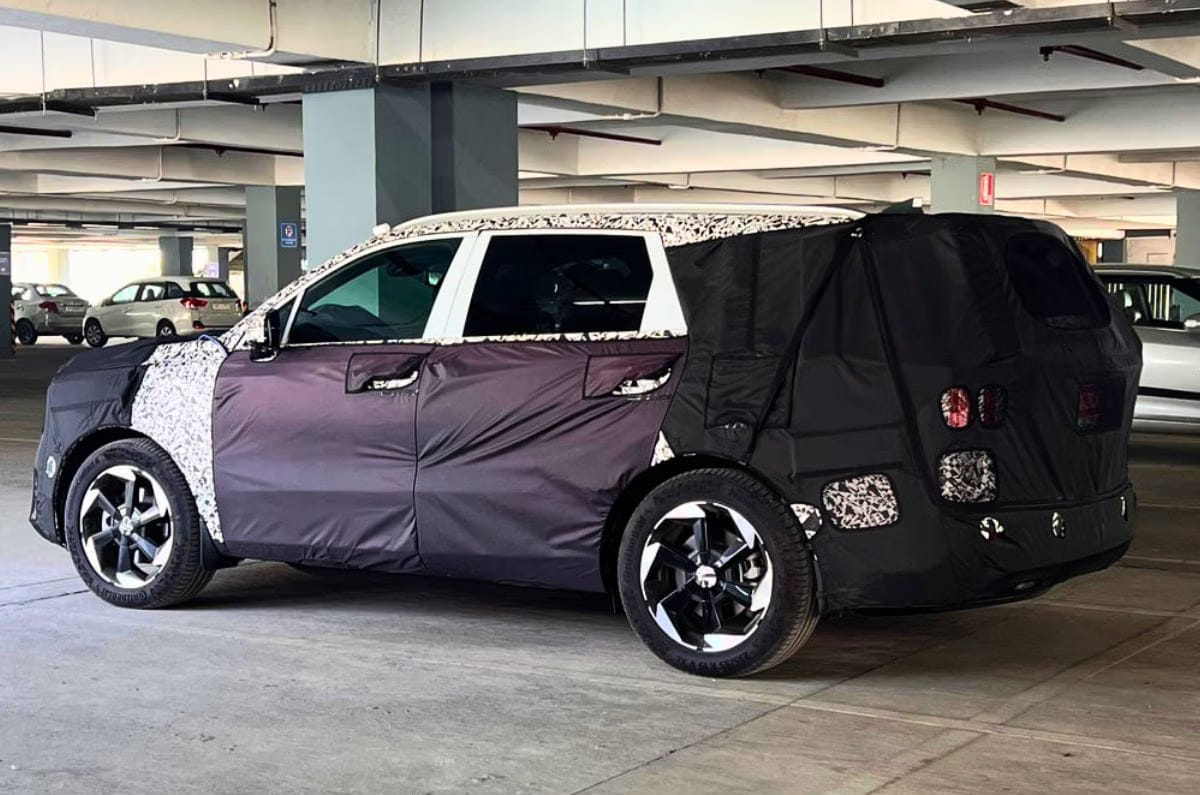
The SUV was first spied on our roads in late 2025.

The global-spec Sorento is 4,815mm long, 1,900mm wide, 1,700mm tall and gets a 2,815mm wheelbase. Being a slightly older model, it does not get the carmaker’s latest ‘Opposite Unite’ design language, though it retains typical Kia design details like the ‘Tiger nose’ inspired grille, and gets roof rails, chrome surrounds for the side windows and dual-tone 19-inch alloy wheels. Heavily camouflaged mules of the SUV have been spied testing previously on our roads. Its interior comes well equipped with features like dual 12.3-inch displays for the instrument and infotainment displays, panoramic sunroof, front seat ventilation, powered driver seat level 2 ADAS, 360-degree camera and more. 

The Sorento will be locally assembled in India. With an expected ex-showroom price of Rs 40 lakh to Rs 50 lakh, it will take on the likes of the Skoda Kodiaq and the Volkswagen Tyron.

पत्नी से मांगी 50 लाख की फिरौती! शेयर बाजार में नुकसान के बाद शख्स ने रची किडनैपिंग खतरनाक साजिश

गुजरात के सूरत में किडनैपिंग का एक अनोखा मामला सामने आया है। इस मामले की जांच कर रही पुलिस को जब किडनैपिंग की सच्चाई पता चली तो हर कोई हैरान रह गया। गुजरात के सूरत में एक व्यक्ति पर खुद के किडनैपिंग की झूठी कहानी बनाने का आरोप लगा है। पुलिस के अनुसार, शेयर बाजार में बड़ा आर्थिक नुकसान होने के बाद उसने अपने परिवार से लाखों रुपये हासिल करने के लिए पूरी साजिश रची। शुरुआत में मामला किडनैपिंग का लग रहा था, लेकिन जांच के दौरान ऐसे सुराग मिले जिनसे पता चला कि घटना के पीछे की हकीकत कुछ और ही थी। मामले का खुलासा होने के बाद पुलिस ने उसके खिलाफ केस दर्ज कर कार्रवाई शुरू कर दी है।

टाइम्स नाउ की रिपोर्ट के अनुसार, आरोपी की पहचान गुजरात के सूरत में मोटा वराछा के रहने वाले जिग्नेश लालजीभाई तलाविया के रूप में हुई है। पुलिस के मुताबिक उसने किडनैपिंग की झूठी कहानी बनाई, फिरौती के मैसेज भेजे और गुजरात और इस वजह से गुजरात के साथ-साथ मध्य प्रदेश में भी जांच एजेंसियों को सक्रिय होना पड़ा।

पुलिस में दर्ज करवाया टिकट

मामले की शुरुआत 12 जून को हुई, जब जिग्नेश की पत्नी ने पुलिस को बताया कि उनका पति एक दिन पहले 11 जून को घर से बिना किसी को बताए गए थे और उसके बाद से उसका कोई पता नहीं चल रहा है। शिकायत दर्ज होने के कुछ समय बाद परिवार के पास मोबाइल फोन से मैसेज आने लगे, जिनमें दावा किया गया कि जिग्नेश का किडनैपिंग कर लिया गया है। संदेश भेजने वालों ने उसकी रिहाई के बदले 50 लाख रुपये की मांग की और पैसे नहीं मिलने पर जान से मारने की धमकी भी दी। इन संदेशों के बाद पुलिस ने मामले को गंभीरता से लेते हुए तुरंत जांच शुरू कर दी।

पुलिस ने नंबर को किया ट्रैक

फिरौती वाले मैसेज के बाद परिवार को जिग्नेश के मोबाइल से एक वीडियो भी मिला, जिसमें वह काफी घबराया हुआ नजर आ रहा था। वीडियो में भी पैसों की मांग दोहराई गई, जिससे परिवार और पुलिस की चिंता बढ़ गई। मामले की गंभीरता को देखते हुए सूरत पुलिस ने तुरंत कार्रवाई करते हुए कई विशेष टीमों को जांच में लगाया। पुलिस ने तकनीकी मदद और निगरानी के जरिए उसकी तलाश शुरू कर दी ताकि जल्द से जल्द उसकी सही लोकेशन का पता लगाया जा सके। जांच के दौरान पुलिस ने मोबाइल की लोकेशन ट्रैक की, जिससे पता चला कि फोन मध्य प्रदेश के उज्जैन क्षेत्र में एक्टिव था। जिसके बाद पुलिस टीमों को सर्च जारी रखने के लिए वहां भेजा गया।

लेकिन एनालिसिस के दौरान, अधिकारियों को डिजिटल सबूतों में कमियां और गड़बड़ियां मिलीं। वीडियो और लोकेशन डेटा किडनैपिंग के दावों से पूरी तरह मेल नहीं खा रहे थे। आगे की जांच से पता चला कि वीडियो शायद गुजरात के गोधरा में रिकॉर्ड किया गया था। इसके आधार पर सर्च एरिया बदल दिया गया।

कब हुआ किडनैपिंग का खुलासा

जांच आगे बढ़ने पर 15 जून को पुलिस ने जिग्नेश को गोधरा के एक होटल से बरामद कर लिया। वह पूरी तरह सुरक्षित था, जिसके बाद किडनैपिंग की आशंका खत्म हो गई। पूछताछ में उसने स्वीकार किया कि उसके साथ कोई किडनैपिंग नहीं हुआ था और पूरी घटना एक सोची-समझी योजना का हिस्सा थी। पुलिस के अनुसार, वह 11 जून को खुद ही घर से निकला था। उसने अपना स्कूटर सूरत में एक जगह खड़ा किया, फिर सार्वजनिक वाहन से रेलवे स्टेशन पहुंचा और वहां से ट्रेन पकड़कर उज्जैन चला गया था।

क्यों रची ये साजिश

पुलिस जांच में सामने आया कि जिग्नेश ने खुद ही अपने मोबाइल से परिवार को किडनैप होने और पैसे की मांग करने की बात कही गई थी। शक से बचने के लिए वह बीच-बीच में अपना फोन बंद और चालू करता रहा। जांच में ये भी पता चला कि वह दो दिन के लिए उज्जैन में ठहरा था और बाद में गोधरा पहुंच गया। अधिकारियों के अनुसार, आर्थिक परेशानी इस पूरे मामले की मुख्य वजह हो सकती है। जांच के दौरान पता चला कि शेयर बाजार में जोखिम भरे निवेश के कारण उसे भारी नुकसान हुआ था, जिसके चलते उसने यह पूरा नाटक रचा।

50-60 लाख रुपए का हुआ नुकसान

पुलिस जांच में यह भी सामने आया कि जिग्नेश को पहले हुए आर्थिक नुकसान से उबरने के लिए परिवार की मदद मिल चुकी थी, लेकिन इसके बावजूद उसने शेयर बाजार में निवेश जारी रखा। बताया जा रहा है कि बाद में उसे फिर से बड़ा नुकसान हुआ, जिसकी रकम करीब 50 से 60 लाख रुपए तक पहुंच गई। मामले की जांच के बाद उतरन पुलिस ने उसके खिलाफ भारतीय न्याय संहिता (बीएनएस) 2023 की विभिन्न धाराओं के तहत कानूनी कार्रवाई शुरू कर दी है।