India-EU FTA is a big opportunity to bring niche models: VW CEO Thomas Schafer

India-EU FTA is a big opportunity to bring niche models: VW CEO Thomas Schafer
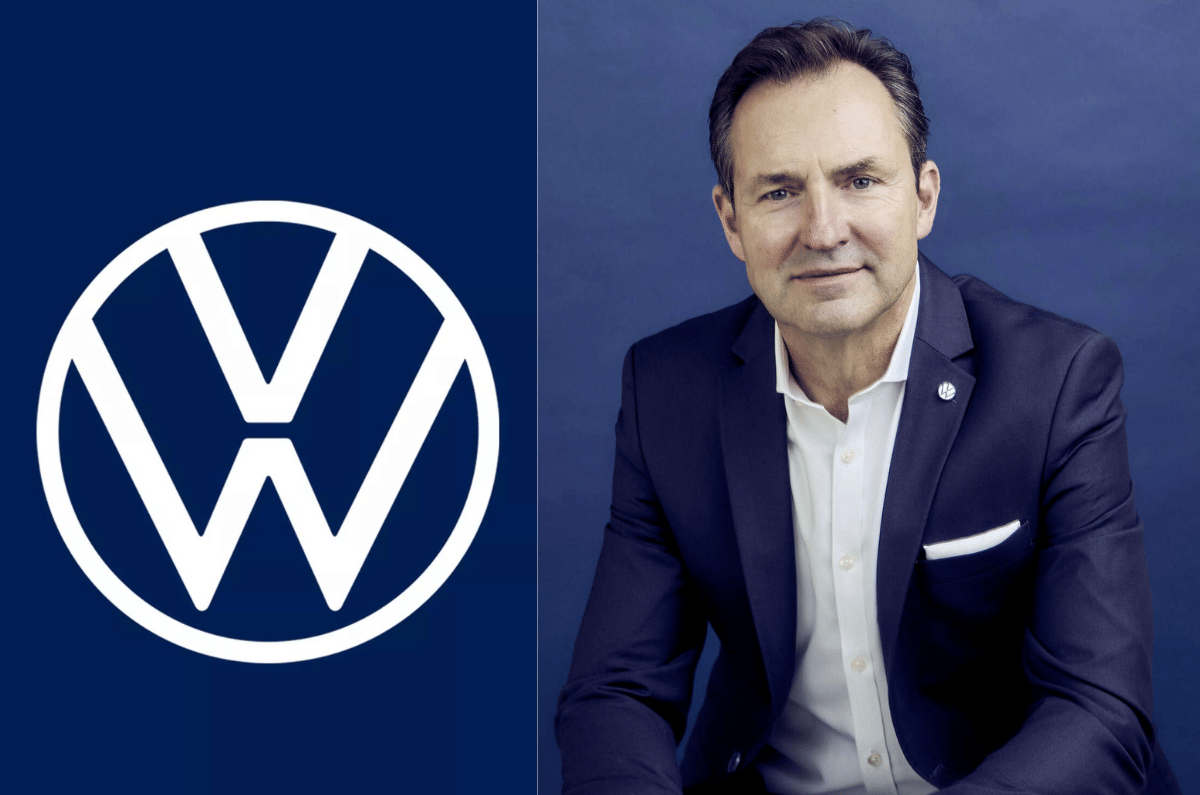
VW CEO Thomas Schafer

Volkswagen is preparing for a much bigger push in India, with the company reviewing its broader product, powertrain and investment plans. While a locally produced compact SUV has already been confirmed for launch next year and is expected to drive volumes, the brand is also looking at the India-EU free trade agreement (FTA) as an opportunity to bring select niche models from its global portfolio here.

“FTA has been announced in Europe. It is a huge opportunity to bring a certain sort of niche models to widen the portfolio for the consumer to offer some exciting models every now and then, which is great,” Member of the Board of Management of Volkswagen AG and CEO of Volkswagen Brand Thomas Schafer told us. He did not reveal which models could be on the cards, but said the company is taking a long-term view and will study market conditions over the next few months before making a decision.

VW’s renewed focus for India

Schafer’s India visit comes as Volkswagen reviews its global business strategy amid geopolitical tensions, changing trade policies and a growing move towards regional manufacturing. “So, globally, we see almost like a decoupling. You have a geopolitical situation and the old business model where everything’s focused on Europe, and then you export to other markets is long gone. At the same time, you have a very different dynamic in China than in the US, which is putting import duties on Europe under certain attacks. So, in that game, you have to change your business model; you have to adapt it. And that’s what we’re busy doing,” he added.

This shift could benefit India. Along with the growing domestic market, Volkswagen sees India as an important hub for engineering, IT and R&D. “We will focus a lot on India going forward. Not only because the market is exciting and growing and creating more opportunity for the future, but also the sort of knowledge base that you have here in India,” he said.

Volkswagen also sees exports as an important way to build scale out of India. The company already exports vehicles made in the country to more than 40 markets, with Mexico being one of the major markets that imports vehicles from India. “So, exports are an important part of our business, and we will always strengthen that going forward,” he said. For the upcoming compact SUV, export potential could also help boost volumes and strengthen the business case.

More powertrains can be offered at the right time

Volkswagen’s current portfolio comprises cars powered by turbo-petrol engines, even as CNG and diesel remain in demand and EVs are gaining momentum. “So, what is clear is, in the long run, there will be strong electrification, especially also in India…You see it accelerating, probably driven by the conflict in the Middle East and the oil situation,” he said.

At the same time, he clarified that be it flex-fuel, CNG, diesel or EV, the brand has the technology already on sale in certain parts of the world. “We have flex-fuel, super strong in South America for years; we have CNG, diesel and EVs, it’s all there…When it’s the right time to localise it, we will localise it,” Schafer said.

The challenge, he said, is deciding when and how to use each powertrain technology. “The dynamics in India and the market shift have been quite significant even in the last couple of months. So, to be honest, we haven’t concluded our planning on that, but the good thing is that we have it and we can deploy it if and when it is the right situation,” he stated. Volkswagen is also evaluating its next-generation models and newer platforms, but these plans are still under consideration.

Cost remains a major hurdle for VW in India

Cost has been one of Volkswagen’s biggest challenges in India. Schafer said the company has spent the past few years working on two key areas: ensuring that its products retain the core characteristics of the Volkswagen brand while simultaneously reducing the cost base. “We worked over the last four years very focused on the cars that we bring to the market now are through and through Volkswagen in terms of quality, brand fit. And, yes, our cost base is traditionally high because we are very much focused on Europe and especially Germany,” he added.

India, he said, will play an important role in Volkswagen’s efforts to reduce costs, especially through more cost-effective development and manufacturing. “Part of the programs that’s been in the media over the last, especially two years, has been reducing our cost base, developing more in more cost-efficient places like in India very much, but also shifting production from high-cost locations into lower-cost locations,” he said.

Volkswagen is now working on its next set of products, investment plans and powertrain options for India. With India becoming an increasingly important part of its global strategy, there is plenty to look forward to from the brand in the coming years.

पहले शतक से मिला पहला मैन ऑफ द मैच, क्या बोले देवदत्त पड्डीकल

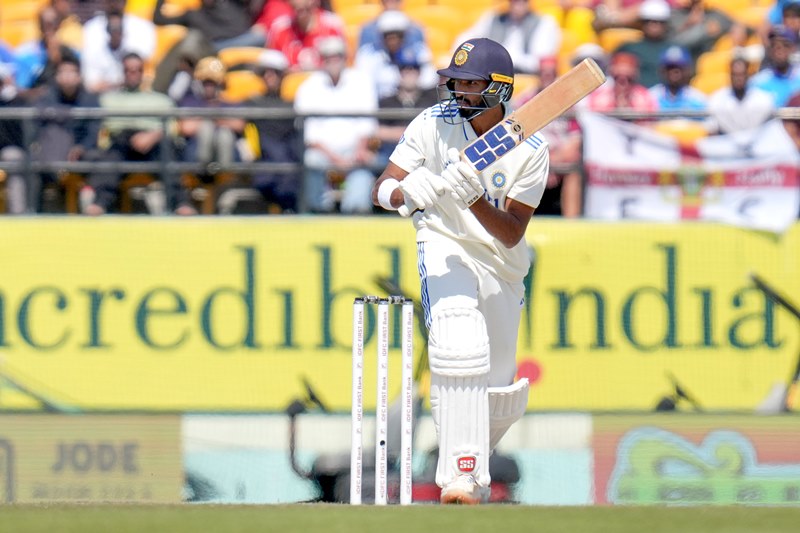
Devdutt Padikkal

भारत की पहली पारी में 167 रन बनाने वाले और दूसरी पारी में 44 रनों की पारी खेलने वाले देवदत्त पड्डीकल को गॉल टेस्ट में मैन ऑफ द मैच का पुरुस्कार मिला। बॉर्डर गावस्कर टेस्ट सीरीज 2024 में टेस्ट डेब्यू करने वाले देवदत्त लंबे समय से टीम से बाहर थे और उनको सांई सुदर्शन की चोट के कारण मौका मिला था जो उन्होंने भुना लिया। देवदत्त का यह पहला टेस्ट शतक था जो उन्हें  मैन ऑफ द मैच का पुरुस्कार दे गया।

देवदत्त पडिक्कल ने कहा कि उन्होंने इस ख़ास पल का सपना देखा था।पडिक्कल ने कहा, ” मैंने इस पल का सपना देखा है। पिछले दो सालों से, मैं सच में बहुत मेहनत कर रहा हूँ ताकि जब मुझे वह मौका मिले, तो मैं ऐसा कुछ खास कर सकूँ, और मुझे ऐसा करके बहुत खुशी होती है।”

शुरुआत में स्पिन के खिलाफ उनके आक्रामक इरादे और निर्णायक फुटवर्क के बारे में पूछे जाने पर पडिक्कल ने कहा,”हाँ, मुझे लगता है कि हमने इस पर लंबी चर्चा की है, खासकर जब आप स्पिन खेल रहे हों, तो यह ज़रूरी है कि आपके दिमाग में कुछ प्लान हों। आप वहाँ जाकर हर समय रिएक्ट करने की उम्मीद नहीं कर सकते। यह ज़रूरी है कि आपके दिमाग में कुछ शॉट हों जिन्हें आप मैदान में उतरते ही खेलना चाहते हैं, ताकि आप बॉलर पर भी कुछ प्रेशर डाल सकें। तो, मुझे लगता है कि पिछले एक साल में, हमने अपनी ताकत में ऐसे तरीके खोजने की कोशिश की है जिन्हें आप सच में लागू कर सकें ताकि आप प्रेशर वापस डाल सकें।”

पडिक्कल ने साथ ही कहा, ”हाँ, बिल्कुल। मुझे लगता है कि जब आपको यह क्लैरिटी होती है कि आप क्या करना चाहते हैं, तो मुझे लगता है कि इससे आपके फुटवर्क में भी कॉन्फिडेंस आता है। मुझे लगता है कि मैं बस यह पक्का करना चाहता था कि मैं जो भी करूँ, उसमें 100% कमिटेड रहूँ। भले ही वह डिफेंसिव शॉट हो, मैं यह पक्का करना चाहता हूँ कि मैं उसे खेलने के लिए सच में कमिटेड रहूँ, इसलिए इससे मेरा फुटवर्क बहुत बेहतर हो गया।”

शतक को बड़े में बदलने की काबिलियत पर उन्होंने कहा, ”मुझे सच में लगता है, यह बस और रन बनाने की भूख है। मुझे बस वहाँ बैटिंग करने में मज़ा आता है, और जैसे ही आप 100 रन बनाते हैं, रिलैक्स करना और वह राहत महसूस करना आसान होता है। लेकिन मेरे लिए यह ज़रूरी है कि अगली 20-30 गेंदें सच में बहुत ज़रूरी फेज़ हों, जिसमें मैं यह पक्का करने की कोशिश करता हूँ कि मैं पूरी तरह से फोकस्ड रहूँ, पूरी तरह से वहाँ रहूँ। मुझे लगता है कि जब मैं 100 के बाद पहली 10 गेंदें पार कर लेता हूँ, तो मेरा काम बहुत आसान हो जाता है। और इतने सालों में, मैंने बहुत से क्रिकेटरों को बड़े रन बनाते, बड़े शतक बनाते देखा है, खासकर कर्नाटक में। इसलिए उन्हें बैटिंग करते देखकर मेरा भी मन करता है कि मैं भी वैसा ही करूँ।

Skoda evaluating CNG with 1.0 TSI-powered Slavia, Kushaq, Kylaq

Skoda evaluating CNG with 1.0 TSI-powered Slavia, Kushaq, Kylaq

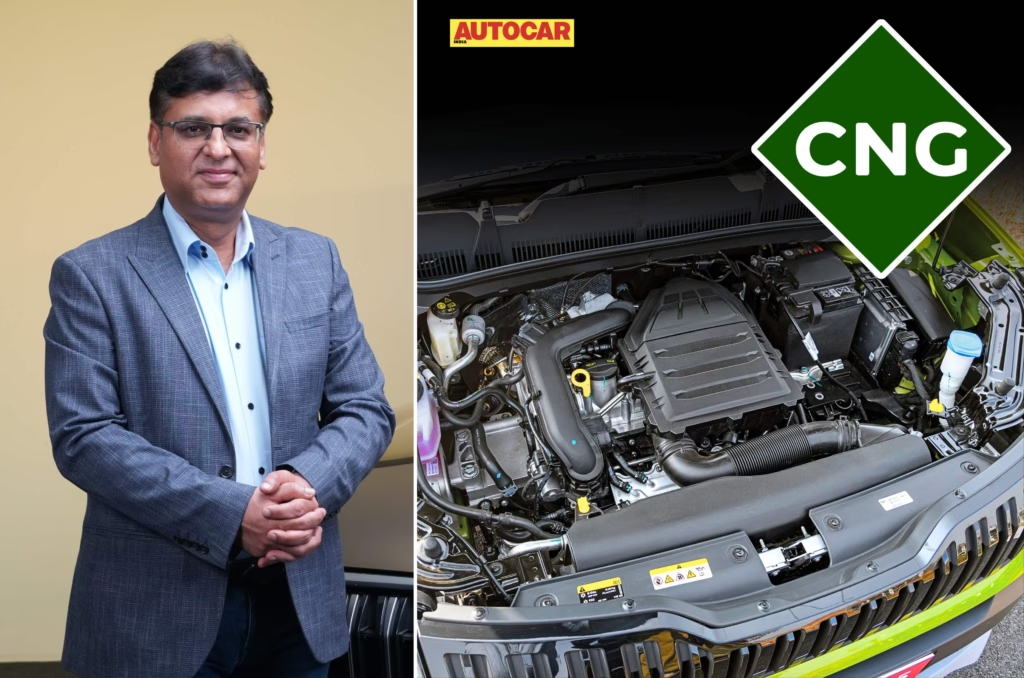
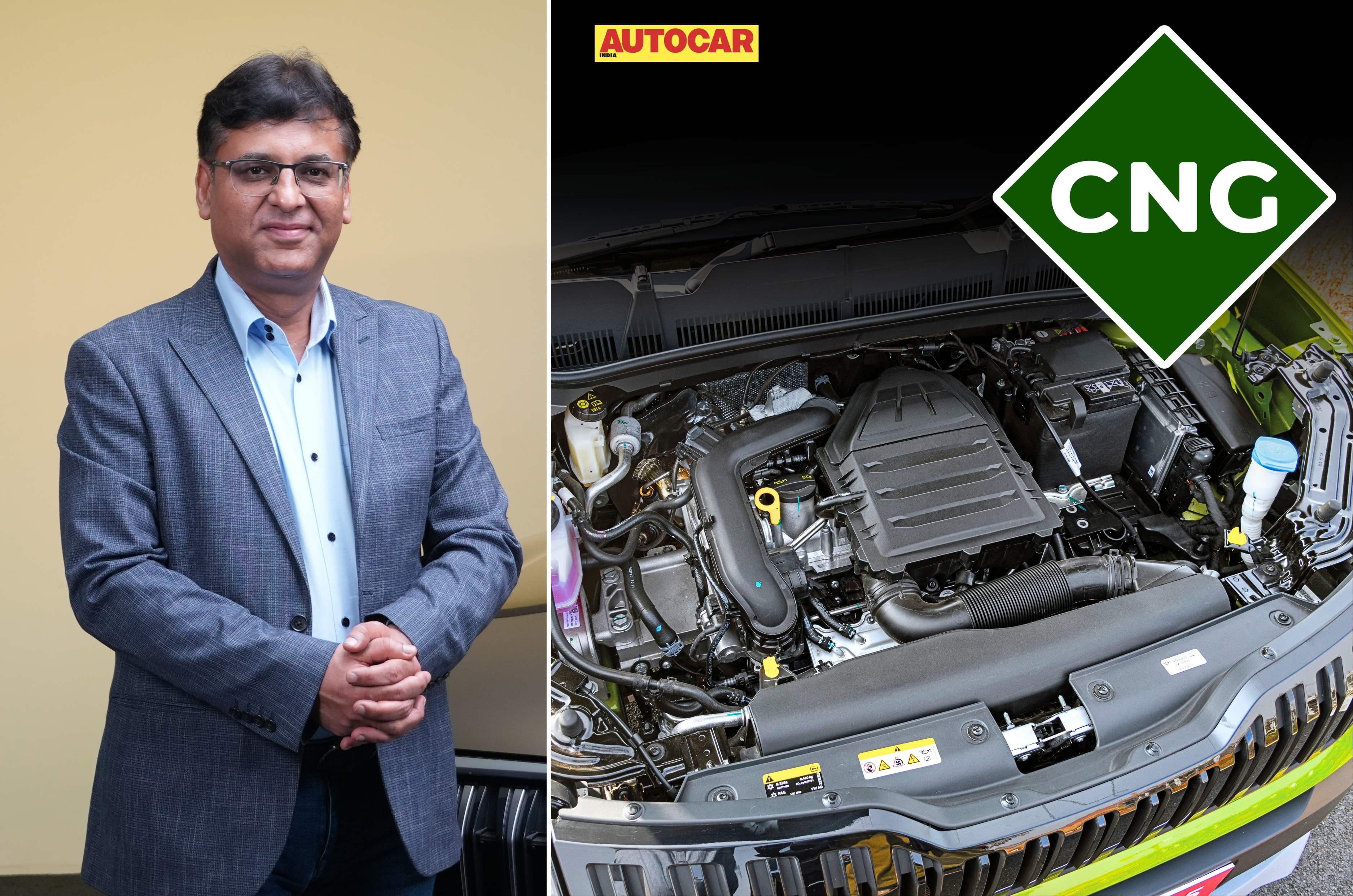
Skoda is planning to expand its product portfolio in India, including the possible introduction of a CNG powertrain with the 1.0-litre turbo-petrol engine powering the Kylaq, Slavia and Kushaq. Speaking about the plans, Skoda India brand director Ashish Gupta told our sister publication Autocar Professional, “The 1.0-litre engine and the MQB A0-IN platform are common across the Kylaq, Kushaq and Slavia. So, all three products are open.”

Skoda’s CNG plans in India

Skoda’s powertrain diversification plan is an attempt to stay relevant in India

Talking about the CNG plans, Gupta further said, “The Middle East crisis and policy noise on ethanol blending have affected consumer sentiment on petrol, resulting in a drop in market share. To stay relevant, we have to diversify.” “The Kylaq segment is the priority where we are trying to tackle CNG,” he added.

The Skoda Kylaq is powered by a 1.0-litre, three-cylinder, direct-injection turbo-petrol engine, which it shares with the larger Slavia and Kushaq. The engine produces 115hp and 172Nm and is available with both manual and automatic transmission options.

For the potential CNG version, Skoda is evaluating how to balance fuel efficiency with the performance expected from its models. Gupta said, “Compared to petrol, a 10-15 percent drop in performance with CNG is acceptable to customers. So I have to make sure that I get the right product, right solution, at the right value proposition, at the right time.”

Gupta also believes there is scope for CNG-powered cars at relatively higher price points, beyond the traditionally budget-focused segment. “There is a potential for the right car at the right price point. Even premium customers who are okay with buying a CNG car purely for the economic benefits they derive,” he said.

How to read Company Result: मुनाफा बढ़ना रिजल्ट अच्छा होने की गारंटी नहीं, शेयर खरीदने से पहले ये बातें भी करें चेक

How to read Company Result: किसी कंपनी या बैंक के शेयरों की चाल पर कई बातों का फर्क पड़ता है जैसे कि उनके प्रोडक्ट की डिमांड कैसी है, वैश्विक मार्केट का हाल कैसा है, कच्चे तेल की धार कितनी तेज है या मौद्रिक नीतियां कैसी हैं इत्यादि। इसके अलावा वैल्यूएशन कैसा है, क्योंकि अच्छी कंपनी भी बहुत महंगे भाव पर खराब निवेश बन सकती है। इन सबके अलावा एक और अहम बात कंपनी के तिमाही रिजल्ट का ऐलान है। कंपनी जब कारोबारी नतीजे पेश करती है तो इसके शेयरों पर इसका पॉजिटिव या निगेटिव असर दिखता है।

कई बार ऐसा होता है कि कंपनी का मुनाफा रॉकेट की स्पीड से बढ़ा लेकिन शेयर फुस्स तो दूसरी तरफ कंपनी घाटे में रहती है लेकिन शेयर तूफानी स्पीड से ऊपर चढ़ते हैं। इससे समझ सकते हैं कि शेयरों की चाल सिर्फ मुनाफे से नहीं तय होती बल्कि कई और बातों का भी इसमें रोल होता है। यहां कंपनियों और बैंकों के रिजल्ट में क्या देखें, इसके बारे में बताया जा रहा है।

कंपनी के रिजल्ट में क्या देखें

कंपनी की सेल्स/रेवेन्यू कितनी बढ़ी या घटी। इसे सिर्फ सालाना नहीं बल्कि तिमाही आधार पर भी देखना चाहिए। हालांकि ध्यान दें कि बिक्री बढ़ रही है लेकिन मुनाफा नहीं तो इसकी वजह क्या है, इसे समझना जरूरी है।

मुनाफे की बात करें तो टैक्स काटकर यानी शुद्ध मुनाफा तिमाही और सालाना आधार पर कितना बढ़ा या घटा। मुनाफा लगातार बढ़ रहा है या सिर्फ एक तिमाही। इन सब बातों पर गौर करें। अगर कंपनी के मुनाफे में रेवेन्यू के हिसाब से बहुत अधिक उछाल है तो इसमें एक्सेप्श्नल गेन या टैक्स बेनेफिट की कितनी भूमिका है, यह देखना जरूरी है। अगर कंपनी घाटे में है तो इसकी वजह क्या है, कहीं एक्सेप्शनल लॉस तो नहीं। ये सब चेक करना जरूरी है।

ऑपरेटिंग लेवल पर ईबीआईटीडीए और मार्जिन की क्या स्थिति है, यह बहुत अहम है क्योंकि यह बताता है कि कंपनी अपने मुख्य कारोबार से कितना अच्छा कमा रही है।

कैश फ्लो भी चेक करना चाहिए। मान लीजिए कि कंपनी ने ₹100 करोड़ मुनाफा कमाया, लेकिन कारोबार से सिर्फ ₹30 करोड़ नकद आया तो सवाल उठता है कि बाकी मुनाफा वास्तव में नकदी में क्यों नहीं बदला।

कंपनी का कर्ज कितना घटा या बढ़ा, इसे चेक कर लें और इस पर ब्याज का खर्च कितना है। कर्ज लगातार बढ़ रहा हो और कैश फ्लो कमजोर हो रहा हो तो इसे अलर्ट सिग्नल समझें।

एक और अहम फैक्टर RoCE (रिटर्न ऑन कैपिटल एंप्लॉयड) और RoE (रिटर्न ऑन इक्विटी) देखना है जिससे पता चलता है कि कंपनी अपने लगाए हुए पैसे से कितना अच्छा रिटर्न कमा रही है। सिर्फ कंपनी का मुनाफा देखना पर्याप्त नहीं है।

इन सबके अलावा मैनेजमेंट कमेंटरी को ध्यान से पढ़ें क्योंकि आगे बिक्री, मार्जिन, डिमांड की स्थिति, नए निवेश या कैपिटल एक्सपेंडिचर और बडे़ रिस्क का संकेत मिलता है।

बैंक के नतीजे पढ़ने का तरीका

कंपनी के विपरीत बैंक के रिजल्ट में रेवेन्यू और ईबीआईटीडीए की भूमिका नहीं होती है। इसकी बजाय लोन ग्रोथ देखें कि बैंक ने कितना नया कर्ज दिया और सिर्फ यही नहीं, इसकी क्वालिटी भी देखनी होगी।

बैंक के पास जमा पैसा कितनी तेजी से बढ़ रहा है, यह भी अहम है। डिपॉजिट की ग्रोथ और लोन की ग्रोथ में तुलना करनी होगी। इसमें सीएएसए (करंट अकाउंट सेविंग्स अकाउंट) भी देखना होता है क्योंकि ये बैंक के लिए कम लागत में लोन के लिए पैसों का इंतजाम हैं।

नेट इंटेरेस्ट मार्जिन (NIM) से यह पता चलता है कि बैंक अपने दिए हुए कर्ज और जुटाए हुए पैसे के बीच कितना ब्याज मार्जिन कमा रहा है। इसका बढ़ना आमतौर पर अच्छा माना जाता है और लगातार गिरना चिंता की विषय है।

बैंक के नतीजे में एक अहम बात है एसेट क्वालिटी चेक करना। इसके तहत ग्रास एनपीए, नेट एनपीए, नए खराब लोन यानी स्लिपेज, क्रेडिट कॉस्ट और प्रोविजनिंग को देखना है। अगर एनपीए कम हो रहा है और नए खराब लोन भी नियंत्रण में हैं, तो बैंक की एसेट क्वालिटी अच्छी मानी जाती है।

बैंक के प्रोविजनिंग की क्या स्थिति है यानी खराब कर्ज के लिए बैंक को कितना पैसा अलग रखना पड़ रहा है और इसकी ग्रोथ क्या है।

RoA (रिटर्न ऑन एसेट्स) और RoE (रिटर्न ऑन इक्विटी) यानी बैंक अपने एसेट्स और शेयरहोल्डर्स के पैसे पर कितना रिटर्न कमा रहा है।

एक और अहम प्वाइंट कैपिटल एडेकेसी/सीईटी1 है जिससे पता चलता है कि बैंक के पास भविष्य में बढ़ने और नुकसान झेलने के लिए पर्याप्त पूंजी है या नहीं।

Share Market New Rule: सिर्फ 3 दिनों के लिए शेयर दें किराए पर, बिना बेचे कमाई, खास स्टॉक्स के लिए आए रहा नया सिस्टम

4 नियम पड़े रिटेल इंवेस्टर्स पर भारी, SEBI ने लाया था खास वजह से और पड़ा ऐसा असर

डिस्क्लेमर: यहां मुहैया जानकारी सिर्फ सूचना के लिए दी जा रही है। यहां बताना जरूरी है कि मार्केट में निवेश बाजार जोखिमों के अधीन है। निवेशक के तौर पर पैसा लगाने से पहले हमेशा एक्सपर्ट से सलाह लें। मनीकंट्रोल की तरफ से किसी को भी पैसा लगाने की यहां कभी भी सलाह नहीं दी जाती है।

Opinion: Why India needs a small car assault

Opinion: Why India needs a small car assault
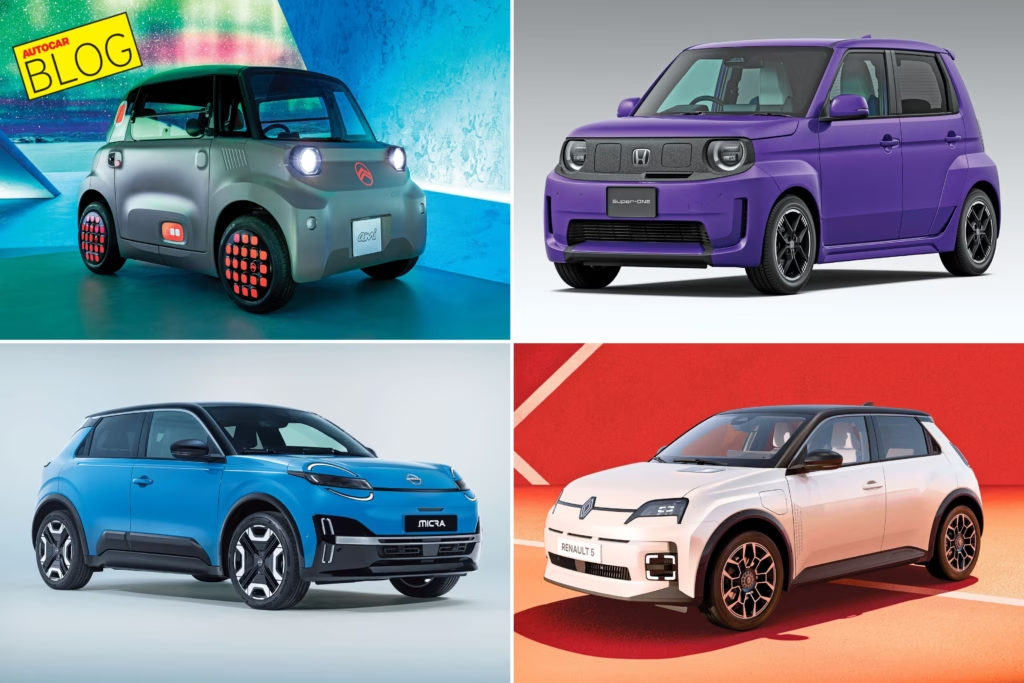
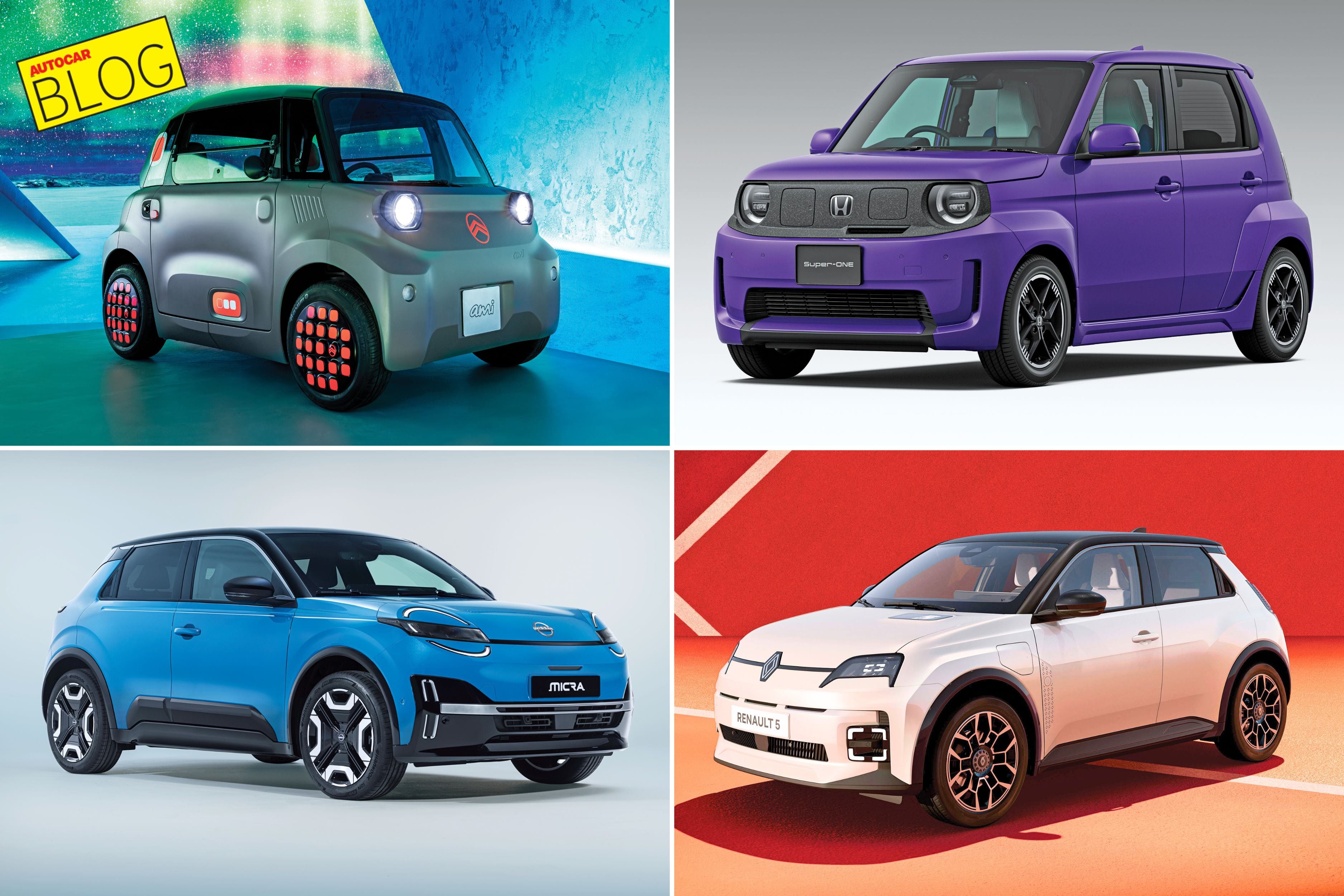
Citroen AMI, Honda Super N, Renault 5, Nissan Micra.

The CAFE 3 norms are just eight months away. Things will certainly get tighter and tougher for automakers, in terms of upping the number of clean power options as well as light-weighting their current brawn-ish SUVs. If one has to bring a 30 percent reduction in fleet-average performance and move from MIDC to WLTP test results, an automaker has very little leeway in terms of just about making it. 

As a product planner, I would seriously take this as an opportunity to bring the focus back onto the entry-level small car. In fact, all product planners should be doing the same, irrespective of what your current portfolio is. The policymakers are sending out a clear message to the Indian automobile industry – relook and revive the small car, for you have neglected it for quite some time now!

And why not? It’s not just for developing markets; look at the developed world too. The otherwise ostentatious European is seriously evaluating the small car once again. Even the more aware and conscious American is. Japan has always been a ready reference for all. Tomorrow’s car buyer is going frugal and smart once again. Going back to the basics. Without compromising on comfort and features. And the automakers have prepared themselves for such times. Some started almost a decade ago, with varying outcomes, but the efforts have been commendable and great teachers on how to approach the future. 

The Citroën Ami. The Fiat Topolino and Multiplina. The Renault 5 and its hot hatchback cousin, the Alpine A290. The Nissan Micra. The Smart For2. The Honda Super N. The Microlino and Microletta. And I have not even gone into what the Chinese have launched over the last 12 months. 

This is the attack of the “minors”. Electric. Power-packed. Feature-rich. Head-turning looks. Both microcars as well as conventional entry-level little runabouts. They are not cheap-looking, frugally engineered, cost-compromised, low-on-status offers that one never wants. They are clean, conscious and very cool. They cater to the sceptical youth and the wizened elder alike.

For years, Japan and Europe have been the homes of such cars. It is time India takes over that role. And it makes perfect business sense too. If we are to increase car penetration and grow the market to a size even half of that of China, given our consumption power, there is no other way but to make the entry-level car the hero of the script. Whether electric, CNG or hybrid. It is the responsibility of brands like Maruti Suzuki, Hyundai, Toyota, Tata and Honda to make this happen. Only then will we create a mature and sustainable market with a rich and robust pipeline of two-wheeler owners who will want to look up!

इस एक आइडिया ने बचा दिए 10,000 पेड़ | FALDAAR Initiative | Revamp India Foundation | Uttar Pradesh

इस एक आइडिया ने बचा दिए 10,000 पेड़ | FALDAAR Initiative | Revamp India Foundation | Uttar Pradesh

हर साल लाखों पेड़ लगाए जाते हैं।
लेकिन उन्हें बचाने की ज़िम्मेदारी कौन लेता है?
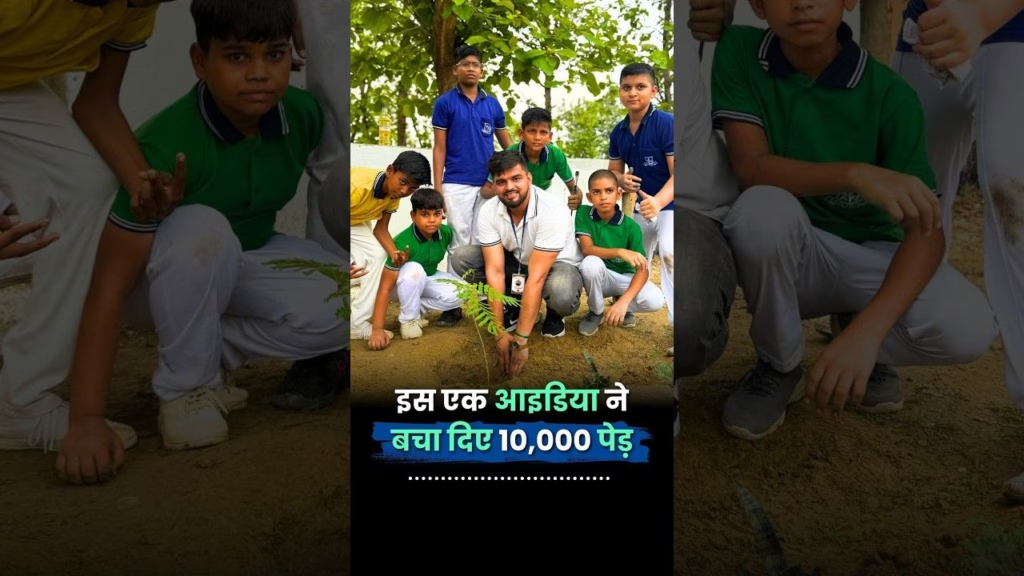
उत्तर प्रदेश के 28 वर्षीय वैभव राठौर ने इसी सवाल का जवाब खोजा। उनकी संस्था Revamp India Foundation की ‘Faldaar’ पहल में पेड़ों को सिर्फ़ लगाया नहीं जाता, उनसे रिश्ता बनाया जाता है।
जब हर पौधे को एक पहचान मिली और हर बच्चे को उसकी ज़िम्मेदारी, तो नतीजा भी बदल गया।

40+ सरकारी स्कूल
10,000+ फलदार पेड़
करीब 75% सर्वाइवल रेट

आज ये पेड़ सिर्फ़ छाया और फल नहीं दे रहे, बल्कि बच्चों को ज़िम्मेदारी, टीमवर्क और प्रकृति से जुड़ाव भी सिखा रहे हैं।

लेकिन सफर अभी बाकी है।
कुछ पौधे आज भी जानवरों या ट्री गार्ड की कमी की वजह से नुकसान झेलते हैं।
अगर आप सिर्फ़ ₹200 का योगदान करते हैं, तो एक पौधे के लिए ट्री गार्ड लगाने में मदद कर सकते हैं।

Revamp India Foundation के साथ
आप वॉलंटियर बनकर भी इस मिशन से जुड़ सकते हैं।

Support Revamp India Foundation
Account Name: REVAMP INDIA FOUNDATION
Account Number: 00000041354317942
IFSC: SBIN0003752
UPI ID: revampindia@sbi
Volunteer: 9305716172

कभी-कभी बदलाव किसी बड़ी तकनीक से नहीं, बल्कि एक छोटे-से आइडिया से शुरू होता है।

क्या आपको लगता है कि हर स्कूल में ऐसी पहल होनी चाहिए? अपनी राय कमेंट में ज़रूर बताइए।:point_down:

@vaibhavrathoree

naming trees helped 10000 saplings survive, Children protecting trees in schools, How to increase tree survival rate

इस एक आइडिया ने बचा दिए 10,000 पेड़ | FALDAAR Initiative | Revamp India Foundation | Uttar Pradesh

#thebetterindia #goodnews #positivestories #indianews #thebetterindiahindi #hindi

Follow us for more:

Facebook: https://www.facebook.com/thebetterindia.hindi
Instagram: https://www.instagram.com/thebetterindia.hindi/
Twitter: https://twitter.com/TbiHindi
LinkedIn: https://www.linkedin.com/company/the-better-india-hindi/

Website: https://hindi.thebetterindia.com/

₹1.6 लाख सैलरी पर ₹1.85 लाख EMI! F&O ट्रेडिंग के चक्कर में लगा ₹60 लाख का चूना, चौंका देगी आईटी प्रोफेशनल की ये स्टोरी

Trading Loss Loan Trap: शेयर बाजार में फ्यूचर्स एंड ऑप्शंस (F&O) ट्रेडिंग में रातों-रात अमीर बनने की चाहत कई लोगों के लिए बर्बादी का कारण बन रही है। मुंबई के एक 35 वर्षीय आईटी प्रोफेशनल की आपबीती सोशल मीडिया प्लेटफॉर्म रेडिट पर तेजी से वायरल हो रही है। MNC में मैनेजर के पद पर कार्यरत इस शख्स ने ट्रेडिंग में लगभग ₹80 लाख गंवा दिए हैं और अब वह ₹60 लाख के भारी-भरकम कर्ज के तले दब चुका है।

हालत यह है कि उसकी महीने की टेक-होम सैलरी ₹1.6 लाख है, जबकि बैंक और डिजिटल लोन ऐप्स की ईएमआई ही ₹1.85 लाख बनती है। सोशल मीडिया पर यूजर ने अपना दर्द शेयर करते हुए इस संकट से निकलने के रास्ते पूछे हैं।

कैजुअल ट्रेडिंग से शुरू हुआ सफर, ऐसे बना ₹60 लाख का कर्ज

रेडिट यूजर (gaushi1614) ने अपनी पोस्ट में बताया कि कोविड-19 महामारी के दौरान उसने स्टॉक मार्केट और F&O ट्रेडिंग में कदम रखा था। शुरुआत में सब कुछ सामान्य था, लेकिन धीरे-धीरे यह एक गंभीर लत बन गई। पुराने नुकसान की भरपाई करने की कोशिश में वह और अधिक ट्रेडिंग करने लगा, जिससे स्थिति पूरी तरह नियंत्रण से बाहर हो गई। ₹80 लाख गंवाने के बाद अब उस पर ₹60 लाख का बकाया कर्ज है।

  • दो पर्सनल लोन
  • डिजिटल लेंडिंग ऐप्स और NBFCs के लोन
  • ₹7 लाख से अधिक का बकाया क्रेडिट कार्ड बिल शामिल है।

घर चलाने के पैसे नहीं, परिवार से छिपा रखी है बर्बादी की कहानी

आईटी मैनेजर का कहना है कि उसकी प्राथमिकता किसी तरह अपनी मासिक ईएमआई का बोझ ₹1.85 लाख से घटाकर ₹1.2 से ₹1.3 लाख के स्तर पर लाना है, ताकि वह अपने परिवार के दैनिक खर्च संभाल सके और धीरे-धीरे पूरे कर्ज का भुगतान कर सके। यूजर ने बताया कि नए लोन लेने और क्रेडिट कार्ड का भारी इस्तेमाल करने के कारण बैंक अब उसे लोन कंसोलिडेशन या रीस्ट्रक्चरिंग की अनुमति नहीं दे रहे हैं।

सबसे गंभीर बात यह है कि इस व्यक्ति की पत्नी और बच्चों को इस भारी कर्ज की भनक तक नहीं है। उसे डर है कि रिकवरी एजेंटों के घर आने पर उसके परिवार को सच पता चल जाएगा। हालांकि, उसने दावा किया है कि उसने अब तक एक भी ईएमआई बाउंस नहीं होने दी है, लेकिन अब स्थिति असहनीय हो गई है।

रेडिट यूजर्स ने दी काम की सलाह: ऐसे निकल सकते हैं कर्ज के जाल से

पोस्ट वायरल होने के बाद सोशल मीडिया यूजर्स और वित्तीय विशेषज्ञों ने इस परेशानी से उबरने के लिए व्यावहारिक और कड़े सुझाव दिए हैं:

1- सबसे महंगे कर्ज पहले चुकाएं

यूजर्स ने सलाह दी है कि क्रेडिट कार्ड और पर्सनल लोन ऐप पर 36% से 42% तक का सालाना ब्याज लगता है। सबसे पहले संपत्ति जैसे- कार, ज्वेलरी बेचकर या रिश्तेदारों से बिना ब्याज की मदद लेकर इन हाई-इंटरेस्ट लोन का निपटारा करना चाहिए।

2- F&O ट्रेडिंग अकाउंट पूरी तरह बंद करें

ट्रेडिंग की लत आसानी से नहीं छूटती। इसके लिए डीमैट और ट्रेडिंग अकाउंट को स्थायी रूप से बंद कर देना चाहिए और कुछ समय के लिए हर तरह के निवेश से दूरी बना लेनी चाहिए।

3. पत्नी और परिवार से सच साझा करें

अकेले इतने बड़े मानसिक तनाव को झेलना मुश्किल है। रिकवरी एजेंटों के दबाव से पहले पत्नी को स्थिति के बारे में ईमानदारी से बताना चाहिए ताकि वे मिलकर जीवनशैली के खर्चों में कटौती कर सकें।

4. सिक्योर लोन या मोर्टगेज लोन का विकल्प

अगर घर या अन्य कोई संपत्ति है, तो हाई-कॉस्ट पर्सनल लोन को चुकाने के लिए कम ब्याज दर वाले लोन का विकल्प चुना जा सकता है, जिससे ईएमआई आधी हो सकती है।

Desperately need advice – 60L debt due to trading losses and I don’t know how to get out

by

u/gaushi1614 in

IndianStockMarket

Disclaimer: यहां मुहैया जानकारी सिर्फ सूचना के लिए दी जा रही है। यहां बताना जरूरी है कि मार्केट में निवेश बाजार जोखिमों के अधीन है। निवेशक के तौर पर पैसा लगाने से पहले हमेशा एक्सपर्ट से सलाह लें। मनीकंट्रोल की तरफ से किसी को भी पैसा लगाने की यहां कभी भी सलाह नहीं दी जाती है।

2026 Rainforest Challenge India: Ujjal Namshum, Chethan Chengappa defend title

RFC India 2026 winners Ujjal Namshum, Chethan Chengappa

Ujjal Namshum and co-driver Chethan Chengappa have won this year’s Rainforest Challenge India (RFC India) in the headlining 4×4 Extreme category. This marks their second consecutive win in the off-road event. As the top 4×4 Extreme driver, Namshum has also won a free automatic entry in the RFC Global Series finale, scheduled to be held in Malaysia later this year.

The 4×4 Modified and 4×4 Stock categories also returned this year following their debut in 2025. Sarjerao Kawade and co-driver Rushikesh Patil won in the 4×4 Modified category, while Athul Thomas and co-driver Binil Babu took top honours in the 4×4 Stock category.

  1. 62 teams participated in RFC India this year
  2. Sarjerao Kawade, Rushikesh Patil win in 4×4 Modified category
  3. Athul Thomas, Binil Babu win in 4×4 Stock category

2026 Rainforest Challenge India winners

4×4 Extreme winners: Ujjal Namshum, Chethan Chengappa

RFC India 2026 4x4 Extreme winners

Held in Goa, Rainforest Challenge India is one of the toughest off-road competitions in the country. The event is held across a week and tests competitors on driving and vehicle recovery skills, physical and mental resilience, as well as team work under extreme off-road conditions. 62 teams participated in the 12th edition this year – 25 in 4×4 Extreme, 16 in 4×4 Modified and 21 in 4×4 Stock.

After a tough start, reigning champions Namshum and Chengappa (racing for team Manabhum Off-roader’s Club Arunachal) took the lead on Day 4. They scored a total of 2,253 out of 2,600 points to retain their title. “Defending our title is hard to put into words; there is struggle, frustration, even anger along the way, and then this joy at the end that makes it all worth it. Winning is the icing on the cake, but it’s really the process, the six days of racing, that we live for,” said Namshum.

“We set ourselves a personal target this year: a perfect day, a clean sweep of stage wins. We achieved that on Day 4 of the competition and that moment was as precious for us as this win.”
Early leaders Kranthi Kumar Vengala and co-driver Rajeev Lal (Team Hyderabad) had to settle for second place overall with 2,052 points. Viddesh Madgaonkar and Sahil Sadekar (Team 4×4 Addictz Goa) scored 1,962 points to complete the podium in third place. 

4×4 Modified winners: Sarjerao Kawade, Rushikesh Patil

RFC India 2026 4x4 Modified winners

Kawade and Patil returned to the 4×4 Modified category with a rebuilt vehicle. Racing for team Sahyadri Offroaders Pune, the duo maintained a consistent lead throughout the event to take class victory with 1,633 out of 2,000 points.

“Winning the Modified category at RFC India 2026 feels incredible, especially after the setbacks I faced this year. Last year, I didn’t fully understand how to strategise and give my best, but this year I prepared properly and came in with a clear plan. Even after a difficult first day with a breakdown, I knew I had to give 100% on the next track. The competition this year was extremely tough, with several strong participants pushing hard right until the end. To come out on top after all of that means everything to me,” said an elated Kawade. 

Shehinsha TP and Muhammed Nabeel (team KL10 Offroad Club) clinched second place with 1,572 points, followed by Gagan Karumbaiah and Bopanna Maleyanda (team Robusta) with 1,569 points.

4×4 Stock winners: Athul Thomas. Binil Babu

RFC India 2026 4x4 Stock winners

The 4×4 Stock category is reserved for near-factory spec vehicles. Team Killerbull’s Thomas and co-driver Babu overcame an early setback to top this category.

“Honestly, this win almost didn’t happen. I hadn’t even planned to be at RFC India this year; I was set to compete in an event in Coimbatore instead, and it was only after that got cancelled that I turned to RFC India. We made a mistake on the very first stage, and that put us on the back foot for the rest of the competition. But I told myself not to look at what anyone else was doing; just trust ourselves and focus entirely on the track in front of us. That’s what got us through,” Thomas shared. “Winning this category means everything, not just to me, but to my team, my mechanics and everyone back home in Kerala who’s been behind me.”

RFC India debutant Naku Hage Chada and co-driver Loda Punyo finished second in the category, scoring 1,173 points. Sabu Xavier and Halvin Appanna (team Jeepers of Bangalore) took the third spot with 1,144 points.