Mercedes S-Class completes ‘140 Years, 140 Places’ global tour

Mercedes S-Class completes ‘140 Years, 140 Places’ global tour

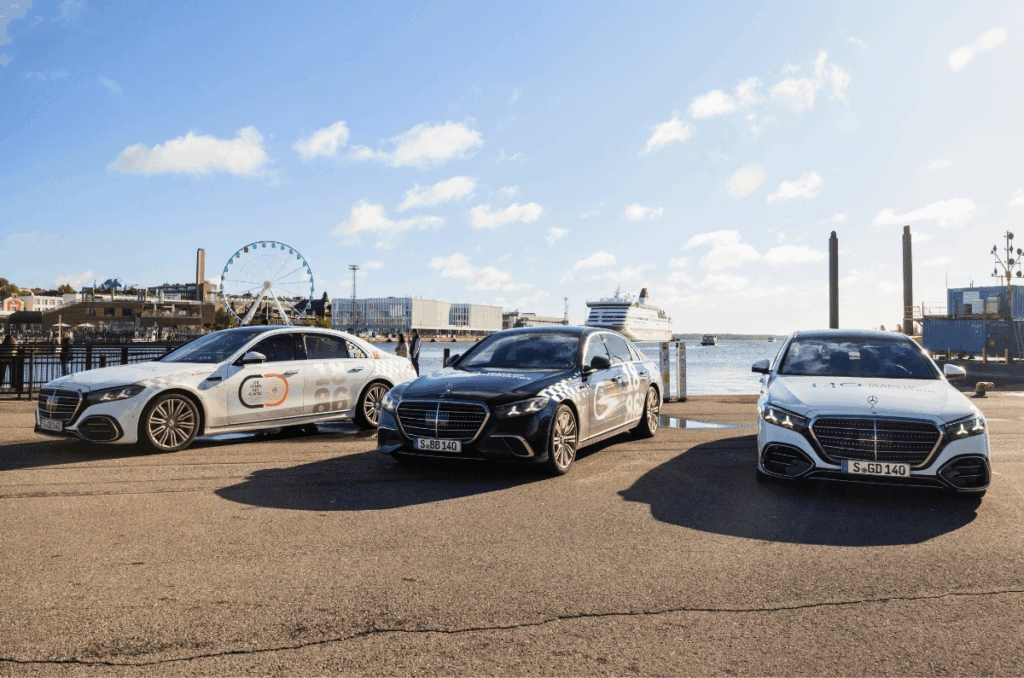
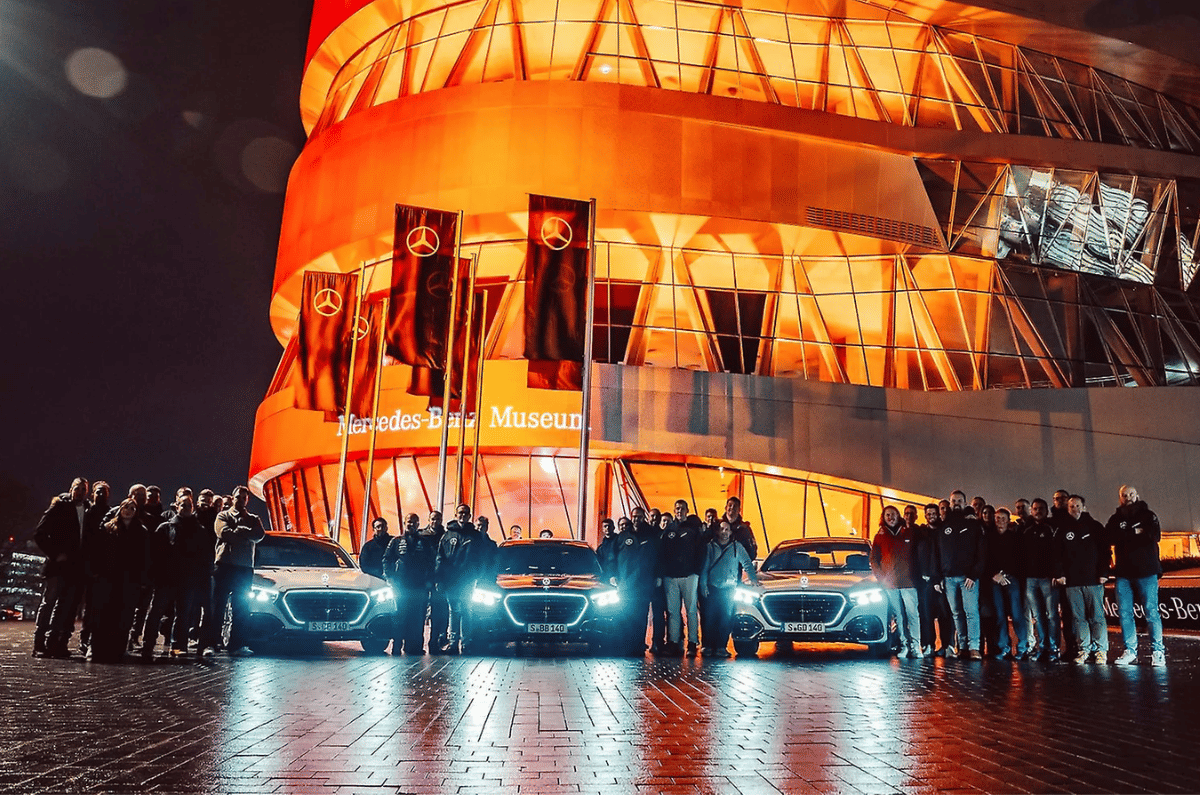
Mercedes-Benz has concluded its ‘140 Years. 140 Places.’ global tour, organised to commemorate 140 years since Carl Benz filed the patent for his Motorwagen in 1886. Three S-Class sedans returned to the Mercedes-Benz Museum in Stuttgart, Germany, on October 17, after covering more than 65,000km across 55 countries and six continents over nearly nine months. Approximately 20,000 guests attended the homecoming event, which also featured the global debut of the new Mercedes-AMG GT SUV.
Mercedes S-Class completes ‘140 Years, 140 Places’ global tour

Mercedes-Benz 140 Years, 140 Places: All you need to know

Tour marks 140 years since Carl Benz’s Patent-Motorwagen

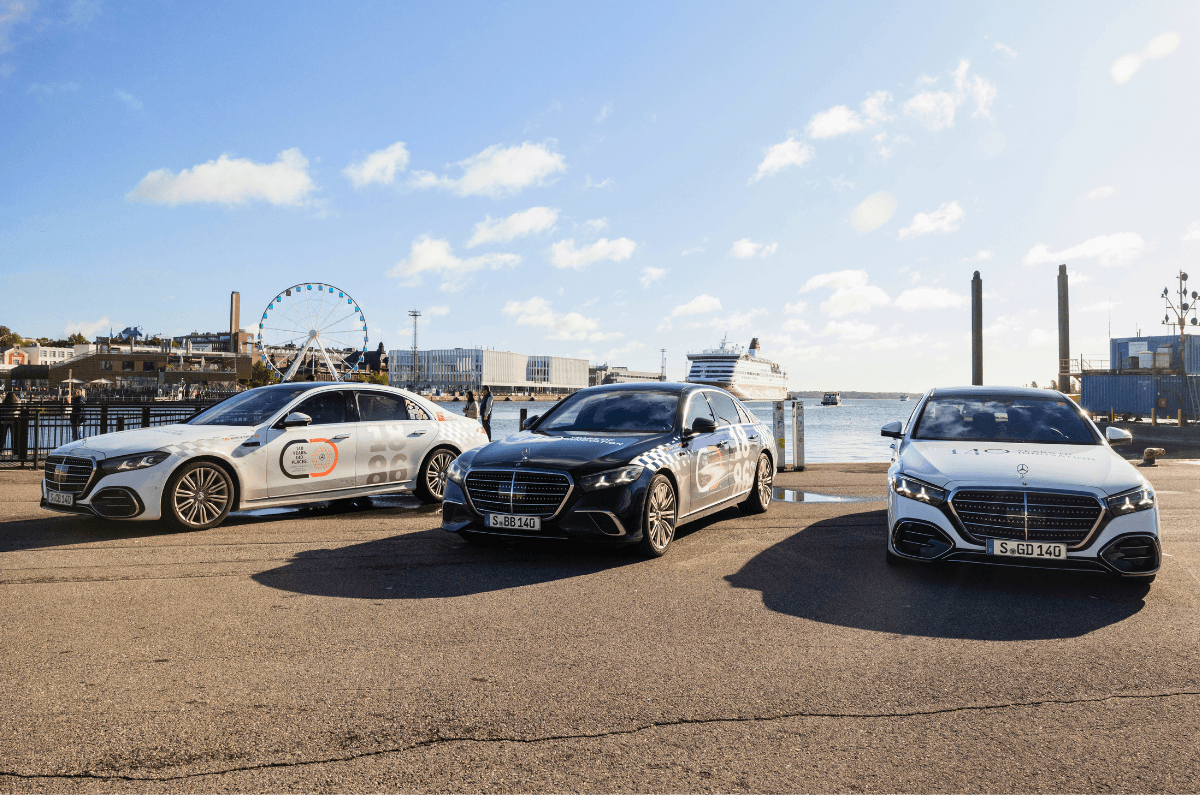
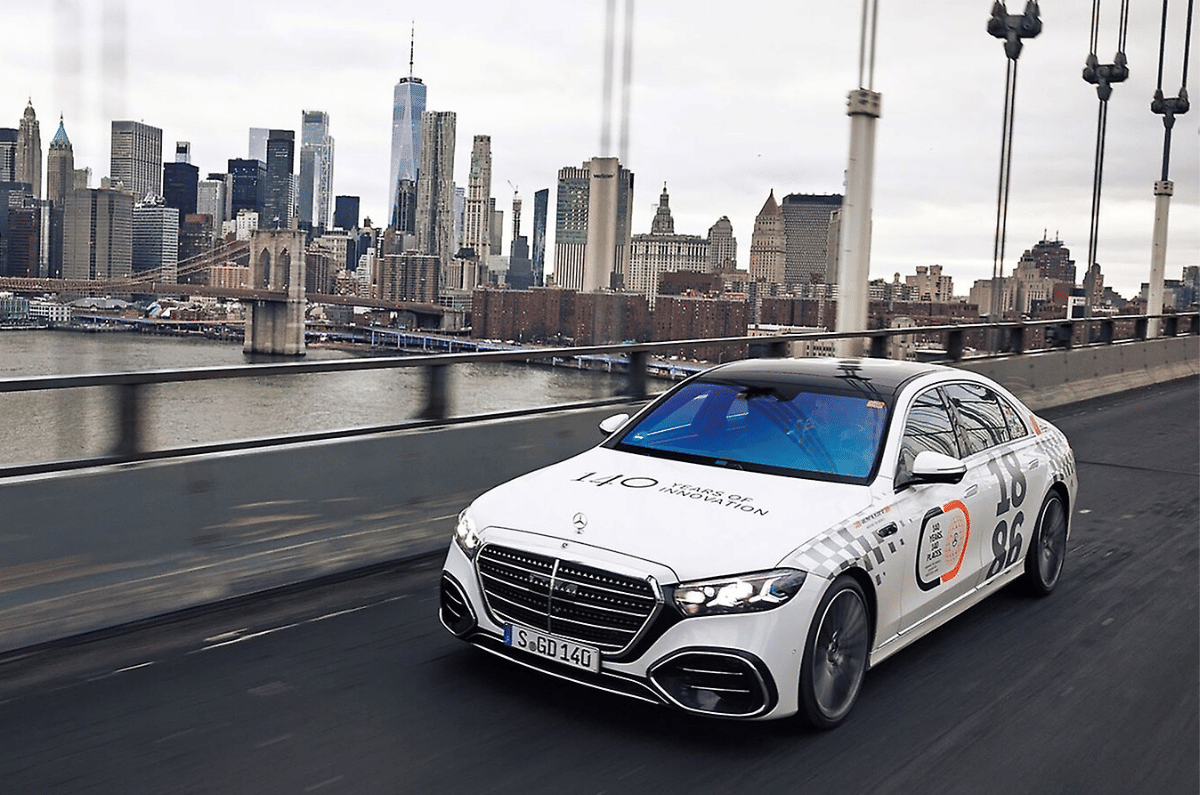
The expedition began in Stuttgart on January 29, 2026, with three S-Class sedans named Bertha, Carl and Gottlieb. The tour visited more than 140 locations across six continents, crossing 67 national borders and 13 climate zones.
Mercedes S-Class completes ‘140 Years, 140 Places’ global tour

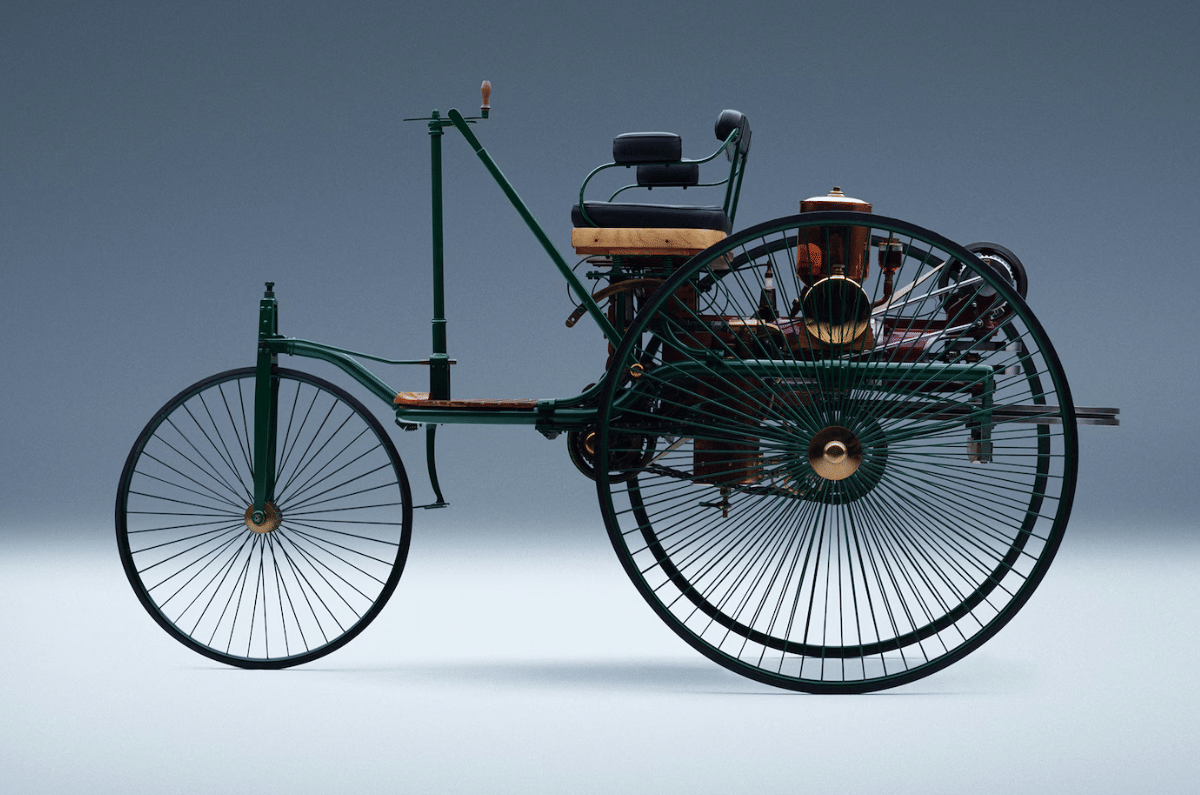
The route covered cities including New York, Tokyo, Mumbai, Nairobi and Sao Paulo. The cars returned to Stuttgart in a convoy of 140 historic and current vehicles, including a replica of the 1886 Benz Patent-Motorwagen, the Mercedes-Benz 300 SLR Uhlenhaut Coupé, a Ponton 220 S, the C 111 experimental vehicle, and the electric G-Class and C-Class.
Mercedes S-Class completes ‘140 Years, 140 Places’ global tour

Mercedes-Benz says tour tested S-Class under challenging conditions

Mercedes-Benz said the expedition provided insights into the S-Class under real-world conditions beyond those covered by its regular development testing in extreme temperatures and simulation chambers.
Mercedes S-Class completes ‘140 Years, 140 Places’ global tour

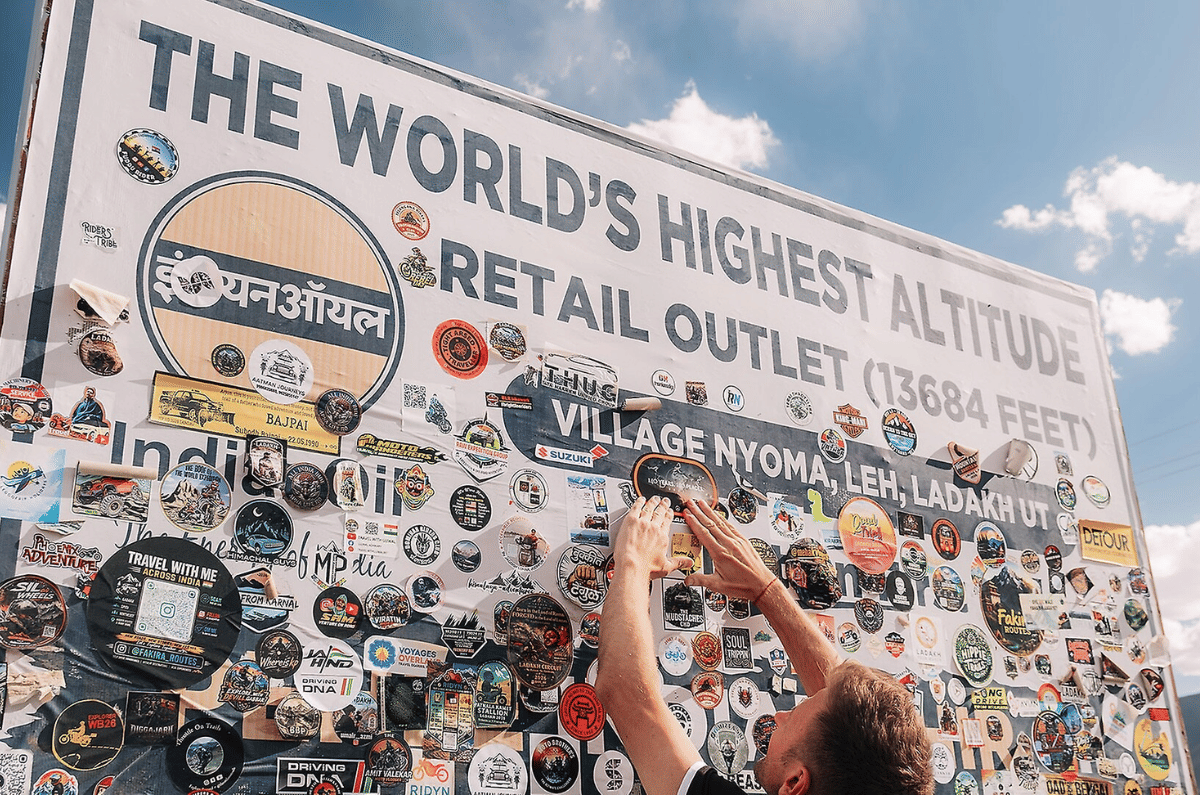
During the India leg, the cars travelled to Umling La, at approximately 5,800 metres above sea level, and encountered monsoon conditions and flooded roads. In Kenya, Tanzania and Zambia, the route included unpaved and uneven surfaces. Mercedes-Benz said the journey also exposed the cars to temperatures varying by more than 50deg C across desert and tropical climates.

Autocar India participated in the India Leg
Mercedes S-Class completes ‘140 Years, 140 Places’ global tour

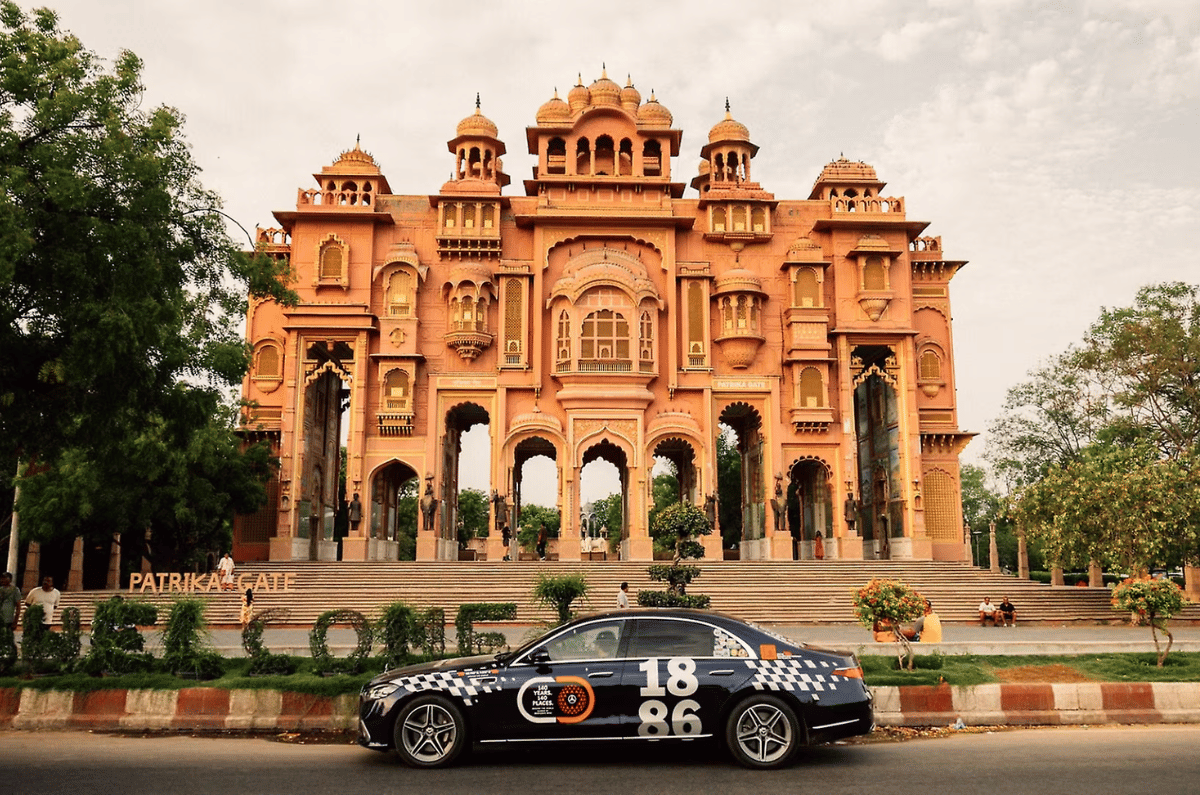
We also participated in the India leg of the expedition, driving the pre-production S-Class sedans through Udaipur and Ahmedabad. The drive provided an opportunity to experience the updated luxury sedan’s performance, ride comfort and technology.

Anniversary activities continue through December

Mercedes-Benz will continue its ‘140 Years of Innovation’ anniversary programme through the end of 2026. Mercedes-Benz plans further studios in international cities following launches in Copenhagen, Los Angeles, Sydney and Delhi.

In December, the company will convert the approximately 145-metre-long glass facade of its dealership at Donnersbergerbrucke in Munich into an oversized Advent calendar. Mercedes-Benz is also planning a coffee-table book documenting the expedition, its stops, and its encounters along the route.

BMW F 450 RR variants explained

BMW F 450 RR variants explained
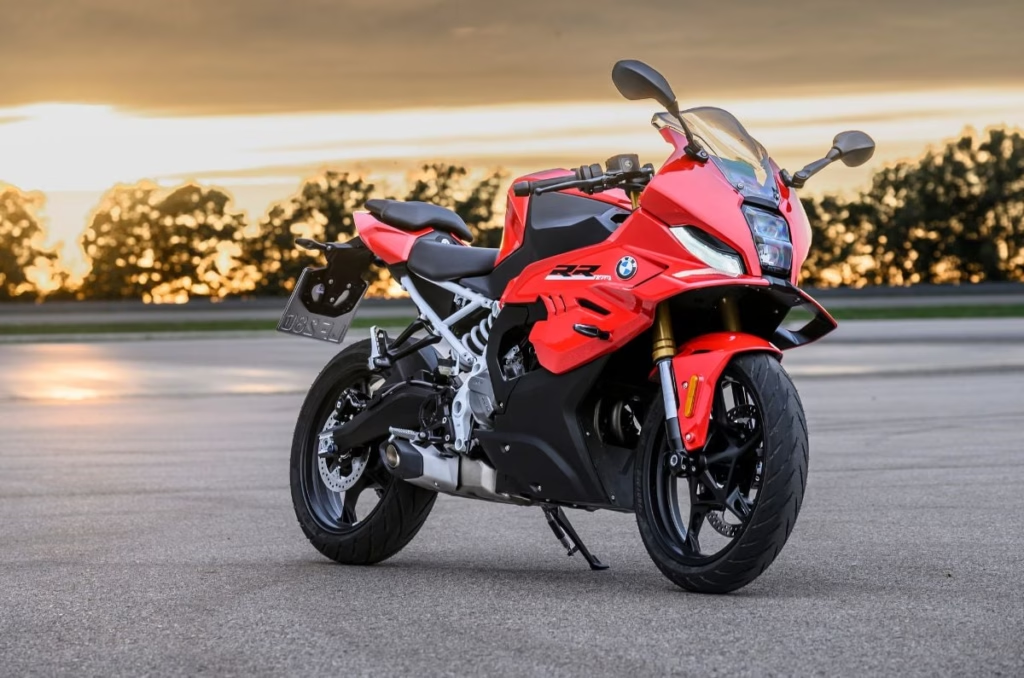
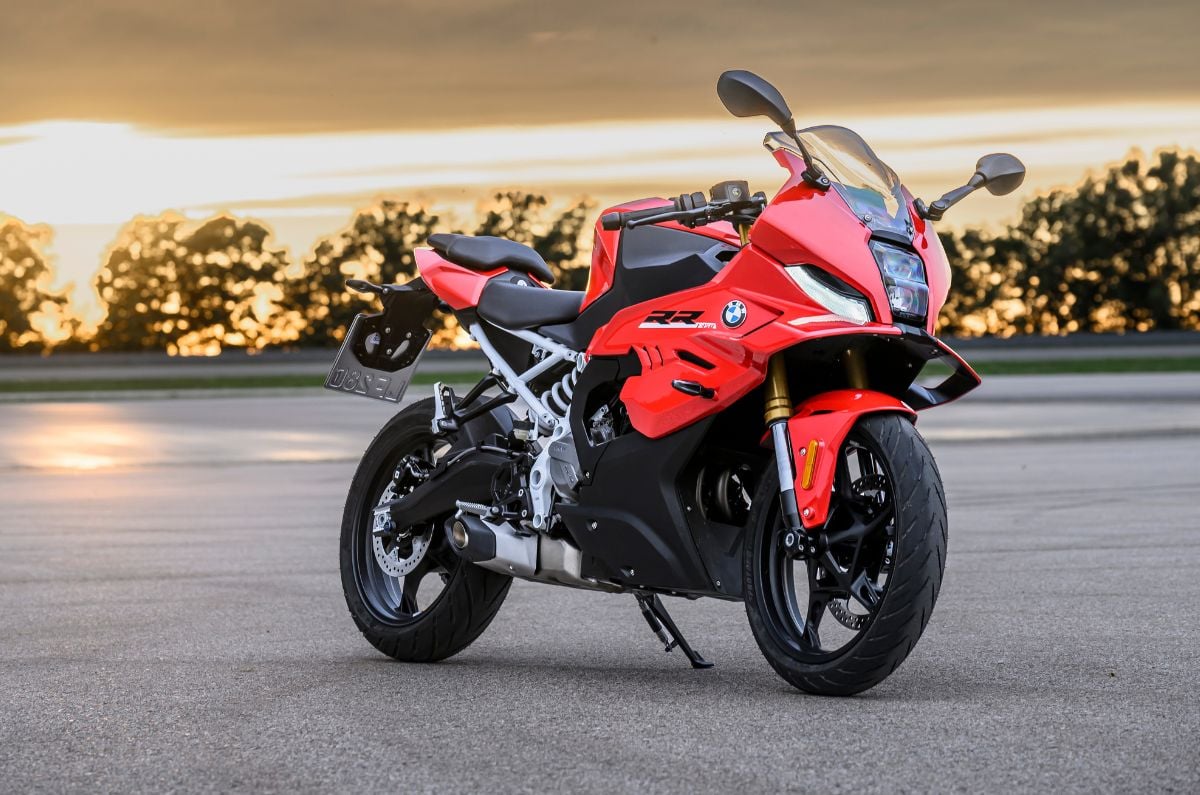
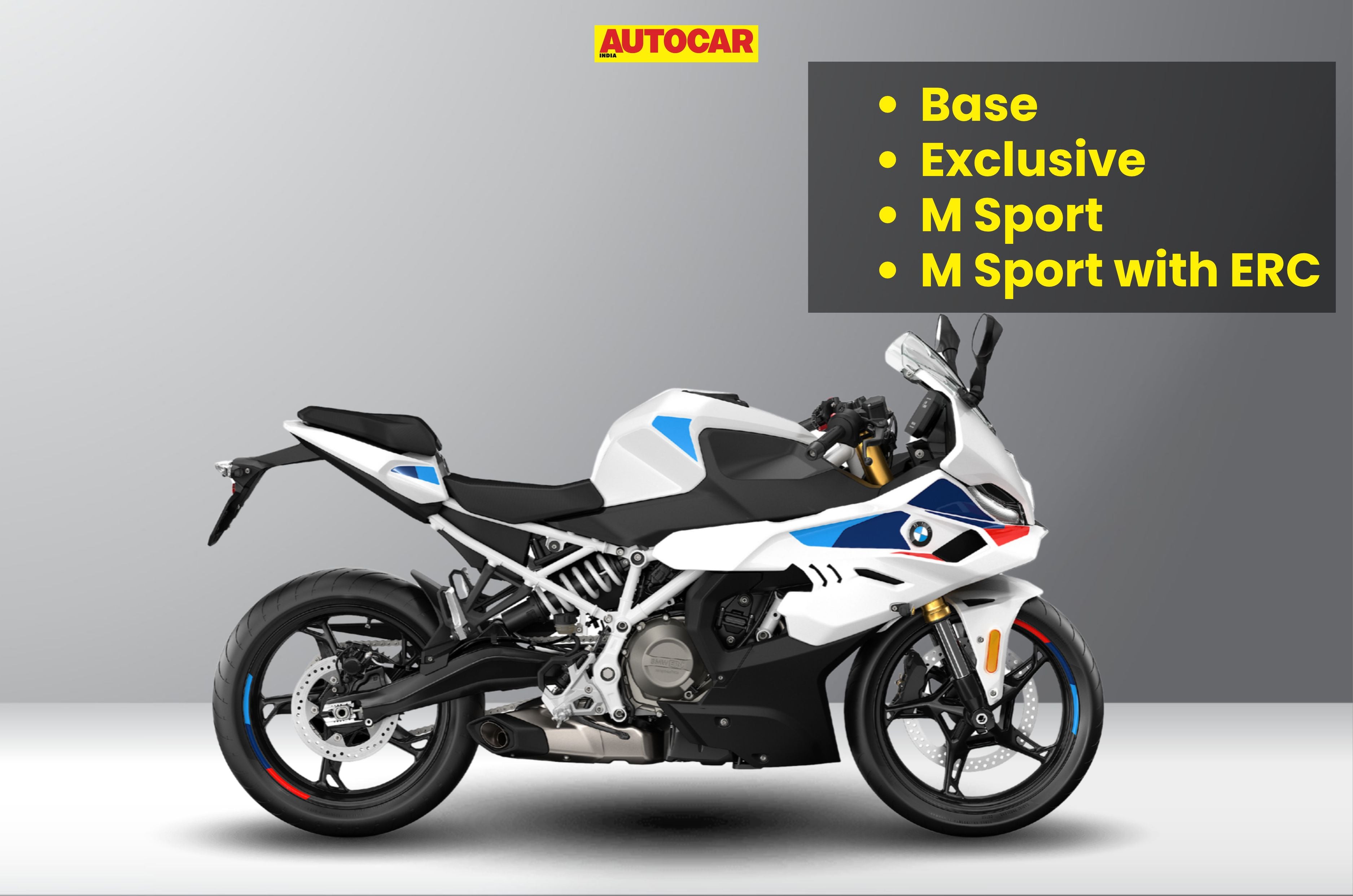
BMW F 450 RR right profile.

BMW has revealed the F 450 RR, its third motorcycle based on the 450 platform. Just like the F 450 GS and F 450 R, the F 450 RR has four variants at launch, although it’s unclear how many will make it to India and at what prices. If you’re thinking of buying the F 450 RR when it arrives, here’s what is different in each variant.

BMW F 450 RR: Variant breakdown

Base

Keeping things simple, BMW calls the F 450 RR’s base variant Base. It comes in a single Cosmic Black colour and offers dual-channel and cornering ABS, traction control, a slip-and-assist clutch, a 6.5-inch TFT display, wheelie control, three ride modes (Rain, Road and Race), heated grips, dynamic brake control and engine drag torque control. Its monoshock is adjustable for preload and rebound, and the USD fork is completely non-adjustable.

Exclusive

The Exclusive variant also gets a single colour – Racing Red. Carrying forward the Base’s feature set, this variant adds a bi-directional quickshifter and Sport suspension that makes the USD fork adjustable for compression and rebound.

M Sport

This third variant comes in a single Snaefell white / M Motorsport colour, and it adds a fourth ride mode called Race Pro. It lets users individually customise control systems such as ABS and traction control.

M Sport with Innovation Package

The range-topping variant shares the Snaefell white / M Motorsport colour with the previous variant and adds BMW’s Easy Ride Clutch (ERC) to the rider aids on offer. This system first debuted on the F 450 GS’s GS Trophy variant. It effectively makes using the clutch optional, enabling clutchless up-and-down gear shifts.

All four variants have the 420cc twin-cylinder liquid-cooled engine that continues to make 48hp at 8,750rpm and 43Nm at 6,750rpm, a KYB 43mm USD fork and monoshock, adjustable brake and clutch levers and a Type-C USB port. The brakes are also the same, with a Brembo 310mm front disc with a four-piston monobloc caliper and a Bybre 240mm rear disc with a single-piston caliper.

BMW F 450 RR Image gallery

BMW F 450 RR Image gallery
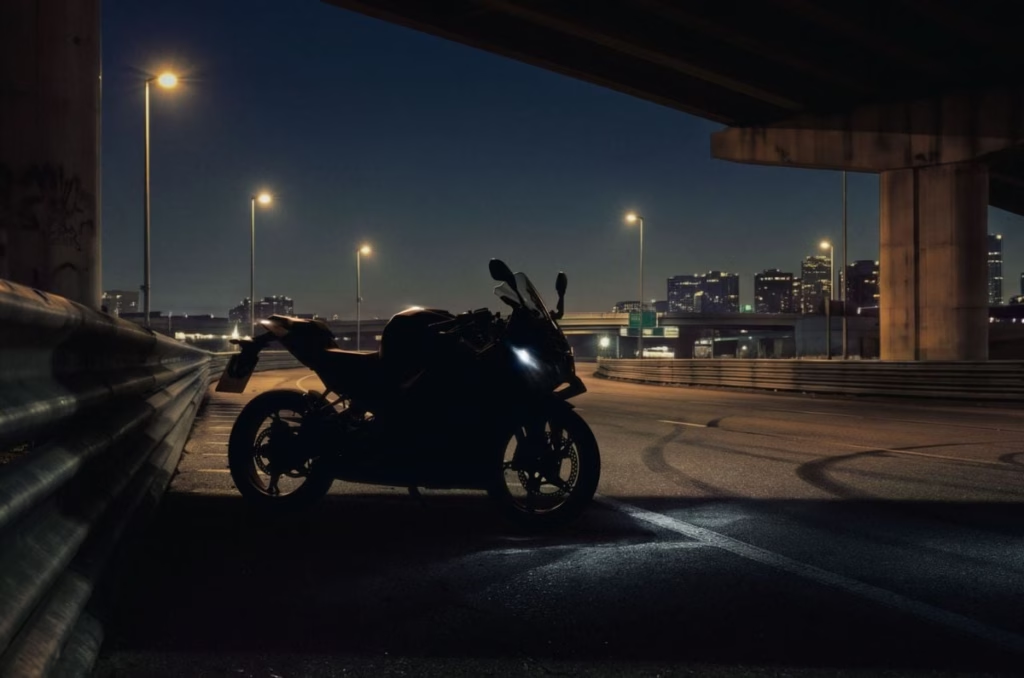
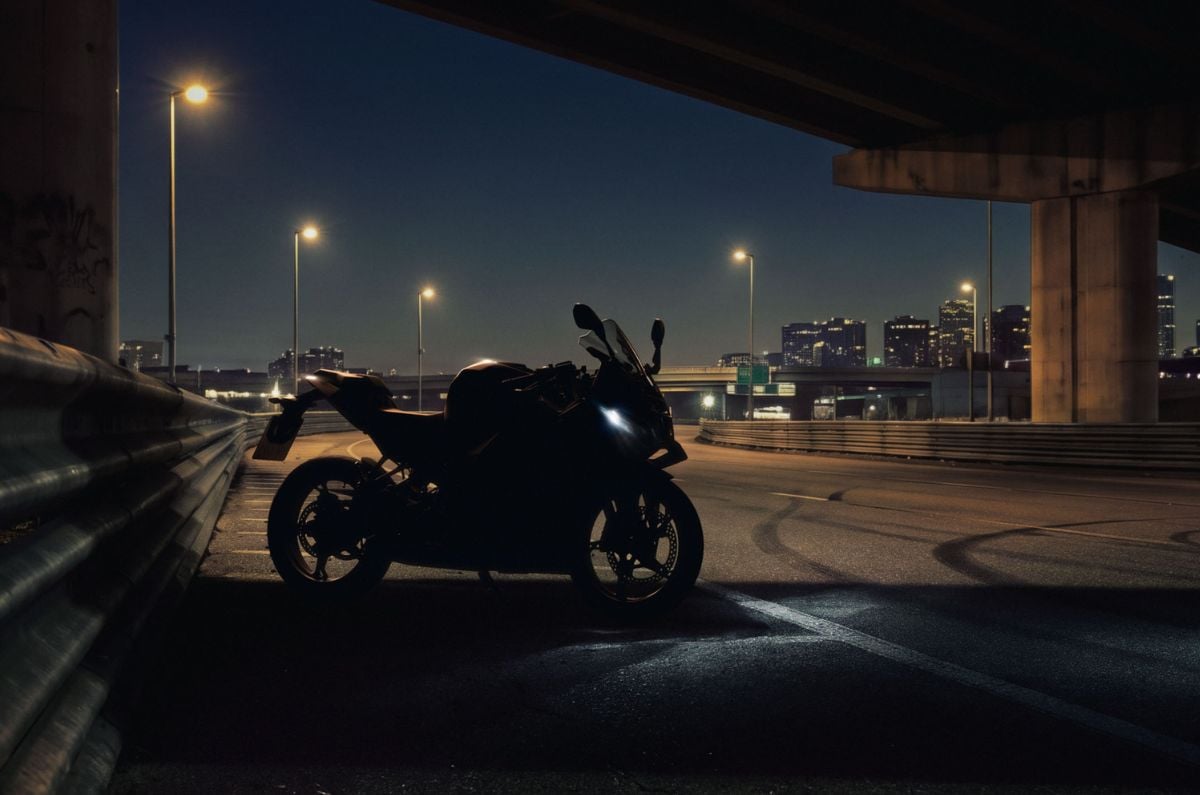
Shadow silhouette of the BMW F 450 RR on a deserted highway.

BMW has revealed the third motorcycle based on its 420cc engine platform, the F 450 RR. This follows the F 450 GS which was revealed last November and the F 450 R, which debuted as recently as two weeks ago. This trio of motorcycles are manufactured by TVS in Hosur.

The F 450 RR’s 420cc, twin-cylinder, liquid-cooled mill continues to mete out 48hp at 8,750rpm and 43Nm at 6,750 rpm. Other technical aspects such as the suspension, brakes and kerb weight are closer to its sport-naked sibling, the F 450 R. The standard seat height is 790mm and BMW offers two seat options, to either increase it to 810mm, or drop it down to 775mm. Brakes are the same as the R, a 310mm front disc with a Brembo four-piston monobloc caliper and a ByBre 240mm rear disc. The base variant of the F 450 RR has a kerb weight of 177kg (178kg with ERC).

The F 450 RR has four variants, Base, Exclusive, M Sport and M Sport with Innovation Package. As standard, all four get the exact same rider aids as the R, some of which are, dual-channel and lean-sensitive ABS, a 6.5-inch TFT display with smartphone connectivity, and three ride modes (Rain, Road and Race).

BMW hasn’t revealed prices for the F 450 RR, or a timeline for an Indian launch, like the F 450 R. For context, the F 450 GS reached our shores six months after its international reveal, which means that the R and the RR could be expected in the first quarter of 2027. Once they get here, we anticipate the F 450 R to be the most affordable option with the F 450 RR sitting between it and the F 450 GS.

BMW F 450 RR Sportbike revealed

BMW F 450 RR Sportbike revealed
BMW F 450 RR front right quarter.

BMW has revealed the third motorcycle based on its 420cc engine platform, the F 450 RR. This follows the F 450 GS which was revealed last November and the F 450 R, which debuted as recently as two weeks ago. These trio of motorcycles are manufactured by TVS in Hosur.

  1. F 450 RR shares the same 420cc engine and chassis with the other two BMW 450s
  2. Total of three colour options available across four variants
  3. No prices or an Indian launch timeline, just like the F 450 R

BMW F 450 RR: What you should know

A familiar engine and chassis, fine-tuned for track use

BMW’s newest entry to its entry-level motorcycle segment shares its engine and steel tubular chassis that carries said engine as a stressed member, similar to its other two 450s. Its 420cc, twin-cylinder, liquid-cooled mill continues to mete out 48hp at 8,750rpm and 43Nm at 6,750 rpm. Other technical aspects such as the suspension, brakes and kerb weight are closer to its sport-naked sibling, the F 450 R, with sportbike-like design details like winglets and a full fairing, of course.

The F 450 RR has 17-inch tyres at both ends, KYB-supplied 43mm USD fork and monoshock suspension units – the latter offers rebound and preload adjustability as standard. The standard seat height is 790mm and BMW offers two seat options, to either increase it to 810mm, or drop it down to 775mm. Brakes are the same as the R, a 310mm front disc with a Brembo four-piston monobloc caliper and a ByBre 240mm rear disc. The base variant of the F 450 RR has a kerb weight of 177kg.

The F 450 RR has four variants, Base, Exclusive, M Sport and M Sport with Innovation Package. As standard, all four get the exact same rider aids as the R, some of which are, dual-channel and lean-sensitive ABS, a 6.5-inch TFT display with smartphone connectivity, and three ride modes (Rain, Road and Race). The Base gets a single Cosmic Black colour. Stepping up to the Exclusive variant gets you the Racing Red colour, a bi-directional quickshifter and Sport suspension that adds rebound and compression adjustability to the USD fork. The third M Sport variant gives you an additional user-customisable Race Pro ride mode and an Snaefell white/M Motorsport color scheme. The top variant, M Sport with Innovation Package, cinches down the package with ERC (Easy Ride Clutch) – BMW’s take on clutchless riding that we first saw on the F 450 GS.

BMW hasn’t revealed prices for the F 450 RR, or a timeline for an Indian launch, like the F 450 R. For context, the F 450 GS reached our shores six months after its international reveal, which means that the R and the RR could be expected in the first quarter of 2027. Once they get here, we anticipate the F 450 R to be the most affordable option with the F 450 RR sitting between it and the F 450 GS. Currently, the F 450 GS Base starts at Rs 4.95 lakh. BMW has another built-by-TVS sportbike in its line-up, the G 310 RR listed on the BMW Motorrad India website. The G 310 R and G 310 GS were discontinued last year, leaving the future of the G 310 RR uncertain.

Hyundai inaugurates Pune plant, to invest Rs 11,000 crore

Hyundai inaugurates Pune plant, to invest Rs 11,000 crore
Hyundai

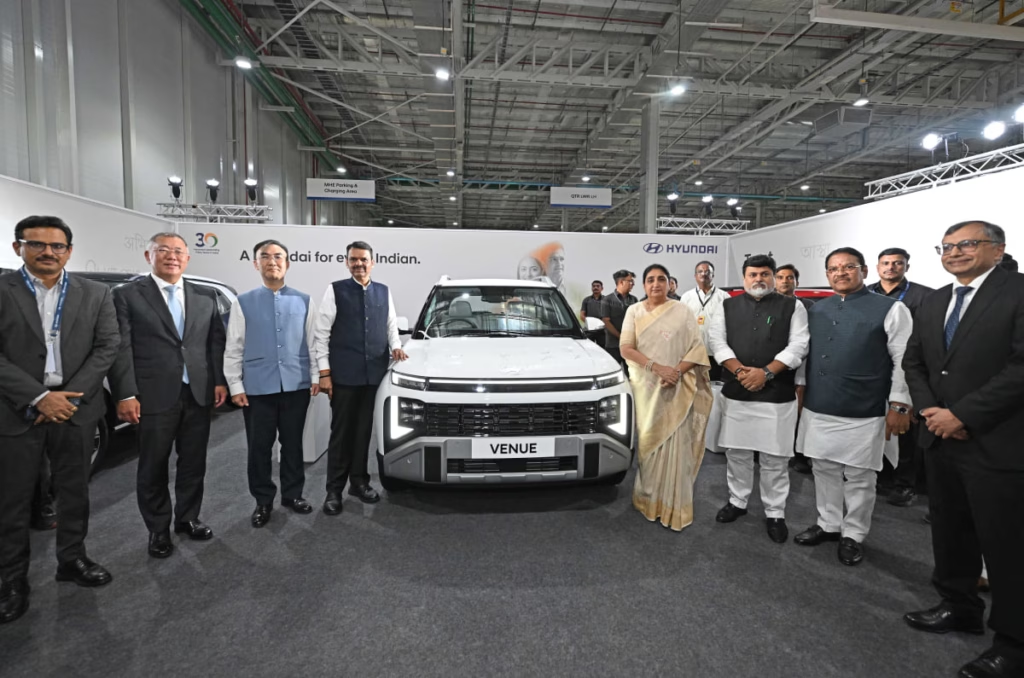
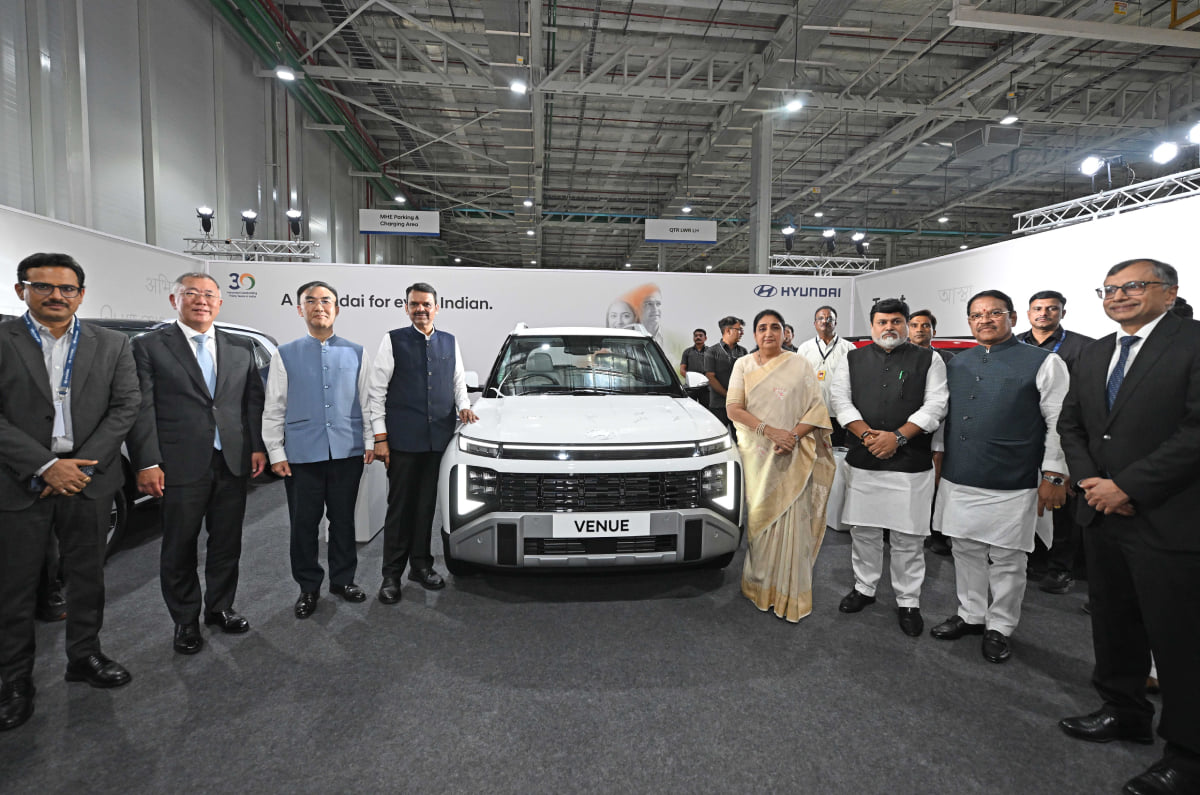
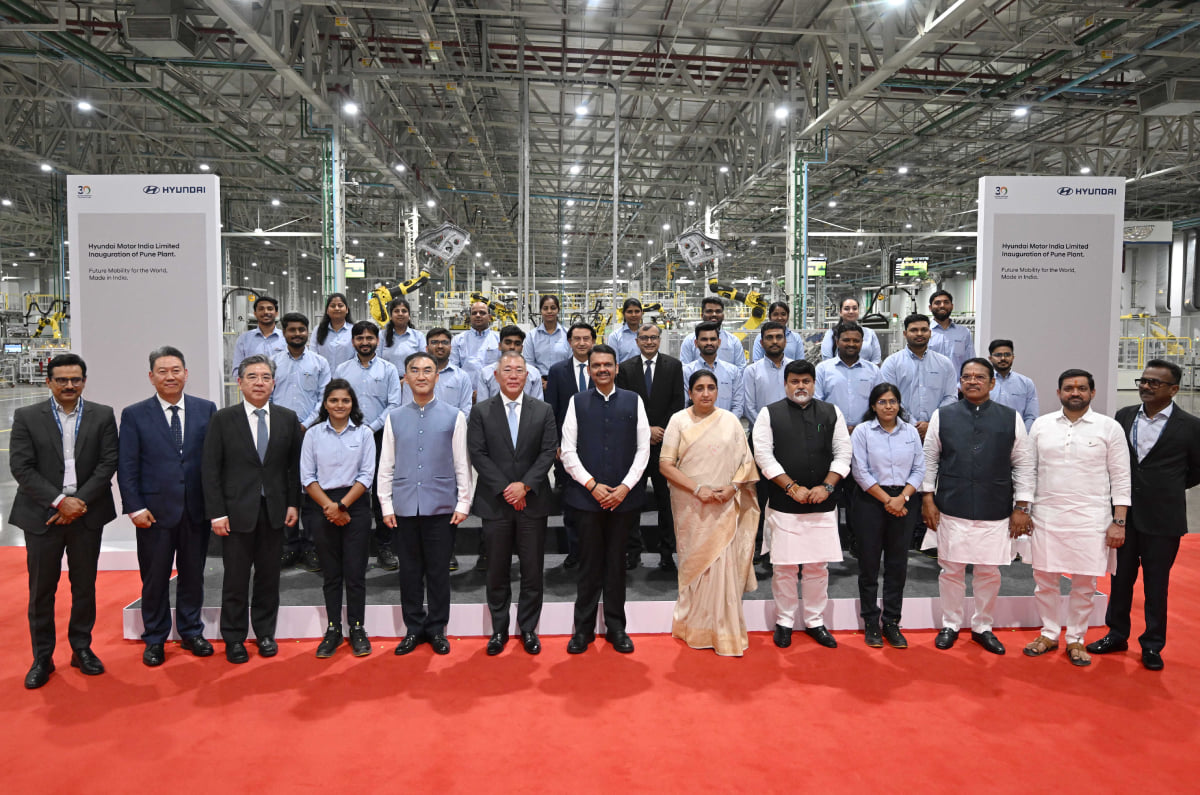
Hyundai Motor India has inaugurated its manufacturing plant in Talegaon, Pune, marking its first major manufacturing expansion outside Tamil Nadu. The facility currently has an installed annual production capacity of 1.7 lakh units, which is planned to increase to 3.2 lakh units by 2030. Managing director and CEO Tarun Garg announced that the company will invest Rs 11,000 crore in phases at the plant.

Hyundai Pune plant: Capacity and investment

Maharashtra Chief Minister Devendra Fadnavis inaugurated the plant on October 14, 2026. Hyundai Motor Group executive chair Euisun Chung and Hyundai Motor Company president and CEO Jose Munoz were also present.

Garg said, “We will invest INR 11,000 crore in phases at this facility. Beyond expanding manufacturing capacity, the facility will drive industrial development, innovation and employment generation in the region.”

The expansion will take Hyundai Motor India’s combined annual production capacity at its Pune and Chennai plants to nearly 11.4 lakh units by 2030, according to the company. The Pune facility also has an engine shop with an annual capacity of 1.5 lakh units.

The plant uses Hyundai’s E-FOREST digital factory platform, with AI-based quality checks, predictive maintenance, digital simulations and augmented reality-based worker training. Its production lines can support multiple internal combustion engine and hybrid models.

Hyundai Venue to be made at Pune plant

The Hyundai Venue will be manufactured exclusively at the Pune plant and exported to global markets. Hyundai plans to expand exports of the model to more than 35 countries.

The inauguration coincided with Hyundai Motor India marking cumulative exports of 40 lakh passenger vehicles since 1999 and domestic sales of nearly 1 crore passenger vehicles over its 30 years in India.

Chung said, “India remains one of Hyundai’s most important and strategic markets globally.” He added that the Pune plant reflected the group’s long-term commitment to India and that the export milestone highlighted the role of Indian manufacturing in its global operations.

Hyundai said 55 Tier-1 suppliers have invested nearly Rs 4,600 crore in Maharashtra. Nearly half of its supplier network is located within 50km of the plant. The combined Tier-1 and Tier-2 supplier network has generated more than 18,000 employment opportunities in the state, according to the company.

Hyundai also cited nearly 40 ongoing research projects with seven Indian academic institutions, covering battery technology, electrification and future mobility.

Alfa Romeo Cuorerosso concept previews brand’s new design language

Alfa Romeo Cuorerosso concept previews brand’s new design language
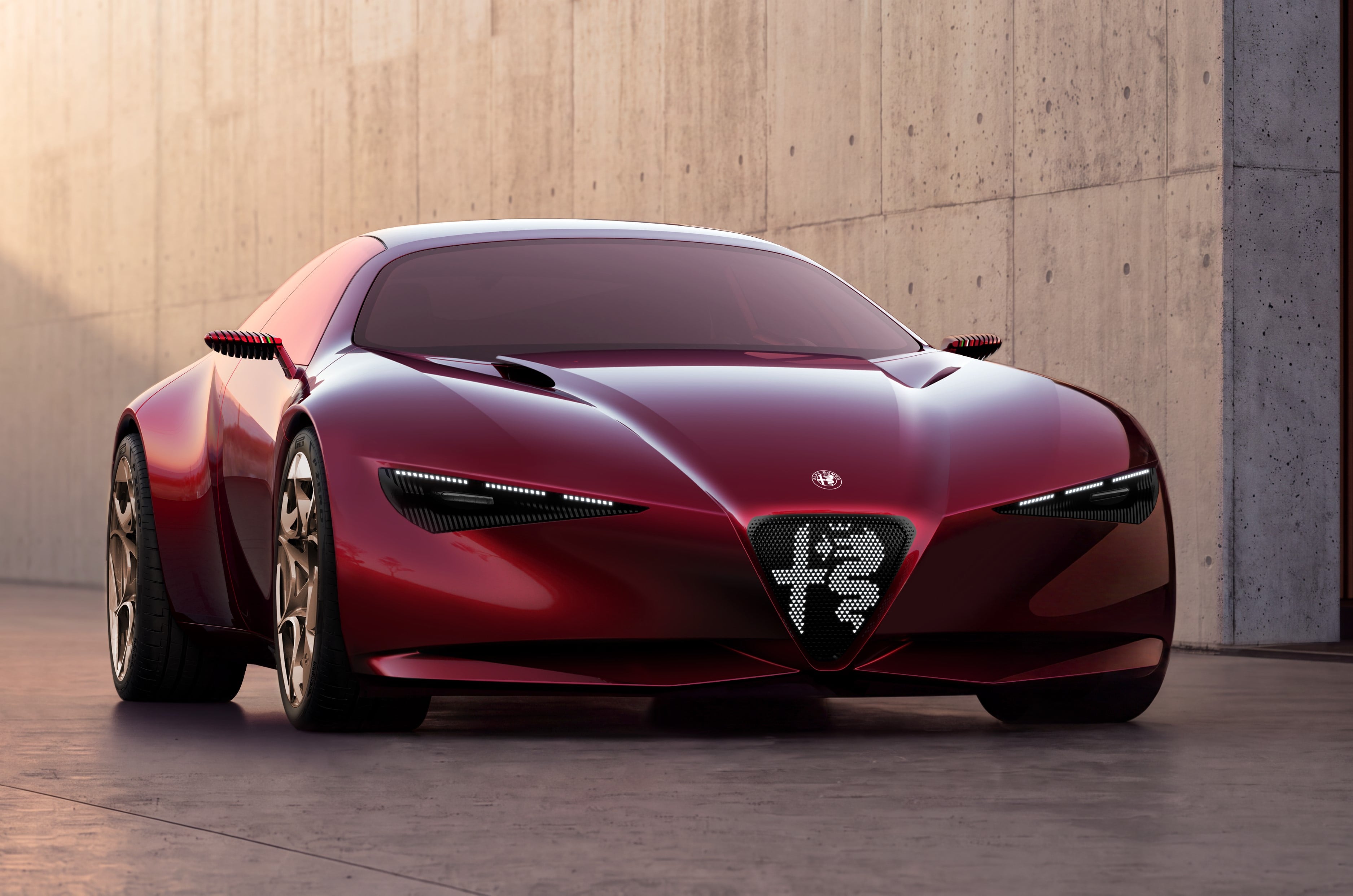
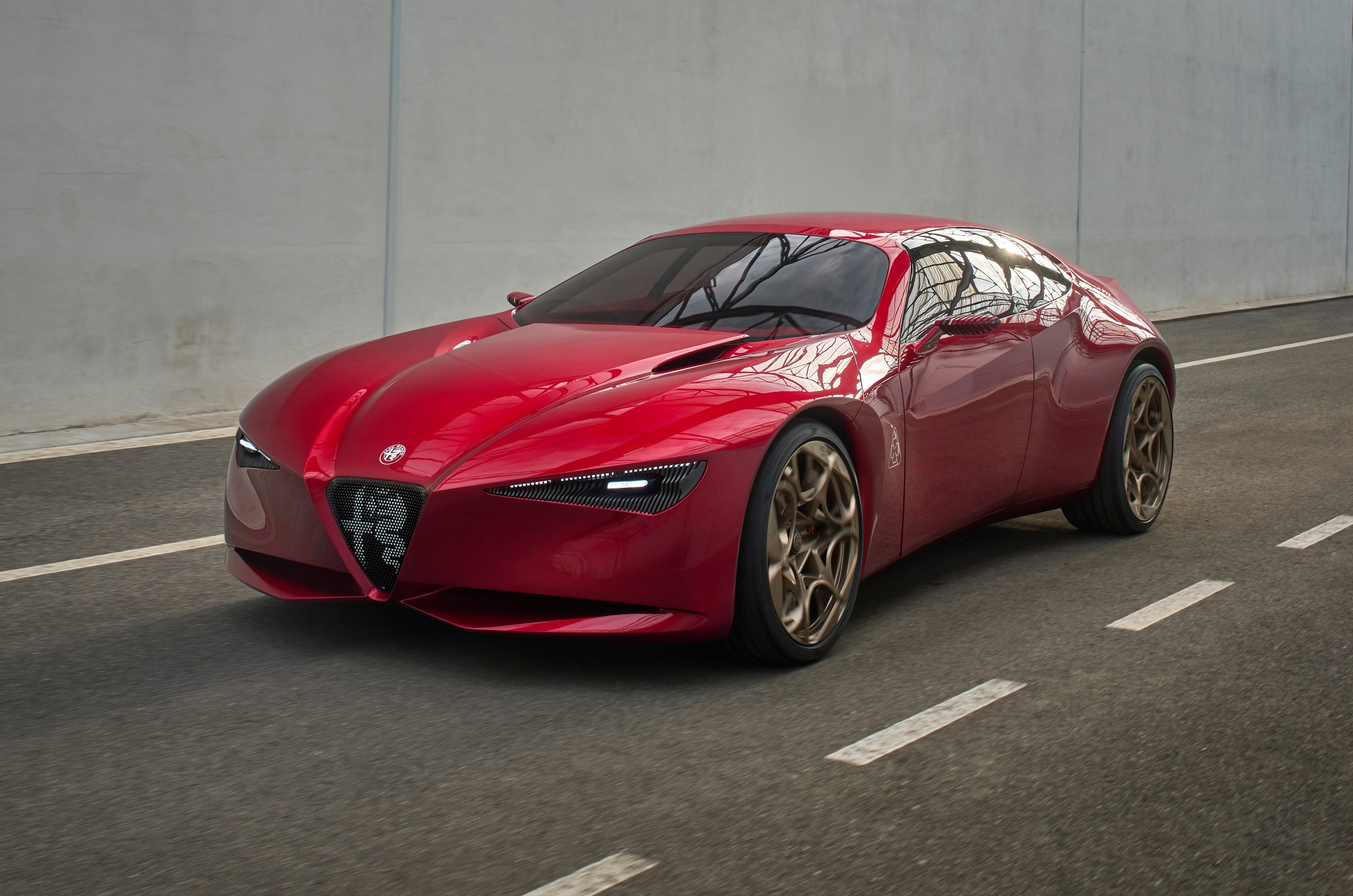
Alfa Romeo Cuorerosso

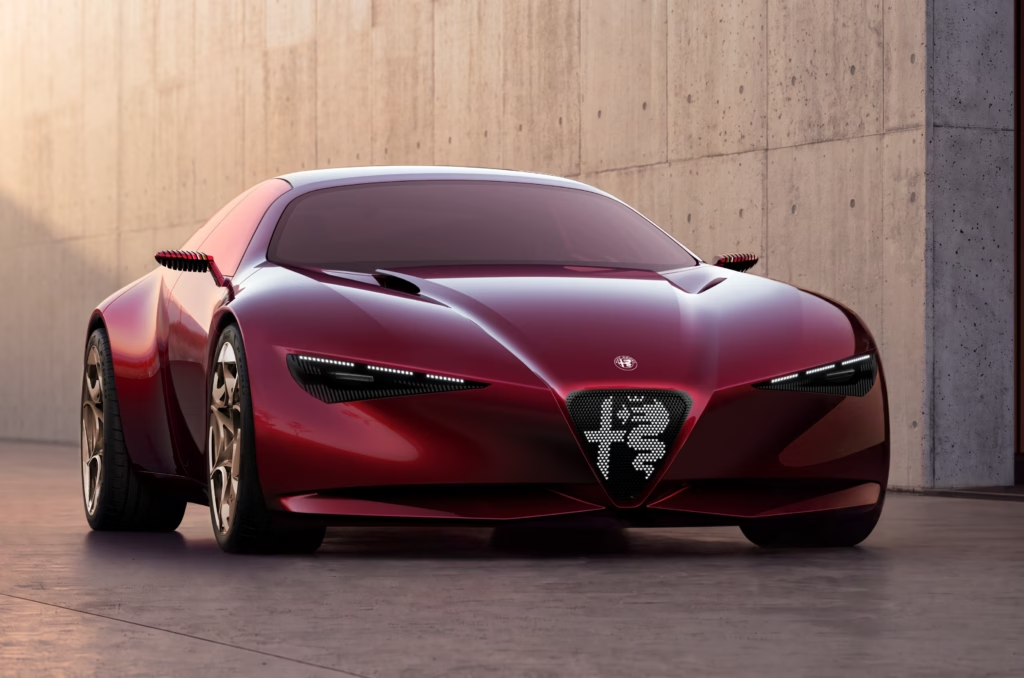
Alfa Romeo’s major reveal at the 2026 Paris Motor Show is the Cuorerosso, a four-door concept that previews a new design language dubbed ‘Necessary Beauty’. In addition, the Cuorerosso debuts a strong hybrid version of Alfa Romeo’s 2.9-litre twin-turbo V6, which is used in the Giulia, Stelvio, and 33 Stradale.

Alfa Romeo Cuorerosso powertrain

Alfa Romeo says that the Cuorerosso serves as a precursor to a “multi-energy approach” that the carmaker’s future models will follow, specifically mild hybrid, strong hybrid, plug-in hybrid, and full-electric powertrains. To put it succinctly, Alfa Romeo wants to put “technology and innovation at the service of driving pleasure and sportiness.”

The Cuorerosso’s 2.9-litre V6 hybrid powertrain is mated to a torque converter automatic gearbox, an all-wheel drive system, and a carbonfibre driveshaft – the concept weighs 1,750kg. It’s also equipped with steer-by-wire tech, which eliminates physical linkages between the steering rack and wheels in favour of full electronic control.

Alfa Romeo Cuorerosso exterior design

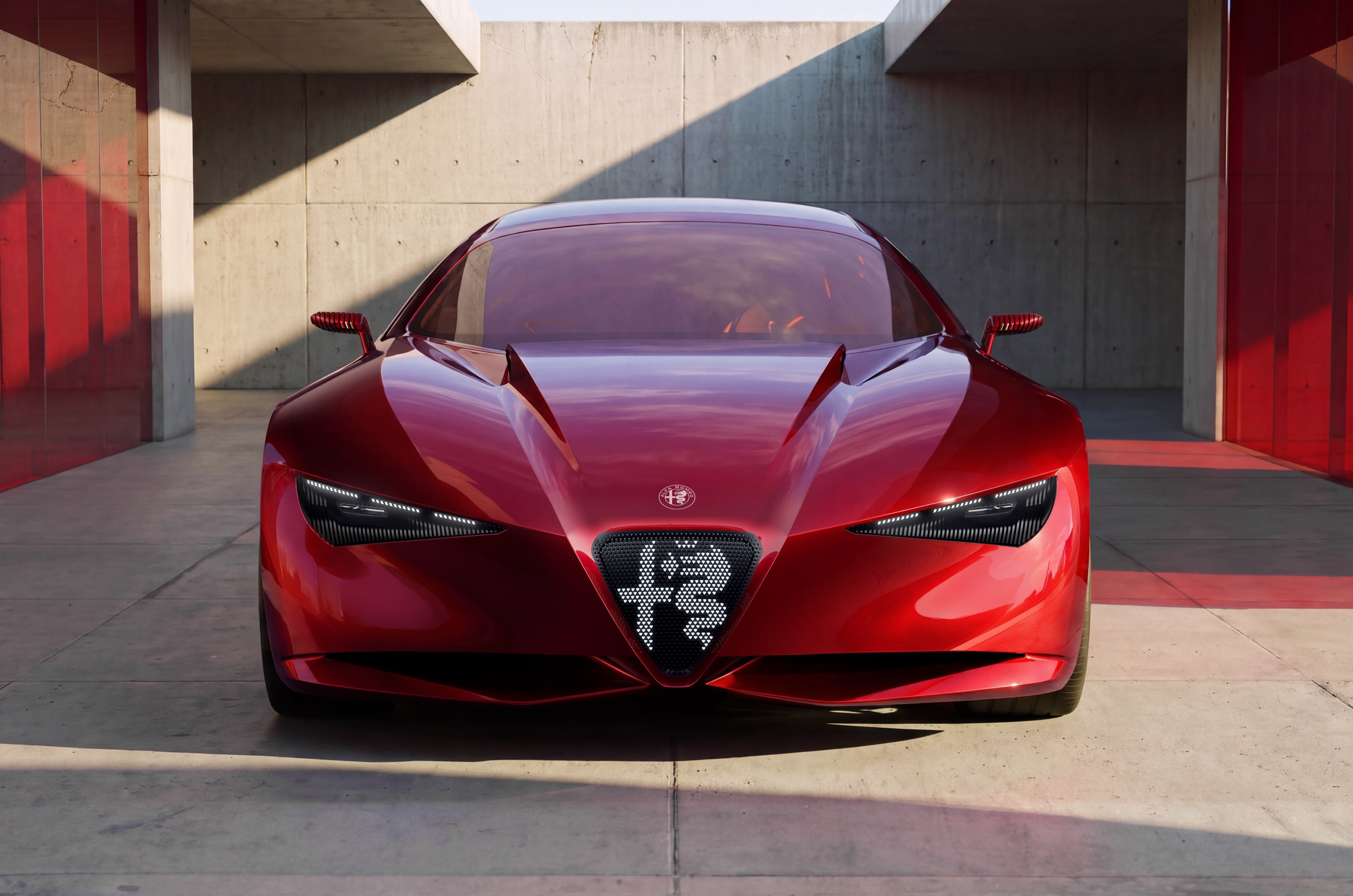
Stretching the tape at 4,700mm long, 1,980mm wide, and 1,331mm tall, with a wheelbase of 2,930mm, the Cuorerosso doesn’t stray all that far from the Alfa Romeo Giulia in terms of dimensions. The styling, though, is a different story. Up front, the Cuorerosso looks quite menacing thanks to its swept-back triangular headlamps and segmented eyebrow-like DRLs, which flank a backlit grille that displays the Alfa Romeo motif in a pixel pattern – the brand’s emblem sits right above the grille too.

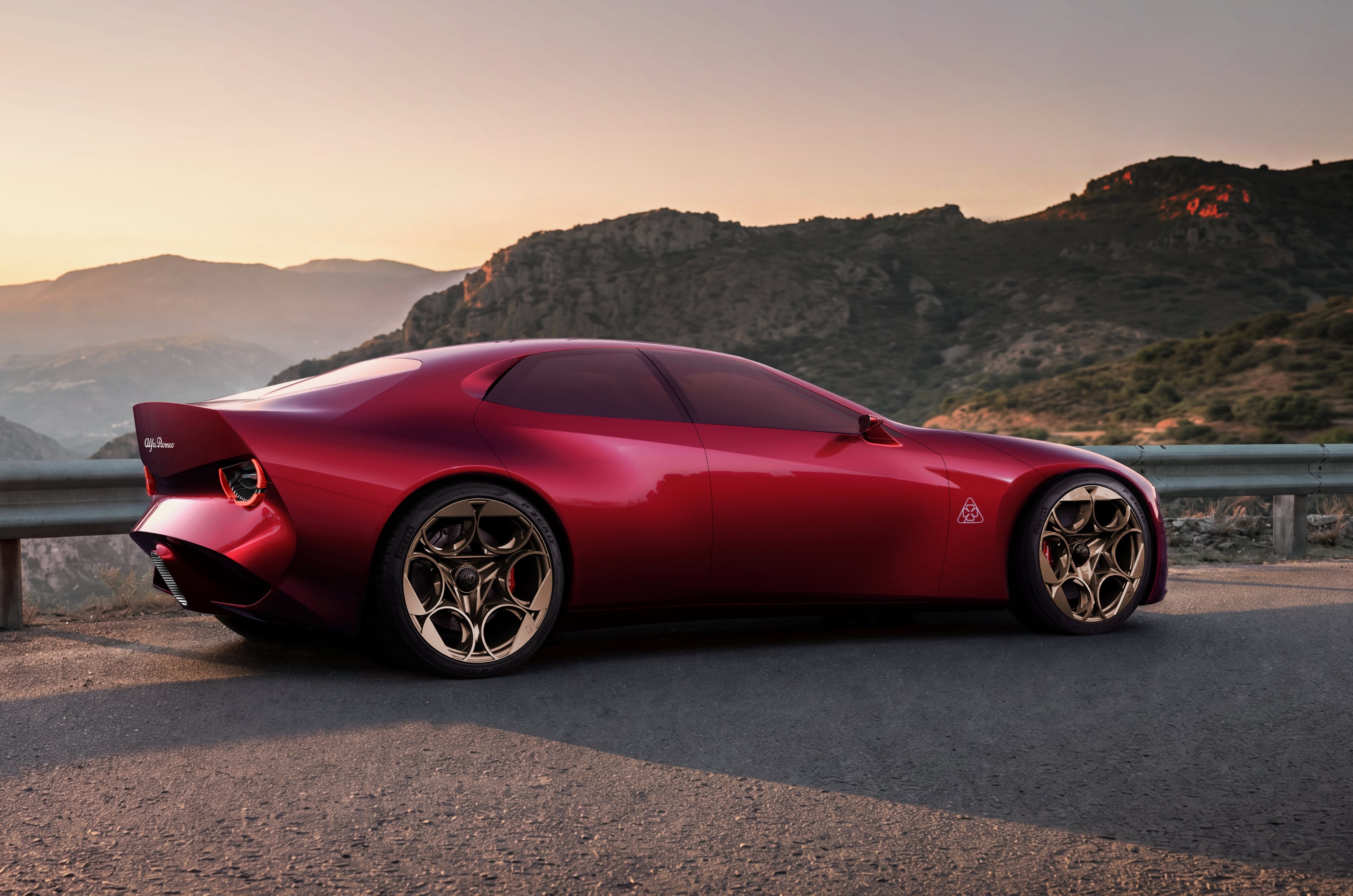
Sleek air intakes can be seen on the front bumper, while the bonnet looks very sculpted and muscular, with air exits opening up just ahead of the windscreen. Over to the side, the 22-inch bronze-coloured forged alloy wheels immediately stand out, and so do the slatted ORVMs and heavily flared rear wheel arches. Rear-hinged back doors are another flamboyant styling touch on the Cuorerosso.

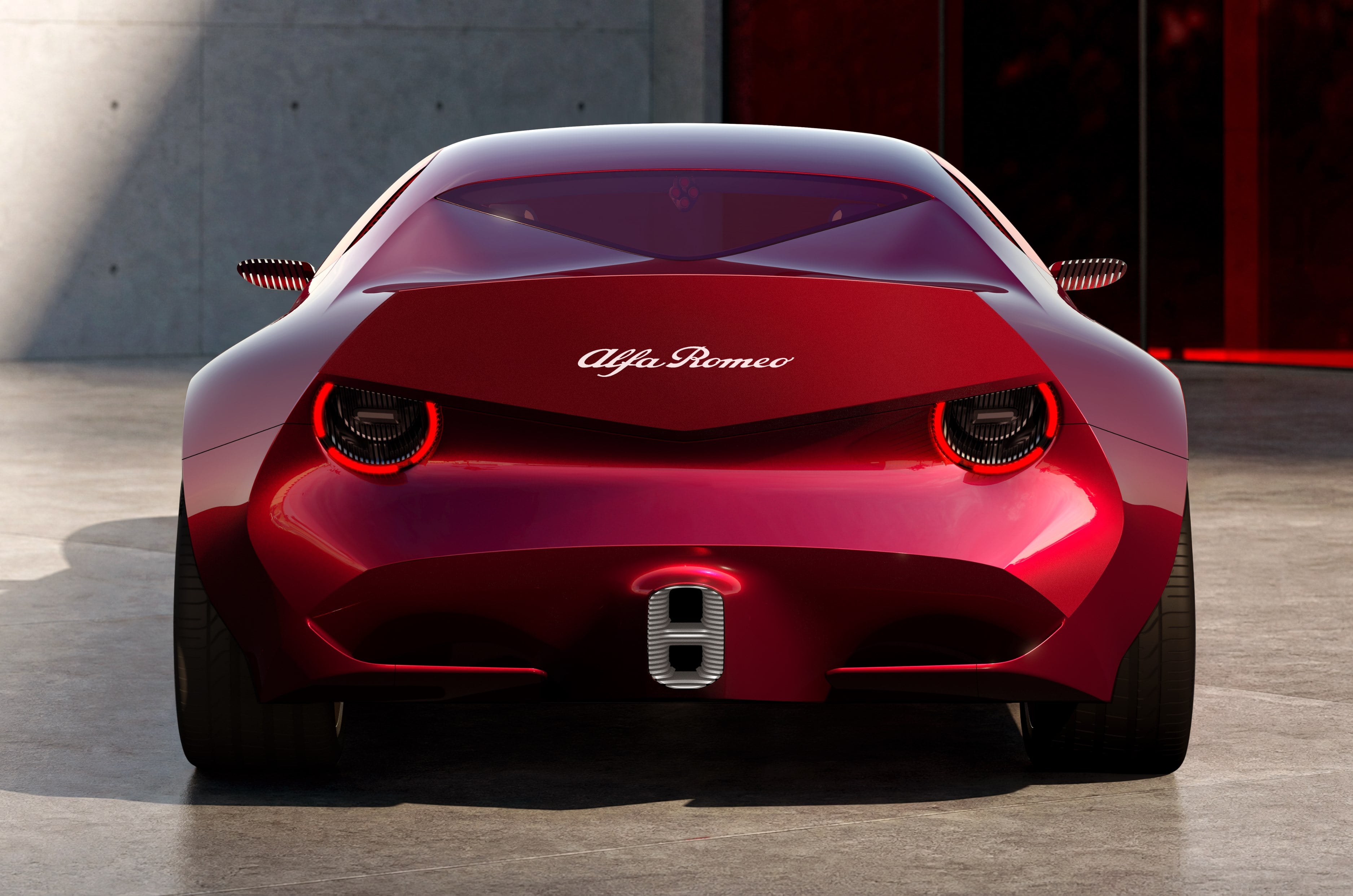
The rear end of the Cuorerosso is characterised by a large integrated ducktail spoiler, below which sits a pair of crescent-shaped tail-lamps and an Alfa Romeo wordmark. The sharply-protruding bumper lends a cool wedge-like shape to the rear, especially when viewed from the side, and includes a centrally positioned dual-exhaust setup flanked by air exits. Alfa Romeo claims a 0.28Cd drag coefficient for the Cuorerosso.

Alfa Romeo Cuorerosso interior

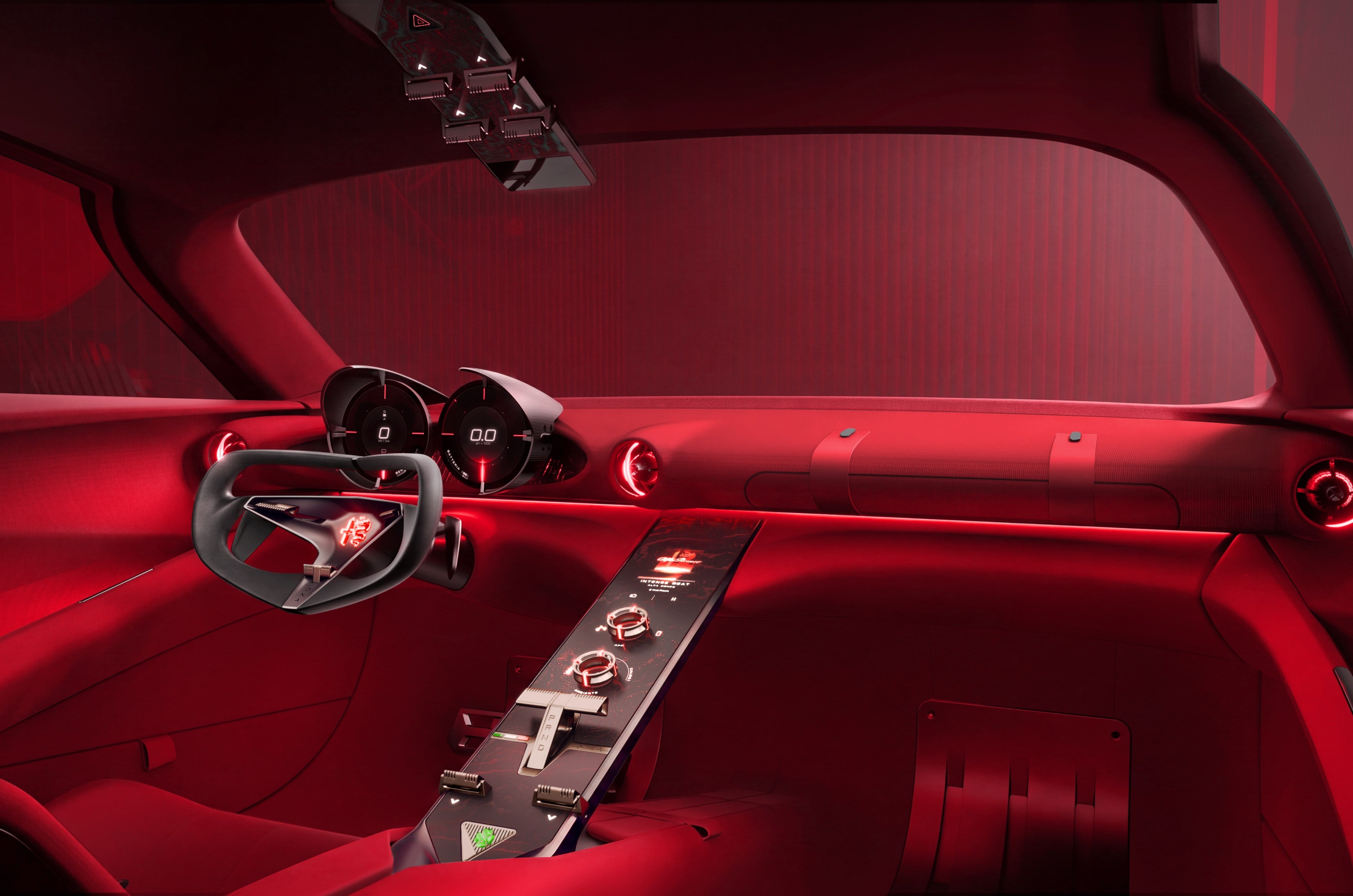
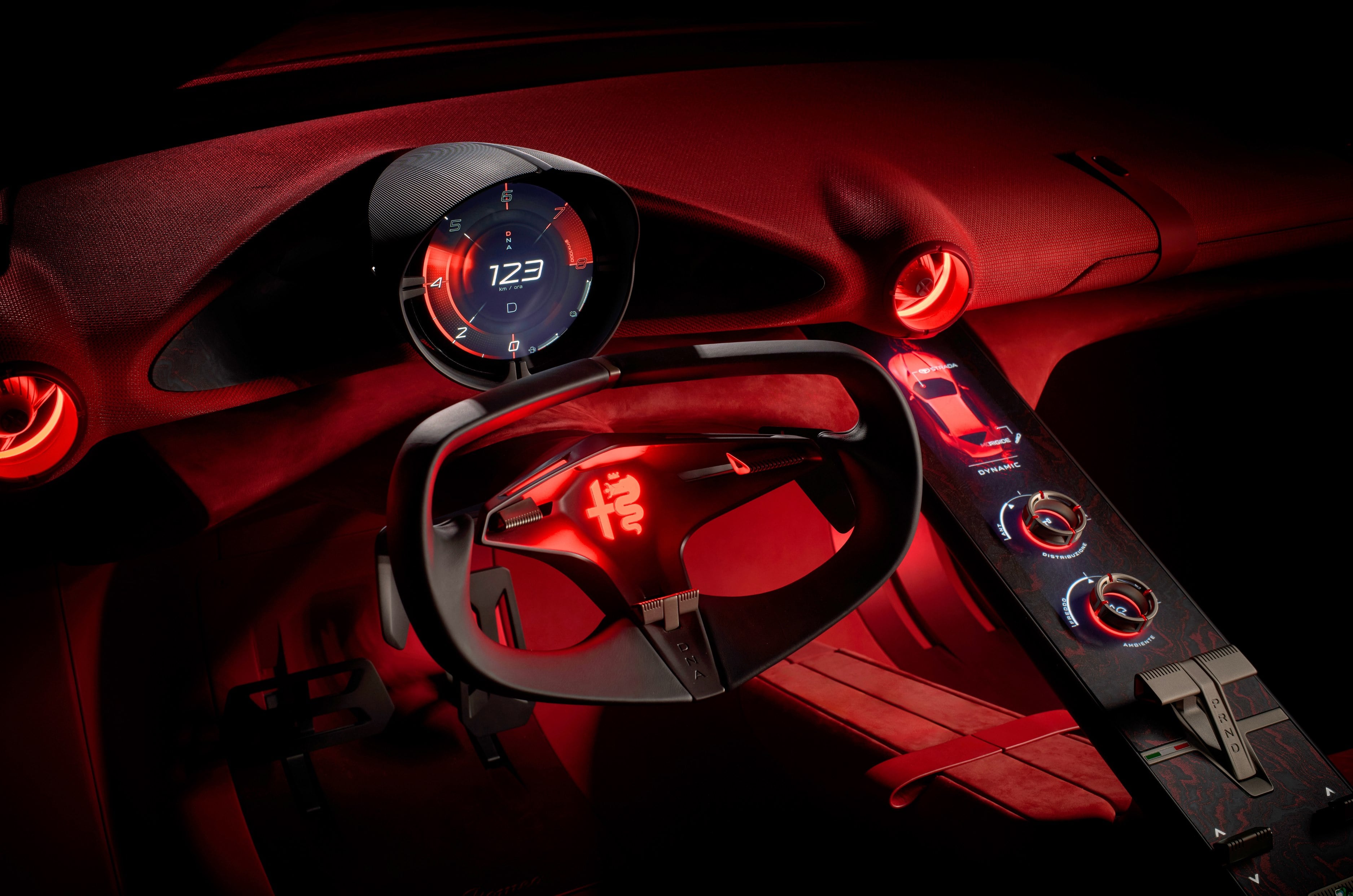
Inside, the Cuorerosso has a 2+2 seating layout and is just as radical as its exterior. For one, the colour scheme is predominantly red to convey the Cuorerosso’s sporty intentions, and there’s red ambient lighting in various spots too. The centre console has a pass-through design, and integrates a ‘Magma Display’ that combines physical controls with a digital interface. An aircraft-style gear selector can also be seen in the lower half of the centre console, along with a clover leaf emblem that glows green.

Ahead of the driver sits an unconventional-looking three-spoke steering wheel that has a flat top and a pointed bottom, while the central hub is dished inward and sports an Alfa Romeo emblem that glows red. Behind the steering wheel sits a pair of digital dials, which remain separate during normal driving and merge into one large dial if you start picking up the pace.

The Cuorerosso itself is unlikely to make it to production, but if it’s any indication of Alfa Romeo’s future, things look to be quite exciting for the Italian marque.

Zetwerk Manufacturing IPO 15 अक्टूबर से, प्राइस बैंड ₹143-₹151 प्रति शेयर तय

जेटवर्क मैन्युफैक्चरिंग बिजनेस लिमिटेड का IPO 15 अक्टूबर को खुलने जा रहा है। इसके लिए प्राइस बैंड ₹143-₹151 प्रति शेयर फिक्स किया गया है। लॉट साइज 99 शेयर है। कंपनी का इरादा ₹5,012.33 करोड़ जुटाने का है। IPO में ₹2,830 करोड़ के नए शेयर जारी होंगे, साथ ही ₹2,182.33 करोड़ के शेयरों का ऑफर फॉर सेल (OFS) रहेगा। इश्यू 19 अक्टूबर को बंद होगा, जिसके बाद अलॉटमेंट 21 अक्टूबर को फाइनल हो सकता है। 20 अक्टूबर को शेयर बाजार में दशहरा की छुट्टी है। कंपनी के शेयर NSE और BSE पर 23 अक्टूबर को लिस्ट हो सकते हैं।

जेटवर्क पहले एक डिजिटल मार्केटप्लेस थी और अब मैन्युफैक्चरर्स को ग्राहकों से जोड़कर एक एंड-टू-एंड इंडस्ट्रियल मैन्युफैक्चरिंग प्लेटफॉर्म बन गई है। यह कई सेक्टर्स में कस्टम-बिल्ट कंपोनेंट्स के लिए इंजीनियरिंग, उत्पादन और डिलीवरी को व्यवस्थित करती है। ग्राहक डिजाइन प्रदान करते हैं, जेटवर्क सप्लायर का चयन, गुणवत्ता नियंत्रण, टाइमलाइंस और लॉजिस्टिक्स को संभालती है। कंपनी लैपटॉप, हियरेबल्स, वियरेबल्स, IT हार्डवेयर बनाती है। जेटवर्क में खोसला वेंचर्स, एक्सेल, लाइटस्पीड, पीक XV पार्टनर्स, ग्रीनओक्स, एवेनिर जैसे दिग्गजों का पैसा लगा हुआ है।

जेटवर्क में फुली डाइल्यूटेड बेसिस पर पीक XV पार्टनर्स इनवेस्टमेंट्स V सबसे बड़ी इंडीविजुअल शेयरहोल्डर है, जिसके पास 9.12 प्रतिशत हिस्सेदारी है। ग्रीनओक्स कैपिटल अपॉर्चुनिटीज फंड II के पास 8.61 प्रतिशत, रामकृष्णन के पास 8.36 प्रतिशत, एक्सेल इंडिया V के पास 7.74 प्रतिशत और आचार्य के पास 7.53 प्रतिशत हिस्सा है।

Zetwerk IPO को जुलाई में सेबी से मिली थी मंजूरी

जेटवर्क ने अपने IPO के लिए इस साल मार्च में कॉन्फिडेंशियल तरीके से ड्राफ्ट पेपर जमा किए थे। कैपिटल मार्केट रेगुलेटर सेबी से जुलाई में मंजूरी मिलने के बाद अपडेटेड ड्राफ्ट रेड हेरिंग प्रॉस्पेक्टस 13 अगस्त 2026 को फाइल किया। OFS में प्रमोटर-ग्रुप एंटिटी Creovate Innovation, को-फाउंडर अमृत आचार्य, श्रीनाथ रामकृष्णन के साथ-साथ निवेशक पीक XV पार्टनर्स, एक्सेल, लाइटस्पीड वेंचर, के कैपिटल आदि भी शेयरों को बिक्री के लिए रखेंगे।

Fusion CX IPO: ₹702 करोड़ का एक और इश्यू 14 अक्टूबर से; रहेंगे ₹500 करोड़ के नए शेयर; चेक करें प्राइस बैंड

IPO के लिए कोटक महिंद्रा कैपिटल कंपनी, मॉर्गन स्टेनली इंडिया, गोल्डमैन सैक्स (इंडिया) सिक्योरिटीज, एवेंडस कैपिटल, जेएम फाइनेंशियल, एचएसबीसी सिक्योरिटीज एंड कैपिटल मार्केट्स (इंडिया), पैंटोमैथ कैपिटल एडवाइजर्स, बुक रनिंग लीड मैनेजर हैं। रजिस्ट्रार Kfin Technologies Ltd. है। इश्यू में 75 प्रतिशत हिस्सा क्वालिफाइड इंस्टीट्यूशनल बायर्स के लिए, 10 प्रतिशत हिस्सा रिटेल इनवेस्टर्स के लिए और 15 प्रतिशत हिस्सा नॉन इंस्टीट्यूशनल इनवेस्टर्स के लिए रिजर्व है।

IPO के पैसे कैसे होंगे इस्तेमाल

Zetwerk अपने IPO में नए शेयरों को जारी कर हासिल होने वाले पैसों का इस्तेमाल अपना और सब्सिडियरीज का कर्ज चुकाने, पहले से न पता अधिग्रहणों, अन्य रणनीतिक निवेशों और सामान्य कॉर्पोरेट उद्देश्यों के लिए करेगी। अप्रैल-जून 2026 तिमाही में कंपनी का रेवेन्यू ₹4,195.70 करोड़ और शुद्ध घाटा ₹732.98 करोड़ रहा। इस बीच कंपनी पर ₹1,942.19 करोड़ की उधारी थी। वित्त वर्ष 2025-26 में जेटवर्क का रेवेन्यू 40 प्रतिशत बढ़कर ₹16,100.63 करोड़ रहा। घाटा 1,606.17 करोड़ दर्ज किया गया।

Disclaimer: यहां मुहैया जानकारी सिर्फ सूचना के लिए दी जा रही है। यहां बताना जरूरी है कि मार्केट में निवेश बाजार जोखिमों के अधीन है। निवेशक के तौर पर पैसा लगाने से पहले हमेशा एक्सपर्ट से सलाह लें। मनीकंट्रोल की तरफ से किसी को भी पैसा लगाने की यहां कभी भी सलाह नहीं दी जाती है।

BMW F 450 R vs Rivals: Specifications compared

BMW F 450 R vs Rivals: Specifications compared
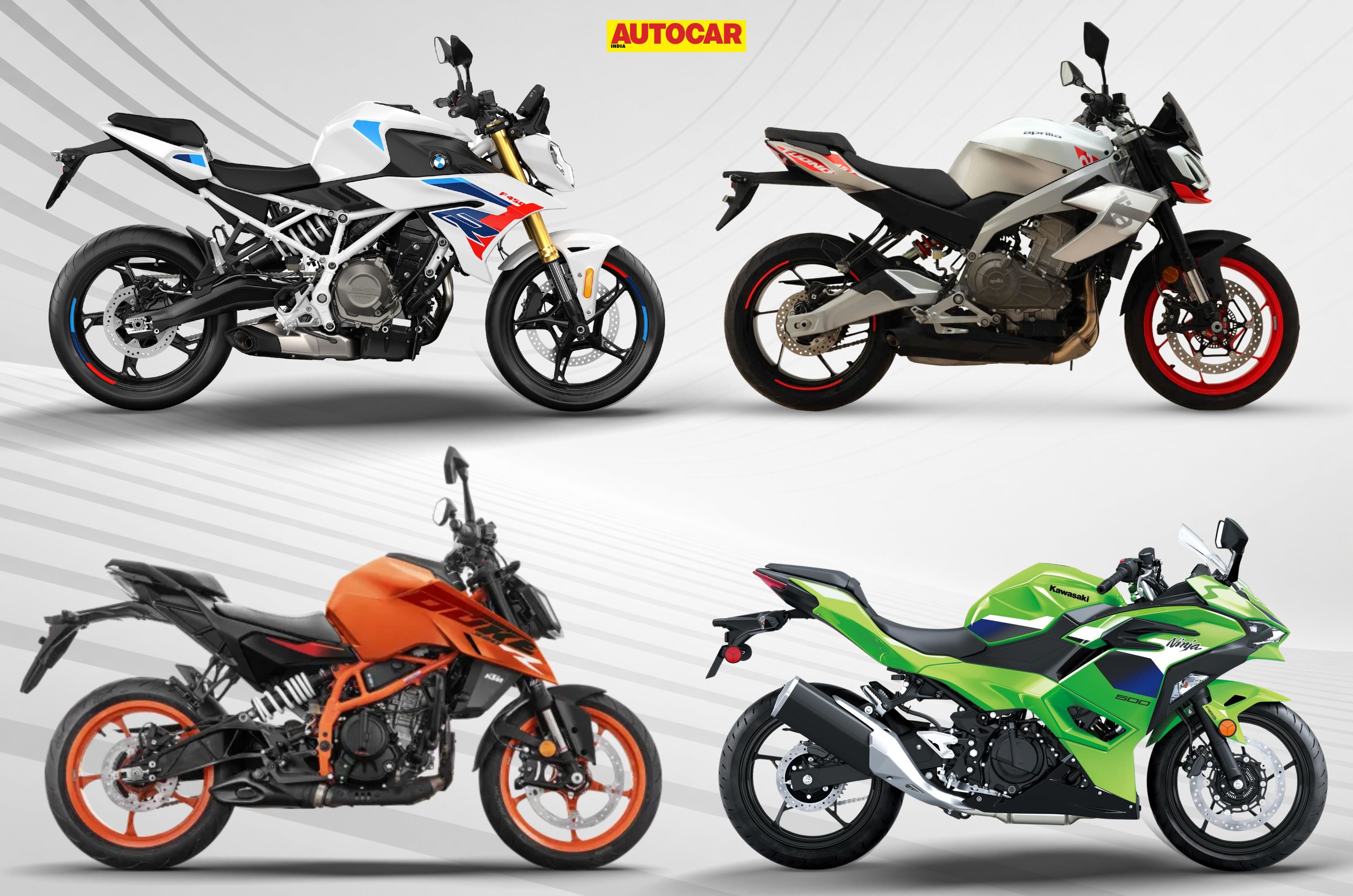
BMW F 450 R, Aprilia Tuono 457 Special Edition, Kawasaki Ninja 500 and KTM 390 Duke R in clockwise direction.

It’s October and BMW has already expanded its 450 line-up with a new F 450 R sport-naked, expected to take the erstwhile G310R’s place. The motorcycle shares its platform with the F 450 GS, launched in India in April this year. First up, we have the third-generation KTM 390 Duke R which continues to hold onto its position as the dominant name in the performance 400cc segment; Bajaj had spawned a downsized 349cc KTM 390 Duke to make sure it remains dominant in sales charts as well. Then we have the Kawasaki Ninja 500, technically a sportbike but its relaxed ergonomics and performance figures make it comparable to the F 450 R. Lastly, we have the recently updated Aprilia Tuono 457 Special Edition that brought better ergonomics and comfort. If you’re considering any one of these, here’s how they stack up to each other.

Disclaimer: At the time of writing, BMW hasn’t launched the F 450 R in India, nor have the prices been revealed. We’ll update that section once it’s available.

BMW F 450 R vs Rivals: Engine and output

BMW has the upperhand in peak power and torque


BMW F 450 R

Aprilia Tuono 457 Special Edition

Kawasaki Ninja 500

KTM 390 Duke R

Engine

420cc, twin-cylinder, liquid-cooled

457cc, twin-cylinder, liquid-cooled

451cc, twin-cylinder, liquid-cooled

398.63cc, single-cylinder, liquid-cooled

Power

48hp at 8,750rpm

47.6hp at 9,400rpm

45hp at 9,000rpm

46hp at 8,500rpn

Torque

43Nm at 6,750rpm

43.5Nm at 6,700rpm

42.6Nm at 6,000rpm

39Nm at 6,500rpm

Transmission

6-speed

6-speed

6-speed

6-speed

Power-to-weight ratio

272.73hp/tonne

272hp/tonne

255.7hp/tonne

273.3hp/tonne

Starting with the engines, the BMW has the second smallest engine of the lot, despite which it pulls ahead with the most power and the second highest peak torque of the lot – the Aprilia makes the most, with a marginal advantage of 0.5Nm. The KTM holds its own as the only single-cylinder bike here, while also displacing notably less.

Another notable similarity between two of the twins and the KTM is that they share near identical power-to-weight ratios, despite the KTM’s engine displacing the least of the lot. We’re familiar with the Aprilia and the KTM’s real world riding experience – superbly engaging to ride – and we look forward to finding out how the BMW fares against them.

BMW F 450 R vs Rivals: Dimensions and weight

Duke offers the best balance


BMW F 450 R

Aprilia Tuono 457 Special Edition

Kawasaki Ninja 500

KTM 390 Duke R

Fuel tank capacity

14 litres

13 litres

14 litres

15 litres

Ground clearance

NA

NA

145mm

183mm

Kerb weight

176kg

175kg

176kg

168.3kg

Seat height

790mm

810mm

785mm

800mm

Wheelbase

1405mm

NA

1375mm

NA

With the details we’re able to see on their respective websites, it’s the KTM that offers the best balance of all factors. It has the largest fuel tank as well as the highest ground clearance and lowest kerb weight. Its seat height isn’t the lowest, but neither is it too tall that it becomes an area of concern for most. KTM does not report wheelbase numbers on the Indian website, but from experience we know it to be just enough to be agile as well as stable. If you’re looking for the most accessible motorcycle of the bunch, that is the Ninja 500, but it comes with the lowest ground clearance number too.

BMW F 450 R vs Rivals: Tyres, brakes and suspension

Duke offers the best equipment on paper


BMW F 450 R

Aprilia Tuono 457 Special Edition

Kawasaki Ninja 500

KTM 390 Duke R

Tyres (F, R)

110/70-17, 150/60-17

110/70R17, 150/60R17

110/70R17, 150/60R17

110/70R17, 150/60R17

Brakes (F, R)

310mm disc, 240mm disc; dual-channel ABS

320mm disc, 220mm disc; dual-channel ABS

310mm disc, disc; dual-channel ABS

320mm disc, 240mm disc; dual-channel ABS

Suspension (F, R)

43mm USD, monoshock

41mm USD, monoshock

41mm RSU, monoshock

43mm USD, monoshock

All four motorcycles share the same size tyres at the front and rear, and radial tyres as standard. Kawasaki doesn’t share the rear disc size for India, but with the reported numbers, it’s the KTM that has the largest brakes at both ends. The 390 Duke R is known for having strong brakes, aided by its radial, four-piston caliper system; a system that’s also shared by the Tuono 457 Special Edition and the brand-new BMW. However, the F 450 R touts a Brembo front caliper with a 10mm smaller rotor, so the real world braking performance remains to be determined. The Kawasaki is the only motorcycle with a right side up (RSU) telescopic fork. The Japanese manufacturer does not specify the rear disc diameter on the Indian website, nor has it mentioned if it has dual-channel ABS, like the international-spec bike.

Where the KTM and the BMW have an advantage is adjustability. KTM offers compression and rebound damping adjustability as standard; as does the BMW on all but the base variant of the F 450 R. At the rear, both offer adjustable preload and rebound damping as standard. The Aprilia offers standard preload adjustability at the front and rear, which leaves the Kawasaki with the least amount of adjustability for its suspension setup. Its rear preload is the only thing the user can adjust.

BMW F 450 R vs Rivals: Features

BMW’s variants make feature-spread tricky!

Only the BMW has variants in this list and that makes the features on offer a bit tricky. As standard, the F 450 R offers all-LED lighting, traction control, dual-channel ABS that’s lean-sensitive, ride-by-wire, three ride modes (Rain, Ride, and Dynamic), a slip-and-assist clutch, preload and rebound adjustable rear suspension and heated grips. From the second Exclusive variant, you get a bi-directional quickshifter and rebound and compression adjustable front suspension as standard. With the ‘M Sport’ variant you get an additional Dynamic Pro ride mode that’s fully customisable for engine braking, traction, and engine drag torque. The top variant, ‘M Sport with Innovation package’ adds ERC (Easy Ride Clutch) that allows for the vehicle to be operated without engaging the clutch.

The other three motorcycles only have one variant each and the Aprilia and KTM match almost all the features of the BMW. Neither has an equivalent for the ERC, but other features like ride modes, ABS, traction control, and the bi-directional quickshifter are matched by both; though the Tuono reserves the quickshifter as an additional accessory. 390 Duke R offers it as standard, matches the F 450 R’s cornering ABS, and goes two steps further and offers cruise control and launch control as standard too. The Ninja 500 offers the smallest set of features here, with ABS, an LCD screen (versus TFT on the other three, BMW has the largest), and a slip-and-assist clutch. The Kawasaki does not have ride modes or advanced ABS; nor does it get a quickshifter or any control systems.

BMW F 450 R vs Rivals: Price

BMW does not have a price yet


BMW F 450 R

Aprilia Tuono 457 Special Edition

Kawasaki Ninja 500

KTM 390 Duke R

Price (ex-showroom)

TBD

Rs 4 lakh

Rs 5.76 lakh

Rs 3.45 lakh

BMW hasn’t revealed the prices for the F 450 R for any market. For context, the F 450 GS, BMW’s adventure tourer based on the same platform, now starts at Rs 4.95 lakh and goes up to Rs 5.60 lakh. Thus, it’s reasonable to expect the F 450 R to slot in at a lower rung, price-wise.

As things stand, the Kawasaki Ninja 500 is the most expensive motorcycle on this list, followed by the Aprilia Tuono 457 at a farther distance. The KTM 390 Duke R is currently the most affordable one of the lot, and despite being the only single-cylinder motorcycle here, has plenty to offer and arguably offers the best value for your money.

Volkswagen Group considers selling Ducati

Volkswagen Group considers selling Ducati
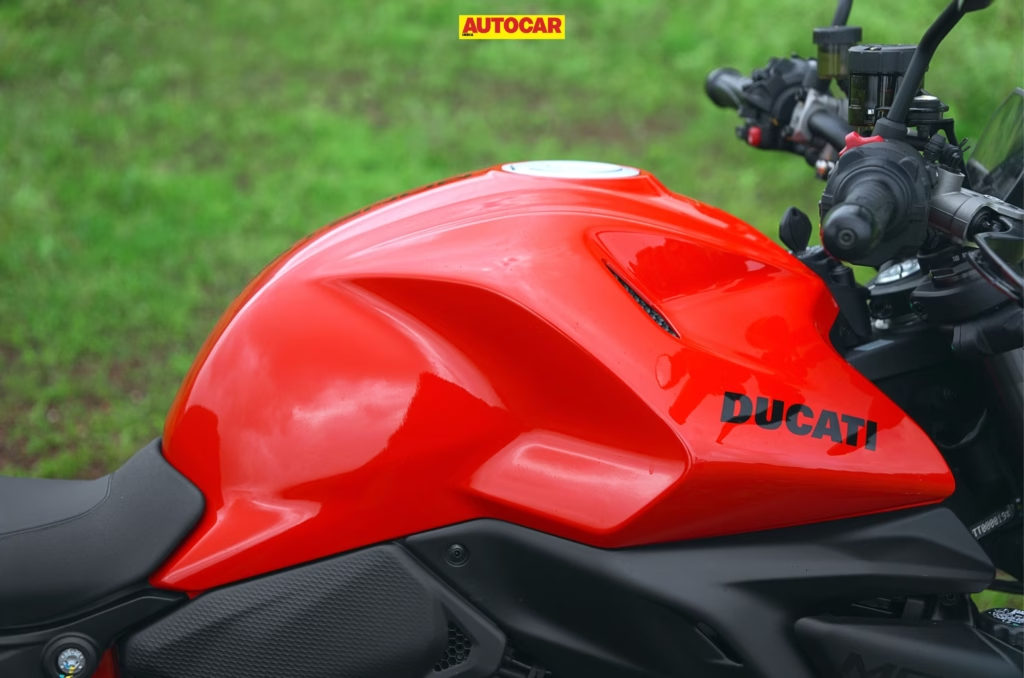
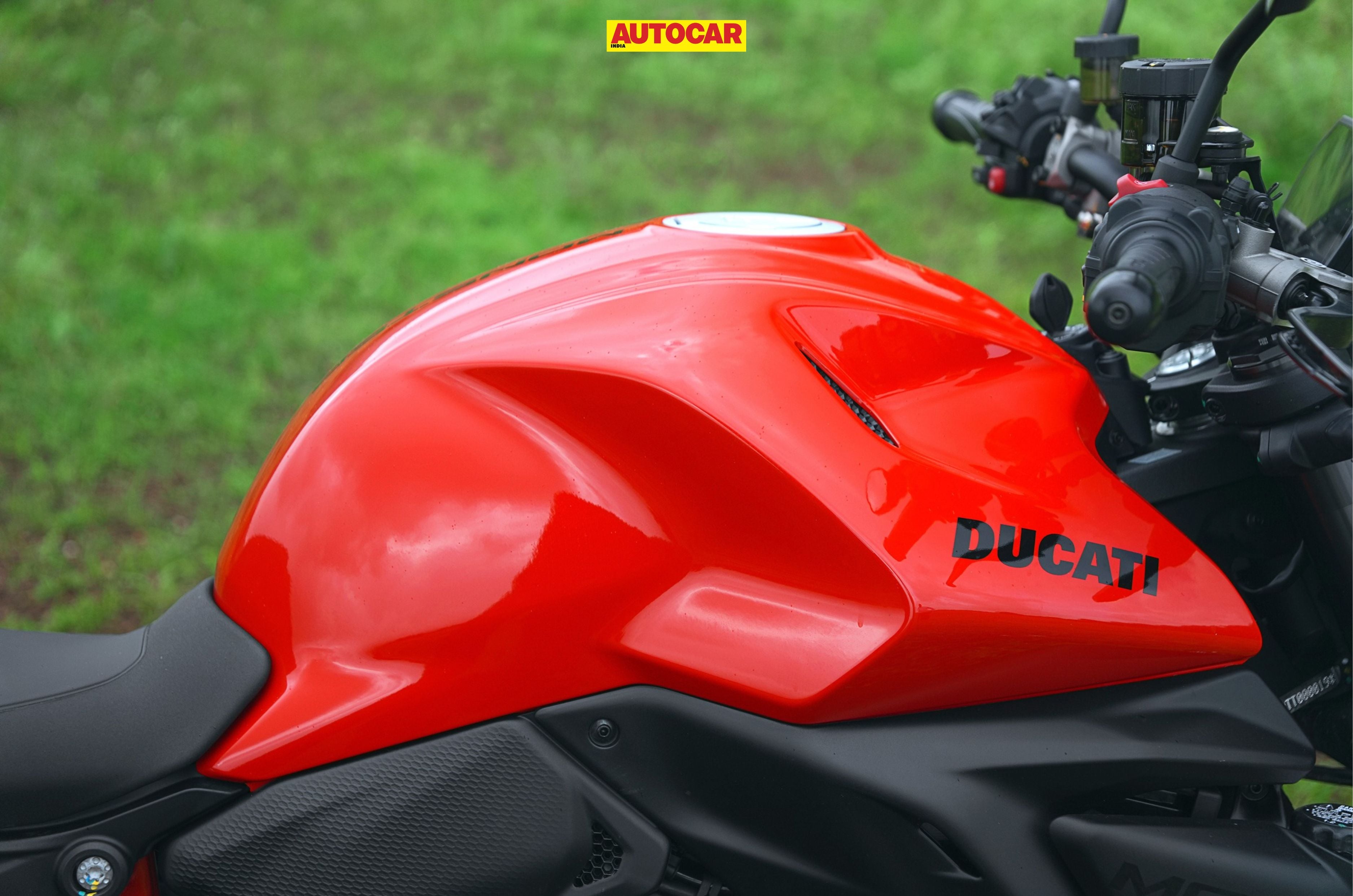
Ducati Monster MY26's right side tank.

It’s no secret that Volkswagen Group, the German behemoth that owns brands such as Audi, Bugatti and Lamborghini, is in financial trouble. Facing fierce competition from Chinese firms, the group already announced plans to lay off 50,000 employees in Germany alone by 2030, and the fate of several factories across the world has also become uncertain. We also received reports of the Volkswagen Group considering a simplified variant line-up for cars across its brands. It now appears the two-wheeler business will be impacted too.

  1. Ducati is one of the Volkswagen Group brands being evaluated for a possible sale
  2. In 2025, it reported EUR 925 million revenue and EUR 52 million operating profit
  3. Patritalia, another Italian company, had already made an offer for Ducati and MV Agusta

Ducati sale is under evaluation, but no decisions have been made yet

This isn’t the first time Ducati is being evaluated for sale

Claudio Domenicali, CEO of the Borgo Panigale manufacturer, confirmed that the parent group is evaluating the brand’s future. “We are aware of the shareholders’ plan to reevaluate its holdings. Ducati is one of these holdings, but no final decision has been made on Ducati yet: it’s one of the ongoing evaluations,” Domenicali told GPOne in a press interaction at the brand’s “Ducati 100 – A century on display” exhibition in Bologna, Italy. To be clear, this doesn’t mean Volkswagen Group is bent on selling Ducati; it merely confirms that it is evaluating that possibility. The brand is among 600 of the group’s 2,000 businesses being reviewed. Now, Audi CEO Gernot Dollner has confirmed Domenicali’s claim, saying, “It’s part of the evaluation process that we’ll also talk about Ducati, but nothing has been decided.”

Bloomberg reported in early June that Volkswagen Group’s supervisory board approved slimming down its portfolio by a third, with the layoffs being a part of it, and approved the sale of a 51 percent of its stake in Everllence ship-engine unit, which is expected to bring EUR 7.4 billion. In contrast, a Ducati sale is expected to bring around EUR 1.25 billion.

This isn’t the first time Ducati is being evaluated for sale. The group acquired Ducati in 2012 and then considered selling it in 2017 before quickly changing its mind. The Italian superbike manufacturer has steadily become synonymous with innovation in motorsport and has been highly successful in the World Superbike Championship (WSBK), MXGP and, of course, MotoGP. Ducati reported revenue of EUR 925 million and operating profit of EUR 52 million in 2025.

Ducati already has a potential buyer in Patritalia

An Italian investor who wants to have all-Italian technicians, MV Agusta and all MotoGP classes

If Volkswagen Group decides to hand off Ducati, there is already someone waiting in the lobby. In August, Italy-based Patritalia expressed more than an interest in acquiring Ducati, after doing the same for MV Agusta, which is also in hot water. However, some of Patritalia’s plans for the brands have already riled up quite the chatter, according to Visordown. The group has expressed interest in taking over as the sole engine supplier for Moto2, which is currently powered by Triumph, while also advocating for a more open market across all three MotoGP classes. Secondly, it has outlined a preference for Ducati to have a predominantly Italian workforce. Volkswagen Group had previously made it clear that Ducati isn’t up for sale, but considering things have changed since then, we will have to await further developments.

Triumph has been the sole engine supplier for Moto2 since 2019, when it took over from Honda. It also recently announced that it is bringing a new engine with increased peak power delivery to the class from next year. Moto3 is slated to get Yamaha as the sole engine supplier from 2028, with the R7 engine heavily modified and adapted for the class, replacing KTM and Honda. Changing either Triumph or Yamaha would require their consent, as well as consent from Liberty Media, the current owner of the MotoGP brand. Considering that both companies have announced plans for the future and that Volkswagen hasn’t been receptive to Patritalia’s bids so far, its aspirations have a slim chance of becoming a reality at the moment.

Sources: GPOne, Bloomberg and Visordown

BMW F 450 R image gallery

BMW F 450 R image gallery

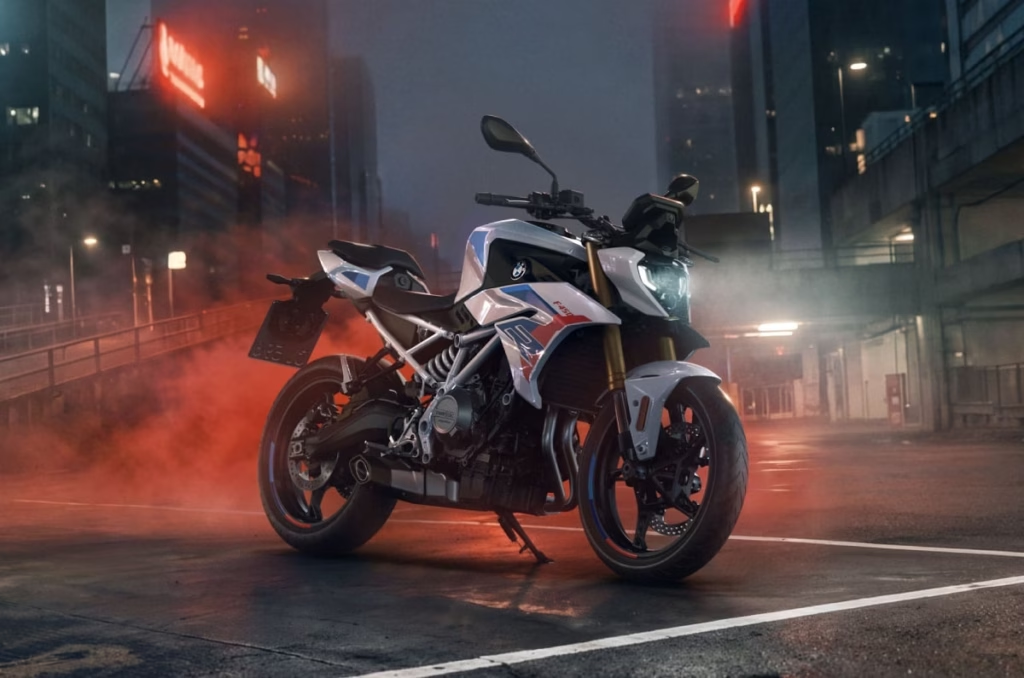
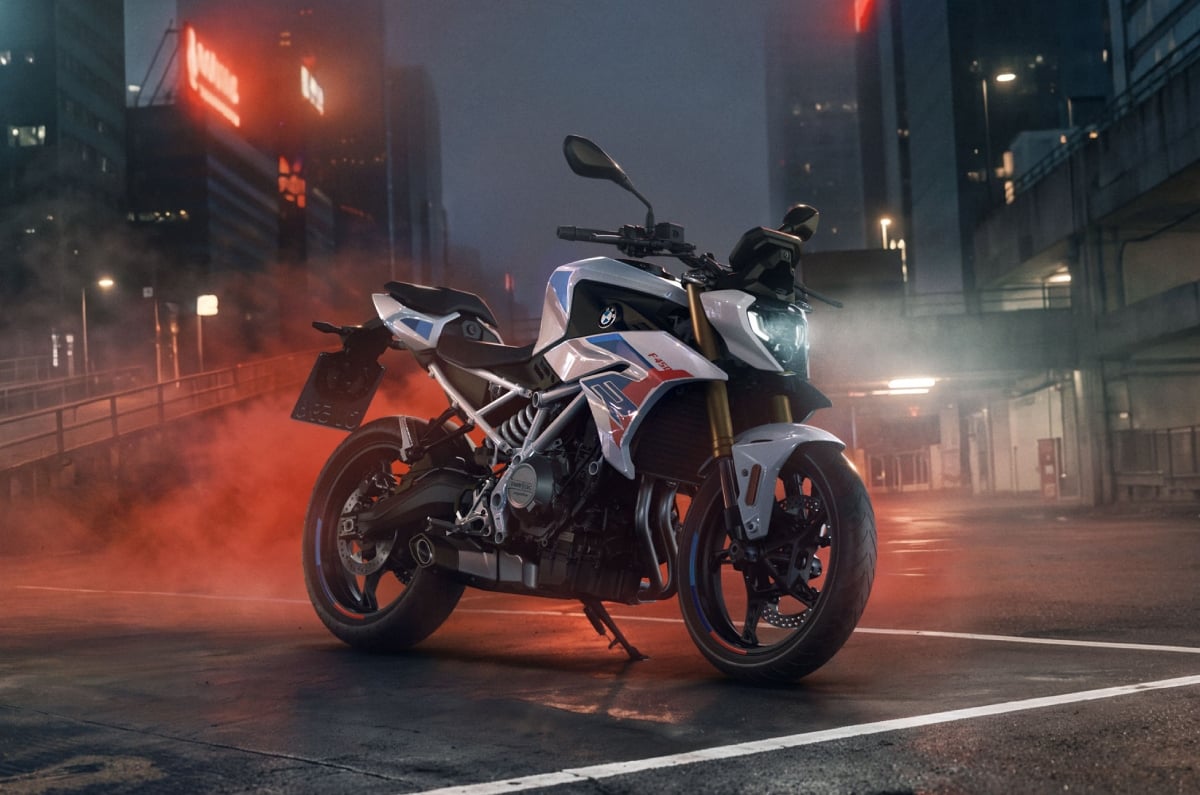
The BMW F 450 R is built on the same platform as the F 450 GS, replacing the discontinued G 310 R as the entry point into BMW Motorrad’s roadster lineup. Its design draws from the S 1000 R, with sharp bodywork and a bracket-shaped LED daytime running light. The 420cc parallel-twin is shared with the F 450 GS and produces 48hp at 8,750rpm and 43Nm at 6,750rpm.

All variants get a 6.5-inch TFT display with Bluetooth connectivity, heated grips, full LED lighting and a USB-C port. Braking is handled by a 310mm front disc with a Brembo four-piston monobloc caliper. Four variants are on offer – Base, Exclusive, M Sport and M Sport with Innovation Package. The range-topping model adds the Easy Ride Clutch, which enables clutchless pull-aways and gear changes when combined with the standard bidirectional quickshifter.