EXCLUSIVE: Norton India launch timelines, Atlas to be first to go on sale

EXCLUSIVE: Norton India launch timelines, Atlas to be first to go on sale
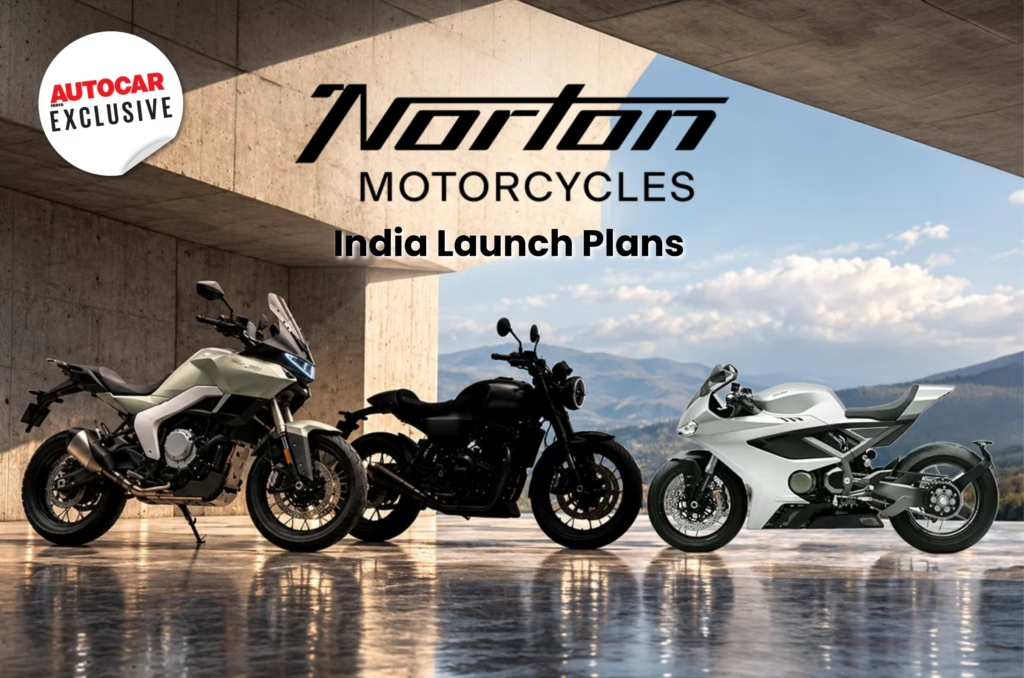
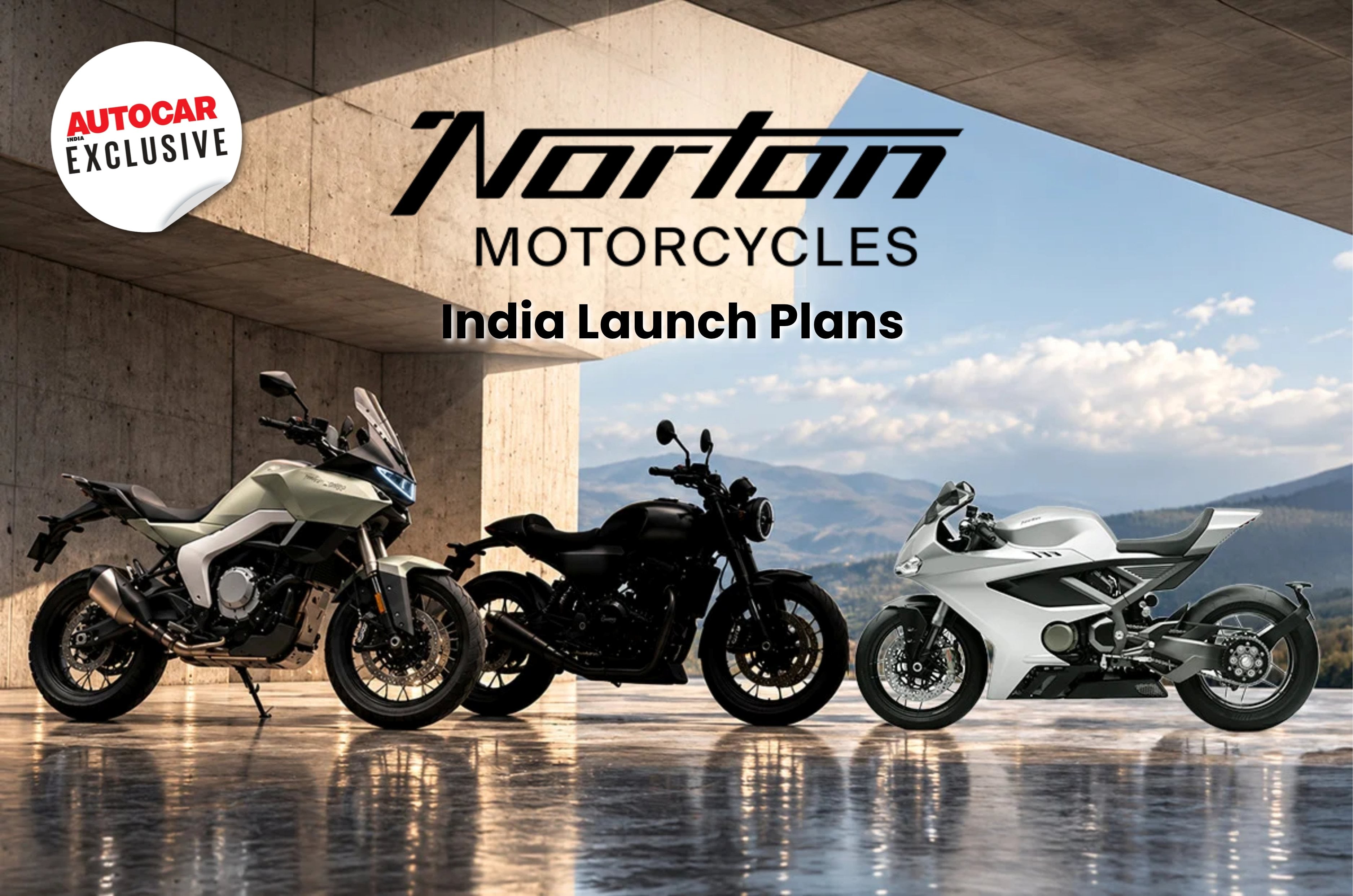
Left to right, Norton Atlas, Norton's upcoming single-cylinder motorcycle render and Norton Manx R.

We first rode the Norton Manx R superbike overseas in May and this was followed by the Atlas adventure bike in July. At the time in June, TVS had said that the Atlas would be introduced in India later in the year. It had also scheduled the launch of TVS Paddock, its premium retail channel, for the second quarter of FY27. Paddock will serve as the retail outlet for both Norton products as well as select TVS premium vehicles across the country.

  1. Norton motorcycles will be retailed out of a few exclusive Norton outlets as well as a new TVS Paddock dealer network
  2. Three paddock outlets will be set up by December 2026
  3. Norton line-up will be initiated with the Atlas, followed by Manx R and the new single-cylinder motorcycle

Norton’s reach in Europe, US and India

Indian dealer network still being established

We recently reported on the company’s new 450cc class liquid cooled single cylinder roadster making its debut at ECMA 2026. In its official response to our queries sent, a company spokesperson said, “Norton is set to launch in India soon following the brand’s presence at EICMA this year, when the next key stage of the resurgence will be revealed”.

However, the company did not provide an updated Paddock rollout schedule. Current preparations are understood to point to around three Paddock outlets by December, although a larger network is being sought. The number of outlets that will be operational when motorcycle sales begin has yet to be finalised.
Under the tentative India rollout plan, the Atlas could launch in January 2027, with the Manx following by March if that schedule holds. The sequence could see Norton introduce three to four products during 2027, although the final model mix and launch dates have not been announced. As for the new single cylinder roadster, that bike is likely to be launched in India alongside overseas markets in the second half of next year. 

While Norton’s India innings is yet to begin, the company spokesperson says that the Manx R and Atlas launched earlier this year are being delivered to customers across Europe. The naked Manx and road-biased Atlas GT have not yet been formally launched. The company said it now has more than 50 retailers across 10 markets, including the UK, Italy, France, Germany and Spain. Preparations for a United States launch are continuing, subject to the final stages of vehicle certification.

“As Norton continues to build the brand globally, it is important to ensure that Norton’s entry into India is equally meaningful and thoughtfully executed,” the spokesperson said. “The positive response to Norton’s products in Europe gives us confidence, and more on Norton’s India plans will be shared in due course.”

With inputs from Anurag Chaturvedi.

Jeep may revive Willys nameplate for upcoming electric SUV

Jeep may revive Willys nameplate for upcoming electric SUV

Jeep is mulling a revival of its iconic Willys military off-roader for an affordable electric SUV after 2030. The proposed model is part of Jeep’s plans to develop compact EVs and strengthen its position against growing competition from Chinese carmakers, particularly in Europe.

Speaking to Autocar UK, Xavier Peugeot, the head of Jeep Europe, said that the Willys is the brand’s “key attention” for the future, and that its electric revival is one of several “new ideas” that could be realised in the coming years. He described Jeep’s heritage as a key advantage in countering new rivals, especially from China, stating: “One of our main assets to counter this offensive is our DNA.”

Jeep Willys revival: All we know so far

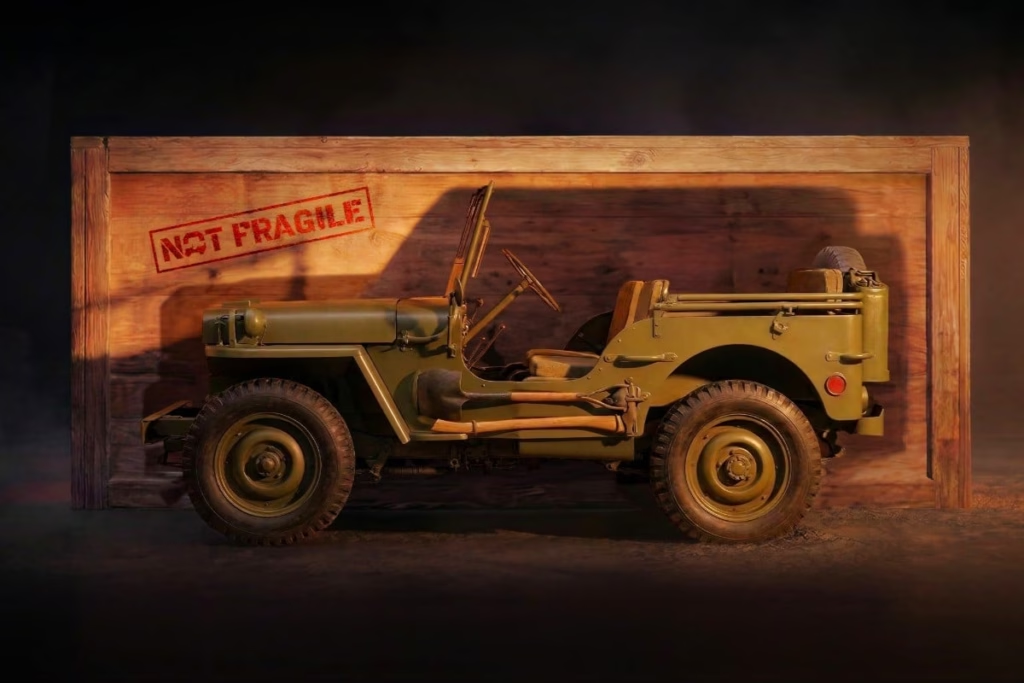
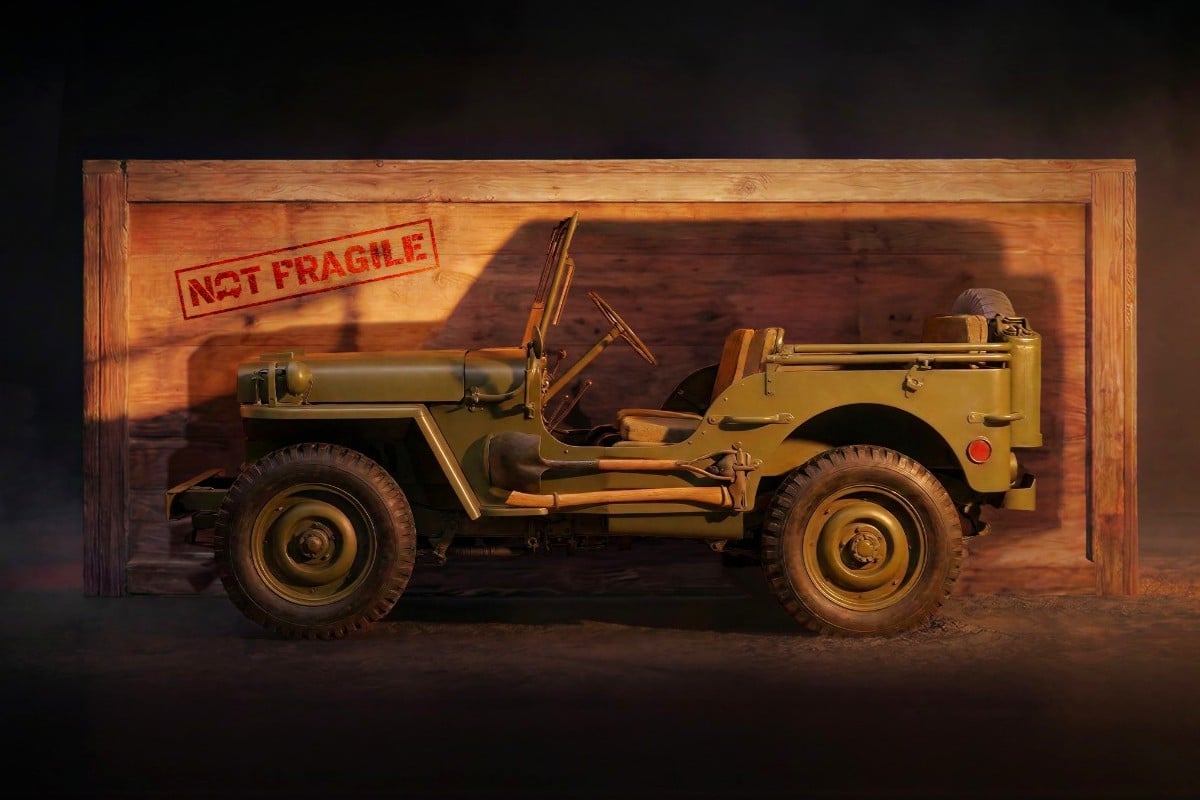
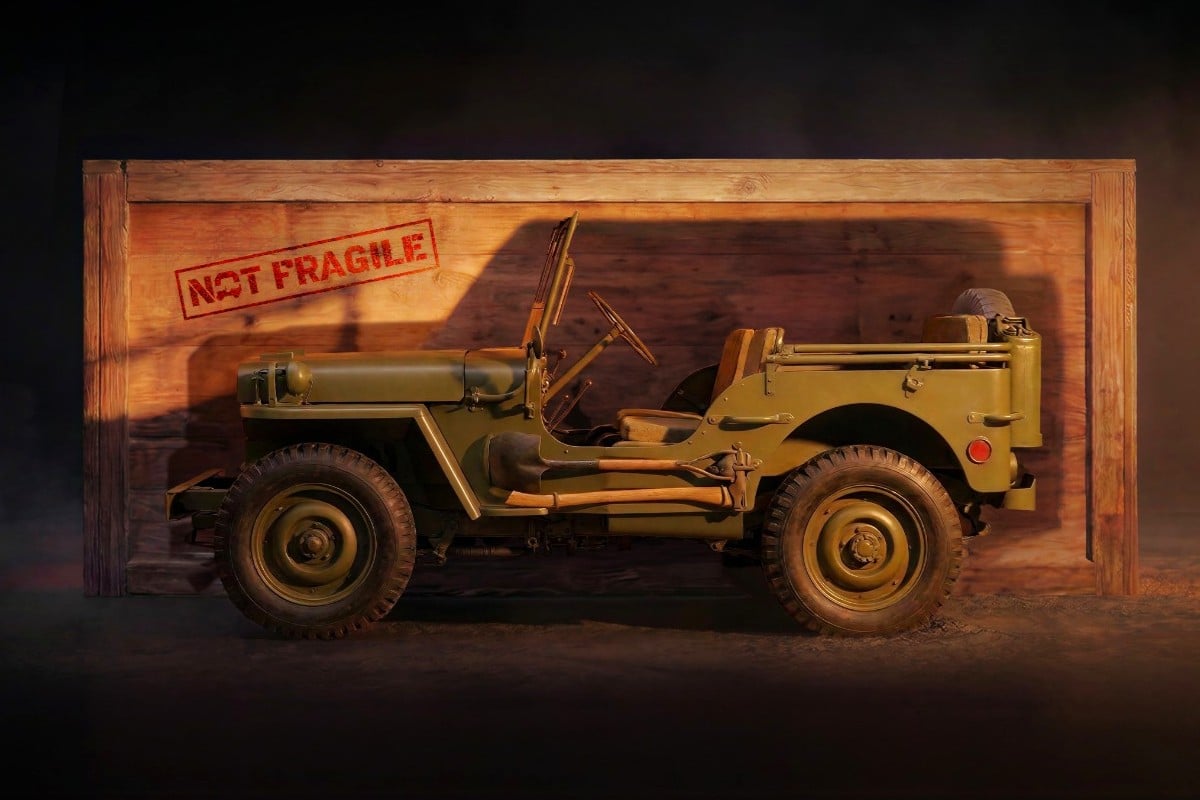
A recent teaser image released by Stellantis shows the original Willys MB military Jeep parked in front of the silhouette of a larger, closed-roof SUV with a bootlid-mounted spare wheel. The boxy design of this SUV looks to draw heavily from the original Willy’s utilitarian trappings, and the “Not Fragile” lettering on the crate implies ruggedness, and perhaps a focus on off-road prowess.

Specifics about the proposed Willys revival are yet to be finalised, but Peugeot noted “BEV affordability” as an important attribute, suggesting the EV could be aimed at the more attainable end of the price spectrum. To that end, the electric Willys may use a new low-cost EV architecture being developed by Stellantis for models that comply with the European Union’s proposed ‘E-car’ regulations – the production version of the recently-revealed Citroen 2CV concept is also expected to use this platform.

Peugeot additionally said that “each model in [Jeep’s] future range will be 4×4-compatible,” which could help set the electric Willys revival apart from the rest of Stellantis’s upcoming EVs. The project is expected to move forward after Jeep completes its current ‘Road to 2030’ strategy.

That said, Peugeot did remark that Jeep is “not confirming any concrete launch for this year or that year,” and that “ideas around Willys [will be] confirmed” by the end of this decade.

तेज विकास के बावजूद रुपये की कमजोरी दे रही दर्द, 5 ट्रिलियन डॉलर की इकोनॉमी बनने का लक्ष्य छिटका दूर

IMF के आंकड़ों के मुताबिक तेज विकास दर के बावजूद रुपये की कमजोरी के कारण भारत के 5 लाख करोड़ डॉलर की अर्थव्यवस्था बनने का लक्ष्य 2029 तक टल सकता है। इसके पहले अनुमान थी कि 2027 में भारत जापान और UK को पीछे छोड़कर दुनिया की चौथी सबसे बड़ी अर्थव्यवस्था बन जाएगा। लेकिन IMF के पूर्वानुमानों के ‘मनीकंट्रोल’ द्वारा किए गए विश्लेषण से पता चलता है कि रुपये की गिरावट ने 5 लाख करोड़ डॉलर के टारगेट को एक साल और आगे के लिए टाल दिया है।

भारत 2027 में जापान और यूके को पीछे छोड़कर दुनिया की चौथी सबसे बड़ी अर्थव्यवस्था बन सकता है, लेकिन 5 ट्रिलियन डॉलर की अर्थव्यवस्था बनने का देश का यह लक्ष्य एक साल के लिए पिछड़ सकता है। इस टारगेट को रुपये की गिरती कीमत की वजह से झटका लग सकता है। जानकारों का कहना है कि रुपए के वैल्यू में कमी आने से डॉलर के हिसाब से देश के आर्थिक उत्पादन की वैल्यू में कमी आ रही है।

मनीकंट्रोल द्वारा इंटरनेशनल मॉनेटरी फंड (IMF) के नवीनतम ‘वर्ल्ड इकोनॉमिक आउटलुक’ (WEO) डेटाबेस के विश्लेषण से पता चलता है कि भारत की अर्थव्यवस्था के 2029 में 5 लाख करोड़ डॉलर के स्तर को पार करने का अनुमान है, जबकि अप्रैल में इसके 2028 तक इस स्तर को पार करने का अनुमान लगाया गया था।

IMF ने रुपये के संदर्भ में भारत के आर्थिक आउटपुट के अनुमान को तो बढ़ाया है, लेकिन 2028 के लिए भारत की नॉमिनल GDP के अपने अनुमान को 5.1 लाख करोड़ डॉलर से घटाकर 4.996 लाख करोड़ डॉलर कर दिया है।

5 लाख करोड़ डॉलर का टारगेट खिसका दूर

यह अंतर भारत की डॉलर-मूल्य वाली जीडीपी पर मुद्रा के अवमूल्यन (मूल्य में गिरावट) के बढ़ते प्रभाव को दिखाता है, जो ग्लोबल इकोनॉमिक रैंकिंग में देश की स्थिति तय करता है।

आईएमएफ (IMF) के अक्टूबर के अनुमानों के अनुसार, 2026 में भारत की अर्थव्यवस्था 4.06 लाख करोड़ डॉलर की होगी, जो 2027 में बढ़कर 4.52 लाख करोड़ डॉलर और 2029 में 5.54 लाख करोड़ डॉलर तक पहुंच जाएगी।

रुपये की गिरावट ने मजबूत घरेलू विकास के असर को किया बेअसर

ताजा अनुमान बताते हैं कि 5 लाख डॉलर के लक्ष्य तक पहुंचने में हो रही देरी की मुख्य वजह भारत की नॉमिनल आर्थिक ग्रोथ में आई गिरावट नहीं, बल्कि विनिमय दर (एक्सचेंज रेट) से जुड़े अनुमान में हुआ बदलाव है।

IMF का अब अनुमान है कि 2028 में रुपया प्रति डॉलर औसतन 95.5 के स्तर पर रहेगा, जबकि अप्रैल के अनुमानों में यह आंकड़ा 93.3 था। 2027 के लिए, एक्सचेंज रेट का अनुमान 93 से बदलकर 95 हो गया है।

साल की शुरुआत से अब तक भारतीय रुपया 5 प्रतिशत से ज्यादा कमजोर हो चुका है। शुक्रवार को रुपया 96.73 के स्तर पर बंद हुआ, जिसके बाद RBI ने इसमें और गिरावट को रोकने के लिए कदम उठाए।

इस बीच, घरेलू मुद्रा में भारत की नॉमिनल GDP के 2028 में 477.1 लाख करोड़ रुपये तक पहुंचने का अनुमान है। अप्रैल में यह अनुमान 471.9 लाख करोड़ रुपये था, यानी इस अनुमान में 1.1 प्रतिशत की बढ़ोतरी की गई है। लेकिन, जब इसे डॉलर में बदला जाता है तो आर्थिक आउटपुट का यह अनुमान लगभग 63 अरब डॉलर कम हो जाता है।

मनीकंट्रोल की गणना से पता चलता है कि अप्रैल के 93.3 रुपए प्रति डॉलर के एक्सचेंज रेट अनुमान के आधार पर, 2028 के लिए भारत की रुपये में मापी गई GDP का IMF का ताजा अनुमान लगभग 5.11 लाख करोड़ डॉलर बैठता है, जो 5 लाख करोड़ डॉलर के आंकड़े से काफी ऊपर है। हालांकि, एक्सचेंज रेट के संशोधित अनुमान के आधार पर यह आंकड़ा घटकर लगभग 4.996 लाख करोड़ डॉलर रह जाता है।

इससे पता चलता है कि रुपये की कमजोरी, घरेलू नॉमिनल आउटपुट में हुई बढ़ोतरी के असर को पूरी तरह खत्म कर देती है। इससे यह भी साफ होता है कि भारत कब इस डॉलर-बेस्ड अहम इकोनॉमिक माइल स्टोन को हासिल करेगा, यह तय करने में विनिमय दर (एक्सचेंज रेट) में होने वाले बदलाव कितने अहम होते हैं।

2027 में भारत, जापान और UK को छोड़ सकता है पीछे

इस देरी के बावजूद, 2027 में भारत के ग्लोबल आर्थिक रैंकिंग में चौथे स्थान पर पहुंचने का अनुमान है। इस सूची में भारत अमेरिका, चीन और जर्मनी के बाद आएगा।

IMF के अक्टूबर के अनुमानों के अनुसार, 2027 में भारत की GDP 4.52 लाख करोड़ डॉलर तक पहुंच जाएगी। यह यूनाइटेड किंगडम की 4.49 लाख करोड़ डॉलर और जापान की अनुमानित 4.47 लाख करोड़ डॉलर की GDP से थोड़ी अधिक होगी। हालांकि, इन तीनों अर्थव्यवस्थाओं के बीच का अंतर काफी कम है, जिसका मतलब है कि विनिमय दरों (exchange rates) में उतार-चढ़ाव अंतिम नतीजों को बदल सकते हैं।

IMF के ताजा अनुमानों के अनुसार, भारत की अर्थव्यवस्था के और विस्तार करने की उम्मीद है। 2030 में यह 6.13 लाख करोड़ डॉलर और 2031 में 6.74 लाख करोड़ डॉलर तक पहुंच सकती है। इस स्तर पर भारत जर्मनी को पीछे छोड़कर दुनिया की तीसरी सबसे बड़ी अर्थव्यवस्था बन जाएगा।


PM VBRY: पहली नौकरी पर ₹15,000 का तोहफा! जानिए EPFO की इस खास स्कीम के बारे में

Exclusive: New 450cc class single-cylinder Norton to debut at EICMA 2026

Exclusive: New 450cc class single-cylinder Norton to debut at EICMA 2026
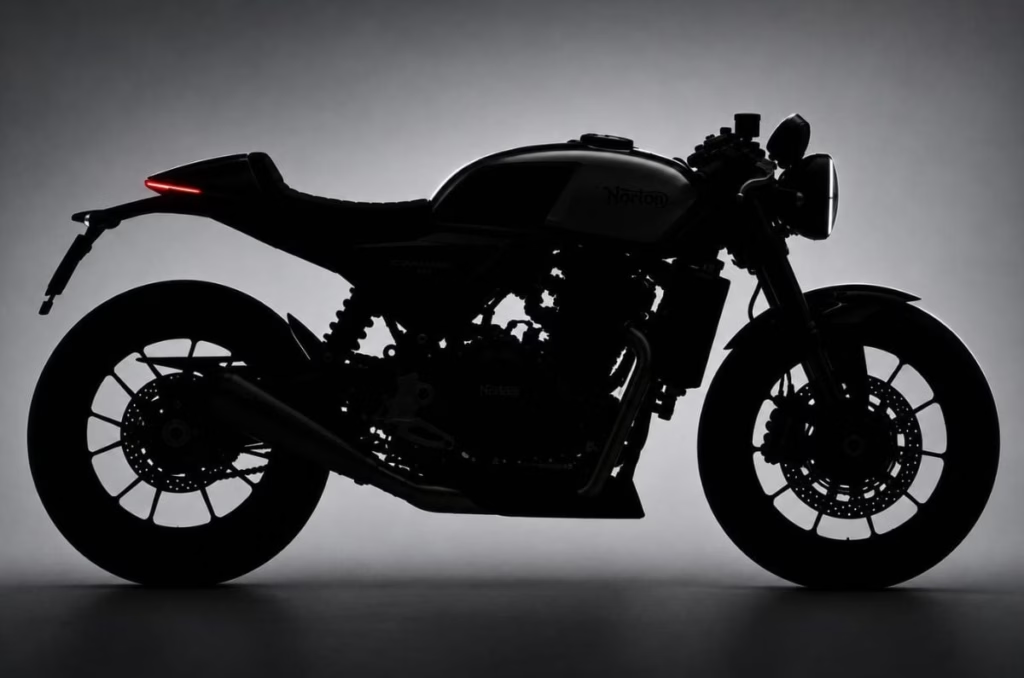
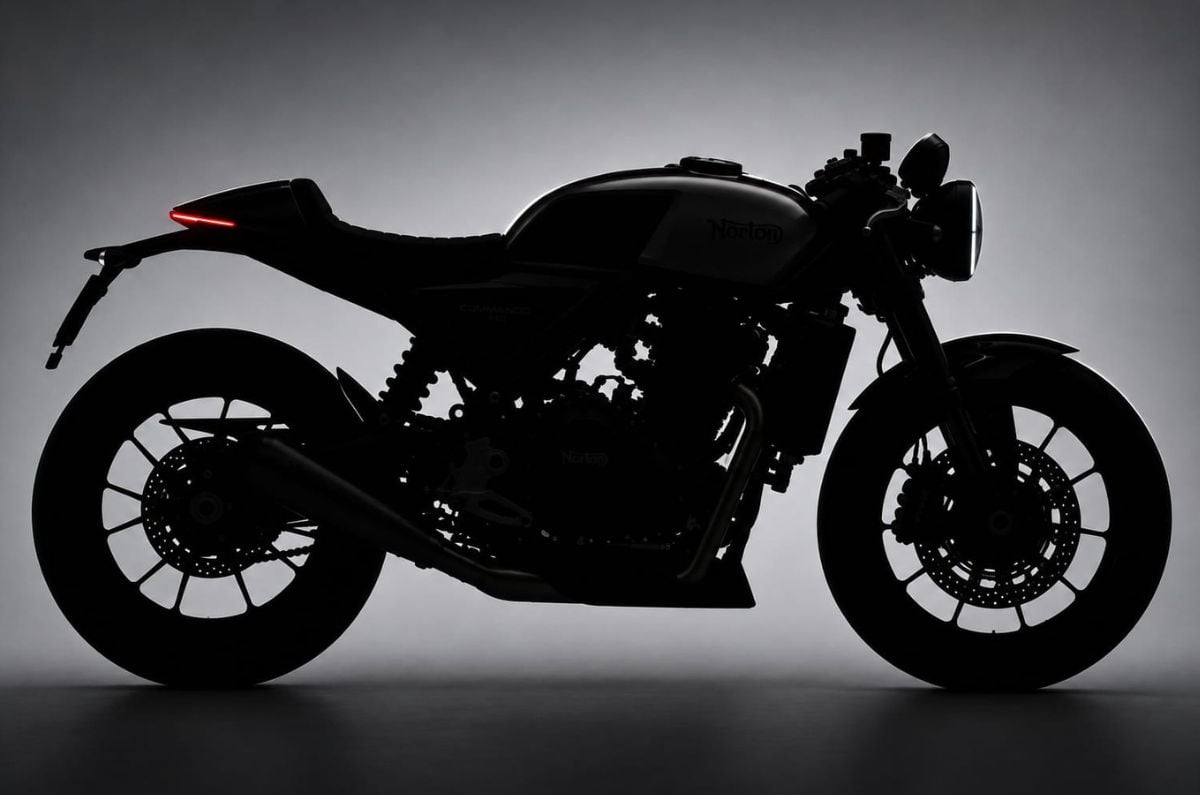
A silhouette of the soon-to-debut single-cylinder Norton

Norton Motorcycles will premiere its much-awaited 450cc-class single-cylinder roadster at EICMA 2026 in Milan, expanding its range with a motorcycle aimed at higher volumes in India and overseas. Autocar Professional expects the motorcycle to produce around 40-45hp and 40-45Nm. The engine is likely to be liquid-cooled and is expected to come with a 6-speed gearbox. The roadster will be the first model on a new platform understood to be called the H-series, with other body styles to follow. It will sit below the TVS Motor-owned British marque’s twin-cylinder Atlas range and V4-powered Manx family.

  1. Norton Atlas is expected to first launch in India, in Q1 2027
  2. New Norton single-cylinder motorcycle will launch overseas and in India simultaneously
  3. Will also be manufactured at TVS’ Hosur plant

New Norton single-cylinder platform at EICMA 2026

Expected to launch in India and overseas in 2027

Autocar Professional understands that TVS plans to begin Norton’s India rollout in the January-March 2027 quarter, if not sooner, starting with the Atlas, followed by the Manx. The H-series roadster is expected to launch simultaneously in India and global markets in the second half of 2027. Responding to queries from Autocar Professional, a Norton spokesperson said the brand’s India introduction would follow its appearance at this year’s Milan show. “Norton is set to launch in India soon following the brand’s presence at EICMA this year, when the next key stage of the resurgence will be revealed,” the spokesperson said. The company has not officially confirmed the roadster’s platform name, engine capacity, output, pricing or sales timeline.

Norton has recently trademarked three names in India – Roven, Inter and Avalon and the first single cylinder bike may bear one of them. In 2025, the company also trademarked the Norton Electra name here, and this followed on the trademarking of the Norton Combat name in 2023.

Reimagined Norton under TVS

Design and ease of use is at the new Norton’s core

Differentiated design is central to TVS’s effort to give Norton a contemporary identity while retaining its British heritage. Simon Skinner, Head of Design, Norton Motorcycles, is leading the development of a design language connecting the brand’s products across capacities and categories. The roadster will extend that approach to a motorcycle intended to sell in larger numbers.

As we have seen with the thoroughly modern designs on the Atlas and V4, it is safe to anticipate modern, pared-back styling, with selected mechanical components exposed and others concealed. This could help distinguish the roadster in a segment where several competitors draw heavily on retro styling. According to Norton, the Manx R received the “Best of the Best” distinction at the 2026 Red Dot Award: Design Concept. Norton Design was also recognised at the 2026 International Design Excellence Awards in the United States.

The roadster is expected to prioritise manageable weight and ease of use, particularly in city riding. It could feature 17-inch wheels and equipment drawn from Norton’s larger motorcycles, potentially including an eight-inch TFT touchscreen, riding aids and multiple riding modes. Final specifications remain unconfirmed.

Taking on Royal Enfield

How does Norton plan to combat the 350cc onslaught?

The platform represents a significant bet on the global mid-size motorcycle market. The opportunity spans roughly the 350cc-750cc categories, with annual volumes estimated at around 15 lakh-20 lakh units. This broad classification includes motorcycles marketed as 350cc models whose actual displacement is slightly lower.

It will bring Norton into closer competition with Royal Enfield and Triumph in India and overseas. However, the new single-cylinder Nortons will face a specific challenge in India. That is the fact that they will not come under the 350cc segment, unlike the massively popular RE 350 range and the recently re-engineered 349cc Triumph line in India. The result is that they will attract the much higher 40 percent GST rate instead of 18 percent. Norton is likely to position these bikes at a premium that will be justified by higher levels of technology and a heavy focus on design, quality and detail.

Royal Enfield’s dominance in India demonstrates the demand for motorcycles used for daily travel, touring and leisure riding. Its extensive dealer network, broad product range and established riding community also present a substantial challenge for Norton. Overseas, Royal Enfield has expanded into many of the markets the TVS-owned British marque is targeting. For TVS, the single-cylinder Norton offers a way to participate more widely in this market. Additional body styles on the same platform would help spread development costs and reach buyers with different riding preferences.

The India distribution plan

TVS is yet to confirm showroom rollout schedule for India

Norton’s design and heritage will form part of its appeal, but pricing, service coverage and parts availability will be important to building sustained sales, particularly in India. TVS had said in June that the Norton Atlas would be introduced in India later in the year. It had also scheduled the launch of TVS Paddock, its premium retail channel for both Norton and select premium TVS products, for the second quarter of FY27. The latest official response did not provide an updated Paddock rollout schedule.

Current preparations are understood to point to around three Paddock outlets by December, although a larger network is being sought. The number of outlets that will be operational when motorcycle sales begin has yet to be finalised. The company said it now has more than 50 retailers across 10 markets, including the UK, Italy, France, Germany and Spain. Preparations for a United States launch are continuing, subject to the final stages of vehicle certification.

Norton said its European test-ride programme had introduced the new motorcycles to thousands of riders. Foster + Partners has designed its showroom environments. TVS acquired Norton in April 2020. Its FY2025-26 annual report records investments exceeding GBP 250 million in rebuilding the business and identifies the marque as an important part of its premium-isation strategy, particularly in developed markets.

India already supports that expansion through manufacturing. The first Atlas motorcycles rolled off TVS’s Hosur production line in June, combining Norton’s UK design and engineering with its parent’s manufacturing operations. Production for the new single-cylinder range will also be out of Hosur.

With inputs from Anurag Chaturvedi and Rishaad Mody.

Royal Enfield Classic 650 Hypershift launched at Rs 4.26 lakh

Royal Enfield Classic 650 Hypershift launched at Rs 4.26 lakh
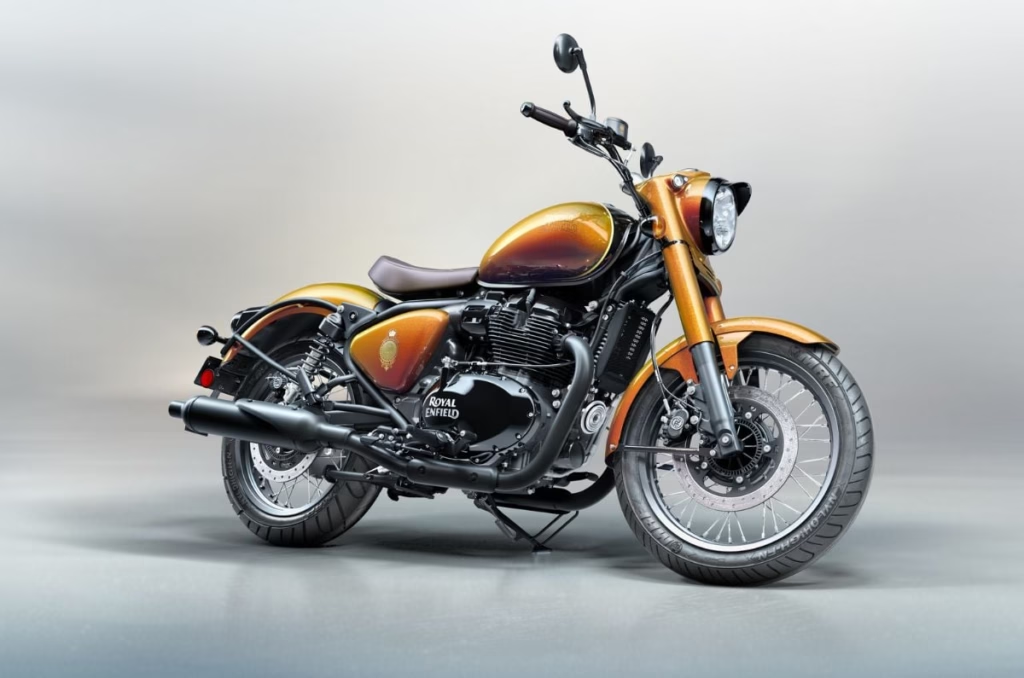
Classic 650 Hypershift front right quarter.

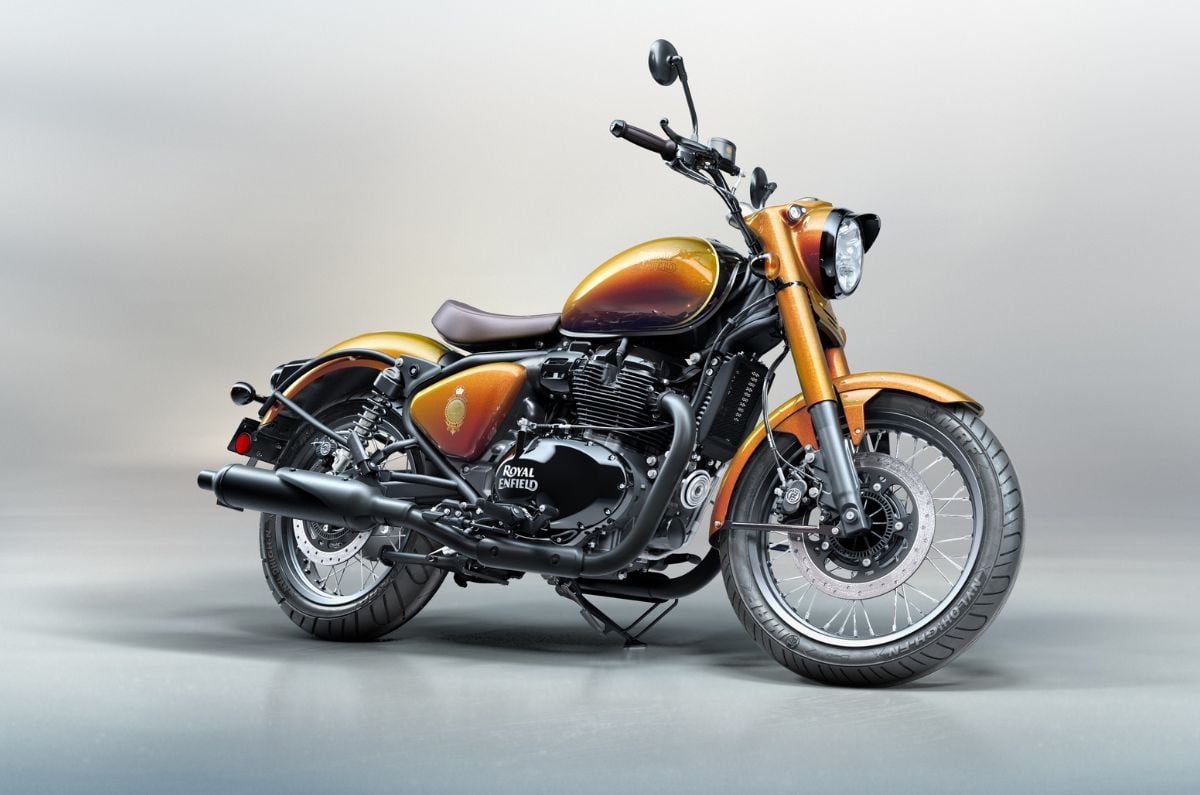
Royal Enfield has launched a special edition for the Classic 650, called Hypershift, to commemorate the Chennai-UK based manufacturer’s 125th anniversary. While there is a price, Rs 4.26 lakh, the company has clarified that it’s limited to 125 units in each of its key units, including India. Hence, interested customers will need to register to buy one; registrations will be open from today (October 16) at 2pm, till October 28, when sales begin.

All prices mentioned are ex-showroom.

  1. Mechanically identical to the production-spec Classic 650
  2. Costs Rs 58,000 more than the base Classic 650; Rs 43,500 more than the top

Royal Enfield Classic 650 125th anniversary edition: What’s special?

Strictly cosmetic, with exclusive Hypershift detailing

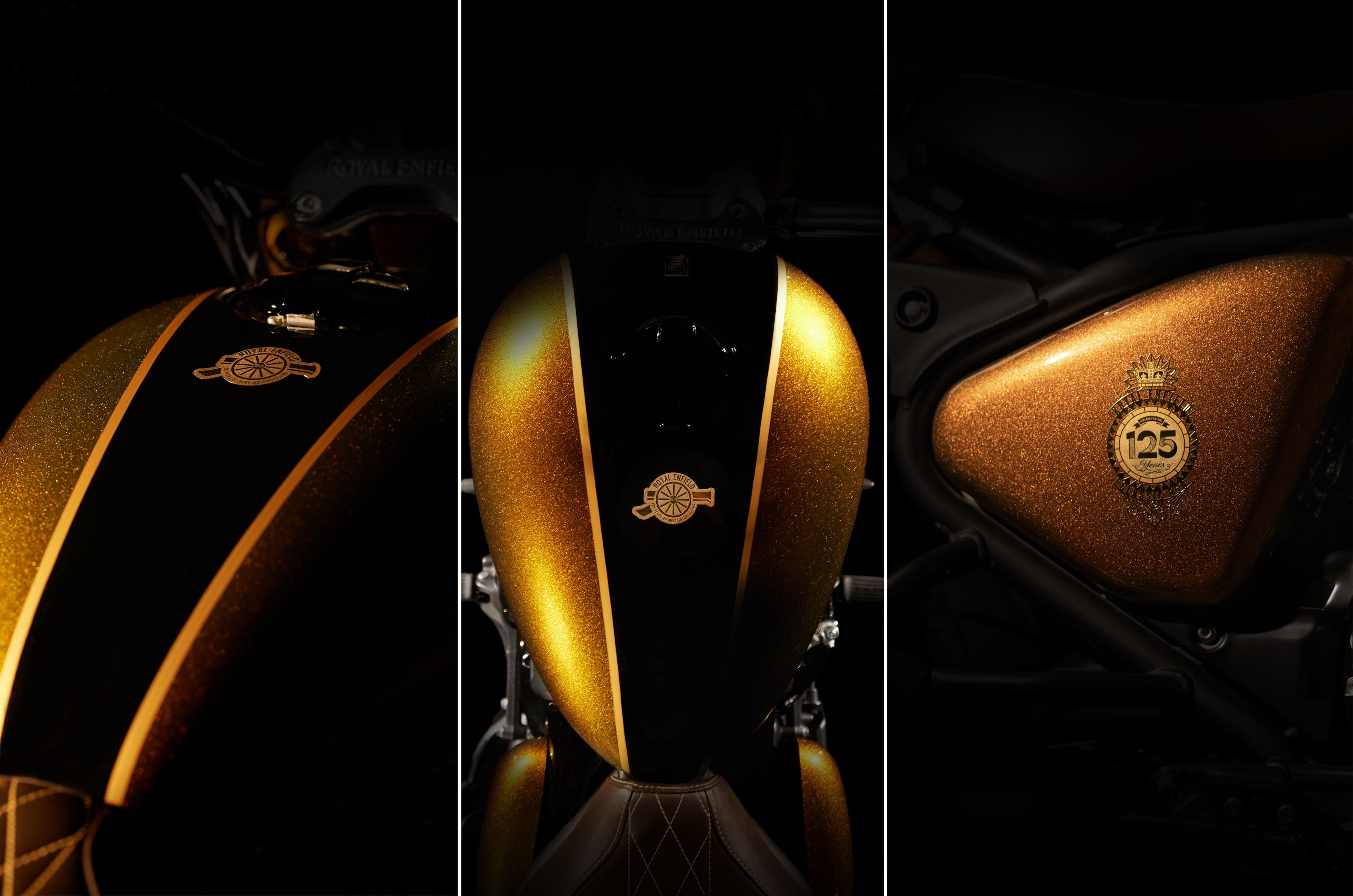
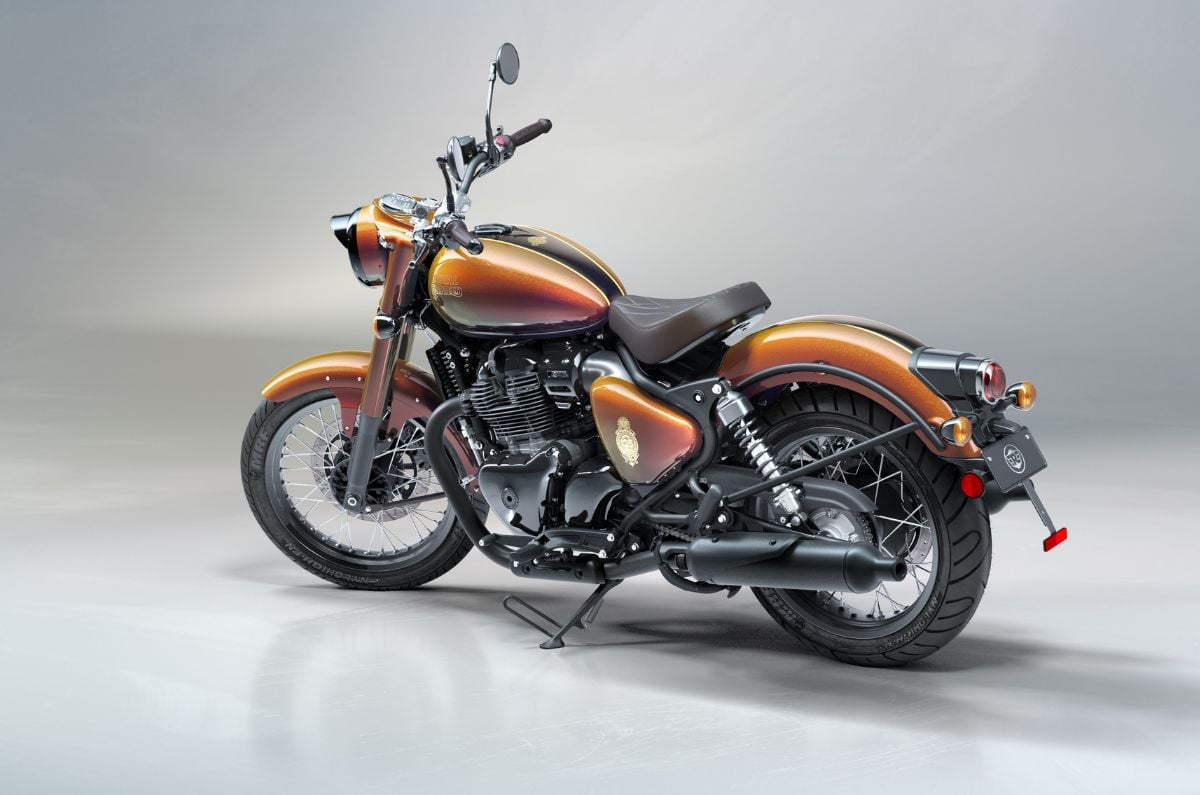
The Classic 650 Hypershift is mechanically identical to the production-spec Classic 650. There are no changes to the underlying design either. What sets it apart, primarily, is the bespoke Hypershift finish that transforms between shades of red, green and gold as light moves across the motorcycle. Complementing the finish are the additional 125-year crest on the teardrop tank, special badging on the sidepanels and of course, hand-painted pinstripes.

Classic 650 Hypershift's exclusive details.

The Classic 650 was first launched in 2025, sharing the 648cc, air-cooled parallel twin with the Interceptor 650 and the likes, making 47hp and 52.3Nm. It has a chassis that’s derived from the Super Meteor 650, currently the most expensive Royal Enfield 650 at Rs 4.39 lakh. While the Super Meteor has a USD fork, the Classic swaps that for RSU (right side up) telescopic fork and reduces the twin-shock’s travel from 101mm to 90mm.


Classic 650 Hypershift

Classic 650 Black Chrome

Classic 650 Vallam Red/Bruntingthorpe Blue

Price (ex-showroom)

Rs 4.26 lakh

Rs 3.82 lakh

Rs 3.68 lakh

The Classic 650 Hypershift has been priced at Rs 4.26 lakh, which is a Rs 58,000 premium over the base Vallam Red colour (Rs 3.68 lakh) and a Rs 43,500 premium over the top Black Chrome colour (Rs 3.82 lakh). For customers who are able to place an order for one of the 125 units on October 28, deliveries will begin in November.

Classic 650 Hypershift rear left quarter.

2027 Ducati Panigale V4 revealed

2027 Ducati Panigale V4 revealed
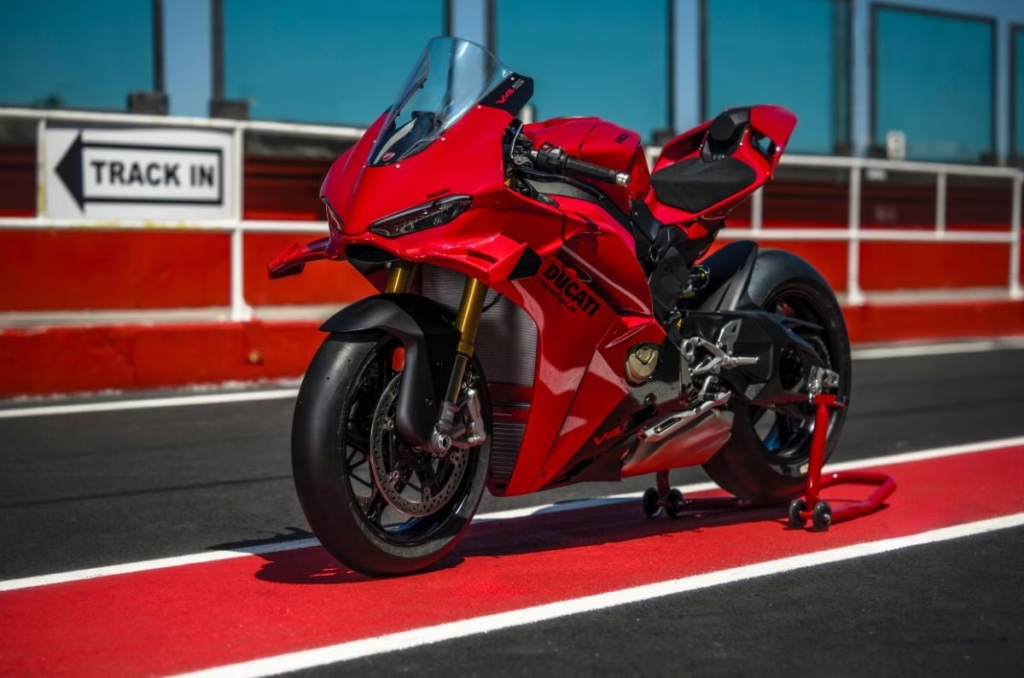
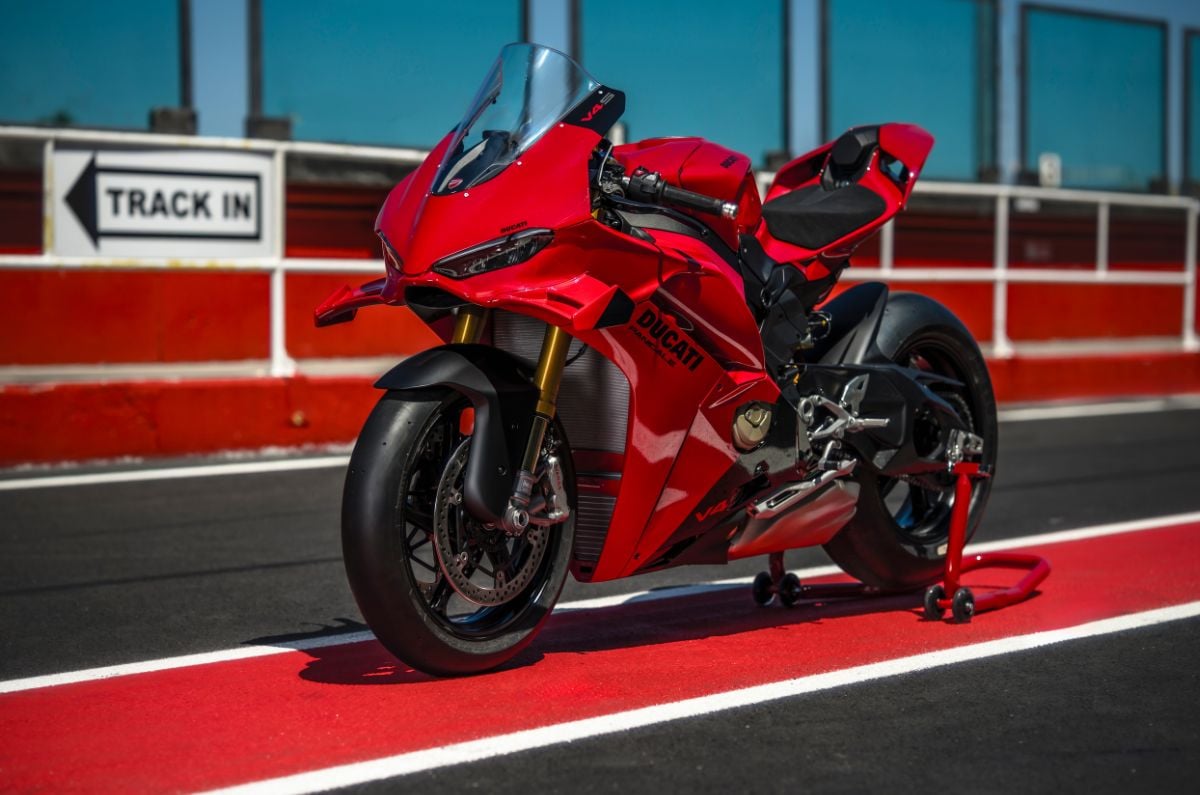
2027 Panigale V4 S front left quarter.

Ducati has been around for forty years, earning countless accolades and recognition for its performance and capability along the way. It would be perfectly reasonable (and debatable) to call the Panigale the present benchmark for that performance, and Ducati, evidently, recognises what that takes. The Borgo Panigale manufacturer has just revealed the 2027 version of it, and appears to have taken a fine-toothed comb to the three pillars of the Panigale V4: the engine, chassis and the electronic suite.

  1. Ducati has worked on reducing power loss; peak power now 218hp
  2. Chassis has been stiffened by 12 percent for better control and feel in corners
  3. Ducati Factory Made program offers vast customisation options for the V4 S

2027 Ducati Panigale V4: What’s new?

An upgrade laser-focused on performance

Starting off with the famed Desmosedici Stradale engine, it continues to be a 1103cc mill, but Ducati has found a way to extract an additional 2hp out of it, raising the peak power to 218hp on the standard model. The Italian manufacturer credits this improvement to a revised air-intake, lubrication circuit and exhaust system, resulting in reduced power loss. In its Euro5-compliant version, the engine makes 218hp at 13,500rpm, with the greatest gains happening between 12,000-14,000rpm. Torque, on the other hand, sees a negligible drop from 120.9Nm at 11,250rpm to 120.6Nm at 11,000rpm.

To complement this change, Ducati has adopted a longer gearing with bigger sprockets at both ends (17/42 now versus 16/41 earlier) and raised the rev limiter to 15,000rpm in gears two through five. As a result, the rider is required to make fewer gear changes in a given lap, as noted in Ducati’s own testing around the Vallelunga circuit; plus an improved lap time by 0.4s compared to the 2026 model. If 218hp is somehow not enough, the new Akrapovič Full Racing Exhaust PRO adds 11hp and 7Nm to the output, and reduces the bike’s weight by 6.6kg from the standard 191kg.

The chassis continues to be monocoque, but Ducati has reduced the lateral stiffness of the front frame by 12 percent, resulting in an improvement of the front grip during high lean angles. Ducati also claims a more precise feel and that the adjusted final drive ratio helps the bike feel more nimble and less physically exerting. The V4 has a fully adjustable Showa USD fork and a Sachs monoshock, also fully adjustable. The V4 S exclusively gets Ohlins suspension units at both ends and uses Smart EC 3.0 control system. Thanks to other performance-oriented equipment, the S weighs 4kg lighter at 187kg without fuel. The V4 S also gets track-use only adjustable clip-on handlebars that raises the height by 10mm – a change inspired by the latest MotoGP bikes – allowing for better leverage, improved control and reduced physical effort during direction changes.

Improved electronic suite

The V4 S is more customisable than ever before

Ducati and electronics go hand in hand and the laundry list of existing rider aids see two new additions: Dynamic Engine Brake and Race Brake Control. The former uses the Ducati Vehicle Observation algorithm to replace Engine Brake Control, and makes the bike more predictable in corners and extreme lean angles. The latter improves the rear wheel’s contribution in stopping the Panigale, and both are present on a Panigale for the first time. The existing suite consisting of numerous control systems – ride/power modes and a bi-directional quickshifter – all continue to be on offer on both the Panigale V4 models.

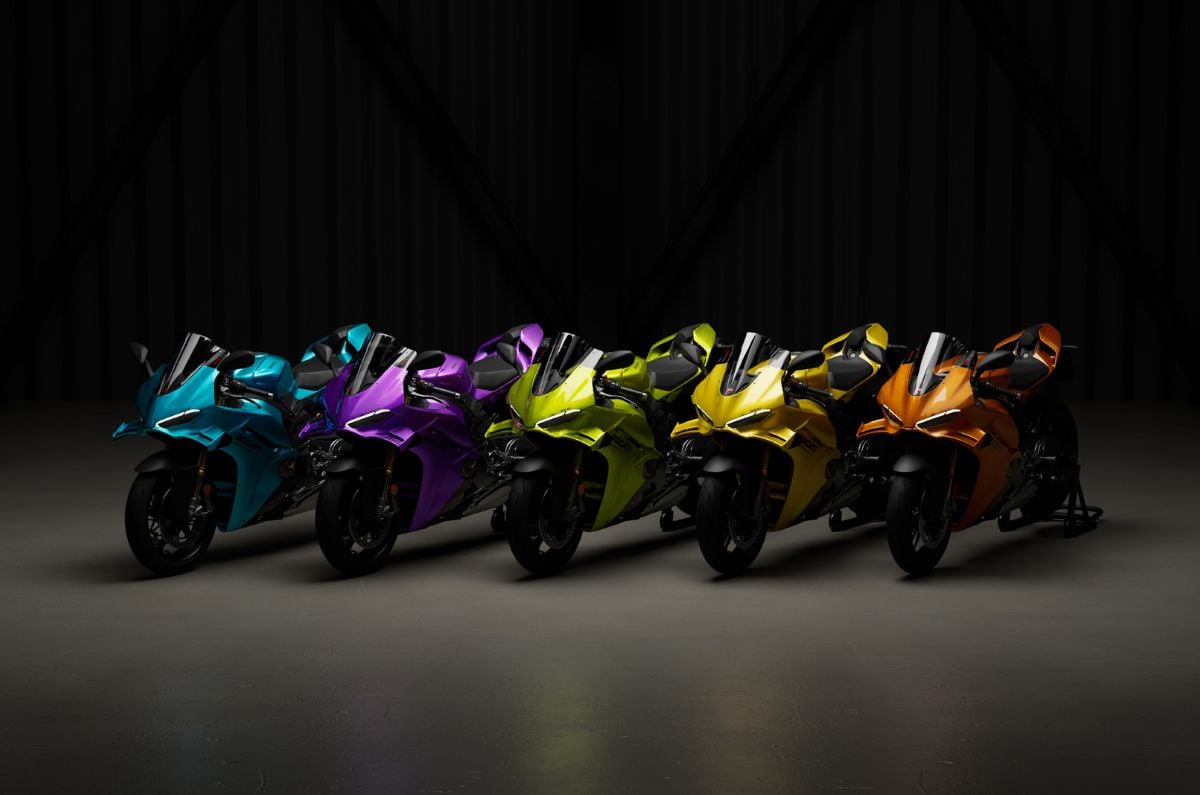
Ducat Factory Made's five colour options (blue, purple, light green, yellow and orange) from Automobili Lamborghini's Ad Personam program.
The five colour options directly from the Automobili Lamborghini’s Ad Personam program

For the first time, the Panigale V4 S will be a part of the Ducati Factory Made program, offering multiple customisation options. Through this, riders can choose from a total of 11 colours – five of which are from Automobili Lamborghini’s Ad Personam program – and two liveries, Corse and Performance. Other accessories include Front Brake PRO and PRO+ packages, the STM dry clutch, and adjustable footpegs.

With all the changes, the 2027 Ducati Panigale V4 and the V4 S will reach European dealerships next March, followed by the US in April. In the UK, the V4 costs GBP 25,495 (Rs 32.16 lakh), and the V4 S at GBP 30,995 (Rs 39.10 lakh). Ducati has not revealed a launch timeline for the rest of the world; in India, the 2026 Panigale V4 costs Rs 32.05 lakh for the standard model and Rs 39.01 lakh for the V4 S. When Ducati brings the 2027 versions here, we’d expect these prices to go up.

Yamaha XSR900 gets a new colour for 2027

Yamaha XSR900 gets a new colour for 2027
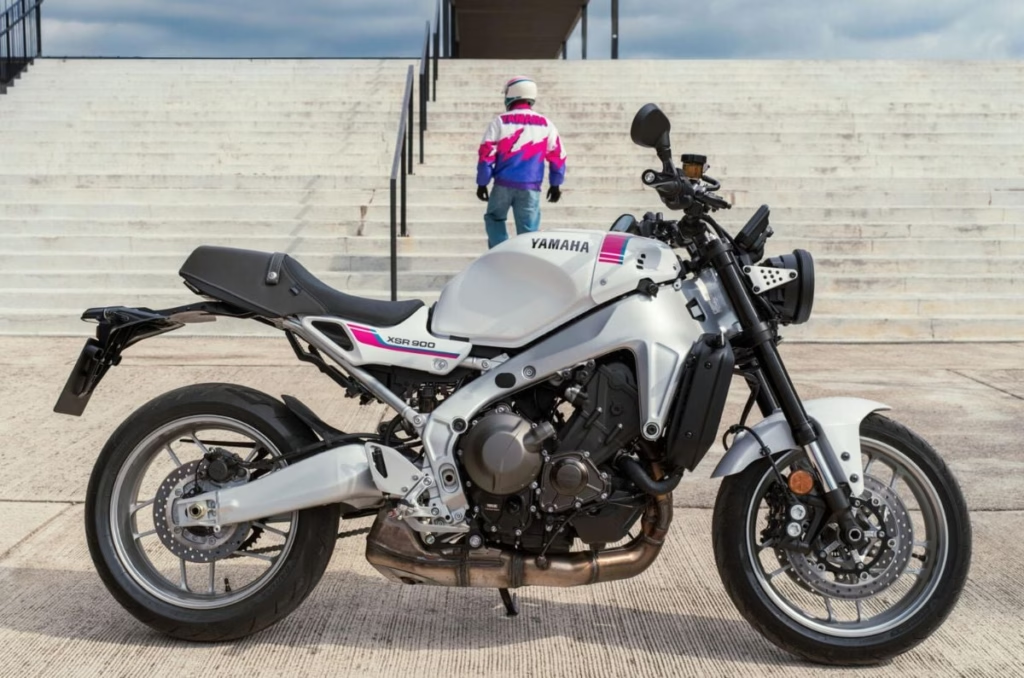
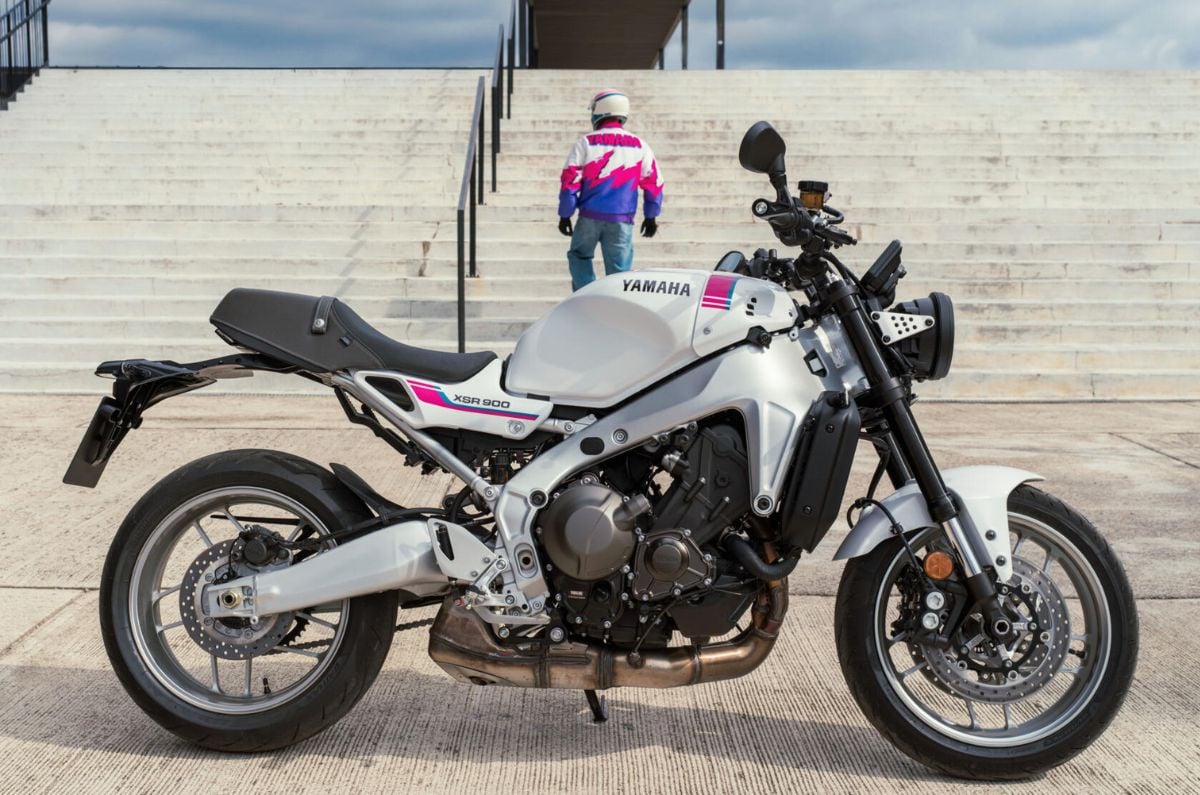
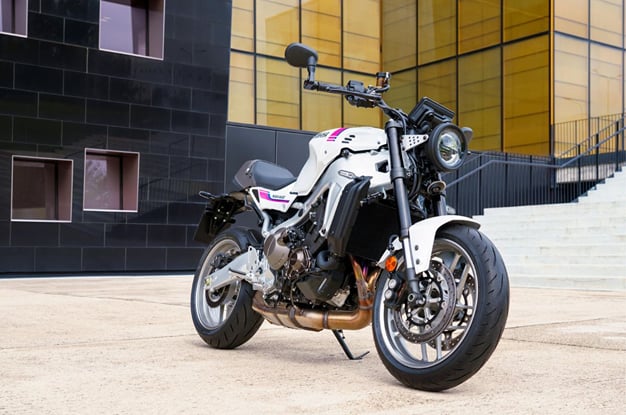
2027 Yamaha XSR900's right profile.

The Yamaha XSR900 has been a successful model for the Japanese manufacturer abroad, and it looks like that is recognised. For 2027, the company has just revealed a new colour option for the retro-roadster, which it says is a throwback to the iconic YZF750R supersport of the mid-1990s. Apart from the new colour, Yamaha has retained every other thing on the XSR900, mechanically and aesthetically.

  1. XSR900 is powered by an 890cc triple-cylinder engine, making 119hp and 93Nm
  2. Yamaha hasn’t revealed the price for the 2027 model yet

Yamaha XSR900 2027: A cosmetic upgrade

Mechanically the same

To jog your memory, the XSR900 is a retro-naked that shares its platform and engine with the YZF-R9, Yamaha’s middleweight supersport. It’s powered by an 890cc triple-cylinder liquid-cooled engine making 119hp and 93Nm. Although the XSR looks retro, as expected of the line-up, Yamaha has given it many modern features such as a 5-inch TFT display, ride modes, a quickshifter, fully adjustable KYB suspension units, a lightweight aluminium deltabox frame and all-LED lighting. All of that and the pre-existing Midnight Black colour stay intact for 2027. Yamaha has replaced the Heritage White colour with the Neon White colour (pictured).

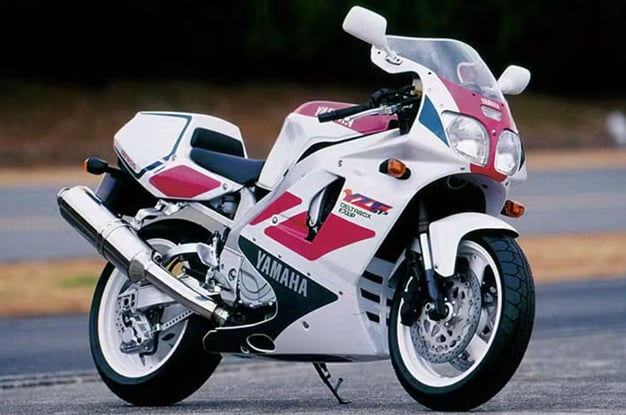
1993 Yamaha YZF750R front right quarter.
2027 Yamaha XSR900 front right quarter.
 

1993 Yamaha YZF750R vs 2027 Yamaha XSR900. YZF750R Image courtesy: Bennetts Insurance.

The 2027 model is already listed on Yamaha UK’s website, although there’s no price at the moment. The 2026 model was priced from GBP 11,104 (Rs 14.01 lakh), and it remains to be seen whether Yamaha increases prices for the next year. If you really like what you are seeing, do remember that India only got the smaller, R15-based XSR155 last year, starting from Rs 1.50 lakh.

Kawasaki Versys 900 revealed

Kawasaki Versys 900 revealed
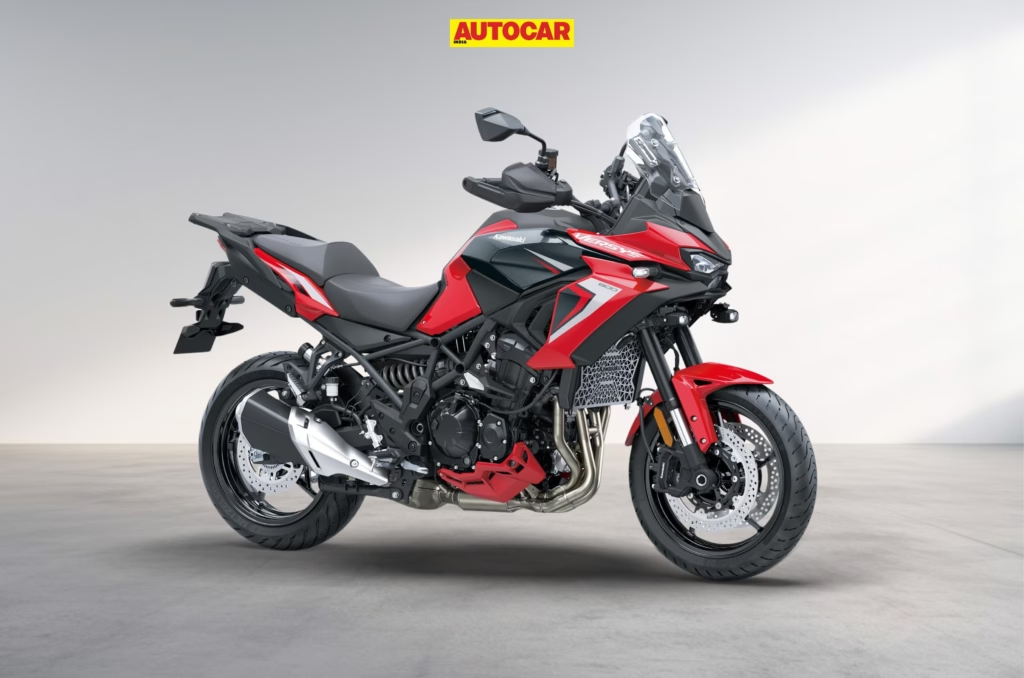
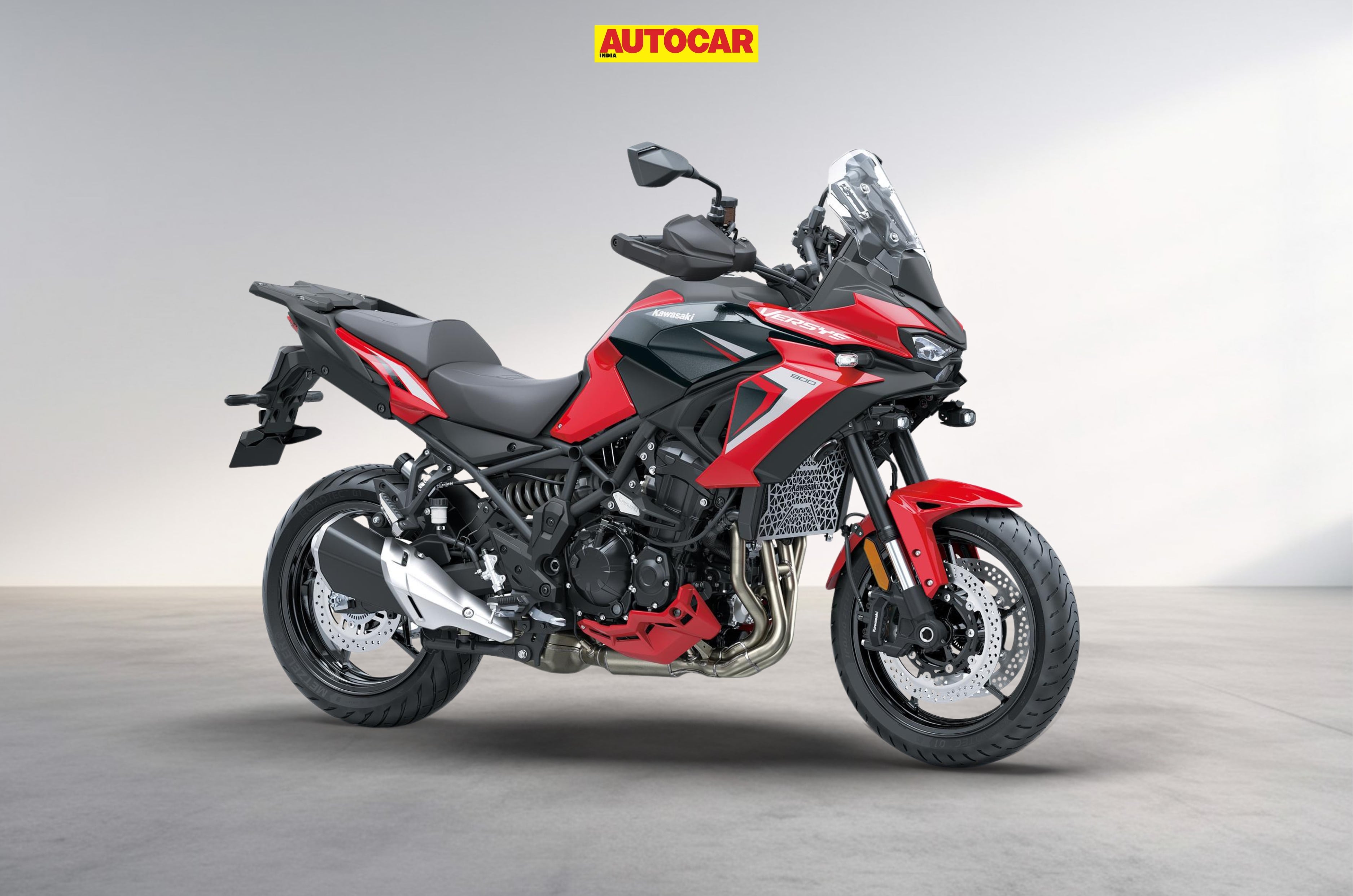
Kawasaki Versys 900 SE in Red/Grey colour.

Last week, we reported that Kawasaki UK (and later USA) had teased the arrival of a new Versys, the brand’s adventure tourer series. We had also postulated that it’s likely to be based on the sport-naked, the Z900. Kawasaki has just revealed the Versys 900 and 900 SE and it is based on the Z900, with a few touring-centric additions.

  1. Shares the Z900’s 948cc in-line four, but with slightly lower 123hp and 97.3Nm
  2. Major distinguishing feature is the ADAS – termed ARAS – functionality
  3. Versys 900 SE gets accessories like heated grips and radiator guard as standard

Kawasaki Versys 900: What you need to know

The most feature-loaded Versys yet

The Kawsaki Versys 900 currently has two variants in the UK, Standard and the SE. They share their 948cc, in-line four, liquid-cooled engine with the Z900, but with slightly lower output figures, 122hp and 97.3Nm compared to 124hp and 97.4Nm. The engine is housed within an all-new trellis frame which is said to enable a high-level of front end feel and achieve a near 50:50 weight distribution to the front and back. Suspension comprises a USD fork and a linkage monoshock, and standard seat height is 825mm, with the option to increase it to 845mm.

What sets the Versys 900 apart is the addition of Kawasaki’s Advanced Rider Assistance Systems (ARAS) – the front and rear radar system that enables adaptive cruise control, blind spot detection, forward collision warning, and emergency stop signal as standard. While Kawasaki hasn’t revealed full specifications, we do know the Versys 900 will run on 17-inch wheels at both ends, like the Z900. It also borrows the latter’s electronics suite with ride-by-wire, power modes, traction control, a slip-and-assist clutch, a bi-directional quickshifter. The 6-axis IMU and 5-inch TFT display with smartphone connectivity are also shared.

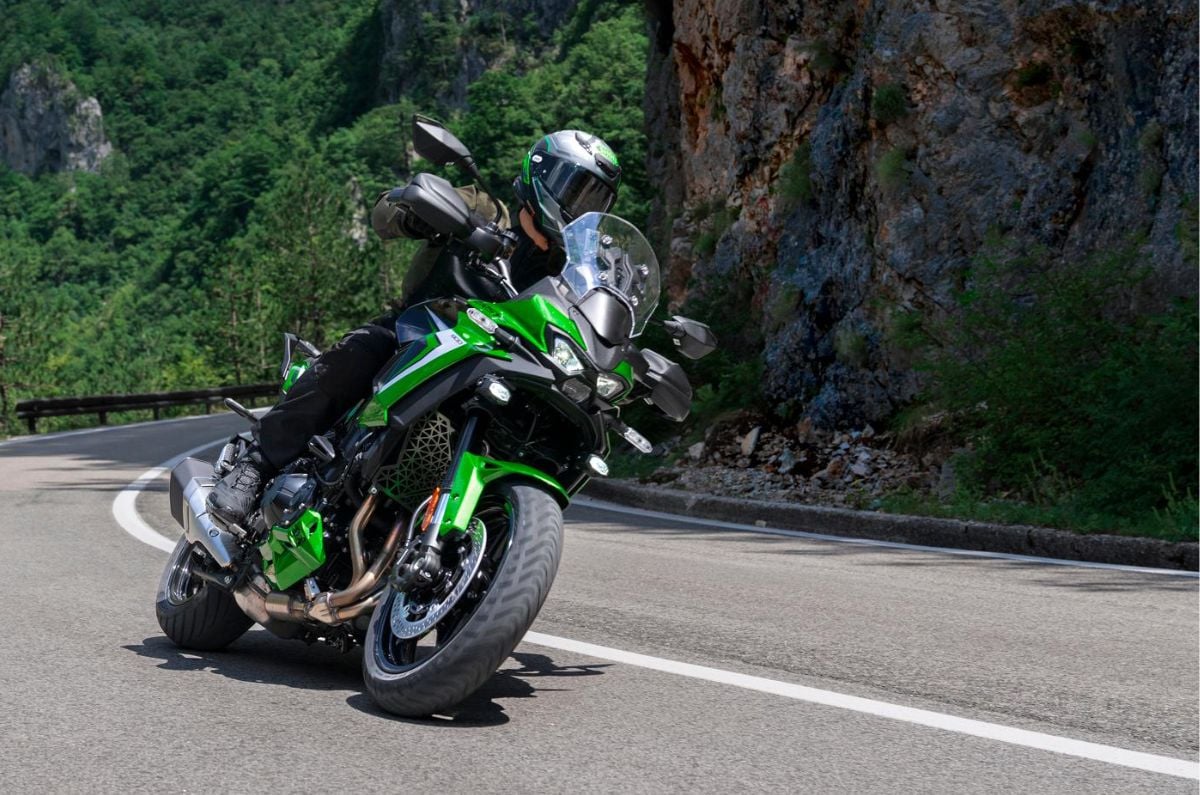
Kawasaki Versys 900 SE performing a left turn on a sweeping corner.

The Versys 900 SE variant adds LED fog lamps, hand guards, heated grips, a radiator guard, frame protection sliders, a lower cowl and centre stand as standard fitment. Kawasaki also teases edition models like Tourer and Grand Tourer in the future. The Standard Versys 900 gets two colours, Black and White for GBP 10,899 (Rs 13.74 lakh). The Versys 900 SE gets two entirely different colour options, Lime Green/Black – a Kawasaki special – and Red/Grey for GBP 11,799 (Rs 14.87 lakh). Both will be available from April 2027.

India currently gets the other three Versys motorcycles, X 300, 650, and the 1100 so it’s reasonable to expect the 900 to also get here, likely in the first half of 2027. For context, the Versys 650 costs Rs 8.63 lakh and the 1100 takes that up to Rs 13.89 lakh, so we’d expect the 900 to slot between the two; just like the other Kawasaki SE models, the Versys 900 SE will likely be skipped for India.

All prices mentioned are ex-showroom. GBP-to-INR conversions are based on exchange rates at the time of writing.

Shardiya Navratri 2026 Muhurat: कल गज वाहन पर वैधृति योग और चित्रा नक्षत्र में होगा मां दुर्गा का आगमन, जानें कलश स्थापना का मुहूर्त

Shardiya Navratri 2026 Muhurat: हिंदू धर्म में शारदीय नवरात्रि का पर्व विशेष महत्व रखता है। यह हिंदू कैलेंडर में आने वाली चार नवरात्रि पर्वों में से एक है, जिसमें मां दुर्गा के नौ रूपों की पूजा की जाती है। चार में से दो नवरात्रि, माघ और आषाढ़ में साधक गुप्त रूप से नौ सिद्धियों की उपासना करते हैं। जबकि चैत्र और शारदीय नवरात्रि का पर्व गृहस्थ भक्तों समेत सभी अन्य विशेष उत्साह और धूमधाम से मनाते हैं। शारदीय नवरात्रि की शुरुआत अश्विन शुक्ल पक्ष की प्रतिपदा से होती है और दशमी तिथि को इस पर्व का समापन होता है।

इस साल शारदीय नवरात्रि का शुभारंभ 11 अक्टूबर दिन रविवार से हो रहा है। रविवार को मां दुर्गा हाथी पर सवार होकर धरती पर आएंगी। हाथी पर माता की सवारी भक्तों के लिए सुख, समृद्धि और उन्नति देने वाली मानी जाती है। शारदीय नवरात्रि के पहले दिन कलश स्थापना से नवदुर्गा की पूजा शुरू होती है। इस बार कलश स्थापना के लिए दो शुभ मुहूर्त मिल रहे हैं। पंचांग के अनुसार, पहले दिन यानी प्रतिपदा पर वैधृति योग और द्विपुष्कर योग बन रहा है। इसके साथ ही चित्रा नक्षत्र भी विद्यमान रहेगा। आइए जानें प्रतिपदा के दिन कलश स्थापना के लिए शुभ मुहूर्त क्या है?

शारदीय नवरात्रि 2026 प्रतिपदा तिथि मुहूर्त

आश्विन शुक्ल प्रतिपदा तिथि का प्रारंभ : 10 अक्टूबर, शनिवार, रात 9:19 बजे

आश्विन शुक्ल प्रतिपदा तिथि का समापन : 11 अक्टूबर, रविवार, रात 9:30 बजे

कलश स्थापना मुहूर्त 2026

नवरात्रि के पहले दिन कलश स्थापना का मुहूर्त सुबह में 06:19 ए एम से है और सुबह 10:12 ए एम तक रहेगा। दोपहर में कलश स्थापना मुहूर्त 11:44 ए एम से लेकर 12:31 पी एम तक है।

नवरात्रि के पहले दिन के मुहूर्त और योग

ब्रह्म मुहूर्त : प्रात: 04:40 बजे से लेकर 05:30 बजे तक

अभिजीत मुहूर्त : 11:44 ए एम से दोपहर 12:31 बजे तक

द्विपुष्कर योग : रात 09:30 बजे से लेकर रात 10:32 बजे तक

वैधृति योग : प्रात:काल से लेकर रात 09:05 बजे तक

चित्रा नक्षत्र : प्रात:काल से लेकर रात 10:32 बजे तक

उदया तिथि के आधार पर 11 अक्तूबर यानी रविवार को नवरात्र का प्रथम दिवस मान्य होगा। इस दिन मां शैलपुत्री की पूजा होती है।

शारदीय नवरात्रि 2026 कलश स्थापना सामग्री

शारदीय नवरात्रि के पहले दिन मां दुर्गा के स्वागत और उनकी कृपा प्राप्ति के लिए घटस्थापना का विशेष विधान है। यह पूजा का सबसे महत्वपूर्ण आरंभिक चरण है। यहाँ कलश स्थापना के लिए जरूरी सामग्री दी गई है :

सामग्री सूची

मिट्टी का बर्तन/छोटा घड़ा या कलश : तांबे, पीतल या मिट्टी का कलश

शुद्ध जल : गंगा जल मिला हुआ साफ पानी

पंचरत्न या सिक्के : कलश में डालने के लिए

आम या अशोक के पत्ते : 5 या 7 पत्ते कलश के मुख पर रखने के लिए

जटा वाला नारियल : जिस पर लाल कपड़ा या कलावा बंधा हो

बुआई के लिए सामग्री : एक चौड़ा मिट्टी का पात्र और उसमें बोने के लिए साफ जौ या गेहूं, तथा शुद्ध मिट्टी

पूजन सामग्री : रोली, कलावा, अक्षत, सुपारी, और पुष्प

अब आयुष डॉक्टरों को मिलेगी इमरजेंसी और वेलनेस की स्पेशल ट्रेनिंग, भारत-UK मिलकर जानिए क्या करेंगे

अब आयुष डॉक्टरों को मिलेगी इमरजेंसी और वेलनेस की स्पेशल ट्रेनिंग, भारत-UK मिलकर जानिए क्या करेंगे

भारत और UK के बीच हेल्थकेयर सेक्टर में सहयोग बढ़ाने के लिए एक नई पहल की घोषणा की गई है। इस पहल के तहत, आयुष डॉक्टरों को अस्पतालों में मरीजों की देखभाल करने, इमरजेंसी प्रबंधन और बीमारी की रोकथाम के बारे में जागरूकता बढ़ाने के लिए ट्रेनिंग दी जाएगी। आयुष मंत्रालय के साथ मिलकर मारिंगो एशिया हॉस्पिटल्स और BAPIO ट्रेनिंग एकेडमी ने इस पहल को शुरू करने की घोषणा की। इसका मकसद डॉक्टरों की क्लिनिकल स्किल्स को बेहतर बनाना और मरीजों की देखभाल में उनकी भूमिका को मजबूत करना है। यह घोषणा 9 अक्टूबर, 2026 को दिल्ली में हुए इंडो-UK हेल्थकेयर कॉन्क्लेव के दूसरे एडिशन में की गई। इस इवेंट का उद्घाटन केंद्रीय आयुष राज्य मंत्री प्रतापराव गणपतराव जाधव ने किया। दो दिन के इस कॉन्क्लेव में भारत और UK के हेल्थकेयर एक्सपर्ट, डॉक्टर, एकेडमिक्स और पॉलिसीमेकर्स एक साथ आए।

6 महीने के होंगे दो सर्टिफिकेट प्रोग्राम

इस पहल के तहत, आयुष ग्रेजुएट और पोस्टग्रेजुएट डॉक्टरों के लिए छह महीने के दो सर्टिफिकेट प्रोग्राम बनाए गए हैं। पहला प्रोग्राम एक्यूट केयर और इमरजेंसी सपोर्ट के लिए है, और दूसरा लाइफस्टाइल हेल्थ और वेल-बीइंग काउंसलिंग और प्रैक्टिस के लिए है। ये प्रोग्राम अस्पतालों में स्पेशलिस्ट की देखरेख में एकेडमिक और प्रैक्टिकल दोनों तरह की ट्रेनिंग देंगे। पहला प्रोग्राम इमरजेंसी और क्रिटिकल केयर की जरूरतों पर फोकस करेगा। डॉक्टरों को हालत बिगड़ने के शुरुआती लक्षणों को पहचानने, सीनियर स्पेशलिस्ट को तुरंत बताने और जरूरत पड़ने पर मरीजों को सही इलाज के लिए रेफर करने जैसी स्किल्स सिखाई जाएंगी। इसके अलावा, मरीज की सुरक्षा, मेडिकल रिकॉर्ड बनाए रखने, हेल्थकेयर वर्कर्स के साथ कोऑर्डिनेट करने और अस्पताल में इमरजेंसी से जुड़े कामों में मदद करने की ट्रेनिंग दी जाएगी।

बीमारियों से बचाव और लाइफस्टाइल पर भी फोकस

दूसरा सर्टिफिकेट प्रोग्राम लोगों को हेल्दी लाइफस्टाइल अपनाने के लिए जागरूक करने पर फोकस करेगा। इसमें डाइट, रोजाना की फिजिकल एक्टिविटी, अच्छी नींद, स्ट्रेस मैनेजमेंट और हेल्थ चेकअप जैसे टॉपिक शामिल होंगे। यह प्रोग्राम डॉक्टरों को मरीजों को सही हेल्थ जानकारी देने और उनकी आदतों में जरूरी बदलाव करने में गाइड करने के लिए ट्रेन करेगा। यह जरूरत पड़ने पर मरीजों को संबंधित स्पेशलिस्ट के पास रेफर करने पर भी फोकस करेगा। इस ट्रेनिंग का मकसद हॉस्पिटल के वेलनेस डिपार्टमेंट, बीमारी से बचाव के प्रोग्राम और कम्युनिटी हेल्थ सर्विस में डॉक्टरों की भूमिका को बेहतर बनाना है।

मरीजों की देखभाल बेहतर बनाने पर जोर

यूनियन मिनिस्टर ऑफ स्टेट AYUSH, प्रतापराव गणपतराव जाधव ने कहा कि भारत के पास पारंपरिक चिकित्सा व्यवस्था में बहुत अनुभव है, जबकि UK के पास मरीज सुरक्षा, इलाज की गुणवत्ता और सिस्टमैटिक हॉस्पिटल प्रोसेस में विशेषज्ञता है। दोनों देशों के बीच सहयोग से स्वास्थ्य सेवाएं बेहतर हो सकती हैं।

मैरिंगो एशिया हॉस्पिटल्स के ग्रुप मैनेजिंग डायरेक्टर और CEO डॉ. राजीव सिंघल के मुताबिक, इस साझेदारी का मेन मकसद ट्रेनिंग और जानकारी के आदान-प्रदान के जरिए स्वास्थ्य सेवाओं को मजबूत करना है। BAPIO ट्रेनिंग एकेडमी के CEO प्रो. पराग सिंघल ने कहा कि दोनों देशों के बीच शेयर्ड ट्रेनिंग और असेसमेंट से डॉक्टरों की स्किल्स को बेहतर बनाने में मदद मिल सकती है। इस पहल से हॉस्पिटल्स में ट्रेनिंग, एजुकेशन और क्लिनिकल काम से जुड़े अनुभव शेयर किए जाएंगे। इसका मकसद डॉक्टरों की काबिलियत को बढ़ाना और पेशेंट्स को सेफ और एफिशिएंट हेल्थकेयर देने में कंट्रीब्यूट करना है।

दिल्ली से शुभांगी तिवारी की रिपोर्ट

रेलवे को भारी पड़ी रिजर्व कोच से यात्री के सामान की चोरी, दिल्ली के कंज्यूमर कमिशन ने सुनाया 1.45 लाख रुपये हर्जाना देने का आदेश