Mercedes-Benz India unveils AI-powered car scanner for servicing

Mercedes-Benz India unveils AI-powered car scanner for servicing

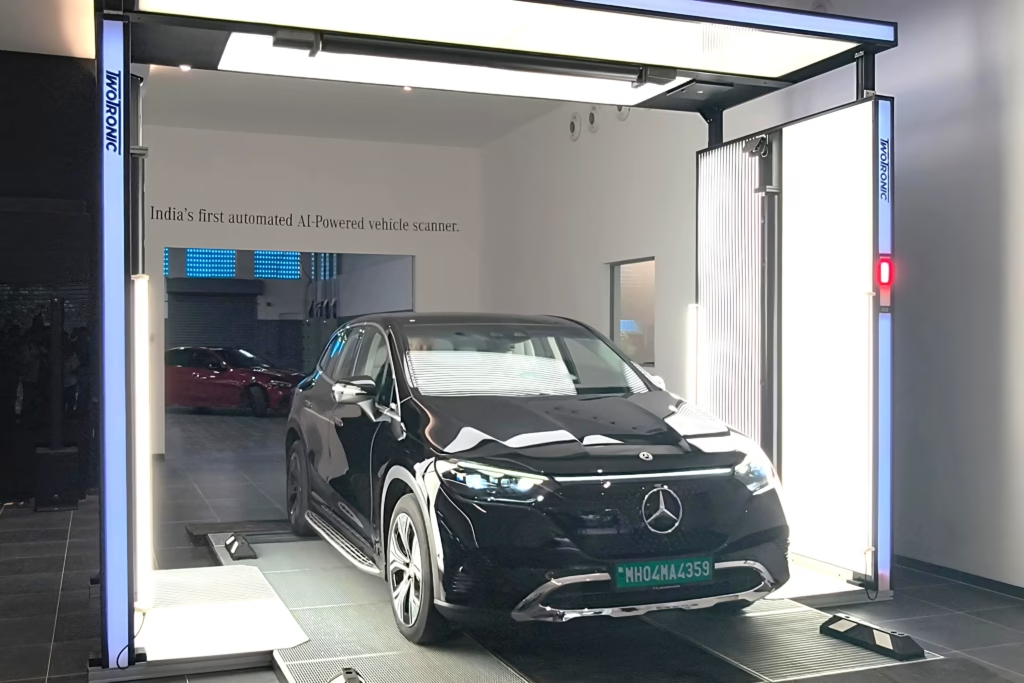
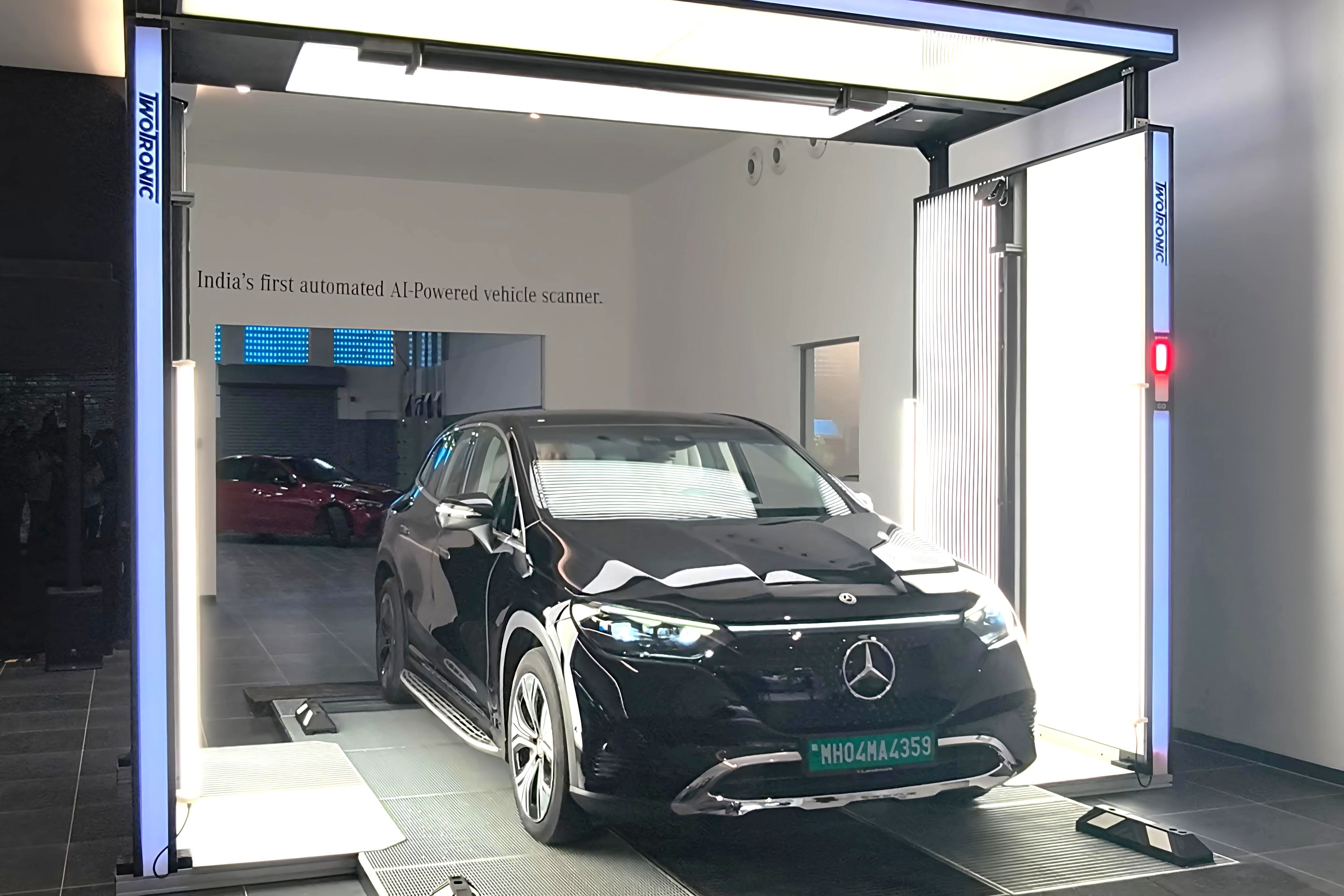
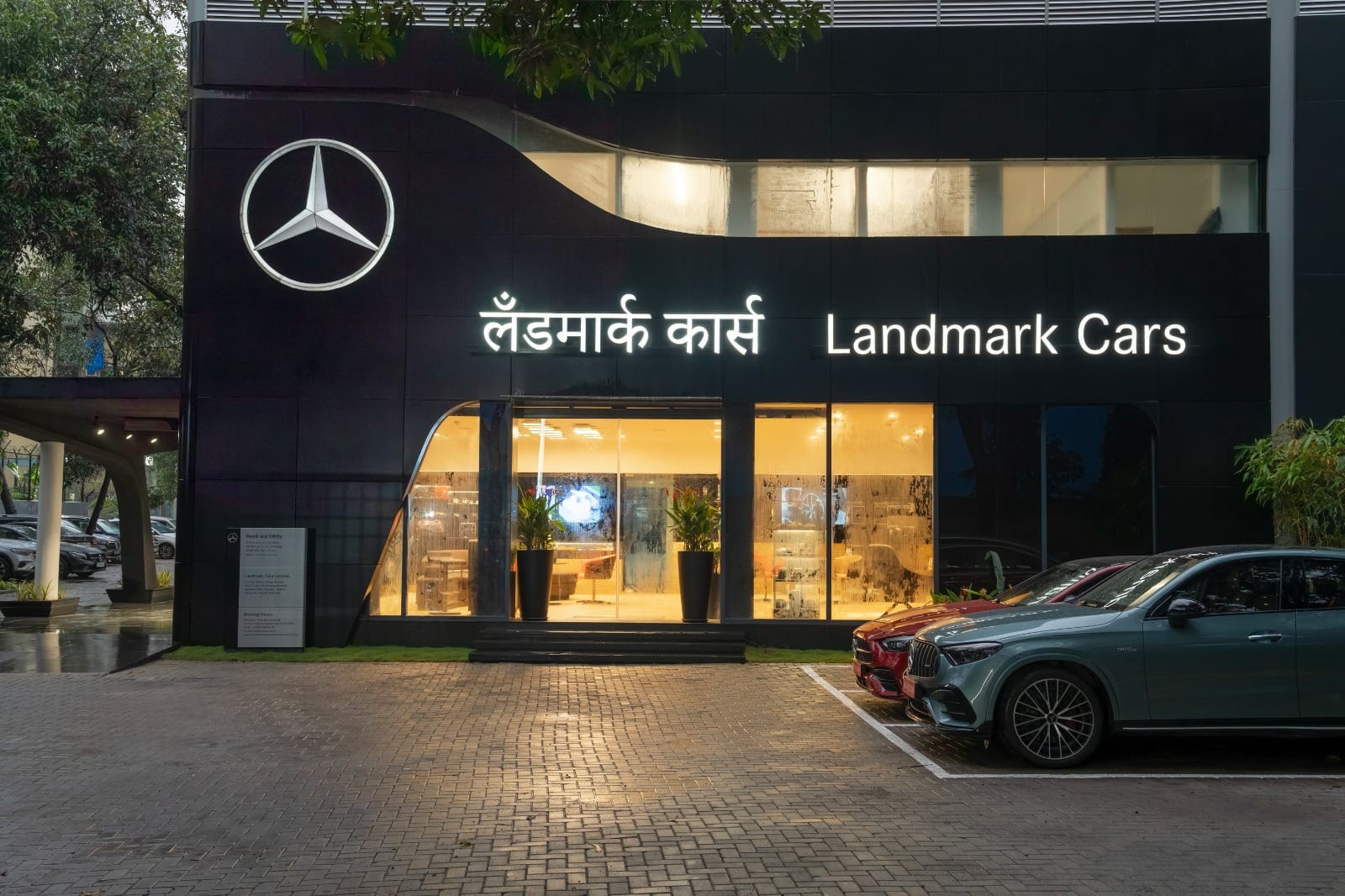
Mercedes-Benz India has revealed an AI-powered device that enables quicker vehicle inspection upon entry to its service centre. Dubbed the XENTRY Scanner, the service debuted at the brand’s newly established centre by Landmark Cars in Jogeshwari, Mumbai.

  1. Mercedes’ first AI-powered car scanning system arrives at its largest workshop in Mumbai.
  2. Uses a 360-degree camera system to identify damage on a car’s exterior.
  3. Service Select debuts as a new scheme for older Mercedes vehicles.

Currently, the scanner is the only one of its kind in India at this service centre, which spans around 58,000 sq. ft., making it the brand’s largest in Mumbai. This facility consists of 16 preventive maintenance and general repair bays, 9 body and paint bays and 9 supporting bays, supported by a dedicated 6,000 sq. ft. spare-parts area.

How does Mercedes’ XENTRY Car Scanner work?

The brand calls it an MRI scanner for its cars

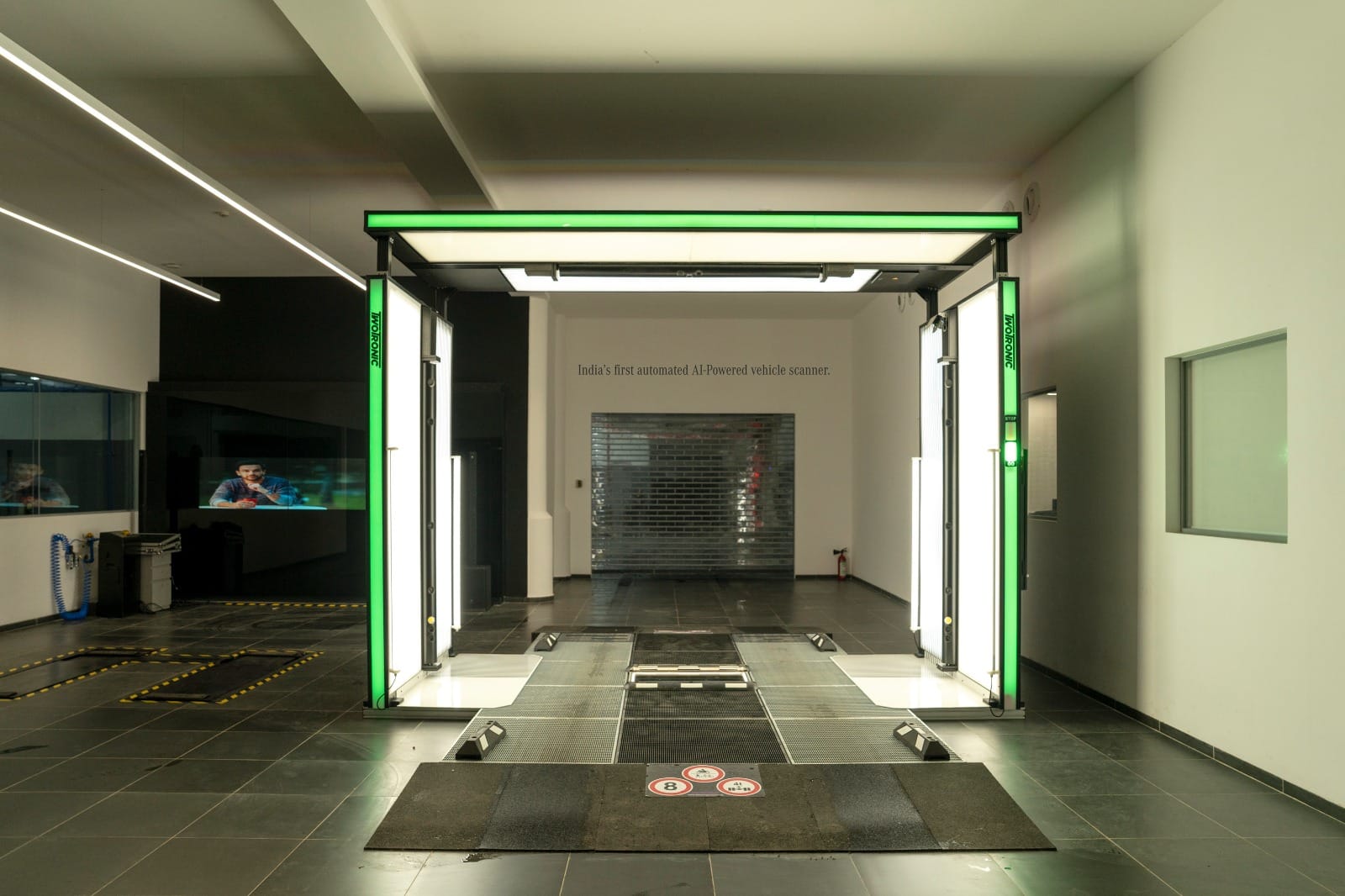
Mercedes-Benz’s XENTRY car scanner.

As the car enters the workshop, it is made to pass through the XENTRY scanner. The scanner utilises a 360-degree high-resolution camera system comprising 13 cameras and a LiDAR sensor. Images of the car are captured and analysed across four categories: body, underbody, windshield and tyres. The system captures 150 images within 3 to 5 seconds and then transmits the data to the Mercedes-Benz cloud.

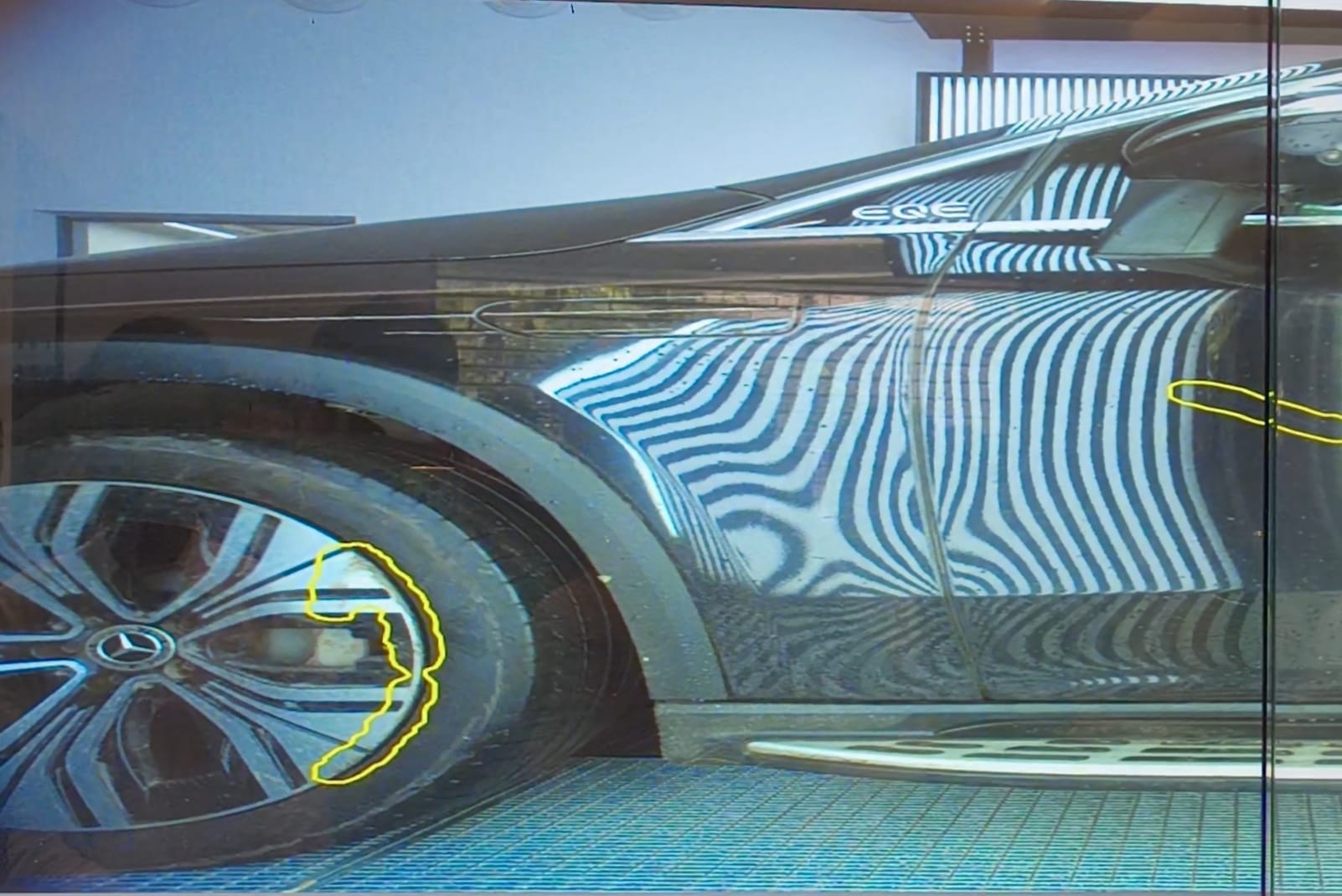
Artificial intelligence then comes into play, identifying every kind of damage on the car’s exterior, even the ones that aren’t visible to the naked eye. It also provides in-depth tyre information, including their health, tread depth and braking performance. To maintain privacy, the system does not capture images of the driver. The findings are added directly to the job card of the particular car without manual entry, enabling better co-ordinated workshop processes. Mercedes says the process is entirely paperless, reducing walking distances, waiting times and paperwork that traditionally accompanied service reception.

Speaking about the thinking behind such initiatives, Mr Santosh Iyer, MD and CEO, Mercedes-Benz India said, “Productivity has to be the core. Reason being, from a real estate perspective, you need to turn cars around faster, while initiatives like the car scanner are more of a productivity enhancement. But on the customer side too, they expect the car to be turned around quickly, which is a pure mobility requirement for the customer.”

Through AI, external wear and tear is automatically detected by the XENTRY car scanner.

Next, a service advisor receives all the information on a tablet and informs the customer of a detailed list of vehicle wear and tear. It is then up to the customer to approve servicing of the concerned parts on the spot. The brand claims that a digital record of service status eliminates the need for manual inspections by the customer.

Interestingly, Landmark’s own internal research points to a shift in service revenue coming from EV adoption growth. “Landmark did a study of the service cost of EV versus ICE. Over the last six months, they’ve seen that the cost is the same in terms of maintenance. But this isn’t coming from maintenance; it’s coming from the body shop. More of the latter is done on EVs compared to ICE cars, said Mr Iyer.

At around 58,000 sq ft, the Landmark Cars workshop in Jogeshwari is the brand’s largest in Mumbai.

India now adds to the list of countries to offer Mercedes’ XENTRY scanner. Previously, the tech was available in international markets like Germany, Italy, Korea, the Netherlands, Switzerland, and Turkey. Furthermore, Mercedes-Benz plans to expand to more than 20 ‘world-class’ luxury outlets in 2026 in India, supported by an investment of more than Rs 450 crore by franchise partners over the next two years.

Mercedes Service Select: A service plan for older Mercedes vehicles

While Mercedes-Benz provides a standard 3-year warranty on new cars, it has also introduced a new service scheme for older vehicles. Called ‘Service Select’, Mercedes cars 7 years or older are eligible for this service. The scheme enables up to 25 percent savings for periodic service and brake care, a 2-year warranty on spare parts, benefits of its ‘Mobilio Lite’ service facility, and residual value protection of the vehicle.

With inputs from Hormazd Sorabjee

Marc Philipp Gemballa Marsien GT revealed with over 830hp

Marsien GT front quarter

Based on the 992-series Porsche 911 Turbo S, the Marsien GT has been revealed ahead of its global premiere at the Pebble Beach Concours d’Elegance on August 13, 2026. Produced by Marc Philipp Gemballa GmbH, the Marsien GT is the company’s second limited-edition model – the first was the desert-focused Marsien of 2021. Including 40 units of the latter and another 30 examples of the grand tourer (GT), there’ll be a total of 70 Marsiens produced. The 70-unit combined production run honours the 70th anniversary of Uwe Gemballa, Marc Philipp Gemballa’s father, the marque stated.

  • Has a carbon-fibre exterior, active aero and custom colour options
  • Gets Michelin Pilot Sport Cup 2 tyres and an Akrapovic titanium exhaust system
  • Revised six-cylinder boxer engine outputs over 830hp and 930Nm

Marsien GT design and interior

Marsien GT front

The exterior styling of the Marsien GT is the work of French automotive designer Alan Derosier. It features a one-off four-layer metallic colour called Anniversary Liquid Champagne Gold, in honour of the 70th anniversary of Uwe Gemballa. The colour is applied at a paint studio that the brand claims can “fulfil the most daring customer colour requests.” The brand also says that the Marsien GT has a full carbon-fibre exterior, consisting of over a hundred individual carbon-fibre components. The front axle-lift system has been retained from the 911 Turbo S, though.

Marsien GT rear quarter

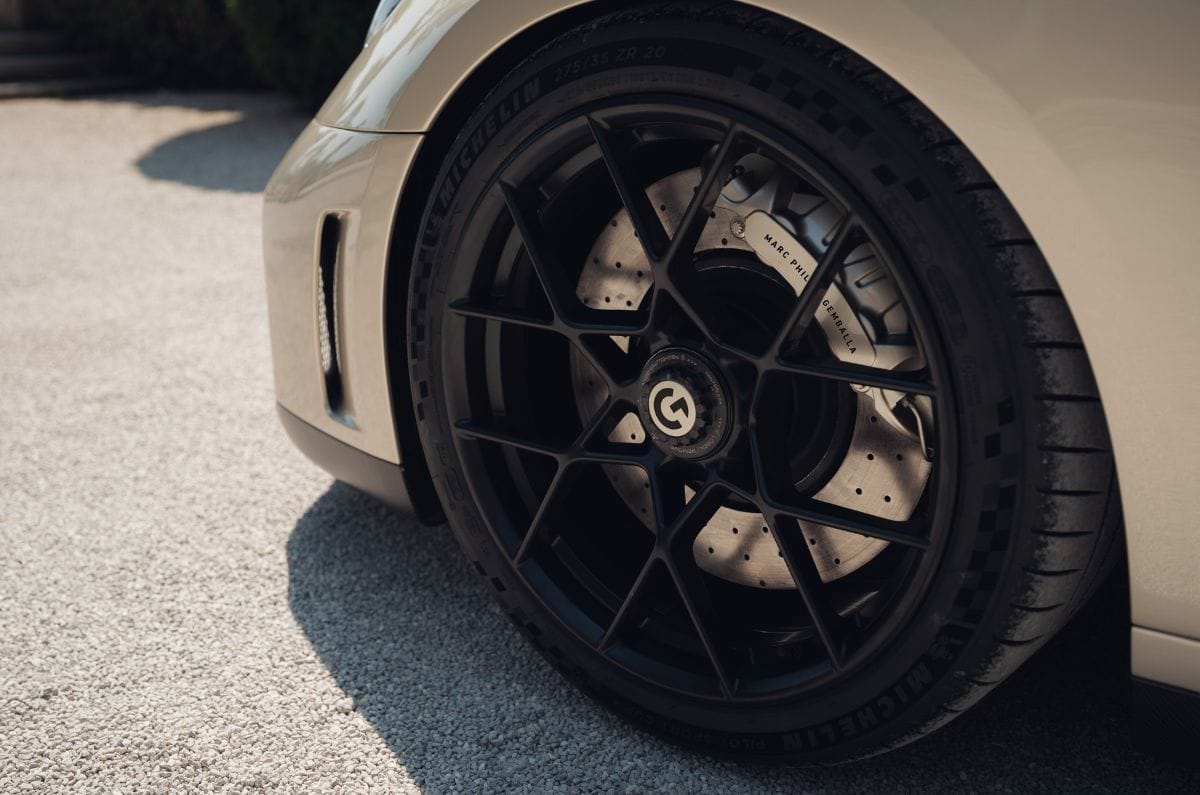
Noticeably different elements over the donor vehicle include the uniquely shaped outside rearview mirrors (ORVMs), a top-mounted scoop, active air flaps on the front fenders, ram-air intakes, side skirts with integrated air channels, and a large active rear wing whose design is reminiscent of the Porsche 959’s. Adding to these are the forged aluminium wheels wrapped in Michelin Pilot Sport Cup 2 tyres, an Akrapovic titanium exhaust system, and a carbon-fibre underfloor. All these lightweight measures ensure weight savings of 75kg over the donor vehicle, whilst the active aero features cool the brakes and reduce turbulence from the wheel arches, as per the brand.

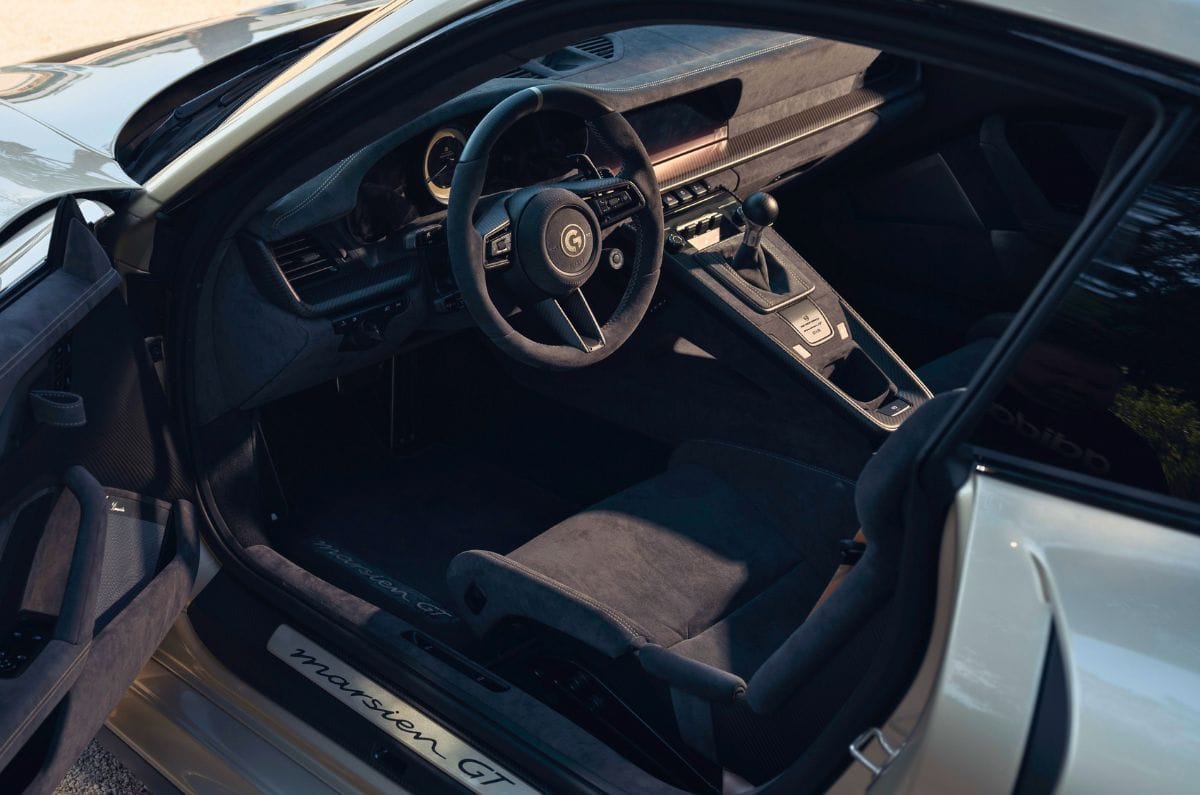
Marsien GT interior

Some of the stand-out design elements inside the Marsien GT are visible along the centre console, which itself is raised over what’s seen in the standard 911 Turbo S, but there’s also an aluminium gear lever that’s inspired by the unit found in the Carrera GT. Customers can opt this gear lever to be covered in either exposed carbon or mahogany wood, instead of softer materials like leather or Alcantara. The interior also features hand-stitched brand logo on the steering wheel, headrests, armrest and floor mats.

Marsien GT gear lever

The centre console also sports a metal badge displaying the individual production number of each vehicle. Apart from the carbon bucket seats and dark grey Alcantara, the interior of this launch-ready example features champagne accents for much of the stitching, plus on the seatbelts and within the instrument cluster. There are also matte carbon-fibre accents and an Alcantara-trimmed roll bar. According to the brand, customers can purchase a carbon-fibre interior package that adds even more exposed carbon-fibre elements.

Marsien GT powertrain and suspension

Marsien GT rear

Porsche engine specialist RUF Automobile is key behind the powertrain of the Marsien GT. Uwe Gemballa and RUF Automobile have collaborated to produce powertrains for various vehicles in the 1980s, said Marc Philipp Gemballa GmbH. Compared to the 911 Turbo S, the six-cylinder boxer engine of the Marsien GT features a remapped ECU (engine control unit) and enhanced variable-geometry turbochargers – this results in a claimed output of over 830hp and 930Nm of torque. The 8-speed dual-clutch automatic transmission (DCT) has also been revised to handle the extra power and torque.

The brand is currently working on a second-stage engine upgrade option, which will take the output to over 900hp. Even in its current avatar, the Marsien GT has a claimed top speed of 330kph and a 0-97kph sprint time of 2.4 seconds. That said, the Marsien GT retains the all-wheel-drive (AWD) system of the Porsche 911 Turbo S.

Marsien GT wheels

However, Marc Philipp Gemballa GmbH has partnered with KW Automotive for its car’s suspension needs. It claims that the new double-wishbone front setup has been specifically developed for the Marsien GT, with its electronically controlled dampers capable of adjusting and responding to changing road conditions within just 20 milliseconds. This suspension setup ensures that the Marsien GT offers precise control without sacrificing ride comfort that’s expected of a grand tourer, according to the brand.

Marsien GT price

Marsien GT exterior top-down

The Marc Philipp Gemballa Marsien GT will be making its world premiere during the upcoming 2026 Monterey Car Week at the Pebble Beach Concours d‘Elegance in California, USA. Production will begin in 2027, with first customer deliveries commencing later the same year. The starting price of the Marsien GT will be EUR 770,000, not including the cost of the donor vehicle, i.e., the 992 Porsche 911 Turbo S. For reference, the latter starts at EUR 271,000 in Germany.

Also read

Mahindra BE 6 Sporteq teased with new triple screen setup

What to expect from Mahindra’s 2026 Independence Day event

Maruti Victoris gets up to Rs 1.35 lakh discount in August 2026

Maruti Victoris

Maruti Suzuki is offering discounts across much of its Arena line-up, including the Victoris, Swift, Wagon R, Alto K10, Celerio, S-Presso and Eeco, in August 2026. The highest benefits are available on the Victoris, with savings of up to Rs 1.35 lakh. These offers comprise cash discounts, exchange or scrappage bonuses, loyalty benefits and institutional discounts, depending on the variant.

Disclaimer: Offers may vary by city and are subject to stock availability. Check with your nearest dealer for exact details.

Maruti Victoris discounts in August 2026

Up to Rs 1.35 lakh off

The Victoris strong hybrid attracts the highest benefits this month, with total discounts of up to Rs 1.35 lakh. These include a Rs 20,000 cash discount, an exchange bonus of up to Rs 75,000 or a Rs 45,000 scrappage bonus, a Rs 30,000 loyalty upgrade bonus and a Rs 10,000 institutional discount.

Petrol and CNG variants, meanwhile, are available with benefits of up to Rs 85,000. Both are eligible for an exchange bonus of up to Rs 55,000, while customers opting for the scrappage scheme can avail of benefits of up to Rs 25,000 on petrol variants and Rs 20,000 on CNG variants. These variants also receive a Rs 20,000 loyalty upgrade bonus and a Rs 10,000 institutional discount.

Priced between Rs 10.50 lakh and Rs 19.99 lakh, the Victoris rivals the Hyundai Creta, Kia Seltos, Tata Sierra and Honda Elevate.

Maruti Wagon R discounts in August 2026

Up to Rs 52,500 off

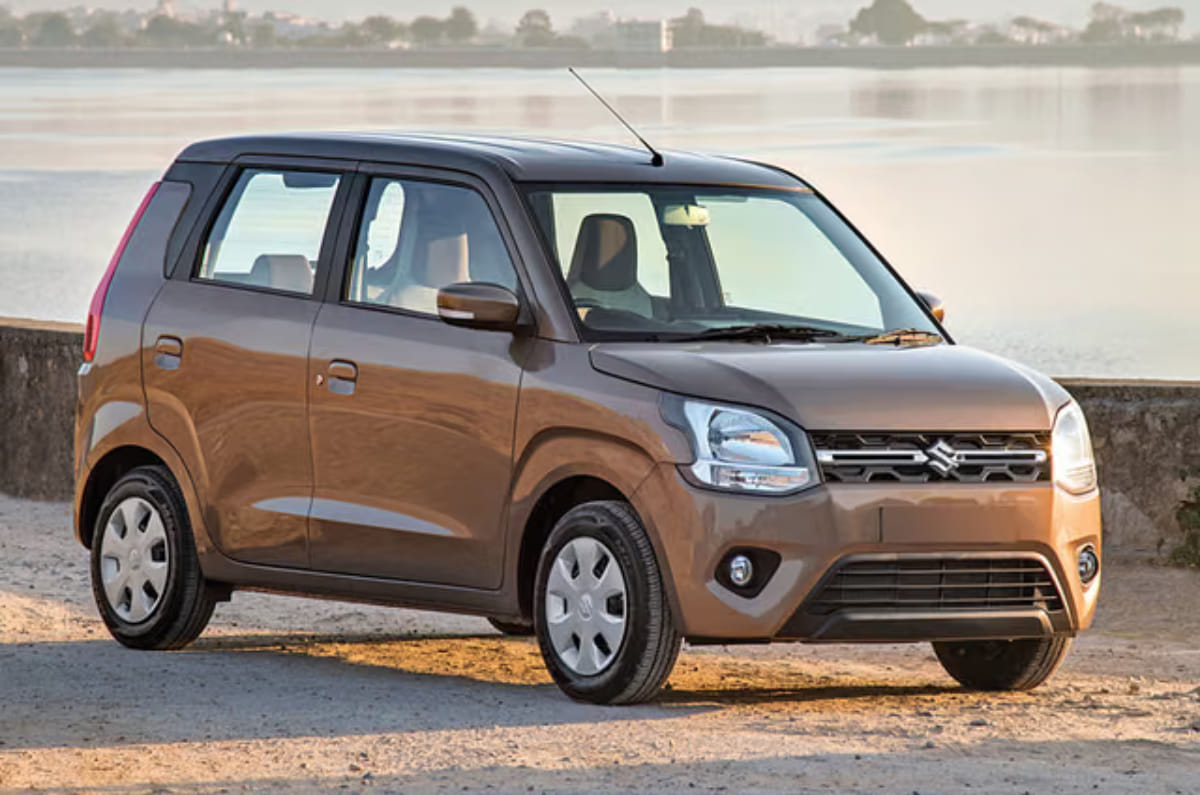
The Wagon R is available with benefits of up to Rs 52,500 across its petrol and CNG range. Buyers can avail of a Rs 25,000 cash discount, an exchange bonus of up to Rs 25,000 or a Rs 10,000 scrappage bonus, along with a Rs 2,500 institutional discount.

Priced between Rs 4.99 lakh and Rs 7.24 lakh, the Wagon R rivals the Tata Tiago and Citroen C3.

Maruti Alto K10 discounts in August 2026

Up to Rs 52,500 off

In the Alto K10 line-up, the LXi petrol variant gets the highest benefits of Rs 52,500, while other petrol variants are available with discounts of up to Rs 42,500. Benefits on CNG variants are capped at Rs 37,500.

Depending on the variant, buyers can avail of a cash discount of up to Rs 25,000, an exchange bonus of up to Rs 25,000 or a Rs 10,000 scrappage bonus, and a Rs 2,500 institutional discount. This rival to the Renault Kwid is priced between Rs 3.70 lakh and Rs 5.45 lakh.

Maruti Celerio discounts in August 2026

Up to Rs 42,500 off

Benefits of up to Rs 42,500 are available across the Celerio range this month. The offer includes a Rs 15,000 cash discount, an exchange bonus of up to Rs 25,000 or a Rs 10,000 scrappage bonus, along with a Rs 2,500 institutional discount. A rival to the Tata Tiago and Renault Kwid, the Celerio has a starting price of Rs 4.70 lakh and costs Rs 6.73 lakh for the top-spec variant.

Maruti Eeco discounts in August 2026

Up to Rs 42,500 off

Petrol variants of the Eeco receive benefits of up to Rs 42,500, while CNG versions are eligible for discounts of up to Rs 32,500. Petrol models get a Rs 15,000 cash discount, whereas CNG variants receive Rs 5,000. Both are offered with an exchange bonus of up to Rs 25,000, along with a Rs 2,500 institutional discount. The Eeco is priced between Rs 5.23 lakh and Rs 6.41 lakh.

Maruti Swift discounts in August 2026

Up to Rs 40,000 off

Petrol variants of the Swift are available with benefits of up to Rs 40,000, including a Rs 10,000 cash discount, an exchange bonus of up to Rs 25,000 or a Rs 10,000 scrappage bonus, and a Rs 5,000 institutional discount. CNG variants receive lower benefits of up to Rs 30,000, as they are not eligible for a cash discount this month.

The Swift is priced between Rs 5.79 lakh and Rs 8.69 lakh and rivals the Hyundai Grand i10 Nios and Tata Tiago.

Maruti S-Presso discounts in August 2026

Up to Rs 37,500 off

All variants of the S-Presso are being offered with benefits of up to Rs 37,500. Buyers can avail of a Rs 10,000 cash discount, an exchange bonus of up to Rs 25,000 or a Rs 10,000 scrappage bonus, and a Rs 2,500 institutional discount. Maruti’s most affordable offering currently, the S-Presso is priced from Rs 3.50 lakh to Rs 5.25 lakh and rivals the Renault Kwid and its stablemate Alto K10.

All prices are ex-showroom, India.

सैलरी नहीं, ये 5 आदतें खाली कर रही हैं आपकी जेब! बेंगलुरु के क्रिएटर ने बताया बचत का तरीका

बेंगलुरु के कंटेंट क्रिएटर अक्षय सीएन ने लोगों का ध्यान बचत से जुड़ी एक अहम समस्या की ओर दिलाया है। उनका कहना है कि कम सैलरी नहीं, बल्कि रोजाना होने वाले छोटे-छोटे खर्च कई बार आर्थिक स्थिति को प्रभावित करते हैं। उन्होंने सोशल मीडिया पर एक वीडियो शेयर कर बताया कि फूड डिलीवरी, कैब राइड, गैरजरूरी शॉपिंग, बेकार सब्सक्रिप्शन और बिना प्लानिंग के वीकेंड खर्च जैसी आदतें धीरे-धीरे बड़ी रकम में बदल जाती हैं।

अक्षय के मुताबिक, ज्यादा कमाई करने वाले लोग भी अगर खर्चों पर नजर नहीं रखते तो बचत नहीं कर पाते। वहीं सीमित आय वाले लोग सही प्लानिंग के जरिए पैसे बचा सकते हैं। उनकी पोस्ट ने सोशल मीडिया पर लोगों के बीच खर्च करने की आदतों और बेहतर वित्तीय प्रबंधन को लेकर चर्चा शुरू कर दी है।

वायरल वीडियो में बताए पैसे खत्म करने वाले कारण

Instagram पेज @bangalore_viral चलाने वाले अक्षय सीएन ने एक वीडियो शेयर कर ऐसी 5 आदतों के बारे में बताया, जो धीरे-धीरे हर महीने की बचत को कम कर देती हैं। इनमें बार-बार ऑनलाइन फूड ऑर्डर करना, कैब पर ज्यादा खर्च, बेवजह खरीदारी, बिना इस्तेमाल वाले सब्सक्रिप्शन और बिना बजट के वीकेंड प्लान शामिल हैं।

‘समस्या सैलरी नहीं, अनदेखे खर्च हैं’

अक्षय ने पोस्ट के कैप्शन में लिखा कि कई लोग सोचते हैं कि सैलरी बढ़ने के बाद बचत शुरू करेंगे। लेकिन उनके मुताबिक, असली फर्क कमाई से ज्यादा पैसों को लेकर जागरूकता का होता है। उन्होंने बताया कि कुछ लोग 40 हजार रुपये कमाकर भी बचत कर लेते हैं, जबकि लाखों की आय वाले लोग भी महीने के अंत में परेशान रहते हैं।

छोटे खर्च कैसे बन जाते हैं बड़ा बोझ

अक्षय ने उदाहरण देते हुए बताया कि एक बार का ₹300 का कैब राइड ज्यादा बड़ा खर्च नहीं लगता, लेकिन महीने में 20 बार लेने पर यही रकम काफी बढ़ जाती है। इसी तरह रोजाना फूड डिलीवरी, सेल के नाम पर खरीदारी और छोटे-छोटे डिजिटल पेमेंट लंबे समय में जेब पर भारी असर डाल सकते हैं।

सब्सक्रिप्शन और वीकेंड खर्च पर भी दी चेतावनी

उन्होंने कहा कि कई लोग ऐसे ऐप्स और सेवाओं के लिए पैसे देते रहते हैं, जिनका इस्तेमाल तक नहीं करते। वहीं हर वीकेंड बाहर जाने की आदत भी बिना प्लानिंग के बजट बिगाड़ सकती है। उनके अनुसार, समस्या बाहर जाने में नहीं बल्कि बिना हिसाब के खर्च करने में है।

30 दिन वाला सवाल बदल सकता है खर्च की आदत

अक्षय ने पैसे बचाने का एक आसान तरीका भी साझा किया। उन्होंने बताया कि कोई भी चीज खरीदने से पहले वह खुद से पूछते हैं,”क्या मैं 30 दिन बाद भी इस खरीदारी से खुश रहूंगा?” उनके मुताबिक, इस एक सवाल ने उन्हें बेहतर वित्तीय फैसले लेने में मदद की है।

सोशल मीडिया पर लोगों ने दी प्रतिक्रिया

अक्षय की पोस्ट पर कई यूजर्स ने सहमति जताई। कुछ लोगों ने कहा कि रोजमर्रा के खर्चों की वजह से महीने के अंत तक पैसे बचाना मुश्किल हो जाता है। वहीं कई यूजर्स ने माना कि बचत के लिए ज्यादा कमाई से ज्यादा खर्चों पर नियंत्रण जरूरी है।

बारिश में समोसे खाने की हुई इच्छा, Swiggy से ऑर्डर किया तो 104 रुपये का बिल देख रह गई हैरान, वायरल पोस्ट पर लोगों ने दिए मजेदार रिएक्शन

ITR Filing 2026 Deadline: 31 जुलाई से पहले ऐसे भरें आयकर रिटर्न, पेनल्टी से बचें

income tax

अगर आपने वित्तीय वर्ष 2025-26 के लिए अपना आयकर रिटर्न (ITR) अभी तक दाखिल नहीं किया है, तो तुरंत सावधान हो जाएं! व्यक्तिगत करदाताओं और वेतनभोगियों के लिए बिना  किसी लेट फीस के ITR फाइल करने की अंतिम तिथि 31 जुलाई 2026 है।


अंतिम समय में इनकम टैक्स पोर्टल पर ट्रैफिक का दबाव बढ़ने से सर्वर स्लो होने या पेमेंट अटकने की समस्या हो सकती है। यदि आप 31 जुलाई की समय सीमा चूक जाते हैं, तो आपको  भारी लेट फीस, ब्याज और कई वित्तीय नुकसान उठाने पड़ सकते हैं।
 

धारा 234F के तहत पेनल्टी (Late Fee Slabs) 

आयकर कानून की धारा 234F के अनुसार, नियत तारीख के बाद रिटर्न (Belated Return) दाखिल करने पर निम्नलिखित जुर्माना लागू होता है:


कुल वार्षिक आय (Total Income) 31 जुलाई के बाद ITR फाइल करने पर लेट फीस

2.5 लाख तक रुपए (मूल छूट सीमा) कोई पेनल्टी नहीं

2.5 लाख से 5 लाख रुपए तक 1,000 रुपए अधिकतम लेट फीस

5 लाख रुपए से अधिक 5,000 रुपए लेट फीस


समय पर ITR न भरने के 4 बड़े नुकसान

1. धारा 234A के तहत ब्याज : यदि आपका कोई टैक्स बकाया है, तो समय सीमा समाप्त होने के बाद आपको बकाए टैक्स पर 1% प्रति माह की दर से ब्याज देना होगा। 
 

2. नुकसान (Losses) को कैरी फॉरवर्ड न कर पाना : शेयर बाजार, फ्यूचर्स एंड ऑप्शंस (F&O) या बिजनेस से हुए नुकसान को अगले वर्षों के मुनाफे से एडजस्ट (Carry Forward) करने का विकल्प समाप्त हो जाता है।
 

3. ओल्ड टैक्स रिजीम का विकल्प बंद: यदि आप पुरानी कर व्यवस्था (Old Tax Regime) चुनना चाहते थे, तो समय सीमा बीत जाने के बाद आप केवल न्यू टैक्स  रिजीम (New Tax Regime) के तहत ही बेलैटेड रिटर्न भर पाएंगे।

4. रिफंड में देरी : यदि आपका TDS कटा है और आप रिफंड के हकदार हैं, तो देर से फाइल करने पर आपका रिफंड अटक सकता है या उसमें काफी देरी हो सकती है।


पोर्टल पर ऑनलाइन ITR फाइल करने की चरणबद्ध प्रक्रिया

समय सीमा समाप्त होने से पहले घर बैठे आधिकारिक पोर्टल (incometax.gov.in) पर आसानी से ITR फाइल करने के लिए इन स्टेप्स का पालन करें:
 

1.ई-फाइलिंग पोर्टल पर लॉगिन करें: PAN और पासवर्ड तैयार रखें।

आधिकारिक वेबसाइट incometax.gov.in पर जाएं। अपनी यूजर आईडी (PAN) और पासवर्ड का उपयोग करके लॉगिन करें।
 

2.File Income Tax Return चुनें:

लॉगिन के बाद मुख्य डैशबोर्ड पर e-File > Income Tax Returns > File Income Tax Return विकल्प पर क्लिक करें।
 

3.आकलन वर्ष (Assessment Year) का चयन करें:

आकलन वर्ष में AY 2026-27 का चयन करें। इसके बाद ऑनलाइन फाइलिंग (Online Mode) चुनें और 'Start New Filing' पर क्लिक करें।
 

4.करदाता स्थिति एवं सही ITR फॉर्म का चुनाव करें:

अपनी स्थिति Individual चुनें। यदि आपकी केवल वेतन, एक मकान संपत्ति या ब्याज से आय है, तो ITR-1 (Sahaj) चुनें।
 

5.AIS और Form 26AS से आंकड़ों का मिलान करें:

अपने फॉर्म 16, AIS (Annual Information Statement) और Form 26AS के आंकड़ों की जांच करें। यदि कोई टैक्स बकाया दिखता है, तो e-Pay Tax  के माध्यम से तुरंत भुगतान करें।
 

6.समीक्षा करें और e-Verify पूरा करें:

अपनी सभी जानकारियों की दोबारा समीक्षा करके Submit पर क्लिक करें। इसके बाद अपने आधार OTP या नेट बैंकिंग का उपयोग करके e-Verification प्रक्रिया तुरंत पूरी  करें (बिना ई-वेरिफिकेशन के ITR अमान्य माना जाता है)।
 

ITR सबमिट करने से पहले अंतिम चेकलिस्ट 

– AIS/TIS की जांच: अपने पोर्टल पर जाकर AIS जरूर डाउनलोड करें और उसमें दर्ज ब्याज, डिविडेंड या शेयर ट्रेडिंग की जानकारी अपने रिकॉर्ड से मिलाएं।

– बैंक खाता वैलिडेट करें: सुनिश्चित करें कि आपका बैंक खाता पोर्टल पर पूर्व-सत्यापित (Pre-validated) है ताकि रिफंड सीधे आपके खाते में आ सके।

– ई-वेरिफिकेशन न भूलें: ITR फाइल करने के 30 दिनों के भीतर ई-वेरिफिकेशन करना अनिवार्य है।

सलाह: यदि पोर्टल पर अत्यधिक लोड के कारण तकनीकी समस्या आए, तो स्क्रीनशॉट लेकर रखें और थोड़ा रुककर पुनः प्रयास करें। 31 जुलाई की मध्यरात्रि से पहले अपनी प्रक्रिया पूरी कर लें। 


आयकर रिटर्न (ITR) भरते समय सही फॉर्म चुनना सबसे महत्वपूर्ण चरण है। गलत फॉर्म चुनने पर इनकम टैक्स डिपार्टमेंट आपके रिटर्न को 'Defective Return' (धारा  139(9)) करार दे सकता है। 

व्यक्तिगत करदाताओं (Individuals) के लिए ITR-1 (Sahaj) और ITR-2 सबसे आम फॉर्म हैं। 

ITR-1 (Sahaj) और ITR-2 में मुख्य अंतर 

विषय ITR-1 (Sahaj) ITR-2

पात्रता (Eligibility) केवल भारत के निवासी (Resident Individuals) निवासी (Resident), अनिवासी (NRI) और HUF

कुल आय सीमा ₹50 लाख तक ₹50 लाख से अधिक (कोई सीमा नहीं)

मकान संपत्ति (House Property) केवल 1 मकान संपत्ति से आय 1 से अधिक मकान संपत्तियों से आय

कैपिटल गेन्स (शेयर, MF, प्रॉपर्टी) केवल Section 112A के तहत ₹1.25 लाख तक LTCG सभी प्रकार के Capital Gains (STCG/LTCG,  प्रॉपर्टी, सोना आदि)

विदेशी संपत्ति / आय (Foreign Assets) अनुमति नहीं है विदेश में संपत्ति, शेयर (RSUs/ESOPs) या आय होने पर अनिवार्य

कृषि आय (Agricultural Income) ₹5,000 तक ₹5,000 से अधिक होने पर

डायरेक्टर / अनलिस्टेड शेयर कंपनी में डायरेक्टर या अनलिस्टेड शेयरधारक फाइल नहीं कर सकते कंपनी के डायरेक्टर या अनलिस्टेड शेयरधारक फाइल कर सकते हैं

आपके लिए कौन सा फॉर्म सही है?

1. आपको ITR-1 (Sahaj) चुनना चाहिए यदि:
 

आपकी कुल वार्षिक आय ₹50 लाख तक है। 

आपकी आय का मुख्य स्रोत वेतन (Salary), पेंशन (Pension) या ब्याज/डिविडेंड (Other Sources) है। 

आपके पास केवल 1 मकान संपत्ति (Single House Property) है। 

आपकी कृषि आय (Agricultural Income) ₹5,000 या उससे कम है। 

आपने शेयर या म्यूचुअल फंड बेचे हैं, लेकिन आपका कुल लॉन्ग-टर्म कैपिटल गेन (Section 112A u/s) ₹1.25 लाख के अंदर है और कोई अन्य कैपिटल गेन  या लॉस नहीं है। 

2. आपको ITR-2 चुनना चाहिए यदि: 

आपकी कुल वार्षिक आय ₹50 लाख से अधिक है। 

आपने शेयर, म्यूचुअल फंड, जमीन, मकान या सोना बेचा है और आपको Short-Term Capital Gain (STCG) या अधिक LTCG हुआ है। 

आपके पास 2 या उससे अधिक मकान हैं जिनसे किराया या आय आती है। 

आपकी विदेशी आय है या विदेश में कोई बैंक खाता/कंपनी शेयर (जैसे MNCs से मिले US Stocks/ESOPs) हैं। 

आपकी कृषि आय ₹5,000 से अधिक है। 

आप किसी कंपनी में डायरेक्टर (Director) हैं या आपके पास अनलिस्टेड कंपनियों के शेयर हैं। 

आपका आवासीय दर्जा NRI (Non-Resident Indian) या RNOR है। 

ध्यान दें: बिजनेस या प्रोफेशन से आय (जैसे फ्रीलांसिंग, कंसल्टेंसी, ट्रेडिंग या बिज़नेस प्रॉफिट) कमाने वाले व्यक्ति ITR-1 या ITR-2 का उपयोग नहीं कर सकते। उनके लिए ITR-3  या ITR-4 लागू होता है। 


आयकर पोर्टल (Income Tax Portal) से AIS (Annual Information Statement) डाउनलोड करना और उसका Form 16 से मिलान  (Reconciliation) करना आयकर रिटर्न (ITR) फाइल करने का सबसे महत्वपूर्ण चरण है। इससे आपके ITR में किसी प्रकार के मिसमैच की संभावना खत्म हो जाती है।
 

1. AIS कैसे डाउनलोड करें? (Step-by-Step Guide) 
 

1.इ-फाइलिंग पोर्टल पर लॉगिन करें:

आयकर विभाग की आधिकारिक वेबसाइट incometax.gov.in पर जाएं। अपने PAN (यूजर ID) और पासवर्ड से लॉगिन करें।

2.Services मेनू में जाएं:

लॉगिन के बाद मुख्य मेनू बार पर Services टैब पर क्लिक करें और ड्रॉपडाउन से Annual Information Statement (AIS) चुनें।

3.AIS पोर्टल पर रिडायरेक्ट हों:

स्क्रीन पर एक पॉप-अप मैसेज आएगा, वहां Proceed पर क्लिक करें। यह आपको एक नए Compliance Portal पर ले जाएगा।

4.असेसमेंट ईयर और फाइल फॉर्मेट चुनें:

Compliance Portal पर AIS टैब पर क्लिक करें। ऊपर से सही असेसमेंट ईयर (जैसे AY 2026-27) चुनें।

5.PDF या Excel में डाउनलोड करें:PDF खोलने के लिए पासवर्ड डालें.

आप पूरे विवरण को PDF या JSON/Excel फॉर्मेट में डाउनलोड करने के लिए Download बटन पर क्लिक करें।
 

PDF खोलने का पासवर्ड Format: 

AIS की PDF फाइल पासवर्ड प्रोटेक्टेड होती है। इसका पासवर्ड आपका PAN (स्मॉल लेटर्स में) + आपकी जन्मतिथि (DDMMYYYY) होता है। 

उदाहरण: यदि आपका PAN ABCDE1234F और DOB 15/08/1990 है, तो पासवर्ड होगा: abcde1234f15081990।

2. Form 16 और AIS का मिलान (Reconciliation) कैसे करें? 

Form 16 आपके एम्प्लॉयर (कंपनी) द्वारा दी गई सैलरी और काटे गए TDS का प्रमाण है, जबकि AIS में आपकी सैलरी के अलावा बैंक ब्याज, डिविडेंड, शेयर ट्रेडिंग आदि की भी  जानकारी होती है। 

दोनों का मिलान करते समय निम्नलिखित बिंदुओं को क्रमानुसार जांचें:

1. ग्रॉस सैलरी (Gross Salary) का मिलान 

Form 16 (Part B): अपनी कुल ग्रॉस सैलरी और एम्प्लॉयर द्वारा काटे गए कुल TDS की जांच करें। 

AIS (Part B – TDS/TCS section): सैलरी कोड (192) के सामने दिख रही रकम और काटे गए TDS का मिलान Form 16 के Part A से  करें। 

ध्यान दें: यदि आपने साल के दौरान नौकरी बदली है, तो दोनों एम्प्लॉयर्स के Form 16 की कुल रकम का जोड़ AIS की कुल सैलरी से मिलना चाहिए। 

2. TDS और Form 26AS से क्रॉस-चेक 

Form 16 में दर्ज कुल TDS कटौती, AIS के TDS/TCS टैब और आपके Form 26AS में दिख रहे टैक्स क्रेडिट से पूरी तरह मैच होनी चाहिए। 

3. अन्य आय (Other Income) की पहचान 

AIS में सैलरी के अलावा कई ऐसी आय दर्ज होती हैं जो Form 16 में नहीं होतीं: 

बैंक ब्याज (Savings/FD Interest): पासबुक और बैंक से मिले इंटरेस्ट सर्टिफिकेट से इसका मिलान करें। 

डिविडेंड (Dividend Income): शेयर या म्यूचुअल फंड से मिले डिविडेंड को क्रॉस-चेक करें। 

कैपिटल गेन्स (Shares/MF Sale): शेयर या प्रॉपर्टी बिक्री से हुई कमाई AIS के SFT Information में दिखती है।
 

यदि AIS में गलत जानकारी या अंतर दिखाई दे तो क्या करें? 
 

अगर AIS में कोई ऐसी इनकम दर्ज दिख रही है जो आपकी नहीं है या कोई आंकड़ा दो बार (Duplicate) दर्ज हो गया है, तो आप पोर्टल पर Feedback दे सकते हैं: 

1. AIS Portal पर उस गलत एंट्री/लाइन आइटम पर क्लिक करें। 

2. Optional / Feedback बटन चुनें।

3. उपयुक्त विकल्प चुनें (जैसे: Information is not correct, Income is not taxable, या Information relates to  other PAN/Year)।

4. इसे सबमिट कर दें। सबमिट करने के बाद आपकी TIS (Taxpayer Information Summary) अपने आप अपडेट हो जाएगी।


LIC’s Micro Bachat Plan: ₹1000 महीने वाली एलआईसी पॉलिसी, रिटर्न भी धांसू

LIC’s Micro Bachat Plan: एलआईसी के कुछ प्लान ऐसे हैं, जिनमें इंश्योरेंस कवरेज के साथ-साथ रिटर्न भी बेहतर मिलता है। इसमें से एक माइक्रो बचत प्लान है। इसमें सालाना करीब ₹12 हजार में यानी हर महीने महज ₹1000 के प्रीमियम में ही 15 साल तक का इंश्योरेंस कवरेज हासिल किया जा सकता है। इसमें पॉलिसीहोल्डर्स को शर्तों के हिसाब से लॉयल्टी एडीशंस मिलता है और मौजूदा लॉयल्टी एडीशंस के हिसाब से करीब 6% तक का रिटर्न बन सकता है। हालांकि इस प्लान की कुछ सीमाएं भी हैं जैसे कि इसमें अधिकतम ₹2 लाख तक की ही पॉलिसी खरीदी जा सकती है। इस

LIC’s Micro Bachat Plan: खास बातें

एलआईसी का माइक्रो बचत प्लान एक नॉन-लिंक्ड, पार्टिसिपेटिंग, इंडिविजुअल लाइफ, माइक्रो-इंश्योरेंस, सेविंग्स प्लान है।

इसमें 18-55 वर्ष की उम्र में ₹1-₹2 लाख तक की पॉलिसी ली जा सकती है।

प्रीमियम भरने के लिए 10 से लेकर 15 वर्षों तक का पीरियड चुना जा सकता है और प्रीमियम पेमेंट टर्म (PPT) खत्म होने के बाद मेच्योरिटी पर पैसा मिलेगा।

मेच्योरिटी पर कितना पैसा मिलेगा, यह निर्भर करता है कि पॉलिसी कितने साल के लिए ली है क्योंकि जितने समय के लिए पॉलिसी लेंगे, उतने समय तक का लॉयल्टी एडीशन (LA) मिलेगा। लॉयल्टी एडीशन 5 साल के बाद ही जुड़ने शुरू होते हैं यानी कि इससे पहले सरेंडर करने पर लॉयल्टी एडीशन नहीं मिलेगा।

अब डेथ बेनेफिट की बात करें तो पॉलिसीहोल्डर्स की मौत के मामले में अगर पॉलिसी के पहले पांच साल में मृत्यु हुई है तो नॉमिनी को सम एश्योर्ड के बराबर पैसा मिलेगा और 5 साल के बाद मौत होने पर सम एश्योर्ड के साथ लॉयल्टी एडीशन जोड़कर मिलेगा। सम एश्योर्ड का मतलब बेसिक सम एश्योर्ड या सालाना प्रीमियम के सात गुने में जो अधिक हो, वह है।

इसमें किए गए निवेश पर ओल्ड टैक्स रिजीम में सेक्शन 80सी के तहत टैक्स डिडक्शन मिलता है तो मेच्योरिटी का पैसा सेक्शन 10(10डी) के तहत टैक्स-फ्री है।

इसमें ADDB (एक्सीडेंटल डेट एंड डिजेबिलिटी बेनेफिट), AB, AB (दो गुना), AB (3 गुना) जैसे राइडर्स उपलब्ध हैं।

उदाहरण से समझें

मान लिया कि 55 साल के किसी शख्स ने इस प्लान के तहत ₹2 लाख की पॉलिसी खरीदी। उनका सालाना प्रीमियम ₹12066, छमाही ₹6096, तिमाही ₹3080 या मासिक ₹1027 बनेगा। 15 साल तक प्रीमियम पेमेंट करने के बाद मौजूदा लॉयल्टी एडीशन के हिसाब से रिटर्न में ₹2.65 लाख मिलेंगे। अभी सम एश्योर्ड के हर ₹1000 पर एलआईसी ₹325 लॉयल्टी एडीशन दे रही है। इसमें सालाना 5.1% का रिटर्न बनता दिख रहा है। ध्यान दें कि इसमें प्रीमियम कैलकुलेशन ADDB राइडर्स को मिलाकर किया गया है।
अब मान लेते हैं कि किसी शख्स ने 18 साल की उम्र में पॉलिसी ली। ADDB राइडर्स के साथ सालाना प्रीमियम ₹10360, छमाही ₹5235, तिमाही ₹2645 या मासिक ₹882 बनेगा। 15 साल तक प्रीमियम पेमेंट करने के बाद मौजूदा लॉयल्टी एडीशन के हिसाब से रिटर्न में ₹2.65 लाख मिलेंगे। इसमें सालाना 6.7% तक ेका रिटर्न बनता दिख रहा है।

LIC का बड़ा दांव! पति-पत्नी के लिए लॉन्च किए दो नए इंश्योरेंस प्लान, एक पॉलिसी में मिलेगा सेविंग और लाइफ कवर

Small Savings Schemes: शेयर मार्केट में उठा-पटक की टेंशन दूर, 8.2% तक का रिटर्न, पोस्ट ऑफिस की ये स्कीम शानदा

डिस्क्लेमर: निवेश या बीमा से जुड़ा कोई भी फैसला लेने से पहले अपने सलाहकार से जरूर संपर्क करें। मनीकंट्रोल की तरफ से किसी को भी पैसा लगाने की यहां कभी भी सलाह नहीं दी जाती है।

Small Savings Schemes: शेयर मार्केट में उठा-पटक की टेंशन दूर, 8.2% तक का रिटर्न, पोस्ट ऑफिस की ये स्कीम शानदार

Small Savings Schemes: पिछले कुछ महीनों से स्टॉक मार्केट में काफी उठा-पटक दिख रही है। इससे शॉर्ट टर्म में रिटर्न को लेकर निवेशक परेशान हो गए हैं। हालांकि अधिकतक एक्सपर्ट्स लंबे समय में अच्छा पैसा बनाने के लिए इक्विटी में पैसा लगाने की सलाह देते हैं लेकिन जो निवेशक मार्केट की घबराहट से दूर बिना टेंशन अच्छा पैसा बनाना चाहते हैं, उनके लिए भी मार्केट में विकल्प उपलब्ध हैं। ऐसे निवेशकों के लिए सरकार के सपोर्ट वाली छोटी बचत योजनाएं पोर्टफोलियो का अच्छा हिस्सा बन सकती हैं। इनमें सालाना 8.2% तक का ब्याज मिल रहा है, जिससे मार्केट की उठा-पटक से दूर निवेशकों का क्रेज इन्हें लेकर बढ़ रहा है।

Public Provident Fund (PPF)

लंबे समय से पीपीएफ सैलरीड एंप्लॉयीज और अपना खुद का बिजनेस करने वालों के लिए सबसे पसंदीदा निवेश विकल्पों में शुमार है। अभी इस पर सालाना 7.1% की दर से ब्याज मिल रहा है। इसका मेच्योरिटी पीरियड 15 वर्ष है। पुरानी टैक्स व्यवस्था यानी ओल्ड टैक्स रिजीम के तहत इसमें किए गए निवेश पर इनकम टैक्स के सेक्शन 80C के तहत टैक्स डिडक्शन मिलका है। साथ ही अर्जित ब्याज और मेच्योरिटी पर मिलने वाला पैसा भी टैक्स-फ्री होता है।

National Savings Certificate (NSC)

एनएससी एक फिक्स्ड इनकम योजना है, जिसमें अभी सालाना 7.7% की दर से ब्याज मिल रहा है। इसका मेच्योरिटी पीरियड 5 साल है और इसमें निवेश पर सेक्शन 80सी के तहत टैक्स बेनेफिट्स भी मिलता है।

Kisan Vikas Patra (KVP)

बाजार की उठा-पटक से दूर किसान विकास पत्र (केवीपी) ऐसे निवेशकों के लिए सुरक्षित है जो बिना किसी टेंशन अपने पैसे को अच्छी रफ्तार से बढ़ता हुआ देखना चाहते हैं। अभी इस पर सालाना 7.5% की दर से ब्याज मिल रहा है और इस रफ्तार से 115 महीने में इसमें रखा पैसा डबल हो जाता है।

Sukanya Samriddhi Yojana (SSY)

लड़कियों के भविष्य को सुरक्षित रखने के उद्देश्य से शुरू की गई सुकन्या समृद्धि योजना में अभी सालाना 8.2% की दर से ब्याज मिल रहा है जोकि स्मॉल सेविंग्स स्कीम्स में सबसे अधिक ब्याज देने वाली योजना में से एक है। 10 साल से कम उम्र की लड़की के अभिभावक यह खाता खोल सकते हैं।

Senior Citizens’ Savings Scheme (SCSS)

सीनियर सिटीजंस सेविंग्स स्कीम के तहत अभी सालाना 8.2% की दर से ब्याज मिल रहा है और यह भी अधिक ब्याज देने वाली सरकारी बचत योजनाओं में शुमार है। इसके तहत 60 वर्ष या इससे अधिक उम्र के लोग निवेश कर सकते हैं और ऐसे लोगों के लिए बेहतर है जो नियमित आय चाहते हैं।

Post Office Time Deposits

पोस्ट ऑफिस में बैंकों की तरह एक एफडी है, जिसे सरकार का सपोर्ट मिला हुआ है। इसमें एक साल की जमा पर 6.9%,दो साल की जमा पर 7.0%, तीन साल की जमा पर 7.1% और पांच साल की जमा पर 7.5% की दर से ब्याज मिलेगा। पांच साल की जमा पर सेक्शन 80सी के तहत टैक्स बेनेफिट्स भी मिलेगा।

छोटी बचत योजनाओं पर ब्याज दरें

सरकार हर तिमाही स्मॉल सेविंग्स स्कीम्स यानी छोटी बचत योजनाओं पर ब्याज दरें तय करती हैं और सितंबर तिमाही के लिए ब्याज दरों में कोई बदलाव नहीं किया गया है। यहां पोस्ट ऑफिस से जुड़ी स्कीम्स के लिए ब्याज दर की डिटेल्स दी जा रही है-

स्मॉल सेविंग्स स्कीमब्याज दर
सुकन्या समृद्धि योजना (SSY)8.2%
सीनियर सिटीजंस सेविंग्स स्कीम (SCSS)8.2%
नेशनल सेविंग्स सर्टिफिकेट (NSC)7.7%
किसान विकास पत्र (KVP)7.5%
5 वर्षीय पोस्ट ऑफिस टाइम डिपॉजिट7.5%
पोस्टऑफिस मंथली इनकम स्कीम (POMIS)7.4%
पब्लिक प्रोविडेंट फंड (PPF)7.1%
3 साल का पोस्ट ऑफिस  टाइम डिपॉजिट7.1%
2 साल का पोस्ट ऑफिस डाकघर टाइम डिपॉजिट7.0%
1 साल का पोस्ट ऑफिस  टाइम डिपॉजिट6.9%
पोस्ट ऑफिस आरडी (RD)6.7%
पोस्ट ऑफिस सेविंग्स स्कीम4.0%

SIP Calculator: म्यूचुअल फंड में ₹999 की छोटी SIP से तैयार होगा लाखों का फंड

डिस्क्लेमर: निवेश से जुड़ा कोई भी फैसला लेने से पहले अपने निवेश सलाहकार से जरूर संपर्क करें। मनीकंट्रोल की तरफ से किसी को भी पैसा लगाने की यहां कभी भी सलाह नहीं दी जाती है

Stark Future unveils Varg MX and EX factory editions

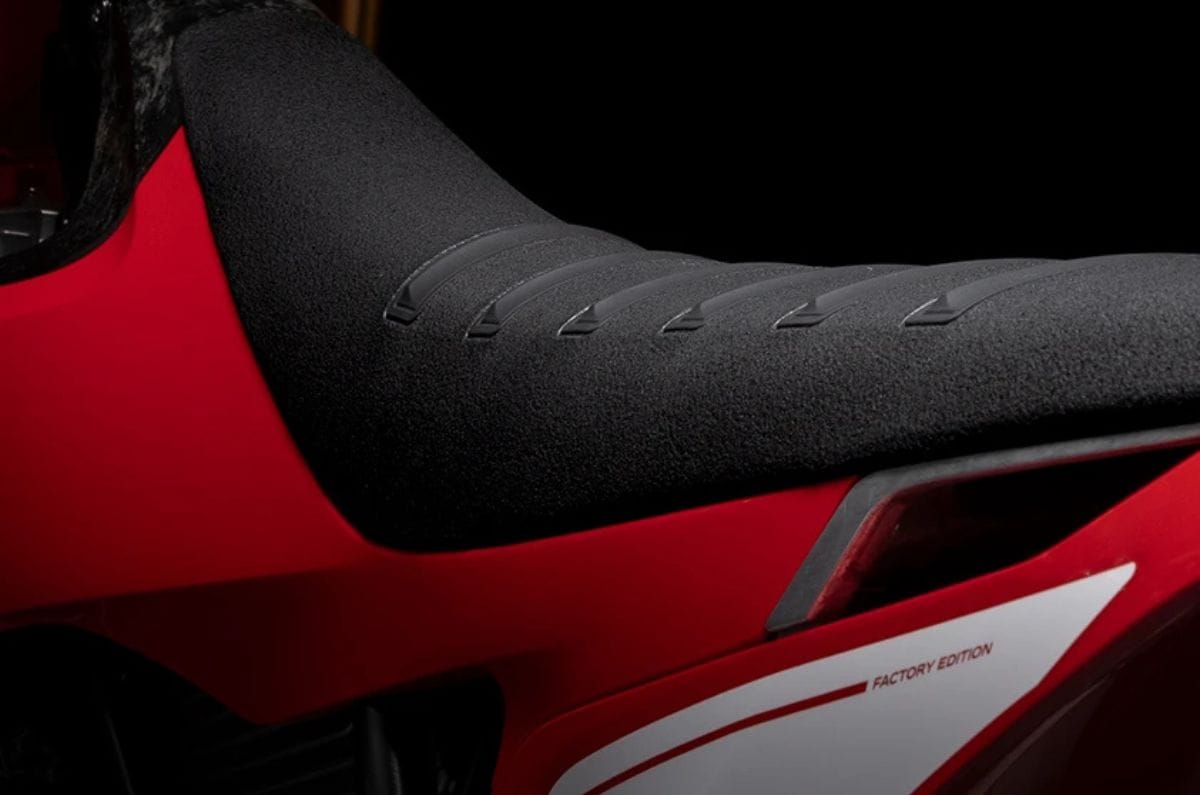
Stark Future Varg MX factory editions

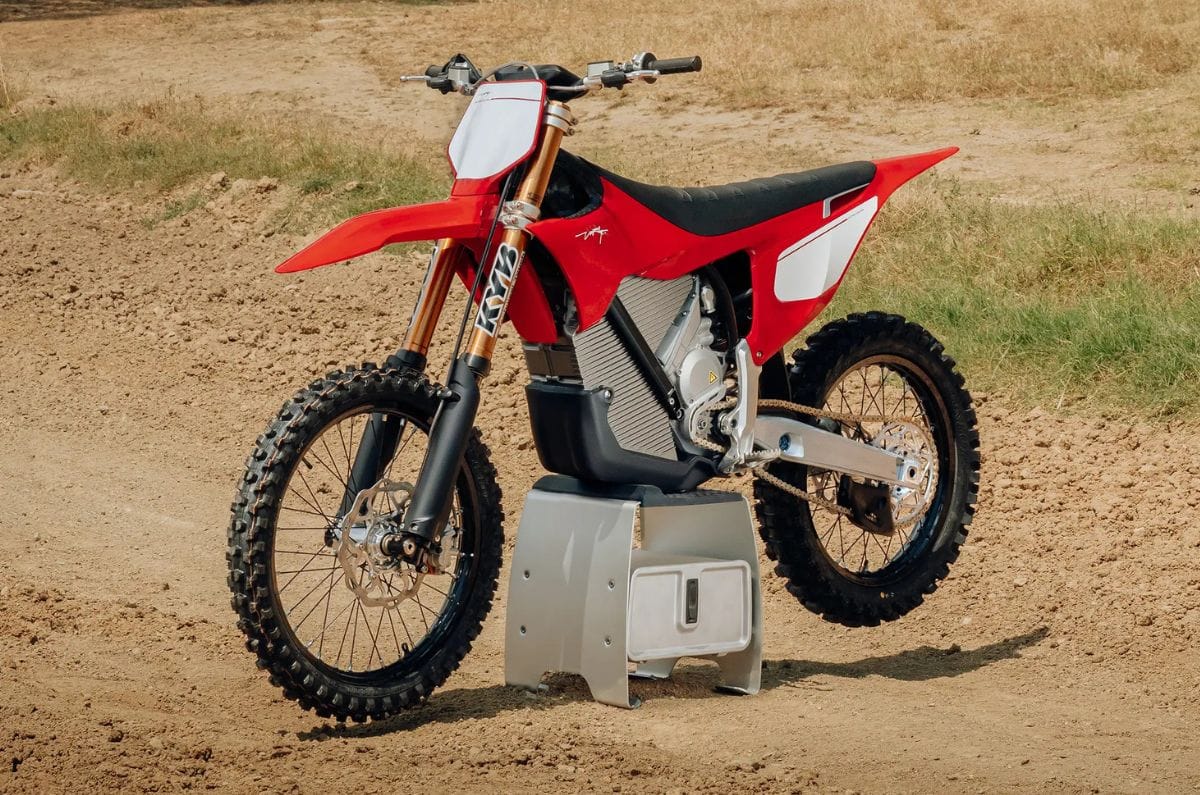
Stark Future has unveiled Factory Editions of its VARG MX and VARG EX electric off-road motorcycles. Limited to a total of 500 units worldwide, the special editions receive a host of chassis and component upgrades, headlined by a full KYB Factory A-Kit suspension setup, while the 80hp electric powertrain remains unchanged.

  1. Limited to 200 VARG MX and 300 VARG EX Factory Editions worldwide
  2. both motorcycles feature a KYB Factory A-Kit suspension setup
  3. 7.2kWh battery pack paired with an electric motor producing 80hp peak output remains unchanged

Stark VARG MX, EX Factory Edition: what’s new?

KYB Factory A-Kit suspension headlines the updates

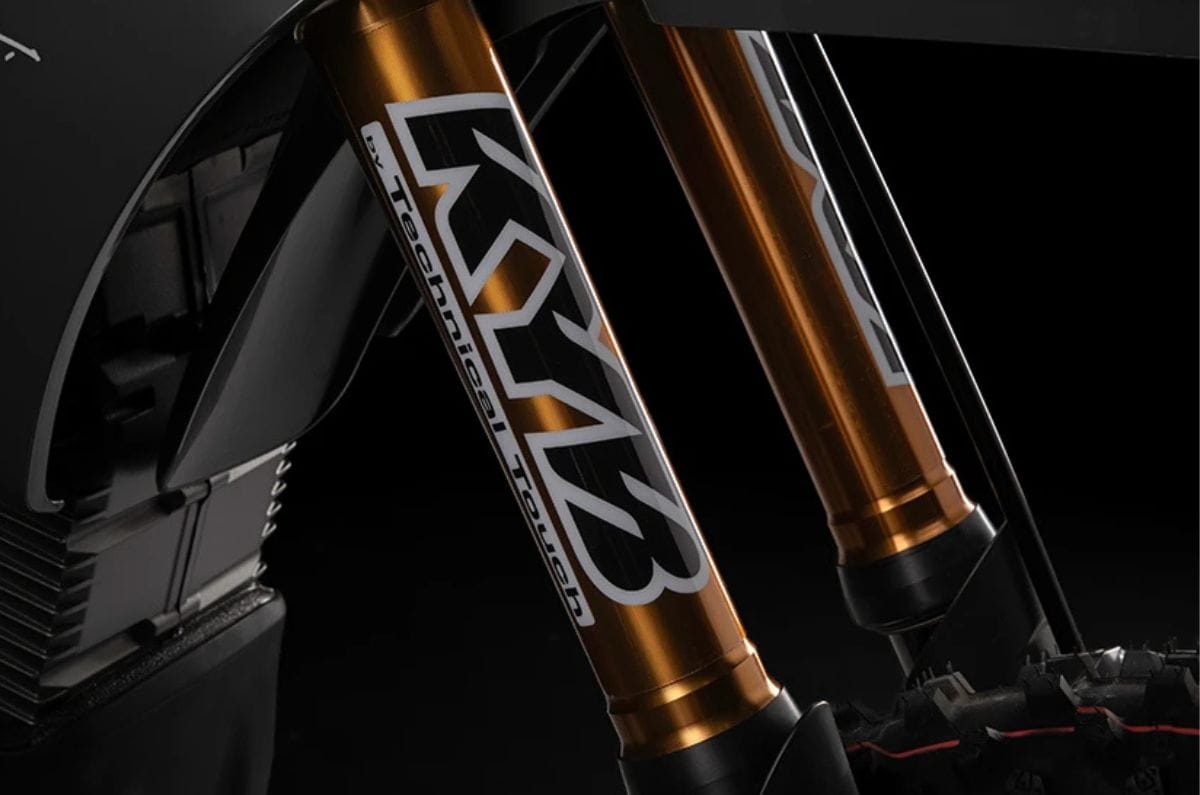
The biggest change on both motorcycles is the addition of a KYB Factory A-Kit suspension package. It comprises a 48mm closed-cartridge fork, a fully adjustable rear shock and an Xtrig preload adjuster, with the updates aimed at delivering improved feel and consistency over varied terrain.

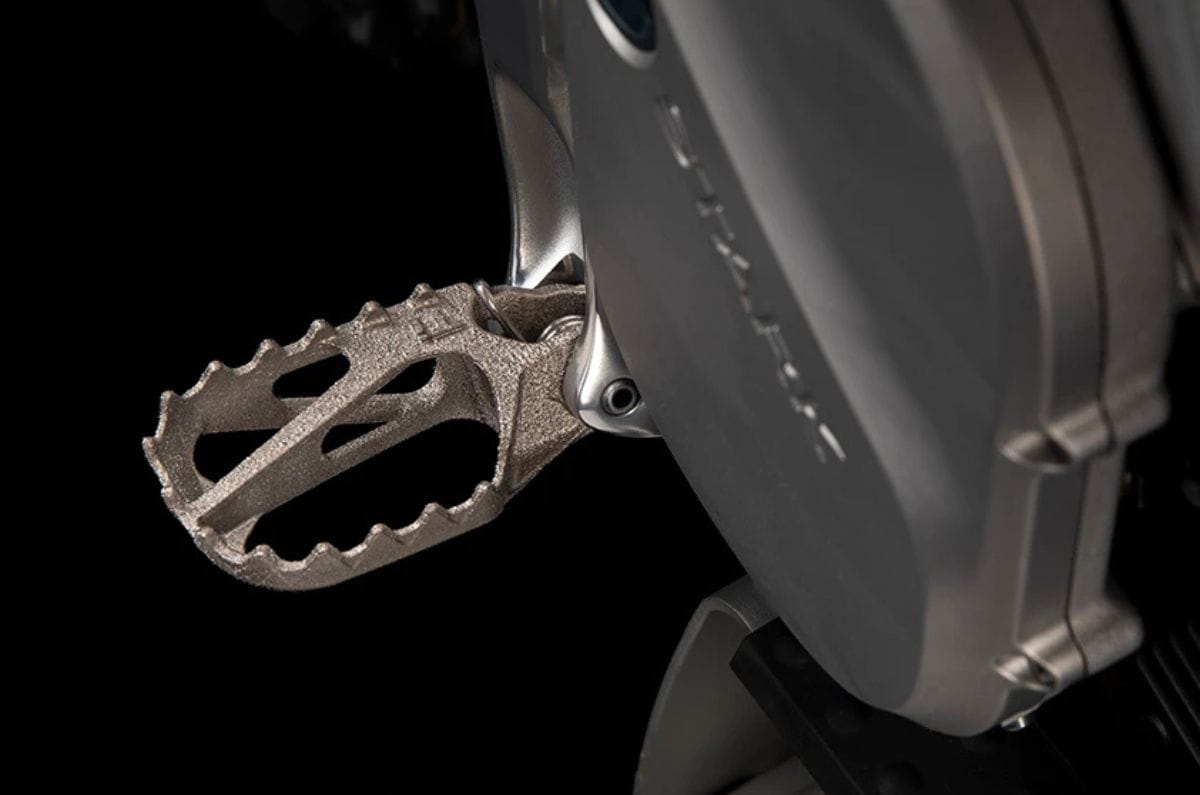
The Factory Editions also receive a number of hardware upgrades, including CNC-machined triple clamps, titanium footpegs, a titanium bolt kit – that contribute to a claimed weight savings of 1.1kg – a high-grip seat and an updated radiator fan holder. Stark has also added Dynamic Traction Control, integrated into the riding modes, while buyers in markets where regulations permit can opt for a hand-operated rear brake. Power continues to come from the brand’s 80hp electric motor paired with its 7.2kWh battery platform. 

However, the torque number differs between the MX and EX models, where the former puts out 978Nm on the rear wheel whereas the latter produces 1036Nm of torque on the rear wheel. However, torque figures on EVs are not always directly comparable to ICE models, as Stark Future quotes torque at the wheel resulting in a significantly higher number, on paper, due to gear reduction.

The VARG MX Factory Edition is finished in an exclusive Stark Red colour scheme and rides on Dunlop MX34 tyres. The road-legal VARG EX Factory Edition, meanwhile, gets a Forest Grey finish, enduro-specific suspension settings, Dunlop Geomax EN91 tyres, handguards, and front and rear disc protection. Stark Future will build just 200 VARG MX Factory Editions and 300 VARG EX Factory Editions, making them the most exclusive versions of the VARG range to date.

The VARG MX Factory Edition is priced at USD 15,990 (approximately Rs 15.43 lakh), while the VARG EX Factory Edition costs USD 16,990 (approximately Rs 16.40 lakh), according to current exchange rates.

Worried about E20 fuel? We answer all your burning questions

Ethanol

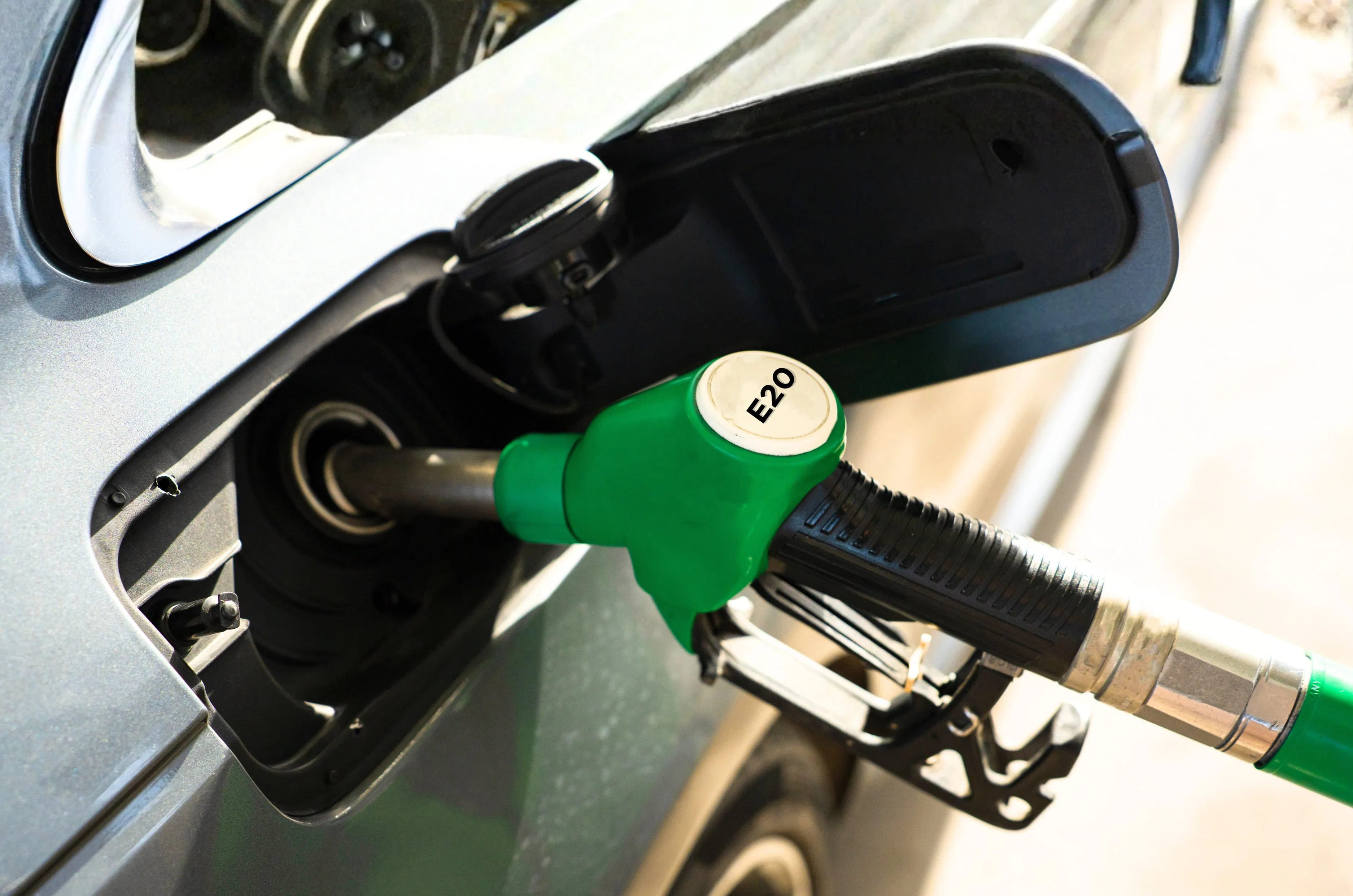
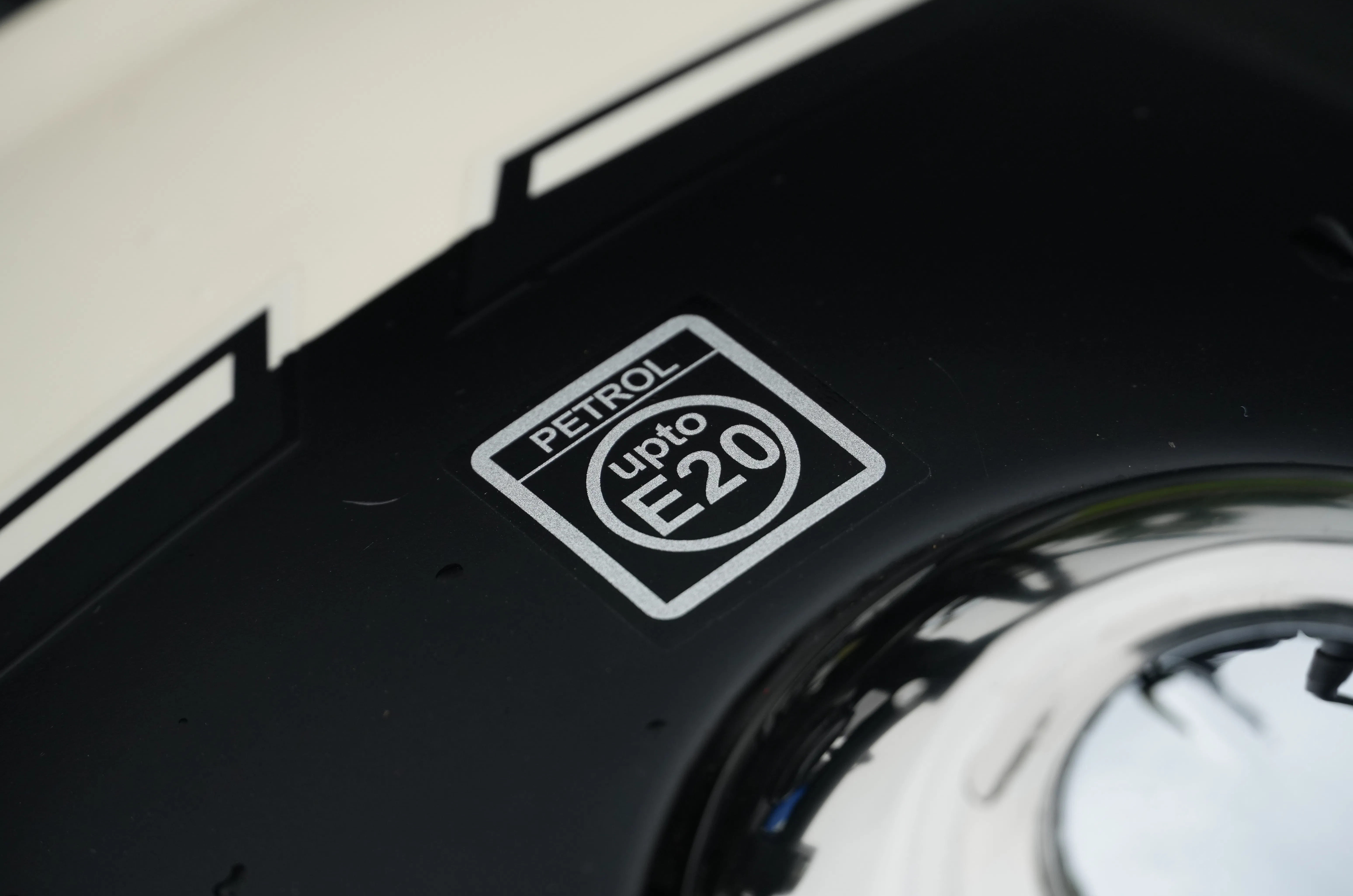
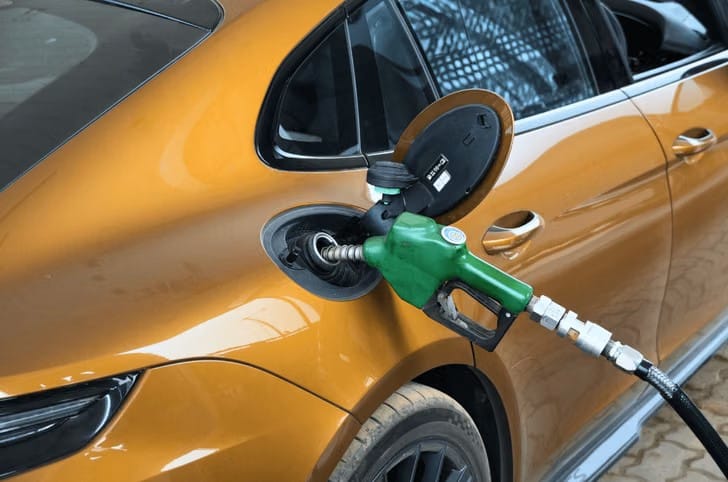
India completed the nationwide rollout of E20 petrol in April last year, making it the standard grade of petrol sold at fuel stations across the country. E20 contains 20 percent ethanol and 80 percent petrol, replacing the lower ethanol blends that were sold previously.

The transition has raised several questions among vehicle owners about compatibility, fuel efficiency, maintenance, warranties and long-term reliability. We separate the facts from the misconceptions and answer the key questions around E20.

1. What is E20 petrol and why has India switched to it?

E20 is fuel blended with 20 percent ethanol and 80 percent petrol. Ethanol is a biofuel produced from agricultural feedstocks such as sugarcane, maize and surplus food grains. India introduced the Ethanol Blended Petrol (EBP) Programme in 2003 with E5 petrol, and while the blended percentage kept varying for a while, it was eventually increased to E10 before completing the nationwide rollout of E20 in 2025, five years ahead of the planned implementation. According to the government, the programme aims to reduce dependence on imported crude oil, improve energy security, lower emissions and create an additional market for agricultural produce.

2. Can I use E20 fuel in my car or bike?

New petrol cars and two-wheelers sold in India today are compatible with E20 petrol. Under the government’s roadmap, vehicle manufacturers were required to make new petrol models manufactured from April 2023 compatible with E20.

Vehicles manufactured before April 2023 were designed for lower ethanol blends, so compatibility may vary depending on the model and year of manufacturing. However, some brands state that they had E20 material compliance before 2023, for a list click here

3. How do I know if my car is E20 compatible?

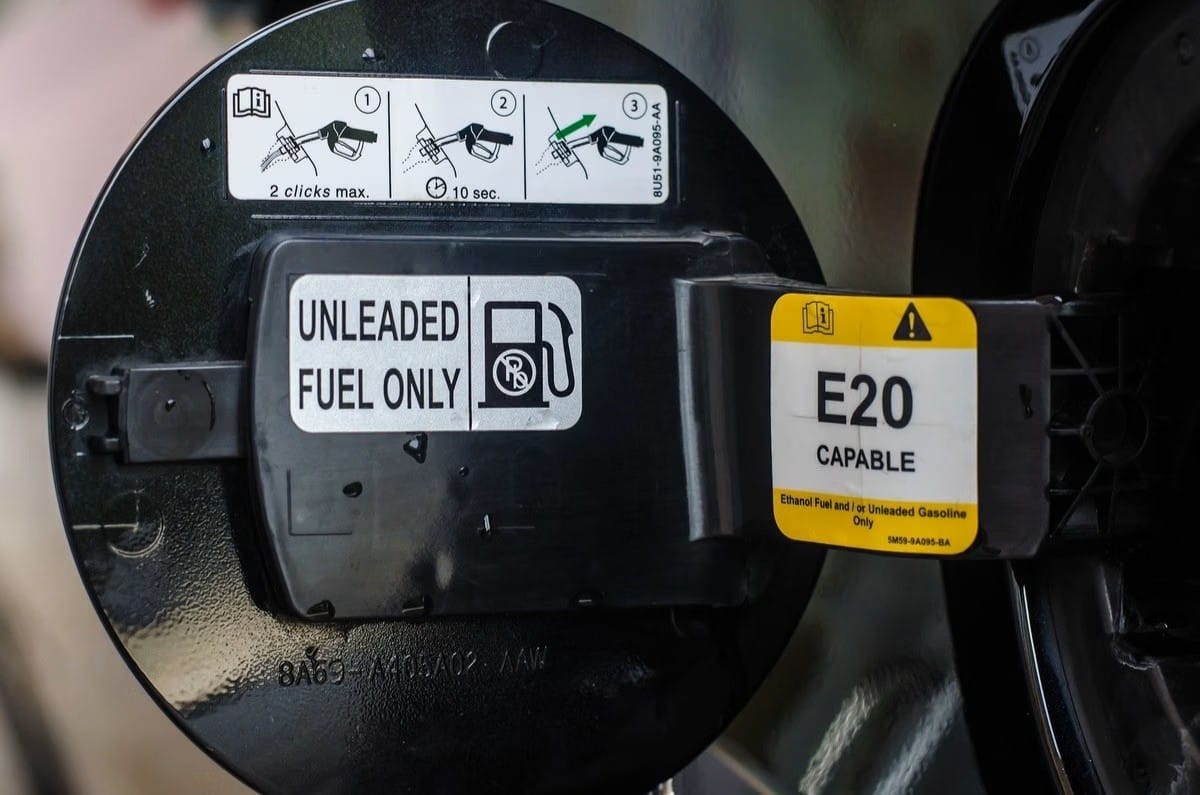
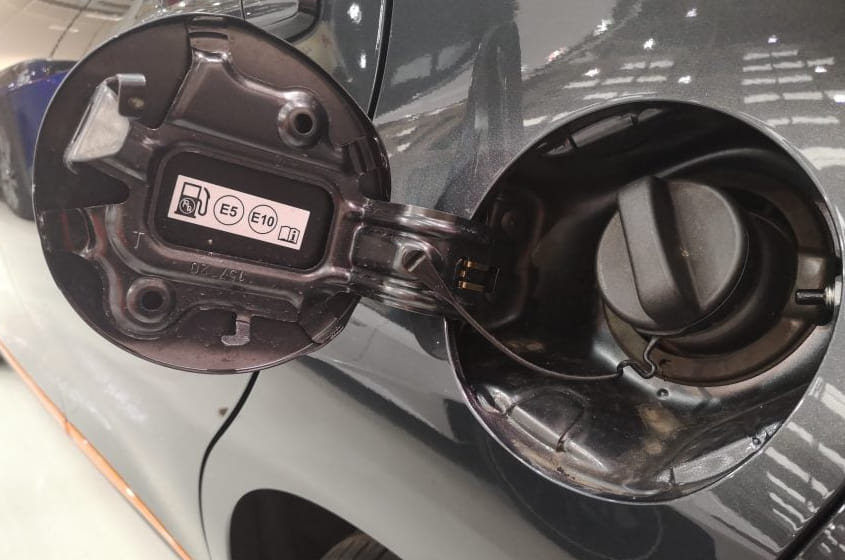
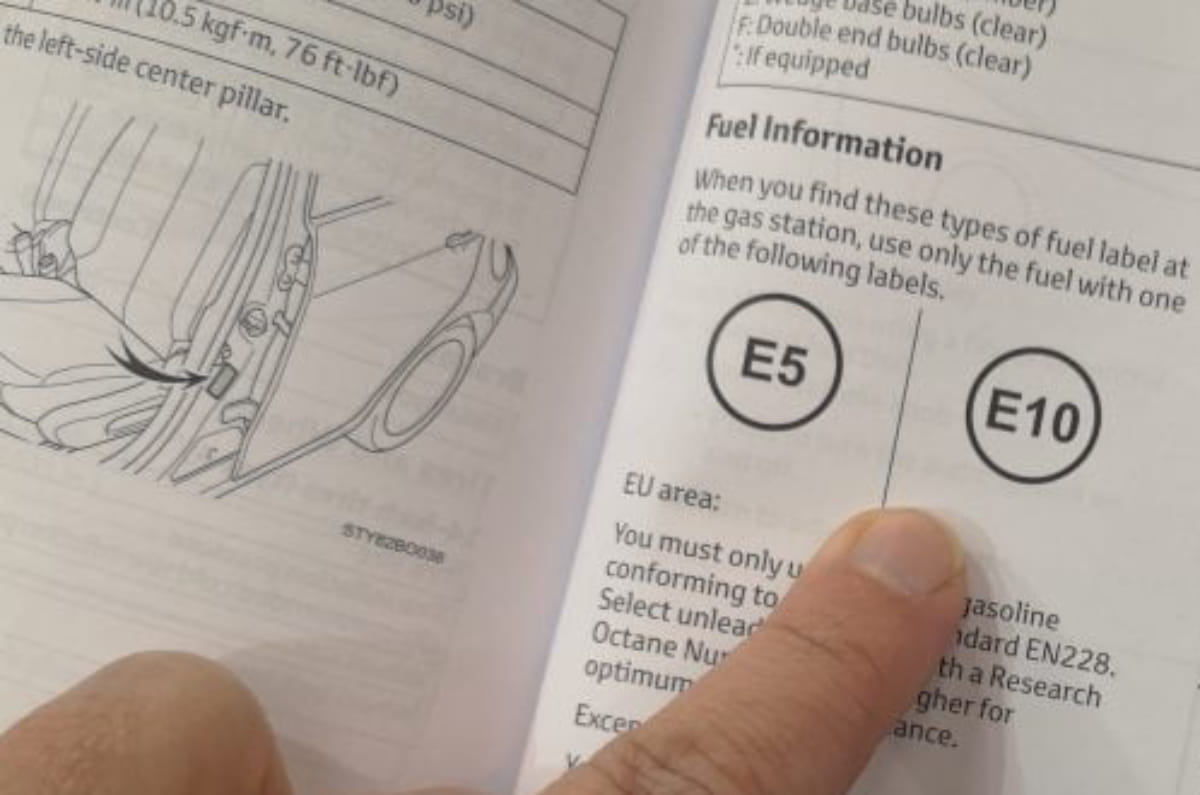
The easiest way is to check your vehicle’s fuel flap or the owner’s manual or contact the manufacturer’s authorised dealership. As part of the government’s E20 roadmap, manufacturers progressively introduced E20-compatible petrol vehicles from 2023 onwards. However, compatibility can vary depending on the model and year of manufacture, so owners should not assume that every petrol vehicle is fully E20-compatible. 

4. Can E20 damage older engines or fuel-system components?

Concerns about E20 mainly relate to older vehicles that were not originally designed for higher ethanol blends. While ethanol has not been found to significantly directly affect metal fuel-system components, prolonged exposure to E20 can accelerate wear in some older rubber and plastic parts such as fuel hoses, seals, O-rings, gaskets and certain fuel pipes if they are made from materials that are not ethanol compatible.

Before approving E20, ARAI tested metals, elastomers and plastics commonly used in fuel systems. The study found no significant corrosion of metal components, but certain rubber compounds and plastics used in older vehicles showed greater deterioration than with E10 fuel. These findings prompted manufacturers to use ethanol-compatible materials in newer vehicles. Thus, owners of older vehicles should keep up with regular servicing and follow the manufacturer’s recommended maintenance schedule, increasing the inspection frequency if damage is suspected. 

5. Does E20 reduce fuel efficiency?

Yes. E20 fuel generally returns lower fuel efficiency than petrol with a lower ethanol content because ethanol contains less energy than petrol. The exact reduction varies depending on the vehicle, engine and calibration.

E20 vs E10 mileage test results
 Creta N LineDzire (BS 6)Polo GT TSIDzire (BS 4)
Registration year202420242017 2016 
Average speed17.8kph20.25kph18.019.3
Kpl on E2010.5914.249.139.8
Kpl on E1012.1214.819.6311.19
Kpl variance1.530.570.501.39
% variance-12.62-3.84-5.19-12.42

ARAI estimates a fuel efficiency drop of 1-6 percent with E20, while some manufacturers put it closer to 7-8 percent. In Autocar India’s real-world testing, both newer E20-compatible cars and older pre-E20 vehicles recorded a measurable drop in mileage when compared with an equivalent E10 blend. Among the newer cars, the Maruti Suzuki Dzire recorded a 3.8 percent drop, while the Hyundai Creta N Line saw a 12.6 percent decline. 

Among older BS4-era cars, the Volkswagen Polo GT TSI posted a 5.2 percent drop, while the older Maruti Suzuki Dzire recorded a mileage drop of 12.4 percent.

The results also showed that there is no single figure applicable to every vehicle. Factors such as engine calibration and compression ratio all influence fuel efficiency, meaning some vehicles adapt better to E20 than others. 

6. Does E20 improve performance or reduce emissions?

Octane rating test results
Fuel typeRON result
Regular E20 petrol98.2 RON
XP9598.8 RON

Yes, but not in a way that most motorists are likely to notice. E20 has a higher-octane rating than regular petrol, which improves resistance to engine knocking and can benefit engines designed to take advantage of higher-octane fuel. 

The government says E20 aims to lower emissions by replacing a portion of petrol with domestically produced ethanol which is a renewable fuel. For most motorists, however, the most noticeable effect of switching to E20 is likely to be a small drop in mileage rather than a change in vehicle performance.

7. Is E20’s water contamination issue a real problem?

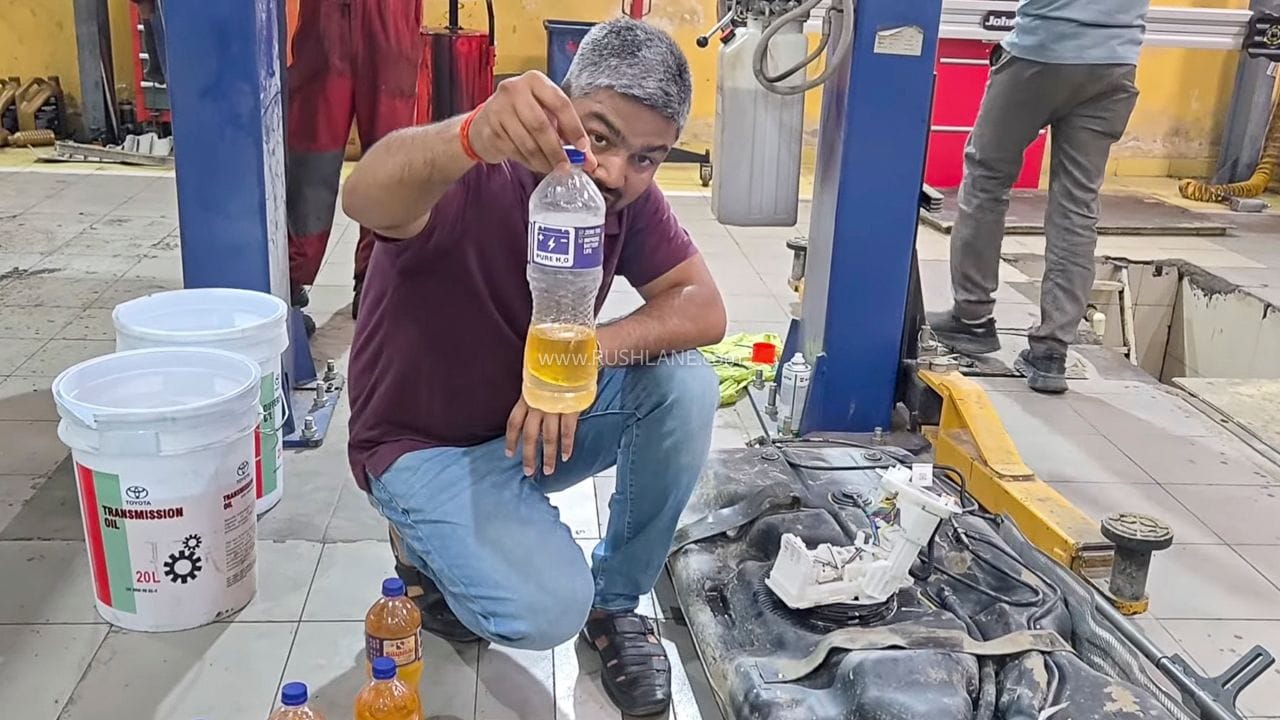
Image credit – Rushlane

Ethanol is hygroscopic, meaning it has the capability to absorb moisture. As a result, E20 is more susceptible to water contamination if excess moisture enters the fuel during storage or handling. In severe cases, this can lead to phase separation, where the ethanol and water separate from the petrol, affecting fuel quality.

Some petrol pump operators have raised concerns that existing underground storage tanks, particularly during the monsoon or in coastal areas, could be more prone to moisture ingress, increasing the risk of phase separation. However, the government and the Federation of Automobile Dealers Associations (FADA) says that there is no evidence linking E20 itself to widespread fuel contamination or vehicle failures.

8. Will using E20 affect my vehicle’s warranty?

For most owners, no. Vehicle manufacturers have said that using E20 petrol will not affect the warranty of their vehicles, and valid warranties will continue to be honoured. The government, SIAM and several manufacturers have stated that vehicles continue to be covered under their standard warranty terms when fuelled with E20, for a full list click here. SIAM has also said that OEMs will honour the warranty committed to customers for E20 usage, and that insurance claims will remain unaffected.

9. Why isn’t E20 petrol cheaper than regular petrol?

Although E20 contains 20 percent ethanol, it is not cheaper than regular petrol because ethanol currently costs more to procure and blend than petrol under prevailing market conditions. The cost of ethanol procurement, tax, transportation, blending and distribution offsets any potential saving from replacing a portion of petrol with domestically produced ethanol.

Any savings from lower crude oil imports are realised at the national level rather than by consumers through lower pump prices. 

10. Why can’t I still buy E10 or pure petrol?

Because by policy E20 is now India’s standard petrol. Following the nationwide rollout of the Ethanol Blending Programme, oil companies have standardised regular petrol and premium 95-octane petrol to an E20 blend. Maintaining parallel supplies of E10 and E20 would require separate storage, transportation and dispensing infrastructure, making nationwide distribution significantly more complex.

As a result, motorists can no longer choose between E10 and E20 at regular fuel stations. The only exception is 100-octane petrol, such as IndianOil XP100 and HP Power100, which remains effectively ethanol-free because it is a niche fuel sold in limited volumes. For most vehicle owners, however, E20 is now the only petrol available.

11. Is the government planning to increase ethanol blending beyond E20?

Not yet, but the groundwork has begun. While the government has said no decision has been taken to mandate petrol with more than 20 percent ethanol, it has begun preparing the regulatory framework for higher blends.

In May 2026, the Bureau of Indian Standards (BIS) notified fuel quality standards for E22, E25, E27 and E30 petrol, indicating that the government is laying the groundwork for future adoption. It has also proposed recognising E85 and E100 fuels under the Central Motor Vehicles Rules. 

Separately, the government has tasked the Automotive Research Association of India (ARAI) with studying the impact of E25 petrol on existing E10- and E20-compatible vehicles, including its effect on fuel efficiency, durability, emissions and engine performance under long-term use.

However, any move beyond E20 will require extensive testing and consultation with vehicle manufacturers, fuel companies and research agencies to assess engine durability, emissions and fuel-system compatibility before it is introduced.

12. What should owners of older cars do now?

If your vehicle is not certified as E20-compatible, it does not necessarily mean it will experience immediate problems. However, owners should follow the manufacturer’s guidance, keep up with regular servicing and replace worn fuel-system components as required. It would also be prudent to increase the frequency of inspection of your vehicles fuel system to ensure there is no corrosive damage and catch it before it gets acute. 

If you own a classic car, an older imported vehicle or a high-performance model designed for lower ethanol blends, using ethanol-free 100-octane petrol may be worth considering.

13. Can I convert my vehicle to run on E20 fuel? 

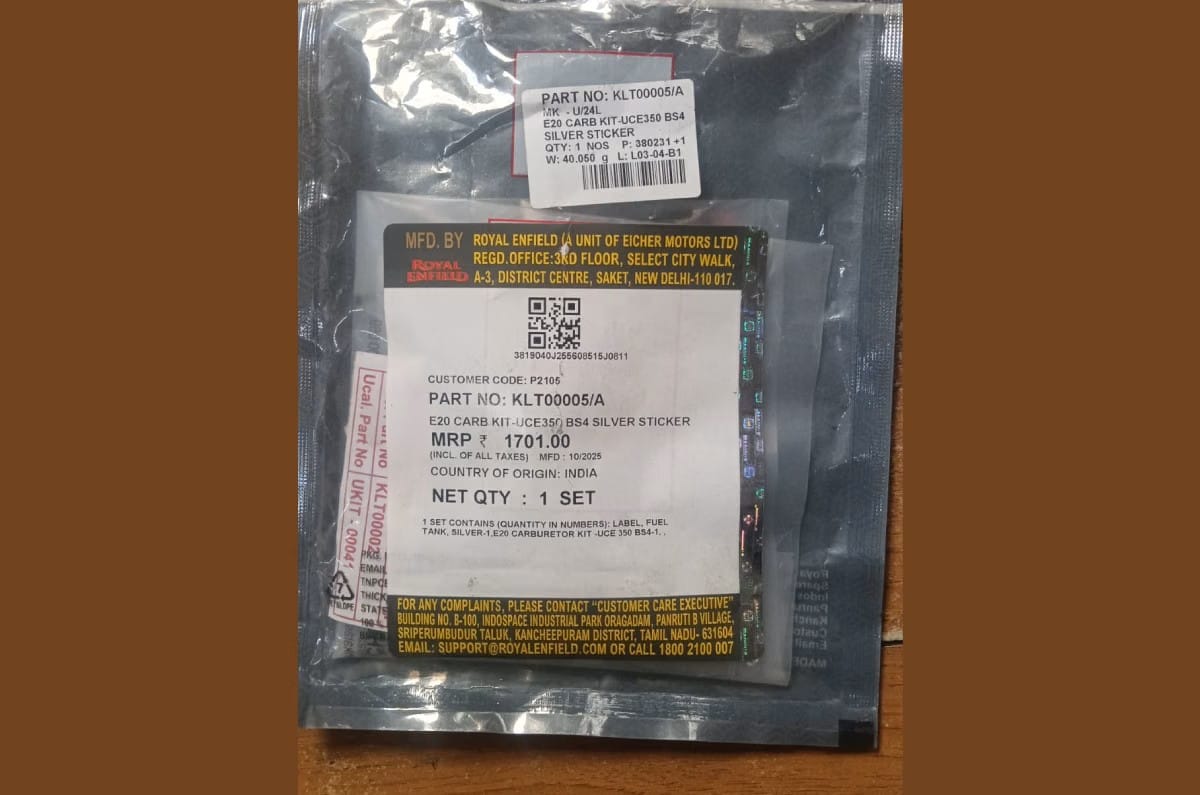
Yes, but official upgrade programmes are currently limited and while a few manufacturers, like Royal Enfield and Maruti Suzuki, had mentioned a plan for these earlier, they don’t have much to say for now. In a recent government press conference that aimed to quell the E20 backlash, Maruti stated that the kits are for R&D purpose only.

Theoretically, it’s possible to replace critical components susceptible to E20 damage with those designed to handle the fuel – especially if your vehicle is still in production – and if you feel the need to, you can go ahead and have parts like fuel lines, fuel pump and gaskets replaced but by your authorised workshops only. 

So, should you be worried about E20 petrol?

Not worried, but alert. Modern petrol cars and bikes designed or updated for E20 are engineered to run on the fuel without major issues, and extensive testing by the government, research agencies and manufacturers found no evidence of widespread reliability concerns.That said, E20 is not without trade-offs. Most motorists should expect a small reduction in fuel efficiency. 

For owners of older vehicles, it would be wise to pay closer attention to fuel-system maintenance. 

Retirement Planning: रिटायरमेंट के बाद नियमित कमाई चाहिए? जानिए आपके लिए कौन-सी स्कीम बेस्ट

Retirement Planning: रिटायरमेंट प्लानिंग अब सिर्फ बचत तक सीमित नहीं रह गई है। बढ़ती उम्र, महंगाई और इलाज का खर्च देखते हुए समय रहते बड़ा रिटायरमेंट फंड बनाना जरूरी हो गया है। नौकरीपेशा लोगों को EPF का फायदा मिलता है। लेकिन इसके अलावा भी कई सरकारी और मार्केट से जुड़ी स्कीम हैं, जो रिटायरमेंट के बाद नियमित आय का सहारा बन सकती हैं।

NPS (National Pension System)

NPS सरकार की रिटायरमेंट स्कीम है। इसे PFRDA रेगुलेट करता है। इसमें नौकरीपेशा और स्वरोजगार करने वाले, दोनों निवेश कर सकते हैं।

इसमें पैसा इक्विटी, कॉरपोरेट बॉन्ड, सरकारी बॉन्ड और दूसरे एसेट्स में लगाया जाता है। रिटायरमेंट पर कुछ रकम एकमुश्त निकाली जा सकती है। बाकी रकम से एन्युटी खरीदनी होती है, जिससे हर महीने पेंशन मिलती है। इसमें टैक्स छूट का भी फायदा मिलता है।

EPF (Employees’ Provident Fund)

EPF संगठित क्षेत्र के कर्मचारियों के लिए सबसे लोकप्रिय रिटायरमेंट स्कीम है। हर महीने कर्मचारी और कंपनी, दोनों बेसिक सैलरी और DA का तय हिस्सा जमा करते हैं।

इस पर EPFO हर साल ब्याज तय करता है। फिलहाल ब्याज दर 8.25% सालाना है। रिटायरमेंट पर पूरा फंड निकाला जा सकता है। वहीं, इलाज, घर खरीदने या पढ़ाई जैसी जरूरतों के लिए कुछ शर्तों के साथ आंशिक निकासी भी की जा सकती है।

PPF (Public Provident Fund)

PPF सरकार समर्थित लंबी अवधि की बचत योजना है। इसकी मैच्योरिटी 15 साल की होती है, जिसे 5-5 साल के ब्लॉक में बढ़ाया जा सकता है।

इसकी ब्याज दर सरकार तय करती है। रिटर्न बाजार के उतार-चढ़ाव से प्रभावित नहीं होता। इसमें टैक्स छूट का भी फायदा मिलता है। यह लंबी अवधि में सुरक्षित रिटायरमेंट फंड बनाने का अच्छा विकल्प माना जाता है।

APY (Atal Pension Yojana)

अटल पेंशन योजना मुख्य रूप से असंगठित क्षेत्र के लोगों के लिए शुरू की गई थी। हालांकि, पात्रता पूरी करने वाले दूसरे लोग भी इसमें शामिल हो सकते हैं।

इसमें कामकाजी उम्र के दौरान नियमित निवेश करना होता है। तय उम्र के बाद हर महीने गारंटीड पेंशन मिलती है। पेंशन की रकम आपके योगदान और चुने गए विकल्प पर निर्भर करती है।

SCSS (Senior Citizens’ Savings Scheme)

SCSS खास तौर पर रिटायर हो चुके लोगों के लिए है। इसमें बैंक और पोस्ट ऑफिस के जरिए निवेश किया जा सकता है।

सरकार समय-समय पर इसकी ब्याज दर तय करती है। ब्याज नियमित अंतराल पर मिलता है, इसलिए रिटायरमेंट के बाद नियमित आय चाहने वालों के बीच यह काफी लोकप्रिय है।

म्यूचुअल फंड

सरकारी योजनाओं के अलावा म्यूचुअल फंड भी रिटायरमेंट फंड बनाने का अच्छा विकल्प हो सकते हैं। लंबी अवधि में इक्विटी म्यूचुअल फंड बेहतर रिटर्न देने की क्षमता रखते हैं। हालांकि, इनमें बाजार का जोखिम भी रहता है।

SIP के जरिए हर महीने निवेश करने से लंबे समय में कंपाउंडिंग का फायदा मिल सकता है। रिटायरमेंट के करीब पहुंचने पर कई निवेशक डेट फंड जैसे स्थिर विकल्पों का रुख करते हैं। इनमें जोखिम कम होता है।

कौन-सी स्कीम चुनें?

हर व्यक्ति के लिए एक ही रिटायरमेंट प्लान सही नहीं हो सकता। सही विकल्प आपकी उम्र, आय, नौकरी, जोखिम लेने की क्षमता और रिटायरमेंट के लक्ष्य पर निर्भर करता है फाइनेंशयल एडवाइजर आमतौर पर सिर्फ एक स्कीम पर निर्भर रहने से बचने की सलाह देते हैं। उनके मुताबिक- आपको अलग अलग स्कीमों में निवेश करना चाहिए, ताकि जोखिम कम रहे।

उदाहरण के लिए, नौकरीपेशा लोगों के लिए EPF आधार बन सकता है। वहीं NPS, PPF और म्यूचुअल फंड अतिरिक्त रिटायरमेंट फंड बनाने में मदद कर सकते हैं। रिटायरमेंट के बाद SCSS जैसी स्कीम नियमित कमाई का अच्छा जरिया बन सकती है।

ITR Refund: ई-वेरिफिकेशन में देरी होने पर भी मिलेगा रिफंड, ITAT के फैसले से टैक्सपेयर्स को बड़ी राहत

Disclaimer: यहां दी गई जानकारी सिर्फ सामान्य जागरूकता के लिए है। किसी भी निवेश, लोन, टैक्स, बीमा या दूसरे वित्तीय फैसले लेने से पहले संबंधित एक्सपर्ट्स से सलाह जरूर लें। मनीकंट्रोल किसी भी फाइनेंशियल प्रोडक्ट या सर्विस की सिफारिश नहीं करता।