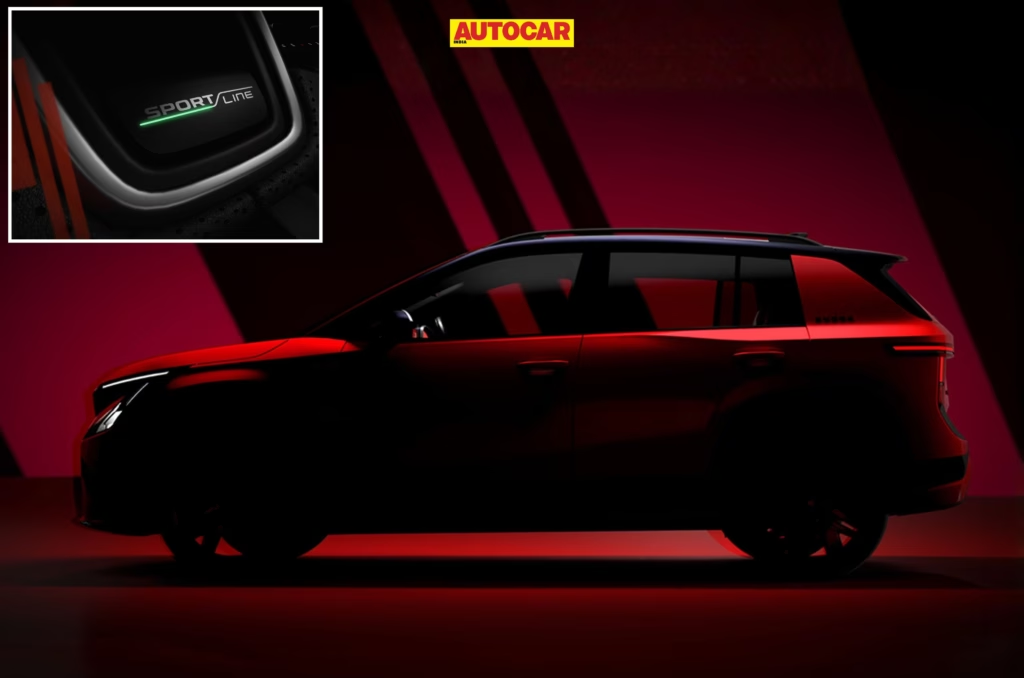
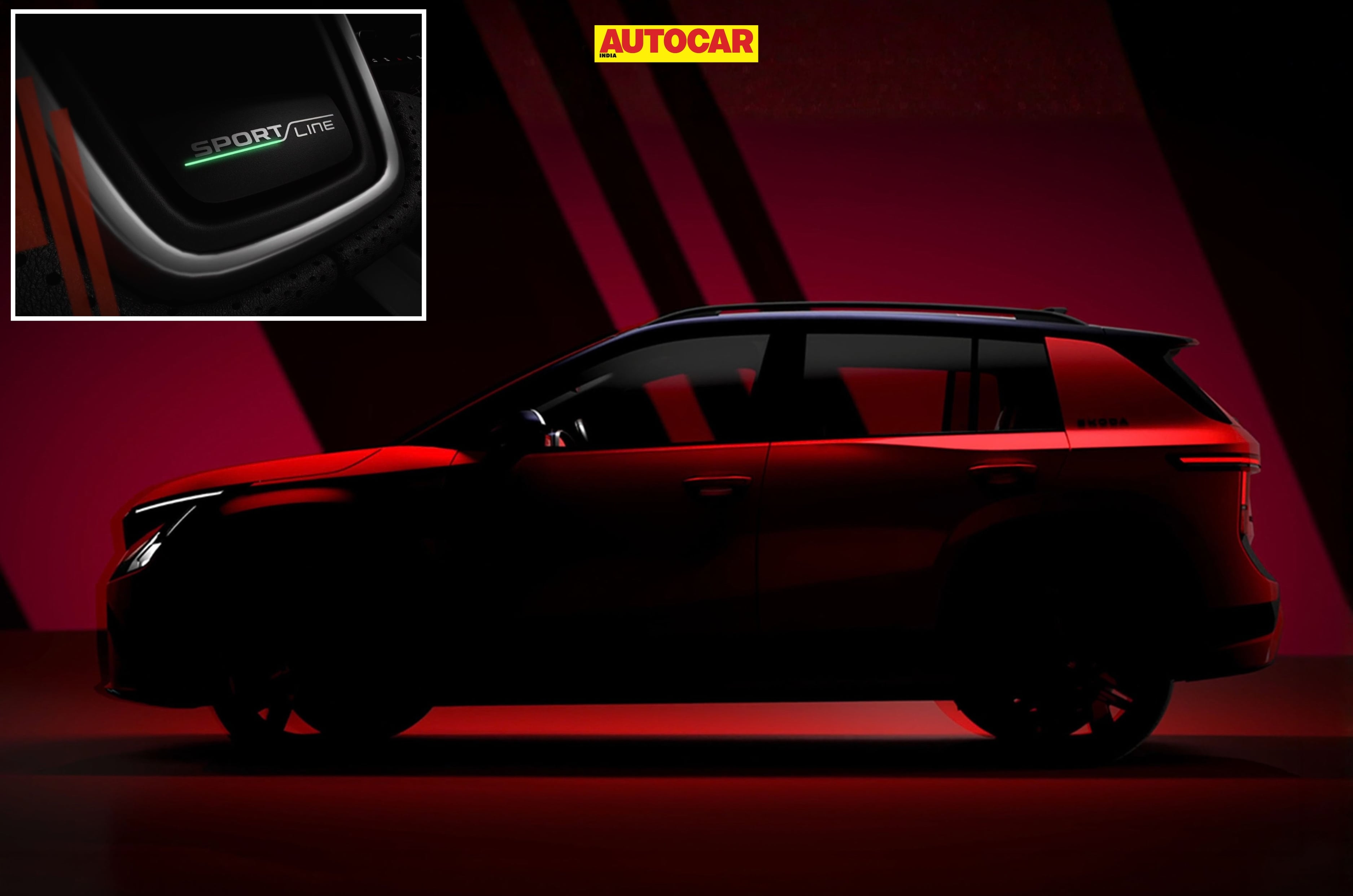
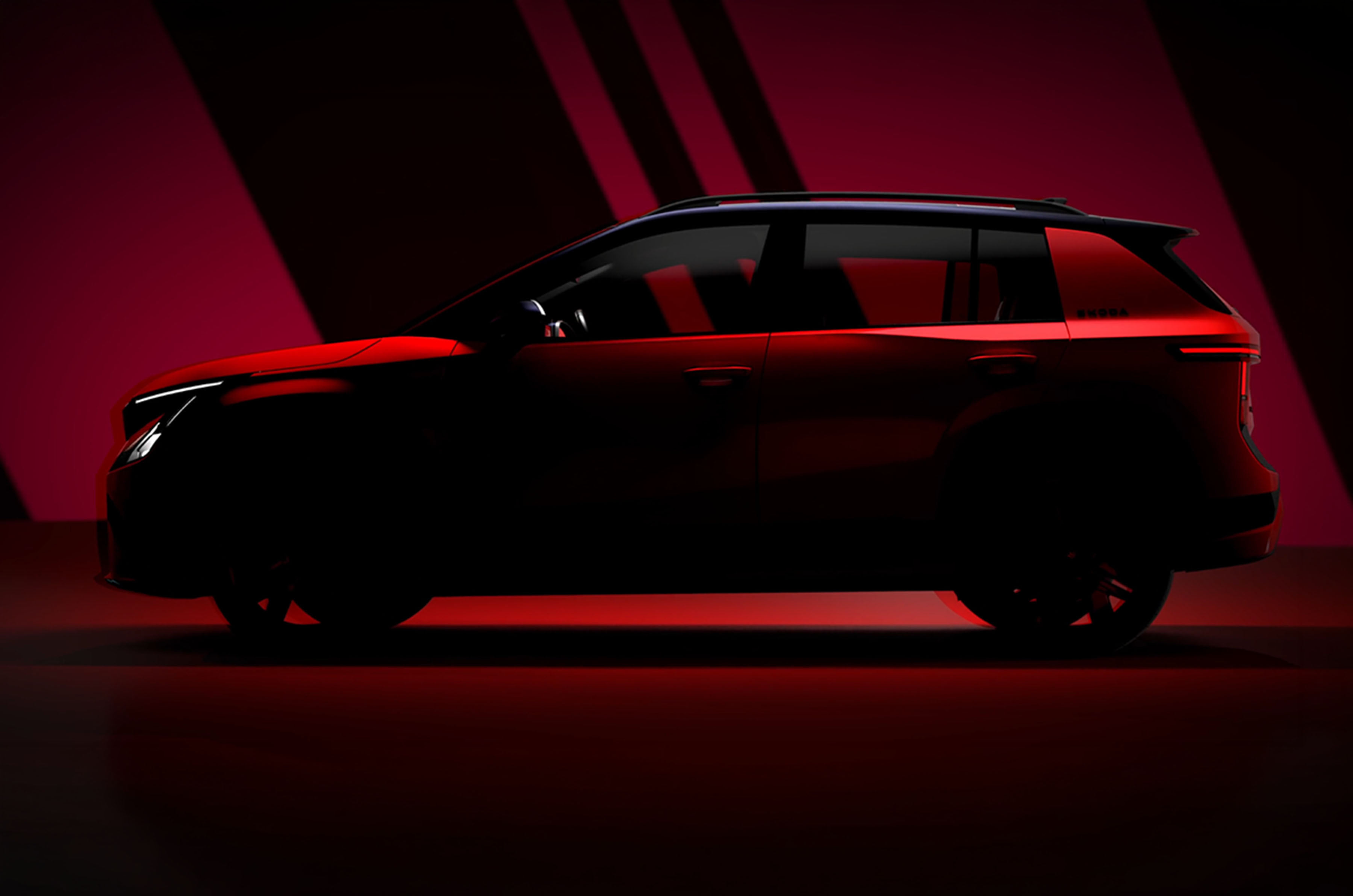
Skoda will debut a new Sportline variant of the Epiq, the brand’s smallest EV, at the Paris Motor Show 2026. The Epiq Sportline will be the prime attraction at Skoda’s stall alongside 14 other models that the brand plans to showcase at the upcoming motor show. As with other Sportline models, one can expect the Epiq Sportline to sport a blacked-out exterior and interior theme. The Paris Motor Show will be held from October 13 to 18.
Epiq Sportline to be Skoda’s hero car at Paris Motor Show
Expected to come with blacked-out exterior and interior theme
Skoda Peaq Tour De France, 130 RS to also be showcased at Paris Motor Show
Skoda Epiq Sportline: what to expect?
Skoda’s official teaser doesn’t reveal much about the Epiq Sportline, but if other Sportline models from the brand’s portfolio are anything to go by, expect the Epiq Sportline to get several blacked-out cosmetic enhancements. The blacked-out treatment can extend to the alloy wheels, ORVMs, front and rear bumpers and perhaps to the roof as well. On the inside, it will likely come draped in all-black upholstery with contrast re stitching, and perhaps a dark-themed dashboard as well. A few feature additions could also be part of the package.
The Epiq is the brand’s most affordable EV and is based on Volkswagen Group’s MEB+ platform. It’s available with two battery pack options – 38.5kWh and 55kWh – with front-mounted motors (FWD). There are three variants on offer: 35, 40 and 55. The 35 and 40 variants, equipped with the 38.5kWh battery, develop 116hp and 135hp, respectively, while the torque is the same 267Nm for both. The top-spec Epiq 55, meanwhile, comes with the 55kWh pack and produces 211hp and 290Nm.
The Sportline variant could be offered with the top-spec 55 version. Coming to claimed range figures, Skoda cites 310km for the 38.5kWh battery and 440km for the 55kWh unit.
What else is Skoda showcasing at the Paris Motor Show?
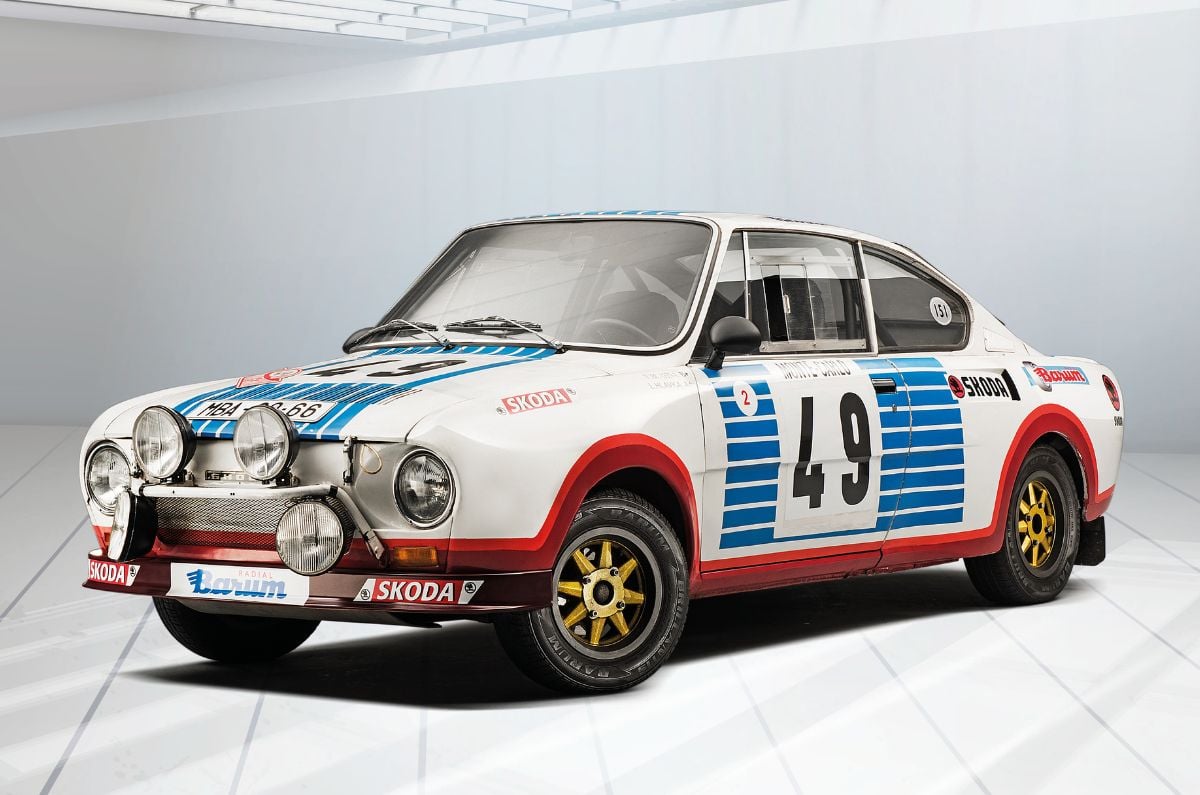
Skoda will be showcasing its full range of new EVs at the upcoming Paris Motor Show, which means the Elroq and the Peaq will also be display. Other key displays will include the iconic Skoda 130 RS, which was one of the most successful rally and racing cars in Europe in the late 1970s and early 1980s. During its active career, this beautifully designed two-door coupe collected countless laurels on tracks at home as well as abroad.
Skoda 130 RS
Also on display will be the Peaq Tour de France ‘Red Car’. Based on the Peaq Sportline, it serves as a specially modified mobile command center for the Tour de France multi-stage bicycle race. Equipped with six antennas, warning beacons and a refrigerator stocked with champagne hidden inside, the so-called Red Car is a symbol of the entire Tour de France.
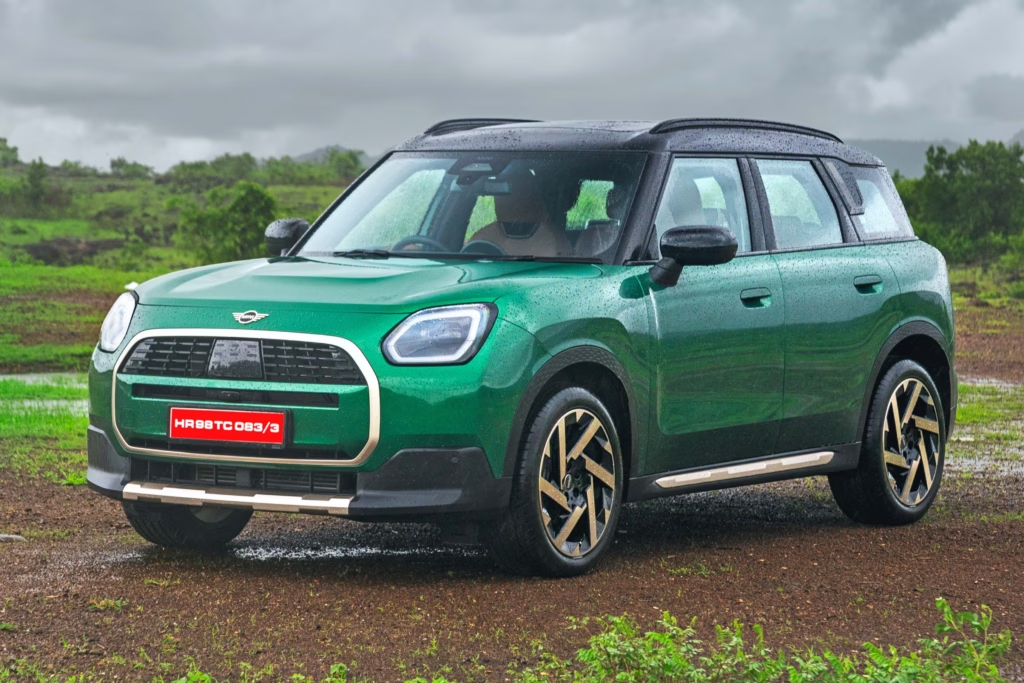
The third-generation Mini Countryman C is the most accessible version of the entry-level luxury SUV sold here, positioned below the JCW All4. Like any car, the Countryman C has its share of strengths and weaknesses. Here are three reasons to consider the Mini SUV, along with two reasons why you might want to look at the Mercedes-Benz GLA, Audi Q3 or BMW X1.
Funky yet premium look
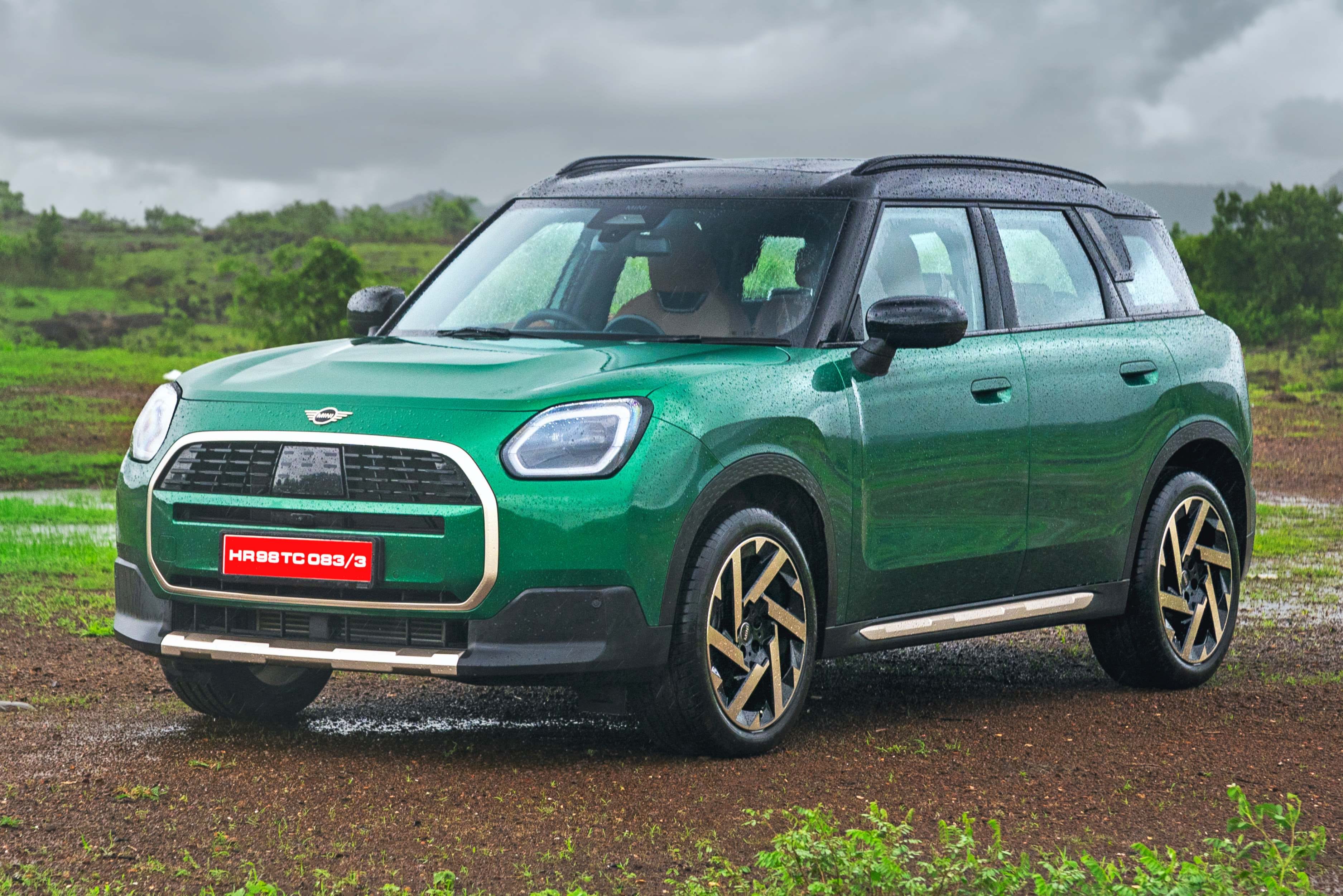
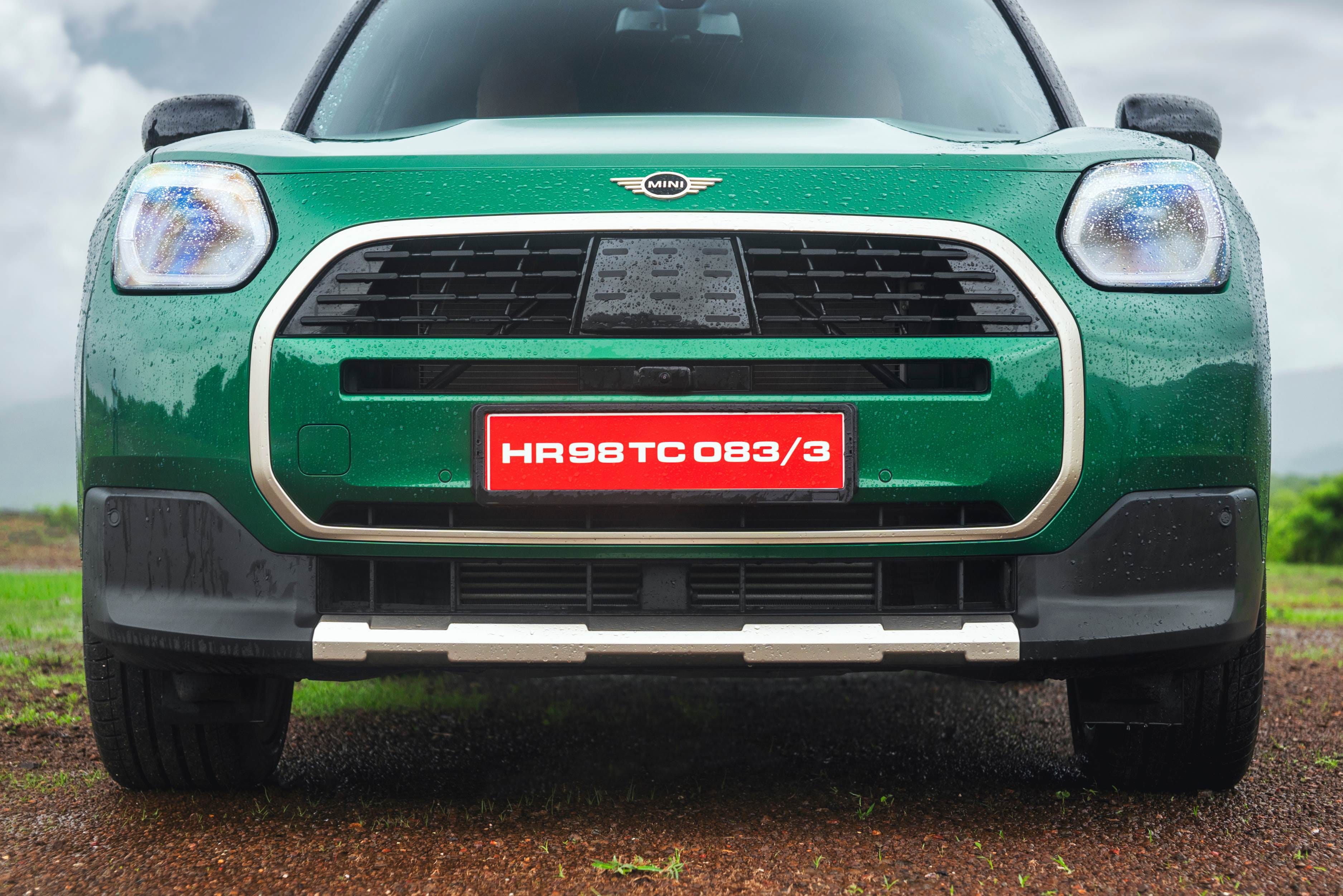
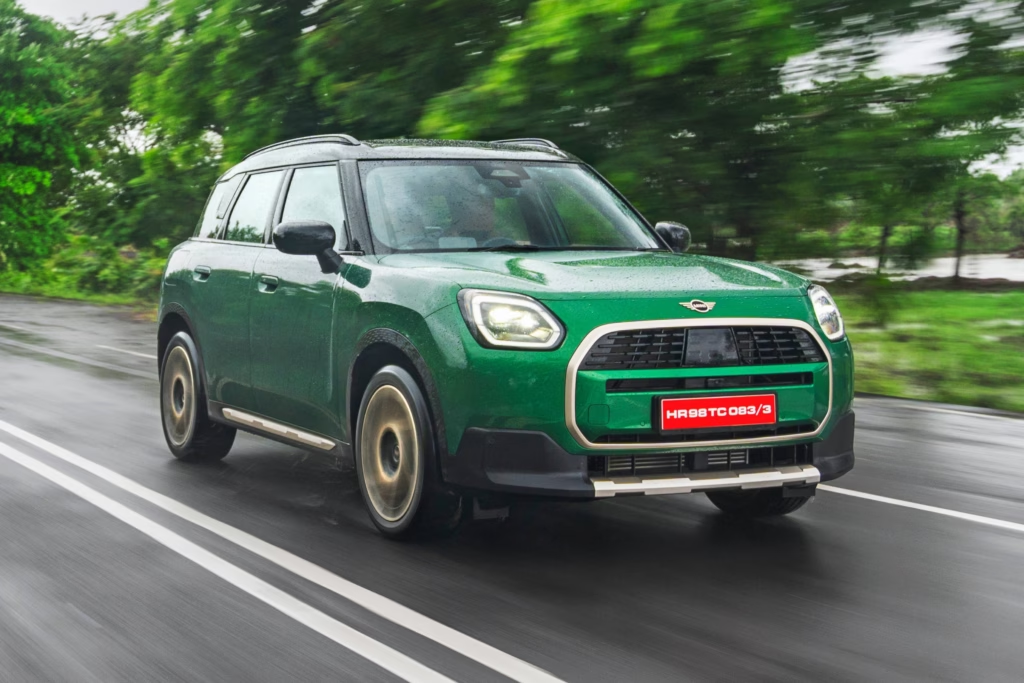
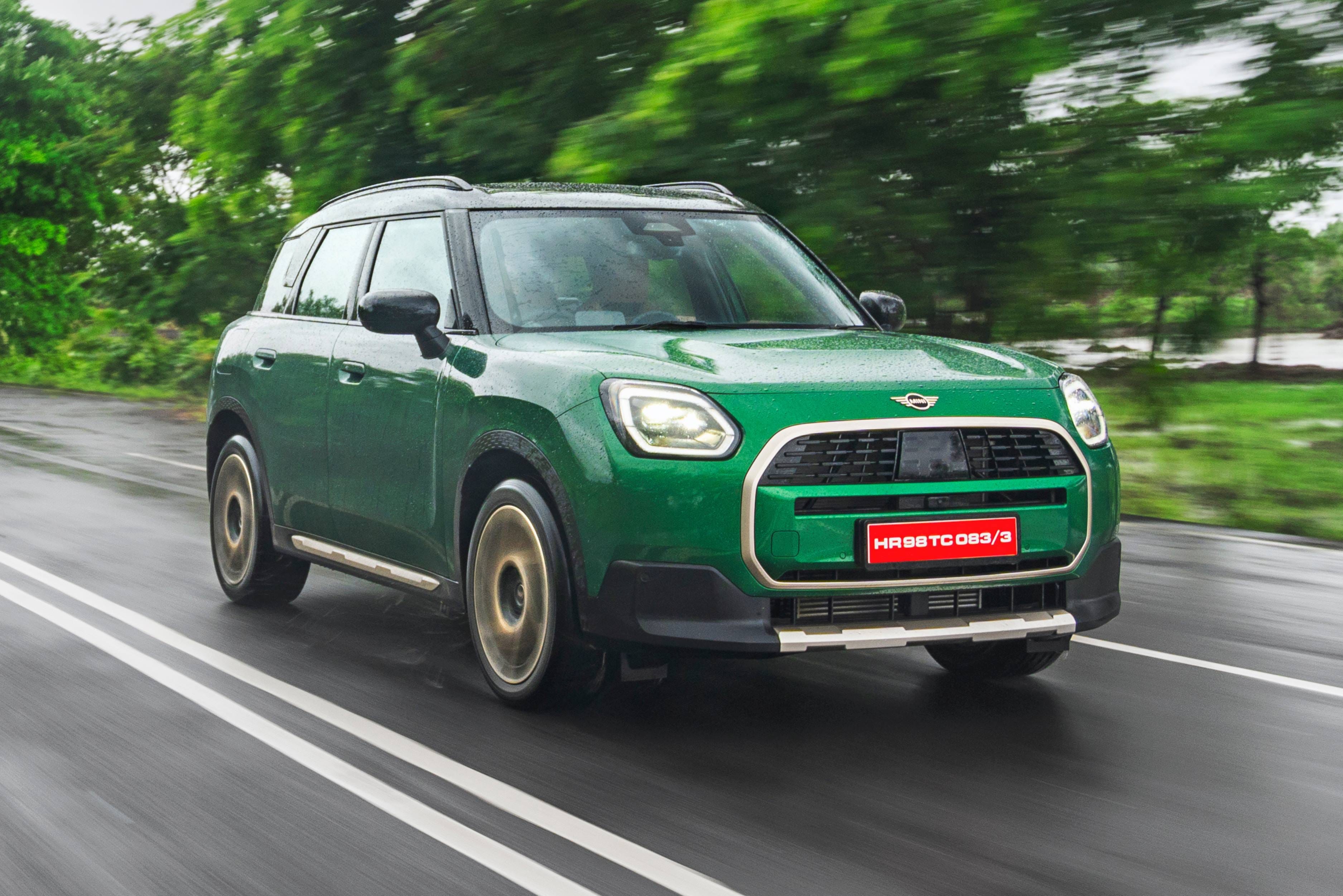
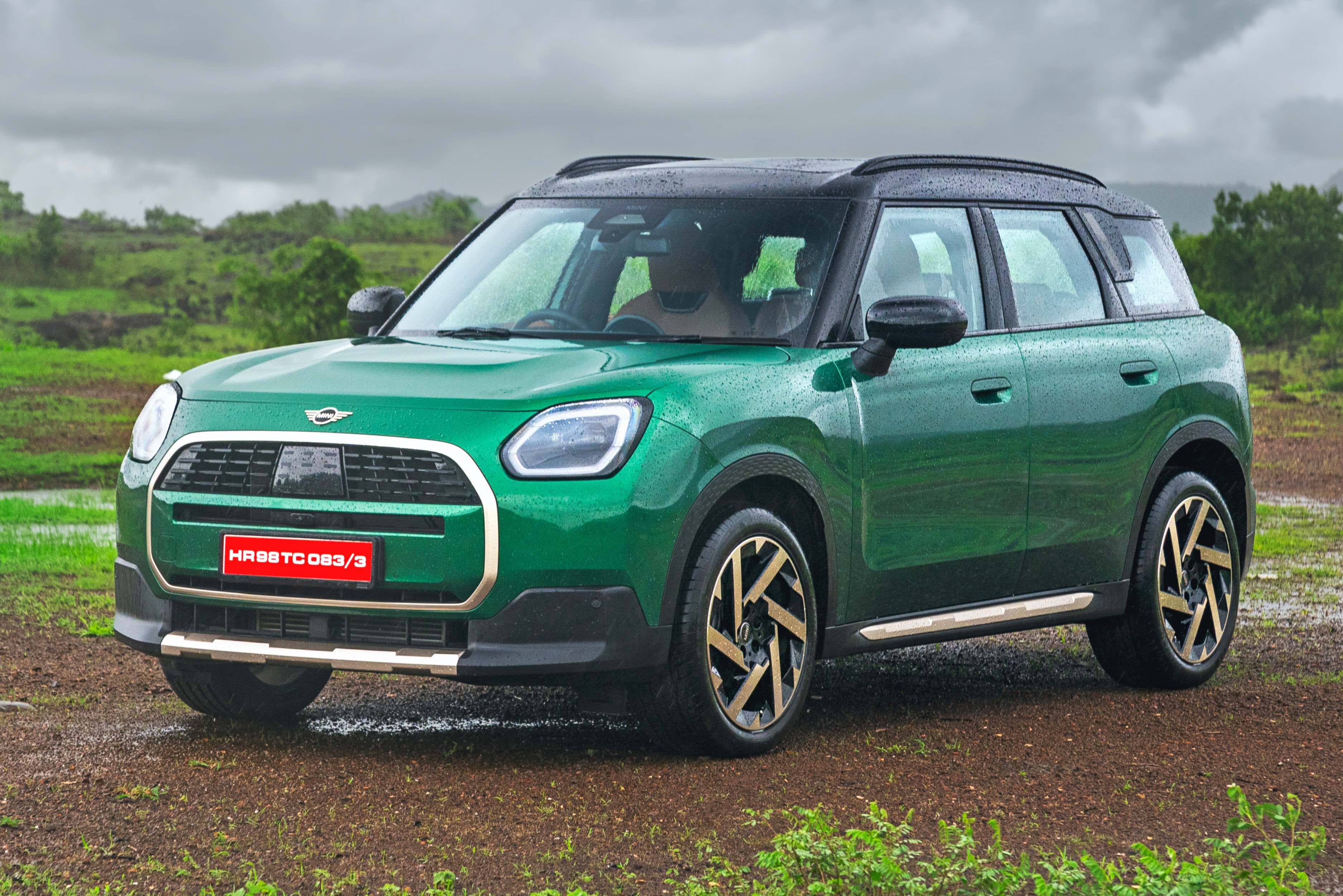
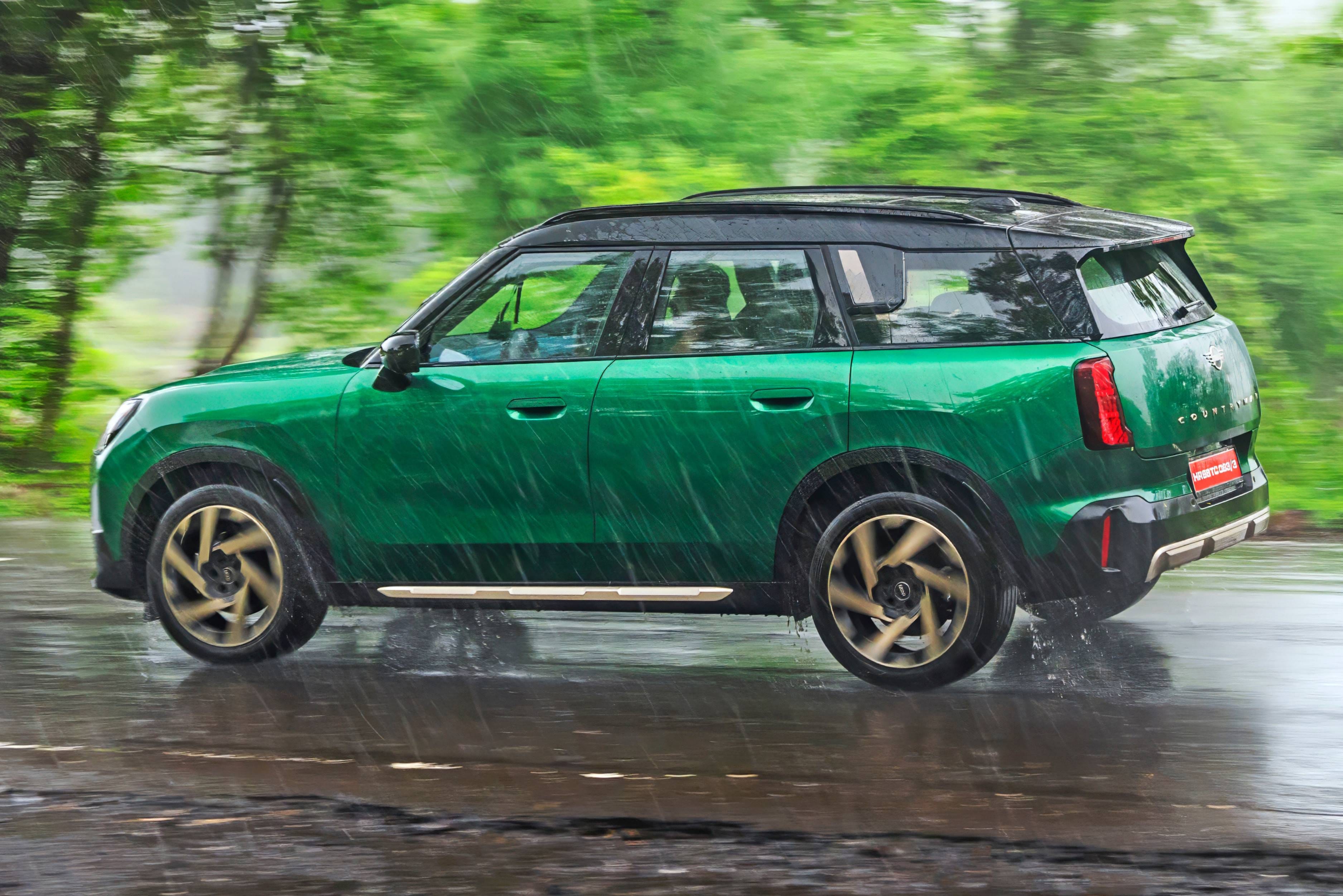
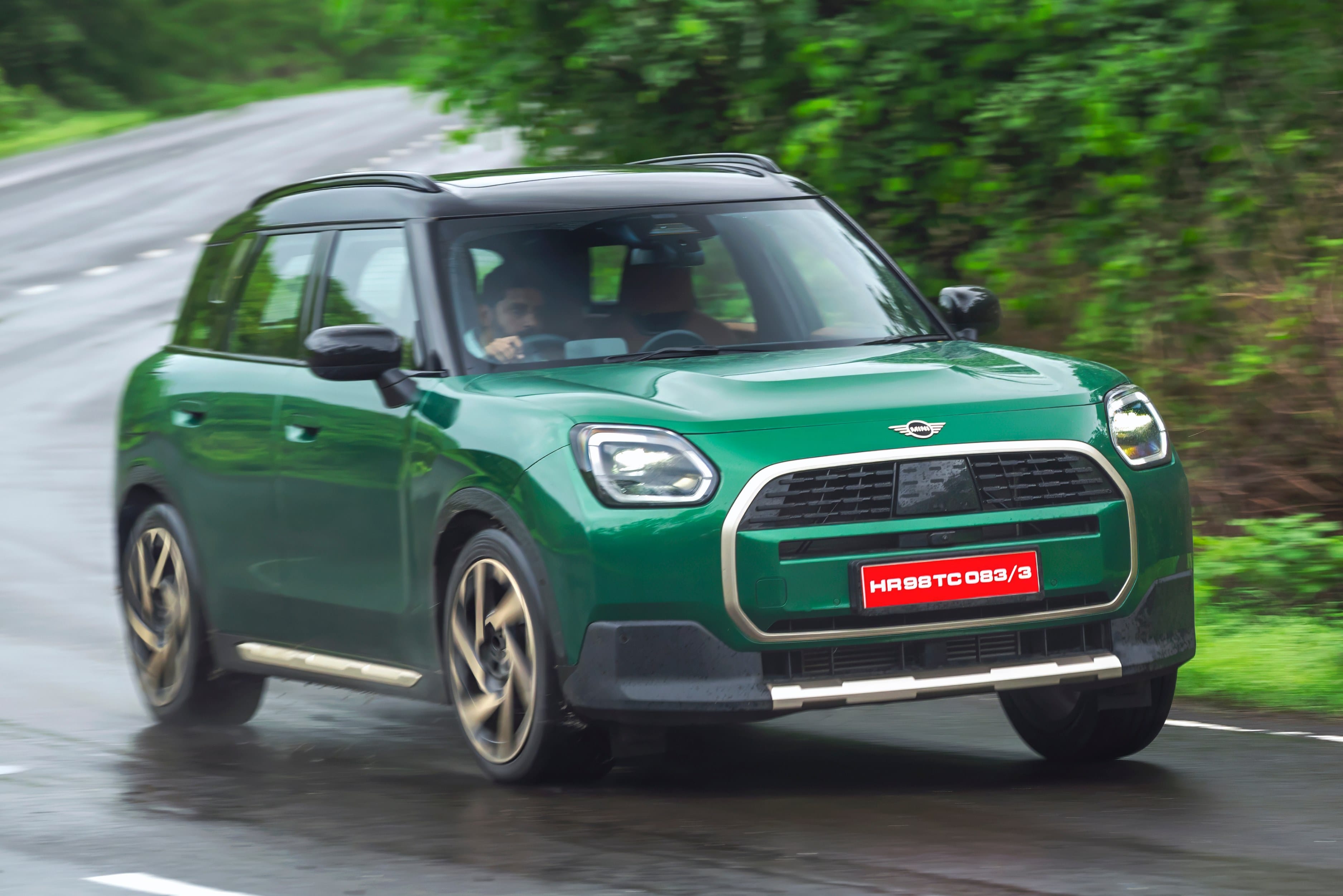
The new Countryman looks sharper, boxier and larger than before. It has grown in size and is now the tallest SUV in the segment while also offering the highest ground clearance. However, Mini has also made it look large, replacing the rounder styling of the earlier model with smaller, sharper and more angular details.
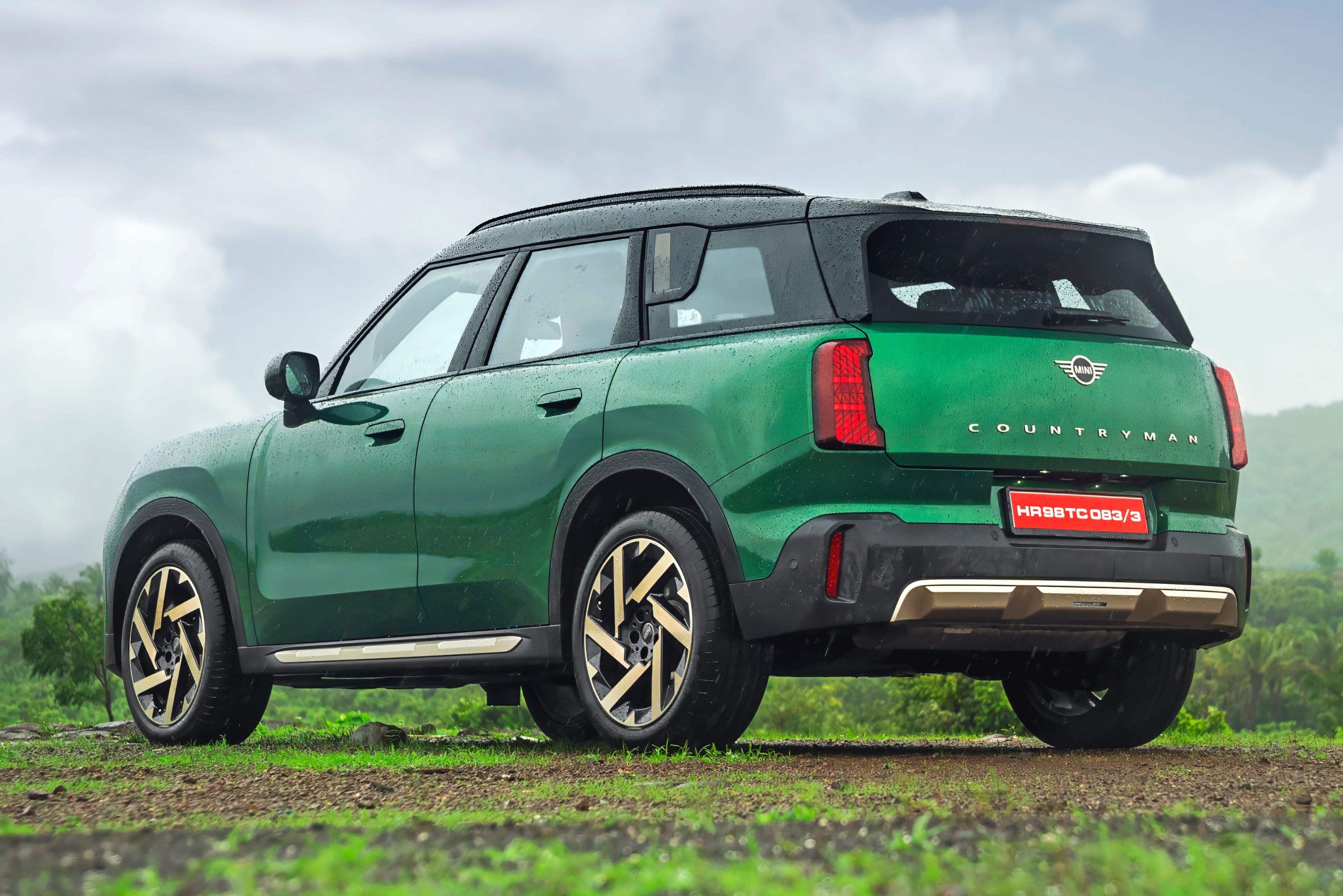
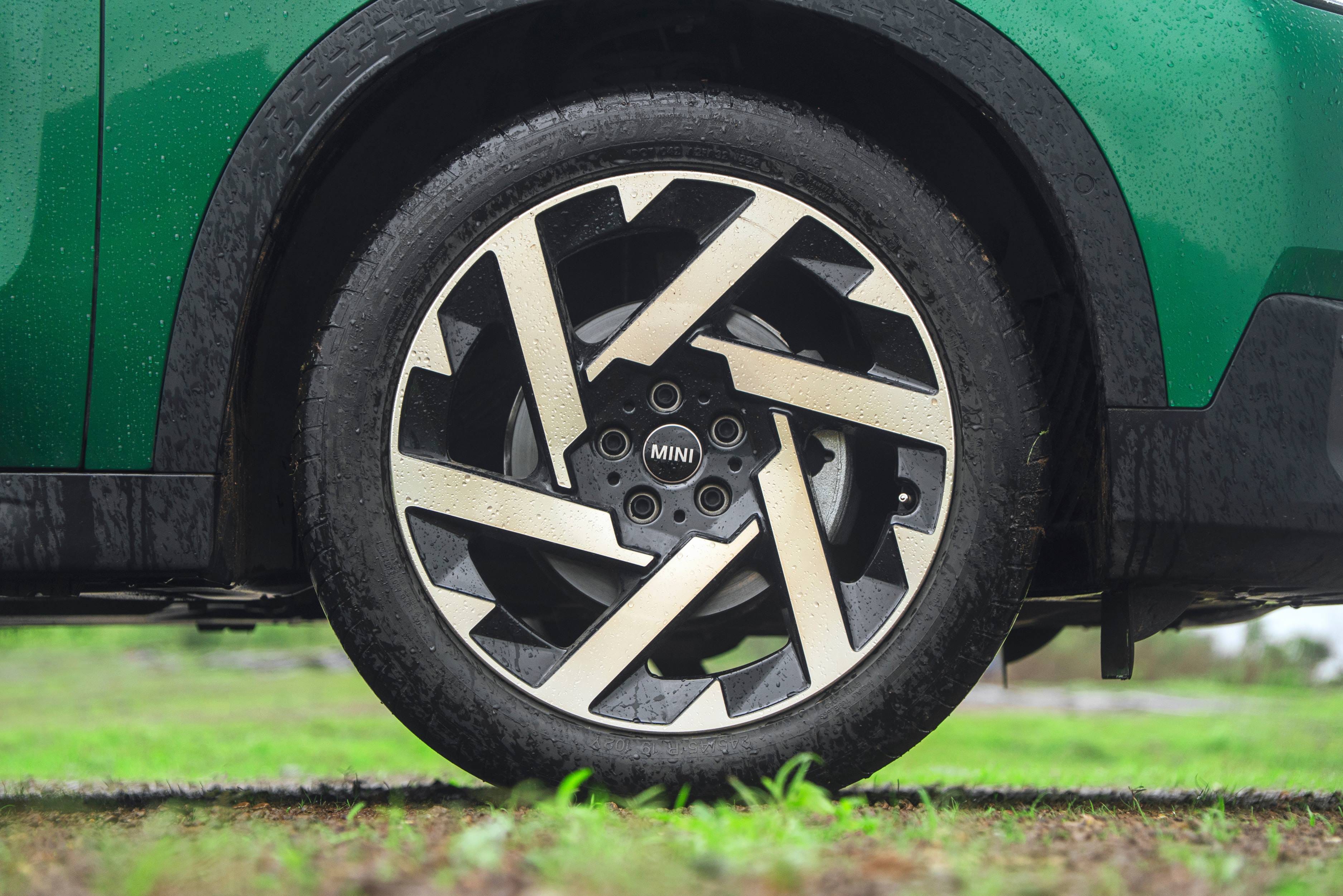
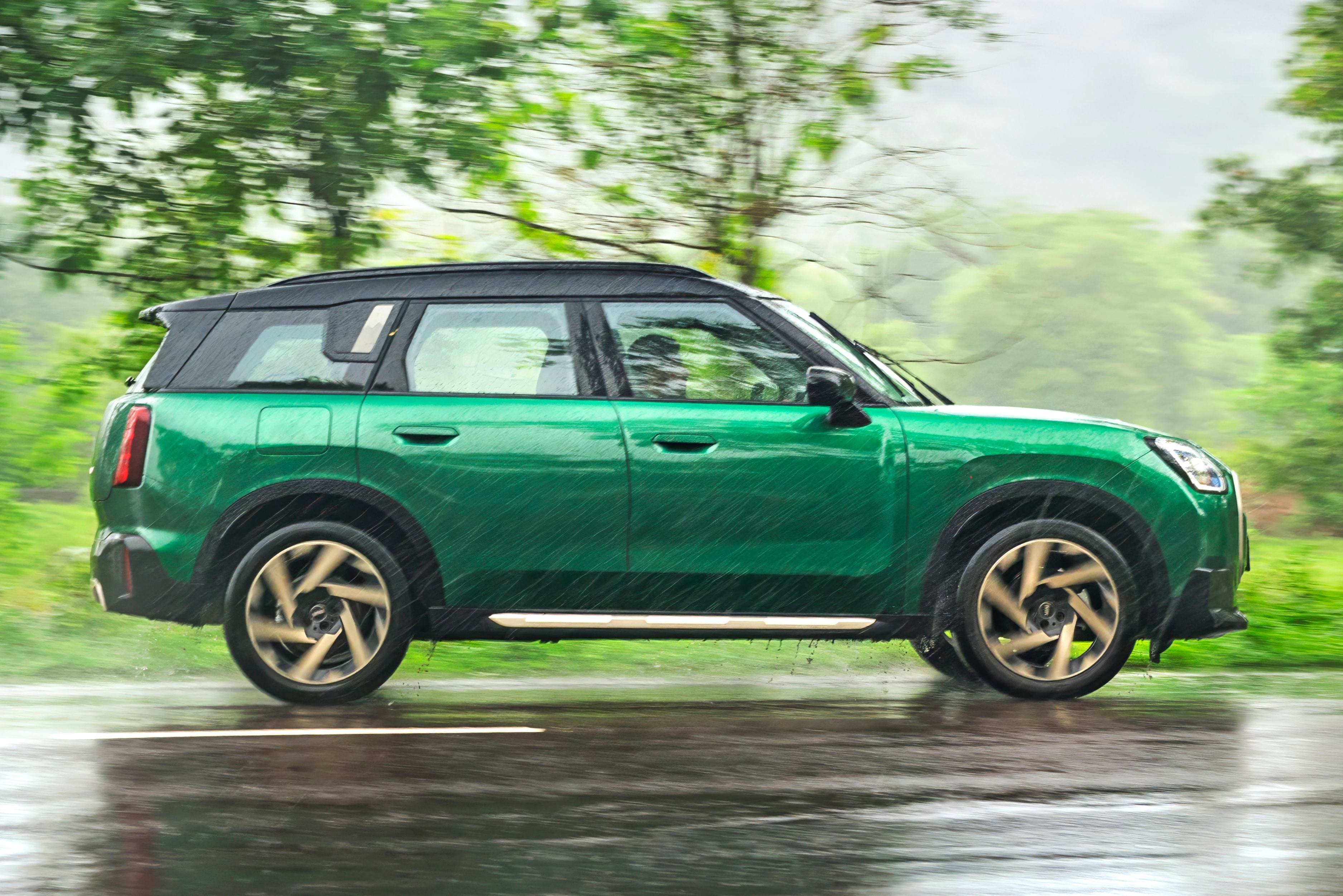
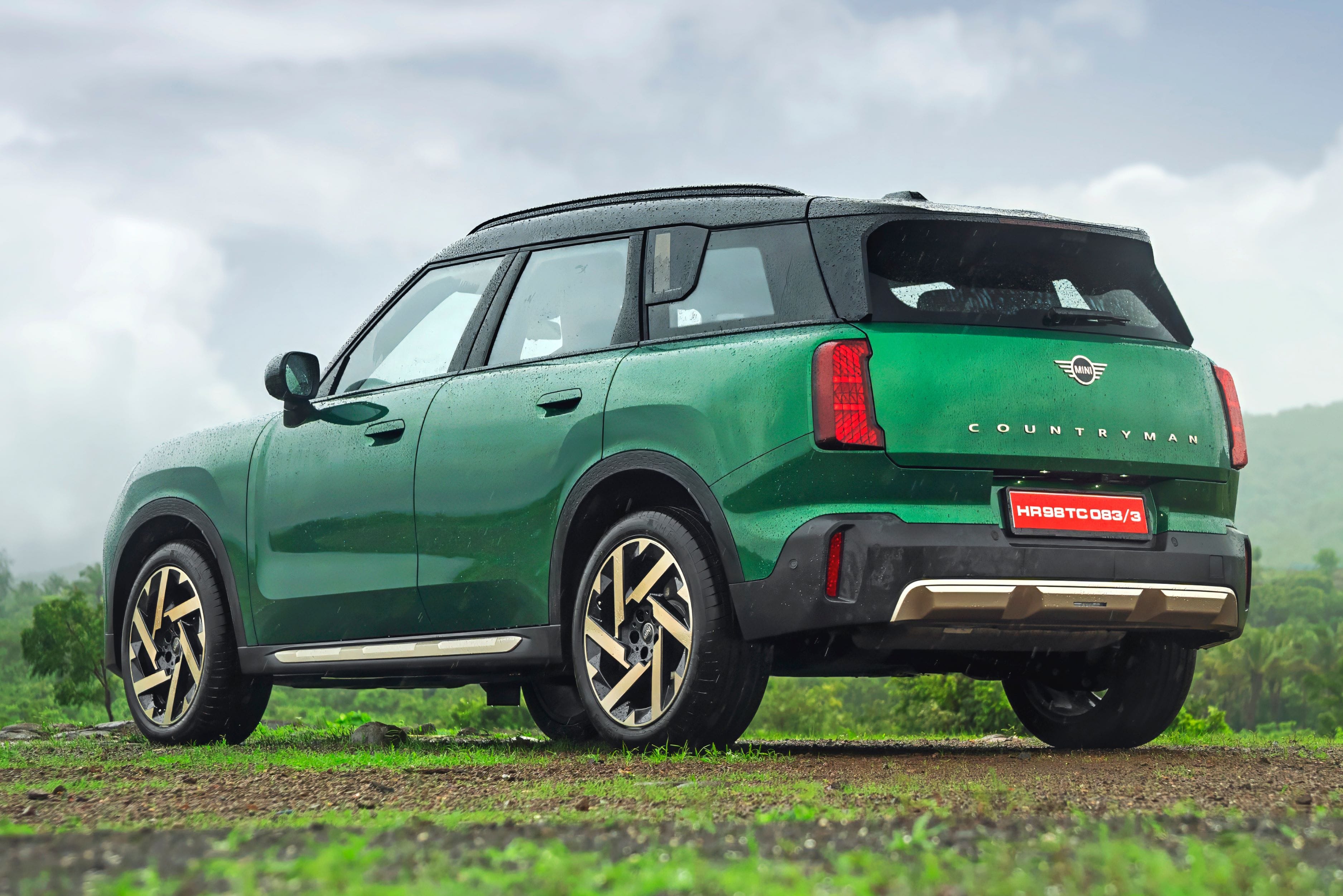
Even the headlights, grille and roofline now have a boxier design. From the rear, it is easily identifiable as a Mini, thanks to the contrast roof, ‘Countryman’ lettering on the tailgate and Union Jack-style tail-lamps. It also gets champagne-coloured accents, a contrast roof and large 19-inch dual-tone alloy wheels. There are five exterior colours to choose from, with more expressive shades than those usually seen on conventional luxury SUVs.
Loaded with features
The Countryman C comes with a generous list of features, including wireless Apple CarPlay and Android Auto, powered front seats with memory and a massage function for the driver, a surround-view camera with auto park, a Harman Kardon sound system, a heated steering wheel, a panoramic sunroof, a head-up display, a voice assistant, wireless phone charging and a digital key.
Good space and practicality
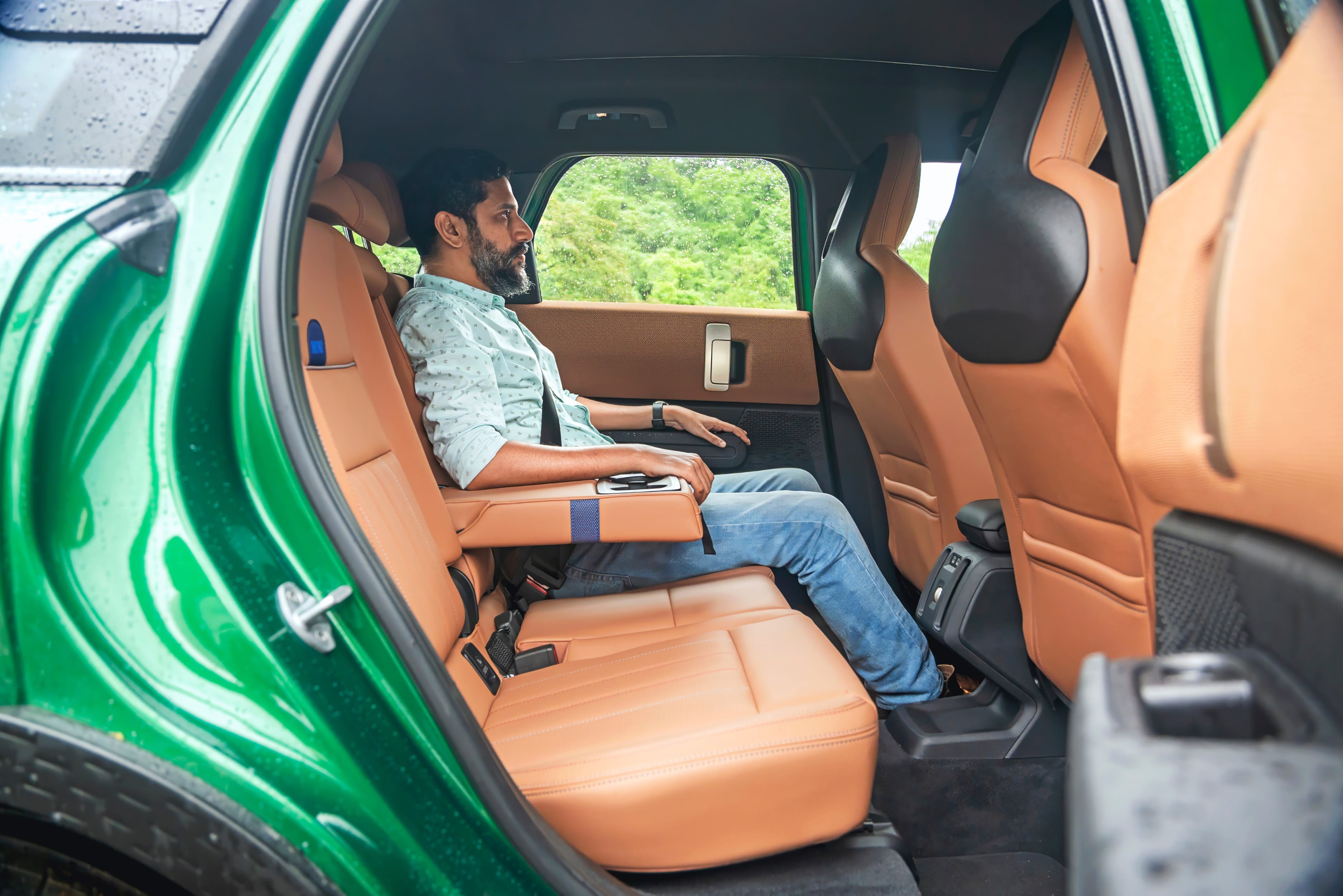
It feels roomier and more open than any previous Countryman, and it also has an advantage over some rivals in this area. Compared to the Countryman Electric, the Countryman C’s floor sits lower, making the seating position more comfortable. The large panoramic sunroof also makes the cabin feel brighter.
Boot space is another area where the Countryman C has an edge over the EV. Capacity has increased by 50 litres to 505 litres, and sliding the rear seats forward can free up even more space. It also comes with a space-saver spare wheel, which the EV does not get.
Practicality has also been well thought out, with an open centre console, a covered storage box and a sliding armrest. The front seats are large and comfortable, while the high seating position gives a good view outside.
Reasons to avoid the 2026 Mini Countryman C
Engine, gearbox clunky at low speeds
The Experience Modes are also mostly cosmetic. Only Green (Eco) and Go Kart (Sport) modes change drive performance. Eco makes the powertrain calmer, while Go Kart makes it more responsive. There is no option to adjust individual settings, and ESC is switched off by default in Go Kart mode, with no option to turn it back on.
There are no paddleshifters either or any other way to change gears manually. The gearbox is generally quick and easy to work with, but at very low speeds, the powertrain suffers from turbo lag and gearbox hesitation.
Large wheels hurt ride quality
Yes, the 19-inch wheels look great, but they do affect the ride. They crash hard through potholes and even over some steeper speed breakers. That said, the suspension keeps the SUV controlled around corners with limited body roll despite being tuned to be more comfortable and compliant than the previous Countryman.
It’s all too easy to start every review of the Mini Countryman with some variation of the phrase ‘the Mini that’s not so mini’, because that’s always been true. The SUV of the Mini range, by definition, is always going to fit that description; the difference this time is that Mini itself is onboard with the idea. Where previously it was always marketed as a Mini first and an SUV second, this time the script has been flipped. No longer content with being a niche offering for the fashion forward, they want this to be your family car, or more specifically your first luxury SUV. You’ll see how the vehicle attempts to achieve that in the paragraphs ahead, but the intent is clear with the price of this locally assembled third-generation ‘U25’ Countryman C, which at Rs 47 lakh (ex-showroom), is bang on par with ‘conventional’ entry luxury SUVs, like the Mercedes-Benz GLA, Audi Q3 and even its own cousin, the BMW X1.
2026 Mini Countryman C Exterior Design and Engineering – 9/10
Clearly prioritises practicality more this time, but retains that Mini charm.
Looks sharper, boxier and visibly larger than before.
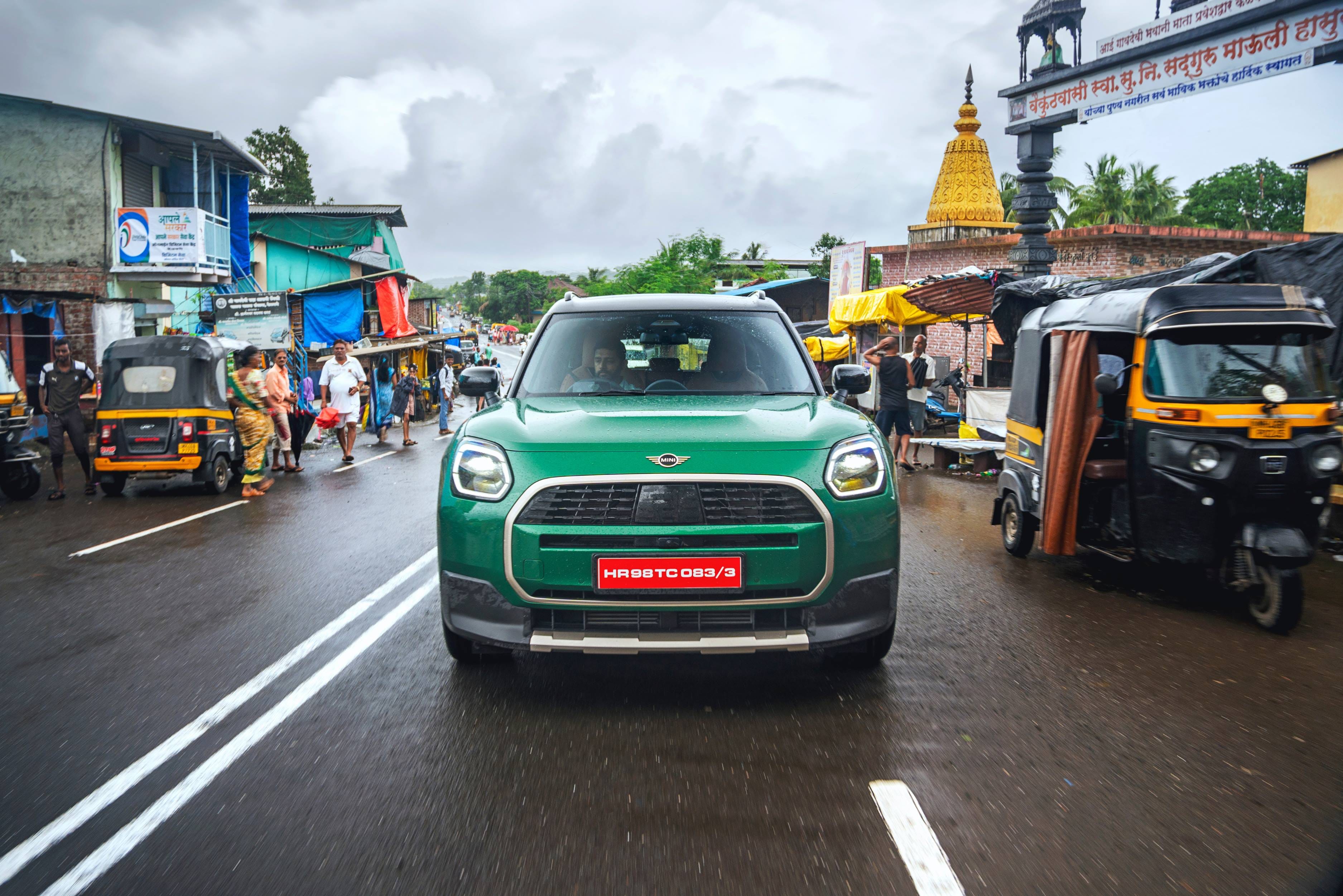
As with every successive generation, the new Countryman has grown (it’s now the tallest SUV in the class, with the highest ground clearance), but this time it has deliberately been made to ‘look’ large as well. Gone are the cartoonish and bulbous features of previous models, and in their place are smaller, sharper, more angular elements. The headlamps, grille and even the roofline have a boxier look, and this points to the greater space inside. It’s more recognisable as a Mini from the rear, where the familiar cues of a contrast roof, ‘Countryman’ lettering on the tailgate and Union Jack tail-lamps are easy to spot.
We’ve seen this look already in the Countryman Electric, and all that’s changed here is the grille that isn’t closed off. We’ve also already seen it on the CBU-imported Countryman JCW All4, which, apart from its more powerful engine and AWD, gets a sportier body kit.
19-inch alloys look great, but they hurt ride quality.
This one being a locally assembled model, however, it’s available in a single, fully loaded ‘Favoured’ spec with no optional extras, save for some accessories. It looks the business, however, with champagne-coloured accents all around, the contrast roof as well as huge 19-inch dual-tone alloy wheels. You get a choice of five colours, but Mini has been sure to pick more extroverted options than conventional luxury SUVs – British Racing Green is still the most popular Mini colour bought in India.
2026 Mini Countryman C Interior Space and Comfort – 8/10
Genuinely usable space and practicality make it feasible as a luxury SUV.
Generous headroom and legroom at the rear, though thigh support is not the best.
The results of the grown dimensions are immediately obvious in the greater interior space. It feels larger and airier than any Countryman before it, and betters some rivals in this regard. Without the battery of the EV, the floor is lower, giving a comfier seating position, though rear-seat thigh support is still not the best. And though the huge panoramic sunroof lets some light in, we wish the windows were a touch larger. Still, this can realistically be used as a chauffeur-driven car now.
The other area where it delivers more than the EV is the boot, whose volume has gone up by 50 litres to 505 litres. You can free up some more by sliding the rear seat forward on rails, and what’s more, they’ve even included a space-saver spare tyre, which you don’t get in the EV.
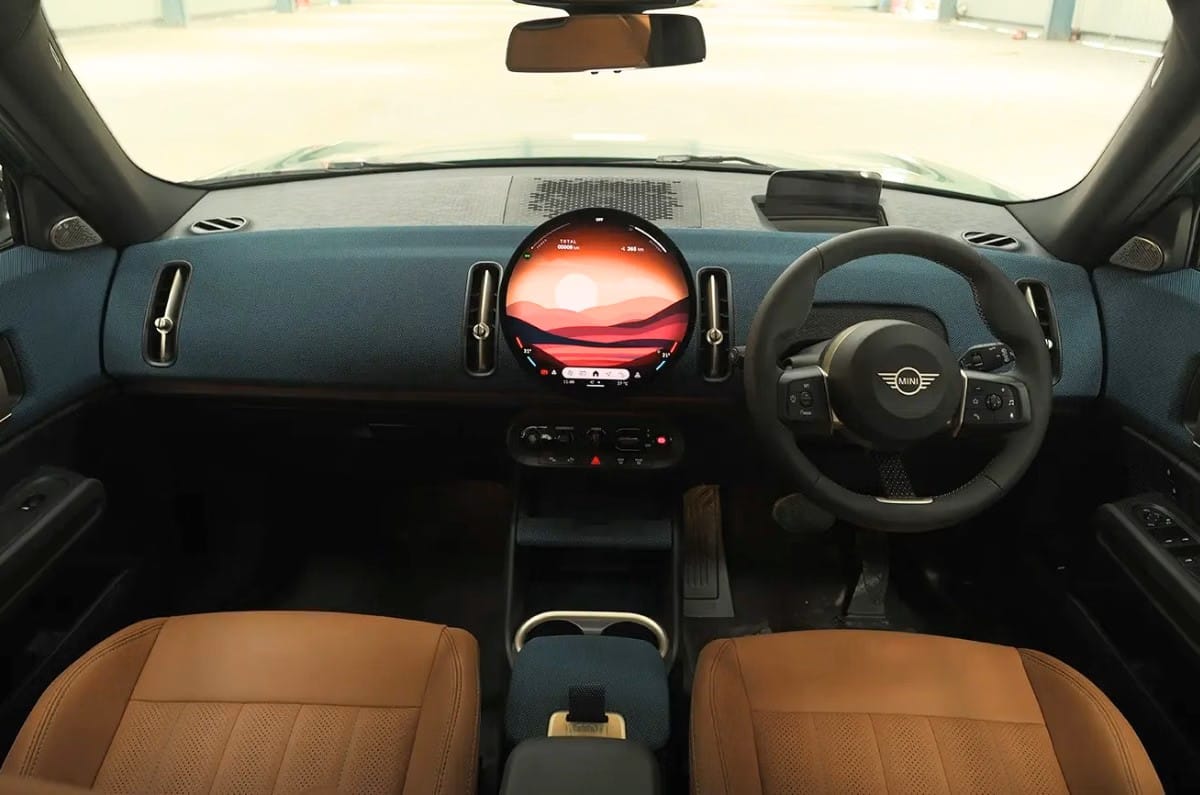
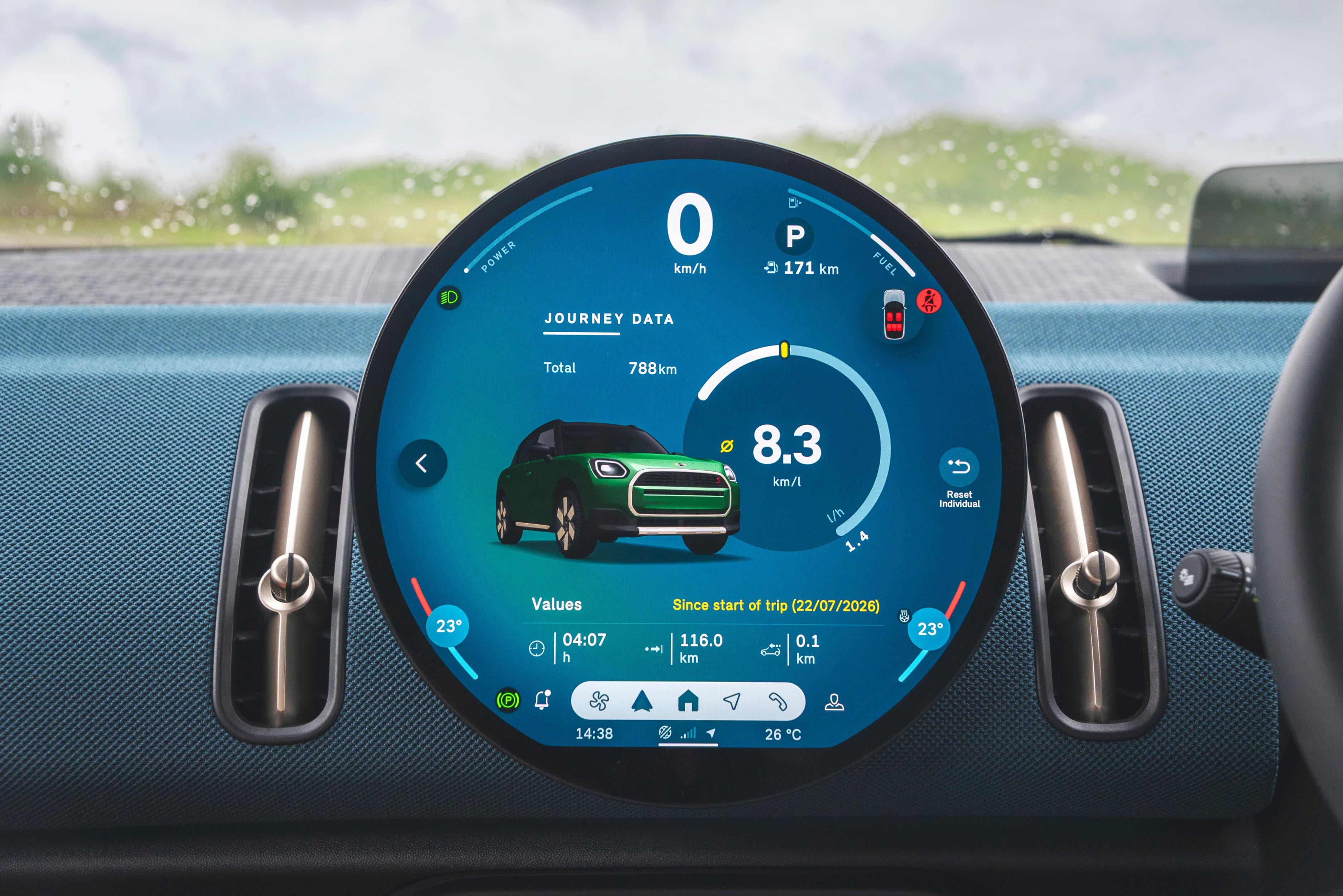
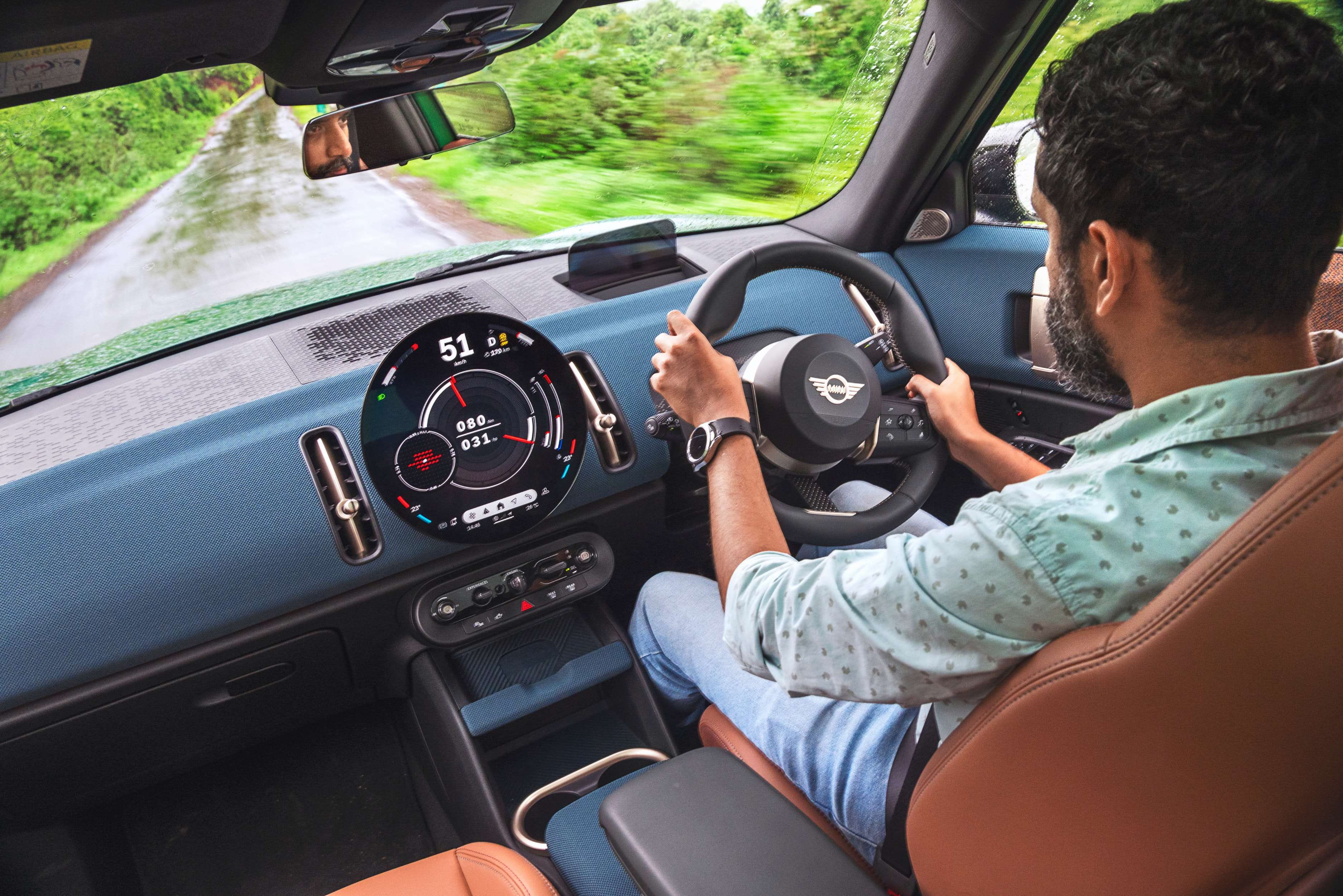
In the front seat, there’s no mistaking this for anything but a Mini, thanks to the clean dashboard with a big circular touchscreen at the centre. While this does function as the speedometer, a nod to the original Mini, there is also a flip-up HUD, which presents the info in your line of sight.
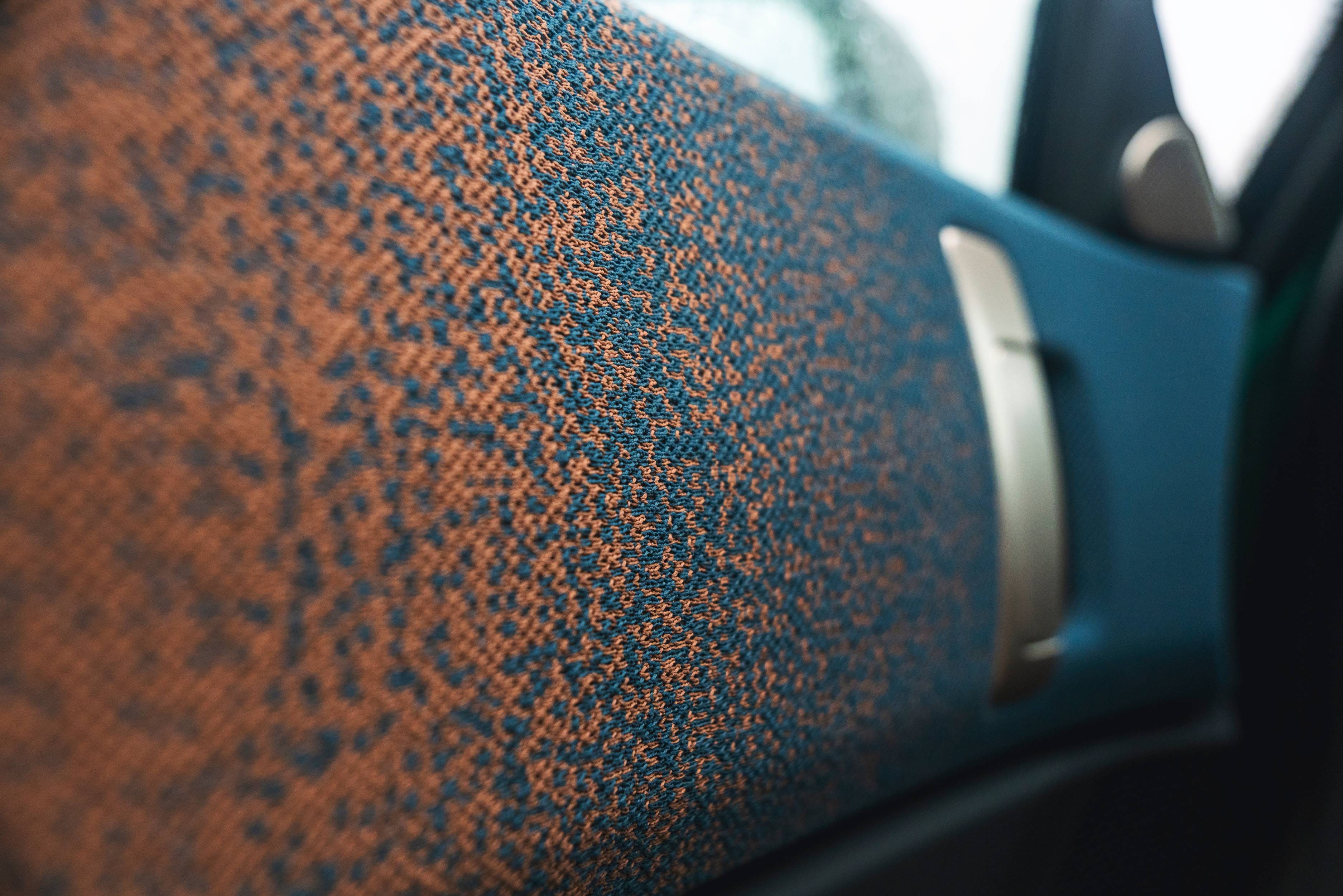
Knitted fabric on the door cards and dashboard lends the cabin an upmarket feel.
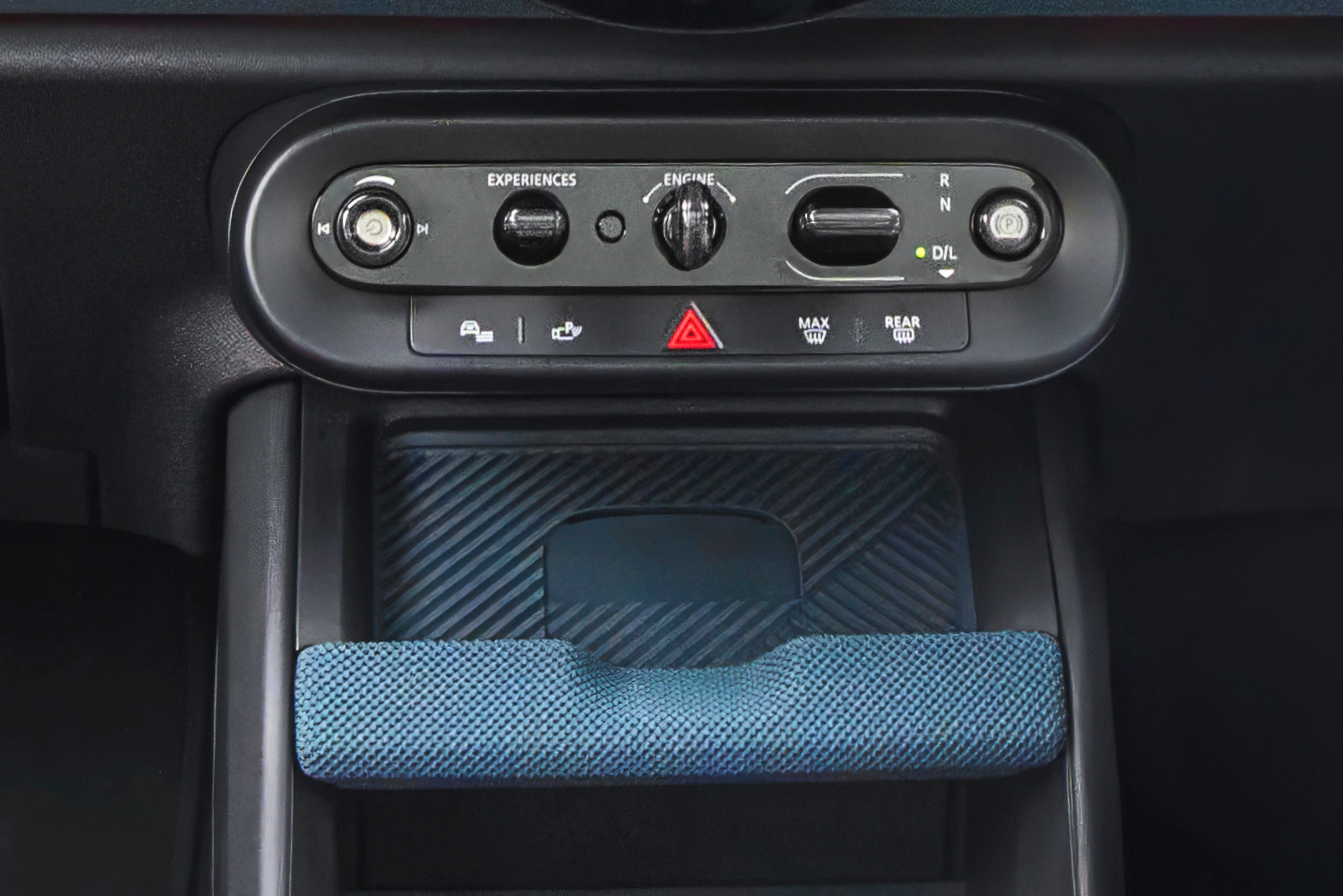
The dash is trimmed in an upmarket-feeling knitted fabric, which then extends onto the door cards, where it blends from blue to brown in colour. There are plenty of uniquely Mini touches, like slim, vertical AC vents, a row of toggle switches to start the car and change modes, more champagne gold trim and vertical inside door handles. But there is also more BMW switchgear than ever before, which, though high quality, looks a bit ordinary.
Storage space and ergonomics are well thought out, with an open centre console, a neat covered storage box and a sliding armrest. The front seats, meanwhile, are large and accommodating and give a commanding view outward.
2026 Mini Countryman C Features and Safety – 8/10
Generously kitted out with lots of standard equipment, on par with rivals.
Edge-to-edge circular screen is responsive, high-res and full of cutesy graphics.
As mentioned before, there is only one variant of the Countryman C, with a fixed features list and no optional add-ons. It’s a generous spec that features more than what some rivals offer, including wireless Apple CarPlay and Android Auto, powered front seats with memory and massage function for the driver, surround camera with auto park function, a Harman/Kardon audio system, heated steering wheel, panoramic sunroof, 13.7-inch diameter OLED touchscreen, heads-up display, voice assistant, wireless phone charging and a digital key system, to name a few.
As seen on all current-generation Minis, the dish-like circular touchscreen is a work of art. Where the previous generation housed a rectangular touchscreen within the circle, the new one is an edge-to-edge circular screen. It’s responsive, bright, high of resolution and full of Mini-typical cutesy graphics. Even the audio cues aren’t like normal cars, with cute ethereal chimes replacing boring warning beeps. There aren’t drive modes but Experience Modes (more on these later), which not only change the colour of the ambient lighting, but the screen display and can even activate certain features, like the seat massage.
Hard buttons only for few functions such as media controls and Experience Modes
However, once the novelty fades, you start to realise this circular design isn’t great ergonomically. While there, thankfully, are hard buttons for music volume and track control, as well as dri- sorry, Experience Modes, AC controls and all other functions are on the screen. With no bezel or edge to rest your hand on, and small, rounded graphics to tap, it is quite tricky to perform basic functions on the move. And as it’s based on BMW’s current i-Drive system, there are far too many sub-menus to go through.
2026 Mini Countryman C Performance and Refinement – 7/10
Downsized turbo-petrol engine lacks the zest associated with a Mini.
Performance feels merely adequate from the 156hp, 1.5-litre turbo-petrol engine.
This car shares its UKL1 architecture with the BMW X1, as well as its 1.5-litre three-cylinder direct-injection turbo-petrol engine. As in the BMW, it produces 156hp and 240Nm, sent to the front wheels via a 7-speed dual-clutch automatic gearbox, and as in the BMW, it feels merely adequate. While easier to digest in the X1, which has long since transitioned from ‘Ultimate Driving Machine’ to comfy family cruiser, the Mini’s go-kart intentions are still on display, and the expectation for more performance is higher.
Like in modern BMWs, the Experience Modes are mostly cosmetic, with only Green (Eco) and Go Kart (Sport) altering drive performance. Expectedly, the former dulls things down, while the latter primes the engine and gearbox to be more reactive, and they work as expected. There is, however, no scope to set individual parameters in any mode; for instance, ESC is off by default in Go Kart mode and you can’t turn it back on.
Gearbox is intuitive and quick, but there’s no manual control whatsover.
Also missed are paddle shifters, or in fact any means of shifting manually, though the gearbox is quite intuitive and quick to shift for the most part. It’s only at crawling speeds where this powertrain falls into the triple-whammy trap of turbo lag, gearbox hesitation and no off-boost power that’s typical of downsized engines. Things improve drastically in the mid-range, where the Countryman C feels most comfortable.
The engine also remains pretty refined for the most part, and it’s only if you absolutely stretch it out that you’re made aware it’s a three-cylinder unit.
2026 Mini Countryman C Mileage and Range – 8/10
Decent for a reasonably large turbocharged petrol luxury SUV.
Fuel economy is officially rated at 15.92kpl.
The advantage of the sizing-down is, of course, fuel economy, which will no doubt be better than with a larger 2.0-litre engine. It’s officially rated at 15.92kpl, which is not bad for a turbo petrol luxury SUV, and you realise that it’s because it’s not too heavy – clocking in at around 1,700kg. Other factors helping this include a quick-acting engine stop/start system and a good drag coefficient of just 0.26. Expect a real-world average comfortably in the two digits. And like all new BMW cars, this one is E25 compliant.
2026 Mini Countryman C Ride Comfort and Handling – 7/10
Still fun, but drives like a big car now; large wheels hurt ride quality.
Handling is a noticeable departure from the Go Kart feel that’s typified all modern Minis.
More so even than the powertrain, the Go Kart feel that’s typified all modern Minis comes from the chassis setup and handling, and this new Countryman represents the first noticeable departure. But that’s not necessarily a bad thing, and is in keeping with its new, more grown-up luxury-SUV persona.
The steering is much lighter and not as tightly wound as before, for a start, and that means despite the increased size, the Countryman is even easier to manoeuvre. What you lose in the process is some urgency in direction changes and some agility, but you don’t mind that thanks to the aforementioned benefits.
It feels reassuring and has great road-holding at highway speeds,
The good news is the suspension setup still allows it to handle corners tidily and with not too much body roll. And this despite being slackened off quite a bit to be noticeably comfier and more compliant than the previous Countryman. It also has great road-holding at high speeds and feels far more reassuring at highway speeds, and the overall sensation is that you’re commandeering a proper SUV rather than a high-riding hatchback. The only spoilsport here are the 19-inch wheels; while they look great, they crash hard through potholes and even over some steeper speed breakers.
2026 Mini Countryman C Price and Verdict – 8/10
Competitive pricing and big space make it a credible rival to other entry luxury SUVs.
The Mini Countryman C is priced at Rs 47.5 lakh (ex-showroom, India) which is incredibly competitive. It ducks under both, the Mercedes GLA and BMW X1, with only the entry-level version of the Audi Q3 being slightly cheaper. The best part is that, where previous locally assembled Countrymans (Countrymen?) felt stripped down compared to their CBU counterparts, here you get a well turned out and generously equipped luxury SUV that doesn’t leave you wanting.
It’s clear that Mini is on a war footing to break into the mainstream, and that’s something it certainly can’t do with its hatchbacks, which remain fun to drive and upmarket, but ultimately niche fashion statements. The Countryman C delivers on space, features, luxury and comfort that’s more than a match for others in the segment, and despite a slightly underwhelming engine, adds some much-needed pizzazz to the ranks of entry level luxury SUVs.
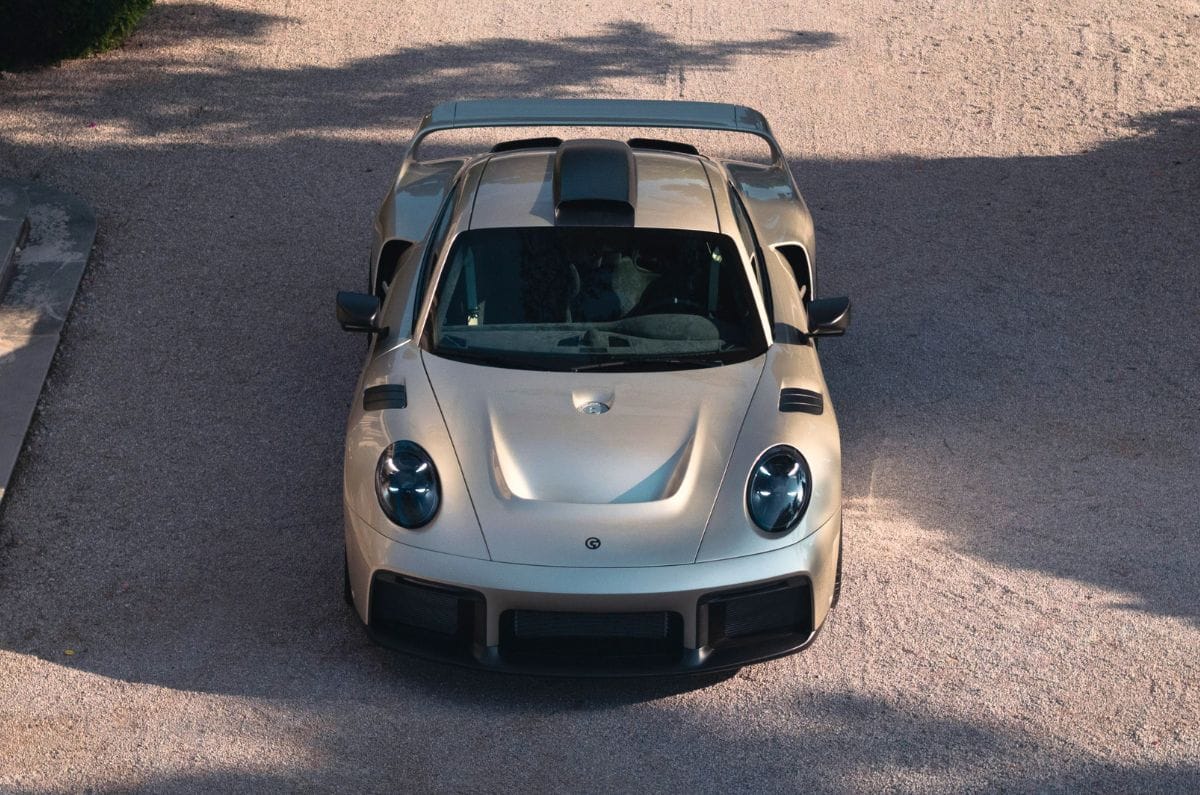
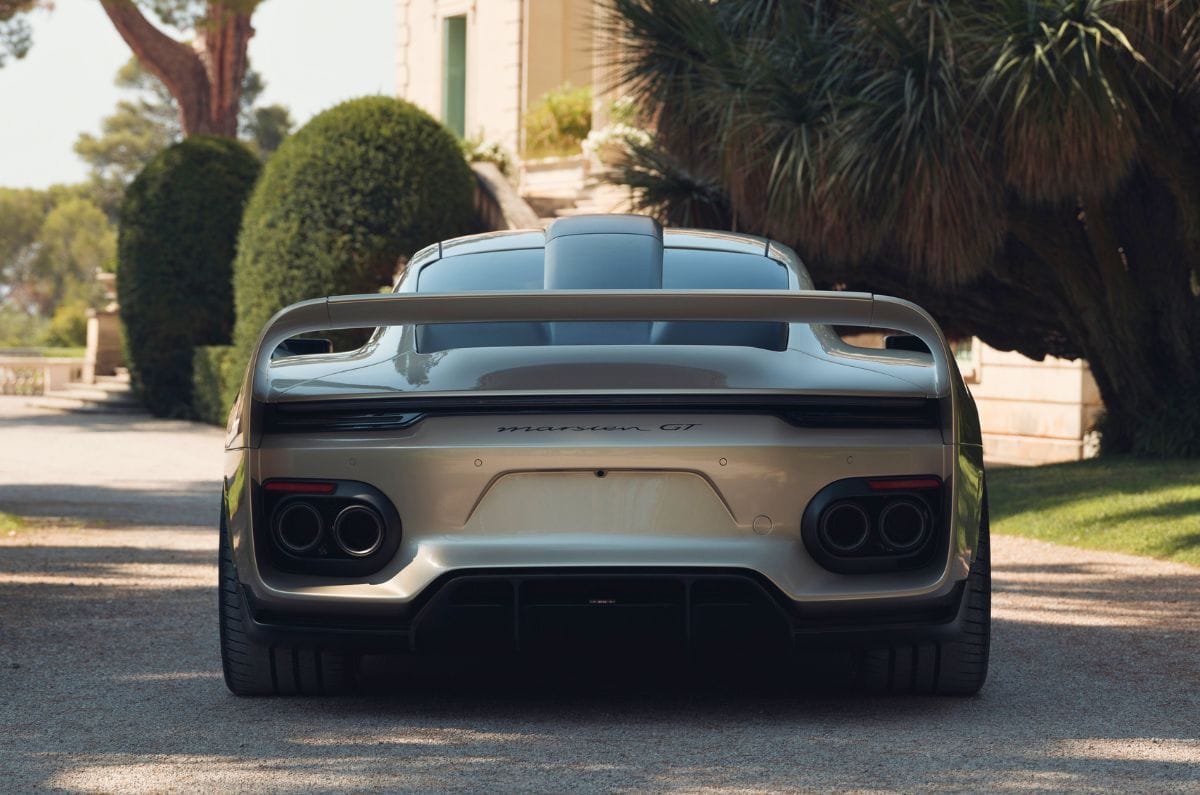
Based on the 992-series Porsche 911 Turbo S, the Marsien GT has been revealed ahead of its global premiere at the Pebble Beach Concours d’Elegance on August 13, 2026. Produced by Marc Philipp Gemballa GmbH, the Marsien GT is the company’s second limited-edition model – the first was the desert-focused Marsien of 2021. Including 40 units of the latter and another 30 examples of the grand tourer (GT), there’ll be a total of 70 Marsiens produced. The 70-unit combined production run honours the 70th anniversary of Uwe Gemballa, Marc Philipp Gemballa’s father, the marque stated.
Has a carbon-fibre exterior, active aero and custom colour options
Gets Michelin Pilot Sport Cup 2 tyres and an Akrapovic titanium exhaust system
Revised six-cylinder boxer engine outputs over 830hp and 930Nm
Marsien GT design and interior
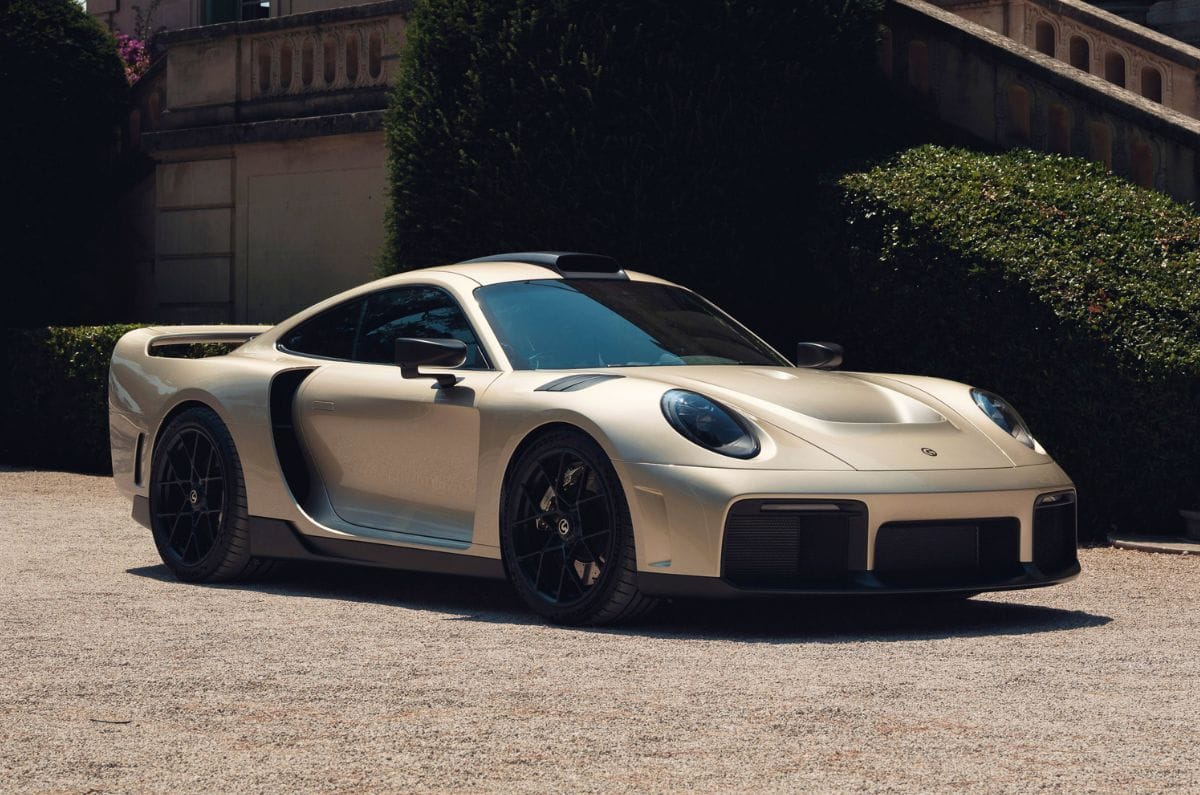
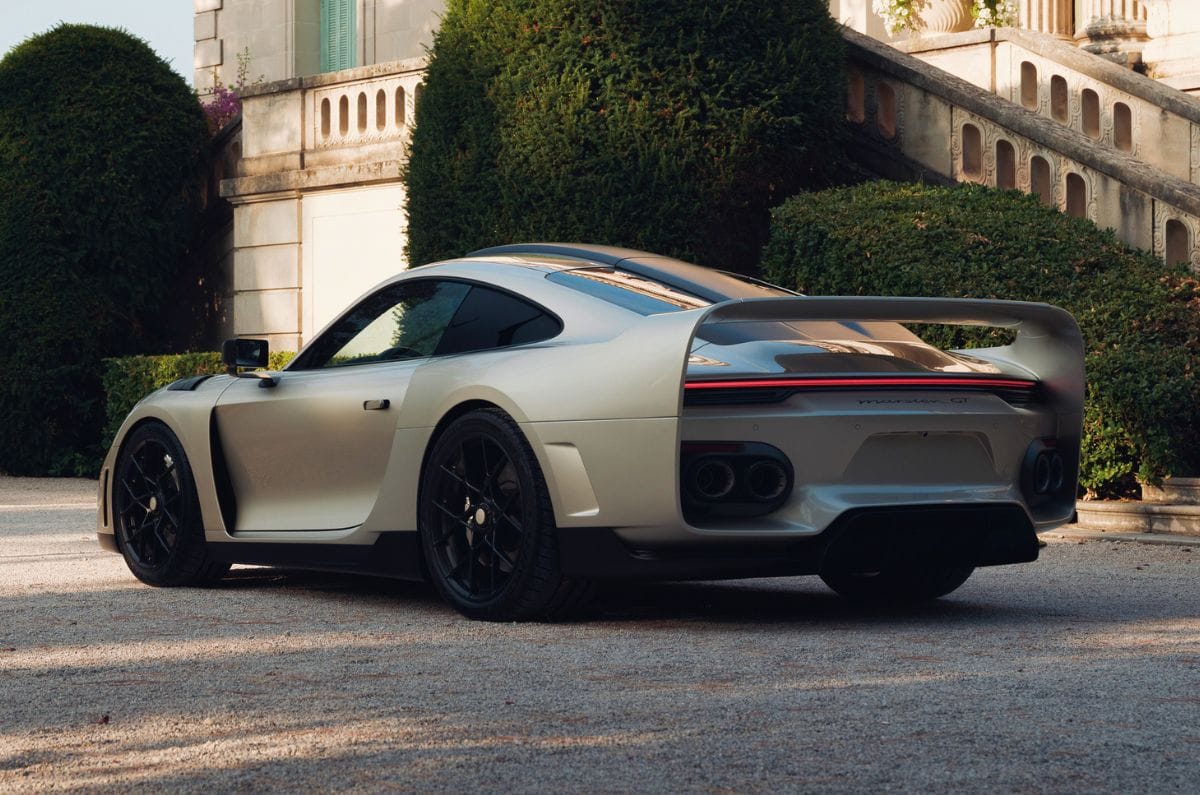
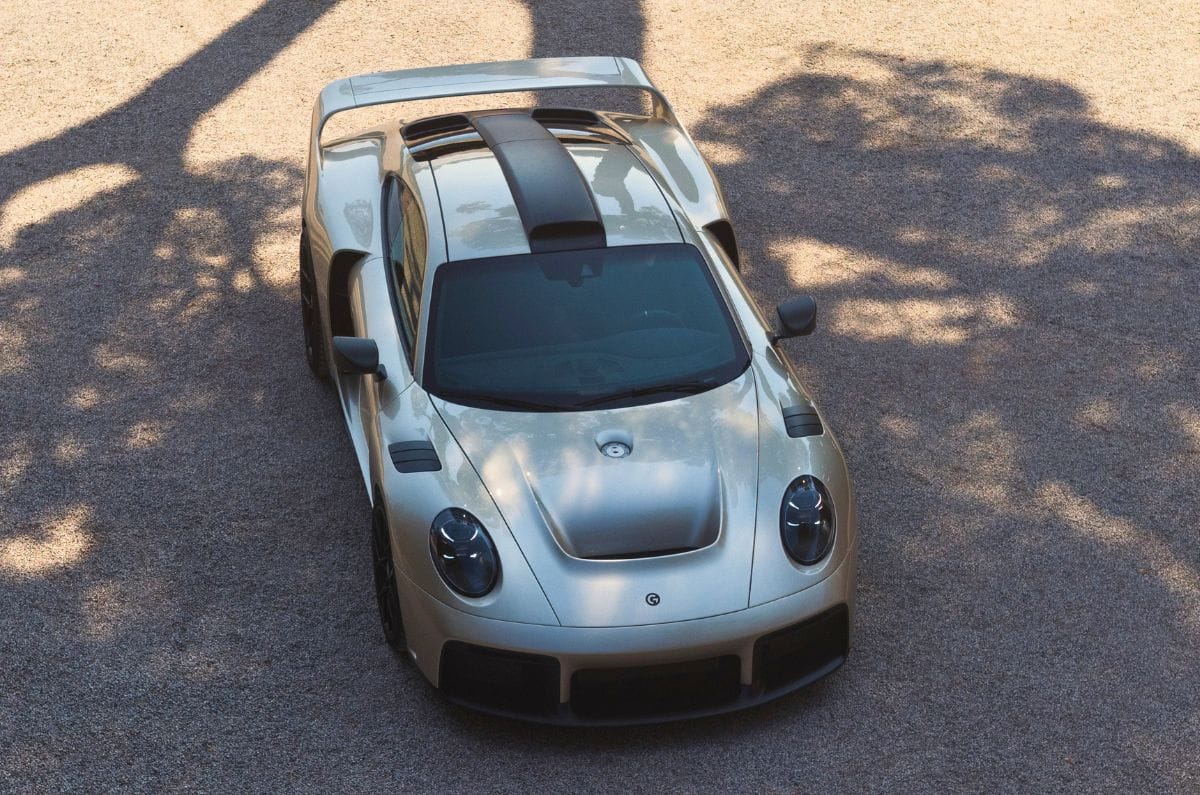
The exterior styling of the Marsien GT is the work of French automotive designer Alan Derosier. It features a one-off four-layer metallic colour called Anniversary Liquid Champagne Gold, in honour of the 70th anniversary of Uwe Gemballa. The colour is applied at a paint studio that the brand claims can “fulfil the most daring customer colour requests.” The brand also says that the Marsien GT has a full carbon-fibre exterior, consisting of over a hundred individual carbon-fibre components. The front axle-lift system has been retained from the 911 Turbo S, though.
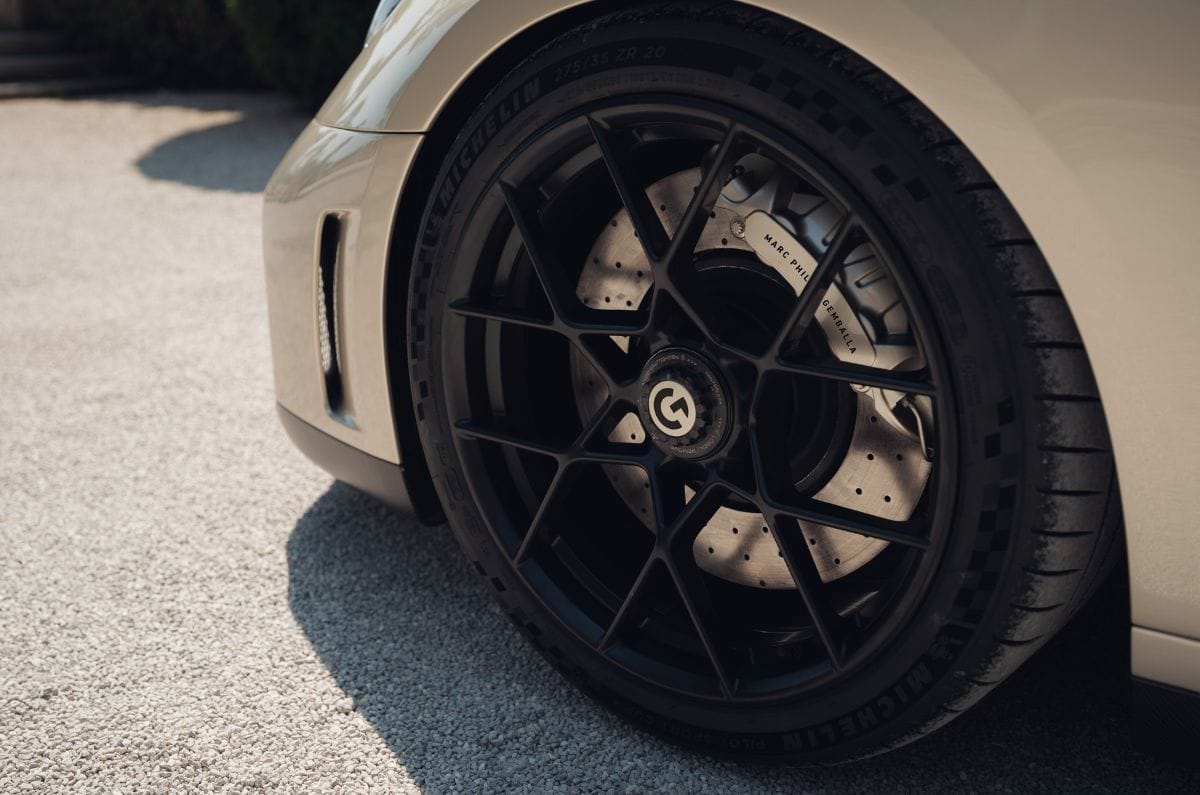
Noticeably different elements over the donor vehicle include the uniquely shaped outside rearview mirrors (ORVMs), a top-mounted scoop, active air flaps on the front fenders, ram-air intakes, side skirts with integrated air channels, and a large active rear wing whose design is reminiscent of the Porsche 959’s. Adding to these are the forged aluminium wheels wrapped in Michelin Pilot Sport Cup 2 tyres, an Akrapovic titanium exhaust system, and a carbon-fibre underfloor. All these lightweight measures ensure weight savings of 75kg over the donor vehicle, whilst the active aero features cool the brakes and reduce turbulence from the wheel arches, as per the brand.
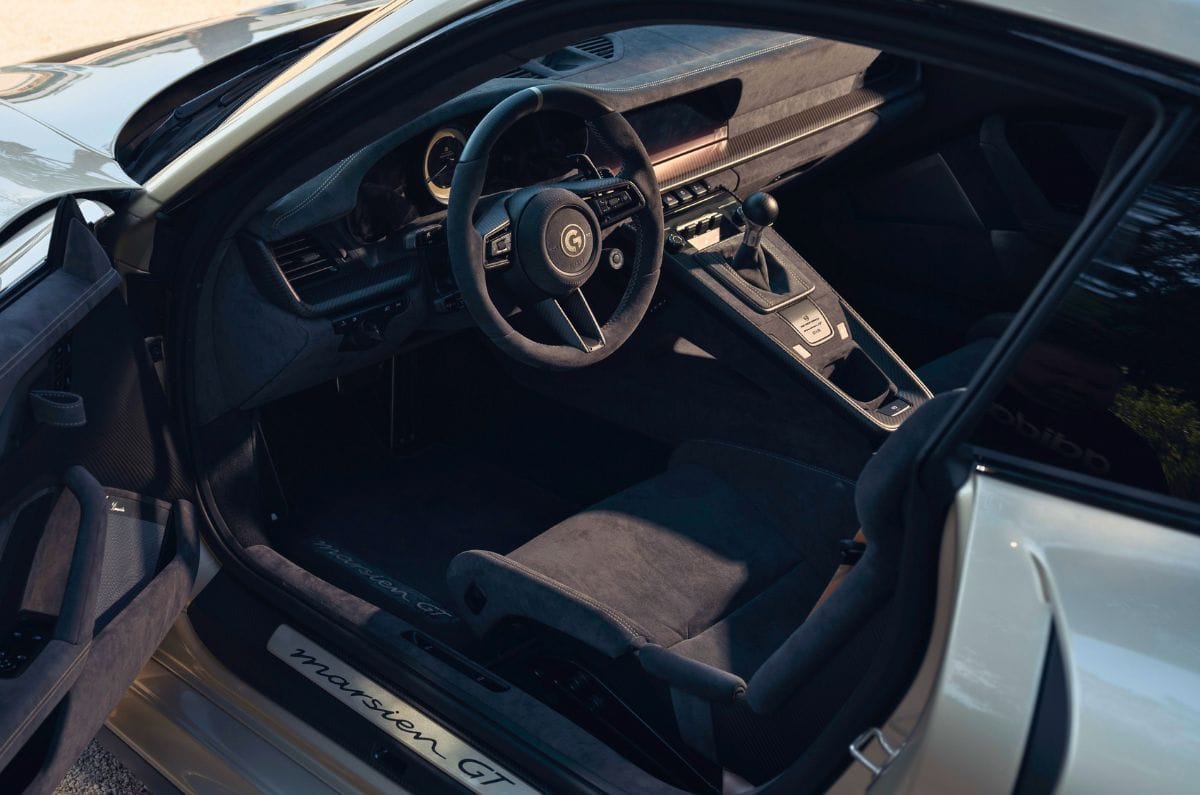
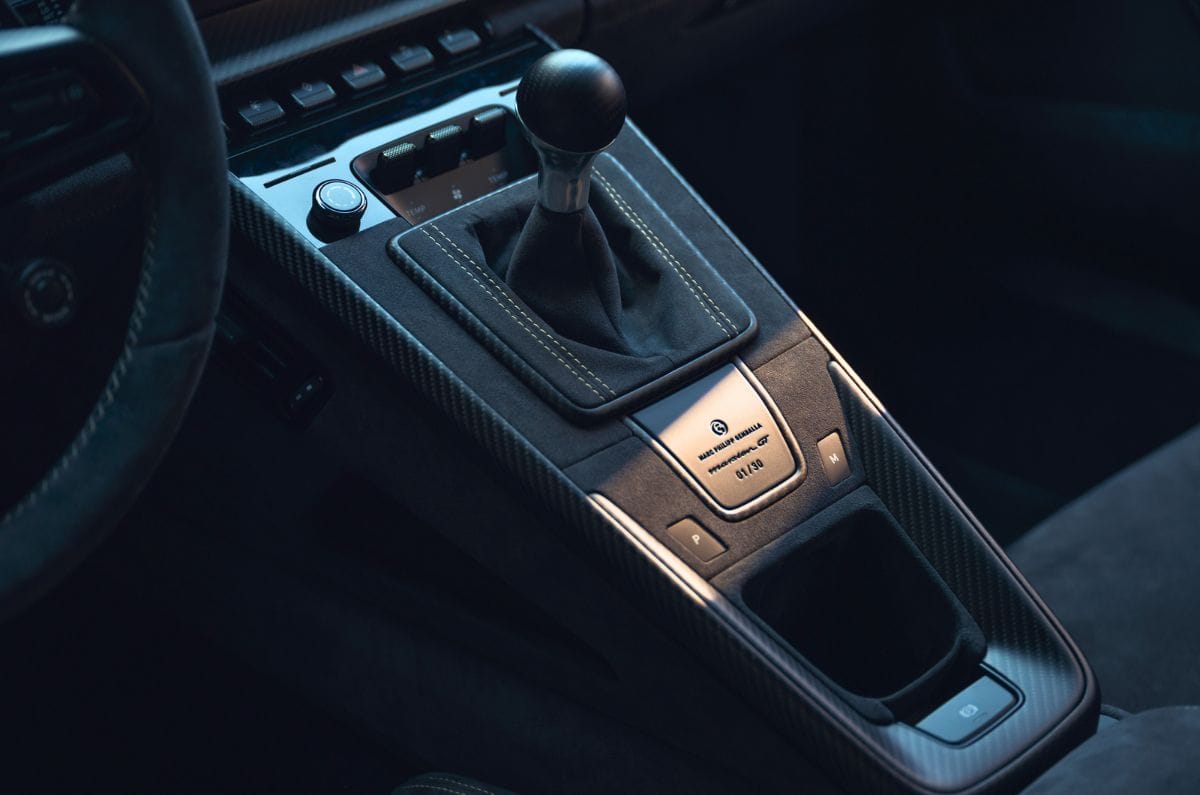
Some of the stand-out design elements inside the Marsien GT are visible along the centre console, which itself is raised over what’s seen in the standard 911 Turbo S, but there’s also an aluminium gear lever that’s inspired by the unit found in the Carrera GT. Customers can opt this gear lever to be covered in either exposed carbon or mahogany wood, instead of softer materials like leather or Alcantara. The interior also features hand-stitched brand logo on the steering wheel, headrests, armrest and floor mats.
The centre console also sports a metal badge displaying the individual production number of each vehicle. Apart from the carbon bucket seats and dark grey Alcantara, the interior of this launch-ready example features champagne accents for much of the stitching, plus on the seatbelts and within the instrument cluster. There are also matte carbon-fibre accents and an Alcantara-trimmed roll bar. According to the brand, customers can purchase a carbon-fibre interior package that adds even more exposed carbon-fibre elements.
Marsien GT powertrain and suspension
Porsche engine specialist RUF Automobile is key behind the powertrain of the Marsien GT. Uwe Gemballa and RUF Automobile have collaborated to produce powertrains for various vehicles in the 1980s, said Marc Philipp Gemballa GmbH. Compared to the 911 Turbo S, the six-cylinder boxer engine of the Marsien GT features a remapped ECU (engine control unit) and enhanced variable-geometry turbochargers – this results in a claimed output of over 830hp and 930Nm of torque. The 8-speed dual-clutch automatic transmission (DCT) has also been revised to handle the extra power and torque.
The brand is currently working on a second-stage engine upgrade option, which will take the output to over 900hp. Even in its current avatar, the Marsien GT has a claimed top speed of 330kph and a 0-97kph sprint time of 2.4 seconds. That said, the Marsien GT retains the all-wheel-drive (AWD) system of the Porsche 911 Turbo S.
However, Marc Philipp Gemballa GmbH has partnered with KW Automotive for its car’s suspension needs. It claims that the new double-wishbone front setup has been specifically developed for the Marsien GT, with its electronically controlled dampers capable of adjusting and responding to changing road conditions within just 20 milliseconds. This suspension setup ensures that the Marsien GT offers precise control without sacrificing ride comfort that’s expected of a grand tourer, according to the brand.
Marsien GT price
The Marc Philipp Gemballa Marsien GT will be making its world premiere during the upcoming 2026 Monterey Car Week at the Pebble Beach Concours d‘Elegance in California, USA. Production will begin in 2027, with first customer deliveries commencing later the same year. The starting price of the Marsien GT will be EUR 770,000, not including the cost of the donor vehicle, i.e., the 992 Porsche 911 Turbo S. For reference, the latter starts at EUR 271,000 in Germany.
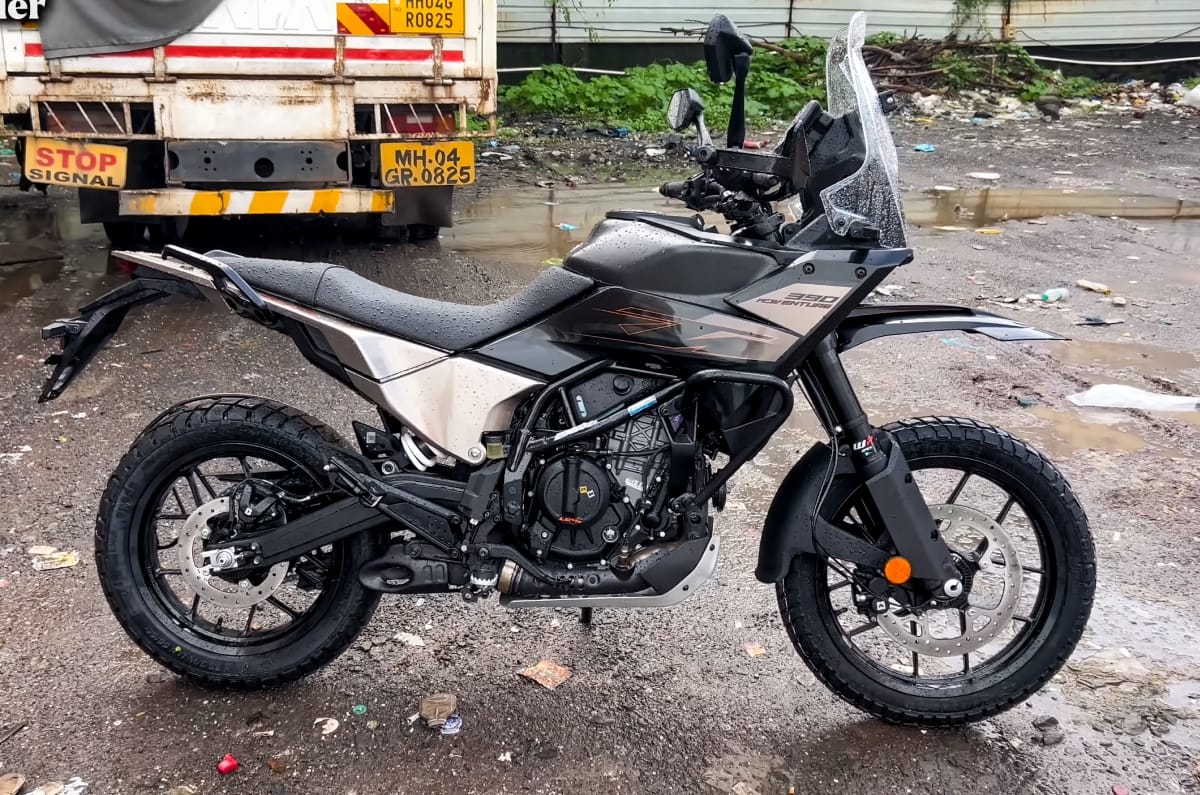
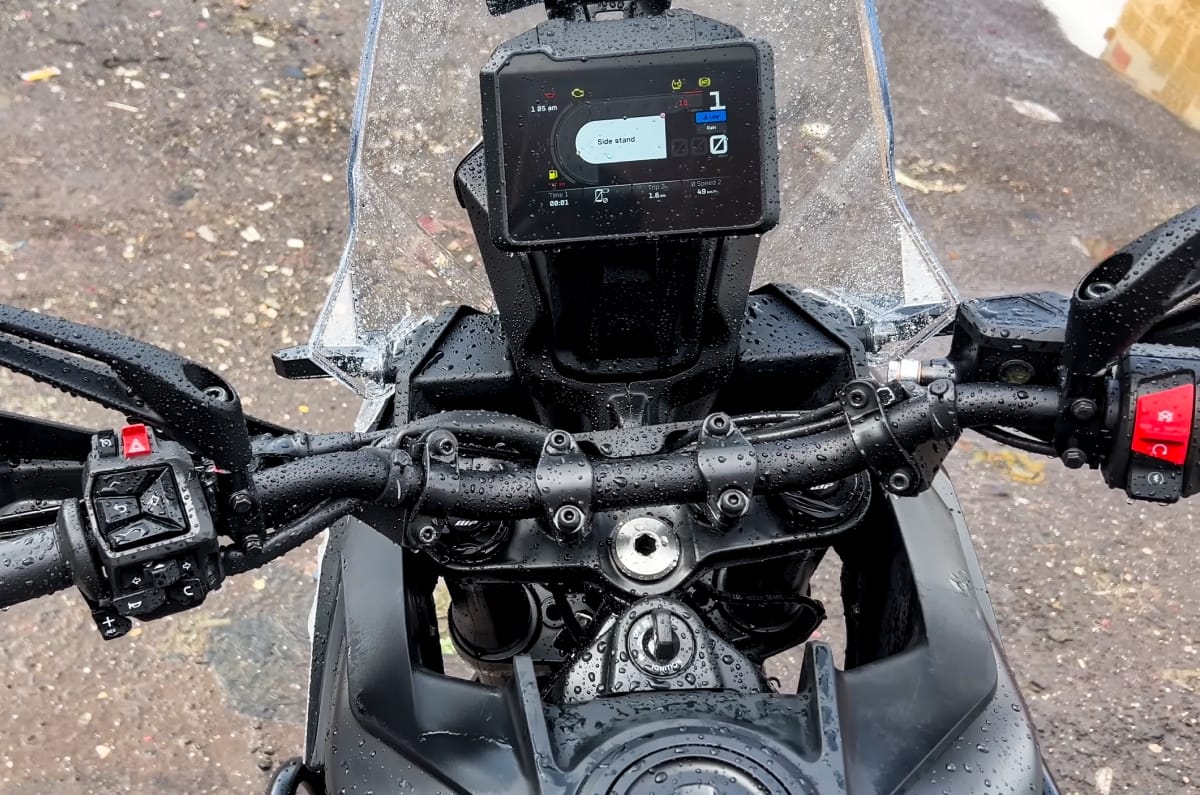
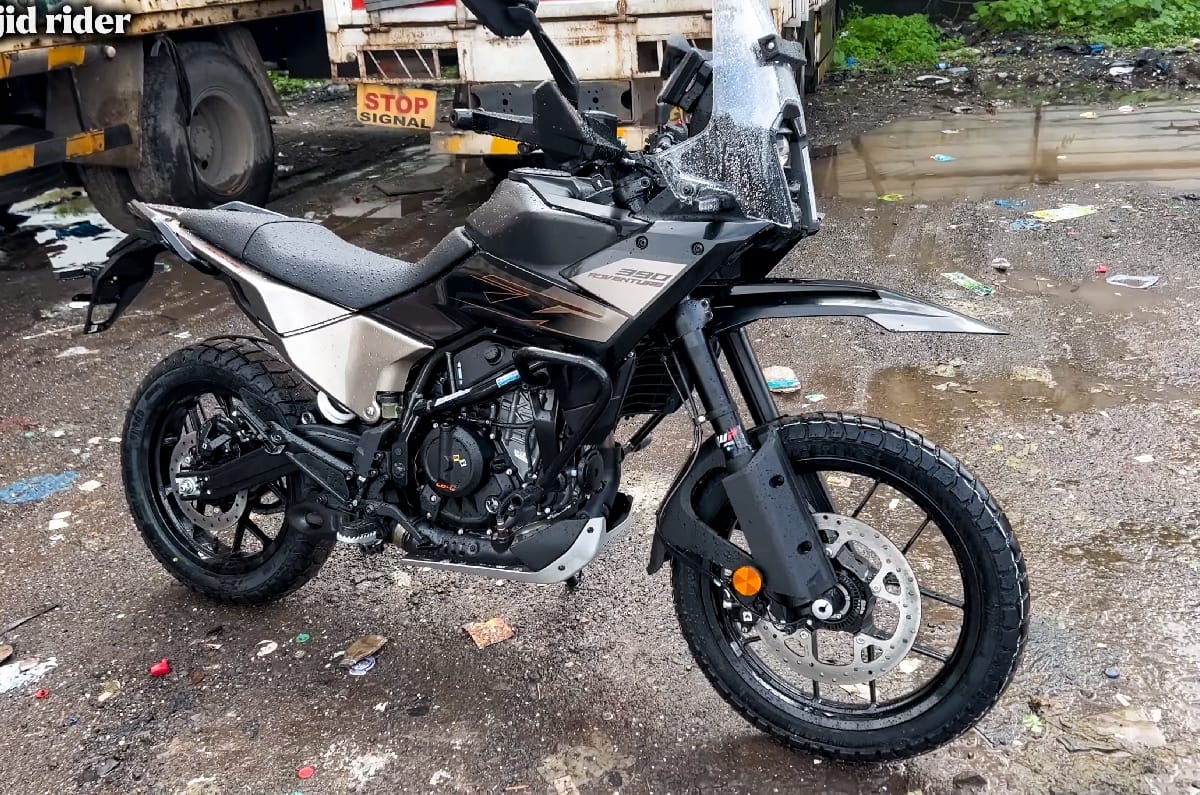
A new black colour of the downsized 350cc KTM 390 Adventure has been spotted at a dealership. Adding a third shade to the colour palette that earlier included a white and an orange colour option. Along with this, the price of the KTM 390 Adventure has also increased by Rs 7,000, which now stands at Rs 2.88 lakh as opposed to Rs 2.81 lakh that it was earlier launched at.
KTM 390 Adventure to be offered with a new black colour
350cc 390 Adventure price increased by Rs 7,000
KTM 390 Adventure new colour
Remains mechanically unchanged.
It is reported that this new shade – dubbed as Ebony Black – is only available with the downsized 350cc KTM 390 Adventure. It offers an option to customers that are looking for an understated look for their KTM, as opposed to white with contrasting orange colour or the orange colour with contrasting white colour.
While this colour includes a base of black and champagne gold, KTM has still managed to add a bit of orange to it. It gets a subtle outline around the KTM logo in orange and even the Adventure branding has an orange outline. While this new colour has only been spotted and hasn’t been launched formally, it remains to be seen if this colour replaces any of the existing colours or is introduced as a third colour option.
Apart from this, the downsized 350cc KTM 390 Adventure is powered by the same 349cc engine that is derived from the earlier LC4c 399cc engine. In its downsized iteration this engine produces 41.5hp and 33.5Nm, mated to a six-speed gearbox.
Alongside this, the price for the 350cc KTM 390 Adventure has also risen by Rs 7,000, now standing at Rs 2.88 lakh (ex-showroom, Delhi).
दिल्ली के एक 23 वर्षीय युवक की पहली डेट का अनुभव इन दिनों सोशल मीडिया पर चर्चा का विषय बना हुआ है। डेटिंग ऐप के जरिए हुई इस मुलाकात को लेकर युवक ने Reddit पर अपनी आपबीती साझा की, जिसके बाद इंटरनेट पर लोगों की अलग-अलग प्रतिक्रियाएं सामने आने लगीं। कई यूजर्स ने इसे एक महंगा सबक बताया, जबकि कुछ ने डेटिंग एटीकेट और बिल शेयर करने की जिम्मेदारी पर सवाल उठाए। युवक का कहना है कि उसे सबसे ज्यादा अफसोस पैसों का नहीं, बल्कि पूरी स्थिति के तरीके का हुआ। देखते ही देखते यह पोस्ट वायरल हो गई और ऑनलाइन डेटिंग, पहली मुलाकात और खर्च को लेकर नई बहस शुरू हो गई।
कैफे समझकर गया, पहुंच गया पब
युवक के मुताबिक, वह पहले कभी किसी रिलेशनशिप में नहीं रहा था और लड़कियों से भी ज्यादा बातचीत नहीं हुई थी। उसे लगा था कि मुलाकात किसी कैफे में होगी, लेकिन उसकी डेट उसे सीधे एक पब ले गई। उसने बताया कि वह न शराब पीता है और न ही स्मोकिंग करता है।
ऑर्डर पर ऑर्डर, बिल पहुंचा ₹20,500
पोस्ट के अनुसार, लड़की ने कई बोतल शैंपेन, दो हुक्के और खाने का ऑर्डर दिया। शाम खत्म होने पर बिल ₹20,500 आया। युवक ने बताया कि यह रकम उसकी मासिक सैलरी का लगभग आधा हिस्सा थी, जिसे देखकर वह हैरान रह गया।
‘पैसे नहीं, इस बात का ज्यादा अफसोस हुआ’
युवक ने लिखा कि उसे सबसे ज्यादा दुख पैसों का नहीं हुआ। असली निराशा इस बात से हुई कि उसकी डेट ने बिल शेयर करने की कोई बात नहीं की और न ही खर्च को लेकर कोई सवाल पूछा। उसने यह भी बताया कि बिल आने के समय लड़की वॉशरूम चली गई थी, लेकिन उसने उसके इरादों पर कोई आरोप नहीं लगाया।
‘शायद इत्तेफाक था, शायद नहीं’
युवक ने अपनी पोस्ट में साफ लिखा कि वह किसी निष्कर्ष पर नहीं पहुंचना चाहता। उसके मुताबिक, लड़की का बिल आने के समय वॉशरूम जाना महज संयोग भी हो सकता है, इसलिए वह बिना सबूत उसके इरादों पर सवाल नहीं उठाना चाहता।
पोस्ट वायरल होने के बाद Reddit यूजर्स ने युवक के अनुभव पर तरह-तरह की प्रतिक्रियाएं दीं। कुछ लोगों ने इसे धोखाधड़ी जैसा मामला बताया, जबकि कई यूजर्स ने कहा कि यह उसके लिए एक महंगा लेकिन जरूरी सबक था। वहीं कुछ ने उसकी मासूमियत पर भी मजाकिया टिप्पणियां कीं।
डेटिंग एटीकेट पर फिर शुरू हुई बहस
इस घटना ने सोशल मीडिया पर पहली डेट में बिल कौन चुकाए, खर्च पहले तय होना चाहिए या नहीं और ऑनलाइन डेटिंग के दौरान किन बातों का ध्यान रखना चाहिए जैसे मुद्दों पर नई चर्चा शुरू कर दी।
एक नौकरी इंटरव्यू के दौरान उम्मीदवार के अचानक उठाए गए कदम ने सोशल मीडिया पर नई बहस शुरू कर दी है। मामला तब चर्चा में आया, जब एक उम्मीदवार ने कंपनी के हायरिंग मैनेजर द्वारा अनपेड ओवरटाइम को लेकर पूछे गए सवाल के बाद इंटरव्यू छोड़ने का फैसला किया। उम्मीदवार का कहना था कि वह इस अवसर को लेकर काफी उत्साहित था, लेकिन बातचीत के दौरान सामने आई कुछ बातें उसकी उम्मीदों से अलग थीं। इस घटना के बाद लोगों के बीच यह चर्चा शुरू हो गई कि क्या उम्मीदवार ने सही फैसला लिया या उसे पहले पूरी जानकारी जुटानी चाहिए थी।
सोशल मीडिया यूजर्स ने वर्क कल्चर, कर्मचारियों के अधिकार और ऑफिस में अतिरिक्त काम को लेकर अपने अनुभव और राय साझा की। देखते ही देखते यह मामला ऑनलाइन बहस का विषय बन गया।
Reddit से शुरू हुई कहानी, X पर हुई वायरल
यह मामला सबसे पहले Reddit पर सामने आया, जहां कर्मचारी ने अपने अनुभव को विस्तार से साझा किया। बाद में इसे X अकाउंट @ConsoomerLs ने शेयर किया, जिसके बाद पोस्ट तेजी से वायरल हो गई। हजारों यूजर्स ने इस पर अपनी राय रखी और वर्क कल्चर को लेकर बहस शुरू हो गई।
अच्छी नौकरी की उम्मीद लेकर पहुंचा था उम्मीदवार
उम्मीदवार के मुताबिक, वह इस जॉब अवसर को लेकर काफी उत्साहित था। कंपनी की ऑनलाइन रेटिंग अच्छी थी, पद आकर्षक लग रहा था और सैलरी भी बेहतर थी। लेकिन इंटरव्यू शुरू होते ही बातचीत ने ऐसा मोड़ लिया जिसकी उसने उम्मीद नहीं की थी।
‘आप अनपेड ओवरटाइम कैसे संभालेंगे?’ सवाल ने चौंकाया
उम्मीदवार ने बताया कि हायरिंग मैनेजर ने शुरुआत में ही पूछा, “आप बिना भुगतान वाले ओवरटाइम को कैसे संभालेंगे?” पहले उसे लगा कि शायद यह मजाक है, लेकिन जब सवाल गंभीर निकला तो उसने कंपनी की नीति के बारे में जानकारी मांगी।
कंपनी के जवाब से हुआ असहमत
उम्मीदवार के अनुसार, मैनेजर ने कहा कि कर्मचारियों से जरूरत के हिसाब से काम पूरा होने तक रुकने की उम्मीद की जाती है। कंपनी अतिरिक्त घंटों का हिसाब नहीं रखती क्योंकि सभी कर्मचारी अपने काम को लेकर “जुनूनी” हैं। यह सुनकर उम्मीदवार को लगा कि यह नौकरी उसकी उम्मीदों से मेल नहीं खाती।
इंटरव्यू छोड़ा और बाहर निकल गया
उम्मीदवार ने बिना ज्यादा समय गंवाए इंटरव्यू खत्म करने का फैसला लिया। उसने इंटरव्यू लेने वाले को धन्यवाद दिया और कहा कि यह भूमिका उसके लिए सही नहीं है। इसके बाद वह वहां से चला गया। बाद में उसने खुद भी सवाल उठाया कि क्या उसका फैसला सही था या उसे और जानकारी लेनी चाहिए थी।
सोशल मीडिया पर बंटे यूजर्स के विचार
पोस्ट वायरल होने के बाद कई लोगों ने उम्मीदवार के फैसले का समर्थन किया। कुछ यूजर्स ने कहा कि बिना भुगतान के काम लेना गलत है और ऐसी कंपनी से दूरी बनाना बेहतर है। वहीं कुछ लोगों ने सुझाव दिया कि उम्मीदवार को पहले पूरा इंटरव्यू देना चाहिए था और बाद में फैसला लेना चाहिए था।
वर्क-लाइफ बैलेंस और कॉर्पोरेट कल्चर पर बहस
इस घटना ने एक बार फिर वर्क-लाइफ बैलेंस, कर्मचारियों के अधिकार और कंपनियों की कार्य संस्कृति पर चर्चा तेज कर दी है। कई यूजर्स का मानना है कि नौकरी सिर्फ सैलरी नहीं, बल्कि सम्मान और उचित कार्य परिस्थितियों से भी जुड़ी होती है।