Skoda India to bring EVs as limited imports next year

Skoda India to bring EVs as limited imports next year
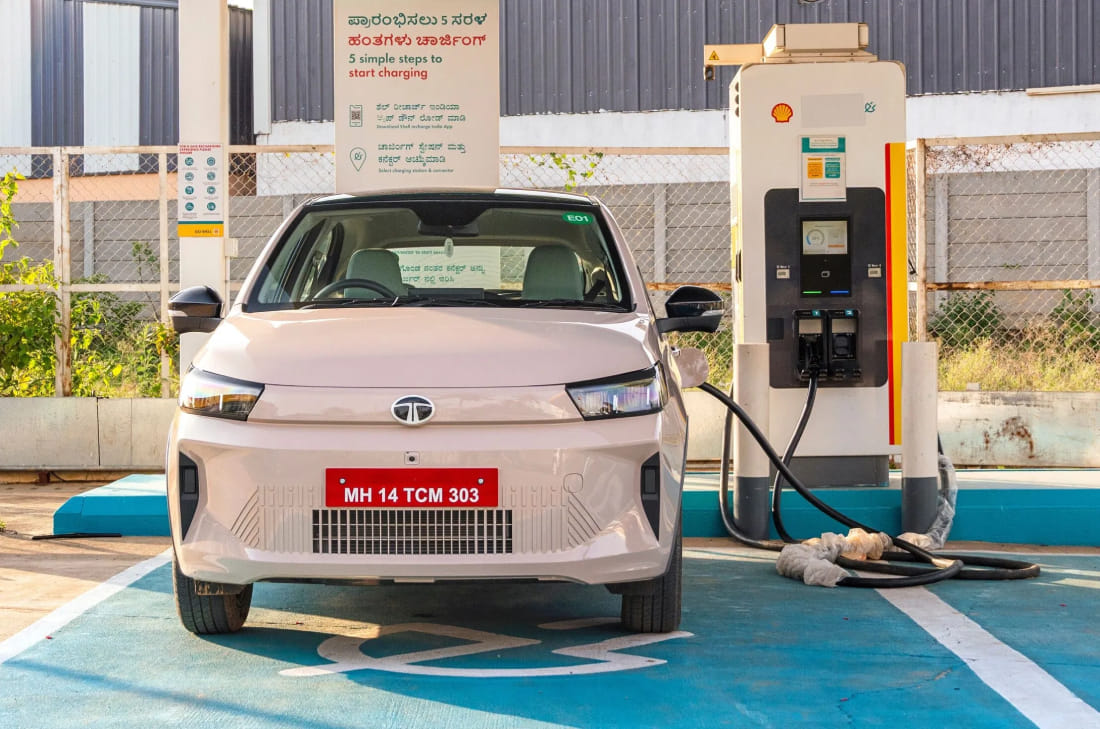
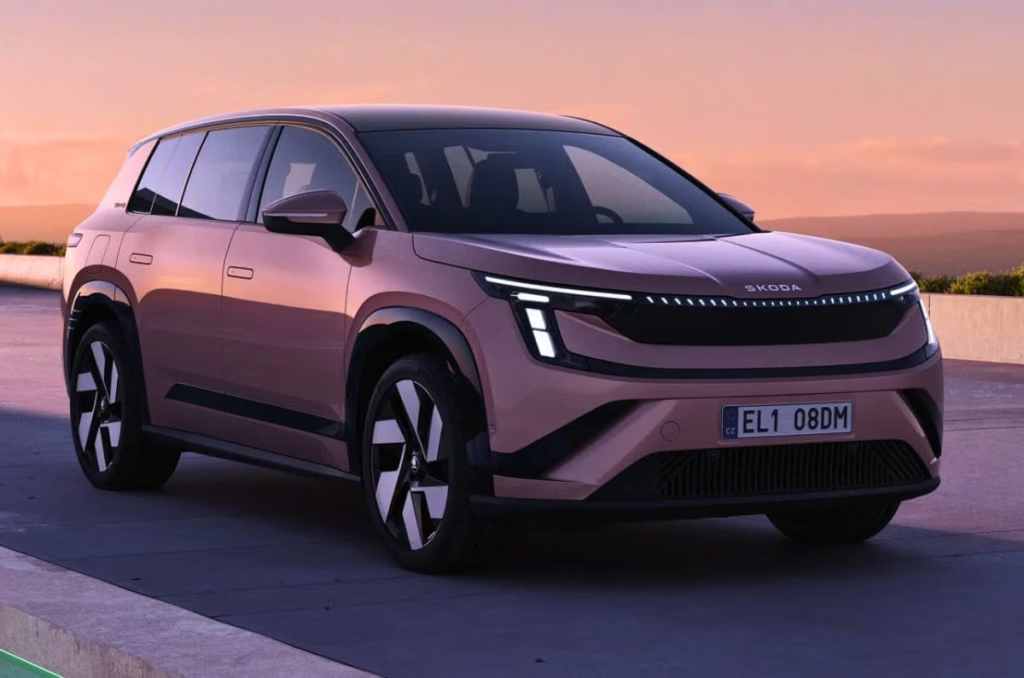
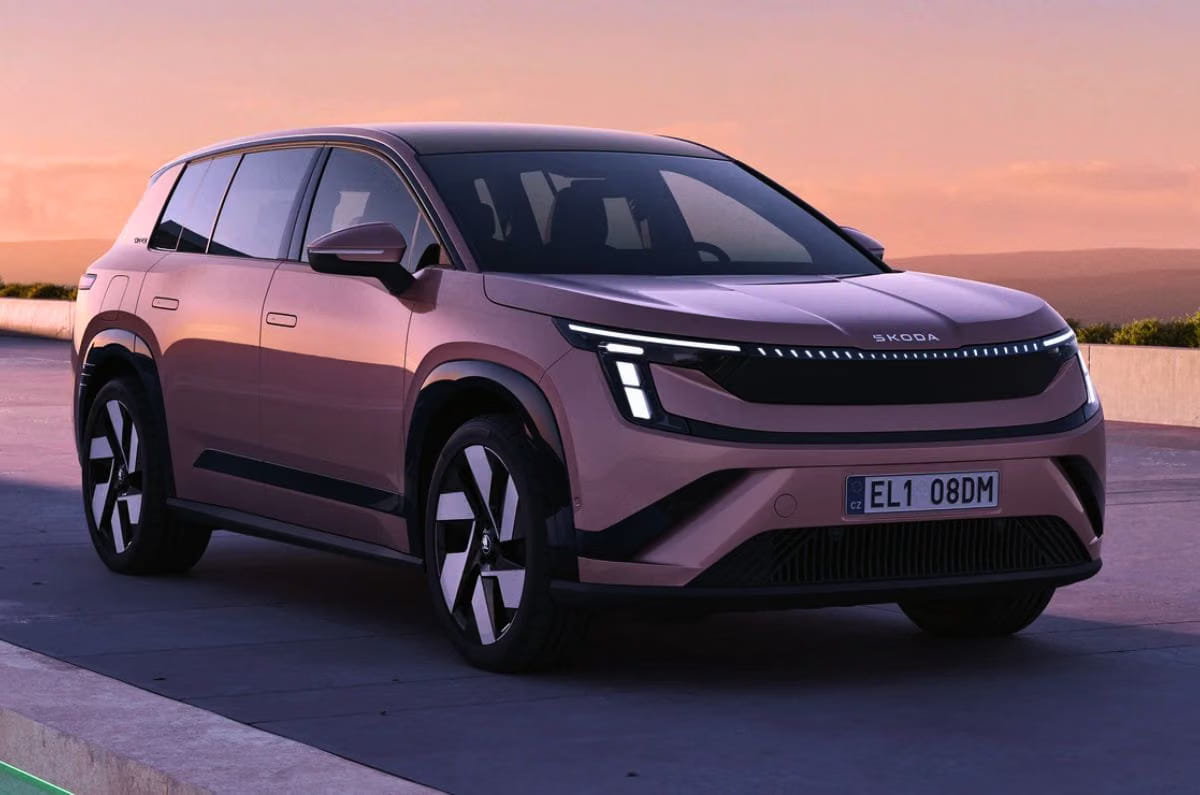
Skoda Peaq front quarter static

Skoda Auto India plans to bring electric vehicles from its global portfolio to India in limited volumes next year as the Czech automaker looks to establish its presence in the EV market. According to Ashish Gupta, Brand Director, Skoda Auto India, the company needs an electric vehicle in its portfolio not only to meet future regulatory requirements but also to remain relevant as EV adoption gathers pace in India.

Skoda India to bring EVs: Additional details 

“A lot of things are under discussion. So, for meeting the CAFÉ norms, there are a lot of opportunities available along with electrification, which has to be the cornerstone of meeting all compliance regulations. So that is something which we are aggressively working on,” Gupta told our sister publication, Autocar Professional.

Gupta added that the company needs an electric car in its portfolio since adoption has grown in the last 3 months owing to increasing fuel prices. While Skoda has yet to announce a specific locally manufactured EV for India, Gupta confirmed that the company plans to introduce EVs from its global line-up next year.

“It may not be a local EV, but yes, we just had two blockbuster launches globally of the Epiq and the Peaq. The Elroq is the best-selling EV in Europe. So these are opportunities available to us in limited batches,” he said. He added that in the current duty structure, it will not be possible to bring them at price points that will get volumes. “But definitely we need to urgently showcase our EV credentials and the proof point to India,” he added. 

This will allow Skoda to establish a presence in the EV market without immediately committing to the significant investment required to localise an electric model. With imported EVs still facing a challenging cost structure, Gupta said the initial objective would be to demonstrate the brand’s technology and capabilities rather than chase mass-market volumes. 

Skoda India’s hybrid ambitions take a slow gear 

Skoda’s approach to hybrids, meanwhile, appears less certain. Gupta said the company had previously viewed hybrids as a potentially stronger opportunity than EVs in India, but market data over the past two years has changed his assessment.

“Two years ago, I would have said I would take a bet on hybrid more than EV. But the tax structure has not helped anybody. In the last year, pure hybrids have stayed at 2% of the market. They have not gone beyond that. So, I am not sure whether hybrid is the right way to go. And what the last 6 months have also shown us is that people are more than willing to go for EVs now,” he said. 

The current trade and taxation structure also influences the company’s hesitation. Gupta said the India-EU Free Trade Agreement, while potentially creating opportunities for imported petrol and diesel models, does not provide similar benefits for EVs and hybrid electric vehicles. “I think from a global portfolio point of view, and if I want to bring the cars from the global portfolio with the contours of the FTA as they are, petrol and diesel will definitely be an opportunity. The diesel opportunity opens up; HEVs and electrics do not have any benefit, unfortunately,” he said. 

Gupta said the brand’s positioning in India is a bit above mass and below luxury. “That’s our natural positioning; that’s why customers buy us as well, and if we try to sell to cheap customers, they don’t buy us. If we try to sell to expensive customers, they don’t buy from us. So we have to stay true to our positioning and how customers see us,” he said. The immediate priority, Gupta adds, is to get EVs into the country as the company continues to assess which powertrains can deliver the right combination of regulatory compliance, customer demand and commercial viability.

With inputs from Ketan Thakkar
Mercedes-Benz India unveils AI-powered car scanner for servicing

Mercedes-Benz India unveils AI-powered car scanner for servicing

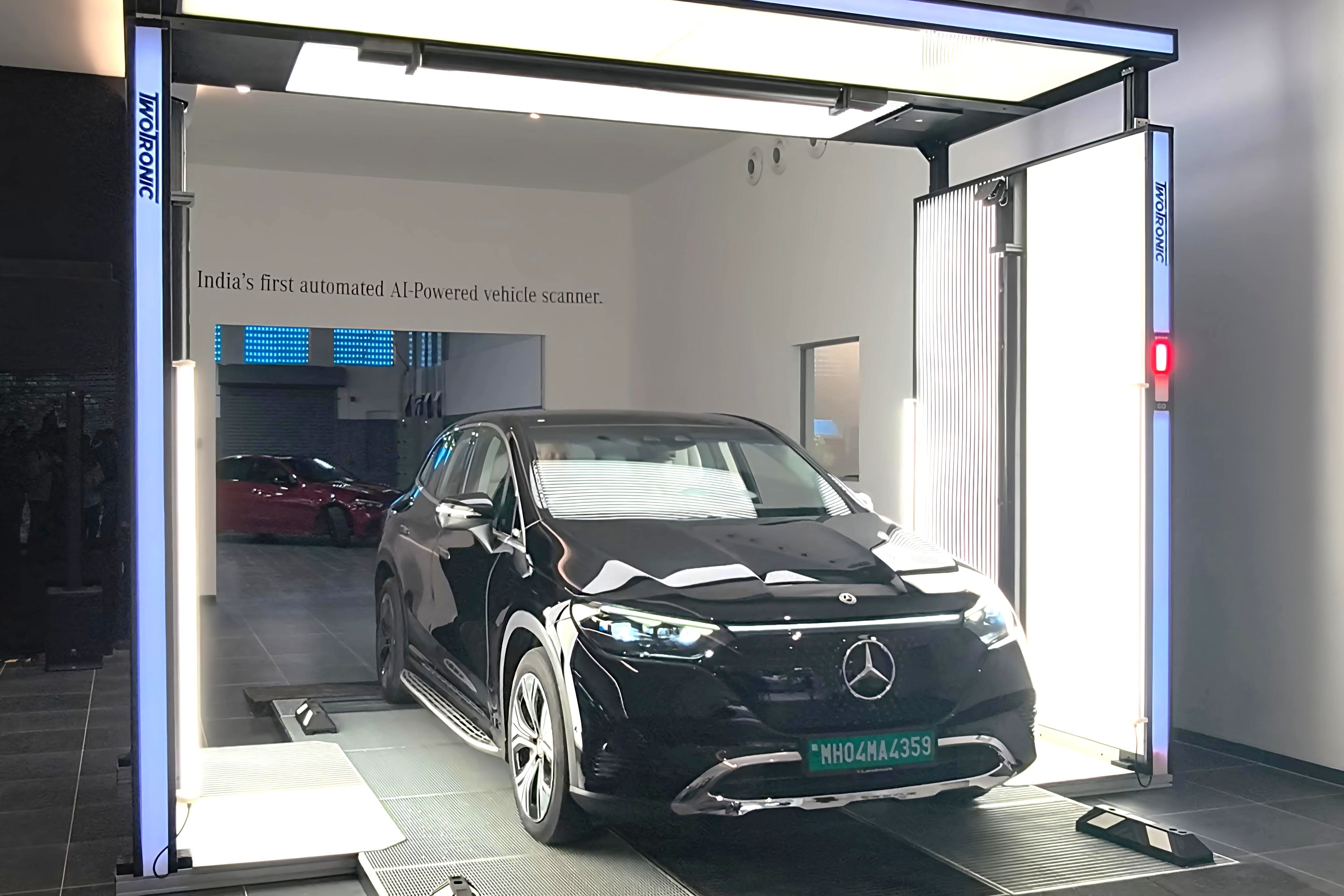
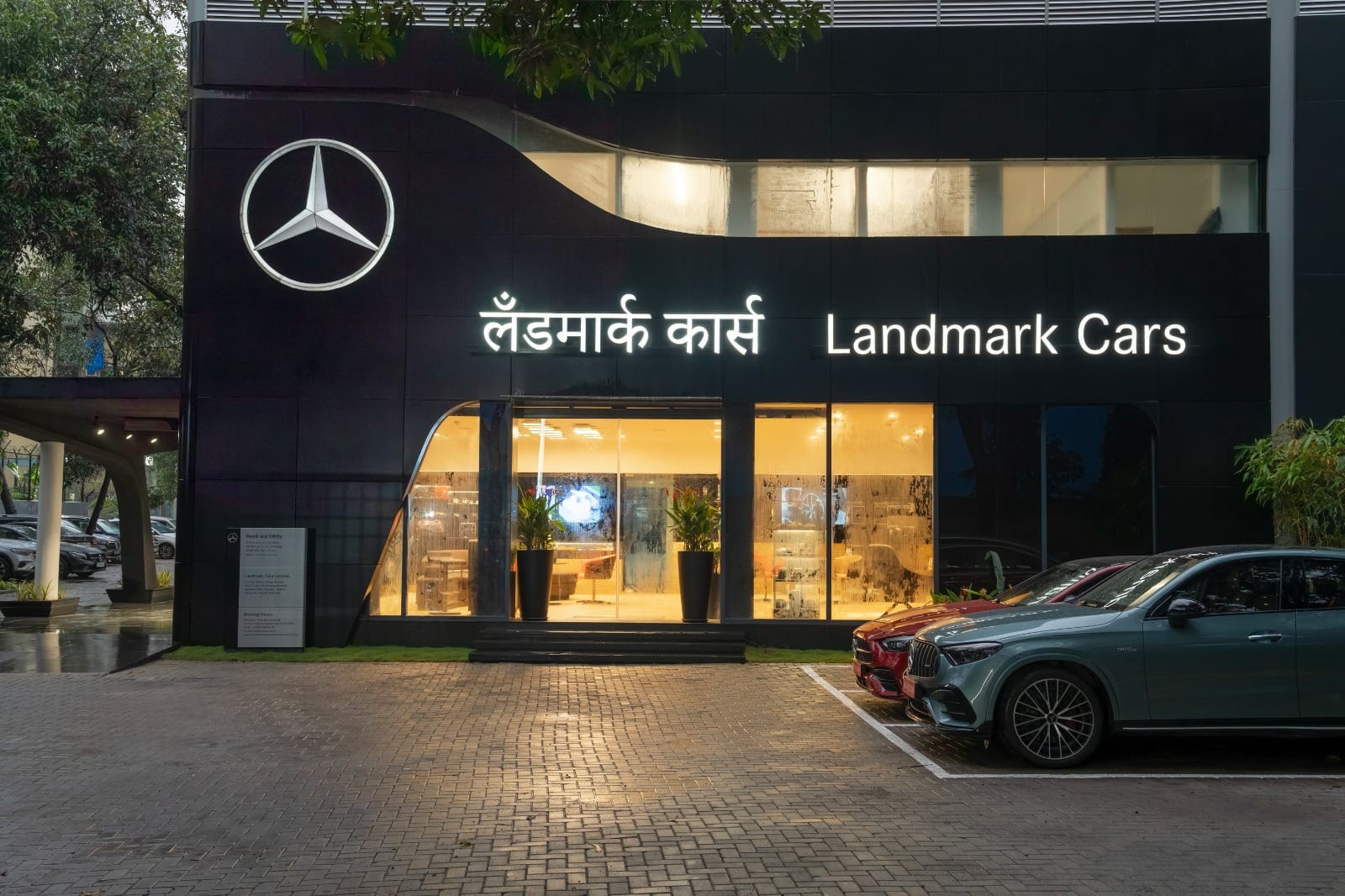
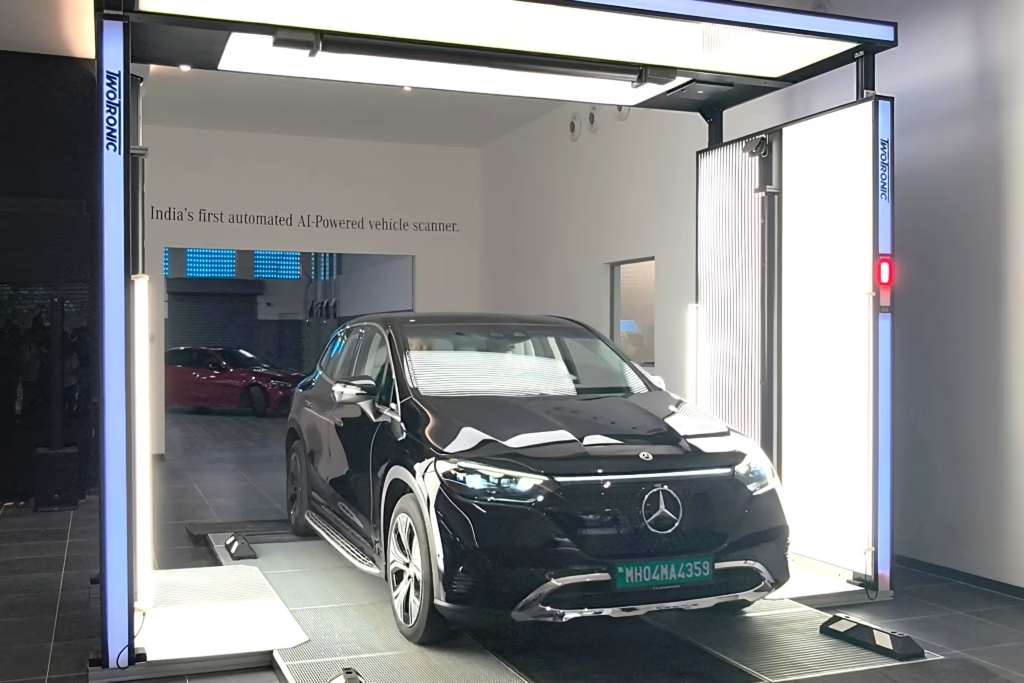
Mercedes-Benz India has revealed an AI-powered device that enables quicker vehicle inspection upon entry to its service centre. Dubbed the XENTRY Scanner, the service debuted at the brand’s newly established centre by Landmark Cars in Jogeshwari, Mumbai.

  1. Mercedes’ first AI-powered car scanning system arrives at its largest workshop in Mumbai.
  2. Uses a 360-degree camera system to identify damage on a car’s exterior.
  3. Service Select debuts as a new scheme for older Mercedes vehicles.

Currently, the scanner is the only one of its kind in India at this service centre, which spans around 58,000 sq. ft., making it the brand’s largest in Mumbai. This facility consists of 16 preventive maintenance and general repair bays, 9 body and paint bays and 9 supporting bays, supported by a dedicated 6,000 sq. ft. spare-parts area.

How does Mercedes’ XENTRY Car Scanner work?

The brand calls it an MRI scanner for its cars

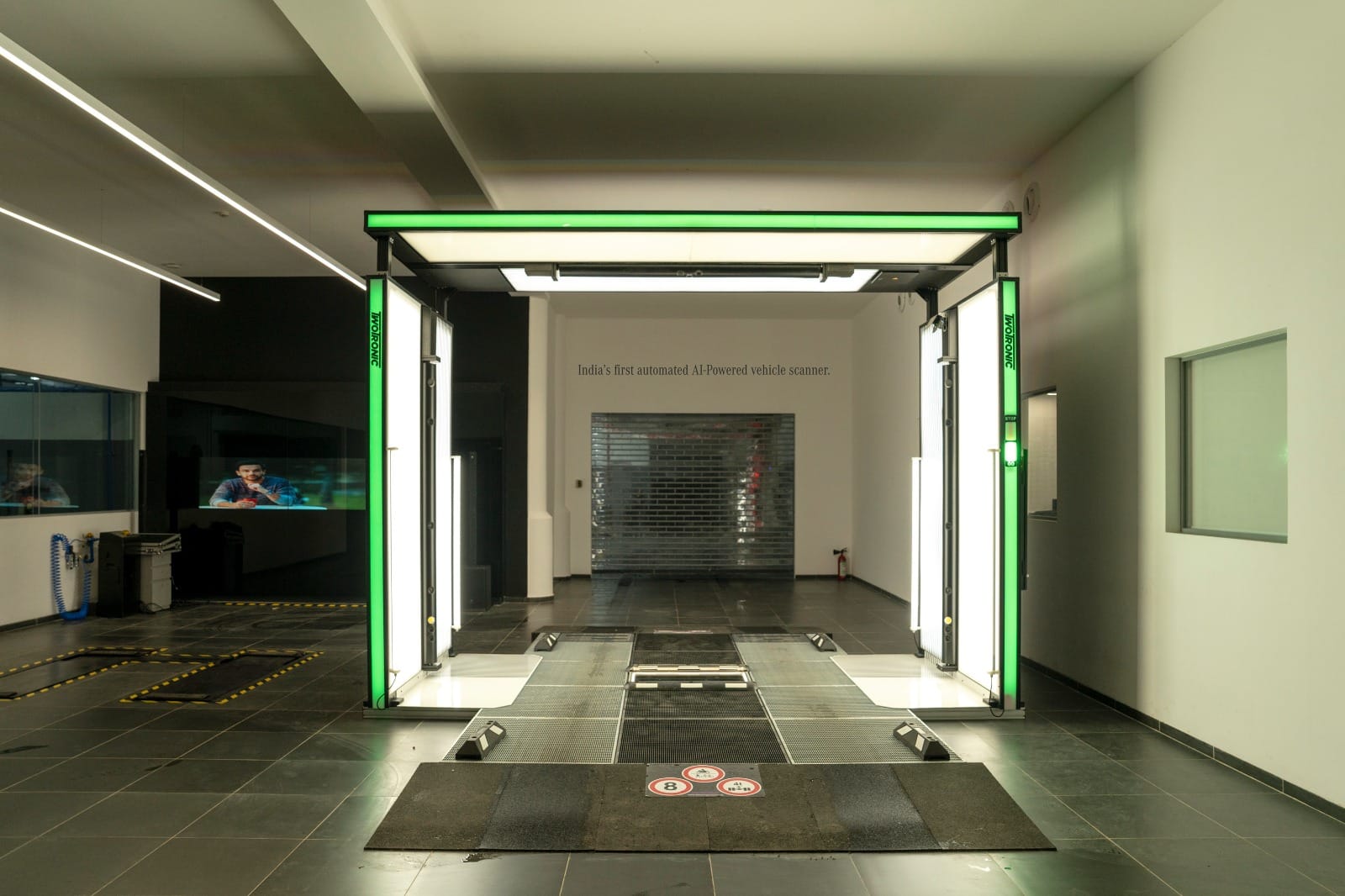
Mercedes-Benz’s XENTRY car scanner.

As the car enters the workshop, it is made to pass through the XENTRY scanner. The scanner utilises a 360-degree high-resolution camera system comprising 13 cameras and a LiDAR sensor. Images of the car are captured and analysed across four categories: body, underbody, windshield and tyres. The system captures 150 images within 3 to 5 seconds and then transmits the data to the Mercedes-Benz cloud.

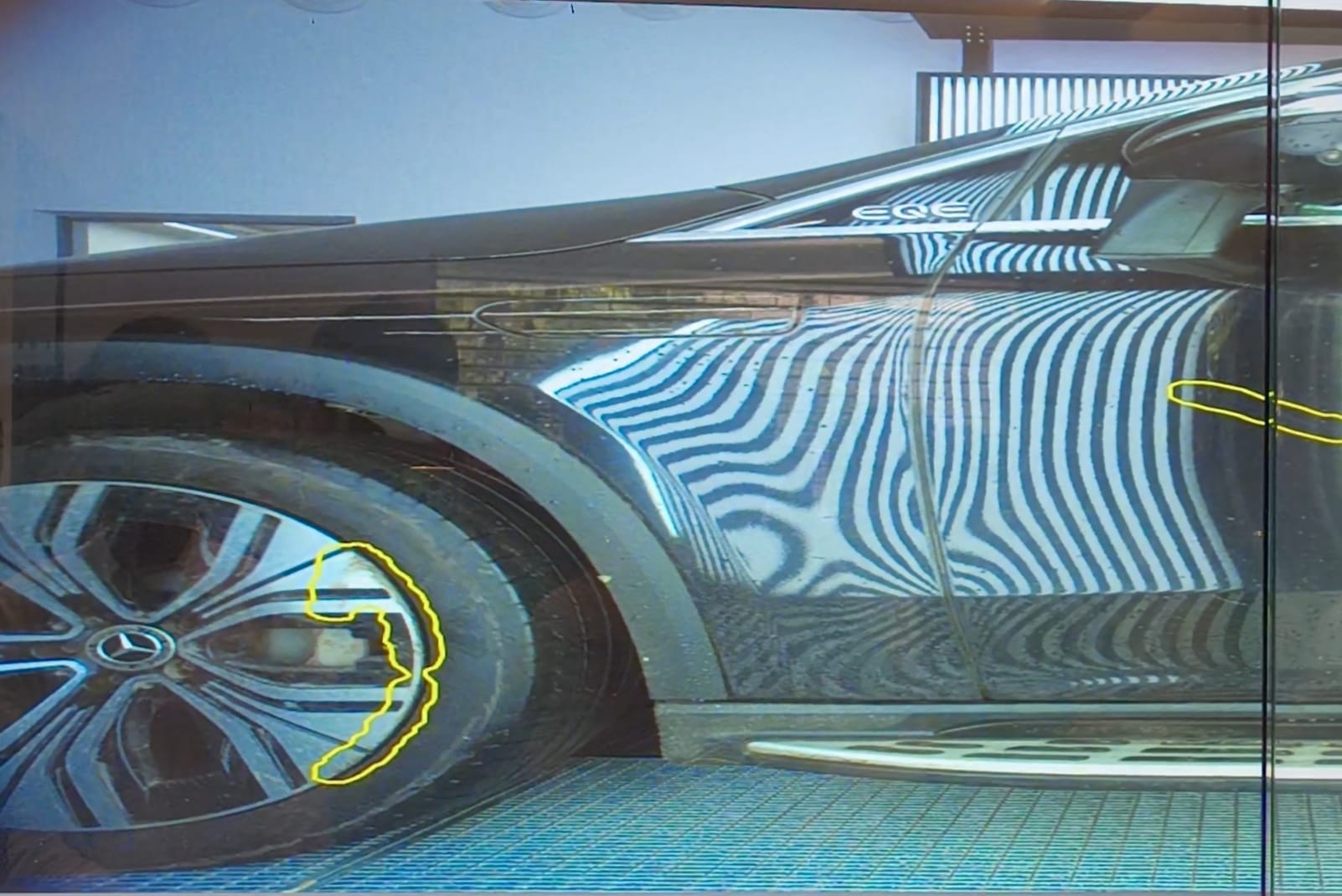
Artificial intelligence then comes into play, identifying every kind of damage on the car’s exterior, even the ones that aren’t visible to the naked eye. It also provides in-depth tyre information, including their health, tread depth and braking performance. To maintain privacy, the system does not capture images of the driver. The findings are added directly to the job card of the particular car without manual entry, enabling better co-ordinated workshop processes. Mercedes says the process is entirely paperless, reducing walking distances, waiting times and paperwork that traditionally accompanied service reception.

Speaking about the thinking behind such initiatives, Mr Santosh Iyer, MD and CEO, Mercedes-Benz India said, “Productivity has to be the core. Reason being, from a real estate perspective, you need to turn cars around faster, while initiatives like the car scanner are more of a productivity enhancement. But on the customer side too, they expect the car to be turned around quickly, which is a pure mobility requirement for the customer.”

Through AI, external wear and tear is automatically detected by the XENTRY car scanner.

Next, a service advisor receives all the information on a tablet and informs the customer of a detailed list of vehicle wear and tear. It is then up to the customer to approve servicing of the concerned parts on the spot. The brand claims that a digital record of service status eliminates the need for manual inspections by the customer.

Interestingly, Landmark’s own internal research points to a shift in service revenue coming from EV adoption growth. “Landmark did a study of the service cost of EV versus ICE. Over the last six months, they’ve seen that the cost is the same in terms of maintenance. But this isn’t coming from maintenance; it’s coming from the body shop. More of the latter is done on EVs compared to ICE cars, said Mr Iyer.

At around 58,000 sq ft, the Landmark Cars workshop in Jogeshwari is the brand’s largest in Mumbai.

India now adds to the list of countries to offer Mercedes’ XENTRY scanner. Previously, the tech was available in international markets like Germany, Italy, Korea, the Netherlands, Switzerland, and Turkey. Furthermore, Mercedes-Benz plans to expand to more than 20 ‘world-class’ luxury outlets in 2026 in India, supported by an investment of more than Rs 450 crore by franchise partners over the next two years.

Mercedes Service Select: A service plan for older Mercedes vehicles

While Mercedes-Benz provides a standard 3-year warranty on new cars, it has also introduced a new service scheme for older vehicles. Called ‘Service Select’, Mercedes cars 7 years or older are eligible for this service. The scheme enables up to 25 percent savings for periodic service and brake care, a 2-year warranty on spare parts, benefits of its ‘Mobilio Lite’ service facility, and residual value protection of the vehicle.

With inputs from Hormazd Sorabjee

Audi global CEO backs broader powertrain mix as regional strategy takes shape

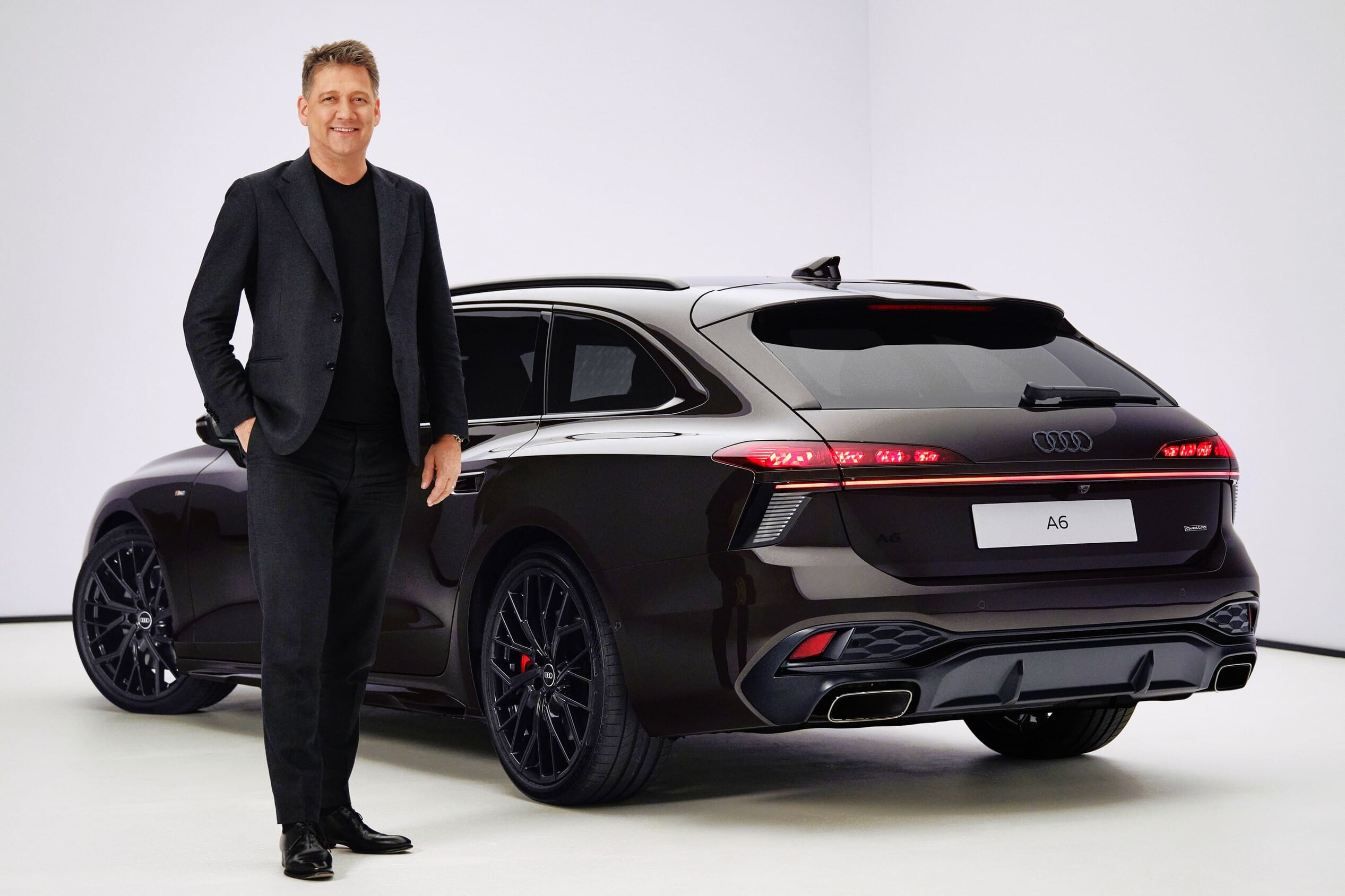
Audi CEO Gernot Dollner next to an A6 Avant

Audi will pursue a broader powertrain strategy spanning battery-electric vehicles, plug-in hybrids and combustion engines, stepping away from its earlier plan to become an all-electric carmaker. Global CEO Gernot Döllner said he reviewed Audi’s all-electric strategy after taking charge and decided that the company needed a more balanced product and powertrain mix to address the varying pace of EV adoption across markets.

“When I joined Audi, there was an all-electric strategy in place, which was one of the first things I reviewed,” Döllner told Autocar India in an exclusive interview. “We found a more balanced strategy between plug-in hybrids, especially important for Europe, combustion engine and electric.”

Global EV sales downturn lent ICE powertrains more time

The slower-than-expected pace of EV adoption in several global markets has extended the relevance of combustion engines and plug-in hybrids. Audi expects to retain a focused combustion-engine and plug-in-hybrid portfolio, particularly for SUVs.

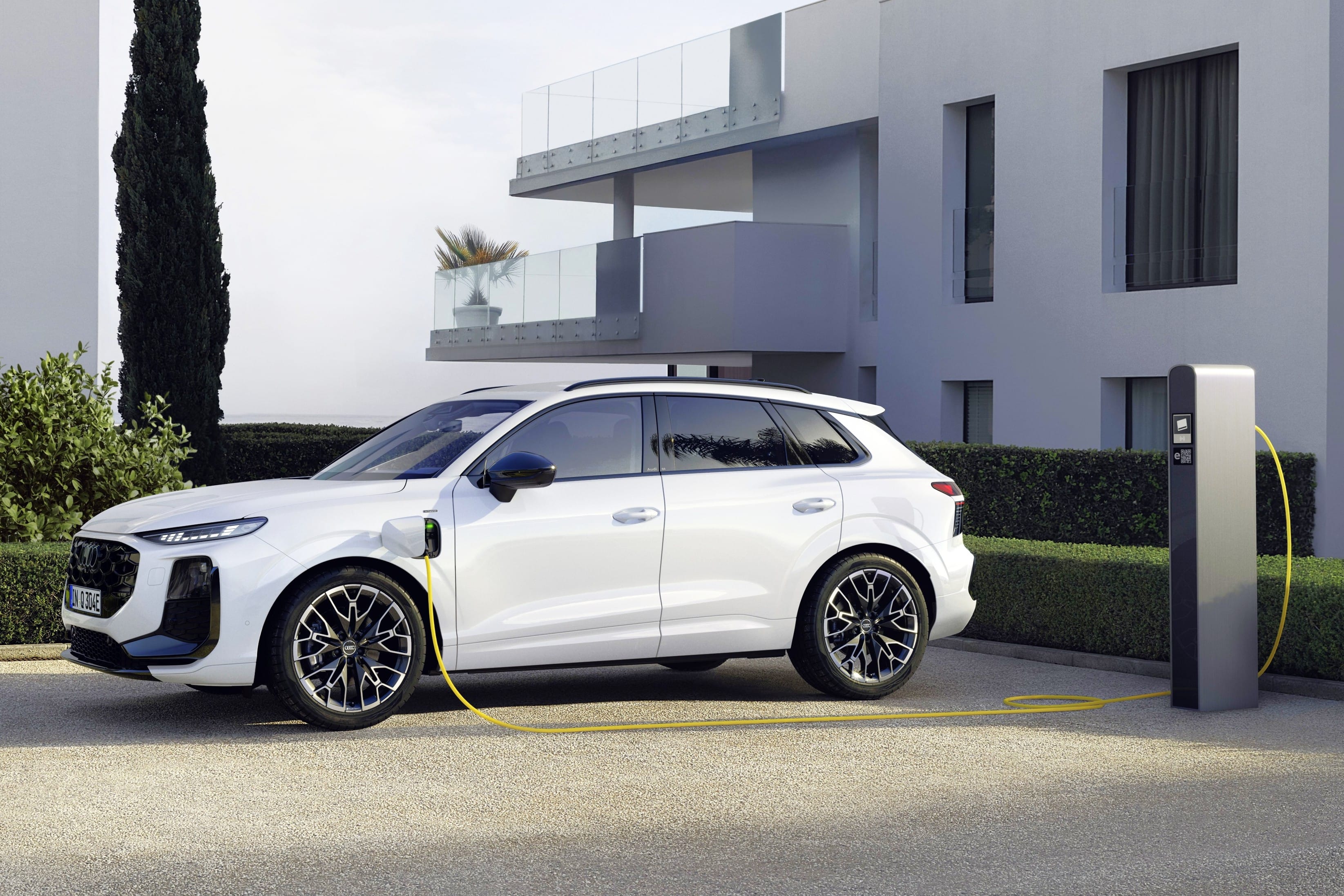
Audi Q3 PHEV

The company has recently completed a major investment cycle covering new petrol and diesel engines, plug-in hybrids and battery-electric vehicles designed to meet Euro 7 and other global regulations.

“For sure, the majority of our investment will be in battery electric. That’s a given,” Döllner said.

Audi will continue to invest selectively in combustion engines, including efficiency improvements and transmission technology, but Döllner expects the pace of innovation to be much faster in EVs.

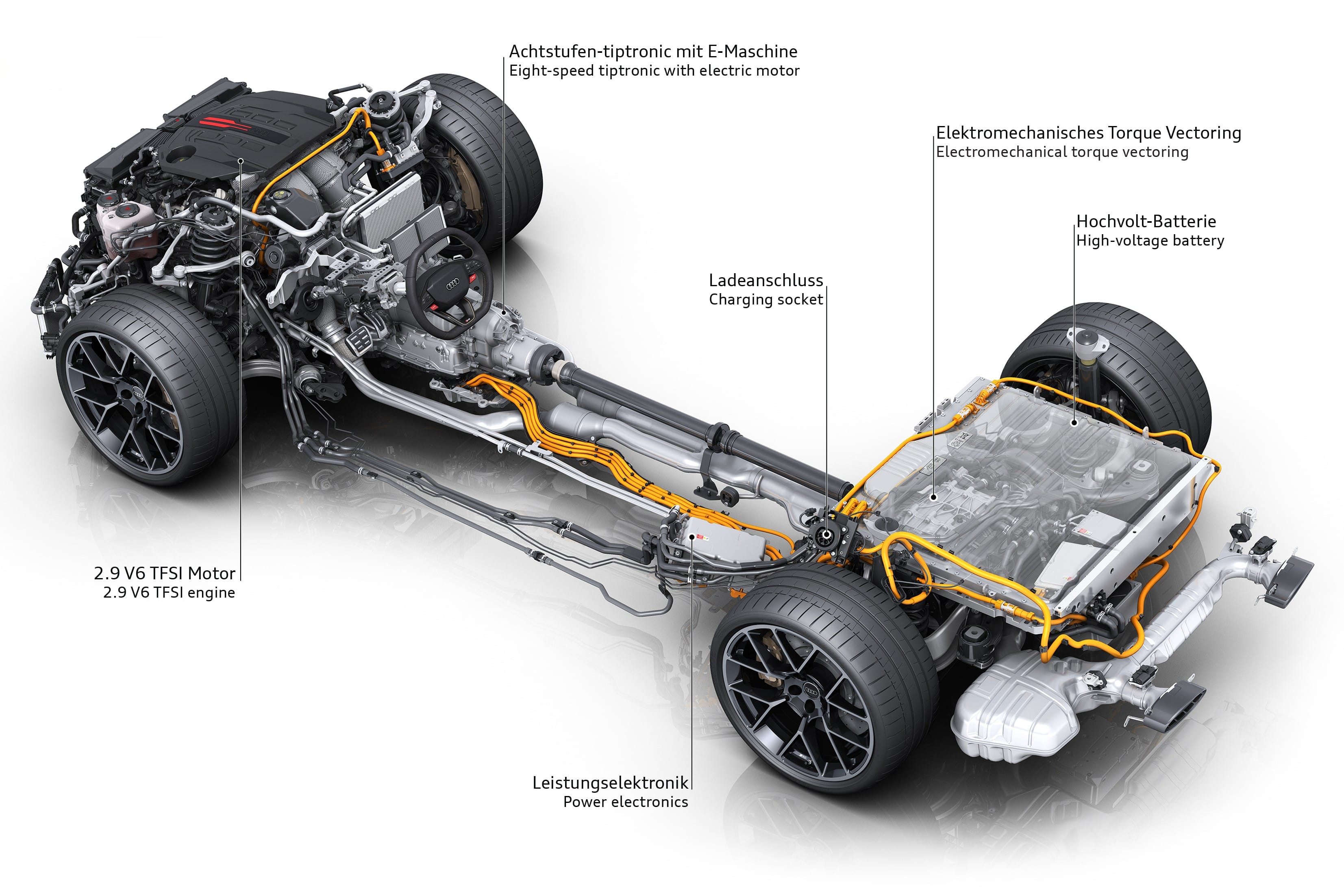
Audi RS5 plug-in hybrid powertrain

“The combustion engine is fairly mature. It’s at the very end of a 100-year innovation cycle, and battery electric is still at the very beginning, to be honest,” he said. “The dominant part of our investment will definitely be on the battery-electric side.”

Electric remains Audi’s leading technology

Audi’s decision to retain combustion engines and plug-in hybrids does not alter its long-term direction towards electric vehicles.

“Electric is, for Audi, still the leading technology,” Döllner said. “It’s our main priority to step by step become more electric.”

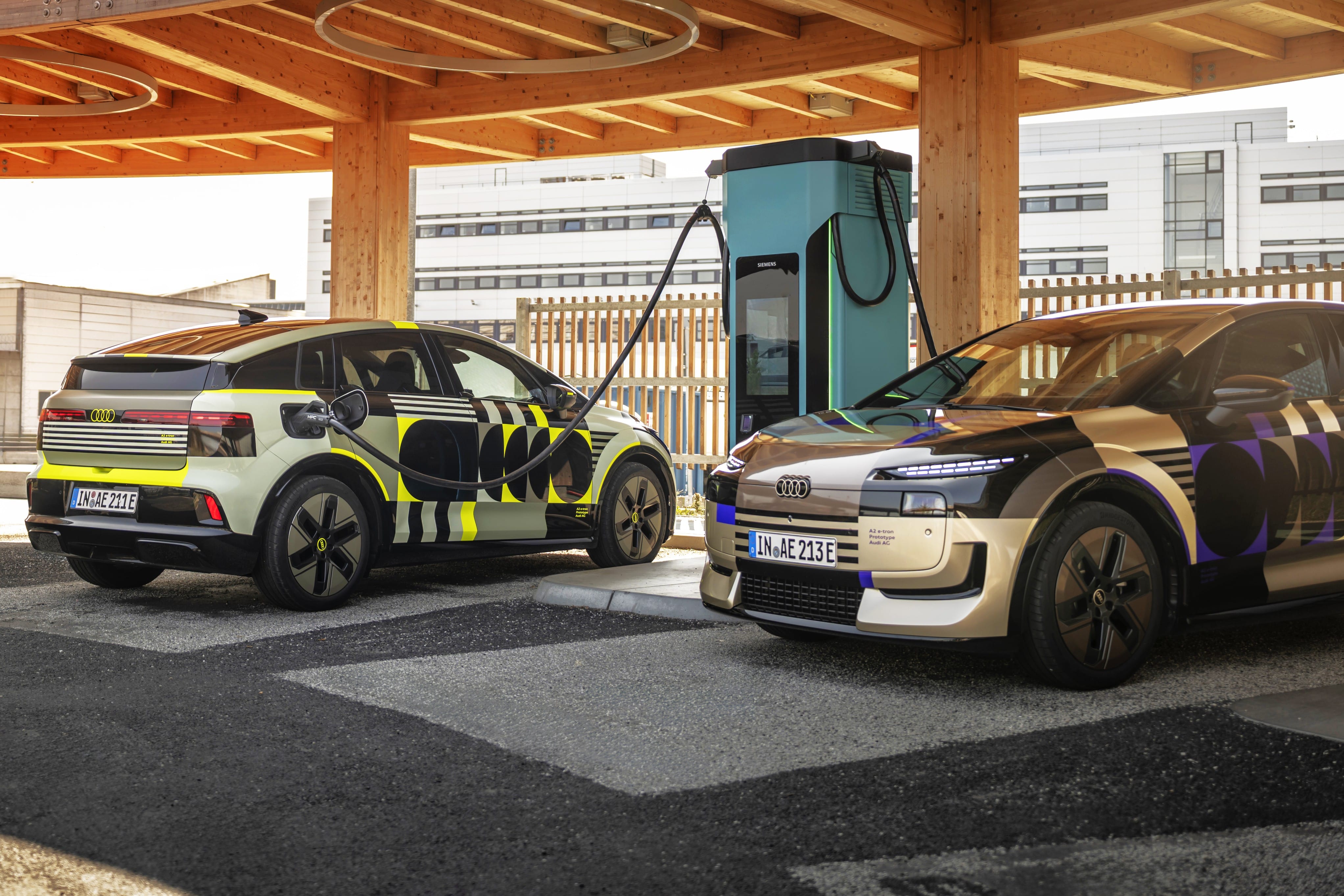
Prototypes of upcoming Audi A2 e-tron

Audi currently has four battery-electric model lines globally and expects to increase this to five by the end of the year, with some available in more than one body style. The company will, however, tailor the powertrain mix to individual regions. Plug-in hybrids will be particularly important in Europe, while the requirements of the US market will influence Audi’s future combustion-engine and PHEV portfolio, especially for SUVs.

In India, Audi’s immediate focus remains on petrol and electric vehicles. Diesel is not part of its current plan. The case for plug-in hybrids will depend partly on whether they receive any benefit under the India-EU FTA. New electric products are also planned for India.

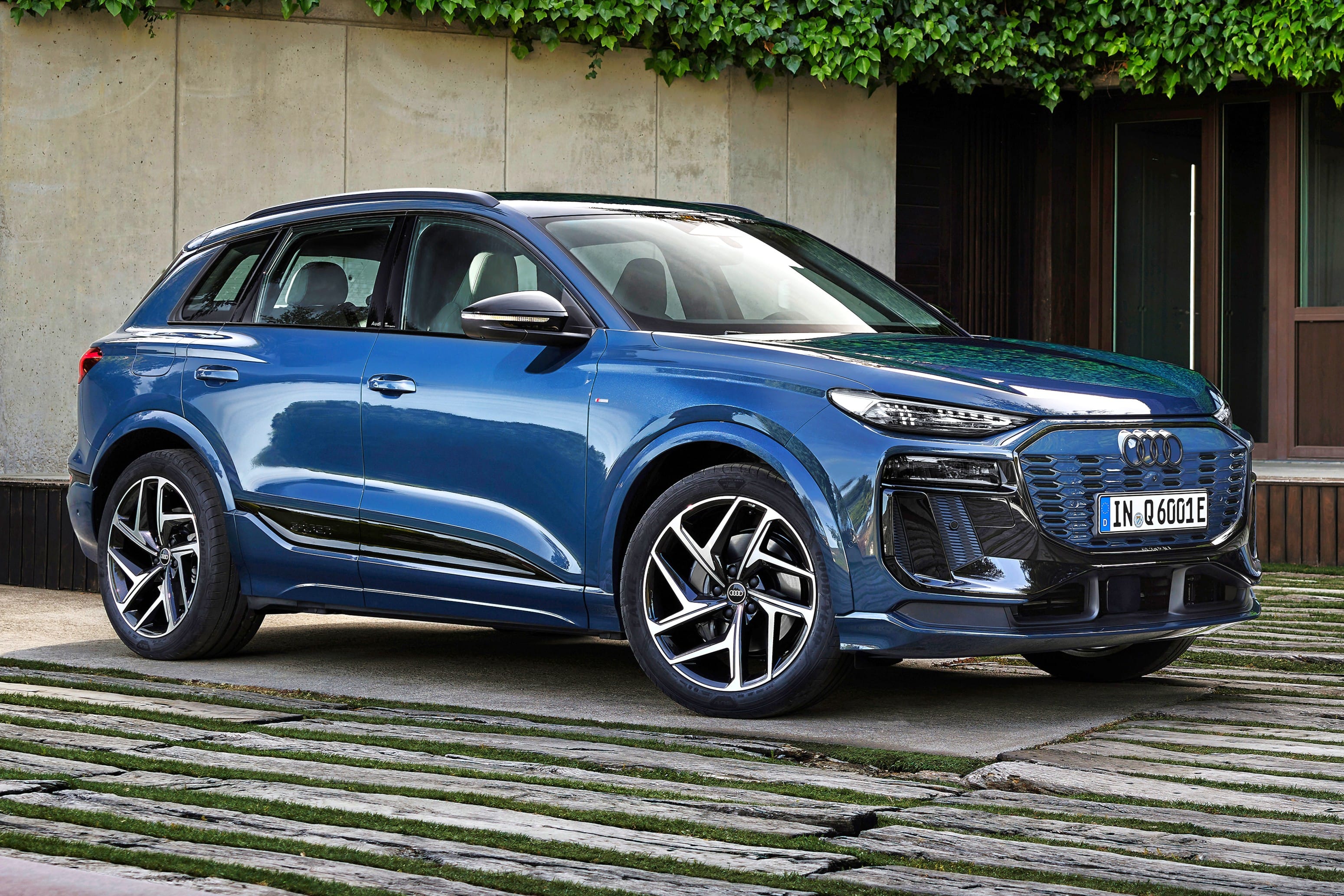
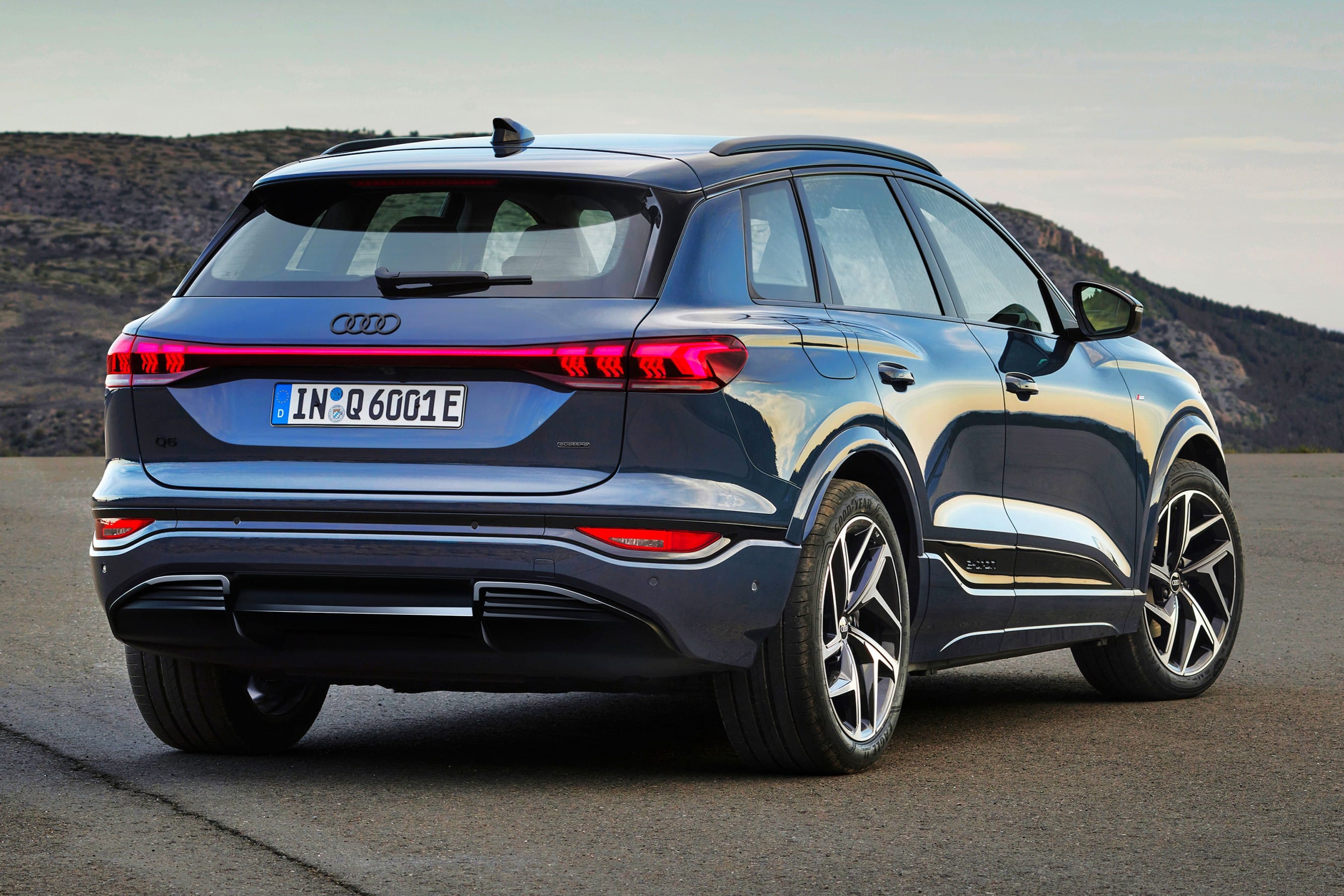
Audi Q6 e-tron

“From what I know, we also have decided to enter with new products in the electric segment in India,” Döllner said.

Audi has decided to assemble an electric vehicle in India, Autocar India learns, although the model and launch timing are still being worked out. The move from fully imported EVs to local assembly is now a question of when, rather than if.

The company was among the first luxury carmakers to enter India’s EV market with models such as the e-tron, e-tron Sportback, e-tron GT and Q8 e-tron. High import duties, however, restricted their reach and affected their resale-value proposition.

Audi Q6 e-tron

The Q6 e-tron is among the products being studied, but Audi has not decided which EV will be assembled in India. The selected model will need to offer the right combination of volume, pricing and suitability for local conditions.

Audi believes electric SUVs make more practical sense in India because their ground clearance is better suited to local road conditions. Sedans have not been ruled out, but SUVs offer a more practical proposition for battery-electric vehicles in the country.

Regional focus to shape future products

The broader powertrain approach is part of Döllner’s effort to make Audi more responsive to the requirements of individual regions.

“Audi has to act much more regional,” he said. “The times where we had a one size fits all, and we then bring it to China, just extend the wheelbase and do the same car, that doesn’t work anymore. We have to listen carefully to the markets.”

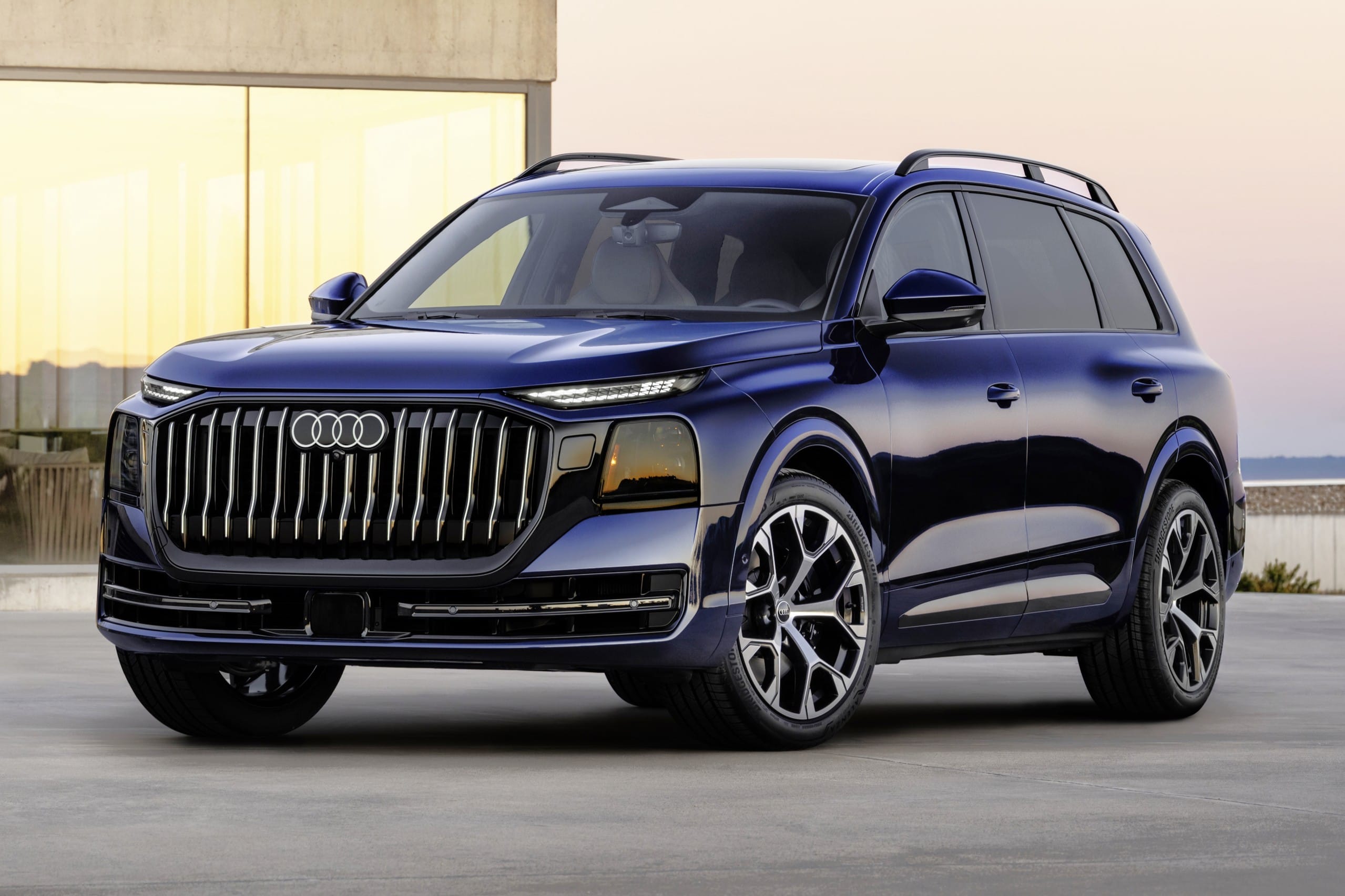
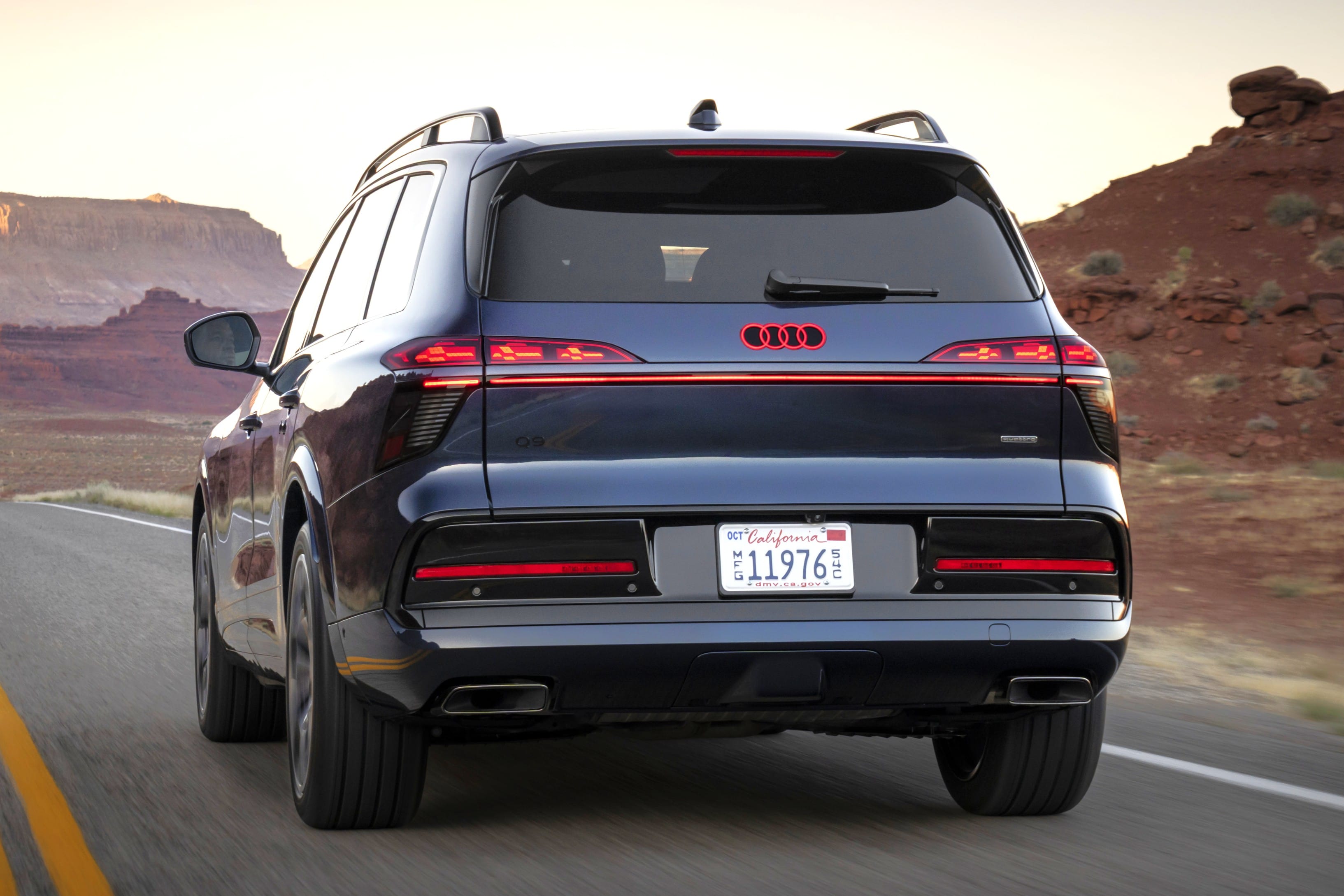
The Q9 is the first clear example of that approach. Conceived around the requirements of American customers, it will be the first Audi to make its market debut in the US.

Audi Q9

“The Q9 is a perfect proof point of a car. The biggest Audi we’ve ever built,” Döllner said. “That car would not be there without the American market.”

India does not yet generate the volumes required for Audi to develop country-specific models. Local requirements covering ground clearance, suspension, tyres, weather, dust and fuel quality are, however, fed into its global development process. The introduction of new models in India is also expected to move closer to their global launches, helping Audi benefit from the interest created when a vehicle is revealed internationally.

Döllner said the improvement in India’s manufacturing and automotive technology has changed how the country is viewed within the global industry.

Audi Q9

“India is also an excellent proof point. It’s really unbelievable what the car industry has developed in India and what level of perfection and technology products are delivered,” he said.

“In the past, there has been this strong European automotive industry, and the world has turned around. Now we have a very dynamic Chinese market, a growing and rising Indian automotive industry. The US is a story of its own.”

“What keeps me awake at night is if we are able to change fast enough,” Döllner said. “We have to speed up.”

Haryana waives road tax on EVs priced up to Rs 30 lakh

EV

The Haryana Cabinet has approved a 100 percent exemption on motor vehicle tax for new battery electric vehicles (BEVs) priced up to Rs 30 lakh (ex-showroom). EVs priced above Rs 30 lakh will now be eligible for a 50 percent exemption on motor vehicle tax, while the existing concession for CNG vehicles remains unchanged.

  1. 100 percent tax waiver for EVs priced up to Rs 30 lakh
  2. EVs above Rs 30 lakh to get a 50 percent tax exemption
  3. Existing 20 percent tax concession for CNG vehicles retained

Haryana EV tax waiver: what’s changed?

The revised policy marks a significant expansion of Haryana’s incentives for electric vehicles. Under the previous policy, battery electric vehicles were eligible for a 20 percent one-time exemption on motor vehicle tax. The latest decision increases this benefit to a full tax exemption for EVs priced up to Rs 30 lakh, while introducing a 50 percent exemption for models priced above the threshold.

The decision was approved by the Haryana Cabinet chaired by Chief Minister Nayab Singh Saini, and implements announcements made in the state’s 2026-27 Budget.

Most mass-market EVs to benefit

The revised tax structure is expected to cover the majority of mass-market electric cars sold in India, while extending a partial tax concession to premium EVs priced above Rs 30 lakh. The state government said the move is aimed at accelerating EV adoption and strengthening Haryana’s electric mobility policy.

CNG benefits unchanged; women buyers get additional rebate

Haryana will continue to offer the existing 20 percent one-time motor vehicle tax exemption for CNG vehicles, with no changes to the current policy.

Separately, the Cabinet has approved a 1 percent rebate on motor vehicle tax for new private vehicles priced up to Rs 20 lakh (ex-showroom) that are registered in the name of a woman.

Volvo India confirms two new flagship EVs for 2026

Volvo

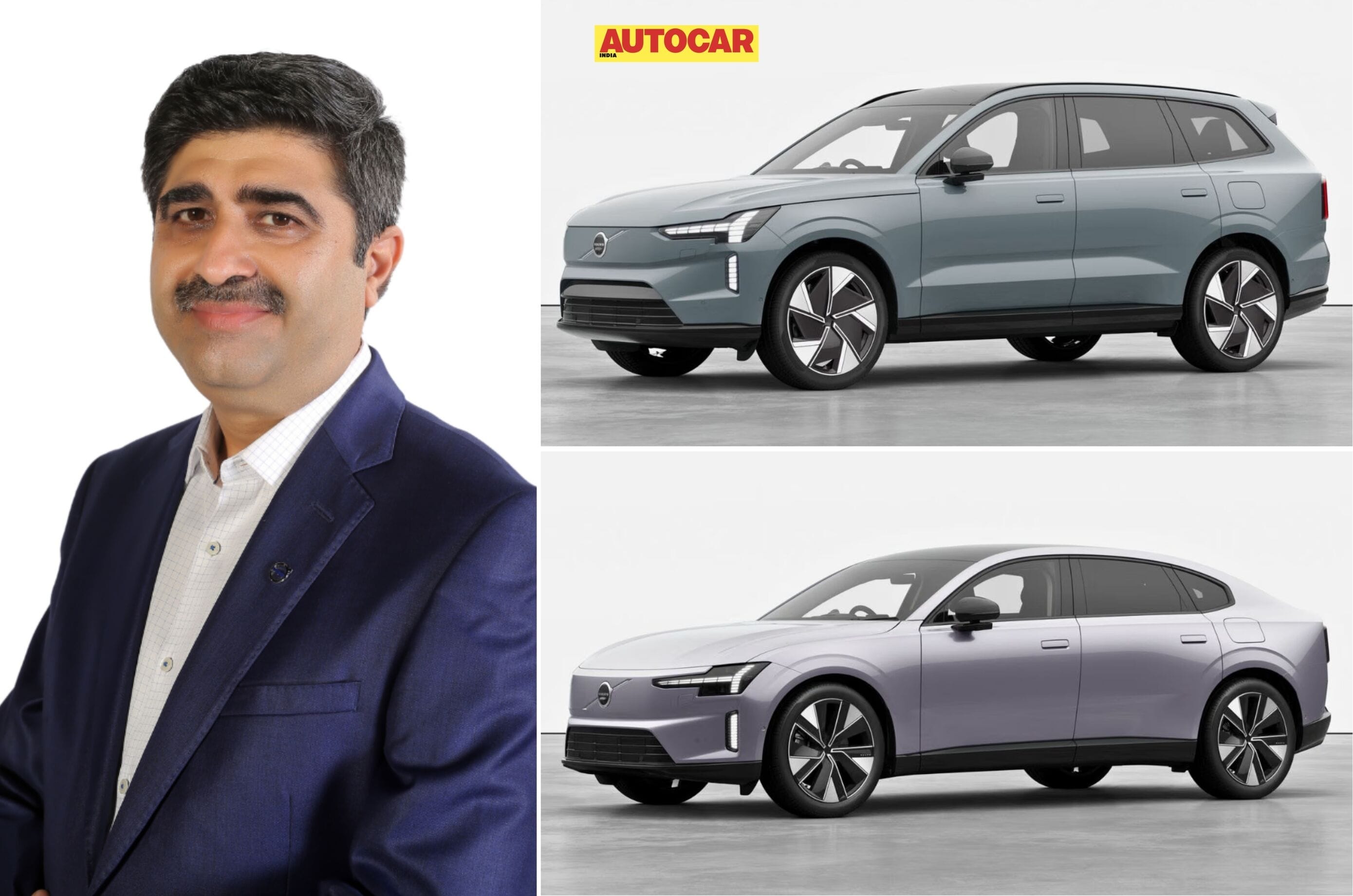
Volvo India has confirmed it will expand its electric vehicle portfolio with two new 90-series EVs over the coming months. While the company stopped short of naming the models, it said the line-up will comprise a flagship sedan and SUV, confirming our earlier report that the ES90 sedan and EX90 SUV were being lined up for India.

  1. One in every four Volvos sold in India is now electric
  2. Volvo says it will continue launching one EV every year

ES90 sedan and EX90 SUV expected to join the line-up

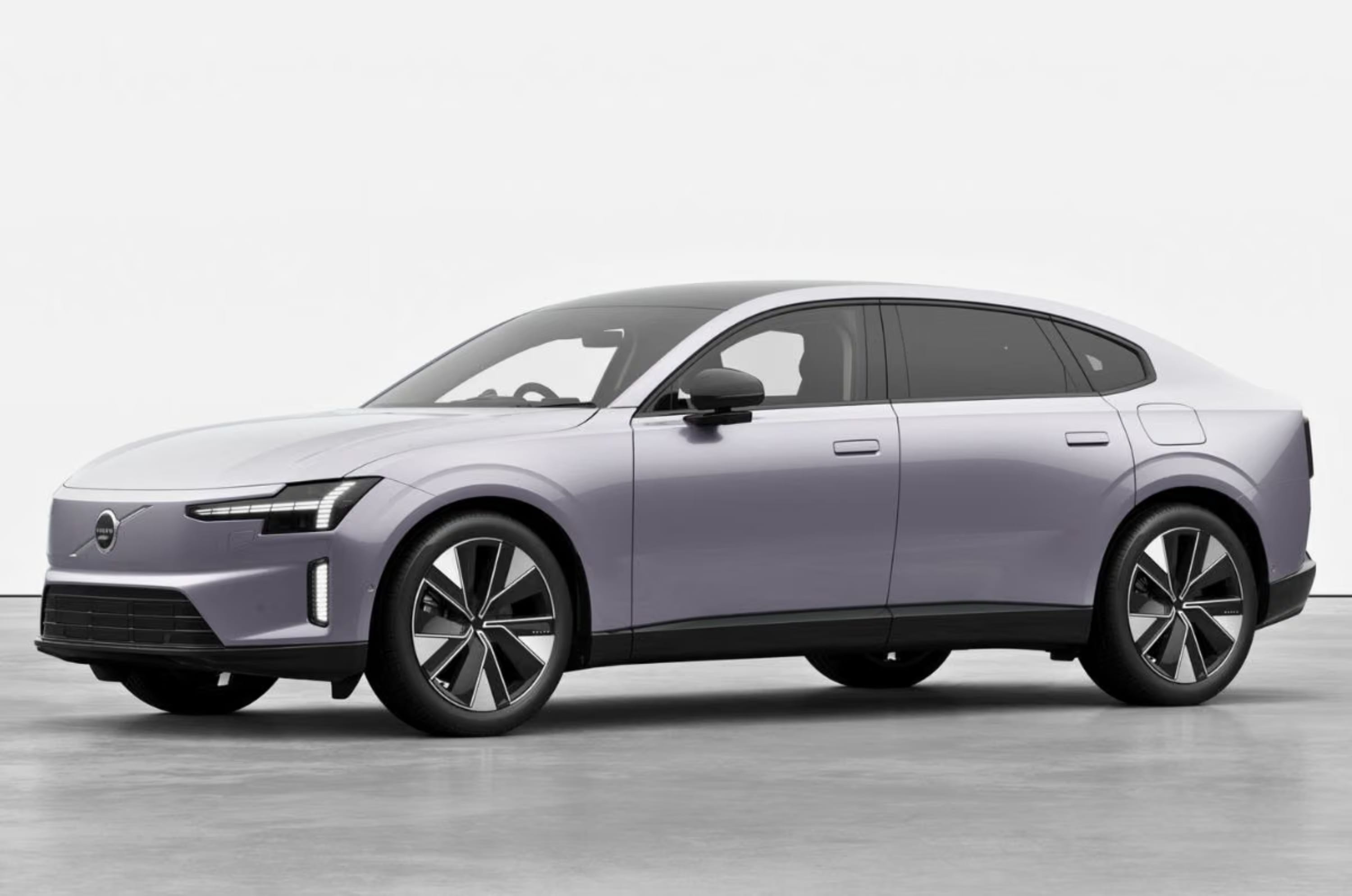
Volvo ES90

Speaking to our sister publication, Autocar Professional, Volvo Car India Managing Director Jyoti Malhotra said the company remains committed to introducing one new electric vehicle every year in India. “We have promised that we’ll bring one electric car every year. We brought in the EX30, and now we’ll be bringing two new electric cars in the 90 series later this year or in the next few months. They are from our 90 series – an SUV and a sedan,” Malhotra said.

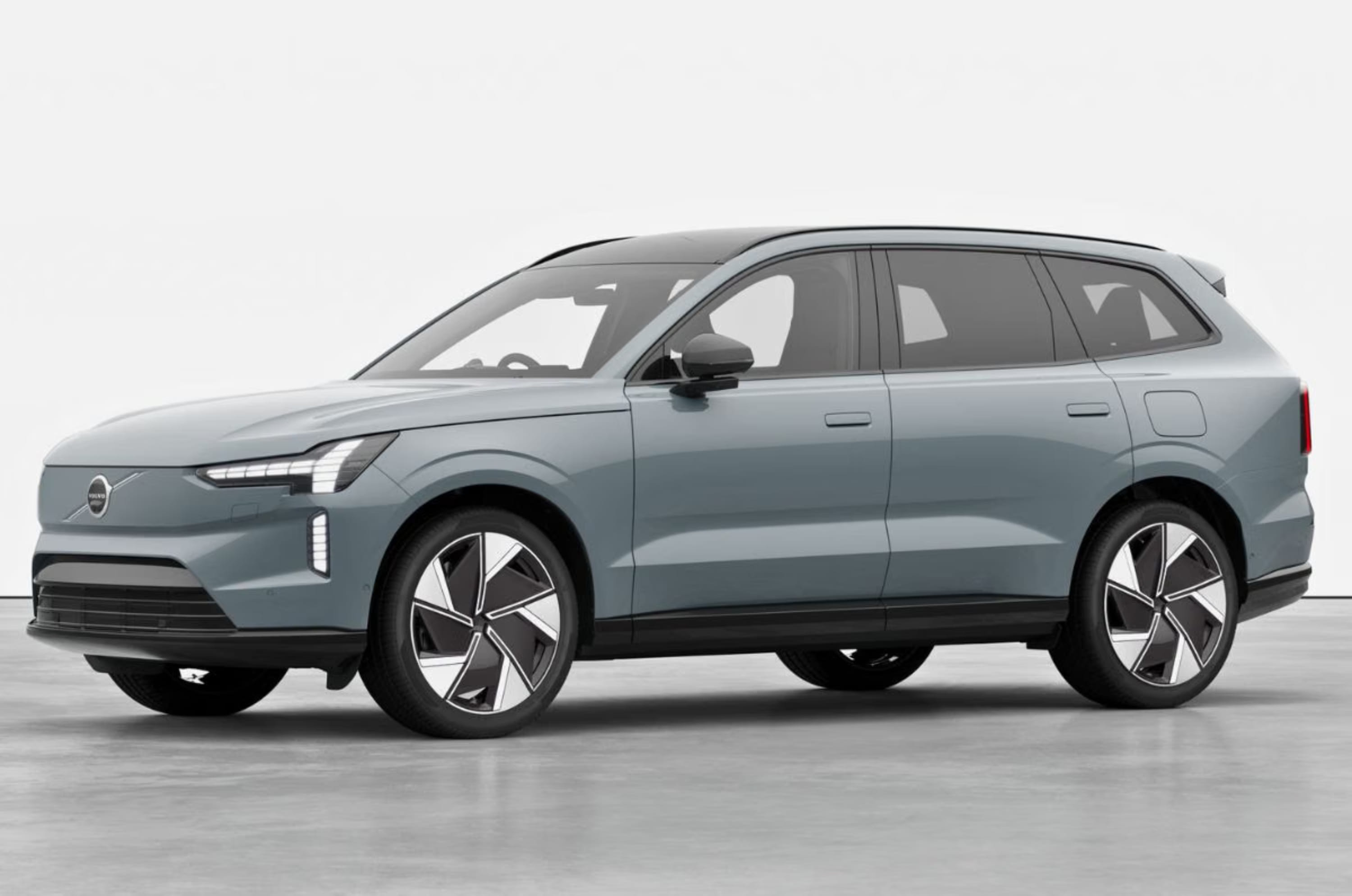
Although Volvo has not officially confirmed the names, the company’s current global EV portfolio indicates the upcoming models are likely to be the ES90 electric sedan and the EX90 electric SUV. 

Volvo EX90

Both new flagship EVs are based on Volvo’s SPA2 architecture and use an 800V electrical system, supporting faster charging than the brand’s current EVs. The ES90 is expected to rival the BMW i5, while the EX90 will sit above the EC40 as Volvo’s flagship electric SUV. Both models are likely to be launched in India by Q3 2026.

EVs account for one in four Volvo sales

Volvo said electric vehicles now account for around one in every four cars it sells in India, with the remaining portfolio comprising mild-hybrid models such as the recently updated XC60 and XC90. The company also reported around 6 percent year-on-year growth in FY2026 and said it received an encouraging response to the EX30, which entered a new price point for the brand. Volvo also refreshed the XC60 and XC90 during the past year, with Malhotra saying both models have been well received by existing and new customers alike.

Malhotra reiterated that Volvo’s long-term goal remains to become an all-electric carmaker, although the company no longer has a fixed 2030 deadline because EV adoption varies across global markets. “Our end goal is still the same. We want to become an all-electric car company. But we are not saying that we want to do it by 2030,” he said.

He added that Volvo will continue offering both electric and mild-hybrid models in India as customer demand evolves.

Autocar India and Spinny reveal Used Car Study 2026

Used-Car-Survey-2026

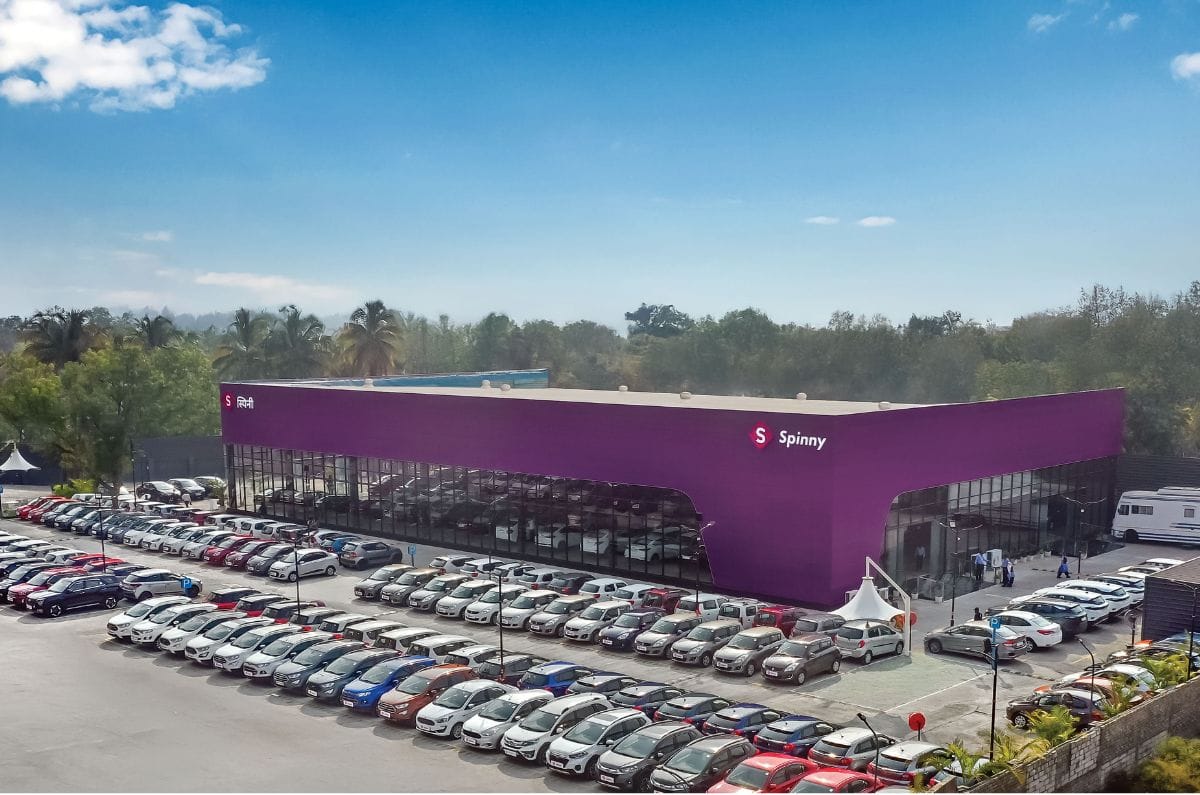
Autocar India, in association with Spinny, has conducted the fourth edition of our Used Car Study which analyses real-world resale values across a broad spectrum of vehicles sold in the Indian market in order to assess depreciation trends over a five-year ownership period. The study is based on more than 11,000 vehicle transactions across nine cities, highlighting the growth of the used car segment, rising financing trends and emerging EV resale challenges. 

As per the report, India’s used car market is estimated to be 1.39 times that of the new car segment, and sees annual growth of 11-13 percent. Within this, the organised segment is growing even more rapidly at more than 20 percent annually. 

  1. Maruti, Hyundai, Kia, Mahindra models retain strong resale value per the study 
  2. Nearly 60 percent of transactions on organised platforms are financed 
  3. Up to 41 percent depreciation observed in 5-year-old vehicles 

Commenting on the report, Hormazd Sorabjee, Editor, Autocar India, said, “The used-car market today offers one of the clearest windows into how mobility preferences are evolving in India. What makes this report particularly valuable is the breadth of consumer and transaction-led insights it brings together from ownership trends and financing behaviour to changing vehicle preferences and value retention.” 

Autocar-Spinny Used Car Survey 2026: emerging trends 

As per the report, 80-82 percent of used car buyers are first time buyers, which isn’t surprising given the decline of the entry-segment in new car sales due to ever rising prices. SUVs continue to be the most preferred body style even among used car buyers, with customers also increasingly opting for larger cars and better-equipped variants for the budget of a new entry-level car.

Another interesting trend observed was that financing has emerged as huge growth driver in this segment, accounting for nearly 60 percent of all transactions on organised platforms such as Spinny. The report highlights that in the last five years, the penetration of financing in the used car segment has doubled from 16 percent to 32 percent. Easier access to financing is helping expand the addressable market while also enabling consumers to purchase higher-value vehicles. 

Autocar-Spinny Used Car Survey 2026: average depreciation observed 

As per the analysis, one-year-old vehicle depreciates by an average of 21 percent, while depreciation reaches 33 percent after three years and 41 percent after five years. A five-year-old vehicle retains about 60 percent of its original value. 

The average selling price of a three-year-old vehicle in the study stood at Rs 8.38 lakh, roughly comparable to the average price of a new car in India in 2020. This reflects how used vehicles are increasingly enabling consumers to access more premium segments without bearing the steepest years of depreciation.

Autocar-Spinny Used Car Survey 2026: most preferred used brands, models 

The study also found that brands such as Maruti Suzuki, Hyundai, Kia and Mahindra have strong value retention across categories. As for individual model, the likes of the Maruti S-Presso, Hyundai Grand i10 Nios, Maruti Baleno, Maruti Dzire, Hyundai Verna, Tata Punch, Hyundai Venue, Kia Seltos, Mahindra XUV700 and Maruti Ertiga are among the strongest in retaining value over time.

However, EV resale faces some significant challenges. Unlike ICE vehicles, EVs currently lack predictable resale benchmarks due to concerns around battery health. Improving transparency around battery performance, battery health assessment and residual value benchmarks will help support the next phase of EV adoption, per the report. 

क्रू़ड ऑयल की कीमतें 60 डॉलर से नीचे जा सकती हैं, डिमांड के मुकाबले ज्यादा सप्लाई का असर कीमतों पर पड़ेगा

क्रूड ऑयल की कीमतें गिरकर 60 डॉलर से नीचे जा सकती हैं। इसके लिए थोड़ा इंतजार करना होगा। क्रिस्टल एनर्जी में ग्लोबल एडवाइजर क्रिस्टॉफ रुएल ने यह अनुमान जताया है। उनका कहना है कि क्रूड की ग्लोबल सप्लाई डिमांड के मुकाबले रोजाना 10 लाख बैरल ज्यादा है। इस साल फरवरी के आखिर में मध्यपूर्व में तनाव बढ़ने पर क्रूड ऑयल की कीमतें आसमान में पहुंच गई थी। अमेरिका-ईरान में डील होने से अब कीमतें नीचे आ रही हैं।

एनर्जी ट्रेड फ्लो सामान्य होने से बढ़ेगी सप्लाई

क्रिस्टॉफ रुएल ने कहा कि अमेरिका-ईरान में डील और एनर्जी ट्रेड फ्लो के सामान्य होने से सप्लाई बढ़ेगी। उधर, क्रूड की सुस्त डिमांड ग्रोथ का असर मीडियम टर्म में इसकी कीमतों पर पड़ सकता है। उन्होंने कहा, “ऐसा लगता है कि अमेरिका-ईरान में समझौता हो गया है। हालांकि, कुछ शर्तों को लेकर अब भी बातचीत जारी है। लेकिन, एक हफ्ते पहले के मुकाबले हालात बेहतर लगते हैं।”

ऑयल मार्केट ने नई स्थितियों से बैठाया है तालमेल

उन्होंने कहा कि मध्यपूर्व में टेंशन की वजह स्ट्रेट ऑफ होर्मुज बंद होने के बाद मार्केट के बदली हुई स्थितियों के साथ जल्द तालमेल बैठाया। तेल उत्पादक देशों ने सप्लाई के लिए पाइपलाइन का ज्यादा इस्तेमाल किया और इसके दूसरे विकल्पों का इस्तेमाल किया। रिफाइनरियों ने भी सप्लाई बनाए रखने के लिए ऑपरेशन में बदलाव किए। इससे ग्लोबल एनर्जी मार्केट में मजबूती देखने को मिली।

बीते पांच दशकों में काफी बदली है ऑयल इंडस्ट्री

हालिया संकट पर ऑयल मार्केट की प्रतिक्रिया से यह पता चला कि बीते पांच दशकों में यह इंडस्ट्री कितनी बदल चुकी है। ग्लोबल इकोनॉमी को अब उत्पादन के लिए कम ऑयल की जरूरत है। इससे पहले की क्राइसिस के मुकाबले सप्लाई को लेकर कम झटका लगा। दुनियाभर में इलेक्ट्रिक व्हीकल्स का बढ़ता इस्तेमाल ऑयल की कम खपत वाली गाड़ियों के आने का असर भी ऑयल की डिमांड पर पड़ा है।

चीन के स्ट्रेटेजिक रिजर्व बनाने से कीमतों को मिलेगा सपोर्ट

ऑयल मार्केट्स के लिए चीन काफी अहम है। कीमतों में गिरावट आने पर चीन स्ट्रेटेजिक पेट्रोलियम रिजर्व बना रहा है। इससे डिमांड को कुछ सपोर्ट मिल सकता है। हालांकि, ऑयल का बढ़ता उत्पादन, स्ट्रॉन्ग एनर्जी इंफ्रास्ट्रक्चर और सुस्त कंजम्प्शन ग्रोथ से मीडियम टर्म में क्रूड की कीमतों का आउटलुक कमजोर दिखता है। क्रूड की कीमतों में भारत जैसे देश के लिए अच्छी खबर है। भारत अपनी जरूरत का 90 फीसदी ऑयल इंपोर्ट से पूरी करता है।