पुरानी गाड़ियों के लिए E10 पेट्रोल देने पर विचार, E20 को हटाने का कोई प्लान नहीं: BPCL

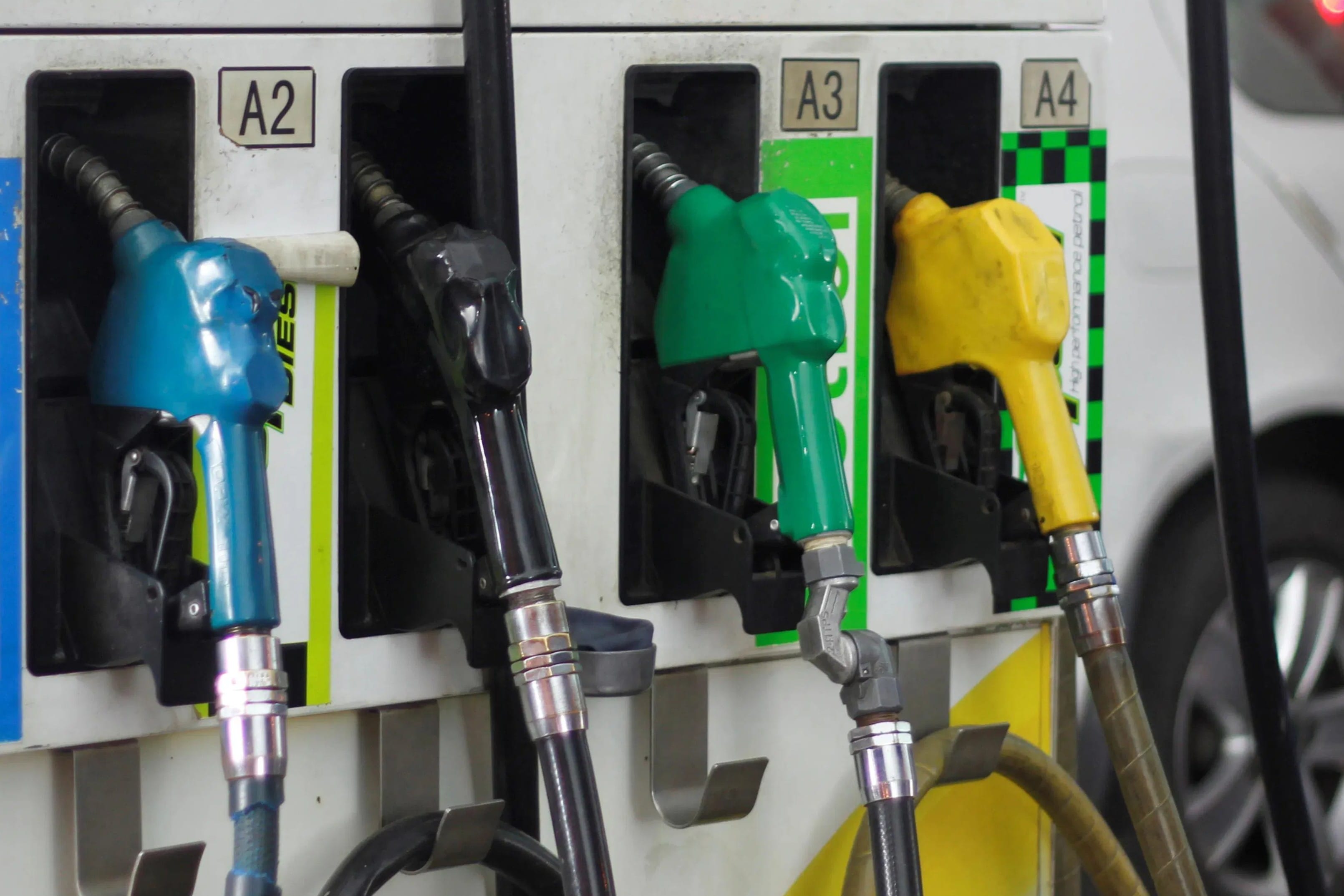
भारत में E20 पेट्रोल को लेकर बहस के बीच पुराने गाड़ियों के लिए E10 पेट्रोल उपलब्ध कराने पर विचार हो रहा है। सरकारी ऑयल मार्केटिंग कंपनी BPCL के चेयरमैन और मैनेजिंग डायरेक्टर संजय खन्ना ने गुरुवार को यह जानकारी दी। हालांकि, उन्होंने साफ कहा कि E20 को हटाकर दोबारा E10 लागू करने का कोई प्रस्ताव नहीं है।

E10 और E20 में क्या अंतर है?

E10 पेट्रोल में 10% इथेनॉल और 90% पेट्रोल होता है। वहीं E20 में 20% इथेनॉल और 80% पेट्रोल होता है। E20 को लेकर पुरानी गाड़ियों के मालिकों की चिंता रही है। इसमें माइलेज, फ्यूल सिस्टम के पार्ट्स और मरम्मत से जुड़े सवाल उठे हैं।

पुरानी गाड़ियों के लिए E10 पर विचार

ऑयल मार्केटिंग कंपनी BPCL के मुताबिक, पुरानी गाड़ियों के लिए अलग से E10 उपलब्ध कराने का विकल्प देखा जा रहा है। संजय खन्ना ने कहा कि मौजूदा इंफ्रास्ट्रक्चर से E10 की सप्लाई करना संभव है। हालांकि, E10 और E20 को एक साथ उपलब्ध कराने के तरीके पर अभी चर्चा चल रही है।

E10 की सप्लाई में क्या दिक्कत है?

ऑयल मार्केटिंग कंपनी BPCL को E10 की सप्लाई में कोई बड़ी लॉजिस्टिक दिक्कत नजर नहीं आती। लेकिन अगर E10 और E20 दोनों को एक साथ बेचना है, तो अलग ग्रेड के पेट्रोल की सप्लाई संभालनी होगी। इसी वजह से सरकार और कंपनियां इसके तौर-तरीकों पर काम कर रही हैं।

E20 को वापस लेने का प्लान नहीं

सरकार पहले ही कह चुकी है कि E20 से वापस E10 या E0 पर जाने का कोई प्रस्ताव नहीं है। पेट्रोलियम राज्य मंत्री सुरेश गोपी ने 10 अगस्त को राज्यसभा में कहा था कि देशभर के एक लाख से ज्यादा पेट्रोल पंपों पर E0, E10 और E20 की अलग-अलग सप्लाई रखने से लॉजिस्टिक्स और स्टोरेज की लागत बढ़ेगी।

हालांकि, BPCL के ताजा बयान से साफ है कि E10 को E20 के विकल्प के तौर पर नहीं, बल्कि पुरानी गाड़ियों के लिए एक अलग विकल्प के रूप में देखा जा रहा है।

E10 की मांग क्यों उठी?

E20 को लेकर पुरानी गाड़ियों के मालिकों की चिंता बढ़ी है। लोगों का कहना है कि ज्यादा इथेनॉल वाले पेट्रोल से माइलेज पर असर पड़ सकता है। कुछ पुरानी गाड़ियों में फ्यूल सिस्टम के पार्ट्स की अनुकूलता को लेकर भी सवाल हैं।

मुख्य आर्थिक सलाहकार वी. अनंत नागेश्वरन ने भी 17 अगस्त को एक लेख में सुझाव दिया था कि पुरानी गाड़ियों के मालिकों की परेशानी दूर करने के लिए पेट्रोल पंपों पर E10 के साथ E20 भी उपलब्ध कराया जा सकता है।

E20 की शुरुआत कैसे हुई?

केंद्र सरकार ने 1 अप्रैल से ऑयल कंपनियों को 20% तक इथेनॉल मिला पेट्रोल बेचने का निर्देश दिया था। इस पेट्रोल का न्यूनतम Research Octane Number यानी RON 95 होना भी जरूरी किया गया। इसके बाद पुरानी गाड़ियों के मालिकों में माइलेज और गाड़ी की सेहत को लेकर चिंता बढ़ी।

फिलहाल तस्वीर यही है कि E20 की व्यवस्था जारी रहेगी। पुरानी गाड़ियों के लिए E10 उपलब्ध कराने का विकल्प जरूर सरकार और ऑयल कंपनियों की चर्चा में है।

2030 तक ₹20 लाख करोड़ का हो सकता है EV मार्केट, 5 करोड़ नौकरियां पैदा होंगी: नितिन गडकरी

Disclaimer: यहां मुहैया जानकारी सिर्फ सूचना के लिए दी जा रही है। यहां बताना जरूरी है कि मार्केट में निवेश बाजार जोखिमों के अधीन है। निवेशक के तौर पर पैसा लगाने से पहले हमेशा एक्सपर्ट से सलाह लें। मनीकंट्रोल की तरफ से किसी को भी पैसा लगाने की यहां कभी भी सलाह नहीं दी जाती है।

Government has no data on India’s E20-compatible vehicle fleet

E20

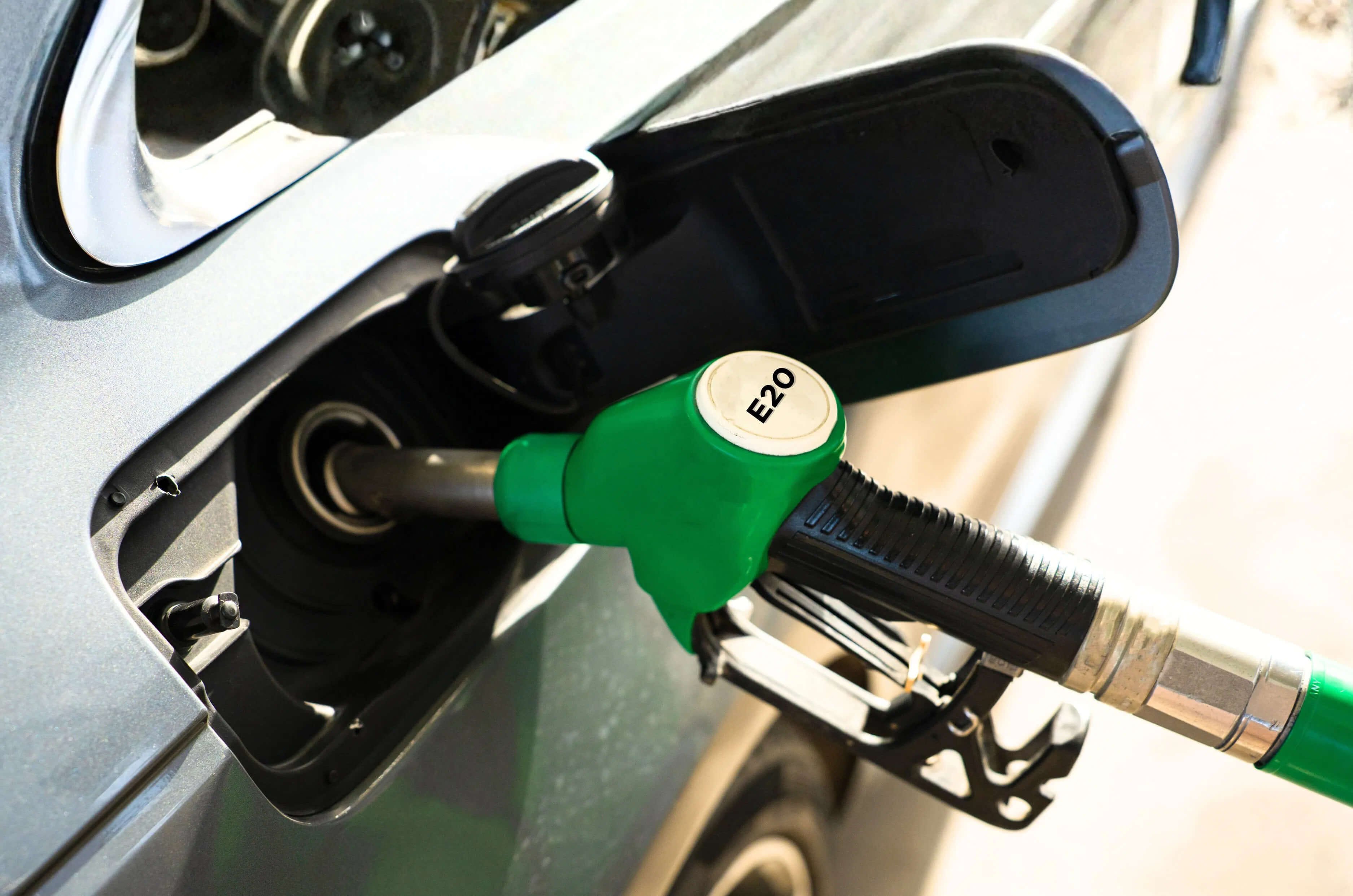
The central government has acknowledged that it has not formally assessed how many vehicles in India are compatible with E20 petrol, despite mandating E20 fuel nationwide and continuing to prepare for higher ethanol blends. The government, however, said laboratory studies and field trials have established the fuel’s safety under prescribed standards.

In a written reply in the Rajya Sabha, Minister of State for Petroleum and Natural Gas Suresh Gopi said the Ministry of Heavy Industries had not assessed the percentage of vehicles in the country that are compatible with E20 fuel.

  1. Government cites laboratory and field trials to support E20 rollout
  2. Mileage drop for E10-calibrated vehicles pegged at 3-5 percent
  3. No verified evidence of widespread E20-related engine failures, says Centre

However, the government’s latest response also raises questions over the rollout timeline. While the Centre formally announced nationwide availability of E20 petrol in mid 2025—five years ahead of its original 2030 target—it now says E19-E20 blends have been in widespread use for more than two-and-a-half years, while E15 and higher ethanol blends have been in active distribution for over three-and-a-half years, covering more than 20 crore two-wheelers and 3 crore petrol passenger vehicles. The response does not explain this apparent discrepancy.

Government reiterates mileage and reliability claims

Addressing concerns around fuel economy, the government said vehicles originally calibrated for E10 petrol could see a 3-5 percent reduction in mileage when running on E20, although actual fuel efficiency depends on driving conditions, driving style and vehicle maintenance.

The government also reiterated that there is no verified evidence of widespread engine failures or vehicle breakdowns linked to ethanol blending. 

Government cites laboratory and field testing

According to the government, the Ethanol Blended Petrol (EBP) programme was implemented through a phased process involving NITI Aayog, oil marketing companies, automobile manufacturers, the Automotive Research Association of India (ARAI), the Society of Indian Automobile Manufacturers (SIAM) and the Indian Institute of Petroleum (IIP).

The government said testing covered engine durability, drivability, startability, corrosion resistance, material compatibility, emissions and fuel efficiency. Based on these studies, it said legacy vehicles do not show any significant change in performance or abnormal component wear when operated on E20 petrol.

Government preparing for higher ethanol blends

The government said India’s ethanol production capacity has been planned to meet current E20 requirements while also supporting future petrol demand, higher ethanol blends, flex-fuel vehicles and other biofuel applications, subject to future government approvals. It added that ethanol production continues to follow a diversified feedstock strategy, with only surplus foodgrains being diverted after meeting food security and public distribution requirements.

E20 Janta Party campaign demands choice of ethanol-free petrol

fuel dispensers

Not long after the success of the Cockroach Janta Party’s (CJP) protests, a new social media-led campaign calling itself the E20 Janta Party has cropped up. It demands that Indian vehicle owners be given the option to purchase ethanol-free petrol alongside E20 fuel, as well as the resignation of Union Road Transport and Highways Minister Nitin Gadkari, who is a major proponent of the government’s ethanol blending policy.

For context, the E20 rollout started in April 2025, and it was mandated as the baseline petrol blend exactly one year later – all in an effort to reduce dependence on crude oil imports. This is despite the fact that E20 compliance was mandated in April 2023 as part of the BS6 Phase 2 emission norms, which means a hefty chunk of vehicles plying on Indian roads are not E20-compliant.

E20 Janta Party wants more transparency and options for fuel

No demands for E20 to be discontinued

Inspired by the CJP’s satirical, meme-driven approach, E20 Janta Party declared itself as a consumer rights movement that is not seeking the withdrawal of E20 petrol, but instead greater transparency and freedom of choice at fuel stations. Although ethanol-free fuel has been available in the form of 100-octane premium petrol (XP100, Speed100, and Power100), it’s sold only at select fuel stations and costs significantly more than standard E20, limiting its feasibility for most motorists.

“Our demand is very clear. E20 Janta Party is a people-powered movement demanding transparency, accountability, and the right of every Indian to know how the E20 policy affects their vehicles, wallets, and consumer rights,” the group said in a social media post. The campaign even referenced CJP’s initial call to mobilisation with a post stating, “What if all bike/car owners come together?”

The E20 Janta Party says it is not opposed to ethanol blending, nor is it asking for subsidies or free fuel. Instead, it wants fuel stations to offer consumers the choice between unblended petrol and ethanol-blended fuel. E20 Janta Party is also demanding transparent fuel labelling, publication of government data on the costs and benefits of different fuel blends, and independent scientific studies into mileage, engine performance, emissions, and maintenance costs, with the findings made publicly available.

Support pouring in for E20 Janta Party

At the time of writing, E20 Janta Party’s Twitter and Instagram accounts have attracted over 31,000 followers cumulatively, and the campaign has even begun attracting support beyond social media. Political commentator Tehseen Poonawalla announced a “Gaadi March” on July 31 against the E20 policy, while the Delhi Taxi and Tourist Transporters and Tour Operators Association planned a march to Parliament on August 4. The taxi association has raised concerns over fuel efficiency, maintenance costs and engine performance, particularly in older vehicles.

Govt continues to stand strong on ethanol blending policy

In recent months, motorists have expressed heightened acrimony surrounding the impact of E20 petrol on fuel efficiency and vehicle durability, whereas the government remains steadfast in its defence of the policy, saying E20 is a safe and cleaner fuel backed by scientific evaluation. A few weeks ago, prominent manufacturers like Maruti Suzuki, Toyota, and Hero Motocorp also backed E20 at a government briefing, notably claiming that they have found no significant concerns regarding accelerated wear and tear in older, non-compliant vehicles.

Petroleum Minister previously ruled out offering pure petrol or E10 alongside E20

Replying to a question in Parliament last week, Minister of State for Petroleum Suresh Gopi said the government had not received any “widespread or substantiated” complaints linking E20 petrol to vehicle performance issues. Petroleum Minister Hardeep Singh Puri earlier shot down the prospect of offering unblended and E10 petrol alongside E20, citing tremendous logistical issues like separate storage, transportation, and dispensing infrastructures.

Ethanol content in petrol could increase; diesel likely to be blended with isobutanol

The government is even looking to increase the baseline ethanol blend in petrol, with the Automotive Research Association of India (ARAI) tasked to examine the effects of E25 on existing E10- and E20-compliant vehicles. Plans are also underway to blend ethanol-derived isobutanol into diesel in the near future, even though the government has not laid out any isobutanol compliance framework for any diesel-powered passenger vehicle in India.

कार का माइलेज हो रहा है कम? मारुति, हुंडई, टाटा और Kia समेत हर पेट्रोल कार के लिए जानिए ईंधन बचाने के सबसे आसान तरीके

भारत में कार खरीदते समय लोग सबसे पहले उसके माइलेज पर ध्यान देते हैं। पेट्रोल और डीजल की लगातार बढ़ती कीमतों के बीच अब अच्छी माइलेज पहले से भी ज्यादा जरूरी हो गई है। वहीं, देश में E20 पेट्रोल के इस्तेमाल के बढ़ने के बाद भी ईंधन की बचत को लेकर लोगों की चिंता बढ़ी है। हालांकि, कार कंपनियों का कहना है कि E20 पेट्रोल से माइलेज में थोड़ी कमी आ सकती है, लेकिन किसी भी कार का वास्तविक माइलेज काफी हद तक आपकी ड्राइविंग की आदत, गाड़ी की देखभाल और सड़क की स्थिति पर भी निर्भर करता है।

चाहे आपके पास मारुति सुजुकी स्विफ्ट, हुंडई क्रेटा, टाटा नेक्सन, महिंद्रा XUV 3XO या किआ सेल्टोस जैसी कोई भी कार हो, कुछ आसान टिप्स अपनाकर आप हर लीटर ईंधन में ज्यादा दूरी तय कर सकते हैं और अपनी ईंधन लागत को कम कर सकते हैं।

क्या E20 पेट्रोल से कार का माइलेज कम हो जाता है?

E20 पेट्रोल में 20% इथेनॉल और 80% पेट्रोल मिलाया जाता है। इथेनॉल में सामान्य पेट्रोल की तुलना में एनर्जी कम होती है। यही वजह है कि E20 पेट्रोल इस्तेमाल करने पर कार का माइलेज थोड़ा कम हो सकता है। 4 जुलाई को पेट्रोलियम एवं प्राकृतिक गैस मंत्रालय, भारी उद्योग मंत्रालय और सड़क परिवहन एवं राजमार्ग मंत्रालय की संयुक्त प्रेस कॉन्फ्रेंस में मारुति सुजुकी इंडिया के वरिष्ठ अधिकारी राहुल भारती ने बताया कि E20 पेट्रोल की कैलोरीफिक वैल्यू, E10 पेट्रोल के मुकाबले करीब 3 से 3.5 प्रतिशत कम होती है। इसी कारण माइलेज में भी लगभग इतनी ही कमी देखने को मिल सकती है। उन्होंने उदाहरण देते हुए कहा कि अगर कोई कार सामान्य तौर पर 20 किलोमीटर प्रति लीटर का माइलेज देती है, तो E20 पेट्रोल इस्तेमाल करने पर उसका माइलेज करीब 0.6 किलोमीटर प्रति लीटर तक कम हो सकता है।

कार का माइलेज कैसे बढ़ाएं?

चाहे आपकी कार E10 पेट्रोल पर चलती हो या E20 पेट्रोल पर, अच्छी माइलेज पाने का सबसे आसान तरीका है संतुलित और आराम से ड्राइविंग करना। तेज रफ्तार में अचानक एक्सीलेटर दबाने, बार-बार तेज ब्रेक लगाने और इंजन को बेवजह ज्यादा आरपीएम (स्पीड) पर चलाने से बचें। इससे ईंधन की खपत बढ़ जाती है। शहर के ट्रैफिक में गाड़ी चलाते समय धीरे-धीरे एक्सीलेटर दबाएं। इससे इंजन पर कम दबाव पड़ता है और ईंधन की बचत होती है। वहीं, हाईवे पर जहां संभव हो, एक समान गति बनाए रखकर गाड़ी चलाने से भी बेहतर माइलेज मिल सकता है।

क्या टायर का प्रेशर माइलेज पर असर डालता है?

टायर में सही हवा होना कार की माइलेज के लिए बहुत जरूरी है। अगर टायर में हवा कम होगी, तो सड़क पर उसका रोलिंग रेजिस्टेंस बढ़ जाएगा। ऐसे में इंजन को ज्यादा ताकत लगानी पड़ेगी और ईंधन की खपत भी बढ़ जाएगी। इसलिए कार मालिकों को कम से कम हर 15 दिन में एक बार टायर का प्रेशर जरूर जांचना चाहिए। हमेशा कंपनी द्वारा बताए गए तय प्रेशर के अनुसार ही टायर में हवा भरवाएं। इससे न सिर्फ माइलेज बेहतर होगी, बल्कि टायर की उम्र भी बढ़ेगी।

क्या समय पर सर्विस न कराने से कार का माइलेज कम हो जाता है?

अगर कार की सर्विस समय पर नहीं कराई जाती, तो उसका सीधा असर माइलेज पर पड़ सकता है। एयर फिल्टर गंदा या जाम होने, स्पार्क प्लग घिस जाने और इंजन ऑयल पुराना होने से इंजन पहले जितनी क्षमता से काम नहीं कर पाता। इससे ईंधन की खपत बढ़ जाती है और माइलेज कम हो जाती है। इसलिए कार की नियमित सर्विस कराना बहुत जरूरी है। समय पर सर्विस होने से इंजन बेहतर तरीके से काम करता है, ईंधन की बचत होती है और कार की परफॉर्मेंस भी अच्छी बनी रहती है। हर कार के साथ मिलने वाली ओनर मैनुअल में सर्विस का पूरा शेड्यूल दिया होता है। उसी के अनुसार समय-समय पर सर्विस कराते रहें। यह न सिर्फ कार को बेहतर स्थिति में रखता है, बल्कि कम ईंधन में ज्यादा दूरी तय करने में भी मदद करता है।

क्या ज्यादा सामान रखने से कार का माइलेज कम हो जाता है?

कार में जितना ज्यादा वजन होगा, इंजन को उसे चलाने के लिए उतनी ही ज्यादा मेहनत करनी पड़ेगी। इसलिए अगर आप डिग्गी में बिना जरूरत का भारी सामान रखते हैं, तो इससे ईंधन की खपत बढ़ सकती है और माइलेज कम हो सकती है। इसके अलावा, कार की छत पर लगाए जाने वाले रूफ कैरियर या रूफ बॉक्स भी हवा के प्रवाह में रुकावट पैदा करते हैं। खासकर हाईवे पर इनकी वजह से कार को आगे बढ़ने में ज्यादा ताकत लगती है, जिससे माइलेज पर असर पड़ता है।

क्या गाड़ी खड़ी होने पर इंजन चालू रखना सही है?

आज की पेट्रोल कारें खड़ी रहने पर भी ईंधन खर्च करती हैं। अगर आपको एक मिनट या उससे ज्यादा समय तक कहीं रुकना है, तो जहां संभव हो, इंजन बंद कर देना बेहतर होता है। इससे ईंधन की बचत होती है। आजकल कई नई कारों में ऑटो स्टार्ट-स्टॉप सिस्टम दिया जाता है। यह सुविधा ट्रैफिक सिग्नल या लंबे इंतजार के दौरान अपने आप इंजन बंद कर देती है और जरूरत पड़ने पर दोबारा चालू कर देती है, जिससे ईंधन की बचत होती है।

क्या एसी चलाने से कार का माइलेज कम हो जाता है?

जी हां, लेकिन इसका असर इस बात पर निर्भर करता है कि आप कार कैसे चला रहे हैं। अगर आप लंबे समय तक एसी को सबसे कम तापमान पर चलाते हैं, तो इंजन पर अतिरिक्त दबाव पड़ता है और ईंधन की खपत बढ़ सकती है। बेहतर माइलेज के लिए एसी का तापमान 22 से 24 डिग्री सेल्सियस के बीच रखना अच्छा माना जाता है। इसके अलावा, रीसर्कुलेशन मोड का इस्तेमाल करने से भी एसी जल्दी ठंडा करता है और ईंधन की बचत में मदद मिलती है।

क्या प्रीमियम पेट्रोल से माइलेज बढ़ जाती है?

हर बार ऐसा नहीं होता। अगर आपकी कार बनाने वाली कंपनी ने खास तौर पर प्रीमियम पेट्रोल इस्तेमाल करने की सलाह नहीं दी है, तो केवल ज्यादा ऑक्टेन वाला पेट्रोल भरवाने से माइलेज में कोई बड़ा फर्क नहीं पड़ता। भारत में बिकने वाली ज्यादातर पेट्रोल कारें सामान्य पेट्रोल पर बेहतर तरीके से चलने के लिए बनाई जाती हैं। जिन कारों में E20 पेट्रोल की अनुमति है, वे भी सामान्य रूप से उसी ईंधन पर अच्छी तरह काम करती हैं। इसलिए बिना जरूरत सिर्फ माइलेज बढ़ाने के लिए प्रीमियम पेट्रोल पर अतिरिक्त खर्च करना जरूरी नहीं है।