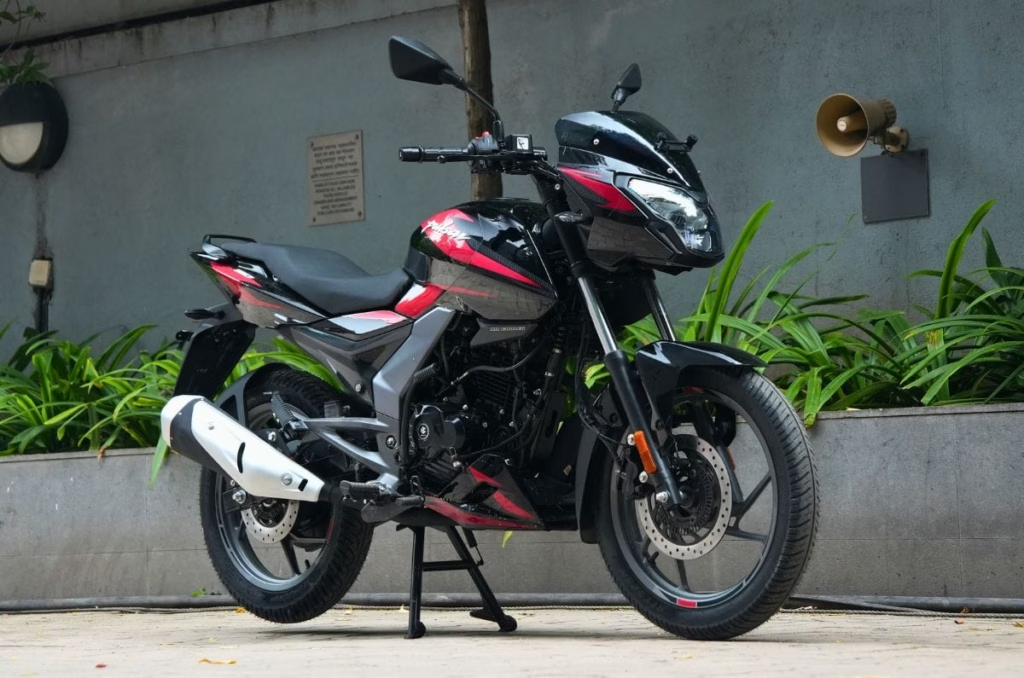
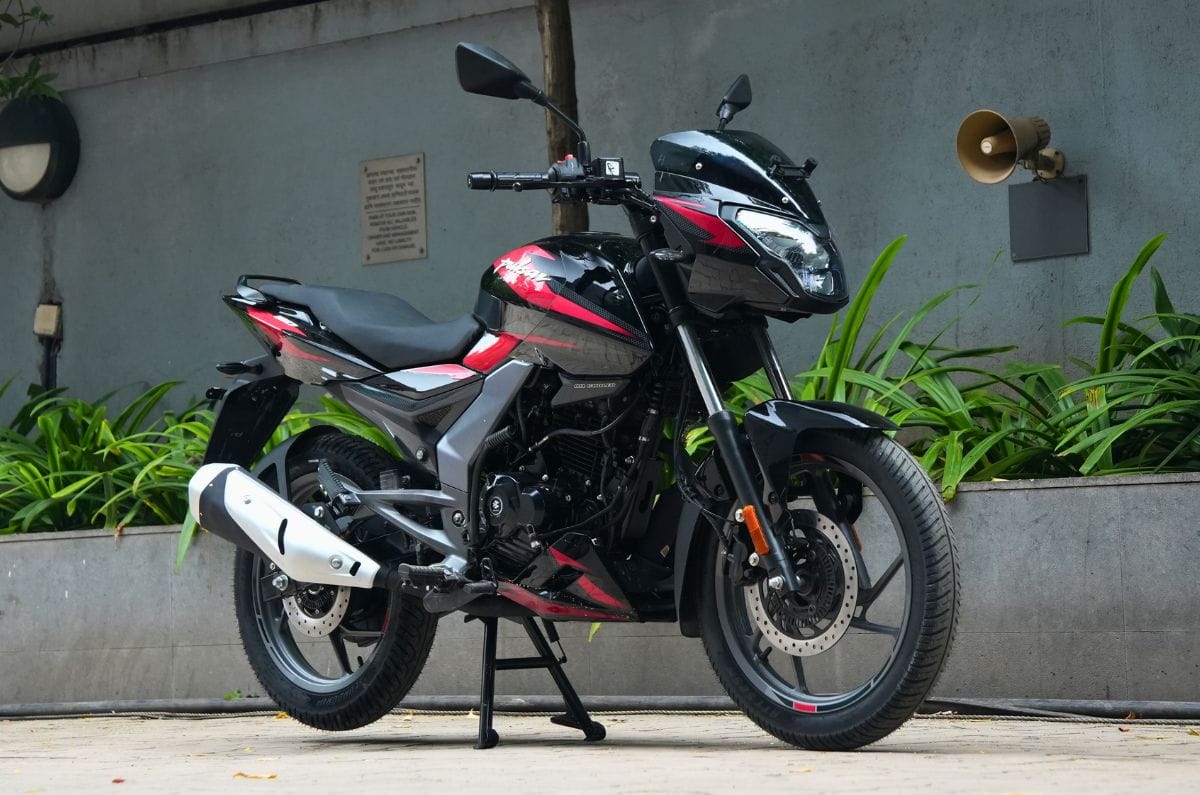
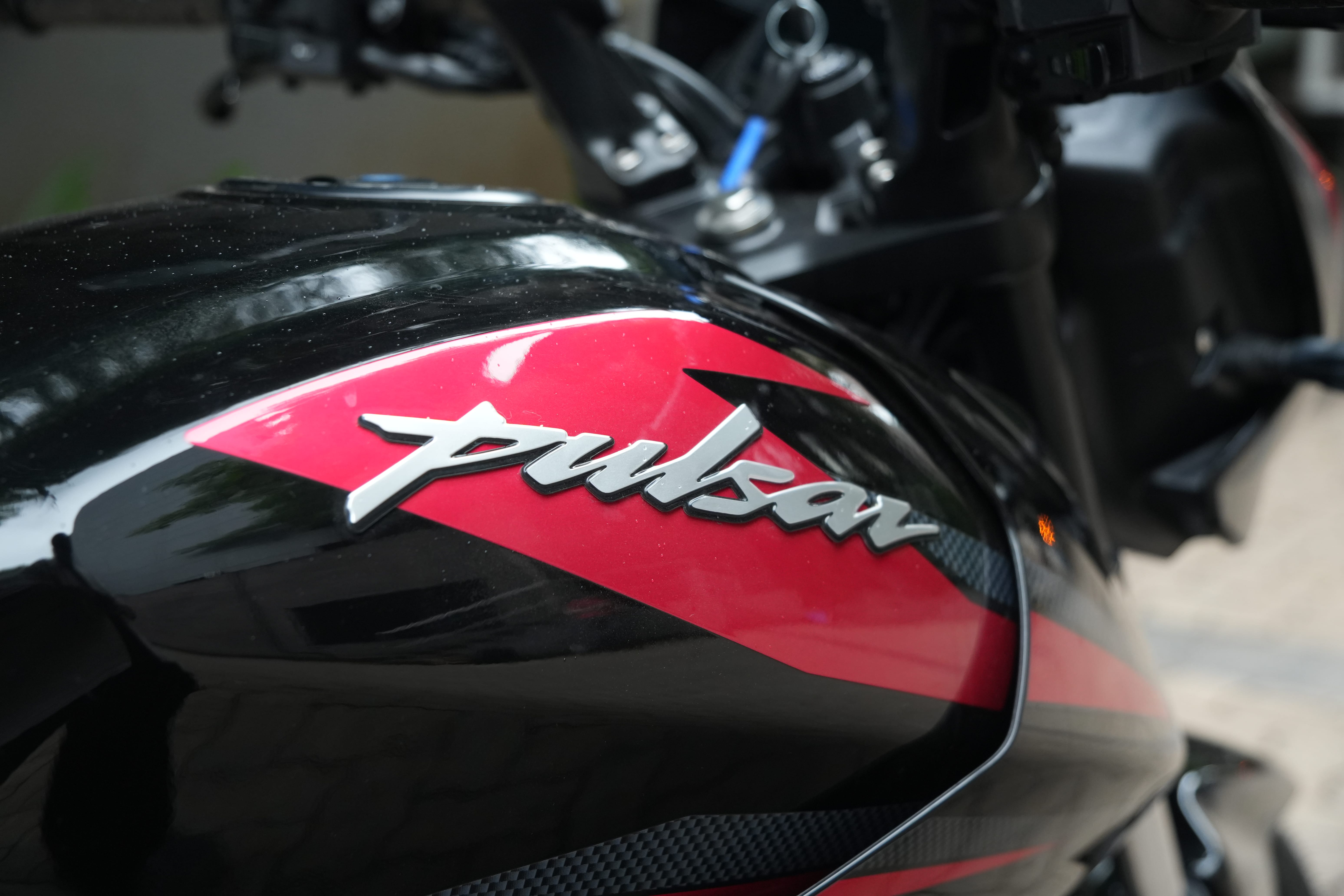
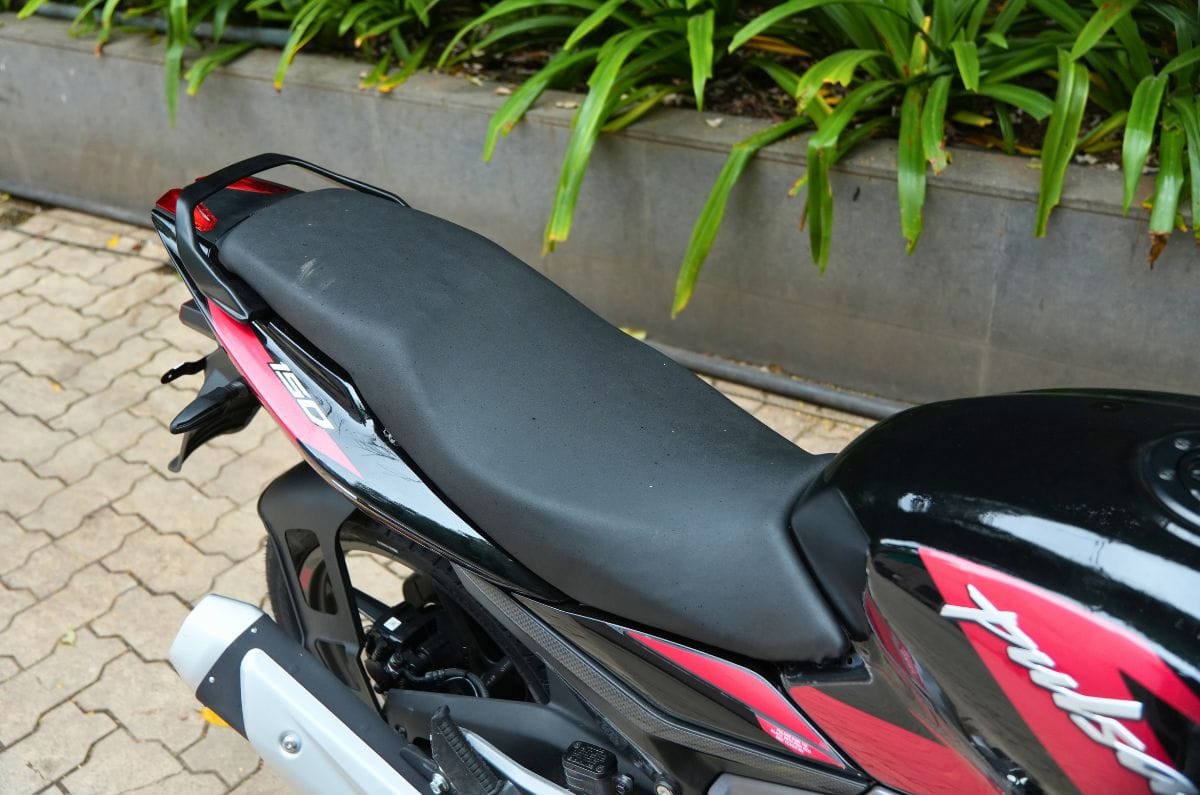
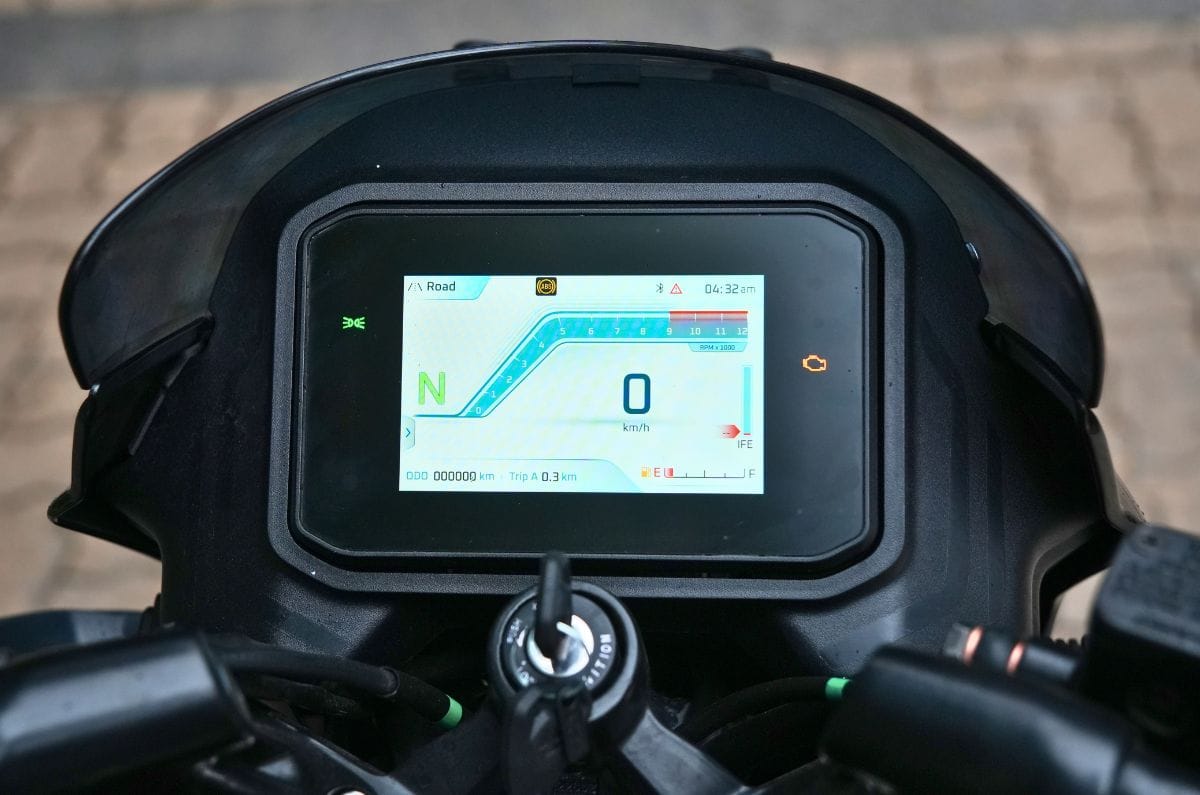
After months of anticipation and teasing, Bajaj has finally revealed an all-new Pulsar 150 today with almost all the parts of the motorcycle receiving substantial upgrades while retaining the classic Pulsar silhouette. There are three variants now, SD Single Seat, TD Single Seat, TD Split Seat. The latter two variants get a 5-inch TFT instrument cluster and an Integrated Starter Generator (ISG). All three models also get a crawl mode to make navigating traffic easier.
Gets three variants, top variant gets Google Maps mirroring
New gearbox with easier lower end tractability
ISG and crawl modes to make low speed riding even easier
Gets meaningful updates everywhere
With a bunch of new features
Starting with the 149.5cc, single-cylinder, air/oil-cooled engine which at first glance looks similar to the existing one, with the same 14hp power. However, the engine has two major changes. The peak power is now delivered at 8,000rpm, 500rpm earlier than the existing engine. And peak torque has gone up to 14.1Nm; 0.9Nm more than before, though it is delivered at the same 6,500rpm. Bajaj has also given the motorcycle a new gearbox with specific focus on low speed tractability. The frame too sees an upgrade with a new single-cradle frame replacing the dual-cradle frame. The engine now acts as a stressed member of the engine, which Bajaj says improves overall ride and stability.
The next big change is that the rear suspension is now a monoshock, as opposed to the conventional twin-shocks setup. The front continues with a right side up (RSU) telescopic fork with 33mm diameter with 125mm of travel and the rear suspension travel is 110mm. Stopping duties are handled by a 260mm front disc and a 230mm rear disc (130mm rear drum on the base variant). All three variants get single-channel ABS as standard. Rounding off the ride package are the tubeless 80/100-17 tyres at the front and 100/90-17 at the rear.
On the features front, the classic Pulsar now gets a brand-new 5-inch LCD cluster with the top two variants stepping that up to a 5-inch TFT instrument cluster. The cluster also gets other features like call and SMS alerts and an option to store your vehicle documents for quick access. However, the top variant gets WiFi support which enables Google Maps mirroring, a feature first seen on the Pulsar N160 SS. There are also three ride modes and a crawl mode. Both of which were also first seen on the Pulsar N160 S and SS. The existing model had a USB type-A port for charging with the new one swapping that for a modern, type-C port on all three variants.
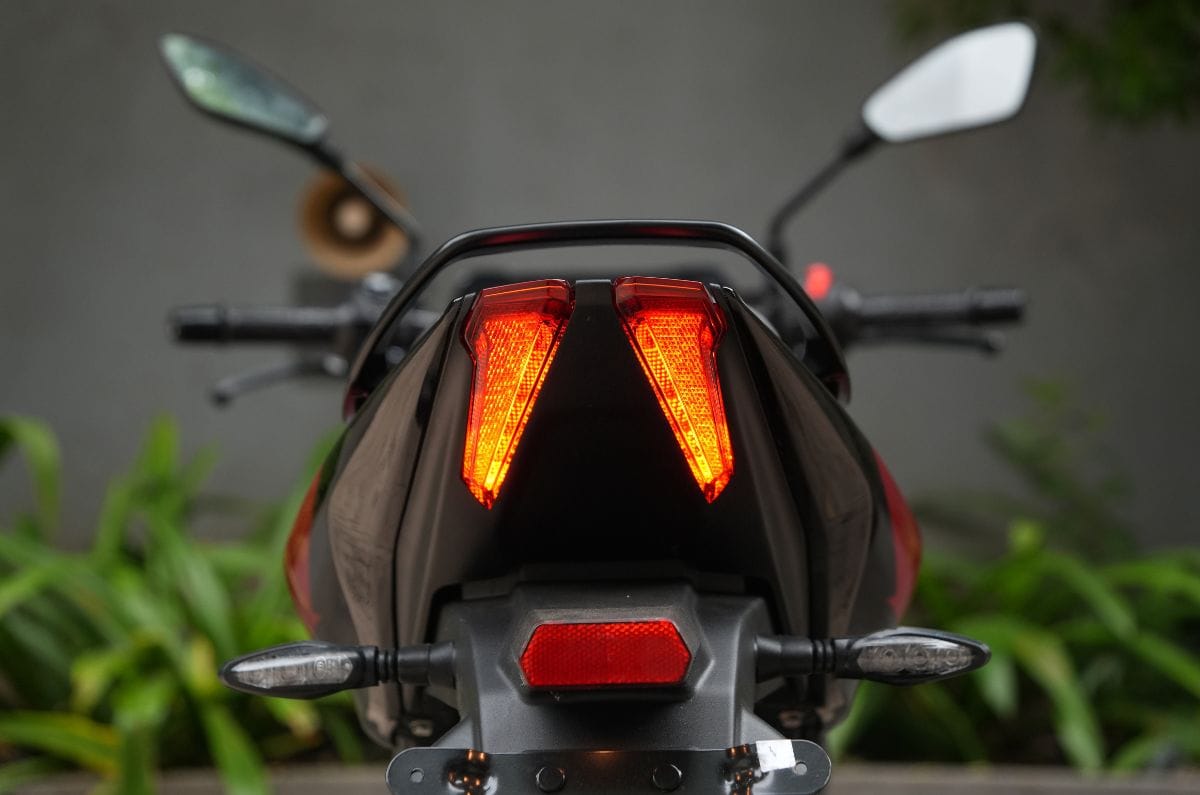
Bajaj has also equipped the top two variants with ISG, which has a stop-start system that can automatically turn the motorcycle off during traffic stops, to conserve fuel, and also enables silent starts. There are minor upgrades to the lighting department as well. Though the class B LED headlight itself is shared with the outgoing Pulsar 150 that received an update last year. the fairing on the new one has been redesigned for a more aggressive look with the top two variants getting all-LED lighting as standard. Bajaj has priced the base SD Single Seat variant at Rs 1.15 lakh with the fully loaded, TD Split Seat variant costing Rs 1.23 lakh.
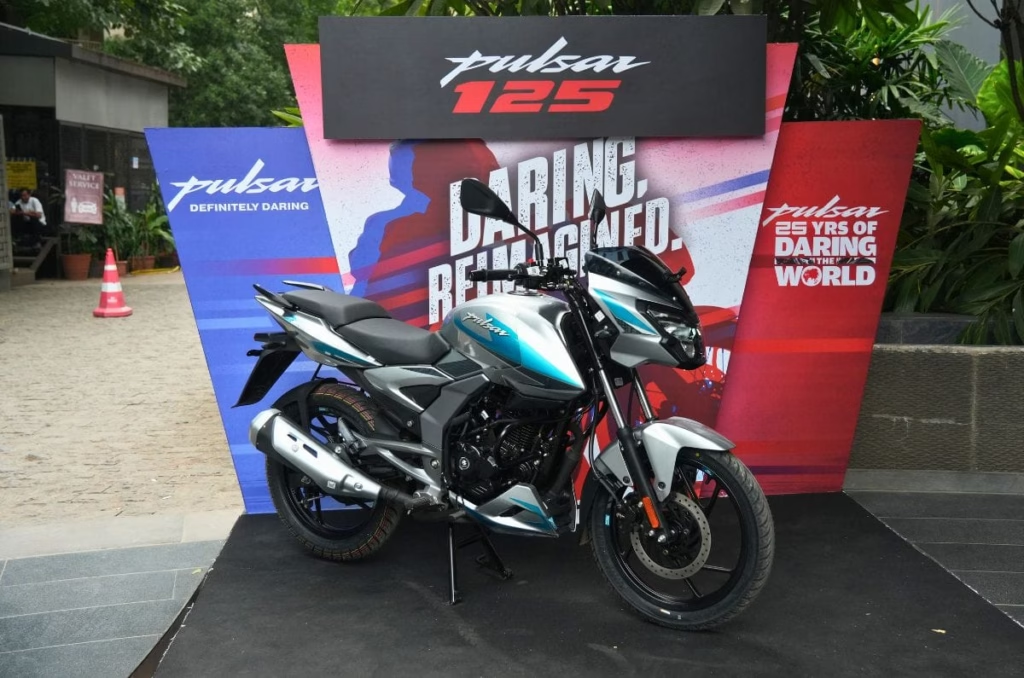
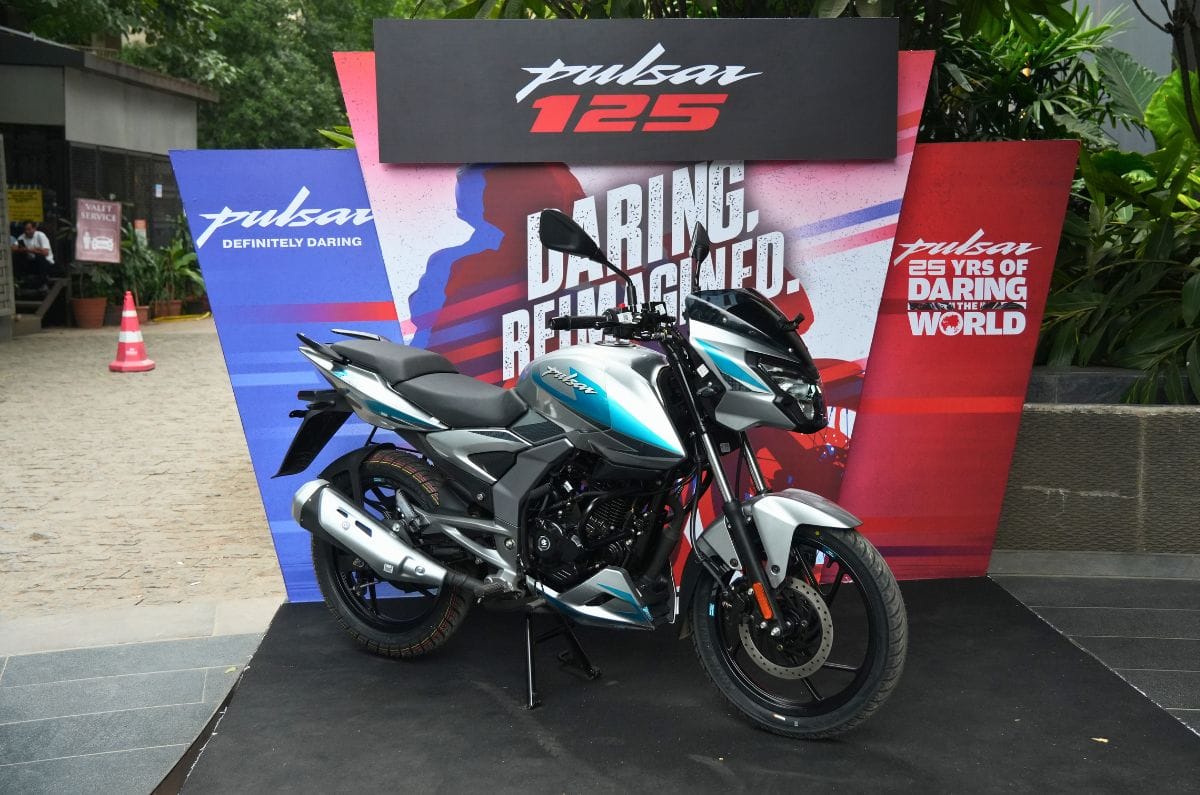
We exclusively broke the story, early this year, that Bajaj is planning on updating the Classic Pulsar range. After months of anticipation, the Chakan-based brand has finally launched the all-new Pulsar 125 as part of Pulsar’s 25th anniversary celebrations. The updated 125cc motorcycle gets a new engine and gearbox, a stiffer frame, monoshock suspension and a 5-inch TFT console with prices starting at Rs 92,990.
New 124.58cc engine makes 12hp and 11Nm
Gets monoshock suspension and new diamond-type frame
Priced at Rs 92,990 (ex-showroom, Delhi)
Bajaj Pulsar 125 engine and specs
The new Pulsar 125 is powered by a 124.58cc, single-cylinder, air/oil-cooled engine producing 12.1hp at 8,500rpm (gain of 0.3hp) and 11.4Nm at 6,500rpm (gain of 0.6Nm). Bajaj claims it is the most powerful 125cc motorcycle in the market – a title earlier held by the now discontinued Pulsar N125. The engine is paired with an all-new 5-speed gearbox, which is claimed to improve tractive effort in the lower gears and deliver stronger low-speed performance.
Bajaj also claims an improved power-to-weight ratio enables quicker 0-60kph acceleration, although it has not specified an acceleration time.
The Pulsar 125 gets a new diamond-type frame with increased stiffness, with the engine acting as a stressed member. Bajaj says this setup improves ride stability and handling. Suspension duties are now handled by a gas-charged monoshock at the rear.
Bajaj Pulsar 125 features
A major update is the addition of a 5-inch TFT console that debuted with the N160 SS. It supports Google Maps mirroring and navigation, while also allowing riders to store vehicle documents such as the registration certificate and insurance details.
The console also displays live call and message alerts and provides music controls. The Pulsar 125 additionally gets three ride modes: Road, Rain and Sport.
Another new feature is Crawl Tech – similar to KTM models – which is designed to provide greater control during low-speed riding in traffic.
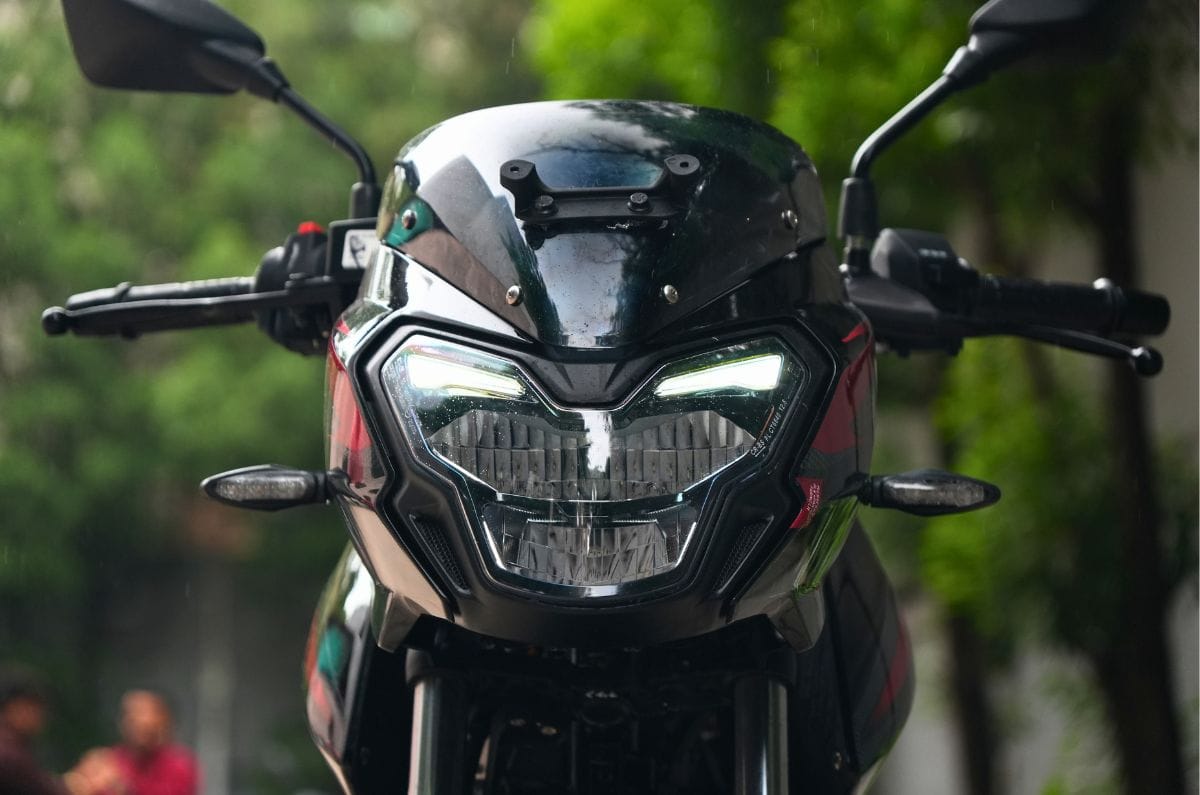
The Pulsar 125 gets a redesigned Wolf-Eye LED headlamp with larger optics, although it could only be offered . The motorcycle also features an Integrated Starter Generator (ISG) on the top three variants. The system enables automatic start-stop functionality, which Bajaj says helps improve fuel economy and enables silent starts. The new Bajaj Pulsar 125 is priced at Rs 92,990 for the LCD variant and goes up to Rs 1.04 lakh for the top-spec TFT variant(ex-showroom, Delhi).
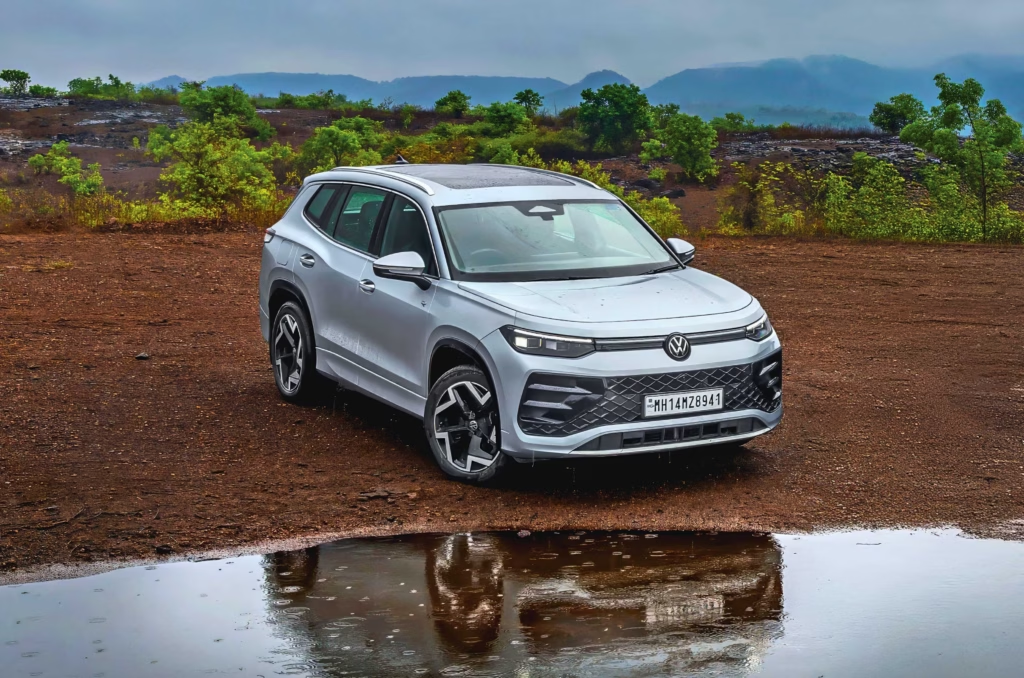
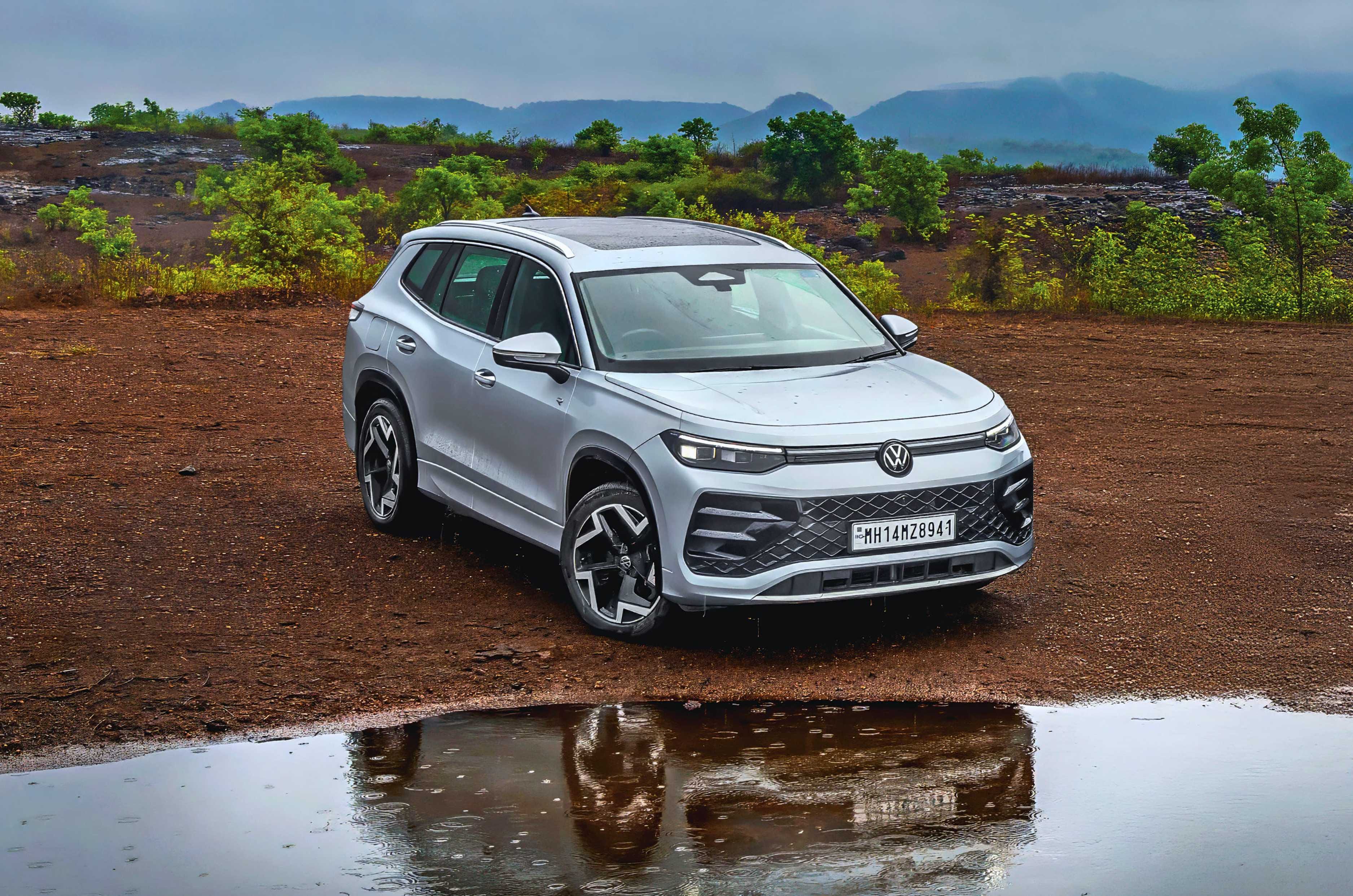
The VW Tayron R-Line is back in the Autocar India garage, and we’ve been running it for some weeks now. First things first, I switch off the Automatic Emergency Braking (AEB) as a matter of habit. The thing is, every time you turn on the car, the system defaults to AEB being active; it doesn’t remember that you last turned it off. This can be rather annoying, but like with most CBUs, which this VW Tayron R-Line is, it follows the homologation requirements of Europe, or what is called GSR 870. That means, for safety reasons, it is mandated to have the AEB on by default every time you begin driving the car.
AEB triggers inadvertently in traffic.
Now, in Europe and other parts of the world where traffic is predictable and sane, it makes sense, but on our chaotic streets, pedestrians, cyclists, bikes and three-wheelers can trigger the AEB into a heart-stopping slam on the brakes, with the risk of being rear-ended by someone who is two inches away from your bumper. Every run to work, the proximity sensors go berserk tackling Mahalaxmi’s infamous Saat Rasta roundabout in Mumbai. It’s also a reminder that the Tayron is a long car, but the good thing is that outside visibility is pretty good, so you can judge the edges quite easily, which is essential when threading through traffic.
2.0-litre TSI feels refined at all speeds.
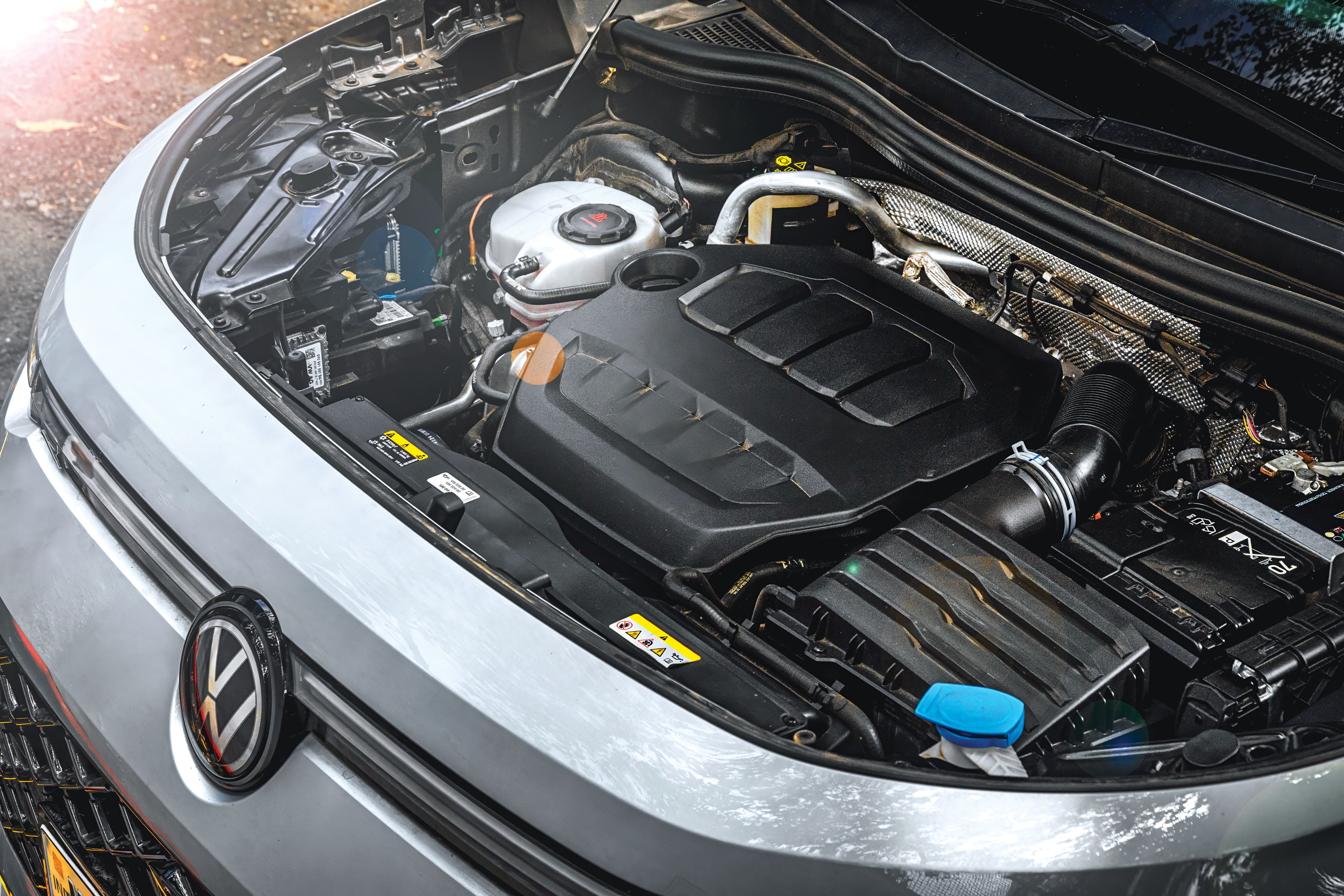
The Tayron got a chance to stretch its legs on a run to the Nanoli track. The ‘EA888 Evo’ 2.0-litre TSI engine is the epitome of refinement and possibly the smoothest turbo-petrol in the premium segment. It lacks a bit of low-end punch, but likes to be revved and encourages visits to the 6,000rpm redline. The Tayron is a happy cruiser too, and feels nice and planted at expressway speeds in a VW sort of way.
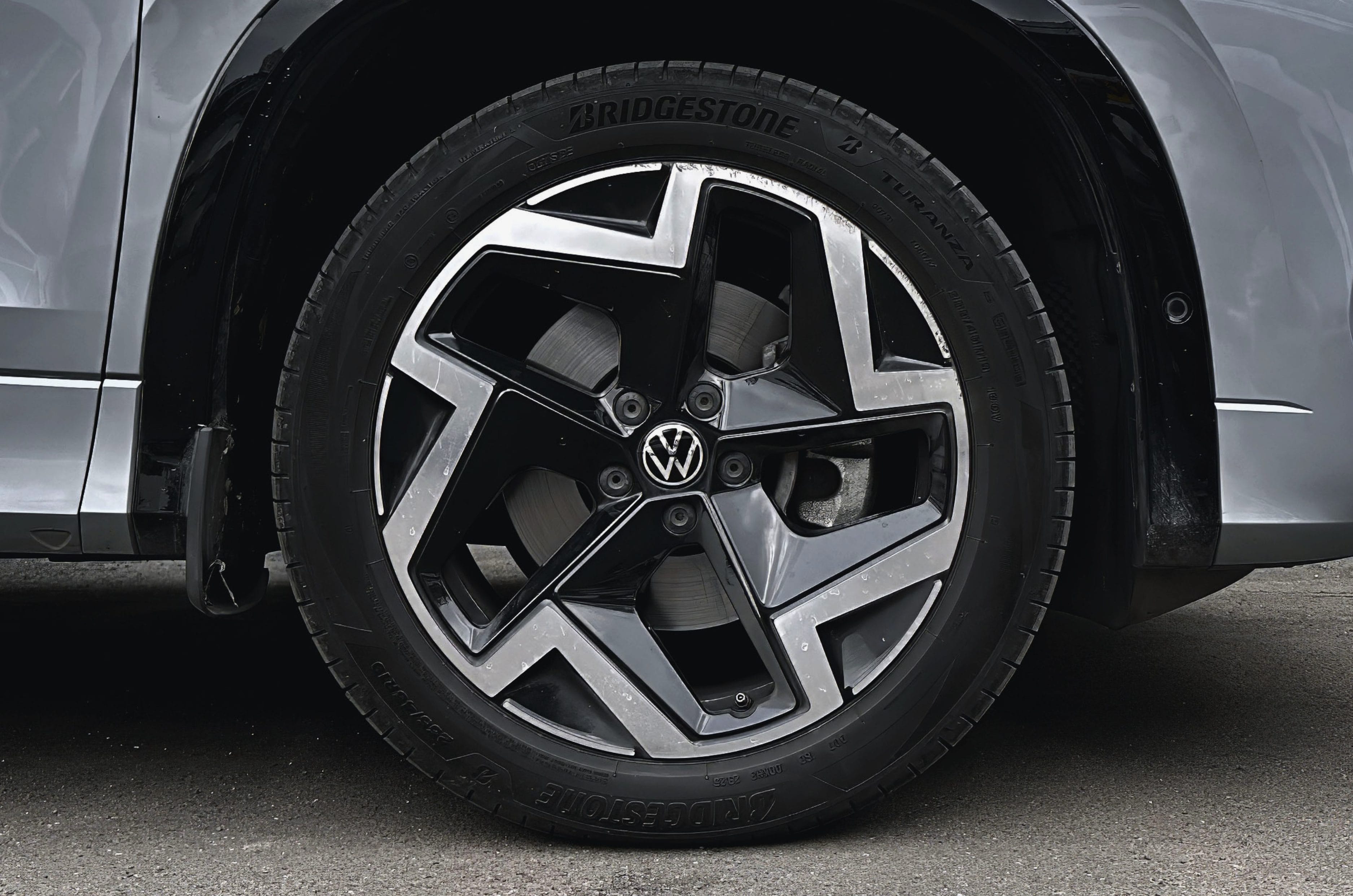
Peeling off the expressway onto the poorly paved, single-lane roads leading to Nanoli exposes a weak chink in the Tayron R-Line – a crashy ride that makes the body jar. The true culprit is the low 45-profile tyres the R-Line comes with, and their short sidewalls simply can’t cushion sharp edges, ruts and jagged tarmac well enough. I suspect the lower-spec Tayron Life, recently launched at Rs 41.99 lakh, is a cheaper and more practical option with the less sporty spec and taller 55-profile tyres.
Low-profile tyres impact ride comfort.
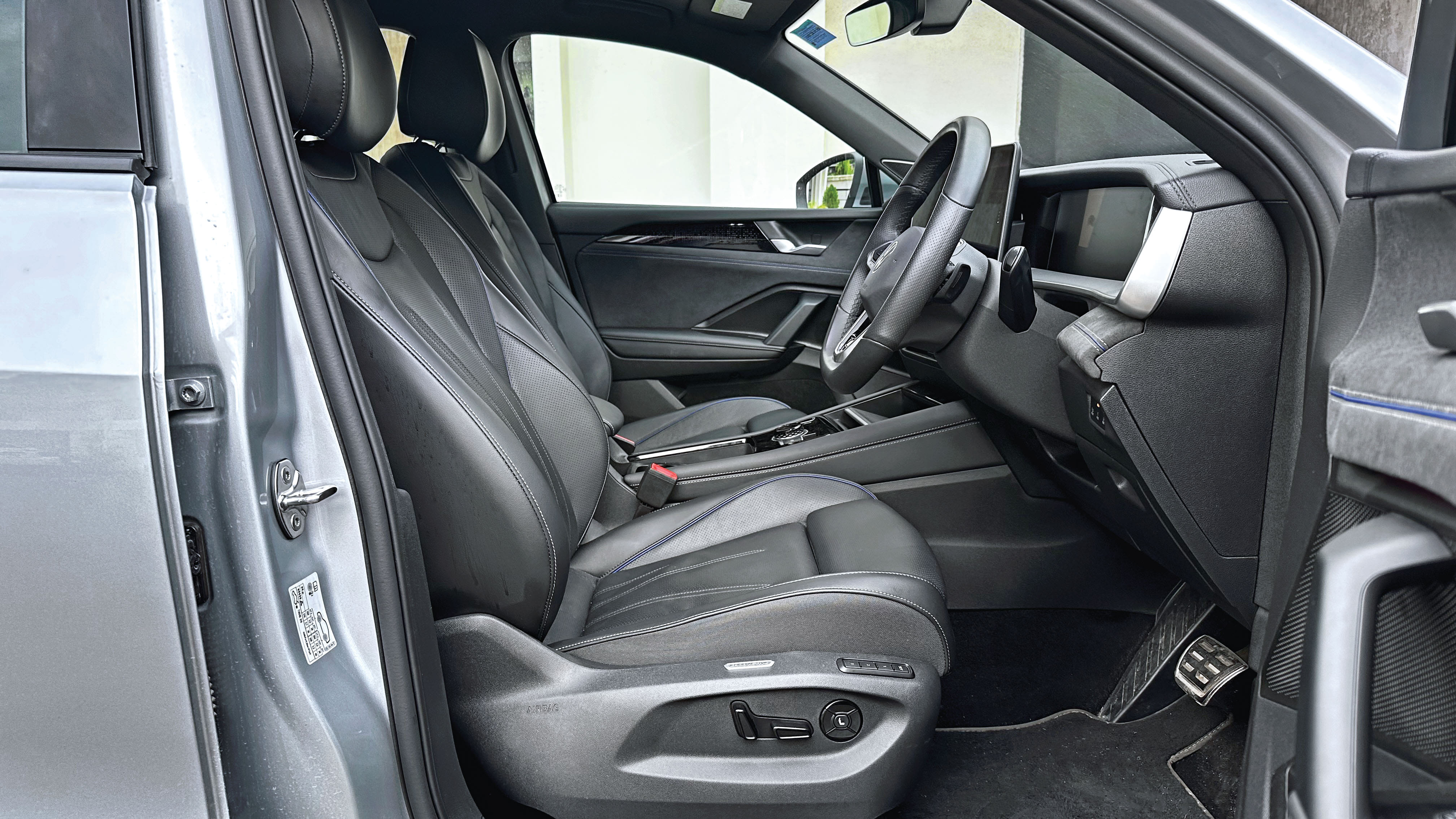
Living with the Tayron R-Line, you discover the smaller details that go some way in justifying the hefty Rs 46.99 lakh price. Cabin materials feel genuinely plush – the stitching, fit and finish and tasteful use of ambient lighting – though I have to say some of the trim did creak on bad roads. There’s good storage space too, which makes long-distance driving with your family a pleasant affair. What stood out for me was the clarity and ease of use of the infotainment system. Large fonts, smooth and slick operation and a nicely intuitive menu make it easy to operate on the go.
Seats comfy for long hours behind the wheel.
Other things that stood out after a long drive were the seats – supremely comfortable and not too hard and stiff like those in Volkswagens of the past. These seats have well-judged cushioning, and what makes them special is that they also give your upper body good and even support.
Fuel efficiency is not the strength of a turbo-petrol, and E20 now being the only choice doesn’t help matters. In the city, we could only muster up 6.2kpl, whilst on the sole highway run to Nanoli, we averaged 11.2kpl.
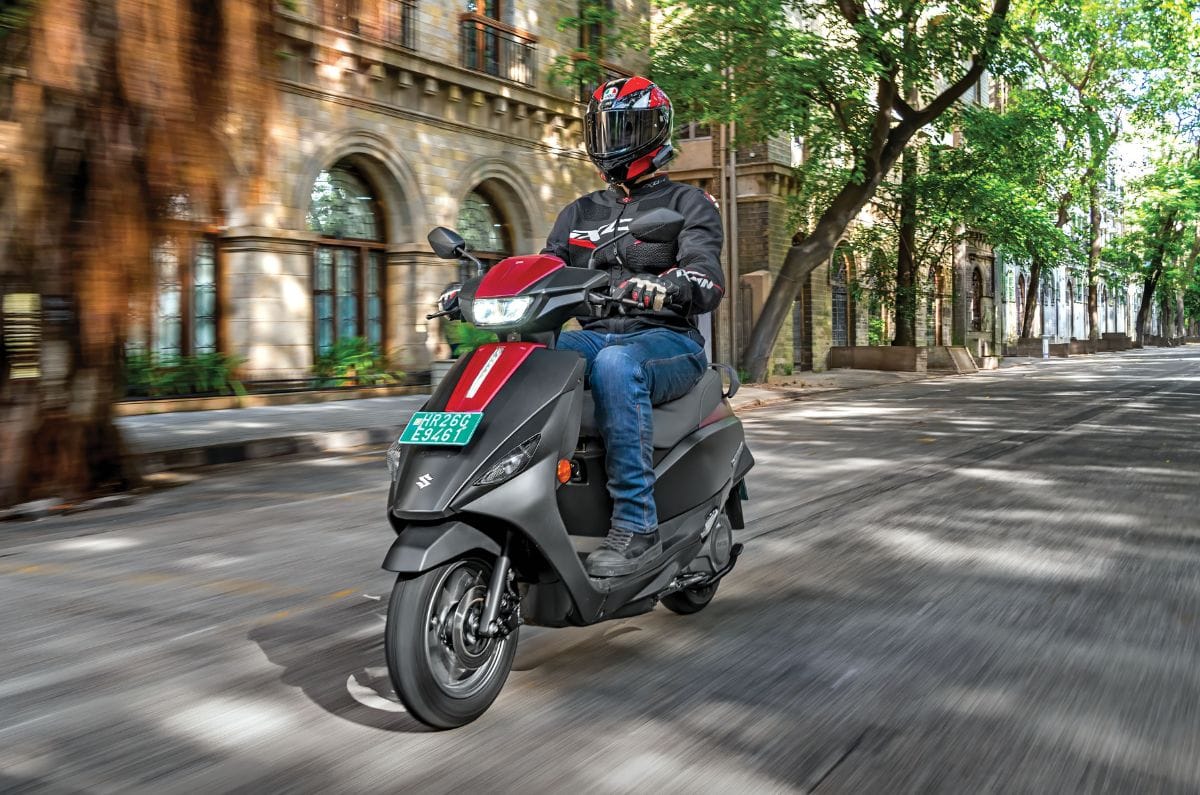
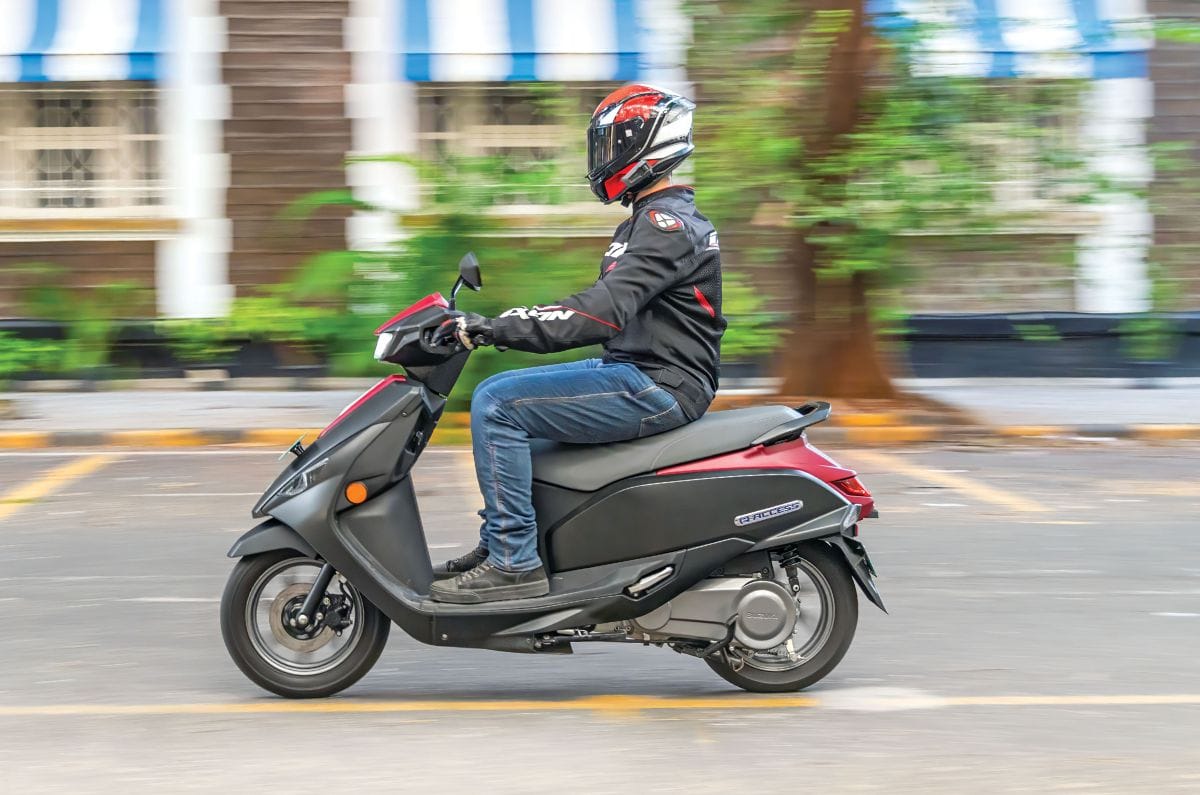
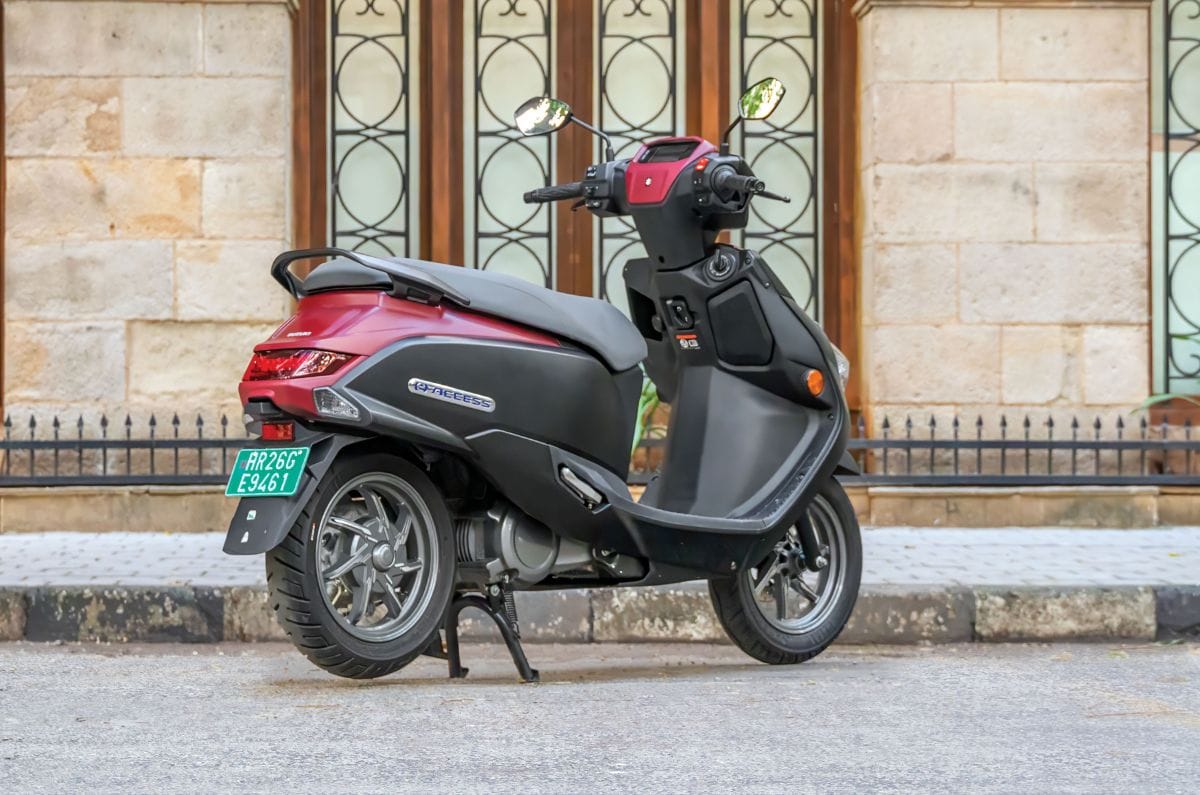
Suzuki first showed the e-Access back in January 2025, but it was actually launched only a year later, in January 2026. While the e-Access has definitely lost the first mover advantage in the burgeoning EV market, has it at least come prepared?
e-Access Design and Features – 6/10
Unusual design won’t be to everyone’s tastes, features aren’t ground-breaking.
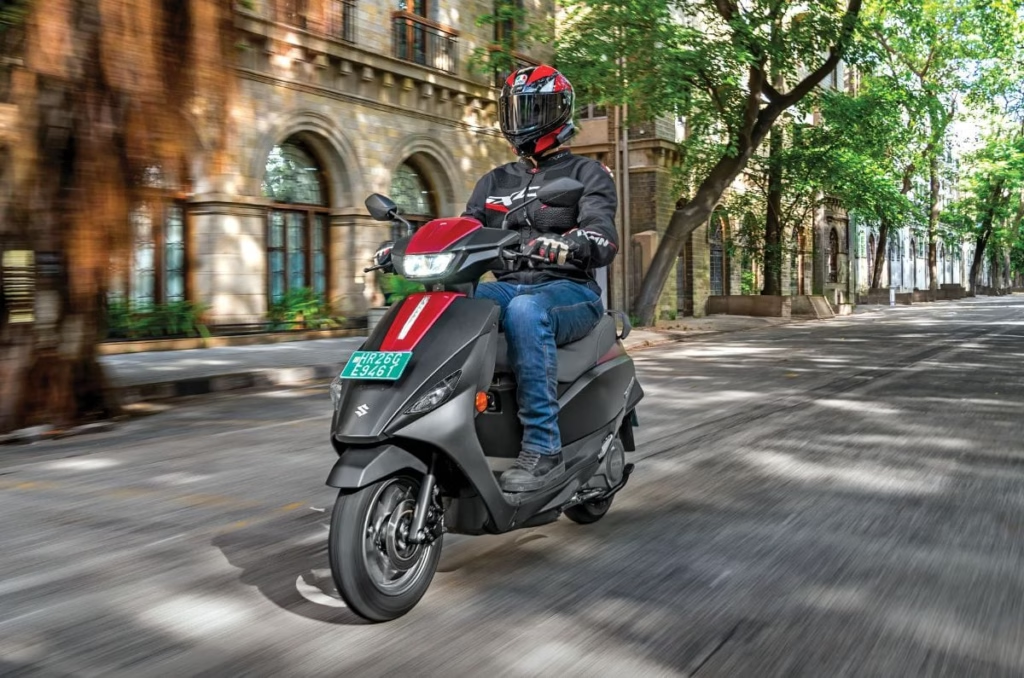
The e-Access is a ground-up new product, which has very little shared with its massively popular petrol-powered namesake. Its design is a clean-sheet one, and most people found it quite polarising. The swooping, double ‘duck-bill’ front end, mated to a contrasting, boxy rear section, doesn’t really gel well cohesively. Like all Suzuki two-wheelers, the e-Access feels solidly built, and the quality is quite decent too.
Decent is also a good way to describe its feature set, which includes the same bright and logically laid-out 4.2-inch TFT display as the 125cc Access and Burgman Street. In terms of riding modes, there are 3 in total – Eco, Ride B and Ride A – but on the move, you can only switch between Eco and either of the Ride modes. Both Ride A and Ride B give you full power, and the only difference is in the levels of regenerative braking. A has stronger regen, while in B, it is more gentle. To toggle between A and B, you have to be at a standstill, and this is a needless hoop to jump through.
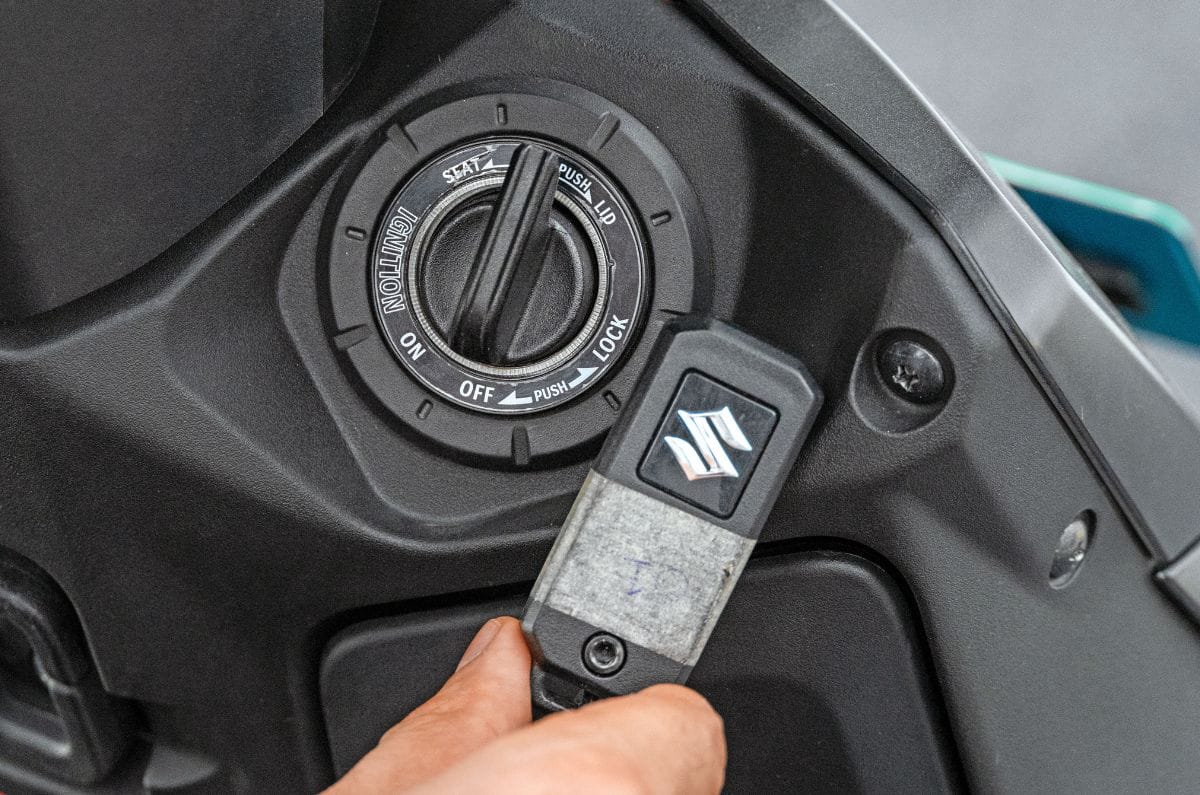
Keyless ignition convenient to have, and very few e-scooters offer it today.
The feature set also includes a very convenient keyless ignition system, a spacious, open cubby on the front apron with a USB-A charger and an oddly-shaped, very small 17-litre underseat boot. In an age where most rivals routinely offer 30-35 litres of boot space, the e-Access falls woefully short, and in fact, even the latest-gen ICE Access gives you more.
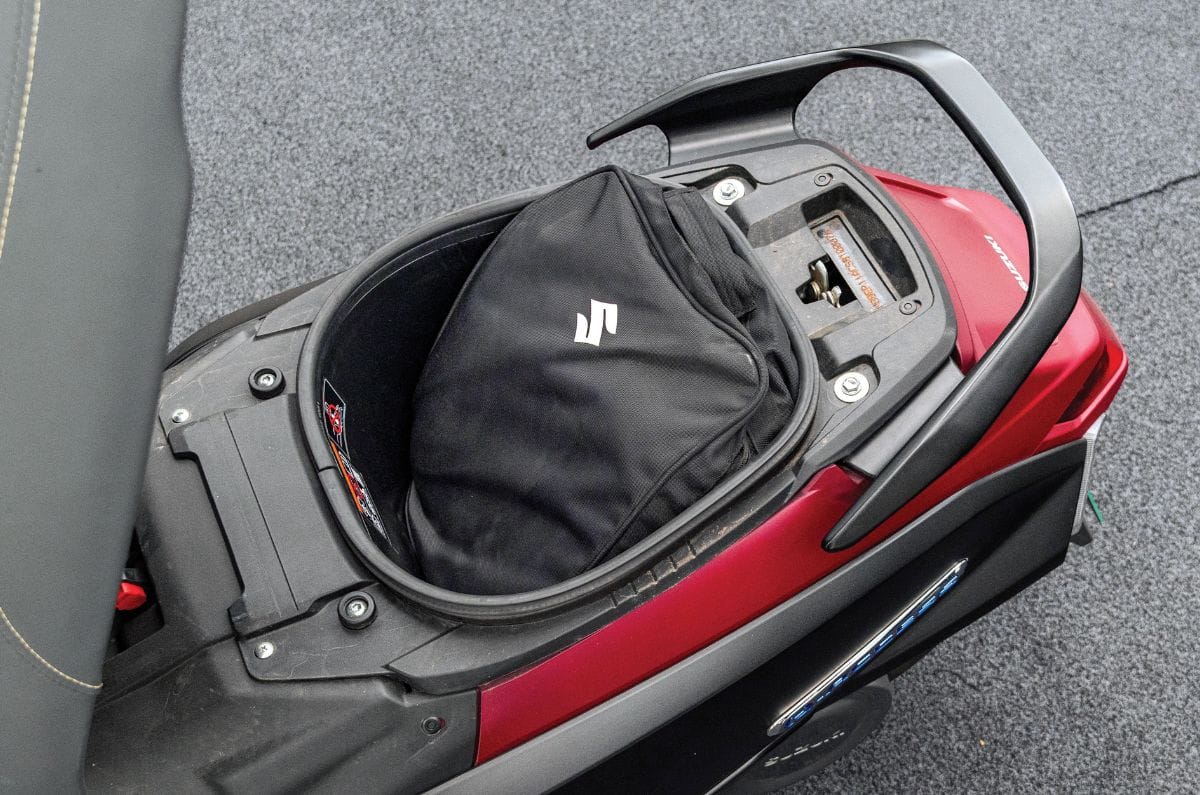
17L boot feels archaic today, charger cables need to be folded just right to fit inside.
It comes with a reasonably sized 600W charger, which took 6 hours flat to top up a flat battery to full. Suzuki also provides a well-thought-out bag in which you can store the charger, which is another neat touch. However, if you don’t pack the charger’s cables just right and place the bag inside the boot, it won’t close. Moreover, once the charger is in the boot, there’s very little free space available. This is a consequence of Suzuki positioning the batteries under the seat, which also has some ramifications on the scooter’s handling, but more on that later.
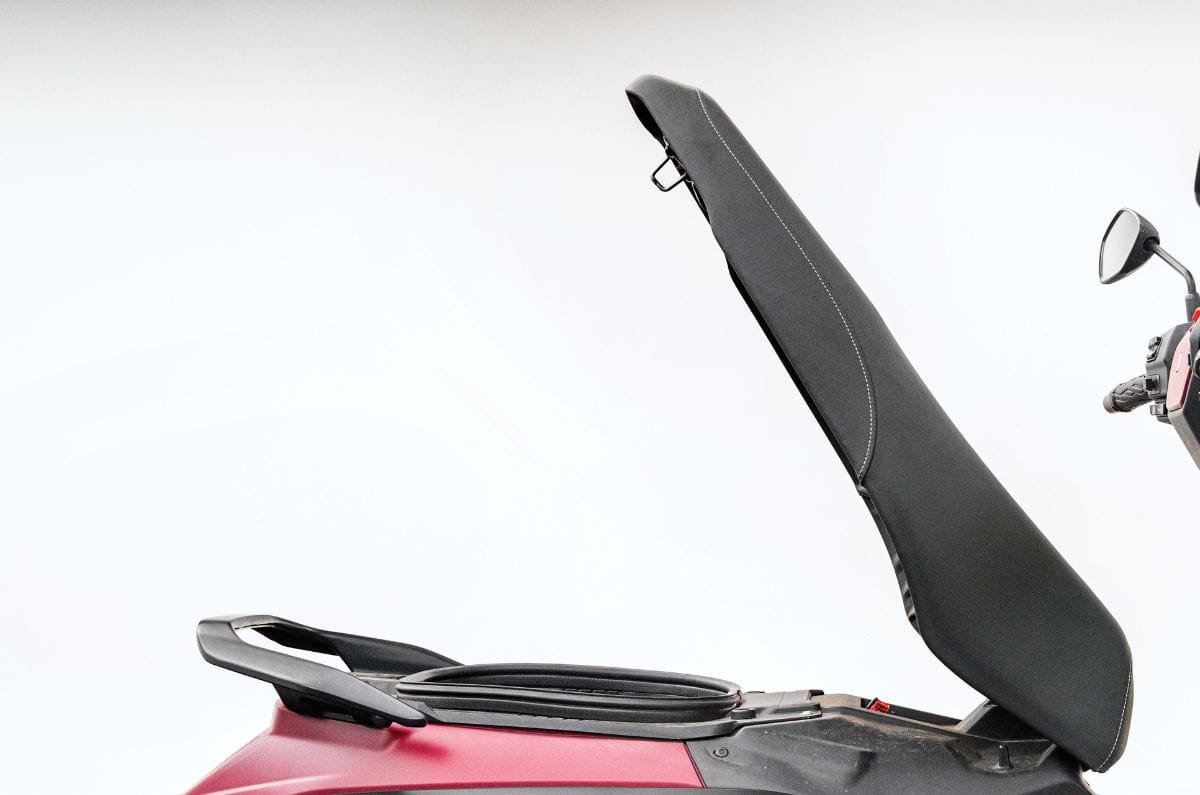
One silver lining is that the e-Access’ seat stays in the position you leave it in once you open it, courtesy of a small spring-loaded mechanism at the hinge, which is quite a neat touch.
Seat stays open on its own without needing to keep it manually propped open.
e-Access Performance and Range – 6/10
Range and performance are just about adequate.
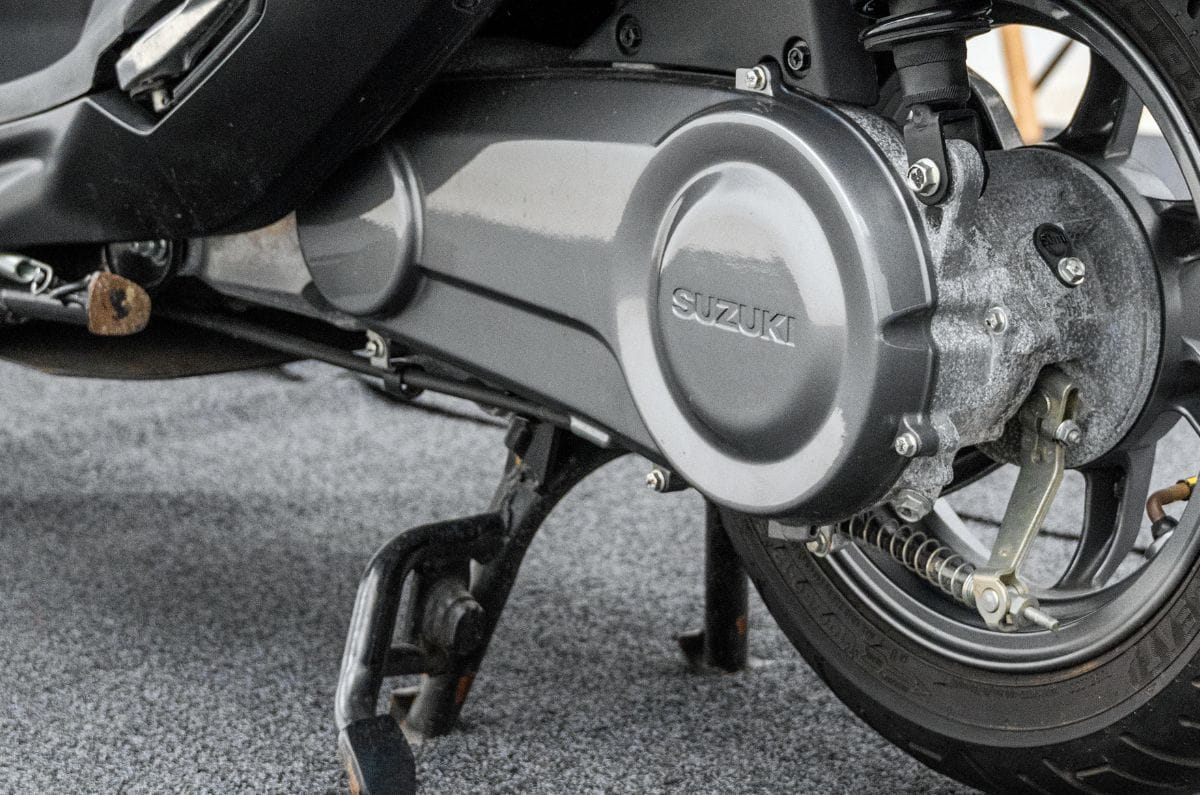
Every EV has shortcomings, but the important question is, can they be overlooked in the interest of the savings it brings via lower running costs? Unlike most mainstream manufacturers, which use NMC (Nickel Manganese Cobalt) batteries, Suzuki has chosen LFP (Lithium Ferrous Phosphate) chemistry for the e-Access. LFP cells typically have a longer life and lower risk of thermal runaway incidents, but the trade-off is lower energy density, and ergo, lower range.
Neutral ergonomics and well-judged suspension help keep you comfortable.
With a 3.072kWh LFP battery pack and a claimed 95km IDC range, range was never going to be the e-Access’ USP. In our tests, using Ride A mode (maximum power, maximum regenerative braking), we managed to cover a little over 88km on a single charge. This is a decent number in isolation, but quite a bit lower compared to rivals with similarly sized batteries, which can cover upwards of 100km.
One positive is that, once the range indicator had calibrated to our riding style, its predictions proved to be accurate, and the number shown on screen could be relied upon as the actual distance you’d go. Using Eco mode will obviously increase range on a single charge, but performance will be much gentler. What is nice is that even in Eco, the e-Access can maintain pace with big-city traffic as well as climb flyovers.
Motor delivers power in a predictable, unhurried manner, but the powertrain is quite noisy.
While the performance never feels inadequate, it is definitely a letdown on a machine bearing the ‘Access’ badge. In our tests, the e-Access took nearly 12 seconds to complete the 0-60kph sprint, which not only makes it slower than most other well-known e-scooters, but also much slower than the Access 125 that takes 7.68s for the same test. In fact, its performance, even in the most powerful Ride A mode, is so mellow that even the gentle Honda Activa 110 would leave it in the dust in a traffic-light grand prix. Another bug bear we have with the e-Access’ powertrain is that the powertrain is on the noisier side among all the reputed EVs on sale today.
e-Access Ride and Handling – 7/10
It’s light, easy and intuitive to ride, but over-eager handling is a mismatch.
To sit on, the e-Access feels pleasantly ‘normal’, and while this is certainly a compact machine, taller riders will be reasonably accommodated. However, while its low 765mm perch will be welcoming for shorter folks, riders over 6 feet will find it a bit too low. With a flat seat, spacious floorboard and well-tuned suspension, the e-Access is quite a comfortable machine and will isolate you to a great degree from all but the worst of bumps on our roads.
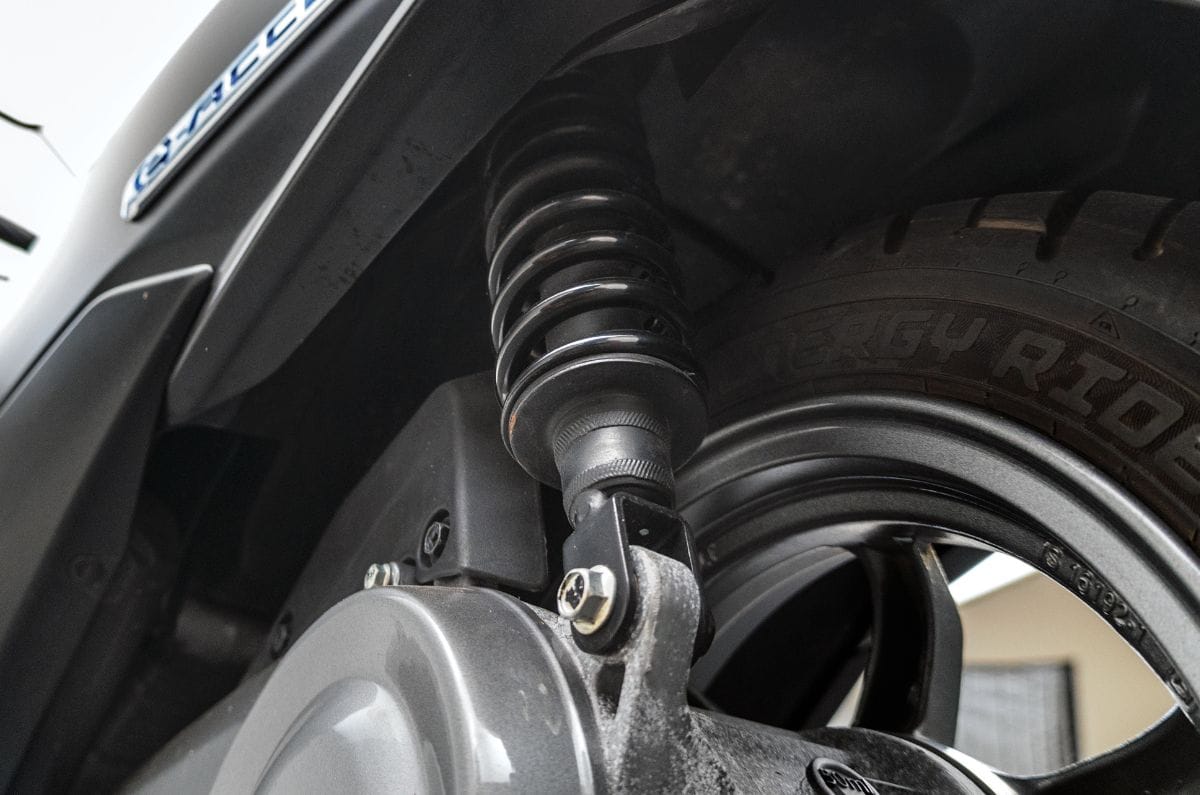
Suspension is well set up and shields you from bumps, but is more taut than floaty.
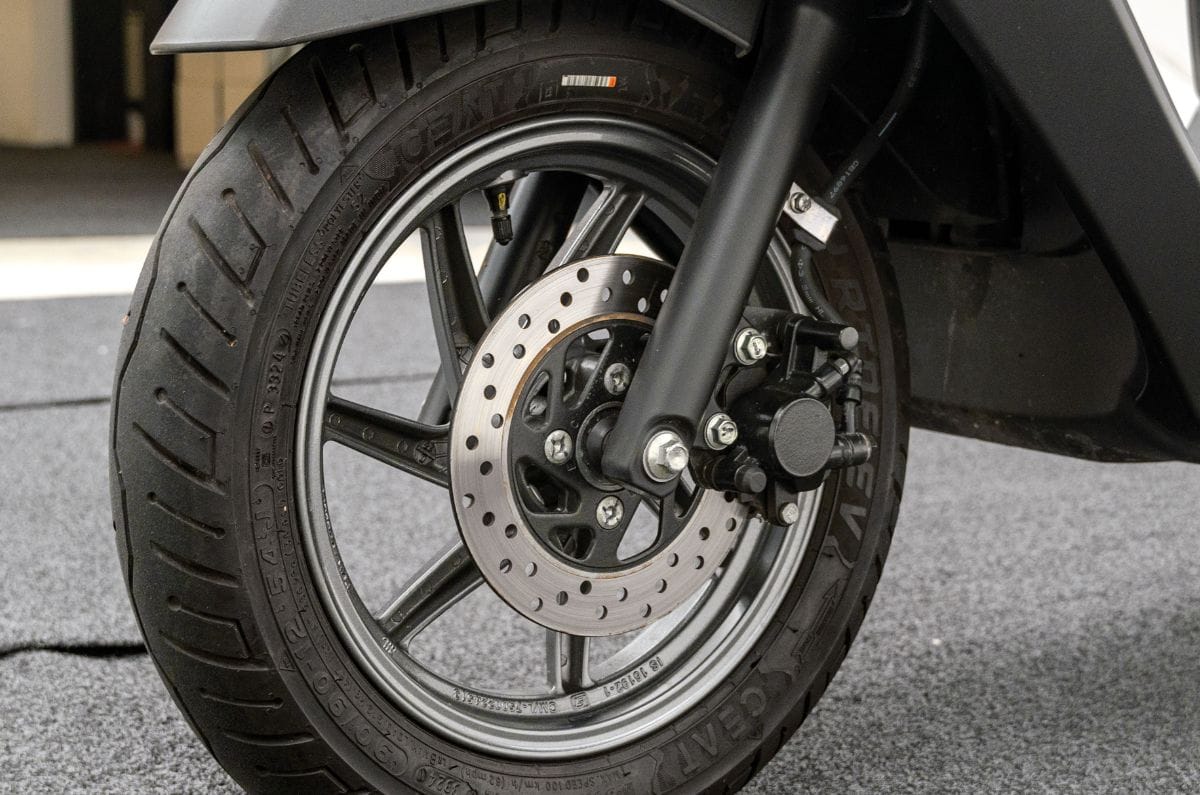
Like the new Burgman, its suspension is not overtly soft and feels quite taut, which isn’t necessarily a deal breaker, but something to watch out for. Braking power is quite good, although the lack of ABS and a sharp bite mean you have to be mindful when slowing down.
Brakes work well, but are quite sharp and bitey. Lack of ABS is a downer at this price.
At 122kg, it is fairly light, and slicing through traffic is a breeze. In fact, the scooter displays a tendency to lean over onto its side quicker than you’d expect, which is partly down to its smaller 12-in wheels and thinner tyres. It is also another consequence of Suzuki mounting the battery pack vertically under the seat. As a result of the centre of gravity being fairly high, the e-Access almost ‘falls’ into a corner, and this behaviour won’t be to everyone’s liking.
e-Access Price and Verdict – 6/10
All said and done, it’s not the average features, tiny storage area, mellow performance or lacklustre range which will dissuade you from buying it. These are all things that buyers could overlook in exchange for the quality assurance that comes with the Suzuki Access name. However, the deal breaker here is the super-steep Rs 1.92 lakh asking price, which is very difficult to justify when similarly specced, proven options from reputed Indian brands like TVS, Bajaj, Vida (Hero) and Ather cost up to Rs 60,000 less.
Gets some things right, but it’s far too expensive.
The e-Access gets some things right, like good comfort, and has typical Japanese strengths, like the promise of reliability, longevity and good quality. However, today’s market values a good price point without compromising on range, storage and quick charging times. For the e-Access to follow in the successful footsteps of its ICE namesake, simply leveraging an established name and charging an unreasonably stiff premium for it is unlikely to pay off.
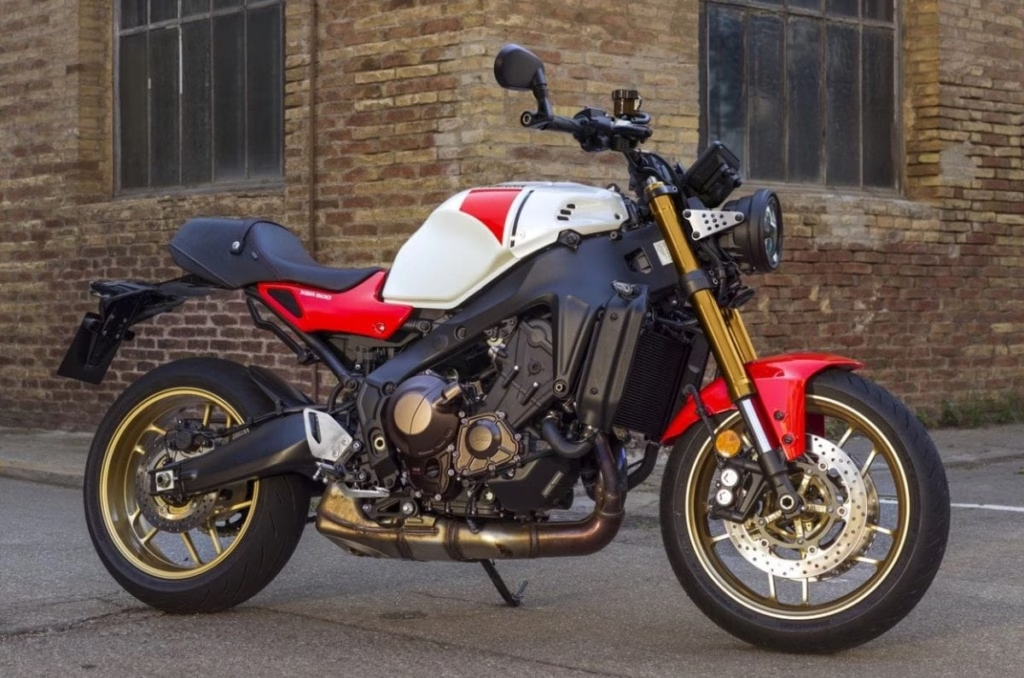
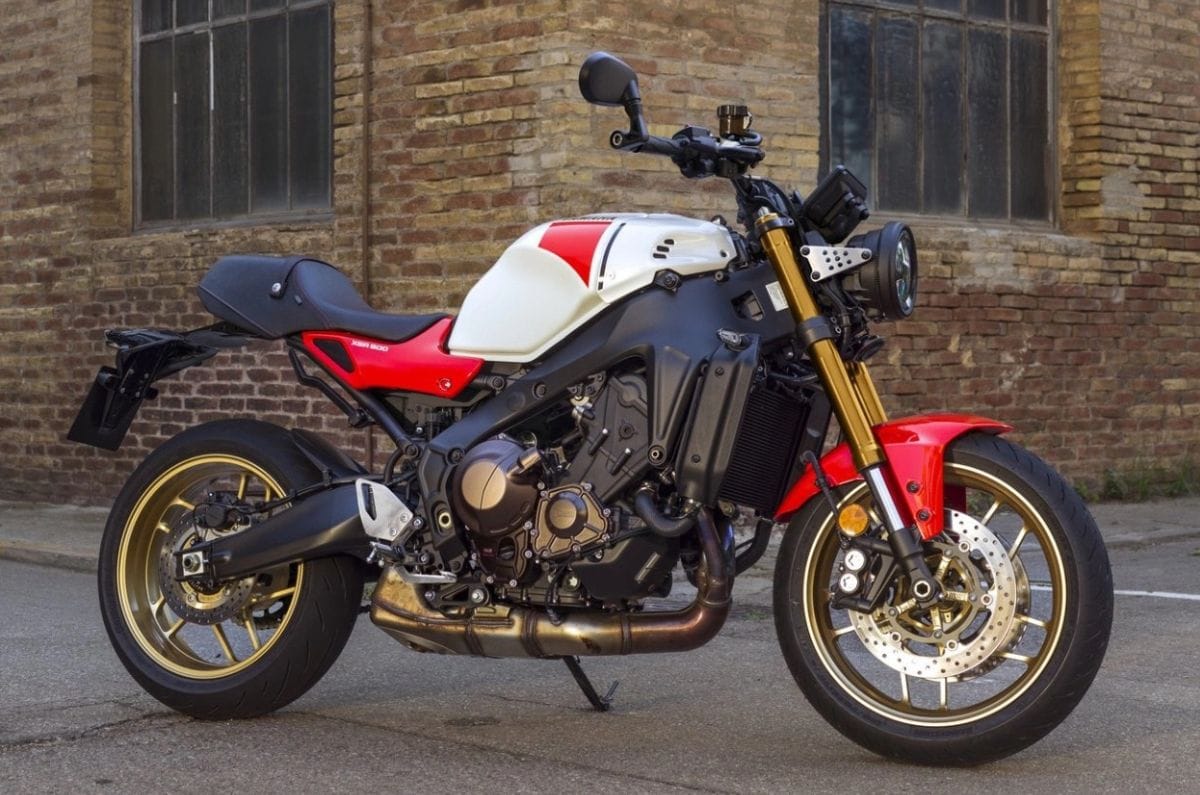
Yamaha appears to be preparing a higher-spec version of its retro-styled XSR900. An XSR900 SP has surfaced in US regulatory filings, pointing to the possibility of a new performance-focused variant of the 890cc neo-retro motorcycle.
XSR900 SP name appears in Yamaha’s US NHTSA filings
Expected to share the 117.4hp CP3 engine with the standard XSR900
Could borrow premium suspension and braking hardware from the MT-09 SP
Yamaha XSR900 SP: what the filings reveal
The XSR900 SP has appeared in vehicle identification number (VIN) filings submitted by Yamaha to the US National Highway Traffic Safety Administration (NHTSA). The documents list both a standard XSR900 SP and a California-spec version, indicating that Yamaha is preparing the model for the 2027 model year.
The filings show that the XSR900 SP will use Yamaha’s 890cc, three-cylinder CP3 engine, with a peak output of 117.4hp. This is identical to the output listed for the standard XSR900, as well as the MT-09, Tracer 9 and R9 in the same documentation. This suggests that the SP variant will focus on chassis and equipment upgrades rather than additional engine performance.
XSR900 SP could get MT-09 SP hardware
While Yamaha has not revealed the equipment list for the XSR900 SP, the motorcycle’s relationship with the MT-09 SP gives a strong indication of what could change.
The MT-09 SP gets DLC-coated front forks, an Öhlins rear shock, Brembo Stylema brake calipers and additional electronic features over the standard MT-09. Yamaha could bring similar upgrades to the XSR900 SP, giving the neo-retro motorcycle a more premium chassis and braking package.
There is one caveat to the filings. The latest NHTSA documents list the XSR900 SP but do not mention the XSR900 GP, while separate California Air Resources Board (CARB) documents for the 2027 XSR900 range list the XSR900 GP but not the SP. This could be down to an error in one of the filings or the documents being updated at different times.
The VIN information does, however, point towards the XSR900 SP being a new variant rather than simply the XSR900 GP being introduced in another market. The SP gets a different VIN prefix from the existing XSR900 GP, further strengthening the case that Yamaha is developing the model.
There is no word yet on when Yamaha will officially reveal the XSR900 SP or which overseas markets will receive it.
Yamaha R2 to launch in India next week
Closer to home, Yamaha is preparing to launch the much-anticipated R2 in India on August 27. The company has already opened pre-bookings for the motorcycle at Rs 10,000, ahead of its official debut.
The R2 is expected to sit above the R15 in Yamaha’s Indian line-up and is being developed and manufactured in India for both domestic sales and exports. Yamaha has yet to reveal its complete specifications, but the motorcycle is expected to use a larger-capacity single-cylinder engine than the R15.
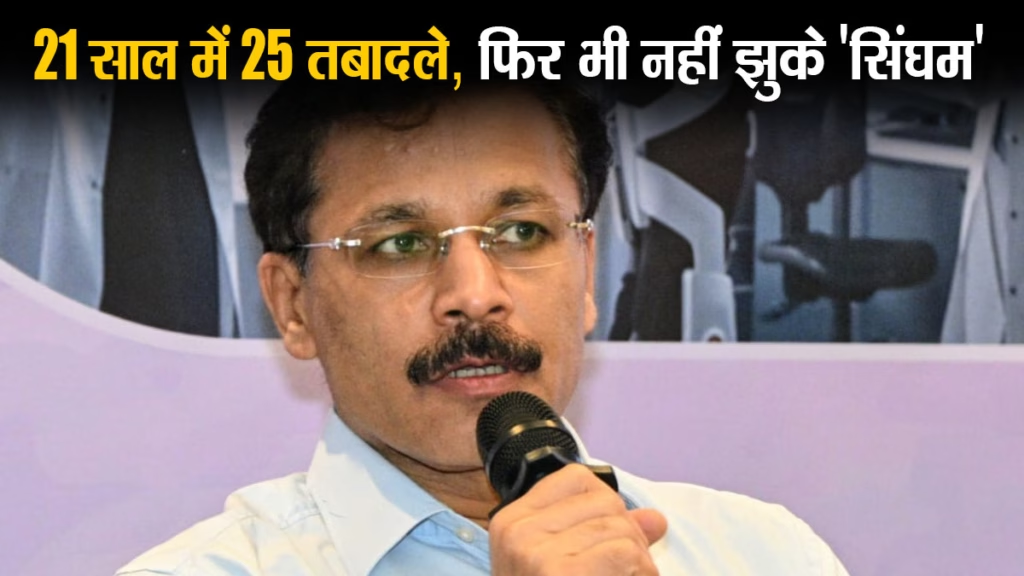
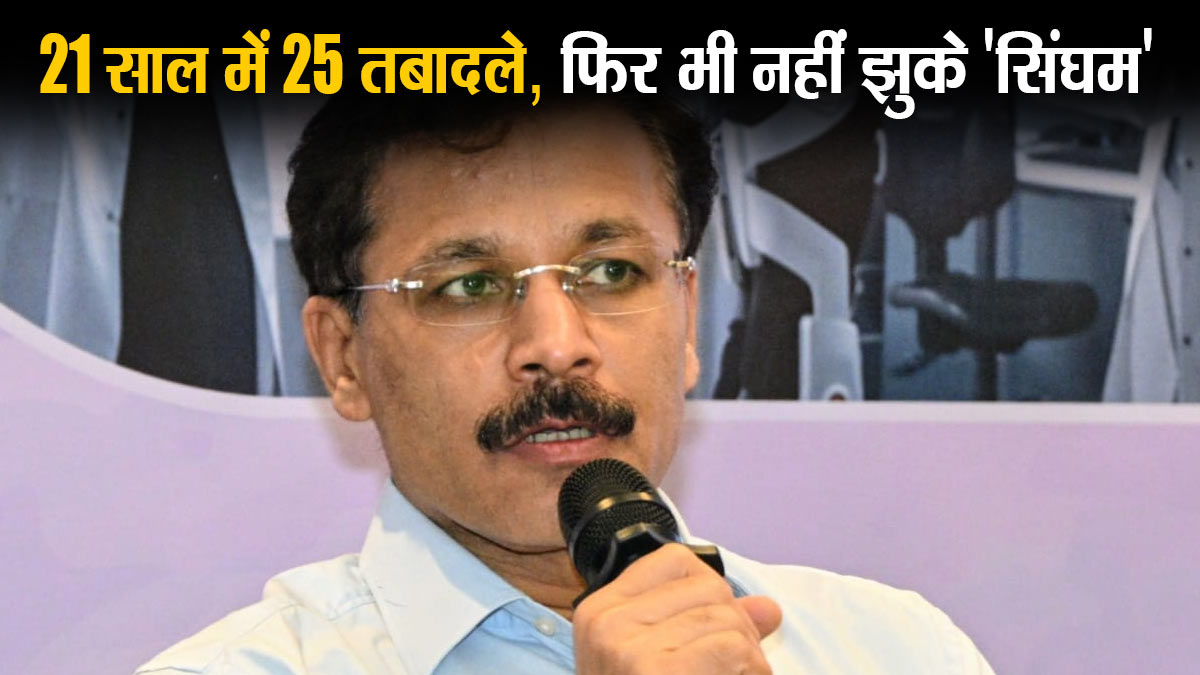
भारतीय प्रशासनिक सेवा के अधिकारी तुकाराम मुंढे एक बार फिर अपनी सख्त प्रशासनिक कार्यशैली को लेकर चर्चा में हैं। महाराष्ट्र कैडर के 2005 बैच के IAS अधिकारी मुंढे को नियमों का कड़ाई से पालन कराने और भ्रष्टाचार तथा अनियमितताओं के खिलाफ सख्त कार्रवाई के लिए जाना जाता है। उनके करियर में 21 साल में 25 तबादले भी चर्चा का विषय रहे हैं।
मई 2026 में महाराष्ट्र के Food and Drug Administration (FDA) Commissioner की जिम्मेदारी संभालने के बाद मुंढे ने मिलावटखोरी और खाद्य सुरक्षा के खिलाफ कार्रवाई तेज की। दूध-पनीर में मिलावट से लेकर खाद्य सुरक्षा नियमों के उल्लंघन, प्रतिबंधित तंबाकू उत्पादों और क्विक-कॉमर्स स्टोर्स तक के खिलाफ जांच और कार्रवाई की गई। कई प्रतिष्ठानों पर छापेमारी हुई, कुछ को बंद किया गया और कई को कारण बताओ नोटिस जारी किए गए।
सवाल यह है कि हर राज्य को मुंढे जैसे अधिकारी की जरूरत क्यों है?
भारत जैसे विशाल देश में प्रशासन केवल सरकारी आदेश जारी करने का नाम नहीं है। कानूनों को जमीन पर लागू कराने के लिए ऐसे अधिकारियों की जरूरत होती है जो कानून, जनहित और प्रशासनिक जवाबदेही को प्राथमिकता दें। तुकाराम मुंढे की कार्यशैली इसी सवाल को सामने लाती है। खाद्य और दवा जैसी सीधे लोगों के स्वास्थ्य से जुड़ी व्यवस्था में अगर मिलावट या नियमों का उल्लंघन होता है तो उसका असर आम आदमी पर पड़ता है। ऐसे में अधिकारी की जिम्मेदारी केवल फाइलों तक सीमित नहीं रह सकती।
मुंढे का कहना है कि जब तक राज्य में लोगों को सुरक्षित भोजन और दवाएं सुनिश्चित नहीं हो जातीं, तब तक वह कार्रवाई से पीछे नहीं हटेंगे। हालांकि, उनकी सख्त कार्रवाई को लेकर सवाल भी उठे हैं। बॉम्बे हाई कोर्ट ने उन्हें ‘मच्छर मारने के लिए तलवार का इस्तेमाल’ करने जैसी अति से बचने की चेतावनी दी थी। इसके बावजूद उनकी कार्रवाई को कई लोगों ने सराहा है।
तुकाराम मुंढे का सफर भी उनकी प्रशासनिक सोच को समझने में महत्वपूर्ण है। उनका जन्म महाराष्ट्र के बीड जिले के एक गरीब कृषि परिवार में हुआ। मराठवाड़ा के सूखा प्रभावित इलाके में उन्होंने बचपन से ही खेती की मुश्किलें, पानी की कमी और आर्थिक परेशानियां देखीं।
वह अपने परिवार के खेत में काम करते थे और माता-पिता के साथ साप्ताहिक बाजार में सब्जियां बेचते थे। फसलों में पानी देने के लिए उन्हें रात में करीब 2 बजे उठना पड़ता था। मिट्टी के घर में पले-बढ़े मुंढे ने बारिश पर निर्भर खेती और पानी की कमी का असर करीब से देखा। वह स्थानीय जिला परिषद स्कूल तक नंगे पैर जाते थे। इन्हीं अनुभवों ने उन्हें प्रशासनिक सेवा में जाने के लिए प्रेरित किया। उनका कहना है कि वह व्यवस्था का हिस्सा बनने के लिए नहीं, बल्कि व्यवस्था को बदलने के लिए उसमें शामिल हुए।
बिना कोचिंग के UPSC में हासिल की 20वीं रैंक
मुंढे ने बिना किसी बड़े कोचिंग संस्थान या पारिवारिक प्रशासनिक पृष्ठभूमि के 2005 में UPSC परीक्षा पास की और देशभर में 20वीं रैंक हासिल की। इसके बाद उन्हें महाराष्ट्र कैडर आवंटित हुआ। उन्होंने 1996 में औरंगाबाद के Government College of Arts and Science से स्नातक की पढ़ाई पूरी की। इसके बाद 1998 में डॉ. बाबासाहेब आंबेडकर मराठवाड़ा विश्वविद्यालय से राजनीति विज्ञान में एमए किया। सिविल सेवा में आने के बाद भी उन्होंने वित्तीय नीति, राजस्व पूर्वानुमान, वित्तीय बाजार नियमन, मैक्रोइकोनॉमिक मैनेजमेंट और आपदा प्रबंधन जैसे क्षेत्रों में अध्ययन और प्रशिक्षण जारी रखा।
21 साल की नौकरी में 25 तबादले
तुकाराम मुंढे के करियर की सबसे चर्चित बातों में उनके तबादले शामिल हैं। उपलब्ध जानकारी के मुताबिक, 21 साल की सेवा में उनका 25 बार तबादला हो चुका है। कई पदों पर वह निर्धारित पूर्ण कार्यकाल भी पूरा नहीं कर पाए। एक IAS अधिकारी का सामान्य कार्यकाल किसी पद पर करीब तीन साल माना जाता है, जबकि मुंढे का करियर बार-बार होने वाले तबादलों के लिए चर्चा में रहा है। कुछ मौकों पर उन्हें बिना महत्वपूर्ण पोस्टिंग के भी रखा गया। फिर भी उनके प्रशासनिक काम को कई पुरस्कार और सम्मान मिले।
पानी से लेकर ट्रैफिक मैनेजमेंट तक काम
मुंढे को जल संरक्षण, शहरी प्रशासन, सार्वजनिक स्वास्थ्य, परिवहन और सामाजिक समावेशन के क्षेत्र में काम के लिए पहचान मिली है। उन्हें 2015-16 में महाराष्ट्र सरकार का Best Collector Award दिया गया। सामाजिक न्याय और सशक्तिकरण के क्षेत्र में भी उन्हें राष्ट्रीय स्तर पर सम्मान मिला। जल संरक्षण के काम के कारण उन्हें ‘वॉटरमैन ऑफ महाराष्ट्र’ भी कहा गया। नवी मुंबई नगर निगम में उनके कार्यकाल के दौरान ई-टॉयलेट और भूकंपीय सुरक्षा से जुड़े कार्यों को SKOCH Order of Merit मिला।
2017 में उन्हें Best Integrated Traffic Management System के लिए राष्ट्रीय पुरस्कार भी मिला। आखिर क्यों जरूरी हैं ऐसे अधिकारी?
तुकाराम मुंढे की कहानी सिर्फ एक अधिकारी के तबादलों या सख्त कार्रवाई की कहानी नहीं है। यह उस सवाल से भी जुड़ी है कि क्या प्रशासन में ऐसे अधिकारियों की जरूरत है जो दबाव के बावजूद कानून और जनहित को प्राथमिकता दें?
लोकतांत्रिक व्यवस्था में अधिकारी की सख्ती के साथ संवेदनशीलता और कानून के दायरे में रहना भी जरूरी है। लेकिन दूसरी तरफ, खाद्य सुरक्षा, मिलावट, अवैध कारोबार और जनस्वास्थ्य जैसे मामलों में कार्रवाई न होने का खामियाजा सीधे आम लोगों को भुगतना पड़ सकता है।
इसीलिए मुंढे की कार्यशैली देश के सामने एक बड़ा सवाल रखती है- क्या हर राज्य को ऐसे अधिकारियों की जरूरत है, जो व्यवस्था में रहकर व्यवस्था को बेहतर बनाने की कोशिश करें? शायद इसी वजह से, तबादलों और विवादों के बावजूद तुकाराम मुंढे का नाम आज भी सख्त और सक्रिय प्रशासन की बहस में बार-बार सामने आता है।
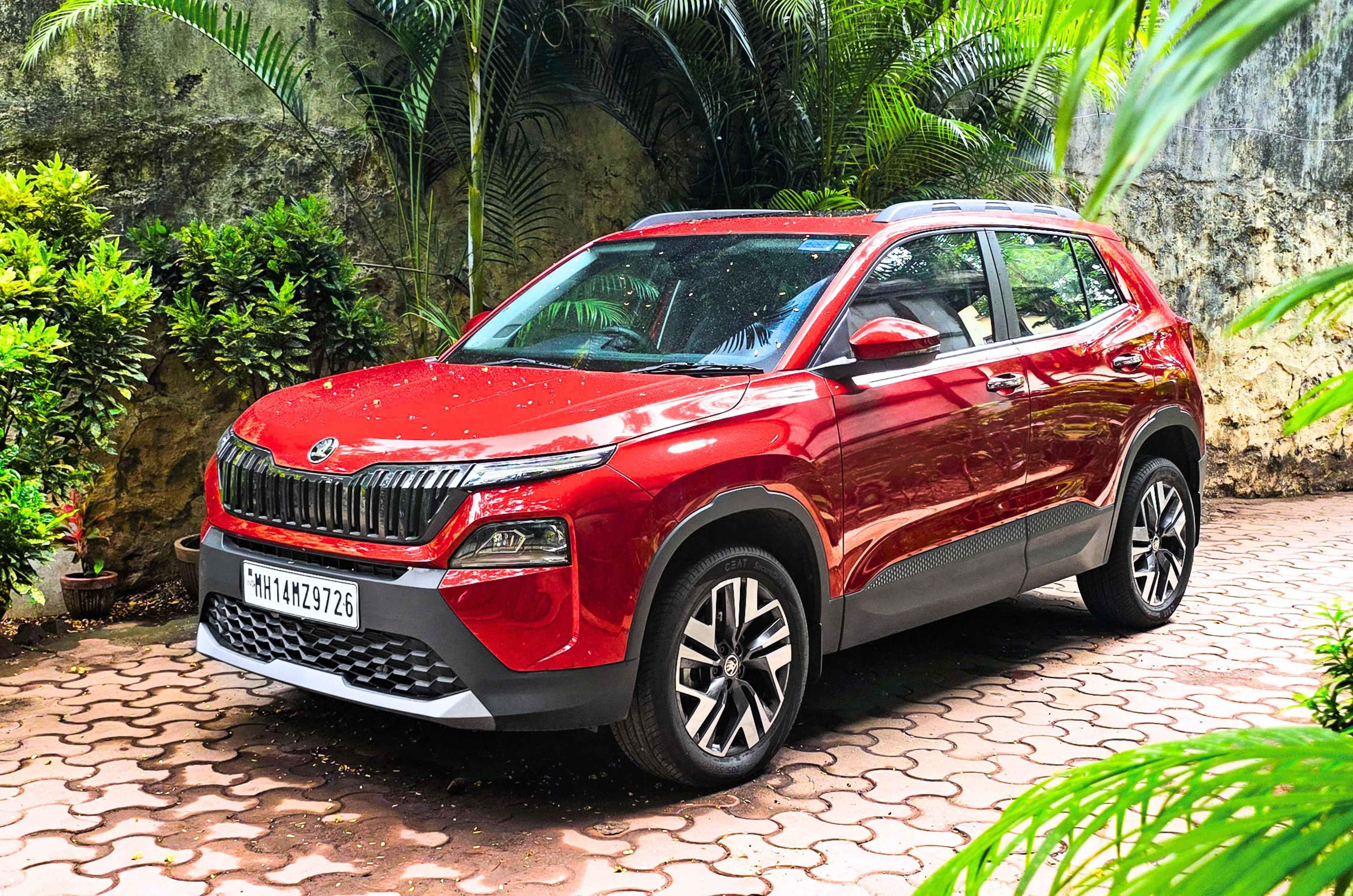
You could argue there was no better long-term test for the Skoda Kylaq than being driven 19,351 kilometres from India to Czechia. However, for those of us who can’t go on a two-month-long adventure full of culture, cuisine and continent-crossing, here’s what it’s been like trudging through Mumbai traffic for the last few weeks.
I’ve been fascinated by the Kylaq since its launch in early 2025, and apart from a few quick peeks at it when it came in for other shoots, I had never really driven one before this. So, now that it’s finally joined the Autocar India fleet, I’ve been more than happy to take it on for its first couple of weeks. And just as a proposition alone, I’m amazed that Group partner Volkswagen didn’t immediately jump on this idea and do a compact SUV in parallel. Guess we’ll just have to wait until 2027.
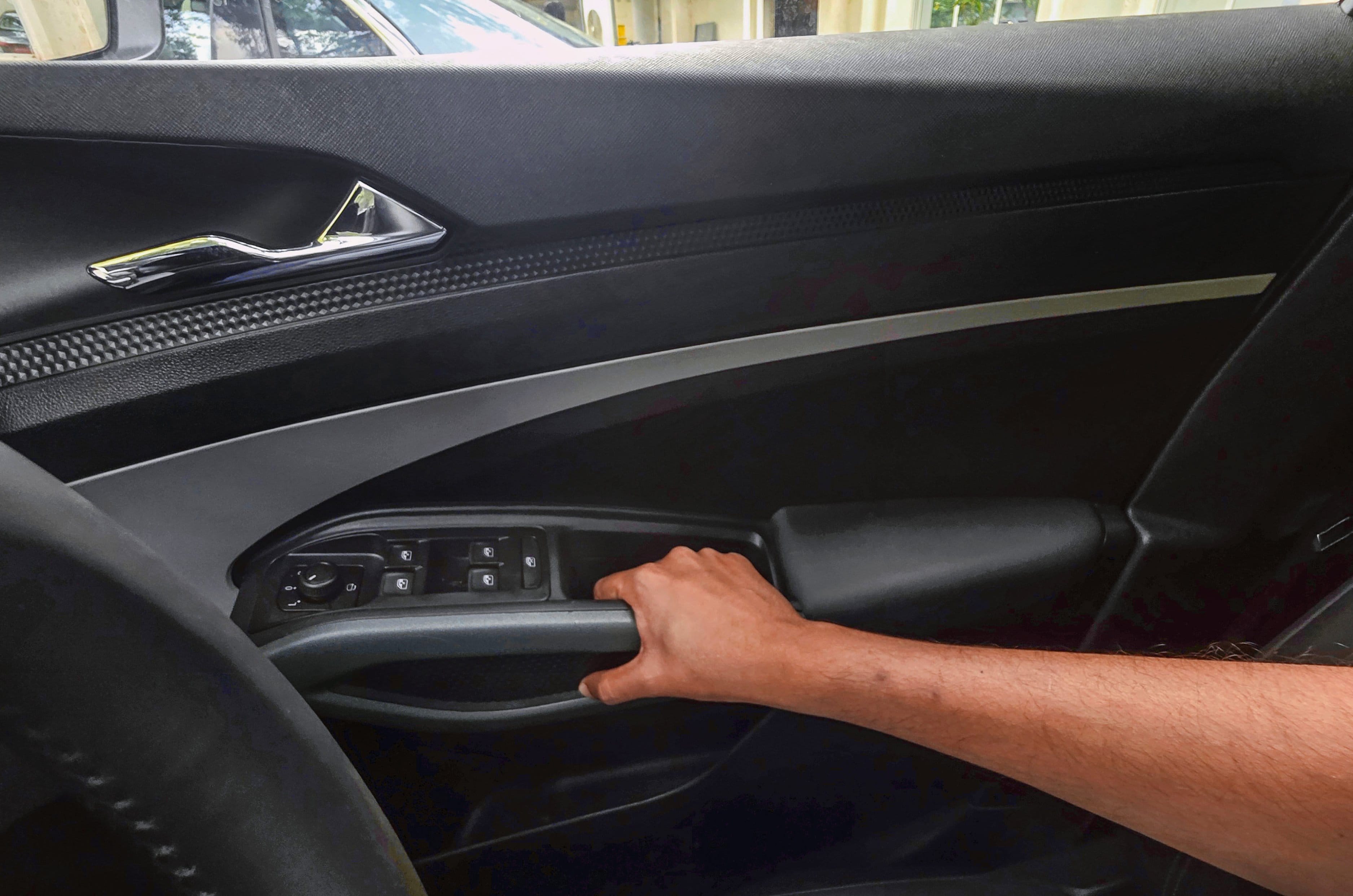
Feels reassuringly solid, from the door shut to the driving dynamics.
The formula is simple enough – a Kushaq, but slightly smaller and using only the lesser 1.0-litre engine. But the more time I spend in here, the more I wonder if there’s any need for a Kushaq 1.0 TSI at all – this thing offers pretty much everything it does. At no moment does it feel lesser in any way – same step up into the cabin, same solid slam on door shut, same high-set driving position. And features? Apart from the Kushaq’s newly added panoramic sunroof, bigger driver’s display and rear massaging seats, it has everything else!
Severe turbo lag followed by sudden burst of power frustrating in stop-go traffic.
There are two mechanical changes that I hope make their way to the Kylaq soon, though. The first is the 8-speed gearbox, which should help mask one of this car’s shortcomings – turbo lag. The older 6-speed AT in our Kylaq may be smooth while you’re on the move, but at crawling speeds, where I spend most of my time, it can never figure out if it needs to be in first or second, and sometimes changes its mind at the worst possible moment. If it chooses first, it will lurch you forward aggressively, but if it chooses second, it traps you in the dreaded lag zone. Off boost, this 999cc engine feels overwhelmed by the Kylaq’s 1,255kg.
Single-digit fuel economy unexpected, unacceptable in a compact car.
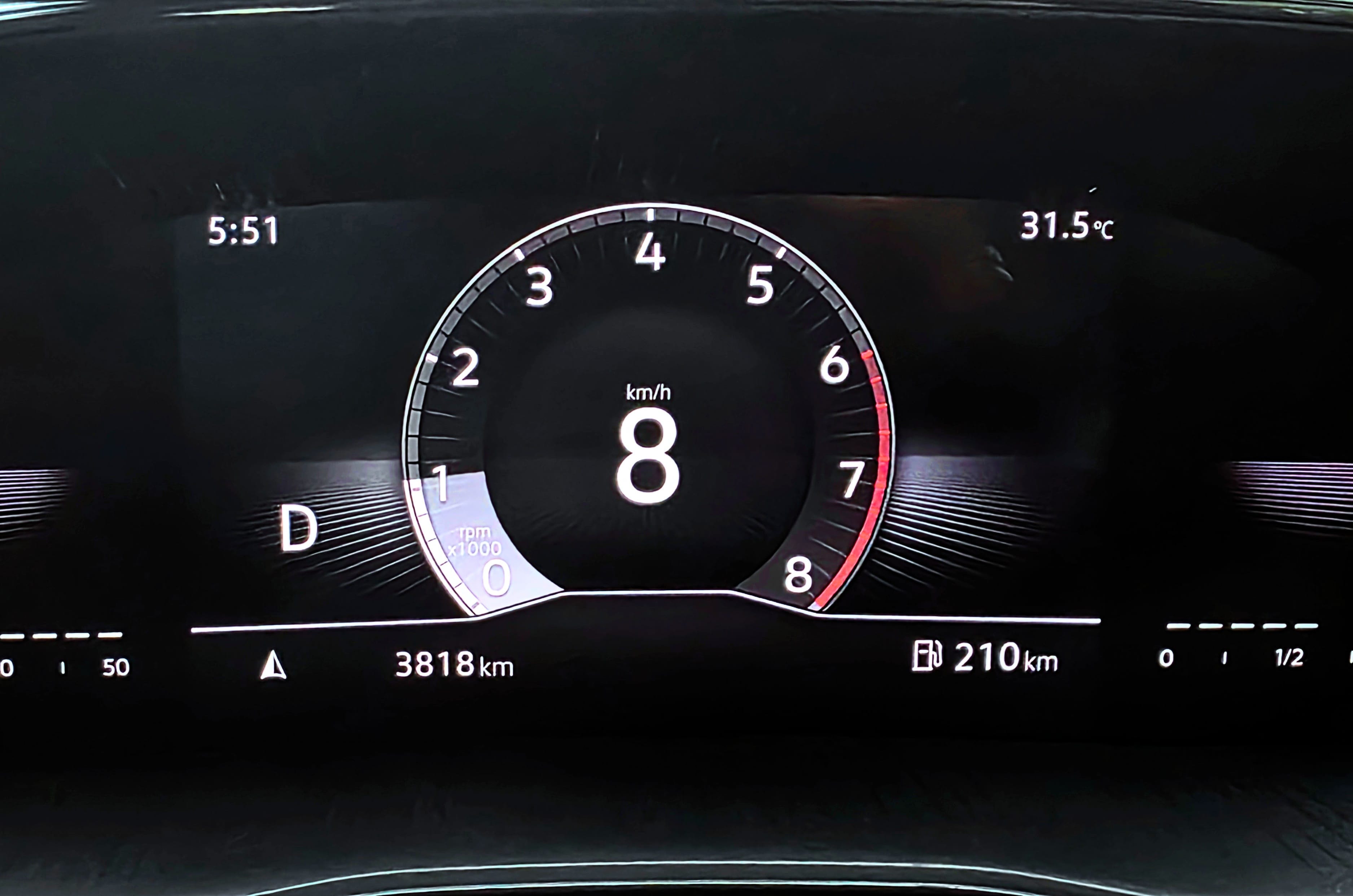
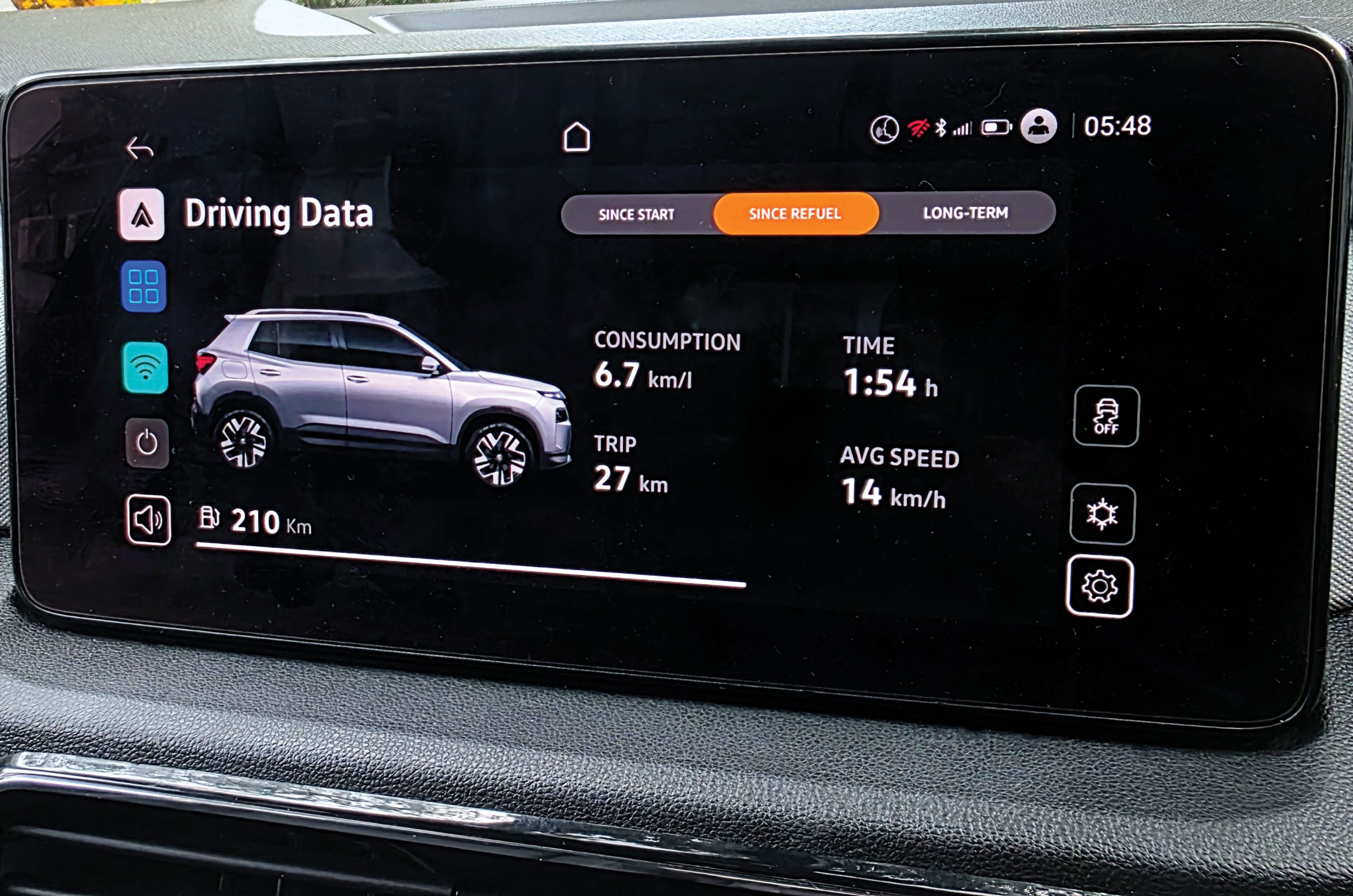
Frustratingly jerky movement aside, where this indecisiveness has really hurt more is my wallet. The constant shifting, switching on and off boost and general inconsistent progress have hit the fuel economy very hard, and I struggle to get past 8kpl on my admittedly slow daily commute. Some of it might be down to the sudden advent of E20 fuel, but eight kilometres per litre in a compact car is criminal. I used to average 10kpl in our 1.5-litre TSI DSG Slavia a few years ago, and the team has been getting more out of our 2.0-litre TSI VW Tayron. So, it’s really down to an overstressed engine and a clumsy gearbox.
The other mechanical change is far less of a problem, and that’s the AC. While this still uses the fixed-geometry compressor from the original Kushaq, it’s a smaller car, so cooling the cabin is rarely an issue, and I drove it through at least one week of our awful heat wave. The thing is, you can feel it’s working overtime to keep the cabin cool, and when set to auto mode, the fan stays on full blast for most of my journey. I often find myself turning it down to have a conversation or enjoy my music.
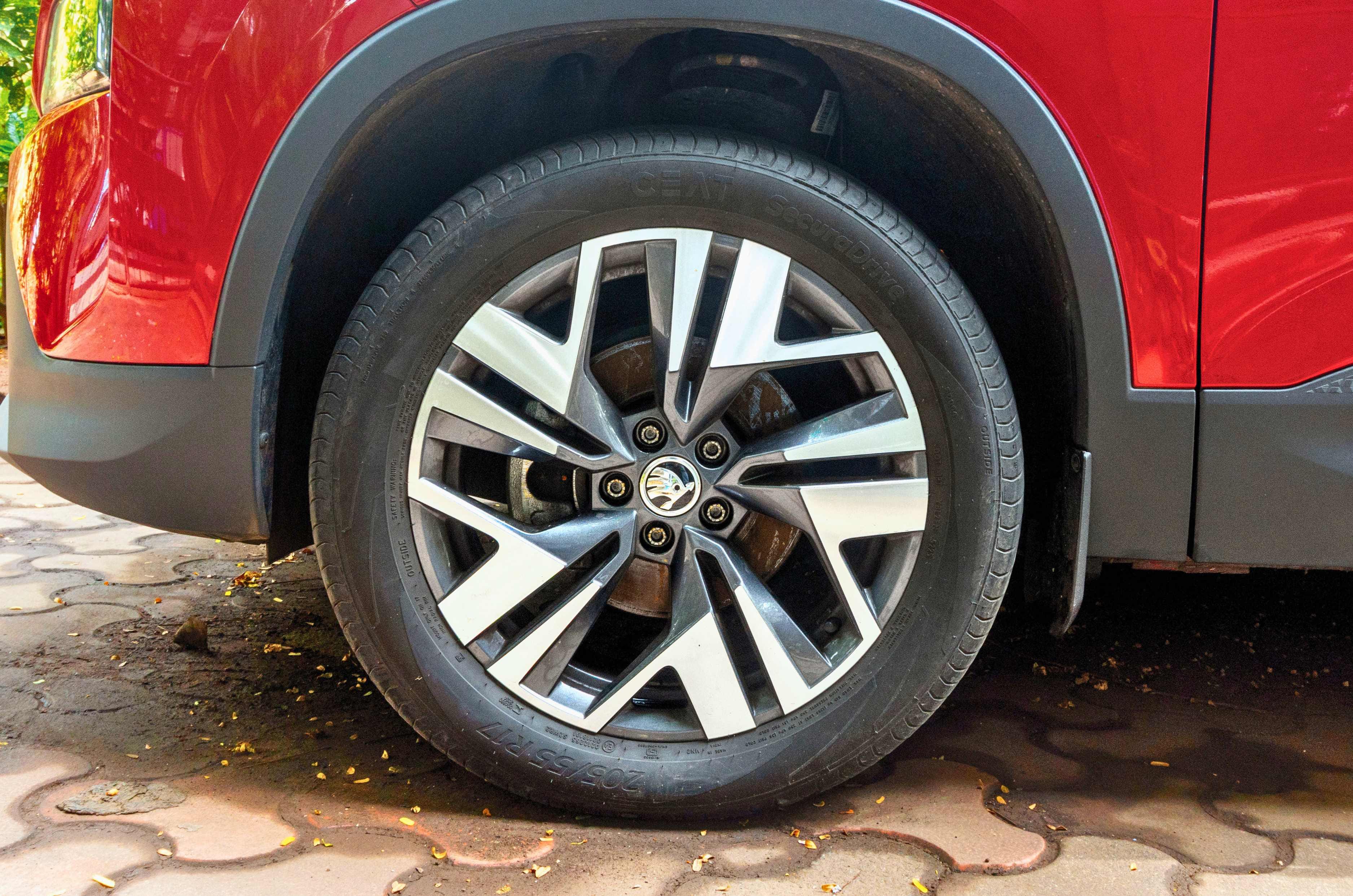
Large, shiny 17-inch alloy wheels do well to enhance Kylaq’s road presence.
These two niggles aside, it’s a very pleasing experience, as you might expect from a slightly smaller Kushaq. There’s a certain toughness to it you don’t find in cars from this segment that almost encourages you to seek out potholes and slam through them. There’s a similar firmness to the ride, but I actually like that; it suits my driving style better than something overly soft and rolly. And I’m also willing to forgive a lot for how good those 17-inch wheels look; a bold choice when most of the segment is still running 16s.
I’ll delve more into the interior, tech and other things in a future update, but in this short first experience, I can see how the Kylaq made it to Prague so comfortably and without incident. It’s compact only in size and is a uniquely European addition to the compact SUV segment.
देशभक्ति सिर्फ तिरंगा लहराने या नारे लगाने तक सीमित नहीं है।
देश के लिए सही काम करना भी देशभक्ति है। जो सड़क पर कचरा नहीं फैलाता, जो पानी बचाता है, पेड़ लगाता है, जो Traffic Rules और Public Rules का पालन करता है—
वही है असली Civic Sense Hero!
इसी सोच को एक movement बनाने के लिए The Better India ला रहा है #CivicSenseHero Campaign, 15 अगस्त 2026 से 26 जनवरी 2027 तक।
अपने आसपास के उस Hero को पहचानिए, जो India को हर दिन थोड़ा और Better बना रहा है।
उसे Nominate कीजिए, उसकी कहानी दुनिया तक पहुँचाइए और Civic Sense को नया TREND बनाइए!
Nomination के लिए ये फॉर्म भरें- https://docs.google.com/forms/d/e/1FAIpQLScoBw41mDqbS63Bv7hr7XubQwdz6LA2fS0lcqffx3xqF5bXJQ/viewform
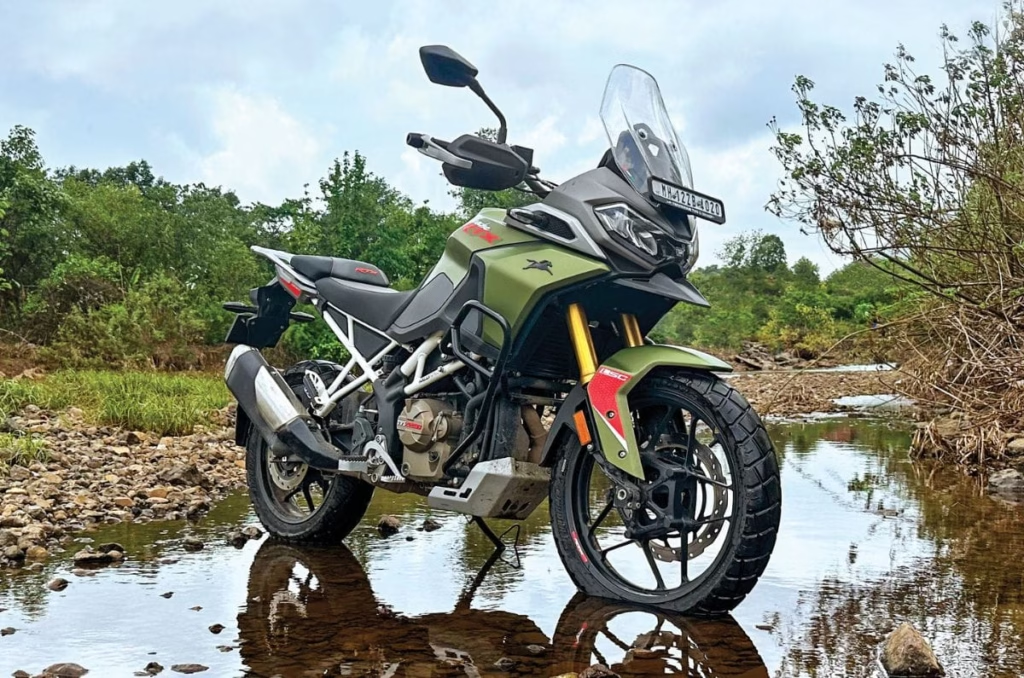
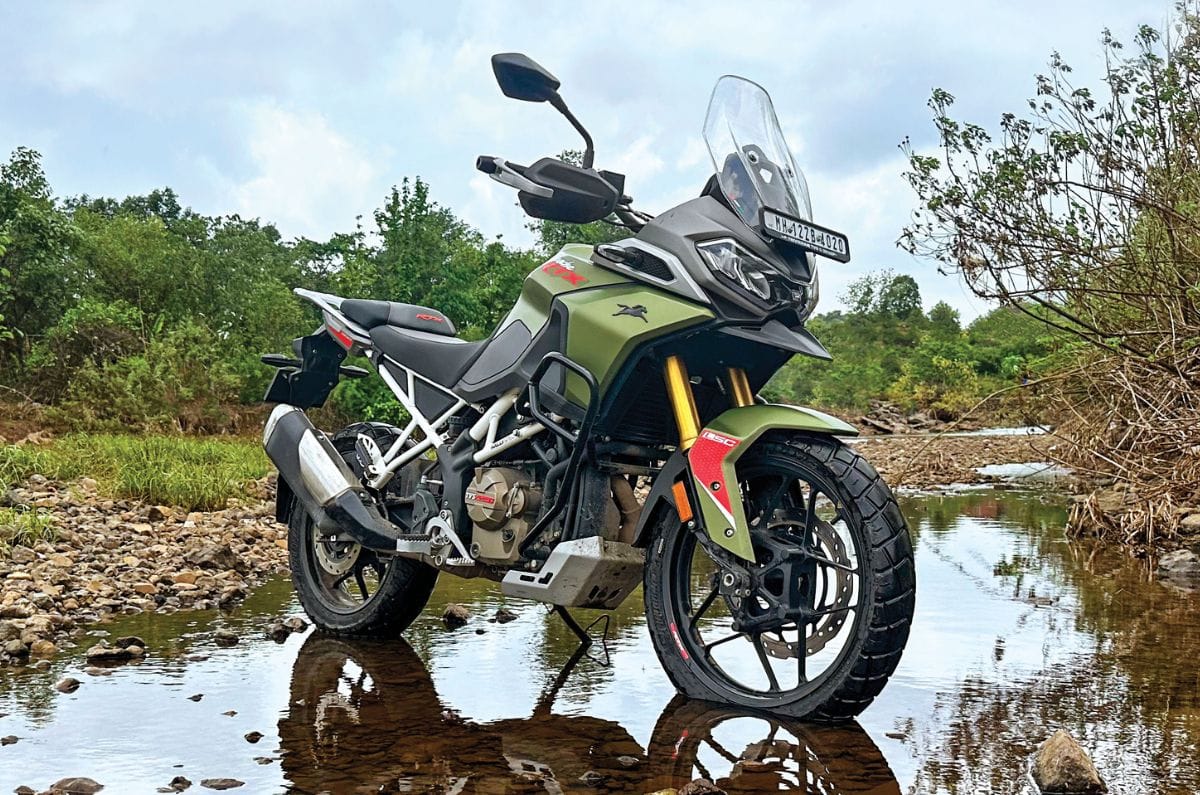
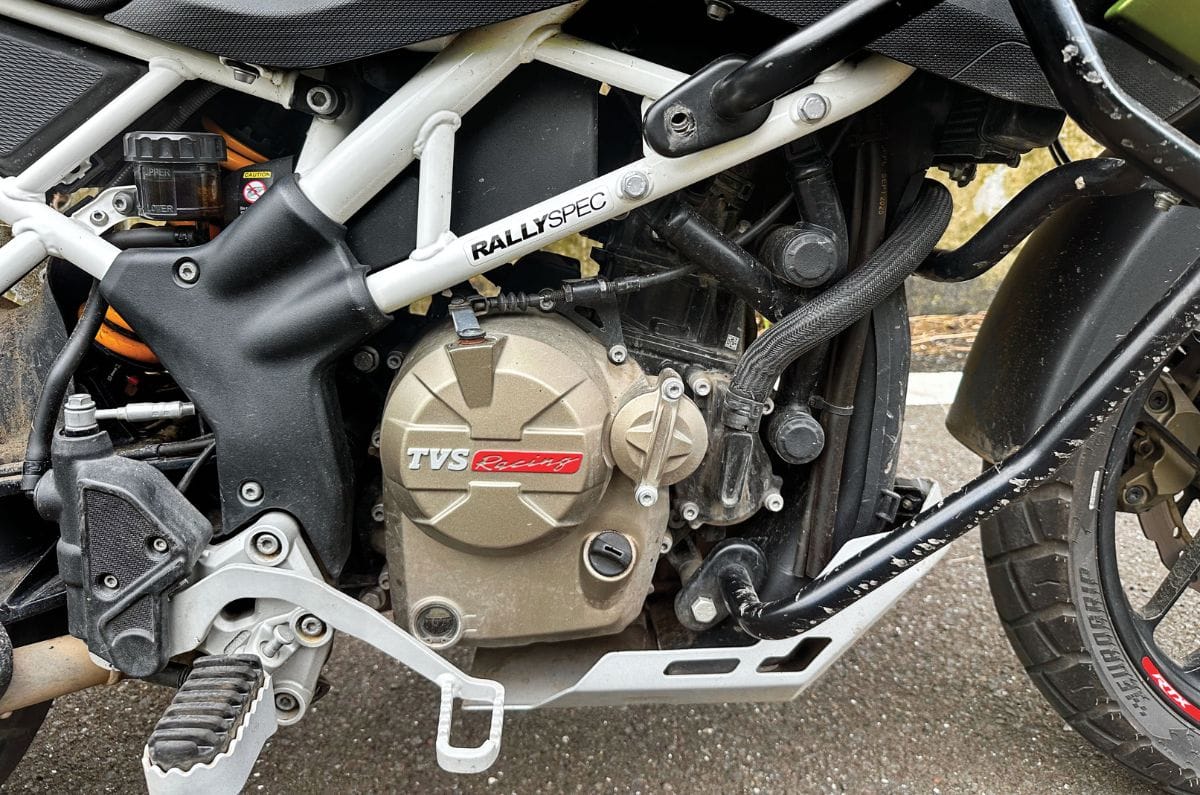
This is the second time, after the original RR 310 in 2017, that TVS has created enormous excitement over a brand-new premium bike and then struggled to deliver. The RTX 300’s massive waiting periods have been well documented now, and like many customers, we have also had to wait nearly a year after its launch to get a long-term test bike.
I hopped off the Xpulse 210 that I’ve been riding for months and onto the RTX, and the first impression was… dull. The engine seems to lack zing and excitement at lower revs, and it all felt very calm and controlled. At first, this was disappointing, and to be honest, I didn’t care for the bike much on that initial commute home. It was quick, comfy and effortless, but simply lacked spice or drama.
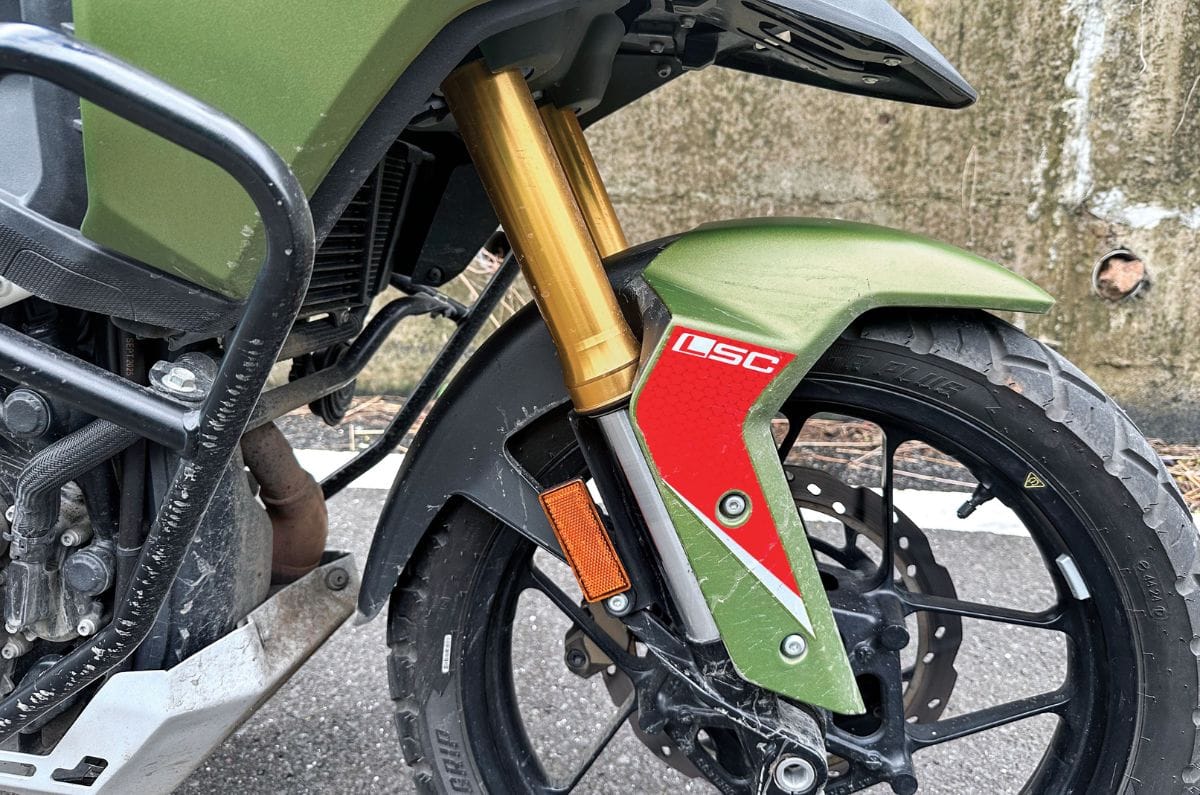
The adjustable Showa suspension does a great job of soaking up bad roads.
Having now spent a few weeks with the bike, my opinion has evolved. The bike still feels the same, but I have grown to like its demeanour. While it is a mild-mannered gentleman of a motorcycle that almost never encourages bad behaviour, it still gets me from point A to B at a quick pace and in very good comfort. While lacking in drama, the engine is superbly tractable and never threatens to stall at low revs in thick traffic. This efficient, almost Honda-like character is bolstered by a fabulous feel-good factor.
The look and size from the rider’s POV are of a much more expensive bike.
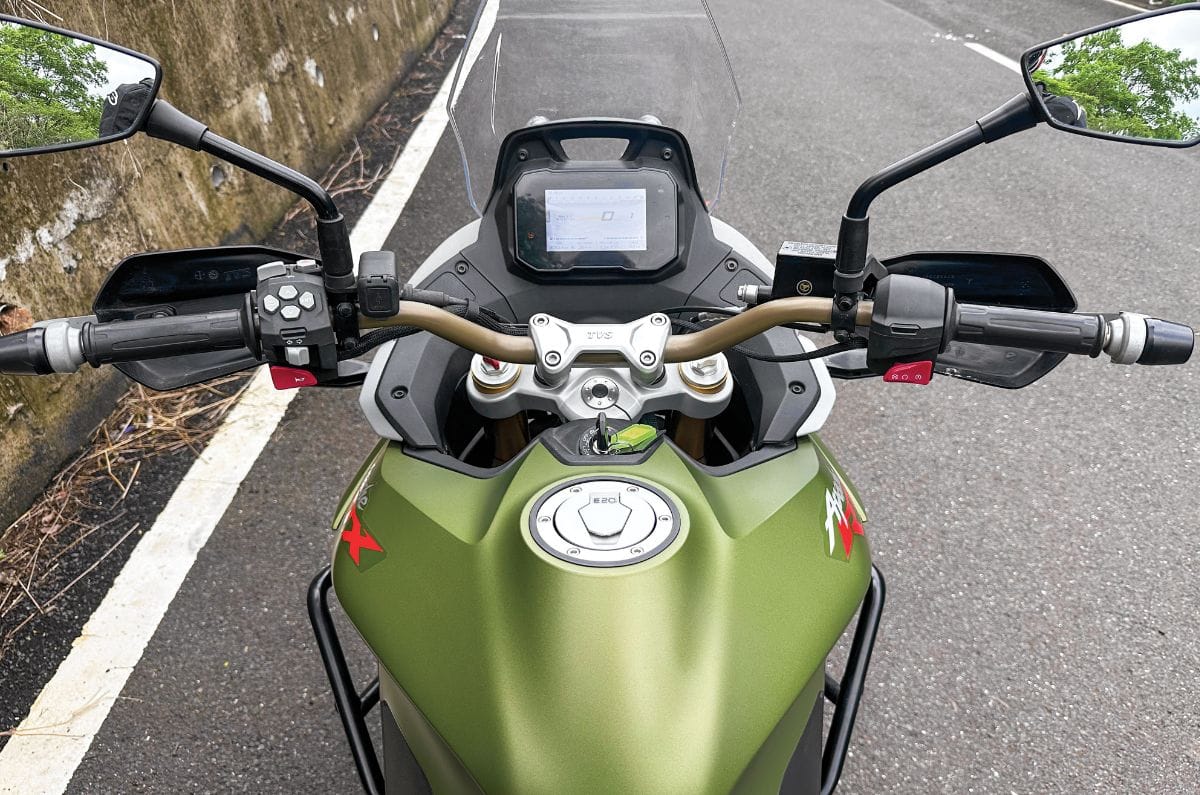
The rider’s point of view is fabulous, and the whole tank area, as well as the TFT and windscreen, feel like they were off a bike that cost three times the price. It even feels like a large motorcycle when you’re sitting on it, and TVS has achieved something truly special in how it can give you this experience at such a low price.
The quickshifter occasionally causes a short cut in power delivery.
On the topic of features, some of them have been highly appreciable, while others could stand to improve. As someone who doesn’t check tyre pressures as often as I should, the tyre pressure monitoring system has been great. I also love the fact that the bike remembers to keep the traction control and rear ABS off, and I don’t have to deactivate them on every ignition cycle. However, as we reported before, the engine does occasionally hesitate under acceleration at lower speeds, and this has to do with the quickshifter sensitivity. I’ve deactivated it for now, and doing so has solved the issue, but I do miss using it.
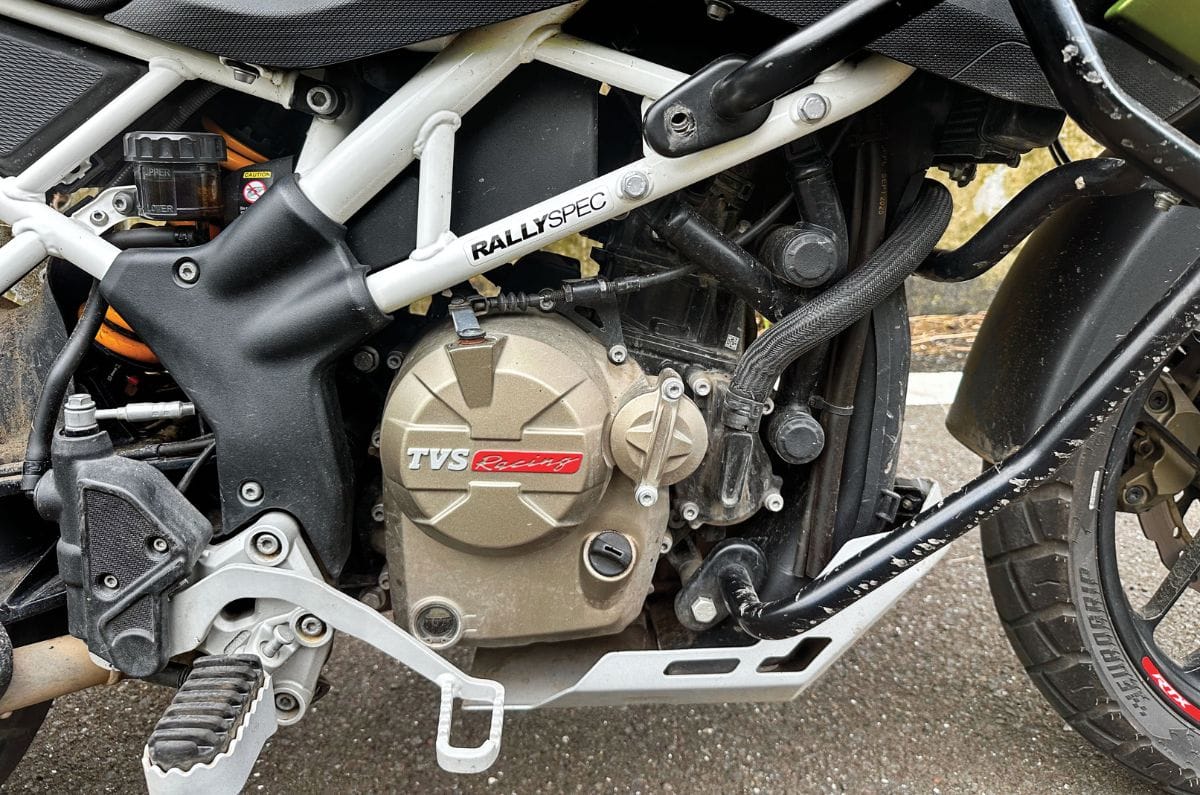
The motor is tractable and has good performance, but is a bit low on character.
Beyond that, the RTX is proving to be everything that we discovered in our initial reports. It has fantastic suspension comfort with a taut, but absorptive setup. The chassis is stable and communicative, and it gives you the confidence to ride over rough surfaces at speed without concern. Seating comfort is also fabulous, and while the engine may not blow your socks off, it certainly performs well and can easily cruise at triple digit speeds.
As for vibrations, they certainly exist but haven’t been bothersome so far. I’d like to spend more time with the bike, especially on the highway before sharing whether there are any situations where the vibrations become a pain. We’ll save that for the next report.
Delhi Traffic Advisory 15 August: दिल्ली ट्रैफिक पुलिस ने 15 अगस्त को लाल किले पर होने वाले स्वतंत्रता दिवस समारोह के लिए ट्रैफिक एडवाइजरी जारी की है, जहां प्रधानमंत्री नरेंद्र मोदी देश को संबोधित करेंगे। वहीं, समारोह स्थल के आस-पास की कई सड़कें सुबह 4 बजे से 10 बजे तक आम ट्रैफिक के लिए बंद रहेंगी और प्रभावित रास्तों पर सिर्फ खास पहचान वाले वाहनों को ही आने-जाने की इजाजत होगी।
एडवाइजरी में यात्रियों के लिए वैकल्पिक रास्ते, मालवाहक वाहनों और बसों पर पाबंदियां, और शहर के मुख्य इलाकों की ओर जाने वाली सेवाओं के लिए डायवर्जन की जानकारी भी दी गई है। इसके अलावा, पुरानी दिल्ली रेलवे स्टेशन, नई दिल्ली रेलवे स्टेशन और ISBT कश्मीरी गेट जाने वाले यात्रियों से अपील की गई है कि वे पहले से अपने सफर का प्लान बना लें और तय किए गए वैकल्पिक रास्तों का इस्तेमाल करें।
बंद रहेंगी ये सड़कें
दिल्ली ट्रैफिक पुलिस के मुताबिक, 15 अगस्त को सुबह 4 बजे से 10 बजे तक कई प्रमुख सड़कें आम लोगों के लिए बंद रहेंगी। इनमें शामिल हैं:
नेताजी सुभाष मार्ग — दिल्ली गेट से चट्टा रेल चौक तक
लोथियन रोड — GPO दिल्ली से चट्टा रेल चौक तक
एसपी मुखर्जी मार्ग — एचसी सेन मार्ग से यमुना बाजार चौक तक
चांदनी चौक रोड — फाउंटेन चौक से लाल किले तक
निषाद राज मार्ग — रिंग रोड से नेताजी सुभाष मार्ग तक
एस्प्लेनेड रोड और नेताजी सुभाष मार्ग से जुड़ी इसकी लिंक रोड
रिंग रोड — राजघाट से ISBT तक
इन रास्तों से भी बचने की सलाह
जिन गाड़ियों पर पार्किंग लेबल नहीं हैं, उन्हें सलाह दी गई है कि वे पाबंदी वाले समय के दौरान C-हेक्सागन इंडिया गेट, कॉपरनिकस मार्ग, मंडी हाउस, सिकंदरा रोड, तिलक मार्ग, मथुरा रोड, BSZ मार्ग, नेताजी सुभाष मार्ग, J L नेहरू मार्ग, और निज़ामुद्दीन खट्टा व ISBT कश्मीरी गेट के बीच रिंग रोड और आउटर रिंग रोड के हिस्सों पर जाने से बचें।
उत्तर-दक्षिण दिशा में जाने के लिए ये रास्ते अपनाएं
दिल्ली ट्रैफिक पुलिस ने उत्तर से दक्षिण और दक्षिण से उत्तर जाने वाले लोगों के लिए कई वैकल्पिक रास्ते बताए हैं। इनमें अरविंदो मार्ग, सफदरजंग रोड, कमाल अतातुर्क मार्ग, कौटिल्य मार्ग, मदर टेरेसा क्रिसेंट, पार्क स्ट्रीट, मंदिर मार्ग, पंचकुइयां रोड और रानी झांसी रोड शामिल हैं।
इसके अलावा लोग कनॉट प्लेस, मिंटो रोड, भवभूति मार्ग, अजमेरी गेट, श्रद्धानंद मार्ग, लाहौरी गेट चौक, नया बाजार, पीली कोठी और एसपी मुखर्जी मार्ग के रास्ते भी आ-जा सकते हैं।
यमुना पार करने के लिए निजामुद्दीन ब्रिज, पुस्ता रोड, जीटी रोड और युधिष्ठिर सेतु का इस्तेमाल किया जा सकता है।
पूर्व-पश्चिम दिशा में जाने के लिए वैकल्पिक रास्ते
पूर्व से पश्चिम और पश्चिम से पूर्व जाने वाले लोगों के लिए NH-24/NH-9, निजामुद्दीन खट्टा, बारापुल्ला रोड, DND, रिंग रोड, भैरों रोड और मथुरा रोड समेत अन्य जुड़े हुए रास्तों का इस्तेमाल किया जा सकता है।
इसके अलावा विकास मार्ग, आईपी मार्ग, डीडीयू मार्ग और मिंटो रोड भी वैकल्पिक रास्ते के तौर पर उपलब्ध रहेंगे।
DND-NH-24-युधिष्ठिर सेतु-सिग्नेचर ब्रिज-वजीराबाद ब्रिज वाला कॉरिडोर भी खुला रहेगा।
हालांकि, ओल्ड आयरन ब्रिज और गीता कॉलोनी ब्रिज से शांति वन की तरफ जाने वाला रास्ता बंद रहेगा।
मालवाहक वाहनों और बसों पर भी रहेगी रोक
दिल्ली ट्रैफिक पुलिस के मुताबिक, 14 अगस्त की आधी रात से 15 अगस्त की सुबह 11 बजे तक निजामुद्दीन खट्टा और वजीराबाद ब्रिज के बीच माल ढोने वाले वाहनों को चलने की इजाजत नहीं होगी। इस दौरान महाराणा प्रताप ISBT और सराय काले खां ISBT के बीच दूसरे राज्यों से आने-जाने वाली बसों को भी चलने की इजाजत नहीं होगी।
साथ ही, 14 अगस्त की आधी रात से 15 अगस्त की सुबह 11 बजे तक ISBT कश्मीरी गेट और निजामुद्दीन खट्टा के बीच रिंग रोड पर लोकल सिटी बसें (DTC बसों सहित) नहीं चलेंगी।
इसके अलावा, लोथियन रोड, नेताजी सुभाष मार्ग, एस पी मुखर्जी मार्ग, विकास मार्ग, मथुरा रोड और C-हेक्सागन व सेंट्रल दिल्ली के आस-पास की सड़कों समेत कई सड़कों पर दूसरे शहरों से आने वाली बसों और DTC बसों के लिए पाबंदियां होंगी।
इन रास्तों से डायवर्ट होंगी बसें
गाजियाबाद से दिल्ली आने वाली दूसरे राज्यों की बसें ISBT कश्मीरी गेट में घुसने से पहले भोपुरा चुंगी रोड और वजीराबाद रोड का इस्तेमाल करेंगी। धौला कुआं से आने वाली बसों का रूट रिंग रोड, पंजाबी बाग, आजादपुर और चांदनी राम अखाड़ा की तरफ डायवर्ट किया जाएगा। वहीं, फरीदाबाद से आने वाली बसें सराय काले खां पर अपनी यात्रा खत्म कर सकती हैं या ISBT कश्मीरी गेट की तरफ जाने के लिए दूसरे रास्तों का इस्तेमाल कर सकती हैं। पुलिस ने कहा कि JPN हॉस्पिटल जाने-आने पर कोई पाबंदी नहीं होगी।
ट्रैफिक पुलिस ने लोगों को सलाह दी है कि वे आखिरी समय में होने वाली परेशानी से बचने के लिए जल्दी निकलें और कहा है कि जरूरी जगहों पर जानकारी देने वाले साइनबोर्ड लगाए जाएंगे। 15 अगस्त को सुबह 5 बजे से लेकर ट्रैफिक डायवर्जन हटने तक, गोखले मार्ग, घाटा मस्जिद, यमुना बाजार, दिल्ली गेट और छट्टा रेल चौक पर DTC की रिकवरी वैन तैनात रहेंगी। वहीं, आजादी के दिन कार्यक्रम स्थल पर जाने वाले लोगों से यह भी कहा गया है कि वे कैमरा, दूरबीन, रिमोट-कंट्रोल कार की चाबियां, छाता, हैंडबैग, ब्रीफकेस, ट्रांजिस्टर, सिगरेट लाइटर, टिफिन बॉक्स और पानी की बोतलें साथ न लाएं।
कुल मिलाकर, 15 अगस्त को दिल्ली के कई हिस्सों में सड़कें बंद रहेंगी, रूट डायवर्ट किए जाएंगे और बसों की आवाजाही पर भी रोक रहेगी। इसका सबसे ज्यादा असर लाल किले और सेंट्रल दिल्ली के आसपास के इलाकों में देखने को मिलेगा। हालांकि, यात्रियों के लिए वैकल्पिक रास्ते उपलब्ध रहेंगे और सुबह 11 बजे के बाद ट्रैफिक व्यवस्था सामान्य होने की उम्मीद है।