Delhi Police Traffic Advisory: कॉकरोच जनता पार्टी के प्रदर्शन और दिल्ली में कानून व्यवस्था को बनाए रखने के लिए दिल्ली पुलिस ने बड़ा कदम उठाया है। दिल्ली में 12 अक्टूबर को कई प्रमुख सड़कों पर ट्रैफिक व्यवस्था प्रभावित रह सकती है। ट्रैफिक पुलिस ने 12 अक्टूबर के लिए एक अहम ट्रैफिक एडवाइजरी जारी की है। कानून-व्यवस्था की स्थिति को देखते हुए ट्रैफिक पुलिस ने कई जगहों पर डायवर्जन की तैयारी की है, जो जरूरत के अनुसार सुबह 6 बजे से लागू होगें। ऐसे में एयरपोर्ट, रेलवे स्टेशन या ISBT जाने वाले लोगों को घर से निकलने से पहले ट्रैफिक अपडेट जरूर देख लेना चाहिए।
सुबह 6 बजे से होगा डायवर्जन
दिल्ली ट्रैफिक पुलिस के अनुसार, जरूरत पड़ने पर सुबह 6 बजे से कई रास्तों पर ट्रैफिक डायवर्ट किया जाएगा। पुलिस ने लोगों से अपील की है कि वे अगर जरूरी ना हो तो यात्रा से बचें और अगर रेलवे स्टेशन, ISBT या एयरपोर्ट जाना जरूरी है तो घर से थोड़ा जल्दी निकलें। खासकर नई दिल्ली और सेंट्रल दिल्ली से होकर जाने वाले लोगों को एक्स्ट्रा टाइम लेकर चलने की सलाह दी गई है। ऐसे में अगर आज आप ऑफिस, कॉलेज या बच्चों को स्कूल छोड़ने जा रहे हैं तो सबसे पहले ट्रैफिक एडवाजरी का अपडेट जरूर जान लें।
इन रास्तों पर होगा डावर्जन
ट्रैफिक प्रभावित होने वाले प्रमुख स्थानों में शंकर रोड-वंदे मातरम टी-पॉइंट, धौला कुआं फ्लाईओवर, झंडेवालान, पंचकुइयां, मंडी हाउस, डॉ. दिनेश नंदिनी डालमिया चौक, राम चरण अग्रवाल चौक, मिंटो रोड-डीडीयू मार्ग, गुरु नानक चौक, चेम्सफोर्ड रोड, कनॉट प्लेस, लोधी रोड फ्लाईओवर, नीला गुम्बद, मदरसा टी-पॉइंट, सम्राट होटल, सरदार पटेल मार्ग-पंचशील मार्ग, भीकाजी कामा प्लेस, मोती बाग फ्लाईओवर, रिंग रोड-सैन मार्टिन मार्ग, अशोका रोड-जंतर मंतर रोड, विंडसर पैलेस, टॉल्स्टॉय-जनपथ क्रॉसिंग, रेल भवन, जय सिंह रोड-संसद मार्ग, बाराखंबा रोड, गोल डाकखाना, पटेल चौक और आरएमएल अस्पताल के आसपास के रास्ते शामिल हैं।
पुलिस ने बताया कि ट्रैफिक की स्थिति के अनुसार इन डायवर्जन और प्रतिबंधों में बदलाव किया जा सकता है। इसलिए लोगों को सलाह दी गई है कि वे घर से निकलने से पहले ट्रैफिक का ताजा अपडेट जरूर देखें और जरूरत पड़ने पर दूसरे रास्ते का इस्तेमाल करें।
DELHI TRAFFIC POLICE ADVISORY
In view of the law and order situation, traffic may be impacted on following stretches in Delhi on 12.10.2026.
1. Diversions
Diversions will be enforced starting from 06:00 AM on 12.10.2026 depending upon prevailing situation. General public is informed that movement at following points and surrounding stretches might remain affected:-
1.Round About Shankar Road-Vande Matram ‘T’ Point towards New Delhi
2.Dhaula Kuan Flyover
3.Round About Jhandewalan
4.Round About Panchkuian
5.Round About Mandi House
6.Dr Dinesh Nandini Dalmia Chowk (W-Point)
7.Ram Charan Aggarwal Chowk (A-Point)
8.Minto Road/Deen Dayal Upadhyay Marg
https://t.co/hLq6pNQgBG Nanak Chowk
10.Chemsford Road – Outer Circle Connaught Place T-Point
11.Bharion Road- MGM (Ring Road) T-Point
12.Lodhi Road Flyover
13.Round About Neela Gumbad
14.Madarsa T- Point
15.Round About Samrat Hotel
16.Sardar Patel Marg- Panchsheel Marg Crossing
17.Under Bhikaji Kama Place
18.Under Moti Bagh Flyover
19.Ring Road-San Martin Marg T-Point
20.Round About Ashoka Road – Jantar Mantar Road
21.Round About Windsor Palace
22.Tolstoy-Janpath Crossing
23.Round About Rail Bhawan
24.Jai Singh Road – Sansad Marg Crossing
25.Outer Circle Connaught Place -Barakhamba Road T-Point
26.Round About Gol Dak Khana
27.Round About Patel Chowk
28.Jai Singh Road – Ashoka Road T-Point
29.Round About RML Hospital
30.Outer Circle Connaught Place – Sansad Marg T-Point
2.Commuters’ Advisory & Recommendations
•Plan in Advance: Please keep extra travel time in hand if heading towards railway stations, ISBTs, or the airport via New Delhi and Central Delhi.
•Avoid Non-Essential Travel: Commuters are requested not to undertake non essential travel.
•Dynamic Restrictions: Traffic management measures are dynamic and will be relaxed or regulated based on real-time ground assessment.
3.Stay Updated (Real-Time Information)
For live updates, alternate routes, and continuous traffic alerts, please keep referring to official Delhi Traffic Police platforms:
CJP ने जंतर-मंतर पर शांतिपूर्ण प्रदर्शन करने की तैयारी शुरू कर दी है। पार्टी के नेता आशुतोष रंका ने बताया कि सोमवार सुबह 10 बजे वह सौरव दास और संगठन के अन्य सदस्यों के साथ पार्लियामेंट स्ट्रीट पुलिस स्टेशन जाएंगे। वहां दिल्ली पुलिस से प्रदर्शन के लिए तारीख और अनुमति देने का अनुरोध किया जाएगा। रंका के मुताबिक, अगर पुलिस 24 घंटे के अंदर प्रदर्शन की तारीख नहीं देती है, तो संगठन अपने स्तर पर प्रदर्शन की घोषणा करेगा।
Delhi CJP Protest News: राजधानी दिल्ली में 10 अक्टूबर को हुए विरोध-प्रदर्शन के दौरान पुलिस की कार्रवाई, मेट्रो और रेल सेवाओं पर प्रतिबंध, इंटरनेट सेवाएं बंद करने तथा लोगों को हिरासत में लिए जाने के मामले में सुप्रीम कोर्ट ने रविवार (11 अक्टूबर) को अहम निर्देश जारी किए। सुप्रीम कोर्ट ने आदेश दिया है कि शांतिपूर्ण ढंग से इकट्ठा होने वाले लोगों को गैर-कानूनी तरीके से हिरासत में नहीं लिया जा सकता। अदालत ने कहा, “ऐसे लोगों को अवैध रूप से हिरासत में न लिया जाए।” साथ ही शीर्ष अदालत ने मेट्रो और रेल सेवाओं को सामान्य रूप से चलाने, कानून के मुताबिक इंटरनेट सेवाएं बिना किसी रुकावट के जारी रखने और लोगों एवं ट्रैफिक की आवाजाही की अनुमति देने का आदेश दिया है। कोर्ट ने सुप्रीम कोर्ट के बाहर लगी धारा 163 का बोर्ड हटाने का भी निर्देश दिया, ताकि न्याय तक पहुंच को लेकर कोई आशंका न रहे।
दिल्ली में मेट्रो-ट्रेन और इंटरनेट चालू रहेंगी
सुप्रीम कोर्ट ने कहा कि कानून-व्यवस्था की स्थिति को ध्यान में रखते हुए मेट्रो, रेल और इंटरनेट सेवाएं सामान्य रूप से जारी रहनी चाहिए। शीर्ष अदालत ने उसके निर्देश के उल्लंघन के आरोप में अधिकारियों के खिलाफ अवमानना कार्यवाही शुरू करने के अनुरोध वाली याचिका पर केंद्र को नोटिस जारी किया है। अदालत ने कहा कि वकीलों को उनके पेशेवर कर्तव्यों का निर्वहन करने में किसी तरह की बाधा नहीं पहुंचायी जानी चाहिए।
सुप्रीम कोर्ट ने दिल्ली पुलिस को निर्देश दिया कि शांतिपूर्ण तरीके से जुटने वालों को अवैध रूप से हिरासत में न लिया जाए। शीर्ष अदालत ने ट्रैफिक नियमों के अधीन लोगों की निर्बाध आवाजाही सुनिश्चित करने का निर्देश दिया। साथ ही बैरिकेड्स लगाने की जरूरत की समीक्षा करने को कहा। उच्चतम न्यायालय ने कहा, “कानून-व्यवस्था की स्थिति को ध्यान में रखते हुए मेट्रो, रेल और इंटरनेट सेवाएं सामान्य रूप से जारी रहनी चाहिए।”
केंद्र सरकार को नोटिस जारी
अदालत ने केंद्र सरकार को उस याचिका पर नोटिस भी जारी किया, जिसमें दिल्ली में कॉकरोच जनता पार्टी (CJP) के विरोध प्रदर्शन के कारण मेट्रो और ट्रेन सेवाओं पर पूरी तरह रोक नहीं लगाने संबंधी न्यायालय के निर्देश के कथित उल्लंघन को लेकर अधिकारियों के खिलाफ अवमानना की कार्यवाही शुरू करने का अनुरोध किया गया है। जस्टिस जॉयमाल्य बागची और जस्टिस वी. मोहना की पीठ ने विशेष सुनवाई के दौरान सॉलिसिटर जनरल तुषार मेहता से यह सुनिश्चित करने को कहा कि कानून-व्यवस्था बनाए रखने की जरूरत को ध्यान में रखते हुए दिल्ली मेट्रो अपनी सामान्य शेड्यूल के अनुसार चले और इंटरनेट सेवाएं बाधित न हों।
पीठ ने कहा, “9 अक्टूबर 2026 के हमारे पिछले आदेश के उल्लंघन और 10 अक्टूबर को दिल्ली में बड़ी संख्या में लोगों को अवैध रूप से हिरासत में लिए जाने के आरोपों वाली तत्काल सुनवाई की याचिकाओं के मद्देनजर न्यायालय ने विशेष सुनवाई की।”
‘निर्देशों का खुले तौर पर उल्लंघन किया गया’
सुप्रीम कोर्ट ने कहा, “वरिष्ठ वकीलों ने दलील दी कि निर्देशों का खुले तौर पर उल्लंघन किया गया। मेट्रो रेल सेवा संचालित नहीं हो रही थी। नई दिल्ली और हजरत निजामुद्दीन रेलवे स्टेशन बंद रहे। ट्रैफिक संबंधी कोई एडवाइजरी जारी नहीं किया गया। बड़ी संख्या में लोगों को अनुचित रूप से परेशान किया गया। लोगों को अवैध रूप से हिरासत में लिया गया। जिन स्थानों पर यह सब हुआ, उनमें वे इलाके भी शामिल थे, जो भारतीय नागरिक सुरक्षा संहिता (बीएनएसएस), 2023 की धारा 163 के तहत जारी निषेधाज्ञा के दायरे में नहीं आते थे।”
पत्रकारों को लेकर पुलिस को निर्देश
सुप्रीम कोर्ट ने मेहता से यह सुनिश्चित करने को भी कहा कि वकीलों, पत्रकारों और अन्य लोगों को अपने पेशेवर कर्तव्यों का निर्वहन करने से न रोका जाए। सुनवाई के दौरान मेहता ने कहा कि 10 अक्टूबर को मेट्रो नेटवर्क के कुल 303 स्टेशन में से केवल 45 पर एंट्री और एग्जिट प्रतिबंधित था। याचिका में सुप्रीम कोर्ट के नौ अक्टूबर के आदेश का उल्लेख किया गया है। यह आदेश दिल्ली में विरोध प्रदर्शन के मद्देनजर 57 मेट्रो स्टेशन को बंद करने और दिल्ली आने वाली ट्रेनों को रद्द किए जाने के खिलाफ दायर एक अन्य याचिका पर सुनवाई के दौरान दिया गया था। सुप्रीम कोर्ट ने मंगलवार तक सरकार से जवाब मांगा है।
Supreme Court Sunday hearing: Key takeaways
#SupremeCourt directed that:
• Delhi Metro and railway services must operate normally. Restrictions are permissible only when justified under Article 19(2).
• Internet services must remain available in accordance with law, without affecting statutory powers to impose lawful restrictions.
• Movement of people and vehicles across Delhi must not be unnecessarily obstructed. Barricades must be reviewed immediately based on law-and-order and traffic requirements.
• No unlawful detention is permitted. Any detention must follow legally established procedure.
• Peaceful assemblies must be allowed in accordance with law, especially outside areas where prohibitory orders under Section 163 BNSS are in force.
• Any notice board announcing Section 163 restrictions near the Supreme Court must be removed, if still in place, to ensure unhindered access to the Supreme Court and other courts.
• The Court recorded the assurance that lawyers, journalists and other professionals will not be obstructed in performing their duties.
• Notice was issued in the contempt proceedings alleging violation of the Court’s October 9 order. Authorities must file a compliance report by Tuesday, October 13, including details of Metro restrictions and railway advisories.
• Habeas corpus petitions alleging mass detentions and other connected matters will be heard with the main cases on October 13.
The Court said the State must explain the circumstances, manner and legal justification for the alleged detentions, observing that it is duty-bound under Article 32 to protect and enforce fundamental rights.
निर्वाचन आयोग के कामकाज में कथित अनियमितताओं को लेकर मुख्य निर्वाचन आयुक्त ज्ञानेश कुमार के खिलाफ CJP और कुछ छात्र संगठनों ने प्रदर्शन का ऐलान किया था। सरकार ने शनिवार को कड़ी सुरक्षा व्यवस्था करके और 7,000 से अधिक प्रदर्शनकारियों को हिरासत में लेकर जंतर-मंतर पर प्रस्तावित बड़े प्रदर्शन को रोक दिया। हिरासत में लिए गए लोगों में CJP नेता अभिजीत दीपके, विपक्ष के कई नेता और यूट्यूबर ध्रुव राठी भी शामिल थे।
दिल्ली मेट्रो और रेलवे सेवाएं सामान्य रूप से चलनी चाहिए। पाबंदियां तभी लगाई जा सकती हैं जब वे आर्टिकल 19(2) के तहत सही ठहराई जा सकें।
कानूनी पाबंदियां लगाने की वैधानिक शक्तियों पर असर डाले बिना, कानून के अनुसार इंटरनेट सेवाएं चालू रहनी चाहिए।
दिल्ली में लोगों और गाड़ियों की आवाजाही में बेवजह रुकावट नहीं आनी चाहिए। कानून-व्यवस्था और ट्रैफिक की जरूरतों के आधार पर बैरिकेड्स की तुरंत समीक्षा की जानी चाहिए।
किसी को भी गैर-कानूनी तरीके से हिरासत में नहीं लिया जा सकता। किसी भी हिरासत के मामले में कानून द्वारा तय प्रक्रिया का पालन किया जाना चाहिए।
कानून के अनुसार शांतिपूर्ण सभाओं की अनुमति दी जानी चाहिए, खासकर उन इलाकों के बाहर जहां धारा 163 BNSS के तहत सख्ती लागू है।
सुप्रीम कोर्ट और अन्य अदालतों तक बिना रुकावट पहुंच सुनिश्चित करने के लिए सुप्रीम कोर्ट के पास धारा 163 की पाबंदियों वाला कोई भी नोटिस बोर्ड अगर अभी भी लगा है, तो उसे हटा दिया जाना चाहिए।
सुप्रीम कोर्ट ने इस आश्वासन को दर्ज किया कि वकीलों, पत्रकारों और अन्य पेशेवरों को अपना काम करने में नहीं रोका जाएगा।
शीर्ष अदालत के 9 अक्टूबर के आदेश के उल्लंघन के आरोप में अवमानना की कार्यवाही के तहत नोटिस जारी किया गया। अधिकारियों को मंगलवार, 13 अक्टूबर तक अनुपालन रिपोर्ट दाखिल करनी होगी, जिसमें मेट्रो पाबंदियों और रेलवे की सलाहों का विवरण शामिल हो।
बड़े पैमाने पर हिरासत और उससे जुड़े अन्य मामलों के आरोपों वाली ‘हेबियस कॉर्पस’ (बंदी प्रत्यक्षीकरण) याचिकाओं पर 13 अक्टूबर को मुख्य मामलों के साथ सुनवाई होगी।
अदालत ने कहा कि राज्य को कथित हिरासत के हालात, तरीके और कानूनी आधार के बारे में बताना होगा, क्योंकि आर्टिकल 32 के तहत मौलिक अधिकारों की रक्षा और उन्हें लागू करना कोर्ट का कर्तव्य है।
CJP Protest News: राजधानी में एक प्रदर्शनकारी के साथ कथित मारपीट का वीडियो सोशल मीडिया पर वायरल होने के बाद दिल्ली पुलिस ने बड़ी कार्रवाई की है। दिल्ली पुलिस ने मामले में चार लोगों की पहचान कर उन्हें गिरफ्तार कर लिया है। यह घटना 10 अक्टूबर को कॉकरोच जनता पार्टी (CJP) के विरोध-प्रदर्शन के दौरान सामने आई थी। पुलिस के मुताबिक, घटना दिल्ली के डीडीयू मार्ग पर हुई, जो कमला मार्केट थाना क्षेत्र में आता है। मामले में किसी औपचारिक शिकायत का इंतजार किए बिना पुलिस ने स्वतः संज्ञान लेकर कार्रवाई शुरू कर दी है।
दिल्ली पुलिस ने रविवार को X पर लिखा, “सोशल मीडिया पर वायरल हो रहे एक वीडियो का दिल्ली पुलिस (कमला मार्केट थाना) ने खुद संज्ञान लिया। इस वीडियो में चार लोग एक पुरुष प्रदर्शनकारी के साथ मारपीट करते हुए दिख रहे थे। पुलिस ने तुरंत कार्रवाई करते हुए कानूनी प्रक्रिया शुरू कर दी है।”
पुलिस ने सोशल मीडिया पोस्ट में आगे लिखा, “घटना में शामिल चारों लोगों की पहचान कर ली गई है और उनका पता लगा लिया गया है। कानून के मुताबिक आगे की कानूनी कार्रवाई की जा रही है। दिल्ली पुलिस हिंसा की घटनाओं के खिलाफ उचित कार्रवाई करने और ऐसी शिकायतों पर तुरंत ध्यान देने के लिए प्रतिबद्ध है।”
कौन हैं मारपीट के आरोप में गिरफ्तार चारों आरोपी?
‘द इंडियन एक्सप्रेस’ की रिपोर्ट के मुताबिक, गिरफ्तार किए गए लोगों की पहचान रमन सैनी (50), विवेकानंद उर्फ विवेक (32), कपिल कुमार (27) और रविंदर सिंह उर्फ गोविंद हिंदू (35) के रूप में हुई है। एक वरिष्ठ पुलिस अधिकारी के मुताबिक, चारों ने खुद को हिंदू रक्षा दल से जुड़ा हुआ बताया है। इस संबंध में सामने आई जानकारी आरोपियों के कथित जुड़ाव पर आधारित है। पुलिस ने वीडियो सामने आने के बाद उसकी जांच की और सुरक्षा व्यवस्था में तैनात कर्मियों से जानकारी जुटाई। इसके बाद घटनास्थल की पहचान डीडीयू मार्ग के रूप में की गई। शुरुआती दौर में वीडियो कहां का है, यह स्पष्ट नहीं था।
बिना शिकायत के पुलिस ने क्यों लिया संज्ञान?
मीडिया रिपोर्टों के मुताबिक, घटना को लेकर पुलिस के पास उस समय तक पीड़ित या किसी अन्य व्यक्ति अथवा संगठन की ओर से औपचारिक शिकायत नहीं पहुंची थी। हालांकि, वीडियो के तेजी से वायरल होने और आरोपियों के दिल्ली-एनसीआर से बाहर जाने की आशंका संबंधी जानकारी मिलने के बाद पुलिस ने स्वतः संज्ञान लेकर कार्रवाई की। पुलिस सूत्रों के मुताबिक, आशंका थी कि आरोपी क्षेत्र छोड़कर कहीं और जा सकते हैं। इसके बाद पुलिस ने उनकी पहचान की और उन्हें हिरासत में लेकर गिरफ्तार किया। मामले में आगे की कानूनी कार्रवाई जारी है।
वायरल वीडियो में क्या दिखाई दिया?
सोशल मीडिया पर प्रसारित वीडियो में कुछ लोगों को प्रदर्शनकारियों के साथ कथित तौर पर धक्का-मुक्की और मारपीट करते हुए देखा जा सकता है। रिपोर्टों के मुताबिक, वीडियो में युवाओं को धक्का देते और पीटते हुए दिखाया गया है। इसमें महिलाओं के साथ भी कथित तौर पर धक्का-मुक्की और मारपीट होती दिखाई देती है।
वीडियो सामने आने के बाद इसे कई सोशल मीडिया अकाउंट्स ने साझा किया। इनमें युवा कांग्रेस, ऑल इंडिया स्टूडेंट्स एसोसिएशन (AISA) और CJP से जुड़े अकाउंट भी शामिल बताए गए हैं। घटना को लेकर राजनीतिक प्रतिक्रियाएं भी सामने आई हैं। हालांकि, वायरल वीडियो अपने आप में घटना के सभी पहलुओं या आरोपियों की कानूनी जिम्मेदारी का अंतिम प्रमाण नहीं है। इसकी जांच और न्यायिक प्रक्रिया के आधार पर ही मामले में आगे की स्थिति स्पष्ट होगी।
CJP के प्रदर्शन के दौरान सामने आई घटना
यह मामला दिल्ली में 10 अक्टूबर को हुए CJP के प्रदर्शन से जुड़ा है। पार्टी ने मुख्य चुनाव आयुक्त ज्ञानेश कुमार के इस्तीफे की मांग करते हुए जंतर-मंतर पर प्रदर्शन का ऐलान किया था। वोटर लिस्ट के स्पेशल इंटेंसिव रिवीजन (SIR) में कथित अनियमितताओं को लेकर पार्टी विरोध कर रही है। प्रदर्शन के दौरान राजधानी में सुरक्षा व्यवस्था कड़ी थी। पुलिस ने कई स्थानों पर लोगों को जुटने से रोकने के लिए कार्रवाई की थी। इसी घटनाक्रम के बीच डीडीयू मार्ग पर कथित मारपीट का वीडियो सामने आया, जिसने पुलिस की कार्रवाई और प्रदर्शनकारियों की सुरक्षा को लेकर बहस तेज कर दी।
अब आरोपियों के खिलाफ क्या कार्रवाई होगी?
चारों आरोपियों की गिरफ्तारी के बाद मामले में पुलिस की जांच और कानूनी प्रक्रिया आगे बढ़ेगी। जांच के दौरान पुलिस घटना के वीडियो, गवाहों के बयान और अन्य उपलब्ध साक्ष्यों की पड़ताल कर सकती है। इसके आधार पर यह स्पष्ट किया जाएगा कि घटना किन परिस्थितियों में हुई और किसकी क्या भूमिका थी।
दिल्ली पुलिस ने अपने बयान में कहा है कि मामले में आगे की कानूनी कार्रवाई कानून के अनुसार की जा रही है। हालांकि, उपलब्ध जानकारी में आरोपियों के खिलाफ दर्ज FIR की धाराओं, उन्हें अदालत में पेश किए जाने या अदालत के किसी आदेश का विस्तृत डिटेल्स नहीं दिया गया है।
दीपके, रांका और दास रिहा
कॉकरोच जनता पार्टी (CJP) के नेताओं अभिजीत दीपके, आशुतोष रांका और सौरव दास को जंतर-मंतर पर प्रदर्शन से पहले दिल्ली एयरपोर्ट पर हिरासत में लिए जाने के बाद एहतियातन गिरफ्तार किया गया था। लेकिन रविवार को उन्हें कार्यकारी मजिस्ट्रेट के समक्ष पेश किए जाने के बाद रिहा कर दिया गया।
CJP की कानूनी मामलों की प्रमुख रत्ना सिंह ने बताया कि उन्हें इस शर्त पर रिहा किया गया है कि वे एक साल तक शांति भंग नहीं करेंगे। इससे पहले, रविवार सुबह पुलिस ने बताया था कि उसने राष्ट्रीय राजधानी में CJP नेताओं को उनका विमान उतरने के बाद हिरासत में ले लिया था और फिर उन्हें एहतियातन गिरफ्तार कर लिया गया था।
सूत्रों के अनुसार, CJP नेताओं के खिलाफ भारतीय नागरिक सुरक्षा संहिता (BNSS) की धारा 126 (शांति बनाए रखने के लिए प्रतिभूति) और धारा 170 (संज्ञेय अपराधों को रोकने के लिए गिरफ्तारी) के तहत कार्रवाई की गई। शनिवार को CJP नेताओं को हिरासत में लिया गया था। यह कार्रवाई दिल्ली में सुरक्षा के अत्यधिक कड़े इंतजामों के बीच हुई, जहां प्रदर्शनकारियों को जंतर-मंतर पहुंचने से रोकने के लिए विभिन्न स्थानों पर 7,000 से अधिक लोगों को हिरासत में लिया गया था।
POLICE ACTION
Taking suo motu cognizance of a video circulating on social media showing four men allegedly assaulting a male protester, Delhi Police, PS Kamla Market, acted promptly and initiated legal proceedings.
All four individuals involved have been identified and traced. Further legal action is underway in accordance with the law. Delhi Police remains committed to taking appropriate action against incidents of violence and ensuring that complaints of such nature are dealt with promptly.
Delhi traffic advisory for October 11: मुख्य निर्वाचन आयुक्त (CEC) ज्ञानेश कुमार के इस्तीफे की मांग को लेकर कॉकरोच जनता पार्टी (CJP) द्वारा फिर से विरोध-प्रदर्शन का ऐलान किए जाने के बीच, रविवार को लगातार दूसरे दिन दिल्ली के कई इलाकों में ट्रैफिक संबंधी कड़े प्रतिबंध लागू रहे। दिल्ली ट्रैफिक पुलिस द्वारा जारी एडवाइजरी के अनुसार, रविवार सुबह छह बजे से ही वाहनों के मार्गों में बदलाव किया गया है। लुटियंस दिल्ली में जंतर-मंतर, कनॉट प्लेस, मंडी हाउस, पटेल चौक और कई अन्य प्रमुख चौराहों के आसपास ट्रैफिक प्रभावित रहने की आशंका है।
प्रभावित रूट्स में अशोक रोड-जंतर-मंतर रोड गोलचक्कर, टॉलस्टॉय मार्ग-जनपथ चौराहा, जय सिंह रोड-संसद मार्ग चौराहा, रेल भवन गोलचक्कर, पटेल चौक, गोल डाकखाना और कनॉट प्लेस के आसपास के कई चौराहे शामिल हैं। इसके अलावा, मंडी हाउस, मिंटो रोड-दीन दयाल उपाध्याय मार्ग चौराहा, लोधी रोड फ्लाईओवर, नीला गुंबद गोलचक्कर, सम्राट होटल गोलचक्कर, सरदार पटेल मार्ग-पंचशील मार्ग चौराहा तथा भीकाजी कामा प्लेस और मोती बाग फ्लाईओवर के नीचे बने अंडरपास पर भी यातायात प्रभावित रहने की आशंका है।
ट्रैफिक पुलिस ने लोगों को गैर-जरूरी यात्रा से बचने और विशेष रूप से रेलवे स्टेशन, अंतरराज्यीय बस अड्डों तथा एयरपोर्ट जाने के लिए पर्याप्त अतिरिक्त समय लेकर घर से निकलने की सलाह दी है। पुलिस ने बताया कि स्थिति का आकलन करने के बाद प्रतिबंधों में ढील दी जाएगी या उनमें बदलाव किया जाएगा। ये पाबंदियां सुबह 6 बजे से शुरू हो गई हैं। अधिकारियों ने बताया कि जमीनी हालात के आधार पर इन्हें लागू या बदला जा सकता है।
इन रास्तों को करें इग्नोर
शंकर रोड-वंदे मातरम टी-पॉइंट गोलचक्कर (नई दिल्ली की ओर)
धौला कुआं फ्लाईओवर
झंडेवालान गोलचक्कर
पंचकुइयाँ गोलचक्कर
मंडी हाउस गोलचक्कर
डॉ. दिनेश नंदिनी डालमिया चौक (W-पॉइंट)
राम चरण अग्रवाल चौक (A-पॉइंट)
मिंटो रोड और दीन दयाल उपाध्याय मार्ग
गुरु नानक चौक
चेम्सफ़ोर्ड रोड-आउटर सर्कल कनॉट प्लेस टी-पॉइंट
भैरौं रोड-MGM (रिंग रोड) टी-पॉइंट
लोधी रोड फ़्लाईओवर
नीला गुंबद गोलचक्कर
मदरसा टी-पॉइंट
सम्राट होटल गोलचक्कर
सरदार पटेल मार्ग-पंचशील मार्ग क्रॉसिंग
भीकाजी कामा प्लेस के नीचे
मोती बाग फ़्लाईओवर के नीचे
रिंग रोड-सैन मार्टिन मार्ग टी-पॉइंट
अशोक रोड-जंतर मंतर रोड गोलचक्कर
विंडसर पैलेस गोलचक्कर
टॉल्स्टॉय-जनपथ क्रॉसिंग
रेल भवन गोलचक्कर
जय सिंह रोड-संसद मार्ग क्रॉसिंग
आउटर सर्कल कनॉट प्लेस-बाराखंभा रोड टी-पॉइंट
गोल डाक खाना गोलचक्कर
पटेल चौक गोलचक्कर
जय सिंह रोड-अशोक रोड टी-पॉइंट
RML हॉस्पिटल गोलचक्कर
आउटर सर्कल कनॉट प्लेस-संसद मार्ग टी-पॉइंट।
दिल्ली में सुरक्षा के कड़े प्रबंध
ज्ञानेश कुमार के खिलाफ अपना प्रदर्शन जारी रखने की कॉकरोच जनता पार्टी (CJP) की घोषणा के मद्देनजर दिल्ली में रविवार को लगातार दूसरे दिन भी सुरक्षा के कड़े इंतजाम किए गए हैं। पुलिस और अर्धसैनिक बलों के 30,000 से अधिक जवानों की तैनाती की योजना है। दिल्ली पुलिस ने शनिवार को प्रदर्शनकारियों को जंतर-मंतर पहुंचने से रोकने के लिए व्यापक अभियान चलाया था। प्रस्तावित प्रदर्शन की अनुमति नहीं मिलने के बाद बड़ी संख्या में प्रदर्शनकारियों को हिरासत में लिया गया था।
अवैध सभाओं को रोकने और कानून-व्यवस्था बनाए रखने के लिए राष्ट्रीय राजधानी में सुरक्षा बढ़ा दी गई है। दिल्ली से लगती सीमाओं, रेलवे स्टेशनों, बस टर्मिनलों और अन्य संवेदनशील स्थानों पर निगरानी कड़ी कर दी गई है। CJP की ओर से अपना आंदोलन जारी रखने की घोषणा के बाद सुरक्षा के ये इंतजाम किए गए हैं।
सुरक्षा व्यवस्था संभालने में दिल्ली पुलिस की मदद के लिए केंद्रीय सशस्त्र पुलिस बलों (सीएपीएफ) की 120 से अधिक कंपनियां तैनात की गई हैं। नई दिल्ली जिले को 20 जोन में बांटा गया है। संयुक्त पुलिस आयुक्त, पुलिस उपायुक्त और अतिरिक्त पुलिस उपायुक्त जमीनी स्तर पर स्थिति पर नजर रख रहे हैं।विभिन्न इकाइयों का नेतृत्व करने वाले विशेष पुलिस आयुक्त भी स्थिति पर कड़ी निगरानी रख रहे हैं।
पुलिस ने राष्ट्रीय राजधानी की सीमाओं पर भी सुरक्षा कड़ी कर दी है। वाहनों की जांच बढ़ा दी गई है और होटलों, गेस्ट हाउस, लॉज तथा धर्मशालाओं में लोगों के सत्यापन की प्रक्रिया तेज कर दी गई है। प्रदर्शनकारियों को जुटाने की कोशिशों का पता लगाने के लिए सोशल मीडिया प्लेटफॉर्म्स पर भी नजर रखी जा रही है।
पुलिस ने लोगों से शांति बनाए रखने और सुरक्षा कर्मियों के साथ सहयोग करने की अपील की है। यात्रियों को सलाह दी गई है कि वे यात्रा पर निकलने से पहले आधिकारिक घोषणाओं की जानकारी ले लें।
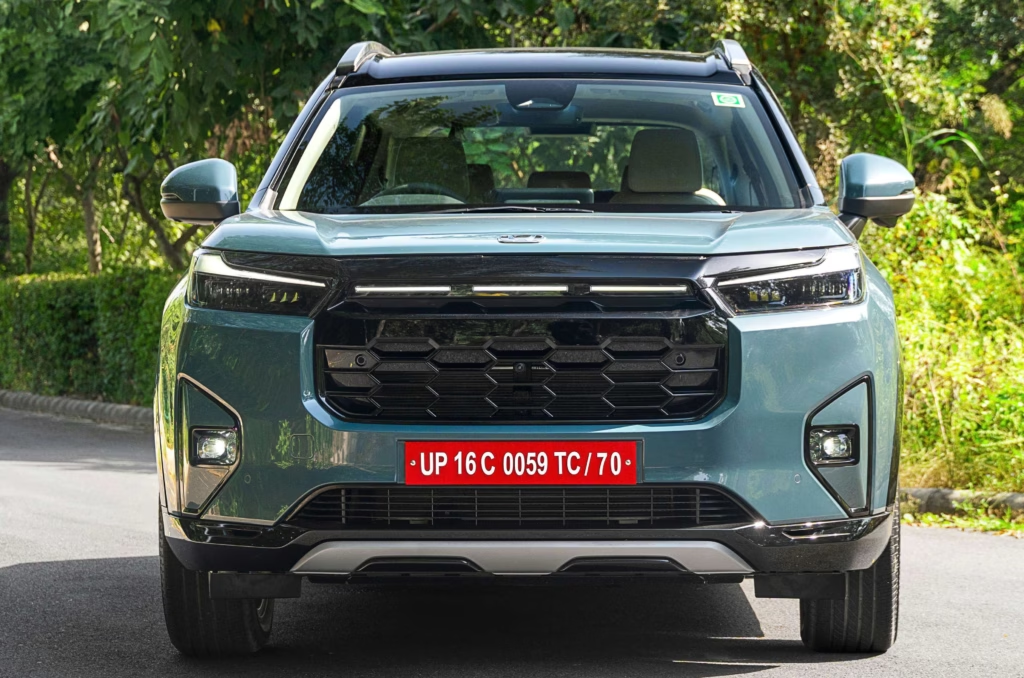
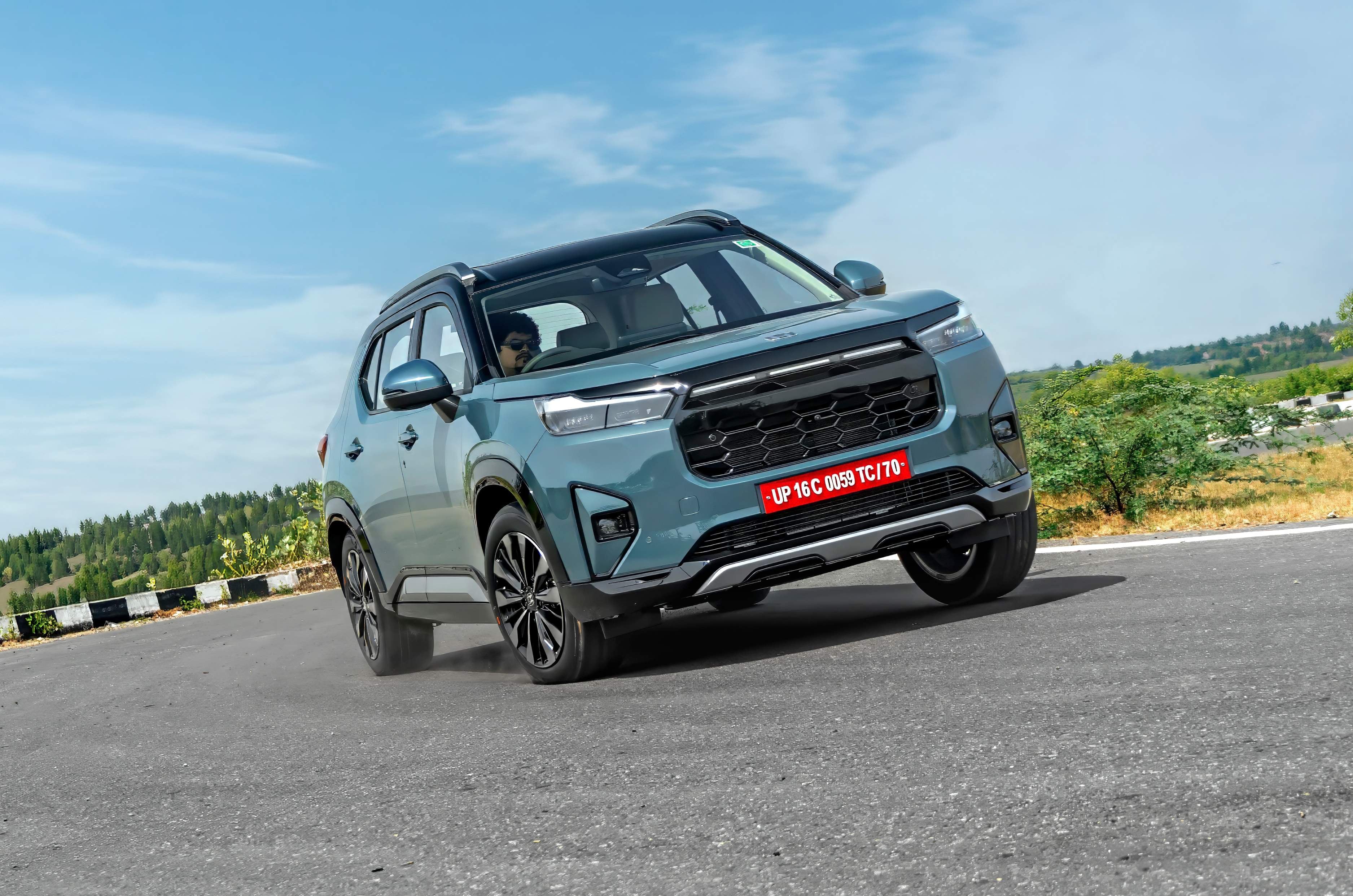
Honda has priced the 2026 Elevate facelift from Rs 11.80 lakh to Rs 18.58 lakh (ex-showroom). Its list of midsize SUV rivals is pretty long, and includes the Hyundai Creta, Kia Seltos, Tata Sierra, Renault Duster, Nissan Tekton, Volkswagen Taigun and Skoda Kushaq. The Elevate is underpinned by the City’s platform, and comes with a single 1.5-litre petrol engine with a choice of manual and CVT gearboxes. Here’s what works in the updated Elevate’s favour, and what doesn’t.
Reasons to buy the 2026 Honda Elevate facelift
Eager engine and confident road manners
A lively engine, tidy handling and strong brakes are among the Elevate’s fortes
The Elevate’s i-VTEC engine provides strong performance, while high-speed stability is good too.
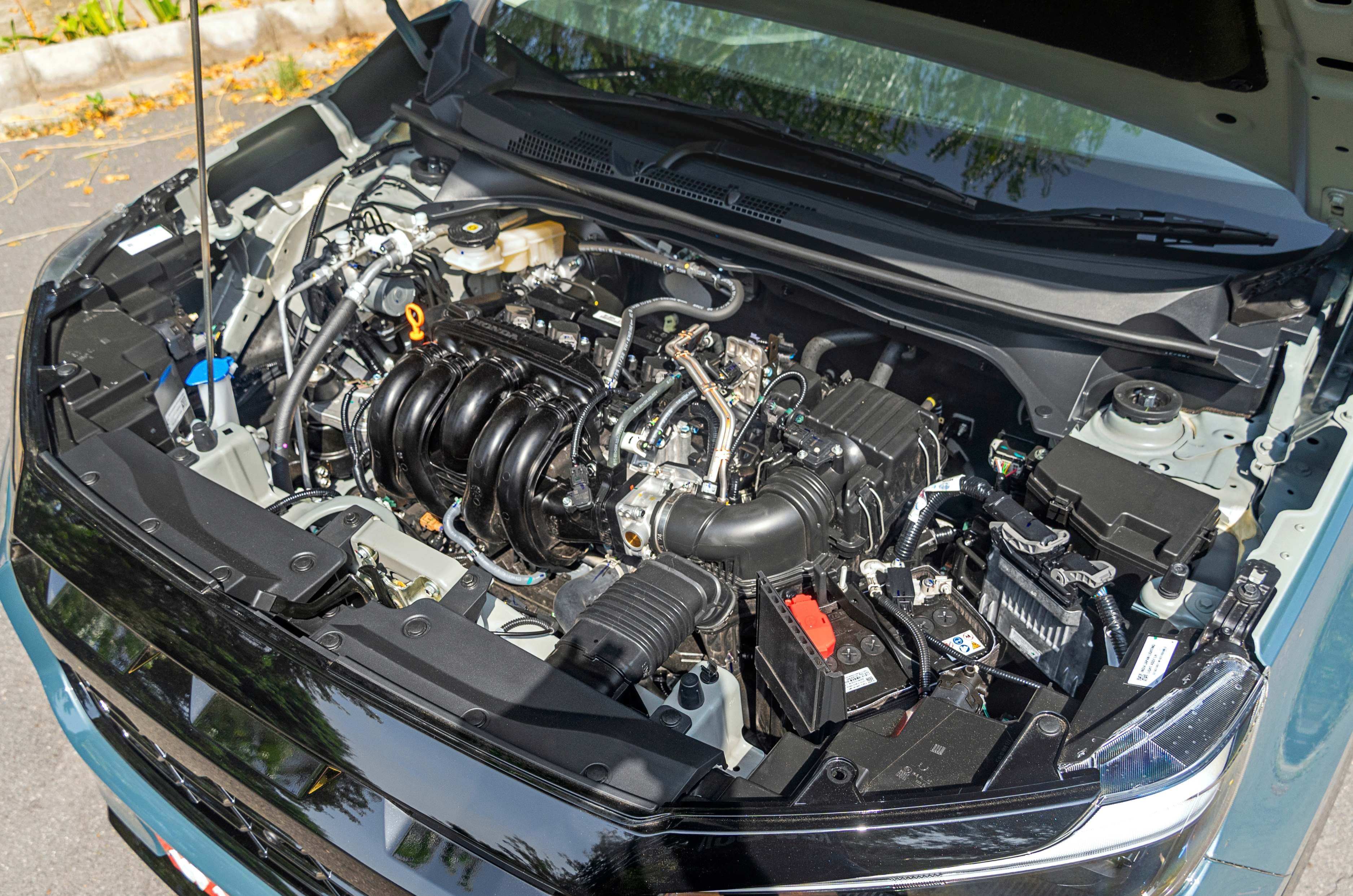
The 2026 Elevate continues with the same 1.5-litre four-cylinder i-VTEC petrol engine of its predecessor, but it’s now WLTP emissions norms compliant. The smooth and eager unit produces 121hp and 145Nm of torque, delivering this power cleanly and progressively all through its rev range. The throttle response is sharp, too. For those looking for a hassle-free urban commuter, the smooth CVT (continuously variable transmission) does the job well. It also gets paddle shifters so you can move through pre-set ratios, offering that extra sense of control.
The Elevate feels planted and offers a good balance between handling and ride quality.
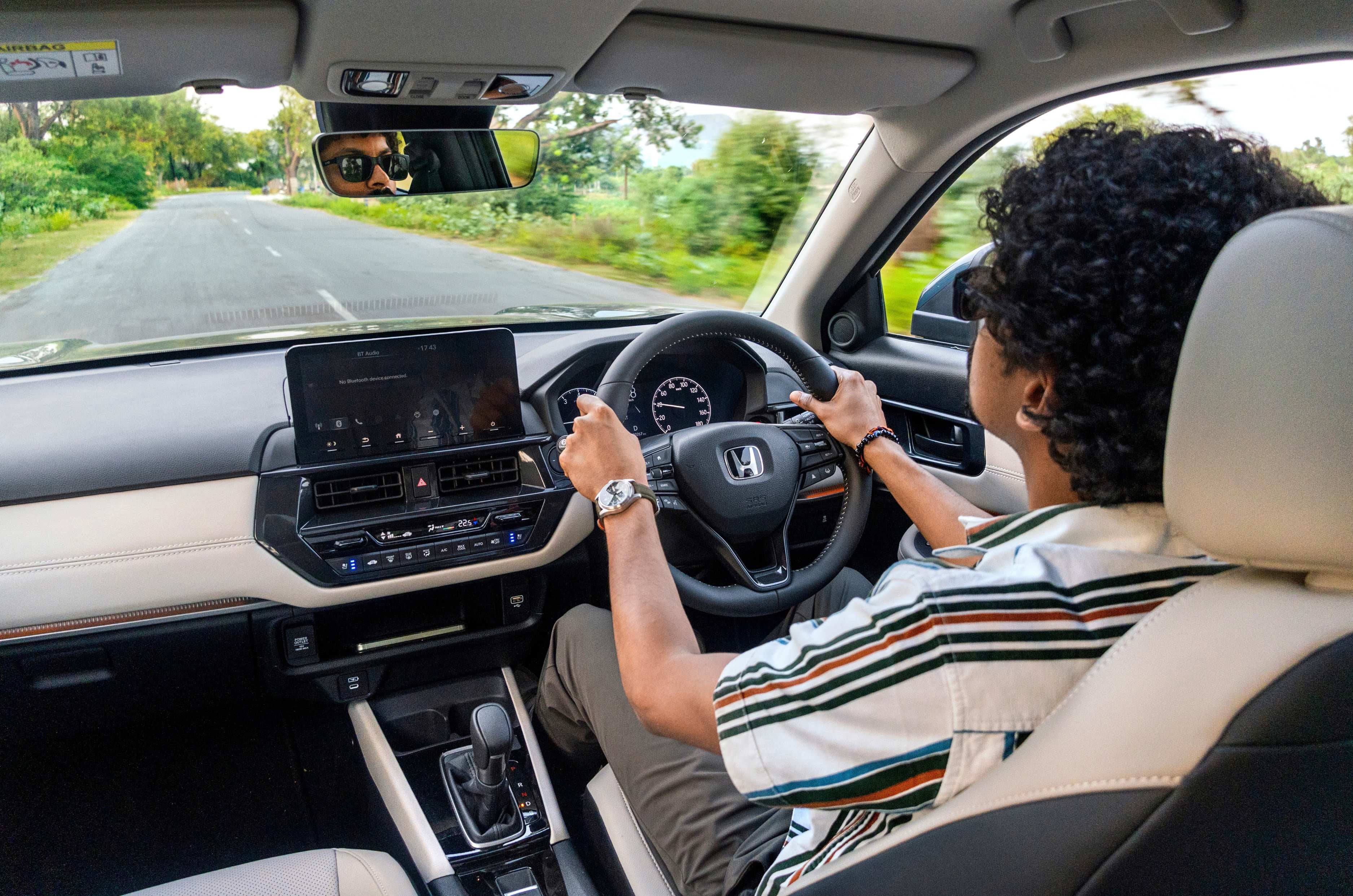
The Elevate has always been an easy car to drive around town, courtesy of a light yet responsive steering that makes parking manoeuvres easy. The steering weighs up progressively as speeds rise, and the Elevate also feels planted out on the open highway, inspiring confidence. A good control on body roll means that, despite its tall SUV stance, the Honda Elevate corners neatly without much drama. The brakes are strong and feel progressive, further inspiring driver confidence. The ride feels firm but the Elevate manages to smooth out surface imperfections with relative ease.
Premium and comfy cabin
Interior retains the model’s practicality quotient while upping the premium experience
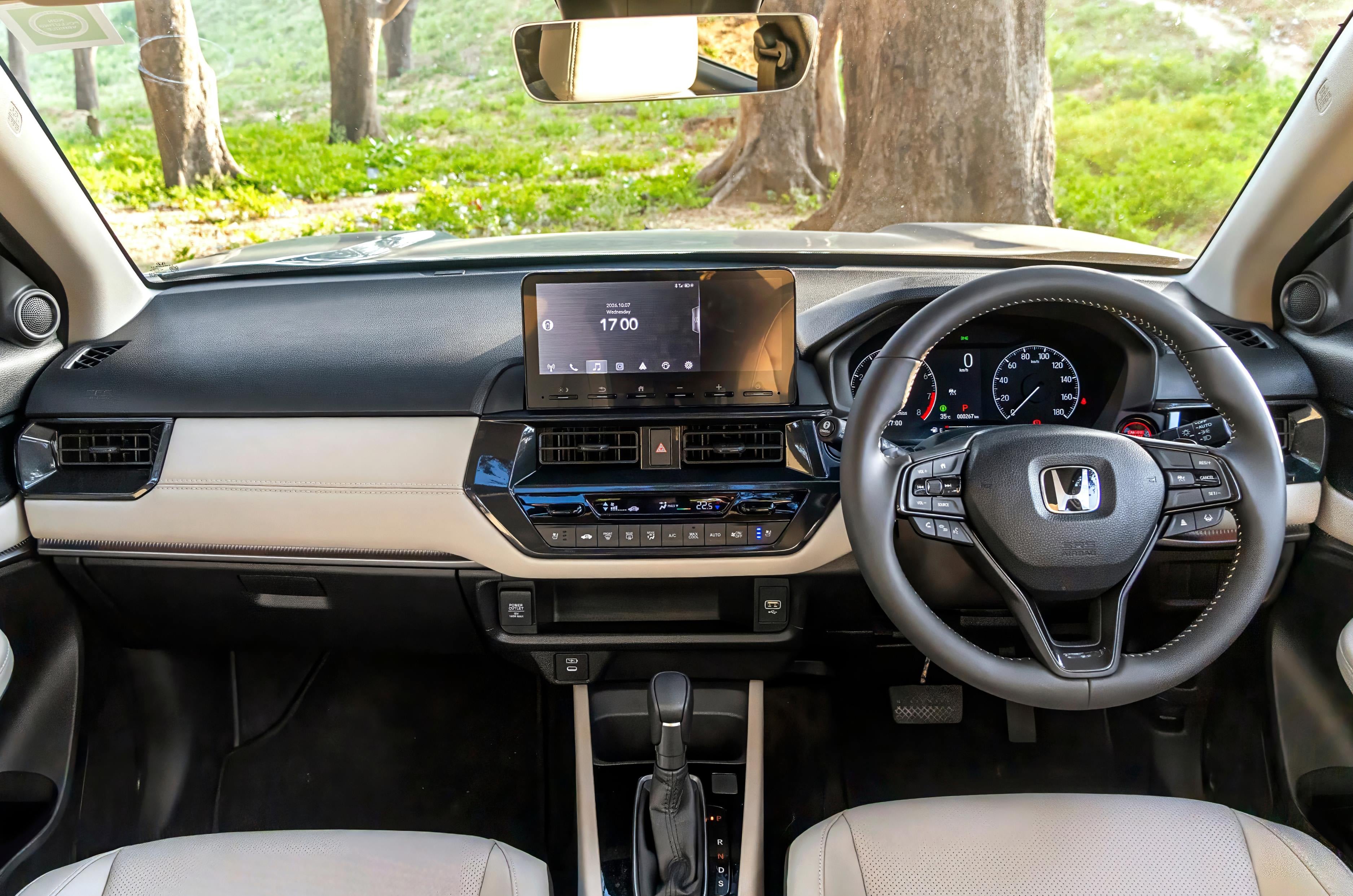
The 2026 update has made this interior feel more premium.
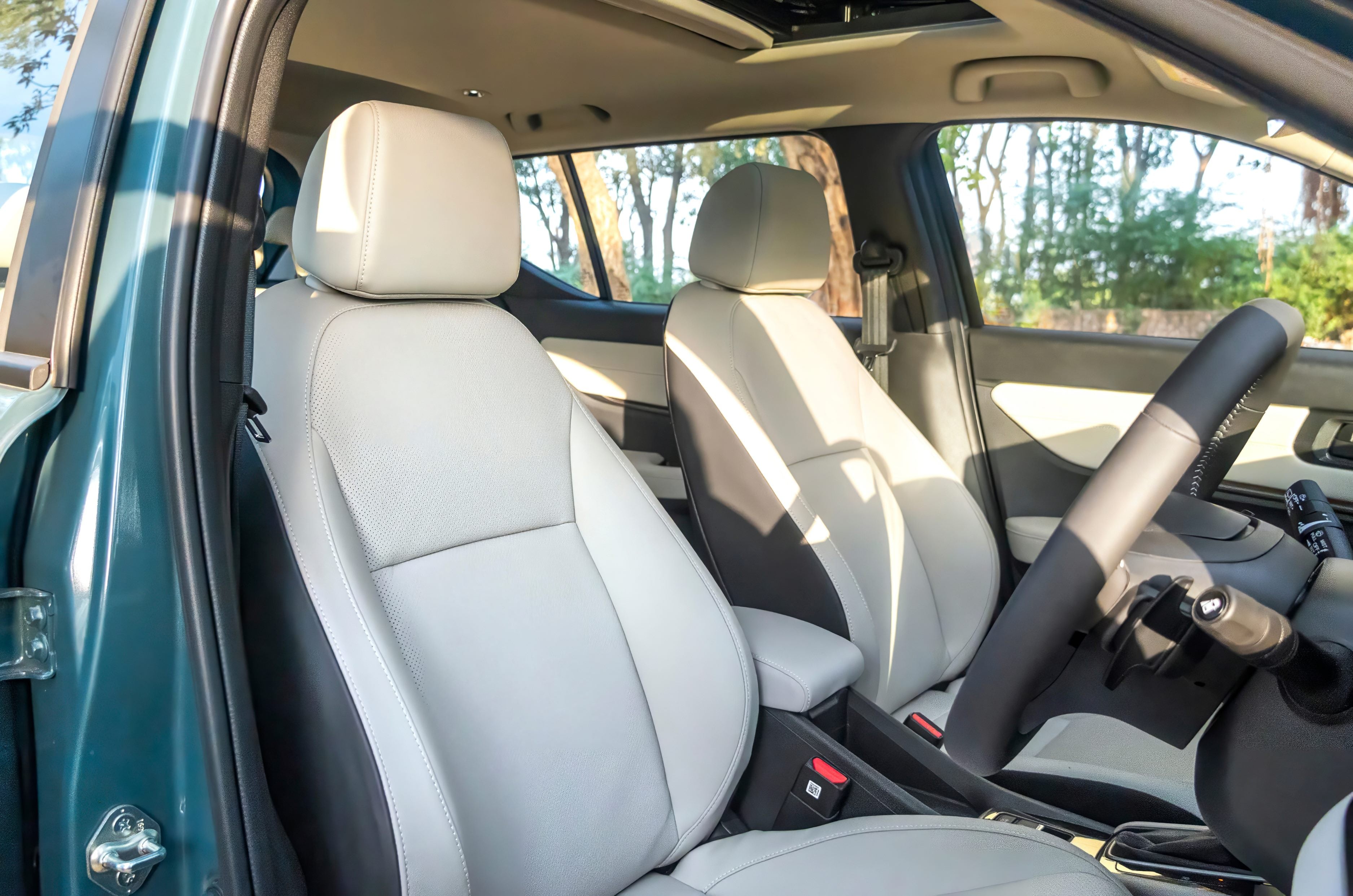
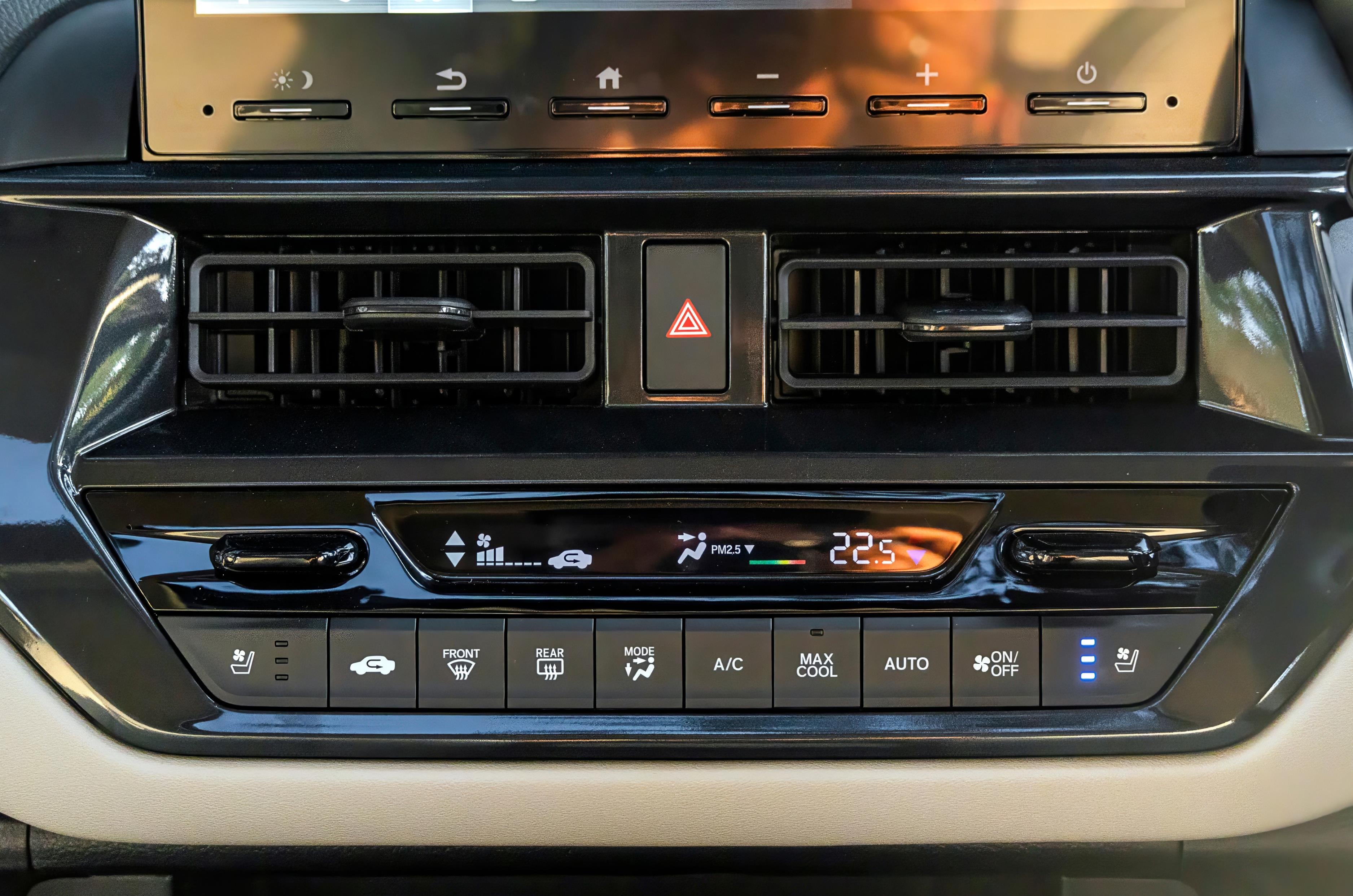
The Elevate has been known for providing an ergonomically sound cabin – this hasn’t changed with the 2026 update. The front seats remain nice and supportive, while finding a comfortable driving position is easy. There’s now lighter leatherette padding and stitching on the dashboard, a revised headliner that looks and feels more premium, and an updated HVAC panel with buttons for the front-seat ventilation feature.
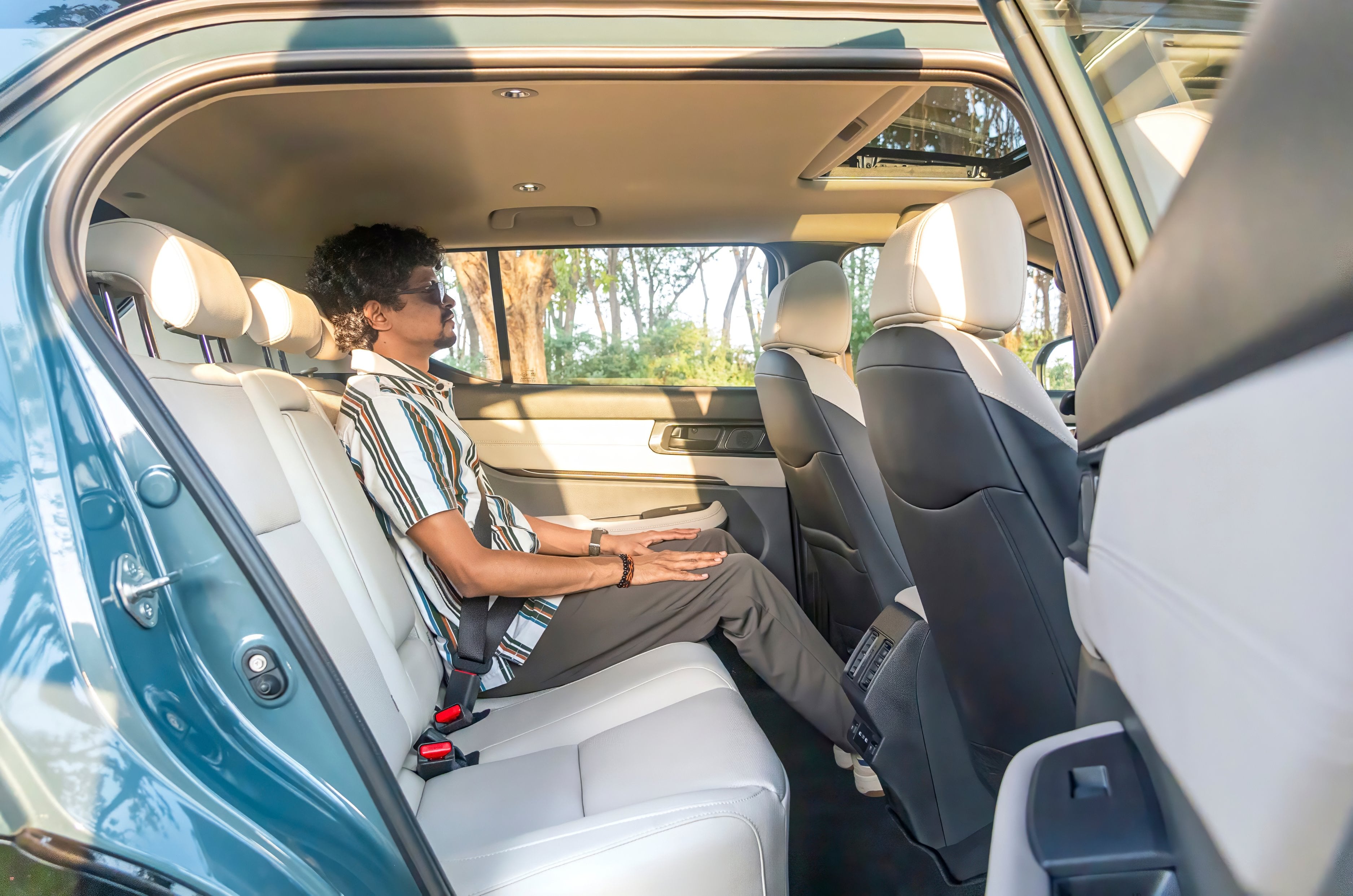
Headroom and kneerom for back-seat passengers is good.
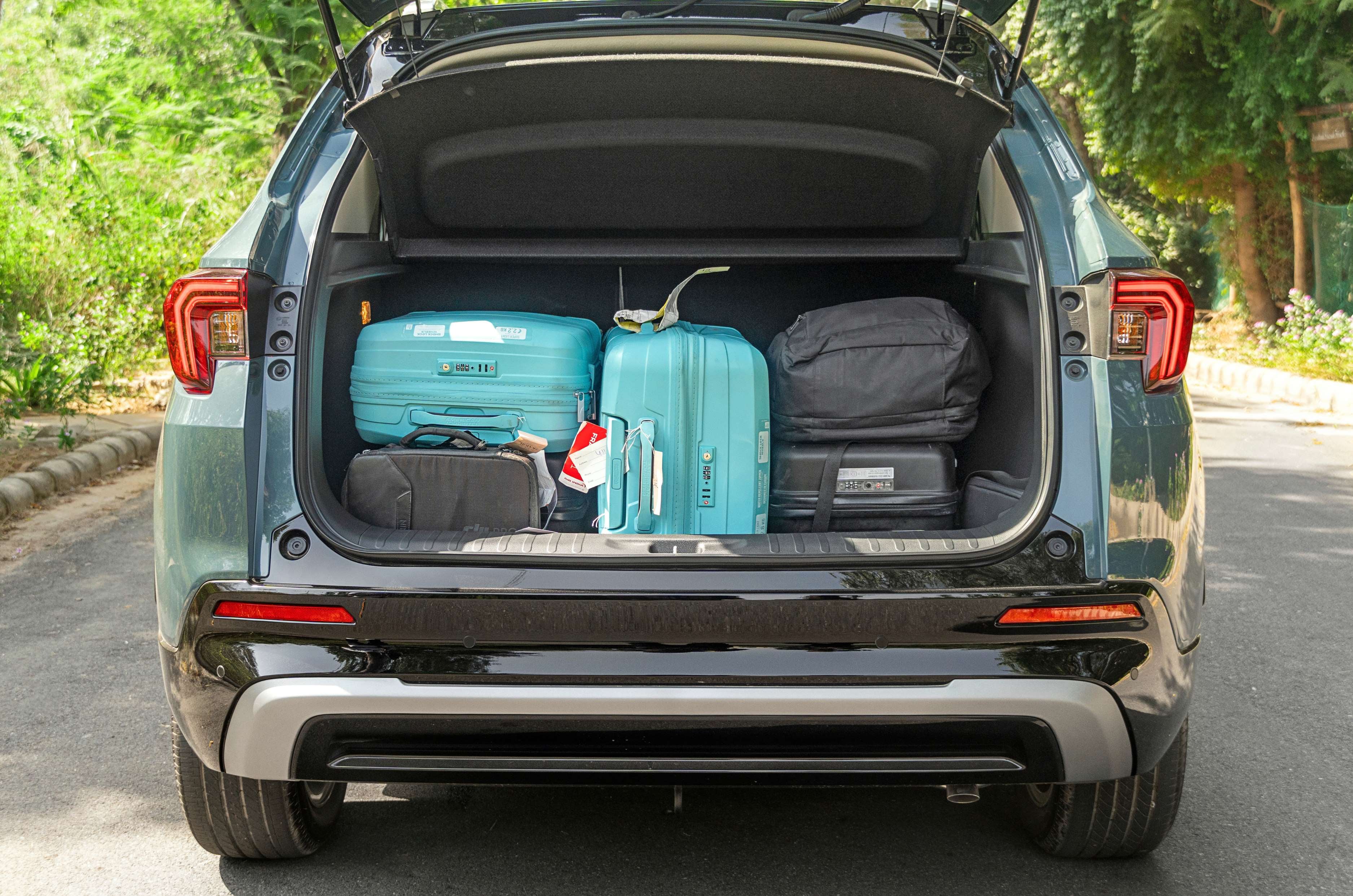
It is easy to get comfortable in the back of the Honda Elevate facelift. There’s plenty of headroom and kneeroom for two adults, while conveniences like a centre armrest with cupholders, dedicated AC vents and USB charging ports add to the overall experience. There’s also no shortage of cubbies to store your knick-knacks, plus a roomy 458-litre boot. You also get a spare tyre under the boot floor, further boosting the Elevate’s practicality.
Better equipped than before
Honda has added more features to the Elevate’s equipment list
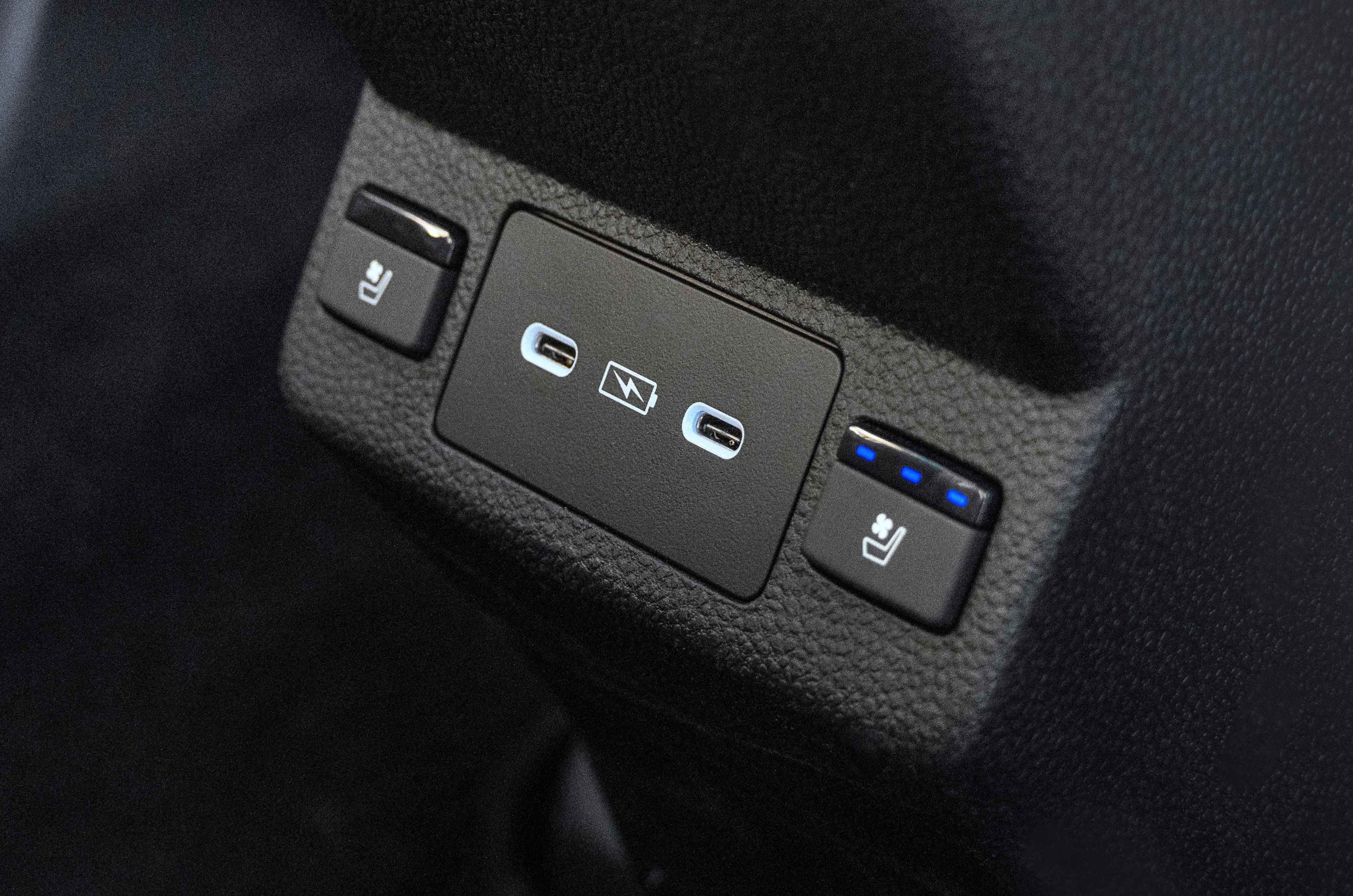
The Honda Elevate now gets segment-first rear-seat ventilation.
The back seats of the 2026 Elevate facelift are also where you will see the new touch-operated LED reading lamps. The Elevate now offers rear-seat ventilation, which is a first for the segment. Features such as orange ambient lighting, multi-way powered front seats, wireless charging, auto climate control with a built-in PM2.5 air purifier, wireless Apple CarPlay & Android Auto, an 8-speaker audio system, a 7-inch MID, and a 360-degree camera are available too.
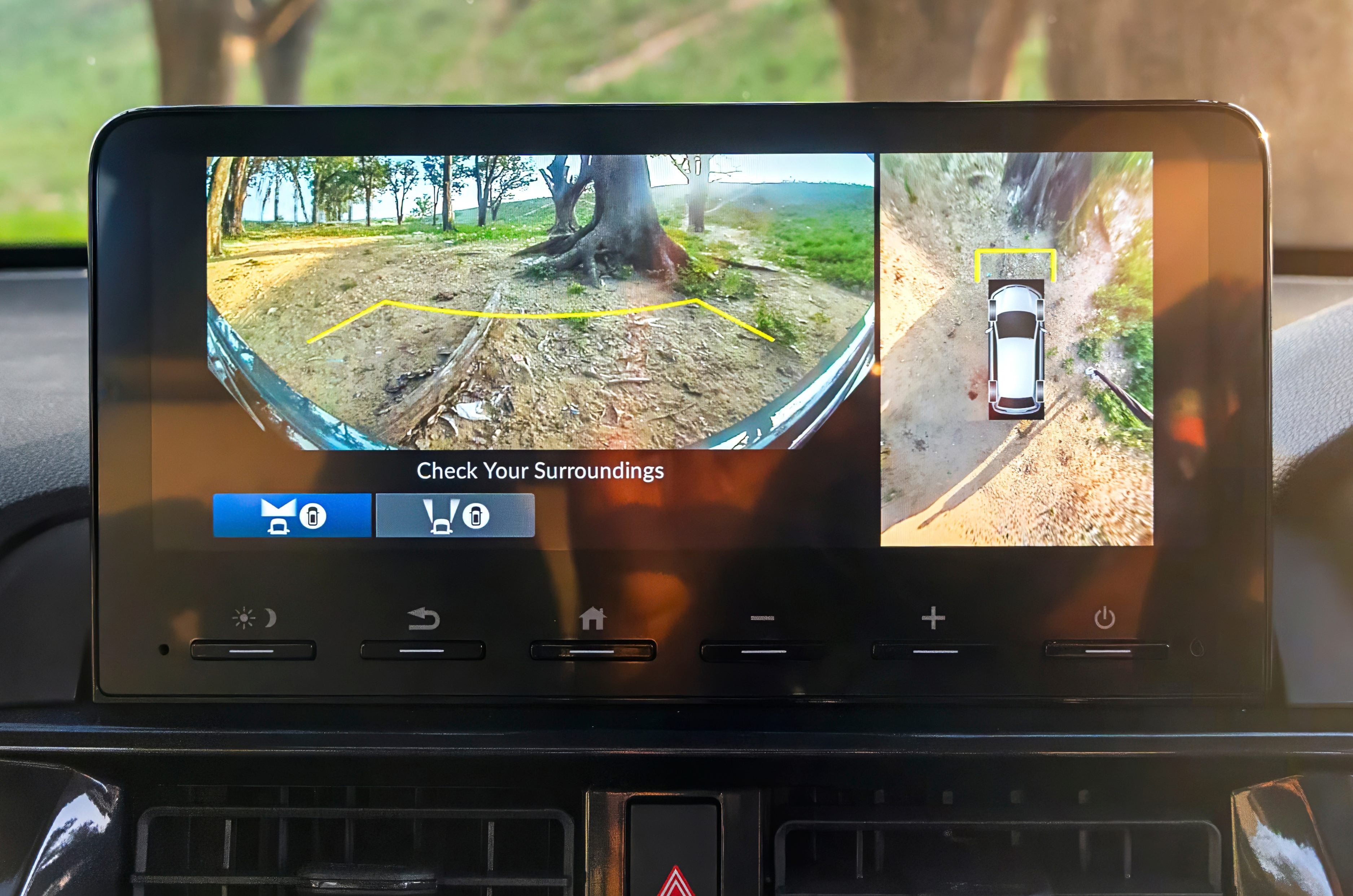
A 360-degree camera is now a factory-fit option on the top-spec trim.
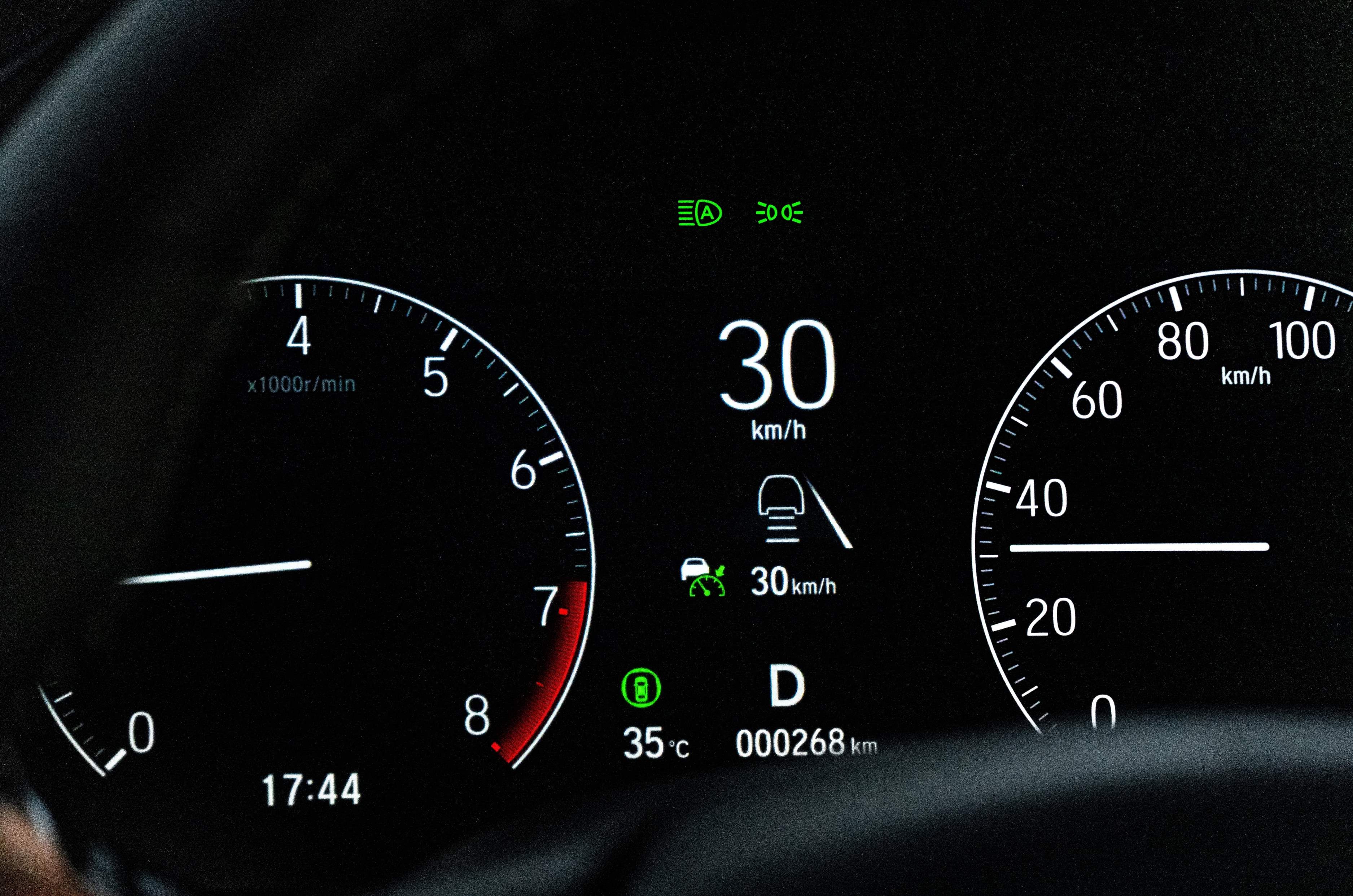
There’s enough on the safety front, too. The 2026 Elevate facelift is available with front parking sensors, Honda’s LaneWatch camera, and a camera-based ADAS (advanced driver assistance systems) suite. This ropes in adaptive cruise control, auto-emergency braking, lane-keep assist and more. The CVT variants get a new low-speed follow function for the adaptive cruise control to tackle stop-and-go traffic conditions, along with rear disc brakes and an electronic parking brake with auto hold. Standard equipment includes 6 airbags, stability & traction control, rear parking sensors, adjustable headrests and three-point seatbelts for all occupants.
Reasons not to buy the 2026 Honda Elevate facelift
Cabin has its shortcomings
Lacklustre noise insulation aside, the Elevate’s cabin still has a few niggles
Some may find the front lumbar support to be excessive.
While the 2026 facelift has made the Honda Elevate more competitive, there’s still room for improvement. For starters, the lumbar support up front can feel intrusive for some, and taller occupants will find the under-thigh support underwhelming. Seating a third passenger in the back wouldn’t be easy, due to the narrower cabin width of the Elevate over some rivals. The raised centre seat doesn’t make this better, either.
Rear occupants will notice vertical movements at higher speeds over undulating roads.
The cabin is quieter than before, but engine and road noise can be heard quite easily at highway speeds. Those at the back will also notice a fair bit of vertical movement over undulating highways at triple-digit speeds.
Only one engine option
The Elevate still doesn’t get a diesel, turbo-petrol, hybrid or CNG option
Lack of engine choices even with the latest update is a definite con for the Honda Elevate.
In a segment where rivals offer multiple engine options (even across fuel types), the 2026 Honda Elevate facelift continues with just the one naturally aspirated petrol unit. This limits its appeal when compared to other offerings in the hotly contested midsize segment. While we are yet to test its mileage, the lack of an automatic engine stop-start system and ‘Eco’ drive mode won’t help boost fuel efficiency.
Latest features reserved for the top trim
Most of the headline features are offered only with the new range-topping ZX+
Only the range-topping ZX+ gets all of the newly introduced features.
If you want all the new bells & whistles that the 2026 Honda Elevate facelift has to offer, you’ll have to stretch your budget to accommodate the new top-spec ZX+ trim. This is where niceties like rear seat ventilation, powered front seats, a 360-degree camera and front parking sensors reside. However, this also means a price tag of between Rs 16.88 lakh and Rs 18.58 lakh (ex-showroom).
The ZX+ trim still misses features like two-zone climate control, a panoramic sunroof and rear sunblinds.
Despite the ZX+’s higher price, it still misses out on a panoramic sunroof, powered tailgate, a fully digital driver’s display, rear sunblinds and dual-zone climate control. Some similarly priced rivals offer a more comprehensive feature set, more cabin space and multiple powertrain options.
The midsize SUV space is now more competitive than ever. Just the last few months have seen new launches in the form of the Tata Sierra, Renault Duster, Nissan Tekton and the facelifts of the Volkswagen Taigun and Skoda Kushaq. Then there are the venerable Kia Seltos and the Hyundai Creta, the latter of which is set to receive a new-gen model next year, and an all-new entrant, the Hyundai Bayon, is about to join the ranks.Powertrain choices have been expanding too; diesel continues to be popular, turbo petrols add a dose of excitement, CNG is fast becoming the high-mileage option and there’s electrification in the form of hybrids and full EVs.So in a bid to keep it relevant, Honda has updated its midsize SUV contender, the Elevate, and here’s how it all comes together.
Design and engineering – 8/10
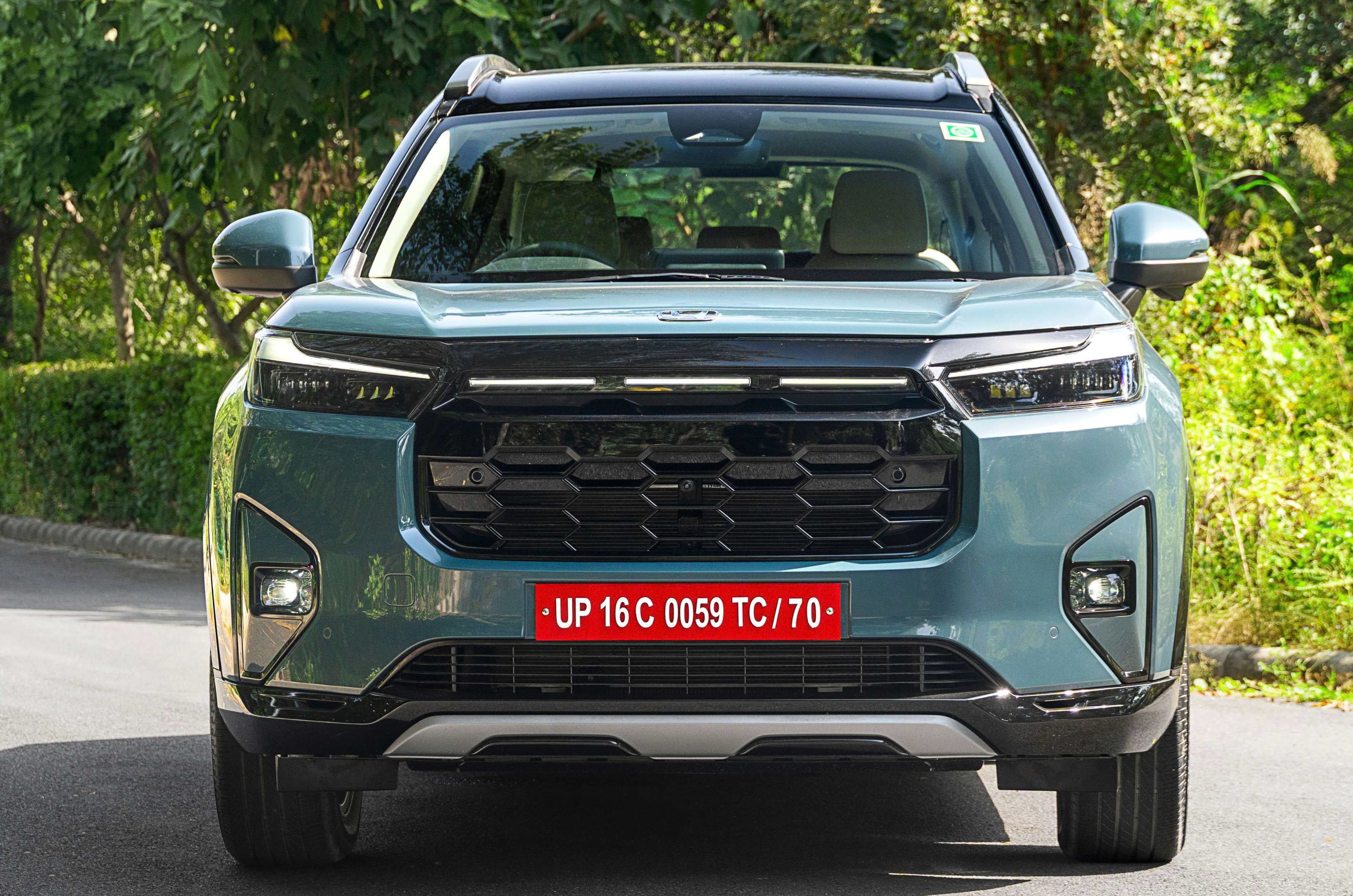
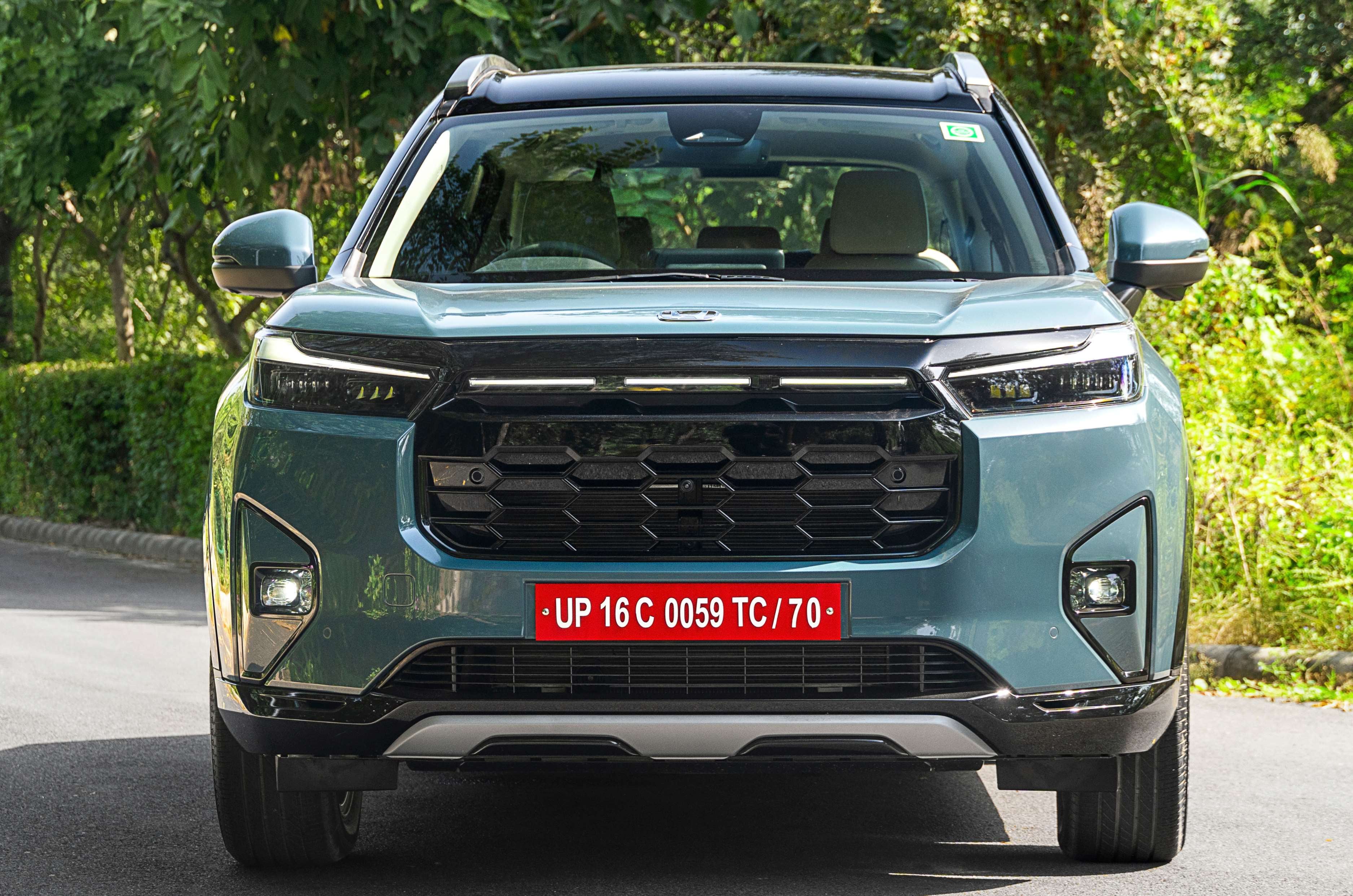
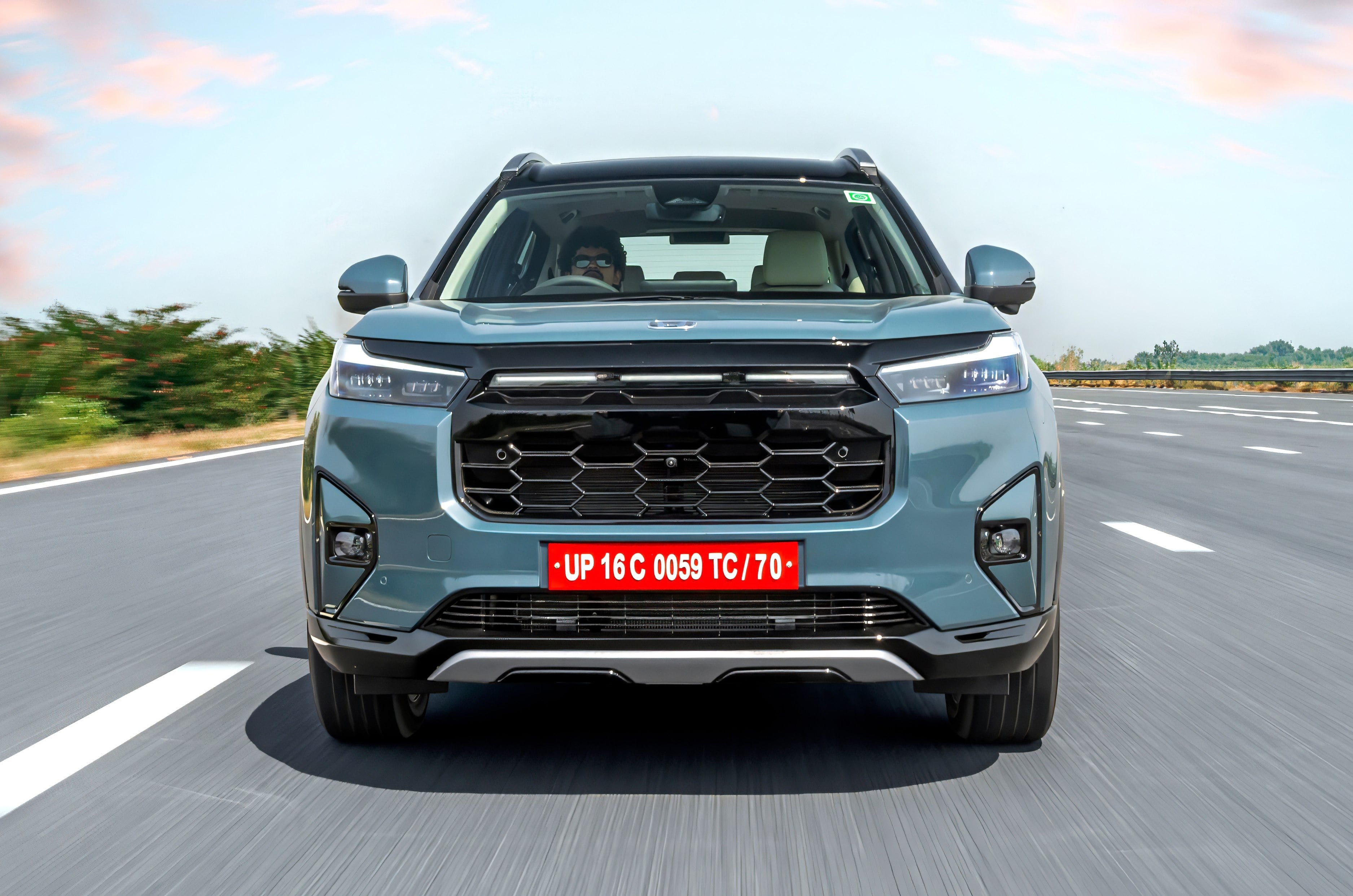
Features a new gloss black grille with a honeycomb pattern and a segmented LED light bar.
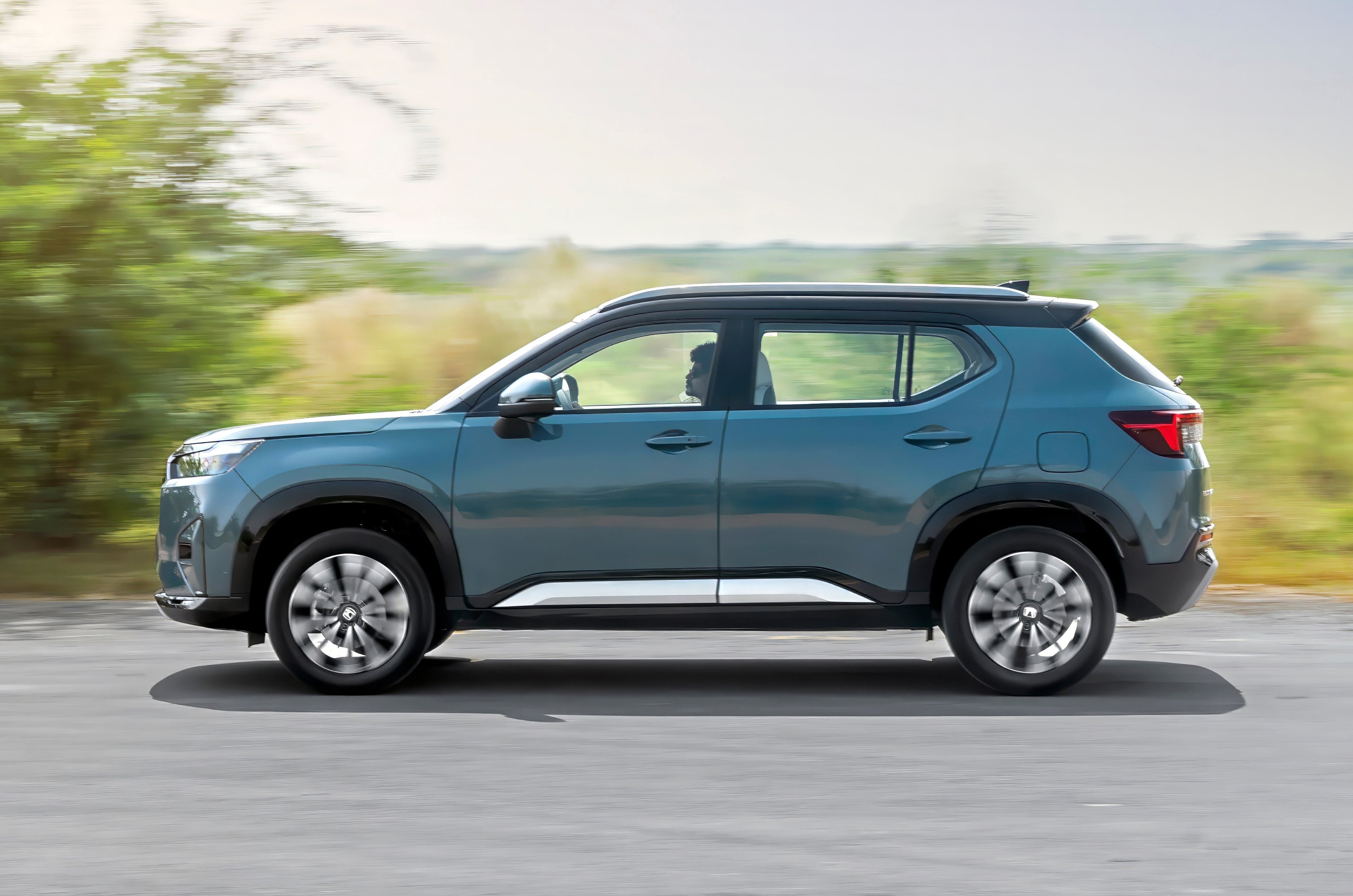
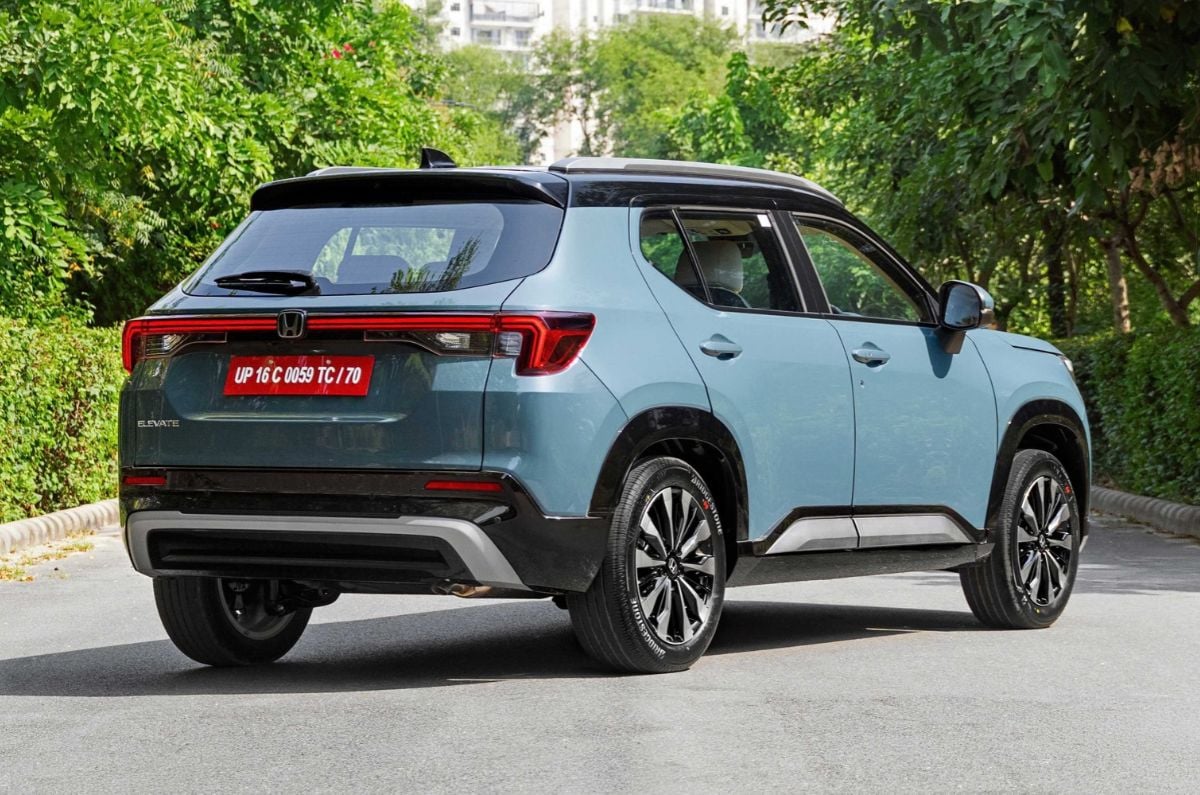
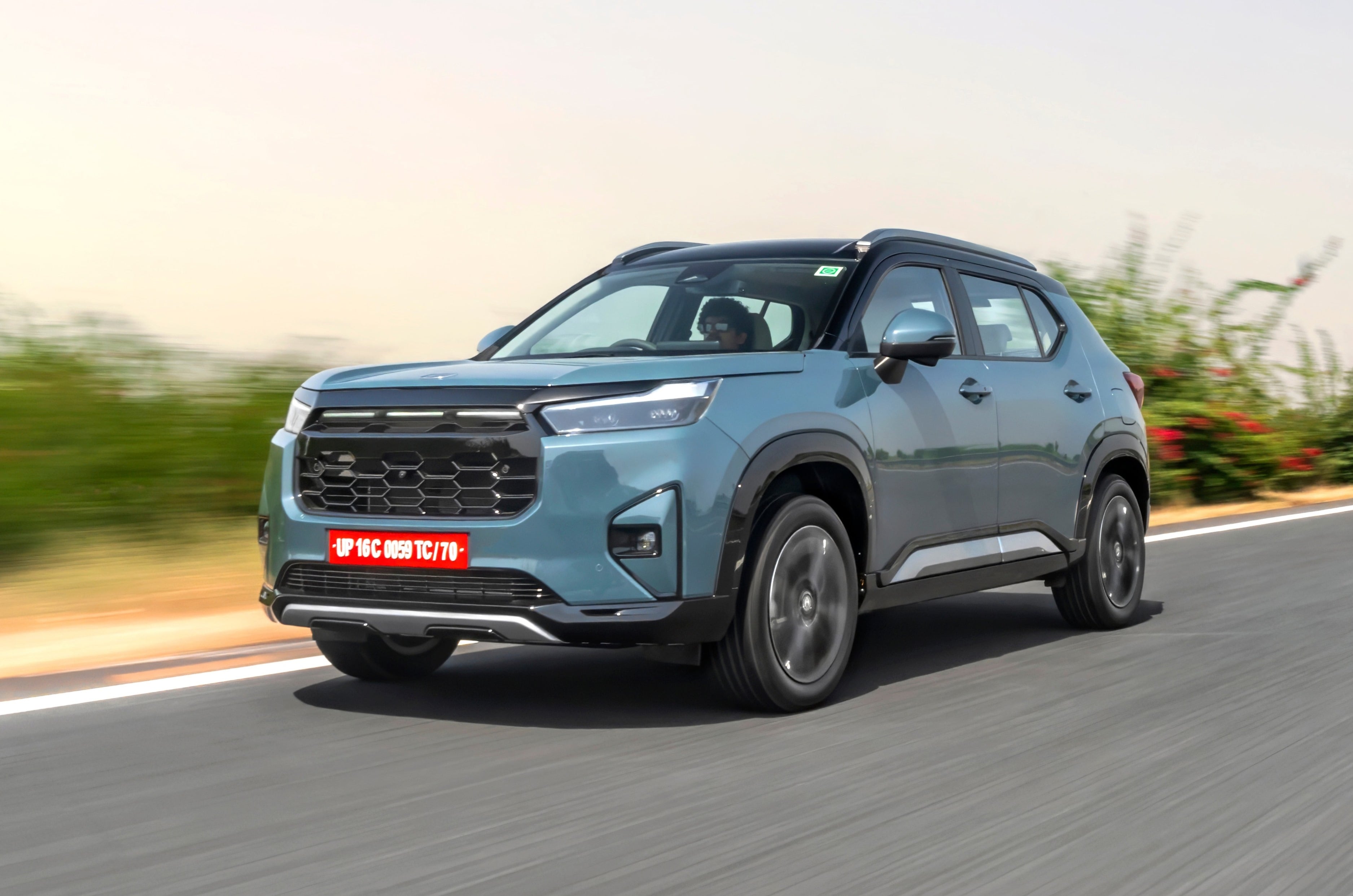
Honda has given the Elevate a subtle design update, but the changes are effective enough to give the SUV a fresher, more contemporary look without straying far from the original design. The biggest revisions are concentrated at the front end, where a new segmented LED light strip links the LED headlamps and the thick chrome band above them has been replaced with gloss black trim. The front grille gets a revised mesh pattern and a gloss-black finish, lending the front end a slightly sportier, more butch appearance. The Honda badge now sits on the bonnet rather than within the grille, while the fog-lamp housings are now finished in body colour instead of black for a cleaner look.
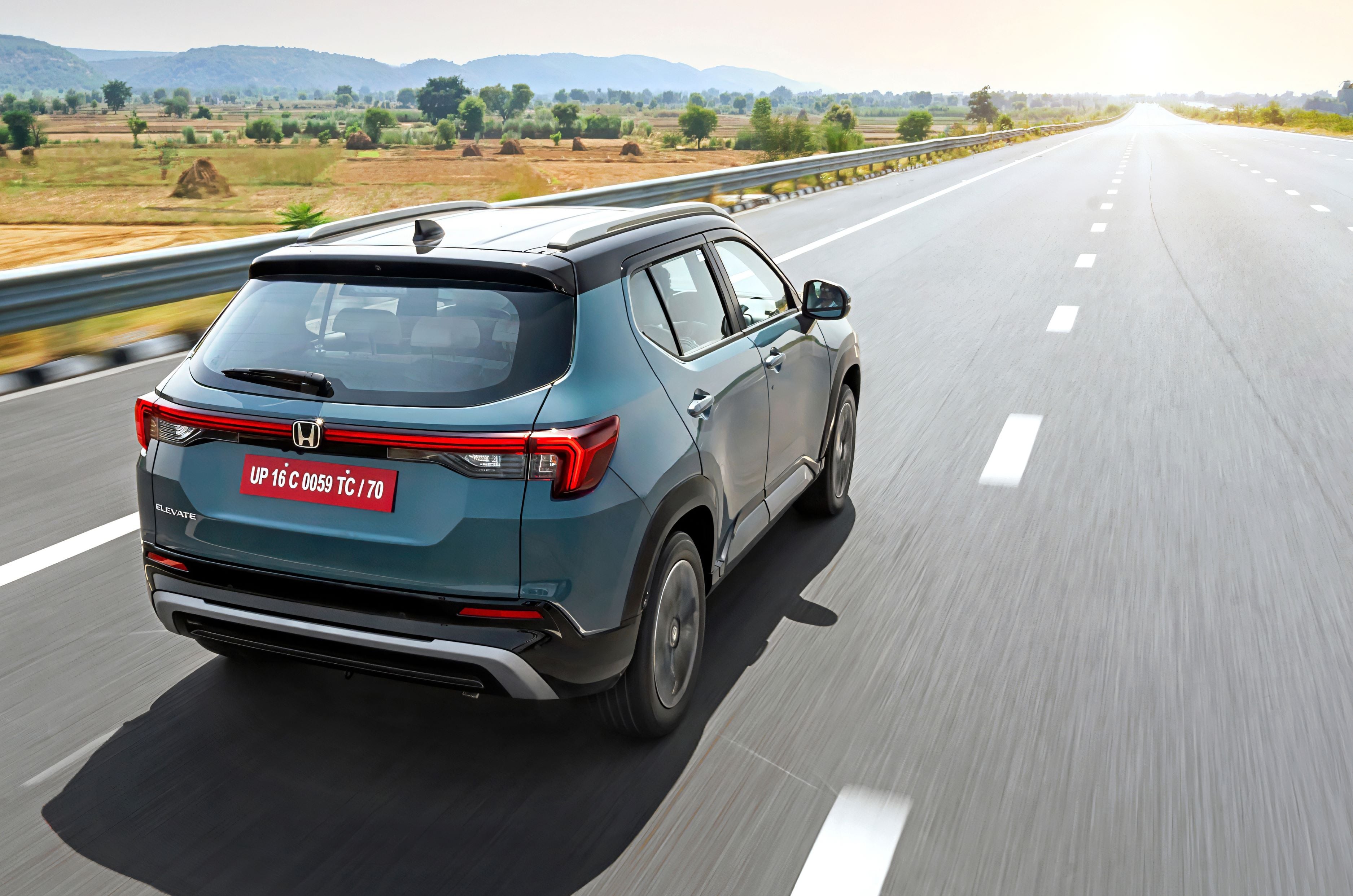
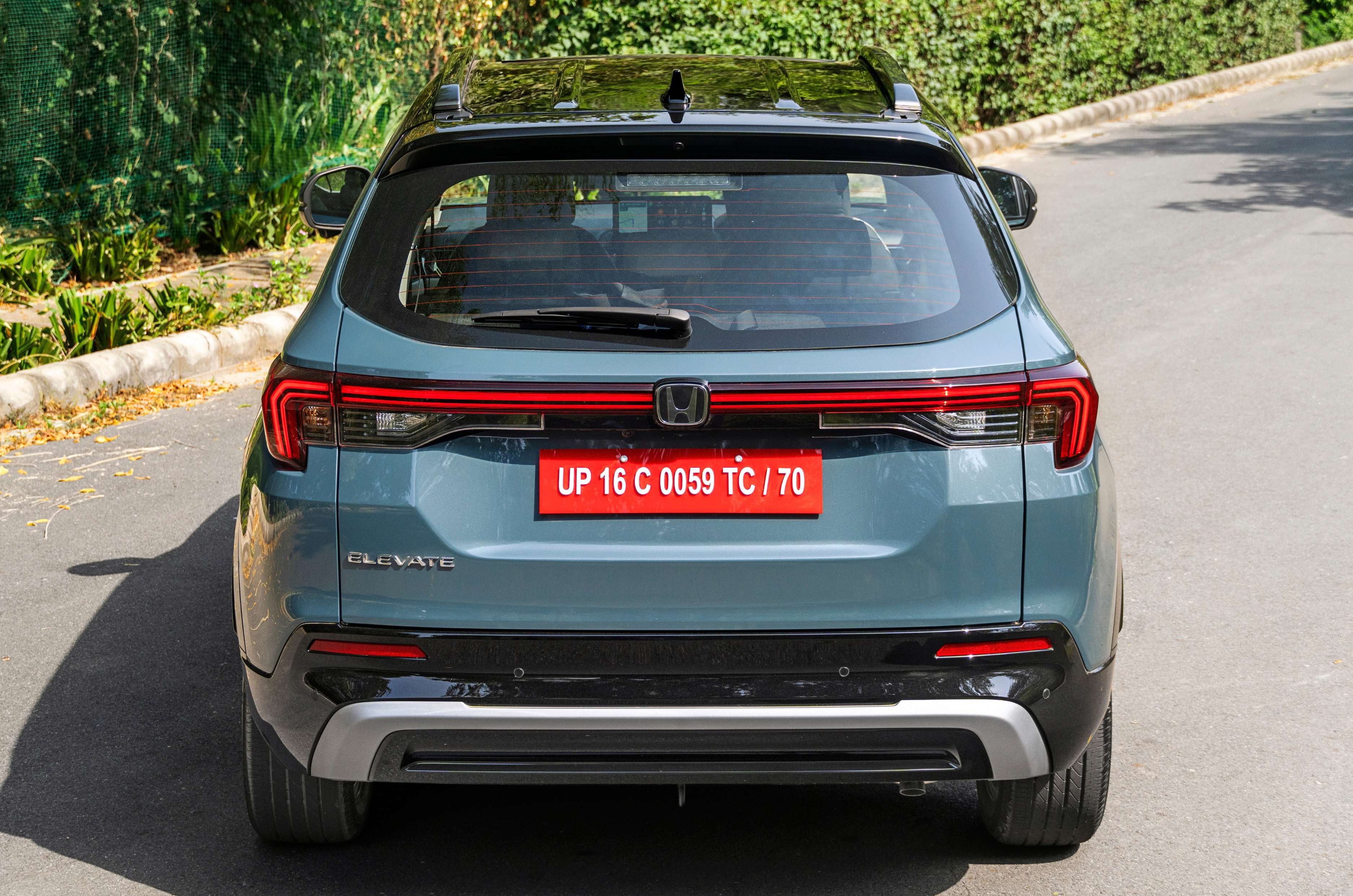
New LED light bar now connects the tail-lamps, giving it a more cohesive appearance.
It’ll take a keen eye to spot the changes along the sides as they’re limited to a new gloss black body cladding instead of a matte finish, silver coloured inserts in the cladding on the doors instead of body colour and a darker finish for the 17-inch alloy wheels which continue with the same design. At the rear, the facelift introduces a new LED light bar that connects the tail-lamps, giving the tailgate a wider, more cohesive appearance, particularly after dark. Rounding off the updates is a new Nordic Forest Pearl paint shade, as you can see in the pictures here.
As for dimensions, it continues to measure 4.3 metres in length, nearly 1.8 metres in width and just over 1.6 metres in height. It’s based on the City platform, but gets a stretched 2650mm wheelbase, wider tracks front and rear and a substantial 220mm of ground clearance.
Interior space and comfort – 8/10
The cabin gets more substantial updates than the exterior, with the changes aimed at improving comfort and perceived quality. To start off, there’s a new ivory and black dual-tone upholstery theme that enhances the sense of space inside and is perhaps more neutral than the tan upholstery earlier. It will be tough to clean though, thankfully there is the option of all-black upholstery with the ‘Black’ edition Elevate.
Upholstery is now ivory and black with a new leatherette panel on the dash; cabin remains practical and feels well-built.
The dashboard has been revised too, with more white leatherette padding and stitching replacing the outgoing model’s faux wood trim, and the AC controls have been revised, now housing the seat ventilation buttons. Honda has even updated the roofliner fabric which looks and feels much nicer than the older woven roofliner. All of this gives the cabin a fresher look, although the overall layout remains familiar.
Front seats remain comfortable and now feature ventilation and power adjustment.
Ergonomics remain a strong point, with the Elevate offering a commanding driving position and supportive front seats that make it easy to get comfortable behind the wheel. The lumbar support, however, might feel excessive for some and taller people may find underthigh support a bit lacking.
Ample headroom and kneeroom but best for two adults thanks to the narrow width and raised centre seat.
At the rear, space is generous, with plenty of kneeroom and headroom making it a very comfy place for two adults. However, fitting a third passenger will be tight thanks to the cabin’s limited width and raised centre seat. There are no sunblinds either, but Honda has added an adjustable headrest and a three-point seatbelt for the centre passenger, which was an omission earlier. Features back here include dedicated AC vents, USB charging ports, a fold down centre armrest with cupholders, new capacitive-touch LED reading lamps and the most prominent, seat ventilation.
428-litre boot can fit in more than the number suggests; continues to feature a spare tyre under the boot floor.
Practicality, meanwhile, remains a strength, with the Elevate offering ample storage spaces throughout the cabin. The boot is also a substantial 458-litres and can pack in much more than the number would suggest. What’s also nice is that it continues to get a spare tyre under the boot floor.
Features and safety – 8/10
360-degree parking camera is a helpful addition but has limited angles of view and a small display on the screen.
The Elevate facelift addresses some of the key equipment gaps in the outgoing model, bringing a more comprehensive feature set to the table. In terms of safety features, there’s now a 360-degree camera (its display on the screen is quite small though, with limited angles of view), which works alongside the existing ‘LaneWatch’ camera, though curiously this feature is still only for the left hand side.
ADAS suite now packs in a useful low-speed follow function for the adaptive cruise control.
Front parking sensors have also been added to make parking and manoeuvring in tight gaps easier. However, the CVT variants get even more safety kit in the form of an electronic parking brake with auto hold function, rear disc brakes and the addition of a low-speed follow function for the adaptive cruise control, which is useful in stop-and-go traffic.
Rear-seat ventilation is a first-in-segment, but it’s only available in the top-spec ZX+ trim.
As for comfort and convenience features, the most important additions are the ventilated front and rear seats, the latter which is a segment-first. Though they take some time to cool effectively, it has enhanced the Elevate’s cabin comfort. Then there’s powered front seats – 8-way for the driver and 4-way for the passenger – ambient lighting and a PM2.5 air purifier. Other than that, much of the existing equipment has been carried over unchanged.
AC controls have been revised with new buttons for seat ventilation; now features an air purifier too.
There’s a 10.25-inch infotainment touchscreen with wireless smartphone integration (though its software and feature set still feel basic at best), semi-digital instrument cluster, a single-pane sunroof, wireless phone charger, six airbags, ESC, traction control, camera-based ADAS tech including auto emergency braking, lane keep assist and more. Still however, there are some features missing that rivals offer like a dual-zone for the auto climate control, panoramic sunroof and powered tailgate.
Powertrain and refinement – 8/10
121hp, free-revving, naturally aspirated 1.5 petrol remains the only engine option with the Elevate.
There have been no changes under the hood of the Honda Elevate. It still continues to be powered by a 1.5-litre, four-cylinder, naturally aspirated petrol engine that produces 121hp and 145Nm. Gearbox options remain unchanged too, with a 6-speed manual and a 7-step CVT automatic, and we got to sample the latter. However, the engine has been future-proofed and is now WLTP emissions norms compliant while already being E20 fuel compatible.
This i-VTEC engine still impresses however. Throttle response is immediate, with no noticeable delay, making the engine feel sharp and eager. As before, the naturally aspirated motor pulls cleanly from idle all the way to the redline, in a smooth and progressive manner. However, it feels most energetic higher up the rev range, where it feels at its most potent too.
The 7-step CVT works well as an automatic, making light work of everyday commuting with its smooth operation. Paddle shifters with pre-set ratio points also give it some resemblance to a conventional automatic, allowing you to have greater control. However, push the throttle hard and the familiar ‘rubber band’ effect becomes apparent, with the engine holding on to high revs for extended periods, which doesn’t make for a relaxed driving experience. In this respect, Hyundai and Kia’s chain-driven CVT feels a bit smoother and more responsive than this belt-driven one.
As for performance, we managed a 0-100kph time of 11.89sec with the pre-facelift Elevate CVT and you can expect this facelifted model to be in the same ballpark. Expectedly, the manual does a quicker 10.82sec time to 100kph.
However, like before the lack of powertrain options is disappointing. In a time when rivals are offering diesels, turbo petrols, strong hybrids and CNGs, the Elevate has to soldier on with a solitary, naturally-aspirated petrol engine which restricts its appeal.
It feels quieter than before but there’s still prominent engine and road noise filtering into the cabin, especially on highways.
Honda has also worked on improving the Elevate’s noise insulation, an area where the existing model lacked. The company claims better isolation from both engine and road noise, but that has worked only to a small extent, in our experience. It feels quieter than before but there’s still prominent engine and road noise filtering into the cabin, especially at highway speeds, and there’s definitely more room for improvement here.
Fuel efficiency – 7/10
Given our short test drive, we didn’t subject the Elevate facelift to our real-world mileage tests. For reference though, the pre-facelift Elevate CVT did 8.60kpl in the city and 13.10kpl on the highway while the Elevate MT managed 8.7kpl in the city and 13.30kpl out on the highway. The Elevate CVT misses out on an Eco drive mode and auto start/stop, which certainly affects its fuel efficiency.
Ride comfort and handling – 8/10
Despite being a high-riding SUV, the Elevate feels remarkably composed on the move.
As before, the Honda Elevate continues to impress with its ride and handling balance. Despite being a tall riding SUV, it feels remarkably composed on the move. Suspension damping, though on the firmer side, is well judged and does a good job of ironing out road imperfections. It’s only when you’re travelling at triple digit speeds on an undulating highway is where you’ll notice quite a bit of vertical movement in the rear seat. But apart from that, the Elevate feels planted on the road.
Body roll is also well contained for a tall SUV, making it predictable around bends.
The steering is accurate and light at slow speeds, which helps with manoeuvrability, but it picks up weight progressively which is reassuring. Body roll is also well contained for a tall SUV and as such, it’s predictable around bends. As for the brakes, the CVT has gained rear discs but that hasn’t made a noticeable difference. Braking performance, like before, remains strong with a nice, progressive feel.
Value for money and verdict – 7/10
With this facelift, Honda has addressed some of the Elevate’s earlier shortcomings with some much-needed features and the updated look and feel inside the cabin. However, some drawbacks still remain like the lack of powertrain options and the below-par sound insulation.
It remains a sensible, practical midsize SUV that continues to prioritise the essentials over outright novelty.
What the Elevate continues to get right, though, are the fundamentals. It continues to offer a comfortable and practical cabin, a responsive engine and a well-sorted ride and handling package. Add to that the design refresh and the fairly expansive features list, and the Elevate facelift feels more rounded than before. Priced from Rs 11.80 lakh to Rs 18.40 lakh (ex-showroom), it’s still very competitively priced, though the new top ZX+ variant is up there with the heavy hitters.
Ultimately, the Elevate remains a sensible, practical midsize SUV that continues to prioritise the essentials over outright novelty. As a result, the Elevate facelift represents a great option for buyers who value comfort, everyday usability, reliability and the peace of mind associated with the Honda badge.
कॉकरोच जनता पार्टी (CJP) ने शनिवार को दावा किया कि दिल्ली पुलिस ने उसके नेताओं अभिजीत दीपके, सौरव दास और आशुतोष रांका को राष्ट्रीय राजधानी में उनका प्लेन उतरने के बाद हिरासत में ले लिया। सोशल मीडिया पर प्लेन के वीडियो वायरल हो रहे हैं। वीडियो में दिल्ली पुलिस कह रही है कि यह गिरफ्तारी नहीं है। CJP ने एक बयान जारी कर कथित रूप से हिरासत में लिए जाने की निंदा की है। दावा किया कि है यह उसके नेताओं को प्रस्तावित प्रदर्शन स्थल तक पहुंचने से रोकने के लिए पहले से बनाई गई योजना का हिस्सा है।
CJP के नेता मुंबई से दिल्ली पहुंचे थे। पार्टी ने इस कार्रवाई को बेरोकटोक आवाजाही की स्वतंत्रता का उल्लंघन बताते हुए तीनों नेताओं को तत्काल और बिना किसी शर्त के रिहा करने की मांग की। मुख्य चुनाव आयुक्त (CEC) ज्ञानेश कुमार के इस्तीफे की मांग को लेकर कॉकरोच जनता पार्टी (CJP) ने शनिवार, 10 अक्टूबर को राजधानी दिल्ली के जंतर-मंतर पर विरोध-प्रदर्शन का आह्वान किया है।
ज्ञानेश कुमार पर मतदाता सूची के स्पेशल इंटेंसिव रिवीजन (SIR) की आड़ में मतदाता सूचियों में गड़बड़ी करने का आरोप लगा है। साथ ही वोटर रजिस्ट्रेशन के दस्तावेज ‘फॉर्म 6’ में बदलाव के लिए दो सहयोगी निर्वाचन आयुक्तों की आपत्ति को दरकिनार करने के आरोप भी हैं। इसी मुद्दे को लेकर CJP ने विरोध-प्रदर्शन का आह्वान किया है।
“…मैं यहां गिरफ्तार होने ही आया हूं”
अभिजीत दीपके की फ्लाइट कुछ ही मिनट पहले इंदिरा गांधी इंटरनेशनल (IGI) एयरपोर्ट पर उतरी है। वीडियो में अभिजीत दीपके दिल्ली पुलिस से कहते हुए दिख रहे हैं, “…मैं यहां गिरफ्तार होने ही आया हूं; कर लीजिए गिरफ्तार।” वहीं दिल्ली पुलिस के जवान कह रहे हैं कि “नहीं, यह गिरफ्तारी नहीं है। कृपया सहयोग करें।”
ध्रुव राठी को लिया हिरासत में
News18 की रिपोर्ट के मुताबिक, दिल्ली पुलिस इस विरोध प्रदर्शन में शामिल होने आए मशहूर यूट्यूबर और सोशल मीडिया इनफ्लुएंसर ध्रुव राठी को भी हिरासत में ले चुकी है। पुलिस ने राठी को शनिवार सुबह गुरुग्राम स्थित उनके आवास से हिरासत में लिया। सुबह करीब 7:48 बजे पुलिस सेक्टर 56 के सेंट्रल पार्क विहार में उनके घर पहुंची। शुक्रवार देर रात से ही उनके आवास के बाहर लगभग 50 पुलिसकर्मी तैनात हो गए थे। शनिवार सुबह सिविल ड्रेस और पुलिस की वर्दी में पहुंचे लगभग 50 पुलिसकर्मियों ने औपचारिक रूप से ध्रुव राठी को हिरासत में ले लिया।
दिल्ली में कानून-व्यवस्था बनाए रखने और प्रदर्शन को रोकने के लिए चलाए जा रहे इस व्यापक अभियान के तहत पुलिस ने कई अन्य लोगों को भी हिरासत में लिया है। जंतर-मंतर पहुंचने की कोशिश कर रहे लगभग 200 प्रदर्शनकारियों को दिल्ली पुलिस ने शुक्रवार को हिरासत में ले लिया। नई दिल्ली के पूरे इलाके में पुलिस प्रदर्शन स्थल तक पहुंचने की कोशिश कर रहे लोगों की आवाजाही पर नजर रखने के लिए ड्रोन का इस्तेमाल कर रही है। न्यूज एजेंसी पीटीआई के मुताबिक, पुलिस सूत्रों का कहना है कि एहतियाती उपायों के तहत राष्ट्रीय राजधानी के सभी 15 जिलों में आपराधिक रिकॉर्ड वाले 600 से अधिक लोगों को हिरासत में लिया गया है।
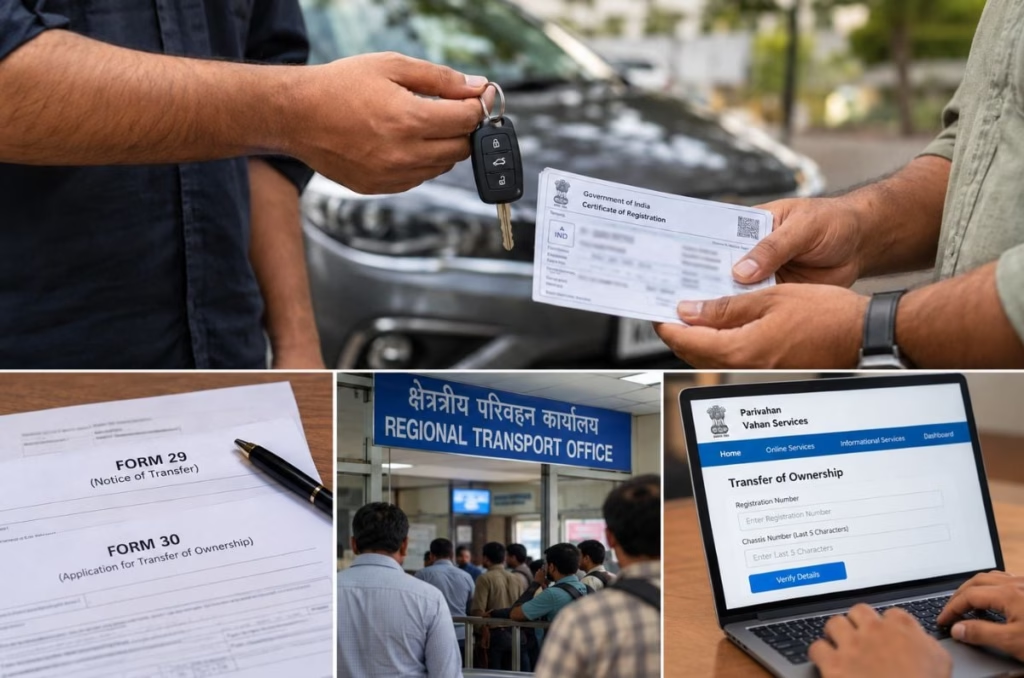
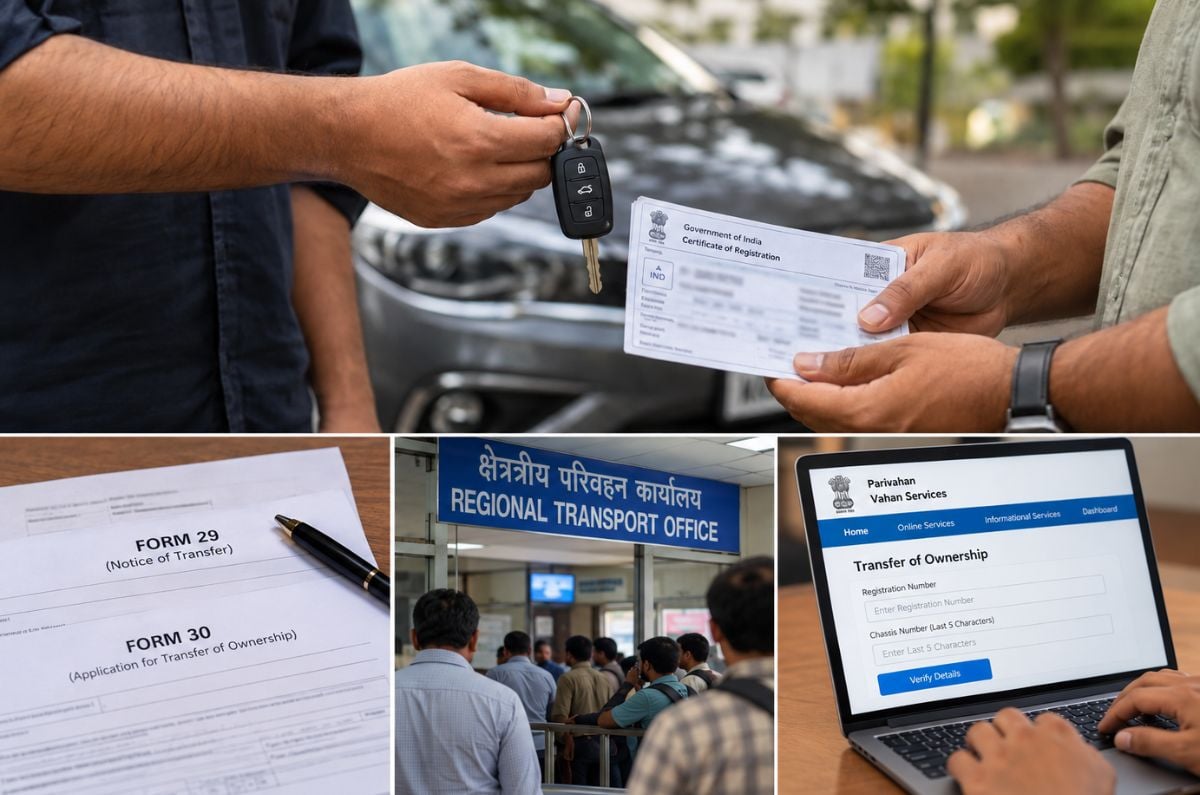
The sale of a car or two-wheeler isn’t considered complete until its registration certificate (RC) carries the name of the new owner. Prior to this, the seller of the vehicle remains its legal owner on record. This means that any challans issued, tax dues, or even liability in case of an accident are to be resolved by the existing owner. So, how does vehicle ownership transfer work and what are the necessary steps one needs to take to complete this process.
Disclaimer:This guide is for buyers and sellers of private vehicles. Commercial vehicles need additional paperwork, such as permit and fitness documents, which isn’t covered here. The information used here comes from the Parivahan portal and state transport department websites. Documents, fees and deadlines vary by state and RTO, and are subject to change. Check with your local RTO or a government-approved official portal before you apply or pay.
1. Why you need to complete the RC transfer soon after sale?
Both the seller and buyer should sign a sale agreement, thus documenting the transaction. Remember, the vehicle legally belongs to whoever’s name appears on the RC. This means unless the RC is transferred to the new owner, any untoward incident (including traffic violations, accidents and crimes) involving the vehicle can remain the responsibility of the seller. A factor for the buyer to consider is the insurance policy, which is deemed transferred along with the vehicle, though the buyer still has to apply to the insurer within 14 days to have it put in their name.
Before the sale, the seller should clear any pending challans and ensure that there are no unpaid National Highway tolls. Both parties should confirm that any pending loan amount (if applicable) on the vehicle has been cleared. Once the vehicle is handed over, the seller should also close or delink the FASTag linked to it.
2. What paperwork do you need for an RC transfer?
A normal sale of a vehicle involves two forms. The seller files Form 29 (notice of transfer), reporting the sale to the registering authorities where the seller and buyer reside. Meanwhile, the buyer files Form 30 (application for transfer), along with the RC and insurance certificate. Depending on the state, the RTO may also ask for the PUC certificate, PAN card or Form 60, address proof, a chassis and engine pencil print, the buyer’s date of birth proof and undertaking, a passport-size photograph and a tax clearance certificate.
There are three cases that may involve extra paperwork. If the vehicle is registered in another state, the RC transfer application will also need a no objection certificate (NOC) from the source RTO (whether it be from Delhi, Maharashtra or Karnataka). If the owner has died, the legal heir applies on Form 31 with the death certificate. In case the vehicle was bought at a government auction, the buyer applies on Form 32 with the sale certificate and a copy of the government order authorising the auction.
Bank auctions are a bit different to government-run ones. These usually involve vehicles repossessed by banks and finance companies over unpaid loans. Since they aren’t government auctions, Form 32 doesn’t apply here. Instead, the lender provides a sale letter and a NOC, though the RC transfer follows the same process as a government auction. Vehicles here are sold on an ‘as is’ basis, so no warranty or test drives – any pending challans or road tax are likely to be sorted by the buyer. To know about all the other forms that may be required, scroll to the bottom of the story.
3. How much does an RC transfer cost and what are the deadlines?
The RC transfer application has to be submitted within 14 days of the transfer if the vehicle is registered in the same state. The deadline goes up to 45 days if the vehicle is from another state. A legal heir has to inform the RTO within 30 days of the original owner’s death and apply for a transfer within three months. Meanwhile, an auction buyer gets 30 days to transfer the RC from the date of taking possession of the vehicle.
As for the costs involved, the central fee that’s set under Rule 81 of the Central Motor Vehicles Rules describes it as half the registration fee, depending on the vehicle’s class. This works out to Rs 150 for a motorcycle and Rs 300 for a private car. If the buyer misses these deadlines, they will attract a late NOC fee of Rs 300 a month for motorcycles and Rs 500 a month for cars. Certain states levy a penalty if the RC transfer isn’t applied for within 14 days of purchase. Road tax is separate, and is applicable if the vehicle is being re-registered in another state.
4. Should you apply for RC transfer online, through an agent or do it yourself?
You can apply for an RC transfer through the Vahan portal (vahan.parivahan.gov.in/vahanservice/vahan). Enter the registration number, select ‘Basic Service’s and verify with the last five digits of the chassis number and an OTP sent to your registered mobile number. Then choose ‘Transfer of Ownership’, fill in the details and pay the fee displayed. The receipt carries a trackable application number, while the application moves to the concerned RTO for processing.
Some states also let you upload documents and book an appointment online, while others still want the papers submitted in person. Doing it yourself at the RTO costs nothing beyond the official fee, and your documents go directly to the office in charge of processing them. However, this can take time and effort from your end, perhaps even requiring multiple visits in case of missing or incorrect documents.
If absolute convenience is what you want, you can get the process done through an agent. This will not only save you the hassle of standing in queues or making follow-up visits to the RTO, but also help with inter-state RC transfers that can involve an NOC and re-registration. Understandably, this convenience comes at a cost (which can vary from agent to agent) and also having your original documents and signed forms being with a third party. If you do use an agent, don’t sign blank forms and always ask for official receipts and the application number for self-tracking the progress.
5. Other forms that may be required for an RC transfer
Form
What’s it for
Submitted by
Form 28
Application for a no objection certificate (NOC)
Seller – when the vehicle moves to another RTO or state
Form 31
Application for transfer on death of the owner
Legal heir
Form 32
Application for transfer of a vehicle bought at public auction
Auction buyer
Form 35
Notice of termination of hypothecation
Owner and financier, if there was a loan on the vehicle
नई दिल्ली: दिल्ली के जंतर-मंतर पर शनिवार 10 अक्टूबर को प्रस्तावित बड़े विरोध-प्रदर्शन को देखते हुए दिल्ली पुलिस और ट्रैफिक पुलिस ने राजधानी भर में सुरक्षा व्यवस्था बेहद कड़ी कर दी है। मुख्य चुनाव आयुक्त (CEC) ज्ञानेश कुमार के इस्तीफे की मांग को लेकर कॉकरोच जनता पार्टी (CJP) द्वारा बुलाए गए इस प्रदर्शन के मद्देनजर दिल्ली ट्रैफिक पुलिस ने एडवाइजरी जारी की है। पुलिस प्रशासन ने साफ किया है कि यह बिना अनुमति का प्रदर्शन है, इसलिए कानून-व्यवस्था बनाए रखने के लिए 30 से अधिक प्रमुख स्थानों पर ट्रैफिक डायवर्जन लागू किया जाएगा।
शनिवार सुबह 6:00 बजे से ही ट्रैफिक डायवर्जन की व्यवस्था लागू कर दी गई है। अगर आप आज दिल्ली की सड़कों, विशेषकर मध्य दिल्ली और लुटियंस जोन की तरफ निकलने वाले हैं, तो ट्रैफिक पाबंदियों और डायवर्जन पॉइंट्स की यह पूरी सूची जरूर देख लें।
इन 31 प्रमुख जगहों पर प्रभावित रहेगा ट्रैफिक, लागू होगा डायवर्जन
दिल्लीट्रैफिक पुलिस की एडवाइजरी के अनुसार, स्थिति और भीड़ के दबाव को देखते हुए शहर की इन 31 प्रमुख जगहों और उनसे जुड़ी सड़कों पर आवाजाही रोकी जा सकती है या ट्रैफिक का मार्ग बदला जा सकता है:
शंकर रोड गोलचक्कर–वंदे मातरम ‘टी’ पॉइंट (नई दिल्ली की ओर)
धौला कुआं फ्लाईओवर
झंडेवालान गोलचक्कर
पंचकुइयां गोलचक्कर
मंडी हाउस गोलचक्कर
डॉ. दिनेश नंदिनी डालमिया चौक (डब्ल्यू-पॉइंट)
राम चरण अग्रवाल चौक (ए-पॉइंट)
मिंटो रोड / दीनदयाल उपाध्याय मार्ग
गुरु नानक चौक
चेम्सफोर्ड रोड पर कनॉट प्लेस आउटर सर्कल टी-पॉइंट
भैरों रोड पर एमजी मार्ग (रिंग रोड) टी-पॉइंट
लोधी रोड फ्लाईओवर
नीला गुंबद गोलचक्कर
मदरसा टी-पॉइंट
सम्राट होटल गोलचक्कर
सरदार पटेल मार्ग–पंचशील मार्ग क्रॉसिंग
भीकाजी कामा प्लेस अंडरपास
मोती बाग फ्लाईओवर अंडरपास
रिंग रोड–सैन मार्टिन मार्ग टी-पॉइंट
अशोका रोड–जंतर मंतर रोड गोलचक्कर
विंडसर पैलेस गोलचक्कर
टॉलस्टॉय–जनपथ क्रॉसिंग
रेल भवन गोलचक्कर
जय सिंह रोड–संसद मार्ग क्रॉसिंग
कनॉट प्लेस आउटर सर्कल–बाराखंबा रोड टी-पॉइंट
गोल डाक खाना गोलचक्कर
पटेल चौक गोलचक्कर
जय सिंह रोड–अशोका रोड टी-पॉइंट
आरएमएल (RML) अस्पताल गोलचक्कर
कनॉट प्लेस आउटर सर्कल–संसद मार्ग टी-पॉइंट
सेंट्रल दिल्ली और लुटियंस जोन से जुड़ने वाले अन्य मुख्य रास्ते
दिल्ली मेट्रो के 45 स्टेशनों पर एंट्री-एग्जिट बंद
सड़क ट्रैफिक के अलावा सार्वजनिक परिवहन पर भी बड़ा असर पड़ा है। सुरक्षा कारणों के चलते दिल्ली मेट्रो रेल कॉरपोरेशन (DMRC) ने भी 9 अक्टूबर रात 9:00 बजे से 10 अक्टूबर शाम 6:00 बजे तक दिल्ली मेट्रो के 45 प्रमुख स्टेशनों पर यात्रियों के प्रवेश और निकास को बंद रखने की घोषणा की है। हालांकि बंद स्टेशनों पर मेट्रो बदलने की सुविधा उपलब्ध रहेगी।
बिना जरूरी काम के निकलने से बचें, स्टेशन और एयरपोर्ट जाने वाले रखें अतिरिक्त समय
दिल्ली ट्रैफिक पुलिस ने आम जनता और यात्रियों के लिए विशेष दिशा-निर्देश जारी किए हैं। जो लोग नई दिल्ली, सेंट्रल दिल्ली या आसपास के रास्तों से होकर रेलवे स्टेशनों, अंतरराज्यीय बस अड्डों (ISBT) या आईजीआई (IGI) एयरपोर्ट जाने वाले हैं, वे घर से अतिरिक्त समय लेकर निकलें ताकि जाम में फंसने की स्थिति में फ्लाइट या ट्रेन न छूटे। जिन इलाकों में ट्रैफिक डायवर्जन या पुलिस की बैरिकेडिंग लागू है, वहां बेहद जरूरी काम न होने पर जाने से बचें। ट्रैफिक पुलिस का कहना है कि ग्राउंड पर स्थिति के हिसाब से पाबंदियों में ढील दी जाएगी या उन्हें सख्त किया जाएगा।
कैसे चेक करें दिल्ली ट्रैफिक का पल-पल का अपडेट?
दिल्ली ट्रैफिक पुलिस ने यात्रियों की सहूलियत के लिए रियल-टाइम अपडेट पाने के आधिकारिक माध्यम भी साझा किए हैं। यात्री सड़क पर निकलने से पहले इन प्लेटफॉर्म्स पर जाकर वैकल्पिक रास्तों की जानकारी ले सकते हैं:
Renault India has opened the Duster hybrid’s bookings for Rs 21,000, ahead of its launch on October 17. This will be the third powertrain option for the Renault Duster, adding to the existing 1.0-litre and 1.3-litre turbo-petrol engines. Called the E-Tech system, it draws from the carmaker’s experience and expertise in Formula 1. Renault has also revealed that the Duster hybrid has an ARAI-rated fuel efficiency figure of 29kpl.
Renault Duster hybrid powertrain details
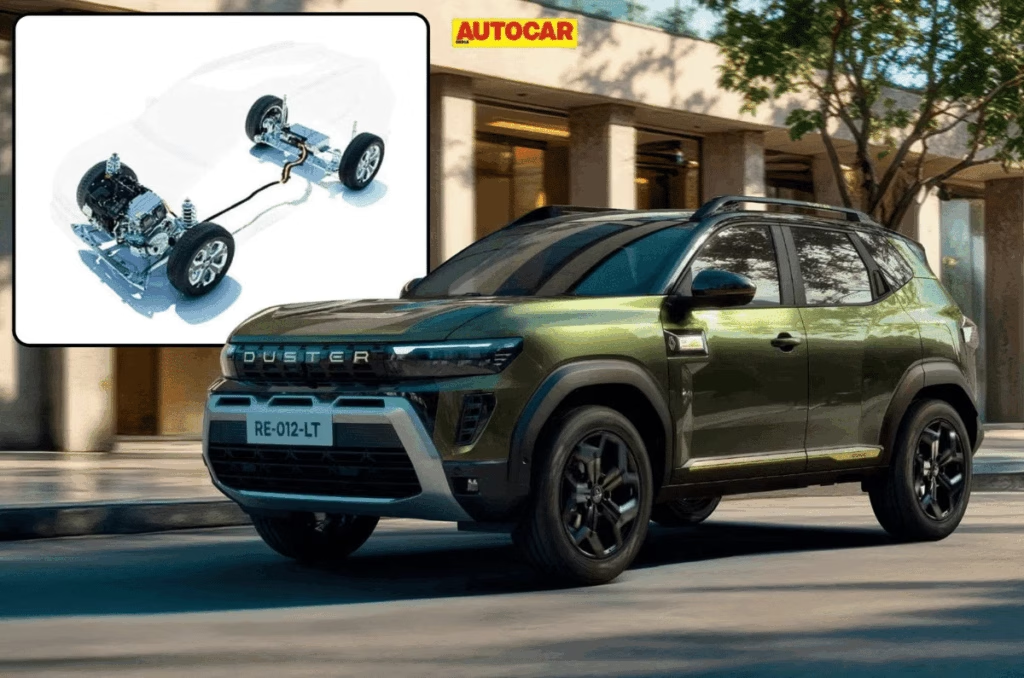
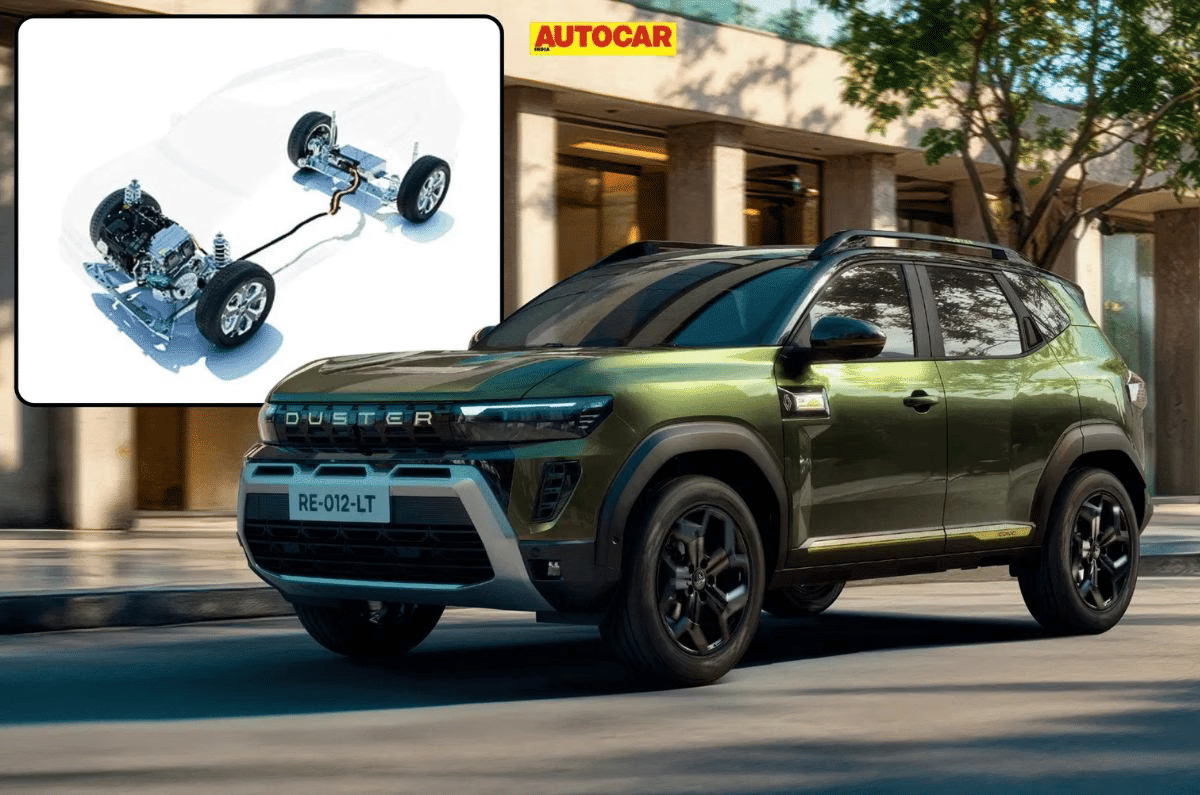
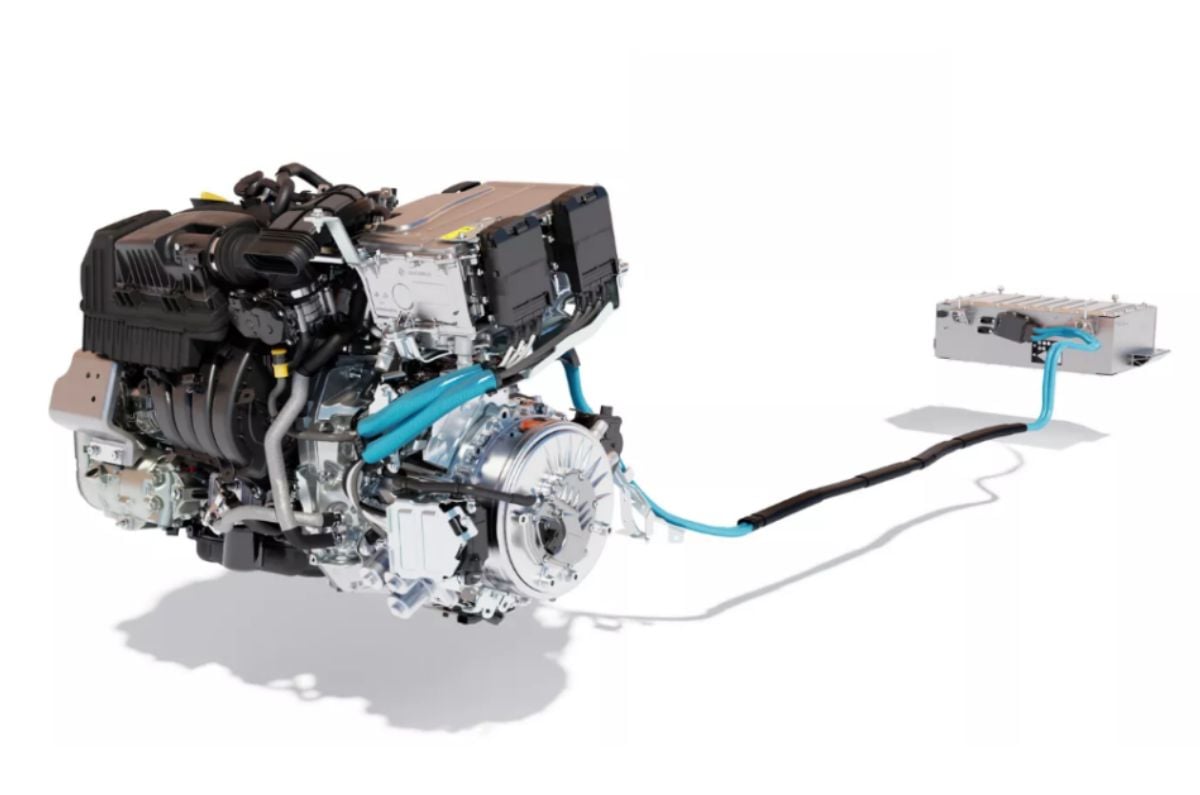
The Duster hybrid combines a naturally aspirated 1,789cc four-cylinder petrol engine with two electric motors, a 20hp unit acting as a generator and a 49hp motor powering the wheels. Combined, the system produces 160hp and 172Nm, and it is supported by a 1.4kWh battery pack. The Duster’s hybrid combines a petrol engine with electric drive and a battery, and it sends power to the wheels through a multi-mode automatic gearbox. The transmission uses fixed gear ratios and can shift between them. This means engine rpm is expected to rise and fall more like a conventional automatic, and you may notice gear engagements as it switches between electric drive, engine drive and a combination of both.
Renault’s 160hp E-Tech hybrid powertrain.
As with any full hybrid, the efficiency gains come from low-speed electric running, regenerative braking and the ability to keep the petrol engine off when it is not needed. However, real-world fuel economy will still depend on traffic conditions, speed, ambient temperature and driving style. That said, Renault claims the engine will enable 80 percent of city drives to be done in EV mode.
The choice of a hybrid powertrain is expected to help make up for the absence of a diesel option on the new Duster. This will also directly compete with the Maruti Grand Vitara, Victoris and Toyota Hyryder, all of which currently offer a hybrid powertrain option.