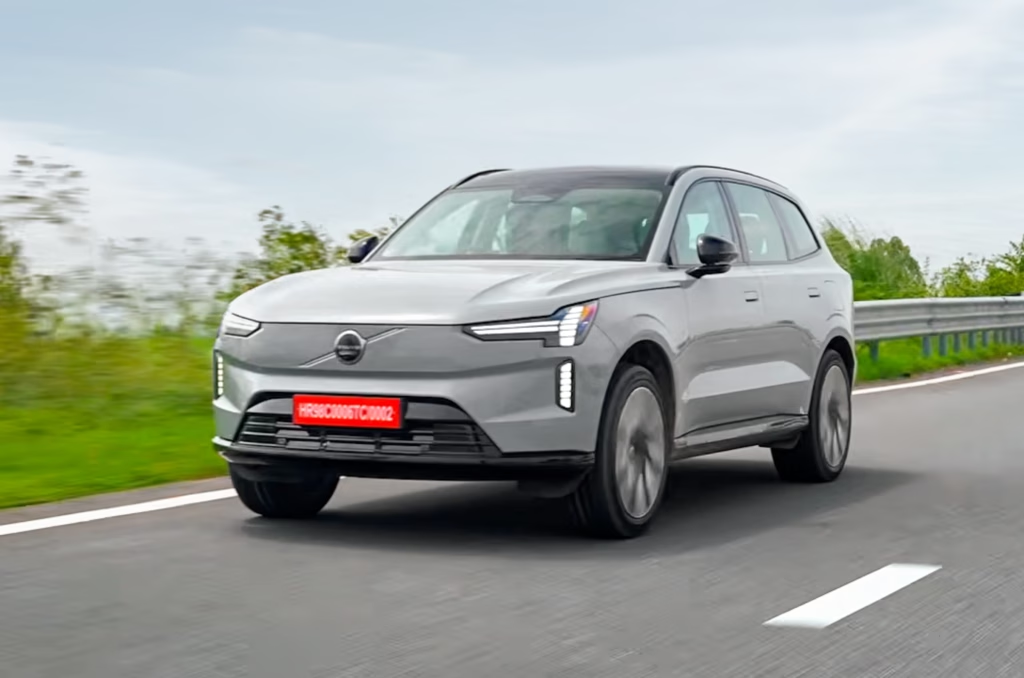
Volvo EX90 pros and cons explained

Volvo EX90 pros and cons explained
2 reasons to choose the Volvo EX90, 2 reasons not to

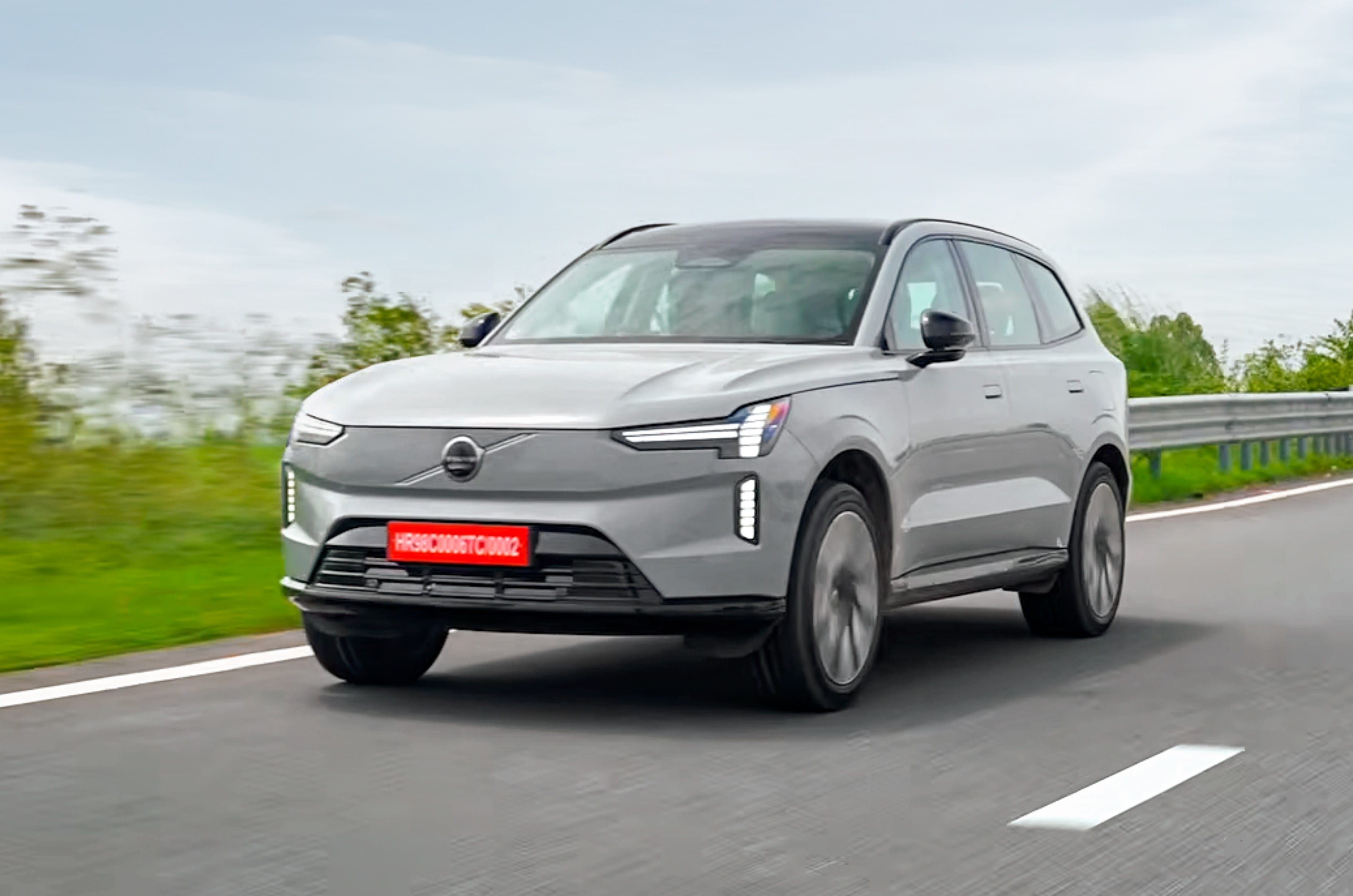
Volvo’s flagship EV, the EX90, has been on sale overseas since 2022. Ahead of its launch on October 12, the manufacturer has revealed details of the India-spec model. It will be sold here in the range-topping ‘Ultra’ variant, which we got to experience recently. If you are interested in the flagship Volvo EX90, here are two reasons to choose it and two reasons to think otherwise.

Reasons to buy the Volvo EX90

Offers a comfortable driving experience on all types of roads 
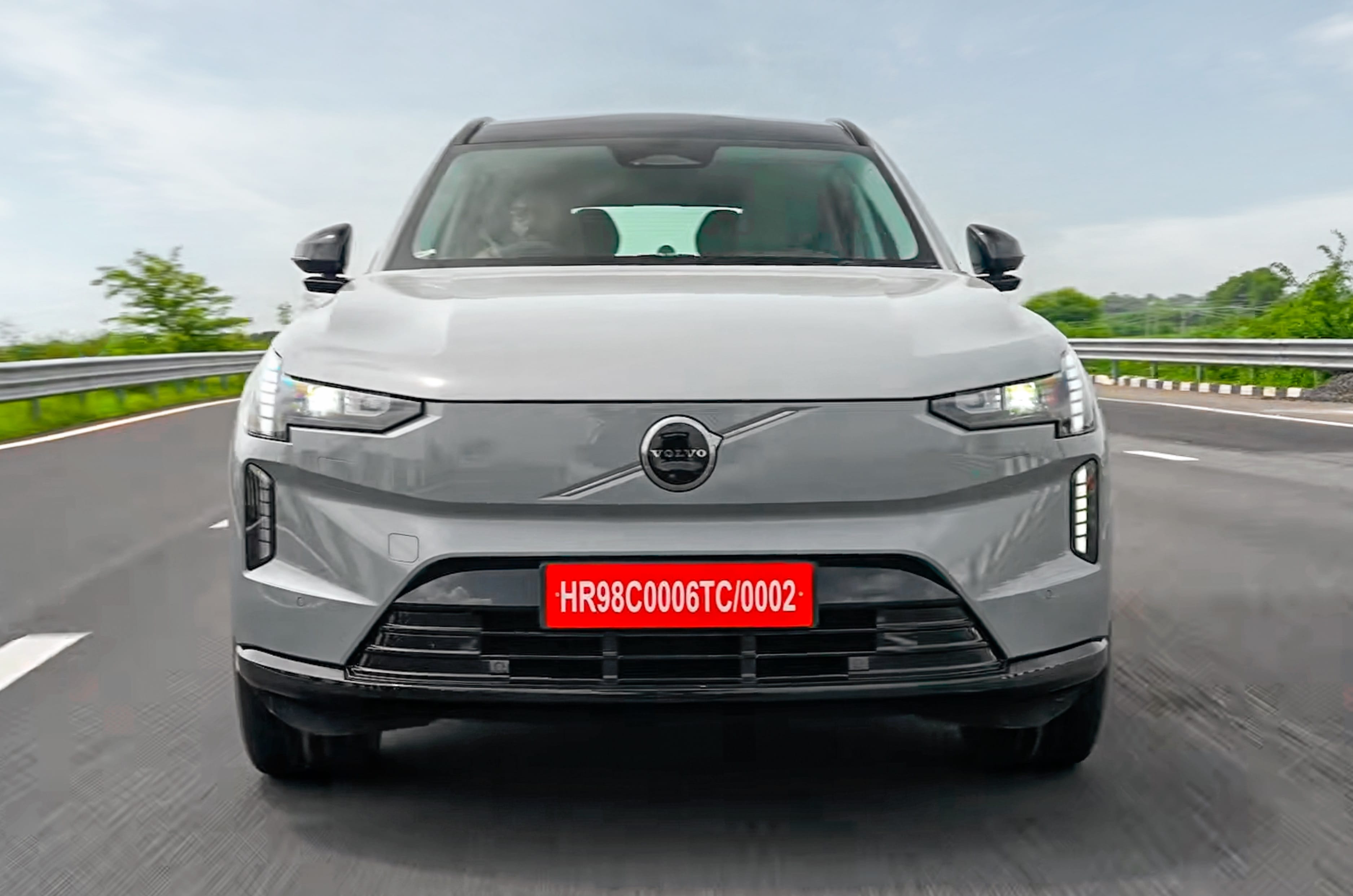
The Volvo EX90 features an air suspension system that offers a good balance between ride comfort and handling. The car takes microseconds to adjust to the various undulations on the road. Volvo is offering this system with three adjustable modes: Soft, Standard and Firm. ‘Soft’, as the name suggests, offers a comfortable drive over broken roads at medium to high speeds, but it results in a bit more body roll, which does not make it feel confident. ‘Standard’ offers a comfortable ride on bad roads but without feeling overly soft in the corners. ‘Firm’ adds a layer of stability through sharp corners and high speeds.

Has adequate performance and impressive cabin insulation

The India-spec Volvo EX90 Ultra will be offered with a 106kWh battery pack powering dual electric motors producing 456hp and 670Nm. Volvo claims a 0-100kph time of 5.5 seconds, which is fairly quick given its size. However, the SUV builds speed linearly, and the powertrain feels more relaxed and laid-back. Volvo is offering the EX90 with four driving modes: Range, Standard, Performance and Off-road. Even in ‘Performance’ mode, outright zippy acceleration associated with EVs is missing, and the SUV builds up pace gradually. 
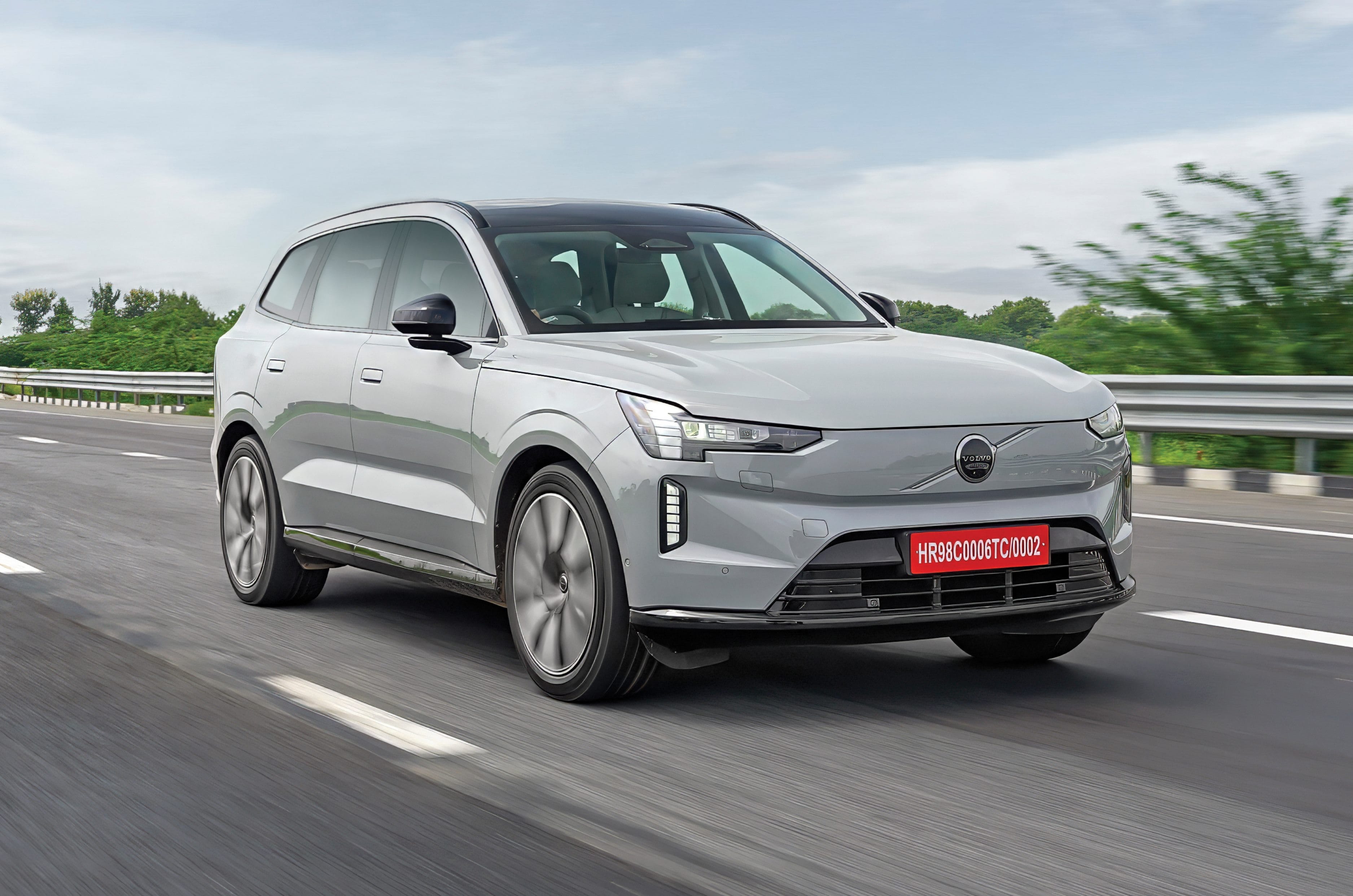
As engine sounds are absent on an EV, wind and road noises that filter into the cabin tend to get amplified, especially with larger wheels. However, this is not the case with the Volvo EX90, which offers top-notch cabin insulation. This keeps the cabin feeling near-silent. 

Reasons not to buy the Volvo EX90

Essential drive settings buried within the infotainment system menus
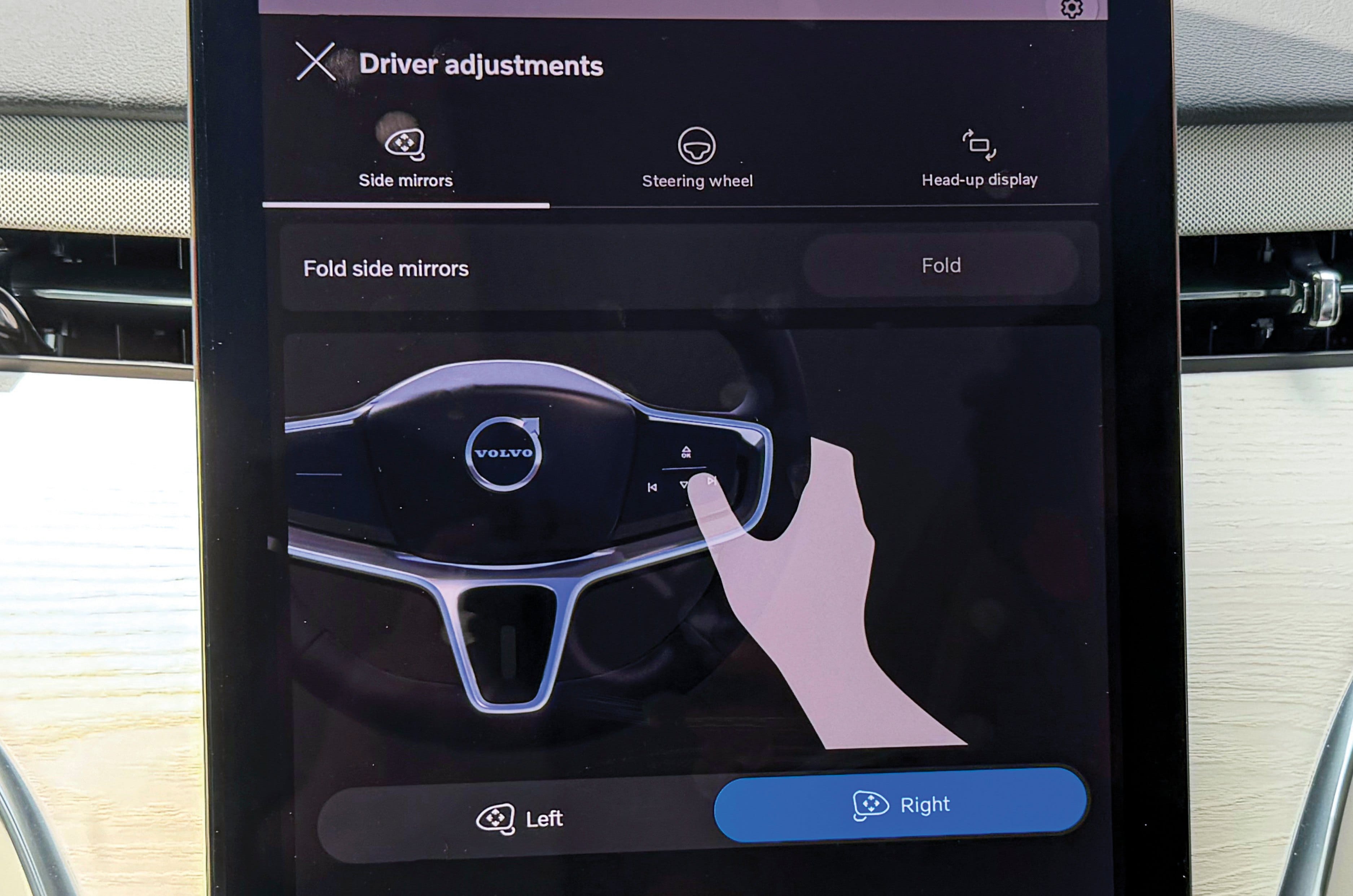
The Volvo EX90’s dashboard is devoid of buttons. All functions can be accessed through the steering-mounted controls or the massive 14.5-inch touchscreen infotainment system that sits in the centre of the dashboard. Simple but essential tasks such as adjusting the outside rearview mirrors (ORVMs) require navigating menus and multiple inputs, which is neither convenient nor safe while on the move. Some hard-coded climate control functions are in the bottom section of the touchscreen, but operating them requires taking your eyes off the road.

Inconsistent brake bite point
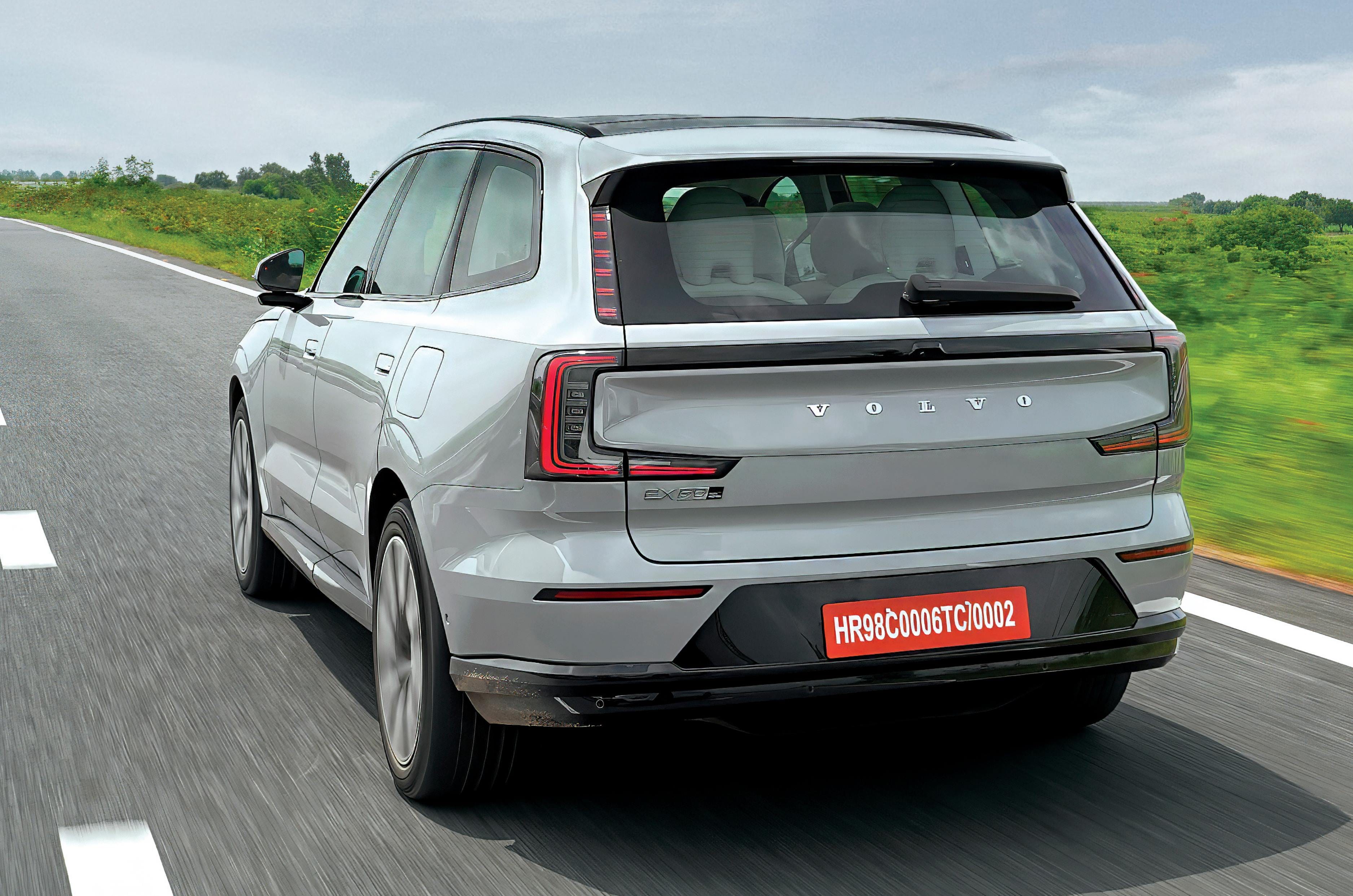
Volvos are generally known for offering a strong safety suite, and the flagship EX90 is no different. However, the braking performance is inconsistent due to a variable brake bite point. This is because the EX90 employs regenerative braking with traditional hydraulic brakes, and the transition, depending on the battery’s state of charge and drive modes, causes the bite point to vary.

As mentioned earlier, the Volvo EX90 will launch on October 12. It is expected to have a small premium over its ICE counterpart, the XC90, which currently starts at Rs 98.80 lakh (ex-showroom).
Aprilia Tuono 457 vs Tuono 457 Special Edition: Price and differences explained

Aprilia Tuono 457 vs Tuono 457 Special Edition: Price and differences explained

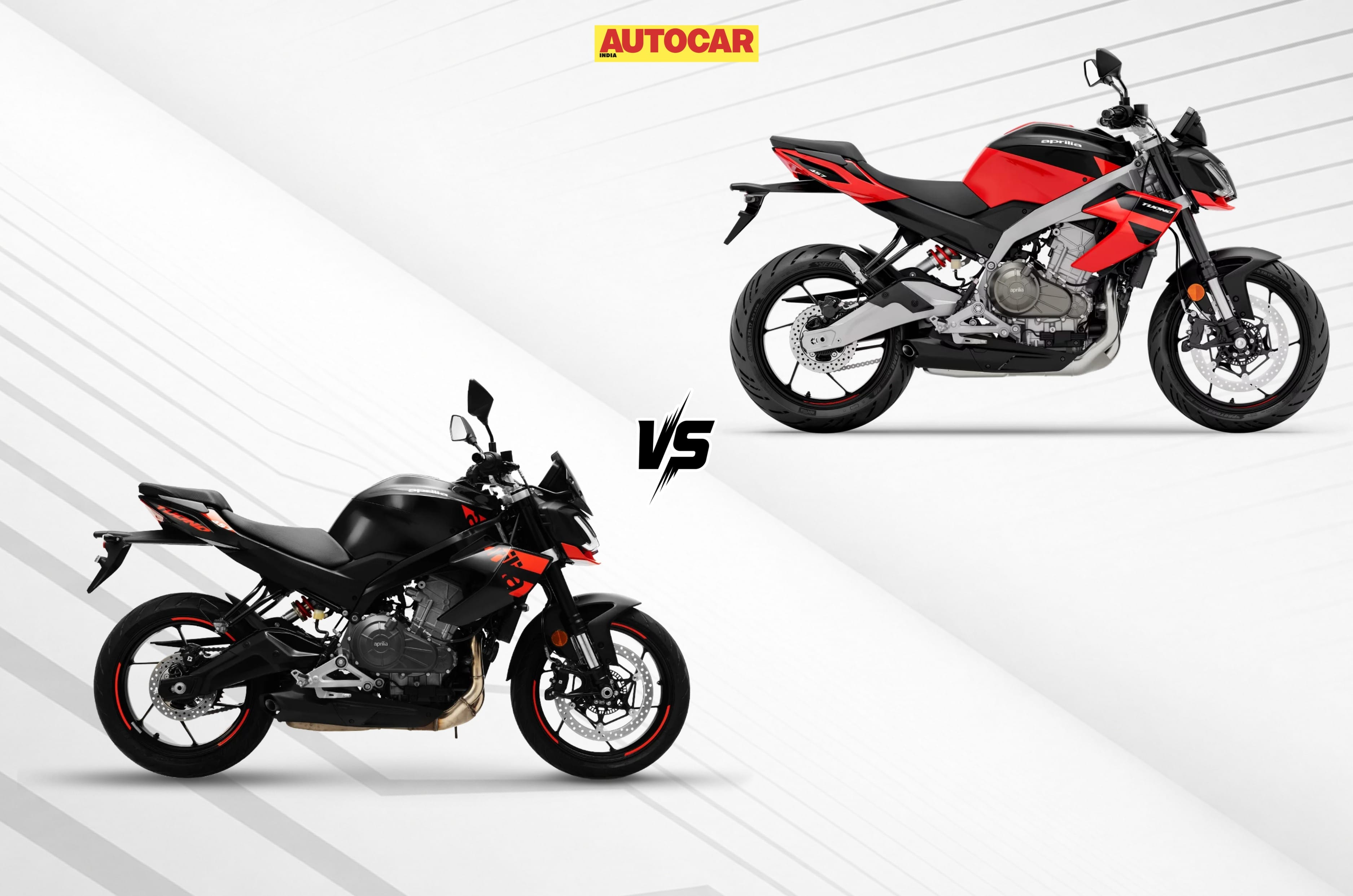
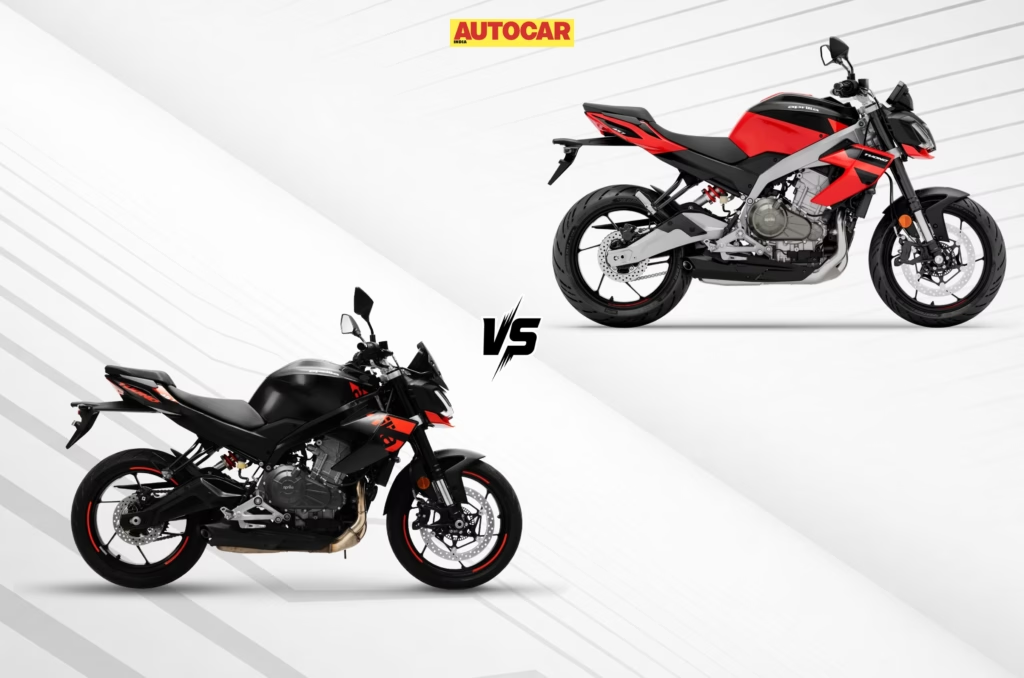
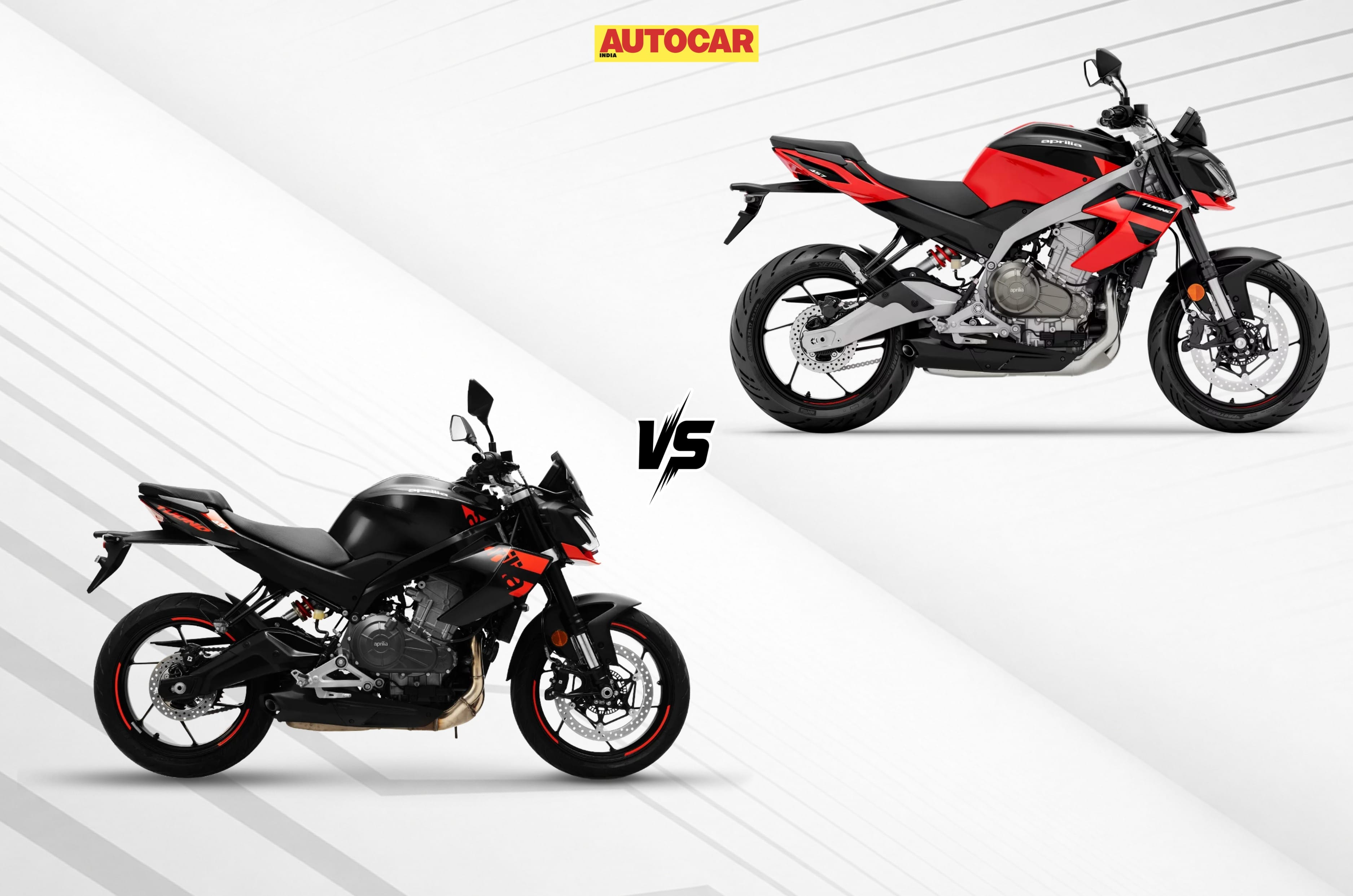
With the Special Edition, Aprilia has addressed almost all the major complaints with the Tuono 457 but what exactly are the changes? At first glance, both motorcycles look the same and they largely are the same as well. This is a case of small changes adding up to a markedly different (and better) final product.

Aprilia Tuono 457 vs Tuono 457 Special Edition: Design

Slightly different, with a new colour

The most obvious change is the updated decals and the brand-new Mamba Black colour. The new colourway, which is exclusive to the Special Edition at the moment, gets a blacked out chassis and swingarm which wasn’t the case earlier. Even on the Puma Gray colour (carried over from earlier), Aprilia has updated the decals so the India-specific Special Edition does look different compared to the international version of the Tuono 457.

Aprilia Tuono 457 vs Tuono 457 Special Edition: Comfort

Seat, handlebar, and suspension all see upgrades

Starting off with changes that are visible, Aprilia has updated the Tuono 457’s seat to be slightly different now from the RS 457. Although the main difference is the extra padding, the seat profile has been slightly changed too to make sure longer stints are more comfortable. It results in the Special Edition having a 10mm taller seat height at 810mm, but we don’t expect anyone to complain about that. The next change is to the handlebar that now gets a 10mm taller riser even though the bar itself is unchanged. Lastly, there’s a standard flyscreen above the headlight, but we’d chalk that as strictly an aesthetical improvement. Finally, the brake lever is now adjustable though the clutch lever remains non-adjustable.

The changes that won’t be visible are to the suspension. At launch, the Tuono appeared to share the exact same suspension setup as the RS 457, which was jostling to most, literally and figuratively. On the Special Edition, Aprilia has made the front suspension softer on both damping and spring preload. While the rear has a softer compression damping and spring preload; rebound damping remains where it was earlier.

Aprilia Tuono 457 vs Tuono 457 Special Edition: Price

Costs Rs 2,000 extra now

With all the upgrades, Aprilia has priced the Tuono 457 Special Edition at Rs 3.99 lakh (ex-showroom), a Rs 2,000 increase from before. Despite the name, this is the only Tuono you can buy in India now so if you were a fan of the earlier Tuono, tough luck.

Aprilia Tuono 457 vs Tuono 457 Special Edition: What did not change

Engine, chassis, and most features

The Tuono 457’s engine immediately became a favourite at launch so Aprilia has not changed that in any way. The Special Edition retains the 457cc twin-cylinder, liquid-cooled engine with a parallel twin configuration. No changes to the performance figures either with the power (47.6hp) and (43.5Nm) torque remaining exactly the same.

Like we mentioned at the beginning, the list of upgrades on the Tuono 457 Special Edition isn’t long. However, most of them make a meaningful difference to how the motorcycle is to ride which is what Aprilia seems to have wanted. It remains to be seen whether these changes will help make the Tuono any more popular than before.

Aprilia Tuono 457 vs Tuono 457 Special Edition: Price and differences explained

Aprilia Tuono 457 vs Tuono 457 Special Edition: Price and differences explained

With the Special Edition, Aprilia has addressed almost all the major complaints with the Tuono 457 but what exactly are the changes? At first glance, both motorcycles look the same and they largely are the same as well. This is a case of small changes adding up to a markedly different (and better) final product.

Aprilia Tuono 457 vs Tuono 457 Special Edition: Design

Slightly different, with a new colour

The most obvious change is the updated decals and the brand-new Mamba Black colour. The new colourway, which is exclusive to the Special Edition at the moment, gets a blacked out chassis and swingarm which wasn’t the case earlier. Even on the Puma Gray colour (carried over from earlier), Aprilia has updated the decals so the India-specific Special Edition does look different compared to the international version of the Tuono 457.

Aprilia Tuono 457 vs Tuono 457 Special Edition: Comfort

Seat, handlebar, and suspension all see upgrades

Starting off with changes that are visible, Aprilia has updated the Tuono 457’s seat to be slightly different now from the RS 457. Although the main difference is the extra padding, the seat profile has been slightly changed too to make sure longer stints are more comfortable. It results in the Special Edition having a 10mm taller seat height at 810mm, but we don’t expect anyone to complain about that. The next change is to the handlebar that now gets a 10mm taller riser even though the bar itself is unchanged. Lastly, there’s a standard flyscreen above the headlight, but we’d chalk that as strictly an aesthetical improvement. Finally, the brake lever is now adjustable though the clutch lever remains non-adjustable.

The changes that won’t be visible are to the suspension. At launch, the Tuono appeared to share the exact same suspension setup as the RS 457, which was jostling to most, literally and figuratively. On the Special Edition, Aprilia has made the front suspension softer on both damping and spring preload. While the rear has a softer compression damping and spring preload; rebound damping remains where it was earlier.

Aprilia Tuono 457 vs Tuono 457 Special Edition: Price

Costs Rs 2,000 extra now

With all the upgrades, Aprilia has priced the Tuono 457 Special Edition at Rs 3.99 lakh (ex-showroom), a Rs 2,000 increase from before. Despite the name, this is the only Tuono you can buy in India now so if you were a fan of the earlier Tuono, tough luck.

Aprilia Tuono 457 vs Tuono 457 Special Edition: What did not change

Engine, chassis, and most features

The Tuono 457’s engine immediately became a favourite at launch so Aprilia has not changed that in any way. The Special Edition retains the 457cc twin-cylinder, liquid-cooled engine with a parallel twin configuration. No changes to the performance figures either with the power (47.6hp) and (43.5Nm) torque remaining exactly the same.

Like we mentioned at the beginning, the list of upgrades on the Tuono 457 Special Edition isn’t long. However, most of them make a meaningful difference to how the motorcycle is to ride which is what Aprilia seems to have wanted. It remains to be seen whether these changes will help make the Tuono any more popular than before.

3 reasons to buy the Honda Amaze and 3 reasons to avoid it

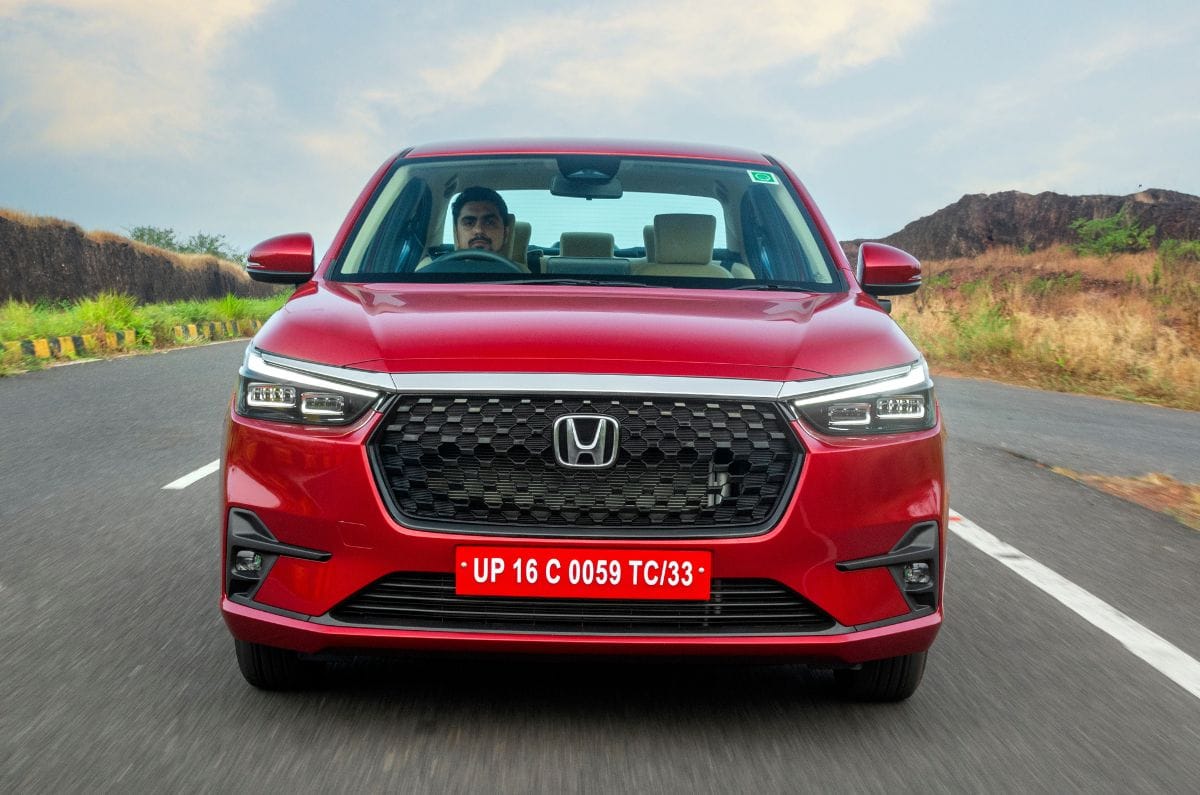
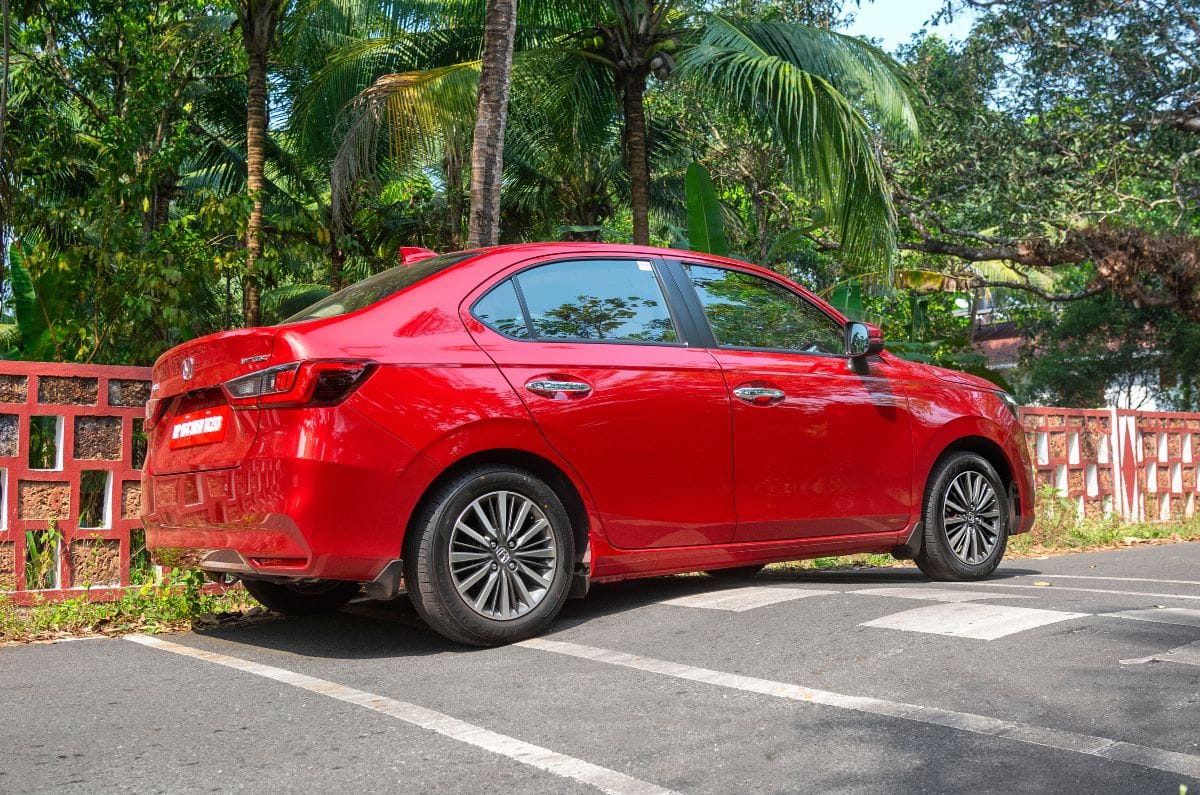
Honda Amaze front three quarter static

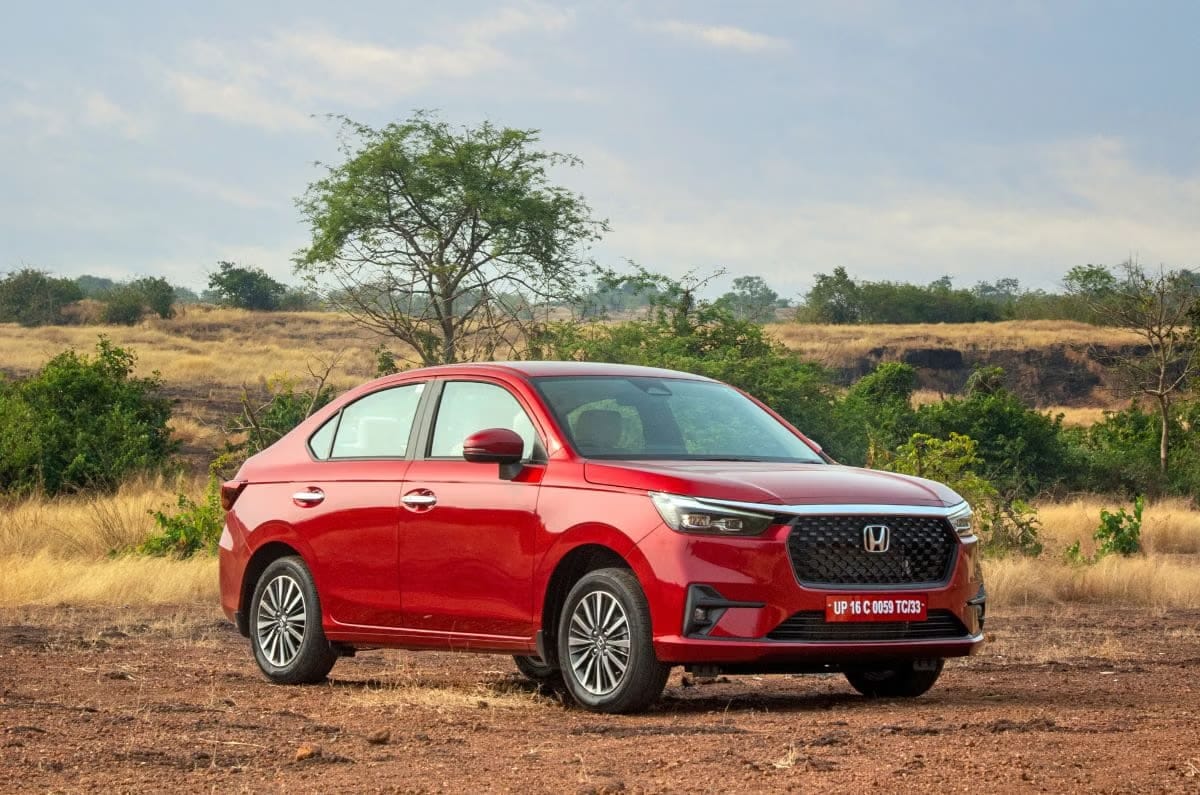
Honda sells both the second-gen and third-gen iterations of the Amaze in India. However, our focus here would be solely on the latter as it’s the latest and thus the best-equipped to tussle with other sub-4-metre sedans. As the Japanese brand’s most affordable offering, the Amaze carries a price tag of between Rs 7.65 lakh and 10.00 lakh (ex-showroom). Considering the brand’s badge appeal and some segment-first features, should you buy the Honda Amaze? Let’s find out.

Reasons to buy the Honda Amaze

Rear-seat comfort and a spacious boot

Usable interior space and a large boot add practicality to the Amaze

Honda Amaze rear seats

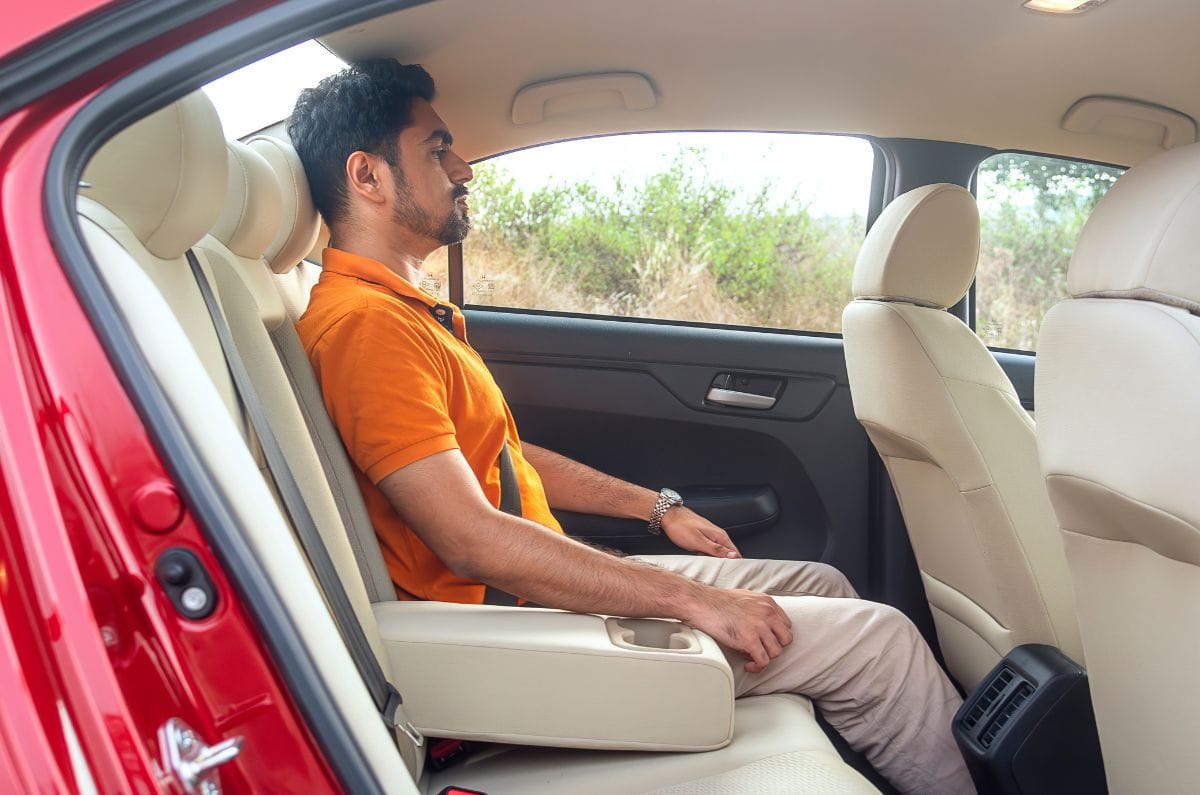
The rear seats of the Amaze are especially more comfortable than the front ones. Not only do the outer seats provide ample support, but their backrest angle is good too. Making these back seats more comfortable is the usable amount of kneeroom and legroom on offer, partly helped by the scooped-out portion of the front seatbacks. Further aiding comfort here are the dedicated AC vents, a centre armrest with cupholders, and headrests for all three passengers.

Honda Amaze boot space

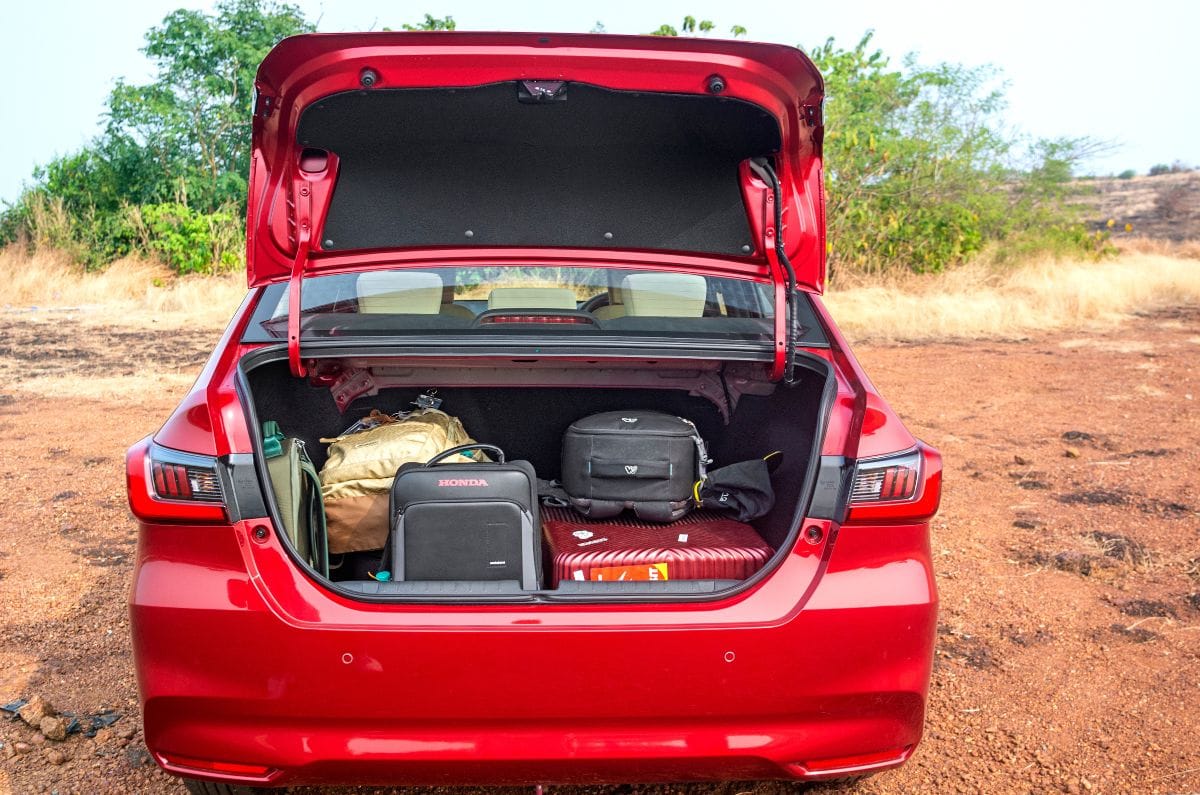
As for the Amaze’s luggage-carrying capacity, its 416-litre boot is one of the most spacious in the segment, easily trumping the Maruti Dzire and Hyundai Aura. While the loading lip is high, The Amaze’s boot offers plenty of width and depth to accommodate your luggage.

Easy to live with

The Amaze gets several user-friendly details right while also feeling more premium

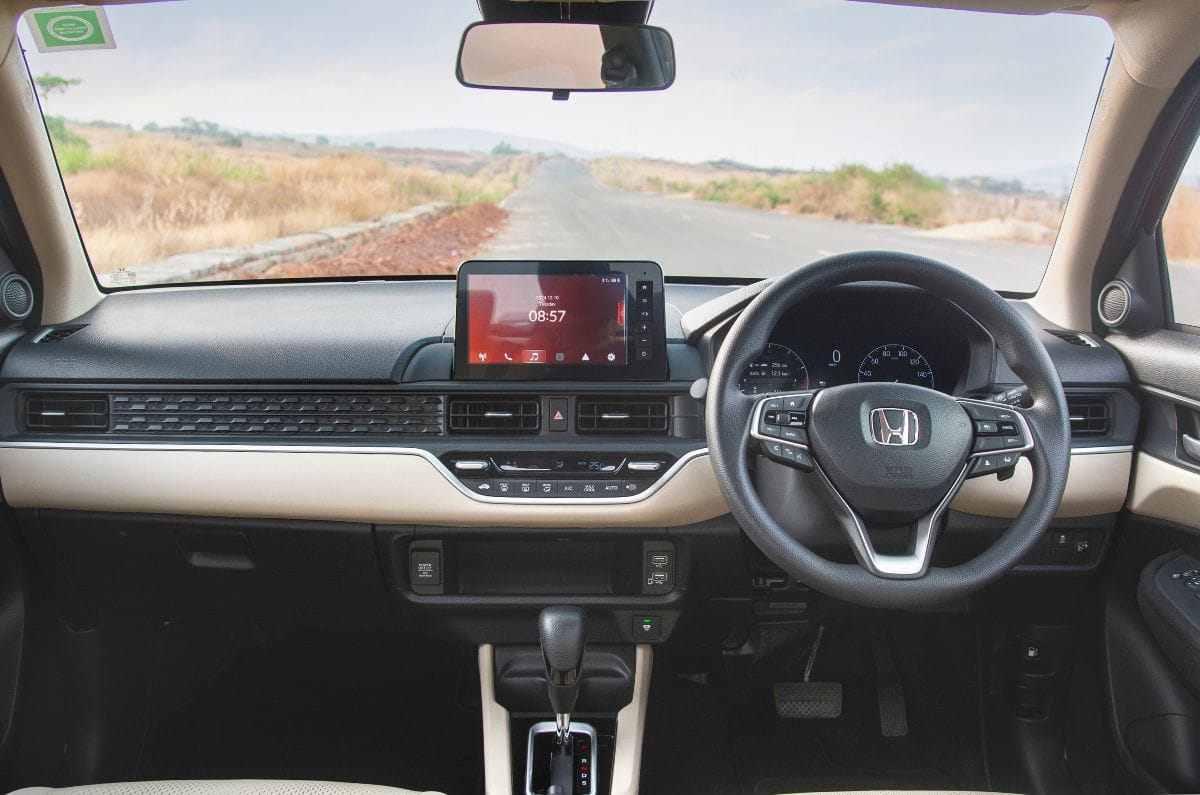
The Amaze’s beige-black interior theme, an expansive glass area and a low-set dashboard make its cabin feel light and airy. This two-tone colour scheme, along with the high perceived quality and overall levels of fit & finish, make the Honda Amaze’s interior feel more premium over its rivals.

Honda Amaze interior

The light steering and clutch, a tight turning radius plus an easy-to-use manual gearbox mixed with good all-round visibility, make pottering around town easy. If you go for the CVT (continuously variable transmission) option, driving the Honda Amaze becomes a hassle-free affair. It comes with paddle shifters that react promptly and also come in handy when there’s a need for engine braking. Meanwhile, the physical controls for the HVAC system allow users to adjust the temperature or the fan speed without getting too distracted.

ADAS is available

This is the only car in its class to feature advanced driver-assistance systems

Honda Amaze front tracking

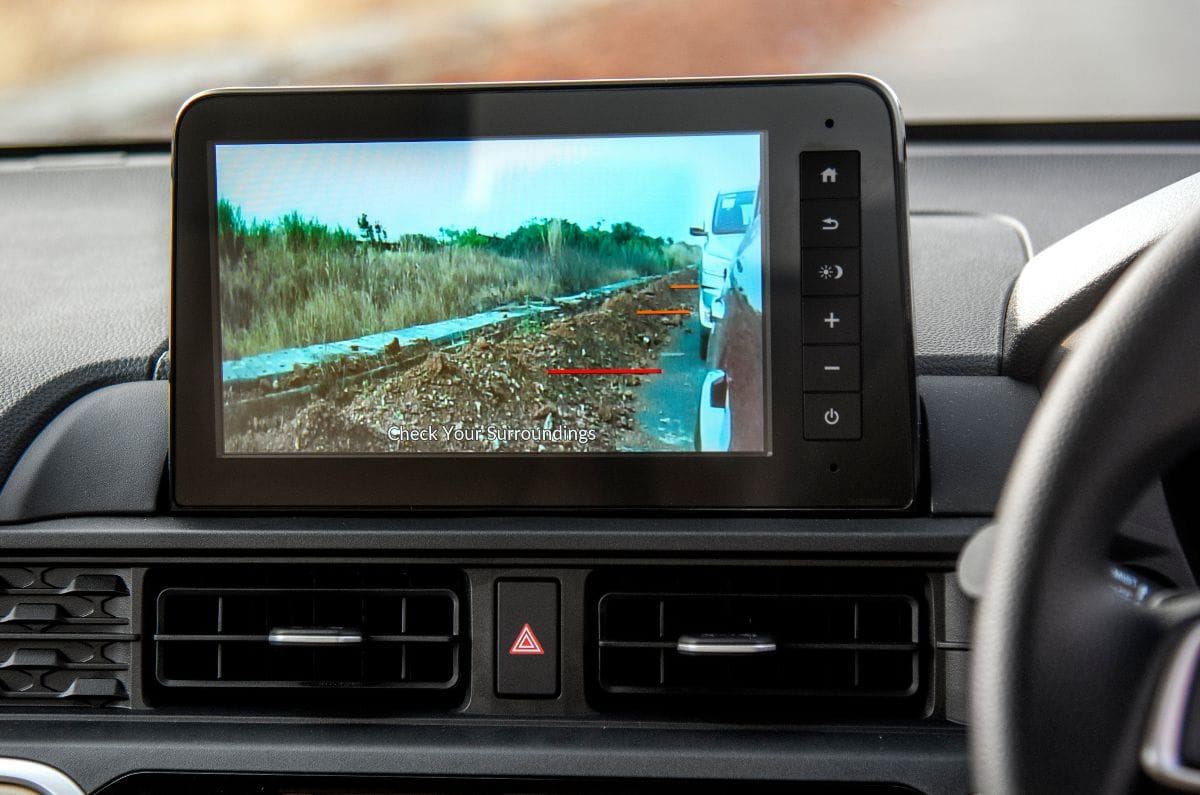
The Amaze is offered with the camera-based Honda Sensing ADAS (advanced driver-assistance systems) suite on the top-spec ZX trim. For those who want that extra layer of active safety nannies, features such as adaptive cruise control with autonomous emergency braking, lane-keeping assist and automatic high-beam will be useful add-ons. The Amaze can also be had with the brand’s LaneWatch Camera system, which displays the camera feed on the infotainment screen, aiding situational awareness.

Reasons to avoid the Honda Amaze

Poor cabin insulation

The Amaze’s cabin is quite an audible one

One of the aspects of driving the Honda Amaze is its lack of proper cabin insulation. Apart from engine and road noises, even ambient sounds from the outside world make it into this cabin with relative ease. This means that the Amaze’s cabin never really feels as relaxing as it could have been.

Underwhelming performance

This Honda sedan lacks engine punch to keep up with some rivals

The 1.2-litre four-cylinder petrol engine of the Honda Amaze is happy to rev to its redline without complaint, but it isn’t a punchy unit. While there’s enough grunt once you get past the 4500rpm mark, this engine feels weak below 2,000rpm. Honda has tried to counter this by providing shorter ratios for the first and second gears.

Honda Amaze soft suspension

However, this leads to one having to downshift constantly when driving in bumper-to-bumper traffic or even when trying to drive away from speed-breakers. Even though the CVT masks this engine’s weak low-end and mid-range performance, pushing it results in the type’s characteristic rubber-band effect becoming apparent. The soft suspension means that the Amaze sags under load, raising the risk of scraping the belly on large speed-breakers. It also causes the Amaze to roll noticeably in the corners.

Pricier than rivals

The Amaze remains the most expensive offering in its segment

Honda Amaze LaneWatch camera

Unlike the top-spec Maruti Dzire, which is Rs 64,000 cheaper the fully loaded Honda Amaze, it still gets a powered sunroof and a 360-degree camera setup. The Amaze also lacks Type-C USB ports, offering just Type-A and 12-volt outlets. While the higher price tag of the top-spec trim can be explained away due to the inclusion of ADAS, buyers would still want the aforementioned missing features at this price bracket.

Also read

Tata Sierra vs Kia Seltos diesel AT performance comparison

Kia Seltos vs Tata Sierra diesel automatic: Real world mileage compared

Wipro Q1 Results: आईटी कंपनी को ₹3352 करोड़ का मुनाफा, रेवेन्यू 10% बढ़ा; डिविडेंड का ऐलान

Wipro Q1 Results: आईटी सर्विसेज कंपनी Wipro ने अप्रैल-जून तिमाही (Q1FY27) के नतीजे जारी कर दिए हैं। कंपनी का कंसोलिडेटेड नेट प्रॉफिट सालाना आधार पर 0.6% बढ़कर ₹3,352 करोड़ हो गया। पिछले साल की समान तिमाही में यह ₹3,330 करोड़ था।

कंपनी का कंसोलिडेटेड रेवेन्यू 10.6% बढ़कर ₹24,479 करोड़ पहुंच गया। हालांकि, यह बाजार के अनुमान ₹24,776 करोड़ से थोड़ा कम रहा। कंपनी के बोर्ड ने ₹2 प्रति इक्विटी शेयर के अंतरिम डिविडेंड का भी ऐलान किया है।

आईटी सर्विसेज कारोबार में कैसी रही ग्रोथ?

तिमाही के दौरान विप्रो का ग्रॉस रेवेन्यू तिमाही आधार पर 1% बढ़ा। वहीं, आईटी सर्विसेज रेवेन्यू 2.61 अरब डॉलर रहा। यह पिछली तिमाही के मुकाबले 1.4% कम, लेकिन सालाना आधार पर 1% ज्यादा है।

कॉन्स्टेंट करेंसी के आधार पर आईटी सर्विसेज रेवेन्यू तिमाही आधार पर 1.2% घटा, जबकि सालाना आधार पर इसमें 0.9% की बढ़त रही।

बड़े डील्स बढ़े, लेकिन कुल बुकिंग घटी

विप्रो की जून तिमाही में कुल बुकिंग 3.37 अरब डॉलर रही। यह कॉन्स्टेंट करेंसी के आधार पर पिछली तिमाही से 2.4% कम है।

हालांकि, बड़े डील्स (Large Deals) की बुकिंग 12.9% बढ़कर 1.63 अरब डॉलर पहुंच गई।

मार्जिन और कर्मचारियों का हाल

आईटी सर्विसेज का ऑपरेटिंग मार्जिन 16% रहा। यह पिछली तिमाही के मुकाबले 130 बेसिस प्वाइंट और पिछले साल के मुकाबले 120 बेसिस प्वाइंट कम है। ऑपरेटिंग कैश फ्लो ₹3,288 करोड़ रहा, जो कंपनी की शुद्ध आय का 98% है।

वहीं, पिछले 12 महीनों के आधार पर कर्मचारियों की स्वैच्छिक नौकरी छोड़ने की दर (Voluntary Attrition) 13.9% रही।

अगली तिमाही के लिए क्या अनुमान?

जुलाई-सितंबर तिमाही के लिए Wipro ने आईटी सर्विसेज रेवेन्यू 2.57 अरब डॉलर से 2.63 अरब डॉलर के बीच रहने का अनुमान दिया है। इसका मतलब है कि कॉन्स्टेंट करेंसी के आधार पर रेवेन्यू में 1.5% तक की गिरावट या 0.5% तक की बढ़त हो सकती है।

विप्रो ने क्या कहा?

Wipro के CEO और MD श्रीनी पलिया ने कहा कि अब ग्राहक सिर्फ टेक्नोलॉजी मॉडर्नाइजेशन तक सीमित नहीं हैं। वे AI बेस्ड ऑपरेटिंग मॉडल अपना रहे हैं। इससे काम की क्वालिटी, प्रोडक्टविटी और एफिशिएंसी बढ़ रही है।

वहीं, CFO अपर्णा अय्यर ने कहा कि कंपनी शॉर्ट टर्म मार्जिन दबाव के बावजूद कर्मचारियों और अपनी रणनीतिक प्राथमिकताओं में निवेश जारी रखेगी।

₹2 प्रति शेयर अंतरिम डिविडेंड

विप्रो के बोर्ड ने शेयरधारकों के लिए ₹2 प्रति इक्विटी शेयर (100%) अंतरिम डिविडेंड देने का भी ऐलान किया है। कंपनी ने 27 जुलाई 2026 को रिकॉर्ड डेट तय की है। डिविडेंड का भुगतान 14 अगस्त 2026 तक किया जाएगा।

हाल ही में पूरा हुआ बायबैक

विप्रो ने जून तिमाही के दौरान 60 करोड़ शेयरों का बायबैक भी पूरा किया। यह बायबैक ₹250 प्रति शेयर के भाव पर किया गया। इस पर कुल ₹15,049.7 करोड़ खर्च हुए। बायबैक पूरा होने के बाद कंपनी की चुकता शेयर पूंजी (Paid-up Capital) भी घट गई है।

विप्रो के शेयरों का हाल

नतीजों से पहले गुरुवार को Wipro का शेयर 1.75% बढ़कर ₹177.70 पर बंद हुआ। पिछले 6 महीने में स्टॉक 33.56% गिरा है। कंपनी का मार्केट कैप 1.86 लाख करोड़ रुपये है।

BHEL Q1 Results: सरकारी डिफेंस कंपनी घाटे से मुनाफे में लौटी, रेवेन्यू भी 40% उछला

Disclaimer: यहां मुहैया जानकारी सिर्फ सूचना के लिए दी जा रही है। यहां बताना जरूरी है कि मार्केट में निवेश बाजार जोखिमों के अधीन है। निवेशक के तौर पर पैसा लगाने से पहले हमेशा एक्सपर्ट से सलाह लें। मनीकंट्रोल की तरफ से किसी को भी पैसा लगाने की यहां कभी भी सलाह नहीं दी जाती है।