Hero Xtreme 160R 4V Carbon vs Rivals: Price and Specifications Compared

Hero Xtreme 160R 4V Carbon vs Rivals: Price and Specifications Compared
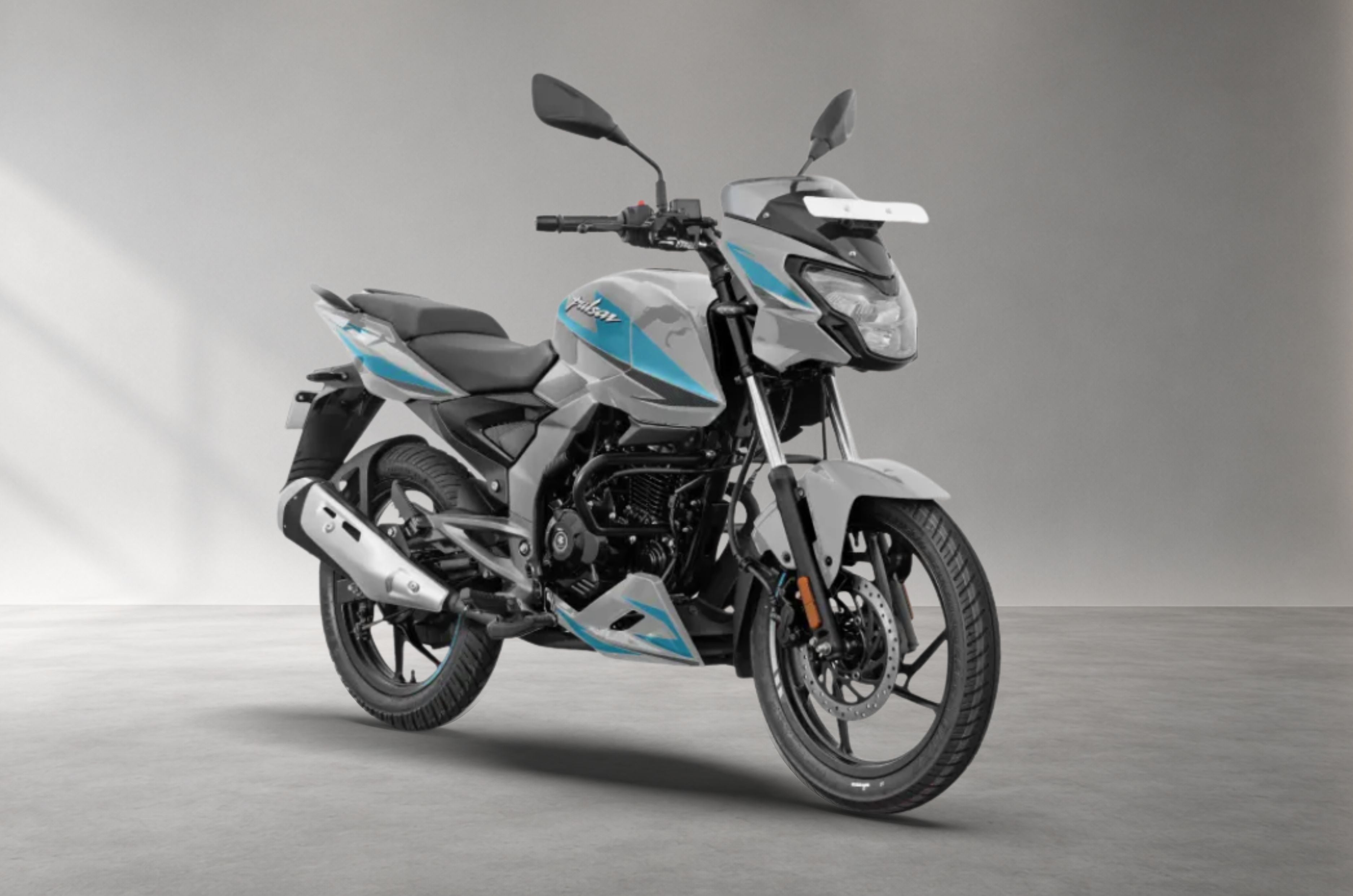
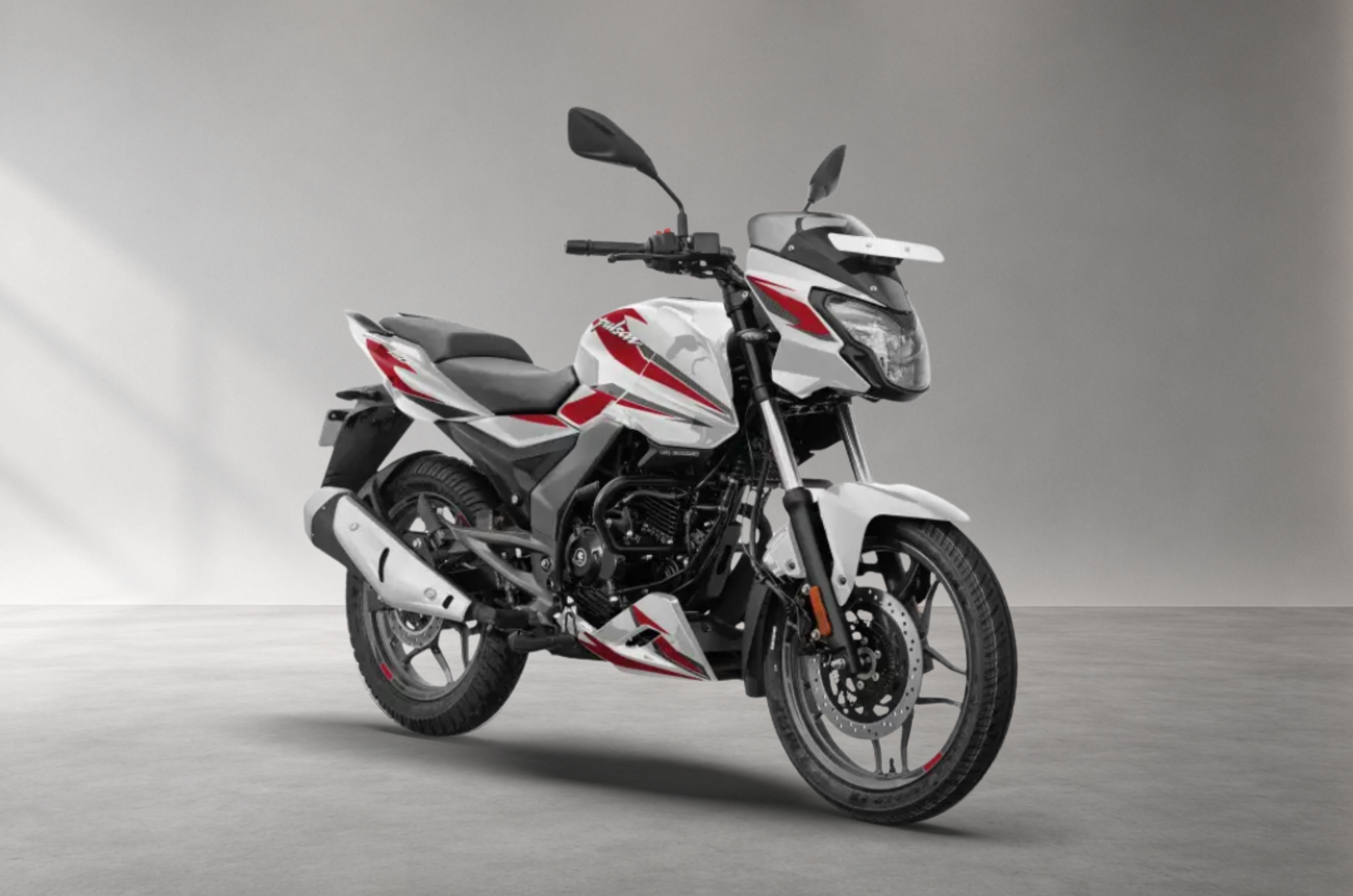
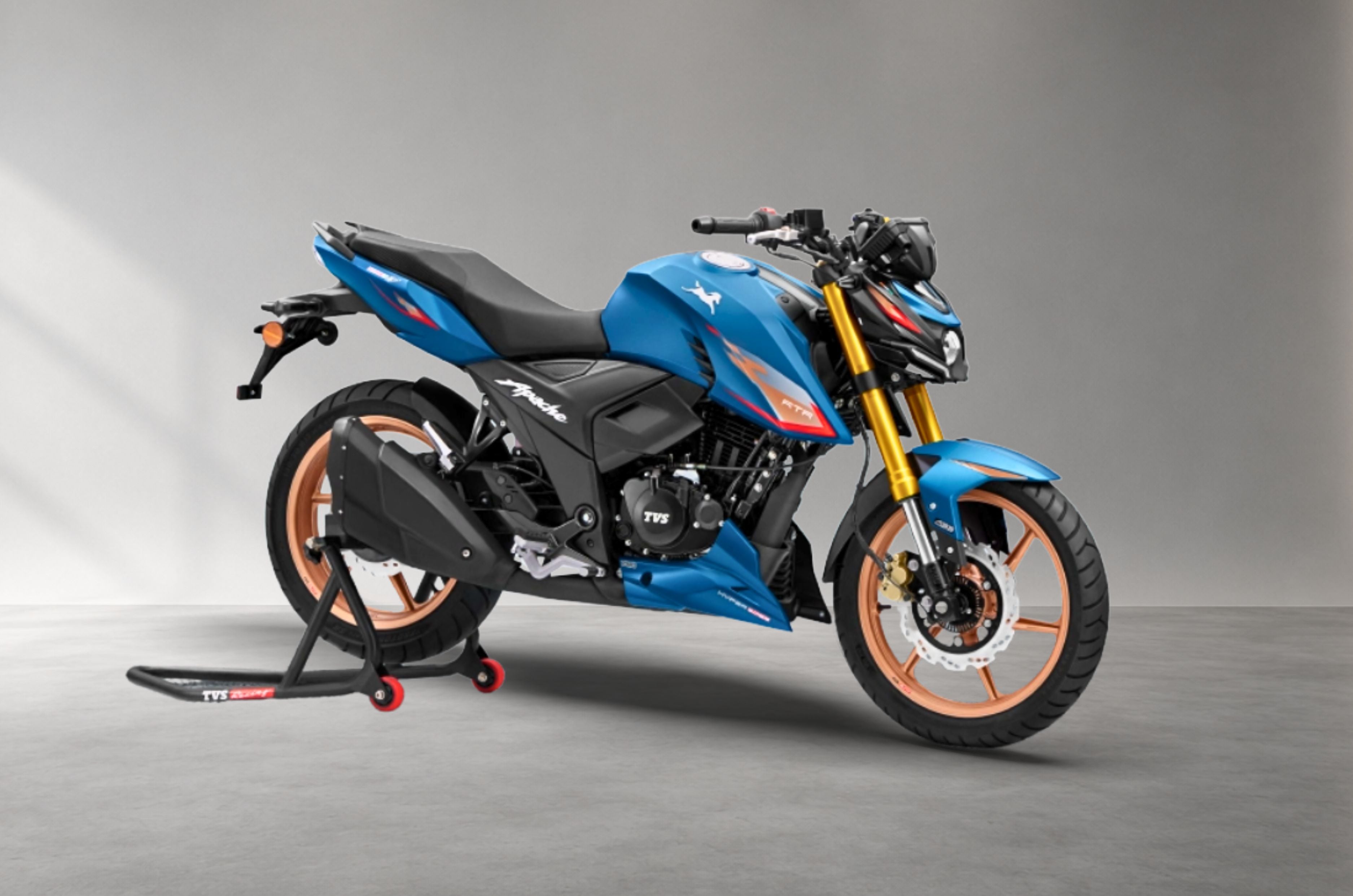
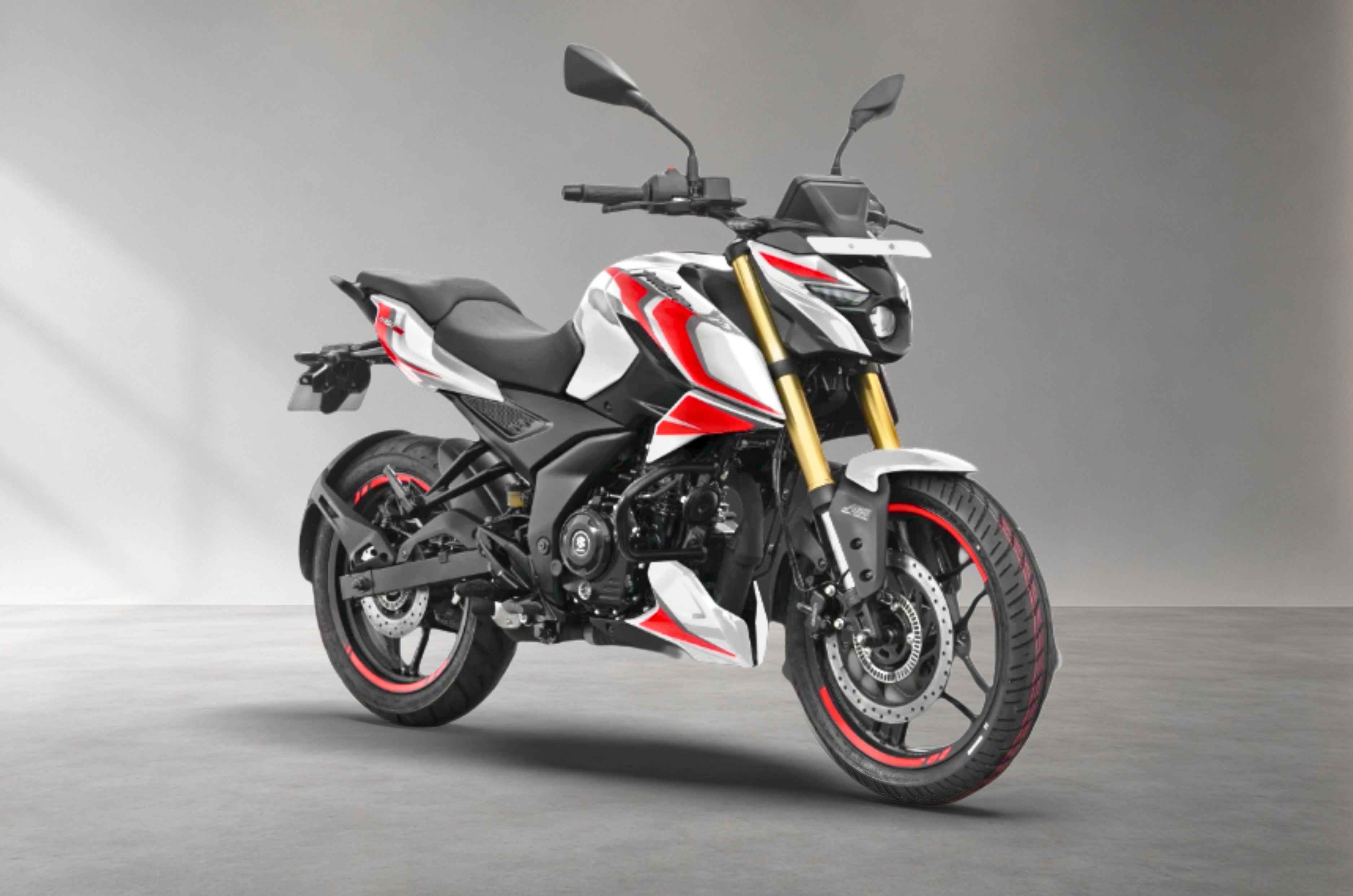
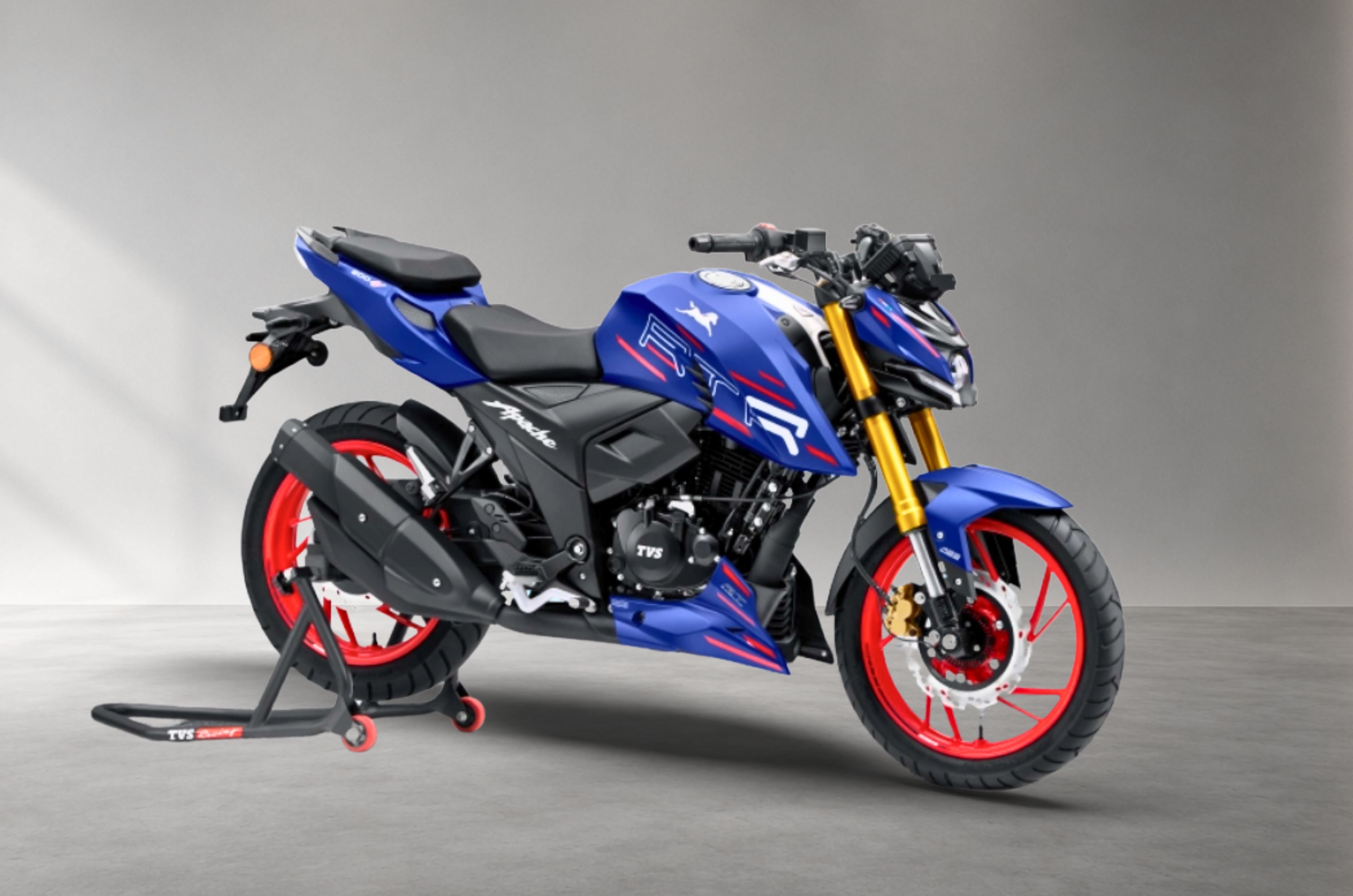
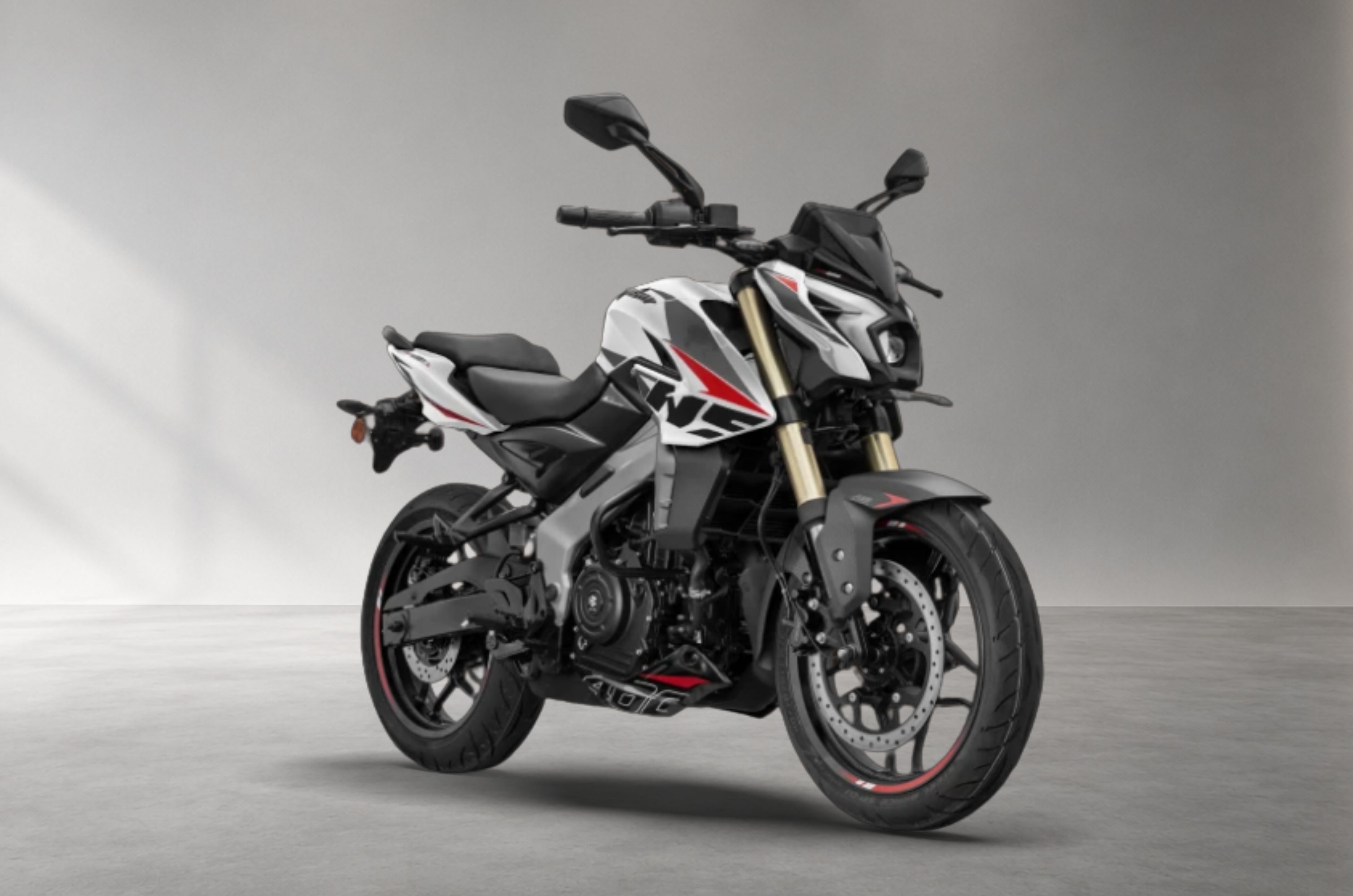
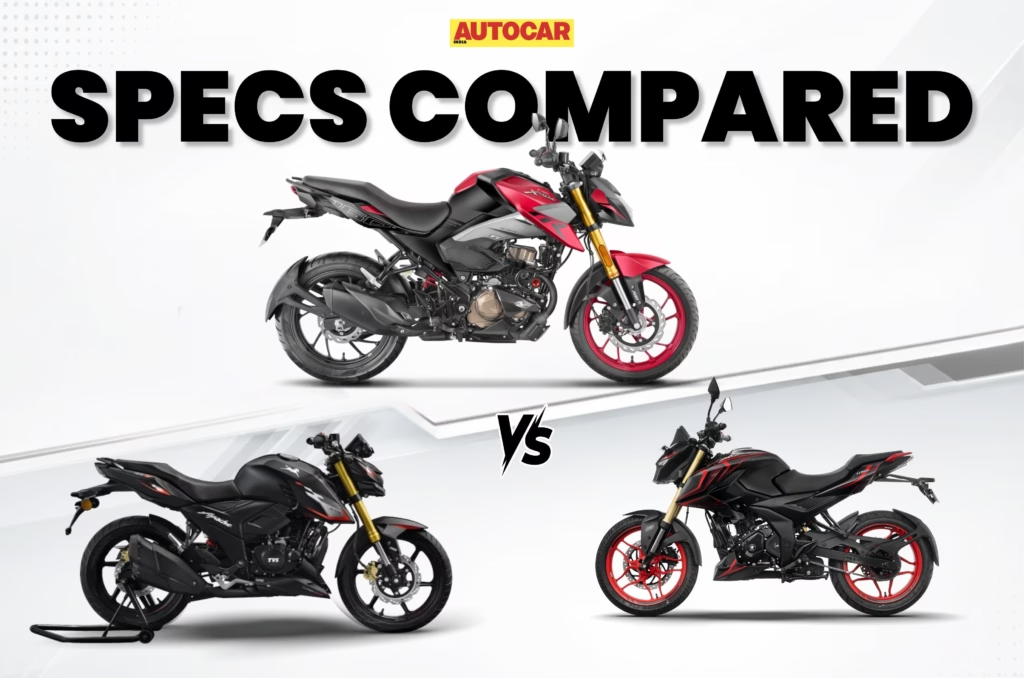
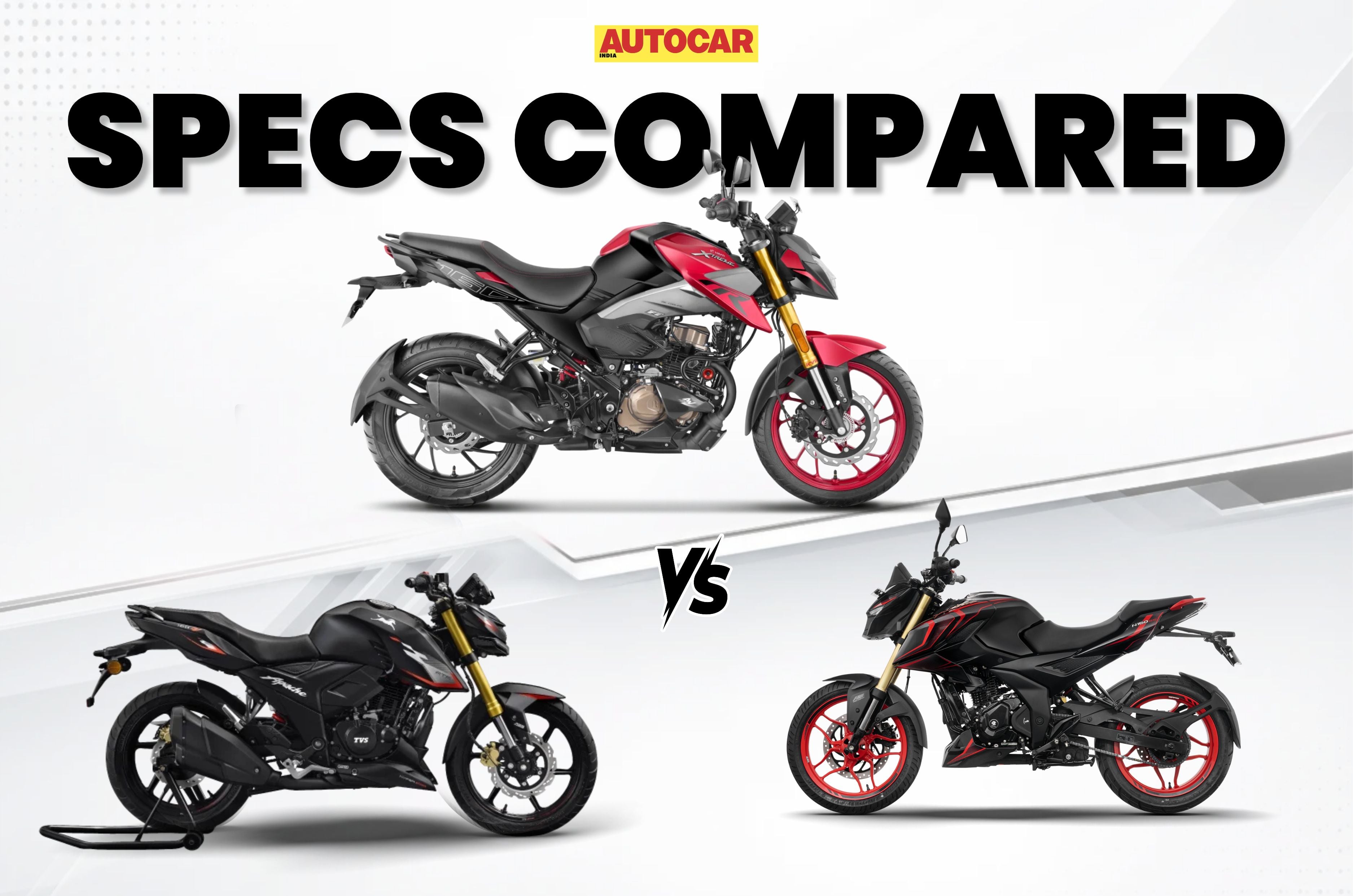
Hero Xtreme 160R Carbon, Pulsar N160 SS and TVS Apache RTR 160 4V in clockwise direction.

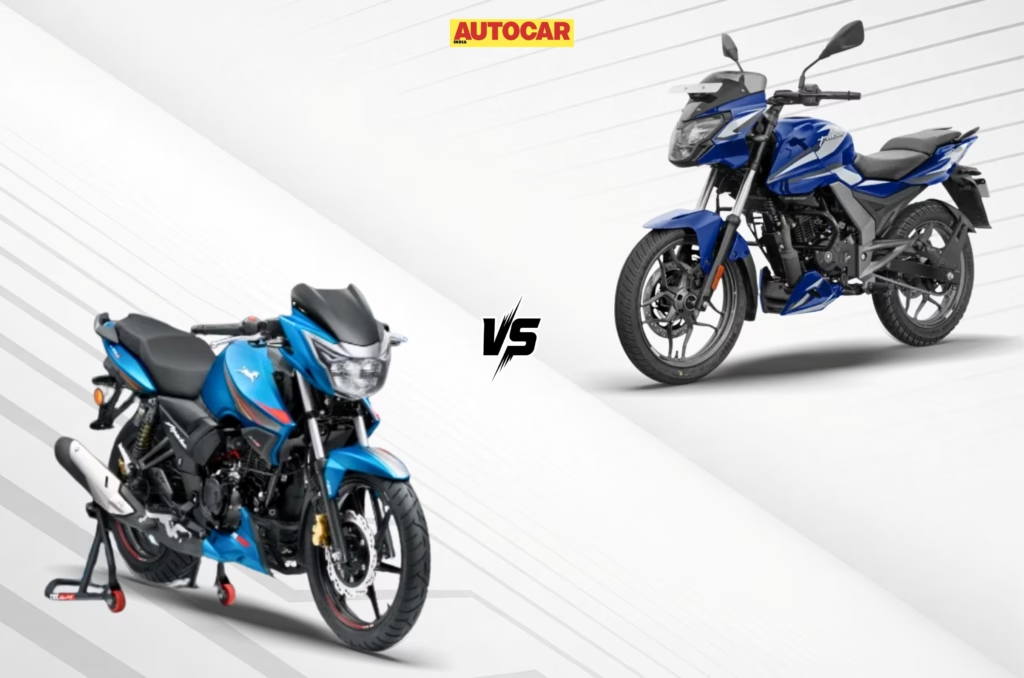
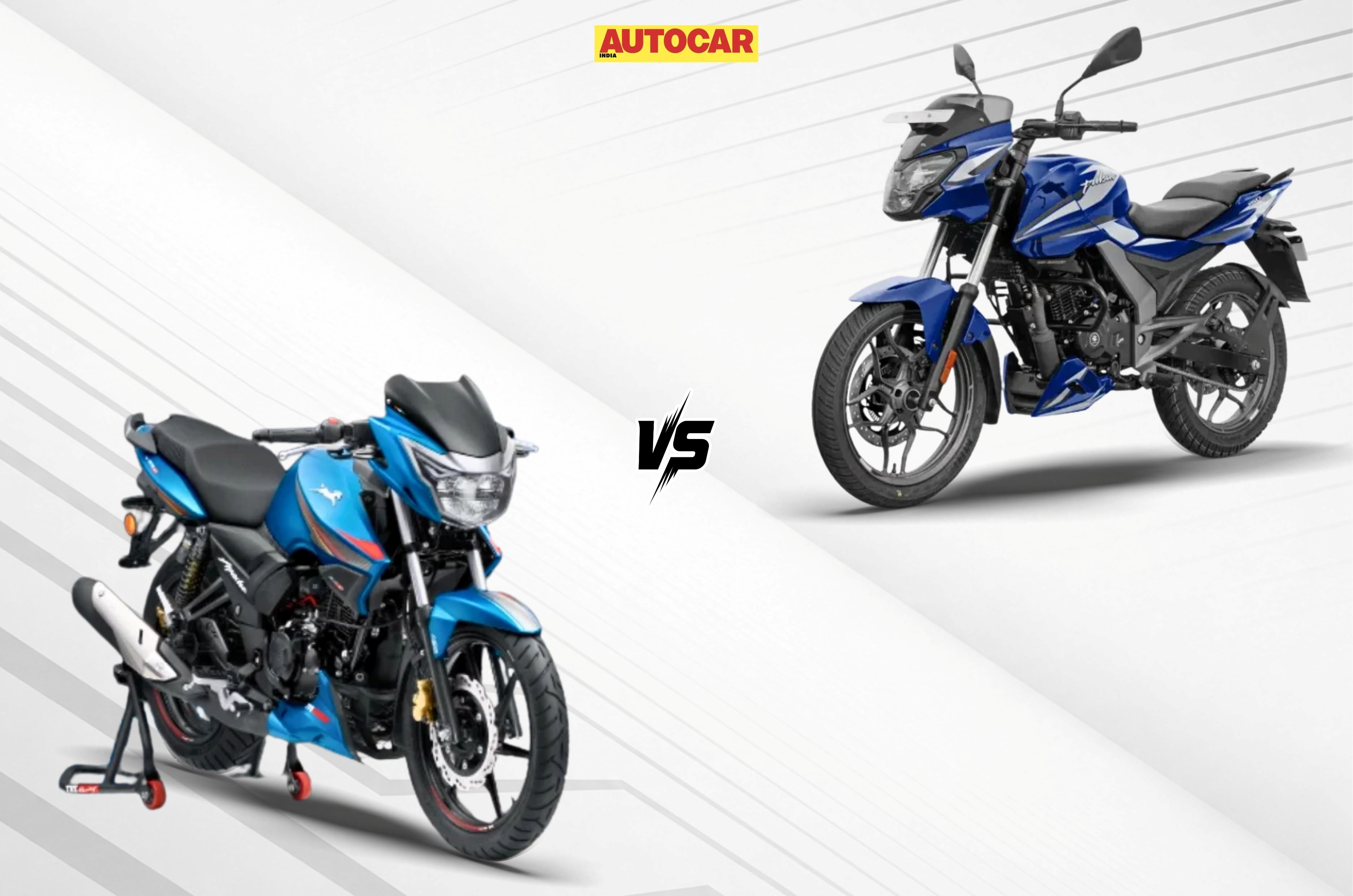
The 160cc segment was kickstarted and subsequently dominated by the TVS Apache RTR 160 and now, the RTR 160 4V is the manufacturer’s best-selling Apache, with the RTR 160 (2V) following in its footsteps. Bajaj has been attacking this duo with a trident of motorcycles, the N160, classic 150, and the NS160. In this fight, Hero’s offering the Xtreme 160R has taken a backseat all this while, but Hero’s looking to get in the front with the newly updated version of its street-naked motorcycle. Does it, really? Let’s see.

Hero Xtreme 160R 4V Carbon vs Rivals: Engine and output

Bajaj has the biggest engine with the most power


Hero Xtreme 160R 4V Carbon

TVS Apache RTR 160 4V

Bajaj Pulsar N160 SS

Engine

163.2cc, single-cylinder, oil-cooled

159.7cc, single-cylinder, oil-cooled

164.9cc, single-cylinder, oil-cooled

Power

17.1hp at 8,750rpm

17.6hp at 8,650rpm

18.5hp at 9,500rpm

Torque

14.6Nm at 6,500rpm

14.7Nm at 7,500rpm

14.4Nm at 8,000rpm

Transmission

5-speed

5-speed

5-speed

Power-to-weight ratio

114.77hp/tonne

120.21hp/tonne

122.52hp/tonne

Hero left the 163.2cc engine almost completely untouched, only raising the peak power output by a meagre 0.2hp compared to earlier. Bajaj’s upgrade to the N160 was more comprehensive than Hero and TVS, even though the other two motorcycles are chronologically newer. Said update has thus helped the N160 SS maintain the highest horsepower of the trio, though it comes in third with respect to torque.

However, the torque race is a very close one and thus unlikely to matter in real-world conditions. The noteworthy jump in power also helps Bajaj maintain a higher power-to-weight ratio, despite being the heaviest of the three motorcycles.

Hero Xtreme 160R 4V Carbon vs rivals: Dimensions and weight

Pulsar is the heaviest, but makes up for it


Hero Xtreme 160R 4V

TVS Apache RTR 160 4V

Bajaj Pulsar N160 SS

Fuel tank capacity

12 litres

12 litres

14 litres

Ground clearance

165mm

180mm

165mm

Kerb weight

149kg

146kg

151kg

Seat height

805mm

790mm

795mm

Wheelbase

1,329mm

1,357mm

1,348mm

None of these motorcycles received a generational change to the platform so the numbers largely remain the same as earlier. Starting off with the Xtreme 160R 4V, Hero has given it some additional features which has made it 1.5kg heavier than the previous Combat Edition and the seat height is a negligible 5mm taller too.

TVS added exactly two new features to the Apache so it remains exactly where it was before and is the motorcycle with the lowest seat height, while having the most amount of ground clearance. The Pulsar N160 is the heaviest of the lot, but also has two additional litres of fuel tank capacity, which is a factor in the additional weight. In this class, that translates to – at the very least – 80km of real-world range so that’s not a small advantage to the Bajaj.

Hero Xtreme 160R 4V Carbon vs Rivals: Tyres, brakes and suspension

Hero has a smaller rear brake and TVS has a narrower front tyre


Hero Xtreme 160R 4V

TVS Apache RTR 160 4V

Bajaj Pulsar N160 SS

Tyres (F, R)

100/80-17, 130/70R17

90/90-17, 130/70R17

100/80-17, 130/70R17

Brakes (F, R)

276mm disc, 220mm disc, dual-channel ABS

270mm disc, 240mm disc, dual-channel ABS

300mm disc, 230mm disc, dual-channel ABS

Suspension (F, R)

37mm USD fork, monoshock

37mm USD fork, monoshock

37mm USD fork, monoshock

Things continue to even out in this section but Bajaj makes a statement with the largest front disc rotor, which is actually from a class above. All three offer dual-channel ABS as standard on the top variants, and all have a lower variant with right-side-up (RSU) telescopic fork and single-channel ABS. Hero is the only manufacturer to offer a KYB, who is a suspension specialist, built fork but also has given the Xtreme 160R the smallest rear disc. TVS technically does have the smallest tyre of the three, but it’s not alarmingly small to imply handling issues.

Hero Xtreme 160R 4V Carbon vs Rivals: Features

Hero’s redemption attempt

This is the area Hero has caught up the most to the other two, after design. Though the Combat Edition added quite a bit to make the Xtreme 160R last year, the fight now feels even across the board, which is a great thing for you and me as consumers.

On the top Carbon variant, you get a 4.2-inch TFT display that goes toe-to-toe with the other two on this list. Xtreme 160R is the only motorcycle in this segment to give you cruise control and TVS, despite technically being the oldest platform of the lot, gives a tough fight to the other two. In terms of outright feature-set, the Bajaj still offers a higher number of features, such as an additional ride mode, document storage on the display and the likes, but TVS and Hero fight valiantly. The Hero still misses out on features such as, a slip-and-assist clutch, a dedicated mode to make low speed riding easier (Crawl mode on Bajaj, GTT on TVS) and Google Maps mirroring. So, if you’re looking for the most feature-loaded Hero, take a gander at the Xtreme 250R, which also got updated with quite a bit of features and is sitting in the segment above.

Hero Xtreme 160R 4V Carbon vs Rivals: Price

Carefully treading the affordable-line


Hero Xtreme 160R 4V

TVS Apache RTR 160 4V

Bajaj Pulsar N160 SS

Price (ex-showroom)

Rs 1.27-1.41 lakh

Rs 1.20-1.42 lakh

Rs 1.22-1.43 lakh

Hero is currently the most expensive of the three, especially if you’re looking to get the base variant; beyond that, digging further into the price difference will be splitting hairs, so look at the other sections to see if they help you make a choice. That being said, the 160cc segment in India is one of, if not, the most competitive one so whichever one you choose, you’re unlikely to make a truly bad one. See which motorcycle catches your eye the fastest and pulls your heart strings the hardest after the test ride, and you’ll probably know what you’re bringing home.

If you’re determined to live in the xtreme, er, extreme, Hero is currently taking bookings for the all-new Xtreme 160R 4V, whereas the other two motorcycles are already available in their respective showrooms. Unlike its bigger brother, the 160R 4V will be available in all Hero showrooms across the country – which is quite a large network. Deliveries for it are expected to begin in November.
Updated Hero Xtreme 160R 4V launched from Rs 1.27 lakh

Updated Hero Xtreme 160R 4V launched from Rs 1.27 lakh
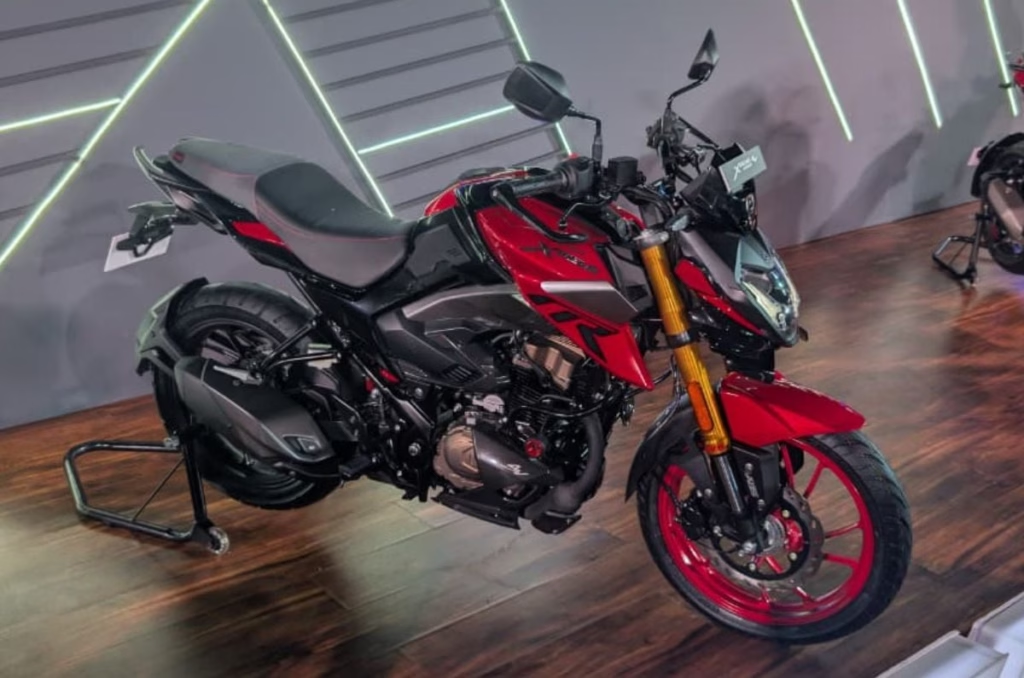
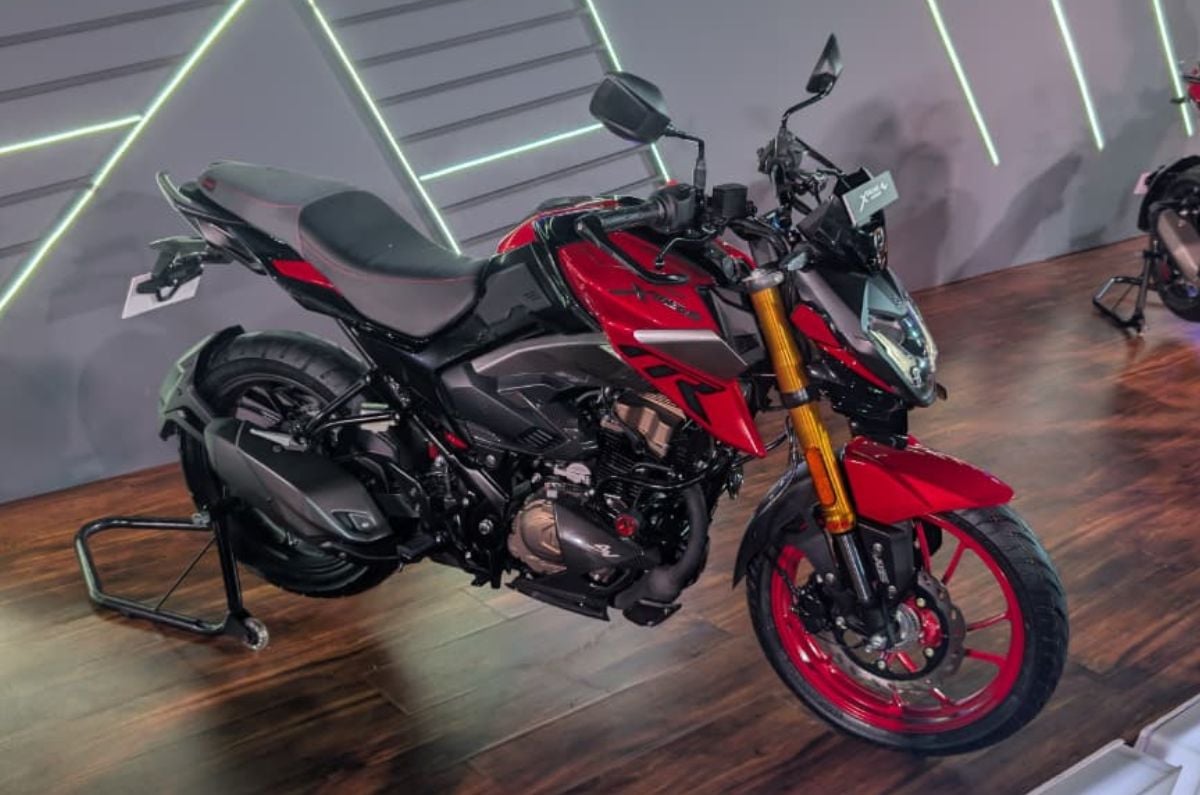
Hero Xtreme 160R 4V Carbon front right quarter.

The Xtreme 160R 4V has been Hero’s answer since 2023 to the Bajaj Pulsar NS160 and the TVS Apache RTR 160, although it hasn’t been as popular. Late last year, the brand launched a higher variant of it called the Combat Edition with cruise control, ride-by-wire and an updated negative LCD screen from the GlamourX 125 and now it’s taking that further with a refined design and TFT display. The bigger Xtreme 250R also sees some big improvements alongside its younger brother.

  1. Retains the 164.32cc, oil-cooled engine; peak power has increased to 17.1hp
  2. Top Carbon variant gets a TFT display
  3. Standard costs Rs 1.27 lakh, Pro costs Rs 1.37 lakh and Carbon costs Rs 1.41 lakh

Hero Xtreme 160R 4V: What’s new?

Sharper design and a stronger feature set

Hero has started the updates with the design of the Xtreme 160R 4V. Compared to the previous Combat Edition, the entire silhouette has been sharpened and it’s most obvious in the fuel tank and the rear seat cowl. There are also new colours and variants on offer. The current base variant has been rechristened to Standard variant, the Combat Edition has become Pro, and a new top-variant called Carbon. Standard gets Firestorm Red and Pearl Black and Pro gets Pro Red and Pro Black. Carbon gets Carbon Red, Carbon Black, Carbon Grey and Abrax Orange.

Moving onto mechanical changes, all variants of the Xtreme 160R retain the 164.32cc, oil-cooled engine but peak power has marginally increased to 17.1hp (versus 16.9hp earlier) delivered 250rpm later in the rev range at 8,750rpm. Torque figures remain unchanged, 14.6Nm at 6,500rpm. However, Hero has separated the Standard variant from the other two quite significantly by way of features. It gets a telescopic front suspension and retains a mechanical throttle. While dual discs are also retained, it only has single-channel ABS and gets the LCD console from the Combat Edition, one of two things it shares with the Pro; the other being the design.

The Pro variant, except for the changes mentioned above, remains identical to the Combat Edition. Which means, ride-by-wire is standard with three ride modes (Rain, Road and Sports), as is cruise control. The front suspension on this one is a 37mm KYB USD fork and the rear is a monoshock that has adjustable preload. Dual-channel ABS is standard and the brake specifications remain the same too, 276mm front and 220mm rear. On the dimensions-front, seat height has gone up by a negligible 2mm to 805mm and the kerb weight by 1.5kg to 149kg.

The top Carbon variant is identical to Pro, except for its new TFT display. While the TFT display itself is shared with the Xpulse 210, Hero has changed the layout and design of it to better suit the Xtreme 160R’s sporty characteristics. There’s no difference in weight between the three variants.

With the updated design and additional features, the Hero Xtreme 160R 4V Standard comes in at Rs 1.27 lakh, Pro sits at Rs 1.37 lakh, a significant Rs 10,000 increase. Top Carbon costs Rs 1.41 lakh. Hero specifies all three variants’ prices as introductory. The current base variant costs Rs 1.35 lakh and the Combat Edition Rs 1.38 lakh; though we can’t compare the two base variants directly, the Combat edition has effectively become cheaper by Rs 1,000, with an updated design. The Haryana-based manufacturer says bookings are open today across all its showrooms in India and deliveries will begin from November, in time for the festive season.

All prices mentioned are ex-showroom.

Bajaj Pulsar 150 vs TVS Apache RTR 160: Prices and specifications compared

Bajaj Pulsar 150 vs TVS Apache RTR 160: Prices and specifications compared
Bajaj Pulsar 150 vs TVS Apache RTR 160 (2V) in clockwise direction.

Bajaj launched the very first Pulsar 150 all the way back in 2001. TVS first responded with the Apache 150 in 2005, and upped the ante with the 160 in 2006. Bajaj, for the Pulsar’s 25th anniversary, effectively rebuilt the Pulsar 150 from scratch, marking some of its biggest changes since the original. TVS responded to this by introducing a new top-variant for the Apache 160 2V with traction control. At the time of writing, the difference in prices between the two is less than the price of six litres of petrol. If you’re not sure which one of these street-nakeds is right for you, we can help with that.

Bajaj Pulsar 150 vs TVS Apache RTR 160 (2V): Engine and output

The older motorcycle is… better?


Bajaj Pulsar 150

TVS Apache RTR 160 (2V)

Engine

149.5cc, single-cylinder, oil-cooled

159.7cc, single-cylinder, air-cooled

Power

14hp at 8,000rpm

16.04hp at 8,750rpm

Torque

14.1Nm at 6,500rpm

13.85Nm at 7,000rpm

Transmission

5-speed

5-speed

Power-to-weight ratio

99.29hp/tonne

115.40hp/tonne

Despite being the older motorcycle of the two, it’s the Apache that has the upper hand in this area. It has the better number for all the metrics; although it delivers both peak power and peak torque higher up in the rev range compared to the Pulsar. The Apache’s power and torque figures vary according to the chosen ride mode, and for this comparison, we’ve taken the figures from the Sport mode, the most powerful one of the three on offer.

Bajaj Pulsar 150 vs TVS Apache RTR 160 (2V): Dimensions and weight

Pulsar gets a notably larger fuel tank


Bajaj Pulsar 150

TVS Apache RTR 160 (2V)

Fuel tank

15 litres

12 litres

Ground clearance

186mm

180mm

Seat height

795mm

790mm

Kerb weight

141kg

139kg

Wheelbase

1338mm

1300mm

With an all-new diamond frame, Bajaj was able to achieve a weight reduction of 9kg on the Pulsar 150 compared to the previous version. However, the Apache is still lighter by 2kg for its top-most variant. It’s also most accessible with a 5mm lower seat height. Do note that the lower seat height also translates to a 6mm lesser ground clearance, and the Pulsar gives you three extra litres of capacity on its fuel tank. In this segment, that translates to at least 120km, not an insignificant number.

Bajaj Pulsar 150 vs TVS Apache RTR 160 (2V): Tyres, brakes, and suspension

TVS (mostly) has the stronger ride package


Bajaj Pulsar 150

TVS Apache RTR 160 (2V)

Tyres (F,R)

80/100-17, 100/90-17

90/90-17, 120/70-17

Brakes (F,R)

260mm disc, 230mm disc; single-channel ABS

270mm disc, 240mm disc; dual-channel ABS

Suspension (F,R)

Telescopic fork, monoshock

Telescopic fork, twin-shock

Bajaj had reduced the rear tyre size on the Pulsar 150 with the new version; the older top variant (Split Seat) had a 120/80-17 size rear tyre. As things stand, the TVS gets the larger tyre on both ends. Do note that TVS gives a slightly smaller 110/80-17 rear tyre on the lower variant. The Apache also has larger disc sizes for its brakes, but both motorcycles get 130mm drum brakes on the lower variants. Apache is the only motorcycle to offer dual-channel ABS, even if it’s limited to the top-two variants. In this section, the Pulsar’s only real advantage is that its newer frame gives it a monoshock, whereas the TVS continues with a twin-shock.

Bajaj Pulsar 150 vs TVS Apache RTR 160 (2V): Features

Newer is better

This is where the Pulsar makes its strongest case to be your motorcycle of choice. The top variant of the Pulsar 150 now gets a 5-inch TFT screen (first debuted on the Pulsar N160 SS) with Google Maps mirroring support, an integrated starter-motor-generator (ISG) to enable silent starts as well as an auto stop/start system. The TVS makes its age very obvious with its LCD instrument cluster; however, it still has bluetooth on the higher variants and can connect to your smartphone for call and SMS alerts, just like the Bajaj. 

Considering how long it’s been since TVS gave it a major upgrade though, it’s impressive how well the Apache holds up against the all-new Pulsar. To give you two examples, both companies offer their own solutions for making low speed riding easier (in stop-and-go traffic, for example); Bajaj calls its version Crawl Mode and TVS calls its version Glide Through Technology (GTT). Both also offer all LED lighting, a feature that reached the TVS later than Bajaj. However, only the Apache gets traction control.

Bajaj Pulsar 150 vs TVS Apache RTR 160 (2V): Price

Neck-and-neck


Bajaj Pulsar 150

TVS Apache RTR 160 (2V)

Price (ex-showroom, Delhi)

Rs 1,15,233-1,28,650 lakh

Rs 1,13,890-1,27,990 lakh

Bajaj has two variants of the Pulsar 150, with a lower variant replacing the TFT screen for an LCD one and losing out on the features that are associated with it. TVS, at the time of writing, offers seven variants for the Apache RTR 160, all separated by about Rs 3,000 difference. However, it’s the Apache that’s more affordable to purchase, even if the difference is just Rs 660. Hopefully, the other differences are enough to help you choose one over the other.

8 motorcycles under Rs 3 lakh with Google Maps mirroring

8 motorcycles under Rs 3 lakh with Google Maps mirroring
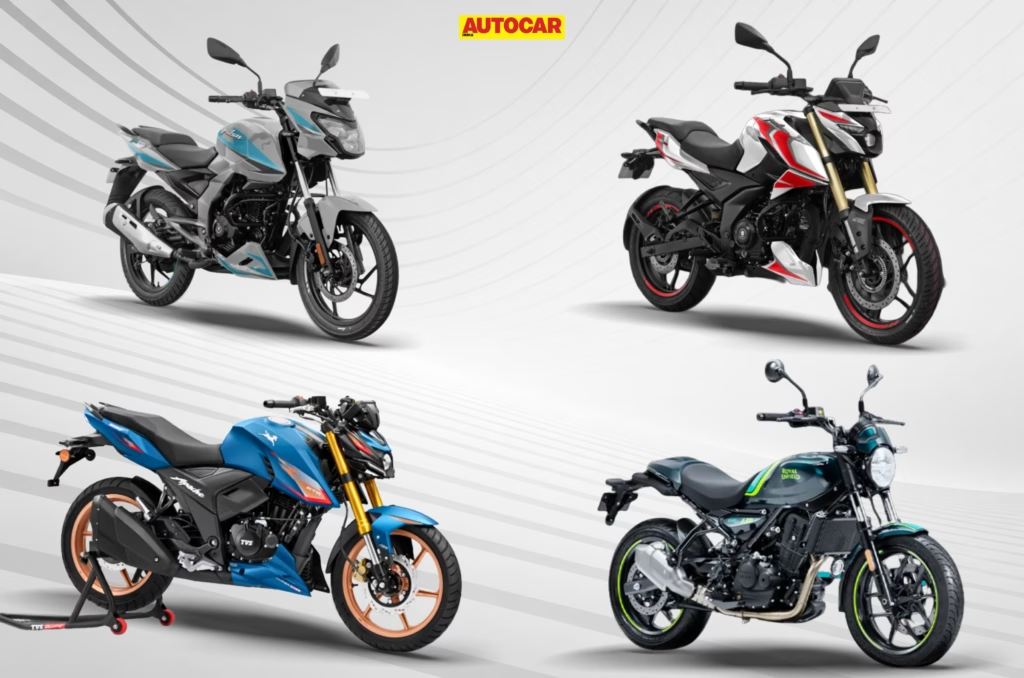
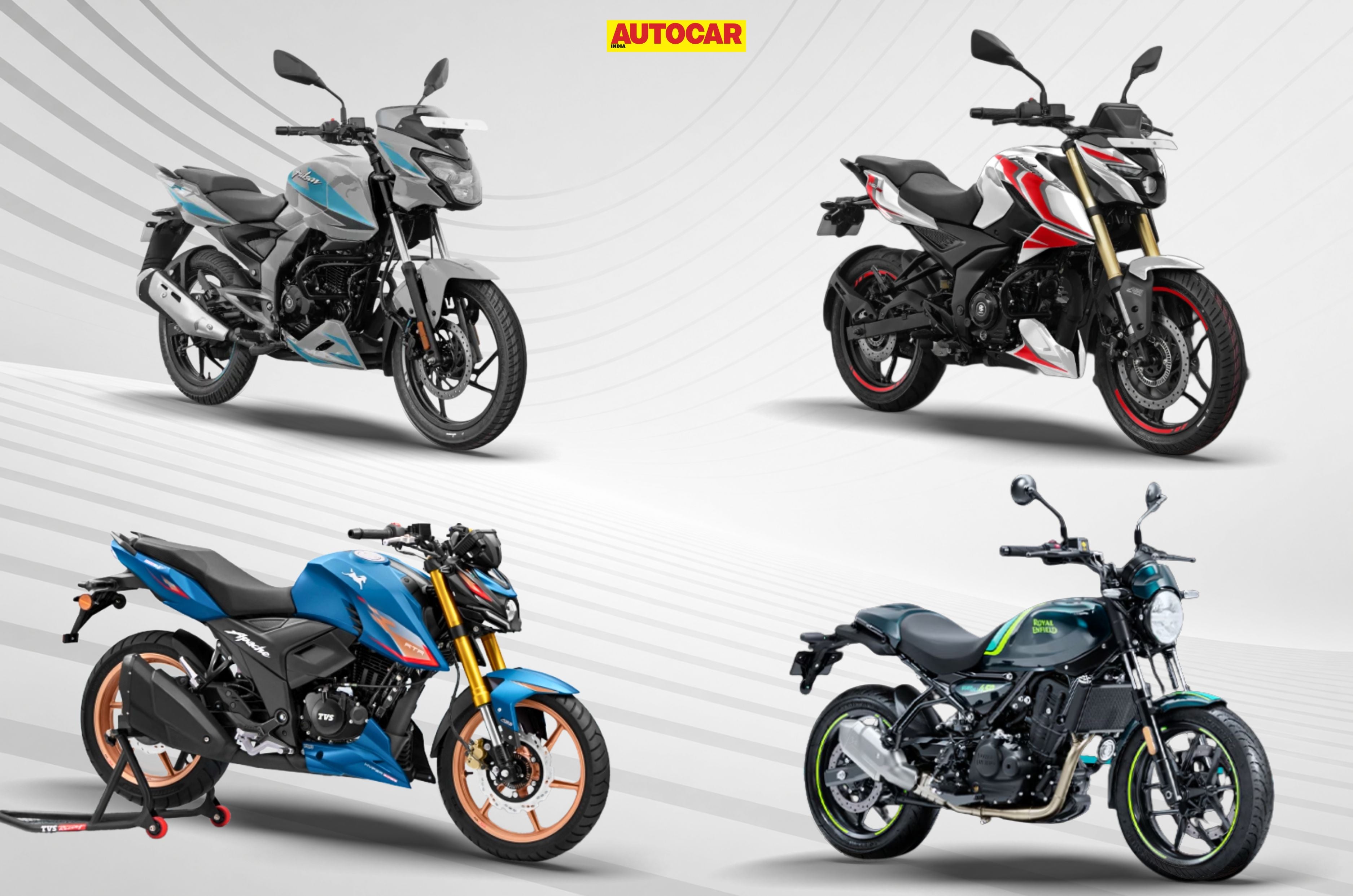
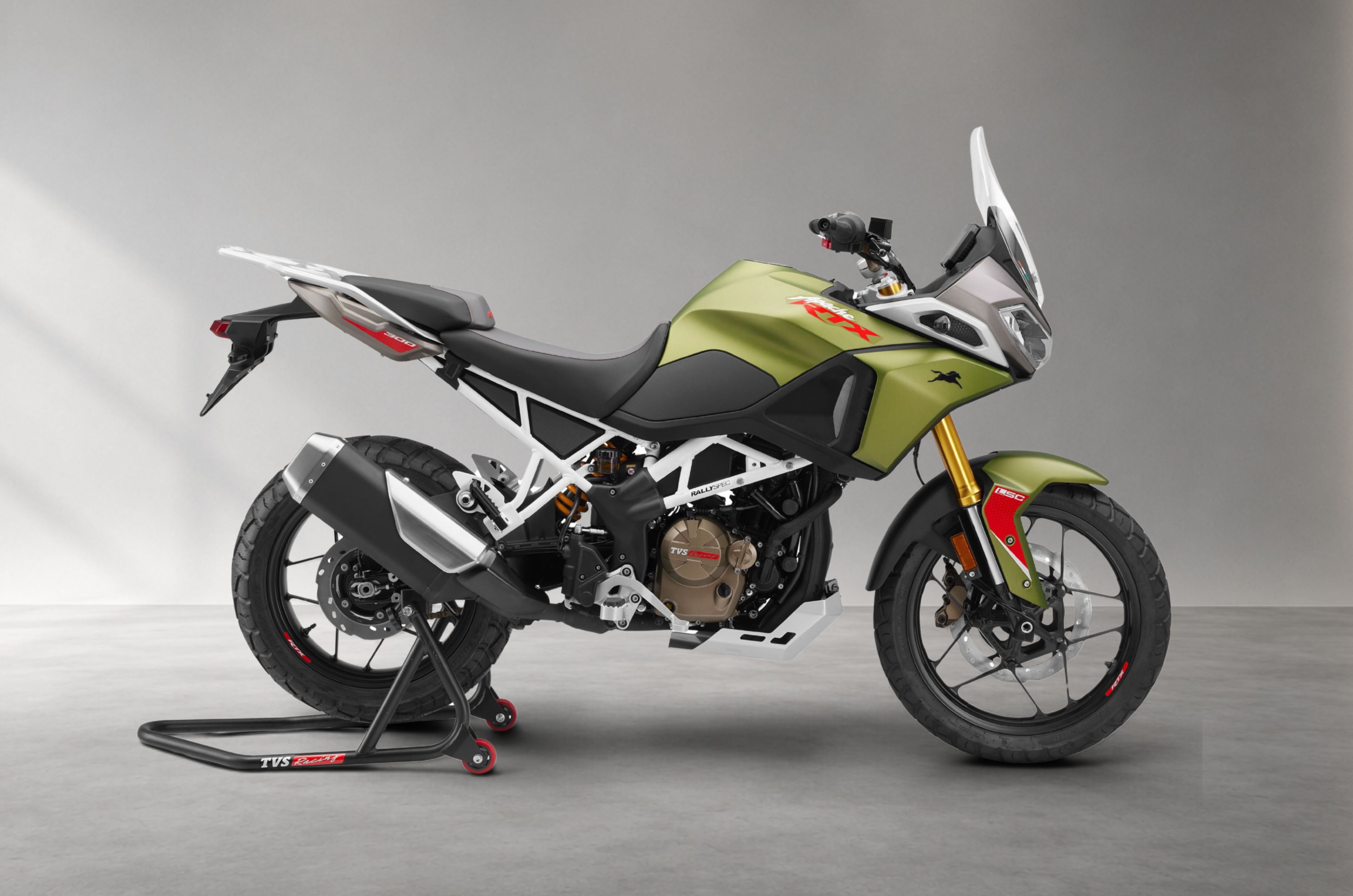
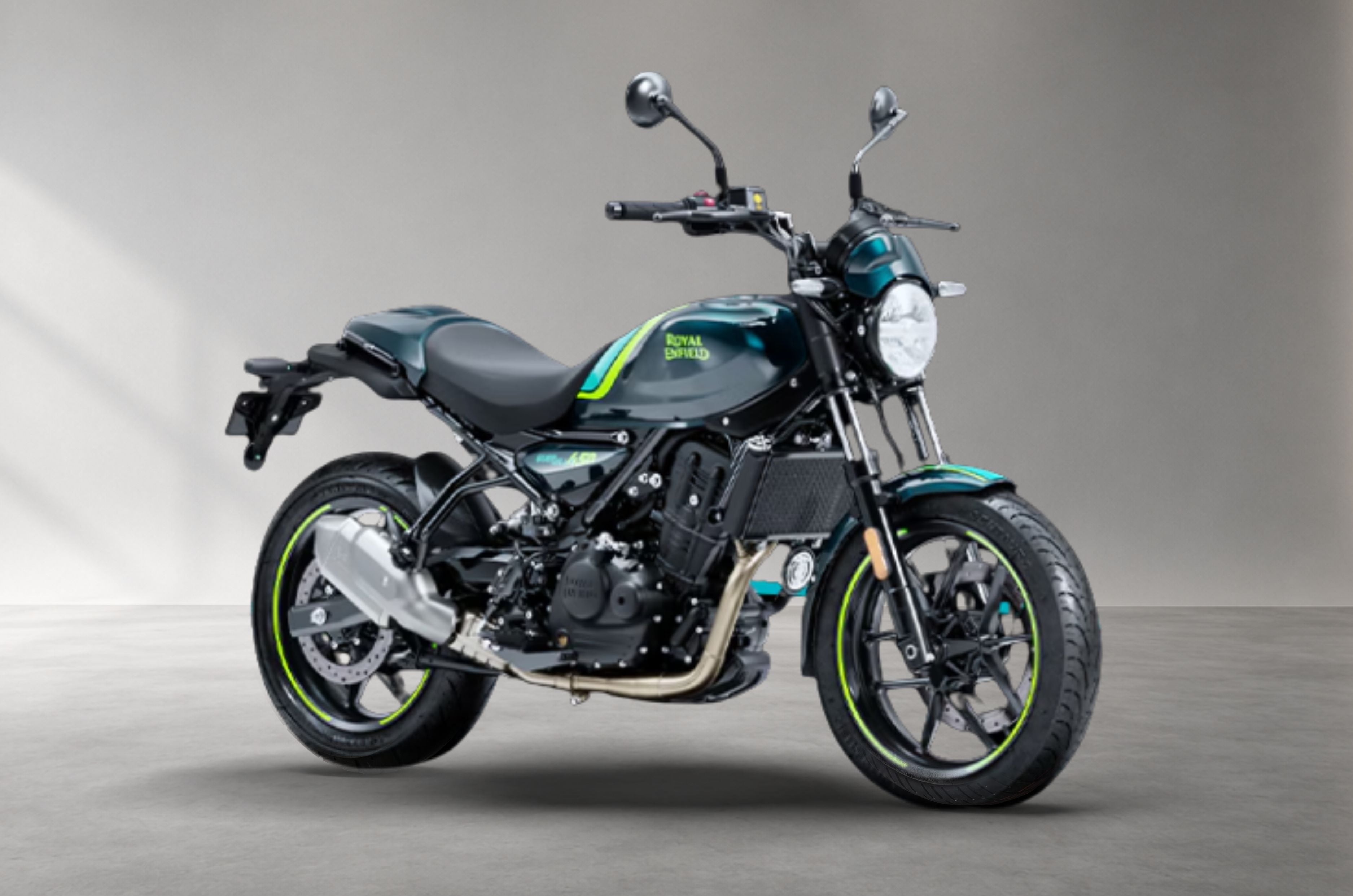
Bajaj Pulsar 125, Pulsar N160 SS, Royal Enfield Guerrilla 450 Apex, and TVS Apache RTR 160 4V in clockwise direction.

Navigation has been one of the major challenges for every aspiring motorcyclist. Unfortunately, major smartphone OS manufacturers don’t deem us profitable enough to solve it for us; but, our OEMs might have a smarter solution for that, by way of Google Maps mirroring. Today, you can buy a motorcycle for as low as Rs 1.04 lakh and still be able to navigate your way through your city, or wherever your heart takes you. Speaking of, let’s start with that very motorcycle.

All prices mentioned are ex-showroom, Delhi for the specific variant with Google Maps mirroring feature.

Bajaj Pulsar 125

Rs 1.04 lakh

Bajaj Pulsar 125

Bajaj had comprehensively upgraded the classic Pulsar 125 with many changes and a whole slew of features, including Google Maps mirroring on the top-most Split Seat variant. Besides that, you get a 124.58cc engine with 12.1hp and 11.4Nm, a front disc brake, and three ride modes. A decent choice if you mostly commute in the city, but if you find yourself on the open roads on every chance you get, look at the bigger brother.

Bajaj Pulsar 150

Rs 1.29 lakh

Bajaj Pulsar 150

Admittedly, Rs 25,000 isn’t a small step-up in this price range. However, besides retaining the same feature-set and silhouette, on the Pulsar 150 you get a larger 149.5cc engine with 14.1hp and 14.1Nm, which should make highway stints seem less stressful on you and the motorcycle; and saying that you have the Pulsar 150 has a better ring to it, but that’s a subjective opinion. If Bajaj isn’t your brand of choice, though, we have another Indian manufacturer known for pushing the envelope on features.

TVS Apache RTR 160 4V

Rs 1.41 lakh

TVS Apache RTR 160 4V

TVS has made the Apache series synonymous with features over the past few years, so of course it responded to Bajaj upgrading the classic Pulsars. Its best-selling Apache RTR 160 4V now also has a TFT display that supports Google Maps mirroring. TVS, in its usual fashion, turns things up a notch by offering even more power from its 159.7cc engine (17.55hp and 14.73Nm) and a whole lot more features like dual-channel ABS, traction control, a slipper clutch, more premium design, etc., That’s quite a bit more for Rs 12,000 over the Pulsar 150 but if you wonder whether Bajaj has a similar offering, fret not.

Bajaj Pulsar N160 SS

Rs 1.43 lakh

Bajaj Pulsar N160 SS

This is the first motorcycle on which Bajaj debuted the new 5-inch TFT screen with Google Maps mirroring. It’s since been extended to other Pulsars. Over the Pulsar 150, the N160 SS offers a bigger 164.9cc engine with 18.5hp and 14.4Nm (directly sparring with the RTR 160 4V), ride-by-wire, traction control, one extra ride mode, a slipper clutch, and a more modern design that may suit your preferences better. The N160 SS also offers dual-channel ABS as standard. If you feel like you’re done with the 150-160cc class, the next upgrade is closer than you think.

TVS Apache RTR 200 4V

Rs 1.50 lakh

TVS Apache RTR 200 4V

The Apache RTR 200 4V has now been relegated to getting the “et al” treatment from TVS so now it is almost too close to the RTR 160, one might say. However, it retains the bigger 197.75cc engine with close to 21hp and 17.25Nm. The only other feature that still remains exclusive to the 200 is the preload-adjustable USD fork that TVS brought back, with the recent update. Worth paying Rs 7,000 extra You decide, but if you are somehow not satisfied with the value on offer, the next motorcycle wears value-for-money as a badge of honour on its sleeve.

Bajaj Pulsar NS400Z

Rs 1.90 lakh

Bajaj Pulsar NS400Z

Bajaj’s downsized 349cc Pulsar NS400Z has gone down in price again, and the company gave it the same TFT unit as on the other Pulsars just two days ago; and we might see it in even more of their motorcycles soon. Anyway, the NS400Z gives you a steep jump in power with 40.6hp and 33Nm. It retains the feature-set from the N160 SS as-is with power and torque as its biggest differentiation from almost every other motorcycle on this list. If you’re in a phase of your life where you’re on long rides more often than commutes, you might prefer the next motorcycle more.

TVS Apache RTX 300

Rs 2.19 lakh

TVS Apache RTX 300

TVS’s first adventure tourer popularised the feature in question a year ago, offering it on the top and BTO variants. Compared to the NS400Z, you get a smaller 299.1cc engine with 36hp and 28.5Nm. However, the Apache RTX 300 is no slouch in features in any other way, matching the NS400Z on every feature on offer. If you’re an experienced motorcyclist who’d like to tune your ride more minutely, stepping up to the BTO variant at Rs 2.39 lakh might be worth it, considering it gives your adjustable suspension on both ends. If none of these sound exciting enough for you, maybe see if the last one does the trick.

Royal Enfield Guerrilla 450

Rs 2.51 lakh

Royal Enfield Guerrilla 450

Royal Enfield introduced a new 4-inch TFT display with the Himalayan 450 that could project Google Maps powered navigation onto it, making the Chennai-UK based manufacturer technically the first to have figured this solution out. If you didn’t know this already, pressing and holding the M button on your Guerrilla 450 (and the Himalayan and Bear 650) will change the dials to the ‘digital’ look. After that, connecting your smartphone to the Royal Enfield app and starting navigation will make the whole map show on your display.

Getting back to the Guerrilla 450 itself, it’s Royal Enfield’s take on a sport-naked. Similar to most motorcycles on this list, its primary purpose isn’t touring, but when has that ever stopped the determined? The Guerrilla also has a 450cc engine that doles out 40.02hp and 40Nm, making it the most powerful motorcycle on this list. It goes toe-to-toe with the other motorcycles in terms of the features on offer, although most of the additional price is for its extra power (and the 40 percent GST of course).

That concludes the list of motorcycles under Rs 3 lakh with Google Maps mirroring, for now. We expect Bajaj to extend the same TFT display to even more of their portfolio in the near future. TVS might respond to that in their own, unique way so this list is all but guaranteed to grow even more in the near future. It’s one more significant hurdle removed for a motorcyclist, and every meaningful step counts.

TVS Apache RTR 160 का नया अवतार लॉन्च, TCS समेत मिले ये धांसू फीचर्स, जानें कीमत

TVS Apache RTR 160: TVS Motor कंपनी ने 2026 Apache RTR 160 में Traction Control System (TCS), Hazard Lamps और LED TSLs जैसे नए सेफ्टी और विजिबिलिटी फीचर्स जोड़े हैं, जिससे इस नए वर्जन की कीमत 1.28 लाख रुपये (एक्स-शोरूम, दिल्ली) हो गई है और इसे TCS के साथ डुअल-चैनल ABS के तौर पर लिस्ट किया गया है।

हालांकि, यह कोई बड़ा मैकेनिकल अपडेट नहीं है। इसके बजाय, TVS ने सितंबर 2026 के फेस्टिव-सीज़न रिफ़्रेश के तहत अपने मौजूदा टॉप-स्पेक मॉडल के इक्विपमेंट में बदलाव किया है। Apache RTR 160 खरीदने की सोच रहे ग्राहकों के लिए, इसमें सबसे अहम बदलाव ट्रैक्शन कंट्रोल है, जबकि लाइटिंग में किए गए बदलावों से बिना किसी नए मैकेनिकल पैकेज के इक्विपमेंट की लिस्ट और बेहतर हो गई है।

Apache RTR 160 में ट्रैक्शन कंट्रोल आया

इसका मुख्य अपडेट ट्रैक्शन कंट्रोल सिस्टम है। TVS ने इसे Apache RTR 160 के डुअल-चैनल ABS और TCS वाले वेरिएंट में जोड़ा है। इसी कॉन्फिगरेशन में Hazard Lamps और LED TSLs भी मिलते हैं।

TVS Motor ने इस अपडेट में RTR 160 के लिए किसी नए इंजन, पावर या दूसरे मैकेनिकल बदलाव की घोषणा नहीं की है। इसलिए, इस प्रोडक्ट में बड़े बदलाव के बजाय मुख्य रूप से फीचर्स पर फोकस्ड अपडेट है। कंपनी का कहना है कि मौजूदा टॉप-स्पेक Apache RTR 160 कॉन्फिगरेशन को नए सेटअप में बदल दिया जाएगा।

TVS Apache RTR 160: कीमत और कलर

अपडेटेड Apache RTR 160 की कीमत 1.28 लाख रुपये (एक्स-शोरूम, दिल्ली) है। यह चार कलर ऑप्शन में उपलब्ध है। इनमें Matte Black के साथ Red Alloy Wheels, Pearl White के साथ Red Alloy Wheels, Arctic Teal और Granite Grey शामिल हैं।

बताई गई कीमत TVS की ओर से नए कॉन्फिगरेशन के लिए तय की गई शुरुआती कीमत है। रजिस्ट्रेशन, इंश्योरेंस और अन्य स्थानीय शुल्कों के आधार पर ऑन-रोड कीमत अलग-अलग हो सकती है। यह नया वेरिएंट RTR 160 रेंज में मौजूदा टॉप-स्पेक कॉन्फिगरेशन की जगह लेगा।

Apache RTR 160 में नया क्या है?

Apache RTR 160 में सबसे बड़ा बदलाव Traction Control System (TCS) का है। यह बाइक में इलेक्ट्रॉनिक राइडर-कंट्रोल फीचर जोड़ता है, जिससे राइडिंग के दौरान बेहतर कंट्रोल मिलने की उम्मीद है। इसके अलावा, बाइक में Hazard Lamps भी दिए गए हैं, जो जरूरत के समय काफी काम आते हैं। वहीं, LED TSLs को भी नए लाइटिंग अपडेट के तौर पर जोड़ा गया है।

TVS ने इस अपडेट में बाइक के इंजन या दूसरे मुख्य मैकेनिकल पार्ट्स में बदलाव करने के बजाय नए फीचर्स पर ज्यादा ध्यान दिया है। यानी Apache RTR 160 का यह अपडेट मुख्य रूप से नए इक्विपमेंट और फीचर्स को जोड़ने पर केंद्रित है।

2026 TVS Apache RTR 160: उपलब्धता

अपडेटेड Apache RTR 160 अब पूरे भारत में TVS डीलरशिप पर उपलब्ध है। यह बदलाव Apache RTR 160 4V और Apache RTR 200 4V में किए गए अपडेट्स के साथ आया है, जिनमें अलग-अलग नए फीचर्स जोड़े गए हैं।

यह भी पढ़ें: 2027 Kawasaki Vulcan S भारत में लॉन्च, मिलेगा नया कलर और अपडेटेड ब्रेकिंग सेटअप, जानें कीमत