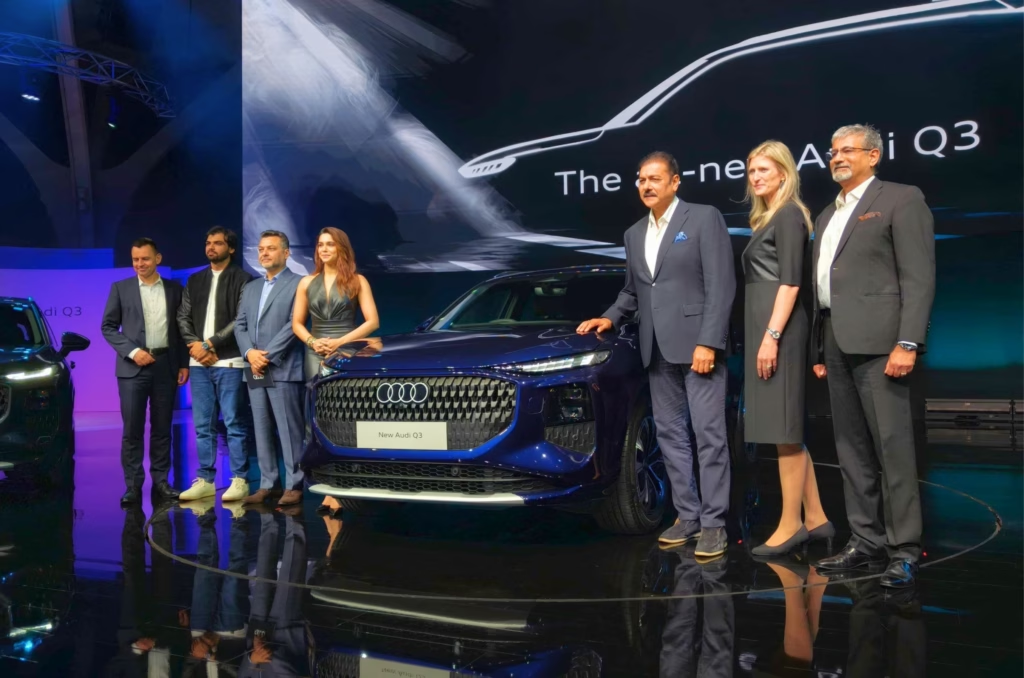
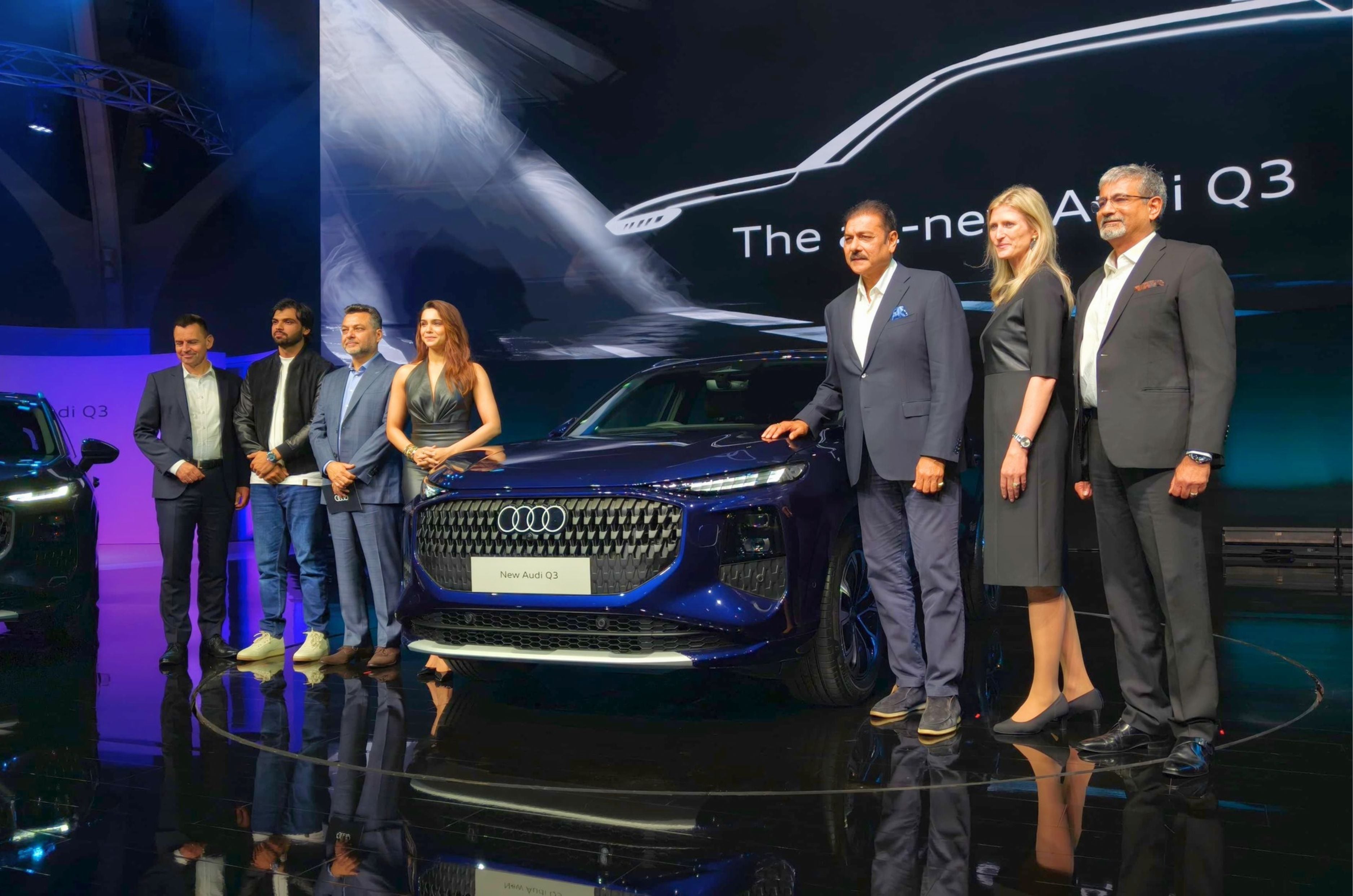
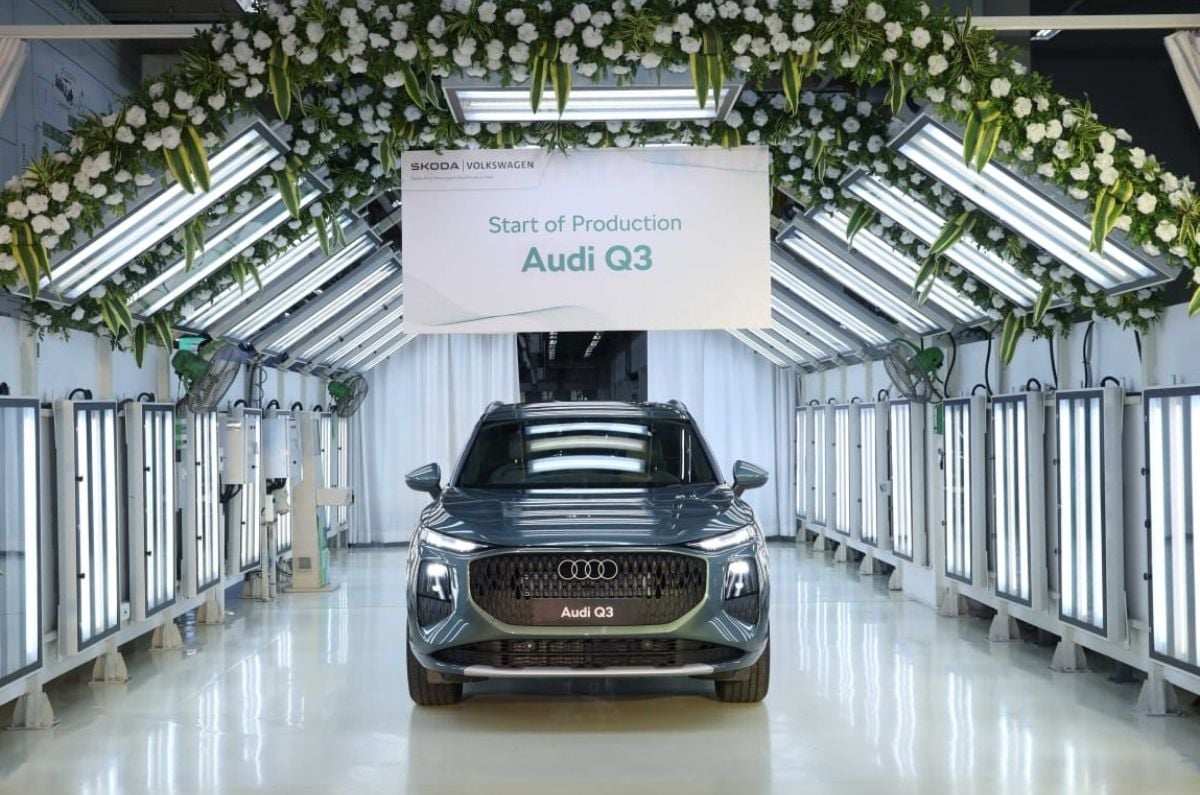
Audi has launched the 2026 Q3 in India at Rs 51.99 lakh (ex-showroom). This is the third-generation entry-level luxury SUV in India, which is being offered in two trims: Nova and Zenith, and the latter’s price is yet to be revealed. It sports extensive design changes inside and outside, additional features and a turbo-petrol engine option only. The 2026 Audi Q3 is being assembled at the manufacturer’s Chhatrapati Sambhajinagar plant in Maharashtra, and its deliveries are also underway.
Only luxury car in its segment with an AWD setup
Features split-style headlights and 18-inch alloy wheels
Gets dual digital screens, panoramic sunroof, 3-zone AC
2026 Audi Q3 exterior design
Gets split-style headlights, taillights and 18-inch alloy wheels
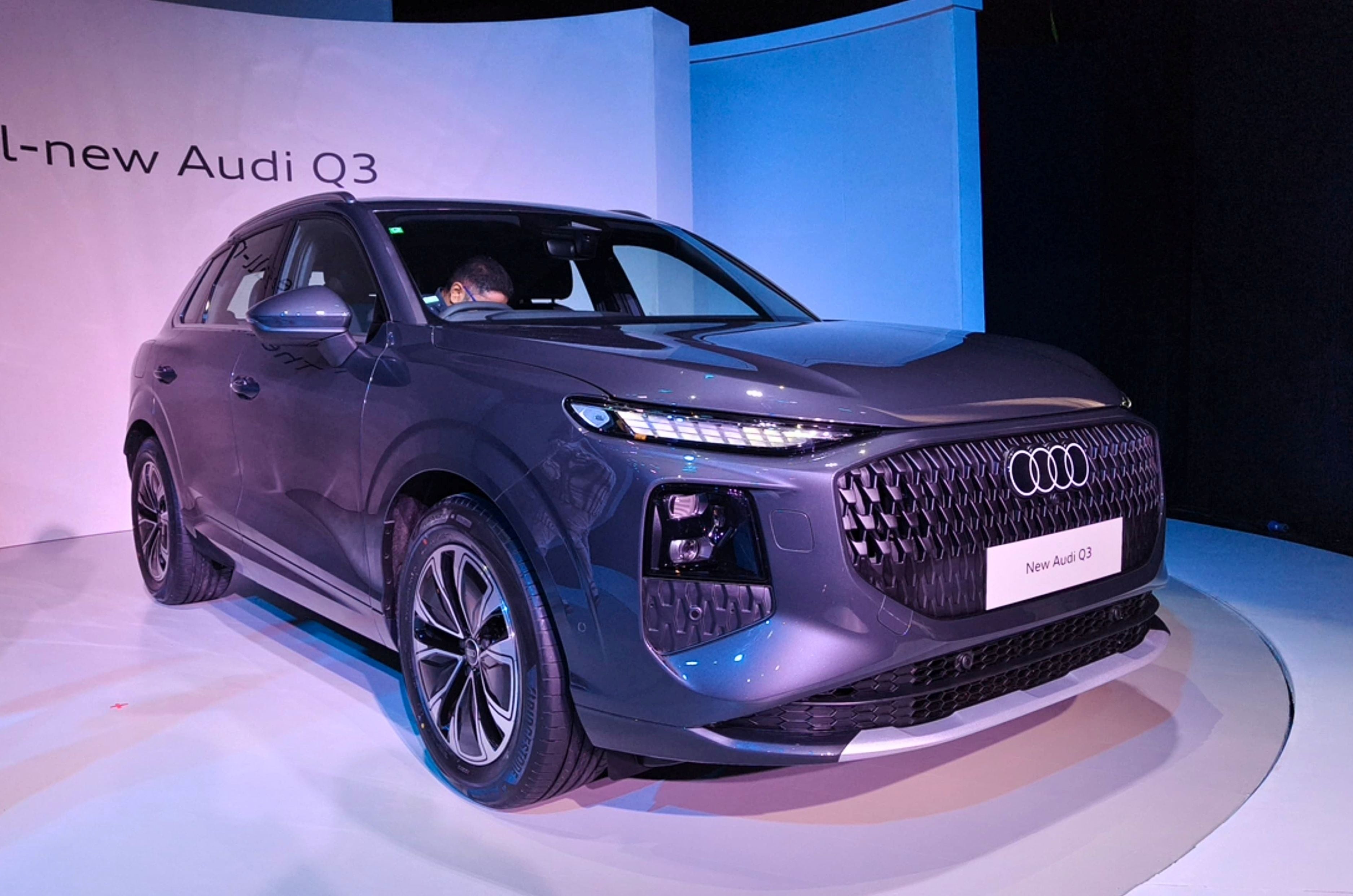
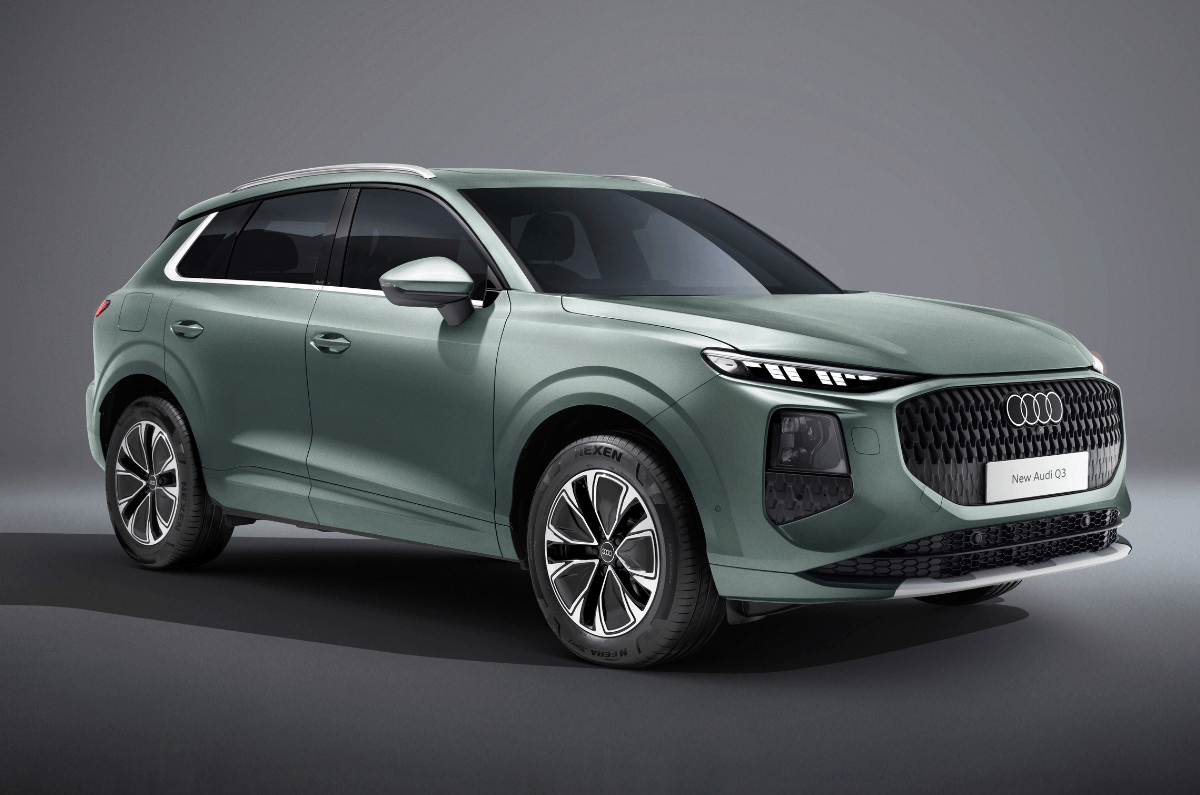
Being a generation update, the 2026 Audi Q3 comes with a thoroughly redesigned exterior. It gets split-style headlights, with LED DRLs at the top and the main digital Matrix LED headlights on the bumper with dedicated washers. The LED DRLs and headlights feature lighting signatures, and in fact the latter can even project important ADAS information on the road in the driver’s direct field of vision for improved safety. It also gets a large grille with honeycomb mesh elements and similar air intakes on the lower section of the bumper.
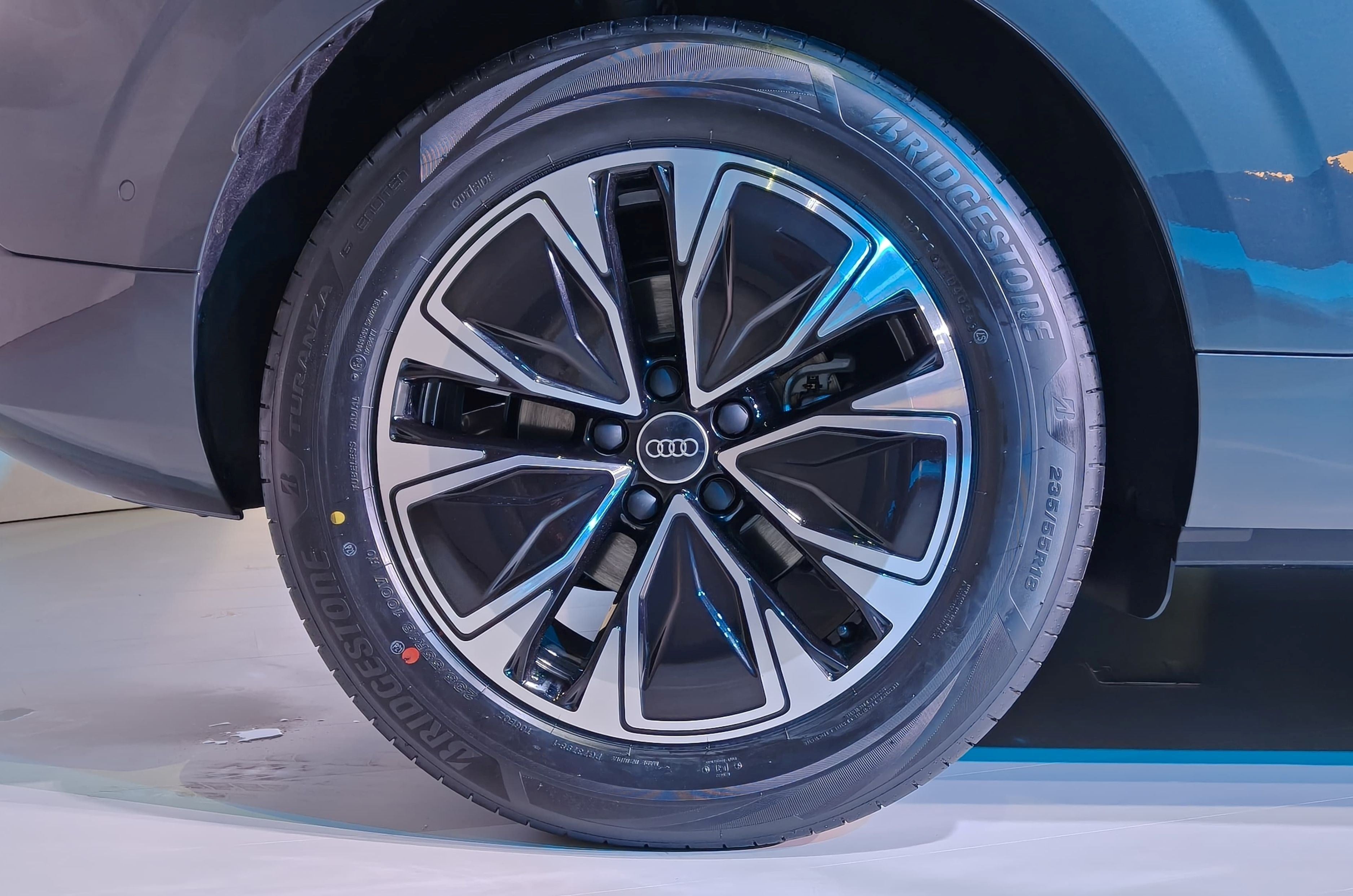
In profile, the Q3 features 18-inch alloy wheels as standard with self-centring hubcaps. It also gets a chrome windowline, slim roof rails and slightly flared wheel arches.
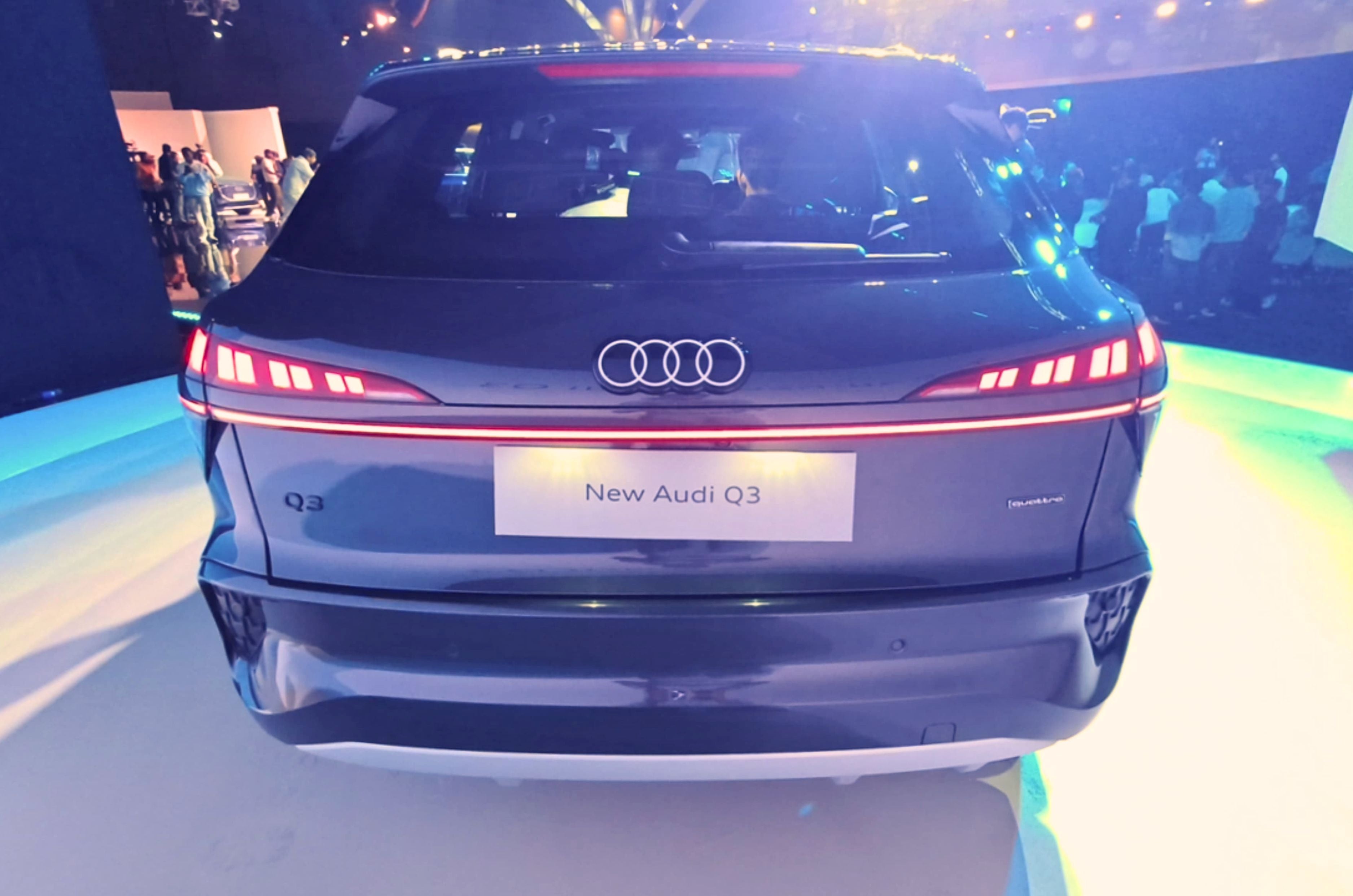
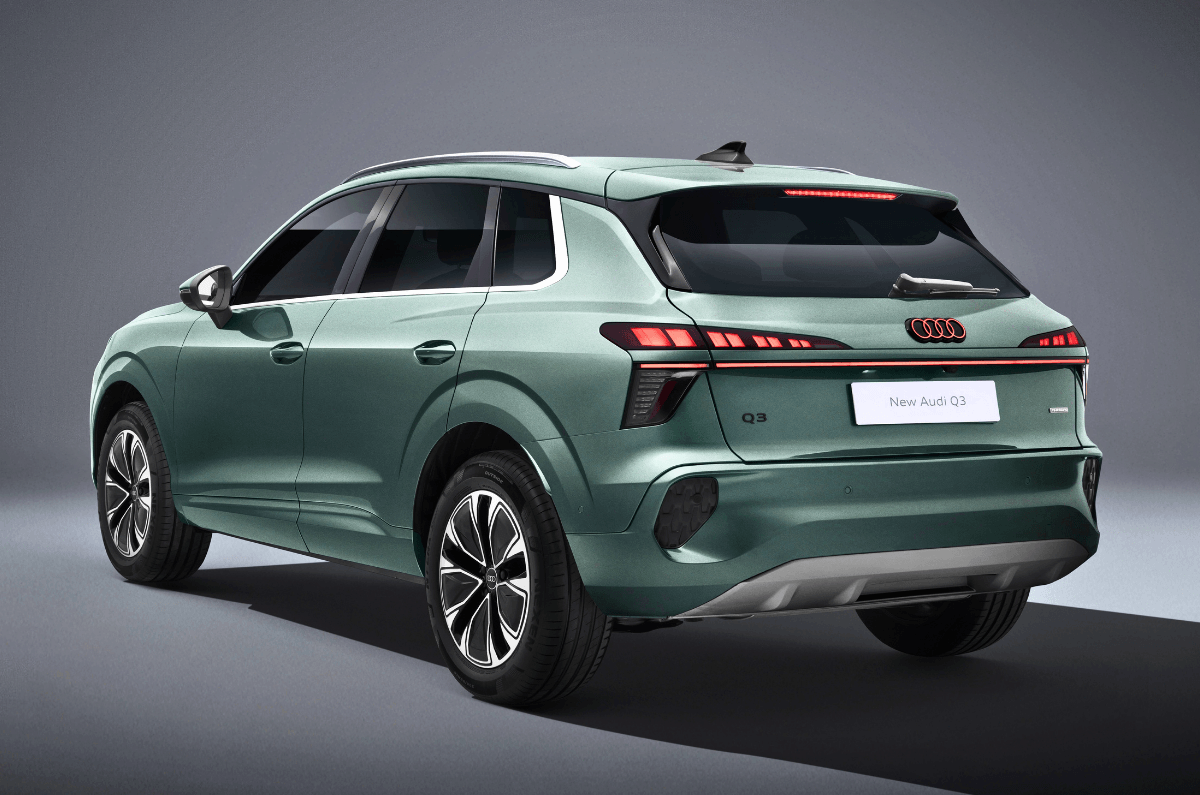
At the rear, it features split LED taillights; the lower unit is connected by a thin strip of light bar. The Audi logo at the rear is illuminated. Audi is also offering a roof-mounted spoiler and a rear wiper and washer.
Here are the dimensions and other specifications of the 2026 Audi Q3:
2026 Audi Q3 dimensions and other specifications
Length
4,531mm
Width
1,859mm
Height
1,601mm
Wheelbase
2,681mm
Boot space
488 litres
2026 Audi Q3 interior design and features
Gets a hexagonal steering wheel, curved displays and a decently equipped cabin
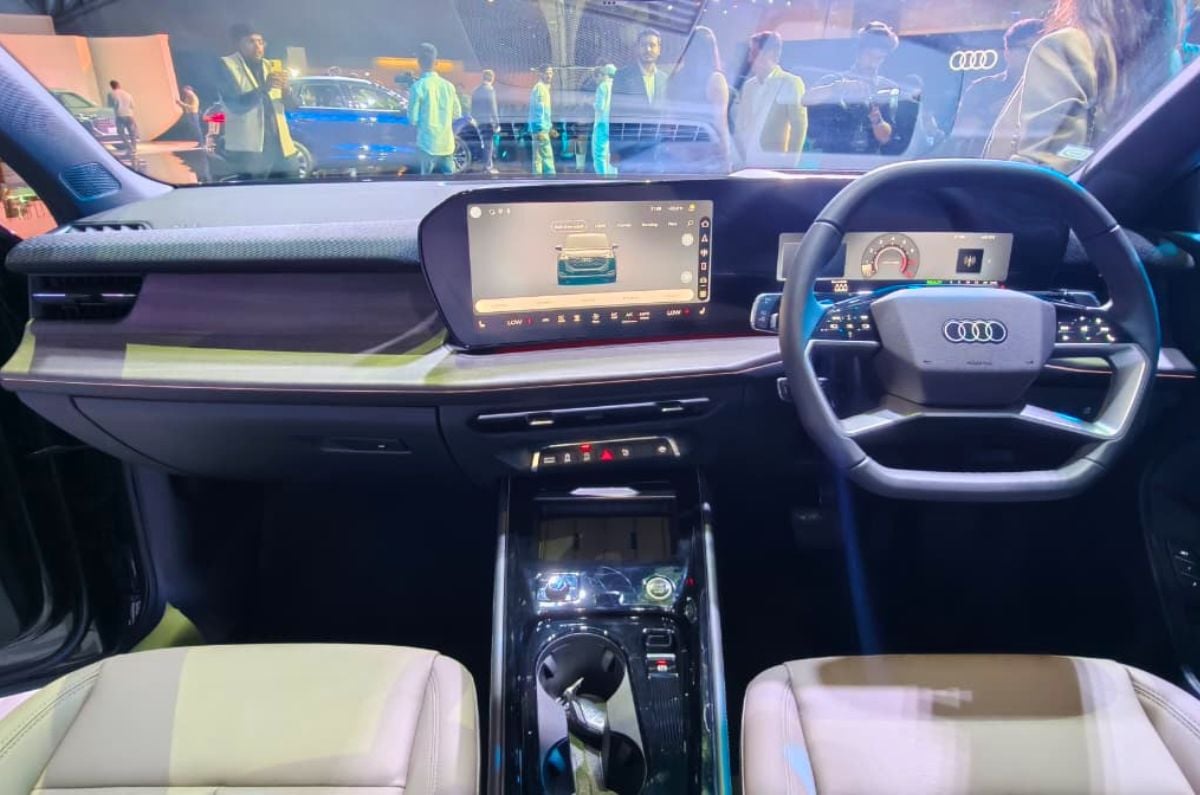
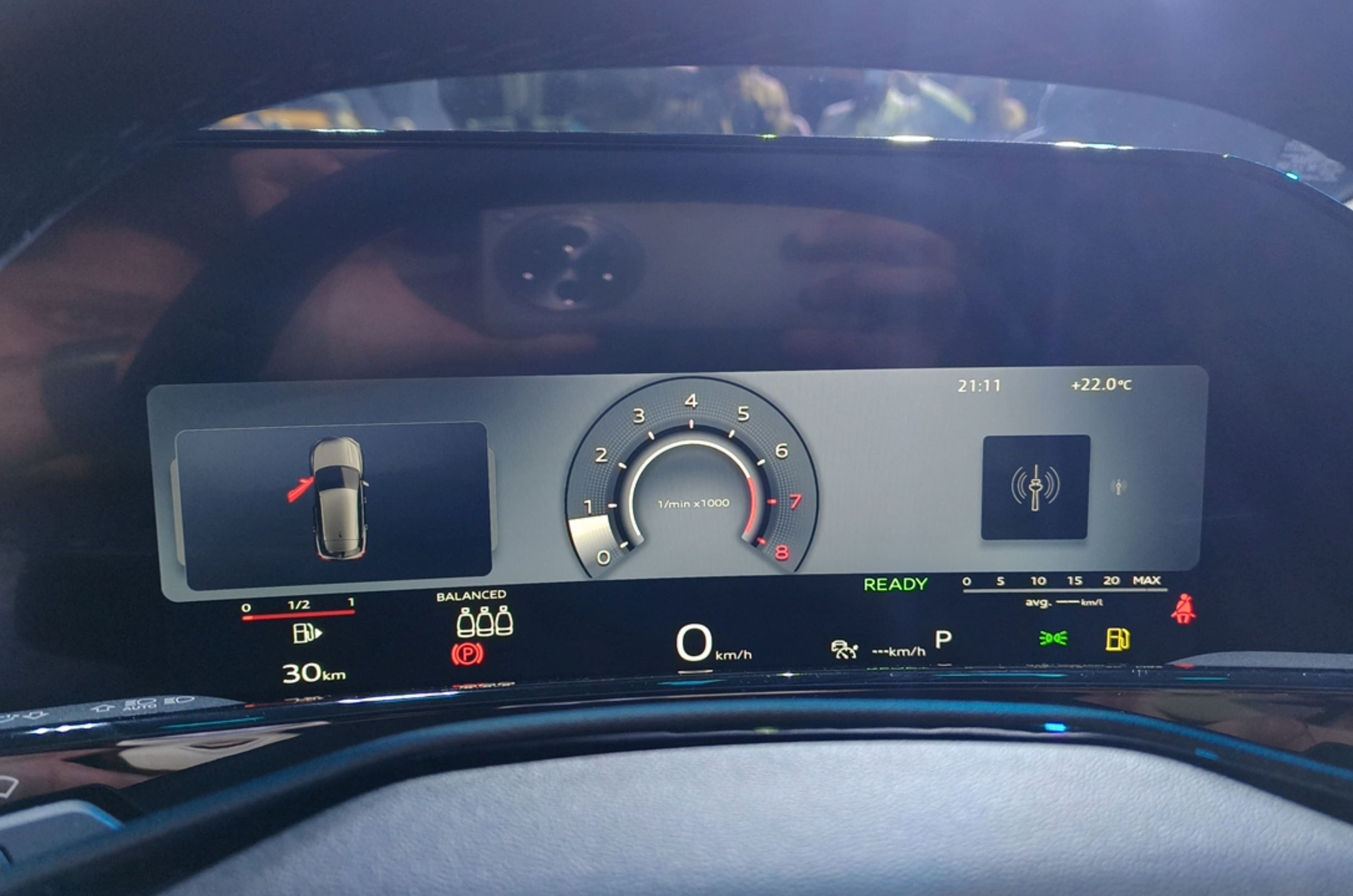
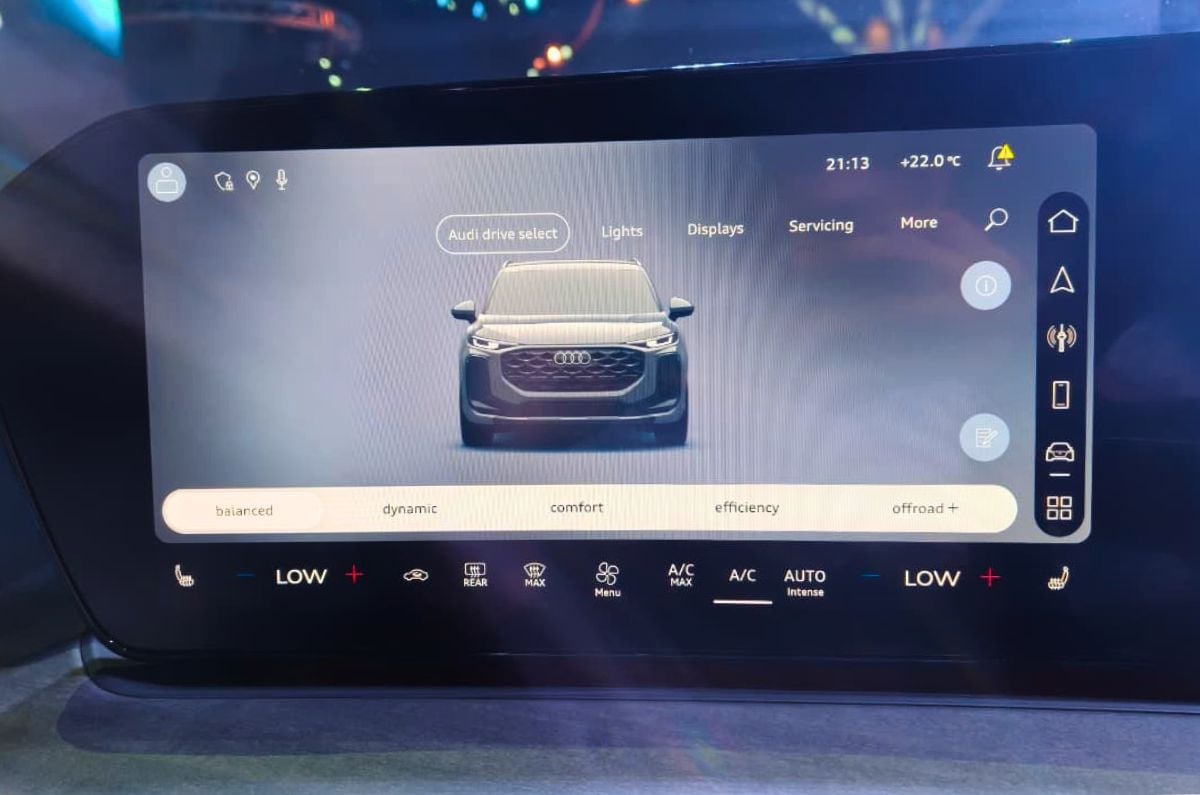
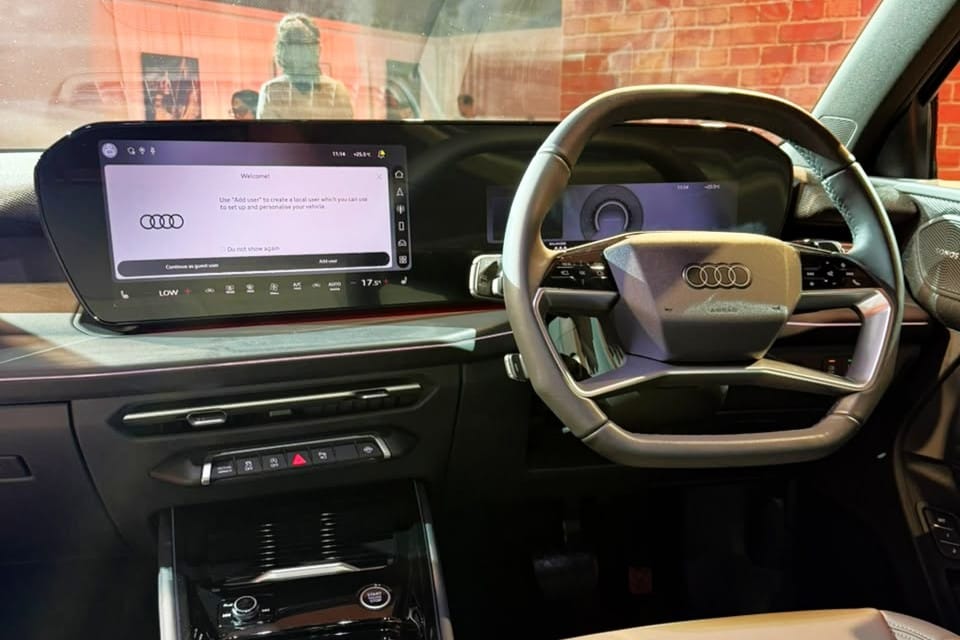
Inside, the Audi Q3 has a minimalistic dashboard and features dual digital screens (a 12.8-inch infotainment touchscreen and an 11.9-inch digital driver’s display) arranged in a curved setup. It also gets a 4-spoke hexagonal steering wheel with touch-enabled controls. Notably, the right-side stalk on the steering wheel works as a drive selector, while the left one can be used to control the headlights and turn indicators.
The drive selector on the steering column has enabled a cleaner centre console, featuring a wireless phone charger, two cupholders, and an electronic parking brake. The centre console extends to a centre armrest for front passengers. The seats get leatherette upholstery, and the front seats are powered and heated. The driver’s seat has a memory function that is also tied to the powered outside rearview mirrors (ORVMs).
On the feature front, it is equipped with a 3-zone climate control, a panoramic sunroof, a 12-speaker Sonos sound system, a coloured head-up display (HUD), and a powered tailgate. Safety-wise, it gets 9 airbags, a rear parking camera (not a 360-degree surround-view system), hill hold and hill climb assists, and an advanced driver assistance systems (ADAS) suite.
2026 Audi Q3 powertrain
Gets a 2.0-litre turbo-petrol engine and an AWD setup
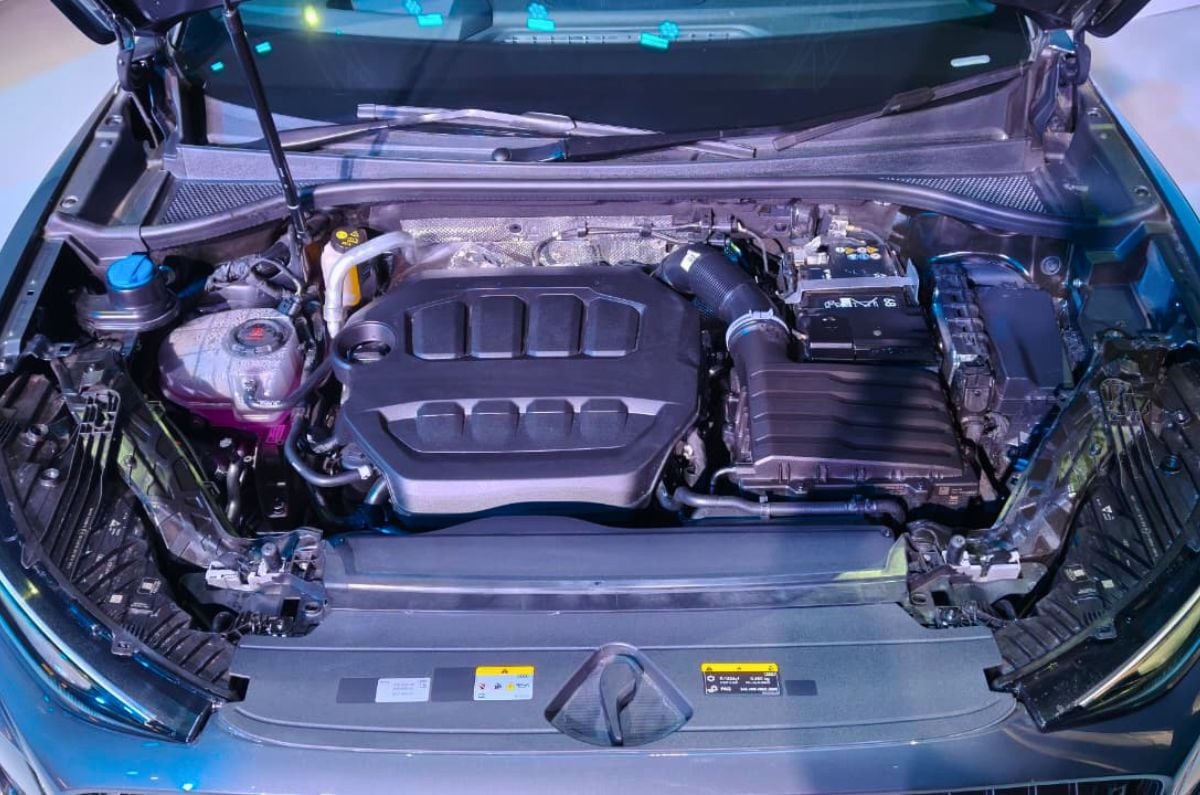
The 2026 Audi Q3 is powered by a 2.0-litre direct-injection turbo-petrol engine that produces 204hp and 320Nm. It is mated to a 7-speed dual-clutch automatic transmission (AT) which sends power to all wheels (AWD). This powertrain enables a claimed 0-100kph sprint of 7.1 seconds and a top speed of 229kph.
The Audi Q3 is the only rival in the segment to offer AWD. Rivals like the BMW X1 and Mercedes-Benz GLA are front-wheel-drive (FWD) only.
JSW Motors will unveil the Combat SUV on December 3, marking its entry into India’s automotive market as a fresh standalone brand. This follows our exclusive report in September, which revealed the Combat name for the upcoming SUV based on the Jetour T2. The JSW Combat will be a 5-seater plug-in-hybrid SUV expected to be assembled at the manufacturer’s Chhatrapati Sambhajinagar (previously Aurangabad) facility.
JSW Combat: All you need to know
Will produce 360hp, 610Nm and have a claimed total range of 1,100km
The internationally available Jetour T2 has multiple plug-in hybrid (PHEV) powertrain options. The India-spec JSW Combat is expected to feature a 1.5-litre direct-injection turbo-petrol engine, an 18.4kWh battery and two electric motors driving the front wheels (FWD). Paired with a 3-speed dedicated hybrid transmission (DHT), the system produces a combined output of 360hp and 610Nm of torque. It offers a claimed all-electric range of 90km on the NEDC cycle, while the combined range with a full fuel tank is rated at up to 1,100km.
Save for new badges and slight revisions, the overall design is likely to be the Jetour T2’s
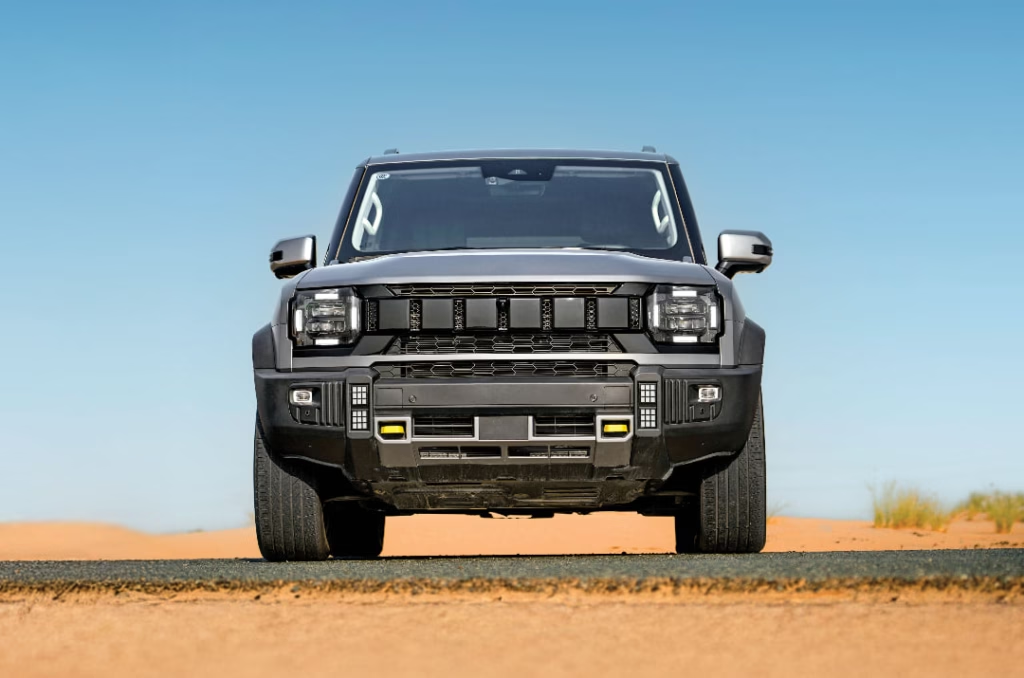
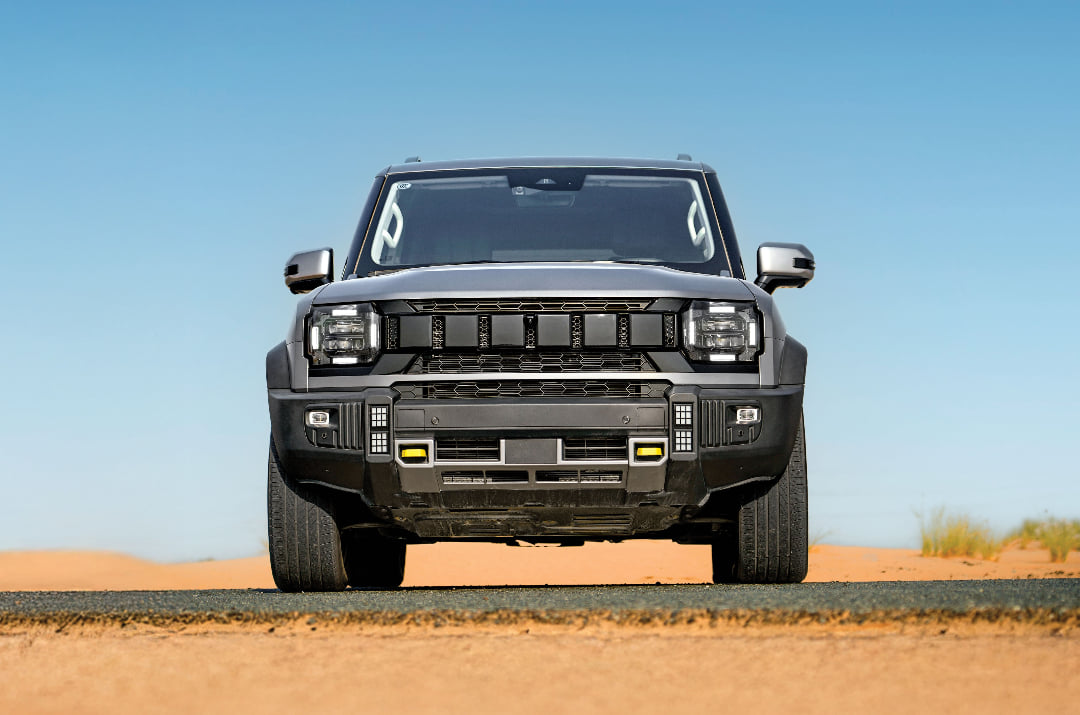
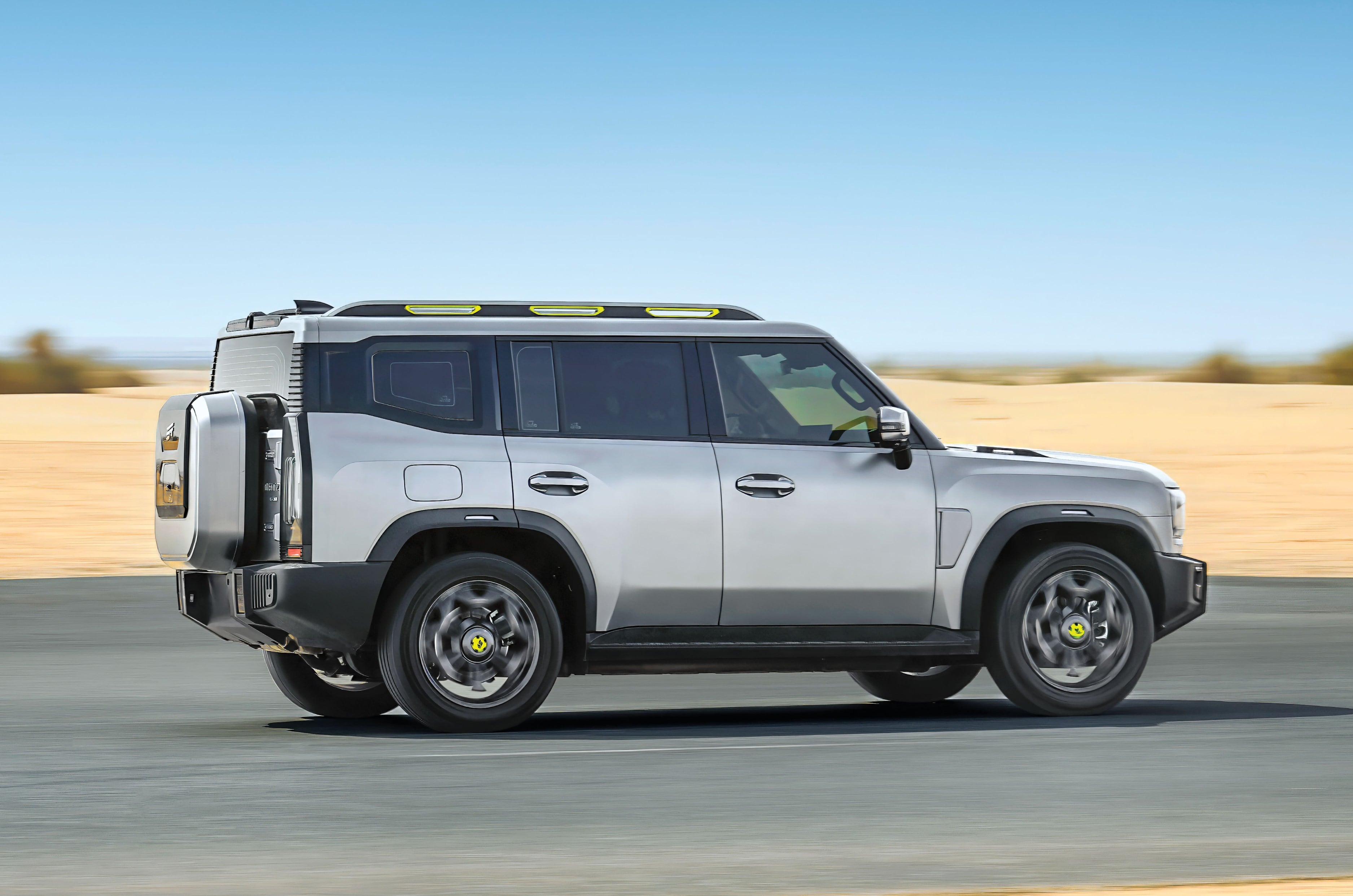
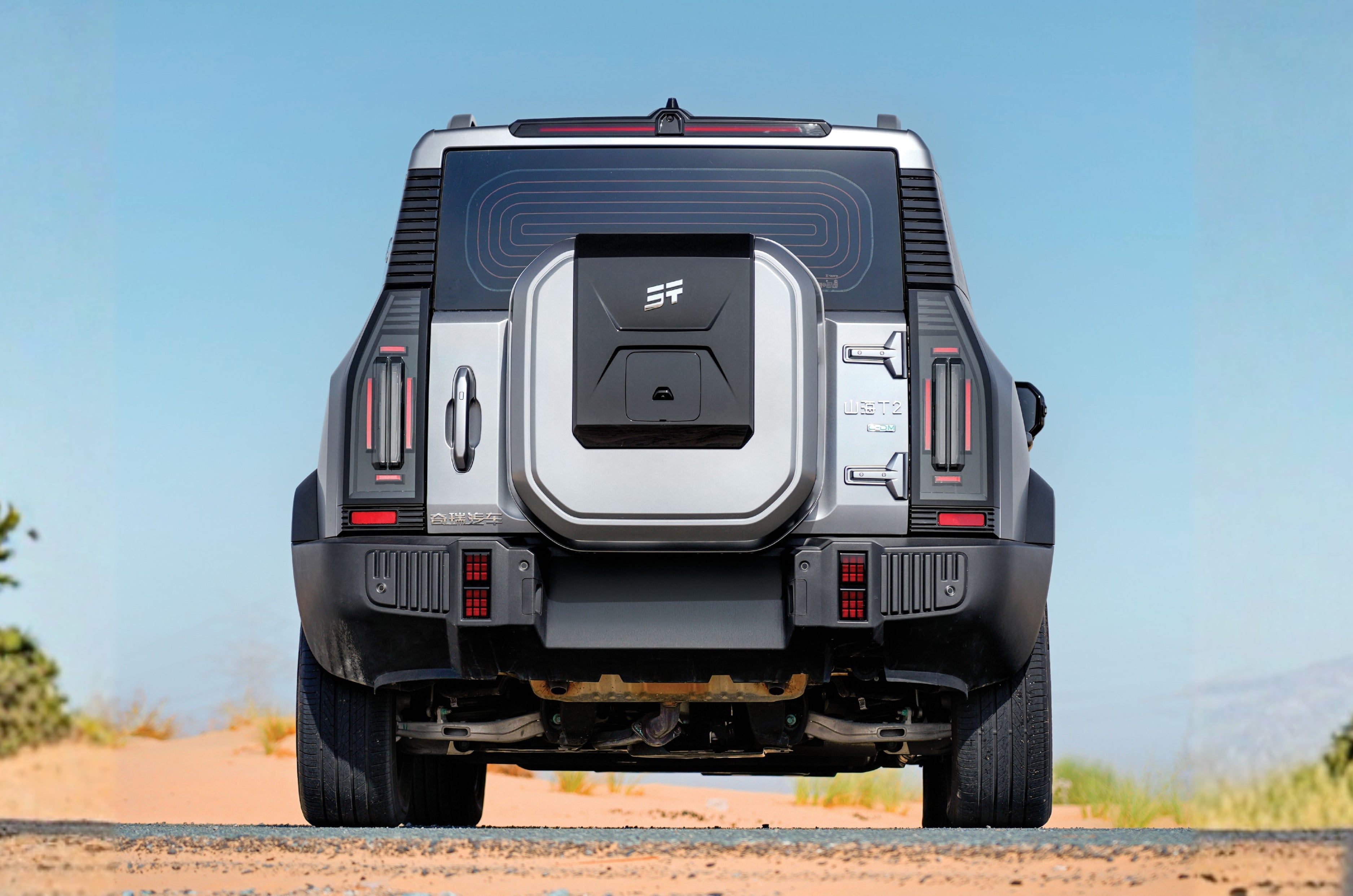
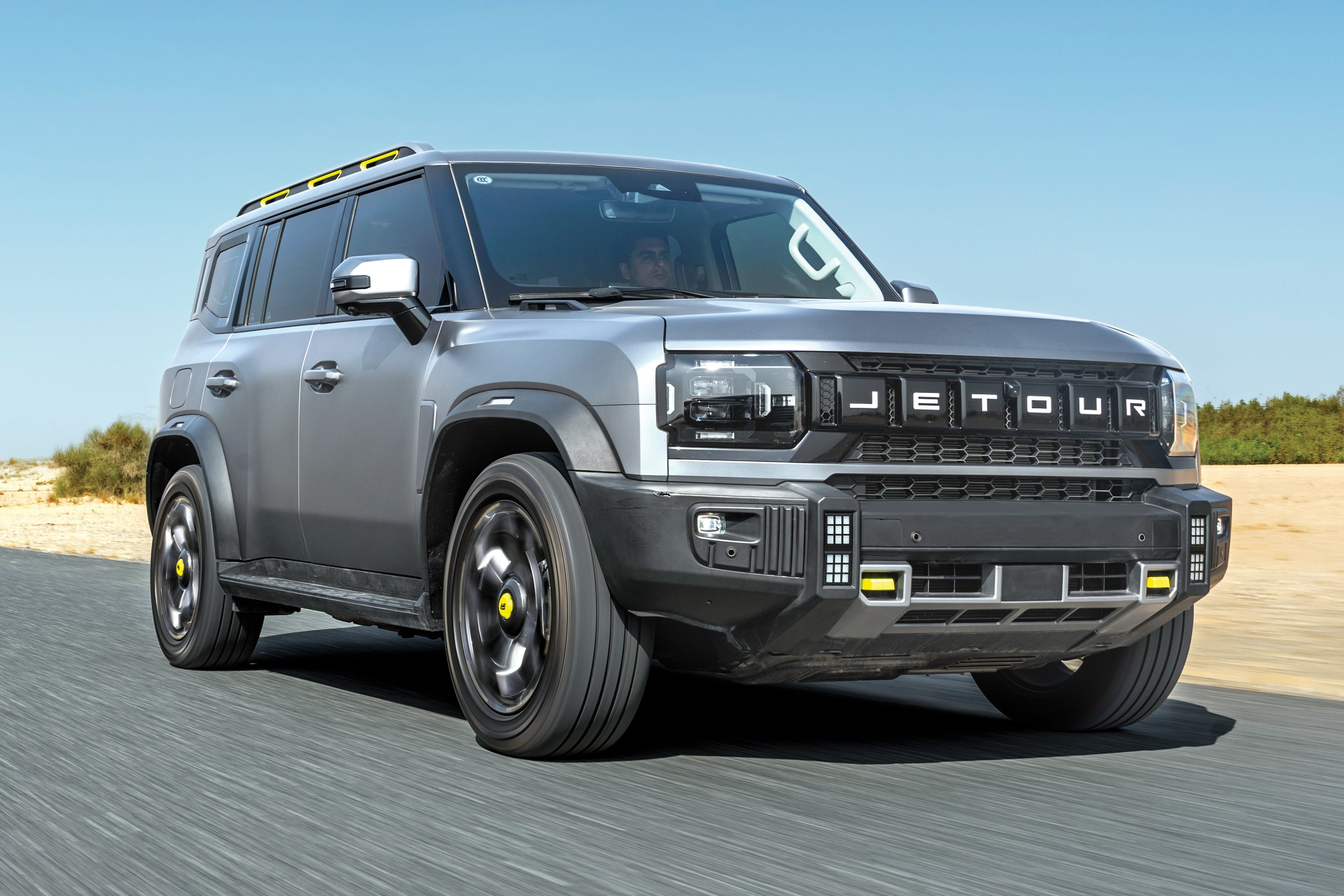
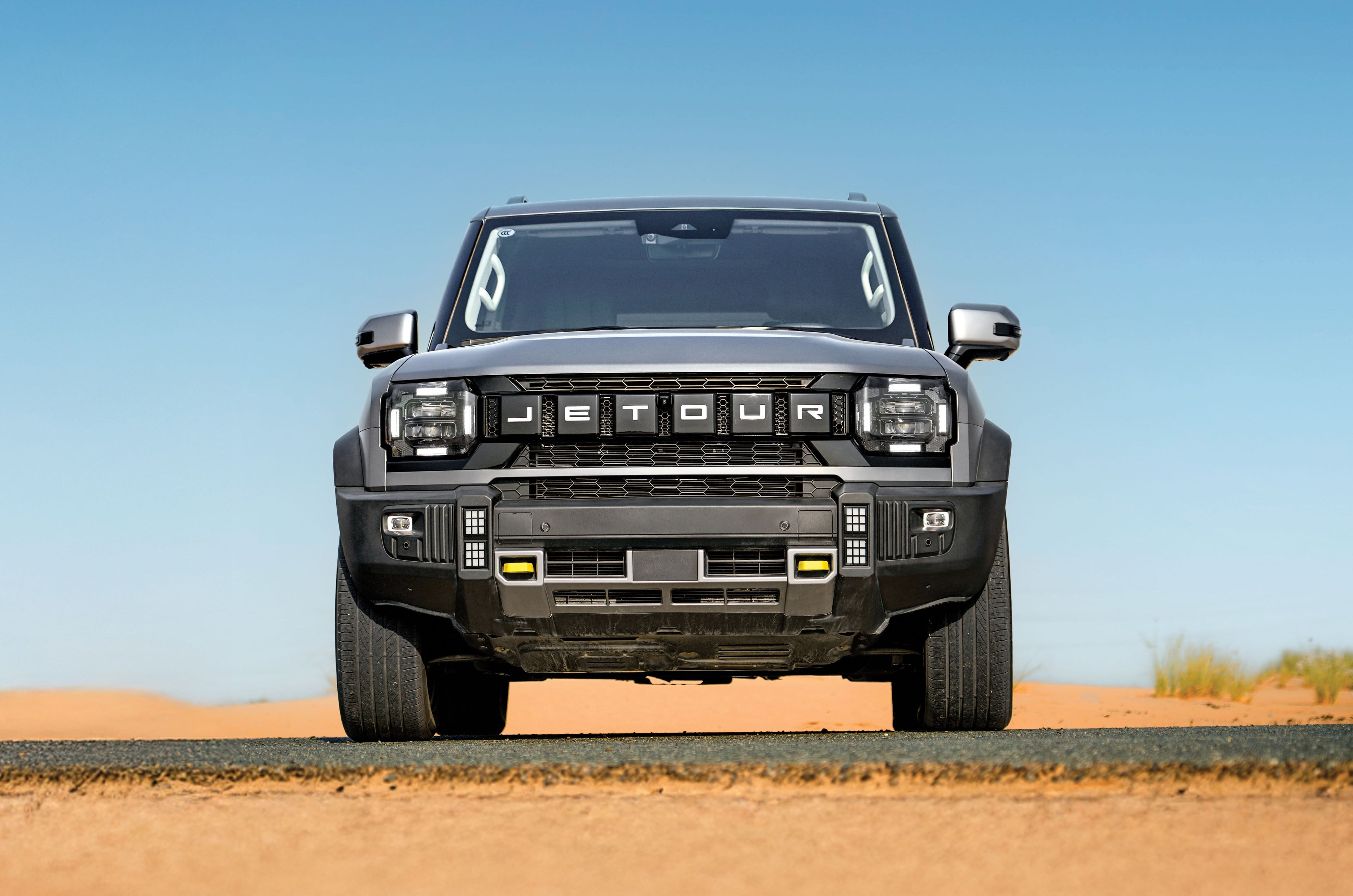
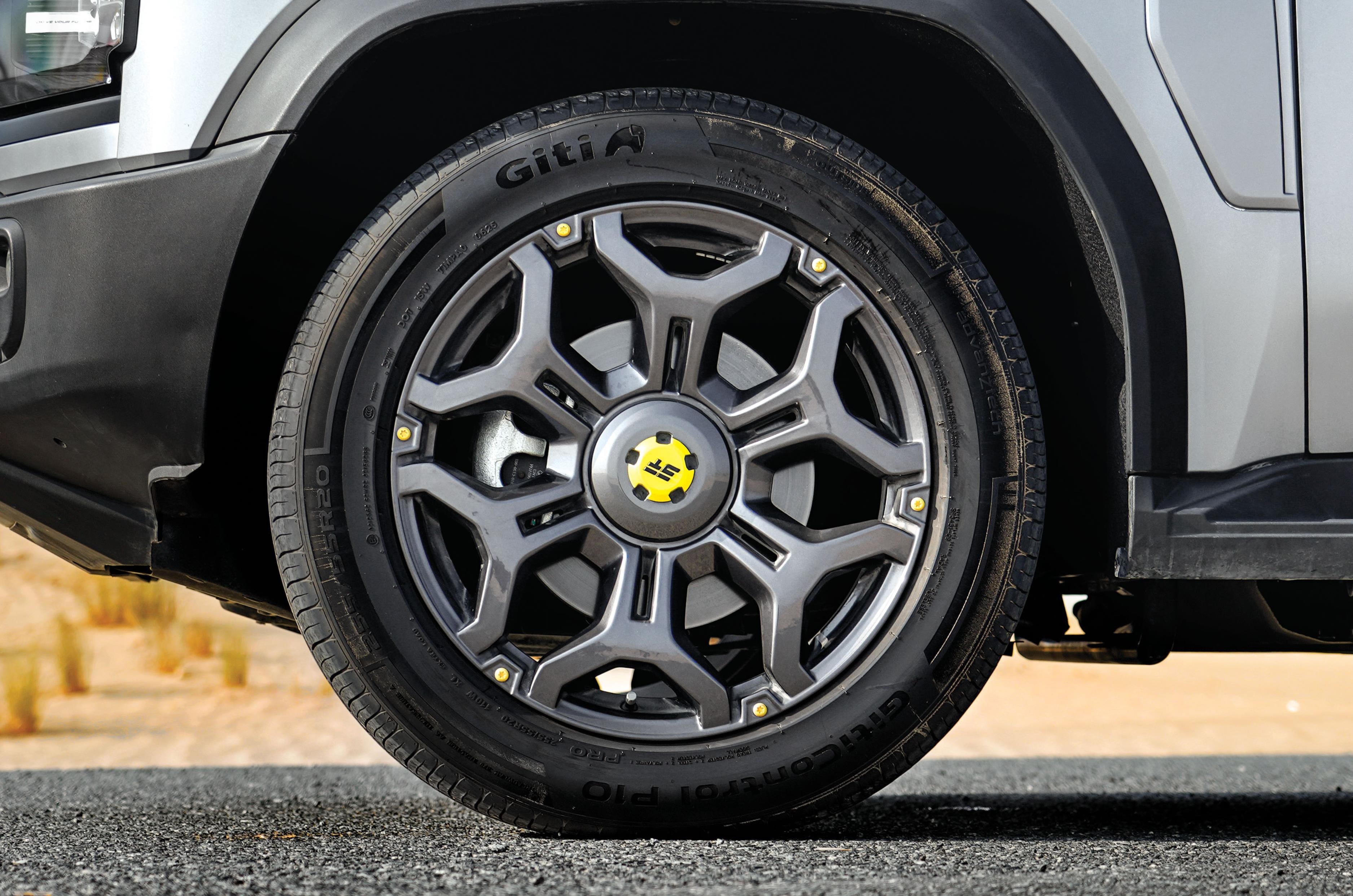
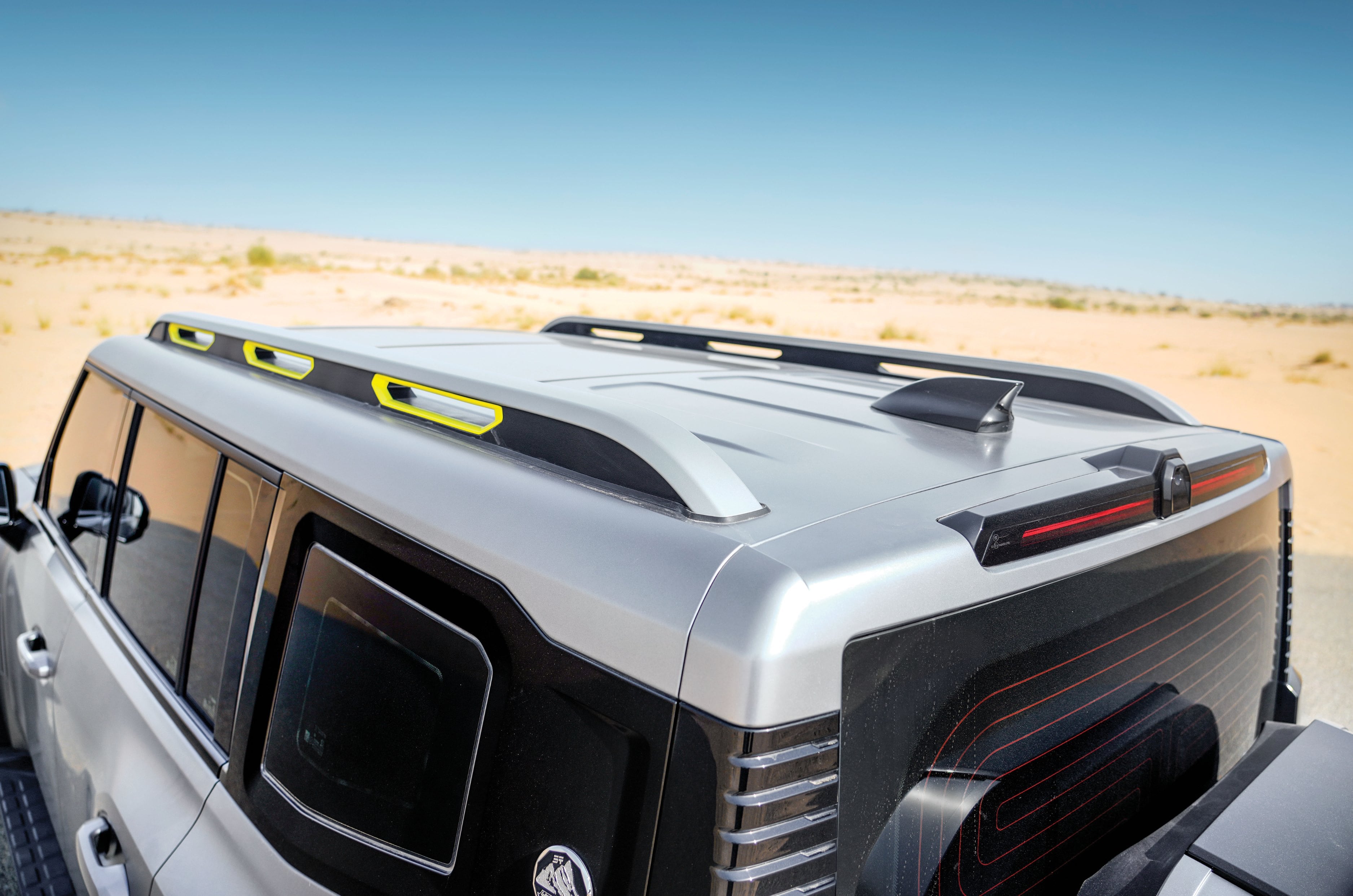
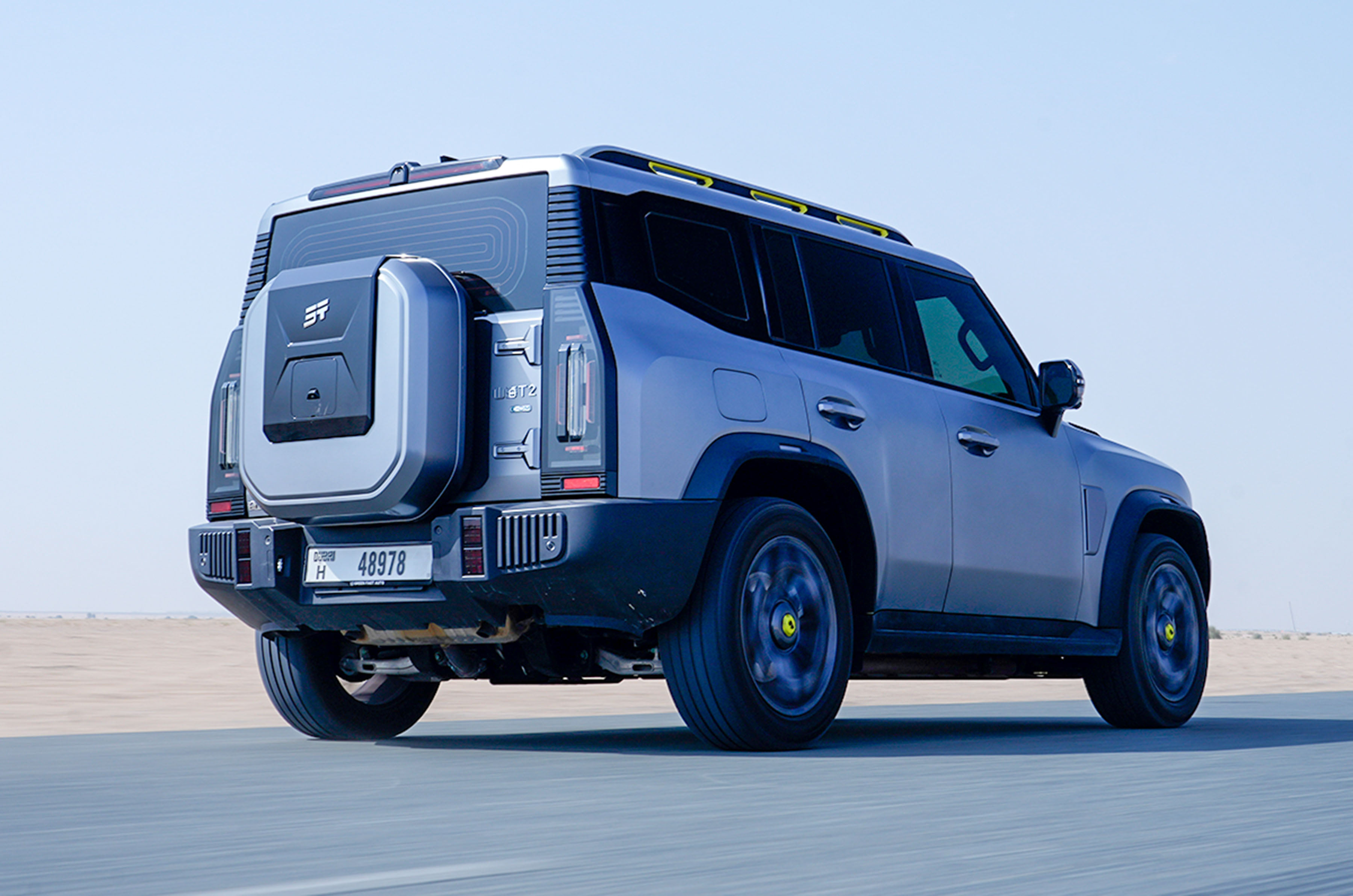
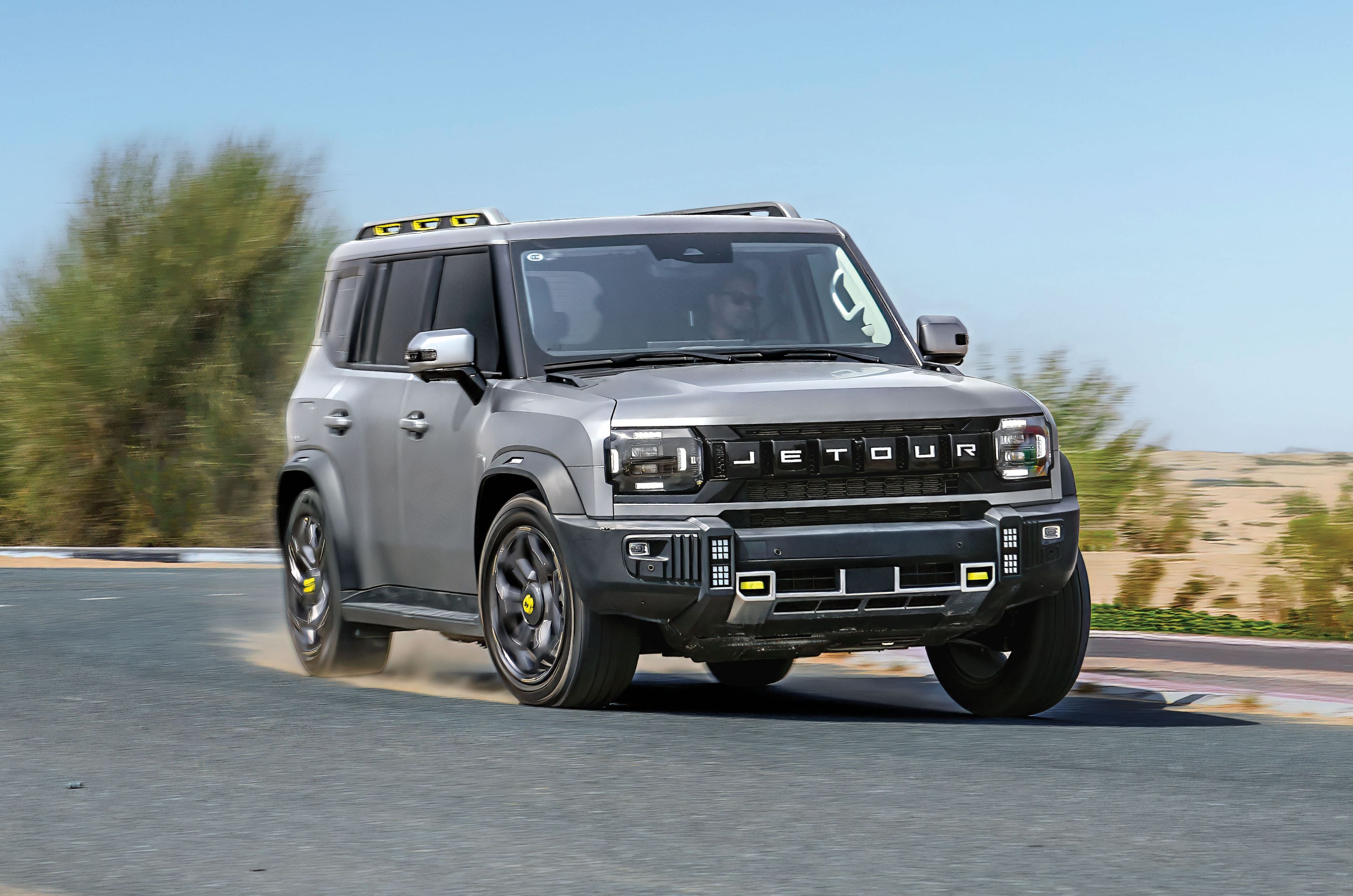
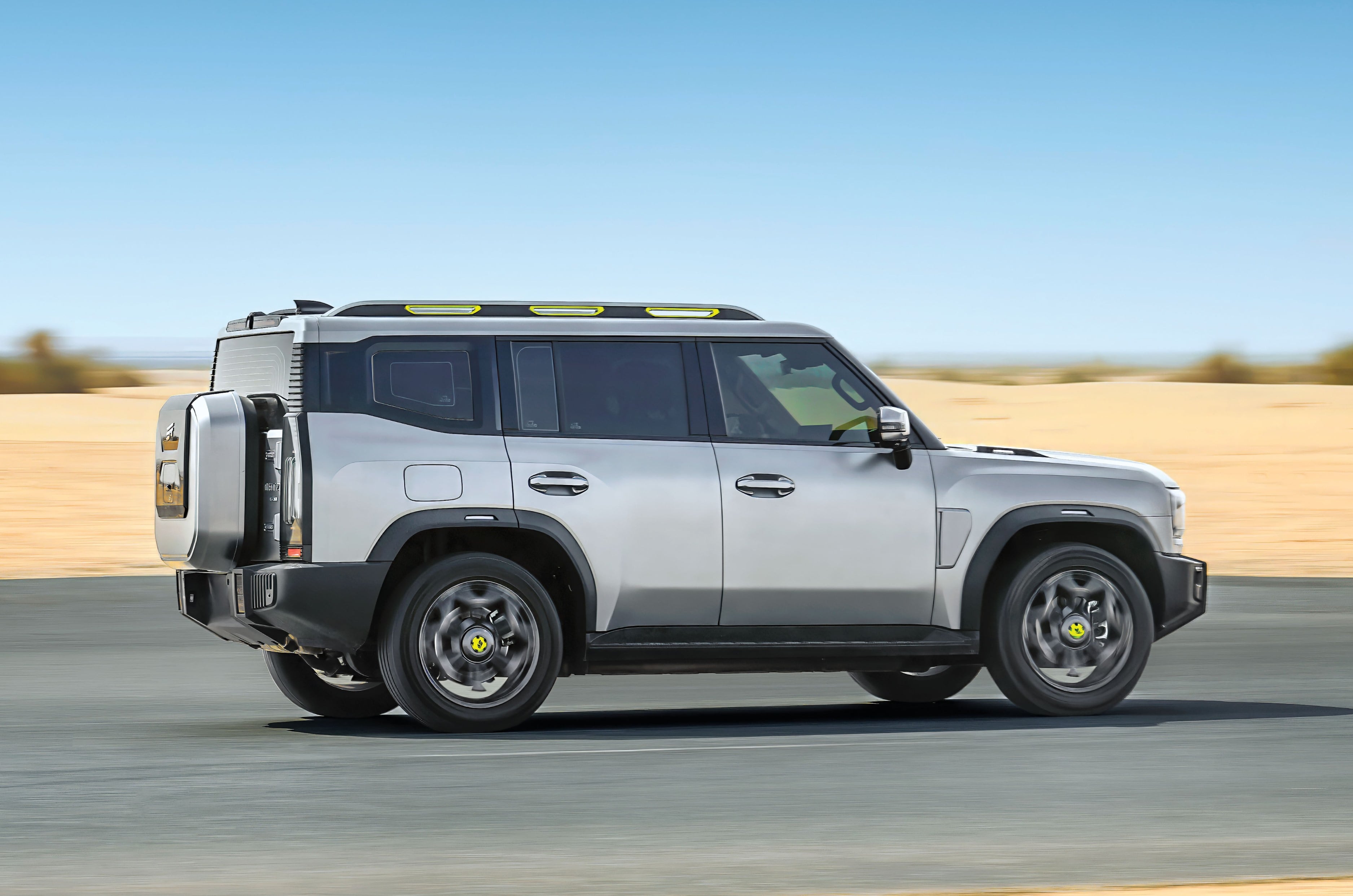
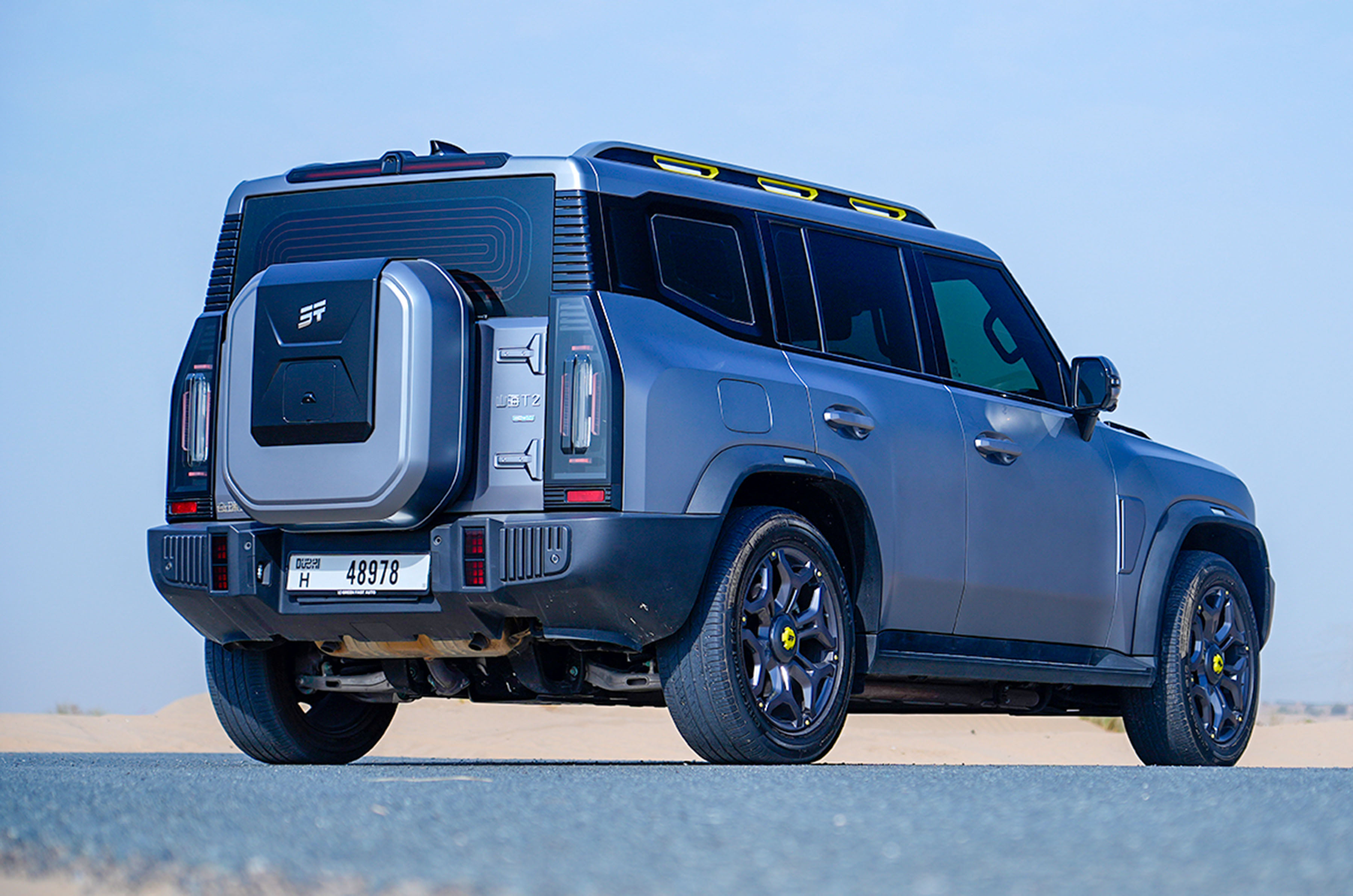
The JSW Combat is expected to have a similar design to the Jetour T2, but previous spy shots suggest slightly revised headlights and front and rear bumpers. A new ‘Combat’ badge is likely to replace the ‘Jetour’ at the front. Along with a boxy silhouette, what is expected to be retained are the 20-inch alloy wheels, generous cladding on the wheel arches, roof rails with neon green design elements, a spare wheel mounted on the boot door, and vertically oriented LED taillights.
The Jetour T2 recently received a facelift internationally, but the numerous spy shots in India reveal JSW Motors will be offering the pre-facelift model in the country.
Audi has commenced local assembly of the third-gen Q3. The entry-level luxury SUV will be locally assembled at the brand’s facility in Chhatrapati Sambhajinagar, Maharashtra. Pre-bookings for the new Q3 have already begun for an amount of Rs 1 lakh. The new Q3 will launch on October 16, 2026.
Powered by a 2.0-litre direct-injection turbo-petrol engine.
Expected to arrive with a price tag ranging between Rs 55 lakh and Rs 60 lakh.
Audi Q3: All you need to know
Looks sportier and comes packed with tech
The new-gen Q3’s exterior marks a huge departure from its predecessor’s understated design. There’s a split-headlamp setup at the front, with DRLs that can be configured with multiple signatures, a larger grille, and vertically stacked headlamps on either side of the bumper. In profile, the Q3 gets body-coloured cladding, 18-inch alloys and a chrome window line.
Inside, there’s a revamped cabin with the dashboard dominated by a dual-screen setup for the 12.8-inch infotainment and 11.9-inch digital driver’s display. Additionally, there’s a new design for the steering wheel, leather-upholstered seats with a two-tone finish, and a high-set centre console that comprises a wireless phone charger and cupholders. Features include a Sonos sound system, a panoramic sunroof, wireless Apple CarPlay and Android Auto, dual-zone climate control, configurable ambient lighting, a 360-degree camera setup, and a powered bootlid.
Powering the Audi Q3 will be a 2.0-litre direct-injection turbo-petrol engine that’s expected to produce 204hp and 320Nm. Transmission duties are handled by a 7-speed DCT, and you also get Audi’s Quattro AWD layout. Expect the Audi Q3’s ex-showroom price to be in the range of Rs 55 lakh to Rs 60 lakh. It will take on rivals like the Mercedes-Benz GLA, BMW X1, and the Mini Countryman C.
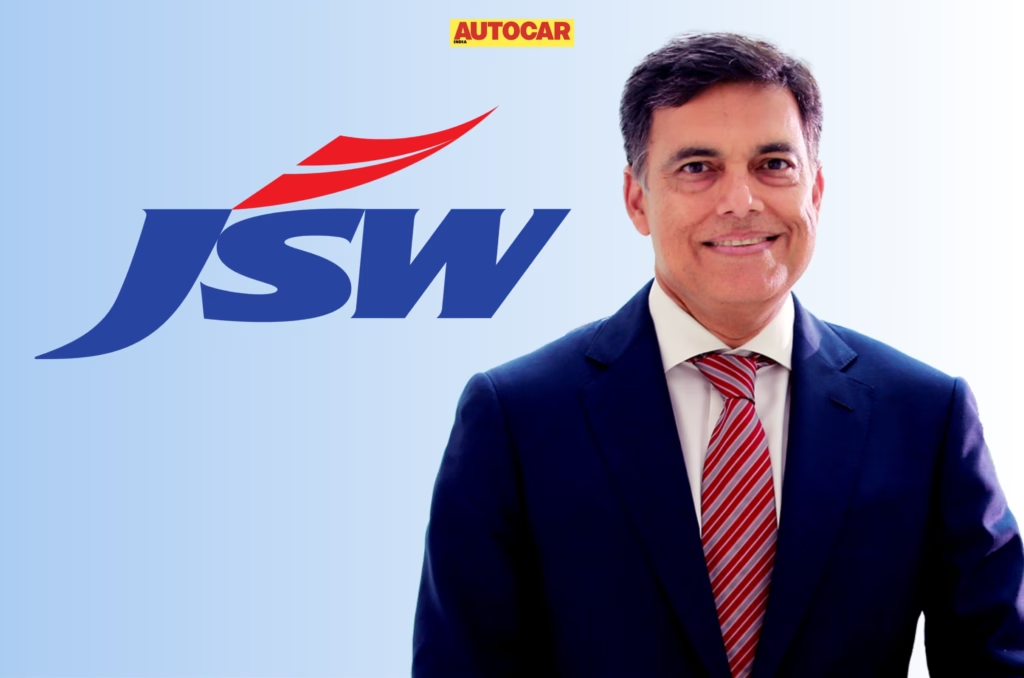
Battery cells will become the “new oil” as transportation shifts from internal-combustion engines to electric vehicles, making domestic cell technology critical to India’s energy security, JSW Group Chairman Sajjan Jindal said. India depends heavily on imported crude oil to power its transport sector. Electrification can reduce that exposure, but it could also create a fresh dependence on imported battery cells and critical raw materials.
“For India, it is very essential because the cell is going to be the new oil,” Jindal told reporters. “Therefore, we have to produce that cell, and it can be done.”
JSW Group working on local battery-cell technology
His comments came as JSW Greentech launched Ampstar, its electric commercial vehicle brand, and showcased a 55-tonne electric tractor-trailer and an electric bus.
The vehicles have been developed on an architecture that JSW Greentech says it controls, but their battery cells will initially be imported. The company will assemble battery packs at its new manufacturing facility in Chhatrapati Sambhajinagar, Maharashtra.
Jindal said another arm of JSW Group is working on developing battery-cell technology, although creating an indigenous alternative will take time. “We are already working on developing that cell technology, which will take, if we are lucky, one year, maybe two years for sure,” he said.
The group is examining different battery chemistries, including lithium-ion and sodium-ion. Jindal acknowledged that China has built a significant technology and manufacturing lead in this area and that access to cell know-how remains limited.
“The technology is a very closely guarded secret of China,” he said. “They are ready to supply the cells, but they are not giving us the know-how. It is okay. We will find a solution.”
Energy-security is imperative
Jindal’s argument is that India’s transition to electric mobility must be accompanied by domestic production of the technologies that account for a large part of an electric vehicle’s cost and strategic value.
“If we do not change our way of mobility, we will continue to bring fuel oil from all over the world,” he said. “As the country becomes more progressive, more transportation will happen and more movement of goods will take place. It will only increase.”
Building control over technology
JSW Greentech plans to retain control over the vehicle architecture, software, battery-pack design and vehicle-control unit while working with suppliers for individual systems and components.
The company will initially source cells from China and undertake cell-to-pack assembly in India. Its Chhatrapati Sambhajinagar plant will house battery-pack operations alongside electric truck and bus manufacturing.
Of JSW Greentech’s first 100 employees, 88 were hired for research and development. The company said it has developed its vehicle-control unit and source code in India and does not pay royalty or technology-transfer fees for its core vehicle architecture.
“Unless we do R&D and develop our own technologies for the automobile industry, we will remain a follower and not a leader,” he said. He acknowledged that JSW may initially have to learn from technologies already developed in China rather than immediately produce a breakthrough of its own.
“I am being very practical,” Jindal said. “First, let us establish whatever is happening in China, which is a leader in electric mobility. Let us catch up with them on the technology front. Then we take a leap forward.”
For JSW, domestic battery-pack assembly is the immediate step. Developing the cell itself will determine how much of the electric mobility value chain can ultimately be localised in India.
JSW Group, one of India’s largest conglomerates, is preparing to significantly expand its automotive ambitions. Having already established a presence through JSW-MG Motor India, its joint venture with China’s SAIC, the company is now gearing up to enter the market with an all-new brand of its own, JSW Motor.
Rather than taking the conventional route of developing products from the ground up, JSW is leveraging global partnerships to fast-track its entry into the industry. Its first product for India will be a large plug-in hybrid SUV based on the Chery Jetour T2, which is expected to be assembled at JSW’s upcoming facility in Chhatrapati Sambhajinagar, and we hear it will be called the Combat.
With its rugged styling, imposing road presence and the promise of combining EV-like efficiency and long-distance touring ability, the SUV is expected to be positioned in the Rs 30-50 lakh segment and take on established players head-on.
Ahead of its India launch later this year, we got an early drive of the SUV to find out whether JSW Motor’s debut offering is ready for combat.
Jetour T2 Exterior Design and Engineering – 8/10
A handsome SUV that oozes character and rugged appeal.
The Jetour T2 delivers on the SUV template to the T – flat bonnet, upright stance, raised ride height, chunky tyres, rugged body cladding, and, as the icing on the cake, a spare wheel mounted on the tailgate. It looks imposing and highly desirable, and while its silhouette bears a resemblance to the Defender, the T2 still manages to carve out a distinctive identity. JSW is likely to make a few changes to the headlamps, grille and bumpers to further differentiate the Combat, but the overall shape, clean surfacing and most of its defining design elements are expected to remain unchanged.
Attractive 20-inch wheels; 201mm of laden clearance.
The massive 20-inch wheels suit the T2’s stance perfectly, and the clean bodywork, free of unnecessary cuts and creases, is particularly appealing. It also gets functional roof rails capable of carrying up to 100kg of luggage, while the side steps feel reassuringly sturdy and genuinely useful.
The T2’s space-saver spare wheel sits within a squircle-shaped cover, although accessing it involves a multi-step process that could prove frustrating if you ever need to change a tyre on a deserted road late at night.
Functional roof rails can take up to 100kg of load.
In terms of dimensions, it is longer (including the spare wheel), wider and taller than the Toyota Fortuner. Ground clearance, too, is an impressive 190mm in laden condition. However, don’t let its rugged appearance fool you – the version destined for India will remain front-wheel drive.
Jetour T2 Interior Space, Comfort, and Features – 8/10
Solidly built, well-designed cabin with some clever detailing and plenty of storage areas.
Climb aboard using the sturdy side step and handy grab handles, and the T2 immediately impresses with its sense of solidity. The cabin feels built to last, with numerous thoughtful design details lending it plenty of character. Nearly upright windows, a steeply raked windscreen and a dashboard pushed far forward create a tremendous sense of space, further amplified by the panoramic sunroof.
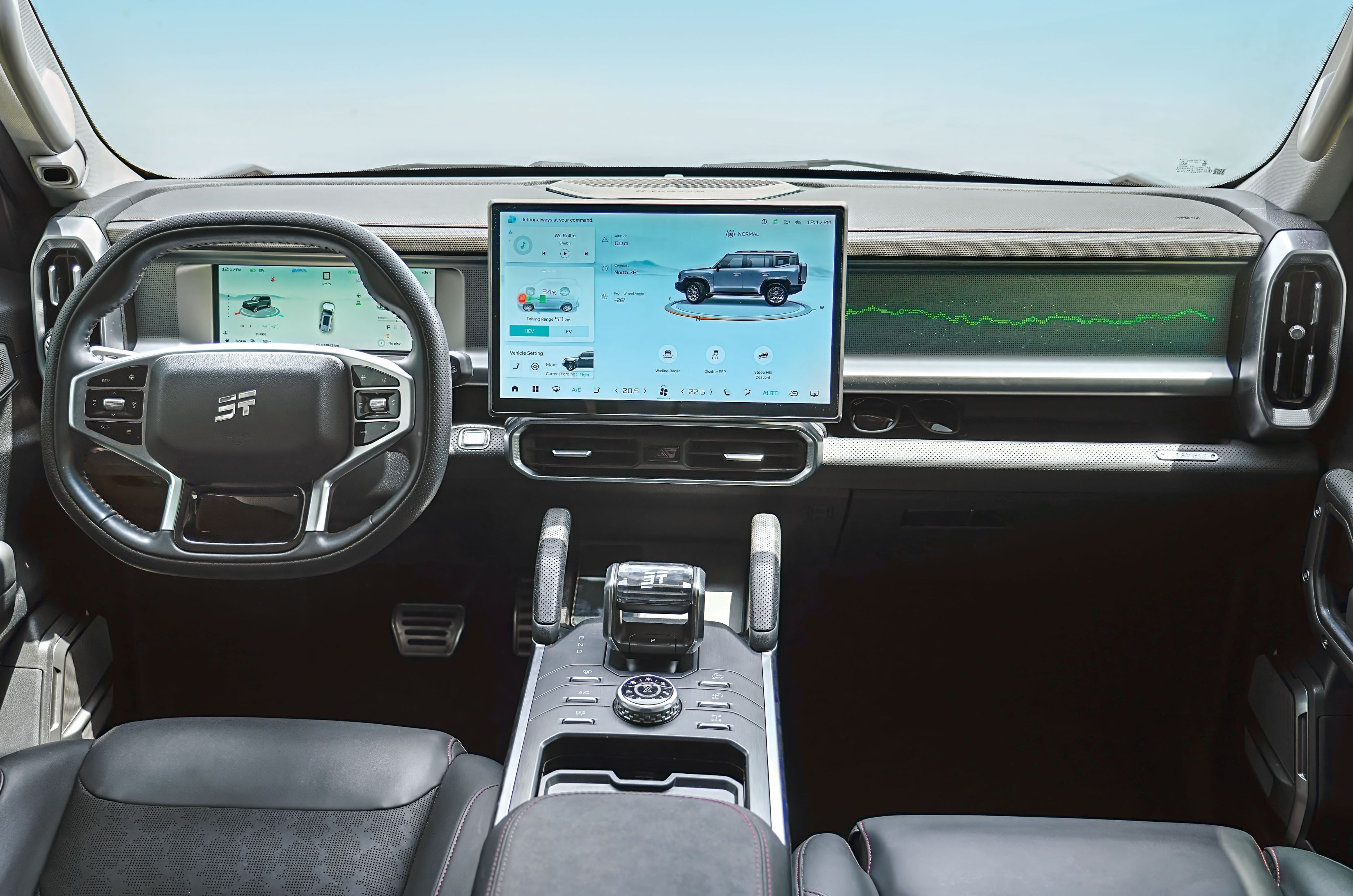
The dashboard itself has a distinctive design, with an illuminated pattern across the fascia adding a unique touch. Several layers are wrapped in dimpled leatherette padding, a theme that extends to the steering wheel and centre console.
Dominating the cabin is a massive 15.6-inch touchscreen that houses numerous vehicle functions, including mirror adjustment, climate control and seat ventilation/heating settings. Wireless Android Auto and Apple CarPlay are included, while the 12-speaker Sony audio system delivers impressive sound quality. Even the 540-degree camera system offers excellent image clarity. The downside is that the interface isn’t slick or responsive.
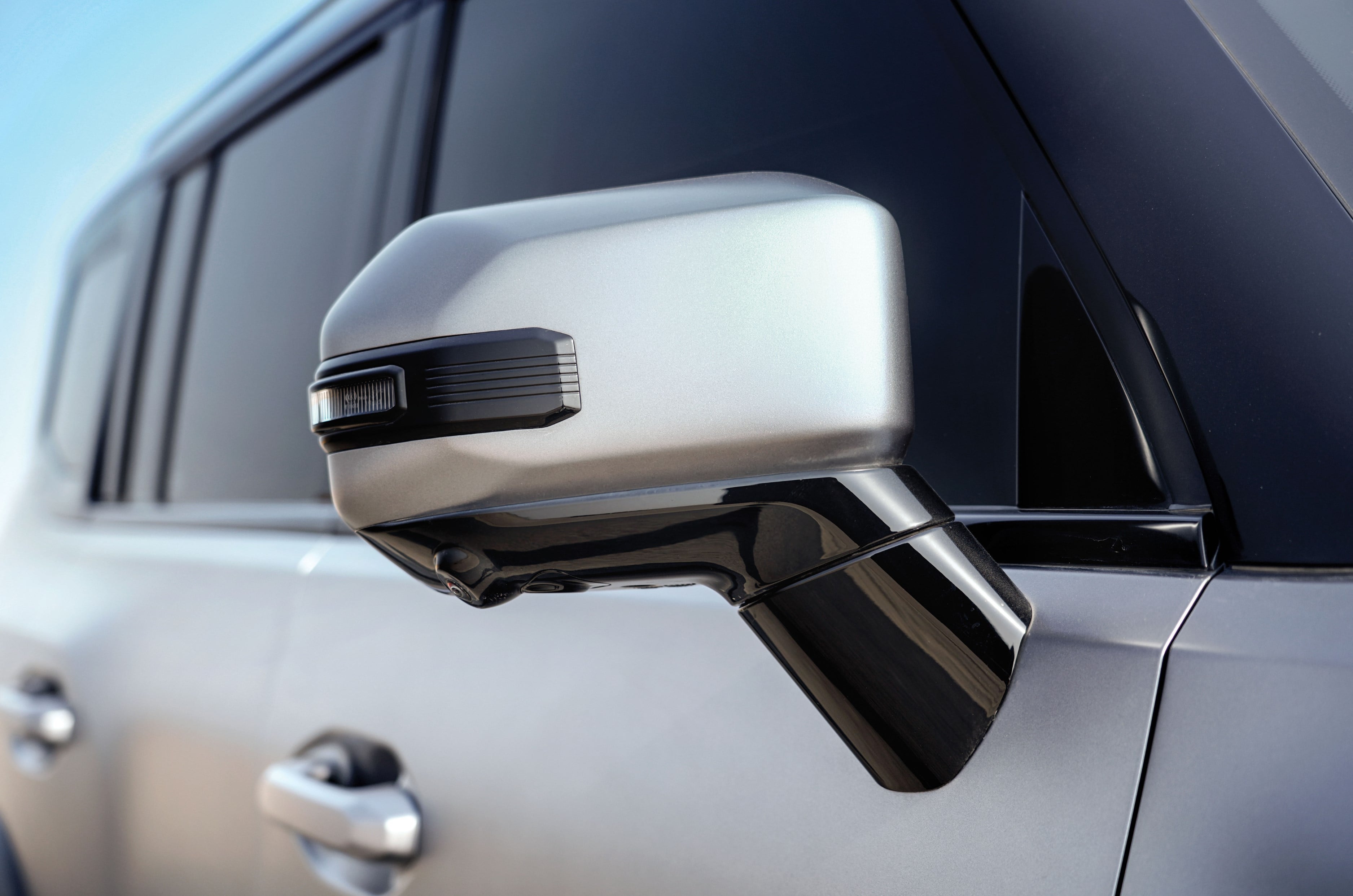
Chunky, door-mounted mirrors. Sadly, controls via touchscreen.
Ahead of the driver sits a 10.6-inch digital instrument cluster, a unit we’ve previously seen in some MG and BYD models. While it displays a wealth of information, the fonts and icons are rather small, making them difficult to read at a glance.
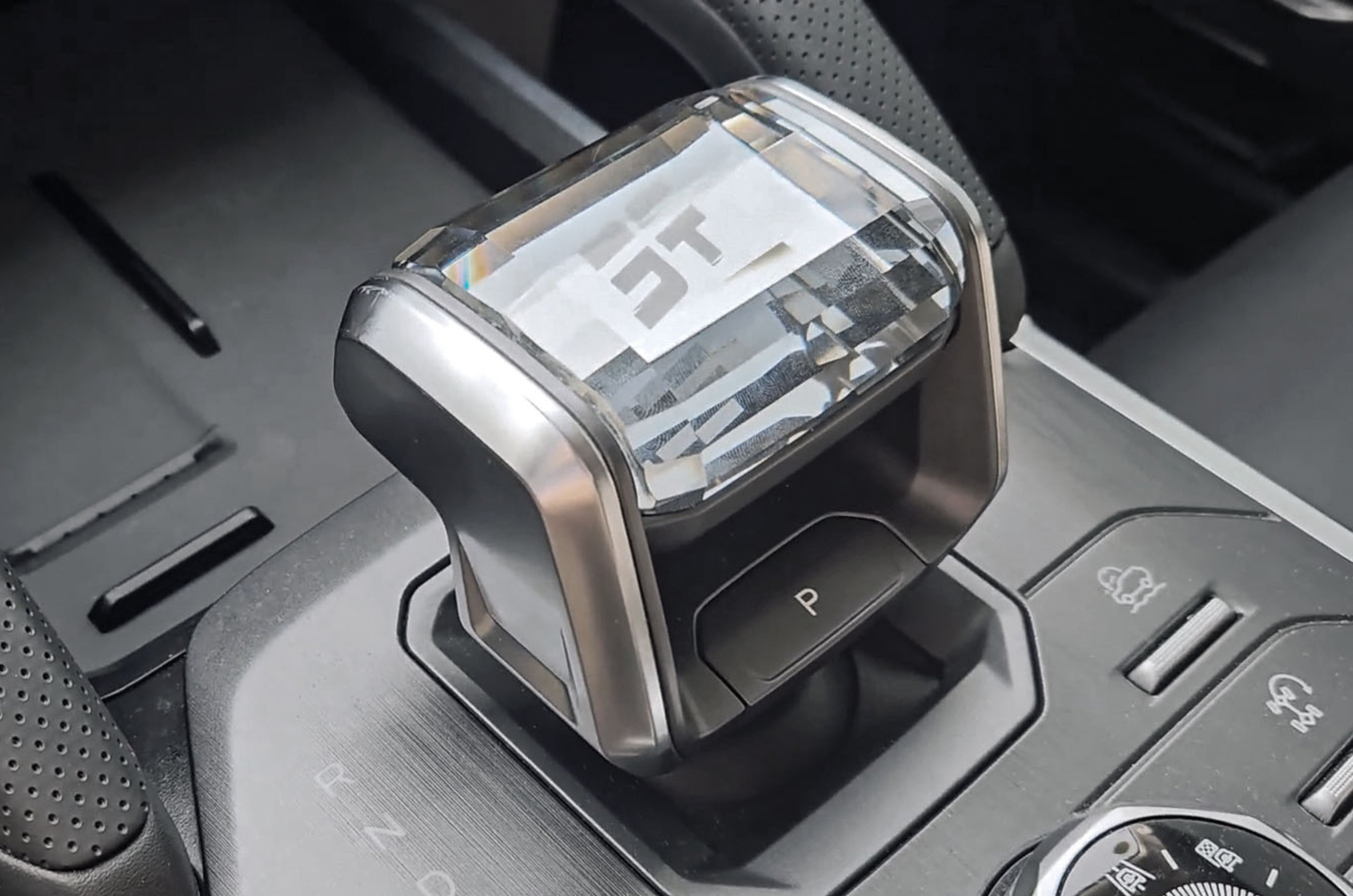
Material quality is generally impressive. The stalks and window switches feel robust and premium, while the jewel-like gear selector features an attractive diamond-cut effect. However, under harsh sunlight, it becomes highly reflective and can prove distracting. Reflections from the dashboard on the front windows are also noticeable.
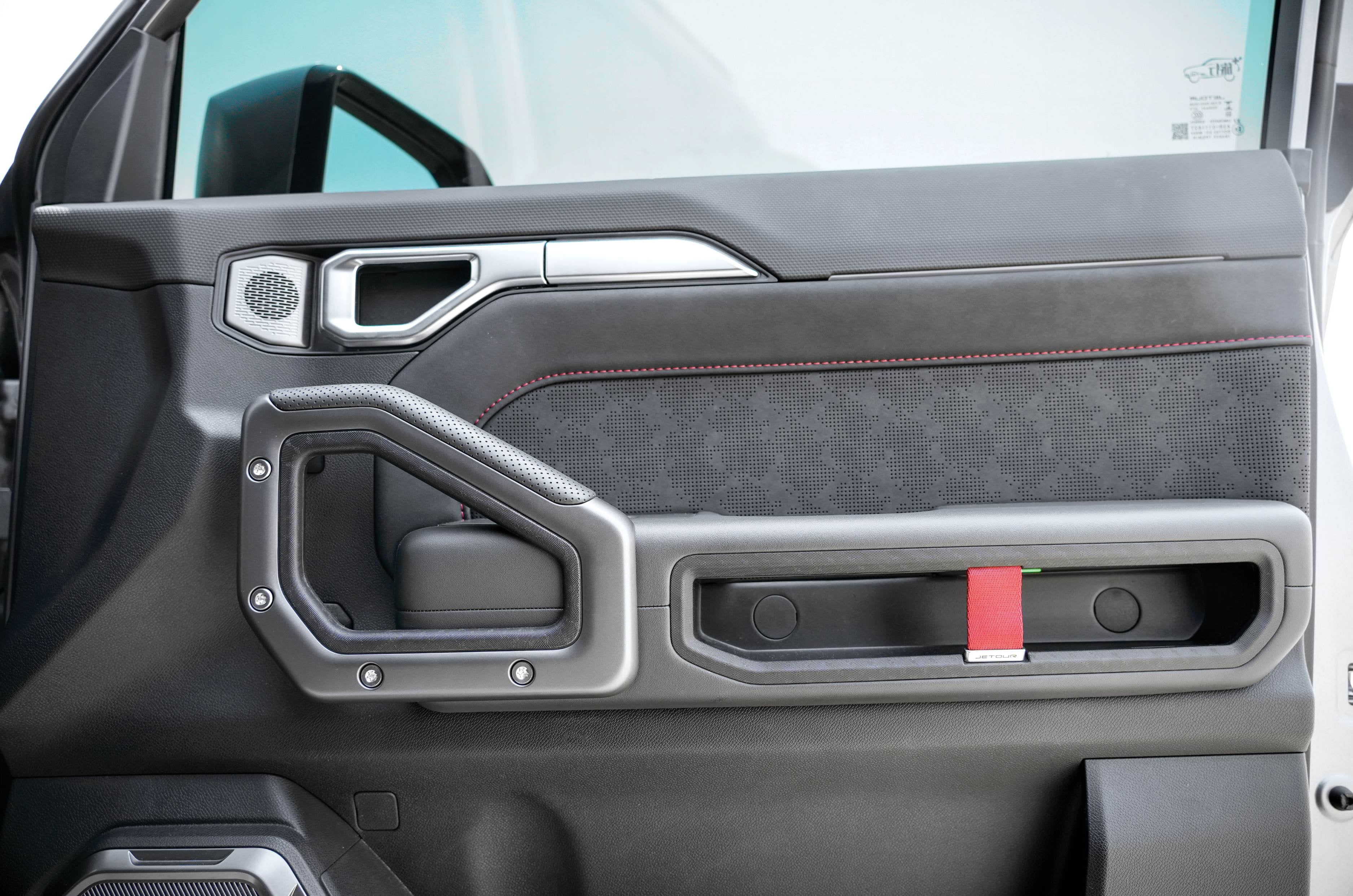
Rugged-looking door pads with nice detailing.
Notably, its dual-zone climate control struggled to cool its large cabin quickly despite the heavily tinted windows. While our test vehicle was a China-specific version, we hope the version we’re going to get in India has an upgraded air-con compressor. Its seat ventilation didn’t seem very effective either, even at its maximum setting.
Diamond-like chunky gear selector is illuminated.
The sculpted front seats, finished in black leatherette with contrasting red stitching, look suitably sporty. They provide excellent support, though the cushioning feels slightly overstuffed, and the absence of lumbar adjustment is disappointing.
Practicality is a strong point. There are large door bins, two phone storage areas (one incorporating a wireless charger), cupholders, a deep-cooled centre console, a large glovebox and even a hidden storage tray beneath the front seat.
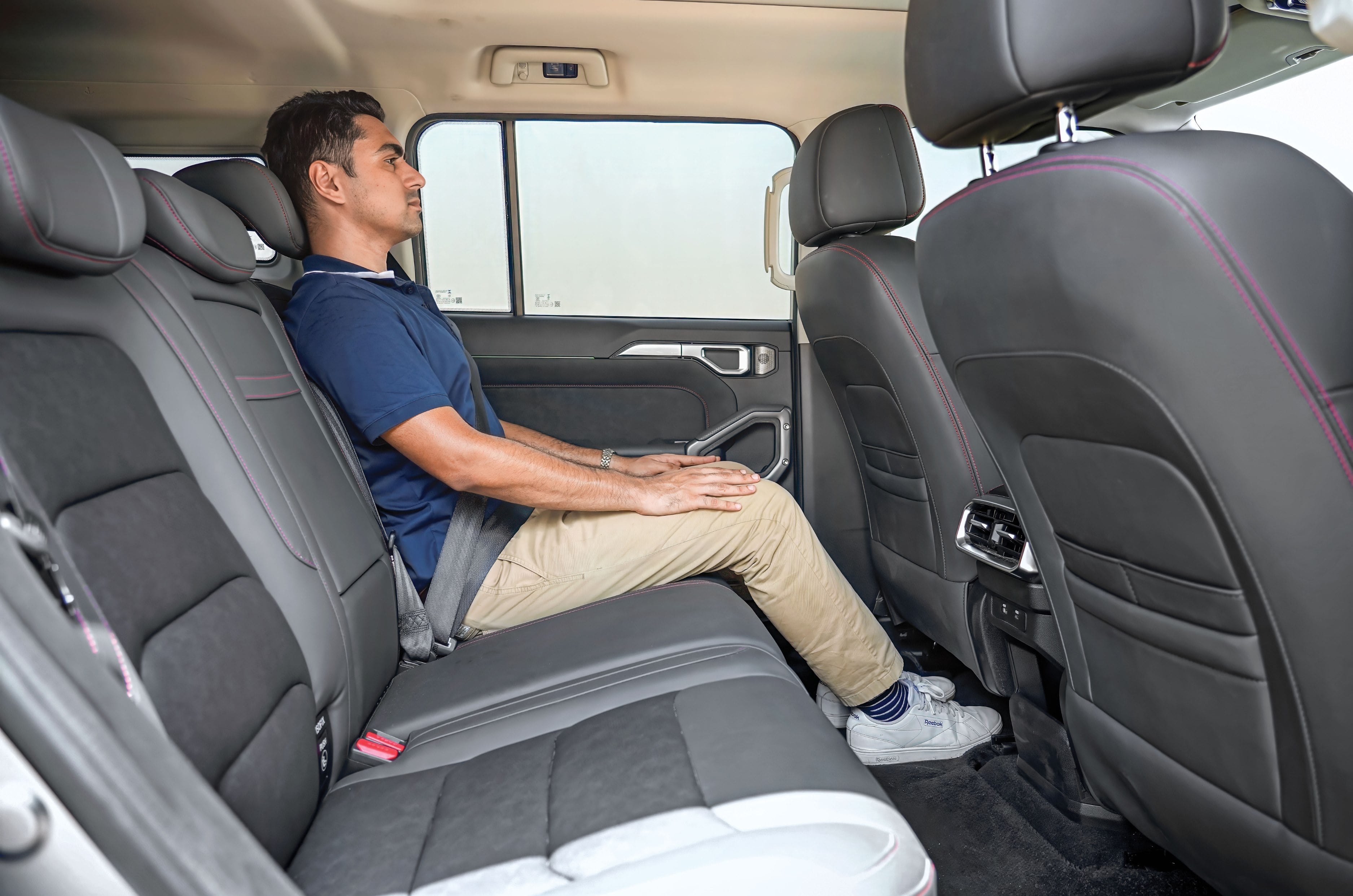
Albeit a bit low-set, rear seat is spacious. Flat floor, wide bench make it comfy for three adults.
The rear seat is equally spacious. A wide bench and completely flat floor make it comfortable for three adults, while the boxy cabin ensures generous headroom and overall space. The seat base is positioned slightly low, but comfort levels remain good.
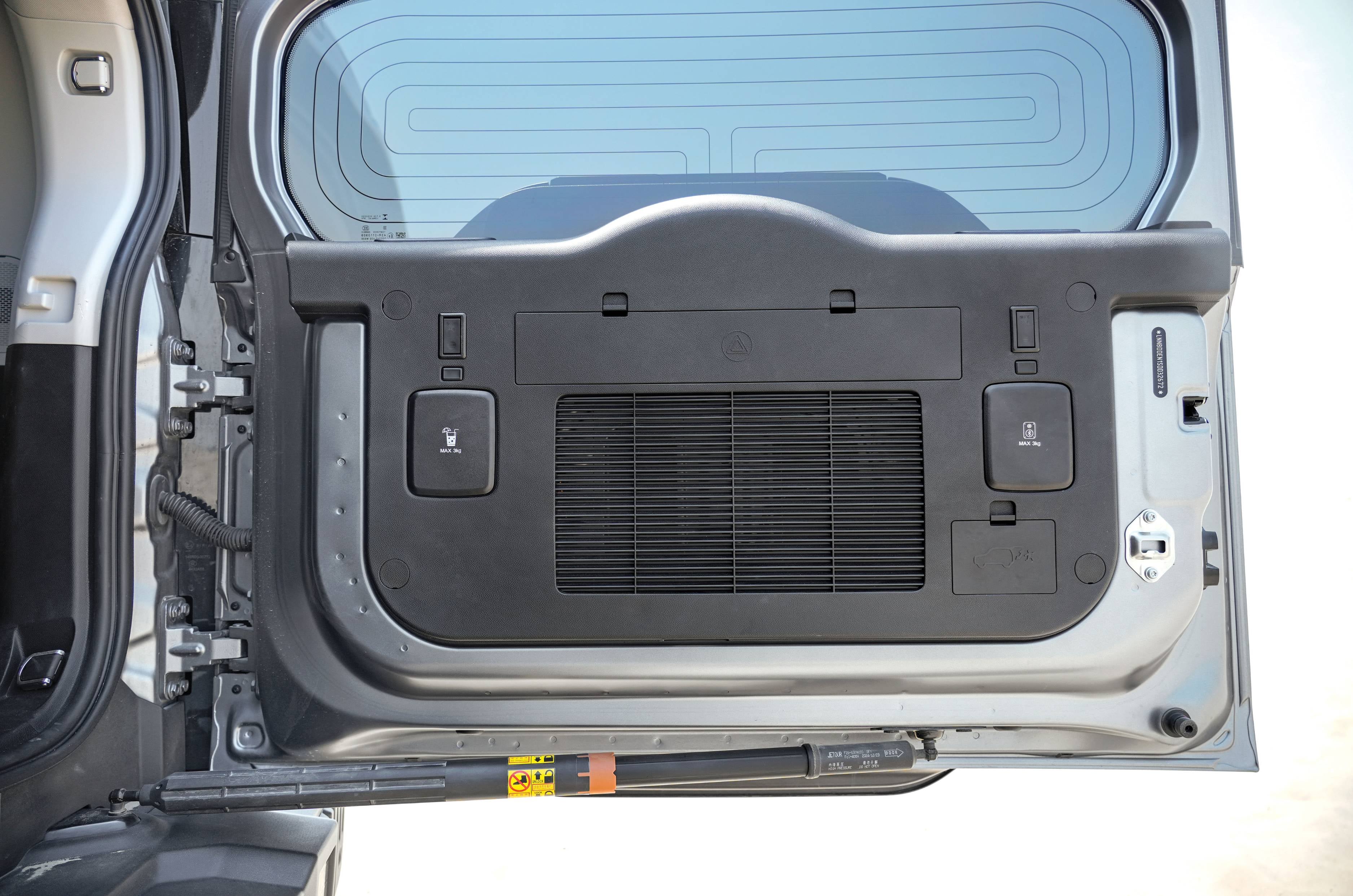
Cupholders, luggage hooks, bottle opener on its tailgate.
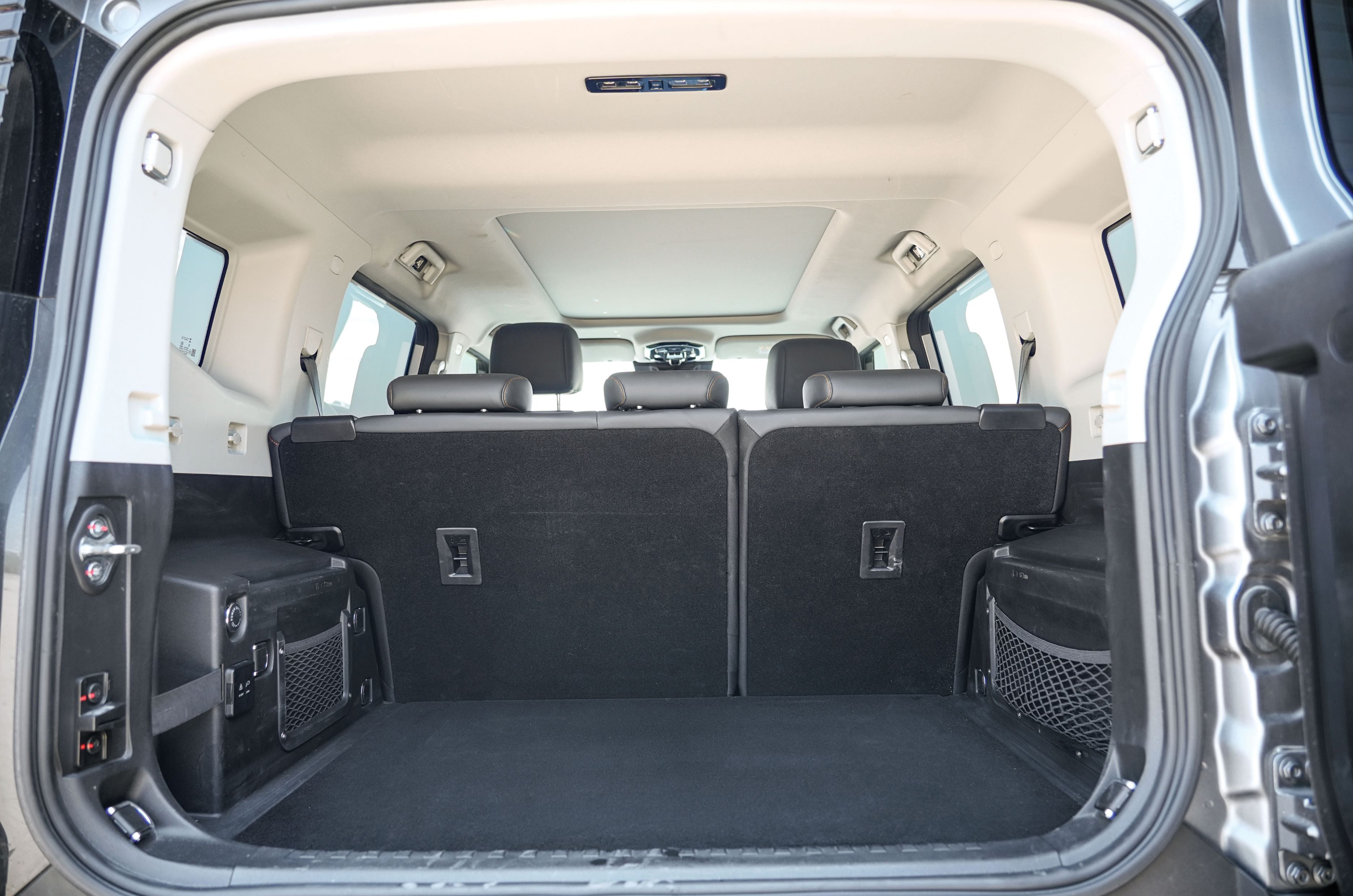
The side-hinged tailgate opens to reveal a cavernous 580-litre boot. Despite carrying the spare wheel, the tailgate itself requires surprisingly little effort to open. Thoughtful touches include a locking mechanism that prevents it from swinging shut unexpectedly, and there are cupholders, luggage hooks and even a bottle opener integrated into the inner panel. The boot area also features clever luggage nets and charging provisions, while a soft-close function further enhances convenience.
Humongous 580L boot. 60:40 rear seat split for added flexibility.
Besides the features already mentioned, it gets one-touch-down power windows, powered front seats with memory, LED lights all around, ambient lighting, a frameless inside mirror, autonomous emergency braking, lane-assist, adaptive cruise control, blind-spot monitoring, front and rear cross-traffic alert, six airbags, hill-start assist, hill descent control and ESP, to name a few more.
Jetour T2 Performance, Refinement and Efficiency- 8/10
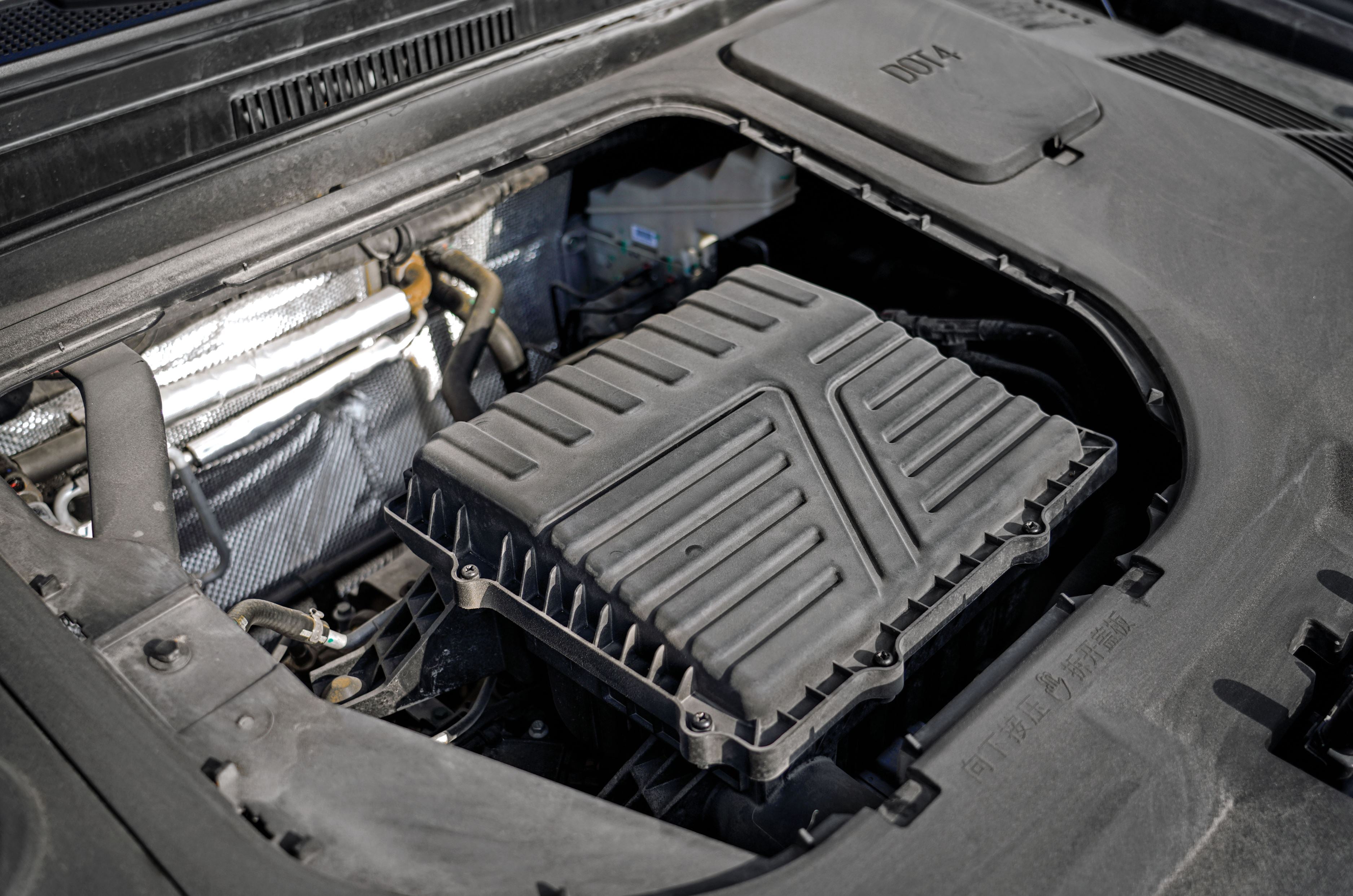
The T2 version we’re driving today is a plug-in hybrid, which combines a 156hp/220Nm 1.5-litre direct-injection turbo-petrol engine, a 43.24kWh LFP battery pack, and three electric motors. Together, the three motors produce 462hp and 700Nm of torque, with power sent to all four wheels. India will also see the plug-in tech, but in front-wheel-drive guise only, with two electric motors instead of three and a smaller 18.4kWh battery.
Powered by a 1.5 turbo along with 3 electric motors.
While the engineering sounds complex, the driving experience is refreshingly straightforward. The four-cylinder engine is refined, although when it operates primarily as a generator to charge the battery, a faint and distant hum does filter into the cabin.
The SUV can be driven either in pure EV mode or in hybrid mode. In EV mode, Jetour claims a range of up to 211km, and performance feels smooth and relaxed rather than outright brisk. Switch to hybrid mode, and the system automatically alternates between EV operation and combined petrol-electric drive, depending on throttle inputs, road conditions and battery charge levels, among other factors.
In this mode, performance feels remarkably effortless, with the T2 gathering speed with surprising urgency as speeds rise. Under full throttle, acceleration is initially measured up to around 40kph, after which there is a noticeable surge in performance as the powertrain delivers a much stronger pull.
Multiple drive modes are available, including Eco, Normal and Sport. In both Normal and Sport, we noticed the vehicle continuing to accelerate momentarily even after lifting off the throttle, which can feel unnerving. Throttle response in these modes is also a touch too aggressive. Eco mode offers a more natural and polished throttle calibration.
In our testing conducted in 40-degree heat, the T2 accelerated from 0-100kph in just 6.35 seconds in its sportiest setting – quick for its size. Flat out, it will reach a claimed top speed of 200kph.
The T2 also offers three levels of regenerative braking. Impressively, all three feel natural in operation, bringing the SUV down to a crawl smoothly and predictably. The brake pedal itself inspires confidence, with the transition between regenerative and friction braking being almost imperceptible.
Jetour T2 Ride Comfort and Handling – 6/10
Soft suspension and tall ride height mean driving dynamics aren’t anything to write home about.
The T2 rides on MacPherson struts at the front and a multi-link independent rear suspension setup. Its suspension tuning leans towards comfort, but this results in a degree of bounce over speed breakers and undulating surfaces.
The chunky, high-profile tyres do an excellent job of smothering smaller imperfections, while the 201mm laden ground clearance provides ample confidence over rough roads. At higher speeds, however, the ride never feels quite as settled or composed. One positive is that it remains well controlled under heavy braking, resisting excessive pitch.
Dynamic prowess is clearly not the priority here. The tall body exhibits a fair amount of roll, noticeable during quick lane changes. Push harder through a series of bends, and this two-tonner T2 understeers quite readily. Combined with its light and somewhat disconnected steering, it is clear that this SUV prefers a more relaxed driving style.
A light steering, smooth hybrid and excellent visibility make it surprisingly easy to drive.
Driven at a gentler pace, the T2 proves extremely easy to live with. The steering offers three weight settings, though it feels best in its lightest mode. Combined with excellent visibility and a smooth, responsive hybrid powertrain, it makes piloting this large SUV remarkably effortless.
Jetour T2 Should You Buy Now or Wait – 8/10
The Jetour T2 plug-in hybrid appears to have all the ingredients needed to establish the JSW brand in India and perhaps even challenge the Toyota Fortuner, despite offering only five seats. It is spacious and practical, it is expected to come loaded with technology and features, and its rugged styling gives it immense road presence and desirability.
The plug-in hybrid powertrain adds further unique appeal, offering the flexibility of pure EV driving and an impressive mileage figure with the hybrid tech. Better still, the system is smooth, refined and delivers strong performance.
It’s larger than a Fortuner, looks imposing, and stays true to the SUV formula.
Yes, it is not without flaws. The touchscreen experience and throttle calibration need refinement, the air-conditioning needs to be more effective, and the ride and handling would benefit from further fine-tuning for Indian conditions. These are areas we hope JSW addresses before launch.
On the whole then, the T2 is certainly ready for combat. Will it win, though, will also depend on JSW pulling off an aggressive pricing strategy and, importantly, backing it up with a reliable ownership and service experience too. That latter is why Toyota rules the roost. The battle lines, then, are drawn.
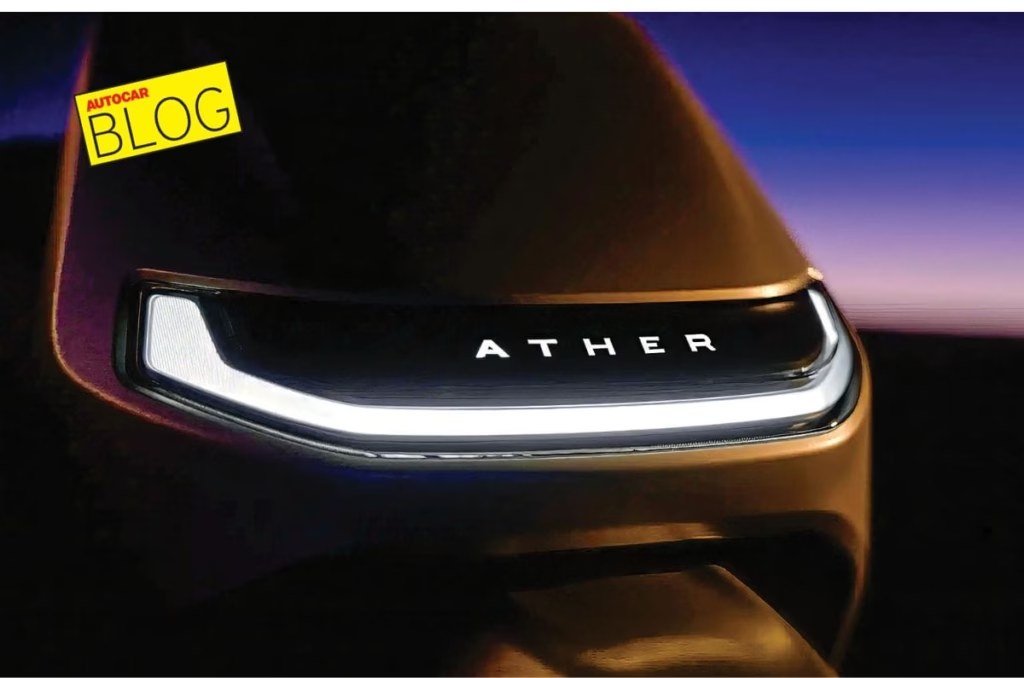
Ather has a wonderful problem on its hands. The company says that it is now raking in a monthly demand of around 50,000 units from its dealer base, but is struggling to supply much more than half that figure. Fortunately, the solution is just a few months away, and the upcoming manufacturing facility in Chhatrapati Sambhajinagar will begin to scale up in the first half of next year.
The Konarc plays a key role in Ather’s growth ambitions. This scooter is based on a new steel platform that’s designed to be cheaper and faster – not only to build, but also to service. With this cost-effective new platform in place, the expectation was that the Konarc would occupy a new space for Ather, one that slots in comfortably below the Rizta and 450 models. As it turns out, that is not entirely the case.
The base Konarc is priced at Rs 99,999, which is a good Rs 22,000 less than the base Rizta. Ather is excited about the new market space that this scooter will unlock for them, and it surely will bring in a new client base. However, a closer examination of the spec sheet suggests that the base Konarc variant is a bit too stripped down, and we’d suggest you pick from the next variant onwards.
When you do that, you’ll realise that the Konarc is effectively priced on par with the Rizta for a similar battery pack size, and this took me by surprise. Conversations with company officials unearthed the very sound rationale that manufacturing input costs have risen by a massive 30-40 percent over the past year. However, I still can’t shake the feeling that the Konarc is not as affordable as expected.
To be fair, most EVs have gotten quite a bit more expensive in the recent past, and the iQube range is priced at a similar level to the Konarc. However, that’s before you pay the extra amount for Ather’s optional StackPro features, which is something you’d want to do because they add valuable appeal and functionality. What I find disappointing is that none of the Konarc S models come with a full colour TFT display, and that means it’s not compatible with a lot of Ather’s more uniquely clever features like pothole alerts, WhatsApp alerts, voice control and more.
While the Konarc is not as affordable as expected, there is no doubt that it lives up to Ather’s premium image. Quality and finish are excellent, and more importantly, it is genuinely comfortable to ride, which isn’t something you could say about previous Athers. The fundamentals are in place with this scooter, and that is a solid win for the company.
The fact remains that Ather is already experiencing such big demand for its existing scooters, which don’t come cheap. The customer’s appetite to spend appears to be in place, and the new Konarc will certainly widen it, although I’m sure it will also eat into the Rizta’s market share. With its superior comfort, practical on-board charger and promise of lower running costs, I’m convinced it’s a better scooter than the more flashy looking Rizta. Whether customers feel the same way remains to be seen, but Ather appears well on course to reach new heights in 2027.
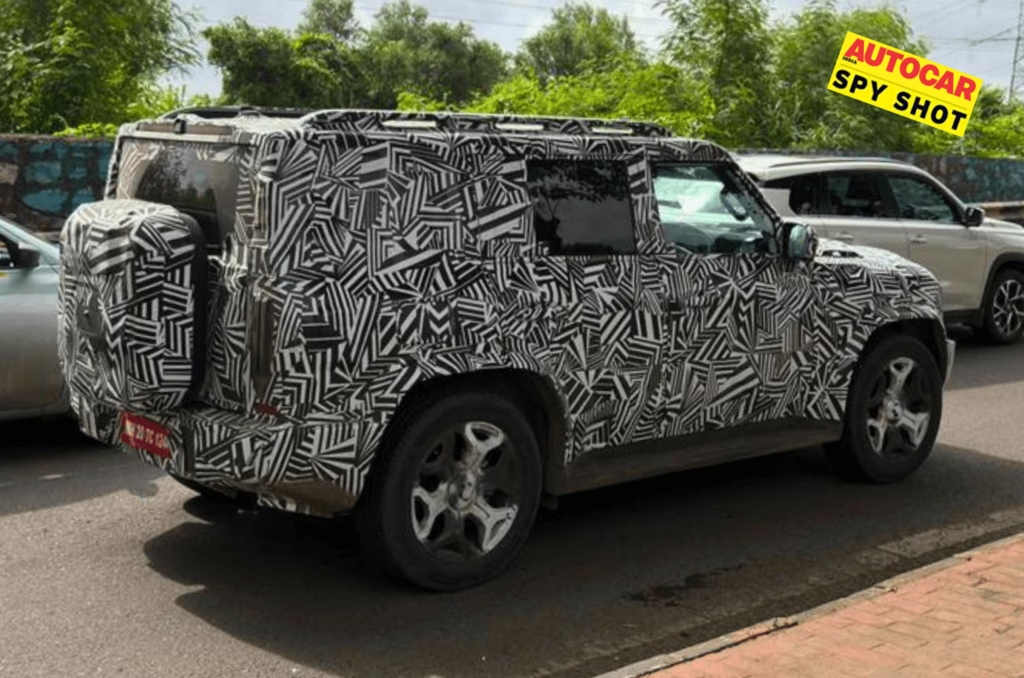
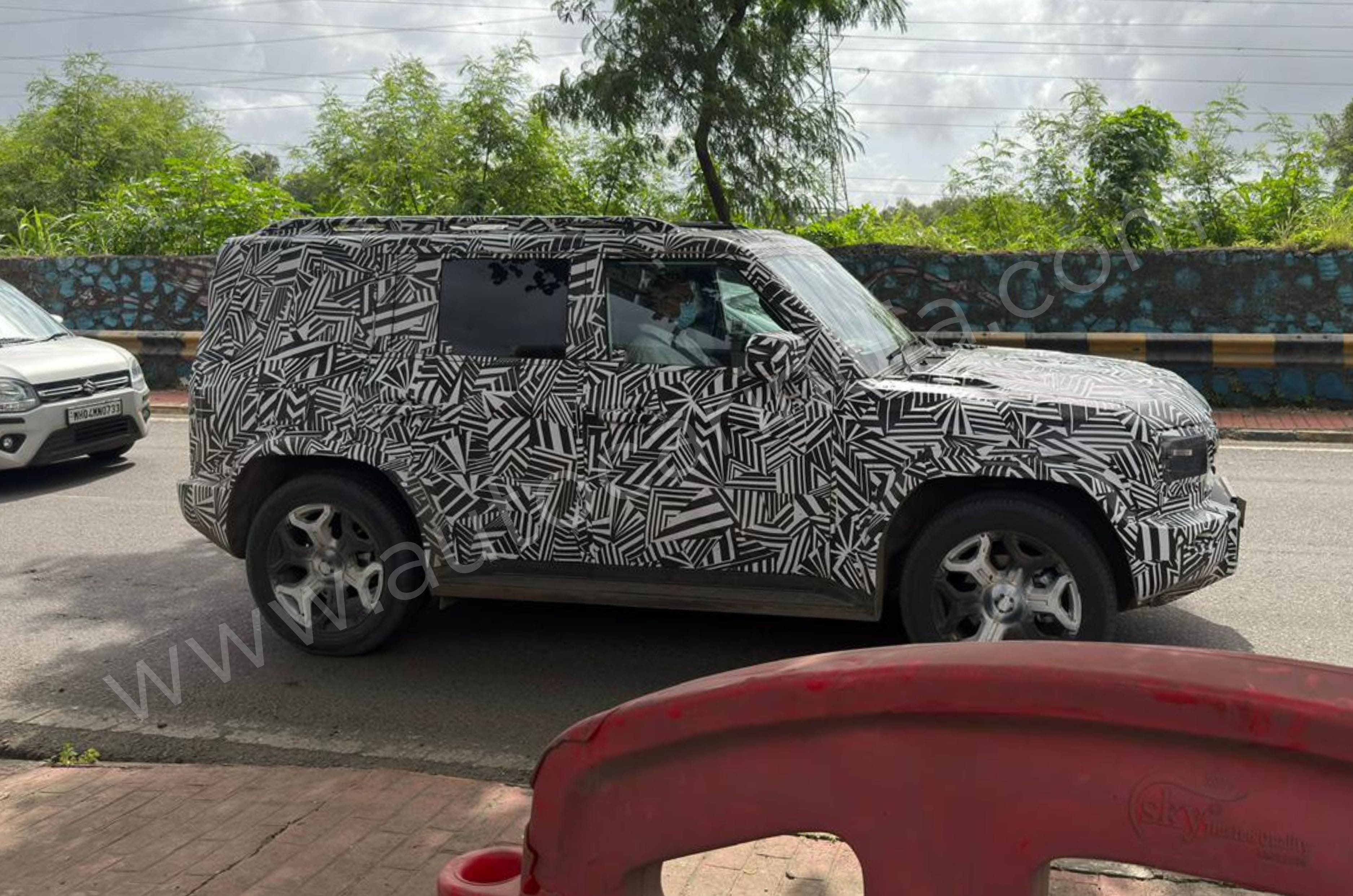
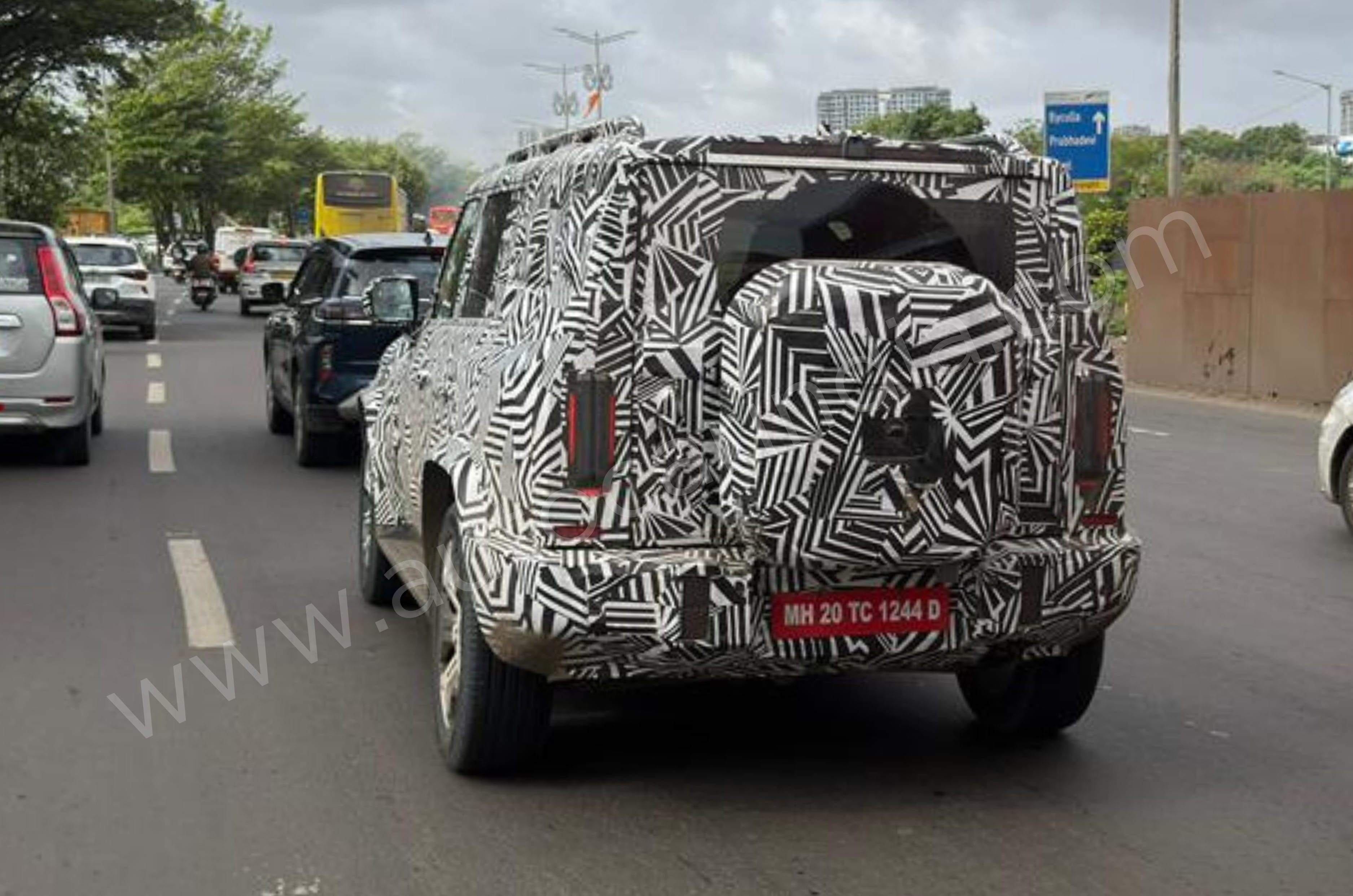
A camo-clad test mule of JSW Motors‘ upcoming SUV based on the Jetour T2 was recently spied on our roads. The T2-based model will be JSW Motors’ debut offering, and it will be offered with a plug-in hybrid powertrain. It will be assembled at JSW Motors’ Chhatrapati Sambhajinagar (formerly Aurangabad) plant in Maharashtra.
Going by the spy shots, the design resembles that of the T2 sold overseas. Even the design for the tail-lights, roof rails and wheels look similar. A design patent filed in India earlier this year suggests the JSW SUV could retain most of the T2’s design elements, while replacing the Jetour branding with the carmaker’s own.
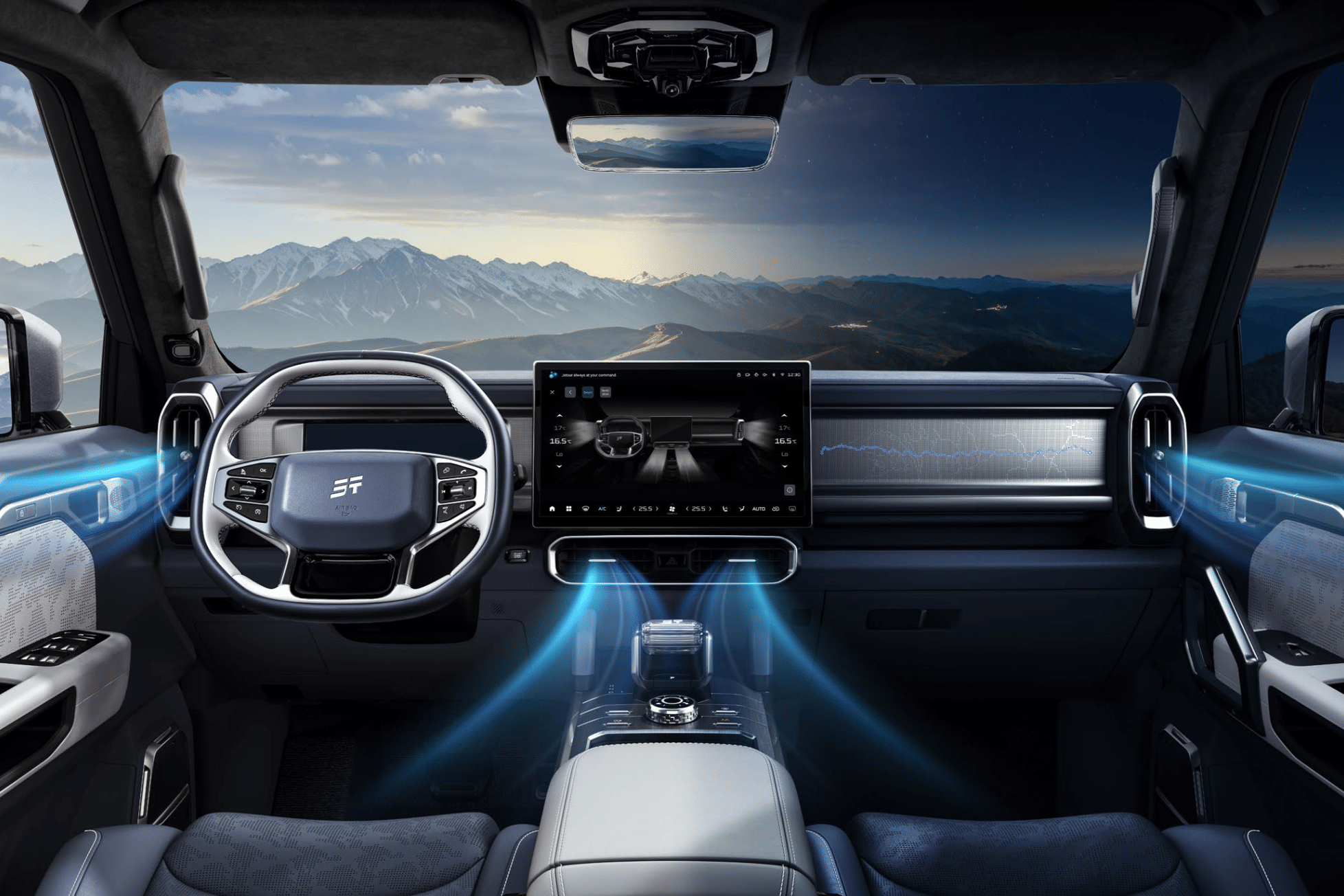
The SUV’s interior was not seen, and specifics around the feature list are currently unknown. The global-spec Jetour T2, for reference, gets a massive 15.6-inch touchscreen, a 540-degree camera, Level 2 ADAS, a panoramic sunroof, a Sony surround-sound system, ambient lighting, a wireless charging pad, a powered tailgate and more.
International-spec Jetour T2’s interior shown for representation.
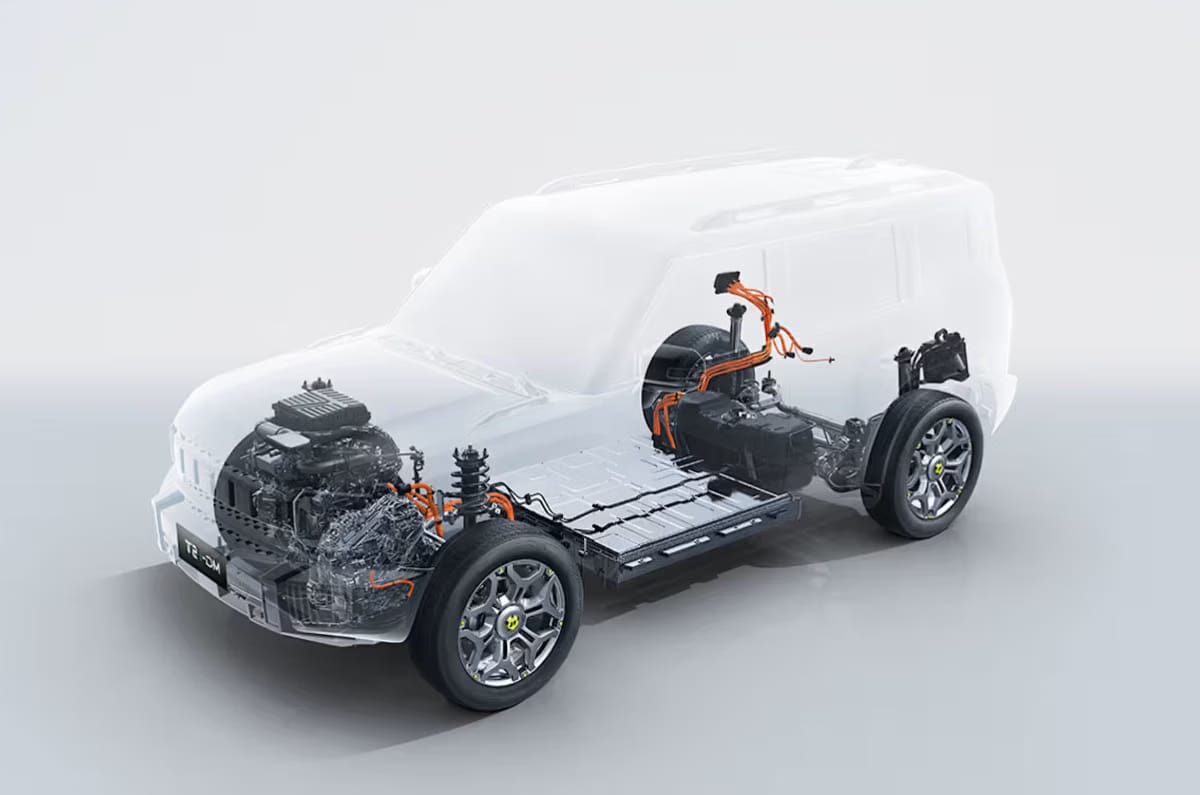
The JSW SUV is expected to use the Jetour T2 i-DM’s plug-in hybrid powertrain, which features a 1.5-litre direct-injection turbo-petrol engine, and a 26.7kWh battery pack which powers two electric motors. One of the motors is placed on the front axle and can drive the wheels. The other motor, meanwhile, is integrated into the gearbox to provide assistance during engine starting and torque fill during gear shifts.
The Jetour T2 plug-in hybrid’s combined output stands at 381hp and 610Nm and transmission duties are handled by a 3-speed dedicated hybrid transmission (DHT). The global-spec T2 i-DM has an NEDC-rated electric-only range of 139km, while the combined range is over 1,000km (brand claimed figure). As of now, the range figures for the JSW Motors SUV are not known.
JSW Motors’ Jetour T2-based SUV: Estimated price and rivals
We expect JSW Motors’ Jetour T2-based SUV to be priced between Rs 38 lakh and Rs 40 lakh, ex-showroom. At this price, it will find itself in the company of the Skoda Kodiaq and Volkswagen Tayron. However, among ICE SUVs in this price range, the T2-based SUV is expected to offer significantly more power and torque than its rivals.
As for the launch, our sources had earlier indicated a September timeline, but JSW Motors has not yet made any official announcement. Recent reports, meanwhile, suggest that the company will launch its first passenger vehicle in January 2027.
महाराष्ट्र के संभाजीनगर में उस वक्त अजीबोगरीब स्थिति बन गई, जब गुस्साई भीड़ ने एक फूड एंड ड्रग एडमिनिस्ट्रेशन (FDA) अधिकारी को घेर लिया और उस पर एक्सपायर्ड बिस्किट के पैकेट फेंकने लगी। NDTV के मुताबिक, भीड़ अधिकारी से कह रही थी, “इन्हें खुद खाओ।”
अधिकारी पर आरोप था कि उन्होंने एक ऐसे दुकानदार को बचाने के लिए रिश्वत ली थी जो कथित तौर पर एक्सपायर हो चुके सामान बेच रहा था। इस हंगामे के बीच, कुछ लोगों ने उनके मुँह में एक्सपायर हो चुके बिस्किट ठूंसने की भी कोशिश की।
लेकिन इतना गुस्सा क्यों?
NDTV के अनुसार, यह गुस्सा एक स्थानीय पान की दुकान पर एक्सपायर्ड (समय-सीमा खत्म हो चुके) प्रोडक्ट बेचने के आरोपों की वजह से भड़का। स्थानीय लोगों का आरोप है कि एक दो साल का बच्चा उस दुकान से खरीदे गए नमकीन स्नैक मिक्स को खाने के बाद बीमार पड़ गया और उसे चक्कर आने लगे।
बच्चे की हालत बिगड़ने पर उसे इलाज के लिए अस्पताल ले जाया गया।
इस घटना से छत्रपति संभाजीनगर के लोगों में गुस्सा फैल गया और उन्होंने FDA ऑफिस से संपर्क करके शिकायत दर्ज कराई। इसके बाद, FDA का एक अधिकारी मौके पर पहुंचा और दुकान की जांच शुरू की।
हालांकि, स्थानीय लोगों का आरोप है कि जांच से पहले ही उस नमकीन स्नैक मिक्स को हटा दिया गया था, जिसका इस घटना से संबंध था। जांच के दौरान, अधिकारी को पान की दुकान पर एक्सपायर्ड बिस्कुट के कई पैकेट बिकते हुए मिले।
एक्सपायर्ड पैकेट जब्त तो कर लिए गए, लेकिन स्थानीय लोगों का दावा है कि दुकानदार के खिलाफ कोई कार्रवाई नहीं की गई। उनका आरोप है कि अधिकारी रिश्वत लेकर मामले को रफा-दफा करने की कोशिश कर रहा था।
बता दें कि यह घटना राज्य भर में खाद्य सुरक्षा नियमों के उल्लंघन के खिलाफ FDA की बड़ी कार्रवाई के दौरान सामने आई है। हाल के हफ्तों में, खाद्य कंपनियों को कई नोटिस जारी किए गए हैं और अधिकारी खाद्य पदार्थों में मिलावट, एक्सपायर्ड प्रोडक्ट्स की बिक्री और अन्य खामियों को लेकर जांच कर रहे हैं।