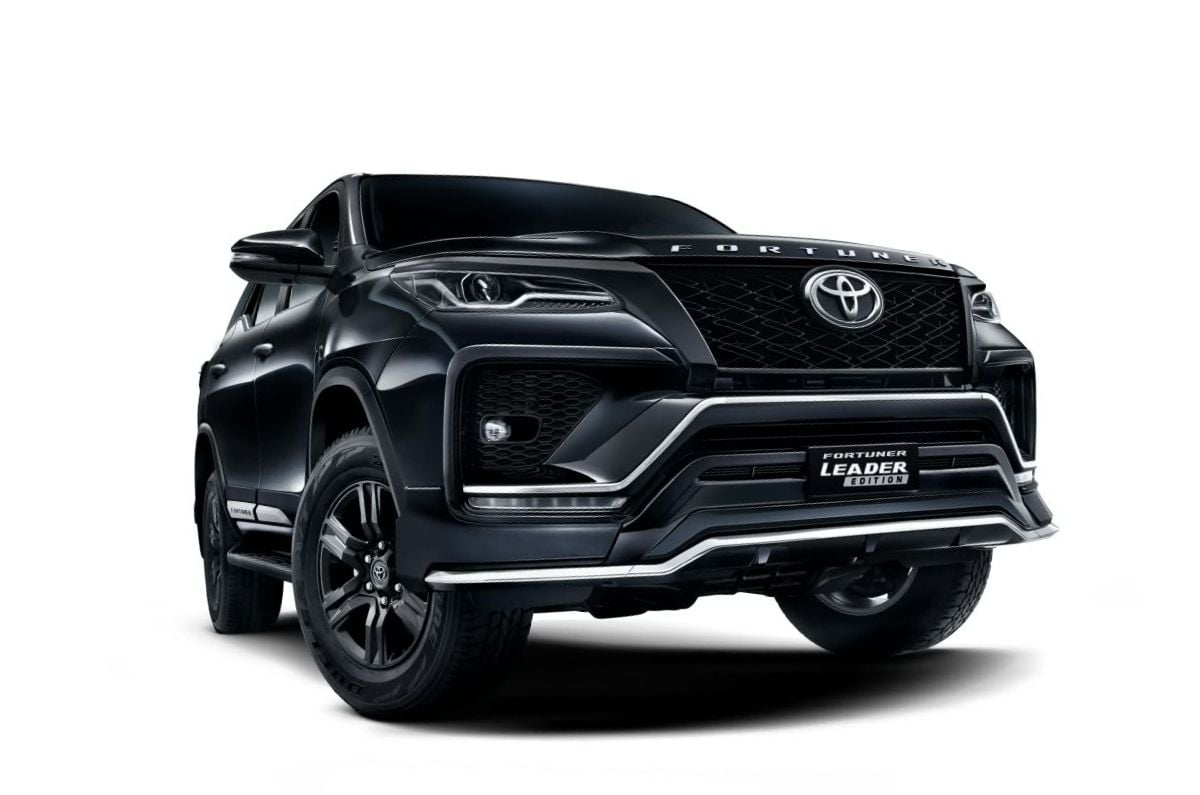
Toyota Fortuner Leader Edition: अगर आप Toyota Fortuner खरीदने का प्लान बना रहे हैं, तो आपके लिए अच्छी खबर है। Toyota ने भारत में अपनी पॉपुलर SUV का नया 2026 Fortuner Leader Edition पेश किया है। इस नए एडिशन में कंपनी ने SUV के लुक को और आकर्षक बनाने के साथ कुछ नए कंफर्ट और सुविधा से जुड़े फीचर्स भी जोड़े हैं।
नई Toyota Fortuner Leader Edition की शुरुआती एक्स-शोरूम कीमत 36.51 लाख रुपये रखी गई है। इसमें ग्राहकों को 4×2 मैनुअल और 4×2 ऑटोमैटिक, दोनों गियरबॉक्स विकल्प मिलेंगे। इस SUV की बुकिंग 12 अक्टूबर 2026 से शुरू होगी।
Toyota Fortuner Leader Edition: अपग्रेड्स
Leader Edition में मैकेनिकल बदलावों के बजाय विजुअल अपग्रेड्स पर ज्यादा ध्यान दिया गया है। बाहर की तरफ, इसमें बदली हुई फ्रंट ग्रिल, मैचिंग हब कैप्स के साथ ग्लॉस-ब्लैक अलॉय व्हील्स, ब्लैक रियर डोर गार्निश और ब्लैक-फिनिश वाला एंटीना दिया गया है। ब्लैक रूफ और बॉडी-साइड मोल्डिंग्स इसके लुक को और बेहतर बनाते हैं, जबकि एक खास बोनट एम्बलम इसे स्टैंडर्ड Fortuner से अलग पहचान देता है।
अंदर की तरफ, SUV की सीटों और डोर ट्रिम्स पर ब्लैक और मरून अपहोल्स्ट्री दी गई है, साथ ही एम्बिएंट लाइटिंग और इल्यूमिनेटेड स्कफ प्लेट्स भी हैं। ये बदलाव केबिन के लेआउट को बदले बिना उसके लुक को नयापन देते हैं। इसमें ऑटो-फोल्डिंग आउटसाइड रियर-व्यू मिरर्स और टायर प्रेशर मॉनिटरिंग सिस्टम (TPMS) जैसे फीचर्स भी शामिल हैं, जिन्हें रोजाना इस्तेमाल को ज्यादा सुविधाजनक बनाने के लिए डिजाइन किया गया है।
Toyota Fortuner Leader Edition: कीमतऔरवेरिएंट
2026 Toyota Fortuner Leader Edition के 4×2 मैनुअल वेरिएंट की एक्स-शोरूम कीमत 36.51 लाख रुपये है। वहीं, 4×2 ऑटोमैटिक वेरिएंट के लिए 38.72 लाख रुपये खर्च करने होंगे। यानी ऑटोमैटिक वेरिएंट की कीमत मैनुअल के मुकाबले 2.21 लाख रुपये ज्यादा है।
कंपनी ने फिलहाल इसके इंजन, गियरबॉक्स या परफॉर्मेंस में किसी बदलाव की जानकारी नहीं दी है। ऐसे में यह नया एडिशन मुख्य रूप से डिजाइन और फीचर्स में किए गए बदलावों पर आधारित है।
कलर ऑप्शन की बात करें तो Toyota Fortuner Leader Edition तीन रंगों में उपलब्ध होगी। इनमें सुपर व्हाइट, प्लेटिनम व्हाइट पर्ल और एटीट्यूड ब्लैक शामिल हैं। इसके दोनों वेरिएंट में 4×2 रियर-व्हील-ड्राइव सेटअप दिया गया है। फिलहाल, इस एडिशन में 4×4 ड्राइव का विकल्प नहीं दिया गया है।
ओनरशिप के फायदे
Toyota अपनी ‘स्मार्ट बैलून फाइनेंस’ स्कीम के साथ-साथ सात साल तक के फाइनेंस ऑप्शन भी दे रही है। ओनरशिप पैकेज में पांच साल की मुफ्त रोडसाइड असिस्टेंस और तीन साल या 1 लाख किलोमीटर (जो भी पहले हो) की स्टैंडर्ड वारंटी शामिल है। पांच साल या 2.20 लाख किलोमीटर तक के लिए एक्सटेंडेड वारंटी भी उपलब्ध है।
Toyota has launched the 2026 Fortuner Leader Edition. The manual variant is priced at Rs 36.51 lakh and the automatic at Rs 38.72 lakh (both ex-showroom). This special edition brings cosmetic changes to the exterior and interior, but is otherwise mechanically unchanged over other 4×2 (two-wheel drive) versions of the Fortuner. Bookings will open on October 12, 2026. There have been Leader Editions of the Fortuner in 2024 and 2025, though these arrived as dealer-level options.
JSW Group, one of India’s largest conglomerates, is preparing to significantly expand its automotive ambitions. Having already established a presence through JSW-MG Motor India, its joint venture with China’s SAIC, the company is now gearing up to enter the market with an all-new brand of its own, JSW Motor.
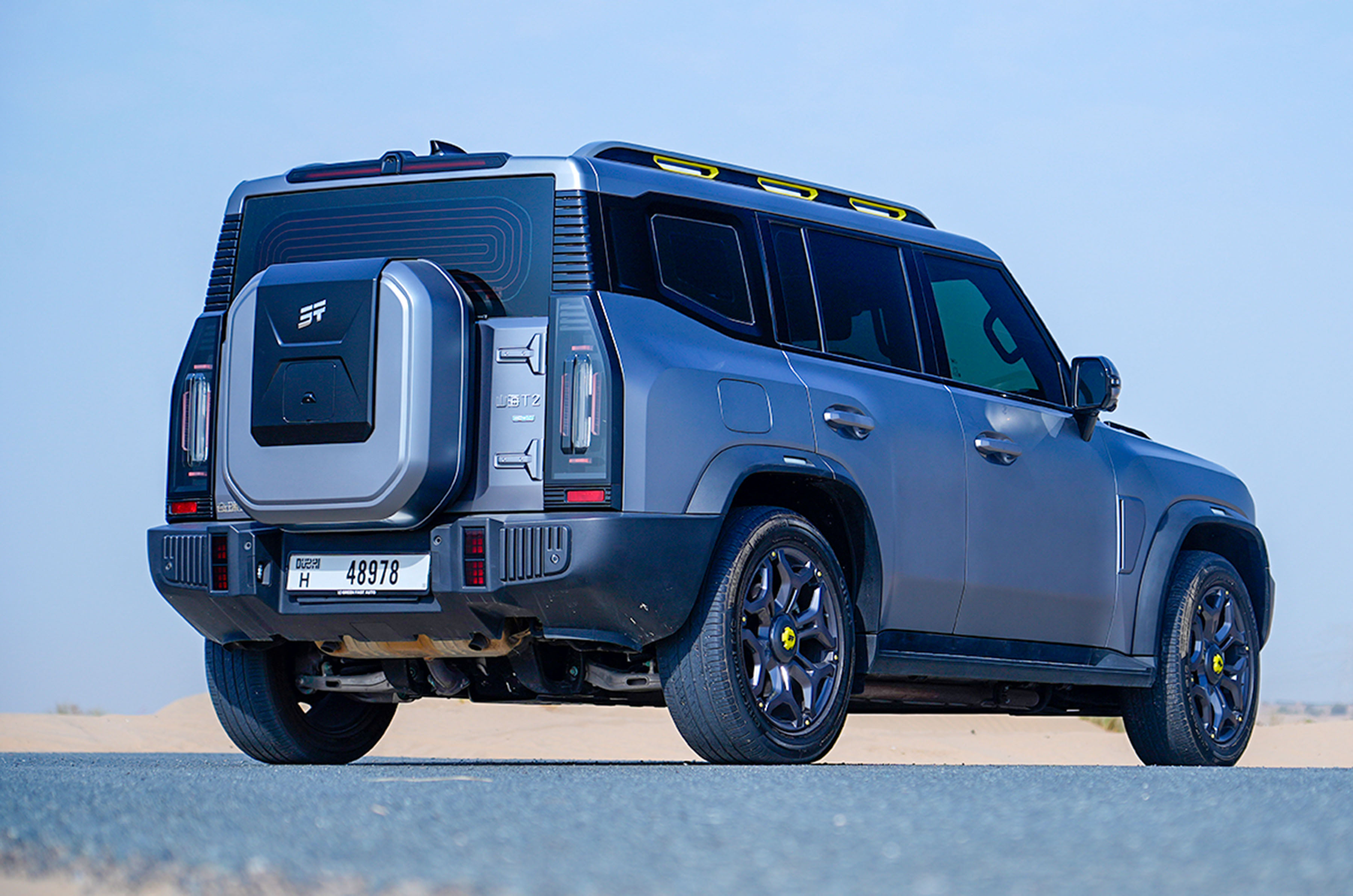
Rather than taking the conventional route of developing products from the ground up, JSW is leveraging global partnerships to fast-track its entry into the industry. Its first product for India will be a large plug-in hybrid SUV based on the Chery Jetour T2, which is expected to be assembled at JSW’s upcoming facility in Chhatrapati Sambhajinagar, and we hear it will be called the Combat.
With its rugged styling, imposing road presence and the promise of combining EV-like efficiency and long-distance touring ability, the SUV is expected to be positioned in the Rs 30-50 lakh segment and take on established players head-on.
Ahead of its India launch later this year, we got an early drive of the SUV to find out whether JSW Motor’s debut offering is ready for combat.
Jetour T2 Exterior Design and Engineering – 8/10
A handsome SUV that oozes character and rugged appeal.
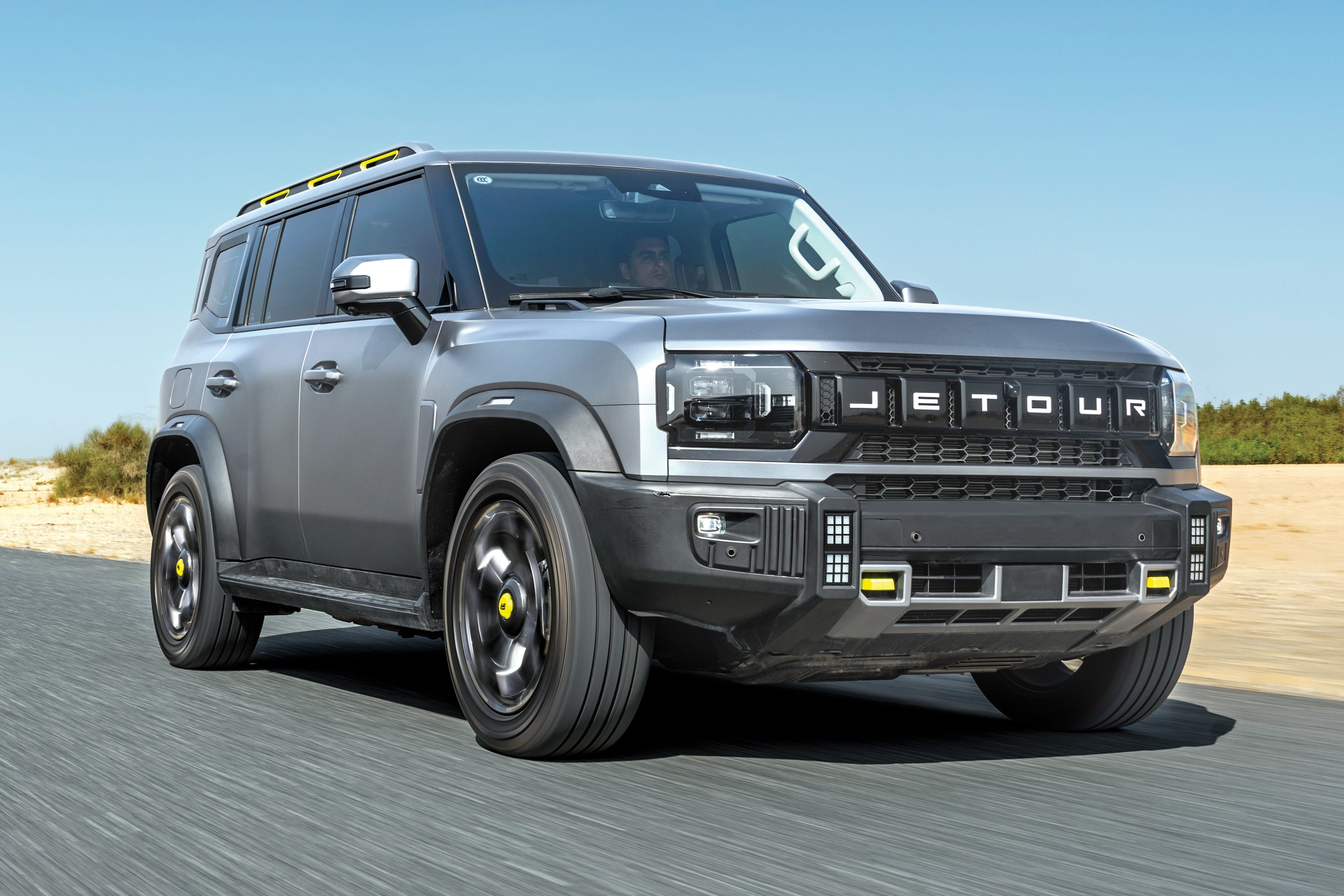
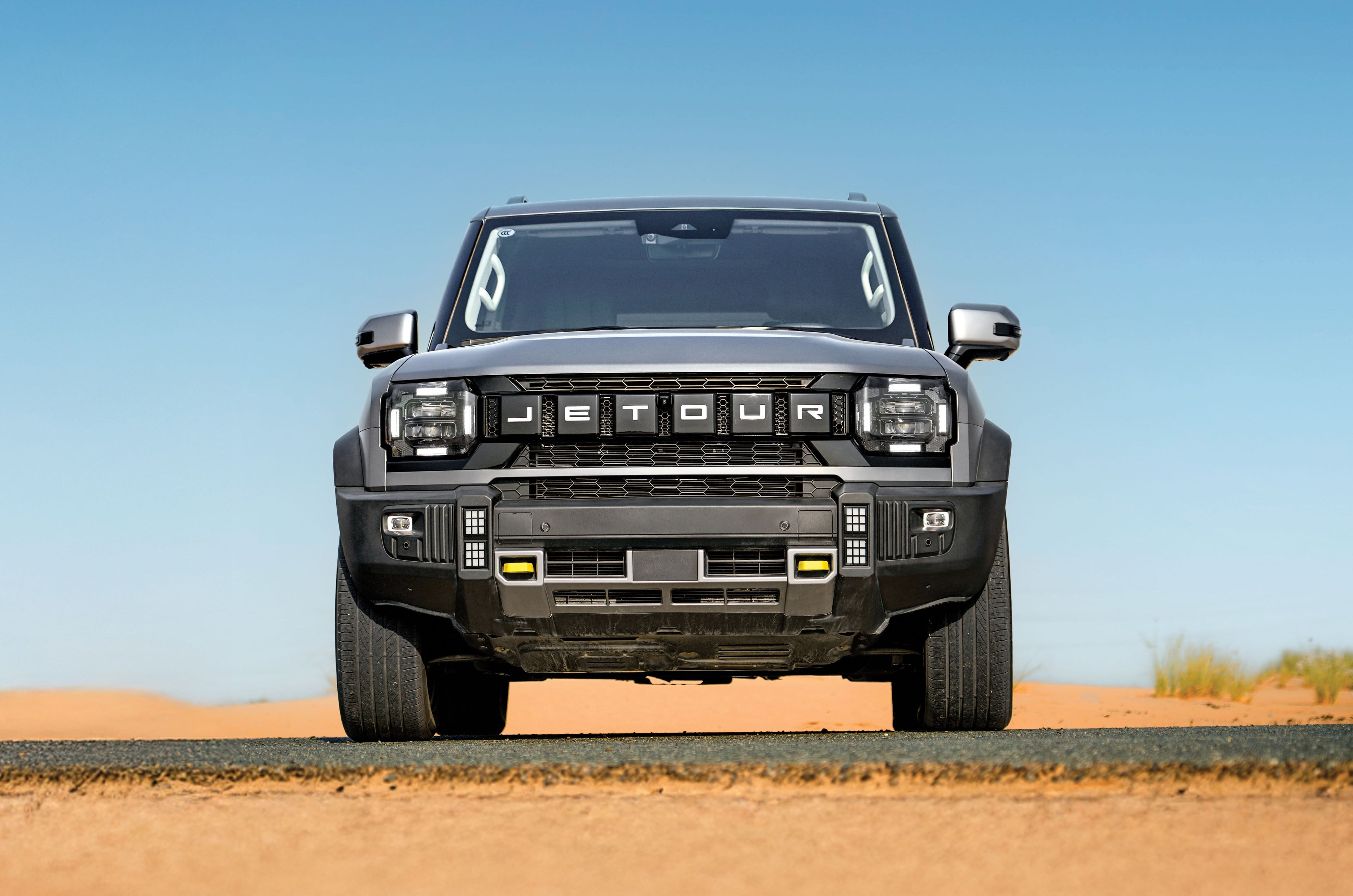
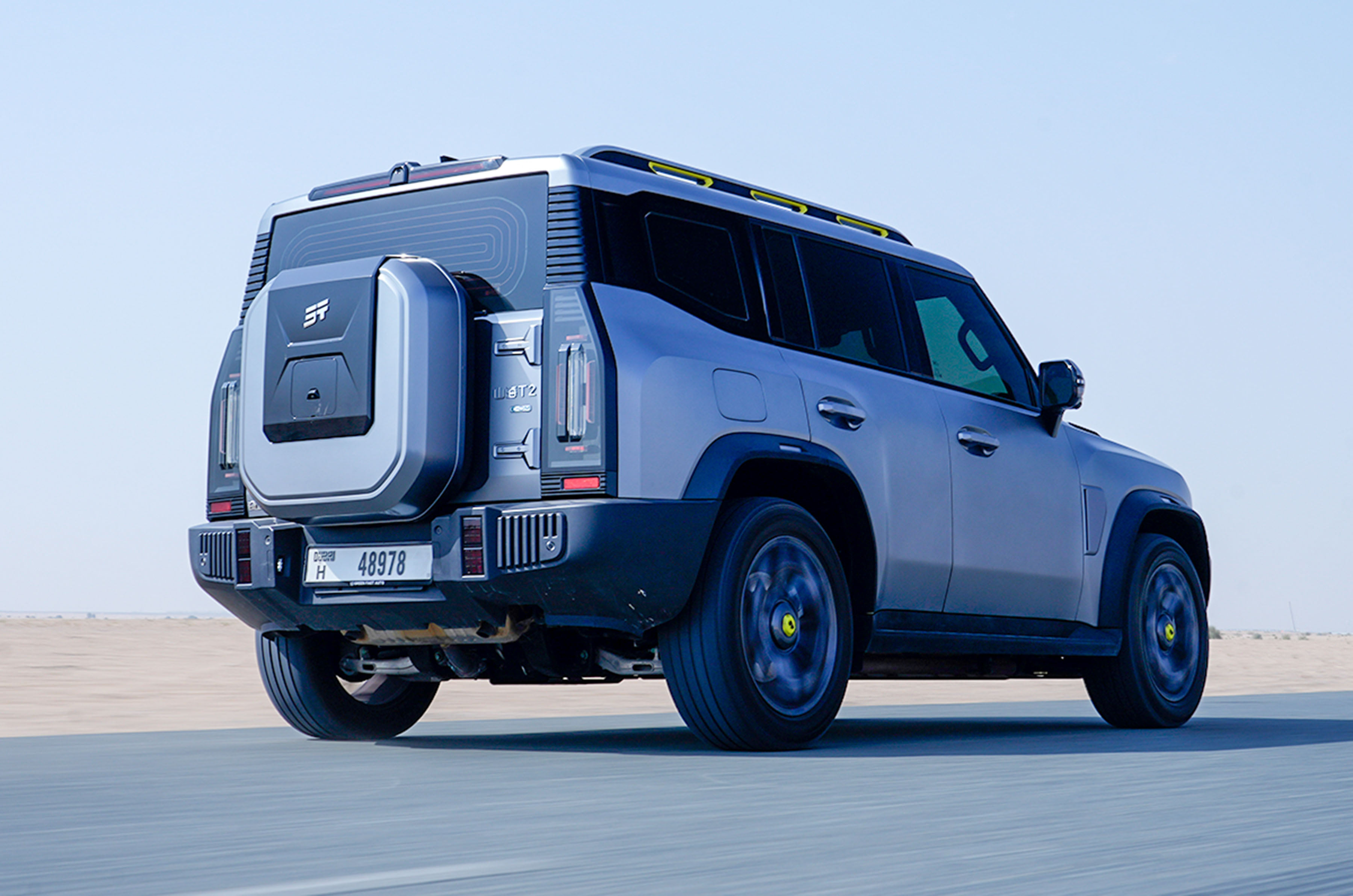
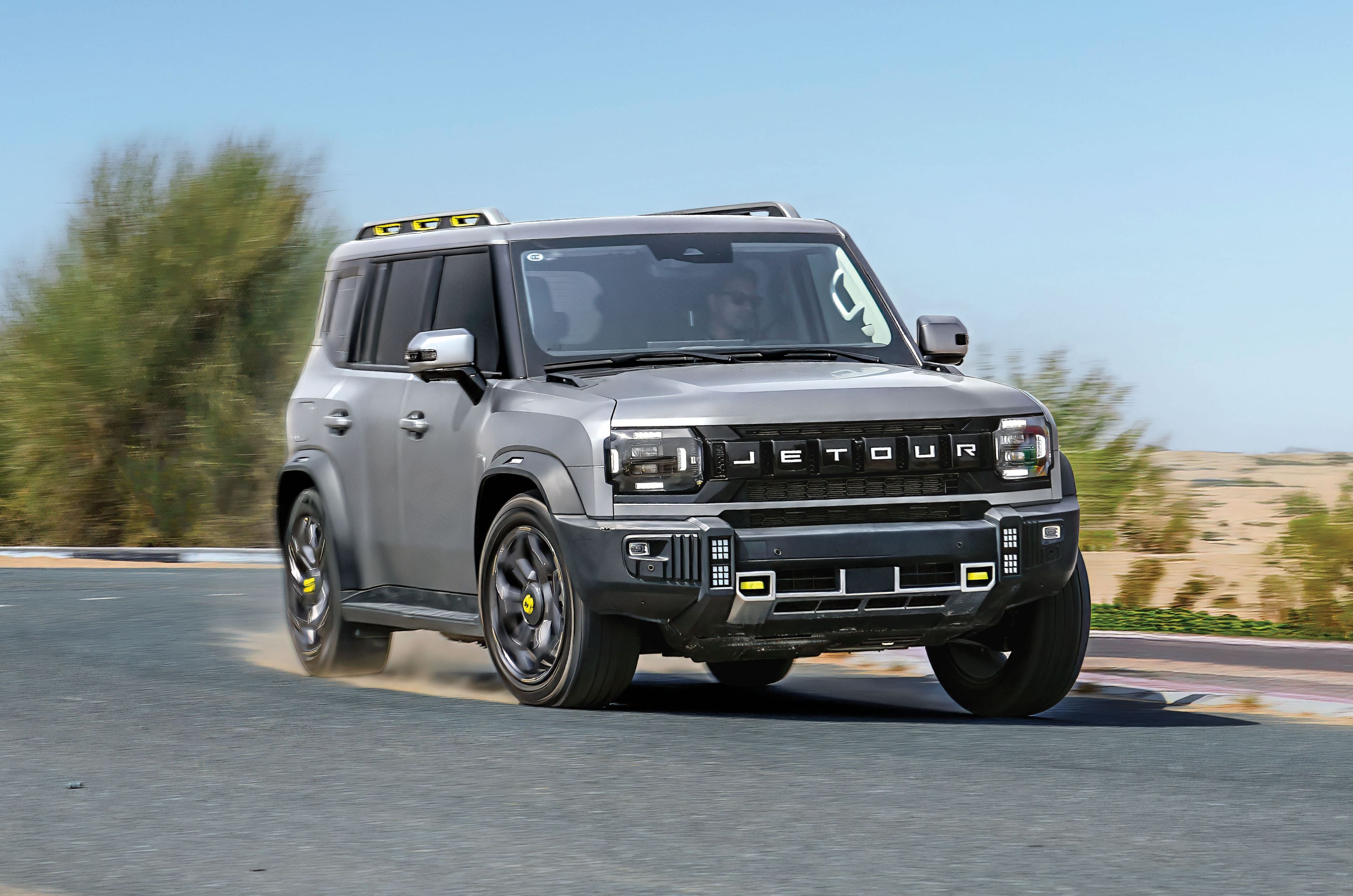
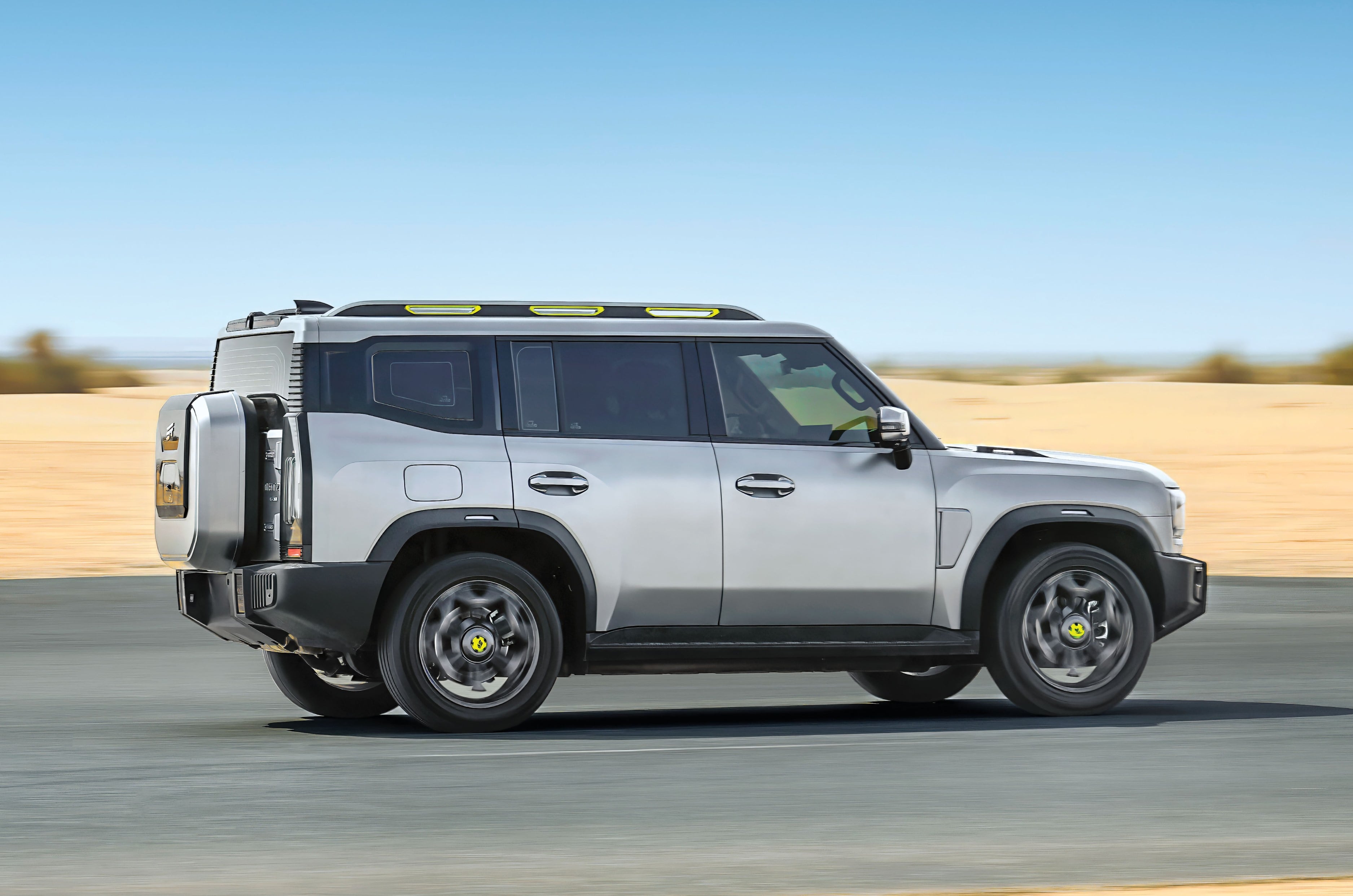
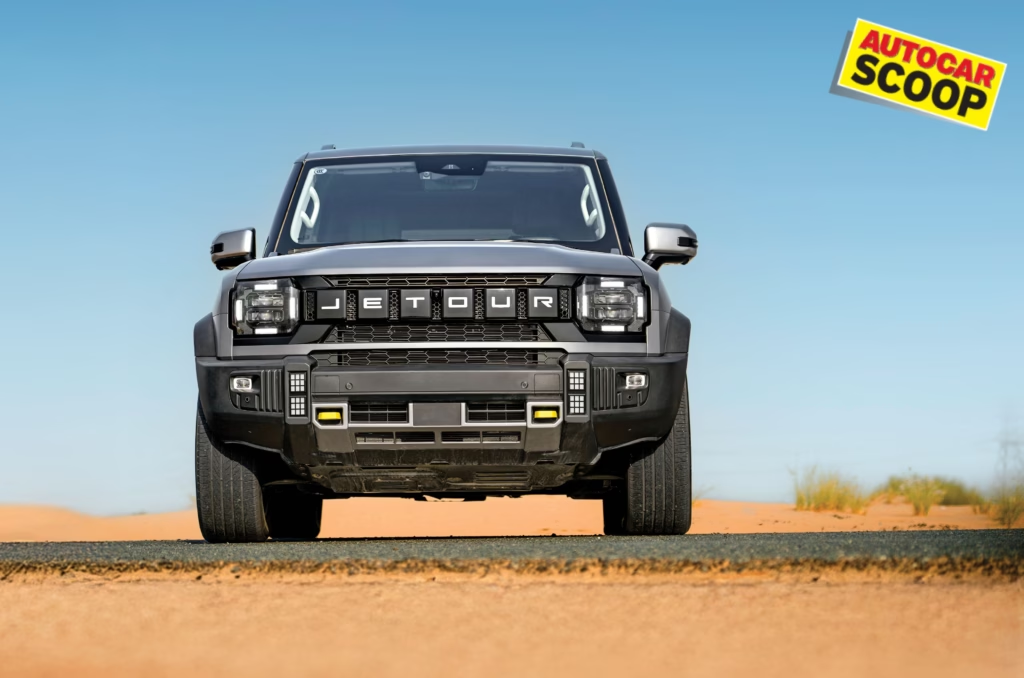
The Jetour T2 delivers on the SUV template to the T – flat bonnet, upright stance, raised ride height, chunky tyres, rugged body cladding, and, as the icing on the cake, a spare wheel mounted on the tailgate. It looks imposing and highly desirable, and while its silhouette bears a resemblance to the Defender, the T2 still manages to carve out a distinctive identity. JSW is likely to make a few changes to the headlamps, grille and bumpers to further differentiate the Combat, but the overall shape, clean surfacing and most of its defining design elements are expected to remain unchanged.
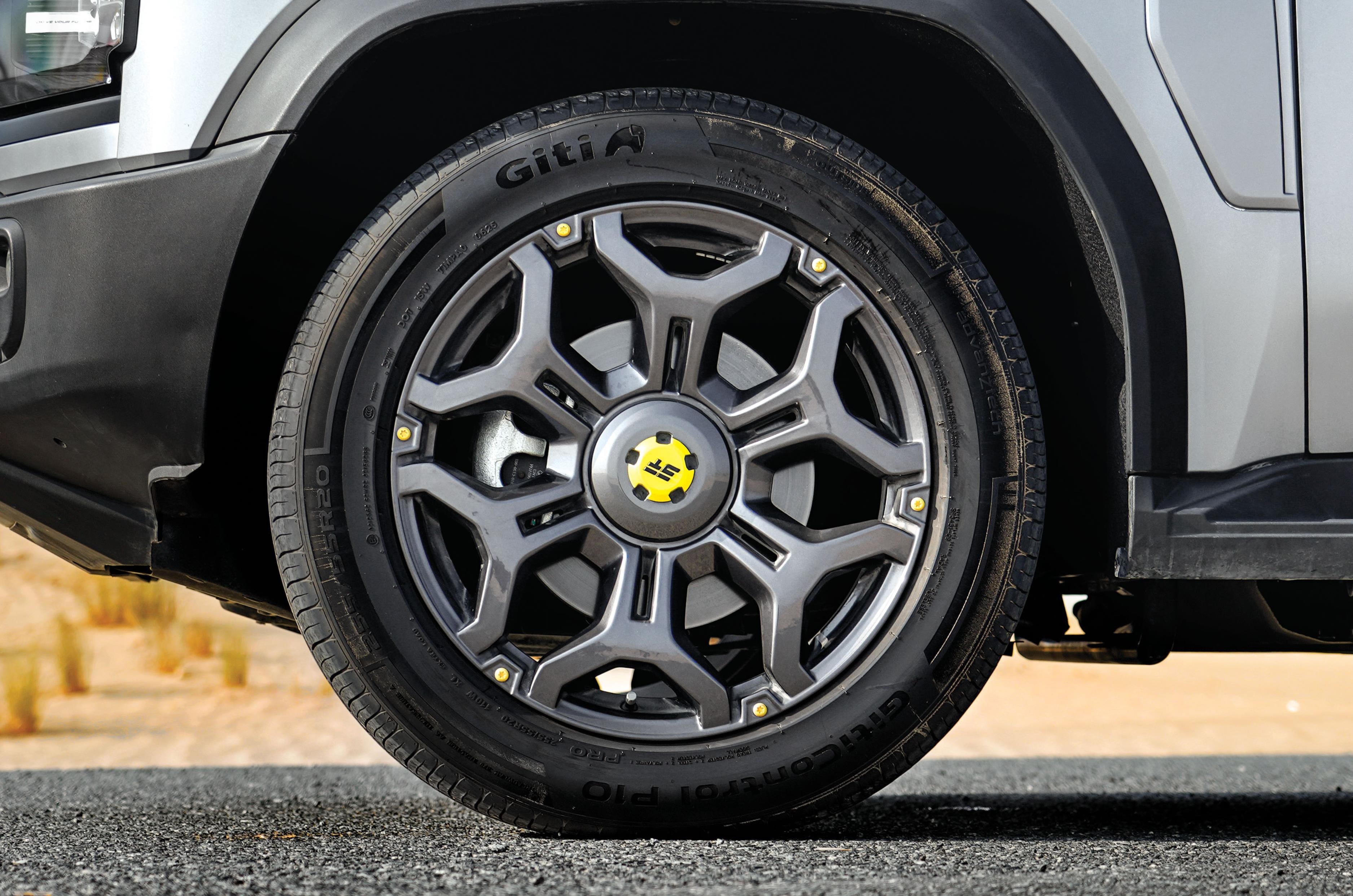
Attractive 20-inch wheels; 201mm of laden clearance.
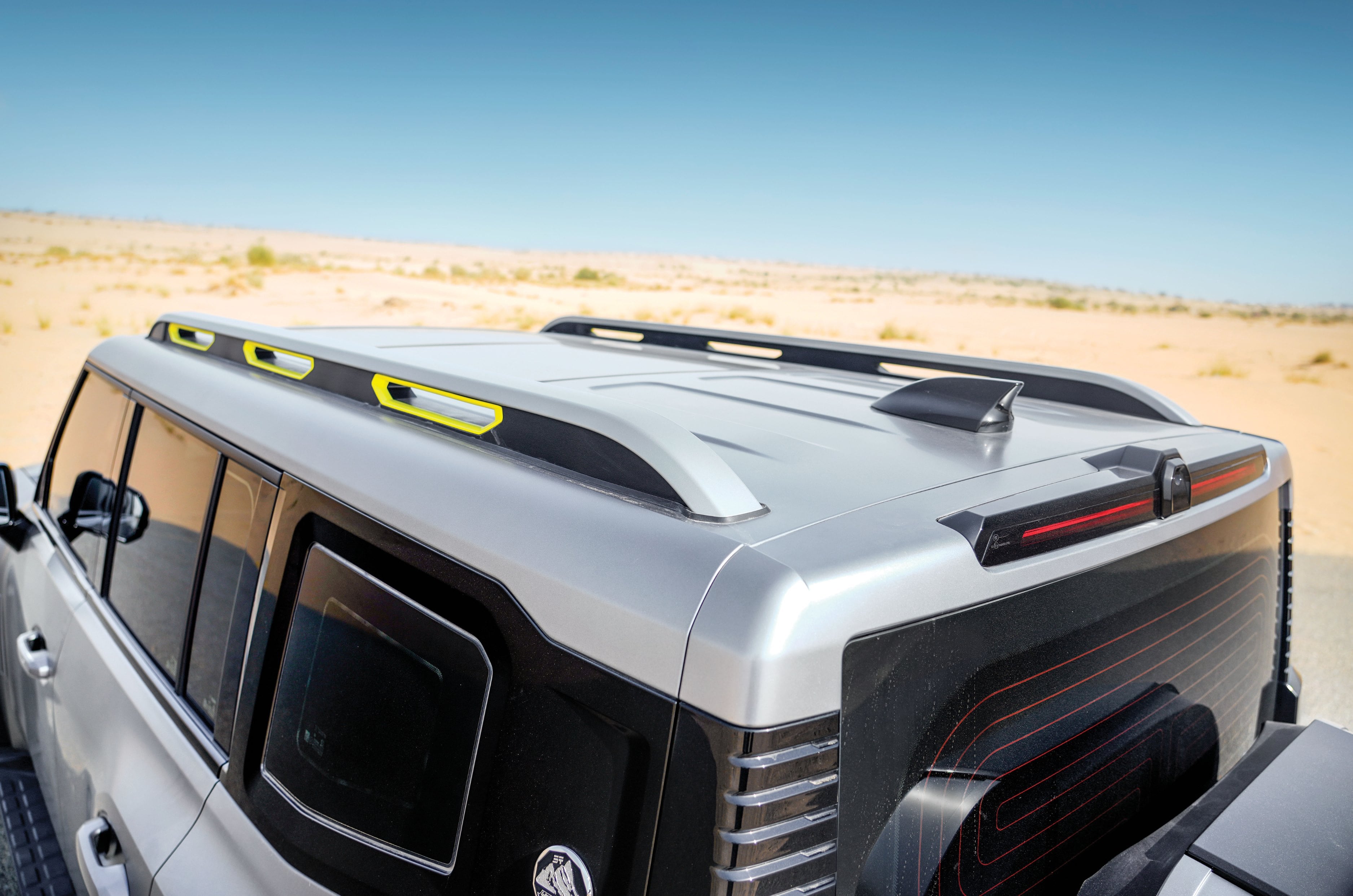
The massive 20-inch wheels suit the T2’s stance perfectly, and the clean bodywork, free of unnecessary cuts and creases, is particularly appealing. It also gets functional roof rails capable of carrying up to 100kg of luggage, while the side steps feel reassuringly sturdy and genuinely useful.
The T2’s space-saver spare wheel sits within a squircle-shaped cover, although accessing it involves a multi-step process that could prove frustrating if you ever need to change a tyre on a deserted road late at night.
Functional roof rails can take up to 100kg of load.
In terms of dimensions, it is longer (including the spare wheel), wider and taller than the Toyota Fortuner. Ground clearance, too, is an impressive 190mm in laden condition. However, don’t let its rugged appearance fool you – the version destined for India will remain front-wheel drive.
Jetour T2 Interior Space, Comfort, and Features – 8/10
Solidly built, well-designed cabin with some clever detailing and plenty of storage areas.
Climb aboard using the sturdy side step and handy grab handles, and the T2 immediately impresses with its sense of solidity. The cabin feels built to last, with numerous thoughtful design details lending it plenty of character. Nearly upright windows, a steeply raked windscreen and a dashboard pushed far forward create a tremendous sense of space, further amplified by the panoramic sunroof.
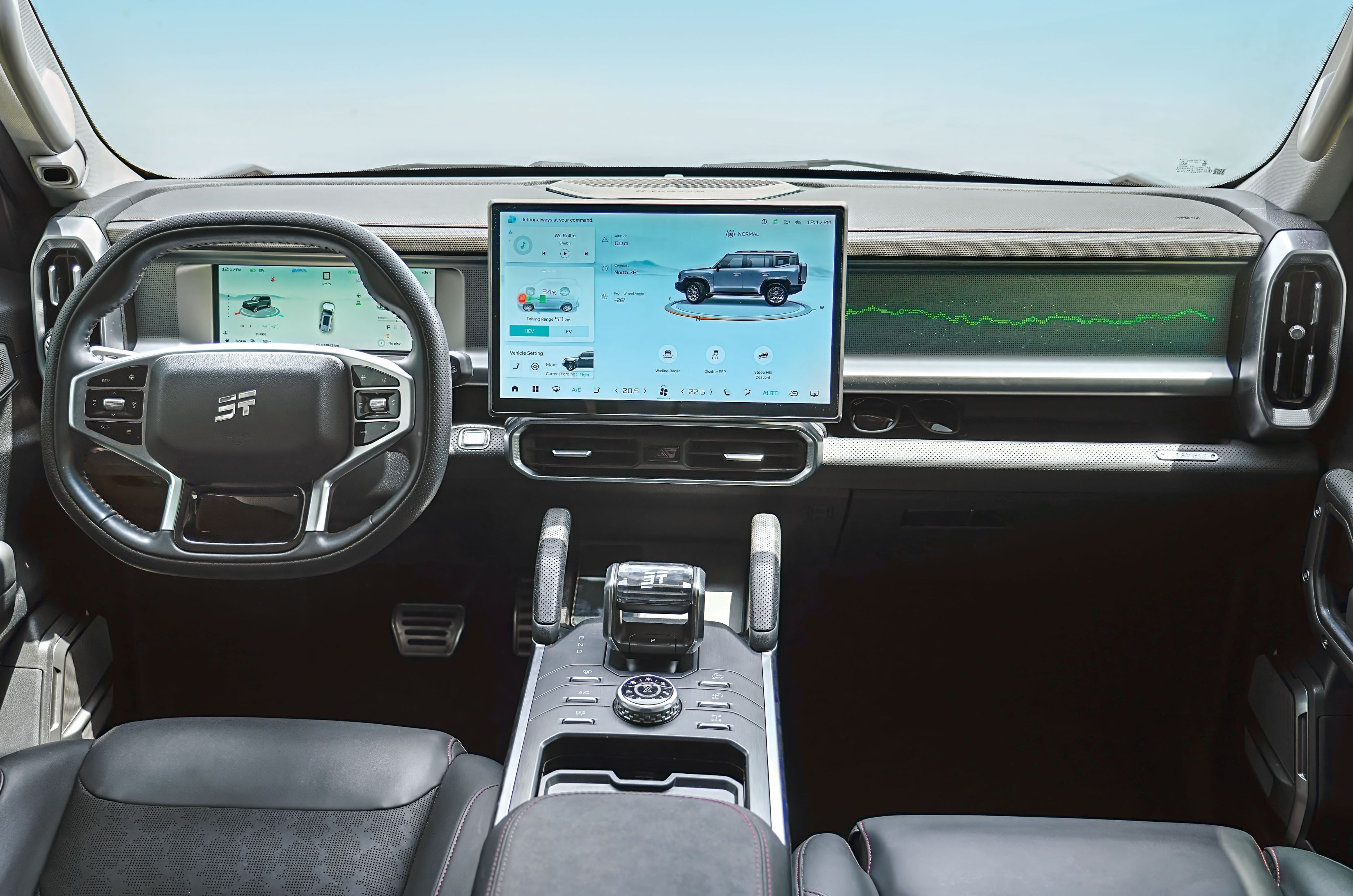
The dashboard itself has a distinctive design, with an illuminated pattern across the fascia adding a unique touch. Several layers are wrapped in dimpled leatherette padding, a theme that extends to the steering wheel and centre console.
Dominating the cabin is a massive 15.6-inch touchscreen that houses numerous vehicle functions, including mirror adjustment, climate control and seat ventilation/heating settings. Wireless Android Auto and Apple CarPlay are included, while the 12-speaker Sony audio system delivers impressive sound quality. Even the 540-degree camera system offers excellent image clarity. The downside is that the interface isn’t slick or responsive.
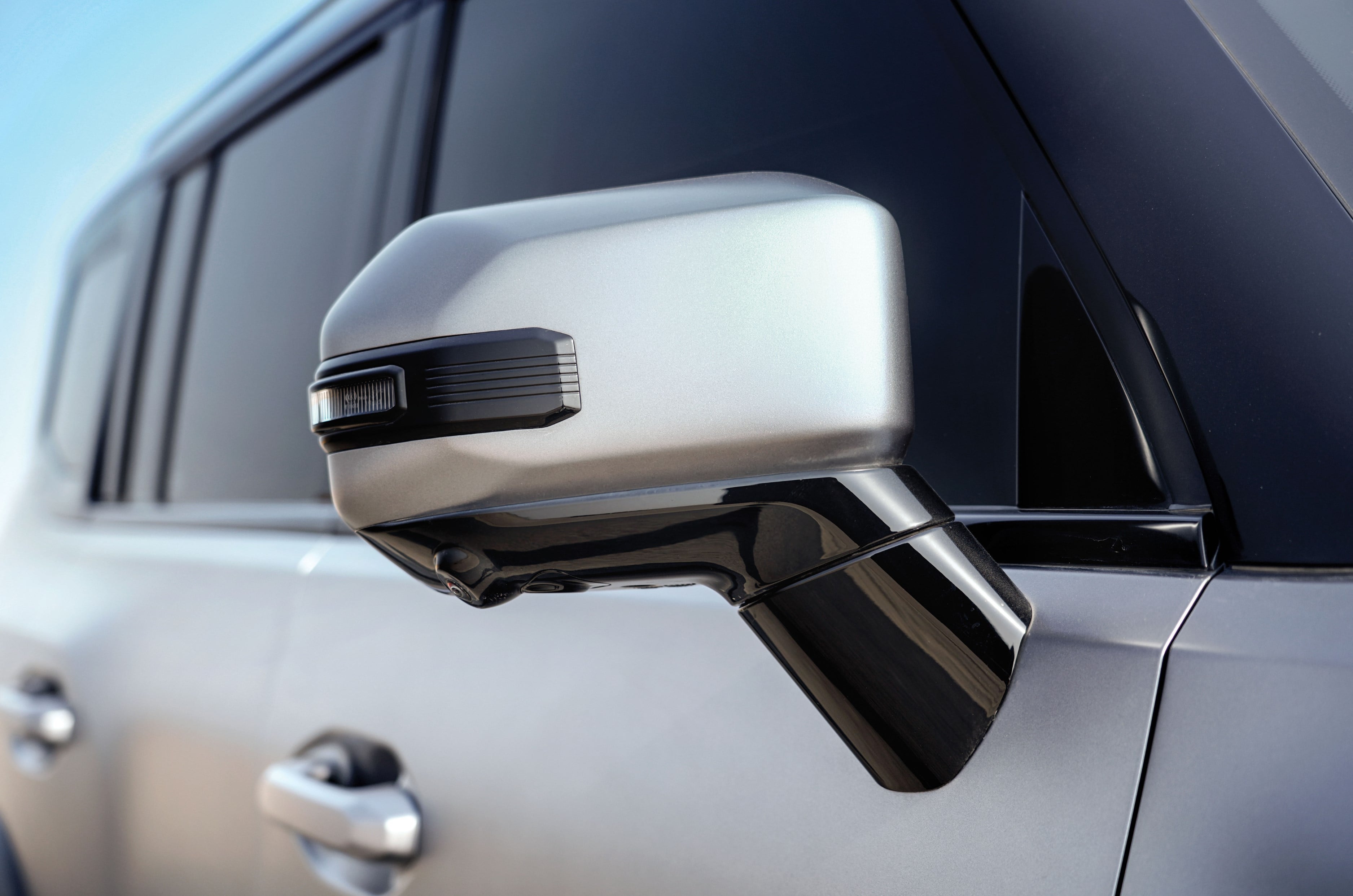
Chunky, door-mounted mirrors. Sadly, controls via touchscreen.
Ahead of the driver sits a 10.6-inch digital instrument cluster, a unit we’ve previously seen in some MG and BYD models. While it displays a wealth of information, the fonts and icons are rather small, making them difficult to read at a glance.
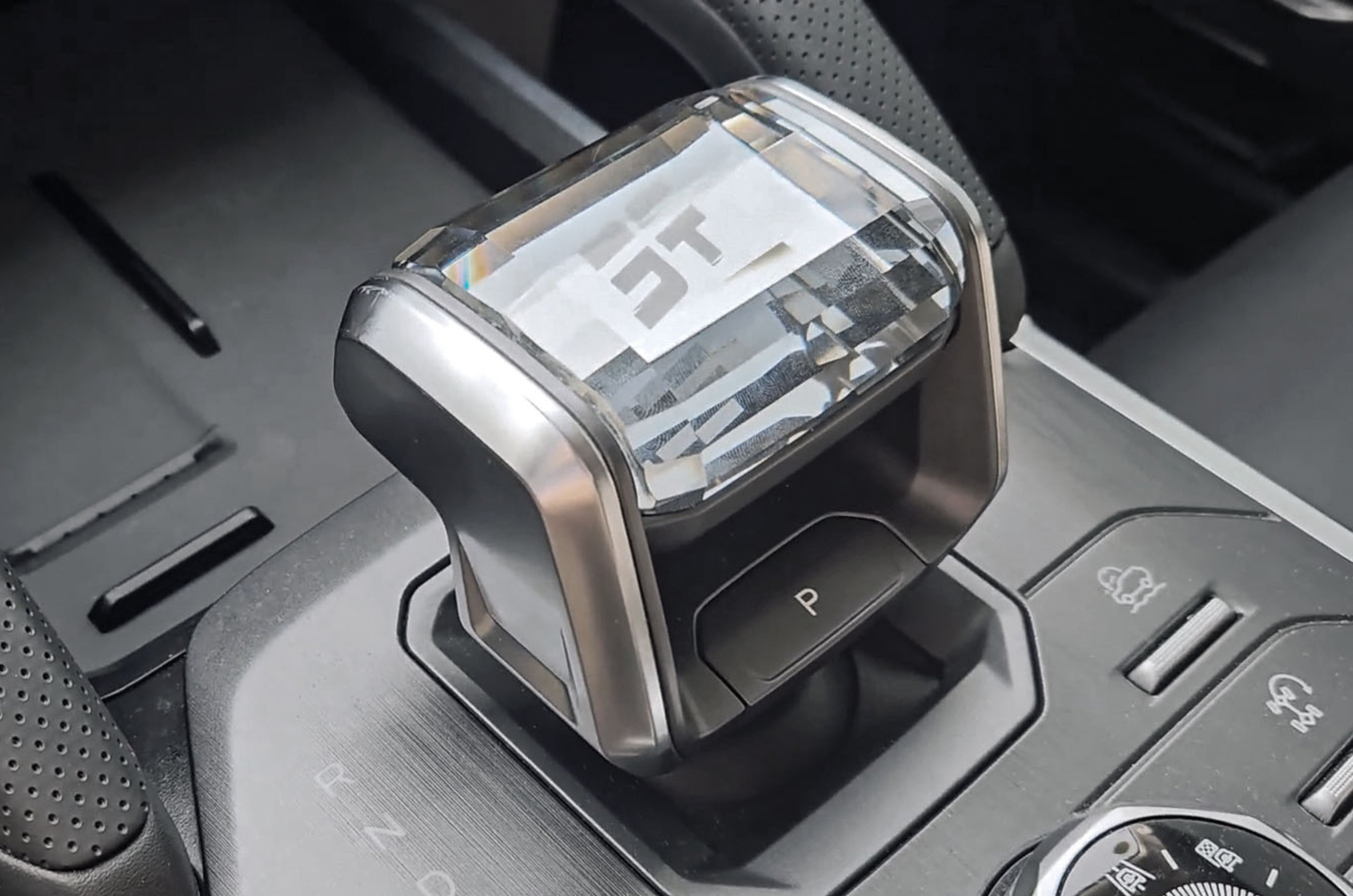
Material quality is generally impressive. The stalks and window switches feel robust and premium, while the jewel-like gear selector features an attractive diamond-cut effect. However, under harsh sunlight, it becomes highly reflective and can prove distracting. Reflections from the dashboard on the front windows are also noticeable.
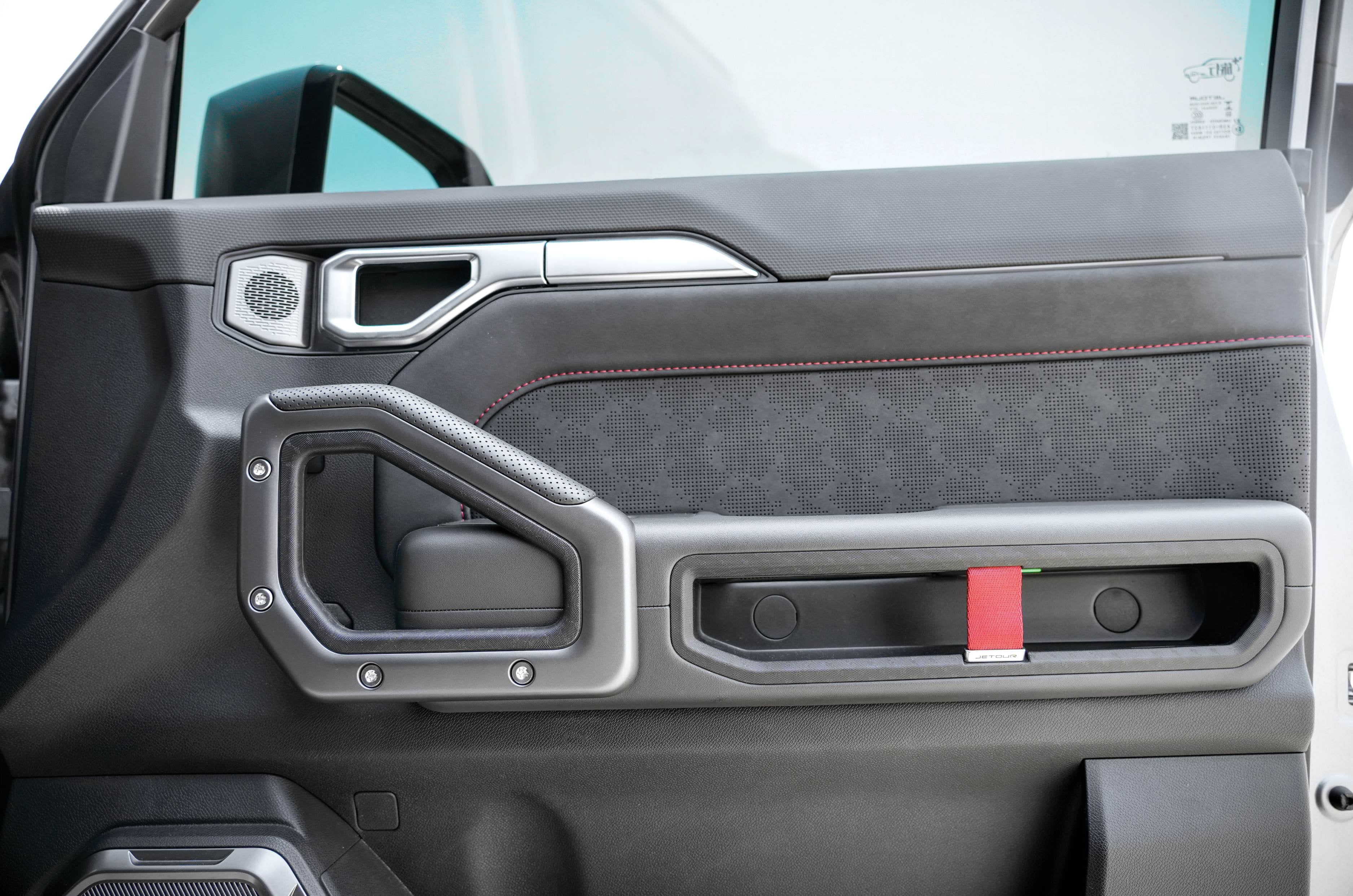
Rugged-looking door pads with nice detailing.
Notably, its dual-zone climate control struggled to cool its large cabin quickly despite the heavily tinted windows. While our test vehicle was a China-specific version, we hope the version we’re going to get in India has an upgraded air-con compressor. Its seat ventilation didn’t seem very effective either, even at its maximum setting.
Diamond-like chunky gear selector is illuminated.
The sculpted front seats, finished in black leatherette with contrasting red stitching, look suitably sporty. They provide excellent support, though the cushioning feels slightly overstuffed, and the absence of lumbar adjustment is disappointing.
Practicality is a strong point. There are large door bins, two phone storage areas (one incorporating a wireless charger), cupholders, a deep-cooled centre console, a large glovebox and even a hidden storage tray beneath the front seat.
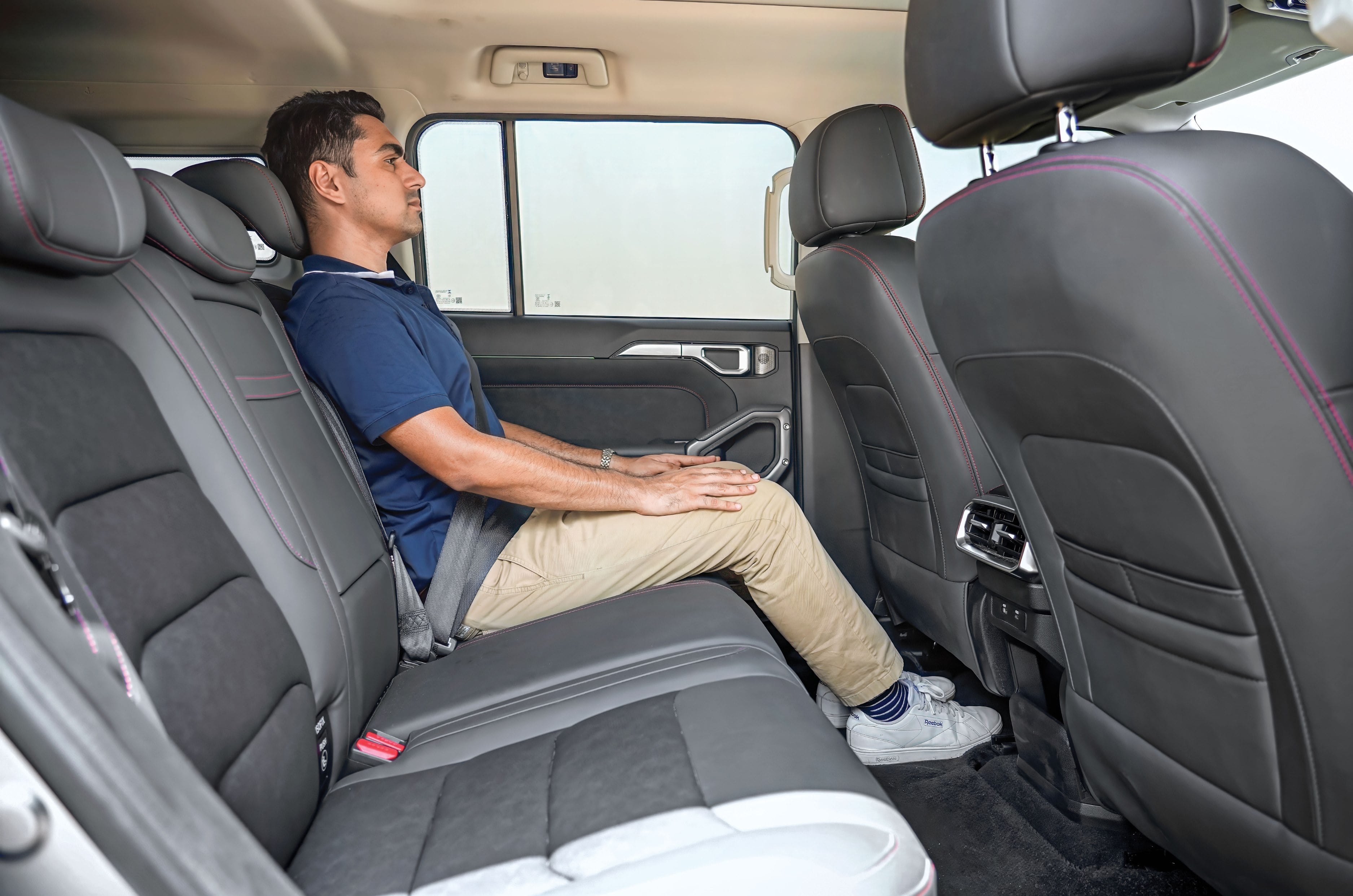
Albeit a bit low-set, rear seat is spacious. Flat floor, wide bench make it comfy for three adults.
The rear seat is equally spacious. A wide bench and completely flat floor make it comfortable for three adults, while the boxy cabin ensures generous headroom and overall space. The seat base is positioned slightly low, but comfort levels remain good.
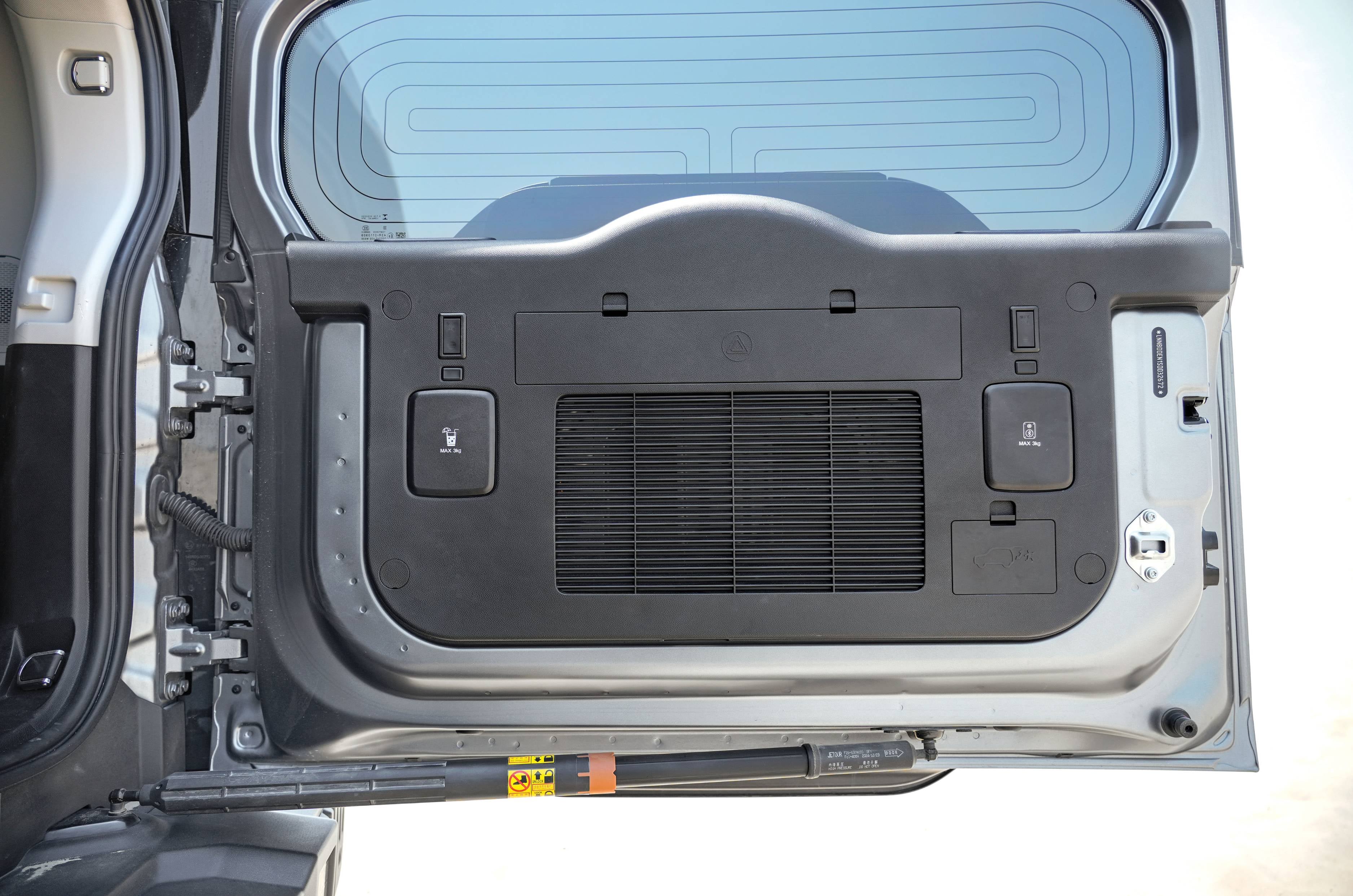
Cupholders, luggage hooks, bottle opener on its tailgate.
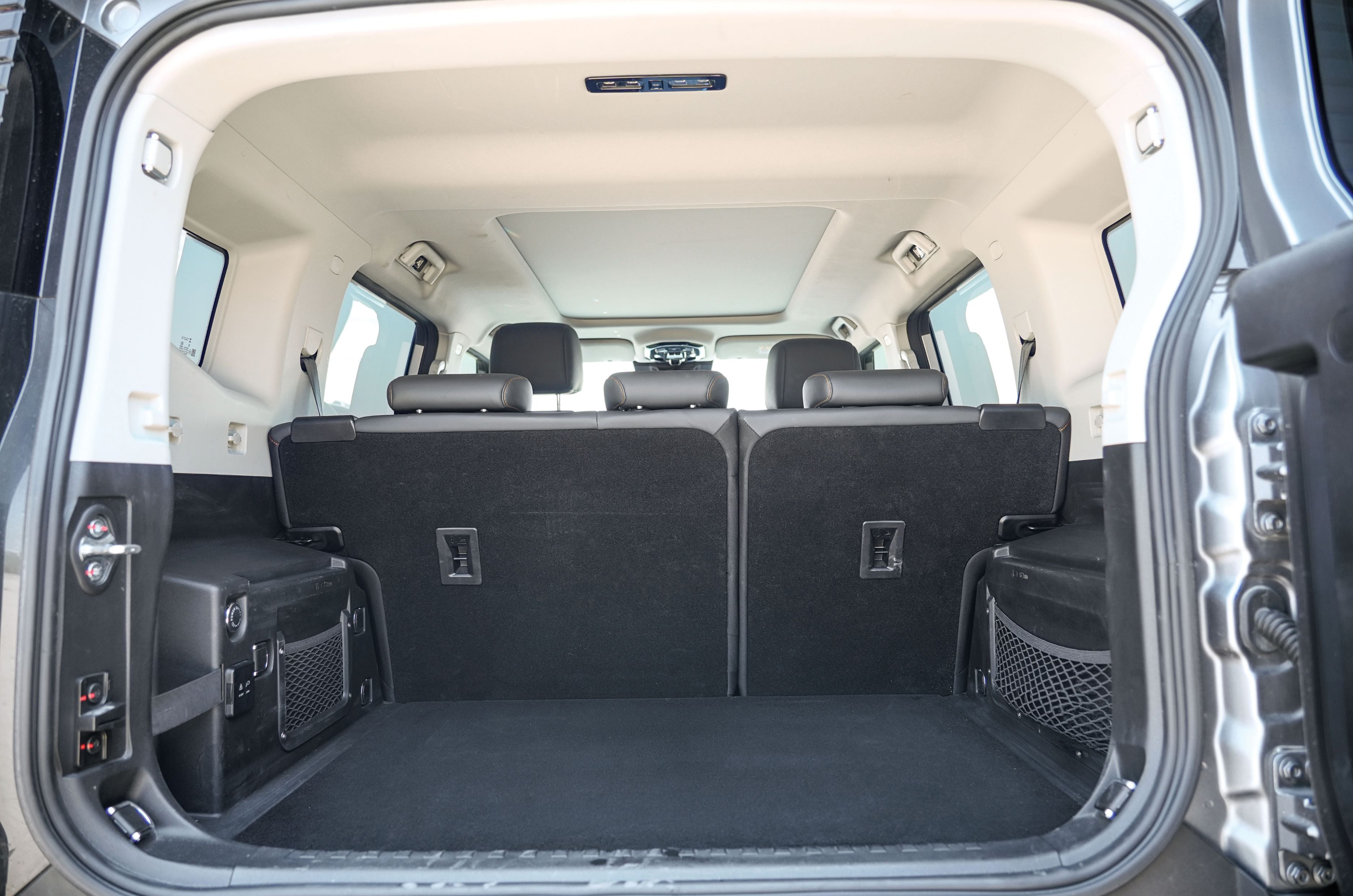
The side-hinged tailgate opens to reveal a cavernous 580-litre boot. Despite carrying the spare wheel, the tailgate itself requires surprisingly little effort to open. Thoughtful touches include a locking mechanism that prevents it from swinging shut unexpectedly, and there are cupholders, luggage hooks and even a bottle opener integrated into the inner panel. The boot area also features clever luggage nets and charging provisions, while a soft-close function further enhances convenience.
Humongous 580L boot. 60:40 rear seat split for added flexibility.
Besides the features already mentioned, it gets one-touch-down power windows, powered front seats with memory, LED lights all around, ambient lighting, a frameless inside mirror, autonomous emergency braking, lane-assist, adaptive cruise control, blind-spot monitoring, front and rear cross-traffic alert, six airbags, hill-start assist, hill descent control and ESP, to name a few more.
Jetour T2 Performance, Refinement and Efficiency- 8/10
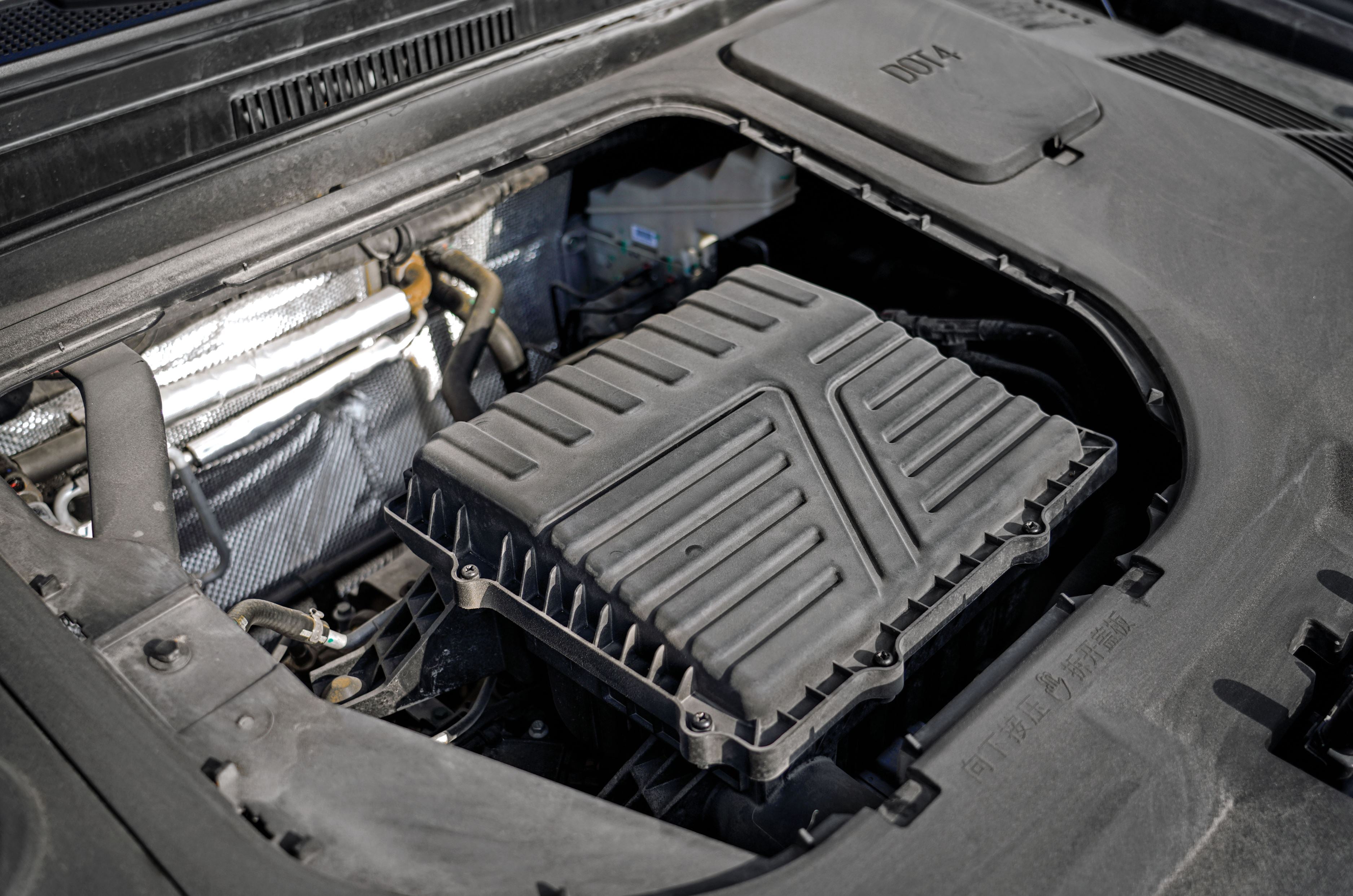
The T2 version we’re driving today is a plug-in hybrid, which combines a 156hp/220Nm 1.5-litre direct-injection turbo-petrol engine, a 43.24kWh LFP battery pack, and three electric motors. Together, the three motors produce 462hp and 700Nm of torque, with power sent to all four wheels. India will also see the plug-in tech, but in front-wheel-drive guise only, with two electric motors instead of three and a smaller 18.4kWh battery.
Powered by a 1.5 turbo along with 3 electric motors.
While the engineering sounds complex, the driving experience is refreshingly straightforward. The four-cylinder engine is refined, although when it operates primarily as a generator to charge the battery, a faint and distant hum does filter into the cabin.
The SUV can be driven either in pure EV mode or in hybrid mode. In EV mode, Jetour claims a range of up to 211km, and performance feels smooth and relaxed rather than outright brisk. Switch to hybrid mode, and the system automatically alternates between EV operation and combined petrol-electric drive, depending on throttle inputs, road conditions and battery charge levels, among other factors.
In this mode, performance feels remarkably effortless, with the T2 gathering speed with surprising urgency as speeds rise. Under full throttle, acceleration is initially measured up to around 40kph, after which there is a noticeable surge in performance as the powertrain delivers a much stronger pull.
Multiple drive modes are available, including Eco, Normal and Sport. In both Normal and Sport, we noticed the vehicle continuing to accelerate momentarily even after lifting off the throttle, which can feel unnerving. Throttle response in these modes is also a touch too aggressive. Eco mode offers a more natural and polished throttle calibration.
In our testing conducted in 40-degree heat, the T2 accelerated from 0-100kph in just 6.35 seconds in its sportiest setting – quick for its size. Flat out, it will reach a claimed top speed of 200kph.
The T2 also offers three levels of regenerative braking. Impressively, all three feel natural in operation, bringing the SUV down to a crawl smoothly and predictably. The brake pedal itself inspires confidence, with the transition between regenerative and friction braking being almost imperceptible.
Jetour T2 Ride Comfort and Handling – 6/10
Soft suspension and tall ride height mean driving dynamics aren’t anything to write home about.
The T2 rides on MacPherson struts at the front and a multi-link independent rear suspension setup. Its suspension tuning leans towards comfort, but this results in a degree of bounce over speed breakers and undulating surfaces.
The chunky, high-profile tyres do an excellent job of smothering smaller imperfections, while the 201mm laden ground clearance provides ample confidence over rough roads. At higher speeds, however, the ride never feels quite as settled or composed. One positive is that it remains well controlled under heavy braking, resisting excessive pitch.
Dynamic prowess is clearly not the priority here. The tall body exhibits a fair amount of roll, noticeable during quick lane changes. Push harder through a series of bends, and this two-tonner T2 understeers quite readily. Combined with its light and somewhat disconnected steering, it is clear that this SUV prefers a more relaxed driving style.
A light steering, smooth hybrid and excellent visibility make it surprisingly easy to drive.
Driven at a gentler pace, the T2 proves extremely easy to live with. The steering offers three weight settings, though it feels best in its lightest mode. Combined with excellent visibility and a smooth, responsive hybrid powertrain, it makes piloting this large SUV remarkably effortless.
Jetour T2 Should You Buy Now or Wait – 8/10
The Jetour T2 plug-in hybrid appears to have all the ingredients needed to establish the JSW brand in India and perhaps even challenge the Toyota Fortuner, despite offering only five seats. It is spacious and practical, it is expected to come loaded with technology and features, and its rugged styling gives it immense road presence and desirability.
The plug-in hybrid powertrain adds further unique appeal, offering the flexibility of pure EV driving and an impressive mileage figure with the hybrid tech. Better still, the system is smooth, refined and delivers strong performance.
It’s larger than a Fortuner, looks imposing, and stays true to the SUV formula.
Yes, it is not without flaws. The touchscreen experience and throttle calibration need refinement, the air-conditioning needs to be more effective, and the ride and handling would benefit from further fine-tuning for Indian conditions. These are areas we hope JSW addresses before launch.
On the whole then, the T2 is certainly ready for combat. Will it win, though, will also depend on JSW pulling off an aggressive pricing strategy and, importantly, backing it up with a reliable ownership and service experience too. That latter is why Toyota rules the roost. The battle lines, then, are drawn.
कर्नाटक के बंटवाल के बीसी रोड पर सुबह का नजारा इन दिनों लोगों का ध्यान खींच रहा है। सड़क किनारे एक महंगी टोयोटा फॉर्च्यूनर आकर रुकती है। दरवाजा खुलता है और उससे एक सफाईकर्मी उतरता है। कुछ ही पलों में वह हाथ में झाड़ू लेकर अपनी रोज की ड्यूटी में जुट जाता है। सोशल मीडिया पर इस तस्वीर और इससे जुड़े वीडियो ने खूब चर्चा बटोरी। लेकिन इस कहानी का असली आकर्षण फॉर्च्यूनर नहीं, बल्कि उस शख्स का सफर है, जो कभी सिर्फ 50 रुपये रोज की मजदूरी पर परिवार चलाता था।
तीसरी कक्षा तक पढ़ाई और 50 रुपये की कमाई
नवूर निवासी सेसप्पन्ना ने 1996 में बंटवाल नगर निकाय में काम शुरू किया था। उस वक्त उन्होंने केवल तीसरी कक्षा तक पढ़ाई की थी और उन्हें रोजाना 50 रुपये मजदूरी मिलती थी। आर्थिक तंगी का आलम यह था कि कई बार परिवार के लिए पर्याप्त खाना जुटाना भी मुश्किल हो जाता था। जिंदगी अभावों के बीच गुजर रही थी और आगे का रास्ता भी साफ नजर नहीं आता था।
2005 में आया जिंदगी बदलने वाला मोड़
सेसप्पन्ना की जिंदगी में साल 2005 एक अहम मोड़ लेकर आया। उस समय बंटवाल थाने में सब-इंस्पेक्टर रहे के. यू. बेलियप्पा ने उन्हें शराब छोड़ने और अपने काम व परिवार पर ध्यान देने की सलाह दी। सेसप्पन्ना ने इस सलाह को अपनी जिंदगी का हिस्सा बना लिया। उन्होंने शराब छोड़ दी और परिवार की जिम्मेदारियों के साथ अपने काम पर ध्यान केंद्रित करना शुरू किया। यहीं से उनकी जिंदगी धीरे-धीरे बदलने लगी।
झाड़ू से लेकर कचरा वाहन चलाने तक
समय के साथ उनकी नगर निकाय की नौकरी स्थायी हो गई। काम भी केवल सड़कों की सफाई तक सीमित नहीं रहा। जरूरत पड़ने पर वह नगर निकाय का कचरा निपटाने वाला वाहन चलाते और दूसरी जिम्मेदारियां भी संभालते। आमतौर पर उनकी ड्यूटी सुबह करीब 5 बजे शुरू होती और दोपहर तक चलती। नगर निकाय की ड्यूटी खत्म होने के बाद भी उनका दिन खत्म नहीं होता था। परिवार की आर्थिक स्थिति मजबूत करने के लिए वह अतिरिक्त काम और कमाई के दूसरे रास्ते तलाशते रहे।
मारुति 800 से शुरू हुआ कारों का सफर
आज भले ही उनकी फॉर्च्यूनर सुर्खियों में हो, लेकिन कार खरीदने का उनका शौक नया नहीं है। उन्होंने अलग-अलग समय पर मारुति 800, ओमनी, ऑल्टो, रिट्ज और स्कॉर्पियो जैसी गाड़ियां खरीदीं। पुरानी गाड़ी बेचकर और जरूरत पड़ने पर कर्ज लेकर वह धीरे-धीरे अगली गाड़ी तक पहुंचते गए। हाल में उन्होंने अपनी ऑल्टो और स्कॉर्पियो बेचकर तथा कुछ रकम उधार लेकर सेकेंड हैंड फॉर्च्यूनर खरीदी।
सबसे मुश्किल दिन: पिता के अंतिम संस्कार के लिए भी पैसे नहीं थे
सेसप्पन्ना की जिंदगी में एक ऐसा दौर भी आया, जब उनके पास अपने पिता के अंतिम संस्कार तक के लिए पर्याप्त पैसे नहीं थे। हालात इतने कठिन थे कि उन्होंने अपने पिता का शव खुद उठाकर नेत्रावती नदी के किनारे पहुंचाया और अंतिम संस्कार किया। यह घटना उनकी जिंदगी की सबसे कड़वी यादों में से एक रही। शायद यही वजह है कि आज वह अपने परिवार के लिए आर्थिक सुरक्षा और बेहतर भविष्य बनाने को सबसे ज्यादा महत्व देते हैं।
आज सेसप्पन्ना अपनी पत्नी, दो बेटियों और बेटे के साथ रहते हैं। फॉर्च्यूनर खरीदना उनके सफर का एक पड़ाव जरूर है, लेकिन उनकी नजर अब इससे आगे है। वह अपने परिवार के लिए नया घर बनाने की तैयारी में हैं एक ऐसा घर, जहां उनके बच्चों को उन आर्थिक परेशानियों का सामना न करना पड़े, जिनसे उन्होंने खुद जिंदगी भर संघर्ष किया।
फॉर्च्यूनर बदली, काम नहीं
सोशल मीडिया पर उनकी फॉर्च्यूनर चर्चा का विषय जरूर बन गई, लेकिन सेसप्पन्ना के लिए उनकी नौकरी आज भी उतनी ही महत्वपूर्ण है। वह महंगी गाड़ी से काम पर आएं या किसी साधारण वाहन से, ड्यूटी पर पहुंचने के बाद कहानी वही रहती है गाड़ी खड़ी होती है, हाथ में झाड़ू आती है और वह अपने काम में जुट जाते हैं।
JSW Group’s homegrown automotive company, JSW Motors, will christen its debut model the “Combat,” we can exclusively report. The plug-in hybrid SUV will be based on the Chery Jetour T2, and is expected to launch in India during this festive season.
JSW Combat price expectation
We understand that JSW Motors is keen to price the Combat aggressively, possibly in the Rs 30 lakh-50 lakh (ex-showroom) range. The Combat would be the first 5-seater plug-in hybrid SUV in that range, and its closest rival would be the strong-hybrid Honda ZR-V. However, the rugged trappings of the Combat could also make it a worthwhile alternative to the venerable Toyota Fortuner, which is one of the most popular SUVs in this price band.
JSW Combat exterior and interior
The Combat is anticipated to retain the styling of the Jetour T2, albeit with subtle changes to the headlamps, grille, and bumpers, as well as JSW badging. It features boxy, upright proportions with squarish LED headlamps, chunky bumpers, generous cladding, 20-inch alloy wheels, roof rails, vertically oriented LED tail-lamps, and a bootlid-mounted spare wheel in a squircle-shaped cover.
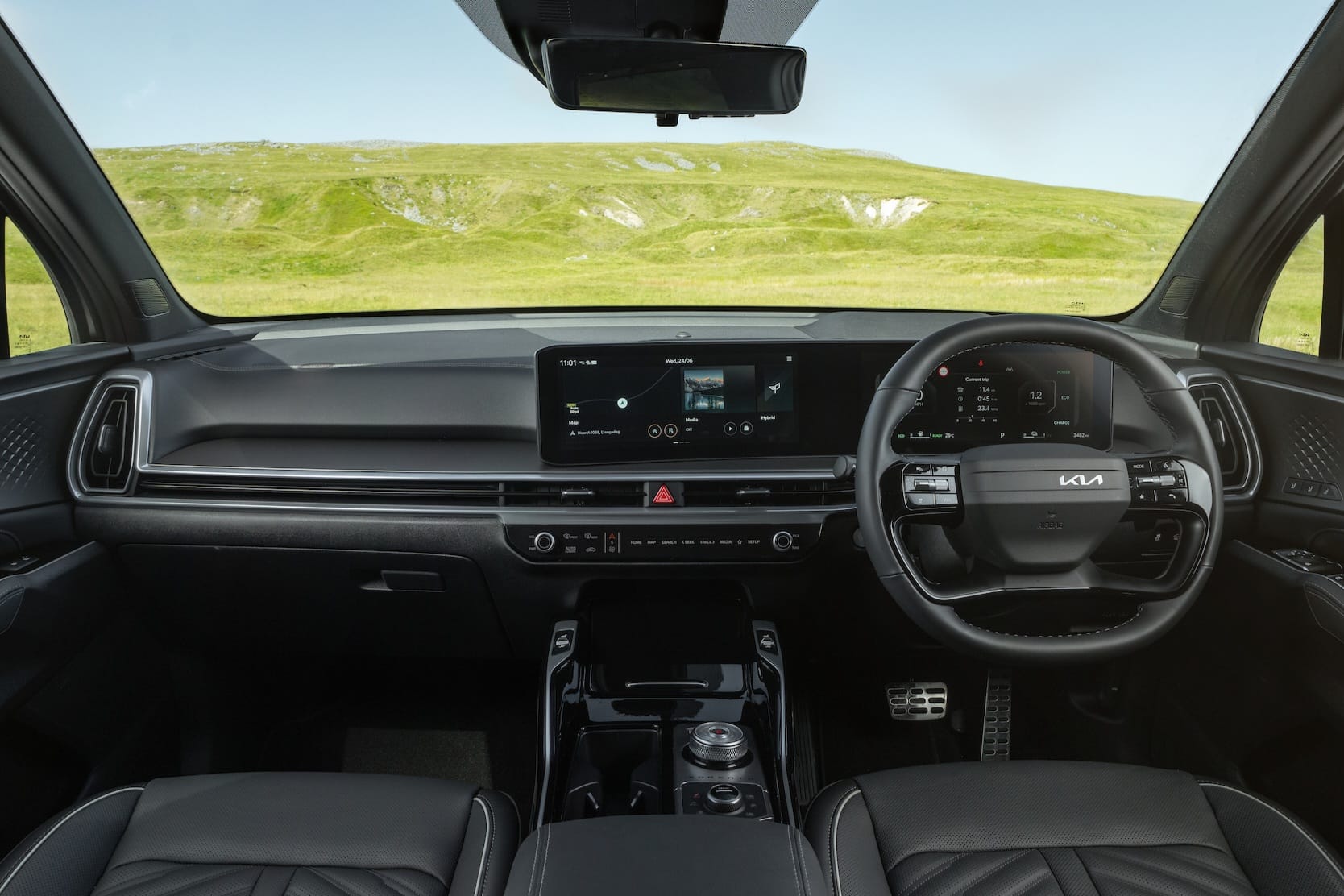
Inside, the Combat will get a clean dashboard layout with a 15.6-inch infotainment touchscreen, a 10.6-inch digital driver’s display, and a four-spoke steering wheel (bearing JSW branding). As for features, the global-spec Jetour T2 packs a 12-speaker sound system, wireless Apple CarPlay and Android Auto, a panoramic sunroof, a 540-degree camera (360 degrees + underfloor view), powered and ventilated front seats, ambient lighting, adaptive cruise control, and more. Expect the JSW Combat to largely match this features list.
JSW Combat powertrain details
As noted previously, the Combat will get a plug-in hybrid powertrain that is likely to use a 1.5-litre direct-injection turbo-petrol engine working in tandem with two electric motors and an 18.4kWh battery. In the global-spec T2, this powertrain outputs a combined 360hp and 610Nm, which is routed to the front wheels via a 3-speed dedicated hybrid transmission. While the T2 is available in front-wheel drive and all-wheel drive guises globally, the Combat is expected to sport the former layout only.
The 18.4kWh battery delivers an NEDC-claimed all-electric range of 90km in the T2, and it can be charged from 30-100 percent in around 3 hours using a 6.6kW AC charger, and from 30-80 percent in 27 minutes using a 50kW DC outlet. Combined driving range is rated at 1,200km. The JSW Combat’s powertrain specifications are likely to be quite similar to those of this T2 spec.
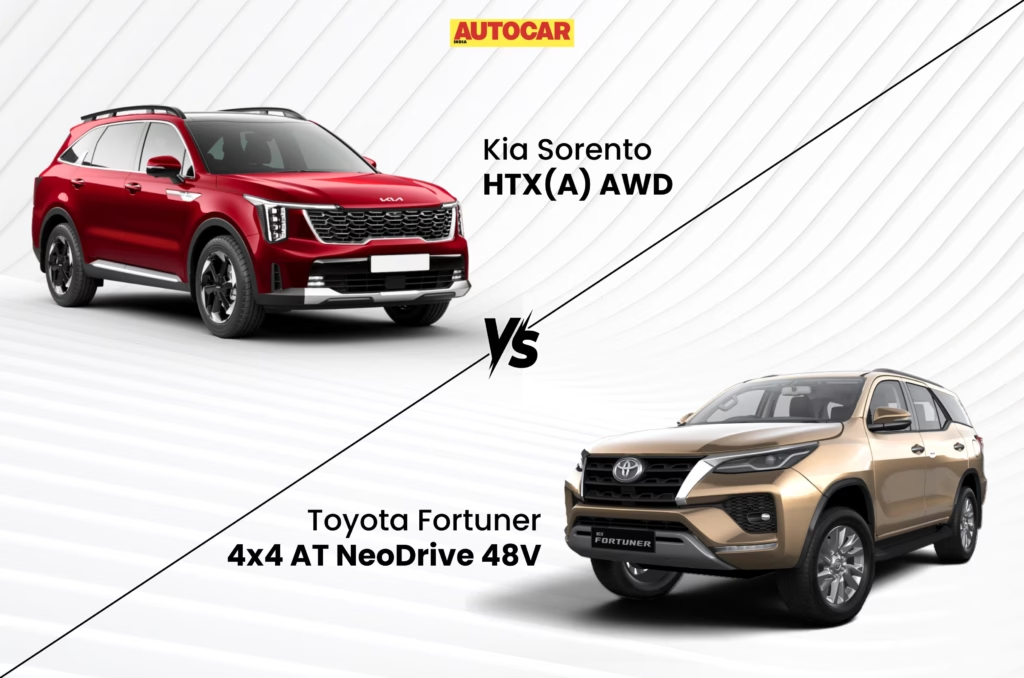
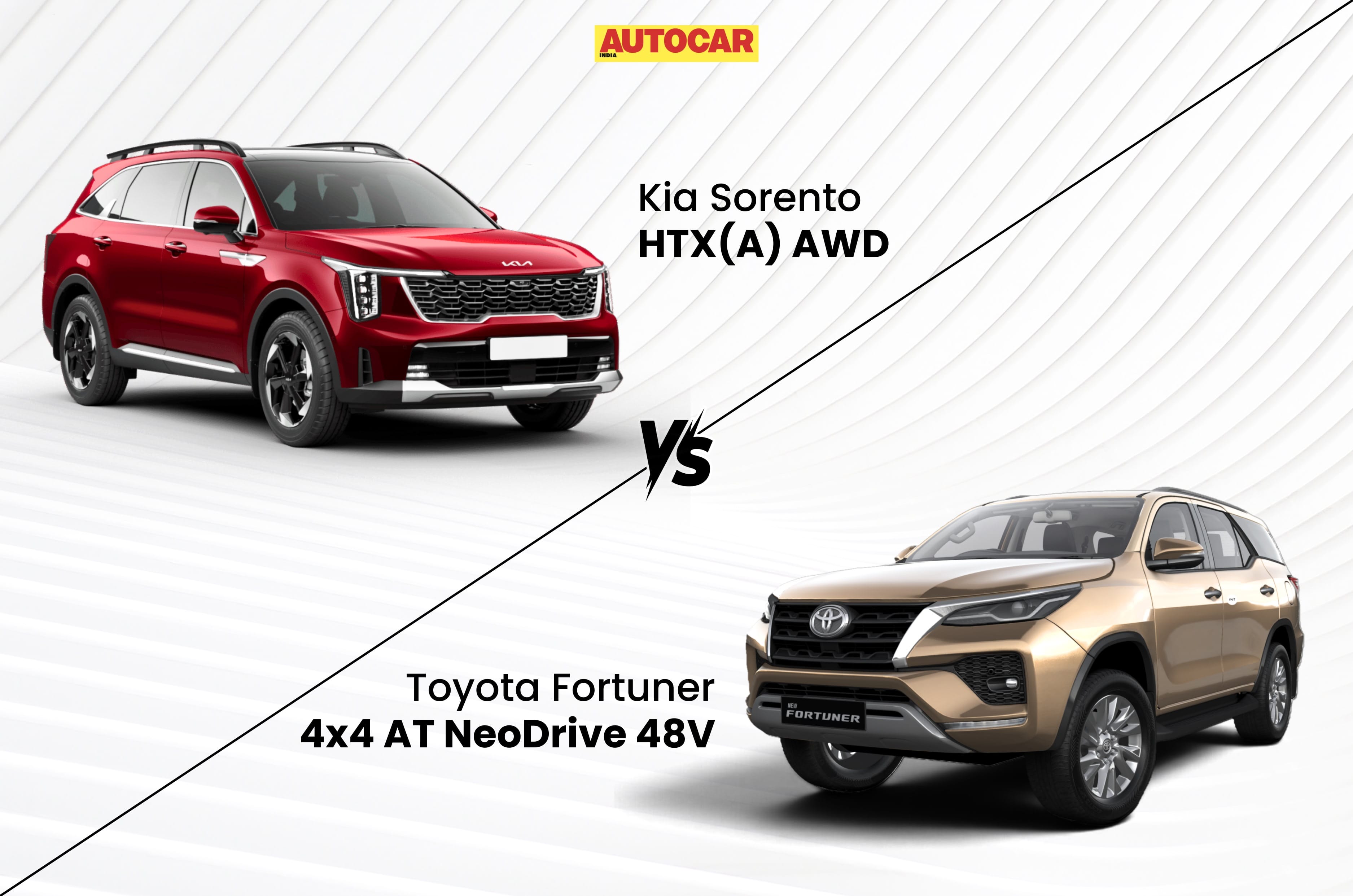
The Kia Sorento is now on sale in India as the Korean carmaker’s flagship ICE-powered SUV. It contends in the three-row premium SUV segment, directly rivalling the likes of the monocoque-based Skoda Kodiaq, Volkswagen Tayron, and Jeep Meridian. Additionally, the Sorento’s pricing overlaps with that of the ladder-frame-based Toyota Fortuner, which is one of the most popular SUVs in the Rs 30 lakh-50 lakh price bracket.
While the Fortuner isn’t as up-to-date or premium as the Sorento is, the Toyota SUV has accrued a reputation for toughness, reliability, and off-road prowess. Below, we’ve put together the top-spec diesel variants of the Sorento and Fortuner – the HTX(A) and 4×4 AT NeoDrive 48V, respectively – to see which one delivers more bang for your buck.
Kia Sorento vs Toyota Fortuner: Top-spec variant dimensions
Sorento is longer and wider, while Fortuner is taller
Sorento HTX(A)
Fortuner 4×4 AT NeoDrive 48V
Length (mm)
4,815
4,795
Width (mm)
1,900
1,855
Height (mm)
1,785
1,835
Wheelbase (mm)
2,815
2,745
Seating capacity
6/7
7
Wheel size (inches)
19
18
The Sorento is just 20mm longer than the Fortuner overall, but the Kia SUV’s wheelbase is 70mm longer. It’s also 5mm wider than the Fortuner, comes with larger wheels, and even offers a 6-seat layout with second-row captain’s chairs. However, the Fortuner does claw back some points on the height front, sitting 50mm taller than the Sorento.
Kia Sorento vs Toyota Fortuner: Top-spec diesel variant powertrains
Syros EV is quicker, e Vitara claims higher range and has a bigger battery
Sorento HTX(A)
Fortuner 4×4 AT NeoDrive 48V
Engine
2.2-litre, 4 cyls
2.8-litre, 4 cyls
Power (hp)
193
204
Torque (Nm)
442
500
Gearbox
8-speed DCT
6-speed AT
Mild hybrid system
No
Yes, 48V
Drive layout
FWD, AWD
AWD
The Fortuner undoubtedly has a larger and more powerful diesel engine than that of the Sorento, that too paired with a 48-volt mild hybrid system for functions like torque assist under load, engine start/stop, and brake energy recuperation. On the other hand, the Sorento comes with an 8-speed gearbox instead of a 6-speed one, which could enable better fuel efficiency on the highway. The top-spec Sorento diesel variant also offers a front-wheel drive layout for buyers who don’t need the enhanced go-anywhere capabilities afforded by all-wheel drive.
Kia Sorento vs Toyota Fortuner: Top-spec diesel variant exterior features
Sorento offers sequential indicators and more colours, while Fortuner gets more lighting
Sorento HTX(A)
Fortuner 4×4 AT NeoDrive 48V
LED auto headlamps
Yes
Yes
Front LED fog lamps
Yes
Yes
Rear fog lamps
No
Yes
LED tail-lamps
Yes
Yes
Puddle lamps
No
Yes
Roof rails
Yes
Yes
Powered ORVMs
Yes
Yes
Sequential indicators
Yes
No
Powered tailgate
Yes
Yes
Rear spoiler
Yes
Yes
Colour options
8, monotone
5, monotone
In this department, both SUVs are fairly well matched. The Sorento is uniquely equipped with sequential indicators, while the Fortuner is the only one here to offer rear fog lamps and puddle lamps. As for colour options, both are sold in monotone finishes only, with the Sorento offering two more than the Fortuner does.
Kia Sorento vs Toyota Fortuner: Top-spec diesel variant interior features
Sorento easily takes the win here
Sorento HTX(A)
Fortuner 4×4 AT NeoDrive 48V
Infotainment screen
12.3-inch
8-inch
Instrument cluster
12.3-inch digital
Analogue w/ MID
Heads-up display
Yes
No
Sunroof
Panoramic
No
Wireless charger
Yes
No*
Powered front seats
Yes
Yes
Ventilated front seats
Yes
Yes
Second-row ventilation
Yes
No
Dual-zone climate control
Yes
Yes
Ambient lighting
Yes
No
Sound system
12-speaker Bose
11-speaker JBL
Apple CarPlay & Android Auto
Wireless
Wired
Connected car tech
Yes
Yes
IRVM
Digital
Auto-dimming
Rear centre armrest
Yes
Yes
Sliding, reclining rear seats
Yes
Yes
*Available as an optional accessory.
The Sorento is majorly ahead of the Fortuner in terms of creature comforts. The Kia SUV has larger screens, a big sunroof, more speakers, wireless phone connectivity, rear-seat ventilation, ambient lighting, a fully digital IRVM, and more.
Kia Sorento vs Toyota Fortuner: Top-spec diesel variant driving features
Sorento gets more drive modes, adaptive cruise control, and auto park assist
Sorento HTX(A)
Fortuner 4×4 AT NeoDrive 48V
Drive modes
4
3
Terrain modes
3
6
Auto park assist
Yes
No
Paddle shifters
Yes
Yes
Cruise control
Adaptive
Yes
While the Sorento gets one additional drive mode (Eco, Sport, Smart, Normal) over the Fortuner (Eco, Normal, Sport), the latter signals its off-road focus by offering two more terrain modes (Mud, Sand, Rock, Dirt, Deep Snow) than the Kia SUV (Snow, Mud, Sand) does. However, the Sorento ups the convenience ante by including a smart park assist function, as well as adaptive cruise control, which can automatically adjust the car’s speed.
Kia Sorento vs Toyota Fortuner: Top-spec diesel variant safety features
Sorento packs several more safety features than the Fortuner does
Sorento HTX(A)
Fortuner 4×4 AT NeoDrive 48V
ADAS
Yes
No
Airbags
10
7
ABS w/ EBD
Yes
Yes
ESC
Yes
Yes
Hill hold control
Yes
Yes
TPMS
Yes
No*
360-degree camera
Yes
No*
Parking sensors
Front, rear, side
Front, rear
Built-in dashcams
Yes
No
Electronic parking brake
Yes
No
Rain-sensing wipers
Yes
No
ISOFIX child seat anchors
Yes
Yes
Disc brakes
Front, rear
Front, rear
*Available as an optional accessory.
Much like interior features, it’s a square win for the Sorento on the safety front. It not only packs side parking sensors and three more airbags over the Fortuner, but gets features completely missing from the Toyota SUV, like Level 2+ ADAS, rain-sensing wipers, an electronic parking brake with auto-hold, a tyre pressure monitoring system, a 360-degree camera, built-in dual-channel dashcam, and more.
Kia Sorento vs Toyota Fortuner: Top-spec diesel variant prices
Sorento is more affordable despite all the additional features
Sorento HTX(A)
Fortuner 4×4 AT NeoDrive 48V
Price (Rs, lakh)
38.49-38.69
43.12
Not only is the top-spec Sorento diesel much more feature-packed than the Fortuner, it’s cheaper by around Rs 4.5 lakh as well. The Fortuner is nearly a decade old, and it shows when compared to a more modern car like the Sorento. If you primarily drive on paved roads and want your car to be packed with bells and whistles, the Sorento is the obvious choice. However, if off-roadability, power, and outright durability are your main concerns, there’s still some merit in buying a Fortuner.
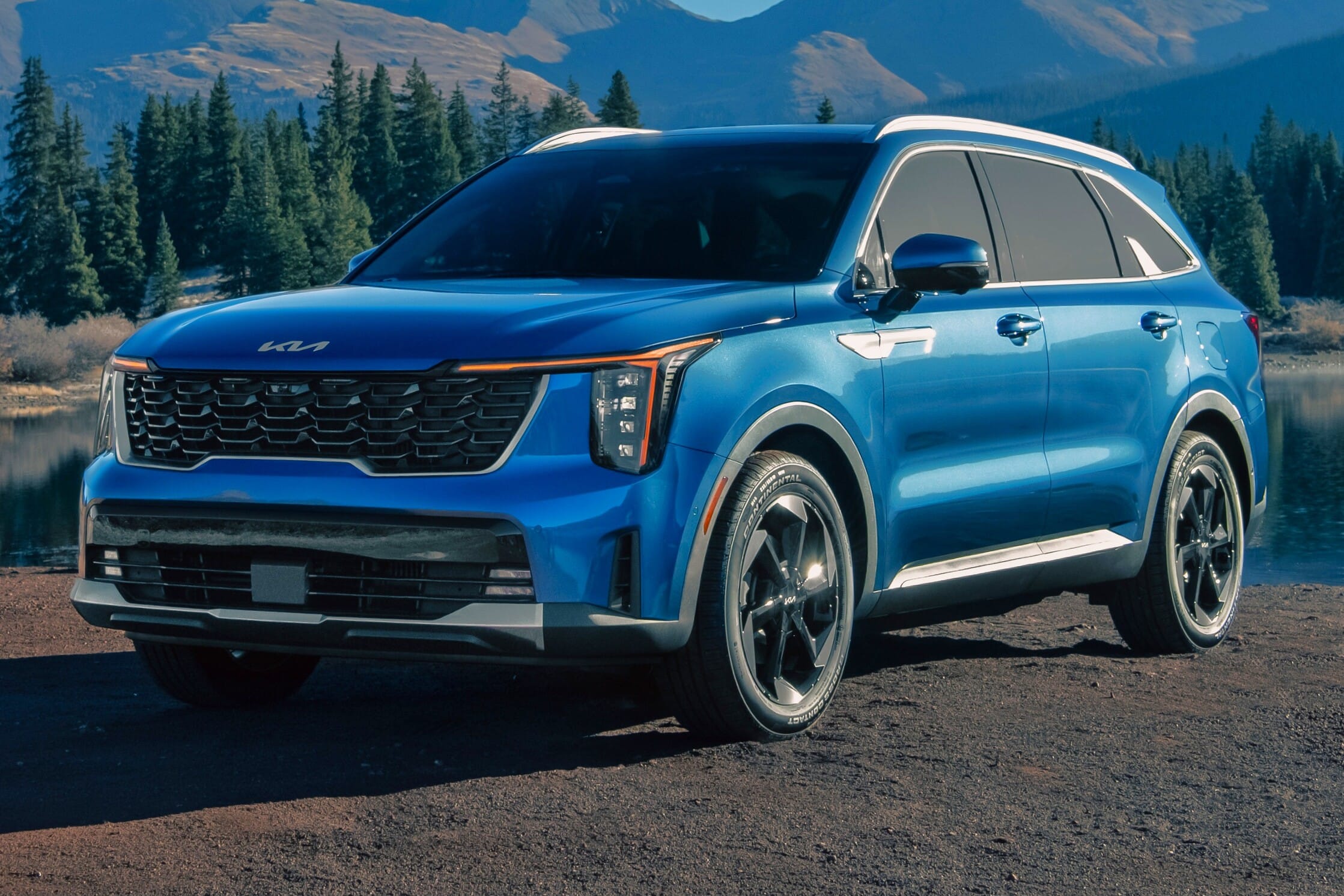
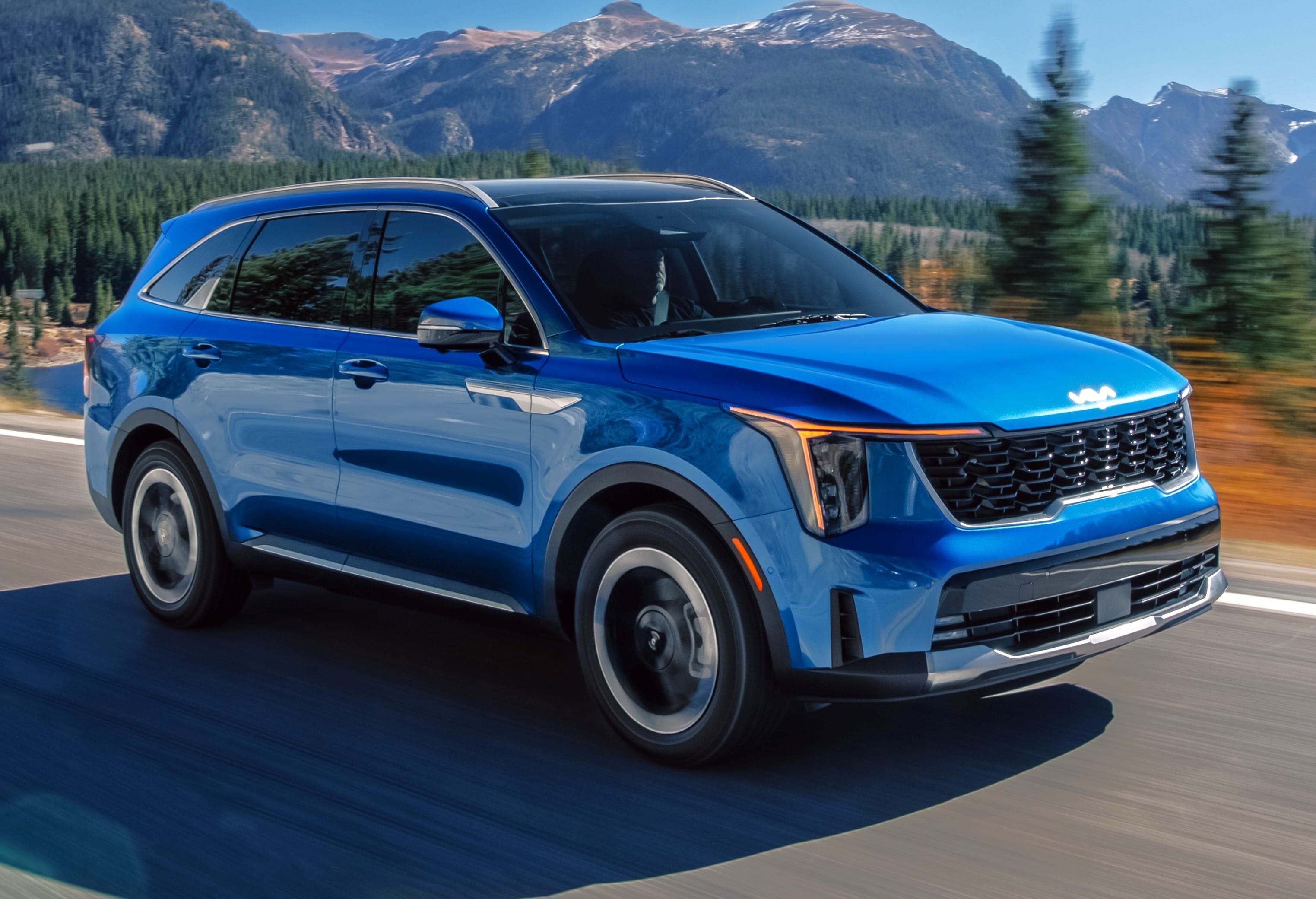
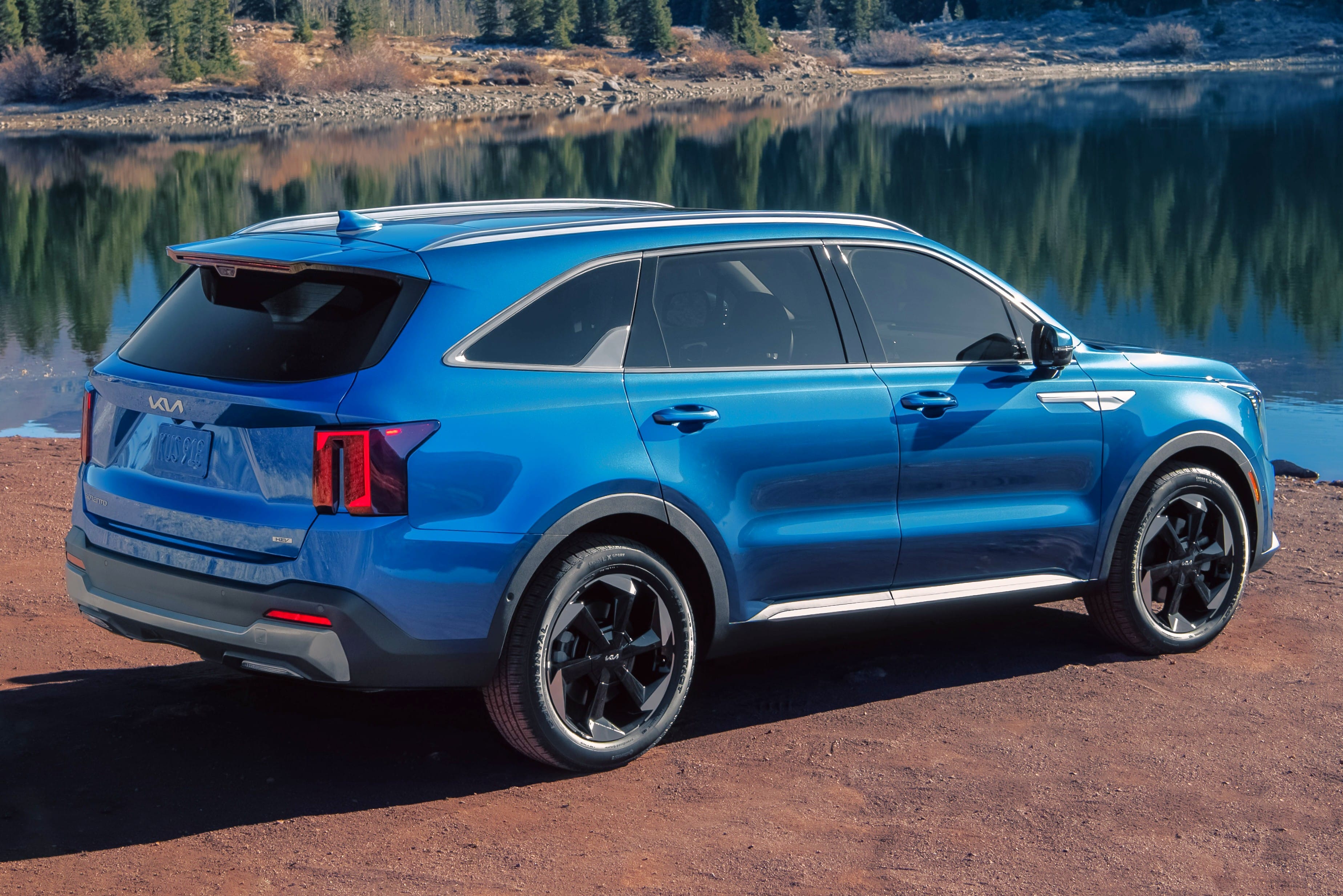
The Kia Sorento three-row SUV will go on sale in India on September 4, 2026. It will be positioned above the Seltos as Kia India’s flagship ICE SUV, and will also be the carmaker’s first hybrid model for the Indian market. Official bookings for the Sorento opened very recently too.
Kia Sorento India price estimate and rivals
US-spec Kia Sorento. Image used for representation only.
Since the Sorento is anticipated to be locally assembled, expect pricing to start at around Rs 40 lakh (ex-showroom). At that price point, the Sorento will rival premium three-row SUVs like the Volkswagen Tayron, MG Majestor, Skoda Kodiaq, Toyota Fortuner, and Jeep Meridian.
Kia Sorento powertrain options
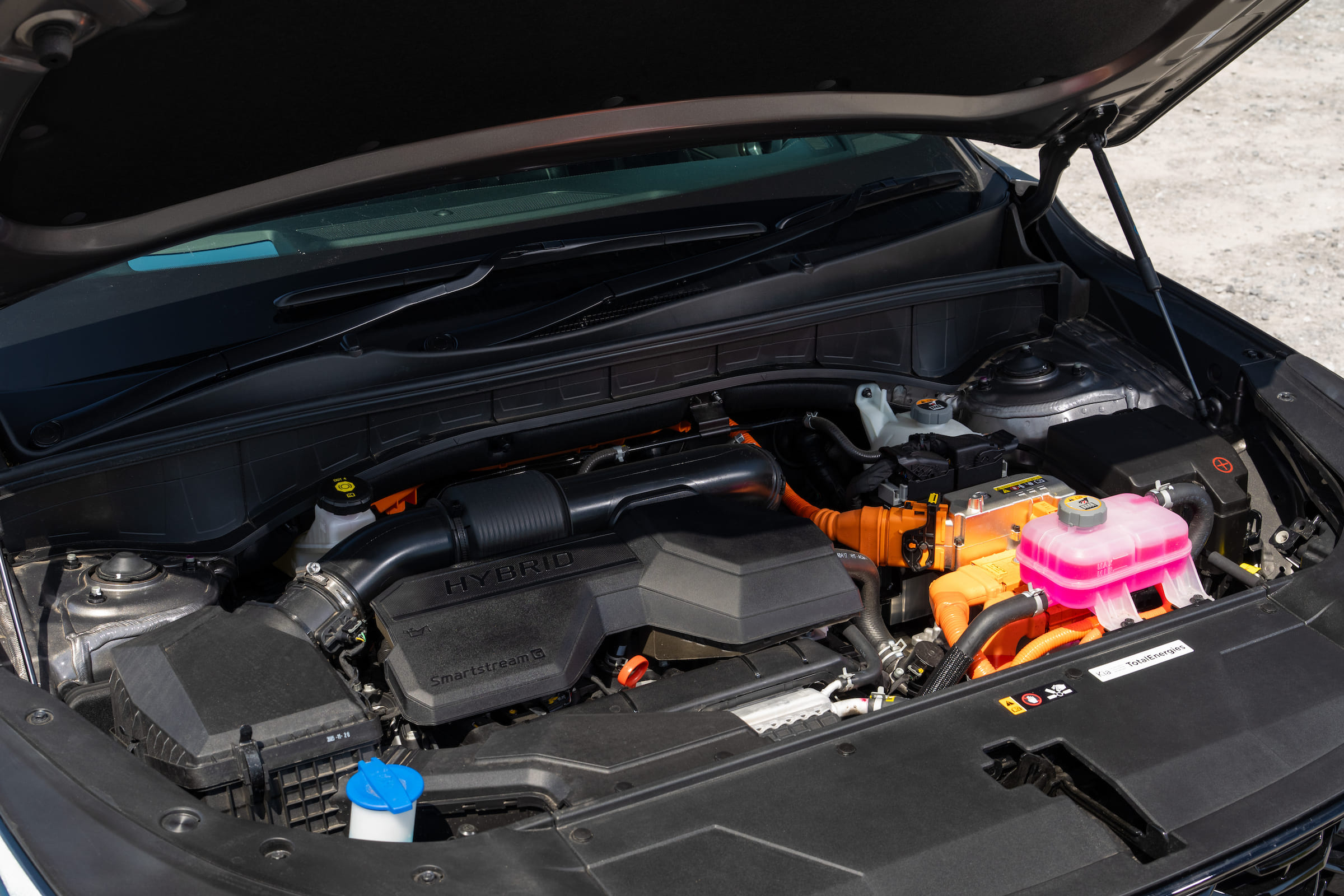
Kia will offer the Sorento with hybrid and diesel powertrains in India. If the international-spec Sorento is anything to go by, the India-spec model could feature a 1.6-litre 4-cylinder turbo-petrol hybrid setup developing 238hp and 380Nm, along with a 2.2-litre diesel engine outputting 202hp and 441Nm – this mill is used in the Kia Carnival too. Both Sorento engines are likely to be paired with automatic transmissions. Though the global-spec Sorento can be had in FWD and AWD guises, it remains to be seen whether the latter drive layout will be available for Indian buyers.
Kia Sorento exterior and interior
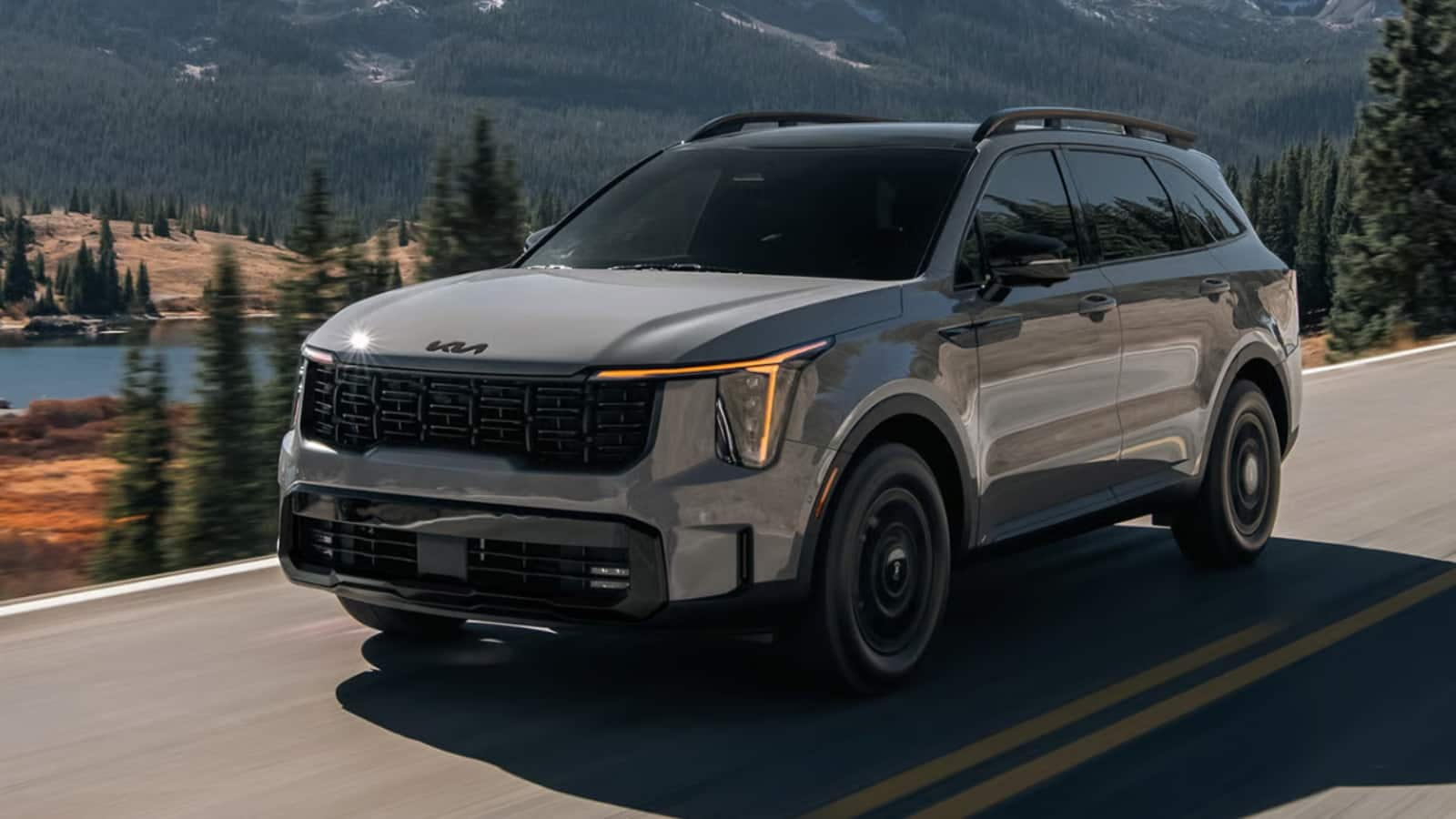
The Sorento sports a subtly aggressive design, with highlights like vertically oriented LED headlamps and tail-lamps, T-shaped amber-coloured DRLs, a wide ‘Tiger Nose’ grille, dual-tone alloy wheels, mildly flared wheel arches, and muscular bumpers. In terms of dimensions, the global-spec Sorento measures 4,815mm in length, 1,900mm in width, and 1,700mm in height, along with a wheelbase of 2,815mm. Should these hold true for the India-spec model, the Sorento will be larger than most of its rivals.
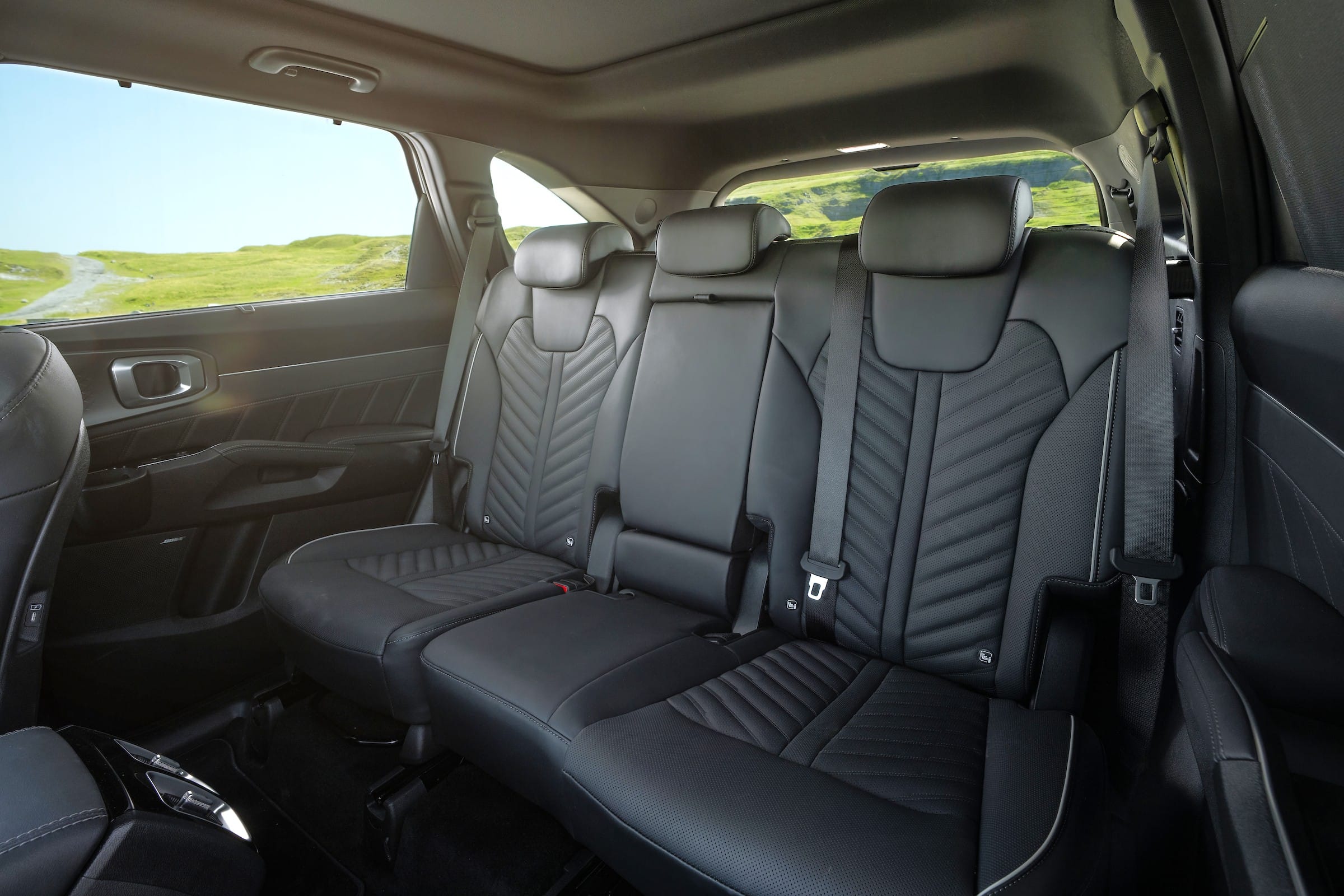
Inside, the India-spec Sorento is likely to be offered with 6-seat and 7-seat configurations. Boot space is rated at 179 litres with all three rows up, extendable to a cavernous 1,996 litres. Notable elements on the premium-looking dashboard include dual 12.3-inch displays, a four-spoke steering wheel with an offset Kia logo, large vertical AC vents on both extremities, a touch-capacitive panel on the centre console, and a rotary drive selector.
The Sorento is expected to pack creature comforts like ventilated front seats, dual-zone climate control, wireless Apple CarPlay and Android Auto, a powered driver’s seat, a panoramic sunroof, Level 2 ADAS, a heads-up display, an electronic parking brake, ambient lighting, a wireless charging pad, and more.
Kia Sorento Hybrid: कई सालों से Kia का भारतीय कार पोर्टफोलियो पेट्रोल, डीजल और इलेक्ट्रिक गाड़ियों पर ही आधारित रहा है। लेकिन अब इसमें बड़ा बदलाव होने जा रहा है। कंपनी ने भारतीय बाजार के लिए Sorento Hybrid की झलक दिखाई है, और कुछ चुनिंदा डीलरशिप ने इसके आने से पहले ही ग्राहकों की पूछताछ और प्री-बुकिंग लेना शुरू कर दिया है। हालांकि, Kia ने अभी तक लॉन्च डेट या कीमत का ऐलान नहीं किया है, लेकिन टीजर से यह पक्का हो गया है कि यह थ्री-रो वाली SUV जल्द ही भारतीय शोरूम में आने वाली है।
सबसे खास बात यह है कि Sorento Hybrid भारत में Kia की पहली हाइब्रिड पैसेंजर कार बन सकती है, वो भी ऐसे समय में जब देश में स्ट्रॉन्ग-हाइब्रिड SUVs की मांग लगातार बढ़ रही है। बता दें कि Kia की यह नई गाड़ी ग्राहकों को एक नया विकल्प दे सकती है।
Kia Sorento क्यों अहम है?
Kia Sorento कोई नई SUV नहीं है। यह गाड़ी कई सालों से कंपनी के ग्लोबल पोर्टफोलियो का हिस्सा रही है, लेकिन भारतीय बाजार में अब तक इसकी एंट्री नहीं हुई थी। अब नए टीजर के जरिए Kia ने साफ संकेत दे दिया है कि कंपनी इस SUV को भारत लाने की तैयारी में है। बता दें कि Kia के लिए, यह सिर्फ एक और SUV लॉन्च नहीं है, बल्कि यह भारत में हाइब्रिड पैसेंजर व्हीकल मार्केट में ब्रांड का पहला कदम है। वहीं, कंपनी यह सेगमेंट इसलिए भी बढ़ रहा है क्योंकि खरीदार पूरी तरह से इलेक्ट्रिक गाड़ी पर स्विच किए बिना बेहतर फ्यूल एफिशिएंसी वाली गाड़ियां चाहते हैं। फिलहाल, कई शहरों में डीलर-लेवल पर प्री-बुकिंग शुरू हो चुकी है। हालांकि, Kia India ने अभी तक आधिकारिक तौर पर बुकिंग रकम या ग्राहकों को डिलीवरी शुरू होने की तारीख का खुलासा नहीं किया है।
खरीदार क्या उम्मीद कर सकते हैं?
Kia ने अभी तक भारत में आने वाली Sorento Hybrid के फीचर्स और स्पेसिफिकेशन की पूरी जानकारी नहीं दी है। इसलिए इसके बारे में ज्यादा जानकारी लॉन्च के करीब ही सामने आएगी। हालांकि, ग्लोबल मॉडल को देखकर अंदाजा लगाया जा सकता है कि भारतीय मॉडल में क्या-क्या खास हो सकता है। विदेशों में मिलने वाली Kia Sorento Hybrid में 1.6 लीटर टर्बो पेट्रोल इंजन के साथ इलेक्ट्रिक मोटर दी गई है। लेकिन Kia ने अभी यह पुष्टि नहीं की है कि भारत में भी यही इंजन सेटअप मिलेगा या नहीं।
ग्लोबल Sorento Hybrid में तीन रो वाली सीटिंग, डुअल डिजिटल डिस्प्ले, कनेक्टेड कार फीचर्स, पैनोरमिक सनरूफ और एडवांस ड्राइवर असिस्टेंस सिस्टम (ADAS) जैसे फीचर्स मिलते हैं। अब इनमें से कौन-कौन से फीचर्स भारत आने वाली Sorento Hybrid में दिए जाएंगे, इसकी जानकारी लॉन्च के समय ही पता चलेगी।
इसके बाद क्या होगा?
Kia के टीजर से Sorento Hybrid को लेकर एक बड़ी जानकारी तो मिल गई है, लेकिन अभी भी कई सवालों के जवाब बाकी हैं। कंपनी ने अभी तक इसकी लॉन्च टाइमलाइन, वेरिएंट, कीमत और भारत में मिलने वाले खास फीचर्स का खुलासा नहीं किया है। इन्हीं जानकारियों से तय होगा कि Kia Sorento Hybrid भारतीय बाजार में किस सेगमेंट में अपनी जगह बनाएगी।
फिलहाल, सबसे अहम बात Kia India की स्ट्रैटेजी है। कंपनी पहली बार अपनी भारतीय पैसेंजर गाड़ियों की रेंज में हाइब्रिड टेक्नोलॉजी शामिल करने की तैयारी कर रही है, जिससे उसका पावरट्रेन पोर्टफोलियो पारंपरिक पेट्रोल, डीजल और बैटरी-इलेक्ट्रिक मॉडल्स से आगे बढ़ेगा।
फिलहाल, अब यह देखना दिलचस्प होगा कि कीमत और पोजिशनिंग के आधार पर Sorento Hybrid प्रीमियम SUV सेगमेंट में कितना असर डाल पाती है। हालांकि, इसकी एंट्री से भारतीय ग्राहकों के पास आने वाले समय में एक और इलेक्ट्रिफाइड SUV विकल्प जरूर उपलब्ध होगा।