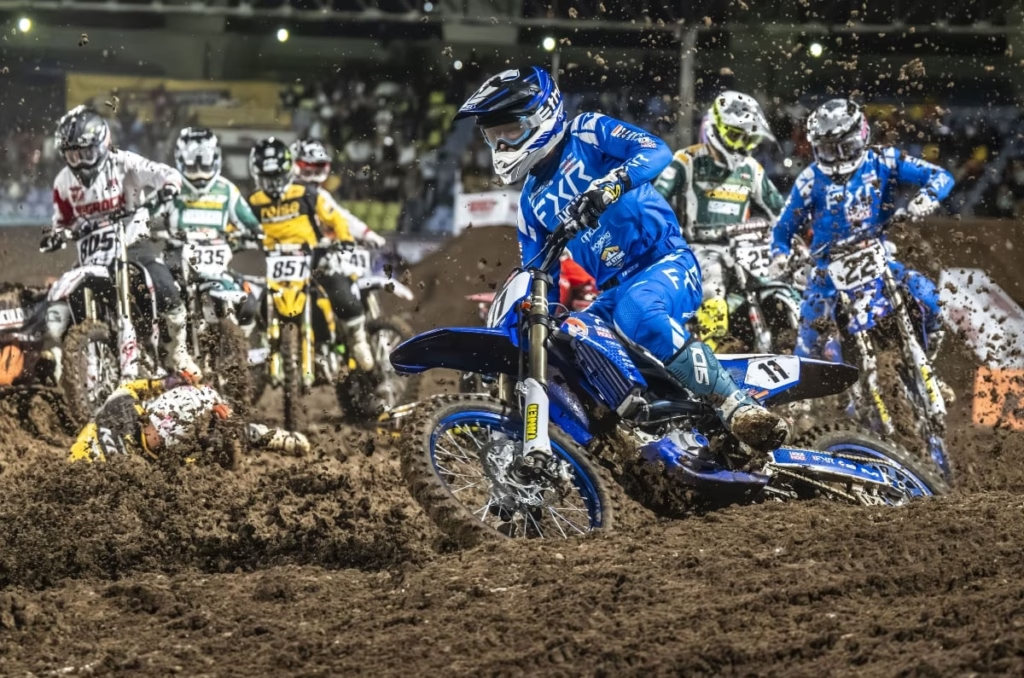
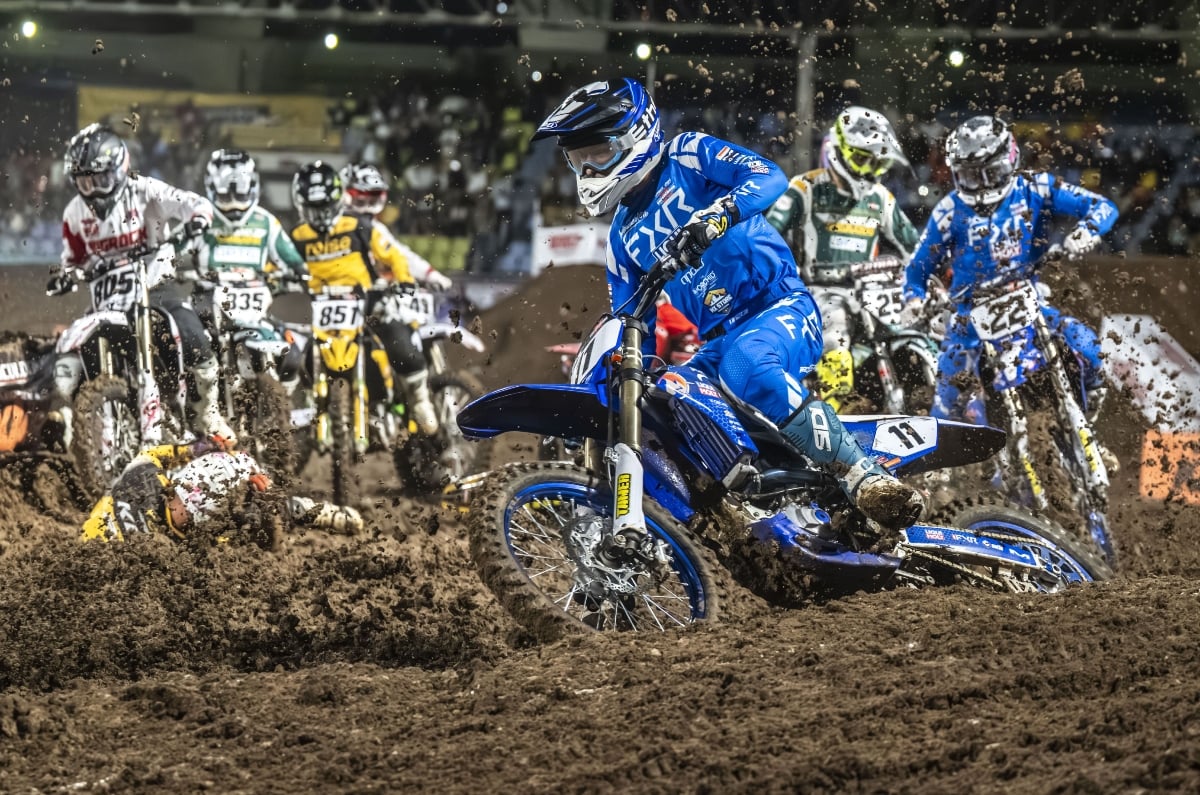
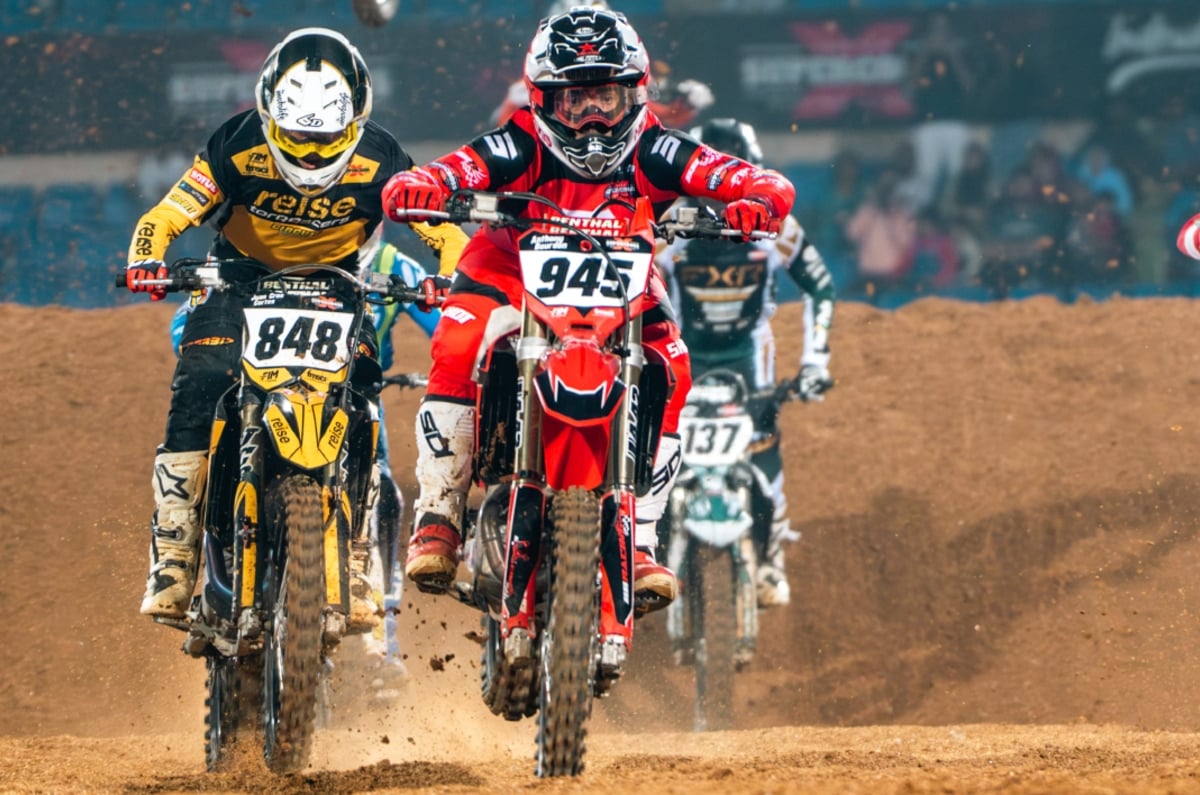
146 athletes from across 21 countries have signed up for Season 3 of the Indian Supercross Racing League (ISRL), with rider registrations now officially closed. The upcoming season will also debut a new 250cc category specifically for Indian riders, called ‘250cc Group A Foreign Bikes only – Indian Futures’.
146 riders have registered for ISRL Season 3
Round 1 on December 19-20
2026 Indian Supercross Racing League categories
Three rounds confirmed for Season 3
Bringing the league format to supercross racing, ISRL rounds are held in city centres, with indoor dirt tracks featuring steep jumps and obstacles. The first two seasons featured three categories: 450cc and 250cc for international riders and a separate 250cc category for Indian and Asian riders. The last of these was geared towards giving Indian riders the chance to race alongside and learn from leading supercross riders from across the world.
But a fourth category has been added this year, aimed at giving budding Indian talent the chance break into the supercross arena. This category will feature the same 250cc bikes as the India-Asia Mix category, but will be exclusively for Indian riders. 30 Indian riders have registered for this new category.
Every team has to field two riders per category, so this will also increase Indian representation across the league. “The Indian Futures category is central to our vision of a structured pathway for Indian riders, and the response there has been just as encouraging. As the league grows, our focus remains on building a professional ecosystem that attracts world-class talent and gives Indian riders the platform to realise their potential,” said Eeshan Lokhande, co-founder and director, ISRL.
The Season 3 rider pool brings together some of supercross racing’s most recognised names, including nine-time Australian SX and MX champion Matt Moss (who also won Season 2 of the ISRL) and former MX2 world champion Jordi Tixier. Representing India will be some of the country’s most accomplished supercross riders, including, Rugved Barguje, Prajwal Vishwanath, Shlok Ghorpade and Ikshan Shanbhag.
Seven teams are set to compete in the ISRL this year, including new entrant PBG Racing, backed by Pune’s Punit Balan Group. Bikes are provided by Honda, KTM, Yamaha and Kawasaki. Honda will also take on a larger role at BB Racing this season, joining the team as its new title sponsor.
While the venues haven’t been announced for Season 3 yet, three rounds are confirmed to take place. The season will kick off with Round 1 on December 19-20, followed by Round 2 on January 23-24, 2027. The finale will then be held on February 6-7, 2027.
आज के दौर में सोशल मीडिया पर लोगों से जुड़ना बेहद आसान है, लेकिन आमने-सामने दोस्त बनाना और प्रोफेशनल नेटवर्क तैयार करना कई युवाओं के लिए मुश्किल होता जा रहा है। इसी समस्या को 32 वर्षीय उद्यमी कृष्णा दोसापति एक नए तरीके से हल करने की कोशिश कर रही हैं। उनका मानना है कि Gen Z के अकेलेपन का जवाब शायद ज्यादा सोशल मीडिया नहीं, बल्कि लोगों को असल जिंदगी में मिलवाना हो सकता है।
उन्होंने ऐसा प्लेटफॉर्म तैयार किया है, जिसका मकसद युवाओं को उनके आसपास रहने वाले समान रुचियों और प्रोफेशन वाले लोगों से जोड़ना है।
₹33 करोड़ से ज्यादा की फंडिंग, बढ़ी उम्मीदें
कृष्णा दोसापति Clockout की फाउंडर और CEO हैं। उनकी कंपनी ने हाल ही में $3.5 मिलियन यानी करीब ₹33.5 करोड़ की फंडिंग जुटाई है। इस फंडिंग राउंड की अगुवाई 114 Ventures ने की, जबकि Evite Ventures, Allied Ventures, Sher Ventures, Gaingels और BMPB VC ने भी इसमें हिस्सा लिया। अक्टूबर 2024 में लॉन्च हुआ Clockout खुद को LinkedIn और Meetup के बीच का मिश्रण बताता है। इसका मकसद सिर्फ ऑनलाइन कनेक्शन बनाना नहीं, बल्कि उन कनेक्शनों को वास्तविक मुलाकातों और कम्युनिटी में बदलना है।
आइडिया की शुरुआत खुद कृष्णा की परेशानी से हुई
इस स्टार्टअप के पीछे कोई काल्पनिक समस्या नहीं, बल्कि कृष्णा का अपना अनुभव है। न्यूयॉर्क यूनिवर्सिटी से पढ़ाई पूरी करने के बाद जब उन्होंने न्यूयॉर्क में काम शुरू किया, तो उन्हें महसूस हुआ कि इतने बड़े शहर में रहने के बावजूद नए प्रोफेशनल लोगों से मिलना आसान नहीं था। यहीं से उनके मन में सवाल आया कि अगर उन्हें नई कम्युनिटी बनाने में परेशानी हो रही है, तो युवा प्रोफेशनल्स के लिए यह समस्या कितनी बड़ी होगी? इसी सोच ने Clockout का रास्ता तैयार किया।
ऐप सिर्फ प्रोफाइल नहीं, असली मुलाकात पर देता है जोर
Clockout पर यूजर्स अपनी रुचियों, इंडस्ट्री और साझा कनेक्शन के आधार पर दूसरे प्रोफेशनल्स को खोज सकते हैं। इसके बाद प्लेटफॉर्म का लक्ष्य उन्हें डिजिटल बातचीत से निकालकर क्लब, इवेंट और आमने-सामने मुलाकातों तक पहुंचाना है। यानी यहां सिर्फ किसी को ‘कनेक्ट’ करना ही मंजिल नहीं है, बल्कि उस कनेक्शन को असल जिंदगी की दोस्ती या प्रोफेशनल कम्युनिटी में बदलना अहम है।
10 महीने में 6 लाख से ज्यादा डाउनलोड
Clockout के मुताबिक, लॉन्च के बाद प्लेटफॉर्म को 6 लाख से ज्यादा डाउनलोड मिल चुके हैं। कंपनी का दावा है कि पेड फीचर्स शुरू करने के सिर्फ 10 महीनों में उसका वार्षिक आवर्ती राजस्व (ARR) $1.1 मिलियन तक पहुंच गया। 2025 में यूजर्स ने करीब 4 लाख इनवाइट्स भी भेजे।
क्या डिजिटल दौर में असली लोगों की जरूरत बढ़ रही है?
Clockout का मॉडल इस बड़े सवाल के बीच आया है कि ऑनलाइन कनेक्शन बढ़ने के बावजूद युवा पेशेवर अकेलापन क्यों महसूस कर रहे हैं। रिपोर्ट्स में Gallup के आंकड़ों के हवाले से बताया गया है कि 2025 में 35 साल से कम उम्र के करीब 22% कर्मचारियों ने अकेलापन महसूस किया। फिलहाल Clockout फ्रीमियम मॉडल पर काम करता है। अतिरिक्त फीचर्स और क्लबों व इवेंट्स तक अनलिमिटेड पहुंच के लिए सालाना $99 की सदस्यता उपलब्ध है।
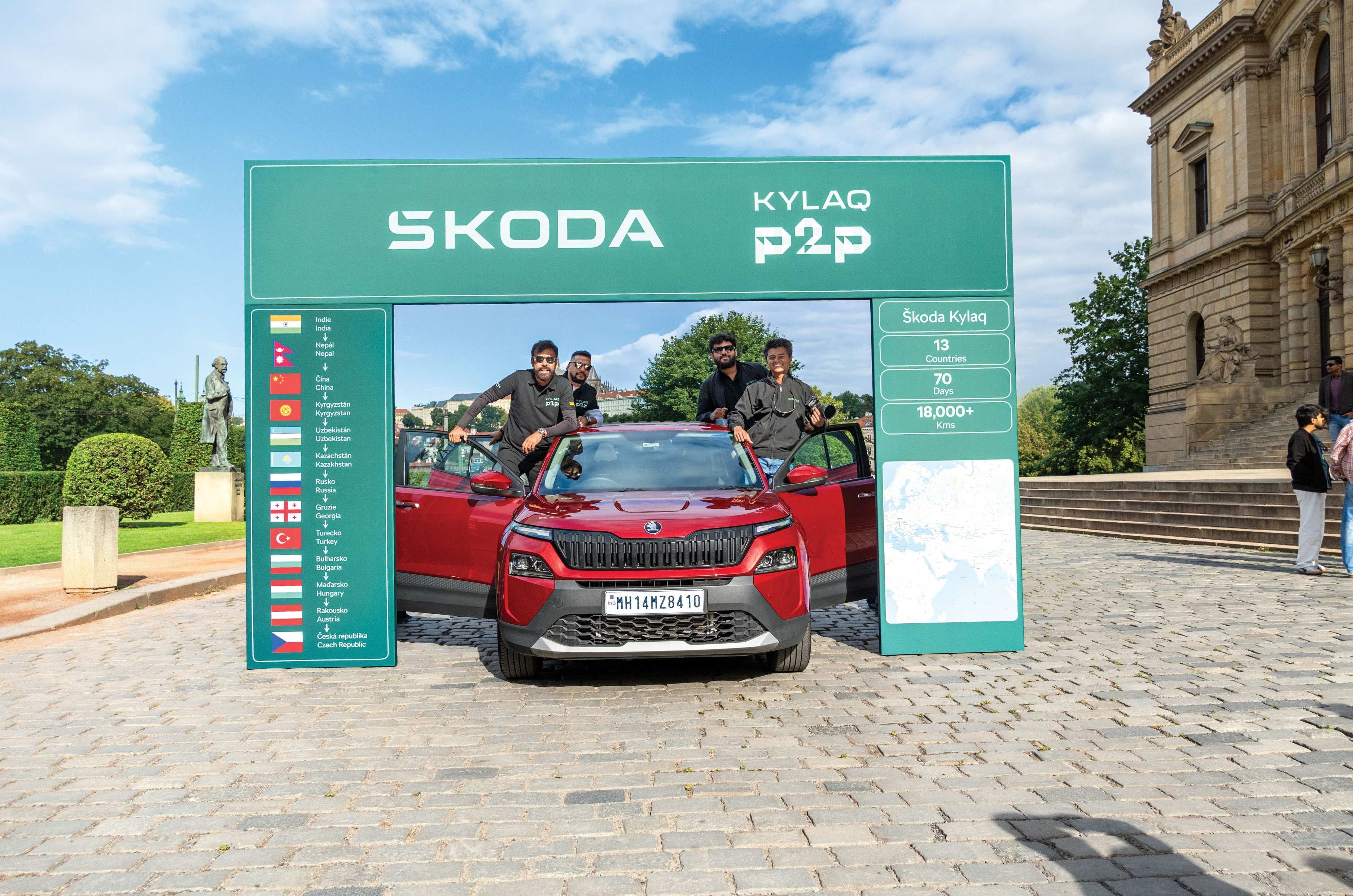
In the previous issue (August 2026), you saw the Skoda Kylaq take on the familiarity of India, the hills and traditions of Nepal, and the variety of China through Tibet’s gorgeous but bone-shaking terrain, followed by the sensory overload of food and culture. Now, it was time for a fresh experience through Central Asia on the ancient Silk Route, subsequently entering Europe towards our final destination.
Kyrgyzstan – Uzbekistan – Kazakhstan
Kyrgyzstan
The Kylaq had everyone turning heads.
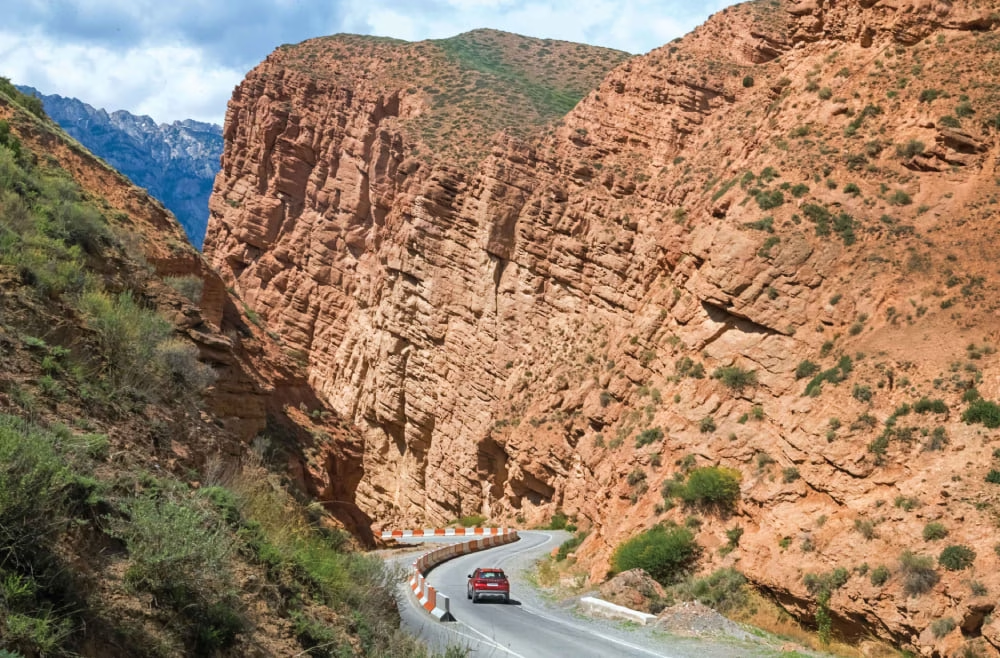
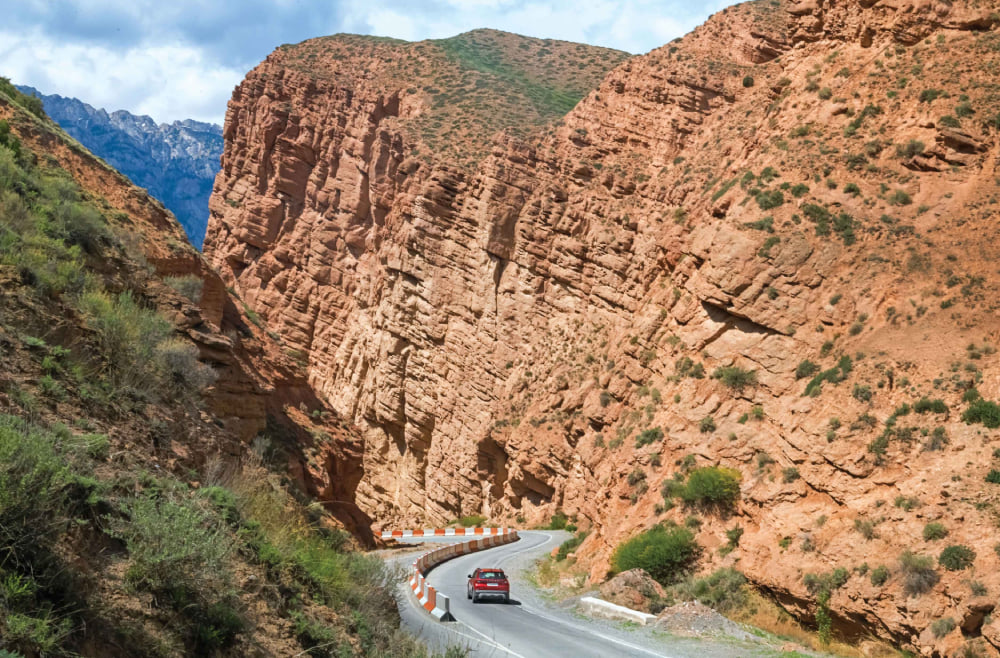
Crossing the Chinese border into Kyrgyzstan was like crossing into a different world. The differences are immediate, right from the signage, fonts and faces to the sights, terrain and traffic. Being a landlocked country peppered with alpine mountains, one doesn’t need to go far to experience what Kyrgyzstan has to offer. As you drive through the ribbon of tarmac between the peaks, you realise why it is called the “Switzerland of Asia”.
A roughly 400km drive to our first halt in Naryn was smooth sailing. However, the chilly weather was a far cry from the piercing heat of China. We pulled out our jackets that were buried deep in our bags and made a beeline the next day for the capital city of Bishkek. The roads are a driver’s delight, and while there aren’t many sights to stop and admire, the Orto-Tokoy Reservoir made for a stunning photo-op.
Kyrgyzstan in numbers
Torgart – Uzbek border
Distance covered
1,321km
Fuel consumed
126.49 litres
Average fuel economy
10.44kpl
Approx. fuel cost
Rs 11,727
Avg. per-litre fuel cost
Rs 92.58
Total time driven
34hrs 23min
Average speed
38.4kph
From Bishkek, we headed to Osh, which is also known as the capital of the south and is the oldest city in Kyrgyzstan. Walking through the Jayma Bazaar in the city centre, you may get a bit of celebrity treatment, as the locals aren’t used to having many tourists just walking through. Some playful heckling and wide smiles add to the overall experience.
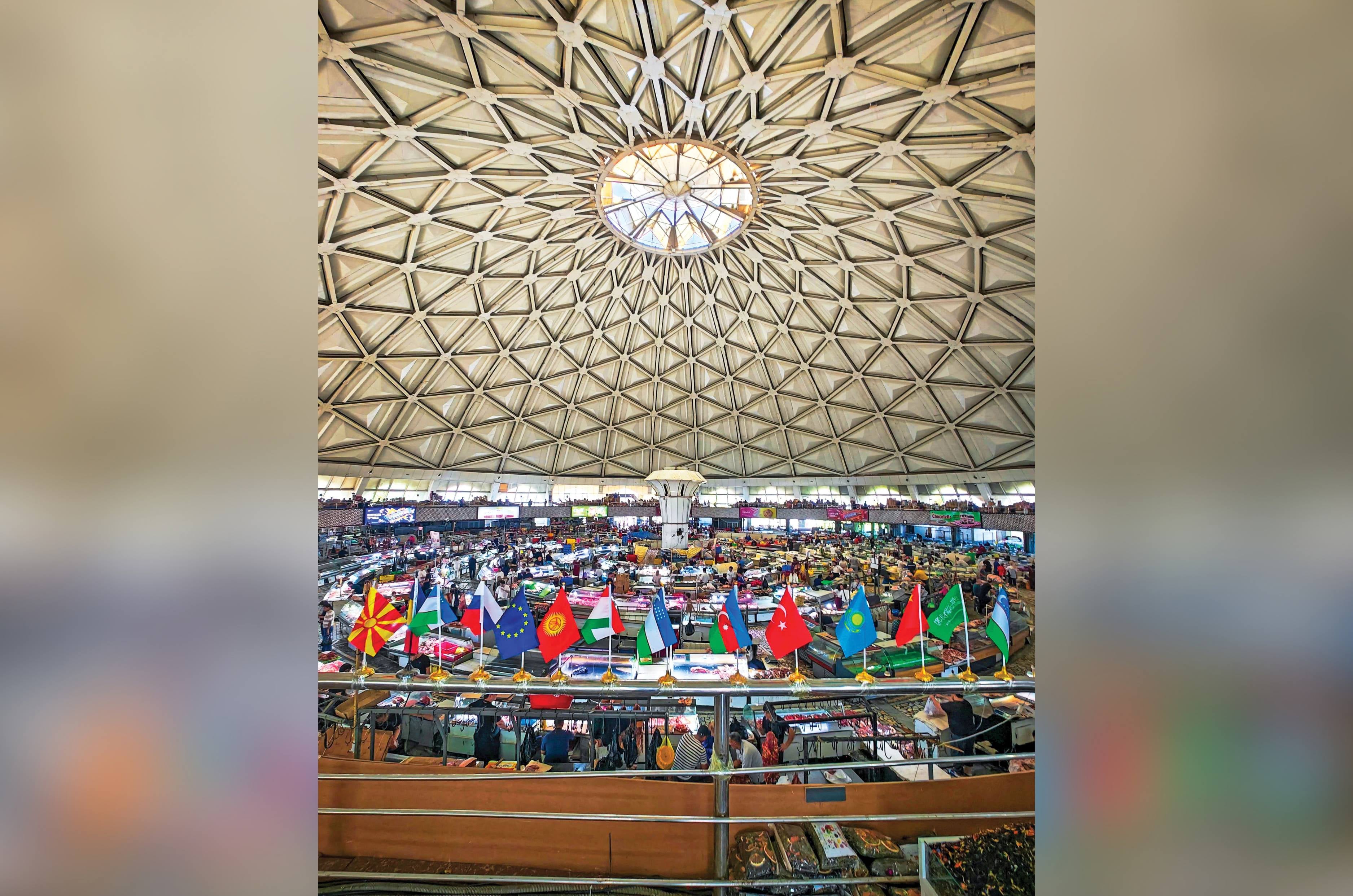
Chorsu Bazaar is a one-stop shop for everything in Tashkent.
What the market offers is mounds of kurut, a snack made from curdled milk or oghurt, salted and then hardened. The best part is its extended shelf life without needing a refrigerator. We packed some with the hope of eating it at home, knowing fully well that it would vanish by the next town.
From Osh, we would be exiting the stunning valleys and terrain of Kyrgyzstan and entering the city of Fergana in Uzbekistan.
Uzbekistan
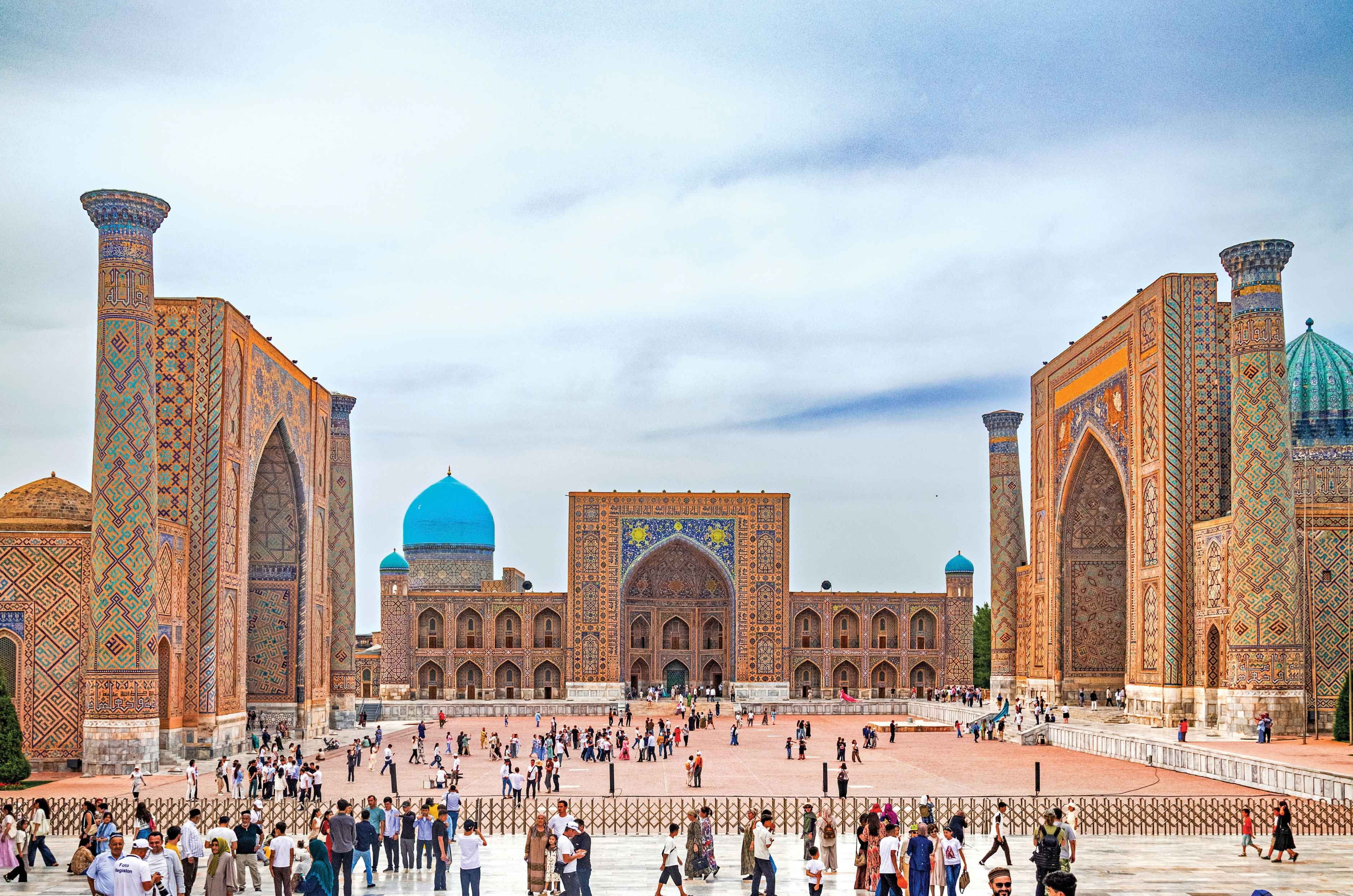
Registan Square in Samarkand is breathtaking from every angle.
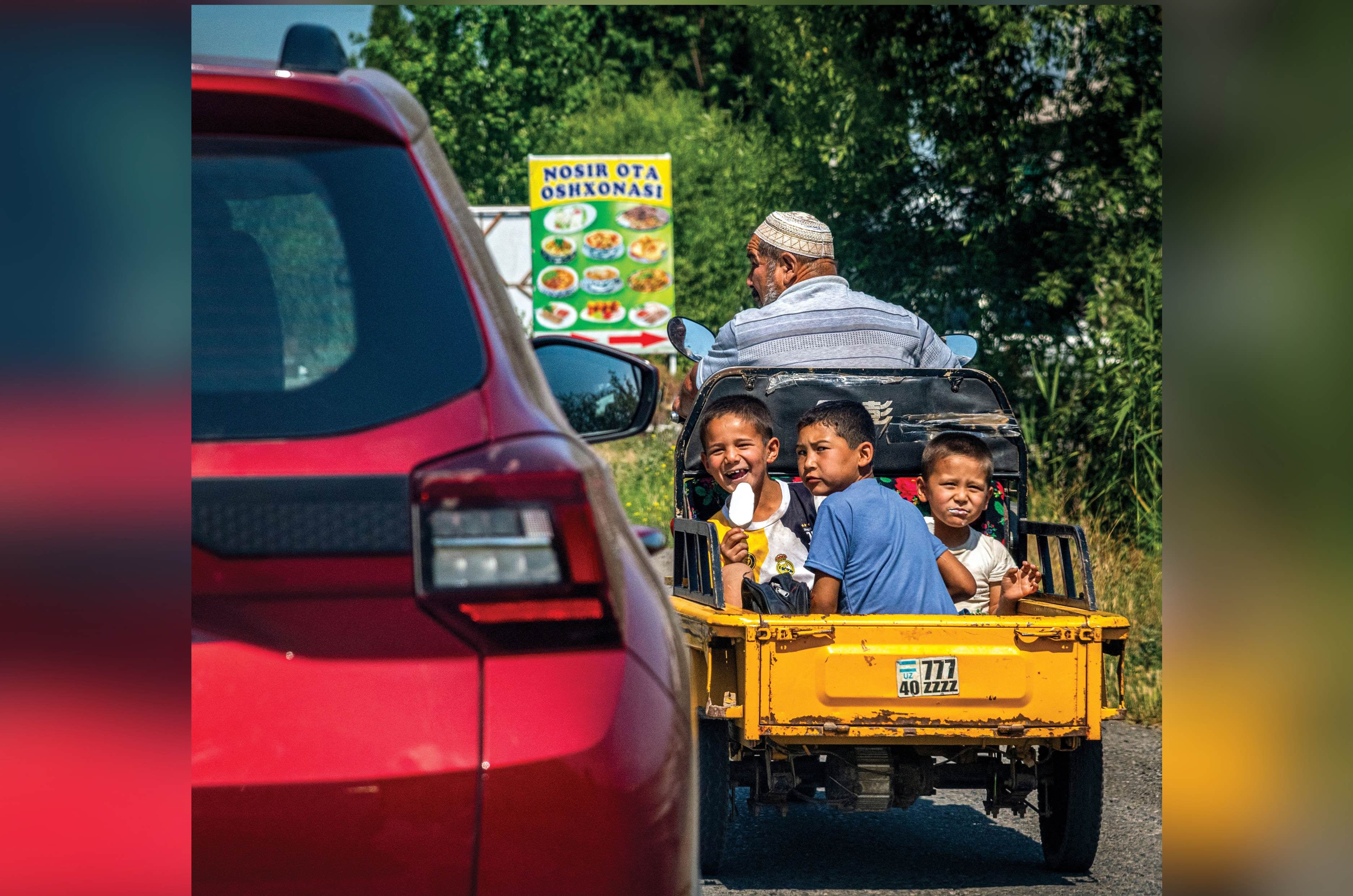
Like Kyrgyzstan, Uzbekistan also has its own personality. While there are similarities in the faces and fashion, the city of Fergana has a tinge of European infrastructure. Roads are lined with trees and patir shops – flatbread made from butter or lamb fat, with intricate detailing and some sesame seeds sprinkled on top. It’s pretty enough to dissuade you from eating it, but tastes like something that would go extremely well with a cup of chai.
Uzbekistan in numbers
Kyrgyz-Uzbek border – Turkistan
Distance covered
1,257km
Fuel consumed
81.74 litres
Average fuel economy
15.37kpl
Approx. fuel cost
Rs 9,800
Avg. per-litre fuel cost
Rs 120
Total time driven
27hrs 5mins
Average speed
46.4kph
What is also fascinating is the number of old Soviet-era cars still running on the highways with no fuss. We shared road space with old Ladas crammed with luggage inside and on the roof. Over the smooth highways of Uzbekistan, the Kylaq had an easy run, allowing us to focus on the sights around us.
From Fergana, we headed to the capital city of Tashkent. A properly modern metropolis with high-end malls and low-slung supercars, parks, walkways and everything you expect from a big city. So, to get a taste of age-old tradition, we ventured towards Samarkand, which used to be a major trading hub on the Silk Route.
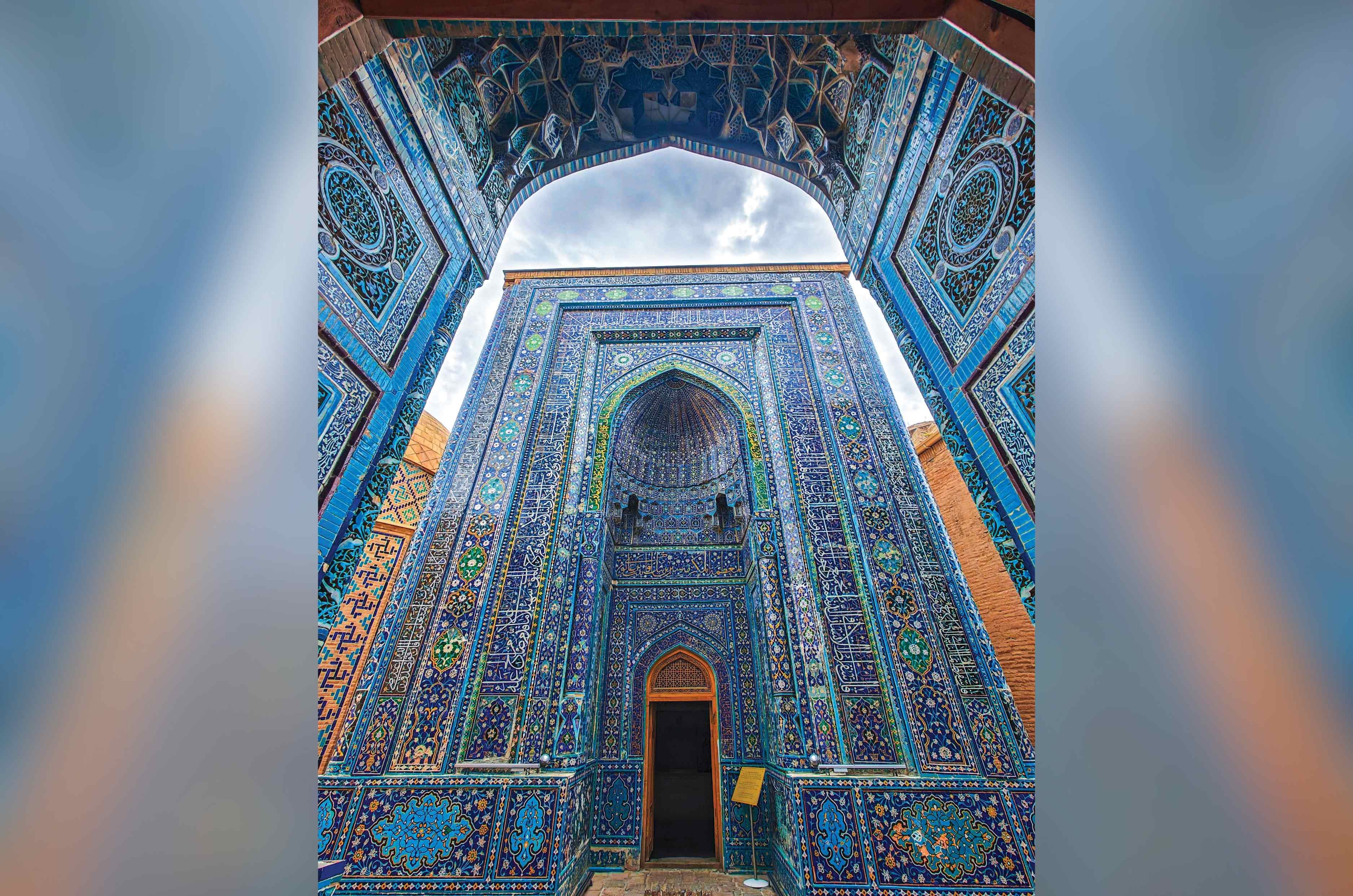
The Shah-i-Zinda ensemble has 11 mausoleums with incredibly detailed azure and turquoise tiles.
Entering Samarkand, you almost feel the tradition in the air. Years of cross-cultural civilisation have made it a stunning destination to get a glimpse of history, and it is unlike any other Western or Eastern city. The highlight here, of course, is the Bibi-Khanym Mosque in the Registan ensemble. Turquoise domes kissing the sky, with walls adorned with hand-carved artistry, are nothing short of breathtaking.
You can walk through the corridors and the square innumerable times, and each time, you will gasp at the sheer detail and effort. And to think it was built as far back as the 15th century. Magnificent is an understatement.
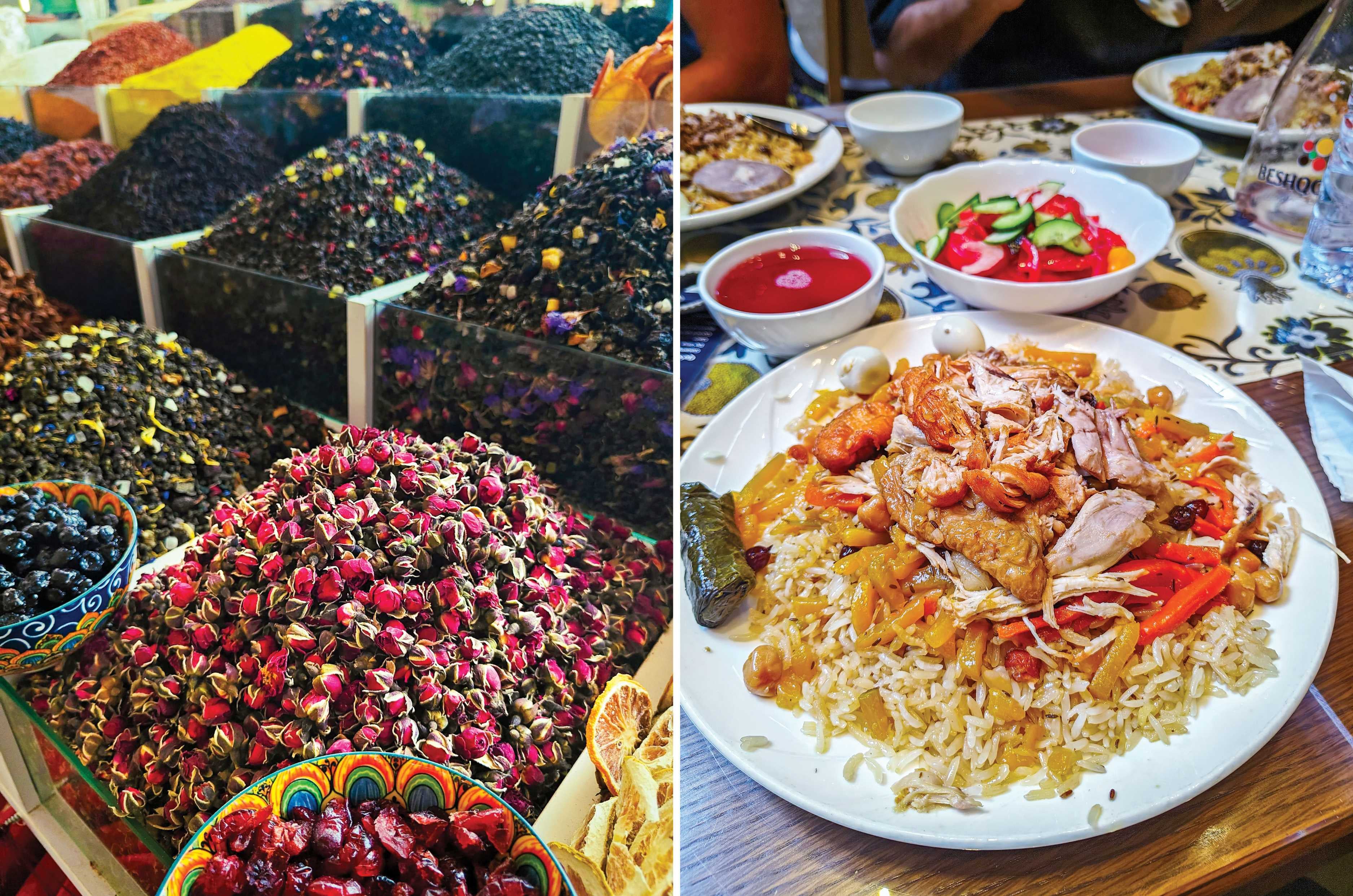
After soaking in the stunning detail, we headed back to Tashkent and straight to the equally fascinating Chorsu Bazaar. What looks like an IMAX dome on the outside is a full-fledged one-stop shop on the inside. Teas, dry fruits or even a leg of lamb, you can get it all here.
Uzbekistan’s market is nothing short of paradise for tea lovers.
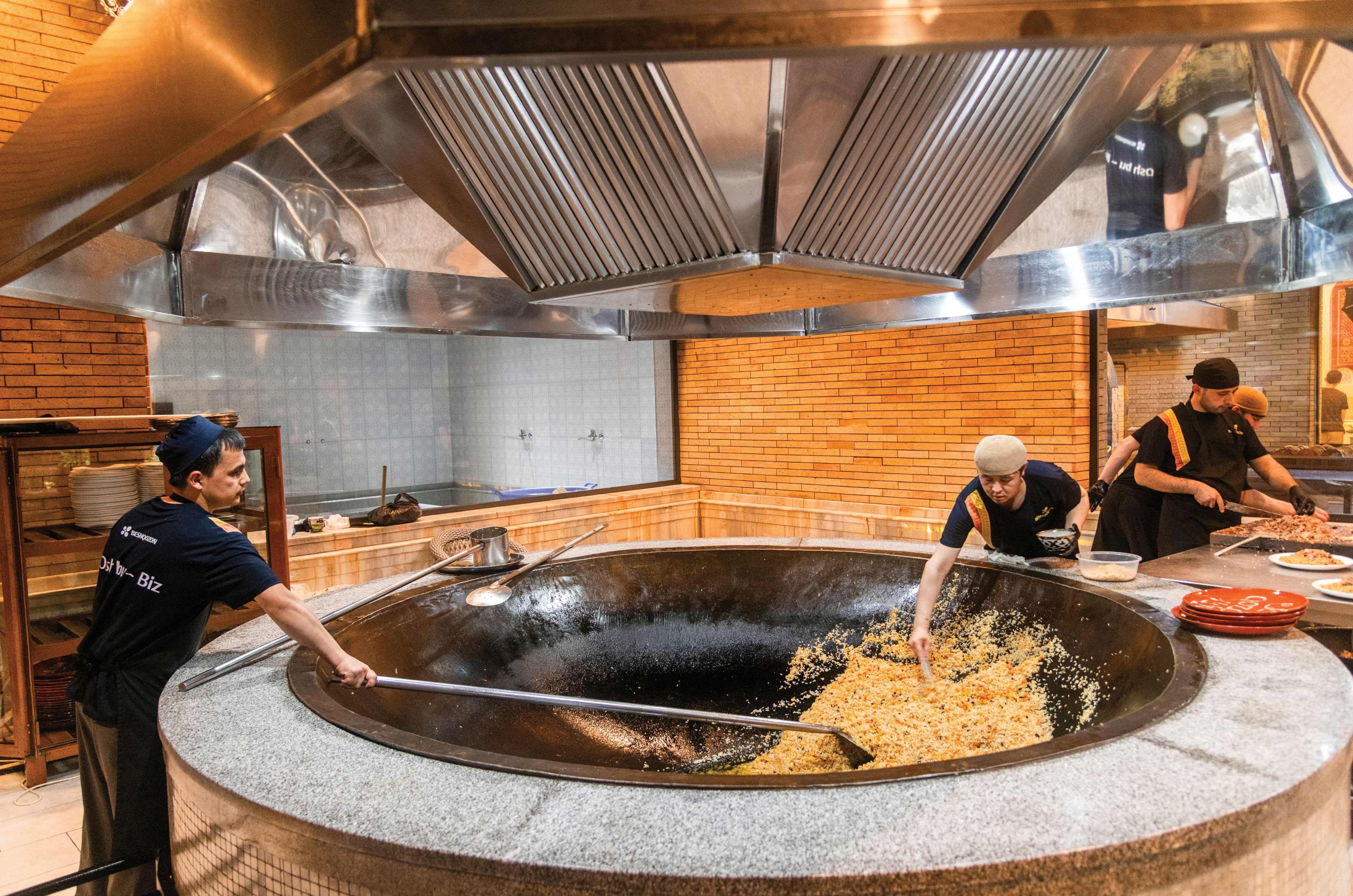
After a long walk that ended with bags of tea and dehydrated kiwis, we headed for Uzbekistan’s pièce de résistance: the famous plov. Like a biryani, but made with different spices, and if you want to go heavy on culture, you can have one with horse meat, too. Some bravehearts did try it and resorted to chicken or lamb, but it did offer the lost taste of biryani and got us homesick in the first bite.
Massive dome known as a kazan used to make the famous Uzbek plov.
After days of driving through mountains and around lakes, and walking through corridors that were once at the peak of world trade, our next adventure would take us to the Great Steppe of Kazakhstan.
Kazakhstan
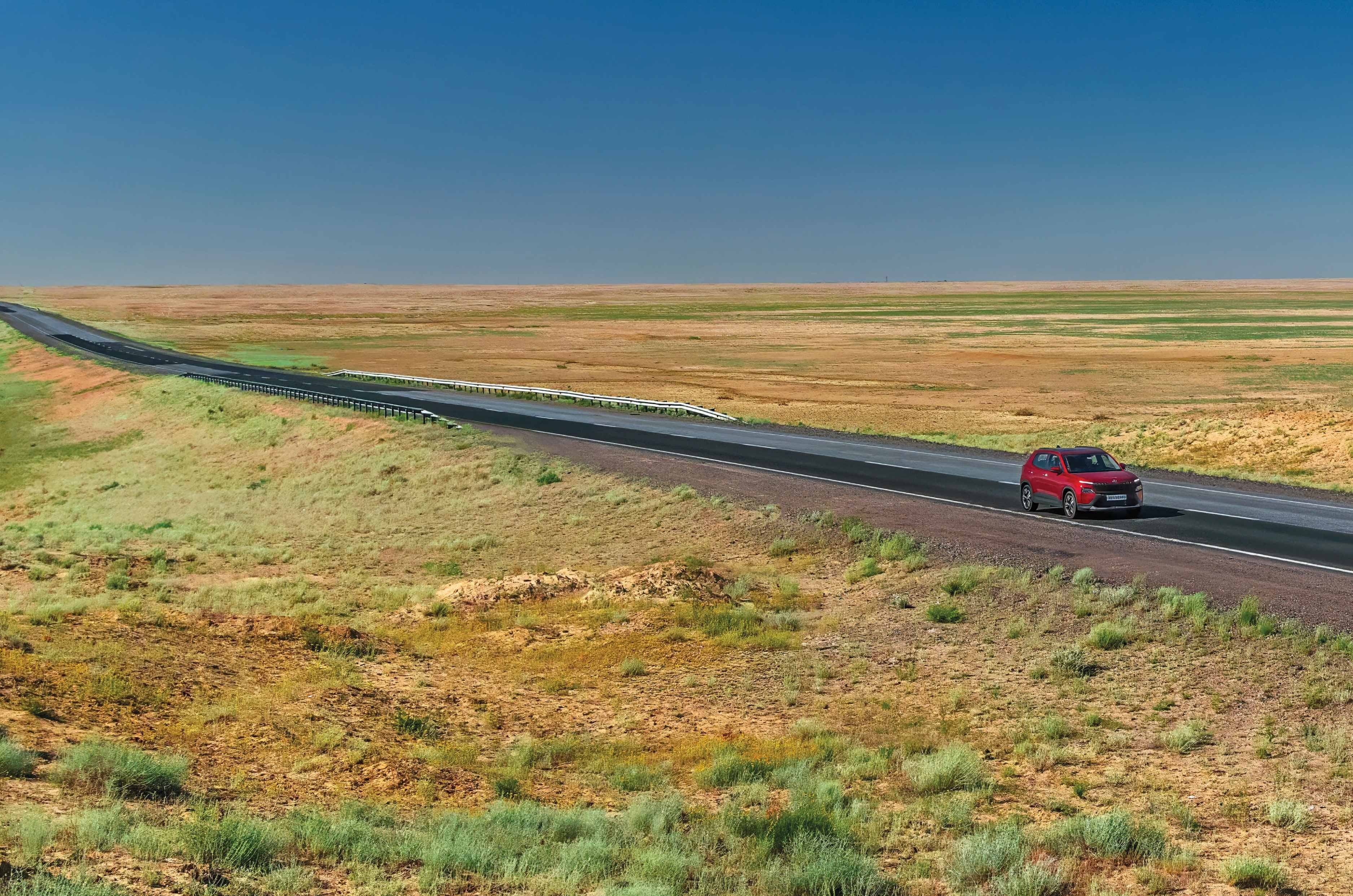
The Great Steppe in Kazakhstan feels like driving on an endless treadmill.
Crossing from Turkmenistan after vigorous checks, Kazakhstan feels almost desolate. Arrow-straight highways for kilometres, between acres of flat land with nothing on the horizon. We were driving through green pastures that would turn into brown, dried patches before turning green again, kilometre after kilometre.
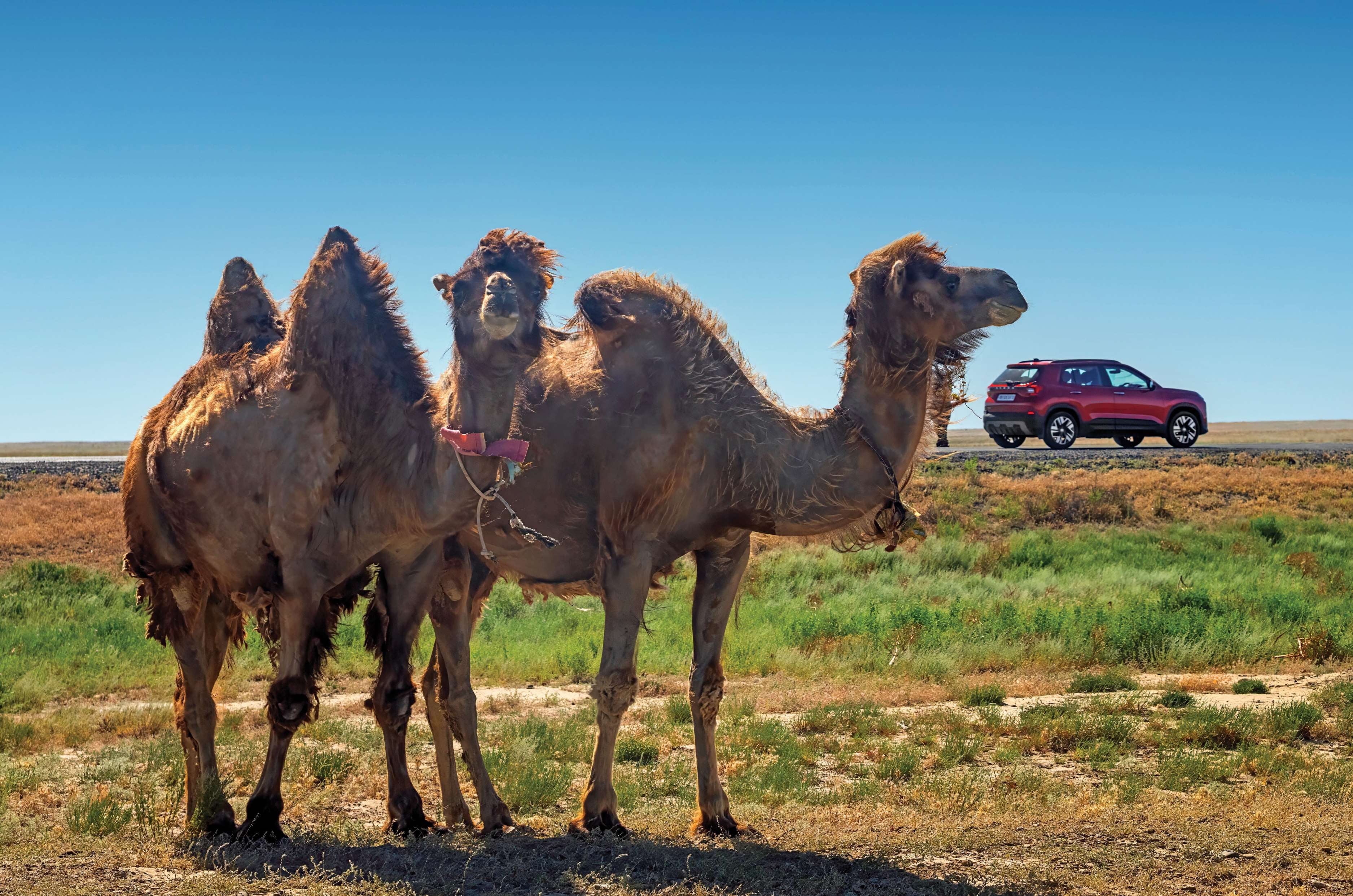
The Great Steppe, while stunning in size, is also a bit monotonous when you’re driving through it for days. The only respite would be a herd of double-humped Bactrian camels, cooling off at a nearby pond and often curious to know what a cherry-red Kylaq was doing in the middle of Kazakhstan.
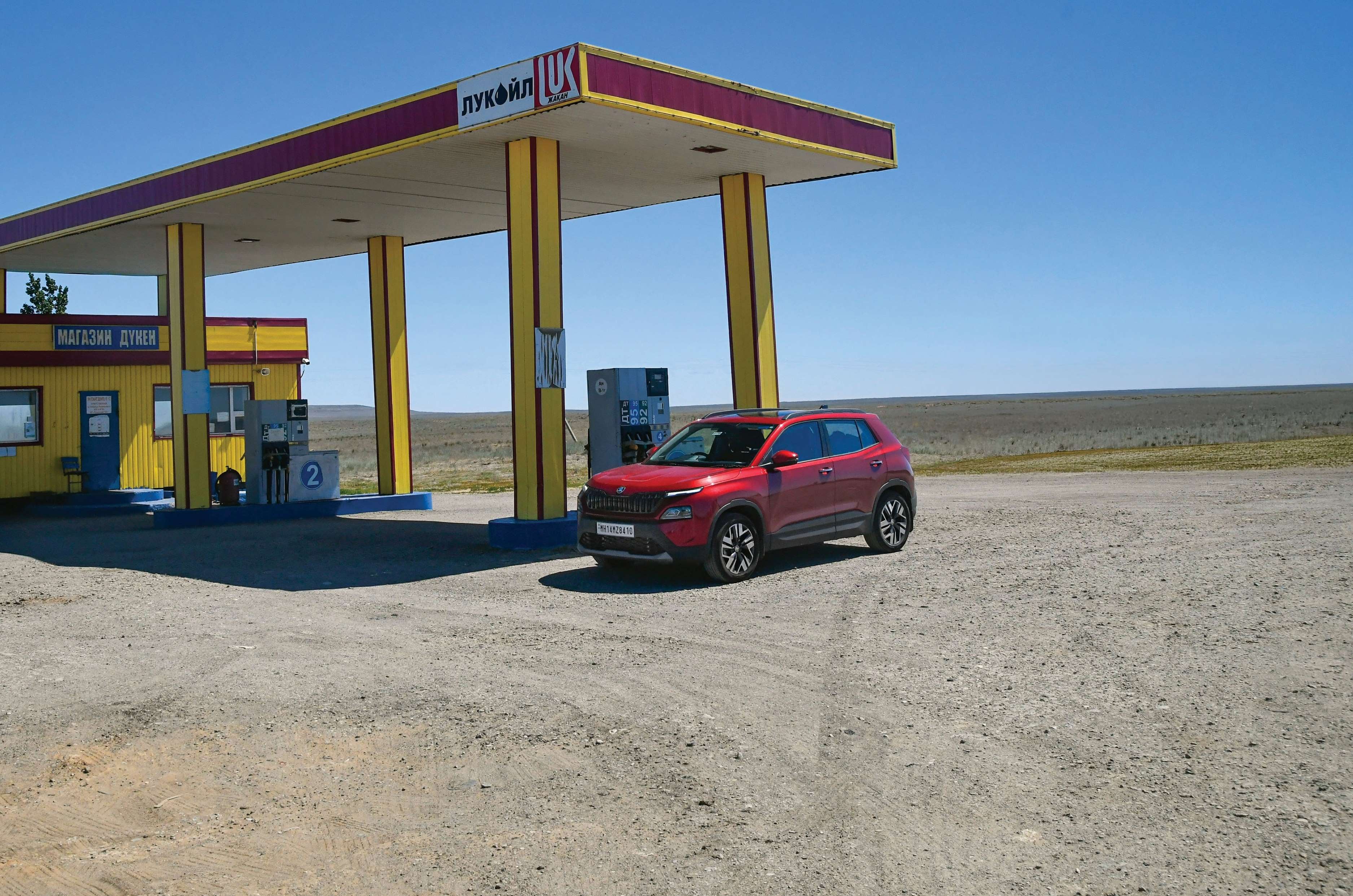
At Rs 58.17 per litre, Kazakhstan offered the lowest fuel price of the entire drive.
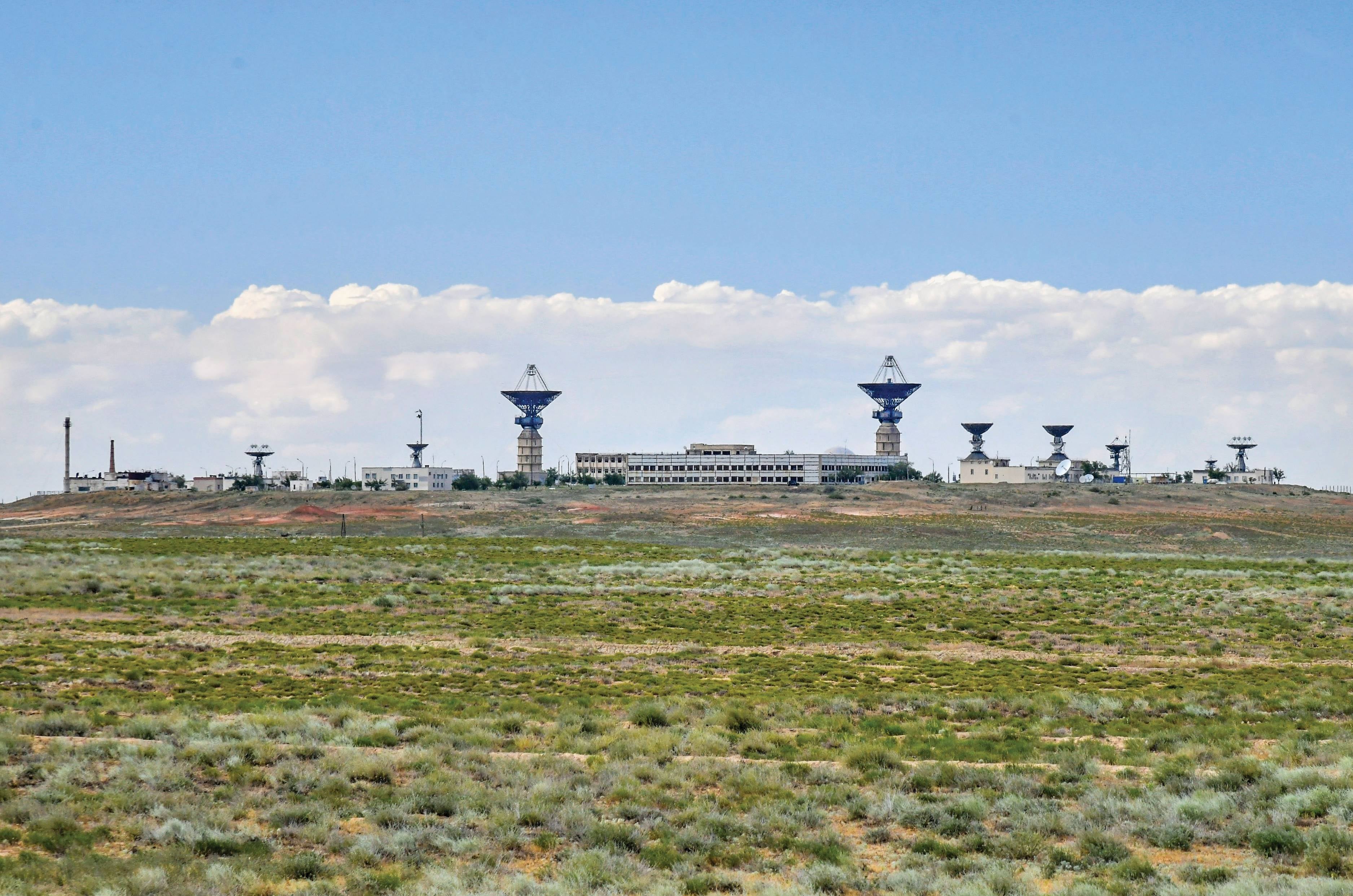
An interesting stop between Turkistan and Aral is the Baikonur Cosmodrome, which is the world’s first and largest operational space launch facility. However, thanks to the endless highways through Aral, Aktobe and Atyrau, we only got to test the Kylaq’s wheel alignment and its highway stability more than we would have liked.
Baikonur Cosmodrome – the world’s first, largest and operational space launch facility.
The mighty Stans were all about breathtaking sights, warm people and mouth-watering cuisine. The region still feels unadulterated, and that itself is what makes it special.
Kazakhstan in numbers
Turkistan – Kazakh-Russia border
Distance covered
3,237km
Fuel consumed
229.52 litres
Average fuel economy
14.10kpl
Approx. fuel cost
Rs 13,325
Avg. per-litre fuel cost
Rs 58.17
Total time driven
42 hrs
Average speed
77.1kph
Georgia – The Birthplace of Wine
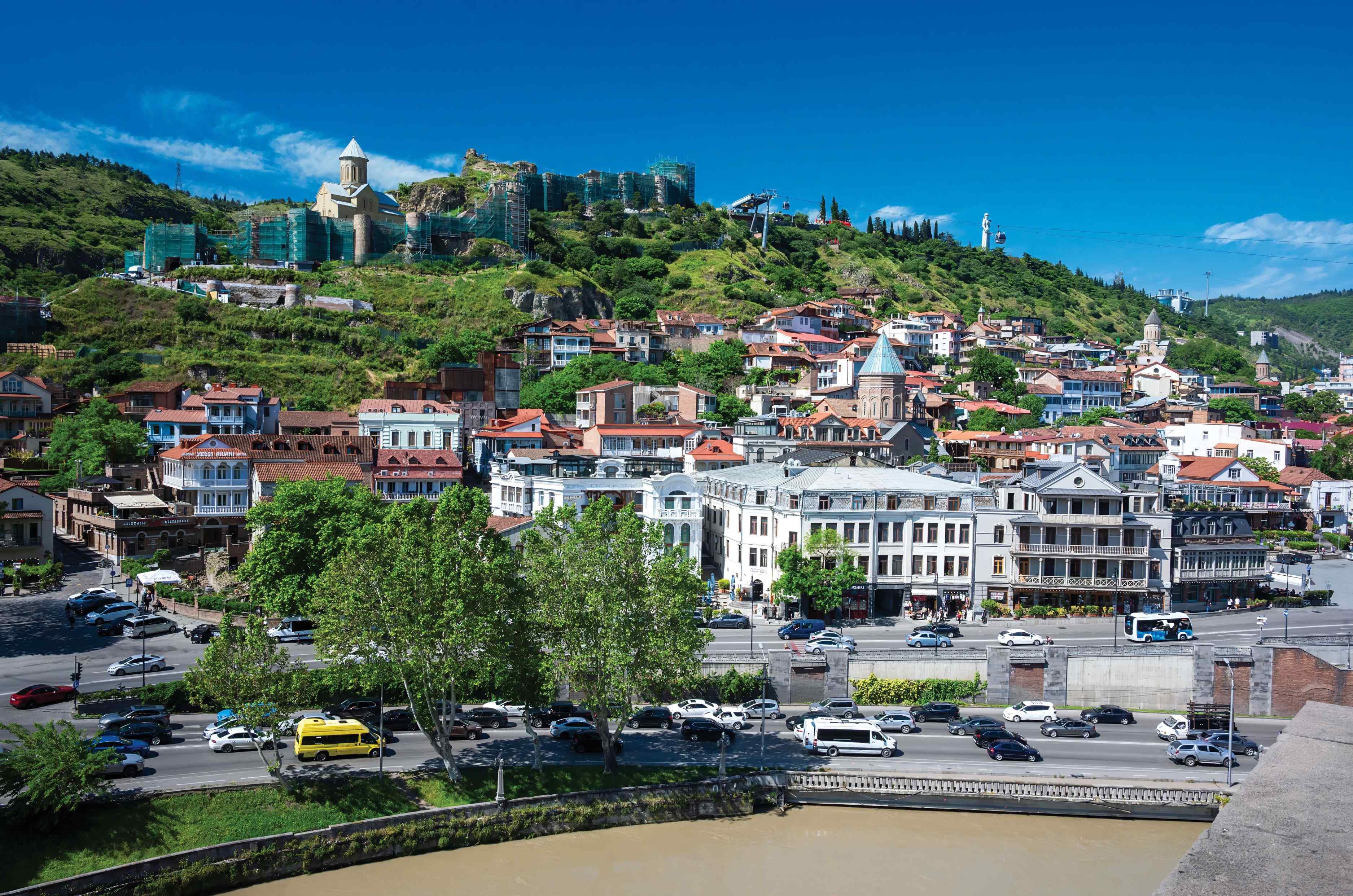
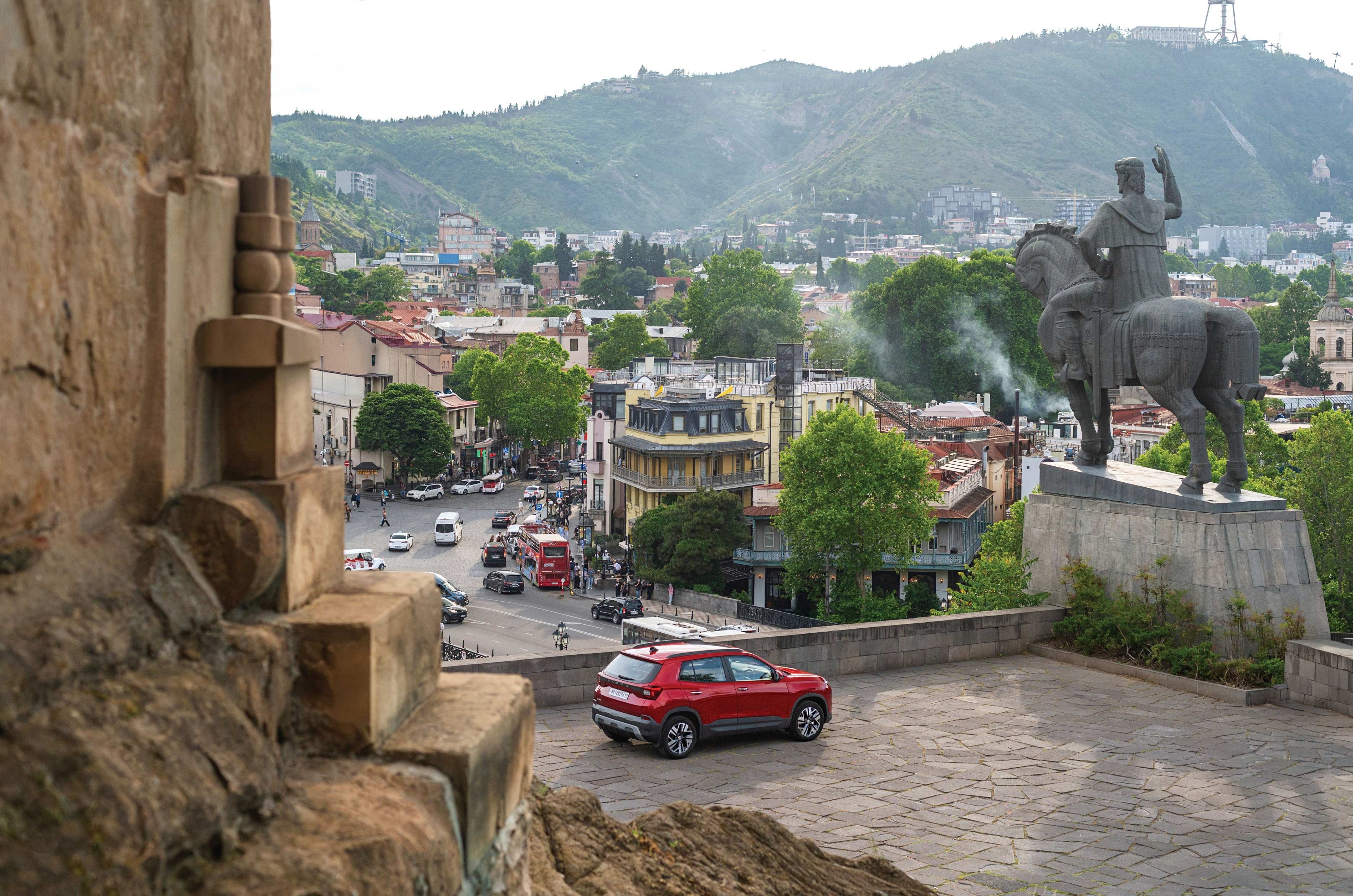
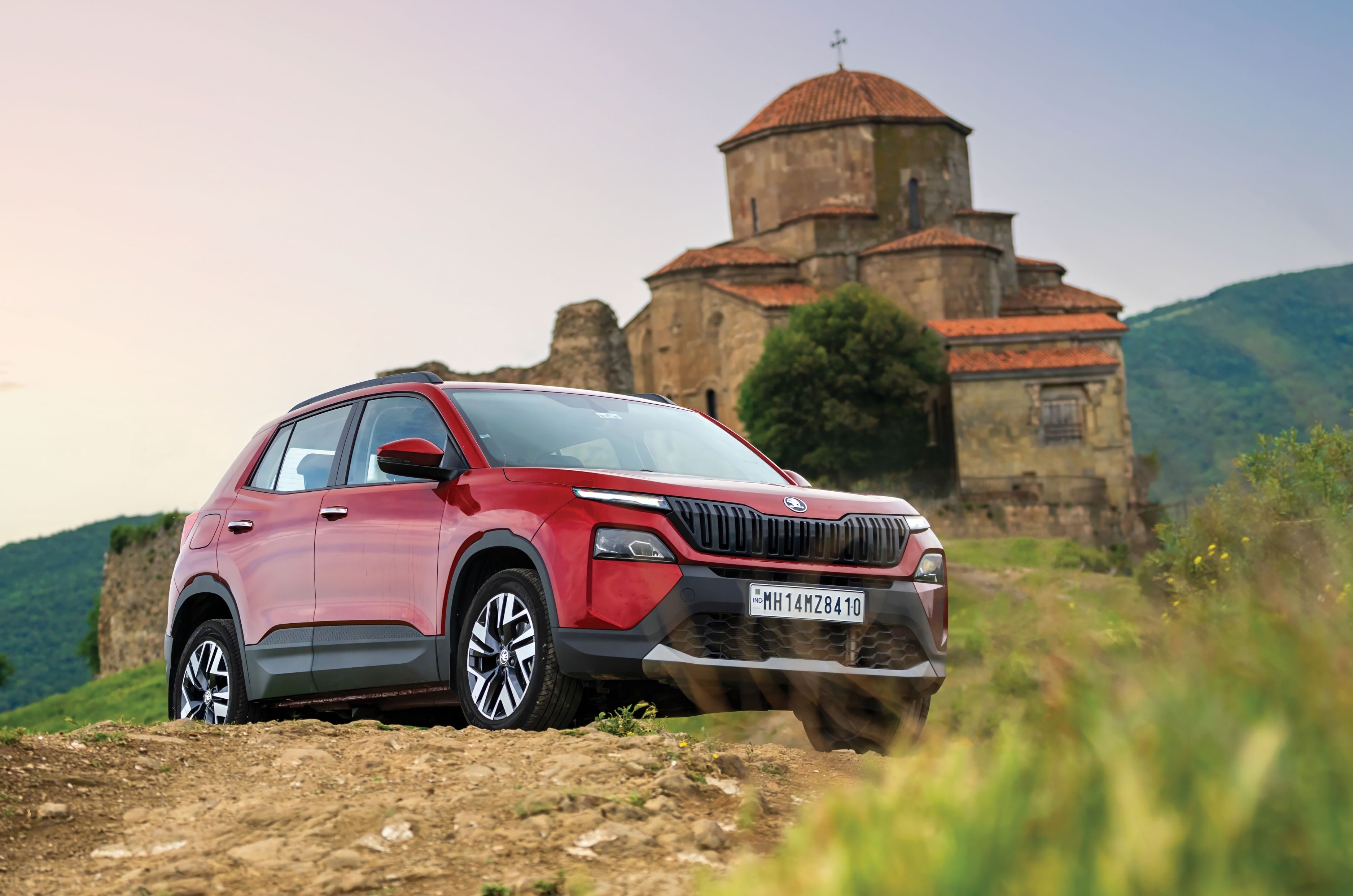
Compared to the vast landscapes and long highways of the Stans, Georgia was a contradiction. Based within the Caucasus Mountains, it has its share of twisties, which the Kylaq enjoyed. But the capital, Tbilisi, is the largest city and thereby pretty chaotic to drive in. Peak-hour traffic is just like what you would have in India, so we parked the car in a worryingly narrow alleyway and, for the most part, made our way on foot.
Huge statue of the founder of Tbilisi King Vakhtang I Gorgasali.
Like any big city, Tbilisi has its modern side, with glass buildings and modern restaurants, but there is still a large section that is rooted in tradition. Cobblestone streets with wooden houses and sulphur baths are a fascinating experience, as is the fantastic view from near the monument of King Vakhtang Gorgasali, the founder of Tbilisi.
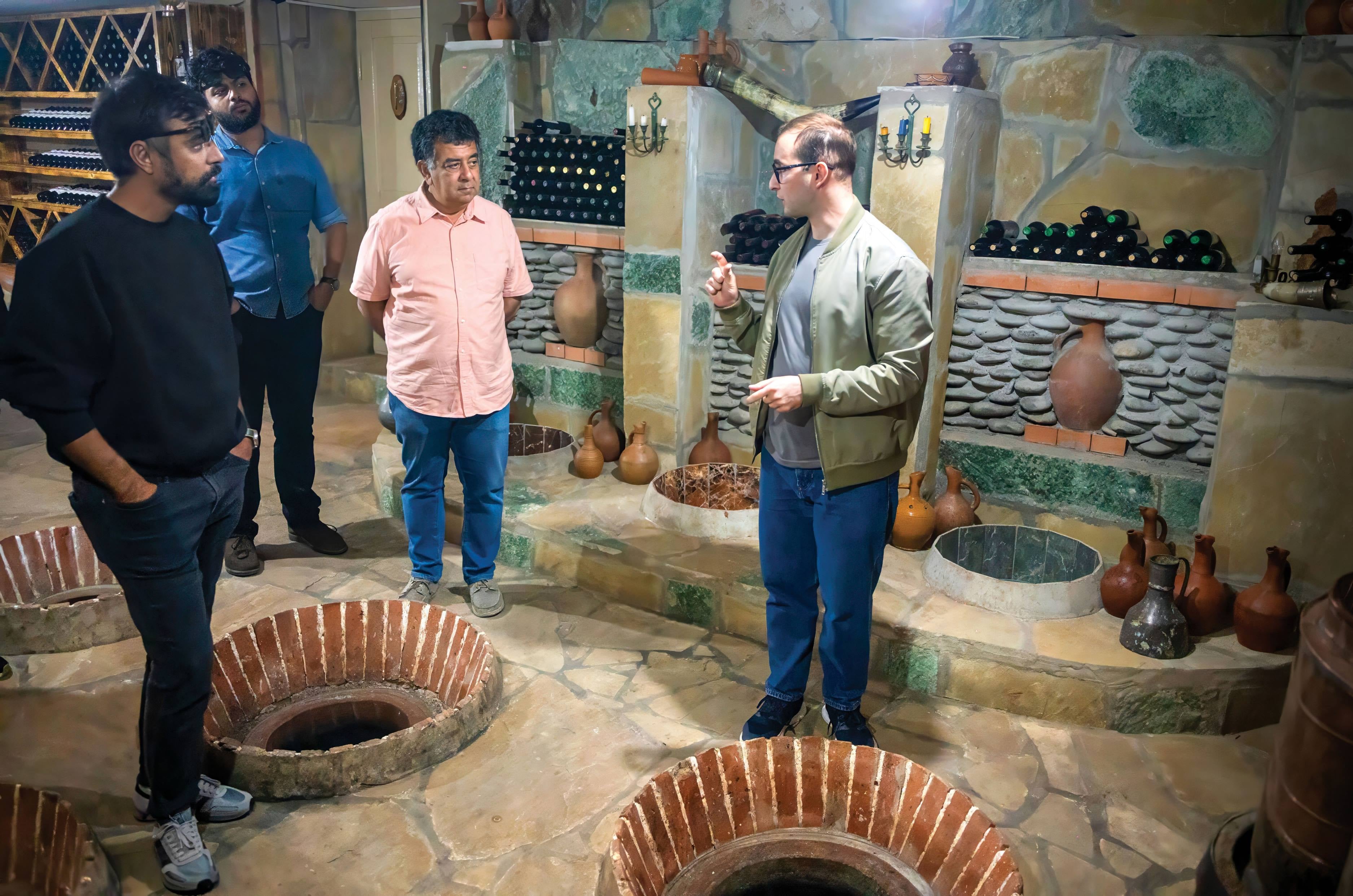
The monument itself is a striking bronze equestrian statue located on a rocky cliff above the Mtkvari River, next to the historic Metekhi Church in Tbilisi, Georgia. But Georgia is known to be the birthplace of wine, and on our drive to Tbilisi, we spotted several vineyards sprawling for acres. We had to get a closer look, and thankfully, our guide’s friend owned one of them.
Georgian wine fermented in clay jars buried in the ground.
The Georgians still use the ancient process of fermenting wine in barrels under the floor, but have now blended it with modern technology that allows them to control the temperature and get a more consistent batch each time. Wine connoisseur or not, the experience is enthralling.
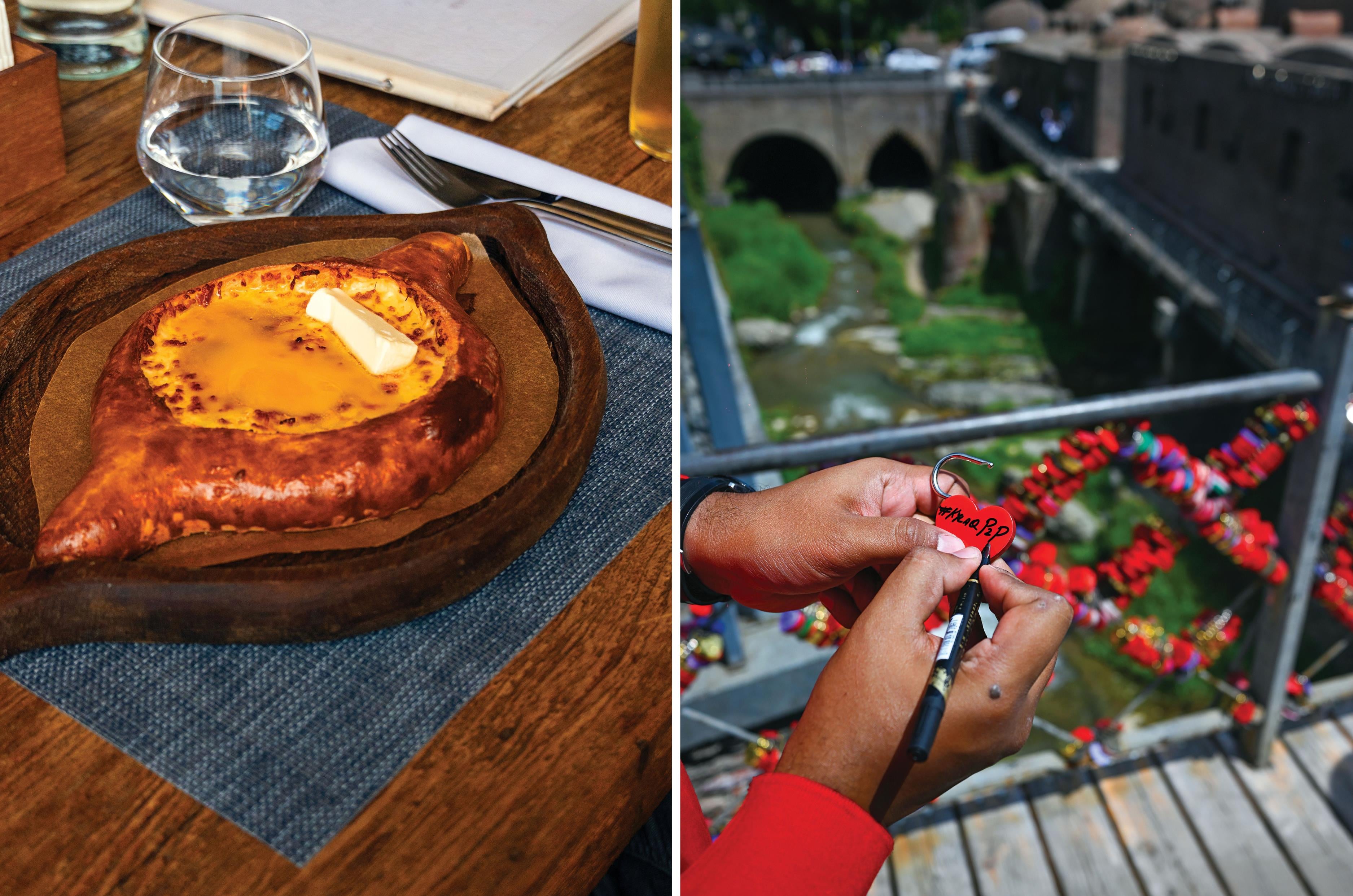
Khachapuri (flatbread with cheese and egg) is Georgia’s national snack.
The city tour built up an appetite, and we followed the scent of fresh bread for some authentic khachapuri. A Georgian flatbread that is hollowed out in the centre and filled with cheese, khachapuri varies depending on the region you’re in. You can have it with an egg cracked into it or with meat, too.
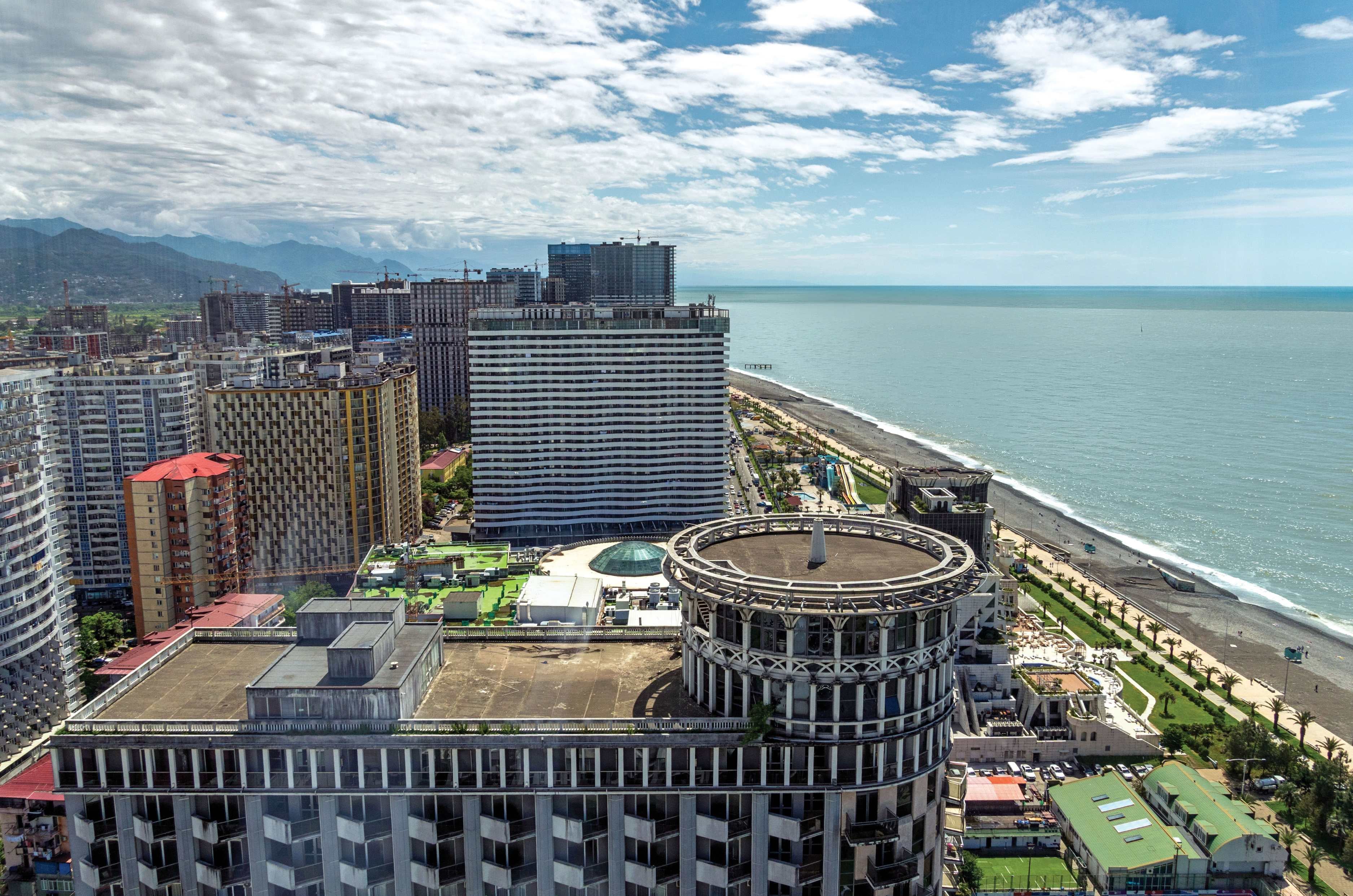
Coastal city of Batumi is a stark contrast of Tbilisi.
With sightseeing done, we drove the next day to the coastal city of Batumi. A vibrant, modern city with a lot more European influence. However, if the roads in Tbilisi were narrow, Batumi was on another level. Despite the compact dimensions of the Kylaq, our hotel parking was a sidewalk cordoned off by the hotel manager, as there simply was no space to park.
14th-century Gergeti Trinity Church has stunning views of the Caucasus Mountains.
Still, we made the most of it by strolling by the shore of the Black Sea, watching the locals angling for fish. Georgia, just like the Stans, offered a unique glimpse into this part of the world and its diverse culture. For our final stretch before Europe, we had one last country to drive through – the colourful Türkiye.
Georgia in numbers
Tbilisi – Türkiye border
Distance covered
624km
Fuel consumed
58.62 litres
Average fuel economy
10.64kpl
Approx. fuel cost
Rs 7,607
Avg. per-litre fuel cost
Rs 129.78
Total time driven
17.5hrs
Average speed
58.5kph
Türkiye – Gateway to Europe
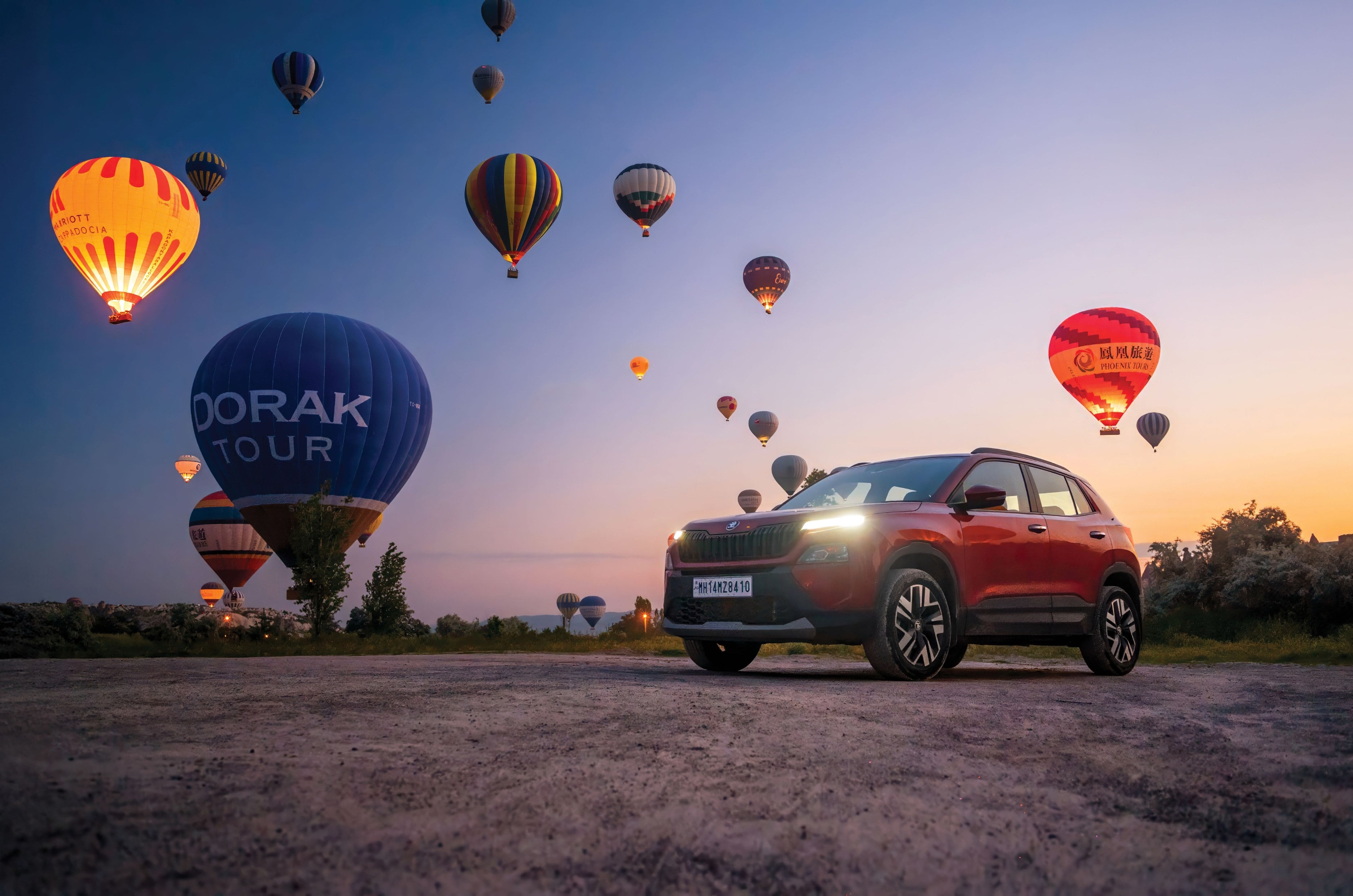
Cappadocia’s claim to fame is well worth the hype.
As the Kylaq crossed into Türkiye, our first stop was in Erzurum. A major winter sports town, but thanks to the time of year, our ski resort was bright, sunny and without an ounce of snow. A quick stroll through the small town and we hit the sack in preparation for a 700km-plus drive to the tourist haven that is Cappadocia.
The next morning, the plan was to do what you must do in Türkiye – take a hot-air-balloon ride. A pre-dawn wake-up call is never comfortable, but the peace was soon shattered by the sound of a group of old diesel Land Rover Defenders revving to keep themselves warm while they waited to transfer tourists to the balloon launch site. The balloon ride is arguably the largest tourist attraction in Türkiye, so there was quite the rush.
We, too, loaded up the Kylaq and hit the road to get the perfect shot of the sun coming up over the hills while the sky was filled with balloons. And boy, did we get it. As the orange tinge hit the fairy chimneys, we saw what the hype was about. The visual is nothing like you have ever seen: watching one colourful hot-air balloon is rare, and here there were over a hundred. We shot GBs worth of images and videos and got back to catch up on the broken sleep from earlier.
Türkiye in numbers
Erzurum – Bulgaria border
Distance covered
1,436km
Fuel consumed
98.1 litres
Average fuel economy
14.63kpl
Approx. fuel cost
17,187
Avg. per-litre fuel cost
Rs 134.19
Total time driven
19.5 hrs
Average speed
73.64kph
A relaxing drive the next day got us to Istanbul, which, to some, might seem like the capital thanks to its bustling character – a glimpse of which we got as we got closer. A traffic jam stretching for more than a couple of kilometres brought the Kylaq to crawling speeds. To avoid the repercussions of driving next to hasty cab drivers, we parked the Kylaq and headed to check out the nightlife, but more importantly, the döner kebab.
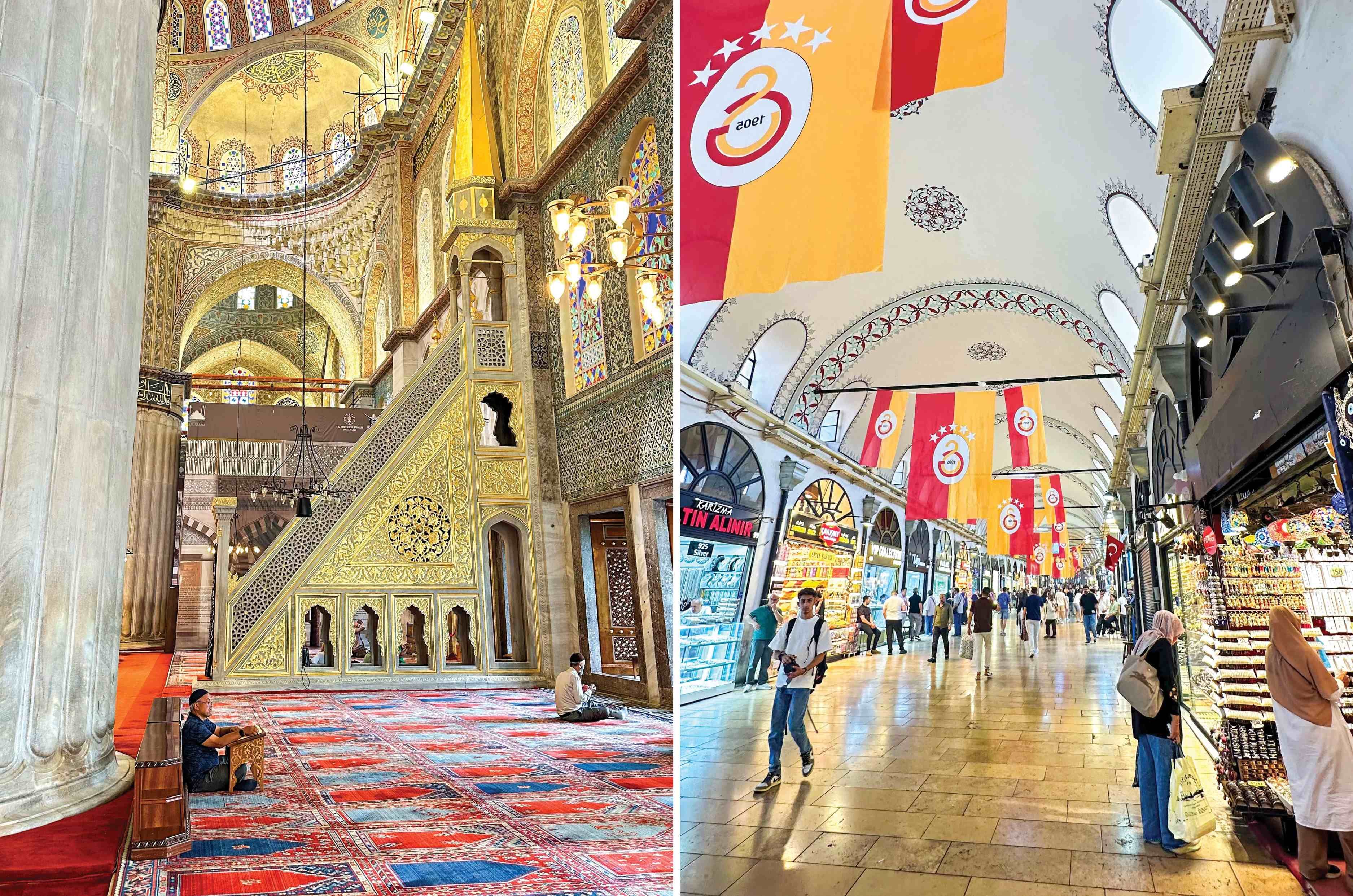
Exceptional interiors and an unbelievable calm in Istanbul.
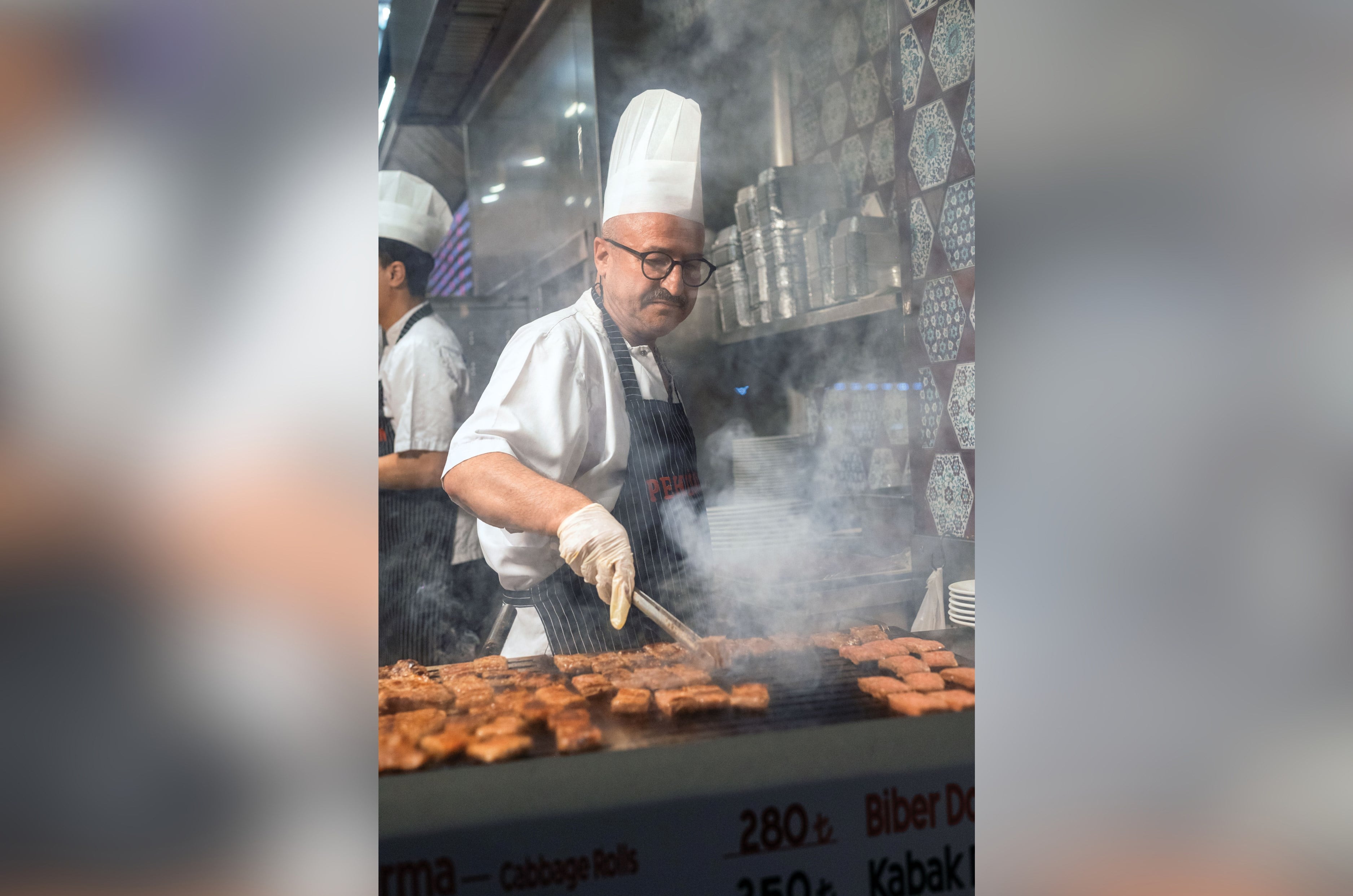
Similar to a shawarma, the döner kebab consists of a pile of meat that is cooked on a rotisserie over a flame. The dripping fat is mopped up by pita bread, which is then loaded with the sliced meat and seasonings. After a long walk through the Grand Bazaar, haggling for a fake Rolex, the döner becomes almost a necessity.
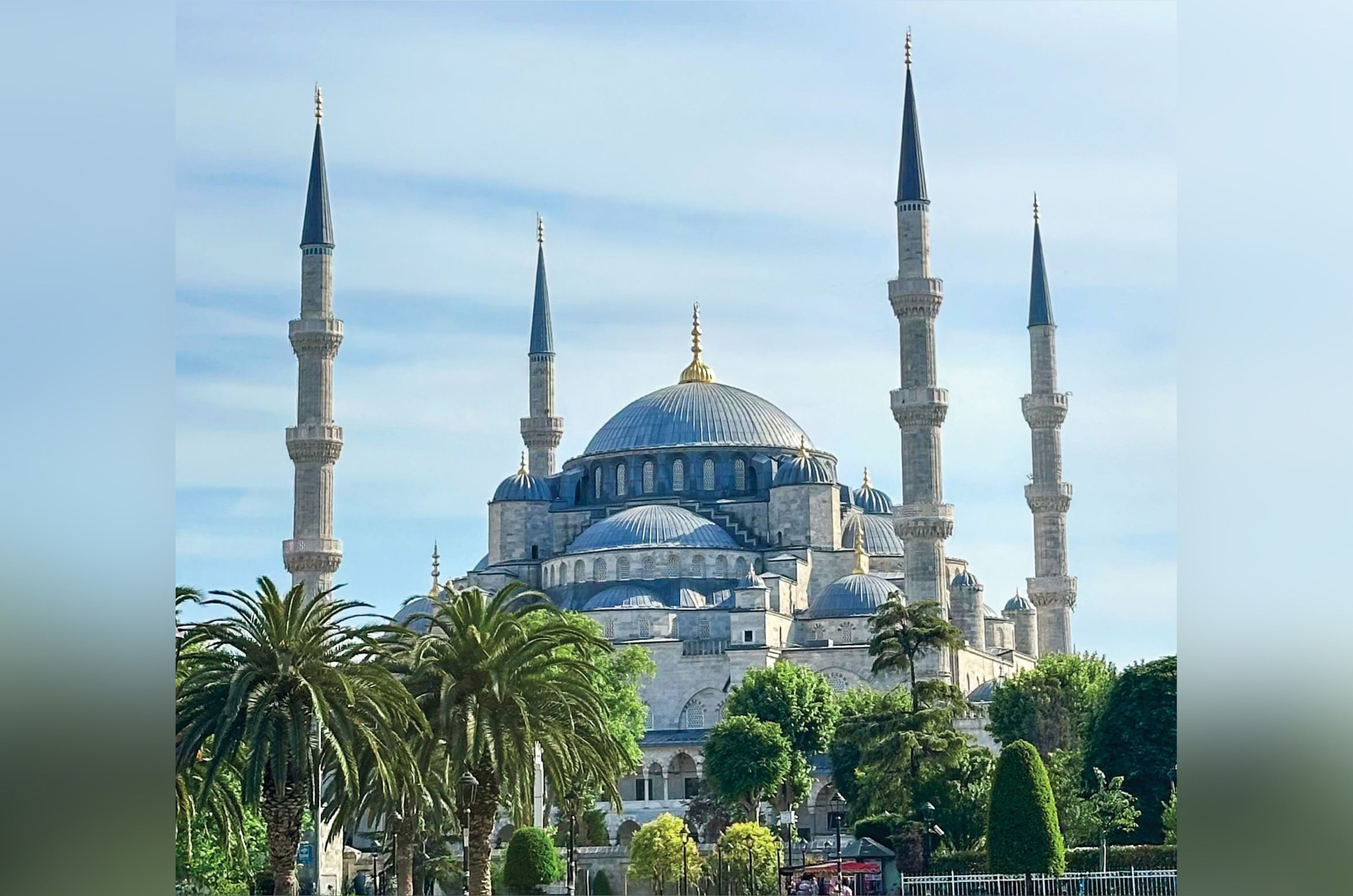
What’s also equally stunning is the Blue Mosque. Known formally as the Sultan Ahmed Mosque, it was constructed between 1609 and 1617 in the Ottoman era by Ahmed I. To get the entire mosque in frame, you need to fall back to the Hagia Sophia Mosque, which is in the same vicinity. Both equally grand, equally detailed and equally important.
The Blue Mosque, built in the Ottoman era, is majestic.
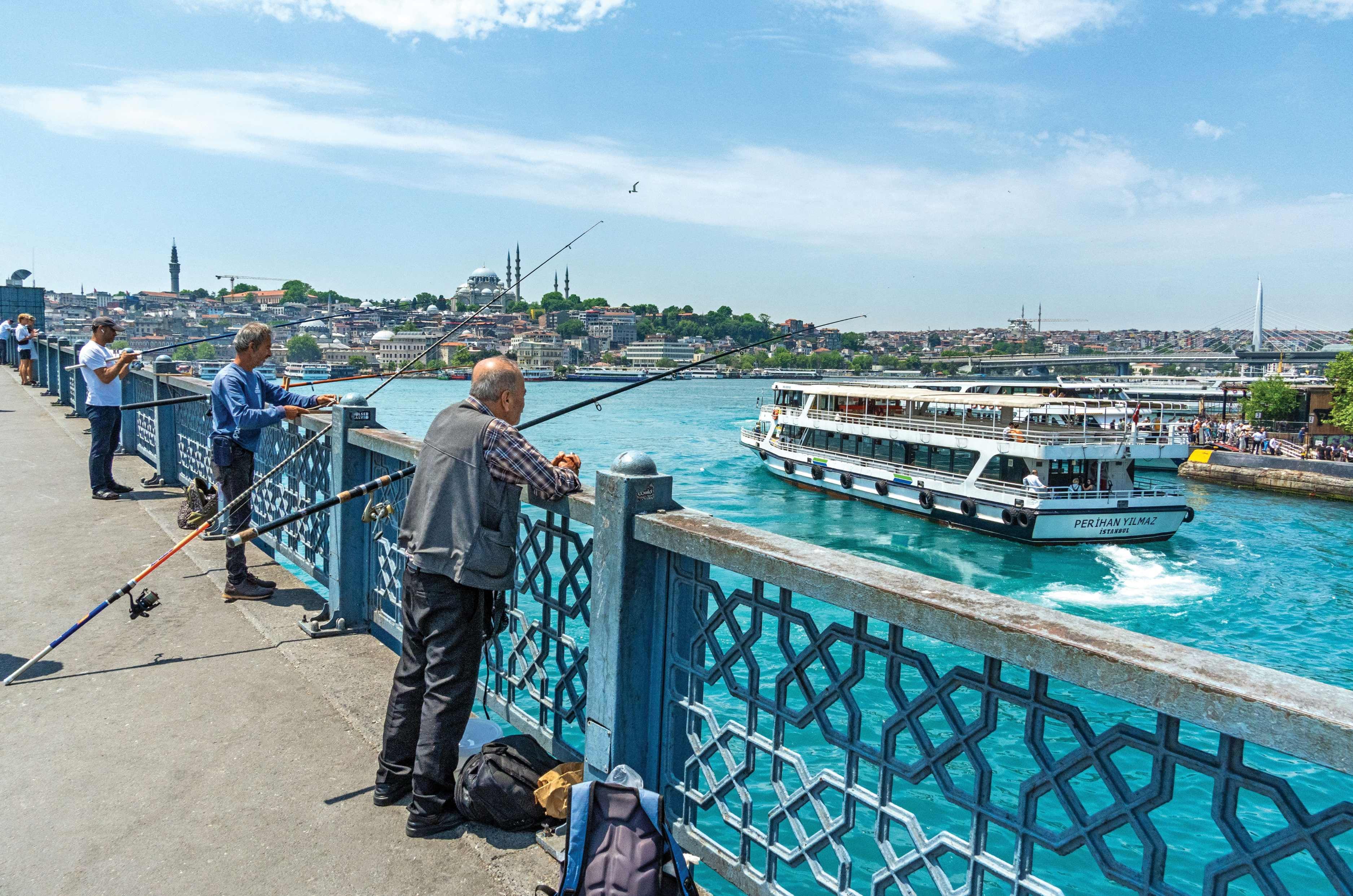
To explore more of Türkiye, we got back into the Kylaq and realised there was a bridge that is unlike any other in the world. The Bosphorus Bridge is located over the Bosphorus Strait, but its claim to fame is that it, quite literally, has one end in Asia and one end in Europe. You can cross the bridge in about two minutes, depending on traffic, but the sense that you can practically drive over from Asia into Europe before you can finish watching a reel is unreal.
Angling over the Bosphorus strait is a common hobby.
Europe – Home Stretch
Bulgaria – Romania – Hungary – Slovakia – Prague
The end of our incredible Pune-to-Prague drive was now a matter of days away. After over two months on the road, we were a couple of thousand kilometres away from the finish line. The excitement that had tapered off midway was back in full force.
We would be entering Europe through Bulgaria, and the border, as expected, was busy. Documentation, carnets, passports, stringent car checks and some explaining later, we were finally in.
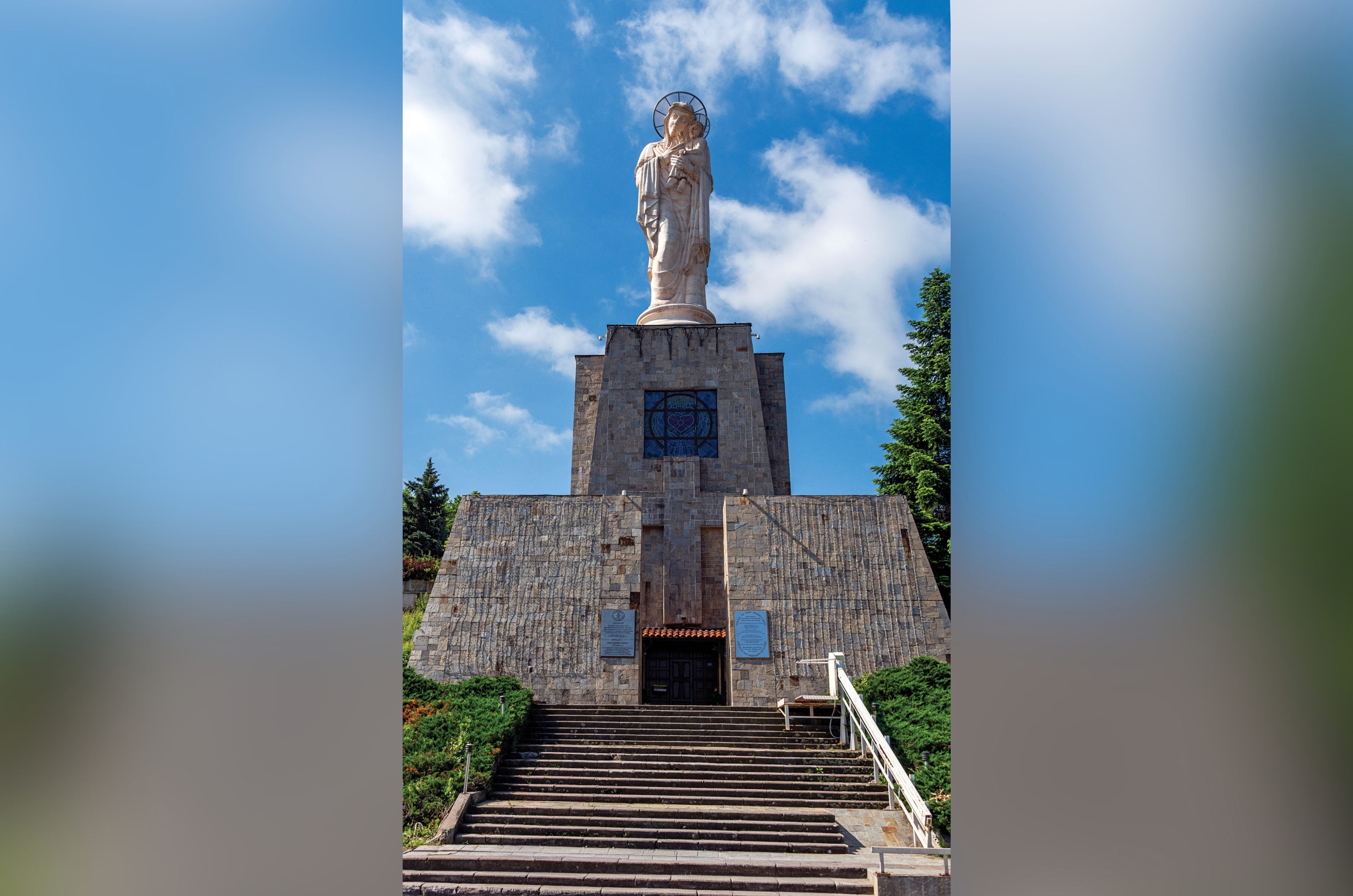
Monument of the Holy Mother of God in Haskovo.
Haskovo is a quaint town with a slow pace and none of the bustle of a European city, but it boasts a Guinness record for having the towering Monument of the Holy Mother of God, the tallest statue of the Virgin Mary and Baby Jesus in the world. Naturally, we had to check it out before we headed further.
Crossing countries in Europe is the equivalent of crossing states in India. There are no significant border checks or passport-control booths. A board with the blue EU flag and the name of the country is all you will see.
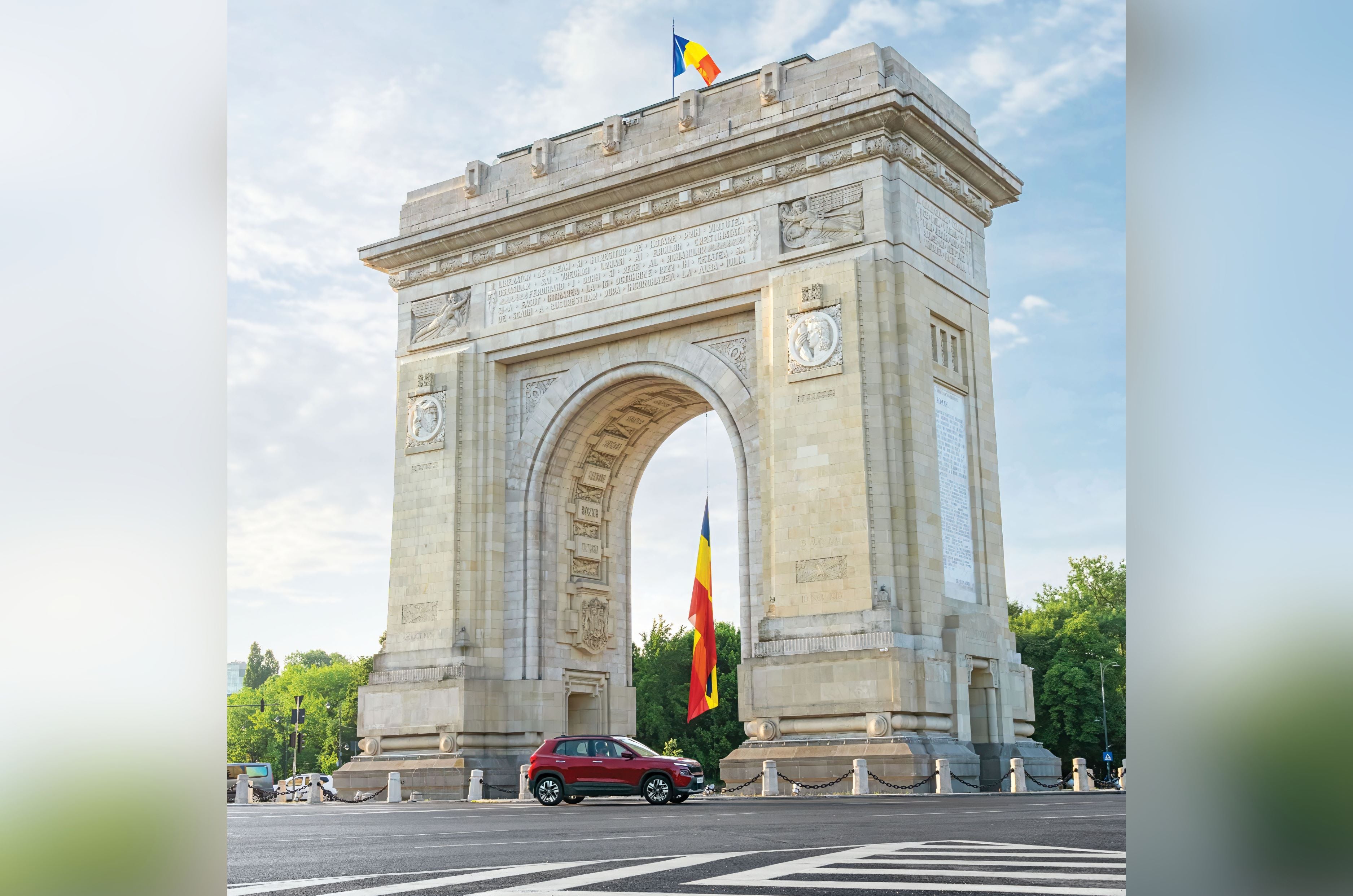
Romania’s Arcul de Triumf an ode to the one in Paris.
We crossed into Romania rather unassumingly and headed for Bucharest. The capital is picturesque and is also colloquially known as “Little Paris”. Like the Arc de Triomphe in Paris, Romania too has its own version. A tad smaller in comparison, but just as iconic.
However, what takes the cake is the Parliament Building, formally known as the Palace of the Parliament, which is also the heaviest building in the world, standing at approximately a ridiculous 4,098,500 tonnes. We couldn’t verify that, but since the Kylaq looked like a mere speck in front of it, it was all the proof we needed.
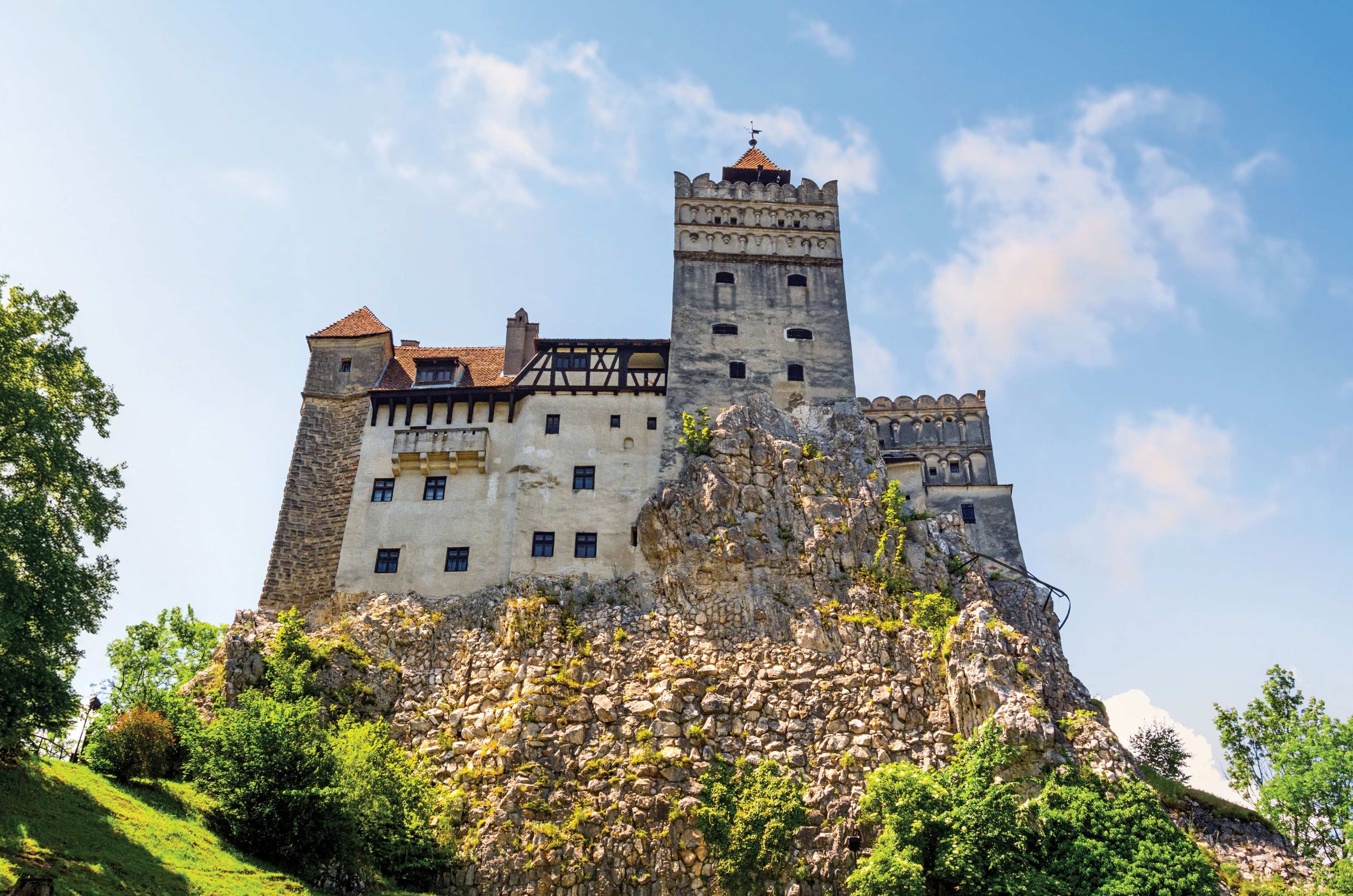
Bran Castle is widely marketed as Dracula’s home.
Bucharest also has a thriving nightlife, with the quiet cobbled streets turning into party hubs post-sunset. As we headed towards Hungary, we couldn’t help but make a stop at Bran Castle. Despite the myth that it was once home to the famous Dracula, there is nothing but merchandise at the foot of the castle to prove that claim. Historians have dismissed the claim and, while it is fascinating, there is plenty of evidence against it. Still, that did not stop us from buying some fake vampire teeth and Dracula magnets.
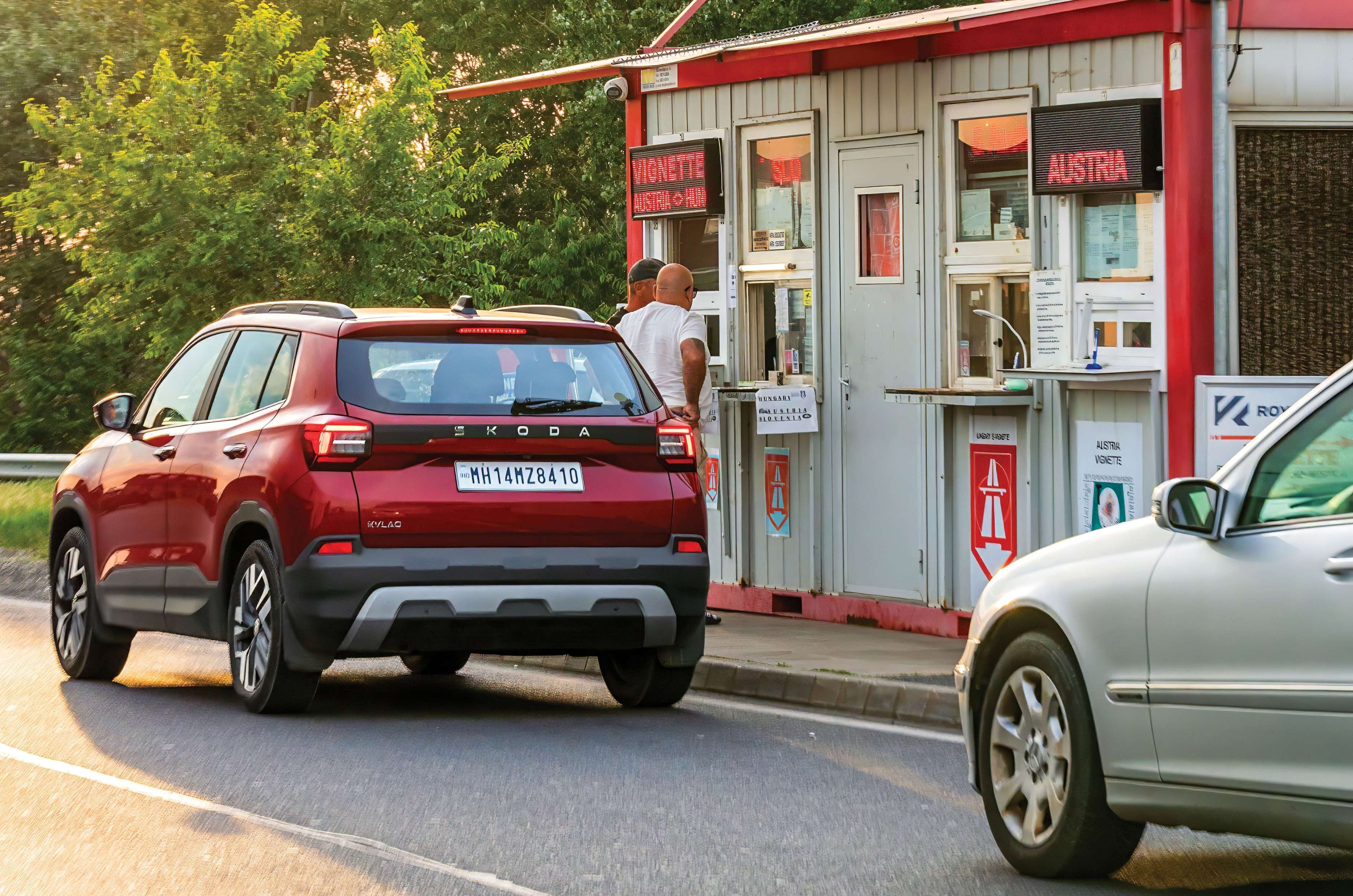
Vignette is Europe’s FASTag and is essential on the freeways.
From the shores of the Black Sea, we drove into landlocked Hungary. The drive to Budapest was long, but thanks to Europe’s seamless highways, it was light work for the Kylaq. In Europe, it just blended in with the other cars, and at no point did it feel out of place. It might have been built in India, but it felt every bit as European as it got closer to Prague.
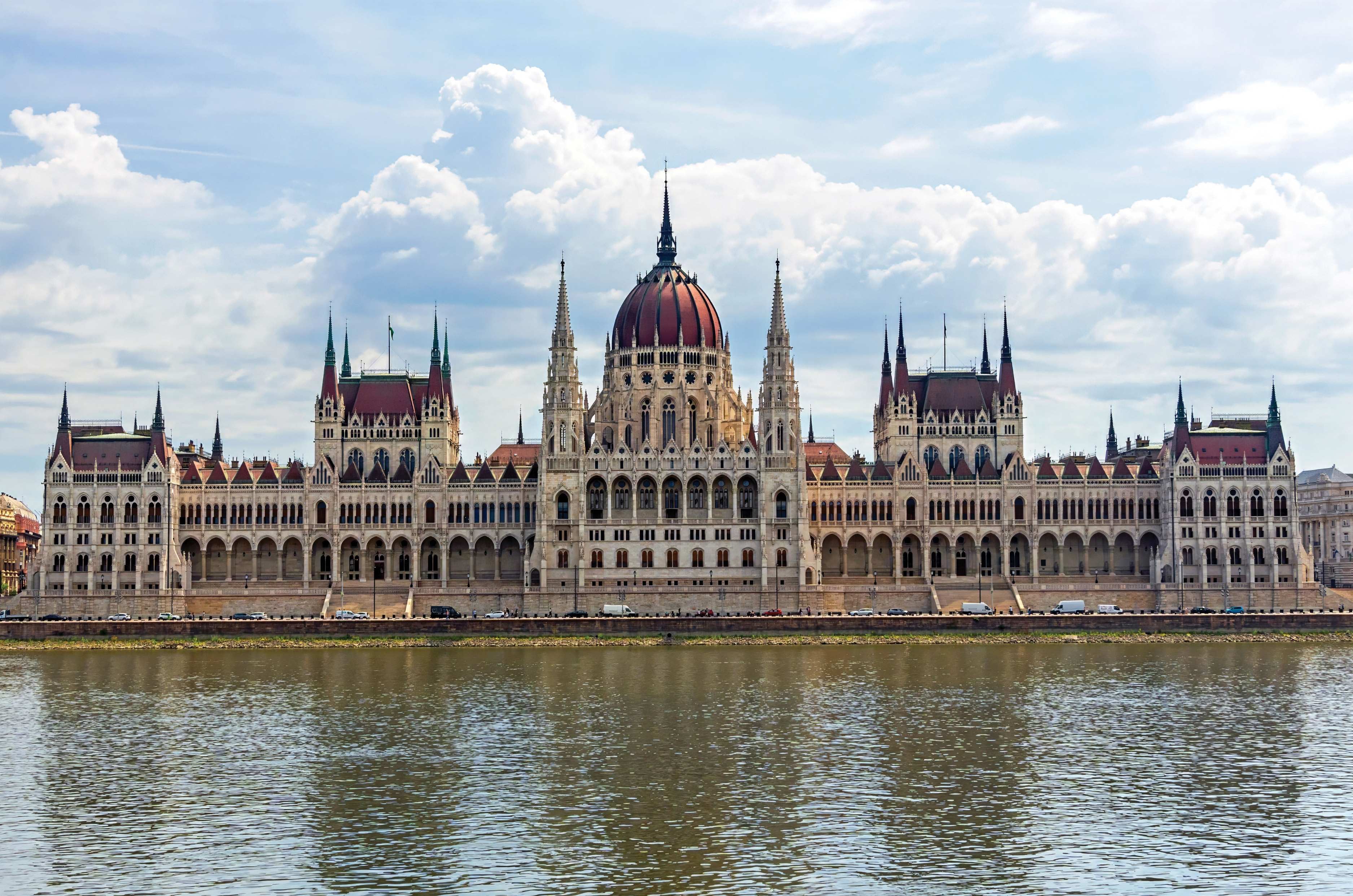
Budapest’s Parliament Building sits by the banks of the Danube River.
As we drove by the banks of the Danube, we were in awe of the stunning Hungarian Parliament Building. Budapest is also known for its bridges, with as many as 13 iconic ones, each with its own identity.
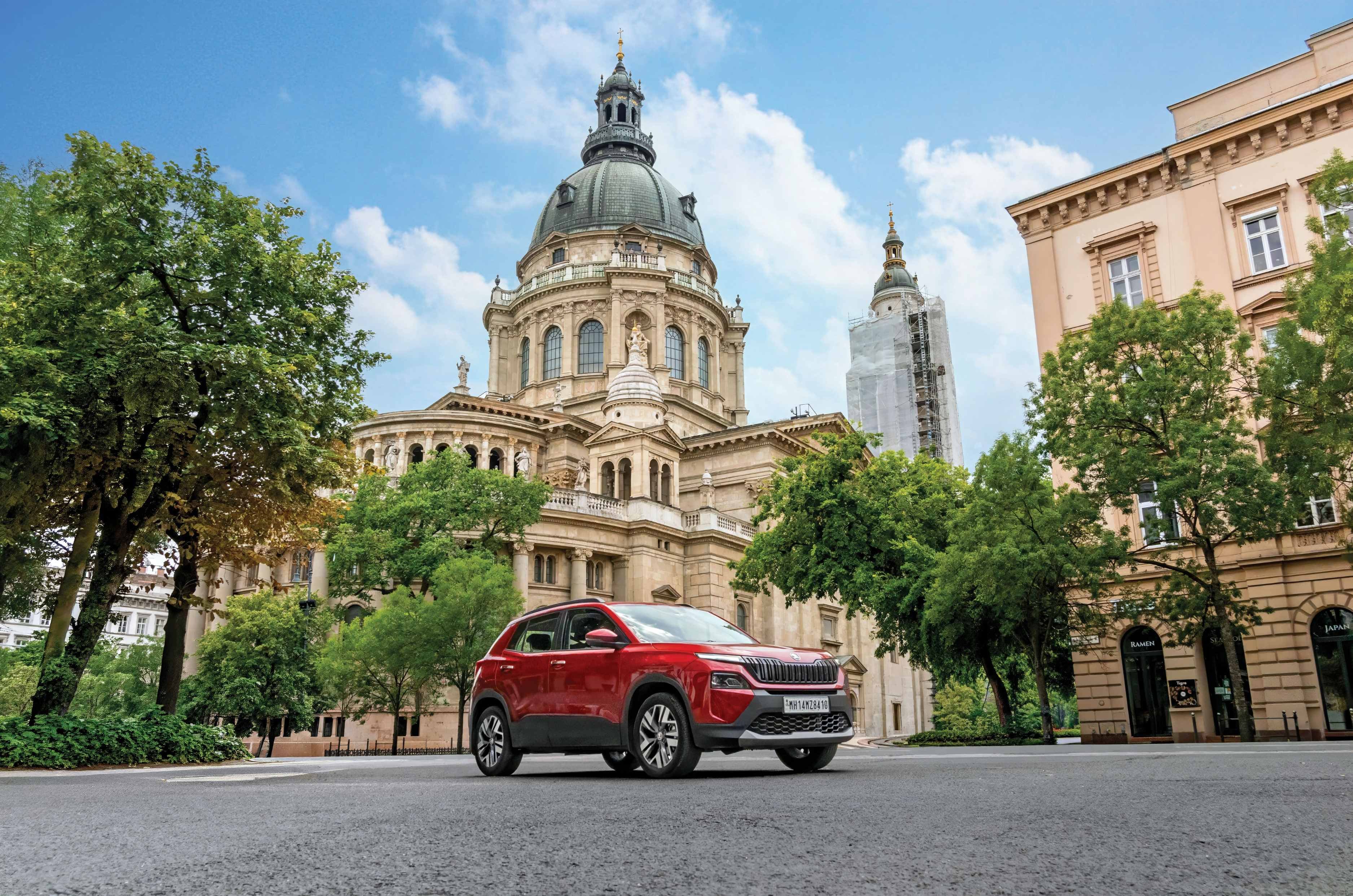
St. Stephen’s Basilica is the largest church in Budapest.
The last country before we entered the Czech Republic was Slovakia. The small country, with a quarter of the population of Mumbai, has a rather interesting Indian connection, as we found out in the pedestrian-only zone of its capital, Bratislava. Bratislava was visited by Pt. Jawaharlal Nehru in 1938, along with a young Indira Gandhi, regarding the freedom movement under British rule.
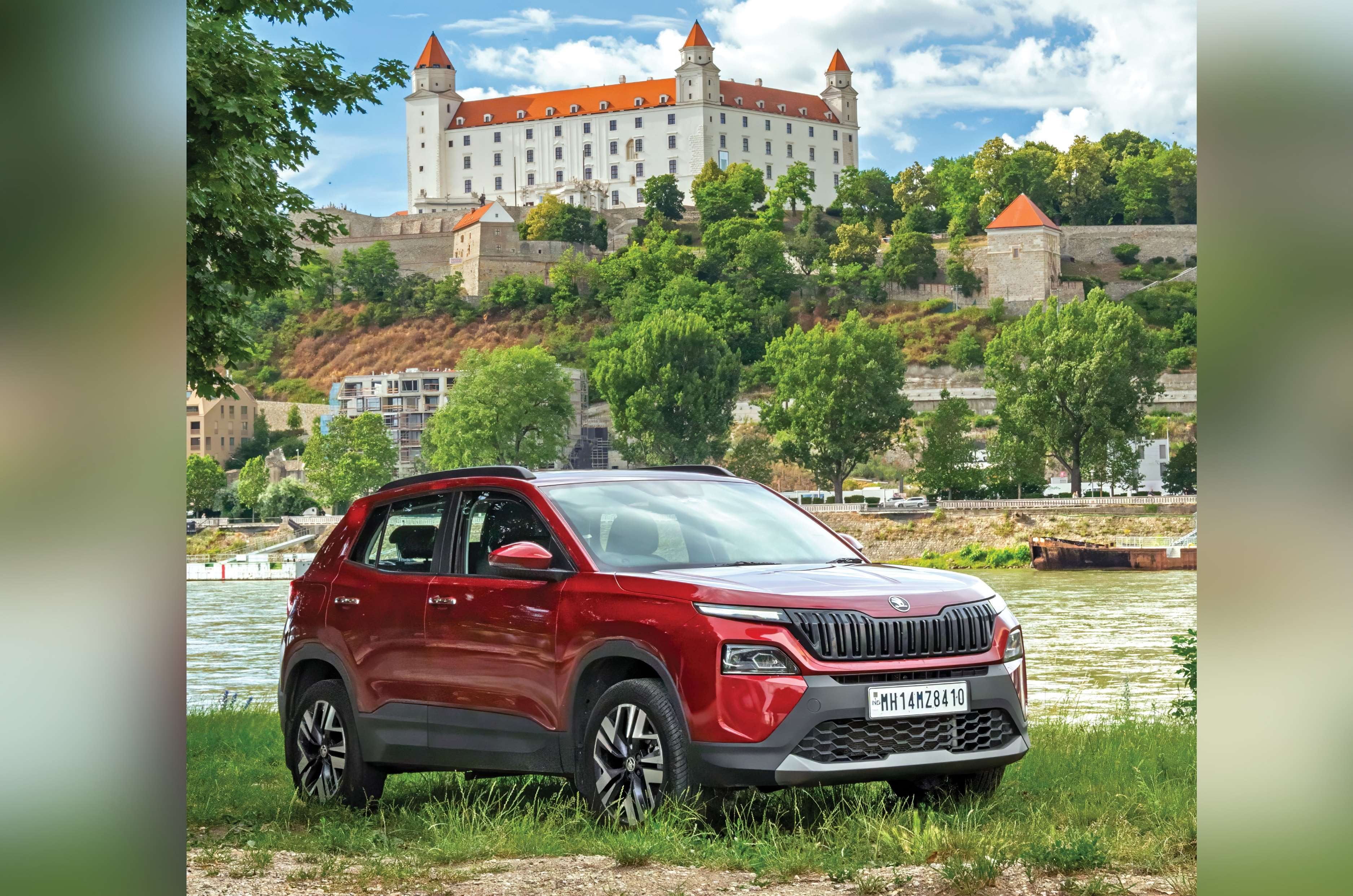
Bratislava Castle, built in the 13th century on the banks of the Danube, is now a museum.
The town square is also an open market with rich produce, handmade jewellery and a lot more. After buying the last few souvenirs before our bags exploded, we were set for the home stretch.
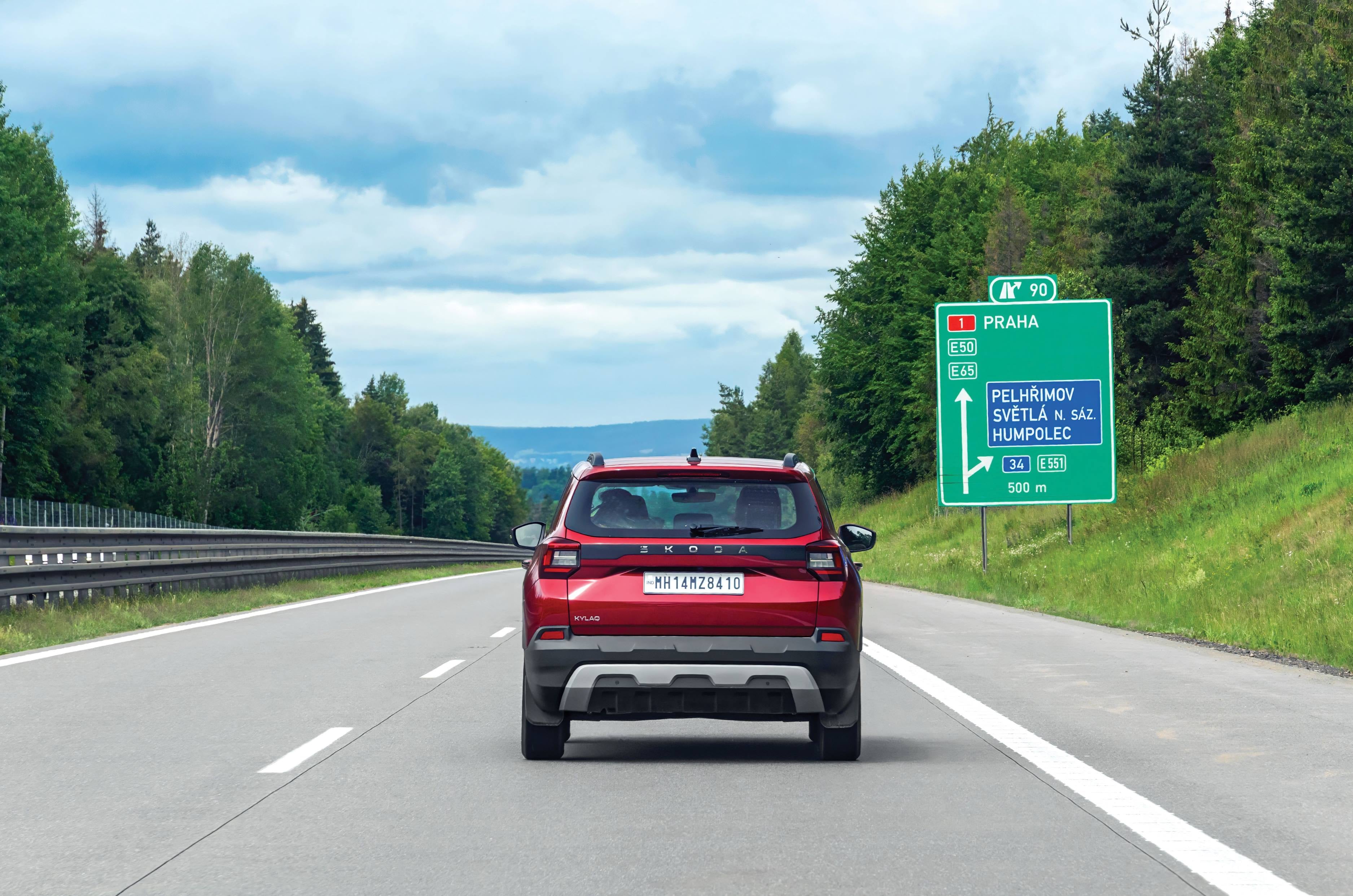
Prague boards were the beginning of a bittersweet end.
Prague was no more than 200-odd kilometres away, and the bittersweet feeling of it all coming to an end loomed over each and every one of us. As we crossed Brno and got closer to Mlada Boleslav (Skoda’s headquarters), we all reminisced about how gigantic this drive had been. Seventy days, almost 20,000km and not a single fault with the car, not even a puncture.
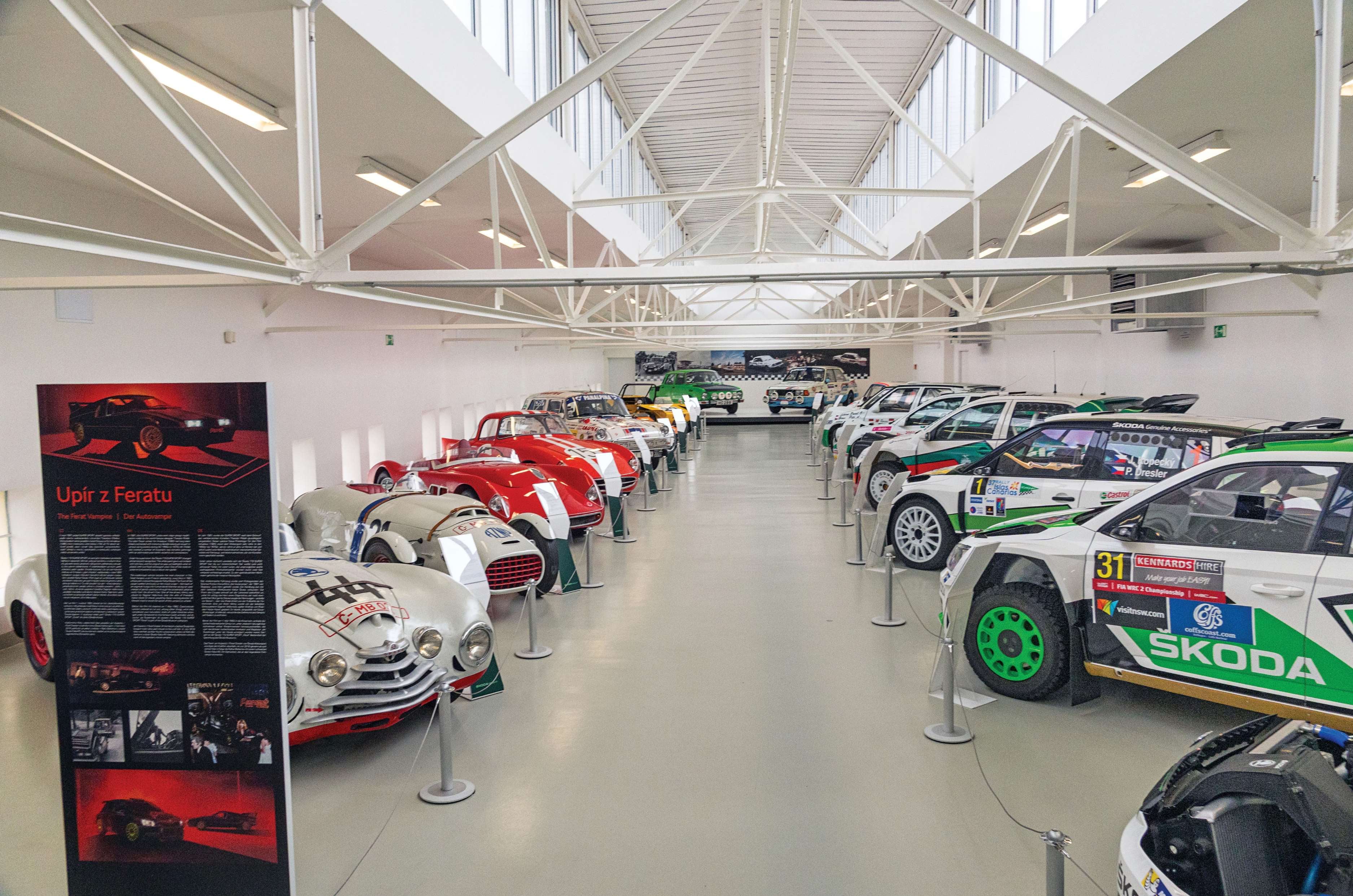
Rich history of rally and motorsport at the Skoda museum.
We crossed the Skoda factory gates with employees gazing in amusement and confusion. They had never seen this car, but strangely, it had a Skoda logo. As we parked the car near the iconic museum that preserves over 130 years of history, we had to peek in and see where it all started.
The fact that a simple bicycle gave birth to one of the largest auto manufacturers in the world is pretty astonishing. Road cars, racing cars and rally legends, Skoda has done it all. A reputation built over a century for being tough, resilient and deeply desirable.
Watching the Indian-made Kylaq sitting proud and faultless in the gleaming sunlight against the backdrop of Prague Castle, looking exactly like it did on the factory floor in Chakan, only proves that the 130-year-old ethos is still the same, no matter where Skoda builds a car.
The final picture in the camera that will always take us back in time
In a world rapidly shifting towards more screens and fewer experiences, a drive like P2P isn’t just a rarity; it’s a statement of defiance: as long as there’s a world to explore, we will find a way to drive across it.
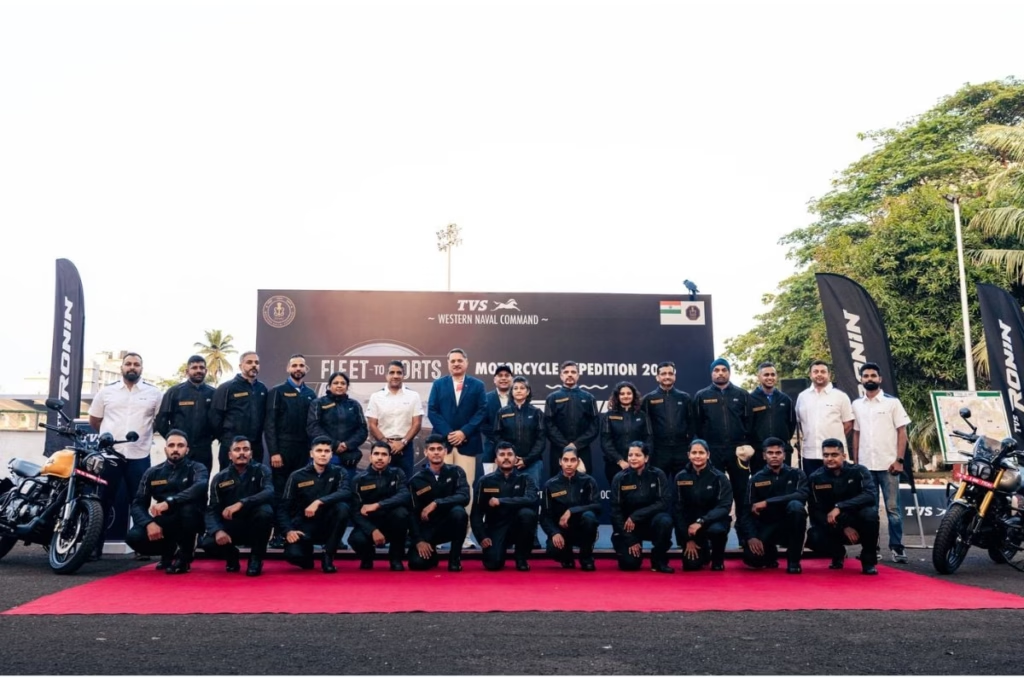
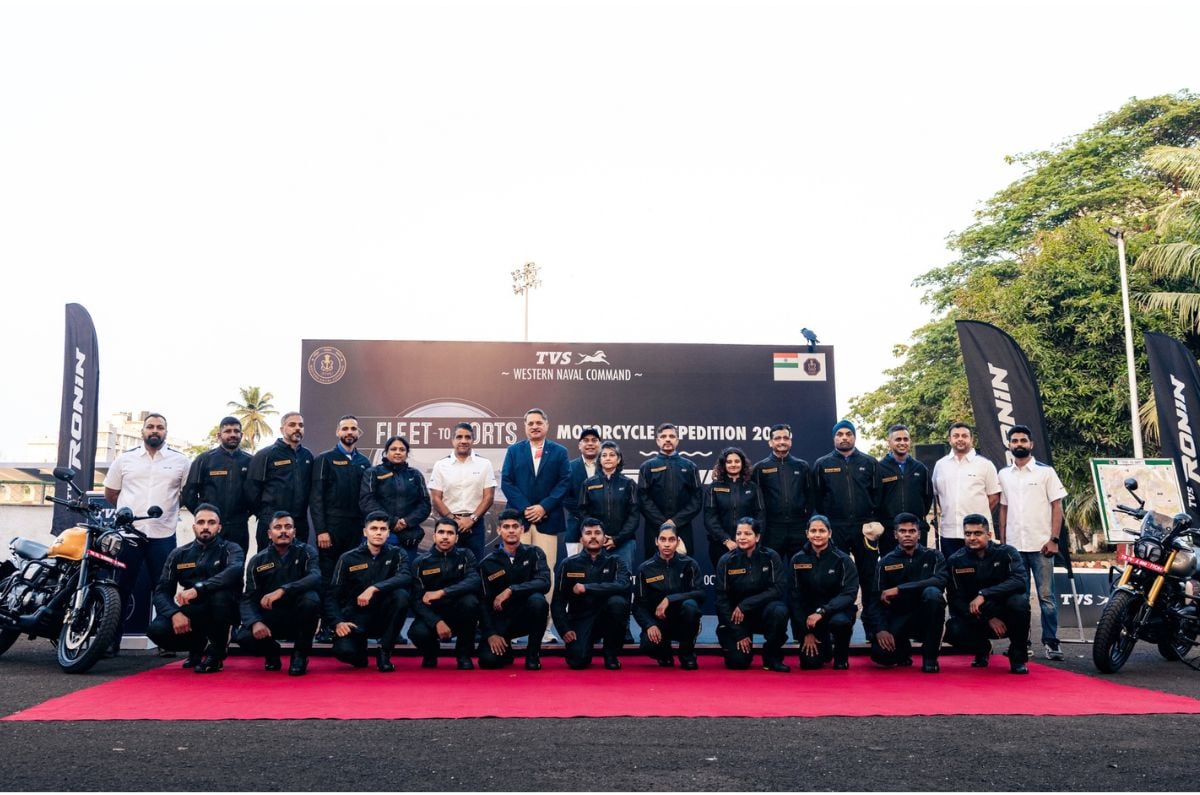
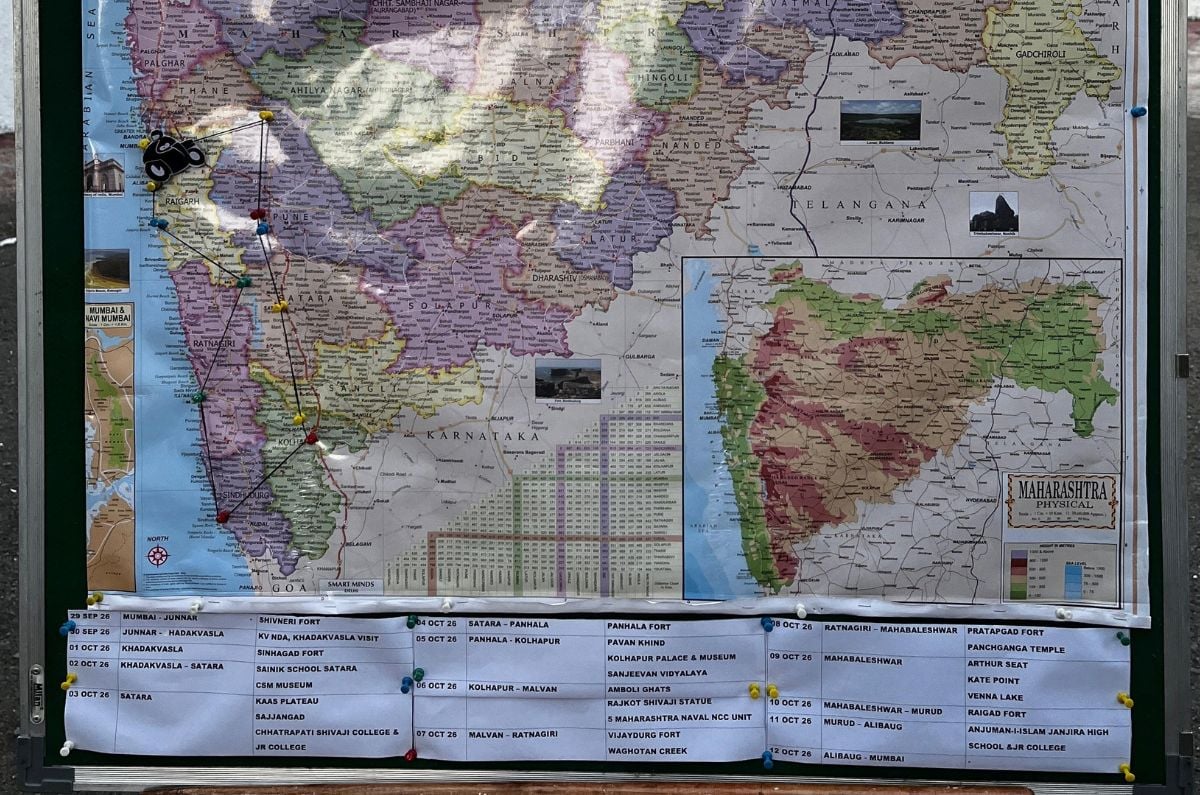
The Indian Navy, in association with TVS Motor Company, has set out on a ‘Fleet to Forts’ expedition with 25 riders on the Ronin intending to cover 1600km across Maharashtra over the next 14 days. The route covers ten historic forts associated with Chhatrapati Shivaji Maharaj, founder of the Maratha empire.
The 25-member group consists men and women of various ranks
TVS will also provide additional technical, logistical and media support
‘Fleet to Forts’ expedition: Mission and Vision
An itinerary centred around the past and the future
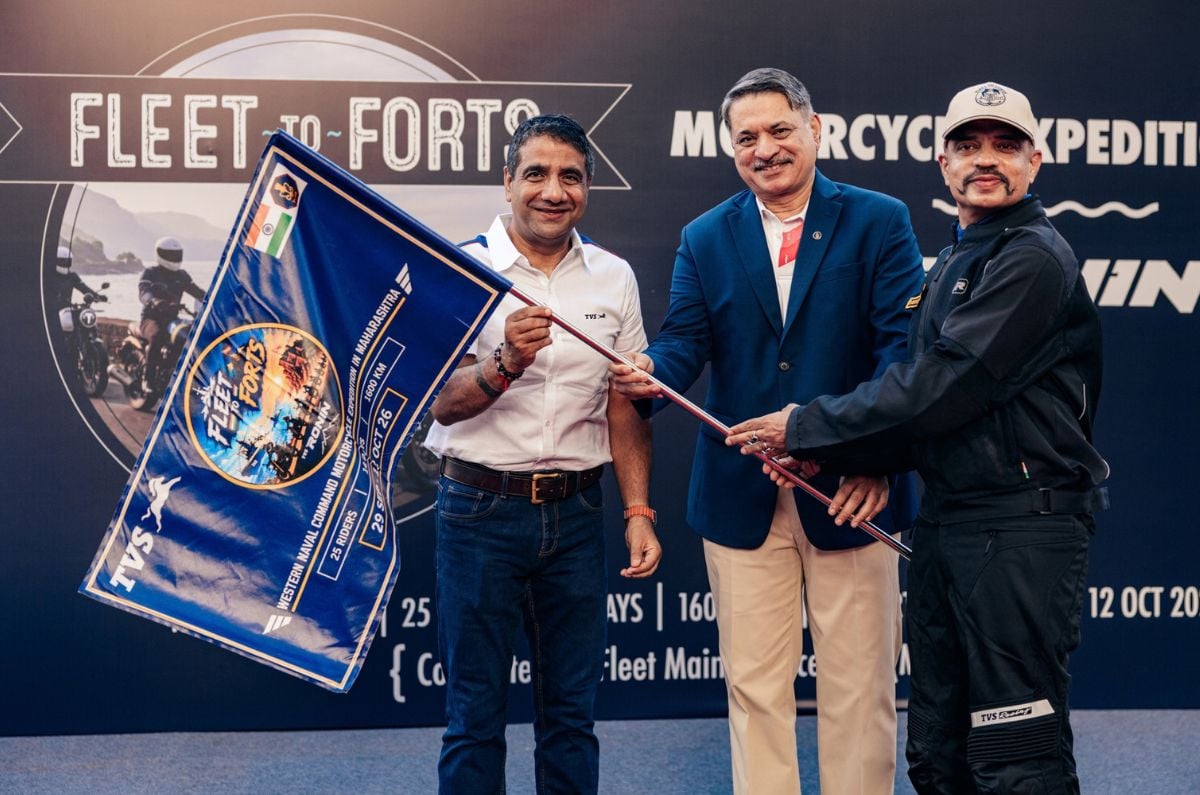
The expedition was flagged off yesterday by Vice Admiral Rahul Vilas Gokhale (Chief of Staff for the Western Naval command) and Mr Vimal Sumbly (Head of Business, TVS Motor Company). The expedition will be led by Captain Shekhar Deshpande, with the 25-member group of both men and women consisting of Officers, Sailors, and Agniveers. With the expedition, the group aims to bring awareness about the career opportunities in the Indian Navy, with a special focus on the Agnipath scheme – Indian Government’s short term recruitment program for personnel below Officer rank in the armed forces.
Left to right: Mr Vimal Sumbly (Head of Business – TVS), Vice Admiral Rahul Vilas Gokhale (Chief of Staff – Western Naval command) and Captain Shekhar Deshpande (Lead rider for the expedition)
The expedition started from Kohli Stadium, Mumbai with an aim to get back to the city by October 12. The route cuts through interior Maharashtra with the objective of exploring Maharashtra’s maritime history and legacy, and to inspire the next generation to join the Indian Navy. Speaking at the event, Vice Admiral Rahul Vilas Gokhale called on the riders to propagate the message to young Indians about serving the nation with pride.
Mr Vimal Sumbly said in his address that the ethos of the expedition deeply resonates with that of the Ronin and that he’s honoured to continue working with the Indian Navy. The Ronin recently received a new Base+ variant, priced at Rs 1.42 lakh (ex-showroom, Delhi) in two new colours, Desert Beige and Sunlit Yellow. With it, there are now a total of four variants ranging between Rs 1.30 lakh and Rs 1.63 lakh. Besides providing the motorcycles for the event, TVS has also equipped the riders with riding gear and will continue to offer logistics, technical and media support for the expedition.
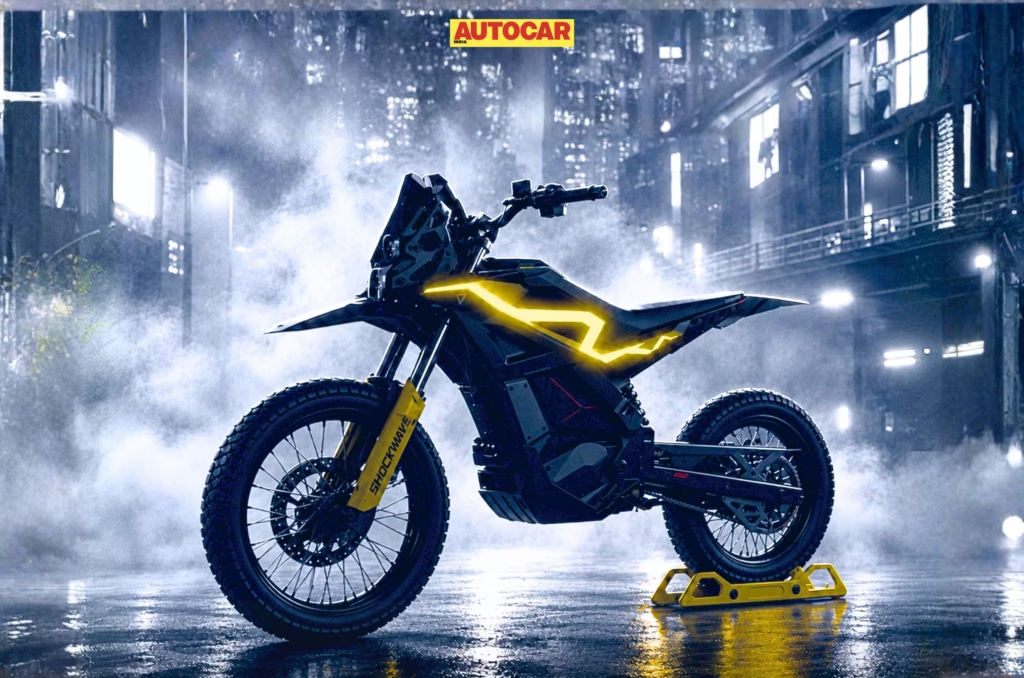
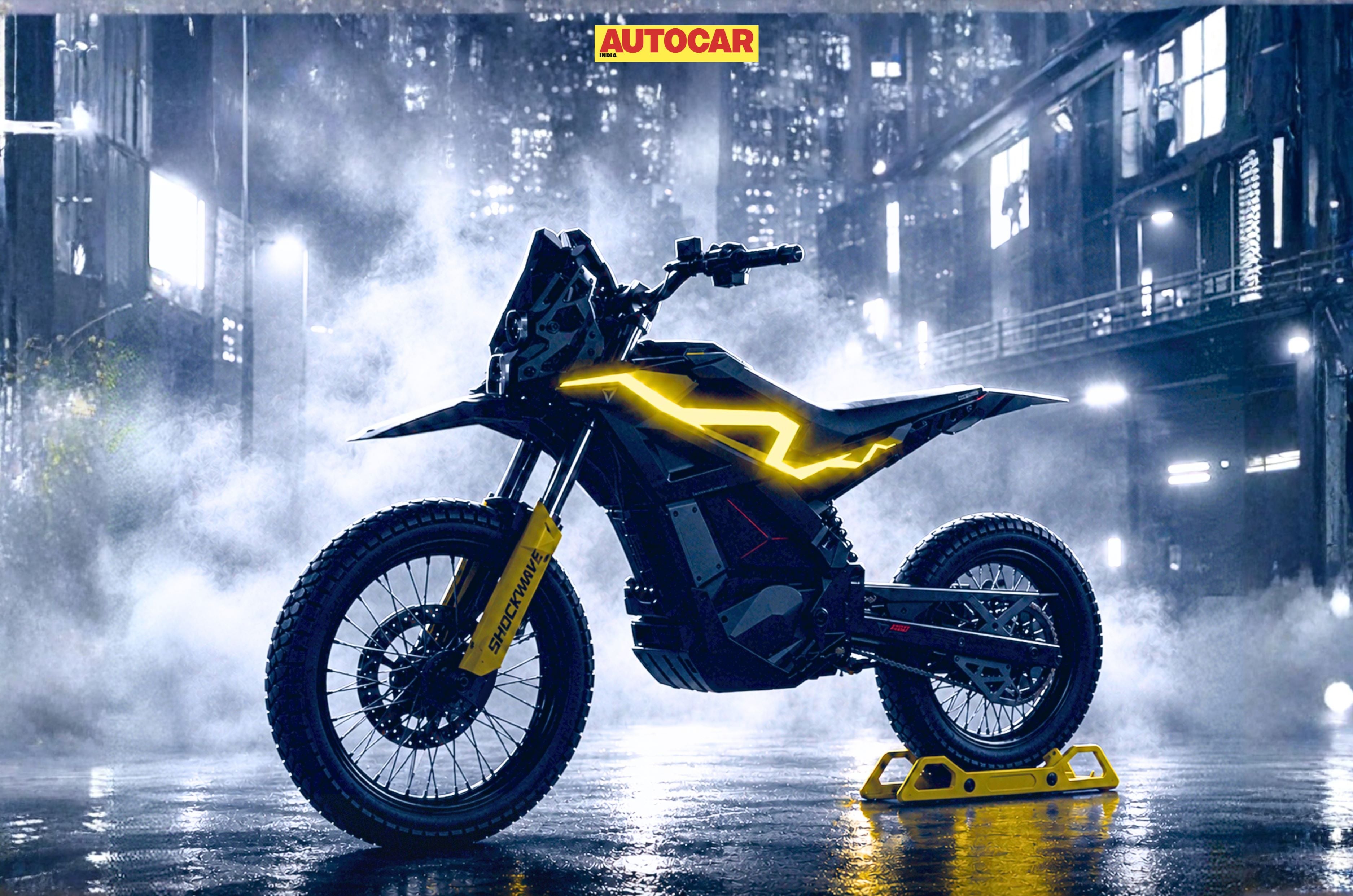
Bengaluru-based EV maker Ultraviolette Automotive has announced that its upcoming Shockwave ‘funduro’ motorcycle will use a new 100V architecture. In June, we reported that the Tesseract e-scooter, the brand’s first product to be confirmed to use a 100V architecture instead of the 60V architecture on the F77, was delayed. Now, Ultraviolette has mentioned both vehicles will launch by Q1 of 2027.
All prices mentioned are ex-showroom, Bengaluru.
Shockwave and Tesseract were first revealed in March 2025, with a promised Q1 2026 delivery at the time
The underlying architecture has changed since then
Full specs and final prices for both are yet to be revealed
Ultraviolette Shockwave and Tesseract
Both the vehicles have changed markedly since the 2025 reveal
To recap, Ultraviolette had first launched the Shockwave and the Tesseract in March 2025 and at that time, deliveries for the Tesseract started at Rs 1.20 lakh – which has now become Rs 1.45 lakh, and the Shockwave started at Rs 1.50 lakh and has now become Rs 1.75 lakh. Both were supposed to launch in the quarter of 2026, but have been delayed. Ultraviolette finally cracked a solution by way of a new 100V architecture on the Tesseract, and they have now confirmed that the Shockwave will also use the same architecture. The revised delivery timeline is now Q1 2027. With a 20.4hp power from the 6kWh battery pack, the Tesseract was rated for an IDC range of 261km. The Shockwave made up to 14.5hp (its battery capacity is yet to be revealed) and an IDC range of 165km. Both vehicles were intended for different use cases, and garnered plenty of attention with their impressive spec-sheets and prices.
With the announcement, Ultraviolette has mentioned that manufacturing for the Shockwave is currently underway at their existing plant in Hosur, and that it will be available in both single- and dual-seat variation. Narayan Subramaniam, co-founder and CEO of Ultraviolette, claims that the move to the new architecture is an important step in realising their EV vision. Full spec-sheets for both vehicles are still awaited, with the company promising to reveal more details close to the launch. However, with all the changes both the vehicles have gone through since the unveil, it’s likely that they’ll carry a higher price tag when they become available for purchase.
The World Car Awards has agreed to acquire the Women’s World Car of the Year (WWCOTY) program. Going forward, the same non-profit association that operates World Car Awards will also oversee WWCOTY.
Dedicated steering committee to manage WWCOTY.
World Car Awards to work with former and current WWCOTY jurors for 2027 awards.
Under the agreement, WWCOTY will be managed by a dedicated steering committee as an adjunct to the World Car Awards. Meanwhile, World Car Awards will work with current and former WWCOTY jurors to build the 2027 edition of the awards by utilising systems and processes already used by the World Car Awards.
Beth Rhind, Co-founder and Executive Vice-President, World Car Awards said, “We value the hard work that has been done by the WWCOTY team, and the World Car Awards looks forward to building a strong brand and awards program focused on the goal of giving visibility to women in the automotive world and making women’s voices heard worldwide”.
Details of the upcoming 2027 edition of the World Car Awards, including jurors, award categories, and a complete timeline, will be announced separately, said the organization.
The World Car Awards were introduced in 2004 and comprise 98 automotive journalists, including Autocar India Editor-in-Chief, Hormazd Sorabjee. The BMW iX3 was named the 2026 World Car of the Year.
The WWCOTY was founded in 2009 and currently consists of 86 women jurors, including Autocar India’s very own Renuka Kirpalani (consulting editor – videos) and Mugdha Mishra (editor – auto media strategy). For its 2026 edition, the Nissan Leaf was declared the overall winner of the Women’s Worldwide Car of the Year.
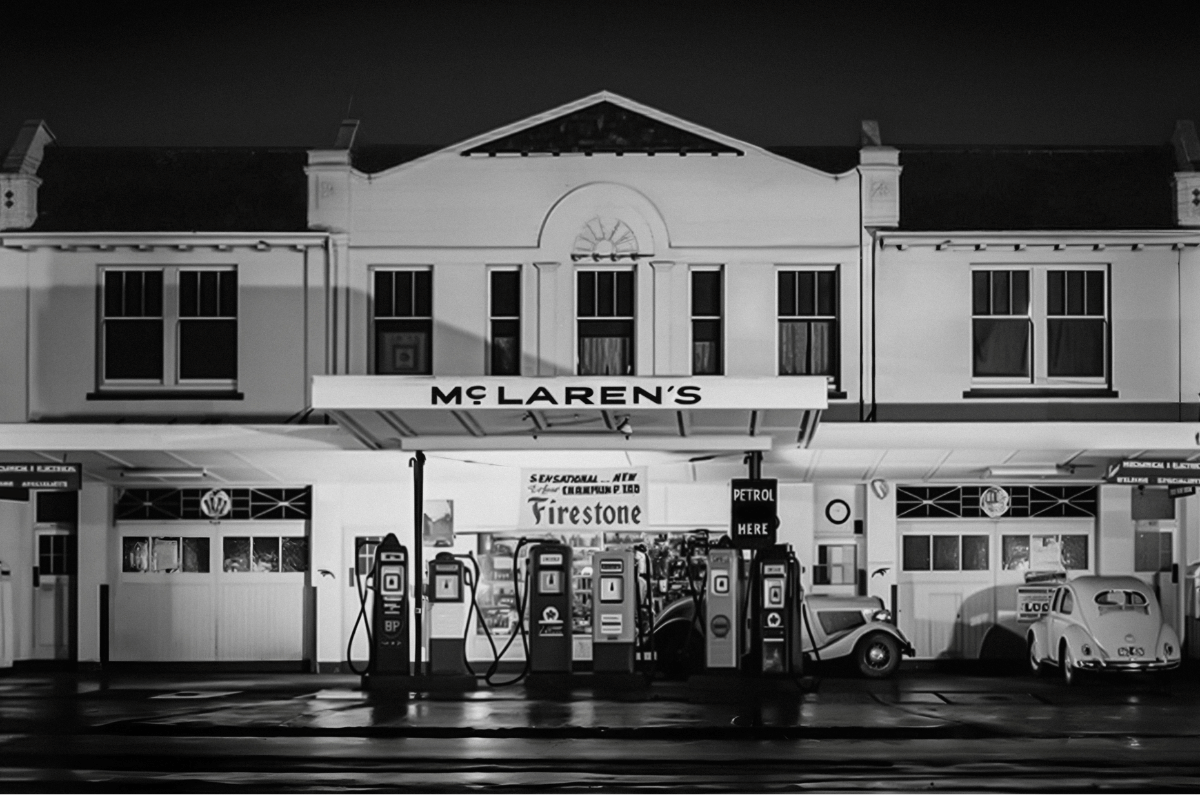
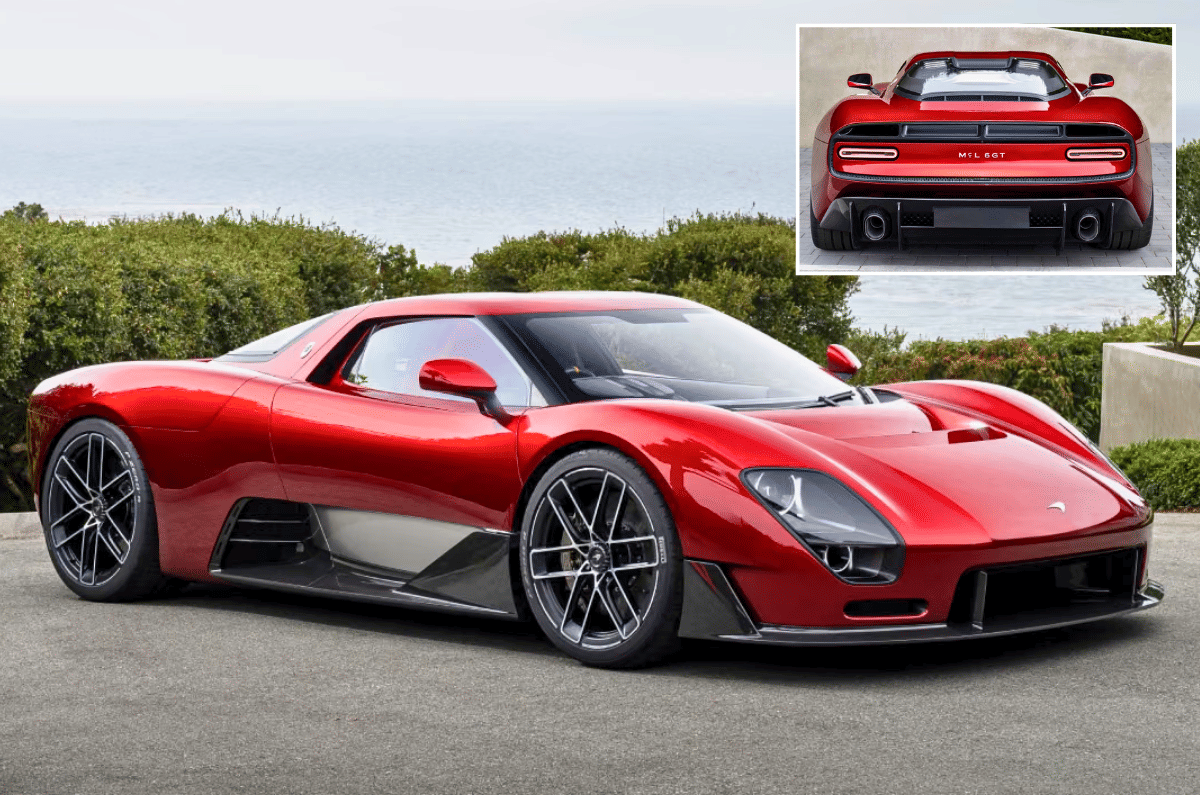
McLaren has revealed a new logo for its next-generation models, inspired by late founder Bruce McLaren’s parents’ service station in Auckland, New Zealand. It also introduces a new bespoke company typeface called McLaren Sans. The new wordmark will be used across cars, merchandise, branding and digital channels, with both McLaren Racing and McLaren Automotive adopting it.
The new logo comes over a week after McLaren announced plans to expand its UK operations with a second factory. The company also plans to build its own engines and expand its line-up with new front-engined models with two rows of seats, including an SUV.
New McLaren logo details
The new logo uses a wide, all-capital sans-serif typeface, save for the lowercase ‘C’, which sits on a small horizontal line to match the height of the other letters. The ‘Speedmark’ motif from the current logo will remain “as a little identifier”, McLaren chief creative officer David Woodhouse told Autocar UK. Woodhouse said Bruce McLaren’s legacy was one of the key influences behind the rebranding. However, he stressed that the new identity is focused on the company’s future rather than being a retro exercise.
The company claims it was in the Auckland workshop that Bruce built “the racing car that would take him to his first victory”. It was a modified Austin Seven that he used to win an event at Muriwai Beach. The first vehicle to wear the new branding is the 2026 McL 6GT concept, which was revealed last month at Monterey Car Week in California. Upcoming models will also have the McLaren name spelt out across the rear.
2026 McL 6GT concept.
The carmaker is also changing its corporate colour scheme, moving towards darker colours with what it describes as a more midnight-themed look. McLaren’s signature Papaya Orange will be more closely linked to its racing teams, although it will continue to be used in some instances across the automotive business.
Picture the scene: you’re a commando who’s just parachuted behind enemy lines. Along with you and your team are a bunch of military off-roaders. It’s been a tough jump. High winds, terrain, difficult odds. While the men all make it intact, the machines break up and are destroyed. The team has to salvage what it can, reassemble a couple of off-roaders from the parts of the half dozen parachuted out. What’s clear is that special forces and the military need a tougher, more capable off-roader, one engineered with today’s tech and requirements in mind.
From the school of hard knocks
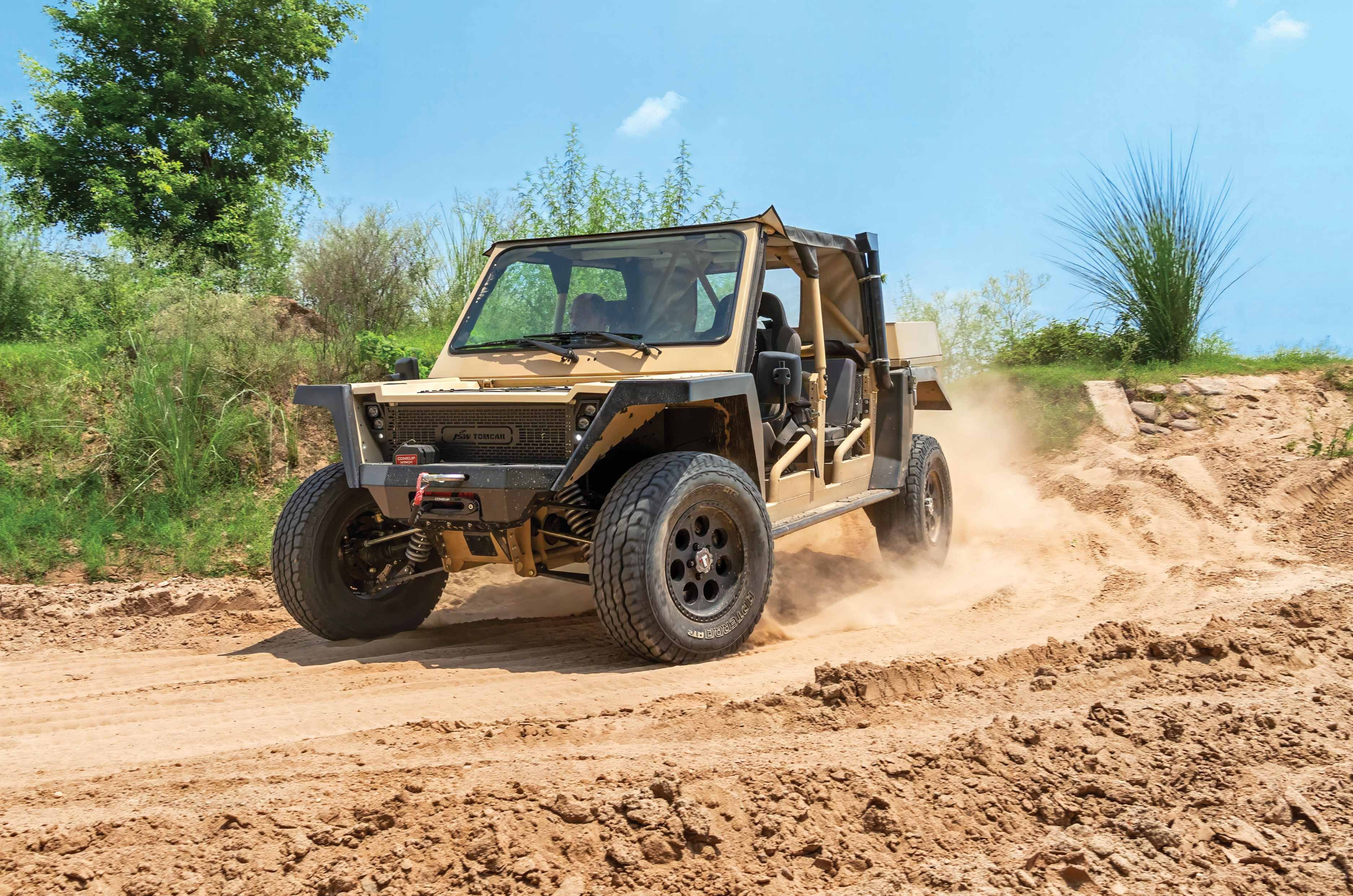
The Tomcar is purpose-engineered and built for special forces.
This then is the Tomcar: a military off-roader explicitly designed for commando operations. Designed to survive a parachute drop without requiring a rebuild or a massive parachute, heavy rigging and cushioning equipment, it sets an all-new benchmark. The Tomcar is built to take hard knocks, and that’s because the structure is fundamentally different.
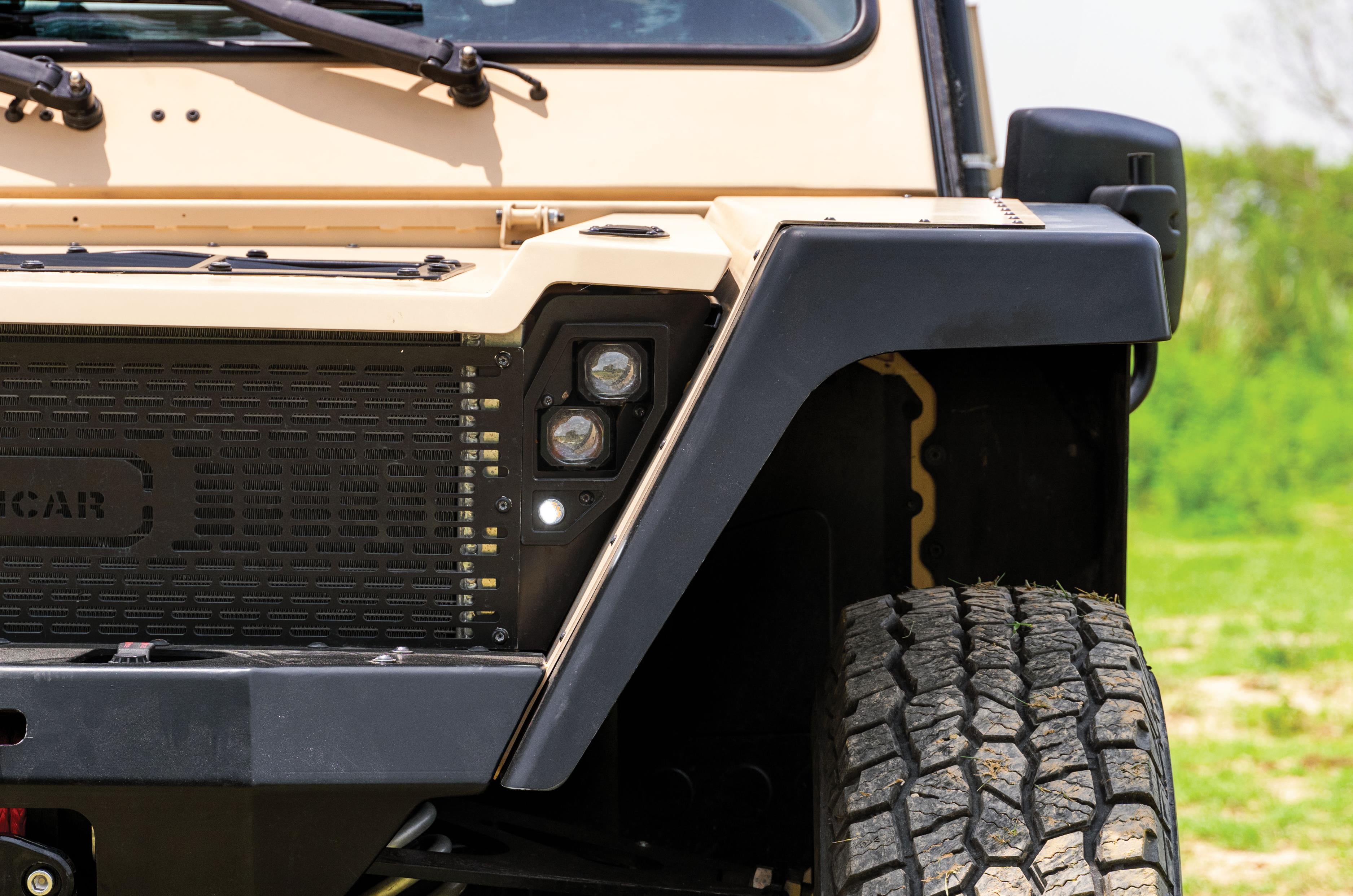
Compact nose and tiny LED headlights are unique.
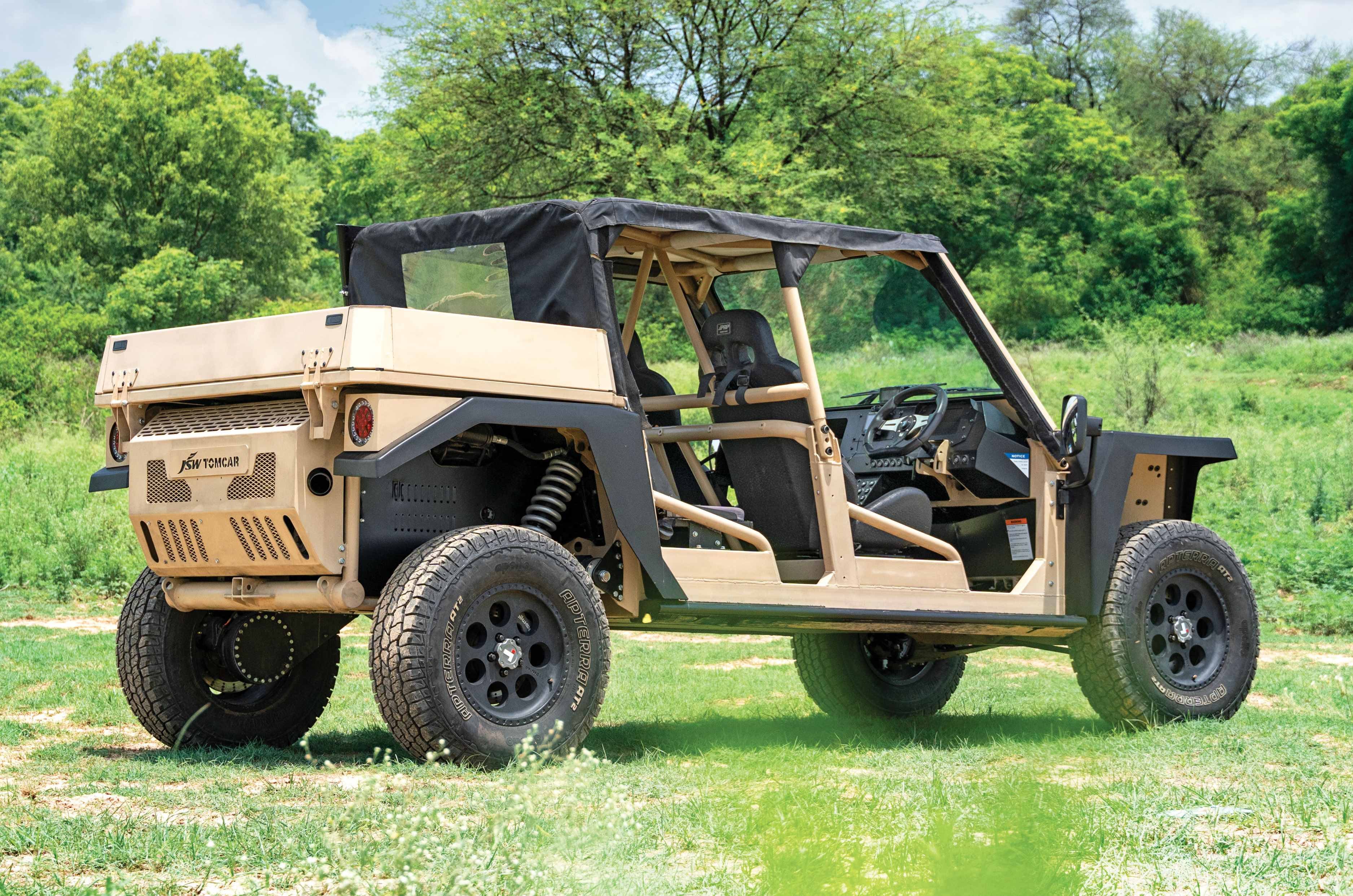
This is evident even when you take a quick glance at the Tomcar TX. It looks like nothing you’ve seen before. Stubby nose, tiny headlights, no doors and a heavy-set rear. What’s for certain is that every small bit is purpose-built and functional, and the only decorative bit seems to be the badge at the rear.
No form, all function
Let’s start with what you can’t see: the monocoque frame. Unlike other off-roaders that use bolted frames, the Tomcar has a one-piece, fully welded frame and integrated roll cage. Designed specifically and tested to absorb and dissipate the extreme G-forces of an air drop (without bending or shearing), it forms the centrepiece of the design. Perfectly in sync with the concept of a very durable, over-engineered vehicle that can be air-dropped or dragged out of aerial transport at low speed. What’s even more impressive is that it can easily be repaired in the field with basic hand tools.
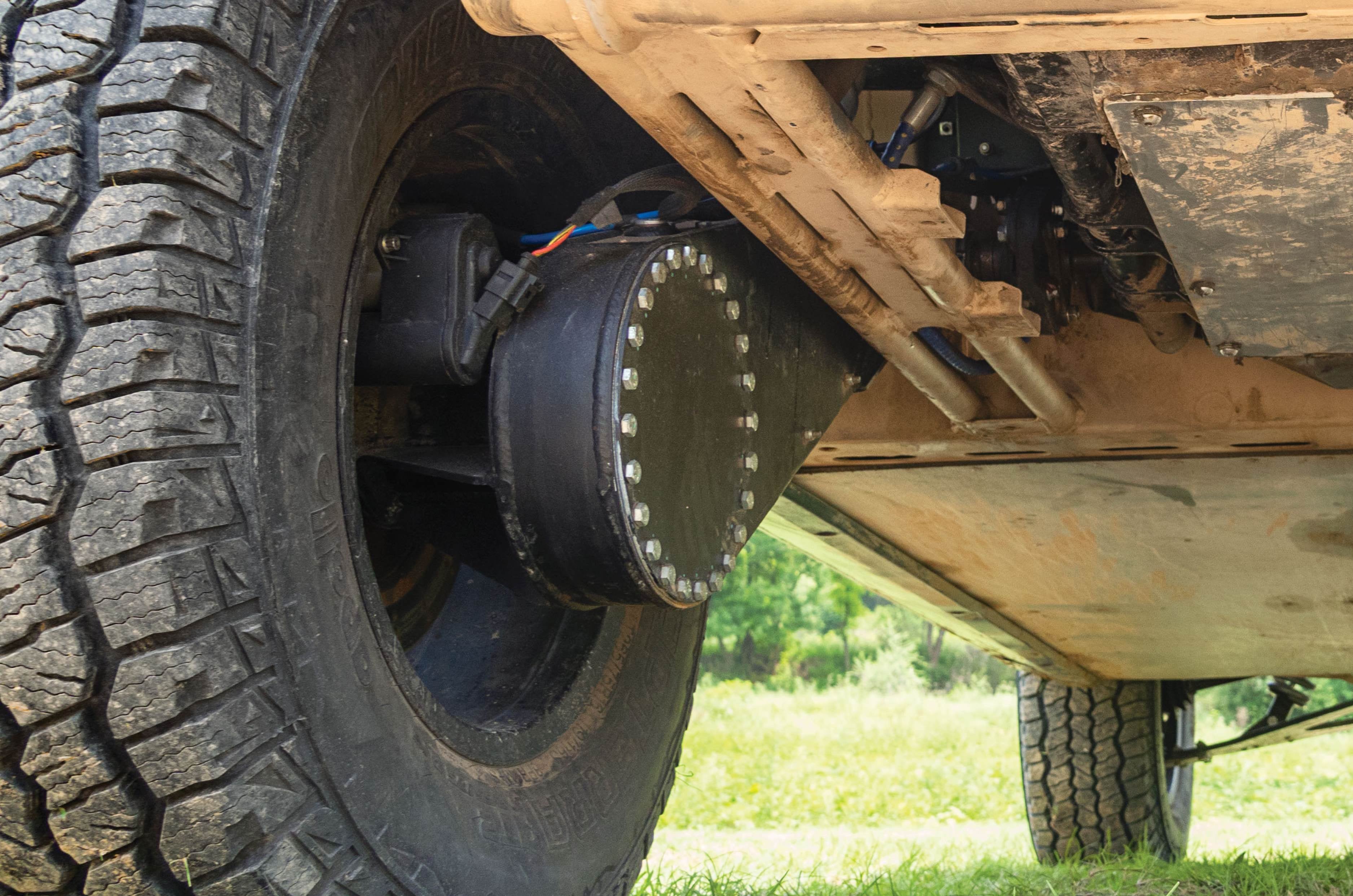
Independent rear suspension and chain drive in one single compact unit.
Next up, the all-independent suspension, which has massive travel and long suspension arms. The heavy-duty suspension offers up to 14 inches of travel and 17 inches (430mm) of ground clearance. This setup uses massive coil springs, not dissimilar to Baja racers, and motorsport-like damper systems with remote reservoirs. This enables it both to take hard knocks and remain stable at speed. This is so that the Tomcar can cruise effortlessly across undulating terrain at speed and provide a stable platform.
Special powers
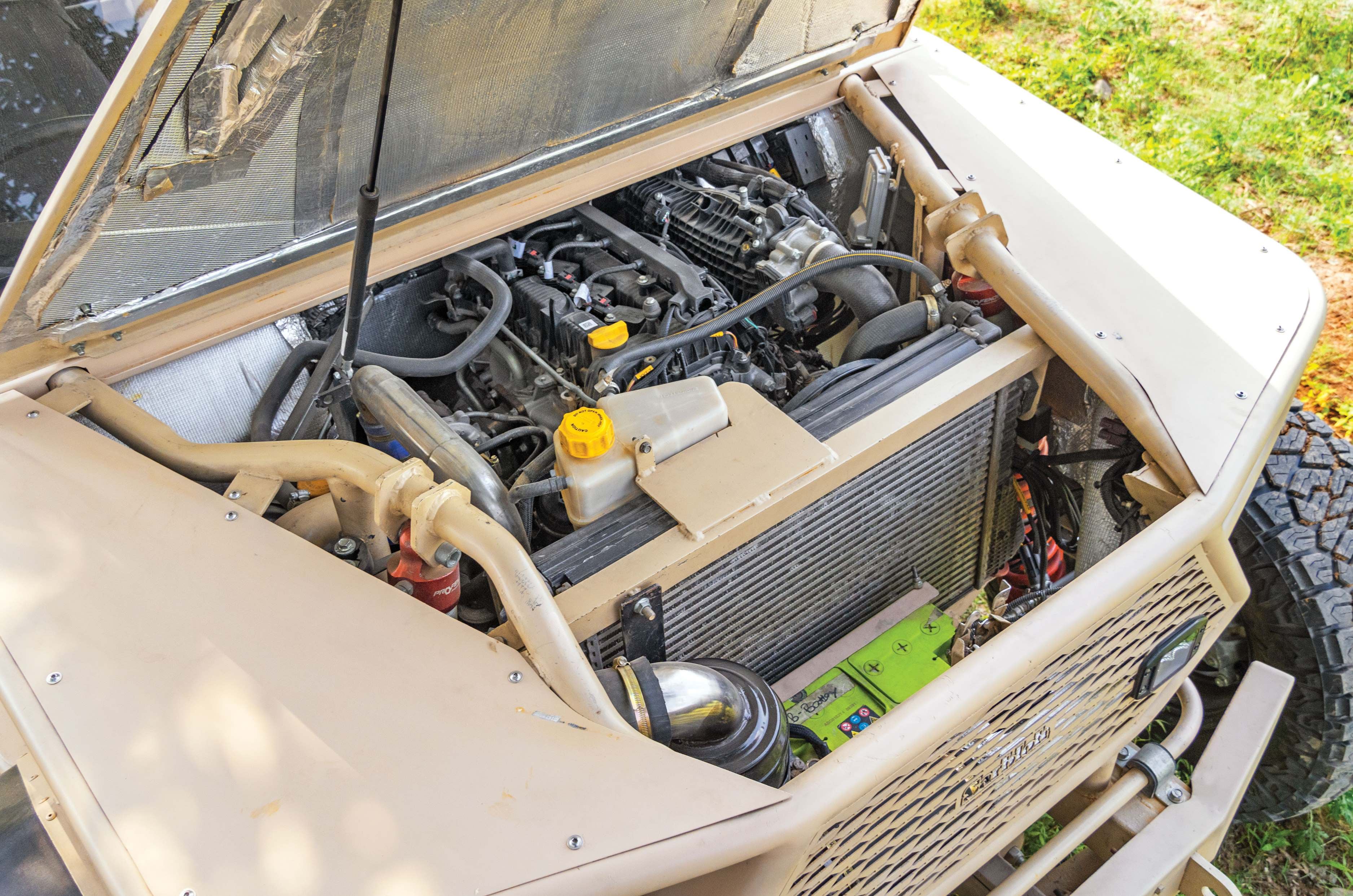
175hp engine sits low in the back, aids traction and lends stability.
I walk around the rear and take a good look as the next piece of the puzzle falls in place. There are vents at the rear, and that means that’s where the engine sits. Done to maximise traction, like VW-based Baja buggies, the Tomcar has its 1.5-litre four-cylinder engine mounted low in the rear. The Chevy engine makes 175hp and 275Nm torque.
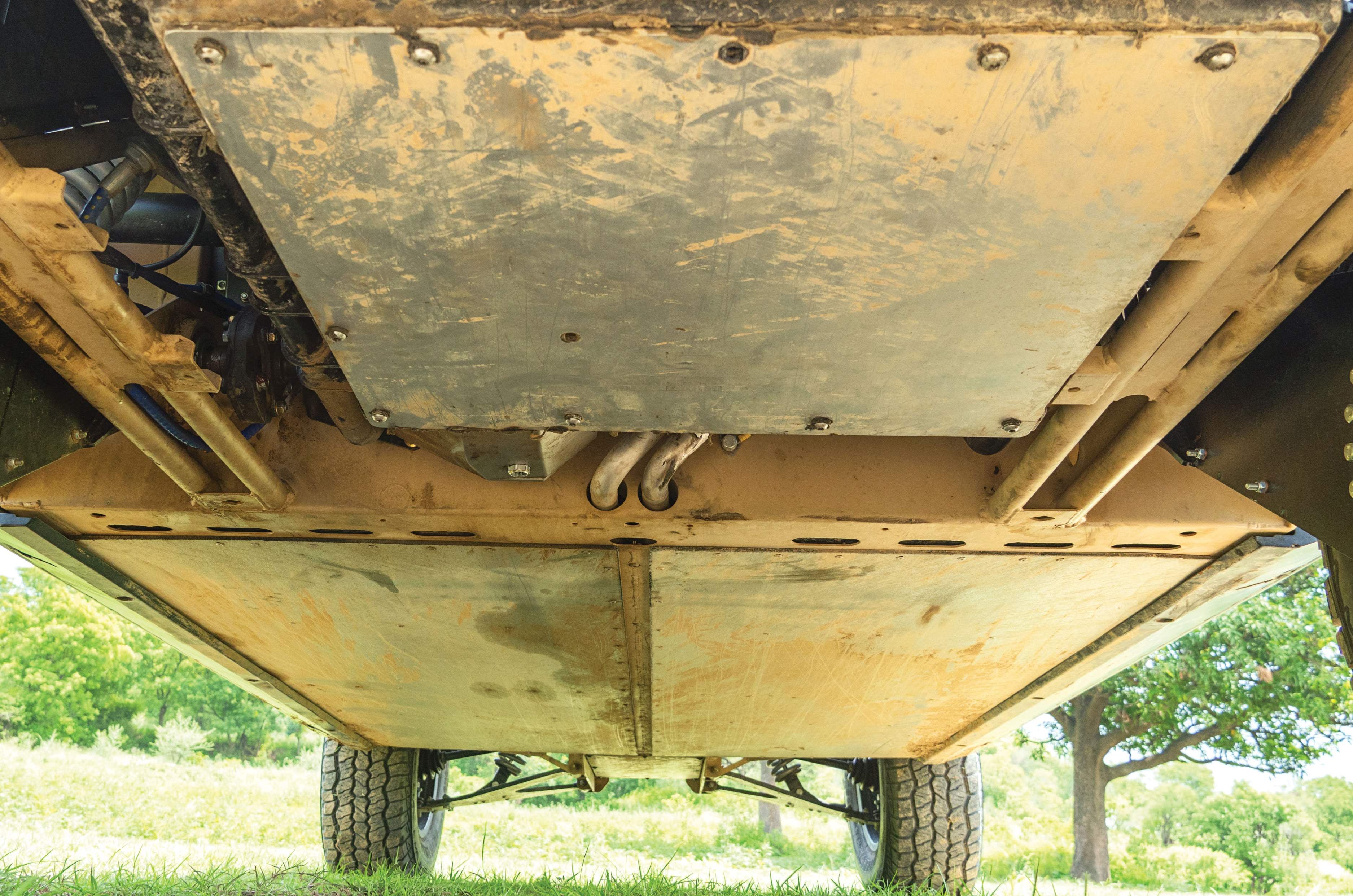
Flat floor prevents it from snagging on rough terrain.
The TX uses a CVT gearbox for easy use and good torque manipulation. This is placed at the rear with the engine and sends power forward to two transfer cases that are sandwiched together. The first transfer case allows you to shift from rear-wheel drive to four-wheel drive instantly with a mere push of a lever. Bang! The second gives you low range, and along with that, regular gearbox directional functionality – Drive, Neutral and Reverse. There is no Park, only an E-parking brake. These differentials have another unique tech – they are both air-locking and are engineered so that the Tomcar has a completely flat belly – nothing hangs down so it can slide over terrain without the belly fouling. Even more interesting is how power gets transferred to the rear wheels; it’s done through a pair of double chain-drive systems, encased in the hardened steel swing arms!
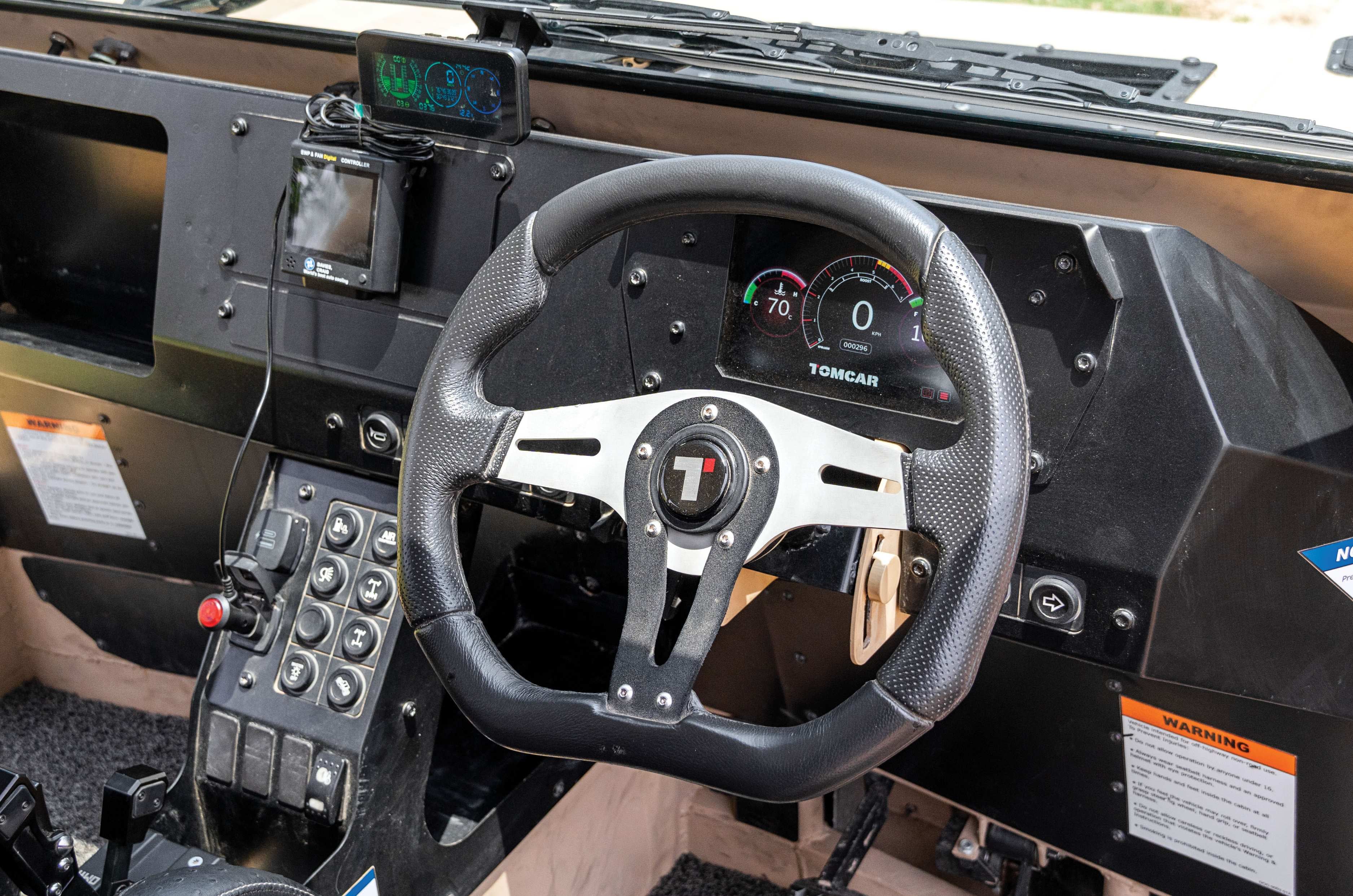
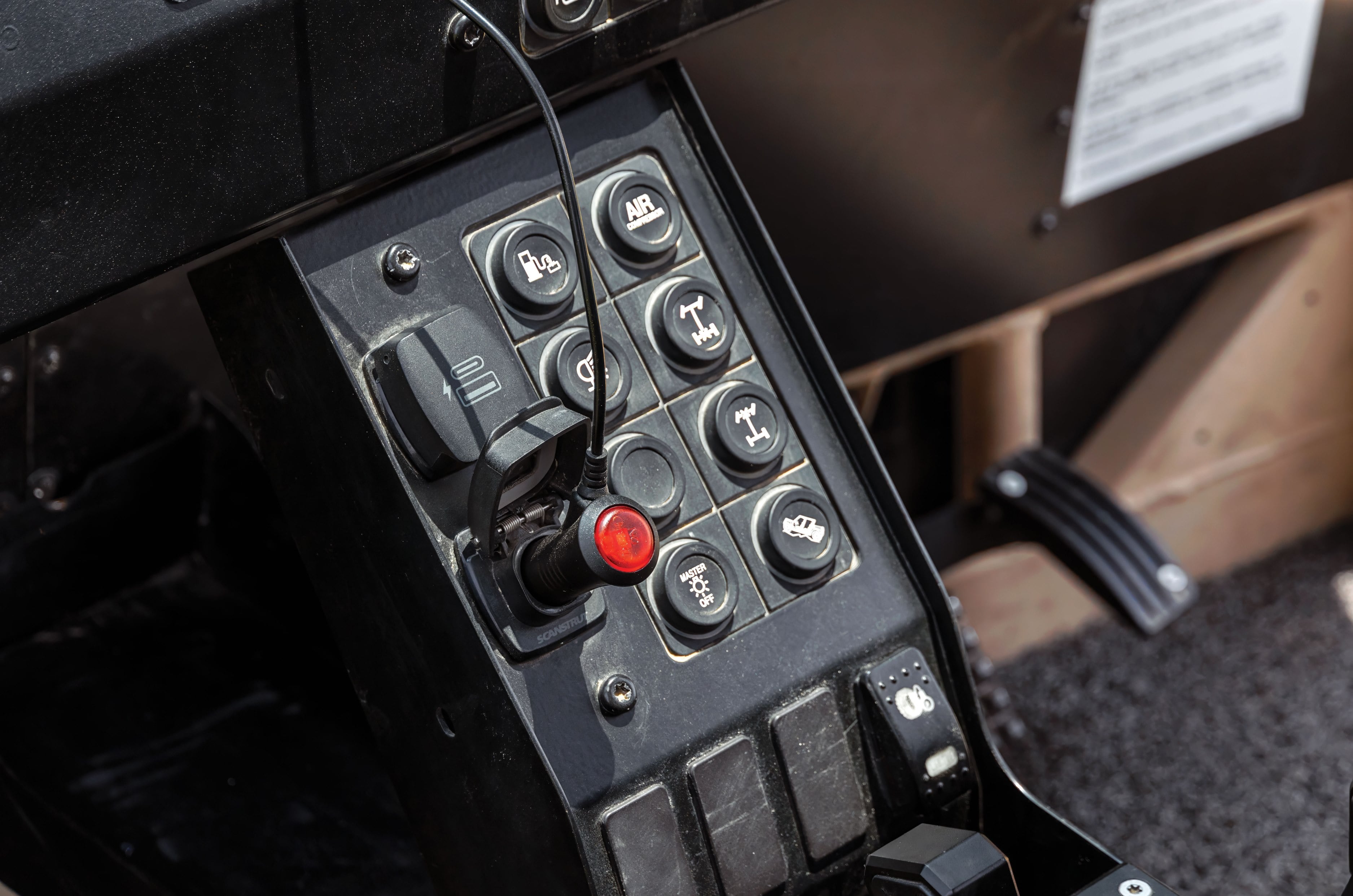
Basic dash and instruments get the job done.
In addition, the Tomcar has been made for easy serviceability in the field. Components often have a backup, and the vehicle can even function with a high degree of redundancy. There are, for example, two end-to-end fuel systems and twin radiators, and then bits like the suspension have load paths designed specifically to break at specific points where parts are easy to replace. What’s also impressive is that this 1.3-tonne vehicle can carry or pull more than a tonne.
Floats like a butterfly
Big buttons are hardy, can deal with dirt and are easy to hit with gloves on.
With this kind of unique specification, it’s little wonder that this vehicle feels unique to drive. For a start, with no doors, you just slide in behind the wheel. Start up is pretty straightforward, and you can sort of tell this vehicle will be comfortable to operate even with heavy gloves.
Initially, the sound of the quad drive chains at the rear dominates. A gnashing, chainsaw-like ripping sound, it combines with the whine of the CVT to give the Tomcar a unique sound signature. And from slow speeds, especially in sand, the CVT does require a buildup of revs before it pulls forward happily.
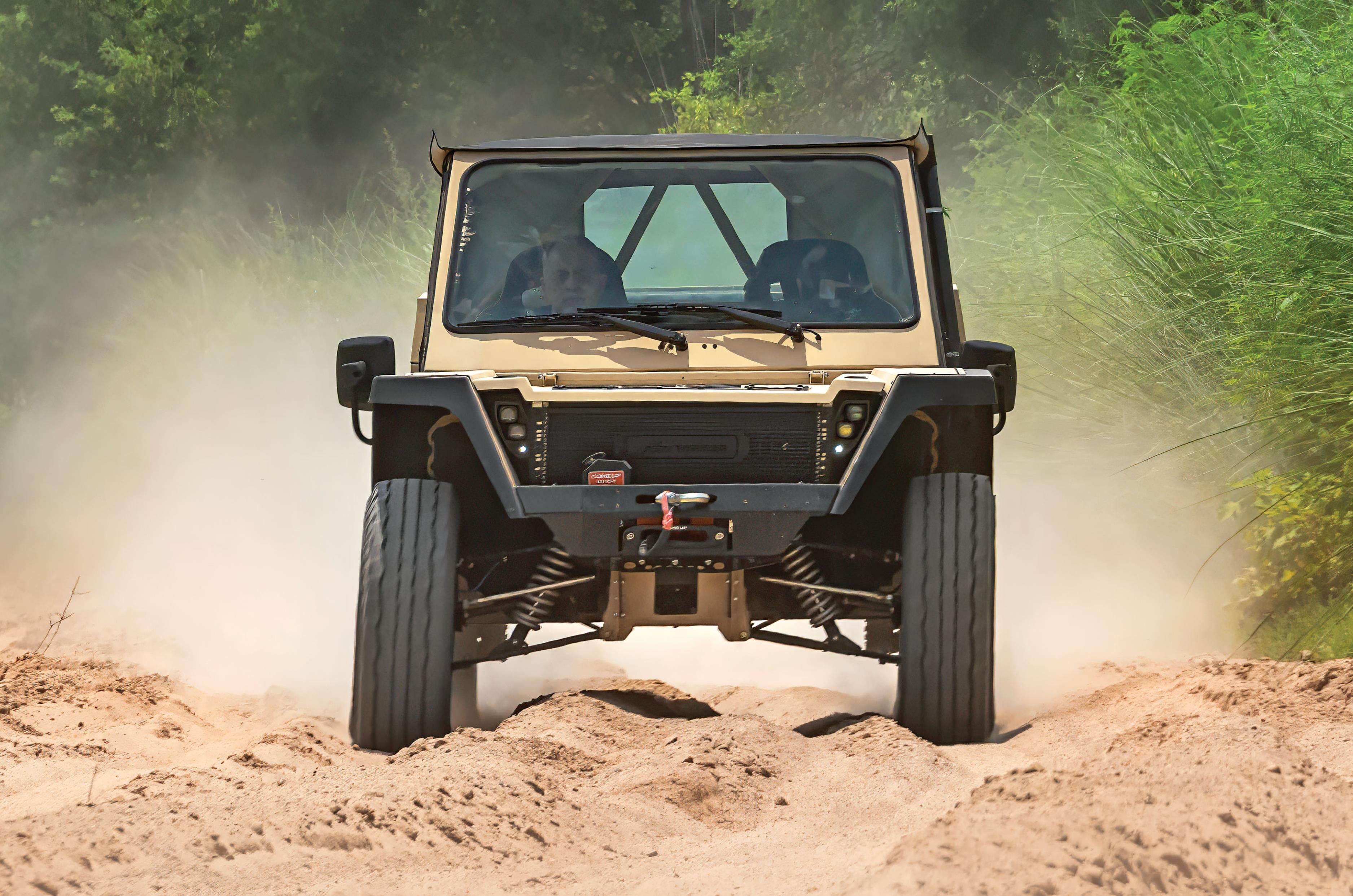
Once you build a bit of momentum, however, progress over the sand feels effortless. You can just float over big ruts and carry on without too much deflection of the wheel. A lot of this is because it has the weight of the engine pushing down over the rear-driven wheels, and the stiff chassis and soft, long-travel suspension deal beautifully with the soft undulating surface. While most 4x4s feel heavy when driving through sandy river beds like the one we are on, and tend to bog down and struggle when you slow to a crawl, the Tomcar feels right at home. It’s even relatively easy to steer and place it alongside another vehicle on the narrower sections of this riverbed. Sure, the turning radius isn’t great, and it pays to be ham-fisted with the steering, but what surprises me is just how much speed I can carry without it getting uncomfortable.
It feels completely at home even on seriously difficult off-road trails.
What’s also very impressive is its ability to do some serious off-roading. Running along the steep sides of the ravine, you can feel the low centre of gravity, which feels like it sits somewhere below the level of the driver’s seat. And then we climb an extremely steep hill, the Tomcar ‘walking’ up the step-like undulations of the trail with superb rear traction. Only the engine and CVT system seem to strain with the load of the uphill climb.
Also super impressive is the ride. The stiff chassis, long-travel suspension and motorsport damper system mean you can carry speed over sections you normally only have to crawl over. You look at a broken trail and drive over, fully expecting to be tossed around, but the Tomcar stays flat, so you add more speed. And this goes on for a bit until eventually stopping distances rein you in. Want to carry speed over rough terrain? This thing operates in another dimension.
Making India’s extreme off-roaders
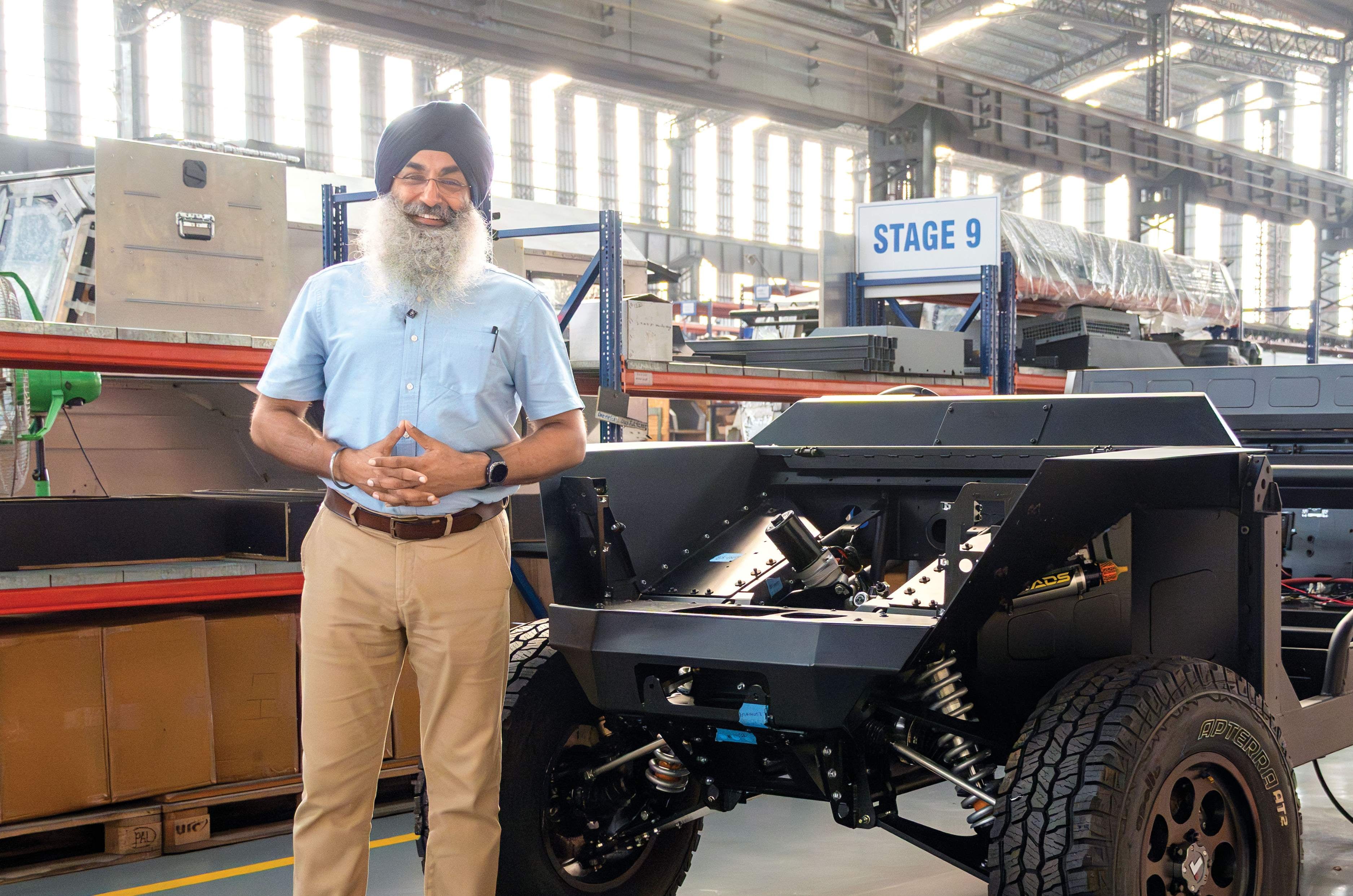
CEO and founder director of JSW Sarbloh Motors started his journey in extreme off-roading.
One of Jaskirat Singh Nagra’s first off-road excursions landed him, and his family car, in a ditch. Things, however, have looked up since then. Not only has his company Sarbloh Motors made several winning contenders for events like the Rain Forest Challenge and Orange Festival in Arunachal, it, along with JSW Defence, also makes the Sherp and Tomcar in India. Up next, the company’s own EX4. And with 140 Sherps already produced and a line already setup for tactical ATVs, you can expect many more extreme off-roaders to be built by this company.
The EX4: Engineered, designed and made in India
EX4’s wheel articulation with independent suspension.
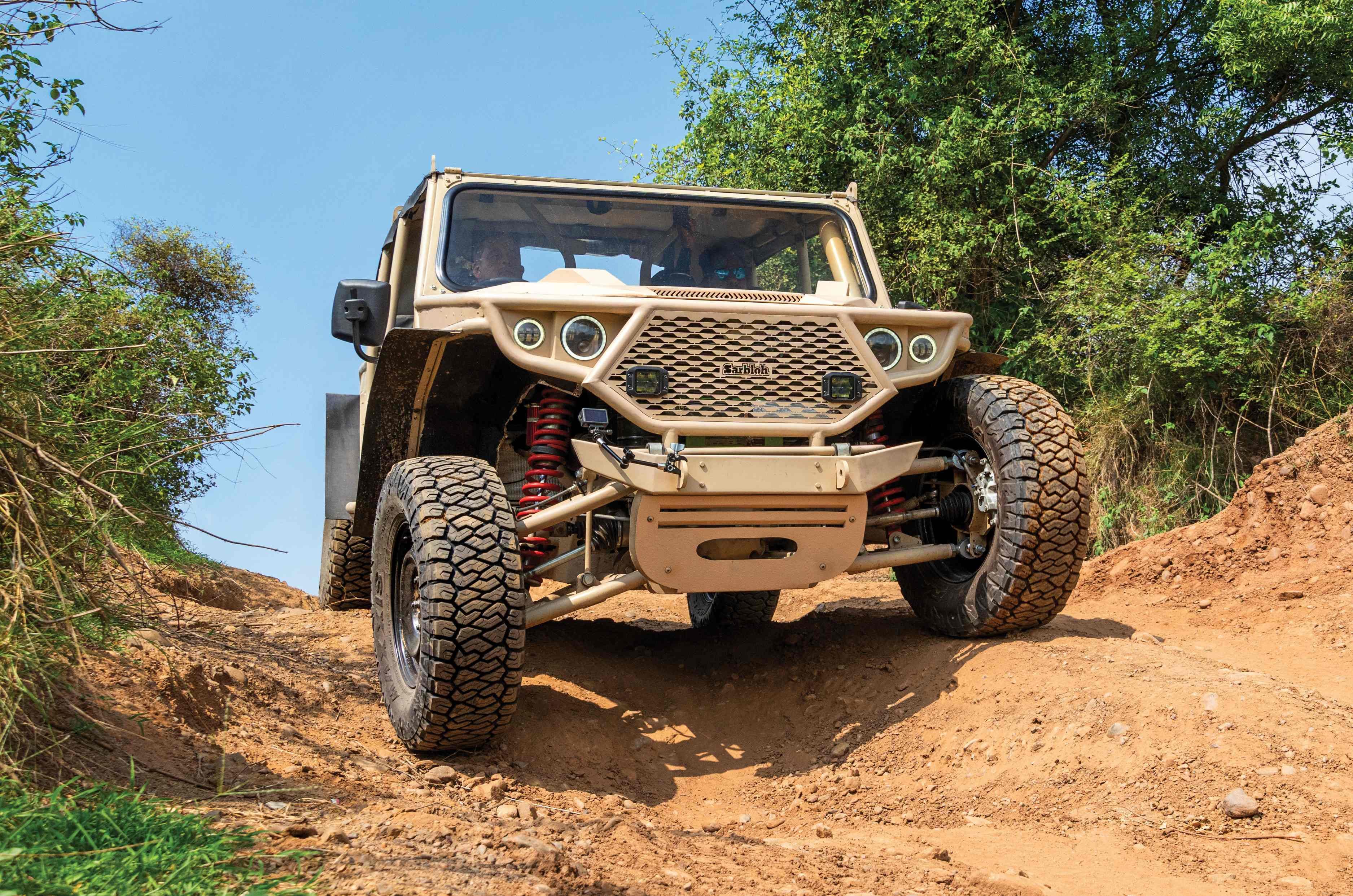
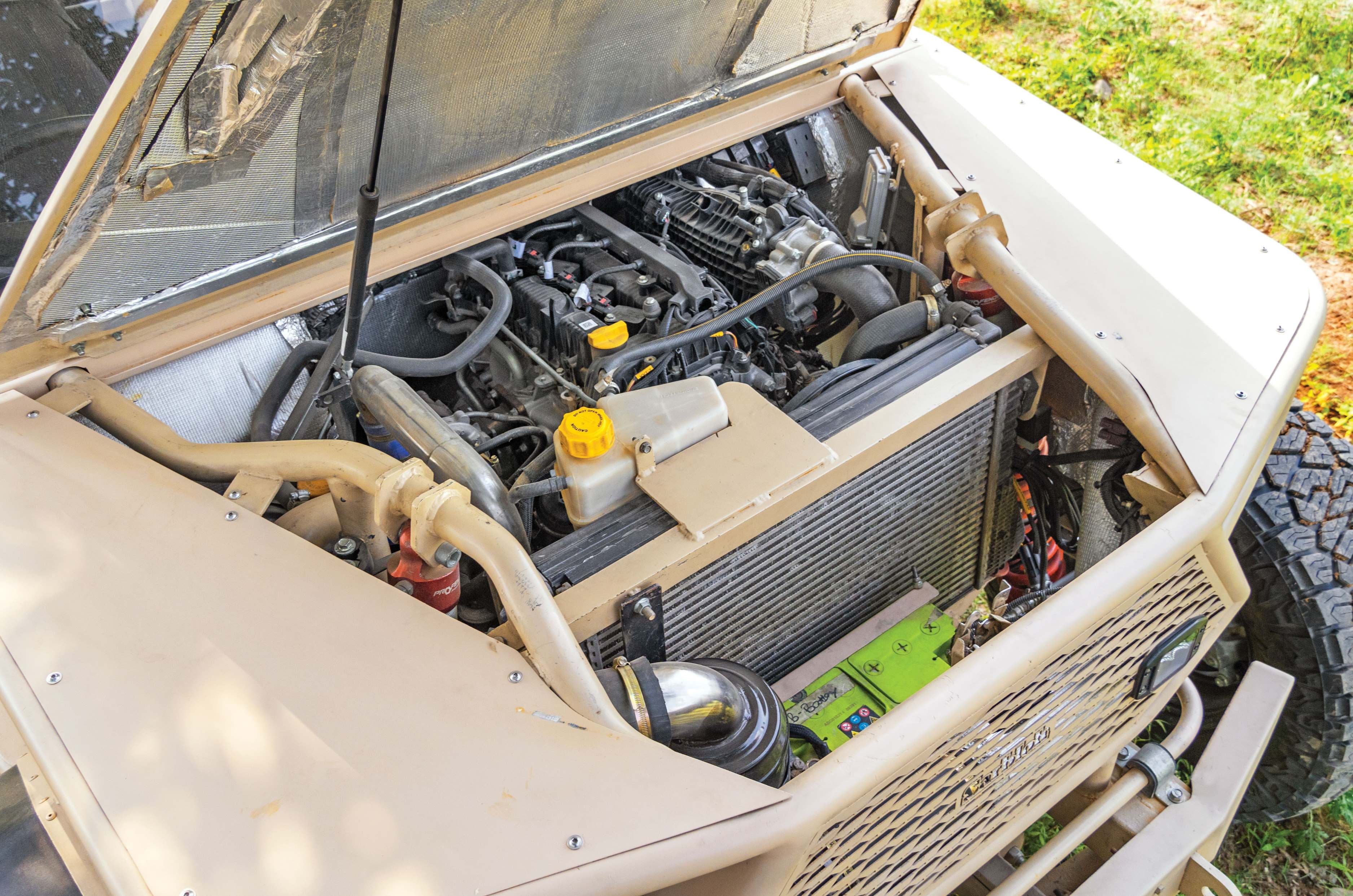
While the Tomcar is a tactical ATV meant to function as the tip of the sword, the EX4 is a home-grown scout vehicle built to take on difficult terrain and tough off-road conditions. Based on an extreme off-roader, this is a more conventional vehicle that has its engine up front and extremely short front and rear overhangs. Power comes via the same 175hp 1.5-litre turbo-petrol, and then this one even gets the option of a 2.0 diesel that makes 167hp. The latter is sourced from Fiat/Jeep or Stellantis. The chassis is a tubular space frame, and from the dimensions, you can sort of tell that this thing evolved from a Rain Forest Challenge buggy.
It can be had with a 175hp petrol or 167hp diesel.
A large A-arm suspension up front and an elongated rear trailing arm help it clamber over most obstacles, and like the Tomcar, it uses canister-fed, motorsport-based dampers that can be adjusted over a wide range. Now, despite the engine being in front, the nose is pretty compact, and interestingly, the anti-roll bar can be seen running around the front of the grille! Of course, the tyres form the extremities of the car; it gets rubber or plastic fenders around the side, and check this out, you can raise the windscreen so you can stick a weapon out and defend yourself if you are in the front seat.
The snorkel is placed with the frame.
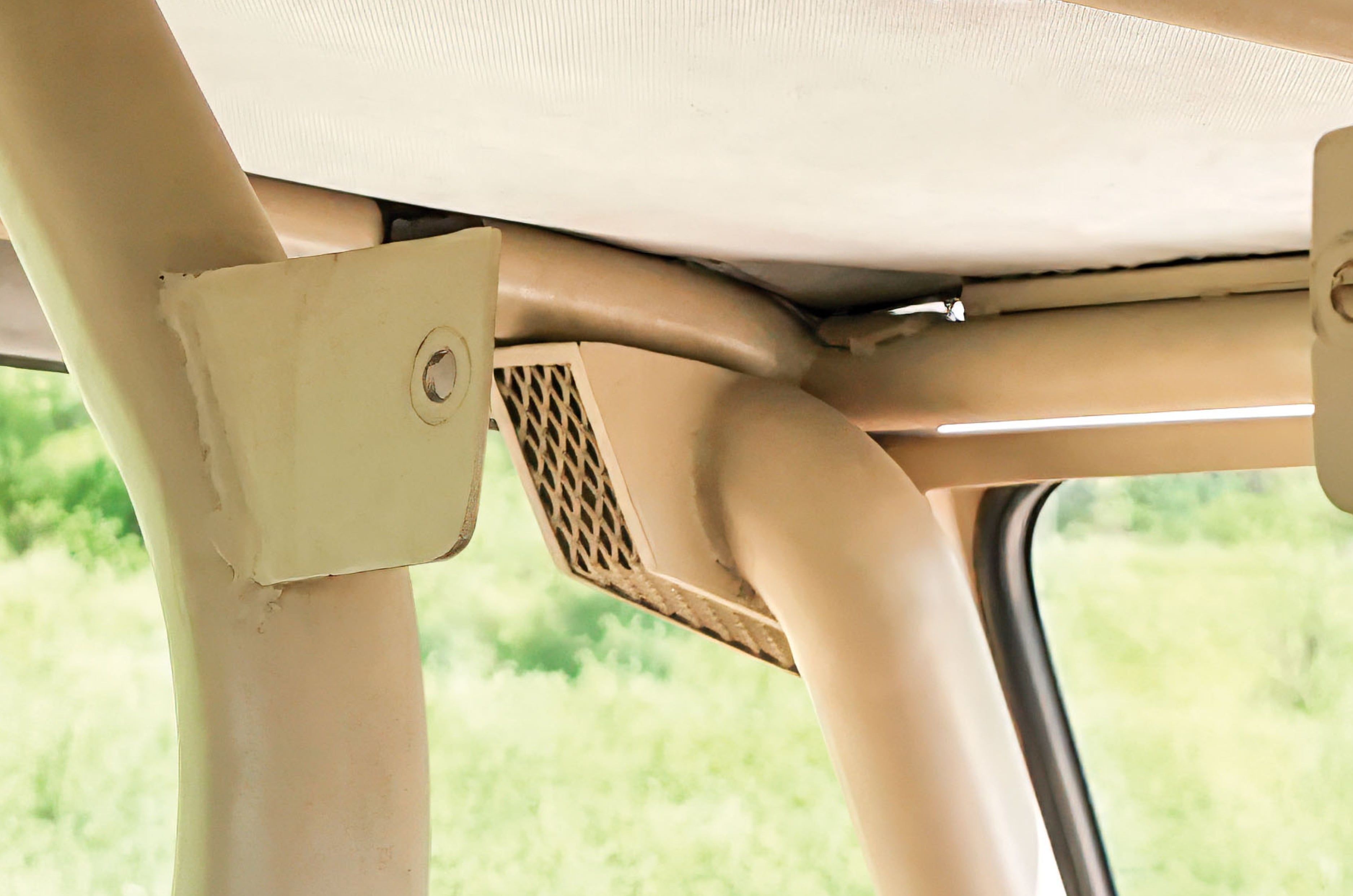
Unlike the Tomcar, this one also has mini doors, look behind the A-pillar on the left and you see the snorkel (neatly hidden away), and walk around to the rear and you get a sense of just how compact this car is. It’s so tight, even the spare sticks out the back. Also interesting are the large brackets on the roof, in case you want to air-lift this vehicle or hoist it onto a ship.
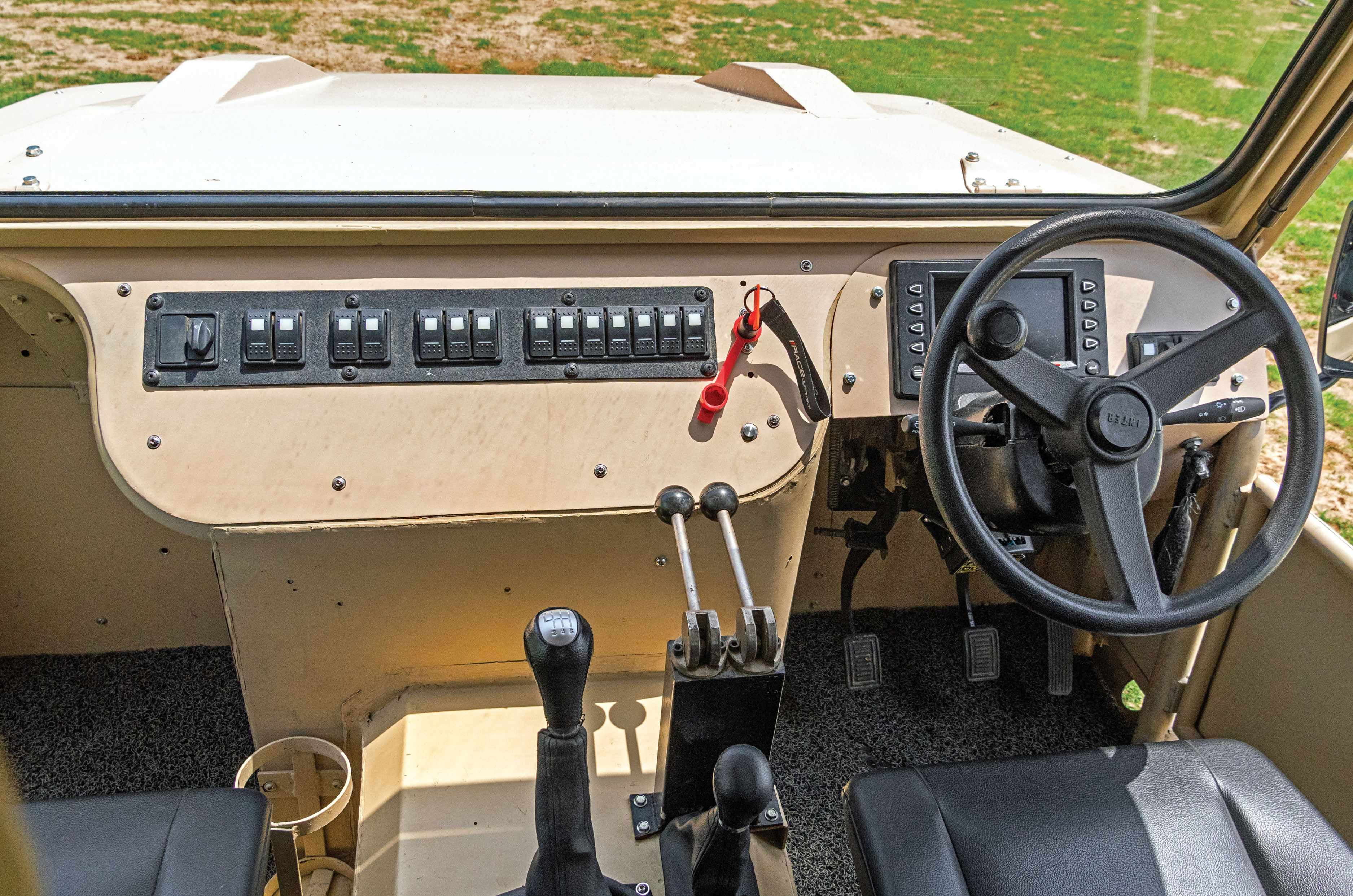
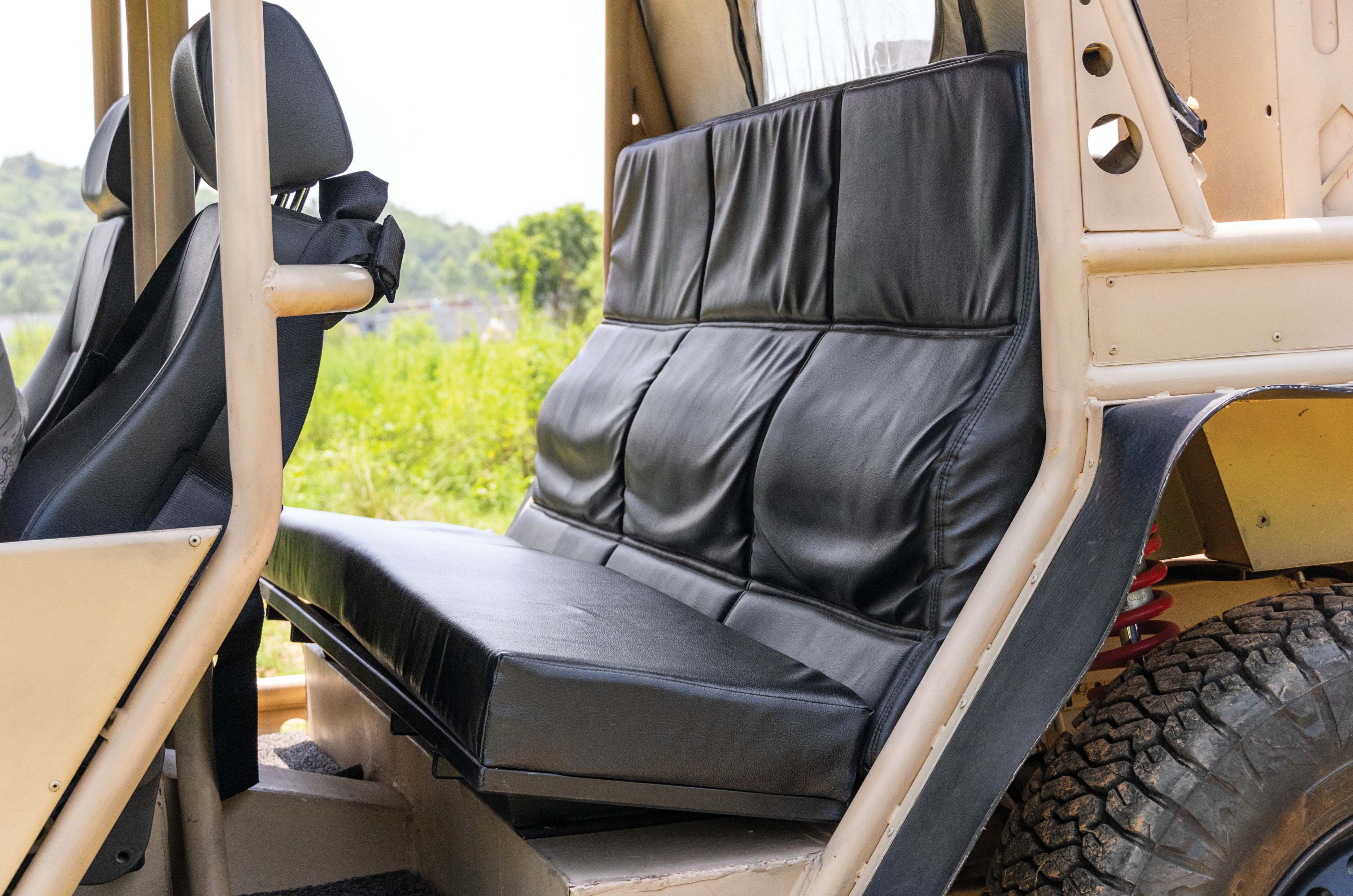
This prototype has many basic features that are likely to be upgraded in future versions.
Once behind the wheel, the EX4 feels more ‘direct,’ the manual gearbox making it feel much more sprightly. And then once you find traction in the sand, it takes off and accelerates better too. If anything, this one clearly has more zip, and it feels lighter on its feet too. The ride on this early prototype, however, isn’t anywhere as stable, and the faster you go, the more it bobs and gets tossed around. What’s also clear as you up the speed is that directional stability isn’t as good. That said, it is more willing to turn and take tighter corners. What you also hear while driving the EX4 is the intake, placed not too far from your ear, and that’s especially when you work the throttle and ask for more air. Where it shines is in extreme off-road conditions. Steep climbs with low traction, drops that could give you nose bleed, these are taken in its stride, the low range and superior traction not even needing the intervention of the locking differential for the most part. The EX4 is available from Rs 40 lakh.
Compact rear carries essential water supply for troop.
Bespoke by design
Blessed with the functional focus of a moon buggy, the ability to drive over terrain at speed that would have a regular 4×4-based military off-roader bouncing all over the place, the Tomcar is a purpose-built weapon system engineered by the end user. Designed to push the envelope in specific areas and deliver speed and dependability over rough terrain, it possesses a unique set of characteristics that are sure to give our special forces and advanced tactical units a unique advantage. And the cherry on top is that it is made right here in India by JSW Tomcar (part of JSW Defence).
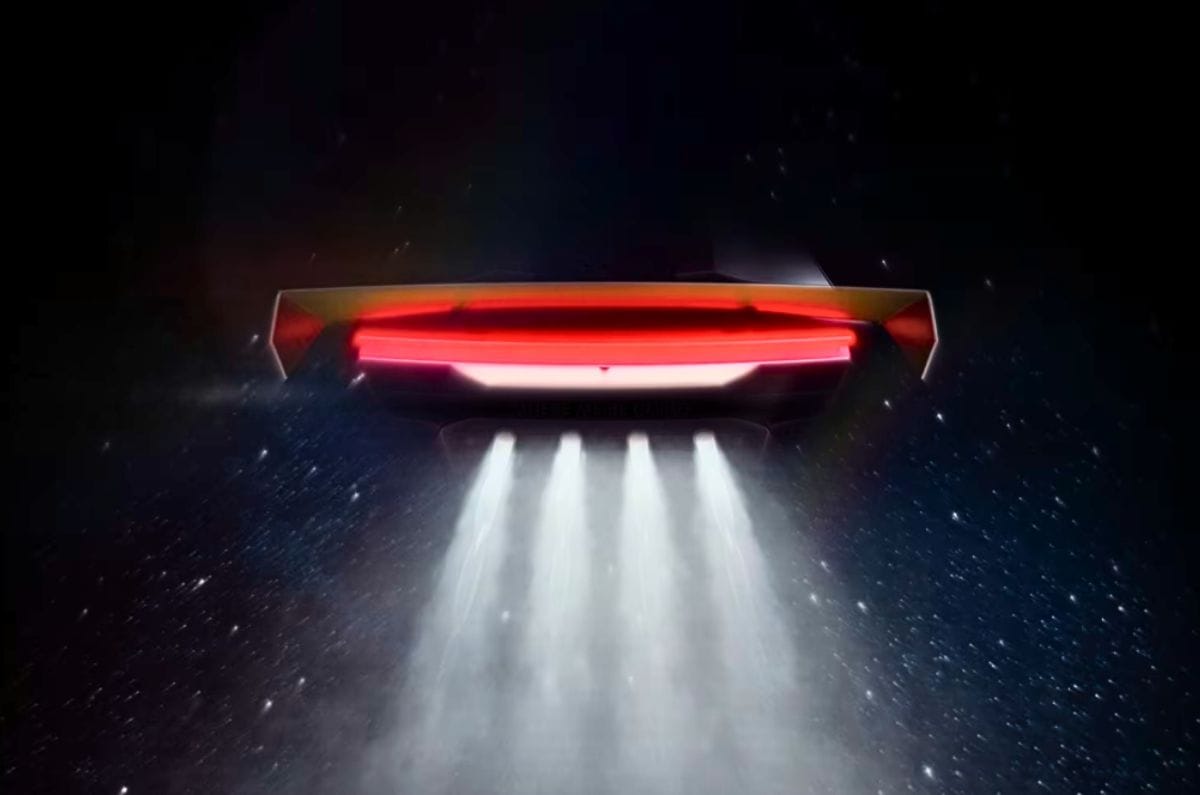
The production-spec Tesla Roadster is set to be unveiled on October 1, 2026, with the American brand announcing the same via its official social media handle. Moreover, a subsequent teaser image released by Tesla reveals a few design details of the upcoming Roadster, with the company also making statements including “10.01” and “Go for launch”. This is to be the production-spec model of the Tesla Roadster, with the concept first being showcased to the public in November 2017.
Teaser shows full-width LED tail-lights and a rear wing.
Depicted with four nozzles at the back.
Tesla Roadster design
The teaser shows the rear silhouette of this electric sports car
The first teaser by Tesla shows a large rear wing, full-width LED tail-lights and what appear to be four horizontally arranged nozzles. These nozzles were originally set to be part of the so-called ‘SpaceX option package’ for the Tesla Roadster, with brand co-founder and CEO, Elon Musk, saying that they will be “rocket thrusters to improve acceleration, top speed, braking and cornering”. Owing to these design additions, the production-spec Tesla Roadster looks more dramatic than the concept which was showcased nearly a decade ago. It’s unclear what other design changes Tesla has made to the production-spec Roadster.
Tesla Roadster technical details
The Roadster concept originally claimed a maximum range of 620 miles
According to Tesla, the Roadster concept offered a maximum range of 620 miles (approximately 998km), a top speed in excess of 250mph (over 402kph) and a 0-60mph (0-97kph) time of 1.9 seconds. Responding to a comment on X, Elon Musk has previously stated that the SpaceX rocket thruster option package will allow the production-spec Roadster to accelerate from 0-60mph in just 1.1 seconds.
Tesla Roadster unveil
The American brand has repeatedly delayed the launch of the Roadster
Those interested in buying the Roadster could reserve one by paying GBP 38,000, as per Tesla. The Roadster is finally set to be unveiled at Waco, Texas, with Tesla having invited those who have reserved the car to attend the event. That said, this is not the first time Tesla is announcing a timeline for the launch of the Roadster. Back in November 2025, brand boss Elon Musk stated on social media that the Tesla Roadster will be launched in April 2026 – a timeline that wasn’t met.