PM Kisan Yojana: देशभर के करोड़ों किसान प्रधानमंत्री किसान सम्मान निधि योजना की 24वीं किस्त का इंतजार कर रहे हैं। इसके तहत हर पात्र किसान के खाते में ₹2,000 भेजे जाते हैं। पिछली यानी 23वीं किस्त जून 2026 में जारी हुई थी।
अब सवाल है कि अगली किस्त सितंबर में आएगी या अक्टूबर में। कृषि विभाग से जुड़े अधिकारियों के बयानों के आधार पर अक्टूबर में किस्त आने की संभावना जताई जा रही है। हालांकि, सरकार ने अभी इसकी आधिकारिक तारीख घोषित नहीं की है।
अक्टूबर में आने की संभावना क्यों?
पीएम किसान योजना के तहत साल में ₹6,000 की मदद मिलती है। यह पैसा ₹2,000 की तीन किस्तों में सीधे बैंक खाते में भेजा जाता है। आमतौर पर दो किस्तों के बीच करीब चार महीने का अंतर रहता है।
23वीं किस्त जून में आई थी। इसलिए अक्टूबर में 24वीं किस्त आने की उम्मीद है। कृषि विभाग के उप कृषि निदेशक नीलेश चौरसिया ने भी संकेत दिया है कि अगली किस्त अक्टूबर में आ सकती है। हालांकि, पक्की तारीख के लिए सरकार के ऐलान का इंतजार करना होगा।
इन किसानों का रुक सकता है पैसा
24वीं किस्त के लिए कुछ जरूरी काम पूरे होने चाहिए। अगर इनमें कोई कमी है, तो पैसा अटक सकता है।
ई-केवाईसी पूरी नहीं है तो किस्त रुक सकती है।
लैंड रिकॉर्ड का वेरिफिकेशन भी जरूरी है।
बैंक खाते से जुड़ी जानकारी सही होनी चाहिए।
आधार और दूसरी जरूरी डिटेल्स सही रहे।
घर बैठे कैसे चेक करें स्टेटस?
पीएम किसान की आधिकारिक वेबसाइट पर जाएं।
वहां Farmers Corner में जाकर Know Your Status विकल्प चुनें।
इसके बाद अपना रजिस्टर्ड मोबाइल नंबर और कैप्चा डालें।
मोबाइल पर आए OTP को दर्ज करने के बाद किस्त से जुड़ा स्टेटस देख सकते हैं।
अगर कोई जानकारी अधूरी या पेंडिंग है, तो उसे समय रहते पूरा कर लें।
फिलहाल 24वीं किस्त की तारीख को लेकर कोई आधिकारिक घोषणा नहीं हुई है। इसलिए किसानों को सोशल मीडिया के दावों पर भरोसा करने के बजाय सरकारी अपडेट का इंतजार करना चाहिए।
भारत में खेती और उससे जुड़ी एक्टिविटीज को आर्थिक मजबूती देने के लिए बैंक और फाइनेंशियल इंस्टिट्यूतम तमाम स्कीम चलाते हैं। इनमें सबसे अहम और और पॉपुलर स्कीम है किसान क्रेडिट कार्ड (KCC) योजना। अगस्त 1998 में पब्लिक सेक्टर्स के बैंकों द्वारा शुरू की गई यह योजना किसानों को खेती-किसानी की जरूरतों के लिए समय पर और कम दरों पर क्रेडिट यानी कि लोन उपलब्ध कराती है। शुरुआत में इसका मुख्य उद्देश्य सिर्फ मौसमी फसलों के खर्चों को पूरा करना था, लेकिन समय के साथ इसका दायरा बढ़ाकर डेयरी, पोल्ट्री, मत्स्य पालन, पशुपालन और मधुमक्खी पालन जैसी एक्टिविटीज तक इसका विस्तार किया गया।
किसान क्रेडिट कार्ड से कैसे मिलता है बेहद सस्ता लोन?
किसान क्रेडिट कार्ड की सबसे बड़ी खासियत इस पर मिलने वाली बेहद कम ब्याज दरें और सरकारी छूट हैं। भारत सरकार की संशोधित ब्याज सब्सिडी योजना के तहत बैंकों को KCC पर अधिकतम 3.00 लाख रुपये तक के कुल लोन पर 7 प्रतिशत प्रति वर्ष की दर से लोन उपलब्ध कराने के लिए सहायता दी जाती है। जो किसान अपने लोन का भुगतान समय पर करते हैं, उन्हें केंद्र सरकार की ओर से 3 प्रतिशत की अतिरिक्त ब्याज छूट दी जाती है। इस तरह देखें तो समय पर लोन चुकाने वाले किसानों को 4 प्रतिशत प्रति वर्ष की दर से सस्ता लोन मिल जाता है। इस ब्याज छूट का कैलकुलेशन लोन मिलने या पैसे विड्रॉल करने की तारीख से से लेकर लोन चुकाने की असल तारीख या बैंक द्वारा तय की गई तारीख (जो भी पहले हो) तक अधिकतम एक वर्ष की अवधि के लिए की जाती है।
कौन-कौन कर सकता है अप्लाई?
किसान क्रेडिट कार्ड योजना का लाभ समाज के हर वर्ग के किसान और पशुपालक उठा सकते हैं। योजना के तहत पात्र आवेदकों की श्रेणियां नीचे दी गई हैं-
व्यक्तिगत/संयुक्त भू-स्वामी: ऐसे किसान जो स्वयं की भूमि पर खेती करते हैं।
पट्टेदार व बटाईदार: पट्टेदार किसान , मौखिक पट्टेदार और साझा कृषक या बटाईदार।
समूह और संस्थाएं: किसानों, पट्टेदारों या बटाईदारों के स्वयं सहायता समूह (SHG) या संयुक्त देयता समूह (JLG)।
दूसरी गतिविधियों से जुड़े किसान: पशुपालन, डेयरी, मत्स्य पालन, मधुमक्खी पालन, रेशम कीट पालन, मशरूम खेती और अन्य गतिविधियों में लगे व्यक्ति।
सरकार के नियमों के अनुसार, KCC योजना के तहत संशोधित ब्याज सबवेंशन का लाभ उठाने के लिए बैंक खातों को आधार से लिंक करना अनिवार्य है।
KCC लोन की सीमा और उपलब्ध फंड की राशि
KCC के तहत लोन की सीमा किसान की भूमि, फसल के प्रकार और गतिविधियों के आधार पर तय की जाती है। योजना में फंड की सीमा को भी तय किया गया है। फसलों की खेती और कटाई के बाद के खर्चों के लिए अधिकतम 3 लाख रुपये तक की क्रेडिट सीमा तय की गई है। पशुपालन, डेयरी, मत्स्य पालन, रेशम पालन, मधुमक्खी पालन आदि के लिए वर्किंग कैपिटल के रूप में अधिकतम 2 लाख रुपये तक की सीमा मिलती है। 1 हेक्टेयर तक की जोत वाले सीमांत किसानों के लिए 10000 रुपये से लेकर 50000 रुपये तक की फ्लेक्सी केसीसी दी जाती है। इसमें जमीन के मूल्य से जोड़े बिना खेती के खर्च, घरेलू जरूरतों और छोटे उपकरणों की खरीद के लिए 5 साल की अवधि के लिए लिमिट तय की जाती है।
क्रेडिट लिमिट और लोन की राशि का आकलन कैसे होता है?
KCC लोन की सीमा 5 वर्षों की अवधि के लिए तय की जाती है और यह एक रिवॉल्विंग क्रेडिट लिमिट के रूप में काम करती है। पहले वर्ष की लोन सीमा का निर्धारण इस फॉर्मूले से होता है:
पहले वर्ष की सीमा = (जिला स्तरीय तकनीकी समिति द्वारा तय फसल का पैमाना × खेती का क्षेत्रफल) + (कटाई बाद/घरेलू जरूरतों के लिए सीमा का 10%) + (फार्म परिसंपत्तियों की मरम्मत और रखरखाव के लिए सीमा का 20%) + फसल/दुर्घटना बीमा प्रीमियम।
दूसरे से पांचवें साल की सीमा: अगले प्रत्येक वर्ष (2nd, 3rd, 4th और 5th ईयर) के लिए लागत वृद्धि के रूप में सीमा में 10% की बढ़ोतरी की जाती है।
टर्म लोन: भूमि विकास, सिंचाई, कृषि उपकरण खरीदने आदि के लिए 5 साल के समय के लिए टर्म लोन घटक भी इसमें जोड़ा जाता है। 5वें वर्ष की तय अल्पकालिक सीमा और टर्म लोन की कुल राशि मिलाकर कार्ड की मैक्सिमम पर्मिसेबल लिमिट तय होती है।
KCC क्रेडिट की प्रमुख विशेषताएं और इस्तेमाल
किसान क्रेडिट कार्ड योजना सिंगल के तहत किसानों की तमाम जरूरतों को पूरा करती है। अल्पकालिक फसल जरूरतों के तहत इसका फायदा मौसमी फसलों, सब्जियों, फल-फूलों, वृक्षारोपण, मसालों और औषधीय पौधों की खेती के लिए उठाया जा सकता है। उपज की कटाई के बाद के खर्चों और e-NWR (इलेक्ट्रॉनिक नेगोशिएबल वेयरहाउस रसीद) के एवज में लोन लेने के लिए। प्राकृतिक आपदाओं से प्रभावित किसानों के लिए फसल ऋण के पुनर्गठन पर पहले वर्ष के लिए ब्याज सबवेंशन की सुविधा उपलब्ध कराई जाती है।
इसके अलावा केसीसी में छोटे और सीमांत किसानों को फसल कटाई के तुरंत बाद मजबूरी में कम कीमत पर उपज बेचने से रोकने के लिए वेयरहाउसिंग अथॉरिटी से पंजीकृत गोदामों में रखी उपज की रसीद पर 6 महीने तक ब्याज सबवेंशन मिलता है।
कहां से मिलेगा KCC और आवेदन की प्रक्रिया
किसान क्रेडिट कार्ड प्राप्त करने के लिए किसान अलग अलग फाइनेंशियल इंस्टिट्यूशन में आवेदन कर सकते हैं। KCC जारी करने के लिए अधिकृत संस्थानों की बात करें तो इसमें सार्वजनिक क्षेत्र के बैंक, निजी क्षेत्र के अनुसूचित वाणिज्यिक बैंक, क्षेत्रीय ग्रामीण बैंक, ग्रामीण सहकारी बैंक, लघु वित्त बैंक, कंप्यूटरीकृत प्राथमिक कृषि ऋण समितियां शामिल हैं।
केसीसी के लिए आवेदन की प्रक्रिया
किसान अपने नजदीकी बैंक शाखा में जाकर या बैंक की आधिकारिक वेबसाइट/पोर्टल के माध्यम से ऑनलाइन या ऑफलाइन आवेदन फॉर्म जमा कर सकते हैं। आवेदन के साथ पहचान पत्र, निवास प्रमाण पत्र, भूमि के दस्तावेज (या पट्टेदारी का प्रमाण) और आधार कार्ड लगाना होता है। बैंक द्वारा एलिजिबिलिटी और डॉक्यूमेंट्स की जांच के बाद KCC जारी कर दिया जाता है।
PM Kisan Next Installment Update: केंद्र सरकार की सबसे लोकप्रिय और महत्वाकांक्षी प्रधानमंत्री किसान सम्मान निधि (PM-KISAN) योजना को लेकर किसानों के मन में सबसे बड़ा सवाल यही है कि उनके खातों में अगली यानी 24वीं किस्त के ₹2,000 कब ट्रांसफर किए जाएंगे।
हाल ही में केंद्रीय मंत्रिमंडल द्वारा इस योजना को वर्ष 2030-31 तक विस्तार दिए जाने के बाद अब अगली किस्तों को लेकर स्थिति और भी लगभग स्पष्ट हो गई है। आइए जानते हैं कि अगली किस्त का पैसा आपके बैंक खाते में किस महीने आ सकता है और किन किसानों का पैसा अटक सकता है।
कब आ सकती है PM-KISAN की 24वीं किस्त?
पीएम किसान योजना के नियमानुसार, किसानों को हर साल ₹6,000 की वित्तीय सहायता तीन समान किस्तों (₹2,000-₹2,000) में दी जाती है। यह पैसा हर 4 महीने के अंतराल पर सीधे DBT के जरिए खातों में भेजा जाता है। सालाना किस्तों का चक्र:
पहली किस्त: अप्रैल से जुलाई के बीच
दूसरी किस्त: अगस्त से नवंबर के बीच
तीसरी किस्त: दिसंबर से मार्च के बीच
23वीं किस्त का पैसा जारी किए जाने के बाद, अब योजना के नियमित चक्र के अनुसार पीएम किसान योजना की अगली यानी 24वीं किस्त नवंबर-दिसंबर 2026 के बीच देश के करोड़ों पात्र किसानों के खातों में ट्रांसफर की जा सकती है।
इन 3 जरूरी कामों के बिना अटक सकती है अगली किस्त
अगर आप चाहते हैं कि अगली किस्त का पैसा बिना किसी रुकावट के सीधे आपके बैंक खाते में पहुंचे, तो पोर्टल पर जाकर ये 3 काम तुरंत पूरे कर लें:
ई-केवाईसी प्रक्रिया: जिन किसानों की e-KYC पूरी नहीं हुई है, उन्हें अगली किस्त का लाभ नहीं मिलेगा। इसे आप पीएम किसान पोर्टल (pmkisan.gov.in) पर जाकर आधार OTP या नजदीकी CSC सेंटर से बायोमेट्रिक के जरिए पूरा कर सकते हैं।
लैंड सीडिंग: आपकी खेती की जमीन का सरकारी पोर्टल पर डिजिटल सत्यापन होना अनिवार्य है। यदि स्टेटस में ‘Land Seeding – No’ दिख रहा है, तो अपने तहसील या कृषि अधिकारी से संपर्क करें।
डीबीटी और आधार-बैंक लिंक: आपका बैंक खाता आधार से लिंक होना चाहिए और उसमें DBT का ऑप्शन एक्टिव होना अनिवार्य है।
पोर्टल पर ऐसे चेक करें अपना बेनेफिशियरी स्टेटस
अगर आप चेक करना चाहते हैं कि आपको अगली किस्त मिलेगी या नहीं:
भोपाल में बरकतुल्लाह विश्वविद्यालय के पास किसानों के विरोध प्रदर्शन के दौरान एक ऐसा दृश्य देखने को मिला, जिसने सभी का ध्यान अपनी ओर खींच लिया। असिस्टेंट पुलिस कमिश्नर (एसीपी) मोनिका शुक्ला ने चलती बस के सामने खड़े होकर उसे आगे बढ़ने से रोक दिया। यह घटना उस समय हुई, जब प्रदर्शन कर रहे कुछ किसान पुलिस द्वारा रोकी गई बस को आगे ले जाने की कोशिश कर रहे थे। घटना के वीडियो में कुछ प्रदर्शनकारी बस की छत पर चढ़कर नारे लगाते दिखाई दे रहे हैं, जबकि कुछ लोग पीछे से बस को धक्का दे रहे हैं। जैसे ही बस आगे बढ़ने लगी, एसीपी मोनिका शुक्ला बिना पीछे हटे उसके सामने खड़ी हो गईं। उनके इस कदम से बस रुक गई और बड़ा हादसा टल गया।
इस घटना के बाद सोशल मीडिया पर एसीपी मोनिका शुक्ला की बहादुरी की खूब चर्चा हो रही है। कई लोगों ने मुश्किल और जोखिम भरी स्थिति में उनके साहस और तुरंत लिए गए फैसले की सराहना की है। पुलिस अधिकारियों का कहना है कि समय रहते की गई इस कार्रवाई से एक संभावित दुर्घटना टल गई और मौके पर स्थिति को नियंत्रित कर लिया गया।
एसीपी मोनिका शुक्ला कौन हैं?
मोनिका शुक्ला एक वरिष्ठ पुलिस अधिकारी हैं। उन्हें कानून-व्यवस्था संभालने का कई वर्षों का अनुभव है। उन्होंने वर्ष 1994 में पुलिस सेवा में अपने करियर की शुरुआत की थी और 2009 में आईपीएस अधिकारी बनीं। मोनिका शुक्ला अपनी सख्त कार्यशैली और प्रशासनिक अनुभव के लिए जानी जाती हैं। उन्होंने मध्य प्रदेश के कई जिलों में अहम जिम्मेदारियां संभाली हैं और कानून-व्यवस्था बनाए रखने में महत्वपूर्ण भूमिका निभाई है। वह मध्य प्रदेश प्रशासनिक सेवा से जुड़ी अधिकारी रही हैं। उनके पति शशिकांत शुक्ला भी वरिष्ठ आईपीएस अधिकारी हैं। अपने लंबे करियर में मोनिका शुक्ला ने एक ऐसी अधिकारी के रूप में पहचान बनाई है, जो कठिन परिस्थितियों में भी तेजी से फैसला लेने और हालात को संभालने के लिए जानी जाती हैं।
During the farmers movement in Bhopal, when the agitating farmers were taking the bus to the Chief Minister’s residence, ACP Monika Shukla stood in front of the bus and did not allow the bus to proceed.#Monikashukla#Bhopal#FarmerProtestMPpic.twitter.com/u9ETP7BHbt
यह पहली बार नहीं है, जब एसीपी मोनिका शुक्ला अपने साहस और कर्तव्य निभाने के तरीके को लेकर चर्चा में आई हों। करीब एक दशक पहले भोपाल के काजी कैंप इलाके में एक सड़क हादसे के बाद हालात बिगड़ गए थे। उस दौरान गुस्साई भीड़ ने कथित तौर पर सार्वजनिक संपत्ति को नुकसान पहुंचाना शुरू कर दिया था। स्थानीय लोगों के अनुसार, उस समय मोनिका शुक्ला खुद मौके पर पहुंचीं और हालात को शांत करने की जिम्मेदारी संभाली। उन्होंने पुलिस टीम के साथ मिलकर स्थिति को नियंत्रित किया और इलाके में कानून-व्यवस्था बहाल कराई।
विरोध प्रदर्शन के दौरान क्या हुआ?
मीडिया रिपोर्टों के अनुसार, किसान संगठन बरकतुल्लाह विश्वविद्यालय परिसर के पास एकत्र हुए थे। वहां पुलिस ने बैरिकेडिंग लगाकर उन्हें आगे बढ़ने से रोक रखा था, लेकिन प्रदर्शनकारी आगे जाने की कोशिश कर रहे थे। जैसे-जैसे माहौल तनावपूर्ण होता गया, कुछ प्रदर्शनकारियों ने कथित तौर पर पुलिस की सुरक्षा व्यवस्था को पार करते हुए बस को आगे बढ़ाने की कोशिश की। इसी दौरान एसीपी मोनिका शुक्ला बस के सामने आकर खड़ी हो गईं। उनके इस कदम से बस रुक गई और स्थिति को संभाल लिया गया।
घटना का वीडियो सोशल मीडिया पर तेजी से वायरल हो गया। लोग मोनिका शुक्ला की हिम्मत, सूझबूझ और नेतृत्व की जमकर सराहना कर रहे हैं। इस घटना के बाद एक बार फिर मोनिका शुक्ला की पहचान ऐसी पुलिस अधिकारी के रूप में मजबूत हुई है, जो मुश्किल हालात में भी तुरंत फैसला लेकर कानून-व्यवस्था बनाए रखने में अहम भूमिका निभाती हैं।
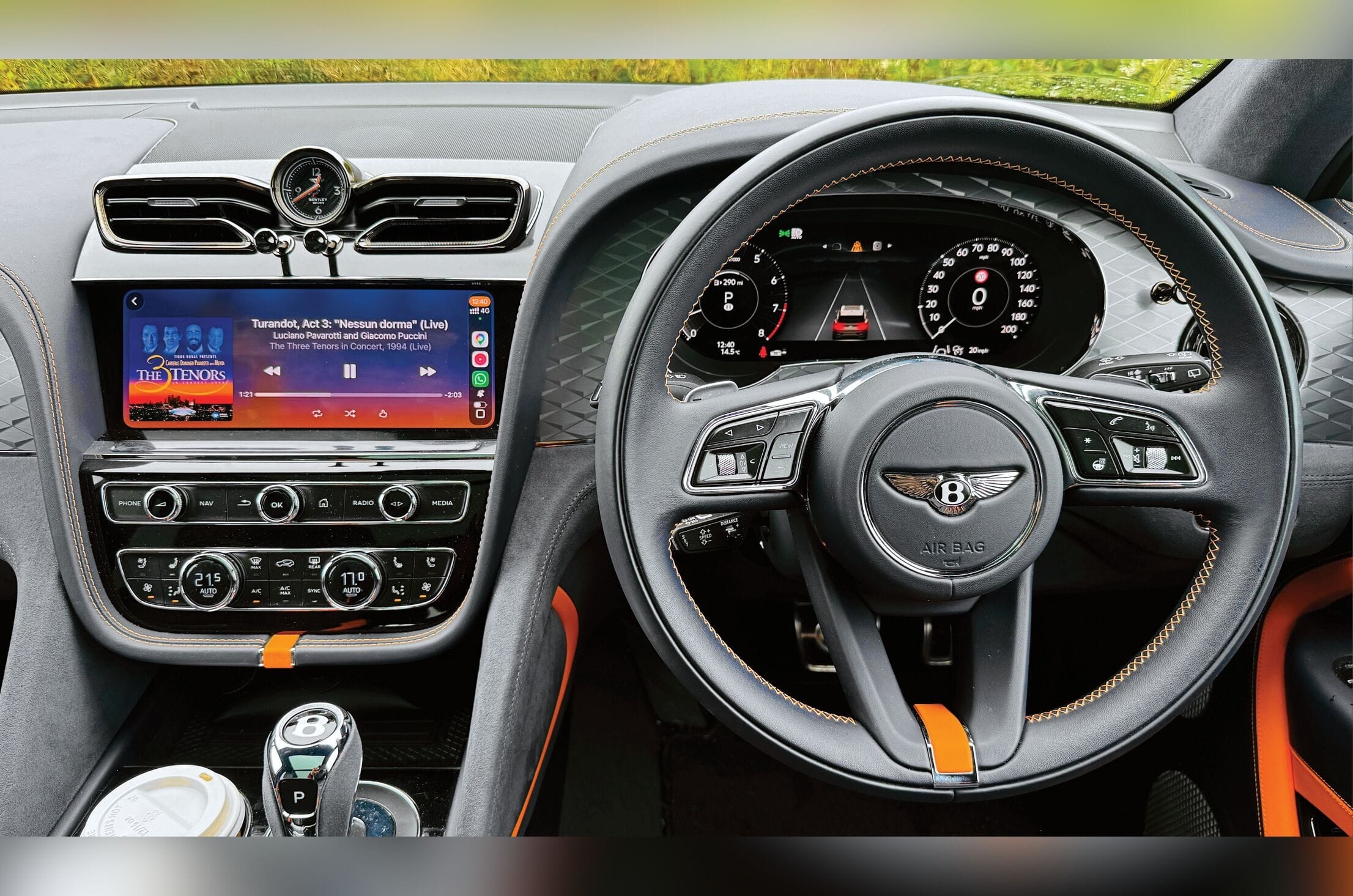
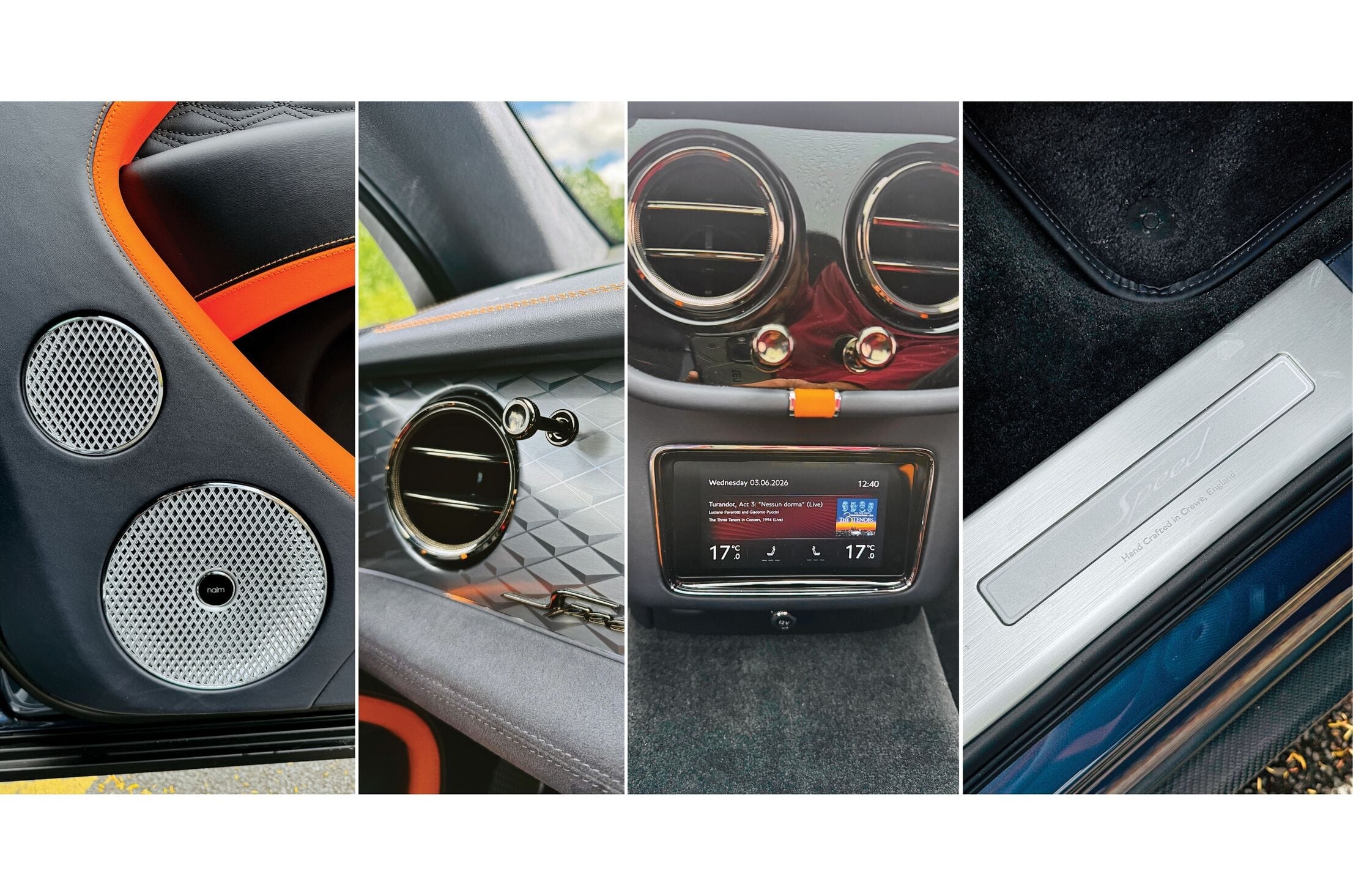
We left London at quarter past two on a Monday afternoon, and for the next four hours, the Bentley Bentayga did what most cars can only pretend to do on the M40 and M6. It made the motorway disappear. Settle into the driver’s seat of this Speed variant, and the first thing you notice is how little there is to notice – and yet how much there is to appreciate. The cabin is hushed to the point of unease, wind and road noise simply refusing to show up, leaving you enveloped in a space that celebrates analogue tactile pleasure in an increasingly digital world. Front and centre on the dashboard sits a Breitling analogue clock, anchoring the cabin with old-world authority. Below it, the knurled metal organ stop levers for the air vents operate with a satisfying mechanical resistance that no touchscreen has ever replicated.
A cabin that celebrates tactile touch in an age that has forgotten it. Leather-stitched with the patience of people who still care.
The audio system is by Naim – the Wiltshire-based hi-fi company whose amplifiers have been a byword for sonic purity since 1973 – and with Pavarotti filling the cabin at modest volume somewhere past Birmingham, it was immediately clear this was not a system installed merely to tick a specification box. Rear seat passengers, meanwhile, had their own touchscreen for climate and media control – ours showing Pavarotti mid-aria, which felt, in a Bentley, entirely correct. Neither the Bentayga nor Lancashire feel the need to tom-tom their virtues. Both simply get on with it, and trust that the right people will notice. I have driven this route north before in lesser company, and it has never once felt this short.
Every detail in the Bentayga Speed — the Naim audio system, the organ-stop vents, the diamond-quilted dash, the rear-passenger screen, the sill that quietly announces it was hand-crafted in Crewe — speaks of a car assembled by people who considered indulgence a serious responsibility.
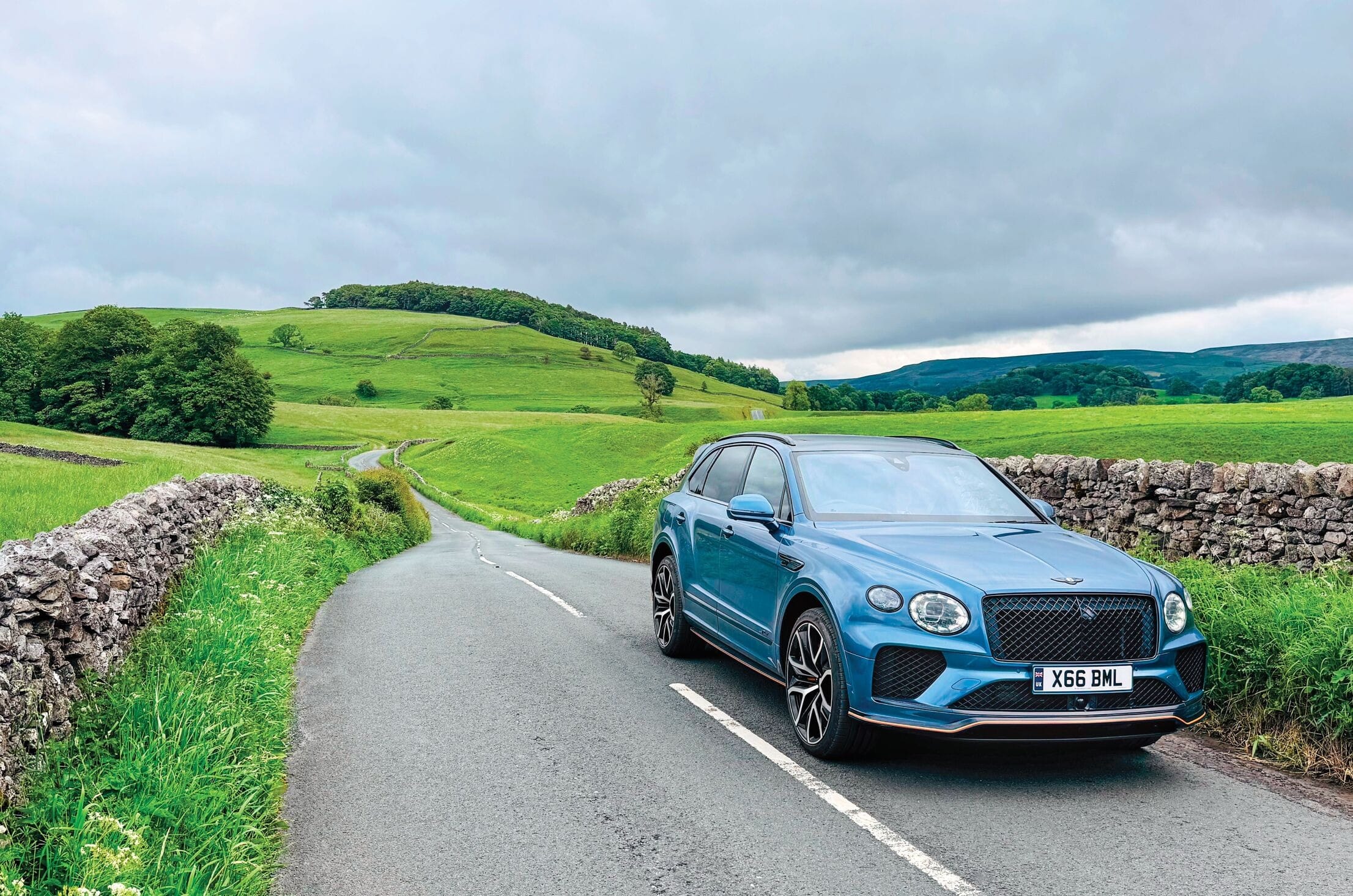
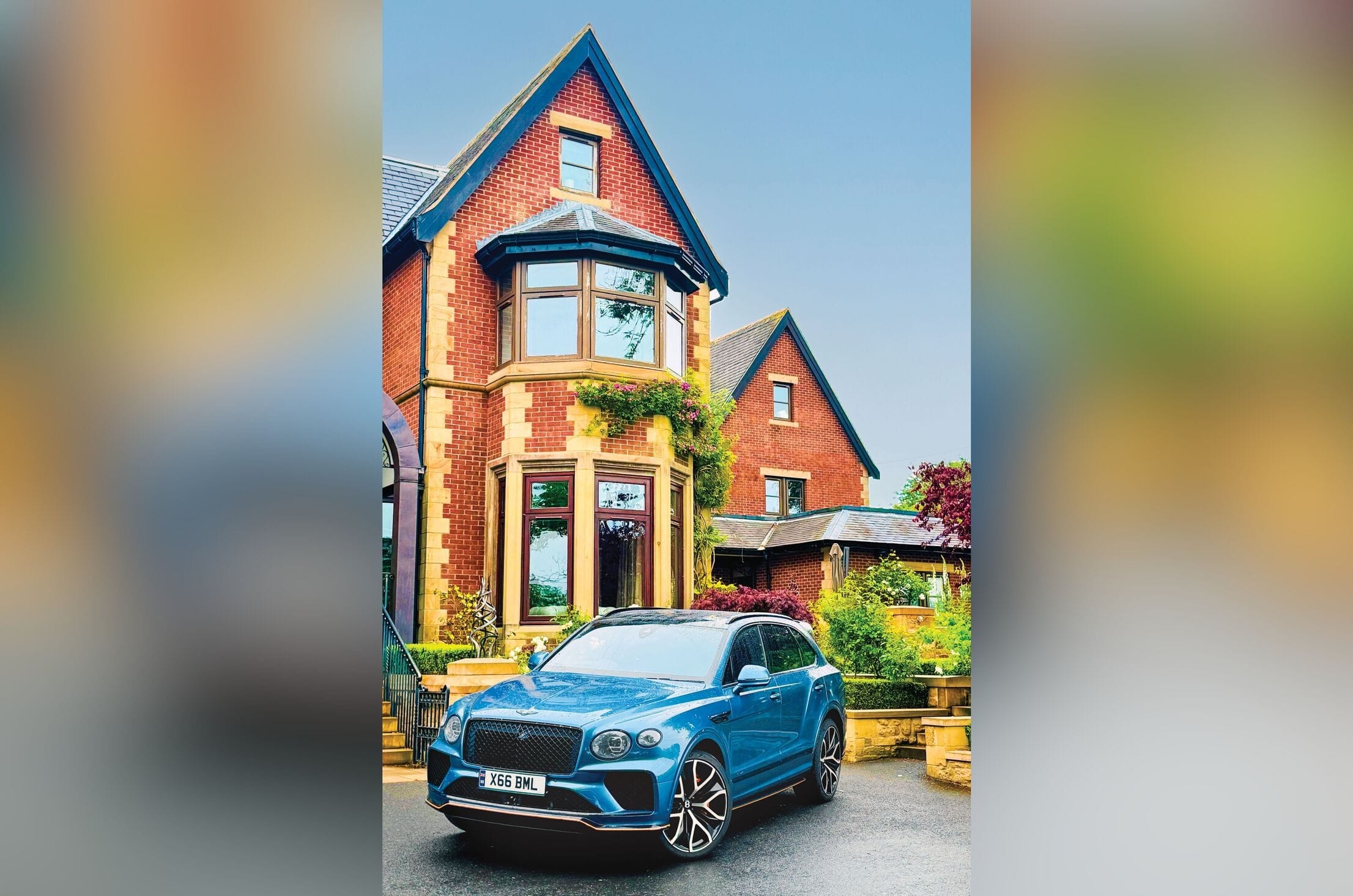
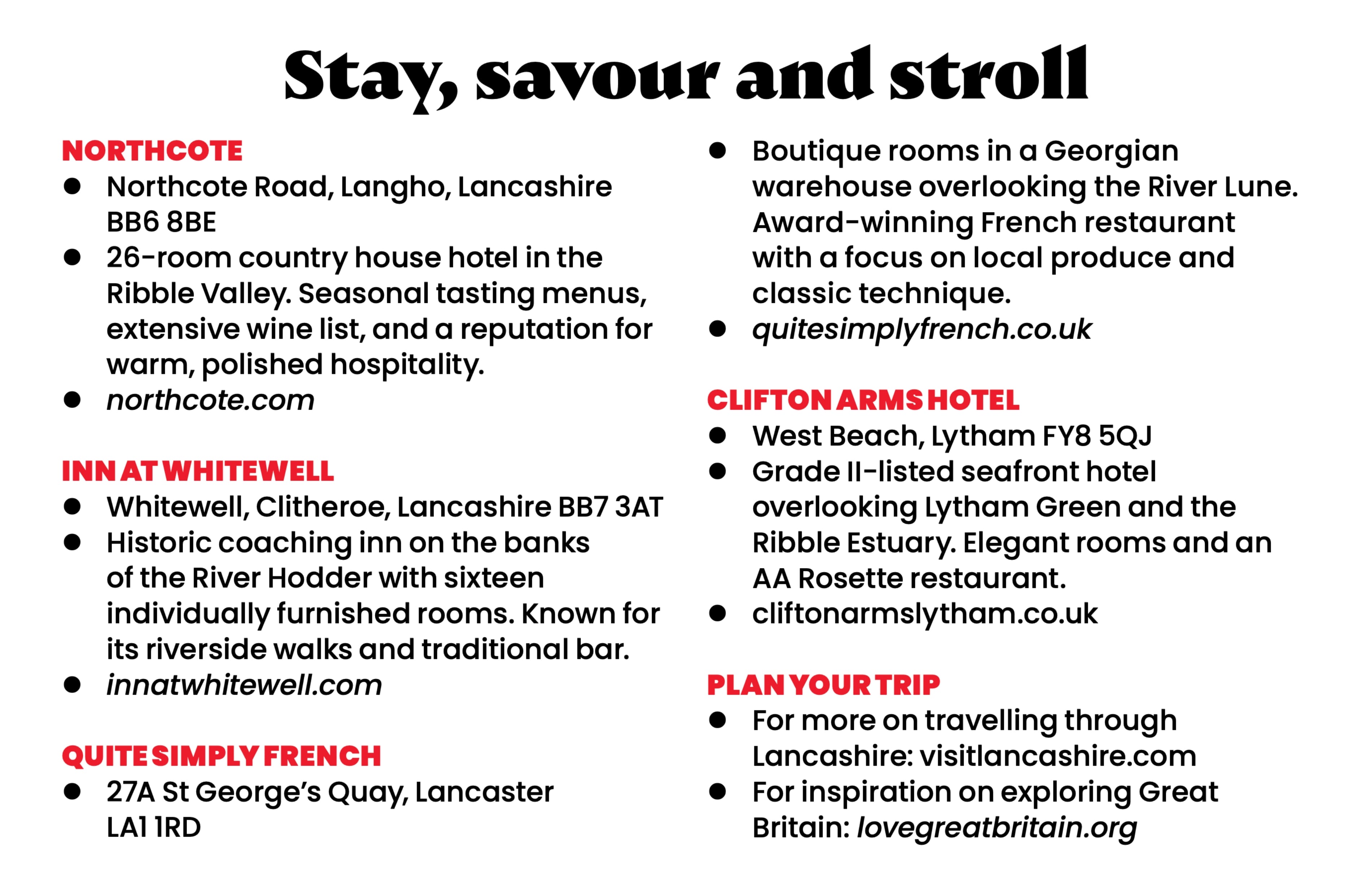
We continued north, crossing into Lancashire before finally turning off the motorway. Our destination was Northcote, nestled in the Ribble Valley near the village of Langho. As we made our approach, England changed its mind about what kind of country it wanted to be. The road narrowed and hedges closed in from both sides, threatening the Bentley’s two-metre width. The light was dropping into that long northern evening glow, and at the end of a gravel drive, Northcote appeared looking exactly like the opening shot of a film about an English country weekend. The Bentayga rolled up the approach, announcing its arrival with the polite crunch of low-profile Pirelli tyres on small stones – a suitably understated entrance for a 19th-century manor house that has seen a thing or two pull up outside.
We were here for dinner, bed and breakfast, and Northcote does none lightly. Chef Patron Lisa Goodwin-Allen has been translating this landscape into food since 1996 – three decades of a Michelin star, unbroken, which in the restaurant business is closer to a geological era than a career. Five courses arrived in unhurried succession, featuring asparagus, scallop, sole, local Lake District lamb, and a rich Valrhona chocolate to close – each dish a study in contrast and harmony, every course making the next feel inevitable. After dinner, we retired to one of the garden lodge deluxe suites: a fireplace casting a warm glow across the room, a private terrace looking out toward the dark valley, a deep tub in a bathroom that invited lingering. I went to bed deeply content, waking to a golden Ribble Valley morning that invited long, lazy walks. But the ribbon of tarmac through the Forest of Bowland was waiting, and the Bentayga was beckoning from the car park.
One of England’s best-kept secrets, this area of outstanding beauty is a delight for walkers and driving enthusiasts.
The road out runs through Clitheroe, where a Norman keep sits on a limestone mound with views stretching all the way to Pendle Hill, then climbs into the Forest of Bowland proper – 312 square miles of open moorland, fell, and river valley, largely left alone by the twenty-first century. I flicked the rotary drive selector into Sport early, curious to see what a two-and-a-half tonne SUV would make of roads that seemed written for something small and nimble. The transformation was immediate and theatrical – the car drew a long breath, settled onto its haunches, and changed its personality entirely. The steering weighted up with quiet authority, the throttle sharpened to a hair-trigger, and the Bentley Dynamic Ride system – it uses a 48-volt electrical architecture to split the anti-roll bars and sandwich an electric motor and planetary gear set between the halves, applying up to 1,300Nm of torque to each bar and reacting in as little as 0.06 seconds – kept the big SUV as flat through corners as a saloon car, entirely unbothered by its own considerable mass. The Bentayga had stopped being a grand tourer and become, without any fuss whatsoever, a driver’s car.
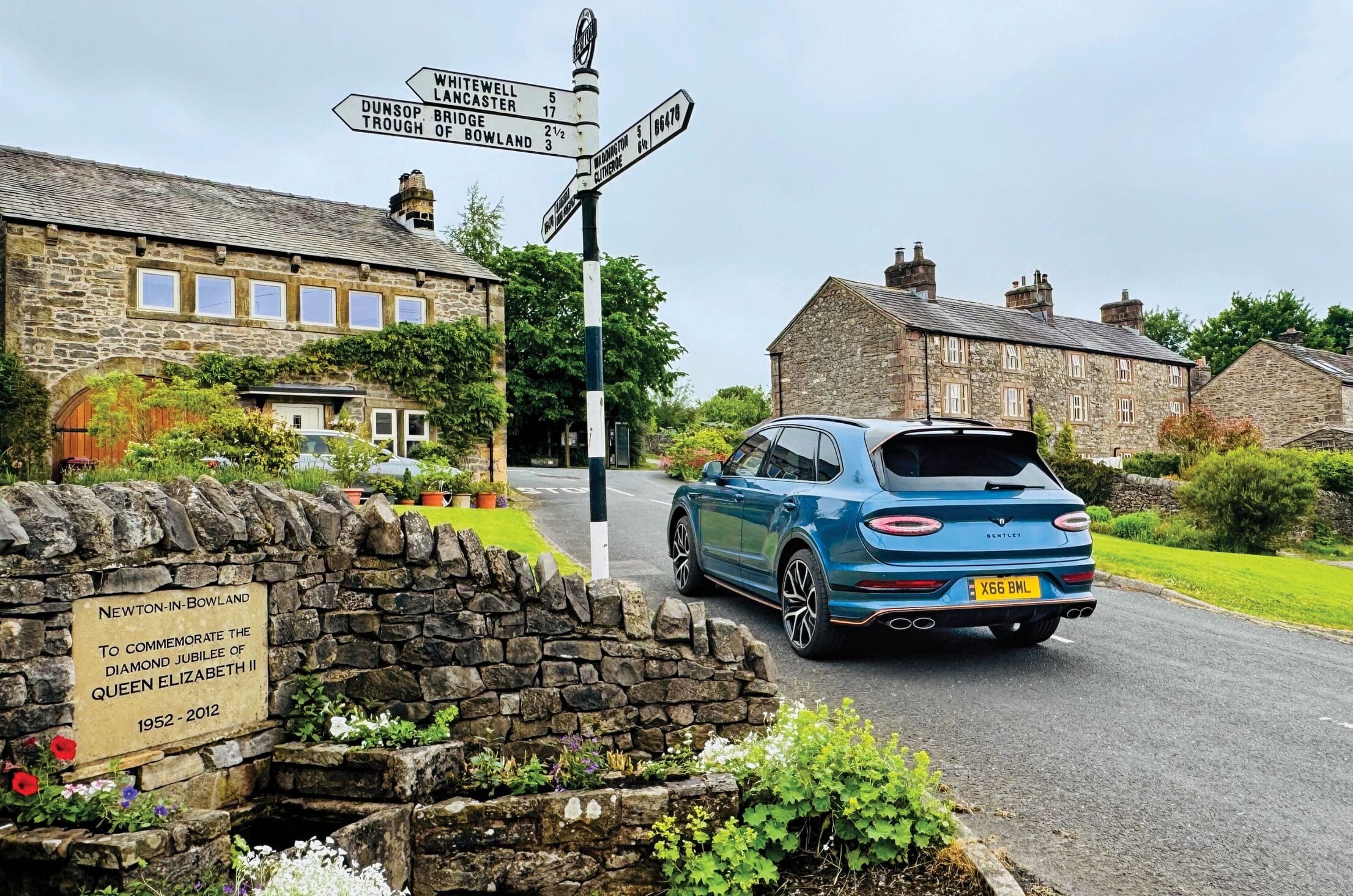
The signpost at Newton-in-Bowland offers four directions. For the traveller with time, there is no wrong turn here.
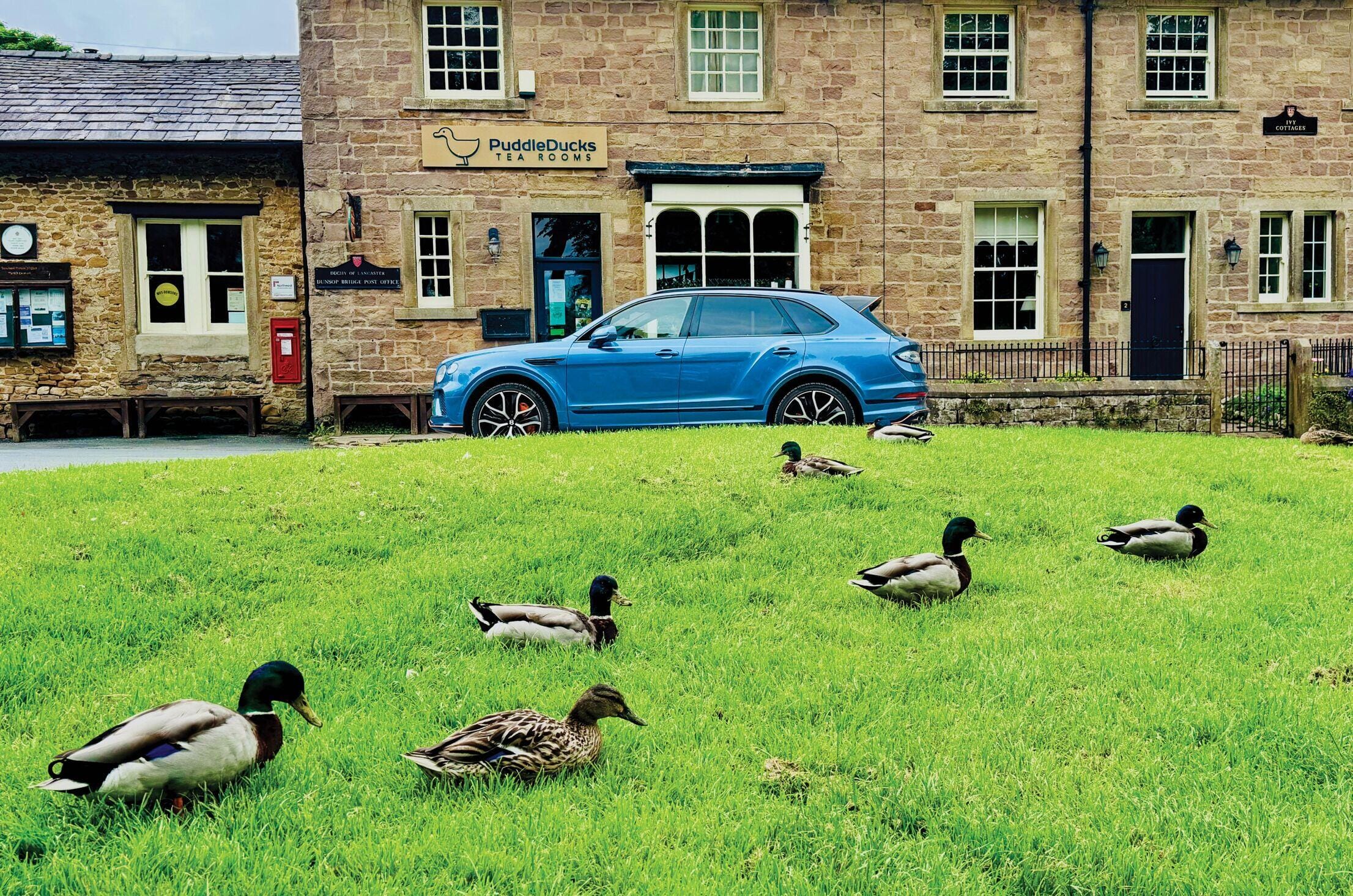
Dunsop Bridge slid past in a matter of seconds – a handful of stone houses, a red telephone box marking the geographic centre of Great Britain, and directly opposite, the Puddleducks Tearooms, where actual ducks were crossing the asphalt in front of us with the unhurried confidence of creatures who know they own the place.
And then came the Inn at Whitewell. It sits on a bend of the River Hodder, a low stone building with the fells rising behind it and the river running just below the terrace, dating to the 14th century when it housed the keeper of the King’s Forest. The manager told me that King Charles III had stayed the night here once, arriving by train to Lancaster and driving up through the valley. We parked the Bentayga in the gravel yard among vintage Land Rovers in active use by local farmers – the Bentley not looking remotely out of place, which says everything about both the car and the inn.
The ducks at Dunsop Bridge crossed the road with unhurried nonchalance. The Bentayga waited indulgently.
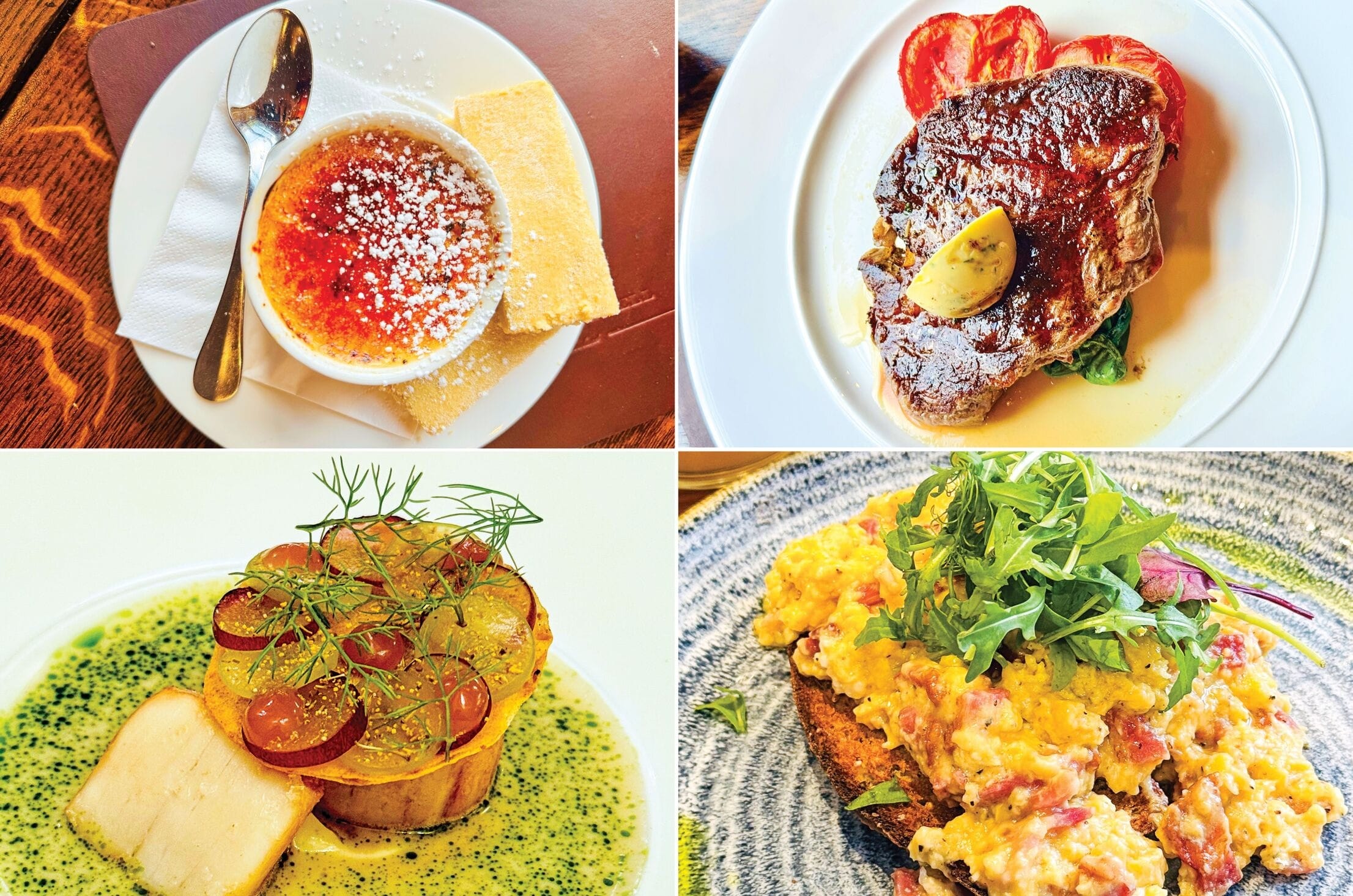
We had lunch at the exact spot where Steve Coogan and Rob Brydon filmed the opening episode of The Trip. Head chef Jamie Cadman has been running this kitchen for 29 years, and the scallops, the ribeye cooked medium-rare, and a crème brûlée of memorable creaminess proved that his tenure was very well spent. Afterwards we walked – an hour and a half across stepping stones and up into the moors, dappled afternoon light, the swish of boots in wet grass, sheep in fields arranged for maximum Englishness. We came back with deep-cleaned lungs, finding the Bentayga still flanked by a mud-caked Land Rover and a tractor. Even if it had feelings about its utilitarian neighbours, it kept them, with characteristic British restraint, entirely to itself.
Then came the Trough of Bowland – and the Bentayga’s finest hour. On these sweeping corners and squiggly bends that open into long glorious straights, the V8 deepened into a proper barrel-chested growl, the eight-speed ZF gearbox snapping through ratios with surgical precision. Burying my right foot out of a long right-hander, the 4.0-litre twin-turbo unleashed 850Nm of torque across a broad plateau between 2,250 and 4,500rpm – not a single violent hit but a sustained, relentless wave that simply didn’t stop. 2,440 kilograms of hand-built British engineering launched forward, brutally and joyfully hard, dispatching 0-100kph in 3.6 seconds. Yet at no point did it feel like it was getting away from me. The permanent all-wheel-drive system shuffles power between axles with imperceptible speed, while the all-wheel steering tightens the car into corners at low speed and plants it with absolute authority on high-speed straights. The confidence arrives quickly and stays.
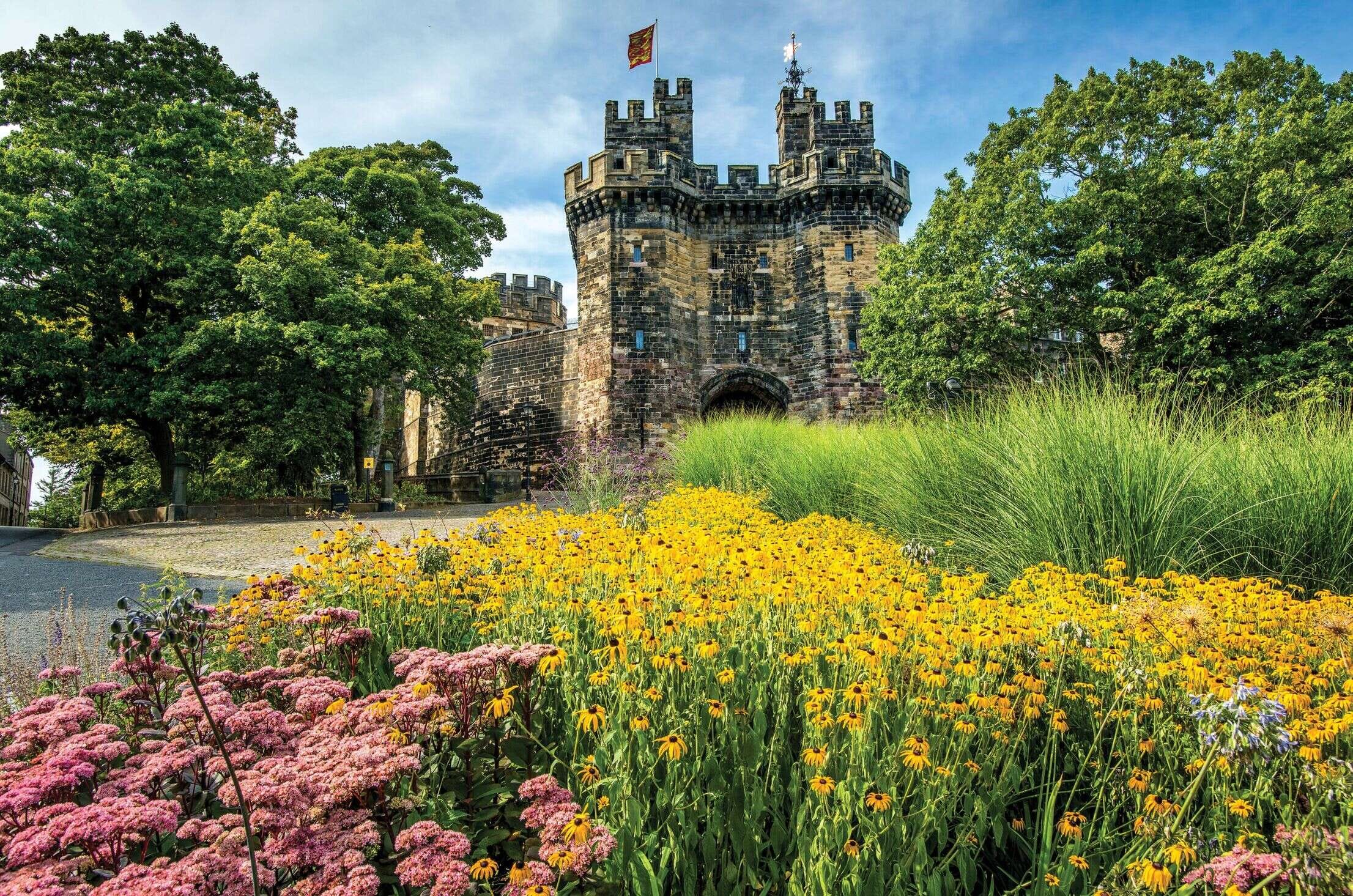
Lancaster revealed itself in the late afternoon, featuring cobbled streets, a castle that hosted the Pendle Witch Trials of 1612, and a quayside built on 18th-century trading wealth. Our base was Quite Simply French on St George’s Quay, four boutique rooms in a 1750 warehouse with bare stone walls, timber beams, and the River Lune drifting past the windows. The 360-degree camera system made light work of threading the Bentley down the narrow quayside street. Dinner was a proper French feast including lobster, escargots, and a wine list worth lingering over.
Crème brûlée and ribeye at Whitewell, scallops at Northcote, scrambled eggs at Quite Simply French – Lancashire is a foodie’s delight.
Breakfast the next morning was the quiet revelation of the trip: scrambled eggs of extraordinary creaminess, sourdough toast, hand-churned butter, sea salt, genuinely good coffee – a little slice of France transplanted into the heart of Lancashire, courtesy of head chef Luke Johnson, fifteen years in this kitchen and showing no signs of slowing down.
From Lancaster, we pointed toward the coast. Lytham is a handsome Edwardian seaside town of independent shops, a sprawling seafront green, and the wide Ribble Estuary beyond. At its centre stands a solid white 19th-century windmill, which we explored as the weather turned grey and blustery in the way English coastal mornings sometimes insist upon. We spent the night at the Clifton Arms on the seafront – Grade II-listed, dating to 1839, cast-iron balconies and classical columns looking out over the Green. The next morning’s photograph said everything: the Bentayga framed against the stark white of the windmill, hand-assembled British engineering against handmade British stone, both entirely unhurried and at home.
The Bentayga on Lytham seafront, with the town’s 19th-century windmill for company.
The drive back down the M6 was every bit as uneventful as the journey up. This is perhaps the highest compliment a grand tourer of this calibre can be paid. Over three days, the Bentayga had done everything asked of it by devouring a motorway slog in near-total silence, charging through the Trough of Bowland with a soundtrack fit for a film score, threading a medieval quayside without breaking a sweat, and reshaping its chassis, drivetrain, and suspension to whatever the road demanded, all while making every mile feel like it was exactly where it was meant to be.
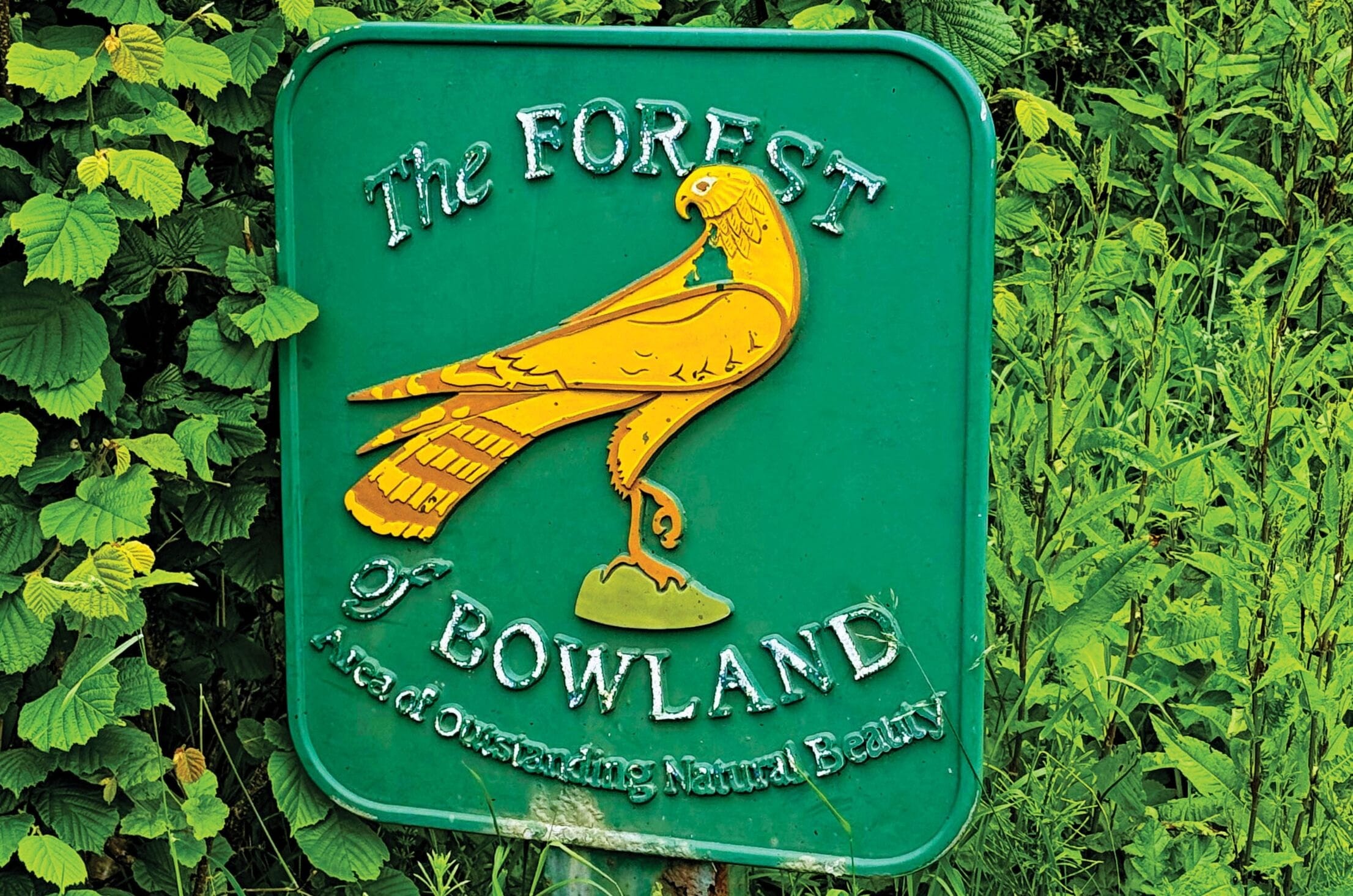
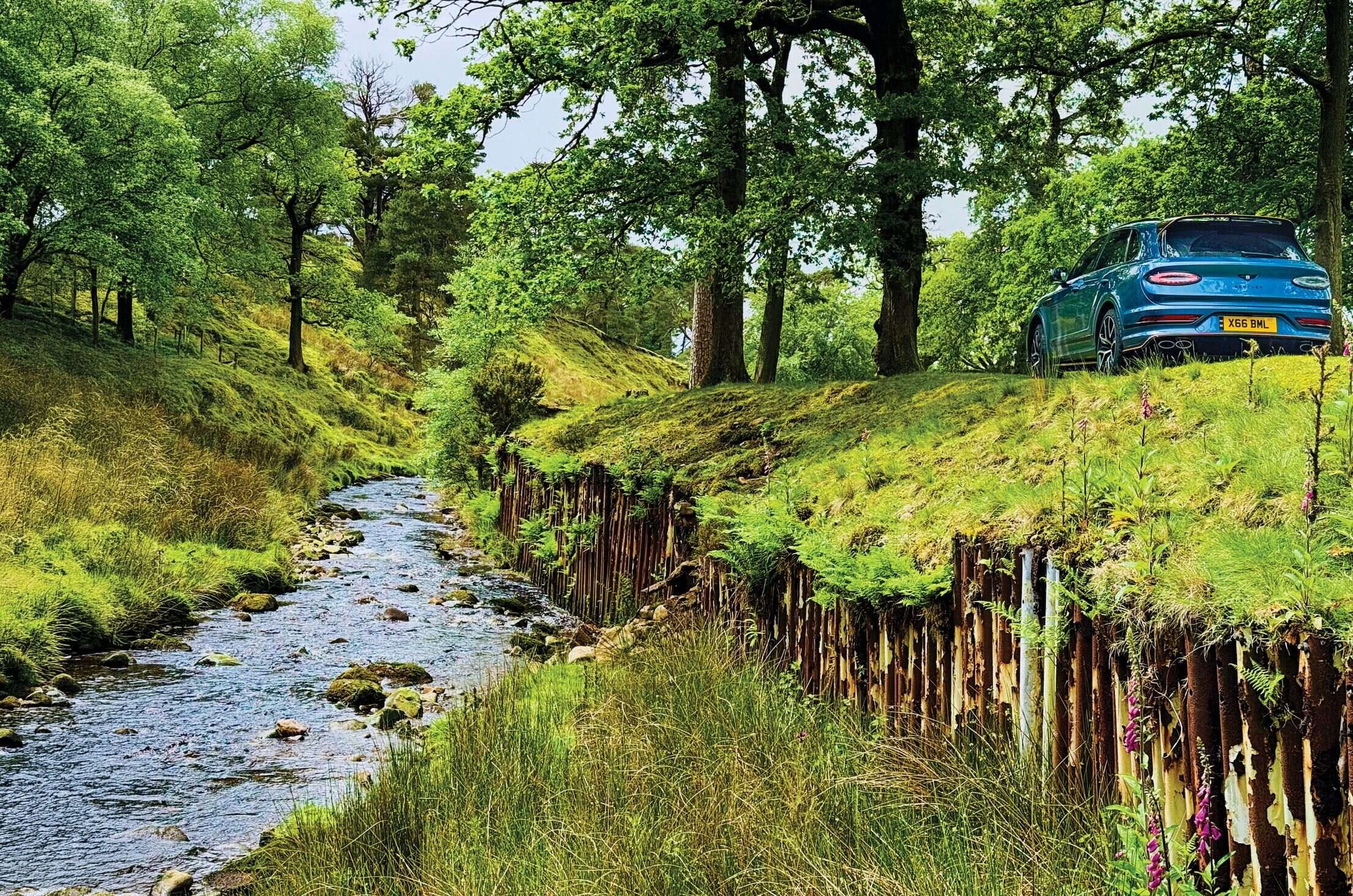
A burbling brook, a solid oak, and a hand-crafted car from Crewe — together in the Forest of Bowland. This picture quietly states “England”.
Lancashire is a county most tourists simply ignore, and that is precisely its saving grace. A few slow days spent looping through its corners delivered everything the quintessential English road trip ought to be – cosy country inns with roaring fires, smashing food that makes a detour entirely mandatory, and layers of medieval history etched into stone castles. There were long walks across the wet moors that left my boots soaked and my head clear, and scenic roads that begged to be driven. This is the good old English countryside exactly as it should be. It is a landscape that deserves to be savoured in a leisurely manner and preferably from the cockpit of something exactly this magnificent.
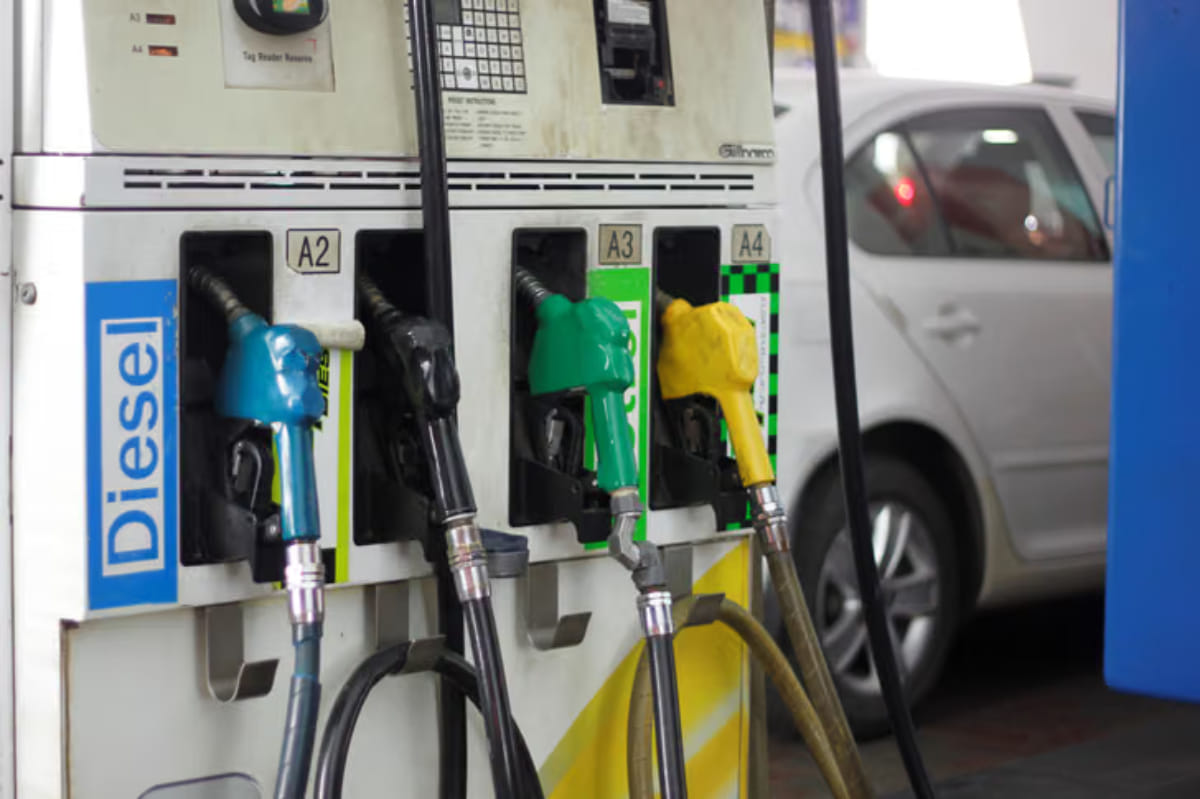
The Central government has ruled out offering pure petrol, E10 and E20 simultaneously across India, saying maintaining multiple petrol grades would increase costs and create significant logistical challenges. In a question-and-answer note issued on July 10, the Ministry of Petroleum and Natural Gas reiterated that E20 will continue as the country’s standard petrol blend.
Government cites investments made in ethanol production infrastructure
Separate fuel grades would require parallel storage and distribution
E20 to remain the standard petrol blend across India
Government cites distribution challenges
The ministry said India’s fuel distribution network comprises more than one lakh retail outlets, supported by refineries, terminals, depots, pipelines and storage facilities. Maintaining three different petrol grades across this network would require separate storage, inventory management and distribution infrastructure, increasing handling costs and reducing operational efficiency.
The government also rejected comparisons with premium petrol, saying it is a niche product sold in relatively small volumes and does not require a separate nationwide fuel supply chain.
Investments in ethanol infrastructure
The ministry said substantial investments have been made in ethanol production, including distilleries, storage facilities and logistics infrastructure, to support India’s ethanol blending programme. It added that reverting to E10 as the standard petrol blend could leave ethanol production capacity underutilized and affect investments made by farmers, cooperatives, companies and financial institutions.
According to the ministry, India achieved an average 20 percent ethanol blending between November 2025 and June 2026, compared with 19.2 percent during the previous ethanol supply year.
What it means for older vehicles
The question of offering multiple petrol grades has been raised by owners of older vehicles originally certified to run on E10 petrol. The ministry said vehicle manufacturers, component suppliers, testing agencies and research institutions were consulted before the introduction of E20, covering areas such as material compatibility, engine calibration, fuel systems, durability, emissions and fuel economy.
To support its position, the ministry cited field data from Maruti Suzuki and Hero MotoCorp. It said Maruti Suzuki serviced 2.84 crore vehicles during FY2025-26, including 1.5 crore older vehicles that were not originally certified for E20, and reported no E20-related corrosion, abnormal wear or component-life damage. Hero MotoCorp also reported similar field experience.
The ministry acknowledged that some vehicles may record a 3-5 percent reduction in fuel economy when running on E20. However, it said this should be weighed against the fuel’s higher octane rating, as well as the benefits of lower crude oil imports and reduced emissions.
These are claims made by the Petroleum Ministry in support of the E20 programme. The release does not provide an independent comparison of the additional cost of maintaining multiple fuel grades against the benefit of allowing consumers to select fuel based on their vehicle’s original certification.
सालों से, भारतीय किसानों ने आसमान को समझने के अपने तरीके विकसित किए थे। ये कोई बिखरी हुई लोक-मान्यताएं या अलग-थलग परंपराएं नहीं थीं। कई इलाकों में, समुदाय बहुत ध्यान से देखे-परखे गए तरीकों को अपनाते थे। ये तरीके पीढ़ियों तक बेहतर बनाए गए, ग्रंथों में दर्ज किए गए और बहुत ही एकरूपता के साथ आगे की पीढ़ियों तक पहुंचाए गए।
खबरों के अनुसार, भारत में बारिश का अनुमान लगाने के कुछ सबसे पुराने तरीके खगोल विज्ञान से गहराई से जुड़े थे। खगोल विज्ञान और समय की गणना पर सबसे शुरुआती भारतीय ग्रंथों में से एक, ‘वेदांग ज्योतिष’ ने ‘पंचांग’ (हिंदू कैलेंडर) की नींव रखी, जिसका इस्तेमाल आज भी देश के कई हिस्सों में किया जाता है। सूरज, चांद और तारों की चाल पर नजर रखकर, इस तरीके से लोगों को मौसम में बदलाव और बारिश के पैटर्न का अंदाजा लगाने में मदद मिलती थी।
सदियों बाद, खगोलशास्त्री और विद्वान वराहमिहिर ने इन विचारों को और आगे बढ़ाया। छठी सदी ईस्वी में लिखी अपनी रचना ‘बृहत्संहिता’ में, उन्होंने बारिश, खगोलीय घटनाओं और वायुमंडलीय स्थितियों के बीच संबंधों का वर्णन किया। कुछ शोधकर्ताओं के अनुसार, इन अवलोकनों के कुछ हिस्से आधुनिक मौसम विज्ञान की अवधारणाओं से मिलते-जुलते हैं।
कई गांवों में, हिंदू नव वर्ष के दौरान ‘ग्राम जोशी’ या गांव का ज्योतिषी सालाना बारिश और फसल के बारे में भविष्यवाणियां पढ़कर सुनाता था। पीढ़ियों से चली आ रही गणनाओं पर आधारित ये भविष्यवाणियां अक्सर किसानों को आने वाले खेती के मौसम की योजना बनाने में मदद करती थीं।
कई रिपोर्टों के अनुसार, समय के साथ किसानों ने खगोलीय परंपराओं के साथ-साथ मौसम का अनुमान लगाने के स्थानीय तरीके भी विकसित किए। आंध्र प्रदेश की ऐसी ही एक परंपरा थी ‘तट्टा संकेतम’; इसमें अनाज से भरी टोकरी के ऊपर एक गिलास रखा जाता था और एक बच्चा उसे सावधानी से संतुलित करता था। गिलास अंत में जिस दिशा में गिरता था, उसे ग्रहों की स्थिति के साथ जोड़कर देखा जाता था और माना जाता था कि इससे आने वाले मॉनसून के मिजाज का पता चलता है।
पीढ़ियों से, किसान अपने घरों और खेतों के आस-पास होने वाले बदलावों को समझना भी सीख गए थे। बकरियों का बार-बार कान फड़फड़ाना, रात भर उल्लुओं का लगातार बोलना और लाल बालों वाली इल्लियों का तेजी से सुरक्षित जगह की ओर बढ़ना – ये सभी इस बात के संकेत माने जाते थे कि बारिश होने वाली है। बाद में वैज्ञानिकों ने पाया कि कई कीड़े इंसानों के महसूस करने से बहुत पहले ही अपने एंटीना से नमी में होने वाले बदलावों का पता लगा सकते हैं। शायद इसीलिए ऐसी बातें अक्सर सही साबित होती थीं।
मधुमक्खियों का जल्दी अपने छत्तों में लौटना और मकड़ियों का तेजी से अपने जाले ठीक करना बदलते मौसम की और चेतावनियां मानी जाती थीं। इसके अलावा, शाम के समय खाना पकाने से निकलने वाला धुआं, जो ऊपर उठने के बजाय नीचे ही रहता था, उसे हवा में नमी बढ़ने का संकेत माना जाता था।
खबरों के मुताबिक, किसान शायद ही कभी सिर्फ एक संकेत पर निर्भर रहते थे। इसके बजाय, वे बुवाई का फैसला करने से पहले कई संकेतों की जांच-पड़ताल करते थे और खेती से जुड़े फैसलों में वैसी ही सावधानी और अनुशासन बरतते थे, जिसकी अनिश्चितता के कारण जरूरत होती थी।