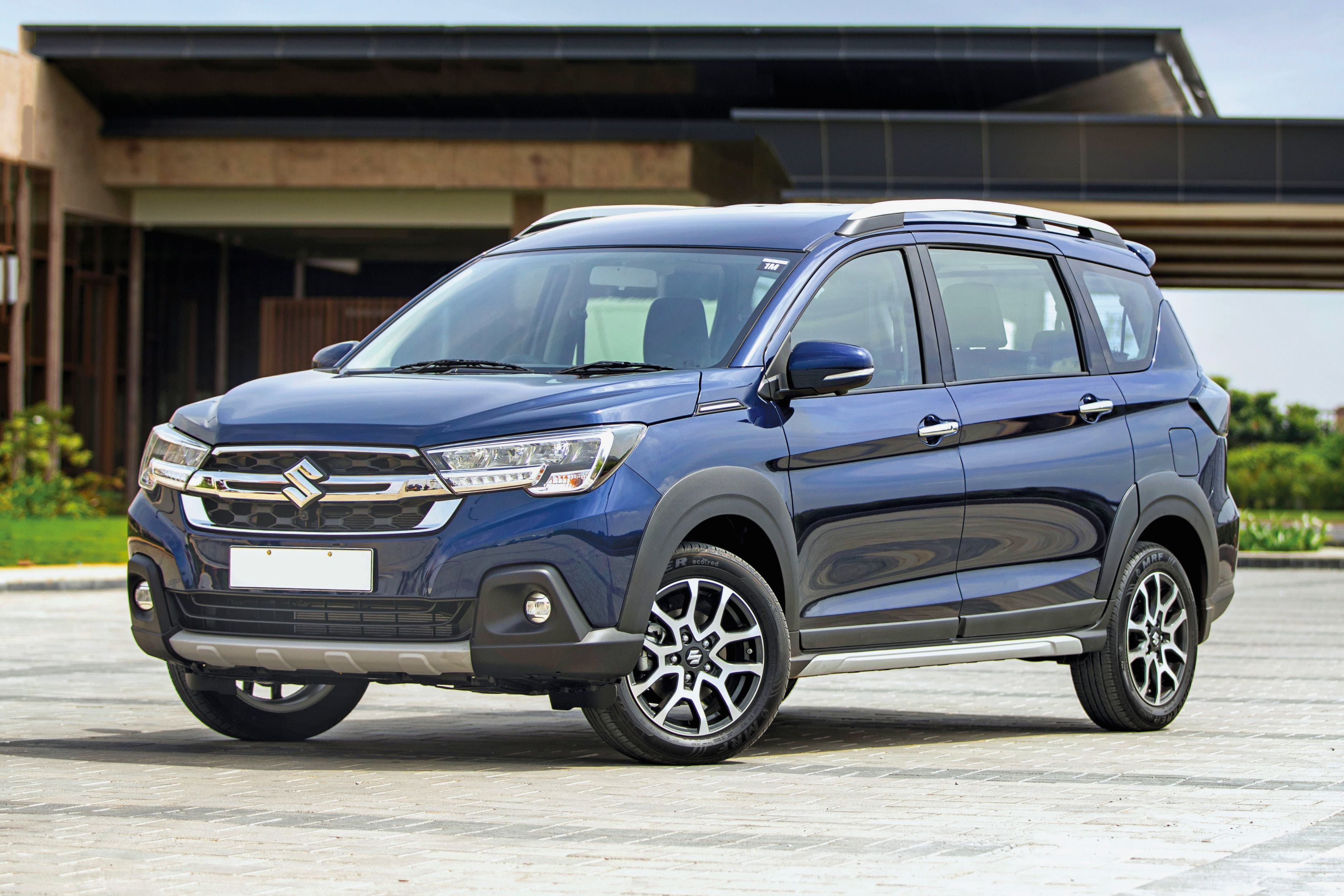
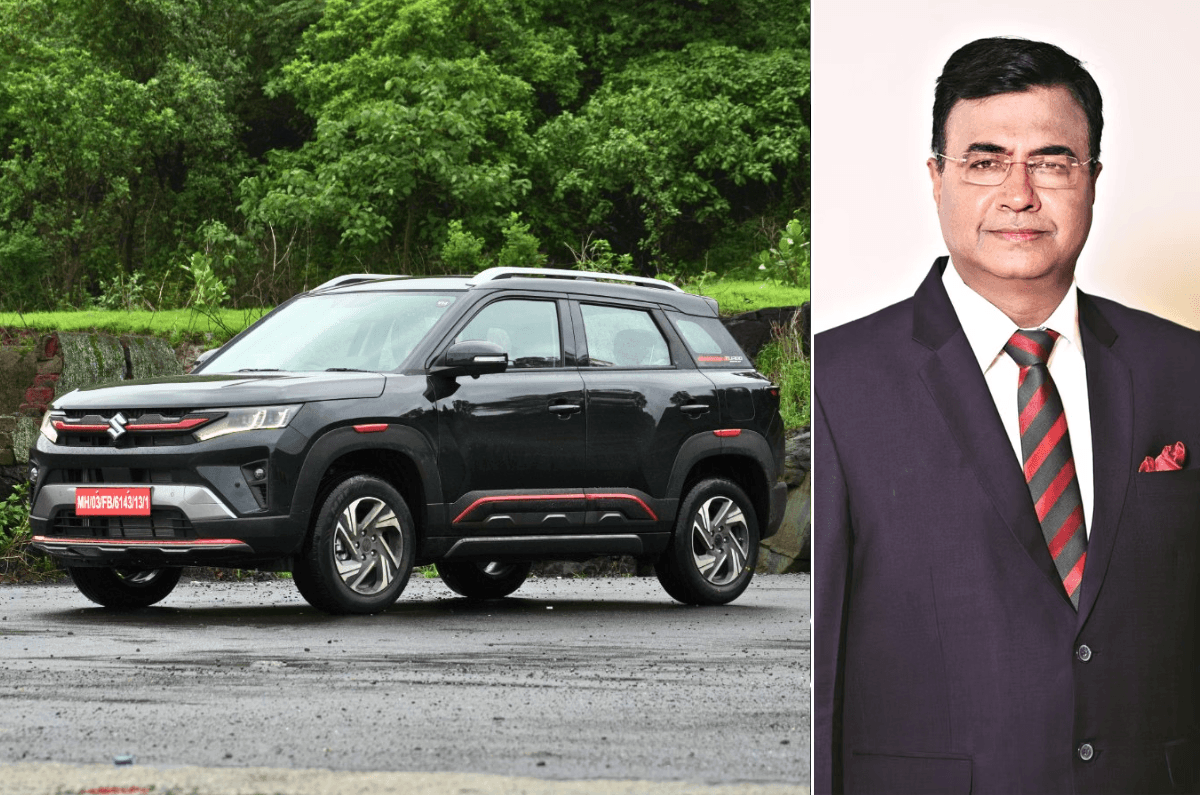
Maruti Suzuki’s hatchback sales grew 41 percent in the first half of FY2026-27, while SUV sales increased 56 percent, according to Partho Banerjee, senior executive officer, marketing and sales, Maruti Suzuki. Speaking during the company’s half-yearly sales briefing, Banerjee said, “It is not a one-month wonder.”
Maruti has attributed part of the recent improvement in volumes to the GST rate changes introduced in September last year. The company said the lower tax burden has supported demand for smaller cars.
Small cars continue to see demand
Maruti’s entry hatchback sales grew 86 percent in H1 FY27, while mid-hatchback sales increased 40 percent. Overall hatchback sales were up 41 percent during the period. “Month after month it is happening. In the first half of FY27, Maruti’s entry hatchback sales grew 86 percent, mid-hatches by 40 percent and overall hatchback sales by 41 percent. Mini-car sales have also grown 39.8 percent in September,” said Banerjee.
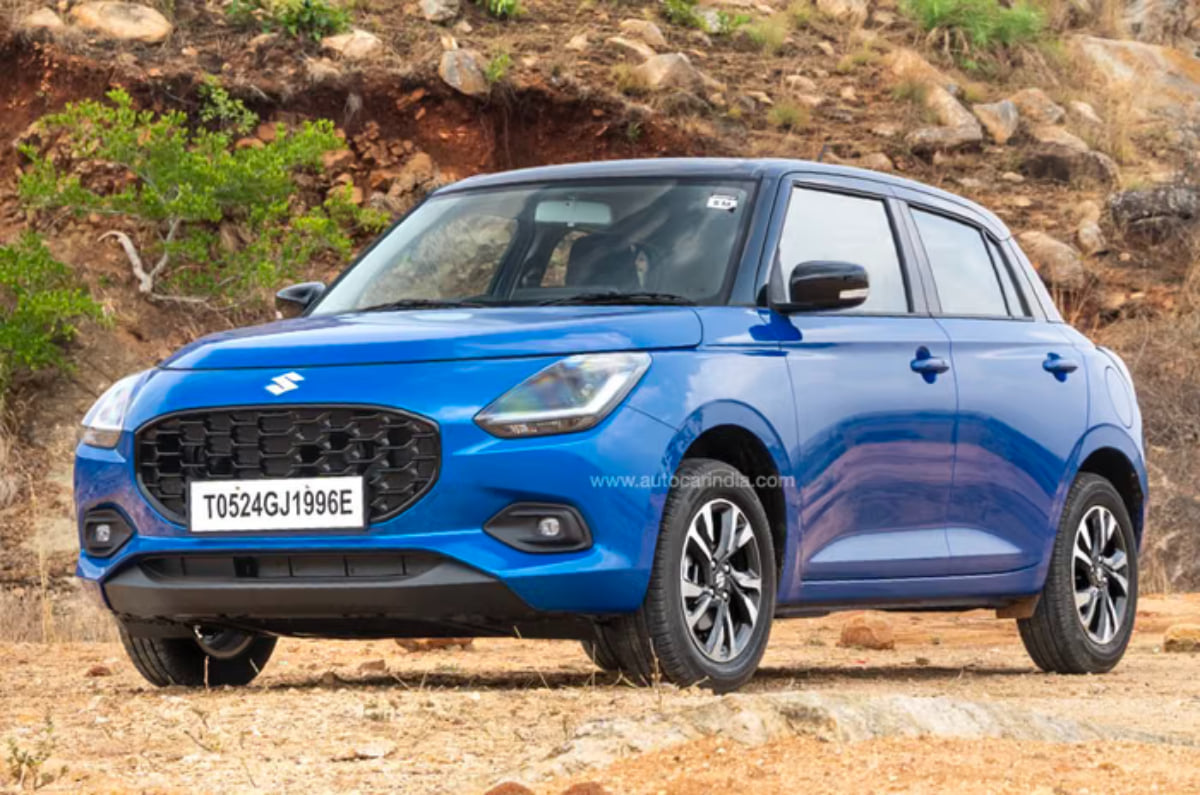
Maruti’s mini, small and mid-hatchback segments recorded 91,887 units in September 2026, up 24 percent year on year. The mini segment comprises the Alto, S-Presso and Celerio, while the small hatchback segment includes the WagonR, Swift and Dzire. The mid-hatchback segment includes the Baleno. “When everyone was talking about only the SUVs, the hatch has also grown by 41 percent. There is a huge set of customers who are appreciating the other form factors also, be the hatches, be the sedans,” Banerjee said.
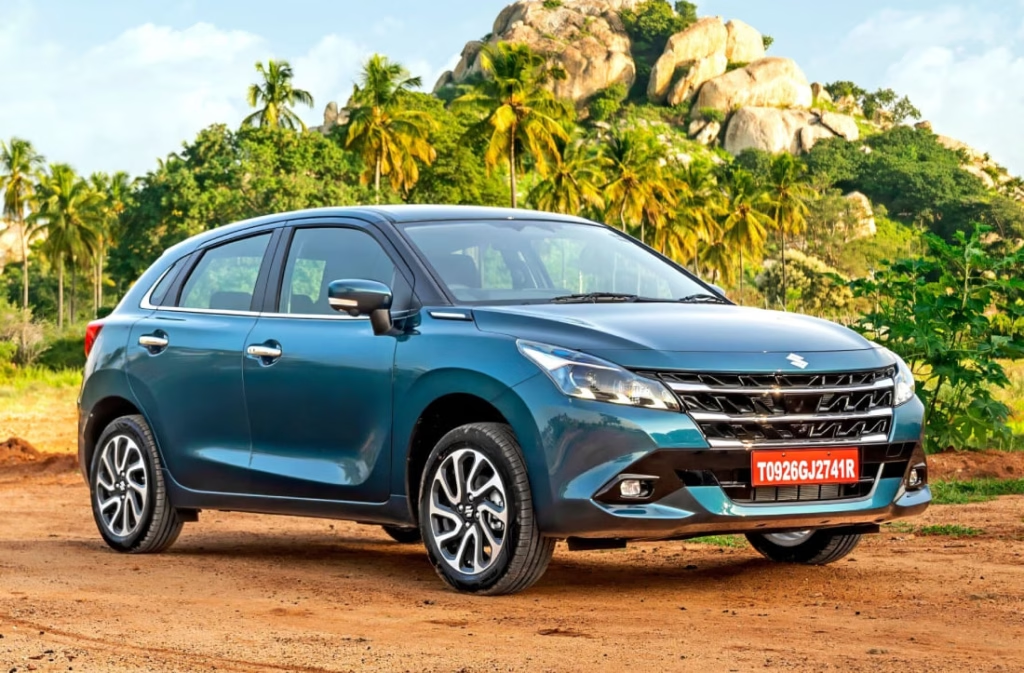
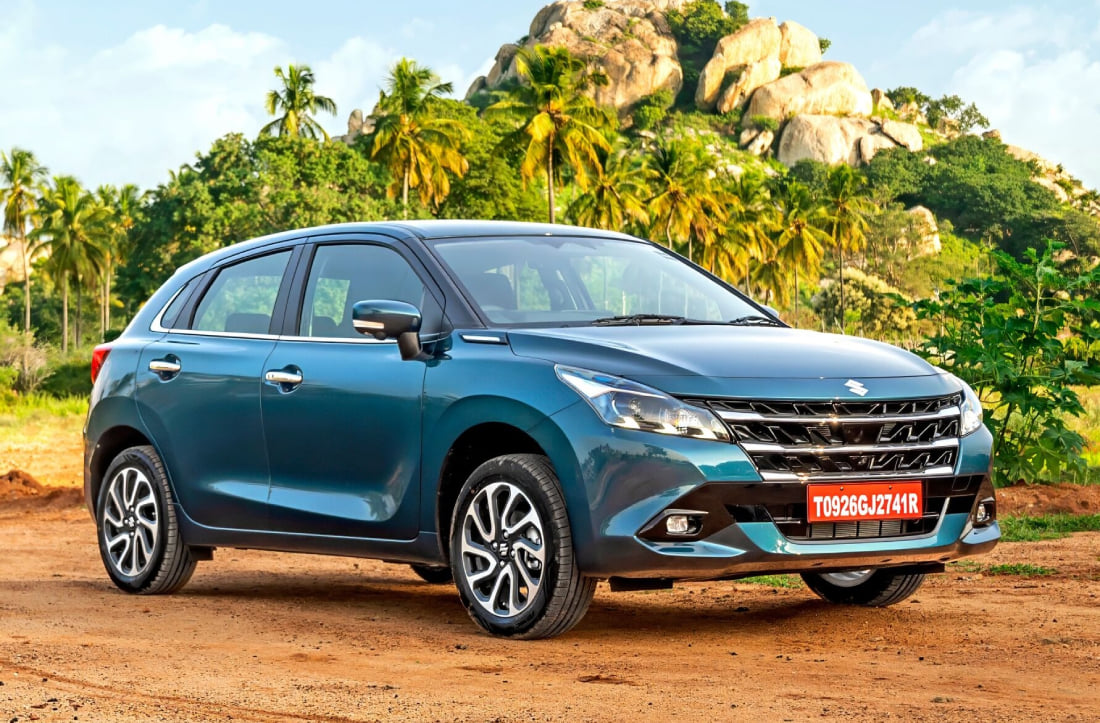
The refreshed Baleno recorded 25,000 units in its first month on sale, according to Maruti. The Dzire remained the company’s best-selling model in H1 FY27 despite supply constraints, while the Swift continues to record monthly volumes of around 80,000-90,000 units, according to the company.
Maruti sees strong SUV growth
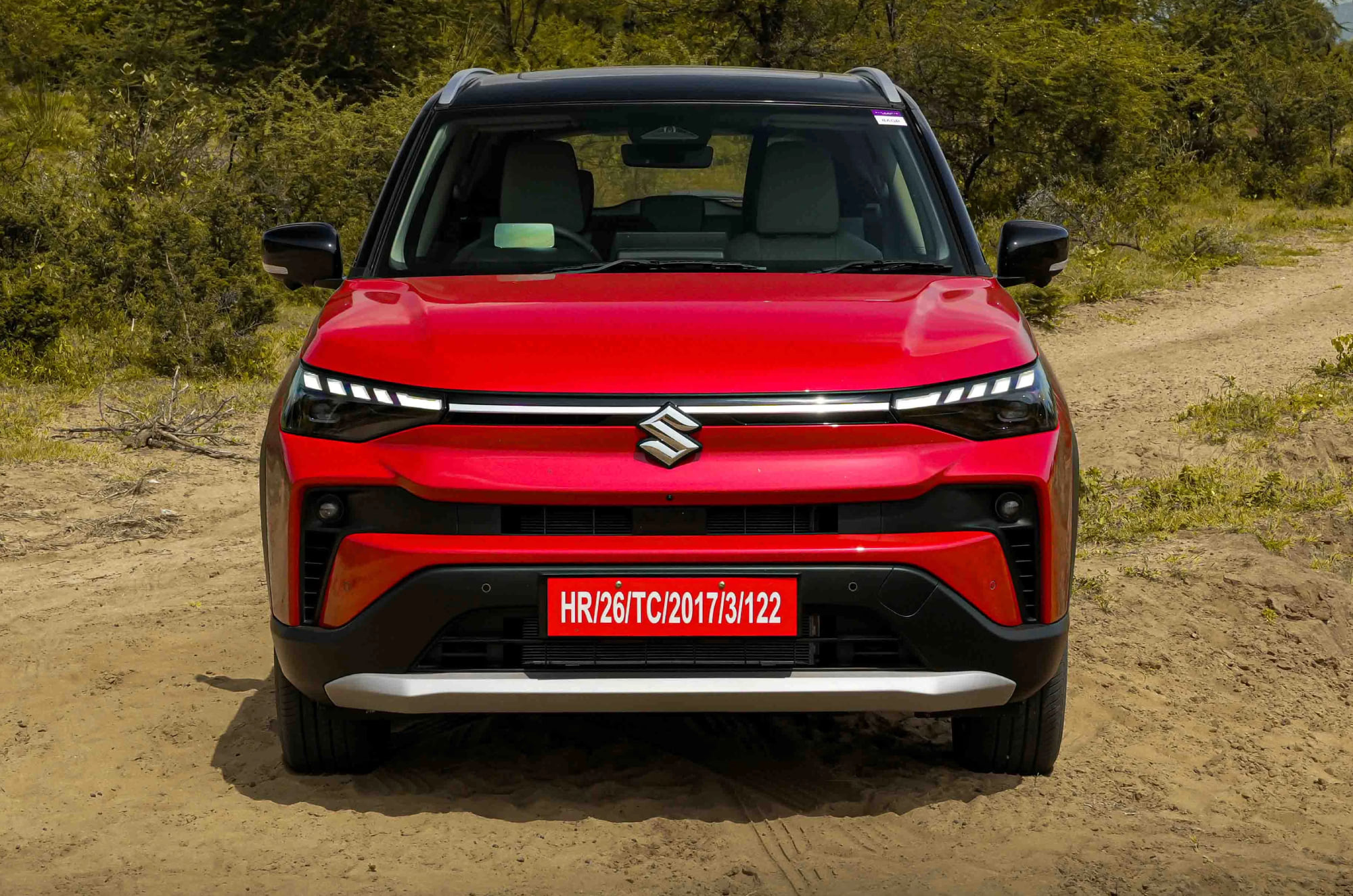
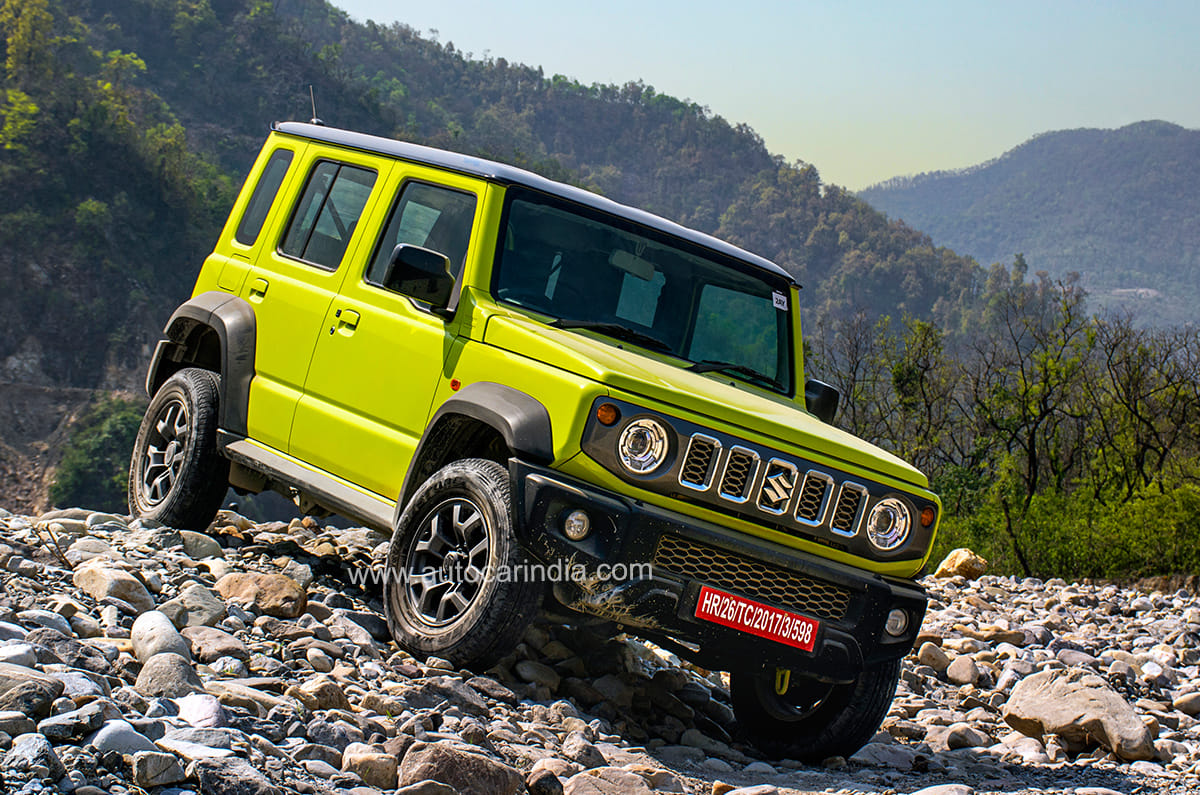
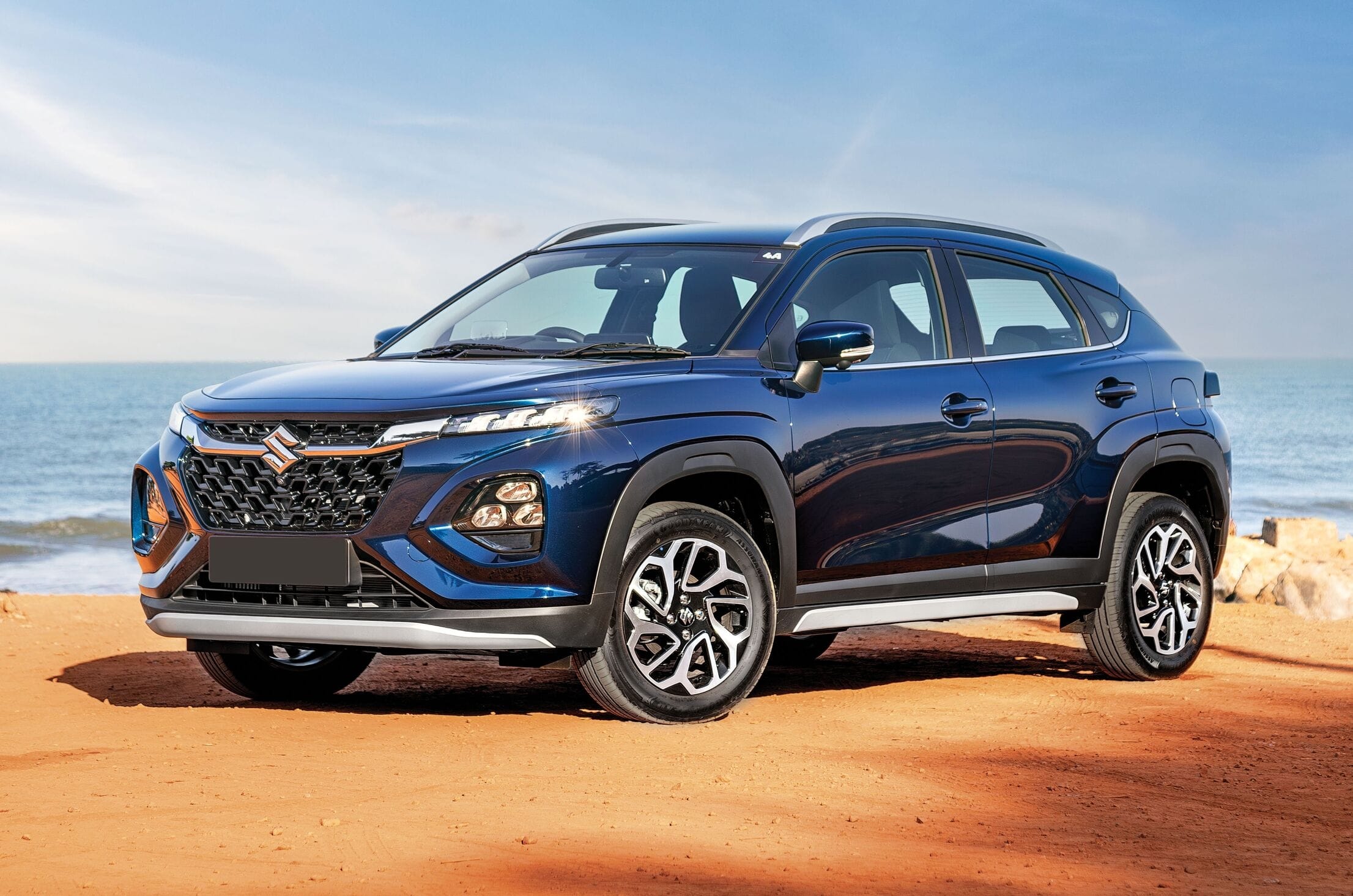
Maruti’s SUV sales increased 56 percent in H1 FY27, with the company selling around 56,000 SUVs per month during the period. Its SUV line-up currently includes the Brezza, e Vitara, Fronx, Grand Vitara, Invicto, Jimny and Victoris.
SUVs now account for around 57 percent of India’s passenger vehicle market. Maruti’s overall domestic sales reached 11 lakh units in the first half of FY27, while its Q2 domestic sales of 5,65,201 units were the company’s highest for any quarter.
The company attributed part of the improvement in overall volumes to stronger supplies from its newly commissioned plant. The SUV segment has also become a larger part of Maruti’s sales mix as demand for the body style has increased across the market.
Delhi Property Tax: अगर दिल्ली में आपकी कोई प्रॉपर्टी है और आपने कई सालों से उसका प्रॉपर्टी टैक्स नहीं भरा है, तो आपके लिए एक काम की खबर है। दिल्ली नगर निगम यानी MCD ने पुराने प्रॉपर्टी टैक्स बकाए को चुकाने के लिए SUNIYO 2.0 वन प्लस सेवन स्कीम शुरू की है। यह स्कीम 29 सितंबर 2026 से लागू हो गई है। इसका फायदा 31 दिसंबर 2026 तक उठाया जा सकता है।
इस स्कीम का मकसद उन लोगों को अपना पुराना प्रॉपर्टी टैक्स अकाउंट क्लियर करने का मौका देना है जिन पर कई सालों से टैक्स बकाया है। खास बात यह है कि तय शर्तों के मुताबिक, पेमेंट करने पर 2019-20 से पहले के पुराने बकाए पर ब्याज और पेनल्टी में राहत मिलेगी। लेकिन इसके लिए पहले कुछ तय सालों का प्रिंसिपल टैक्स चुकाना जरूरी होगा।
क्या है SUNIYO 2.0 One Plus Seven स्कीम?
MCD की इस स्कीम का नाम वन प्लस सेवन इसलिए रखा गया है क्योंकि इसमें पिछले सात फाइनेंशियल ईयर के साथ-साथ मौजूदा फाइनेंशियल ईयर 2026-27 का प्रिंसिपल प्रॉपर्टी टैक्स भी शामिल है। इसका मतलब है कि प्रॉपर्टी टैक्सपेयर को 2026-27 का प्रिंसिपल टैक्स और 2019-20 से 2025-26 तक के सात सालों का प्रिंसिपल टैक्स देना होगा।
इसके बाद, स्कीम में बताई गई शर्तों के तहत, 2019-20 से पहले के पुराने बकाया पर लगे इंटरेस्ट और पेनल्टी से राहत मिल सकती है। आसान शब्दों में कहूं तो अगर किसी प्रॉपर्टी पर टैक्स कई सालों से नहीं दिया गया है, तो MCD की यह स्कीम पुराना हिसाब चुकाने का मौका देती है। लेकिन, इसका फायदा उठाने के लिए सिर्फ पुराना इंटरेस्ट या पेनल्टी देना काफी नहीं है। बल्कि, स्कीम के तहत बताई गई प्रिंसिपल टैक्स लायबिलिटी देनी होगी।
31 दिसंबर है आखिरी तारीख
इस स्कीम का फायदा उठाने के लिए प्रॉपर्टी टैक्सपेयर्स को 31 दिसंबर, 2026 तक जरूरी प्रोसेस पूरे करने होंगे। उन्हें ‘MCD प्रॉपर्टी टैक्स पोर्टल’ पर अपना प्रॉपर्टी टैक्स रिटर्न ऑनलाइन फाइल करना होगा। इस दौरान जरूरी पेमेंट करना होगा। प्रॉपर्टी टैक्स से जुड़ी सर्विसेज के साथ-साथ SUNIYO स्कीम की जानकारी भी MCD पोर्टल पर मौजूद है।
₹5 लाख या उससे ज्यादा बकाया है तो किस्तों में भुगतान
यह स्कीम उन प्रॉपर्टी टैक्सपेयर्स के लिए भी एक सुविधा देती है जिन पर ज़्यादा बकाया है। अगर किसी टैक्सपेयर की कुल देनदारी ₹5 लाख या उससे ज्यादा है, तो वे स्कीम के समय के दौरान बराबर किश्तों में रकम चुका सकते हैं। इसका मतलब है कि जिन लोगों पर प्रॉपर्टी टैक्स की बड़ी देनदारी है, उनके पास एकमुश्त रकम चुकाने के बजाय, तय नियमों के मुताबिक पूरी रकम किश्तों में चुकाने का ऑप्शन होगा।
सिर्फ भुगतान करना ही काफी नहीं, रिटर्न भी भरना होगा
SUNIYO 2.0 का फायदा उठाने के लिए टैक्सपेयर्स को अपना प्रॉपर्टी टैक्स रिटर्न ऑनलाइन फाइल करना होगा। उसी हिसाब से जरूरी पेमेंट करना होगा। इसलिए, कोई भी पेमेंट करने से पहले अपनी प्रॉपर्टी की डिटेल्स, प्रॉपर्टी ID/UPIC और बकाया बैलेंस को ध्यान से चेक करना जरूरी है। MCD प्रॉपर्टी टैक्स पोर्टल टैक्सपेयर्स के लिए प्रॉपर्टी डिटेल्स और टैक्स ड्यू सर्टिफिकेट जैसे फीचर भी देता है।
बाद में MCD करेगी जांच
प्रॉपर्टी टैक्सपेयर्स को यहां खास तौर पर सावधान रहना चाहिए। MCD बाद में स्कीम के तहत फाइल किए गए रिटर्न की स्क्रूटनी करेगी। यह स्क्रूटनी 1 अप्रैल, 2027 और 31 मार्च, 2028 के बीच होगी। अगर स्क्रूटनी में पता चलता है कि टैक्सपेयर ने कम पेमेंट किया है, तो MCD अंतर वसूल सकता है और 30% पेनाल्टी लगा सकता है। इसलिए, सिर्फ स्कीम का फायदा उठाने के लिए गलत जानकारी के साथ रिटर्न फाइल करना महंगा पड़ सकता है।
सरकार ने 1 अक्टूबर से शुरू 15 दिनों की अवधि के लिए डीजल और ATF (एविएशन टर्बाइन फ्यूल) के एक्सपोर्ट पर विंडफॉल गेन्स टैक्स घटा दिया है। पेट्रोल के एक्सपोर्ट पर इस टैक्स में कोई बदलाव नहीं किया गया है। एक सरकारी आदेश के मुताबिक, डीजल के एक्सपोर्ट पर स्पेशल एडिशनल एक्साइज ड्यूटी (SAED) और रोड एंड इंफ्रास्ट्रक्चर सेस की दर अब 16 रुपये प्रति लीटर है, जो पहले 20 रुपये प्रति लीटर थी। ATF के एक्सपोर्ट पर ड्यूटी को 15 रुपये प्रति लीटर से घटाकर 10.5 रुपये प्रति लीटर कर दिया गया है। पेट्रोल के एक्सपोर्ट पर ड्यूटी को 0.5 रुपये प्रति लीटर पर बरकरार रखा गया है।
वित्त मंत्रालय ने एक नोटिफिकेशन में कहा कि ड्यूटी में ये बदलाव 1 अक्टूबर से लागू होंगे। यह भी कहा कि घरेलू खपत के लिए जारी पेट्रोल और डीजल पर मौजूदा ड्यूटी दरों में कोई बदलाव नहीं किया गया है।
इससे पहले सरकार ने 16 सितंबर से शुरू 15 दिनों की अवधि के लिए भी पेट्रोल, डीजल और ATF (एविएशन टर्बाइन फ्यूल) के एक्सपोर्ट पर विंडफॉल गेन्स टैक्स घटाया था। उस वक्त डीजल के एक्सपोर्ट पर SAED और रोड एंड इंफ्रास्ट्रक्चर सेस की दर 20 रुपये प्रति लीटर, ATF के एक्सपोर्ट पर ड्यूटी 15 रुपये प्रति लीटर और पेट्रोल के एक्सपोर्ट पर ड्यूटी 0.5 रुपये प्रति लीटर की गई थी। 1 सितंबर को सरकार ने पेट्रोल-डीजल पर विंडफॉल गेन्स टैक्स बढ़ाया था, जबकि ATF पर घटाया था।
क्या है विंडफॉल गेन्स टैक्स
अगर ऑयल कंपनियां 75 डॉलर प्रति बैरल से ज्यादा पर कच्चे तेल की बिक्री करती हैं, तो इससे हासिल होने वाले प्रॉफिट पर विंडफॉल गेन्स टैक्स लगता है। वहीं डीजल, ATF और पेट्रोल के निर्यात के लिए यह लेवी तब लागू होती है, जब मार्जिन 20 डॉलर प्रति बैरल से अधिक हो जाता है। पिछले दो सप्ताह में तेल की औसत कीमतों के आधार पर हर 15 दिनों पर विंडफॉल गेन्स टैक्स की रेट का रिव्यू किया जाता है। बता दें कि कच्चे तेल को जमीन और समुद्र से निकाल कर रिफाइन किया जाता और इसे पेट्रोल, डीजल और एयर टर्बाइन फ्यूल (ATF) में कनवर्ट किया जाता है।
भारत ने विंडफॉल गेन्स टैक्स सबसे पहले जुलाई 2022 में लागू किया था। फिर 2 साल बाद दिसंबर 2024 में इसे हटा दिया। लेकिन फिर फरवरी 2026 में ईरान के खिलाफ शुरू हुए अमेरिका-इजराइल युद्ध से तेल की कीमतों में तगड़ा उछाल आया। इसे देखते हुए मार्च 2026 में यह लेवी फिर से लागू की गई।
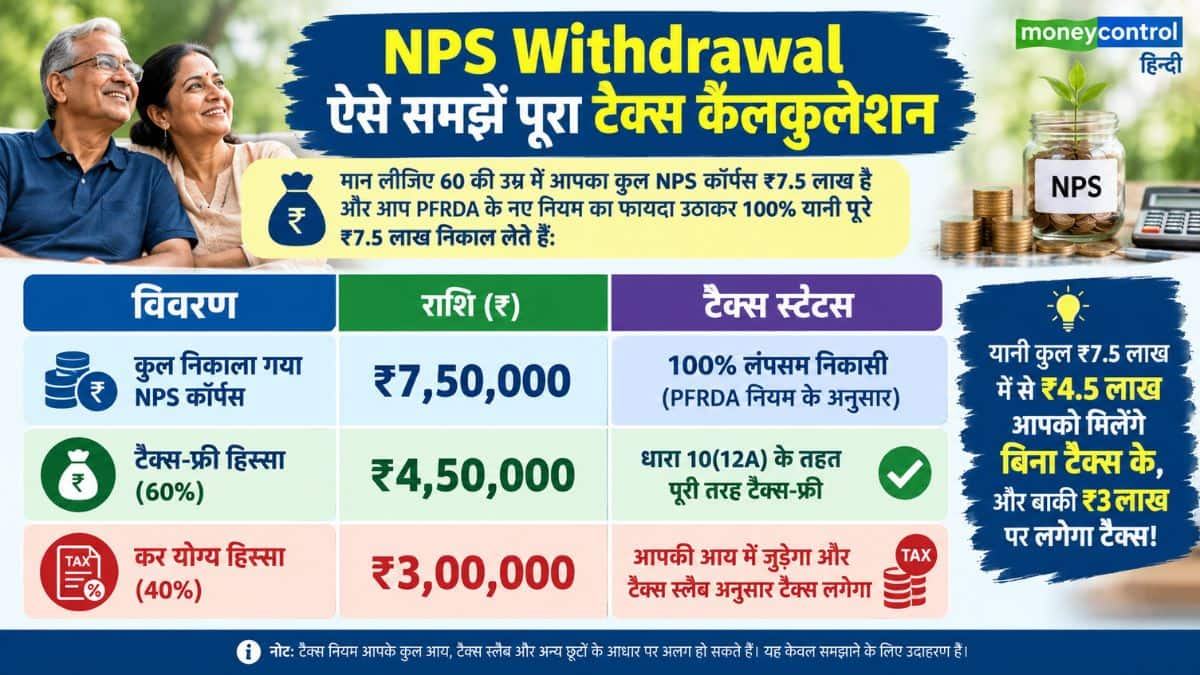
NPS Tax Rules: नेशनल पेंशन सिस्टम के सब्सक्राइबरों के लिए पेंशन रेगुलेटर PFRDA द्वारा जारी किए गए नए एग्जिट नियम राहत तो देते हैं, लेकिन टैक्स के मोर्चे पर एक बड़ा तकनीकी पेंच खड़ा करते हैं। अगर 60 वर्ष की आयु पूरी होने पर आपका कुल एनपीएस कॉर्पस ₹8 लाख या उससे कम है, तो PFRDA आपको पूरा 100% फंड एकमुश्त निकालने की अनुमति देता है।
ऐसे में सवाल यह है कि क्या यह पूरा 100% पैसा टैक्स-फ्री होगा? टैक्स एवं पर्सनल फाइनेंस एक्सपर्ट सीए बलवंत जैन के अनुसार, PFRDA के नियमों और इनकम टैक्स एक्ट के बीच अंतर के कारण 100% निकासी करने वाले सब्सक्राइबर्स को 40% हिस्से पर टैक्स देना पड़ सकता है।
आइए समझते हैं कि PFRDA और इनकम टैक्स कानून क्या कहते हैं और सीए बलवंत जैन की इस पर क्या सलाह है।
PFRDA के नए एग्जिट नियम: किस कॉर्पस पर कितनी निकासी?
जून 2025 में PFRDA ने एनपीएस टियर-1 अकाउंट से बाहर निकलने और एकमुश्त निकासी की सीमाओं को संशोधित किया था:
₹8 लाख या उससे कम कॉर्पस: सब्सक्राइबर अपने पूरे कॉर्पस की 100% एकमुश्त निकासी कर सकते हैं। इसके लिए कोई एन्युटी या पेंशन प्लान खरीदना अनिवार्य नहीं है। पहले यह सीमा ₹5 लाख थी।
₹8 लाख से ₹12 लाख का कॉर्पस: सब्सक्राइबर को कम से कम ₹6 लाख की एन्युटी खरीदना अनिवार्य होगा और बाकी बची राशि एकमुश्त निकाली जा सकती है।
₹12 लाख से अधिक कॉर्पस: सब्सक्राइबर को अपने कॉर्पस का कम से कम 20% हिस्सा एन्युटी में लगाना अनिवार्य है, जबकि अधिकतम 80% हिस्सा एकमुश्त निकाला जा सकता है। पुराने नियम में ₹5 लाख से अधिक कॉर्पस होने पर 40% एन्युटी खरीदना अनिवार्य था।
इनकम टैक्स एक्ट का पेंच: सीए बलवंत जैन की राय
सीए बलवंत जैन के अनुसार, भले ही PFRDA ने ₹8 लाख तक के कॉर्पस पर 100% निकासी और ₹12 लाख से अधिक पर 80% लंपसम निकालने की इजाजत दे दी हो, लेकिन टैक्स कानून का नियम अभी अपडेट नहीं हुआ है:
धारा 10(12A) का नियम: इनकम टैक्स एक्ट, 1961 की धारा 10(12A) के तहत केवल 60% तक का एनपीएस कॉर्पस ही टैक्स-फ्री है।
इनकम टैक्स कानूनों में संशोधन का इंतजार: PFRDA ने निकासी की प्रतिशत सीमा तो बढ़ा दी है, लेकिन आयकर अधिनियम में इसके अनुरूप बदलाव होना अभी बाकी है। जब तक आयकर कानून में यह संशोधन नहीं होता, तब तक टैक्स छूट की सीमा 60% ही रहेगी।
सीए बलवंत जैन के अनुसार, ‘भले ही आपको अपने टियर-1 अकाउंट से 100% राशि निकालने की अनुमति मिल गई हो, लेकिन टैक्स छूट केवल 60% कॉर्पस पर ही मिलेगी। ऐसे में ₹8 लाख से कम कॉर्पस होने पर पूरा पैसा निकालने वाले सब्सक्राइबर्स को बचे हुए 40% हिस्से पर अपने टैक्स स्लैब के अनुसार इनकम टैक्स देना होगा।’
NPS Withdrawal: ऐसे समझें पूरा टैक्स कैलकुलेशन
टैक्स बचाने का स्मार्ट फाइनेंस टिप
अगर आप अपने एनपीएस कॉर्पस के 40% हिस्से पर टैक्स देने से बचना चाहते हैं, तो पूरा 100% फंड एकमुश्त निकालने के बजाय केवल 60% हिस्सा ही लंपसम निकालें और बचे हुए 40% हिस्से से एन्युटी खरीद लें या उसे नियमानुसार डेफर यानी आगे के लिए टाल दें। एन्युटी खरीदने पर उस समय कोई टैक्स नहीं लगता, हालांकि बाद में मिलने वाली मासिक पेंशन पर टैक्स स्लैब के हिसाब से टैक्स देना होता है।
Disclaimer: यहां मुहैया जानकारी सिर्फ सूचना के लिए दी जा रही है। यहां बताना जरूरी है कि मार्केट में निवेश बाजार जोखिमों के अधीन है। निवेशक के तौर पर पैसा लगाने से पहले हमेशा एक्सपर्ट से सलाह लें। मनीकंट्रोल की तरफ से किसी को भी पैसा लगाने की यहां कभी भी सलाह नहीं दी जाती है।
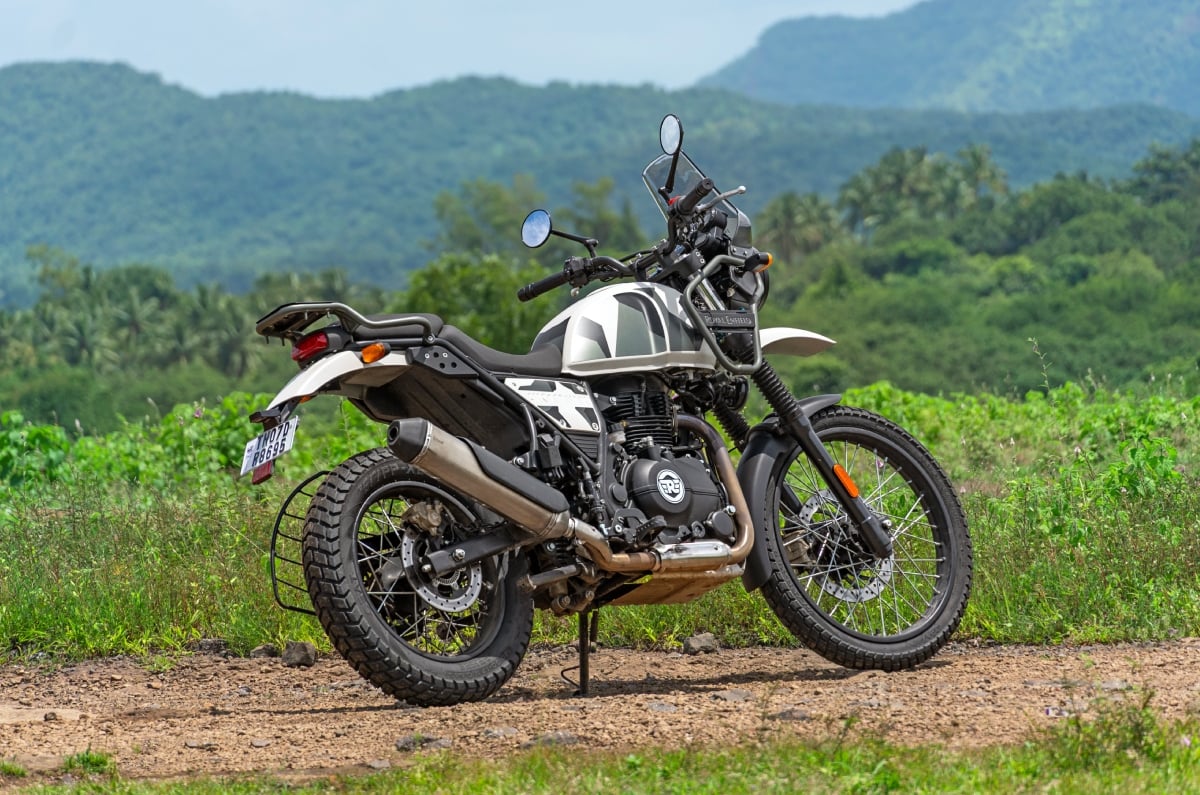
A lot can change in three years, as it turns out. Back in October 2023 at the Himalayan 450 launch, I would have confidently told you that the older Himalayan’s 411 time was up and that the 450 served as a fitting replacement. Fast forward to 2026 and I will now willingly concede that there is very much a place for the new Himalayan 440 in this market.
What’s new and why is it back?
A tempting price as well as meaningful improvements
Price plays a big role behind this change in reasoning. 3 years ago, the entry level 450 was about Rs 40,000 more than the top 411 – a not insignificant, but justifiable increase . Today that gap has nearly doubled thanks to the agonizingly short-sighted new GST policy that levies a brutal 40 percent tax rate on motorcycles that use engines bigger than 350cc. RE is clearly feeling the heat from the new wave of sub 350cc competition because the reborn 440 is priced super aggressively. In fact, at 2.29 lakh ex-showroom Chennai, it costs exactly the same as the top 411 did in 2023, despite packing significant improvements. Beyond the price, it’s those very improvements that have convinced me that this bike has earned its return in 2026.
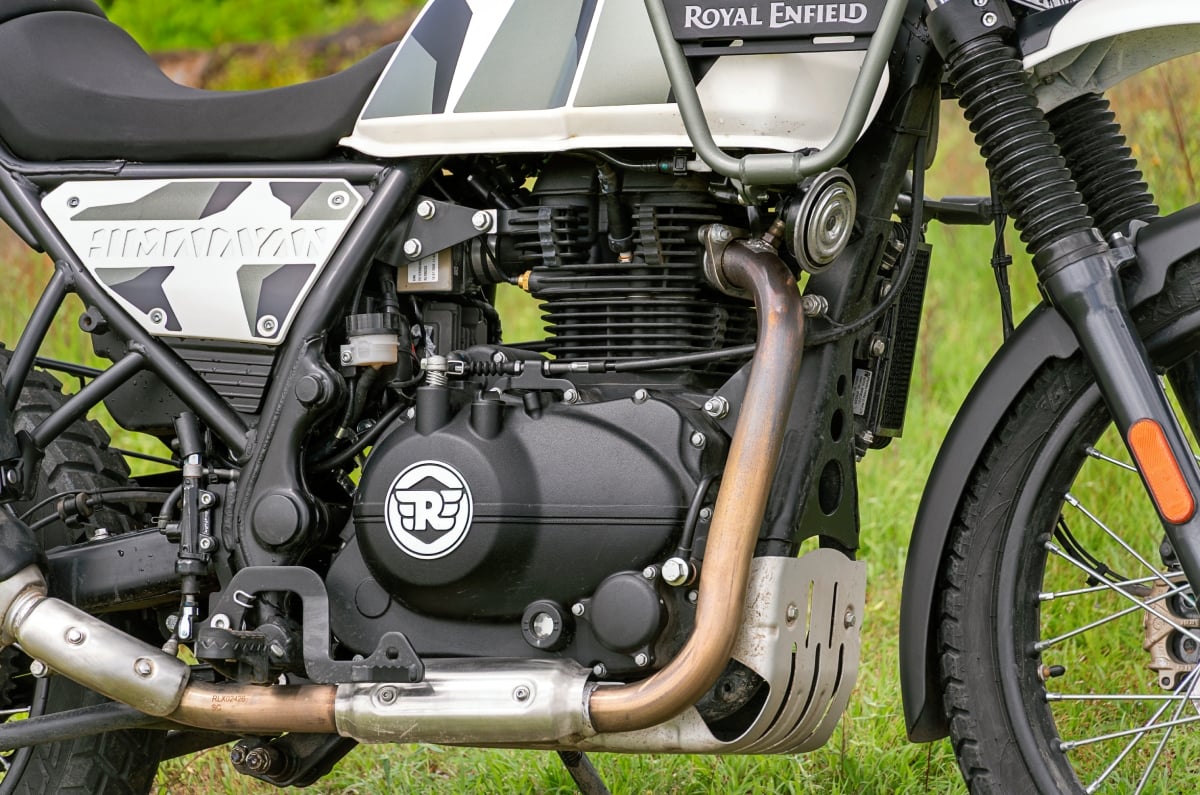
The Himalayan 440 is based on the Scram 440 and it brings in the same improvements we saw there last year. The oil-cooled single has been bumped up to 443cc and RE has also strived towards increasing the refinement. An added 6th gear and as well a lighter clutch lever increase the bike’s appeal on the highway and in the city. Work has also been put into improving braking performance and feel.
Himalayan 440 Design and Style – 7/10
New colours, but familiar design
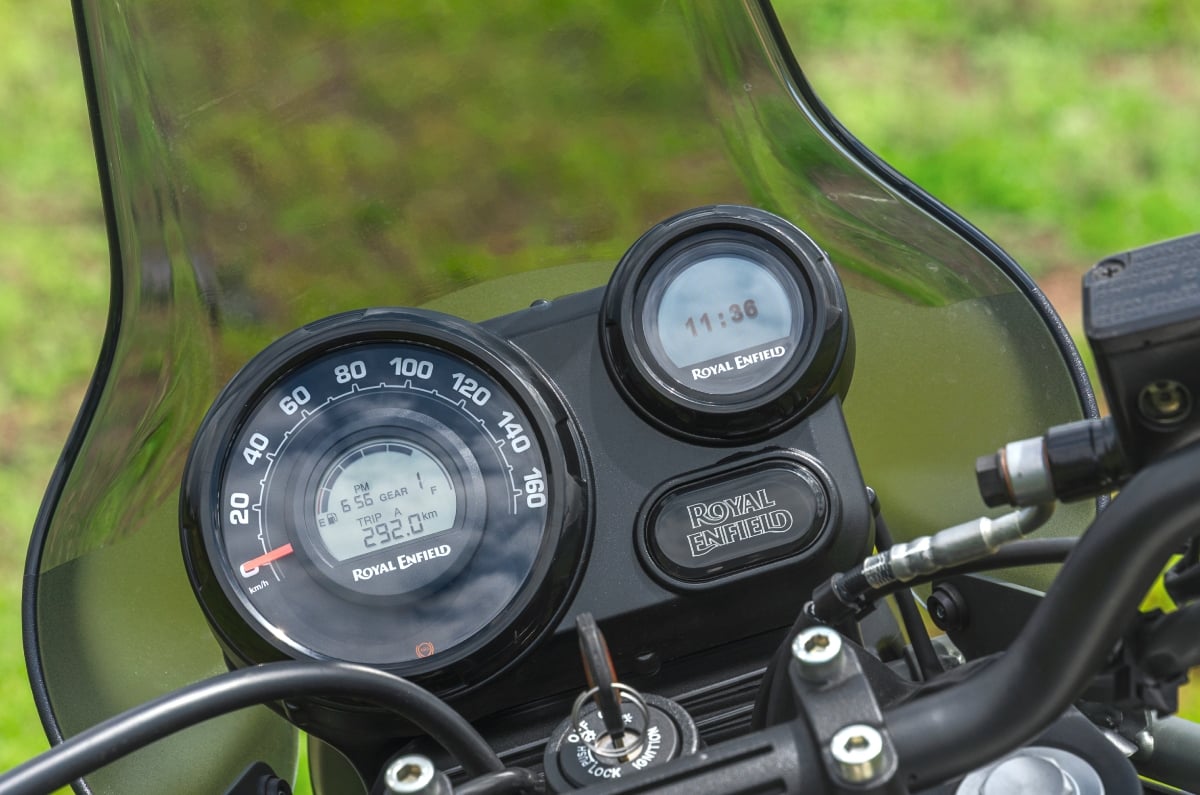
There are three new colour schemes as well, but beyond that, the bike retains its quirky oddball styling, although it does gain a new (average at best) LED headlamp and an updated instrument cluster based on the Scram 440.
Gets an updated instrument cluster based on the Scram 440.
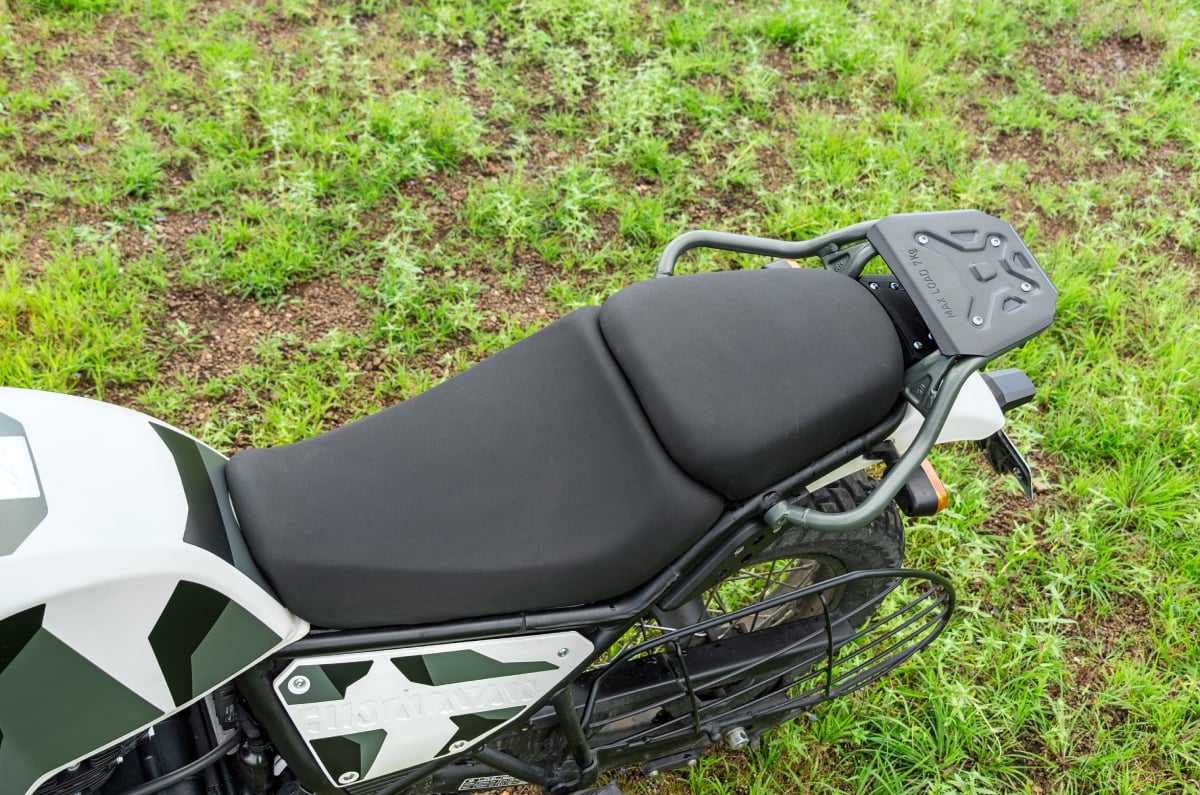
Hopping onto the Himalayan 440 after all these years is like being re-acquainted with an old friend. It more or less looks the same and also feels the same to sit on. The low 800mm seat height in particular is one of the biggest appeals with this bike and it brings back some of the short rider accessibility that was sacrificed by the Himalayan 450.
Himalayan 440 Engine and performance – 8/10
A smooth and characterful engine brimming with torque, but it’s not about speed
The engine retains that same relatively slow thump as its predecessor, but there is certainly an improvement in refinement. You can very much hear and feel the engine through the entire bike, but there are no intrusive vibrations until you build the revs quite high. Unfortunately, the Himalayan no longer has a rev counter so I can’t tell what rpm it starts to feel stressed at, but peak power comes in at just 6250rpm, so the number isn’t that high.
Nevertheless, with this improved vibration control as well as the added 6th gear, a 100kph cruise is now a smooth and stressfree affair. You can stretch that up to about 110kph before the engine’s discomfort starts to become apparent. Top speed is around an indicated 130kph, but this is not the bike’s happy place.
Our performance and efficiency test revealed numbers that you would expect and while this Himalayan is certainly not a fast bike, it’s not slow either. That being said, the 440 is an absolute joy when ridden at a sedate pace. The new-found smoothness, dialed-in throttle connection and oodles of torque make it one of the nicest bikes at this price point to calmly explore the great outdoors. Its 25.4hp power figure is on par with many rivals in the class, but the 34Nm of torque is what makes the difference to the riding experience – as well as the pleasing exhaust sound that occasionally includes loud pops on deceleration. Then again, its 199kg kerb weight is an equally big differentiator to the rest of the segment.
Himalayan 440 comfort, handling and off road – 7/10
Welcoming to short riders and decently capable, but feels its age
The chassis is pretty much unchanged and that means that the Himalayan 440 is very similar to the 411 in terms of dynamics. This is where you become aware that the 440 feels more like a refined version of an old motorcycle, rather than an all new one. It can carry a decent pace on or off road, but it doesn’t appreciate being ridden fast. The main stand starts to scrape at lean on road – or when you land it with some conviction off road – which serves as a reminder to ease off. Keep pushing and you’ll realise that the chassis doesn’t have the same composure as more modern rivals and the suspension certainly doesn’t come anywhere close to the lofty standards set by the 450.
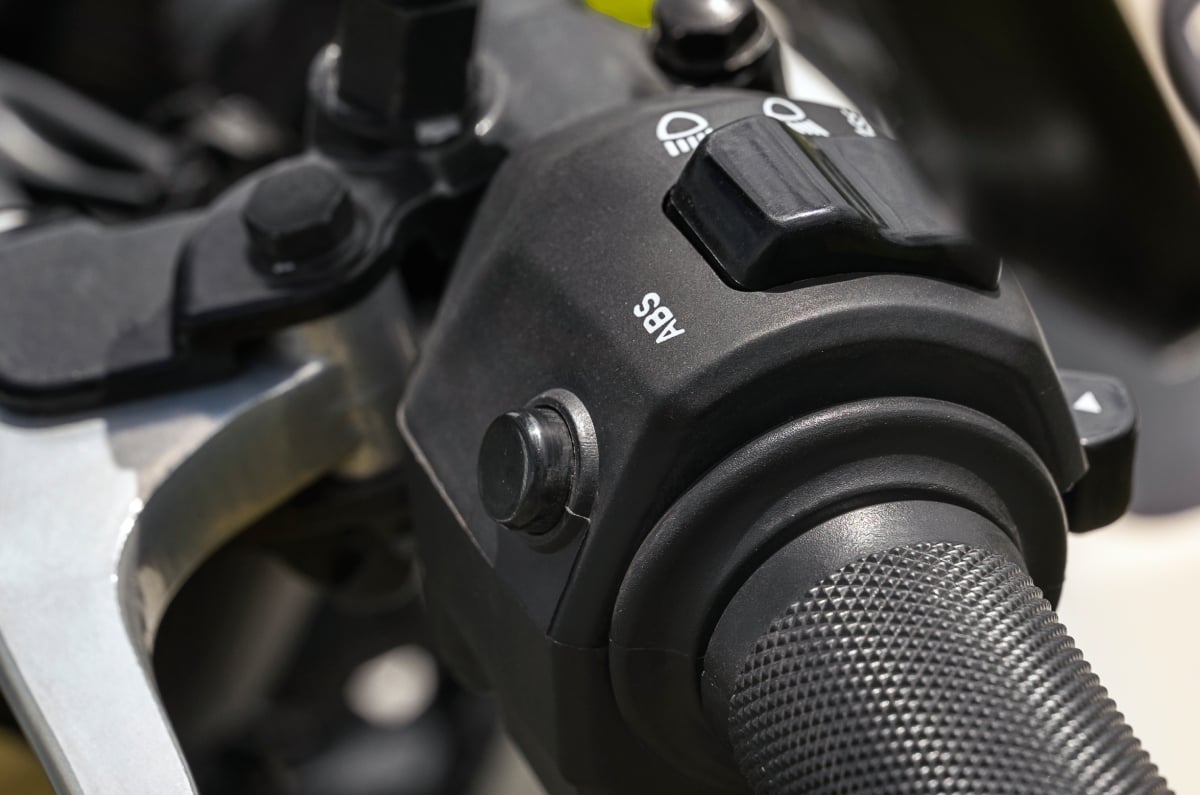
Over normal roads, suspension comfort is good. However, the 440 did not isolate me as well as I’d have liked from the incessantly bumpy concrete surfaces that now sadly snake across large parts of Maharashtra. After an 8-hour ride over mostly concrete roads at highway speeds, I returned home with a slightly sore back. If absolute comfort is a priority, bikes like the Xpulse 210 or Himalayan 450 are where you want to look. As for braking, it is by no means outstanding, but the 440 gets the job done and there is switchable ABS, which is nice.
Himalayan 440 Features and Safety – 7/10
It’s a simple bike but provides most of the essentials
The Himalayan 440 retains its original identity as a rugged, go anywhere, yet simple and basic motorcycle. In terms of features, you get a USB C port, RE’s Tripper navigation display and the aforementioned switchable ABS. Compared with most rivals, it does have fewer frills, but the only real ‘luxury’ that I miss is tubeless tyres. It would be nice to have the option of paying extra for them like you can on the Himalayan 450.
Himalayan 440 Price and verdict – 8/10
Well priced and a unique riding experience
Essentially, this is a back to basics motorcycle and it feels that way in person. If maximum bang for your buck is what you’re after, then the TVS Apache RTX will completely outdo the 440 in nearly all parameters for similar, if not less money. The same goes for speed and aggression – there are better options at this price point. However, if you want a gentle, well-mannered and characterful motorcycle that makes for a convincing travel partner at a reasonable price, then the new 440 definitely packs genuine appeal.
Ashneer Grover On UPI MDR Charge: भारतपे के सह-संस्थापक और अपनी किताब ‘दोगलापन’ के लिए मशहूर अश्नीर ग्रोवर ने UPI के नए नियमों पर एक गजब का फार्मूला बताया है। सरकार के ₹2,000 से ऊपर के UPI पेमेंट पर मर्चेंट डिस्काउंट रेट (MDR) या चार्ज लगाने की अटकलों के बीच उन्होंने सरकार और बैंकिंग सिस्टम को आड़े हाथों लिया है।
हाल ही में सरकार ने एक नोटिफिकेशन जारी कर साफ किया है कि ₹2,000 तक के UPI ट्रांसजेक्शन और RuPay डेबिट कार्ड से भुगतान पर बैंक या पेमेंट सिस्टम कोई चार्ज नहीं वसूल सकते। हालांकि, इस नोटिफिकेशन में ₹2,000 से ऊपर के UPI भुगतानों पर चार्ज लगाने या न लगाने को लेकर स्थिति स्पष्ट नहीं की गई है। इसी को लेकर अश्नीर ग्रोवर ने सोशल मीडिया (X) पर आंकड़ों के साथ पूरा गणित समझाते हुए सरकार से तीखे सवाल पूछे हैं।
आइए आपको बताते हैं कि अश्नीर ग्रोवर ने क्या गणित बिठाया है और सरकार आखिर UPI पर चार्ज का फ्रेमवर्क क्यों ला रही है।
बंद करो ATM, UPI पर टैक्स की बलि क्यों?
अश्नीर ग्रोवर ने एक्स पर पोस्ट करते हुए लिखा कि UPI पर किसी भी तरह का चार्ज लगाना सिर्फ टैक्स वसूली जैसा है। उन्होंने कहा, ‘UPI भारत की एक ऐसी वैज्ञानिक उपलब्धि है जिसे पूरी दुनिया मानती है, पर अब यह टैक्स की बलि चढ़ेगी।’
इसके जवाब में उन्होंने कहा कि, देश में कैश और ATM इंफ्रास्ट्रक्चर को चलाने का सालाना खर्च करीब ₹30,500 करोड़ आता है। ग्रोवर की सलाह है कि अगर सरकार को खर्च कम ही करना है, तो एटीएम बंद कर दे और यूपीआई को बढ़ावा दे। ग्रोवर ने याद दिलाया कि RBI ने सरकार को ₹2.87 लाख करोड़ का सरप्लस ट्रांसफर किया है, सभी लिस्टेड बैंकों का मुनाफा ₹4.11 लाख करोड़ है और NPCI के पास टैक्स से पहले ₹1,888 करोड़ का सरप्लस है।
‘जब बैंक और आरबीआई इतना भारी मुनाफा कमा रहे हैं, तो फिर यूपीआई की वजह से किसका नुकसान हो रहा है? सरकार ऐसी कौन सी सब्सिडी दे रही है जिससे नुकसान हो रहा है?’
India mein koi 5 minutes number Google kar le to doodh ka doodh paani ka paani ho jaye.
RBI surplus to Govt : ₹2.87 Lakh Crores (US$30 Bn)
Total listed bank profits : ₹4.11 Lakh Crores (US$42 Bn)
NPCI – which runs UPI pre tax ‘surplus’ : ₹ 1,888 crores (US$200 Mn)
14 सितंबर को जारी गजट नोटिफिकेशन के मुताबिक, ₹2,000 तक के UPI या RuPay डेबिट कार्ड ट्रांजैक्शन पर बैंक या पेमेंट ऐप कोई प्रत्यक्ष या अप्रत्यक्ष चार्ज नहीं वसूल सकते।
संसद के मानसून सत्र (जो 13 अगस्त 2026 को समाप्त हुआ) में पेमेंट एक्ट की धारा 10A में संशोधन किया गया। इसके तहत इलेक्ट्रॉनिक भुगतान पर MDR लगाने का एक रास्ता तैयार हो गया है।
NPCI के नेतृत्व वाली ‘यूपीआई एंड सर्विसेज स्टीयरिंग कमेटी’ अब यह तय करेगी कि ₹2,000 से ऊपर के मर्चेंट भुगतानों पर कितना MDR चार्ज लगाया जाएगा।
सरकार क्यों लाना चाहती है MDR फ्रेमवर्क?
सरकार का तर्क है कि UPI अब काफी बड़ा हो चुका है और इसके सुरक्षित संचालन के लिए पैसों की जरूरत है। लेनदेन की भारी मात्रा को संभालने के लिए साइबर सुरक्षा और फ्रॉड रोकने के लिए लगातार बड़े निवेश की जरूरत है। सरकार का मानना है कि UPI के अगले चरण के विस्तार के लिए केवल सरकारी सब्सिडी पर निर्भर रहना मुमकिन नहीं है।
जब डिजिटल पेमेंट कंपनियों को कमाई (MDR) का जरिया मिलेगा, तो इस सेक्टर में नई कंपनियां आएंगी, जिससे कॉम्पिटिशन और इनोवेशन बढ़ेगा।
कितना बड़ा हो चुका है देश का UPI का नेटवर्क?
NPCI द्वारा संचालित UPI ने पिछले एक दशक में डिजिटल पेमेंट की दुनिया बदल दी है। वित्त वर्ष 2017 में जहां UPI के जरिए ₹0.07 लाख करोड़ का ट्रांजैक्शन हुआ था, वहीं वित्त वर्ष 2026 (FY26) में यह बढ़कर ₹314 लाख करोड़ हो गया। यानी 10 सालों में 4,000 गुना से ज्यादा की बढ़ोतरी।
UPI अब भारत के अलावा दुनिया के 11 देशों में इस्तेमाल हो रहा है। उज्बेकिस्तान इस लिस्ट में शामिल होने वाला नया देश बना है। इसके अलावा सिंगापुर, यूएई, फ्रांस, मॉरीशस, नेपाल, भूटान, कतर, श्रीलंका, कंबोडिया और ग्रीस में भी यूपीआई स्वीकार किया जाता है।
Fixed Deposit Investment Guide: शेयर बाजार या म्यूचुअल फंड के उतार-चढ़ाव से दूर रहकर जो लोग एक सुरक्षित और तय रिटर्न की गारंटी चाहते हैं, उनके लिए फिक्स्ड डिपॉजिट (FD) हमेशा से पहली पसंद रही है। लेकिन क्या आप जानते हैं कि एफडी केवल एक तरह की नहीं होती?
कोई एफडी आपको हर महीने तय इनकम देती है, कोई टैक्स बचाती है, तो किसी में जरूरत पड़ने पर बिना किसी पेनाल्टी के पैसा निकाला जा सकता है। ऐसे में अपनी वित्तीय जरूरतों और गोल्स के हिसाब से सही एफडी चुनना बेहद जरूरी है।
आइए आसान भाषा में समझते हैं कि एफडी कितने प्रकार की होती है और आपको अपने लिए कौन सा ऑप्शन चुनना चाहिए।
कितने प्रकार की होती है फिक्स्ड डिपॉजिट (FD)?
बैंक और वित्तीय संस्थान आपकी अलग-अलग जरूरतों के हिसाब से ये कुछ प्रमुख FD ऑप्शंस ऑफर करते हैं:
1. स्टैंडर्ड एफडी (Standard FD): यह सबसे आम एफडी है, जो 7 दिनों से लेकर 10 साल तक की अवधि के लिए होती है। इसमें आपको बचत खाते से बेहतर और तय ब्याज मिलता है।
2. टैक्स-सेविंग एफडी (Tax-Saving FD): अगर आप टैक्स बचाना चाहते हैं, तो यह बेस्ट है। इसमें 5 साल का लॉक-इन पीरियड होता है और आयकर अधिनियम की धारा 80C के तहत ₹1.5 लाख तक की टैक्स छूट मिलती है।
3. कम्युलेटिव एफडी (Cumulative FD): इसमें मिलने वाले ब्याज को मूलधन में जोड़कर कंपाउंड यानी ब्याज पर ब्याज किया जाता है और पूरा पैसा मैच्योरिटी पर एक साथ मिलता है। यह उन लोगों के लिए बेहतर है जिन्हें बीच में नियमित पैसे की जरूरत नहीं होती और वे बड़ा फंड बनाना चाहते हैं।
4. नॉन-कम्युलेटिव एफडी (Non-Cumulative FD): इसमें मैच्योरिटी का इंतजार नहीं करना पड़ता। आपको आपकी जरूरत के हिसाब से हर महीने, तिमाही, छमाही या सालाना आधार पर ब्याज का भुगतान किया जाता है। रिटायर्ड लोगों के लिए यह बेहतरीन विकल्प है।
5. फ्लेक्सी एफडी (Flexi FD): यह आपके बचत खाते से लिंक होती है। सेविंग्स अकाउंट में एक तय सीमा से ज्यादा पैसा होते ही वह अपने आप एफडी में बदल जाता है, जिस पर ज्यादा ब्याज मिलता है। जरूरत पड़ने पर आप बिना किसी पेनाल्टी के वह पैसा निकाल भी सकते हैं।
6. सीनियर सिटीजन एफडी (Senior Citizen FD): 60 साल या उससे अधिक उम्र के बुजुर्गों को बैंक सामान्य ग्राहकों के मुकाबले 0.50% से 0.75% तक ज्यादा ब्याज देते हैं।
7. कॉरपोरेट एफडी (Corporate FD): यह बैंक नहीं, बल्कि एनबीएफसी या हाउसिंग फाइनेंस कंपनियां जारी करती हैं। इनमें बैंक एफडी से ज्यादा ब्याज मिलता है, लेकिन ध्यान रखें कि इन पर DICGC का 5 लाख रुपये वाला सरकारी बीमा कवर लागू नहीं होता। इसलिए इसमें निवेश से पहले कंपनी की क्रेडिट रेटिंग जरूर जांच लें।
अपने लिए सही FD कैसे चुनें?
लिक्विडिटी और गोल तय करें: अगर आपको हर महीने खर्चों के लिए पैसा चाहिए तो नॉन-कम्युलेटिव एफडी चुनें। अगर लंबे समय के लिए पैसा जोड़ना है तो कम्युलेटिव एफडी चुनें।
समयसीमा का ध्यान रखें: आमतौर पर कम अवधि की एफडी पर ब्याज दर थोड़ी कम और लंबी अवधि की एफडी पर ज्यादा होती है।
लैडरिंग तकनीक अपनाएं: सारा पैसा एक ही एफडी में लगाने के बजाय उसे अलग-अलग अवधि (जैसे- 1 साल, 2 साल, 3 साल) की 3-4 एफडी में बांट दें। इससे आपको जरूरत पड़ने पर बीच-बीच में पैसे मिलते रहेंगे और आपको कभी पूरी एफडी समय से पहले नहीं तोड़नी पड़ेगी।
केवल हाई ब्याज दर देखकर ही किसी एफडी का चुनाव न करें। कॉरपोरेट एफडी में जहां ब्याज थोड़ा ज्यादा मिलता है, वहीं बैंक एफडी में आपकी जमा पूंजी को सरकारी सुरक्षा (DICGC कवरेज) का फायदा मिलता है। अपनी जरूरत, टैक्स स्लैब और लिक्विडिटी को ध्यान में रखकर ही सही विकल्प का चयन करें।
Disclaimer: यहां मुहैया जानकारी सिर्फ सूचना के लिए दी जा रही है। यहां बताना जरूरी है कि मार्केट में निवेश बाजार जोखिमों के अधीन है। निवेशक के तौर पर पैसा लगाने से पहले हमेशा एक्सपर्ट से सलाह लें। मनीकंट्रोल की तरफ से किसी को भी पैसा लगाने की यहां कभी भी सलाह नहीं दी जाती है।
iphone duo cheapest price country : Apple ने 9 सितंबर के लॉन्च इवेंट में अपने नए प्रीमियम स्मार्टफोन iPhone 18 Pro और iPhone 18 Pro Max पेश किए। इसी इवेंट में कंपनी ने पहली बार फोल्डेबल स्मार्टफोन सेगमेंट में कदम रखते हुए iPhone Duo भी पेश किया है। Apple के इस फोल्डेबल फोन को लेकर सबसे ज्यादा चर्चा इसकी कीमत को लेकर है।
भारत में iPhone Duo की शुरुआती कीमत 2,99,900 रुपये रखी गई है। लेकिन अगर अलग-अलग देशों की कीमतों पर नजर डालें तो यह फोन भारत के मुकाबले कुछ देशों में काफी सस्ता है। खास तौर पर अमेरिका में iPhone Duo की शुरुआती कीमत करीब 1.90 लाख रुपये के आसपास बैठती है। यानी भारतीय कीमत के मुकाबले करीब 1.10 लाख रुपये का अंतर दिखाई देता है।
iPhone Duo सबसे सस्ता कहां मिल रहा है?
दिए गए बाजारों की तुलना में अमेरिका iPhone Duo के लिए सबसे सस्ता बाजार नजर आता है। वहां 256GB मॉडल की कीमत 1,999 डॉलर है, जो भारतीय मुद्रा में करीब 1.90 लाख रुपये बैठती है। इसके मुकाबले UAE में iPhone Duo की कीमत करीब 2.20 लाख रुपये, जबकि चीन और जापान में करीब 2.27 लाख रुपये से शुरू होती है। जर्मनी में इसकी कीमत करीब 2.55 लाख रुपये और UK में करीब 2.57 लाख रुपये बताई गई है।
भारत में यही फोन 2,99,900 रुपये की शुरुआती कीमत पर उपलब्ध होगा।
इस हिसाब से अमेरिका और भारत की शुरुआती कीमत में करीब 1.10 लाख रुपये का अंतर दिखाई देता है। हालांकि अमेरिकी कीमत में स्थानीय Sales Tax अलग से जुड़ सकता है, इसलिए वास्तविक खरीद कीमत राज्य के हिसाब से अधिक हो सकती है।
भारत में कितना महंगा है iPhone Duo?
देशiPhone Duo की शुरुआती कीमत
अमेरिकाकरीब ₹1.90 लाख
UAEकरीब ₹2.20 लाख
चीनकरीब ₹2.27 लाख
जापानकरीब ₹2.27 लाख
जर्मनीकरीब ₹2.55 लाख
UKकरीब ₹2.57 लाख
भारत₹2,99,900
यानी दिए गए देशों में भारत में iPhone Duo की शुरुआती कीमत सबसे ज्यादा दिखाई देती है।
भारत में iPhone 18 Pro कितने का है?
iPhone 18 Pro की भारत में शुरुआती कीमत ₹1,64,900 है। यह कीमत 256GB मॉडल के लिए है। वहीं 256GB स्टोरेज वाला iPhone 18 Pro Max ₹1,79,900 से शुरू होता है। 512GB मॉडल की बात करें तो iPhone 18 Pro की कीमत ₹1,89,900, जबकि Pro Max की कीमत ₹2,04,900 है। 1TB मॉडल के लिए Pro की कीमत ₹2,39,900 और Pro Max की कीमत ₹2,54,900 बताई गई है। 2TB स्टोरेज वाला iPhone 18 Pro ₹3,14,900 और iPhone 18 Pro Max ₹3,29,900 का है।
iPhone 18 Pro भी अमेरिका में काफी सस्ता
iPhone 18 Pro की कीमत की तुलना करें तो अमेरिका में इसका 256GB मॉडल 1,199 डॉलर, यानी करीब ₹1.14 लाख में शुरू होता है। भारत में इसी स्टोरेज वाले iPhone 18 Pro की कीमत ₹1,64,900 है। इस तरह दिए गए अनुमानित आंकड़ों के हिसाब से अमेरिका और भारत के बीच करीब 50 हजार रुपये का अंतर दिखाई देता है। जापान में इसकी कीमत करीब ₹1.37 लाख, चीन में करीब ₹1.42 लाख और UAE में करीब ₹1.32 लाख से शुरू होती है। वहीं जर्मनी में कीमत करीब ₹1.61 लाख और UK में करीब ₹1.54 लाख से शुरू होती है।
iPhone 18 Pro Max के 256GB मॉडल की अमेरिका में शुरुआती कीमत 1,299 डॉलर, यानी करीब ₹1.24 लाख है।वहीं UAE में यह करीब ₹1.42 लाख, जापान में करीब ₹1.49 लाख और चीन में करीब ₹1.56 लाख से शुरू होता है। UK में इसकी शुरुआती कीमत करीब ₹1.67 लाख, जबकि जर्मनी में करीब ₹1.77 लाख बताई गई है।
Offers applicable to Maruti Nexa cars in September 2026 have been revealed. Among all Nexa models, the Grand Vitara is carrying the highest benefits of up to Rs 3.10 lakh, followed by the Invicto, XL6, Jimny and Fronx. However, there are no benefits on the recently launched Baleno facelift and e Vitara EV. Let us take a look at the model-wise offer breakdown for Maruti Suzuki’s Nexa models in India for the month.
Note: These offers are applicable until September 30 and may vary by city, dealership and stock availability. Please check with your nearest Maruti Nexa dealership for the exact figures.
Maruti Grand Vitara September 2026 offers
Up to Rs 3.10 lakh
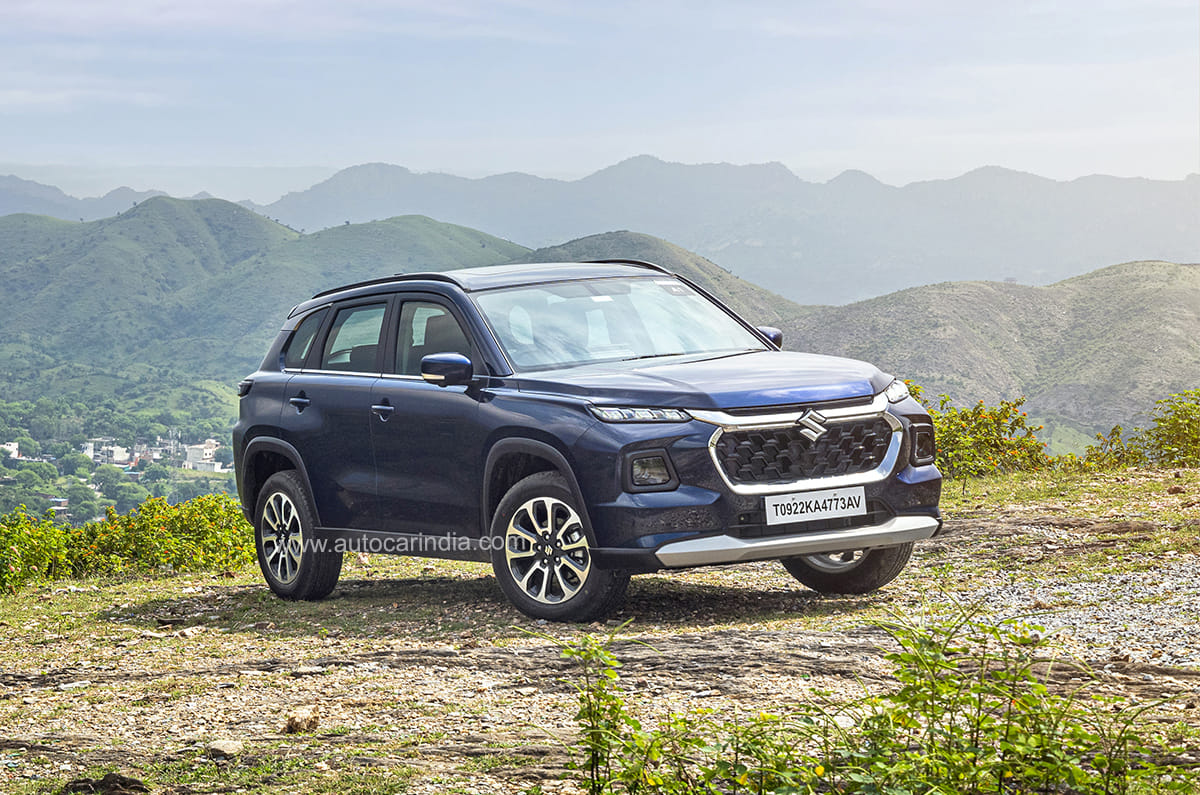
All Maruti Grand Vitara variants are available with either an exchange bonus of up to Rs 75,000 or a scrappage bonus of up to Rs 45,000, a loyalty bonus of up to Rs 30,000 and a corporate offer of up to Rs 20,000. Select variants are also available with a free 5-year extended warranty. Interestingly, the Grand Vitara’s strong hybrid variants are being offered with a zero road tax benefit, amounting to savings of up to Rs 1.85 lakh. The Maruti Suzuki Grand Vitara is priced from Rs 10.77 lakh to Rs 19.62 lakh and rivals midsize SUVs like the Hyundai Creta, Tata Sierra, Kia Seltos, Renault Duster and Nissan Tekton.
Maruti Invicto September 2026 offers
Up to Rs 1 lakh
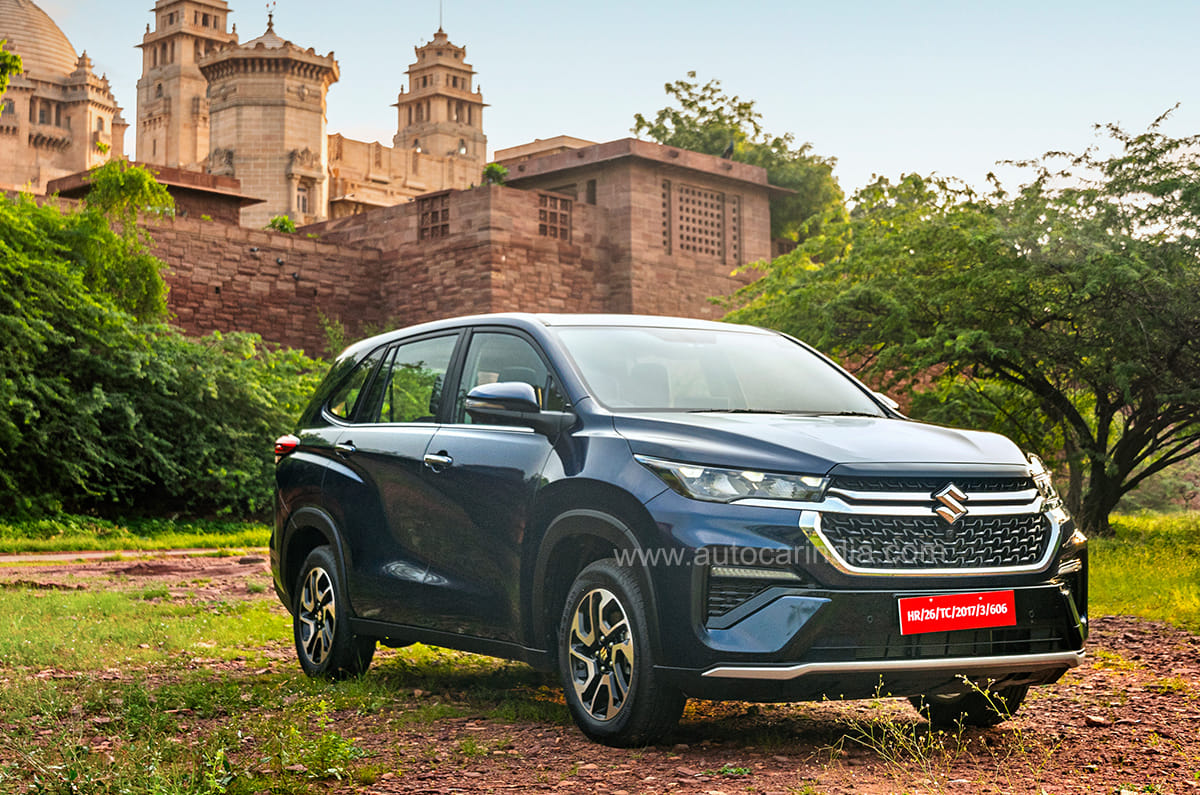
The Maruti Invicto MPV is being offered with benefits of up to Rs 1 lakh in September 2026. These include a choice between up to Rs 50,000 exchange bonus or a scrappage bonus of the same amount, a loyalty bonus of up to Rs 30,000 and a corporate offer of up to Rs 20,000. The Maruti Invicto is priced from Rs 24.97 lakh to Rs 28.71 lakh, and locks horns with the Toyota Innova Hycross and can be considered an alternative to the Toyota Innova Crysta.
Maruti XL6 September 2026 offers
Up to Rs 50,000
All Maruti XL6 variants are being offered with benefits up to Rs 50,000, which includes a cash discount of up to Rs 20,000, and a choice between an exchange bonus of up to Rs 30,000 or a scrappage benefit of up to Rs 15,000. The Maruti XL6 prices range from Rs 11.62 lakh to Rs 14.42 lakh, and it rivals the Maruti Suzuki Ertiga, Kia Carens Clavis, Kia Carens and Toyota Rumion.
Maruti Jimny September 2026 offers
Up to Rs 35,000
In September 2026, the Maruti Jimny is being offered with a cash discount of up to Rs 35,000. Other than this, it is not being officially offered with any scrappage, exchange, loyalty or corporate bonuses. The Maruti Jimny’s prices range from Rs 12.54 lakh to Rs 14.52 lakh, and it rivals the Mahindra Thar and Force Gurkha 3-door.
Maruti Fronx September 2026 offers
Up to Rs 20,000
All variants of the Maruti Fronx are offered with an exchange bonus of up to Rs 15,000 or a scrappage bonus of up to Rs 10,000. The turbo-petrol variants are further available with a cash discount of up to Rs 5,000. Prices of the Maruti Suzuki Fronx range from Rs 6.85 lakh to Rs 11.84 lakh, and it serves as an alternative to compact SUVs like the Tata Nexon, Hyundai Venue, Kia Sonet, Mahindra XUV 3XO and Maruti Brezza.
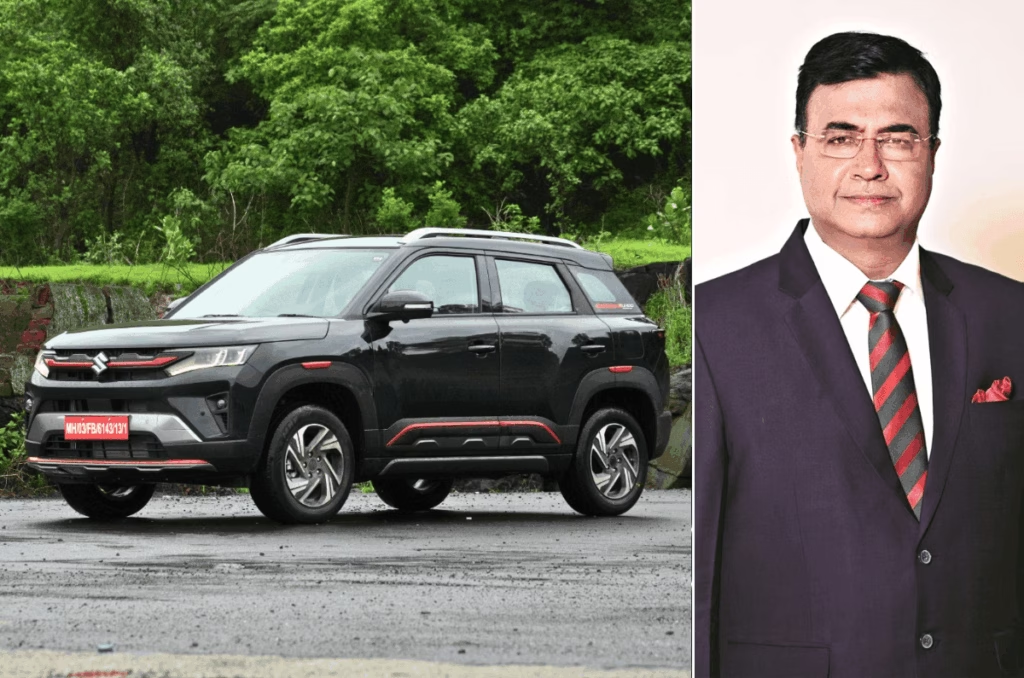
Maruti Suzuki has amassed 60,000 bookings for the 2026 Brezza facelift since its launch six weeks ago. “Of these, more than 40 percent bookings are of the Brezza Turbo,” said Partho Banerjee, senior executive officer, marketing and sales, Maruti Suzuki India said while speaking to Autocar India.
The pre-facelift Brezza, launched in 2022, was offered with just a 1.5-litre, 4-cylinder, naturally aspirated engine, while a factory-fitted CNG option was introduced later. The carmaker added a turbo-petrol engine option for the first time with the Brezza in July this year. This is a 1.0-litre, 3-cylinder unit. With the launch of the Brezza Turbo, all compact SUVs now have a turbo-petrol engine in their powertrain mix.
Brezza 1.0 turbo trims attract lower tax
Maruti Brezza ex-showroom prices (Rs lakh)*
1.0 turbo-petrol MT
1.5 petrol MT
Difference
LXi
7.4
8.3
-0.9
VXi
8.55
9.26
-0.71
ZXi
9.85
10.5
-0.65
ZXi+
11.16
–
NA
*Brezza 1.5 petrol AT and CNG MT prices are not included here.
One of the reasons behind these bookings could be attributed to the fact that the Brezza’s 1.0-litre turbo-petrol trims are priced relatively lower than their respective 1.5-litre petrol counterparts, by as much as Rs 90,000. This is because they attract 18 percent GST, while the Brezza 1.5 line-up continues to be taxed at 40 percent.
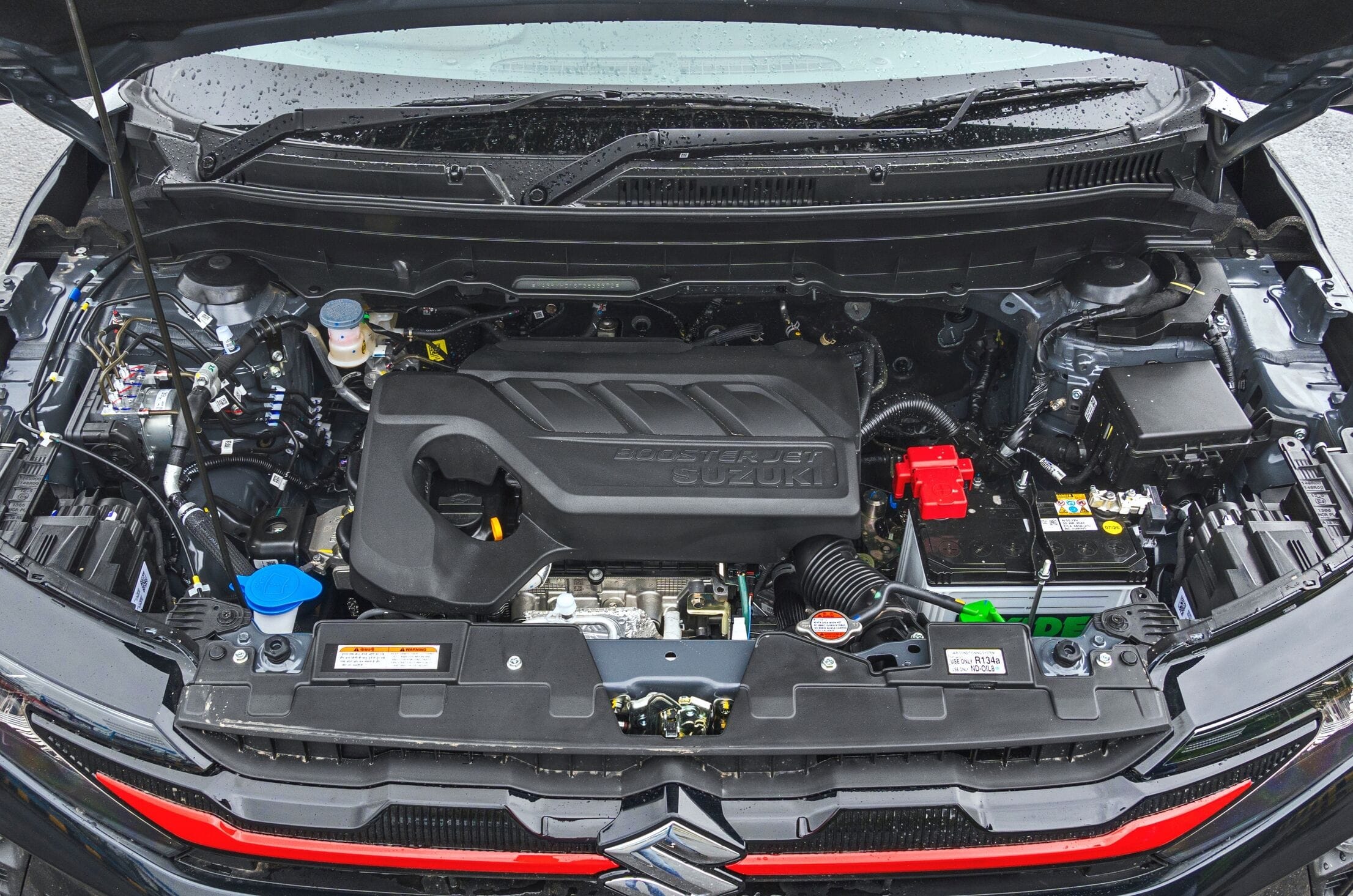
Maruti Brezza’s 1.0-litre turbo-petrol engine.
In addition to being more affordable, the 1.0-litre turbo-petrol motor also produces relatively higher outputs at 110hp (up 7hp) and 170Nm (up 31Nm) compared to the 1.5-litre petrol engine.
“Brezza’s monthly sales are around 15,000 units,” Banerjee told us in July at the launch of the Brezza facelift. While the addition of a turbo-petrol engine has enhanced the SUV’s appeal, the carmaker could explore introducing an automatic transmission option with the new engine to keep it competitive against rivals. The Brezza 1.5 petrol does offer the choice of an automatic gearbox.
Supply-side constrains to be fixed in 2-3 months
As for the supply-side constraints the carmaker is currently dealing with, Partho assured us that vendors and suppliers are working hard. “We need to give some more time to the supply chain team to come up with the capacity expansion. But, yes, it is a matter of two to three months…and the ramp-up will happen,” he added.
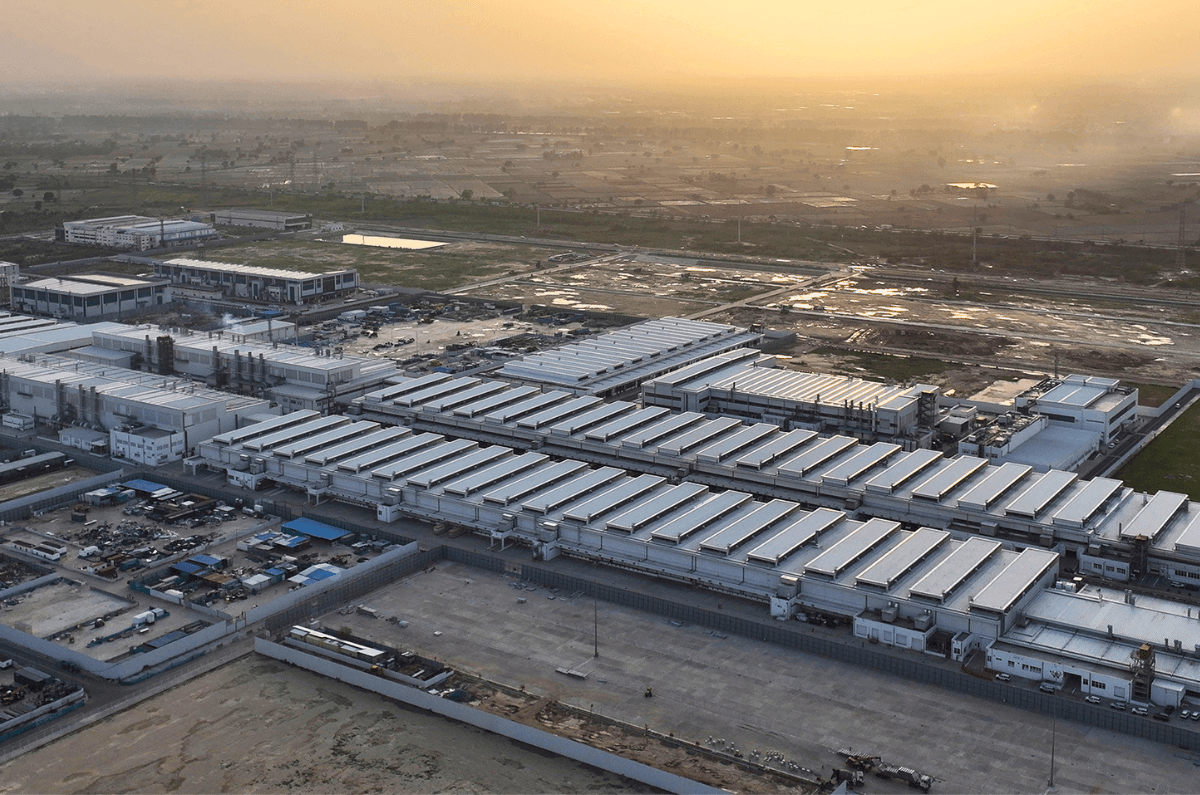
Maruti Suzuki inaugurated its most advanced vehicle manufacturing facility at IMT Kharkhoda, Haryana, on July 2, 2026. The pre-facelift Brezza was the first model to be built at the Kharkhoda plant, with production starting in February 2025; it was later joined by the Victoris. As of July 2026, Maruti Suzuki’s total annual production capacity stood at 26.5 lakh units across its plants in Gurugram, Manesar, Kharkhoda and Hansalpur.