Tata Motors CV Q1 Results: टाटा ग्रुप की कंपनी Tata Motors Commercial Vehicles Ltd ने 12 अगस्त को जून तिमाही के शानदार नतीजे जारी किए। कंपनी का कंसोलिडेटेड नेट प्रॉफिट सालाना आधार पर 83% बढ़कर ₹2,560 करोड़ हो गया। इंफ्रास्ट्रक्चर, लॉजिस्टिक्स और फ्रेट ग्राहकों से मजबूत मांग ने कंपनी के प्रदर्शन को सहारा दिया। हालांकि, कमोडिटी की बढ़ती लागत का दबाव भी रहा।
Tata Motors CV का रेवेन्यू 20% बढ़ा
टाटा मोटर्स CV का ऑपरेशंस से रेवेन्यू पहली तिमाही में 20% बढ़कर ₹20,576 करोड़ हो गया। पिछले साल की इसी तिमाही में यह ₹17,192 करोड़ था।
कंपनी के MD और CEO गिरीश वाघ ने कहा कि वित्त वर्ष 2027 की पहली तिमाही में कमर्शियल व्हीकल इंडस्ट्री ने मजबूती दिखाई। भारत की मजबूत आर्थिक स्थिति, बेहतर फ्लीट इस्तेमाल और अलग-अलग सेक्टर से बनी मांग ने कारोबार को सहारा दिया।
उन्होंने कहा कि Tata Motors के कमर्शियल व्हीकल वॉल्यूम में सालाना आधार पर 26% की बढ़ोतरी हुई। कंपनी के मुताबिक, मजबूत प्रोडक्ट पोर्टफोलियो, बेहतर मार्केट रणनीति और लगातार अच्छे अमल से कंपनी की बाजार स्थिति और मजबूत हुई है।
इलेक्ट्रिक कमर्शियल व्हीकल की मांग भी बढ़ी
टाटा मोटर्स ने इलेक्ट्रिक कमर्शियल व्हीकल सेगमेंट में भी अच्छी ग्रोथ दर्ज की। eSCV सेगमेंट ने मई और जून में अब तक का सबसे अच्छा प्रदर्शन किया।
इन दो महीनों में इस सेगमेंट की हिस्सेदारी 10% रही। वहीं, पहली तिमाही में eSCV सेगमेंट में Tata Motors की बाजार हिस्सेदारी 47% रही। कंपनी का कहना है कि इससे इलेक्ट्रिक कमर्शियल व्हीकल की बढ़ती मांग और उसके EV इकोसिस्टम की मजबूती का पता चलता है।
EBITDA मार्जिन 11.7% रहा
टाटा मोटर्स के CFO जीवी रमणन के मुताबिक, पहली तिमाही में रेवेन्यू और मुनाफे के साथ EBITDA मार्जिन भी मजबूत रहा। यह 11.7% रहा।
कमोडिटी की कीमतों में बढ़ोतरी और जियोपॉलिटिकल तनाव के बावजूद कंपनी ने यह मार्जिन हासिल किया। तिमाही में फ्री कैश फ्लो भी मजबूत रहा और यह करीब ₹1,100 करोड़ रहा।
कंपनी ने कहा कि कमोडिटी की लागत का दबाव अभी बना हुआ है। इससे निपटने के लिए ऑपरेशनल एफिशिएंसी, कीमतों में अनुशासन और बेहतर सप्लाई चेन मैनेजमेंट पर फोकस किया जा रहा है।
Tata Motors CV का मार्केट शेयर कितना रहा?
कंपनी के मुताबिक, वित्त वर्ष 2027 की पहली तिमाही में घरेलू CV VAHAN मार्केट शेयर 36.8% रहा। पिछली तिमाही के मुकाबले इसमें 100 बेसिस पॉइंट की बढ़ोतरी हुई।
कैटेगरी के हिसाब से HCV में कंपनी की बाजार हिस्सेदारी 56.3% रही। ILMCV में 36.9%, SCV PU में 27.7% और CV Passenger सेगमेंट में 41.3% रही।
शेयर में 1.6% की गिरावट
Tata Motors CV के शेयर 12 अगस्त को 1.6% की गिरावट के साथ ₹342 पर बंद हुए। कंपनी ने तिमाही नतीजे बाजार बंद होने के बाद जारी किए। इसलिए इन नतीजों का असर अगले कारोबारी सत्र में शेयर पर देखने को मिल सकता है।
कंपनी ने आगे के प्रदर्शन को लेकर भी भरोसा जताया है। Tata Motors के मुताबिक, मजबूत प्रोडक्ट पोर्टफोलियो, लगातार इनोवेशन और ग्राहकों को बेहतर वैल्यू देने पर फोकस के चलते आने वाली तिमाहियों में कंपनी अपनी बाजार स्थिति मजबूत करने और मुनाफे के साथ ग्रोथ जारी रखने की उम्मीद कर रही है।
Disclaimer: यहां मुहैया जानकारी सिर्फ सूचना के लिए दी जा रही है। यहां बताना जरूरी है कि मार्केट में निवेश बाजार जोखिमों के अधीन है। निवेशक के तौर पर पैसा लगाने से पहले हमेशा एक्सपर्ट से सलाह लें। मनीकंट्रोल की तरफ से किसी को भी पैसा लगाने की यहां कभी भी सलाह नहीं दी जाती है।
टाटा संस के चेयरमैन एन चंद्रशेखरन के अचानक इस्तीफे ने चौंका दिया। 12 अगस्त की सुबह उन्होंने अपने इ्स्तीफे का ऐलान किया। इसका असर टाटा समूह की कंपनियों के शेयरों पर पड़ा। टाटा समूह देश का सबसे बड़ा कारोबारी समूह है। इसकी तीन दर्जन से ज्यादा कंपनियां शेयर बाजार में सूचीबद्ध हैं। इनमें टीसीएस, टाइटन, टाटा कंज्यूमर, टाटा मोटर्स जैसी दिग्गज कंपनियां हैं, जिनकी पहचान देश के घर-घर में है। चंद्रशेखरन का कार्यकाल 20 फरवरी, 2027 को खत्म हो रहा है। सवाल है कि चंद्रशेखरन ने अचानक क्यों इस्तीफा दे दिया?
टाटा समूह से 40 साल पुराना रिश्ता खत्म हो जाएगा
पहले एन चंद्रशेखरन के बारे में थोड़ा जान लेना जरूरी है। वह 1987 में टाटा समूह का हिस्सा बने थे। 2009 में उन्हें टाटा समूह की सबसे बड़ी कंपनी TCS का सीईओ नियुक्त किया गया। यह देश की सबसे बड़ी आईटी कंपनी भी है। फिर, 2017 में उन्हें टाटा संस का चेयरमैन नियुक्त किया गया। यह टाटा ग्रुप की होल्डिंग कंपनी है। टाटा संस का चेयरमैन एक तरह से पूरे ग्रुप का बॉस होता है। इसलिए टाटा संस के चेयरमैन के पद को समूह में सबसे अहम माना जाता है।
फरवरी में तीसरी बार नियुक्ति के प्रस्ताव पर टल गया था फैसला
इस साल फरवरी में चंद्रशेखरन को तीसरी बार टाटा संस का चेयरमैन नियुक्त करने के प्रस्ताव पर फैसला होना था। लेकिन, इस फैसले को तब टाल दिया गया। इसकी वजह नोएल टाटा का विरोध था। वह इस प्रस्ताव के खिलाफ थे। नोएल टाटा समूह की चैरिटी का काम देखने वाले टाटा ट्रस्ट्स के चेयरमैन हैं। नोएल रतन टाटा के सौतेले भाई हैं। रतन टाटा के निधन के बाद वह टाटा समूह में सबसे पावरफुल हैं। रतन टाटा के निधन के बाद उन्हें टाटा ट्रस्ट्स का चेयरमैन नियुक्त किया गया था। टाटा ट्रस्ट्स की टाटा संस में नियंत्रण योग्य यानी आधा से ज्यादा हिस्सेदारी है। इसलिए टाटा ट्रस्ट्स के चेयरमैन को सबसे ज्यादा पावरफुल माना जाता है।
टाटा समूह की नई लीडरशिप को लेकर अनिश्चितता थी
तीसरी बार नियुक्ति के प्रस्ताव पर फैसला टलने के छह महीने बाद भी यह मसला लंबित था। इसका मतलब है कि टाटा संस के नए लीडर को लेकर अनिश्चितता की स्थिति थी। चंद्रशेखरन का मानना है कि टाटा ग्रुप के भविष्य के लिए ऐसी अनिश्चितता ठीक नहीं है। इस समूह में करीब तीन दर्जन ऐसी कंपनियां हैं, जो शेयर बाजार में लिस्टेड है। इन कंपनियों के शेयरों में लाखों निवेशकों का पैसा लगा है। टाटा का ब्रांड न सिर्फ भारत में बल्कि विदेश में भी काफी प्रतिष्ठित है। देश के करोड़ों लोग इस ब्रांड पर भरोसा करते हैं।
18 अगस्त को होने वाली है टाटा संस के बोर्ड की मीटिंग
चंद्रशेखरन ने काफी विचार करने के बाद अपने पद से इस्तीफा देने का फैसला लिया। इकोनॉमिक टाइम्स की 12 अगस्त की एक खबर में बताया गया कि चंद्रशेखरन 18 अगस्त से पहले इस्तीफा देना चाहते थे। इस बारे में उन्होंने अपने करीब लोगों से चर्चा की थी। दरअसल, 18 अगस्त को टाटा संस की एनुअल जनरल मीटिंग (AGM) होनी है। इस मीटिंग में शेयरहोल्डर को चंद्रशेखरन की तीसरी बार चेयरमैन पद पर नियुक्ति के प्रस्ताव पर वोटिंग करनी थी।
बोर्ड का एक सदस्य तीसरी बार नियुक्ति के प्रस्ताव के खिलाफ
चंद्रशेखरन ने इस्तीफे के बाद जो बयान दिया है, उससे यह संकेत मिलता है कि उन्हें तीसरी बार कार्यकाल बढ़ाने के प्रस्ताव को मंजूरी मिलने का भरोसा नहीं था। उन्होंने बयान में कहा है, “तीसरी बार मेरी नियुक्ति के प्रस्ताव पर फैसला नहीं हो सका, क्योंकि बोर्ड का एक सदस्य का समर्थन प्रस्ताव को हासिल नहीं था।”
टाटा समूह के हित में पद से इस्तीफा देने का लिया फैसला
उन्होंने कहा कि प्रस्ताव पर फैसला टलने के 6 महीने बाद भी इस मसले का समाधान नहीं हो सका है। उन्हें टाटा समूह जैसे कारोबारी समूह की लीडरशिप को लेकर ऐसी अनिश्चितता पसंद नहीं थी। उनका मानना था कि यह टाटा समूह के भविष्य के लिए ठीक नहीं है। इसलिए उन्होंने एजीएम से पहले इस्तीफा देने का फैसला किया।
N Chandrasekaran has resigned as chairman of Tata Sons but will continue in the role until the end of his current term in February, according to a source familiar with the matter, Reuters reported on Wednesday. The development comes months after Tata Sons deferred a decision on Chandrasekaran’s reappointment amid differences with Tata Trusts chairman Noel Tata over the future governance of the conglomerate.
Why Chandrasekaran Is Stepping Down: Tata Trusts Rift Explained
Tata Sons is the holding company of the Tata Group and oversees more than 30 companies, including Tata Consultancy Services (TCS), Tata Motors and Air India. Tata Trusts, the group’s philanthropic arm, owns a 66 per cent stake in Tata Sons.
In February, Tata Sons postponed a decision on extending Chandrasekaran’s tenure after Noel Tata opposed the move, Reuters reported at the time. According to a source cited by Reuters, Noel Tata had sought several conditions, including a commitment that Tata Sons would never be listed. Chandrasekaran was unwilling to make such a commitment, the source said.
The two sides have also disagreed over board representation, Reuters reported, citing people familiar with the matter.
What This Means for Tata Motors, TCS and Air India
Tata Sons did not immediately respond to a Reuters request for comment, while Chandrasekaran could not be reached for comment.
Chandrasekaran joined the Tata Group in 1987 and became CEO of TCS in 2009. He was appointed as the chairman of Tata Sons in February 2017 and his second 5-year tenure will come to an end on February 20, 2027.
The leadership uncertainty comes as the Tata Group faces challenges across several businesses. Reuters has reported that Air India has come under regulatory scrutiny following a fatal crash, while TCS has faced pricing pressure. Jaguar Land Rover (JLR) has also been dealing with the impact of a cyberattack that disrupted production and affected Britain’s economic output.
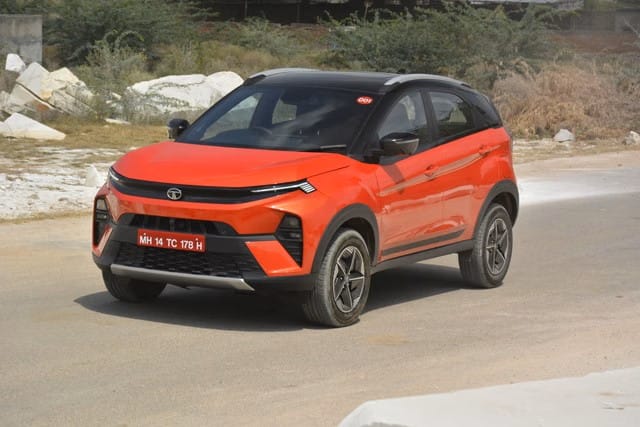
Over the years, Tata Motors has introduced multiple special editions of the Nexon, each aimed at buyers seeking a more distinctive appearance or additional features over the standard model. The Nexon is currently the only compact SUV in India to be offered with three factory-backed special editions.
While all three retain the standard Nexon’s engines and mechanical package, each follows a different approach. The Camo Edition adds exclusive colours and a handful of equipment upgrades, whereas the Dark and Red Dark editions primarily focus on cosmetic changes. All three editions can also be specified with an ADAS suite, although it remains available only on the top-spec petrol dual-clutch automatic variant. Here’s what sets each special edition of the Nexon apart.
Tata Nexon Camo Edition
The Camo Edition is the latest addition to the Nexon range and is available for a limited period. Based on the Creative+ and Fearless+ trims, it is the only special edition that adds equipment over the equivalent standard variants.
The Camo Edition is offered in two exclusive exterior colours, Munnar Mist and Coorg Cloud, along with a ‘Camo’ badge on the front fender and Camo-themed perforation on the front-seat headrests.
Inside, it upgrades to Tata’s 12.3-inch touchscreen, replacing the 10.25-inch unit fitted to the equivalent standard Nexon variants. This is also the only Nexon to get the larger 12.3-inch touchscreen, which is otherwise seen on larger Tata models such as the Harrier and Safari. It also adds an integrated dashcam that works with the 360-degree camera system.
Like the standard Nexon, the Camo Edition is available with petrol, diesel and CNG engines across manual and automatic gearbox options.
Tata Nexon Dark Edition
Unlike the Camo Edition, the Dark Edition does not introduce any exclusive equipment. Instead, it focuses on giving the Nexon a darker appearance inside and out while retaining the features of the underlying trim.
The Dark Edition receives an all-black exterior treatment, including black-finished alloy wheels, a black skid plate and ‘#Dark’ badging on the front fender. Inside, it gets an all-black cabin with black leatherette upholstery, black dashboard trim with a blue insert and blue contrast stitching, giving it a more understated appearance than the standard model.
The Dark Edition is available in Nexon’s Creative+ and Fearless+ trims with petrol, diesel and CNG powertrains, depending on the variant.
Tata Nexon Red Dark Edition
The Red Dark Edition combines the Dark Edition’s blacked-out exterior with a contrasting red-themed cabin. Like the Dark Edition, it is primarily a cosmetic package and does not introduce any exclusive features over the equivalent standard variant.
The exterior carries forward the all-black Dark Edition styling, while the cabin switches to ‘Carnelian Red’ leatherette upholstery, red contrast stitching and matching interior accents.
Like the Dark Edition, the Red Dark Edition is offered with petrol, diesel and CNG powertrains with manual and automatic gearbox options.
The Tata Nexon special edition line-up
The Nexon remains one of the few compact SUVs in India to be offered with special editions. While most rivals are sold only in their standard trims, Tata has steadily expanded the Nexon range with the Dark, Red Dark and now the Camo Edition.
These editions have also proved popular with buyers. Tata Motors has previously said that special editions contribute around 15 percent or more of sales, depending on the model, while Dark Editions account for an even higher share on the Harrier and Safari. With three distinct special editions now on sale, the Nexon offers buyers more choice than any other compact SUV in the segment without altering its underlying mechanical package.
Tata Motors has launched the Nexon Camo Edition at a starting price of Rs 9.99 lakh (ex-showroom). Available for a limited period, the special edition is based on the Creative and higher trims and adds exclusive exterior colours, Camo-themed detailing, a larger infotainment display and an integrated dashcam while retaining the existing petrol, diesel and CNG engine options.
Available across 5 trims, depending on the powertrain
Exclusive Munnar Mist and Coorg Cloud paint finishes
The Nexon Camo Edition is priced from Rs 9.99 lakh to Rs 13.94 lakh (ex-showroom) and is available across Creative, Creative+ S, Creative+ PS, Fearless+ PS and Fearless+ A PS personas, depending on the powertrain. It continues to rival the Maruti Brezza, Hyundai Venue, Kia Sonet, Mahindra XUV 3XO, Skoda Kylaq and Kia Syros.
Tata Nexon Camo Edition: What’s new?
The CAMO Edition introduces two exclusive exterior colours: Munnar Mist and Coorg Cloud, along with Camo badging on the front fenders and ‘Camo’ perforation on the front-seat headrests.
The biggest change inside is the addition of Tata’s 12.3-inch Harman touchscreen infotainment system, replacing the 10.25-inch unit offered on the corresponding variants of the standard Nexon. The 10.25-inch digital instrument cluster is carried over. An integrated dashcam that works with the 360-degree camera system has also been added.
Apart from the Camo-specific additions, the Nexon continues with features such as a panoramic sunroof, ventilated front seats, a JBL nine-speaker audio system, wireless Android Auto and Apple CarPlay, a wireless charger, connected car technology, a 360-degree camera with a blind-view monitor and advanced driver assistance systems (ADAS), depending on the variant.
The Camo Edition is available with the Nexon’s existing 1.2-litre turbo-petrol, 1.5-litre diesel and 1.2-litre turbo-petrol CNG engines. Outputs remain unchanged at 120hp and 170Nm for the petrol, 115hp and 260Nm for the diesel and 100hp and 170Nm in CNG mode. Transmission options include a 6-speed manual, an AMT and a 7-speed dual-clutch automatic, depending on the engine and variant.
Tata Motors has launched the Nexon Camo Edition at a starting price of Rs 9.99 lakh (ex-showroom). Available for a limited period, the special edition is based on the Creative and higher trims, and adds exclusive exterior colours, Camo-themed detailing, a larger infotainment display and an integrated dashcam, while retaining the existing petrol, diesel and CNG engine options.
Available across 5 trims, depending on the powertrain
Exclusive Munnar Mist and Coorg Cloud paint finishes
New 12.3-inch touchscreen and integrated dashcam
Tata Nexon Camo Edition: what’s new?
The CAMO Edition introduces two exclusive exterior colours: Munnar Mist and Coorg Cloud, along with Camo badging on the front fenders and ‘Camo’ perforation on the front seat headrests.
The biggest change inside is the addition of Tata’s 12.3-inch Harman touchscreen infotainment system, replacing the 10.25-inch unit offered on the corresponding variants of the standard Nexon. The 10.25-inch digital instrument cluster is carried over. An integrated dashcam, which works with the 360-degree camera system, has also been added.
Apart from the Camo-specific additions, the Nexon continues with features such as a panoramic sunroof, ventilated front seats, a JBL nine-speaker audio system, wireless Android Auto and Apple CarPlay, a wireless charger, connected car technology, a 360-degree camera with blind view monitor and ADAS, depending on the variant.
The Camo Edition is available with the Nexon’s existing 1.2-litre turbo-petrol, 1.5-litre diesel and 1.2-litre turbo-petrol CNG engines. Outputs remain unchanged at 120hp and 170Nm for the petrol, 115hp and 260Nm for the diesel and 100hp and 170Nm in CNG mode. Transmission options include a 6-speed manual, AMT and 7-speed dual-clutch automatic, depending on the engine and variant.
Tata Nexon Camo Edition: price and rivals
The Nexon Camo Edition is priced from Rs 9.99 lakh (ex-showroom) and is available across Creative, Creative+ S, Creative+ PS, Fearless+ PS and Fearless+ A PS personas, depending on the powertrain. It continues to rival the Maruti Brezza, Hyundai Venue, Kia Sonet, Mahindra XUV 3XO, Skoda Kylaq and Kia Syros.
Sales of India’s 10 highest-selling passenger vehicles reached 2,00,868 units in July 2026, up 37.55 percent from the 1,46,029 units recorded a in the year-ago period. Last month’s sales figures highlight Maruti Suzuki’s strong hold, with six models featuring among the top 10 bestsellers. Tata Motors was the only other brand with more than one model on the list, while Hyundai and Mahindra had one offering each. Demand remained strong across the board, with all but one model registering double-digit year-on-year growth.
Rank
Model
July 2026 sales (units)
July 2025 sales (units)
YoY growth (percent)
1
Maruti Dzire
23,791
20,895
13.86
2
Maruti Wagon R
23,338
14,710
58.65
3
Maruti Ertiga
21,606
16,604
30.13
4
Maruti Swift
21,538
14,190
51.78
5
Tata Punch, Punch EV
21,313
10,785
97.62
6
Maruti Fronx
19,473
12,872
51.28
7
Maruti Baleno
18,241
12,503
45.89
8
Hyundai Creta, Creta Electric
18,088
16,898
7.04
9
Tata Nexon, Nexon EV
17,471
12,825
36.23
10
Mahindra Scorpio, Scorpio Classic
16,009
13,747
16.45
Total
2,00,868
1,46,029
37.55
1. Maruti Dzire
23,791 units
The Maruti Dzire was India’s bestselling passenger vehicle in July, with sales of 23,791 units, up 13.86 percent from 20,895 units in July 2025. It was also the only sedan to feature among the country’s 10 bestselling models and contributed 11.84 percent of the combined sales of the top 10.
2. Maruti Wagon R
23,338 units
With sales of 23,338 units, the Maruti Wagon R finished second. The hatchback recorded a strong 58.65 percent year-on-year growth, selling 8,628 more units than in July last year. It was also one of the three hatchbacks to feature in the top 10 list, all of which are from Maruti Suzuki. Another highlight of the Wagon R is that it is also available in a flex-fuel version compatible with E85 fuel, an option that none of the other models on this list offer.
3. Maruti Ertiga
21,606 units
The Maruti Ertiga ranked third with 21,606 units sold, registering 30.13 percent year-on-year growth. Notably, it is the only MPV on the list and managed to secure a place among the country’s three bestselling passenger vehicles.
4. Maruti Swift
21,538 units
Coming in fourth was the Maruti Swift, with sales of 21,538 units. The hatchback recorded a healthy 51.78 percent year-on-year growth and was the second Maruti Suzuki hatchback to feature in the country’s top 10 bestselling models.
5. Tata Punch, Punch EV
21,313 units
Tata Punch ICE.
Ranking fifth was the Tata Punch and Punch EV, which together sold 21,313 units. Their combined sales were up 97.62 percent year-on-year, nearly doubling from the same month last year. Compared to other models on this list, the sub-compact SUV registered the highest YoY growth. The Punch also recently crossed the 8 lakh sales mark.
6. Maruti Fronx
19,473 units
Selling 19,473 units, the Maruti Fronx secured the sixth spot, registering a 51.28 percent year-on-year growth. It is also Maruti Suzuki’s highest-selling model retailed through the brand’s premium Nexa dealership network.
7. Maruti Baleno
18,241 units
The Maruti Baleno secured the seventh position with 18,241 units, recording a 45.89 percent increase over the same month last year. It rounded off Maruti’s six-model presence in the top 10 and was also the third hatchback on the list. Like the Fronx, the hatchback is retailed through Nexa showrooms.
8. Hyundai Creta, Creta Electric
18,088 units
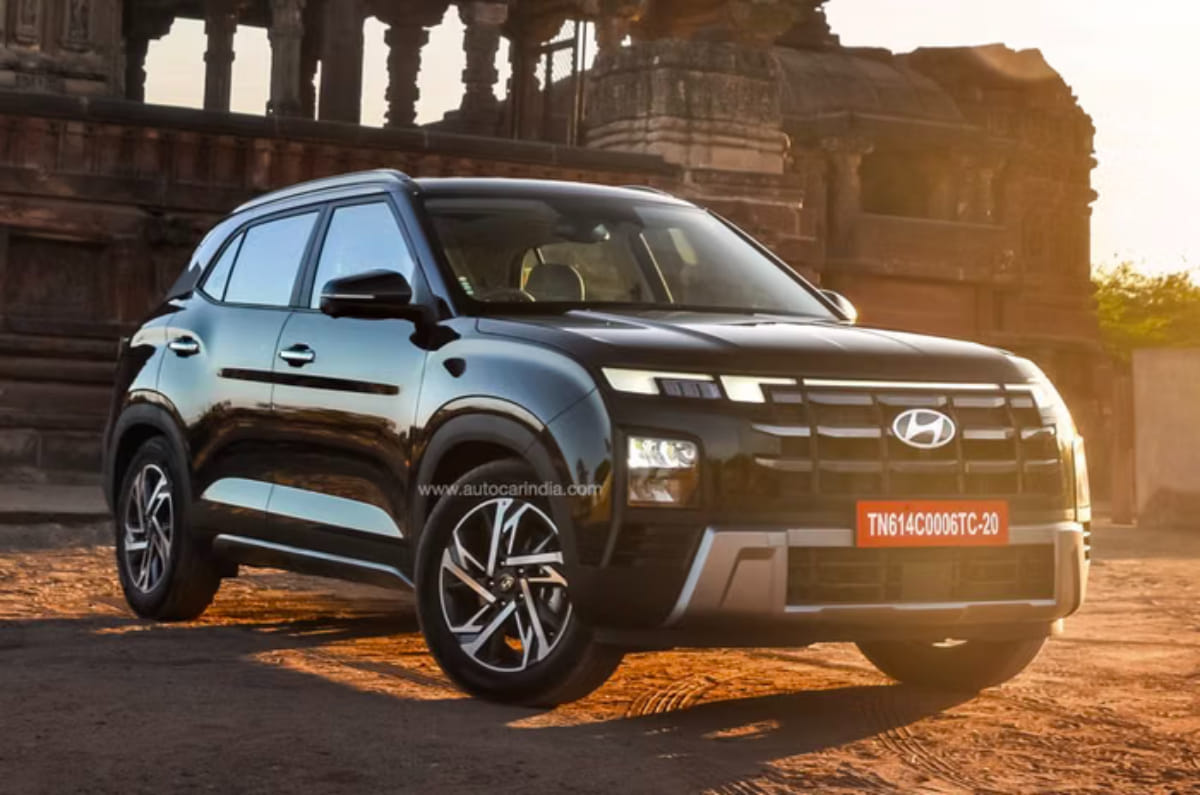
Next, the Hyundai Creta and Creta Electric together secured the eighth spot with 18,088 units, registering a 7.04 percent year-on-year growth, the lowest among the top 10 models. Recently, Hyundai introduced an assured buyback programme for the Creta Electric, offering a 60 percent buyback value after three years or 45,000km, whichever comes first (terms and conditions apply). The electric SUV is also available with a Battery-as-a-Service (BaaS) option, allowing buyers to lower the upfront purchase cost.
9. Tata Nexon, Nexon EV
17,471 units
Tata Nexon EV.
The ninth position went to the Tata Nexon and Nexon EV, which together sold 17,471 units in July 2026, recording 36.23 percent year-on-year growth. After the Fronx, the Nexon is the only compact SUV to feature on this list.
10. Mahindra Scorpio, Scorpio Classic
16,009 units
Rounding off the top 10 were the Mahindra Scorpio N and Scorpio Classic with combined sales of 16,009 units, up 16.45 percent over the same month last year. Mahindra rolled out the 2026 update for the Scorpio N just today.
Tata EV Discounts August 2026: अगर आप अगस्त 2026 में नई इलेक्ट्रिक कार खरीदने का प्लान बना रहे हैं, तो Tata Motors की डीलरशिप पर इस महीने कई आकर्षक ऑफर्स मिल रहे हैं। कंपनी चुनिंदा EV मॉडल और वेरिएंट पर कैश डिस्काउंट, एक्सचेंज ऑफर, स्क्रैपेज बेनिफिट और लॉयल्टी इंसेंटिव दे रही है।
हालांकि, सभी इलेक्ट्रिक कारों पर एक जैसे फायदे नहीं मिलेंगे। अगस्त 2026 के ऑफर्स में Tigor EV और Sierra EV को शामिल नहीं किया गया है। वहीं, Tata Nexon EV पर इस महीने सबसे कम बेनिफिट मिल रहा है। कंपनी के ये ऑफर्स 31 अगस्त 2026 तक लागू रहेंगे। Tata Motors के अगस्त 2026 के ये ऑफर्स 31 अगस्त 2026 तक वैध हैं।
अगस्त 2026 में Tata Motors की इलेक्ट्रिक कारों में Curvv EV पर सबसे ज्यादा डिस्काउंट मिल रहा है। इसके कुछ वेरिएंट पर ग्राहकों को अधिकतम 3.35 रुपए लाख तक के बेनिफिट मिल सकते हैं। Tata Curvv EV के चुनिंदा वेरिएंट पर 30,000 रुपए का एक्सचेंज बेनिफिट या 35,000 रुपए का स्क्रैपेज इंसेंटिव दिया जा रहा है।
इसके अलावा, मौजूदा Tata ग्राहक अगर अपनी पुरानी Tata ICE (पेट्रोल/डीजल) या EV को बदलकर नई Curvv X Series खरीदते हैं, तो उन्हें 30,000 रुपए का लॉयल्टी बेनिफिट भी मिल सकता है। इस तरह Curvv EV के X वेरिएंट पर ग्राहक अधिकतम 65,000 रुपए तक के लाभ का फायदा उठा सकते हैं।
Non-X Curvv EV पर 3.35 लाख रुपए तक की बचत
अगर ग्राहक Tata Curvv EV का Non-X वेरिएंट खरीदते हैं, तो अधिकतम बेनिफिट 3.35 रुपए लाख तक पहुंच सकता है। इसमें:3 लाख रुपए कैश डिस्काउंट। 35,000 स्क्रैपेज इंसेंटिव शामिल हैं। Curvv EV Creative वेरिएंट पर 2.50 रुपए लाख का कैश डिस्काउंट दिया जा रहा है। अगर इसमें 35,000 रुपए का स्क्रैपेज इंसेंटिव शामिल किया जाए, तो कुल फायदा 2.85 लाख रुपए तक हो सकता है।
अगस्त 2026 में Tata Motors के EV ग्राहकों के लिए ऑफर्स मॉडल और वेरिएंट के आधार पर अलग-अलग हैं। कंपनी कैश डिस्काउंट के अलावा पुराने वाहन को एक्सचेंज करने, स्क्रैप करने और मौजूदा Tata ग्राहकों को लॉयल्टी बेनिफिट देने जैसे विकल्प दे रही है।
ध्यान रखें
इन ऑफर्स की वास्तविक राशि शहर, डीलरशिप, मॉडल, वेरिएंट और उपलब्ध स्टॉक के आधार पर अलग हो सकती है। इसलिए इलेक्ट्रिक कार खरीदने से पहले अपने नजदीकी Tata Motors डीलर से ऑफर की अंतिम राशि और नियमों की पुष्टि करना जरूरी है।
Prospective EV buyers headed to a Tata Motors dealership will be offered a variety of benefits in August 2026. Depending on the model and variant, benefits available include cash discounts, exchange offers, plus scrappage and loyalty incentives. Tata’s August 2026 discounts do not include the Tigor EV and Sierra EV, while the Nexon EV gets the lowest benefits this month. The offers mentioned here will be valid till August 31, 2026.
Disclaimer: Offers/benefits may vary by city and are subject to stock availability. Buyers are advised to check with their local dealer for exact figures.
Curvv EV gets highest discounts; Nexon EV gets least
Tata is offering select variants of the Curvv EV with exchange benefits worth Rs 30,000 or scrappage incentives of Rs 35,000. Existing Tata customers opting for a new Curvv X series, switching from either an ICE (internal combustion engine) or EV (electric vehicle) model are also offered with loyalty benefits of Rs 30,000. In all, customers of the Curvv EV X variants can avail discounts up to Rs 65,000.
Those going for a non-X trim of the Tata Curvv EV can avail maximum benefits of up to Rs 3.35 lakh. This is made possible by a cash discount of Rs 3 lakh, plus scrappage incentives of Rs 35,000. These exchanges/scrappage schemes aside, buyers of the Curvv EV Creative trim will be offered with a cash discount of Rs 2.50 lakh – taking the overall discount to Rs 2.85 lakh.
Tata Harrier EV offers in August 2026
Benefits up to Rs 2.75 lakh
Buyers opting for the Adventure, Fearless+ or Empowered trims of the Harrier EV will be offered an exchange bonus of Rs 50,000 or a scrappage incentive worth Rs 75,000. There are loyalty benefits of Rs 50,000 for those moving from an existing Tata ICE model to a new Tata EV, with existing Tata EV owner moving to a new fully electric model being offered Rs 1 lakh.
Tata is also offering customers the ‘Freedom Offer’ this August. It discounts the price of the Harrier EV Adventure trim by an additional Rs 75,000 and by Rs 1 lakh for the Harrier EV’s Fearless+ and Empowered trims. In total, the former is available with benefits of up to Rs 2.50 lakh this August, while the other two can be had with discounts of up to Rs 2.75 lakh.
Tata Punch EV offers in August 2026
Benefits up to Rs 1.45 lakh
Select variants of the Punch EV Medium Range, Long Range, and Smart variants are available this August with an exchange bonus of Rs 30,000 or a scrappage benefit of Rs 35,000. Additionally, cash discounts on the Medium Range is Rs 90,000 and that on the Long Range is Rs 1.10 lakh – overall benefits for the Punch EV Medium Range and Long Range are Rs 1.25 lakh and Rs 1.45 lakh, respectively. Meanwhile, the Smart trim is available with a cash discount of Rs 60,000, with total discounts amounting to up to Rs 95,000.
Tata Tiago EV offers in August 2026
Benefits up to Rs 1.45 lakh
Like the Punch EV, the Tata Tiago EV is also available with August 2026 benefits amounting to up to Rs 1.45 lakh. However, this is only applicable to the LR (Long Range) XT variant of the old model – combining a cash discount of Rs 70,000 and the ‘Freedom Offer’ worth Rs 50,000. Customers can also avail an exchange benefit of Rs 20,000 or a scrappage bonus of Rs 25,000.
The exchange/scrappage benefits are offered with select trims of the Tiago EV MR (Medium Range) and LR (Long Range) variants, too. The former’s total benefits amount to Rs 65,000, whilst the latter’s is Rs 1.25 lakh.
Tata Nexon EV offers in August 2026
Benefits up to Rs 45,000
The Tata Nexon EV is available with benefits of up to Rs 45,000 in August 2026. This takes into account a cash discount of Rs 10,000, a scrappage scheme worth Rs 35,000, or an exchange bonus worth Rs 25,000.
Retail sales of electric passenger vehicles breached the 30,000-unit mark for the second month in a row in July 2026. After a record 33,307 units in June, buyers took home a total of 32,609 EVs last month, up 83 percent year-on-year, as per Vahan data. Tata Motors recorded its highest-ever monthly EV sales, while Mahindra and Maruti Suzuki posted their second-highest monthly totals.
Tata Motors
July 2026: 13,578 units, up 102 percent YoY
Tata Motors, which recently expanded its EV portfolio with the launch of the Sierra EV, recorded its best-ever monthly retail sales of 13,578 units in July. This is 102 percent higher than July 2025 and 6 percent more than June 2026. The company also crossed the 40 percent EV market share mark after a long gap. Its 42 percent share in July is 4 percentage points higher than the 38 percent it held a year ago, despite growing competition.
July was also the second consecutive month that Tata sold more than 12,000 EVs, after 12,756 units in June. Cumulative sales between April and July stood at 46,697 units, up 108 percent YoY.
Mahindra
July 2026: 7,677 units, up 125 percent YoY
Mahindra crossed the 7,000-unit mark for the second month in a row. It sold 7,677 electric SUVs in July, up 125 percent over July 2025, although this was 498 units fewer than June. The performance helped Mahindra increase its market share to 22 percent, up from 19 percent a year ago. The BE 6 and XEV 9e continue to see strong demand. The XEV 9S, Mahindra’s first three-row born-electric SUV, has further strengthened its EV line-up.
JSW MG Motor India
July 2026: 5,642 units, down 4 percent YoY
JSW MG Motor India sold 5,642 EVs in July, down 4 percent YoY and 9 percent lower than June 2026. Its market share stood at 16 percent, down sharply from 33 percent in July 2025. The Windsor EV continues to be MG’s best-selling model.
Maruti Suzuki
July 2026: 1,590 units
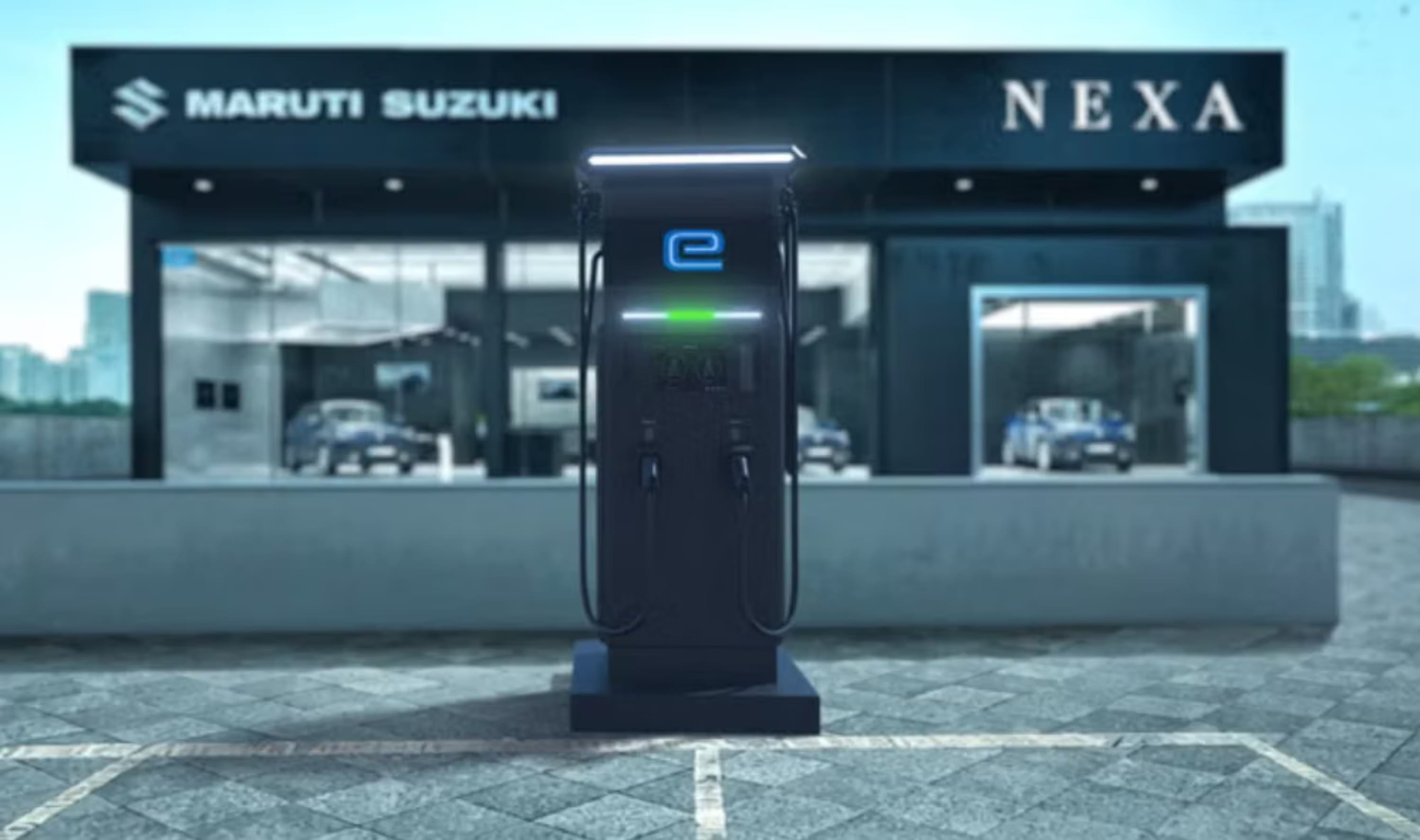
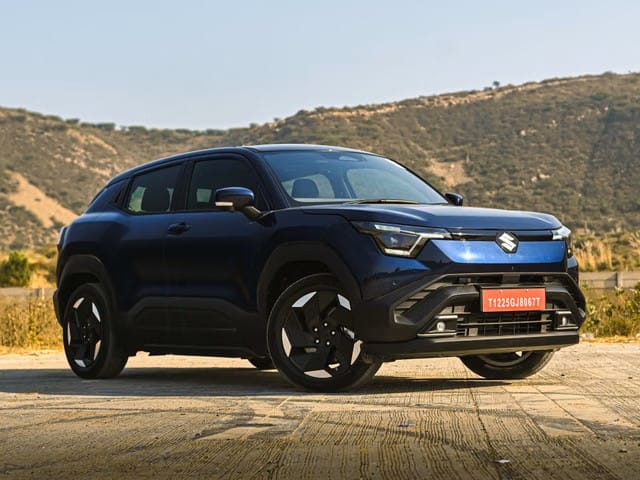
Maruti Suzuki sold 1,590 e Vitaras in July. This was the fifth consecutive month of four-digit sales, following March, April and May. However, July sales were 20 percent lower than June, which remains the model’s best month so far. Until now, domestic sales of the e Vitara were limited because a larger share of production was allocated for exports. This is expected to change with the start of production at a new fourth manufacturing line at Maruti Suzuki’s Hansalpur, Gujarat plant. The expanded facility now builds the e Vitara, Fronx, Baleno and Swift.
Vinfast India
July 2026: 1,478 units
Vinfast ranked fifth among the country’s 18 electric passenger vehicle manufacturers. The Vietnamese carmaker recorded its highest-ever monthly sales in July with 1,478 units, surpassing its previous best of 1,448 units in June by 30 units, or 2 percent. This gave the company a 4 percent EV market share in July.
According to wholesales data, the VF Limo Green (for commercial use) is currently its best-selling model. In Q1 FY2027 (April-June 2026), SIAM wholesale data shows the Green Limo accounted for 2,746 units, or 46 percent of Vinfast India’s total sales of 6,001 units, well ahead of the VF7, VF6 and MPV7.
BYD India
July 2026: 742 units, up 47 percent YoY
BYD sold 742 EVs in July, up 47 percent over July 2025. However, sales were 20 percent lower than June 2026, which remains the company’s best monthly performance so far. On July 1, BYD increased prices of its EVs by 1-2 percent, marking its second price hike of the year after the one on May 1. The company’s current line-up includes the Atto 3 SUV, e-Max 7 MPV, Seal sedan and Sealion 7 SUV. BYD has also confirmed that it will launch the Seal U PHEV later this year.
Hyundai
July 2026: 565 units, down 21 percent YoY
Hyundai sold 565 EVs in July, down 21 percent compared to 719 units in July 2025. However, on a month-on-month basis, sales were up 51 percent from the 374 units sold in June 2026. At present, Hyundai’s EV portfolio in India consists of just two models: the Creta Electric and the Ioniq 5.
Kia India
July 2026: 464 units, up 614 percent YoY
Kia ranked eighth with retail sales of 464 units in July. This is a 614 percent year-on-year increase over the low base of 65 units in July 2025. However, sales were 14 percent lower than 539 units in June 2026. Kia’s monthly sales have improved since the launch of the mass-market Carens Clavis EV MPV, which joined the much more expensive EV6 and EV9, both of which are imported as CBUs.
Toyota Kirloskar Motor
July 2026: 123 units
Toyota delivered 123 units of the Urban Cruiser Ebella in July. This placed the company 11th among the country’s electric passenger vehicle manufacturers. The Urban Cruiser Ebella is the badge-engineered version of the Maruti e Vitara, and it is currently available in a single E3 variant.
Carmaker
July 2026
July 2025
YoY Change (in percent)
Tata Motors
13,578
6,712
102
Mahindra
7,677
3,416
125
JSW MG Motor
5,642
5,900
-4
Maruti Suzuki
1,590
–
–
Vinfast
1,478
–
–
BYD
742
505
47
Hyundai
565
719
-21
Kia
464
65
614
BMW
367
270
36
Mercedes-Benz
163
115
42
Toyota
123
–
–
Tesla
115
–
–
Stellantis
51
68
-25
Volvo
48
42
14
Porsche
6
8
-25
Audi
0
1
-100
Rolls-Royce
0
2
-100
Jaguar Land Rover
0
0
–
Total
32,609
17,823
83
Luxury electric carmakers sell record units in July
Demand for luxury electric cars continued to grow in July 2026. Carmakers in this segment sold 699 EVs, up 60 percent year-on-year. However, sales were 17 percent lower than the record 847 units sold in June 2026. BMW and Mercedes-Benz continued to lead the luxury EV market, while Tesla India crossed the 100-unit mark for the first time with its highest-ever monthly sales.
BMW India
BMW remained the leader in the luxury EV segment with 367 units. This is 36 percent higher than 270 units sold in July 2025, giving the brand a 52 percent segment share. However, sales were 29 percent lower than 517 units in June 2026. After topping the luxury EV segment in FY2026 with a record 3,898 units, BMW has sold 1,606 EVs between April and July, which is 41 percent of its FY2026 total.
Mercedes-Benz
Mercedes- Benz sold 163 EVs in July, up 42 percent from 115 units in July 2025. However, this was 33 percent lower than the 243 units sold in June 2026. The brand’s growth has been supported by the launch of the CLA electric sedan at the end of April.
Tesla
Tesla recorded its highest-ever monthly sales in India, selling 115 Model Ys in July. This is a 203 percent increase over 38 units sold in June 2026. Its luxury EV market share also rose sharply from 4 percent in June to 16 percent in July, allowing it to move ahead of Volvo Auto India. The strong growth follows Tesla India’s decision to reduce the price of the Model Y by Rs 9 lakh, bringing the starting price down to Rs 50.89 lakh, ex-showroom.
Volvo
Volvo, now ranked fourth in the luxury EV segment, sold 48 EVs in July. This is 14 percent higher than 42 units sold in July 2025 and 23 percent more than the 39 units sold in June 2026. The Swedish carmaker increased prices of its models by up to Rs 1 lakh from May 1, citing ongoing global supply chain challenges and fluctuations in foreign exchange rates. Volvo’s market share stood at 7 percent in July, down from 10 percent a year ago.
Porsche, Audi and Rolls-Royce
Porsche sold 6 EVs in July. According to Vahan data, Audi, Rolls-Royce and JLR India did not sell a single EV during the month.
Overall, luxury EV makers accounted for 2.14 percent of the 32,609 electric passenger vehicles sold in July 2026, compared to 2.45 percent in July 2025 and 2.54 percent in June 2026.