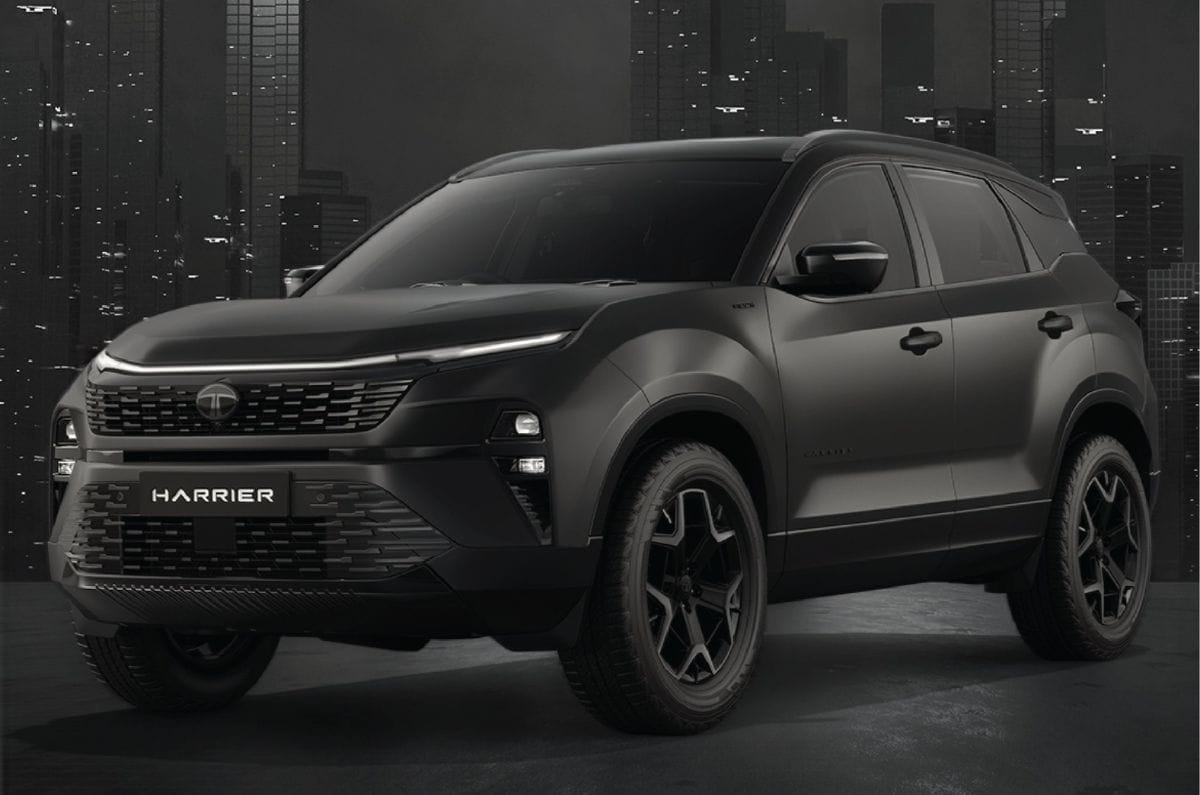
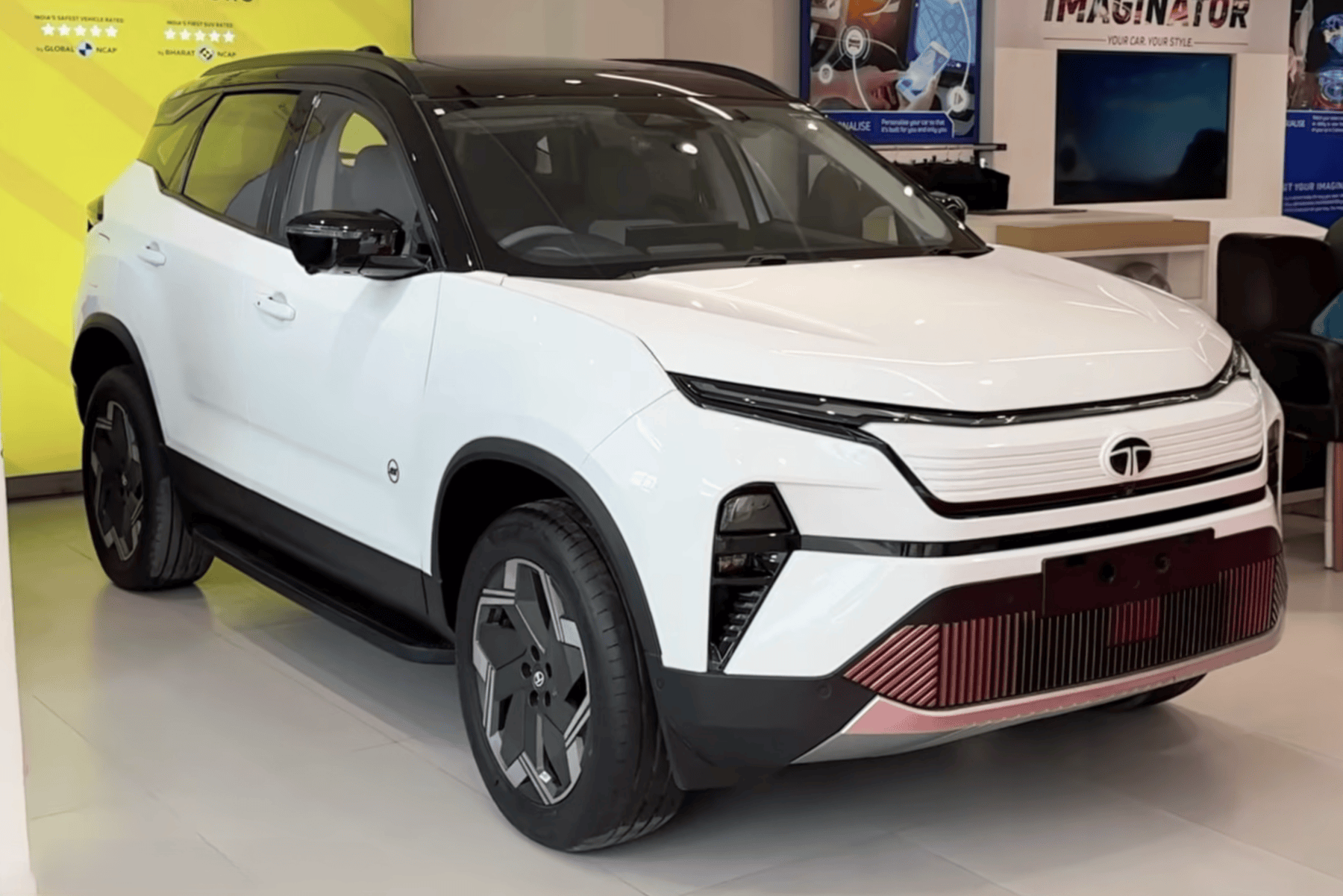
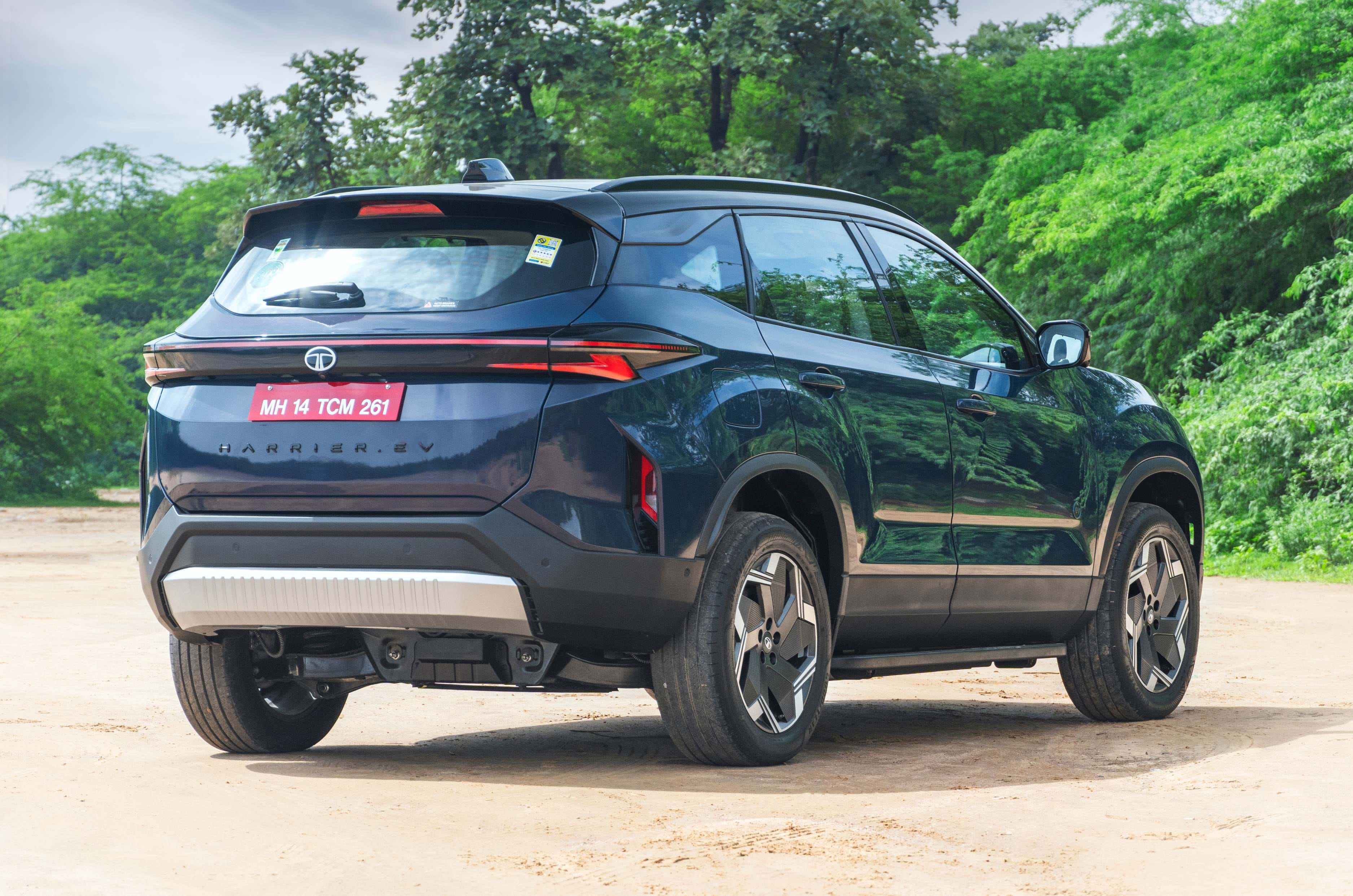
Tata Motors has launched the Stealth Edition of the Harrier, which is based on the Fearless Ultra trim. The Harrier Fearless Ultra Stealth Edition is available in petrol and diesel guises, and prices range between Rs 23.43 lakh and Rs 26.01 lakh (ex-showroom, Delhi). Tata had introduced a Stealth Edition earlier, but it was made available in limited volumes. The 2026 Stealth Edition aside, Tata continues to offer the Harrier in Dark and Red-Dark versions.
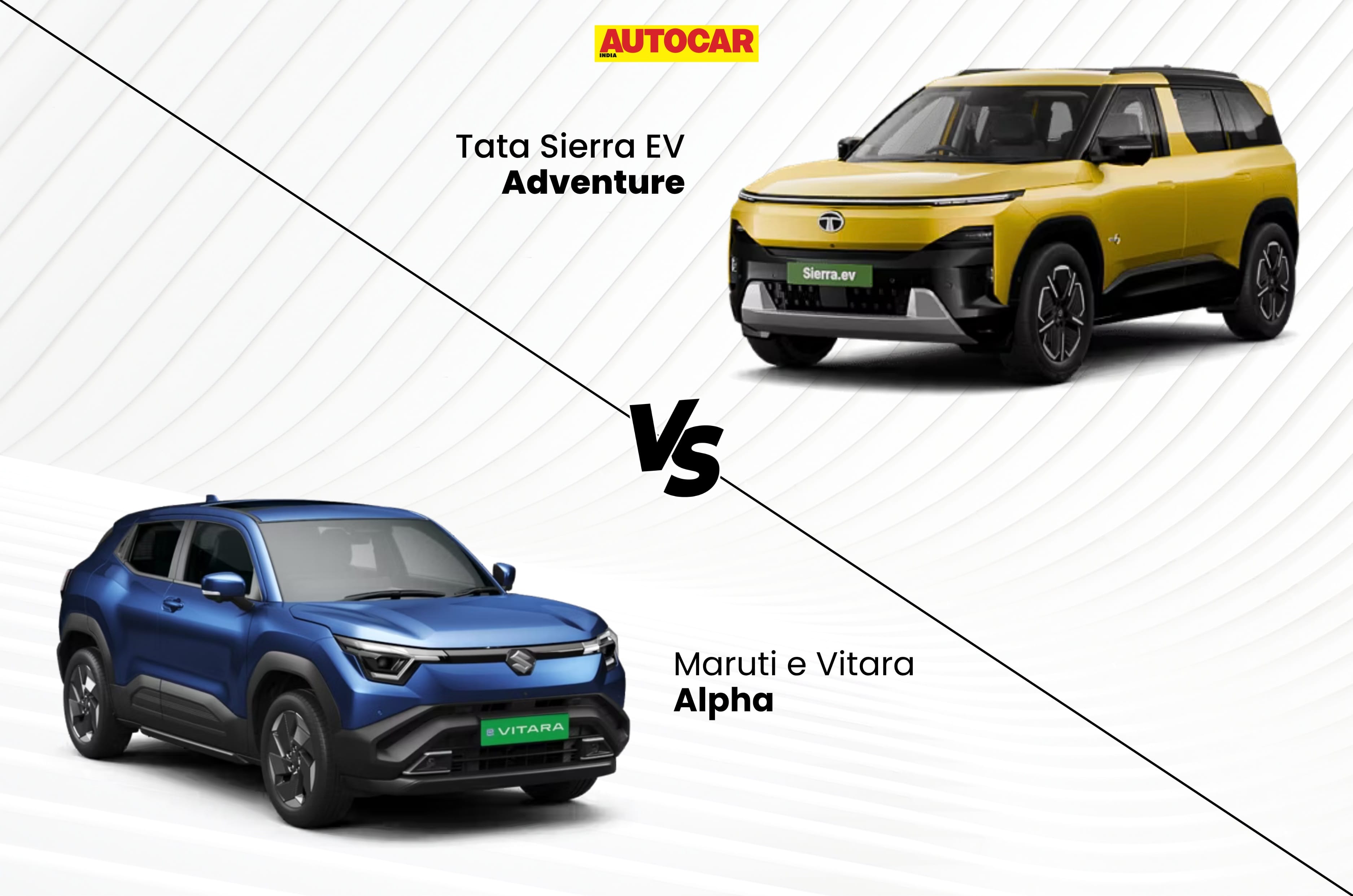
If you’re in the market for an electric midsize SUV priced around Rs 20 lakh, there are plenty of options to choose from. However, today we’ll be looking at the mid-spec Tata Sierra EV with the 63kWh battery, which starts at Rs 20.99 lakh, and the top-spec Maruti e Vitara with the 61kWh battery, priced at Rs 19.99 lakh. Let’s find out how these two midsize SUVs match up when pitted against each other in terms of their dimensions, technical specifications, features and price.
Explore full specs, features and a price breakdown in our Sierra EV vs e Vitara comparison.
Tata Sierra EV mid-spec vs Maruti e Vitara top-spec: Dimensions
Not only is the Tata EV the larger car here, it also has the bigger boot
Tata Sierra EV Adventure 63 vs Maruti e Vitara Alpha dimensions
Tata Sierra EV
Maruti e Vitara
Length (mm)
4,340
4,275
Width (mm)
1,841
1,800
Height (mm)
1,750
1,640
Wheelbase (mm)
2,730
2,700
Boot space (litres)
450
238
Frunk (litres)
55
–
Wheel size (inches)
18
18
Compared to the e Vitara, the Sierra EV is 65mm longer and has a 30mm longer wheelbase. It’s also 41mm wider and stands 110mm taller at the roof. Furthermore, the Sierra EV has the e Vitara beat in terms of luggage-carrying capacity too. Not only does the mid-spec Sierra EV feature a 55-litre frunk, which is missing altogether in the top-spec e Vitara, but the former’s primary boot is a full 212 litres bigger. While the top trim of the Sierra EV gets 19-inch wheels, the Adventure trim sticks to 18 inchers. However, all trims of the e Vitara come with 18-inch alloy wheels.
Tata Sierra EV mid-spec vs Maruti e Vitara top-spec: Exterior features
The mid-spec Sierra EV gets more modern design touches on the outside than the e Vitara
Tata Sierra EV Adventure 63 vs Maruti e Vitara Alpha exterior features
Tata Sierra EV
Maruti e Vitara
LED projector headlamps
Yes (auto)
Yes (auto)
Connected light bar
Yes
No
Front fog lamps
Yes
Yes
Cornering lights
Yes
No
Welcome lights
Yes
No
Powered ORVMs
Yes (with auto-fold function)
Yes (with auto-fold function)
Flush door handles
Yes
No
Body cladding
Yes
Yes
Rear spoiler
Yes
Yes
Compared to the muscular bodywork of the Maruti e Vitara, the Tata Sierra EV sports a more upright and chiselled form. Some of the highlights that the Sierra EV gets but are missing on the e Vitara include additional lighting elements (with suave features like ‘Welcome’ and cornering units), plus front & rear LED light bars. The e Vitara, on the other hand, gets traditional handles for the front doors – the rear units are integrated into the doors. The e Vitara’s body cladding looks quite aggressive, while that of the Sierra EV looks more urbane.
Tata Sierra EV mid-spec vs Maruti e Vitara top-spec: Interior features
Interior of the mid-trim Sierra EV offers a lot of premium-feeling yet useful amenities
Tata Sierra EV Adventure 63 vs Maruti e Vitara Alpha interior features
Tata Sierra EV
Maruti e Vitara
Infotainment screen
12.3-inch
10.1-inch
Digital driver’s display
10.25-inch
10.25-inch
Panoramic sunroof
Yes (voice assisted)
No (fixed single-pane)
Wireless charger
Yes
Yes
Driver’s seat adjustment
6-way manual
10-way powered
Co-driver’s seat adjustment
4-way manual
4-way manual
Thigh-support extender
Yes
No
‘Boss’ mode
Yes
No
Ventilated front seats
Yes
Yes
Automatic climate control
Yes (single-zone)
Yes (dual-zone)
Cooled glovebox
Yes
No
Ambient lighting
Yes
Yes
Audio system
12-speaker JBL Black
8-speaker Infinity
Dolby Atmos
Yes
No
Apple CarPlay & Android Auto
Yes (wireless)
Yes (wireless)
USB Type-C ports
Yes (4 ports)
Yes (4 ports)
Connected car tech
Yes
Yes
Voice assistant
Yes (multiple)
Yes
OTA updates
Yes
Yes
EV route planner
Yes
Yes
Gaming
Yes
No
Rear sunblinds
Yes
No
The interior feature set of the mid-spec Tata Sierra EV Adventure trim is more comprehensive than that of the top-spec Maruti e Vitara. Adding to its creature comforts is the extendable under-thigh support function for the front seats, a ‘boss’ mode to liberate more room at the back, a cooled glovebox, rear sunshades, plus a more premium audio system.
The Tata SUV also gets a large touchscreen, a voice-assisted panoramic sunroof, the brand’s new ‘AirConsole’ gaming system, and native and Amazon Alexa voice assistants. Furthermore, the Sierra EV comes with three 65-watt and one 15-watt Type-C chargers. The e Vitara also gets four USB ports, but they do not support such rapid charging rates.
Tata Sierra EV mid-spec vs Maruti e Vitara top-spec: Other features
Both cars are fairly comparable on this front
Tata Sierra EV Adventure 63 vs Maruti e Vitara Alpha other features
Tata Sierra EV
Maruti e Vitara
Drive modes
Yes (3)
Yes (3)
Terrain modes
Yes (4)
Yes (1)
V2V and V2L
Yes
No
AVAS
Yes
Yes
Where the Sierra EV gets vehicle-to-load (V2L) and vehicle-to-vehicle (V2V) functions, the e Vitara does not. The Maruti EV gets just the Snow terrain mode, while the Sierra EV offers Normal, Wet/Rain, Rough and Custom settings. Both cars feature AVAS, or Acoustic Vehicle Alerting System to alert other road users of their presence.
Tata Sierra EV mid-spec vs Maruti e Vitara top-spec: Safety features
The Tata EV packs a lot more safety nannies than the e Vitara
Tata Sierra EV Adventure 63 vs Maruti e Vitara Alpha safety features
Tata Sierra EV
Maruti e Vitara
Airbags
6
7
ABS with EBD
Yes
Yes
Electronic stability program
Yes
Yes
Hill-hold assist
Yes
Yes
Hill-descent control
Yes
Yes
TPMS
Yes
Yes
360-degree camera
Yes
Yes
Electronic parking brake
Yes (with auto-hold function)
Yes (with auto-hold function)
Auto-dimming IRVM
Yes
Yes
Rain-sensing wipers
Yes
Yes
Auto-dimming IRVM
Yes
Yes
ISOFIX
Yes
Yes
Rear wiper and defogger
Yes
Yes
All-wheel disc brakes
Yes
Yes
Level 2 ADAS
Yes
Yes
The Maruti e Vitara Alpha trim’s Level 2 ADAS (Advanced Driver Assistance Systems) includes adaptive cruise control, front collision warning, auto-emergency braking, blind-spot warning, rear cross-traffic alert, lane-departure warning with lane-departure prevention and adaptive high-beam assist. These are all safety equipment that the Sierra EV offers as well. However, the e Vitara comes with 7 airbags, while the Sierra EV gets the usual 6. Both models get surround-view cameras, front & rear parking sensors, an SOS calling function and an electronic parking brake with auto-hold.
Tata Sierra EV mid-spec vs Maruti e Vitara top-spec: Range and performance
While their battery capacities are comparable, the Sierra EV boasts a distinct power advantage
Tata Sierra EV Adventure 63 vs Maruti e Vitara Alpha range and performance
Tata Sierra EV
Maruti e Vitara
Battery size (kWh)
63
61
Electric motor setup
Single motor, rear
Single motor, front
Drive layout
RWD
FWD
Power (hp)
238
174
Torque (Nm)
315
193
Claimed 0-100kph
–
8.7 seconds
Claimed range (km)
535
543
AC charging
8.9 hrs at 7.2kW (10-100%)
9 hrs at 7.4kW (10-100%)
DC fast charging
25 mins at 110kW (20-80%)
45 mins at 70kW (10-80%)
In terms of battery size, the Sierra EV’s mid-spec variant possess a capacity advantage of 2kWh over the top-spec e Vitara. However, it’s the Maruti EV that manages more range – albeit the difference here is minimal. The Sierra EV’s rear-mounted electric motor is also punchier, offering 64hp and 122Nm more than the e Vitara’s peak output figures.
While both cars are equipped with a single electric motor, the Sierra’s unit powers the rear wheels instead of the front ones. This also means that the Sierra EV should be able to put its power down better than the front-wheel-drive e Vitara, especially on inclines or when the vehicle’s fully loaded. Tata Motors hasn’t specified the 0-100kph time of the mid-spec Sierra EV, but Maruti Suzuki claims that the top-spec e Vitara can do it in 8.7 seconds.
Both Sierra EV and e Vitara support similar AC charging speeds, thus requiring a comparable amount of time to go from 10-100 percent SoC. However, the Tata SUV is capable of accepting higher DC fast-charging rates, which allows it to reach 80 percent SoC ahead of the e Vitara. That said, the Maruti EV DC charging time accounts for the time taken for the battery to go from 10-80 percent, instead of the Sierra EV’s 20-80 percent.
Conclusion
The top-spec Maruti e Vitara Alpha variant is priced at Rs 20.00 lakh, while the mid-spec Tata Sierra EV 63 Adventure variant is priced at Rs 20.99 lakh. While the e Vitara offers 7 airbags and a little extra claimed range, the Sierra EV with the 63kWh battery pack and in the Adventure trim offers better value overall. It has more power, larger dimensions and a lengthy list of features – all of which make the Tata Sierra EV a better value-for-money buy here.
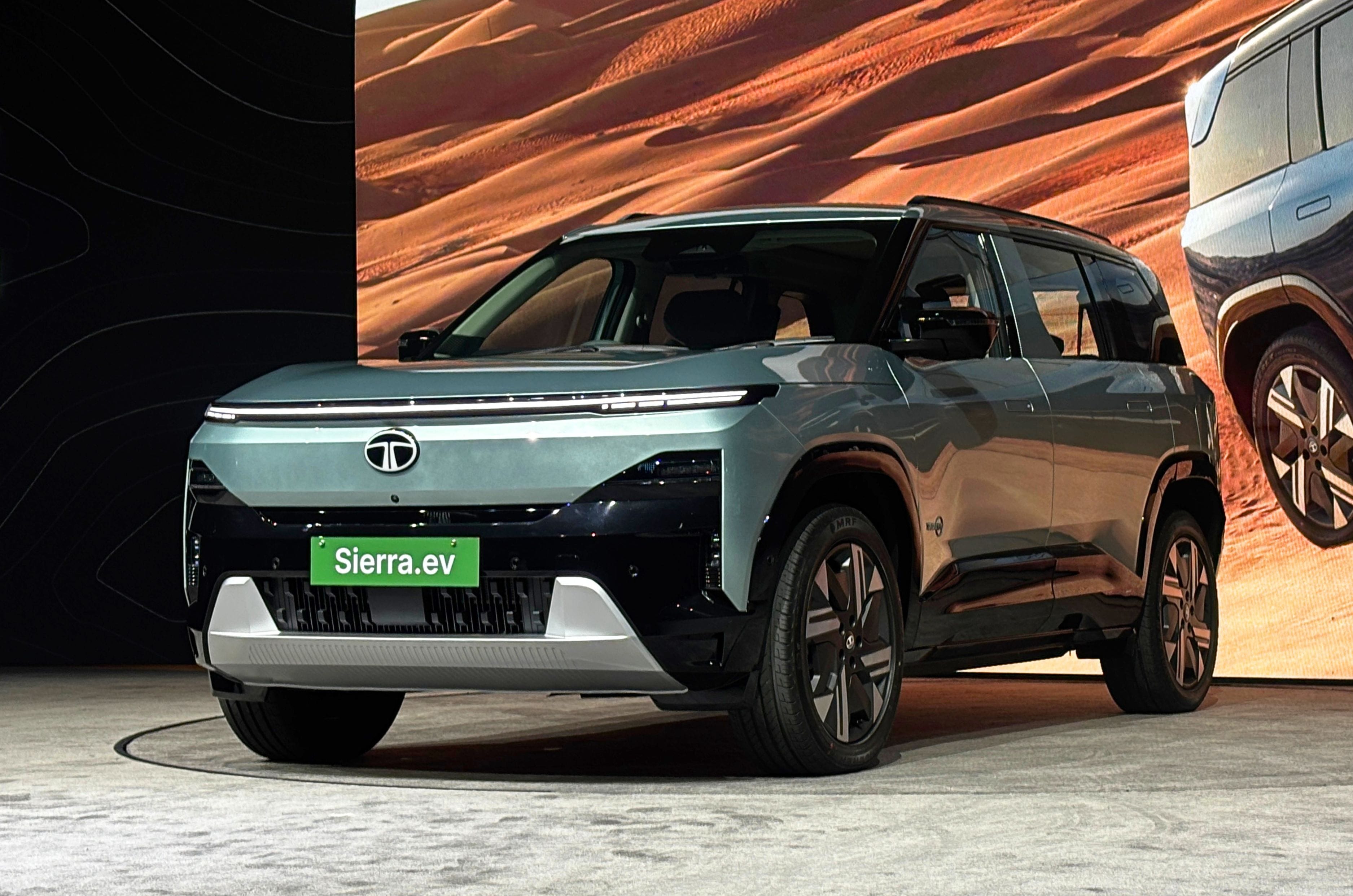
Tata‘s second all-wheel-drive (AWD) offering in its all-electric range, the Sierra EV, was recently launched in India. It borrows most of its interior and exterior design, as well as the feature suite, from its combustion-powered Sierra, introducing new colour themes and some EV-specific features. It is offered with two battery pack options: 63kWh or 75kWh, both with a rear-axle-mounted (RWD) motor, with the larger battery also getting a dual-motor AWD option. The Sierra EV is being offered in five trims: Pure, Pure S, Adventure, Empowered, and Empowered A, priced between Rs 18.79 lakh and Rs 25.99 lakh (ex-showroom).
If you are interested, here are the Tata Sierra EV’s on-road prices across major Indian cities to help you understand how much you need to pay to get your hands on one.
Tata Sierra EV on-road price range
RWD variants are priced up to Rs 26.91 lakh, and AWD costs up to Rs 28.19 lakh
Tata Sierra EV price range in top Indian cities (in Rs, lakh)
63kWh RWD
75kWh RWD
75kWh AWD
Ex-showroom, India
18.79-22.79
22.19-24.79
25.99
Kolkata (on-road)
19.39-23.43
22.82-25.95
26.66
Chennai (on-road)
20.13-24.31
22.69-26.41
27.66
Mumbai (on-road)
20.19-24.38
23.75-26.91
28.19
Note: On-road prices may vary based on city-specific registration charges and other cost components, including insurance, FASTag and RTO fees. Please check with your nearest Tata Motors dealership for the exact figures.
As the table shows, Kolkata offers the lowest Tata Sierra prices among the listed cities, followed by Chennai and Mumbai. The top-spec 63kWh RWD (Empowered 63) is Rs 95,000 cheaper in Kolkata than in Mumbai, while the 75kWh RWD (Empowered A 75) costs Rs 96,000 less. The largest gap is for the range-topping 75kWh AWD (Empowered A 75 AWD), which is priced at Rs 1.53 lakh lower in Kolkata.
Stocks to Watch: शेयर बाजार में 7 जुलाई को कई स्टॉक्स खबरों के चलते फोकस में रह सकते हैं। इनमें कुछ कंपनियों ने जून तिमाही के मजबूत बिजनेस अपडेट जारी किए हैं। कुछ ने अधिग्रहण, मर्जर, फंड जुटाने और नई साझेदारी जैसे बड़े ऐलान किए हैं। इन कंपनियों के शेयरों में हलचल देखने को मिल सकती है।
Cochin Shipyard
सरकारी शिपबिल्डिंग कंपनी Cochin Shipyard में सरकार OFS के जरिए हिस्सेदारी बेचेगी। पहले 2.52% हिस्सेदारी बिक्री के लिए लाई जाएगी। ज्यादा मांग होने पर इतनी ही अतिरिक्त हिस्सेदारी भी बेची जा सकती है। OFS का फ्लोर प्राइस 1,400 रुपये प्रति शेयर रखा गया है। 7 जुलाई को गैर-रिटेल और 8 जुलाई को रिटेल निवेशक बोली लगा सकेंगे।
Tata Motors PV
टाटा ग्रुप की ऑटो कंपनी Tata Motors Passenger Vehicles Ltd ने जून तिमाही में शानदार प्रदर्शन किया। Punch और Nexon का प्रोडक्शन 80,001 से बढ़कर 1,17,711 यूनिट हो गया। Curvv और Sierra की बिक्री 8,272 यूनिट से बढ़कर 25,150 यूनिट पहुंच गई। यानी लगभग तीन गुना बढ़ोतरी हुई।
Trent
टाटा ग्रुप की रिटेल कंपनी Trent Ltd ने जून तिमाही में अच्छा कारोबार किया है। कंपनी का स्टैंडअलोन रेवेन्यू सालाना आधार पर 19% बढ़ा है। इस ग्रोथ की सबसे बड़ी वजह Westside और Zudio स्टोर्स का लगातार विस्तार रहा।
Torrent Pharmaceuticals
फार्मा कंपनी Torrent Pharmaceuticals को कानूनी राहत मिली है। NCLT की अहमदाबाद बेंच ने JB Chemicals & Pharmaceuticals के कंपनी में विलय को मंजूरी दे दी है। अब दोनों कंपनियों के मर्जर की प्रक्रिया आगे बढ़ सकेगी।
Tata Motors Passenger Vehicles
ऑटो कंपनी Tata Motors Passenger Vehicles Ltd ने जून तिमाही में अपने ज्यादातर पैसेंजर व्हीकल मॉडल्स की बिक्री और प्रोडक्शन बढ़ाया है। कंपनी के मुताबिक, Punch, Nexon, Curvv, Sierra, Safari और Harrier जैसे मॉडल्स की मांग मजबूत रही।
Varun Beverages
एफएमसीजी कंपनी Varun Beverages Ltd ने केन्या में बड़ा अधिग्रहण किया है। कंपनी की इकाई VBL Industries (Kenya) Ltd ने Devyani Food Industries (Kenya) Ltd के डेयरी ड्रिंक्स, जूस और पैकेज्ड ड्रिंकिंग वॉटर कारोबार को खरीदने का समझौता किया है। इस डील की कीमत 3.2 करोड़ डॉलर, यानी करीब 305 करोड़ रुपये है।
Titan
टाटा ग्रुप की ज्वेलरी कंपनी Titan Company Ltd ने जून तिमाही में दमदार कारोबार किया है। कंपनी के कंज्यूमर बिजनेस में 41% की ग्रोथ दर्ज की गई। ज्वेलरी बिजनेस 39% बढ़ा। घड़ियों और आईकेयर कारोबार में भी 23-23% की बढ़ोतरी रही। कंपनी ने इस दौरान 77 नए स्टोर भी खोले।
Hexaware Technologies
आईटी सर्विसेज कंपनी Hexaware Technologies Ltd ने SmartRent Inc. के साथ नई साझेदारी की है। दोनों कंपनियां मिलकर AI आधारित सॉल्यूशंस तैयार करेंगी। इनकी मदद से कस्टमर ऑपरेशंस और रेवेन्यू से जुड़े कामों को ज्यादा तेज और स्मार्ट बनाया जाएगा।
PNB Housing Finance
हाउसिंग फाइनेंस कंपनी PNB Housing Finance का बोर्ड 10 जुलाई को बैठक करेगा। इस बैठक में नॉन-कन्वर्टिबल डिबेंचर (NCDs) के जरिए फंड जुटाने के प्रस्ताव पर विचार किया जाएगा। अगर बोर्ड मंजूरी देता है, तो कंपनी बॉन्ड जारी कर पूंजी जुटा सकती है।
Blue Jet Healthcare
फार्मा कंपनी Blue Jet Healthcare ने ग्रोथ के लिए 600 करोड़ रुपये का क्वालिफाइड इंस्टीट्यूशनल प्लेसमेंट (QIP) लॉन्च किया है। इश्यू का सांकेतिक भाव 506 रुपये प्रति शेयर रखा गया है, जो सोमवार के बंद भाव 572 रुपये से करीब 10% कम है। कंपनी ने SEBI के नियमों के तहत 531.70 रुपये प्रति शेयर का फ्लोर प्राइस भी तय किया है।
Disclaimer: यहां मुहैया जानकारी सिर्फ सूचना के लिए दी जा रही है। यहां बताना जरूरी है कि मार्केट में निवेश बाजार जोखिमों के अधीन है। निवेशक के तौर पर पैसा लगाने से पहले हमेशा एक्सपर्ट से सलाह लें। मनीकंट्रोल की तरफ से किसी को भी पैसा लगाने की यहां कभी भी सलाह नहीं दी जाती है।
Crude Oil Price: कच्चे तेल की कीमतों में इस साल बड़ी गिरावट देखने को मिल सकती है। Crystol Energy के ग्लोबल एडवाइजर Christof Ruehl का मानना है कि अगर हालात ऐसे ही रहे, तो कच्चे तेल का भाव 60 डॉलर प्रति बैरल से भी नीचे जा सकता है। फिलहाल, कच्चा तेल 72 डॉलर के आसपास बना हुआ है।
हालांकि, इसमें सबसे बड़ा रोल चीन का होगा। अगर चीन अपने रणनीतिक तेल भंडार (Strategic Petroleum Reserve) को भरने में देरी करता है, तो कीमतों पर और दबाव आ सकता है।
सप्लाई ज्यादा होगी, मांग घटेगी
Christof Ruehl का कहना है कि आने वाले महीनों में तेल का उत्पादन खपत से ज्यादा रह सकता है। उनके मुताबिक, Strait of Hormuz से जहाजों की आवाजाही अब धीरे-धीरे सामान्य हो रही है। हाल के भू-राजनीतिक तनाव भी कम हुए हैं। इसका मतलब है कि बाजार में तेल की सप्लाई पहले के मुकाबले आसान होगी।
उनका मानना है कि साल की दूसरी छमाही में तेल की कीमतों की दिशा काफी हद तक चीन तय करेगा। सवाल सिर्फ इतना है कि चीन तेल कब खरीदता है और कितनी मात्रा में खरीदता है।
60 डॉलर से नीचे क्यों जा सकता है तेल?
Christof Ruehl का कहना है कि अगर चीन सस्ती कीमत का इंतजार करता है और खरीदारी टाल देता है, तो कच्चे तेल का भाव कुछ समय के लिए 60 डॉलर प्रति बैरल से नीचे भी जा सकता है।
हालांकि, उन्हें यह भी लगता है कि 60 डॉलर के नीचे जाते ही चीन अपने रणनीतिक भंडार को भरने के लिए बड़ी खरीदारी शुरू कर सकता है। ऐसा हुआ, तो कीमतों को सहारा मिल सकता है।
OPEC+ भी बढ़ा रहा है उत्पादन
तेल की सप्लाई बढ़ने की एक और वजह OPEC+ है। Ruehl का कहना है कि OPEC+ देशों ने हाल ही में उत्पादन बढ़ाया है। इसके अलावा UAE, रूस, इराक और ईरान जैसे देश भी ज्यादा तेल निकाल रहे हैं।
यानी बाजार में तेल की कमी नहीं दिख रही। सप्लाई लगातार बढ़ रही है। ऐसे में कीमतों पर दबाव बना रह सकता है।
OPEC के सामने भी मुश्किल
Christof Ruehl का मानना है कि आने वाले वर्षों में OPEC के सामने बड़ी चुनौती आ सकती है। अगर दुनिया में तेल की मांग अपने सबसे ऊंचे स्तर पर पहुंचकर घटने लगती है, तो तेल उत्पादक देशों के बीच बाजार हिस्सेदारी की लड़ाई और तेज हो जाएगी।
उनका कहना है कि अगर भविष्य में 2025 को ‘पीक ऑयल डिमांड’ का साल माना गया, तो यह पूरी ऑयल इंडस्ट्री के लिए गेम चेंजर साबित होगा।
उन्होंने यह भी कहा कि अगर भविष्य में और देश UAE की तरह OPEC छोड़ने का फैसला करते हैं, तो बाकी सदस्य देशों पर प्रतिस्पर्धा का दबाव और बढ़ जाएगा।
अभी सबसे बड़ा फैक्टर क्या है?
Christof Ruehl का मानना है कि फिलहाल तेल की कीमतों के लिए सबसे बड़ा जोखिम गिरावट का है। बशर्ते कोई नया बड़ा भू-राजनीतिक संकट न खड़ा हो।
हालांकि, उनके मुताबिक 60 डॉलर प्रति बैरल का स्तर काफी अहम है। अगर कीमतें इससे नीचे जाती हैं, तो चीन बड़ी खरीदारी करके बाजार को सहारा दे सकता है। यही वजह है कि आने वाले महीनों में पूरी दुनिया की नजर चीन की खरीदारी पर रहेगी।
Disclaimer: मनीकंट्रोल.कॉम पर दिए गए सलाह या विचार एक्सपर्ट/ब्रोकरेज फर्म के अपने निजी विचार होते हैं। वेबसाइट या मैनेजमेंट इसके लिए उत्तरदायी नहीं है। यूजर्स को मनीकंट्रोल की सलाह है कि कोई भी निवेश निर्णय लेने से पहले हमेशा सर्टिफाइड एक्सपर्ट की सलाह लें।
Tata Motors PV Q1 Update: टाटा ग्रुप की दिग्गज ऑटो कंपनी Tata Motors Passenger Vehicles Ltd के लिए अप्रैल-जून 2026 तिमाही शानदार रही है। कंपनी की ज्यादातर पैसेंजर गाड़ियों की बिक्री और प्रोडक्शन में अच्छी बढ़ोतरी हुई है। कंपनी ने ये आंकड़े सोसायटी ऑफ इंडियन ऑटोमोबाइल मैन्युफैक्चरर्स (SIAM) को सौंपे हैं।
Punch और Nexon की बिक्री 52% बढ़ी
अप्रैल-जून 2026 तिमाही में Punch और Nexon का प्रोडक्शन बढ़कर 1,17,711 यूनिट हो गया। पिछले साल इसी तिमाही में यह 80,001 यूनिट था। घरेलू बिक्री भी जोरदार बढ़ी। यह 76,230 यूनिट से बढ़कर 1,15,882 यूनिट पहुंच गई। यानी करीब 52% की बढ़ोतरी हुई।
हालांकि, निर्यात लगभग स्थिर रहा। इस बार 317 यूनिट का निर्यात हुआ। पिछले साल यह आंकड़ा 320 यूनिट था।
Curvv और Sierra की बिक्री तीन गुना के करीब
Curvv और Sierra की डिमांड भी तेजी से बढ़ी। इन दोनों मॉडलों का प्रोडक्शन 9,135 यूनिट से बढ़कर 25,790 यूनिट हो गया। घरेलू बिक्री 8,272 यूनिट से बढ़कर 25,150 यूनिट पहुंच गई। यानी लगभग तीन गुना बढ़ोतरी हुई।
हालांकि, निर्यात में गिरावट आई। इस तिमाही में 23 यूनिट का निर्यात हुआ। पिछले साल यह आंकड़ा 101 यूनिट था।
Safari, Harrier और Sumo की भी अच्छी डिमांड
Safari, Harrier और Sumo की बिक्री भी मजबूत रही। इन मॉडलों का प्रोडक्शन 6,488 यूनिट से बढ़कर 11,976 यूनिट हो गया। घरेलू बिक्री 6,536 यूनिट से बढ़कर 12,117 यूनिट पहुंच गई।
निर्यात में भी अच्छी बढ़त देखने को मिली। इस बार 30 यूनिट का निर्यात हुआ। पिछले साल सिर्फ 1 यूनिट विदेश भेजी गई थी।
Tiago, Tigor और Altroz की बिक्री घटी
हर मॉडल की कहानी अच्छी नहीं रही। Tiago, Tigor, Altroz, Zest और Bolt की बिक्री में गिरावट दर्ज की गई। इनका प्रोडक्शन 35,496 यूनिट से घटकर 30,163 यूनिट रह गया। घरेलू बिक्री भी 32,801 यूनिट से घटकर 27,017 यूनिट पर आ गई।
हालांकि, एक अच्छी बात भी रही। इन मॉडलों का निर्यात 548 यूनिट से बढ़कर 2,038 यूनिट हो गया।
Nano और Hexa अब भी लाइन से बाहर
इस तिमाही में भी Nano और Hexa का न तो प्रोडक्शन हुआ और न ही घरेलू बिक्री या निर्यात। कंपनी ने साफ किया है कि ये शुरुआती आंकड़े हैं। इनका अभी ऑडिट नहीं हुआ है। ऑडिट के बाद अंतिम आंकड़ों में थोड़ा बदलाव हो सकता है।
Tata Motors पर Citi की क्या राय?
पिछले हफ्ते ब्रोकरेज फर्म Citi ने Tata Motors Passenger Vehicles पर अपनी ‘Sell’ रेटिंग बरकरार रखी थी। हालांकि, नई Sierra EV की तारीफ भी की। ब्रोकरेज के मुताबिक, Sierra EV में 63 kWh और 75 kWh बैटरी पैक का विकल्प मिलेगा। बड़ा बैटरी पैक एक बार चार्ज करने पर 500 किलोमीटर से ज्यादा की रेंज देगा।
इसकी शुरुआती कीमत 18.8 लाख रुपये रखी गई है। टॉप वेरिएंट की कीमत 24.8 लाख रुपये तक जाती है। इसका मुकाबला Mahindra BE 6, Mahindra XEV 9E और Maruti e-Vitara से होगा।
Citi का कहना है कि Hyundai Creta Electric और MG ZS EV के मुकाबले Sierra EV की कीमत प्रतिस्पर्धी है। खासकर एंट्री-लेवल वेरिएंट की कीमत ऐसी रखी गई है, जिससे ग्राहक ऊंचे वेरिएंट खरीदने के लिए प्रेरित हो सकते हैं।
टाटा मोटर्स के शेयरों का हाल
Tata Motors Passenger Vehicles Ltd का शेयर सोमवार को 0.81% की बढ़त के साथ 346.95 रुपये पर बंद हुआ। पिछले 1 महीने में स्टॉक 10.72% टूटा है। वहीं, 1 साल के दौरान इसमें करीब 16% की गिरावट आई है।
Disclaimer: मनीकंट्रोल.कॉम पर दिए गए सलाह या विचार एक्सपर्ट/ब्रोकरेज फर्म के अपने निजी विचार होते हैं। वेबसाइट या मैनेजमेंट इसके लिए उत्तरदायी नहीं है। यूजर्स को मनीकंट्रोल की सलाह है कि कोई भी निवेश निर्णय लेने से पहले हमेशा सर्टिफाइड एक्सपर्ट की सलाह लें।
One of the biggest hurdles to the adoption of electric vehicles is their relatively higher prices compared to combustion-powered cars. To address this, mass-market brands such as Hyundai, Citroen, JSW-MG, Maruti Suzuki, Kia, Tata Motors and Toyota have started offering models with Battery-as-a-Service (BaaS) schemes, which are essentially subscription plans for the battery pack and substantially lower upfront costs. Here is a list of all the EVs offered with the BaaS option.
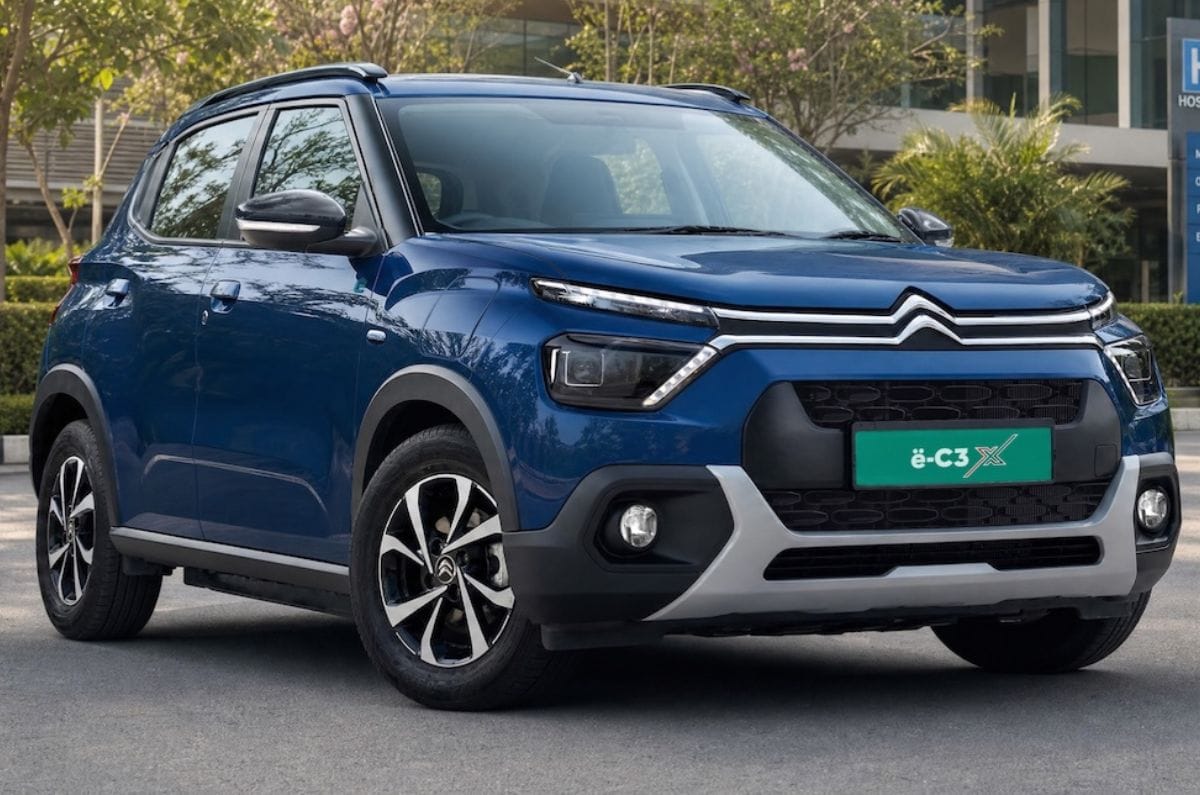
Citroen eC3X
BaaS price: Rs 6.89 lakh + Rs 2.26 per km onwards
Citroen introduced a BaaS scheme option with the June 2026 update for the eC3X, reducing the EV’s upfront price by up to Rs 5.26 lakh. Buyers also have to pay a battery subscription fee of Rs 2.26 per kilometre, the lowest here, with a minimum monthly commitment of 2,000km, which works out to Rs 4,520 per month. If monthly usage exceeds 2,000km, charges apply for the additional distance covered.
For buyers opting out of the BaaS plan, Citroen is offering an introductory consumer discount of up to Rs 1.50 lakh, bringing the eC3X’s starting price down to Rs 10.49 lakh.
Citroen eC3X ex-showroom prices (in Rs)
Variant
Non-BaaS price
BaaS price
Upfront saving
Live
11.99 lakh
6.89 lakh + 2.26 per km
5.10 lakh
Live (O)
12.35 lakh
7.09 lakh + 2.26 per km
5.26 lakh
Shine
13.26 lakh
8.30 lakh + 2.26 per km
4.96 lakh
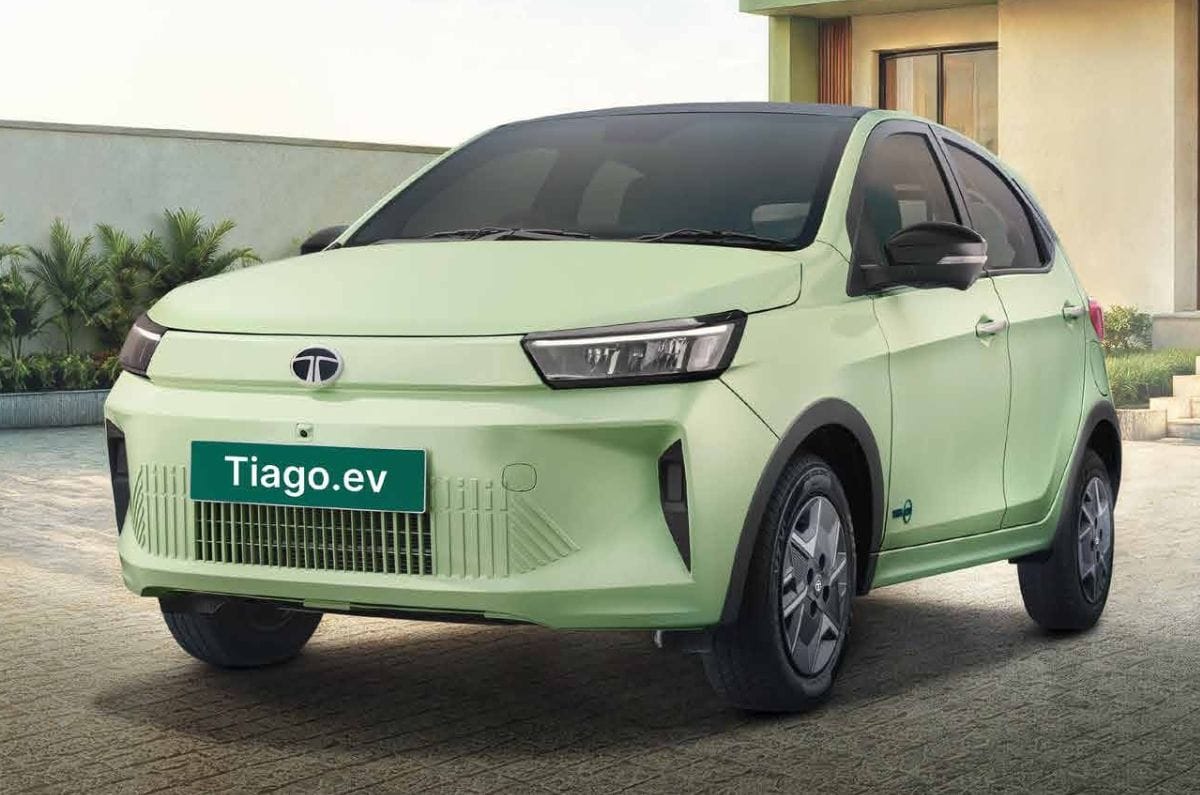
Tata Tiago EV
BaaS price: Rs 4.69 lakh + Rs 2.6 per km onwards
Priced from Rs 6.99 lakh, the Tata Tiago EV is the most affordable electric car in India. Under the BaaS scheme, it starts at Rs 4.69 lakh, reducing the upfront cost by Rs 2.30 lakh, and users pay an additional Rs 2.6 per km as a subscription fee. Tata has yet to reveal the full variant-wise BaaS prices of the Tiago EV.
Tata Tiago EV ex-showroom prices (in Rs)*
Variant
Non-BaaS price
BaaS price
Upfront cost saving
Smart 19
6.99 lakh
4.69 lakh + 2.6 per km
2.30 lakh
*Tata hasn’t revealed the BaaS prices for all variants at the time of writing.
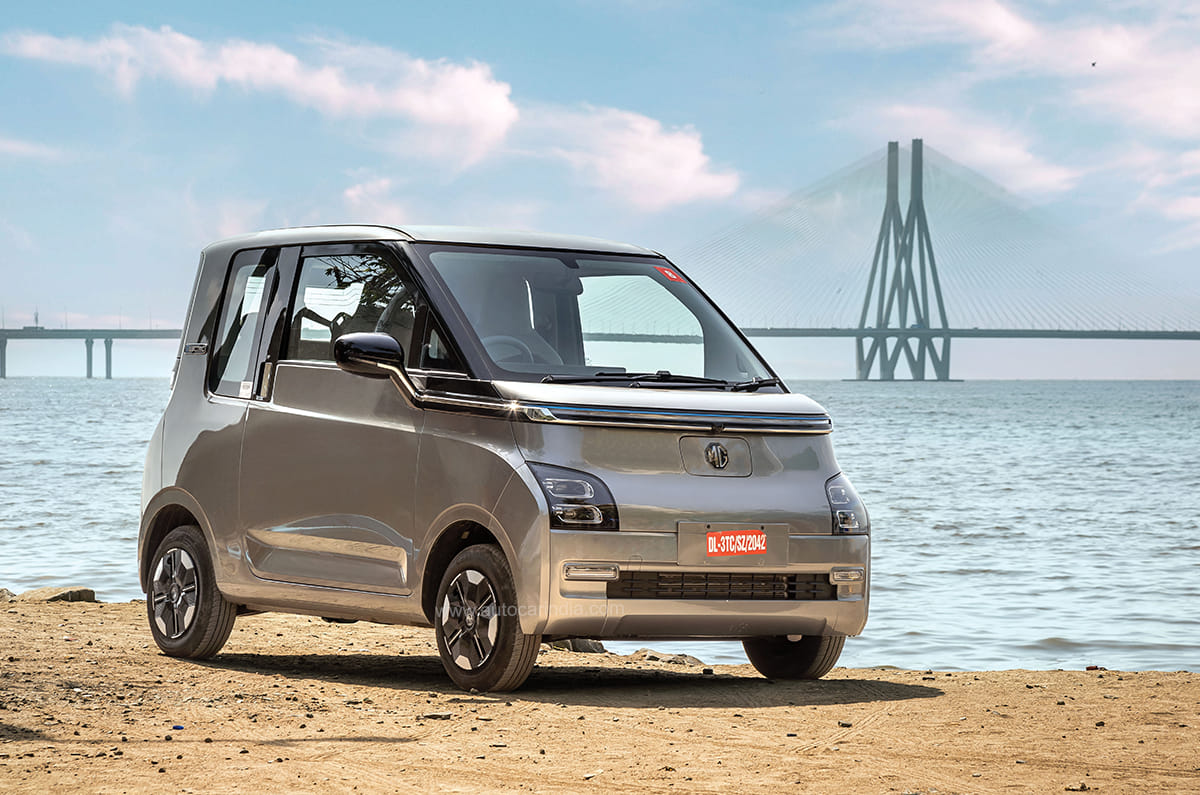
MG Comet EV
BaaS price: Rs 4.99 lakh + Rs 3.2 per km onwards
The Comet EV is priced from Rs 7.63 lakh, and its entry-level trims feature a 17.3kWh battery, while higher-spec models get a 17.4kWh unit. The BaaS scheme lowers the price by Rs 2.64 lakh across trims, and buyers opting for this have to pay a Rs 3.2/km subscription cost for the battery pack. Do note that when MG introduced the BaaS plan for the Comet EV in 2024, the subscription fee was slightly lower at Rs 2.5 per km.
MG Comet EV ex-showroom prices (in Rs)
Variant
Non-BaaS price
BaaS price
Upfront saving
Executive 17.3kWh
7.63 lakh
4.99 lakh + 3.2 per km
2.64 lakh
Excite 17.3kWh
8.73 lakh
6.09 lakh + 3.2 per km
2.64 lakh
Excite 17.4kWh
9 lakh
6.36 lakh + 3.2 per km
2.64 lakh
Exclusive 17.3kWh
9.73 lakh
7.09 lakh + 3.2 per km
2.64 lakh
Exclusive 17.4kWh
10 lakh
7.36 lakh + 3.2 per km
2.64 lakh
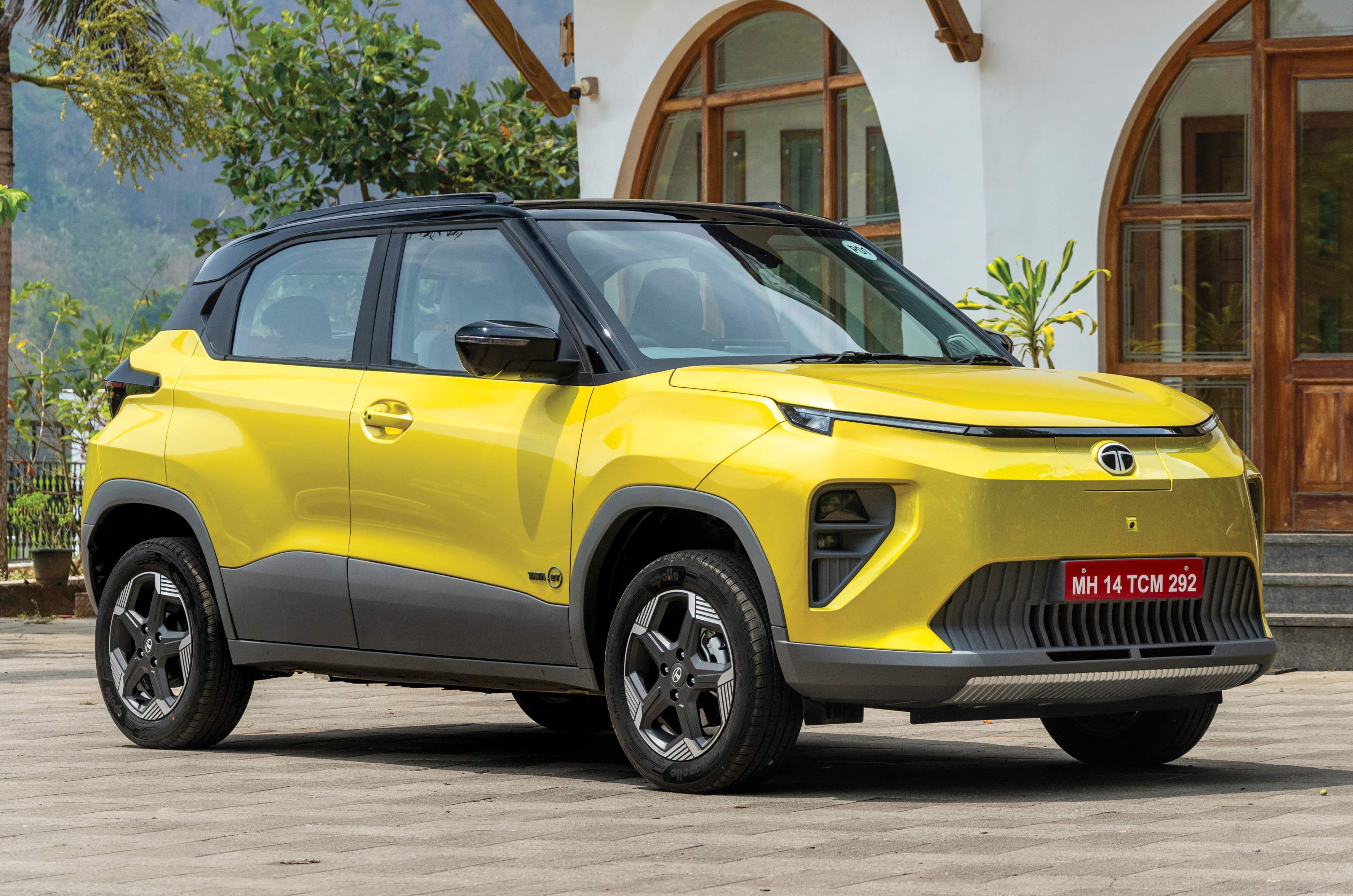
Tata Punch EV
BaaS price: Rs 6.49 lakh + Rs 2.6 per km onwards
The Tata Punch EV is another electric offering from the Indian manufacturer that is available with a BaaS scheme. Its base trim costs Rs 9.69 lakh but with the BaaS scheme, that can be lowered by Rs 3.2 lakh. However, buyers will have to pay a battery rental fee of Rs 2.6 per km. Tata claims that a monthly running of 1,800km is reasonable for most buyers, which works out to a battery rental of about Rs 4,688.
Tata Punch EV ex-showroom prices (in Rs)
Variant
Non-BaaS price
BaaS price*
Upfront saving
Smart 30kWh
9.69 lakh
6.49 lakh + 4,688 per month
3.2 lakh
Smart+ 30kWh
10.29
7.09 lakh + 4,688 per month
3.2 lakh
Smart+ 40kWh
10.99
7.29 lakh + 5,274 per month
3.7 lakh
Adventure 40kWh
11.74
7.99 lakh + 5,274 per month
3.75 lakh
Empowered 40kWh
12.49
8.69 lakh + 5,274 per month
3.8 lakh
Empowered+ S 40kWh
12.79
8.99 lakh + 5,274 per month
3.8 lakh
*The battery EMI is assumed on a loan tenure of 8 years.
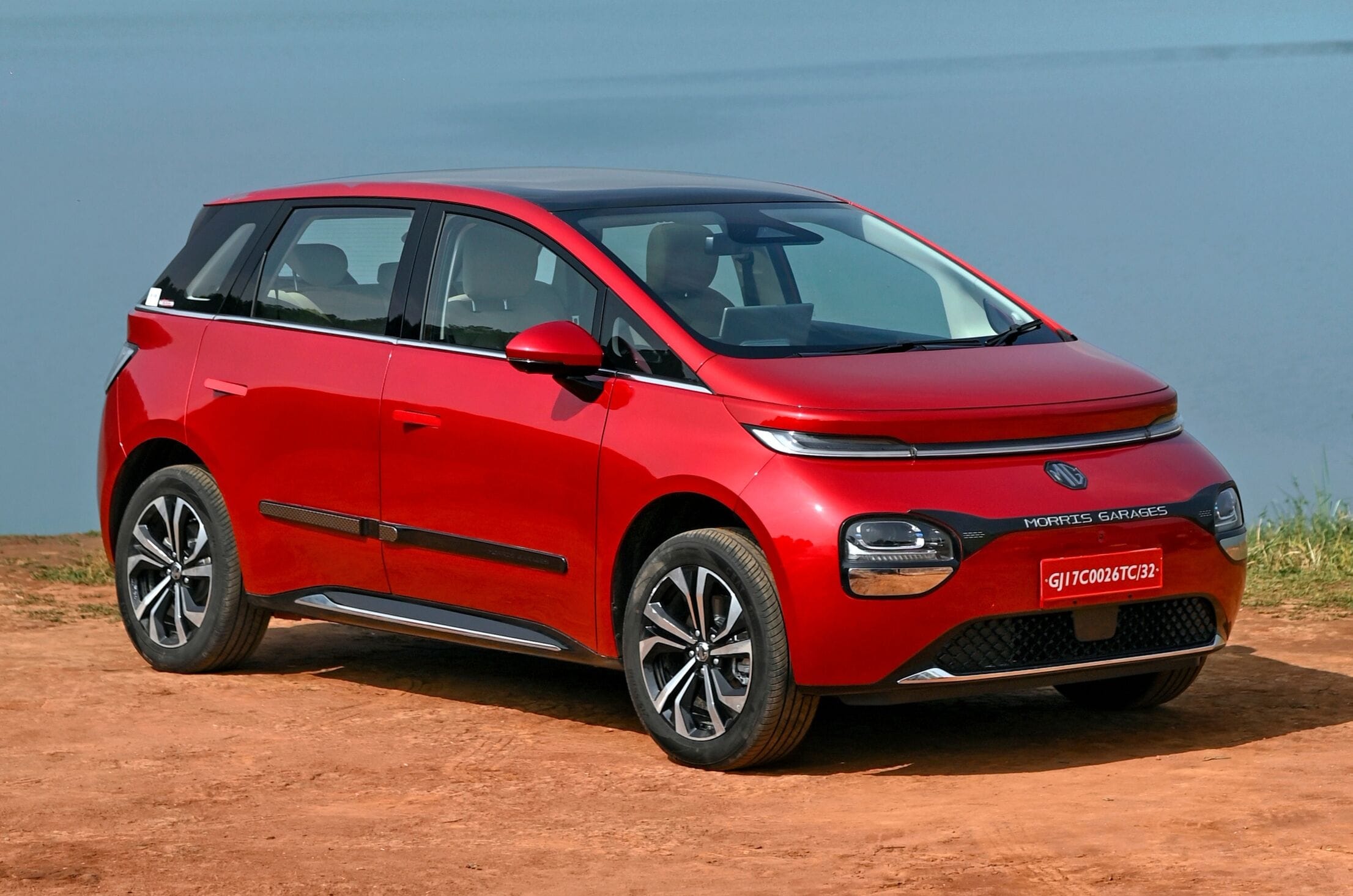
MG Windsor EV
BaaS price: Rs 9.99 lakh + Rs 3.99 per km onwards
MG first introduced the BaaS ownership plan in India with the Windsor EV, which was launched in September 2024 with a 38kWh battery pack. A larger 52.9kWh pack was added to the line-up in May 2025. The Windsor EV’s battery rental fee depends on the battery pack selected: Rs 3.99 per km for the 38kWh unit and Rs 4.5 per km for the larger 52.9kWh unit. This scheme lowers the upfront cost by up to Rs 5 lakh.
MG Windsor EV ex-showroom prices (in Rs)
Variant
Non-BaaS price
BaaS price
Upfront saving
Excite 38kWh
14.7 lakh
9.99 lakh + 3.99 per km
4.71 lakh
Exclusive 38kWh
16 lakh
11.29 lakh + 3.99 per km
4.71 lakh
Essence 38kWh
17 lakh
12.29 lakh + 3.99 per km
4.71 lakh
Exclusive Pro 52.9kWh
17.9 lakh
12.9 lakh + 4.5 per km
5 lakh
Essence Pro 52.9kWh
19 lakh
14 lakh + 4.5 per km
5 lakh
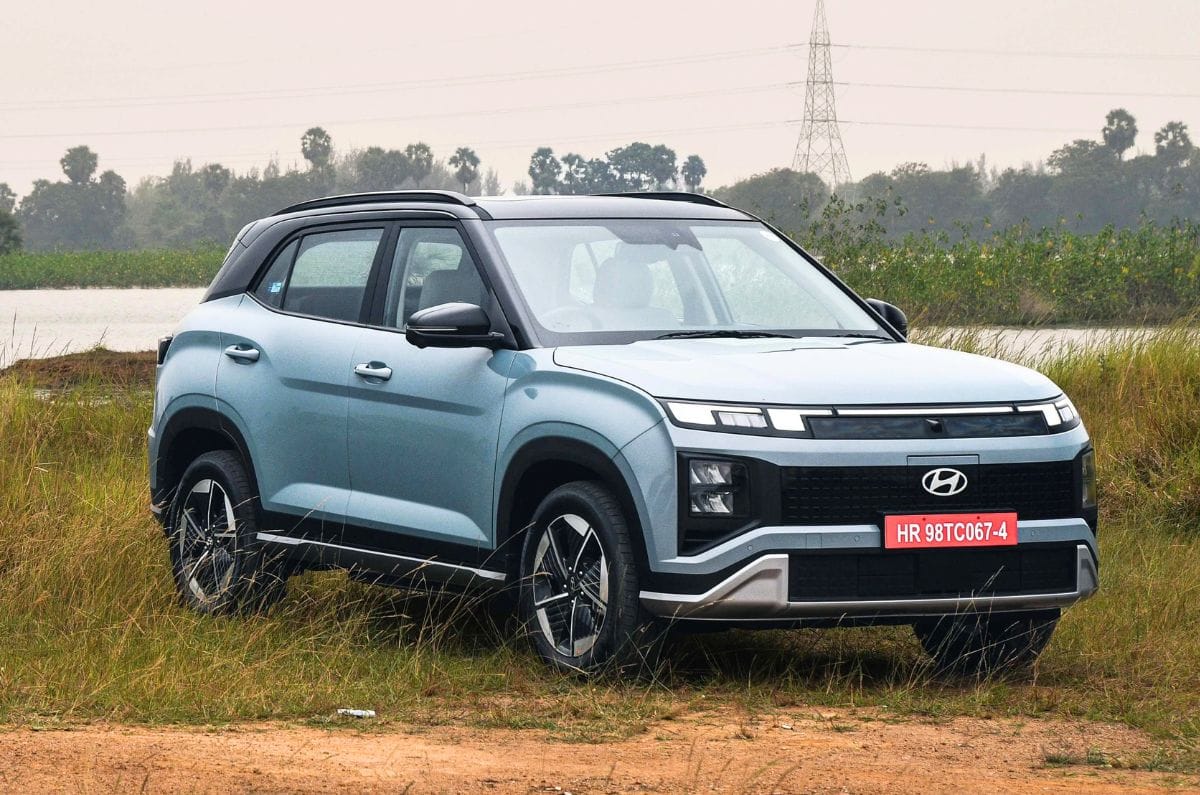
Hyundai Creta Electric
BaaS price: Rs 10.99 lakh + Rs 3.9 per km onwards
The Hyundai Creta Electric is the latest EV here to get a BaaS scheme option, which was introduced in July 2026. The Creta EV starts with the Rs 18.03 lakh Executive 42kWh variant but with the battery rental option, buyers can save Rs 7.04 lakh up front, one of the highest savings here. Prices for the other 42kWh variants, as well as the 51.4kWh variants are expected to be revealed soon.
Hyundai Creta Electric ex-showroom price (in Rs)*
Variant
Non-BaaS price
BaaS price
Upfront saving
Executive 42kWh
18.03 lakh
10.99 lakh + 3.9 per km
7.04 lakh
*Hyundai hasn’t revealed the BaaS prices for all variants at the time of writing.
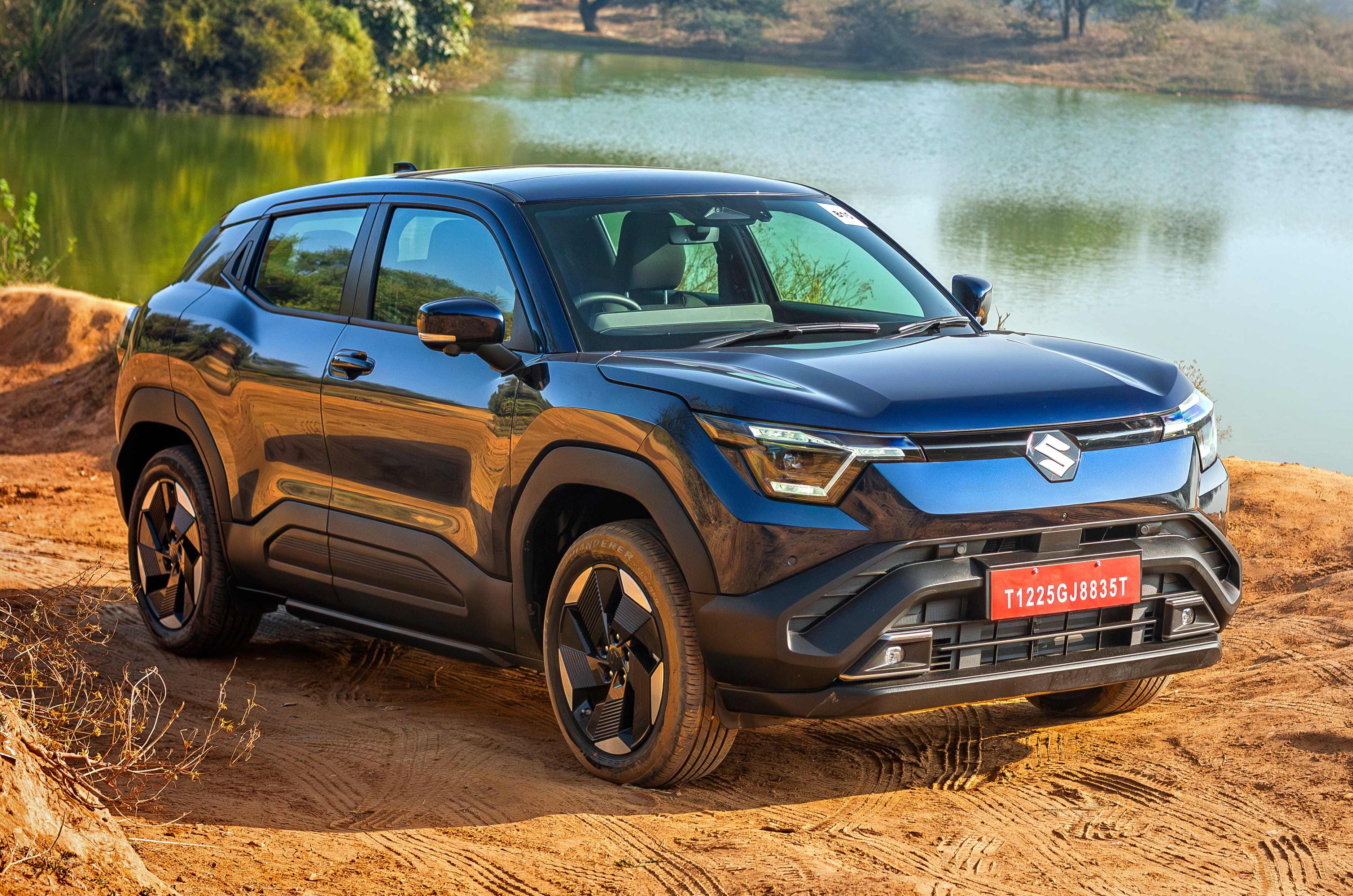
Maruti Suzuki e Vitara
BaaS price: Rs 10.99 lakh + Rs 3.99 per km onwards
The Maruti e Vitara is also available with the BaaS scheme, the subscription fee of which differs with the chosen battery pack. With the smaller 49kWh battery, Maruti charges Rs 3.99 per km, while with the larger battery pack, a fee of Rs 4.39 per km is charged.
Maruti Suzuki e Vitara ex-showroom prices (in Rs)
Variant
Non-BaaS price
BaaS price
Upfront saving
Delta 49kWh
15.99 lakh
10.99 lakh + 3.99 per km
5 lakh
Zeta 61kWh
17.79 lakh
12.29 lakh + 4.39 per km
5.5 lakh
Alpha 61kWh
19.99 lakh
14.49 lakh + 4.39 per km
5.5 lakh
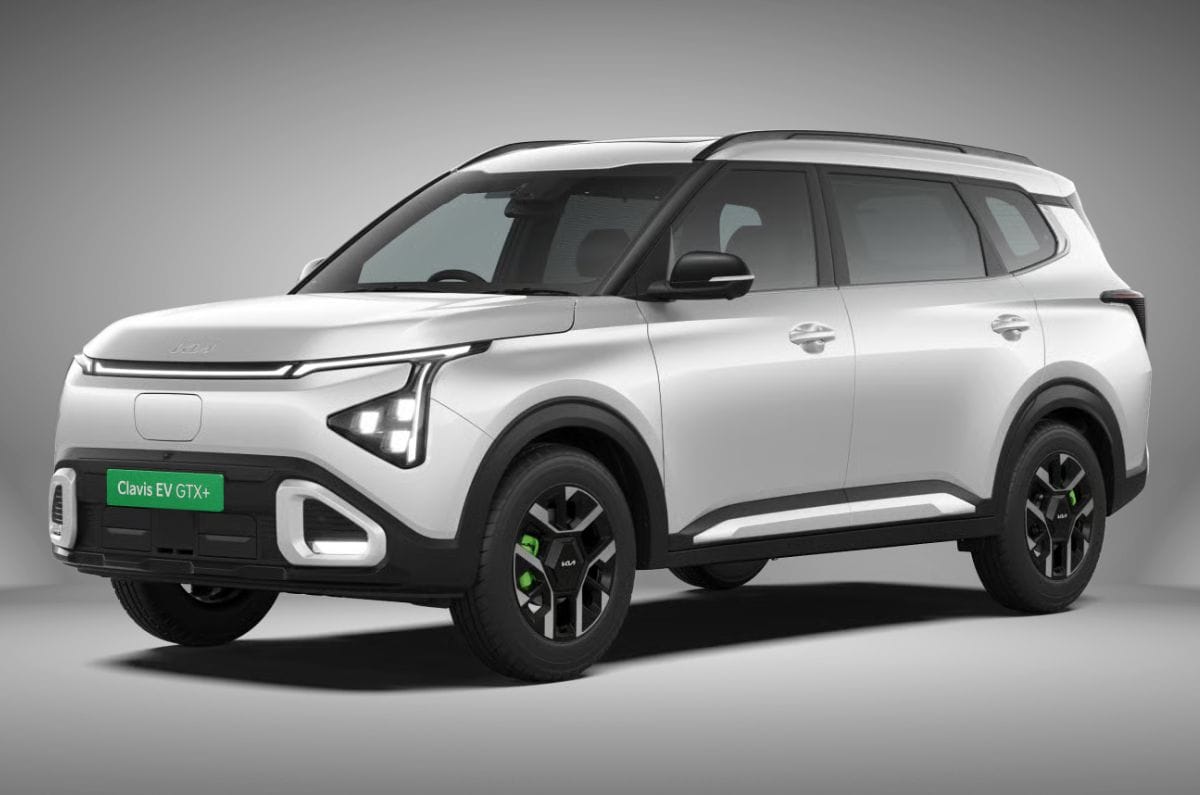
Kia Carens Clavis EV
BaaS price: Rs 12.84 lakh + Rs 3.3 per km onwards
In May 2026, Kia introduced the BaaS scheme for its Carens Clavis EV, which stands out here as the only MPV. Kia charges a rental fee of Rs 3.3 per km for both the 42kWh and 51.4kWh battery pack options. While the entire BaaS price list isn’t out at the time of writing, one can save Rs 5.16 lakh and Rs 6.06 lakh on the HTK+ 42kWh and HTX E ER 51.4kWh variants, respectively.
Kia Carens Clavis EV ex-showroom prices (in Rs)*
Variant
Non-BaaS price
BaaS price
Upfront saving
HTK+ 42kWh
18 lakh
12.84 lakh + 3.3 per km
5.16 lakh
HTX E ER 51.4kWh
22 lakh
15.94 lakh + 3.3 per km
6.06 lakh
*Kia hasn’t revealed the BaaS prices for all variants at the time of writing.
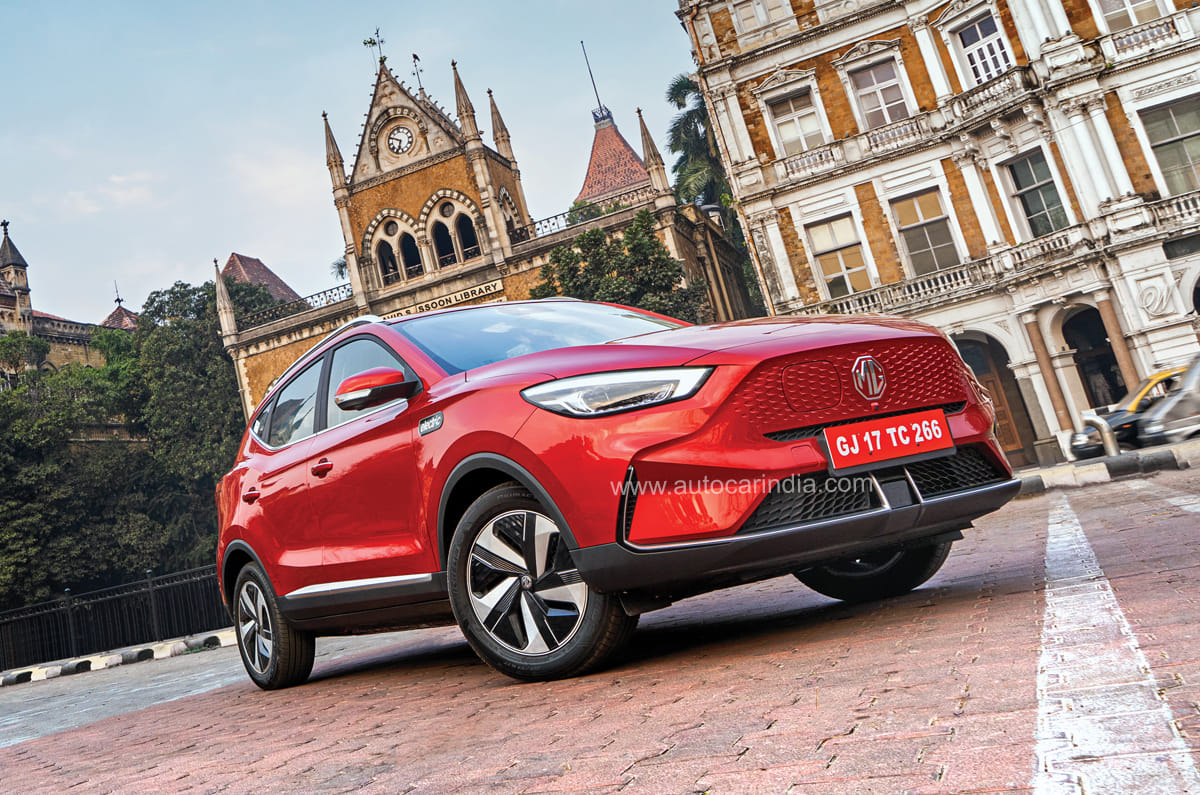
MG ZS EV
BaaS price: Rs 13 lakh + Rs 4.5 per km onwards
The ZS EV, MG’s first electric offering in India, received its mid-lifecycle update in 2022. However, it was only in September 2024 that MG introduced a BaaS scheme for the midsize electric SUV. The subscription fee for the ZS EV, which comes with a 50.3kWh battery pack, is Rs 4.5 per km – the same as that of the Windsor EV Pro. The upfront cost saving of up to Rs 5.24 lakh is the highest in MG’s electric line-up.
MG ZS EV ex-showroom prices (in Rs)
Variant
Non-BaaS price
BaaS price
Upfront saving
Executive 50.3kWh
17.99 lakh
13 lakh + 4.5 per km
4.99 lakh
Excite Pro 50.3kWh
18.75 lakh
13.51 lakh + 4.5 per km
5.24 lakh
Exclusive Pro 50.3kWh
19.75 lakh
14.51 lakh + 4.5 per km
5.24 lakh
Essence 50.3kWh
20.75 lakh
15.51 lakh + 4.5 per km
5.24 lakh
Toyota Urban Cruiser Ebella
BaaS price: Rs 15.25 lakh + Rs 4.99 per km
Toyota showcased its first EV for India, the Urban Cruiser Ebella, in January 2026 and revealed the price for its top-spec variant in May 2026. This E3 variant is powered by a 61kWh battery pack and offers a claimed range of 543km. Under the BaaS scheme, the E3’s upfront cost is Rs 15.25 lakh and the battery rental fee is Rs 4.99 per km – higher than the Rs 4.39 per km charged for its Maruti twin, the e Vitara.
Toyota Ebella EV ex-showroom prices (in Rs)*
Variant
Non-BaaS price
BaaS price
Upfront saving
E3
23.60 lakh
15.25 lakh + 4.99 per km
8.35 lakh
*Toyota hasn’t revealed the BaaS prices for all variants at the time of writing.
Top 10 Selling Cars in June: जून,2026 में भारत के कार मार्केट में टाटा मोटर्स पैसेंजर व्हीकल्स (TMPV) सबसे ज्यादा बढ़त हासिल करने वाली कंपनी रही। इस दौरान कंपनी की Punch SUV और Nexon SUV ने देश की टॉप 10 बिकने वाली कारों की सूची में पहला और दूसरा स्थान हासिल किया। वहीं, इस मजबूत प्रदर्शन के साथ कंपनी की घरेलू बिक्री में साल-दर-साल (y-o-y) 69% की बड़ी बढ़ोतरी दर्ज की गई।
इसके अलावा, Maruti Suzuki ने भी मार्केट में पकड़ बनाए रखते हुए लिस्ट में 6 मॉडल शामिल किए। जबकि Hyundai Motor India की Creta SUV प्रोडक्शन में कुछ समय की रुकावट के कारण लिस्ट से बाहर हो गई।
बता दें कि Tata Motors ने जून में घरेलू पैसेंजर व्हीकल (PV) की 63,083 यूनिट्स (इलेक्ट्रिक व्हीकल्स या EVs सहित) बेचीं, जो पिछले साल इसी महीने में 37,237 यूनिट्स थीं। कंपनी ने कहा कि Punch और Tiago के नए वर्जन्स को ‘बहुत जबरदस्त’ रिस्पॉन्स मिला है और सभी तरह के पावरट्रेन में बुकिंग तेजी से बढ़ी है, जबकि इलेक्ट्रिक कारों की बिक्री इस महीने रिकॉर्ड 14,800 यूनिट्स तक पहुंच गई।
पहले Punch SUV की बात करें तो, यह जून में भारत की सबसे ज्यादा बिकने वाली पैसेंजर व्हीकल बनी, जिसकी 21,006 यूनिट्स की बिक्री हुई। दूसरे नंबर पर Nexon रही, जिसकी 18,335 यूनिट्स बिकीं। तीसरे स्थान पर Maruti Suzuki की Dzire रही, जिसने 17,899 यूनिट्स की बिक्री के साथ देश की सबसे ज्यादा बिकने वाली सेडान का दर्जा बनाए रखा।
चौथे स्थान पर 16,952 यूनिट्स के साथ ‘Wagon R’ हैचबैक रही, जबकि ‘Ertiga’ MPV ने 16,111 यूनिट्स बेचकर टॉप पांच में जगह बनाई। Maruti Suzuki की ‘Swift’ हैचबैक 15,215 यूनिट्स के साथ छठे स्थान पर रही, और उसके बाद Mahindra ‘Scorpio’ SUV 14,097 यूनिट्स के साथ सातवें स्थान पर रही।
Maruti Suzuki की ‘Fronx’ SUV 13,135 यूनिट्स की बिक्री के साथ 8वें स्थान पर रही, जो ‘Baleno’ हैचबैक (12,488 यूनिट्स) से आगे रही। इसके अलावा, Hyundai की ‘Venue’ SUV 10,776 यूनिट्स की बिक्री के साथ टॉप 10 की लिस्ट में शामिल रही।
हालांकि टाटा मोटर्स ने टॉप 2 स्थान हासिल किए, लेकिन मारुति सुजुकी इस रैंकिंग में सबसे ज्यादा प्रतिनिधित्व करने वाली कंपनी रही, जिसके 6 मॉडल-Dzire, WagonR, Ertiga, Swift, Fronx और Baleno-टॉप 10 में शामिल रहे। इन मॉडल्स की कुल बिक्री 91,780 यूनिट रही, जो जून में टॉप 10 कारों की कुल बिक्री का 57% से ज्यादा है। इससे हैचबैक, सेडान, MPV और SUV सेगमेंट में कंपनी की मजबूत मौजूदगी का पता चलता है।
बता दें कि यह परफॉर्मेंस तब देखने को मिली जब जून में मारुति सुजुकी ने अपने मैन्युफैक्चरिंग प्लांट्स में एक हफ्ते के लिए मेंटेनेंस के कारण काम बंद रखा था, जिस दौरान कोई गाड़ी नहीं बनी थी।
रैंकिंग में Hyundai Creta का नाम नहीं
जून की रैंकिंग में एक खास नाम जो गायब था, वह है Hyundai Creta; यह कार देश की सबसे ज्यादा बिकने वाली कारों में हमेशा शामिल रही है। इसके रैंकिंग में शामिल न होने के पिछे एक सप्लायर प्लांट में आग लगने की वजह रही है, जिससे प्रोडक्शन में कुछ समय के लिए रुकावट आई और होलसेल बिक्री पर असर पड़ा। इसी कारण यह SUV टॉप 10 की लिस्ट से बाहर हो गई।
एक और खास नाम जो लिस्ट में नहीं था, वह है Maruti Suzuki Brezza SUV। इस महीने के आखिर में इसके अपडेटेड वर्जन के लॉन्च से पहले इसकी सप्लाई पर असर पड़ा था।
जून की रैंकिंग से भारतीय खरीदारों के बीच SUV की लगातार लोकप्रियता का भी पता चला। टॉप 10 में पांच SUV – पंच, नेक्सॉन, स्कॉर्पियो, फ्रॉन्क्स और वेन्यू – शामिल थीं। वहीं, डिजायर ने SUV के ट्रेंड से अलग अपनी जगह बनाए रखी और भारत की सबसे ज़्यादा बिकने वाली सेडान बनी रही।
जून की रैंकिंग से यह भी साफ हुआ कि भारतीय बाजार में SUV की लोकप्रियता लगातार बनी हुई है। टॉप 10 में कुल 5 SUV-Punch, Nexon, Scorpio, Fronx और Venue-शामिल रहीं। वहीं Dzire ने SUV ट्रेंड से अलग अपनी जगह बनाए रखी और देश की सबसे ज्यादा बिकने वाली सेडान बनी रही।
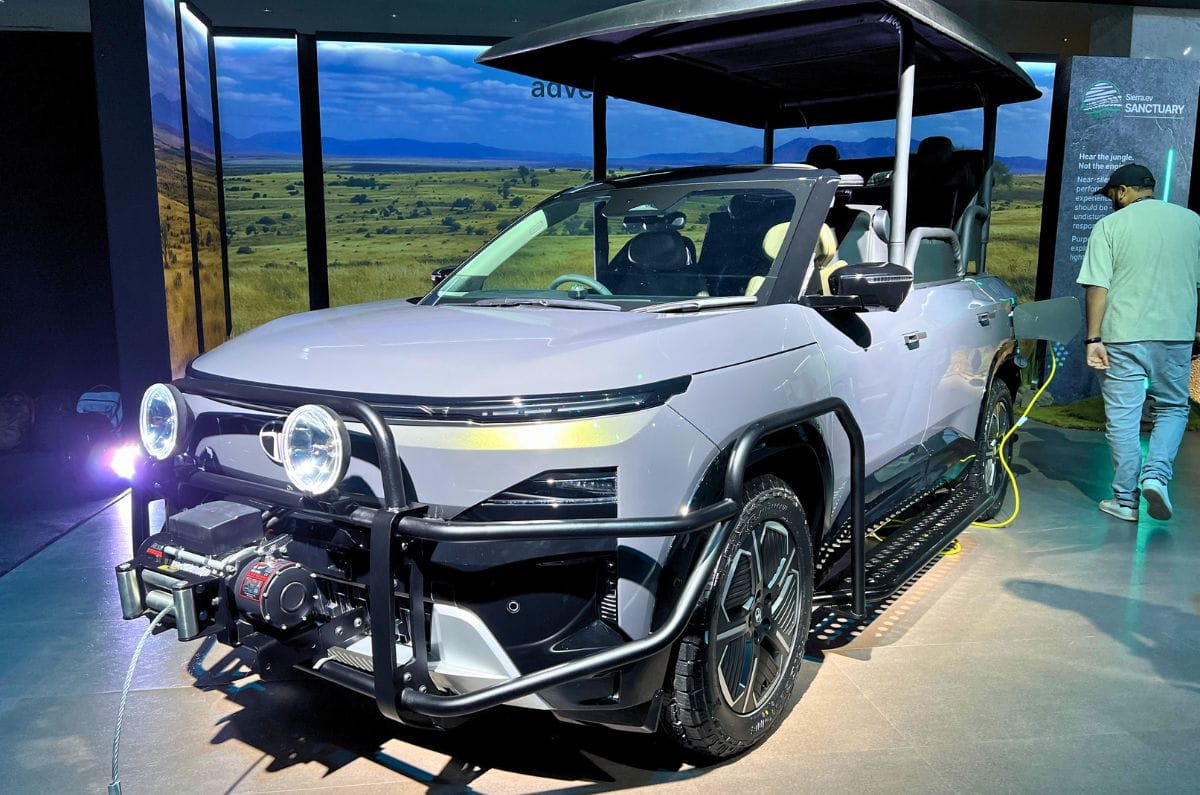
Along with the regular variants of the Sierra EV, Tata Motors has also unveiled the Sanctuary Edition. As its name suggests, the Tata Sierra EV Sanctuary Edition is specifically meant to take occupants out into the wilderness without disturbing the wildlife with the sound and emissions from a combustion-powered vehicle. Tata is yet to disclose the price of the Sierra EV Sanctuary Edition, but it will be offered in multiple colours and various accessories to accommodate a safari outing.
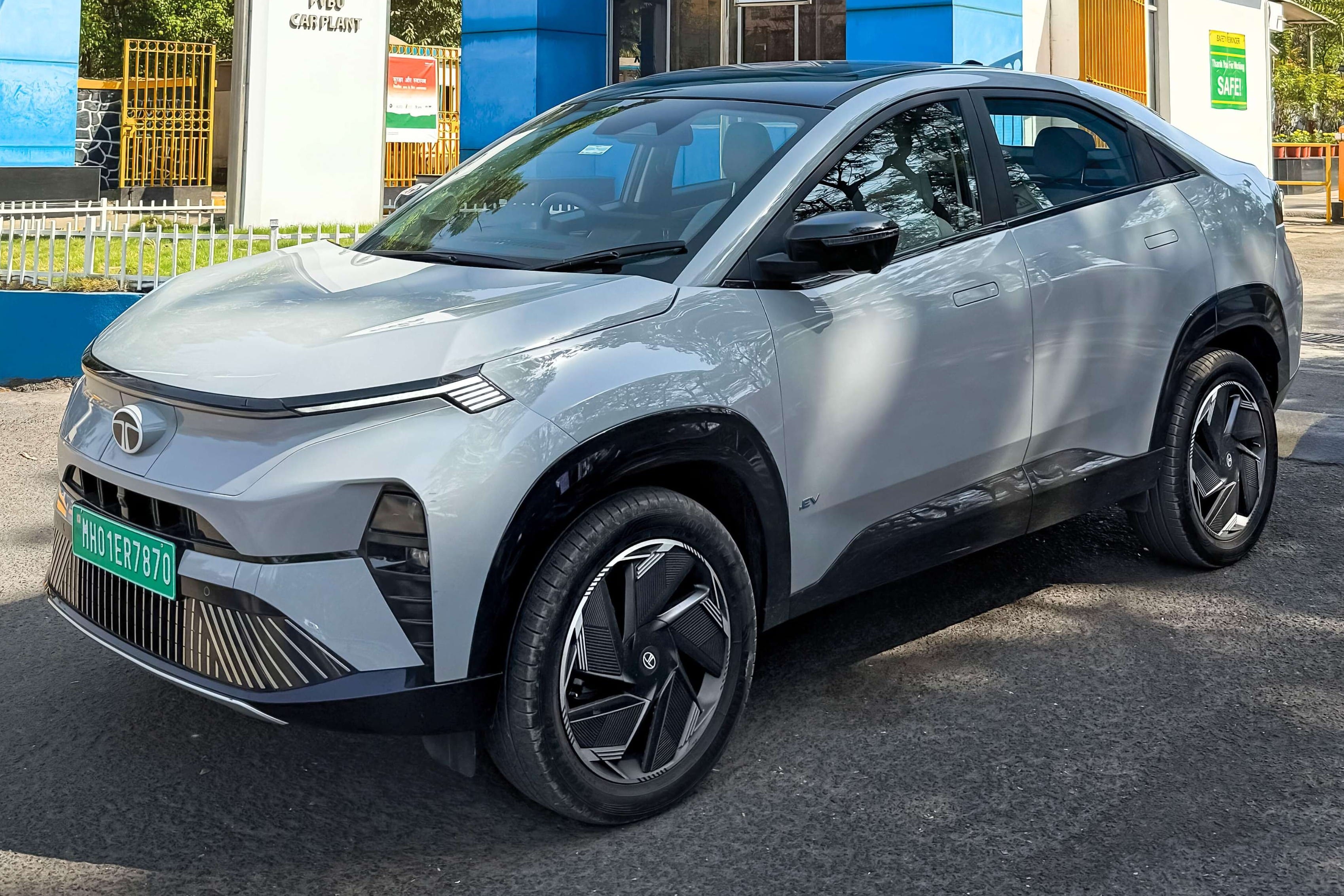
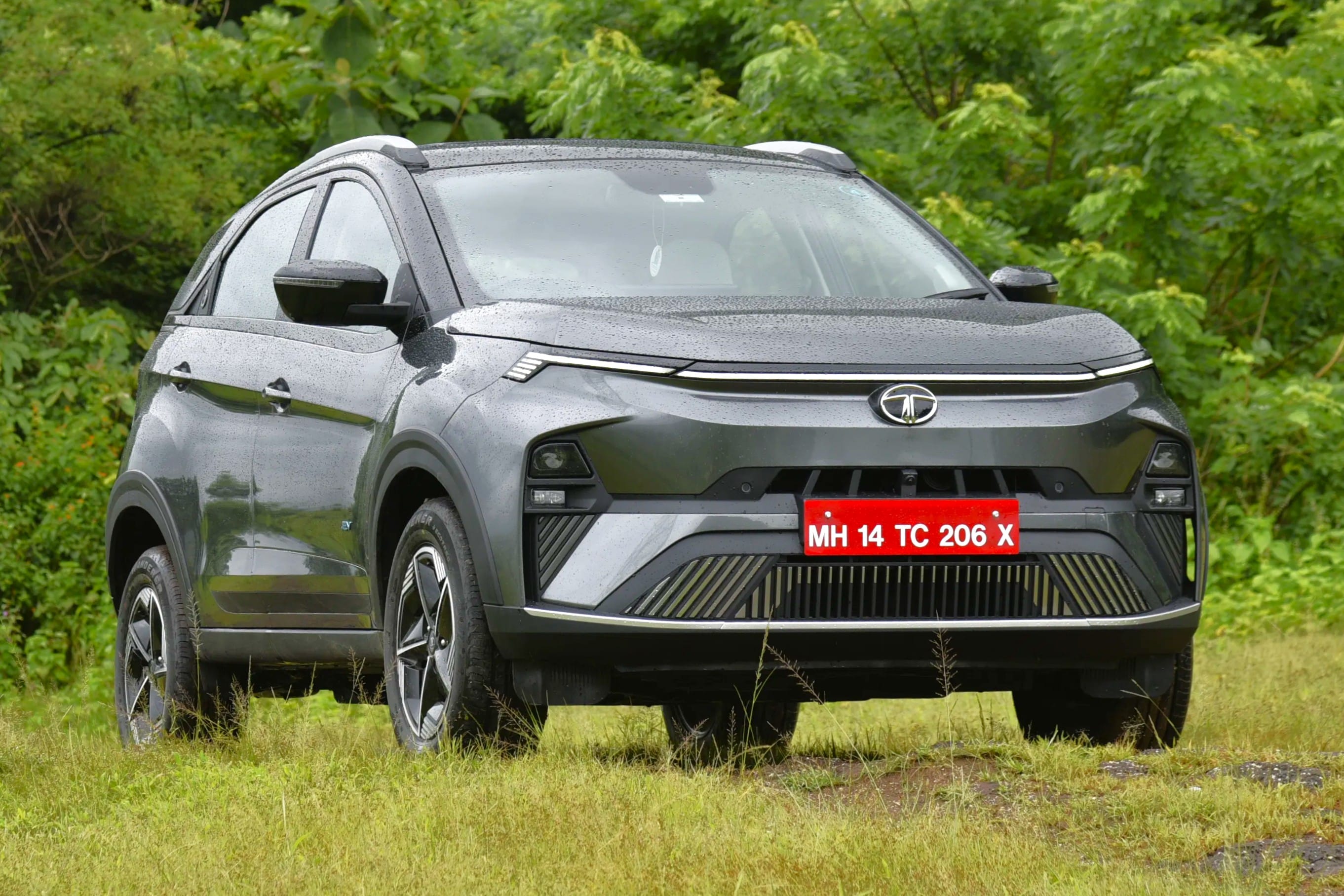
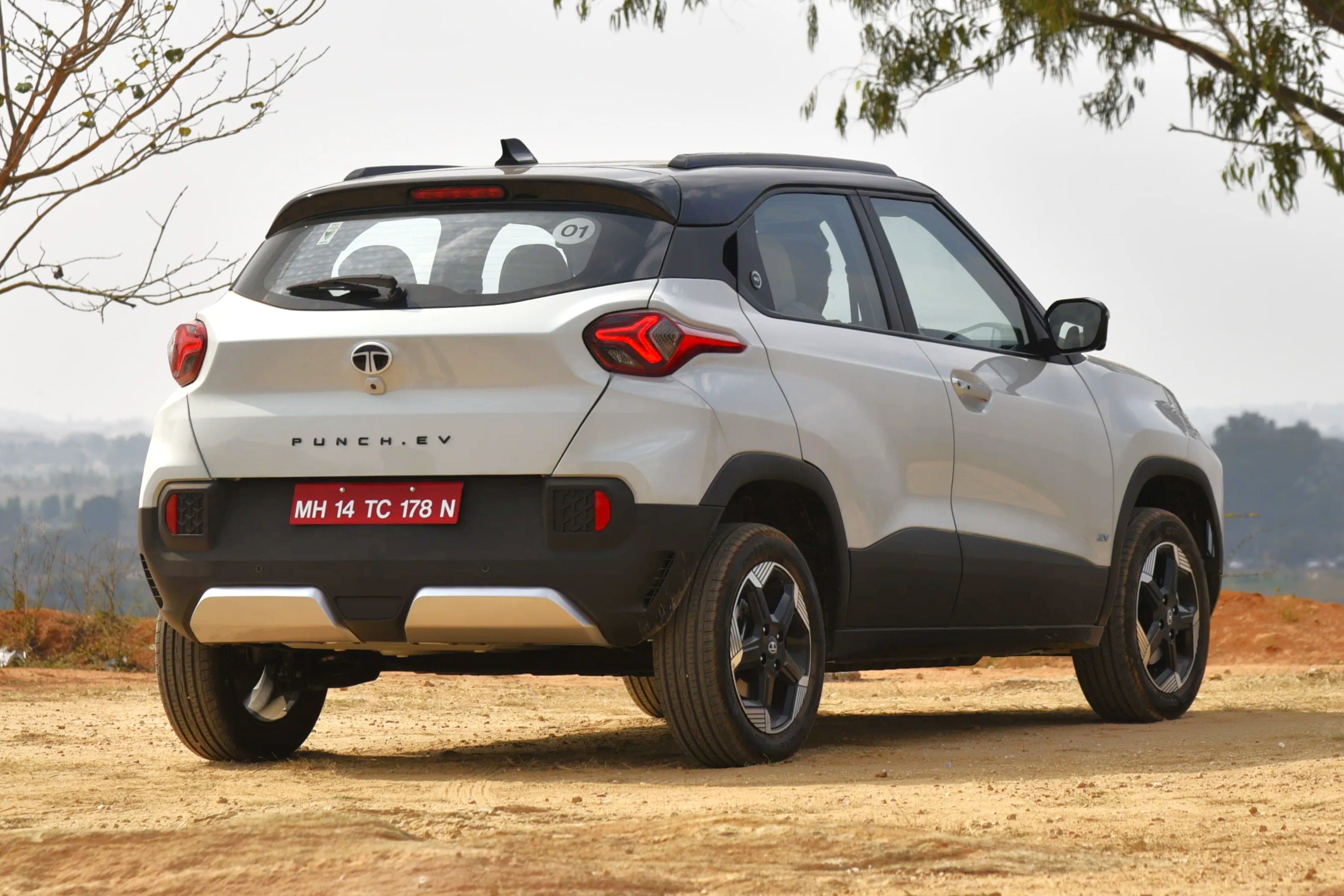
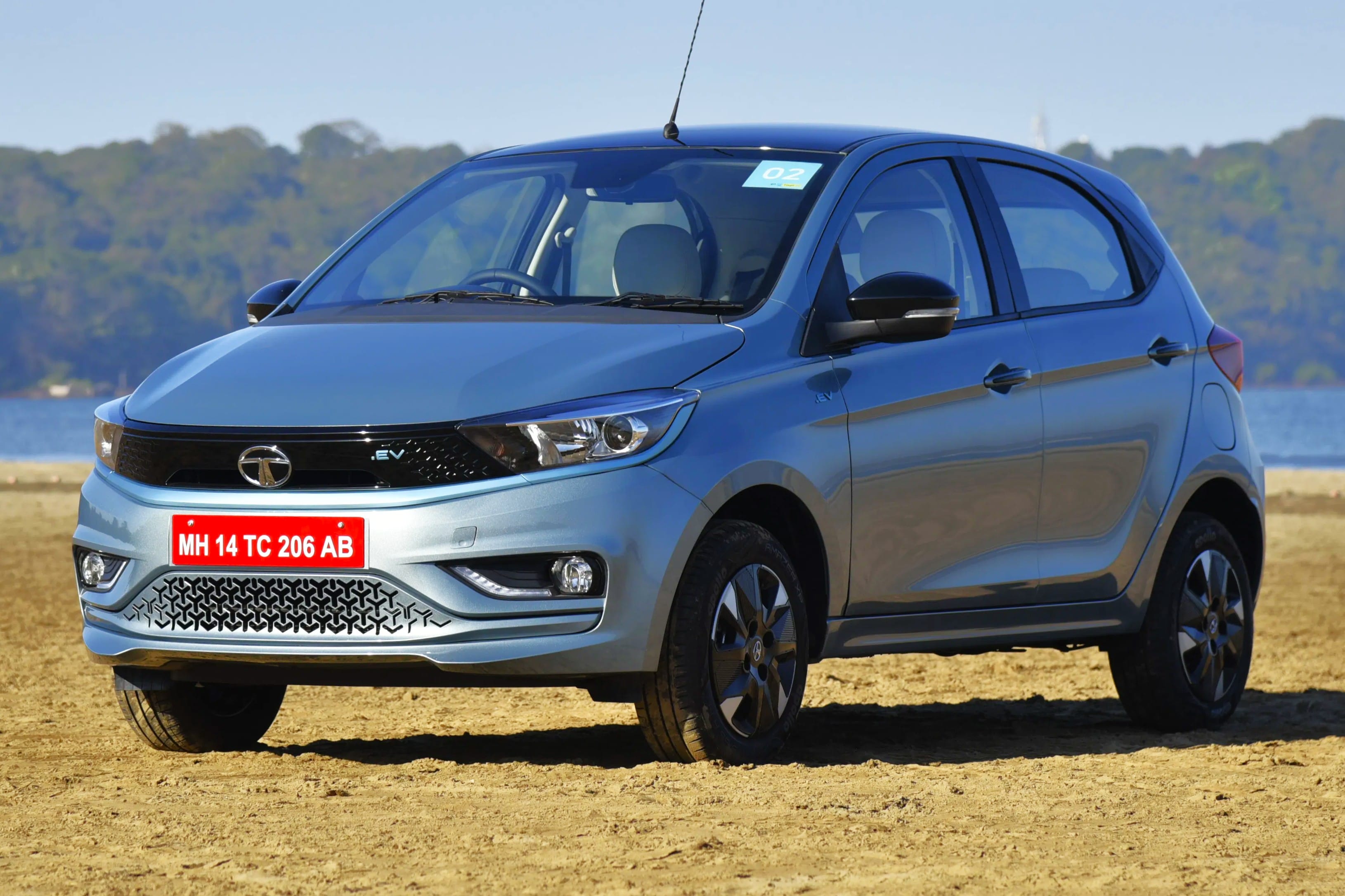
Tata Motors is rolling out compelling benefits on electric offerings like the Harrier EV, Nexon EV, Curvv EV, and more throughout July. Depending on the model, buyers can take advantage of green bonuses (cash discounts), exchange/scrappage offers, loyalty offers, among other benefits.
Disclaimer: Discounts vary from city to city and are subject to stock availability. Check with your local dealership for exact figures.
Tata Harrier EV discounts in July 2026
Up to Rs 2.75 lakh off
All variants of Tata’s current flagship electric offering, the Harrier EV, are available with discounts of up to Rs 2.75 lakh this month. No cash discount is offered, but you do get an exchange/scrappage offer of up to Rs 75,000, a Rs 1 lakh loyalty bonus and an intervention benefit of Rs 1 lakh. The Harrier EV price starts from Rs 21.49 lakh and tops off at Rs 28.99 lakh, excluding home charger costs and premiums for cosmetic packages.
Tata Curvv EV discounts in July 2026
Up to Rs 3.35 lakh off
Like last month, the Curvv EV features the highest discounts of any Tata EV in July. The variants that were available prior to the Curvv EV’s SeriesX update in May 2026 can be had with benefits of up to a whopping Rs 3.35 lakh, which includes a Rs 3 lakh cash discount and an exchange/scrappage bonus of up to Rs 35,000.
However, the base Curvv EV Creative variant (pre-SeriesX) gets a lower Rs 2.5 lakh cash discount instead, bringing its total benefit to Rs 2.85 lakh. As for the currently available Curvv X variants, there is no cash discount, only an exchange/scrappage offer of up to Rs 35,000 and a Rs 30,000 loyalty bonus, making for a total benefit of Rs 65,000. The Curvv EV price range is Rs 16.99 lakh-19.19 lakh.
Tata Nexon EV discounts in July 2026
Up to Rs 50,000 off
Across all variants, the Nexon EV can be purchased with discounts of up to Rs 50,000, which comprise a Rs 15,000 cash discount and an exchange/scrappage offer of up to Rs 35,000. Prices for the Nexon EV start at Rs 12.49 lakh and extend to Rs 17.49 lakh, excluding premiums for cosmetic packages.
Tata Punch EV discounts in July 2026
Up to Rs 1.45 lakh off
Tata still has inventory of the pre-facelift Punch EV and is offering maximum benefits of Rs 1.45 lakh on its LR variants, comprising a Rs 1.1 lakh cash discount and an exchange/scrappage offer of up to Rs 35,000. The MR variants, excluding the entry-level Smart and Smart+, get a Rs 90,000 cash discount instead, which works out to a total benefit of Rs 1.25 lakh. Lastly, the Smart and Smart+ variants feature a Rs 60,000 cash discount, computing to benefits of up to Rs 95,000.
Tata Tiago EV discounts in July 2026
Up to Rs 1.45 lakh off
Like the Punch EV, the pre-facelift Tiago EV is also available with benefits of up to Rs 1.45 lakh for the mid-spec LR XT variant, comprising a Rs 70,000 cash discount, an exchange/scrappage offer of up to Rs 25,000, and an intervention benefit of Rs 50,000. The higher-spec XZ+ LR variants get a higher Rs 1 lakh cash discount, but no intervention benefit, leading to a maximum benefit of Rs 1.25 lakh. Finally, all MR variants of the pre-facelift Tiago EV get a Rs 40,000 cash discount instead, which works out to a total benefit of Rs 65,000.