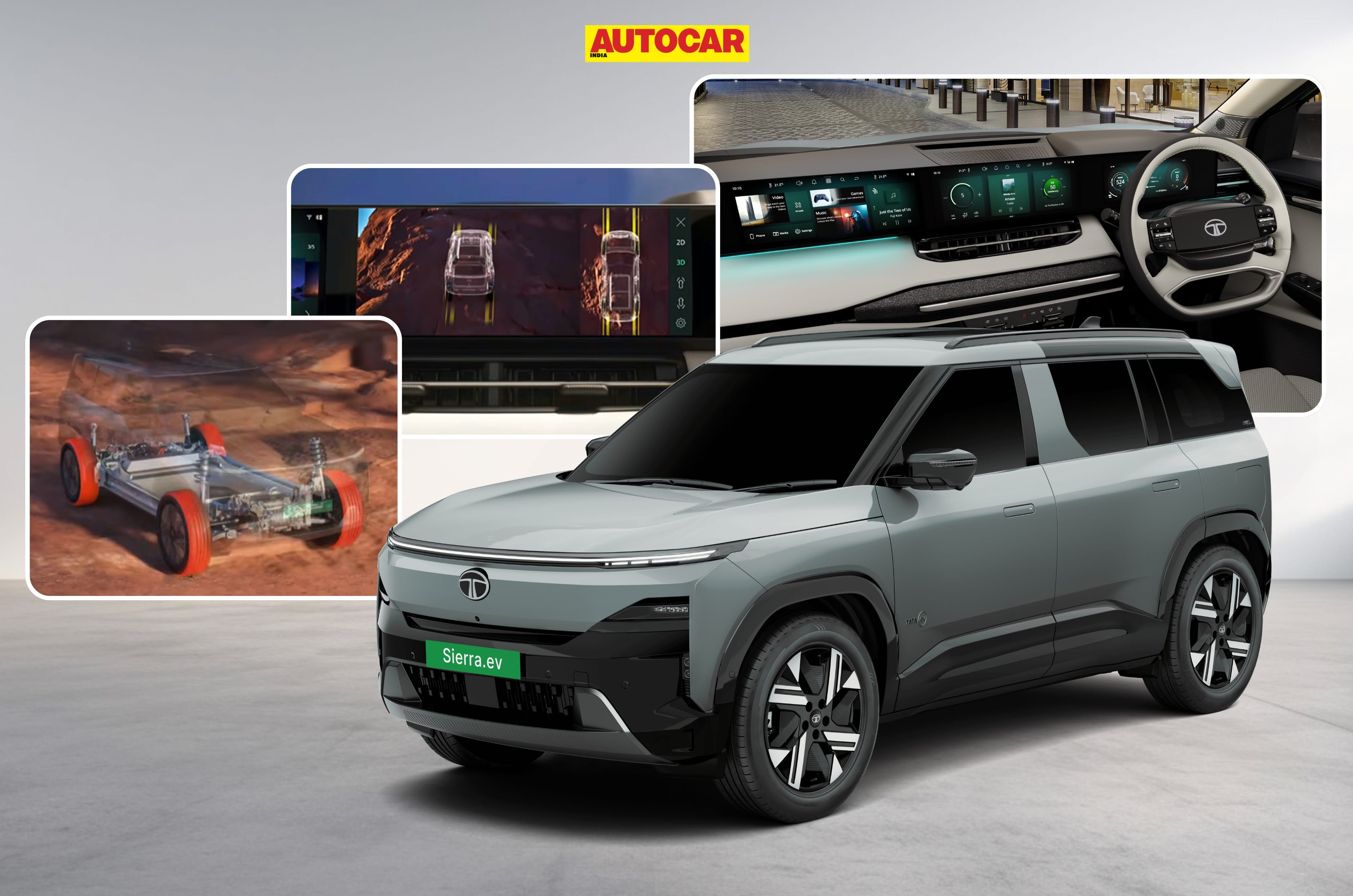
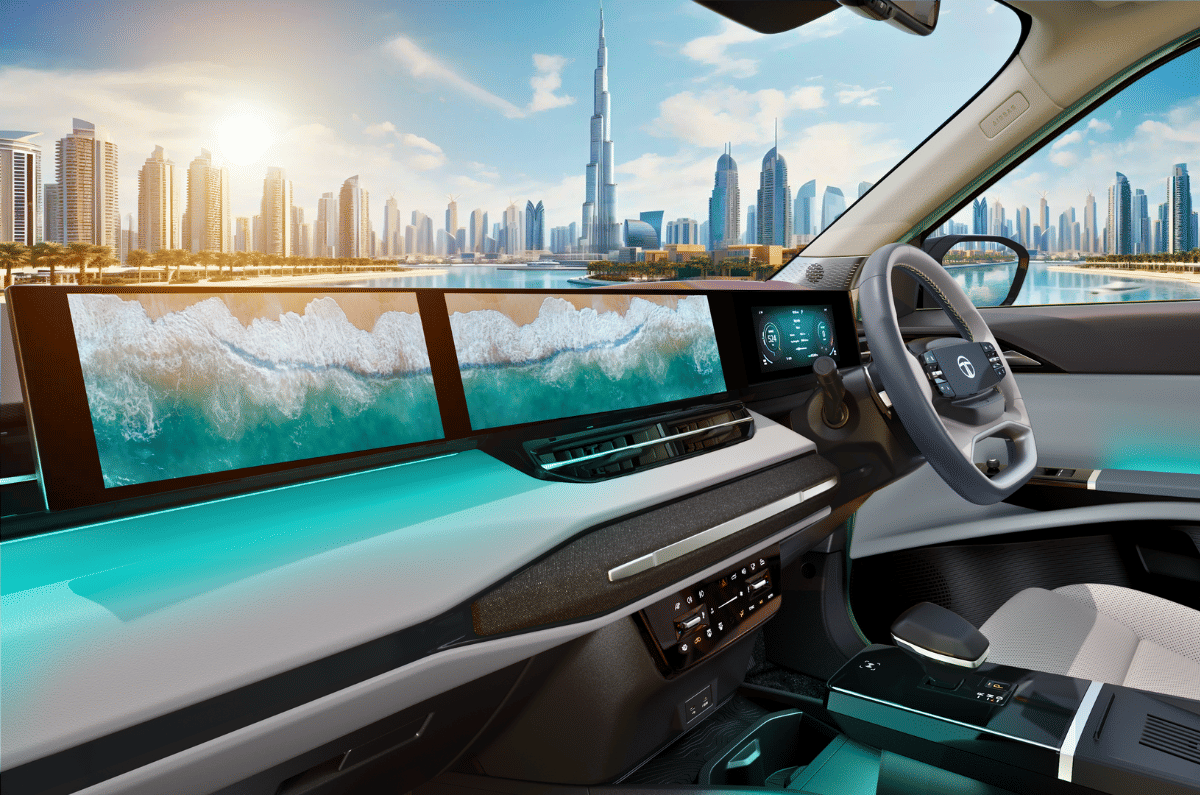
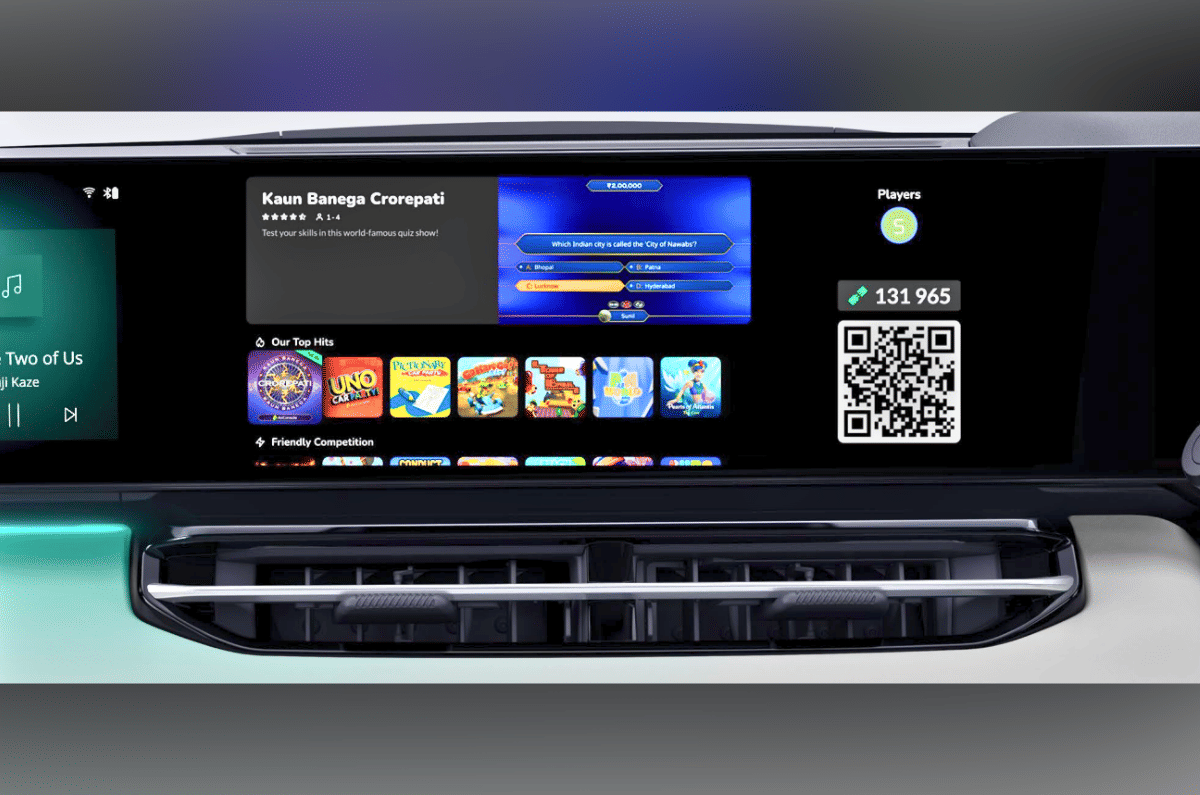
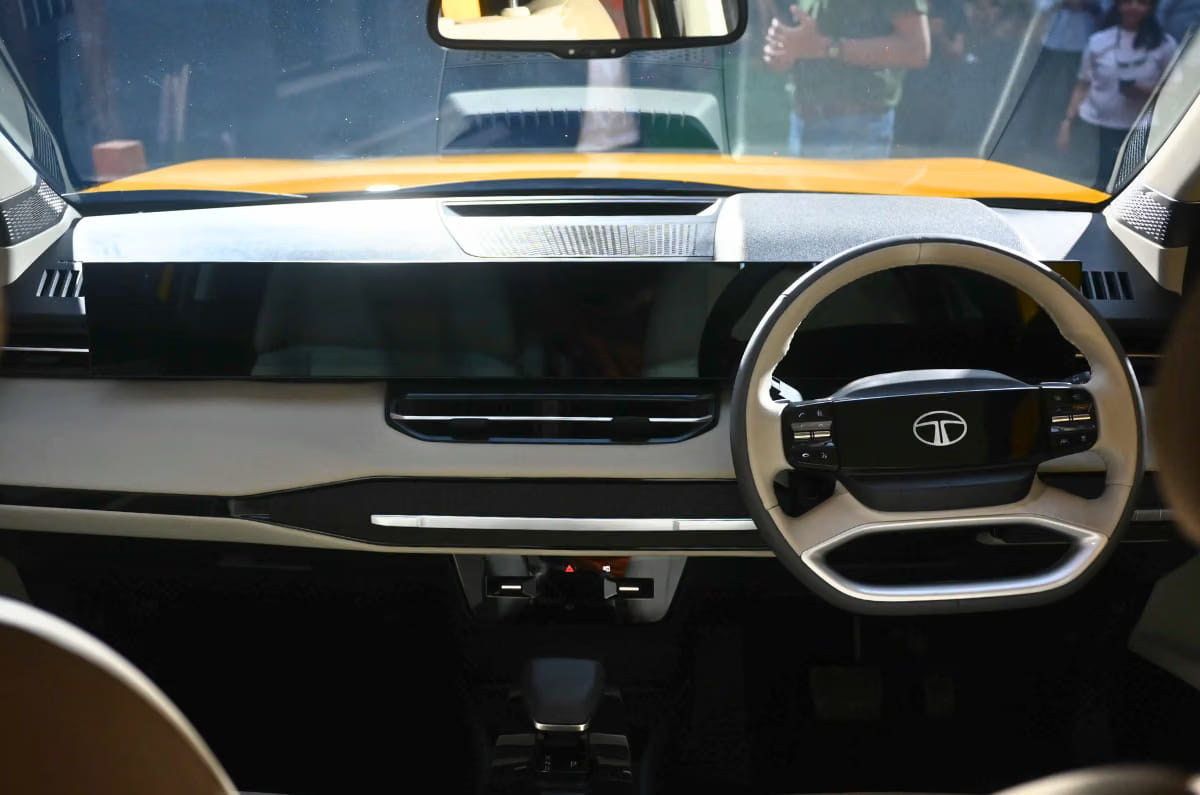
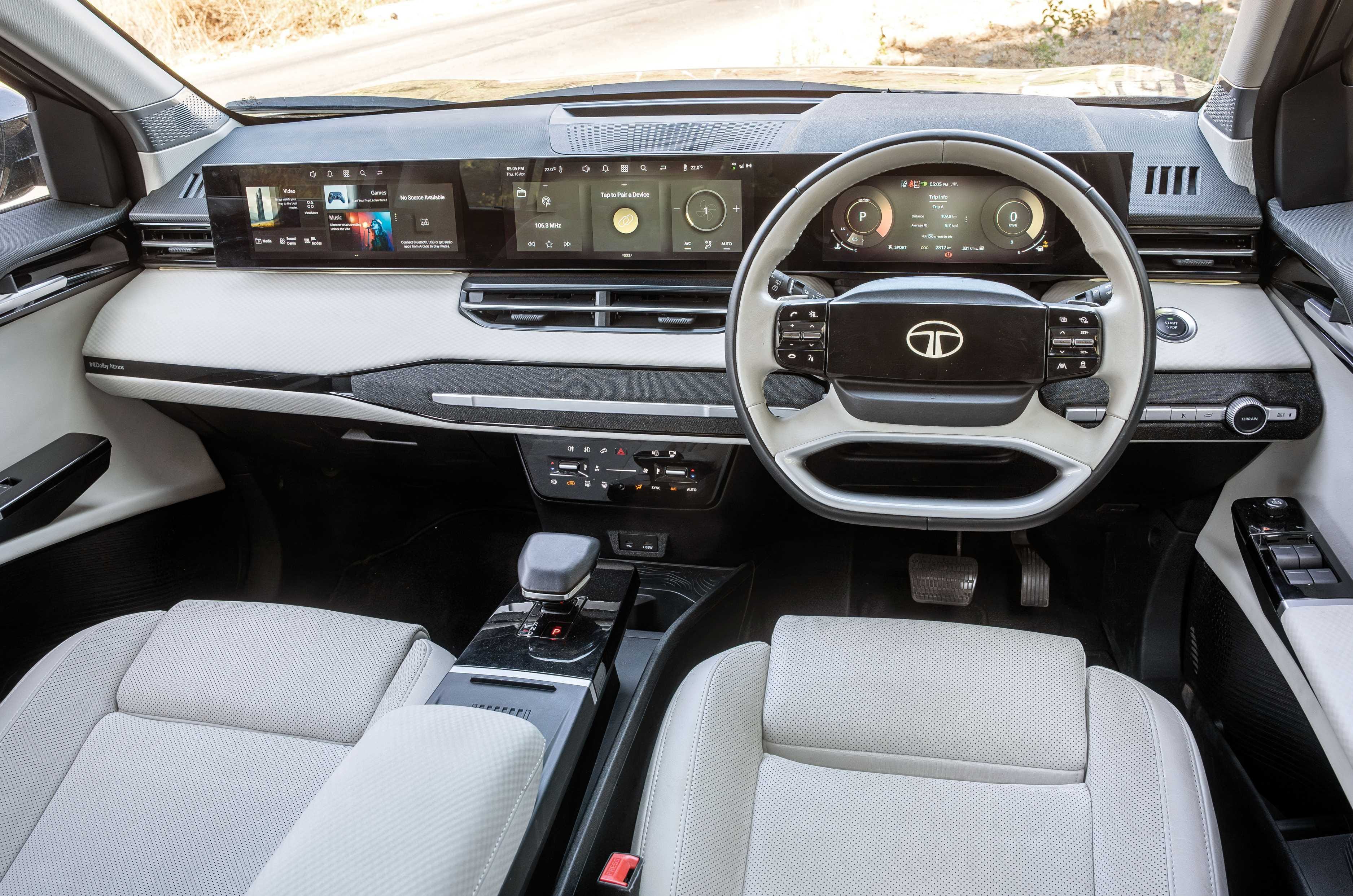
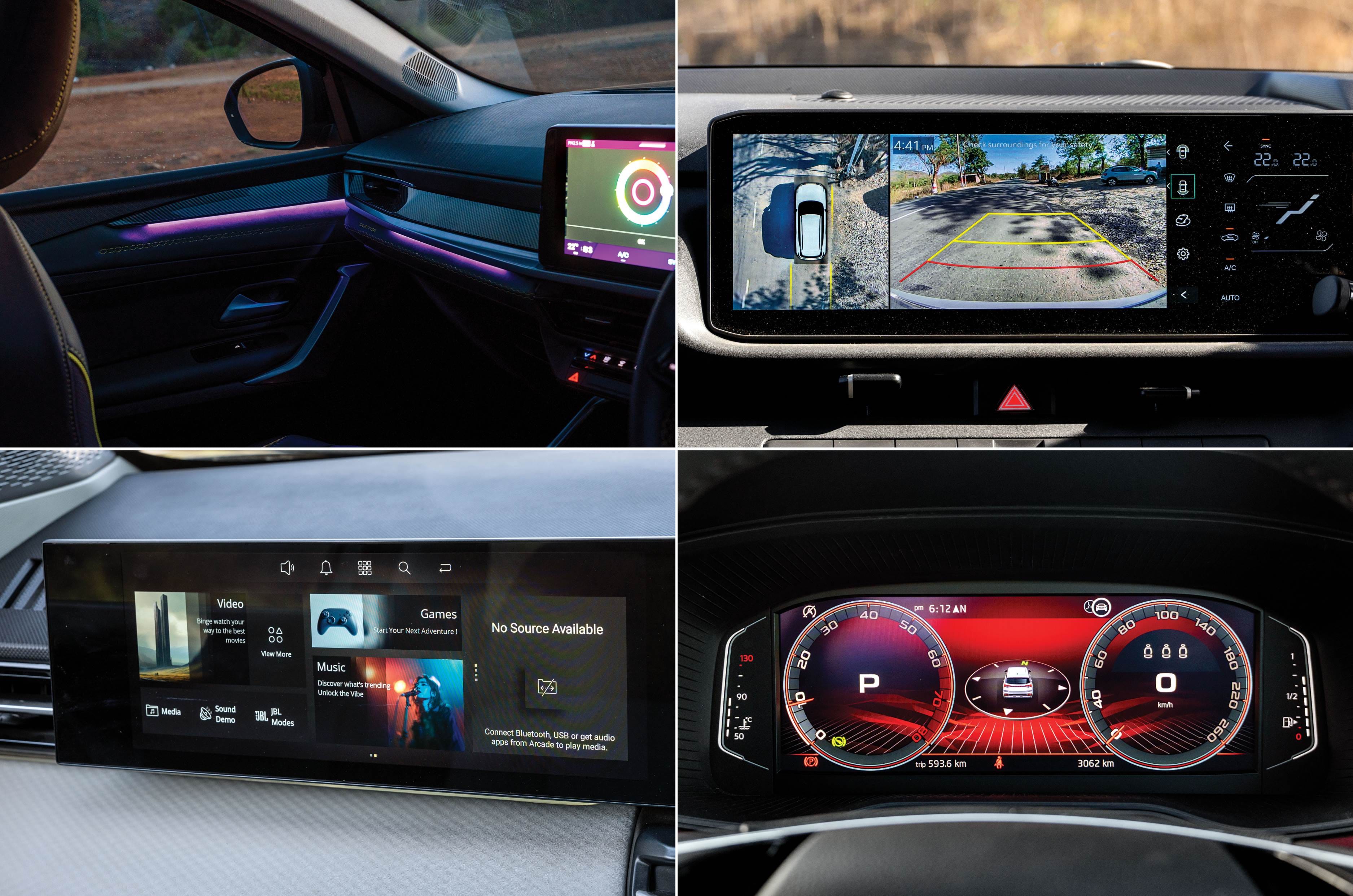
Unlike the dual-screen setup of rivals, the Sierra EV gets three screens: 12.3-inch touchscreen, a 12.3-inch instrument cluster and a 10.25-inch passenger screen. The latter unit gives the co-driver a dedicated touchscreen for entertainment. There’s Dolby Atmos support as well, just like the BE 6, but Tata claims the Sierra EV is the first car in India to bring the surround sound technology to Apple CarPlay.
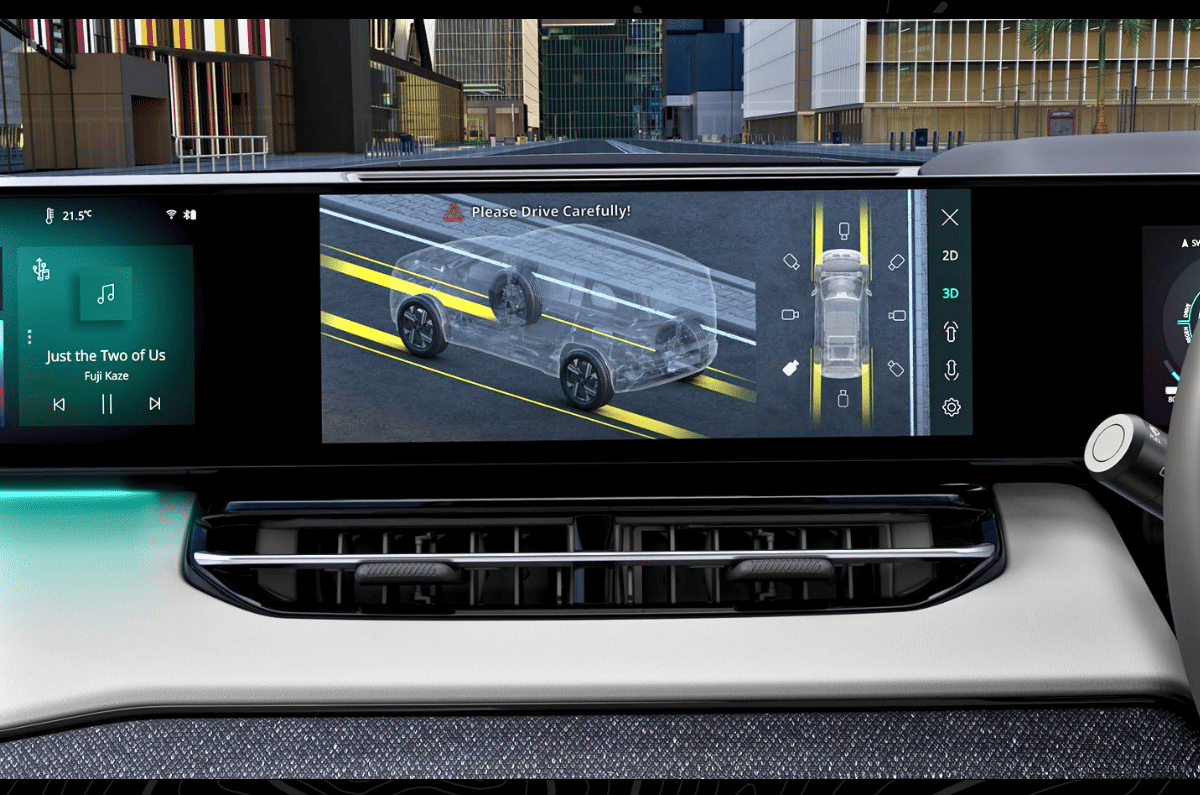
540-degree camera
A 360-degree camera, as the name suggests, gives a surround view of the area around the car, but a 540-degree camera goes a step further by showing what’s underneath the vehicle. This can be useful while off-roading, as it helps the driver see where the wheels are placed and better understand the terrain below.
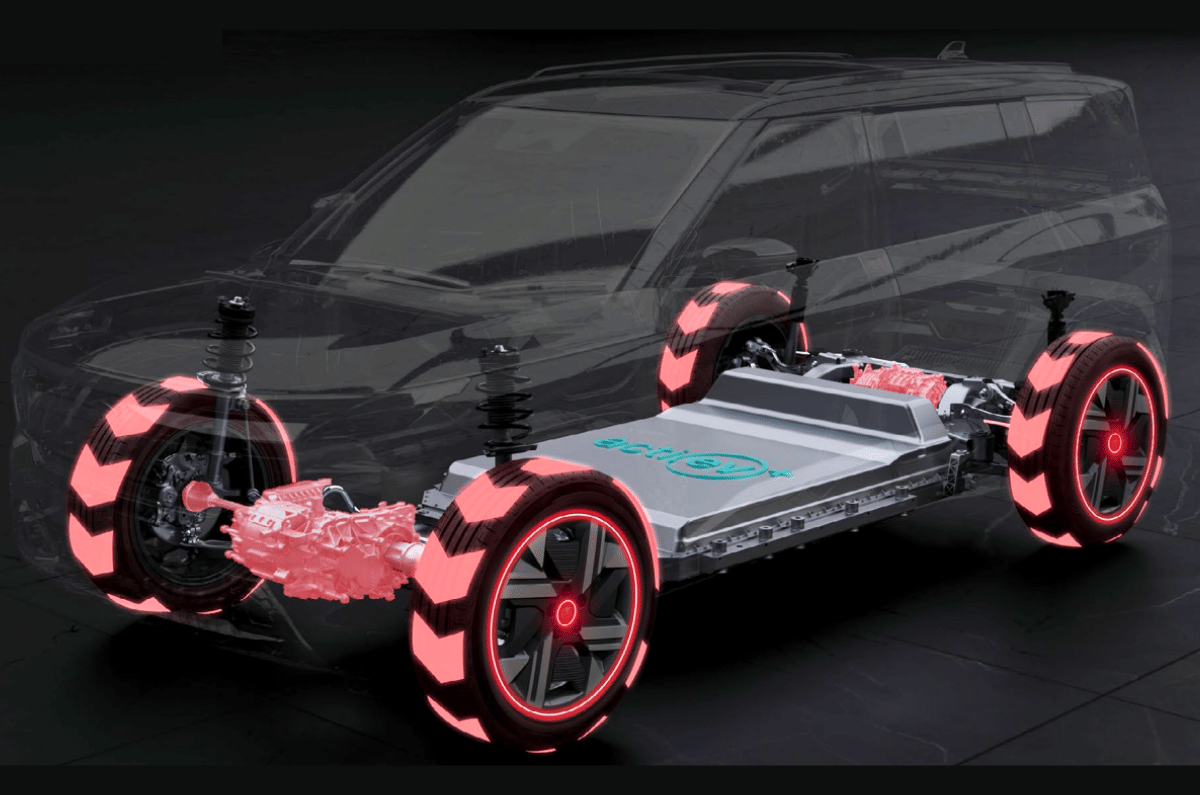
All-wheel drive
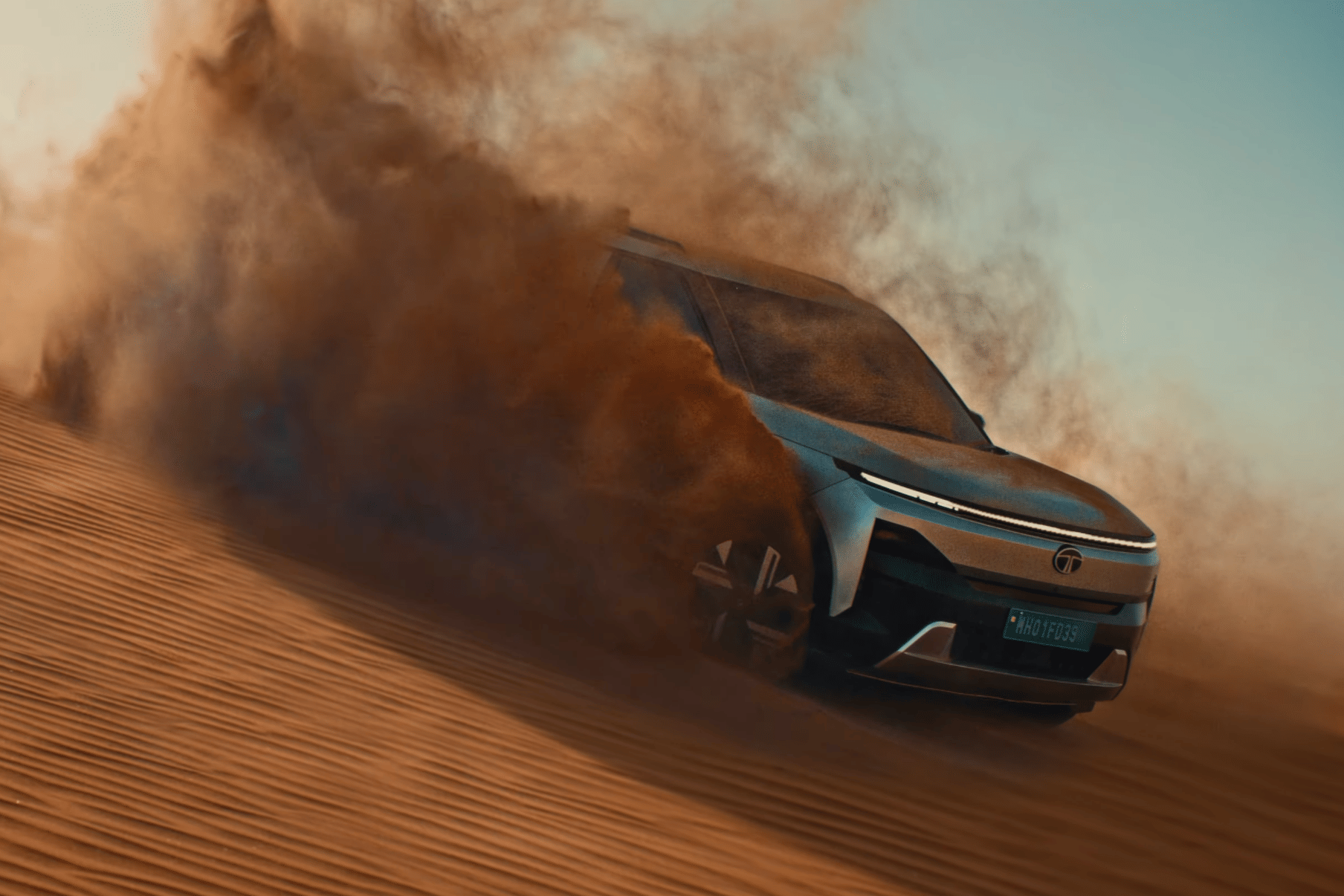
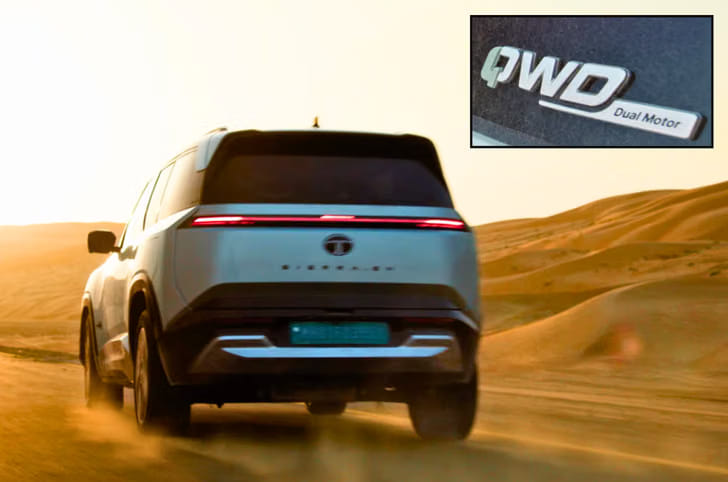
Speaking of off-roading again, Tata Motors has equipped the Sierra EV with electric motors at both the front and rear, which enable all-wheel-drive (AWD). Not only is AWD a standout feature in this segment, it also makes the Sierra EV the quickest among its rivals, with a claimed 0-100kph time of 5.8 seconds; the BE 6 has the next best sprint time at 6.7 seconds (claimed), which is nearly a second more than the Sierra. This is with the 75kWh battery pack, which uses a 140hp front motor and a 209hp rear motor, producing a combined 504Nm of torque.
Remote gaming support
The Sierra EV comes with AirConsole, which turns the infotainment screen into a multiplayer gaming console. Even better, players can use their smartphones as game controllers, eliminating the need to poke at the touchscreen while playing. This can help keep occupants entertained, especially during charging breaks.
Tata Sierra EV price vs rivals
The top-spec Tata Sierra EV Empowered A AWD variant, which gets all of the above mentioned standout features, costs Rs 25.99 lakh, ex-showroom. That makes it costlier than most of it rivals at the top-end, save for the Rs 26.9 lakh-Mahindra BE 6 Pack Three (price is exclusive of home charger and installation costs). Despite being priced Rs 91,000 lower than the Mahindra EV, the Tata Sierra EV makes a strong case for itself by offering both standout features and an AWD setup.
Built on the same Acti.ev+ architecture as the Tata Harrier EV, the Sierra EV borrows the larger SUV’s TiDAL E&E architecture. Battery options comprise 63kWh and 75kWh units, both of which get a single rear-mounted motor (RWD) as standard, with the larger pack additionally offering a dual-motor AWD layout as well, which makes 504Nm. With Boost Mode enabled, the Sierra EV AWD accelerates from 0-100kph in a claimed 5.8 seconds.
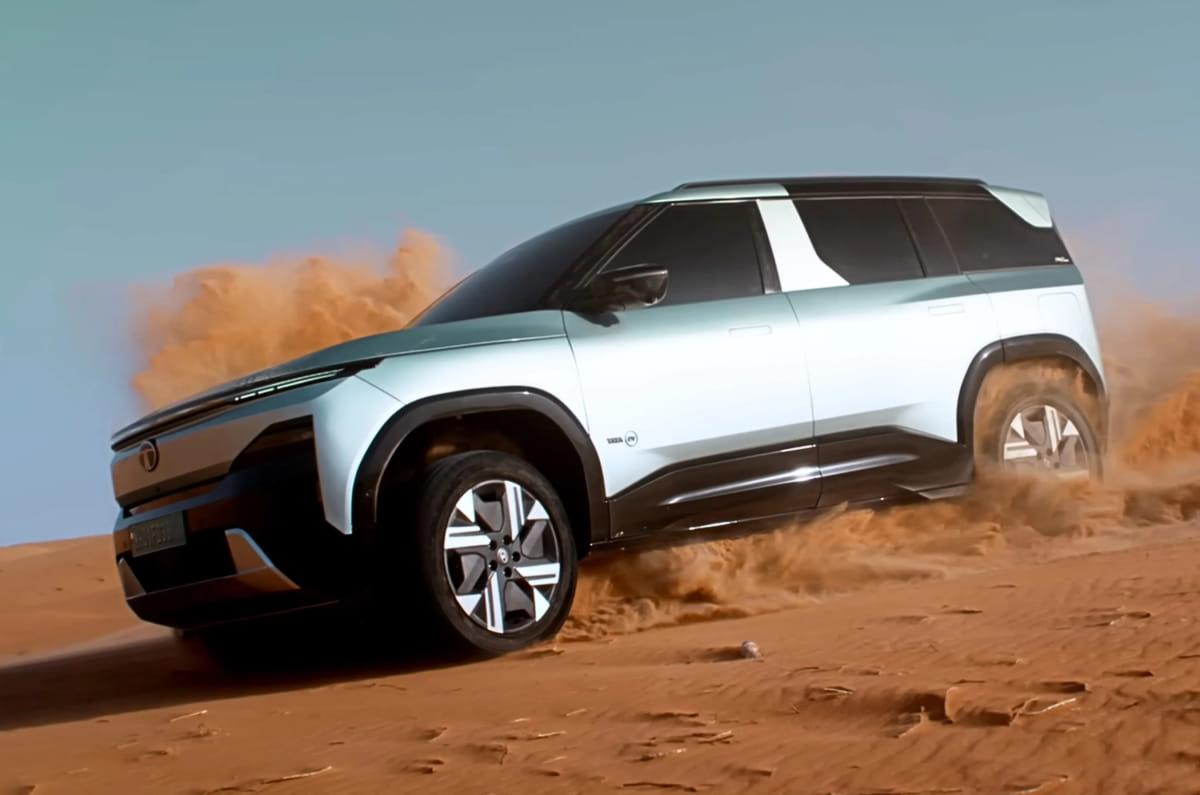
The Sierra EV AWD also comes with off-road-centric features like six terrain modes (Normal, Grass/Snow, Mud/Gravel, Sand, Rock Crawl, and Custom), low-speed cruise control, and a 540-degree camera (360-degree surround with underfloor view.
Coming to MIDC-certified range, the Sierra EV claims up to 665km for its 75kWh variants and 565km for the 63kWh versions. Tata also boasts a range top-up of up to 263km in 15 minutes when using a 120kW DC fast charger, with a 20-80 percent charge taking around 26 minutes. Like the rest of Tata’s EV line-up, the Sierra EV also comes with a lifetime battery warranty, which actually just refers to the 15-year period from the date of registration.
Tata Sierra EV exterior design
Mostly similar to the ICE Sierra on the outside
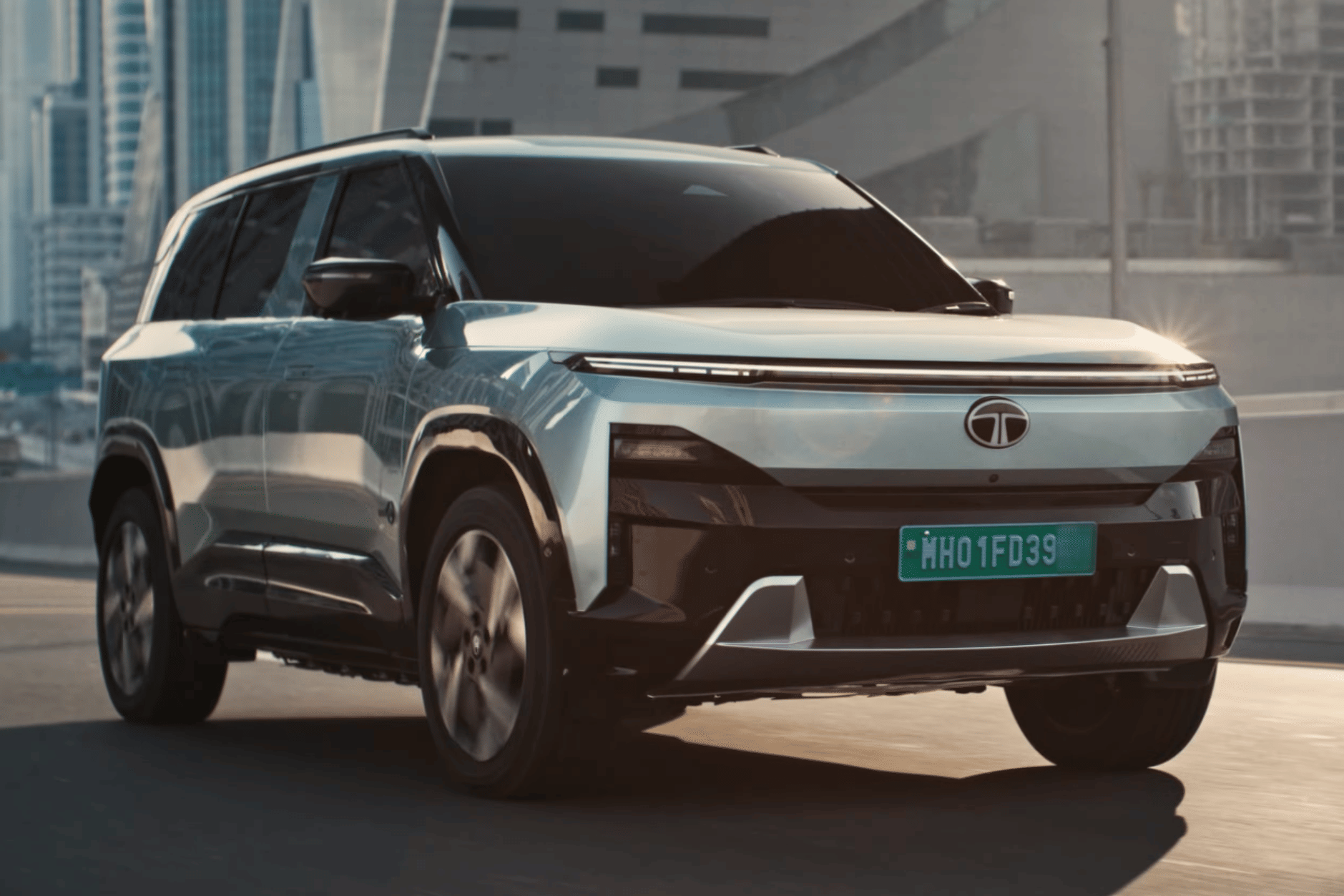
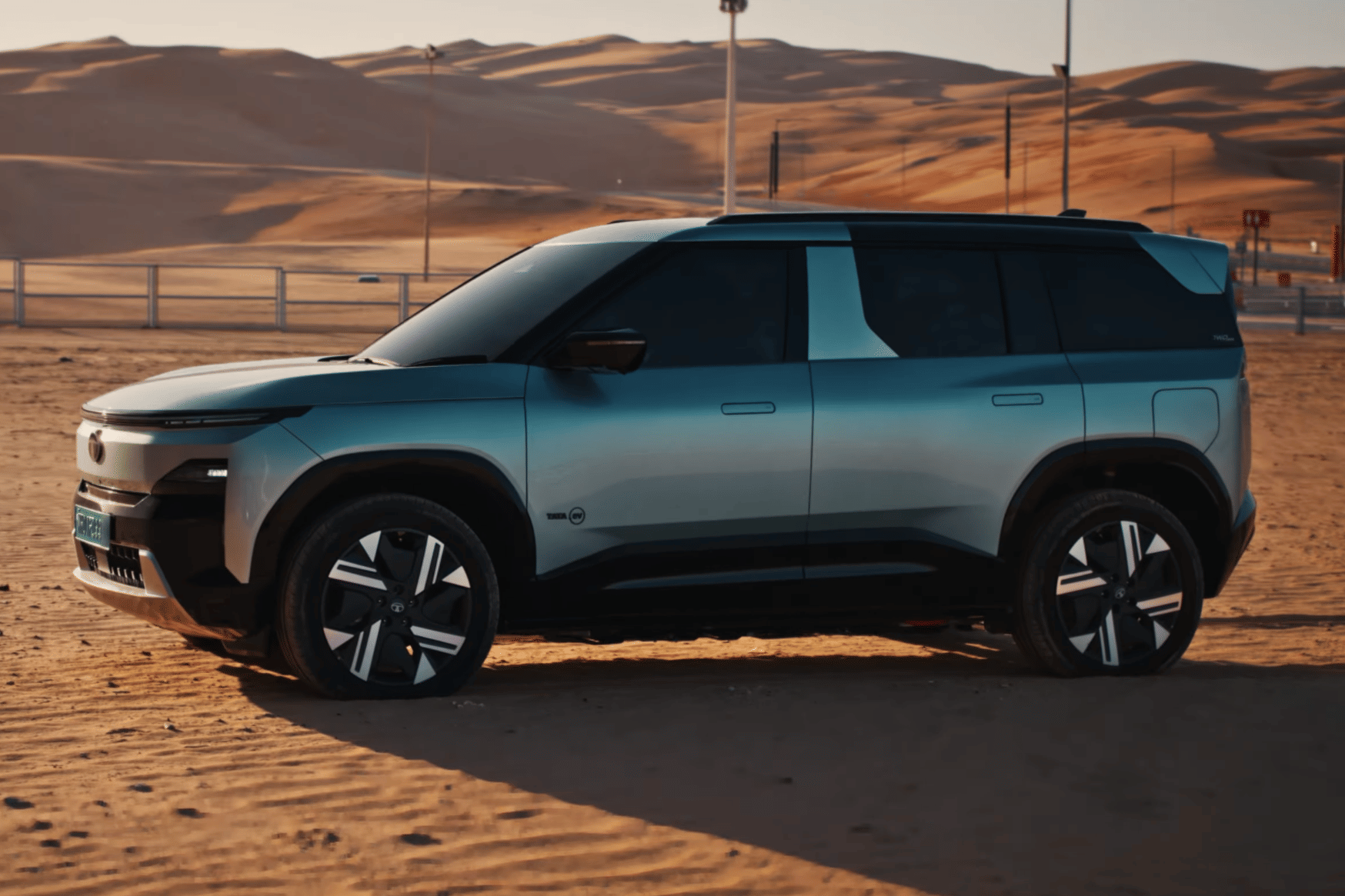
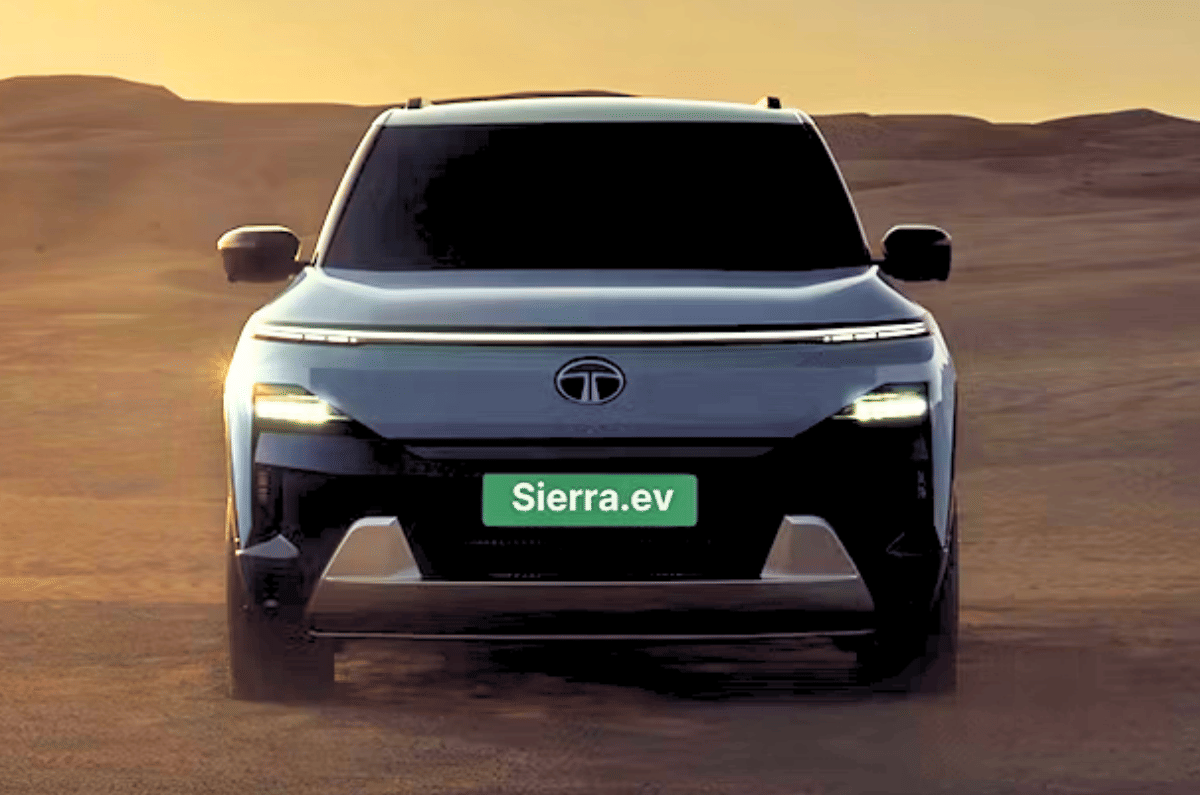
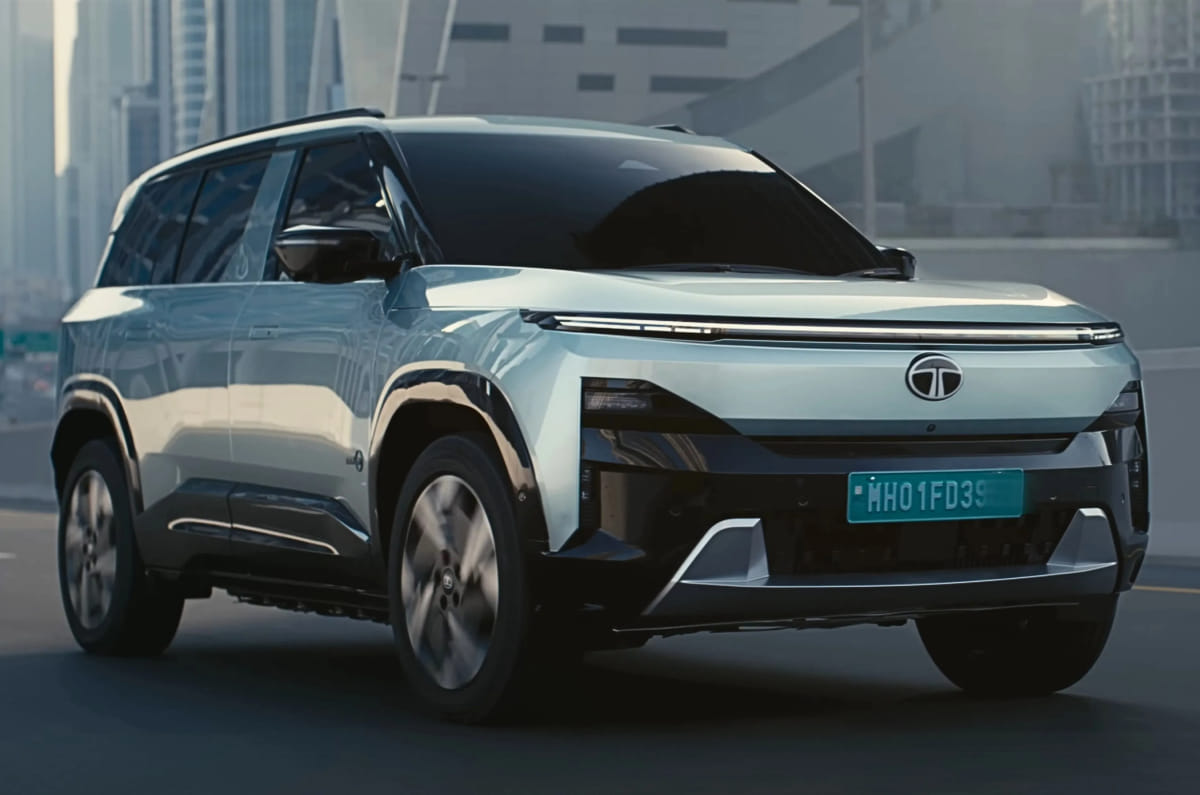
As is the case with Tata’s electric cars, the Sierra EV looks largely similar to its ICE counterpart, but with minor distinctions. The front end of the Sierra EV ditches the full-width blacked-out section between the light bar and headlamps that the ICE version has, and it doesn’t sport ‘SIERRA’ lettering above the Tata emblem too.
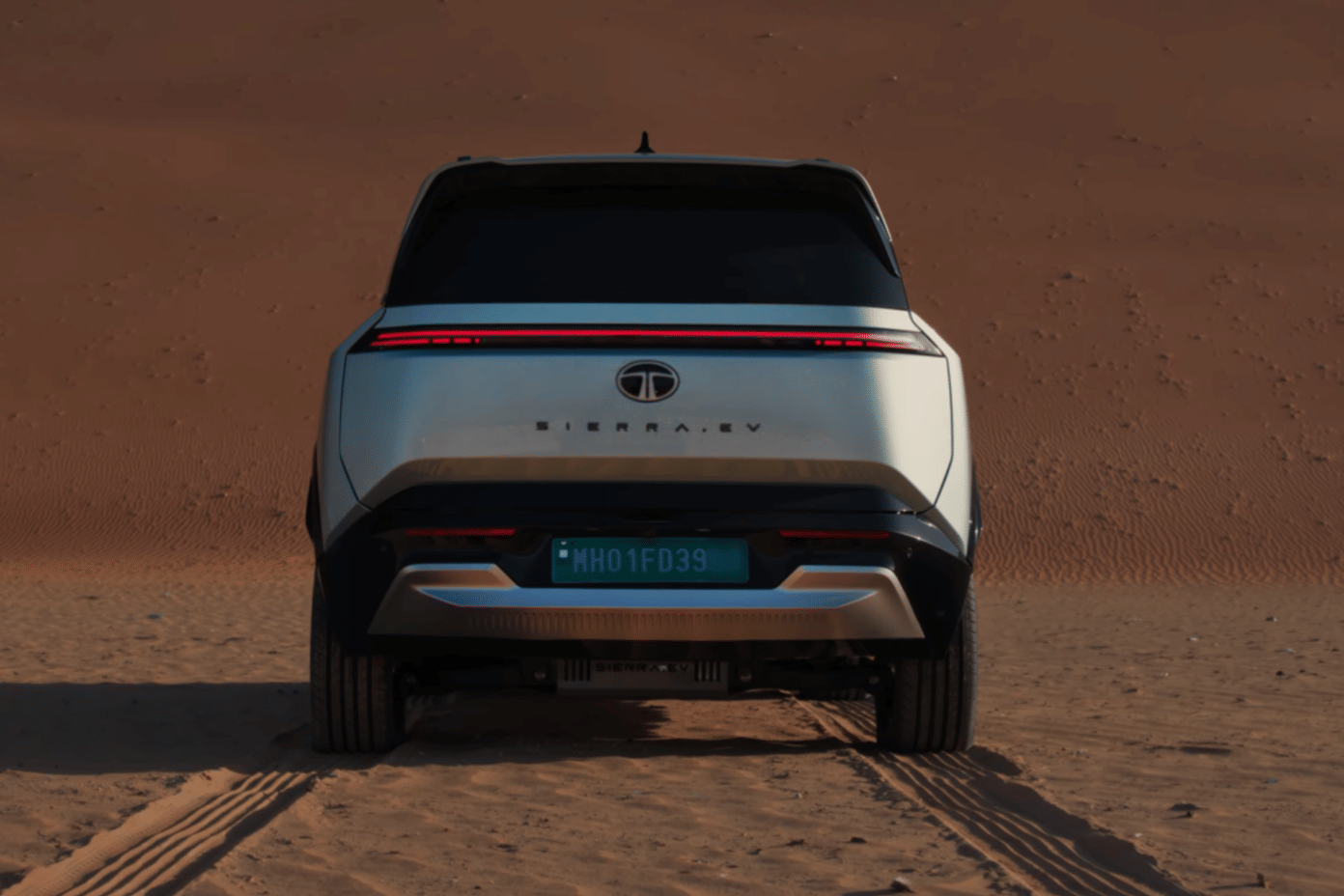
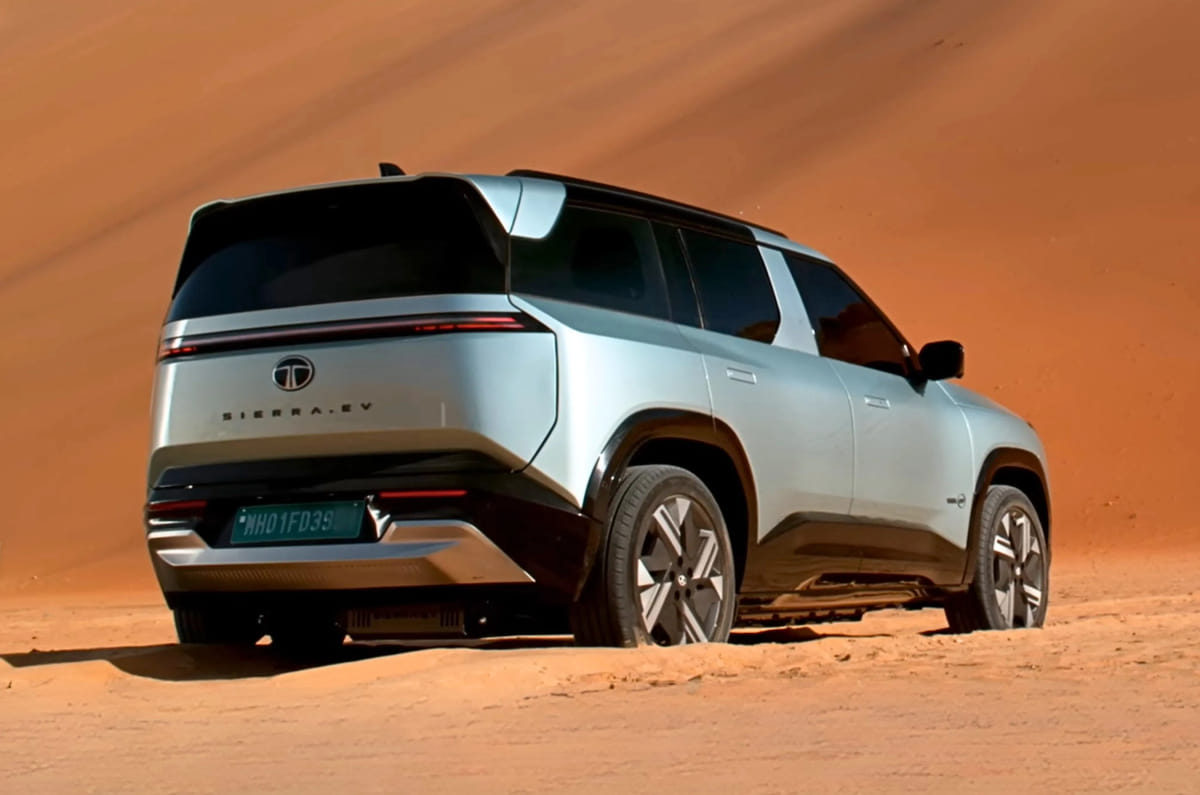
Moreover, the Sierra EV’s front bumper design is different, with much more gloss black trim. The side profile and rear end of the Sierra EV are identical to those of its ICE sibling, save for EV-specific badging and lettering. As for ground clearance, the Sierra EV is rated at 205mm.
Tata Sierra EV interior and features
Same feature-loaded and spacious interior layout as its ICE counterpart
Even on the inside, the Sierra EV is identical in layout to the ICE version, but with slight variances in colour scheme. The Sierra EV also claims the same 622-litre boot space (measured up to the roof) as that of the ICE Sierra – when measured up to the parcel shelf, the boot space is 450 litres. Total luggage space with the rear seats folded stands at 1,257 litres.
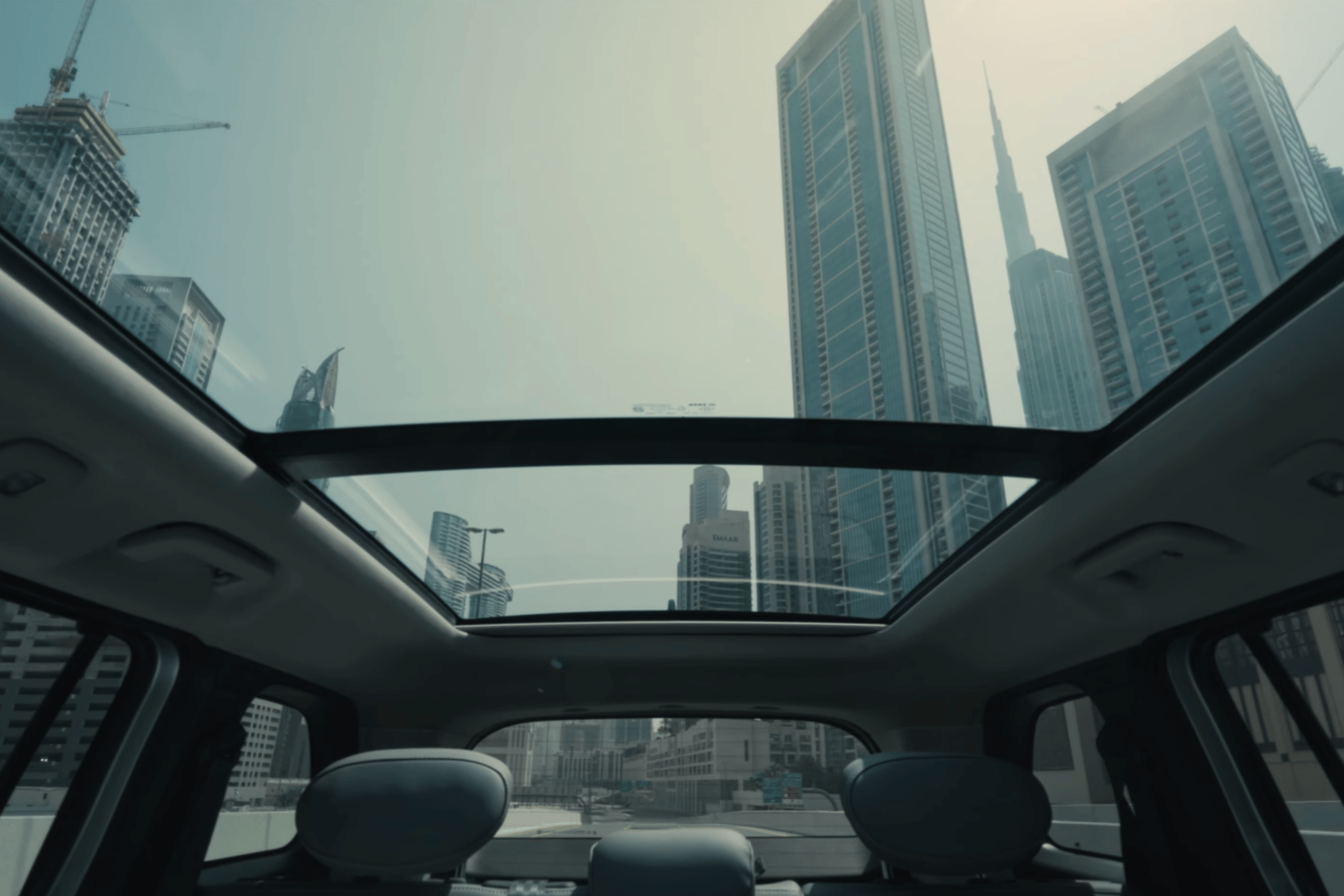
Depending on the variant, the Sierra EV offers features like a triple-screen setup, ambient lighting, a 12-speaker JBL Black sound system, dual-zone climate control, a panoramic sunroof, Boss mode, cabin air purifier, powered and ventilated front seats, a powered tailgate, Level 2 ADAS, connected car tech, auto park assist, a heads-up display, a digital key, over-the-air (OTA) updates, 6 airbags as standard, V2L and V2V functionality, and more. It even borrows the summon mode and DrivePay in-car payment feature from the Harrier EV.
Tata Sierra EV कल यानी 30 जून को भारतीय बाजार में आधिकारिक तौर लॉन्च कर दी जाएगी। दिलचस्प बात यह है कि लॉन्च से पहले ही ब्रांड के टीजर से इसके बारे में काफी जानकारी मिल चुकी है। हाल ही में Tata Motors ने अपने सोशल मीडिया हैंडल पर Sierra EV के डिजाइन, इंटीरियर और कई फीचर्स की झलक दिखाई है। अगर आप इस कार और इसकी प्रतिद्वंद्वी कारों, जैसे Creta Electric या Mahindra BE 6 के बीच फैसला करने का इंतजार कर रहे हैं, तो यह जानकारी आपके लिए अहम है, क्योंकि लॉन्च से पहले ही आपको इस कार के केबिन और ड्राइवट्रेन के बारे में काफी कुछ पता चल चुका है, जो आम तौर पर खरीदारों को लॉन्च के दिन ही पता चलता है।
Tata Sierra EV की रेंज की जानकारी
टाटा मोटर्स ने कन्फर्म किया है कि Tata Sierra EV के सबसे पावरफुल डुअल-मोटर AWD (ऑल-व्हील ड्राइव) वेरिएंट में 500 Nm का टॉर्क मिलेगा। इसके साथ बूस्ट मोड और अलग-अलग तरह की सड़कों पर बेहतर ड्राइविंग के लिए 6 कस्टमाइजेबल टेरेन मोड्स भी दिए जाएंगे।
उम्मीद की जा रही है कि Tata Sierra EV में Tata Harrier EV वाले बैटरी विकल्प मिलेंगे। इसमें 65 kWh बैटरी के साथ सिंगल-मोटर RWD वेरिएंट आ सकता है, जिसकी अनुमानित रेंज 538 किलोमीटर होगी। वहीं, 75 kWh बैटरी वाला सिंगल-मोटर RWD वेरिएंट लगभग 627 किलोमीटर की रेंज दे सकता है। इसके अलावा, डुअल-मोटर AWD वेरिएंट में पीछे 234.7 hp और आगे 156 hp की मोटर मिलने की उम्मीद है, जिसकी अनुमानित रेंज करीब 622 किलोमीटर हो सकती है।
हालांकि, कंपनी ने अभी इन रेंज के आंकड़ों की आधिकारिक पुष्टि नहीं की है। ये सभी आंकड़े Tata Harrier EV के हार्डवेयर के आधार पर लगाए गए अनुमान हैं। लॉन्च के बाद ही कंपनी इसकी सही रेंज और सभी स्पेसिफिकेशन की घोषणा करेगी।
Tata Sierra EV का इंटीरियर
टाटा Motors ने लॉन्च से पहले ही Tata Sierra EV के इंटीरियर की कई अहम जानकारियां शेयर कर दी हैं। कंपनी ने पुष्टि की है कि इसमें ब्लैक-एंड-व्हाइट थीम वाला केबिन, पैनोरमिक सनरूफ, तीन स्क्रीन वाला डैशबोर्ड और हेड-अप डिस्प्ले (HUD) मिलेगा। कार का बाहरी और अंदरूनी डिजाइन काफी हद तक इसके पेट्रोल-डीजल (ICE) मॉडल जैसा ही होगा, लेकिन इसमें EV से जुड़े कुछ खास बदलाव देखने को मिलेंगे।
इसके अलावा, उम्मीद है कि इसमें वायरलेस Apple CarPlay और Android Auto, 12-स्पीकर JBL साउंड सिस्टम, वेंटिलेटेड फ्रंट सीटें, मेमोरी फंक्शन के साथ 6-वे पावर एडजस्टेबल ड्राइवर सीट, ड्यूल-जोन क्लाइमेट कंट्रोल और कनेक्टेड कार फीचर्स भी मिलेंगे। सेफ्टी के लिए इसमें 6 एयरबैग, 360-डिग्री कैमरा, लेवल 2 ADAS और इलेक्ट्रॉनिक स्टेबिलिटी कंट्रोल जैसे फीचर्स की उम्मीद है, हालांकि टाटा ने अभी तक फीचर्स की कोई ऑफिशियल लिस्ट जारी नहीं की है।
Tata Sierra EV की अनुमानित कीमत
इंडस्ट्री के अनुमानों के मुताबिक, इसकी शुरुआती कीमत 15 लाख रुपये (एक्स-शोरूम) से ज्यादा हो सकती है। हालांकि, अगर टाटा लॉन्च के समय ‘बैटरी-एज-ए-सर्विस’ (BAAS) का ऑप्शन देती है, तो यह कीमत कम हो सकती है। क्योंकि इस ऑप्शन में बैटरी की कीमत को शुरुआती कीमत से अलग रखा जाता है, जैसा कि कुछ दूसरी EV बनाने वाली कंपनियां पहले से ही करती हैं।
उम्मीद है कि सिएरा EV का मुकाबला Hyundai Creta Electric, Maruti Suzuki e Vitara, Mahindra BE 6, MG ZS EV, VinFast VF7 और Toyota Urban Cruiser EV जैसी गाड़ियों से होगा। इसकी फाइनल कीमत और पूरी स्पेसिफिकेशन की जानकारी कल होने वाले लॉन्च इवेंट में ही कन्फर्म होगी।
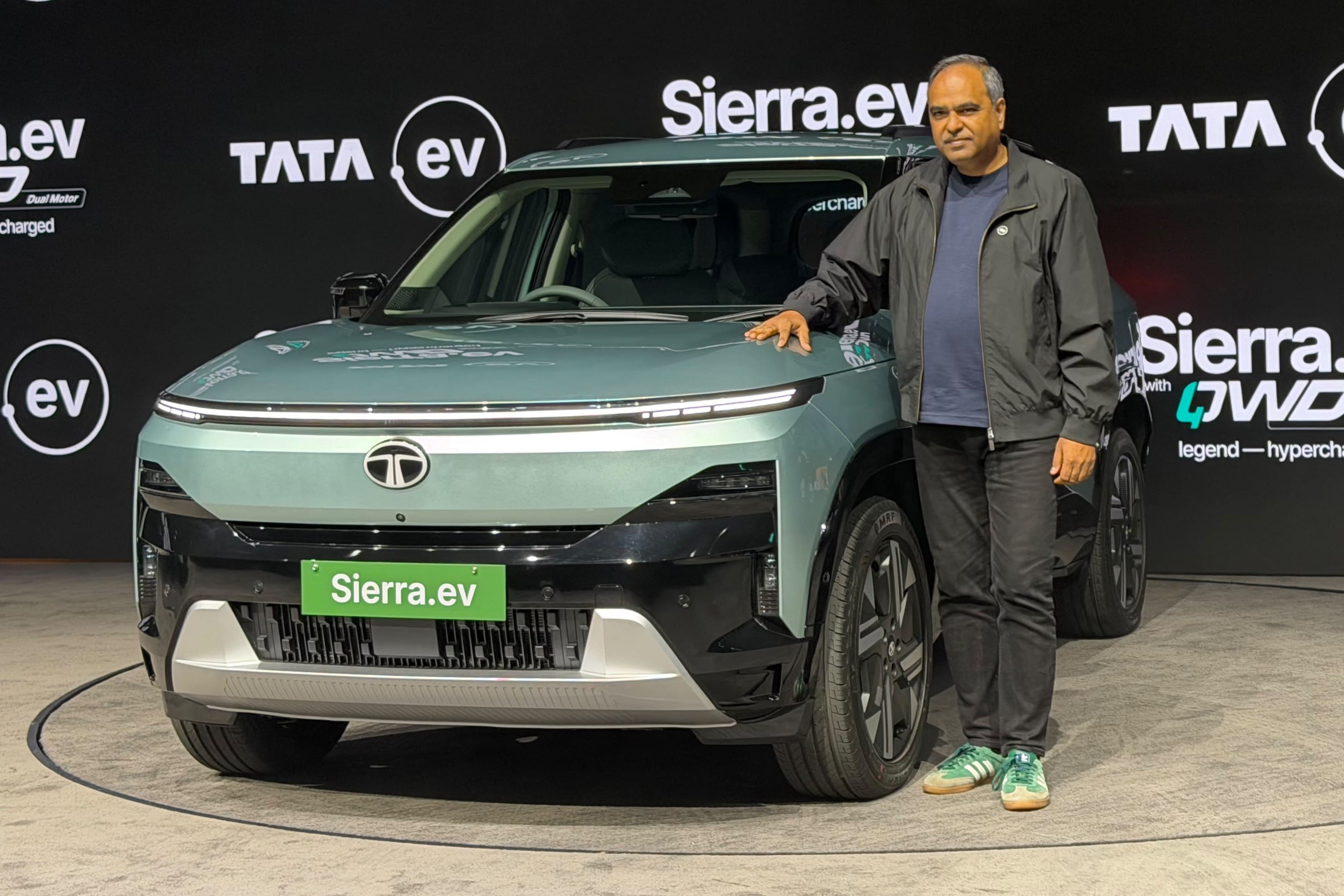
Tata Motors is set to reveal the production-spec Sierra EV tomorrow. First shown as a concept at Auto Expo 2020, the midsize SUV is expected to share much of its technology with the Harrier EV while carrying forward the Sierra’s distinctive design. Here’s everything you need to know ahead of its debut.
What battery and powertrain options will the Tata Sierra EV get?
65kWh and 75kWh battery packs likely
The Sierra EV could use Tata’s acti.ev+ architecture that underpins the Harrier EV. It is also likely to share the Harrier EV’s 65kWh and 75kWh battery pack options, although Tata has not yet confirmed the final specifications.
Tata Motors has already confirmed that the Sierra EV will be offered in both rear-wheel-drive and dual-motor all-wheel-drive configurations, with the latter expected to be reserved for the larger 75kWh battery pack.
Since the Sierra EV is smaller than the Harrier EV, it could offer a higher claimed driving range using the same battery packs. For reference, the Harrier EV has a claimed range of up to 627km.
How will the Tata Sierra EV differ visually from the ICE Sierra
EV gets a revised front end and subtle design changes
The Sierra EV retains the overall design of the ICE-powered Sierra but features a handful of EV-specific styling changes. Up front, it gets a body-coloured blanked-off grille, not a functional one, along with a revised front bumper. Unlike the ICE Sierra, the EV also does away with the ‘Sierra’ lettering below the front LED light bar.
Otherwise, the two SUVs remain largely identical. The Sierra EV retains the upright proportions, connected LED lighting and blacked-out rear glass element inspired by the original Sierra. Even the 19-inch alloy wheel design is shared with the ICE model. The Sierra EV, however, is likely to get new colour options, such as the silver shade seen here.
What features will the Tata Sierra EV get?
Triple-screen layout expected on higher variants
Combustion-powered Sierra’s interior pictured here for representative purposes only.
The Sierra EV is expected to carry over the ICE Sierra’s cabin with only minor EV-specific changes. Higher variants are likely to feature a triple-screen setup comprising a 10.25-inch digital instrument cluster, a 12.3-inch infotainment touchscreen and a 12.3-inch passenger display, while lower variants may get a dual-screen layout.
Other likely features include a panoramic sunroof, a head-up display, powered and ventilated front seats, a premium audio system and multiple drive modes.
What is the expected price of the Tata Sierra EV, and which models will it rival?
Could be priced in the range of Rs 18 lakh to Rs 25 lakh
Expect the Sierra EV to be priced in the Rs 18 lakh to Rs 25 lakh (ex-showroom) ballpark, positioned between the Curvv EV and Harrier EV in Tata’s electric SUV line-up as a rival to the Mahindra BE 6, Hyundai Creta Electric, MG ZS EV and Maruti e Vitara.
Magnus Steel & Infra ने 60 करोड़ रुपये का एक ट्रांजैक्शन फैसिलिटेशन प्रोजेक्ट पूरा किया है। इससे उसे 1.12 करोड़ रुपये की ब्रोकरेज और कमीशन इनकम हुई है। इस आय को FY27 में दर्ज किया गया है।
यह कमीशन Shun Shing India Pvt. Ltd. को मैनेजमेंट कंसल्टिंग और ट्रांजैक्शन फैसिलिटेशन सेवाएं देने के बदले मिला है।
Tata Motors की सप्लायर बनी कंपनी
Magnus Steel ने बताया कि उसे Tata Motors की गुजरात और महाराष्ट्र में बनने वाली नई मैन्युफैक्चरिंग यूनिट्स के लिए मंजूरशुदा स्टील सप्लायर बनाया गया है। कंपनी ने RIECO Industries के जरिए स्टील की सप्लाई भी शुरू कर दी है। मार्च और अप्रैल 2026 के दौरान यह करीब 8.5 करोड़ रुपये के ऑर्डर पूरे कर चुकी है।
कंपनी को उम्मीद है कि FY27 के दौरान चरणबद्ध तरीके से करीब 24 करोड़ रुपये के और ऑर्डर मिल सकते हैं। इस तरह इस प्रोजेक्ट से कुल कारोबार का मौका करीब 32.5 करोड़ रुपये तक पहुंच सकता है।
FY26 में जोरदार सुधार
Magnus Steel का वित्तीय प्रदर्शन भी मजबूत रहा है। FY26 में कंपनी का शुद्ध मुनाफा 5.67 लाख रुपये से बढ़कर 4.5 करोड़ रुपये हो गया। वहीं, ऑपरेशन से रेवेन्यू 3.19 करोड़ रुपये से बढ़कर 22.58 करोड़ रुपये पहुंच गया। EBITDA भी 18.94 लाख रुपये से बढ़कर 4.66 करोड़ रुपये हो गया।
45 करोड़ रुपये जुटाएगी कंपनी
Magnus Steel के बोर्ड ने 45 करोड़ रुपये जुटाने के प्रस्ताव को मंजूरी दी है। इसके तहत कंपनी 10 रुपये प्रति शेयर के इश्यू प्राइस पर 4.5 करोड़ इक्विटी शेयर प्रेफरेंशियल अलॉटमेंट के जरिए पांच गैर-प्रमोटर निवेशकों को जारी करेगी।
इस रकम में से 33.75 करोड़ रुपये वर्किंग कैपिटल के लिए इस्तेमाल किए जाएंगे। जबकि 11.25 करोड़ रुपये सामान्य कॉरपोरेट जरूरतों पर खर्च किए जाएंगे।
बोर्ड में हुए बड़े बदलाव
शेयरधारकों ने कंपनी का रजिस्टर्ड ऑफिस नासिक से पुणे शिफ्ट करने को मंजूरी दे दी है। इसके अलावा चिन्मय प्रधान को मैनेजिंग डायरेक्टर, प्रकाश साल्वे को अतिरिक्त एग्जीक्यूटिव डायरेक्टर और कृतिका शाह को अतिरिक्त स्वतंत्र निदेशक नियुक्त किया गया है।
कंपनी के मैनेजिंग डायरेक्टर चिन्मय प्रधान ने कहा कि कंपनी अलग-अलग कारोबार में लगातार विस्तार कर रही है। Tata Motors की सप्लायर बनने से भविष्य की कमाई को मजबूती मिलेगी। वहीं, कंसल्टिंग कारोबार में भी कंपनी की पकड़ मजबूत हो रही है।
Disclaimer: यहां मुहैया जानकारी सिर्फ सूचना के लिए दी जा रही है। यहां बताना जरूरी है कि मार्केट में निवेश बाजार जोखिमों के अधीन है। निवेशक के तौर पर पैसा लगाने से पहले हमेशा एक्सपर्ट से सलाह लें। मनीकंट्रोल की तरफ से किसी को भी पैसा लगाने की यहां कभी भी सलाह नहीं दी जाती है।
While modern cars are more reliable than ever, mechanical and electrical failures can still occur, which is where a warranty is useful. Simply put, it is the carmaker’s assurance that the vehicle is free from manufacturing defects. If a part fails because of such a defect within the specified time or kilometre limit, the company bears the cost of repairing or replacing it. Here’s a closer look at some of the most important questions surrounding car warranties.
Disclaimer: Warranty terms and conditions vary from one manufacturer to another. It is always recommended to check with your carmaker for the exact coverage and exclusions.
What does a car warranty actually cover?
A factory warranty mainly covers key components that are expected to last the life of the vehicle under normal use. These include the powertrain, engine, fuel pumps and transmission. It also covers components such as the steering system, suspension linkages and braking system. Factory-fitted electrical components are covered as well. In short, if there is a manufacturing or assembly defect, the company either repairs or replaces the affected part free of cost.
What isn’t covered under a car warranty?
A warranty does not cover parts that naturally wear out over time. Brake pads, clutch plates, wiper blades, bulbs and tyres are among the common exclusions. Consumables such as engine oil, filters and coolant are covered only if they need to be replaced as part of an approved warranty repair.
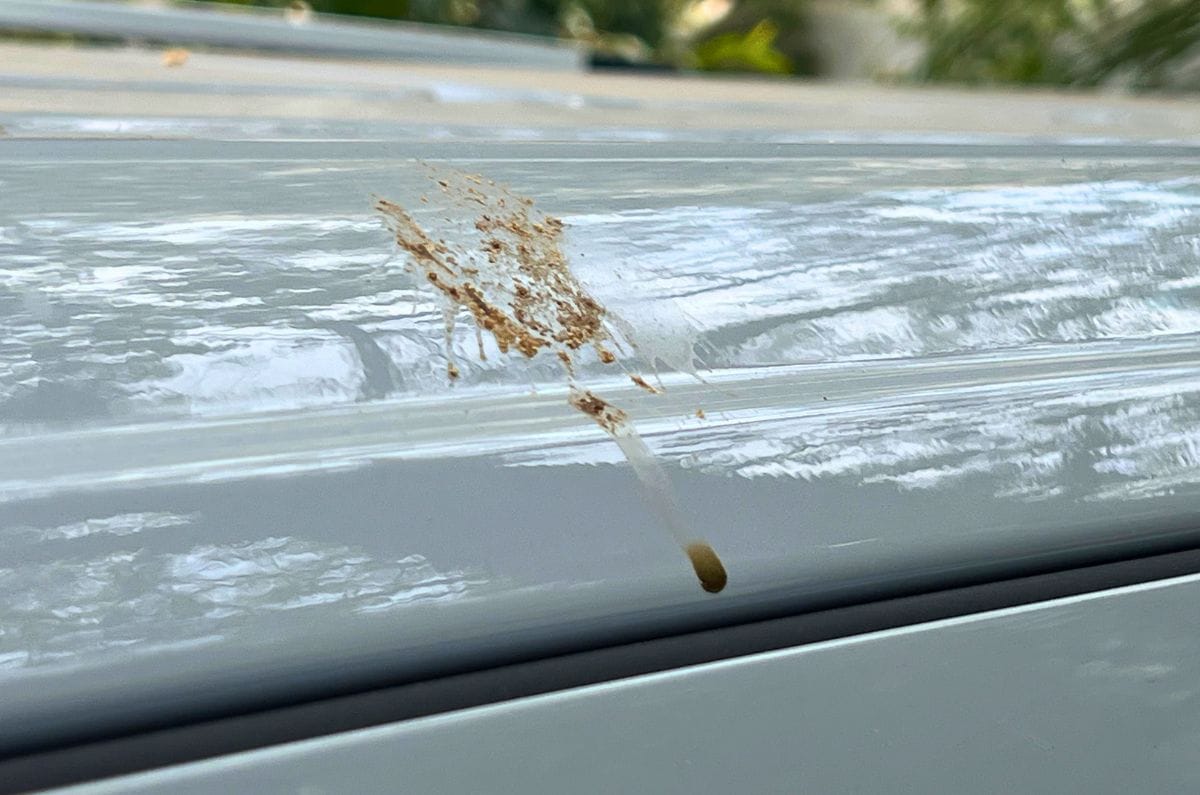
Damage caused by certain external factors is also excluded. This includes paint damage caused by bird droppings, tree sap, industrial fallout or acidic rain. Bird droppings, in particular, are highly acidic and can damage the paint if not cleaned off quickly.
What can void your car’s warranty?
Warranty protection depends heavily on following manufacturer-prescribed maintenance schedules using approved procedures and genuine parts. Even a comprehensive warranty can become invalid if the vehicle is modified or misused. Odometer tampering is one such example, as disconnecting or altering the odometer immediately voids the warranty.
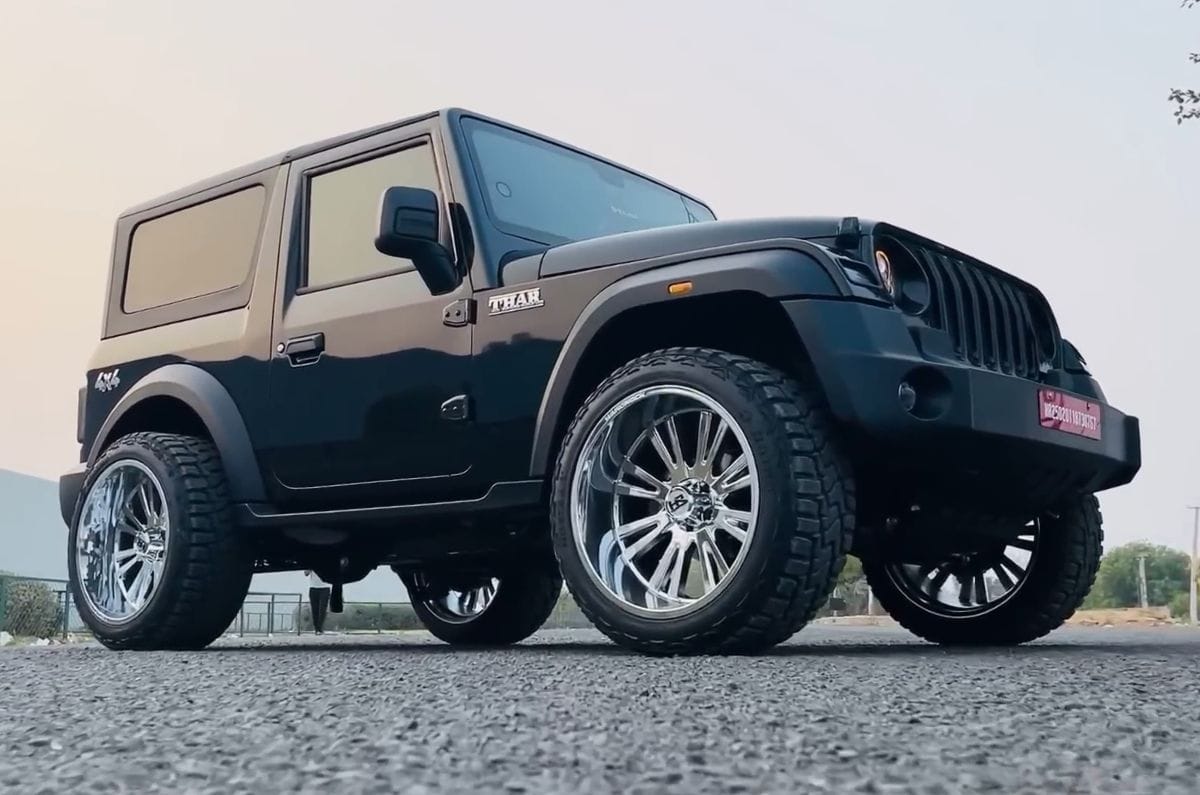
ECU remaps are another common reason. Manufacturers, particularly Volkswagen Group brands such as Skoda and Volkswagen, use OBD scans to detect unauthorised tuning, and a detected remap can result in the loss of powertrain warranty. Aftermarket electrical modifications, such as cutting into the wiring harness to install audio systems, can also create warranty issues. Also, upsizing, using wider tyres or placing wheel spacers could cause issues and therefore void the warranty.
Image credit: tarunvlogs3445 via YouTube.
BYD excludes rodent damage, while MG warns against charging its EVs from non-earthed power sources, which can affect the battery management system. Driving through deep water and causing a hydrostatic lock is also considered misuse, so owners should always stay within the manufacturer’s recommended water-wading limit.
How are EV warranties different?
Unlike petrol and diesel cars, where the warranty is generally offered as a single package, EV warranties are split across different components. Manufacturers typically provide separate warranties for the electric motor(s) and battery. Speaking of the latter, the industry standard for high-voltage batteries is 8 years or 1,60,000km, but coverage varies across manufacturers.
For example, Tata Motors offers the Harrier EV with an unlimited-kilometre battery warranty for the vehicle’s lifetime, defining it as 15 years from the date of first registration. Toyota offers an 8-year or 1,60,000km battery warranty for its hybrid vehicles and 8 years or 2,00,000km for its battery electric vehicles.
Should you buy an extended warranty?
As standard, carmakers usually offer a 3-year or 1,00,000km warranty, whichever is earlier. In some cases, manufacturers offer even more. The new Renault Duster, for example, comes with a 7-year or 1,50,000km standard warranty. BYD also offers a 6-year or 1,50,000km warranty across its entire range.
Beyond this, customers can also opt for extended warranty packages, typically ranging from 2 to 7 years or a set number of kilometres. Some manufacturers go further still. For instance, BMW provides warranty extensions of up to 10 years or 2,00,000km. Toyota’s True Warranty can be extended up to 2,20,000km. Nissan offers comprehensive coverage for up to 7 years or 1,70,000km, along with separate engine and transmission-only extensions of up to 10 years.
Some manufacturers take a different approach. Hyundai’s Shield of Trust package covers 14 wear-and-tear parts for up to 5 years or 60,000km. Honda’s Anytime Warranty, meanwhile, can be purchased for cars that are up to 10 years old, even after the original factory warranty has expired.
Whether an extended warranty is worth buying largely depends on how long you plan to keep your car. If you intend to sell it before the standard warranty expires, you may not need one, although it may improve the car’s resale value. However, if you plan to keep the vehicle beyond the factory warranty period, an extended warranty may prove useful.
How do warranties work on used cars?
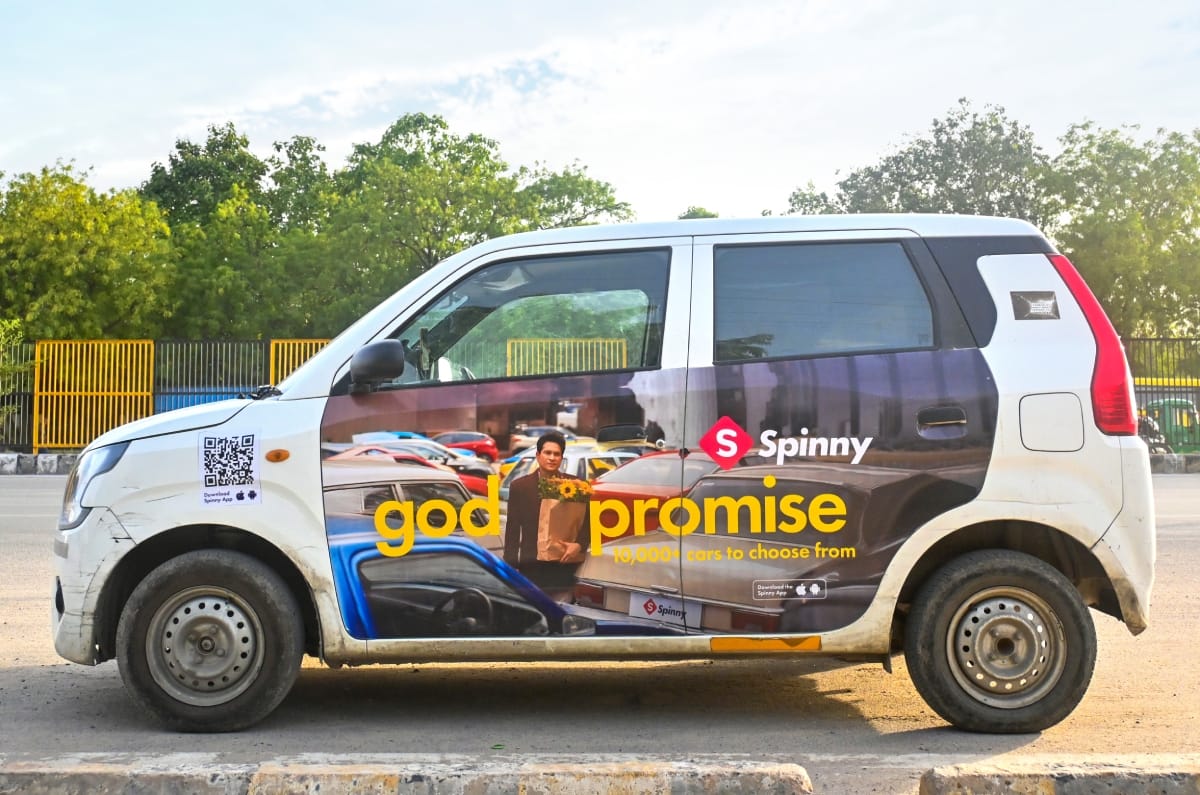
Beyond vehicle manufacturers, some small-scale dealers and used-car platforms also offer warranty packages. Spinny, for instance, offers different warranties based on the category of the used car: Budget, Assured and Assured+. The Budget category gets a 6-month/6,000km powertrain warranty and a 2-month/2,000km warranty, while the Assured models offer a 1-year/12,000km powertrain warranty and a 3-month/3,000km warranty.
The Assured+ cars come with a 3-year/36,000km powertrain warranty and a 6-month/6,000km comprehensive warranty, whichever comes first. Notably, Spinny became the first used-car retailer in India to introduce a 3-year warranty on its Assured+ cars in June 2025.
Spinny’s extended warranty, valid only for Assured and Budget cars, provides additional peace of mind and is available as an additional purchase for your car.
In conclusion, a car warranty protects you against manufacturing and assembly defects, not routine servicing or normal wear and tear. Understanding what is covered, excluded and can void the warranty will help avoid expensive surprises later. Also, an extended warranty may not be necessary for every owner, but if you plan to keep your car for several years beyond the standard warranty period, it can be a worthwhile investment.
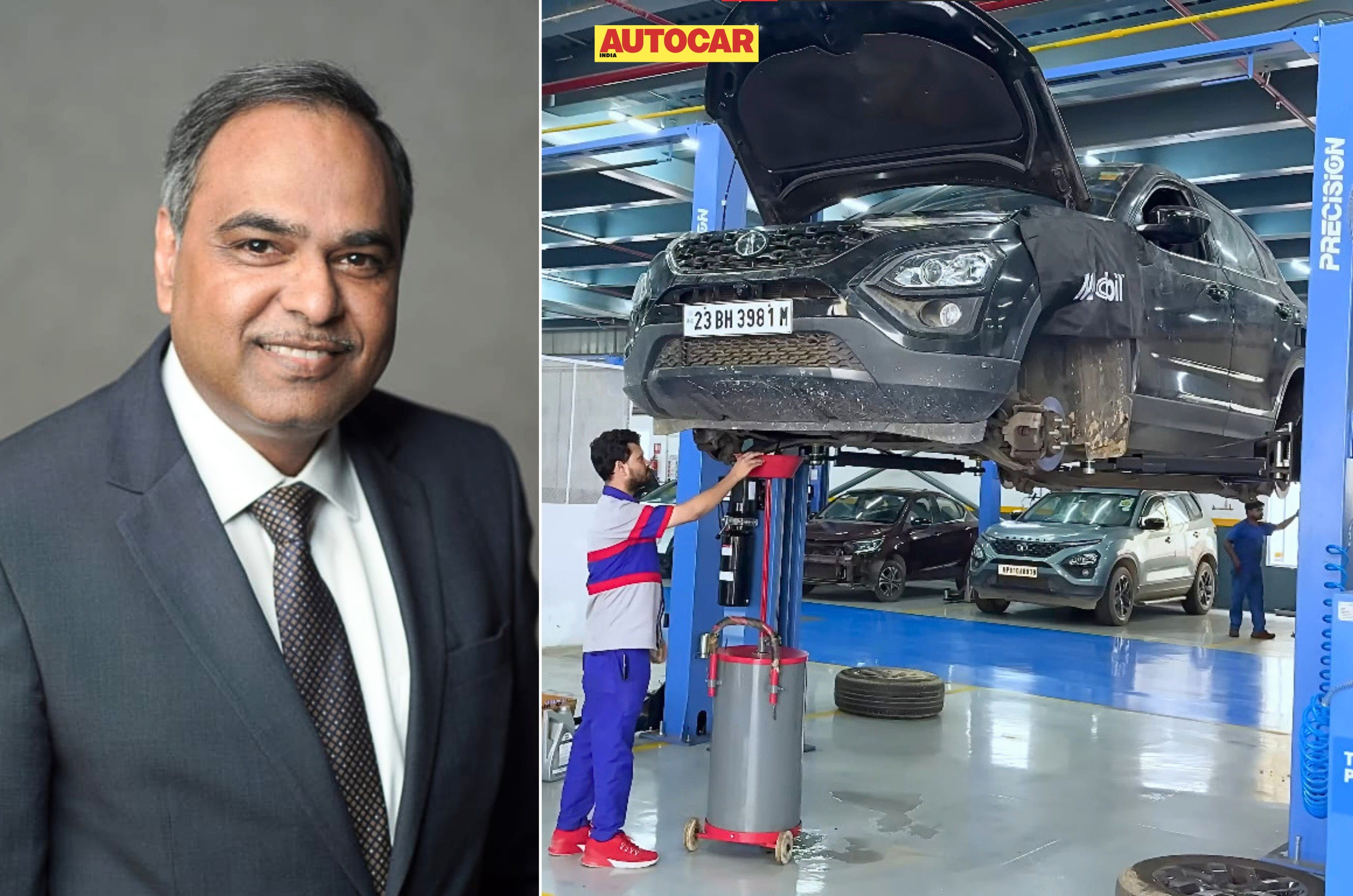
After spending the past few years expanding its product portfolio and nearly quintupling passenger vehicle volumes, Tata Motors is shifting its focus to an area where it has faced criticism in the past – product quality. “We have to prepare the system proactively rather than reactively,” managing director and CEO Shailesh Chandra said, outlining the company’s strategy to strengthen quality through AI, digital engineering, predictive diagnostics and total quality management (TQM).
Early-life vehicle issues are down by nearly 60 percent
AI-based diagnostics to reduce repair times and repeat failures
Digital twins and virtual testing to strengthen product validation
Quality processes being strengthened
Tata Motors acknowledged that rapid growth and increasing vehicle complexity were among the reasons why its after-sales services and product quality came under stress. The company claims it has already reduced early-life vehicle issues by nearly 60 percent through tighter factory quality gates, improved logistics processes and electronic proof-of-delivery systems.
“There are two stress points as far as [product] quality is concerned. One is steep growth, which leads to the system coming under stress, and the second is new technology,” said Chandra.
Predicting outcomes through AI and digital engineering
The company will expand the use of hardware-in-loop testing, software-in-loop validation and digital twins to validate systems virtually before physical testing. It also plans to use AI and telematics data to identify potential defects earlier and improve manufacturing processes.
Chandra noted that state-of-the-art quality infrastructure across the company’s plants will “enable precision manufacturing” and “leverage data and AI”, especially for early defect identification, outcome prediction and continuous learning.
“We are building the capability to detect early signals, predict outcomes and prevent issues before they manifest,” said Tata Motors PV chief product officer and chief corporate quality officer Mohan Savarkar, adding that digital engineering, diagnostics and software-defined vehicles would enable continuous improvement throughout a vehicle’s lifecycle.
AI to support after-sales operations
The company said TQM will be extended across its engineering, manufacturing, supplier and after-sales operations. It will also introduce AI-based diagnostic tools across its service network to improve fault detection, reduce repair times and minimise repeat failures.
“Going forward, you will have diagnostic tools which are AI-based, which completely map the fault tree and are able to immediately identify the real problem. Therefore, turnaround times become faster and repeat failures reduce,” stated Chandra.
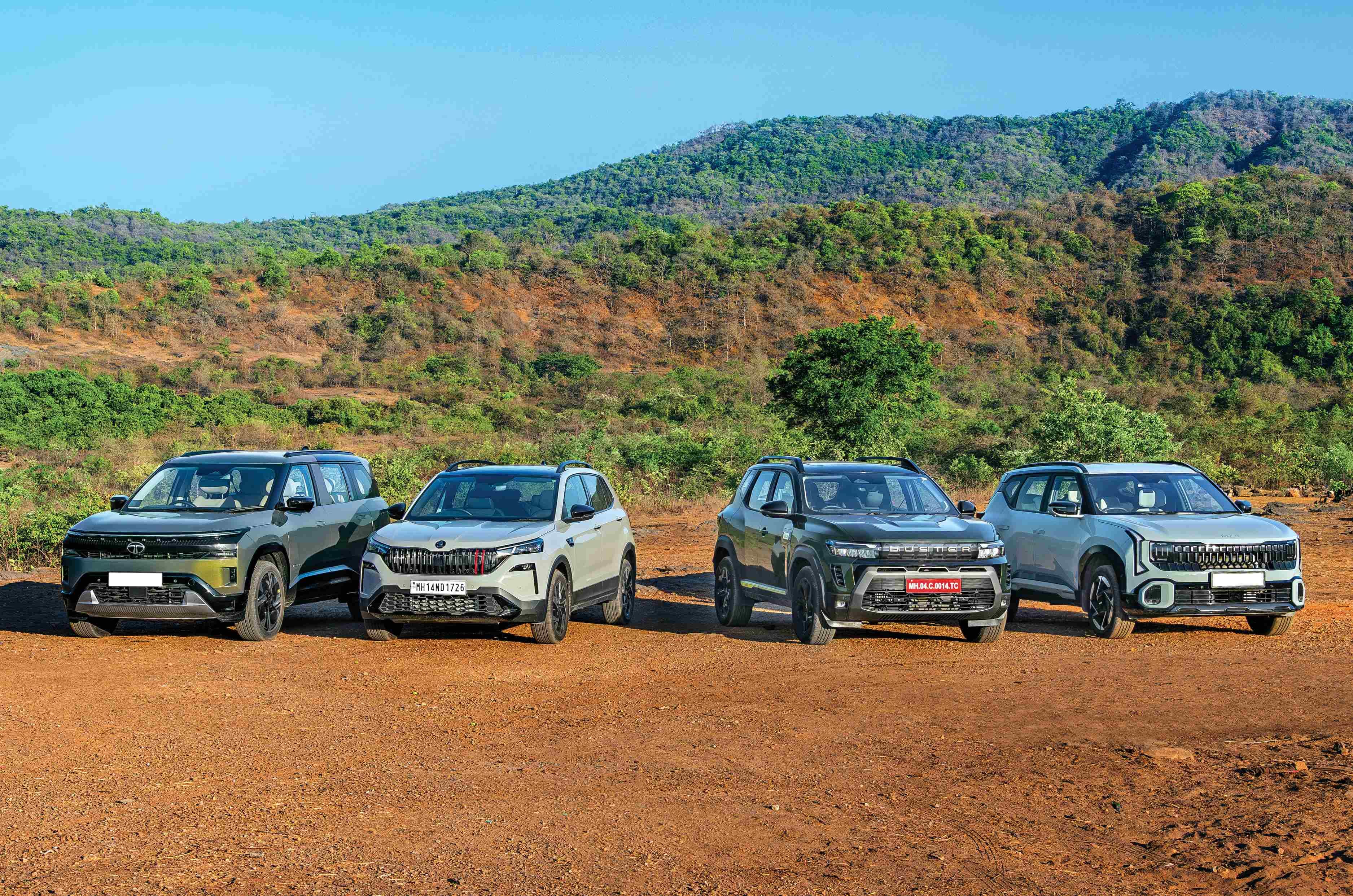
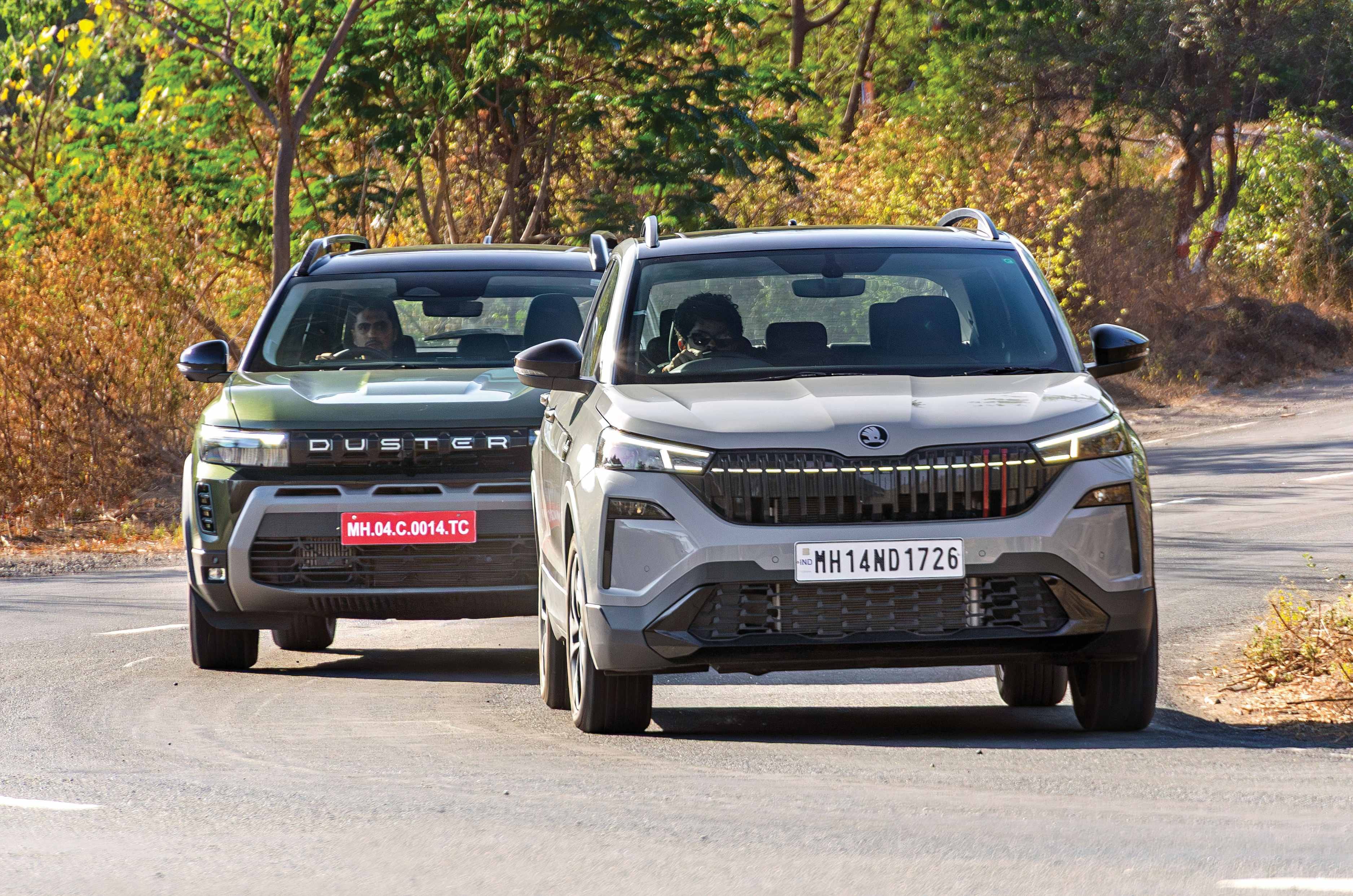
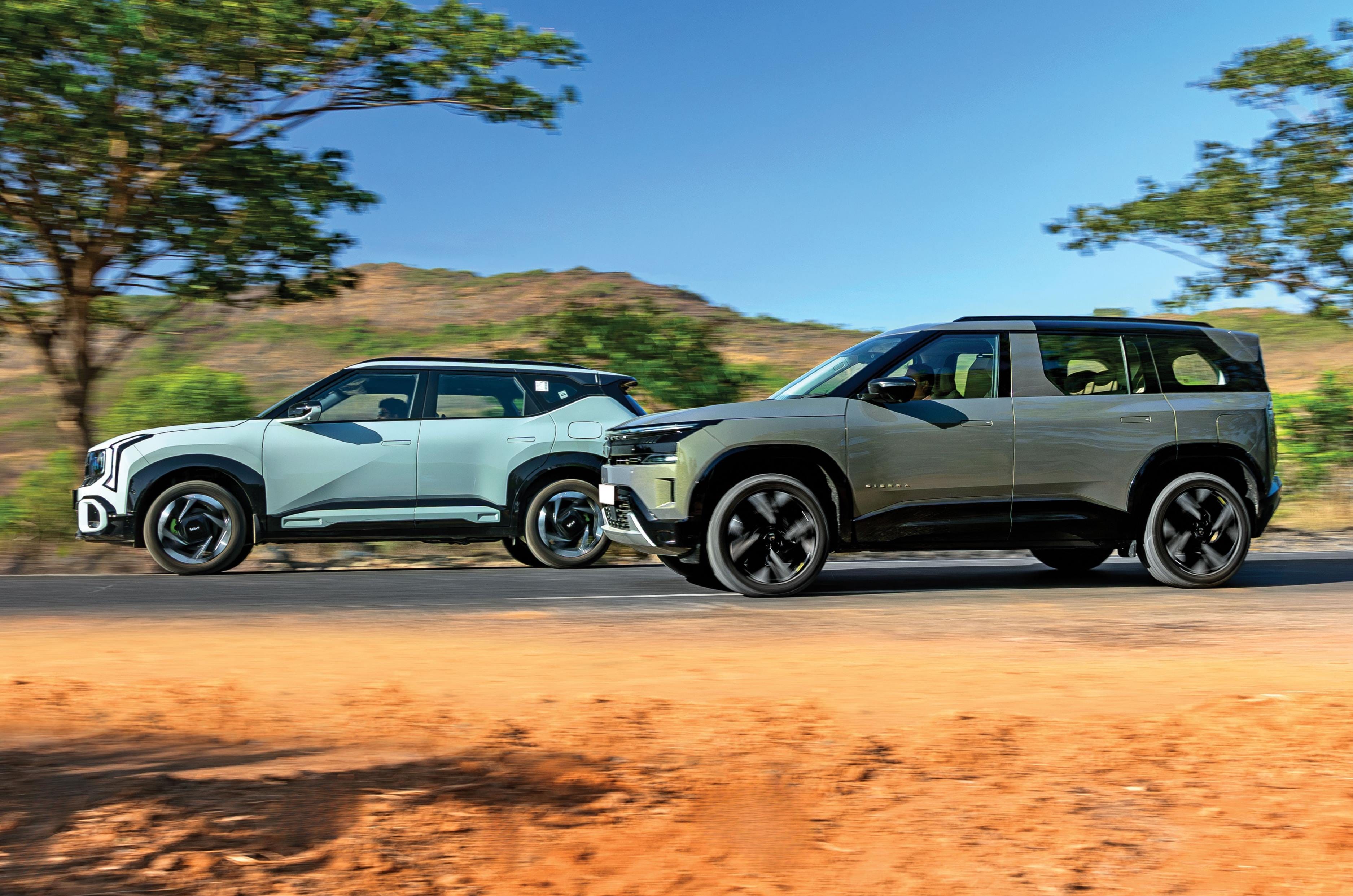
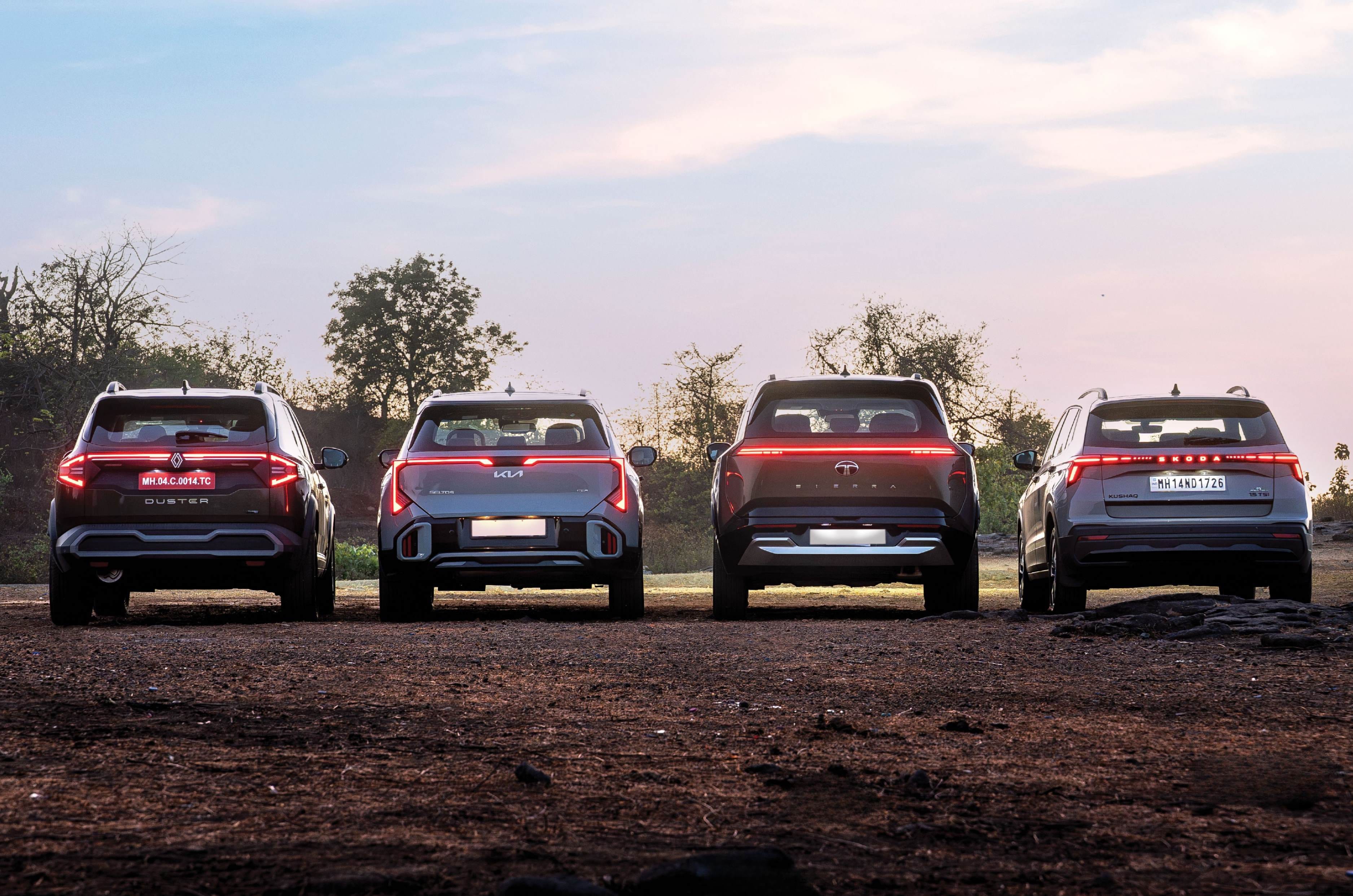
The last few months sure haven’t been easy for anyone shopping for a midsize SUV, because every time you think you’ve zeroed in on the right model for your needs, out comes a new one. This avalanche of new launches started with the Tata Sierra – an iconic nameplate brought back for a new generation of buyers. Then we got the second-generation Kia Seltos – bigger and better in every way. The Renault Duster also made a comeback to the very segment it started back in 2012. Most recently came the Skoda Kushaq and Volkswagen Taigun (see box) that have been given makeovers for 2026 and beyond. Over the next few pages, we’ll make your job easier by telling you which is the right model for you.
Sierra vs Seltos vs Duster vs Kushaq: Exterior design
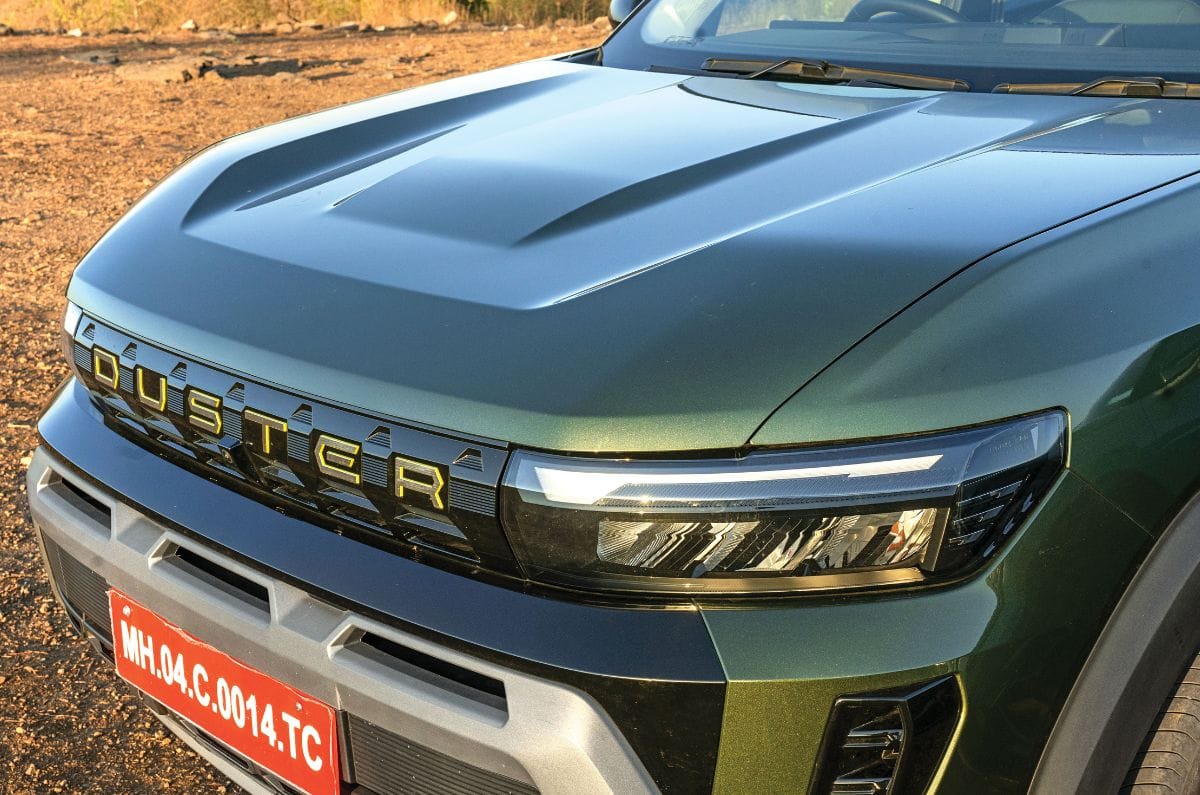
Pronounced bonnet bulges give Duster visual muscle.
Let’s start with the way they look. The Renault Duster, with its class-best 212mm of ground clearance, pronounced cladding, and even functional roof rails, clearly communicates a rugged look. There’s muscle to the design thanks to the shapely bonnet and flared wheel arches, and it does look every bit a new-age Duster. It’s about the same size as the original Duster, which means it’s bang in the middle by today’s midsize SUV class standards.
Seltos’ split headlamp arrangement is polarising.
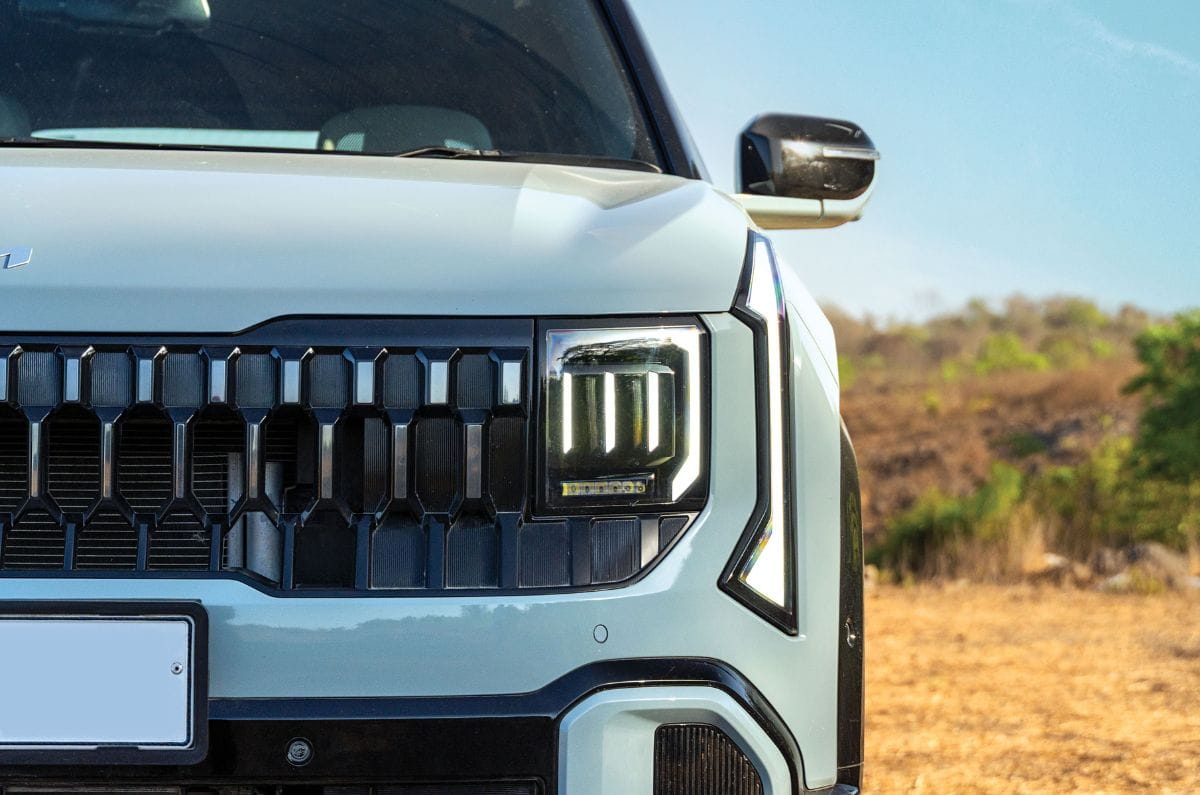
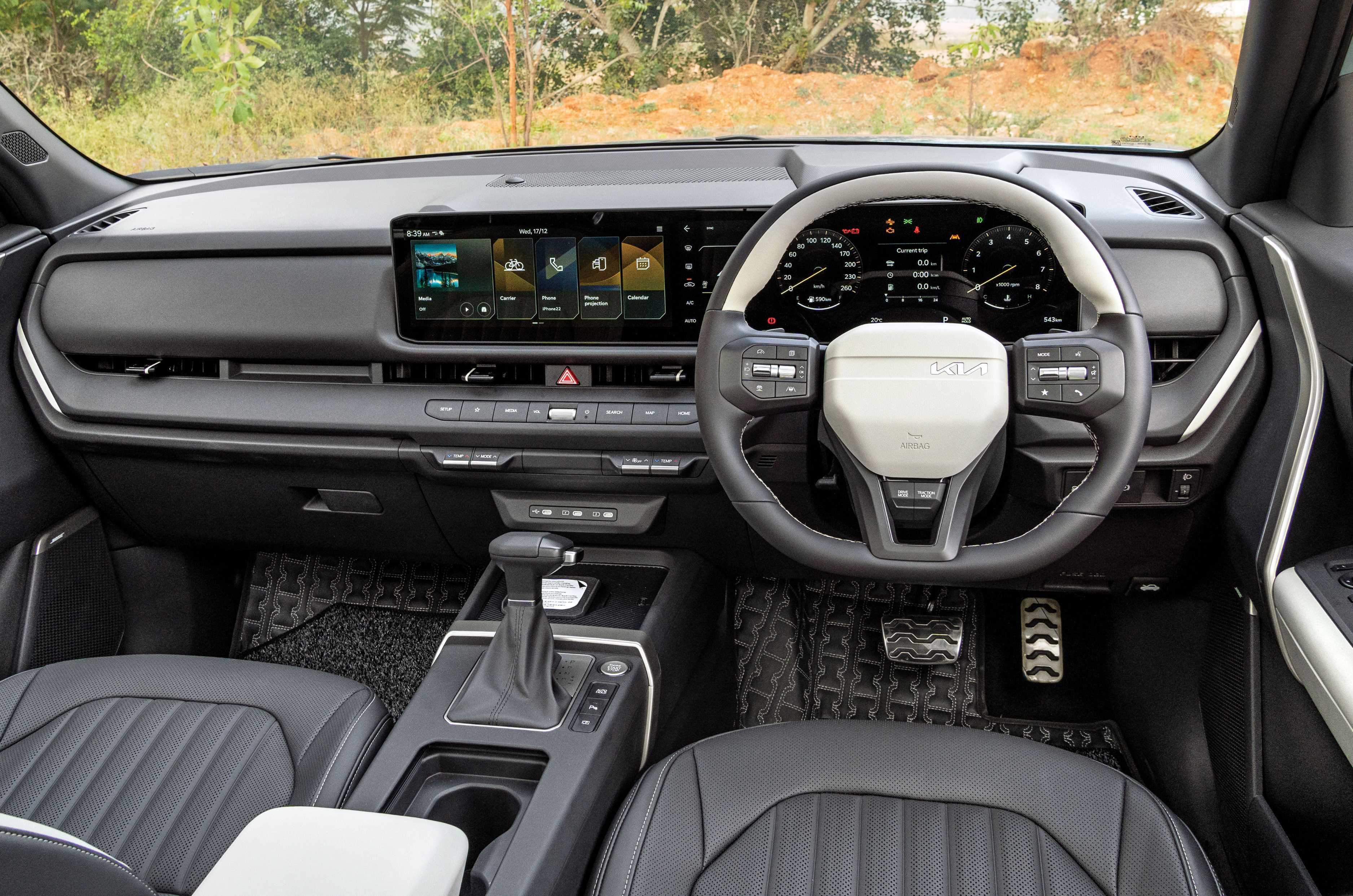
The Kia Seltos, on the other hand, has grown substantially from Gen 1 to this Gen 2, and is now the longest of the midsize SUVs. It looks particularly substantial in profile, which is where the long wheelbase and 200mm of ground clearance also come into view. A large grille helps with that big SUV look, but the headlights that are split between vertical DRLs and square main units amidst the grille won’t be to all tastes.
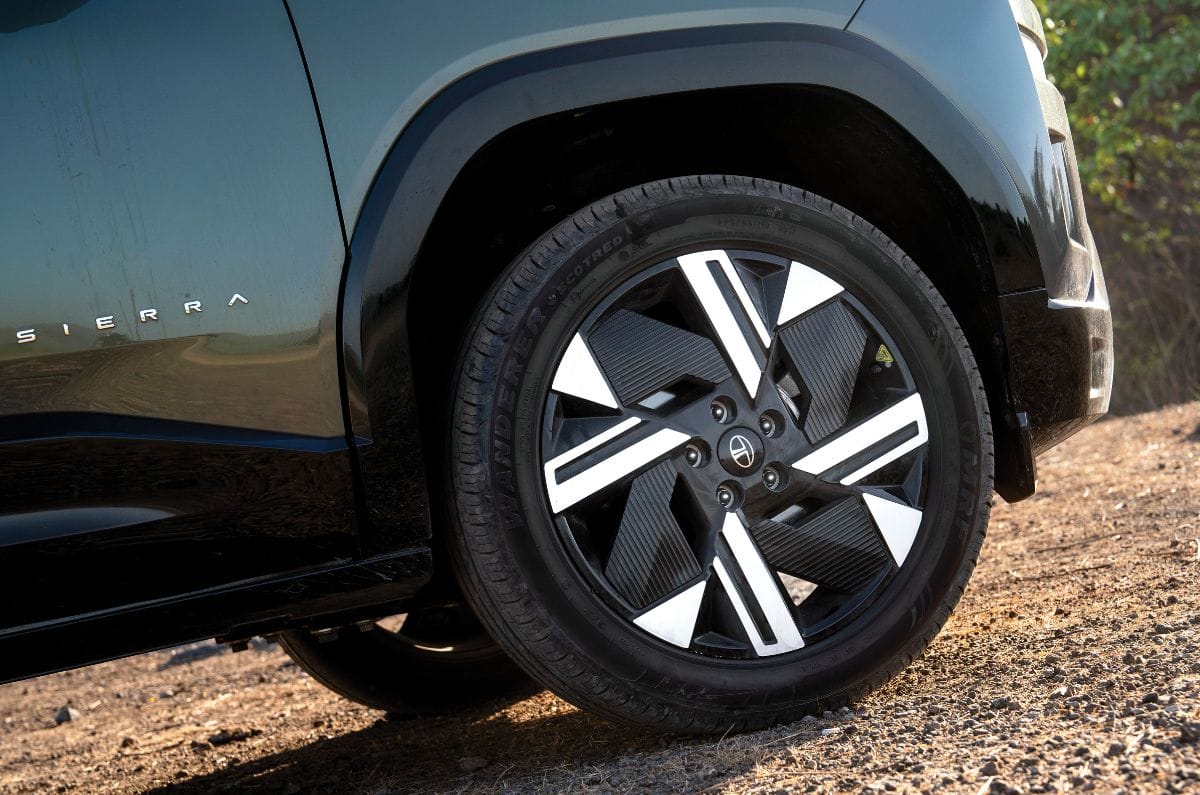
Top-spec Sierra brings 19-inch rims to segment.
It’s the Tata Sierra that draws the most eyeballs. It’s got the SUV-typical upright shape, it’s the widest and tallest model in the segment, and standing proud on its largest-in-class 19-inch wheels, it simply aces road presence. The Sierra also has the longest wheelbase, made possible by pushing the wheels to the extremities. The styling comes together really well, with the wraparound treatment of the rear glasshouse being the standout element.
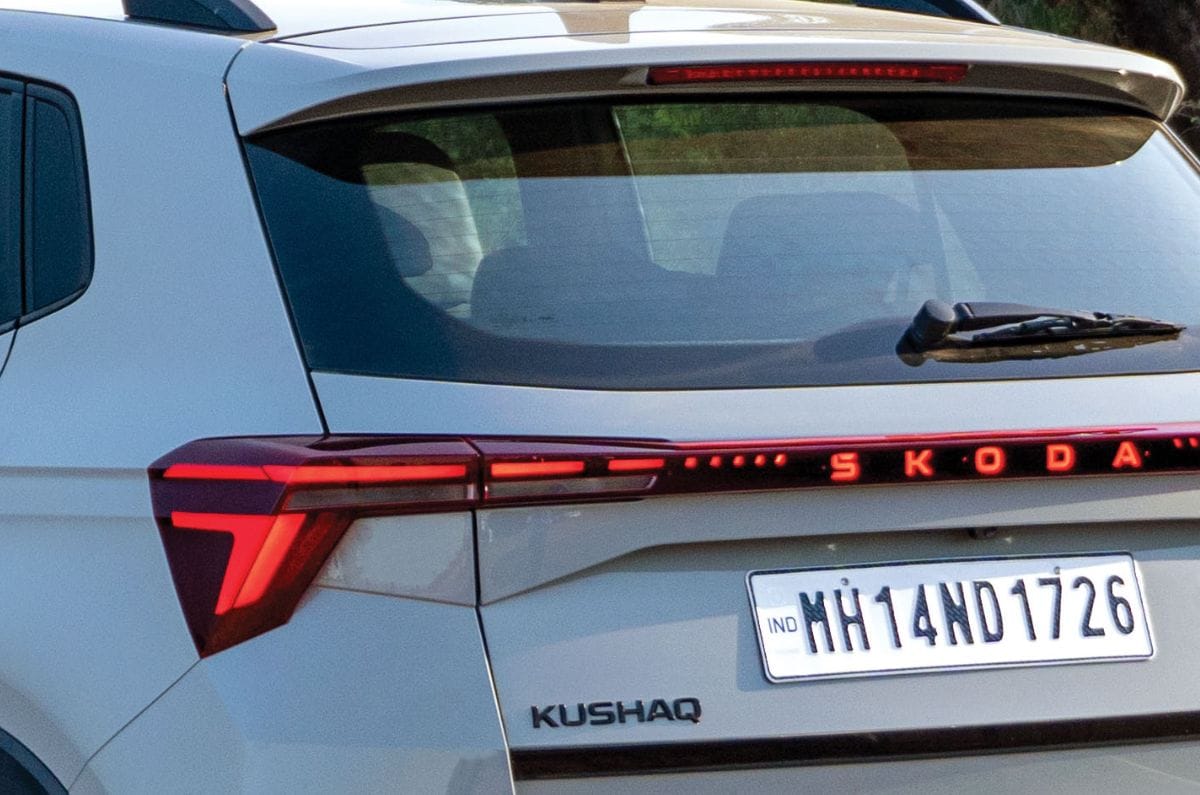
Glowing Skoda lettering on light bar looks cool.
The Skoda Kushaq is the smallest model here and can’t match the others on road presence. However, it is nicely turned out, and Skoda’s designers have done well to update the look. The Kushaq’s revamped headlights as well as the larger grille with segmented LED DRLs that run through it are stylish, and the redone tail styling with illuminated Skoda lettering give distinction in an era when light bars are almost the norm. And would you agree when I say the Kushaq looks its best in Monte Carlo guise?
Sierra vs Seltos vs Duster vs Kushaq: Interior
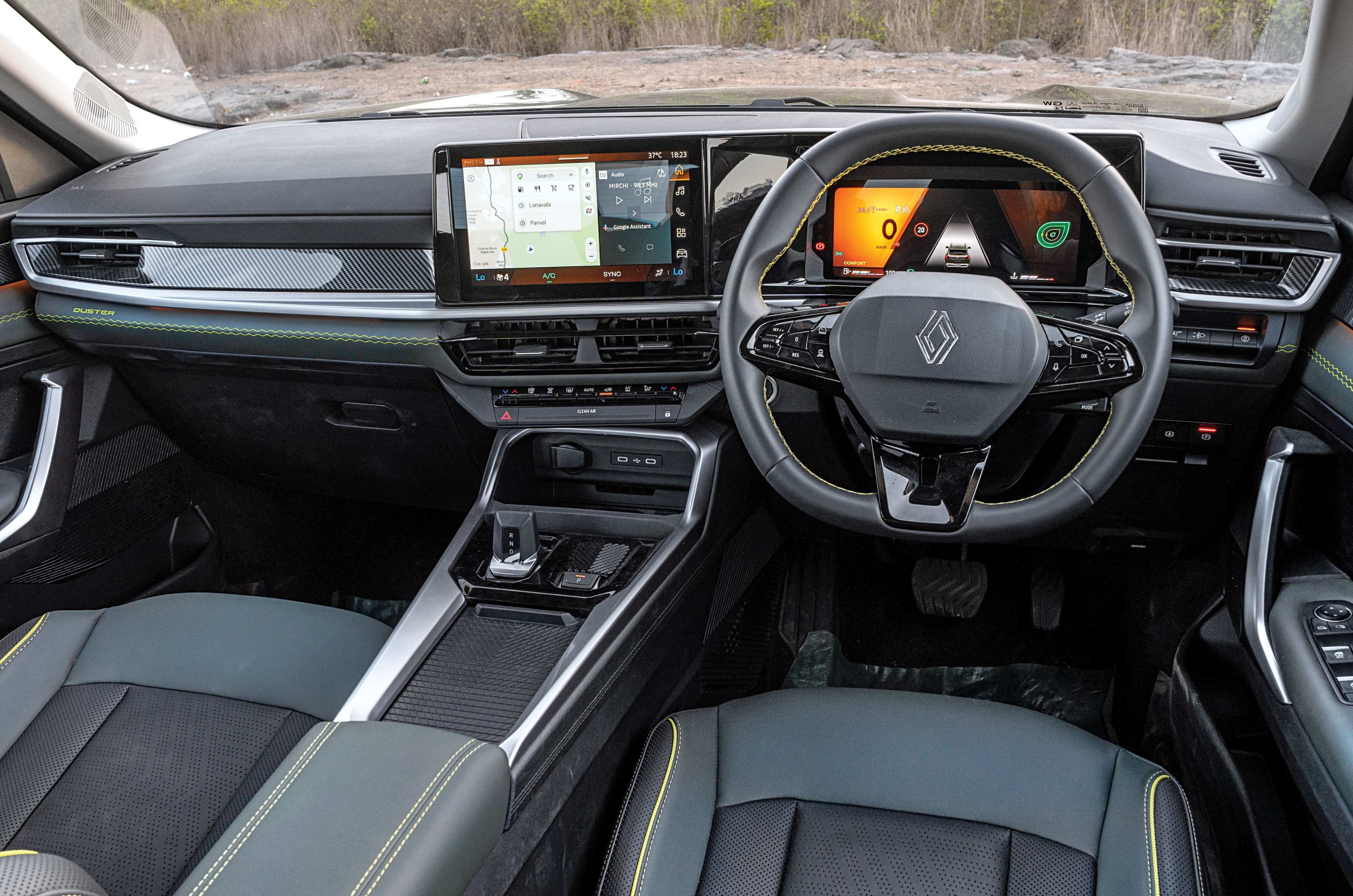
Duster interior is inviting. Angled centre console puts focus on driver.
Before we talk interiors, you should know that all models featured here are in their top-spec avatars. Into the Duster, and first things first, it’s far removed from the OG Duster, which was always behind the curve in terms of technology. The new one is contemporary with digital dials, a touchscreen neatly angled to the driver, and vibrant ambient lighting. Helping the ambience in the top-spec Iconic Edition is contrast stitching, and there’s also a pretty generous use of gloss materials. Drivers will like the seat for its comfort as well as the view out the windscreen – the sight of the bonnet bulges make you feel you are in something tough. Disappointingly for a car that you’d love to do long journeys in, storage space is limited. The glovebox is tiny, while the door pockets are oddly shaped and can’t comfortably accommodate a one-litre bottle.
Seltos’ dash is neatly laid out. Interior quality is the best here.
You don’t need to spend much time in a Kia Seltos to establish that its cabin is a well-thought-out space. Furthermore, quality is a highlight. Soft-touch surfaces are limited to the dashboard panel only, but the use of different grains and textures, and consistently good fit and finish, make the interior feel special. The two-tone upholstery is a clever mix of light materials on top with darker colours for the lower section (making the seats easier to keep clean). A mesh-like finish for the front headrests is also a unique touch. Front seat comfort is good for average-sized adults, but larger-framed individuals will find shoulder support limited and side bolstering a bit snug. Cushioning is nicely judged, and you’ll also like the view out the windscreen.
Sierra cabin looks premium. Triple screens lend wow factor.
It’s the Tata Sierra that immediately delivers the feel of being in a big SUV. The relatively high seating, large seats (they feature adjustable thigh support) and upright pillars do their bit to give you an ego boost every time you get behind the wheel. The Tata interior is also big on wow factor. The three screens and the illumination effect on the steering and climate panels on start up give the Tata some theatre. There’s also a generous use of soft and textured materials, and much of what you touch feels premium. However, elements like the flimsy front door armrests take away from that impression, and the finishing on bits like the wireless charger pad near the centre armrest could be nicer too. Of the other things, toggles for temperature adjustment are good, but touch controls for other climate control functions aren’t easy to use on the go.
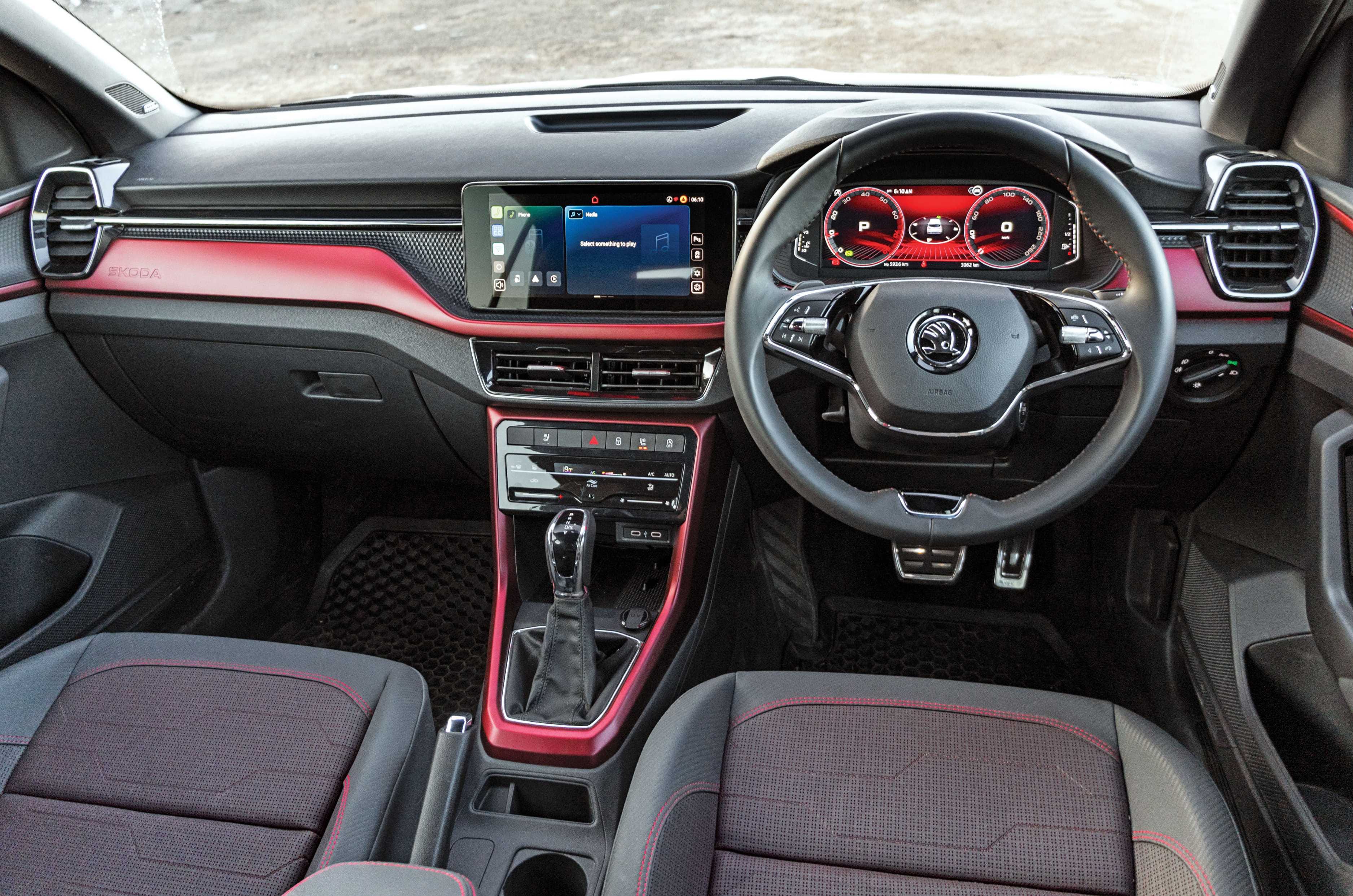
Kushaq dash gets subtle update. Red finish on Monte Carlo trim.
The Skoda Kushaq seats you lowest and doesn’t quite convey that SUV feel as well as the others. Skoda has spruced up the interior with newer colours and more features (more on this in a bit). It remains a neatly laid-out space, with chrome detailing on the air-con vents and stylish two-spoke steering lending some premium appeal. You won’t find soft-touch materials in here, though. Something we really like about the Kushaq are its front seats. They comfortably accommodate large-framed individuals and offer great back, shoulder and leg support.
Sierra vs Seltos vs Duster vs Kushaq: Features
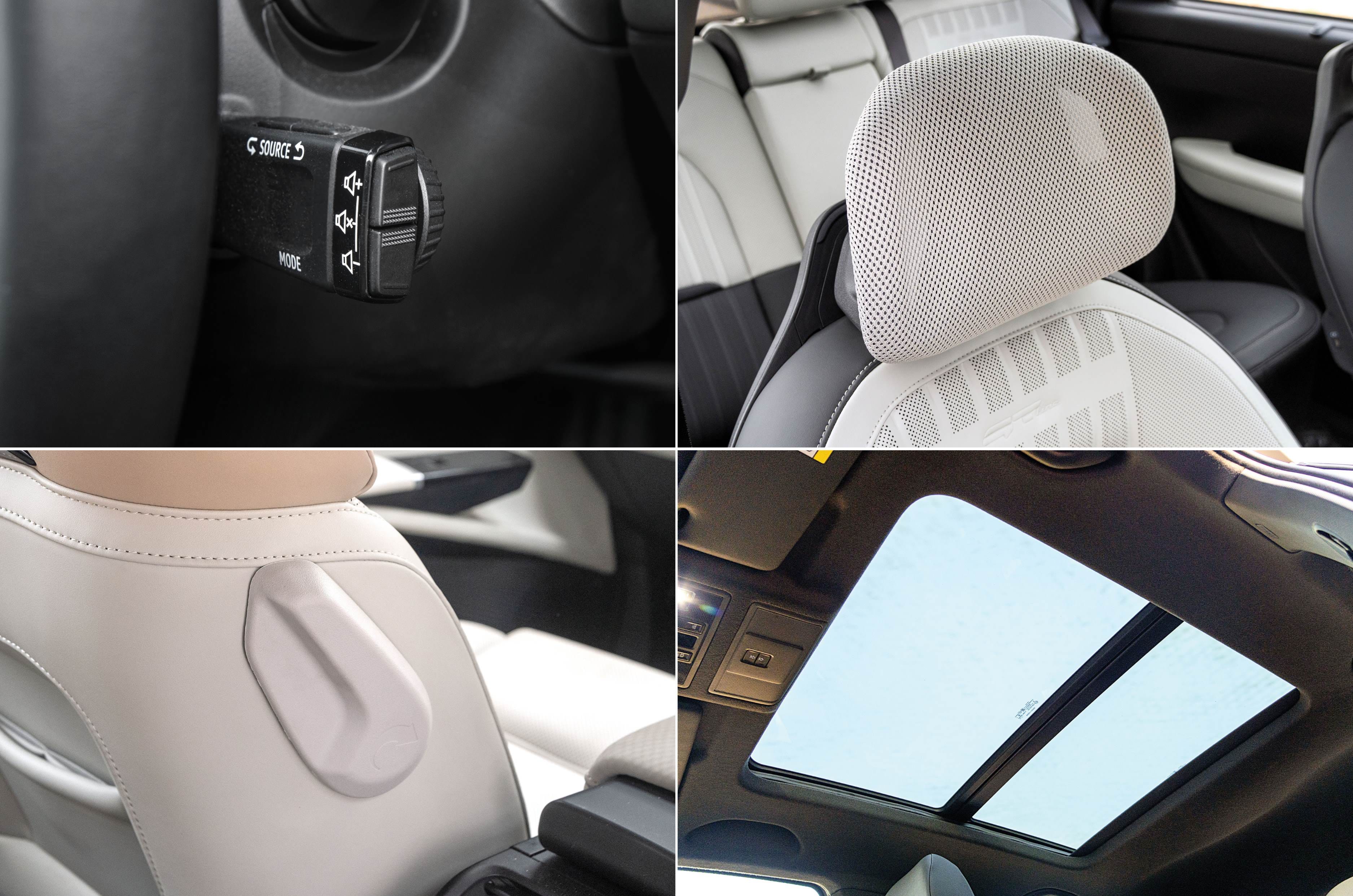
Clockwise from left: Duster’s audio controls are behind steering; Seltos’ front headrests have mes finish; Pano sunroof is a big upgrade on Kushaq; Sierra’s boss mode allows for huge legroom.
To quickly run through features on these SUVs, all feature leatherette upholstery and front-seat ventilation. The Duster and Kushaq offer power adjust for the driver as well as co-driver, while the Seltos and Sierra’s powered driver’s seats get memory settings. All models get panoramic sunroofs, which is a noteworthy upgrade on the Kushaq. It’s the Seltos, Sierra and Duster that offer the added adjustability of dual-zone climate control. However, we found the Kushaq that makes do with a single-zone system to have the strongest AC. Skoda has upgraded the AC compressor, and it’s made a world of a difference. The Kushaq is the only one without an electronic parking brake and, along with the Seltos, also misses out on an onboard air purifier.
In terms of tech features, all models sport digital dials and touchscreen infotainment systems. The Kushaq Monte Carlo’s new 10.25-inch digital dials look best. The Seltos’ instrument panel is largest at 12.3 inches, but themes are limited to colour changes only. Tata also seems to have held back on the Sierra’s 10.25-inch dials, which could have offered more. The Duster’s 10.25-inch unit is nice, but traditionalists will miss a classic two-dial view.
Clockwise from left: Duster’s ambient lighting is most vibrant; Seltos has best touchscreen; Kushaq’s digital dials look sportiest; Sierra’s passenger screen can distract driver.
It’s a more even fight when talking touchscreens. All screens are slick to use, but we find the user interface best on the Seltos. A dedicated 5-inch screen for climate control is also part of the package on the Kia, but it feels redundant given nicer-to-use physical buttons are in easy reach. Fully loaded Sierras are unique in the segment, offering a third screen up front dedicated for the passenger. It’s a great way for front passengers to kill time on long commutes, but the absence of a privacy filter makes the screen an unnecessary distraction for the driver. The option to connect Bluetooth headphones to this screen at least takes care of the audio aspect. Talking audio, the Sierra has the most immersive sound system. Of the other things, you get the best parking cameras on the Tata Sierra and Kia Seltos. The Duster also packs in a 360-degree camera like the other two, but resolution is just okay. The Kushaq only offers a rear-view camera, and image quality is disappointing too.
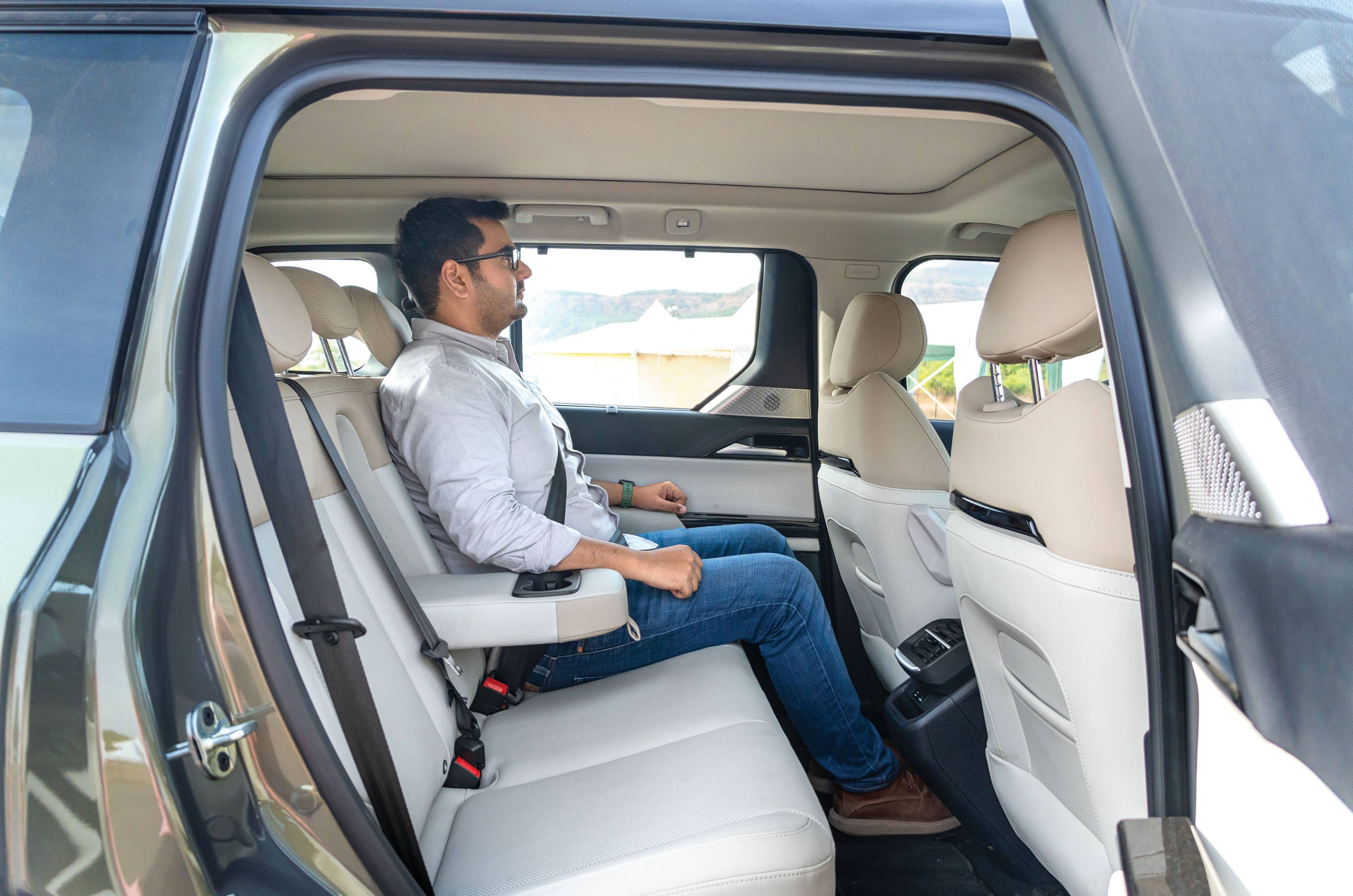
Sierra vs Seltos vs Duster vs Kushaq: Reat seat experience
Duster offers good space at the back. Rear seat is comfy for three too.
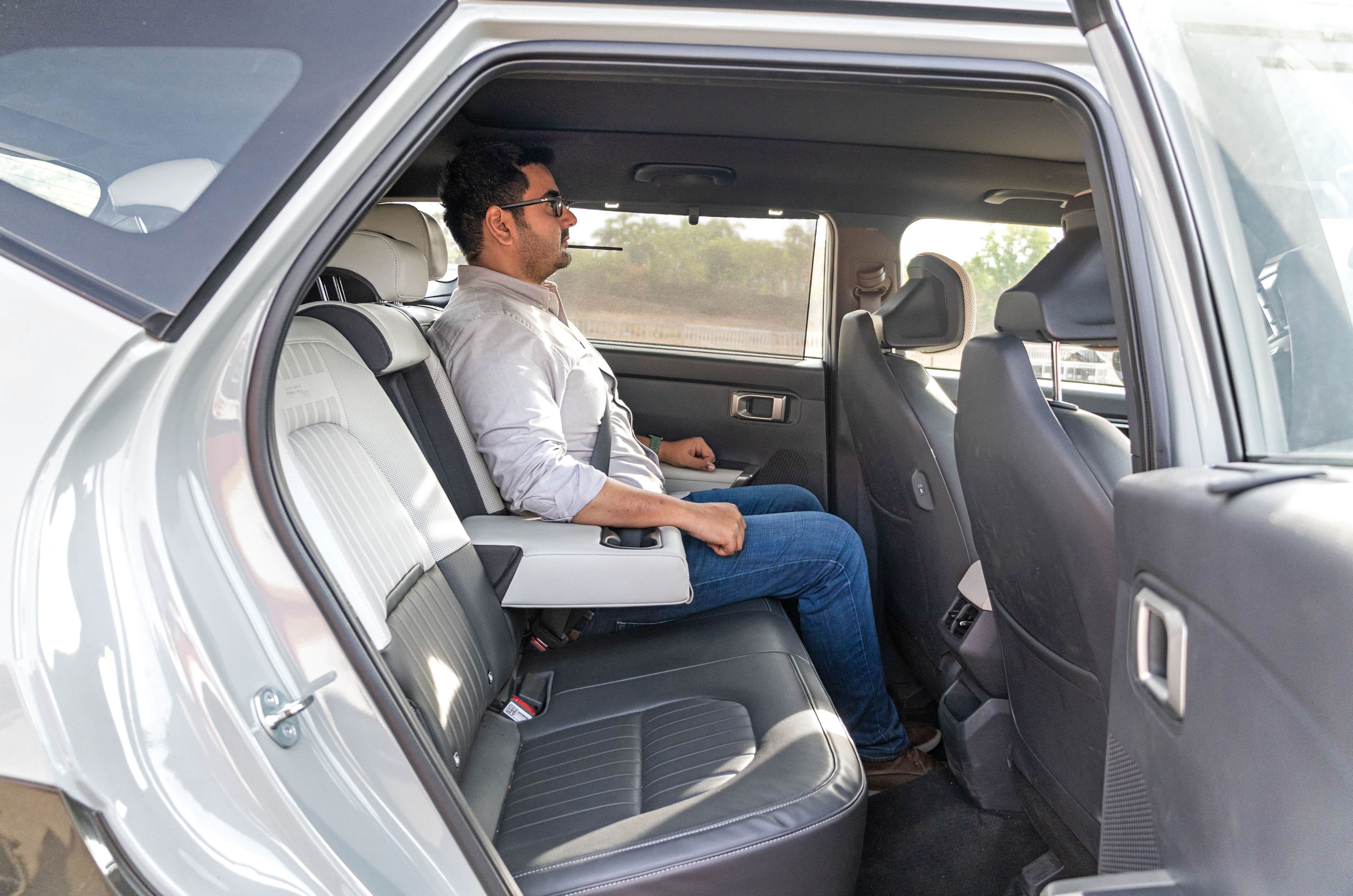
You’ll have to make your way past a high door sill to get onto the Duster’s back seat, and once in place, you’ll realise that space is good, but not at par with larger rivals. There’s good knee room and headroom even for six footers, but the seat bolstering isn’t ideal for big-framed individuals. When it’s a full house, you’ll like how comfortably the Duster accommodates three abreast.
Seltos is big on legroom, but tall occupants will find headroom just adequate.
The Kia Seltos makes the most of its length to offer great legroom at the back. Average-sized adults will be very comfortable, but tall occupants will find headroom just about adequate. Meanwhile, the raised centre seat also means it’s not the most comfortable experience for the middle-seat passenger. Features-wise, the Seltos does well to pack in rear window sun shades and rear-seat recline adjust.
Kushaq’s back seat is best for two occupants. Rear legroom is generous.
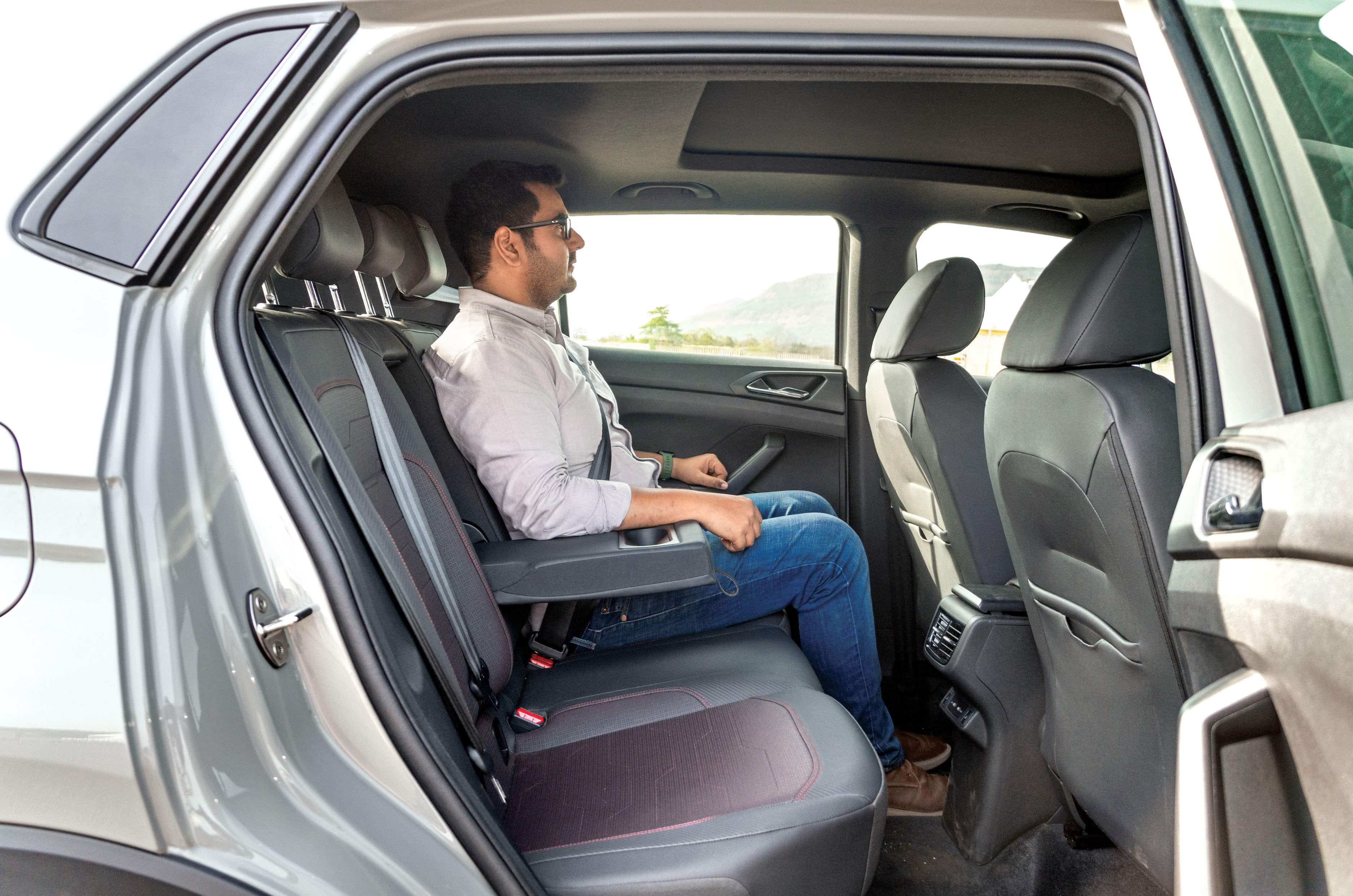
The Kushaq is the smallest SUV in this competition, and you feel it as much when you’re sat at the back. It simply doesn’t offer the same sense of space as rivals, and seating for three is cramped. However, the Kushaq’s rear seat works well for two occupants, and legroom is actually pretty good. Skoda has also packed in a segment-first rear-seat massage function on the updated Kushaq. You can’t adjust intensity or types of massage as you can on a luxury car, but the pulsing sensations on your back do work well to soothe you.
Sierra is easily the roomiest at the back.
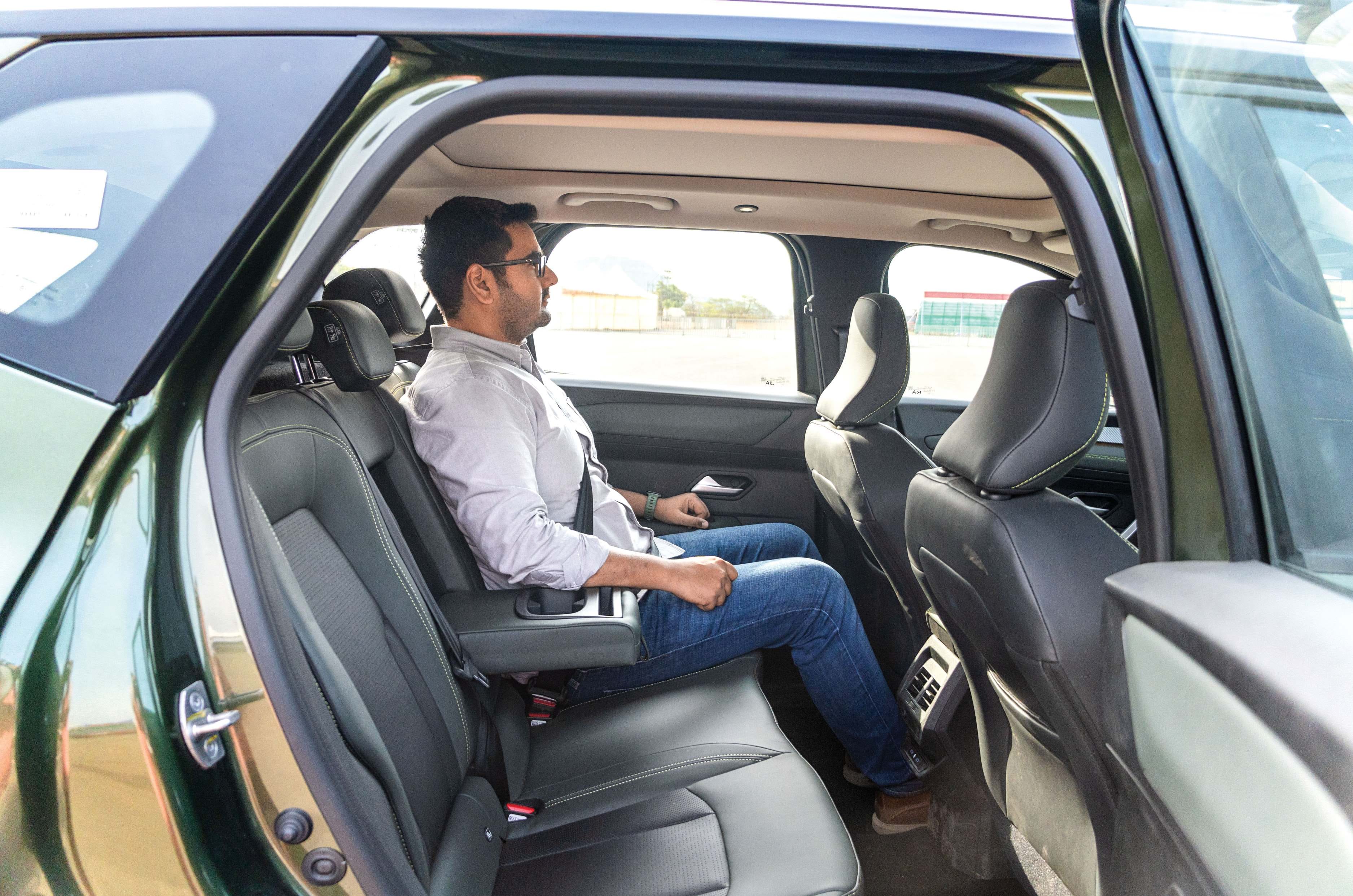
It’s the Tata Sierra that delivers the most space and comfort at the back. It has the longest wheelbase and is also the tallest, and it really makes good on those dimensions by offering the airiest cabin. The massive panoramic sunroof helps with this impression. Even six footers will find space ample, and should you need more room to stretch out, the front passenger seat can be slid away from the back. A backrest recline adjust (it’s limited in movement) and window sunshades (they don’t cover the full window) are part of the package too.
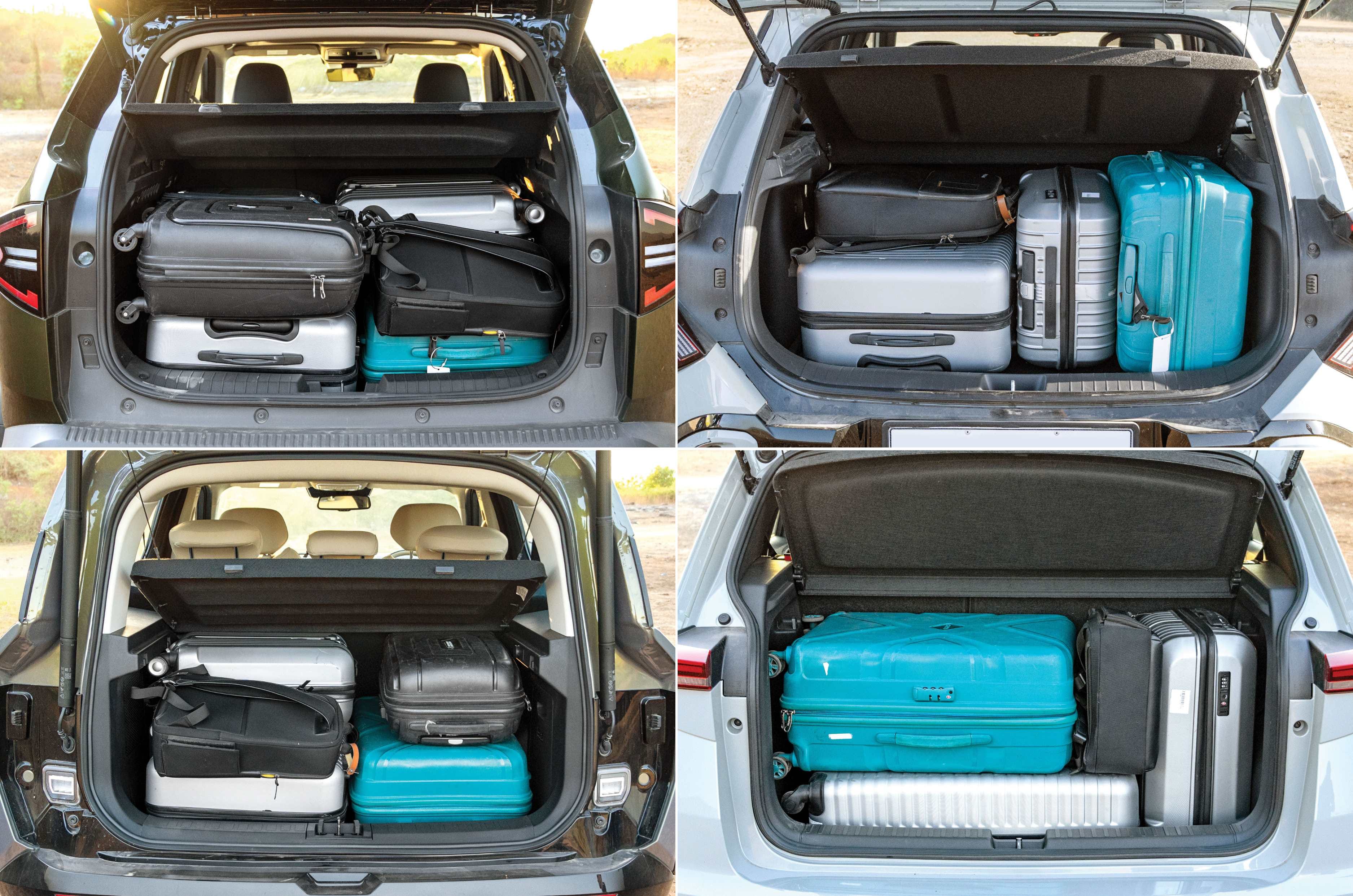
Clockwise from left: Duster swallows the most luggage but lacks spare wheel; low height limits the Seltos’ otherwise deep boot; Kushaq uses vertical space well to fit plenty; Sierra is accommodating with an underbody spare.
The back seats on all models split and fold 60:40 for times when you need maximum luggage room. With the seats in their standard position, it’s the Duster that packs in the most luggage. Trouble is, the loading lip is high. The bigger issue is there’s no spare tyre under the boot floor. You only get a puncture repair kit. The Seltos also has a high load lip, and while the boot is deep, height is limited. Luggage room is decent. The Sierra’s luggage area is well shaped and can pack in plenty. Unique among the SUVs here, the Sierra mounts its spare tyre under the body. The Skoda Kushaq’s boot is smallest on paper, but it uses vertical space well.
When it’s time to load luggage, you’ll appreciate the convenience of powered tailgates offered on the Tata Sierra and Renault Duster.
Sierra vs Seltos vs Duster vs Kushaq: Performance
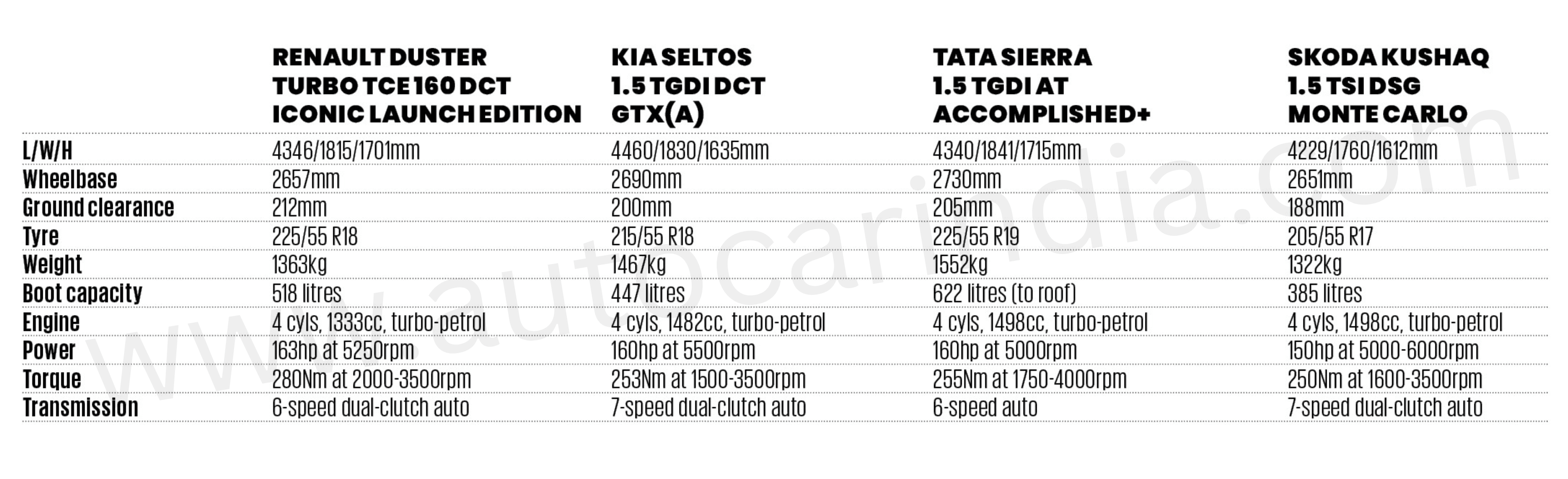
The Skoda Kushaq and Renault Duster are petrol-only models with two turbo-petrol engine options each, while the Kia Seltos and Tata Sierra offer a wider spread of naturally aspirated petrol, turbo-petrol and diesel engines. For this comparison, we’ve considered the most powerful turbo-petrol automatic versions.
The Duster’s 1,333cc turbo-petrol is the smallest engine here, but also the strongest, producing 163hp and 280Nm. The Seltos and Sierra’s 1.5 units make 160hp, while the Kushaq’s 1.5 TSI develops 150hp. There’s a notable spread in kerb weights. The Kushaq is the lightest at 1,322kg, while the Sierra is the heaviest at 1,552kg.
All four are front-wheel drive. The Duster, Kushaq and Seltos use dual-clutch automatics, while the Sierra takes a different approach with a torque-converter gearbox.
They’re all close on power but are very different in how they drive.
On the move, the Duster feels most rugged and adventure-ready. Broken roads barely faze it, and in fact, it almost feels engineered for poor surfaces. The class-best 212mm of ground clearance only adds to confidence. Importantly, the new Duster retains the toughness of the original but adds sophistication. Unlike the old car, there’s no steering kickback over potholes or rough patches. Handling is good too. It corners with grace, and while the steering is light, it has a reassuring on-centre feel.
Performance, however, is a mixed bag. While the Duster has the most power on paper, it doesn’t feel especially eager at low speeds. There’s noticeable turbo lag below 2,000-2,500rpm, and at times you can feel a lurch as the gearbox works around this lag. As speeds build, the engine comes alive with a stronger, freer mid-range. Refinement is excellent, though keen ears will notice a distinct turbo hiss.
The dual-clutch gearbox deserves mention too. Its wet-clutch arrangement (the others are dry-clutch units) feels impressively smooth – almost torque converter-like – but it isn’t as quick-shifting as the others. That relaxed nature reflects in the numbers as well. The Duster is about a second slower to 100kph than the others and also trails in roll-on acceleration, if only by a bit.
Duster vs Seltos vs Sierra vs Kushaq: Acceleration from rest
Duster
Seltos
Sierra
Kushaq
0-20kph
1.71 seconds
1.46 seconds
1.19 seconds
1.73 seconds
0-40kph
3.55 seconds
2.93 seconds
2.54 seconds
3.02 seconds
0-60kph
5.52 seconds
4.69 seconds
4.51 seconds
4.79 seconds
0-80kph
7.94 seconds
7.04 seconds
6.77 seconds
7.04 seconds
0-100kph
11.33 seconds
9.87 seconds
9.85 seconds
9.62 seconds
0-120kph
15.37 seconds
13.90 seconds
13.73 seconds
13.16 seconds
0-140kph
–
18.88 seconds
19.25 seconds
17.77 seconds
0-160kph
–
–
29.25 seconds
23.90 seconds
The Seltos is quicker on paper but actually masks its performance. Drive in an easygoing manner, and you will like how the Kia builds its speed. It’s very friendly and doesn’t give the impression that you’re driving a fairly powerful vehicle. When you want more, the Seltos delivers its performance in a strong and linear manner. It’s not an outright engaging drive, but handling is tidy, grip levels are good, and the Seltos feels secure at high speeds too. There’s some firmness to the suspension, but it’s not a deal breaker.
Cruising refinement is another strong point. The engine remains quiet, outside noise suppression is excellent, and the cabin feels calm and refined. The weak link is the dual-clutch gearbox. At low speeds, shifts aren’t always smooth, and the transmission can occasionally fumble in traffic. Once speeds rise, though, the DCT settles down nicely and even responds well to inputs at the paddle shifters. Word of advice for anyone keen on the Seltos: get the Seltos CVT if the bulk of your driving is in town.
Duster is enjoyable in corners but Kushaq is a more complete driver’s car.
The Sierra delivers a very different experience. It backs up the feeling of being in a large SUV with a tough build that comes through on bad roads. The Sierra remains composed over broken patches, and bump absorption is really good. However, the 19-inch wheels on top variants do impact ride comfort. Versions with the smaller 18-inch and especially 17-inch wheels ride better still. At highway speeds, the Sierra feels big, heavy and reassuringly planted. Body control is also better than expected for such a tall SUV. The steering is lighter than ideal, but still offers a reasonable sense of connection.
The Sierra’s turbo-petrol and torque-converter combination works well in daily driving. The engine feels responsive low down, and paired with the smooth gearbox, it delivers effortless progress in traffic. Even when driven harder, the Sierra retains its smooth character. It may not feel as urgent as the Kushaq, but outright performance is strong enough. The downside is that the gearbox feels relaxed even when you want aggressive responses. Downshifts aren’t particularly quick, even via the paddle shifters, and there’s also some delay when shifting between drive modes at the gear selector. The Kushaq will mean different things to different buyers. Some might pass up on it for its relatively small size, while some might actually see its dimensions as a virtue. It is the easiest to drive in city confines, and its DSG gearbox is the best of the dual-clutch units here. There’s a firmness to the suspension that you’ll experience in town, but it smoothens wonderfully at highway speeds.
Duster vs Seltos vs Sierra vs Kushaq: Rolling acceleration from rest
Duster
Seltos
Sierra
Kushaq
20-80kph
6.07 seconds
5.61 seconds
5.75 seconds
5.18 seconds
40-100kph
7.60 seconds
7.07 seconds
7.44 seconds
6.37 seconds
It’s when speeds build that the Kushaq comes into its element, cementing itself as the SUV to buy for keen driving enthusiasts. The 1.5 TSI feels eager, power delivery is effortless, and the SUV feels genuinely brisk. It’s the quickest to 100kph and also leads in rolling acceleration. Drive with vigour, and you’ll find shifts on the DSG to be quick and particularly rewarding when controlled through the paddles.
Handling is where the Kushaq really shines. It feels tight, agile, and the most engaging of the lot through corners. If you enjoy driving, this is still the SUV that will put the biggest smile on your face. A useful trick up the Kushaq’s sleeve is cylinder deactivation, which helps efficiency under light loads. It paid off in our tests, too. The Kushaq emerged as the most fuel-efficient SUV here, returning 9.55kpl in the city and 15.29kpl on the highway.
Duster vs Seltos vs Sierra vs Kushaq: Tested fuel economy
Duster
Seltos
Sierra
Kushaq
City mileage
7.47kpl
9.27kpl
7kpl
9.55kpl
Highway mileage
13.47kpl
14.76kpl
13.70kpl
15.29kpl
The Seltos came next with 9.27kpl and 14.76kpl, respectively. There was then a noticeable gap to the Duster, which managed 7.47kpl in town and 13.47kpl on the highway, while the heavier Sierra returned a best of 7kpl in the city and 13.7kpl on the highway.
Sierra vs Seltos vs Duster vs Kushaq: Safety
All models comply with the latest Indian crash-test norms, and all have performed remarkably well in their crash tests. The Tata Sierra, Renault Duster and Kia Seltos have been rated five stars by Bharat NCAP, while the Skoda Kushaq is a five-star Global NCAP-rated model. Six airbags, ABS, electronic stability control and ISOFIX child seat mounts are safety features you’ll find on all models. All but the Kushaq also get radar- and camera-based ADAS, or advanced driver-assistance systems with functions like auto emergency braking, adaptive cruise control and lane-keep assist.
All models do get front and rear disc brakes. In our 80-0kph test, which simulates a panic stop, the Kushaq stopped in the shortest distance, while the Duster took an extra three metres to come to a halt. However, it was the Seltos that didn’t feel as sure-footed as the others in emergency braking.
Sierra vs Seltos vs Duster vs Kushaq: Verdict
Before we sum up, a quick overview of prices. The Renault Duster with the 1.3 turbo-petrol engine and DCT combo has the lowest starting price (Rs 14.49 lakh, ex-showroom) as well as the lowest price (Rs 18.69 lakh) for the fully loaded version featured here. The Skoda Kushaq 1.5 TSI DSG that’s only sold in fully loaded form is just slightly pricier at Rs 18.99 lakh. The Kia Seltos gives most choice, with 7 trim levels for the Turbo DCT (Rs 16.29-20.19 lakh) combo alone. The Tata Sierra Turbo AT starts at Rs 17.99 lakh, but in top-spec form, it is the priciest car of the test, coming in at Rs 20.99 lakh.
The Seltos doesn’t ace every parameter but makes for a solid all-rounder.
We’ll start with the Skoda Kushaq that stands out as the most fun-to-drive midsize SUV. The upgraded AC has also addressed one of the models’ big shortcomings, while it has reduced the gap to others in terms of equipment with the inclusion of a panoramic sunroof. ADAS would have been nice, but at a broader level, what works against the Kushaq (and Taigun) is its price-to-size proposition. In a segment in which like-priced rivals are only getting larger and road presence counts for a lot, the Kushaq’s relatively small size limits its appeal.
The new Renault Duster appeals for the very reasons that the original did. It’s tough, rugged and a vehicle you’d love exploring the country in. At the same time, the new Duster feels more wholesome too thanks to an inviting interior and the latest features. It’s just that when you view the Duster in light of rivals that you’d feel it could have been better still. Fuel efficiency is so-so, low-speed city drives aren’t smoothest, and cabin space is good but not great.
They cater to the same segment, but there’s great variety among these four.
The team at Tata Motors put its heart and soul into the new Sierra, and it shows. The design draws eyeballs, it’s the roomiest midsize SUV, and Tata has gone all out on features too. It’s not particularly sporty even with the turbo-petrol engine, but the smoothness of the powertrain is a highlight. The Sierra’s scorecard takes a big hit when you bring fuel economy into the equation, which is the lowest here. Also as good as the package is, it still can’t match global rivals on final finesse. Tata Motors’ inconsistent service experience could also deter buyers.
The Kia Seltos might not have the same emotional appeal as the Tata, but it delivers where it matters. Its increased size gives the impression you’ve got your money’s worth, and that feeling is only underlined by the premium interior that feels the best put together. The Seltos also scores on space and tech features. The DCT does take away from the drive experience at low speeds, but on the whole, performance, refinement and even efficiency are really good. It’s an all-rounder that you can’t go wrong with, making it our pick of the new midsize SUVs.
A pilot trial for blending 2 percent isobutanol with diesel is expected to begin in the second quarter of FY27, Girish Wagh, MD and CEO of Tata Motors stated during a media roundtable on Thursday. A government-led task force, which includes active participation from original equipment manufacturers (OEMs), oil marketing companies, testing agencies and others, is driving the initiative. Tata Motors is currently coordinating with state-run Hindustan Petroleum to secure the specialised blended fuel for the upcoming tests.
Isobutanol has a lower calorific value (energy content) than diesel
A minimal 2 percent blend may have a negligible effect on the vehicle’s performance
The development should be seen in the context of how ethanol is being blended with petrol, with the base blending level now at 20 percent (also called as E20). Amidst fuel supply challenges emanating from the West Asia war, the government recently notified standards for ethanol blending of E22, E25, E27 and E30. Plans are now being prepared to take blending levels up further, and the government also announced the rollout of E85 and E100.
ARAI to lead 10-month-long assessment
Our sister publication Autocar Professional had reported earlier about how commercial vehicle manufacturers, Automotive Research Association of India (ARAI), the Council of Scientific and Industrial Research, oil marketing companies and others are moving to break a decades-long deadlock in diesel decarbonisation by launching a nationwide validation program for isobutanol blending.
The ARAI will lead a 10-month technical assessment alongside bioenergy tech supply major Praj Industries to determine if isobutanol can serve as a seamless “drop-in” replacement for standard diesel. With nearly all major OEMs expected to participate, the initiative indicates a shift away from problematic diesel-blending trials, focusing instead on a molecule that promises better stability and safety for the nation’s critical transport fleet.
Oil majors like Bharat Petroleum have been testing isobutanol for two years, recently completing a three-month trial in stationary Cummins engines. They are now committing significant capital to validate data across 33 different vehicle types in India.
Issues in isobutanol-diesel blending
To understand why isobutanol is causing a stir, one must look at the failures of ethanol-diesel blending. For years, engineers tried to force ethanol into diesel tanks, but the chemistry refused to cooperate. Ethanol is a two-carbon alcohol with a “polar” structure, meaning it doesn’t like to mix with the oily consistency of diesel. Without expensive chemical binders, the two fuels simply separate in the tank.
More critically, ethanol is a fire hazard in a diesel ecosystem. Its flashpoint – the temperature at which it catches fire – is a mere 12 to 13deg C. Diesel, by contrast, is regulated to a minimum of 35deg C. This difference puts them in entirely different petroleum safety classes, making shared storage and transport a logistical nightmare. Even with proprietary binders, OEMs were rarely comfortable going beyond a 5 percent blend before combustion issues emerged.
Technical bridge in the making
Praj Industries, the Pune-based bioenergy giant, has spent the last two years building the technical bridge that ethanol couldn’t cross. As a four-carbon alcohol, isobutanol behaves much more like diesel. Its flashpoint sits between 27 and 30deg C, which allows it to stay within the same Class B petroleum category as diesel. This means the existing network of tankers and pumps doesn’t need a multi-billion-dollar overhaul. Initial investigation found that isobutanol remained stable at 10 percent blends for over 40 days without any separation. Early dynamometer trials on standard Indian driving cycles showed that a 5 percent blend slashed emissions with a negligible 1 to 2 percent impact on fuel mileage, a trade-off most fleet operators would take in a heartbeat.
Shift to blended fuels essential for national energy security: Girish
According to Wagh, isobutanol is a key lever for reducing reliance on imported fuels. While isobutanol has a lower calorific value (energy content) than traditional diesel, the minimal 2 percent blend is expected to have a negligible effect on vehicle performance.
“We do expect that isobutanol, because the calorific value is lower than that of diesel, there would be some impact,” said Girish. “But 2 percent is hardly anything to have an impact. But we will start these trials”. Wagh emphasised that the shift is essential for national energy security, noting that “energy independence is so important that I am sure… everybody will fall in line and do this”.
इस हफ्ते के आखिरी कारोबारी दिन बाजार में जबर्दस्त उतार-चढ़ाव रहा। ज्यादातर समय बाजार के प्रमुख सूचकांक निफ्टी और सेंसेक्स में शानदार तेजी दिखी। लेकिन, कारोबार के करीब एक-सवा घंटे में सूचकांकों ने अपनी काफी बढ़त गंवा दी। अंतिम कुछ मिनटों में प्रॉफिट बुकिंग ने बाजार पर दबाव बना दिया।
75 मिनट में सेंसेक्स ने गंवाएं 500 अंक
दो दिनों के कारोबार में 1700 अंक चढ़ने वाले सेंसेक्स ने अंतिम कुछ मिनटों में घुटने टेक दिए। 1:50 बजे सेंसेक्स 77,594 अंक पर था। 3:05 में यह गिरकर 77,095 अंक पर आ गया। यह सिर्फ 75 मिनट में 500 अंक की गिरावट है। इस गिरावट ने इनवेस्टर्स को चौंकाया। खासकर लॉन्ग पोजीशन वाले इनवेस्टर्स ज्यादा परेशान दिखे।
26 जून को बीएसई-एनएसई में छुट्टी
इक्विरियस वेल्थ के एमडी और डायरेक्टर अंकुर पुंज ने रायटर्स को बताया, “चूंकि शेयर बाजार 26 जून को बंद रहेंगे, इसलिए इनवेस्टर्स ने कारोबार के अंतिम पलों में अपने पोजीशन काटे।” 26 जून को शेयर बाजारों में मुहर्रम की छुट्टी है। इसलिए बीएसई और एनएसई बंद रहेंगे। 29 जून यानी सोमवार को बीएसई और एनएसई खुलेंगे।
मानसून में कम बारिश बाजार के लिए रिस्क
बजाज फिनसर्व एएमसी ने अपनी रिपोर्ट में कहा है, “मानसून में सामान्य से कम बारिश शेयर बाजार के लिए शॉर्ट टर्म रिस्क है। लेकिन, केंद्रीय बैंक ने फॉरेन करेंसी डिपॉजिट बढ़ाने के उपाय किए हैं। सरकार ने फॉरेन इनवेस्टर्स को बॉन्ड्स में निवेश पर टैक्स में छूट दी है। इससे मार्केट में इनफ्लो बढ़ना चाहिए।”
एविएशन कंपनियों के शेयरों में तेजी
इंटरग्लोब एविएशन का शेयर अंत तक तेजी बनाए रखने में सफल रहा। यह 4.7 फीसदी चढ़कर बंद हुआ। क्रूड में नरमी का असर एविएशन कंपनियों के शेयरों पर दिखा। स्पाइसजेट के शेयरों में भी मजबूती दिखी। ऑटो और इससे संबंधित सेक्टर की कंपनियों में भी मजबूत दिखी।
ऑटो शेयरों ने भी दिखाई रफ्तार
Bajaj Auto, Maruti Suzuki, Tata Motors PV और महिंद्रा एंड महिंद्रा के शेयर 1-4 फीसदी चढ़कर बंद हुए। TVS Motor, Ashok Leyland और टाटा मोटर्स सीवी के शेयर तो 4-5 फीसदी तक उछल गए। Motherson Sumi Wiring का शेयर तो 9 फीसदी चढ़कर बंद हुआ।
आईसीआईसीआई सिक्योरिटीज ने कहा है कि भारतीय बाजार के लिए स्थितियां अनुकूल हो रही हैं। क्रूड में नरमी है। घरेलू डिमांड स्ट्रॉन्ग बनी हुई है। इससे आगे कॉर्पोरेट अर्निंग्स बढ़ने की उम्मीद है। अमेरिका-ईरान में लड़ाई खत्म होने से महंगाई बढ़ने का खतरा कम हुआ है। एआई कंपनियों में निवेश को लेकर उत्साह ठंडा पड़ रहा है। इससे बाजार का सेंटीमेंट पॉजिटिव बना रह सकता है।