JAS Tensei: The NSX reborn by JAS Motorsport

JAS Tensei: The NSX reborn by JAS Motorsport
JAS Tensei

There are few cars that changed the supercar world quite like the original Honda NSX. It proved that a mid-engined exotic could be fast, reliable, approachable and, crucially, enjoyable without trying to intimidate its driver. More than three decades later, JAS Motorsport has taken that philosophy and given it a thoroughly modern interpretation.

Meet the JAS Tensei. Tensei translates roughly to “rebirth” in Japanese, and the name neatly captures what JAS is attempting here. This isn’t simply an NSX restoration, nor is it a cosmetic restomod. JAS has taken the first-generation NSX as its starting point and re-engineered the car with modern materials, motorsport know-how and a new body designed by Pininfarina. And there will be just 35 examples.

But first, Who is JAS?

Launched in 1995, JAS Motorsports was named after its founders Paolo Jasson, Maurizio Ambrogetti and Giorgio Schön. They have been the official partner for Honda since 1998 and have since developed race cars for various competitions with successful results in touring car championships.

JAS Tensei: Exterior design 
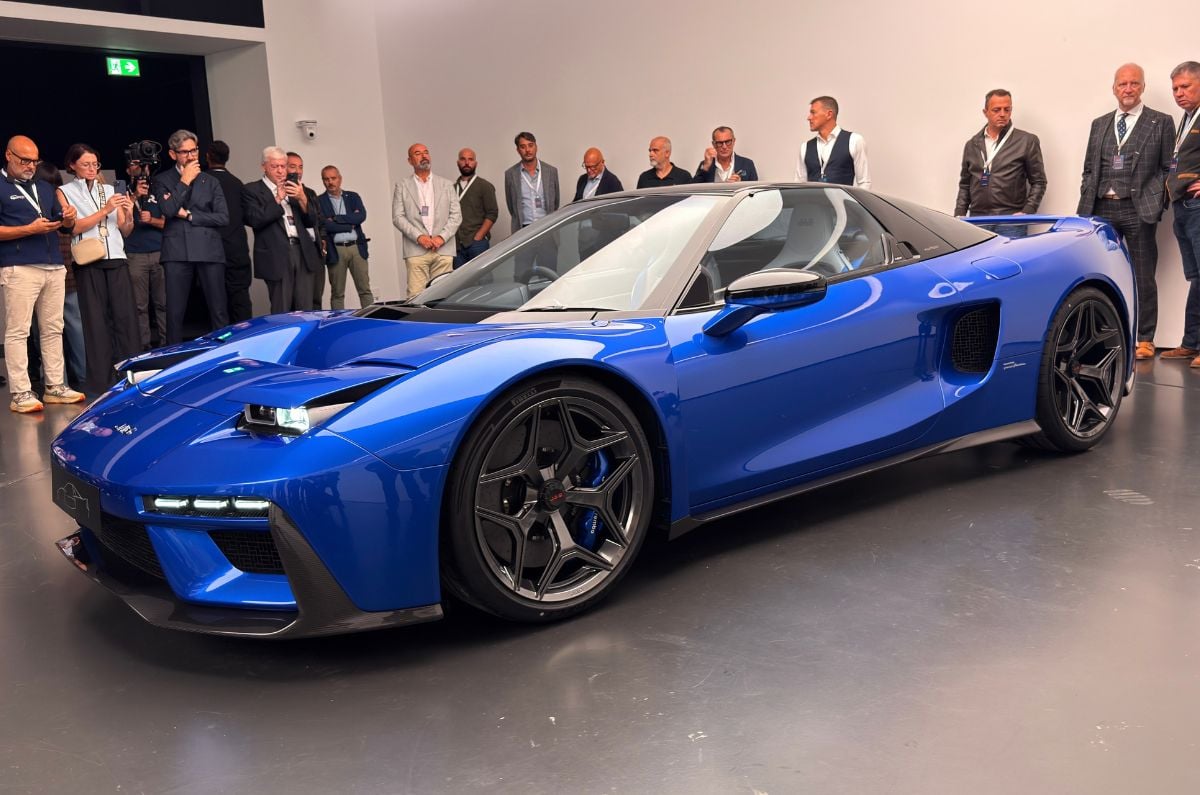
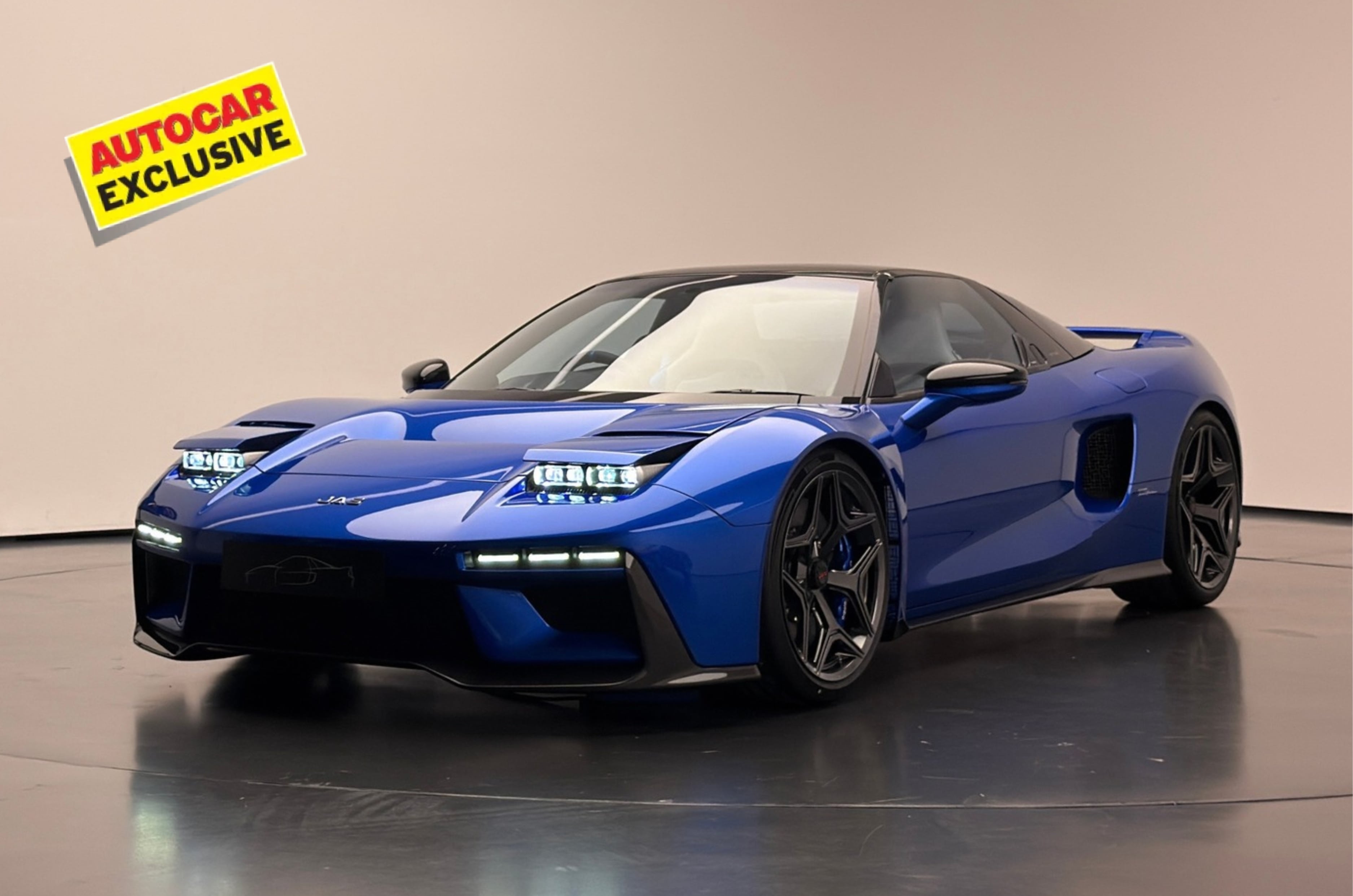
Look at the Tensei from a distance and the connection to the original NSX is immediately apparent. The proportions remain familiar, as do several of the visual cues that defined Honda’s icon. But the details are considerably more modern.

The body is constructed entirely from carbon fibre, allowing JAS to alter the car’s dimensions and surfaces while keeping weight under control. Pininfarina was responsible for the design, bringing an Italian interpretation to a fundamentally Japanese concept. It is an interesting collaboration because Pininfarina already has history with the NSX story. The company was involved with Honda’s HP-X concept, which preceded the production NSX.

The result is therefore less a replica and more an alternate evolution of the original car — essentially asking what the NSX might have looked like had its development continued into the modern era.
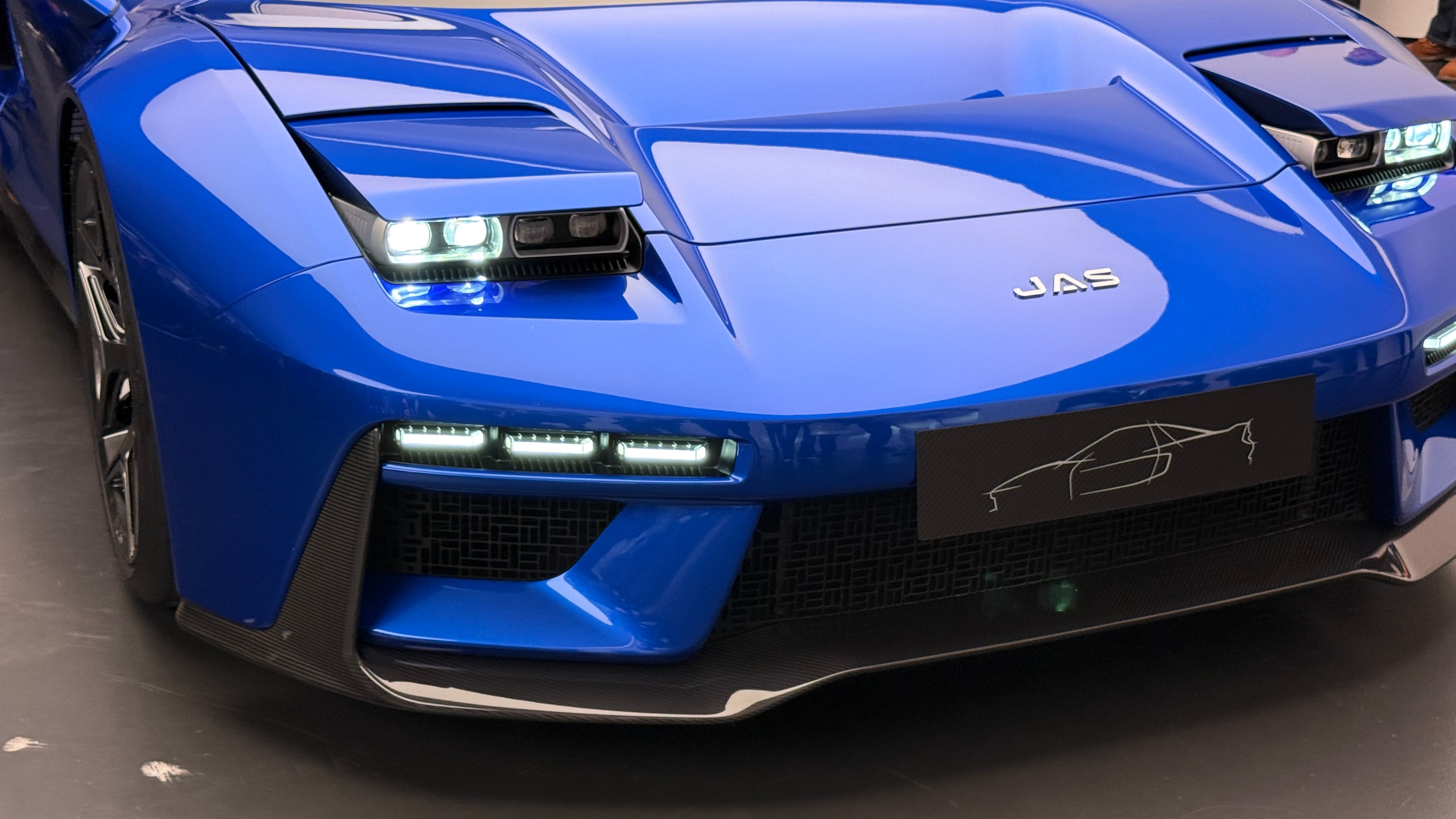
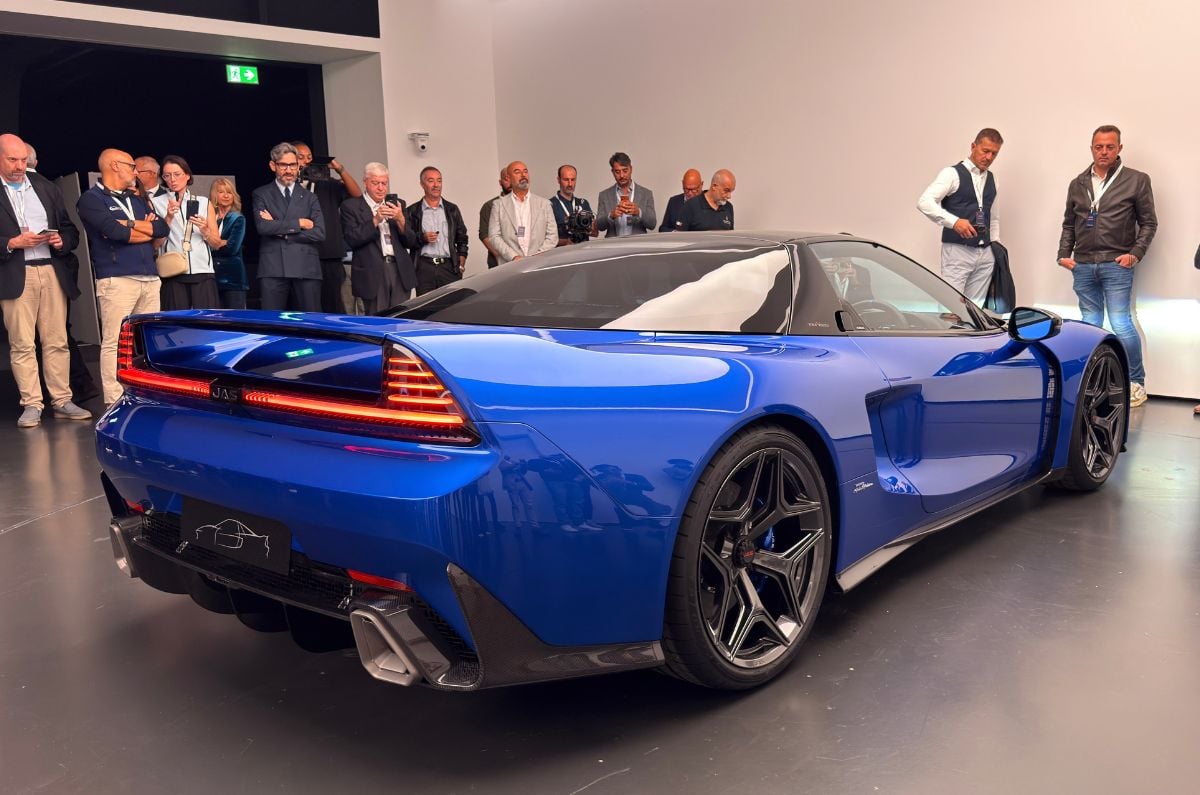
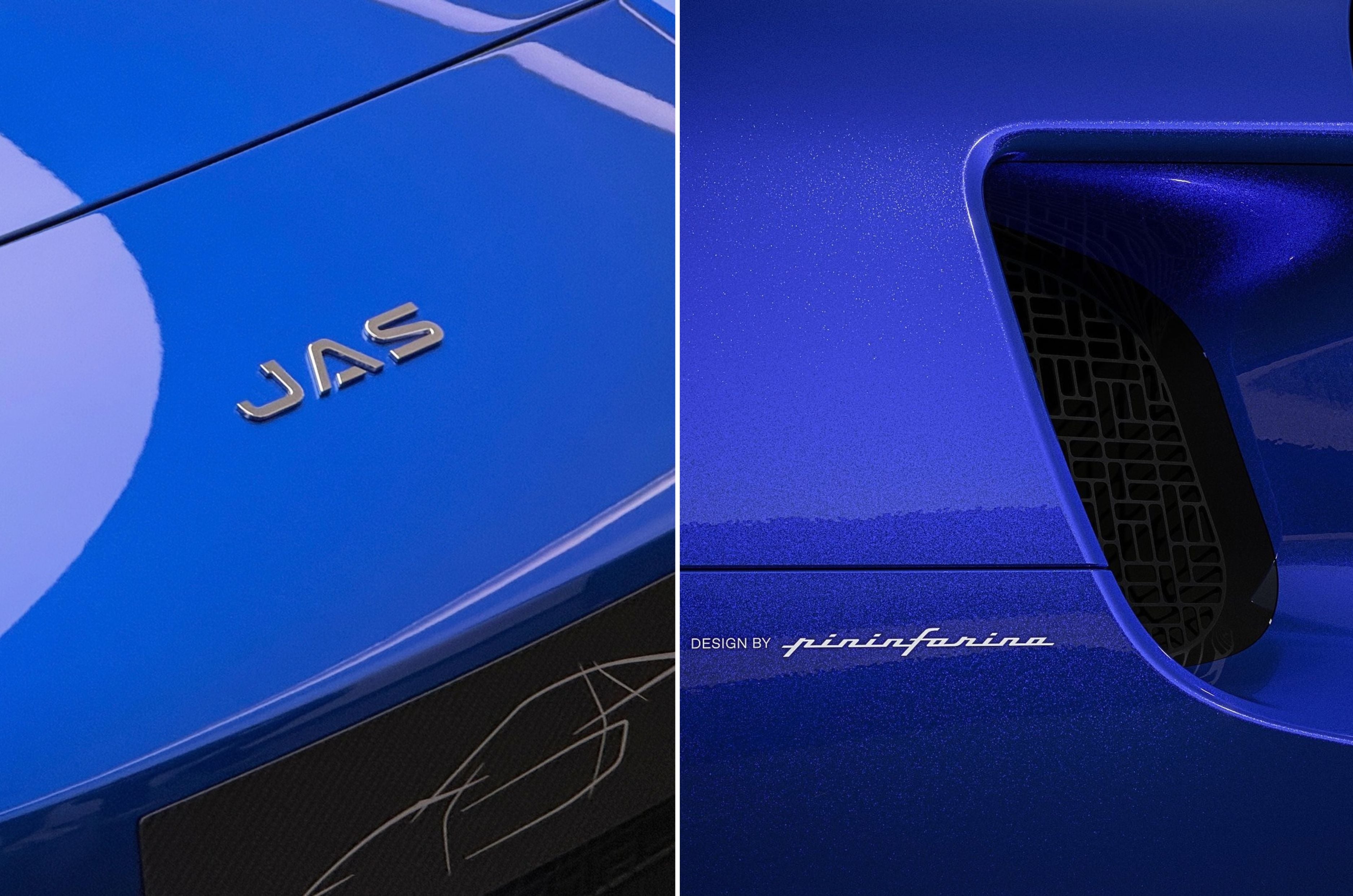
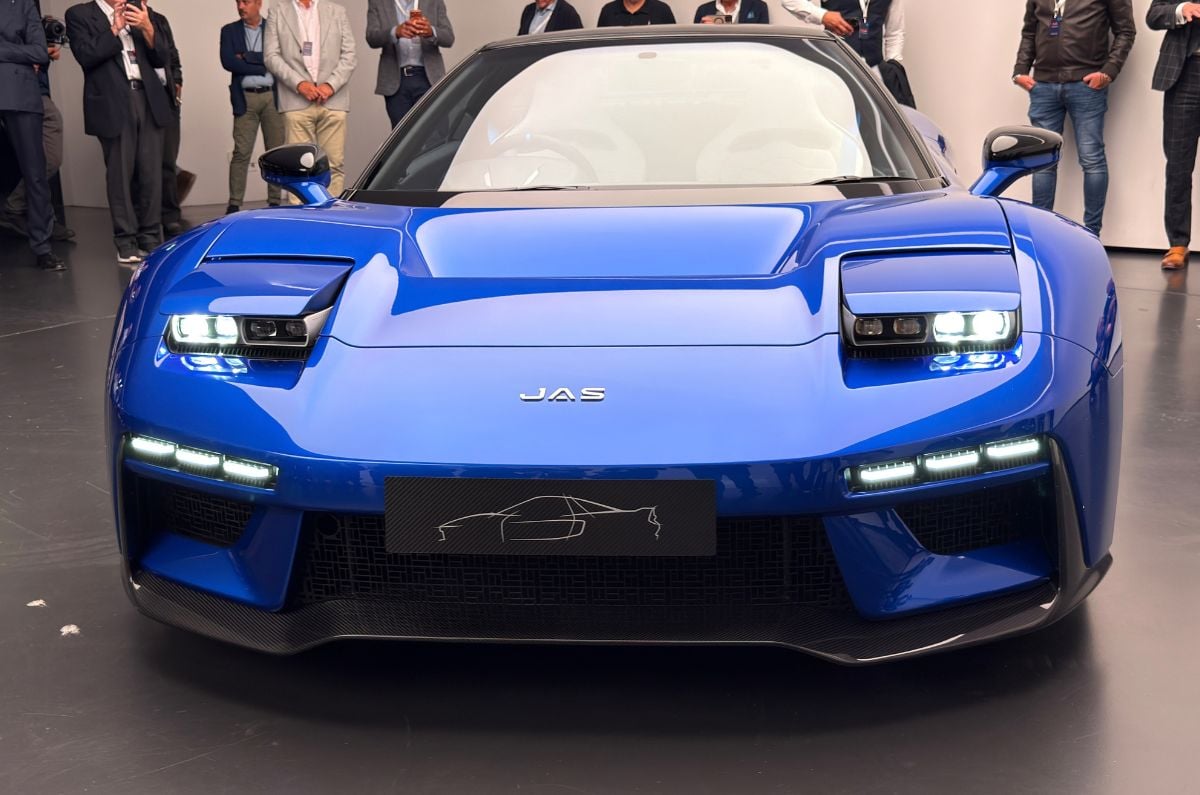
The front bumper is sculpted to guide air under the car and out of the massive duct in the bonnet. The pop-up headlamps have been retained but now feature LED treatment. The wiper covers have also been redesigned and in fact the only part that has been untouched is the roof. The A and B pillars are more raked and the wheels have gone up by a massive 4 inches. 15s and 16s on the NSX are now 19s and 20s on the Tesei. Interestingly the door handle with the NSX badge is also carried over. Low down you will spot the iconic Pininfarina badge that we are used to seeing on Ferraris. 
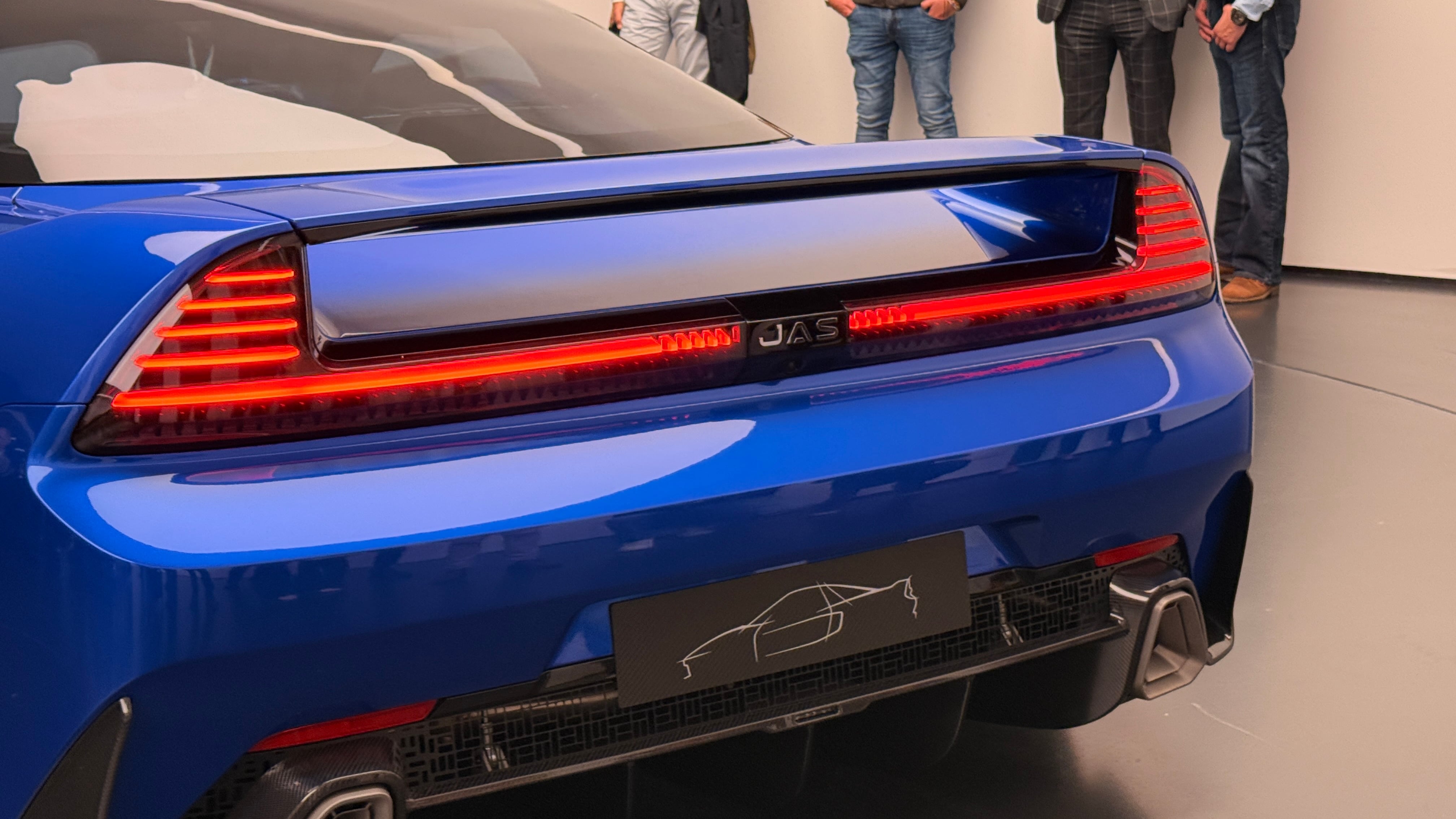
At the rear the integrated spoiler has been reworked with slight changes to the panels so as to improve airflow. The diffuser is carbon fibre and the exhausts are massive too. Like the original NSX, the tail lamps are stretched across the width and now hey 3D effect for the LED strips. Overall, it is a resto mod done to perfection. Just enough modern touches without skewing it from the iconic design.

JAS Tensei: interior and features 
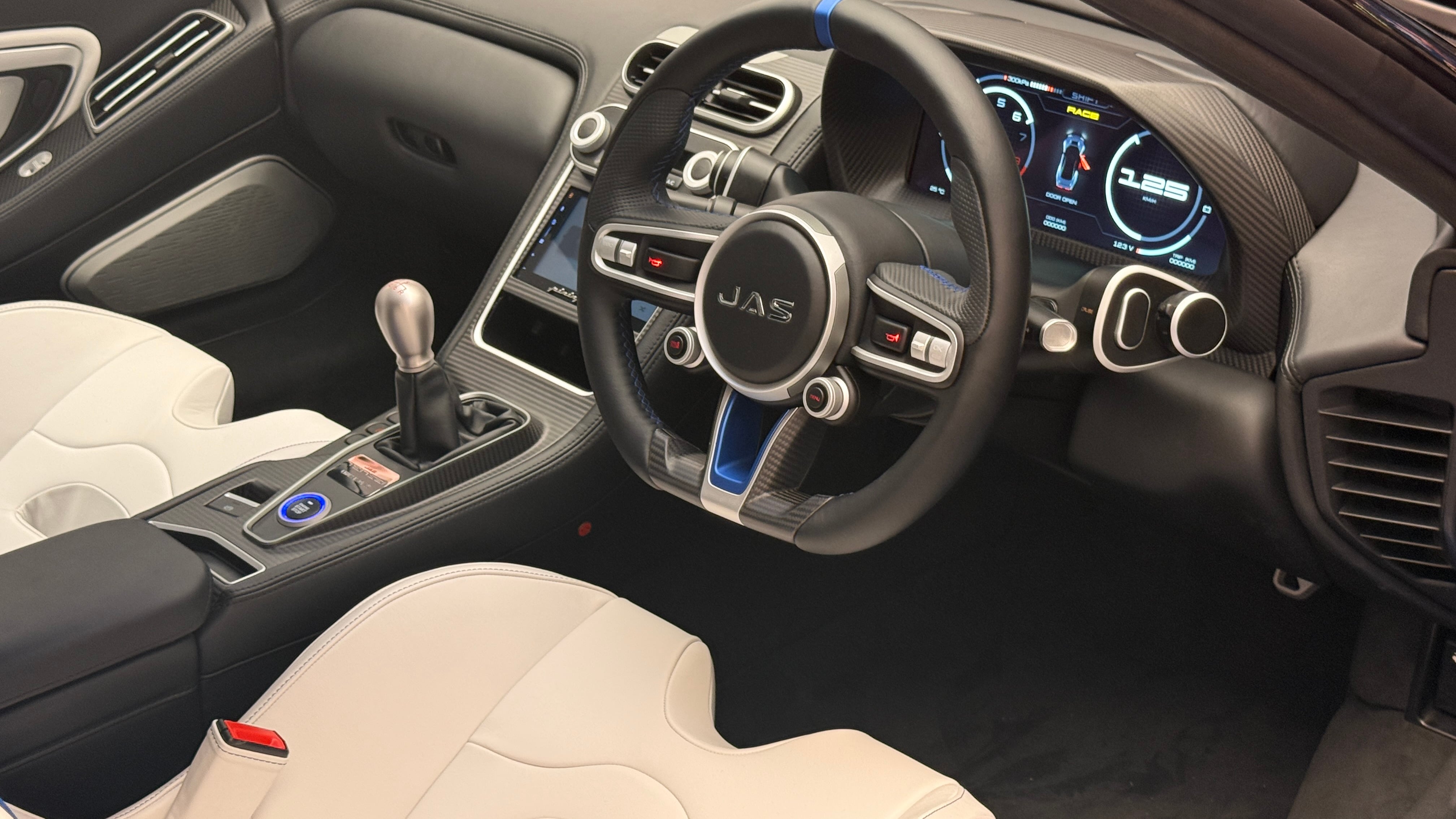
Inside the size of the cabin is identical to the original NSX, although there are updates all around. There’s a new sporty steering wheel, digital drivers display and sports seats. However, there is a full configurator available to spec your Tensei to your liking. The seat upholstery and paints can be customised along with brake calliper colours and wheels. A pleasant surprise is the centre console that does away with a massive tablet as per current trends and instead features a modest touchscreen with the climate control switchgear similar to the NSX. Pininfarina wanted to ensure none of the essence of the NSX was lost in an attempt to modernise the cabin

JAS Tensei: Powertrain and specs 

Perhaps the most significant decision sits behind the cabin. The Tensei retains a naturally aspirated V6, rather than adopting the turbocharging or hybrid assistance that has become almost mandatory for modern supercars.

The 3.5-litre V6 has been extensively re-engineered with Judd Power, the British motorsport engineering specialist. The work goes considerably beyond simply increasing displacement or fitting a louder exhaust. The engine gets a billet crankshaft, forged lightweight pistons and connecting rods, individual throttle bodies, upgraded cooling and revised ignition and engine management systems. There are also new headers and an exhaust system designed to give the engine a more immediate and visceral character. The result is 420hp, with the engine capable of revving to 8,500rpm.
Those figures may not sound extraordinary in an era of 1,000hp hybrid hypercars, but that misses the point of Tensei. JAS isn’t chasing an enormous power-to-headline ratio. Instead, the emphasis is on response, linearity and the connection between throttle, engine and driver.

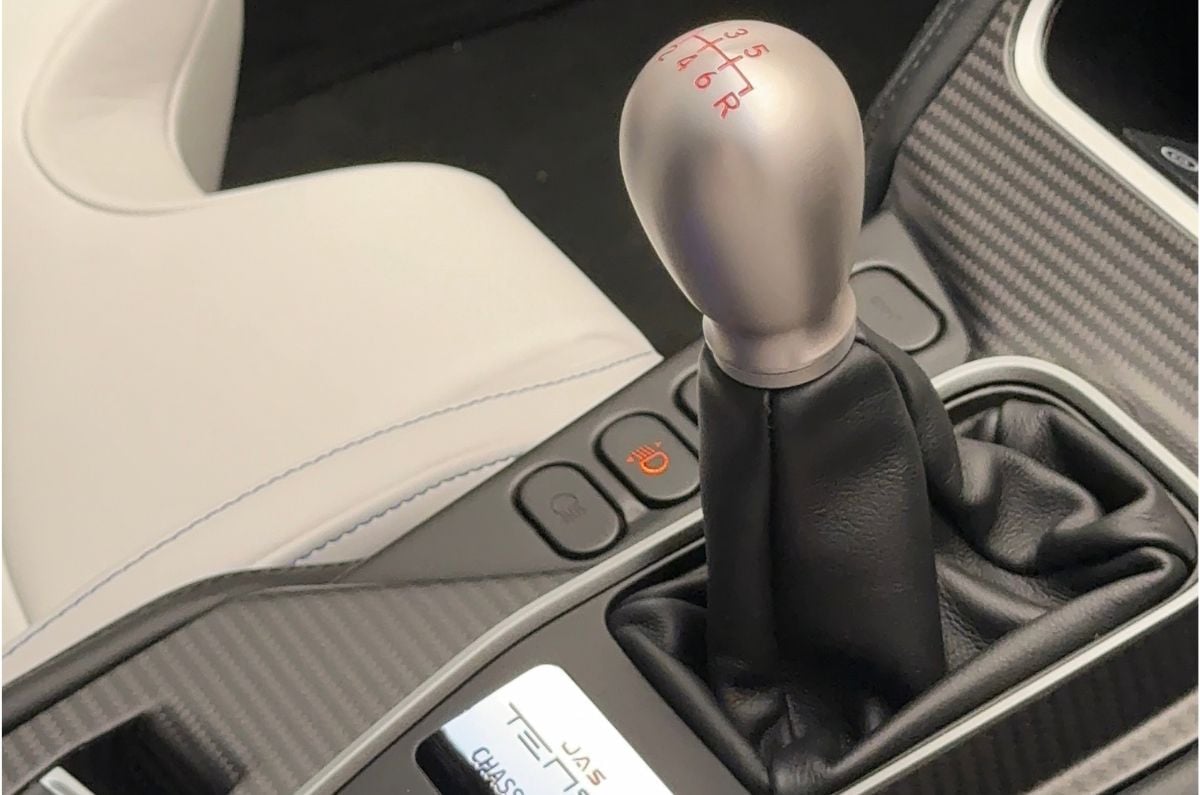
The other big piece of the puzzle is the gearbox. The Tensei uses a six-speed manual transmission and remains rear-wheel drive. That combination, together with the naturally aspirated V6, is perhaps the clearest indication of what JAS wants this car to feel like. The objective isn’t to overwhelm the driver with acceleration figures; it is to make every interaction with the car feel mechanical and deliberate. 

The chassis has been extensively revised as well, with bespoke suspension components, revised geometry, upgraded bearings and uprights, enhanced anti-roll bars and KW dampers with electronically controlled damping. There is also a hydraulic front-axle lift system, while forged aluminium wheels measure 19 inches at the front and 20 inches at the rear.
JAS has taken one of the most important analogue supercars ever made and asked how its fundamental qualities could be preserved in 2026. It’s a carbon-bodied, naturally aspirated, manual, rear-wheel-drive supercar with an 8,500rpm redline. And that makes the Tensei interesting for reasons that go far beyond its rarity. It is effectively a reminder that performance isn’t necessarily about making a car faster in every measurable way. Sometimes it is about making the driver feel more involved.

Motorsport without turning it into a race car

This is where JAS’s background becomes particularly important. JAS Motorsport has spent decades developing Honda competition cars, and that experience forms the foundation of the Tensei programme. But the challenge here is fundamentally different from building a race car. A race car can sacrifice refinement, usability and longevity in pursuit of lap time. A road-going supercar cannot.
Tensei therefore represents an interesting middle ground: motorsport-derived engineering, but applied to a car designed to be driven on the road. The engine is built and tested by Judd Power before returning to JAS in Italy, where each car undergoes further testing and validation.

JAS Tensei: Super exclusive 

JAS plans to build only 35 Tenseis, each individually specified by its owner. Production takes place at JAS Motorsport’s facility near Milan, with the car bringing together Japanese engineering heritage, British motorsport expertise and Italian design.

It is an unusual combination, but perhaps that’s exactly what makes the Tensei so compelling. The original NSX was unusual because Honda approached the supercar formula from a completely different direction.
Three decades later, JAS is doing something remarkably similar. It isn’t trying to build the most powerful supercar. It is trying to build the most involving interpretation of an icon. And if the original NSX was Honda’s idea of what a supercar should be, the Tensei is JAS Motorsport’s answer to what that idea could become today.


Renault Duster gets benefits of up to Rs 2.1 lakh in October 2026

Renault Duster gets benefits of up to Rs 2.1 lakh in October 2026
Renault Duster in white colour parked in a showroom.

Renault India has announced offers applicable on its cars in October. The Renault Duster is available with the highest benefits this time, followed by the Kiger and Triber. These include cash discounts, exchange and loyalty benefits, as well as corporate offers. Let us now take a closer look at them.

Disclaimer: Offers/benefits may vary by city and are subject to stock availability. Buyers are advised to check with their local dealer for exact figures. Customers can also check out Renault India’s official website for further details.

Renault Duster offers in October 2026 

Benefits of up to Rs 2.1 lakh

Renault Duster

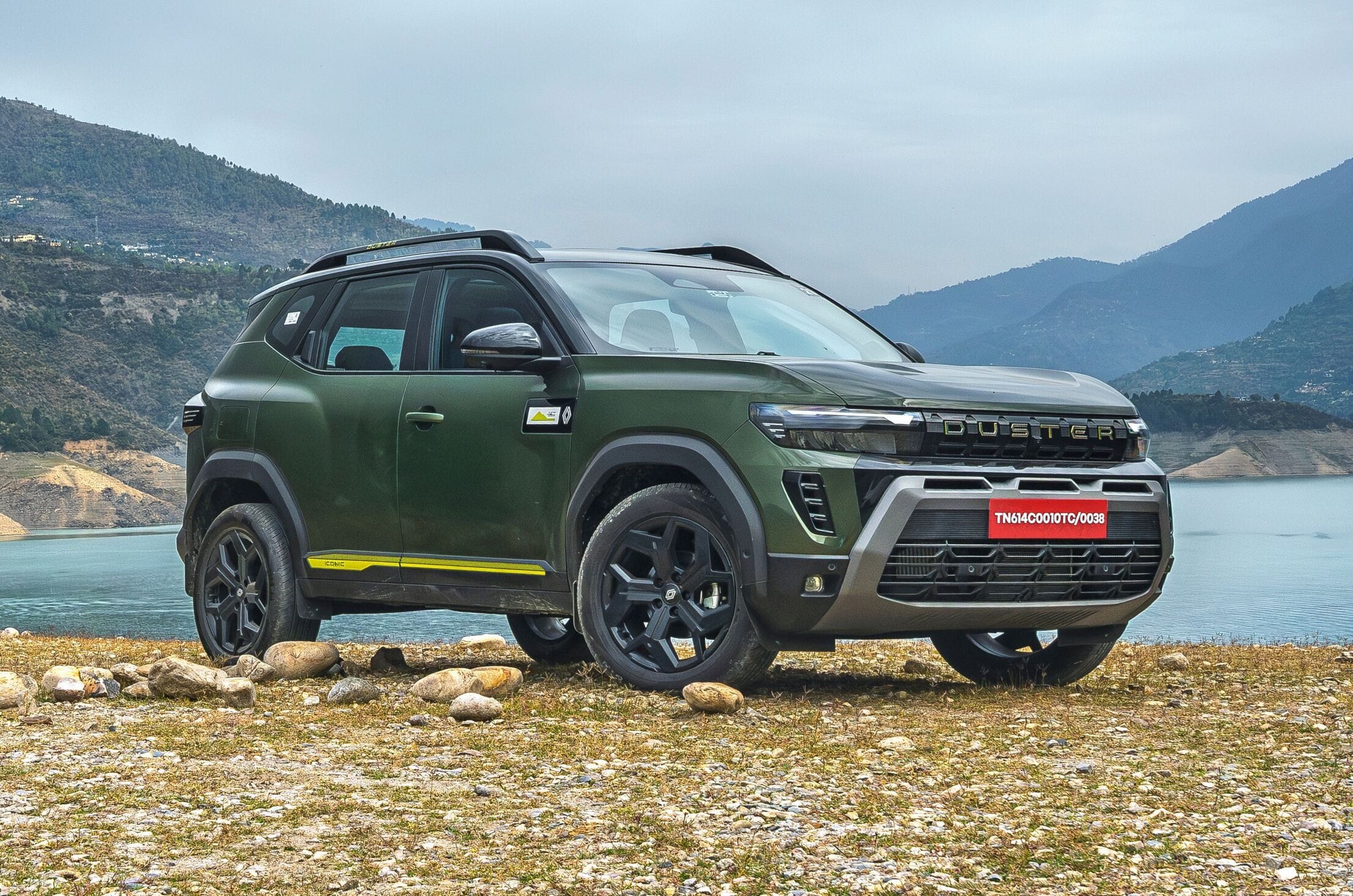
The Renault Duster gets benefits of up to Rs 2.1 lakh this month. Its Techno+ and Iconic trims get a cash offer of up to Rs 50,000. Exchange benefits of up to Rs 1.1 lakh are available on these variants as well, while the Evolution and Adventure trims get up to Rs 50,000. For a Duster-to-Duster exchange, the benefit rises to Rs 1.5 lakh on the Techno+ and Iconic trims and Rs 1 lakh on the Evolution and Adventure. Customers can also avail loyalty benefits of up to Rs 10,000 and AMC on all trims of the Duster upon submission of required loyalty proofs.

The Duster is priced between Rs 10.49 lakh and Rs 18.49 lakh, and rivals the Hyundai Creta, Kia Seltos and Tata Sierra, among others.

Renault Kiger offers in October 2026

Benefits of up to Rs 65,000

Renault Kiger

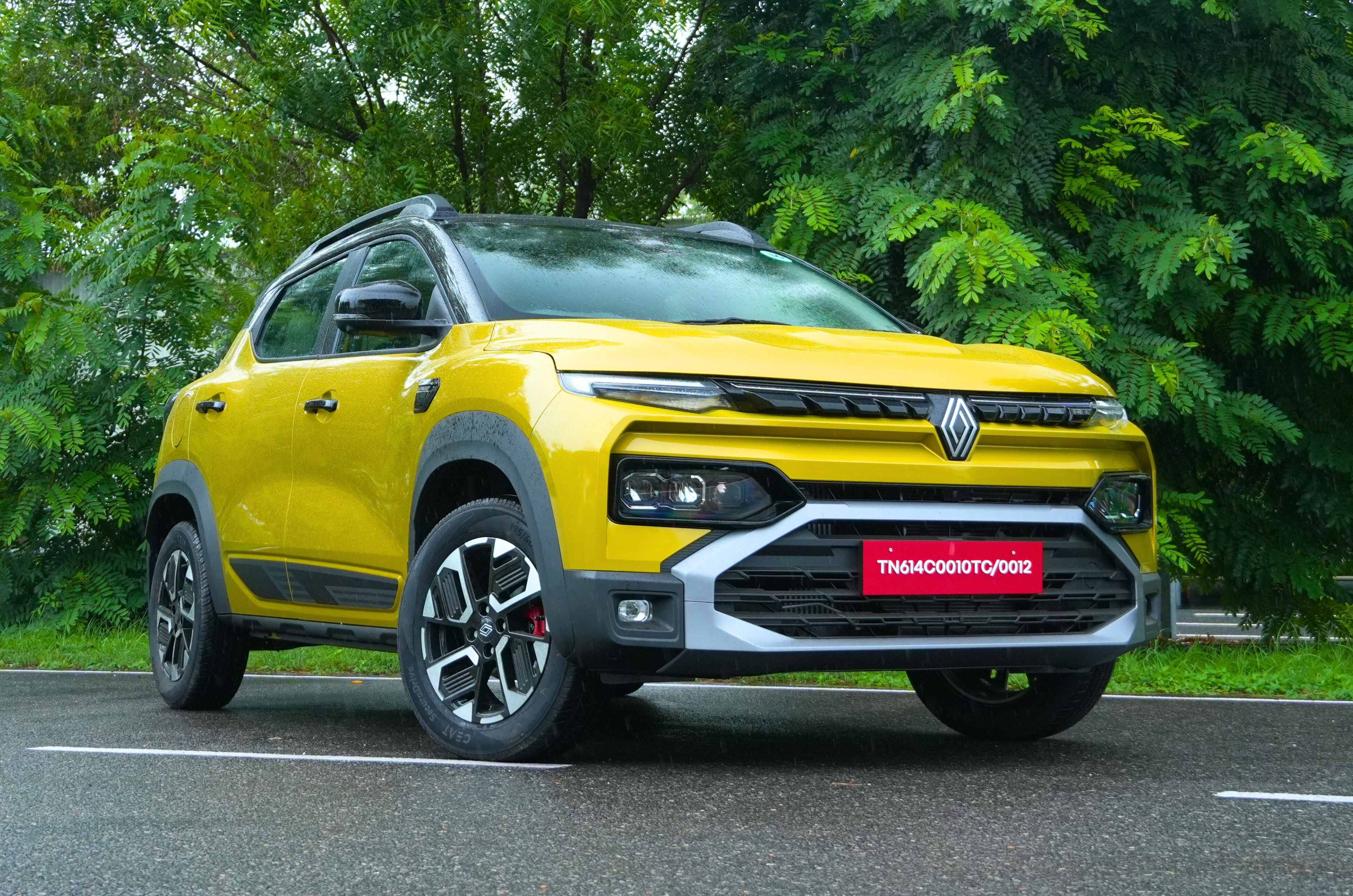
For the Renault Kiger VIN 2026 models, customers can avail benefits of up to Rs 65,000. Cash and exchange offers of up to Rs 25,000 each are available on the Evolution+, Techno and Emotion trims. Like the Duster, customers can even claim loyalty benefits of up to Rs 10,000 and an AMC on all Kiger trims, subject to submission of the required loyalty proofs. A corporate discount of up to Rs 5,000 is also on offer. 

Prices for the Kiger start at Rs 5.81 lakh and go up to Rs 10.40 lakh. Rivals include Nissan Magnite, Hyundai Venue, Maruti Brezza, Tata Nexon and more.

Renault Triber offers in October 2026

Benefits of up to Rs 55,000

Renault Triber

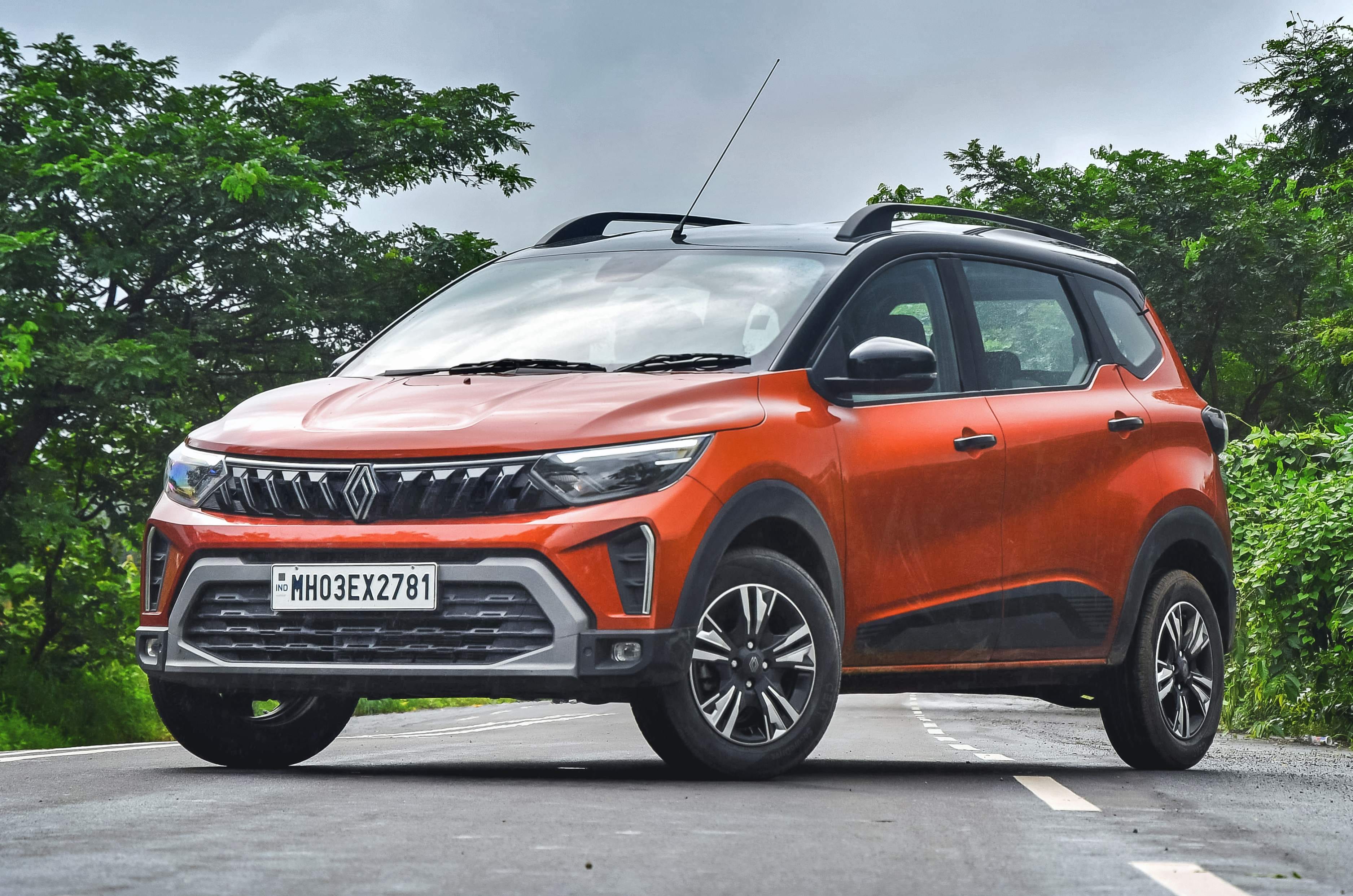
Benefits of up to Rs 55,000 are on offer with the Renault Triber. Select variants get a cash benefit of up to Rs 25,000 and an exchange benefit of up to Rs 25,000. An additional corporate discount of up to Rs 5,000 is also available with the compact MPV.

The Triber is priced between Rs 5.80 lakh and Rs 9 lakh, ex-showroom, and competes with its badge-engineered sibling, the Nissan Gravite.

Ex-showroom prices mentioned above are as on October 8, 2026.

Tata Aeris petrol review: More desirable now?

Tata Aeris petrol review: More desirable now?

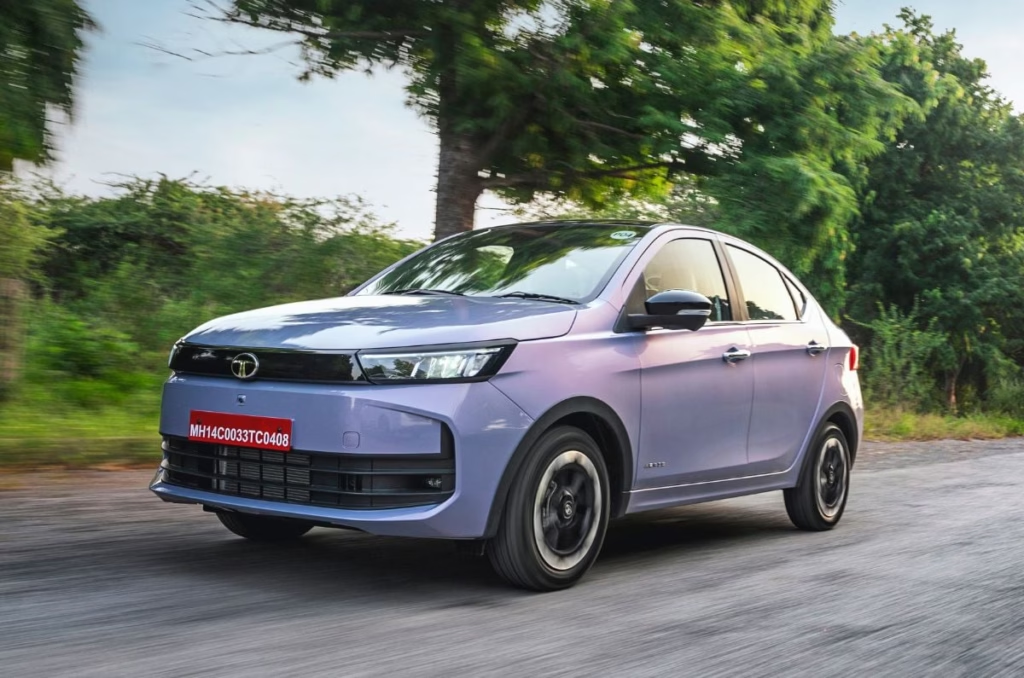
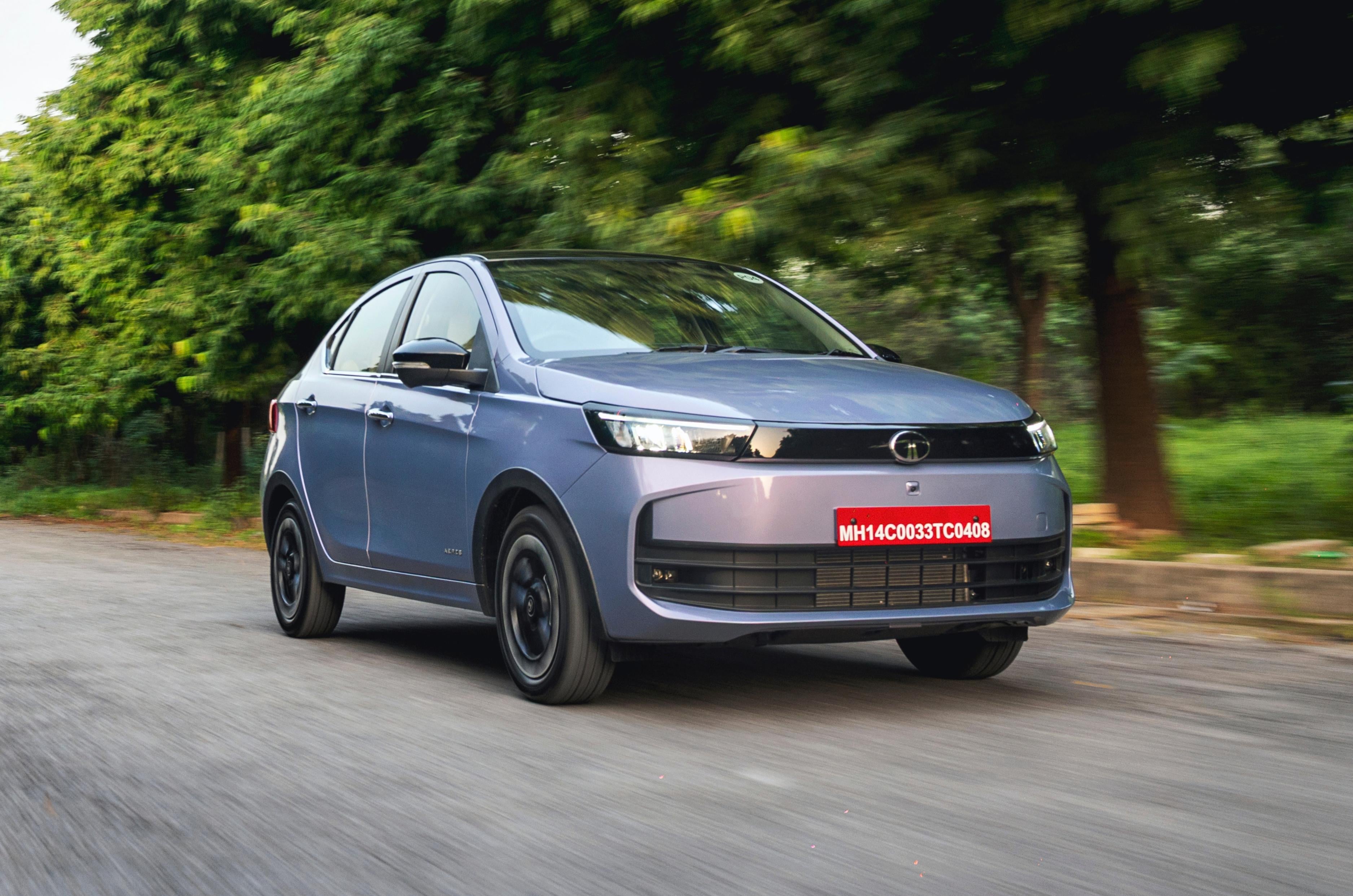
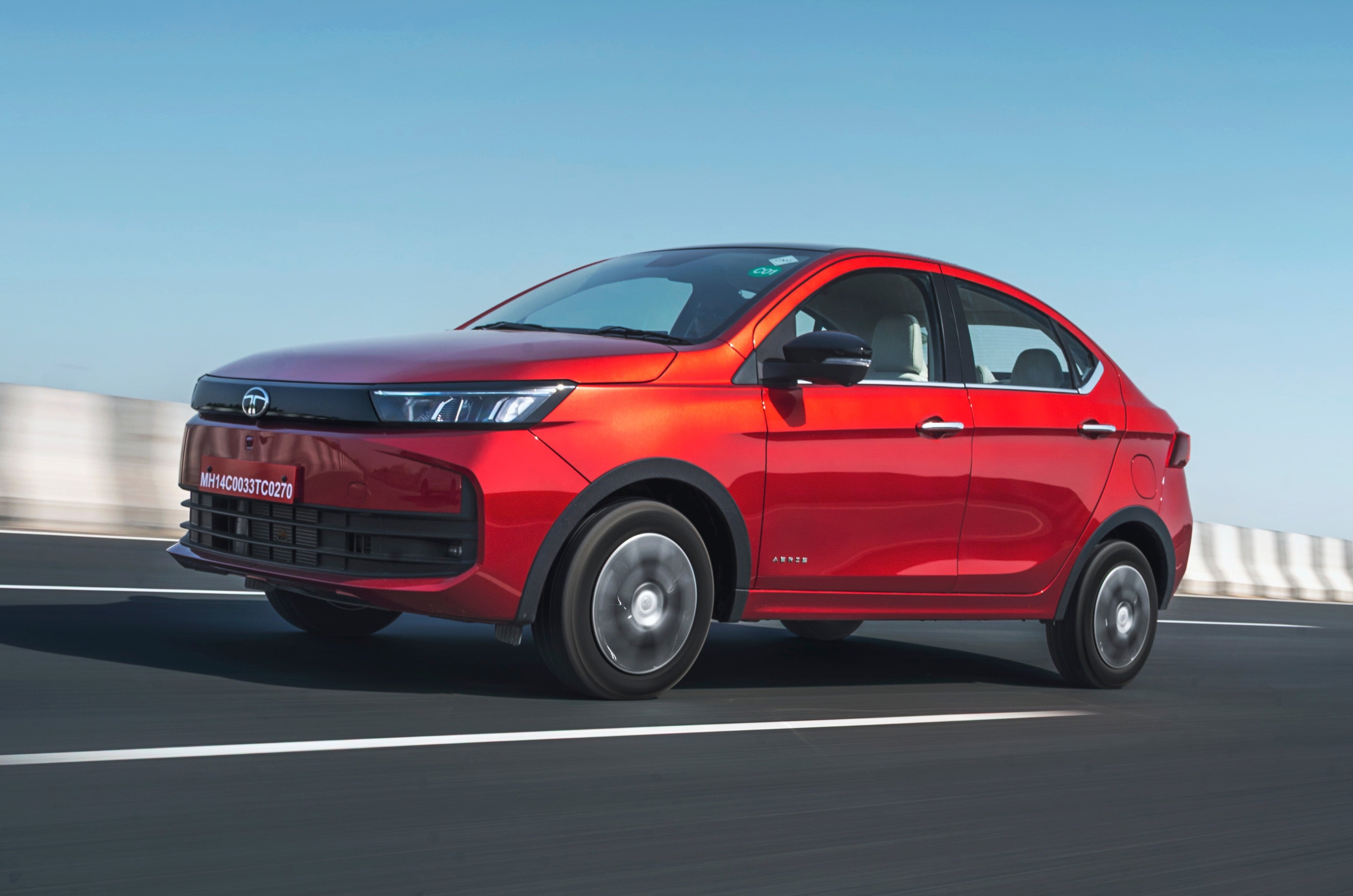
The Tata Aeris may be a new name, but its roots lie in the Tigor, which has enjoyed considerable popularity since 2017 for its distinctive styling, practical cabin, comfortable ride and decent powertrains. The Aeris builds on that foundation with a sharper design, a more upmarket cabin and an even more generous equipment list while retaining the same basic mechanical package underneath. Having already driven the iCNG version, we now get behind the wheel of the petrol Aeris to see how it fares as an everyday sedan.

Tata Aeris petrol performance and refinement – 7/10

The petrol engine gives it slightly better cruising capability than the CNG

 3-cylinder engine is so-so on refinement and sounds coarse when revved hard

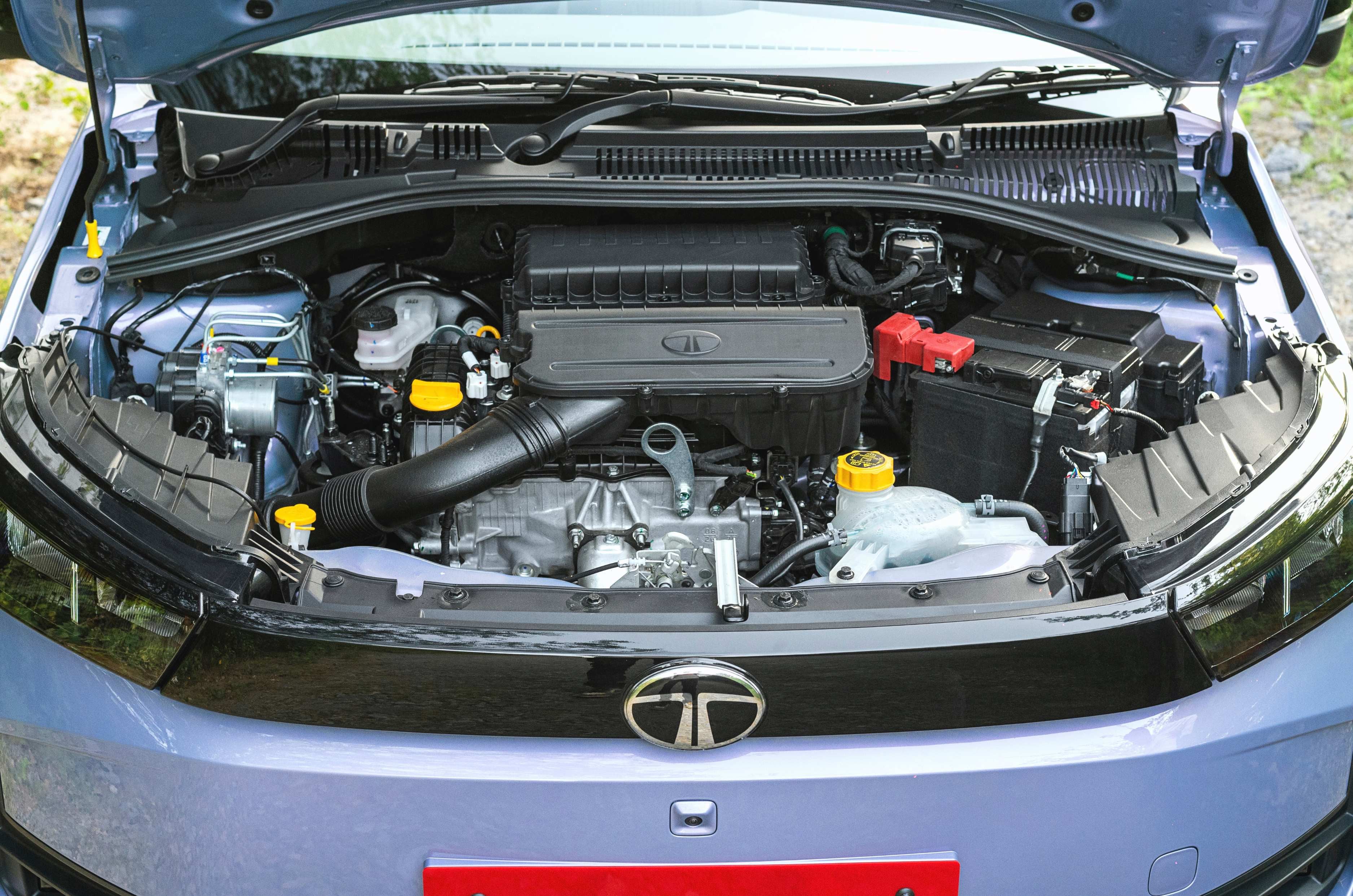
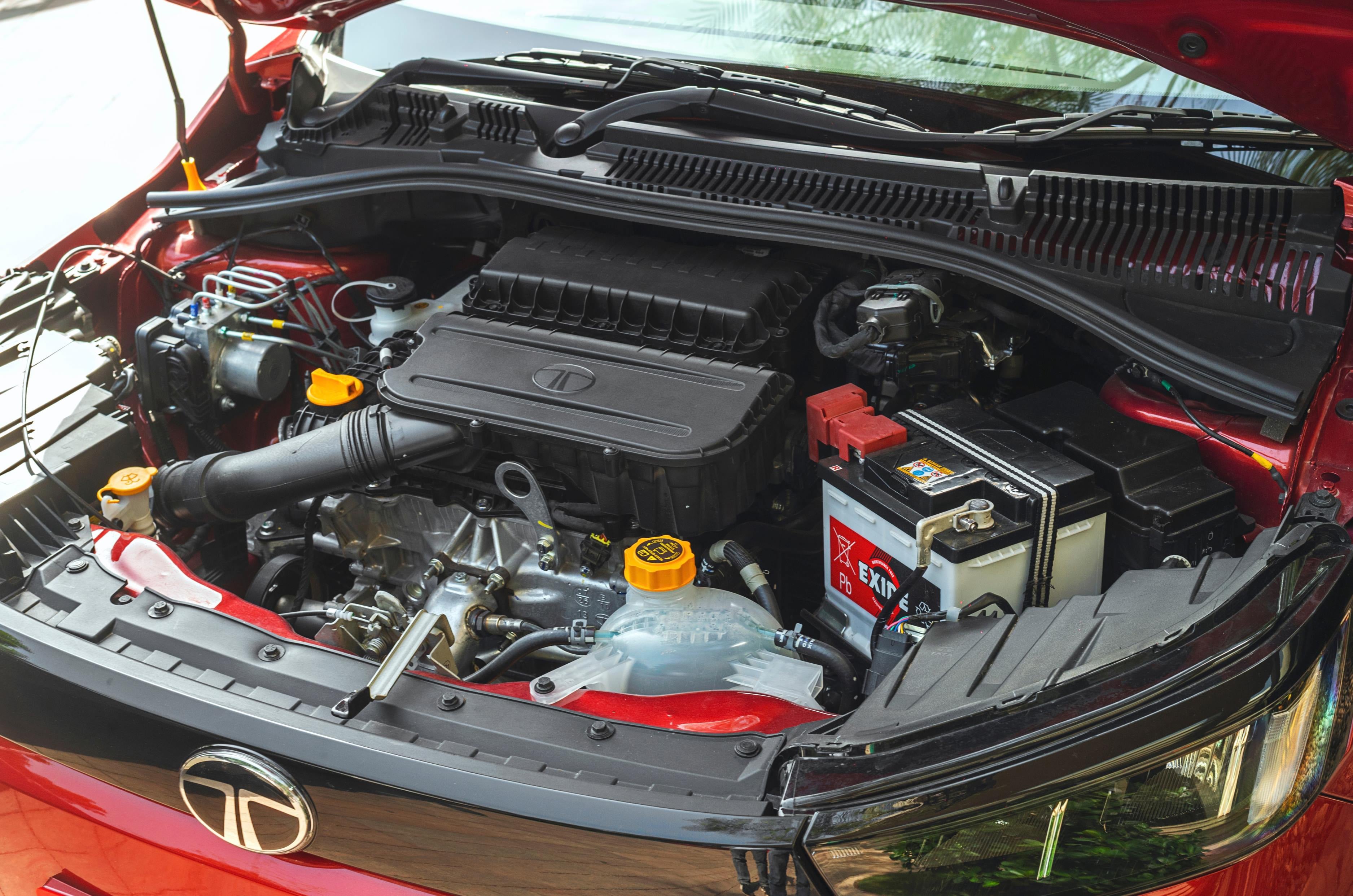
The Tata Aeris comes with a 1.2-litre 3-cylinder naturally aspirated engine that produces 86hp and 113Nm in its petrol guise and is offered with a choice between a 5-speed manual and a 5-speed automated manual transmission (AMT). The three-cylinder engine isn’t the smoothest in the segment, while the sound insulation also has room for improvement. There are noticeable vibrations at idle and low speeds, though these settle down once you’re on the move. However, they make a comeback beyond 2,500rpm, accompanied by a coarse engine note that can get intrusive and tiring on longer high-speed drives.

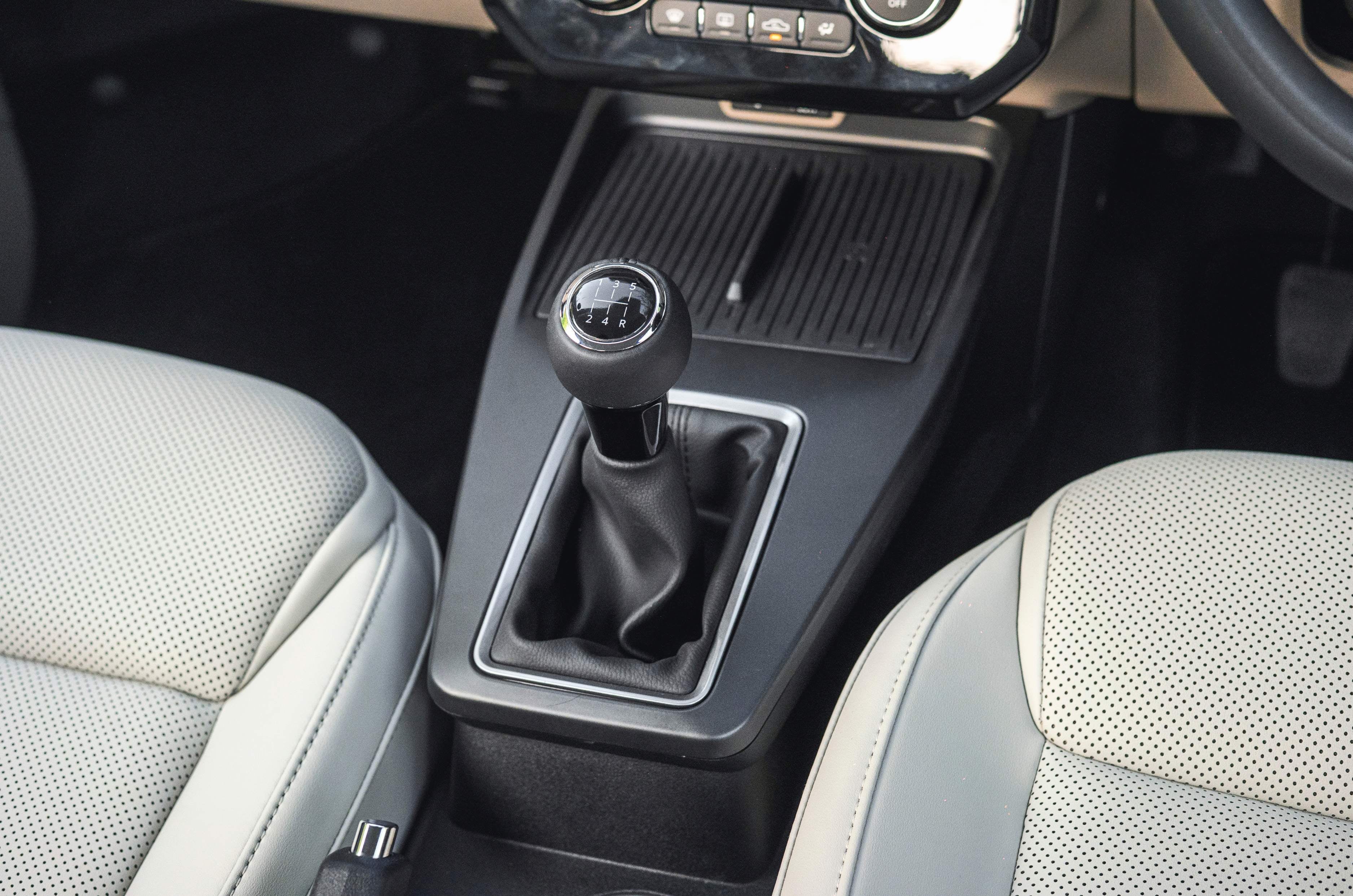
Manual lever looks premium for the price, offering short throws and defined gear gates.

The petrol version’s output figures are 10hp and 16Nm higher than the CNG version, which may look modest on paper, but the difference is discernible out on the road. We drove the petrol-powered Aeris with a 5-speed manual gearbox and noticed it offers short shift throws and well-defined gear gates. While it is not the slickest gearbox compared to its Maruti, Honda and Hyundai rivals, it is still a step up from the Tigor’s in terms of smoothness. 

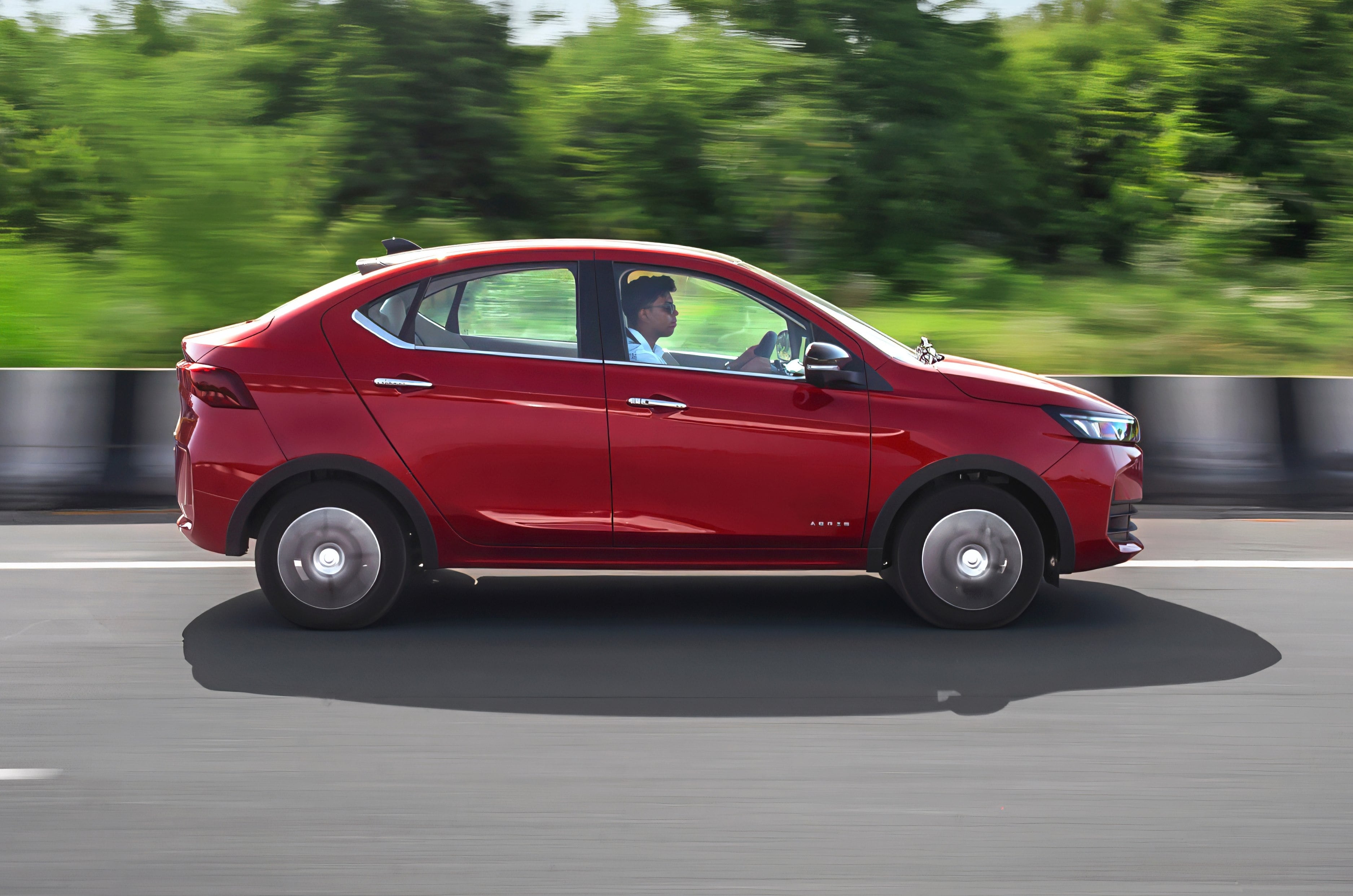
Aeris’ petrol version feels adequate for the city and is fine for gentle highway cruises too.

The performance in city speeds is adequate, and the powertrain is peppy enough for everyday driving. The clutch is light and has a predictable bite point, meaning you do not strain your left foot even in bumper-to-bumper traffic. There’s a dead pedal too, but it feels narrower than what we would have liked. 

It is fairly quick to reach 80kph, but takes some time to reach triple-digit speeds. However, the petrol-powered Aeris maintains these speeds with relative ease, which makes it a decent highway cruiser. Unlike the CNG, the Aeris petrol does not feel out of breath when overtaking, and as long as you are in the right gear, it maintains good momentum.

AMT adds convenience for city drives but doesn’t like being rushed; the manual gearbox is easy to use.

We got a taste of the AMT during our earlier stint with the Aeris iCNG, when we switched to petrol mode, and found that the gearbox offered reasonable acceleration with measured inputs. Push the accelerator aggressively, though, and the typical AMT hesitation became evident, meaning overtakes need to be planned well. The AMT also gets a creep function, which comes in handy in bumper-to-bumper traffic. 

All of this makes the AMT a good option for city driving, but for high-speed highway cruising, we recommend the manual gearbox, which offers greater control and a more engaging experience. That said, opting for the manual in the city is not a compromise either.

Tata Aeris petrol ride comfort and handling – 8/10

It allows for a confident drive at both low and high speeds

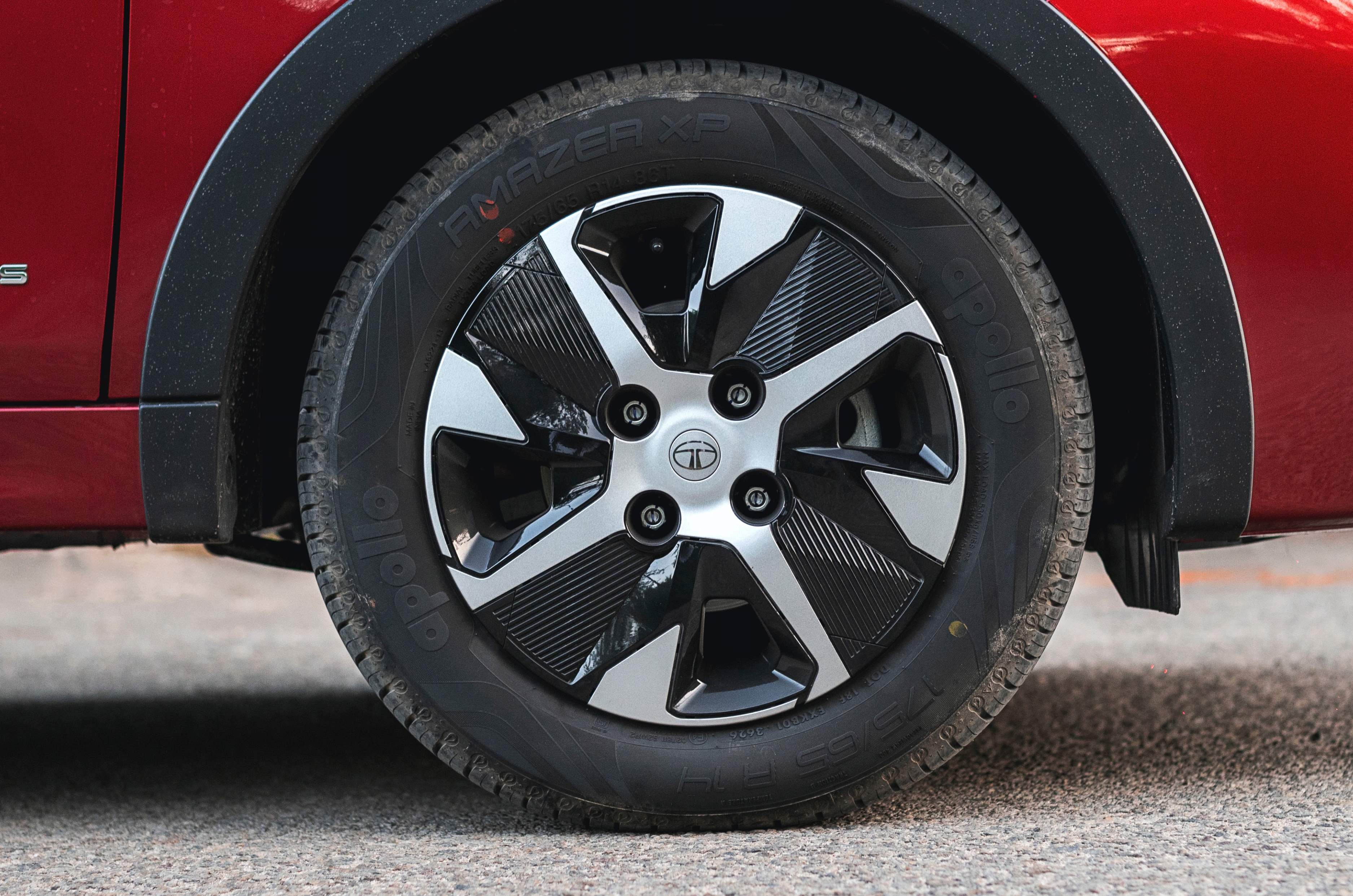
Like other Tata offerings, ride quality is one area where the Aeris excels. It takes broken roads in its stride, with the suspension absorbing rough patches well and keeping most surface irregularities from filtering into the cabin. The 170mm ground clearance is also adequate for tackling large speed breakers without much concern. That said, the CNG version has an edge in this department, thanks to its 14-inch steel wheels with taller sidewalls, which offer a more cushioned ride than the 15-inch alloys on the top-spec petrol version. Notably, lower Aeris trims get 14-inch wheels.

Well-tuned suspension keeps the Aeris comfortable and confident on all roads.

At high speed too, the suspension stiffens enough to keep the Aeris composed through quick lane changes, without feeling floaty. On the highways, it remains stable and inspires confidence at higher speeds. The steering, however, could do with more precision, as it feels slightly vague around the centre. While it weighs up nicely as speeds rise, a sharper response around the centre would have further enhanced the Aeris’ high-speed confidence.

Tata Aeris petrol mileage and efficiency

We expect the Aeris petrol to have similar fuel efficiency as the Tiago

Tata has yet to reveal the official fuel-efficiency figures for the petrol-powered Aeris. But it gets the same powertrain as the pre-facelift Tiago we tested in 2022. In that test, it returned 13.30kpl in the city and 16.60kpl on the highway. The Aeris could have similar fuel efficiency. However, we will be able to give you a more definitive assessment once we put the Aeris through our standard fuel-efficiency tests.
Tata Aeris petrol exterior design and engineering – 8/10

Has a sleeker and more modern exterior design and comes with LED lights all around 

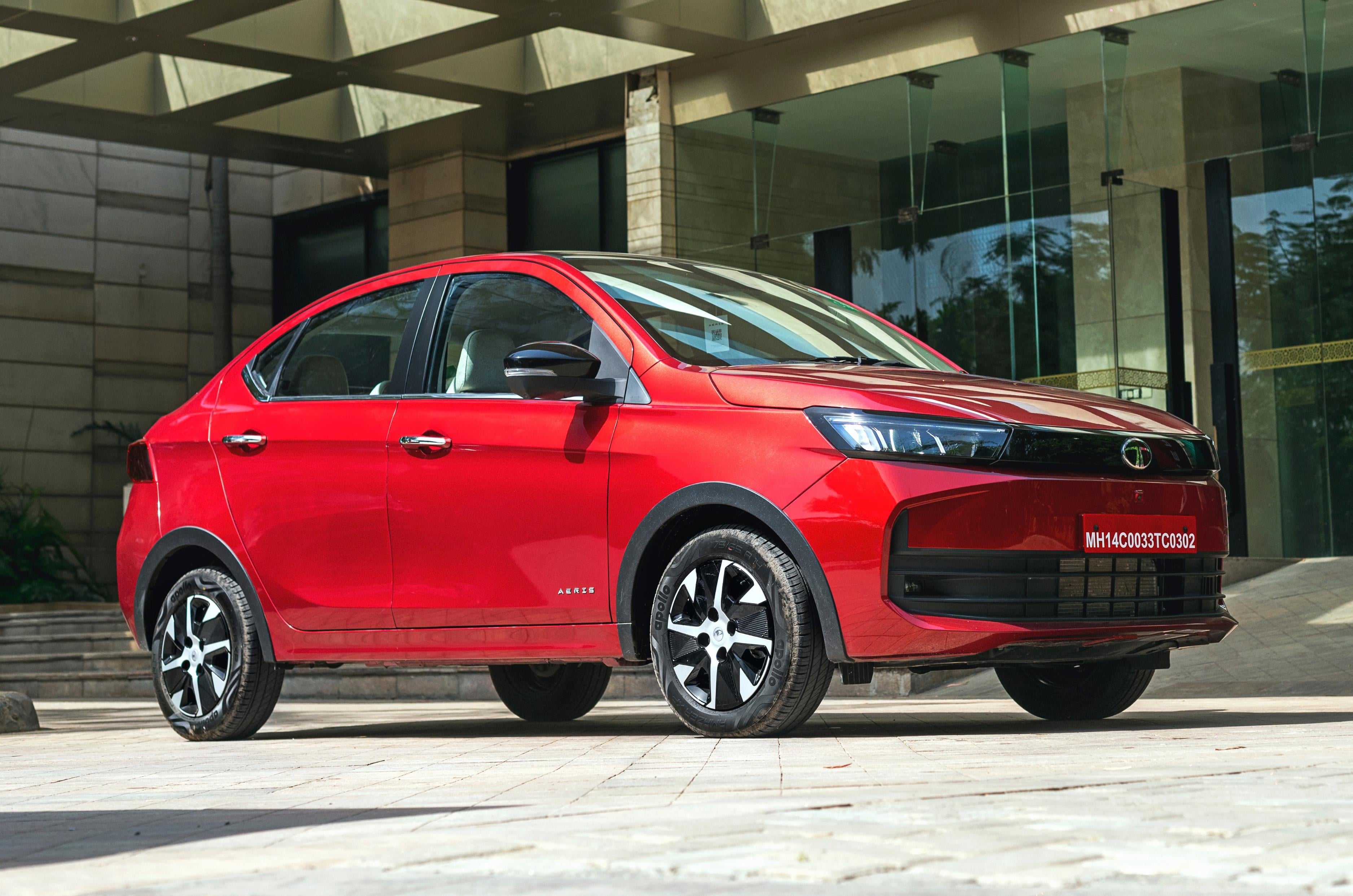
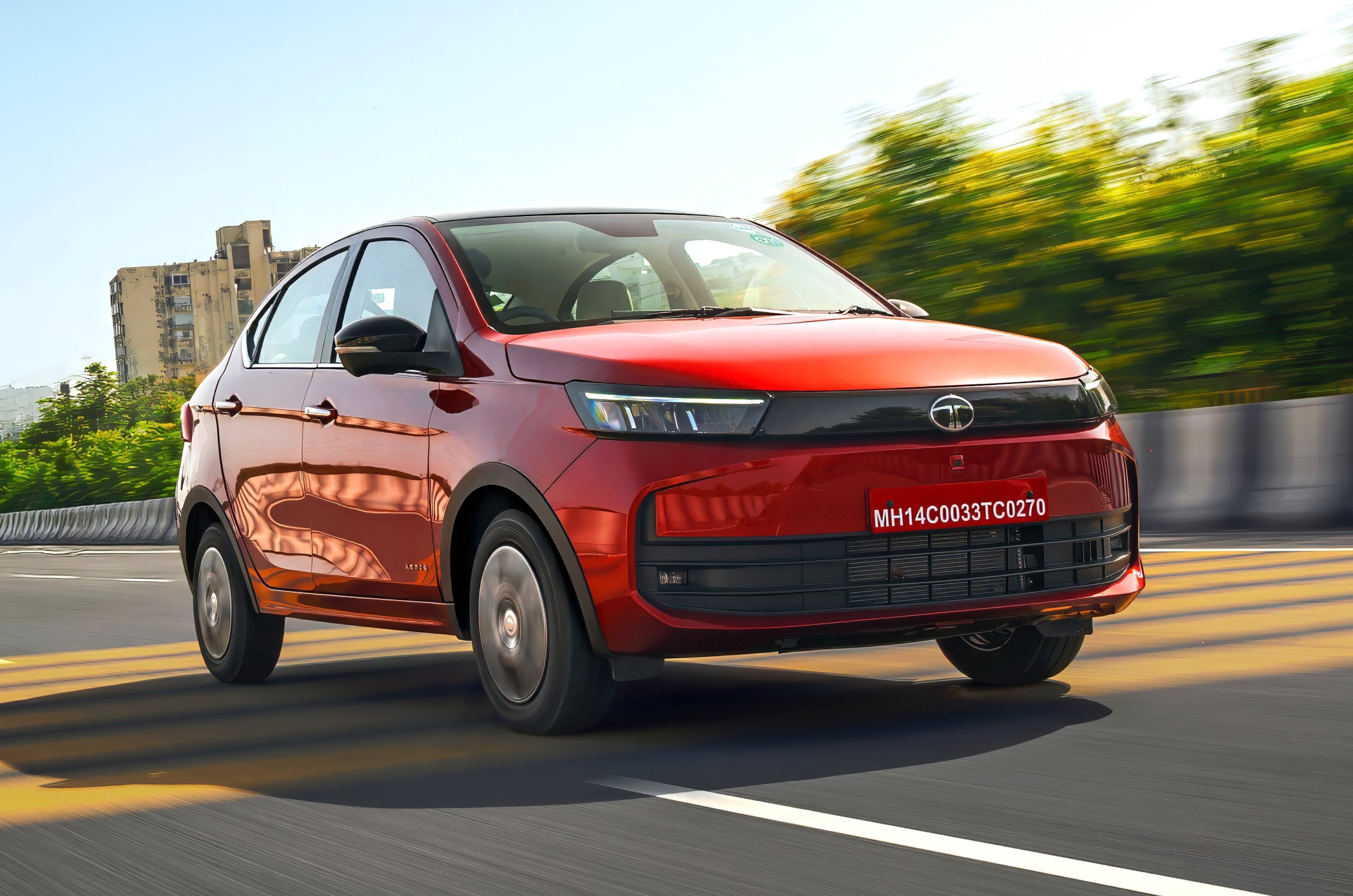
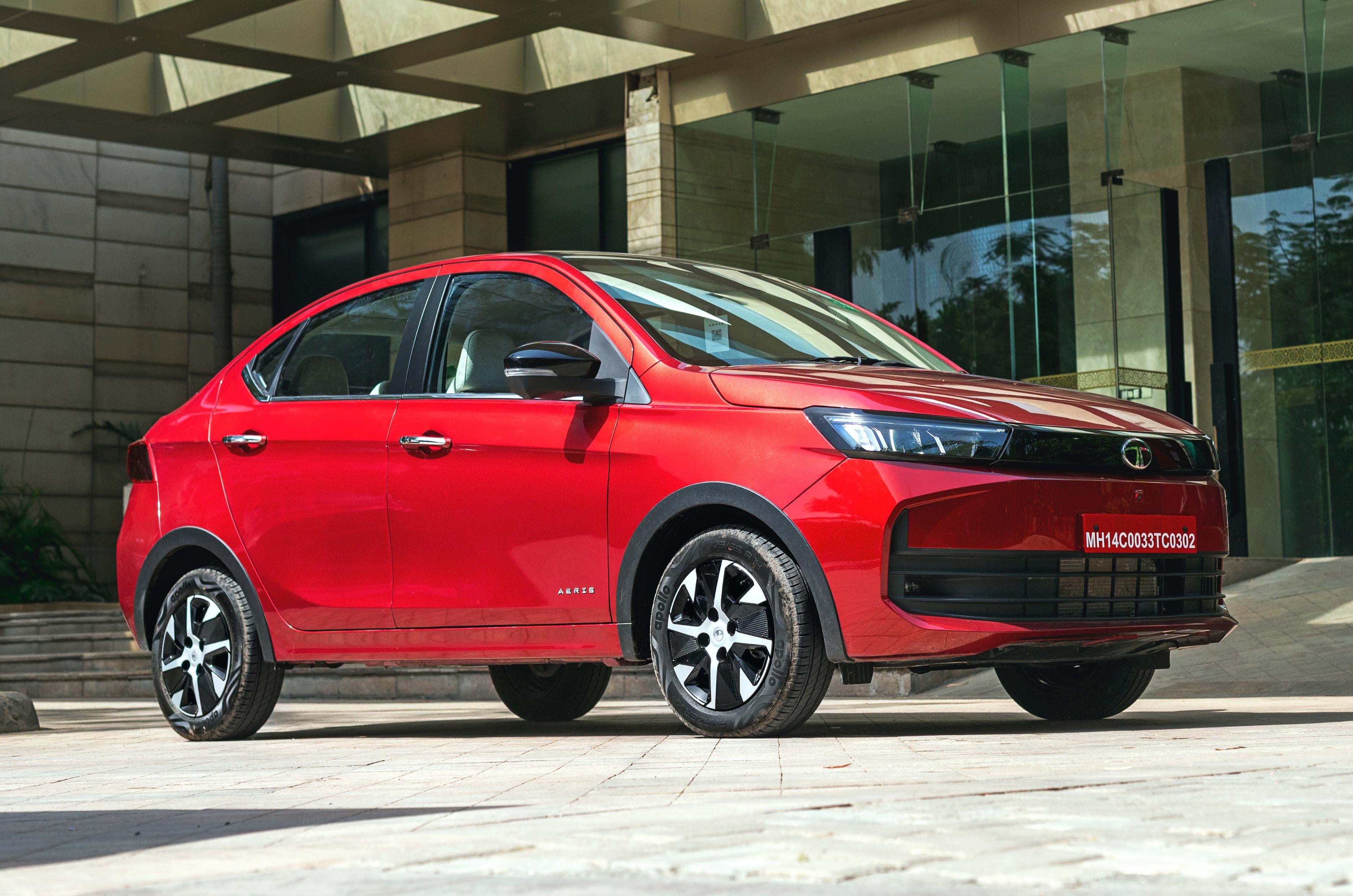
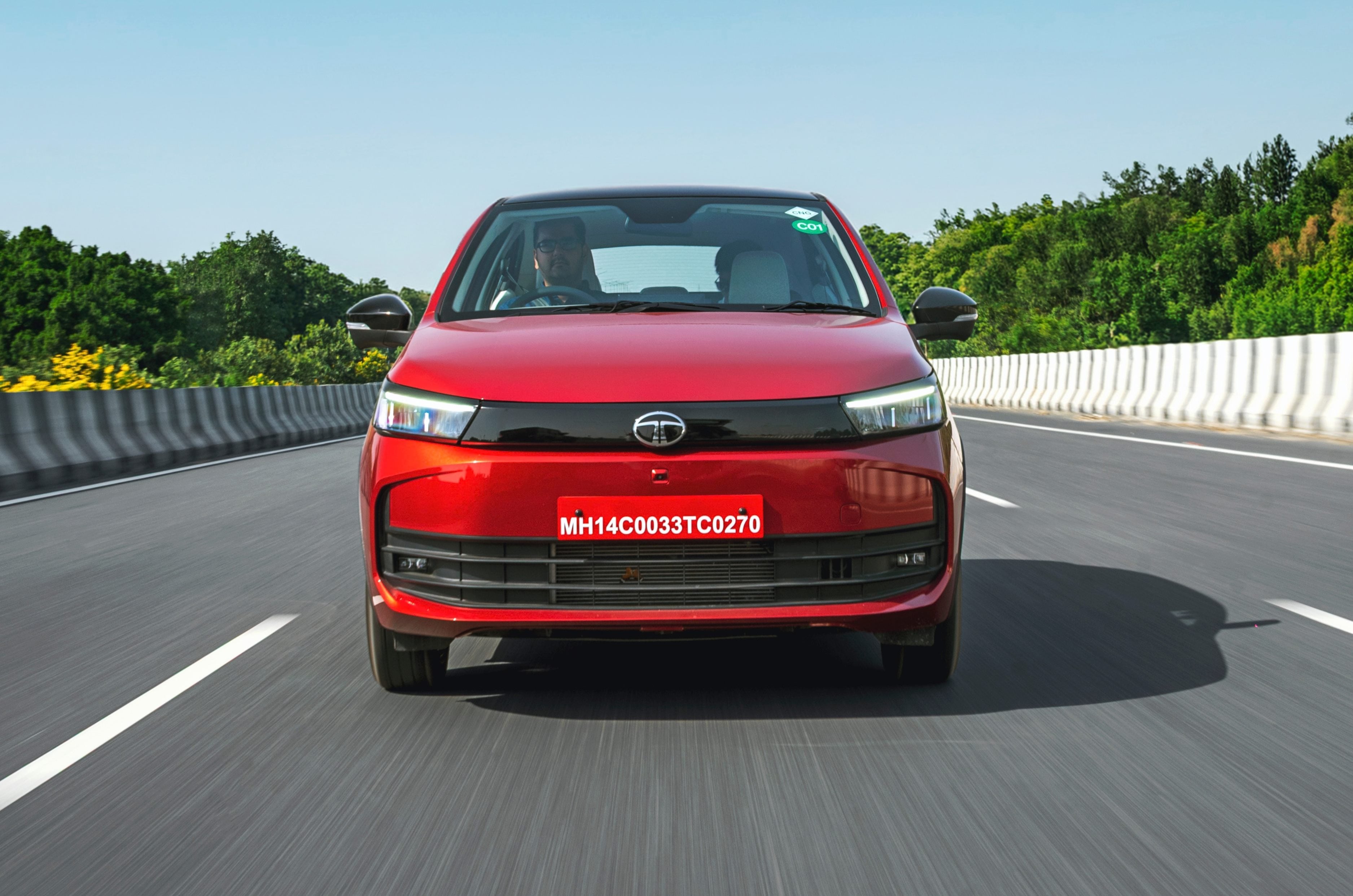
Save for the new bumper, the fascia is similar to the Tiago’s and looks very modern.

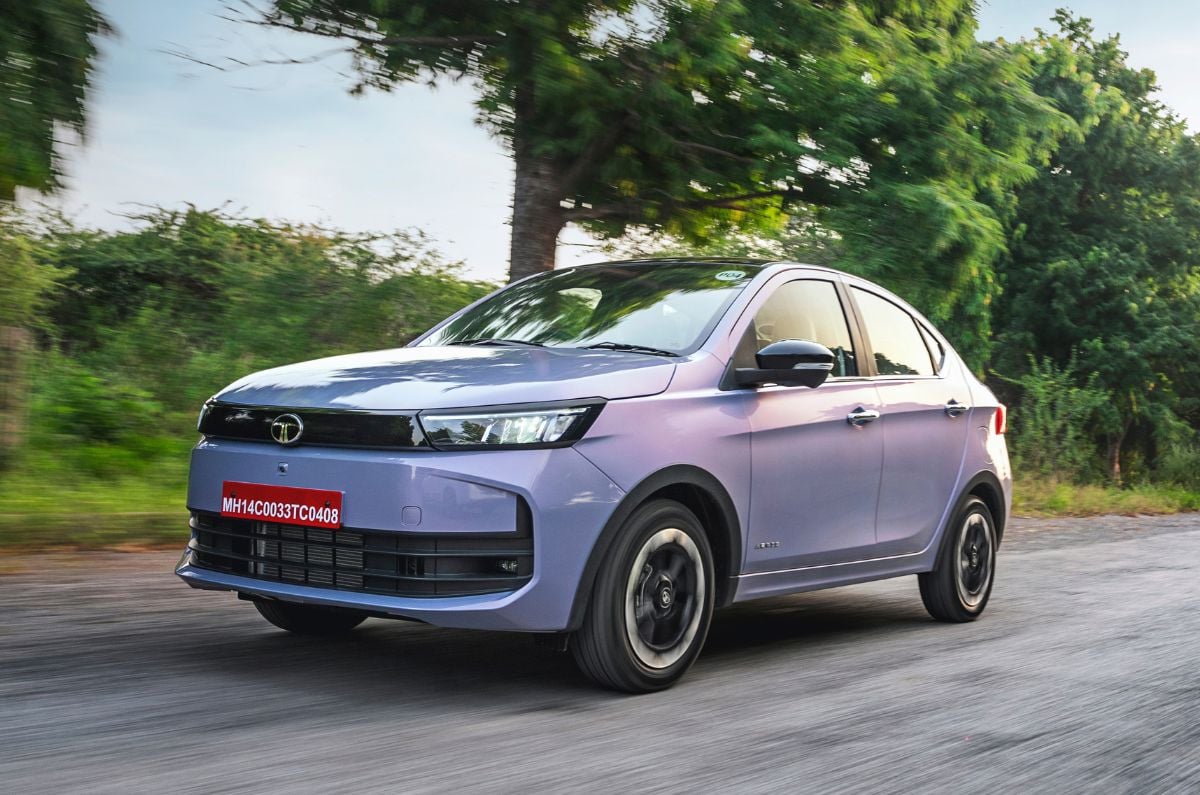
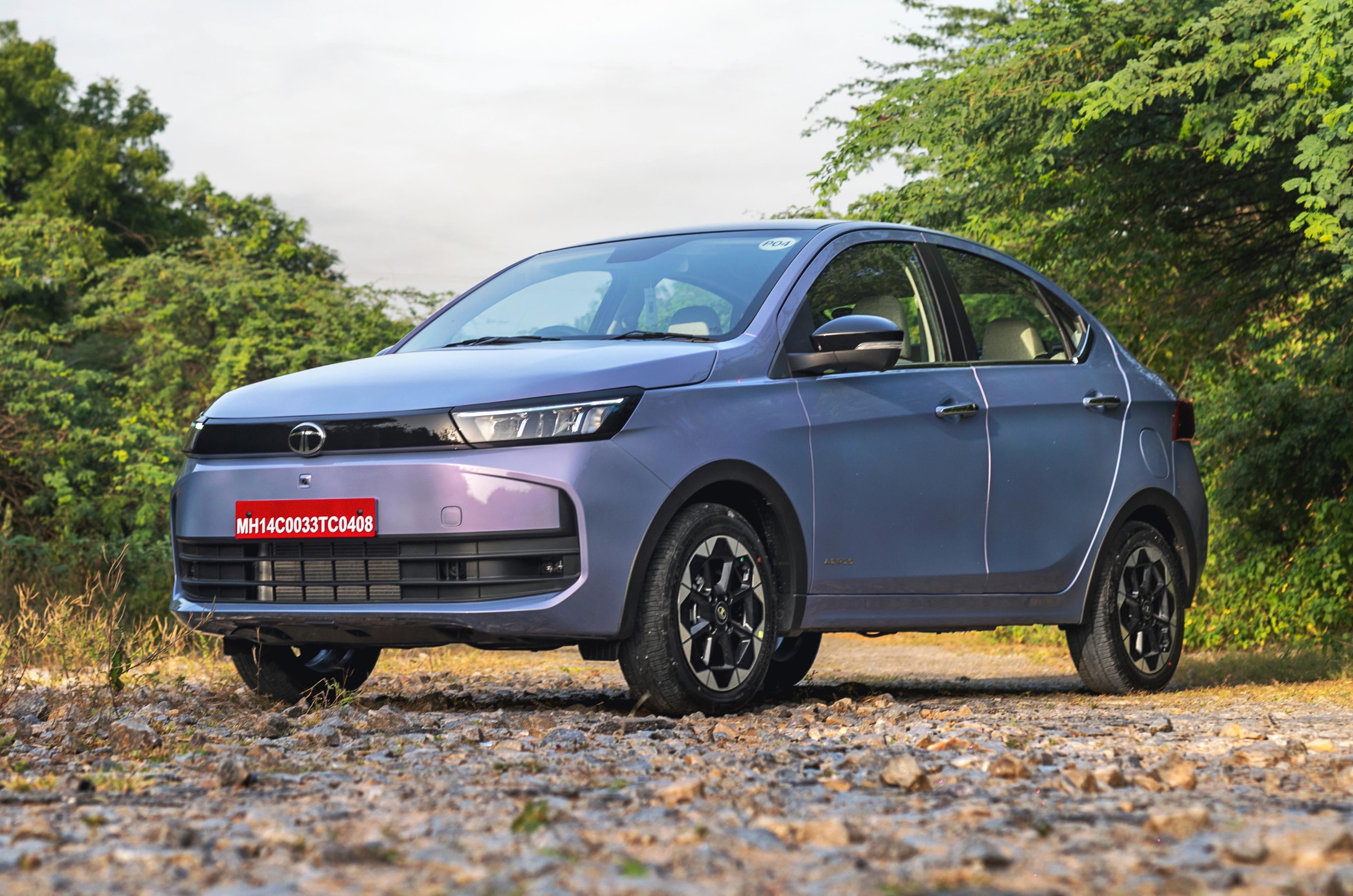
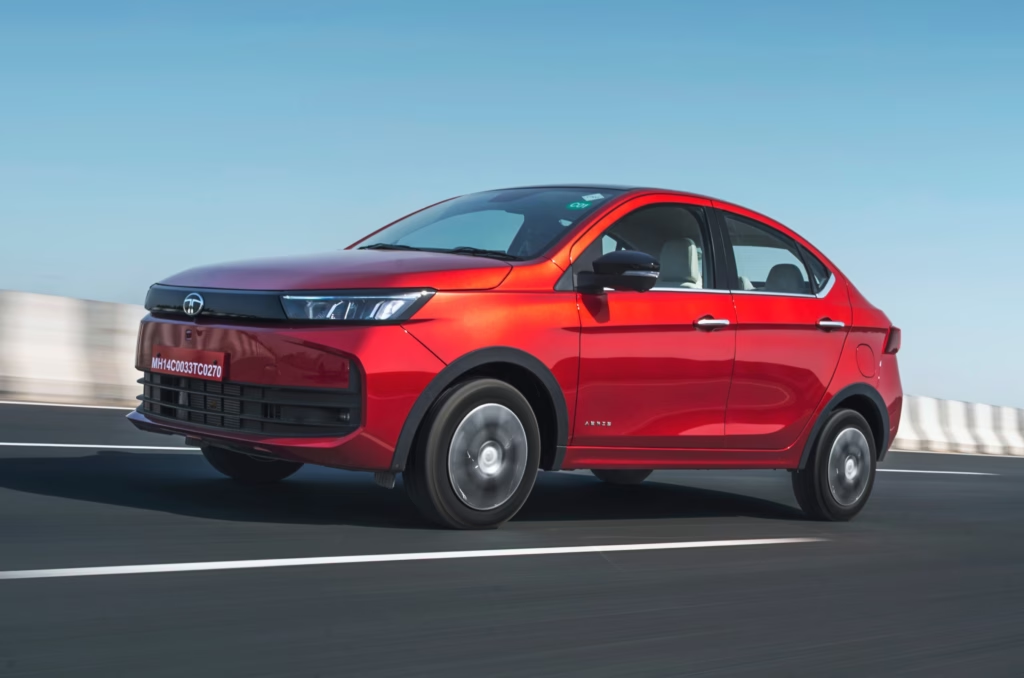
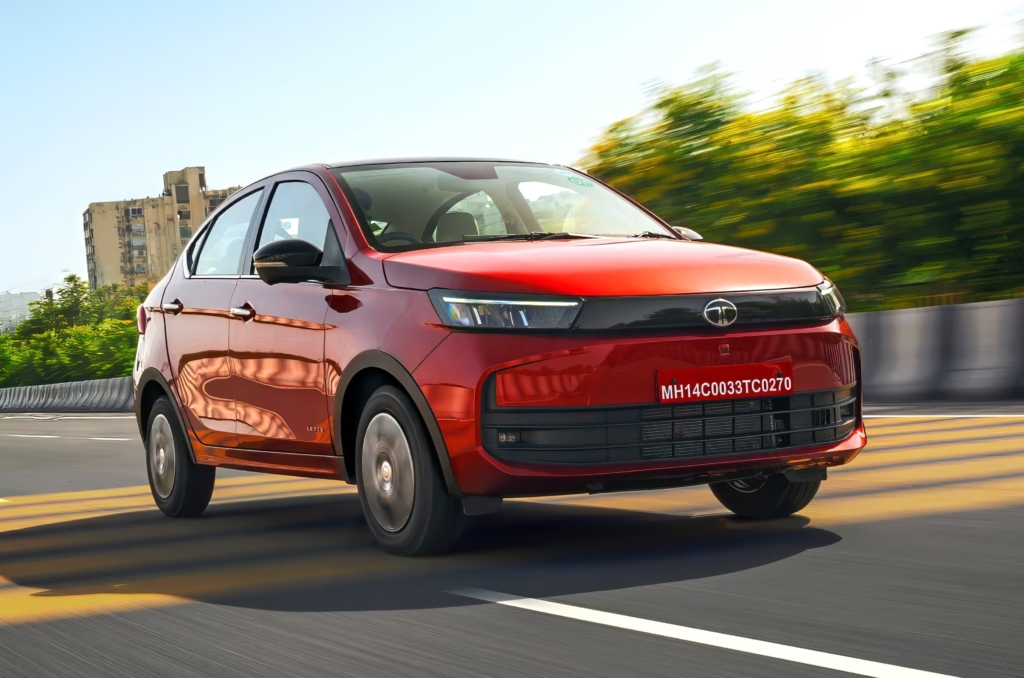
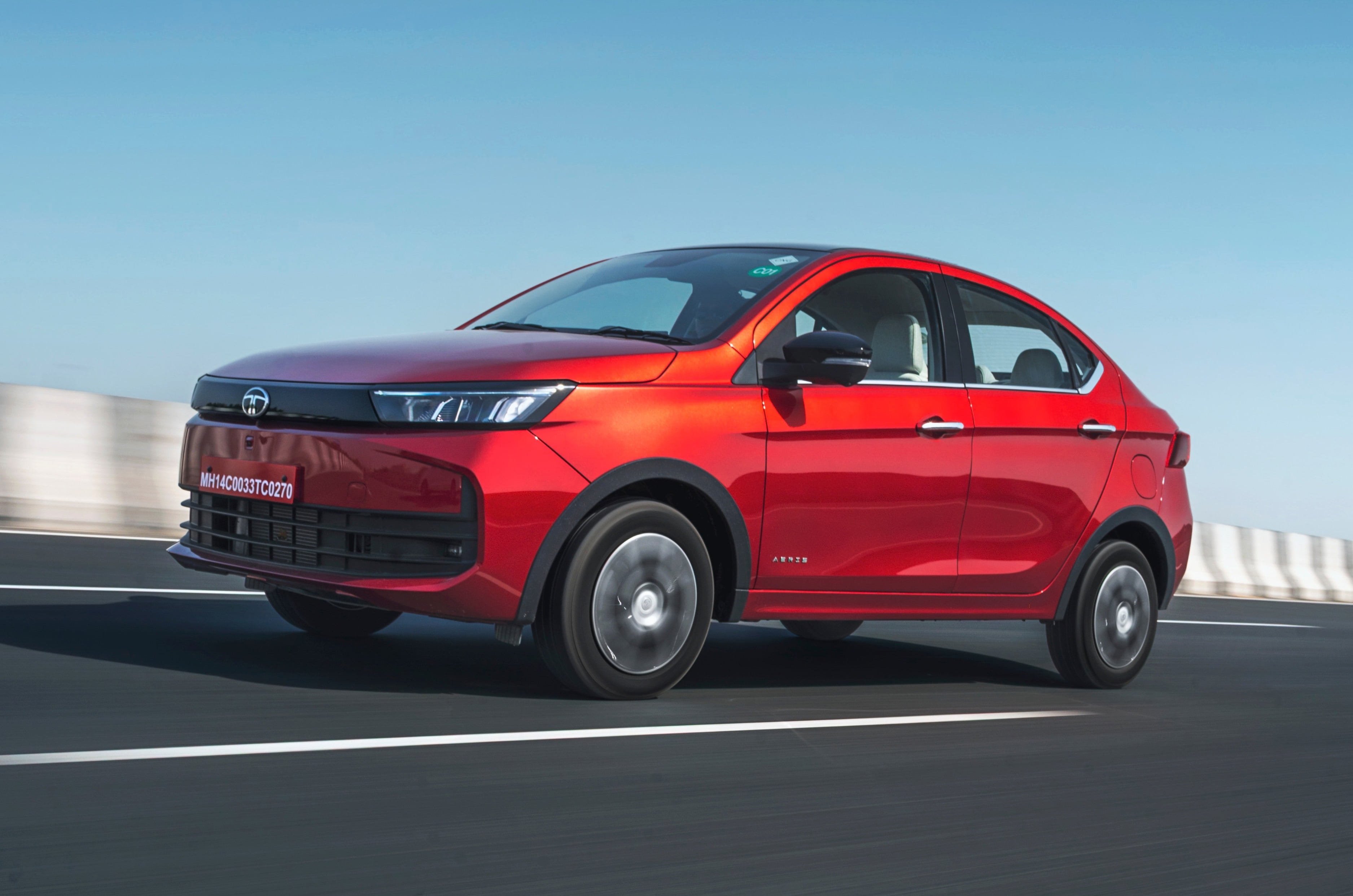
The Tata Aeris looks sleeker than before, with its design now closely aligned with the Tiago hatchback, something we have seen previously with the Tigor. Another factor that could work in the Aeris’ favour is Tata’s decision to offer it exclusively to private buyers, while retaining the Xpres, the fleet version of the Tigor, for commercial customers. This should help the Aeris steer clear of the ‘taxi’ tag often associated with rival compact sedans. 

LED headlights with LED DRLs, which are connected by a black trim, make it look sleeker.

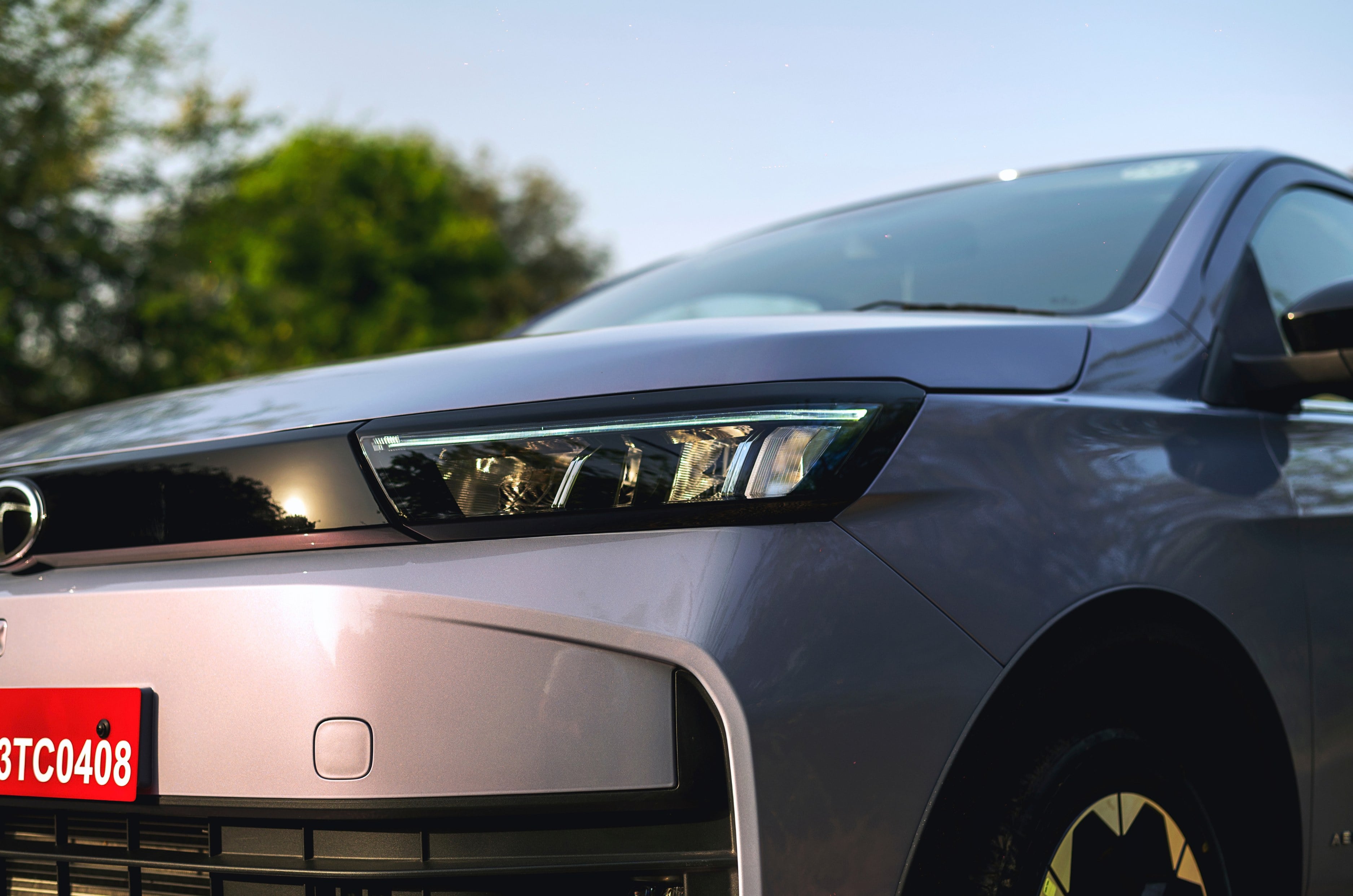
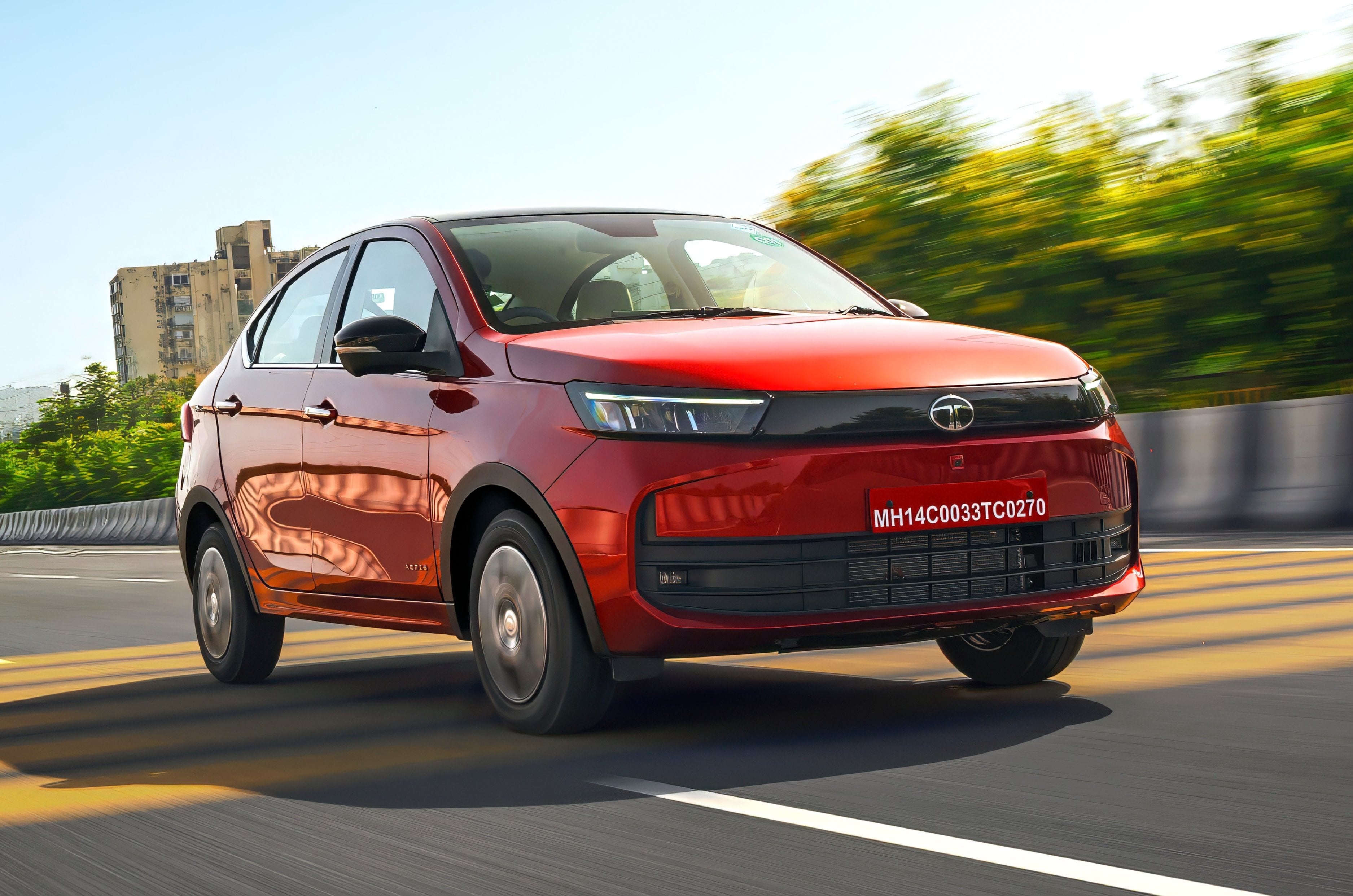
Up front, the new clamshell bonnet leads into slim LED headlights with thin LED DRL strips integrated into them. The headlights are connected by a gloss-black trim. The front bumper is also new, featuring wider air intakes and LED fog lamps, a welcome upgrade over the Tigor’s halogen units.

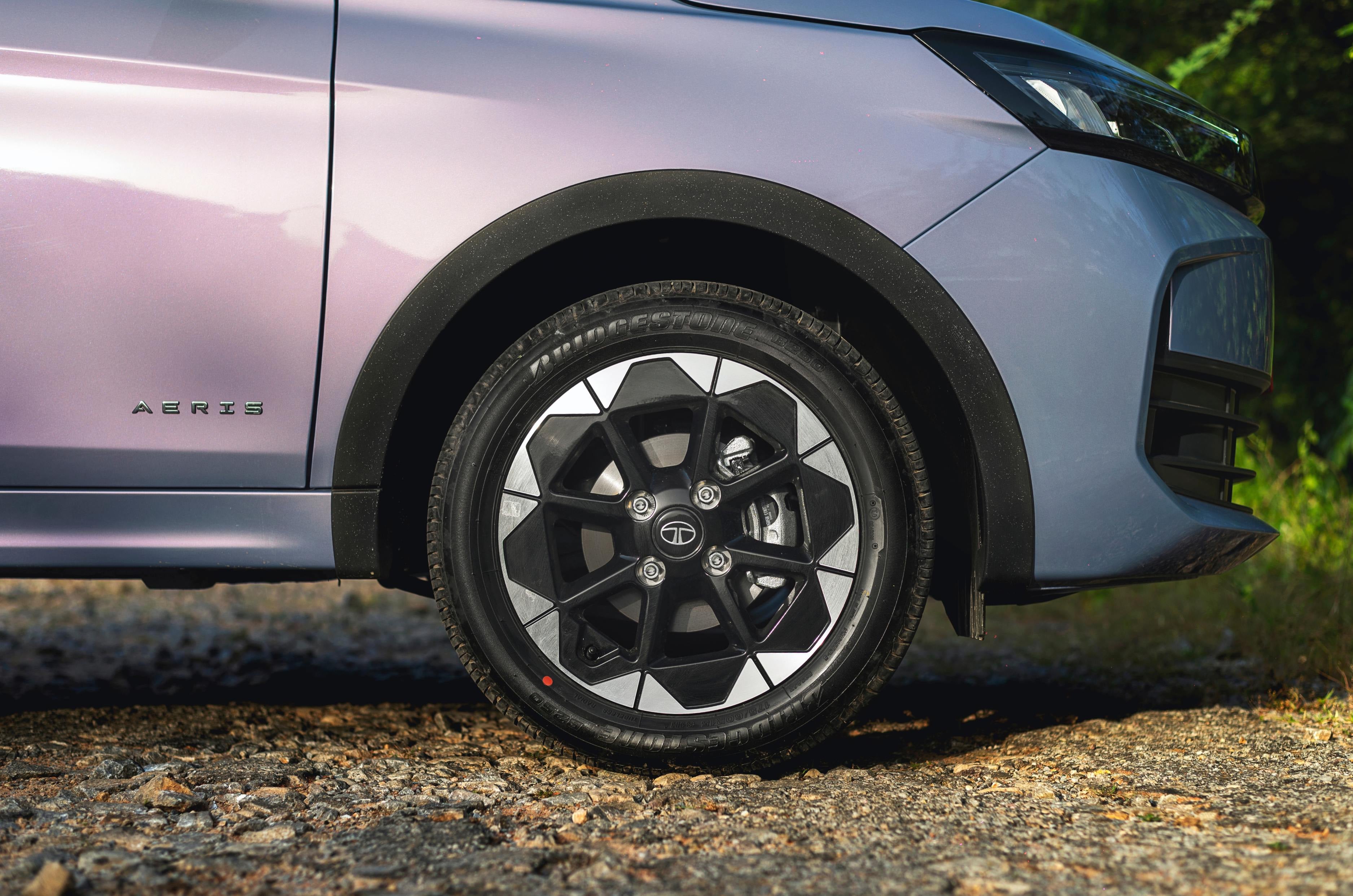
Top versions get 15-inch alloy wheels; 14-inch wheels on other variants appear undersized.

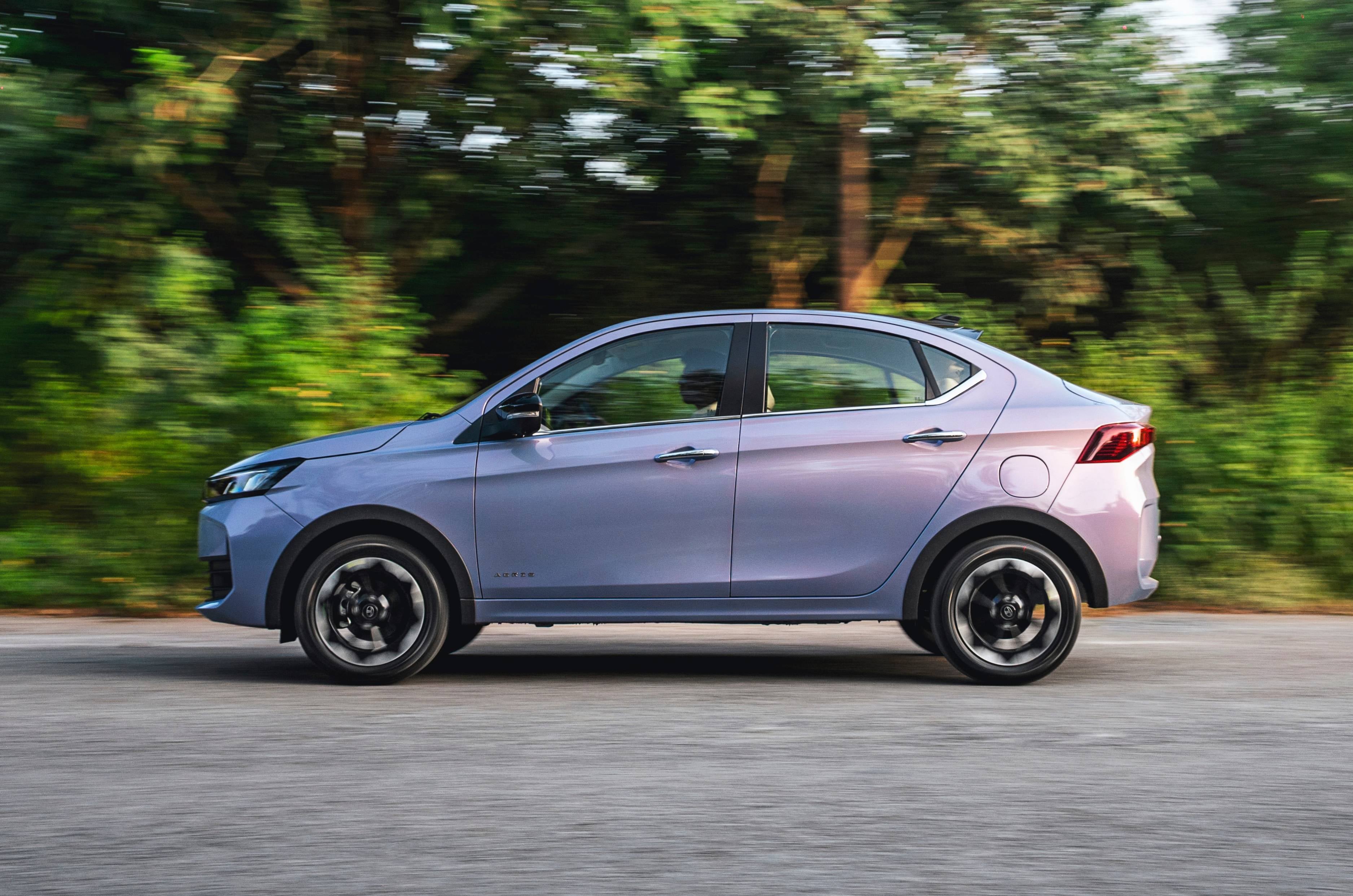
In profile, the 15-inch dual-tone alloy wheels fill the wheel arches nicely, and their contrasting finish looks particularly appealing when the Aeris is on the move. The wheel arches get slim cladding, which Tata says is made from recycled materials and features a distinctive speckled texture. Like the Tigor, the Aeris also gets chrome door handles and a chrome strip along the window line, adding some contrast to the otherwise clean design.

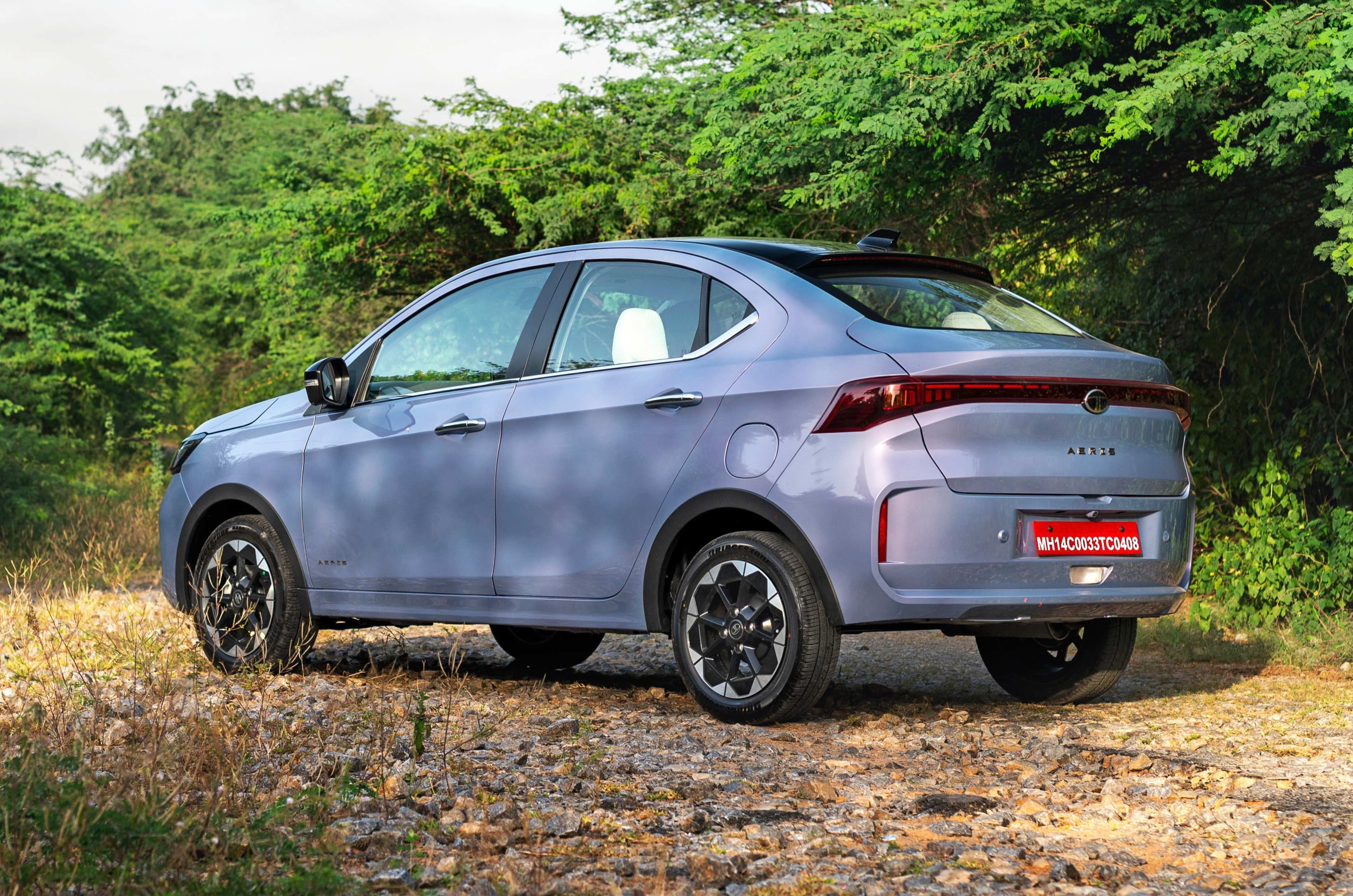
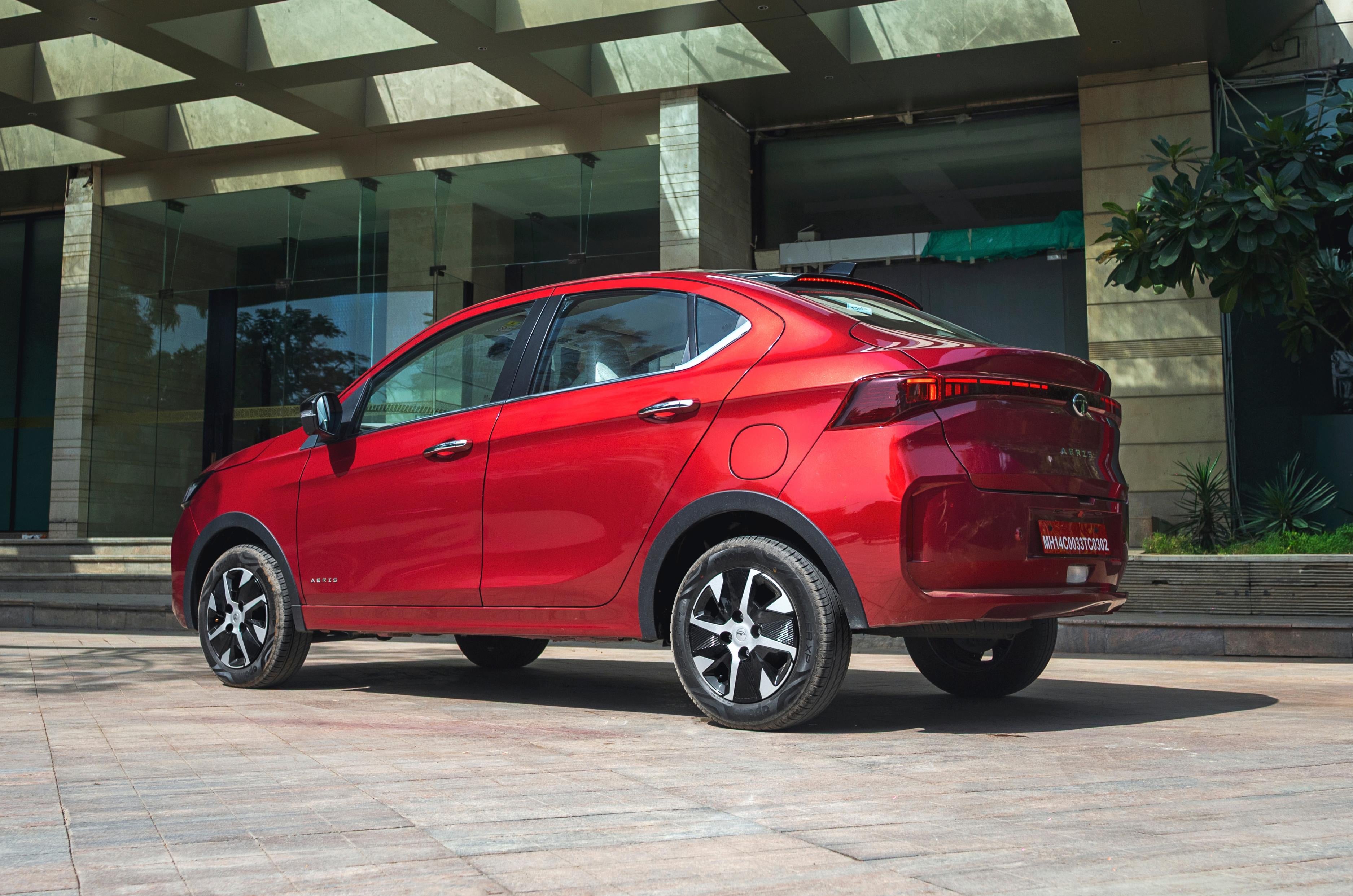
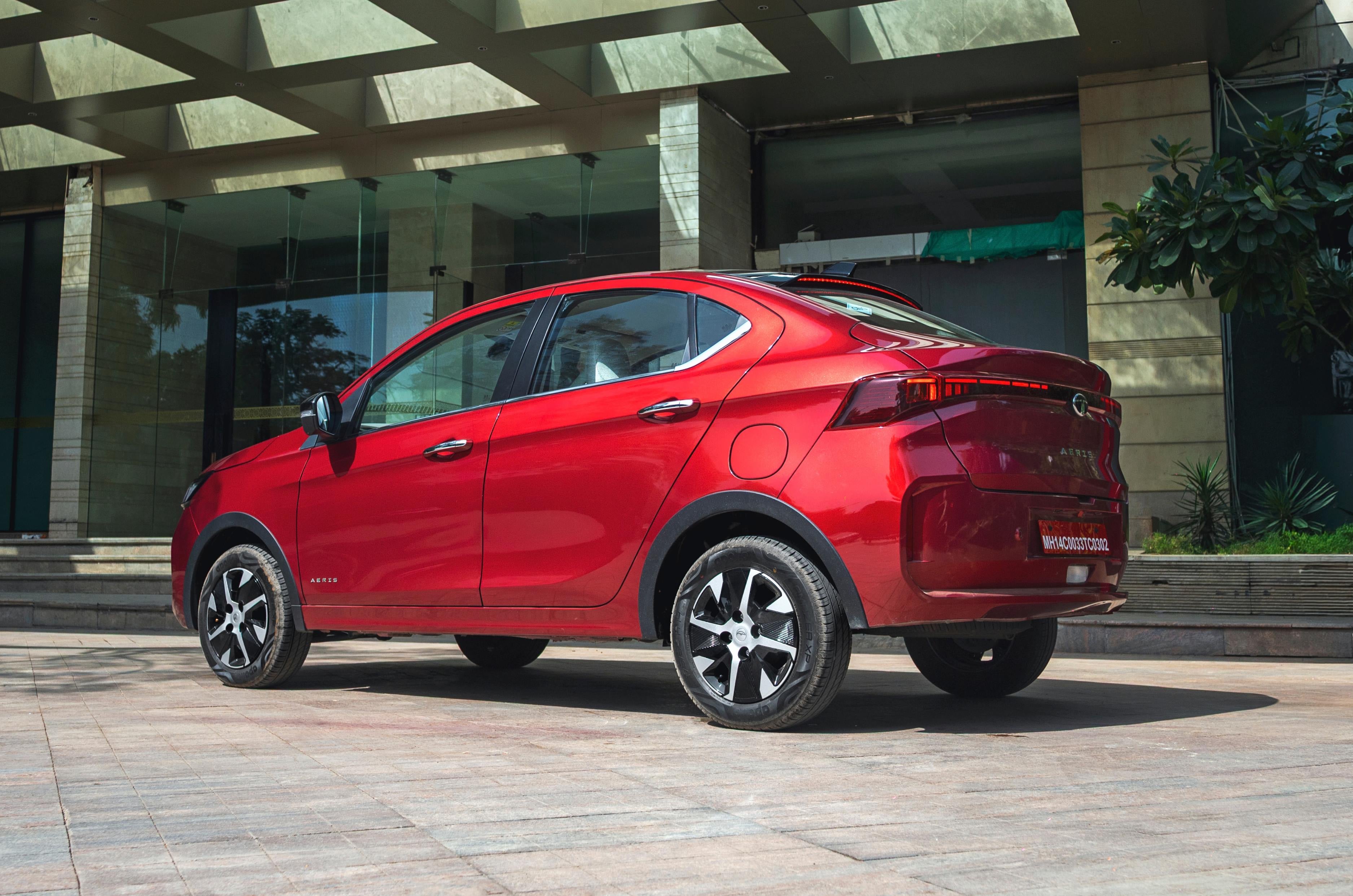
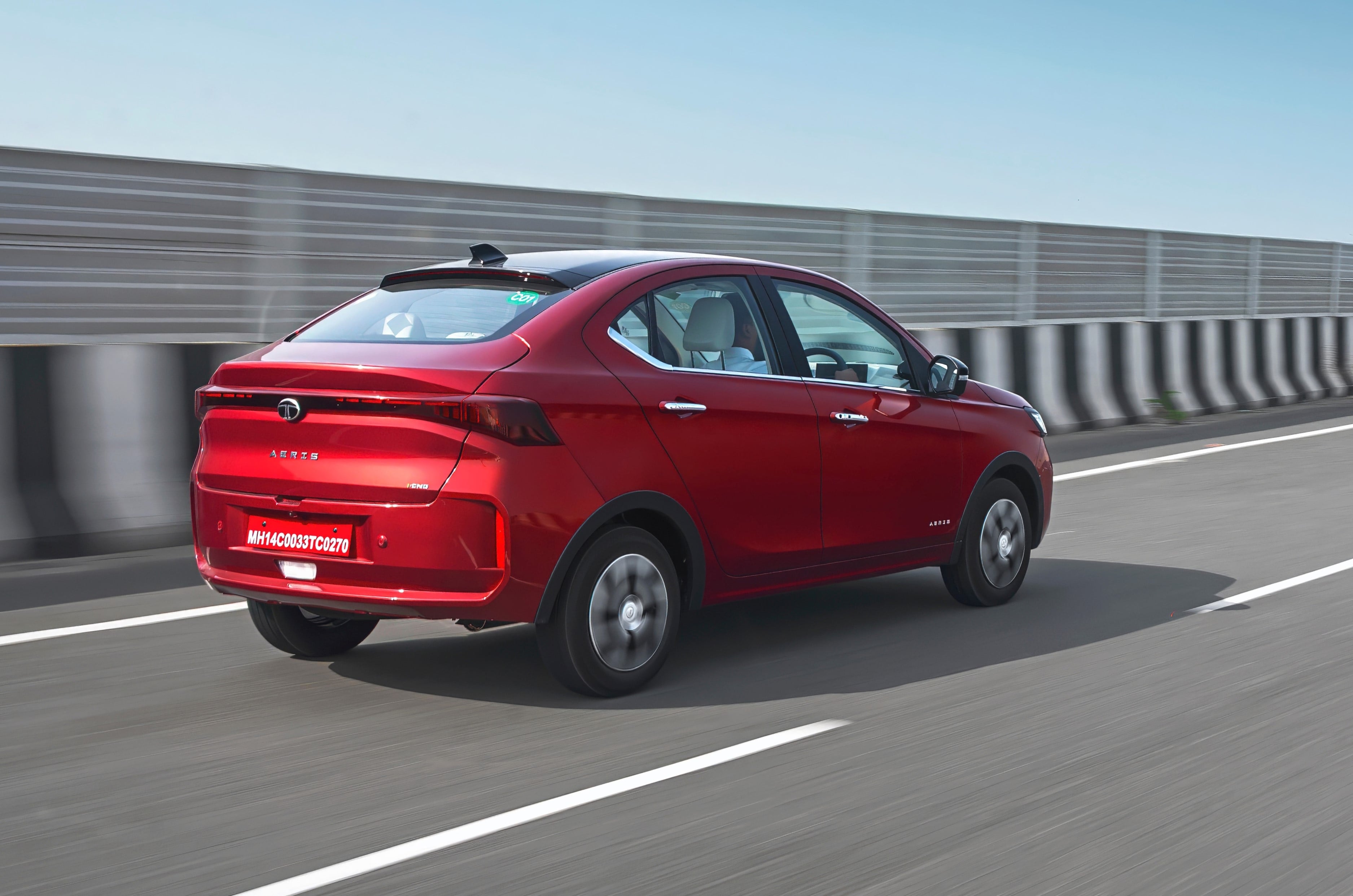
Fastback-like roofline remains a distinctive design element.

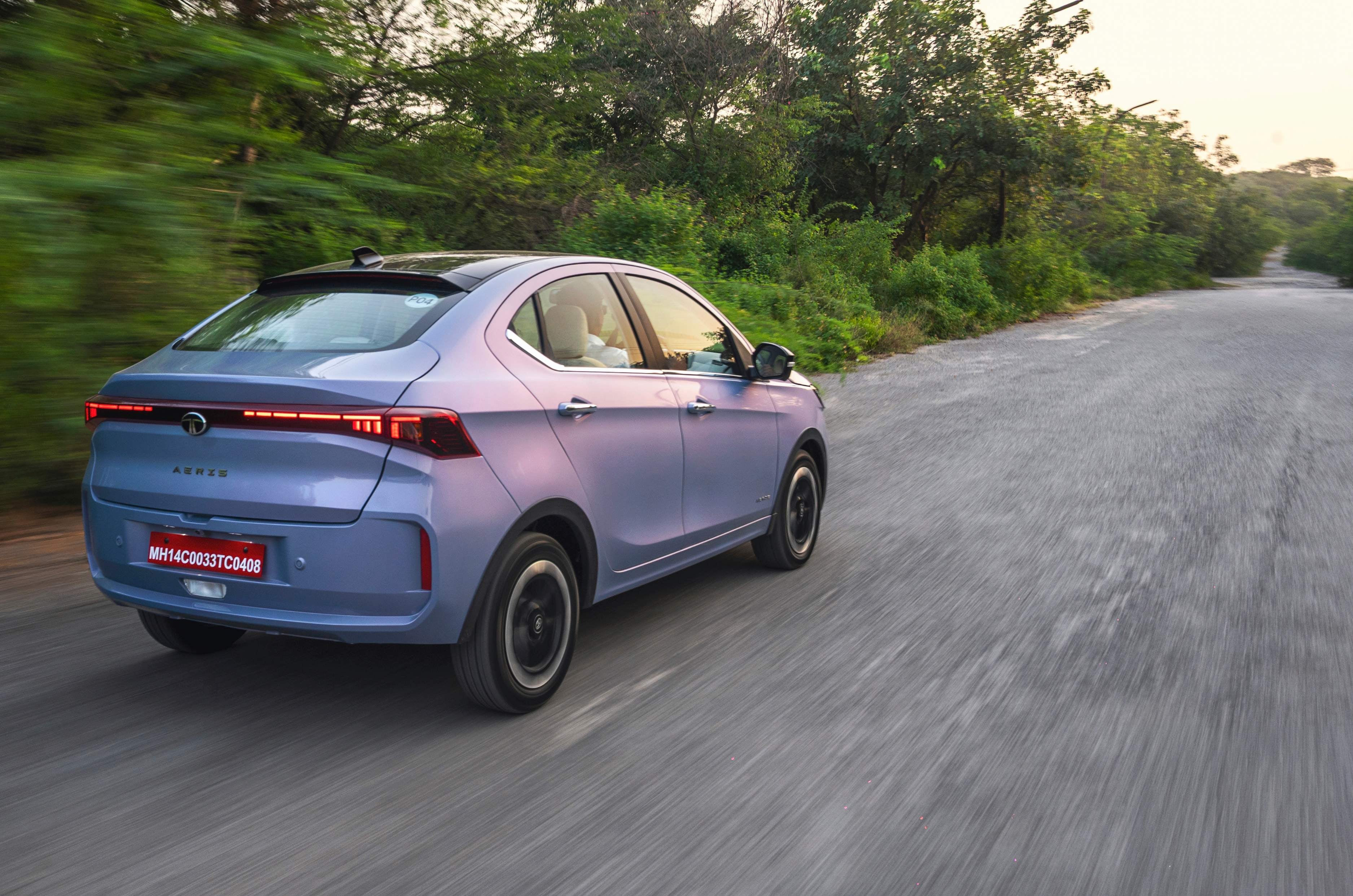
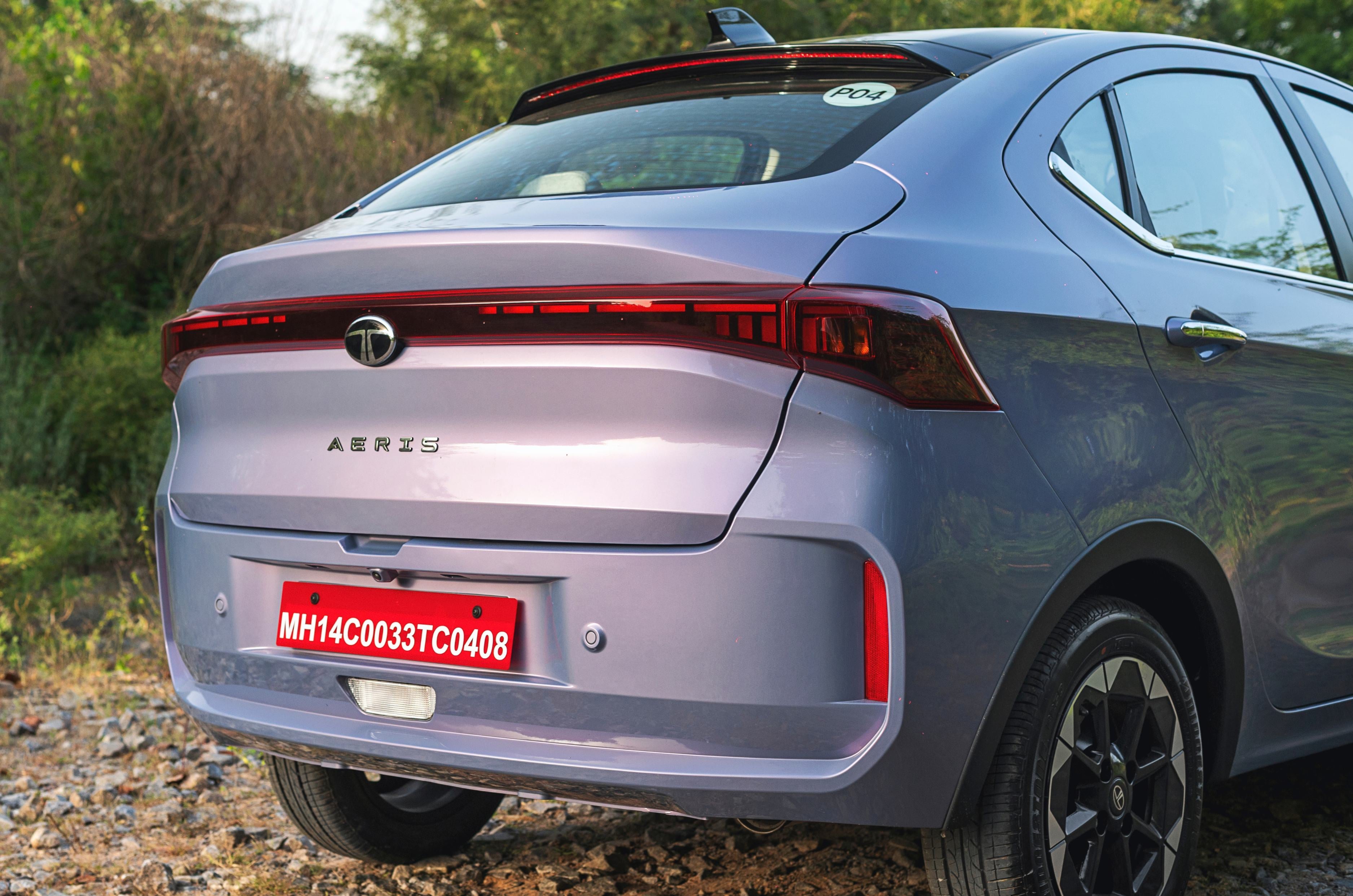
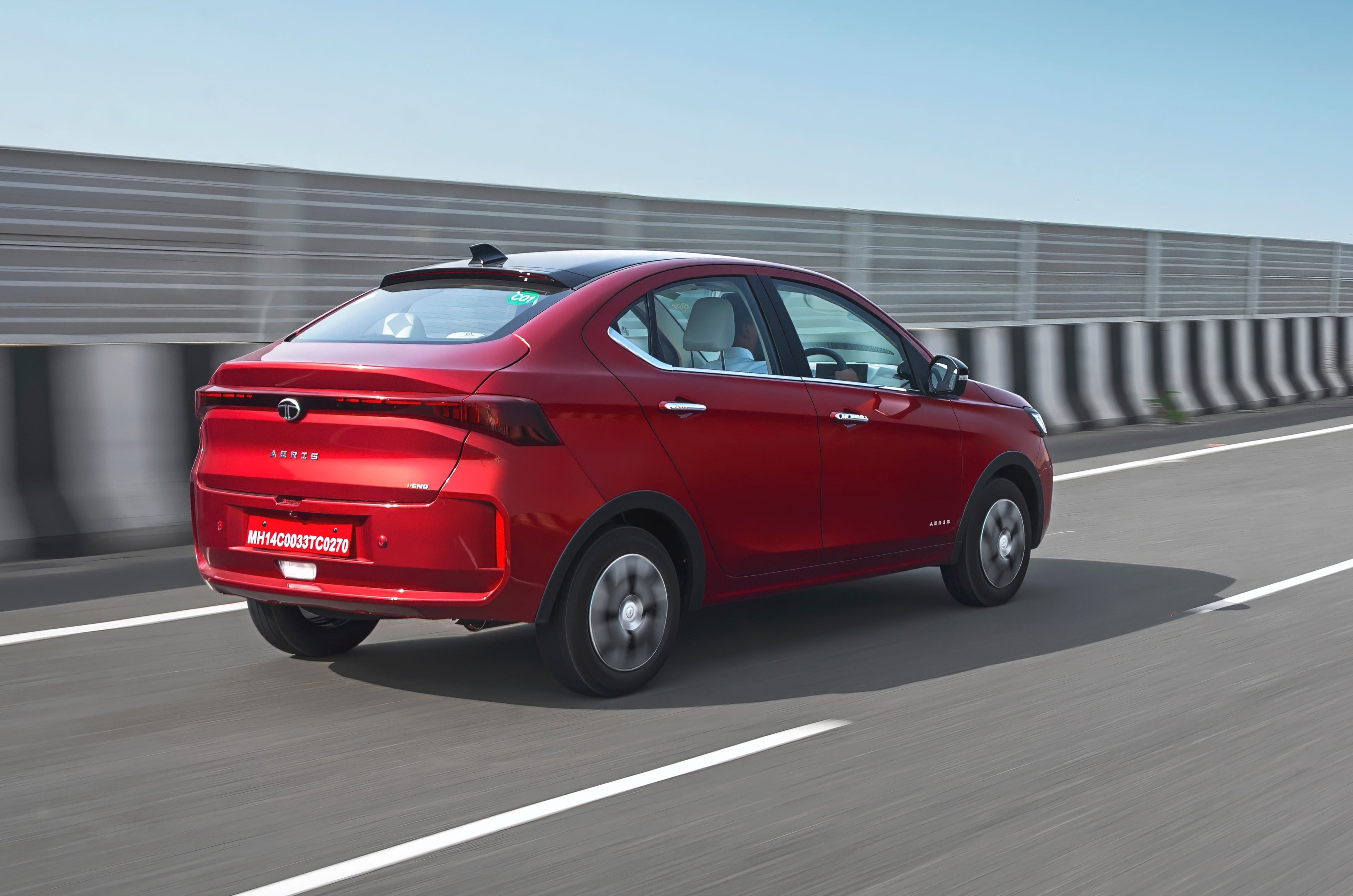
The coupe-like, tapering roofline remains unchanged from the Tigor, and continues to make the Aeris’ overall design cohesive. At the rear, the new taillights give the sedan a more modern appearance, while the red trim connecting them visually makes the Aeris appear larger than it is. The rear bumper is cleanly styled, with the reverse light neatly positioned in the centre.

The Aeris measures 3,995mm in length, 1,684mm in width and 1,532mm in height, and has a 2,450mm wheelbase. 

Tata Aeris petrol interior space and comfort – 8/10

Beige theme makes the interior feel airy, and everything is nicely laid out in the cabin

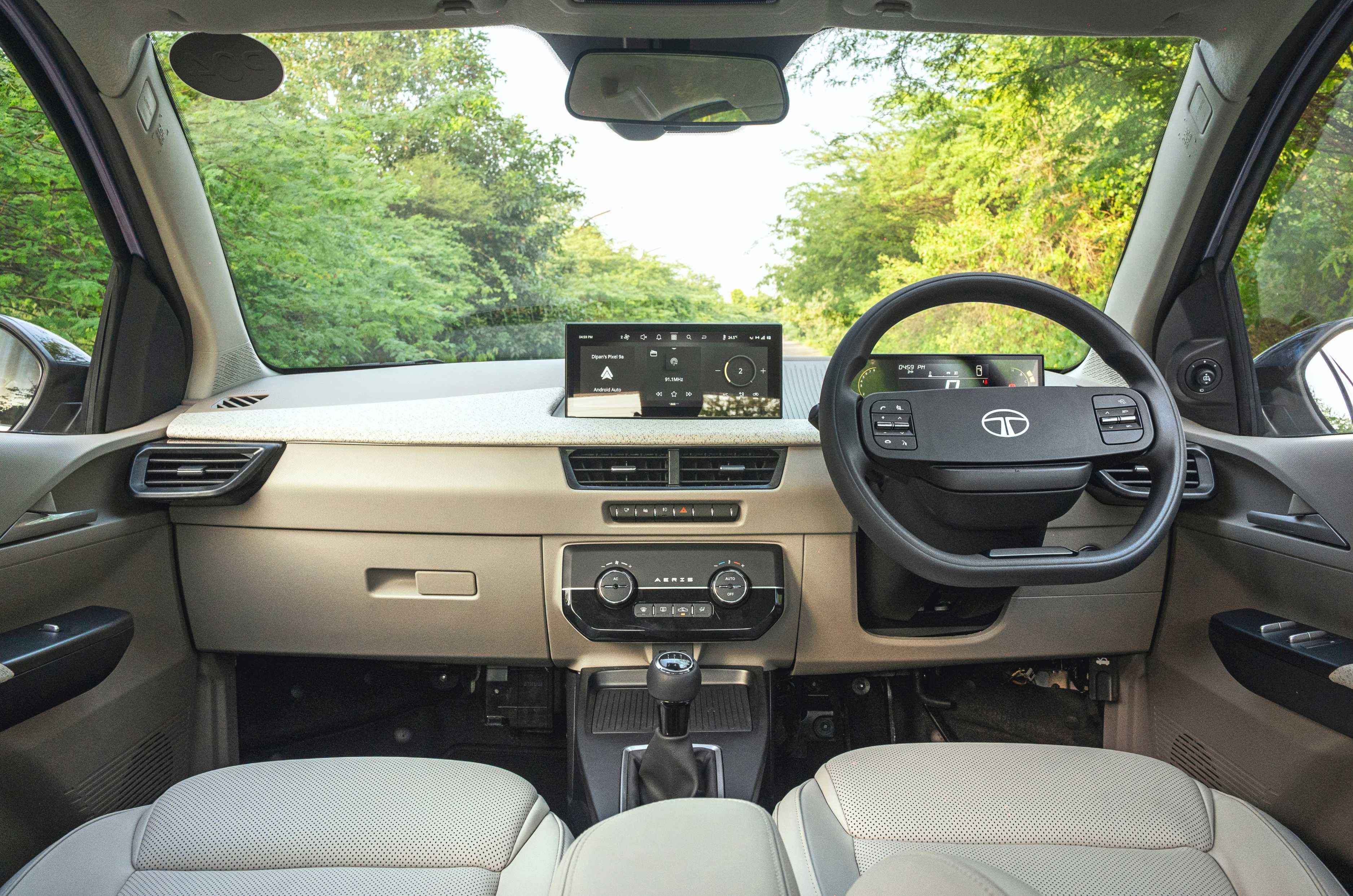
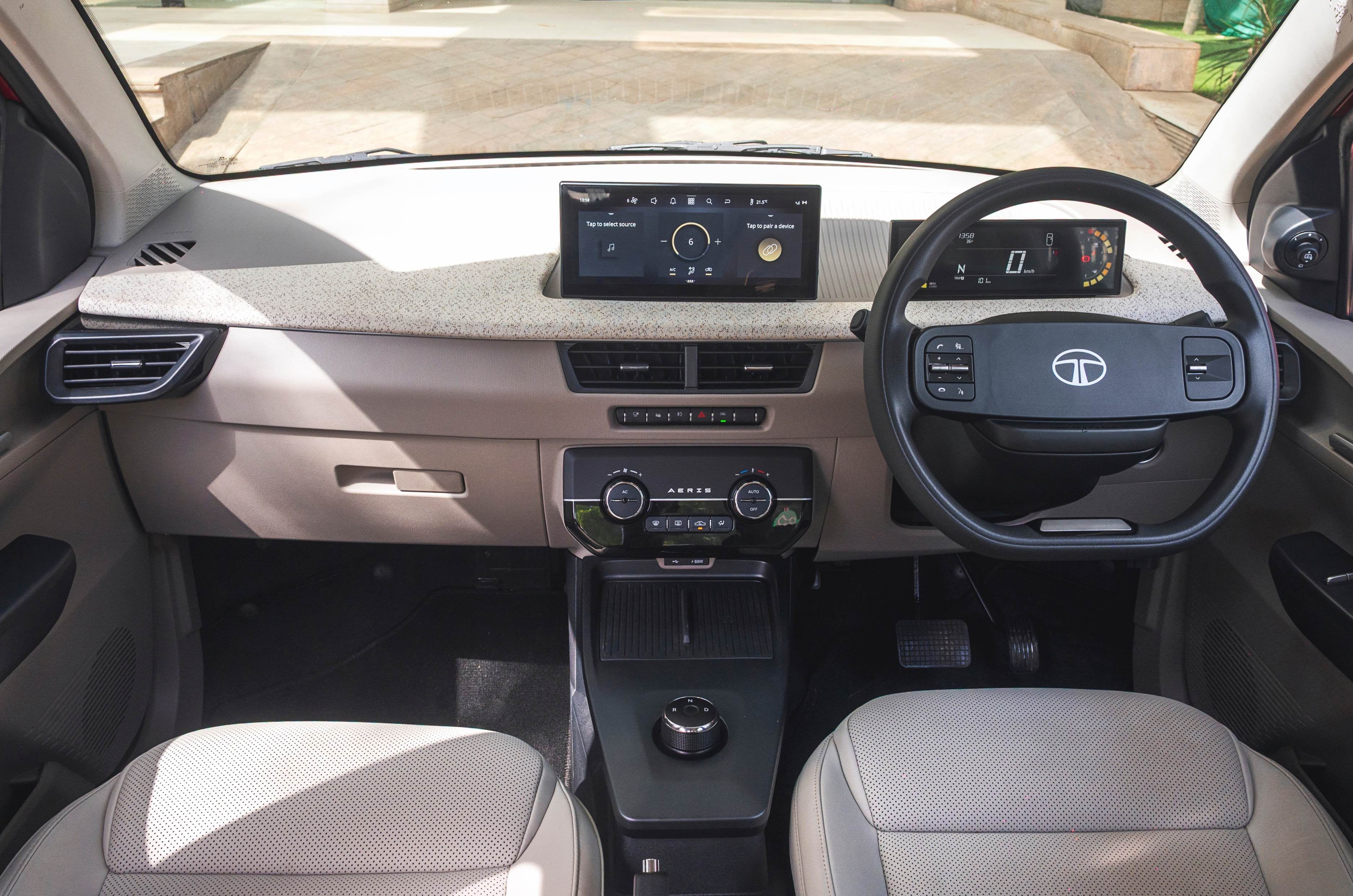
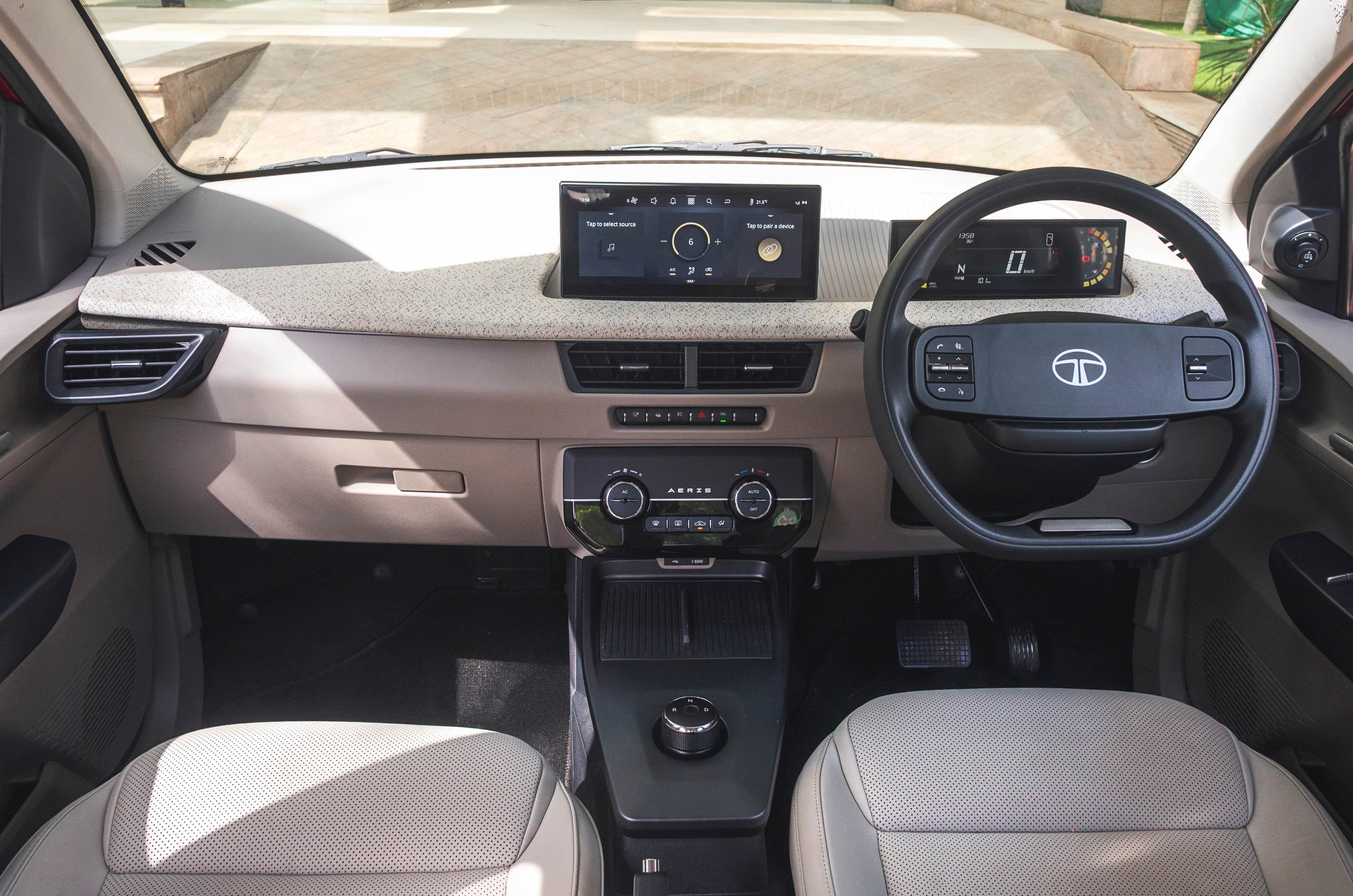
Beige theme lends the cabin an airy feel; dashboard is neatly laid out.

The Aeris’ interior is neatly laid out and looks fairly modern. The cabin gets a beige colour scheme, which makes it feel airy and gives the sedan a greater sense of space. However, the light shade could prove difficult to keep spick and span, especially with regular use.

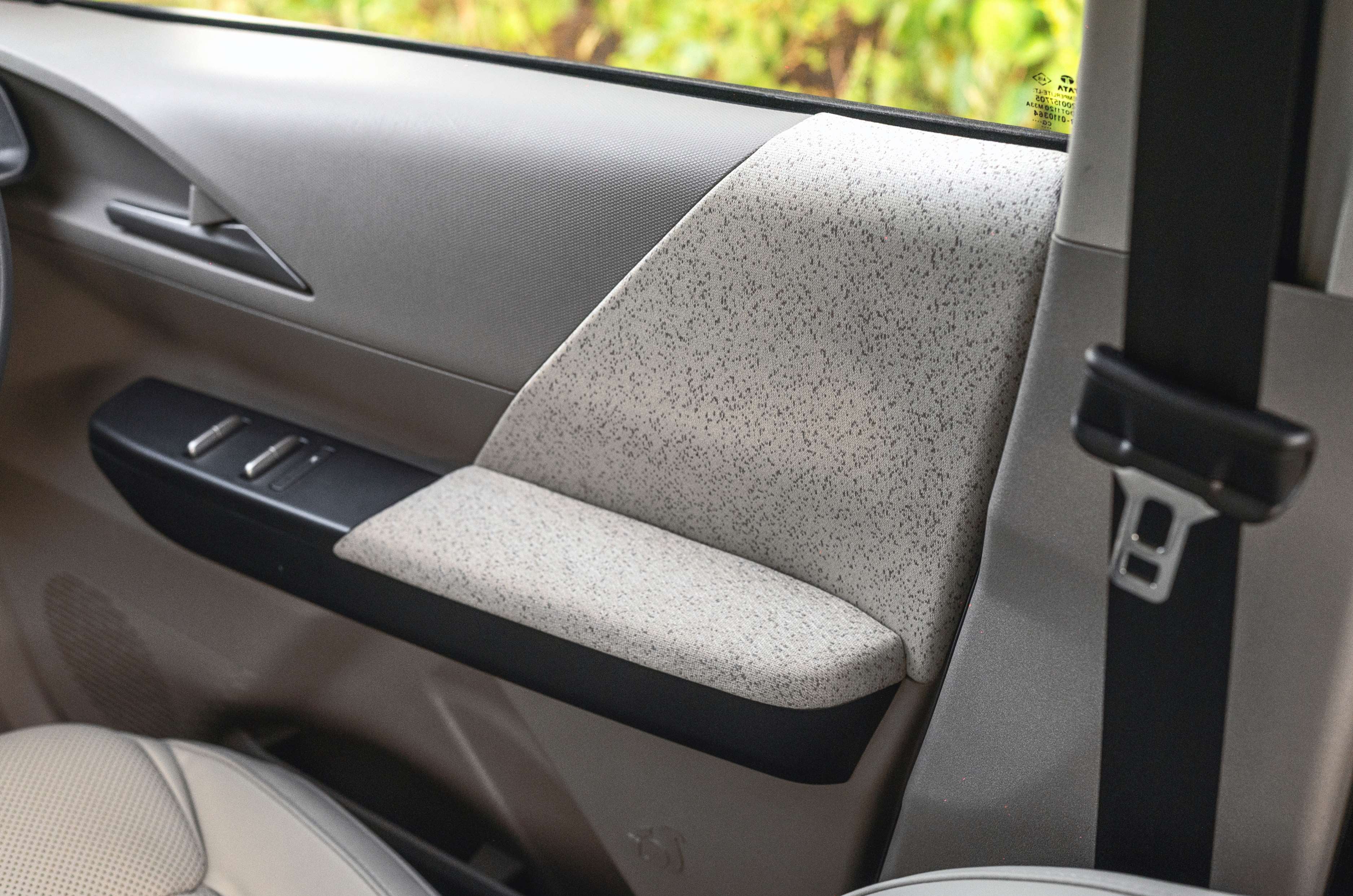
The dashboard houses a 10.25-inch infotainment touchscreen, a free-standing semi-digital instrument cluster and a revised two-spoke steering wheel. The latter retains physical buttons and, thankfully, does away with the scratch-prone gloss-black finish seen on the Tigor. The door handles look floating like the Sierra and feel sturdy. Lower down, Tata has retained rotary dials and physical buttons for the climate control. They feel solid and do not come across as flimsy. 

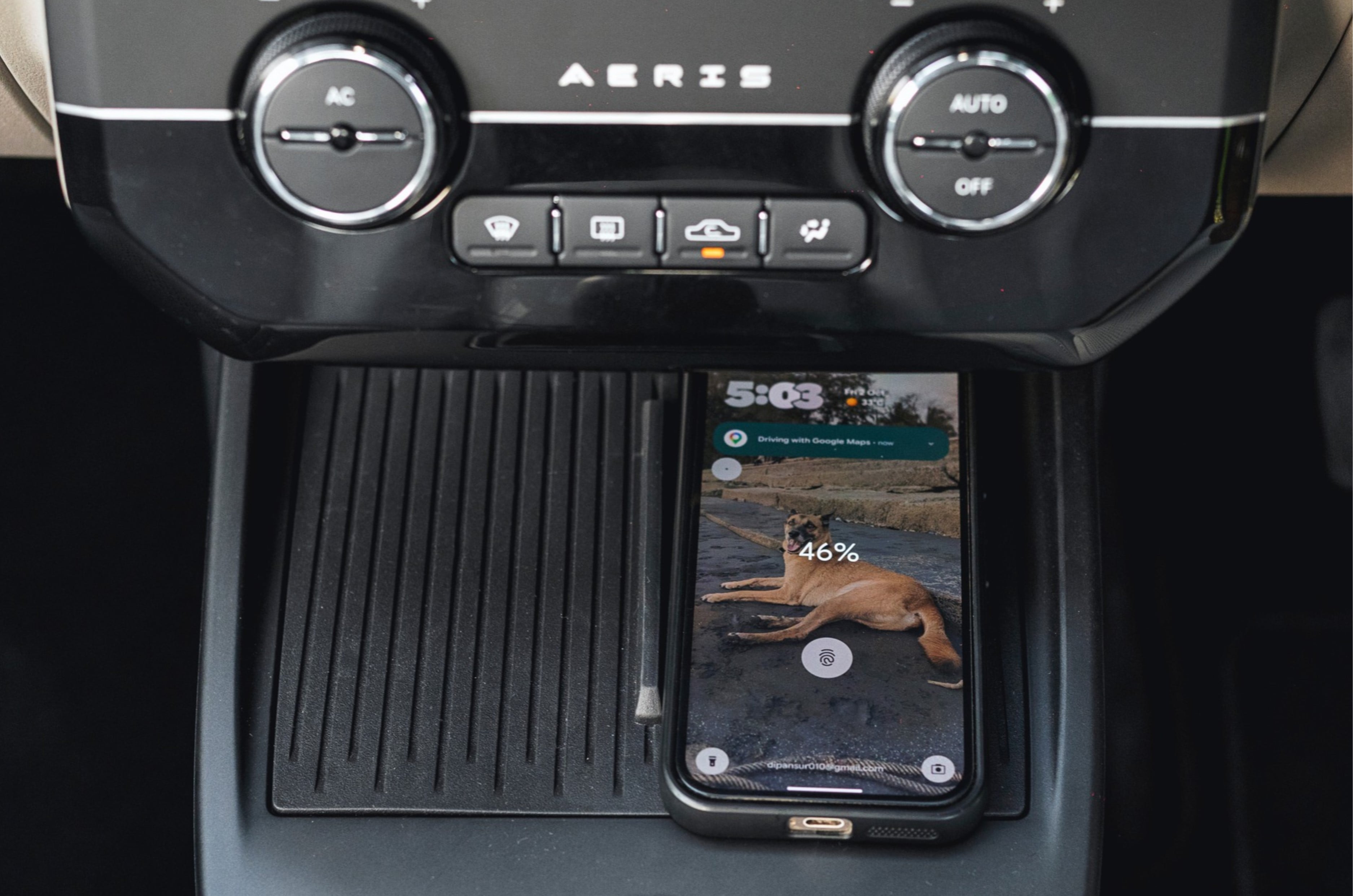
The wireless charger works well but tends to make the phone hot during prolonged use.

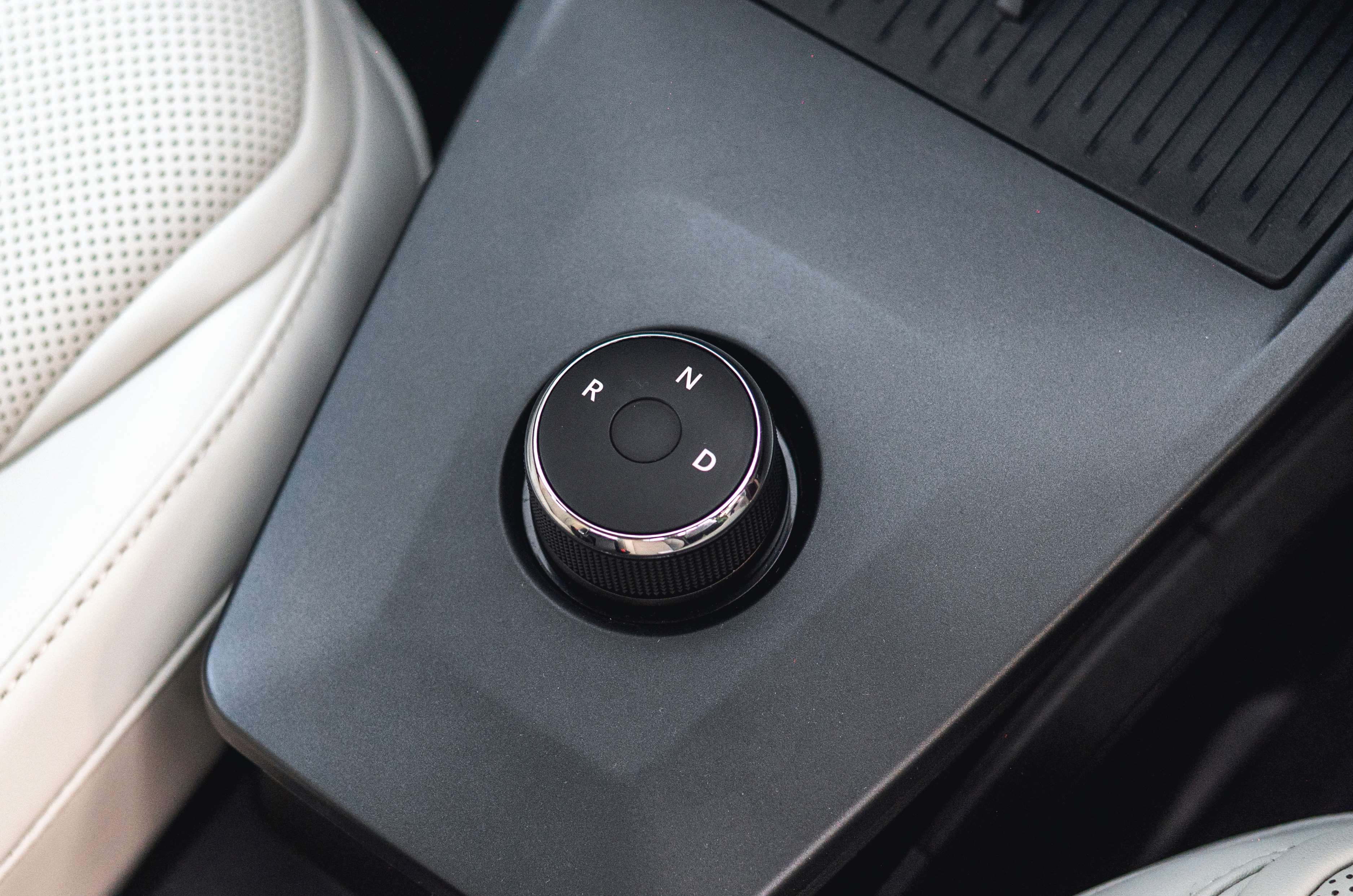
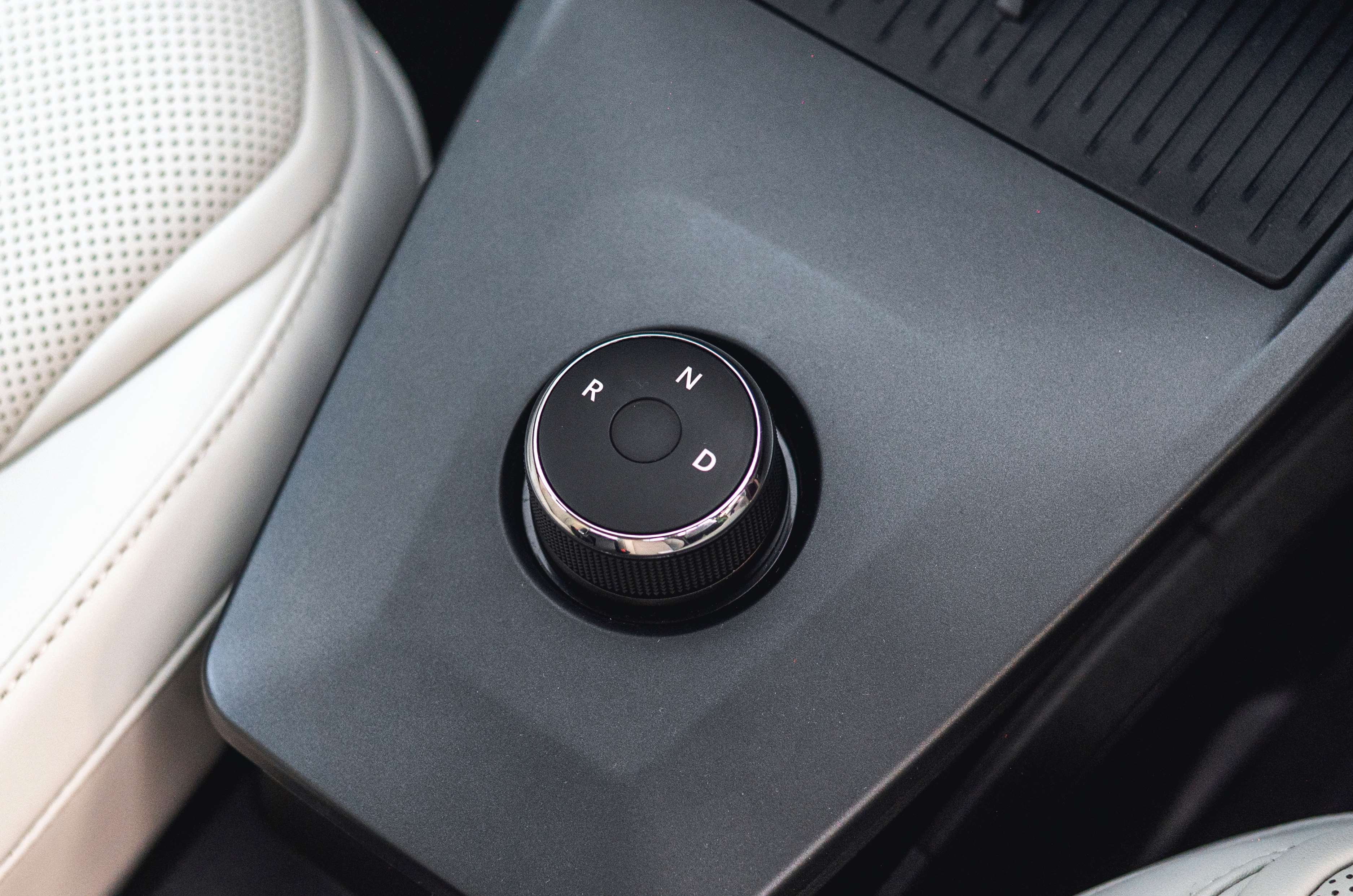
The centre console has been thoroughly redesigned and looks neat. The manual gear lever looks premium and feels good to hold, while the AMT gets a rotary dial that also feels solid and operates seamlessly. Two rubberised phone holders on the console keep phones from sliding around, and the top-spec Accomplished trim offers wireless charging in one slot. The centre console also gets two cupholders and a leatherette-wrapped centre armrest with integrated storage space underneath.

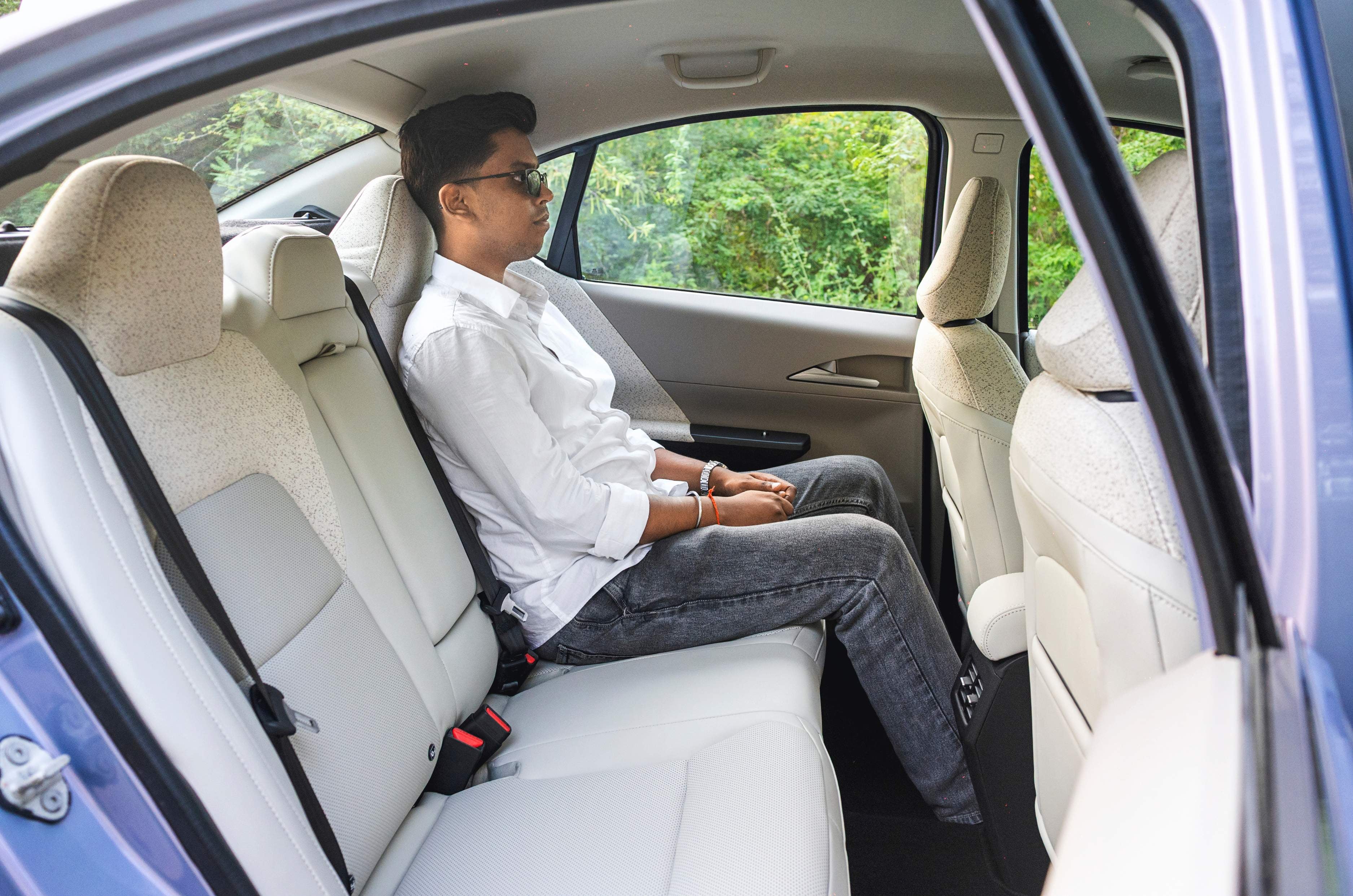
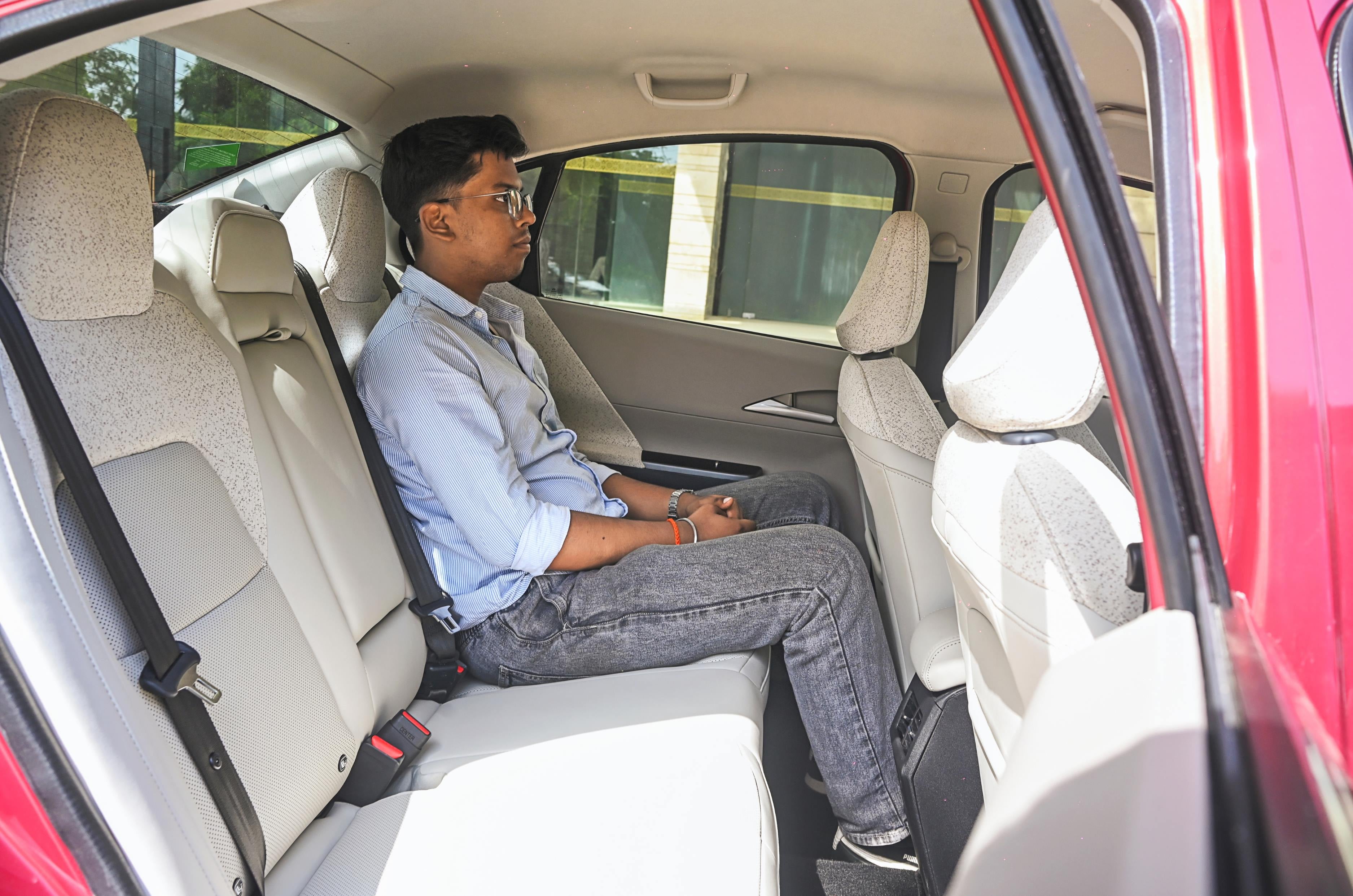
The rear seat offers good kneeroom and legroom, while headroom can be tight for taller passengers.

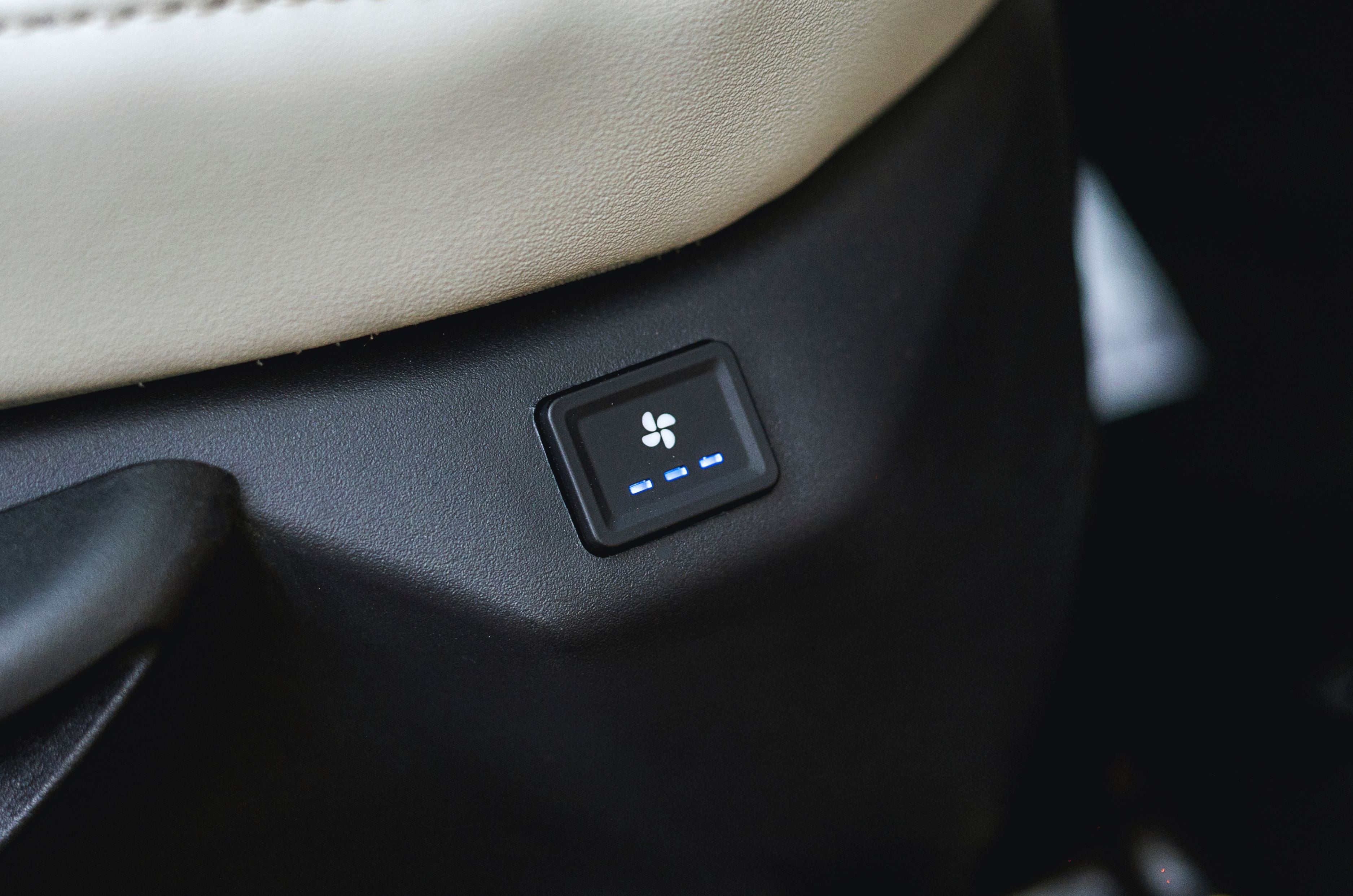
Tata offers part-leatherette upholstery and has revised the cushioning and bolstering, ensuring comfort even on long journeys. They also get a segment-first ventilation function. The rear seats are comfortable too, with good legroom and kneeroom, although headroom is a little tight for passengers over six feet tall. Under-thigh support is adequate.

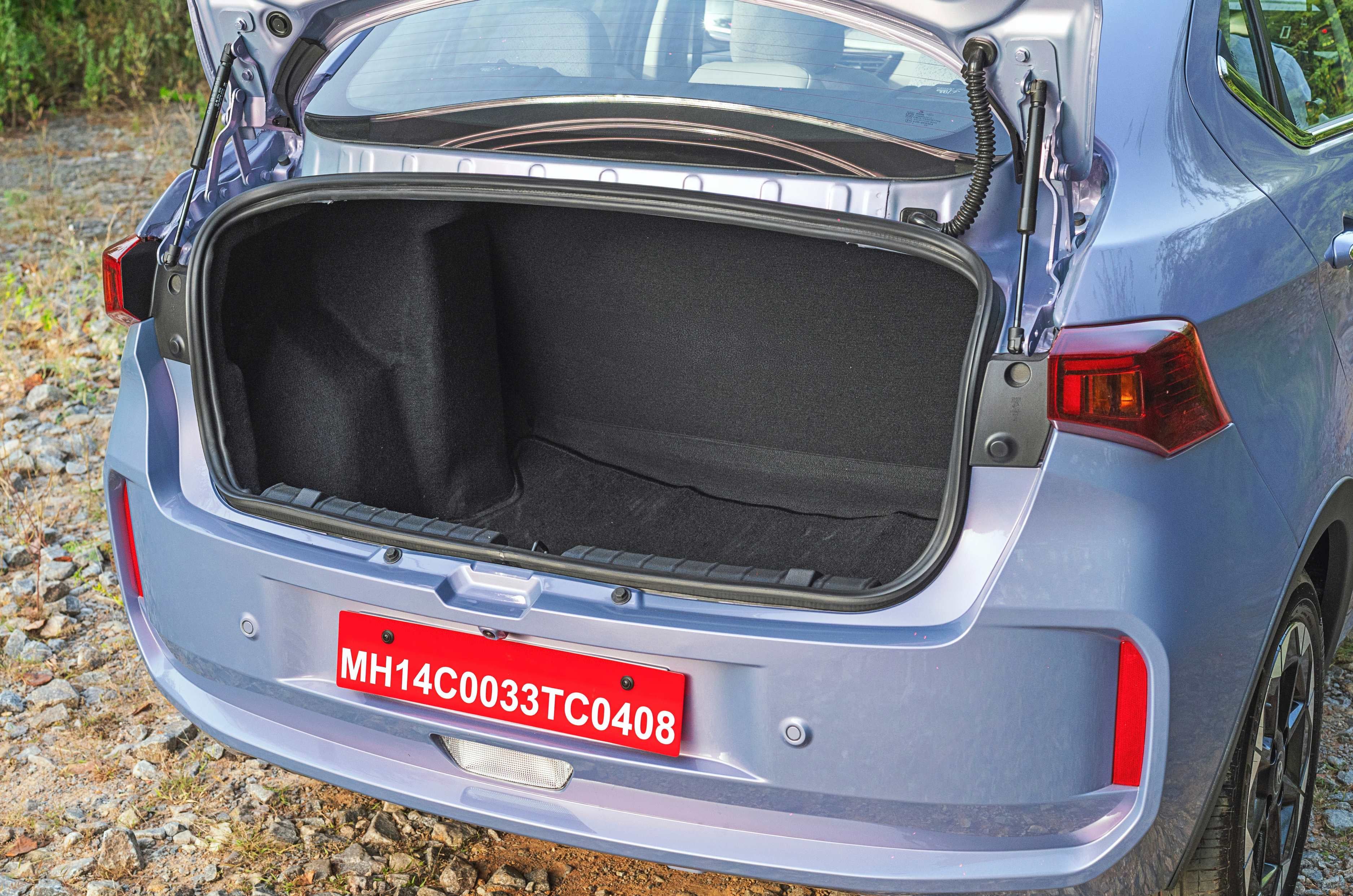
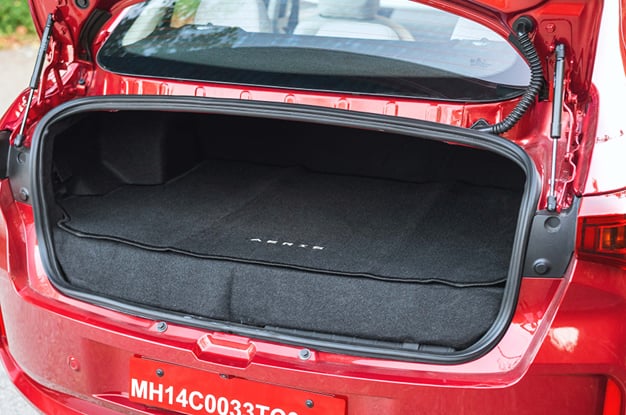
The 419-litre boot is handily large, but the aperture makes loading tricky. Struts free up more usable space.

The Aeris offers 419 litres of boot space, marginally more than the Amaze’s 416 litres and comfortably ahead of the Dzire’s 382 litres and Aura’s 402 litres. The boot itself is large and can swallow a substantial amount of luggage. The use of mechanical struts instead of conventional hinges is a clever touch, as they do not eat into the available boot space. Despite the large boot, the Aeris gets a 14-inch underbody-mounted spare wheel, which is always more promising than a puncture repair kit.

Tata Aeris petrol features and safety – 9/10

Loaded with features to the brim, most of which are well integrated

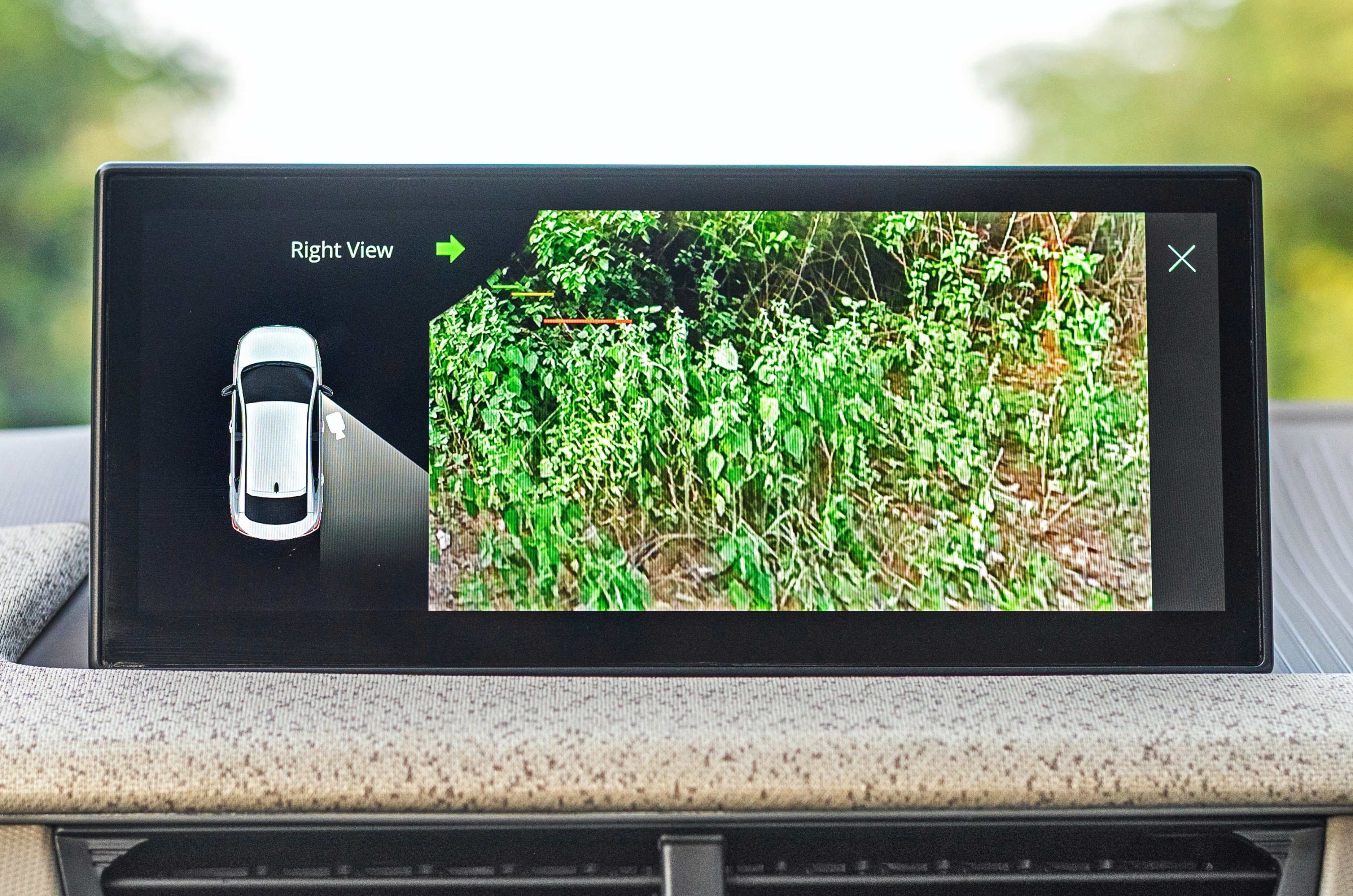
Blind-spot monitor is very useful but takes up the full screen and hides the map display.

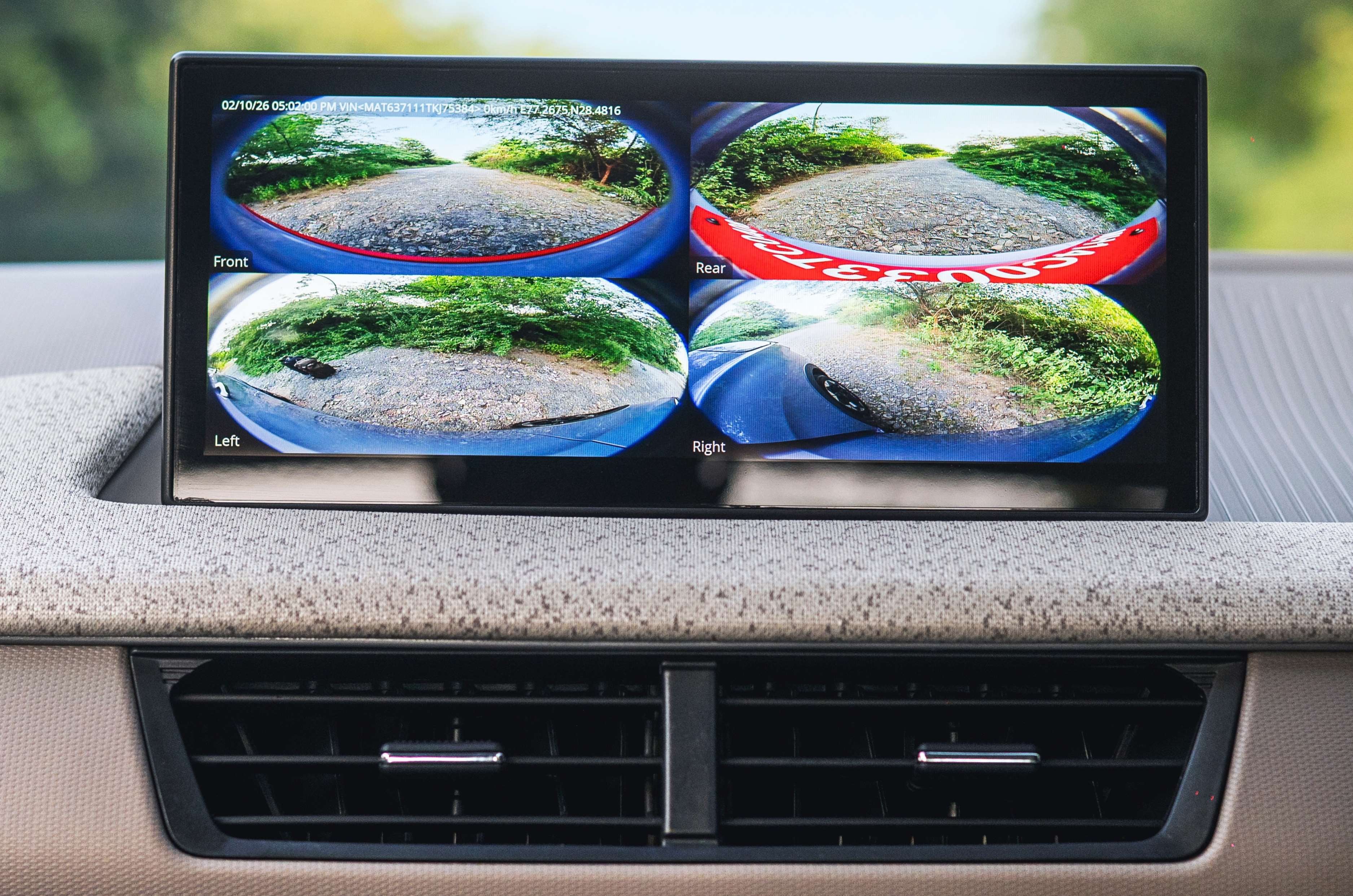
Like other Tata cars, the Aeris is packed with features. The 10.25-inch infotainment touchscreen is slick to use and remains responsive even when navigating through multiple menus. It also displays the 360-degree camera feed, which is lag-free, although the image quality isn’t the best. Tata has also added a new DVR function that allows the surround-view cameras to record the car’s surroundings, ensuring you do not shell out extra for a dashcam. The infotainment screen automatically switches to the blind-spot monitor when indicators are used, which is useful. However, this can be annoying when you are using navigation, although there is an option to disable the view completely.

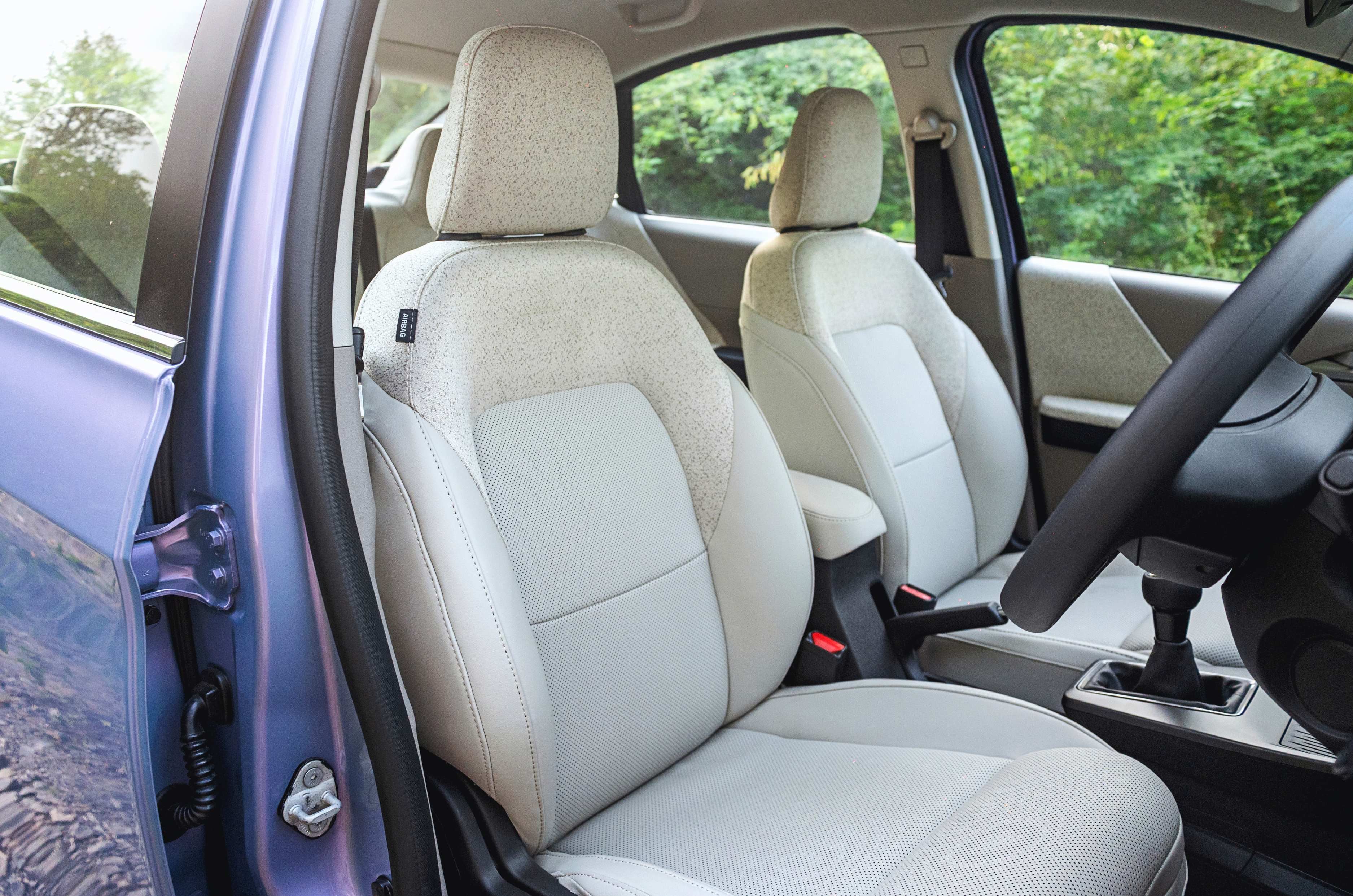
Revised cushioning and bolstering, and a new ventilation function on the front seats improve overall comfort.

The front-seat ventilation function works well too. During our time with the car, it proved effective at keeping us cool in Faridabad’s near 40deg C ambient temperature. However, the infotainment screen or driver’s display shows nothing when the ventilation is on or the level is adjusted, which can be a little inconvenient.

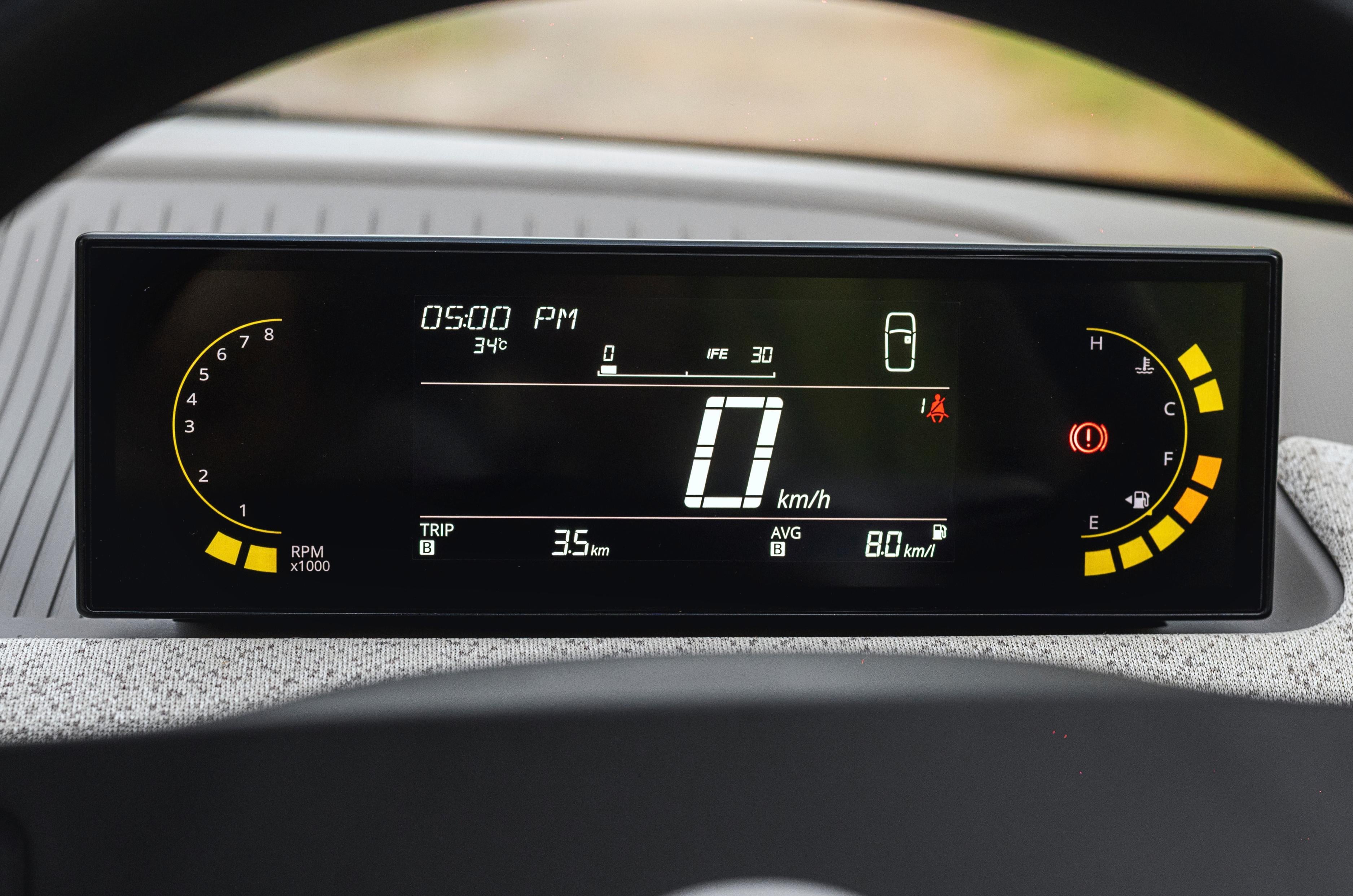
Part-digital Instrument cluster includes screen flanked by rev counter and fuel gauge.

The instrument cluster itself is fairly basic, with analogue dials for the fuel level and rev counter, while a digital display handles the speed and other general information. Depending on the steering wheel’s tilt angle and the driver’s seating position, some of this information can occasionally be obscured. 

The four-speaker, two-tweeter audio system is a step down from the Tigor’s four-speaker, four-tweeter setup, although sound quality remains good enough for the segment. The rear seats lack pressure sensors, meaning the seat-belt warning will sound until the belts are fastened.

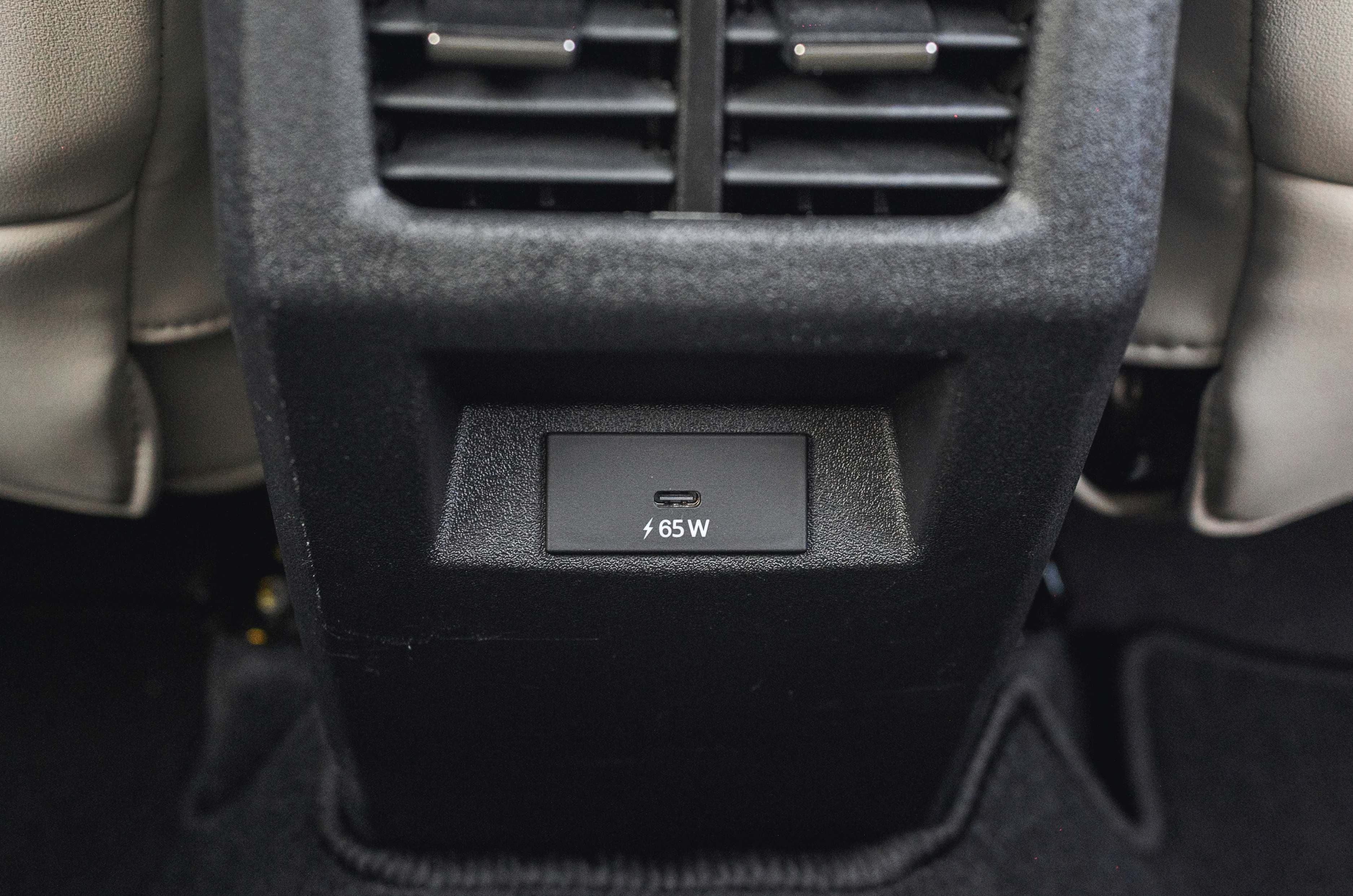
AC vents and a 65W Type-C charging port are among the additions at the back.

On the safety front, the Aeris gets six airbags, Isofix child-seat anchorages for the rear seats, rear parking sensors and three-point seat belts with reminders for all occupants as standard. Higher variants add a 360-degree camera, a day/night inside rear-view mirror, rain-sensing wipers, a rear defogger, a tyre pressure monitoring system (TPMS) and ESP with traction control. The pre-facelift Tigor scored four stars in Global NCAP testing in 2020, but a Bharat NCAP test for the Aeris is due.

Tata Aeris petrol value for money and verdict – 8/10

A well-rounded compact sedan, with the petrol engine making it more versatile

Priced from Rs 5.29 lakh, it offers strong value in a segment where affordability matters.

The Tata Aeris is a much more appealing proposition than the Tigor it replaces. Its fresh design, well-equipped cabin, generous boot and comfortable ride make it easy to live with, while the petrol engine gives it enough performance for both city and high-speed highway cruising. The manual gearbox is light and easy to use, while the AMT is better suited to relaxed city driving than enthusiastic highway use. The long list of features adds further appeal to the package.

There are some shortcomings too, including a coarse engine and poor cabin insulation. However, the Aeris’ biggest strength is its pricing. The petrol variants are priced from Rs 5.29 lakh to Rs 8.74 lakh (ex-showroom), and it undercuts rivals by a fair margin, making a strong case for itself in a segment where value for money remains a key consideration.

September 2026 car retail sales: Mahindra beats Tata to second place

September 2026 car retail sales: Mahindra beats Tata to second place
September 2026 car retail sales

According to data released by the Federation of Automobile Dealers Association (FADA), the Indian passenger vehicle market experienced a strong year-on-year (YoY) sales growth of 32.1 percent in September 2026, with a total of 4,27,213 units sold. While the YoY uptick looks very impressive at face value, the reason behind it is a slowdown in demand during September 2025 due to anticipation of imminent price cuts as part of GST 2.0.

Note: Telangana RTO is not included in FADA sales data.

Top 10 best-selling carmakers in September 2026

Carmaker

Sep 2026 sales

MoM change (%)

YoY change (%)

Market share (%)

Maruti Suzuki

1,69,132

+2.38

+30.05

39.59

Mahindra

57,343

+14.13

+38.93

13.42

Tata

57,254

-1.02

+28.66

13.40

Hyundai

50,201

+6.84

+31.46

11.75

Toyota

28,050

+12.85

+21.56

6.57

Kia

26,663

+14.09

+45.91

6.24

Skoda Volkswagen Group

8,479

+13.52

+13.51

1.98

MG 

6,475

+11.95

+13.74

1.52

Honda

5,283

+6.34

+42.51

1.24

Renault

3,410

+4.12

+33.10

0.80

1. Maruti Suzuki

1,69,132 units sold, up 30.05 percent YoY

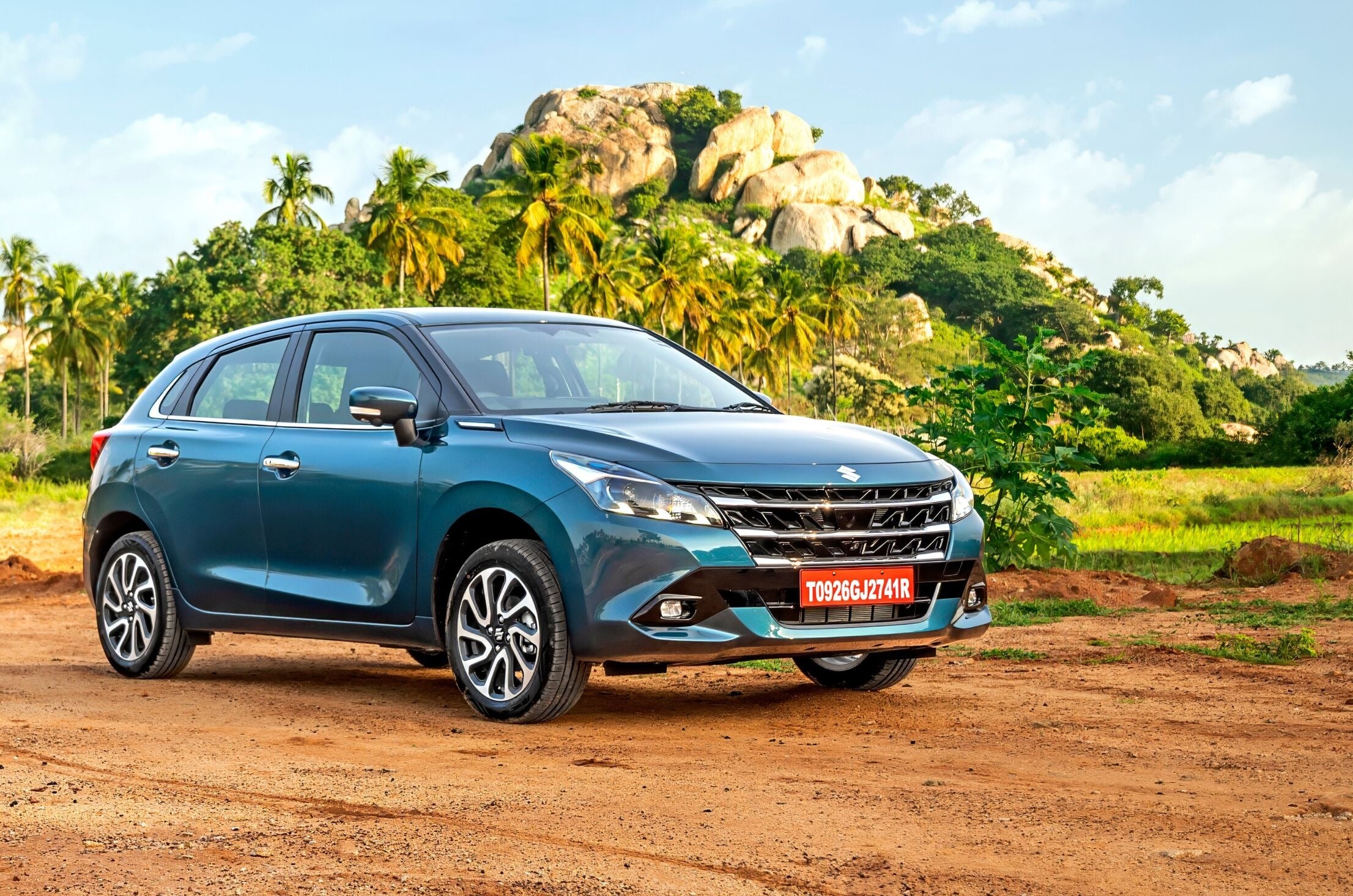
Kicking off the top 10 is market leader Maruti Suzuki, which held on to first place and saw YoY growth in September 2026, although its market share dipped from 40.21 percent in September 2025 to 39.59 percent last month. Still, in terms of overall volume, Maruti Suzuki outsold the next three carmakers combined. The 2.38-percent MoM sales increase is also impressive given the scale of Maruti Suzuki’s volumes. No new Maruti launches are currently known for October 2026, but the carmaker is fresh off the Baleno facelift’s launch.

2. Mahindra

57,343 units sold, up 38.93 percent YoY

Compared to last month’s sales rankings, Mahindra was the only carmaker to experience a change of place on the September 2026 chart. Specifically, Mahindra beat Tata to second place by an ever-so-slight margin of 89 units. If that wasn’t impressive enough, Mahindra also recorded the highest MoM growth among the top 10, and the highest increase in market share – from 12.76 percent last September to 13.42 percent in September 2026. At the moment, Mahindra has not announced any new launches for October, but it did launch the Thar OG (3-door facelift) last month.

3. Tata

57,254 units sold, up 28.66 percent YoY

As mentioned above, Tata slipped from second place in August 2026 to third place in September, though its overall volumes were extremely close to Mahindra’s and YoY sales growth was healthy too. That said, Tata’s market share decreased by a little bit, specifically 13.76 percent in September 2025 to 13.40 percent last month, and it was the only carmaker to witness a MoM sales decline as well. Most recently, Tata launched the Aeris compact sedan, replacing the Tigor.

4. Hyundai

50,201 units sold, up 31.46 percent YoY

Hyundai remained in fourth place in the September 2026 sales rankings, experiencing healthy MoM and YoY upticks. Market share, however, did slide from 11.81 percent in September 2025 to 11.75 percent in September 2026. This month, Hyundai is likely to launch the Bayon midsize SUV, and its impact in the October 2026 sales charts should be interesting to see.

5. Toyota

28,050 units sold, up 21.56 percent YoY

Like last month, Toyota was in fifth place on the September 2026 sales chart. Interestingly, Toyota experienced one of the highest MoM upticks among the carmakers listed here. At the same time, however, the Japanese carmaker’s market share dipped from 7.14 percent in September 2025 to 6.57 percent last month. In October, Toyota is expected to debut the facelifted Glanza, changes for which are likely to mirror those seen in the Maruti Baleno facelift.

6. Kia

26,663 units sold, up 45.91 percent YoY

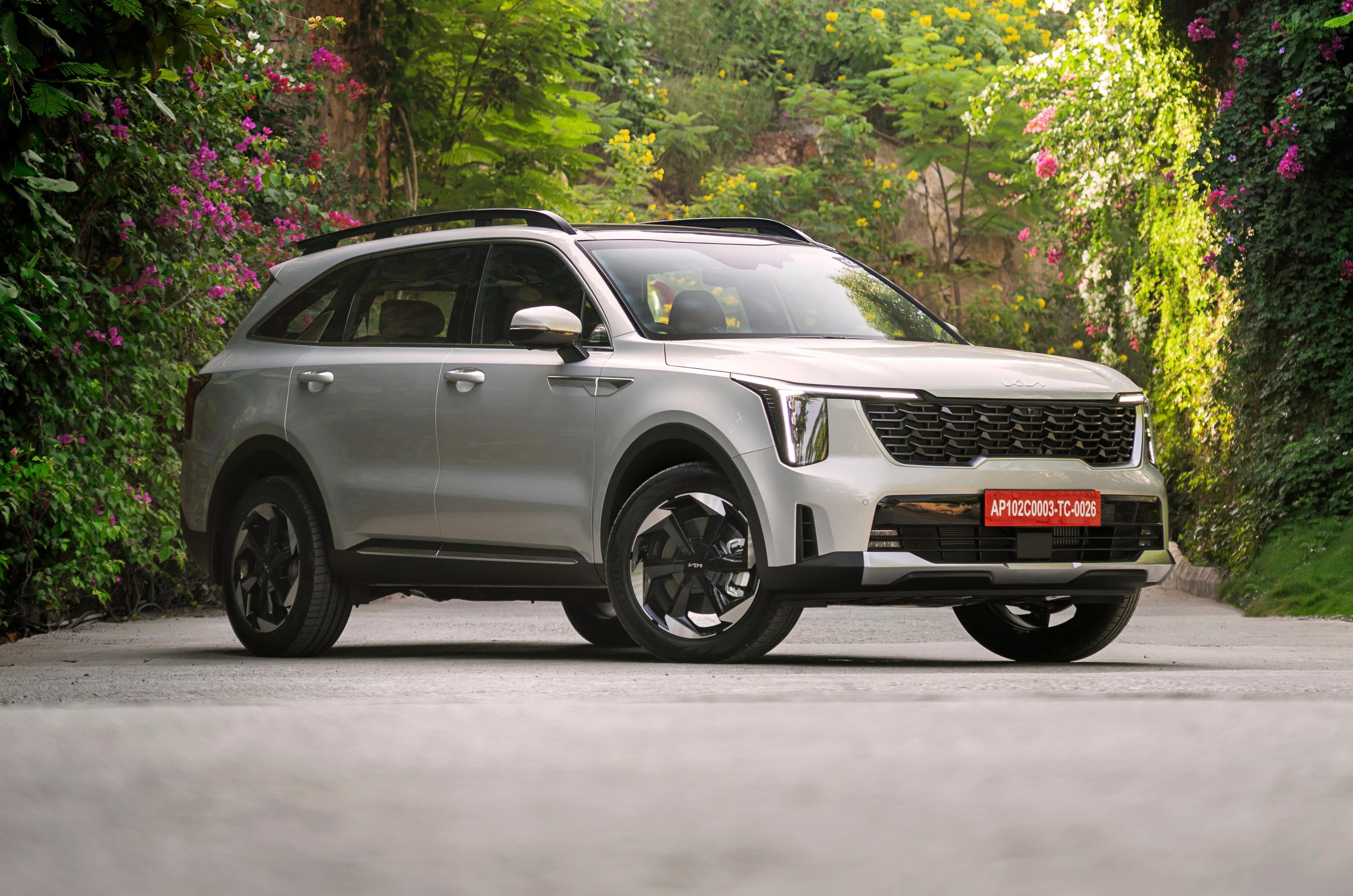
Thanks to the continued popularity of the second-gen Seltos, Kia recorded the highest YoY sales uptick among the top 10 carmakers in September 2026, while MoM growth was the second-highest – falling just shy of Mahindra. Kia’s market share also grew considerably, from 5.65 percent in September 2025 to 6.24 percent in September 2026. While Kia is fresh off a major launch – the Sorento – the Korean carmaker is likely to announce prices for the Carnival hybrid, though the luxury MPV is not expected to be a major volume driver.

7. Skoda Volkswagen Group

8,479 units sold, up 13.51 percent YoY

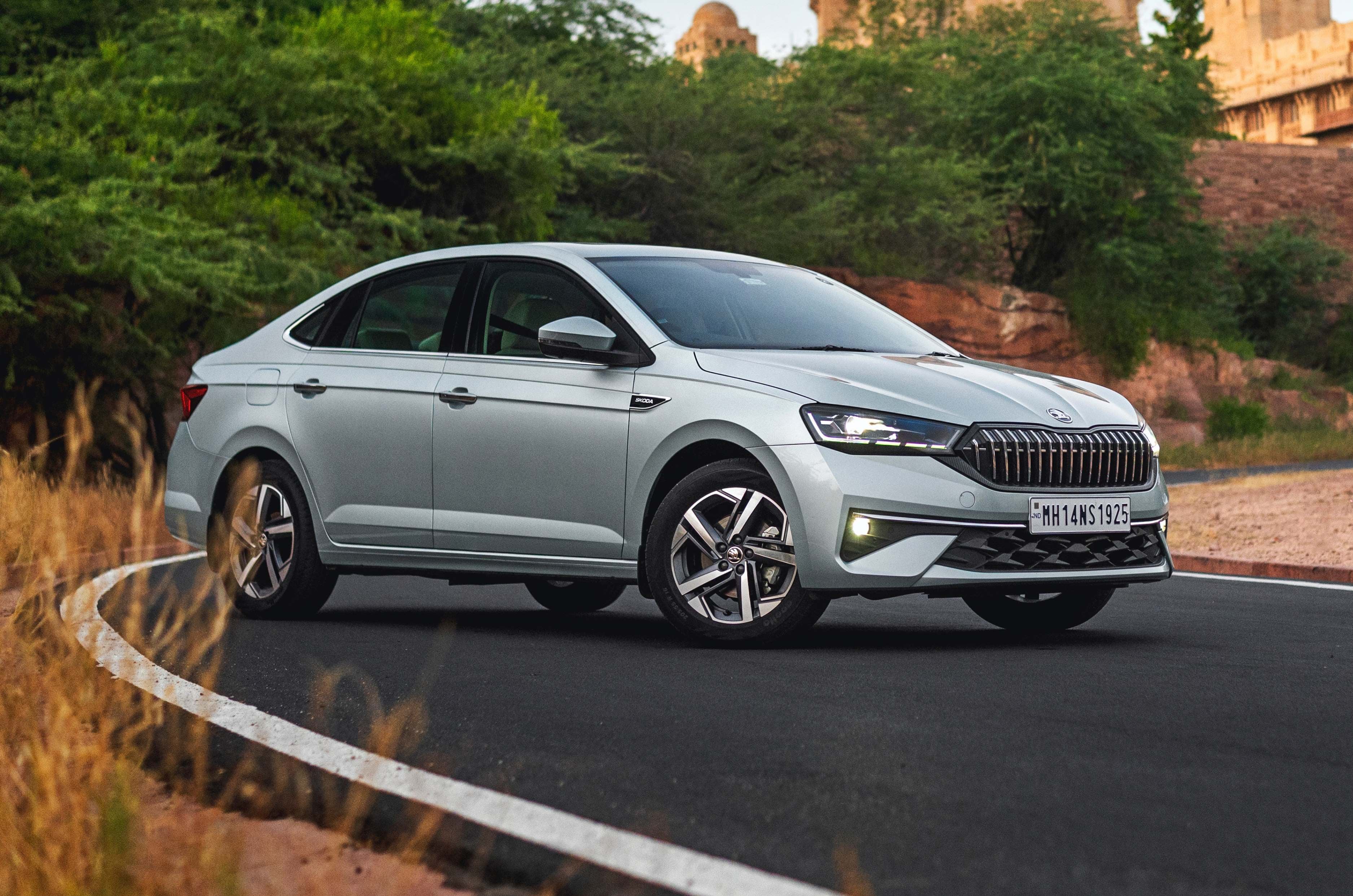
Skoda Auto Volkswagen India Private Limited (SAVWIPL) held on to seventh place in September 2026, and even saw a decent 13.52 percent MoM increase in sales. Notably, SAVWIPL’s YoY growth is nearly identical to the MoM one. In terms of market share, SAVWIPL declined from 2.29 percent last September to 1.98 percent in September 2026. As for launches in October, Skoda is fresh off the Slavia facelift’s price reveal, which could rejuvenate some interest in the midsize sedan space.

8. MG

6,475 units sold, up 13.74 percent YoY

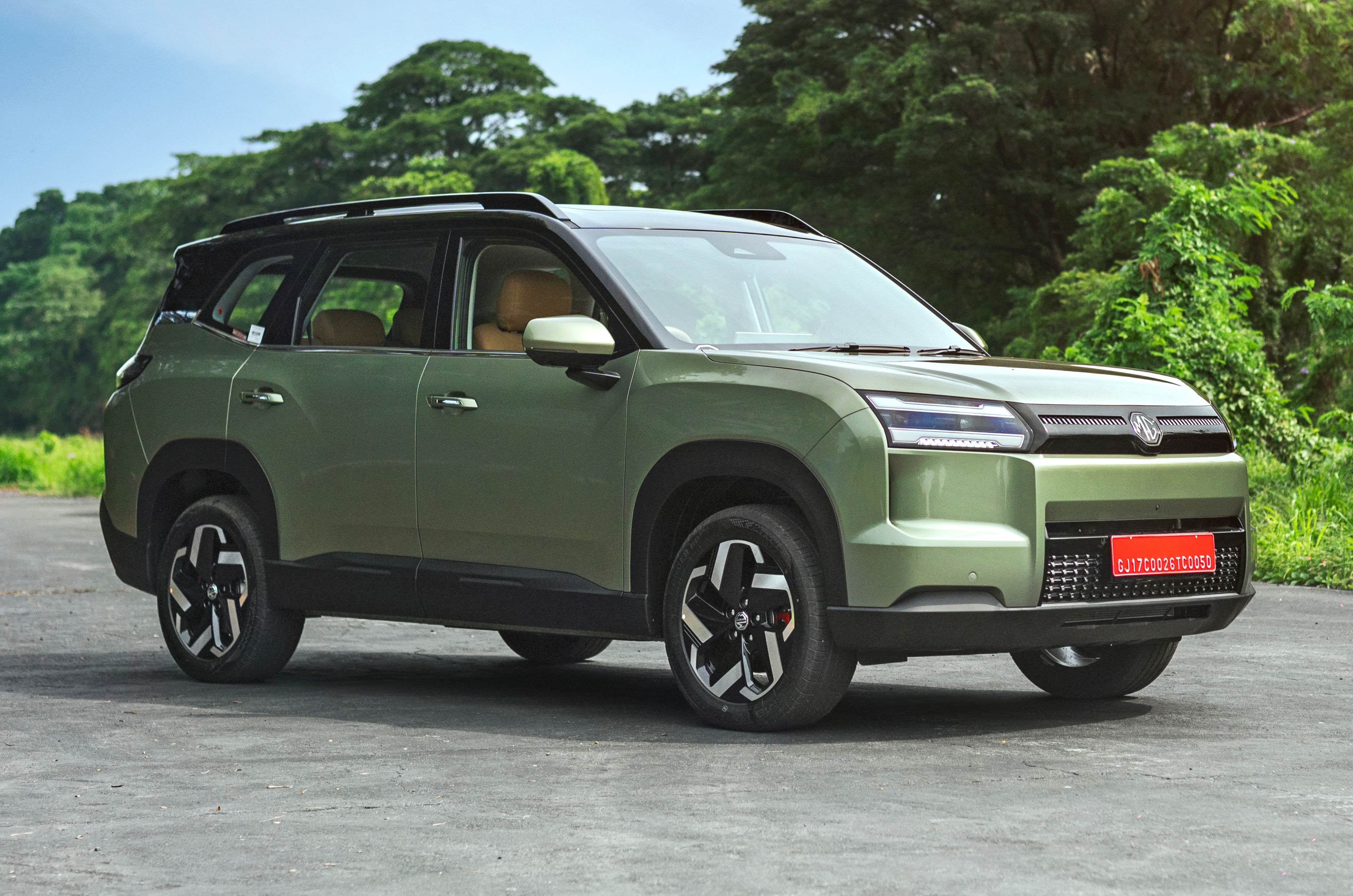
Remaining in eighth place, MG experienced relatively moderate levels of MoM and YoY sales growth in September 2026. However, MG’s market share slid from 1.76 percent in September 2025 to 1.52 percent last month. MG launched the Hector Tomahawk EV and PHEV in August, and doesn’t have any new launches lined up for October. That said, deliveries of the Tomahawk PHEV are slated to start from November.

9. Honda 

5,283 units sold, up 42.51 percent YoY

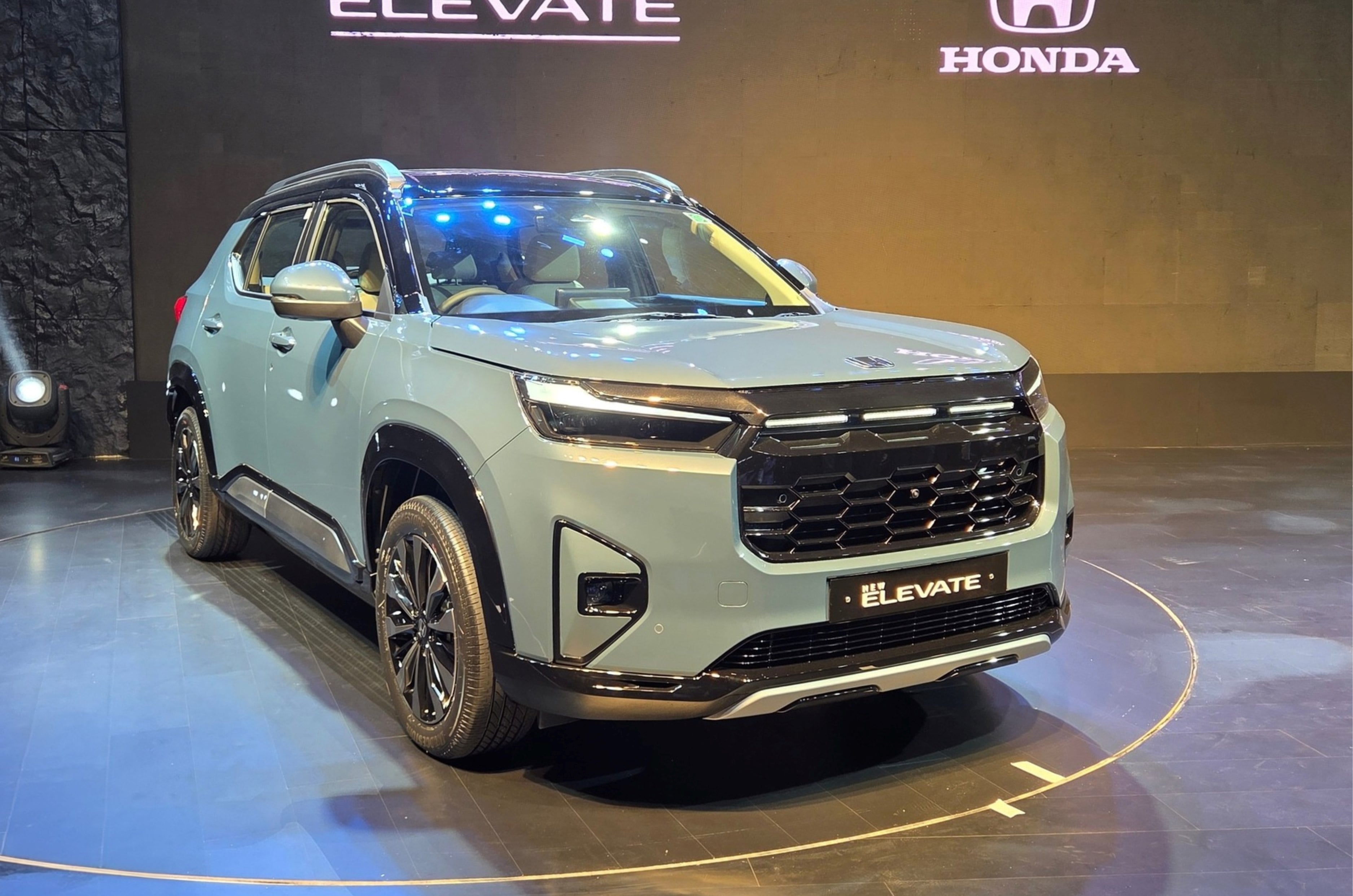
In the penultimate position comes Honda, which saw a mild 6.34 percent MoM increase in sales, but a whopping 42.51 YoY surge. The Japanese carmaker’s market share also grew from 1.15 percent in September 2025 to 1.24 percent in September 2026. Honda is fresh off the launch of the Elevate facelift, and is also expected to bring the Prelude coupe to India in the months to come.

10. Renault

3,410 units sold, up 33.10 percent YoY

Rounding out the top 10 is Renault, which recorded the mildest MoM sales increase (4.12 percent) last month. However, its 33.1-percent YoY growth is quite impressive, and can largely be credited to the new Duster, which went on sale in March 2026. Renault’s market share also saw a very slight increase – from 0.79 percent in September 2025 to 0.8 percent in September 2026. Coming to new launches, Renault announced prices for the Triber turbo in late September, and will launch the Duster hybrid in October.

Petrol cars regain sales majority over alternative fuels, albeit slightly

 Sep 2026 share (%)Aug 2026 share (%)Sep 2025 share (%)
Petrol/ethanol41.2740.8547.18
Diesel17.7417.2117.76
CNG/LPG23.1125.2822.02
Hybrid9.449.047.30
EV8.457.635.74

A big talking point in FADA’s August 2026 sales data was alternative-fuel cars (CNG, hybrid, electric) collectively outselling petrol cars for the first time. However, the trend did not continue in September 2026, as the share of petrol cars climbed to 41.27 percent, while alternative-fuel cars stood at a combined 41 percent.

Shares for hybrids and EVs experienced MoM increases in September, but CNG cars saw a downturn on that front. Be that as it may, the difference between petrol and alternative-fuel cars is still very slight, and the buyer shares for the latter are still higher when compared to September 2025’s numbers.

October 2026 will tell the real story for Indian PV market, says FADA

Keeping in mind that September 2026’s YoY growth was driven by a favourable base effect, FADA president Sai Giridhar remarked, “One year on from GST 2.0, affordability remains the single engine of this cycle — and dealers now flag further price increases eroding that very affordability as their foremost risk for the quarter ahead. Protecting the GST gain is, to our mind, the key to converting the festive season into durable growth.”

Over 4,66,800 cars were sold in October 2025 thanks to GST 2.0 and festive demand, making it the best-ever October for the Indian PV market. With several price increases implemented by major carmakers since the introduction of GST 2.0, October 2026 is now shaping up to be the real test of the Indian PV market. It will also be the first month after the one-year anniversary of GST 2.0, thereby providing a clean slate to compare like-for-like YoY growth numbers.

According to FADA, 75.57 percent of dealers expect growth, 19.46 percent anticipate a flat market, and 4.98 percent are bracing for a downturn in sales during October 2026. The overall outlook among dealers is ‘Cautiously Optimistic’.

Renault E-Space Concept previewed ahead of 2026 Paris Motor Show debut

Renault E-Space Concept previewed ahead of 2026 Paris Motor Show debut
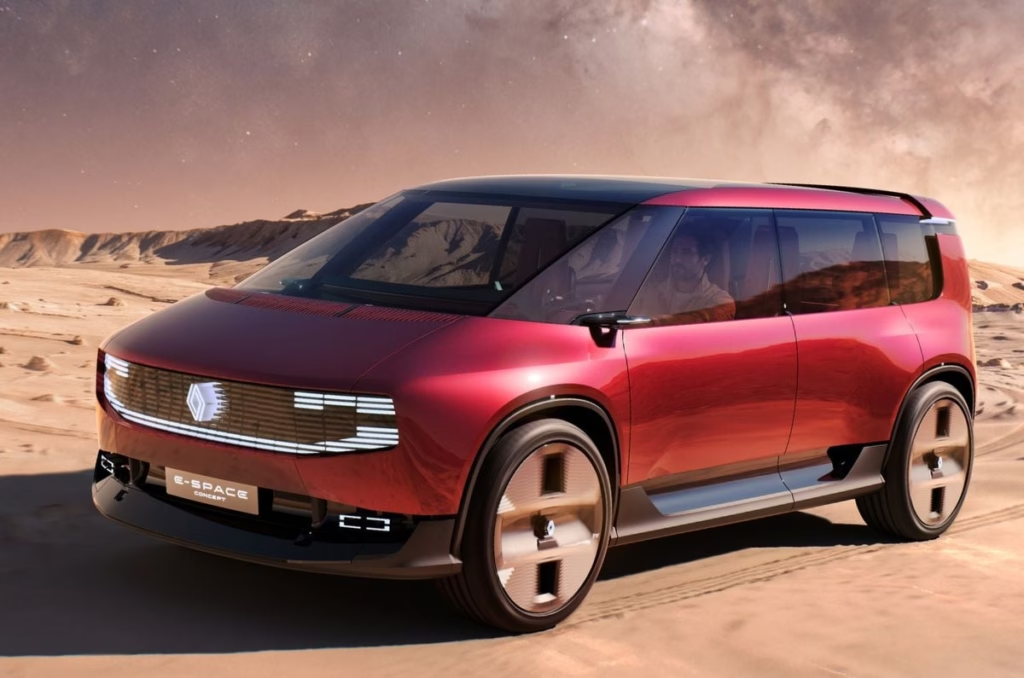
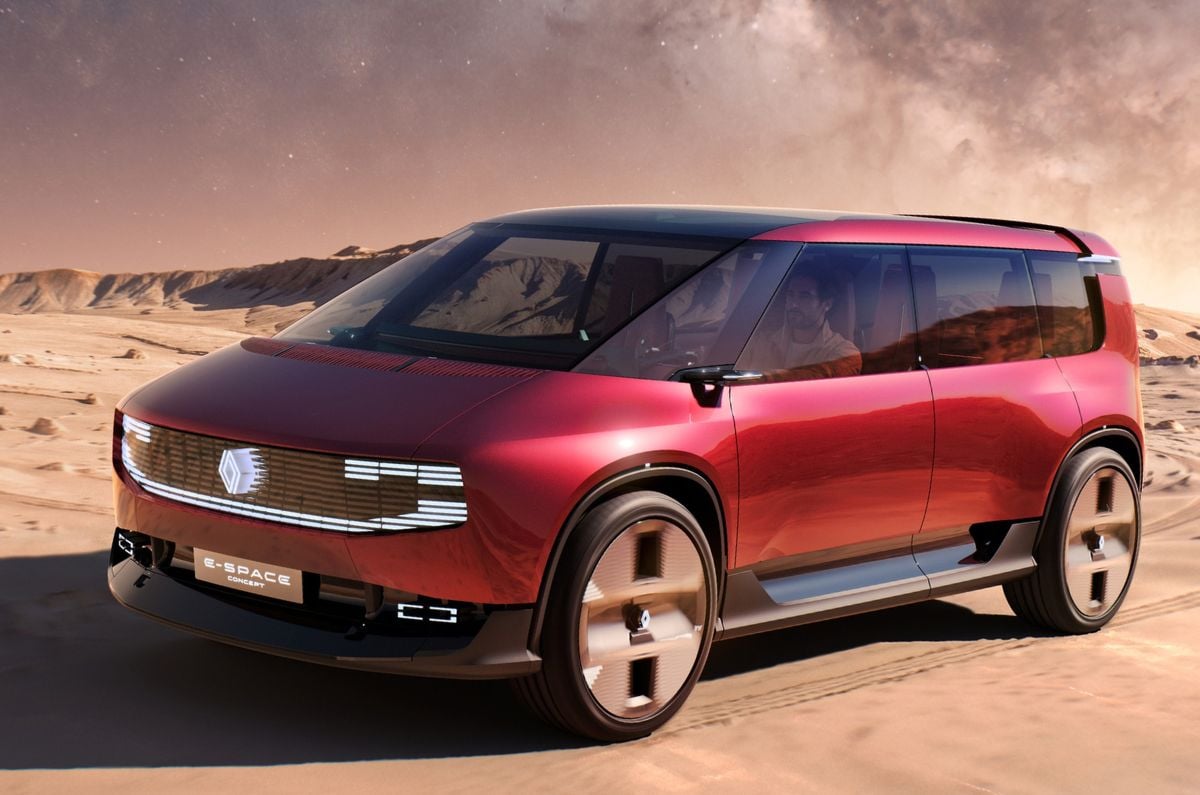
Renault E-Space Concept front quarter

Renault has previewed the E-Space Concept ahead of its global debut at the 2026 Paris Motor Show on October 12. According to the French automaker, this upcoming concept is meant to be “a future-focused vision of the original Espace”, an MPV which first broke cover in 1984.

  • The E-Space Concept is 4.70 metres long.
  • Black rube exterior shade and Espace-inspired styling.
  • Gets U-shaped LEDs and an illuminated Renault logo.

What is the Renault E-Space Concept?

With only one official image of the E-Space Concept released by Renault, most design details of this car remain unknown. While understanding ‘Space’ in ‘E-Space’ is pretty straightforward, Renault says that the ‘E’ is a reference to E-Tech (or Electrified Technology) – a term the brand uses for the tech used in its electrified model range.

The E-Space Concept measures 4.70 metres long, and appears to sport a one-box silhouette like the original Espace MPV. There’s a sharply raked front with a short bonnet and a squared-off rear, characteristic of the ‘Espace’ nameplate. The front and rear feature U-shaped LED lighting, along with an illuminated Renault logo on the front grille and rectangular LED elements in the front bumper. The concept also showcases a sharp beltline, a ‘floating’ roof design, and large wheels that have been pushed out to the corners. Renault says that the exterior of the E-Space Concept is finished in what it calls “black rube”. 

While nothing concrete is known about the interior, the brand claims that it has been designed keeping the “in-car experience” and “user needs” in mind. Like with the Espace, this electric MPV concept will also offer a roomy cabin that’s expected to be both “welcoming” and “high-tech”. The overall design and proportions of the E-space Concept is expected to lay the foundation for the automaker’s future family cars.

There are no details available regarding the powertrain, battery or range of the Renault E-Space Concept. At the upcoming 2026 Paris motor show, the E-Space Concept will be displayed alongside two other Renault concepts – the 8 Gordini Concept and the 4 JP4x4 Concept. Renault will also be showcasing the new Megane E-Tech electric, a customised version of the 5 Turbo 3 E, new Trafic E-Tech electric, a limited-edition of the flagship Rafale hypnotic SUV-coupe, and a new range of lithium-iron-phosphate (LFP) batteries at this event.

Maruti Grand Vitara gets offers of up to Rs 1.36 lakh in October 2026

Maruti Grand Vitara gets offers of up to Rs 1.36 lakh in October 2026

Maruti Suzuki has revealed the offers applicable to its Nexa cars in October. The Grand Vitara receives the highest benefits of up to Rs 1.36 lakh, followed by the Invicto, XL6, Jimny, e Vitara and Fronx. However, there are no benefits on the recently launched Baleno facelift. Let us now take a closer look at these offers.

Note: Offers may vary by city, dealership and stock availability. Please check with your nearest Maruti Nexa dealership for the exact figures. The pre-Navratri booking offer is applicable from October 1 to 10. The exchange offer considered here is for cars up to 10 years old, while the additional exchange offer applies to cars up to 6 years old.

Maruti Grand Vitara October 2026 offers

Up to Rs 1.36 lakh

Maruti Grand Vitara
Pre-2025 Maruti Grand Vitara.

The Maruti Grand Vitara gets offers of up to Rs 1.36 lakh this month. Its Sigma petrol MT variant gets the highest total benefit of up to Rs 1.36 lakh, including a cash discount of Rs 35,000, a pre-Navratri booking offer of Rs 11,000, exchange benefit of Rs 30,000, an additional exchange bonus of Rs 25,000, a loyalty bonus of Rs 20,000 and corporate offer of Rs 15,000.

The Delta petrol MT and AT variants get offers of up to Rs 1.26 lakh, while the Zeta and Alpha petrol variants, along with the AWD variants, get benefits of Rs 1.15 lakh plus a five-year extended warranty. All strong-hybrid variants get benefits worth up to Rs 1.20 lakh, along with zero road tax of up to Rs 1.85 lakh and a five-year extended warranty. Lastly, the Delta CNG gets benefits of up to Rs 1 lakh, while the Zeta CNG gets up to Rs 90,000.

Maruti has priced the Grand Vitara from Rs 10.77 lakh to Rs 19.62 lakh, and it rivals midsize SUVs like the Hyundai Creta, Tata Sierra, Kia Seltos, Renault Duster and more.

Maruti Invicto October 2026 offers

Up to Rs 95,000

Maruti Invicto

Next in line is the Maruti Invicto, with offers of up to Rs 95,000. These are available across all variants of the MPV, and include an exchange benefit of Rs 50,000, a loyalty bonus of Rs 30,000 and a corporate offer of Rs 15,000. However, there are no consumer offer, pre-Navratri booking offer and additional exchange bonus available on the Invicto.

The Maruti Invicto, priced from Rs 25.02 lakh to Rs 28.71 lakh, locks horns with the Toyota Innova Hycross.

Maruti XL6 October 2026 offers

Up to Rs 61,000

Maruti XL6

The Maruti XL6 gets offers of up to Rs 61,000. Petrol MT and AT variants get a cash discount of Rs 20,000, a pre-Navratri booking offer of Rs 11,000, an exchange benefit of Rs 20,000 and an additional exchange bonus of Rs 10,000. CNG variants get a maximum benefit of Rs 50,000, comprising a cash discount of Rs 20,000, an exchange benefit of Rs 20,000 and an additional exchange bonus of Rs 10,000.

Prices for the Maruti XL6 range from Rs 11.62 lakh to Rs 14.52 lakh, and the MPV rivals the Kia Carens Clavis and Toyota Rumion.

Maruti Jimny October 2026 offers

Up to Rs 35,000

Maruti Jimny

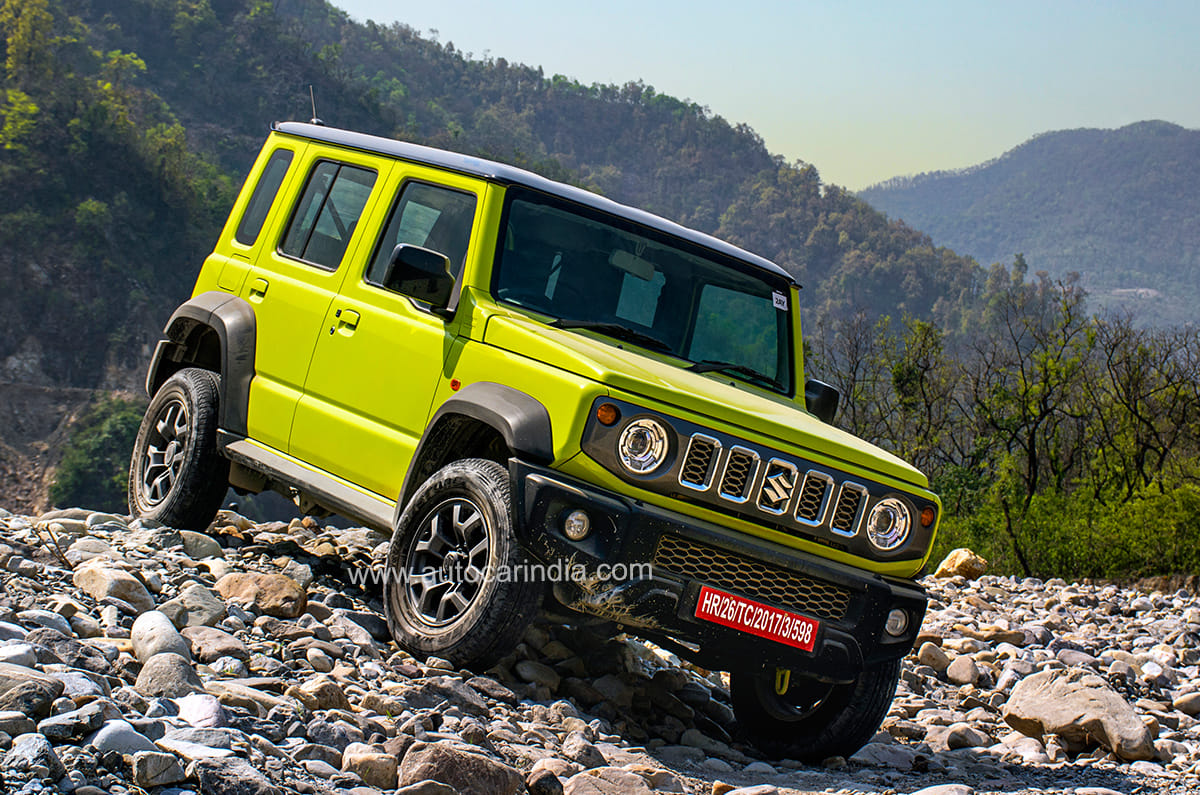
Unlike the models so far which get multiple offers, the Maruti Jimny is available with just a cash discount of Rs 35,000 across all variants. No exchange, pre-Navratri booking, additional exchange bonus, loyalty and corporate offers are on offer this month with the SUV.

The Jimny’s prices range between Rs 12.59 lakh and Rs 14.52 lakh, and it competes with the Mahindra Thar OG and Force Gurkha 3-door. 

Maruti e Vitara October 2026 offers

Up to Rs 30,000

Maruti e Vitara

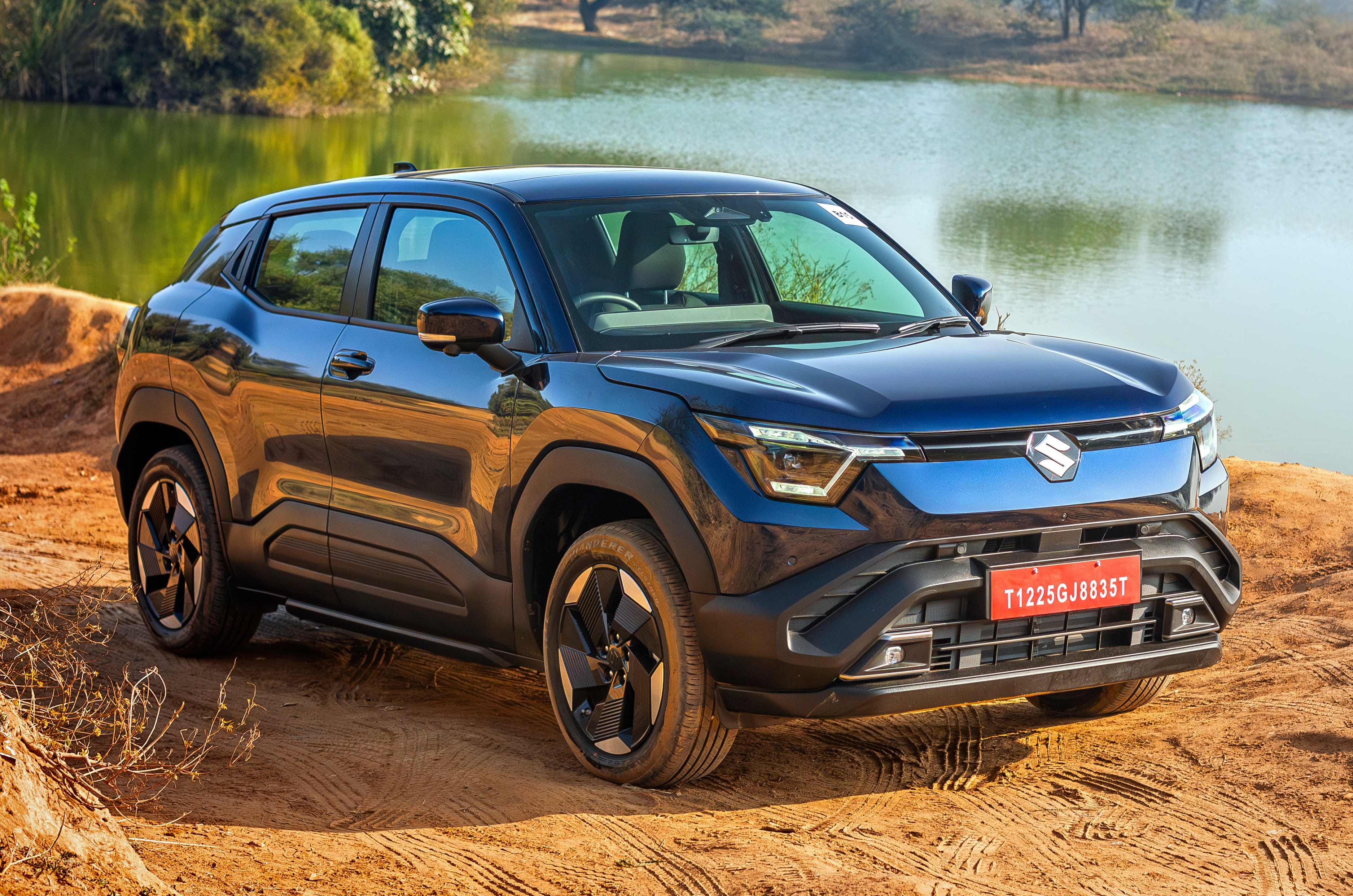
The Maruti e Vitara, the carmaker’s sole EV offering, gets offers of up to Rs 30,000 this month, along with a free charger and its home installation. Available across all variants, the offer includes an exchange benefit of Rs 30,000. There are no consumer, pre-Navratri booking, additional exchange bonus, loyalty, scrappage or corporate offers this month.

The e Vitara is priced between Rs 16.19 lakh and Rs 19.99 lakh, and it rivals the likes of the Hyundai Creta Electric, Vinfast VF6, Mahindra BE 6 and more.

Maruti Fronx October 2026 offers

Up to Rs 27,100

Maruti Fronx

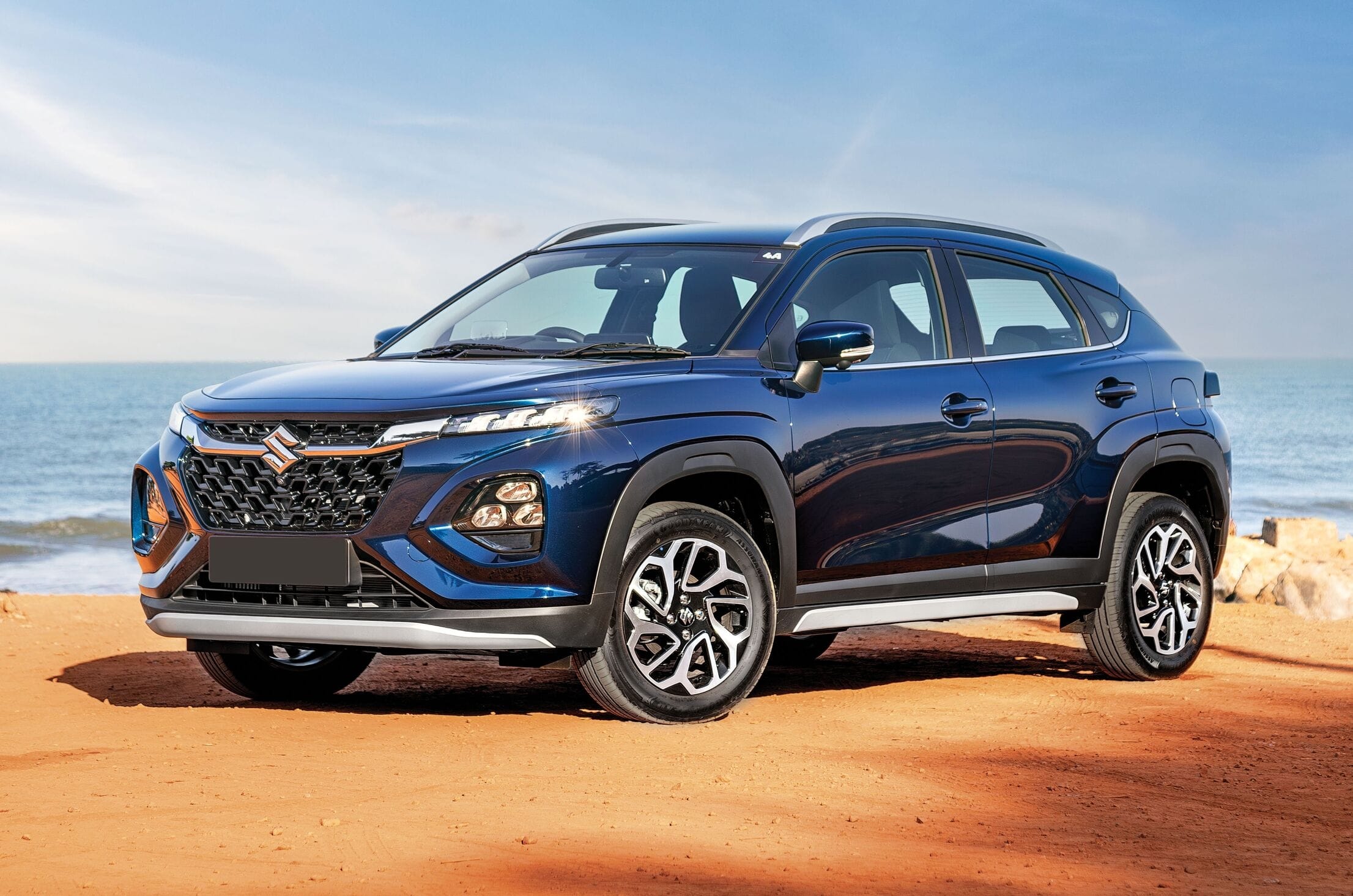
Rounding off this list is the Maruti Fronx, with offers of up to Rs 27,100 in October 2026. The 1.0-litre turbo-petrol variants get the highest benefit, including a consumer offer of Rs 5,000, a pre-Navratri booking offer of Rs 7,100, an exchange benefit of Rs 10,000 and an additional exchange bonus of Rs 5,000.

The 1.2-litre petrol variants get up to Rs 22,100, comprising the pre-Navratri booking, exchange and additional exchange bonus benefits. The 1.2-litre petrol-CNG variants get the lowest benefit of Rs 15,000, through exchange and additional exchange bonus offers.

Prices for the Maruti Fronx range from Rs 6.9 lakh to Rs 11.89 lakh, and it serves as an alternative to compact SUVs like the Tata Nexon, Hyundai Venue, Kia Sonet, Mahindra XUV 3XO and more.

Ex-showroom prices mentioned above are as on October 7, 2026.

3 reasons to buy the Tata Aeris iCNG, 2 reasons not to

3 reasons to buy the Tata Aeris iCNG, 2 reasons not to

The Tata Aeris was launched recently as a facelifted and reworked version of the Tigor, with a fresh and modern exterior look and a minimalistic interior brimming with features. The powertrain options, however, are the same as those of the Tigor. We recently drove the Aeris iCNG, and here are three reasons why you should consider buying it and two reasons that could deter you.

Reasons to buy the Tata Aeris CNG

Modern exterior design and well-equipped interior

The Tata Aeris is clearly a step up from the Tigor and looks modern. It gets slim LED headlights with integrated LED daytime running lamps (DRLs) joined by a gloss-black trim, all of which give it a clean look. Some contrast is added via the front bumper, which features a black section around the wide air inlets. The new LED fog lamps and the clamshell bonnet also look good.

In profile, the CNG variants’ 14-inch stylised steel wheels look undersized, particularly against the prominent wheel-arch cladding. Chrome elements on the door handles and window line add contrast. The Aeris retains the Tigor’s distinct coupe-like roof that flows into the tail. The tail-lights wrapped within a red trim make the Aeris feel bigger and nicer.

Inside, the Aeris looks minimalistic and modern. It gets two free-standing screens – a 10.25-inch infotainment touchscreen and a semi-digital driver’s display. The infotainment screen particularly has a pleasant UI and crisp graphics. The Aeris also debuts premium-looking part-leatherette seat upholstery and ventilated front seats that add to the comfort. Other features include automatic climate control with rear vents, a 360-degree camera with a blind-spot monitor and a 6-speaker sound system.

Practical dual-cylinder CNG setup

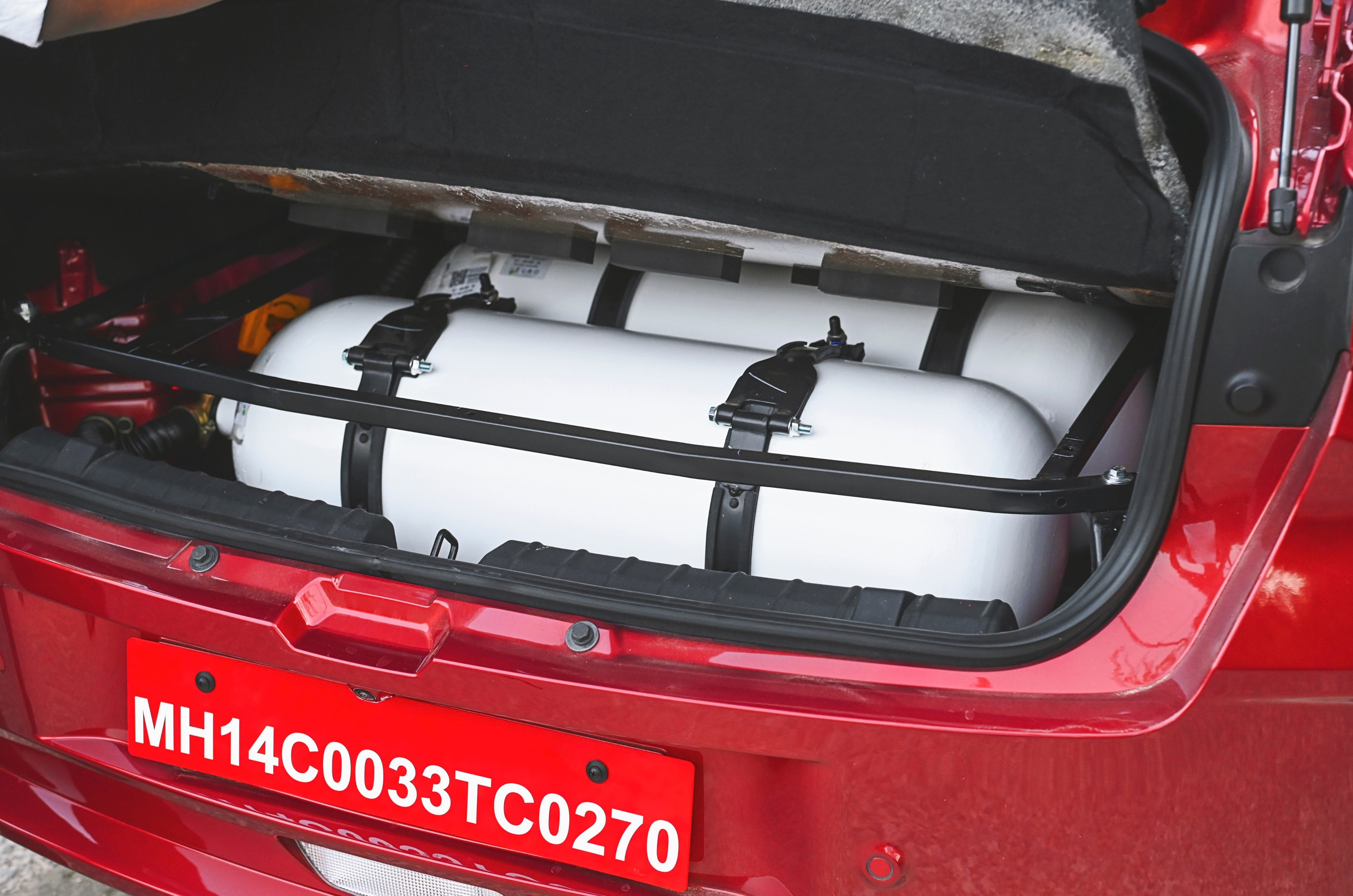
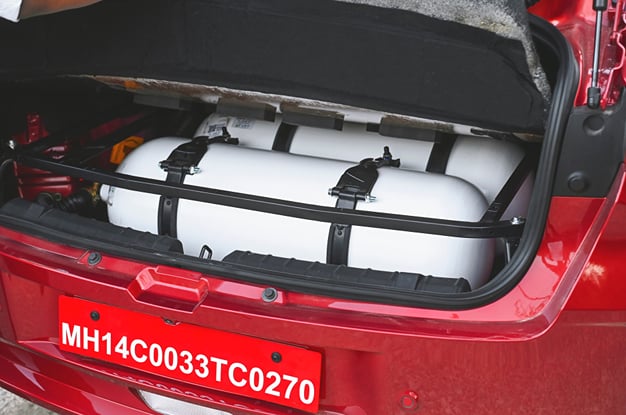
Instead of a single CNG tank that eats up all the boot space in its rivals, the Aeris is offered with dual CNG cylinders, enabling space for a couple of backpacks and a cabin-sized trolley. While Tata has yet to reveal the official figure, with a similar dual-cylinder setup, the Tigor offers a 227-litre boot. Other than this, the Aeris offers bottle holders and cubby space on all doors, a storage space underneath the front centre armrest, cup holders in the centre console and rear centre armrest, and a large glove box, all adding to its practicality.  

Excellent ride quality and handling manners

Like other Tata cars, the Aeris has a suspension that is well-tuned for Indian conditions, and it offers a commendable ride quality on both rough roads and highways. Over poor roads, the suspension comfortably absorbs broken surfaces without unsettling the car. The ground clearance figure is yet to be revealed, but in our test, we found it adequate for tackling rough roads and large speed breakers.

Out on the highway, the Aeris is equally composed. It stays planted at triple-digit speeds and does not feel floaty or nervous when driven quickly. The steering also offers decent feedback, weighing up nicely as speeds increase. However, there is some vagueness around the centre that hampers confidence a little.

Reasons not to buy the Tata Aeris CNG

Slow and jerky AMT responses

The CNG-AMT is easy to use in slow-moving traffic thanks to its smooth creep function, which makes crawling through traffic and manoeuvring in tight spaces fairly effortless. However, things get less polished once you press the accelerator. There is a noticeable pause before the powertrain responds, followed by a head-nod as the car picks up, making acceleration feel jerky. The delayed response is particularly noticeable when you need to accelerate quickly, and overtaking on the highway requires some planning as a result.

Poor NVH and cabin insulation 

The Aeris is reasonably quiet when driven gently around town, but the engine gets noticeably louder and harsher once the revs climb beyond 2,500rpm. Vibrations also make their way into the cabin, while wind and road noise become increasingly noticeable as speeds rise. This takes away from the otherwise comfortable nature of the car, particularly on longer highway drives where the engine and tyre noise can become tiring.

Potential SUV fatigue may revive sedans: Skoda’s Ashish Gupta

Potential SUV fatigue may revive sedans: Skoda's Ashish Gupta

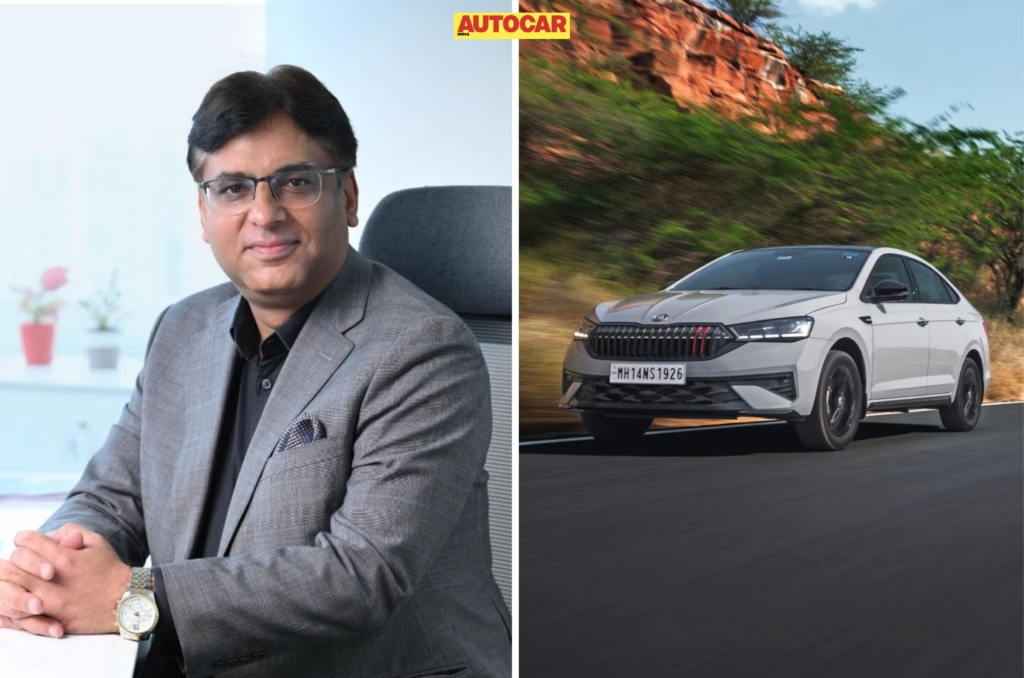
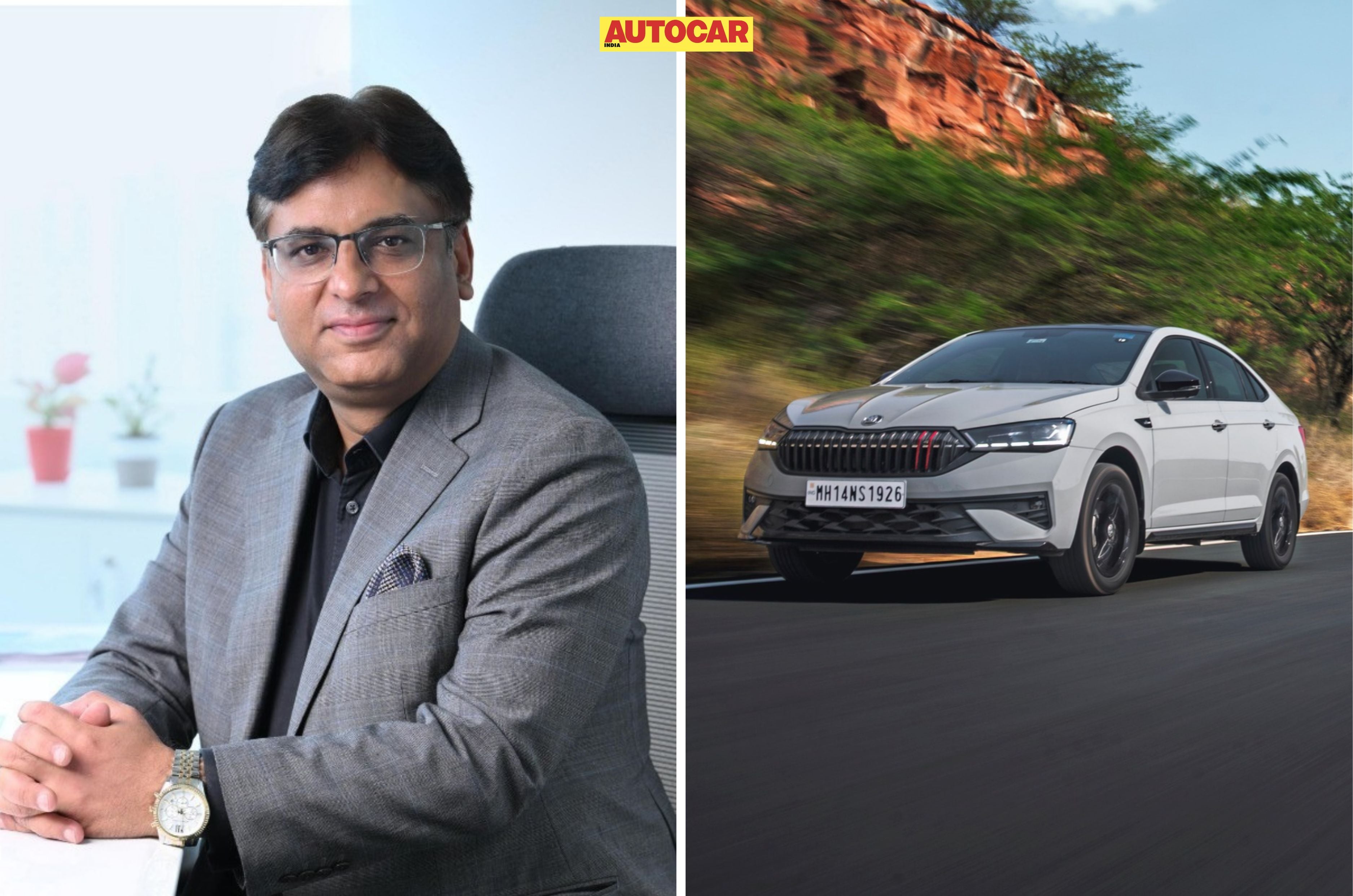
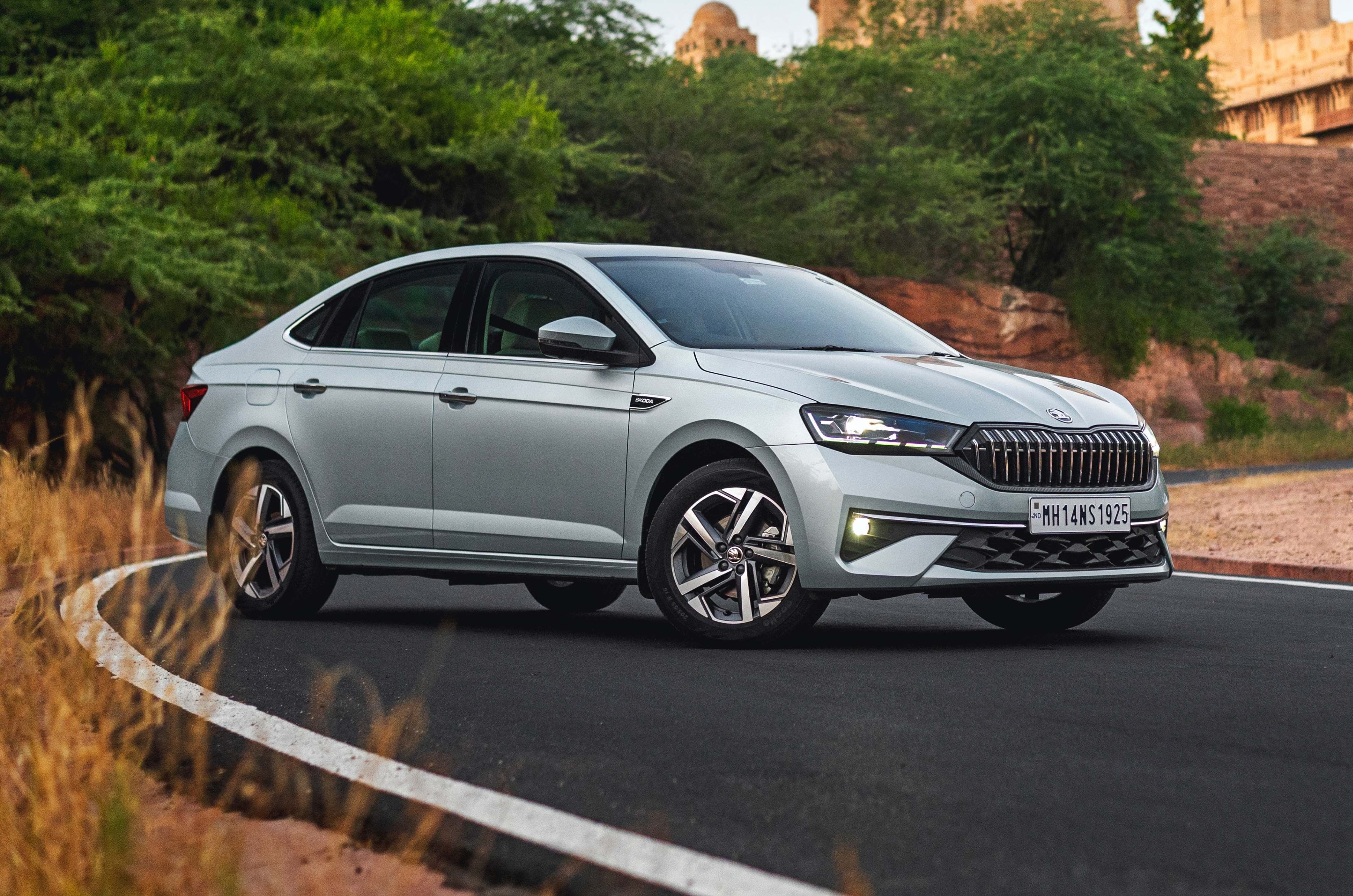
Skoda has announced the prices of the 2026 Slavia facelift, and while speaking to Autocar Professional about the sedan segment, Skoda Auto India brand director Ashish Gupta said, “SUVs are the flavour of the season…but as time progresses and as the Indian market matures, the fatigue will lead to people looking at sedans once again because this is the quintessential car.”

Gupta attributed the current overall market growth to a lot of first-time buyers, who may eventually look at having an additional car in the family. “When you have an additional car in the family, you would typically go for either alternate powertrains or for different body styles,” he added.

Skoda wants to retain its sedan presence

“I’m looking forward to that as customer trends change, and we will start loving sedans once again, other than Skoda sedans as well. I think this category has the potential to grow as well in the future,” remarked Gupta. Skoda therefore wants to retain its presence in the sedan segment as buyer preferences evolve.

Slavia sales averaged around 1,500 to 1,600 units a month last year but have fallen to around 1,000 to 1,100 units this year. Gupta attributed the decline to the company running out the pre-facelift cars. With the facelift now on sale and the festive season underway, he expects sales to return to previous levels.

“The midsize sedan segment in India right now is at around 4,000 to 4,500 units per month, with the Slavia making up nearly 30 percent of all sales in the segment,” Gupta had said earlier. Slavia competes with the Volkswagen Virtus, Hyundai Verna and Honda City. Skoda and its sister brand Volkswagen together account for almost 70 percent of the segment, he had stated.

Limiting factors

“Most of the new product launches and introductions are happening in the SUV segment and other body styles,” Gupta had said earlier. He also said that growth in the sedan segment is being held back by automakers focusing more on SUVs. “We, as manufacturers, should take the responsibility for this, as we have not focused on the sedan segment.”

Skoda India’s sedan portfolio

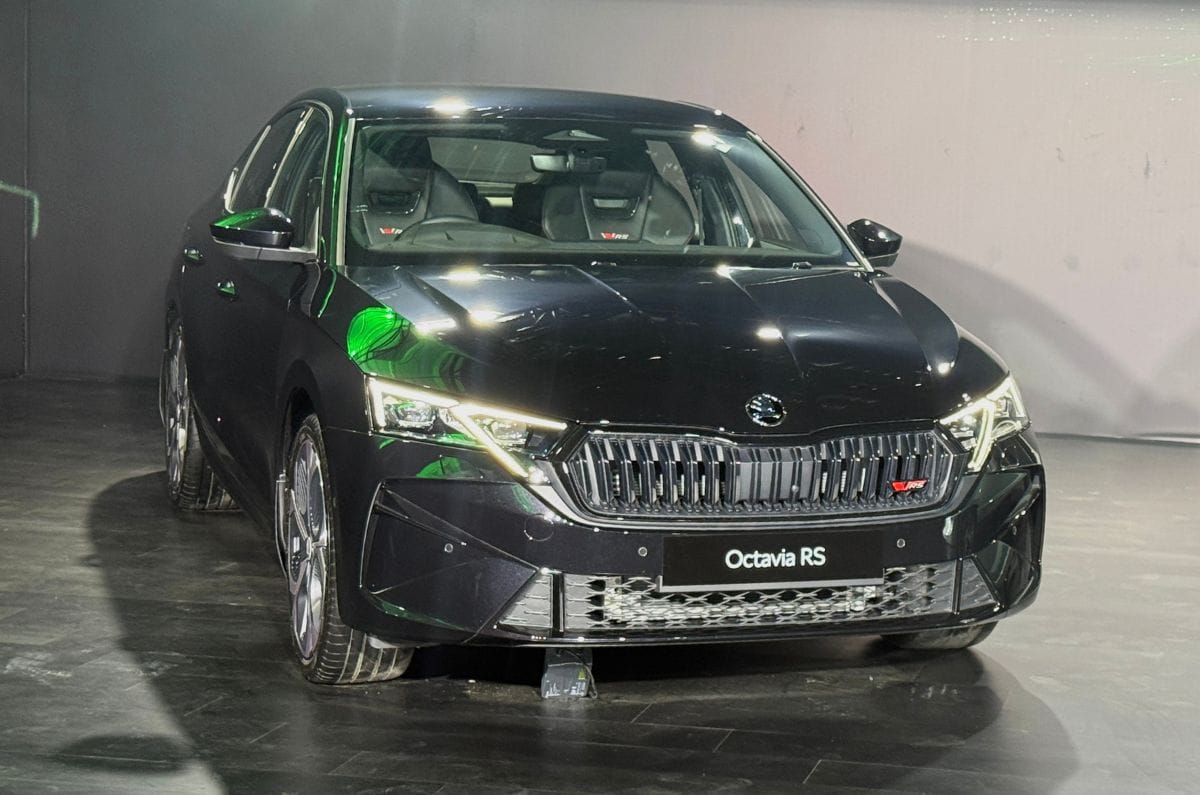
Skoda Octavia RS front quarter

The Slavia is the entry point to Skoda’s sedan line-up in India, above which sits the fully-imported Octavia RS. The new Superb, due to launch in 2027, will arrive as a full import as well. Skoda, therefore, will have a diversified portfolio to cater to difference audiences – the Slavia in the mass segment, the Octavia RS for the enthusiast and the Superb for the premium buyer.  

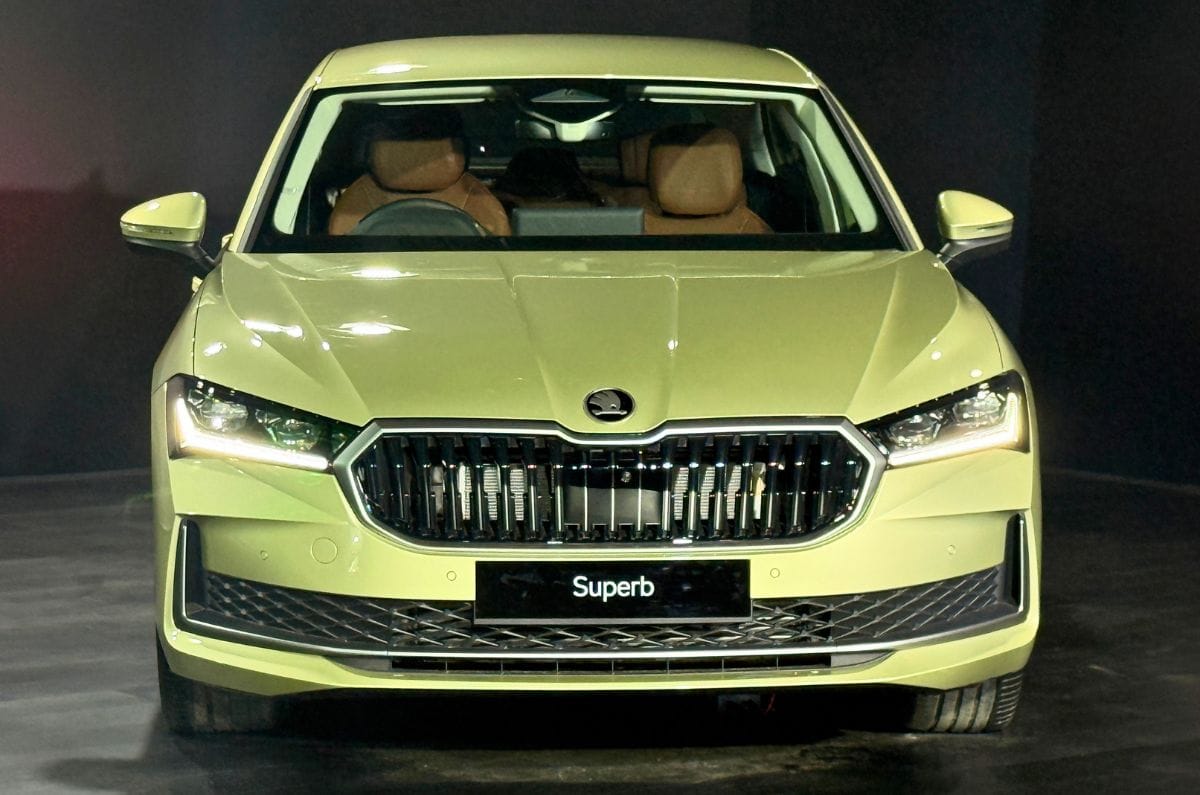
2027 Skoda Superb diesel front

Asked whether Skoda would continue to invest in the sedan segment beyond 2030, and whether it remains an integral part of its future strategy, Gupta said, “It will always be, and if you look at our global portfolio as well, the Octavia and Superb continue to be bestsellers. For our entire portfolio strategy and going forward as well, sedans do form an integral part and so is the case in India.”

Discussions on the next generation have begun. With limited resources and competing investment demands, Skoda will now be assessing which markets can deliver sufficient customers, volumes and profitability.

Near-production BMW M3 electric revealed in camo

Near-production BMW M3 electric revealed in camo
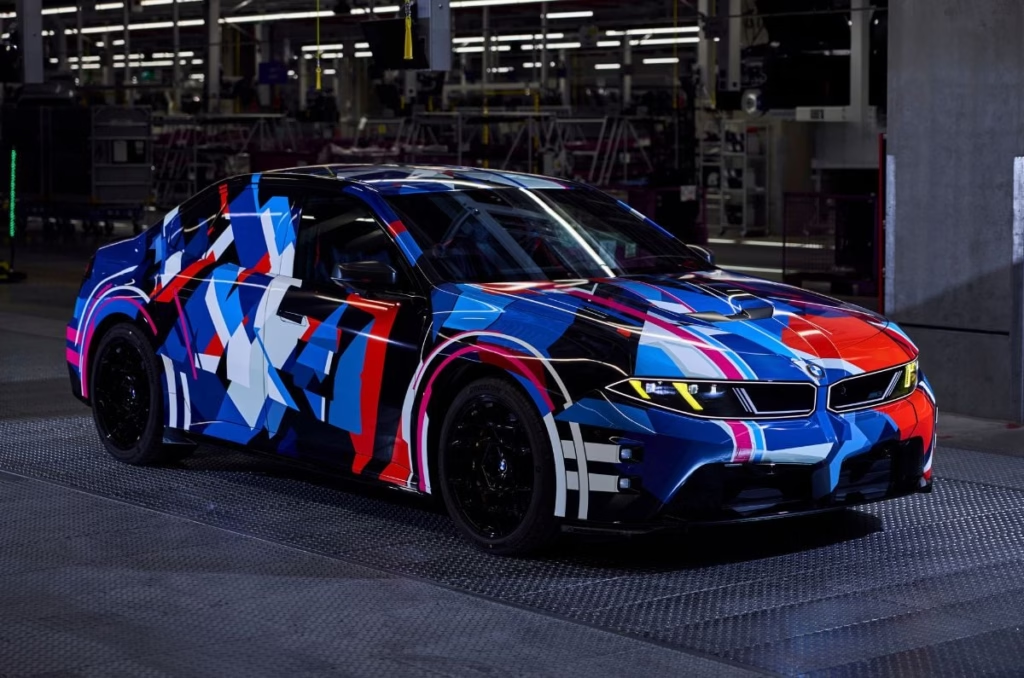
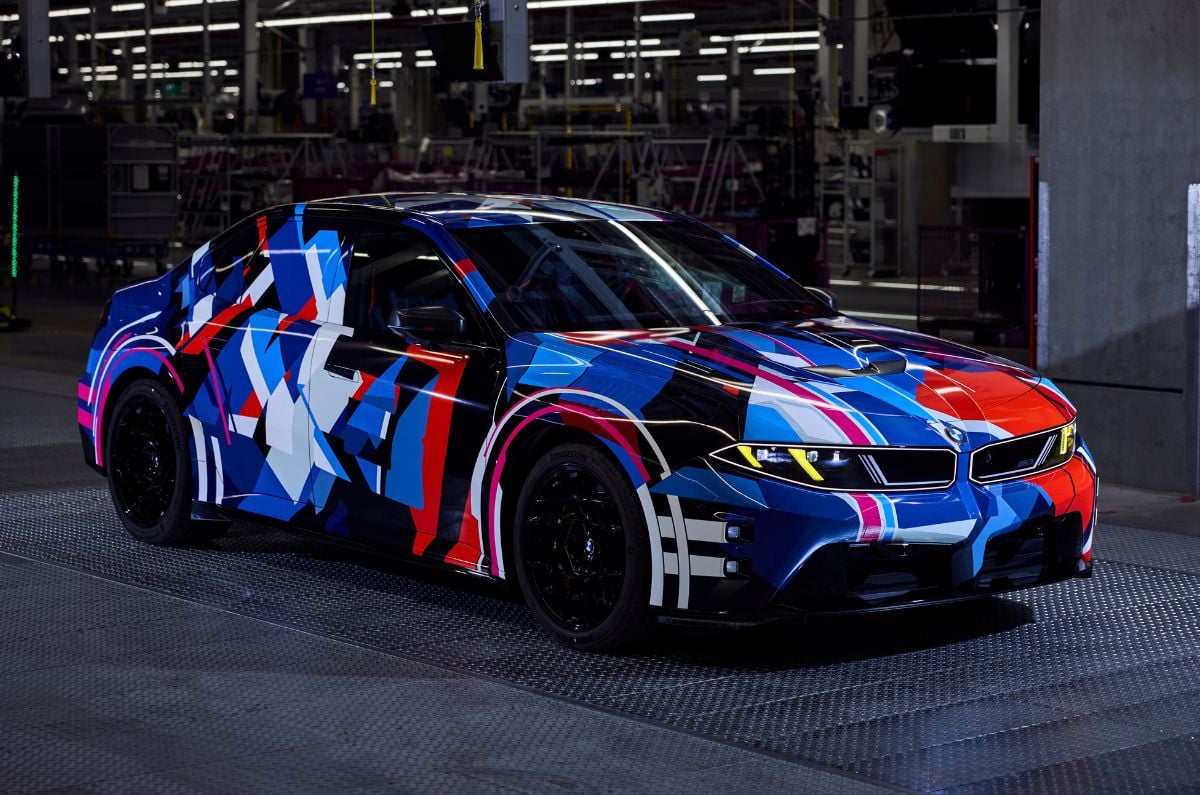
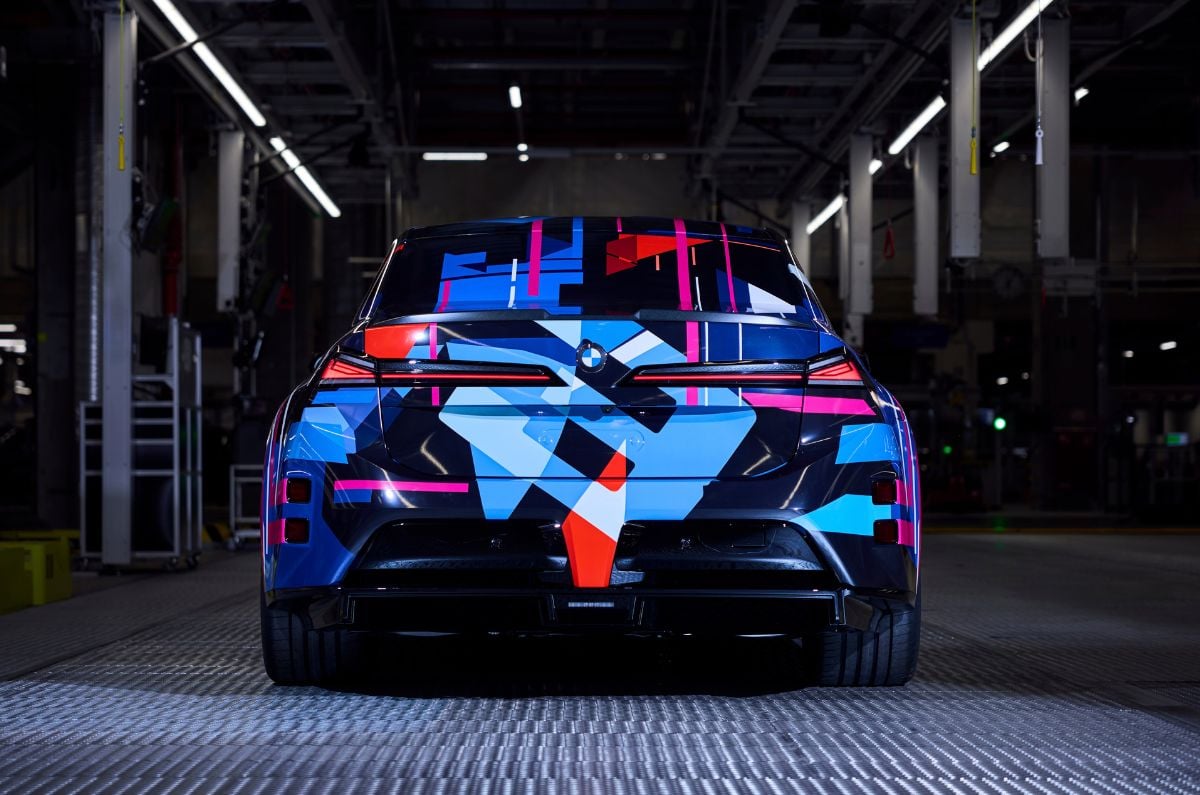
BMW M3 electric front quarter in camouflage

BMW has revealed a near-production M3 electric wrapped in camouflage. The images released provide us an insight into what the final, production model will look like. The fully electric M3 is to be produced at the German luxury automaker’s main plant, where the first BMW Neue Klasse model, the fully electric i3, is made. “We are delighted that we will also be producing the first fully-electric BMW M3 here in Munich,” said Peter Weber, Head of BMW Group Plant Munich.

BMW M3 electric exterior design

Neue Klasse details visible include the sleek front grille and LED elements

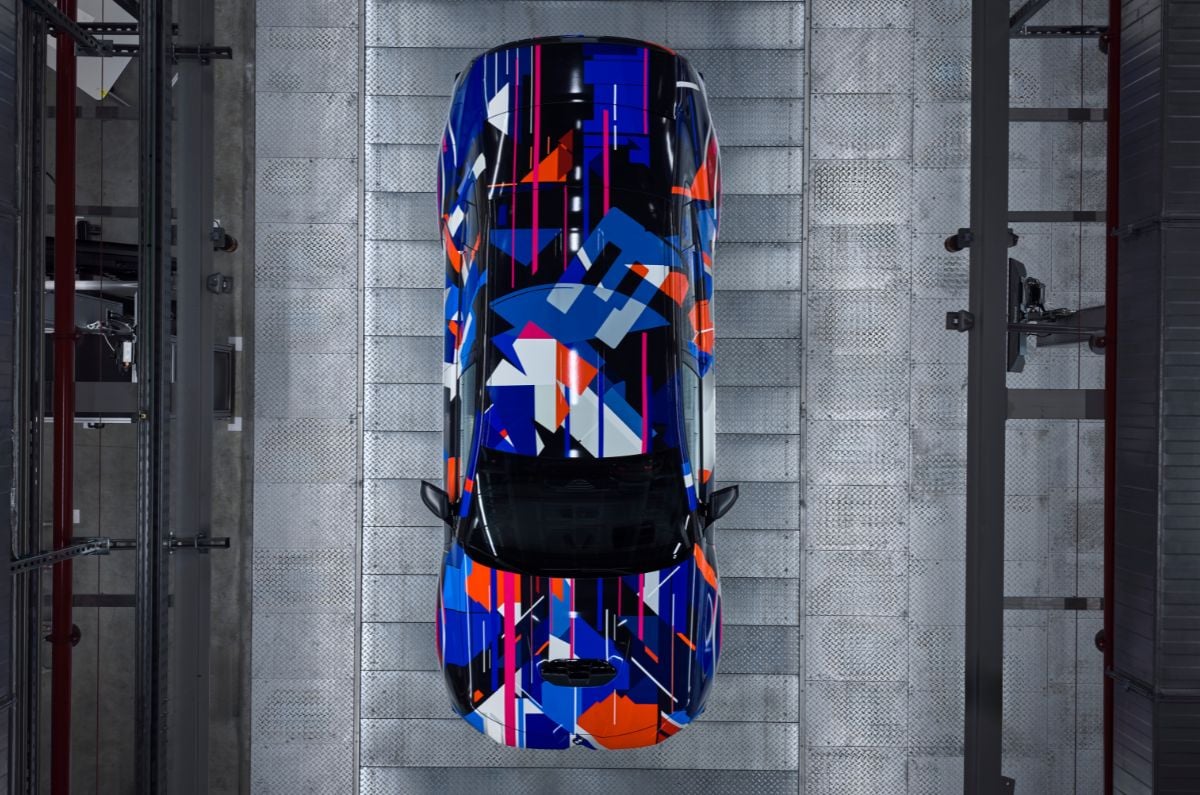
BMW M3 electric top down

Some of the design details poking through the camouflage are similar to what we see on the combustion-powered 3 Series. This means there’s the new kidney grille up front that’s flanked by angular LED lighting signatures. Lower down, however, is a revised bumper with pronounced aero elements and cube-shaped LEDs stacked vertically. The bonnet of the M3 electric also sports a hump.

BMW M3 electric rear

The so-called “reinterpreted M aero” ORVMs of the concept have been replaced by a more conventional design. Save for the centre cap design, the all-black alloy wheels look similar to what was seen on the concept. The rear of the camouflaged M3 electric gets a bootlip spoiler and the same cube-like design integrated into the bumper.

BMW M3 electric expected interior and features

Some of the design and equipment seen on the Neue Klasse concept will make it to the production model

BMW M Neue Klasse concept interior

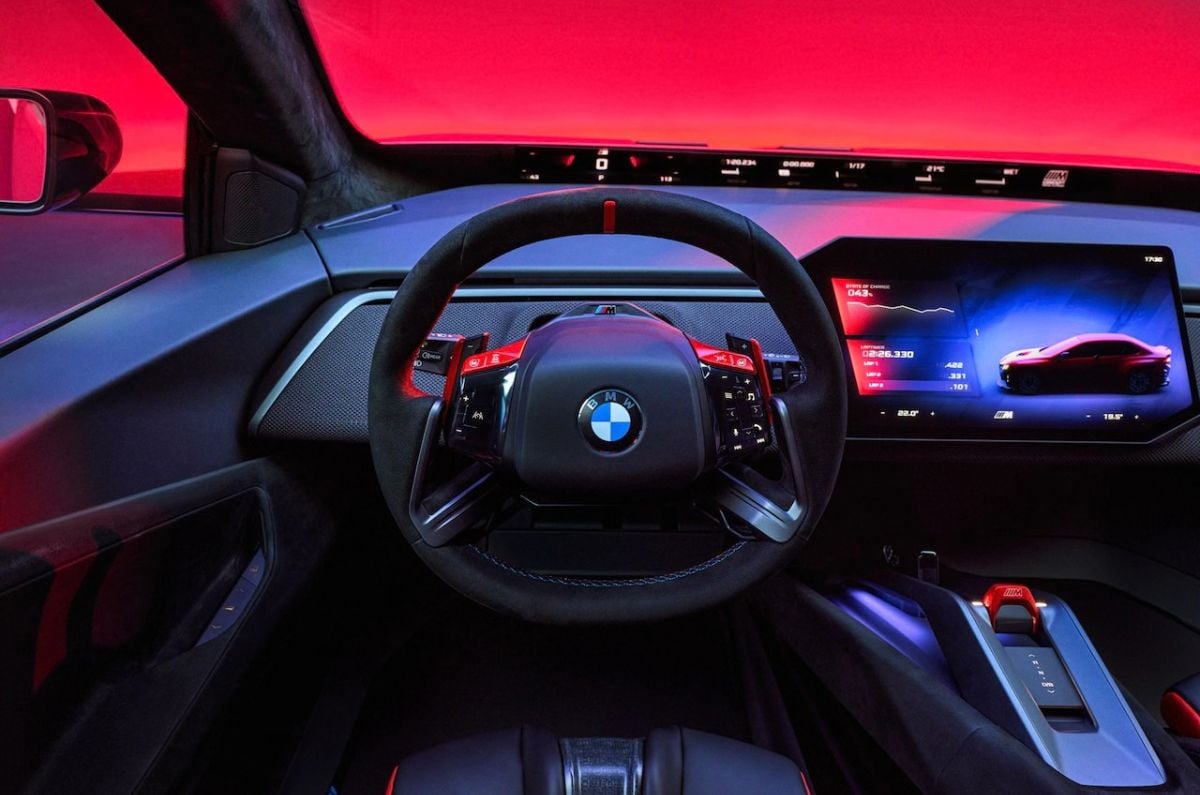
While BMW is yet to show the interior of the upcoming M3 electric, it’s likely to borrow some of the cues from the Neue Klasse concept. The latter was showcased with a sleek digital instrument panel cutting across the base of the windscreen and a chunky steering wheel with red highlights and BMW M stitching. The sloping centre console of the concept has a red toggle-style drive selector with ‘M’ branding, while the dashboard features a ‘floating’ infotainment screen.

BMW M Neue Klasse concept seats
BMW M Neue Klasse concept interior

The cabin of the Neue Klasse concept is primarily finished in black leather, with hexagonal lighting pattern on the textured dashboard. The production model could also come with the sporty bucket seats finished in a two-tone M livery. There will also be ‘M’ lettering and graphics on the seats and displays, respectively, as has been the case with other BMW M cars.

BMW M3 electric powertrain

The M3 EV could feature an 800V architecture and four electric motors

BMW said that the Neue Klasse concept featured an M-specific version of its sixth-generation cylindrical cells with a capacity of over 100kWh. The 800-volt architecture powers four electric motors – one for each wheel – as part of its new M eDrive powertrain. This will be accompanied by BMW’s new ‘Heart of Joy’ control unit and M Dynamic Performance Control software, with wheel-specific power delivery and braking systems.

BMW is yet to reveal specifics regarding this setup’s output or performance. “It’s not about having even more power. At the end of the day, you can’t put that down to the road anyway. You need to have sufficient power at every corner of the car and we are using four electric motors, but you will never use it at the same time,” BMW M CEO Franciscus van Meel told Autocar UK.

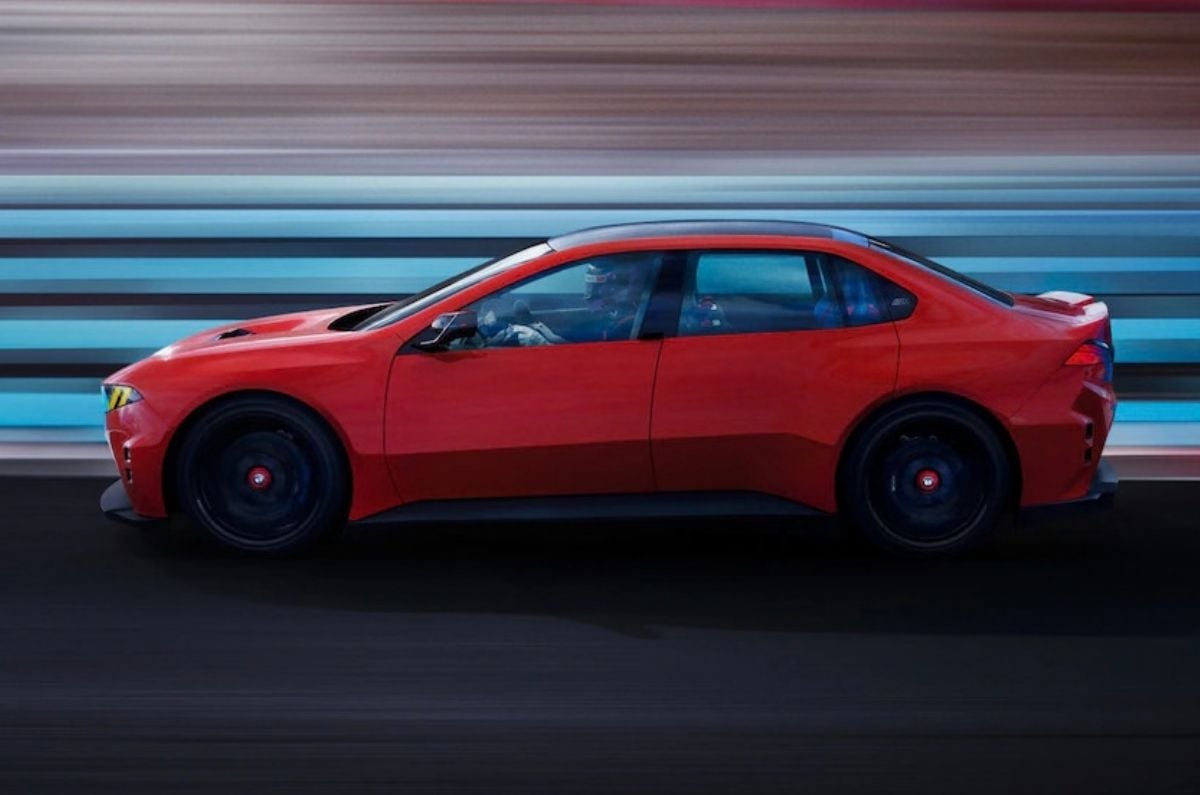
BMW M Neue Klasse concept side tracking
BMW M Neue Klasse concept

Instead, the focus here appears to revolve around better stability without compromising agility. “You can brake the inner wheels, accelerate the outer ones and can get out of turns in a completely different way. It’s a new era of vehicle dynamics,” said van Meel.

He also stated that the fully electric M3 will come with simulated gear shifts but without simulated engine sounds, with the intention being better driving intuitiveness. “We tried all the different sounds. We had a high-revving V10 from the M5, a high-revving V8 from the M3 and even tried the four-cylinder from the E30. But every sound only made sense for that specific car. If you try to put the sound in another car, the feeling is not right.”

According to van Meel, the priority while driving on a track isn’t down to just copying the feel and emotion of a combustion-powered car. Quickness around the track is more important. “You need to have some pedal feel and ratios that you are comfortable with, so that you automatically know you are driving [for example] 100mph because you are in third gear, because you know the deceleration and acceleration. That’s what you want. You can of course copy a gearbox, and it’s already quite emotional. That’s a good idea. But we want more,” van Meel continued.

BMW M3 electric production

The M3 EV will be made at the BMW Group Plant in Munich

BMW will be investing around EUR 650 million into its Munich facility to prepare it for fully electric models. Part of this investment has gone into modernising production structures and systematic digitalisation, along with enhancing cooperation with the development teams and suppliers. According to the brand, from 2027 onwards, this facility will only be producing EVs such as the M3 electric.

Tata Aeris iCNG AMT review: Fresh yet familiar

Tata Aeris iCNG AMT review: Fresh yet familiar
Tata Aeris iCNG review: Fresh yet familiar

The Tata Tigor never quite made the impact the manufacturer hoped for in the compact sedan segment. Now, Tata has reworked it and given it a new identity as the Aeris, with a fresh design, a more upmarket cabin and a longer list of features. That alone makes the Aeris an interesting proposition, but there is another reason its arrival is well timed.

Tata has a CNG option in a market where demand for the fuel is growing rapidly, with CNG cars accounting for nearly 22 percent of passenger vehicle sales in FY2026, up from around 12-13 percent three years ago in FY2023. That gives the manufacturer an interesting opportunity, but the bigger question is whether the Aeris itself has enough going for it this time around.

Tata Aeris iCNG exterior design and engineering – 8/10

Looks more modern than the Tigor, but the Tiago influence is hard to miss

Save for the new bumper, the fascia is similar to the Tiago and looks very modern.

The Tata Aeris looks more modern and sleeker than the older Tigor, but there’s a strong sense of familiarity to its exterior design. It borrows several elements from the Tiago, giving the two cars a similar visual identity, but that also means the Aeris does not look particularly distinctive.

At the front, it gets slim LED headlights with integrated LED DRLs, joined by a gloss black trim, a design treatment that is very similar to the Tiago. What’s new is the front bumper with wider air inlets. It also features fog lamps that get an LED upgrade from the Tigor’s halogens. The Aeris also gets a new clamshell bonnet.

The wheel arch cladding adds contrast, but they make 14-inch wheels look undersized.

In profile, the iCNG gets the 14-inch stylised steel wheels which look undersized, particularly against the prominent wheel-arch cladding. The cladding is made from recycled materials and features a speckled texture. The use of chrome on the door handles and the window line further gives some contrast to the Aeris’ otherwise clean profile.

The Aeris retains the Tigor’s distinct coupe-like roof that flows into the tail. The rear features segmented LED taillights joined by red plastic trim, and new Aeris lettering on the centre of the tailgate. The rear bumper features a reverse light and has an overall clean design.

Tigor’s fastback-like sloping roofline is retained; new taillights make it appear larger.

The Aeris is 3,995mm long, 1,684mm wide and stands 1,532mm tall. It has a wheelbase of 2,450mm. These dimensions are similar to the older Tigor. While Tata has not quoted an official ground clearance figure, we found it adequate for broken roads and large speed breakers. All of this is expected to appeal to most buyers.

Tata Aeris iCNG interior space and comfort – 8/10

Lighter theme makes the cabin feel airy, and revised cushioning improves seat comfort

The dashboard looks minimalistic, and the lighter theme makes the cabin feel airy.

The Tata Aeris’ interior layout is the same as the Tiago and looks neat. The lighter beige theme makes the cabin feel airy. However, this same thing might make it difficult to keep the interior spick and span. The dashboard has a clean look, featuring two free-standing displays and a revised 2-spoke steering wheel.

The rotary dial does not have illuminated drive modes, but operating it is a breeze.

The manual variants feature a new, more premium-looking gear stalk, while the AMT variants get a cleaner-looking rotary drive selector with N (neutral), D (drive) and R (reverse) modes. The rotary dial does not feel finicky, and the modes switch seamlessly. One complaint, however, is that the drive modes (N, D and R) are not illuminated, which means you rely on the instrument cluster to know which mode is selected.

The Aeris gets floating door handles like on the Sierra, which feel sturdy.

The centre console has also been thoroughly redesigned for a cleaner look and a more practical application. It features two rubberised pads to keep phones, one of which gets wireless charging capability in the top-spec Accomplished trim. The centre console also features two cupholders and a leatherette-wrapped centre armrest which integrates a decent cubby space. The doors have floating-style handles integrated with the armrest, which feel sturdy.

Legroom and kneeroom won’t be an issue for most, but taller passengers could feel the headroom is tight.

The seats feature revised cushions and bolsters that have increased the overall comfort and are wrapped in a part leatherette upholstery that feels premium. The rear seats are comfortable as well and offer good legroom and kneeroom. The headroom, however, could be an issue for passengers over 6 feet tall. The rear passengers benefit from dedicated air vents and a 65-watt Type-C charger. These seats get fixed headrests.

Tata Aeris iCNG dual-cylinder setup
Tata Aeris iCNG boot space
 

Aeris CNG’s boot space figure is not revealed, but could be similar to the Tigor CNG’s 227-litre space.

The Aeris iCNG gets a dual-cylinder tank setup inside the boot, unlike its rivals that use a single CNG tank and are left with very little usable boot space. Despite the additional tank, the Aeris has enough room for a couple of backpacks and a small luggage bag. Tata also offers a 13-inch underbody-mounted spare wheel, which is more useful than a puncture repair kit.

Tata Aeris iCNG features and safety – 9/10

Gets a lot of modern-day features, some of which could have better integration

Segment-only ventilated seats cool effectively and mark a step up in the comfort quotient.

Like other Tata cars, the Aeris is filled with features to the brim. It debuts a front seat ventilation function for the compact sedan segment, which is offered with the Aeris’ top Accomplished trim. During our drive, the seat ventilation was very effective in cooling the cabin in Faridabad’s near 40deg ambient temperature. However, there’s no confirmation on the infotainment system or the driver’s display when the feature is engaged or the ventilation level is changed.

360-degree camera system has a crisp feed and can record the surroundings.

A 10.25-inch infotainment touchscreen is the same as before, which remains slick to use and has no lag even when browsing through multiple menus. The user interface (UI) is also easy to get used to. The Aeris continues with a 360-degree camera setup that is also lag-free and works well even in low-light conditions. Tata has added a new DVR feature, which allows the surround-view cameras to double up as a dashcam and record the surroundings of the car. These recordings can be stored and accessed either on the infotainment touchscreen or a USB drive, and can also be seen on a phone via a QR code.

The instrument cluster has a retro theme and displays all the important driving data, but the steering wheel’s tilt angle and the driver’s seating position sometimes obscure certain details. The steering wheel lacks the leatherette wrap offered with the Tigor, but feels nice to hold nevertheless. The wheel is now free of the Tigor’s scratch-prone gloss black trim and thankfully retains physical controls. It also gets cruise control, but only with the manual variants.

The wireless charger works well, but tends to make the phone hot during prolonged use.

The 4-speaker, 2-tweeter audio system is a step down from the Tigor’s 4-speaker, 4-tweeter setup, although sound quality is still good enough for the price. Certain features also could have been integrated better. The wireless charging pad can also heat up phones, particularly during extended use. Cooling vents near the pad could have fixed the issue. The infotainment system switches to the blind-spot monitor every time the indicators are used, which can be annoying when following navigation. The rear seats also lack pressure sensors, so the seatbelt warning continues to chime until the belts are fastened.

Standard safety features include 6 airbags, ISOFIX child seat anchorages on the rear seats, rear parking sensors and 3-point seatbelts with reminders on all seats. Higher variants equip the Aeris with a 360-degree camera, a day/night inside rearview mirror (IRVM), rain-sensing wipers, rear defogger, a tyre pressure monitoring system (TPMS) and ESP with traction control. The pre-facelift Tigor received a four-star rating from Global NCAP in 2020, but the Aeris has yet to be tested by Bharat NCAP.

Tata Aeris iCNG performance and refinement – 6/10

Performance in the city is adequate, but it feels out of breath if pushed hard

The 3-cylinder engine is not the smoothest in the segment and the NVH levels are also not the best.

The Tata Aeris continues with the Tigor’s 1.2-litre, three-cylinder naturally aspirated engine, producing 76hp and 97Nm in CNG guise. It is offered with a five-speed manual and a five-speed AMT, and we drove the latter.

At city speeds, the engine has enough performance to keep up with traffic, but the CNG-AMT combination is not particularly responsive. There is a noticeable pause between pressing the accelerator and the powertrain responding, which becomes more evident when you need to accelerate quickly.

Performance is adequate in the city, but it feels out of breath during overtakes. 

The AMT also makes starts from standstill quite jerky, which can get tiresome in stop-and-go traffic. Once up to speed, however, the Aeris settles into a relaxed rhythm and is comfortable enough when driven at a steady pace. The AMT also gets paddle shifters for manual gear changes, which are useful when you want more control over the gearbox, particularly during overtakes.

On the highway, the lack of response is more noticeable, particularly when overtaking. The Aeris can maintain triple-digit speeds, but building speed takes time, and overtaking requires some planning. The rotary gear selector itself, however, as mentioned above, is neat and easy to use.

As you start driving, the vibrations from the 3-cylinder engine are ironed out till you reach 2,500rpm. 

Refinement is another weak point. Refinement is another weak point. The engine feels generally smooth when driven gently, but above 2,500rpm, engine noise and vibrations become quite pronounced. Wind and road noise insulation isn’t particularly strong either, so the cabin gets fairly noisy at higher speeds.

Tata Aeris iCNG ride comfort and handling – 8/10

Has a commendable ride quality for a sedan on both rough roads and highways

Like other Tata cars, the suspension is well tuned to Indian conditions.

The Aeris is particularly impressive over poor roads. The suspension does a good job of absorbing broken surfaces and larger bumps without unsettling the car, while the ground clearance is adequate for tackling rough roads and large speed breakers. Despite being a sedan, it does not feel particularly vulnerable to bad roads.

Out on the highway, the Aeris is equally composed. It stays planted at triple-digit speeds and does not feel floaty or nervous when driven quickly. The steering is also nice to hold and offers decent feedback, although there is some vagueness around the centre that takes away a little from the confidence.

Tata Aeris iCNG mileage and efficiency

We expect it to offer a real-world mileage in the 25-30km/kg range

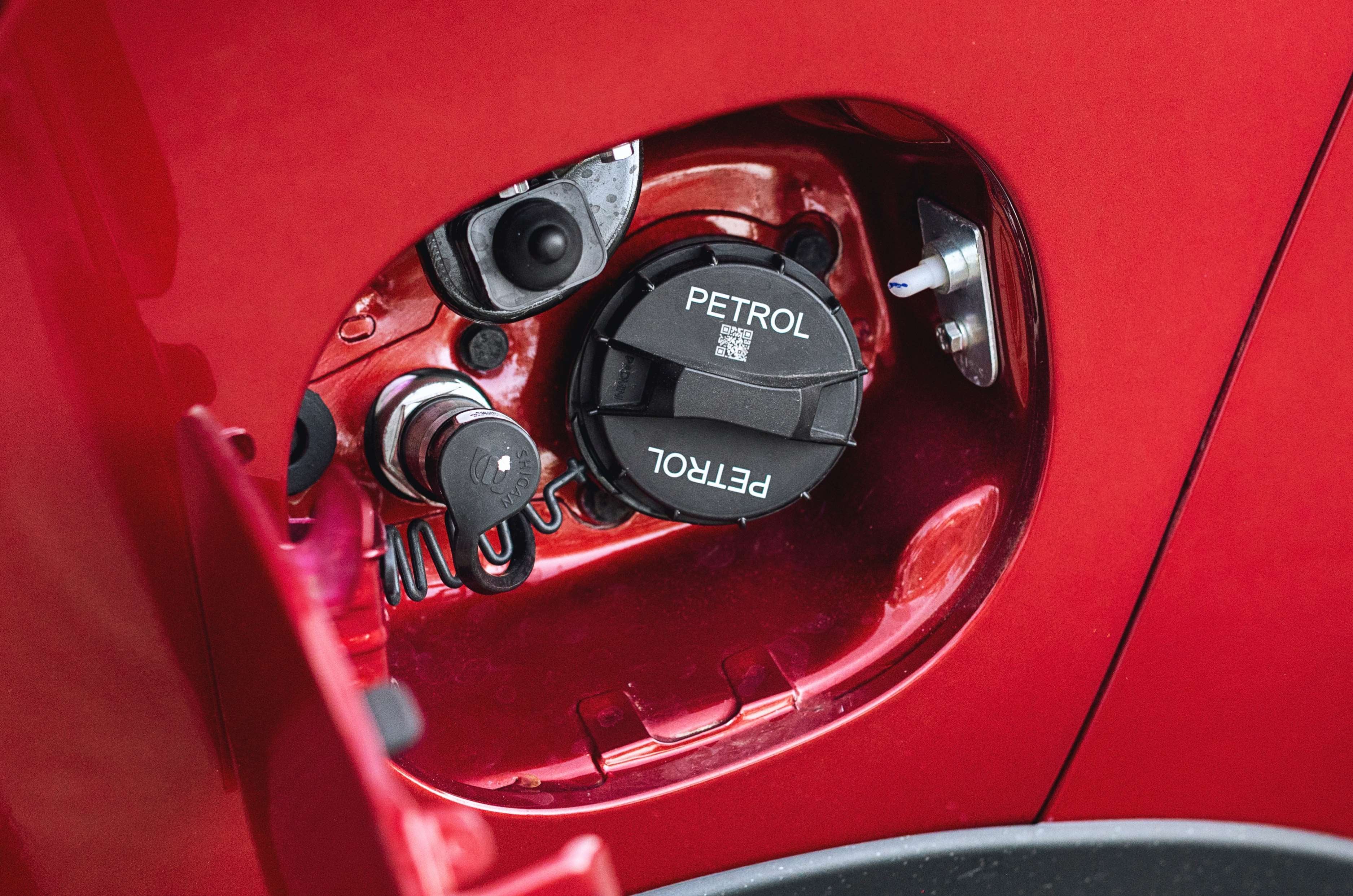
It kills the ignition whenever the fuel lid is opened, offering a layer of safety while filling fuel. 

While we haven’t put the Aeris iCNG through our full test yet, its CNG powertrain should make it considerably more economical to run than the petrol version. Tata is yet to reveal an official efficiency figure, but we expect real-world mileage to be in the 25-30km/kg range. We’ll bring you our tested mileage figures once we put the Aeris iCNG through our standardised test procedures.

Tata Aeris iCNG value for money – 8/10

CNG buyers don’t have to compromise on features, but the AMT isn’t ideal

The Aeris CNG offers good value, but AMT should be chosen only if city driving is a priority. 

The Aeris, priced from Rs 5.70 lakh to Rs 9.10 lakh (ex-showroom), is a more convincing compact sedan than the Tigor ever was. Its modern design, well-equipped cabin, comfortable ride and, most importantly, useful boot space despite the CNG setup give it plenty going for it. The fact that Tata offers the CNG powertrain with higher-spec variants also means buyers don’t have to sacrifice features for lower running costs.

The CNG-AMT powertrain, however, takes some shine off the package. The slow responses, jerky starts and excessive NVH at higher revs make it better suited to relaxed city driving than frequent highway use. Even so, for buyers looking for a practical and well-equipped CNG sedan, the Aeris does make a stronger case than its predecessor and even against its rivals.