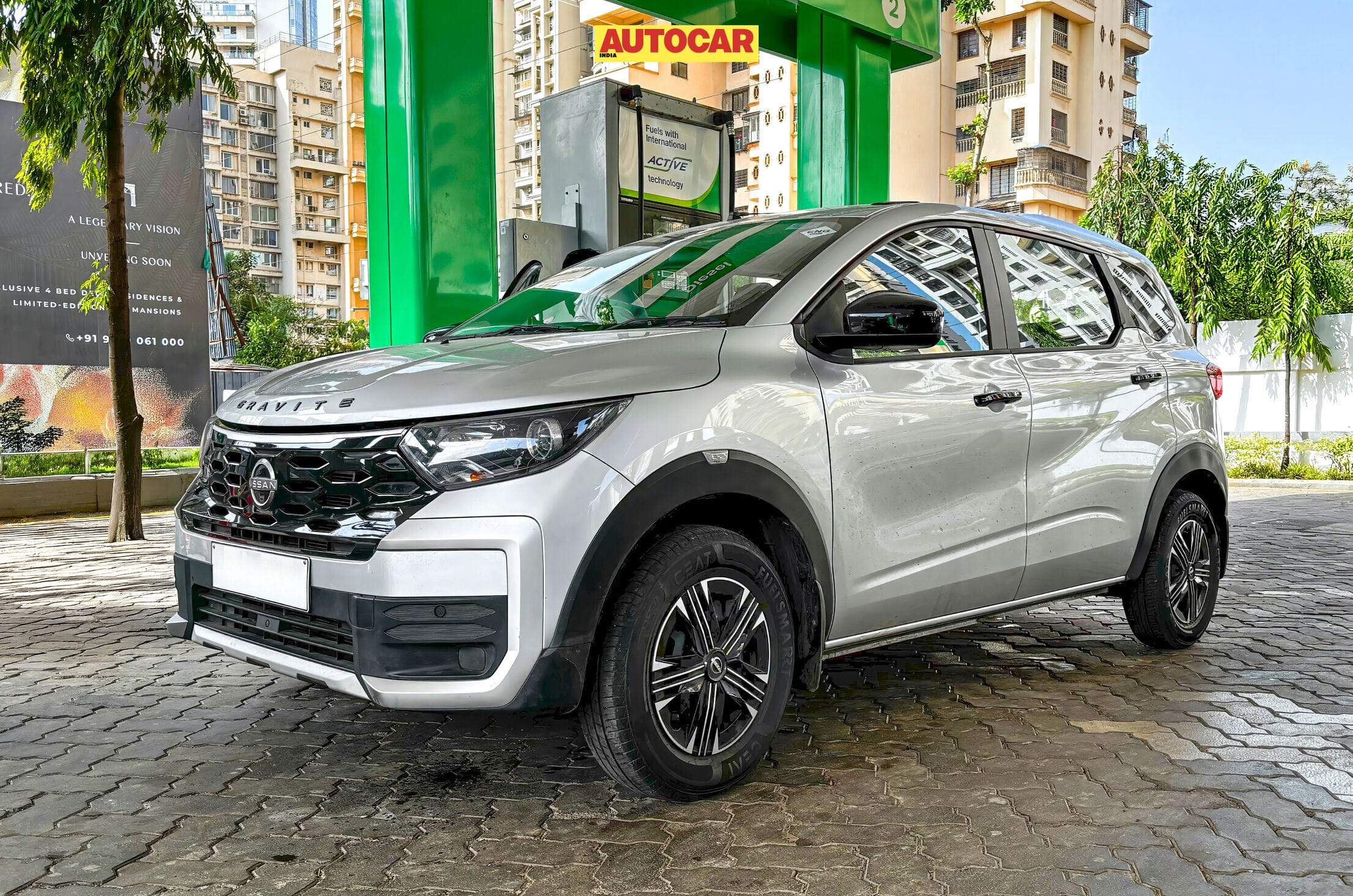
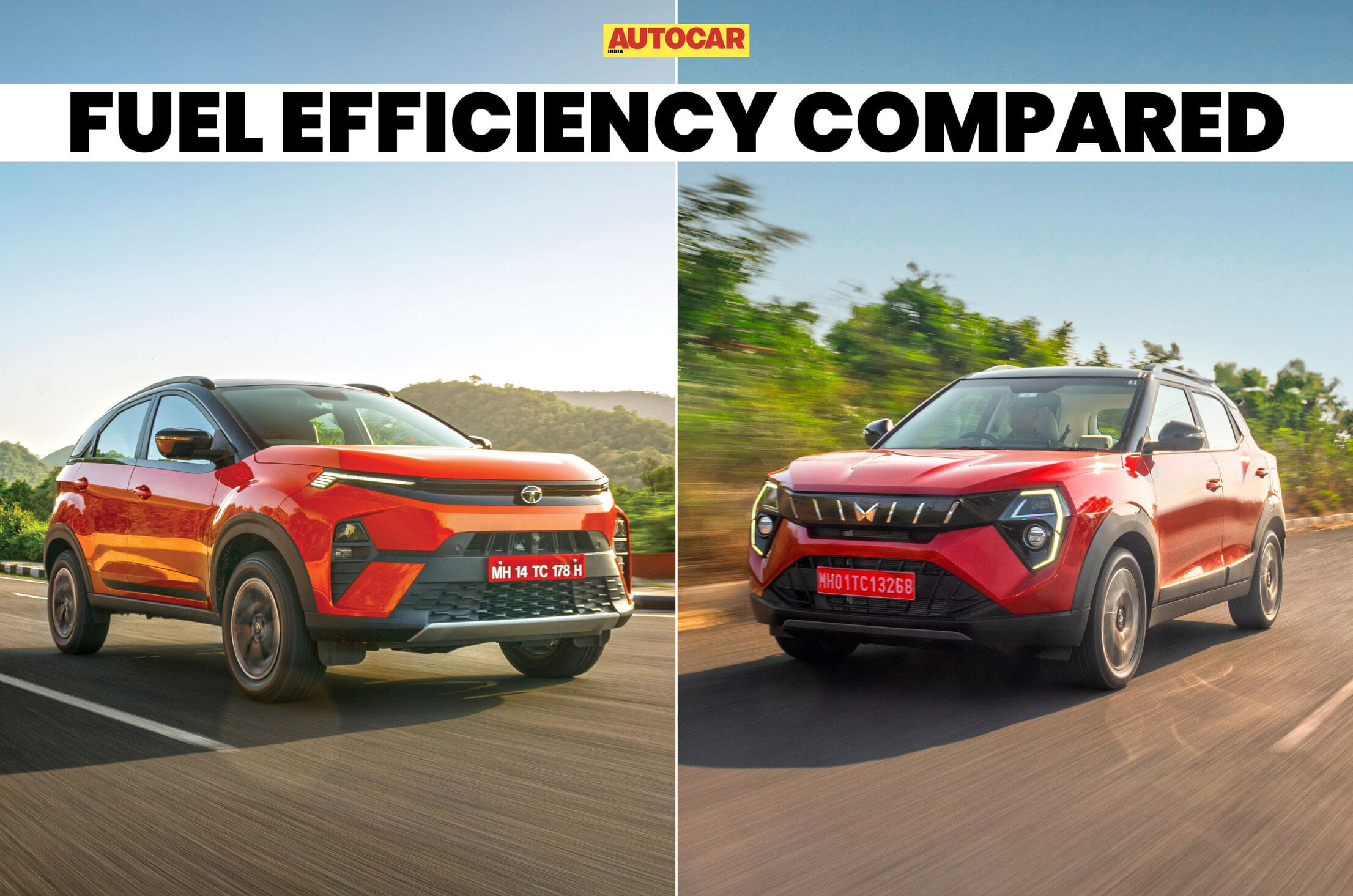
The Tata Nexon and Mahindra XUV 3XO offer buyers two types of turbo-petrol engines. All turbo-petrol versions of the Nexon use multi-point fuel injection (MPFI), with lower trims being mated to an AMT (automated manual transmission) gearbox, while higher trims use a dual-clutch automatic (DCT) gearbox. Meanwhile, all turbo-petrol versions of the XUV 3XO feature a 6-speed torque converter automatic transmission (AT), with gasoline direct injection (GDI) only reserved for the top-spec version. So, if you want the convenience of a proper automatic gearbox plus the performance associated with a turbo-petrol engine without sacrificing fuel economy, which of these two cars should you consider?
Explore full specs, features and a price breakdown in our Nexon vs XUV 3XO comparison.
Tata Nexon vs Mahindra XUV 3XO turbo-petrol automatic: Specifications
While torque spread is comparable in both, the XUV 3XO has a distinct power advantage
Tata Nexon vs Mahindra XUV 3XO automatic: Specifications
Tata Nexon
Mahindra XUV 3XO
Engine
3 cyl, petrol
3 cyl, petrol
Displacement (cc)
1199
1197
Power (hp)
120 (5,500rpm)
131 (5,000rpm)
Torque (Nm)
170 (1,750-4,000rpm)
230 (1,500-3750rpm)
Gearbox
7-speed DCT
6-speed AT
Fuel tank (litres)
44
42
At first glance, the turbo-petrol engines powering the Nexon and XUV 3XO look identical, as both are three-cylinder units with a displacement of 1.2 litres. Since the GDI system typically allows a more complete combustion of fuel, it benefits include more power and better fuel economy over a similar-sized MPFI system.
The XUV 3XO’s direct injection turbo-petrol setup offers 11hp and 60Nm more than its equivalent Nexon version. However, peak torque of these engines is spread out over an identical range of 2,250rpm. The Tata SUV features a 7-speed dual-clutch automatic transmission (DCT), while the top-spec XUV 3XO petrol comes mated to a 6-speed torque converter automatic transmission (AT). Also, the fuel tank of the Tata SUV has a slightly higher capacity, by two litres.
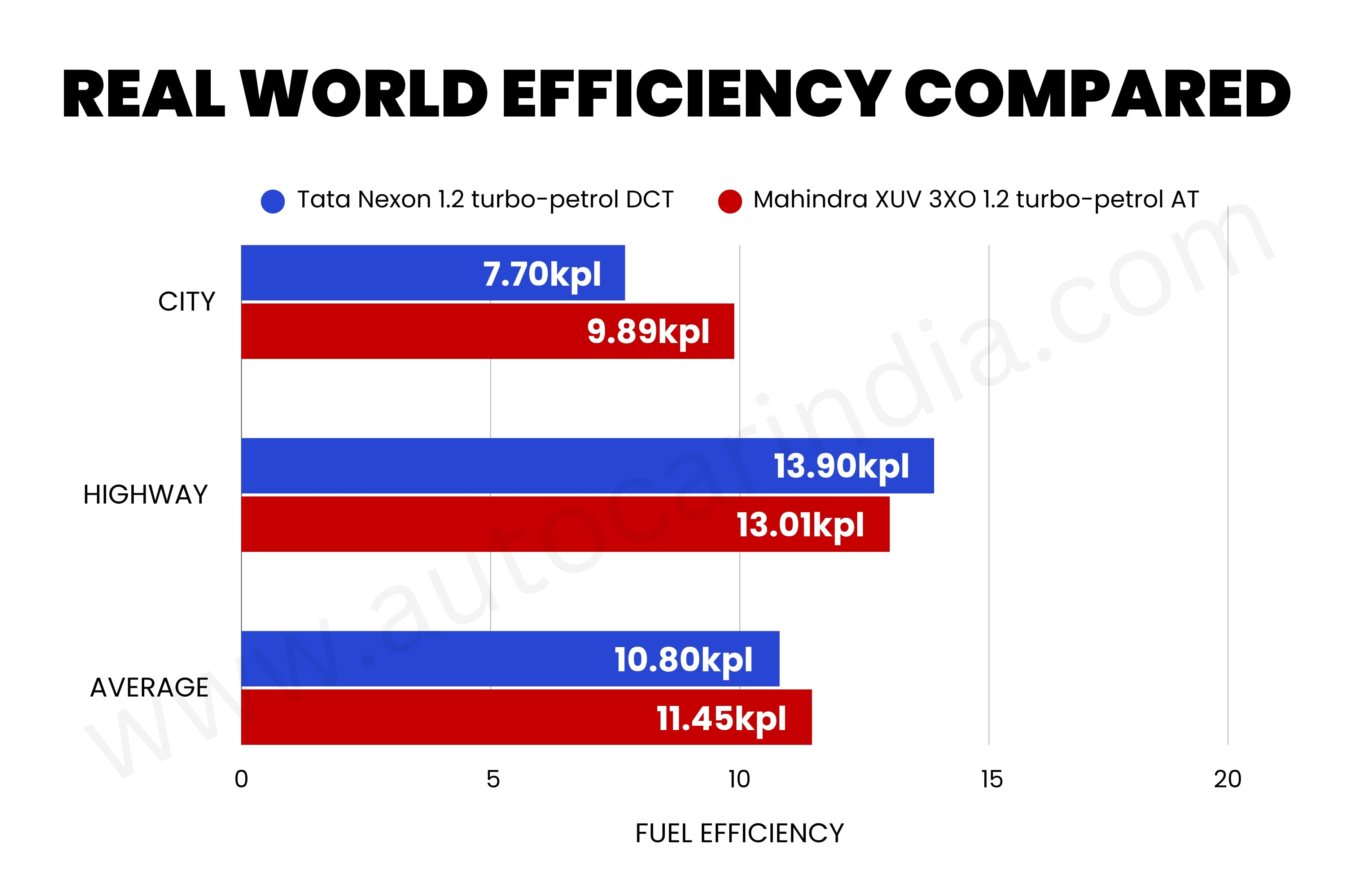
Despite having the punchier engine, the XUV 3XO’s fuel economy is better than the Nexon
Tata Nexon vs Mahindra XUV 3XO automatic: Real-world mileage
Tata Nexon
Mahindra XUV 3XO
Tested city mileage (kpl)
7.70
9.89
Tested highway mileage (kpl)
13.90
13.01
Tested average mileage (kpl)
10.80
11.45
The Tata Nexon returned an average that was 0.65kpl poorer than the Mahindra XUV 3XO. Its low mileage of 7.70kpl in city conditions meant that, even with a higher fuel economy of 13.90kpl on the highway, the Nexon’s overall efficiency still lagged behind the XUV 3XO. The efficiency gains of the Nexon on the highway was helped by the extra ratio in its DCT. Compared to the XUV 3XO’s torque convert AT with six ratios, the Nexon’s 7-speed gearbox allows its engine to spin at a more leisurely speed as you pick up pace.
In the city, the XUV 3XO had a clear lead over the Nexon, achieving a real-world fuel economy that was higher by 2.19kpl. The Mahindra XUV 3XO’s direct fuel-injection technology allows petrol to be introduced into the engine in a highly measured and precise manner. This reduces fuel consumption and improves combustion when compared to a similarly sized but MPFI-equipped turbo-petrol engine, like in the Nexon.
Tata Nexon vs Mahindra XUV 3XO turbo-petrol automatic: Prices
Tata Nexon vs Mahindra XUV 3XO turbo-petrol automatic prices
Tata Nexon
Mahindra XUV 3XO
Price range (in Rs, lakh)
11.35-13.70
13.28-15.04
The turbo-petrol-automatic variants of both the Tata Nexon and Mahindra XUV 3XO are available in three trim levels. For cost-conscious buyers, the most affordable Nexon with this powertrain setup comes in Rs 1.93 lakh cheaper than a comparable XUV 3XO. This price delta continues to the mid-spec trim as well, where the Mahindra is pricier by Rs 79,000. At the top-end, the XUV 3XO’s turbo-petrol automatic variant costs Rs 1.34 lakh more than the equivalent Nexon. One of the reasons for the XUV 3XO’s higher price is is its direct-injection fuel system, which costs more than a comparable MPFI unit.
Autocar India’s fuel efficiency testing
Before our real-world fuel efficiency tests, we fill our test cars’ tanks to the brim and maintain tyre pressures based on the manufacturer’s recommendations. These cars are driven in fixed city and highway loops in and around Navi Mumbai, and we maintain certain average speeds. Throughout the tests, there is only one person in each car, running the air conditioner and other electricals, such as the audio system, indicators and wipers, when required, just like a regular user would. Periodic driver swaps further neutralise variations in driver patterns. At the end of each cycle, we calculate efficiency by filling the tanks to full again.
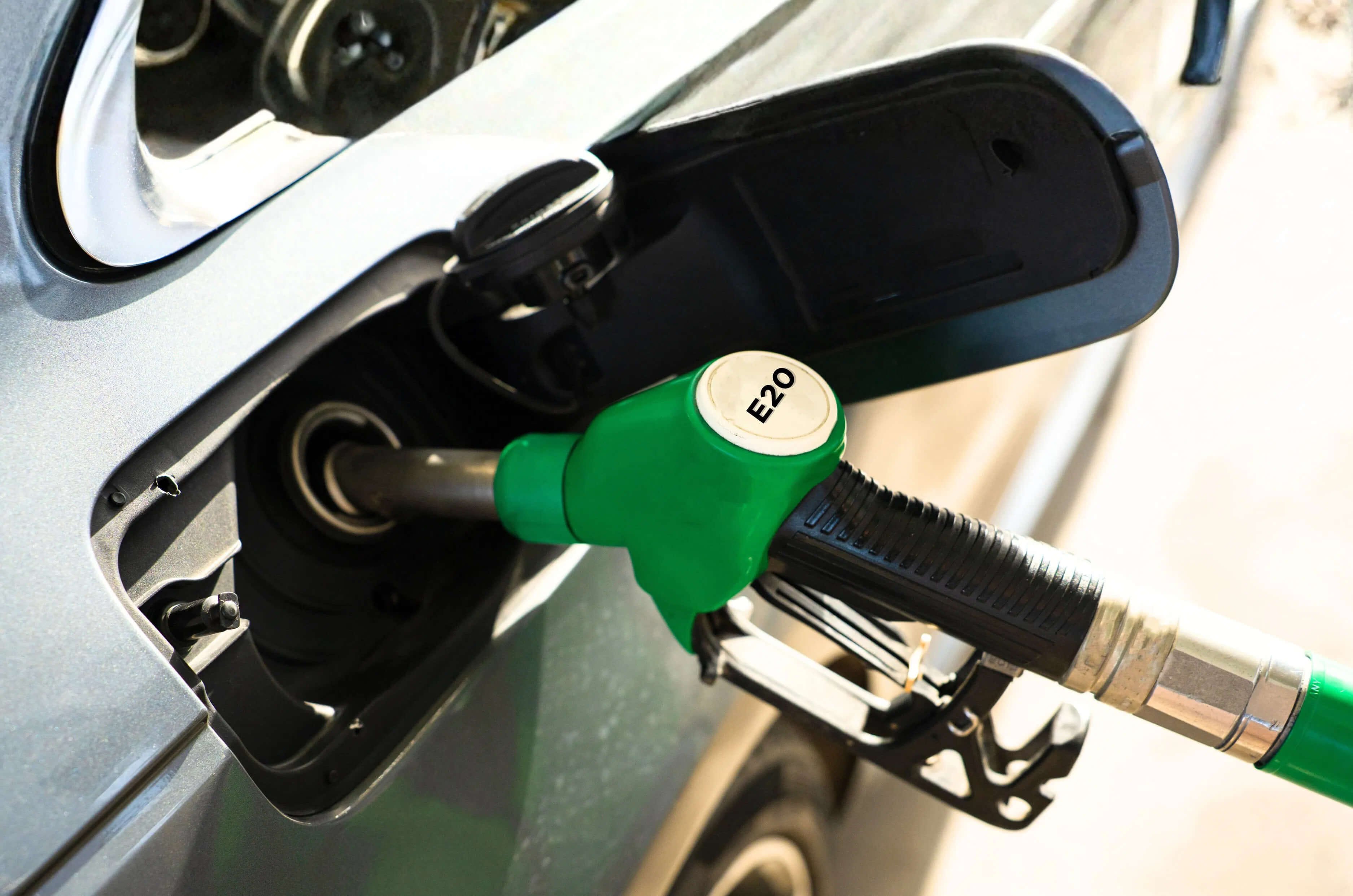
The central government has acknowledged that it has not formally assessed how many vehicles in India are compatible with E20 petrol, despite mandating E20 fuel nationwide and continuing to prepare for higher ethanol blends. The government, however, said laboratory studies and field trials have established the fuel’s safety under prescribed standards.
In a written reply in the Rajya Sabha, Minister of State for Petroleum and Natural Gas Suresh Gopi said the Ministry of Heavy Industries had not assessed the percentage of vehicles in the country that are compatible with E20 fuel.
Government cites laboratory and field trials to support E20 rollout
Mileage drop for E10-calibrated vehicles pegged at 3-5 percent
No verified evidence of widespread E20-related engine failures, says Centre
However, the government’s latest response also raises questions over the rollout timeline. While the Centre formally announced nationwide availability of E20 petrol in mid 2025—five years ahead of its original 2030 target—it now says E19-E20 blends have been in widespread use for more than two-and-a-half years, while E15 and higher ethanol blends have been in active distribution for over three-and-a-half years, covering more than 20 crore two-wheelers and 3 crore petrol passenger vehicles. The response does not explain this apparent discrepancy.
Government reiterates mileage and reliability claims
Addressing concerns around fuel economy, the government said vehicles originally calibrated for E10 petrol could see a 3-5 percent reduction in mileage when running on E20, although actual fuel efficiency depends on driving conditions, driving style and vehicle maintenance.
The government also reiterated that there is no verified evidence of widespread engine failures or vehicle breakdowns linked to ethanol blending.
Government cites laboratory and field testing
According to the government, the Ethanol Blended Petrol (EBP) programme was implemented through a phased process involving NITI Aayog, oil marketing companies, automobile manufacturers, the Automotive Research Association of India (ARAI), the Society of Indian Automobile Manufacturers (SIAM) and the Indian Institute of Petroleum (IIP).
The government said testing covered engine durability, drivability, startability, corrosion resistance, material compatibility, emissions and fuel efficiency. Based on these studies, it said legacy vehicles do not show any significant change in performance or abnormal component wear when operated on E20 petrol.
Government preparing for higher ethanol blends
The government said India’s ethanol production capacity has been planned to meet current E20 requirements while also supporting future petrol demand, higher ethanol blends, flex-fuel vehicles and other biofuel applications, subject to future government approvals. It added that ethanol production continues to follow a diversified feedstock strategy, with only surplus foodgrains being diverted after meeting food security and public distribution requirements.
While not the first compact SUV to hit the market, the Maruti Suzuki Vitara Brezza didn’t take long to zoom past its peers and rise to the top of its segment. It wasn’t the best looking, most exciting, most powerful or best equipped, but instead, and in true Maruti fashion, it locked in perfectly to what the average Indian wanted more. It was well priced, it was spacious and practical, it was reliable and it had incredibly good fuel economy.
That was almost a decade ago, and now in its second generation, with the ‘Vitara’ dropped from its name, the Brezza has retained those same safe and stable qualities. The compact SUV customer, however, has evolved and in 2026, perhaps playing it safe isn’t the silver bullet it once was. It’s no surprise then, that the brand has tried to introduce some excitement in the form of the 1.0-litre Boosterjet turbo-petrol, an engine it has been very selective in its use of.
With the engine has come some mild cosmetic updates and a few feature additions, and we’ve spent a day with the car to see if they all add up to make for a more compelling package.
2026 Maruti Brezza Exterior Design and Engineering – 7/10
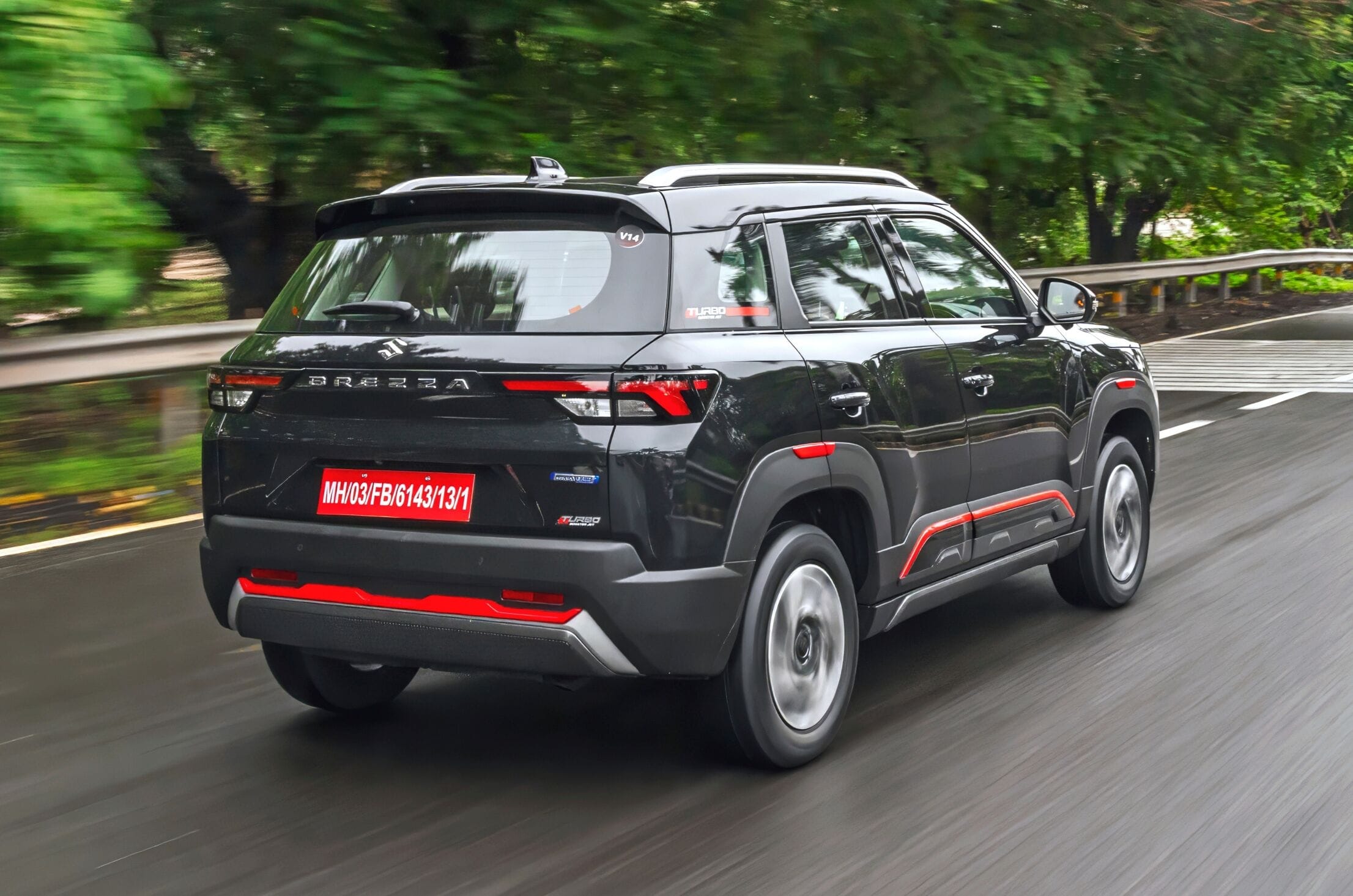
Boxy shape that hints at big interior space; red Turbo accents feel a bit forced.
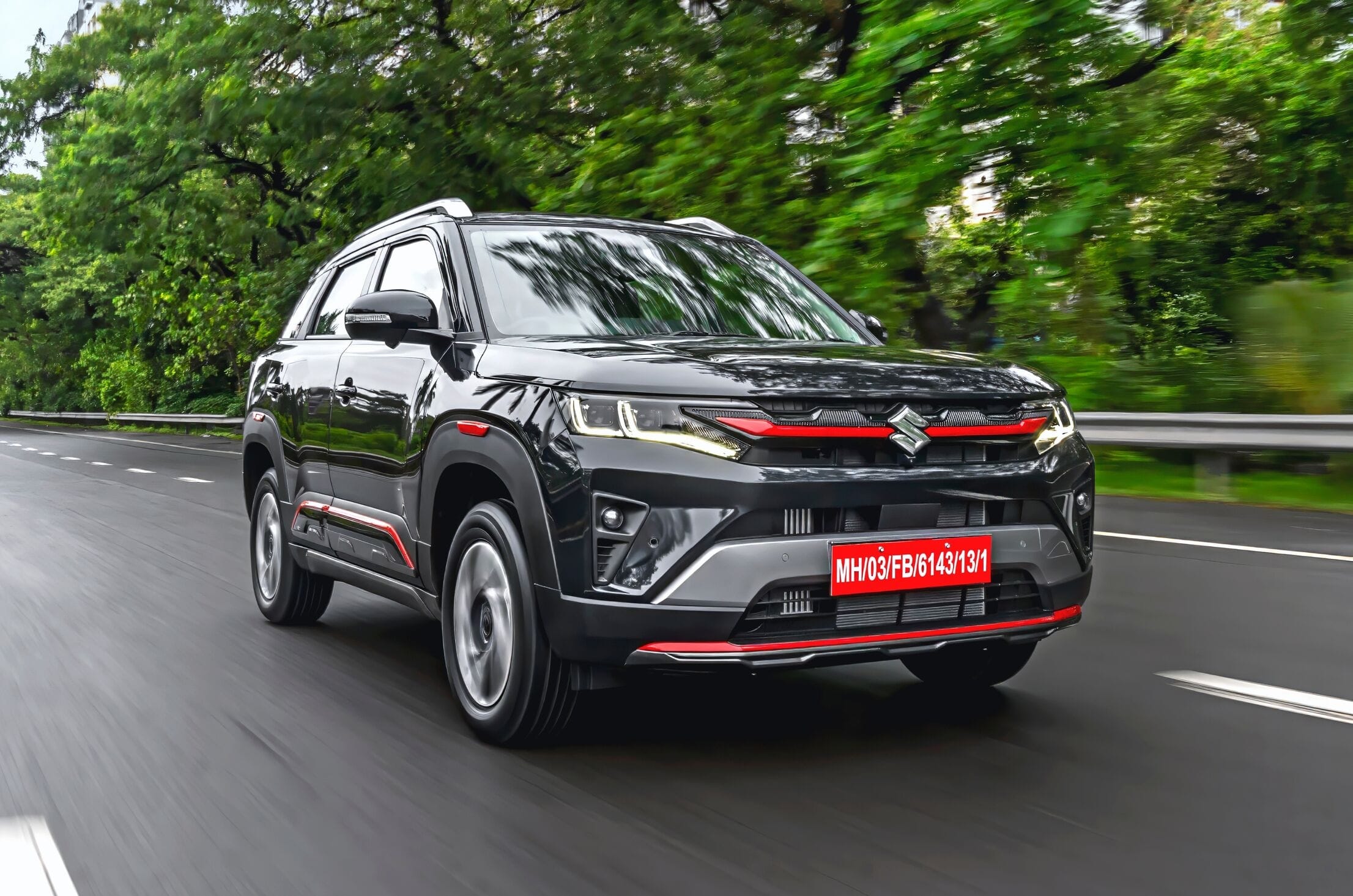
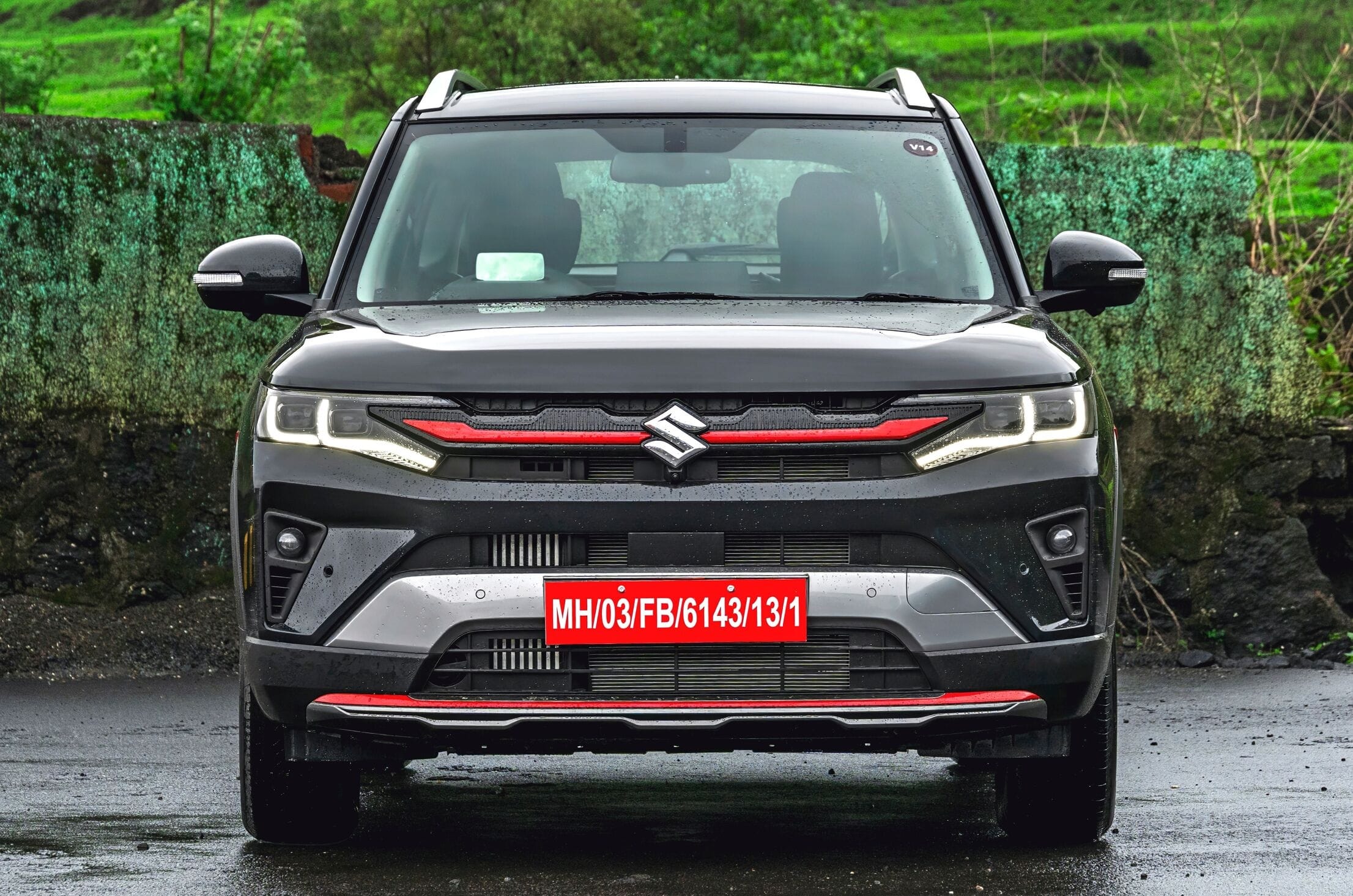
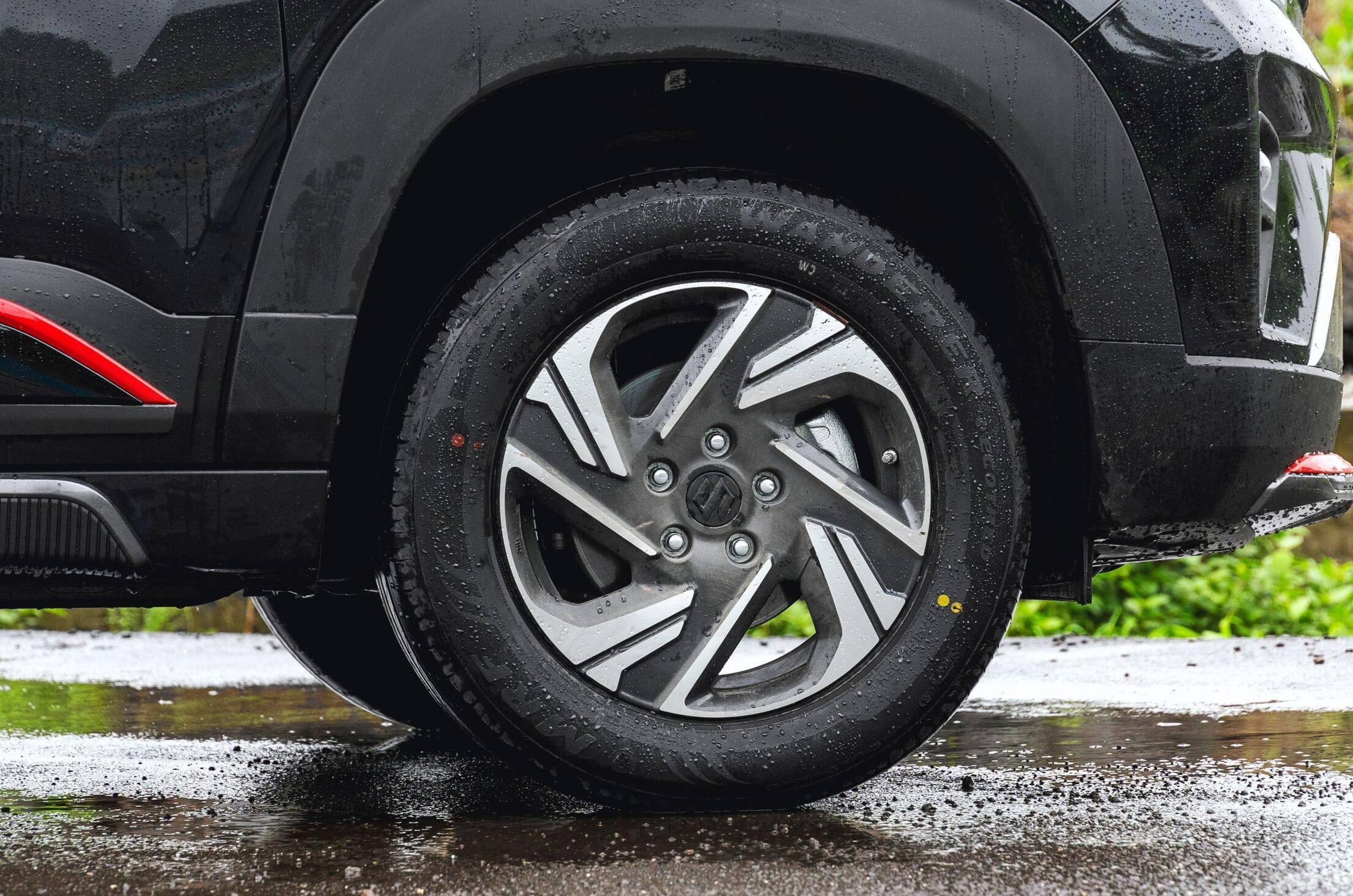
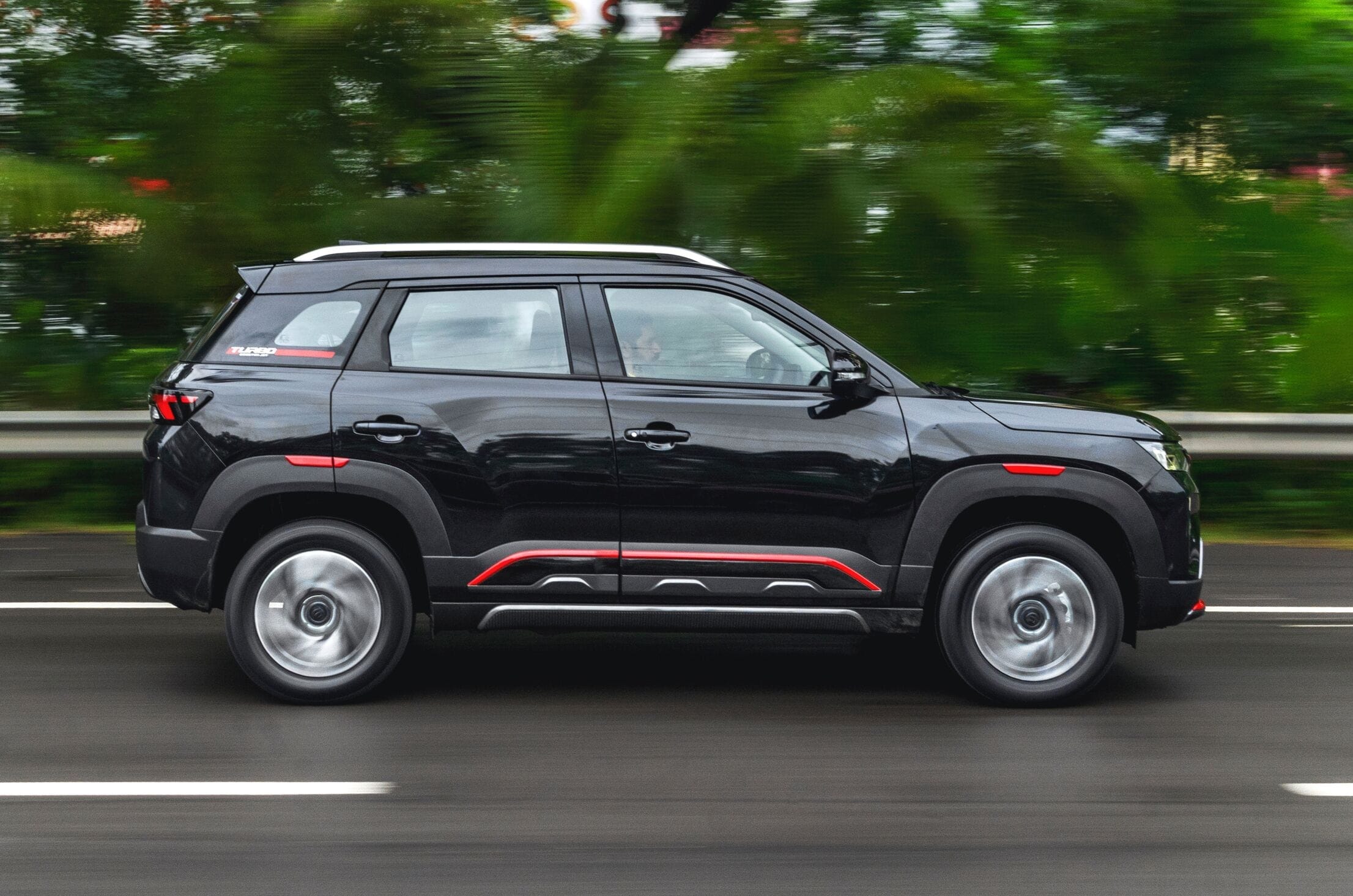
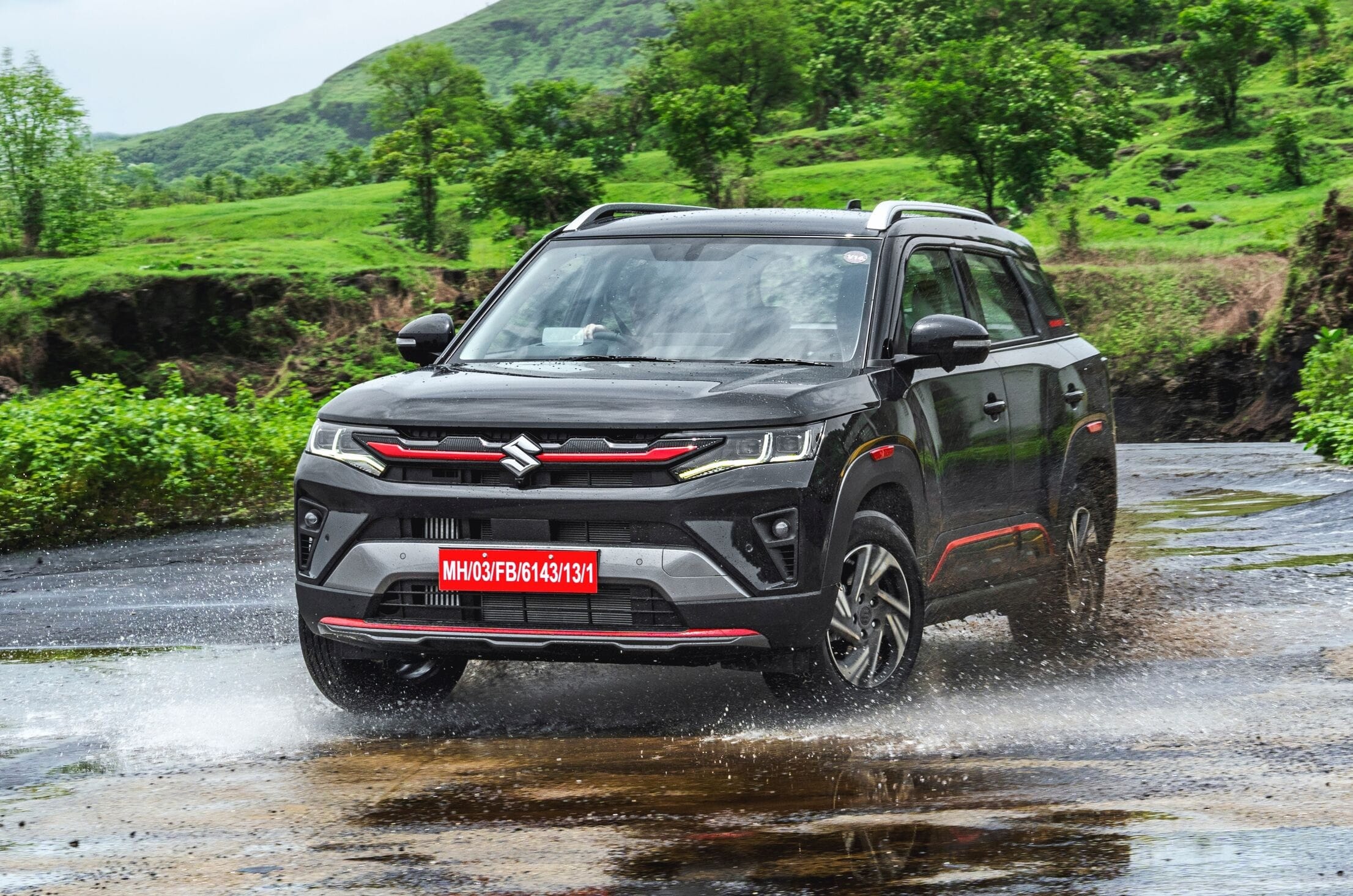
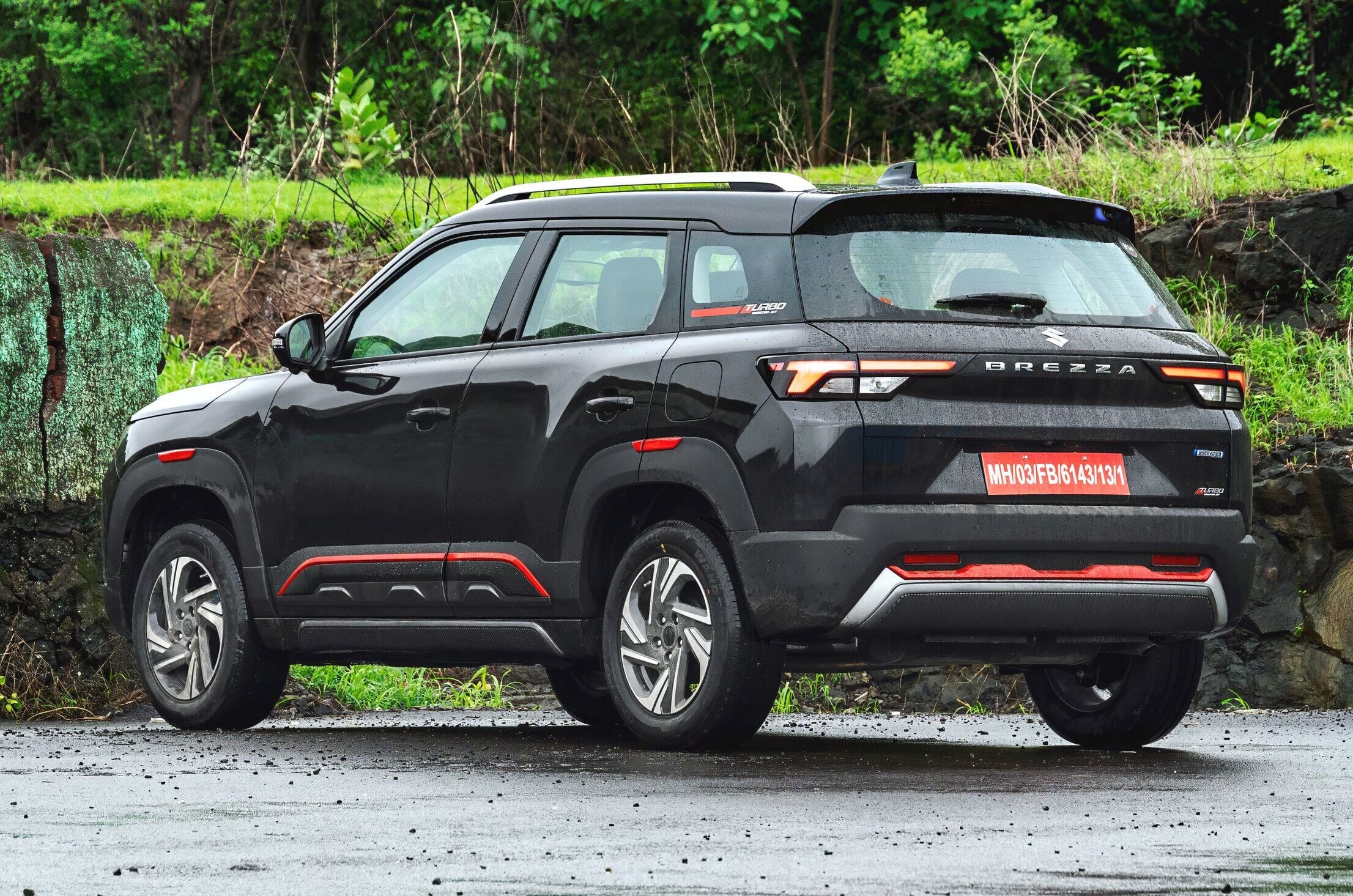
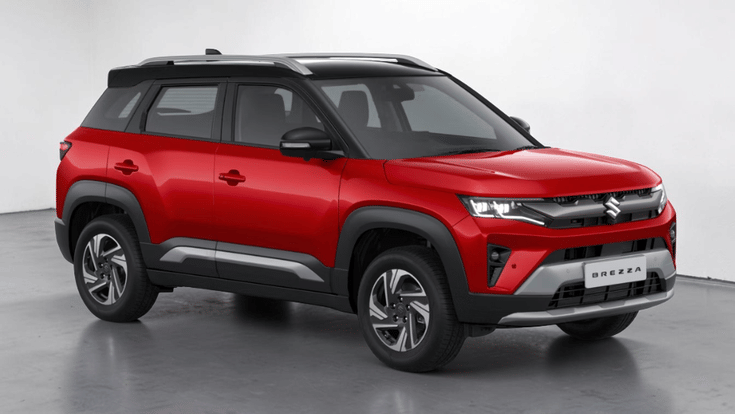
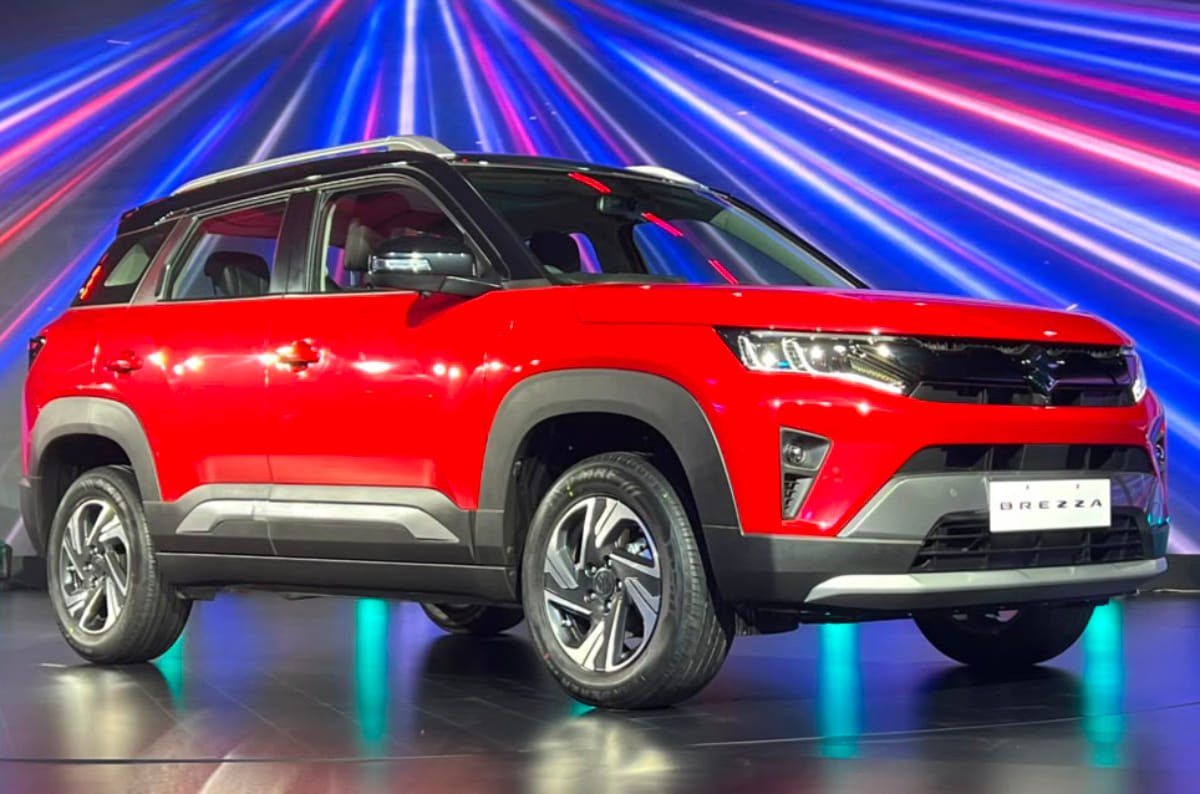
In typical Maruti fashion, this is a very mild facelift, and only if you’ve regularly lived with the outgoing model might you be able to spot the changes. Up front, the grille trim has been revised slightly, the front bumper looks cleaner and less like a bull bar, and there are triangular housings for the fog lamps. There are almost no changes to the sides or rear, save for a bit more garnish on the side cladding, a new four-spoke dual-tone design for the 16-inch alloy wheels and some vertical slats in the base of the rear bumper, unique to the turbo model.
Also unique to turbo-petrol models are smatterings of red trim everywhere, from the grille, to the side skirts, to the bumpers and even on the wheel arches. While the idea is to give the turbo models a sporty identity, the execution feels lazy – more like aftermarket accessories than a special body kit, like what was offered on the old Baleno RS.
There are no other changes to the outside, and you get the same square and boxy shape as before, pointing to the space on the inside. As before, the body appears a bit too large for the chassis, with the wheels looking disproportionately small and inset compared to the bodywork.
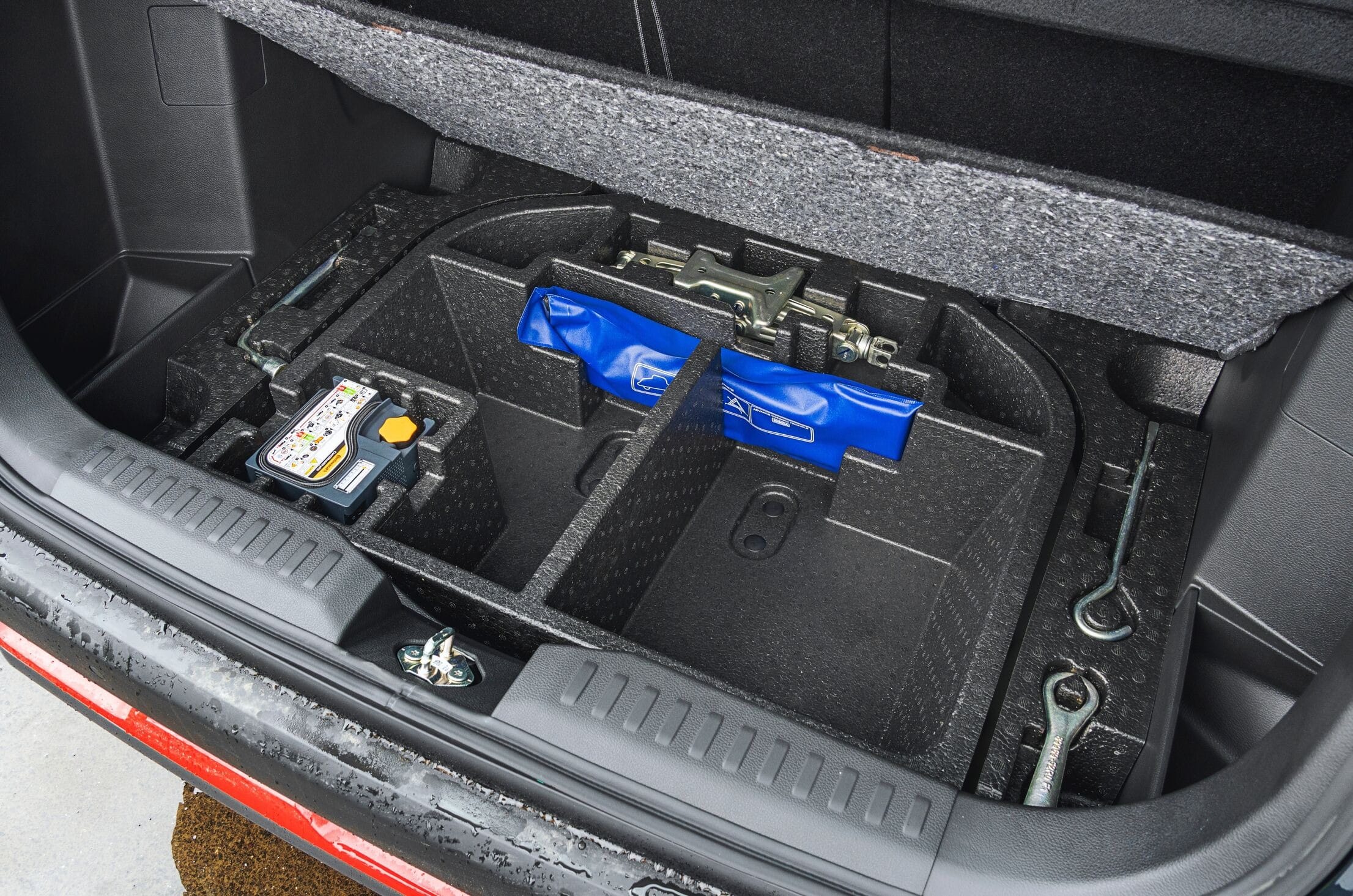
Boot volume remains the same at 328 litres, and as always, its square shape offers up more practicality than the number suggests. A big change, however, is that there is no longer a spare tyre on offer; just a puncture repair kit and tyre inflator. This is because CNG models have moved to an underfloor tank design to free up more luggage space, and like in the Victoris, that’s resulted in the removal of the spare tyre in all models.
2026 Maruti Brezza Interior Space and Comfort – 8/10
Remains one of the most spacious in the segment; decent quality levels all around.
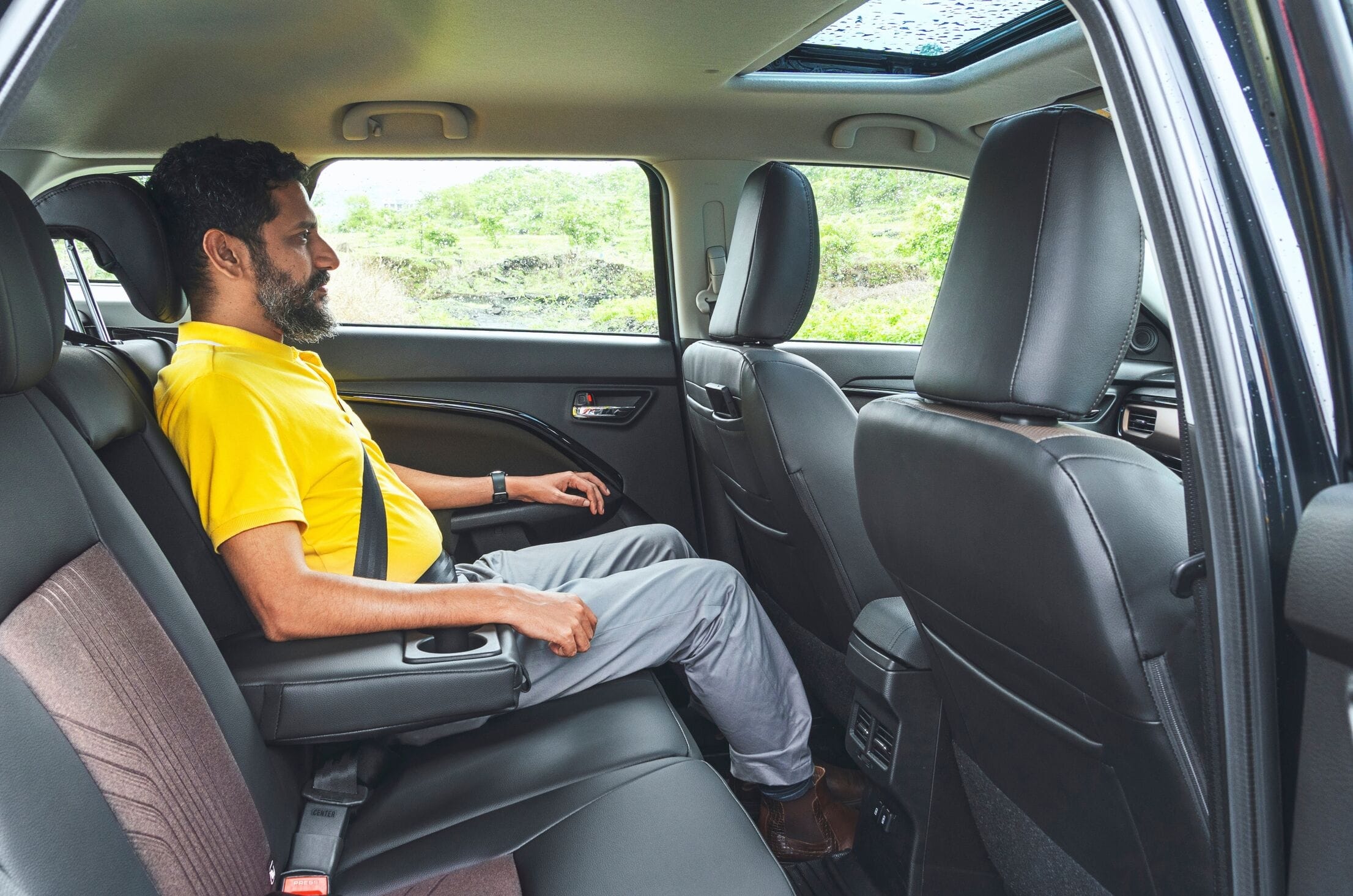
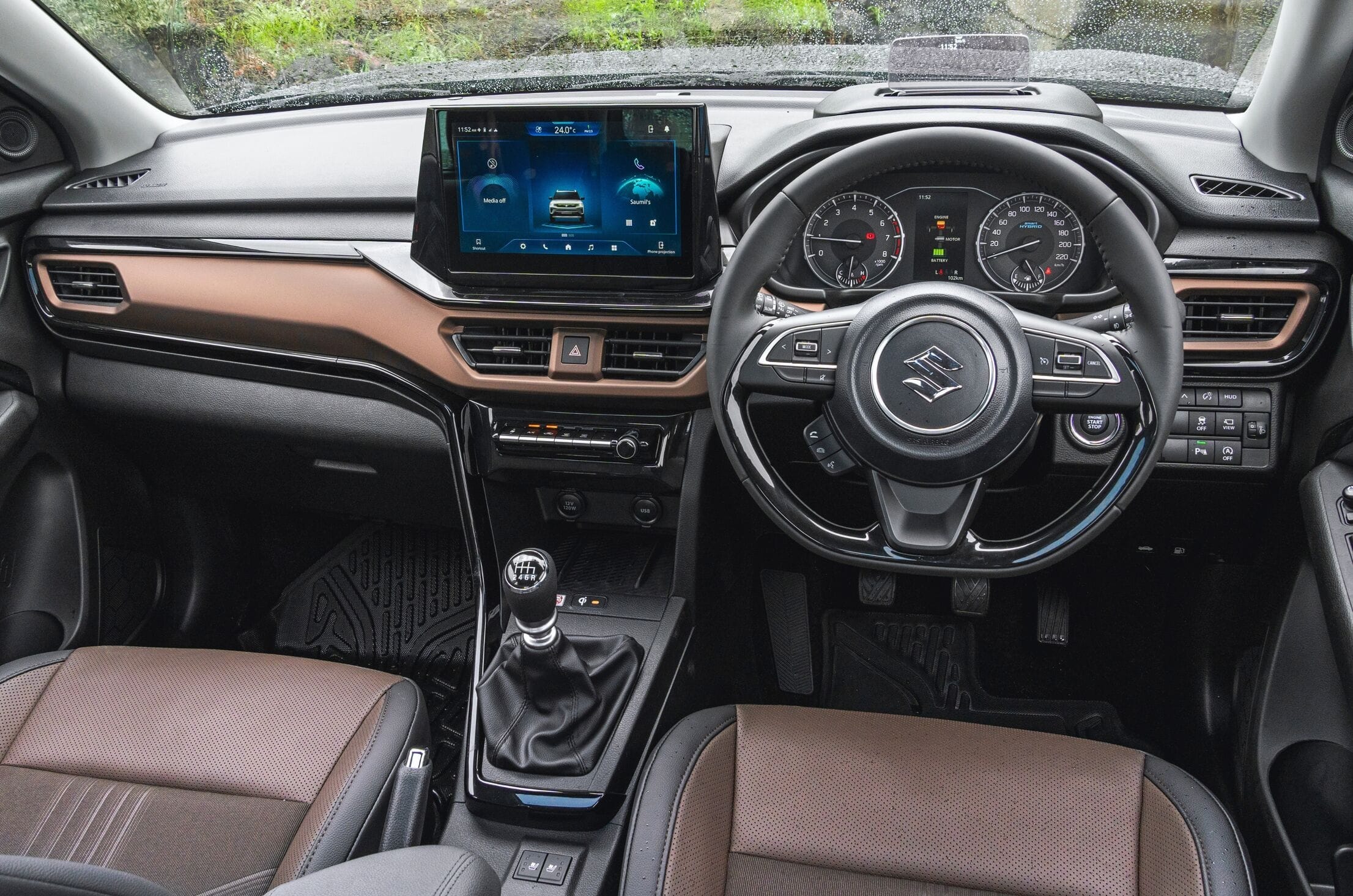
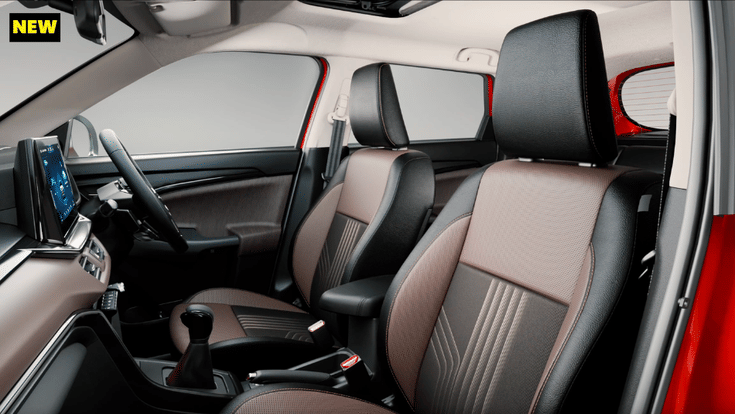
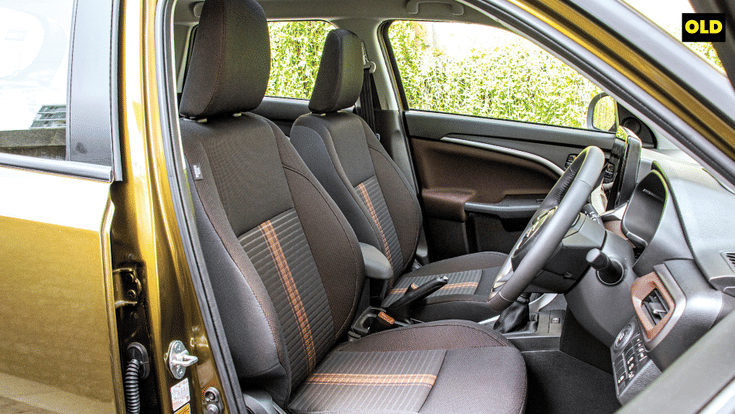
The tall, unabashedly boxy shape has meant that interior space is good, and the Brezza remains one of the few compact SUVs that can seat five adults in true comfort. Seat comfort is adequate, erring more on the firm than the outright soft side, but the design is accommodating for even large adults. The seats are trimmed, on this top ZXi+ variant, in a new bronze and black leatherette upholstery, which looks classier than before.
In fact, bronze and black is the theme for this interior, replacing the maroon and brushed silver of before, and you can see that mainly in the dashboard trim and door cards. The other subtle visual difference is that the once single-colour ambient lighting can now be set to one of 64 colours selectable from the touchscreen.
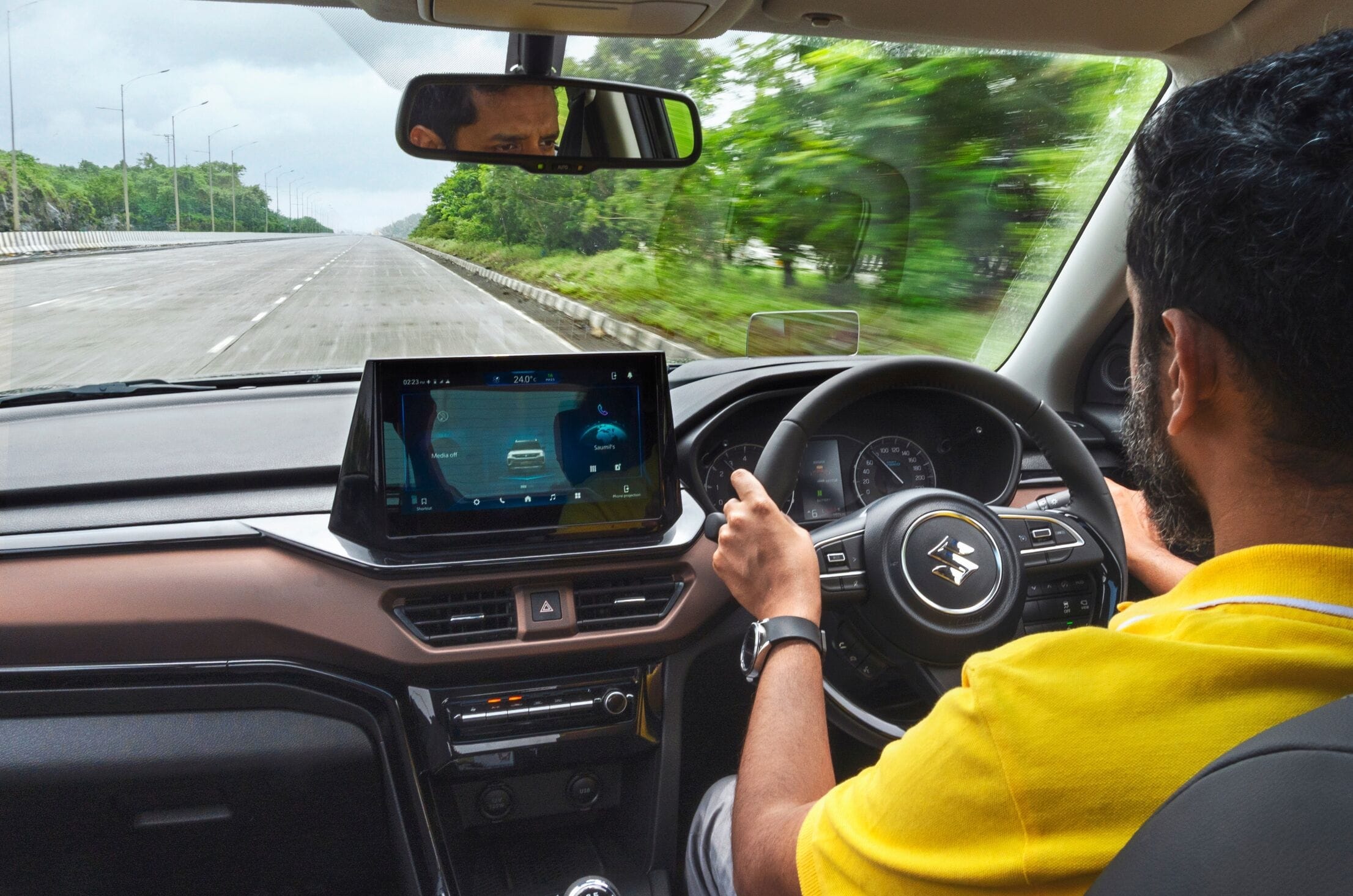
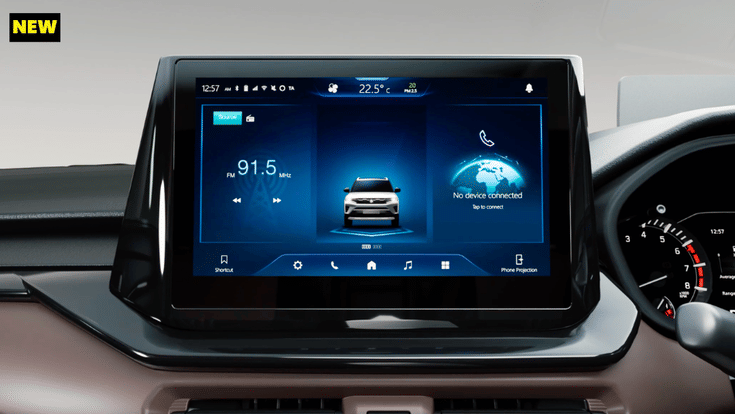
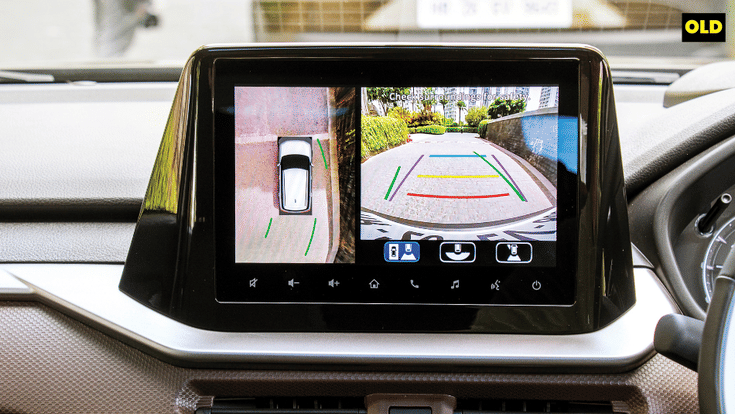
And finally, the touchscreen on the top variants is the 10.1-inch unit from the Victoris, though the large, free-standing housing it sits in hasn’t changed and still feels like a visual distraction while driving. While the cabin doesn’t immediately scream ‘quality’ like some newer entrants to the segment, in true Japanese car fashion, it feels hardy and well put together in an understated way.
2026 Maruti Brezza Features and Safety – 7/10
Gets some key feature enhancements, but still not up there with the segment best.
With the new touchscreen hardware comes the updated ‘Smartplay Pro X’ software we saw on the Victoris as well. It’s smoother and looks more up-to-date, and features a host of connectivity features, including wireless Apple CarPlay and Android Auto. There is still no digital driver’s display, but the analogue dials are clear and easy to read, and there’s always the flip-open HUD to look at as well.
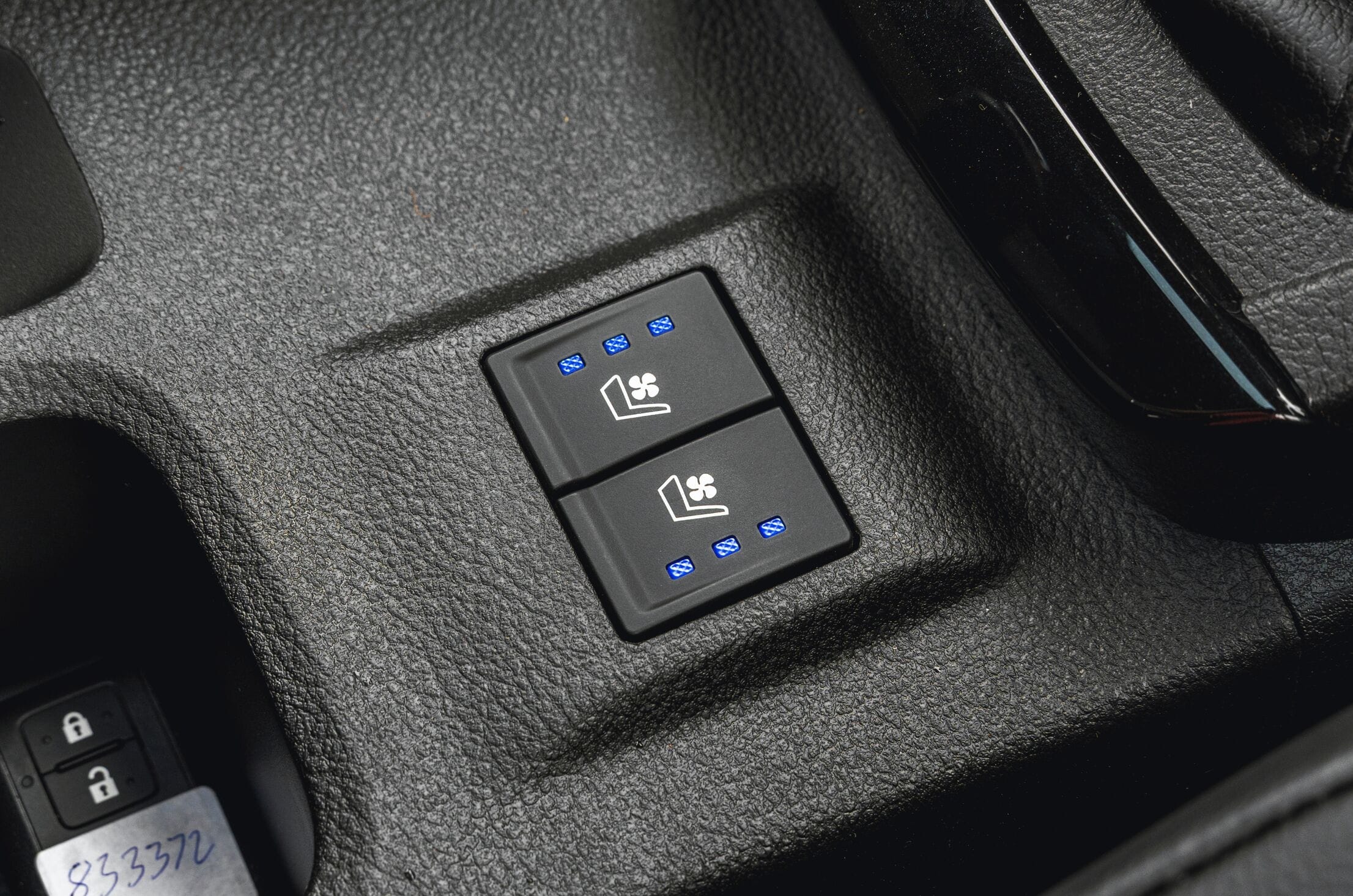
Other additions include a ventilation function for the wireless charger, and ventilated front seats, but sought-after features rivals offer that aren’t found here include powered front seats, rear window blinds and a panoramic sunroof – the Brezza continues with a single-pane unit.
On the safety front, there have been a few additions too, most notable of which are front parking sensors. This has enabled a few more advanced driver assists, such as blind-spot warning and rear cross-traffic alert, though it’s not the full ADAS system that you get in the Victoris, or which rivals offer. Still, the Brezza now holds a 5-star Bharat NCAP crash test rating, which should reassure some buyers who were on the fence about the SUV.
2026 Maruti Brezza Performance and Refinement – 7/10
Turbo-petrol engine lacks outright punch but instead aces driveability.
The Brezza was thus far unique in the segment for having a 1.5-litre naturally aspirated petrol engine. While this larger-displacement engine prevented it from availing of compact-car tax benefits, Maruti still managed to price it quite competitively. The engine itself was brilliant, feeling far more effortless than the 1.2-litre naturally aspirated engines of rivals, while being incredibly fuel efficient. This engine continues in the updated Brezza, and remains the only way to have an automatic gearbox.
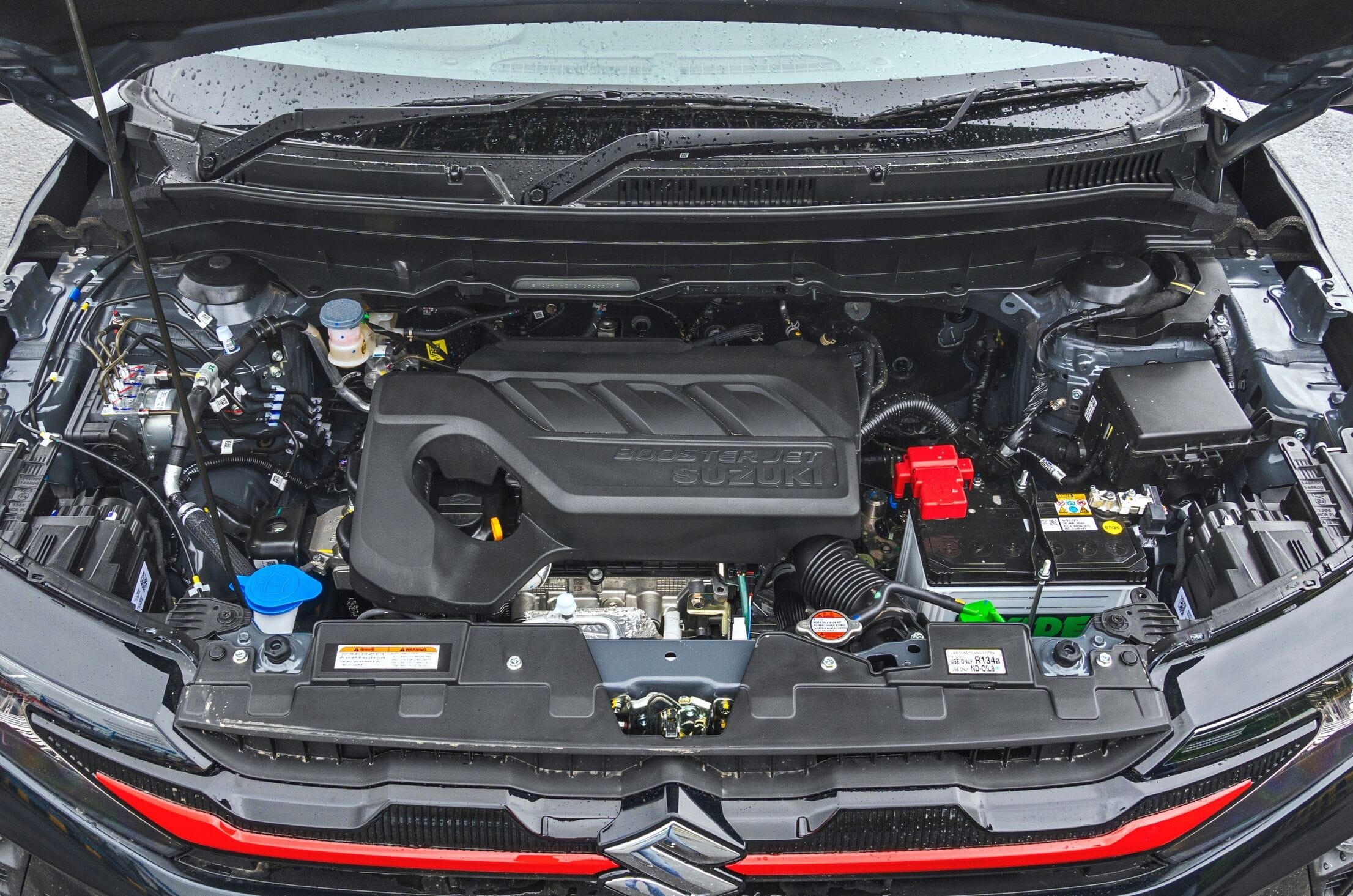
What we’re driving today, however, is the new addition to the range, which is the 1.0-litre ‘Boosterjet’ direct-injection turbo-petrol engine, finally letting the Brezza to join every other compact SUV in the segment in offering a turbo option. First seen briefly in the Gen 1 Baleno RS, this engine was then locally assembled and re-introduced in the Fronx (and its cousin the Toyota Taisor), and now has finally made its way into the Brezza, with an uprated power output of 110hp and torque output of 170Nm.
What strikes you immediately is refinement, and only when you absolutely wring it out will you get some hint of that three-cylinder thrum; commendably, it’s more audible outside than in the car. The next thing is driveability, which is excellent. There’s very little hesitation at low revs – something you typically find in 1.0-litre turbo-petrol compact SUVs – and the Brezza Turbo sets off smoothly, with almost no lag. In fact, you can set off in second or even third with little issue.
Some credit must go to the satisfying and progressive 6-speed manual (which replaces the 5-speed in the 1.5-litre engine as well), as well as the light and easy-to-modulate clutch, both of which are a joy to use.
Though it makes 31Nm more than the 1.5-litre naturally aspirated petrol, and does so from just 2,000rpm, it is tuned to be so smooth and linear, you don’t really feel the added punch. In our tests, the 1.0 Turbo accelerated from 0-100kph in a modest 12.36sec, just 0.3sec quicker than the old 1.5 NA petrol manual version (with the 5-speed manual). The added mid-range boost was more apparent in in-gear acceleration, where it was a few seconds quicker than the 1.5 from 20-80kph in third gear and 40-100kph in fourth.
While off-the line performance was smooth and general tractability in any gear was commendable, we did find ourselves downshifting one or two gears to overtake on the highway, and through the rev range, some flat spots and hesitation did appear. All things considered, the 1.0 Boosterjet is a welcome addition to the Brezza line-up.
2026 Maruti Brezza Mileage and Efficiency – 9/10
Bucks the downsized turbo petrol trend by being spectacularly efficient.
Though they make more power and torque than their naturally aspirated brethren, downsized direct-injection turbo petrols are often earn higher official fuel efficiency ratings due to these being tested in a lab under ideal conditions. In the real world, however, the reality proves to be different, as once the turbo comes into effect, fuel consumptions spikes.
The Brezza Turbo flips the script with an official rating slightly lower than the 1.5 NA, but still incredibly high at 19.96kpl for the higher variants and 20.47kpl for the lower variants.
The best news is that in the real world, the fuel economy seems like it will be excellent too. Despite our day of hard driving and non-stop shooting, the onboard fuel computer showed anywhere between 11 and 14kpl, while other turbo petrols have dropped into single digits with the advent of E20 petrol. Maruti’s mild-hybrid system with a bit of electric assist no doubt helps deliver these numbers, but we wish the engine stop/start was a little quicker to engage. Stay tuned, however, for the full Autocar India real world mileage test, which we will do soon.
2026 Maruti Brezza Ride Comfort and Handling – 8/10
Not the most enthusiastic handler but rides comfortably enough.
Where the pre-facelift Brezza had a light and loose steering that wouldn’t automatically return to the centre position, which was typical of Marutis of that era, this has been corrected to a great extent with the facelift. It still doesn’t have a lot of feel or feedback, but some weight has been dialled in and it returns to centre on its own now. This has robbed some low-speed ease of manoeuvrability, but a small and near-imperceptible amount.
High-speed lane changes, as a result of this added weight, feel a lot more secure to perform. For the most part, the Brezza feels planted, but its tall and boxy form on a narrow footprint make it quite susceptible to cross winds. In corners, too, it feels quite top heavy, and combined with the disconnected steering, doesn’t encourage you to push it hard around corners.
Ride quality is decent but should have been a bit better. Considering this engine is undoubtedly lighter than the 1.5 and the wheel size hasn’t gone up from 16 inches, Maruti could have taken the opportunity to relax the suspension setup a bit. It continues to err on the brittle side, but far from the point of being uncomfortable.
2026 Maruti Brezza Value for Money – 8/10
Turbo engine offered across entire model range, and priced lower than 1.5.
The biggest news is that Maruti hasn’t positioned the 1.0 Turbo above the 1.5 petrol, and has instead passed on the sub-4m tax benefits to the customer. The Boosterjet is available across all four variants – LXi, VXi, ZXi and ZXi+, while the 1.5 NA manual, auto and CNG skip one variant each. It’s a big price difference too, with a 1.5 AT costing over Rs 2 lakh more than the equivalent 1.0 MT. One can only wonder if Maruti will offer the 6-speed AT with the Boosterjet at some stage, as it does in the Fronx.
The Turbo is a welcome addition to the range, even if not necessarily from an outright performance standpoint, but simply from one of positioning. While the Boosterjet may have felt premature for Maruti in 2017, with far greater acceptance of downsized engines today, the huge tax benefits and the engine being locally assembled now, it was a no-brainer to introduce it in the Brezza. It’s a strong and confident statement, and we hope it finds its way into the hatchbacks too.
Given the aggressive pricing of Rs 7.4 lakh to Rs 13.55 lakh, the Brezza’s positioning in the segment has only improved, and you can forgive that it doesn’t have all the features of some newer rivals; the updates it has got are welcome. Similarly, you can forgive that the design hasn’t changed too much or that the turbo’s performance is not explosive, given that these fit perfectly with Maruti’s – and the Brezza’s – positioning of reliable, efficient and no-nonsense motoring.
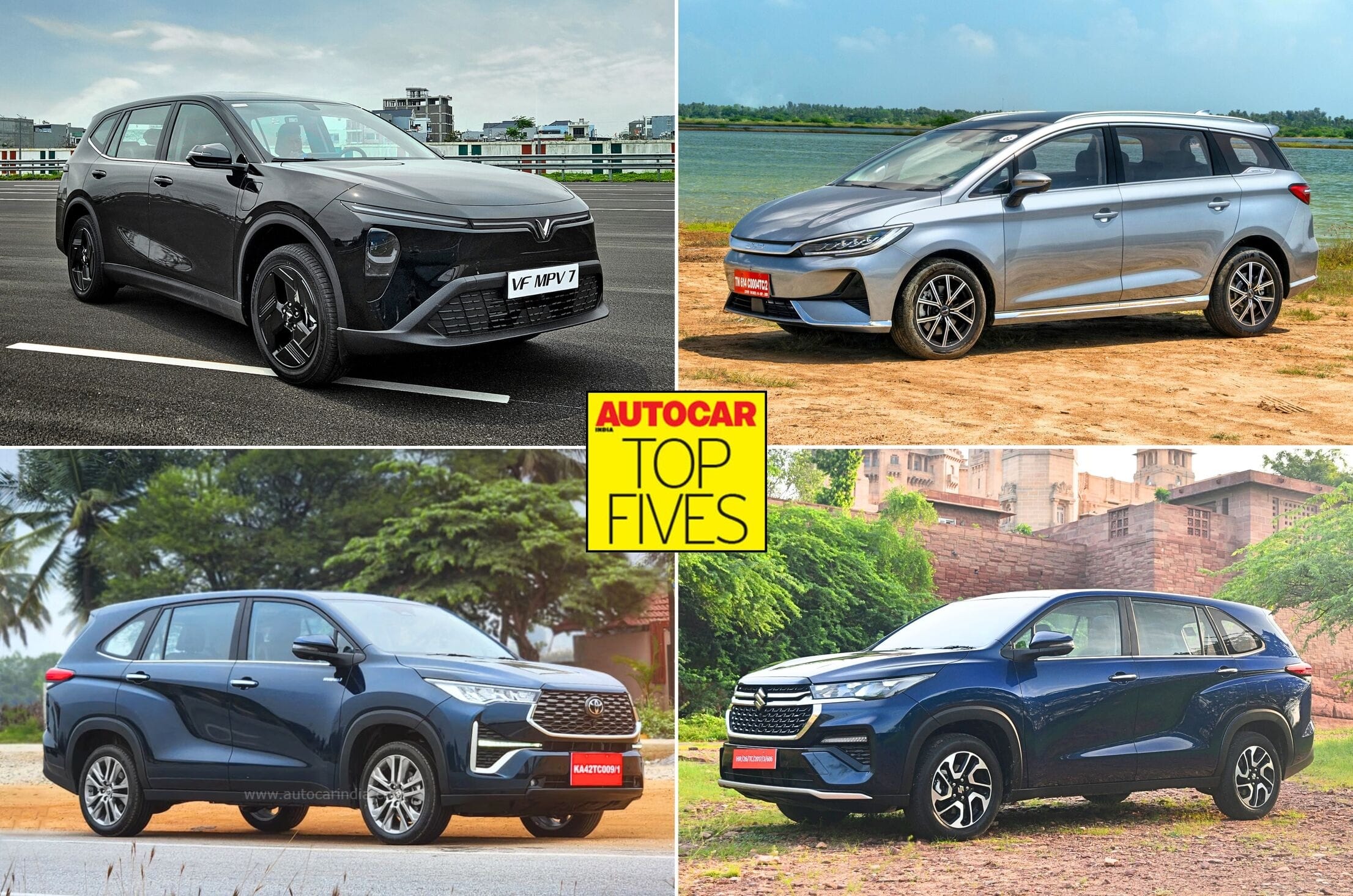
MPVs may not be the most glamorous of body styles, but they are arguably the most practical vehicles you can buy, especially if you have a large family to haul around. And if you are looking at the premium end of the market, you have a very diverse range of options to choose from, including petrol, diesel, electric and also hybrid MPVs. Here, we have ranked the five best MPVs you can currently buy if you have a budget of around Rs 30 lakh.
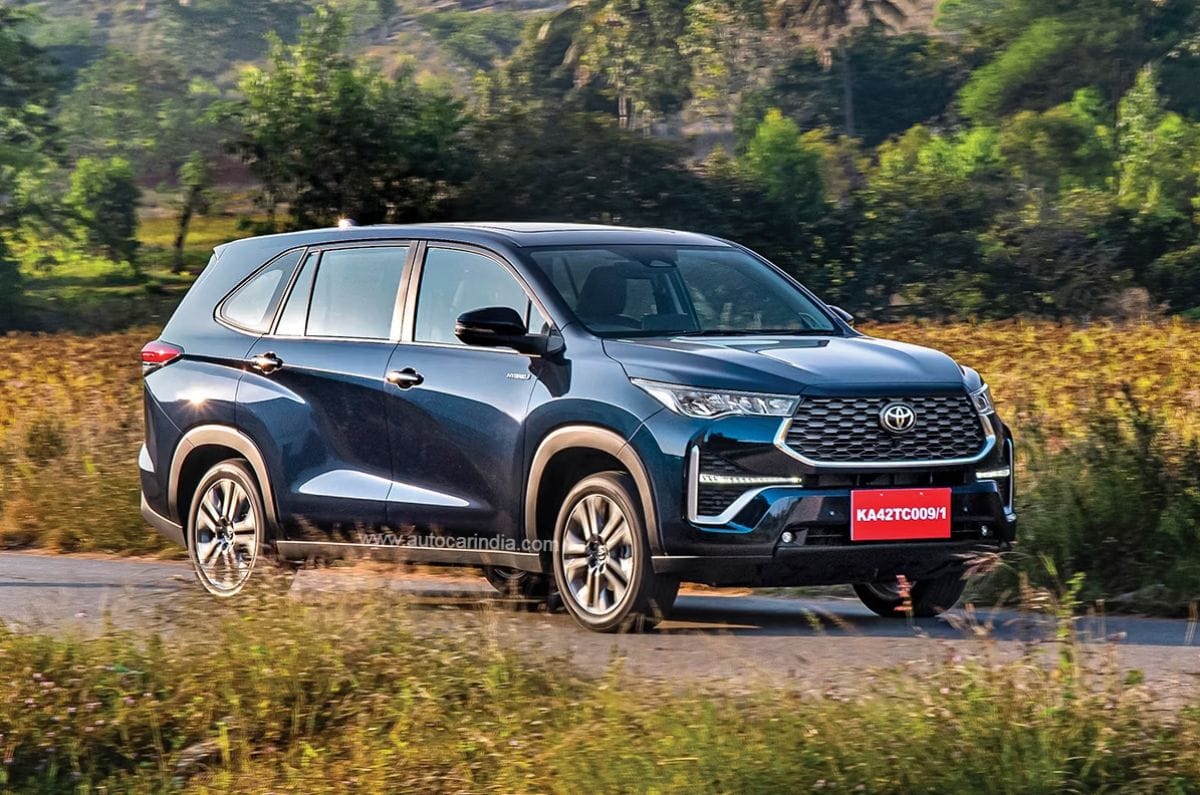
1. Toyota Innova Hycross
Price: Rs 19.53 lakh-31.20 lakh
The Toyota Innova Hycross’s sleeve is its amazingly efficient and smooth 184hp 2.0-litre petrol-hybrid powertrain. It also has a premium-feeling and well-kitted-out interior with sufficient space even in the third row. The hybrid variants are steeply priced, but they are preferred over the more affordable 173hp 2.0-litre naturally aspirated petrol variants that aren’t efficient and miss out on several features.
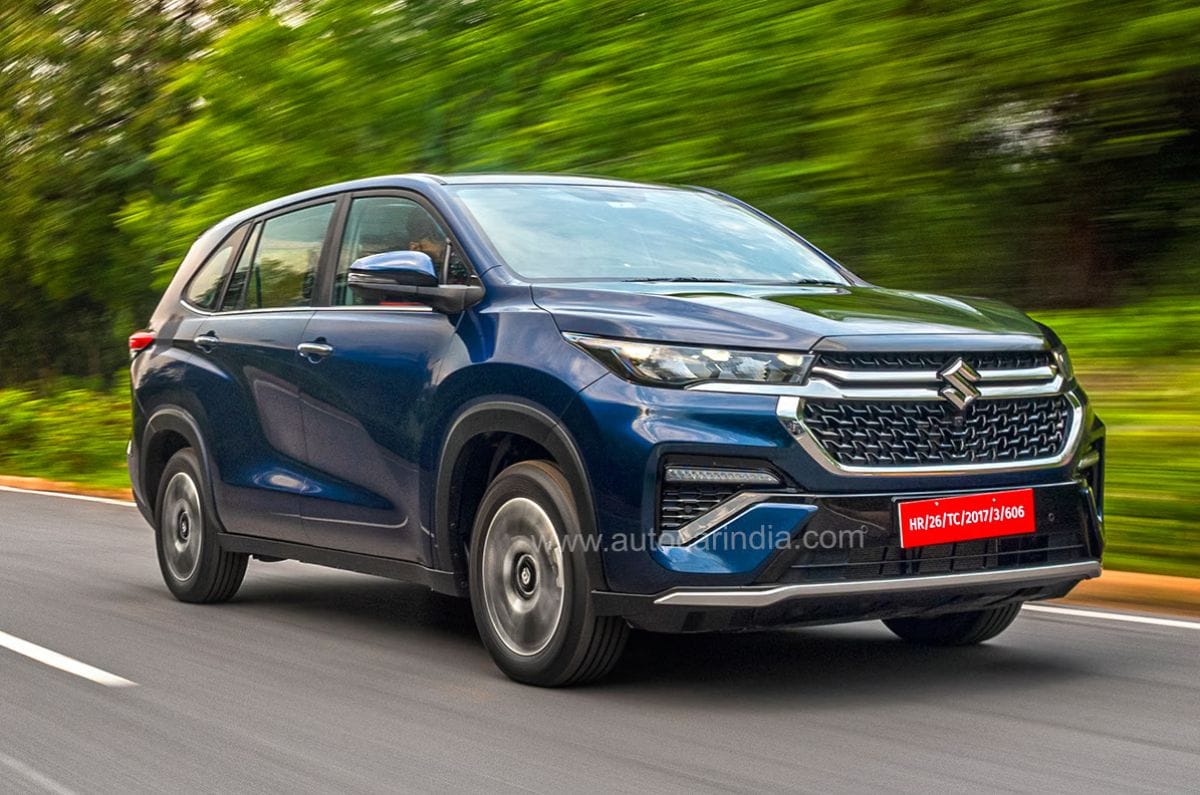
2. Maruti Suzuki Invicto
Price: Rs 24.97 lakh-Rs 28.60 lakh
The Maruti Invicto is a badge-engineered Innova Hycross that only gets the petrol-hybrid powertrain. It’s got the same spacious interior, comfortable ride quality and an impressive tested average fuel economy of up to 14.06kpl. However, not having the regular petrol engine explains the higher starting price. Top variants, though, are more affordable as they miss out on some features like the powered second-row ottoman seats and ADAS suite.
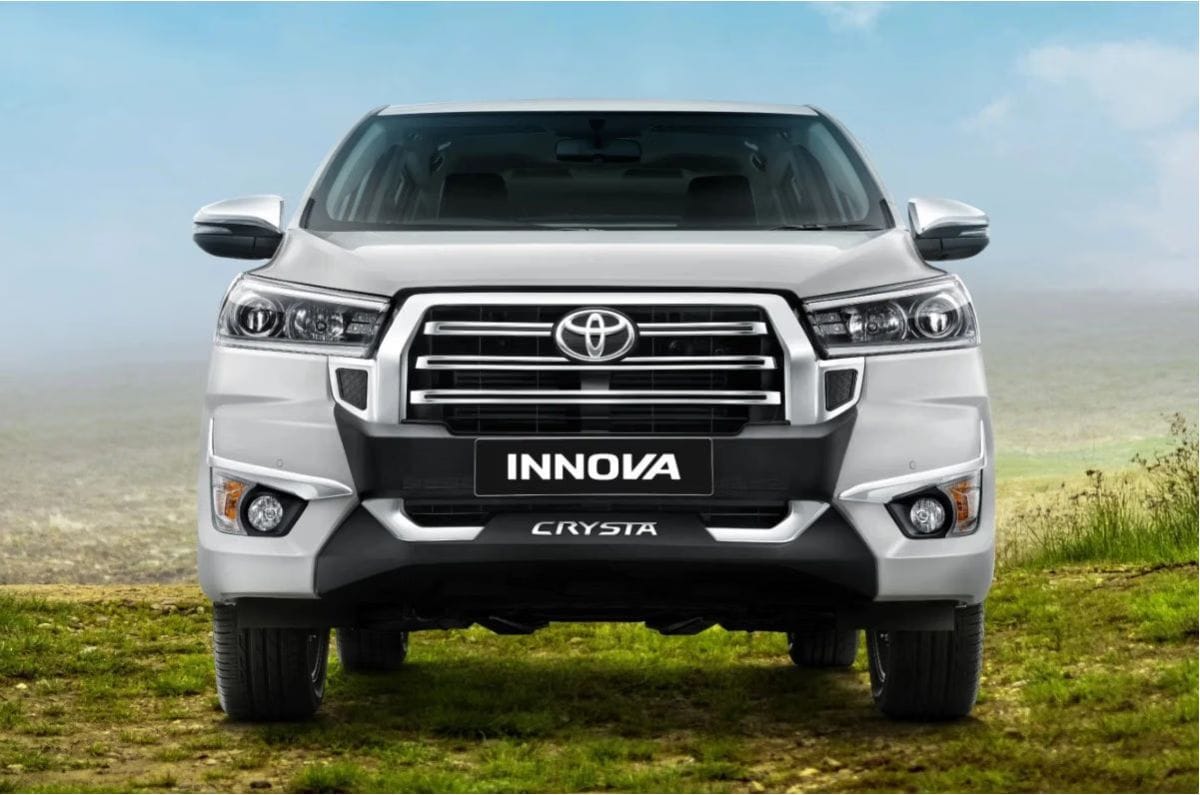
3. Toyota Innova Crysta
Price: Rs 19.18 lakh-25.98 lakh
The Innova Crysta is well past its prime, and that shows in its interior and equipment list. It’s also expensive, especially in the company of its much newer rivals. However, it is arguably the most dependable and reliable people mover that feels like it is built to last, has an efficient 150hp 2.4-litre diesel engine, and is practical and comfortable as well. This is also the only diesel MPV left in the mass market, making it ideal for people who travel long distances frequently.
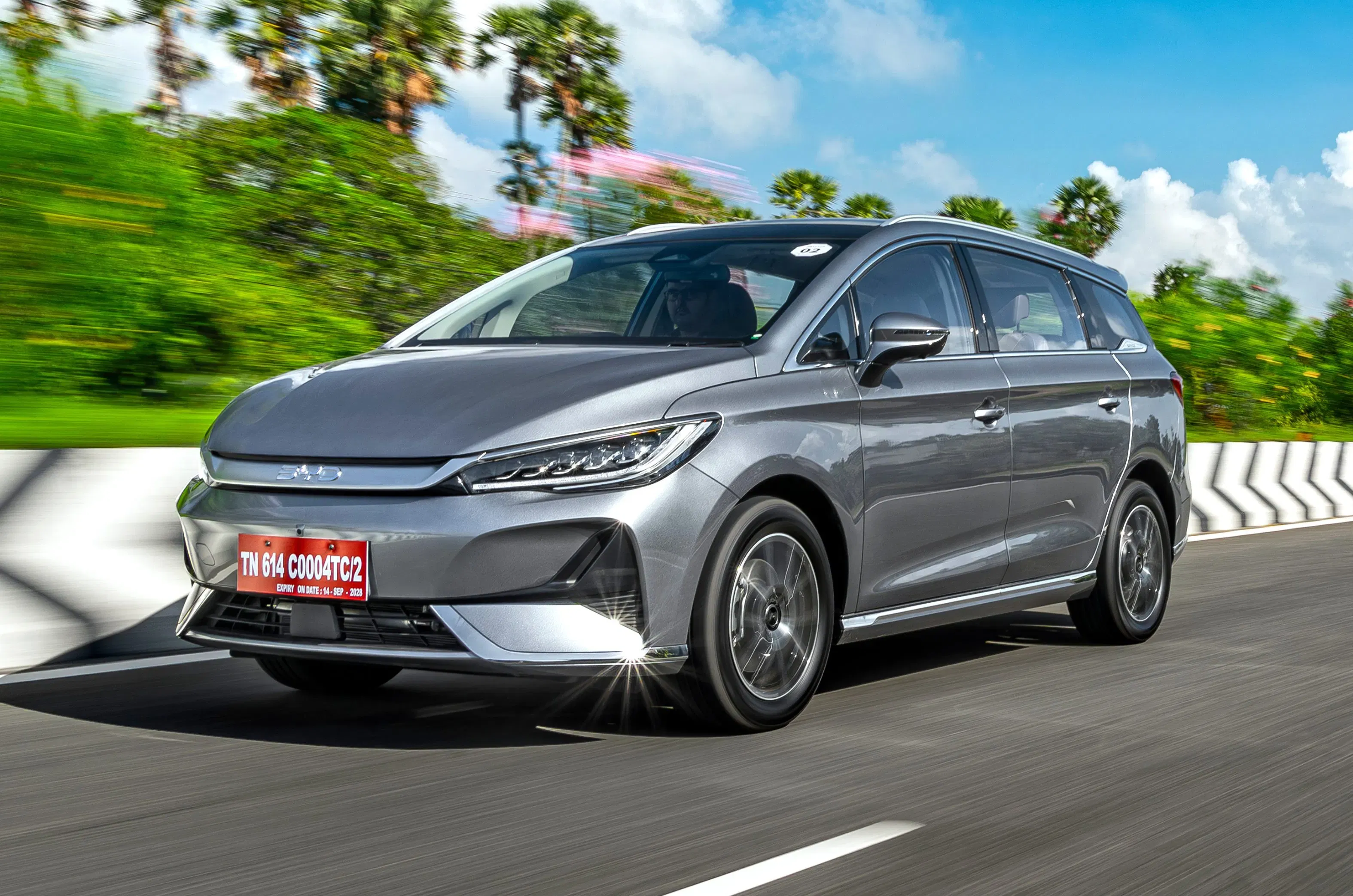
4. BYD eMax 7
Price: Rs 26.90 lakh-29.90 lakh
The eMax 7 doesn’t have the flexibility of the petrol, hybrid or diesel MPVs. It is also the least spacious of all here, but it’s a well-equipped electric MPV that can ferry up to seven people in silence and comfort and has sufficient range for urban use. A sparse sales and service network, however, remains a limitation. If you are living in a tier-1 city, the eMax 7 makes for a cost-effective people mover, but outstation trips will require some planning.
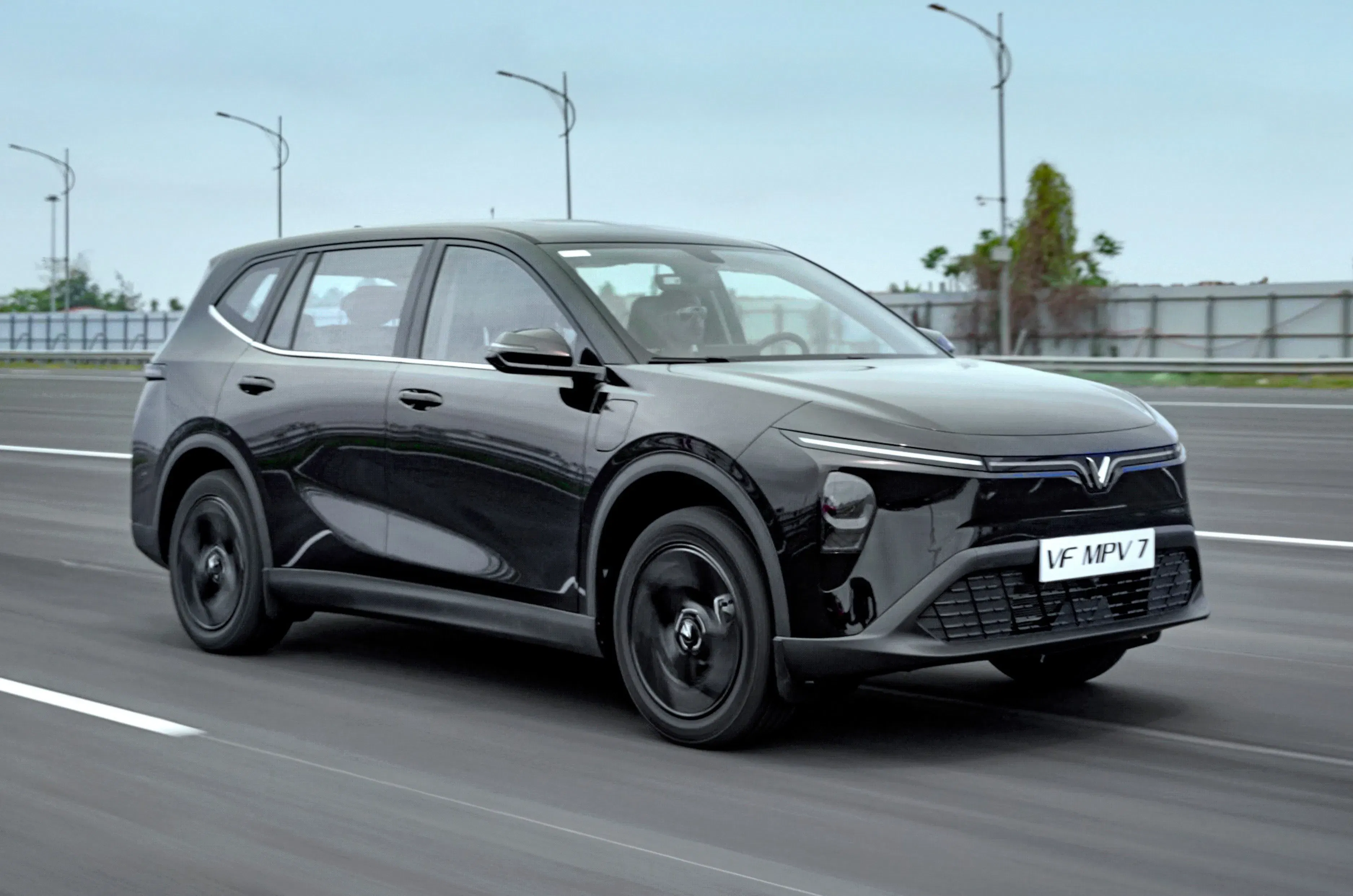
5. Vinfast VF MPV 7
Price: Rs 24.49 lakh
The VF MPV 7 is the newest MPV here, and it gets the fundamentals right – space, practicality and a claimed 500km range. At 204hp, the VF7 along with the eMax 7 are two of the most powerful MPVs in this segment. However, it misses out on several features, which particularly sticks out at its price point, it’s ride and handling leaves a lot to be desired for, and you’ll also have to contend with Vinfast’s relatively sparse network currently.
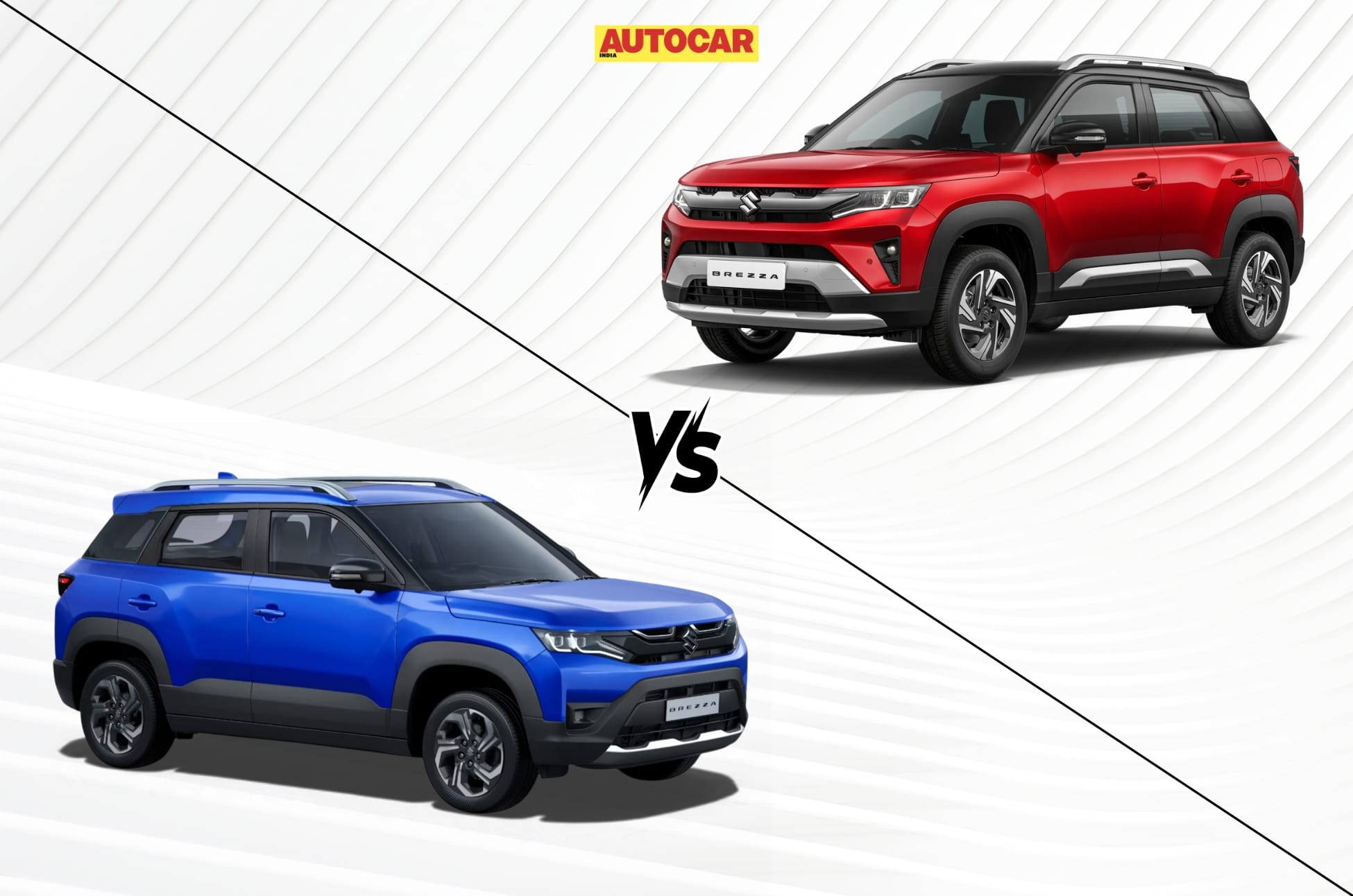
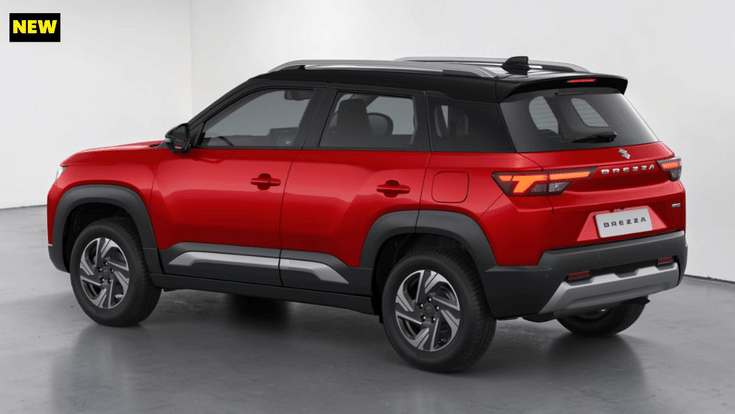
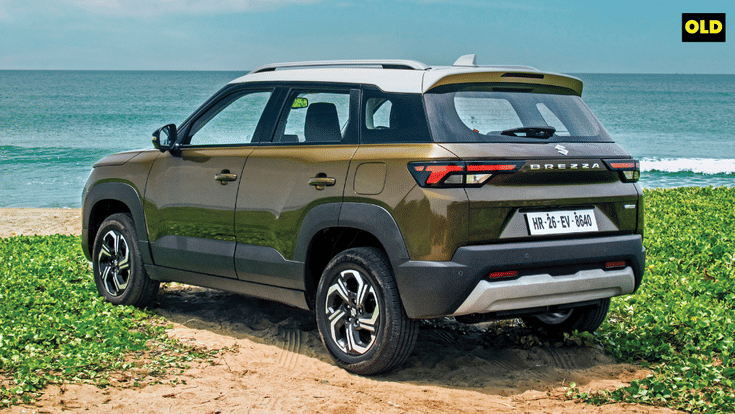
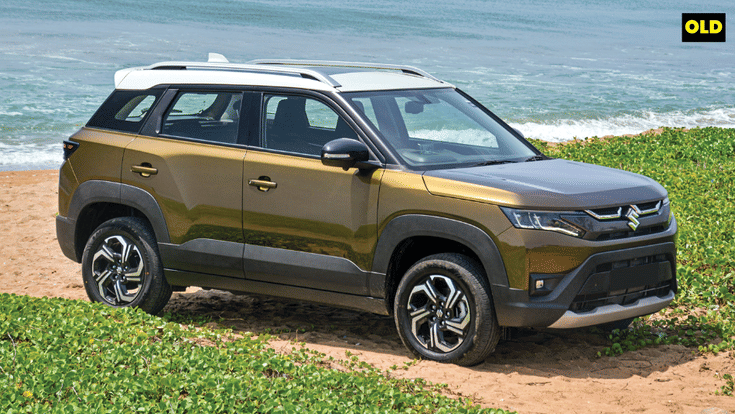
Four years after replacing the Vitara Brezza, the ‘Brezza’ nameplate has received its first lifecycle update. With this, the 2026 Maruti Brezza offers buyers a multitude of new features and styling tweaks that the brand hopes will keep its compact SUV competitive among segment rivals that include the Hyundai Venue, Kia Sonet, Skoda Kylaq and Tata Nexon. Having said that, let’s find out the main differences between the new Maruti Suzuki Brezza and its predecessor.
Maruti Brezza new vs old: Exterior design
Changes on the outside are mostly limited to the soft parts
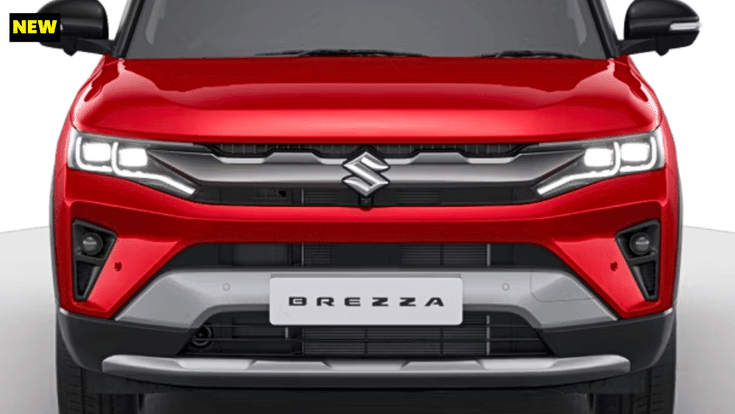
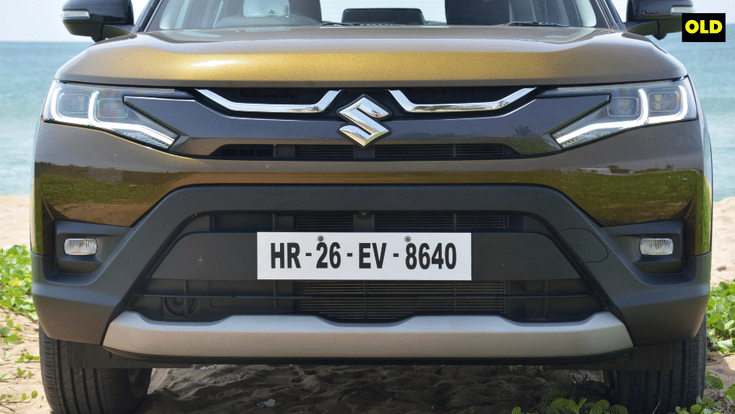
To help differentiate the 2026 Brezza from the old model, Maruti Suzuki has given it a few noticeable styling tweaks. For starters, there’s a new grille at the front and it’s finished in dark chrome. The front bumper has been redesigned as well, and it comes with an additional silver plastic garnish. Maruti has also re-done the front fog-lamp design. The LED units now sit inside a cone-shaped housing and have been moved further up the bumper compared to the old Brezza.
Along the sides, the 2026 Brezza features new 16-inch alloy wheels with a two-tone finish and dual-tone body cladding. The rest of the styling details remain identical to the old model. Maruti has done away with the Brave Khakhi and Exuberant Blue mono-tone colours, replacing them with Vivacious Orange and Lustrous Beige tones. The Sizzling Red with Bluish Black Roof dual-tone colour remains, but the other two options are now Lustrous Beige and Pearl Arctic White with the same ‘Blueish Black’ roof. The rear of the 2026 Brezza looks largely similar to the old model. Finally, the new Brezza Turbo gets red accents all around and different door cladding, along with ‘Turbo Boosterjet’ branding.
Maruti Brezza new vs old: Interior design and features
Few styling tweaks and new features add to this interior’s overall appeal
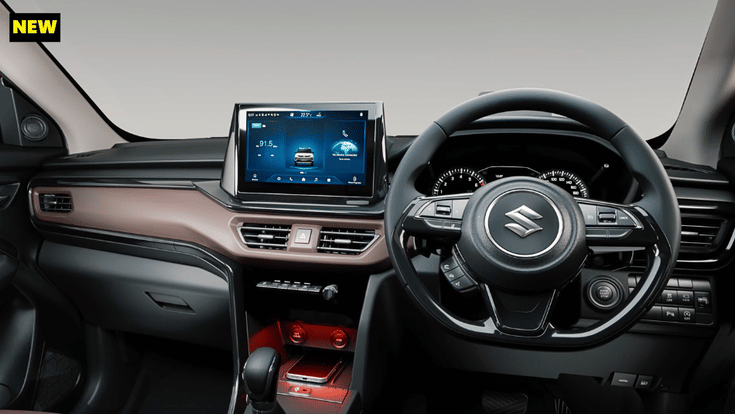
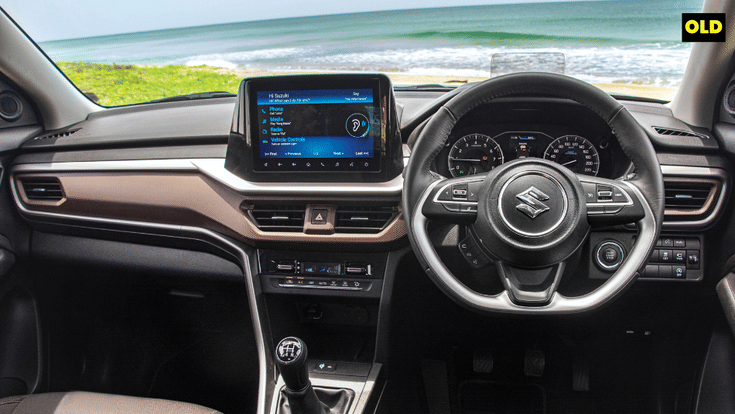
The overall design and layout of the Maruti Brezza’s interior hasn’t changed with the 2026 facelift. However, some of the tweaks that the brand has made are quite easy to spot. The first amongst these is the new 10.1-inch touchscreen head unit, which features the Suzuki SmartPlay Pro X infotainment system. For reference, the previous mode’s SmartPlay Pro+ system came with a 9-inch touchscreen. The silver-coloured plastic trim on the dashboard and doors in the old Brezza have given way to gloss-black trim in the 2026 model. These look nice and premium but are a magnet for fingerprints and scratches.
Further down the centre stack, the Brezza facelift gets a new HVAC panel with physical, piano-style keys and a single rotary dial – this has been borrowed from the Victoris. Although stylish to look at, it no longer has a dedicated display to show the temperature and blower speed – these have been moved to the infotainment screen. The climate control does get a PM2.5 filter with an AQI display now, though.
While the design of the steering wheel and instrument cluster remain unchanged, the Brezza now gets suction-type front-seat ventilation, 64-colour ambient lighting, dual-tone part-leatherette seats, Suzuki Navigation built-in, and new driver-assistance features like safe-exit warning, blind-spot warning, lane-departure alert and rear cross-traffic alert.
Maruti Brezza new vs old: Engine and gearbox
Differences between the old and new Brezza are more than skin-deep
Maruti has carried over the K15C four-cylinder petrol engine with the automatic engine stop-start system from the pre-facelift Brezza. In the 2026 Brezza, this 1.5-litre mill continues to produce 103hp and 139Nm. In its CNG avatar as well, the Brezza facelift’s engine output of 88hp and 122Nm remains the same as the old model. However, the difference with the new model is that it gets underbody CNG tanks, which don’t eat up boot space.
The other difference between the 2026 Maruti Brezza and its predecessor is the inclusion of a 1.0-litre turbo-petrol engine with direct injection. Also used in the Fronx, this ‘Boosterjet’ powerplant has been retuned for the Brezza, so it now makes 110hp and 170Nm. The Turbo and CNG versions are only offered with the new 6-speed manual gearbox, which replaces the old 5-speed unit. Meanwhile, the naturally aspirated engine can be paired with the 6-speed torque converter automatic transmission, which was available with the pre-facelift model as well.
The step up from a 5-speed manual gearbox to a 6-speed unit also means that the 2026 Brezza offers better fuel economy. The pre-facelift Brezza with the naturally aspirated engine and manual gearbox had a claimed mileage of up to 17.80kpl, while its 2026 equivalent claims a figure of up to 21.09kpl. The 2026 Brezza CNG also has a higher claimed fuel economy of 26.90km/kg, where the old model’s was 25.51km/kg. Maruti claims that the new Turbo variants of the Brezza have a fuel economy of up to 20.47kpl.
Maruti Brezza new vs old: Prices
Despite the various updates and additions that the 2026 Maruti Brezza gets over its predecessor, its new Turbo version starts at an introductory price of Rs 7.40 lakh. This is lower than the base price of the pre-facelift model, which started at Rs 8.26 lakh. The 1.0-litre engine of the new Turbo variants make them eligible for higher tax breaks – the old Brezza’s 1.5-litre engine didn’t allow for this. That said, Maruti Suzuki is yet to disclose the prices of the rest of the variants of the 2026 Brezza.
Maruti Suzuki has released the ARAI-certified fuel efficiency figures for the 2026 Brezza facelift. The updated compact SUV is priced at a starting price of Rs 7.40 lakh and is offered with naturally aspirated petrol, turbo-petrol and CNG powertrains, with claimed fuel efficiency figures ranging from 19.96kpl to 26.90km/kg, depending on the engine and transmission.
CNG variants claimed efficiency at 26.90km/kg
Turbo-petrol manual variants return up to 20.47kpl
Petrol and CNG variants are more efficient than the outgoing Brezza
The new 1.0-litre direct injection turbo-petrol engine develops 110hp and 170Nm, while the 1.5-litre naturally aspirated petrol engine produces 103hp and 139Nm. The 1.5-litre CNG version develops 88hp and 121.5Nm in CNG mode, while continuing to produce 103hp and 139Nm when running on petrol.
2026 Maruti Brezza fuel efficiency
The CNG-powered Brezza is the most fuel-efficient version in the range, with a claimed 26.90km/kg. Among the petrol variants, the naturally aspirated manual delivers the highest figure at 21.09kpl, while the turbo-petrol manual returns up to 20.47kpl.
2026 Maruti Suzuki Brezza ARAI fuel efficiency
Variant
Claimed fuel efficiency
LXi/VXi Turbo
20.47kpl
ZXi/ZXi+ Turbo
19.96kpl
LXi/VXi MT
21.09kpl
ZXi MT
20.81kpl
VXi/ZXi/ZXi+ AT
20.17kpl
LXi/VXi/ZXi CNG MT
26.90km/kg
Fuel efficiency improves across the range
Compared with the outgoing Brezza, every powertrain has recorded a marginal improvement in claimed fuel efficiency.
The naturally aspirated petrol manual in LXi and VXi trims now delivers 21.09kpl, up from 17.80kpl. Fuel efficiency for the ZXi manual has increased from 19.89kpl to 20.81kpl, while automatic variants now return 20.17kpl, compared to 19.80kpl earlier.
The Brezza CNG has also become more efficient, with claimed fuel economy rising from 25.51km/kg to 26.90km/kg.
Turbo-petrol variants return up to 20.47kpl
The facelift introduces a turbo-petrol engine, available in LXi, VXi, ZXi and ZXi+ trims. Claimed fuel efficiency stands at 20.47kpl for the LXi and VXi variants, while the higher ZXi and ZXi+ trims return 19.96kpl.
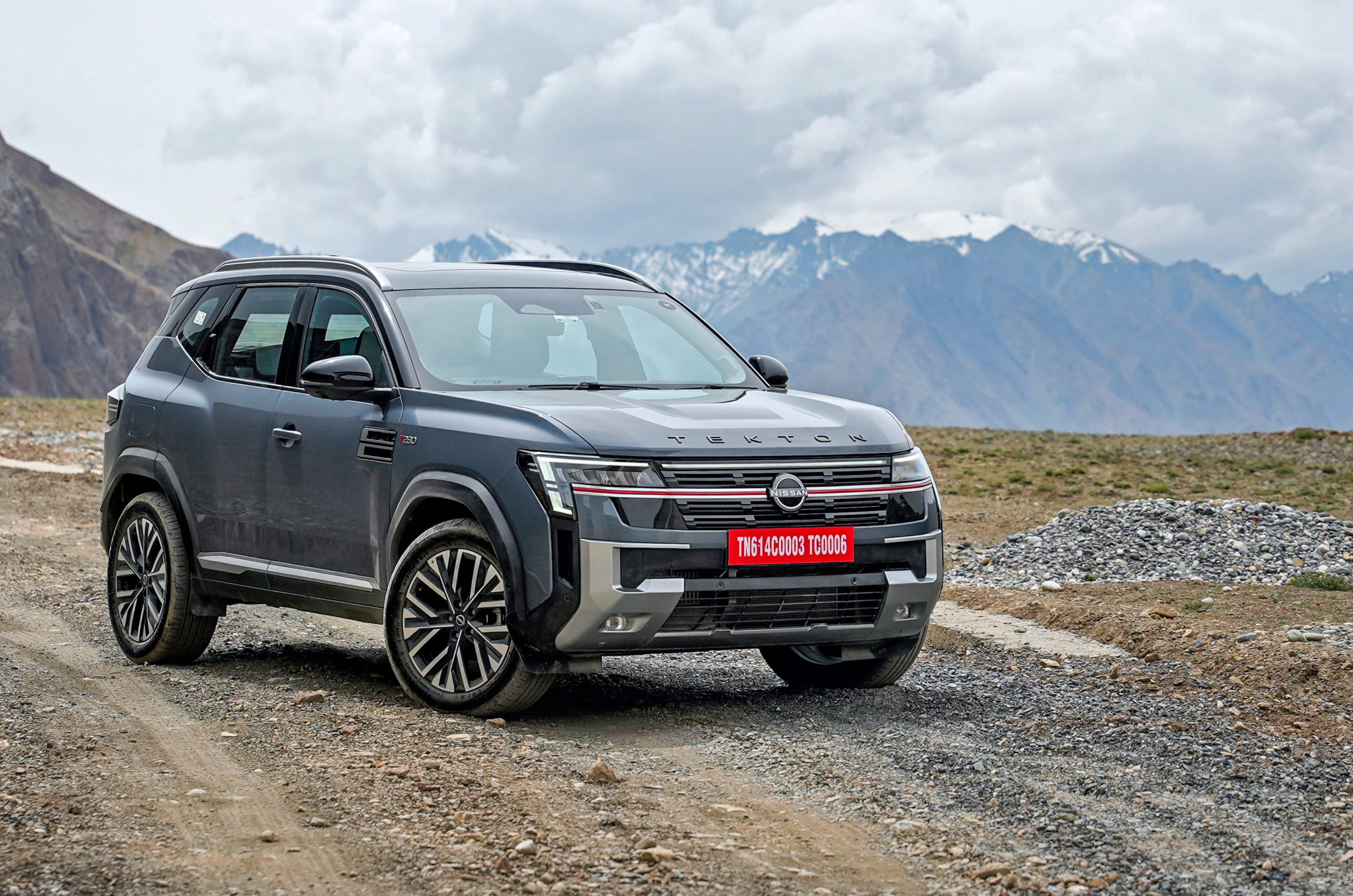
The Nissan Tekton joined the ever-ballooning midsize SUV segment in July 2026, becoming the third model in the Japanese brand’s India line-up. Priced between Rs 10.49 lakh and Rs 18.59 lakh (ex-showroom), the Tekton is Nissan’s flagship offering in the country. As a direct alternative to its platform sibling, the Renault Duster, does the Tekton offer compelling reasons for you to seriously consider it? Let’s find out.
Reasons to buy the Nissan Tekton
Polished dynamics
The Tekton strikes a great balance between ride and handling
If you are someone who loves getting behind the wheel of your midsize SUV but doesn’t want the ride quality to be compromised, the Nissan Tekton is a worthy candidate. Even hitting large potholes does not unsettle this SUV, merely registering in your ears. The ride remains supple and forgiving, absorbing road imperfections without complaints. There’s also no underlying, uncomfortable firmness to the Tekton’s ride at city speeds either.
Once you get going, you realise that the Tekton likes changing directions – its eagerness to turn does not come at the cost of uncontained body roll. The ‘Light’ and ‘Heavy’ steering modes work as intended, making the wheel feelsome and precise. Then there are the brakes, which offer plenty of stopping power, while the pedal itself feels natural too. All of these factors inspire confidence and let you push the Tekton a bit more.
Well-designed and tech-rich cabin
Stepping inside the Tekton reveals a premium-looking and well-equipped space
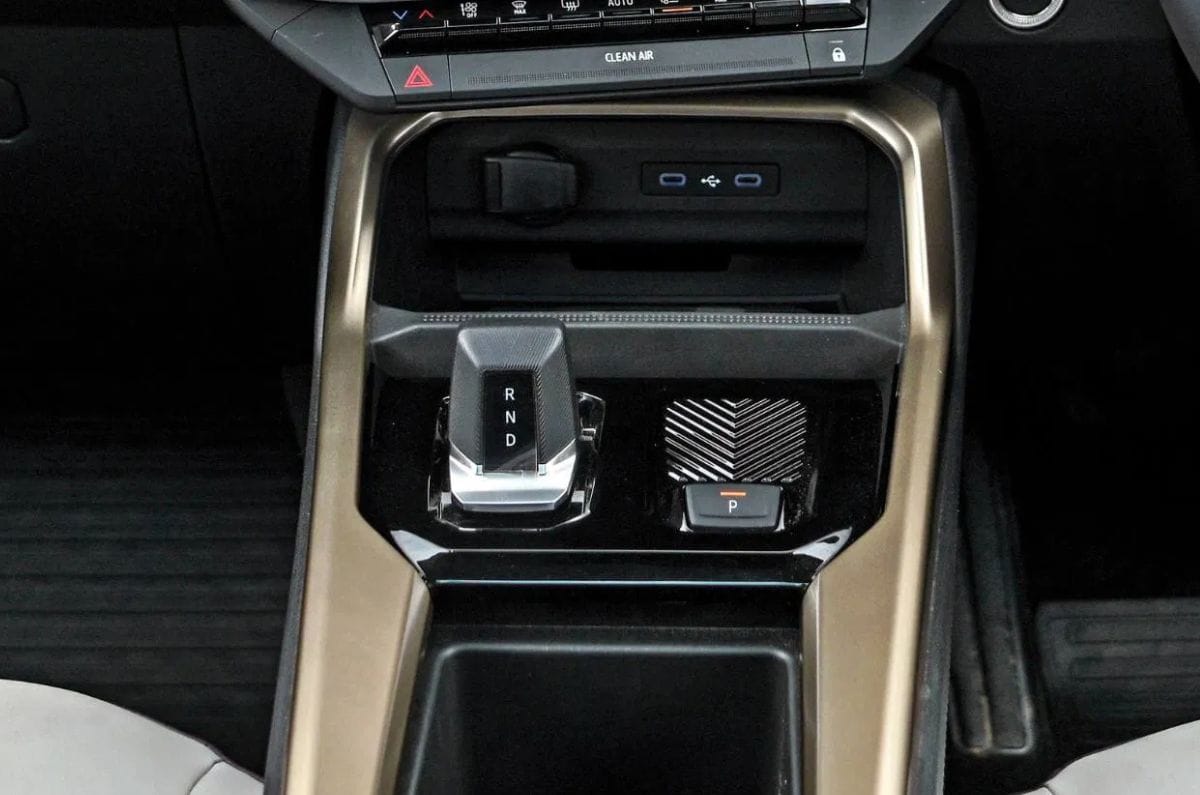
Combined with the classy-looking leatherette padding on the dash and door pads, plus the burgundy, gold and light cream colour scheme, the interior of the top-spec Nissan Tekton looks upmarket. The driving position is great and provides excellent all-round visibility, while the seats themselves are comfy enough to be occupied even over long-distance drives.
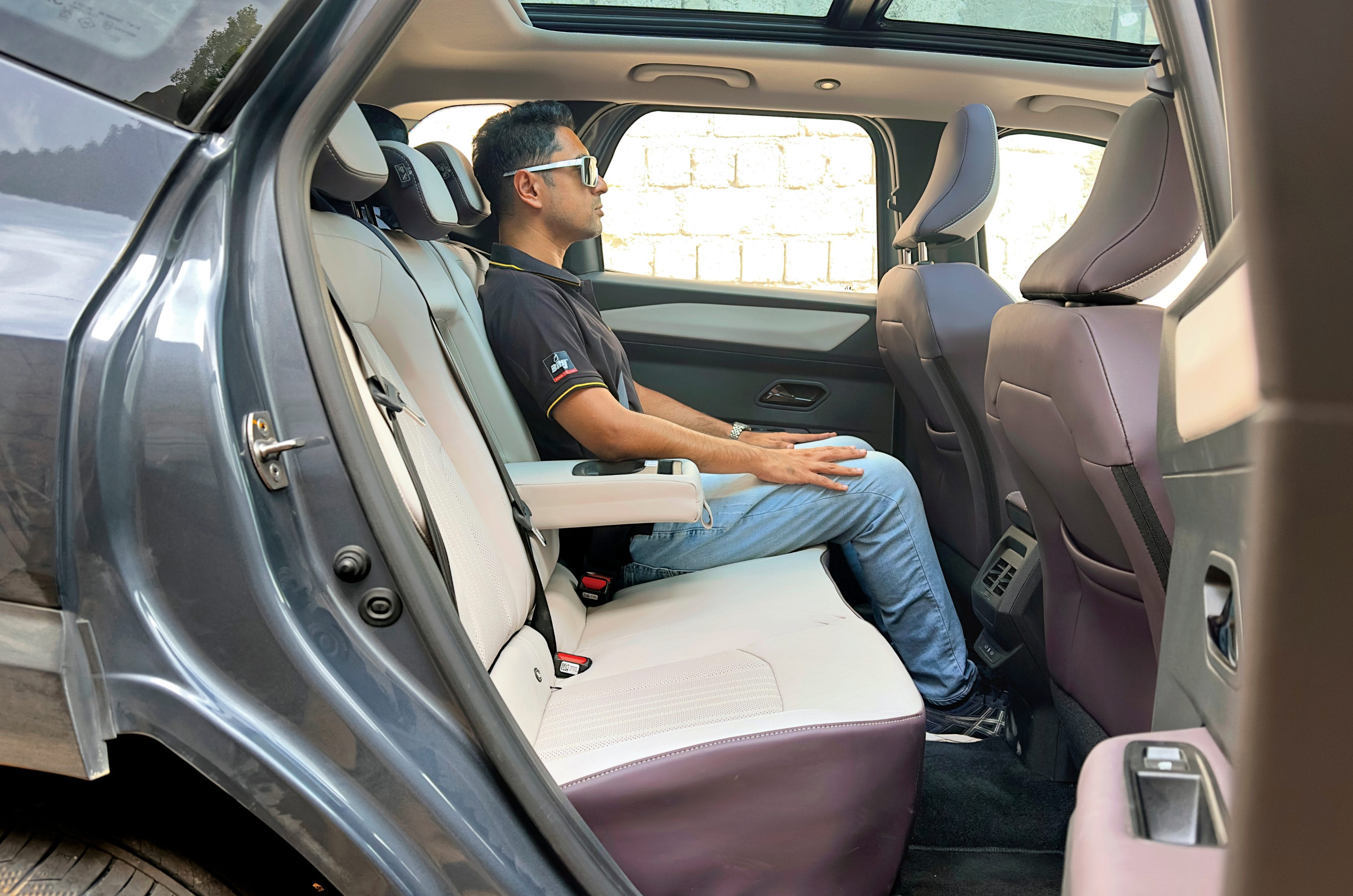
Apart from good under-thigh support and backrest angle, the rear seats offer plenty of space under the front seats, allowing the outer two occupants to stretch out and get comfortable. Furthermore, those at the back have access to USB charging ports, a centre armrest with cup holders and AC vents, with higher variants also benefiting from a panoramic sunroof.
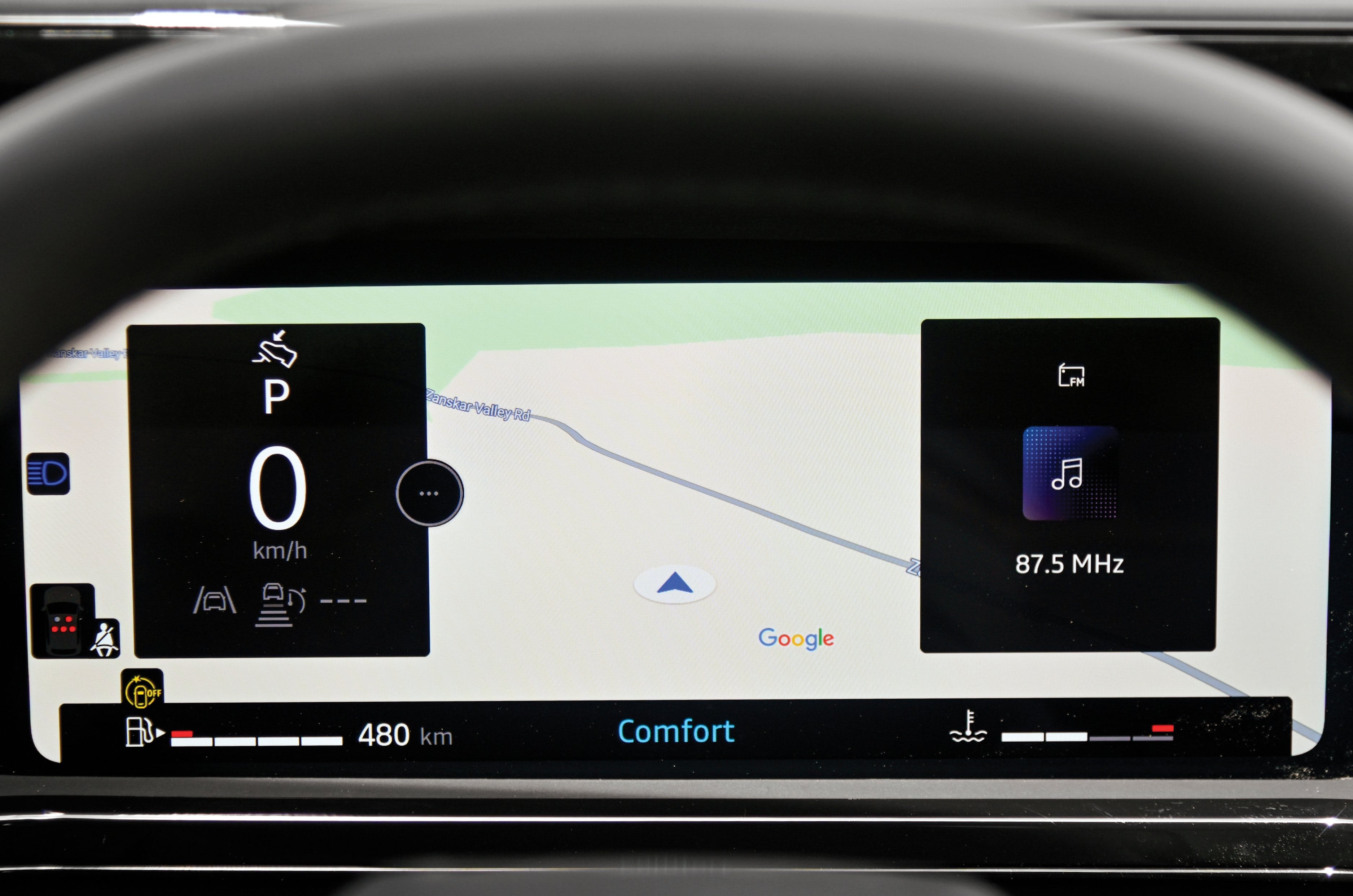
The well-designed digital instrument cluster with its multiple display modes is easy to figure out and use on the move. Coming in handy is tech such as powered front seats with ventilation, wireless Apple CarPlay and Android Auto, built-in Google apps and voice assistance, dual-zone climate control and Level 2 ADAS. Sorted ergonomics make reaching various switchgear and controls an easy affair. There are enough storage cubbies on offer, too.
Spacious boot
The Tekton’s boot can handle family outings or airport pickups
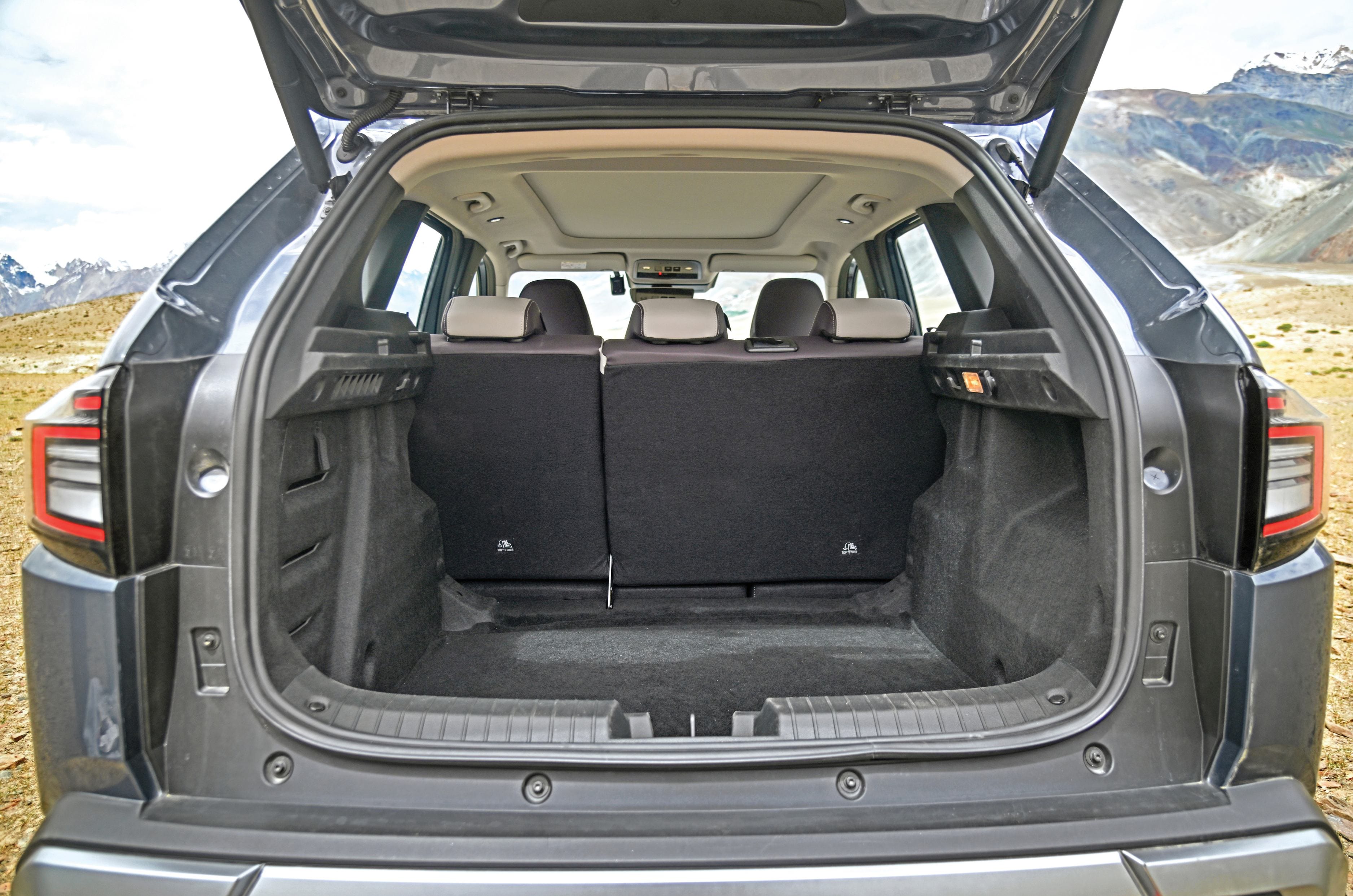
The square shape of the Nissan Tekton’s boot makes it easy to load cargo. Moreover, its 518-litre luggage capacity is the best in the segment – whether you are planning a long road trip or have to shuttle to and from the airport, space won’t be a constraining factor. What’s even more impressive here is that the Tekton’s boot also houses a full-size spare wheel. This alleviates concerns surrounding a flat tyre, should you encounter one.
Reasons not to buy the Nissan Tekton
Sub-par engine performance
Base engine isn’t apt enough, while the larger engine isn’t ideal either
The base 100hp 1.0-litre turbo-petrol engine featuring multi-point fuel injection lacks grunt and isn’t particularly refined, with usable power only good enough for city commutes. The turbo lag is evident till you go past 3,000rpm, requiring the driver to shift gears regularly to keep the engine on the boil. The 6-speed manual transmission (MT) on duty gets shorter gearing to help matters, but you’ll need to slip the clutch to tackle steep inclines, which will be an inconvenience. The gear shifts aren’t as slick as those of a comparable Hyundai Creta or a Kia Seltos.
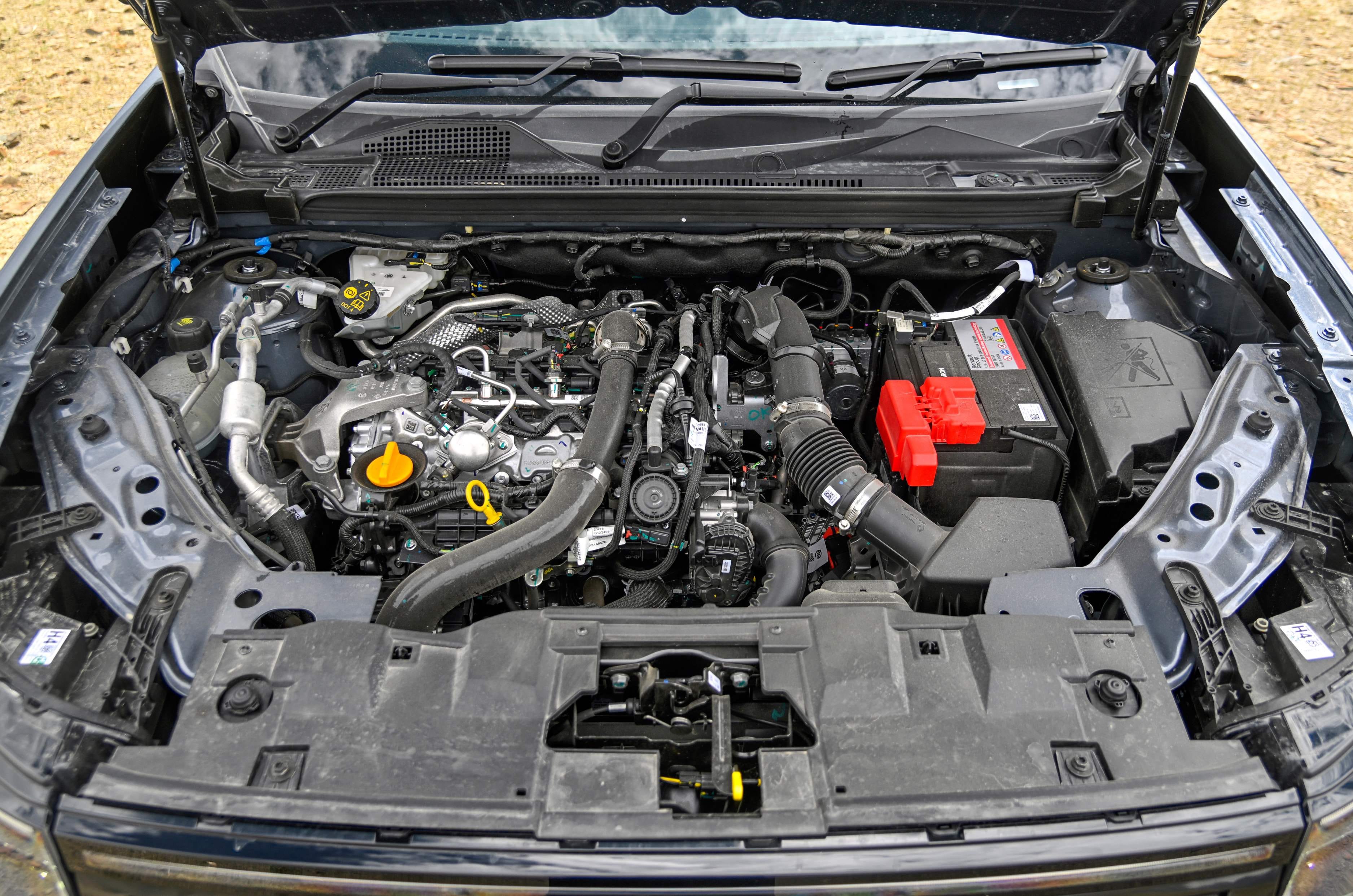
Moving up to the larger, 163hp 1.3-litre turbo-petrol engine with direct injection doesn’t alleviate all of the issues either. Despite this engine’s higher output than the smaller mill, its weak bottom end can leave the Tekton struggling to get up and go on steep inclines, especially with the engine stop-start function enabled. While it offers more refinement and performance, there’s still noticeable turbo lag below 2,500rpm.
The 6-speed dual-clutch transmission (DCT) shifts between cogs smoothly, but its responses aren’t as quick as one might expect from the type. It upshifts early, perhaps in a bid to boost efficiency, but this makes it feel less responsive. This means you’ll have to take manual control by using the paddleshifters if you want to execute an overtake in a hurry. There’s also no Sport mode to quicken gear shifts – only Comfort and Eco modes are provided. While we are yet to put the Tekton through our rigorous performance tests, the performance on hand is unlikely to impress some buyers.
Lacklustre fuel economy
The Tekton will not be setting mileage benchmarks in the segment
Since the powertrain is mechanically identical to the Duster’s, the fuel economy of the Nissan Tekton in the real world is unlikely to impress. For reference, the Duster with the 1.0-litre engine and 6-speed MT returned 10.98kpl. Meanwhile, the 1.3-litre version recorded 10.47kpl and 10.64kpl with the DCT and MT gearboxes, respectively.
Some features lack execution
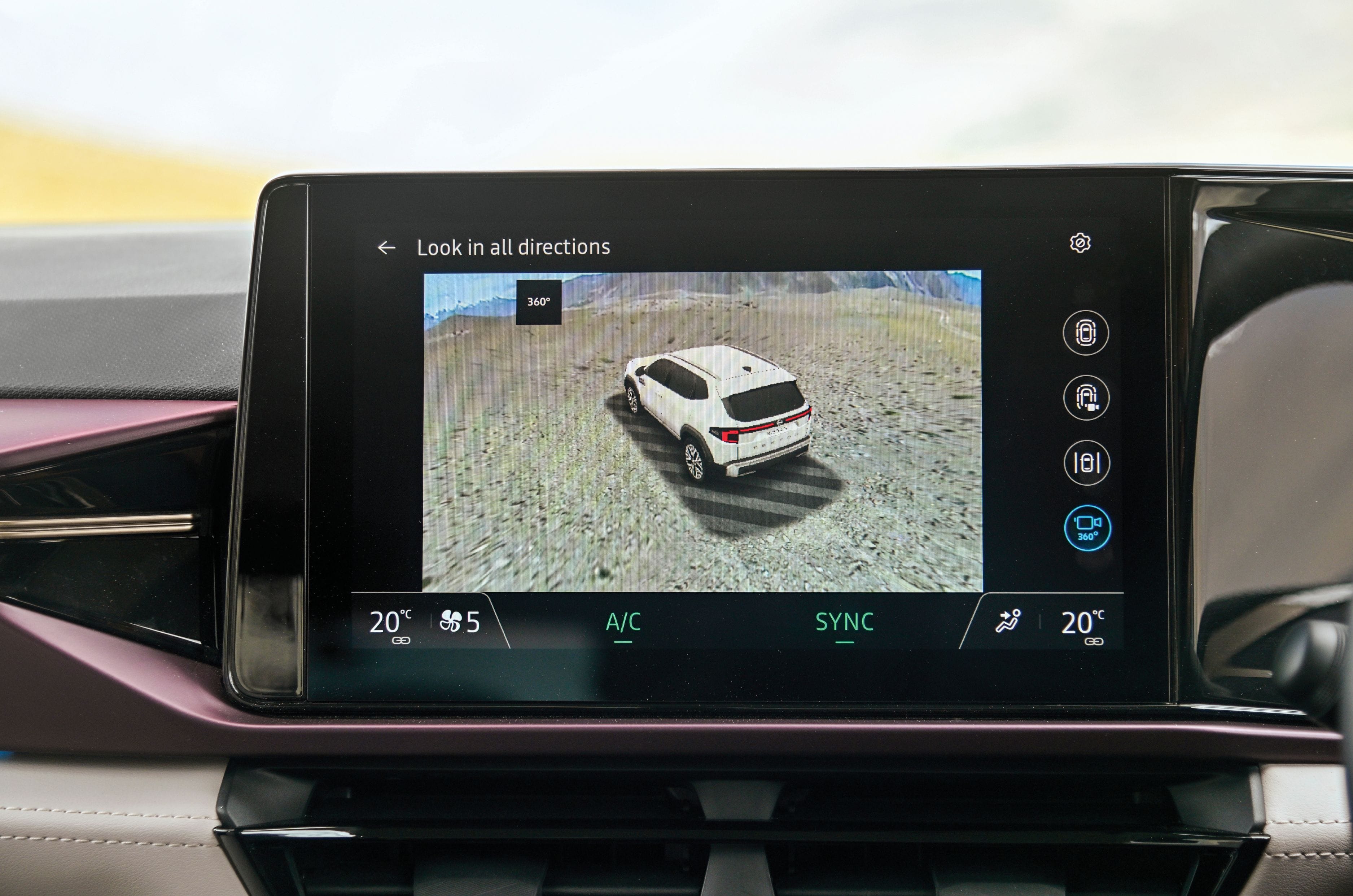
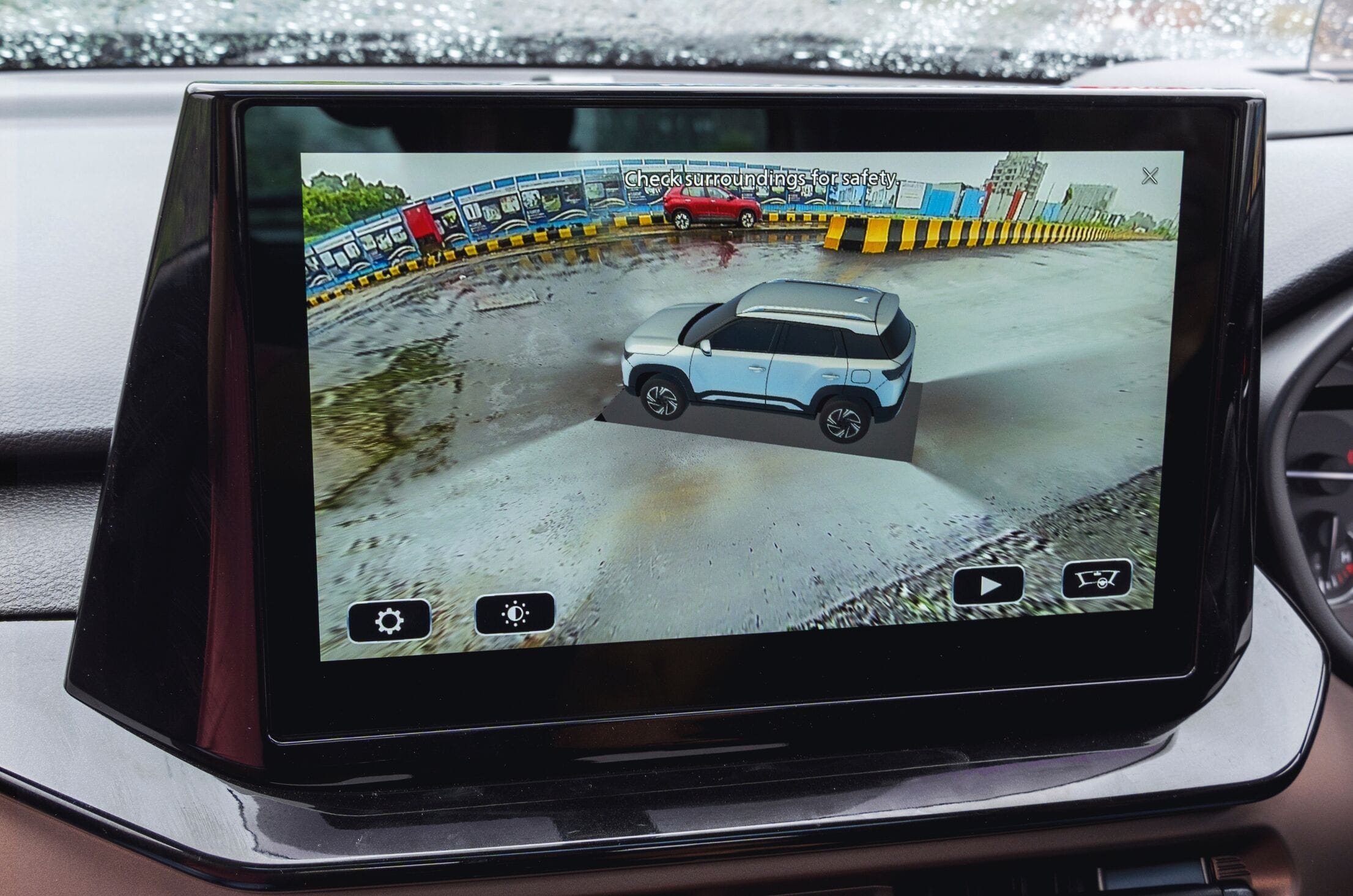
The Nissan Tekton has a few shortcomings when it comes to the quality of some of its features. The 360-degree camera system, for instance, is lacking in outright resolution, which hampers its usability under certain conditions. While the ADAS suite is comprehensive, the lane-keep assist isn’t good at keeping the SUV centred in a lane. Even the adaptive cruise control has its shortcomings – it doesn’t accelerate the Tekton back to its set speed once the traffic starts moving.
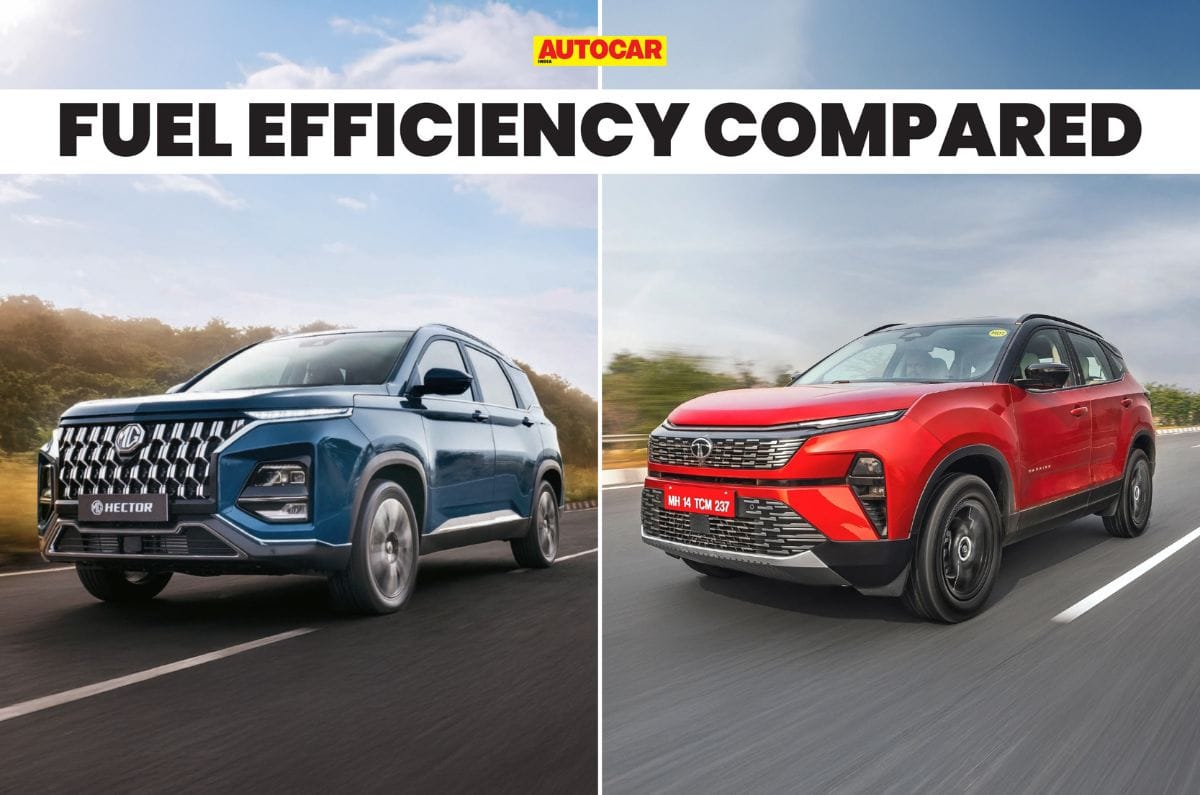
Since its introduction in 2019, the MG Hector has been available with a turbo-petrol engine with manual and CVT automatic transmissions. However, it wasn’t until January 2026 that Tata Motors equipped the Harrier with a turbo-petrol engine. Where MG offers the Hector in 7-seater configurations, the Tata Harrier petrol only offers seating for 5 occupants. That said, let’s find out which SUV delivers better fuel economy.
Explore full specs, features and a price breakdown in our Harrier vs Hector comparison.
Tata Harrier vs MG Hector turbo-petrol automatic: Specifications
The Harrier petrol has the clear power advantage over the equivalent Hector
Tata Harrier vs MG Hector turbo-petrol automatic: Specifications
Tata Harrier
MG Hector
Engine
4 cyl, petrol
4 cyl, petrol
Displacement (cc)
1498
1451
Power (hp)
170 (5,000rpm)
143 (5,200rpm)
Torque (Nm)
280 (1,750-3,500rpm)
250 (3,000rpm)
Gearbox
6-speed automatic
Continuously variable transmission
Fuel tank (litres)
50
60
While both SUVs are powered by 1.5-litre direct-injection turbo-petrol engines, the Harrier’s unit is ever so slightly bigger (by 47cc). It backs up this size advantage by developing 27hp and 30Nm more than the engine under the MG Hector’s bonnet. The Tata Harrier’s higher torque output is also available across a wide RPM band, with peak power coming in at 200rpm lower in the engine’s rev range when compared to the Hector.
A key differentiator here is that the Tata Harrier petrol is paired with a 6-speed torque converter automatic gearbox, while the MG Hector makes use of a CVT (continuously variable transmission). The latter also features a bigger fuel tank, holding 10 litres more petrol.
Tata Harrier vs MG Hector turbo-petrol automatic: Real-world fuel efficiency
The Hector’s more efficient in the city, but the Harrier manages a higher average economy
Tata Harrier vs MG Hector turbo-petrol automatic: Real-world mileage
Tata Harrier
MG Hector
Tested city mileage (kpl)
6.17
8.30
Tested highway mileage (kpl)
12.49
9.60
Tested average mileage (kpl)
9.33
8.95
During our time testing it in the real world, the MG Hector’s mileage figures remained in the single digits. In the city, the Hector turbo-petrol turned out to be 2.13kpl more frugal than the Tata Harrier. Out on the open highway, it was the Tata Harrier turbo-petrol that fared better by achieving a fuel economy in the double digits – it was 2.89kpl higher than the Hector.
A wider peak torque spread of the Tata SUV means that its engine is less stressed at higher speeds, one of the factors explaining its better mileage on the highway. On the other hand, if a majority of your drives are in a city environment, The Hector’s CVT gearbox helps it sip less fuel in the city, given this design’s inherent efficiency advantages at lower speeds. Unfortunately, the MG SUV’s average mileage is lower than the Harrier’s despite its lower kerb weight and the CVT. Both cars get an Eco drive mode, but neither features an automatic engine stop-start system.
Tata Harrier vs MG Hector turbo-petrol automatic: Prices
Tata Harrier vs MG Hector turbo-petrol automatic: Prices
Tata Harrier
MG Hector
Price range (in Rs, lakh)
17.70-24.25
17.00-20.00
There are six trim levels of the Tata Harrier petrol with the automatic gearbox, and all of them are priced higher than their MG Hector counterparts. At the bottom end, the Hector CVT is Rs 70,000 cheaper than the entry-level Harrier petrol automatic. For those wishing to get all the bells & whistles that are only available in the range-topping trims of each SUV, the top-end Hector CVT is Rs 4.25 lakh less expensive than its equivalent Tata Harrier petrol variant.
Autocar India’s fuel efficiency testing
Before our real-world fuel efficiency tests, we fill our test cars’ tanks to the brim and maintain tyre pressures based on the manufacturer’s recommendations. These cars are driven in fixed city and highway loops in and around Navi Mumbai, and we maintain certain average speeds. Throughout the tests, there is only one person in each car, running the air conditioner and other electricals, such as the audio system, indicators and wipers, when required, just like a regular user would. Periodic driver swaps further neutralise variations in driver patterns. At the end of each cycle, we calculate efficiency by filling the tanks to full again.
The Hero Xoom 160 is unlike anything else currently sold in India. Styled like an adventure scooter and borrowing elements from European maxi-scooters, it aims to offer more space, comfort and touring ability than a conventional scooter. After spending extended time with it in Mumbai, it’s clear that Hero has got some aspects very right, but a few key areas stop it from being as convincing as its styling suggests.
Xoom 160 Design and Practicality – 8/10
The Xoom 160 stands out with its ADV-styling
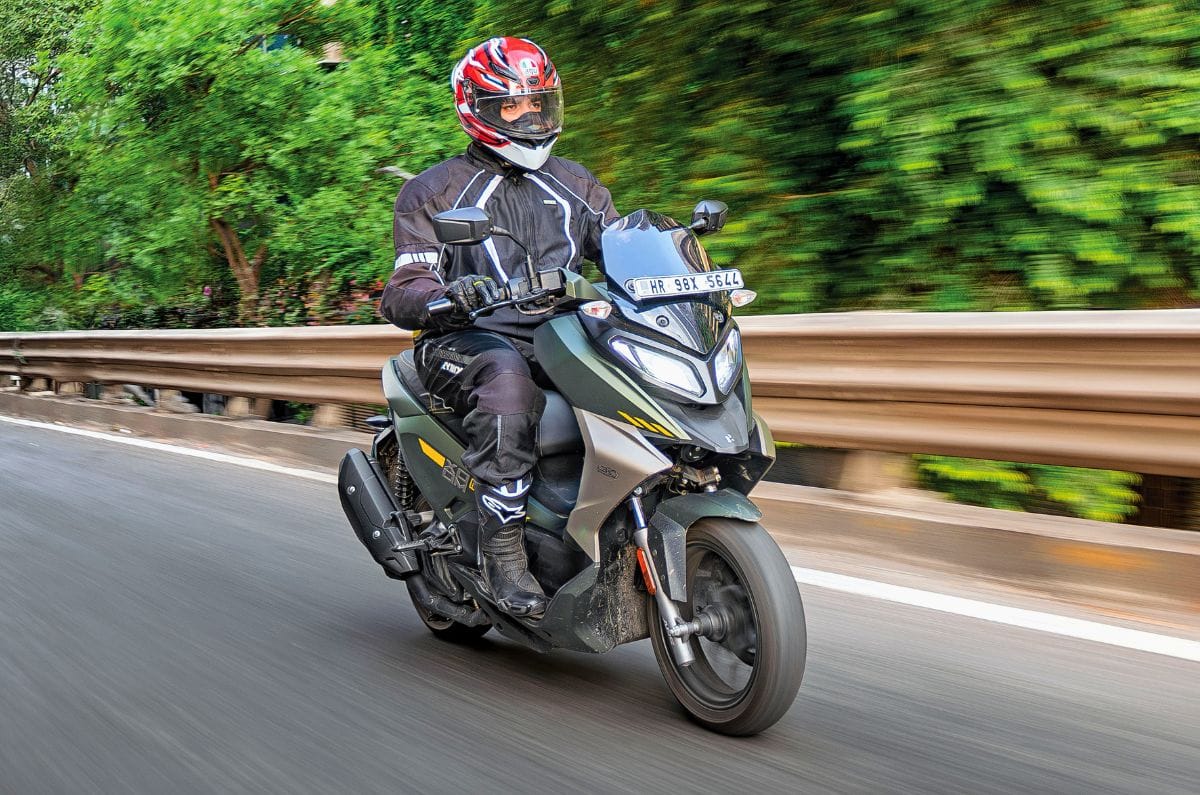
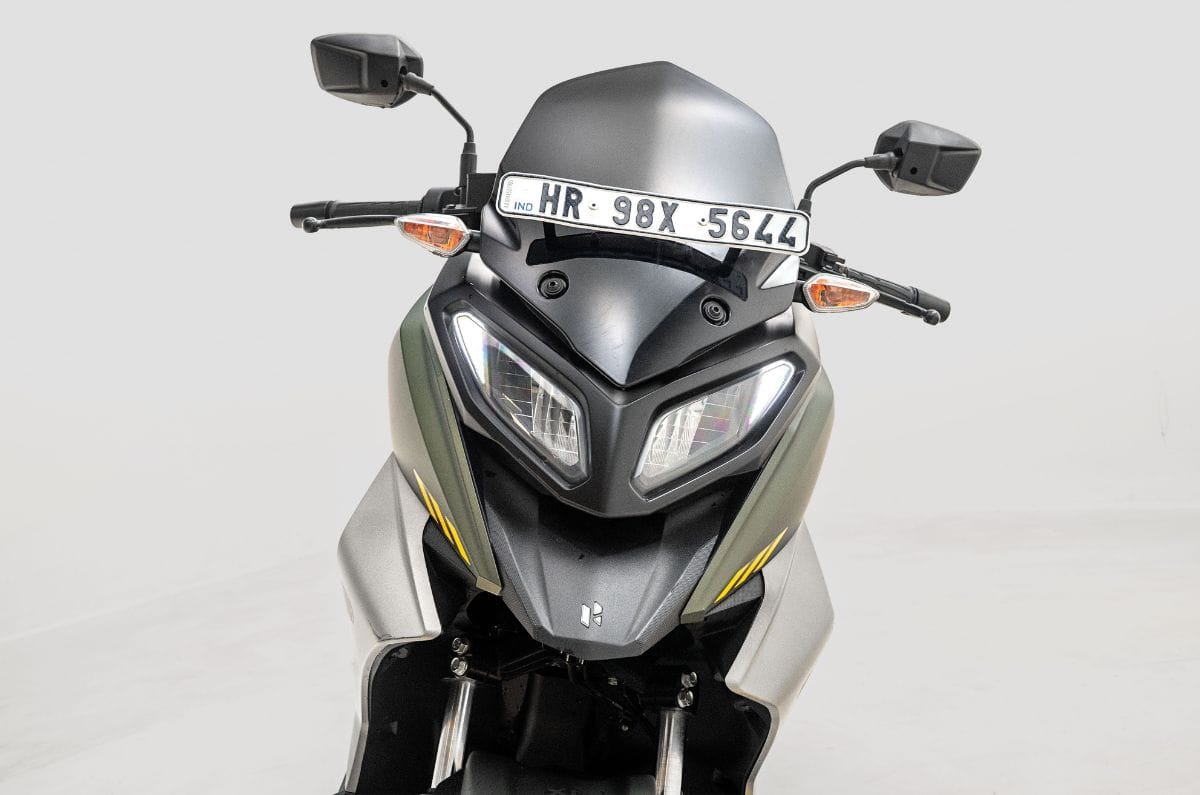
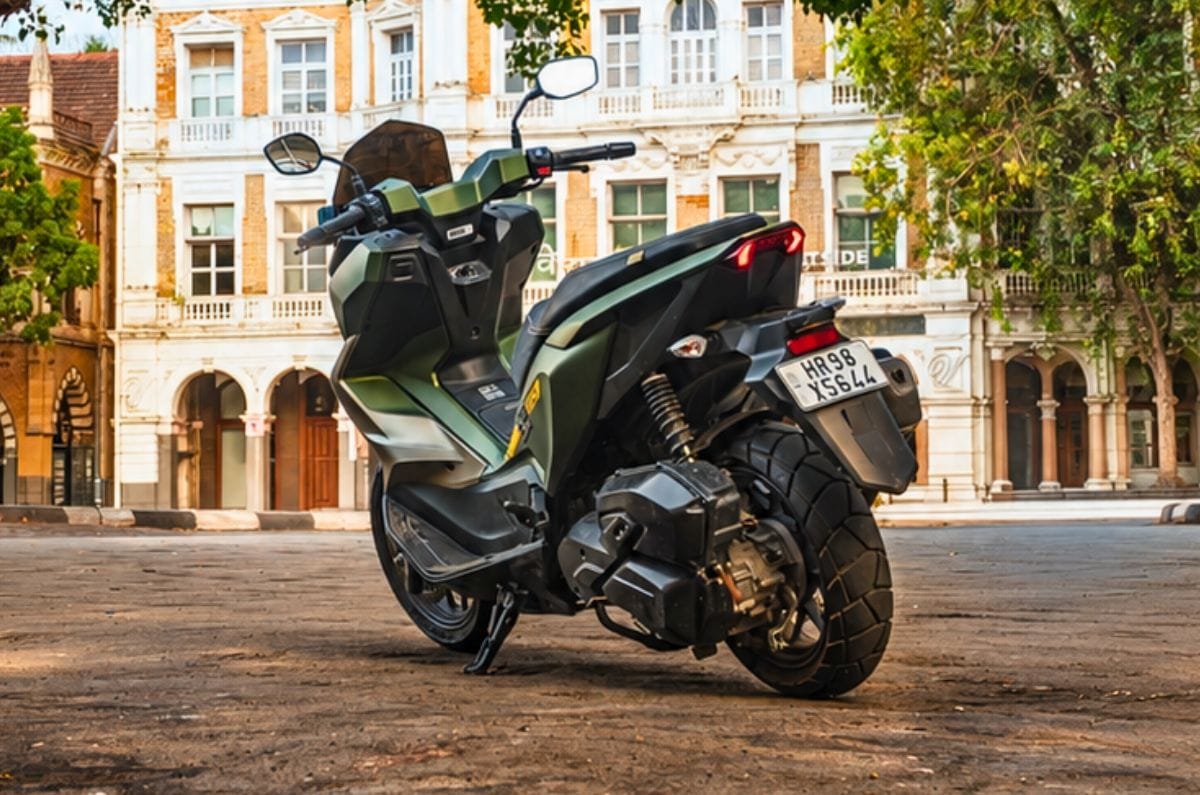
The Xoom 160 makes a strong first impression. From its prominent front beak and block-pattern tyres to the sharp twin-LED headlamp, everything about the scooter projects an adventure-inspired image. It also has genuine road presence and feels noticeably larger than a conventional scooter, one that makes passersby give it a second glance.
The front beak with twin headlights look striking
Hero has made good use of that size. There is a practical front storage cubby for everyday items, while the underseat compartment offers 22 litres of storage and can accommodate certain full-face helmets. Taller riders will also appreciate the generous knee room, which makes the riding position feel much less restrictive than the Aerox 155.
Xoom 160 Features and Quality – 6/10
The instrumentation and switchgear are big letdowns in an overall strong package.
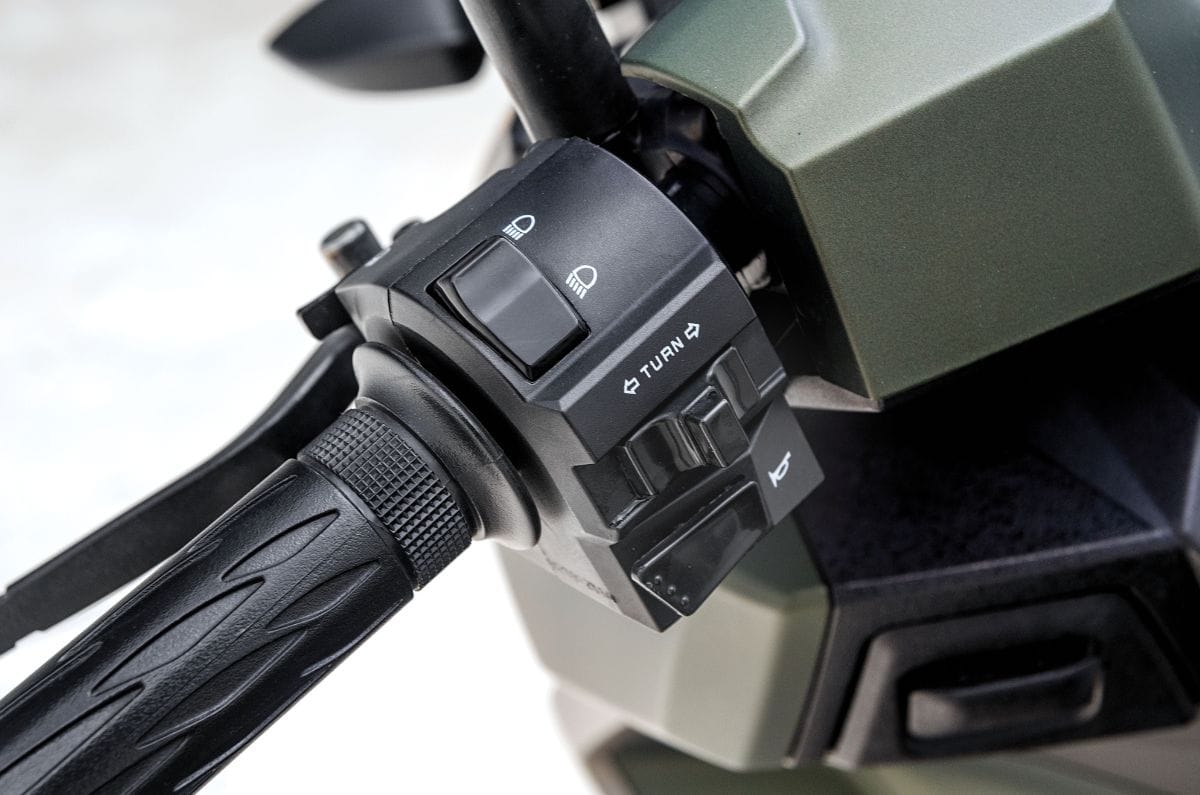
One area where the Xoom 160 already feels dated is its instrumentation and switchgear. Despite being Hero’s flagship scooter, the switchgear lacks the premium feel and even other newer Hero products such as the Xoom 125 have nicer switchgear.
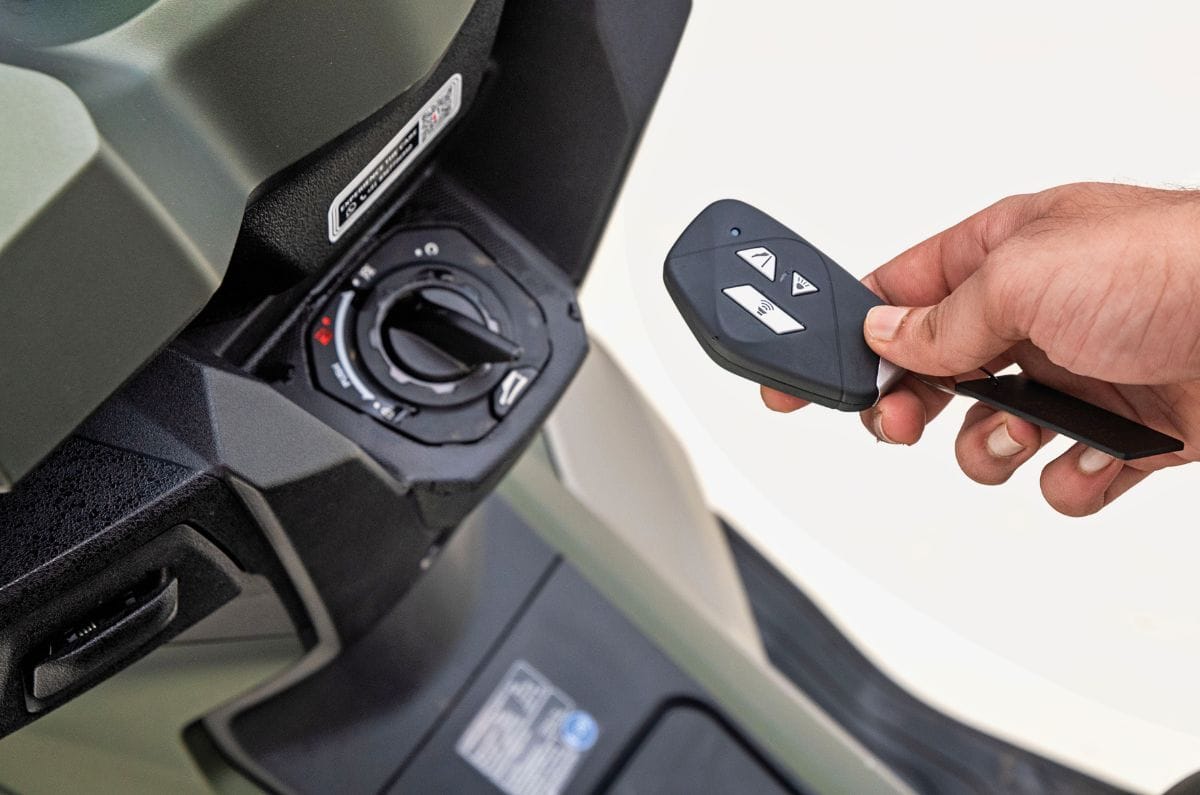
The LCD display offers Bluetooth connectivity and all the expected information, but it is small and not particularly easy to read on the move. The scooter does get keyless operation and a remote seat-release function, both of which add a degree of convenience and premium feel.
The overall feature distribution is somewhat puzzling as it has been with most Hero’s. Another example of this is how the smaller Xoom 125 receives segment-first, sequential LED indicators, while the more expensive Xoom 160 makes do with conventional bulb indicators.
Xoom 160 Performance and Refinement – 8/10
The performance isn’t as exciting as its chief rival but the engine is superbly refined.
The key fob looks and feels premium, unlike the switch cubes.
The 156cc liquid-cooled, four-valve engine is one of this scooter’s highlights. It is smooth, refined and delivers its performance in a very linear manner.
Unlike the Yamaha Aerox 155, the Xoom 160 doesn’t feel particularly sporty or aggressive. Instead, it focuses on refinement and ease of use. In our performance tests, the Aerox reaches 80kph quicker, but the gap disappears by the time both scooters reach 100kph. Considering the Xoom’s substantial weight disadvantage, that is an impressive result. An excessively long accelerator twist action does impact the engine’s effortlessness, though.
The engine also remains smooth at higher speeds and feels well suited to long-distance riding. Talking about long-distance riding, Hero will also sell you a top-box.
Xoom 160 Ride and Handling – 7/10
Once leaned in, the Xoom holds its line well through the corners.
At 142kg, the Xoom 160 is around 16kg heavier than the Aerox 155, and that weight is impossible to ignore in the city. Filtering through traffic, changing direction and negotiating corners all require more effort than on a conventional scooter.
Switchgear looks a generation older
Although, the weight does bring in some benefits. The scooter feels planted and stable at speed, and once leaned into a corner, it holds its line confidently. However, it never feels particularly eager or agile and is more comfortable cruising than being ridden aggressively. The block-pattern tyres offer adequate dry-weather grip, although wet-weather confidence could be better.
Xoom 160 Comfort and suspension setup – 6/10
The seat height is low enough to not intimidate shorter riders.
The riding position is comfortable and accommodating. The 787mm seat height is approachable, while the floorboard on either side of the underspine allows riders to either sit conventionally or stretch their legs forward in typical maxi-scooter fashion.
However, the suspension does not live up to the promise of the styling. Ride quality is noticeably firmer than expected, particularly on broken roads and this was something the lighter riders in our office felt more acutely. While the seat cushioning is excellent and helps improve long-distance comfort, it cannot completely mask the stiff suspension setup. A more absorbent suspension tune and rear preload adjustability would have significantly improved the overall experience.
Xoom 160 Fuel efficiency and braking – 7/10
The Xoom returned an average fuel economy of 38.7kpl
The Xoom’s 7-litre fuel tank – the largest on any Indian-made scooter – enhances its touring credentials. Highway comfort is also good, with the engine feeling relaxed and vibrations remaining well controlled at cruising speeds.
In our instrumented fuel-efficiency tests, the Xoom 160 returned 38.7kpl overall, with figures of 39.6kpl on the highway and 37.9kpl in the city. These are respectable numbers, although not class-leading.
Interestingly, the scooter’s fuel-efficiency display consistently showed figures that were nearly 10kpl lower than what we achieved during testing.
Braking performance is reassuring and despite its weight, the Xoom sheds speed well. The 240mm front disc provides decent stopping power without feeling overly aggressive, while the ABS calibration remains unobtrusive.
Xoom 160 Price and Verdict – 7/10
At Rs 1.40 lakh, it costs Rs 3,000 less than the Base Aerox 155.
The Hero Xoom 160 is an interesting scooter because it attempts something genuinely different. It combines maxi-scooter proportions with adventure-inspired styling and delivers practicality and refinement
However, the execution does not fully match the promise suggested by the design. The firm suspension, dated switchgear and missing features prevent it from becoming the complete package it could have been.
Even so, there is a lot to like here. The Xoom 160 is refined, spacious and priced at Rs 1.40 lakh, it is unlike anything else in the segment. Hero may not have extracted the full potential from the concept, but it has shown that there is room in India for a more convincing maxi-scooter in the future.
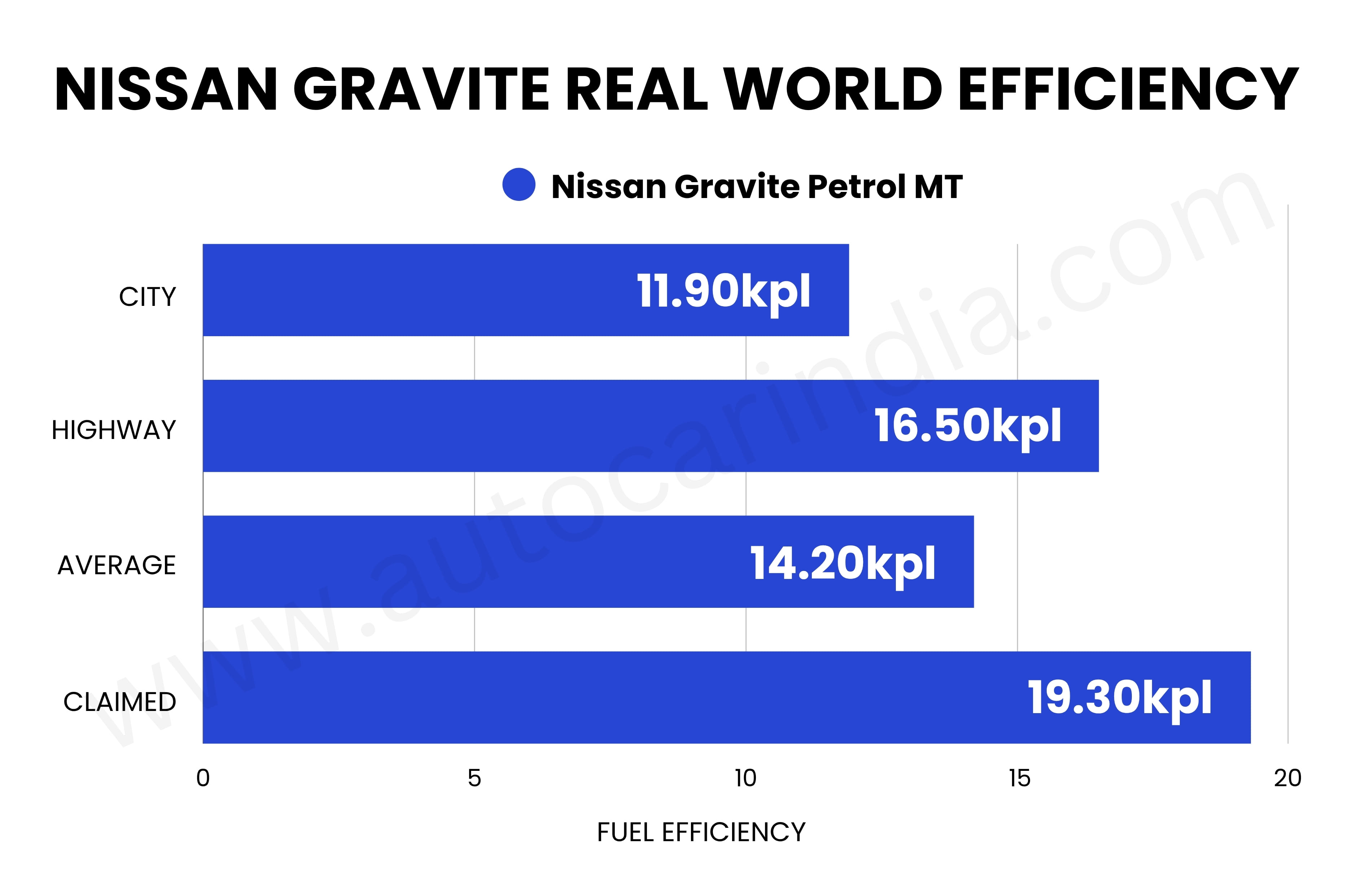
The Gravite is essentially Nissan’s version of the Renault Triber, with some minor cosmetic tweaks. Apart from the Renault Triber, it is the only three-row MPV under 4-meters and it’s priced from Rs. 5.73 lakh (ex-showroom). We’ve put the Nissan Gravite manual through our instrumented real-world tests to see how efficient it really is.
Misses an auto engine start-stop feature
Has a claimed fuel efficiency of 19.3kpl
Kerb weight is a light 988kg
Nissan Gravite petrol MT real-world mileage
Gets a 72hp 1.0-litre 3-cyl NA engine
Powering the Gravite is 1.0-litre, three-cylinder, naturally-aspirated petrol engine (BR10), which is also offered with the Magnite, and it makes 72hp and 96Nm. It is offered with a 5-speed manual and a 5-speed AMT automatic, the former of which we’ve tested here.
In our real-world tests, the Nissan Gravite manual returned 11.9kpl in the city and 16.5kpl on the highway, for an overall average efficiency of about 14.2kpl. While the city efficiency is decent, an auto engine start-stop feature would have boosted it further. Thanks to the taller 4th and the 5th gears, the highway efficiency is quite impressive. Ambient temperatures were also above 30degC throughout our test which affected the efficiency.
With an overall average fuel efficiency of 14.2kpl and a 40-litre fuel tank in the Gravite, one can expect a real-world range of around 560km on a tankful of petrol.
Autocar India’s fuel-efficiency testing
Before conducting our real-world fuel-efficiency tests, we fill our test cars’ tanks to the brim and maintain tyre pressures based on the manufacturer’s recommendation. These cars are then driven on fixed city and highway loops in and around Navi Mumbai, and we maintain certain average speeds. Throughout the tests, the aircon is set to fan speed 2 with temperature dialed to the lowest position, and other electricals, such as the audio system, indicators and wipers, when required – just as a regular user would. Periodic driver swaps further neutralise variations in driver patterns. At the end of each cycle, we calculate efficiency by filling the tanks to full again.









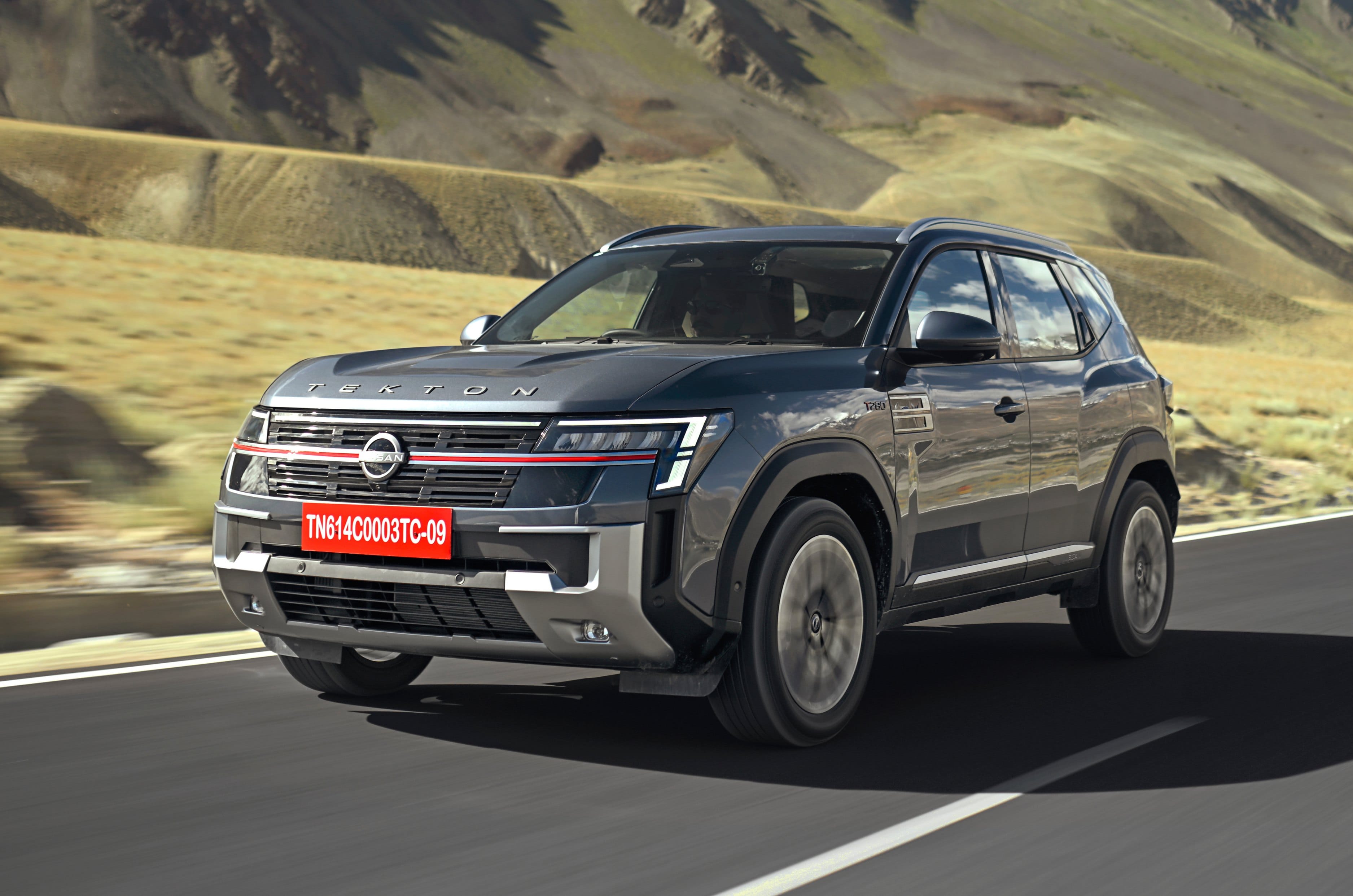
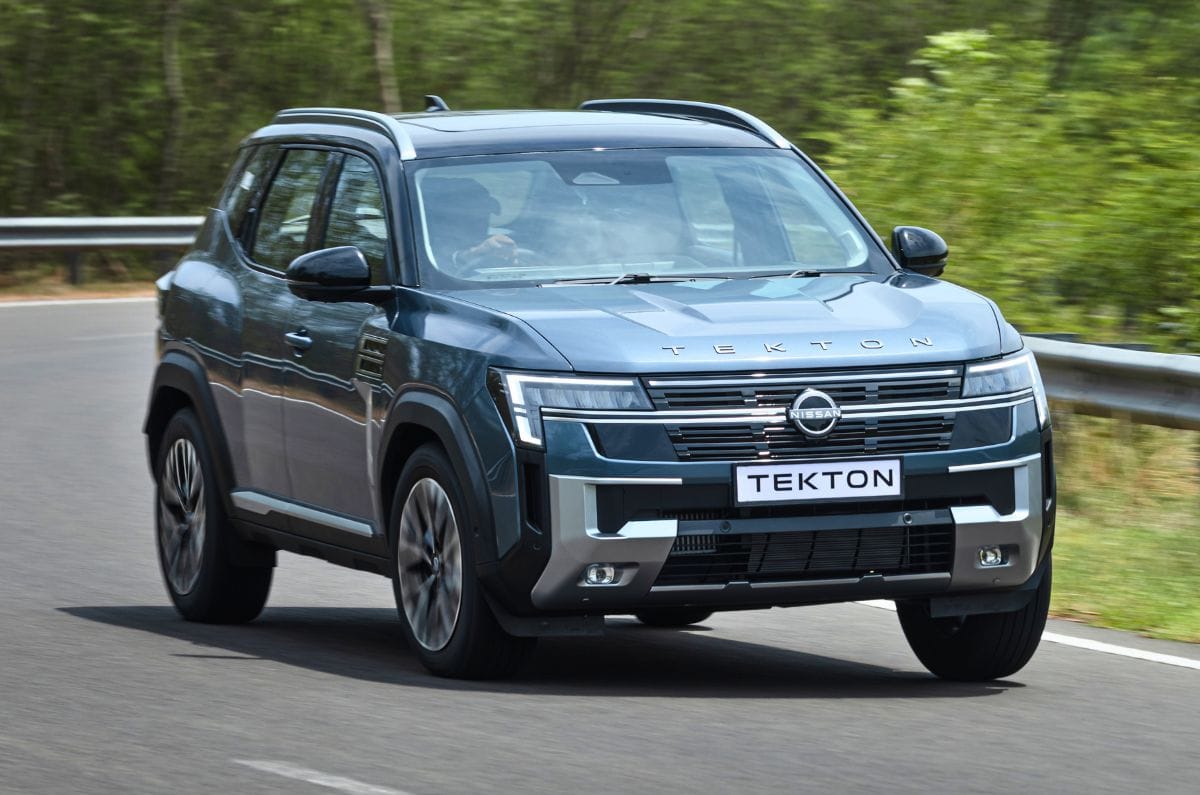
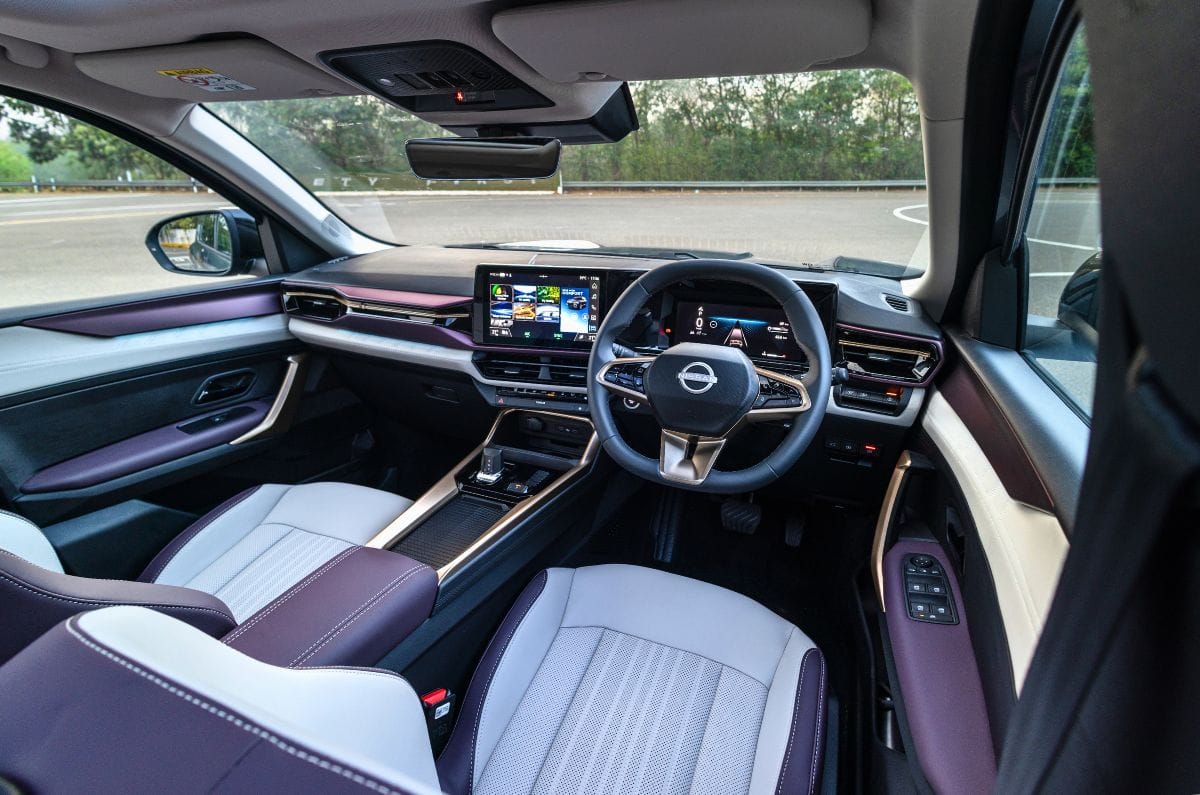 Combined with the classy-looking leatherette padding on the dash and door pads, plus the burgundy, gold and light cream colour scheme, the interior of the top-spec Nissan Tekton looks upmarket. The driving position is great and provides excellent all-round visibility, while the seats themselves are comfy enough to be occupied even over long-distance drives.