Ducati Monster V2 Review: Playful but pricey

Ducati Monster V2 Review: Playful but pricey
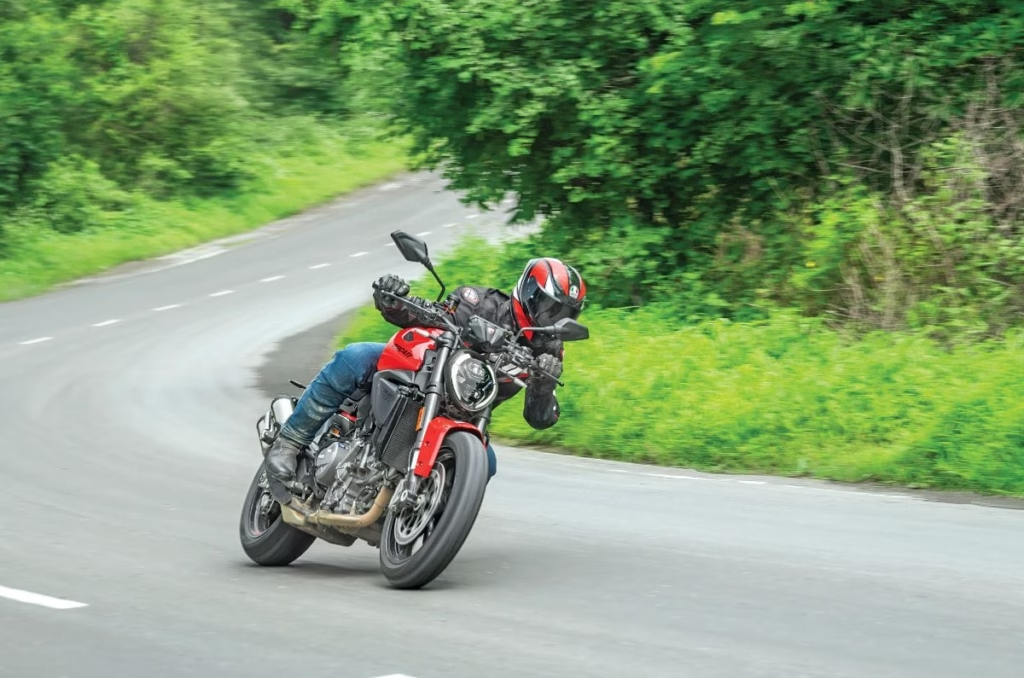
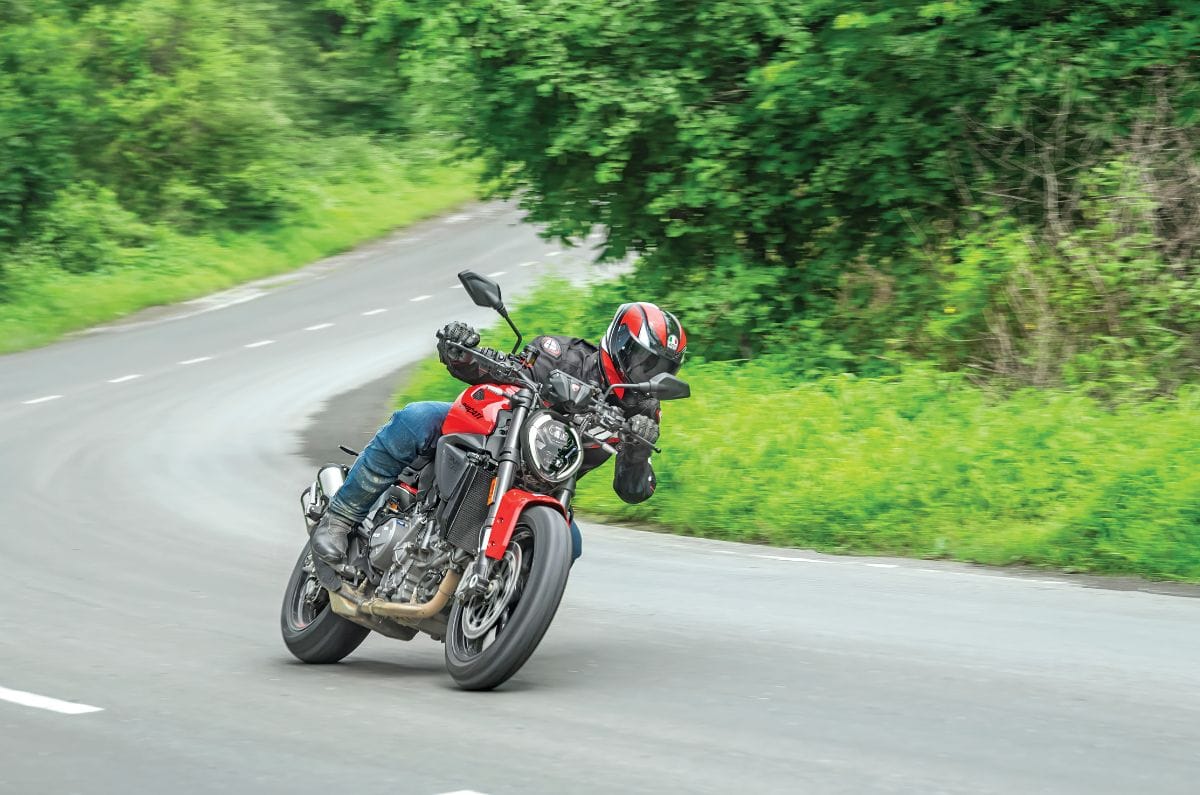
Ducati Monster V2 outside shot showing the front right quarter

The Monster was perhaps the world’s first ‘parts bin special’, created using a smattering of different parts from various Ducatis of the late ‘80s and early ‘90s. It was a resounding success for the company and remains one of its strongest sellers in India. Today, the Monster is in its fifth generation and is now powered by the company’s new 890cc spring valve V-twin.

Design and Quality – 9/10
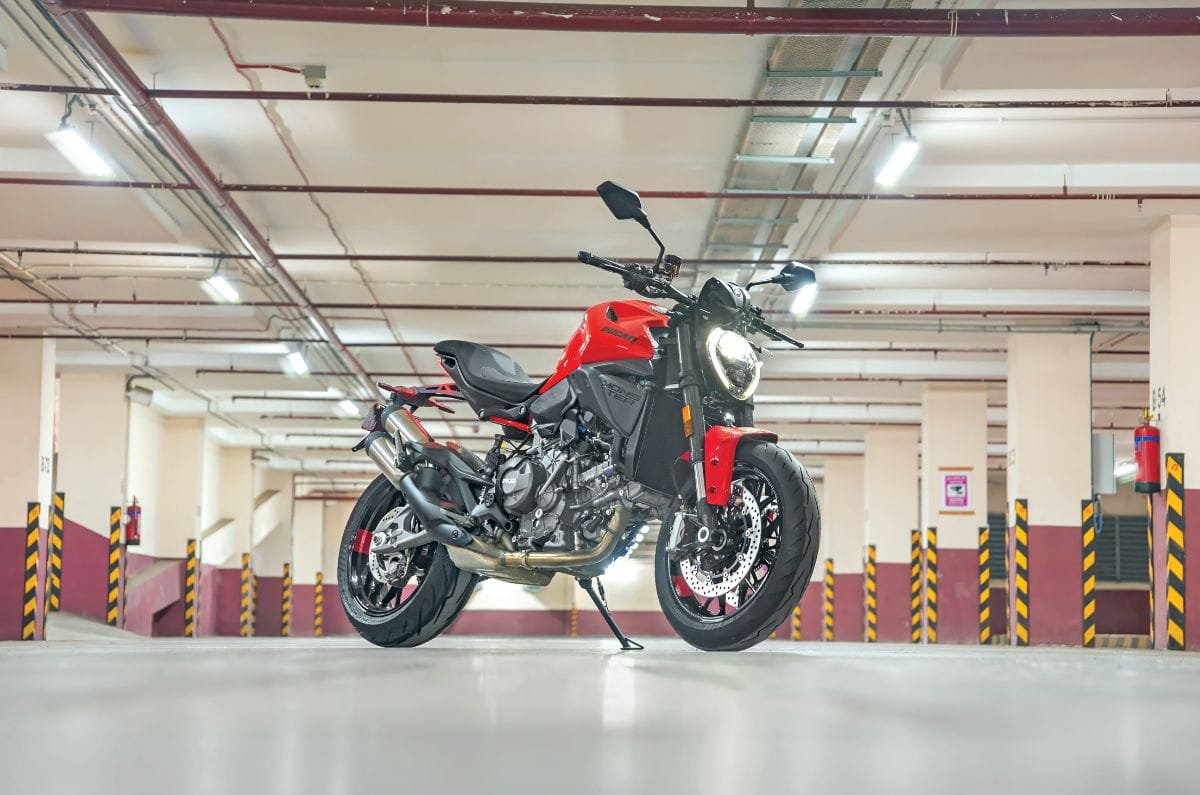
Hey, good lookin

Inside shot of Ducati Monster V2 showing the right side

Traditionally, the Monster was known for its butch stance, clean lines and round headlight and the fifth-gen V2 has two of those three attributes. The earlier 937 drew some flak for being too thin so for the V2, Ducati has reverted to a big tank look albeit, at 14L, the capacity is quite small for an engine of this size and the same as before. In an era where most sporty bikes have sprouted winglets and sharp edges galore, the Monster’s textbook, elemental lines are a breath of fresh air. However, it’s definitely not as chunky-looking as the older trellis-frame Monsters – not a complaint to our eyes but purists could be put off.
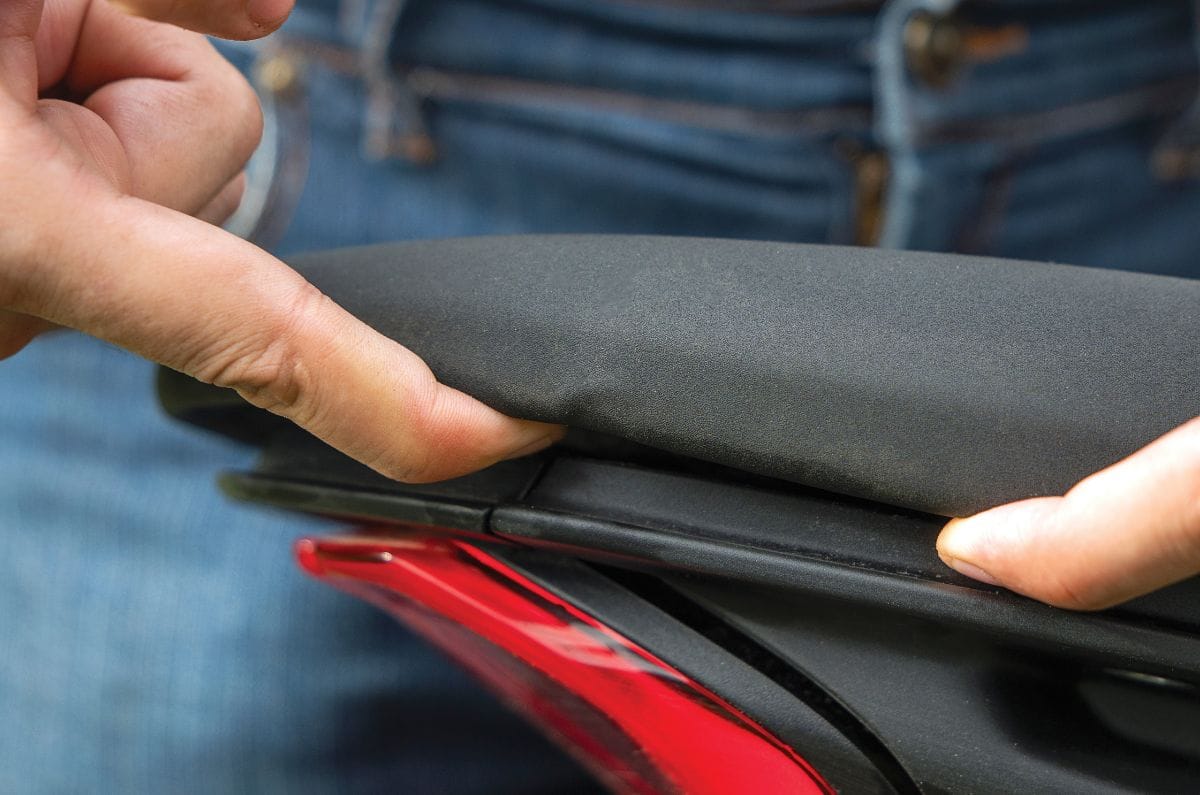
A close up, outside shot showing the gap between the Ducati Monster V2's pillion seat and the subframe
Too big a gap between seat and subframe

Typical of Ducati, quality is high all around and just about everything in sight and touch is well put together. I say ‘just about’ because the mirror housings & stalks feel very budget for a bike of its price and also, the gap between the seat and the subframe is a bit much. On a rainy day, a lot of filth gets kicked into this crevice and to clean it, you need to remove the seat. These are nitpicks but on a bike at this price, something to bear in mind.

Performance and fuel economy – 9/10

Unique and playful heart

SpecificationsValues
Max Engine Power111 hp @ 9000 rpm
Max Engine Torque91.1 Nm @ 7250 rpm
Transmission TypeManual
Fuel Type/ PropulsionPetrol
Engine Type2 cylinder

Expensive it might be, but the Monster is still the most attainable way to get your hands on Ducati’s new 890cc V-Twin. In a world increasingly populated with parallel-twin engines, Ducati has commendably stuck to its guns and is giving you an authentic V-Twin experience.

In this application, the V2 is tuned to make 111hp (it’s lowest yet) and this number is on the lower side for the segment, but the 91.1Nm of torque it makes, is conversely, one of the higher numbers in the class. Not just that, Ducati claims that from 3,000rpm you have 70 percent of that available and it definitely charges forward with gusto above that threshold. It’s enthralling fun to chase the rather high – for a big twin – 11,750rpm redline and the butter smooth quickshifter ensures you have to wait but a few milliseconds before the next gear brings you the next wave of adrenaline. The exhaust note is a bit muted (Euro5+ will do that) but there’s an enticing intake roar and even lovelier pops and bangs on the overrun, which all add to the theatricity of it.
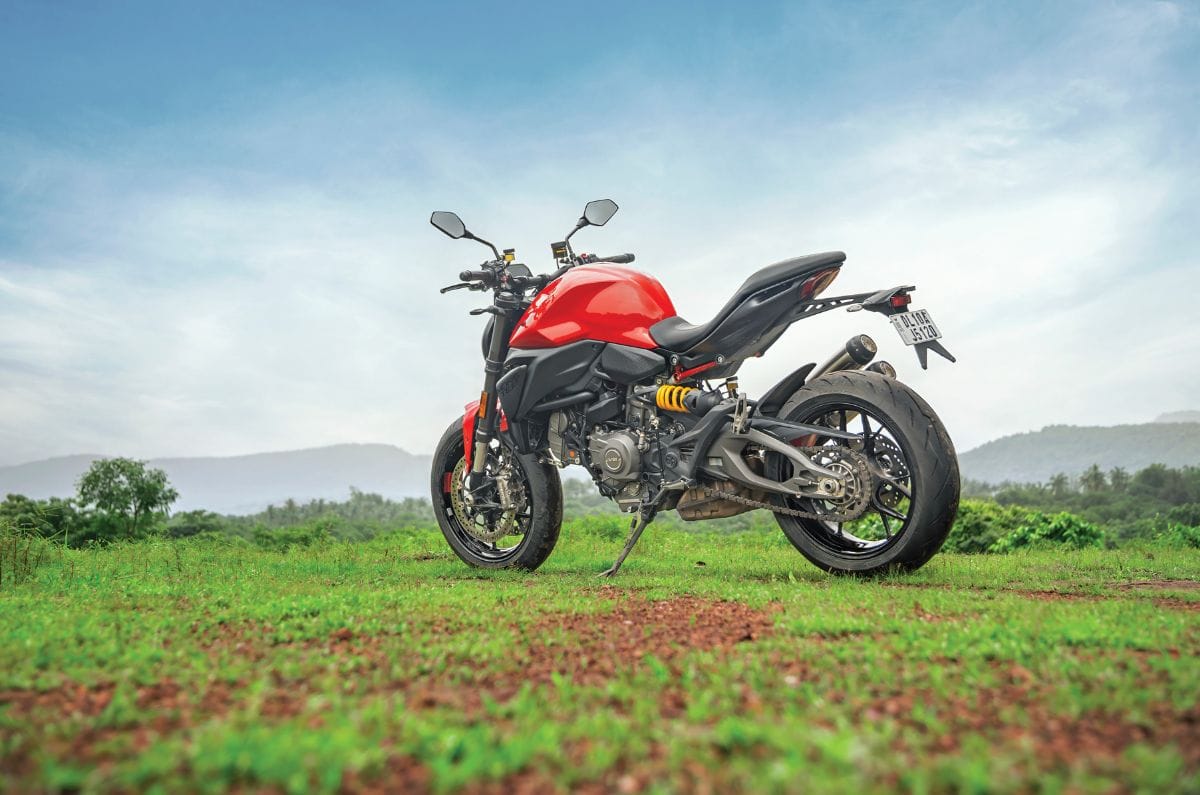
An outside shot of Ducati Monster V2 showing the rear left

Yet, for all its zest and verve, Ducati’s latest V2 benefits from the company’s learnings over the years. No longer do you have to fear exorbitant Desmo services or overheating in traffic. Valve clearance checks are now at 45,000km and the cooling system works superbly to ensure the engine never boils over.

However, while the engine doesn’t overheat, being stuck in traffic does result in the rider’s legs slowly being done medium rare. Since you’re sitting right on the top of the rear cylinder, there’s not much that can be done but to build your tolerance and wear motorcycle-appropriate clothing. Its hydraulic clutch too is properly weighty but what annoys more is its grabby nature causing you to lurch forward in traffic.

Ride and Handling – 8/10

On a dime

SpecificationsValues
Seat height815 mm
Front Suspension TypeShowa Ø 43 mm usd fork
Rear Suspension TypeShowa monoshock with adjustable preload. Aluminum double-sided swingarm
Fuel Tank Size14 L
Chassis typeAluminum monocoque frame
Front Tyre Size120/70 – ZR17
Rear Tyre Size180/55 – ZR17
Kerb Weight186 kg

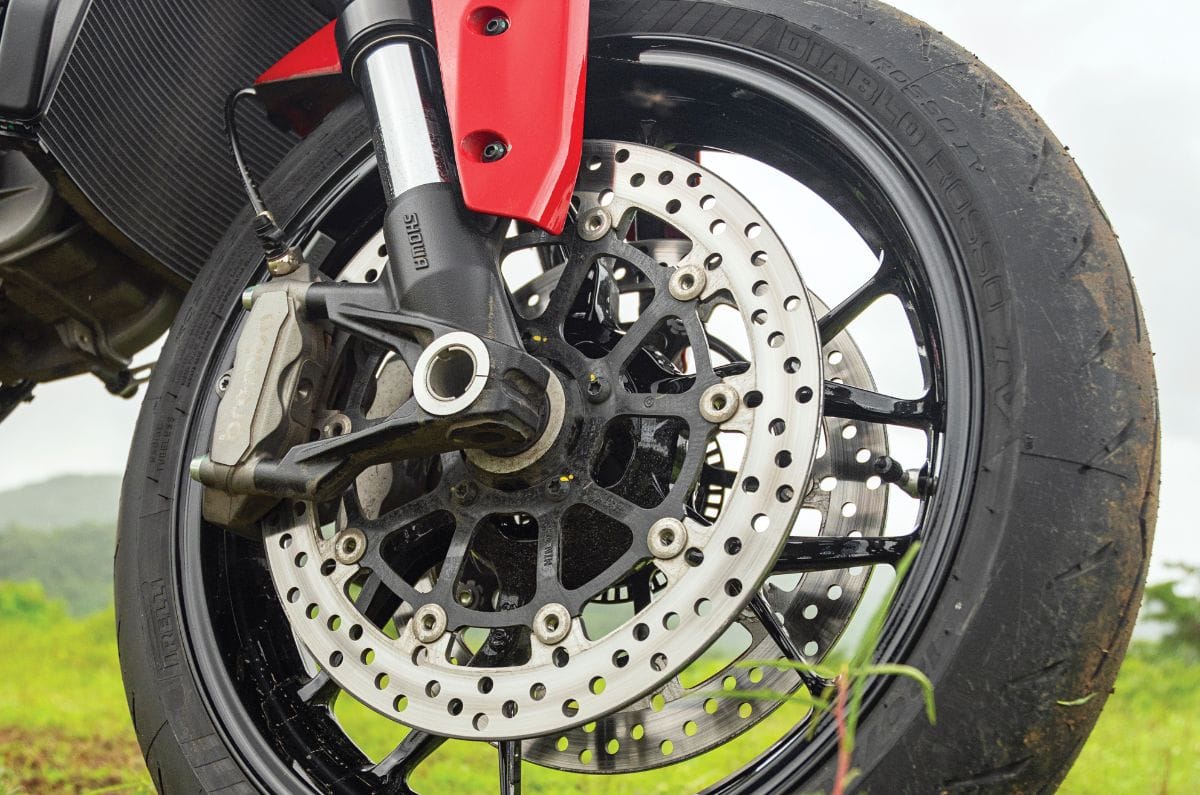
Happily, once you find some nicely laid tarmac roads, these quibbles fade away and the Monster makes up for it with its surefooted and energetic handling. On paper, the chassis components may feel a bit budget (for an 18L rupee machine) but in practice, they work very well. The non-adjustable Showa fork and Sachs monoshock have good poise when you want to attack corners but simultaneously also provide an air of suppleness over bumps, striking a nice balance. Brembo’s M4.32 calipers may have been around for well over a decade now but they bring the Monster to a halt seriously quickly and the radial master cylinder too is bristling with feedback.

What also helps the Monster tip into corners and come to a halt exceedingly well is its weighs just 186kg fully fueled – similar to a RE Guerrilla 450, which has half the displacement! Not only is the Monster one of the lightest bikes in the class, it also has a friendly 815mm perch (in the context of big, sporty machines). The rider’s triangle too is not overly committed and strikes a nice balance between being engaging yet comfortable. These attributes mean that the Monster is one of the friendliest big bikes you can buy.
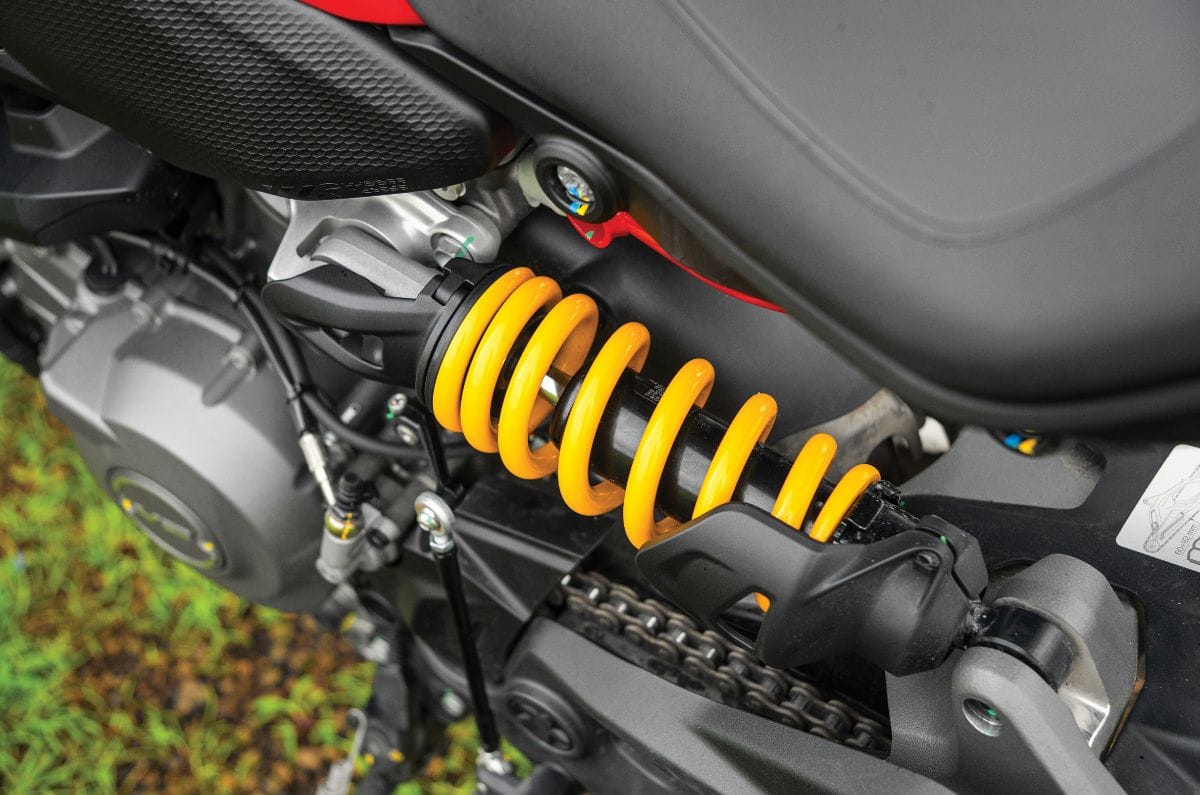
A close up, outside shot of the Ducati Monster V2's rear suspension
Suspension has a decent level of pliancy to it

Features and safety – 8/10

There when you need them, mostly

A close up outside shot of the Ducati Monster V2's front M4.32 brake calipers
Brembo M4.32s have great stopping power and good feel at the lever

What further reinforces the Monster’s approachability (especially to someone who’s buying their first big bike) is its array of electronic rider aids. There are four riding modes (Sport, Road, Urban and Wet) with dedicated settings for power levels, traction control, wheelie control, engine brake control and ABS intervention. These work exceptionally well when you need them to and fade into the background when having fun – just the way it should be! Typical of Ducati, you can go into each mode and adjust everything to your preference, giving you complete control over the electronics – an appreciable touch.

SpecificationsValues
Anti-Lock Brakes (ABS)Dual channel
Front Disc/Drum Size320 mm
Rear Disc/Drum Size245 mm
Calliper TypeFront – 4 Piston, Rear – 2 Piston
Traction controlYes
Riding ModesYes
Cruise ControlNo
QuickshifterYes
TFT colour Instrument clusterYes

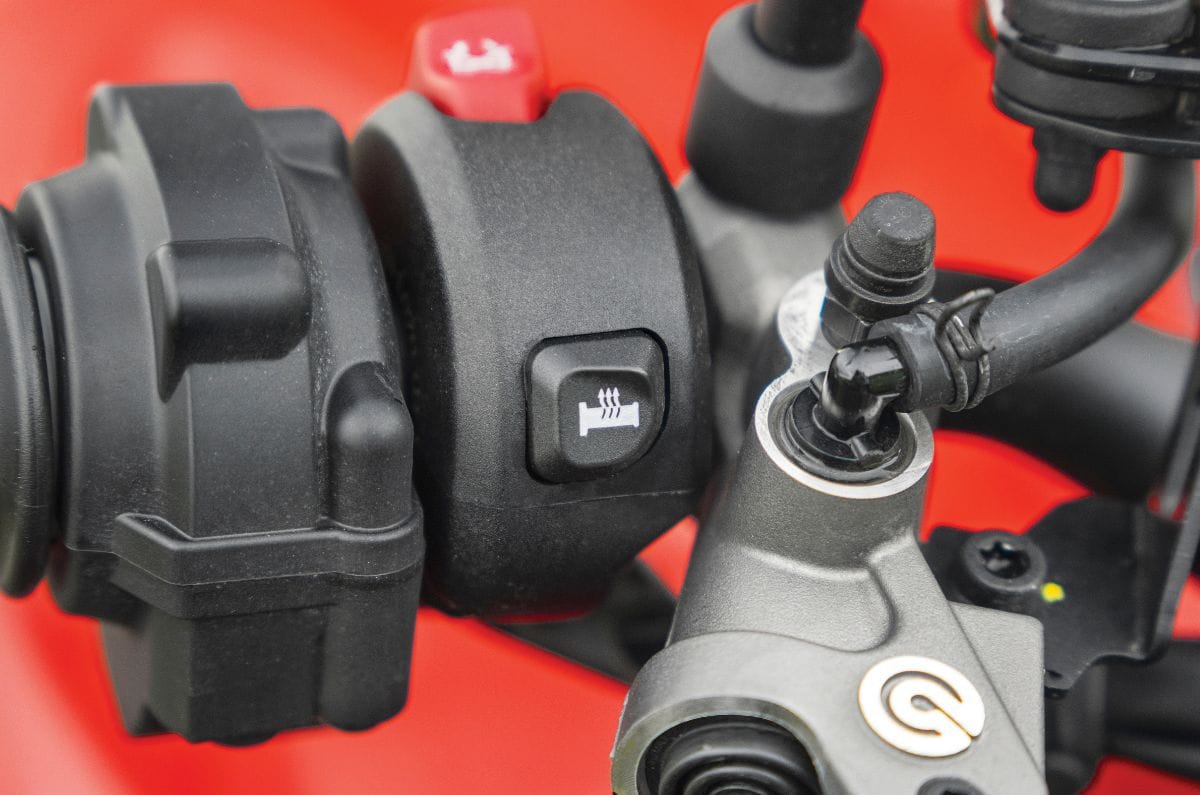
However, what I certainly don’t appreciate is the fact that Ducati has provided you the switchgear and wiring for the cruise control and heated grips on the bike but is deliberately gatekeeping the software in lieu of princely sums of Rs 40,009 and Rs 41,013, respectively. This trend of locking valuable features already present on the expensive machine you buy until you pay an additional sum needs to be abdicated promptly before it becomes commonplace.
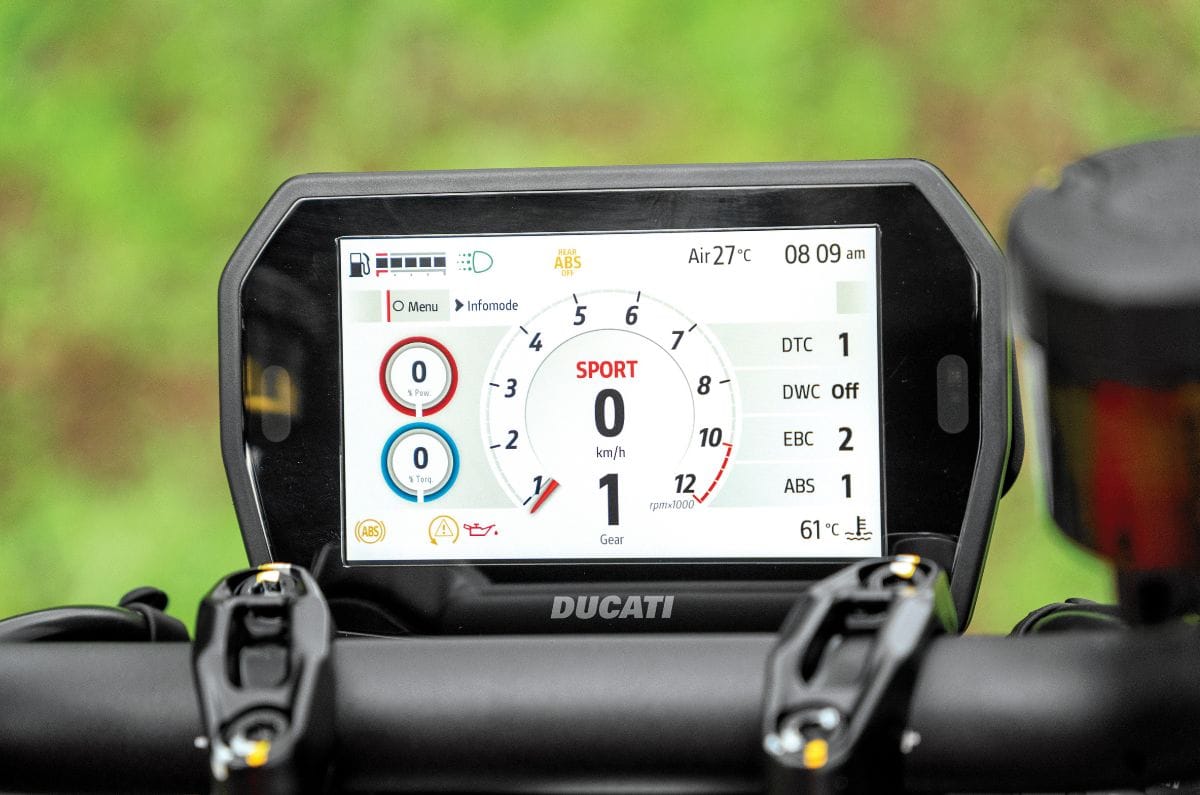
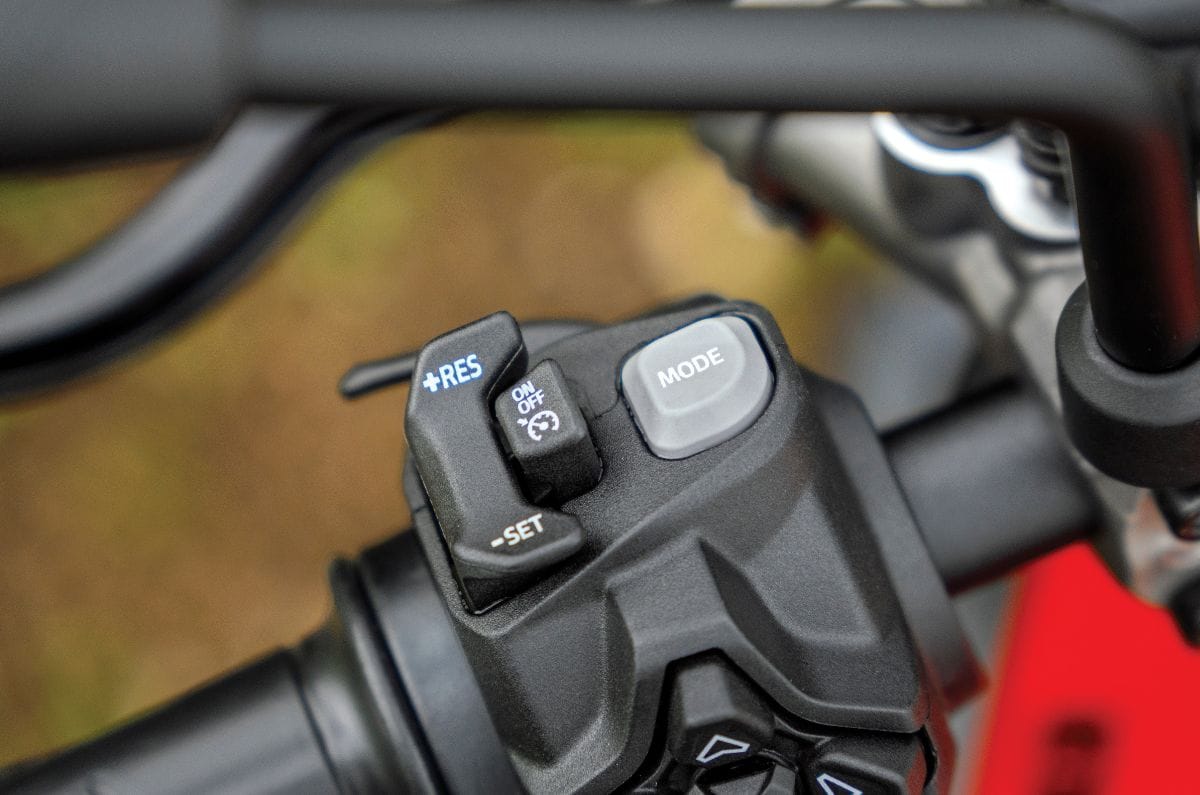
A close up shot of the Ducati Monster V2's 5-inch TFT instrument cluster
5-inch TFTs shared with other Ducati V2s and has intuitive functions
A close up shot showing the cruise control buttons on the Ducati Monster V2's left side
Activating the existing Cruise Control functionality costs Rs 40,009 extra!
A close up shot showing the heat grips button on the Ducati Monster V2's front right switch cube
Activating heated grips will set you back by Rs 41,013

Price and verdict – 7/10

Pretty penny

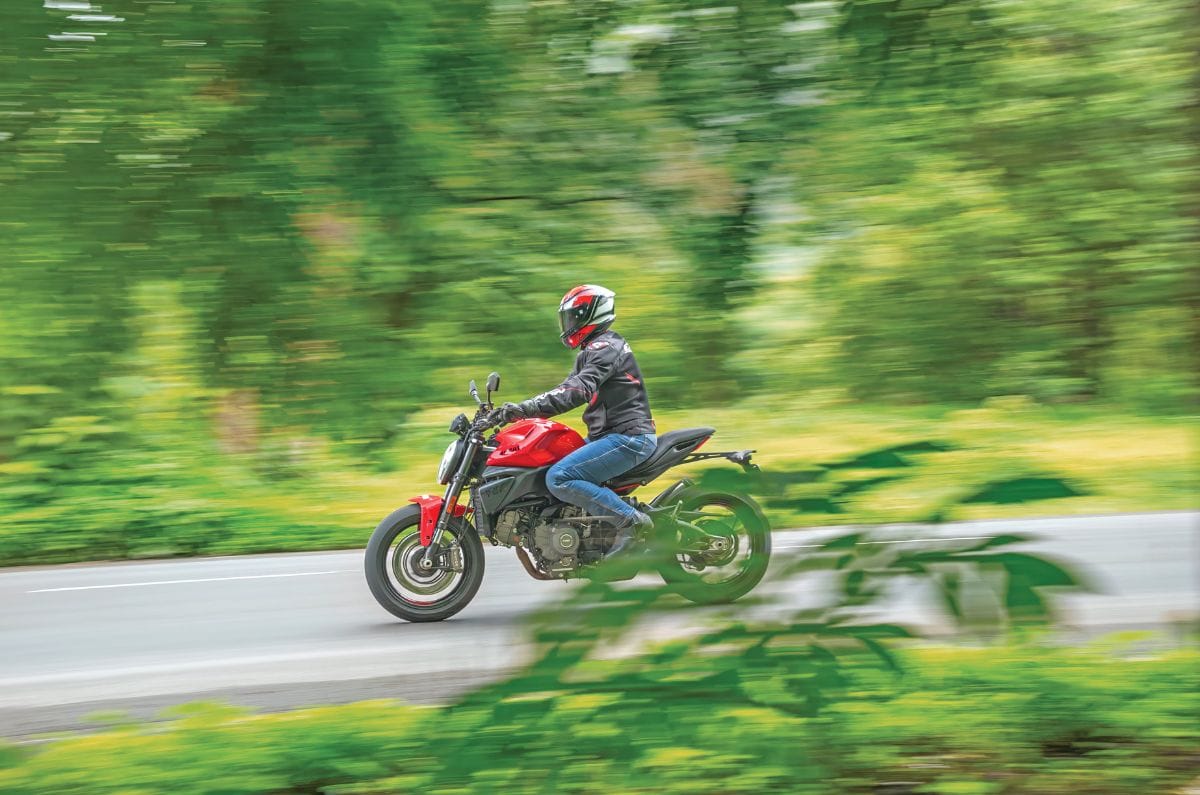
An outside riding shot showing the Ducati Monster V2's left side

The words above are apt to describe the new Monster V2, which starts at Rs 13.99 lakh (ex-showroom, India) and the price only goes northward for different colours and if you opt for the Plus variant, with the flyscreen and pillion seat cowl. There’s no justifying the very large price delta to its European and Japanese counterparts, which are accomplished machines in their own right.

What are strong points on the Monster are that it is a desirable, good-looking and exciting machine that gives you access to the alluring world of Ducati. Plus, today’s V2 Ducatis now have ownership costs that are more or less in line with their peers and the company’s aftersales is a particularly strong highlight for customers. If all that sounds like something you are looking for, the Monster V2 should be on your radar.

BS7 draft likely in couple of months: MoRTH

BS7 draft likely in couple of months: MoRTH

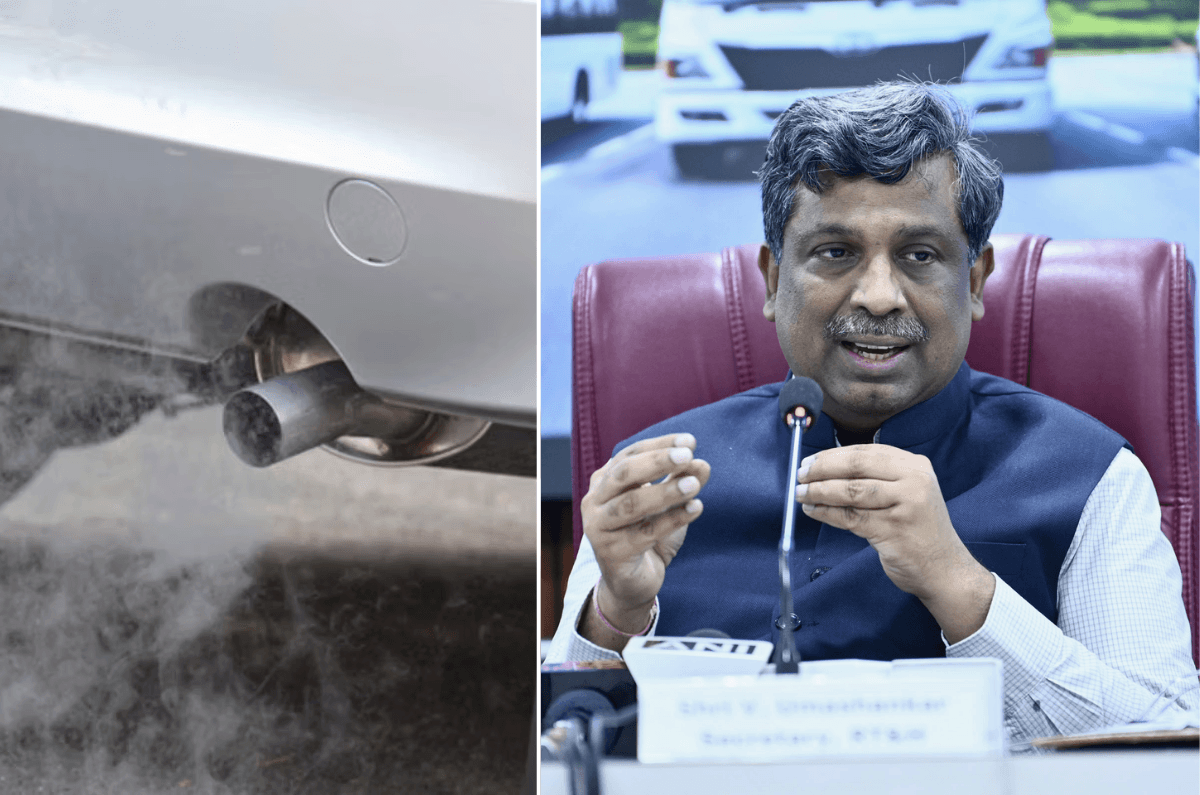
“We are ready with the next level of Bharat Stage [emission] standards and the final consultations are underway. We hopefully should be in a position to bring out the draft in a couple of months’ time for the BS 7 introduction,” Ministry of Road Transport and Highways (MoRTH) Secretary V Umashankar said at the 2026 SIAM Annual Convention in Delhi. 

Bharat Stage norms limit the emissions of pollutants like hydrocarbons, sulphur and oxides of nitrogen from vehicles. India currently follows BS6 Phase 2 (or BS6.2) norms, which came into effect on April 1, 2023. “I think the industry is also preparing itself for it. The key challenge there would be the timelines,” Umashankar added.

What changes with BS7?

BS7 will put a greater focus on pollution levels from vehicles in real-world driving conditions rather than laboratory testing. Unlike the dramatic transition from BS4 to BS6, the move to BS7 is a natural progression from BS6. This should put relatively less pressure on manufacturers to upgrade their vehicles. Prices may also go up slightly due to the upgrades. Some models could even be discontinued if upgrading them to meet BS7 norms is not financially viable, something that we saw during the move from BS4 to BS6 in 2020.

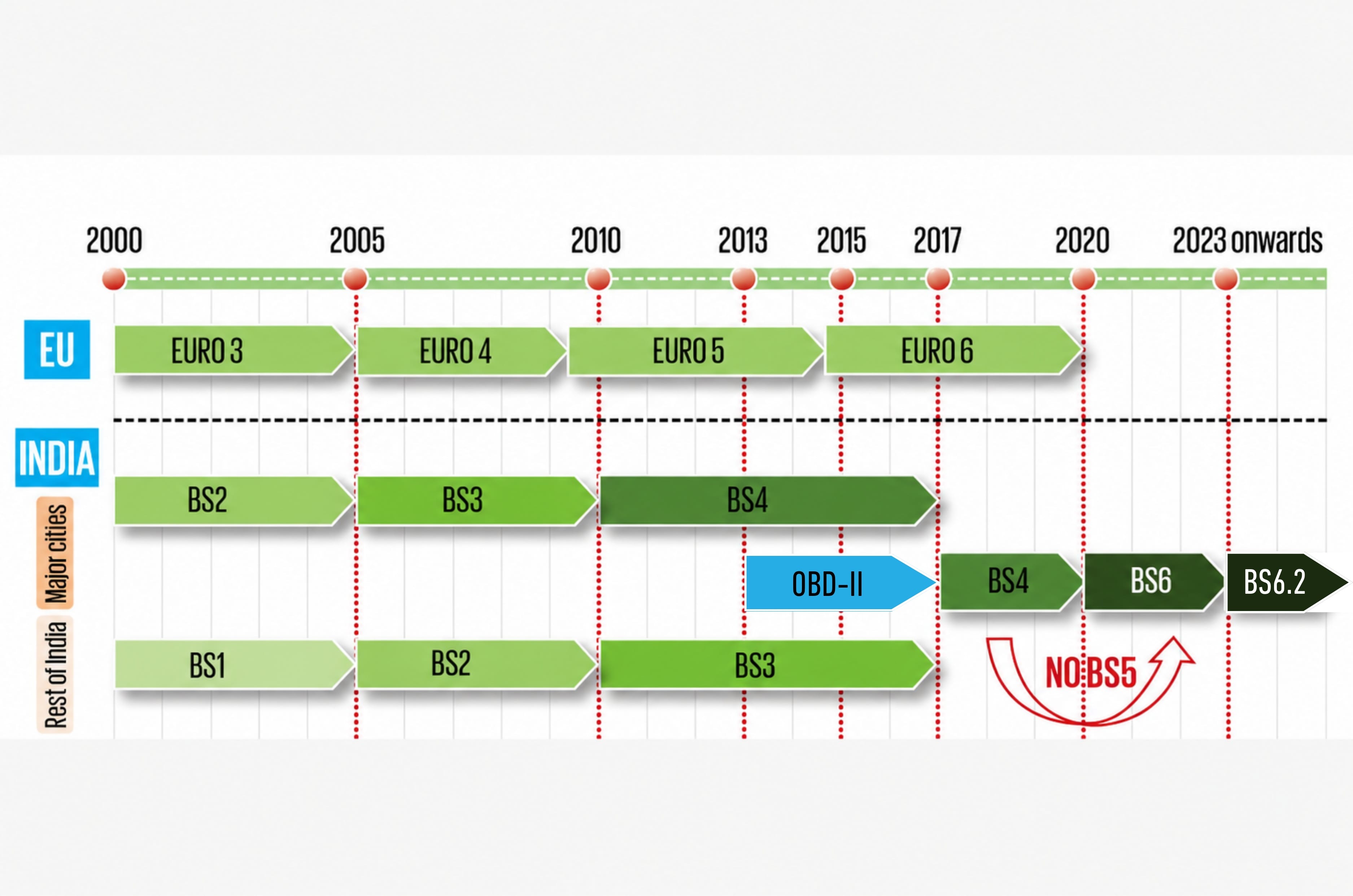
Bharat Stage emission norms so far

Bharat Stage emission norms were introduced in India in the year 2000 with the implementation of BS1 standards, while also rolling out BS2 across major cities in a phased manner. BS2 was based on European emission regulations, with the main difference being the test cycle’s top speed – 90kph versus 120kph in Europe.

India remained one stage behind Europe until 2010, after which the oil industry could not supply the low-sulphur fuel needed to progress to BS5 before eventually leapfrogging from BS4 to BS6 in 2020.

How are CAFE norms different from BS standards?

Corporate Average Fuel Economy (CAFE) norms deal with overall fuel consumption, specifically the quantity of fuel consumed. Imposed on a carmaker’s entire fleet, and not on an individual model, it’s a limit set on the total emission of carbon dioxide produced. These norms force manufacturers to make more fuel efficient cars, which impacts many other things. Whereas, Bharat Stage norms measure emissions at a vehicular level.

3 reasons to buy the Maruti Celerio and 3 reasons to avoid it

3 reasons to buy the Maruti Celerio and 3 reasons to avoid it
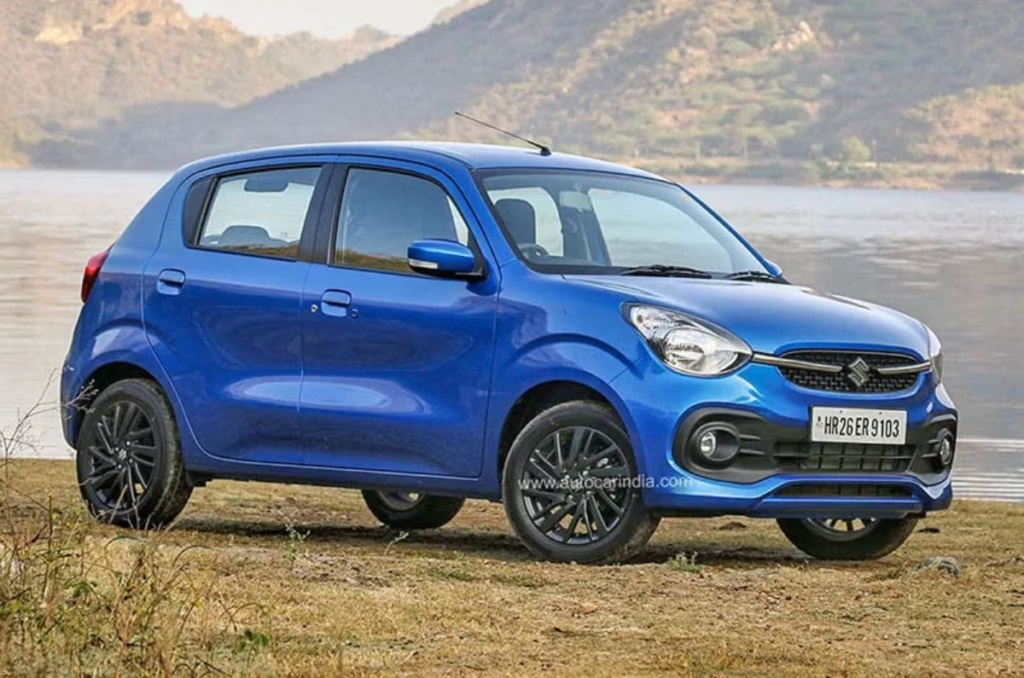
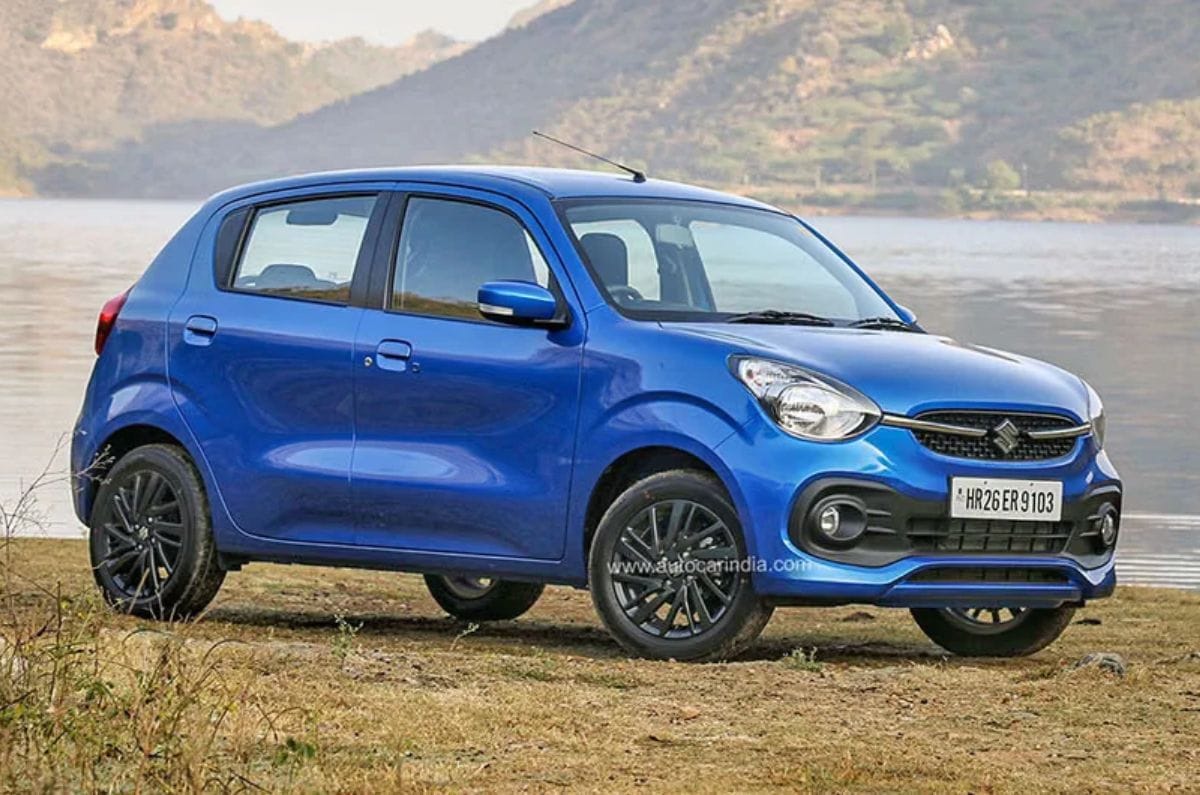
Maruti Celerio side static

The Celerio is positioned between the cheaper Alto K10 and the even more popular Wagon R in Maruti Suzuki’s line-up. Priced between Rs 4.70 lakh and Rs 6.75 lakh (ex-showroom), the Celerio is available in petrol and CNG versions with manual and AMT gearbox options, just like its rivals. While the second-gen model arrived on the entry-level hatchback scene in 2021, it hasn’t received a single facelift in the following five years, placing it at a disadvantage over some of its competitors. This Heartect platform-based hatchback goes up against the likes of the new-gen Tata Tiago and its own stablemate, the Wagon R.

Reasons to buy the Maruti Celerio

City slicker

The Celerio’s urban-friendly demeanour is great for regular commutes

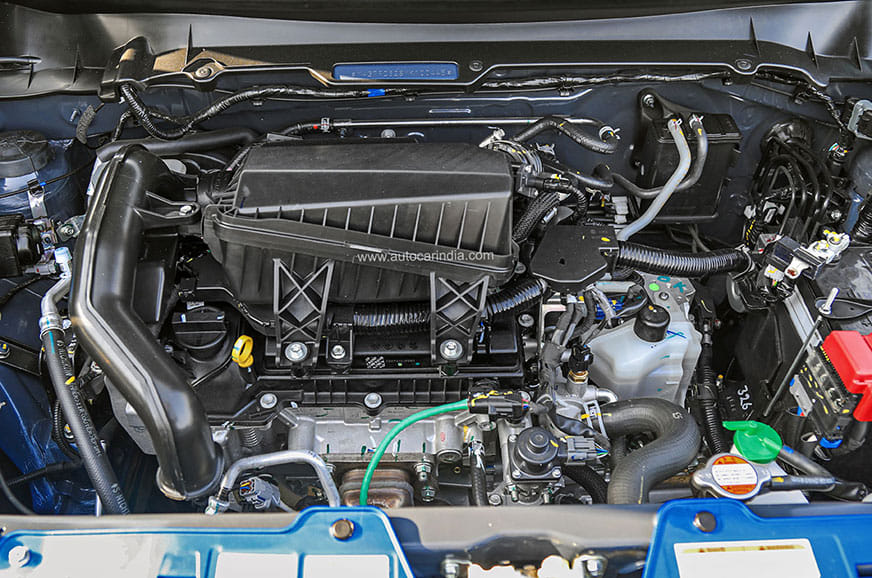
Maruti Celerio engine

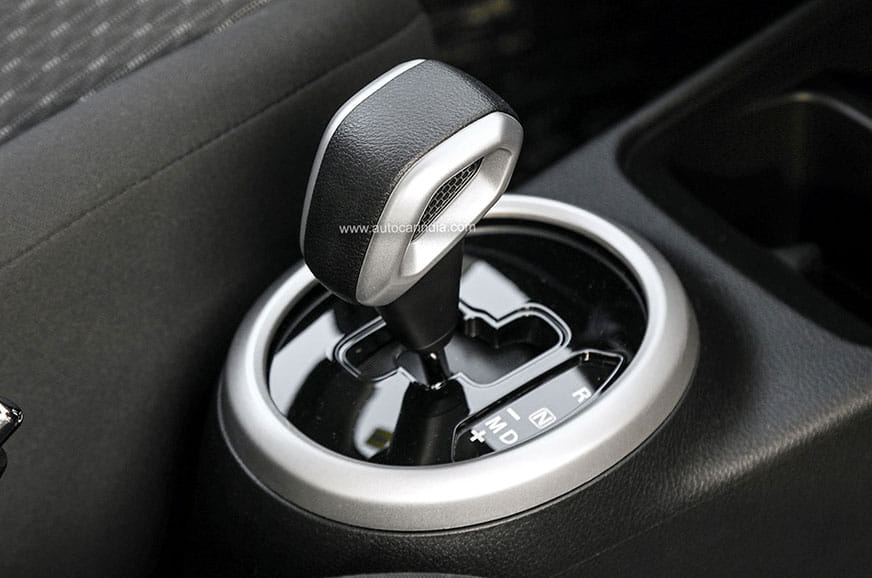
One of the factors making the Maruti Celerio a great urban runabout is its 1.0-litre three-cylinder engine. It builds power smoothly right from lower RPMs which, along with a slick 5-speed manual gearbox and a light clutch, make pottering around town an easy affair. Those seeking an even easier time commuting can pick the AMT (automated manual transmission), whose shifts are relatively smooth as far as AMTs go.

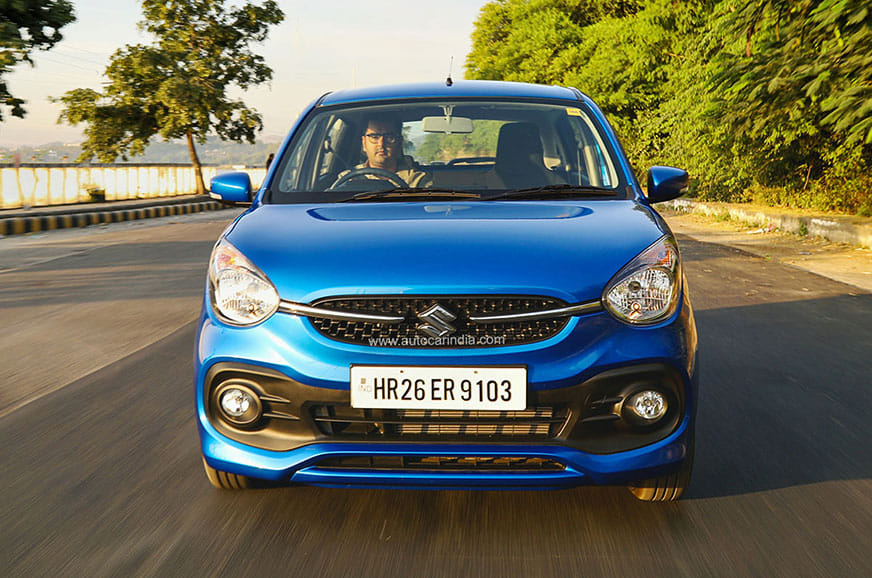
Maruti Celerio front tracking

Helping matters further in the city is the plaint suspension, which soaks up bumps at lower speeds without much fuss. The light steering, tight turning radius and good front visibility also go a long way in helping you navigate compact parking spots and bustling city traffic. And despite its cost-friendly design, the height-adjustment feature for the driver’s seat means finding a suitable position isn’t too much of an issue.

Efficiency champ

This is Maruti Suzuki’s most frugal offering in the country

Maruti Celerio AMT gearbox

Not only is it easy to drive, but the Maruti Celerio will not have you complaining about fuel economy either. The petrol version with the 5-speed manual transmission has a claimed mileage of up to 25.24kpl, while the AMT option is rated at 26kpl – making the Celerio AMT the most fuel-efficient petrol car in the market. All variants of the Celerio come with an automatic engine stop-start function, further reducing fuel consumption. While this feature isn’t enabled when running on CNG (in VXi MT only), the claimed mileage of 34.43km/kg is better than that of the Maruti Wagon R CNG and the Renault Kwid CNG.

Roomy boot

The Celerio’s boot affords more space than some rivals

Maruti Celerio boot space

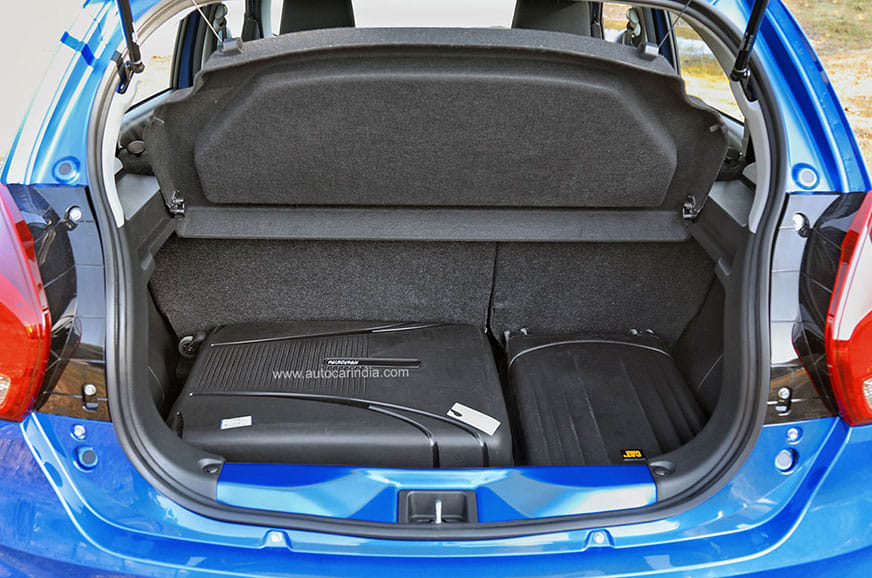
At 292 litres, the boot of the Maruti Celerio is bigger than those rivals such as the Tata Tiago and Renault Kwid. This is enough to accommodate two large suitcases and a couple of carry-on-sized bags, with still some room to spare. If you need even more space, the 60:40 split-folding rear seats will come in handy. On the other hand, the loading lip is high and relatively narrow, making loading or unloading heavier items cumbersome.

Reasons to avoid the Maruti Celerio

Ergonomic niggles

This interior has a few sore points that’ll take getting used to

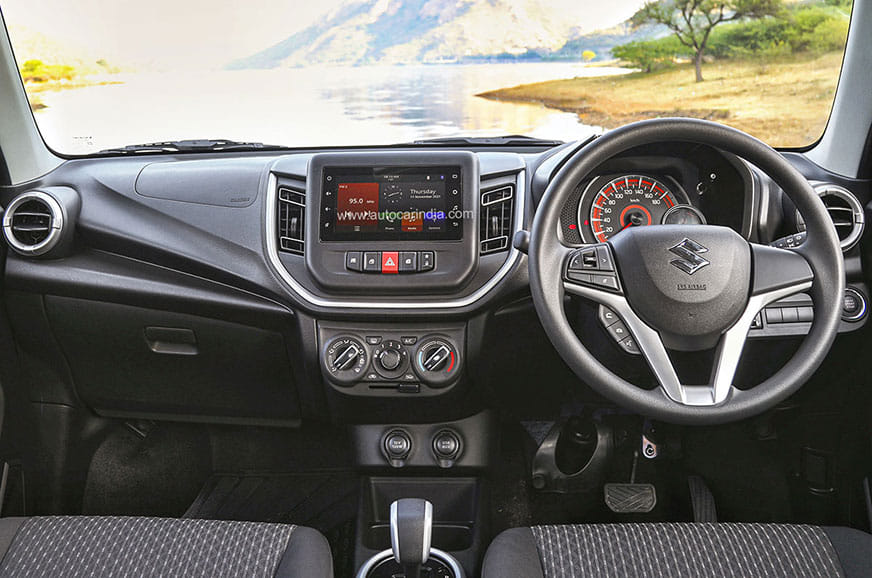
Maruti Celerio infotainment

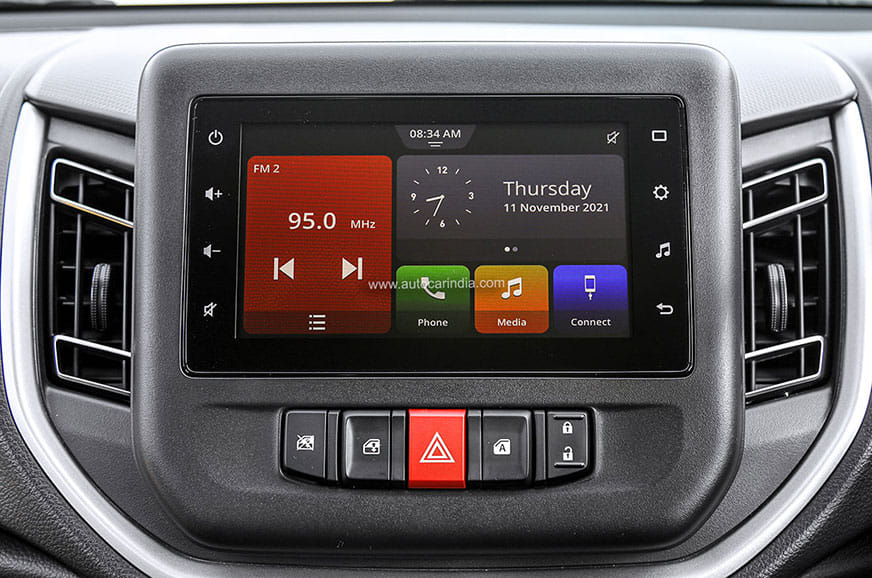
Compared to most of its adversaries, the power window switches of the Maruti Celerio aren’t placed on the doors. The front ones are positioned on the dashboard, whilst the rear switches are found on the rear centre pedestal between the front seats. Buttons to operate the door and power-window locks are also on the dashboard. Then there are the thick A-pillars, which can obstruct your view at junctions and roundabouts.

Maruti Celerio rear seats

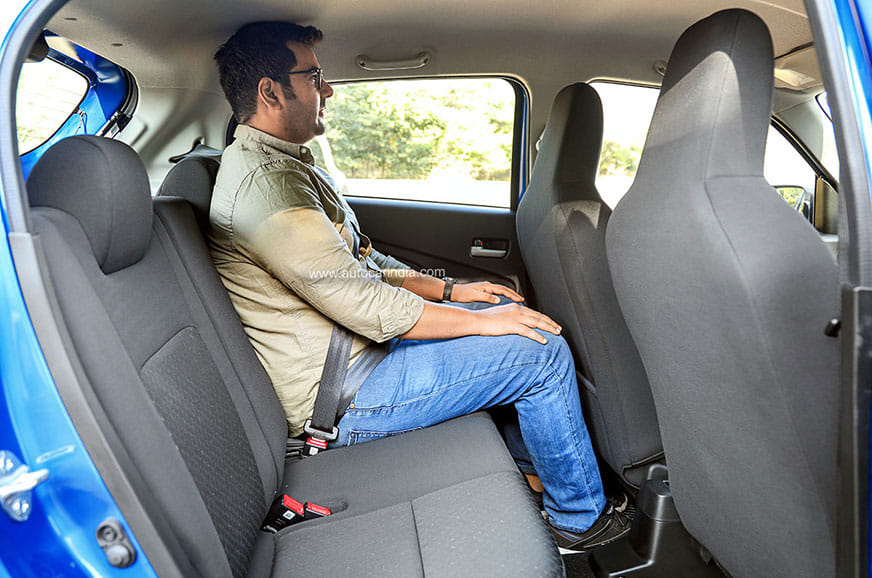
The well-cushioned rear seats of the Celerio offer plenty of kneeroom for even taller occupants. However, headroom isn’t all that good, and the fixed headrests are positioned way too low to be effective. The angled design of these headrests also means that they poke into your back, which can be uncomfortable.

Unimpressive material quality and feature set

The Celerio’s cabin isn’t the most up-to-date in this segment

When compared to the new-gen Tata Tiago, the interior of the Maruti Celerio looks and feels a touch dated. There’s plenty of hard plastics which, even though are accompanied by shiny trim and a sculpted dashboard, feel pretty basic. The relatively simple design is backed by an equipment list that isn’t particularly competitive either.

Maruti Celerio interior

For instance, even the top trim level of the Celerio doesn’t come with a rearview camera. There’s also no automatic climate control system, while Apple CarPlay and Android Auto both require a wired connection. The touch-infotainment screen is a 7-inch unit, whereas a similarly priced Tata Tiago offers an 8-inch setup. On the outside, the Maruti Celerio gets the old-school ‘flip-up’ door handles.

Imperfect on a highway

This hatchback isn’t particularly meant to be driven hard or fast

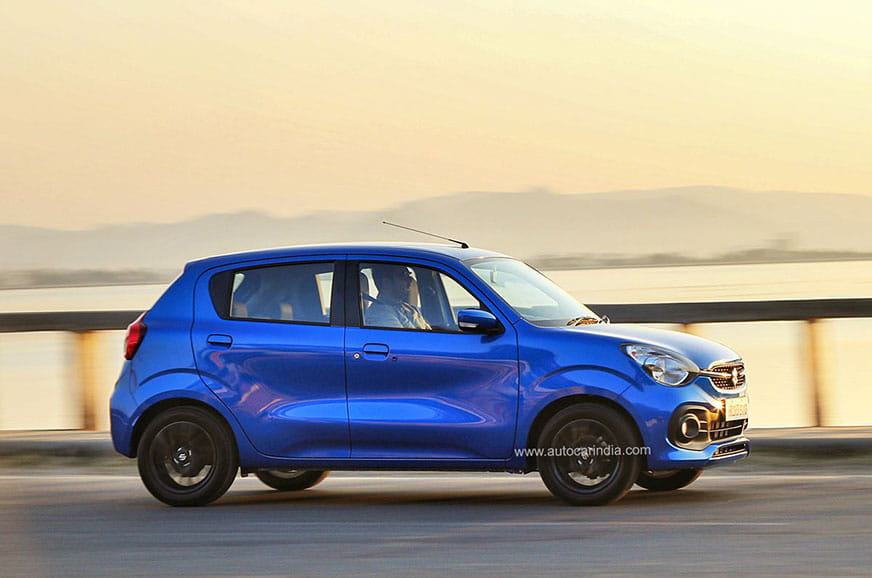
Maruti Celerio side tracking

While it’s perfectly at home in the city, the Maruti Suzuki Celerio isn’t as good out on the open road. The lifeless steering aside, the body moves around enough – both of which robs you of confidence required to push the car any harder.

Also read

3 reasons to buy the Toyota Hyryder and 2 reasons not to

Mitsubishi Pajero: What’s changed from fourth to fifth-generation model

2026 Lamborghini Urus SE review: Thunder and lightning

2026 Lamborghini Urus SE review: Thunder and lightning
2026 Lamborghini Urus SE review

When introduced originally, the Lamborghini Urus rewrote the playbook of what an SUV could be. Sharp to look at, ferociously fast and with a mighty V8 soundtrack, the Urus has become the benchmark of performance SUVs. Now though, thanks to ever tightening regulations, the Urus has had to pivot to hybridisation. But has that diluted the experience? We got behind the wheel of the Lamborghini Urus SE to answer that question.

Lamborghini Urus SE Exterior Design and Engineering – 9/10

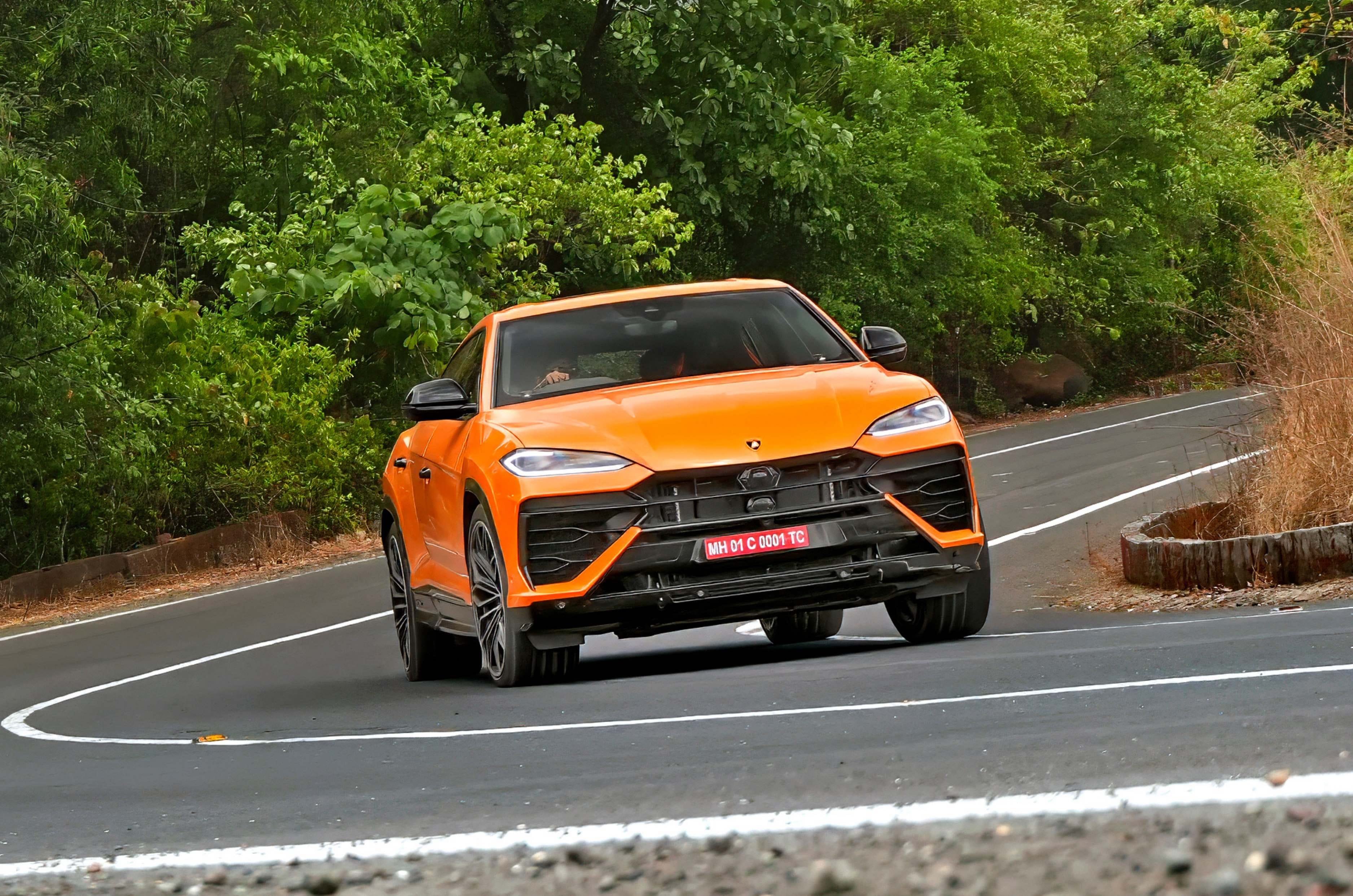
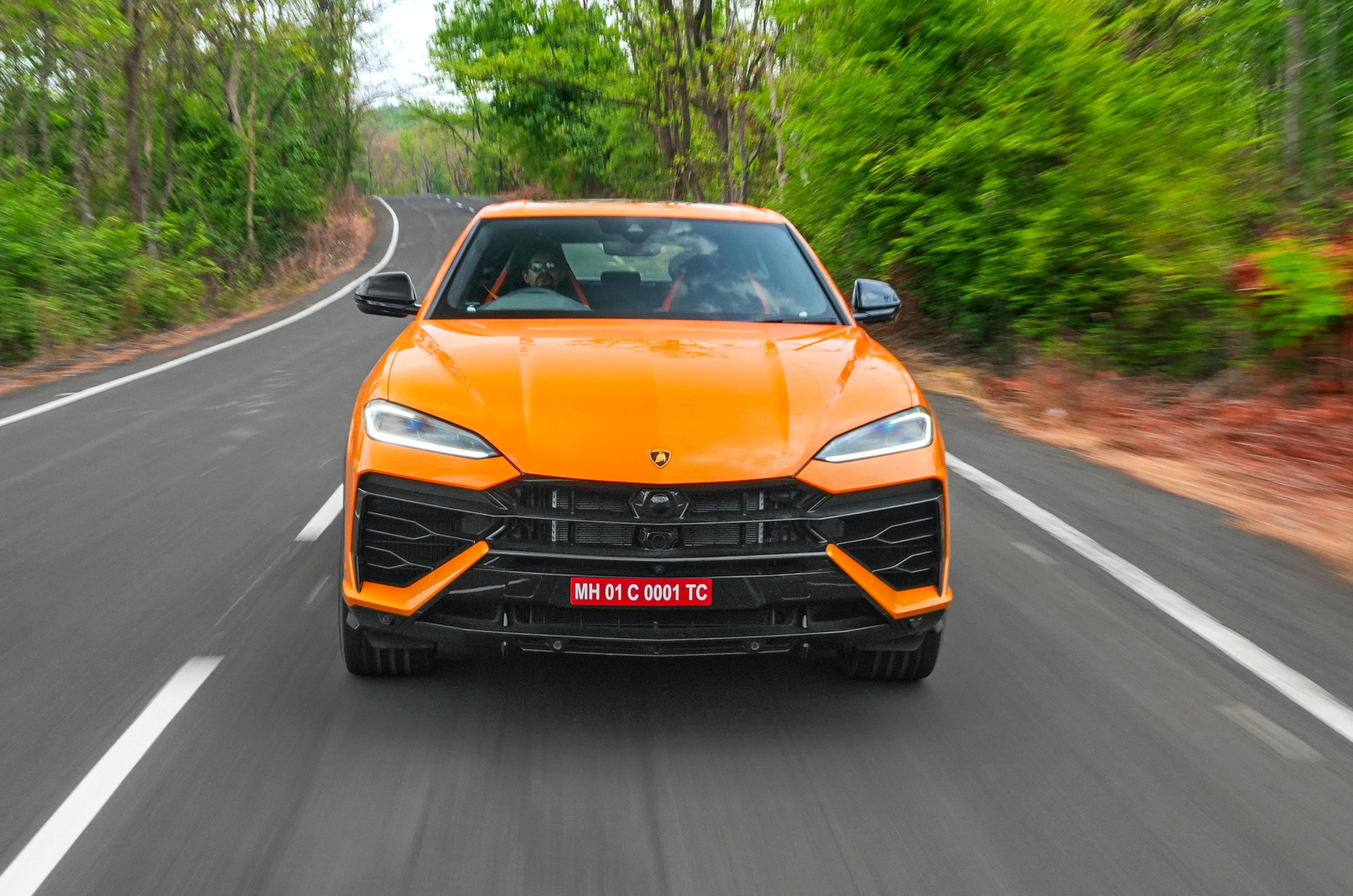
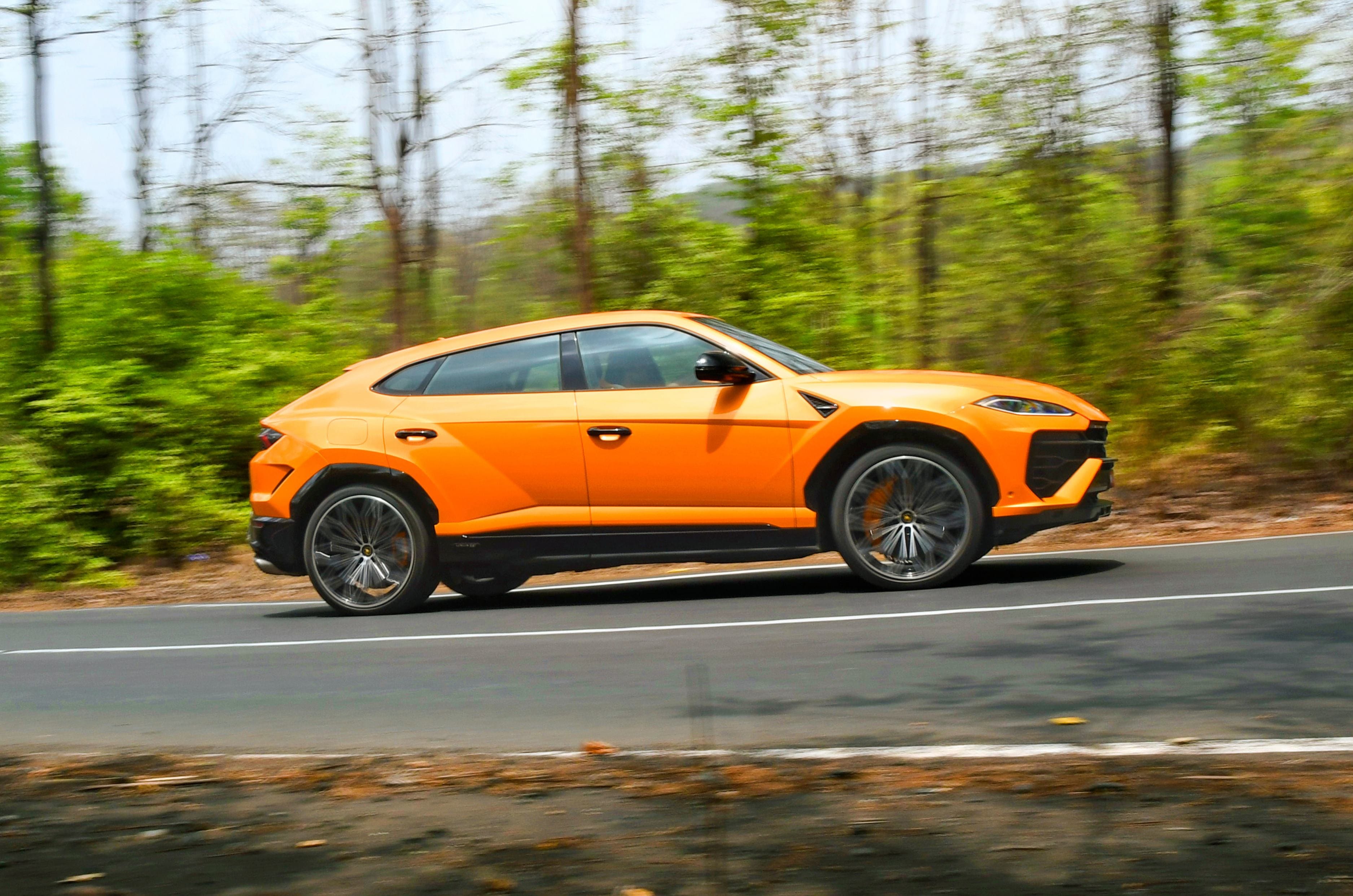
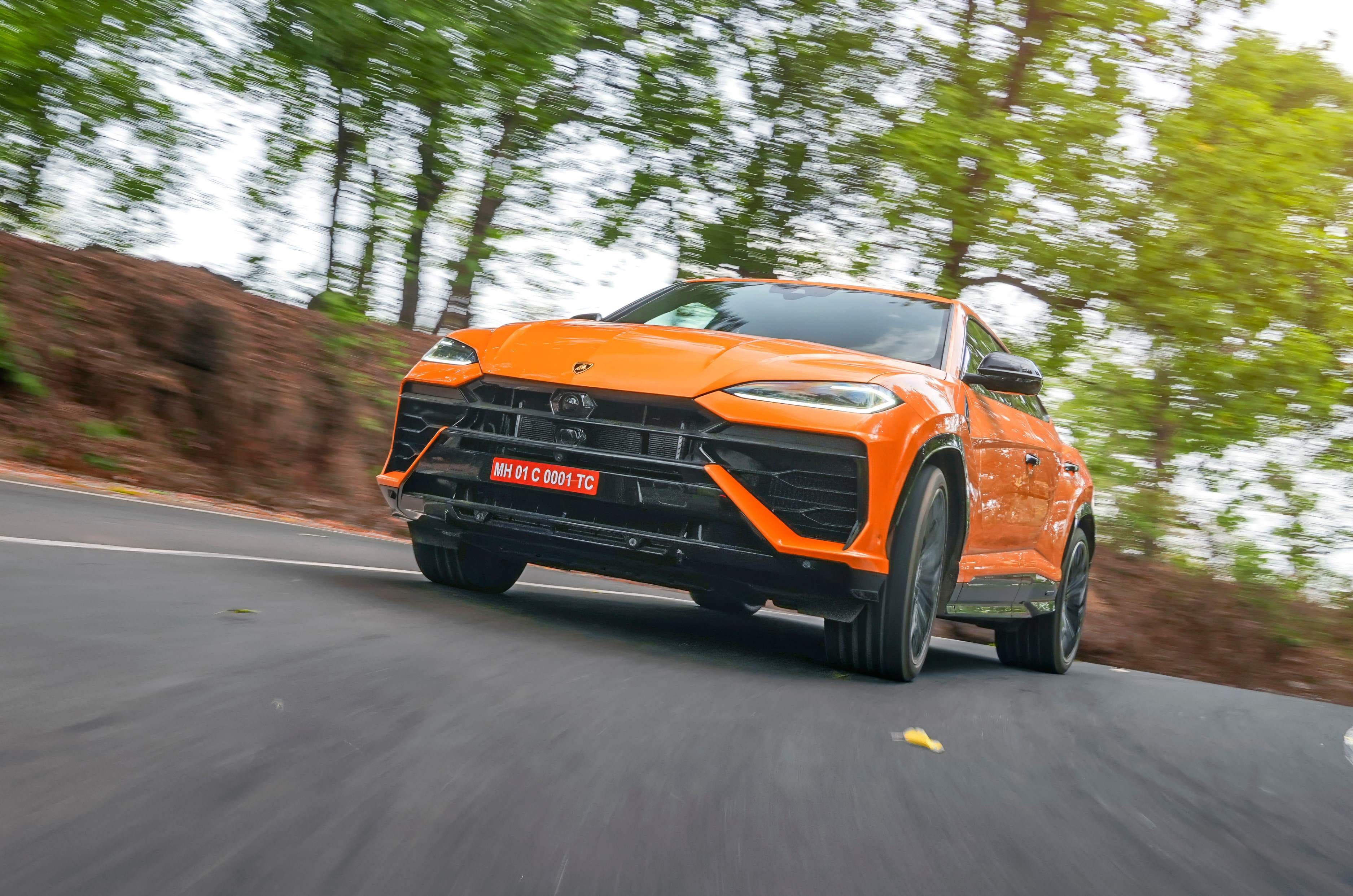
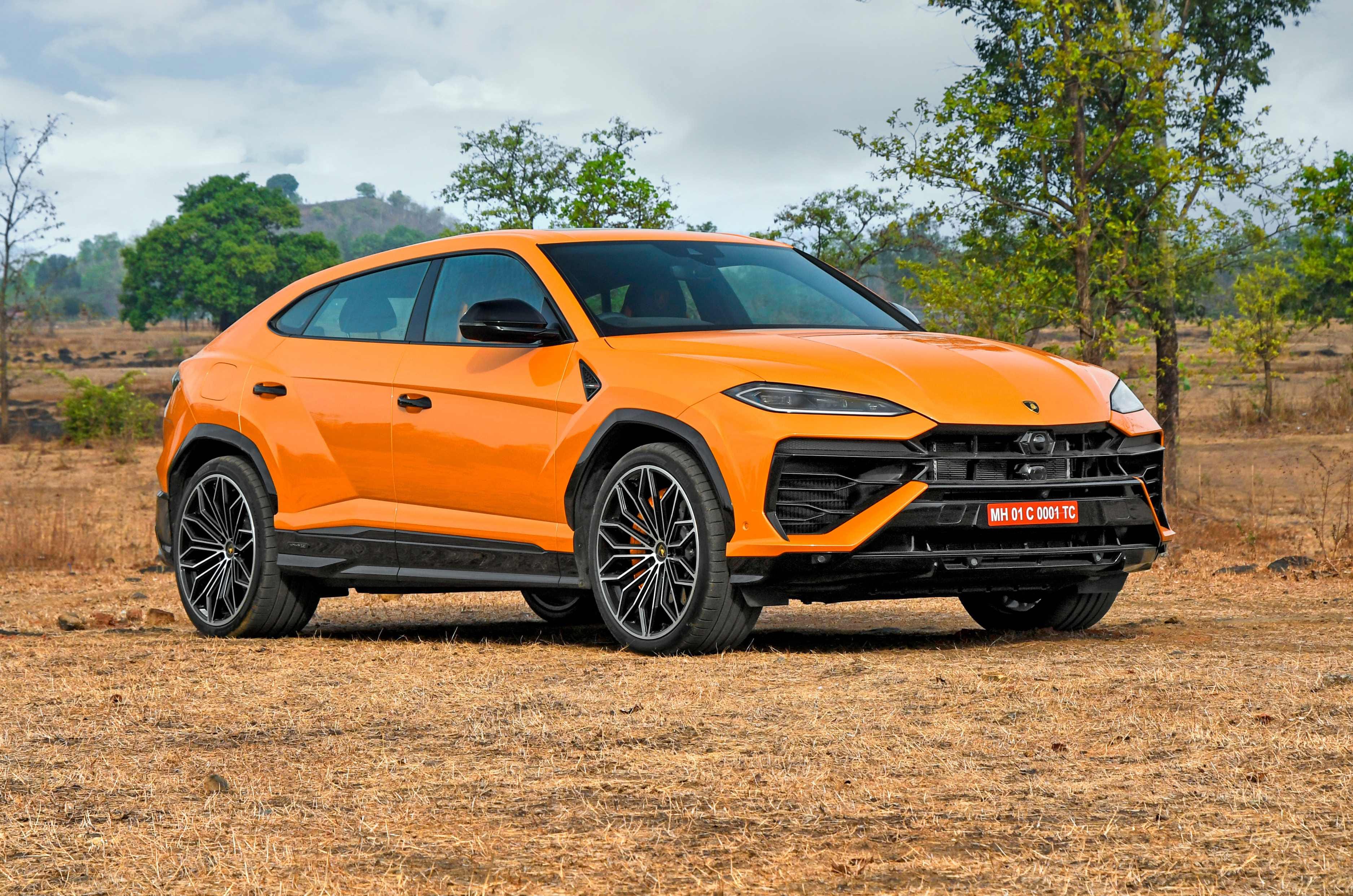
Urus SE has a more rounded-off design than its predecessor, but it’s no less menacing.

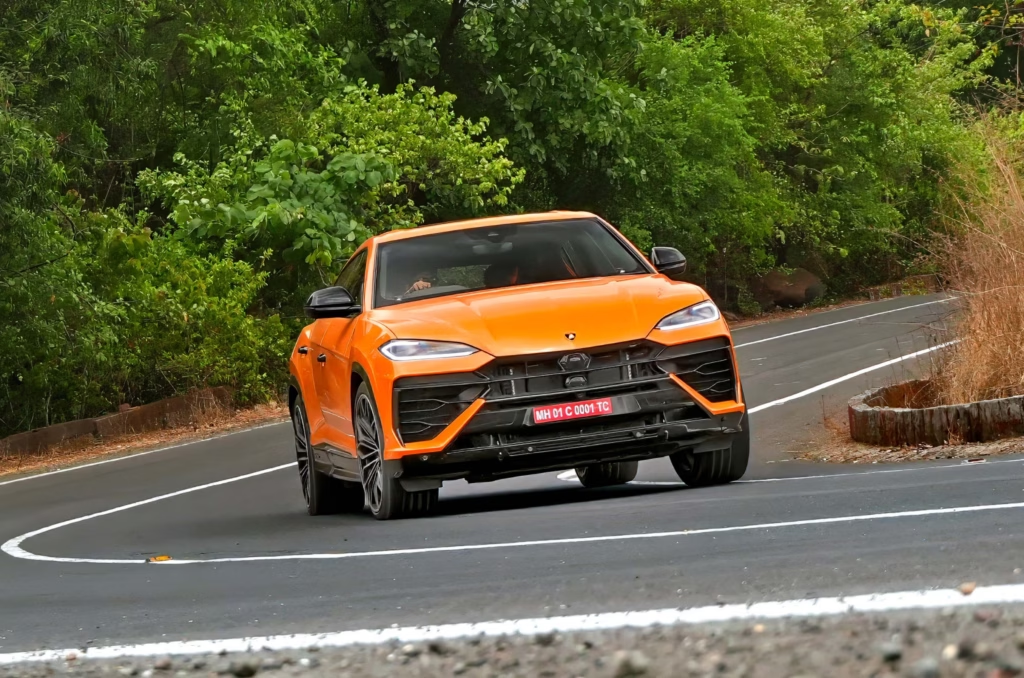
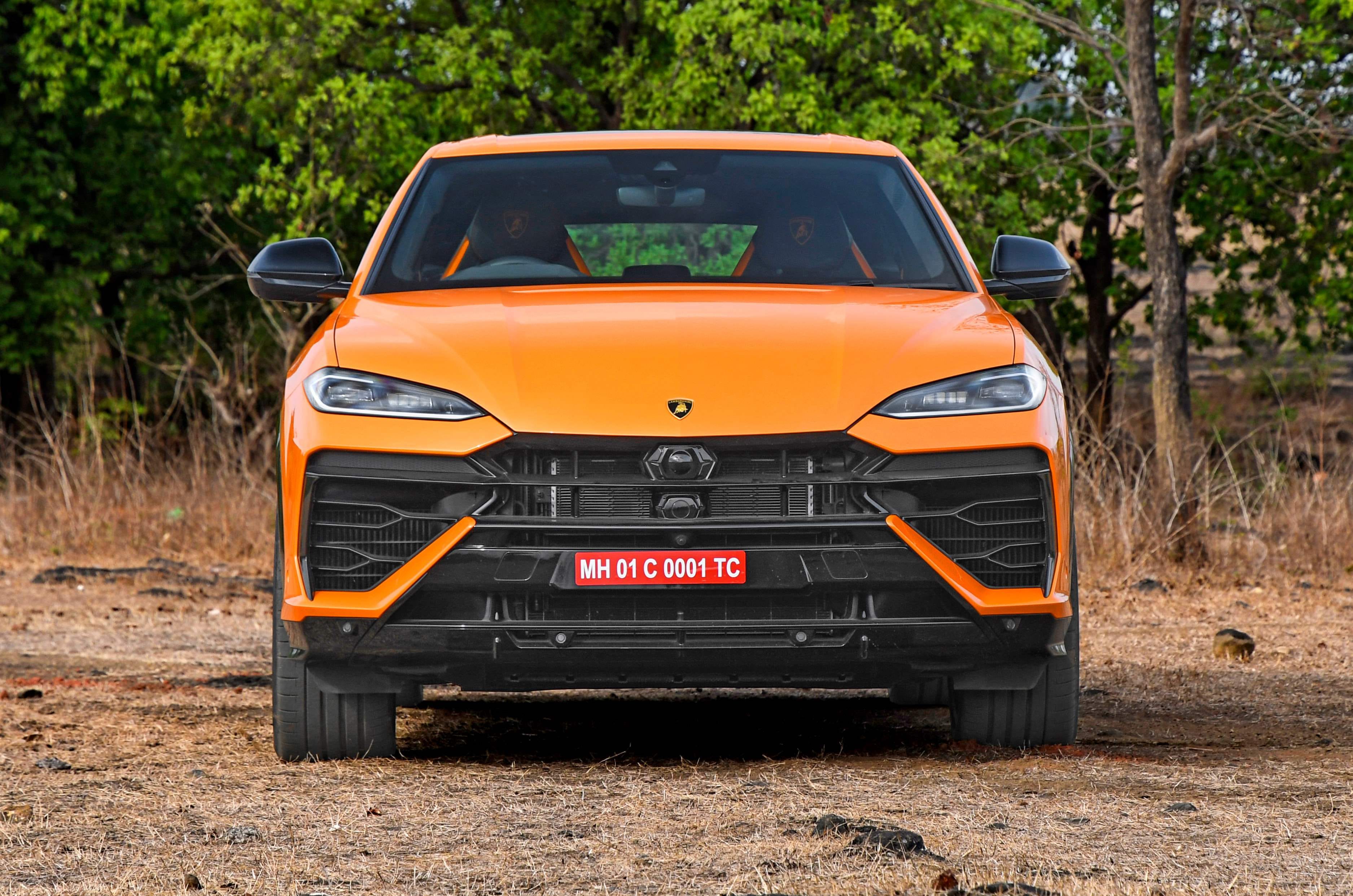
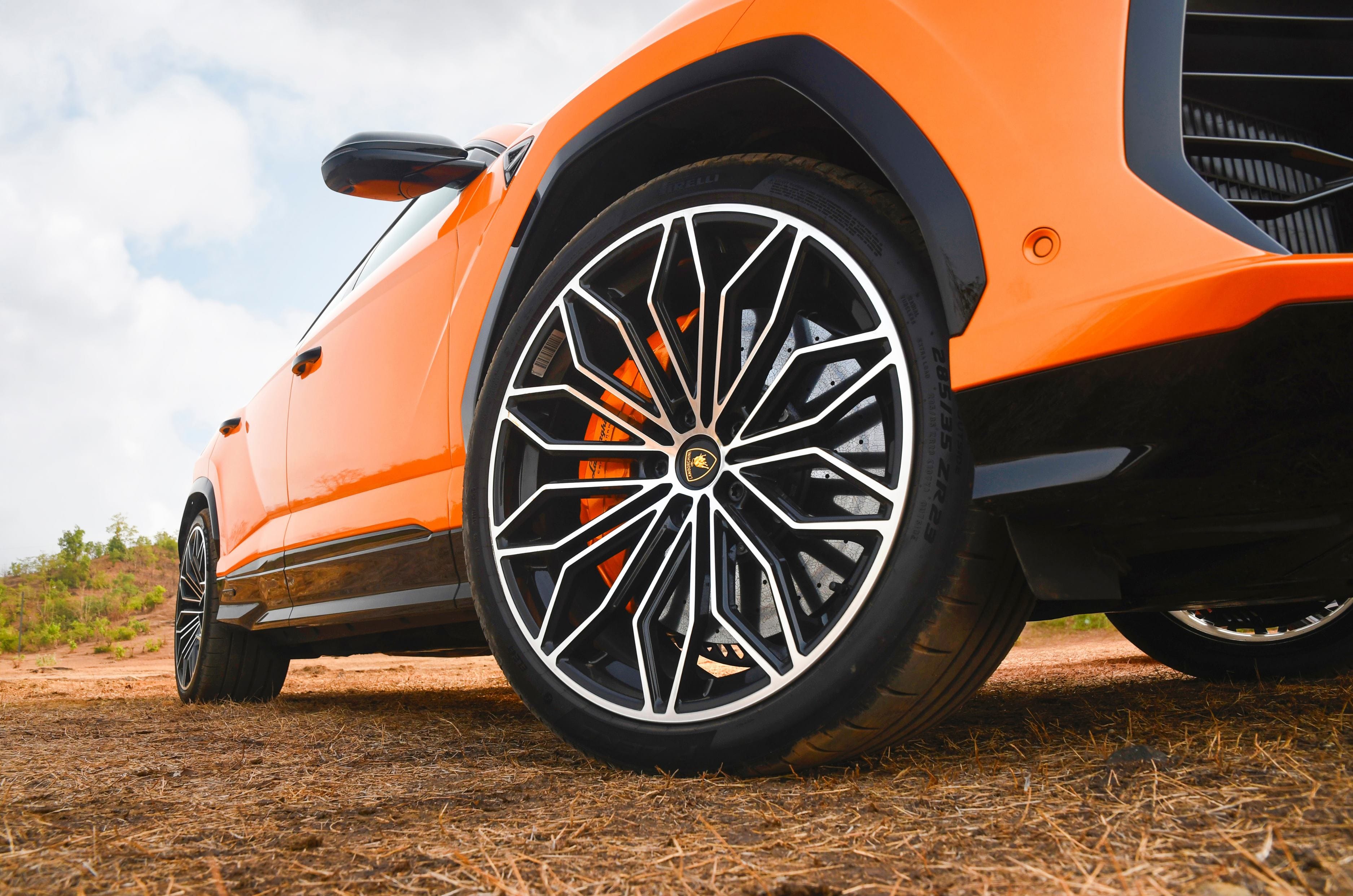
In comparison to the older Urus and the mad Urus Performante, the Urus SE does appear a bit softer and more rounded off. But that’s not to say it lacks presence by any means. It’s still full of sharp angles and surfaces, the Arancio Borealis optional paint on our test car looked stunning as did the diamond-cut, multi-spoke 23-inch alloy wheels. Up front, there’s a new bonnet, redesigned bumper and a larger front grille, while the slimmer headlights are now matrix LED units and a different DRL signature.

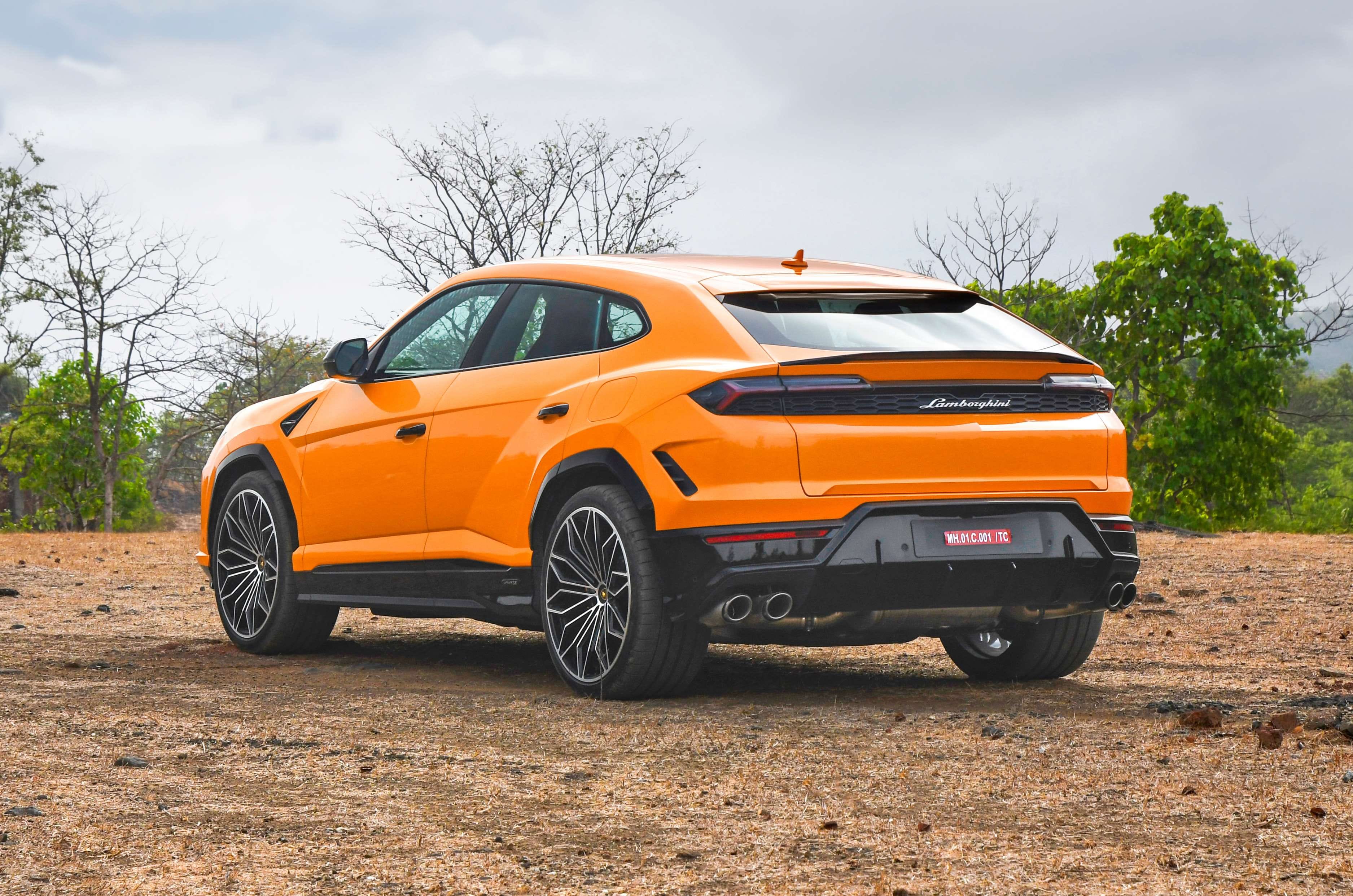
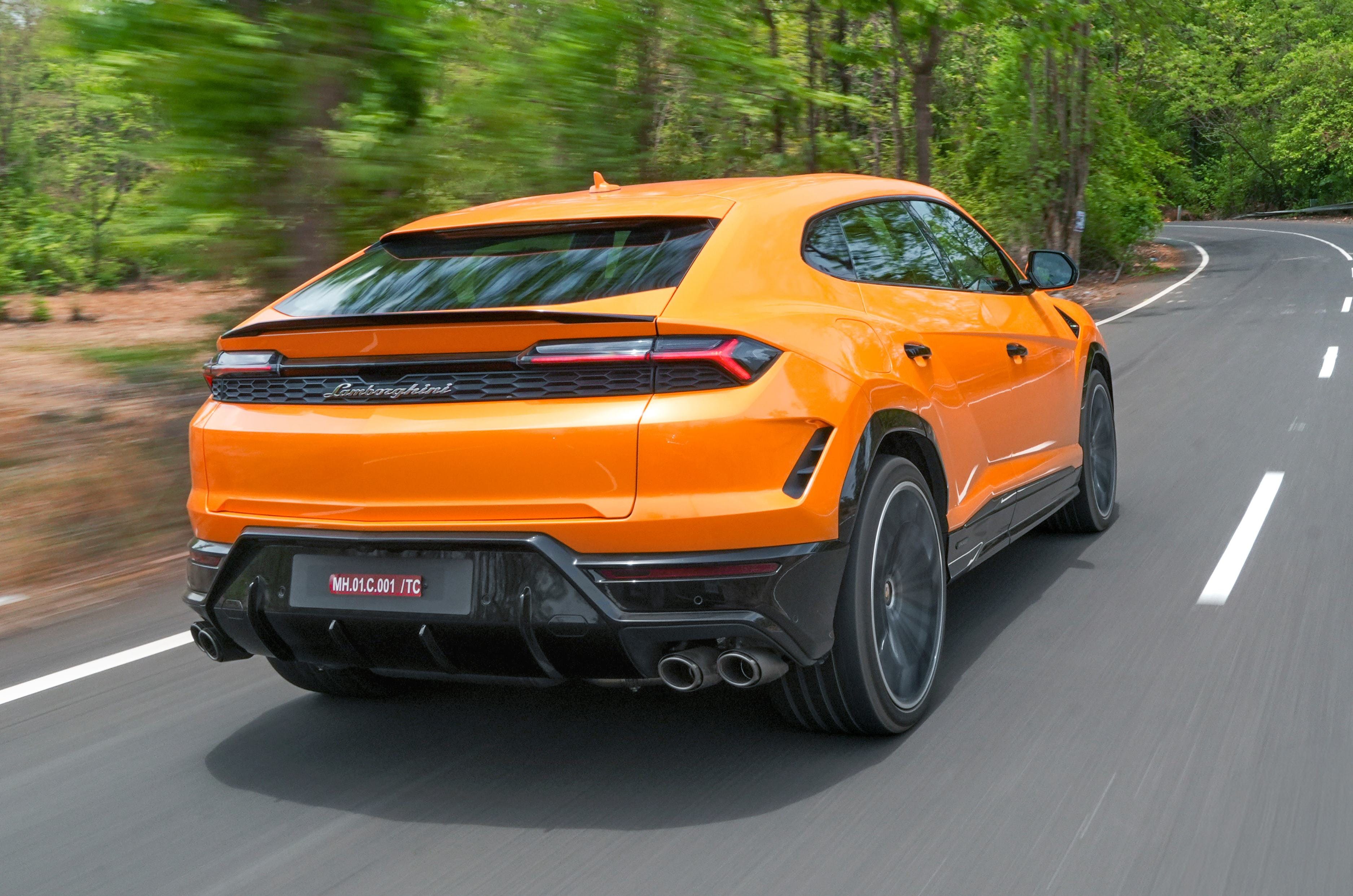
Rear end features quad-exhaust setup, sporty raked roofline, and a hexagon-patterned grille connecting the tail-lights.

The differences are immediately apparent at the rear too, with a new tailgate, rear bumper and a connecting tail-light grille. As always, Lamborghini’s Ad Personam personalisation programme offers an enormous scope for customisation, so buyers can tailor the Urus SE as per their needs. It remains a substantial machine, measuring 5.12m long and 2.02m wide, with a 3m wheelbase. Kerb weight is a hefty 2,505kg, which makes the fact that it can sprint from 0-100kph in just 3.4sec all the more impressive. 

Lamborghini Urus SE Interior Space and Comfort – 8/10

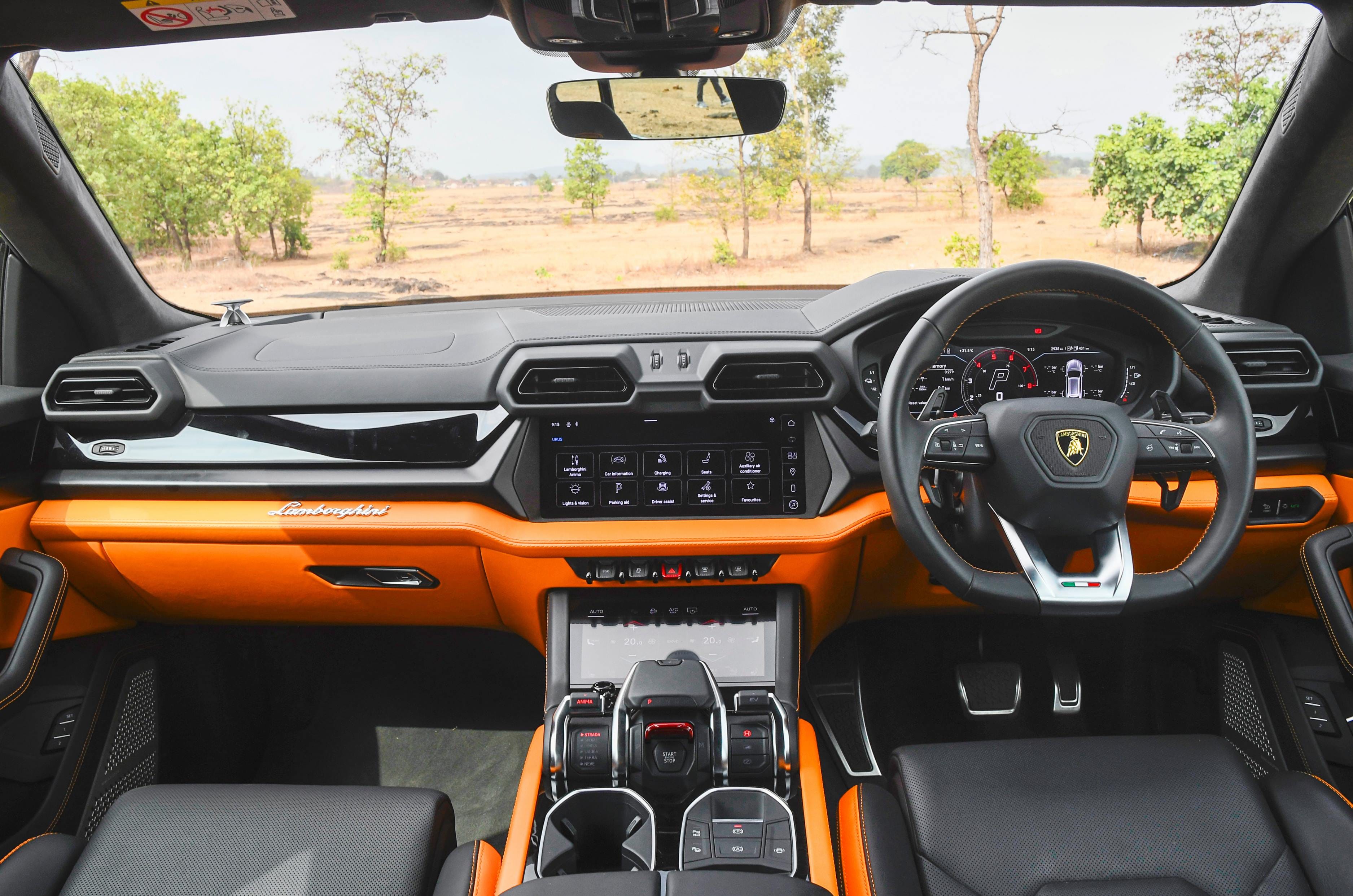
Dashboard layout is premium and feature-loaded, and gets a lot of Lamborghini theatrics.

Inside, the Urus SE retains the familiar Lamborghini approach of combining the ambience of a supercar with the practicality expected of an SUV. However, the changes here are less apparent than those on the outside. The centre console is ever so slightly redesigned with a new array of toggle switches under the touchscreen. The touchscreen itself is larger than the earlier Urus, with updated graphics and a slicker user interface.

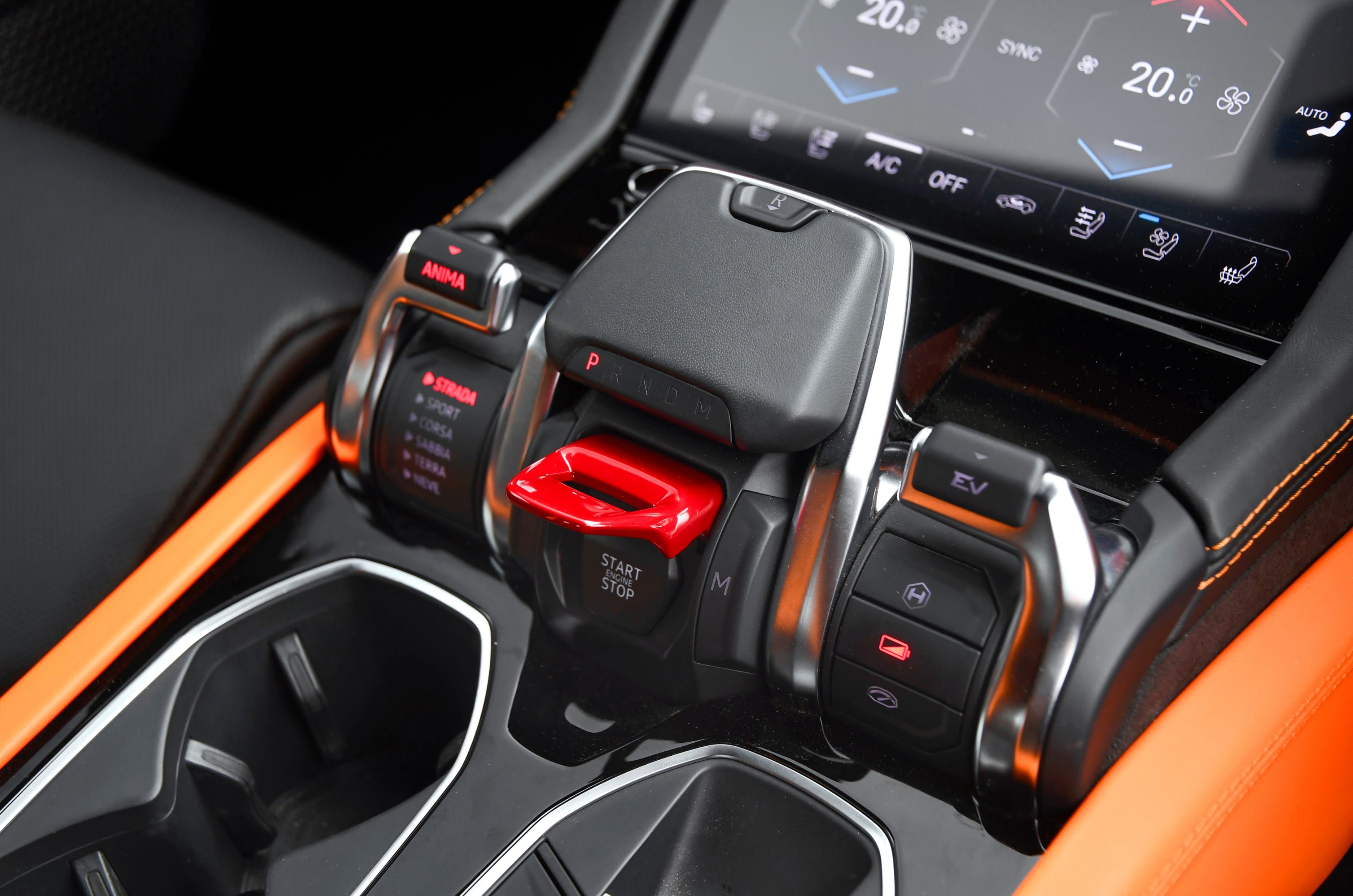
Lamborghini’s signature flip-up engine start/stop button is inspired by those of fighter jets.

There’s plenty of visual theatre, too, and it looks just as extroverted as the outside. Standout elements include the hexagonal AC vents, the Lamborghini badging on the dashboard, the aircraft-style levers for the drive modes and of course, the fighter-jet inspired flap-up engine start/stop button. Lamborghini has also introduced new colour and trim combinations with the SE, with our test car featuring the same predominantly orange theme as on the outside.

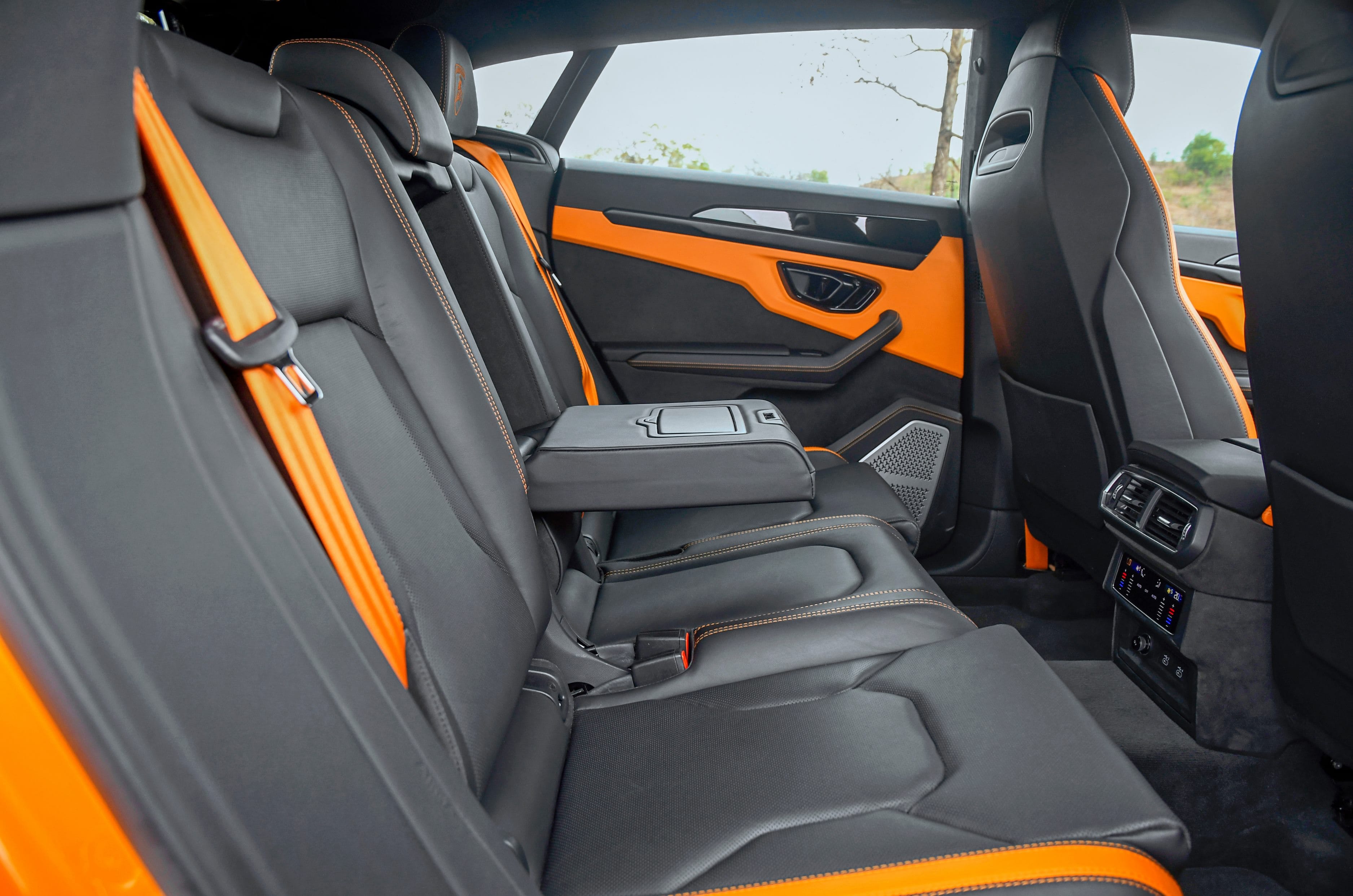
Rear space is surprisingly plentiful given the Urus SE’s sporty proclivities.

Despite all the drama, this remains a practical SUV. The long wheelbase means there’s plenty of legroom at the rear and it’s wide enough for three too, though taller passengers may find headroom a bit tight thanks to the tapering roofline. The front seats are large, well padded and the optional Lamborghini crest on the headrests just adds to the ambience. The glovebox is decent sized, there’s cupholders and the boot offers 454 litres of capacity.

Lamborghini Urus SE Features and Safety – 8/10

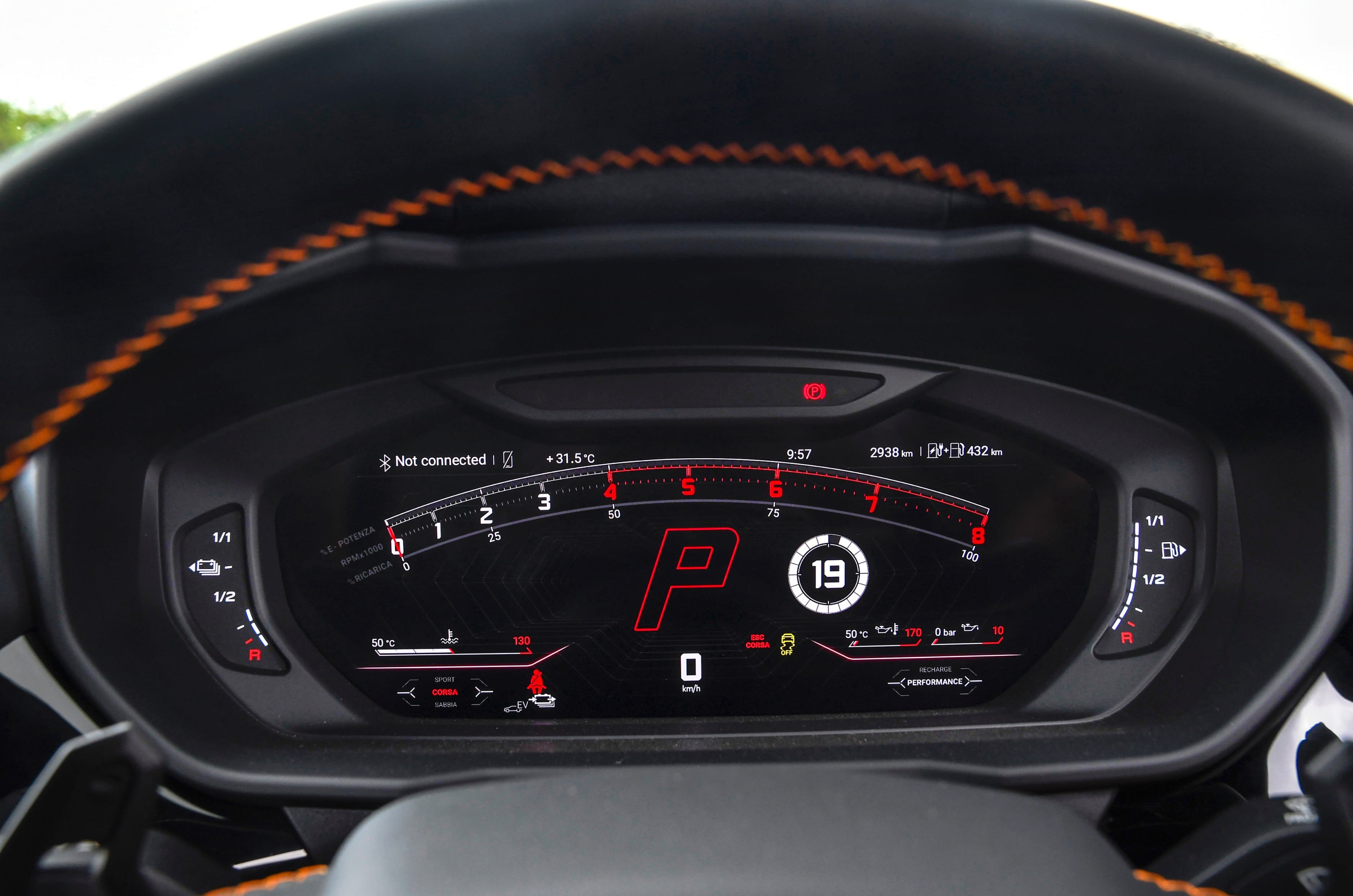
Info-packed driver’s display interface can get confusing at times.

As standard, the Urus SE gets plenty of features like the three screen setup – for the infotainment, AC system and driver’s display – wireless Android Auto and Apple CarPlay, LED matrix headlamps, four-zone auto climate control, leather upholstery, 360-degree camera, connected car tech and so much more. 

The SE also gets a comprehensive technology upgrade, with the new user interface being one of the more significant updates. It features a carousel-style layout on the touchscreen to access the numerous sub-menus it packs in, while the driver’s display shows all sorts of data pertaining to the hybrid system, navigation, media and other car-related info. Navigating all the sub-menus can get confusing, however.

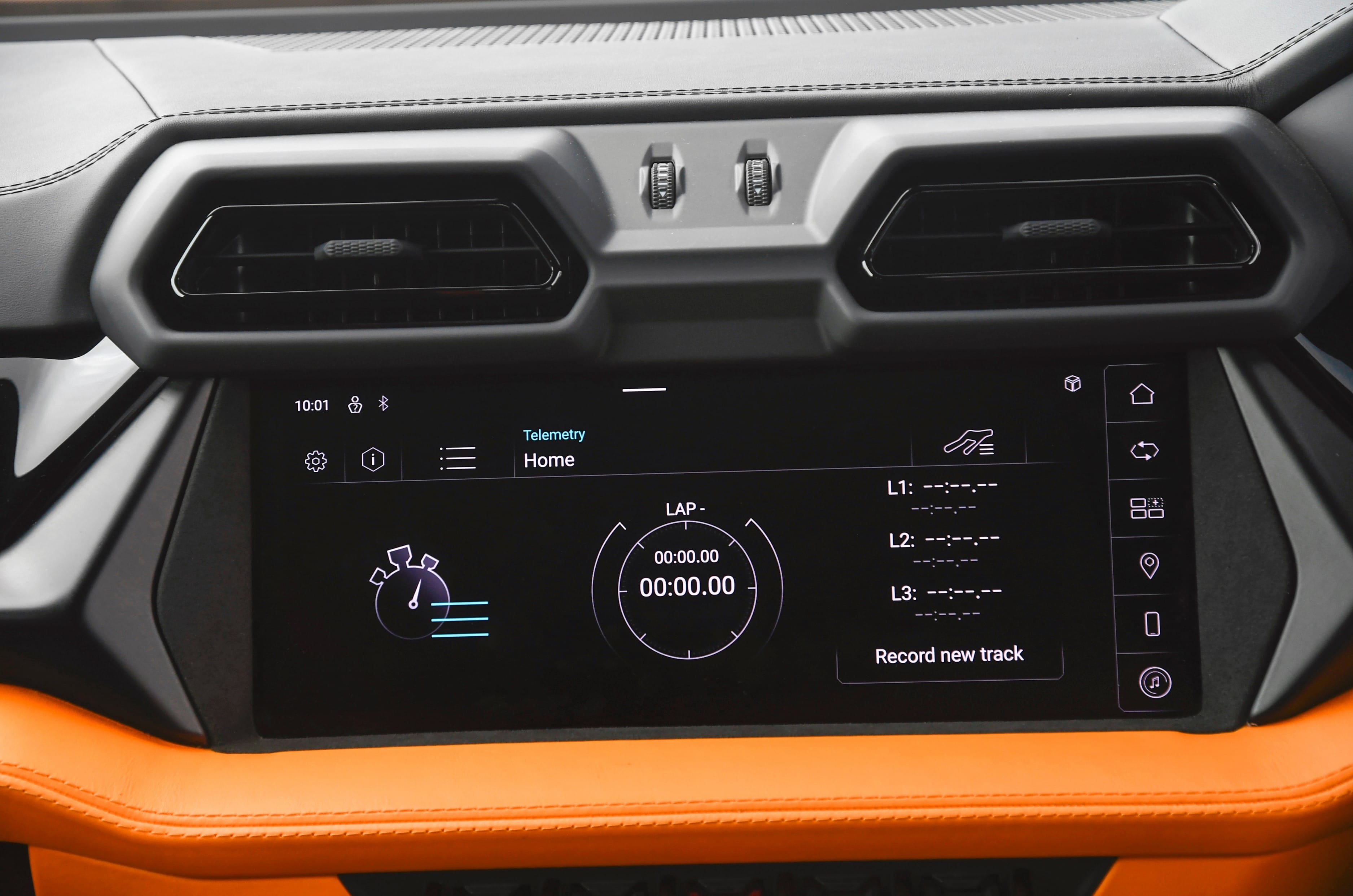
New Lamborghini Telemetry function comes with over 300 pre-loaded racetracks to record lap times on.

There’s also ‘Lamborghini Telemetry’ that can display lap times and sector information for more than 300 preloaded circuits, as well as record new tracks. Connected services extend to navigation, real-time traffic, remote locking, vehicle-status information, remote charging, remote cooling of the cabin and various safety and security alerts.

Also part of the package is ADAS tech like autonomous emergency braking, lane keep assist, adaptive cruise control and more. But there’s a lot that’s optional too, like a large panoramic sunroof, a Bang and Olufsen 3D audio system and a whole lot more, apart from the usual trim, material and stitching options. On the whole, the Urus SE is well-equipped but some of the optional extras really could have been standard fitment given the asking price. 

Lamborghini Urus SE Performance and Refinement – 9/10

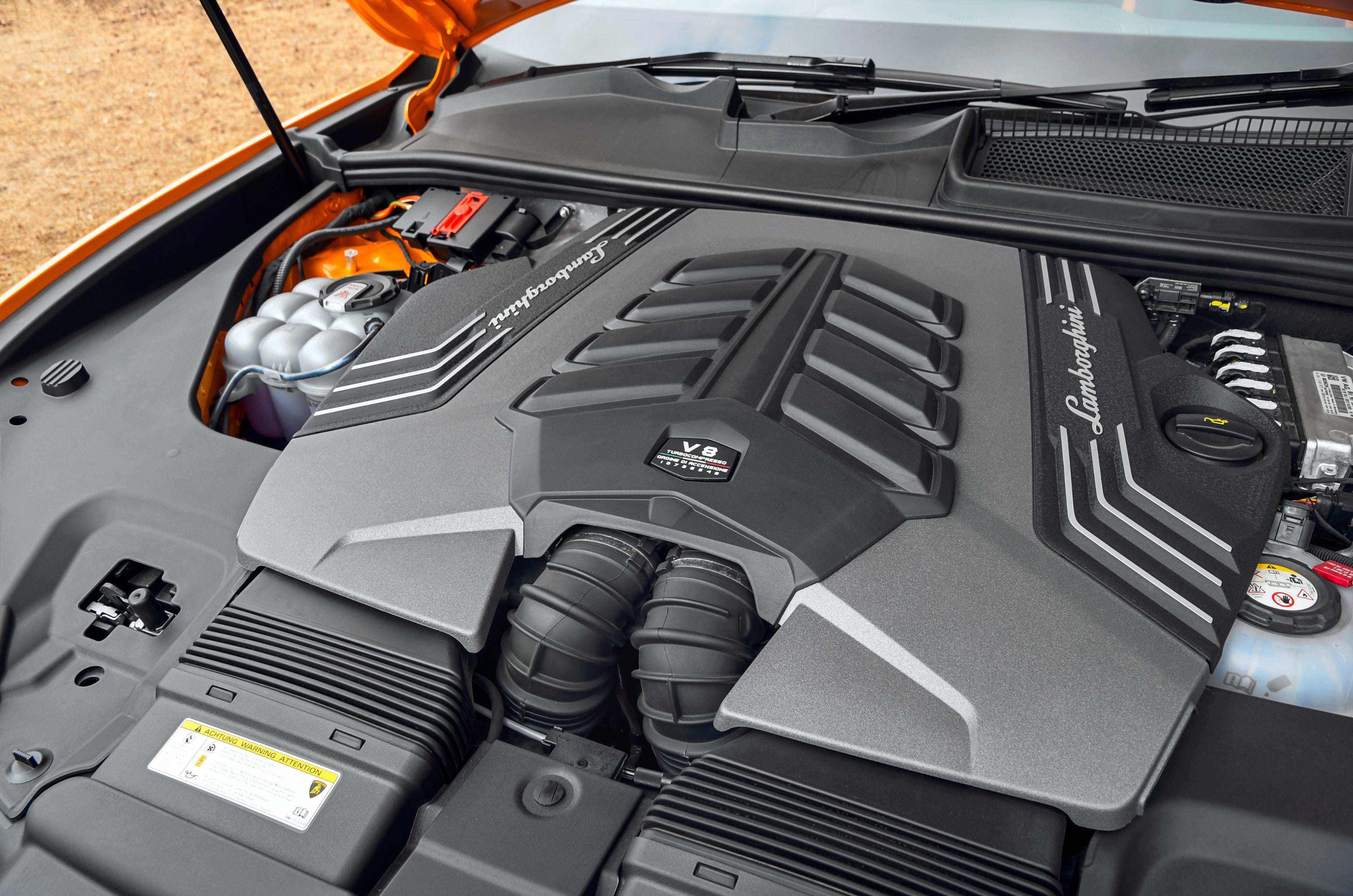
Twin-turbo V8 and electric motor develop a combined 800hp and 950Nm.

As for the numbers, they are, predictably, staggering. The Urus SE combines the familiar 4.0-litre twin-turbo V8 with a 25.9kWh lithium-ion battery and a permanent-magnet synchronous electric motor for an eye-watering combined output of 800hp and 950Nm. The result is 0-100kph in 3.4sec and 0-200kph in 11.2sec, with a claimed top speed of 312kph. Those figures put the Urus SE firmly in supercar territory, despite its size and weight.

And it does feel like one from behind the wheel too, especially in a straight line. Acceleration is relentless and it feels borderline scary on narrow, two-lane roads. The Urus SE always feels like it has power in reserve, especially when you’ve got the powertrain fully dialled up. There’s Strada mode for everyday driving, Sport for when you want to have a bit more fun and of course, Corsa for when you want a proper scare. Couple that with the hybrid system in its full performance mode, and the SE can really feel overwhelming. But if you don’t drive with a heavy foot, it’s surprisingly cordial and sedate. The SE really has a Jekyll and Hyde character about it.

Unrelenting acceleration can get scary on public roads.

What makes the SE more interesting than simply being a faster Urus is the way the electric motor has been integrated. Of course, it’s to help with emissions and meet regulations, but it’s also to boost performance. In EV mode, it can reach up to 135kph and go as far as 66km. But with a flick of a switch, it can turn from silent to violent. 

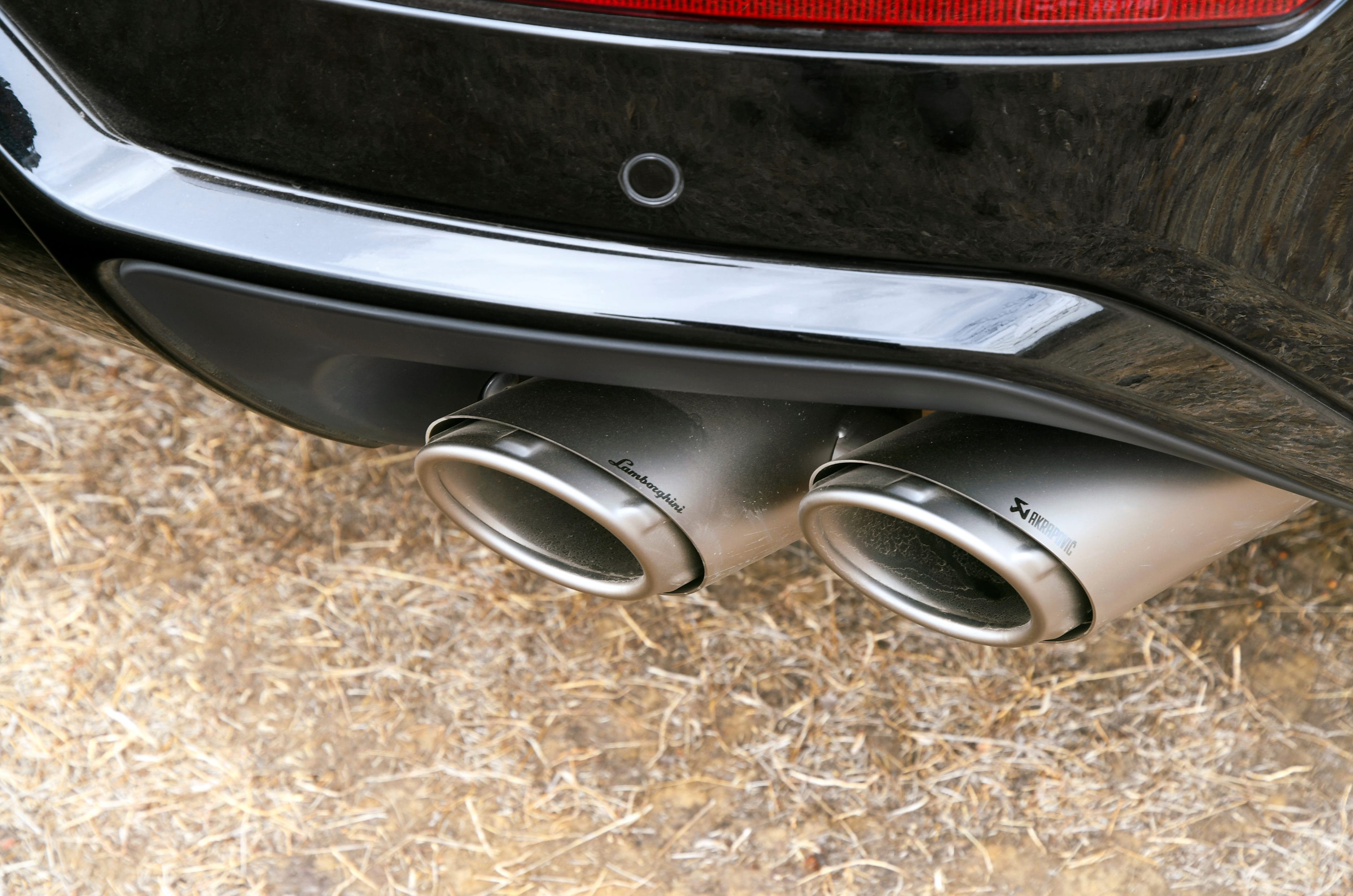
The V8 also hasn’t become anonymous with the hybridisation. It still makes its presence felt, especially through the optional Akrapovic exhaust our car came fitted with, but it does feel a bit subdued. It’s also piped through the speakers, which doesn’t feel entirely ethical but it does help its case.

Optional Akrapovic exhaust system helps enhance the V8’s aural character.

Lamborghini has also paid considerable attention to keeping performance consistent, with additional cooling for the powertrain and brakes. Not that we ever managed to push it so hard to test out that claim. And apart from the aforementioned drive modes, there’s even some off-road modes baked in, but how many buyers actually take their prized possession off the grippy stuff remains to be seen. 

Lamborghini Urus SE Mileage and Efficiency – 7/10

This is where the Urus SE’s plug-in hybrid system makes a big difference. Lamborghini quotes a WLTP combined energy consumption of 4.67km/kWh plus 17.54kpl. With a discharged battery, however, combined claimed fuel efficiency falls to 7.75kpl.

Thanks to the 25.9kWh battery, the Urus SE claims a 66km all-electric range.

The headline figure therefore needs some context. The SE’s efficiency advantage is greatest when the battery is regularly topped up. With a claimed 66km of EV range, many shorter daily journeys can theoretically be completed without the V8 needing to fire up at all.

For longer journeys, the hybrid system allows the electric motor and V8 to share the workload. But once the battery is depleted, this remains a 2.5-tonne SUV with a twin-turbo V8, so expectations of conventional-SUV fuel economy would be unrealistic.

Lamborghini Urus SE Ride Comfort and Handling – 8/10

Ride isn’t all that absorbent due to the low-profile Pirelli P Zero tyres.

The Urus SE uses a multilink suspension setup front and rear with semi-active dampers, all of which make this large SUV feel engaging around corners without sacrificing comfort. There is a sense of pliancy at low speeds with the ride firming up as speeds rise. Of course, riding on 23-inch wheels means you can feel potholes and road imperfections, but still it isn’t uncomfortable by any means.

Rear-wheel steering, semi-active dampers, e-diff, and torque vectoring help make the Urus SE a keen handler.

It also gets rear-wheel steering, which helps make it more manageable at lower speeds while contributing to agility at higher speeds. The SE feels eager to change direction and the e-diff and clever torque vectoring system do their best to keep things tidy around bends. You also get a good sensation from the steering which has good heft to it and the Pirelli P Zero tyres it comes with are grippy too. Lamborghini has also worked on the aerodynamics, with a new rear aero lip and diffuser increasing rear downforce by 35 percent over the Urus S. Overall though, the SE feels agile enough but there’s no escaping its heavy kerb weight.

Giant carbon-ceramic brakes peek out from behind the 23-inch alloys.

You’re also backed by massive carbon-ceramic brakes, measuring 440mm at the front and 410mm at the rear, and they do take some time getting used to. They may not have the initial bite like with conventional steel brakes, but the stopping power is immense and they stay consistent despite repeated hard braking, which is essential in something as big and powerful as the Urus SE.

Lamborghini Urus SE Value for Money – 7/10

The Urus SE is arguably the most convincing expression yet of Lamborghini’s super-SUV. More importantly, it hasn’t sacrificed the characteristics that make a Lamborghini feel special in the pursuit of meeting ever tightening restrictions. There’s still a V8, it’s still outlandish inside and out, and it still delivers a driving experience that goes well beyond what you’d expect from something this large. All of that while adding the benefit of the plug-in hybrid system for performance and efficiency, as well as properly usable EV range. 

The Urus SE is the all-in-one Lamborghini.

At Rs 4.47 crore (ex-showroom, before options), of course, the Urus SE is expensive. But that’s almost beside the point. The Urus SE isn’t for those who expect rational value; it is for those who want a vehicle that can combine supercar pace, SUV practicality, luxury, all-electric driving and aspirational brand value all in one package. As a technological statement and a performance SUV then, the Urus SE makes a compelling case for Lamborghini’s hybrid future.

JSW MG bets on PHEVs to challenge diesel models in executive SUV market

JSW MG bets on PHEVs to challenge diesel models in executive SUV market
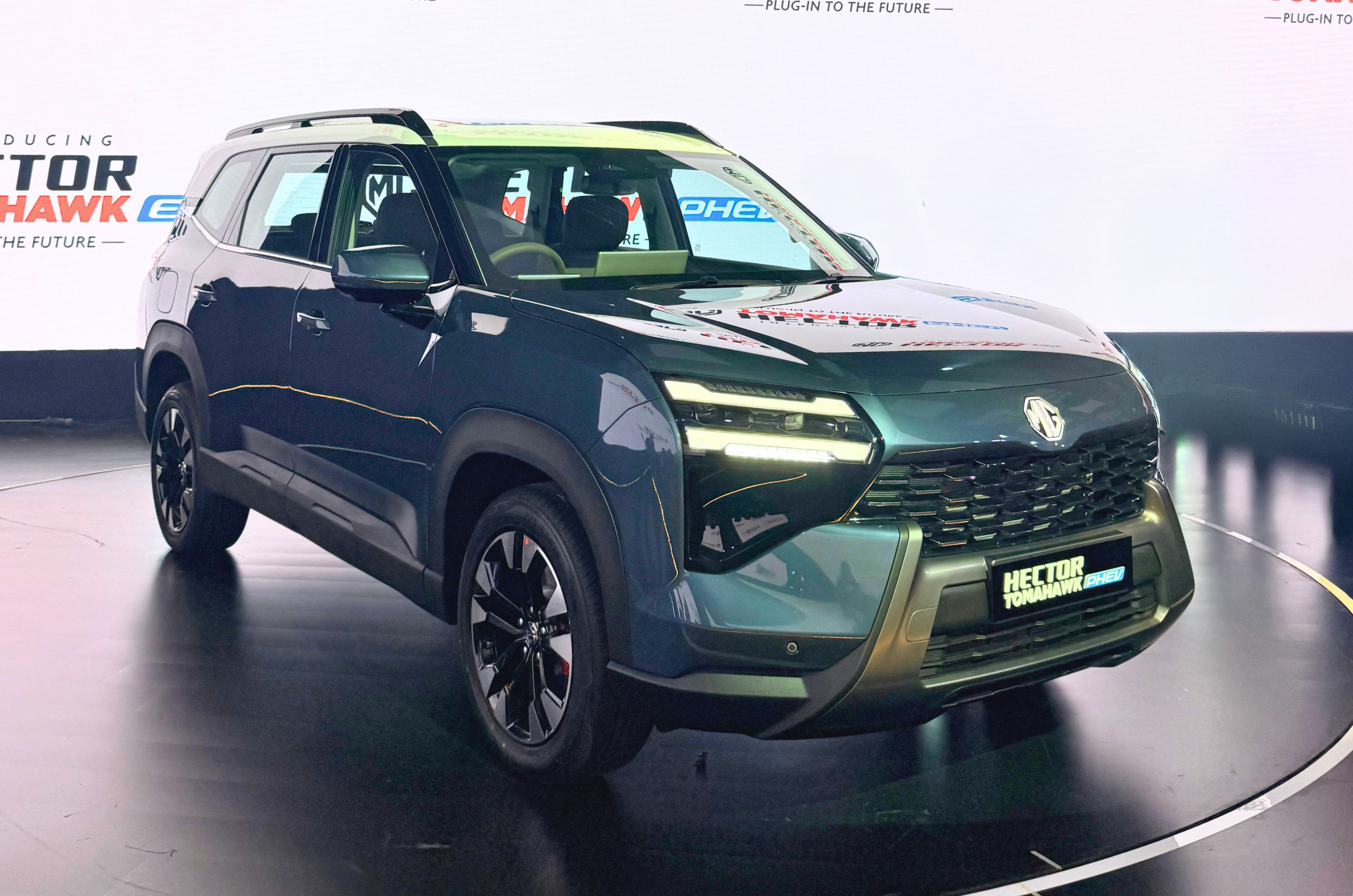
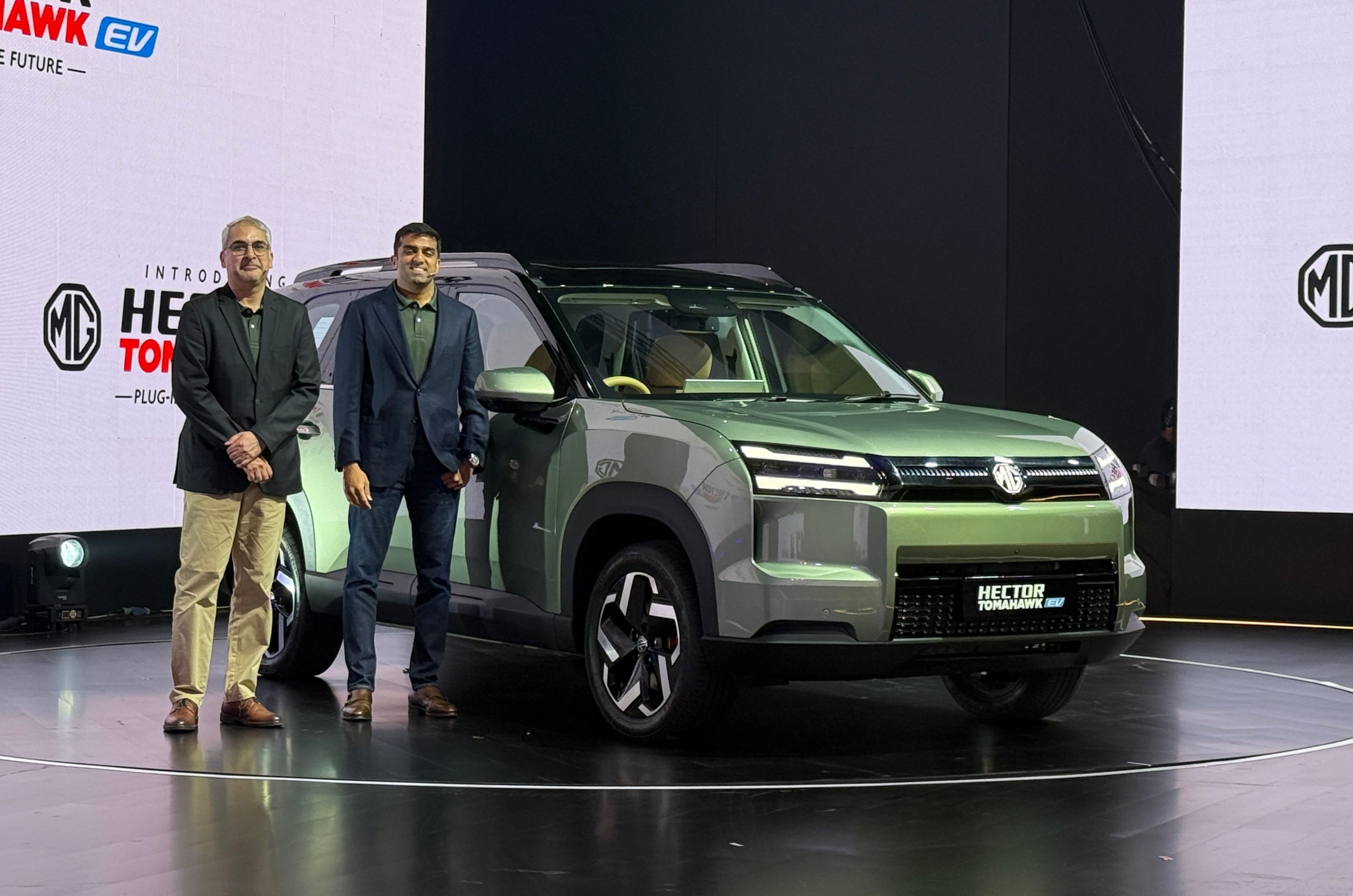
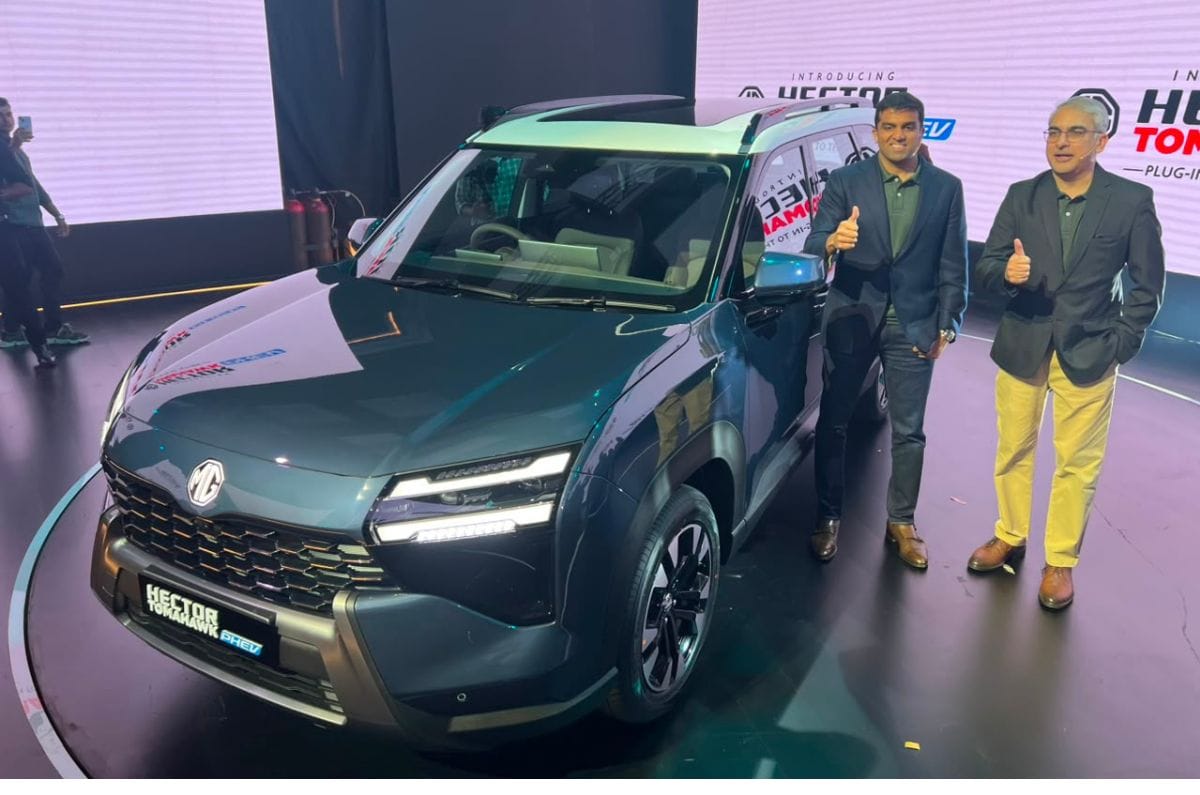
Hector Tomahawk PHEV

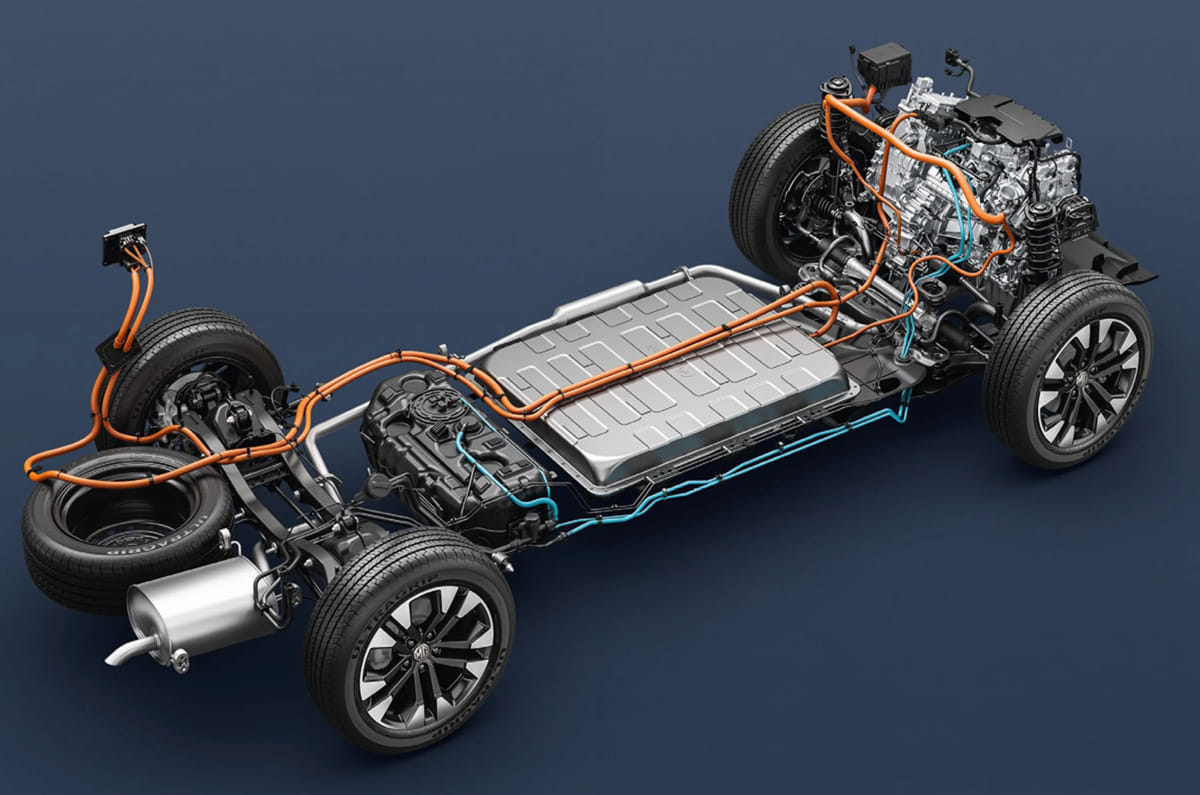
JSW MG Motor is betting on plug-in hybrid technology to attract buyers of executive diesel SUVs, with the Hector Tomahawk PHEV forming the centrepiece of its strategy. The company believes the powertrain can offer the lower running costs of electric driving without the range concerns associated with a pure EV. The seven-seat Tomahawk PHEV offers more than 115km of electric-only driving and a combined range of over 1,100km.

  1. MG claims Rs 3,000-4,000 running cost per 1,000km, versus Rs 10,000-12,000 for diesel
  2. JSW MG targets the executive SUV market that sells 50,000 units a month
  3. Company aims for 5,000-6,000 Tomahawk sales per month

JSW MG eyes executive diesel SUV market

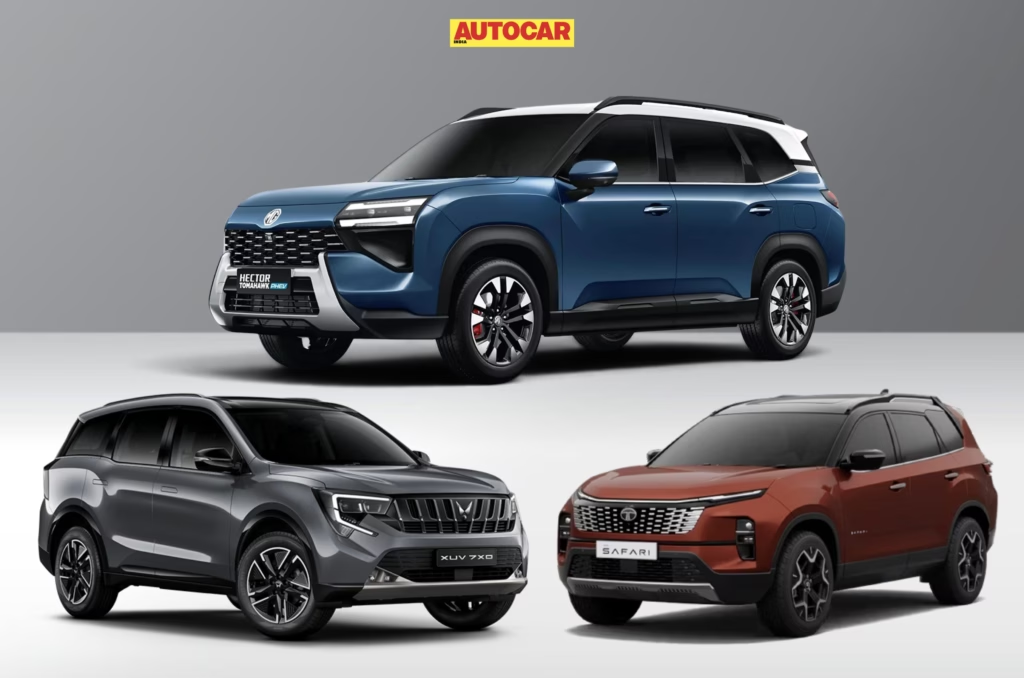
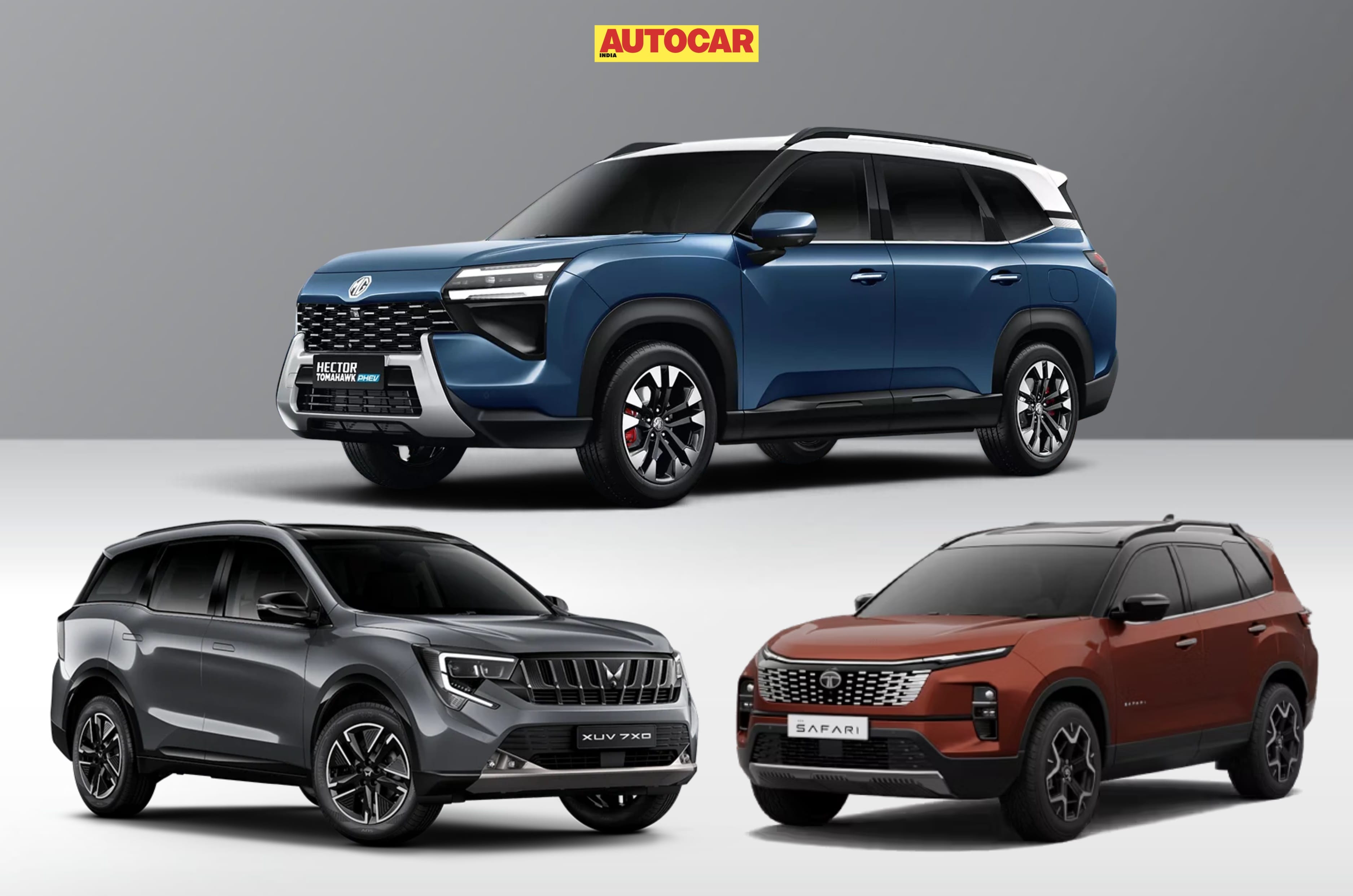
JSW MG says that the executive SUV market in India accounts for around 50,000 units a month, with diesel SUVs contributing about 40,000 units and EVs around 10,000. The diesel segment includes models such as the Mahindra XUV 7XO, Tata Safari and Tata Harrier, while the EV segment includes the Mahindra XEV 9S, Tata Harrier EV and Kia Carens Clavis EV.

“If you look at the diesel C-sized market, that is about 40,000 units. The C-sized EV market is about 10,000. So, the total potential is 50,000,” says Anurag Mehrotra, Managing Director, JSW MG Motor India.

The Hector Tomahawk PHEV is priced Rs 1.5 lakh-2 lakh higher than the top diesel automatic variants of the Mahindra XUV 7XO, Tata Safari and Tata Harrier. JSW MG expects to justify this premium through lower operating costs and the overall product package.

The Tomahawk PHEV has no direct mass-market PHEV rival in India and will instead target diesel SUV buyers. According to surveys cited by Mehrotra, owners in this segment typically cover 18,000-20,000km a year, with many combining daily commutes with regular outstation travel.

“They want the fuel efficiency of a diesel because they are travelling longer distances,” says Mehrotra. “For them, there has not been a new-energy choice. The plug-in hybrid takes away the range issue completely, but still gives you the unit economics of an EV.”

Vinay Raina, Chief Commercial Officer, JSW MG Motor India, says many of these customers choose diesel because it suits their usage rather than because of a fixed preference for the fuel. “The Indian consumer is willing to experiment,” he says.

MG Hector Tomahawk PHEV running costs

JSW MG estimates that covering 1,000km in the PHEV could cost Rs 3,000-4,000, compared with Rs 10,000-12,000 in a diesel SUV. This calculation assumes regular charging and substantial use of the electric mode. “The plug-in hybrid will be close to a third of the cost of running a diesel,” Mehrotra says.

The company says the PHEV can return around 22kpl when used mainly as a hybrid, while its claimed 30-50kpl figure assumes regular charging and that most daily travel is completed using electric power. These figures include kilometres covered on electricity and therefore cannot be directly compared with the fuel economy of a diesel SUV. Charging costs also need to be included when calculating the overall running cost.

This also means the claimed savings will depend on how the vehicle is used. Owners who regularly charge at home and complete much of their daily driving on battery power should use less petrol, while those who rarely charge will rely more on the engine and lose much on the projected savings.

JSW MG targets 5,000-6,000 Tomahawks a month

JSW MG is targeting monthly sales of 5,000-6,000 units for the Tomahawk range, which includes the EV and PHEV. The company has not specified how that volume will be split between the two powertrains. At the targeted volume, JSW MG estimates the range would account for around 10-12 percent of the 50,000-unit monthly executive SUV opportunity it has identified. 

The Tomahawk EV and PHEV are based on the company’s ADAPT architecture, which is designed to support multiple powertrain types. JSW MG currently has achieved around 45 percent localization in the Tomahawk and plans to increase this to approximately 70 percent by next year, with the investment already approved by its board.

MG Hector Tomahawk PHEV launched at Rs 25.69 lakh

MG Hector Tomahawk PHEV launched at Rs 25.69 lakh
MG-Hector-Tomahawk-PHEV

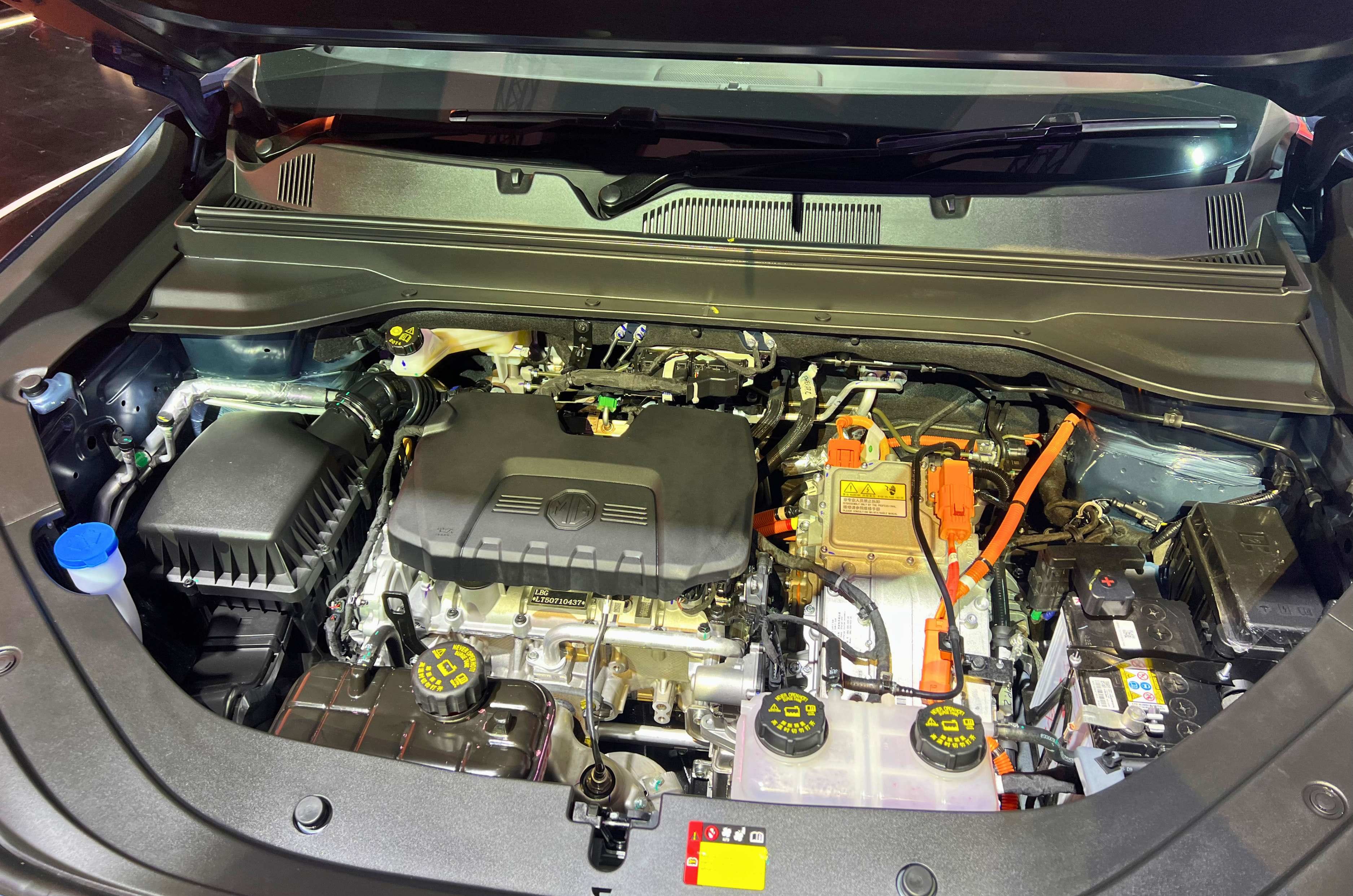
JSW MG Motor India has launched the Hector Tomahawk PHEV at a price of Rs 25.69 lakh (ex-showroom) alongside the all-electric version of this brand-new SUV. This becomes the first mainstream plug-in hybrid SUV in our market. It is powered by a 1.5-litre, naturally aspirated petrol engine paired to a 20.5kWh battery for a claimed fuel economy of around 40kpl and an electric-only range of over 115km. MG claims that the Hector Tomahawk can deliver over 1100km of range with a full tank of fuel and a fully charged battery. Bookings for the Tomahawk PHEV have commenced today and deliveries will begin in November this year. 
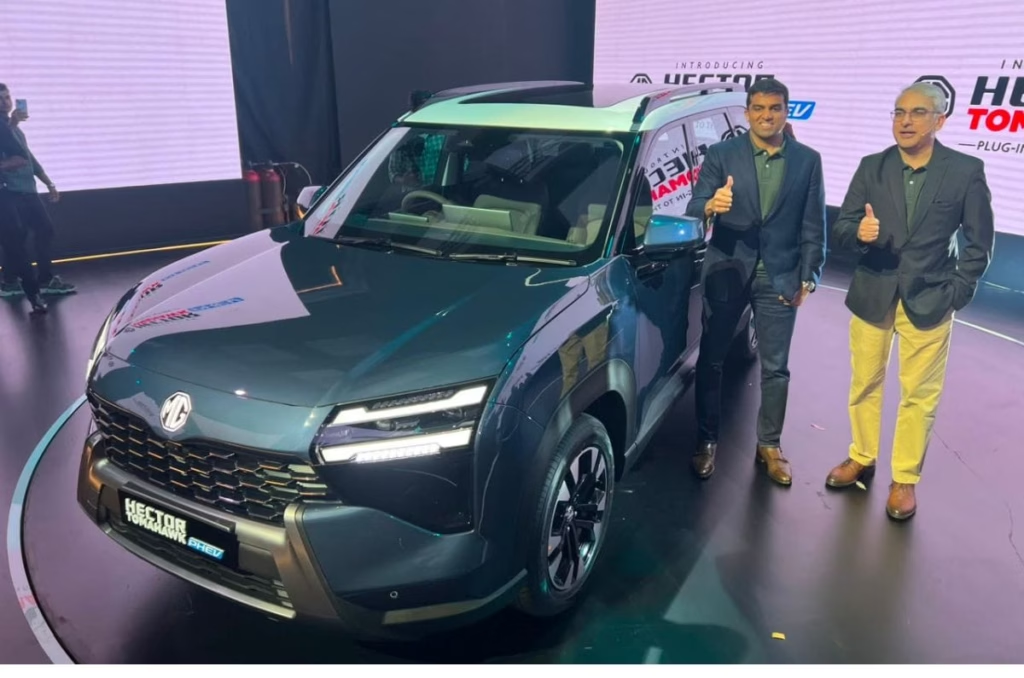
Unlike the Hector Tomahawk EV that’s available in both 5- and 7-seater configurations, the PHEV is only available in a 7-seater configuration. MG is also offering the Tomahawk PHEV under the BaaS program, where prices start from Rs 21.79 lakh and Rs 3.20 is charged additionally on the battery rental. 

All-new Classic Bajaj Pulsar 125 launched from Rs 92,990

All-new Classic Bajaj Pulsar 125 launched from Rs 92,990

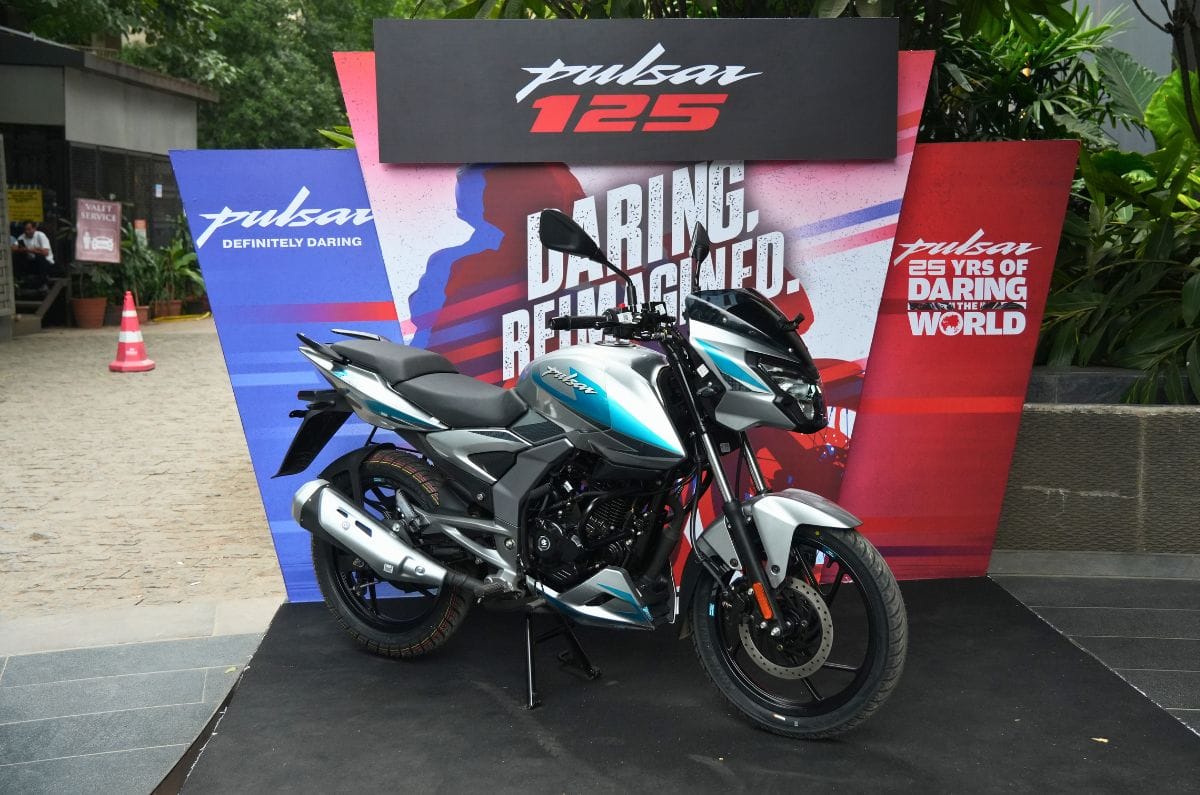
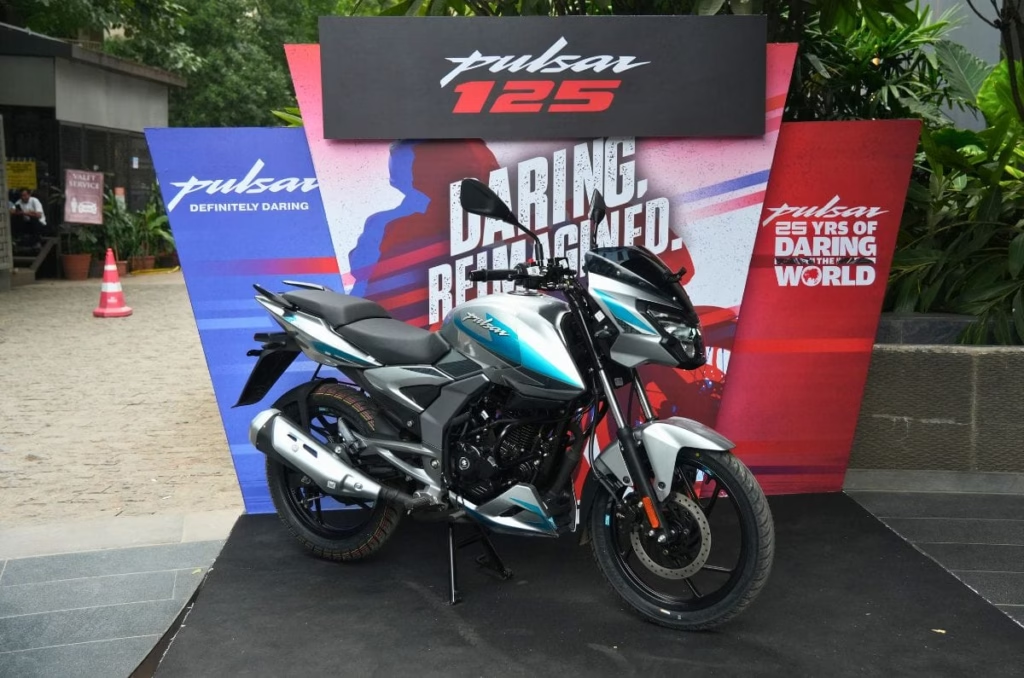
We exclusively broke the story, early this year, that Bajaj is planning on updating the Classic Pulsar range. After months of anticipation, the Chakan-based brand has finally launched the all-new Pulsar 125 as part of Pulsar’s 25th anniversary celebrations. The updated 125cc motorcycle gets a new engine and gearbox, a stiffer frame, monoshock suspension and a 5-inch TFT console with prices starting at Rs 92,990.

  1. New 124.58cc engine makes 12hp and 11Nm
  2. Gets monoshock suspension and new diamond-type frame
  3. Priced at Rs 92,990 (ex-showroom, Delhi)

Bajaj Pulsar 125 engine and specs

The new Pulsar 125 is powered by a 124.58cc, single-cylinder, air/oil-cooled engine producing 12.1hp at 8,500rpm (gain of 0.3hp) and 11.4Nm at 6,500rpm (gain of 0.6Nm). Bajaj claims it is the most powerful 125cc motorcycle in the market – a title earlier held by the now discontinued Pulsar N125. The engine is paired with an all-new 5-speed gearbox, which is claimed to improve tractive effort in the lower gears and deliver stronger low-speed performance.

Bajaj also claims an improved power-to-weight ratio enables quicker 0-60kph acceleration, although it has not specified an acceleration time.

The Pulsar 125 gets a new diamond-type frame with increased stiffness, with the engine acting as a stressed member. Bajaj says this setup improves ride stability and handling. Suspension duties are now handled by a gas-charged monoshock at the rear. 
Bajaj Pulsar 125 features

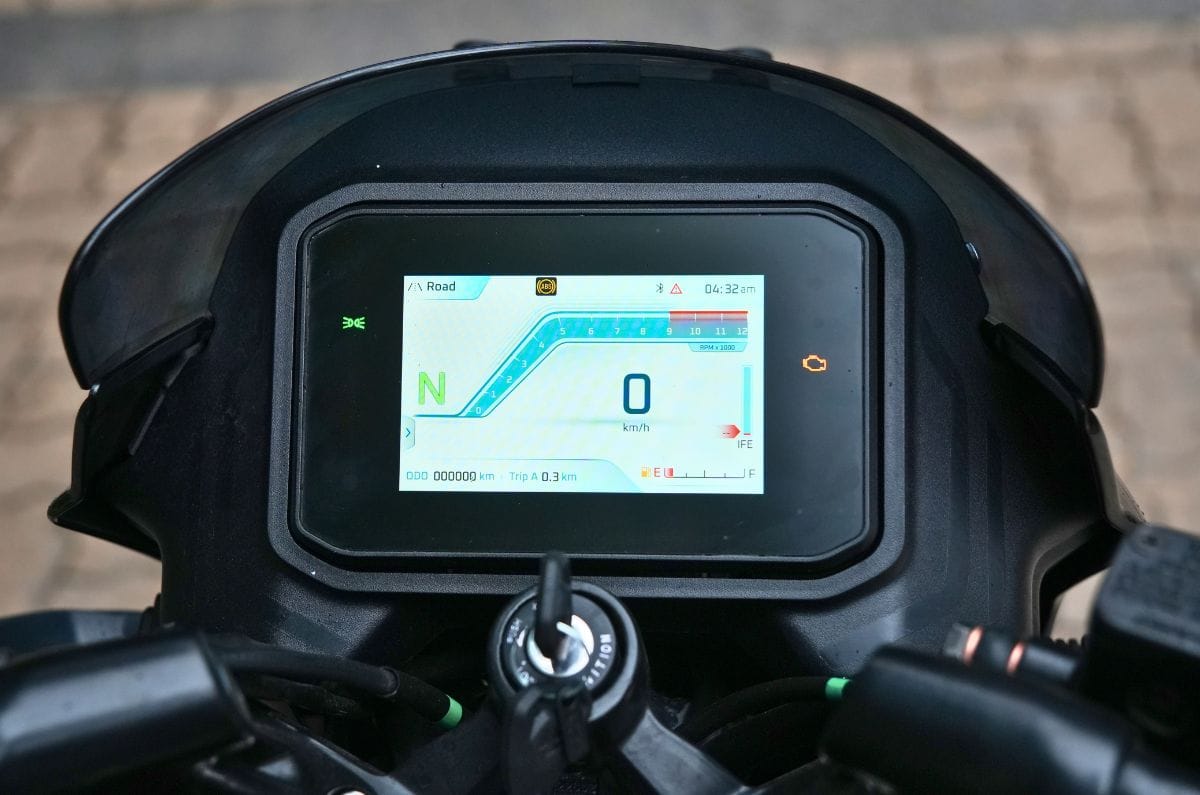
A major update is the addition of a 5-inch TFT console that debuted with the N160 SS. It supports Google Maps mirroring and navigation, while also allowing riders to store vehicle documents such as the registration certificate and insurance details.

The console also displays live call and message alerts and provides music controls. The Pulsar 125 additionally gets three ride modes: Road, Rain and Sport.

Another new feature is Crawl Tech – similar to KTM models – which is designed to provide greater control during low-speed riding in traffic.

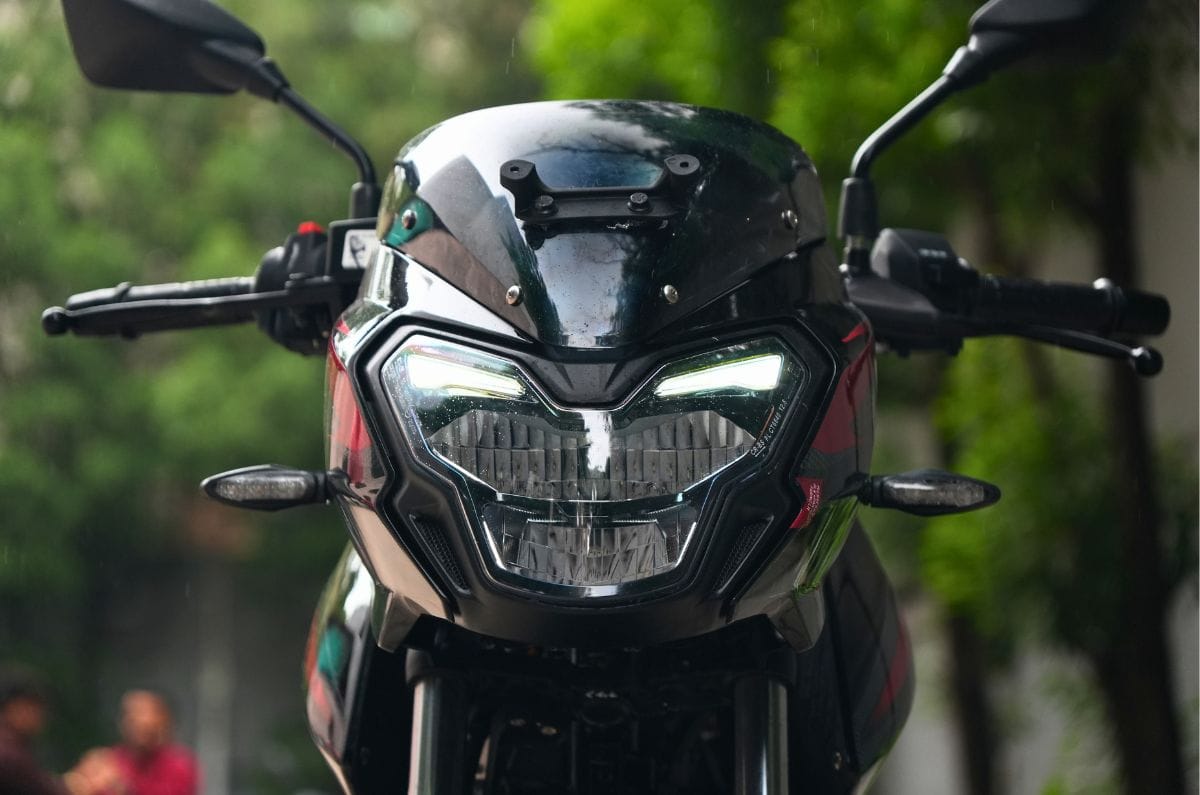
The Pulsar 125 gets a redesigned Wolf-Eye LED headlamp with larger optics, although it could only be offered . The motorcycle also features an Integrated Starter Generator (ISG) on the top three variants. The system enables automatic start-stop functionality, which Bajaj says helps improve fuel economy and enables silent starts. The new Bajaj Pulsar 125 is priced at Rs 92,990 for the LCD variant and goes up to Rs 1.04 lakh for the top-spec TFT variant(ex-showroom, Delhi).

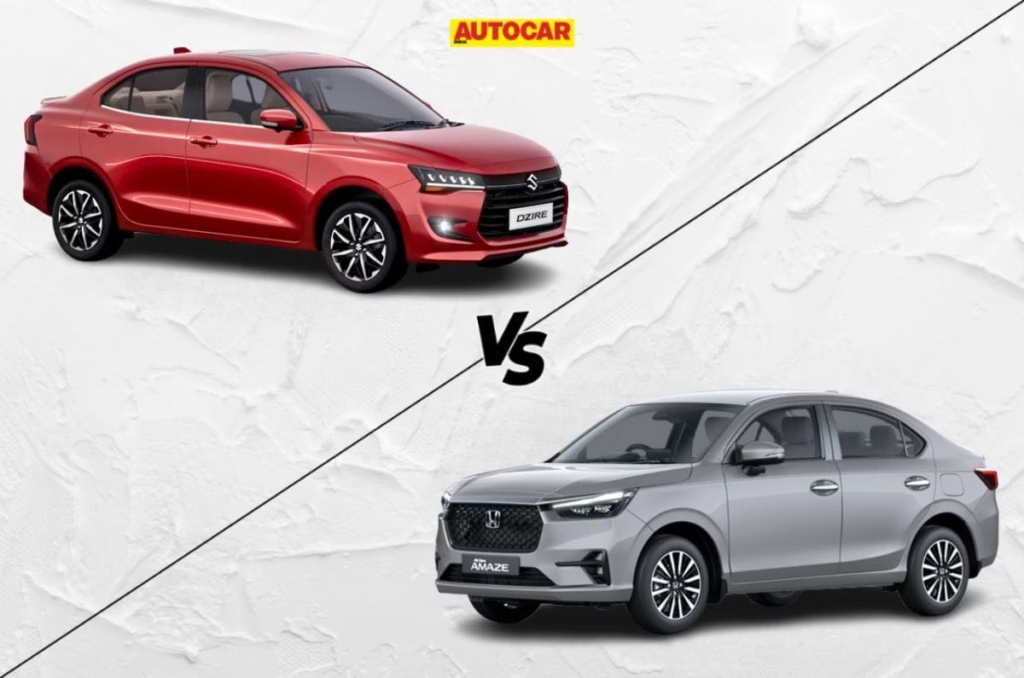
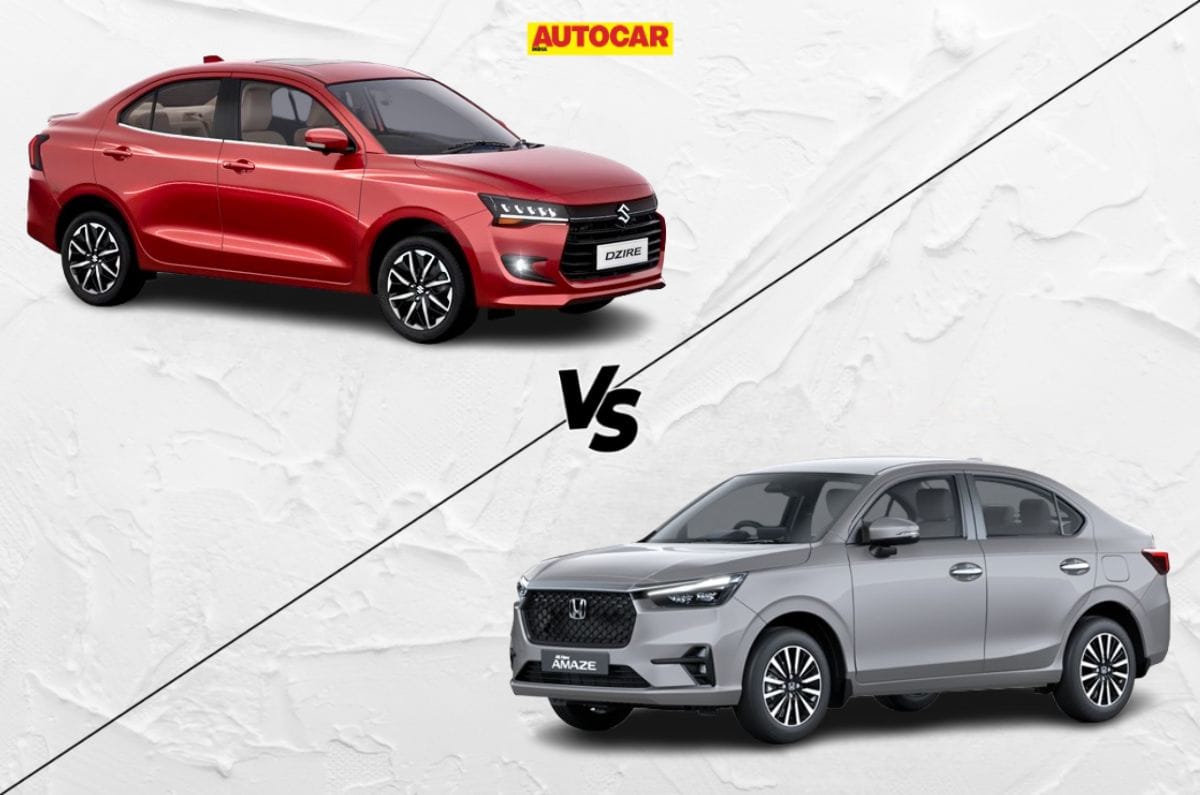
Maruti Dzire vs Honda Amaze: Top variants compared

Maruti Dzire vs Honda Amaze: Top variants compared

The Maruti Suzuki Dzire and Honda Amaze are two of the most affordable sedans in India, priced at around Rs 10 lakh (ex-showroom). Both the top-spec Dzire ZXi+ and Amaze ZX offer a 1.2-litre engine with similar specifications and a similar feature suite, albeit with a couple of segment-only amenities. But what should you choose? We find out. 

Maruti Dzire vs Honda Amaze: Dimensions

Sizes are almost similar, but the Amaze offers a slightly larger boot

Maruti Dzire vs Honda Amaze: Dimensions and other specifications


Maruti Dzire

Honda Amaze

Difference

Length (mm)

3,995

3,995

Width (mm)

1,735

1,733

+2

Height (mm)

1,525

1,500

+25

Wheelbase (mm)

2,450

2,470

-20

Ground clearance (mm)

163

172

-9

Boot space (litres)

382

416

-34

The Maruti Suzuki Dzire and Honda Amaze have similar dimensions, but the Amaze has a 34-litre larger boot space, which enables it to carry a backpack more than the Dzire. Moreover, unlike the Dzire, which gets a fixed rear seatback, the Amaze’s rear seat can be folded to accommodate more luggage if needed.

Maruti Dzire vs Honda Amaze: Powertrain

Dzire’s 3-cylinder engine offers higher fuel economy than the Amaze’s 4-cylinder unit

Maruti Dzire ZXi+ vs Honda Amaze ZX: Powertrain options


Dzire ZXi+

Amaze ZX

Engine

1.2-litre 3-cyl petrol

1.2-litre 4-cyl petrol

Power (hp)

82

90

Torque (Nm)

112

110

Transmission

5MT | 5AMT

5MT | CVT

Claimed mileage (kpl)

24.79 | 25.71

18.65 | 19.46

The major difference in the powertrains of the two compact sedans is the number of cylinders: 3 in the Dzire’s naturally aspirated engine and 4 in the Amaze’s. The Honda Amaze produces 8hp more than the Dzire, but 2Nm less. In our real-world experience, we found that the Amaze’s engine loves to be revved. It has weak low-end performance, especially under 2,000rpm, but offers a strong mid-range. The Dzire’s engine, on the other hand, has a crisp throttle response and offers strong low-end torque.

Both sedans get a 5-speed manual transmission, but the Dzire offers a 5-speed AMT while the Amaze has a CVT. The Dzire’s AMT, in our real-world experience, has a prominent lag while shifting gears, which hampers the overall drive experience. The Amaze’s CVT is better in this regard and offers smoother shifts, but has a rubberband effect, something that is generally associated with CVTs.

It is the fuel efficiency where the Dzire really shines, offering an additional 6.14kpl and 6.25kpl claimed fuel efficiency over the Amaze’s manual and automatic transmission options, respectively. 

Maruti Dzire vs Honda Amaze: Exterior

Both compact sedans get all-LED lighting, powered ORVMs, and 15-inch wheels

Maruti Dzire ZXi+ vs Honda Amaze ZX: Exterior


Dzire ZXi+

Amaze ZX 

Headlights

LED

Projector LED

Taillights

LED

LED

DRLs

LED

LED

Front fog lamps

LED

Projector LED

Wheels

15-inch

15-inch

Powered ORVMs

Yes

Yes

Sharkfin antenna

Yes

Yes

Both the top-spec Maruti Dzire ZXi+ and Amaze ZX are offered with all-LED lighting, 15-inch dual-tone alloy wheels, and powered outside rearview mirrors (ORVMs). 

Maruti Dzire vs Honda Amaze: Interior, features

Dzire has a sunroof and a larger infotainment system, but Amaze offers paddle shifters

Maruti Dzire ZXi+ vs Honda Amaze ZX: Interior and features


Dzire ZXi+

Amaze ZX 

Instrument cluster

Analogue dials with MID

Part-digital with 7-inch MID

Infotainment screen

9-inch

8-inch

Android Auto, Apple CarPlay

Wireless

Wireless

Audio system

6-speaker

6-speaker

On-board navigation

Yes

No

Sunroof

Single-pane

No

Wireless phone charger

Yes

Yes

Climate control

Automatic with rear vents

Automatic with rear vents

Paddle shifters

No

CVT only

Cruise control

Yes

Yes

Seat upholstery

Fabric

Fabric

Steering wheel adjustment

Tilt, telescopic

Tilt

Driver seat adjustment

Manual

Manual

Co-driver’s seat adjustment

Manual

Manual

Rear window sunshade

No

No

The top-spec Maruti Dzire is offered with a single-pane sunroof, a segment-only feature, and a larger 9-inch touchscreen infotainment system compared to the 8-inch unit on the Honda Amaze. The Dzire’s steering column also allows for telescopic adjustments. However, the Amaze offers paddle shifters with the CVT, which is missing on the Dzire AMT, and gets a larger multi-information display (MID) on the instrument cluster than the Dzire. 

Maruti Dzire vs Honda Amaze: Safety

Dzire offers a 360-degree camera, while Amaze offers Level-1 ADAS

Maruti Dzire ZXi+ vs Honda Amaze ZX: Safety features


Dzire ZXi+

Amaze ZX 

BNCAP rating

5 stars

5 stars

Airbags

6

6

ADAS

No

Level-1

Camera setup

360-degree

Rear, LaneWatch

Parking sensors

Rear

Rear

Electronic parking brake

No

No

Disc brakes

Front wheels only

Front wheels only

TPMS

Yes

Yes

IRVM

Day/night adjustable 

Day/night adjustable 

Rear wiper, washer

No

No

Hill hold assist

Yes

Yes

ESC

Yes

Yes

While both the Maruti Dzire and Honda Amaze have a 5-star Bharat NCAP crash safety rating, there are a couple of changes in the safety suite of both sedans. The Amaze ZX offers Level-1 advanced driver assistance systems (ADAS), a segment-only feature, while the Dzire offers a 360-degree camera system. The Amaze gets a traditional rear camera and a LaneWatch camera mounted on the left ORVM. Other safety features are the same on both sedans.

Maruti Dzire vs Honda Amaze: Prices

The top-spec Dzire is more affordable than the Amaze

Maruti Dzire ZXi+ vs Honda Amaze ZX: Variant-wise ex-showroom price 


Dzire ZXi+

Amaze ZX

Difference

Petrol MT

Rs 8.96 lakh

Rs 9.39 lakh

– Rs 43,000

Petrol AMT

Rs 9.41 lakh

Rs 10 lakh

– Rs 59,000

Both manual and automatic versions of the top-spec Maruti Dzire ZXi+ are more affordable than the fully-loaded Honda Amaze ZX. At a lower price point, the Dzire offers a fuel-efficient engine that also offers good low-end torque, it offers a customer-favourite sunroof and a 360-degree camera, making it feel more complete than the top-spec Amaze. 

Skoda Kushaq 1.0L AT real world fuel economy tested

Skoda Kushaq 1.0L AT real world fuel economy tested
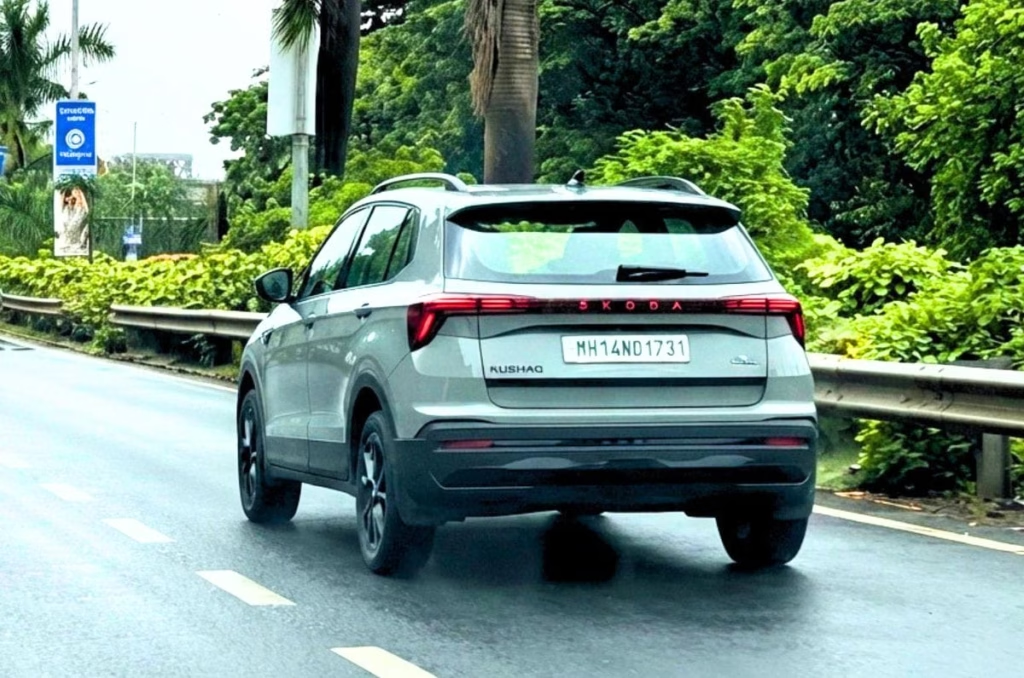
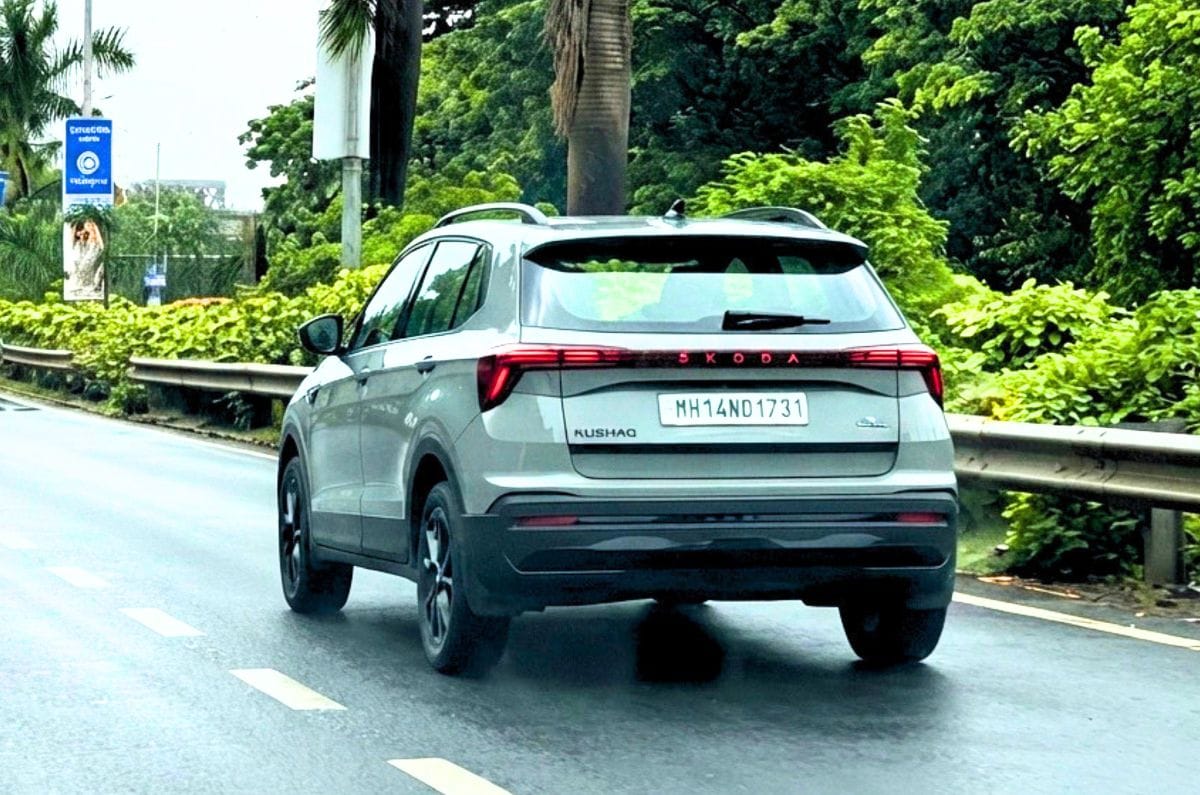
Skoda Kushaq 1.0 AT real-world mileage

In March 2026, Skoda launched the updated Kushaq and one of the biggest updates was the introduction of a new 8-speed torque converter (automatic) with the smaller 1.0-litre turbo petrol engine, replacing the older 6-speed automatic. We’ve put the 2026 Kushaq 1.0L 8AT through our real-world fuel efficiency tests to see how it fares.

  • Gets an aggressive auto stop-start system
  • Weighs 1300kg
  • Claimed efficiency is 19.09kpl, 1kpl more than 1.0 6AT

Skoda Kushaq 1.0L automatic mileage explained

Powering the Kushaq is the same 1.0-litre three cylinder direct injection turbo-petrol engine that produces 115hp and 178Nm. With the addition of a new 8-speed automatic gearbox, the claimed efficiency has gone up by 1kpl, to 19.09kpl.

Skoda Kushaq 1.0L AT real world mileage graph

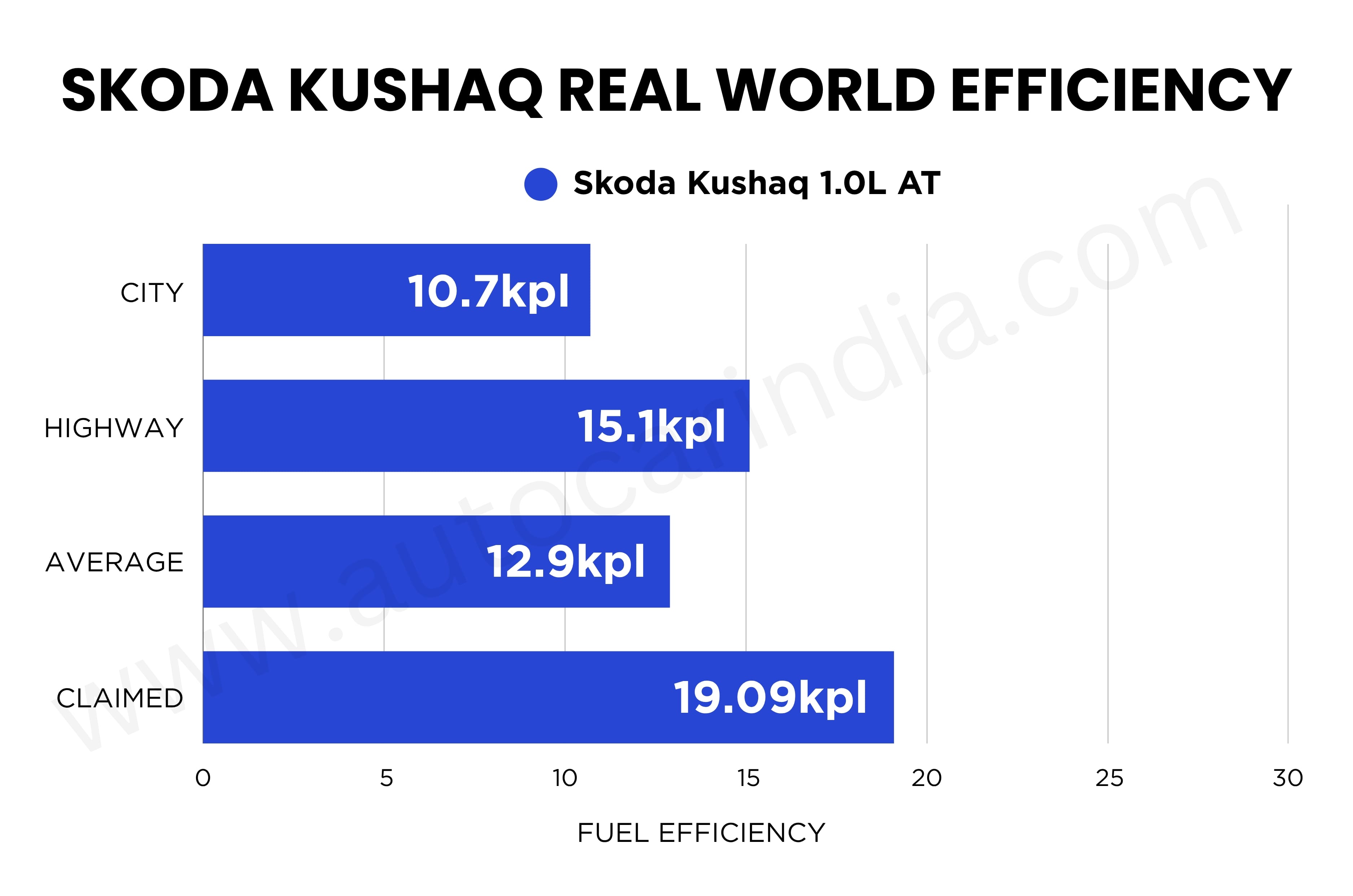
In our real world tests, the Kushaq returned 10.7kpl in the city and 15.1kpl on the highway, bringing its overall average efficiency to 12.9kpl. Interestingly, the updated Kushaq is 1.8kpl and 2.7kpl, more efficient than the older Kushaq with the 6-speed automatic gearbox, in the city and highway respectively, despite being 14kg heavier.

Notably, like the outgoing version, the Kushaq 1.0 8AT doesn’t get drive modes, but it continues to get an automatic engine stop-start feature. The latter is quite aggressive, and often tends to cut the engine while decelerating, even before the car has come to a complete stop. Also, while the creep function is less aggressive than the 6-speed auto version, it still feels quite eager off- the-line.

Autocar India’s fuel efficiency testing

Before our real-world fuel efficiency tests, we fill our test cars’ tanks to the brim and maintain tyre pressures based on the manufacturer’s recommendation. These cars are driven in fixed city and highway loops in and around Navi Mumbai, and we maintain certain average speeds. Throughout the tests, there is only one person in each car, running the aircon at 22deg C in full-auto mode, and other electricals, such as the audio system, indicators and wipers, when required, just like a regular user would. Periodic driver swaps further neutralise variations in driver patterns. At the end of each cycle, we calculate efficiency by filling the tanks to full again.

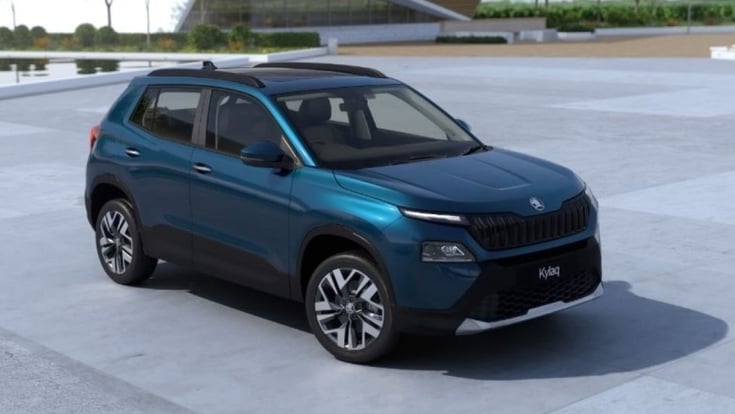
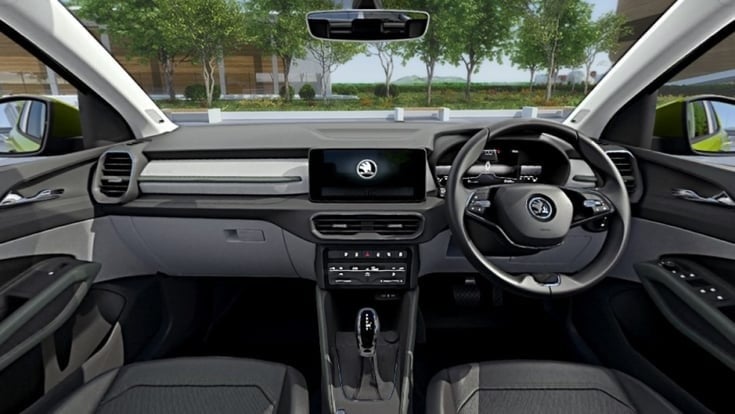
Which variant of the Skoda Kylaq should you buy?

Which variant of the Skoda Kylaq should you buy?
Skoda Kylaq variants and features explained

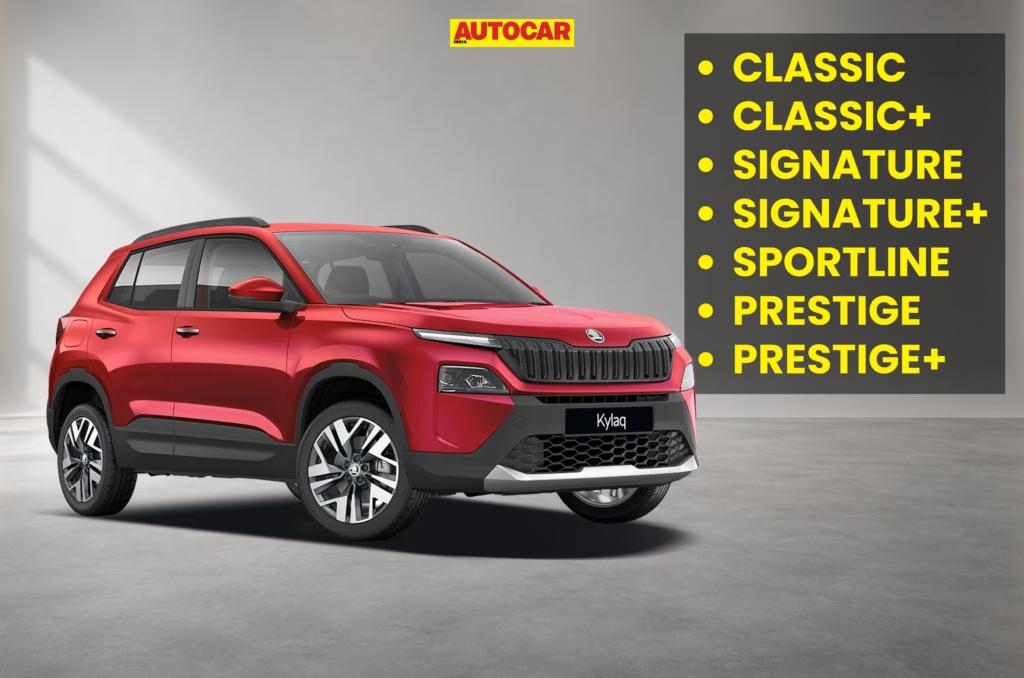
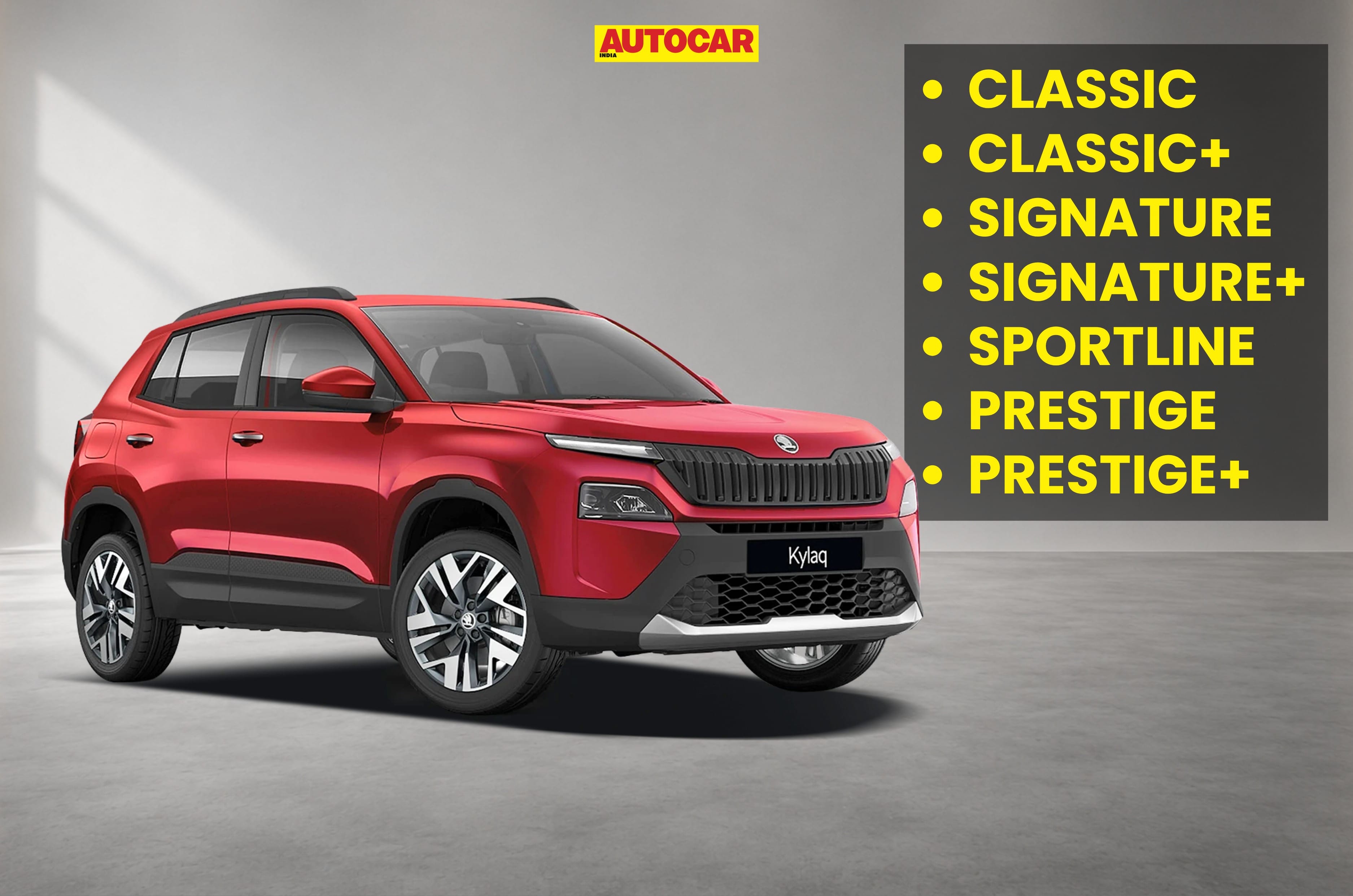
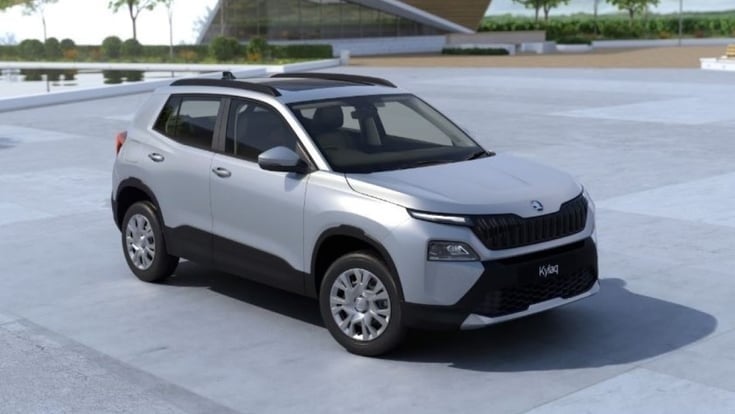
The Kylaq, Skoda’s most affordable offering in India, was introduced in 2024 and marked the brand’s return to the sub-4m space after years. Currently, the Kylaq is Skoda’s best-selling model in our market and has sold over 50,000 units since its launch as of February 2026. Here’s a breakdown of the powertrain options, comfort and convenience features, safety kit and exterior colours available on each trim of the Skoda SUV.

Skoda Kylaq variant-wise price and powertrain options

The base Classic trim misses out on an automatic transmission option

Skoda Kylaq ex-showroom price as of August 21, 2026 (Rs lakh)

Trim

MT

AT

Classic

7.59

Classic+

8.25

9.25

Signature

9.43

10.43

Signature+

10.77

11.77

Sportline

11.32

12.32

Prestige

11.75

12.75

Prestige+

11.99

12.99

The Skoda Kylaq has an ex-showroom price ranging from Rs 7.59 lakh to Rs 12.99 lakh. Except for the base Classic trim, the remaining trim levels offer both manual and automatic gearboxes. Powering the Kylaq is a 115hp, 178Nm, 1.0-litre direct-injection turbo-petrol engine that also does duty in the Kushaq and the Slavia. Transmission duties are handled by either a -speed manual or a 6-speed automatic gearbox. Notably, in Classic+ guise, the Kylaq is the most accessible car with a torque converter gearbox. 

Skoda claims a top speed of 188kph and that the manual version is capable of a 0-100kph sprint in 10.5 seconds. In our Kylaq real-world performance tests, the automatic version achieved a 0-100kph time of 11.69 seconds. Skoda also claims an ARAI-rated fuel economy of 19.68kpl for the manual and 19.05kpl for the automatic; our Kylaq real-world mileage tests saw the manual average 12.86kpl, while the automatic went 11.03km on a litre of petrol.

Skoda Kylaq variant-wise colour options

Offered in seven colours on the outside, two on the inside 

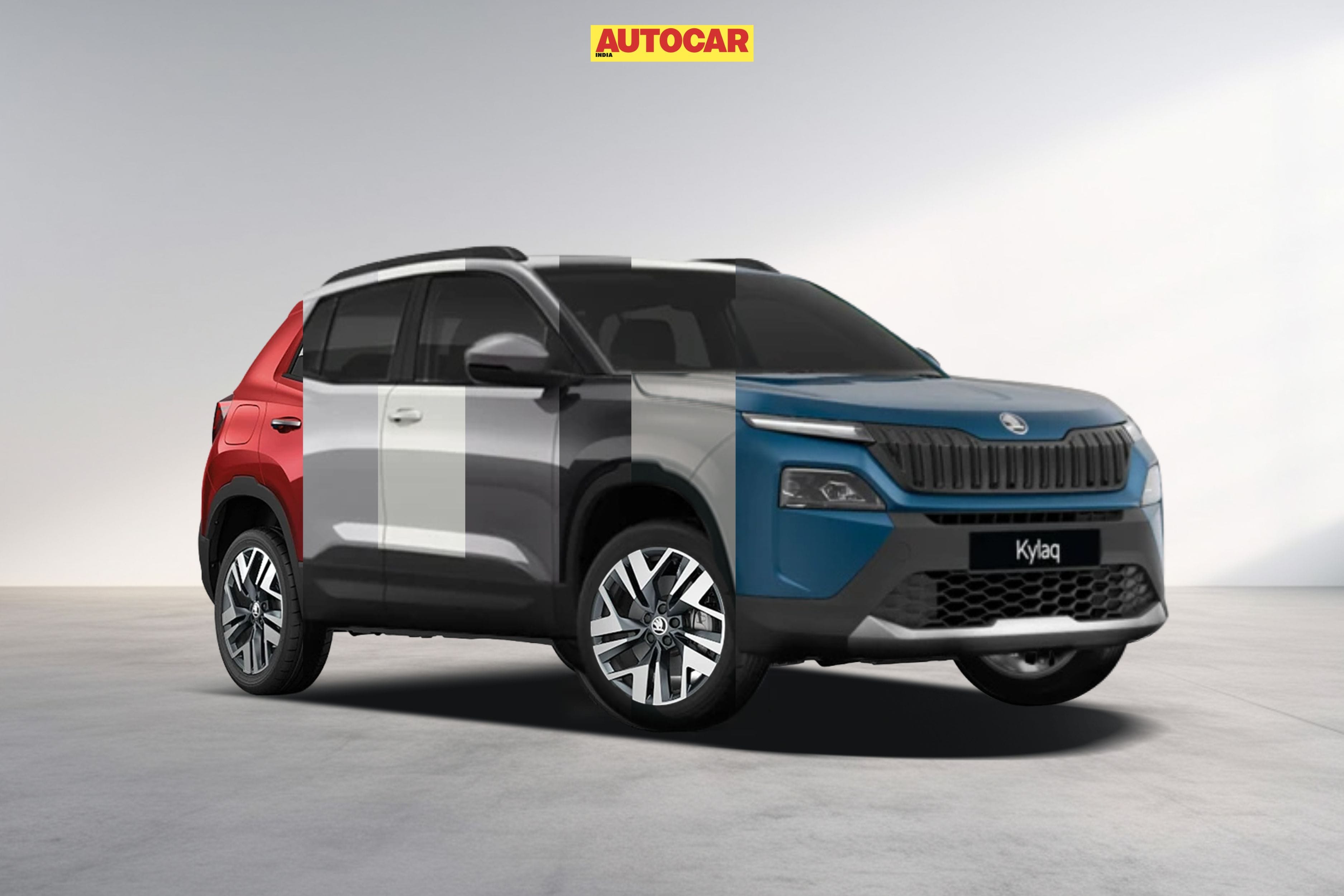
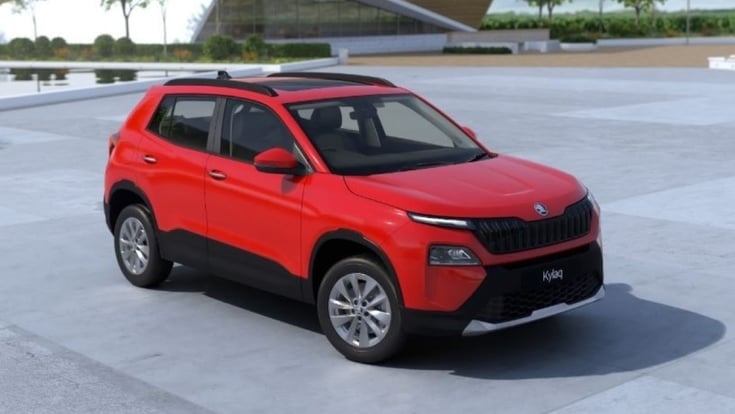
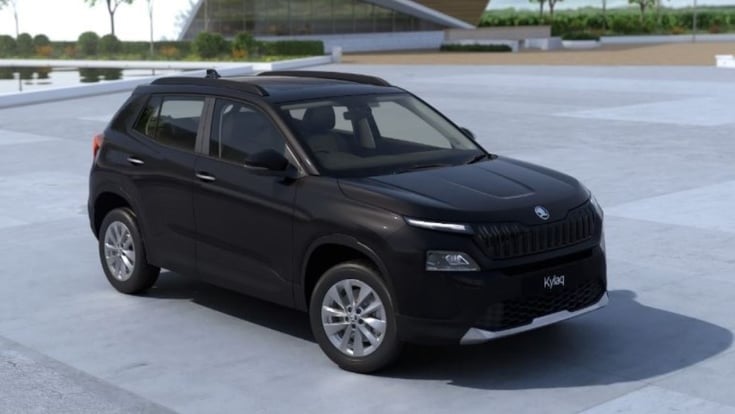
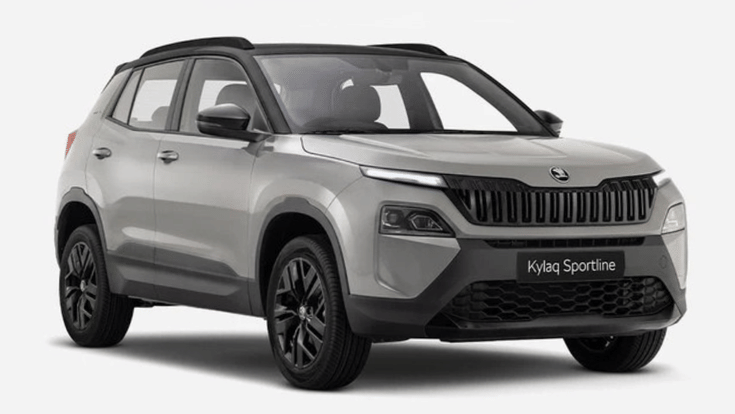
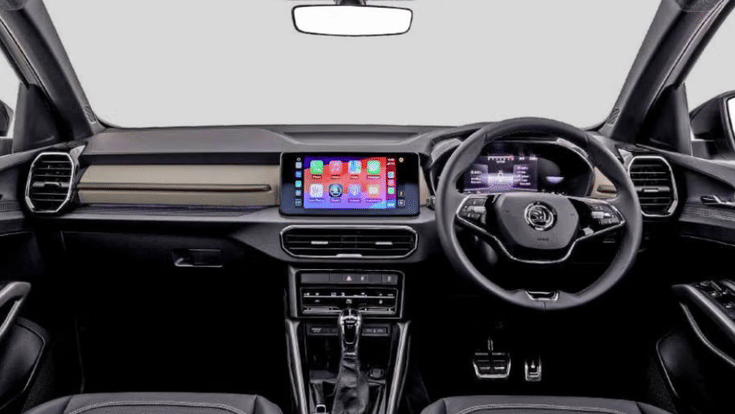
The compact SUV is offered in seven colours, namely, Candy White, Brilliant Silver, Cherry Red, Carbon Steel, Deep Black, Lava Blue, and Steel Grey. While all trims come in a monotone finish, select paint jobs on the Sportline come with a black roof. Additionally, the Sportline trim exclusively gets the Steel Grey colour option. The interior of the Skoda Kylaq gets a black and grey colour scheme as standard, but the Sportline has an all-black theme. Here’s a table comprising the available exterior colours on the Skoda Kylaq depending on the trim level chosen:

Colour 

Classic

Classic+

Signature

Signature+

Sportline 

Prestige

Prestige+ 

Candy White

Yes

Yes

Yes

Yes

Dual-tone

Yes

Yes

Brilliant Silver

Yes

Yes

Yes

Yes

Dual-tone

Yes

Yes

Cherry Red

Yes

Yes

Yes

Yes

Dual-tone

Yes

Yes

Carbon Steel

Yes

Yes

Yes

Yes

Yes

Yes

Deep Black

Yes

Yes

Yes

Yes

Yes

Yes

Lava Blue

Yes

Yes

Yes

Yes

Yes

Yes

Steel Grey

Dual-tone

Skoda Kylaq standard safety kit 

Gets six airbags, ABS, EBD, traction control and more.

As standard, the Skoda Kylaq comes equipped with six airbags, ABS, EBD, ESC, traction control, brake disc wiping, roll-over protection, central locking, rear parking sensor, and ISOFIX mounts. 

Skoda Kylaq variant-wise features

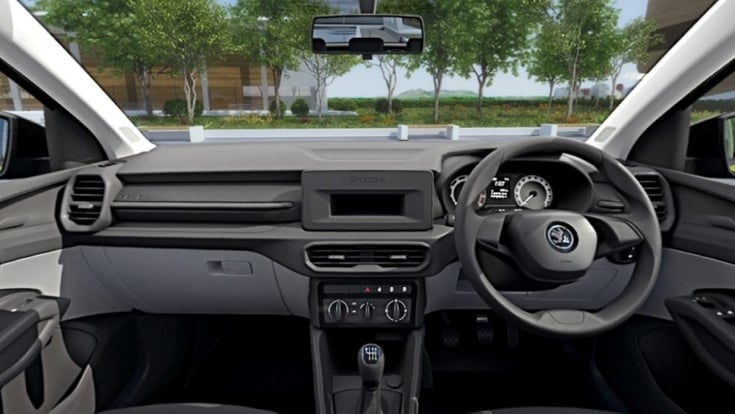
Skoda Kylaq Classic: Rs 7.59 lakh

Gearbox option – 6MT

Skoda Kylaq Classic trim exterior
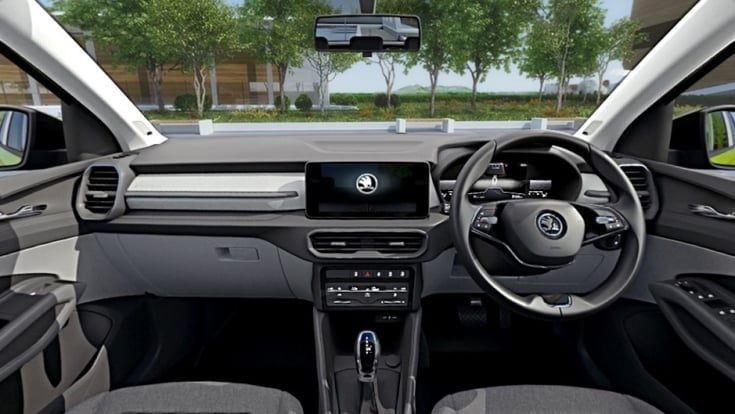
Skoda Kylaq Classic trim interior
 

Skoda Kylaq Classic trim

  • LED headlights with LED daytime running lamps (DRLs)
  • LED tail-lights
  • 16-inch steel wheels with covers
  • 15-inch spare wheel
  • Roof rails
  • Roof-mounted spoiler
  • Dual-tone dashboard
  • Manual day/night interior rearview mirror (IRVM)
  • Driver seat height adjust
  • Adjustable headrests for all passengers
  • Auto engine start-stop
  • Tilt and telescopic steering adjust
  • Powered wing mirrors
  • All power windows
  • Auto AC
  • Rear defogger
  • Analogue dials with a digital MID
  • Front centre armrest
  • 12V charging socket (front)
  • Fabric seats
  • Analogue dials with 3.5-inch MID
  • 2 tweeters
  • Front LED cabin lamps

Skoda Kylaq Classic+ – Rs 8.25 lakh-9.25 lakh

Gearbox options – 6MT, 6AT

Features over Classic

  • Single-pane sunroof
  • Cruise control
  • 4 speakers
  • Auto-dimming IRVM
  • Front and rear LED cabin lamps
  • Steering-mounted controls
  • Leatherette-wrapped gear lever (AT only)
  • Rear LED cabin lamps
  • One-touch up/down for driver-side window 

Skoda Kylaq Signature – Rs 9.43 lakh-10.43 lakh

Gearbox options – 6MT, 6AT

Skoda Kylaq Signature trim exterior
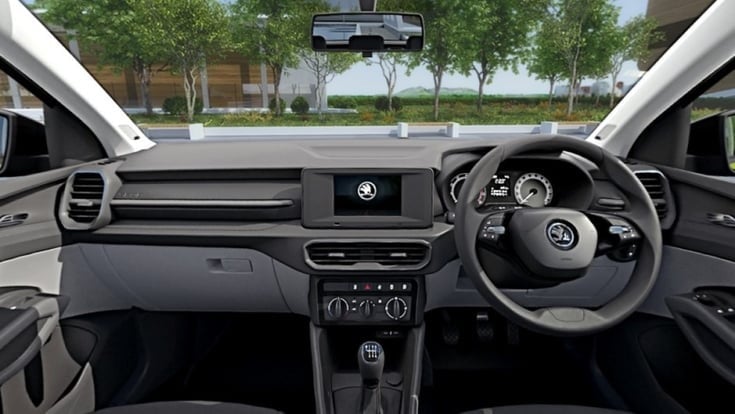
Skoda Kylaq Signature trim interior
 

Skoda Kylaq Signature trim

Features over Classic+
  • 16-inch silver alloy wheels
  • Black tailgate strip between the tail-lights
  • Tyre-pressure monitoring system (TPMS)
  • Paddle shifters (AT only)
  • 7-inch touchscreen infotainment system
  • Wired Android Auto and Apple CarPlay 
  • 2x USB Type-C ports (rear)
  • Auto-folding outside rearview mirrors (ORVMs)
  • Rear wiper and washer
  • Chrome garnish on AC vents and door handles
  • Rear AC vents
  • Sliding front centre armrest with storage space
  • Cooled glove box
  • Driver-side window one-touch up/down
  • Rain-sensing wipers (front)

Skoda Kylaq Signature+ – Rs 10.77 lakh-11.77 lakh

Gearbox options – 6MT, 6AT

Skoda Kylaq Signature+ trim exterior
Skoda Kylaq Signature+ trim interior
 

Skoda Kylaq Signature+ trim

Features over Signature
  • Shark-fin antenna
  • Chrome strip on outside door handles
  • Auto-folding ORVMs
  • Hill-hold assist
  • Rear parking camera with static guidelines
  • Auto headlights with follow-me-home function
  • Keyless entry and go
  • 10-inch touchscreen infotainment system
  • Wireless Android Auto and Apple CarPlay
  • 8-inch digital instrument cluster
  • Dash inserts
  • Leather-wrapped steering wheel
  • USB Type-C ports (front) 
  • 60:40 split-folding rear seats
  • Rear centre armrest with cup holders
  • Rear parcel tray
  • In-car connectivity suite

Skoda Kylaq Sportline – Rs 11.32 lakh to Rs 12.32 lakh

Gearbox options – 6MT, 6AT

Features over Signature+

Skoda Kylaq Sportline
Skoda Kylaq Sportline interior
 

Skoda Kylaq Sportline trim


  • Black 17-inch alloy wheels
  • Rear spoiler with finlets 
  • Black ORVMs and branding 
  • Sportline badge on tailgate
  • Leatherette front armrest and door pads
  • White ambient lighting
  • Aluminium pedals 
  • Leatherette seat upholstery with Sportline inscription
  • LED projector headlamps 
  • LED fog lamps with cornering function
  • Wireless phone charger

Skoda Kylaq Prestige – Rs 11.75 lakh-12.75 lakh

Gearbox options – 6MT, 6AT

Skoda Kylaq Prestige trim exterior
Skoda Kylaq Prestige trim interior
 

Skoda Kylaq Prestige trim

Features over Signature+
  • Dual-tone 17-inch alloys
  • LED projector headlights
  • LED rear turn indicator and reverse lamp
  • Front LED fog lamps with static bending function
  • White ambient lighting
  • Leatherette upholstery on seats, front armrest and doors
  • Chrome parking brake tip
  • Ventilated front seats
  • Wireless phone charger
  • Anti-theft alarm

Skoda Kylaq Prestige+ – Rs 11.99 lakh-12.99 lakh

Gearbox options – 6MT, 6AT

Feature over Prestige

  • 6-way powered front seats

Which Skoda Kylaq variant should you consider?

The mid-spec Signature+ trim offers good value for money

Starting at Rs 10.77 lakh, the mid-spec Signature+ trim offers dual digital screens, a single-pane sunroof, a rear parking camera with sensors, auto AC with rear vents, all-LED lighting and 16-inch silver alloy wheels, making it a value-for-money offering. While you do miss out on features such as a wireless phone charger and powered and ventilated front seats, the premium you have to pay for these is not justifiable. Moreover, this trim is available with both manual and automatic gearbox options.

However, if you are on a budget, you can consider the lower Signature trim, which offers a smaller touchscreen with wired Android Auto and Apple CarPlay, rear wiper and washer, rear AC vents and a sunroof. This trim also comes in both manual and automatic variants, and priced at Rs 9.43 lakh and Rs 10.43 lakh, respectively, they still offer a lot of value.

Although the Classic+ trim is also well-equipped for its price, the lack of an infotainment system makes recommending it a bit more challenging. However, the 7-inch OEM infotainment system with wired smartphone connectivity, offered with the higher Signature trim, is available in the online classifieds marketplace under Rs 10,000. If you are open to retrofitting it at your authorised dealership, the Classic+ trim becomes the most value-for-money option on a strict budget. 

Prices are ex-showroom, India.