

Land Rover Defender Trophy Edition Review: Adventure Ready

Defender Trophy edition

There are few cars with the sheer variety of powertrains as the Land Rover Defender. From a four-pot to a choice of V8s, there is seemingly something for everyone. One stands out, though – the D350 3.0-litre inline-six twin-turbocharged diesel. More power than the base petrol, more torque than the 5.0 V8, with the frugality of a diesel. It’s the only motor the Trophy Edition comes with, so is this engine the sweet spot in the range?

Land Rover Defender Trophy Edition exterior design and engineering – 9/10
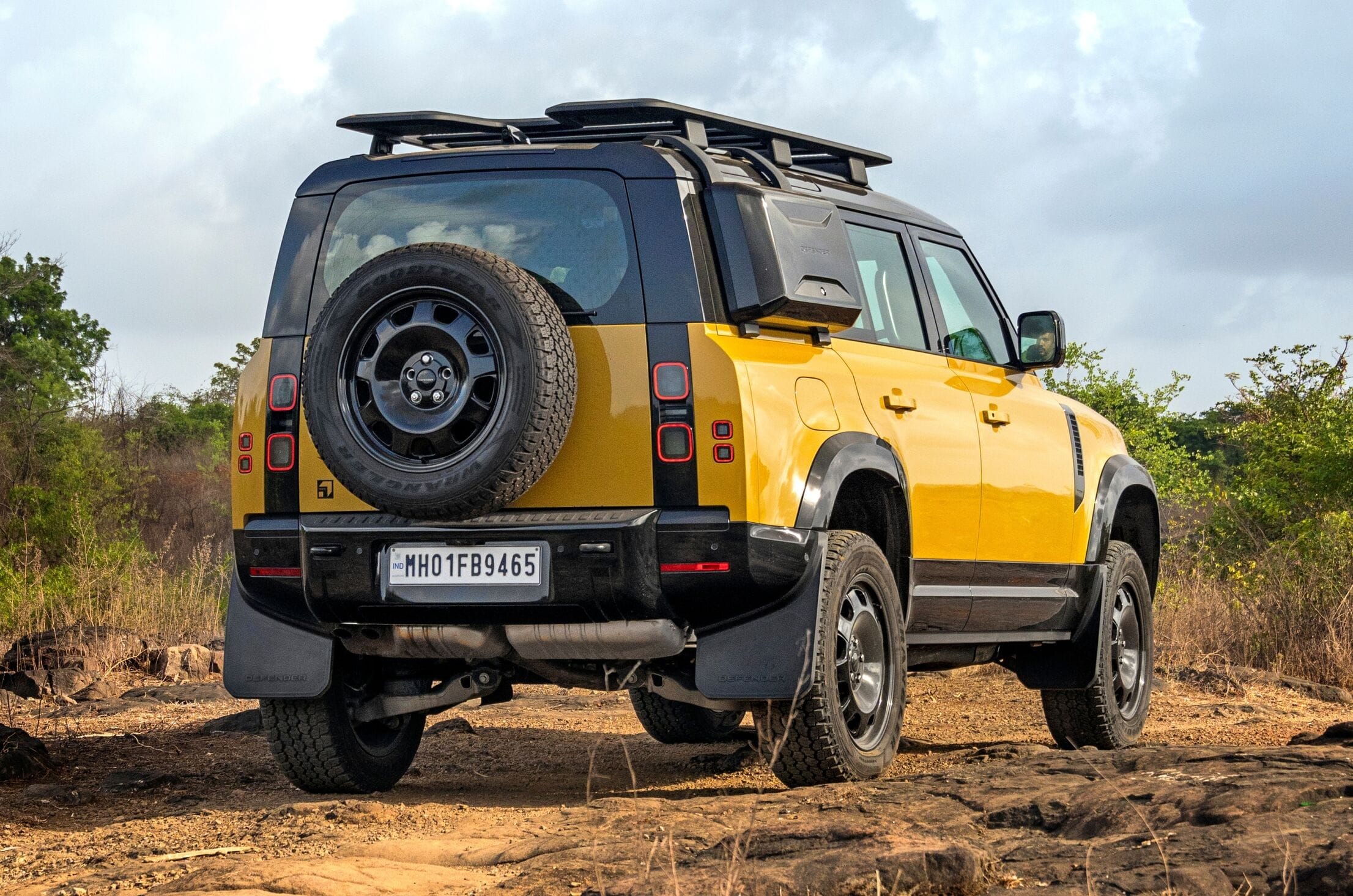
The Defender’s design hasn’t changed since it launched in 2020, but it certainly isn’t wanting for a facelift. It still looks fresh and modern with subtle nods to the original, without resorting to an overtly retro aesthetic. The Trophy Edition brings a choice of Deep Sandglow Yellow or Keswick Green – the former being the signature finish of the iconic Camel Trophy cars – with gloss black on the roof, bonnet, cladding and lower bumper for contrast. To go with the rugged look, it rides on all-terrain rubber shod 20-inch wheels that mimic steelies but are actually alloys. Additionally, there is Trophy branding on the bonnet, C-pillar and tailgate.
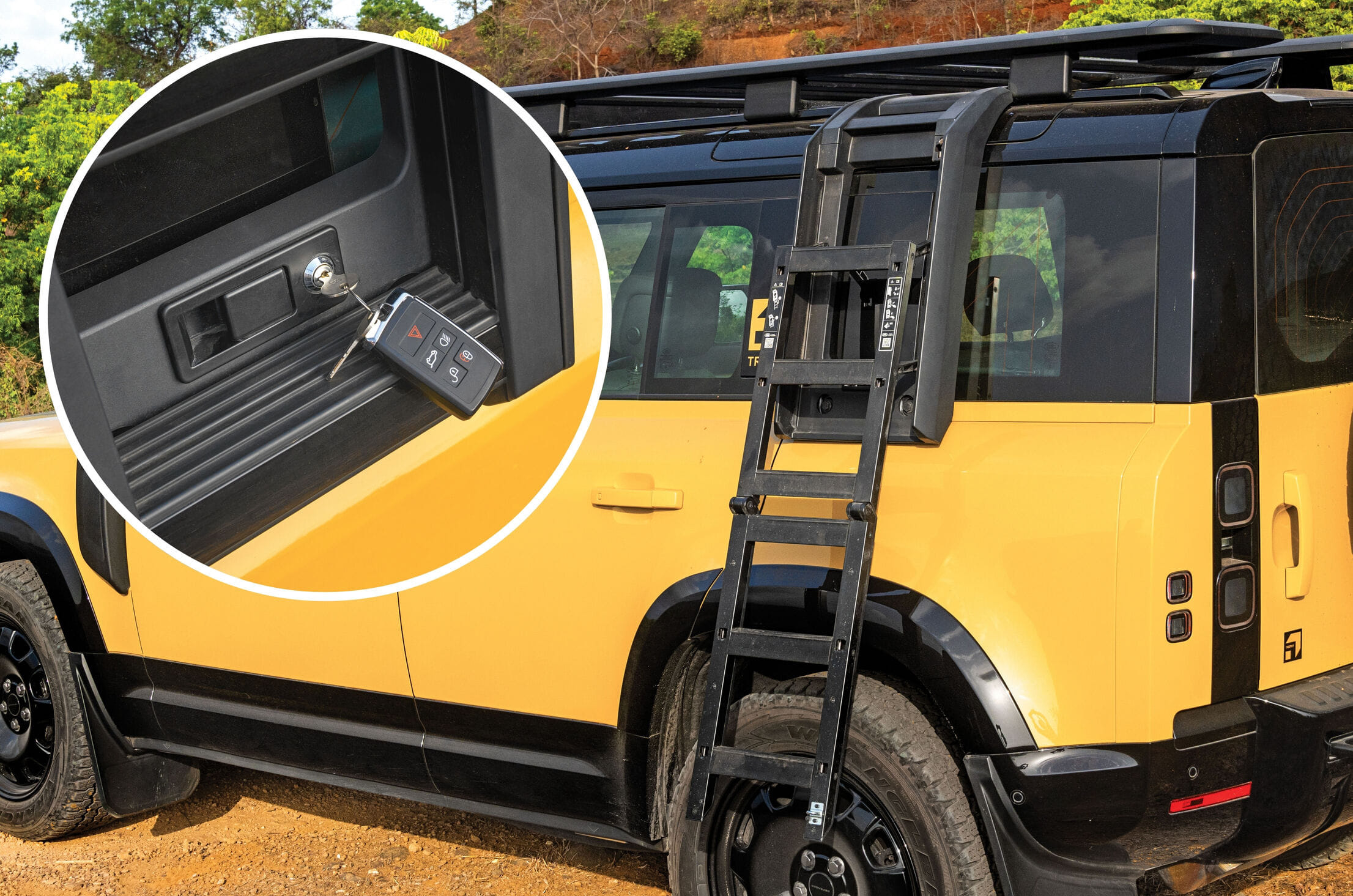
Sturdy ladder rated for 110kg; needs a seperate key to unlock.

This particular example is also equipped with the optional Rs 5.35 Lakh Trophy Pack, which brings a roof rack, with a ladder to reach it on one side and an external storage box on the other. There’s big flexible mud flaps and a raised air intake – though it doesn’t raise the already lofty 900mm water wading ability, but helps with keeping sand out during dune bashing. All of this kit can be optioned on the regular Defender too, but here it ties in rather well with the whole Amazonian adventurer theme.

Land Rover Defender Trophy Edition interior space and comfort – 7/10
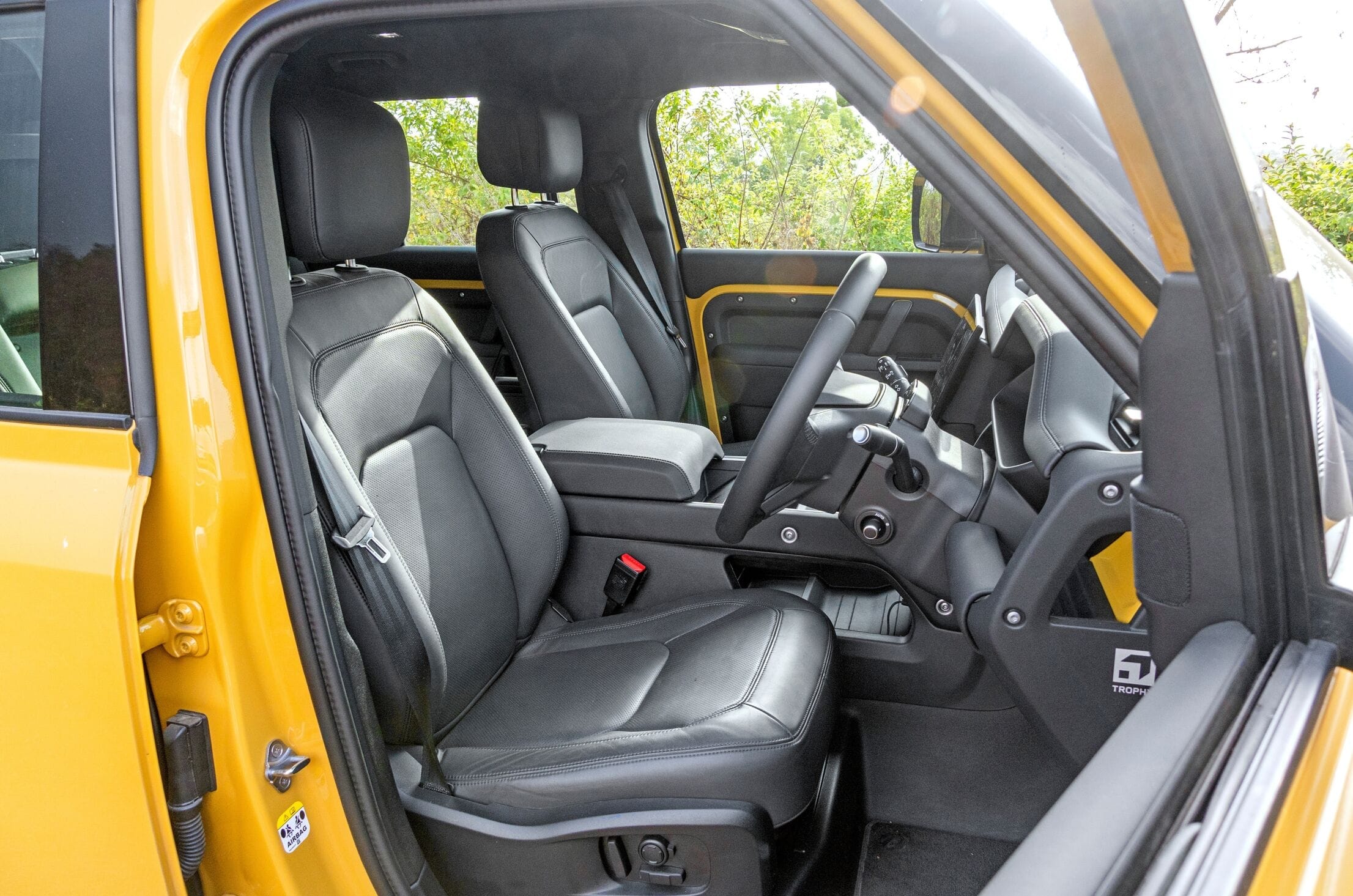
Electric front seats offer heating and ventilation.

Inside, it is standard Defender fare apart from some body-coloured trim on the dash, while the rest is finished in black. Comfort up front is excellent, with a lofty driving position that has you towering over conventionally large SUVs. The seat itself is wide and comfortable, with electrical adjustment as well as ventilation. The dashboard and centre console offer plenty of utility and storage spaces, while the quality of materials and finish elevates the premium quotient.
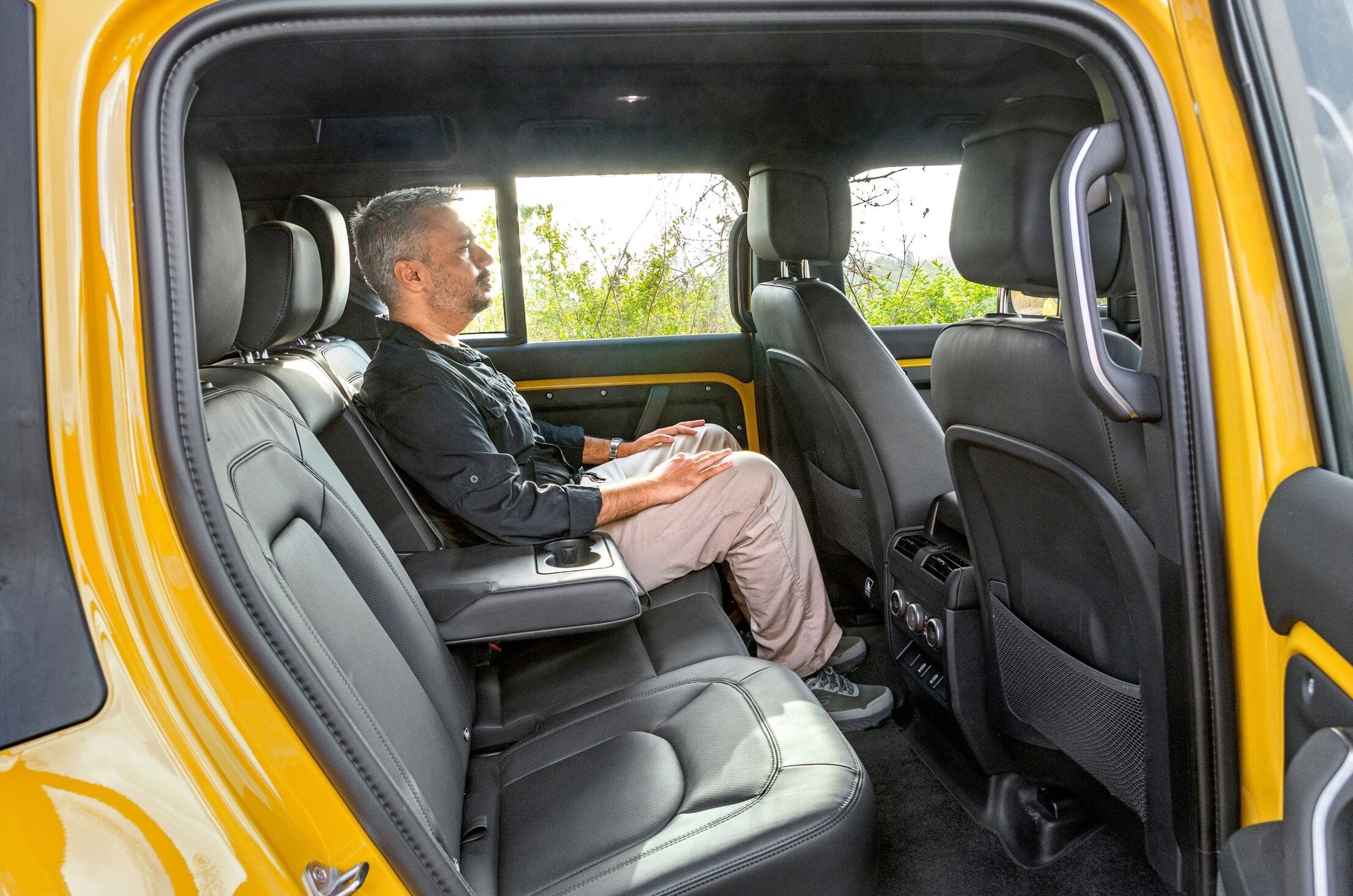
The rear is spacious and comfy, but climbing in takes effort.

For those who prefer to be chauffeured, the rear compartment is very comfortable and gets its own climate zone. There is plenty of room all around, and the bench is wide and supportive. It is, however, a task climbing into the Defender, even with the air suspension at its lowest position. Cargo room is also vast, with 786-litres of space with the second row up, expandable to 1875-litres with it stowed.

Land Rover Defender Trophy Edition features and safety – 8/10
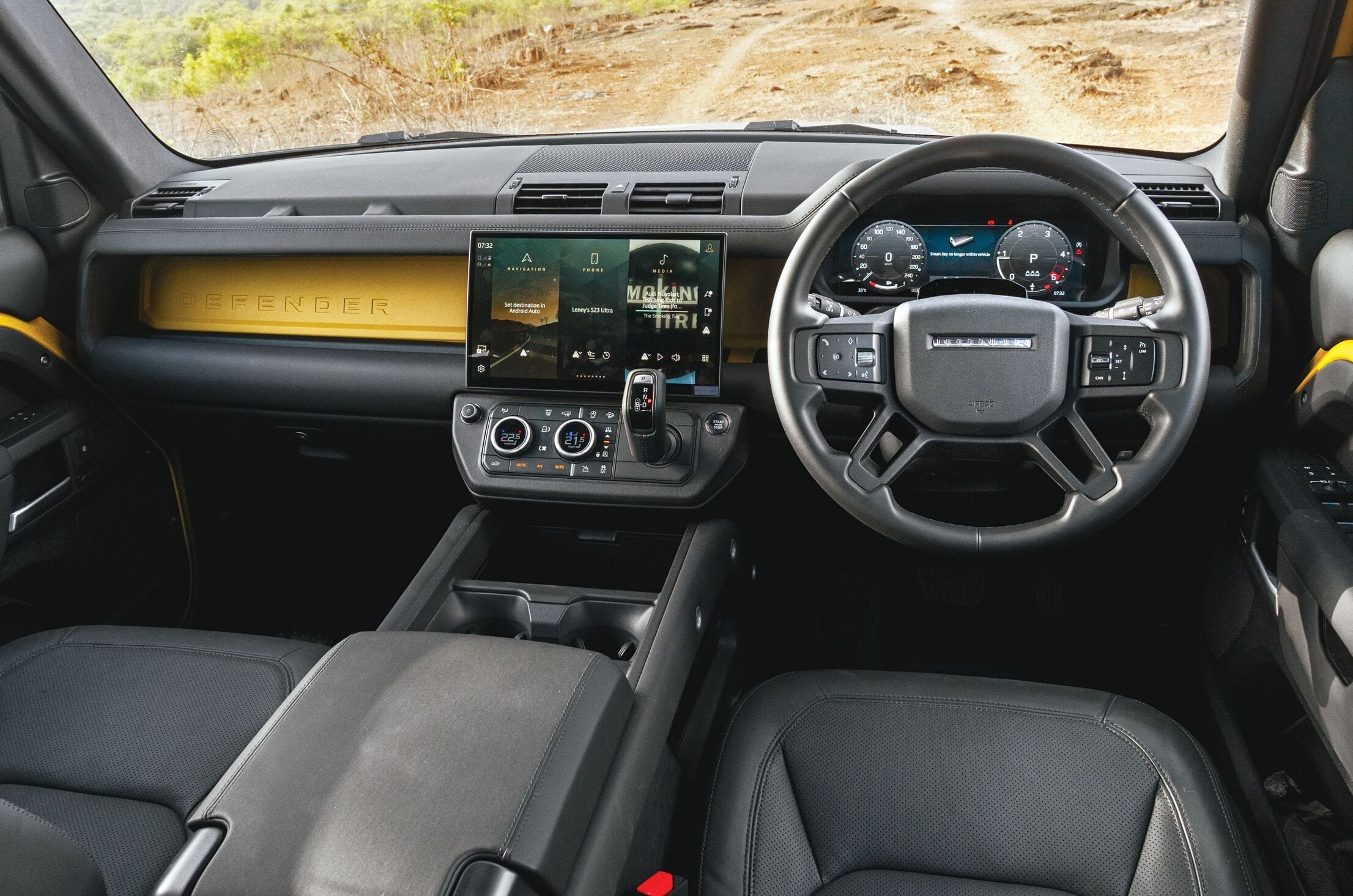
Functional yet luxurious cabin gets Sandglow Yellow elements.

Based on the X-Dynamic HSE, the Trophy Edition is also very well equipped, with highlights including a sharp 13.1-inch infotainment system, Meridian sound system and a panoramic sunroof. However, some of the serious off-road kit from the X trim, like air suspension, the Electronic Active Differential and Terrain Response 2, are optional extras.
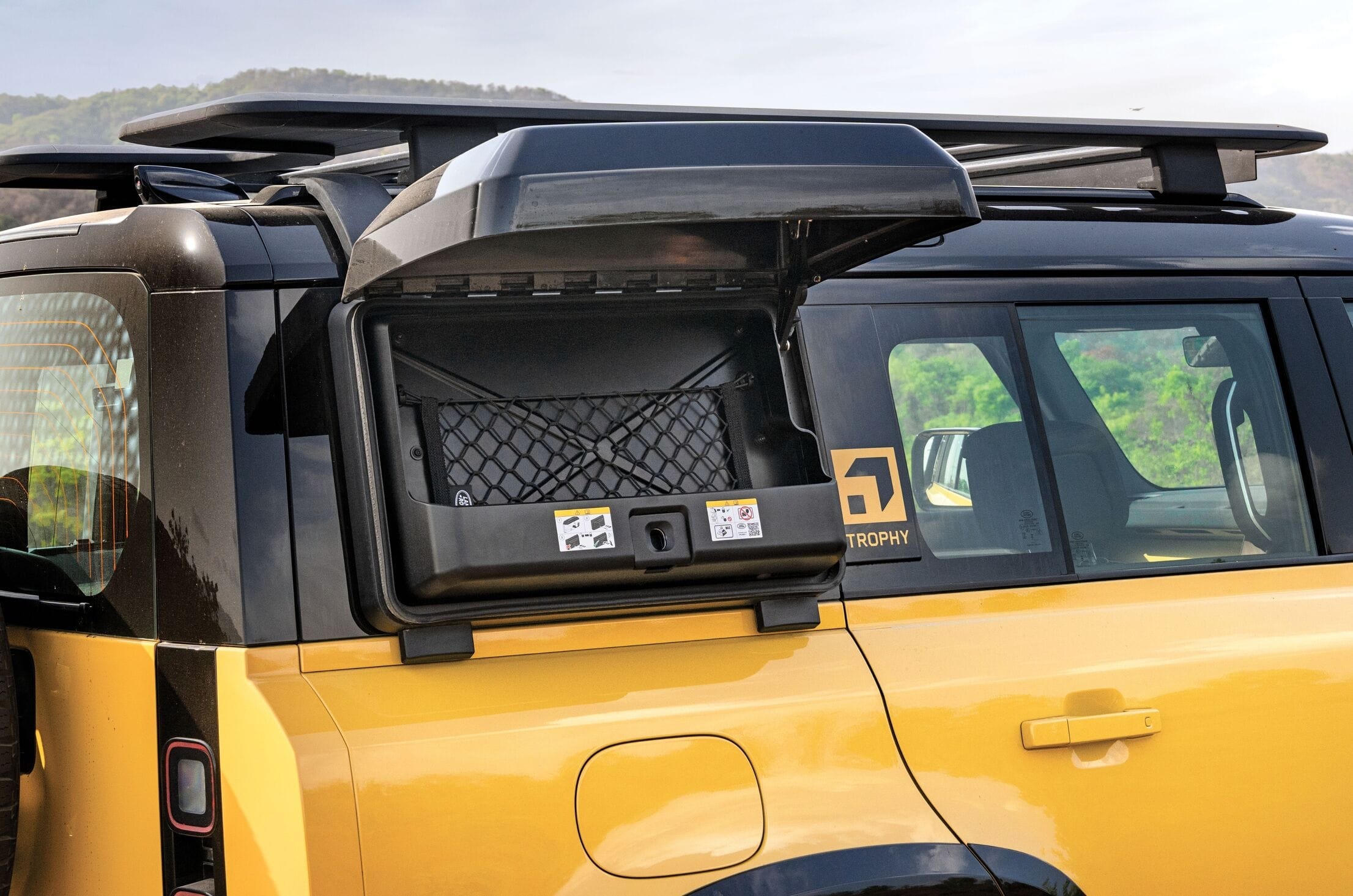
Box for items you don’t want soiling the boot.

Safety is also well taken care of, with 6 airbags, Dynamic Stability Control, Roll Stability Control and Hill Descent Control. A sharp 360-degree parking camera helps when guiding this big SUV through tight spaces, and while adaptive cruise control is offered, other ADAS features like lane keep assist and autonomous emergency braking are not available in India.

Land Rover Defender Trophy Edition performance and refinement – 9/10
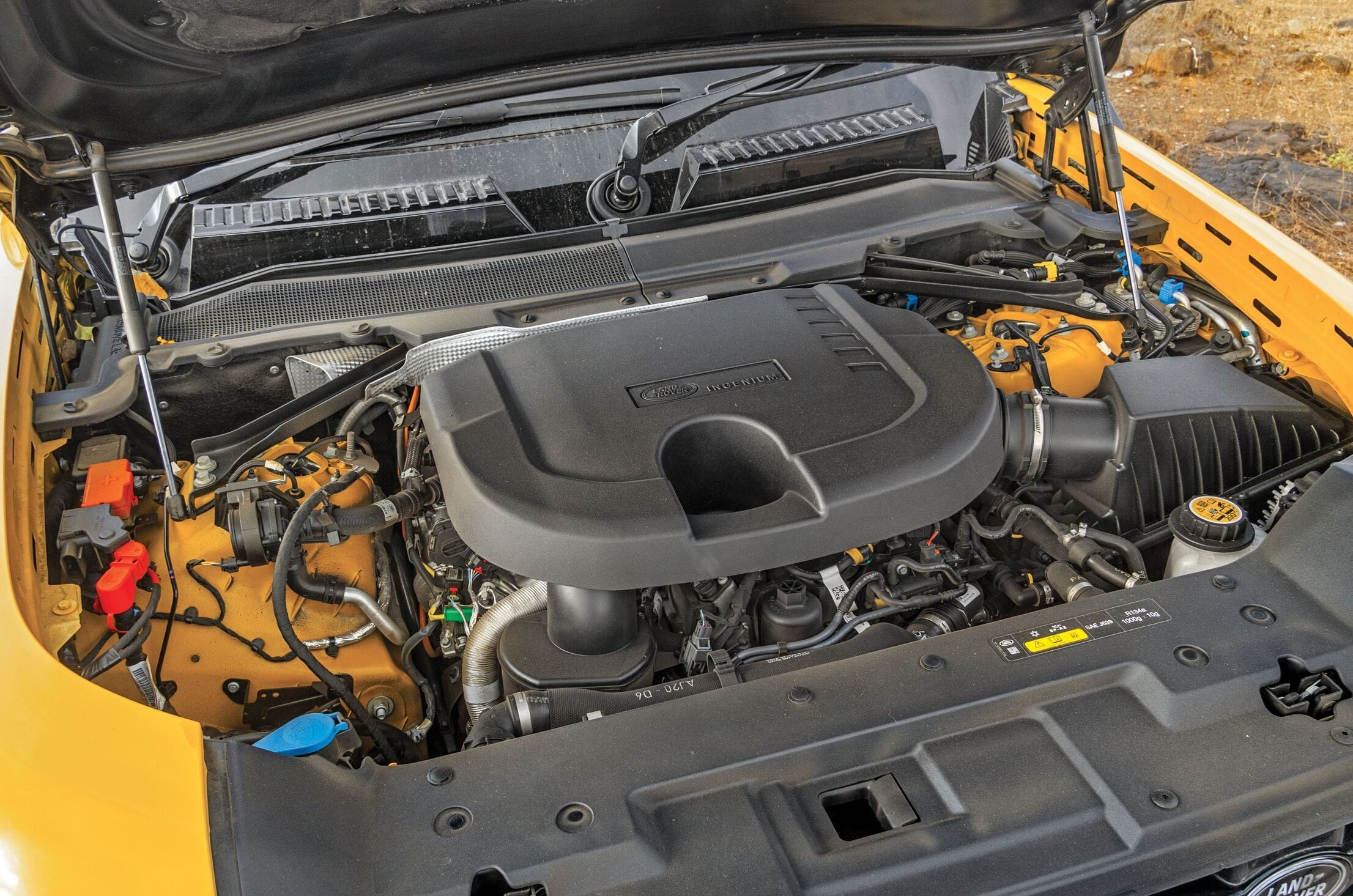
D350 diesel makes more torque than the P425 5.0L supercharged V8.

Under the hood is the 3.0-litre inline-six twin-turbo diesel from the Ingenium family, which makes 350hp and a whopping 700Nm – only the Octa beats it on torque, and that too by just 50Nm. Sending power to all four wheels is a slick 8-speed auto, which at times feels like too many cogs. At highway speeds, most overtakes are completed without the need for a downshift, and at city speeds merely tickling the throttle is enough to keep up with traffic. Push the right pedal harder, though, and it quickly drops a cog, the bonnet rises, and it accelerates as hard as you’d ever really need to in something this big.
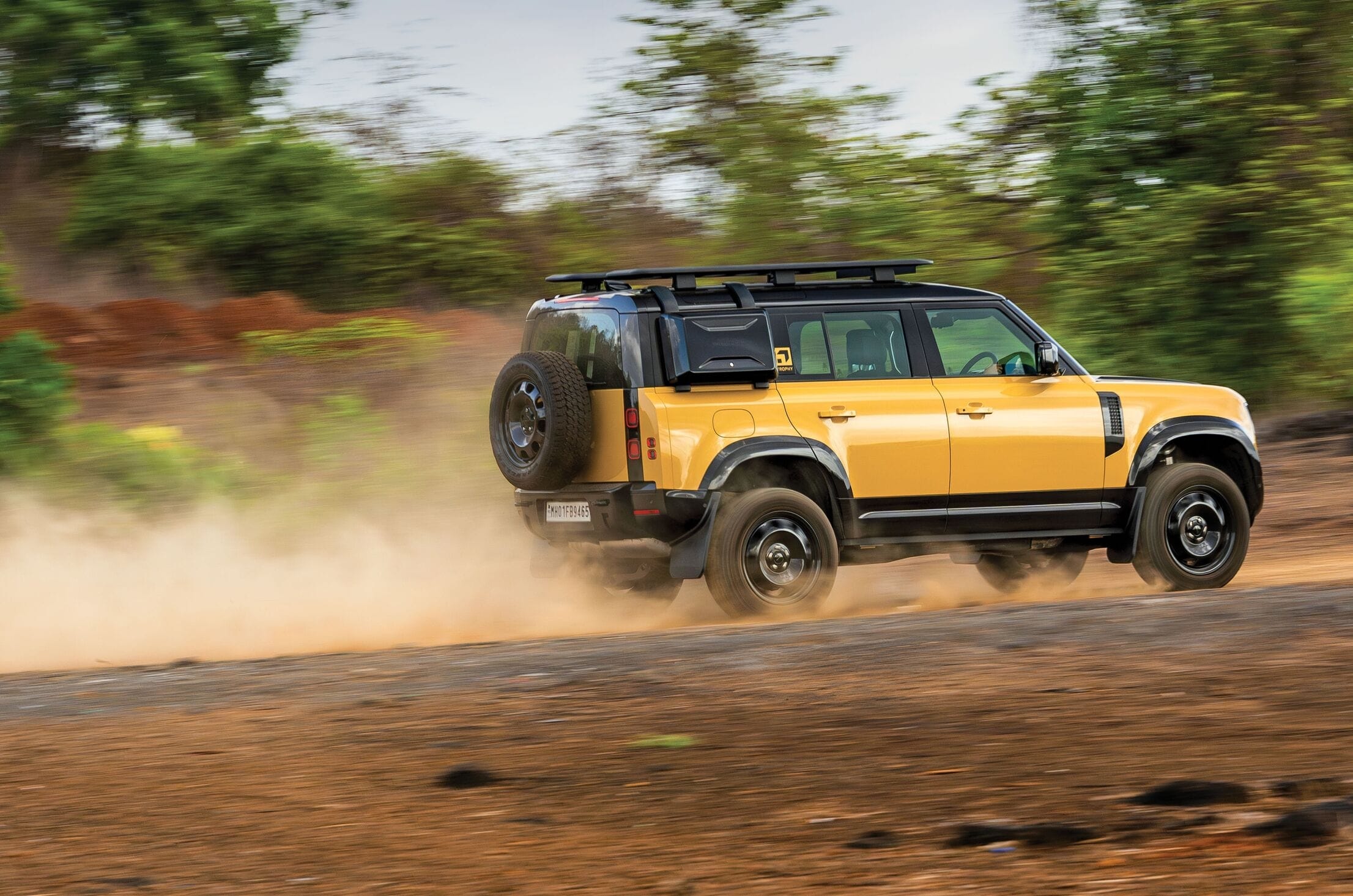
Optional air springs iron out rough trails remarkably well.

A quick Vbox test confirmed a 0-100kph time of 6.79sec – slightly slower than the claimed time of 6.4sec. 20-80kph is dispatched in an equally rapid 4.19sec, while 40-100kph takes 4.98sec. Refinement is good too, and not just for a diesel. Outside the vehicle, the diesel clatter is very muted at idle, while inside, most passengers won’t be able to tell they’re in an oil burner. As revs rise, so do the decibels, but it sounds muscular and rather pleasant for a diesel. One gripe is at highway speeds, there is noticeable wind noise from the bolted-on accessories.

Land Rover Defender Trophy Edition range and efficiency – 7/10

While we didn’t get a chance to put it through our real-world fuel-efficiency run, the diesel is comfortably the most frugal of all the available Defender powertrains. On a steady highway run, it will regularly deliver double-digit fuel economy, which means the 89-litre tank will take you pretty far between fill-ups.

Land Rover Defender Trophy Edition ride comfort and handling – 8/10
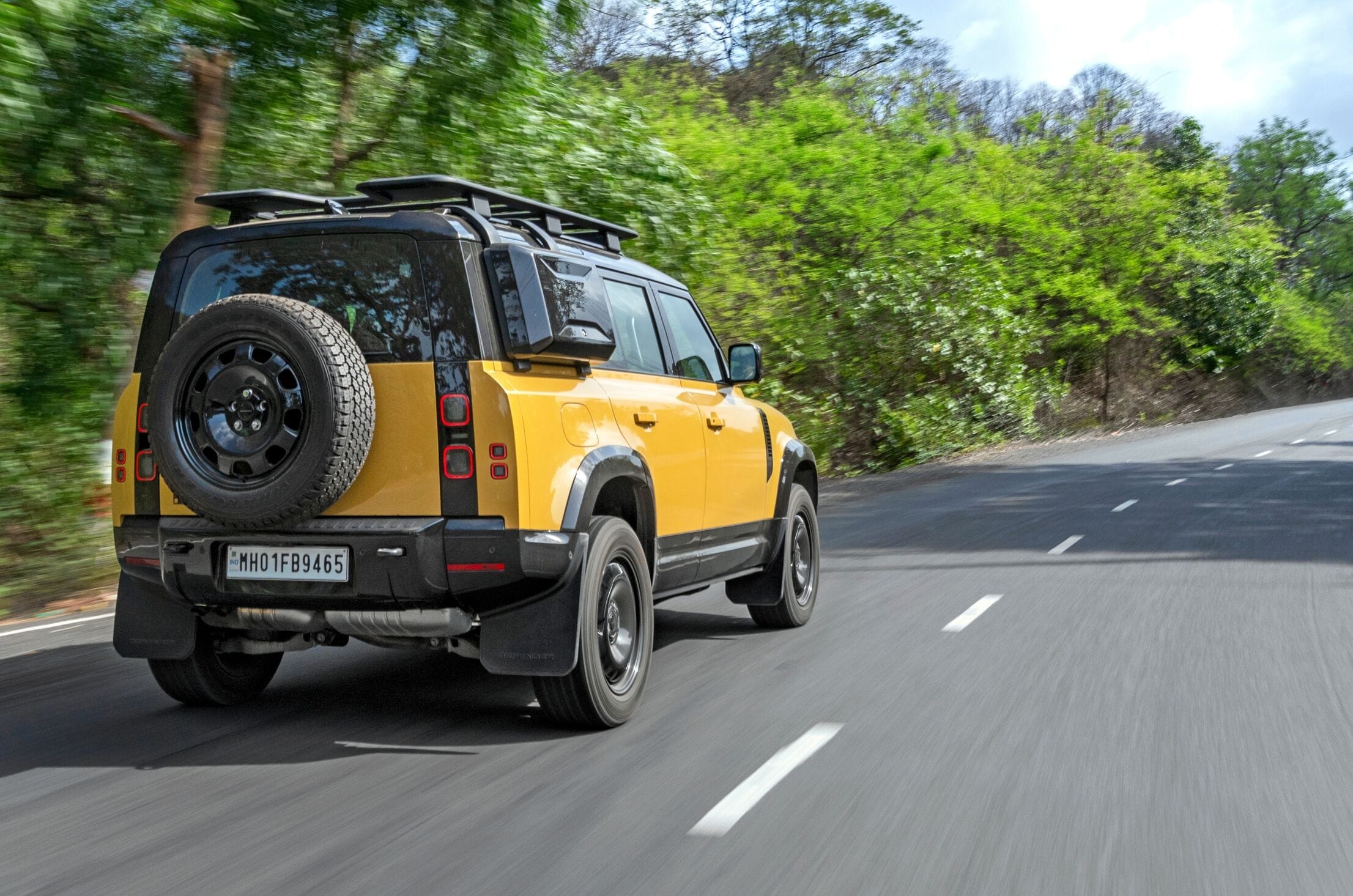
The diesel feels like a natural fit for the Defender’s use case.

Our test car was equipped with air suspension, which is an option well worth ticking. Not only does it bring the ability to raise the car to clear obstacles or lower it to make getting in and out easier, but the ride is also superb. It feels very absorbent even on the roughest patches, and keeps the body quite flat and the cabin nicely isolated.

While it certainly has no sporting pretensions, it feels surprisingly fluid through corners too. There is no escaping the body roll, but it feels well controlled, surefooted and rather enjoyable to hustle. Also noteworthy is the steering; the large-diameter wheel feels great to hold and steer with, and the effort is perfectly weighted to boot.
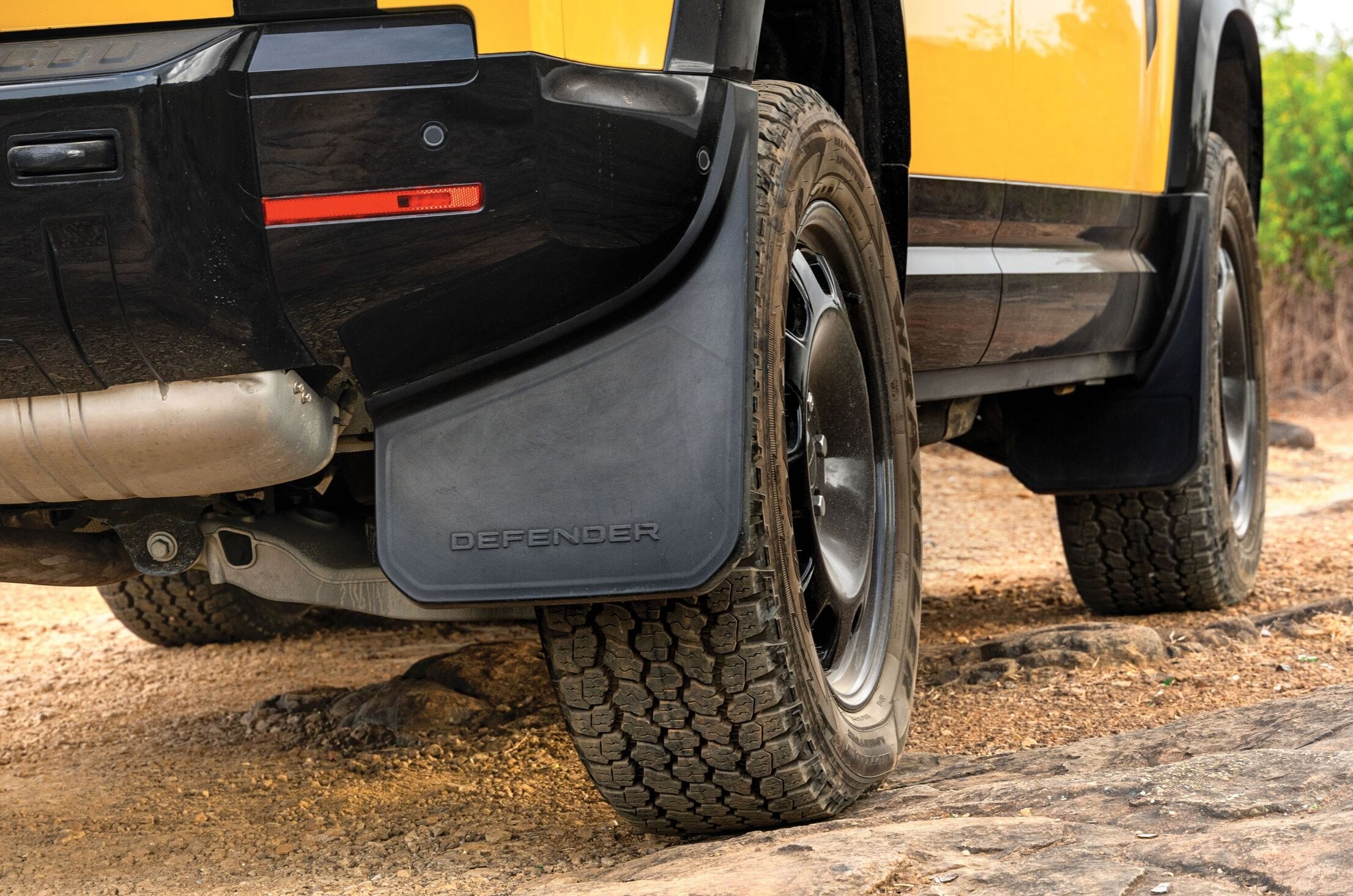
Mudflaps suit the theme.

Off-road ability is a strength, but what’s impressive is the ease with which it conquers the rough stuff. Terrain Response offers presets for different surfaces, and advanced users can even configure individual settings, but generally leaving it in Auto works well enough for most scenarios. Low range will only ever need to be engaged to clear the sort of challenges that used to be thrown at Camel Trophy participants. Its size is intimidating off-road, but the array of cameras, including a transparent bonnet function, does help maneuverability.

Land Rover Defender Trophy Edition price and verdict – 8/10
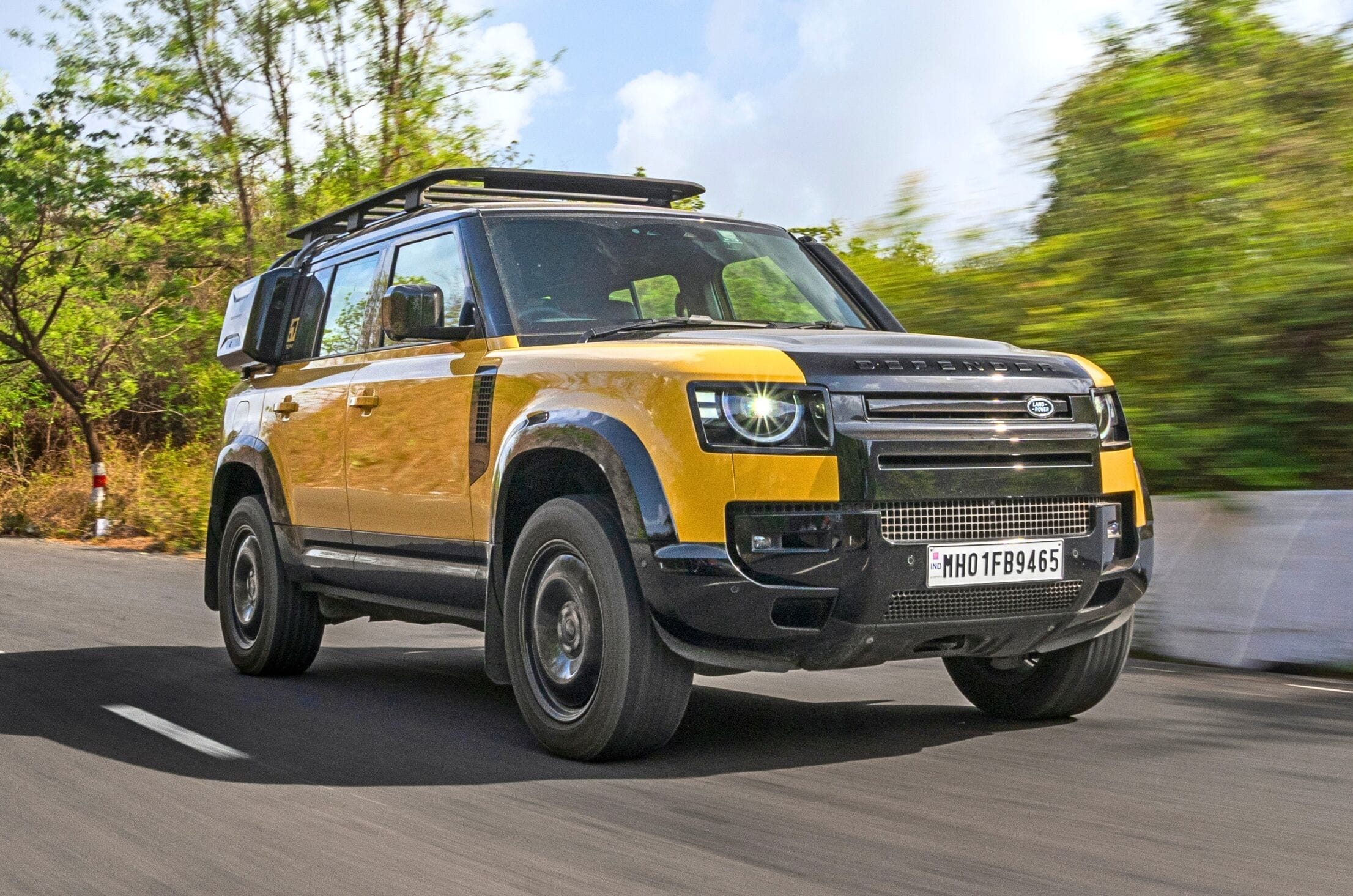
At Rs 1.30 crore, the Trophy Edition is just over a lakh more than the X-Dynamic HSE. While that isn’t a lot of extra outlay in this context, what it buys you is essentially a unique paint scheme. If the history of the Camel Trophy, the exclusivity and the aesthetics appeal to you, this might seem like a bargain, but to others, that money would be better spent on the off-road packs.
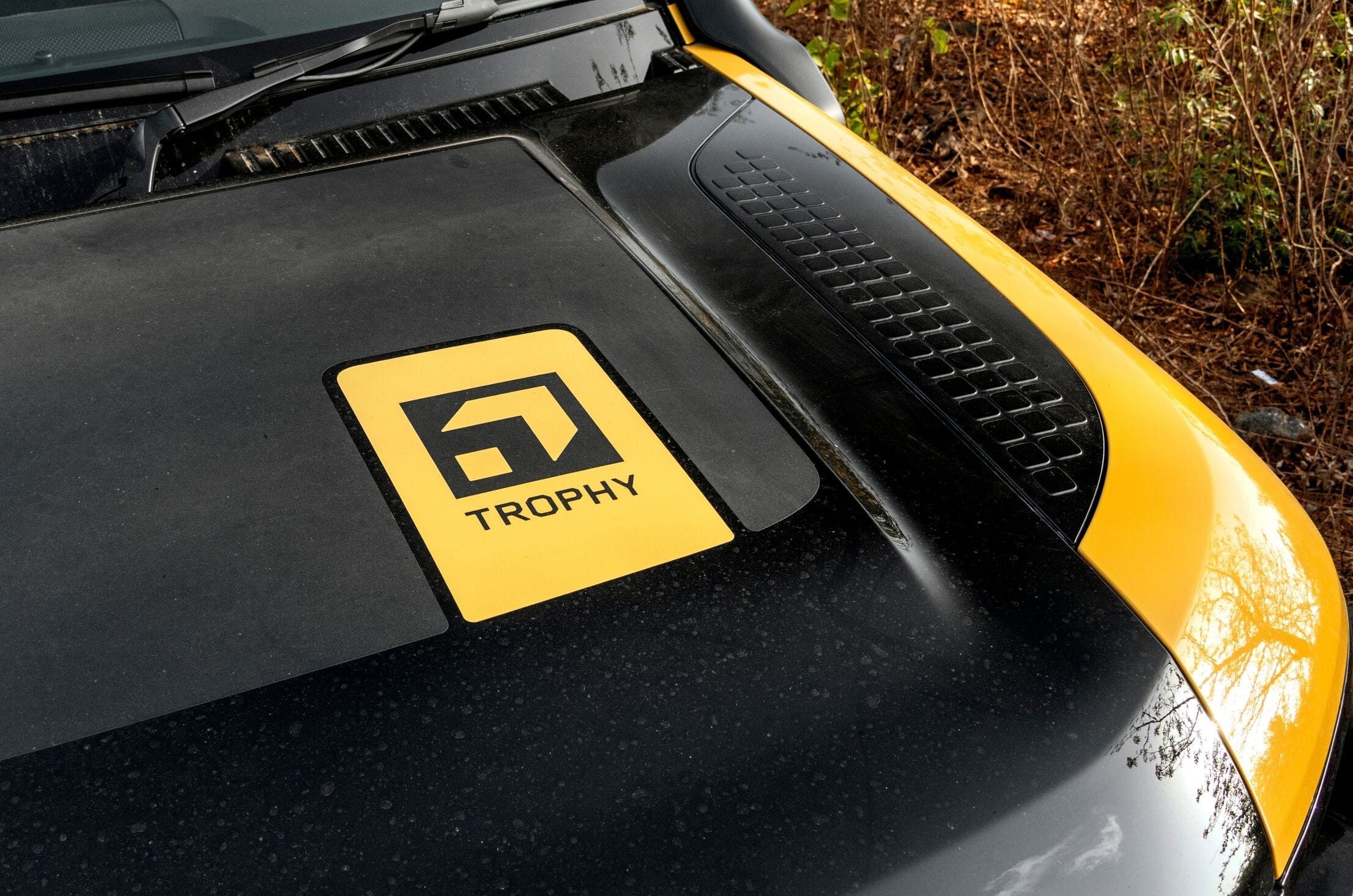
But if getting muddy isn’t your thing, the standard Defender is still charming enough to seduce most. With the 6-cylinder petrol discontinued, this D350 diesel is now the default recommendation – much more performance than the 2.0-litre four-pot and way more frugal than the 5.0-litre V8. Sure the V8 has a greater sense of occasion, but the diesel feels like a more natural fit for the Defender’s use case – ergo, the sweet spot.

Defender D350 Trophy Edition
Price Rs 1.30 crore (ex-showroom, India)
L/W/H5018/2105/1972mm
Wheelbase 3022mm
Ground clearance 218-293mm
Engine 6cyls, 2997cc, turbo diesel
Power 350hp at 4000rpm
Torque700Nm at 1500-3000rpm
Gearbox 8-speed automatic
Drive layout Four-wheel drive
Kerb weight 2361kg
Tyres (f/r) 255/60 R20
Turning circle 13.1m
0-100kph 6.79sec*
20-80kph (in kickdown) 4.19sec*
40-100kph (in kickdown)4.98sec*
Top speed 191kph (limited)

Government releases revised CAFE III draft

Cafe 3

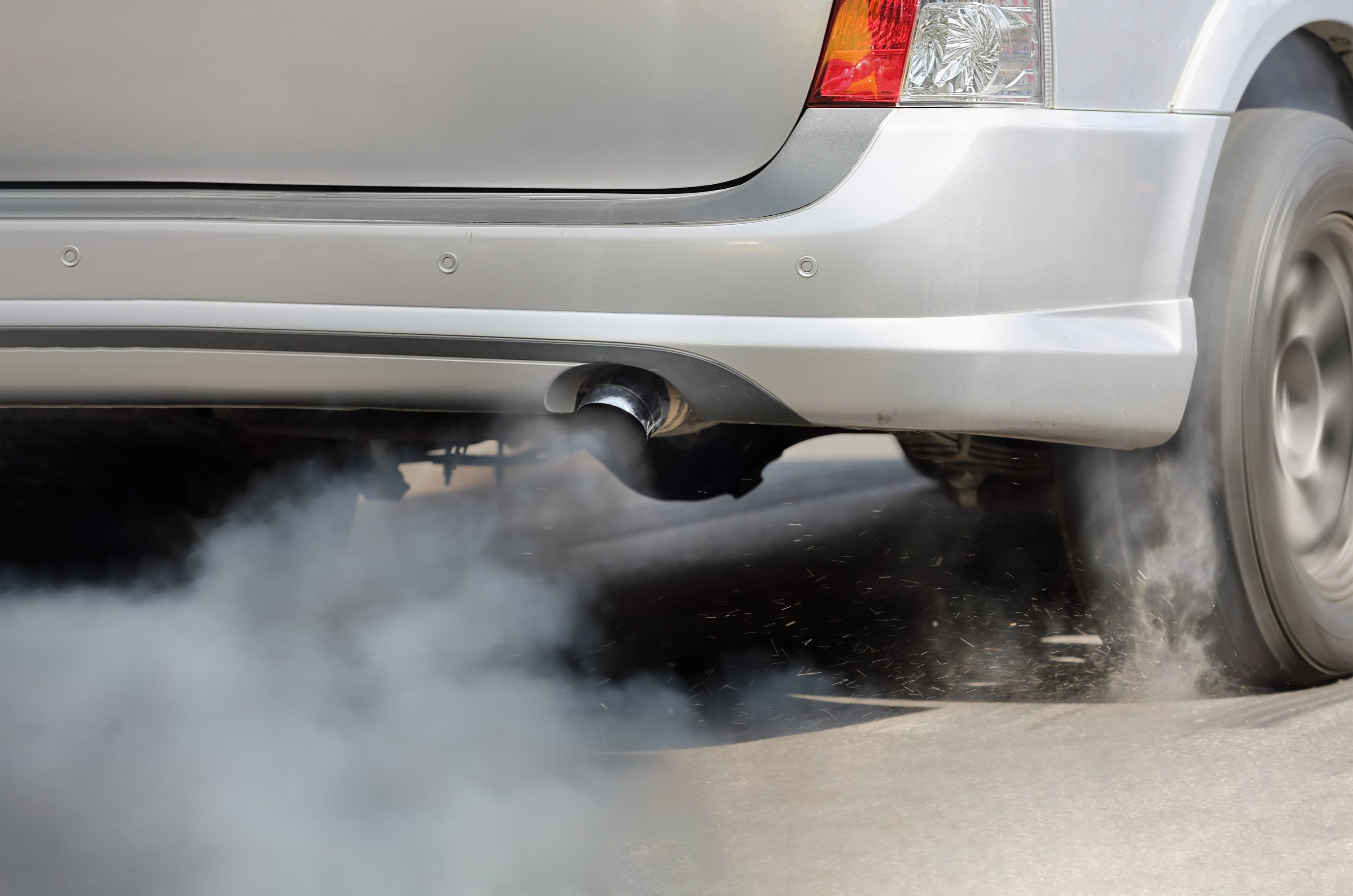
The Ministry of Power has released a revised draft of the third phase of the Corporate Average Fuel Economy norms (CAFE III) for passenger vehicles, proposed to take effect from April 1, 2027. According to industry experts, the revised draft adopts a more balanced approach than the earlier proposal by relaxing the overall fuel efficiency targets. Public comments on the draft have been invited for 21 days before the rules are finalised.

  1. Fuel consumption target to tighten progressively until FY2032
  2. Manufacturers can trade compliance credits or buy them from the Bureau of Energy Efficiency

Under the proposal, manufacturers will have to submit fuel efficiency data under both the Modified Indian Driving Cycle (MIDC) and the Worldwide Harmonised Light Vehicles Test Procedure (WLTP). The ministry said a conversion factor between the two test cycles will be notified separately.

Proposed fuel efficiency targets

The draft proposes progressively stricter fuel efficiency targets over five years. The fleet-average target is proposed at 3.996 litres per 100km (94.76g CO₂/km) for FY2028, tightening to 3.327 litres per 100km (78.90g CO₂/km) by FY2032. According to industry experts, these targets are less stringent than those proposed in the earlier draft.

Credit trading mechanism retained

Manufacturers that exceed their prescribed fuel efficiency targets will continue to earn compliance credits, while those falling short will accumulate debits. These credits can either be traded with other manufacturers or purchased from the Bureau of Energy Efficiency (BEE).

The draft proposes a buyout price of Rs 2,500 per gCO₂/km for FY2028, increasing gradually to Rs 4,500 per gCO₂/km by FY2032.

The revised draft also finalises the technical criteria for claiming fuel-efficiency benefits from technologies such as start-stop systems, regenerative braking, tyre-pressure monitoring systems (TPMS), electric water pumps, high-efficiency air-conditioning systems and advanced glazing.

It also retains incentives for battery electric vehicles, plug-in hybrids, strong hybrids and flex-fuel vehicles through super credits and carbon neutrality factors.

Government releases revised CAFE III draft

Cafe 3

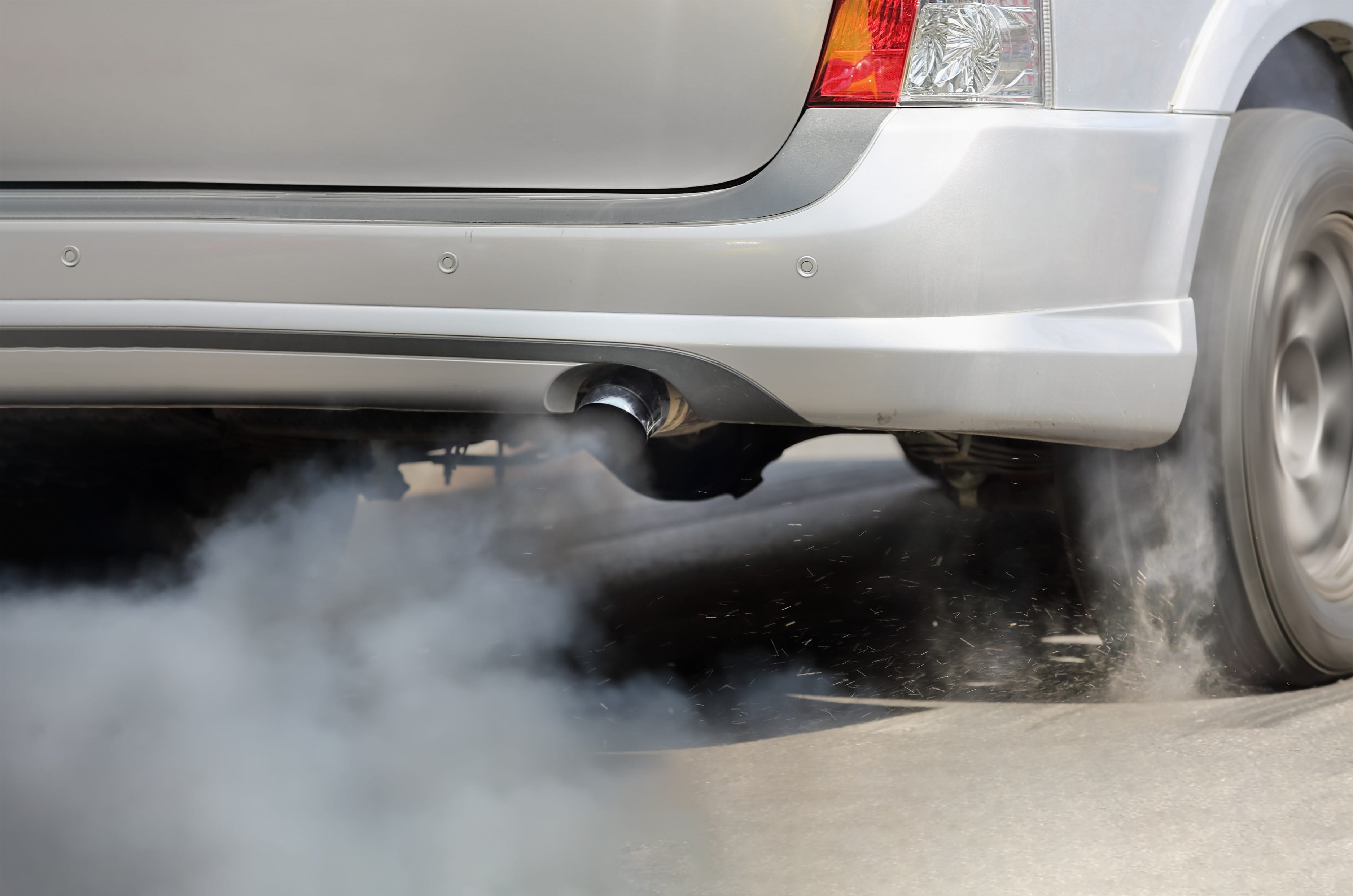
The Ministry of Power has released a revised draft of the Corporate Average Fuel Economy (CAFE III) norms for passenger vehicles, proposed to come into effect from April 1, 2027. According to industry experts, the revised draft adopts a more balanced approach than the earlier proposal by relaxing the overall fuel efficiency targets. Public comments on the draft have been invited for 21 days before the rules are finalised.

  1. Fuel consumption target to tighten progressively until FY2032
  2. Manufacturers can trade compliance credits or buy them from Bureau of Energy Efficiency

Under the proposal, manufacturers will have to submit fuel efficiency data under both the Modified Indian Driving Cycle (MIDC) and the Worldwide Harmonised Light Vehicles Test Procedure (WLTP). The Ministry said a conversion factor between the two test cycles will be notified separately.

Proposed fuel efficiency targets

The draft proposes progressively stricter fuel efficiency targets over five years. The fleet-average target is proposed at 3.996 litres per 100km (94.76g CO₂/km) for FY2028, tightening to 3.327 litres per 100km (78.90g CO₂/km) by FY2032. According to industry experts, these targets are less stringent than those proposed in the earlier draft.

Credit trading mechanism retained

Manufacturers that exceed their prescribed fuel efficiency targets will continue to earn compliance credits, while those that fall short will accumulate debits. These credits can either be traded with other manufacturers or purchased from the Bureau of Energy Efficiency (BEE).

The draft proposes a buyout price of Rs 2,500 per gCO₂/km for FY2028, increasing gradually to Rs 4,500 per gCO₂/km by FY2032.

The revised draft also finalises the technical criteria for claiming fuel-efficiency benefits from technologies such as start-stop systems, regenerative braking, tyre pressure monitoring systems (TPMS), electric water pumps, high-efficiency air-conditioning systems and advanced glazing.

It also retains incentives for battery electric vehicles, plug-in hybrids, strong hybrids and flex-fuel vehicles through super credits and carbon neutrality factors.

Hero MotoCorp flags proposed two-wheeler CAFE norms as business risk

Hero MotoCorp flags proposed two-wheeler CAFE norms as business risk

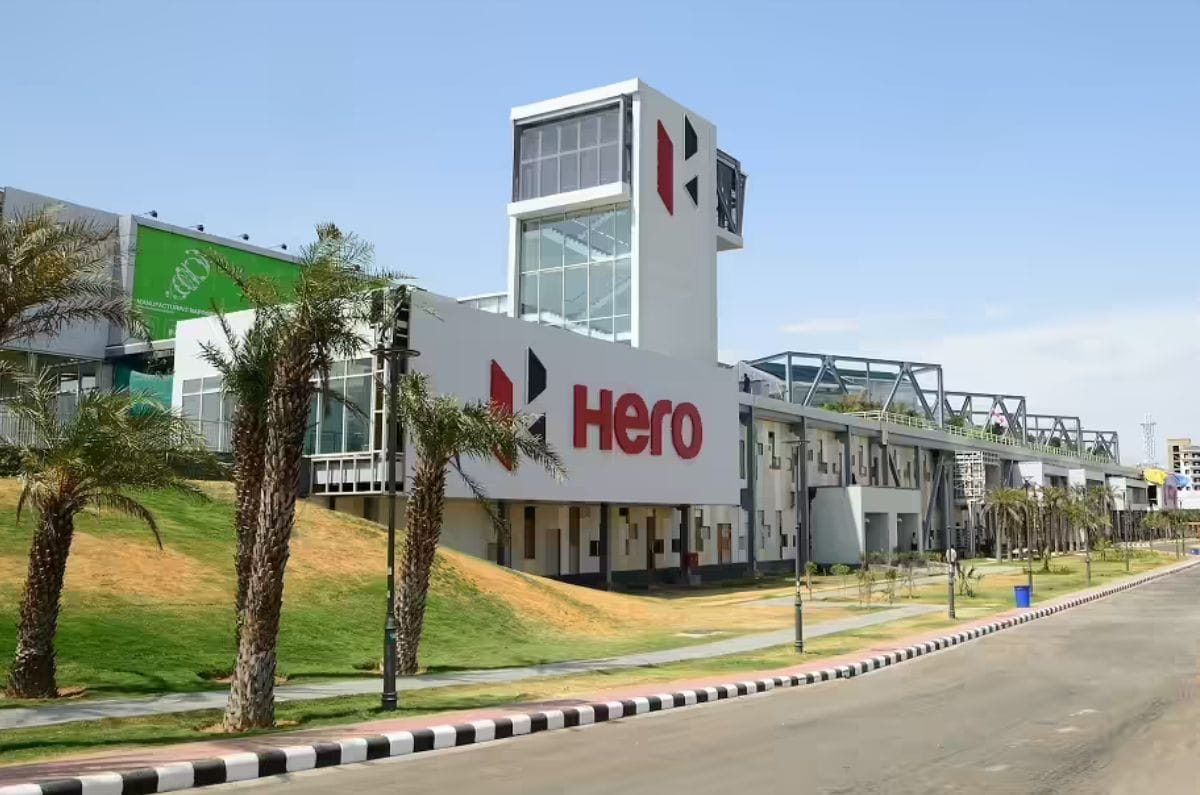
Hero MotoCorp has identified the proposed extension of Corporate Average Fuel Economy (CAFE) norms to two-wheelers as a potential business risk, stating that a sudden rollout could significantly increase development costs and impact profitability in India’s price-sensitive motorcycle market.

  1. Hero says sudden implementation could increase compliance costs
  2. Company is upgrading ICE engines and expanding EV portfolio
  3. Bharat Stage 7 norms also listed among future regulatory priorities

Hero calls for realistic implementation of proposed CAFE norms

Hero MotoCorp has identified the proposed extension of Corporate Average Fuel Economy (CAFE) norms to two-wheelers as a potential business risk, stating that a sudden rollout could significantly increase development costs and impact profitability in India’s price-sensitive motorcycle market.

In its FY2025-26 annual report, Hero said CAFE regulations, which currently apply to passenger vehicles, are proposed to be extended to two-wheelers. Unlike emission norms that regulate tailpipe pollutants, CAFE standards require manufacturers to meet fleet-wide fuel efficiency targets across the vehicles they sell.

The company acknowledged that stricter fuel efficiency standards could help reduce fuel consumption, lower running costs for customers and reduce dependence on imported oil. However, it warned that a rapid implementation could leave manufacturers with limited time to redesign products, upgrade technologies and prepare their supplier base.

Hero added that passing higher compliance costs on to customers would be difficult in India’s highly price-sensitive two-wheeler market, putting additional pressure on profitability.

To prepare for future regulations, Hero said it is improving the efficiency of its internal combustion engines, increasing the use of lightweight materials and expanding its electric vehicle portfolio to help meet future fleet-wide fuel efficiency requirements.

The company also said it is investing in multiple low-emission technologies instead of relying solely on battery electric vehicles. Alongside EVs, Hero is developing motorcycles capable of running on higher ethanol blends, reflecting its view that multiple powertrain technologies will continue to play a role in India’s mobility transition.

Hero added that its R&D investments are increasingly focused on future regulatory requirements, including cleaner powertrains, connected vehicle technologies and digital capabilities.

BS7 norms also on Hero’s radar

The annual report also lists Bharat Stage 7 emission norms for two-wheelers among the policy issues on which Hero is engaging with the Society of Indian Automobile Manufacturers (SIAM). The company said it is advocating for implementation timelines and targets that are realistic and technically feasible for the industry, although it did not disclose when either the proposed CAFE norms or BS7 regulations could come into effect.
 

कार का माइलेज हो रहा है कम? मारुति, हुंडई, टाटा और Kia समेत हर पेट्रोल कार के लिए जानिए ईंधन बचाने के सबसे आसान तरीके

भारत में कार खरीदते समय लोग सबसे पहले उसके माइलेज पर ध्यान देते हैं। पेट्रोल और डीजल की लगातार बढ़ती कीमतों के बीच अब अच्छी माइलेज पहले से भी ज्यादा जरूरी हो गई है। वहीं, देश में E20 पेट्रोल के इस्तेमाल के बढ़ने के बाद भी ईंधन की बचत को लेकर लोगों की चिंता बढ़ी है। हालांकि, कार कंपनियों का कहना है कि E20 पेट्रोल से माइलेज में थोड़ी कमी आ सकती है, लेकिन किसी भी कार का वास्तविक माइलेज काफी हद तक आपकी ड्राइविंग की आदत, गाड़ी की देखभाल और सड़क की स्थिति पर भी निर्भर करता है।

चाहे आपके पास मारुति सुजुकी स्विफ्ट, हुंडई क्रेटा, टाटा नेक्सन, महिंद्रा XUV 3XO या किआ सेल्टोस जैसी कोई भी कार हो, कुछ आसान टिप्स अपनाकर आप हर लीटर ईंधन में ज्यादा दूरी तय कर सकते हैं और अपनी ईंधन लागत को कम कर सकते हैं।

क्या E20 पेट्रोल से कार का माइलेज कम हो जाता है?

E20 पेट्रोल में 20% इथेनॉल और 80% पेट्रोल मिलाया जाता है। इथेनॉल में सामान्य पेट्रोल की तुलना में एनर्जी कम होती है। यही वजह है कि E20 पेट्रोल इस्तेमाल करने पर कार का माइलेज थोड़ा कम हो सकता है। 4 जुलाई को पेट्रोलियम एवं प्राकृतिक गैस मंत्रालय, भारी उद्योग मंत्रालय और सड़क परिवहन एवं राजमार्ग मंत्रालय की संयुक्त प्रेस कॉन्फ्रेंस में मारुति सुजुकी इंडिया के वरिष्ठ अधिकारी राहुल भारती ने बताया कि E20 पेट्रोल की कैलोरीफिक वैल्यू, E10 पेट्रोल के मुकाबले करीब 3 से 3.5 प्रतिशत कम होती है। इसी कारण माइलेज में भी लगभग इतनी ही कमी देखने को मिल सकती है। उन्होंने उदाहरण देते हुए कहा कि अगर कोई कार सामान्य तौर पर 20 किलोमीटर प्रति लीटर का माइलेज देती है, तो E20 पेट्रोल इस्तेमाल करने पर उसका माइलेज करीब 0.6 किलोमीटर प्रति लीटर तक कम हो सकता है।

कार का माइलेज कैसे बढ़ाएं?

चाहे आपकी कार E10 पेट्रोल पर चलती हो या E20 पेट्रोल पर, अच्छी माइलेज पाने का सबसे आसान तरीका है संतुलित और आराम से ड्राइविंग करना। तेज रफ्तार में अचानक एक्सीलेटर दबाने, बार-बार तेज ब्रेक लगाने और इंजन को बेवजह ज्यादा आरपीएम (स्पीड) पर चलाने से बचें। इससे ईंधन की खपत बढ़ जाती है। शहर के ट्रैफिक में गाड़ी चलाते समय धीरे-धीरे एक्सीलेटर दबाएं। इससे इंजन पर कम दबाव पड़ता है और ईंधन की बचत होती है। वहीं, हाईवे पर जहां संभव हो, एक समान गति बनाए रखकर गाड़ी चलाने से भी बेहतर माइलेज मिल सकता है।

क्या टायर का प्रेशर माइलेज पर असर डालता है?

टायर में सही हवा होना कार की माइलेज के लिए बहुत जरूरी है। अगर टायर में हवा कम होगी, तो सड़क पर उसका रोलिंग रेजिस्टेंस बढ़ जाएगा। ऐसे में इंजन को ज्यादा ताकत लगानी पड़ेगी और ईंधन की खपत भी बढ़ जाएगी। इसलिए कार मालिकों को कम से कम हर 15 दिन में एक बार टायर का प्रेशर जरूर जांचना चाहिए। हमेशा कंपनी द्वारा बताए गए तय प्रेशर के अनुसार ही टायर में हवा भरवाएं। इससे न सिर्फ माइलेज बेहतर होगी, बल्कि टायर की उम्र भी बढ़ेगी।

क्या समय पर सर्विस न कराने से कार का माइलेज कम हो जाता है?

अगर कार की सर्विस समय पर नहीं कराई जाती, तो उसका सीधा असर माइलेज पर पड़ सकता है। एयर फिल्टर गंदा या जाम होने, स्पार्क प्लग घिस जाने और इंजन ऑयल पुराना होने से इंजन पहले जितनी क्षमता से काम नहीं कर पाता। इससे ईंधन की खपत बढ़ जाती है और माइलेज कम हो जाती है। इसलिए कार की नियमित सर्विस कराना बहुत जरूरी है। समय पर सर्विस होने से इंजन बेहतर तरीके से काम करता है, ईंधन की बचत होती है और कार की परफॉर्मेंस भी अच्छी बनी रहती है। हर कार के साथ मिलने वाली ओनर मैनुअल में सर्विस का पूरा शेड्यूल दिया होता है। उसी के अनुसार समय-समय पर सर्विस कराते रहें। यह न सिर्फ कार को बेहतर स्थिति में रखता है, बल्कि कम ईंधन में ज्यादा दूरी तय करने में भी मदद करता है।

क्या ज्यादा सामान रखने से कार का माइलेज कम हो जाता है?

कार में जितना ज्यादा वजन होगा, इंजन को उसे चलाने के लिए उतनी ही ज्यादा मेहनत करनी पड़ेगी। इसलिए अगर आप डिग्गी में बिना जरूरत का भारी सामान रखते हैं, तो इससे ईंधन की खपत बढ़ सकती है और माइलेज कम हो सकती है। इसके अलावा, कार की छत पर लगाए जाने वाले रूफ कैरियर या रूफ बॉक्स भी हवा के प्रवाह में रुकावट पैदा करते हैं। खासकर हाईवे पर इनकी वजह से कार को आगे बढ़ने में ज्यादा ताकत लगती है, जिससे माइलेज पर असर पड़ता है।

क्या गाड़ी खड़ी होने पर इंजन चालू रखना सही है?

आज की पेट्रोल कारें खड़ी रहने पर भी ईंधन खर्च करती हैं। अगर आपको एक मिनट या उससे ज्यादा समय तक कहीं रुकना है, तो जहां संभव हो, इंजन बंद कर देना बेहतर होता है। इससे ईंधन की बचत होती है। आजकल कई नई कारों में ऑटो स्टार्ट-स्टॉप सिस्टम दिया जाता है। यह सुविधा ट्रैफिक सिग्नल या लंबे इंतजार के दौरान अपने आप इंजन बंद कर देती है और जरूरत पड़ने पर दोबारा चालू कर देती है, जिससे ईंधन की बचत होती है।

क्या एसी चलाने से कार का माइलेज कम हो जाता है?

जी हां, लेकिन इसका असर इस बात पर निर्भर करता है कि आप कार कैसे चला रहे हैं। अगर आप लंबे समय तक एसी को सबसे कम तापमान पर चलाते हैं, तो इंजन पर अतिरिक्त दबाव पड़ता है और ईंधन की खपत बढ़ सकती है। बेहतर माइलेज के लिए एसी का तापमान 22 से 24 डिग्री सेल्सियस के बीच रखना अच्छा माना जाता है। इसके अलावा, रीसर्कुलेशन मोड का इस्तेमाल करने से भी एसी जल्दी ठंडा करता है और ईंधन की बचत में मदद मिलती है।

क्या प्रीमियम पेट्रोल से माइलेज बढ़ जाती है?

हर बार ऐसा नहीं होता। अगर आपकी कार बनाने वाली कंपनी ने खास तौर पर प्रीमियम पेट्रोल इस्तेमाल करने की सलाह नहीं दी है, तो केवल ज्यादा ऑक्टेन वाला पेट्रोल भरवाने से माइलेज में कोई बड़ा फर्क नहीं पड़ता। भारत में बिकने वाली ज्यादातर पेट्रोल कारें सामान्य पेट्रोल पर बेहतर तरीके से चलने के लिए बनाई जाती हैं। जिन कारों में E20 पेट्रोल की अनुमति है, वे भी सामान्य रूप से उसी ईंधन पर अच्छी तरह काम करती हैं। इसलिए बिना जरूरत सिर्फ माइलेज बढ़ाने के लिए प्रीमियम पेट्रोल पर अतिरिक्त खर्च करना जरूरी नहीं है।