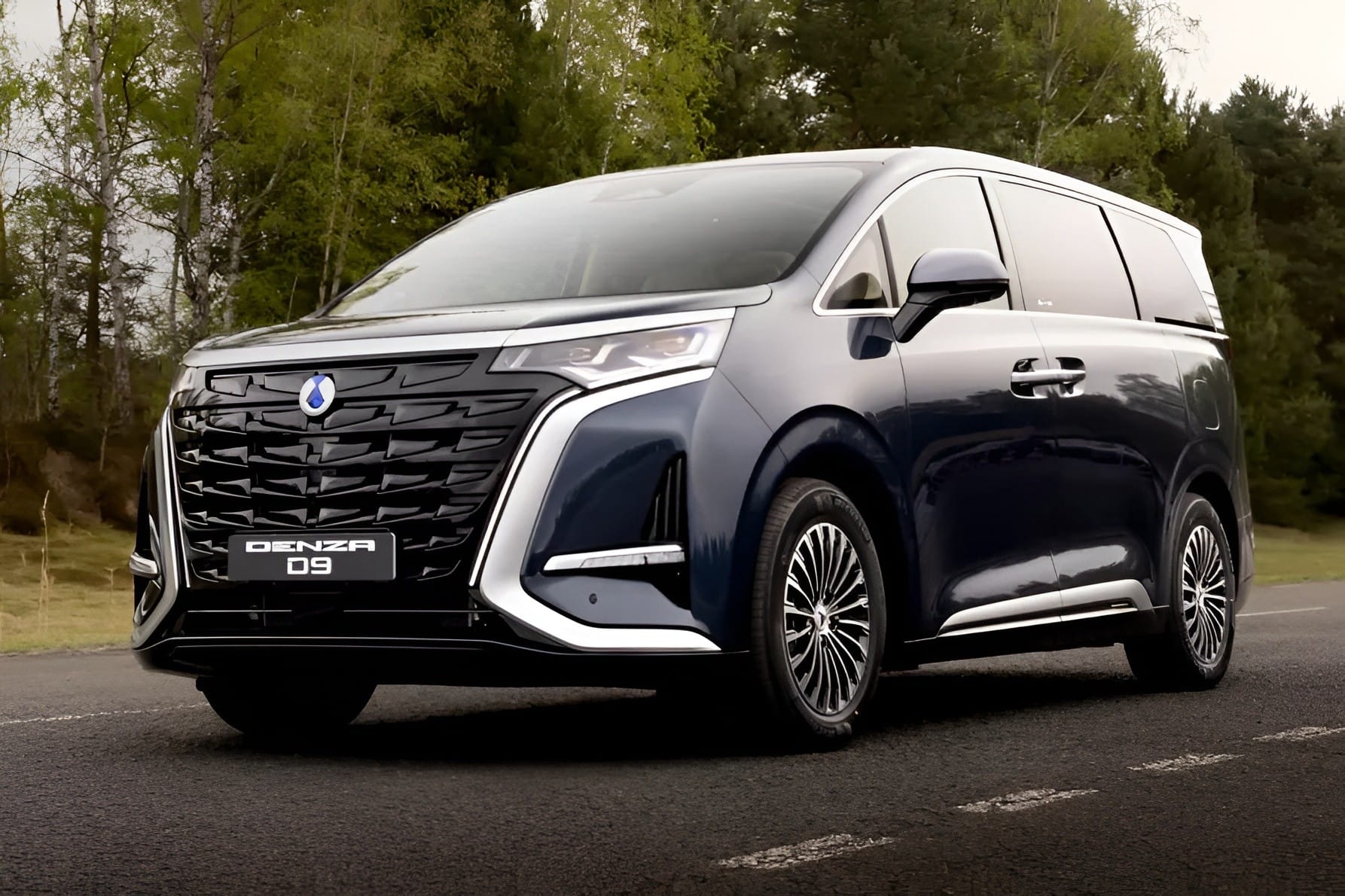
What to expect from the upcoming Denza D9

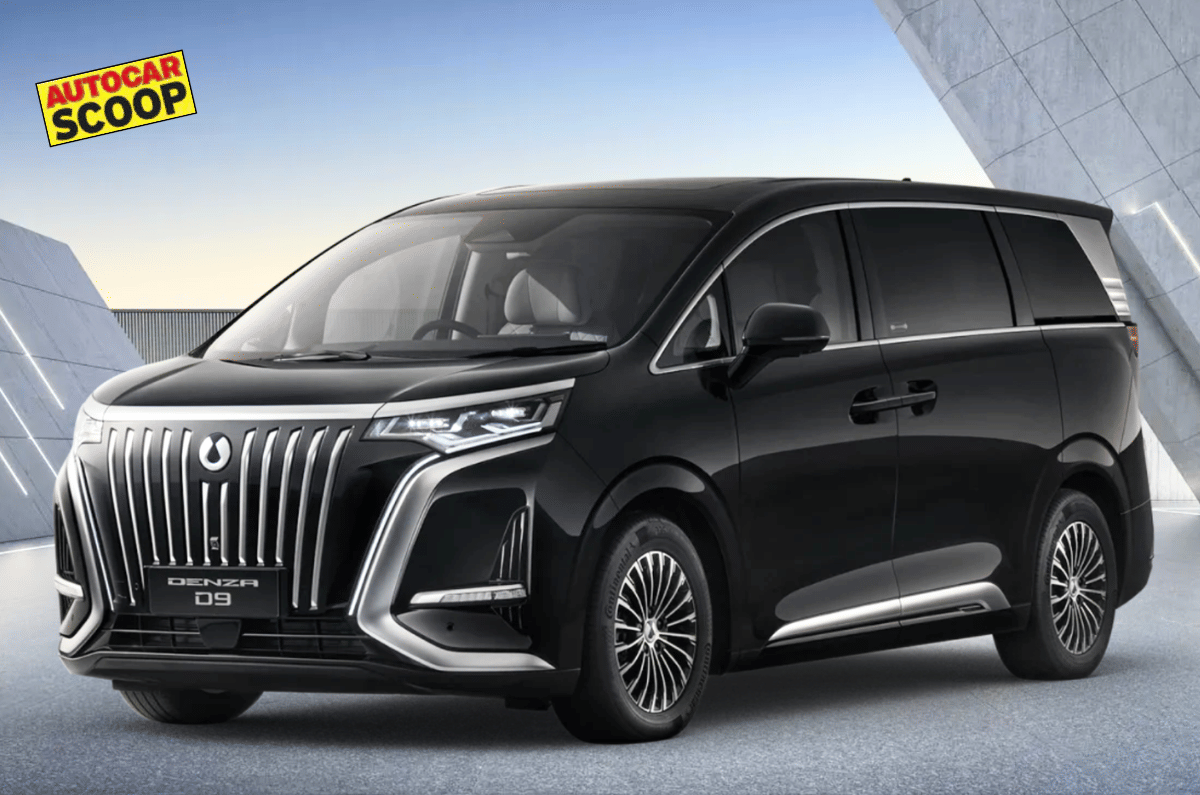
Denza D9 front quarter static

We exclusively reported that BYD would bring its luxury sub-brand Denza to our market. The Chinese carmaker will enter our shores with the debut of the D9 luxury MPV. While a festive season launch is being considered, if delayed, it could be moved to the Bharat Mobility Global Expo in February 2027. Ahead of its arrival in India, here’s all that you can expect from the Denza D9.

1. What seating configurations will the Denza D9 offer?

The Denza D9 is expected to offer a 2+2+3 seating configuration. Rivals like the Toyota Vellfire and Lexus LM offer the same configuration, while the latter offers a 2+2 configuration as well. The MG M9 and Mercedes-Benz V-Class offer a 2+2+2 configuration, while the Merc is also available in a 2+2 seat layout like the LM.

2. How large is the Denza D9?


Denza D9

MG M9

Toyota Vellfire

Lexus LM

Mercedes-Benz V-Class

Length (mm)

5,250

5,270

5,005

5,125

5,370

Width (mm)

1,960

2,000

1,850

1,890

1,928

Height (mm)

1,920

1.800

1,950

1,940

1,901

Wheelbase (mm)

3,110

3,200

3,000

3,000

3,430

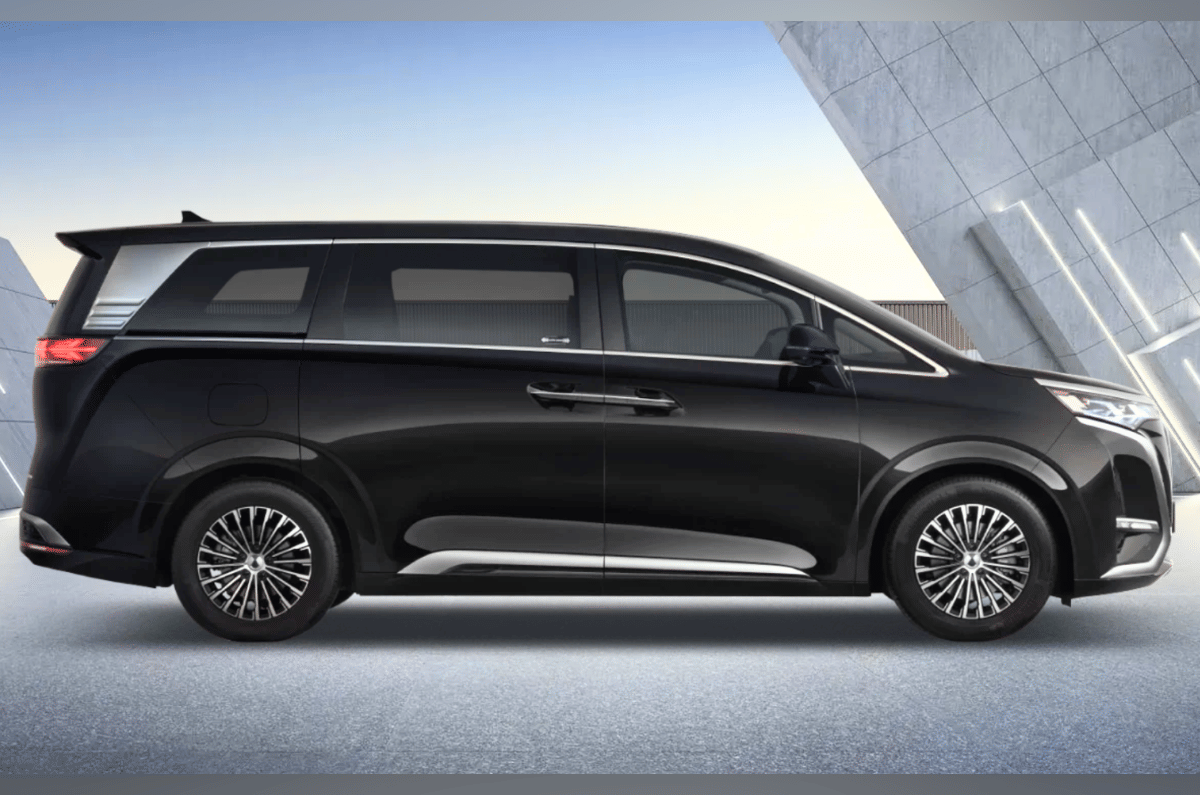
The global-spec Denza D9 is 5,250mm long, 1,960mm wide, 1,920mm tall and has a 3,110mm wheelbase. Compared to other luxury MPVs in our market, the D9 is longer, wider and has a longer wheelbase longer than the Toyota and Lexus, but is shorter than the other two. But compared to the M9 and Mercedes-Benz V-Class, the D9’s dimensions are overall smaller.

3. Will the Denza D9 arrive in India as a CBU or be locally assembled?

Initially, the Denza D9 is expected to be sold as a full import in India. This will allow Denza to enter the market quickly, assess demand and take long-term decisions accordingly.

4. What features are expected on the Denza D9?
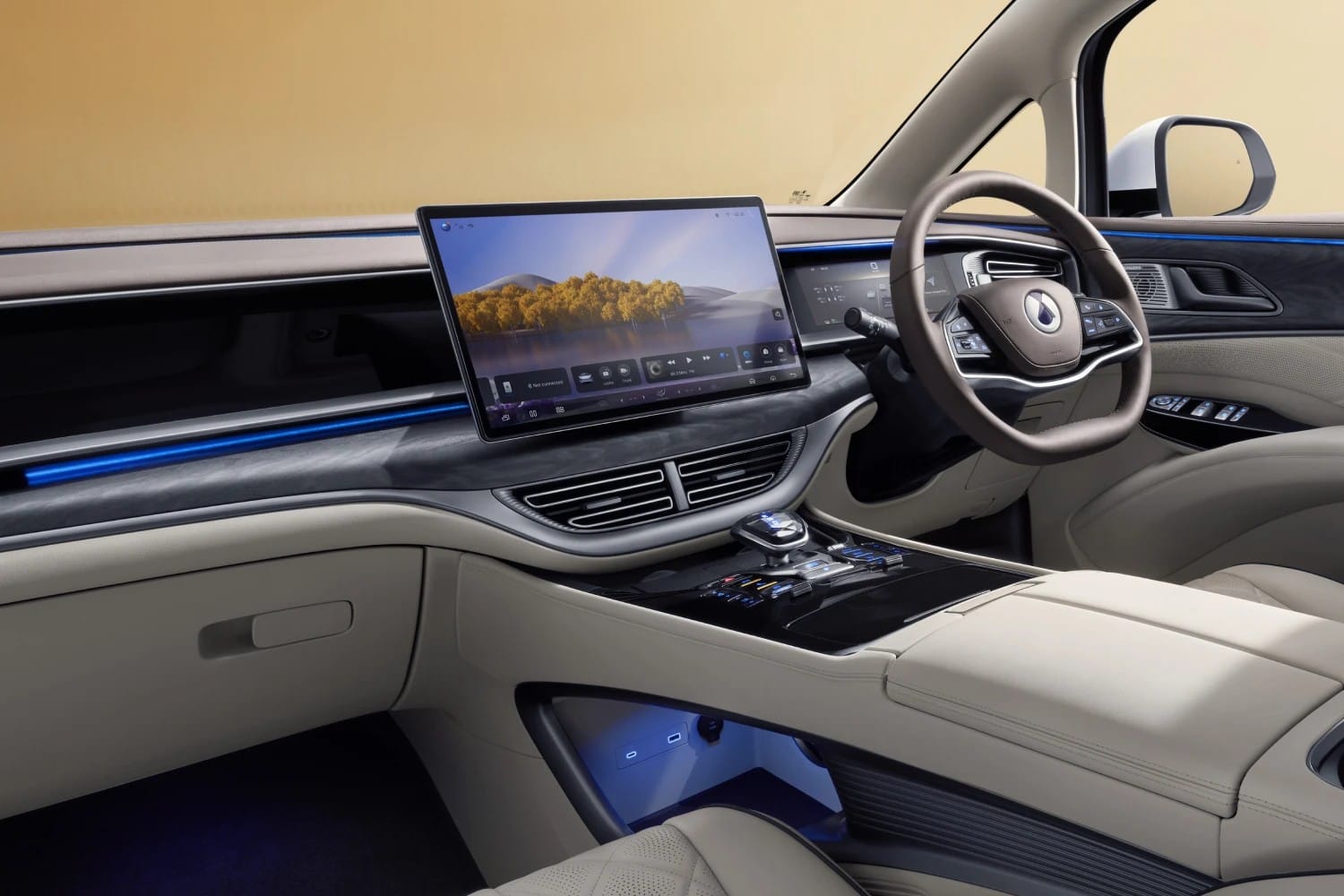
As for equipment, the global-spec D9 gets a 15.6-inch infotainment screen with Apple CarPlay and Android Auto, 10.25-inch digital driver’s display, panoramic sunroof, 8-way powered front seats with ventilation and massage functions, ambient lighting, triple-zone air conditioning, 14-speaker Dynaudio audio system, air purifier, wireless phone charger, 12-inch head-up display, powered tailgate and sliding rear doors.

Safety features include multiple airbags, an ADAS suite, surround view cameras, ESC, traction control, ISOFIX Mounts, hill hold control, driver fatigue warning and distraction detection, TPMS, and an auto-dimming IRVM.  

5. What features are the second row occupants likely to get in the Denza D9?
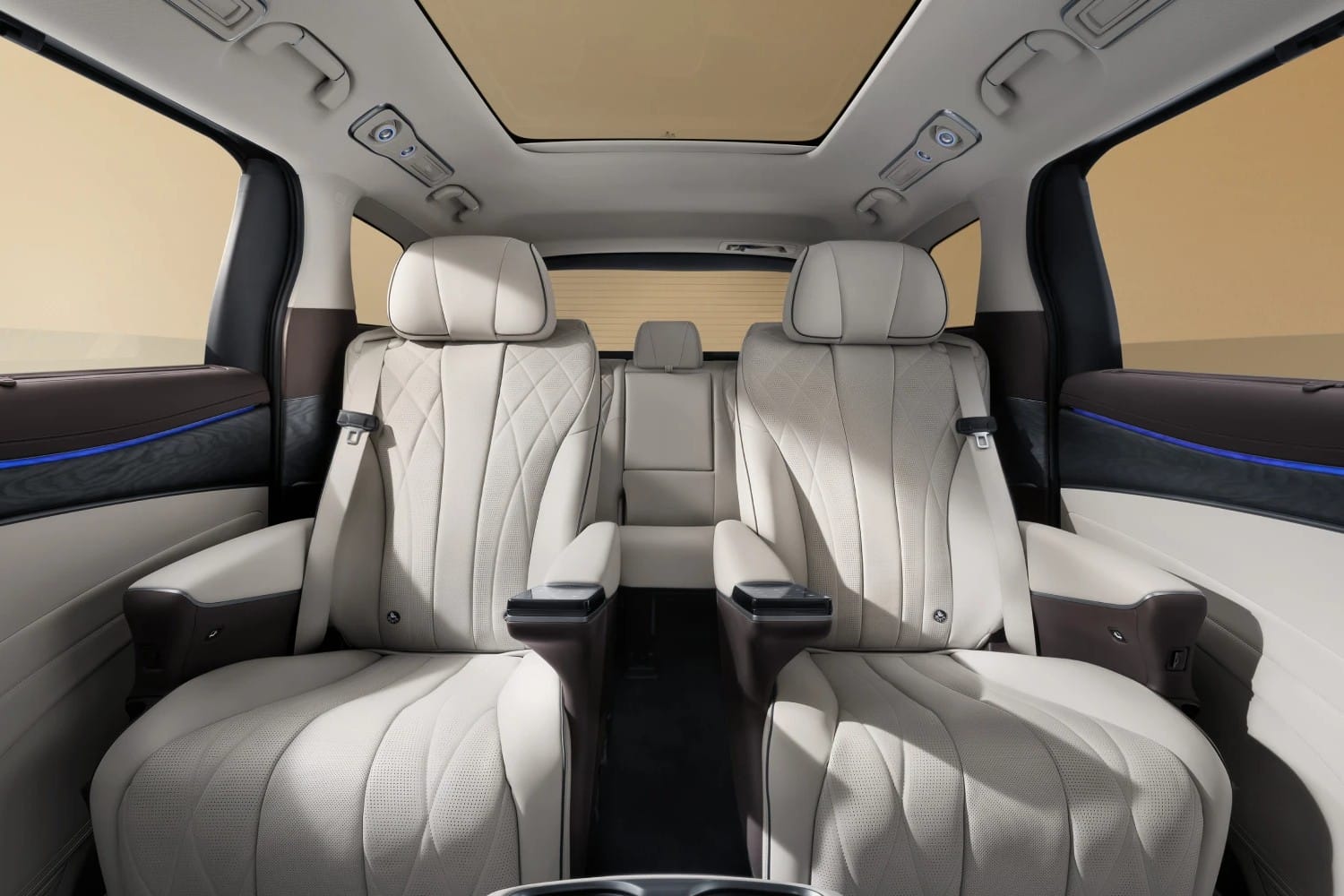
The second row captain chairs have built-in leg rests and have 10-way power adjustment with memory and come with ventilation and massage functions. There’s also a powered boss mode, retractable tables, and a refrigerator as well. Additionally, LED displays integrated within the armrests of the second row seats control various car functions.  

6. What powertrains are expected to power the Denza D9?

Globally, the Denza D9 is available in all-electric and plug-in hybrid versions. However, BYD is likely considering the former option for India, as EVs are subject to a lower 5 percent GST. Plug-in hybrid variants could be considered at a later stage.
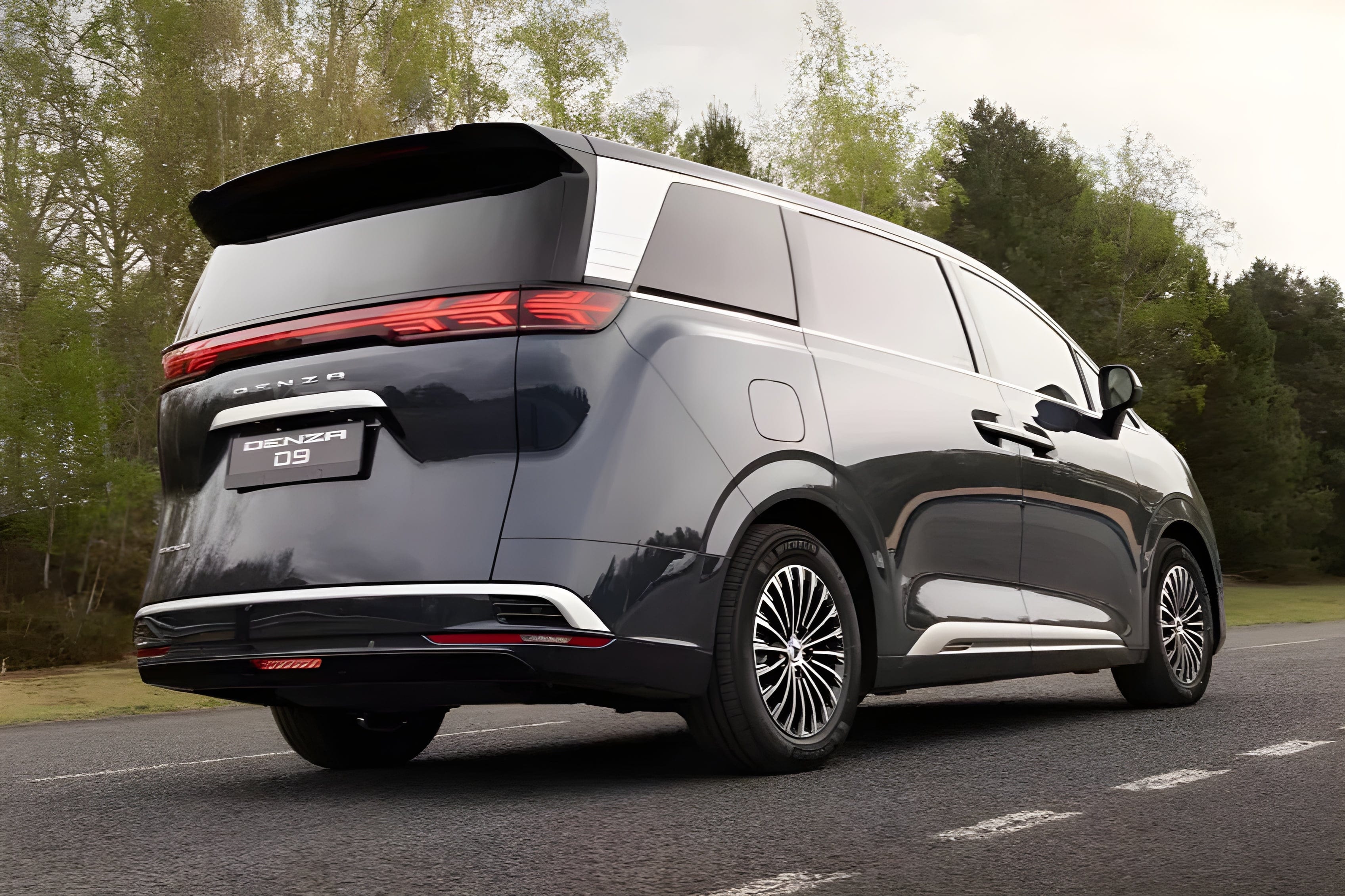
While exact specifications remain under wraps, the global-spec D9 electric is powered by a 103.6kW battery pack. This battery pack can be had in a FWD configuration with a motor producing 314hp and 360Nm of torque. AWD versions add a 61hp, 110Nm motor, bringing the combined power output to 373hp and 470Nm of torque.

FWD versions get an NEDC-claimed range of 600km, while AWD versions have a claimed range of 580km. As far as charging is concerned, the D9 supports up to 11kW and 166kW outputs on AC and DC charging, respectively.

7. Will the Denza D9 be sold alongside other models from the BYD stable?

To maintain distinction between BYD and its sub-brand, the Denza D9 is expected to be sold via dedicated Denza outlets rather than through its existing retail network.

8. What is the expected price of the Denza D9?

Expect the Denza D9 to have an ex-showroom price of around Rs 90 lakh. The D9 will compete in the growing luxury MPV space and will be positioned above the all-electric MG M9 (Rs 79.95 lakh), but undercut the strong-hybrid-powered Toyota Vellfire (Rs 1.20 crore) and Lexus LM (Rs 2.20 crore to Rs 2.75 crore), and the Mercedes V-Class (Rs 1.40 crore), which offers petrol and diesel engines.

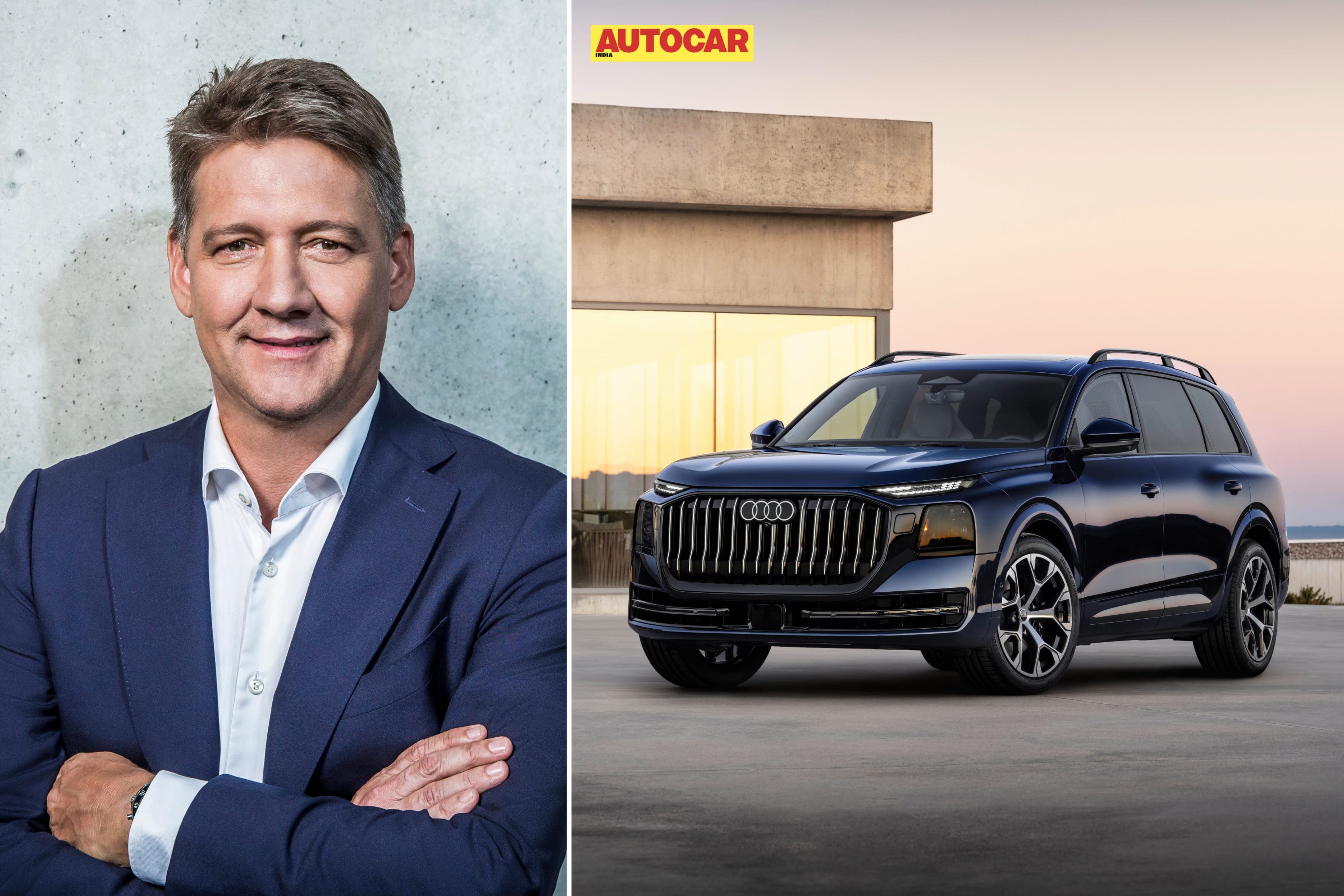
You’ll only be in the game if you have local assembly in India: Audi global CEO

Audi India plans

Audi is preparing a new plan for India built around a stronger product portfolio, greater local assembly and faster introduction of its global models, as the German luxury carmaker seeks to regain momentum in one of the world’s most promising automotive markets.

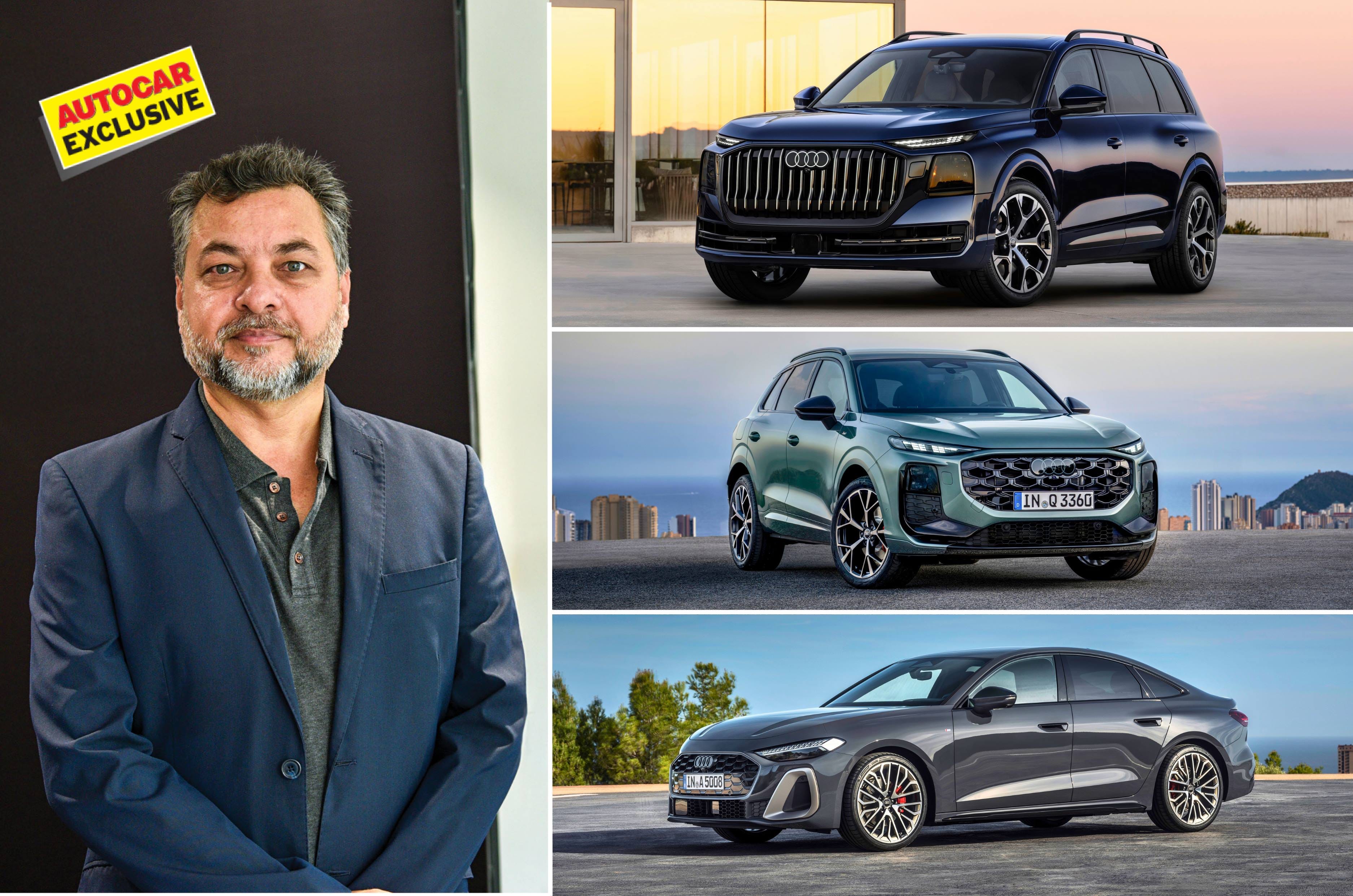
Global CEO Gernot Döllner said India is becoming increasingly important to Audi and the company is now working towards the right product and operating structure for the market. “We will see a substantial portfolio, but it has to be focused to be able to be successful in India,” Döllner told Autocar India in an exclusive interview. “Every successful strategy starts with products. Without products, it does not make sense.”

Audi’s renewal plan with focus on new products 

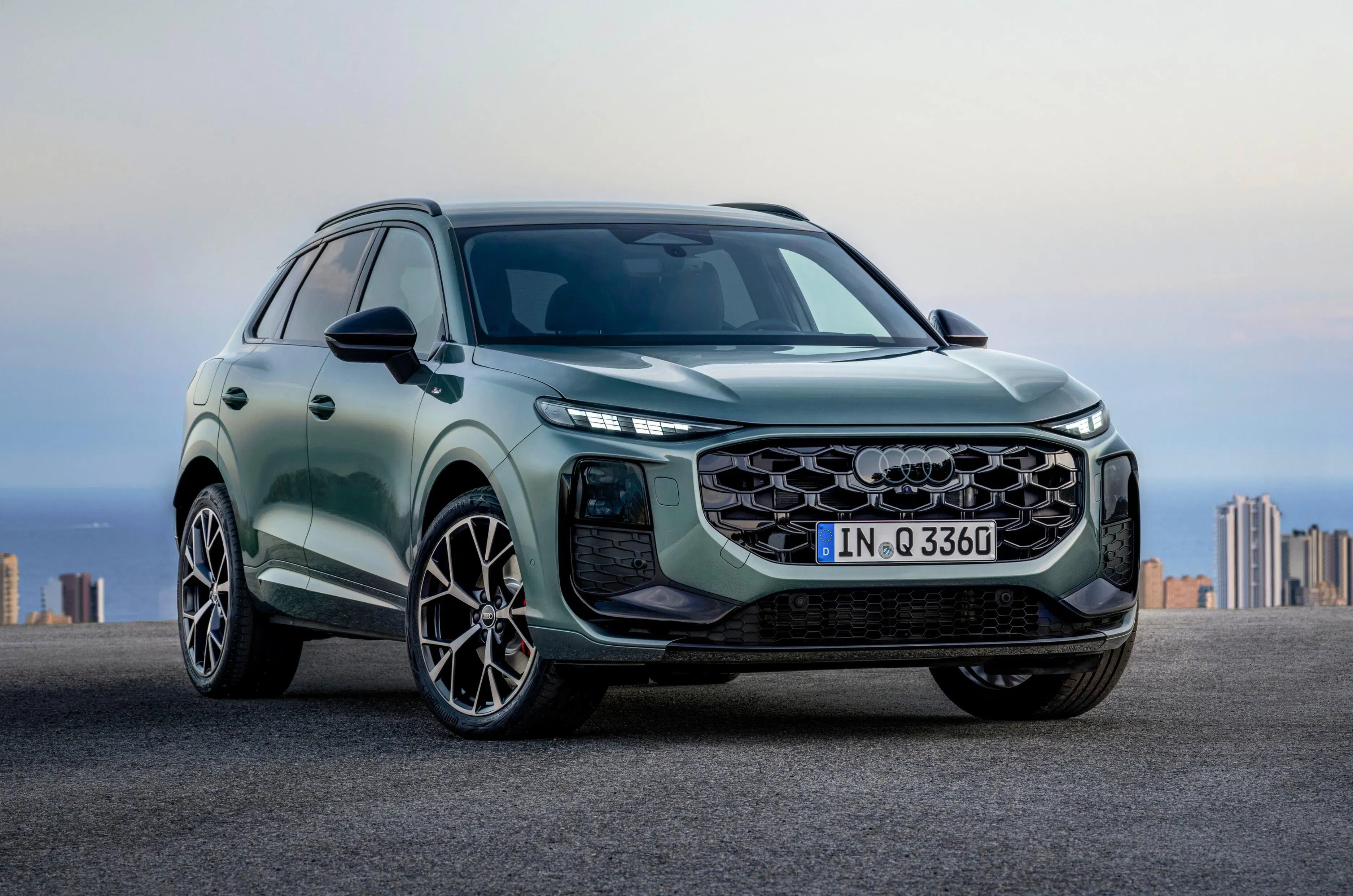
The renewal will begin with the new-generation Q3 in the fourth quarter of 2026, followed by the A5 in the first half of 2027. The Q9 flagship SUV is also being evaluated for India, with work underway to assemble it locally. These three models could reach the market within around twelve months. Audi also plans to reduce the delay between global and Indian launches, which has left parts of its local range out of step with competitors in recent years.

The carmaker is targeting a doubling of its share of India’s luxury-car market from around 8-9 percent to 18-20 percent over the next three to five years.

The new-gen Q3 will be the first to arrive under Audi’s new model onslaught. 

“India is an increasingly important market, and we have to be honest. We have been struggling to find the right setup in that market,” Döllner said. “I hope that we now, with the decisions that we have taken over the past years, are able to step by step find our position in the market. Trade agreements will help in the future, but we still have to clean up some things that we did wrong in the past.”

Audi sees the long-term potential but is still working out the volumes and cost structure needed to make the business viable. “We somehow still have not found the right complete volume and setup and business case behind that for the brand,” said Döllner.

Local assembly is only step one

Greater local content will be necessary for Audi to compete in India, where import duties and adverse currency movements have pushed up prices. “You will be only in the game if you have local content and you follow these rules that are implemented. That’s what we have to do,” Döllner said.
Locally assembled models are expected to account for around 90-95 percent of Audi’s future India business, Autocar India learns. Fully imported vehicles will largely be restricted to niche and brand-shaping models.
Audi currently assembles its core models at the Skoda Auto Volkswagen India facility in Chhatrapati Sambhajinagar. The EA888 2.0-litre petrol engine used across much of the range is also assembled in India. The company is working on the local assembly case for the Q9 and studying what would be required to assemble its 3.0-litre engine in India.

Audi is considering localising the 3.0-litre V6 for the Q9 in India. 

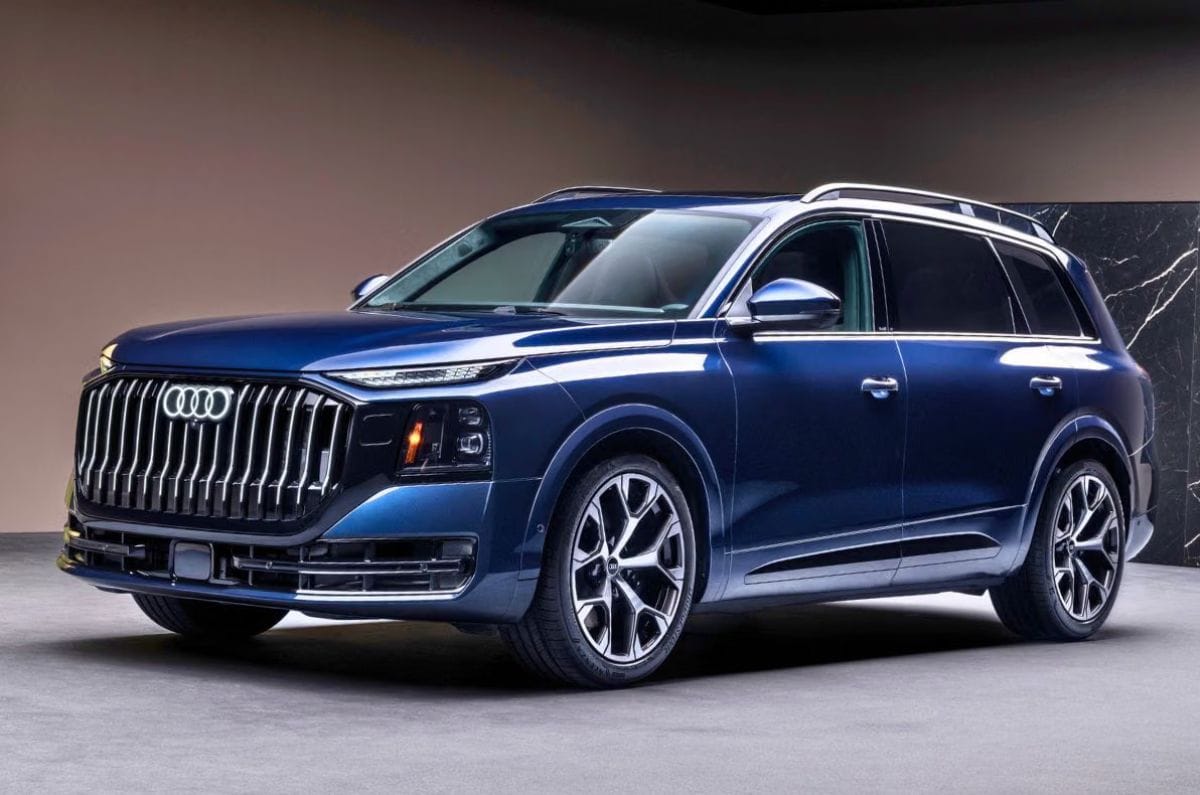
The Q9 will sit above the Q7 and add a new flagship to Audi’s India portfolio. It has been developed with greater emphasis on rear-seat occupants and is expected to offer different seating configurations, an important consideration in India’s chauffeur-driven luxury segment. Deep component sourcing will take longer. The relatively small volumes generated by individual luxury models make it difficult to create a viable domestic supplier base for every part. Audi will widen local assembly first and increase local content where the volumes support it.

New-generation models are becoming more expensive because of additional technology and regulatory requirements. The stronger euro has compounded that increase by raising the cost of imported vehicles and parts.

“The very strong euro compared to the dollar and other currencies is really hitting us badly, especially in markets like India where, due to the big competition, the margins are quite critical,” Döllner said.

Audi does not plan to counter the cost increase by offering stripped-down variants. Its sales data over the past five years shows that Indian luxury-car buyers favour better-equipped versions. The top variant accounts for around 55 percent of sales, the middle version for 35 percent and the entry variant for just 10 percent.

The new Q3 and A5 will therefore be positioned competitively, but pricing alone will not be Audi’s play. The company believes buyers will pay for the latest technology and features if the product delivers enough value.

India-EU FTA opens the door for niche imports 

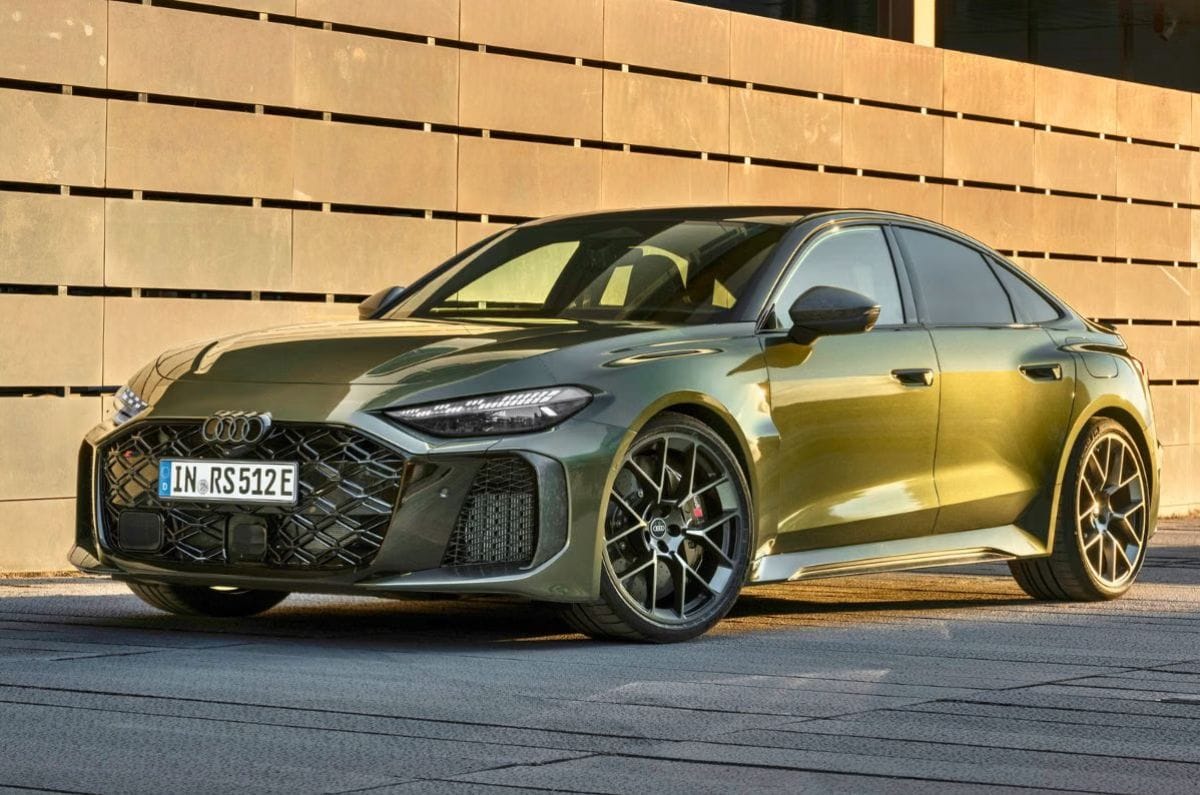
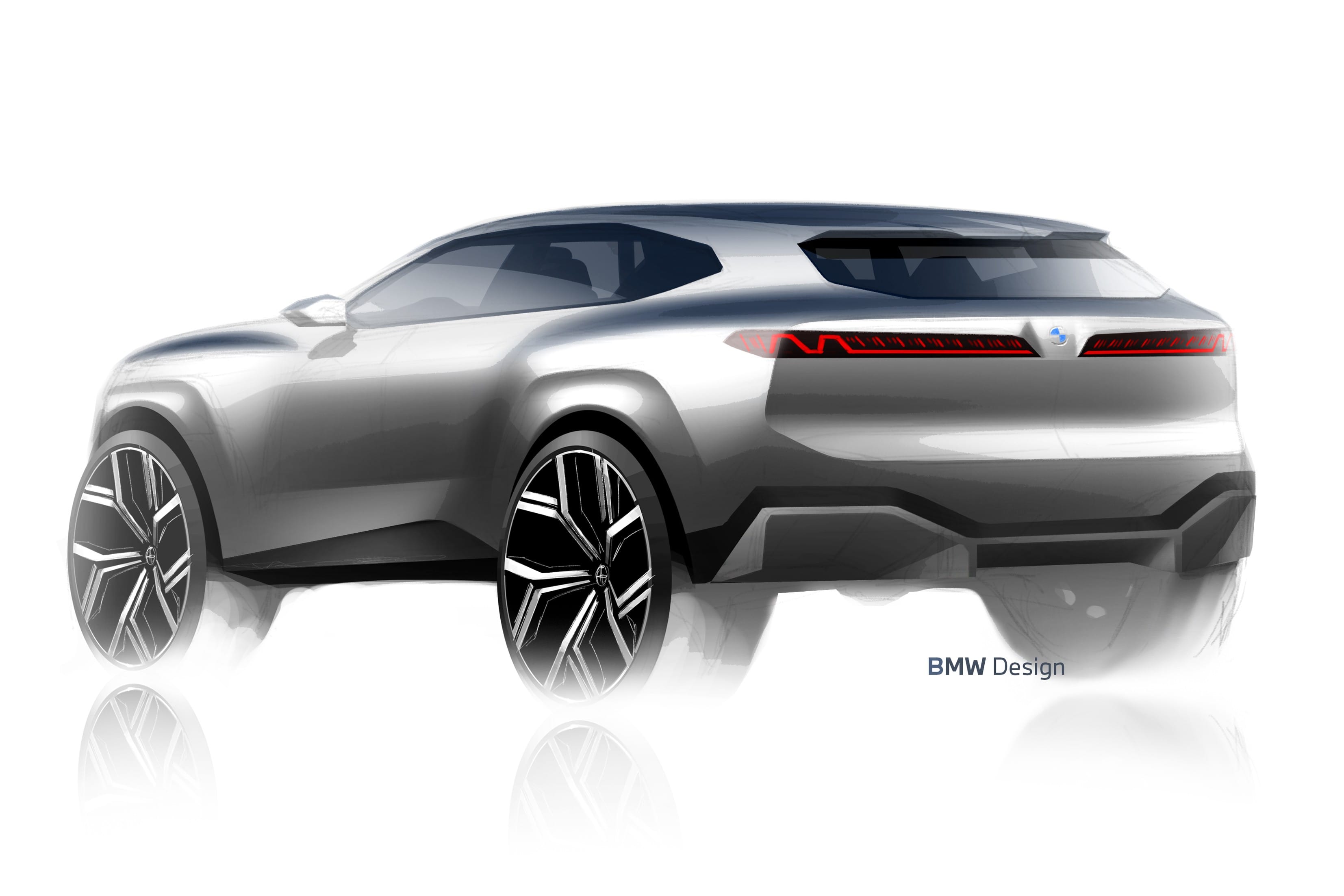
The RS5 is under consideration for India to be brought as a brand shaper. 

The India-EU free trade agreement, expected within nine to twelve months, adds a second lever. Lower duties open the door to niche imports, what Audi India head Balbir Singh Dhillon calls “brand shapers” and “the cherry on the cake.” This could lift CBUs from 5 percent of the mix to perhaps 10. The RS5 is under consideration, though as a plug-in hybrid it sits in a regulatory grey zone: nobody yet knows whether PHEVs will qualify for concessional duties. Pure-ICE bruisers like the RS Q8 face no such ambiguity.

The India-EU FTA could allow Audi to introduce more niche and high-performance models. Imports, however, will remain a small part of the business, with locally assembled models continuing to drive volumes.

Even with a wider locally assembled range, Döllner expects profitability to remain challenging. “Even with the local content, the margin situation in India is not fun,” he said. 

Audi India boss confirms 3 new launches by 2027

Audi India boss confirms 3 new launches by 2027

After years on the sidelines, Audi India is finally in attack mode. The next 12 months will see a barrage of all-new metal. First comes the third-generation Q3 this month, followed by the A5 in February 2027 and then the recently unveiled Q9 flagship SUV by the second half of 2027. “Three models in less than 12 months’ time,” confirms Balbir Singh Dhillon, head of Audi India.

The crucial detail is not the cadence but the sourcing. These will not be costly completely built-up (CBU) imports but will be assembled at the Skoda Auto Volkswagen Group plant in Chhatrapati Sambhajinagar. Model-to-model replacement, as Dhillon points out, needs little fresh capital because the heavy lifting was done years ago. “To be successful in India, you have to make in India,” he says. “Irrespective of any FTA, we will still make in India. That will remain the core strategy.”

Let’s take a close look at what to expect from each model:

Audi Q3 

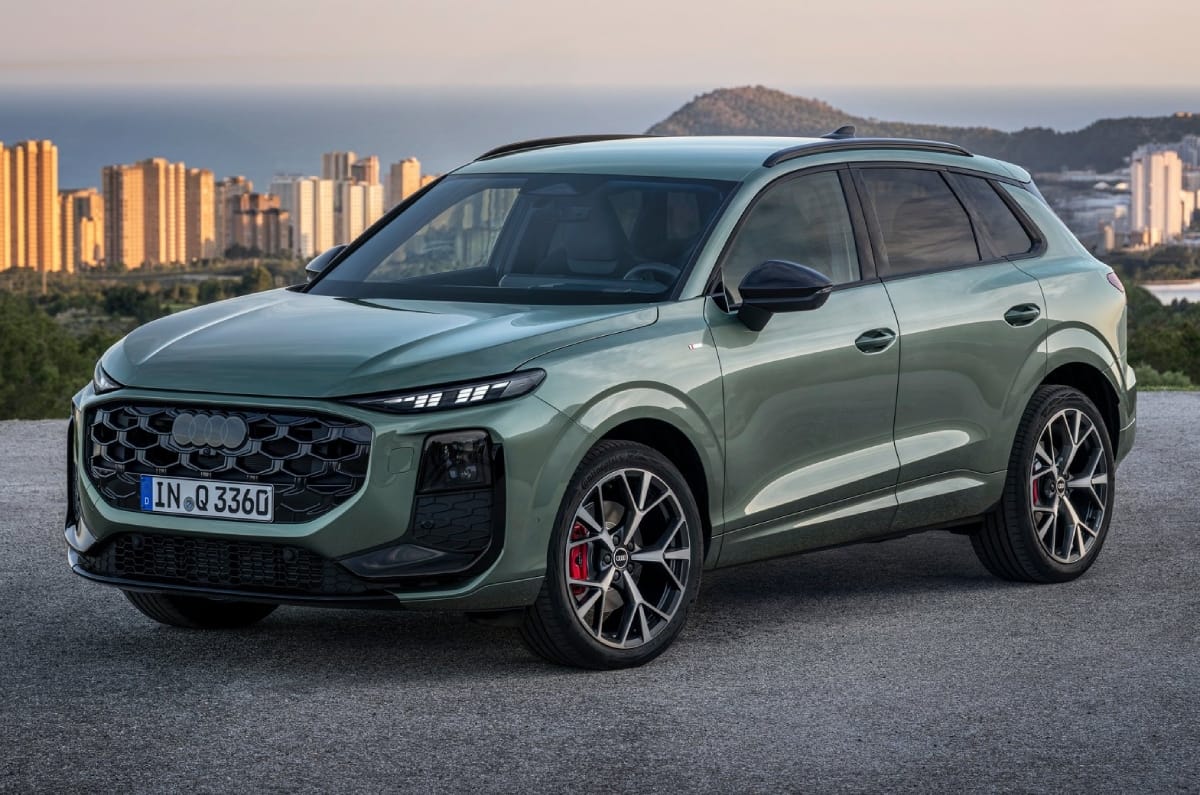
Launch: August 2026, estimated price: Rs 50 lakh

Audi Q3

A big leap over the second-gen model in tech and styling, the third-gen Q3 was revealed last June. It is available in petrol, diesel and plug-in hybrid options in overseas markets, but in India, it’ll have a 204hp, 2.0 turbo-petrol paired with a 7-speed dual-clutch and standard Quattro all-wheel drive. The AWD will give it an edge over the BMW X1 and Mercedes-Benz GLA. Expected in both SUV and Sportback body styles, the Q3 will ride on 18-inch alloys and should get a spare under the boot floor. Kit is expected to include an 11.9-inch digital driver’s display, a 12.8-inch touchscreen, three-zone auto AC and a large sunroof.

Audi A5

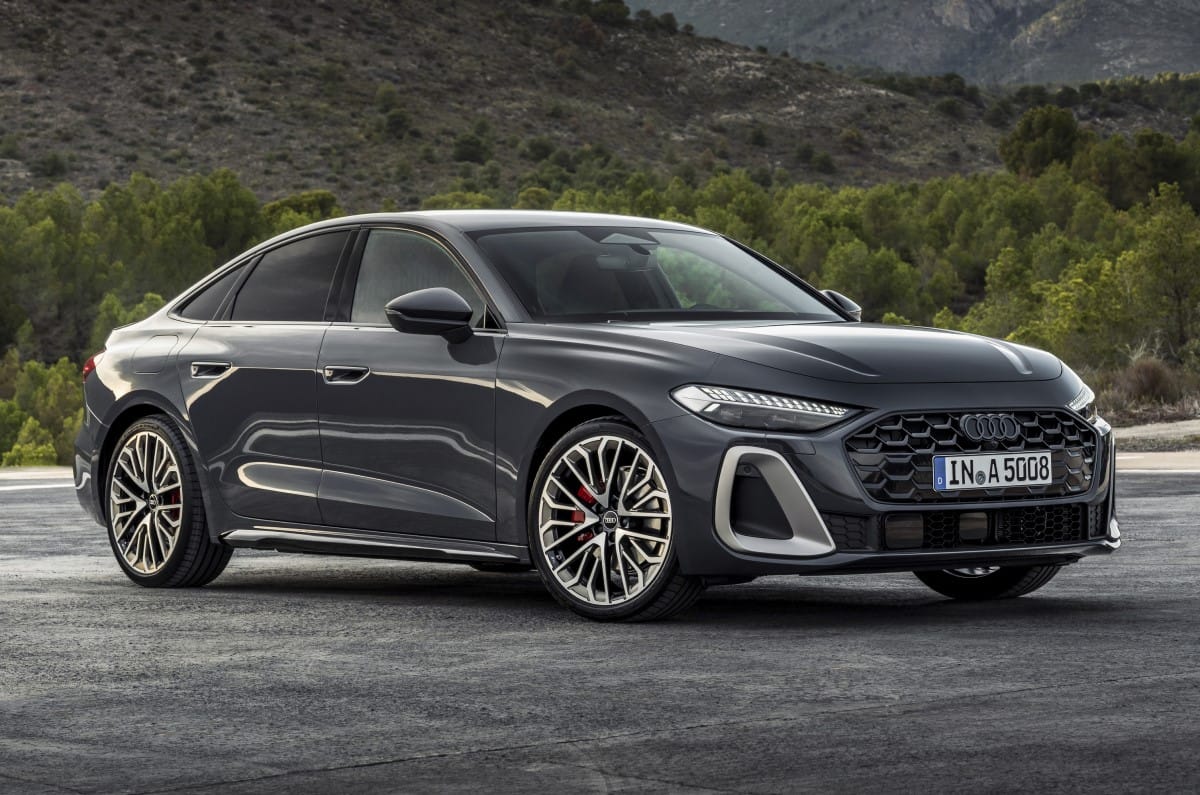
Launch: February 2027, estimated price: Rs 60 lakh

Audi A5

Revealed in 2024 and updated with hybrid powertrains last year, the A5 will replace the ageing A4 in Audi India’s line-up. Based on the new Premium Platform Combustion (PPC) architecture, it is larger than the A4 and shares its high-tech interior with newer Audis like the Q6 e-tron, including an optional 10.9-inch passenger-side touchscreen display. India is expected to get the same 204hp, 2.0 turbo-petrol engine and 7-speed dual-clutch transmission as the Q3, though only in front-wheel-drive form. While overseas markets also get a 265hp Quattro variant, it isn’t expected for India. 

Audi Q9 

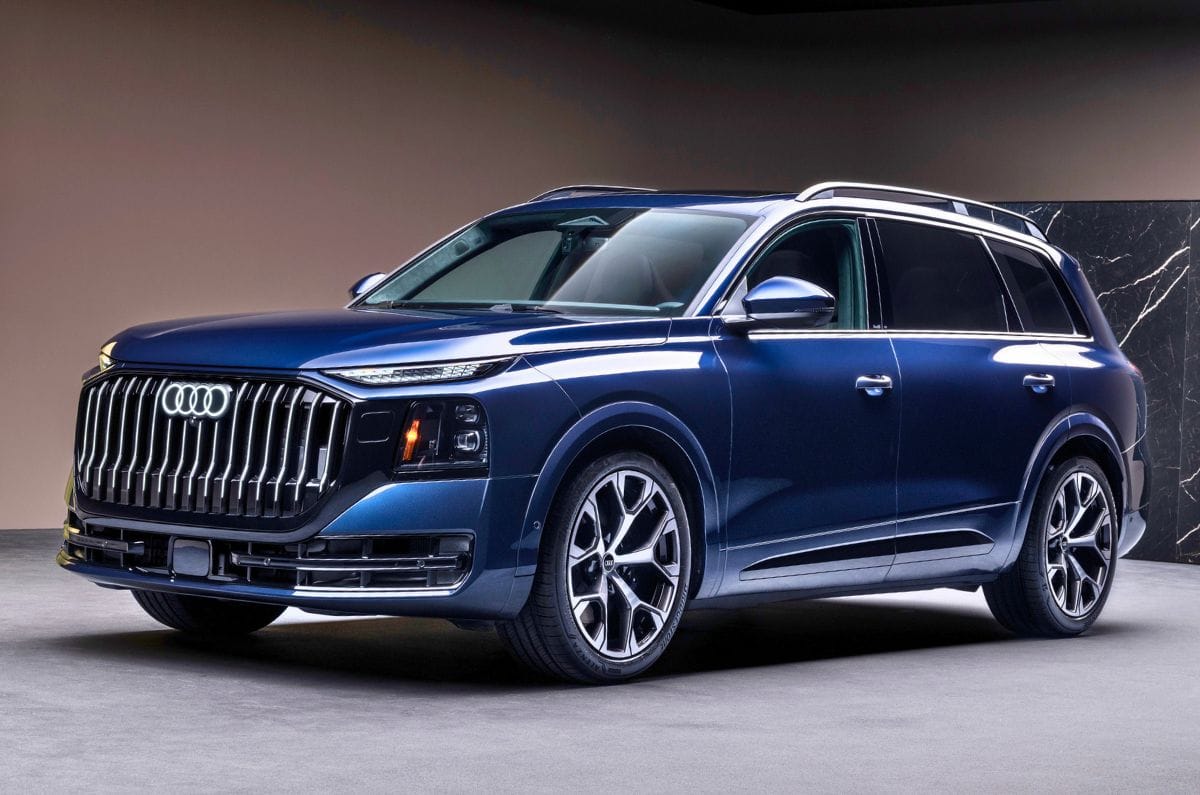
Launch: H2 2027, estimated price: Rs 1.40 crore-1.50 crore

Audi Q9

The Q9 sits above the Q7 and Q8, at the very top of the range and is Audi’s new flagship. It’s also the first time Audi has used the ‘9’ designation, and with the A8 gone, this three-row giant is now the standard-bearer for the brand. At more than 5.3 meters in length, this isn’t a stretched Q7; it’s a class-size jump that finally gives Audi a genuine rival to the Mercedes-Benz GLS and BMW X7, a fight it has sat out for far too long. It will get a sole engine option in India: a 3.0-litre V6 petrol producing 367hp and 550Nm, driving all four wheels through an 8-speed automatic. Sadly, there will be no diesel engine option for India. 

Network expansion to compliment new launches 

Hardware alone will not do it. The retail network is being rebuilt in parallel. “Today we have 29 showrooms. By the end of next year, we’ll be at 40,” says Dhillon, with virtually every existing outlet currently torn up for conversion to Audi’s global ‘progressive’ showroom format. The new locations alone, he reckons, will contribute a quarter of the planned growth. Add a thriving Audi Approved Plus used-car operation, which now sells one pre-owned car for every new one and sits on a database of 20,000 pre-owned buyers ripe for upgrade, and the machinery for a volume push is in place.

The stated ambition is bold. “Today we are at about 8, 9 percent market share. I want to double it to maybe reach 18 to 20 percent in the next three to five years,” says Dhillon. In volume terms, that means more than doubling sales to cross 10,000 units within three years, outpacing the luxury market that is itself expected to grow. 

For the first time in years, Audi India has a genuine arsenal: a fresh Q range from Q3 to Q9, a striking new sedan, a rebuilt network and a loyal customer base waiting to be rewarded. There will still be gaps in the product lineup, but the intent is there, and this opening salvo is just the start of an offensive built to sustain itself, with future products already being hatched, many of them aimed squarely at those very holes in the line-up. 2027 promises to be a turning point. It’s game on for Audi.

JSW MG ‘Hector Hawk’ SUV to launch on August 28

MG Hector Hawk

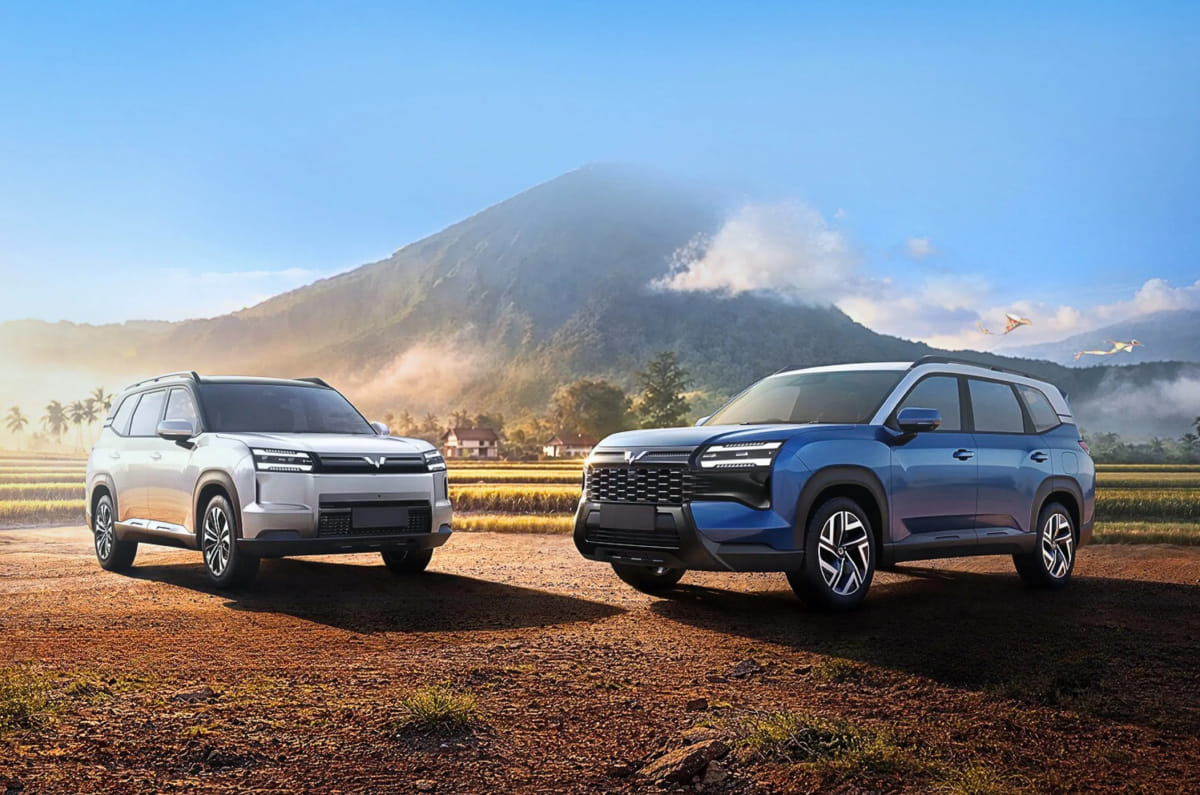
JSW MG Motor India will launch its new SUV on August 28. Expected to be called the Hector Hawk, it will be the first model based on the company’s new ADAPT platform and will be offered with both battery electric (EV) and plug-in hybrid (PHEV) powertrains. 

  1. EV version expected with a 69.2kWh battery pack
  2. PHEV likely to offer up to 125km electric-only range
  3. Likely to rival the Mahindra XEV 9S and XUV 7XO

JSW MG Hector Hawk: what to expect

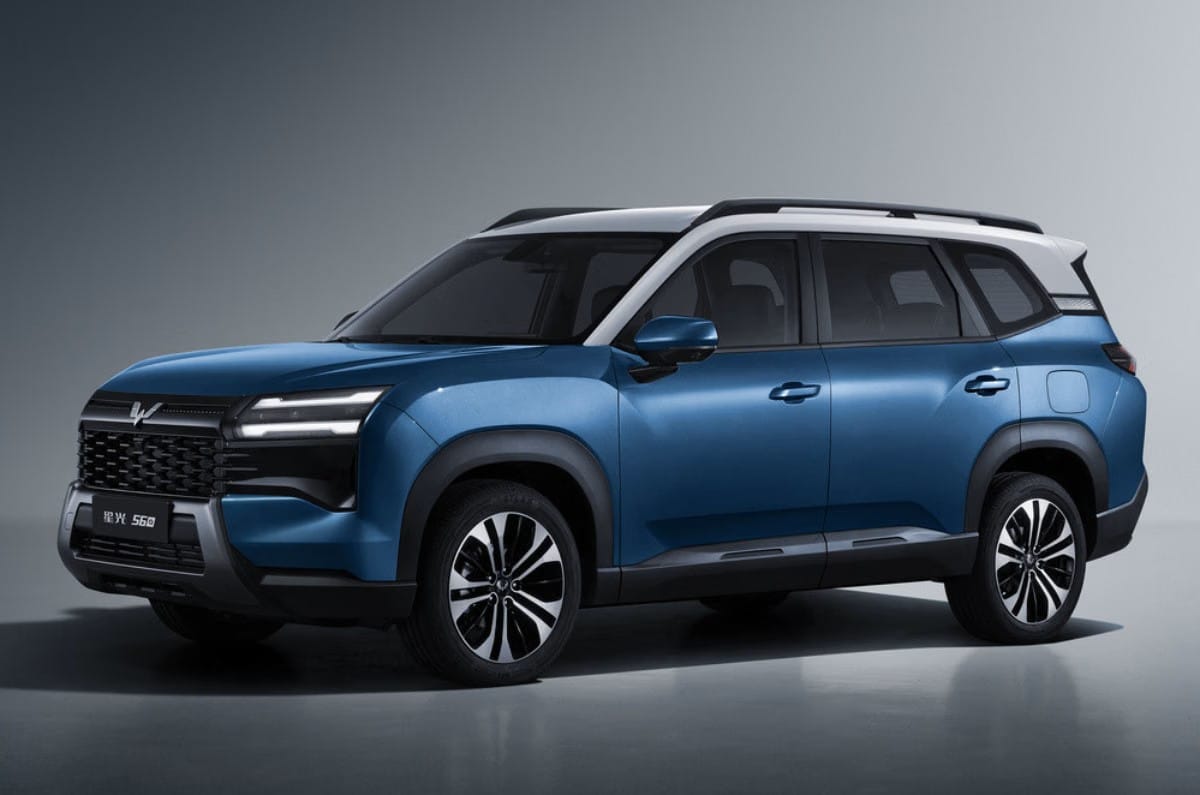
Wuling Starlight EV. Image used for representative purposes only. 

The Hector Hawk is based on the Wuling Starlight 560 sold in international markets which measures 4.7m in length, 1.85m in width and 1.7m in height. The car has been spied testing on our roads with spy shots revealing rectangular LED headlamps with LED daytime running lamps (DRLs) at the top and bottom, a blanked-off grille (expected to be the EV version), wraparound LED tail-lamps, a roof-mounted spoiler and a charging port on the left rear fender. 

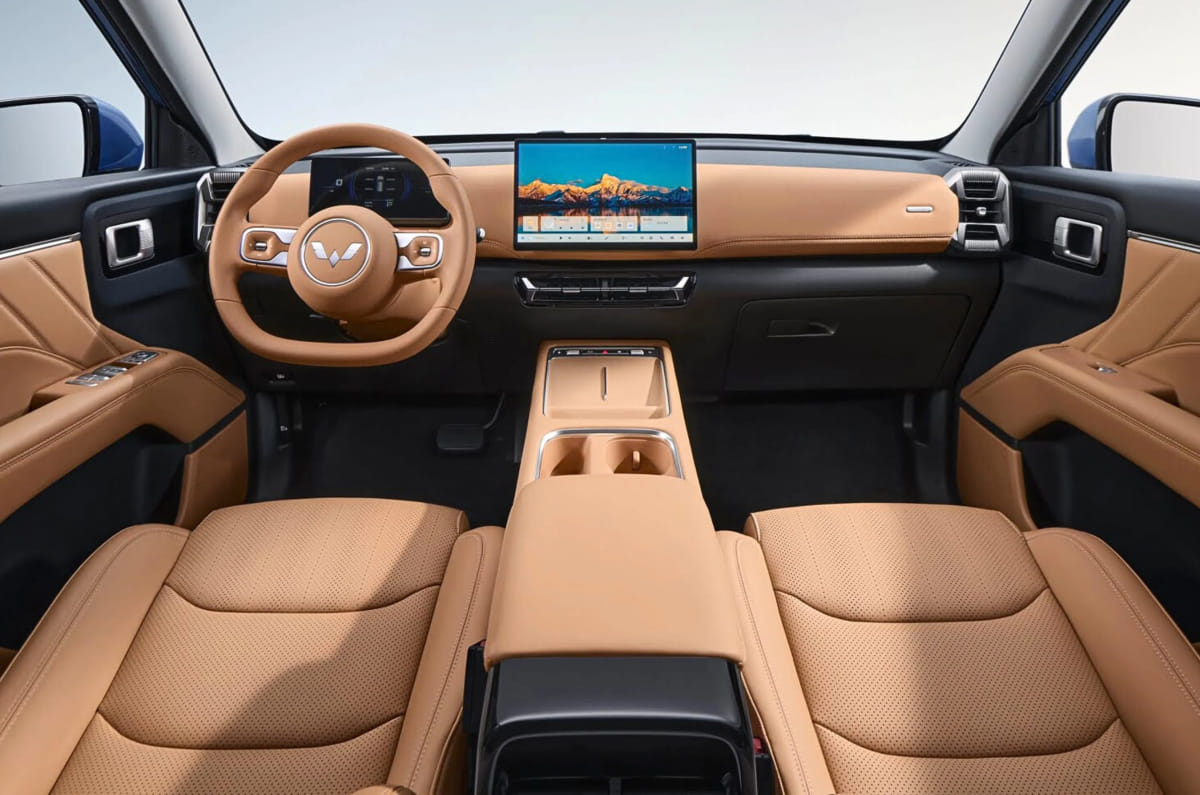
Wuling Starlight 560’s dashboard shown for representative purposes only. 

Inside, the SUV is expected to feature a minimalist dashboard with an 8.8-inch digital instrument cluster and a 12.8-inch touchscreen infotainment system. Other expected features include a panoramic sunroof, powered and ventilated front seats, a 50W wireless phone charger, a 6-speaker sound system and automatic climate control with rear AC vents.

The safety suite could have 6 airbags as standard, a tyre-pressure monitoring system (TPMS), hill-hold assist, an electronic parking brake, a rear parking camera with sensors and advanced driver assistance systems (ADAS).

Powertrains and platform

Wuling Starlight PHEV. Image used for representative purposes only. 

The EV version is expected to get a 69.2kWh battery pack paired with a 201hp, 310Nm front-mounted electric motor, offering a CLTC-claimed range of 530km. The PHEV version is expected to combine a 1.5-litre petrol engine with a 20.5kWh battery pack and an electric motor, offering a total output of 195hp and 230Nm and an all-electric range of 125km.

Strong hybrid powertrain based on ADAPT

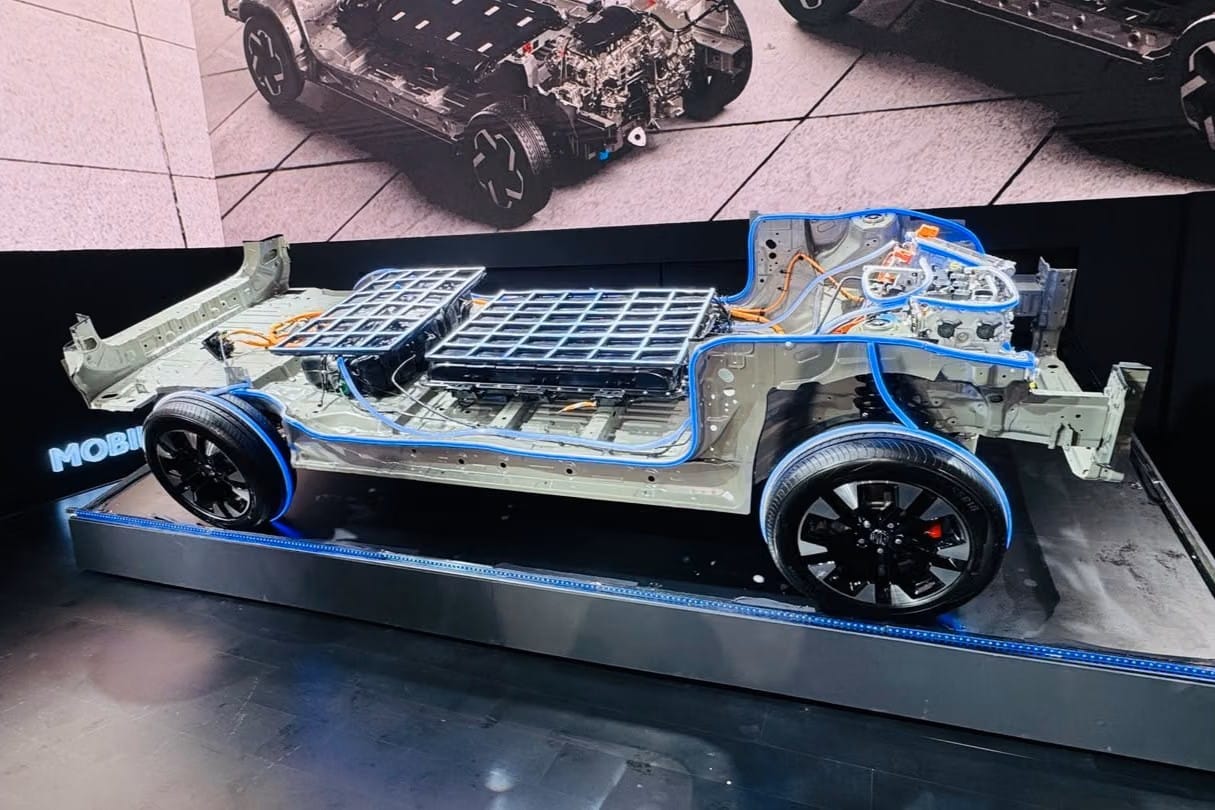
The Hector Hawk will be the first model in India based on MG’s ADAPT platform, which supports battery electric, plug-in hybrid, range-extender and strong-hybrid powertrains. JSW MG has confirmed that it will initially focus on EVs and PHEVs.

In MG’s India lineup, the Hector Hawk is expected to be positioned above the current Hector. The EV version is likely to rival the Mahindra XEV 9S, while the PHEV is expected to take on the Mahindra XUV 7XO and Tata Safari.

SCOOP! BYD to bring its Denza luxury brand to India with launch of D9 MPV

BYD Denza D9

BYD, the world’s largest electric vehicle maker, is in the final stages of bringing its luxury brand Denza to India, with the D9 executive MPV likely to lead the rollout, we have learned. The Chinese carmaker is targeting its first launch around Diwali 2026. However, the launch could move to the Bharat Mobility Global Expo in February 2027 if there is a delay.

It is studying a portfolio of two to three Denza models for India, largely positioned in the Rs 80 lakh-Rs 1 crore price bracket within the first year itself. If the D9 arrives around Diwali, BYD is likely to use the mobility show for a broader showcase of the Denza brand and its proposed India portfolio.

D9 to lead India rollout

The D9 will compete directly with the electric MG M9 and occupy the space below the Toyota Vellfire and Lexus LM. The Toyota Vellfire is priced between Rs 1.20 crore and Rs 1.30 crore, while the Lexus LM ranges from Rs 2.15 crore to Rs 2.69 crore. This leaves room for BYD to position the D9 as an executive electric MPV in the Rs 80 lakh-Rs 1 crore bracket.

BYD Denza D9
International-spec BYD Denza D9 electric MPV shown for representative purposes only.

The D9 is available globally with electric and plug-in hybrid powertrains. BYD is likely to give priority to the electric version in India. Plug-in hybrids face a significant tax disadvantage over pure electric vehicles, which are subject to 5 percent GST, making the PHEV harder to price competitively. The plug-in hybrid version could be considered at a later stage.

D9 could be sold via dedicated Denza outlets

Initially, the Denza models are expected to be imported as completely built units (CBUs). This will allow BYD to enter the market quickly and assess demand before taking a call on its longer-term India plans. BYD may also set up dedicated Denza outlets rather than sell the models through its existing retail network. This would separate Denza from BYD’s current line-up, which comprises the Atto 3, Seal, Sealion 7 and eMax 7.

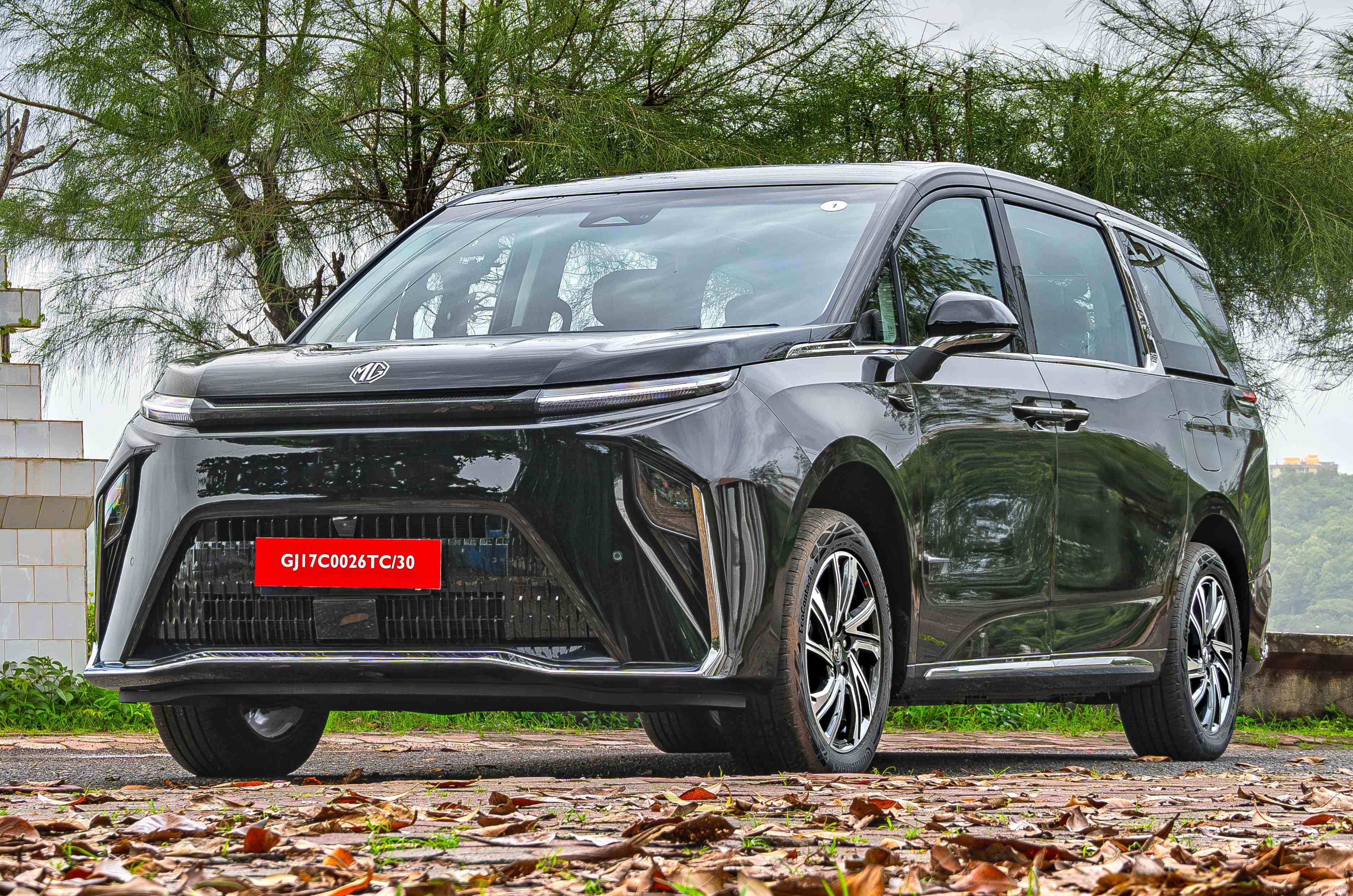
MG M9
MG M9 electric MPV.

The D9 will arrive at a time when the executive MPV segment is seeing fresh activity. The MG M9 has brought an electric alternative to the segment, while the Vellfire and Lexus LM operate at significantly higher price points. BYD is likely to position the D9 above the MG M9 but below the two Toyota group models, targeting buyers seeking a chauffeur-driven alternative to a luxury SUV.

Denza will take BYD into a price bracket dominated by established luxury brands. The challenge will not be limited to the product. BYD will also have to convince buyers that its retail and after-sales experience can meet expectations in the Rs 80 lakh-Rs 1 crore segment.

With inputs from Uday Singh.

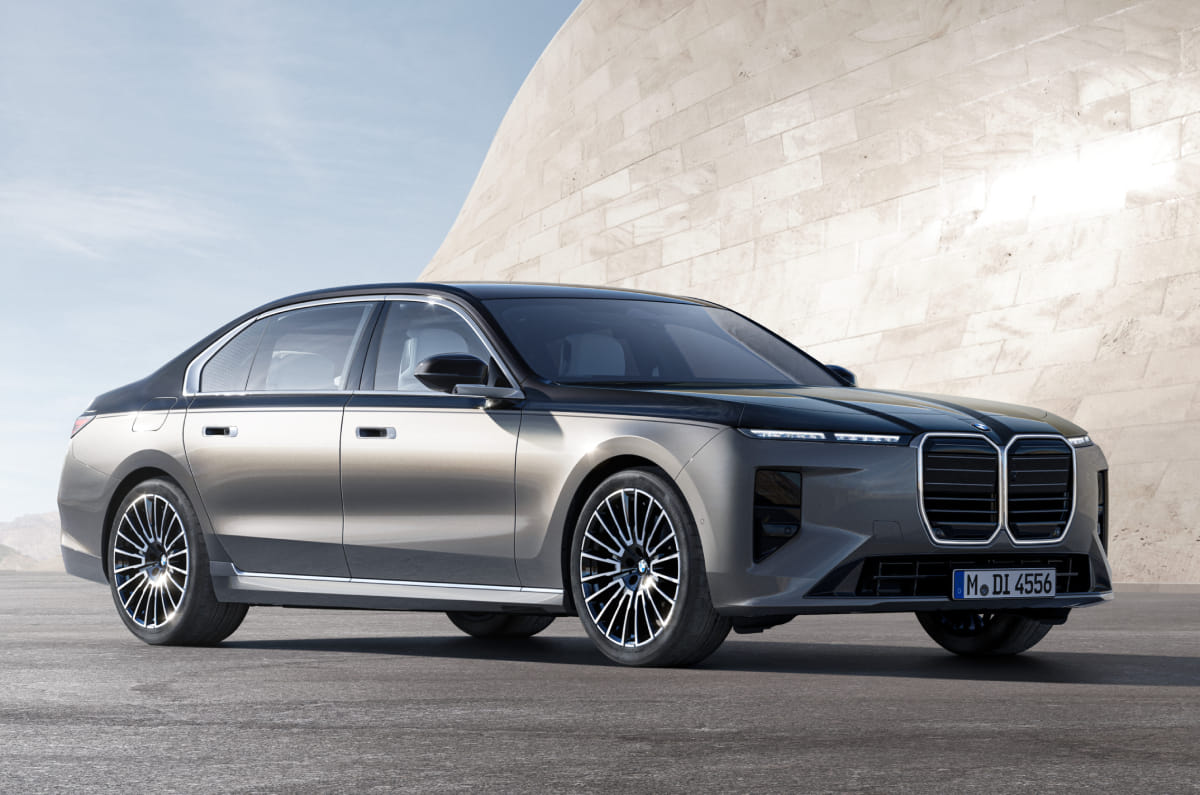
What to expect from the BMW 7 Series, i7 facelift ahead of launch

BMW 7 series

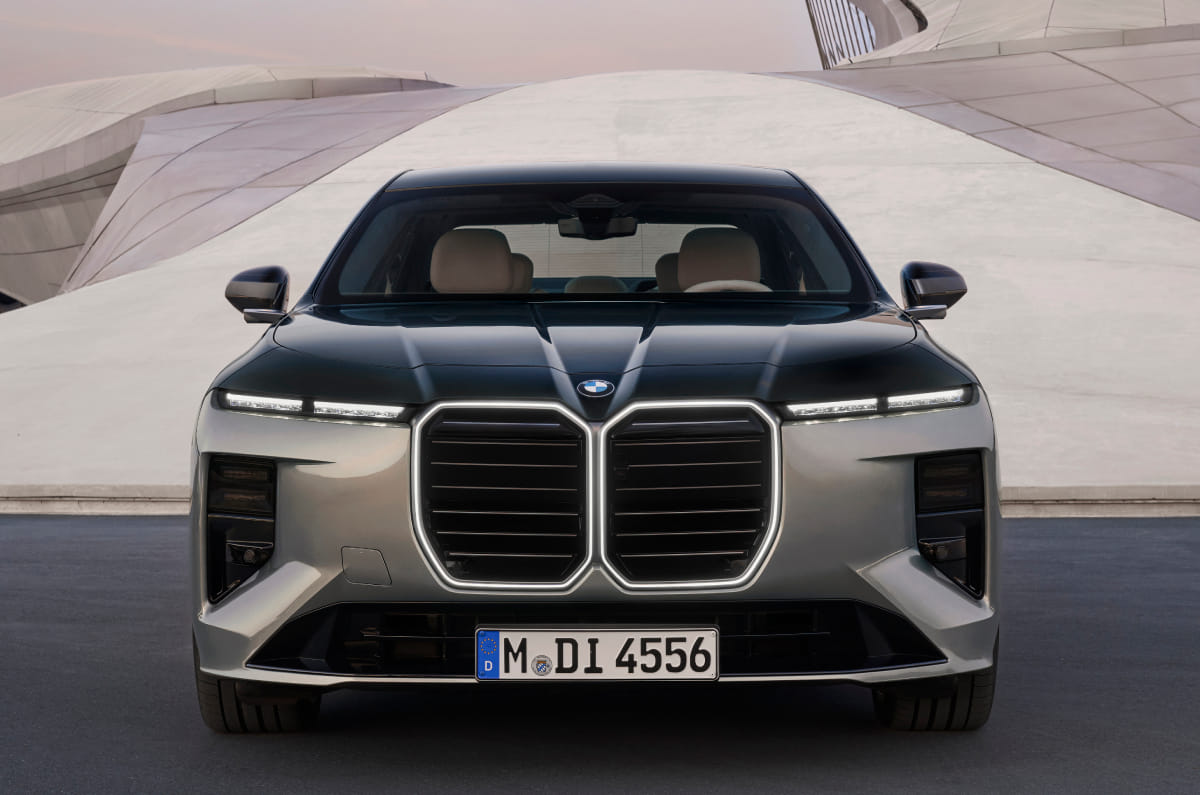
BMW’s flagship 7 Series and i7 luxury sedans are set to receive a mid-lifecycle facelift in India with refreshed styling, a comprehensively redesigned cabin, and upgraded petrol, diesel and electric powertrains. This mid-cycle update also introduces interior elements from BMW’s upcoming Neue Klasse models, including the new Panoramic iDrive display and rhomboidal infotainment touchscreen. With bookings now open ahead of their launch, here’s everything you need to know.

1. What will the BMW 7 Series and i7 facelift look like?

Sharper styling with subtle design revisions

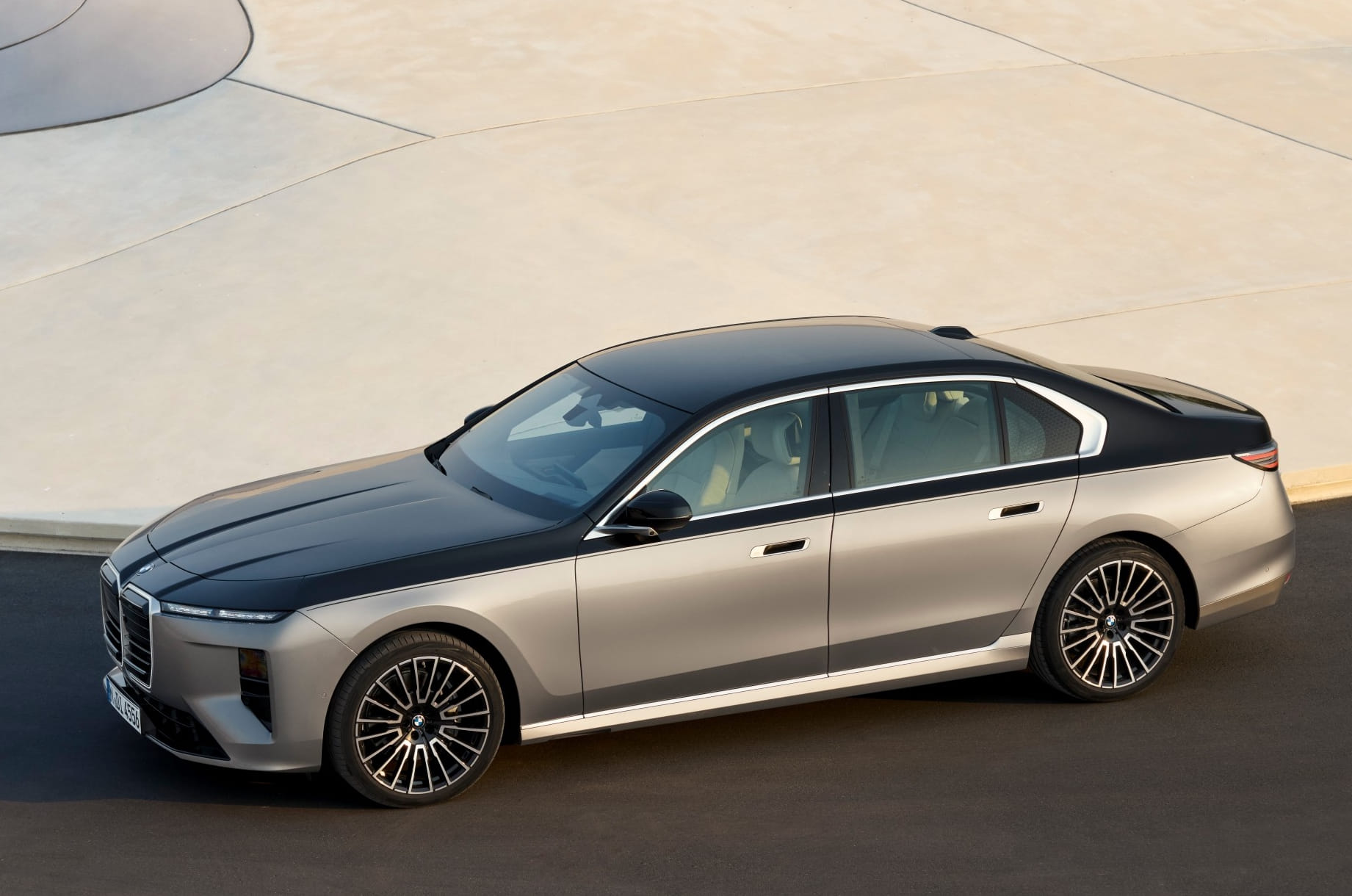
The facelift retains the overall silhouette of the current 7 Series but introduces several styling changes. Up front, it gets a redesigned illuminated kidney grille and revised split LED headlamps. The slim upper lighting elements house the daytime running lights, while the main headlamp units sit lower down in the bumper.

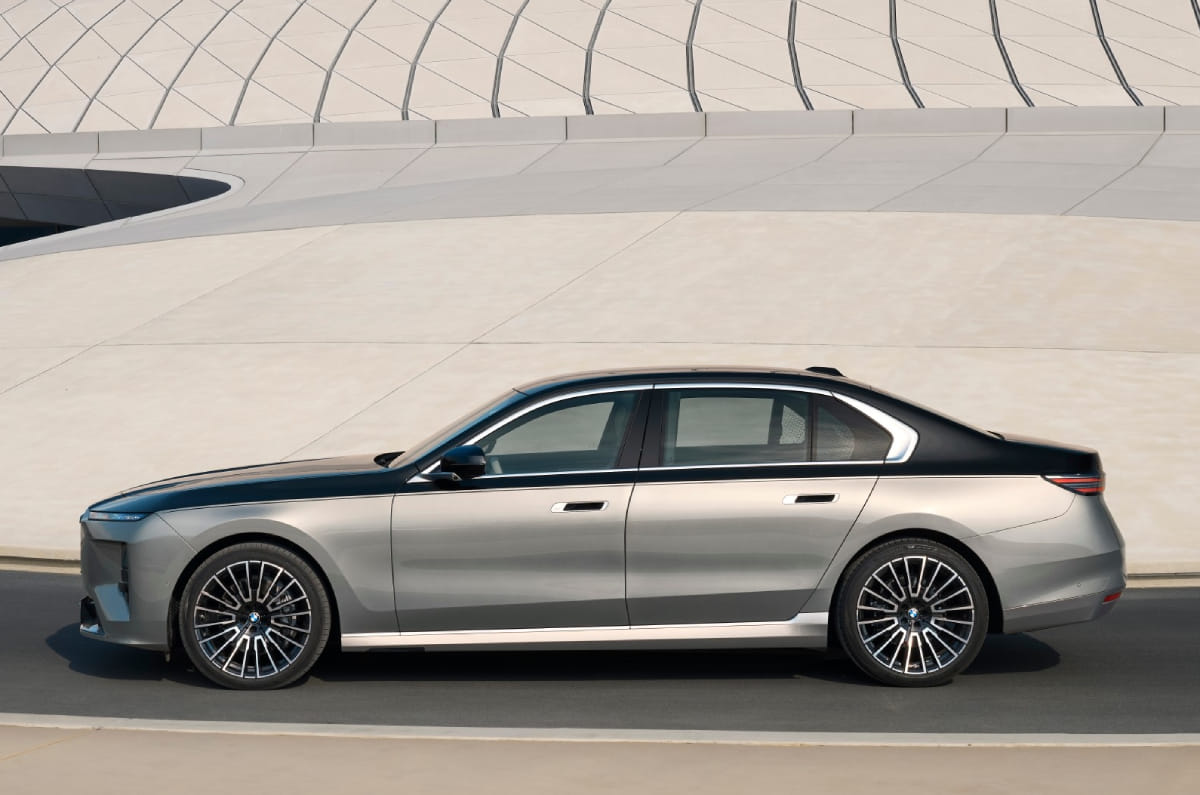
Viewed from the side, the 7 Series continues its clean and elegant design. It retains flush-fitting door handles that blend neatly into the bodywork. BMW has also introduced a new alloy-wheel design with the facelift. Another interesting detail is the embossed ‘7’ on the B-pillar, which becomes visible when both doors on the same side are opened. 

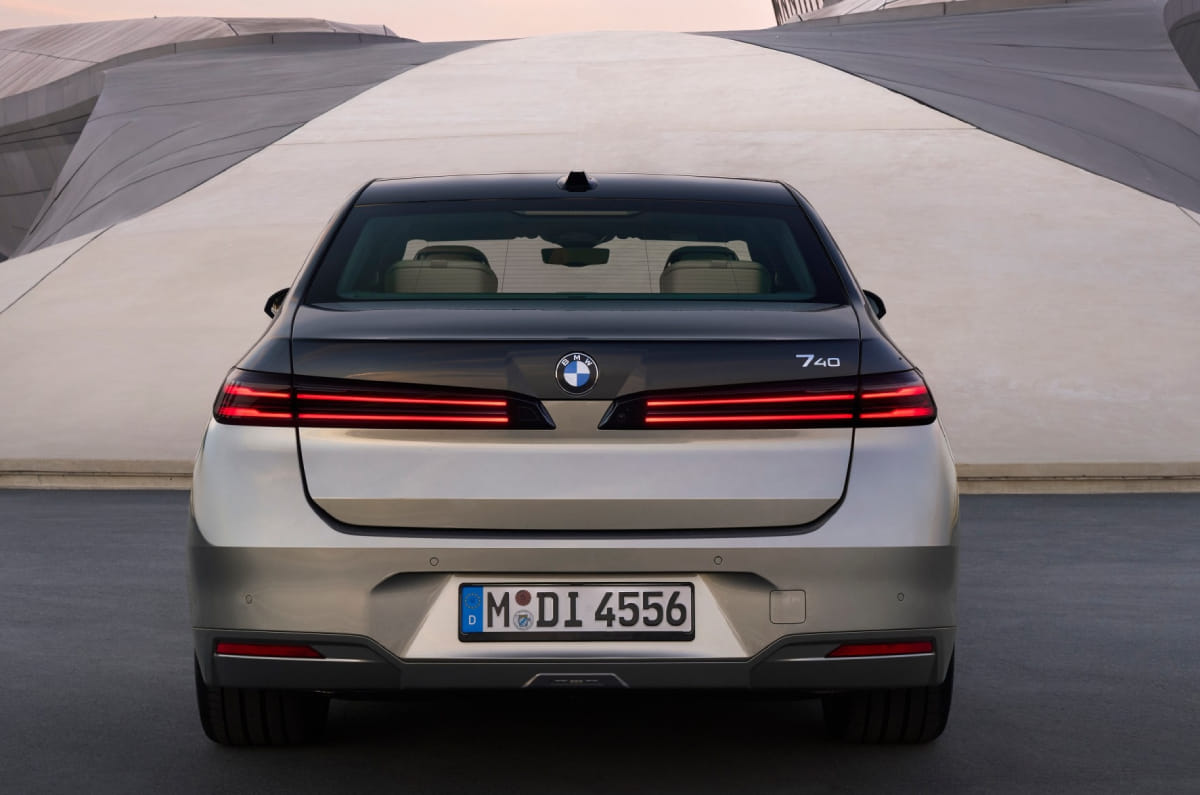
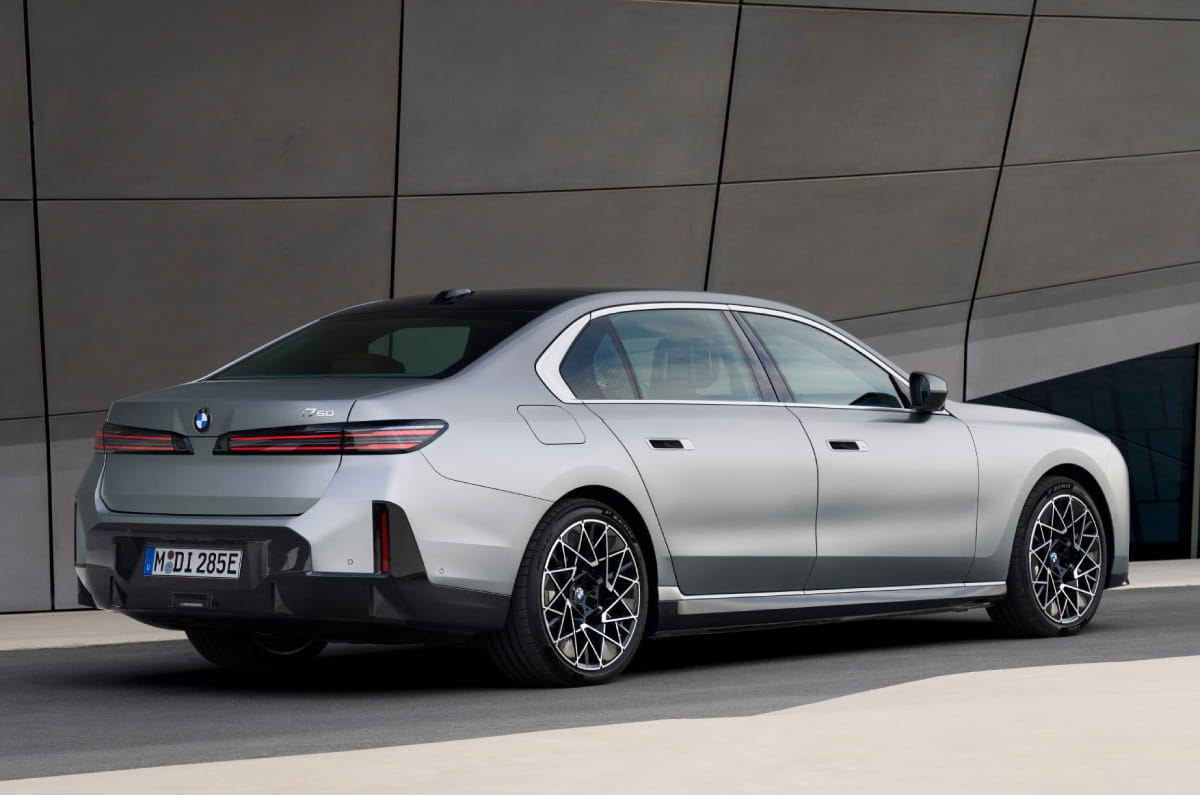
At the rear, slimmer tail-lamps extend further into the tailgate and feature smoked lenses with chrome detailing, while the bumper has been redesigned with a diffuser-style insert.

2. What’s new in the interior of the BMW 7 Series and i7 facelift?

Redesigned dashboard with BMW’s latest Panoramic iDrive

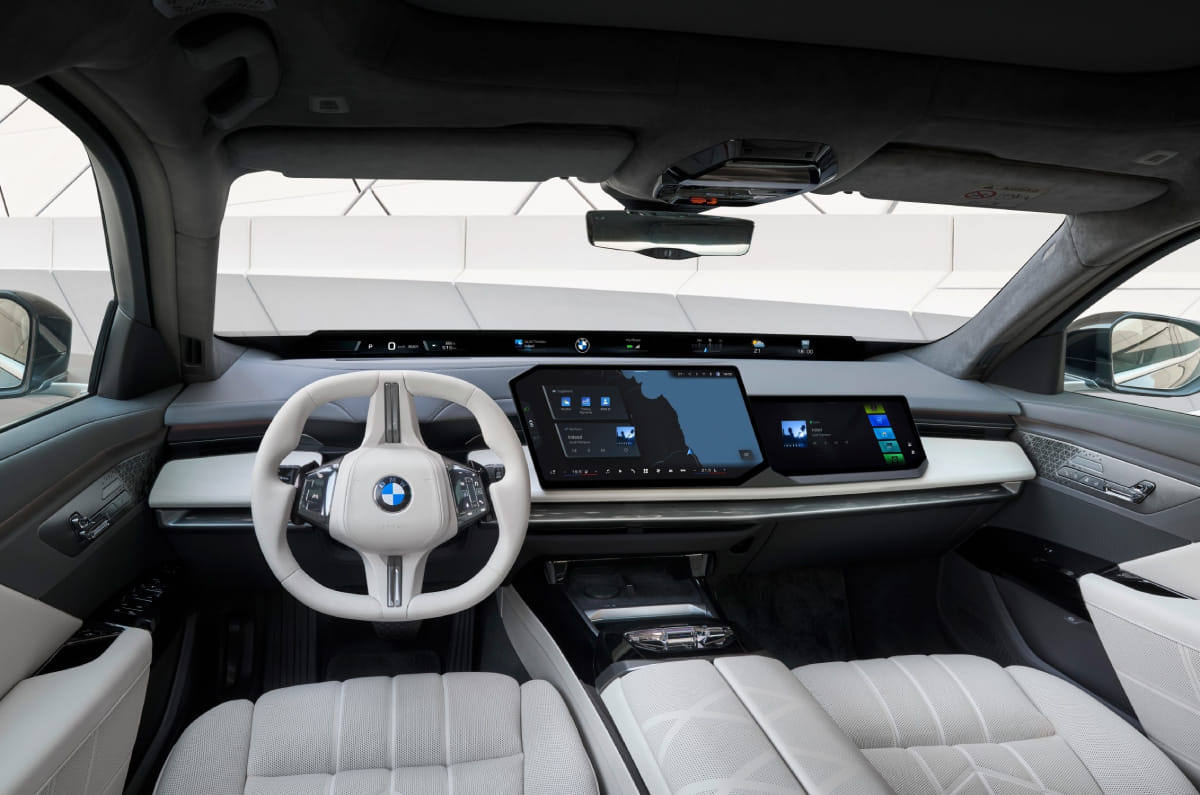
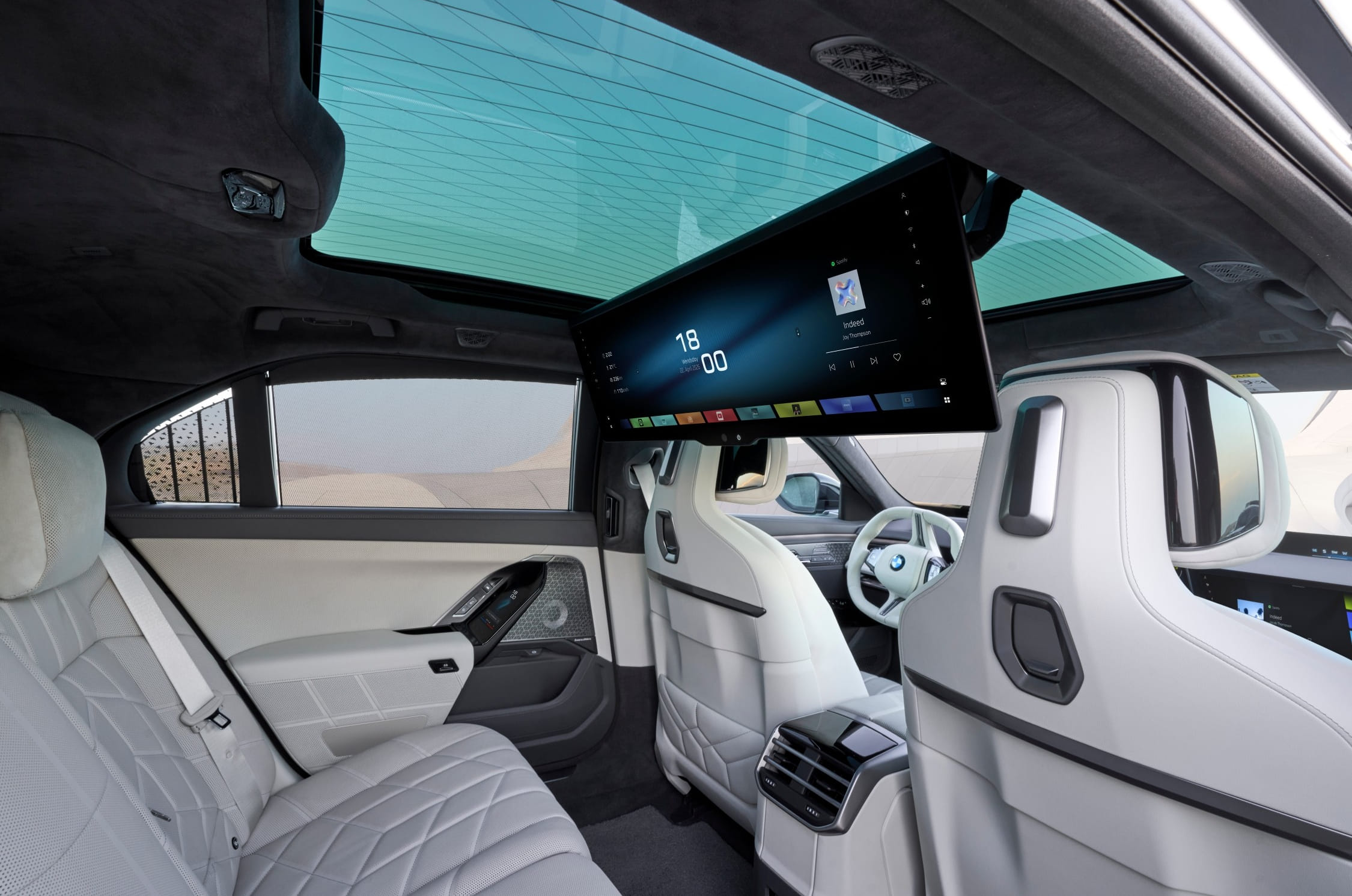
The biggest changes are inside. The facelift introduces BMW’s new Panoramic iDrive, replacing the conventional digital instrument cluster with a full-width projection display at the base of the windscreen. It works alongside a new 17.9-inch central touchscreen and a 14.6-inch front passenger display, both running the latest BMW Operating System X which supports over-the-air updates, wireless Apple CarPlay and Android Auto, and features improved voice controls. 

BMW has also introduced a new four-spoke steering wheel and a redesigned ambient lighting system that spans the width of the dashboard, extends to the rear speaker grilles and features additional lighting behind the front seats.

As standard, the seats come with electric adjustment, heating, ventilation, massage, lumbar support and heated armrests. The front passenger seat can also slide fully forward to create additional legroom for the passenger seated behind. 

Rear-seat entertainment has also been upgraded. The Theatre Screen, optional in international markets, is now a 31.3-inch 8K touchscreen that supports video calls, streaming and gaming. The displays integrated into the rear doors have also been updated, allowing passengers to reposition the Theatre Screen, adjust its viewing angle and control other cabin functions. BMW has also revised the automatic doors with better-positioned open and close buttons.

3. Which powertrain options will the BMW 7 Series and i7 Lci get?

Petrol, diesel and electric powertrains receive updates

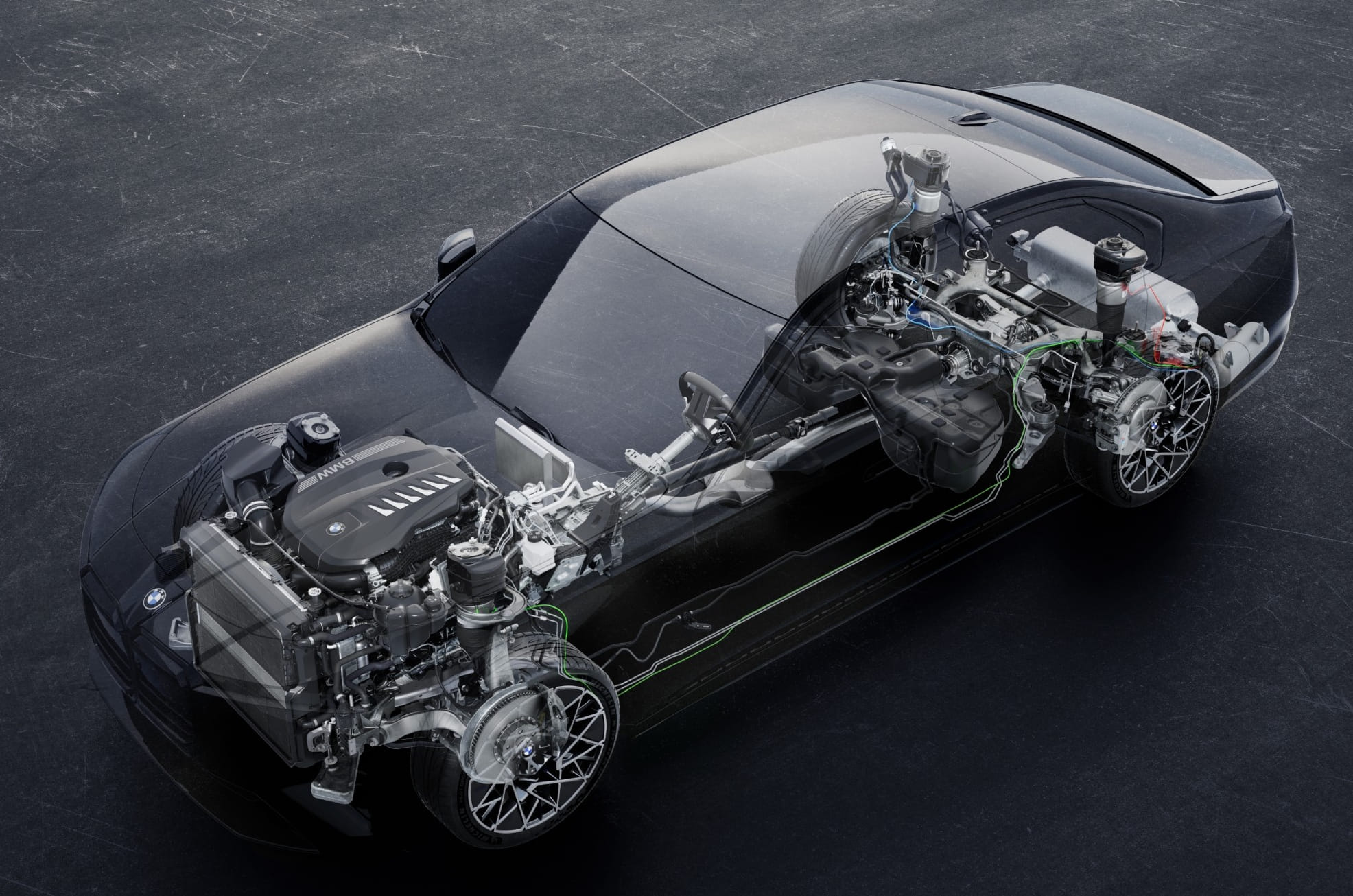
The facelifted 7 Series continues with 3.0-litre inline-six petrol and diesel mild-hybrid engines, both paired with an 8-speed automatic gearbox and all-wheel drive.  The 740i develops 400hp and 580Nm, up by 19hp and 60Nm, while the 740d now makes 313hp and 670Nm, an increase of 27hp and 20Nm over the outgoing model. 

The all-electric i7 also receives updates. The i7 xDrive50 replaces the earlier eDrive50 and now gets dual-motor all-wheel drive along with a larger 112.4kWh battery, replacing the earlier 101.7kWh unit. Output rises to 455hp and 660Nm. The range-topping i7 M70 xDrive also benefits from the larger battery, with outputs increasing to 680hp (from 650hp) and up to 1,100Nm (from 1,015Nm).

4. Will BMW launch the plug-in hybrid 7 Series in India

Yet to be confirmed

BMW i7 60 xDrive

Internationally, the 7 Series facelift is also available with plug-in hybrid powertrains, including the 750e xDrive and M760e xDrive. It remains to be seen whether BMW will introduce either variant in India, especially since its key rival, the new Mercedes-Benz S-Class, is already available with a plug-in hybrid powertrain.

5. How much will the BMW 7 Series and i7 facelift cost?

Prices expected to increase slightly

The current BMW 7 Series is priced at Rs 1.85 crore (ex-showroom) for both the petrol and diesel variants, while the i7 is priced between Rs 2.10 crore and Rs 2.58 crore. Given the additional technology, revised styling and powertrain upgrades, BMW is expected to increase prices slightly for both models.

6. Which cars will the BMW 7 Series and i7 facelift rival?

The 7 Series ‘LCI’ facelift will continue to rival the Mercedes-Benz S-Class in the flagship luxury sedan segment. Meanwhile, the i7 will compete with electric luxury sedans in the same price bracket.

7. When will the BMW 7 Series and i7 facelift launch in India

Bookings are now open

BMW i7 60 xDrive

BMW has started accepting bookings for the 7 Series and i7 facelift through its dealerships across India, with customers also able to register their interest via the BMW India website. The company is yet to announce an official launch date, although the refreshed luxury sedans are expected to arrive in the coming months.

International-spec BMW 7 Series shown for representative purposes only.

BMW reportedly puts its upcoming G-Class, Defender rival on ice

bmw x5 off-road

BMW’s luxury off-roader project, codenamed G74, has reportedly failed to receive final internal approval and is on hold due to changing global market conditions. The rugged luxury SUV was purported to be BMW’s rival to the Mercedes-Benz G-Class and Land Rover Defender, but it’s now uncertain whether it will ever reach production.

Market pressures prompt BMW to re-evaluate product portfolio

Fifth-gen BMW X5. Image used for representation only.

According to recent media reports, one of the reasons behind the G74 project’s halt is concern over the size of the luxury off-roader segment relative to the investment required to develop a dedicated model. BMW is also adopting a more disciplined approach to its model portfolio in light of increasing competition in markets like China, as well as tariffs, trade barriers, currency fluctuations, tightening emissions regulations in Europe, and broader geopolitical uncertainty.

Speaking after the company’s second-quarter financial results, CEO Milan Nedeljković said BMW is re-evaluating which technologies, model variants, and powertrains it will need in the coming years instead of assuming existing development programmes remain viable. “In all these areas, we are taking significant steps and increasing the pace. For example, we are once again reviewing which technologies, model variants and drivetrains we will need in the future. In addition, we are looking at where new partnerships could make economic and technological sense,” he noted.

Fifth-gen BMW X5. Image used for representation only.

Nedeljković highlighted the rapid deterioration of market conditions in China as a key concern for the portfolio review. He said Chinese manufacturers are increasingly expanding into Europe, Latin America, and other global markets, creating additional competitive pressure. Although Nedeljković did not mention the G74 directly, insiders claim the off-road SUV has already become one of the first casualties of BMW’s ongoing product review.

The G74 was reportedly targeting a 2029 launch, and sources say BMW can still approve or cancel projects up to around 18 months before production begins. BMW has not officially confirmed the cancellation of the G74 yet, and since the project is currently on hold rather than permanently scrapped, there remains scope for it to return if market conditions improve.

Everything we know about the BMW G74 off-road SUV

Fifth-gen BMW X5 design document. Image used for representation only.

While BMW never officially confirmed the existence of the G74 project, reports over the past few years suggested the carmaker was developing a purpose-built off-road SUV to rival the G-Class and Defender. In reference to the luxury off-roader segment, a senior BMW manager told Autocar UK in 2025: “We’re aware of the market potential [of such a vehicle]. It’s more than just discussions. We have been planning this for a while. It will definitely need an internal combustion engine.” Earlier this year, BMW M boss Frank van Meel even added to the speculation by stating he ‘wouldn’t say no’ to an off-road SUV fettled by the performance division.

The G74 project was expected to be underpinned by a heavily-modified derivative of the existing CLAR platform, which also underpins the fifth-gen BMW X5. This would have allowed the G74 to be offered with multiple powertrain options, including plug-in hybrid and fully electric, and the SUV’s production was ostensibly planned for BMW’s Spartanburg plant in South Carolina.

Fifth-gen BMW X5 design document. Image used for representation only.

Reports suggest the BMW G74 was designed with a 7-seat layout in mind, while the exterior featured a rugged iteration of the Neue Klasse design language and a bootlid-mounted spare wheel. The SUV was even mooted to be christened the X8, and serve as a spiritual successor to the BMW XM, which is expected to be discontinued in 2028.

Upcoming BYD Atto 2 midsize SUV spotted testing in India

Upcoming BYD Atto 2 midsize SUV spotted testing in India

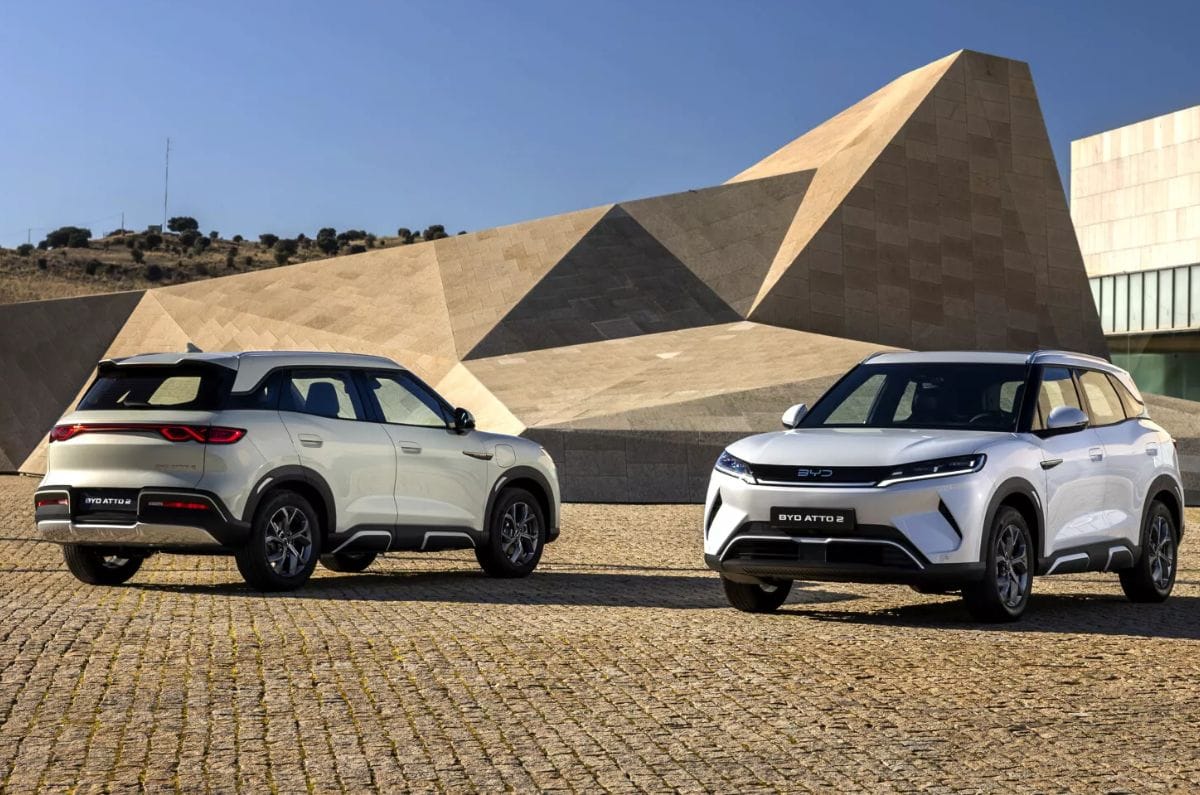
The BYD Atto 2 midsize SUV, expected to launch in India this year, has been spotted testing again. The spy shots reveal some exterior design elements of the upcoming Atto 2 similar to the internationally available model. The Atto 2 is offered in both EV and PHEV versions internationally. 

  1. Spy shots show the SUV’s front fascia and the side profile
  2. Europe-spec EV gets up to 64.8kWh battery with 430km range
  3. PHEV gets a 1.5L petrol engine and up to 18kWh battery

BYD Atto 2 spied: What was spotted?

Shows sleek LED headlights, alloy wheel design and a free-standing infotainment 

Image source: @lostcheetos on r/CarsIndia

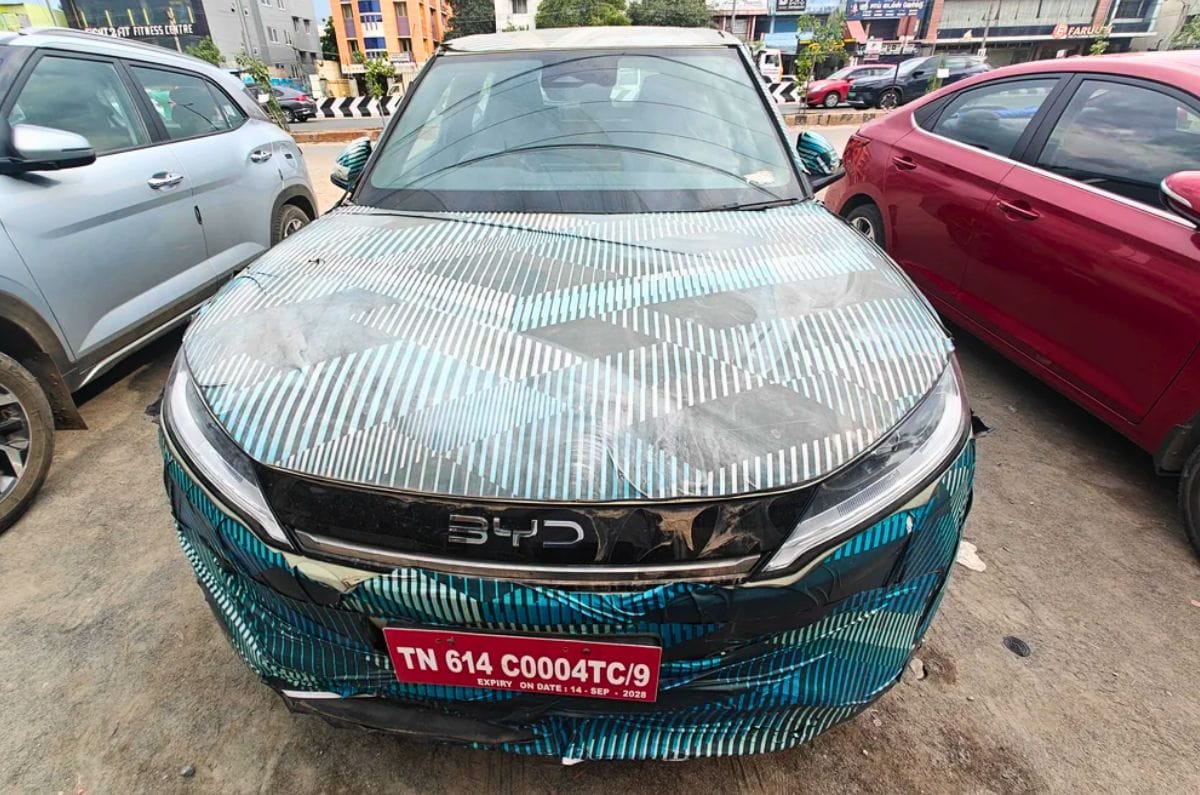
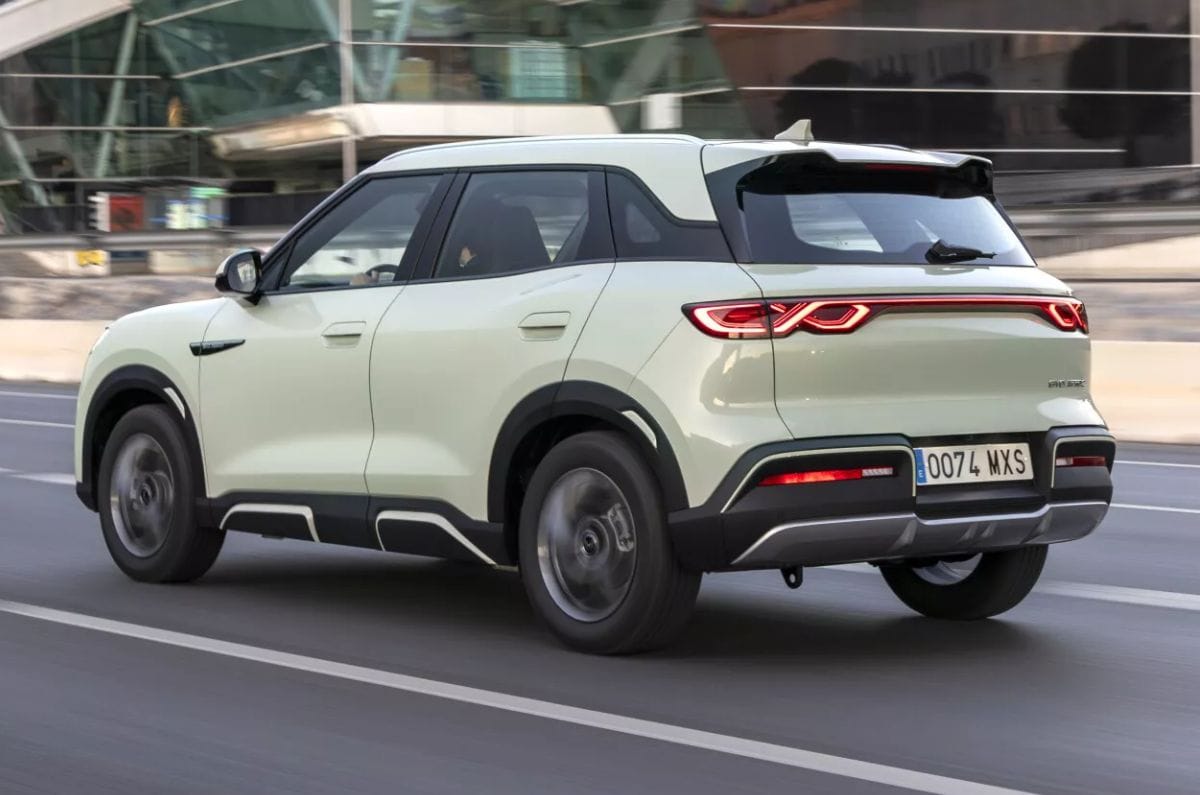
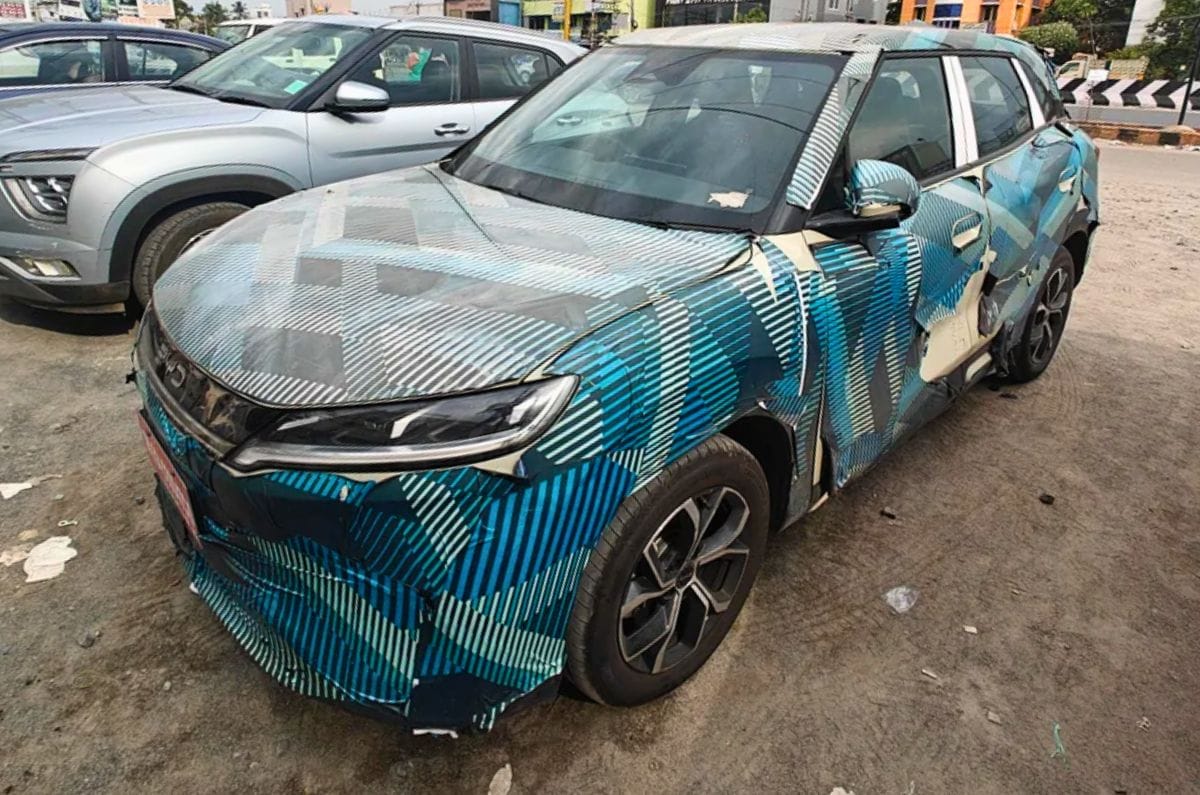
The spy shots show the Atto 2’s fascia and side profile, and although under camouflage, some design elements can be seen. These include the sleek headlights joined by a gloss-black trim with a BYD badge, the petal-shaped design elements on the alloys and the simple door handles. Keen-eyed viewers can also spot black cladding on the wheel arches and lower portion of the body. While the rear design is yet to be spied, it is expected to have connected LED taillights and a black bumper with some silver accents, like the international model.

A closer look inside the test mule reveals a camera-based ADAS sensor on the windscreen, a free-standing touchscreen infotainment system, and all-black upholstery on the seats. 

Upcoming BYD Atto 2: Other details

The EV has a WLTP-claimed range of 430km, and the PHEV has a 1,000 km range

As mentioned earlier, the Atto 2 is offered in both all-electric (EV) and plug-in hybrid (PHEV) versions. In the European market, the Atto 2 EV is available with either a 45.1kWh or a 64.8kWh battery, with a WLTP-claimed range of up to 430km. Both battery versions are available with a front-axle-mounted (FWD) electric motor producing up to 201hp and 310Nm. BYD claims a 0-100kph time of 7.9 seconds and a top speed of 170kph. 

International-spec BYD Atto 2 shown for representative purposes only.

The plug-in hybrid version, called the Atto 2 DM-i, is offered with a 97hp 1.5-litre 4-cylinder petrol engine and a choice of 7.8kWh or 18kWh battery mated with a 197hp front-axle-mounted (FWD) electric motor. The Atto 2 PHEV has a combined system output of up to 212hp and 300Nm and a total WLTP-claimed range of 1,000km. 

Gets two interior themes and a minimalistic dashboard with two screens 

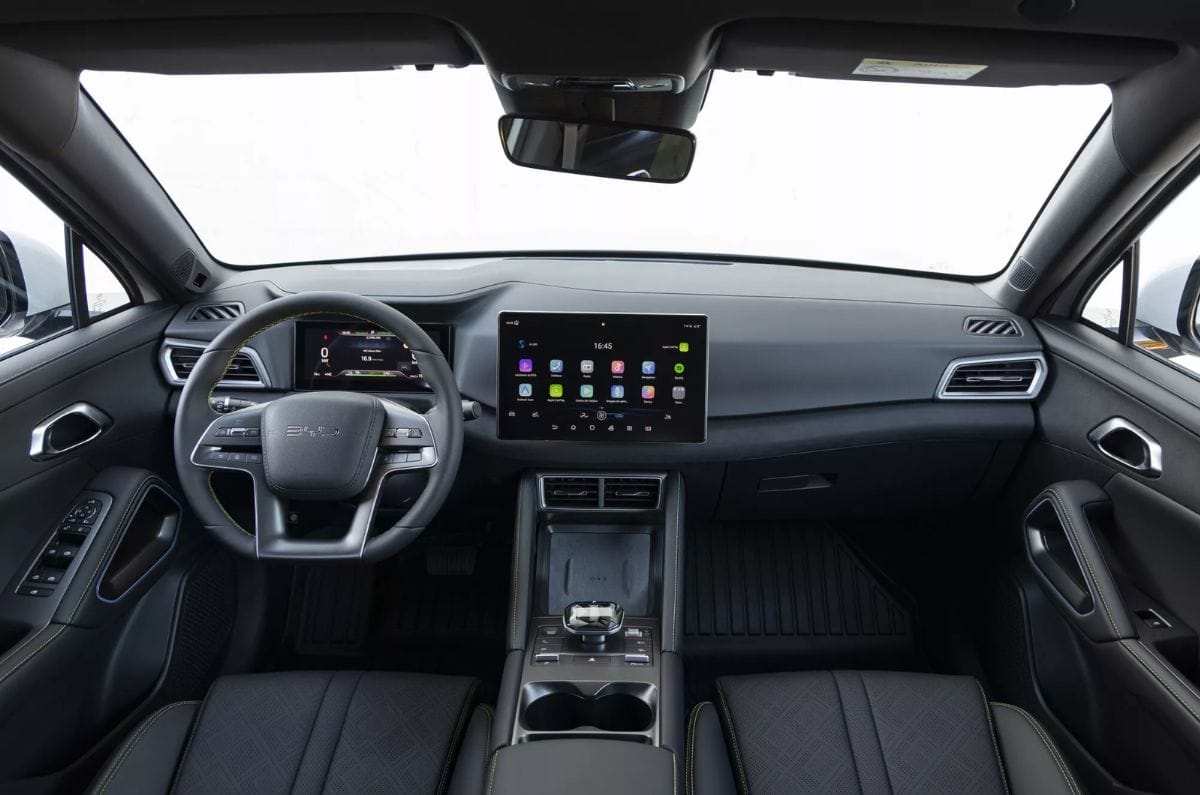
International-spec BYD Atto 2’s dashboard shown for representative purposes only.

The Atto 2’s cabin is identical for both the EV and PHEV versions, offered with either an all-black or a beige-and-black interior theme. The minimalistic dashboard features a free-standing 12.8-inch rotatable touchscreen infotainment system with integrated AC controls, an 8.8-inch digital driver’s display, and a chunky 3-spoke steering wheel with physical buttons. Features include a panoramic sunroof, 6-speaker audio system, a 50W wireless phone charger, a 360-degree camera, a vehicle-to-load (V2L) charging function, and front and rear parking sensors. The India-spec model could get a similar feature suite.

Currently, BYD sells only EVs in India. However, the manufacturer showcased its proprietary DM-i plug-in hybrid in June, revealing that the Seal U will launch as the first model with this powertrain by the end of 2026. So, it remains to be seen whether BYD expands its plug-in-hybrid plans to the Atto 2, or offers it in an electric-only guise in the country.

International-spec BYD Atto 2 shown for representative purposes only.

The BYD Atto 2 EV is expected to rival the Hyundai Creta Electric, Tata Sierra EV, Mahindra BE 6 and Maruti e Vitara. The Atto 2 PHEV will offer a more efficient option to the Hyundai Creta, Kia Seltos, Tata Sierra, Renault Duster, Nissan Tekton, Maruti Victoris and Grand Vitara, and MG Astor.

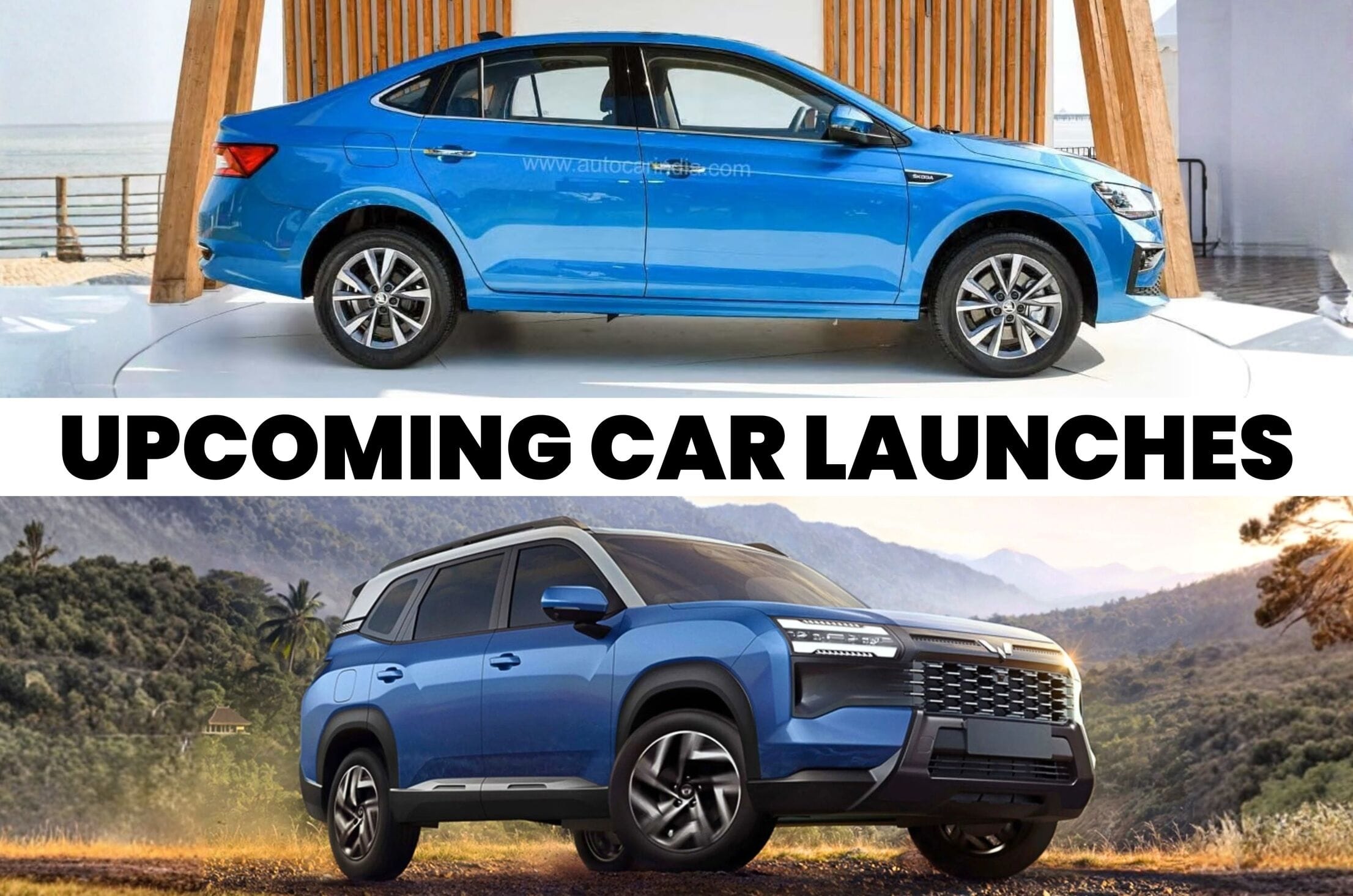
Upcoming car launches and reveals in August 2026

Upcoming Car Launches August 2026

July was a stacked month for car launches in India. It was during these 31 days that we got models such as the Maruti Suzuki Brezza facelift, ninth-gen Toyota Hilux, Nissan Tekton and Honda ZR-V. It appears that August 2026 is set to be a fairly busy month for new car launches in India, too. Here are some cars that we know will be introduced next month, and some that could.

Mahindra Scorpio N facelift

Debut date: August 15, 2026

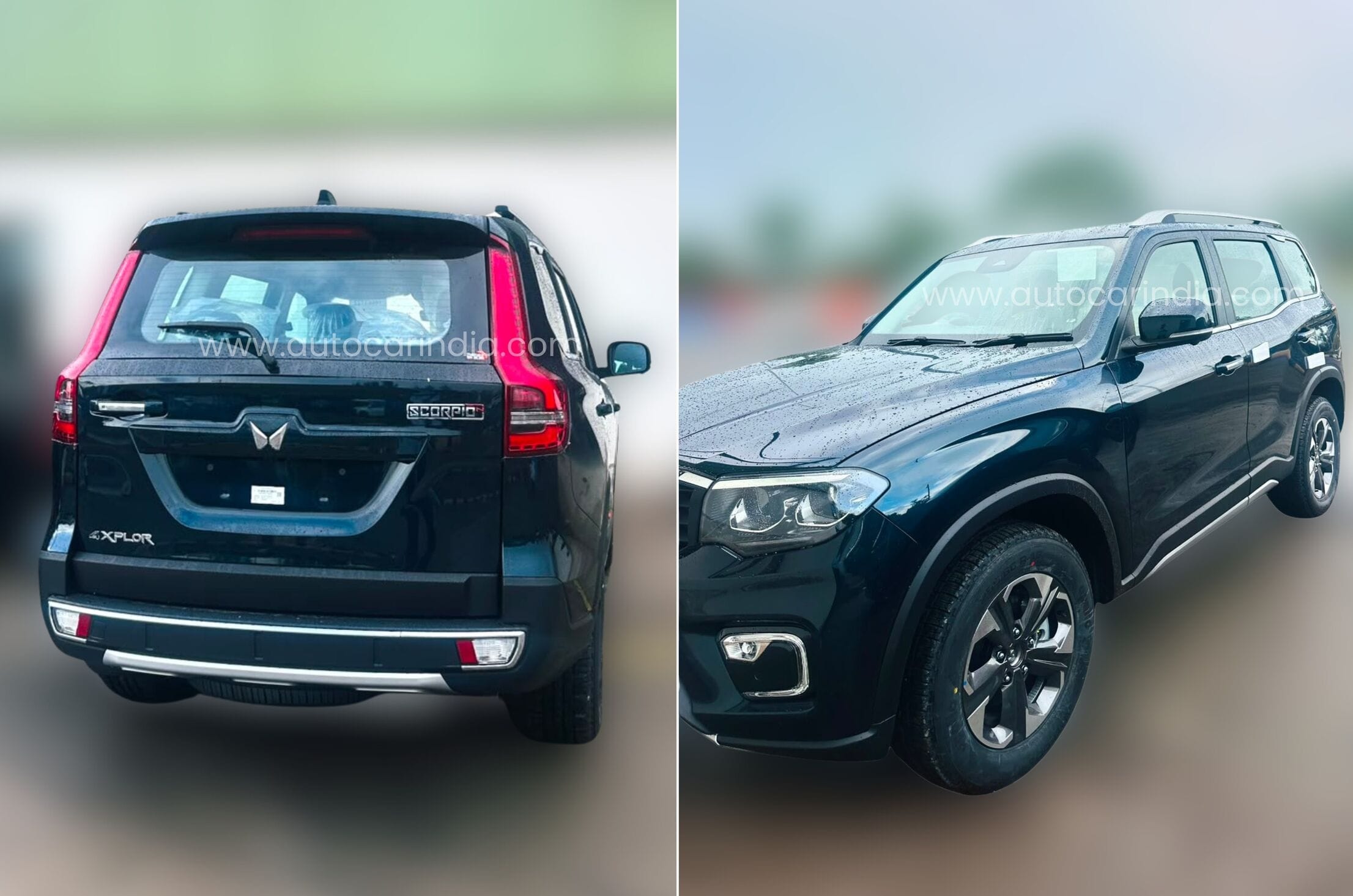
Mahindra Scorpio N facelift exterior spied

One of the cars that Mahindra could debut this Independence Day is the Scorpio N facelift. It’ll be mechanically unchanged over the outgoing model, but the exterior will now feature new two-tone alloy wheels. Unlike the exterior, there are more updates to the interior of the Scorpio N facelift.

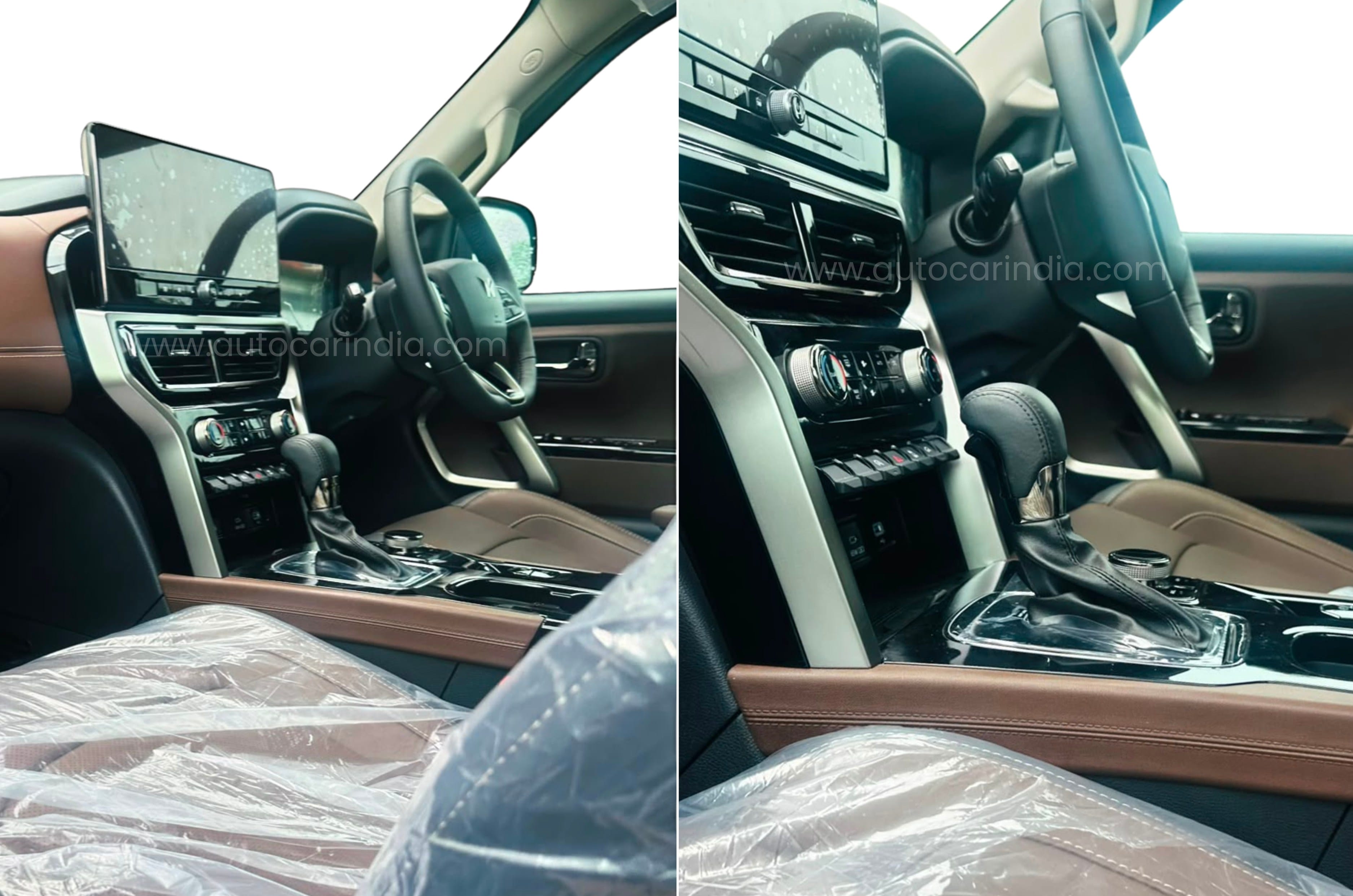
Mahindra Scorpio N facelift interior spied

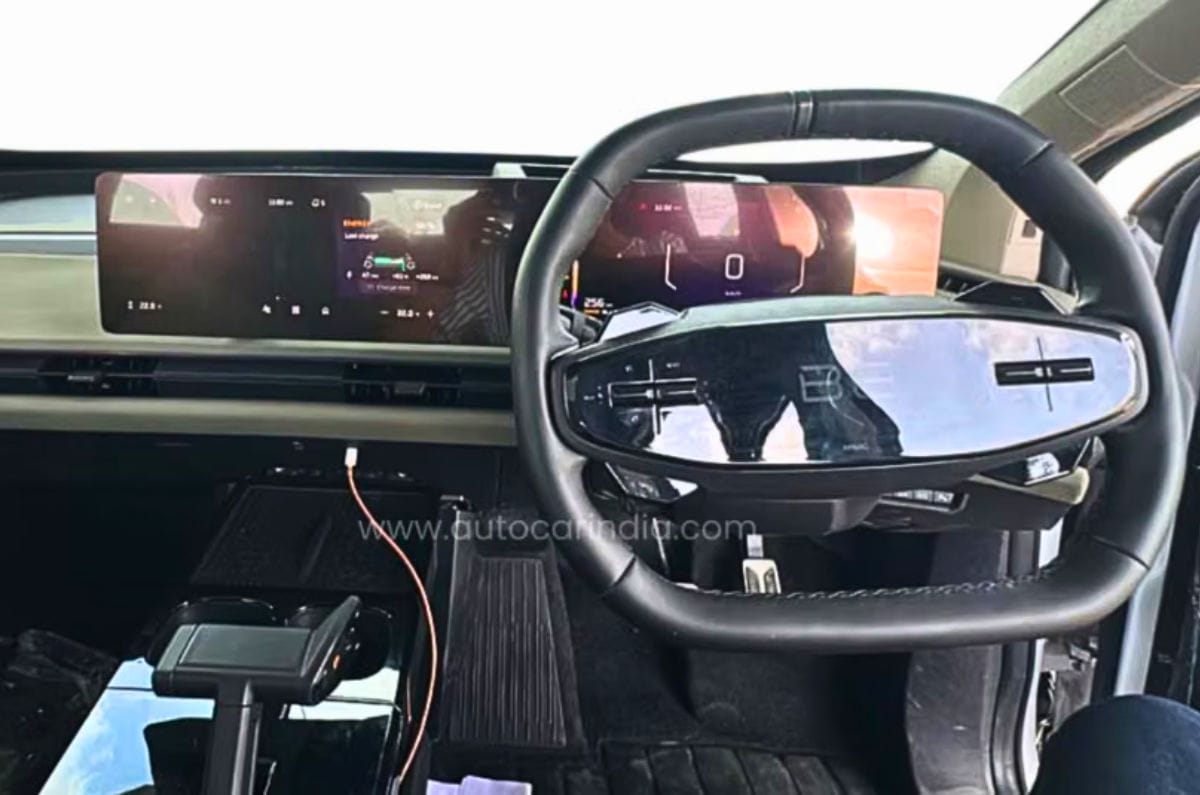
Recently leaked images show a revised centre console with repositioned AC vents and a new tablet-style infotainment touchscreen mounted above. There’s also a new digital driver’s display visible in these spy shots. These screens look similar to the 10.25-inch units found on the Thar Roxx. These updates could push up the price of the Mahindra Scorpio N facelift, with the pre-facelift model currently priced from Rs 13.49 lakh to Rs 24.95 lakh.

Updated Mahindra BE 6

Debut date: August 15, 2026

Another Mahindra car that could be introduced on August 15 is the updated BE 6. While the midsize EV is still relatively new in the market (launched in November 2024), Mahindra is expected to spec it up with a triple-screen setup as seen in the brand’s other models such as the XEV 9e, XEV 9S and also the combustion-powered XUV 7XO.

Mahindra BE 6 facelift interior spied

Another big change on the inside is the deletion of the distinctive halo design effect that separates the driver and front passenger in the outgoing model, as shown in this spy shot. Mahindra is also set to offer a new black-and-tan colour upholstery with the updated BE 6. The rest of the updated Mahindra BE 6 is unlikely to see major updates, though prices are likely to be revised upward. For reference, the EV is currently priced between Rs 18.90 lakh to Rs 26.90 lakh.

Near-production Mahindra Vision S

Debut date: August 15, 2026

Mahindra Vision S prototype spied

Mahindra has been busy testing the Vision S prototype for a while now, and a public debut of its near-production version is expected this Independence Day. Note that the production-spec model is still sometime away from being launched, which is expected to happen in 2027. While the actual name of this new compact SUV remains under wraps, it’ll be slotted above the XUV 3XO in Mahindra’s line-up. The Vision S concept was underpinned by the Nu_IQ platform, meaning compatibility compatible with petrol, diesel, hybrid and fully electric powertrains.

Skoda Slavia facelift

Debut date: August 18, 2026

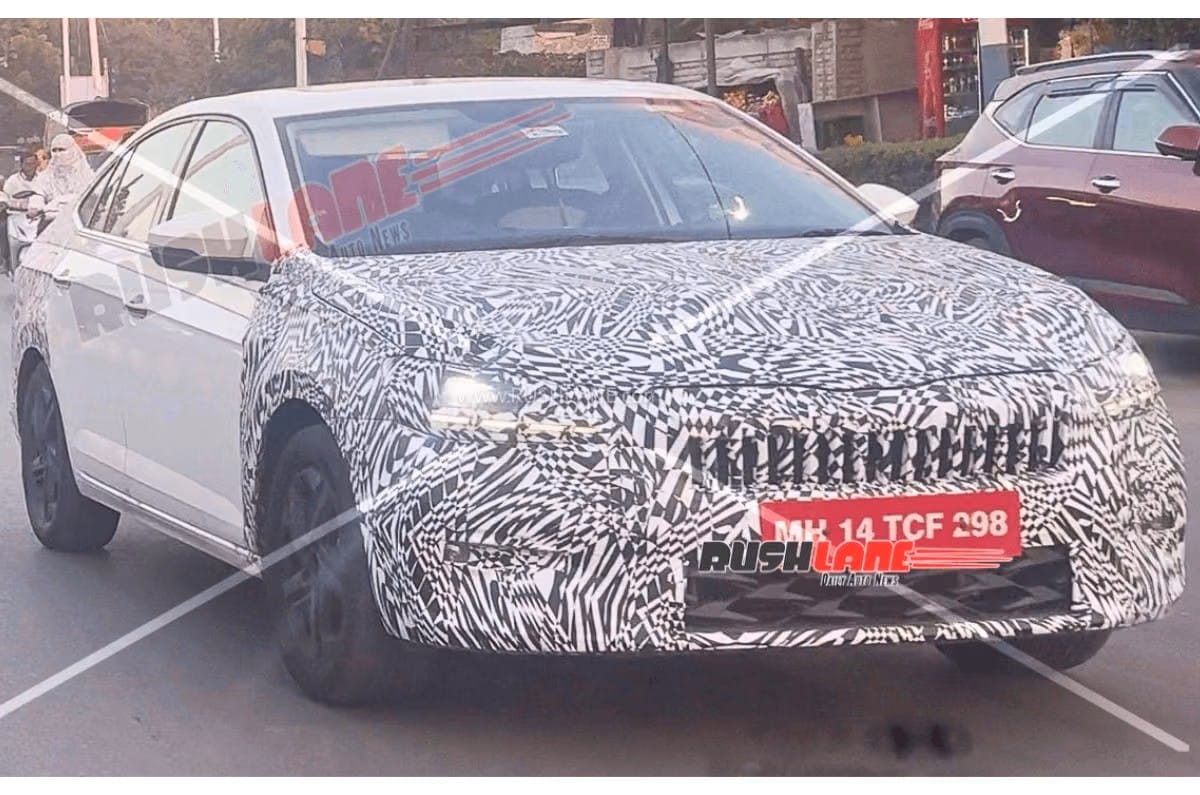
The Skoda Slavia was first launched in February 2022. Four-and-a-half years on, the Czech brand will be introducing the Slavia facelift come August 18, 2026. Changes on the outside of this updated midsize sedan include a new front grille with integrated LED elements and revised front and rear lights. The Slavia facelift is also expected to get mildly redesigned bumpers, a new design for the alloy wheels and front parking sensors.

Skoda Slavia facelift spied

The Skoda Slavia facelift could feature new cabin upholstery, and perhaps even the massage function for the rear seats as seen in the Kushaq facelift. This update could also bring a larger 10.25-inch digital driver’s display. While the 1.0-litre TSI and 1.5-litre TSI engines are to be carried over, the former is expected to be offered with a new 8-speed torque-converter automatic gearbox. All of these updates could raise prices, which currently range from Rs 10.00 lakh to Rs 18.19 lakh.

New MG EV, PHEV

Debut date: August 2026 (date unknown)

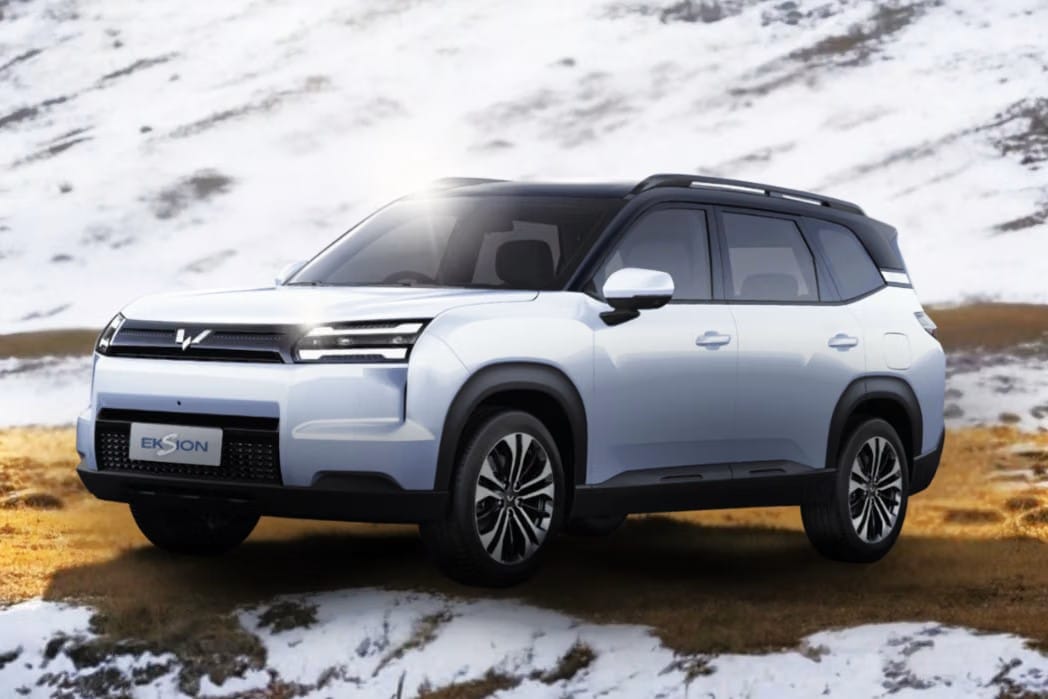
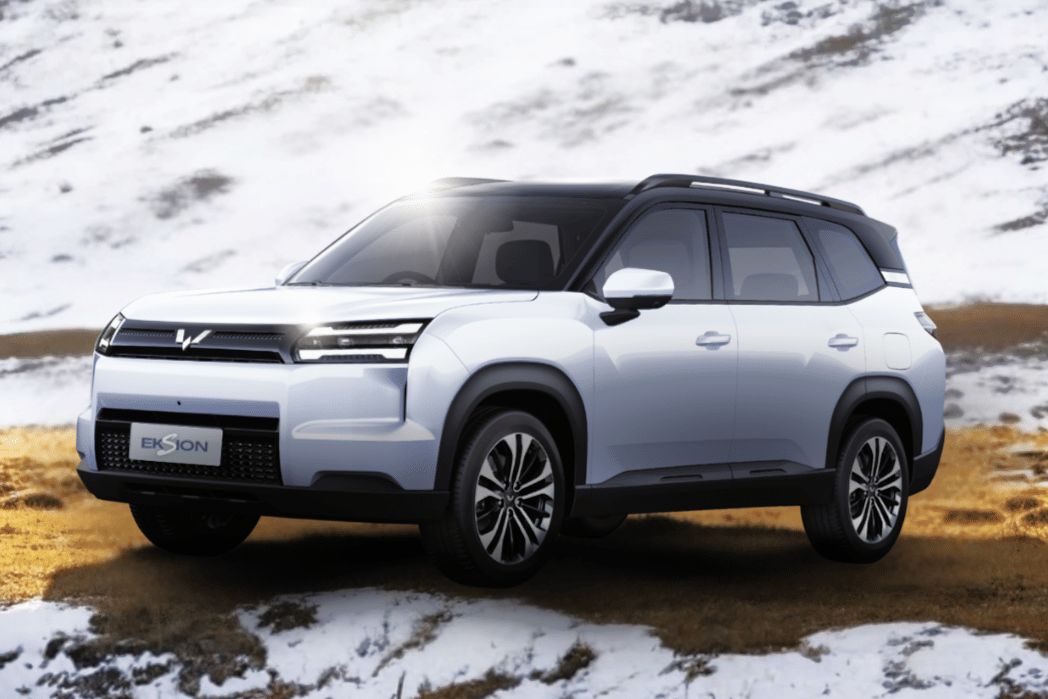
Based on the Chinese-market Wuling Eksion SUV, JSW MG is set to debut its India-spec all-electric and PHEV (plug-in hybrid vehicle) versions this August. The upcoming JSW MG SUV will be underpinned by the brand’s ADAPT (Advanced Drive Architecture Platform Technology) platform. The new Eksion-based electric SUV will rival the likes of the Mahindra XEV 9S, while the plug-in hybrid version is to take on the diesel-automatic variants of the Mahindra XUV 7XO and Tata Safari.

Wuling Eksion EV
Wuling Eksion EV shown for representation purposes only.

The fully electric model will feature a 69kWh battery pack and a single, front-mounted electric motor generating 201hp and 310Nm. The upcoming EV’s official claimed range is around 600km. As for the new plug-in hybrid SUV, it combines a 1.5-litre Atkinson-cycle petrol engine, an electric motor and a 20.5kWh LFP battery pack. The latter produces up to 195hp and 230Nm, whilst the petrol engine makes 105hp and 130Nm of its own. For the Eksion PHEV version, Wuling claims an all-electric range of 125km and a combined range north of 1,000km.

Prices mentioned are ex-showroom, Delhi

Skoda Slavia spy shot: RushLane

Also read

Suzuki Vision E-Sky prototype spied testing for the first time

MG’s Starlight 560-based ‘Hector Hawk’ EV spied

3 reasons to buy the Mercedes-AMG E 53 PHEV and 3 reasons not to

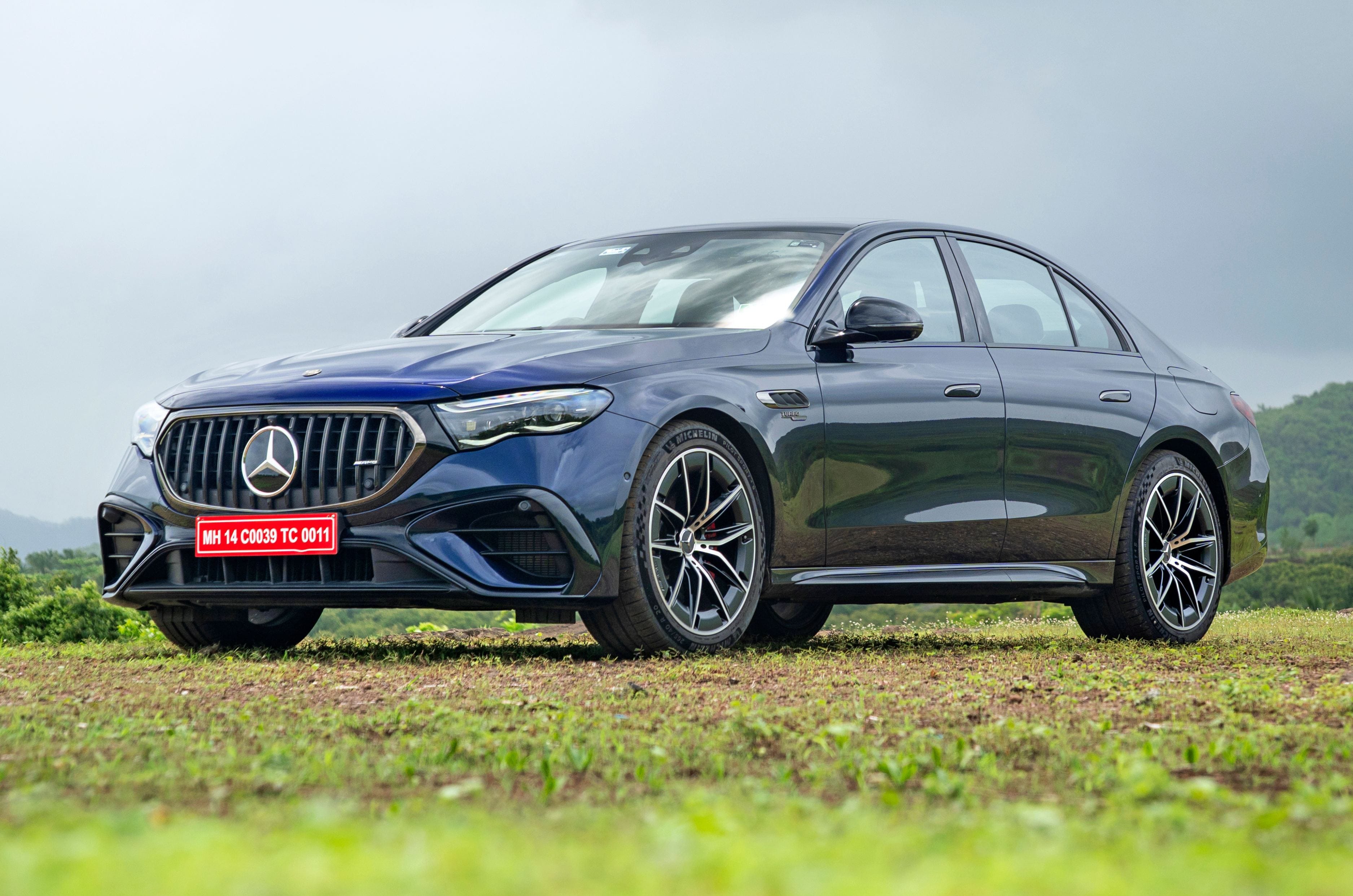
Mercedes-AMG E 53 PHEV

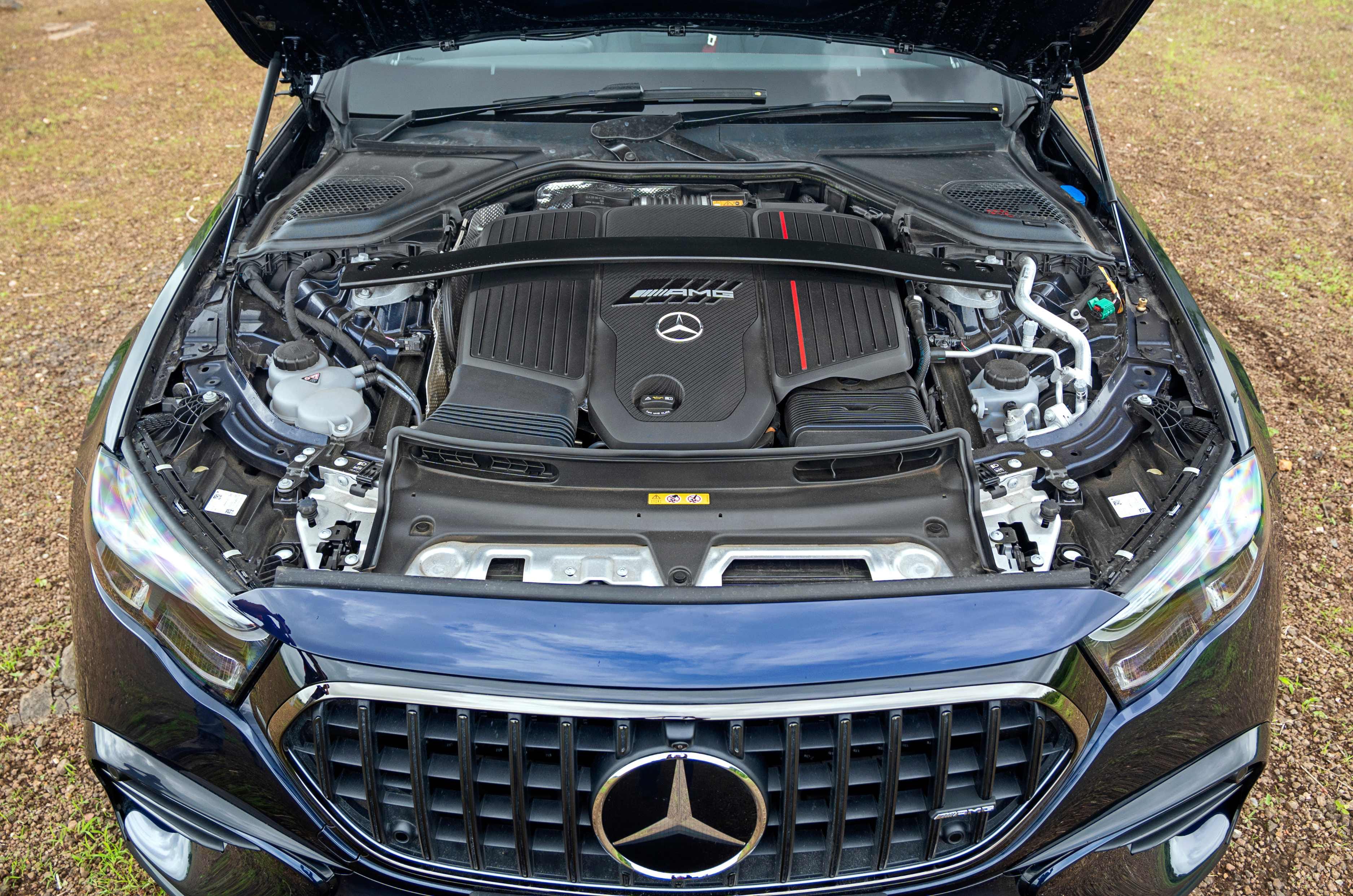
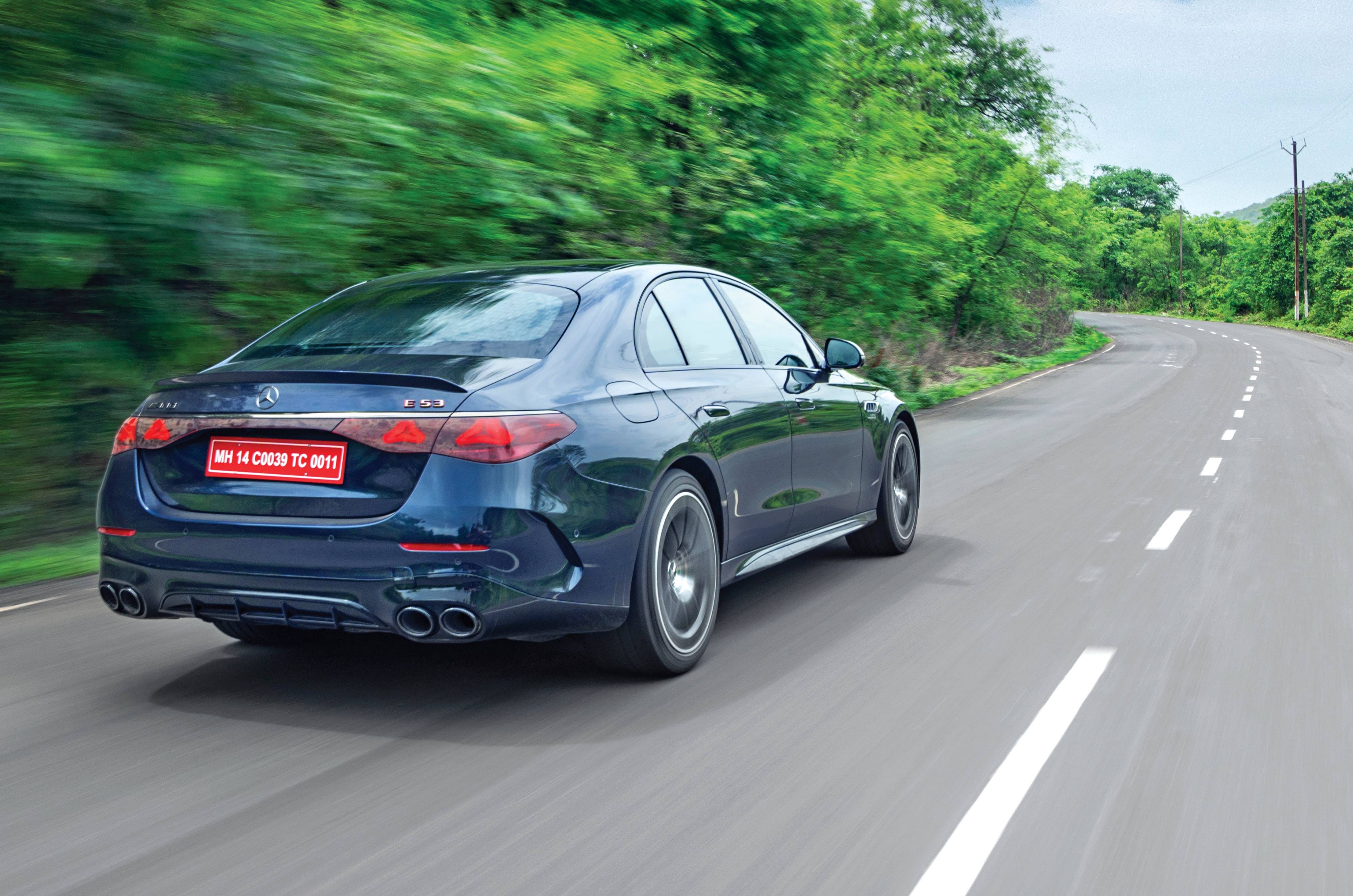
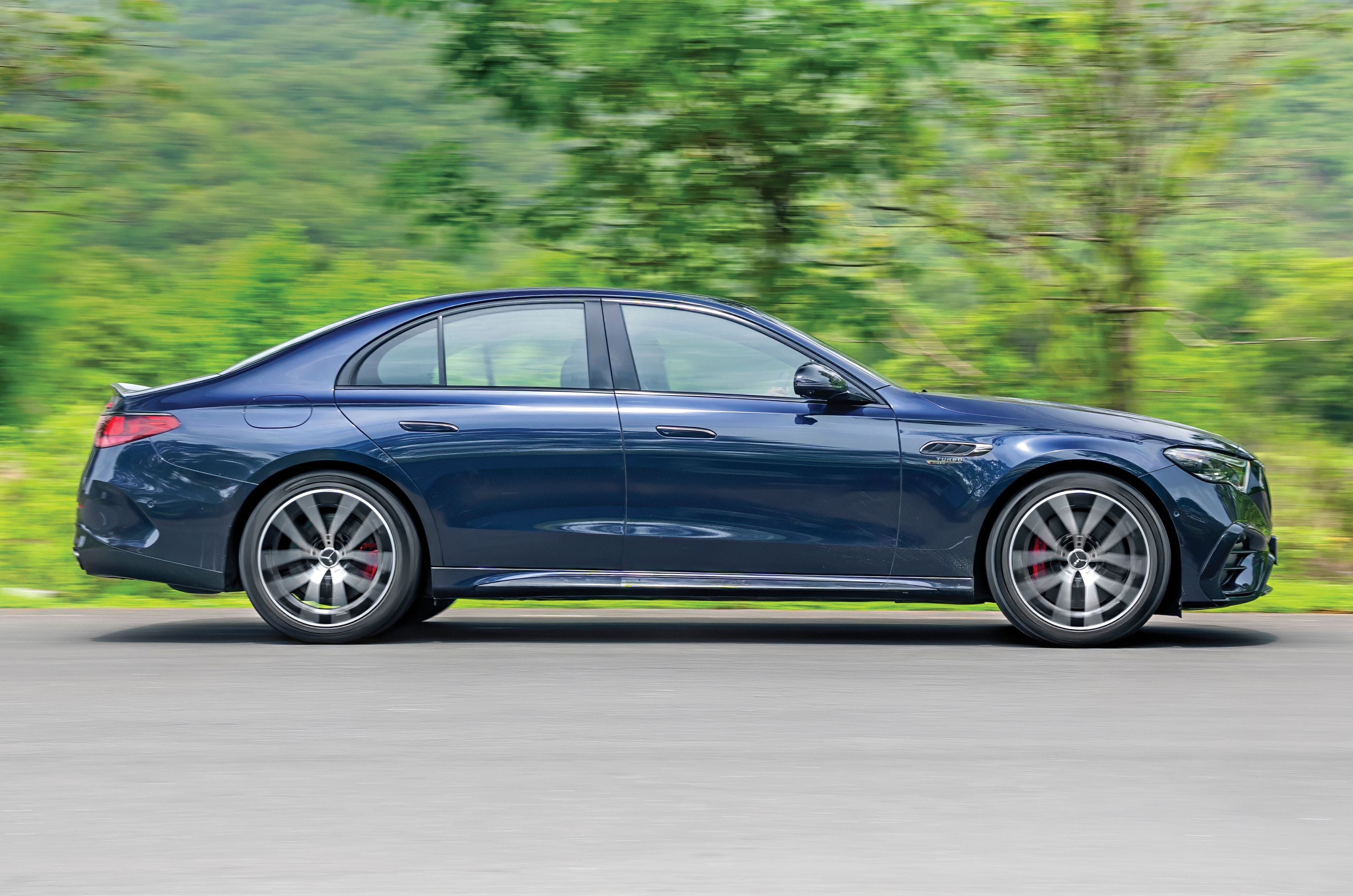
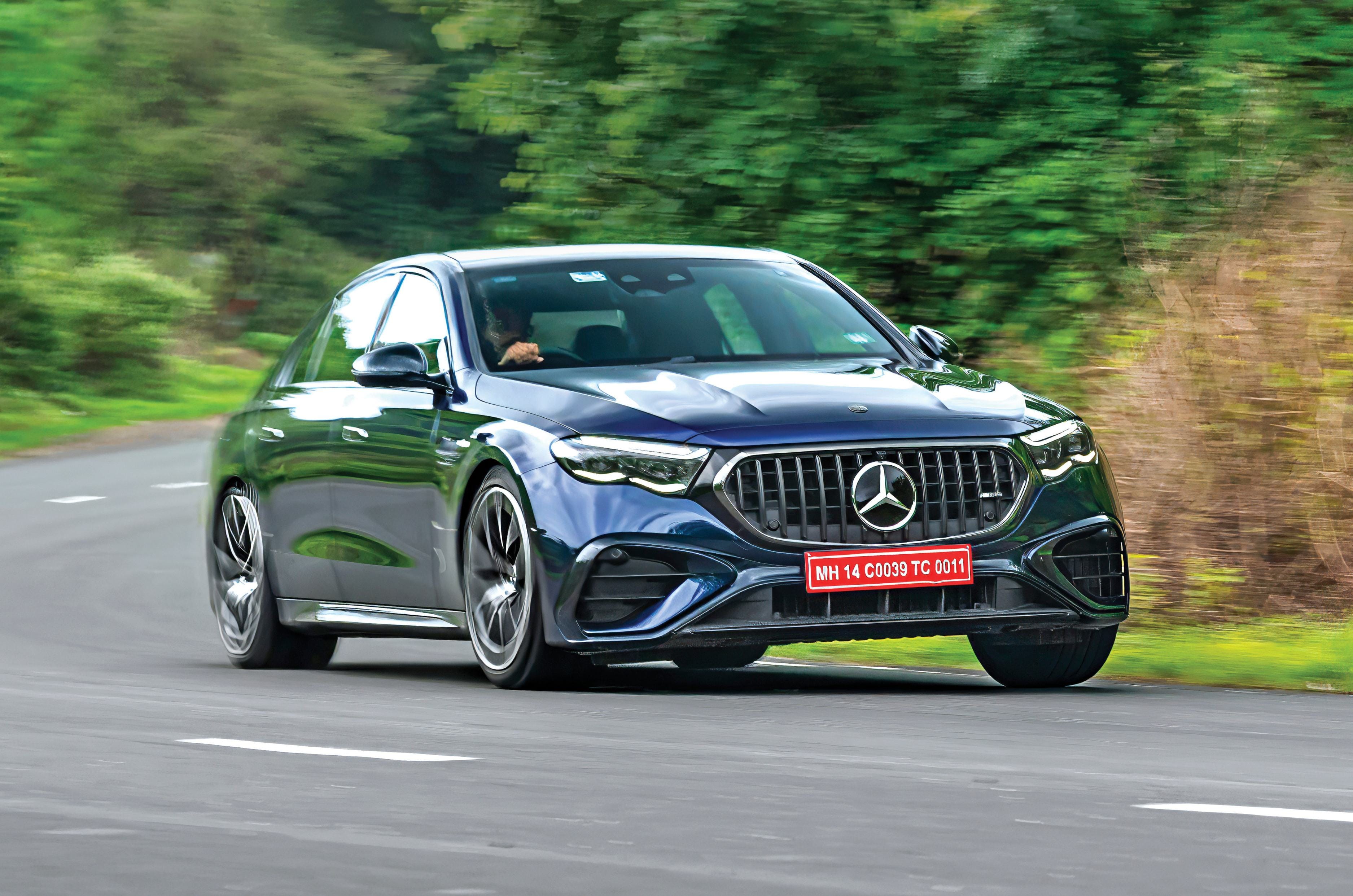
Mercedes-Benz has bolstered the E-Class range in India with the performance-focused AMG E 53 plug-in hybrid, which is priced at Rs 1.45 crore (ex-showroom). Unlike the regular India-spec E-Class, which is an LWB (long-wheelbase) model, the AMG E 53 PHEV is a shorter SWB (standard-wheelbase) version. It’s also the only AMG version of the current-gen E-Class on sale worldwide. If you’re interested in bringing home the AMG E 53 PHEV, we’ve listed the performance sedan’s most prominent strengths and weaknesses below.

Pros

Exciting powertrain

The E 53 comes with a plug-in hybrid setup that marries a 449hp 3.0-litre turbo-petrol straight-six, a 28.6kWh battery pack and an electric motor housed within the 9-speed automatic gearbox. The combined output is 585hp and 750Nm (612hp when using launch control), which is routed to all four wheels via Mercedes’s 4Matic+ AWD system.

As we noted in our Mercedes-AMG E 53 PHEV review, it’s a blast to drive in its most aggressive Sport+ drive mode. Both the engine and electric motor operate at maximum capacity, providing rapid but smooth acceleration and strong power delivery. The gearbox also feels well-suited to the powertrain, with quick shifts and an ‘M’ mode that gives you full control and doesn’t intervene even if you hit the redline. That said, the gearbox can feel clunky and too eager at crawling city speeds, as it tends to constantly shuffle through the lower gears.

For the E 53, Mercedes-AMG claims a 0-100kph time of 4 seconds with launch control and an electronically limited top speed of 250kph, which rises to 280kph with the optional AMG Driver’s Package.

Usable electric range

Thanks to its 28.6kWh battery, the E 53 claims a 100km all-electric range, which, in the real world, will likely hover in the 75-90km ballpark. This is more than enough to complete daily urban commutes without burning a drop of petrol, making the E 53 surprisingly affordable to run, at least in the city.

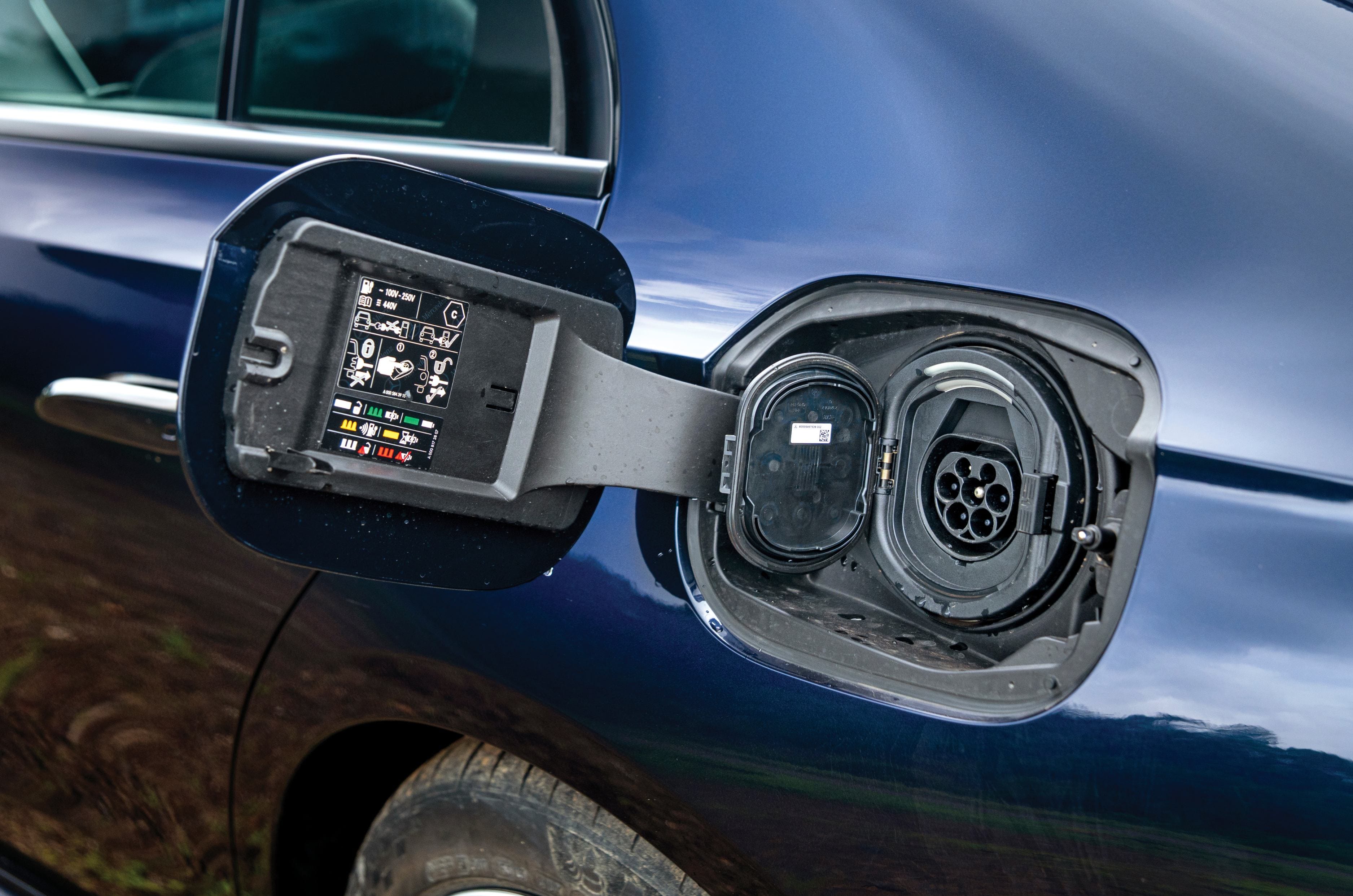
Once the battery begins to deplete, the straight-6 engine fires up and drives the wheels, but even then, the hybrid system pitches in via constant regenerative braking and electric assistance, ensuring the E 53 feels responsive while delivering better fuel efficiency than an equivalent pure-petrol performance sedan. As for charging, an 11kW AC wallbox takes 2.25 hours for a 0-100 percent charge, while a 60kW DC fast charger takes 20 minutes for a 10-80 percent top-up.

Fantastic handling

Around the bends, the E 53 feels remarkably composed, even though it lugs around a fairly substantial battery pack – its low placement helps keep the centre of gravity down. Body roll is kept in check. The Sport and Sport+ drive modes noticeably tighten up the car; the dampers become more responsive, and the steering gains heft.

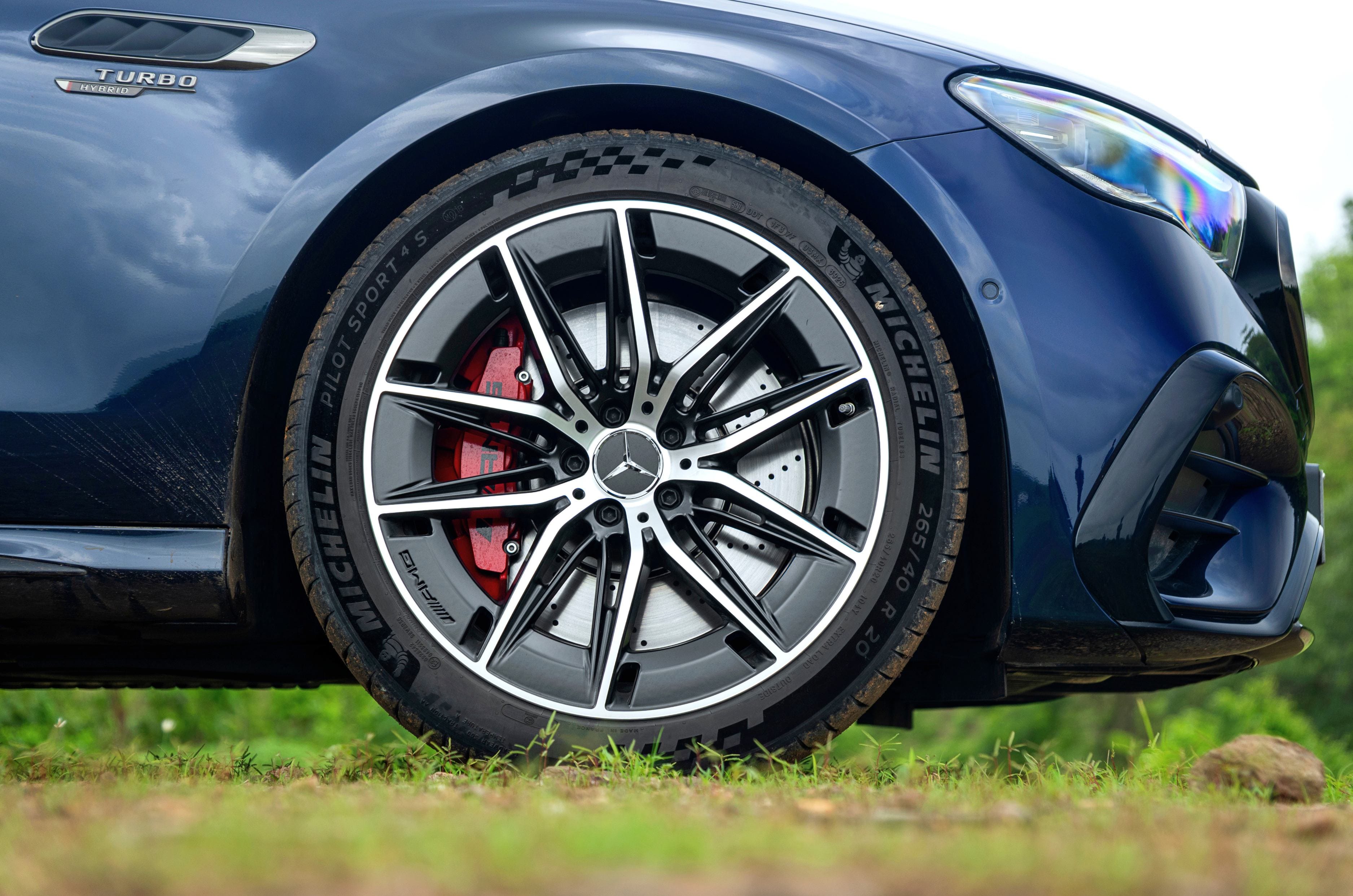
The AWD system is rear-biased, and the Michelin Pilot Sport 4S tyres confidently deploy all that power to the road. Rear-wheel steering of up to 2.5 degrees is also included, aiding stability through high-speed corners.

Cons

Unnatural brake feel

Despite being fitted with massive 390mm discs up front and regenerative braking, the E 53 doesn’t deliver a natural or consistent pedal feel. Stopping power is strong, but the spongy, inconsistent brake pedal puts a damper on an otherwise fun driving experience.

Poor in-cabin ergonomics

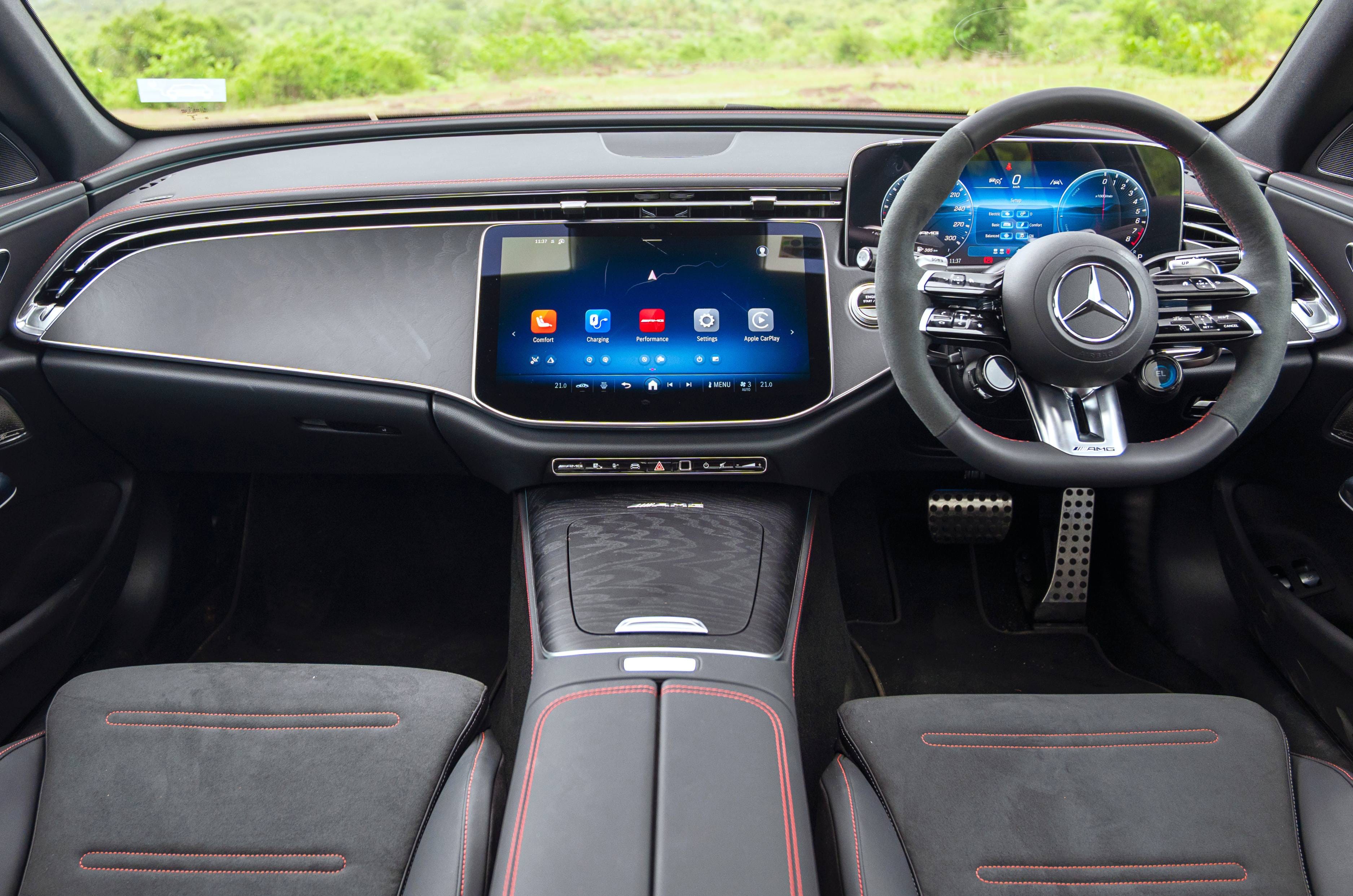
While the interior layout of the E 53 looks and feels very upmarket, its ergonomics suffer due to a glaring absence of physical controls. Much of the in-cabin functionality is folded into the large 14.4-inch central touchscreen, which isn’t all that intuitive to use while on the move. The touch-capacitive controls on the steering wheel further add to the frustration.

Compromised boot space

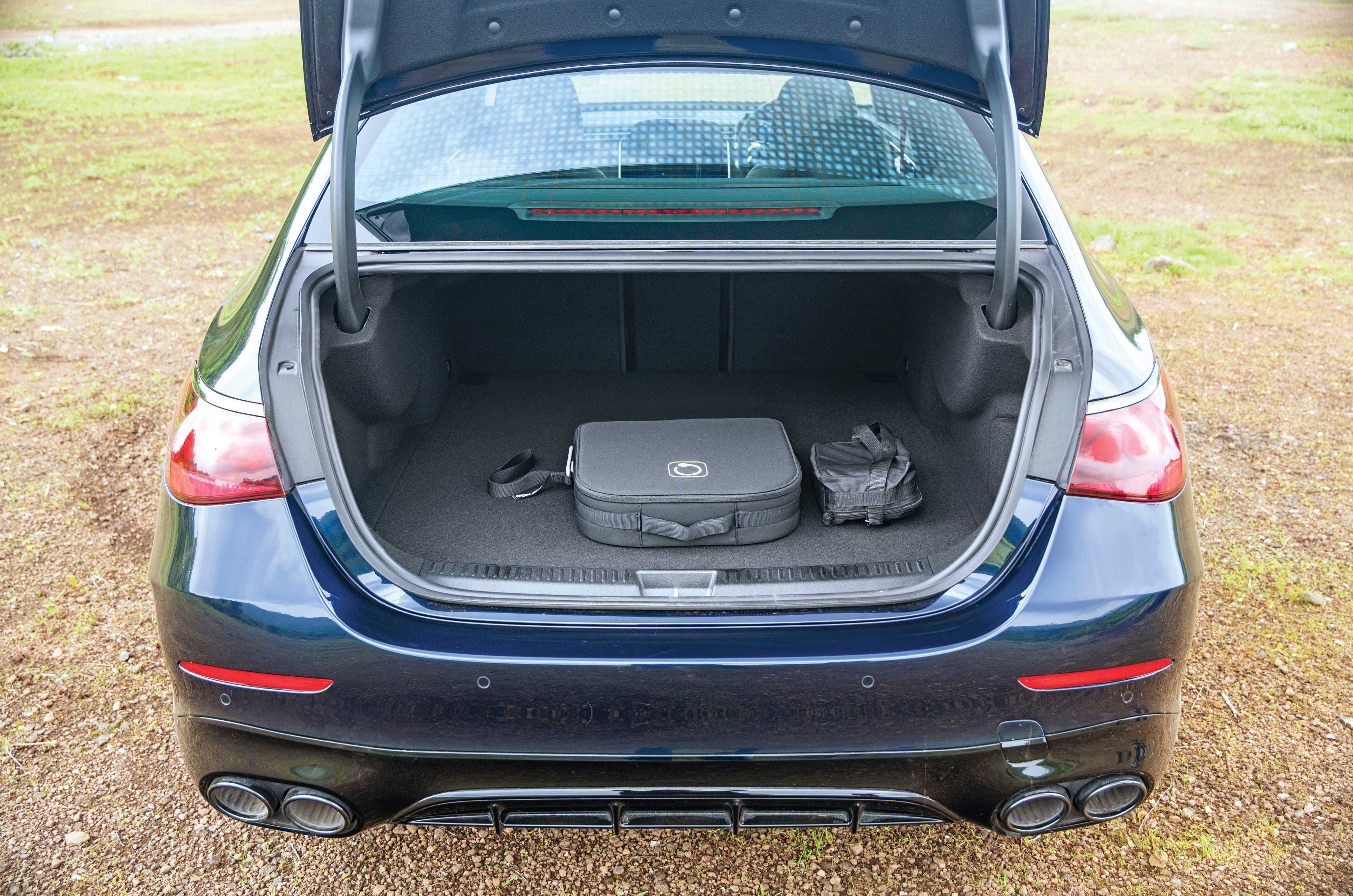
While the battery pack helps enhance the E 53’s performance and daily usability, its placement beneath the boot floor significantly eats into luggage capacity. At 370 litres, the E 53’s boot is 170 litres smaller than that of the standard E-Class. There’s no spare wheel either, with its space instead occupied by the charging cable and puncture repair kit.