Volkswagen is preparing for a much bigger push in India, with the company reviewing its broader product, powertrain and investment plans. While a locally produced compact SUV has already been confirmed for launch next year and is expected to drive volumes, the brand is also looking at the India-EU free trade agreement (FTA) as an opportunity to bring select niche models from its global portfolio here.
“FTA has been announced in Europe. It is a huge opportunity to bring a certain sort of niche models to widen the portfolio for the consumer to offer some exciting models every now and then, which is great,” Member of the Board of Management of Volkswagen AG and CEO of Volkswagen Brand Thomas Schafer told us. He did not reveal which models could be on the cards, but said the company is taking a long-term view and will study market conditions over the next few months before making a decision.
VW’s renewed focus for India
Schafer’s India visit comes as Volkswagen reviews its global business strategy amid geopolitical tensions, changing trade policies and a growing move towards regional manufacturing. “So, globally, we see almost like a decoupling. You have a geopolitical situation and the old business model where everything’s focused on Europe, and then you export to other markets is long gone. At the same time, you have a very different dynamic in China than in the US, which is putting import duties on Europe under certain attacks. So, in that game, you have to change your business model; you have to adapt it. And that’s what we’re busy doing,” he added.
This shift could benefit India. Along with the growing domestic market, Volkswagen sees India as an important hub for engineering, IT and R&D. “We will focus a lot on India going forward. Not only because the market is exciting and growing and creating more opportunity for the future, but also the sort of knowledge base that you have here in India,” he said.
Volkswagen also sees exports as an important way to build scale out of India. The company already exports vehicles made in the country to more than 40 markets, with Mexico being one of the major markets that imports vehicles from India. “So, exports are an important part of our business, and we will always strengthen that going forward,” he said. For the upcoming compact SUV, export potential could also help boost volumes and strengthen the business case.
More powertrains can be offered at the right time
Volkswagen’s current portfolio comprises cars powered by turbo-petrol engines, even as CNG and diesel remain in demand and EVs are gaining momentum. “So, what is clear is, in the long run, there will be strong electrification, especially also in India…You see it accelerating, probably driven by the conflict in the Middle East and the oil situation,” he said.
At the same time, he clarified that be it flex-fuel, CNG, diesel or EV, the brand has the technology already on sale in certain parts of the world. “We have flex-fuel, super strong in South America for years; we have CNG, diesel and EVs, it’s all there…When it’s the right time to localise it, we will localise it,” Schafer said.
The challenge, he said, is deciding when and how to use each powertrain technology. “The dynamics in India and the market shift have been quite significant even in the last couple of months. So, to be honest, we haven’t concluded our planning on that, but the good thing is that we have it and we can deploy it if and when it is the right situation,” he stated. Volkswagen is also evaluating its next-generation models and newer platforms, but these plans are still under consideration.
Cost remains a major hurdle for VW in India
Cost has been one of Volkswagen’s biggest challenges in India. Schafer said the company has spent the past few years working on two key areas: ensuring that its products retain the core characteristics of the Volkswagen brand while simultaneously reducing the cost base. “We worked over the last four years very focused on the cars that we bring to the market now are through and through Volkswagen in terms of quality, brand fit. And, yes, our cost base is traditionally high because we are very much focused on Europe and especially Germany,” he added.
India, he said, will play an important role in Volkswagen’s efforts to reduce costs, especially through more cost-effective development and manufacturing. “Part of the programs that’s been in the media over the last, especially two years, has been reducing our cost base, developing more in more cost-efficient places like in India very much, but also shifting production from high-cost locations into lower-cost locations,” he said.
Volkswagen is now working on its next set of products, investment plans and powertrain options for India. With India becoming an increasingly important part of its global strategy, there is plenty to look forward to from the brand in the coming years.
Car insurance is an essential part of vehicle ownership, yet it is often one of the least understood. While third-party insurance is mandatory for vehicles used on public roads in India, owners can choose from different types of cover depending on the protection they need. Here’s everything you need to know about car insurance, from coverage and claims to renewals and add-ons.
1. What is car insurance and why is it mandatory?
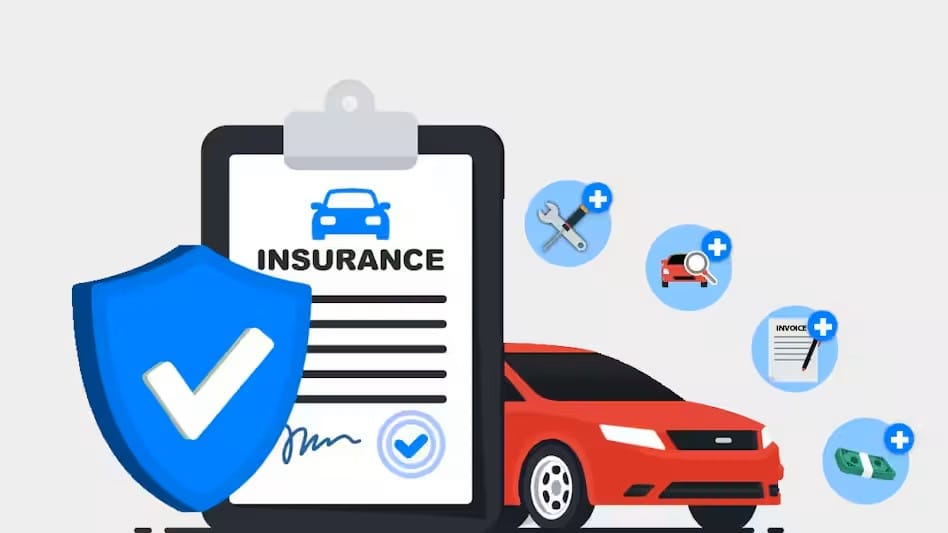
Car insurance protects vehicle owners against specified financial losses arising from accidents and other insured events. Depending on the policy, it can cover damage to your own vehicle, liability towards third parties, or both.
Third-party insurance is mandatory for vehicles used on public roads in India. It covers the owner’s legal liability for injury, death or property damage caused to a third party. Driving without valid third-party insurance is an offence.
2. What are the different types of car insurance?
Car insurance is broadly available as third-party liability insurance, comprehensive insurance and standalone own-damage insurance.
Third-party insurance covers liability towards others but not damage to your own vehicle. A comprehensive or package policy combines third-party liability with own-damage cover for the insured vehicle, subject to the policy’s terms and exclusions. A standalone own-damage policy covers damage to your own vehicle and is bought alongside a separate third-party policy.
New private cars are also sold with long-term third-party cover. A common bundled arrangement provides three years of third-party cover and one year of own-damage cover.
3. What does third-party insurance cover?
Third-party insurance covers the legal liability arising if your vehicle causes injury, death or property damage to another person. It does not cover damage to your own vehicle. Owners who want cover for their own car need an own-damage or comprehensive/package policy.
4. What does comprehensive insurance cover?
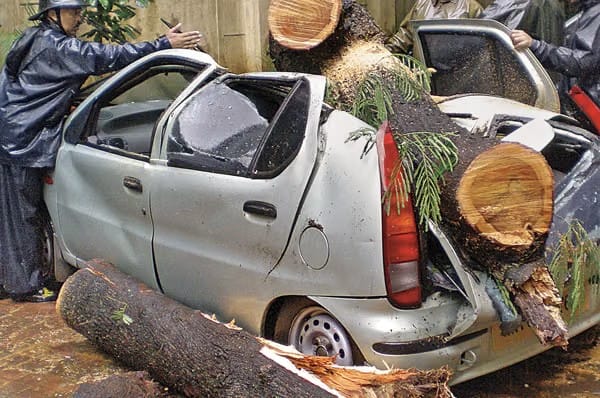
A comprehensive or package policy combines third-party liability cover with own-damage protection. Depending on the policy, own-damage cover can include losses caused by accidents, theft, fire, floods, earthquakes and other natural or man-made events.
The exact coverage and exclusions vary between policies. Optional add-ons can provide additional protection for specific risks.
5. How do you make a car insurance claim?
Inform your insurer as soon as possible after an accident, theft or other insured event. A police complaint may also be required, depending on the circumstances, particularly for theft.
The insurer may arrange a vehicle inspection or assess the claim using photographs and documents submitted digitally. Once the claim is approved, the repair process can proceed. The documents required vary by claim, but may include the policy, registration certificate, driving licence, claim form, repair estimate and invoices.
6. What is the difference between cashless and reimbursement claims?
With a cashless claim, the vehicle is repaired at an insurer’s network garage and the insurer settles the approved repair amount directly with the workshop. The owner pays applicable deductibles and any costs not covered by the policy.
With a reimbursement claim, the owner pays the repair bill first and then submits the required documents to the insurer for reimbursement of the eligible amount. The availability and process of cashless repairs depend on the insurer’s network and policy terms.
7. How is your car insurance premium calculated?
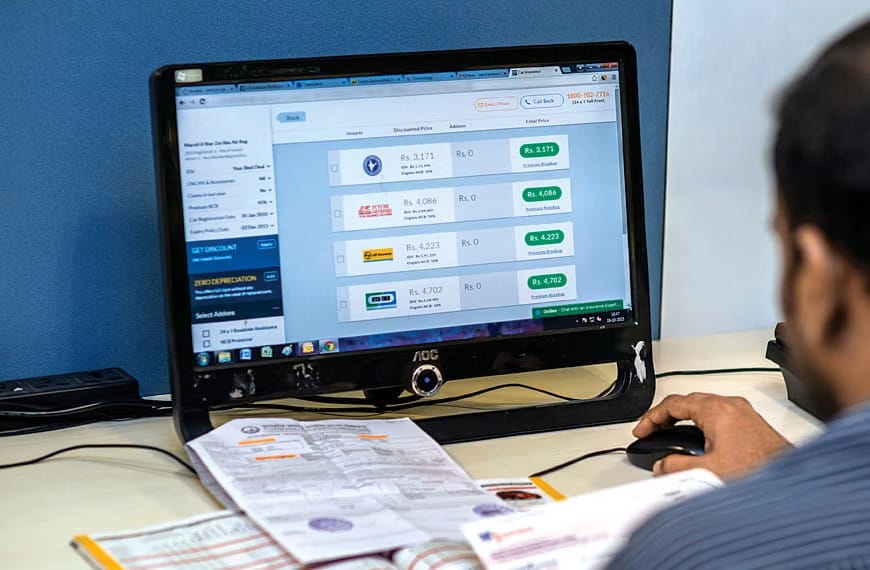
The premium depends on factors including the vehicle’s IDV, age, engine capacity, registration details, previous claims and the insurer’s own pricing. The cost of optional add-ons and applicable discounts can also affect the final premium.
Third-party liability premiums are set by IRDAI, while own-damage premiums are priced by individual insurers. This is why premiums for similar own-damage cover can differ between insurers.
8. What is a No Claim Bonus (NCB)?
A No Claim Bonus is a discount on the own-damage premium earned for claim-free policy periods. It applies to the policyholder, not the vehicle, and can generally be carried over when changing insurers or buying another car, subject to the applicable conditions.
An own-damage claim can affect the NCB at the next renewal, although an NCB-protection add-on may preserve it subject to its terms.
9. What is Insured Declared Value (IDV), and why does it matter?
The Insured Declared Value is the sum insured for the vehicle under the own-damage section of the policy. It represents the vehicle’s insured value and is used when settling a total-loss or theft claim, subject to the policy terms. IDV also affects the own-damage premium. As the vehicle depreciates, its IDV generally reduces.
10. What is a deductible in car insurance?
A deductible is the portion of an eligible claim that the policyholder has to bear. A compulsory deductible applies to the policy as prescribed, while a voluntary deductible is an additional amount the owner chooses to bear in return for a lower premium. A higher voluntary deductible means a larger share of the repair bill has to be paid by the owner when a claim is made.
11. Which car insurance add-ons are worth considering?
Add-ons provide cover beyond the standard policy for an additional premium. Common options include zero depreciation, engine protection, roadside assistance, return-to-invoice, consumables, tyre protection, key protection and NCB protection.
Their usefulness depends on the vehicle, its age and how it is used. Owners should compare the additional premium with the specific protection each add-on provides rather than buying every available option.
12. What is zero depreciation insurance, and is it worth buying?
Zero depreciation, also known as nil depreciation or bumper-to-bumper cover, reduces or removes the depreciation deduction applied to eligible parts when settling an own-damage claim. This can reduce the amount the owner has to pay towards a covered repair.
The add-on generally costs extra and may have eligibility conditions, claim limits or exclusions depending on the insurer. It is more commonly available for newer cars.
13. What is not covered by car insurance?
A comprehensive policy does not cover every type of loss. Common exclusions include normal wear and tear, damage from mechanical or electrical failure that is not caused by an insured event, and losses arising while the vehicle is being used in breach of the policy or applicable law.
Claims can also be affected if the driver does not have a valid licence or is driving under the influence of alcohol or drugs. Consequential damage may also be excluded unless specifically covered by an add-on. The exact exclusions are set out in the policy wording.
14. Can modifications affect your car insurance?
Yes. Modifications or changes to the vehicle should be disclosed to the insurer. This includes additions such as CNG or LPG kits, which also need to be recorded with the relevant registering authority.
If an approved modification changes the vehicle’s value or risk, the insurer may require an endorsement or additional premium. Failing to disclose relevant modifications can affect a claim.
15. What can cause a car insurance claim to be rejected?
A claim can be rejected or reduced if the loss falls outside the policy’s coverage or if policy conditions have not been met. Examples include driving without a valid licence, driving under the influence, using the vehicle for an excluded purpose, or making false or incomplete declarations.
Damage caused by an excluded event or normal wear and tear is also not payable under a standard comprehensive policy. The exact reasons for rejection depend on the policy wording and circumstances of the claim.
16. How does the age of your car affect insurance premiums?
A car’s IDV generally falls as it gets older because of depreciation. Since IDV is one of the factors used to determine the own-damage premium, this can reduce the own-damage portion of the premium over time. However, the final premium also depends on factors such as the insurer, claims history, vehicle details and selected add-ons.
17. What happens if your car insurance expires, and how do you renew it?
Owners should renew their policy before it expires to avoid a break in cover. A vehicle cannot legally be driven on public roads without valid third-party insurance. If a policy has lapsed, the insurer may require the vehicle to be inspected before issuing a new policy. IRDAI also states that a break in insurance can result in inspection and additional charges.
18. Can you switch insurance companies at renewal?
Yes. You can change insurers when renewing your own-damage or comprehensive policy. Compare the coverage, exclusions, IDV, deductibles, network garages, add-ons and premium rather than choosing solely on price. Your NCB can generally be carried over when you change insurers, provided you submit the required proof of entitlement.
19. Can you transfer your car insurance when selling your vehicle?
Yes. Insurance can be transferred to the buyer when a vehicle is sold, but the insurer must be informed and the required transfer process completed. The NCB belongs to the original policyholder and does not transfer with the vehicle. For comprehensive/package policies, IRDAI states that the transfer of ownership should be recorded within 14 days of the transfer of ownership.
20. What should you check before buying or renewing car insurance?
Don’t compare policies on premium alone. Check the coverage, exclusions, IDV, deductibles, add-ons, network garages and claims process. Also check when the third-party and own-damage portions expire, particularly if you have a bundled policy. A cheaper policy may offer a lower IDV, higher deductible or narrower coverage, so the lowest premium is not necessarily the best-value option.
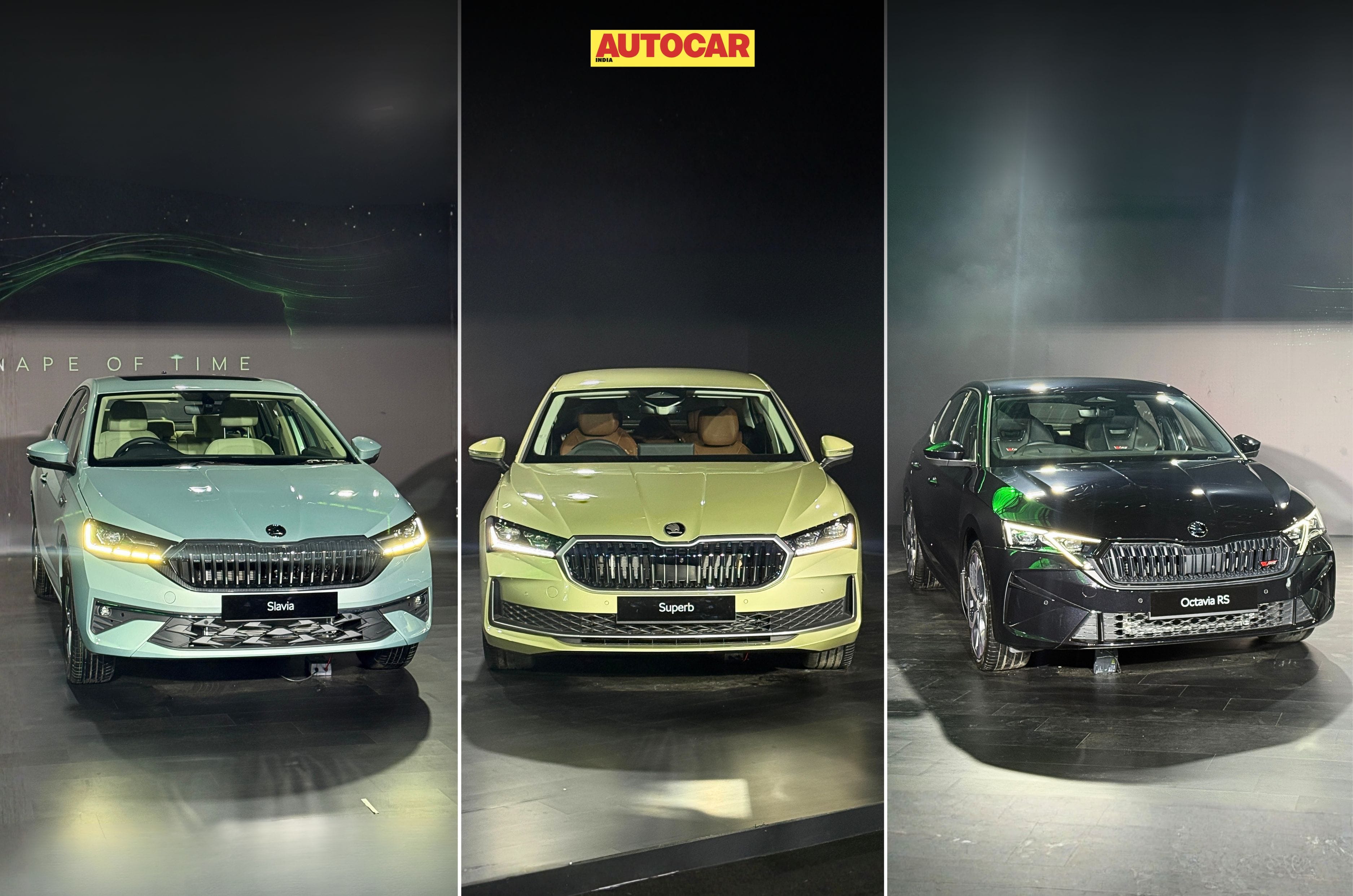
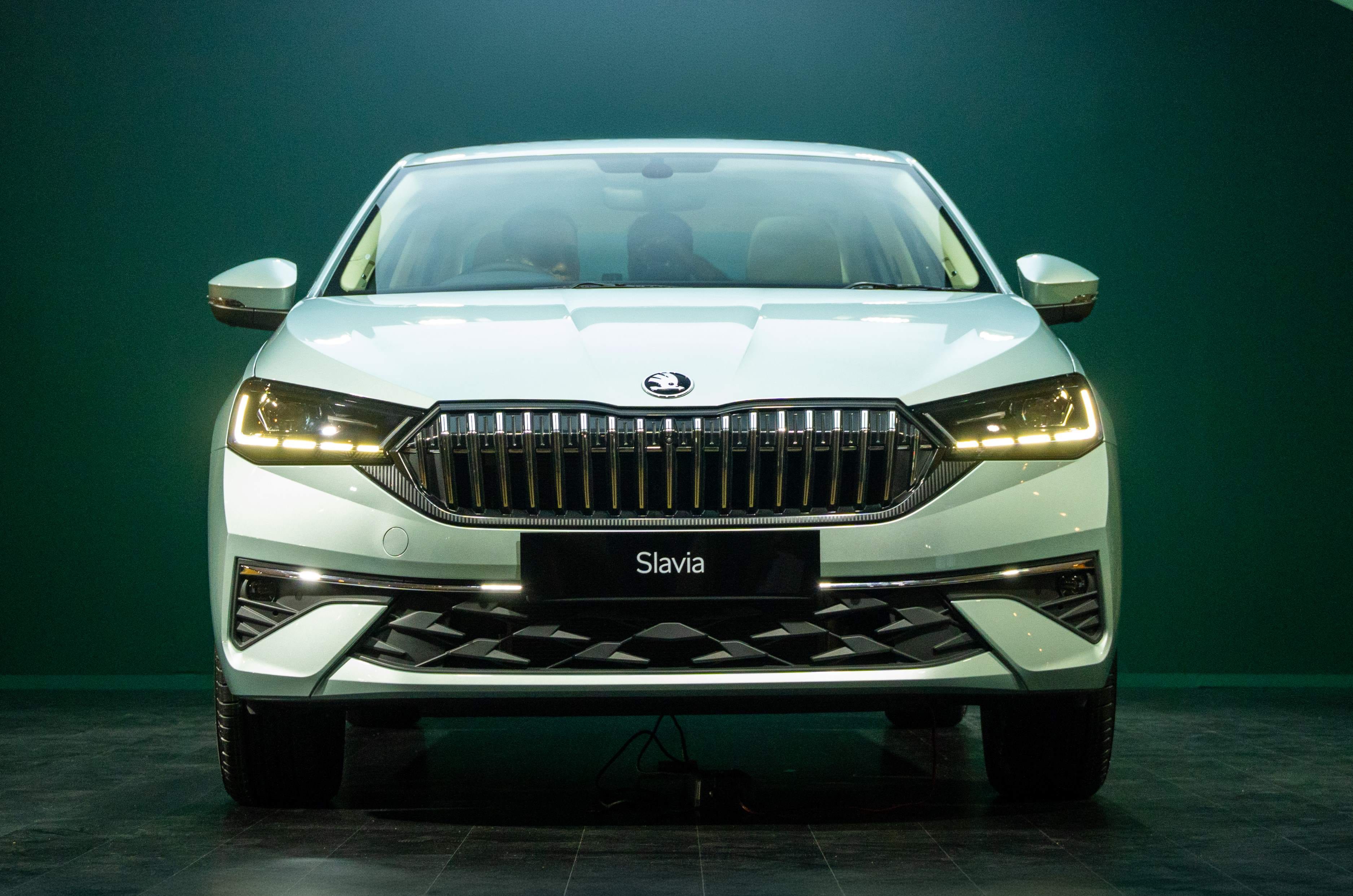
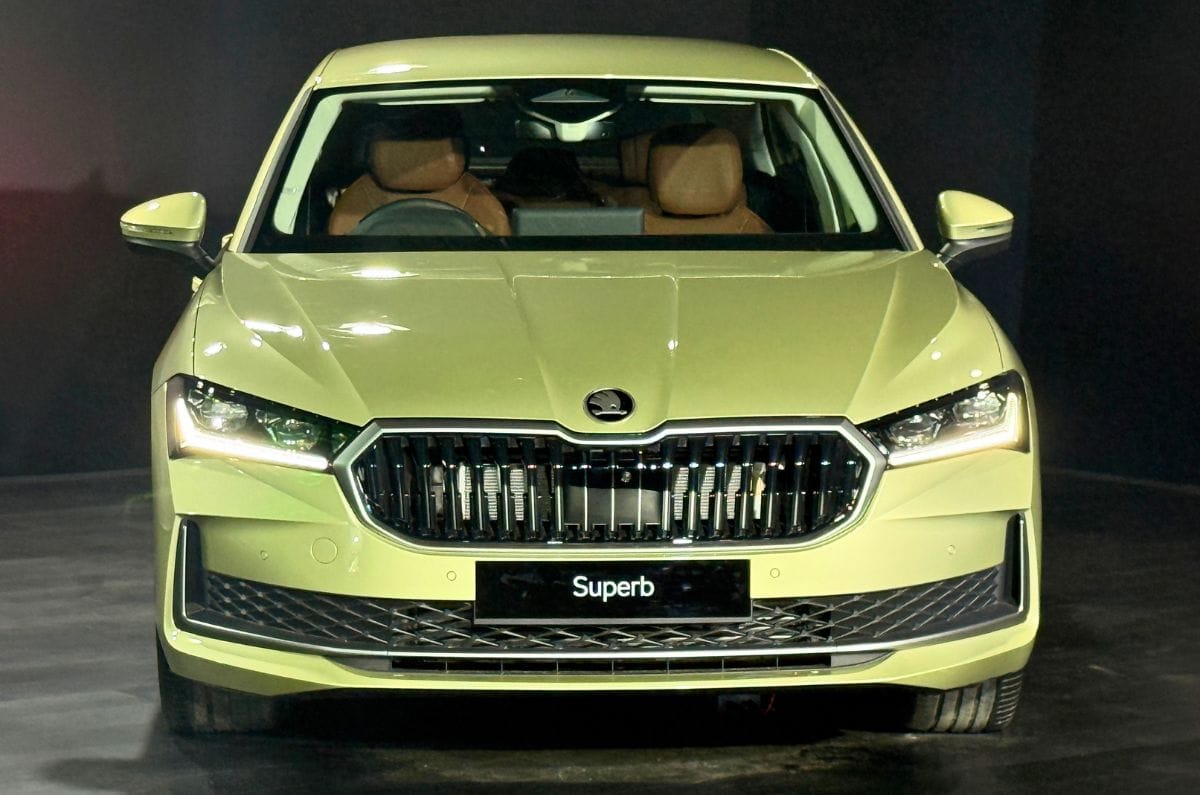
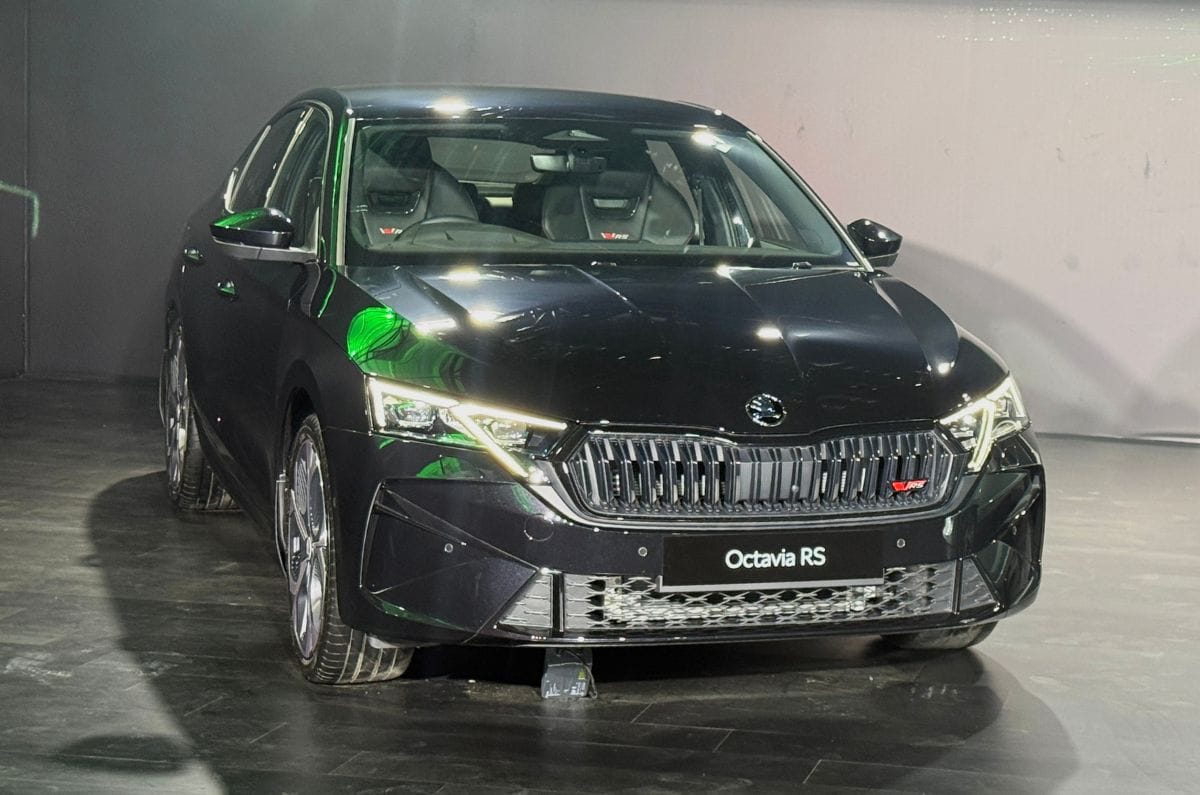
While it sells multiple SUV models, Skoda is the only mass-market automaker that has also remained steadfastly committed to the sedan body type. The Czech brand recently introduced three sedans all at the same event – something of a rarity in an otherwise SUV-dominated market. Skoda’s latest entrants in India include the Slavia facelift, the Superb diesel and the Octavia RS. While admitting to the market’s preference for SUVs over the last decade or so, Ashish Gupta, brand director at Skoda Auto India, also said, “If you look at it, sedans continue to be the quintessential car.”
Gupta says the charm of sedans hasn’t gone away
He cites a lack of focus in the segment by manufacturers
SUV saturation expected to work in favour of sedans
The Czech automaker thinks sedans are here to stay
Gupta believes the sedan body type will continue to make sense for the brand
The Superb nameplate arrived 90 years ago, with the line-up eventually including models such as the Octavia, Rapid and Slavia. “It’s been a long legacy of sedans for Skoda, with the sedan body style defining our brand not only globally but also in India,” said Gupta. The Slavia has been a successful model for the Czech brand in India. “The premium sedan segment in India right now is at around 4,000 to 4,500 units per month, with the Slavia making up nearly 30 percent of all sales in the segment. We are the torchbearers of that segment, and the Slavia facelift will have its role in the company’s India portfolio while also appealing to a wider customer set,” he added.
The Slavia occupies the mass-market sedan segment in India.
According to Gupta, the Slavia offers buyers a blend of performance and understated elegance. “There are good reasons the charm of a sedan hasn’t gone away. There’s the superior driving dynamics and pure elegance that sedans exude. One would love to arrive at an event in a sedan, or go for a fun drive during the weekend. So I think sedans will continue to have their fans and people who would still want to own one.”
However, the brand director isn’t expecting the segment to make a strong comeback in the near future. “I think the sedan segment will continue to remain a smaller part of the market – that much is very clear,” he remarked while citing the current trend in the industry. “Most of the new product launches and introductions are happening in the SUV segment and other body styles.” He thinks the growth potential is primarily hindered by automakers ignoring sedans and instead doubling down on SUVs. “We, as manufacturers, should take the responsibility for this, as we have not focused on the sedan segment.”
Gupta was quick to point out that Skoda is one of the few automakers worldwide that maintains a focus on the sedan space as well. “Perhaps we are among the few brands who still have a large sedan portfolio, which continues to do well.”
SUV saturation to help revive the sedan
Gupta expects the market to eventually reach a saturation point when it comes to SUVs
According to Gupta, the market will eventually grow tired of the SUV body type, making the case for sedans even stronger. He added that first-time buyers have been contributing to the sales numbers of sedans, while more demand is expected to come from families who want to own more than one car. “Sooner or later, families wanting to have multiple cars would like to have differentiated kind of cars. So that is an opportunity for the sedan and one which will continue to evolve in India as the market matures,” he explained.
Skoda sedans in India
The brand’s sedan line-up in India includes three models
The Superb is targeted at buyers who prioritise luxury over outright performance.
The Slavia remains the entry point into Skoda’s sedan portfolio in India and is the Volkswagen Virtus’s chief rival. However, VW only has this one sedan in its entire India portfolio. Meanwhile, Skoda is also planning to introduce a CNG option for the Slavia, which could interest buyers seeking premium features and lower running costs. Joining the line-up in 2027 will be the Superb diesel in its top-spec Laurin & Klement (L&K) trim – this will be Skoda’s first new diesel car in India since abandoning the powertrain type in 2020. The Superb occupies a space beneath the likes of the Mercedes-Benz C-Class and BMW 5 Series in India.
The sportier Octavia RS will continue to be for the enthusiast.
The Octavia RS is also returning to India, with deliveries expected around the upcoming festive season. It’ll once again arrive as a full import and will be limited to just 50 units this time. With the previous 100 units allocated for India reportedly selling out in 20 minutes, the second batch is likely to find takers just as easily. Gupta said customers who had shown genuine interest in the Octavia RS will be given early access. In all, Skoda will be able to cater to mass-market sedan buyers with the Slavia, premium sedan buyers with the Superb and driving enthusiasts with the Octavia RS.
Skoda and the upcoming India-EU FTA
Then there’s the upcoming India-EU Free Trade Agreement (FTA), which will have an impact on fully imported models such as the Superb. “The FTA has kind of given us a good choice between what makes better sense for us and for the market as well. The whole idea is to start deliveries towards Q2 of next year. We are hopeful that by that time, the contours of the FTA will be decided, and we will have clarity on what kind of duty structure to apply to our imported models,” said Gupta. The proposed reduction in import duties could make bringing in more batches from Skoda’s global portfolio to India easier, though Gupta expects currency fluctuations to have an impact on the final price.
In a rapidly evolving and diversifying market like India, Skoda’s lineup has strictly been limited to just petrol models until now, with petrol itself shrinking and currently making up less than 50 percent of the overall market. The Czech carmaker is now finally looking to diversify, having announced an aggressive CNG plan, a return to diesel with the Superb and also EVs, but in limited batches of fully imported models. However, a locally made EV is still crucially missing from the lineup. Autocar India understands that this gap is expected to finally be addressed in 2028 with a locally produced EV.
India-made Skoda EV details
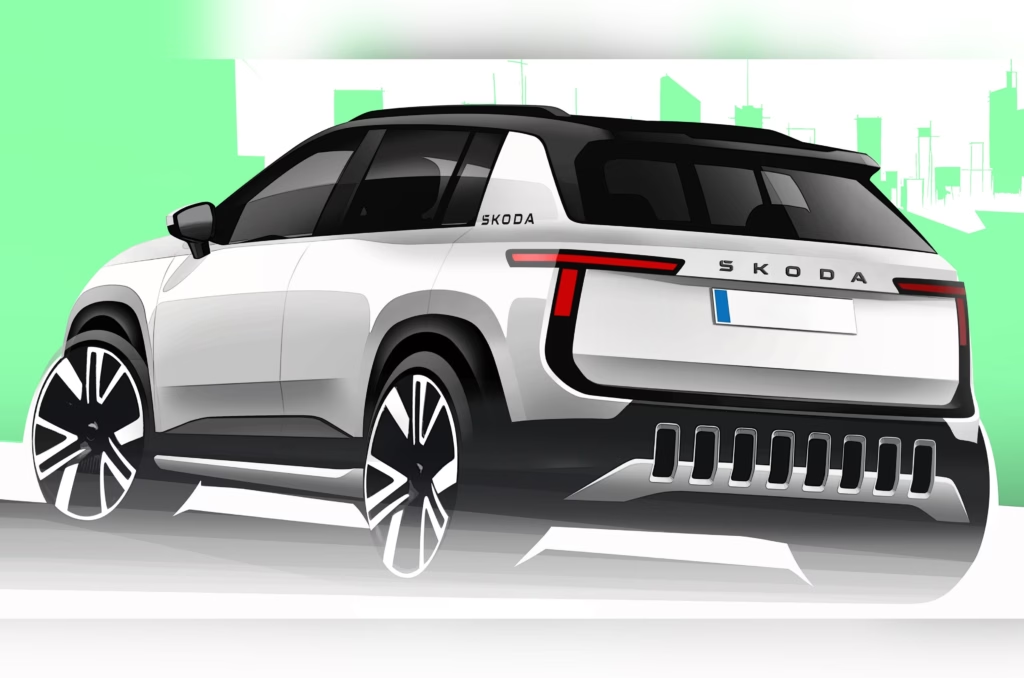
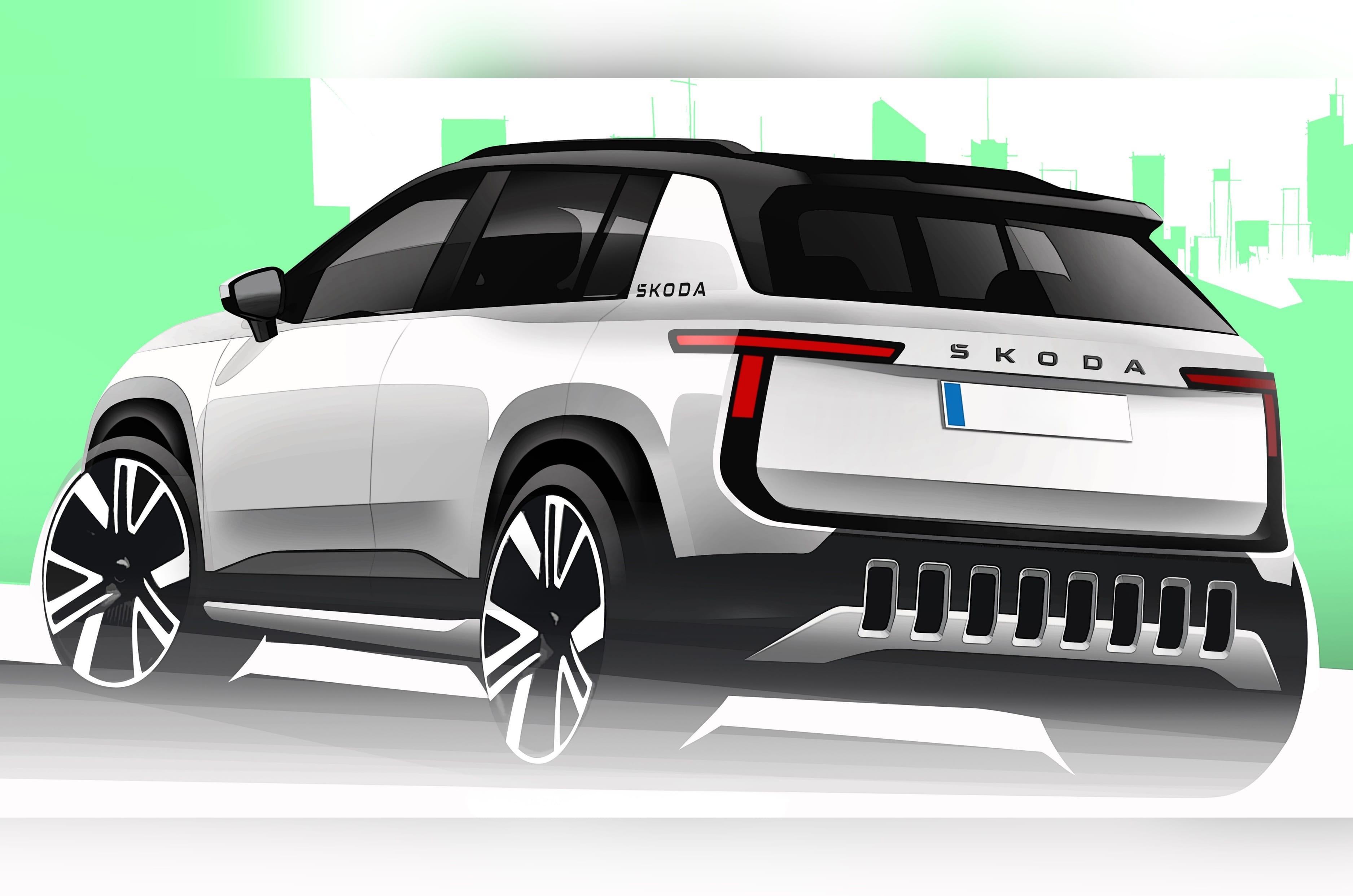
Having announced a fresh barrage of products, Skoda has now moved on to what it is internally referring to as the India 3.0 programme. The programme is expected to support a CNG-powered Kylaq in 2027 and two locally manufactured battery electric vehicles starting in 2028 – the first will be a 5-seater, followed by a 7-seater at a later stage.
“We know we have to do electric, so we are now thinking about what would be the best option for an electric car in India,” Martin Jahn, Skoda Auto board member for sales and marketing, told Autocar India on the sidelines of the updated Slavia’s launch.
While Jahn did not disclose specific details about the EVs, as we’ve reported previously, the EV programme is likely to use an adaptation of the Volkswagen Group’s China Main Platform, or CMP. The version being developed for India is referred to as the India Main Platform, or IMP, and will be tailored to local costs and market requirements.
The group intends to leverage an existing electric architecture while localising the platform, battery system and key components. A high level of localisation will be essential to price the models competitively in India’s mainstream EV market. Speaking to Autocar India, Skoda India brand director Ashish Gupta also acknowledges saying, “The volume EVs are going to come when there is localisation, and that is something which we are working on heavily.”
Where will the investment for the new EVs come from?
That’s the most important question, with new investment being key to designing, developing and engineering Skoda’s locally-made EVs. We understand the carmaker is close to finalising its next phase of investment in India. The company hasn’t officially disclosed the size or structure of the proposed investment, but sources say it could be around one billion euros.
Skoda is examining different ways to fund and execute the EV programme, including bringing in a strategic partner. As previously reported, Skoda Auto Volkswagen India is in the final stages of discussions for an alliance with the JSW Group. The proposed structure is likely to give the Indian conglomerate a majority stake and bring in the much-needed capital for the EV programme.
The discussions have yet to reach a formal conclusion, and the final structure and scope of the proposed alliance are still to be announced. Skoda Auto Volkswagen India is also examining other funding routes if the partnership does not materialise.
Maruti Suzuki is slated to launch the Baleno facelift on September 5, 2026. This will be the first update to the second-gen Baleno, which was introduced in 2022. Ahead of its arrival, here’s everything you can expect from the facelift of Maruti’s premium hatchback.
1. What exterior updates are expected on the Maruti Baleno facelift?
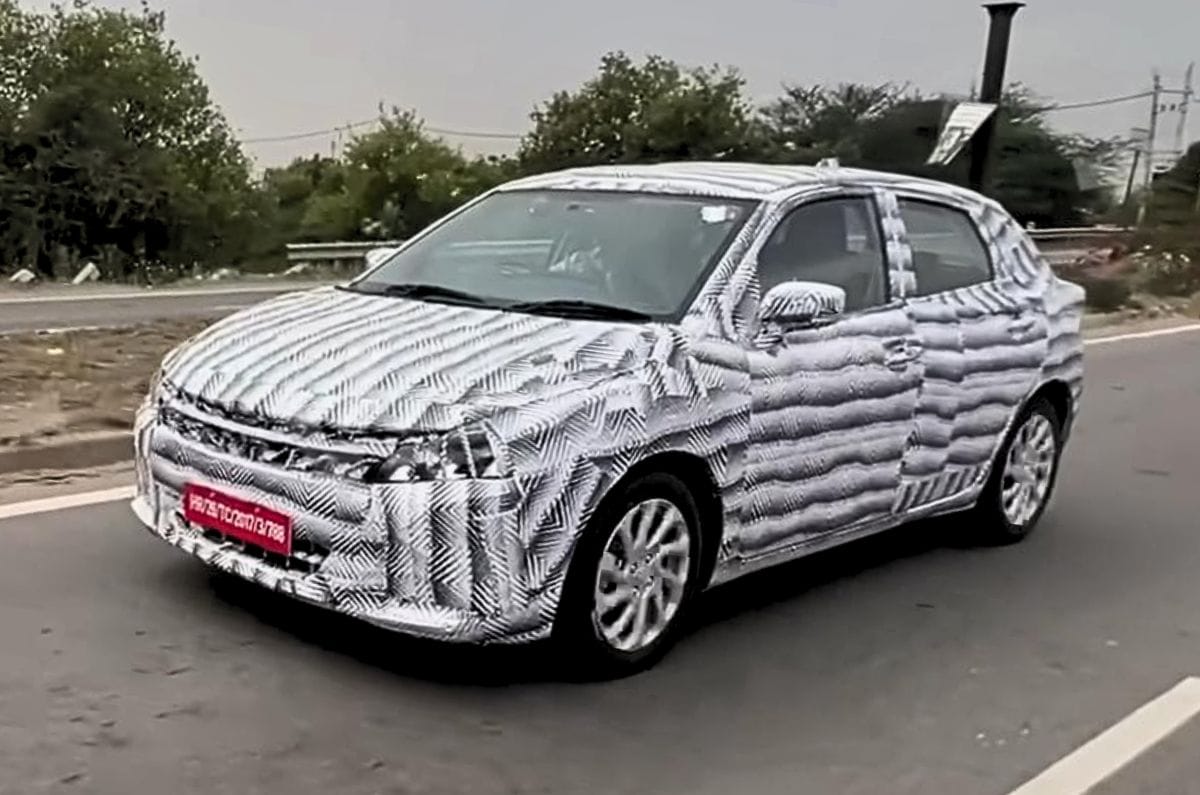
Credit: Harsh Vlogs via YouTube
Heavily camouflaged prototypes of the upcoming Baleno facelift have been spied previously on our roads. Test mules hint at what the Baleno facelift could get in terms of design. While the overall silhouette will remain the same, the facelift is likely to have revisions to the grille, bumpers, and alloy wheels.
2. What interior updates are expected on the Maruti Baleno facelift?
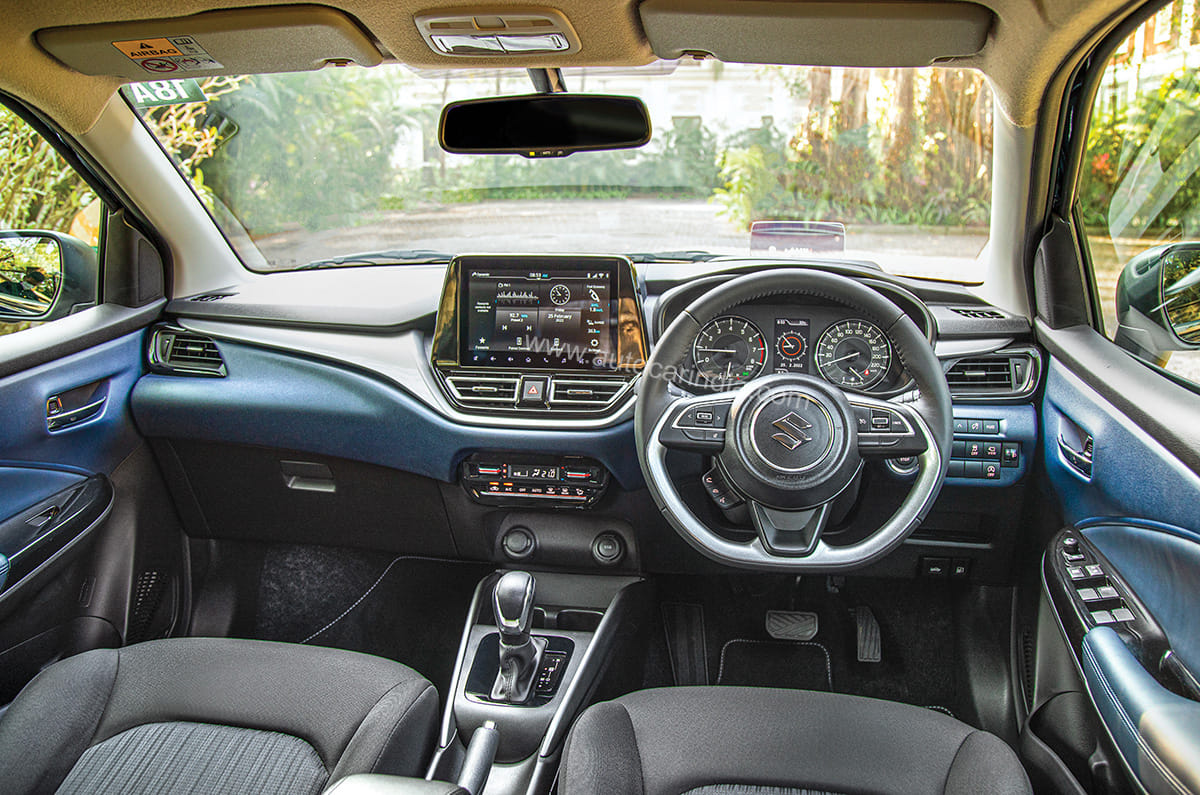
Current Maruti Baleno interior used for representation.
On the inside, the Baleno facelift is expected to retain the cabin layout of the current model. This includes a layered dashboard look with a freestanding infotainment system sitting atop the dash, trapezoidal AC vents, physical knobs for HVAC controls and a flat-bottom steering wheel. However, Maruti could introduce updated trim materials, seat upholstery and a new colour scheme.
3. What features will the Maruti Baleno facelift get?
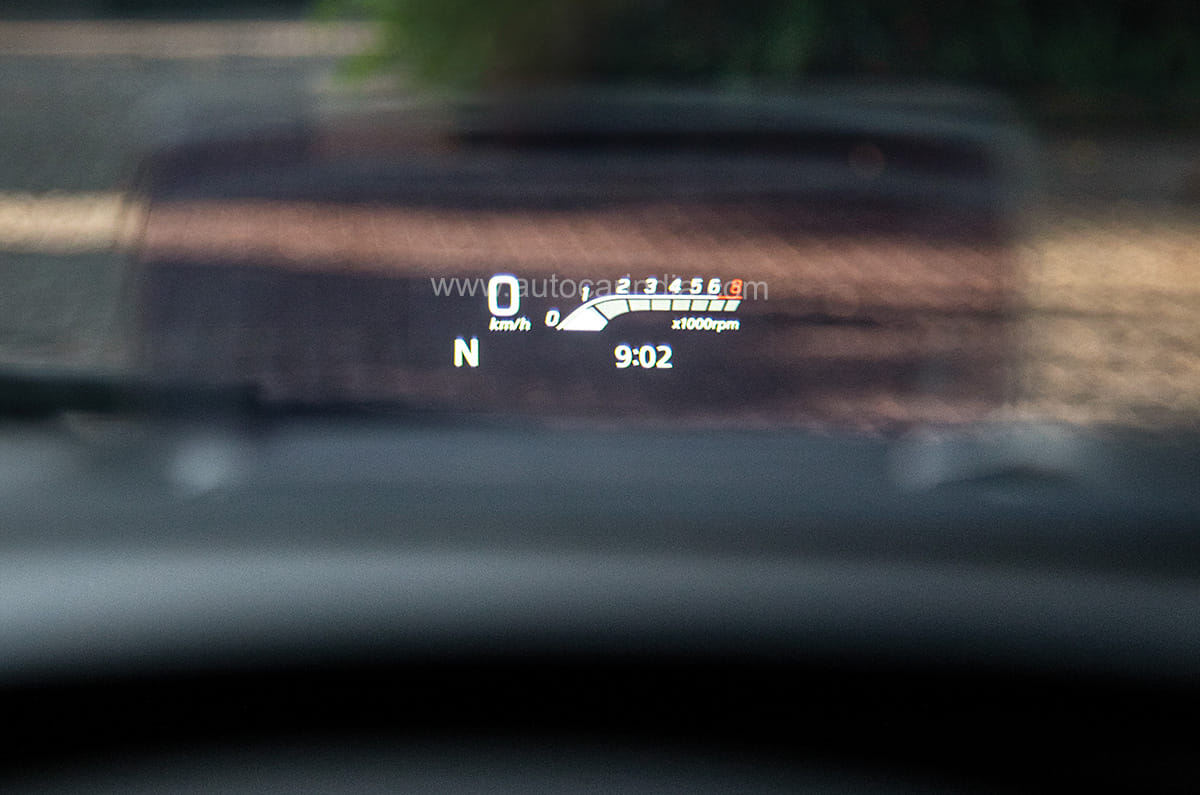
Current Baleno’s head-up display used for representation.
With the facelift, Maruti is expected to equip the Baleno with a single-pane sunroof and ambient lighting, features that rivals already offer. On the other hand, it will retain features from the current version, which include a 9-inch infotainment system with Apple CarPlay and Android Auto, a head-up display (HUD), 6-speaker Arkamys audio system, voice assistant, OTA updates, auto-dimming IRVM, keyless entry, automatic climate control, connected car tech and a 360-degree camera.
4. What powertrain options is the Maruti Baleno facelift expected to have?
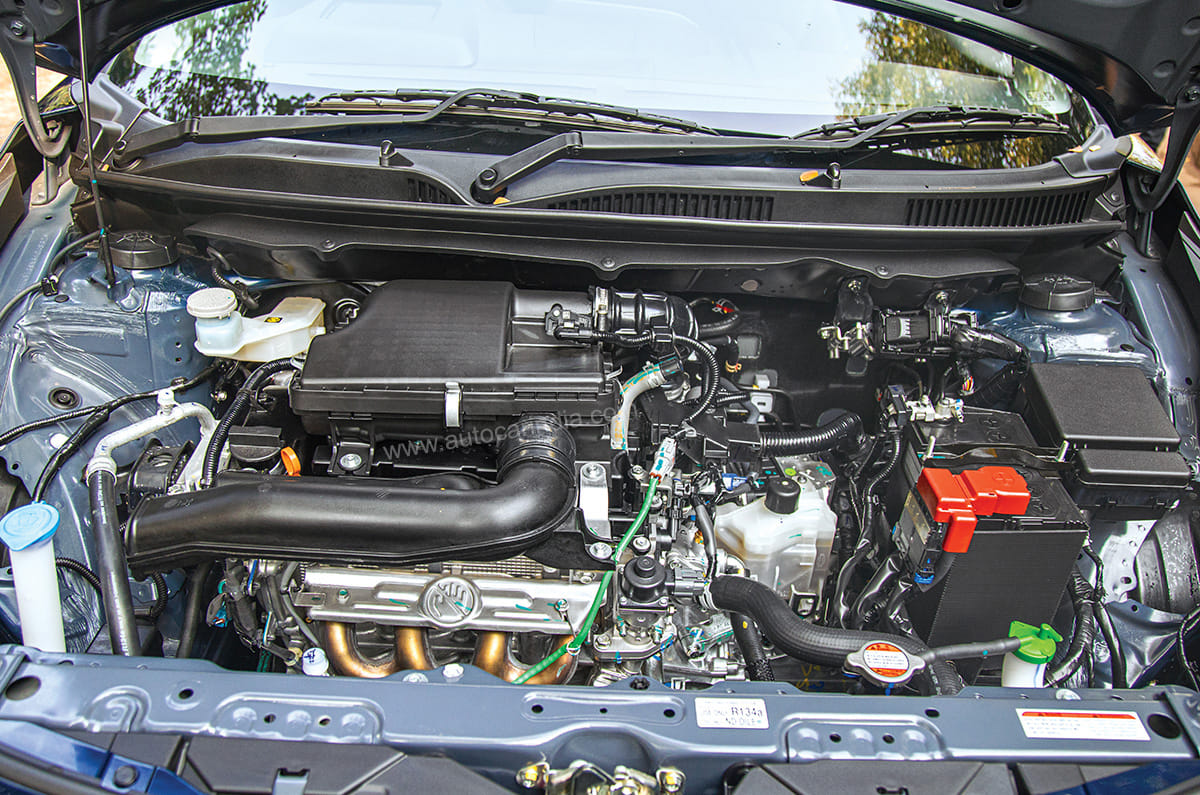
Current Maruti Baleno 1.2-litre engine used for representation
The Maruti Baleno facelift is expected to retain the current version’s powertrain option. This includes a 1.2-litre naturally aspirated petrol engine developing 90hp and 113Nm paired to either a 5-speed manual or AMT gearbox. A factory-fitted CNG kit can be paired to this engine, which develops 78hp and 99Nm in CNG mode, and is paired solely with a 5-speed manual.
5. What is the expected price of the Maruti Baleno facelift?
Updates to the Baleno facelift are expected to make it slightly pricier than the current version. For reference, the Baleno currently has a price tag of Rs 5.99 lakh to Rs 9.48 lakh (ex-showroom). It will take on the likes of the Hyundai i20, Tata Altroz and the Toyota Glanza.
Delhi CNG Blast incident: बाहरी दिल्ली के टिकरी कलां क्षेत्र में बुधवार (19 अगस्त) को एक सीएनजी स्टेशन पर गैस भरते समय एक ट्रक का गैस सिलेंडर फटने से तीन लोगों की मौत हो गई। जबकि तीन अन्य गंभीर रूप से झुलस गए। दिल्ली पुलिस ने बताया कि तीनों मृतक सीएनजी स्टेशन के कर्मचारी हैं। टिकरी कलां मेट्रो स्टेशन के पास स्थित CNG पंप पर ट्रक के CNG सिलेंडर में जोरदार धमाका होने से हड़कंप मच गया।
फायर सर्विस (DFS) के एक अधिकारी ने न्यूज एजेंसी पीटीआई को बताया कि बुधवार दोपहर 3.37 बजे इस घटना की सूचना मिली, जिसके बाद दमकल की छह गाड़ियों को मौके पर भेजा गया। अधिकारी ने कहा कि ट्रक के आसपास खड़े छह लोग विस्फोट की चपेट में आ गए।
पुलिस के मुताबिक, जोरदार धमाके में मनीष की मौके पर ही मौत हो गई। जबकि सन्नी और चार अन्य लोगों को पास के एक अस्पताल ले जाया गया। यहां इलाज के दौरान सन्नी की मौत हो गई। एक वरिष्ठ पुलिस अधिकारी ने बताया कि तीसरे मृतक की पहचान की जा रही है। अधिकारी ने बताया कि तीन घायलों की हालत गंभीर है। पुलिस ने कहा कि विस्फोट के सटीक कारण का तुरंत पता नहीं चल पाया है।
धमाके की असल वजह का अभी पता नहीं चल पाया है और मामले की जांच चल रही है। फायर सर्विस के एक अधिकारी के मुताबिक, इस घटना से इलाके में अफरातफरी मच गई। फायर सर्विस के कर्मचारियों ने मौके पर जरूरी एहतियाती कदम उठाए। उन्होंने कहा कि फिलहाल स्थिति नियंत्रण में है। मामले में आगे की जांच जारी है। खबर लिखे जाने तक किसी की हिरासत या गिरफ्तारी की खबर सामने नहीं आई है।
दिल्ली में अवैध रूप से रह रहा पाकिस्तानी नागरिक गिरफ्तार
इस बीच, खबर है कि राष्ट्रीय राजधानी में अवैध रूप से रहने के आरोप में पुलिस ने पुरानी दिल्ली से एक पाकिस्तानी नागरिक को हिरासत में लिया है। सूत्रों के मुताबिक, यह शख्स नेपाल के रास्ते भारत में दाखिल हुआ था और दिल्ली में एक रेस्तरां में काम कर रहा था। उसे 15 अगस्त को हिरासत में लिया गया था। सूत्र ने पीटीआई को बताया, “व्यक्ति की मां मूल रूप से दिल्ली की थीं। लेकिन उन्होंने एक पाकिस्तानी नागरिक से शादी की थी और बाद में पाकिस्तानी नागरिकता ले ली थी।”
उन्होंने बताया कि आरोपी की पृष्ठभूमि और गतिविधियों का पता लगाने के लिए दिल्ली पुलिस और केंद्रीय एजेंसियों ने उससे लंबी पूछताछ की। सूत्रों के मुताबिक, अब तक की पूछताछ में कोई आतंकी कोण सामने नहीं आया है। सूत्रों ने बताया कि पूछताछ के बाद उस व्यक्ति को फॉरेनर्स रीजनल रजिस्ट्रेशन ऑफिस (FRRO) को सौंप दिया गया। वहां उसे पाकिस्तान वापस भेजने की प्रक्रिया शुरू कर दी गई है।
City Gas Distribution Stocks : PNG इन्सेंटिव स्कीम की मंजूरी से सिटी गैस डिस्ट्रिब्यूशन शेयरों में जोश देखने को मिल रहा है। आज अदाणी गैस,IGL और महानगर गैस जैसे शेयरों में 3-5 फीसदी तक की तेजी आई है। NSE पर IGL के शेयरों में सबसे ज़्यादा बढ़ोतरी हुई और यह 4.30% तक चढ़ गया। वहीं,MGL के शेयर में 3.74% की तेजी आई। अदाणी टोटल गैस के शेयरों में भी 2.36 फीसदी की तेजी देखने को मिली है।
नई PNG इंसेंटिव स्कीम 1 सितंबर से लागू होगी। इस स्कीम के तहत नए घरेलू PNG कनेक्शन पर सिटी गैस डिस्ट्रीब्यूशन कंपनियों(CGDs )को इंसेंटिव मिलेगा। कंपनियों को इंसेंटिव के तौर पर सस्ती APM गैस मिलेगी। नए कनेक्शन पर 200 SCM अतिरिक्त APM गैस मिलेगी। यह स्कीम 6 महीने की अवधि में 2 चरणों में लागू होगी। PNG कनेक्शन पर CGDs का पेबैक पीरियड घटेगा। पेबैक पीरियड 10 साल से घटाकर 3 साल हो सकता है। केंद्र का राज्यों से नेचुरल गैस पर VAT 5% लाने पर जोर है। PNG को सस्ता बनाने के लिए राज्यों से यह कहा गया है कि वे नेचुरल गैस पर लगने वाले VAT को घटाकर 5% कर दें। सरकार ने बताया कि कई राज्यों ने पहले ही नेचुरल गैस पर VAT कम कर दिया है।
सरकार ने घरों में PNG कनेक्शन बढ़ाने के लिए यह इंसेंटिव स्कीम शुरू की है। इसका मकसद पूरे भारत में ज्यादा से ज्यादा उपभोक्ताओं तक खाना पकाने के लिए साफ और सस्ता ईंधन पहुंचाना है। भारत दुनिया का दूसरा सबसे बड़ा लिक्विफाइड पेट्रोलियम गैस (LPG) इंपोर्टर है। देश में मिडिल ईस्ट में चल रही जंग की वजह से पैदा हुए कुकिंग गैस संकट को देखते हुए गैस के डिस्ट्रीब्यूशन नेटवर्क की कमियों को दूर करने और पाइप वाली गैस की ओर तेज़ी से बढ़ने के लिए कोशिशें तेज हो गई हैं, जिससे कि LPG इंपोर्ट और सब्सिडी पर होने वाले खर्च को कम किया जा सके।
सितंबर से लागू होने वाली इस इंसेंटिव स्कीम के तहत,शहरों में गैस बांटने वाली कंपनियों को हर उस घर के लिए 200 स्टैंडर्ड क्यूबिक मीटर अतिरिक्त सस्ती और घरेलू स्तर पर बनी गैस मिलेगी,जिसे वे पाइप वाली नेचुरल गैस (PNG) से जोड़ेंगी और जो इसका इस्तेमाल करके इसके लिए पेमेंट करना शुरू करेगा।
पेट्रोलियम और प्राकृतिक गैस मंत्रालय ने कहा कि यह योजना शहर में गैस डिस्ट्रीब्यूटर्स को बेकार पड़े पाइप कनेक्शन को चालू करने और भुगतान करने वाले ग्राहकों में बदलने और नए घरों तक पाइपलाइन नेटवर्क का विस्तार करने के लिए प्रोत्साहित करेगी।
सरकार ने कहा कि इस अतिरिक्त गैस से गैस खरीदने की कुल लागत कम होगी। साथ ही,इससे डिस्ट्रीब्यूटर्स को नए कनेक्शन पर किए गए निवेश को जल्दी वसूलने में मदद मिलने की भी उम्मीद है। इसमें अब लगभग तीन साल लगेंगे,जबकि अभी इसमें करीब 10 साल लगते हैं।
गौरतलब है कि मिडिल ईस्ट में लड़ाई शुरू होने के बाद से इंद्रप्रस्थ गैस,महानगर गैस,गेल (GAIL) और भारत पेट्रोलियम कॉर्प जैसी सप्लायर कंपनियों ने पाइप वाली गैस कनेक्शन के इंस्टॉलेशन चार्ज में कटौती जैसे इंसेंटिव दिए हैं।
सरकार ने मंगलवार को बताया कि भारत में अभी लगभग 1.74 करोड़ घरेलू PNG कनेक्शन हैं। इसकी तुलना में,1 जुलाई तक लगभग 33.14 करोड़ एक्टिव घरेलू LPG ग्राहक थे।
भारत अपनी LPG जरूरत का लगभग 60% हिस्सा आयात से पूरी करता है। 2025 में लगभग 22 मिलियन मीट्रिक टन LPG का आयात किया गया। इसमें से अधिकांश आयात मिडिल ईस्ट से हुआ। इसके लिए लगभग 12 अरब डॉलर खर्च किए गए।
सरकार का कहना है कि उसके इस कदम से होने वाली बचत घरेलू PNG कनेक्शन पर किए गए कैपिटल खर्च की भरपाई की अवधि (पेबैक पीरियड) को लगभग 10 साल से घटाकर करीब तीन साल कर सकती है। इस कदम से सिटी गैस डिस्ट्रीब्यूशन (CGD) कंपनियों को घरों में PNG कनेक्शन के विस्तार में तेजी लाने के लिए मजबूत वित्तीय प्रोत्साहन मिलेगा।