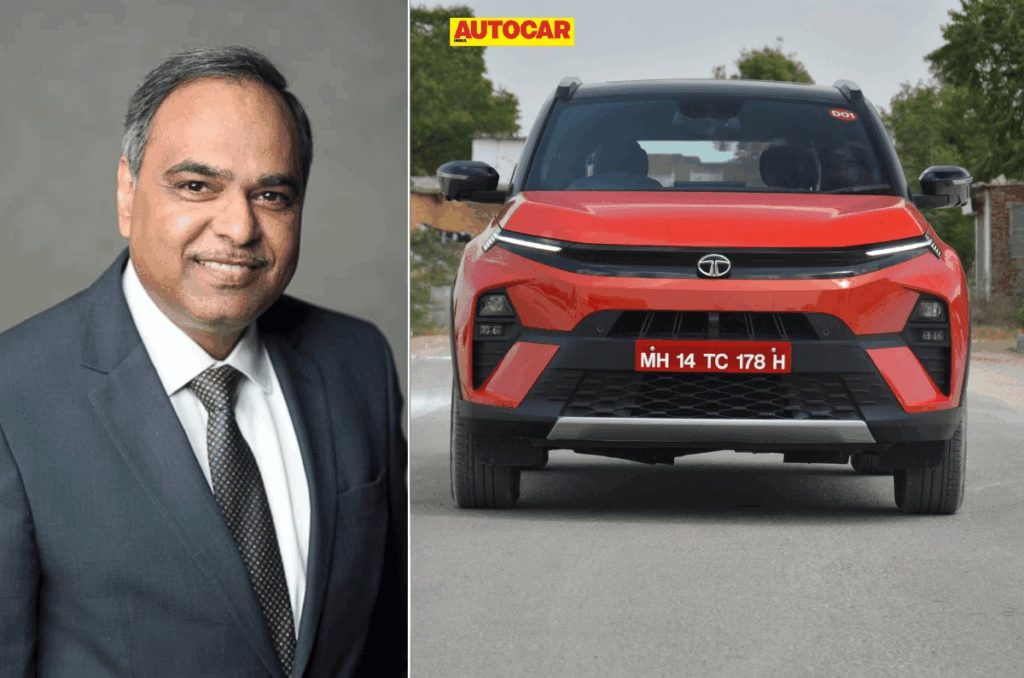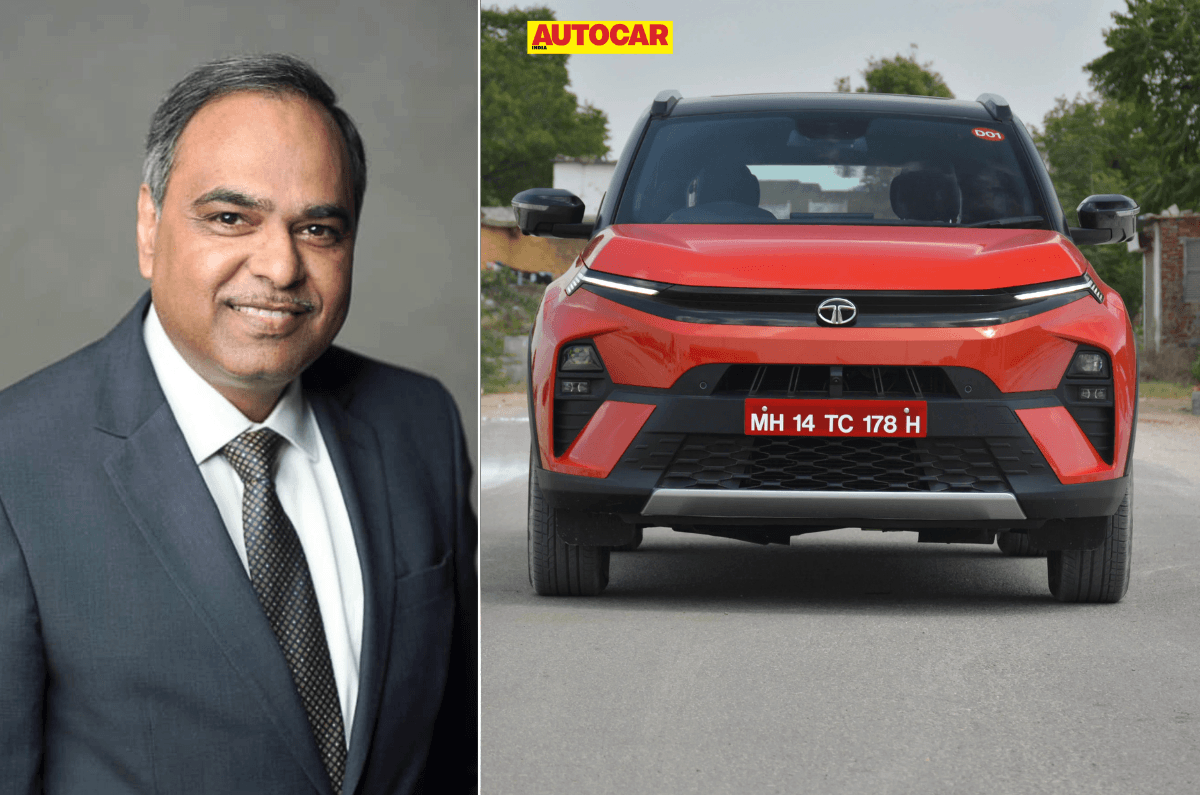
Prospective EV buyers headed to a Tata Motors dealership will be offered a variety of benefits in August 2026. Depending on the model and variant, benefits available include cash discounts, exchange offers, plus scrappage and loyalty incentives. Tata’s August 2026 discounts do not include the Tigor EV and Sierra EV, while the Nexon EV gets the lowest benefits this month. The offers mentioned here will be valid till August 31, 2026.
Disclaimer: Offers/benefits may vary by city and are subject to stock availability. Buyers are advised to check with their local dealer for exact figures.
Curvv EV gets highest discounts; Nexon EV gets least
Tata is offering select variants of the Curvv EV with exchange benefits worth Rs 30,000 or scrappage incentives of Rs 35,000. Existing Tata customers opting for a new Curvv X series, switching from either an ICE (internal combustion engine) or EV (electric vehicle) model are also offered with loyalty benefits of Rs 30,000. In all, customers of the Curvv EV X variants can avail discounts up to Rs 65,000.
Those going for a non-X trim of the Tata Curvv EV can avail maximum benefits of up to Rs 3.35 lakh. This is made possible by a cash discount of Rs 3 lakh, plus scrappage incentives of Rs 35,000. These exchanges/scrappage schemes aside, buyers of the Curvv EV Creative trim will be offered with a cash discount of Rs 2.50 lakh – taking the overall discount to Rs 2.85 lakh.
Tata Harrier EV offers in August 2026
Benefits up to Rs 2.75 lakh
Buyers opting for the Adventure, Fearless+ or Empowered trims of the Harrier EV will be offered an exchange bonus of Rs 50,000 or a scrappage incentive worth Rs 75,000. There are loyalty benefits of Rs 50,000 for those moving from an existing Tata ICE model to a new Tata EV, with existing Tata EV owner moving to a new fully electric model being offered Rs 1 lakh.
Tata is also offering customers the ‘Freedom Offer’ this August. It discounts the price of the Harrier EV Adventure trim by an additional Rs 75,000 and by Rs 1 lakh for the Harrier EV’s Fearless+ and Empowered trims. In total, the former is available with benefits of up to Rs 2.50 lakh this August, while the other two can be had with discounts of up to Rs 2.75 lakh.
Tata Punch EV offers in August 2026
Benefits up to Rs 1.45 lakh
Select variants of the Punch EV Medium Range, Long Range, and Smart variants are available this August with an exchange bonus of Rs 30,000 or a scrappage benefit of Rs 35,000. Additionally, cash discounts on the Medium Range is Rs 90,000 and that on the Long Range is Rs 1.10 lakh – overall benefits for the Punch EV Medium Range and Long Range are Rs 1.25 lakh and Rs 1.45 lakh, respectively. Meanwhile, the Smart trim is available with a cash discount of Rs 60,000, with total discounts amounting to up to Rs 95,000.
Tata Tiago EV offers in August 2026
Benefits up to Rs 1.45 lakh
Like the Punch EV, the Tata Tiago EV is also available with August 2026 benefits amounting to up to Rs 1.45 lakh. However, this is only applicable to the LR (Long Range) XT variant of the old model – combining a cash discount of Rs 70,000 and the ‘Freedom Offer’ worth Rs 50,000. Customers can also avail an exchange benefit of Rs 20,000 or a scrappage bonus of Rs 25,000.
The exchange/scrappage benefits are offered with select trims of the Tiago EV MR (Medium Range) and LR (Long Range) variants, too. The former’s total benefits amount to Rs 65,000, whilst the latter’s is Rs 1.25 lakh.
Tata Nexon EV offers in August 2026
Benefits up to Rs 45,000
The Tata Nexon EV is available with benefits of up to Rs 45,000 in August 2026. This takes into account a cash discount of Rs 10,000, a scrappage scheme worth Rs 35,000, or an exchange bonus worth Rs 25,000.
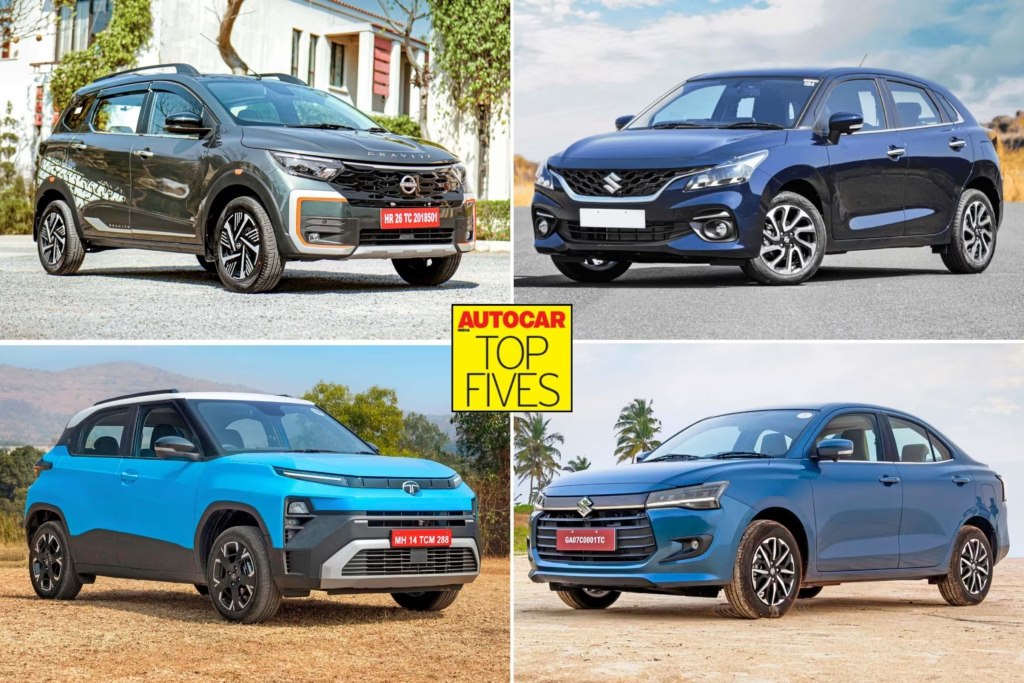
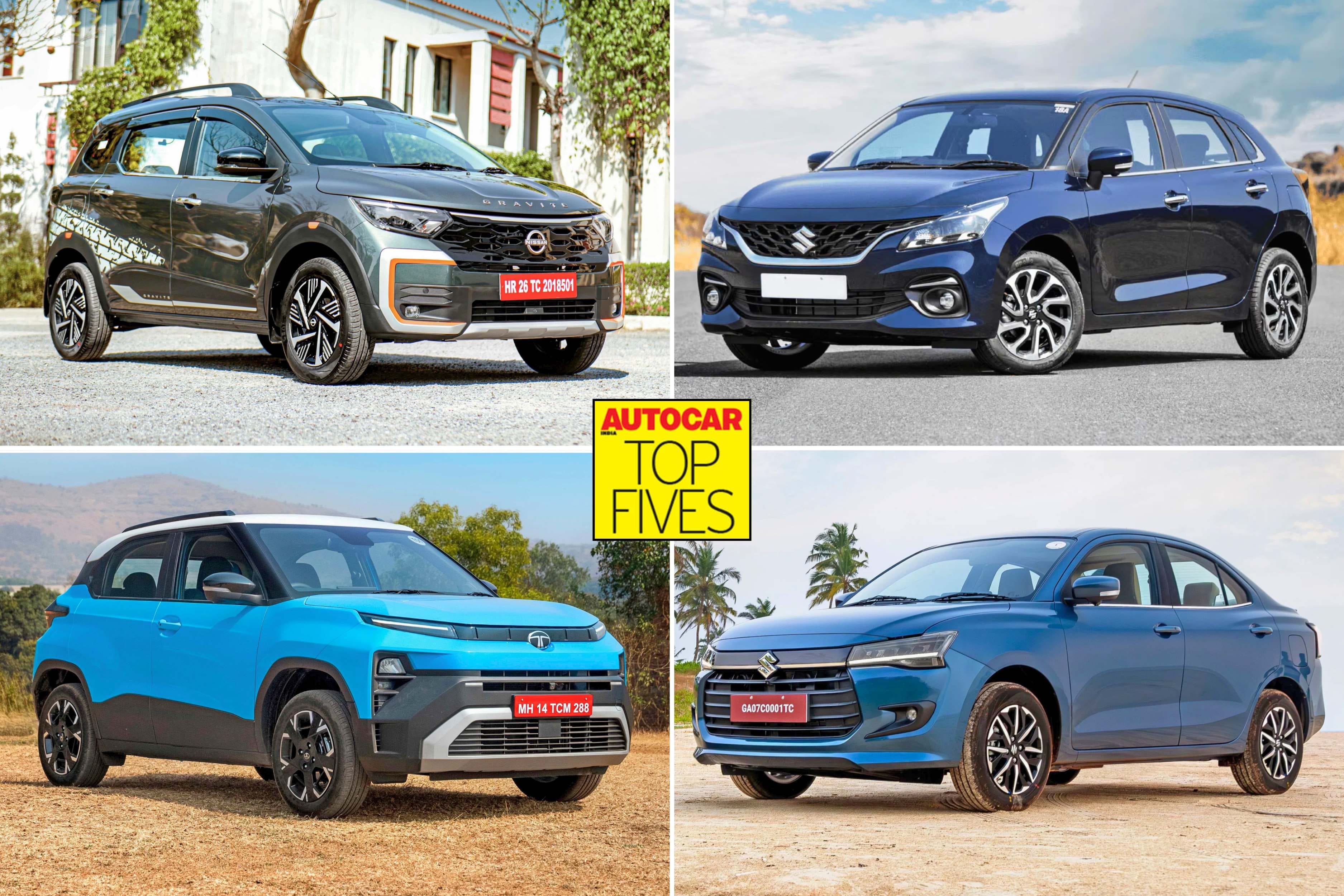
July 2026 was a strong month for India’s passenger vehicle industry, with most carmakers reporting healthy month-on-month gains. Maruti Suzuki strengthened its lead at the top, with domestic passenger vehicle sales approaching the 2 lakh-unit mark, while Tata Motors retained second place, narrowly ahead of Mahindra. Hyundai rebounded strongly from a fire disruption at a supplier that affected June production to remain fourth, with Toyota rounding out the top five in the monthly sales.
July 2026 carmaker-wise sales in India
Carmaker
July 2026 sales
June 2026 sales
MoM change (%)
July 2025 sales
YoY change (%)
Maruti Suzuki
1,96,203
1,47,187
33.30
1,37,776
42.41
Tata
62,611
62,076
0.86
39,521
58.42
Mahindra
60,048
60,393
-0.57
49,871
20.41
Hyundai
54,210
39,635
36.77
43,966
23.30
Toyota
30,516
28,441
7.30
29,159
4.65
Kia
28,200
24,552
14.86
22,135
27.40
MG
8,158
7,568
7.80
6,687
22
Nissan
4,518
3,006
50.30
1,421
218
Maruti Suzuki July 2026 sales
Sales: 196,203 units, Change: 42.4 percent YoY
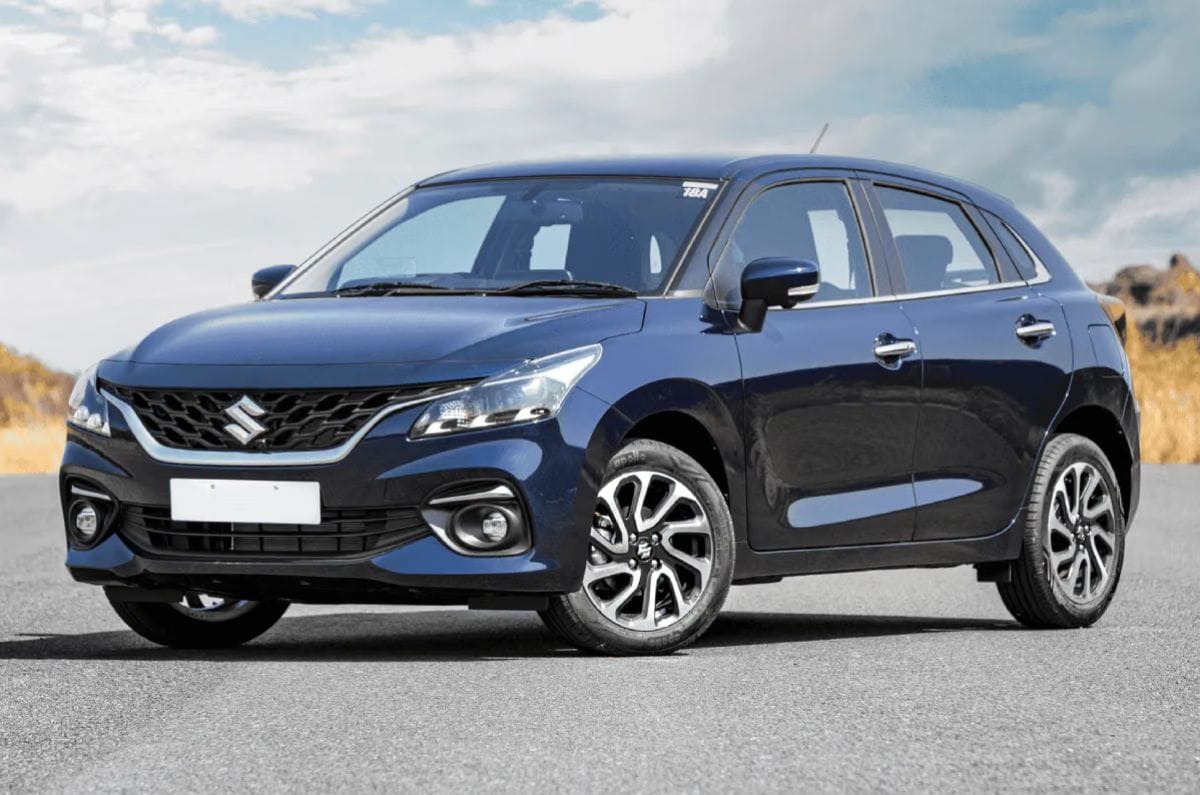
Maruti Suzuki retained its position as India’s largest carmaker in July, with domestic passenger vehicle sales rising to 196,203 units from 147,187 units in June. Utility vehicles, including the Brezza, Ertiga, e Vitara, Fronx, Grand Vitara, Invicto, Jimny, Victoris and XL6, contributed 78,851 units, while the compact and mid-size segment, led by the Baleno, Swift, Dzire and WagonR, remained the company’s largest volume driver with 90,822 units. Mini cars, comprising the Alto and S-Presso, added another 12,634 units.
Tata Motors July 2026 sales
Sales: 62,611 units, Change: 58 percent YoY
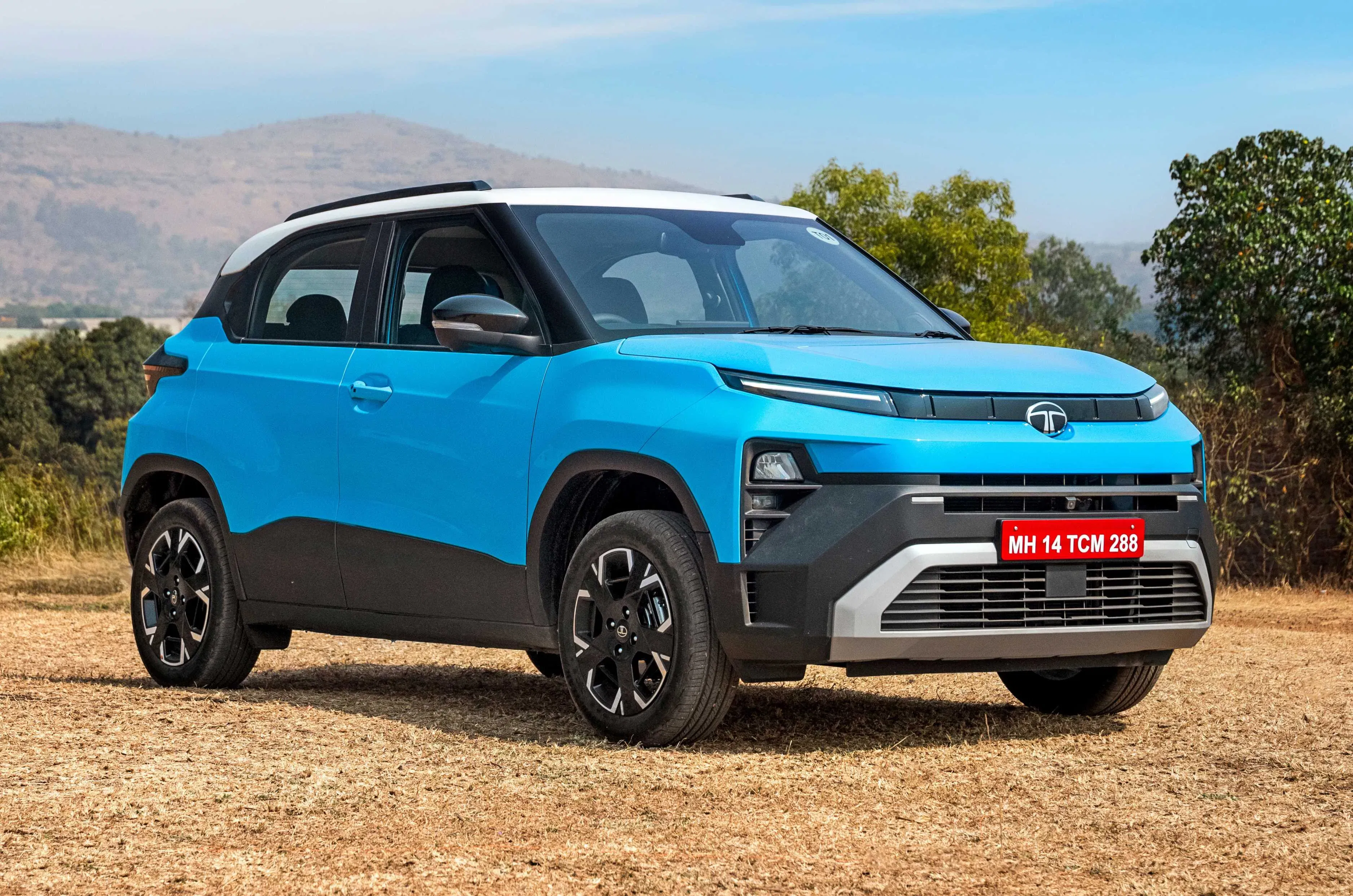
Tata Motors sold 62,611 passenger vehicles in the domestic market in July, marginally higher than the 62,076 units recorded in June, despite temporary production disruptions at its Sanand plant due to heavy rainfall and flooding. The Punch recorded its highest-ever monthly sales, reinforcing its position as one of the company’s best-selling SUVs, while Tata’s EV portfolio crossed 15,000 monthly wholesales for the first time.
Mahindra July 2026 sales
Sales: 60,048 units, Change: 20 percent YoY
Mahindra sold 60,048 SUVs in the domestic market in July, almost unchanged from the 60,393 units it sold in June. The expected launch of the updated Scorpio N in August could help boost sales and provide fresh momentum as the company heads into the festive season.
Hyundai July 2026 sales
Sales: 54,210 units, Change: 23.3 percent YoY
Hyundai recorded its highest-ever domestic sales for the month of July, selling 54,210 units, a sharp recovery from 39,635 units in June after a fire at a supplier’s facility disrupted production. The Creta led the growth with 18,088 units, its best monthly performance in CY26, while the i20 also posted its highest monthly sales in CY26 at 6,738 units, highlighting renewed momentum across both Hyundai’s SUV and hatchback portfolios.
Toyota July 2026 sales
Sales: 30,516 units, Change: 5 percent YoY
Toyota Kirloskar Motor reported domestic sales of 30,516 units in July, up from 28,441 units in June, with the Innova Hycross, Urban Cruiser Hyryder and Glanza continuing to drive volumes. Cumulative domestic dispatches for the January-July period rose 13 percent year-on-year to 233,854 units, while sales during the first four months of FY2027 (April-July) increased 8 percent to 128,746 units.
Kia July 2026 sales
Sales: 28,200 units, Change: 27.4 percent YoY
Kia recorded its highest-ever July wholesale volume, dispatching 28,200 units, up from 24,552 units in June. The Seltos remained Kia’s best-selling model, averaging more than 10,000 units a month since the start of the year, while the recently launched Syros EV has also garnered strong initial bookings.
MG July 2026 sales
Sales: 8,158 units, Change: 22 percent YoY
JSW MG Motor India recorded its highest-ever monthly wholesales for the second consecutive month in July, dispatching 8,158 units, up from 7,568 units in June. Electric vehicles accounted for more than 80 percent of total volumes, marking their strongest monthly performance yet.
Nissan July 2026 sales
Sales: 4,518 units, Change: 218 percent YoY
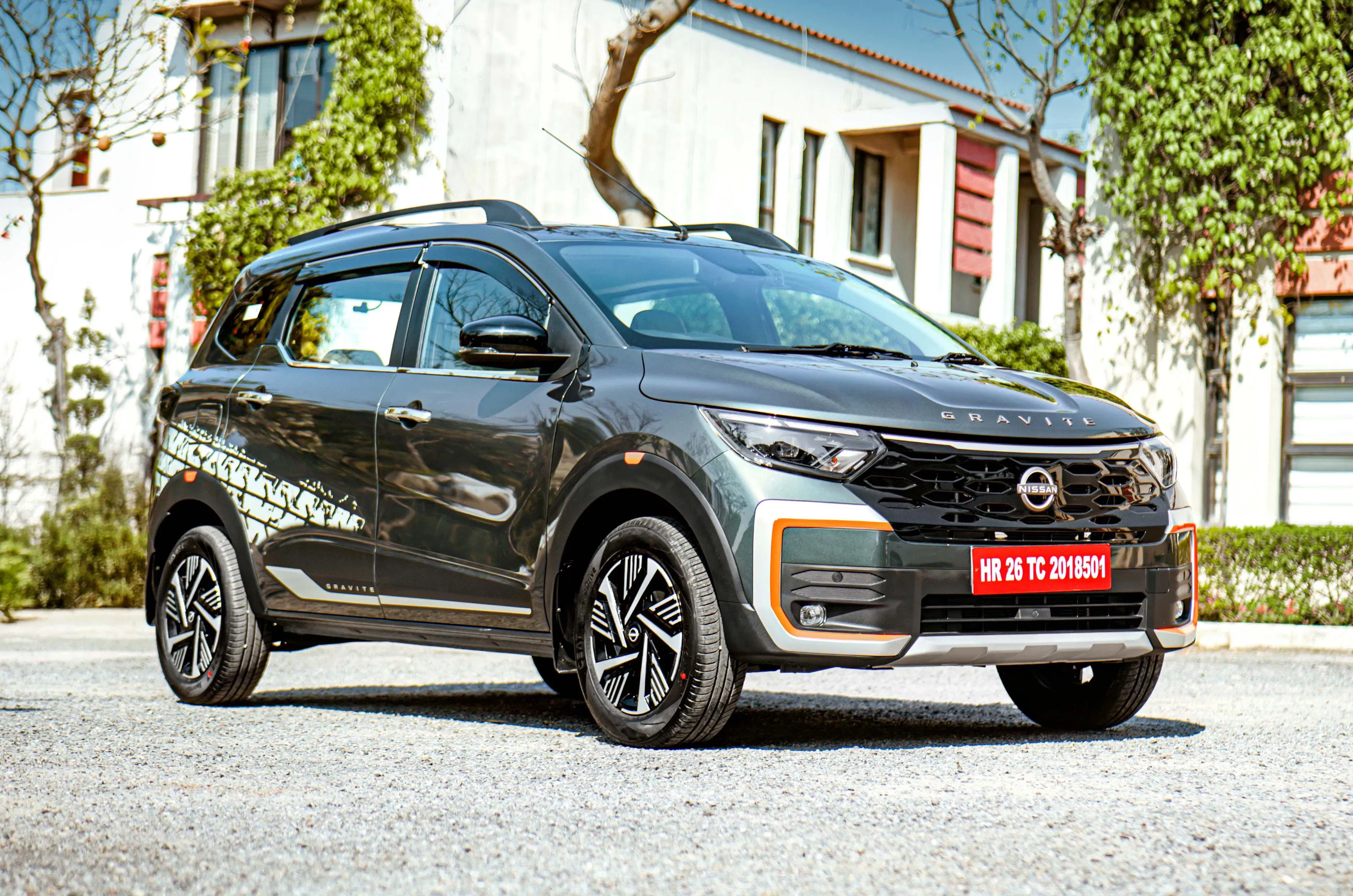
Nissan continued its growth momentum in July, with domestic wholesales rising 50 percent month-on-month to 4,518 units from 3,006 units in June. The increase was supported by the start of customer deliveries of the all-new Tekton, which commenced on July 20 after its debut on July 9, expanding Nissan’s India portfolio to three models alongside the Magnite and Gravite.
Tata Punch EV Facelift: 2026 टाटा पंच EV फेसलिफ्ट को हाल ही में हुए भारत NCAP क्रैश टेस्ट में 5-स्टार सेफ्टी रेटिंग मिली है। इस इलेक्ट्रिक SUV को एडल्ट ऑक्यूपेंट प्रोटेक्शन के लिए 32 में से 31.09 और चाइल्ड ऑक्यूपेंट प्रोटेक्शन (बच्चों की सुरक्षा) के लिए 49 में से 45 स्कोर मिला है। इस स्कोर के साथ यह भारत के क्रैश टेस्ट प्रोग्राम के तहत टेस्ट किए गए सबसे अच्छी रेटिंग वाले मॉडल्स में शामिल हो गई है।
भारत NCAP स्कोर और क्रैश टेस्ट परफॉर्मेंस
Punch EV फेसलिफ्ट ने एडल्ट ऑक्यूपेंट प्रोटेक्शन असेसमेंट में 32 में से 31.09 और चाइल्ड ऑक्यूपेंट प्रोटेक्शन (बच्चों की सुरक्षा) में 49 में से 45 स्कोर हासिल किया, जिस वजह से इसे दोनों कैटेगरी में फाइव-स्टार रेटिंग मिली। भारत NCAP टेस्ट रिपोर्ट के अनुसार, फ्रंटल ऑफसेट क्रैश टेस्ट में ड्राइवर और आगे बैठे पैसेंजर की सुरक्षा अच्छी रही, जबकि साइड इम्पैक्ट असेसमेंट में भी परफॉर्मेंस शानदार रही।
बता दें कि बच्चों की सुरक्षा जांचने के लिए कार में चाइल्ड रेस्ट्रेंट सिस्टम (CRS) का इस्तेमाल किया गया। इस टेस्ट में भी Punch EV ने अच्छा प्रदर्शन किया और CRS की फिटिंग व डायनामिक परफॉर्मेंस के मामले में बेहतर स्कोर हासिल किया। हालांकि, ध्यान देने वाली बात यह है कि Bharat NCAP के ये स्कोर सिर्फ उसी वेरिएंट के लिए मान्य हैं, जिसका क्रैश टेस्ट किया गया है। इसलिए बाजार में मौजूद Punch EV के हर वेरिएंट को यही सेफ्टी रेटिंग मिलेगी, ऐसा मानना सही नहीं होगा।
Tata Punch EV: सेफ्टी फीचर्स
Punch EV, Tata Motors के Acti.ev आर्किटेक्चर पर बनी है और इसमें कई तरह के एक्टिव और पैसिव सेफ्टी फीचर्स दिए गए हैं। वेरिएंट के आधार पर, इसमें छह एयरबैग, इलेक्ट्रॉनिक स्टेबिलिटी कंट्रोल (ESC), EBD के साथ ABS, ISOFIX चाइल्ड सीट माउंट, सभी पैसेंजर्स के लिए 3-पॉइंट सीट बेल्ट, टायर प्रेशर मॉनिटरिंग सिस्टम (TPMS), 360-डिग्री कैमरा और ड्राइवर की मदद करने वाले दूसरे फीचर्स मिलते हैं।
हालांकि, Bharat NCAP की सेफ्टी रेटिंग सिर्फ कार में दिए गए फीचर्स की लिस्ट देखकर तय नहीं की जाती। इस टेस्ट में कार की बॉडी स्ट्रक्चर की मजबूती, फ्रंट और साइड इम्पैक्ट क्रैश टेस्ट में उसका प्रदर्शन, यात्रियों को सुरक्षित रखने वाले सिस्टम और बच्चों की सुरक्षा से जुड़े फीचर्स को भी ध्यान में रखा जाता है।
खरीदारों को क्या जानना चाहिए
आज के समय में कार खरीदते वक्त क्रैश टेस्ट रेटिंग एक अहम फैक्टर बन गई है, खासकर कॉम्पैक्ट SUV सेगमेंट में, जहां ग्राहक सुरक्षा को काफी महत्व देते हैं। नई Bharat NCAP रिपोर्ट से पता चलता है कि टेस्ट किए गए Tata Punch EV फेसलिफ्ट ने नियंत्रित क्रैश परिस्थितियों में एडल्ट और चाइल्ड पैसेंजर्स की सुरक्षा के मामले में अच्छा प्रदर्शन किया है।
हालांकि, सिर्फ 5-स्टार रेटिंग को हर स्थिति में सुरक्षा की गारंटी नहीं माना जाना जा सकता है। क्रैश के नतीजे गाड़ी की रफ्तार, टक्कर किस जगह लगी, सड़क की हालत और इस बात पर निर्भर कर सकते हैं कि गाड़ी में बैठे लोगों ने सीटबेल्ट पहनी है या नहीं।
वहीं, इलेक्ट्रिक SUV खरीदने वाले ग्राहकों के लिए Bharat NCAP की यह रिपोर्ट एक भरोसेमंद सुरक्षा मानक के रूप में मददगार हो सकती है। हालांकि, कार खरीदने से पहले ग्राहकों को कीमत, फीचर्स, मेंटेनेंस खर्च, रनिंग कॉस्ट और आफ्टर-सेल्स सर्विस जैसे पहलुओं पर भी ध्यान देना चाहिए।
The 2026 Tata Punch EV has scored a 5-star Bharat NCAP rating for both adult and child occupant protection with 31.09/32 and 45/49 points, respectively. This is the second time the Punch EV has been tested by Bharat NCAP. Interestingly, the adult occupant protection score has come down marginally since it was last tested in 2024, although child occupant protection remains unchanged. For reference, the pre-facelift Punch EV had scored 31.46/32 and 45/49 in AOP and COP respectively.
The Maruti Brezza may be one of the oldest compact SUVs in the market, but it remains one of the best-selling ones by a reasonable margin. Maruti has now given it a fresh lease of life with a mid-cycle update for 2026, bringing a brand-new engine option and thereby addressing one of the biggest gripes about the Brezza – lack of multiple engine options. It’s the Boosterjet turbo-petrol engine from the Fronx, finally bringing the Brezza in the sub-4m tax slab and also a much-needed dose of performance. So, here are two reasons why you should consider buying the new Brezza Turbo, and two reasons why you might want to look elsewhere.
Reasons to buy the Maruti Brezza Turbo
1. Boosterjet engine is smooth and tractable
The 1.0-litre, three-cylinder Boosterjet engine produces 110hp and 170Nm on the Brezza, which means the numbers are up by 10hp and 23Nm compared to the Fronx. What’s most impressive about this engine on the Brezza is its refinement and driveability – it gets off the line effortlessly, with almost no lag. In fact, you can set off in second or even third with little issue. It’s only when you wring it out that you’ll get some hint of three-cylinder thrum. The 6-speed manual gearbox offered with this engine is also a joy to use, offering satisfying and progressive shifts, and the clutch too is light and easy to modulate.
The Brezza’s faimiliar 1.5-litre naturally aspirated petrol engine also remains on offer alongside the new Boosterjet engine, but it’s expectedly more expensive as it attracts a higher 40 percent GST.
2. Spacious interior and boot
Packaging has always been one of Maruti’s strengths, and it has been true for the Brezza as well. Not much has changed on the inside of the updated Brezza, which means it remains one of the more spacious models in its segment. It’s still one of the few models where you can sit three adults abreast at the rear in reasonable comfort, and the front seats are suitable for large frames, too. Maruti has also introduced a new brown and black leatherette upholstery with this update which looks more premium and classier than before. That said, seat comfort is only adequate, erring more on the firm than the outright soft side.
As for the boot, overall volume remains the same at 328 litres, and as always, its square shape offers up more practicality than the number suggests.
Reasons not to buy the Maruti Brezza Turbo
Lacks the outright punch of a turbo engine
While performance from the new turbo engine is smooth and linear, it doesn’t have outright punch you’d expect or what some rivals offer. In our preliminary tests, the 1.0 Turbo accelerated from 0-100kph in a modest 12.36sec, just 0.3sec quicker than the old 1.5 NA petrol manual version (with the 5-speed manual). We also found ourselves downshifting one or two gears to overtake out on the highway, and through the rev range, some flat spots and hesitation did appear.
Still missing some features, lack of a spare tyre
The Brezza has seen the addition of some key features with this update, including front ventilated seats, a larger touchscreen, updated UX/UI and also new safety features. But while all these are welcome additions, there are still many sought-after features offered by rivals that are missing on the Brezza. These include powered front seats, rear window blinds and a panoramic sunroof – the Brezza continues with a single-pane unit. It also doesn’t get a full ADAS suite that’s offered by some rivals, but only a few driver assist features such as blind-spot warning and rear cross-traffic alert.
Maruti has also removed the spare tyre from the Brezza, and is now only offering a puncture repair kit and a tyre inflator. This is because CNG models have moved to an underfloor tank design to free up more luggage space, and that’s resulted in the removal of the spare tyre in all models.
While not the first compact SUV to hit the market, the Maruti Suzuki Vitara Brezza didn’t take long to zoom past its peers and rise to the top of its segment. It wasn’t the best looking, most exciting, most powerful or best equipped, but instead, and in true Maruti fashion, it locked in perfectly to what the average Indian wanted more. It was well priced, it was spacious and practical, it was reliable and it had incredibly good fuel economy.
That was almost a decade ago, and now in its second generation, with the ‘Vitara’ dropped from its name, the Brezza has retained those same safe and stable qualities. The compact SUV customer, however, has evolved and in 2026, perhaps playing it safe isn’t the silver bullet it once was. It’s no surprise then, that the brand has tried to introduce some excitement in the form of the 1.0-litre Boosterjet turbo-petrol, an engine it has been very selective in its use of.
With the engine has come some mild cosmetic updates and a few feature additions, and we’ve spent a day with the car to see if they all add up to make for a more compelling package.
2026 Maruti Brezza Exterior Design and Engineering – 7/10
Boxy shape that hints at big interior space; red Turbo accents feel a bit forced.
In typical Maruti fashion, this is a very mild facelift, and only if you’ve regularly lived with the outgoing model might you be able to spot the changes. Up front, the grille trim has been revised slightly, the front bumper looks cleaner and less like a bull bar, and there are triangular housings for the fog lamps. There are almost no changes to the sides or rear, save for a bit more garnish on the side cladding, a new four-spoke dual-tone design for the 16-inch alloy wheels and some vertical slats in the base of the rear bumper, unique to the turbo model.
Also unique to turbo-petrol models are smatterings of red trim everywhere, from the grille, to the side skirts, to the bumpers and even on the wheel arches. While the idea is to give the turbo models a sporty identity, the execution feels lazy – more like aftermarket accessories than a special body kit, like what was offered on the old Baleno RS.
There are no other changes to the outside, and you get the same square and boxy shape as before, pointing to the space on the inside. As before, the body appears a bit too large for the chassis, with the wheels looking disproportionately small and inset compared to the bodywork.
Boot volume remains the same at 328 litres, and as always, its square shape offers up more practicality than the number suggests. A big change, however, is that there is no longer a spare tyre on offer; just a puncture repair kit and tyre inflator. This is because CNG models have moved to an underfloor tank design to free up more luggage space, and like in the Victoris, that’s resulted in the removal of the spare tyre in all models.
2026 Maruti Brezza Interior Space and Comfort – 8/10
Remains one of the most spacious in the segment; decent quality levels all around.
The tall, unabashedly boxy shape has meant that interior space is good, and the Brezza remains one of the few compact SUVs that can seat five adults in true comfort. Seat comfort is adequate, erring more on the firm than the outright soft side, but the design is accommodating for even large adults. The seats are trimmed, on this top ZXi+ variant, in a new bronze and black leatherette upholstery, which looks classier than before.
In fact, bronze and black is the theme for this interior, replacing the maroon and brushed silver of before, and you can see that mainly in the dashboard trim and door cards. The other subtle visual difference is that the once single-colour ambient lighting can now be set to one of 64 colours selectable from the touchscreen.
And finally, the touchscreen on the top variants is the 10.1-inch unit from the Victoris, though the large, free-standing housing it sits in hasn’t changed and still feels like a visual distraction while driving. While the cabin doesn’t immediately scream ‘quality’ like some newer entrants to the segment, in true Japanese car fashion, it feels hardy and well put together in an understated way.
2026 Maruti Brezza Features and Safety – 7/10
Gets some key feature enhancements, but still not up there with the segment best.
With the new touchscreen hardware comes the updated ‘Smartplay Pro X’ software we saw on the Victoris as well. It’s smoother and looks more up-to-date, and features a host of connectivity features, including wireless Apple CarPlay and Android Auto. There is still no digital driver’s display, but the analogue dials are clear and easy to read, and there’s always the flip-open HUD to look at as well.
Other additions include a ventilation function for the wireless charger, and ventilated front seats, but sought-after features rivals offer that aren’t found here include powered front seats, rear window blinds and a panoramic sunroof – the Brezza continues with a single-pane unit.
On the safety front, there have been a few additions too, most notable of which are front parking sensors. This has enabled a few more advanced driver assists, such as blind-spot warning and rear cross-traffic alert, though it’s not the full ADAS system that you get in the Victoris, or which rivals offer. Still, the Brezza now holds a 5-star Bharat NCAP crash test rating, which should reassure some buyers who were on the fence about the SUV.
2026 Maruti Brezza Performance and Refinement – 7/10
Turbo-petrol engine lacks outright punch but instead aces driveability.
The Brezza was thus far unique in the segment for having a 1.5-litre naturally aspirated petrol engine. While this larger-displacement engine prevented it from availing of compact-car tax benefits, Maruti still managed to price it quite competitively. The engine itself was brilliant, feeling far more effortless than the 1.2-litre naturally aspirated engines of rivals, while being incredibly fuel efficient. This engine continues in the updated Brezza, and remains the only way to have an automatic gearbox.
What we’re driving today, however, is the new addition to the range, which is the 1.0-litre ‘Boosterjet’ direct-injection turbo-petrol engine, finally letting the Brezza to join every other compact SUV in the segment in offering a turbo option. First seen briefly in the Gen 1 Baleno RS, this engine was then locally assembled and re-introduced in the Fronx (and its cousin the Toyota Taisor), and now has finally made its way into the Brezza, with an uprated power output of 110hp and torque output of 170Nm.
What strikes you immediately is refinement, and only when you absolutely wring it out will you get some hint of that three-cylinder thrum; commendably, it’s more audible outside than in the car. The next thing is driveability, which is excellent. There’s very little hesitation at low revs – something you typically find in 1.0-litre turbo-petrol compact SUVs – and the Brezza Turbo sets off smoothly, with almost no lag. In fact, you can set off in second or even third with little issue.
Some credit must go to the satisfying and progressive 6-speed manual (which replaces the 5-speed in the 1.5-litre engine as well), as well as the light and easy-to-modulate clutch, both of which are a joy to use.
Though it makes 31Nm more than the 1.5-litre naturally aspirated petrol, and does so from just 2,000rpm, it is tuned to be so smooth and linear, you don’t really feel the added punch. In our tests, the 1.0 Turbo accelerated from 0-100kph in a modest 12.36sec, just 0.3sec quicker than the old 1.5 NA petrol manual version (with the 5-speed manual). The added mid-range boost was more apparent in in-gear acceleration, where it was a few seconds quicker than the 1.5 from 20-80kph in third gear and 40-100kph in fourth.
While off-the line performance was smooth and general tractability in any gear was commendable, we did find ourselves downshifting one or two gears to overtake on the highway, and through the rev range, some flat spots and hesitation did appear. All things considered, the 1.0 Boosterjet is a welcome addition to the Brezza line-up.
2026 Maruti Brezza Mileage and Efficiency – 9/10
Bucks the downsized turbo petrol trend by being spectacularly efficient.
Though they make more power and torque than their naturally aspirated brethren, downsized direct-injection turbo petrols are often earn higher official fuel efficiency ratings due to these being tested in a lab under ideal conditions. In the real world, however, the reality proves to be different, as once the turbo comes into effect, fuel consumptions spikes.
The Brezza Turbo flips the script with an official rating slightly lower than the 1.5 NA, but still incredibly high at 19.96kpl for the higher variants and 20.47kpl for the lower variants.
The best news is that in the real world, the fuel economy seems like it will be excellent too. Despite our day of hard driving and non-stop shooting, the onboard fuel computer showed anywhere between 11 and 14kpl, while other turbo petrols have dropped into single digits with the advent of E20 petrol. Maruti’s mild-hybrid system with a bit of electric assist no doubt helps deliver these numbers, but we wish the engine stop/start was a little quicker to engage. Stay tuned, however, for the full Autocar India real world mileage test, which we will do soon.
2026 Maruti Brezza Ride Comfort and Handling – 8/10
Not the most enthusiastic handler but rides comfortably enough.
Where the pre-facelift Brezza had a light and loose steering that wouldn’t automatically return to the centre position, which was typical of Marutis of that era, this has been corrected to a great extent with the facelift. It still doesn’t have a lot of feel or feedback, but some weight has been dialled in and it returns to centre on its own now. This has robbed some low-speed ease of manoeuvrability, but a small and near-imperceptible amount.
High-speed lane changes, as a result of this added weight, feel a lot more secure to perform. For the most part, the Brezza feels planted, but its tall and boxy form on a narrow footprint make it quite susceptible to cross winds. In corners, too, it feels quite top heavy, and combined with the disconnected steering, doesn’t encourage you to push it hard around corners.
Ride quality is decent but should have been a bit better. Considering this engine is undoubtedly lighter than the 1.5 and the wheel size hasn’t gone up from 16 inches, Maruti could have taken the opportunity to relax the suspension setup a bit. It continues to err on the brittle side, but far from the point of being uncomfortable.
2026 Maruti Brezza Value for Money – 8/10
Turbo engine offered across entire model range, and priced lower than 1.5.
The biggest news is that Maruti hasn’t positioned the 1.0 Turbo above the 1.5 petrol, and has instead passed on the sub-4m tax benefits to the customer. The Boosterjet is available across all four variants – LXi, VXi, ZXi and ZXi+, while the 1.5 NA manual, auto and CNG skip one variant each. It’s a big price difference too, with a 1.5 AT costing over Rs 2 lakh more than the equivalent 1.0 MT. One can only wonder if Maruti will offer the 6-speed AT with the Boosterjet at some stage, as it does in the Fronx.
The Turbo is a welcome addition to the range, even if not necessarily from an outright performance standpoint, but simply from one of positioning. While the Boosterjet may have felt premature for Maruti in 2017, with far greater acceptance of downsized engines today, the huge tax benefits and the engine being locally assembled now, it was a no-brainer to introduce it in the Brezza. It’s a strong and confident statement, and we hope it finds its way into the hatchbacks too.
Given the aggressive pricing of Rs 7.4 lakh to Rs 13.55 lakh, the Brezza’s positioning in the segment has only improved, and you can forgive that it doesn’t have all the features of some newer rivals; the updates it has got are welcome. Similarly, you can forgive that the design hasn’t changed too much or that the turbo’s performance is not explosive, given that these fit perfectly with Maruti’s – and the Brezza’s – positioning of reliable, efficient and no-nonsense motoring.
Maruti Suzuki India has launched the 2026 Brezza at a starting price of Rs 7.40 lakh. This marks the first major update for the second-generation model introduced in 2022. Meanwhile, cumulative sales of the Brezza have surpassed the 15 lakh mark (15,14,717 units), and given the ongoing strong customer demand for compact SUVs – 3,97,609 units in Q1 FY2027 with 24% year-on-year (YoY) growth – Maruti will be looking to capitalise on this segment’s momentum with the updated model.
Maruti Brezza: 15 lakh units and counting
With domestic market sales of 14.6 lakh units (14,61,889 units) and exports of 52,828 units, the Maruti Brezza’s cumulative sales have surpassed the 15 lakh mark (15,14,717 units). The Brezza remains the best-selling compact SUV in India, with a yawning 422,478-unit lead over the Tata Nexon (10,92,239 units). The Tata Punch, which crossed the 800,000 milestone earlier this month, is the third highest-selling compact SUV.
Maruti Brezza cumulative sales: 15.1 lakh units since launch
Launched on March 8, 2016
Fiscal year
Units
YoY% change
Brezza exports
FY2016
5,563
–
0
FY2017
1,08,640
–
1,197
FY2018
1,48,462
36.65%
865
FY2019
1,57,880
6.34%
1,222
FY2020
1,10,641
-29.92%
546
FY2021
94,635
-14.46%
4,451
FY2022
1,13,751
20.19%
21,254
FY2023
1,45,665
28.05%
20,991
FY2024
1,69,897
16.63%
423
FY2025
1,89,163
11.33%
663
FY2026
1,80,104
-4.78%
1,111
FY2027*
37,488
-20.31%
105
Total
14,61,889
52,828
*April-June 2026
From diesel roots to multi-powertrain strategy
For the first four years of its existence, the Brezza was available only with a diesel engine – the Fiat-sourced 1.3-litre DDiS turbocharged 88hp powerplant, which was discontinued in April 2020 when Maruti Suzuki exited diesel. In February 2020, to comply with the BS VI emission norms, Maruti introduced the 1.5-litre K15B petrol engine in the new Brezza. The strategic move to have only diesel power in the initial years paid off, and the Brezza was India’s best-selling SUV for four straight years – FY2017 (1,08,640 units), FY2018 (1,48,462 units), FY2019 (1,57,880 units) and FY2020 (1,10,641 units).
First-generation Brezza
In FY2021, sales dropped 14 percent YoY to 94,635 units, which also meant that the Brezza lost its No. 1 SUV title to the Hyundai Creta (1,20,035 units) that year and has not regained it since then. Despite registering double-digit growth in FY2022, FY2023, FY2024 and FY2025, the highest overall ranking the Brezza could manage since FY2020 was No. 2 in FY2021.
Q1 FY2027 Dip and the Facelift Wait Effect
In FY2027’s first quarter (April-June 2026), the Maruti Brezza has sold 37,488 units, down 20 percent YoY (Q1 FY2026: 47,044 units), a decline which can be attributed to potential buyers awaiting the launch of the MY2026 Brezza, which gets exterior and interior updates, new features and an additional turbo-petrol engine option.
With 14.6 lakh units sold in the domestic market from launch till end-June 2026, the Brezza accounts for a third or 34 percent of Maruti Suzuki’s total UV sales of 42.7 lakh units (42,71,696 UVs) in the same period. Will the new MY2026 Brezza, which has received a 5-star Bharat NCAP crash safety rating, deliver new sales momentum for this popular SUV category remains to be seen.
For our first drive of the all-new Tekton, Nissan organized an elaborate 700km plus test drive from Chandigarh to Leh, tackling everything from crowded city traffic and fast highways to mountain passes and broken roads. The aim was to find out whether Nissan’s new midsize SUV has what it takes to take on the Hyundai Creta, Kia Seltos and Maruti Victoris in the real world.
Nissan Tekton Exterior Design and Engineering – 9/10
The Tekton is, in essence, a badge-engineered Renault Duster. It is built at the same plant, on the same assembly line, and shares its platform, powertrains and several components with its French sibling. Nissan, however, has worked hard to give it a distinct identity, drawing inspiration from its flagship Patrol SUV.
1.3 turbo variants can be identified by the red strip on the grille and T280 badge.
The front end is undoubtedly the highlight. The grille, connected light bar and red accents on the 1.3-litre turbo variants lend it a bold and distinctive look. It even gets functional bumper air scoops and fog lamps, the latter being an increasingly rare feature in this segment. The sculpted bonnet adds plenty of visual muscle, while the side profile is enhanced by attractive 18-inch alloy wheels wrapped in chunky, high-profile tyres.
Practicality extends beyond appearances. Ground clearance stands at an impressive 212mm, making the Tekton well suited to rough terrain. The T280 badge on the front fender denotes the 280Nm produced by the 1.3-litre turbo-petrol engine, while a unique applique depicting the Himalayas adds a touch of character. Its pillar-mounted rear door handles link ties to Nissan SUVs of yore like the Pathfinder and X-Terra.
The execution of its tail-lamp design is spot on, looking most similar to the Patrol.
At the rear, the tail-lamp design bears the strongest resemblance to the Patrol and is executed rather well. While the Tekton isn’t the largest SUV in its class, it strikes a pleasing balance between road presence and urban friendliness. We suspect its styling is likely to be one of its biggest selling points.
Nissan Tekton Interior Space and Comfort – 8/10
Inside, Nissan has done a commendable job differentiating the cabin from the Renault Duster. The layout remains familiar, but the padded leatherette on the dash and doorpads look classy and along with the burgundy, gold and light cream colour scheme lends the interior a more premium ambience. There are also subtle Nissan-specific touches on the dash fascia, including an Easter egg inspired by Japanese numerals represented by 2 vertical lines (Ni) and three horizontal lines (san).
Neatly dressed-up interior look and feel quite upmarket.
The driving position is excellent. Visibility is strong, the bonnet is clearly visible from the driver’s seat, and most controls fall easily to hand. Ergonomics are largely spot-on, though taller drivers who prefer a high seating position may find the large plastic panel near the A-pillar slightly intrusive.
Burgandy, gold and light cream colour scheme, along with the soft leatherette paddings enhance the cabin’s premium feel.
One area where the Tekton needs improvement is air conditioning performance. Even at the lowest temperature setting, the cabin takes time to cool down. Thankfully, the ventilated front seats are highly effective and help offset this weakness. The seats themselves deserve praise for their excellent support and long-distance comfort. The digital instrument cluster is clear and easy to read, offering multiple display layouts, including a full-map view. Unlike the Duster’s less intuitive tachometer display, the Nissan gets a more conventional and user-friendly setup. Physical controls for climate functions, audio settings and ADAS shortcuts are particularly welcome in an era increasingly dominated by fiddly touch panels.
Powered front seats are supportive and have a very effective ventilation function.
Storage solutions are generally well thought out. The cooled wireless charging pad prevents phones from overheating, while USB-C ports and a 12V socket are provided. However, 1-litre bottles cannot be stored vertically in the front door bins; although they can be placed vertically in the rear door bins. Useful storage spaces include deep cupholders and a large central armrest console. The glovebox is generous, though part of it is compromised by the fuse box, just as in the older-gen Duster.
Cabin space is adequate for four adults; seats are very comfy.
Accessing the rear seat requires a bit of effort due to the high step-in and narrow opening, but once seated, comfort levels are impressive. The seat backrest is well angled, under-thigh support is good, and there’s plenty of room beneath the front seats to stretch out. The rear bench is best suited to two adults rather than three, although all occupants get individual headrests and three point seatbelts.
Rear-seat amenities include seatback pockets, rear AC vents, two USB charging ports, a centre armrest and a phone holder. The panoramic sunroof adds a real sense of occasion, especially on scenic drives through the mountains. That said a boss mode for the electrically adjustable front passenger seat and rear sunshades aren’t available.
Cavernous 518-litre boot is ideal for road trips; gets a spare wheel too.
Open the electrically operated tailgate and you’re greeted by a massive 518-litre boot. It comfortably swallows luggage and is the largest in its class, making it ideal for long-distance touring. There’s a full-size spare tyre too.
Nissan Tekton Features and Safety – 9/10
The Tekton is otherwise generously equipped with kit like panoramic sunroof, powered and ventilated front seats, 10.25-inch instrument cluster, 10.1-inch touchscreen which not only gets wireless Android Auto and Apple CarPlay, but it also gets native Google integration including Gemini voice assistant, among other notable features. The only real disappointment is the below par quality of the 360-degree camera system.
With in-built Google, screen works well; 360-degree camera quality is below par.
Safety credentials are strong. Along with a comprehensive ADAS suite, the Tekton has secured a five-star Bharat NCAP rating, just like its Renault sibling. The lane-keep assist didn’t seem to keep the vehicle properly centred within the lane, and it tended to weave between the lane markings.
The adaptive cruise control system also performed well, maintaining safe distances and slowing progressively with traffic. Its acceleration back to the set speed, however, feels somewhat slow regardless of drive mode.
10.25-inch instrument cluster is well executed; gets a full map view too.
Nissan Tekton Performance and Refinement – 7/10
The entry-level powertrain is a 1.0-litre turbo-petrol shared with the Magnite. With some updates though that has taken torque higher to 166Nm – up from 160Nm, while power remains the same at 100hp. It is paired exclusively with a six-speed manual gearbox.
To compensate for the Tekton’s weight and performance demands, Nissan has equipped this version with shorter gearing than the 1.3-litre variants. Around town, it feels perfectly adequate, but the small-capacity turbo engine suffers from noticeable turbo lag. Steep inclines often require clutch slip to get moving, and enthusiastic driving demands frequent gear changes to keep the engine in its power band. Peak boost arrives beyond 3,000rpm, while the gearbox itself lacks the slickness of some Korean and Japanese rivals.
If you love to drive, this is one of those cars that you’re surely going to like.
The 1.3-litre turbo-petrol is significantly more appealing. Refinement levels are better, performance is considerably stronger, and overtaking requires much less planning. Turbo lag is reduced compared to the 1.0-litre, though it hasn’t been eliminated entirely. On steep gradients and under stop-start conditions, the engine occasionally struggles to build revs quickly enough, exposing a weak bottom-end response.
Once past 2,500rpm, however, the turbo wakes up and the Tekton gathers speed with enthusiasm. The engine also produces an appealing turbo whoosh at higher revs, though some may find it intrusive.
Enthusiasts are likely to yearn for a bit more responsiveness from both the engines.
This engine comes with a manual as well as a six-speed wet-clutch dual-clutch automatic transmission, which is the one we drove. Shifts are impressively smooth and seamless, but responses are slower than expected. The gearbox’s tendency to upshift early can make the Tekton feel less responsive than it actually is, often prompting the use of the paddle shifters for quick overtakes.
There are two drive modes – Comfort and Eco – though enthusiasts will miss the absence of a Sport mode. Fortunately, manual mode allows greater control over the transmission and proved particularly enjoyable on mountain roads. In city traffic, however, the combination works well, with smooth low-speed behaviour and a well-calibrated creep function.
Even though we didn’t get a chance to test the Tekton for outright performance and fuel efficiency, we have extensively tested its Renault sibling, and the numbers aren’t particularly impressive. Expectedly, the Duster’s performance testing revealed that the 1.3-litre manual is the quickest variant to 100kph (10.32 sec), , while the 1.3 DCT’s reluctance to allow aggressive launches affects its outright acceleration times (11.33 sec). The 1.0-litre (13.26 sec) delivers acceleration comparable to the naturally aspirated 1.5-litre engines found in the Creta and Seltos.
Nissan Tekton Mileage and Efficiency – 6/10
Once again, taking the Duster’s figures for refence, average real-world fuel efficiency is quite weak too with the 1.0 version (10.98kpl) faring only slightly better than the 1.3 versions (10.47kpl for DCT, 10.64kpl for MT). Like the Duster, all variants of the Tekton get an Eco mode as well as an auto engine stop-start function to keep a check on fuel consumption.
Nissan Tekton Ride Comfort and Handling – 9/10
As with the Renault Duster, Nissan has absolutely nailed the ride-and-handling balance. Unlike many European cars, the Tekton does not feel overly firm at low speeds. Instead, it delivers a supple, absorbent ride that shrugs off poor road surfaces with ease. Even sharp potholes generate more noise than impact inside the cabin.
Unlike some rivals, its low speed ride doesn’t have the typical underlying firmness.
Handling is equally impressive. The Tekton changes direction eagerly and inspires confidence, making it genuinely enjoyable to drive. Its electronic power steering offers Light and Heavy modes, though the lighter setting strikes the better balance between ease and precision. The steering feel is among the best in the segment.
Braking performance is another strong point. Throughout our drive to Leh, the brakes consistently inspired confidence, delivering strong stopping power and natural pedal feel.
Nissan Tekton Value for Money – 8/10
Priced between Rs 10.50 lakh and Rs 18.5 lakh, the Tekton commands a premium of Rs 10,000-50,000 over an equivalent Renault Duster. The range consists of 12 variants: six powered by the 1.0-litre turbo petrol, two by the 1.3-litre manual and four by the 1.3-litre auto, indicating Nissan’s focus on the smaller engine.
The biggest drawbacks of the powertrains though are the lack of outright punch and responsiveness, as well as fuel efficiency that may not satisfy high-mileage users. Neither Renault nor Nissan offers a diesel option, and while the Duster is expected to receive a hybrid powertrain, Nissan has ruled out one for now.
However after 700km behind the wheel, the Nissan Tekton leaves an overall positive impression. It is handsome, well equipped and comfortable, with a premium-feeling cabin and class leading 518-litre boot. The rear seat may not be the most spacious in the segment, but it comfortably accommodates four adults, while its ride-and-handling balance ranks among the very best in class. The Tekton then is a thoroughly competent midsize SUV. And in a segment packed with strong contenders, this one too deserves serious consideration.
Kia is one of the few automakers in India that has three MPVs in its line-up, with the most popular one being the Carens Clavis. This is a segment that’s witnessed growth in the past couple of years, supporting the Korean brand’s focus on selling multiple MPVs. Built on the same K2 platform as the Carens, the Clavis is aimed at buyers who want more premium styling and feature set spread across more variants and trim levels. Here are some facts to keep in mind before a Carens Clavis.
Reasons to buy the Kia Carens Clavis
Spacious & well-equipped cabin
One of the strongest suits of the Carens Clavis is its tech-rich and practical interior
Whether you get the 6-seater or 7-seater version of the Kia Carens Clavis, space isn’t an issue. A one-touch tumble & fold feature means that getting into the third row is pretty straight-forward. This last row also has enough room to accommodate two adults without fuss while also providing dedicated AC vents, USB ports, headrests and three-point seatbelts. With 216 litres of boot space, you can easily store several soft bags.
The 6-seater version gets captain seats for the second row that not only look premium but also get individual armrests for extra comfort. There’s no dearth of headroom and kneeroom for the middle-row occupants. Depending on the trim level, this row also benefits from the two-pane panoramic sunroof, blower control, sunblinds, tray table, and air purifier. A manually operated ‘boss’ mode liberates even more room for the occupant seated behind the co-driver’s seat. Passengers will have no trouble with ingress or egress as second-row accessibility is good.
Practicality up front comes from ventilated seats, cooled cupholders and a wireless charger. The dual 12.3-inch screens are high-resolution units that enable a clean and smooth user experience. Some of the other feature highlights here include the 8-speaker Bose audio system, 64-colour ambient lighting system, leatherette upholstery, dashcam, and Level 2 ADAS (Advanced Driver-Assistance Systems). The latter is well-calibrated for our erratic road conditions, particularly functions such as blind-spot monitoring, lane-keeping assist and rear cross-traffic alert.
Powertrain options galore
The Carens Clavis is offered with three engine options four transmission choices
Under the bonnet of the Kia Carens Clavis can be one of three engines: a 1.5-litre naturally aspirated four-cylinder petrol, 1.5-litre direct-injected turbo-petrol, or a 1.5-litre four-cylinder turbo-diesel. A 6-speed manual gearbox is offered with all them. The turbo-petrol mill is also available with a 6-speed iMT (intelligent manual transmission) and a 7-speed DCT (dual-clutch automatic transmission). Meanwhile, the oil burner can be mated to a 6-speed AT (automatic transmission). The only diesel option in the segment, this Kia MPV’s 1.5-litre turbo-diesel engine can return 15-16kpl on highway runs.
Good ride and high-speed stability
This MPV rewards drivers with relaxed driving manners
The 17-inch wheels on the top-spec turbo-petrol variants allow for a pliant-enough ride, with the diesel variants featuring 16-inch rims actually feeling supple. Regardless of the wheel size, the Carens Clavis feels surefooted on the road, staying planted even as speeds rise. The bigger wheels make this MPV take corners decently compared to the variants with the smaller wheels, but this is only true if it’s driven sedately.
Reasons not to buy the Kia Carens Clavis
Not for enthusiastic drivers
Lacklustre powertrains and noticeable body-roll relegates this Kia to sedate driving roles
While the 1.5-litre turbo-petrol engine produces 160hp and 253Nm, it lacks excitement. Pushing it past 4,200rpm does not result in quicker gain of pace, but it instead leads to the engine’s coarse note nearing redline to enter the cabin. The 7-speed DCT, meanwhile, isn’t smooth in the city where it hesitates to shift between lower cogs – this is a gearbox that doesn’t like being rushed.
The Carens Clavis with the diesel engine and 6-speed AT is also good at cruising long distances at highway speeds. However, this oil burner could’ve done with more punch – the issue becoming really noticeable when driving on uphill slopes with a full house. With most of the weight being transferred to the rear, and this being a front-wheel drive (FWD) car, there isn’t enough oomph to pull the Carens Clavis up inclines with ease. This lack of power, combined with the slow downshifts of the automatic gearbox, means that quick overtakes will require some planning.
If you enjoy taking corners with enthusiasm, then the Carens Clavis isn’t for you. The body-roll is especially noticeable in the variants with the 16-inch wheels due to their smaller-section tyres. While the body-roll is less evident in the cars with the 17-inch wheels, taking a corner with any hint of aggressive will lead to body-roll.
Unintuitive touch-enabled buttons
This issue plagues the top trims of the Carens Clavis
Top trims of the Kia Carens Clavis get a switchable, touch-sensitive panel to operate the car’s HVAC and infotainment systems. Not only is there an issue with reflections catching you out while trying to use this panel, but you could accidentally press the wrong button or control. This can be distracting whilst driving as you’ll have to look away from the road in order to use most of the controls on this panel. Meanwhile, lower trims get easy-to-use physical switchgear for these functions.
Gets pricey quickly
Top variants are far more expensive than rivals
The range-topping variants of the Kia Carens Clavis cost well over Rs 20 lakh, with even mid-spec variants priced north of Rs 15 lakh. When compared to rivals such as the Maruti Suzuki XL6, this makes the Caren Clavis up to Rs 7.14 lakh.
Tata Motors will be launching the Nexon in South Africa as the Osprey, sometime between July and September 2026. The Tata Osprey, known in India as the Nexon, will join the automaker’s South African portfolio that currently includes the combustion-powered Tiago, Punch, Curvv and Harrier. According to the Indian brand, the name has been inspired by a bird of prey that’s commonly found in several parts of South Africa.
South Africa-spec Nexon named after a bird of prey
Fifth Tata model in South Africa
All we know about the upcoming Tata Osprey
Tata Motors South Africa hasn’t given out much details on the upcoming Osprey’s. However, similar to the Nexon sold in India, the Tata Osprey will also be sold with a five-star NCAP safety rating. “South African customers increasingly demand vehicles that combine contemporary styling, technology, practicality and safety along with excellent value for money and the Tata Osprey delivers on all fronts,” said Jeff Allison, General Manager, Marketing and Product for Tata Motors Passenger Vehicles South Africa.
The powertrain options of the upcoming Osprey are undisclosed as of now. However, the combustion-powered Tata Nexon in India is offered with a 120hp 1.2-litre three-cylinder turbo-petrol engine and an 115hp 1.5-litre four-cylinder diesel mill. Depending on the trim level, gearbox options include a 5-speed manual, 6-speed manual, 5-speed AMT (automated manual transmission), or a 6-speed DCT (dual-clutch automatic transmission). No word if the brand is planning to launch the fully electric version of the Osprey.
On the features front, the Osprey could be available with dual 10.25-inch displays, automatic climate control, wireless Apple CarPlay & Android Auto, wireless charging, a panoramic sunroof, a JBL audio system and an ADAS (Advanced Driver Assistance Systems) suite. Considering the Nexon costs less than the Curvv in India, this is likely to be the case for the upcoming Osprey in the South African market as well. After re-entering the South African market in August 2025, Tata Motors has witnessed growth and customer demand in the country, the Indian automaker stated. “The introduction of the Tata Osprey marks another important milestone in our journey,” mentioned Allison.