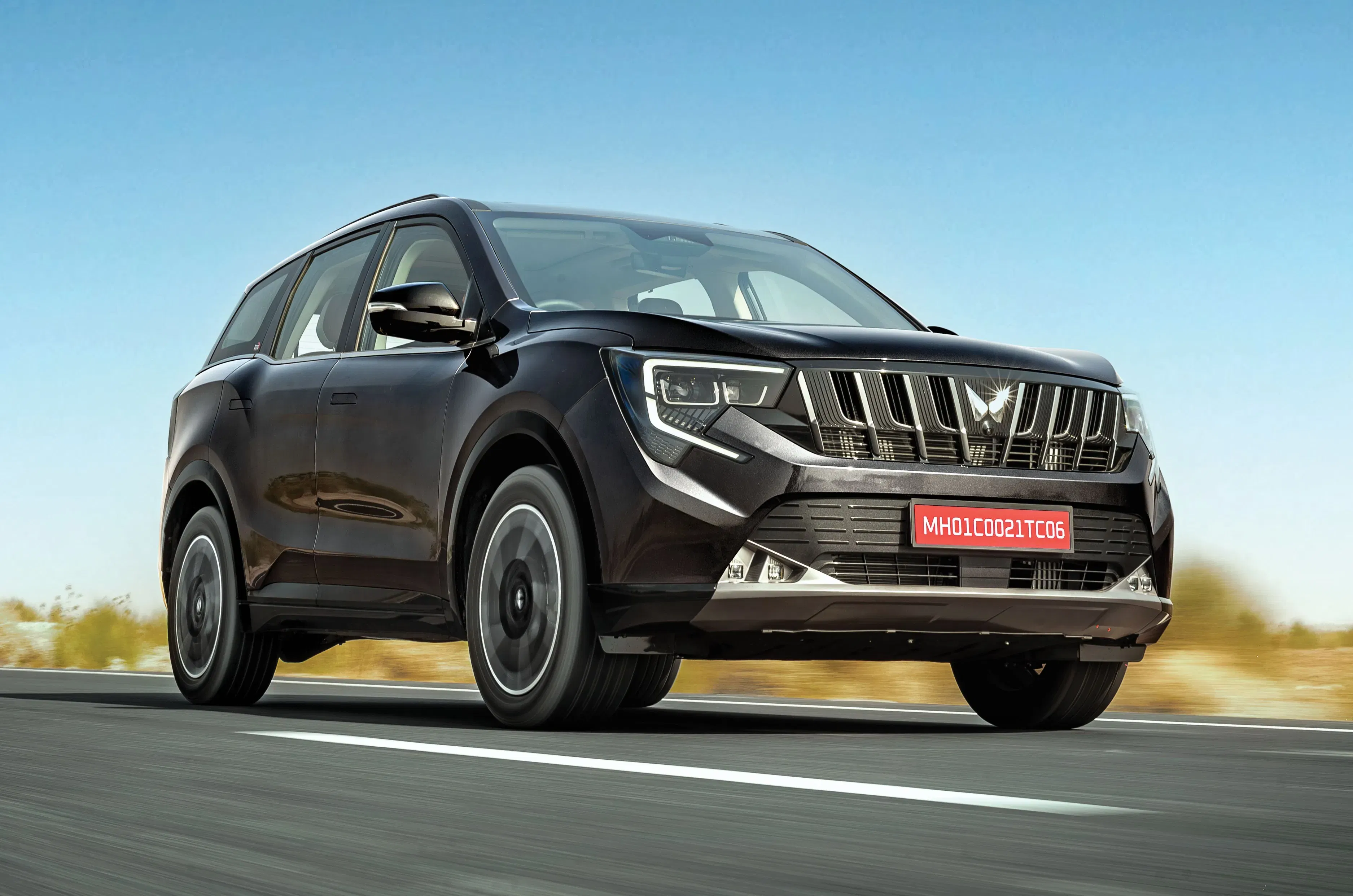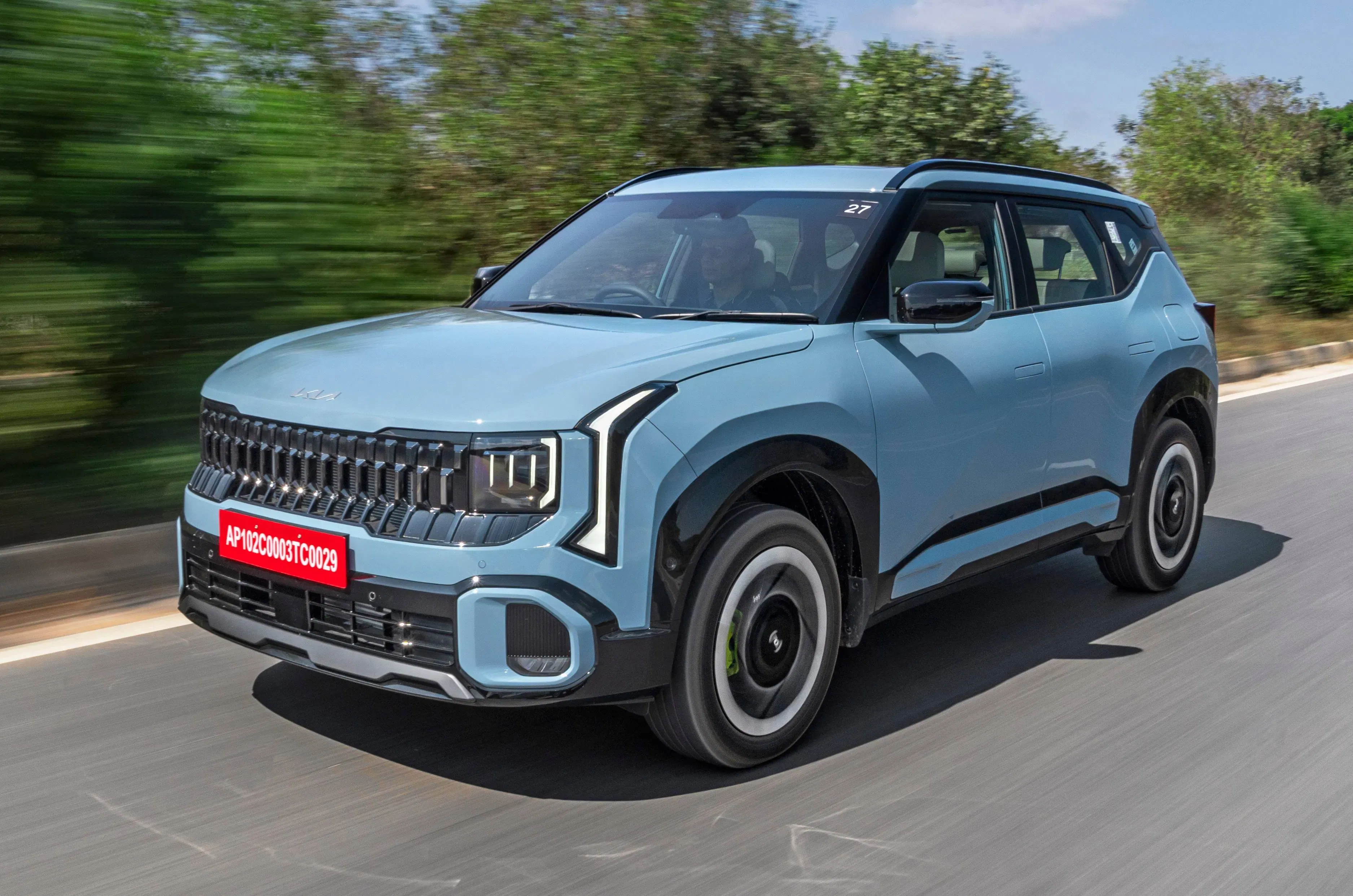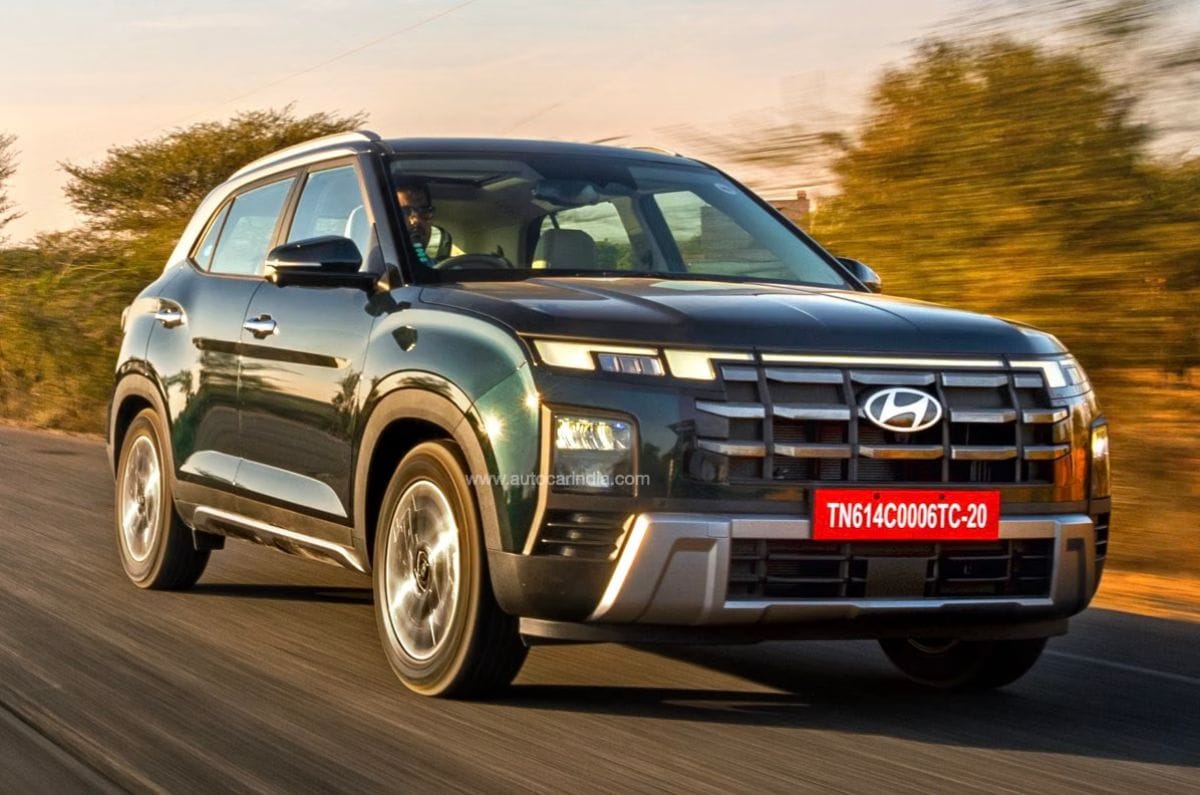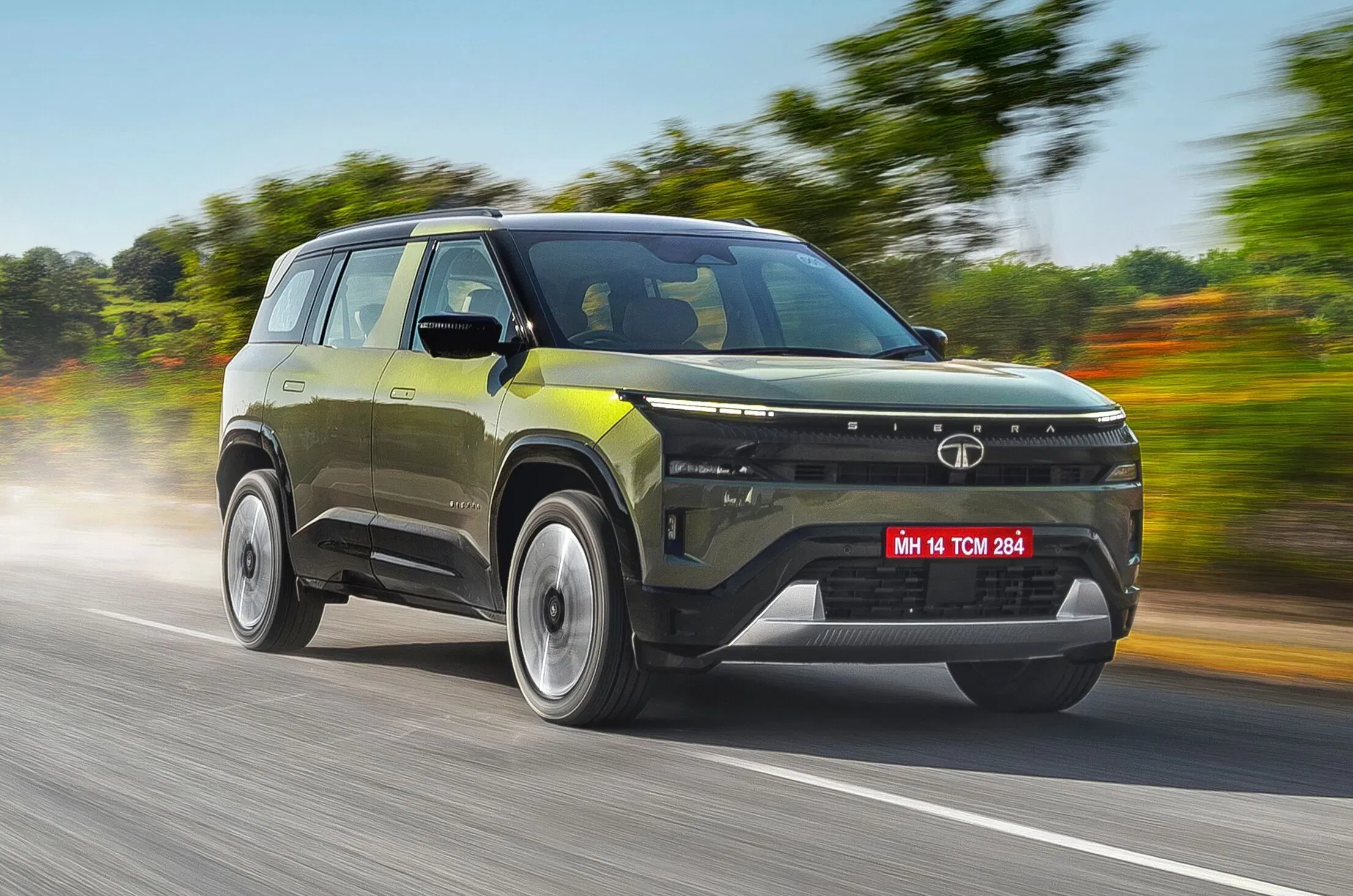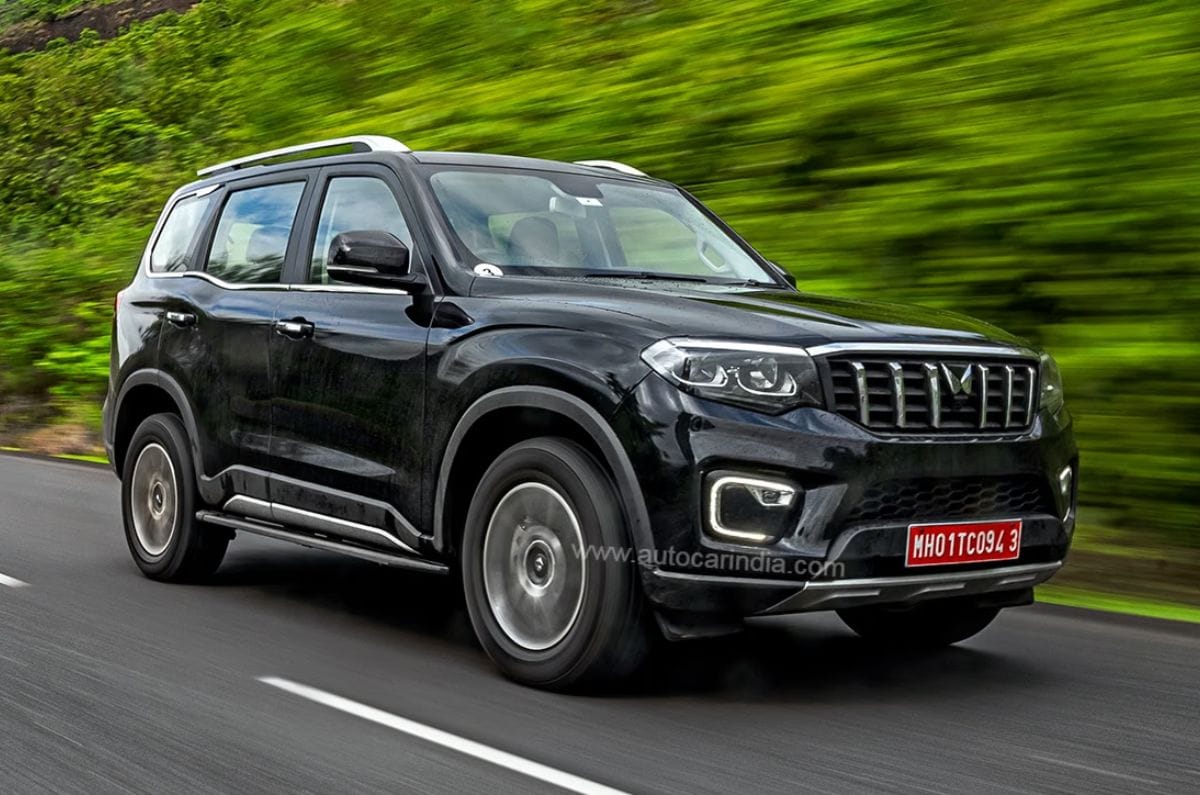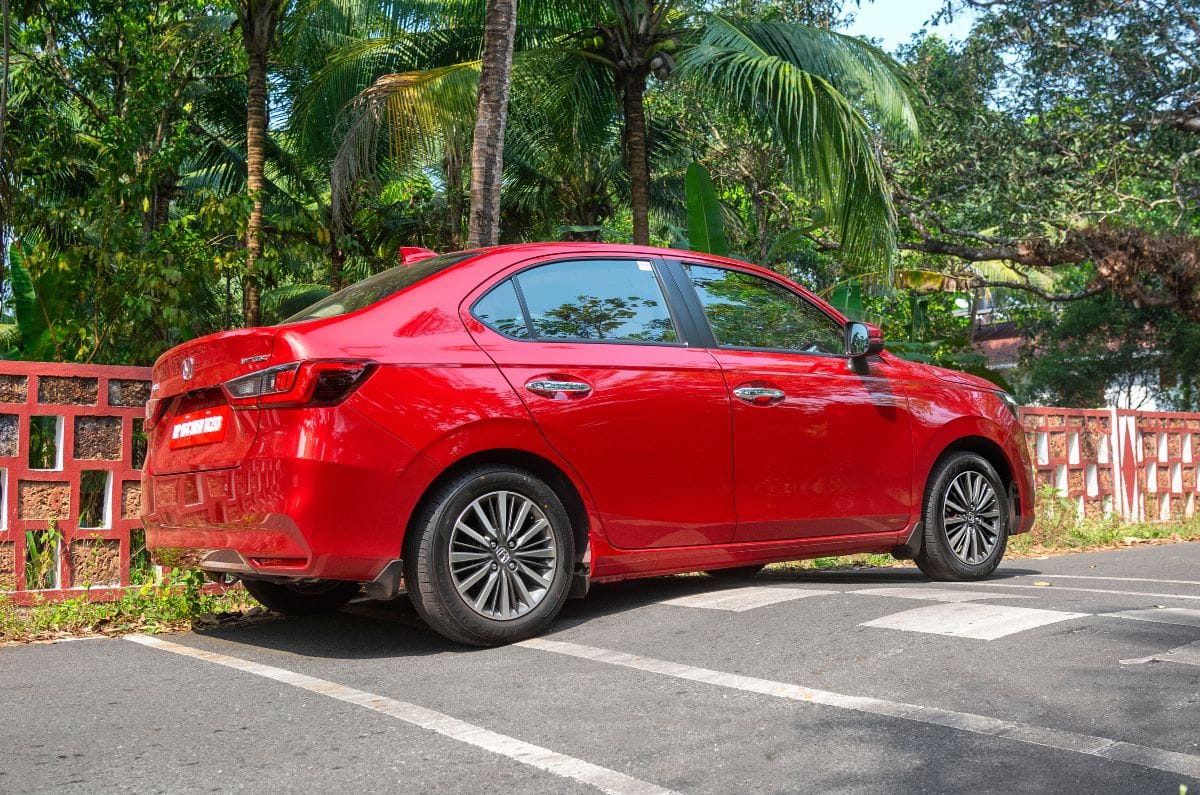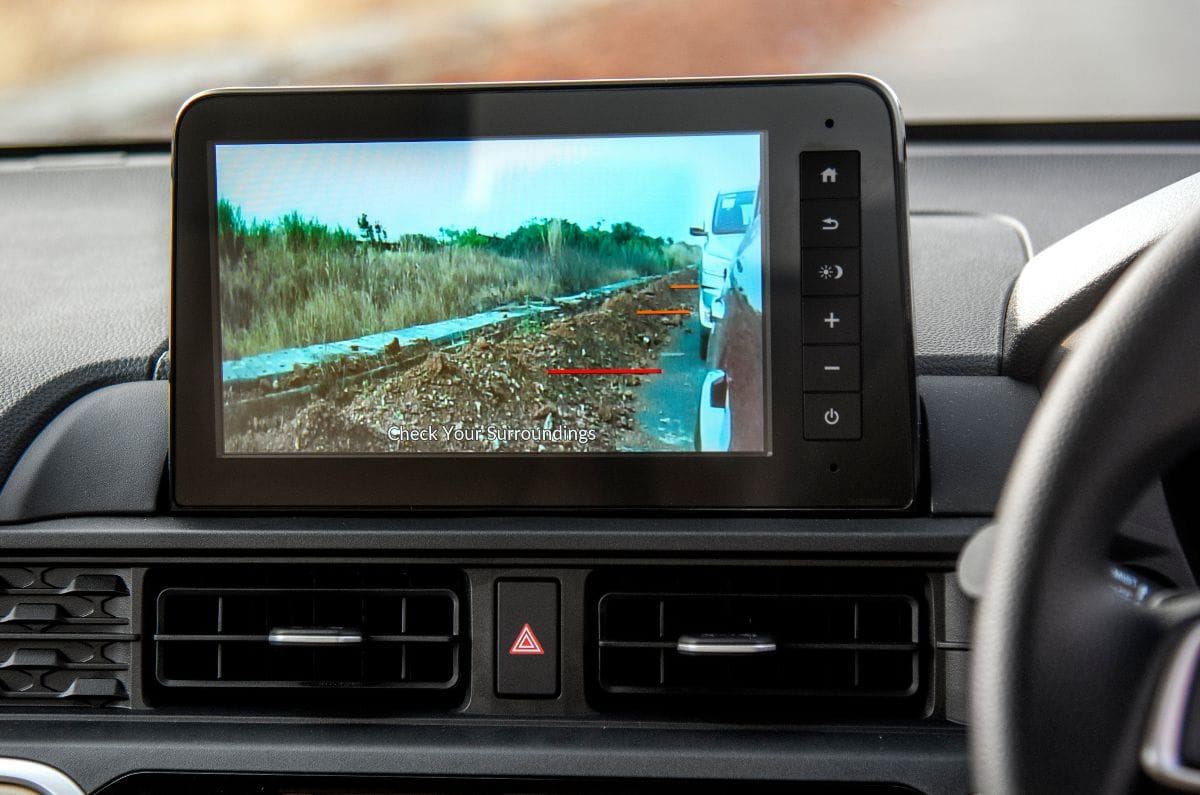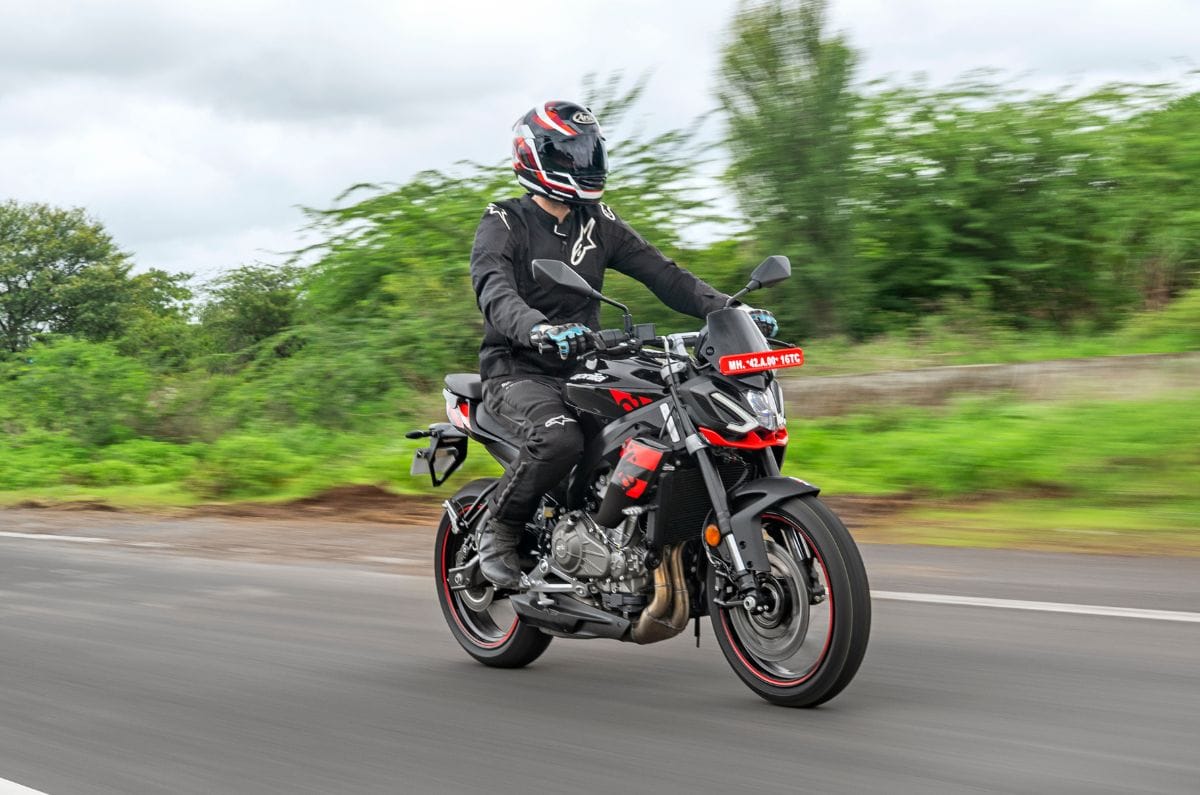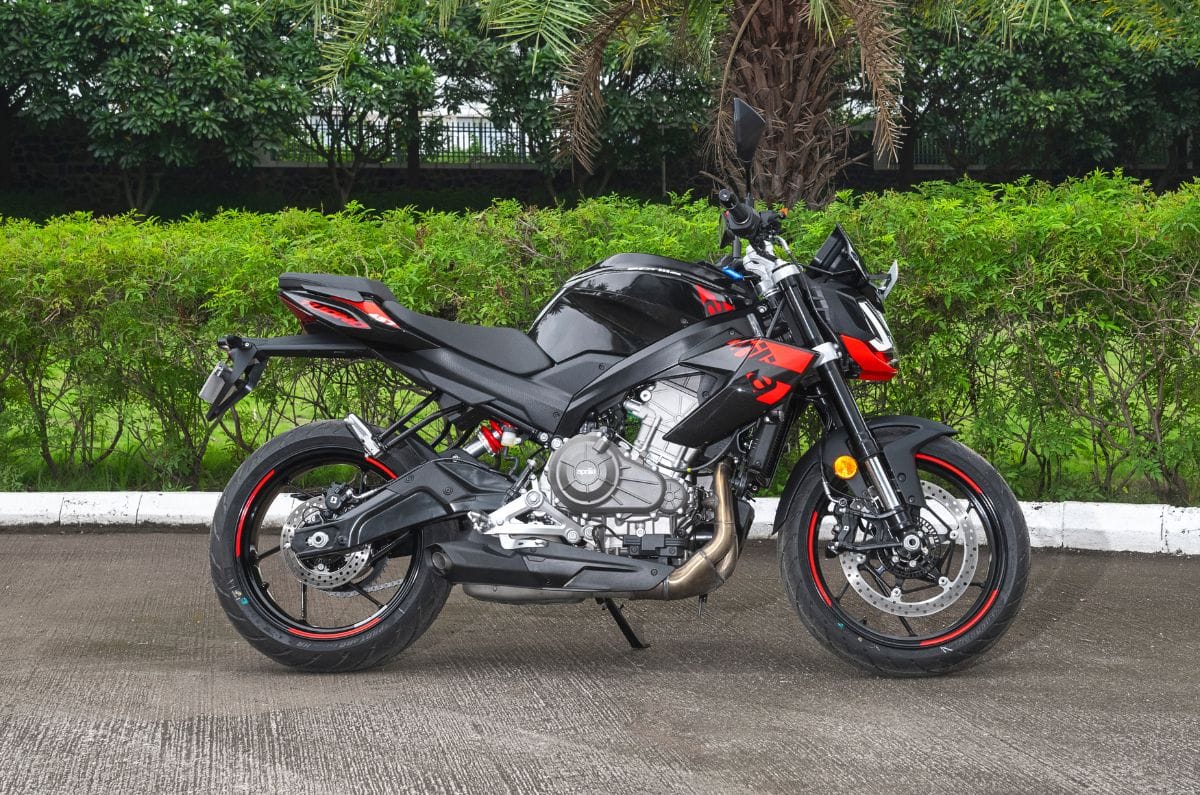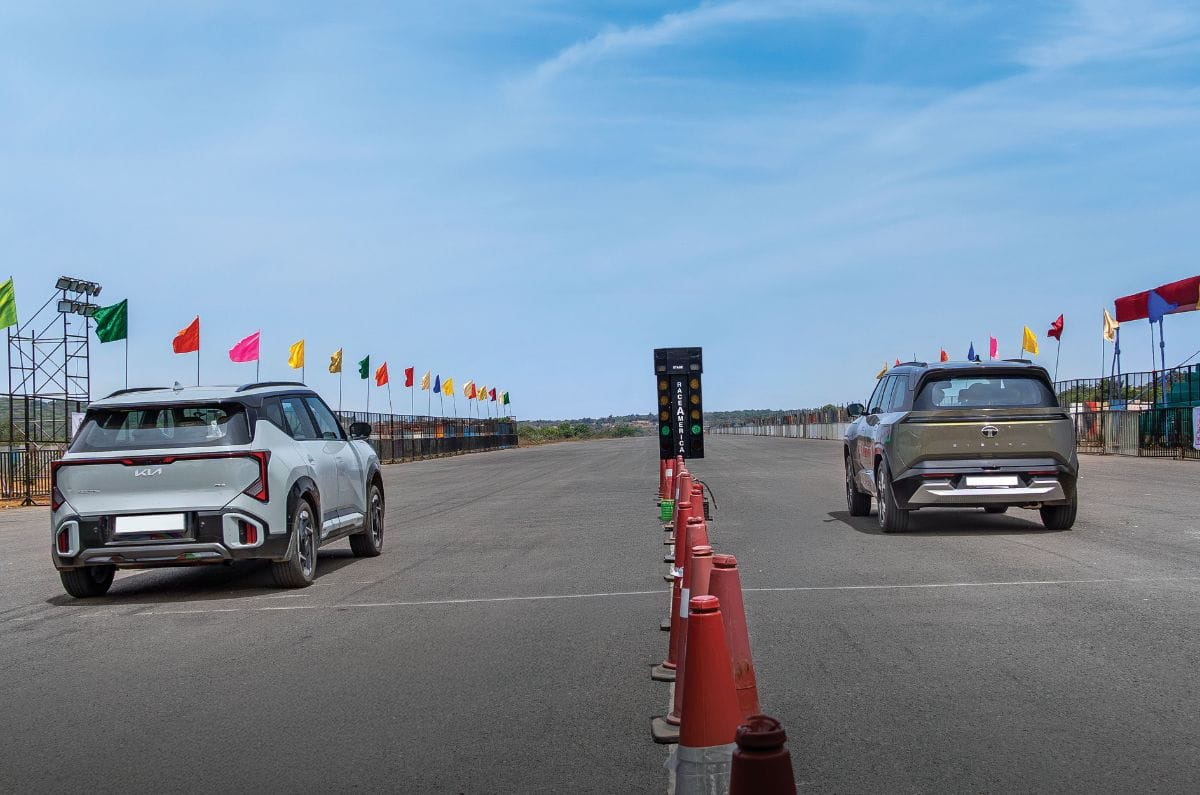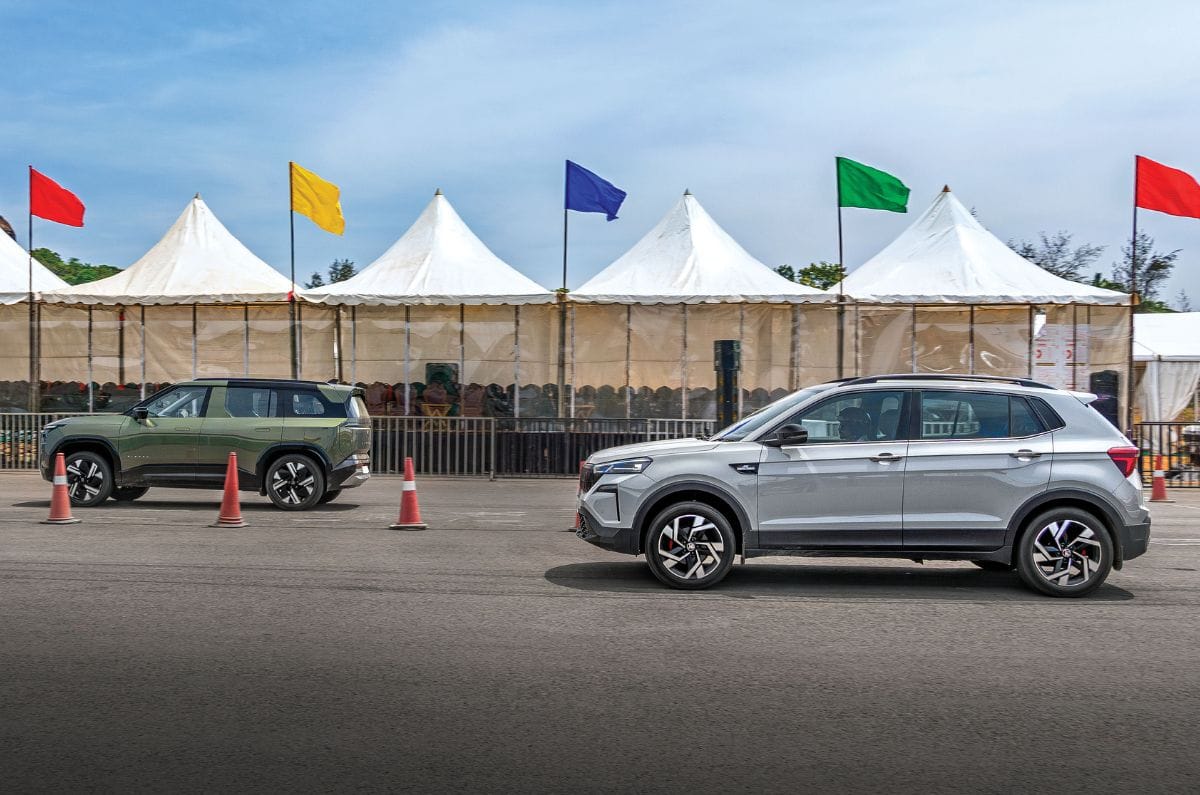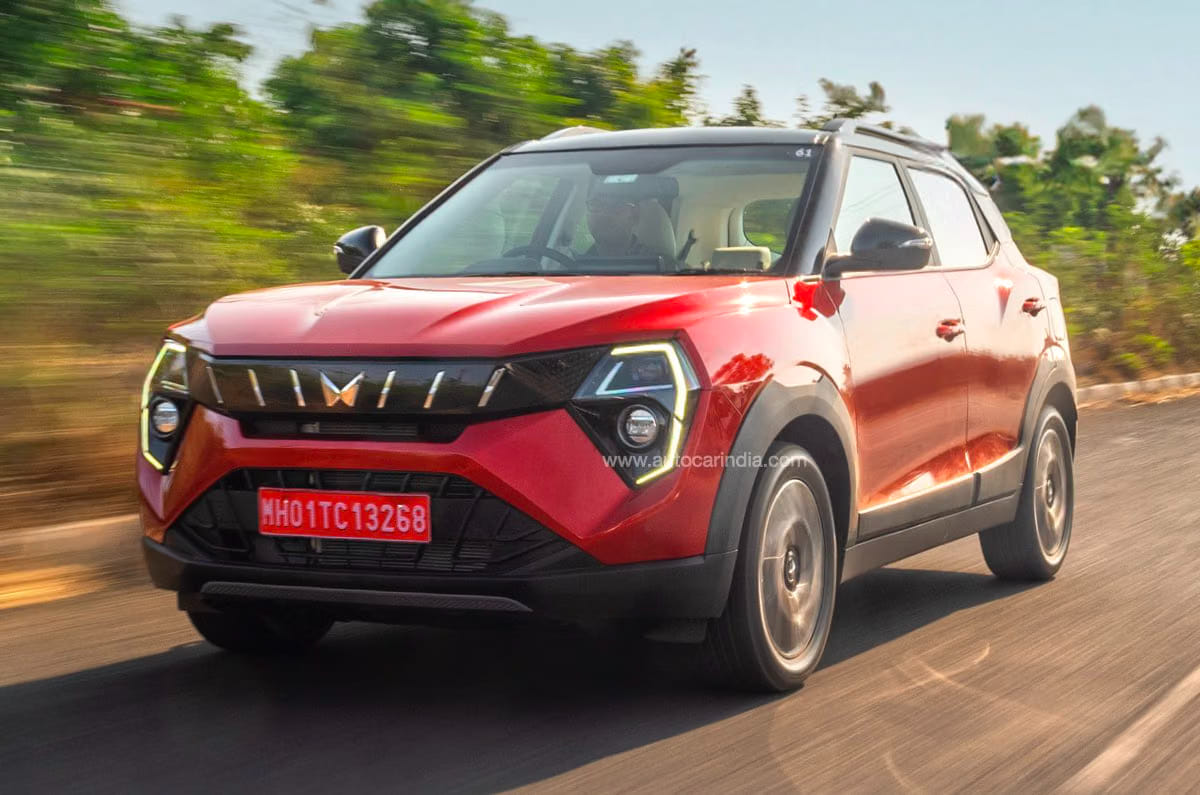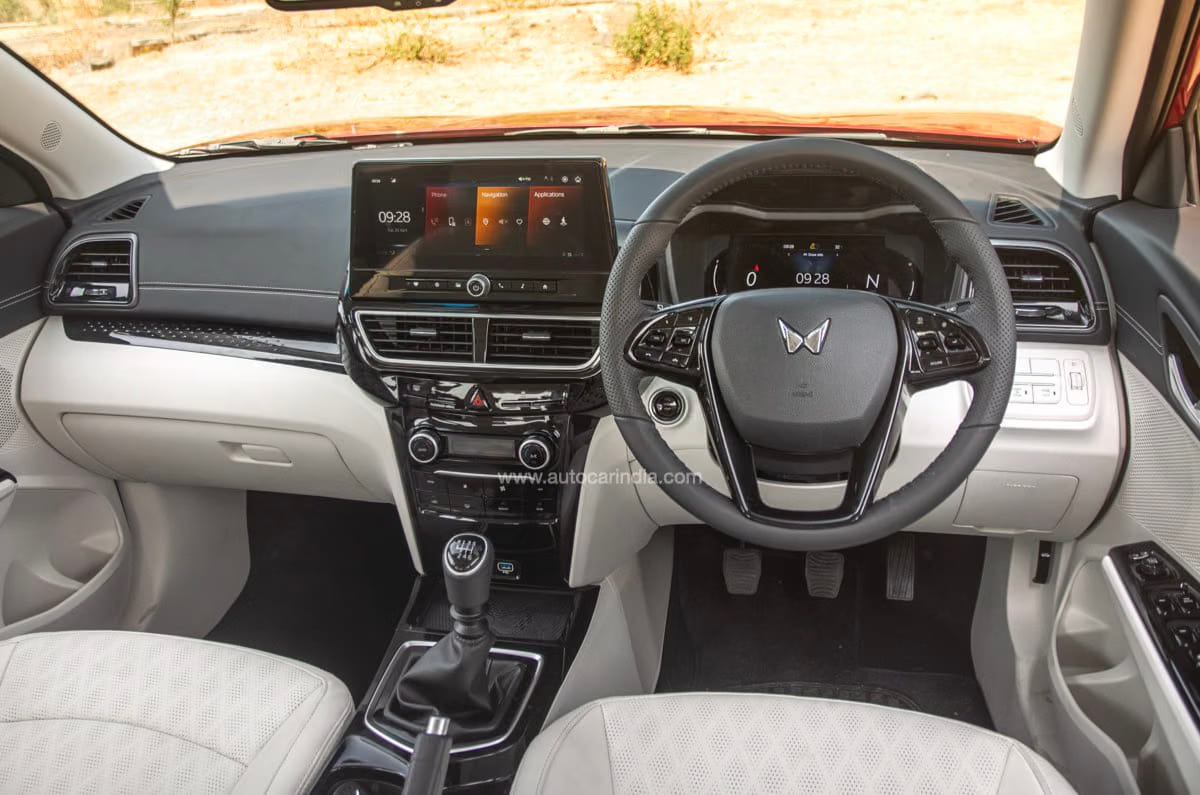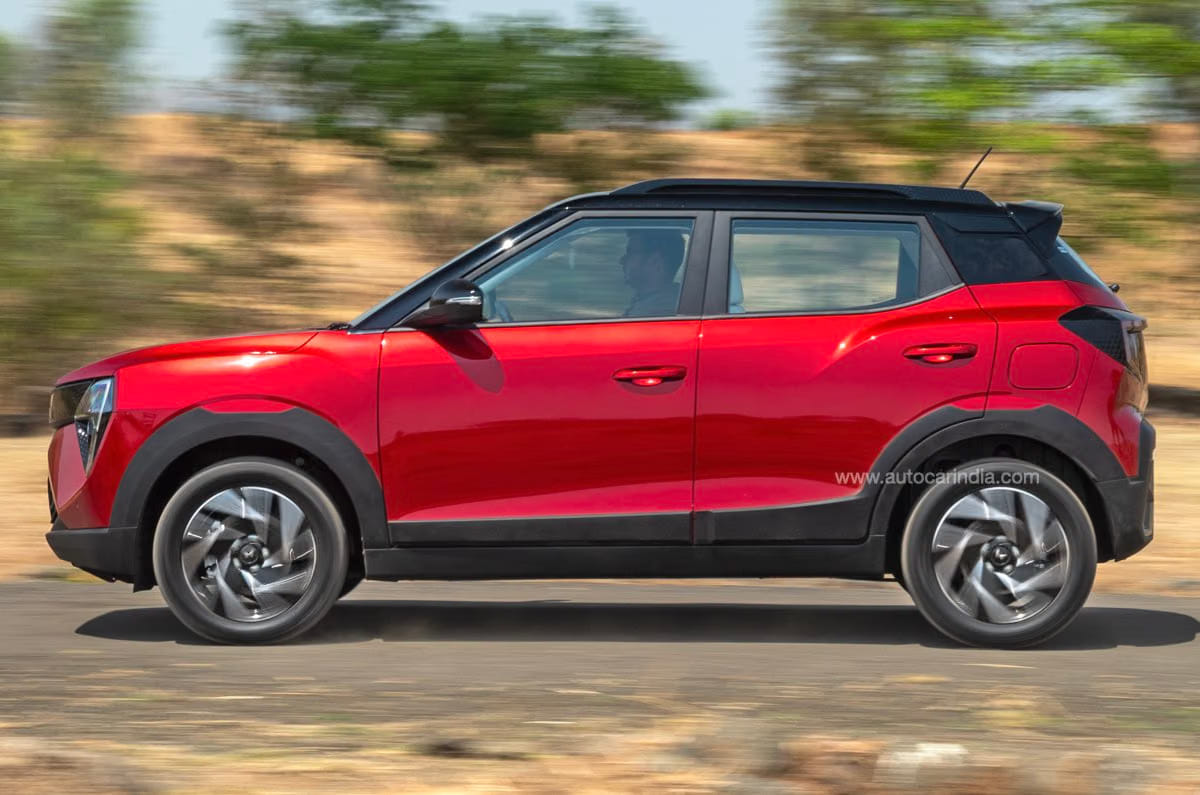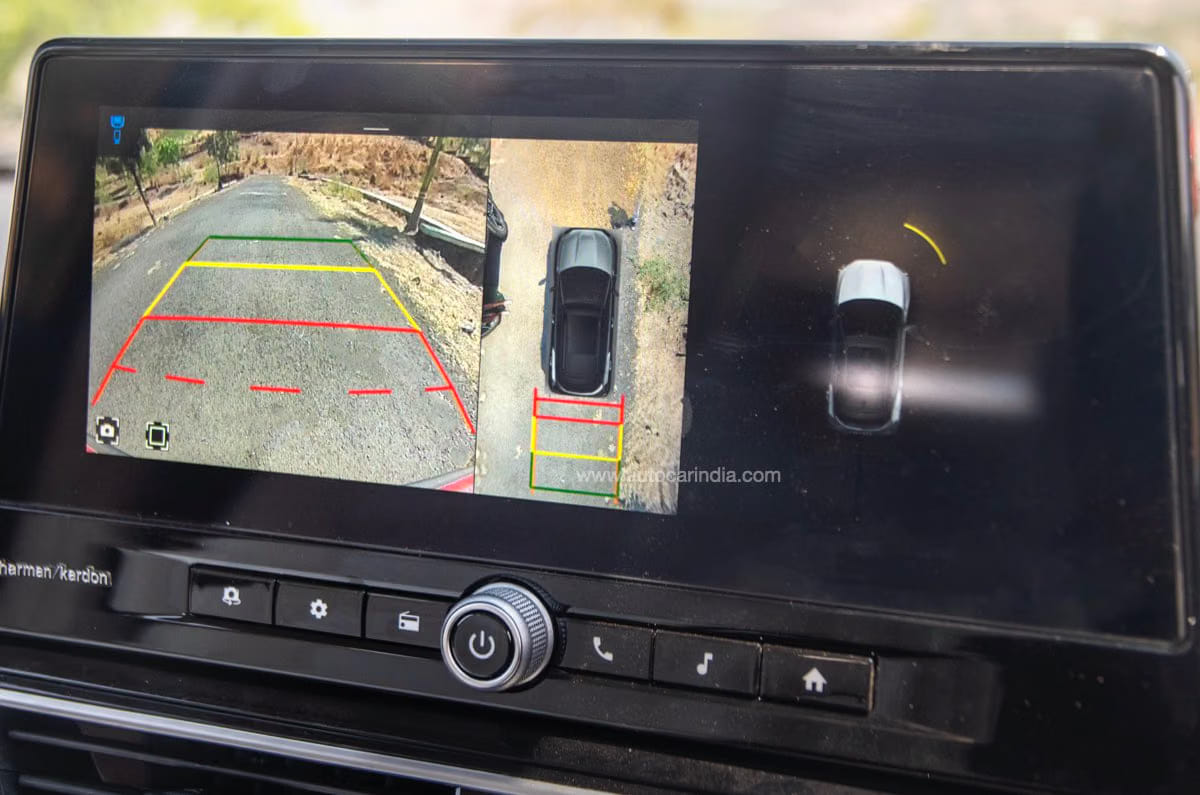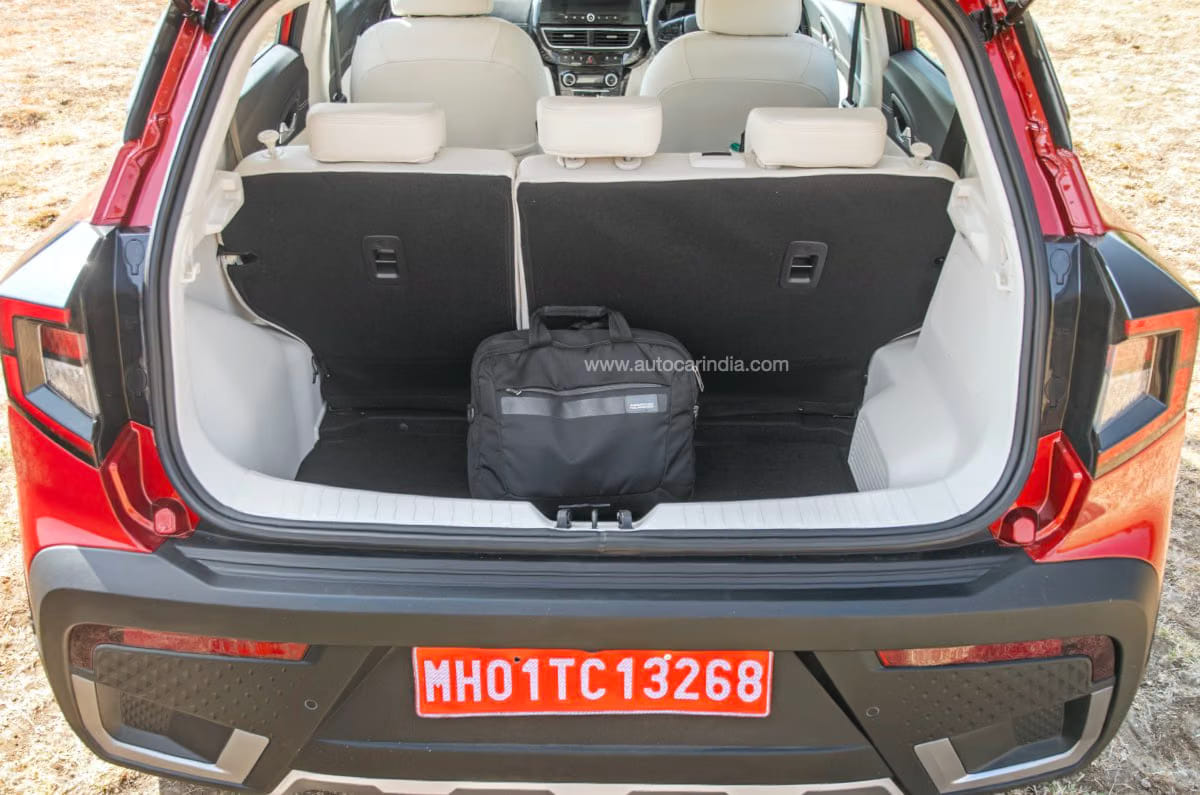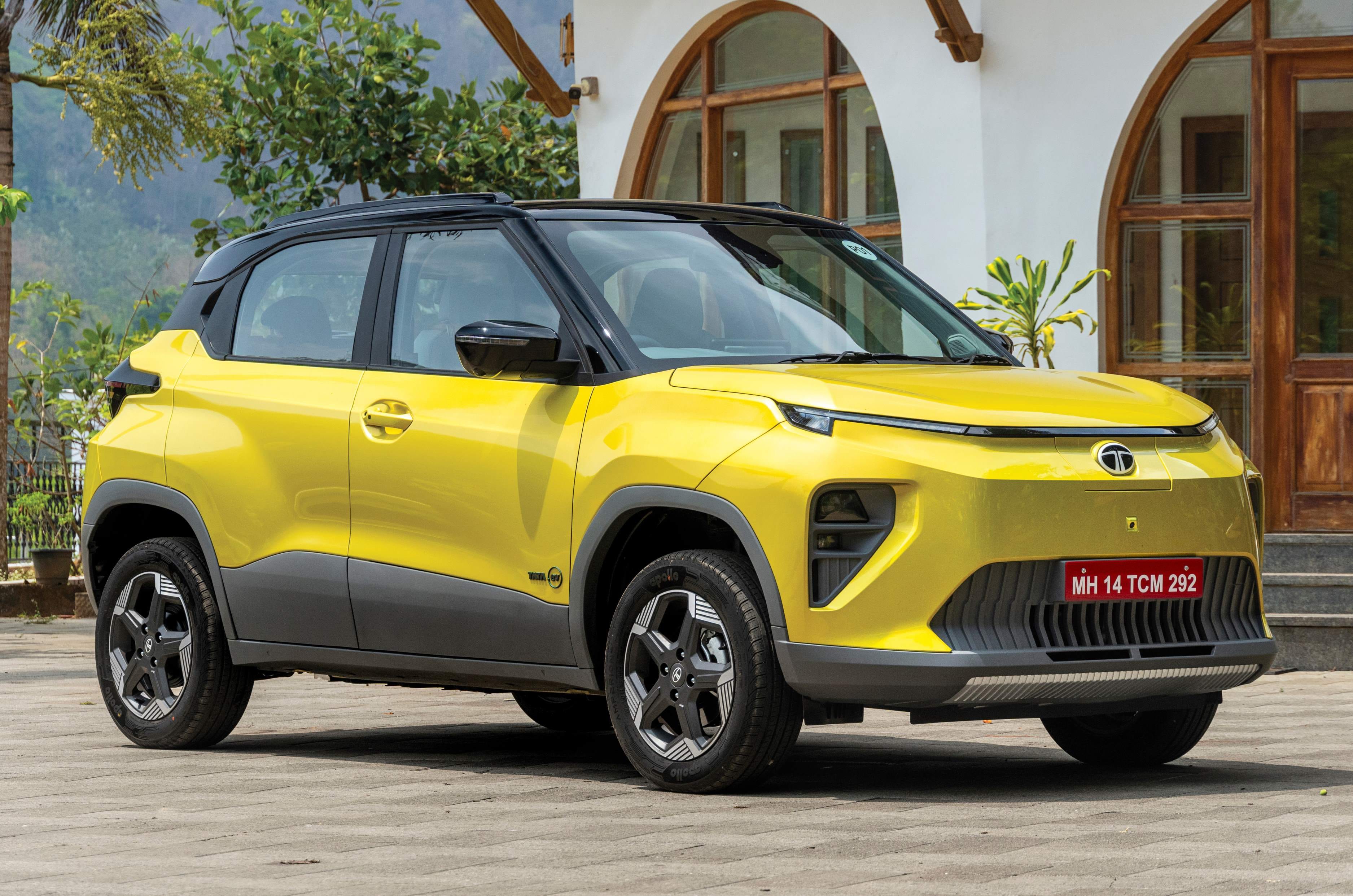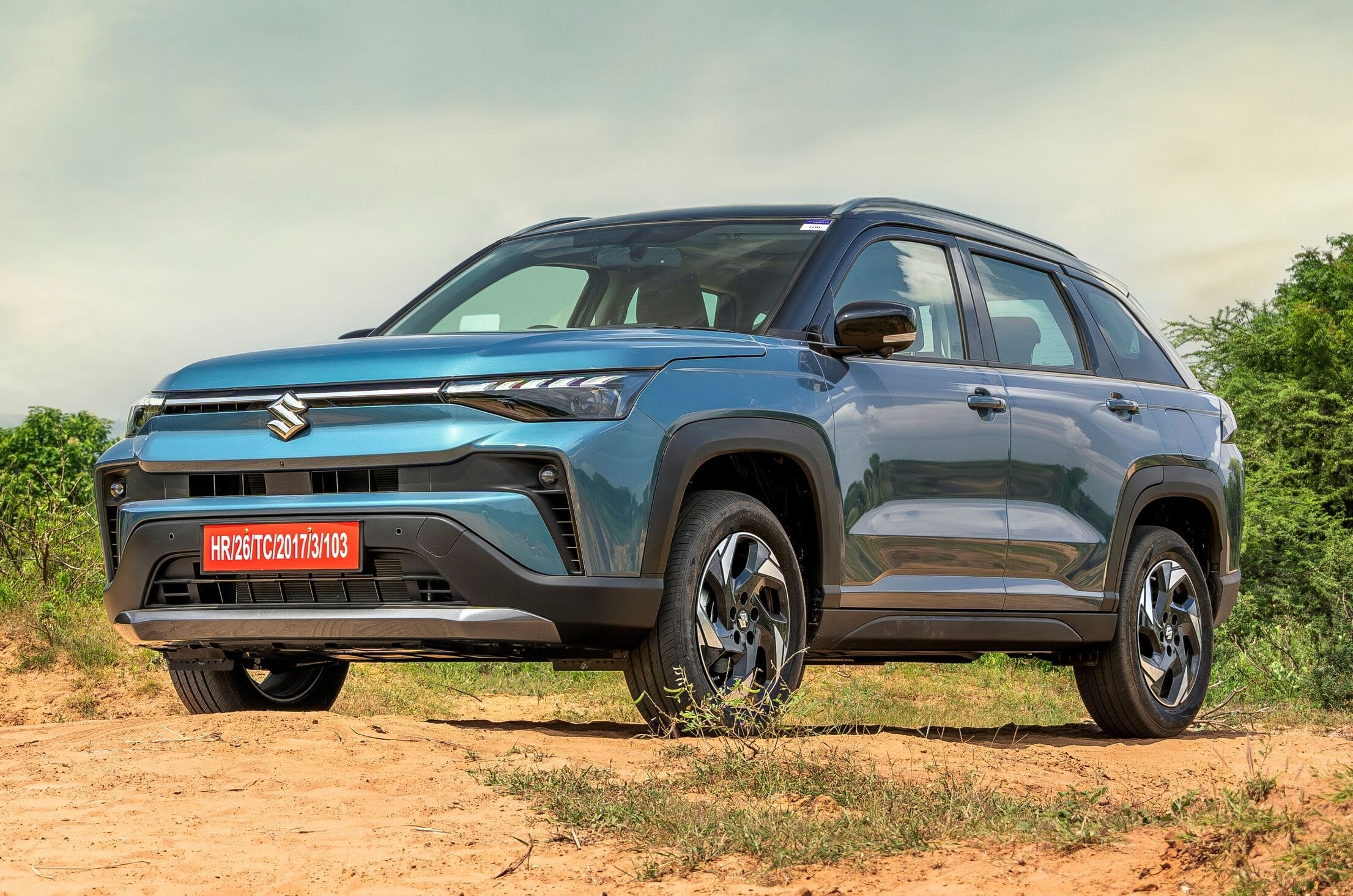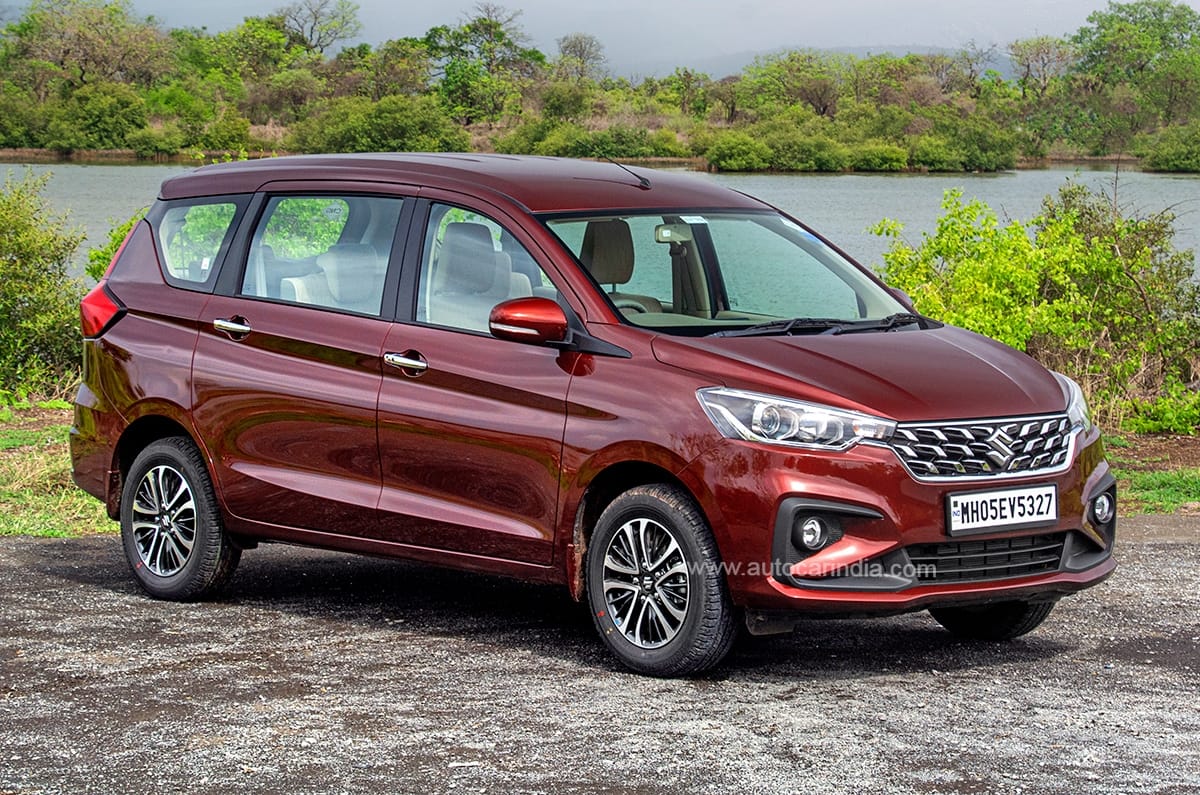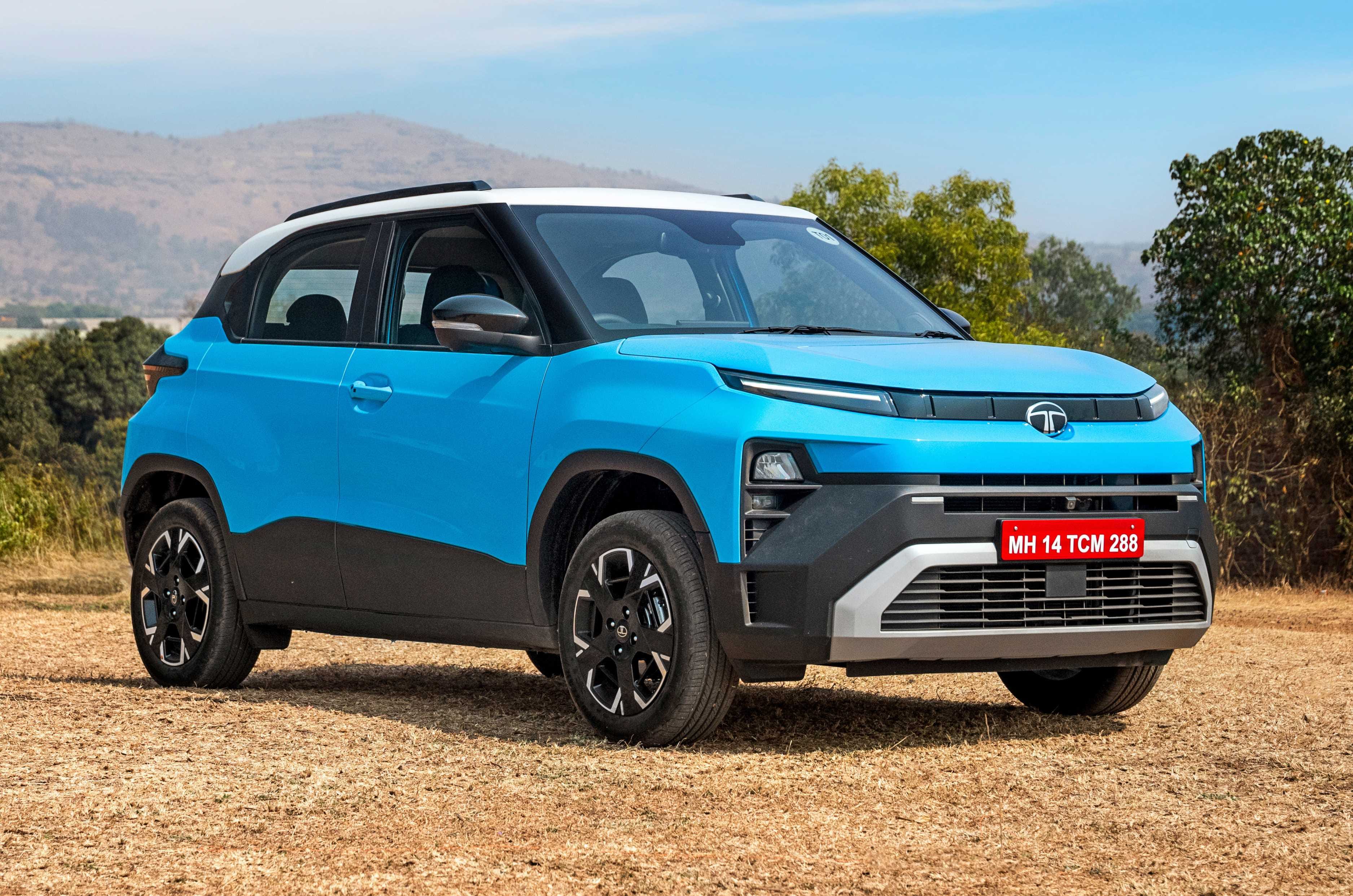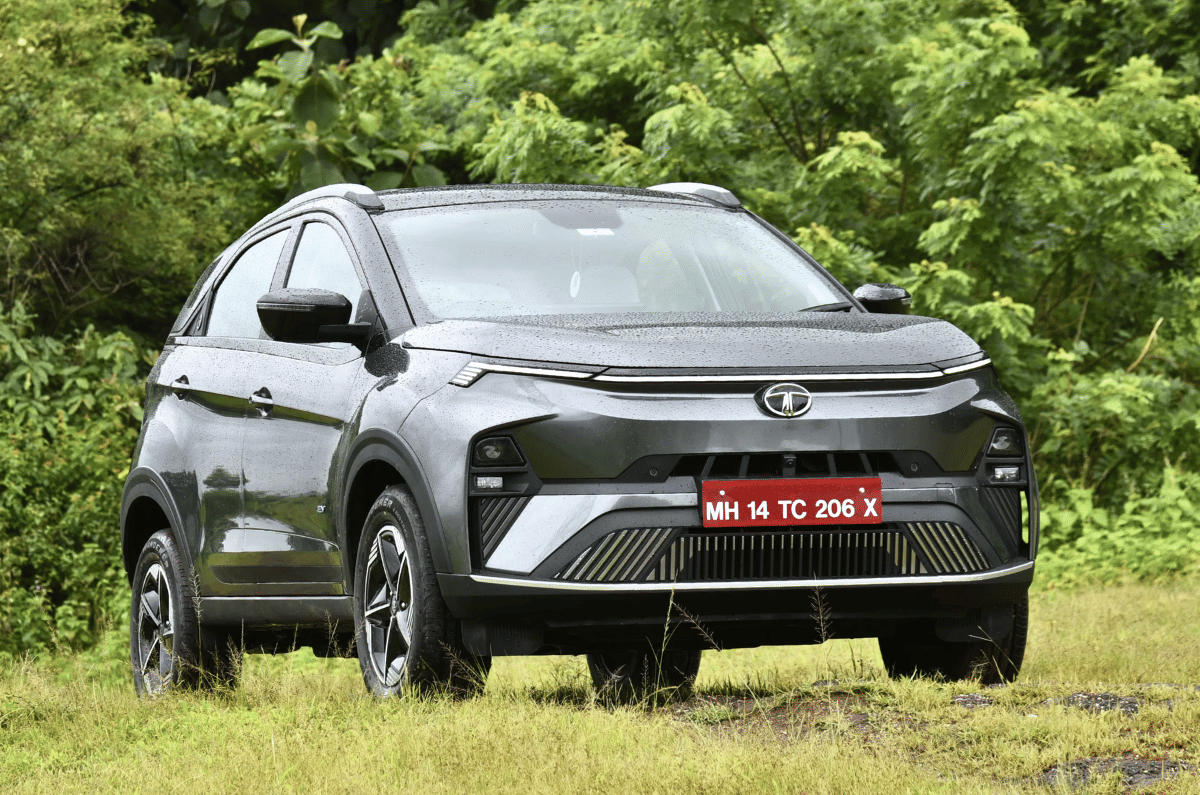

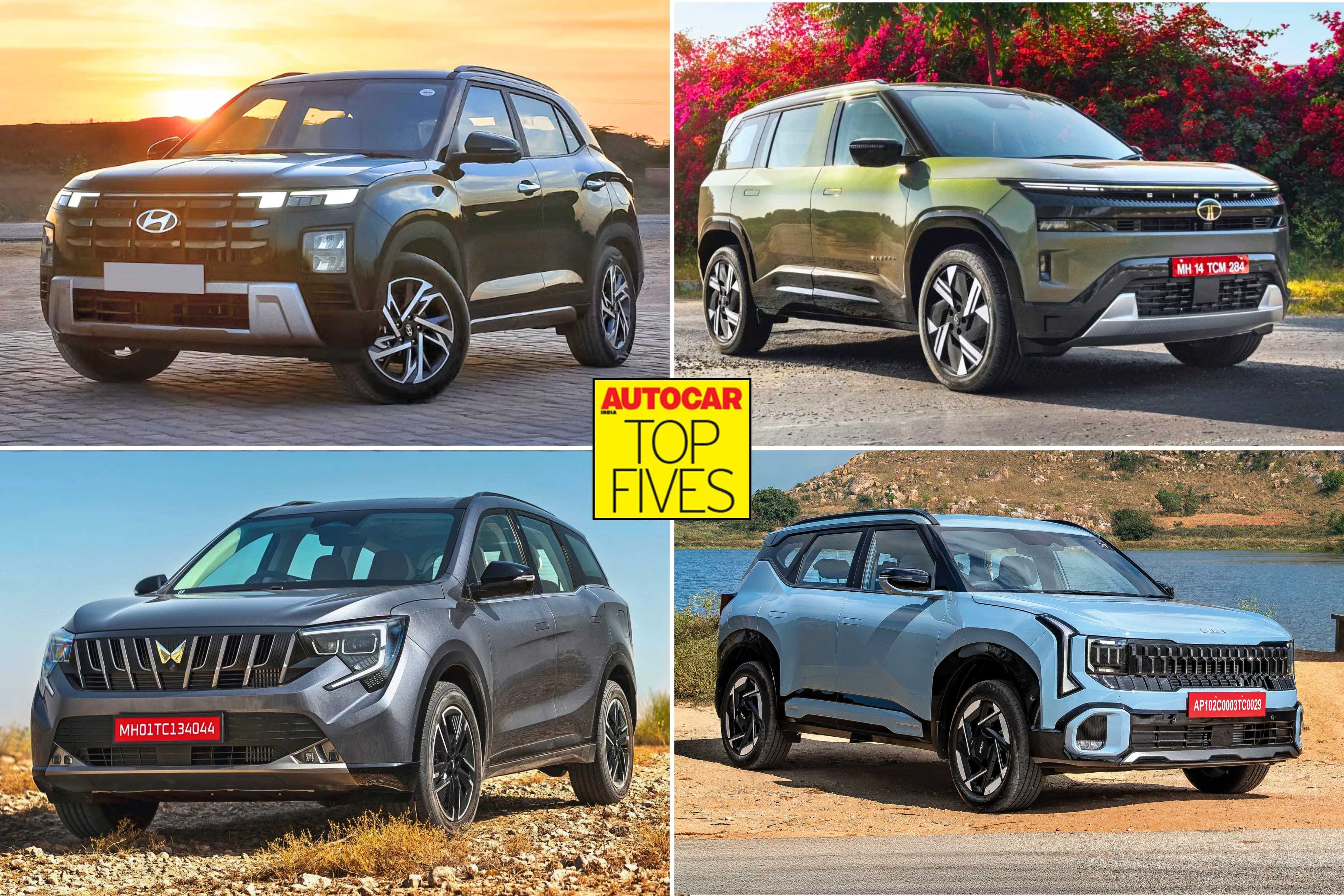
The Tata Punch has crossed the 8 lakh domestic sales milestone, becoming the second SUV in Tata Motors’ current passenger vehicle line-up after the Nexon to do so. The figures include combined wholesales of the Punch petrol, CNG and Punch EV, as Tata Motors does not report separate dispatch numbers for its ICE and electric models. The milestone comes less than five months after the Punch crossed the 7 lakh sales mark in early February this year.
Record 21,006 units dispatched in June 2026
Available with petrol, CNG and electric powertrains
From its launch in October 2021 until the end of June 2026, Tata Motors dispatched 797,479 units of the Punch. The remaining 2,521 units needed to cross the 8 lakh mark were sold in the first few days of July.
Tata Punch sales
Fiscal year
Units
YoY change
FY2022*
52,716
–
FY2023
1,33,819
154%
FY2024
1,70,076
27%
FY2025
1,96,567
16%
FY2026
1,83,980
-6%
FY2027**
60,321
67%
Total
7,97,479
–
*Launched on October 21, 2021 **April-June 2026
Tata Punch sales momentum
The Punch recorded its highest-ever monthly wholesales of 21,006 units in June 2026 and was India’s best-selling SUV in the first quarter of FY2027, with 60,321 units dispatched. Monthly sales have exceeded the 20,000-unit mark three times since the model’s launch, with all three instances coming this year.
Between February and June 2026, the Punch added another 1 lakh sales, helped by monthly wholesales of 18,748 units in February, 20,977 in March, 19,107 in April, 20,208 in May and 21,006 in June.
Tata Punch facelift expands line-up
Tata Motors launched the updated Punch in January this year with exterior and interior changes, additional features and new powertrain options. The range now includes a 1.2-litre turbo-petrol engine, a CNG-AMT option and an updated Punch EV with revised battery options and a Battery-as-a-Service (BaaS) programme.
The Punch is currently offered with petrol, CNG and electric powertrains across 32 variants. Prices for the petrol range start at Rs 5.70 lakh, while the CNG version starts at Rs 6.80 lakh. The updated Punch EV is priced from Rs 9.69 lakh (all prices, ex-showroom).
Tata Punch becomes fastest compact SUV to 8 lakh sales
The Punch crossed 1 lakh wholesales just 10 months after launch in October 2021, reached 4 lakh in June 2024, 5 lakh in January 2025, 6 lakh in July 2025 and 7 lakh in early February 2026. The latest run from 7 lakh to 8 lakh has taken less than five months, making it the quickest 1 lakh sales milestone for the model so far.
According to Tata Motors’ sales data, the Punch has become the fastest compact SUV to cross 8 lakh domestic wholesales. The Maruti Brezza took around 80 months to reach the milestone, followed by the Hyundai Venue at 85 months and the Tata Nexon at 89 months, while the Punch achieved it in a little over 57 months from launch.
The Renault Duster impressed us at the first drive event with its muscular design, modern interior and ride and handling balance. We’ve now subjected all versions of the new Duster to our in-depth performance and efficiency testing to tell you how it stacks up against its established competition in the midsize SUV segment.
Renault Duster Exterior Design and Engineering – 9/10
Butch, muscular SUV has good road presence; India model based on RGMP platform
Renault has absolutely nailed the design of the new Duster. While it retains clear visual links to its predecessor, the styling feels thoroughly modern. Up front, large LED headlamps are paired with distinctive eyebrow-shaped DRLs that double as turn indicators, while the grille replaces the Renault logo with a prominent ‘Duster’ script, capitalising on the model’s strong brand recall. A protruding silver skid plate evokes memories of the original Duster, and pixel-style fog lamps, a sculpted bonnet and functional air curtains add further visual muscle.
Left to right: Proudly wears the Duster badging on the nose; 18-inch alloys look proportionate.
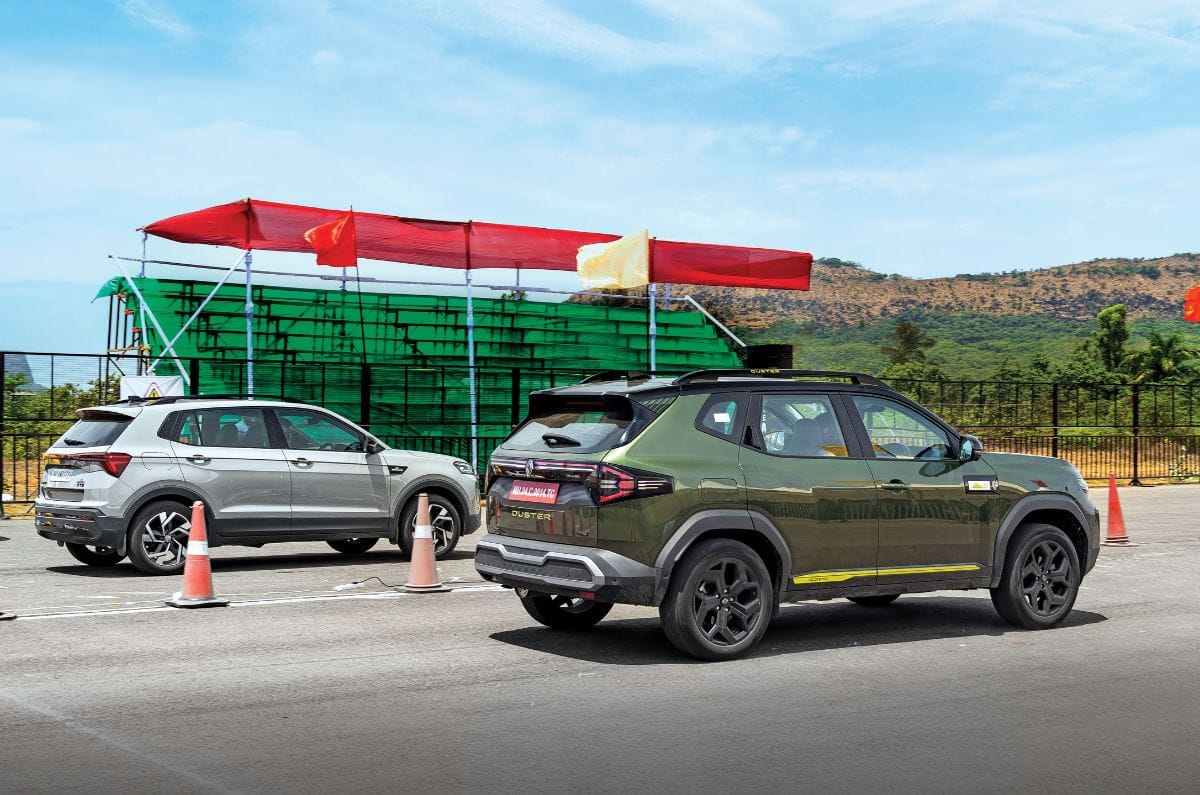
In profile, the Duster embraces a rugged SUV character with chunky black cladding, concealed rear door handles in the C-pillar and functional roof rails. It rides on striking 18-inch alloy wheels and offers 212mm of ground clearance. The rear design is relatively clean but features distinctive triangular tail-lamps connected by an LED light bar. A roof spoiler and contrasting silver insert in the bumper help enhance its stance. Overall, the Duster has considerable road presence. Colour options include Sunset Red, Pearl White, River Blue, Moonlight Silver, Stealth Black and Jade Mountain Green, while the Launch Edition adds neon-green accents and blacked-out alloys (pictured here).
The roof rails are functional and have a rated 50 kg load-carrying capacity.
Meanwhile, the 1.0 range tops out at the mid-spec Techno trim, but Renault has done a very good job of not making it look like so. You still get the same butch and muscular styling, LED lights, roof rails and body cladding. The only prominent difference from the top trims is the alloy wheels, which are a size smaller at 17 inches and feature a slightly different design.
Unlike the global CMF-B-based model, the India-spec Duster sits on an updated RGMP platform.
Unlike the European-spec Duster, which uses the CMF-B platform, the India model sits on an updated version of it, which Renault calls the Global Modular Platform (RGMP). It features a Google co-developed electronic architecture, and the platform is designed to accommodate a wide range of body styles and powertrains, including hybrids, CNG and full-electric derivatives. Interestingly, the cabin is around 40mm taller due to the addition of a panoramic sunroof, which necessitated a higher roofline to preserve cabin headroom. Ground clearance is slightly higher too, making the India car 50mm taller overall than the international model. Measuring 4,343mm long, 1,813mm wide and 1,659mm tall, with a 2,657mm wheelbase, the Duster sits squarely in the midsize SUV segment.
The Duster gets a segment-best 518-litre boot, though the loading lip is high.
The powered tailgate reveals a segment-leading 518-litre boot (700 litres up to the roof), although Renault only provides a puncture repair kit instead of a spare wheel as standard. Despite no AWD option, off-road credentials remain a key part of the Duster’s appeal, with 26.9-degree approach and 34.7-degree departure angles.
Renault Duster Interior Space, Comfort and Practicality – 8/10
Modern interior impresses with its design, but it isn’t as spacious as some rivals in the segment
Fit and finish of materials inside the cabin are good.
Inside, the dashboard features a twin-screen layout, with a mix of textured and soft-touch materials that lend the interior a premium feel. Silver accents, faux carbon-fibre trim and contrast green stitching add visual drama without making the cabin feel overly busy.
Glovebox is quite shallow and small on the whole.
Crucially, Renault has resisted the temptation to digitise everything. The Duster strikes a sensible balance between touchscreen functions and physical controls, with a row of buttons and knobs for key functions, including the climate control system. Interestingly, the manual and automatic versions feature different centre console layouts. The automatic gets a raised console with a deep, cooled storage compartment, cup holders, a wireless charger and a stubby gear selector, while the manual features a lower-set console with a conventional handbrake and an additional storage shelf beneath the dashboard controls. The manual gear lever feels pleasingly tactile and well-engineered.
Audio controls are on a separate stalk behind the steering wheel; it takes some time getting used to.
Practicality is par for the course. The sliding front armrest incorporates a storage compartment, but the glovebox is on the smaller side, and the door pockets struggle to accommodate 1-litre bottles. The flat-bottom, flat-top steering wheel feels good to hold and houses controls for the instrument cluster and cruise control, while audio controls continue to sit on a separate stalk behind the wheel, a familiar Renault trait. What’s nice is that it features auto up/down for all windows from the base trim.
10.25-inch digital cluster has a split-screen function; some will miss classic round dials, though.
The digital instrument cluster is crisp, colourful and configurable, although some buyers will miss straightforward analogue dials. Less impressive is the key fob, shared with the Triber and Kiger, which feels very budget-oriented.
1.0 range gets a smaller 7-inch driver’s display and brown- black fabric seat upholstery.
The dual-tone black-and-dark-green upholstery with neon-green stitching in the top-spec Iconic Launch Edition adds some character to the cabin. The Techno trim, meanwhile, which is where the 1.0 tops out, features brown-and-black seat upholstery with some different trim elements.
Front seats are well-padded, accommodating and ideal for long drives.
Up front, the seats are supportive and comfortable over long distances, and they feature electric adjustment and an effective ventilation function. Rear-seat comfort is good for two adults, with adequate knee room and good headroom. While a third passenger can be accommodated, limited shoulder room and the transmission tunnel make it a squeeze.
There’s good knee room and headroom on offer, but overall space is less than some rivals.
Rear occupants also get AC vents, charging ports and a centre armrest with cup holders. The large panoramic sunroof and expansive glass area help create an airy feel, although rear sun blinds are notably absent. One drawback is that the window line is considerably higher than before, meaning outward visibility isn’t quite as good as in the original Duster, which was renowned for its excellent all-round view out.
Renault Duster Features and Safety – 8/10
Top-spec comes very well-equipped, though features could’ve been better spread out
10.1-inch touchscreen is slick and high- resolution, but the UI isn’t as logical or straightforward as some rivals.
The Duster comes loaded with all the features expected of a midsize SUV. Its infotainment system supports wireless smartphone connectivity and impresses with crisp graphics and vibrant colours, matching the digital instrument cluster. However, the 10.1-inch touchscreen’s ratio makes it feel relatively slim.
The standout feature is the integration of Google services – Google Maps, Google Assistant and the Google Play Store, which are built into the system, and work seamlessly. The interface is slick and responsive, though it isn’t very intuitive to use, lacking the straightforward layout and menu structure seen in some rivals.
The large panoramic sunroof livens up the cabin without hampering headroom.
Equipment highlights include ventilated and powered front seats, a panoramic sunroof, wireless phone charging, a powered tailgate, dual-zone climate control, connected car technology, auto headlamps and wipers, and a 360-degree camera, although image quality could be sharper.
Safety equipment is comprehensive, with six airbags as standard, front and rear parking sensors, TPMS, an electronic parking brake on DCT variants, disc brakes all around, adjustable headrests and three-point seatbelts for all occupants. The Duster is also Renault India’s first model to feature Level 2 ADAS. During our drive, the system felt well calibrated and largely unobtrusive, though lane-keep assist was slightly overzealous. A dedicated button allows drivers to disable all ADAS functions without diving into touchscreen menus, which is a welcome touch. Commendably, Renault has also secured a full 5-star crash safety rating from Bharat NCAP for the SUV.
It scored 30.49/32 points for adult occupant protection and 45/49 points for child occupant protection.
Overall, the Duster is well equipped to compete with its rivals, though Renault could have distributed some premium features like ventilated seats more effectively across the range, particularly on mid-spec variants. As for the 1.0 range, the top-spec Techno is well specified with features like the same touchscreen, panoramic sunroof, powered tailgate and more.
Renault Duster equipment checklist
Auto LED headlamps
Yes
Alloy wheels
18-inch
Powered front seats
Yes
Ventilated seats
Yes
Panoramic sunroof
Yes
Ambient lighting
Yes
Touchscreen
10.1-inch
Android Auto/Apple CarPlay
Yes
Arkamys Kardon audio
Yes
ADAS
Level 2
Renault Duster Engine Refinement and Performance – 8/10
Both turbo-petrols are refined and have a strong midrange punch; DCT is the pick of the lot
The Duster range starts with a 1.0-litre three-cylinder turbo-petrol producing 100hp and 166Nm, paired exclusively with a 6-speed manual gearbox. Then there’s a 1.3-litre four-cylinder turbo-petrol with a segment-leading 163hp and 280Nm, available with either a 6-speed manual or a 6-speed DCT automatic. We’ve tested all three versions of the Duster on sale currently.
Renault Duster powertrain specs
1.0TP MT
1.3 TP MT
1.3TP DCT
Installation
Front, transverse
Front, transverse
Front, transverse
Type
3 cyls, 999cc, turbo-petrol
4 cyls, 1333cc, turbo-petrol
Bore/ stroke (mm)
72.2/81.3
72.2/81.3
72.2/81.3
Compression ratio
9.5:1
10.5:1
10.5:1
Valve gear
4 valves per cyl
4 valves per cyl
4 valves per cyl
Power (hp)
100 at 5000rpm
163 at 5250rpm
163 at 5250rpm
Torque (Nm)
166 at 2000-3750rpm
280 at 2000-3500rpm
280 at 2000-3500rpm
Power to weight (hp per tonne)
75.98
118.80
117.01
Torque to weight (Nm per tonne)
126.13
244.17
244.17
Specific output (hp per ltr)
100
125.38
125.38
Drive layout
Front-wheel drive
Front-wheel drive
Front-wheel drive
Gearbox
6-speed manual
6-speed manual
6-speed dual-clutch automatic
A strong-hybrid powertrain will join the line-up later this year. It combines a 109hp 1.8-litre petrol engine with a 49hp electric motor and a 20hp hybrid starter generator, drawing power from a 1.4kWh battery. Total system output stands at 160hp and 172Nm. Notably, unlike the original, the new Duster isn’t available with a diesel engine or an AWD option.
Both engines are refined and have a strong midrange, but aren’t very fuel-efficient.
The 1.3-litre engine is impressively refined, with virtually no vibrations at idle and excellent smoothness throughout the rev range. Cabin insulation is equally impressive, keeping engine noise largely out of the cabin unless you’re extending it towards the redline. You do hear quite a bit of the turbo’s blow-off sound though. There is some turbo lag, followed by a noticeable surge in performance at around 2,500rpm, after which the engine delivers a strong and eager mid range.
The 1.3-litre turbo-petrol engine has the highest output in its class with 163hp and 280Nm.
Thanks to its wet clutch, the DCT allows for some slip, given that the lubrication manages wear as well as heat build-up. Thus, shifts prioritise smoothness over outright speed, feeling more like a conventional torque-converter automatic in city driving. This makes it exceptionally easy to live with in traffic, while responsive paddle shifters add an extra layer of engagement on a spirited drive. We recorded a 0-100kph time of 11.3 seconds, which is decent for the segment. However, the tall gearing does blunt low-speed responses somewhat.
Enthusiasts will naturally gravitate towards the manual. Driven on winding and open roads, it feels engaging and rewarding, with a light clutch and a precise shift action. However, turbo lag is more noticeable here than in the DCT, particularly when accelerating from slow speeds. This does make city drives somewhat cumbersome. Combined with the tall gearing, it often requires an extra downshift to keep the engine in its sweet spot.
Manual versions get a lower-set centre console with a manual handbrake.
The manual posted a 0-100kph time of 10.3sec, making it a whole second quicker than the DCT. Both versions feature Comfort and Eco drive modes, although the addition of a Sport mode would have better suited the Duster’s otherwise enthusiastic character.
The 1.0 entry-level engine is a familiar unit that also powers the Kiger. However, Renault has made tweaks, with torque increasing to 166Nm, up by 6Nm over the Kiger, while a 6-speed manual gearbox replaces the compact SUV’s 5-speed unit. There’s no automatic option, though, which does limit its appeal.
The Duster shares its 1.0-litre engine with the smaller Kiger.
Like most three-cylinder engines, there’s a noticeable thrum and some vibrations at idle, but things smoothen out considerably once on the move. Being a small-capacity turbocharged motor, there is some lag low down in the rev range. However, once past 2,000rpm – where peak torque arrives – the engine feels responsive and pulls cleanly towards the redline. Performance is more adequate than exciting. Around town, it keeps pace with traffic comfortably, and part-throttle responses are respectable. On highways and steep inclines, however, you’ll need to work the gearbox to extract the best from the engine, particularly when overtaking.
The clutch is light, making it easy to use in traffic, while the 6-speed gearbox offers a precise shift action. It isn’t the slickest unit around, though, and enthusiastic drivers will notice that shifts require a bit more effort than expected.
Renault Duster acceleration times
Speed (kph)
1.0TP MT time (sec)
1.3TP MT time (sec)
1.3TP DCT time (sec
0-10
0.60
0.56
0.86
0-20
1.32
1.15
1.71
0-30
2.08
1.75
2.54
0-40
3.13
2.42
3.55
0-50
4.27
3.41
4.51
0-60
5.42
4.61
5.52
0-70
7.36
5.58
6.80
0-80
8.91
6.65
7.94
0-90
10.67
8.66
9.31
0-100
13.26
10.32
11.33
0-110
15.95
12.11
13.24
0-120
19.01
13.86
15.37
0-130
22.84
16.02
17.97
1/4 mile
18.55
16.86
17.85
20-80 (rolling)
11.44
10.33
6.07
40-100 (rolling)
12.71
11.08
7.60
Renault Duster Fuel Efficiency – 6/10
Small-capacity turbo engines mean efficiency isn’t great
Renault Duster tested fuel efficiency (kpl)
1.0TP MT
1.3TP MT
1.3TP DCT
City
7.98
8.04
6.47
Highway
13.98
13.24
13.47
Average
10.95
10.64
9.97
Tank size (ltr)
50
50
50
The Duster 1.0 has a claimed ARAI fuel efficiency of 19.41kpl. In our real-world tests, it returned 7.92kpl in the city and 13.98kpl out on the highway, for an average of 10.95kpl. It packs in an Eco drive mode and auto start/stop tech, which help boost its efficiency. However, the ambient temperature during our test reached a soaring 40degC, which meant the AC was working hard to keep the cabin at our preset 22degC and the auto start/stop would only shut off the car for a brief time at traffic lights, which affected the efficiency.
Overall tank range stands at 498.5km for the 1.3 DCT, 532km for the 1.3 MT and 547.5km for the 1.0.
The 1.3 MT is the second most fuel-efficient version from the Duster range, returning 8.04kpl in the city and 13.24kpl on the highway for an average of 10.64kpl. The 1.3 has better efficiency than the 1.0 in the city owing to its taller gearing, which requires less frequent shifts. Meanwhile, as you’d expect, it’s the 1.3 DCT that’s the least fuel-efficient. It managed 6.47kpl in the city and 13.47kpl on the highway, for an average of 9.97kpl. Like with the 1.0, high ambient temperatures played a role in affecting its efficiency as well. Still, compared to its rivals, the Duster’s real-world efficiency is on the lower side.
Renault Duster Ride Comfort and Handling – 9/10
Feels solid and composed over all surfaces and is engaging to drive
Renault Duster suspension, steering, and brakes
Front suspension
Independent, McPherson strut, Coil springs, anti-roll bar
Rear suspension
Semi-independent, Torsion beam, Coil springs, Anti-roll bar
Steering type
Rack and pinion
Type of power assist
Electric
Turning circle
5.2m
Front brakes
Disc
Rear brakes
Disc
Ride comfort was one of the original Duster’s defining strengths, and thankfully, that trait has carried over to the new model. There’s a distinctly European firmness to the suspension setup, particularly at lower speeds, but comfort isn’t compromised. The Duster absorbs rough patches, sharp edges and large potholes with impressive composure, preventing harsh impacts from filtering into the cabin. Unlike the older model, there’s also very little steering kickback over rough surfaces.
Electric power steering is precise and doesn’t have the kickback like the old Duster.
Contributing to this pliant ride are the relatively tall sidewalls of the 225/55 R18 tyres, which add an extra layer of cushioning. In fact, the 1.0 variants may even feel a touch plusher owing to their smaller 17-inch wheel size, though the difference is barely perceptible. At highway speeds, the Duster feels equally accomplished, remaining stable and reassuringly planted.
If you stall the manual, it will automatically restart when you press the clutch pedal.
Anti-roll bars are present at the front, and uncharacteristically, Renault has utilised one at the rear too, integrating it within the twist-beam axle. Handling is enjoyable through corners, and body control is commendable. However, there is some roll when pushed hard, and it doesn’t feel quite as agile or as tightly tied down as some other European rivals. The steering is light but accurate, with enough feedback to inspire confidence on a twisty road. Steering modes are available on the 1.3 that add useful weight for more enthusiastic driving.
Renault Duster braking performance
80-0kph
26.33mtr, 2.34s
Renault Duster Price and Verdict – 8/10
Builds on its legacy of rugged styling and engaging drive with a very modern and well-equipped cabin
Renault Duster price (Rs lakh)
Techno 1.0 MT
13.49
Iconic Launch Edition 1.3 MT AT
17.19
Iconic Launch Edition 1.3DCT
18.69
The new Renault Duster is a well-rounded package that is well equipped to take on the congested midsize SUV space. It’s not without its shortcomings, though, as it would have benefitted from a bit more rear-seat space, better real-world efficiency, and the option of a diesel would have widened its appeal.
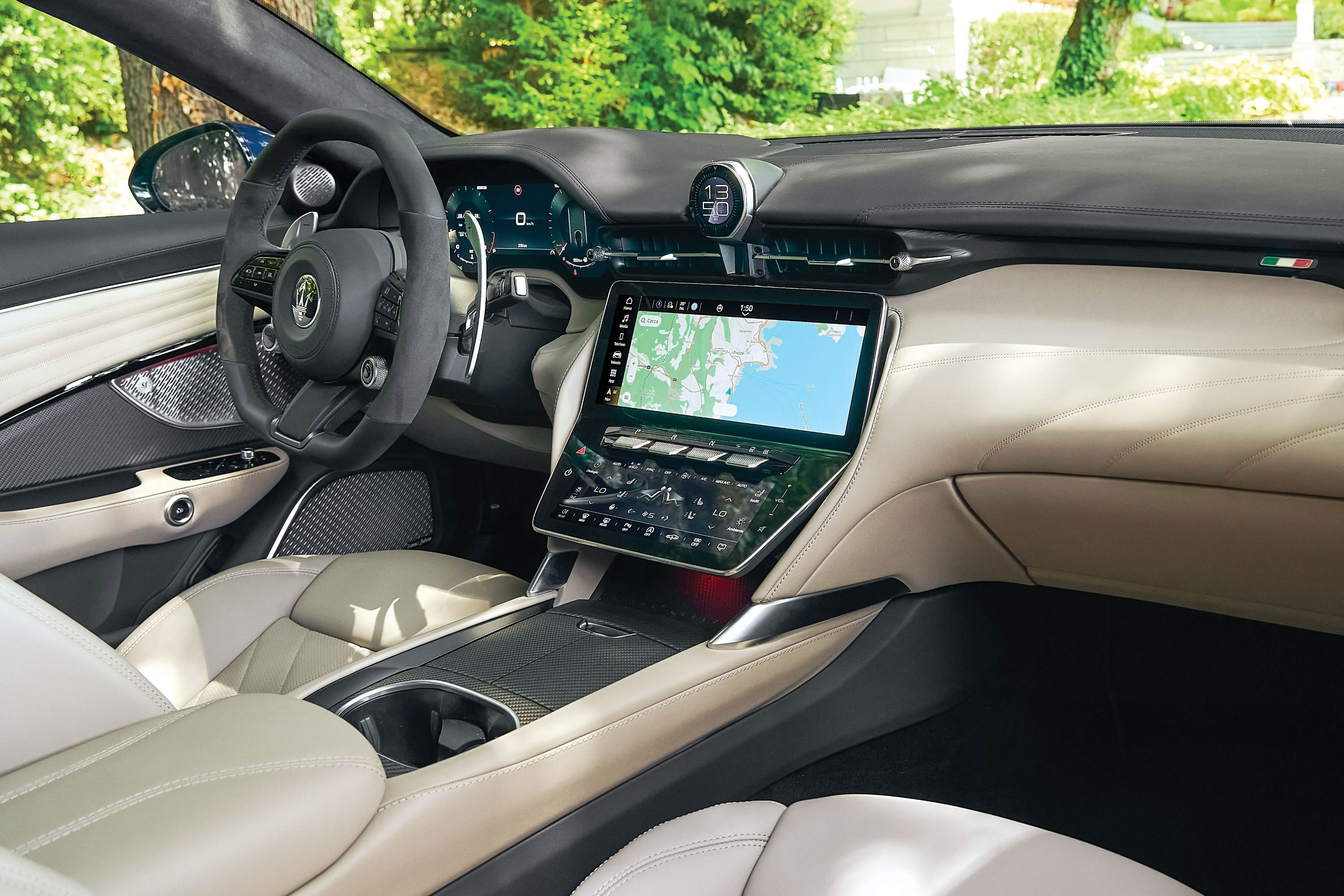
Offered in five trims: Authentic, Evolution, Techno, Techno+, and Iconic.
That aside, it stays true to its predecessor by offering a tough and solid feel, outstanding ride comfort and an engaging drive experience, while moving the game forward. The cabin feels properly modern, with all the new-age features; it’s got punchy turbo-petrol engine options, and it’s got the rugged styling to match. There’s even a strong hybrid on the way. Bottom line is, the Duster feels fresh, desirable and a proper match for the heavy hitters in its segment.
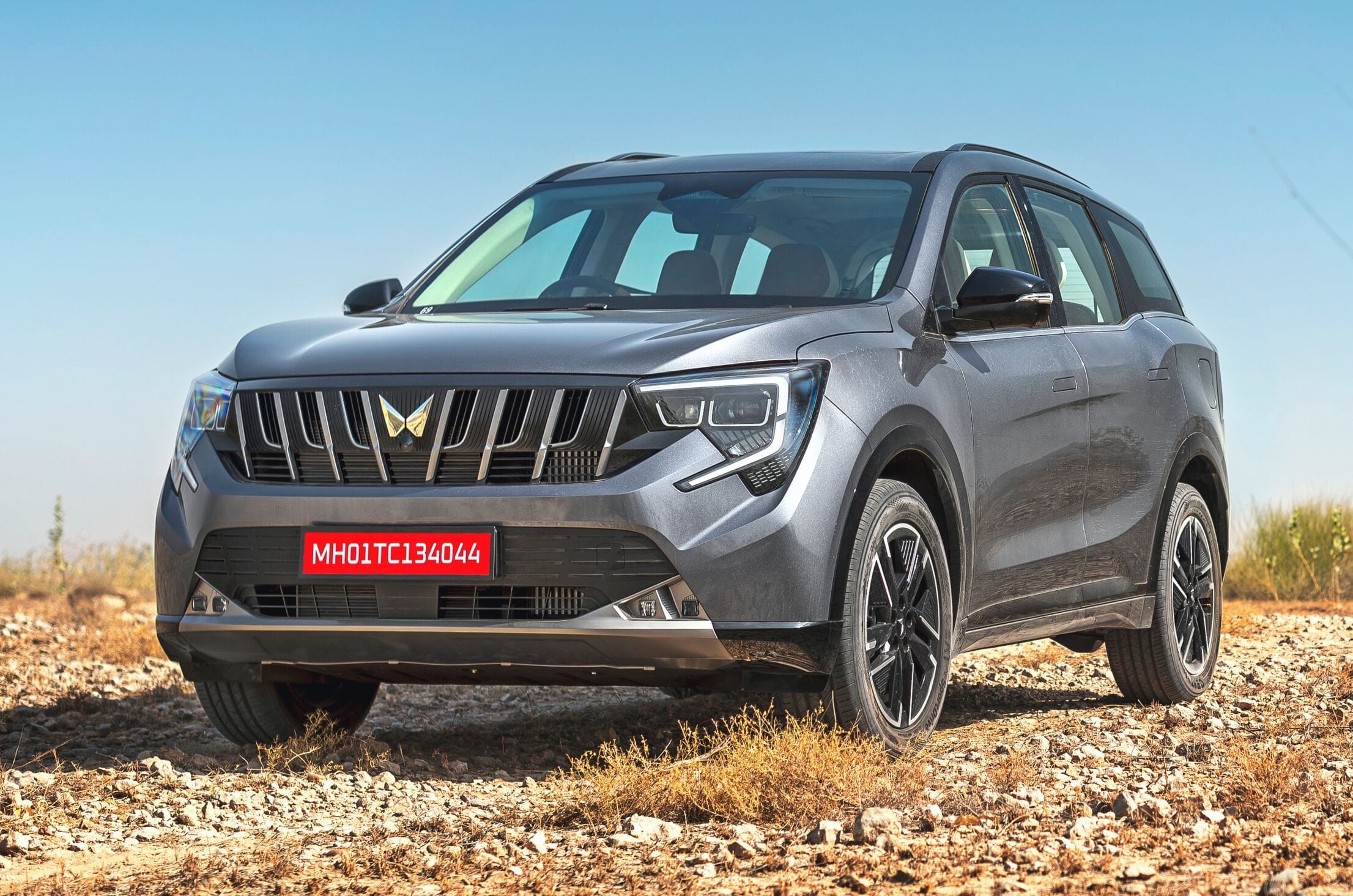
The Mahindra Thar is one of India’s most capable off-road SUVs and is available with petrol and diesel engines, rear-wheel drive and four-wheel drive options. Priced from Rs 10.32 lakh (ex-showroom), it prioritises off-road ability over outright practicality. Here are three reasons to buy the Thar and three reasons why you may want to look elsewhere.
Reasons to buy
Built for serious off-roading
Purpose-built hardware makes it exceptionally capable off road
Few SUVs at this price can match the performance of the Thar once the road ends. Its ladder-frame construction, low-range transfer case and mechanical locking differential on 4×4 variants allow it to tackle steep climbs, deep ruts and loose surfaces with confidence. Even difficult trails are handled with surprising ease, making the Thar one of the most capable off-road SUVs currently on sale.
Strong petrol and diesel engines
Both petrol and diesel engines are refined and offer strong performance
The Thar is available with three engine options. The 1.5-litre diesel (4×2 only) produces 119hp and 300Nm, while the larger 2.2-litre diesel develops 132hp and 300Nm. The 2.0-litre turbo-petrol, meanwhile, makes 152hp and 300Nm. All engines come paired with a 6-speed manual gearbox, while the 2.2-litre diesel and 2.0-litre petrol can also be had with a 6-speed torque-converter automatic.
The diesel engine stands out for its refinement and strong low-end torque, making it particularly well-suited to off-road driving. Buyers looking for stronger on-road performance, meanwhile, will appreciate the punch of the turbo-petrol engine.
Better equipped than before
Recent updates make the cabin easier to live with
The latest updates have addressed several everyday usability issues. The Thar now gets a larger 10.25-inch touchscreen, rear-view camera, rear washer and wiper, rear AC vents, Type-C charging port, revised centre console with an adjustable armrest, grab handles on the A-pillars and relocated power window switches. While these are relatively small changes individually, together they make the Thar noticeably easier to use every day.
Reasons to skip
Rear-seat access remains inconvenient
Three-door body style limits practicality
Getting into the rear seats remains one of the Thar’s biggest compromises. The front seats need to be folded and slid forward, making access inconvenient, particularly for older passengers and those travelling with children. Boot space is also limited, leaving little room for luggage when all four seats are occupied. Buyers who frequently travel with family or need a more practical everyday SUV may find five-door alternatives better suited to their needs.
Ride comfort isn’t its forte
Suspension prioritises off-road ability over comfort
The Thar’s suspension is designed primarily for off-road use and it feels bouncy over broken roads. While Mahindra has improved the setup over the years, it isn’t as settled or comfortable as most monocoque SUVs. The hydraulically assisted steering is heavier than the electrically assisted systems used by most rivals and can kick back when driving over potholes or other sharp road imperfections.
Not particularly fuel efficient
Petrol and diesel engines aren’t efficiency focused
The Thar’s engines deliver strong performance, but fuel efficiency is not one of its strengths. In our 2021 Thar road test, the petrol automatic returned 7kpl in the city and 9.3kpl on the highway. The diesel manual performed better, managing 12kpl in the city and 12.6kpl on the highway, but it still trails many similarly priced monocoque SUVs. Buyers covering high annual running may find more economical alternatives elsewhere.
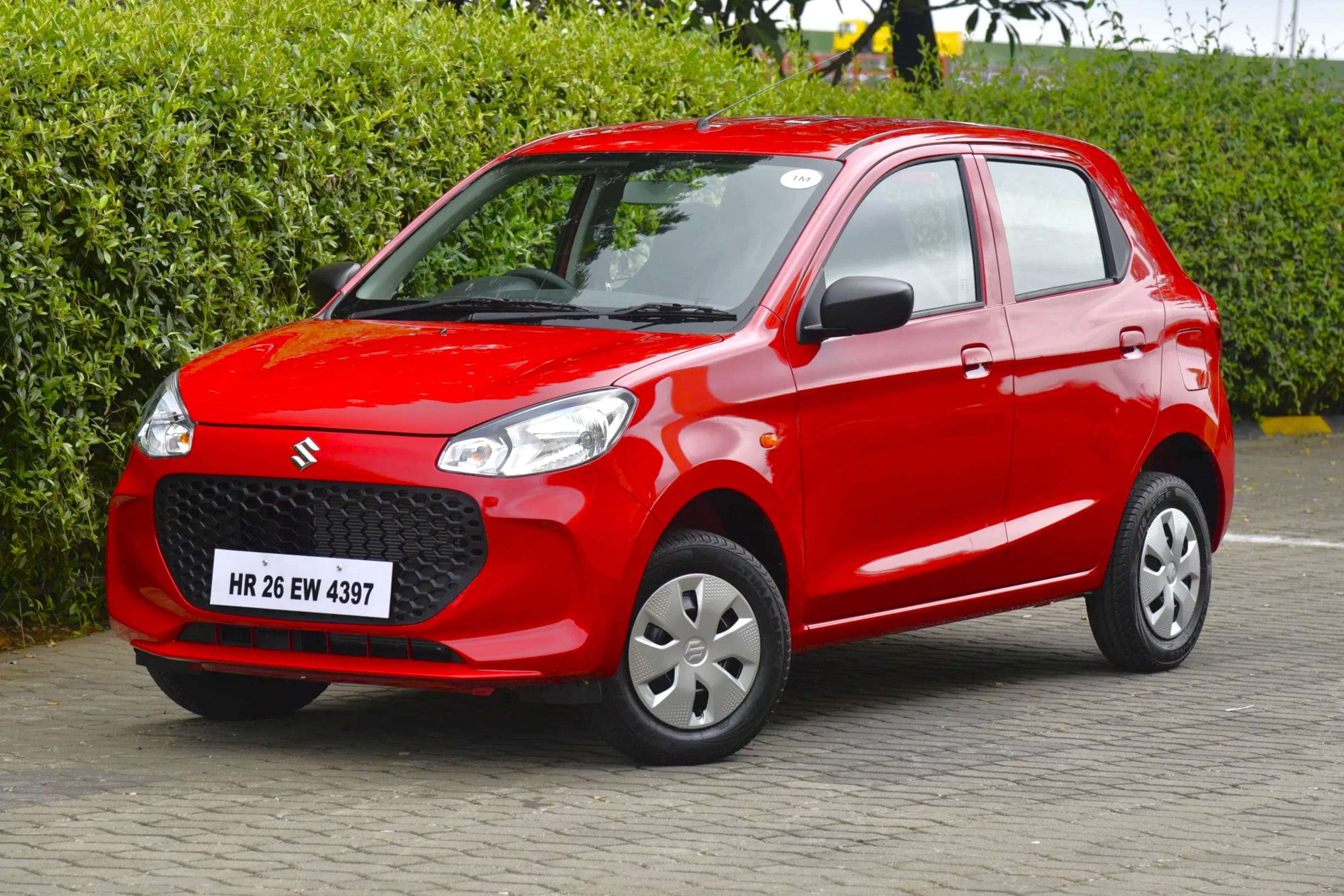
The Wagon R has been one of Maruti Suzuki’s most successful models in its portfolio. It has been on the market here since 1999, and in 2025, it surpassed the 35 lakh production milestone. Currently in third-generation guise, the hatchback offers a choice of 1.0-litre and 1.2-litre engines, with a CNG kit available on the former. Both mills can be paired to either a 5-speed manual or a 5-speed AMT gearbox. If you’re keen on buying a Wagon R, we list out reasons to consider getting one and reasons to look elsewhere.
Reasons to buy
Spacious and practical cabin
A benefit of the Wagon R’s tall boy design is that it maximises vertical space, making the cabin roomier. The wide cabin lends decent shoulder space between those seated at the front. Meanwhile, the back seat can comfortably accommodate three passengers abreast with plenty of shoulder room, headroom and legroom. Additionally, the cabin gets a large glovebox and sizeable door pockets, while the long and wide 341-litre boot holds decent amounts of luggage.
Peppy and fuel-efficient engine (1.2-litre)
Opting for the top-end ZXi versions of the Wagon R gets you a more powerful 1.2-litre petrol engine. Producing 90hp and 113Nm of torque, it brings great performance combined with the Wagon R’s light footprint. This 1.2-litre unit makes the car feel light on its feet, responds quickly to inputs and has plenty of mid-range punch. The engine is rev-friendly, and you get stronger performance as you go up the power band. Overall fuel efficiency isn’t compromised much, with Maruti claiming 23.56kpl with the manual and 24.43kpl when paired with the AMT gearbox.
AMT gearbox smoothness
While AMT’s may not be the smoothest gearboxes, in the Wagon R’s case, the typical ‘head nod’ effect is largely between the first and second gears. Things do smooth out when shifting into higher gears. Moreover, it also gets a tiptronic mode that lets you shift gears manually via the lever, and it’s quite responsive. Additionally, it comes in handy not just for taking charge but also to maximise engine braking while on a descent.
Reasons not to buy
Lacklustre highway manners
While the Wagon R works best as a city car, the same can’t be said when on the highway. At high speeds, the Wagon R doesn’t readily take to steering changes. Secondly, it’s vulnerable to body roll at high speeds due to its lighter weight and bluff shape, while the light steering does not inspire much confidence on the highway. This definitely isn’t a car for enthusiast drivers.
Poor NVH levels
The engines on the Wagon R get noisy when you visit the top end of the power band. Furthermore, a fair amount of road and suspension noise makes its way into the cabin because of its light build. Overall, the Wagon R lacks good sound insulation.
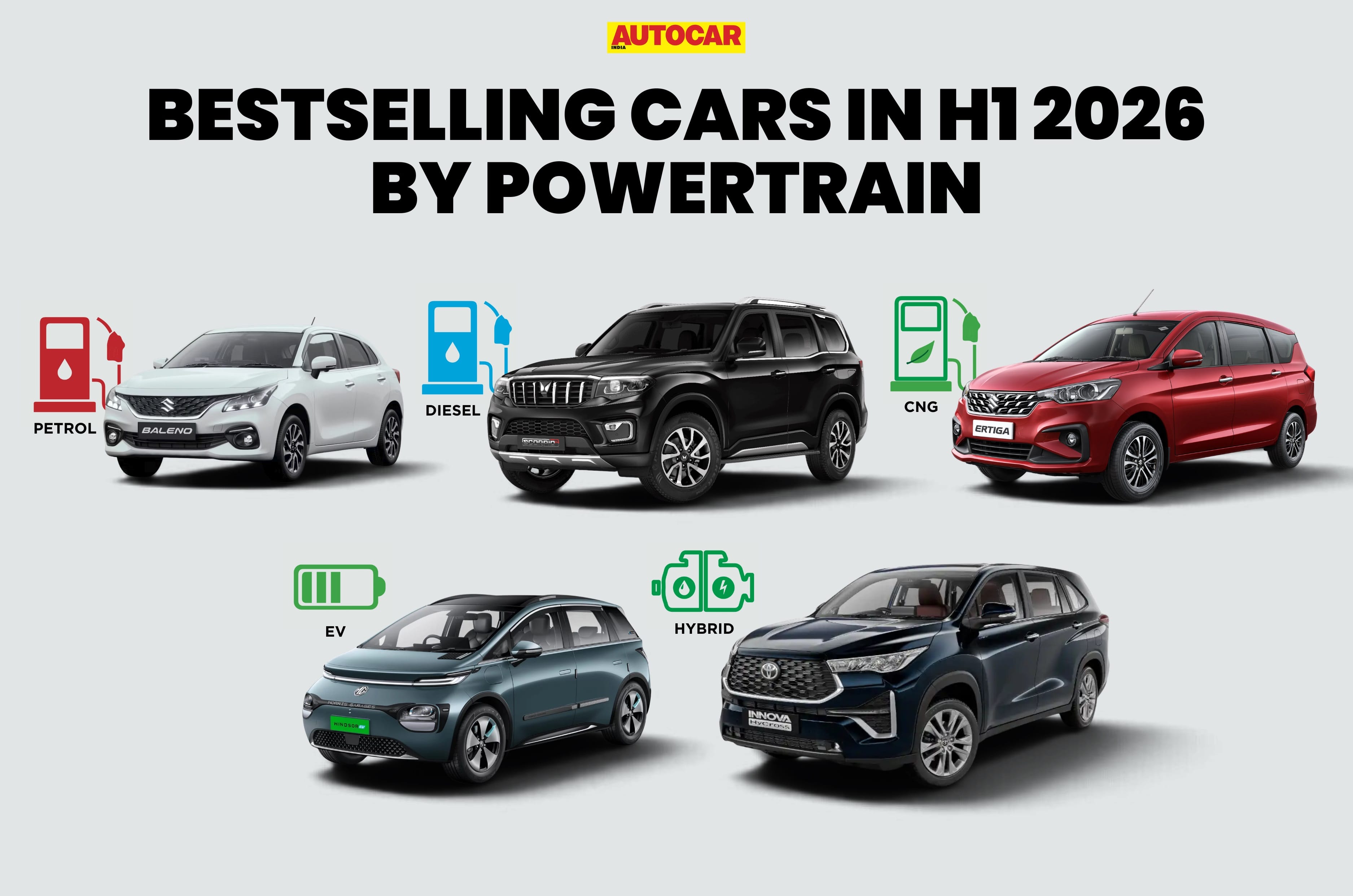
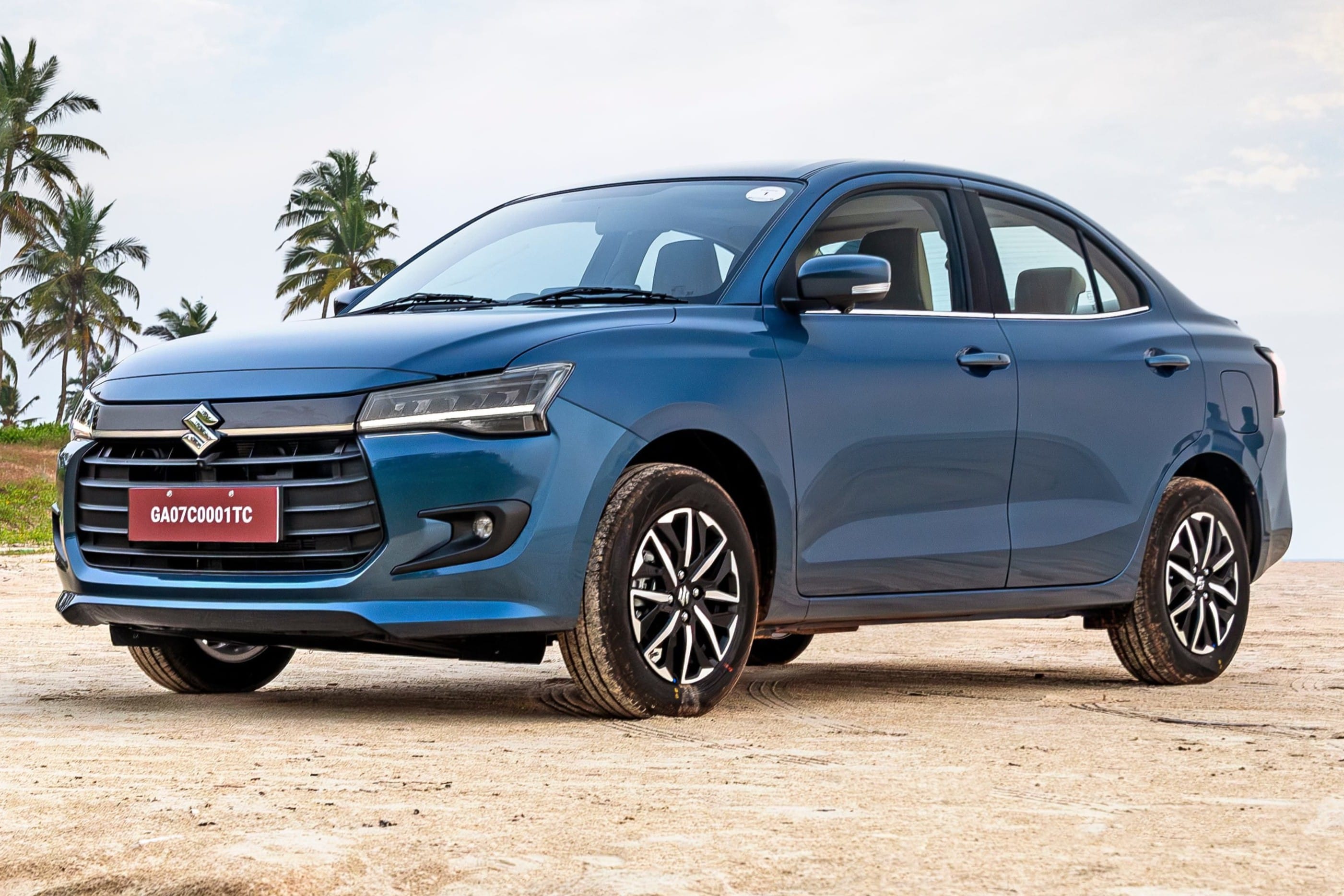
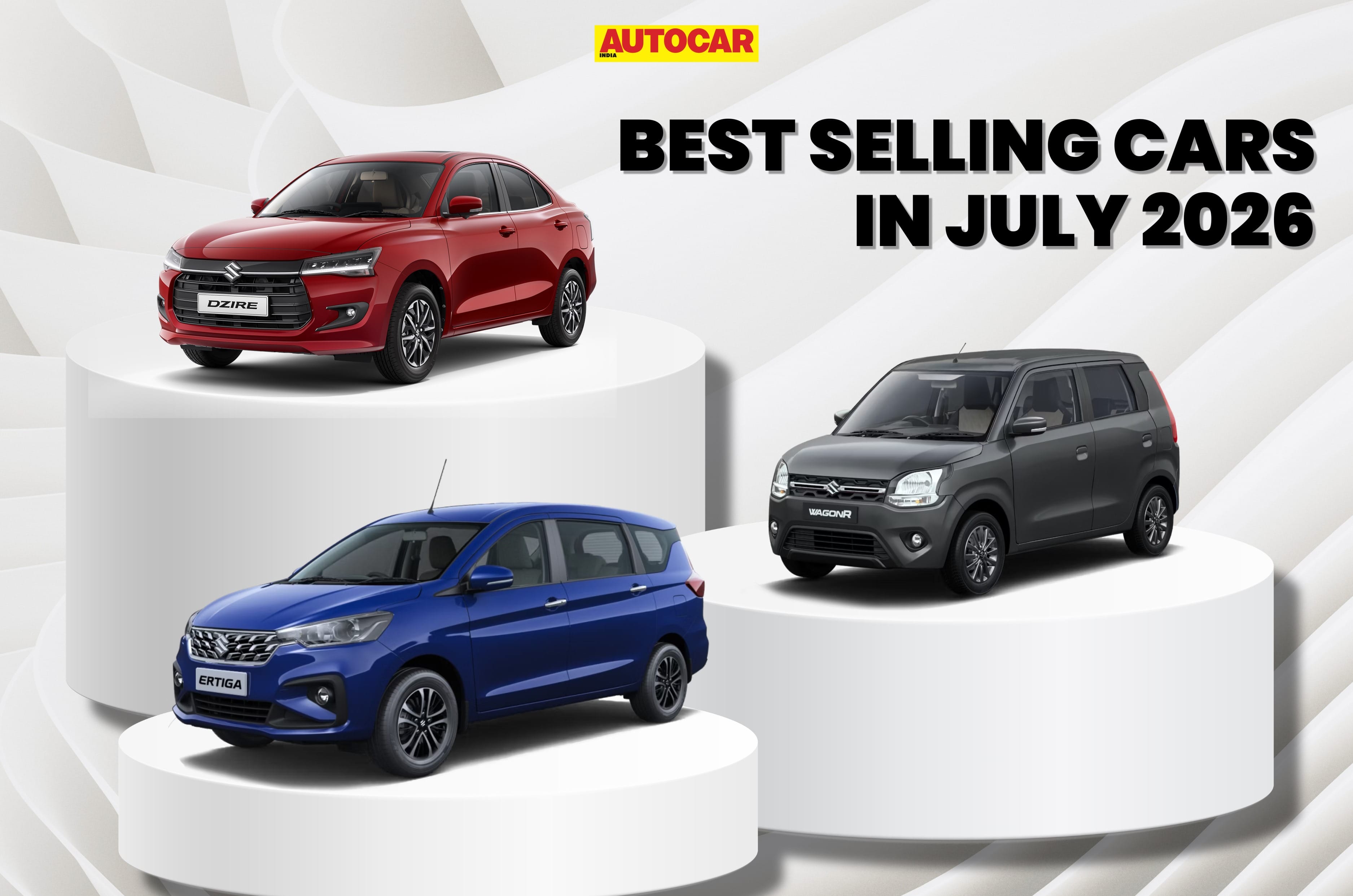
The Maruti Suzuki Dzire was India’s best-selling car in the first half of 2026, with 1,26,204 dispatches between January and June. Tata occupied the next two positions with the Punch and Nexon, while the Ertiga and WagonR completed the top five. Maruti Suzuki accounted for nine of the 15 highest-selling models, spanning sedans, hatchbacks, SUVs, MPVs and vans. Hyundai, Tata and Mahindra accounted for two each.
Rank
Model
H1 2026 sales
1
Maruti Dzire
1,26,204
2
Tata Punch
1,19,303
3
Tata Nexon
1,18,166
4
Maruti Ertiga
1,08,295
5
Maruti WagonR
1,00,704
6
Maruti Swift
97,747
7
Maruti Baleno
96,996
8
Maruti Fronx
95,441
9
Hyundai Creta
91,391
10
Mahindra Scorpio
89,375
11
Maruti Brezza
88,967
12
Maruti Victoris
73,912
13
Maruti Eeco
71,424
14
Hyundai Venue
68,964
15
Mahindra Thar
67,252
H1 2026 sales: Key takeaways
Beyond the Dzire’s lead, Maruti models occupied six consecutive positions from fourth to eighth, led by the Ertiga and WagonR. Both crossed the 1 lakh-unit mark in H1 2026, despite the two nameplates having been on sale in India for several years.
The Swift, Baleno and Fronx followed in sixth, seventh and eighth positions. The Brezza finished 11th with 88,967 units, despite a facelift being due this month. The newer Victoris ranked 12th with 73,912 units, while the Eeco’s 71,424-unit tally put the van in 13th place despite its niche positioning.
Dzire, Punch and Nexon separated by just over 8,000 units
Only 8,038 units separated the Dzire from the third-placed Nexon. The Punch finished 6,901 units behind the Dzire, while just 1,137 units separated Tata’s two models. The three models have also been regulars at the top of the monthly sales charts, and their H1 totals underline the close contest at the top of India’s passenger vehicle market.
Creta remains the best-selling midsize SUV
The Hyundai Creta recorded 91,391 dispatches to finish ninth overall and remained India’s best-selling midsize SUV despite increasing competition in the segment. Hyundai’s other model in the top 15 was the Venue, which ranked 14th with 68,964 units.
Scorpio, Thar make the top 15
Mahindra’s Scorpio finished 10th with 89,375 units, while the Thar ranked 15th with 67,252 units. The Scorpio’s numbers includes the Scorpio N and Scorpio Classic, while the Thar figure combines the three-door model and the Thar Roxx.
Electric vehicle sales in India rose 79 percent year on year (YoY) to 1,48,023 units in the first half of 2026, up from 82,535 units during the same period last year. Tata Motors retained its lead, while Mahindra recorded the highest growth among the three largest EV makers and moved ahead of JSW MG Motor. New entrants Maruti Suzuki and Vinfast also contributed over 12,000 units to the segment during the six-month period.
Carmaker
H1 2026 sales
H1 2025 sales
YoY change
Market share
Tata Motors
57,370
31,556
82%
39%
Mahindra
34,131
13,801
147%
23%
JSW MG Motor
31,819
26,883
18%
21%
Maruti Suzuki
6,404
–
–
4%
VinFast
5,627
–
–
4%
BYD
3,300
2,507
32%
2%
Hyundai
2,725
4,278
-36%
2%
Kia
2,643
254
941%
2%
Citroen
196
815
-76%
0%
Toyota
33
–
–
0%
Sales accelerated during the second quarter. Year on year, EV registrations rose 64 percent to 62,178 units in January-March and 93 percent to 85,845 units in April-June. June was the first month in which electric passenger vehicle sales crossed 30,000 units, reaching 32,259 units – more than double the 15,203 units recorded in June 2025.
Tata Motors
57,370 units, up 82 percent YoY
Tata Motors retained the top spot with 57,370 electric cars and SUVs sold in H1 2026, an 82 percent increase from 31,556 units a year ago. Its market share increased marginally from 38 percent to 39 percent.
The carmaker crossed 10,000 monthly EV sales in both May and June, selling 10,894 units and a record 12,384 units, respectively. The Nexon EV remains its main volume driver, while the new Punch EV and updated Tiago EV have expanded its line-up. Tata also recently launched the Sierra EV, joining the Harrier EV, Curvv EV and Tigor EV in its electric portfolio.
Mahindra
34,131 units, up 147 percent YoY
Mahindra recorded the highest growth among India’s three largest EV manufacturers, with sales rising 147 percent to 34,131 units from 13,801 units in H1 2025. Its market share increased from 17 percent to 23 percent.
The company moved ahead of JSW MG Motor in March and retained second place through the first half of the year. Monthly sales increased from 5,873 units in March to a record 7,926 units in June. Demand for the BE 6 and XEV 9e has been supplemented by the XEV 9S, Mahindra’s three-row electric SUV launched last November.
JSW MG Motor
31,819 units, up 18 percent YoY
JSW MG Motor sold 31,819 EVs in H1 2026, up 18 percent from 26,883 units in the year-ago period. However, its market share fell from 33 percent to 21 percent as Tata and Mahindra recorded faster growth. The Windsor remains MG’s bestselling electric model, with around 19,000 units sold during the first six months of 2026. MG’s EV line-up also includes the Comet, ZS EV, Cyberster and M9.
Maruti Suzuki
6,404 units
Maruti Suzuki, which entered India’s electric car market with the e Vitara in January, sold 6,404 units in H1 2026, giving it a little over 4 percent market share. Sales increased from 1,460 units in the first quarter to 4,944 units in Q2, with June registrations reaching a record 1,940 units. Maruti is expected to increase e Vitara production from August or September.
Vinfast
5,627 units
Vinfast recorded 5,627 sales during the first half of 2026, capturing a 3.8 percent market share. Its quarterly sales increased from 1,630 units in Q1 to 3,997 units in Q2, with June sales reaching 1,415 units. The Vietnamese company’s India line-up currently includes the VF6 and VF7 SUVs, along with the VF MPV 7. Vinfast is also expected to expand its range with the VF3 electric hatchback.
BYD
3,300 units, up 32 percent YoY
BYD sold 3,300 electric cars and SUVs in H1 2026, up 32 percent from 2,507 units a year earlier. Q2 sales doubled to 2,199 units from 1,101 units in the first quarter, while June registrations reached a record 895 units. The company has confirmed plans to introduce the Seal U later this year, set to be its first plug-in hybrid model in India.
Hyundai
2,725 units, down 36 percent YoY
Hyundai was one of the few manufacturers to record lower EV sales, with deliveries falling 36 percent to 2,725 units from 4,278 units in H1 2025. Its market share declined from 5 percent to under 2 percent. Hyundai currently has two electric models on sale in India – the Creta Electric and Ioniq 5 – amid growing competition from Tata, Mahindra and MG, all of which offer EVs across a wider range of price points.
Kia
2,643 units, up 941 percent YoY
Kia recorded 2,643 EV sales in H1 2026, compared with 254 units during the same period last year, an increase of 941 percent. The carmaker finished just 82 units behind Hyundai during the six-month period. The increase follows the addition of the Carens Clavis EV, which joined the EV6 and EV9 in Kia’s electric line-up. Kia sold 1,278 EVs in Q1 and 1,365 units in Q2.
Citroen
196 units, down 76 percent
Citroen recorded 196 EV sales in H1 2026, down 76 percent from 815 units a year earlier. Citroen launched the eC3X in June, with prices starting at Rs 11.99 lakh and a Battery-as-a-Service option.
Toyota
33 units
Toyota entered India’s electric passenger vehicle market in May, delivering 33 units of the Urban Cruiser Ebella. The Ebella is Toyota’s version of the Maruti e Vitara and is available in the top-spec E3 variant and offers battery-as-a-service option.
Tata Motors PV Share Price: टाटा ग्रुप की ऑटो कंपनी Tata Motors Passenger Vehicles के शेयरों को लेकर विदेशी ब्रोकरेज Macquarie ने पॉजिटिव राय दी है। ब्रोकरेज ने सोमवार को शेयर की रेटिंग ‘Neutral’ से बढ़ाकर ‘Outperform’ कर दी। साथ ही टारगेट प्राइस ₹367 से बढ़ाकर ₹381 कर दिया है। मौजूदा स्तर के मुकाबले इसमें करीब 13% तक की तेजी की संभावना जताई गई है।
क्यों बढ़ी उम्मीद?
Macquarie का मानना है कि टाटा मोटर्स के लिए आने वाला समय बेहतर रह सकता है। कंपनी के नए SUV मॉडल्स लॉन्च होने वाले हैं, जिससे पैसेंजर व्हीकल कारोबार को फायदा मिल सकता है।
ब्रोकरेज का यह भी कहना है कि Jaguar Land Rover (JLR) का मार्जिन आने वाली तिमाहियों में धीरे-धीरे सुधर सकता है। इसके अलावा मौजूदा वैल्यूएशन भी आकर्षक है, जिससे शेयर में गिरावट का जोखिम सीमित दिखता है।
भारत के कारोबार से भी उम्मीद
Macquarie के मुताबिक, भारत में टाटा मोटर्स का पैसेंजर व्हीकल बिजनेस भी बेहतर प्रदर्शन कर सकता है। नए मॉडल्स की वजह से कंपनी का मार्केट शेयर बढ़ने और कमाई में सुधार आने की उम्मीद है।
जून तिमाही में बढ़ा प्रोडक्शन
हाल ही में SIAM के आंकड़ों के मुताबिक, जून तिमाही में Punch और Nexon जैसे मॉडल्स का उत्पादन और घरेलू बिक्री बढ़ी है। इससे साफ है कि कंपनी की लोकप्रिय SUV की मांग बनी हुई है।
FY31 तक बड़े लक्ष्य
हाल ही में टाटा संस के चेयरमैन एन. चंद्रशेखरन ने कंपनी की AGM में कहा था कि FY31 तक 6 नई कारें और 20 से ज्यादा प्रोडक्ट अपग्रेड लॉन्च किए जाएंगे।
कंपनी का लक्ष्य FY31 तक सालाना 12 लाख से ज्यादा गाड़ी बेचना है। इसके साथ ही 20% मार्केट शेयर और डबल डिजिट EBITDA मार्जिन हासिल करने का भी लक्ष्य रखा गया है।
एक्सपर्ट्स की क्या राय है?
Tata Motors Passenger Vehicles को कवर करने वाले 32 एनालिस्ट्स में से 13 ने Buy की रेटिंग दी है। वहीं 10 ने Hold और 9 ने Sell की रेटिंग दी है।
टाटा मोटर्स का शेयर सोमवार को 1.64% बढ़कर 343.50 रुपये पर बंद हुआ। हालांकि, 1 साल में स्टॉक 15.87% गिरा है।
Disclaimer: मनीकंट्रोल.कॉम पर दिए गए सलाह या विचार एक्सपर्ट/ब्रोकरेज फर्म के अपने निजी विचार होते हैं। वेबसाइट या मैनेजमेंट इसके लिए उत्तरदायी नहीं है। यूजर्स को मनीकंट्रोल की सलाह है कि कोई भी निवेश निर्णय लेने से पहले हमेशा सर्टिफाइड एक्सपर्ट की सलाह लें।
Until recently, if you wanted a sporty 250cc motorcycle with a liquid-cooled engine, the KTM 250 Duke was your only option. However, Hero decided to enter this niche of the market in early 2025 with its Xtreme 250R. Before we begin, you may be wondering why this comparison is being made 18 months after the Xtreme was launched. That’s because Hero has only just now managed to send it out for proper reviews, but we’ll revisit this issue later on. Now, on with the show!
Hero Xtreme 250R vs KTM 250 Duke design and features
The way a bike looks is one of the most compelling reasons to buy it, and in that regard, both the Xtreme and Duke have angular, sporty designs that will stand out, but I prefer the Xtreme’s aesthetic. It is well-proportioned and looks upmarket without trying too hard. The Duke, with its garish headlight, overly long tank shrouds and mishmash of angular surfaces, feels too busy.
Duke’s TFT is slick to use, feels nice.
However, when it comes to features, the Duke has the Xtreme thoroughly spanked. The KTM has unique features like a bright and well-laid-out colour TFT display, a lovely bi-directional quickshifter, as well as two riding modes. Its overall quality levels are also far nicer than the Hero’s, making it feel like the more expensive bike.
LCD screen is not bright enough, and smaller digits are hard to see.
In comparison, the Xtreme definitely feels like a step down. Its small negative LCD dash isn’t bright enough, with the smaller digits particularly hard to read. While the bodywork is of a fairly decent quality, its switchgear is quite disappointing, and you never get the crisp feel of having pressed a tactile, good-quality button.
Hero Xtreme 250R vs KTM 250 Duke performance and fuel efficiency
Now, everything I’ve told you about so far has probably not surprised you. But what I am about to tell you will. Everyone who rode the bikes back-to-back thought that the Xtreme was quicker than the Duke. Our VBox tests corroborated those impressions, and the Xtreme was noticeably quicker than the Duke not just during standing starts, but also in roll-on acceleration runs.
ACCELERATION
Hero Xtreme 250R
KTM 250 Duke
0-60kph
3.15s
3.44s
0-80kph
5.2s
5.50s
0-100kph
8.22s
8.50s
ROLL-ON ACCELERATION
20-50kph (2nd gear)
2.33s
2.62s
30-70kph (3rd gear)
4.20s
4.68s
50-80kph (4th gear)
4.41s
5.16s
What makes the difference is that the Duke feels quite mellow under 6,000rpm, whereas the Xtreme’s added mid-range punch is immediately apparent. On the Duke, you have to work noticeably harder to extract the maximum, although once it wakes up, it’s a real hoot!
Hero Xtreme 250R
KTM 250 Duke
Fuel capacity
11.5 litres
15 litres
The cherry on top is that the Xtreme’s higher performance doesn’t really come at the cost of fuel economy. Both bikes were very closely matched, although the Duke’s tank is much larger than the Xtreme’s, so it will go much further on a single tankful.
FUEL EFFICIENCY
Hero Xtreme 250R
KTM 250 Duke
City
32.84kpl
34.14kpl
Highway
39.21kpl
39.66kpl
Hero Xtreme 250R vs KTM 250 Duke ride and handling
The Xtreme is also an engaging handler, feeling responsive and set up like a premium sporty motorcycle. But if the Xtreme’s handling is good, the Duke’s is great! The Duke’s chassis feels wonderfully intuitive, and it feels like this bike was born to attack corners. Its suspension and brakes also have that extra edge when you’re pushing hard, which makes all the difference.
The XTreme tips in eagerly and holds the line well once leaned over.
Speaking of brakes, the Xtreme’s rear brake pedal seems like it’s placed a little too low down, and you really need to move your foot downwards a little more than necessary to use it. Another area of the Xtreme’s mechanicals we didn’t really gel with was that there’s very little feedback from the gearbox when shifting. Some of us also experienced false neutrals occasionally on the Xtreme, particularly when shifting from fourth to fifth. None of these are big problems, but they do expose some of its rough edges.
The Duke is a telepathic handler and keeps egging you on to push harder!
Both can easily venture onto the highway, and sustaining 100-110kph is entirely doable as long as you don’t mind some vibrations. In fact, the Xtreme’s engine feels smoother than the Duke’s at most speeds, although neither is entirely so. What we found was that the KTM is a tiny bit smoother till 6,000rpm, but above that, it’s the Hero that has the edge.
Hero Xtreme 250R
KTM 250 Duke
Engine
249cc, single-cyl, liquid-cooled
Power
30hp at 9,250rpm
31hp at 9,250rpm
Torque
25Nm at 7,250rpm
25Nm at 7,250rpm
Gearbox
6-speed
6-speed
This means that in top gear, the 250 Duke’s sweet spot is around 100-110kph, but the Xtreme can sustain 120kph pretty reasonably – very impressive, especially when you consider its displacement.
BRAKING
Hero Xtreme 250R
KTM 250 Duke
60-0kph
17.54m
17.32m
Hero Xtreme 250R vs KTM 250 Duke ergonomics and comfort
Riding for longer distances, too, will be more comfortable on the Xtreme. This is thanks to its spacious, well-padded seats and roomier seat-to-footpeg angle. At 806mm, its perch is also not very high, and average-sized people will be able to live with it easily. What is an annoyance, though, is that its footpegs foul the rider’s shin when you’re at a standstill.
Xtreme’s seats are cushy and spacious.
Since the 250 Duke is based on the same platform as the 390, it is a compact machine, and taller riders will feel hemmed in once seated. Also because the seat-to-footpeg distance is quite tight. You can alleviate this by opting for the accessory taller seat (Rs 2,500 extra), but that doesn’t entirely solve the problem, and this bike simply isn’t as comfy as the Hero.
KTM’s seats are firm, lack space.
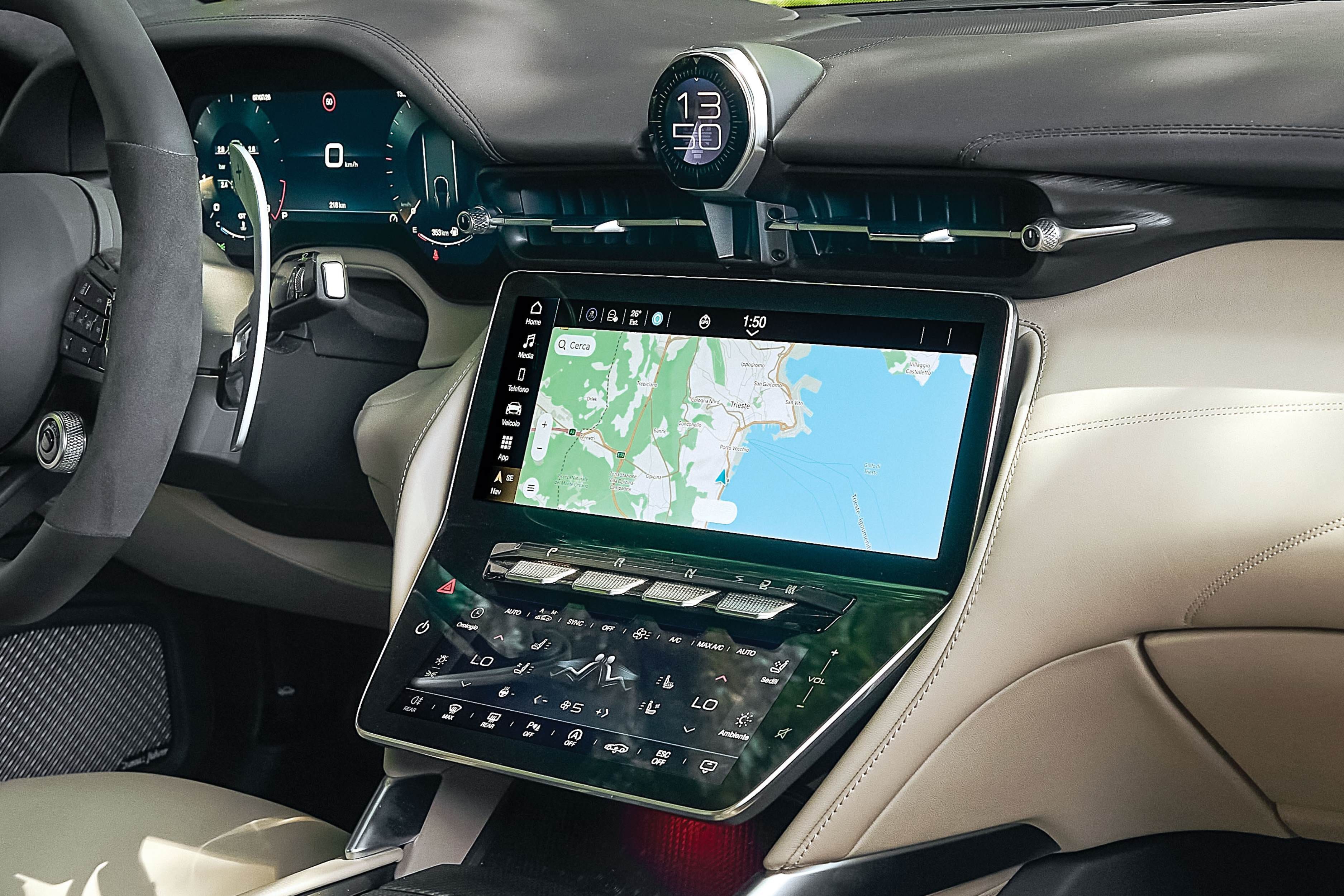
That’s also because the Duke’s suspension feels decidedly firmer than the Xtreme’s, and over bad roads, we all preferred being on the latter. This is even more impressive because the Xtreme still behaves very well in the twisties.
Hero Xtreme 250R vs KTM 250 Duke price and verdict
By now, we’ve established that both have their unique strengths and weaknesses, but price is where one has a massive advantage. Hero has priced the Xtreme very competitively, and it undercuts the Duke by almost Rs 50,000. It is, without question, the faster, more comfortable and more affordable machine, while the KTM is a more polished, sporty and feature-laden package. The Xtreme’s warranty coverage is also better than the KTM’s as standard. So then, it’s a win for the Xtreme, right? Well, not exactly.
Hero Xtreme 250R
KTM 250 Duke
PRICE (Ex-showroom, Delhi)
Rs 1.73 lakh
Rs 2.21 lakh
Remember how I said at the start that the Xtreme has come to us a year and a half after launch? That’s because Hero’s strategy with its Premia products and dealer network is seemingly still a work in progress, and availability is still a concern, both for the bikes and for spares.
The Premia dealer network is still small (135 stores in 130 cities), especially in comparison to KTM’s widespread reach (456 showrooms in total) in the country. You also have to contend with the fact that the Xtreme is a very new product with unproven reliability. In fact, it’s not just the Xtreme, and these concerns currently apply to most Hero Premia products.
Not only is the Duke a more sophisticated and appealing machine, it comes from a far more established and premium brand. It also has the better finish and features, up-spec cycle parts and beautiful handling. Moreover, it also brings the peace of mind of having great service reach and spare parts availability. It also carries a more premium and recognisable badge, although that KTM identity is a double-edged sword.
While the Xtreme is a fantastic first attempt, we can only confidently vouch for it once Hero improves the image and speed of its premium bike business. Until then, the KTM 250 Duke remains the safer buy.
Introduced by the central government in 2023, the Bharat New Car Assessment Program (BNCAP) is responsible for conducting crash tests and awarding scores to cars sold in the country. The government hopes this will help buyers make more informed purchase decisions. Since its inception, Bharat NCAP has tested 31 vehicles, primarily SUVs. Below are the results detailing the crash safety performance of the models that are currently on sale.
1. Nissan Tekton
BNCAP rating: 5 stars
Crash-tested in June 2026 (representational image).
The Nissan Tekton is the latest model to be crash tested by Bharat NCAP, earning a full 5-star safety rating. The SUV scored 30.49 out of 32 points for adult occupant protection (AOP) and 45 out of 49 points for child occupant protection (COP). This 5-star rating applies to all variants of the Tekton. Standard safety features include six airbags, electronic stability control, hill start assist, a tyre pressure monitoring system, and three-point seatbelts for all occupants.
2. Renault Duster
BNCAP rating: 5 stars
Crash-tested in April 2026.
The Renault Duster was crash tested before its badge-engineered sibling, the Tekton, and both SUVs received identical BNCAP scores. All Duster variants feature 6 airbags, along with ABS, ESP, traction control and a tyre-pressure monitoring system.
3. Hyundai Venue
BNCAP rating: 5 stars
Crash-tested in March 2026.
The Hyundai Venue has received a 5-star safety rating from Bharat NCAP, which tested its HX2 diesel-manual and HX10 diesel-automatic variants, but the ratings apply to the entire line-up, including the N Line version. The Venue scored 31.15 out of 32 points in AOP and 44.46 out of 49 in COP. The Hyundai Venue is equipped with 6 airbags, hill-start assist, a tyre-pressure monitoring system (TPMS), 3-point seatbelts with reminders for all seats, rear parking sensors and ISOFIX child-seat anchorages as standard.
4. Kia Seltos
BNCAP rating: 5 stars
Crash-tested in March 2026.
The Kia Seltos is the second car from the brand after the Syros to receive a 5-star safety rating in the Bharat NCAP crash tests. It scored 31.70 points in AOP and 45 in COP. Only the diesel-powered HTE(O) and GTX variants were tested, but the results apply to all variants of the Seltos. The standard safety kit on the Kia Seltos includes 6 airbags, TPMS, a rear parking camera with sensors, disc brakes on all wheels, hill-start and hill-descent control and ISOFIX child-seat anchorages.
5. Tata Sierra
BNCAP rating: 5 stars
Crash-tested in March 2026.
The Sierra is one of the latest Tata model on this list to receive a 5-star safety rating in both AOP and COP, securing 31.14 and 44.43 points, respectively. While BNCAP tested only the midsize SUV’s Adventure+ and Accomplished+ diesel variants, the ratings apply to its entire line-up. As standard, the Sierra gets 6 airbags, rear parking sensors, all-wheel disc brakes, ABS, EBD, ESC, traction control and more.
6. Vinfast VF7
BNCAP rating: 5 stars
Crash-tested in January 2026.
The Vinfast VF7, too, has secured a 5-star safety rating in both adult and child occupant protection, with 28.54 and 45.25 points, respectively. Though Bharat NCAP tested only the VF7 Wind and Sky variants, the rating applies to the entire range. The VF7 offers 7 airbags, ISOFIX anchors, ESC, and more as standard.
7. Vinfast VF6
BNCAP rating: 5 stars
Crash-tested in January 2026.
Also receiving a 5-star rating in both adult and child occupant protection, the Vinfast VF6 scored 27.13/32 in AOP and 44.41/49 in COP. Bharat NCAP tested all trims of the VF6 – Earth, Wind and Sky. As standard, the VF6 comes equipped with 7 airbags, including a driver knee airbag, and 3-point seat belts with reminders for all passengers, ESC and ISOFIX anchors for rear outboard seats.
8. Tata Punch
BNCAP rating: 5 stars
Crash-tested in January 2026.
The Tata Punch, with 30.58 points in AOP and 45 points in COP, received a 5-star safety rating in both. The variants tested by Bharat NCAP were the Punch Pure+ CNG AMT and Accomplish CNG MT, but the rating applies to the entire line-up. The Punch’s safety suite features 6 airbags as standard, ESP, rear parking sensors, a tyre-pressure monitoring system, hill-hold and hill-descent control, ISOFIX child-seat anchorages, auto headlamps and rain-sensing wipers.
9. Maruti Suzuki e Vitara
BNCAP rating: 5 stars
Crash-tested in December 2025.
The Maruti Suzuki e Vitara has been awarded a 5-star rating in both AOP and COP, scoring 31.49/32 and 43/49, respectively. Bharat NCAP tested the top-spec Alpha variant with a 61kWh battery pack, and the rating applies to the entire range. Safety features of the e Vitara include 7 airbags, a tyre-pressure monitoring system (TPMS), a Level 2 ADAS suite with lane-keep assist, adaptive cruise control and AEB, rear disc brakes, ISOFIX mounts and a 360-degree camera.
10. Honda Amaze
BNCAP rating: 5 stars
Crash-tested in November 2025.
The third-gen Honda Amaze has been awarded a 5-star safety rating by Bharat NCAP, becoming the second sedan to be tested by the road safety organisation. The Amaze has secured 5 stars in AOP (28.33 out of 32 points) and 4 stars in COP (40.81/49 points). In terms of safety kit, all six variants are equipped with 6 airbags, ISOFIX child-seat anchors, ESC, ABS, rear parking sensors and seat belt reminders as standard.
11. Citroen Aircross
BNCAP rating: 5 stars
Crash-tested in September 2025.
The Citroen Aircross, sold in 5- and 7-seat configurations, was awarded 5 stars in AOP and 4 stars in COP. Notably, the AOP and COP crash-safety test ratings are valid for the Aircross 5-seat version’s 1.2-litre petrol and turbo-petrol variants. The Aircross received an AOP score of 27.05/32 and a COP score of 40/49. As standard, the Aircross comes with safety features like 6 airbags, ISOFIX child-seat mounts, electronic stability control, TPMS and hill-hold assist.
12. Maruti Suzuki Invicto
BNCAP rating: 5 stars
Crash-tested in September 2025.
Like most cars on this list, the Maruti Invicto MPV scored a 5-star rating for both adult and child occupant protection. Maruti’s flagship MPV was awarded 30.43 out of 32 in AOP and 44.90 out of 49 in COP. These safety ratings are applicable to all variants, which have 6 airbags, ABS with EBD, rear disc brakes, and 3-point seatbelts for all passengers as standard. The top-spec Invicto Alpha+ variant adds a 360-degree camera, TPMS, rear defogger and an anti-theft security system.
13. Tata Altroz
BNCAP rating: 5 stars
Crash-tested in September 2025.
The Tata Altroz has scored a 5-star rating for both adult and child occupant protection. The premium Tata hatchback was awarded 29.65 points out of 32 in AOP and 44.90 out of 49 in COP. These safety ratings are applicable to all variants of the Altroz. Starting from the base model, the Altroz hatchback comes equipped with 6 airbags, ABS, ESC and 3-point seat belts for all passengers. Higher Altroz variants add a 360-degree camera, a blind-spot monitor and TPMS.
14. Maruti Suzuki Victoris
BNCAP rating: 5 stars
Crash-tested in September 2025.
The Maruti Victoris got a 5-star safety rating in both adult and child occupant protection. The Maruti SUV secured 31.66 points out of 32 in AOP and 43 points out of 49 in COP. While BNCAP tested hybrid and petrol-AT variants of Victoris, the safety rating is applicable to the entire line-up. As standard, the Victoris comes equipped with 6 airbags, 3-point seat belts with reminders for all passengers, ESC and ISOFIX anchors for rear outboard seats. Top-spec trims even get a Level 2 ADAS suite.
15. Toyota Innova Hycross
BNCAP rating: 5 stars
Crash-tested in June 2025.
The Toyota Innova Hycross has a 5-star safety rating for both adult and child occupant protection, with 30.47/32 and 45/49 points, respectively. Bharat NCAP tested both petrol and hybrid variants, and the rating applies to the entire Innova Hycross range. As standard, the Innova Hycross comes equipped with 6 airbags, 3-point seat belts with reminders for all passengers, ESC and ISOFIX anchors; top-spec trim also gets an ADAS suite.
16. Tata Harrier EV
BNCAP rating: 5 stars
Crash-tested in June 2025.
The Tata Harrier EV has been rated 5 stars in both adult and child occupant protection, scoring a full 32 points in AOP and 45 out of 49 points in COP. It is only the second vehicle tested by BNCAP to secure maximum points in AOP, the other being the Mahindra XEV 9e. The Harrier EV comes with 6 airbags (7 on Fearless and Empowered), 3-point seat belts with reminders for all passengers, ESC and ISOFIX anchors as standard. Notably, it has slightly better AOP and COP scores than the combustion-powered Harrier, which also has a 5-star BNCAP rating.
17. Maruti Suzuki Dzire
BNCAP rating: 5 stars
Crash-tested in June 2025.
As the first sedan to be tested by Bharat NCAP, the Maruti Suzuki Dzire took home an impressive 5-star safety rating. The compact sedan scored 29.46 out of 32 points for AOP and 41.57 out of 49 points for COP. BNCAP tested the Dzire’s base LXI trim, which comes with standard safety equipment like 6 airbags, ESC, reverse parking sensors, hill-hold assist, and overspeed alerts, among other features, thereby extending the 5-star rating to all variants.
18. Maruti Suzuki Baleno
BNCAP rating: 4 stars
Crash-tested in June 2025.
Maruti Baleno scored four stars in BNCAP’s crash tests; this rating applies to the respective MT and AMT models of Zeta and Alpha variants. Out of 32 points, the AOP score for the Zeta and Alpha variants scored 26.52 points. The COP score was 34.81 for all variants. Standard safety features for the Baleno include 6 airbags, ABS with EBD, brake assist, ESC, hill-hold assist and 3-point seat belts with reminders for all passengers.
19. Tata Nexon EV
BNCAP rating: 5 stars
Crash-tested in April 2025.
The 30kWh and now-discontinued 40.5kWh variants of the Tata Nexon EV achieved a 5-star Bharat NCAP rating for both adult and child protection in May 2024, scoring 29.86/32 and 44.95/49 points, respectively. In April 2025, BNCAP also tested the current range-topping 45kWh variants of the Nexon EV, which received identical AOP and COP scores and, therefore, a 5-star rating. The standard safety features for the Nexon EV include ABS with EBD, 6 airbags, ESP, hill-hold control, ISOFIX child-seat anchor points, rear parking sensors, a rear camera and TPMS.
20. Kia Syros
BNCAP rating: 5 stars
Crash-tested in April 2025.
The Kia Syros compact SUV, with 30.21 out of 32 points in AOP and 44.42 out of 49 points in COP, secured 5-star ratings in both parameters. These ratings are applicable to the entire Syros petrol range. It should be noted that the Syros is Kia’s first SUV to get a 5-star safety rating in a crash test done by BNCAP or GNCAP. Although it uses the K1 platform as the Hyundai Grand i10 (which got 2 stars in the 2020 GNCAP), Kia achieved the top rating by using a reinforced K1 base and adding many hot-stamped parts to the body shell. The Syros offers ABS with EBD, TPMS and 6 airbags (with a passenger-side airbag cut-off switch) as standard safety features.
21. Skoda Kylaq
BNCAP rating: 5 stars
Crash-tested in January 2025.
The Skoda Kylaq compact SUV also got a 5-star rating in both adult and child occupant protection in the BNCAP crash test. Skoda’s compact SUV scored 30.88 out of 32 in AOP and 45 out of 49 in COP. ESC, 6 airbags, 3-point seat belts with reminders for all passengers and ISOFIX anchors for rear outboard seats are some safety features available across its variants.
22. Mahindra XEV 9e
BNCAP rating: 5 stars
Crash-tested in January 2025.
The Mahindra XEV 9e coupe-SUV was awarded a 5-star rating. The electric SUV scored a full 32 points in AOP and 45 out of 49 points in COP. The model tested by BNCAP was the top-spec XEV 9e Pack Three. Safety features like 6 airbags, ISOFIX anchors, rear disc brakes and tyre-pressure monitors are offered starting with the XEV 9e Pack One.
23. Mahindra BE 6
BNCAP rating: 5 stars
Crash-tested in January 2025.
Another electric offering from the SUV specialist, the Mahindra BE 6, also scored a 5-star rating in both AOP and COP. In AOP, the EV received 31.97 points out of 32, and in COP, it got 45 points out of 49. Just like the XEV 9e, the BNCAP crash-tested the range-topping BE 6 Pack Three trim, but Mahindra claims that this rating applies to the base Pack One as well. In terms of standard safety equipment, the BE 6 comes with 6 airbags, a rear camera, parking sensors, TPMS and a driver drowsiness detection system.
24. Mahindra Thar Roxx
BNCAP rating: 5 stars
Crash-tested in November 2024.
The 5-star rating for the Mahindra Thar Roxx consisted of AOP and COP scores of 31.09 and 45, respectively. This safety rating applies to all the variants of the 5-door SUV. The Thar Roxx complies with AIS-100 pedestrian protection norms for keeping the occupants as well as pedestrians safe when on the go. As standard, it features 6 airbags and a cut-off switch for the passenger-side airbag. Additionally, ISOFIX child-seat anchor points, all 3-point seatbelts with reminders and ESC are offered throughout the range. Like with the XUV 3XO, an ADAS suite is offered in the AX5L and AX7L variants.
25. Mahindra XUV 3XO
BNCAP rating: 5 stars
Crash-tested in November 2024.
Next up, the Mahindra XUV 3XO continued the 5-star streak with scores of 29.36 in AOP and 43 in COP. BNCAP reported that the MX2 and AX7 L variants were sent by the homegrown brand for testing, but the results apply to the entire XUV 3XO line-up. Also, all trims of the subcompact SUV have 6 airbags, 3-point seatbelts with reminders, ESC, ISOFIX seats and a passenger-side airbag cut-off switch among the standard safety assist technologies. Level 2 ADAS suite, however, is reserved for the AX5 L and AX7 variants.
26. Tata Nexon
BNCAP rating: 5 stars
Crash-tested in October 2024.
The Tata Nexon secured a perfect 5-star rating for AOP and COP, scoring 29.41 and 43.83 points, respectively. Standard safety features include 6 airbags, ESC, ABS with EBD, ISOFIX child-seat anchor points, rear parking sensors and hill-hold control.
27. Tata Curvv
BNCAP rating: 5 stars
Crash-tested in October 2024.
The Tata Curvv’s crash-test result was revealed alongside the Nexon, and just like the compact SUV, the coupe-SUV scored 5 stars for both adult and child occupant protection. It secured 29.50 points for AOP and 43.66 points for COP. On the safety front, the Curvv gets ABS with EBD, ESC, 6 airbags, hill-hold control and ISOFIX child-seat anchor points as standard across the range.
28. Tata Curvv EV
BNCAP rating: 5 stars
Crash-tested in October 2024.
The Tata Curvv EV secured 5 stars for AOP and COP, scoring 30.81 and 44.83 points, respectively. It gets 6 airbags, ESP, all-wheel disc brakes, a rear camera and rear parking sensors as standard. Higher variants of the electric vehicle also get Level 2 ADAS, just like its ICE twin.
29. Citroen Basalt
BNCAP rating: 4 stars
Crash-tested in October 2024.
The Citroen Basalt was the first car from the brand to have been crash-tested by Bharat NCAP. The coupe-SUV managed to secure 4 stars for AOP (26.19/32) and 4 stars for COP (35.90/49). The Citroen offers the Basalt with 6 airbags, ESP, hill-hold, TPMS, a rearview camera, rear parking sensors and ISOFIX child-seat anchor points.
30. Tata Harrier
BNCAP rating: 5 stars
Crash-tested in December 2023 (representational image).
Tested in December 2023, the Tata Harrier SUV received a 5-star safety rating for both adult and child occupants’ safety, achieving an AOP score of 30.08 and a COP score of 44.54. Tata offers the Harrier with ABS and EBD, corner stability control, 6 airbags, ESP, hill-hold control, ISOFIX child-seat anchor points, traction control and rear parking sensors as standard.
31. Tata Safari
BNCAP rating: 5 stars
Crash-tested in December 2023.
The Tata Safari was also crash-tested in December 2023, securing a 5-star safety rating, matching the Harrier with an AOP score of 30.08 and a COP score of 44.54. As standard, the Tata Safari gets all-wheel disc brakes, 6 airbags, ABS with EBD, corner stability control, ESP, hill-hold control, ISOFIX child-seat anchor points, rear parking sensors, roll-over mitigation and traction control.
With traffic on our roads getting denser by the day, driving a manual car in the city can often feel like a chore. That is where automatic gearboxes help, and among the top 10 most affordable cars, AMT is the most popular, though some offer a CVT option too. Petrol is the dominant fuel type in this list, with some cars even pairing an automatic transmission with a CNG powertrain. Read on to find out which models made the cut.
10. Renault Kiger
Rs 6.99 lakh-10.35 lakh
Starting this list is the Renault Kiger, which offers an AMT option with its 72hp, 96Nm 1-litre naturally aspirated petrol engine. A turbo-petrol mill with CVT is also on offer, an engine-and-gearbox combination no other vehicle here provides apart from the Nissan Magnite. Also, this powertrain’s peak output figures are 100hp and 152Nm are the highest here. The Renault Kiger’s NA petrol-AMT option is available in the Evolution, Evolution+ and Techno Energy trims, while the turbo-petrol CVT is offered in the Techno Turbo and Emotion Turbo trims.
During our time with the turbo-petrol CVT, we experienced very little of that ‘rubberband’ effect, and it’s virtually absent at city speeds. It even does a good job of staying in the power band.
9. Hyundai Exter
Rs 6.95 lakh-9.61 lakh
Moving down the price ladder, we have the Hyundai Exter at the ninth place and its 1.2-litre NA petrol mill paired with an AMT makes 83hp and 114Nm. AMT is offered in the HX 3, HX 4+, HX 6, HX 8 and HX 10 trims. The sub-compact SUV received a facelift in March 2026, which brought cosmetic updates and a few feature upgrades but no mechanical changes. As a result, the Exter AMT should feel fairly smooth in regular driving. It also gets paddle shifters.
8. Tata Tigor
Rs 6.8 lakh-8.84 lakh
The Tata Tigor stands apart as the only sedan on this list. An AMT option with a CNG powertrain is also something only the Tigor and the Tiago offer. The Tigor petrol-AMT uses a 1.2-litre NA engine, generating 86hp and 113Nm, whereas in CNG mode, it makes 76hp and 97Nm. The AMT is offered in the XTA, XZA, XZA+ petrol trims and XZA CNG and XZA+ CNG trims.
Speaking of the engine, it feels adequate for everyday city driving and does a decent job of keeping up with the flow of traffic on the highway. It’s a capable commuter, although throttle responses could be sharper. Notably, in the Tigor CNG, the sedan starts in CNG mode by default, saving that extra bit of petrol, and the CNG-AMT version comes with the carmaker’s space-efficient dual-cylinder tank setup that limits the impact on boot space.
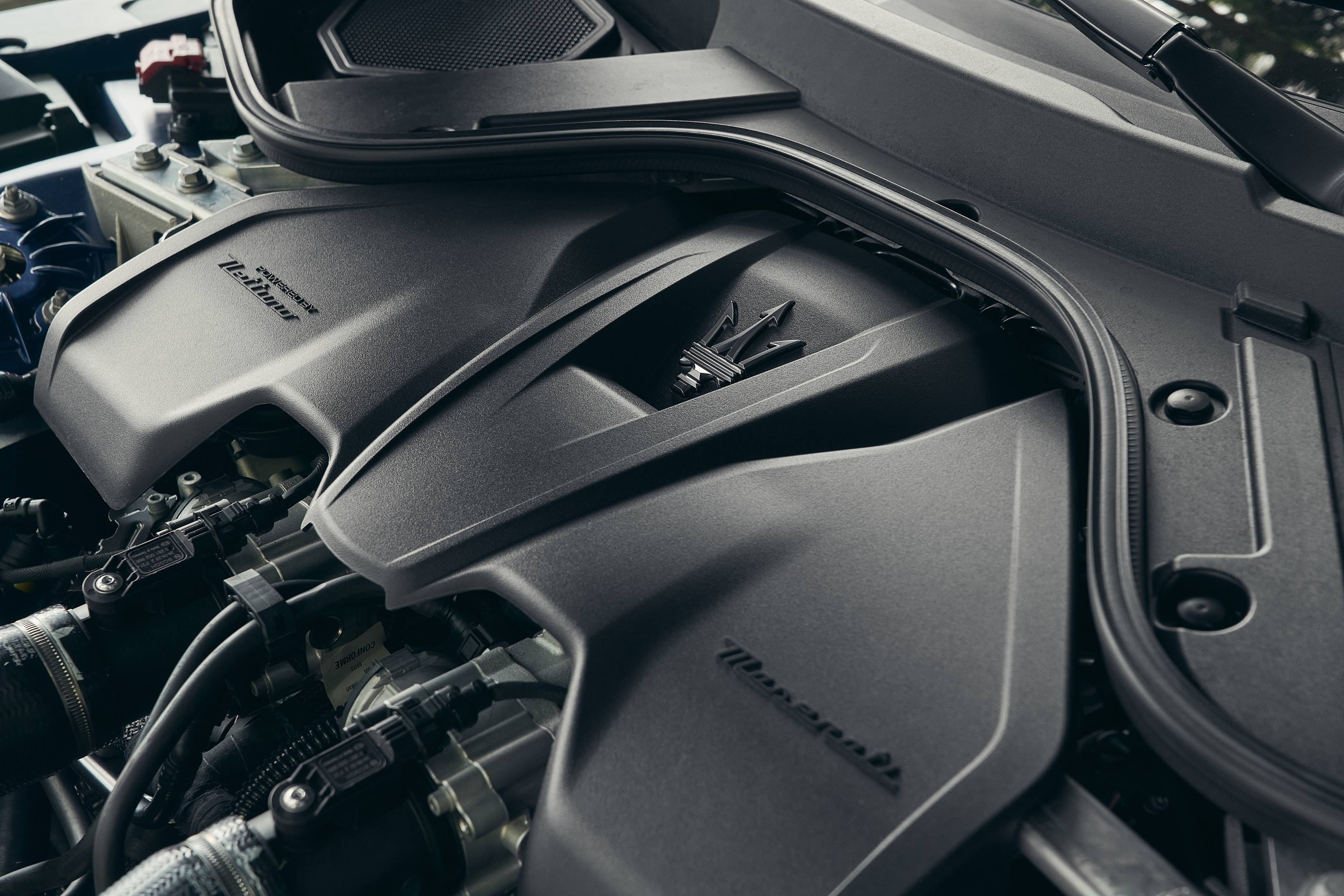
7. Nissan Magnite
Rs 6.24 lakh-10.96 lakh
The Nissan Magnite is a badge-engineered sibling of the Renault Kiger, offering the same 72hp 1-litre NA-AMT and 100hp turbo-petrol CVT powertrains. The AMT is available with the Visia, Acenta, N-Connecta, Tekna and Tekna+ trims, while the CVT is offered with turbo-petrol versions of these variants, save for Visia. We have sampled the turbo-petrol engine, which has a strong mid-range punch and works well with the smooth CVT to mask any lag at lower revs.
6. Tata Tiago
Rs 6 lakh-8.55 lakh
Like the Tigor, the Tata Tiago is available with 86hp petrol and 76hp petrol-CNG (dual-cylinder tank setup) options, both paired with an AMT. The AMT is offered with the Pure, Pure+, Pure+ A and Creative petrol and CNG trims. The Creative+ also offers an AMT choice, but only with the petrol engine. Tata gave the Tiago a major update in May 2026, although the changes were largely limited to styling revisions and feature additions. While reviewing the hatchback, we found that the engine is not particularly refined. For everyday commuting in heavy city traffic, performance is adequate.
5. Maruti Wagon R
Rs 5.97 lakh-6.84 lakh
One of India’s bestselling cars, the Maruti Wagon R offers an AMT with two naturally aspirated petrol engines: a 69hp, 91Nm 1-litre unit and a 91hp, 114Nm 1.2-litre unit. The Wagon R offers an AMT with the 1.0 VXI, 1.2 ZXI and 1.2 ZXI+. Both engines have been around for years and have proven to be both reliable and efficient. On this list alone, the 69hp NA petrol-AMT combination is offered in three other Maruti cars, including the Celerio, Alto K10 and S-Presso. While real-world performance varies by engine, the Wagon R comes with Maruti Suzuki’s reputation for hassle-free ownership and low running costs.
4. Maruti Celerio
Rs 5.61 lakh-6.73 lakh
Compared to the Wagon R’s tall-boy hatchback design, the Maruti Celerio opts for a more traditional look. The AMT is available with the VXI, ZXI and ZXI+ trims. For those unaware, the first-generation Celerio debuted AMT in India in 2014. The Celerio AMT is a good option for buyers who want the convenience of an automatic without spending too much. Gearshifts are generally timely, and the typical AMT pause or head-nod between shifts is well controlled, making it easy to drive in everyday conditions.
3. Maruti Alto K10
Rs 4.95 lakh-5.45 lakh
Like the Wagon R, the Maruti Alto K10 is another long-running nameplate from the carmaker. The AMT is offered with the VXI (O) and VXI+ (O) trims. Compared with the manual, the AMT-equipped Alto K10 feels a bit slower. Even so, it is smooth for a single-clutch automated manual and shows how much Maruti has improved this technology over the years. It responds well to kickdown, but overtaking on the highway needs a bit more planning. In city traffic, though, the AMT works very well.
2. Renault Kwid
Rs 4.90 lakh-5.61 lakh
The Renault Kwid is the French carmaker’s second model to feature on this list. Under the hood, the Kwid gets a 1-litre NA petrol engine that makes 69hp and 93Nm. The AMT is available on both Evolution and Climber trims. The engine has been tuned to deliver good power delivery, and it ambles along smoothly with just a light tap on the accelerator. But it does get gruff as the revs rise.
1. Maruti S-Presso
Rs 4.75 lakh-5.25 lakh
At number one is the Maruti S-Presso, currently the most affordable car in India to offer an automatic gearbox. The AMT is offered with the VXI (O) and VXI+ (O) trims. It is aimed at buyers looking for a budget-friendly automatic with low running and maintenance costs. However, even in its top-spec form, it misses out on several features, particularly on the safety front. Hence, spending a little more and getting the Alto K10 will be the more sensible and practical choice.
Ex-showroom prices mentioned above are as of July 7, 2026.