Top Five diesel-automatic midsize SUVs under Rs 25 lakh ranked

Top Five diesel-automatic midsize SUVs under Rs 25 lakh ranked
Best diesel automatic SUVs under Rs 25 lakh

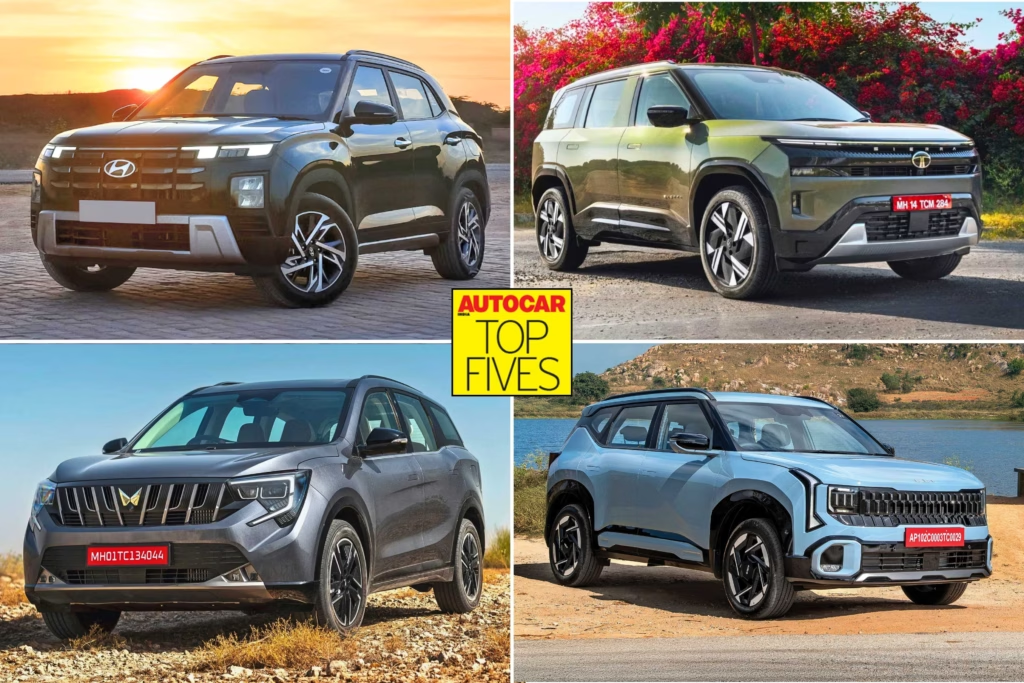
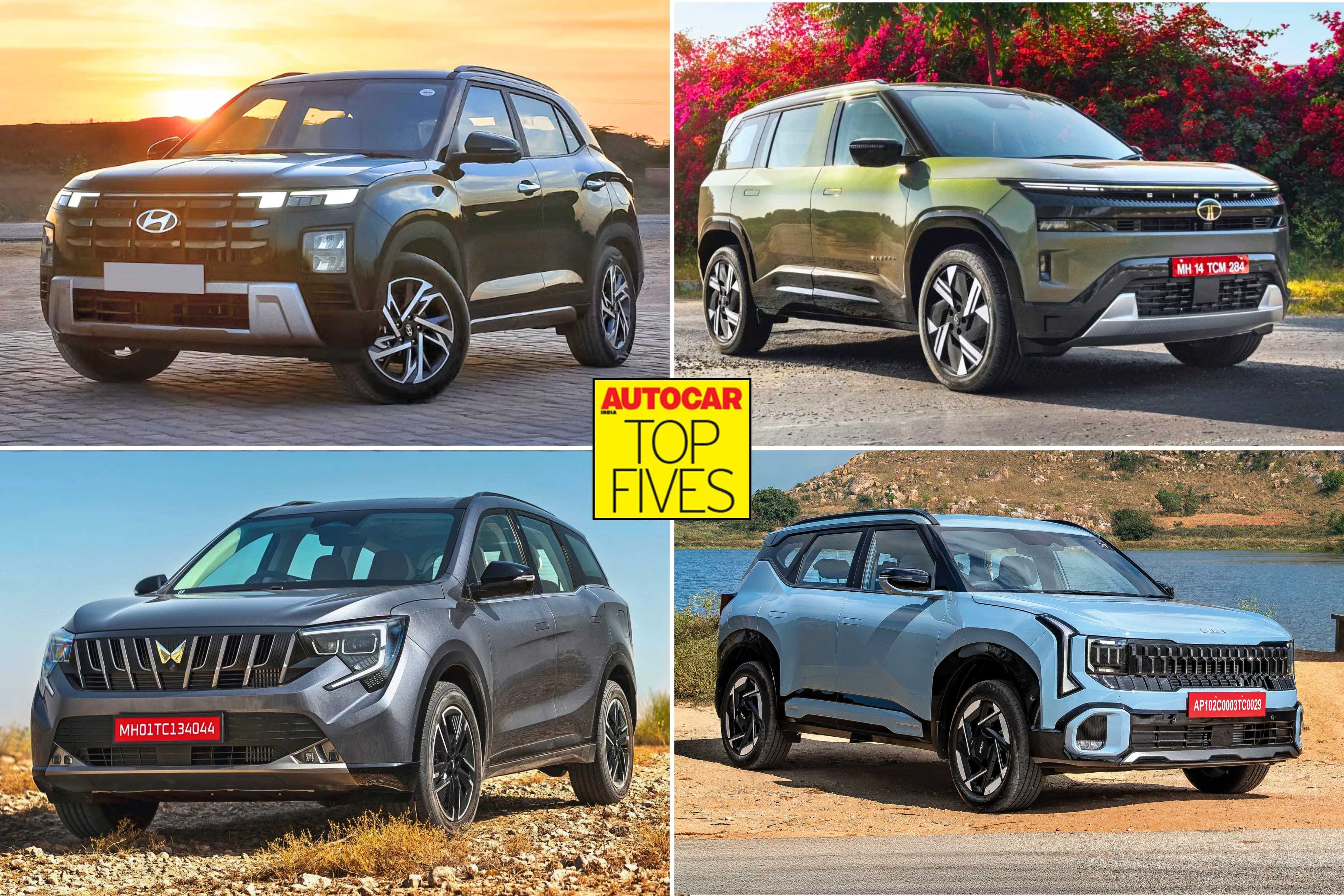
SUVs are best had with diesel engines, but given our policies and the disapprobation surrounding this fuel, most carmakers have entirely withdrawn themselves from offering diesel engines. What’s interesting is that where diesel is still on offer, it continues to make up a sizeable portion of that segment, meaning that demand is still healthy but customers only have a handful of options to choose from. So, if you are in the market looking for a diesel-automatic SUV, here we have compiled a list of the five best diesel-AT midsize SUVs available within a budget of Rs 25 lakh. 

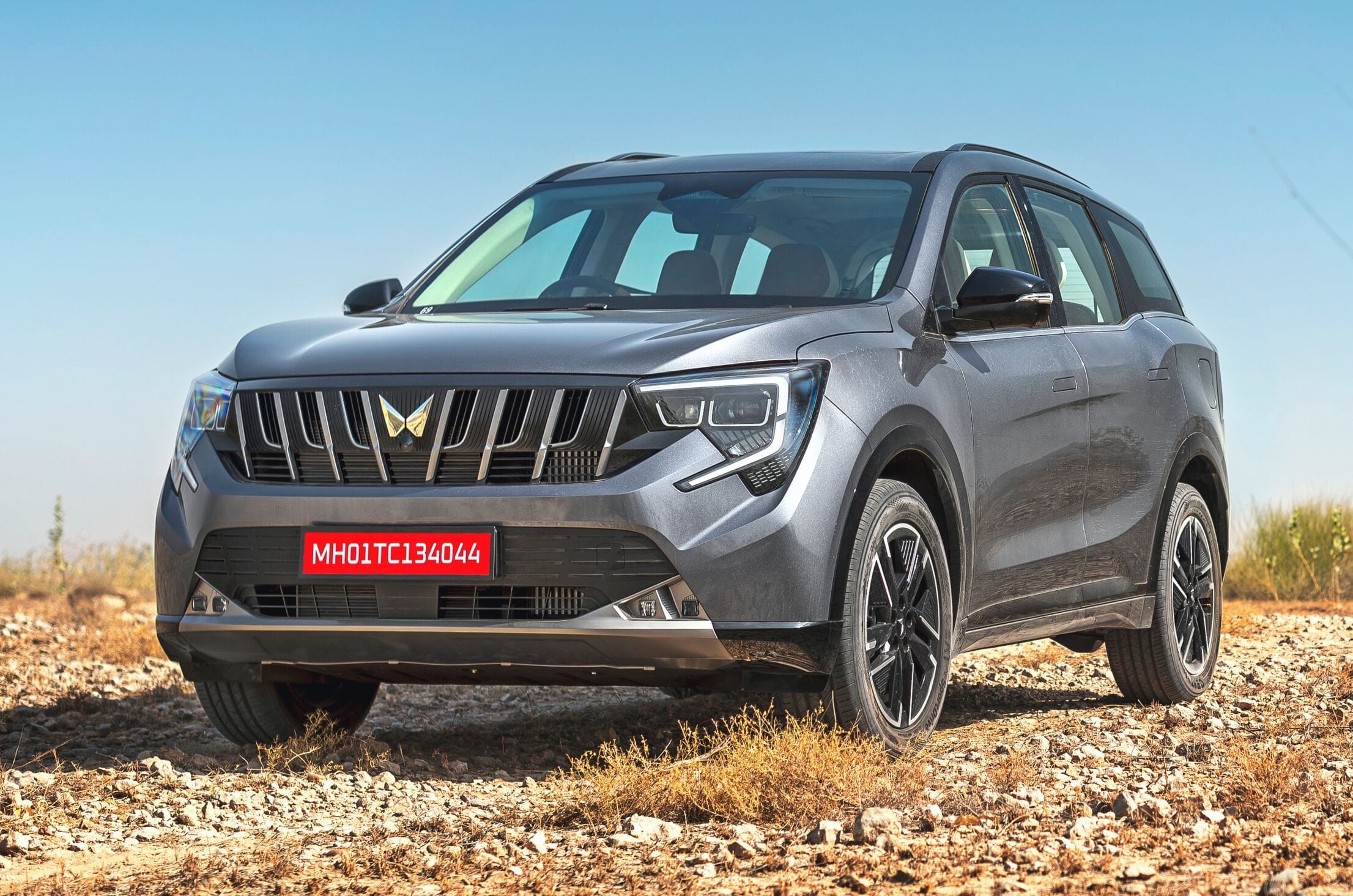
Mahindra XUV 7XO 

Price: Rs 15.29 lakh – Rs 25.79 lakh 
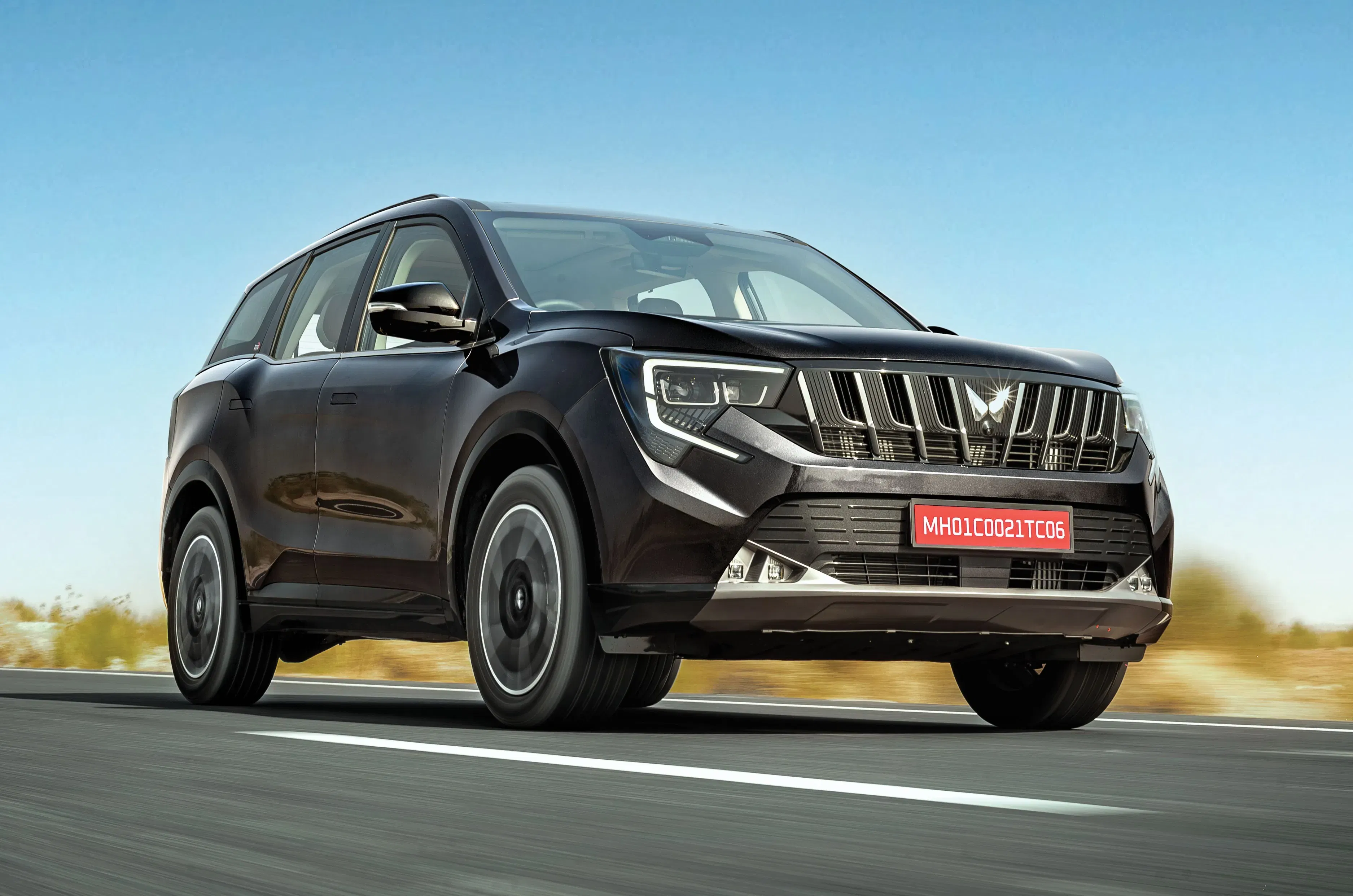
Mahindra is almost synonymous with large diesel SUVs and the XUV 7X0’s 185hp, 2.2-litre diesel is a benchmark for refinement and performance. It’s the most powerful SUV here, and the 6-speed torque converter automatic gearbox that’s offered with this engine is smooth, too. A premium and spacious interior with generous levels of equipment and a sorted ride and handling balance are some of XUV 7XO’s other strengths. The third-row isn’t particularly spacious, but it at least offers the flexibility of one.  

Kia Seltos 

Price: Rs 15.32 lakh – Rs 21.82 lakh 
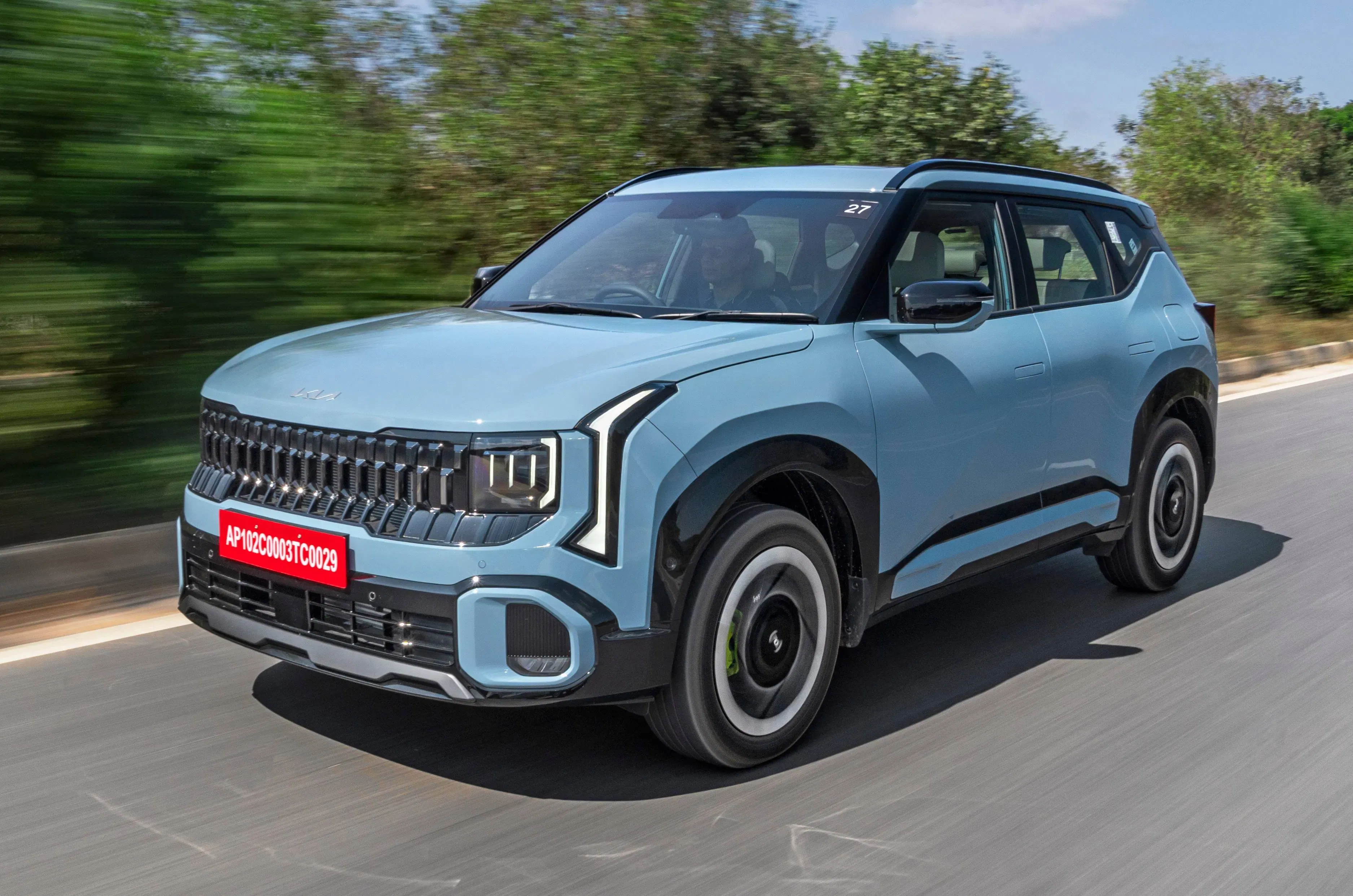
Although much lesser in capacity and power output than the XUV 7X0, the Seltos’s 116hp, 1.5-litre diesel also stands out for smoothness and refinement. With linear power delivery and max torque coming in at just 1500rpm, it makes for a comfortable cruiser. However, it lacks that outright diesel punch and urgency, even in Sport mode. The gearbox, while smooth, is also a slow shifter, even via the paddles. The Seltos, too, is a very spacious and premium on the inside, and arguably has the best UI/UX for the infotainment system. 

Hyundai Creta 

Price: Rs 16.08 lakh – Rs 20.11 lakh 
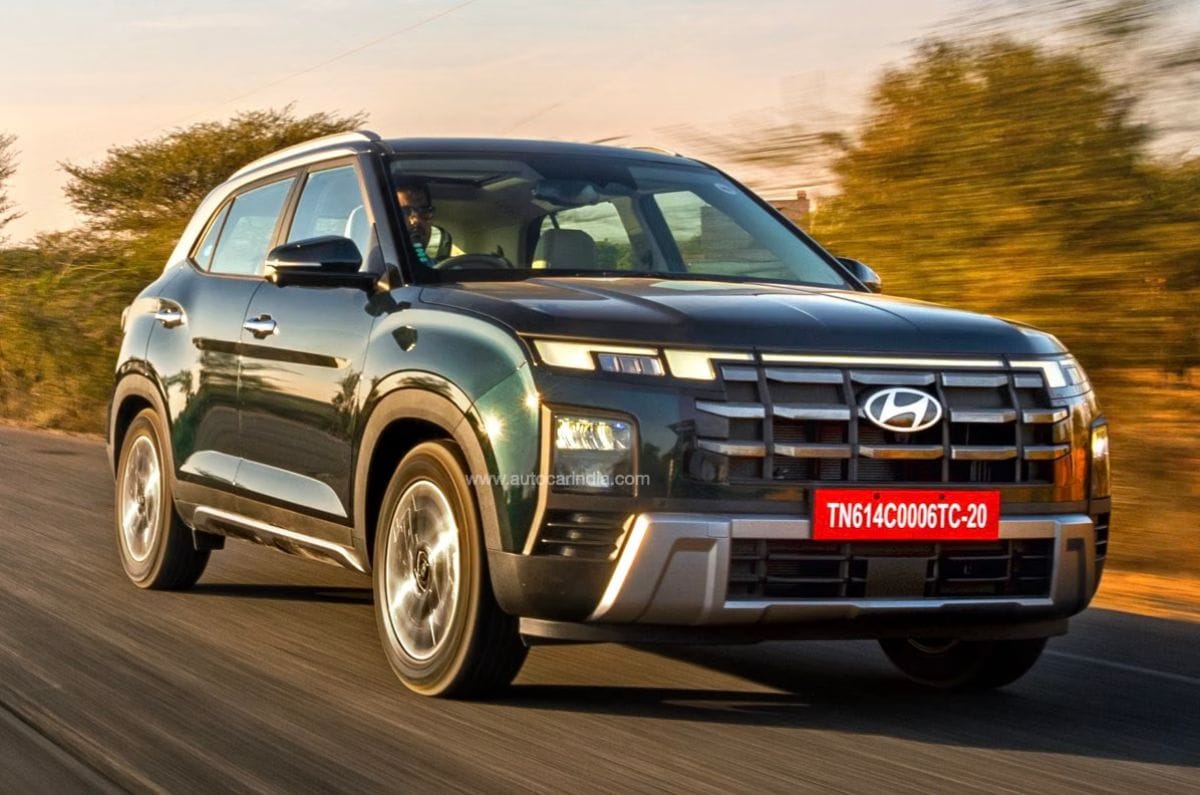
The Creta uses the same 116hp, 1.5-litre diesel engine as the Seltos, so the smooth and refined character of the engine applies here as well. However, being an older generation model and slightly smaller than the new Seltos, it doesn’t feel lack lustre in terms of performance. It’s also quite efficient, making the diesel-auto one of the best powertrain choices on the Creta. Otherwise, too, the Creta remains one of the most competent offerings in the segment faring well on space, features and premium-ness despite its relative age compared to its rivals. 

Tata Sierra 

Price: Rs 15.99 lakh – Rs 21.29 lakh 
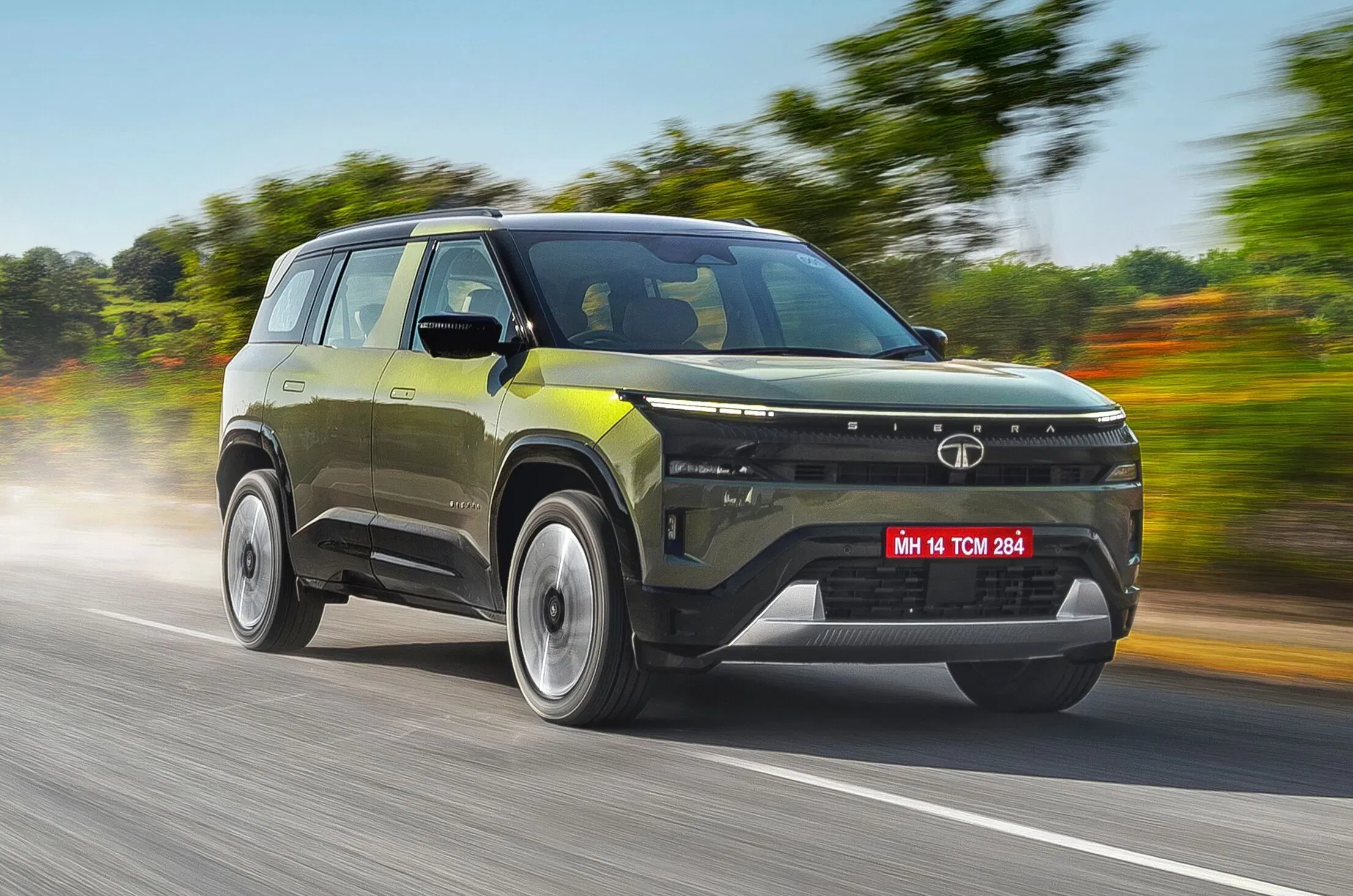
The Sierra uses the same 1.5-litre diesel engine that’s offered on the Curvv and the Nexon, but it has been up-tuned to produce 118hp and 280Nm. This 1.5 unit doesn’t have the midrange punch associated with diesels; instead, it builds power linearly. It also isn’t particularly refined as you can feel vibrations at all times, which makes it known to you that you are, in fact, driving a diesel. The torque-converter auto, however, is a smooth unit that keeps the engine in the meat of the powerband. Elsewhere, the Sierra impresses with its space, features and well-judged ride and handling balance. 

Mahindra Scorpio N 

Price: Rs 14.19 lakh – Rs 25.49 lakh
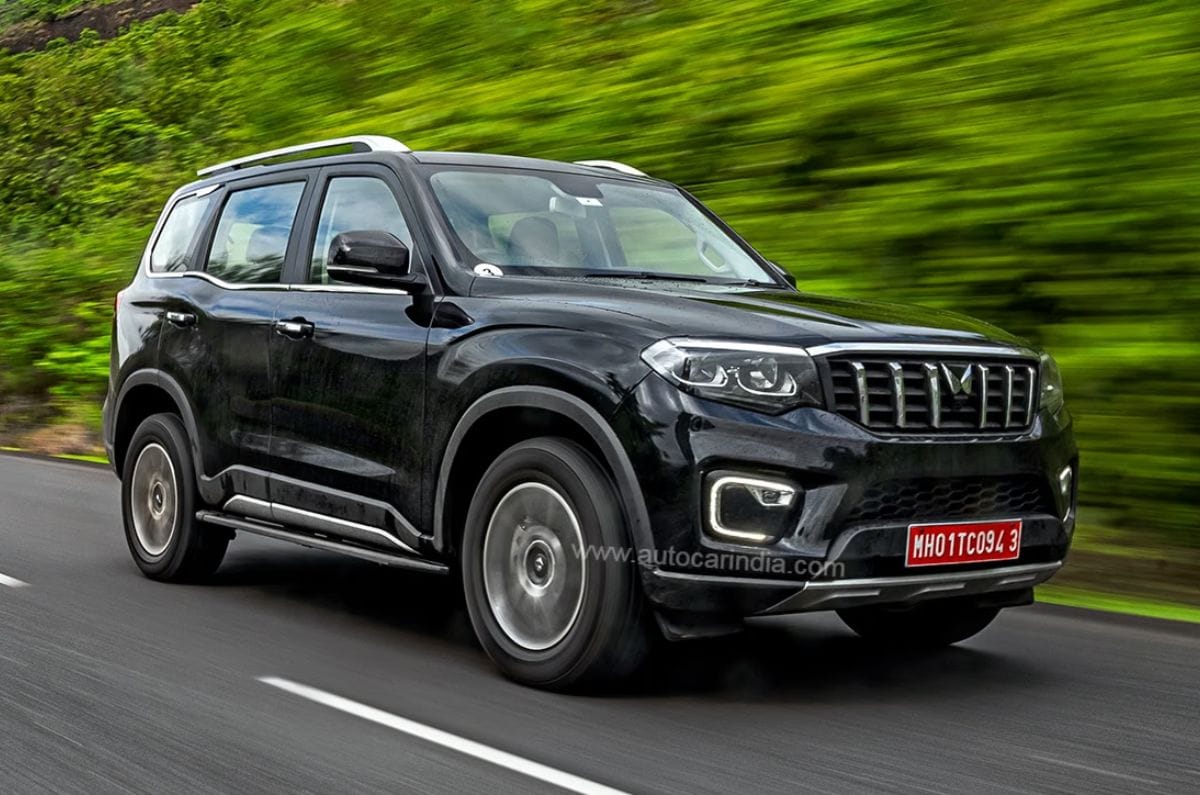
 

The Scorpio N uses the same 2.2-litre diesel engine as the XUV 7XO, but in a slightly different state of tune, producing 175hp and 370Nm (400Nm in 4×4 guise) here. Given the Scorpio N’s hardy underpinnings and rugged nature, the diesel engine makes for a great fit on this SUV, thanks to its strong reserves of torque. The 6-speed AT gearbox isn’t particularly quick shifting or sporty, but it is smooth. The Scorpio N is also the only SUV on this list to come with an optional 4×4 system, and you’d be surprised by how capable it is off the tarmac. It also has a premium interior and is well-specced with features, but third-row is quite limited on space. 
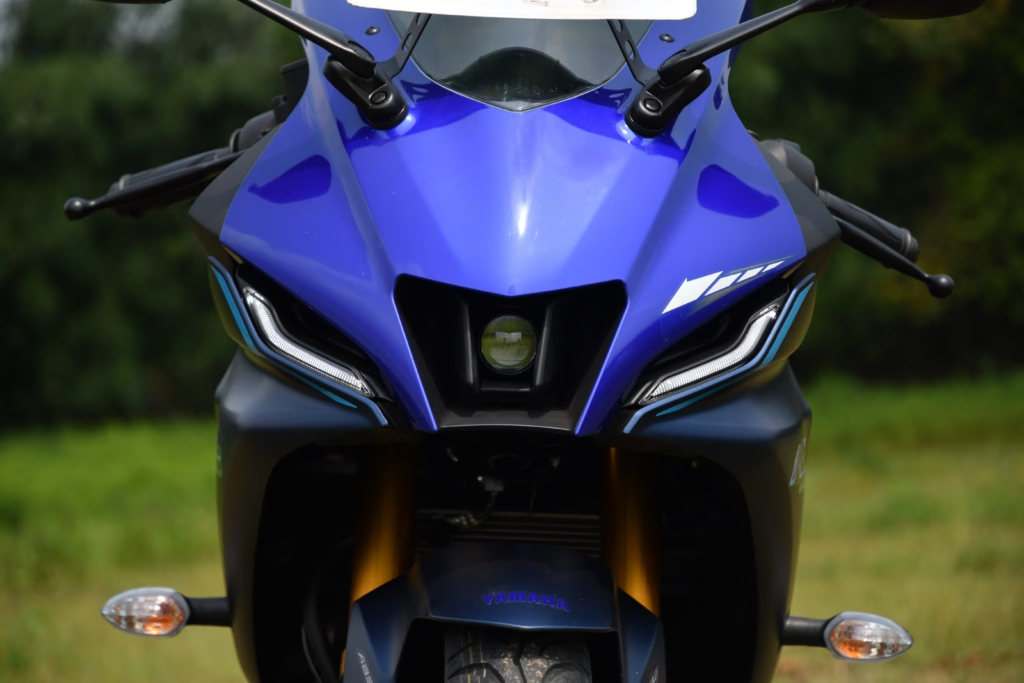
Yamaha R2 pre-bookings now open

Yamaha R2 pre-bookings now open

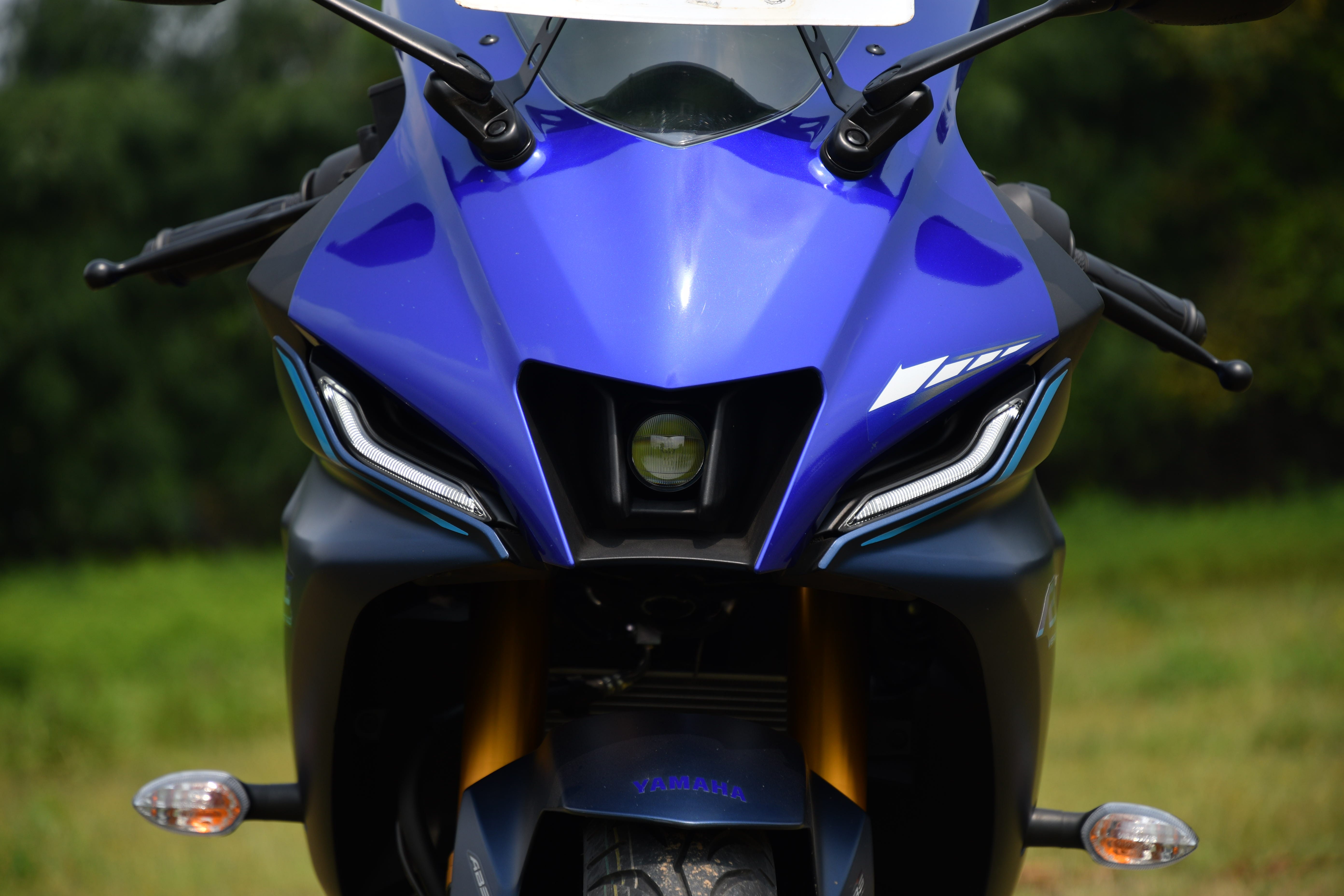
Yamaha has started accepting pre-bookings for an amount of Rs 10,000, for its much anticipated R2 supersport that is slated to launch on August 27. Here’s a rundown of all the things we know so far about the newest Yamaha on the block

  1. Yamaha R2 could be priced between Rs 2 lakh – 2.20 lakh
  2. To be powered by a 200-220cc engine
  3. Will sit above the R15 M in Yamaha’s lineup

Yamaha R2: What to expect?

Will rival the Hero Karizma XMR and KTM RC 200

We exclusively reported early this year that the R2 will be launched in India. It will carry forth the same spirit of its younger sibling – the R15 – in terms of its riding experience. Which means, it’s safe to say that it will be powered by a high-revving, higher displacement, single-cylinder engine that will punch well above its weight, much like the R15’s, delectable 155cc engine does. 

Details on the exact engine capacity are not yet clear, but we expect it to be slightly over 200cc, likely in the 200-220cc range. Power figures are also yet to be confirmed, although sources suggest performance should be on par with, if not better than, its key rivals. The Yamaha will go up against the KTM RC 200 and Hero Karizma XMR, both of which produce around 25hp, suggesting the Yamaha could offer a similar output. 

Where the R15 also holds an advantage, and where the R2 is likely to as well, is kerb weight. It is expected to be lighter than its rivals, which should give it an advantage in terms of agility and power-to-weight ratio. For example, the KTM weighs 160kg, the Karizma 163.5kg, while the current Yamaha R15 V4 weighs in at just 141kg.

As mentioned earlier, the Yamaha R2 will not replace the Yamaha R15. That said, the current R15 line-up will be streamlined, and we expect that the range topping M will be discontinued to make way for the R2. It’s also possible that the current R15 S (which is based on the gen-3 R15) will also be discontinued.

With current R15 prices starting at Rs 1.57 lakh for the S and going up to Rs 1.98 lakh for the top M variant, we expect that the R2 range could start at around Rs 2-2.2 lakh, depending on how aggressive Yamaha plans to be. The R2 will be manufactured entirely in India and will also be exported from here to other global markets.

The pre-booking amount of Rs 10,000 is fully refundable, although refunds will only be processed after September 5. The bike is slated to launch on August 27, with Yamaha giving priority to customers who pre-book before the launch.

3 reasons to buy the Honda Amaze and 3 reasons to avoid it

Honda Amaze front three quarter static

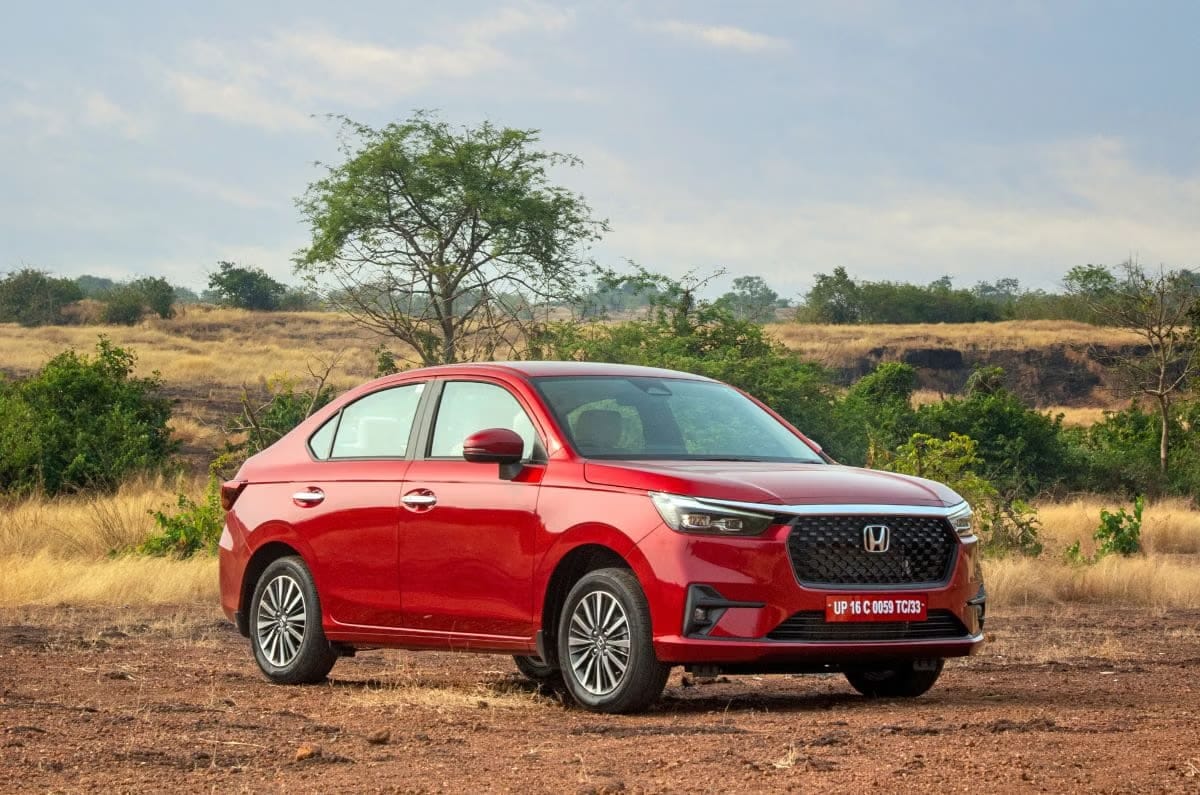
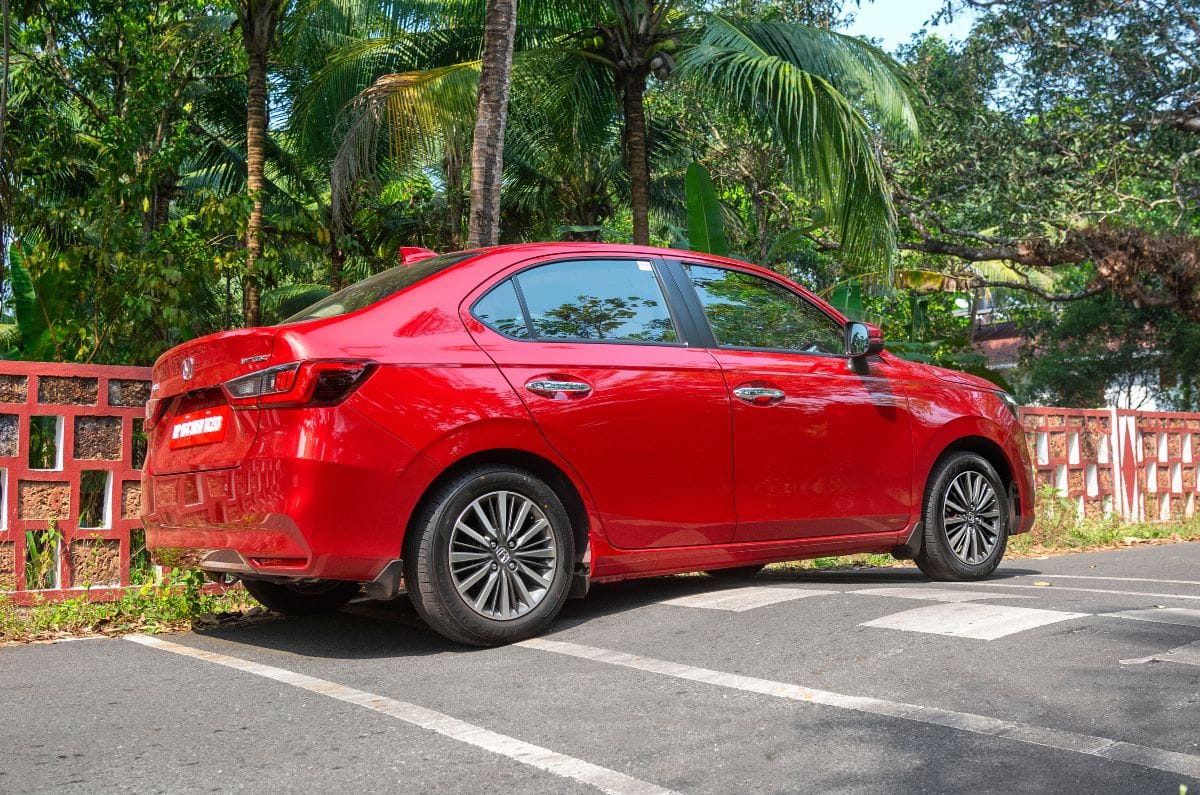
Honda sells both the second-gen and third-gen iterations of the Amaze in India. However, our focus here would be solely on the latter as it’s the latest and thus the best-equipped to tussle with other sub-4-metre sedans. As the Japanese brand’s most affordable offering, the Amaze carries a price tag of between Rs 7.65 lakh and 10.00 lakh (ex-showroom). Considering the brand’s badge appeal and some segment-first features, should you buy the Honda Amaze? Let’s find out.

Reasons to buy the Honda Amaze

Rear-seat comfort and a spacious boot

Usable interior space and a large boot add practicality to the Amaze

Honda Amaze rear seats

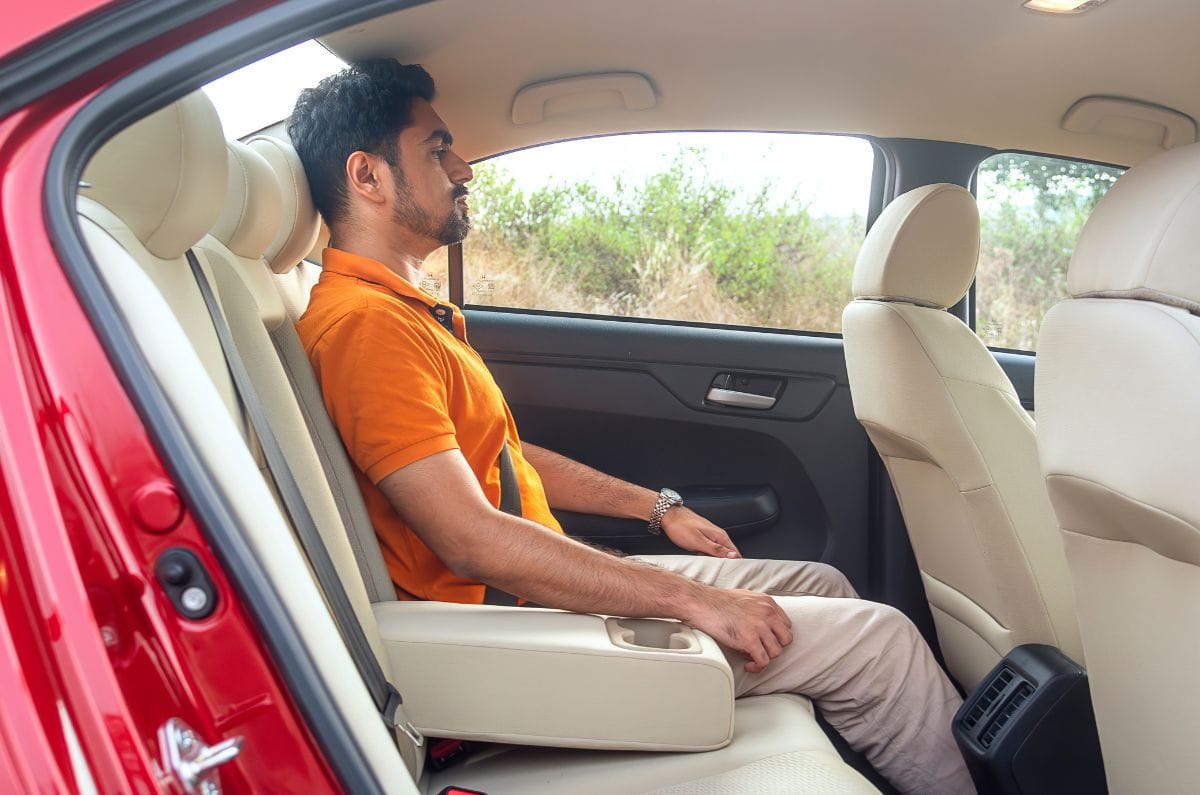
The rear seats of the Amaze are especially more comfortable than the front ones. Not only do the outer seats provide ample support, but their backrest angle is good too. Making these back seats more comfortable is the usable amount of kneeroom and legroom on offer, partly helped by the scooped-out portion of the front seatbacks. Further aiding comfort here are the dedicated AC vents, a centre armrest with cupholders, and headrests for all three passengers.

Honda Amaze boot space

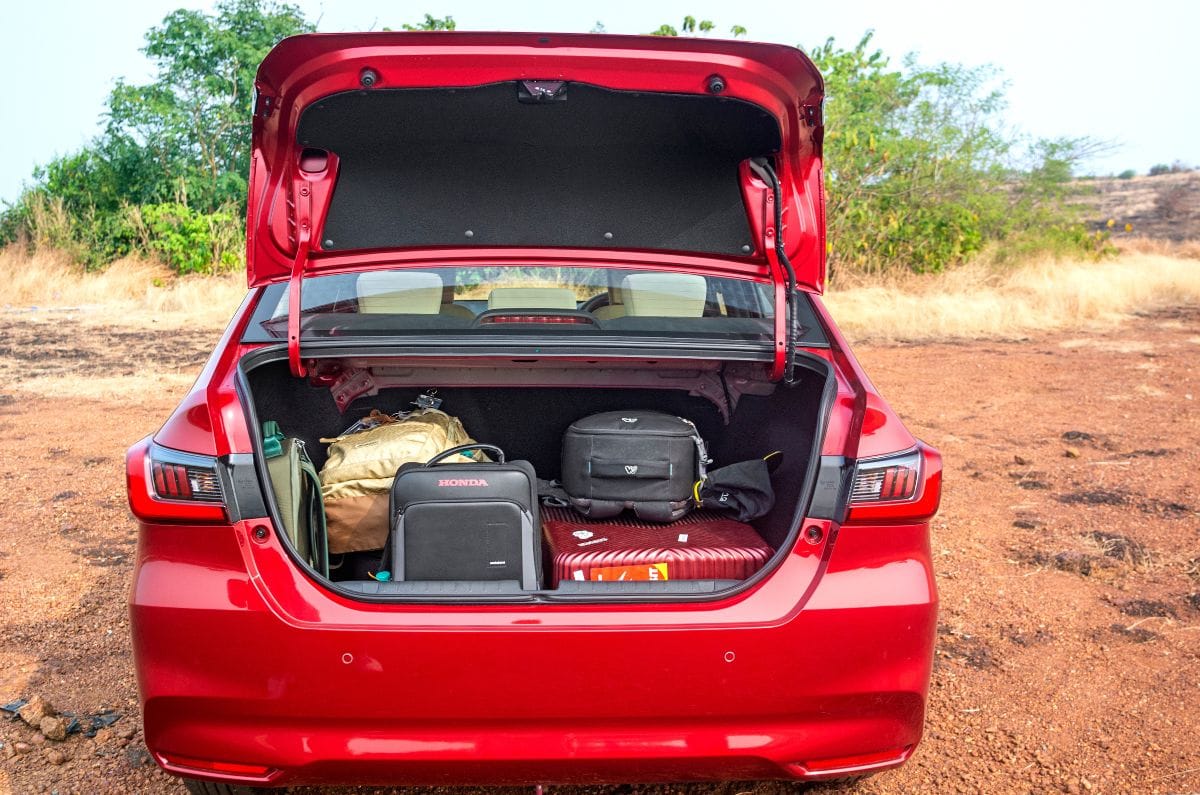
As for the Amaze’s luggage-carrying capacity, its 416-litre boot is one of the most spacious in the segment, easily trumping the Maruti Dzire and Hyundai Aura. While the loading lip is high, The Amaze’s boot offers plenty of width and depth to accommodate your luggage.

Easy to live with

The Amaze gets several user-friendly details right while also feeling more premium

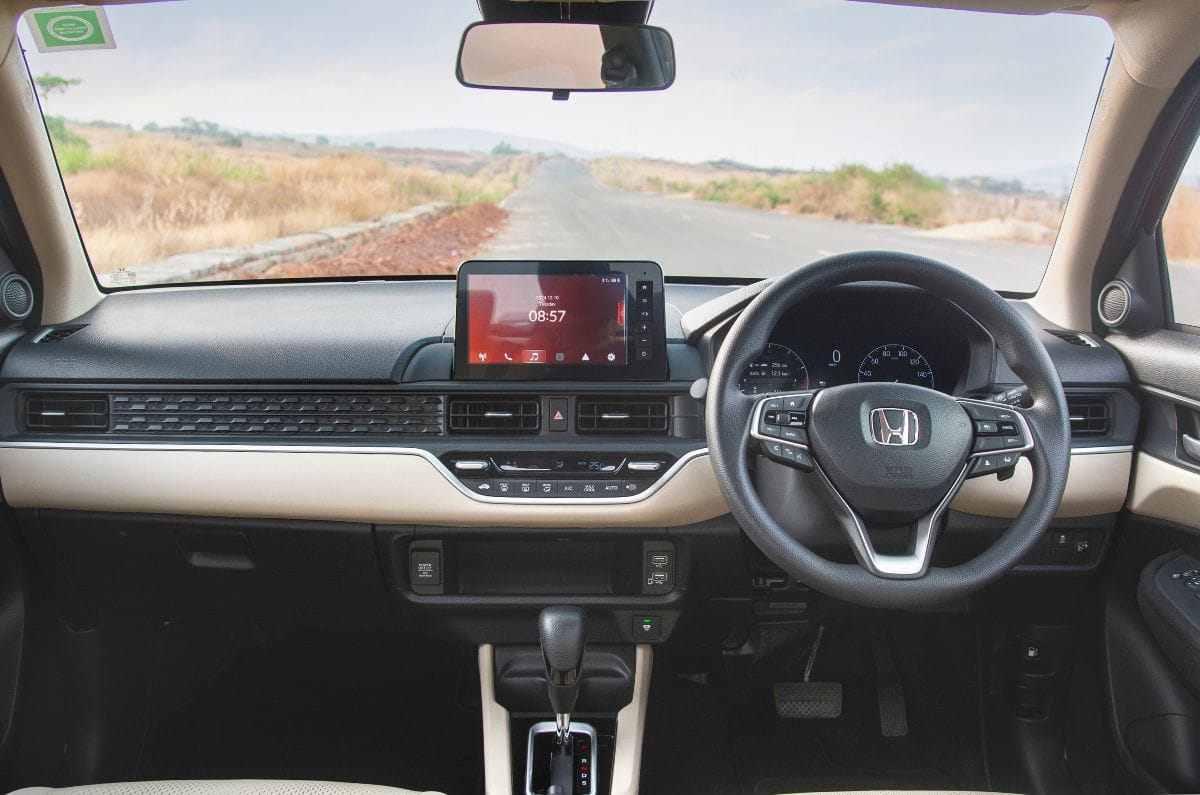
The Amaze’s beige-black interior theme, an expansive glass area and a low-set dashboard make its cabin feel light and airy. This two-tone colour scheme, along with the high perceived quality and overall levels of fit & finish, make the Honda Amaze’s interior feel more premium over its rivals.

Honda Amaze interior

The light steering and clutch, a tight turning radius plus an easy-to-use manual gearbox mixed with good all-round visibility, make pottering around town easy. If you go for the CVT (continuously variable transmission) option, driving the Honda Amaze becomes a hassle-free affair. It comes with paddle shifters that react promptly and also come in handy when there’s a need for engine braking. Meanwhile, the physical controls for the HVAC system allow users to adjust the temperature or the fan speed without getting too distracted.

ADAS is available

This is the only car in its class to feature advanced driver-assistance systems

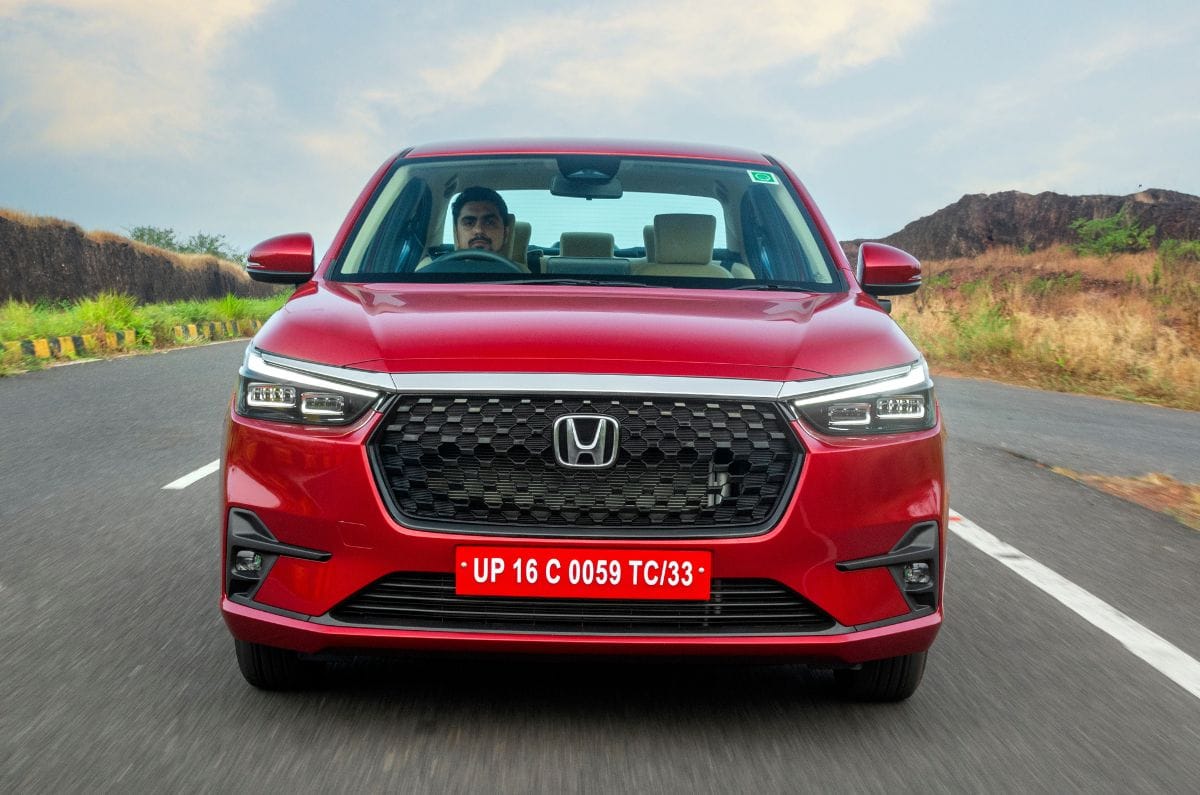
Honda Amaze front tracking

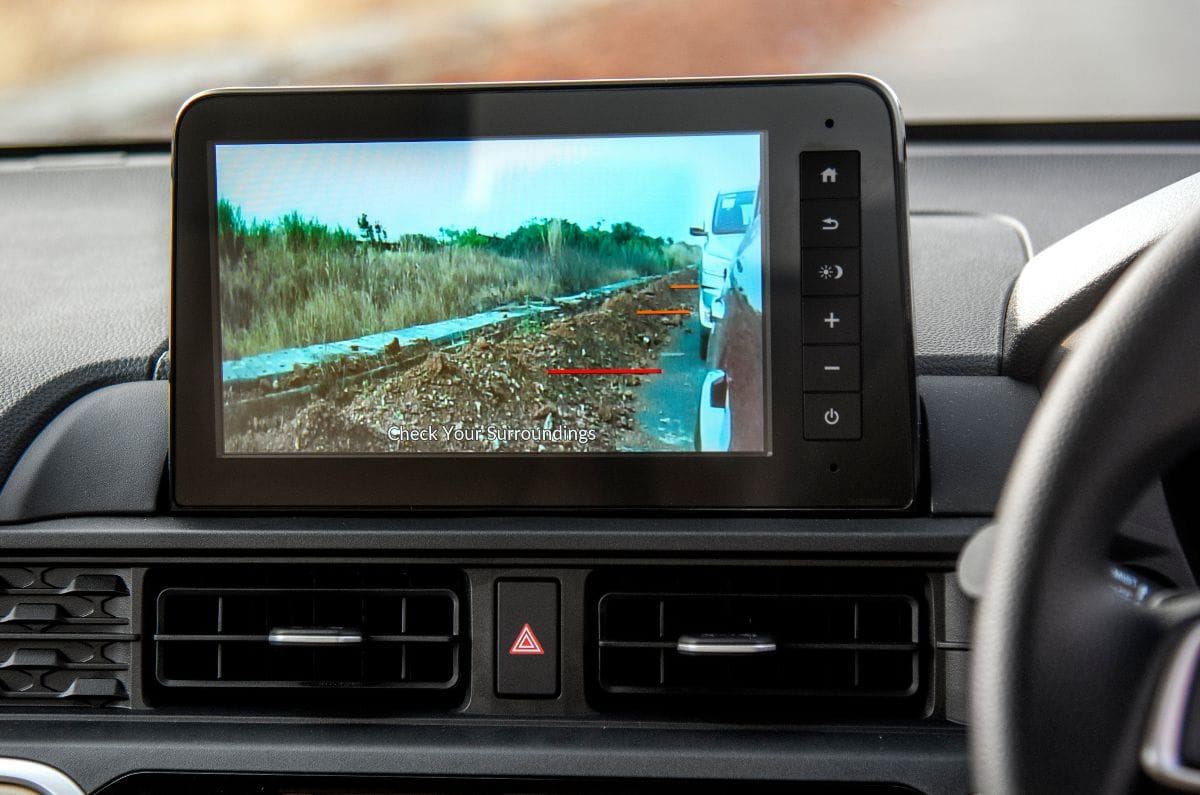
The Amaze is offered with the camera-based Honda Sensing ADAS (advanced driver-assistance systems) suite on the top-spec ZX trim. For those who want that extra layer of active safety nannies, features such as adaptive cruise control with autonomous emergency braking, lane-keeping assist and automatic high-beam will be useful add-ons. The Amaze can also be had with the brand’s LaneWatch Camera system, which displays the camera feed on the infotainment screen, aiding situational awareness.

Reasons to avoid the Honda Amaze

Poor cabin insulation

The Amaze’s cabin is quite an audible one

One of the aspects of driving the Honda Amaze is its lack of proper cabin insulation. Apart from engine and road noises, even ambient sounds from the outside world make it into this cabin with relative ease. This means that the Amaze’s cabin never really feels as relaxing as it could have been.

Underwhelming performance

This Honda sedan lacks engine punch to keep up with some rivals

The 1.2-litre four-cylinder petrol engine of the Honda Amaze is happy to rev to its redline without complaint, but it isn’t a punchy unit. While there’s enough grunt once you get past the 4500rpm mark, this engine feels weak below 2,000rpm. Honda has tried to counter this by providing shorter ratios for the first and second gears.

Honda Amaze soft suspension

However, this leads to one having to downshift constantly when driving in bumper-to-bumper traffic or even when trying to drive away from speed-breakers. Even though the CVT masks this engine’s weak low-end and mid-range performance, pushing it results in the type’s characteristic rubber-band effect becoming apparent. The soft suspension means that the Amaze sags under load, raising the risk of scraping the belly on large speed-breakers. It also causes the Amaze to roll noticeably in the corners.

Pricier than rivals

The Amaze remains the most expensive offering in its segment

Honda Amaze LaneWatch camera

Unlike the top-spec Maruti Dzire, which is Rs 64,000 cheaper the fully loaded Honda Amaze, it still gets a powered sunroof and a 360-degree camera setup. The Amaze also lacks Type-C USB ports, offering just Type-A and 12-volt outlets. While the higher price tag of the top-spec trim can be explained away due to the inclusion of ADAS, buyers would still want the aforementioned missing features at this price bracket.

Also read

Tata Sierra vs Kia Seltos diesel AT performance comparison

Kia Seltos vs Tata Sierra diesel automatic: Real world mileage compared

Aprilia Tuono Special Edition review: the new standard

Aprilia Tuono Special Edition review: the new standard

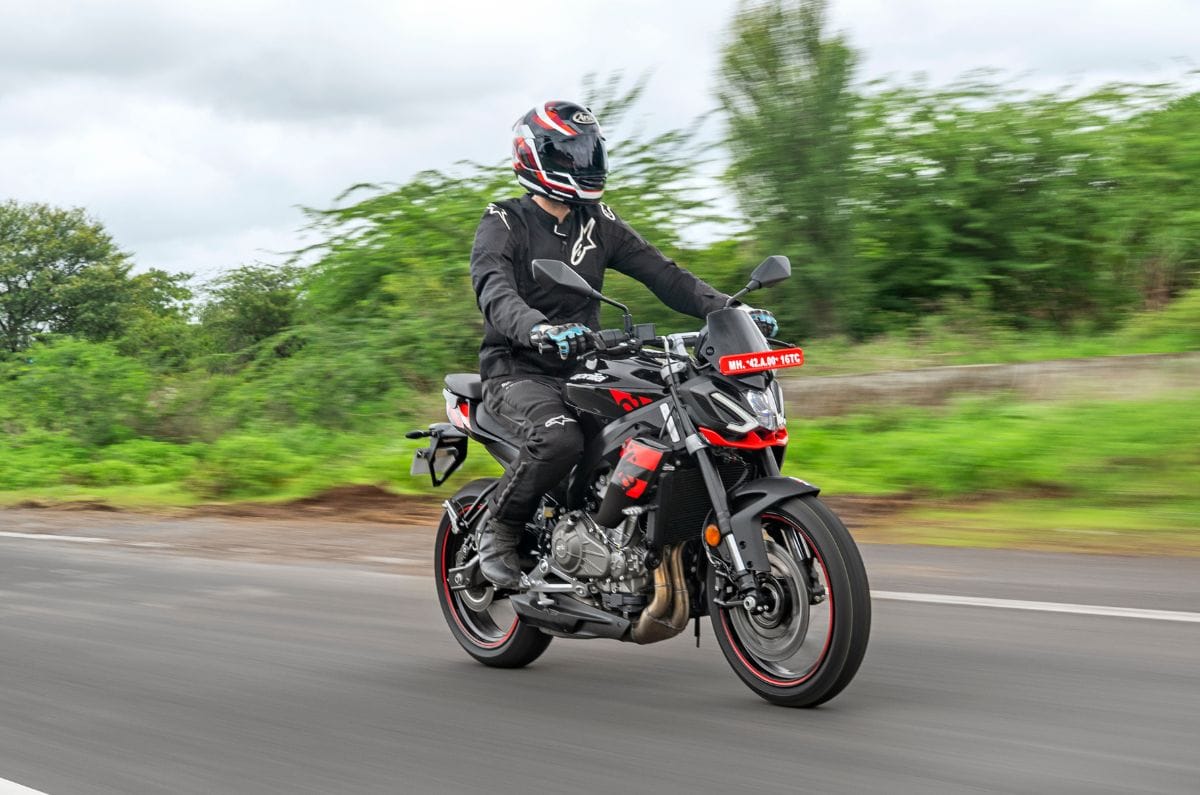
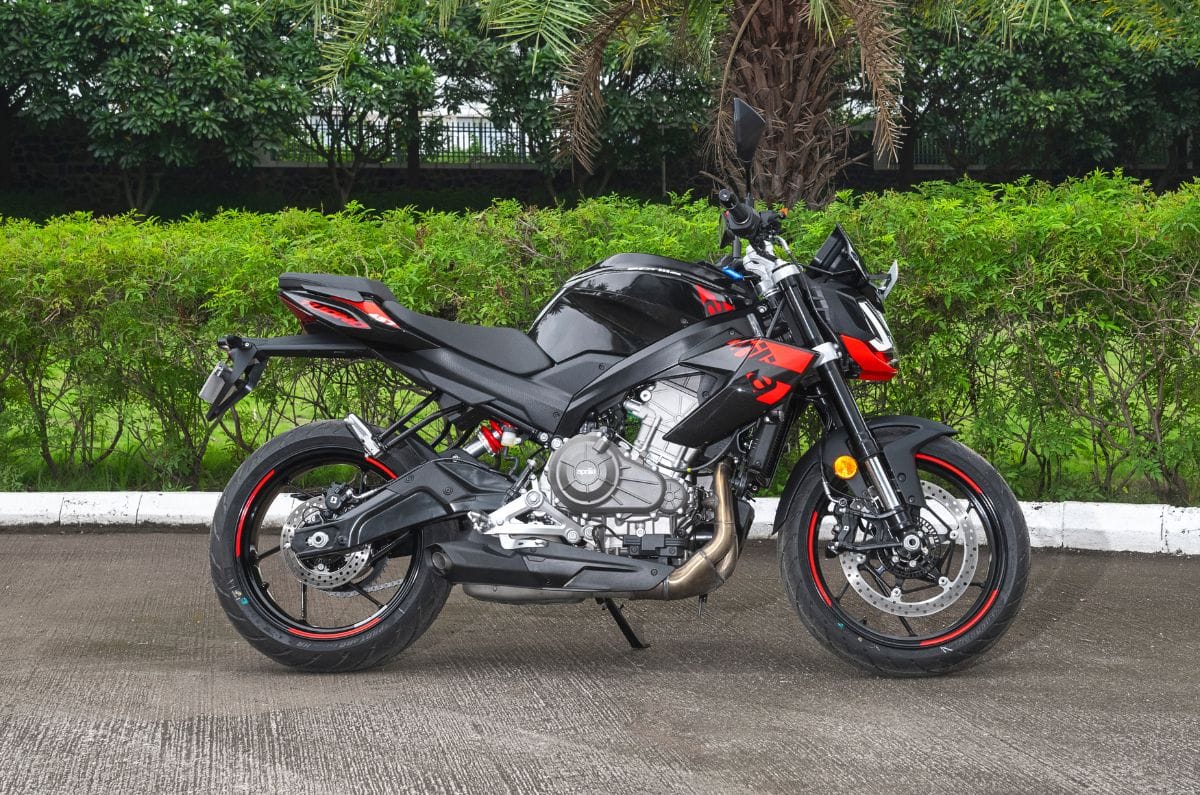
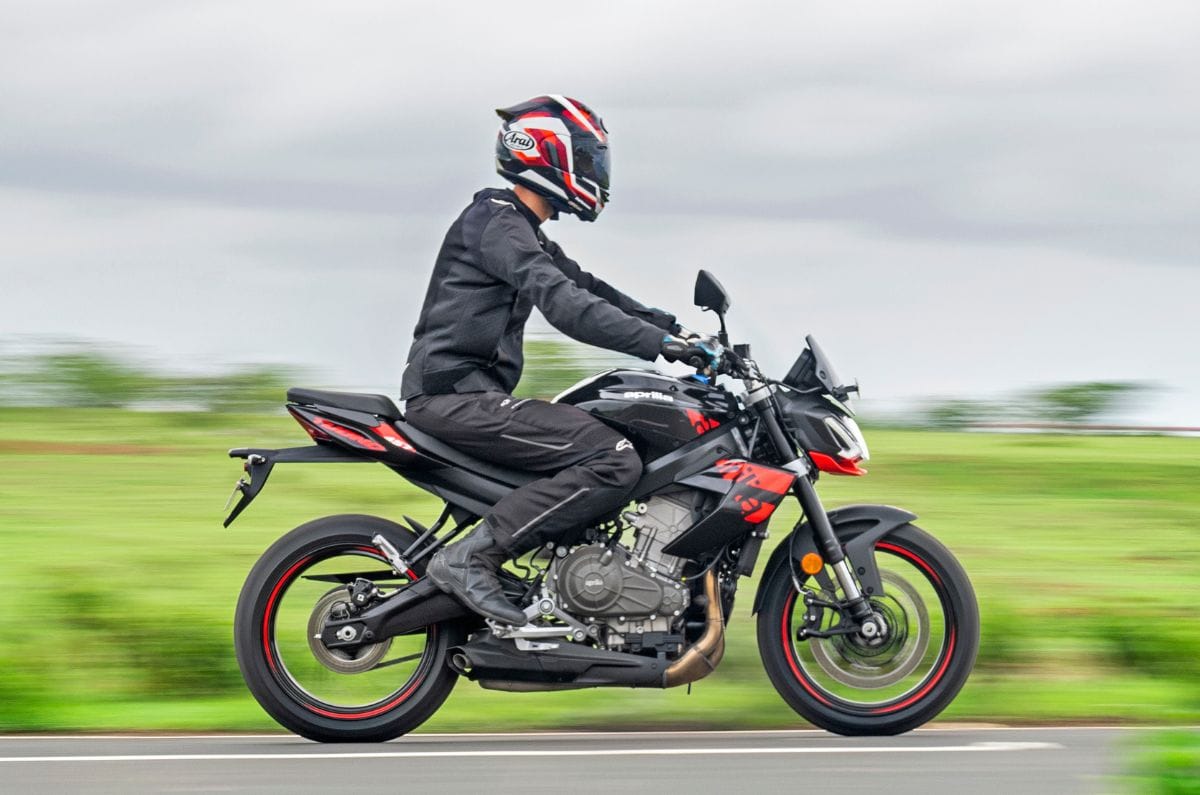
When you hear the words Special Edition, the natural assumption is that this is the special version of a normal bike. Aprilia thinks otherwise, and unlike what the name suggests, the new Special Edition is the only Tuono 457 you can buy in India today.

Tuono 457 Special Edition Comfort – 7/10


The changes are all aimed at making the Tuono a little easier to live with. When first launched, the Tuono was quite literally the naked version of the racy RS 457 with the only differences being in how it looked and the fact that it had a flat handlebar instead of clip-ons. The result was a high capable bike but one that was unforgiving in terms of comfort.

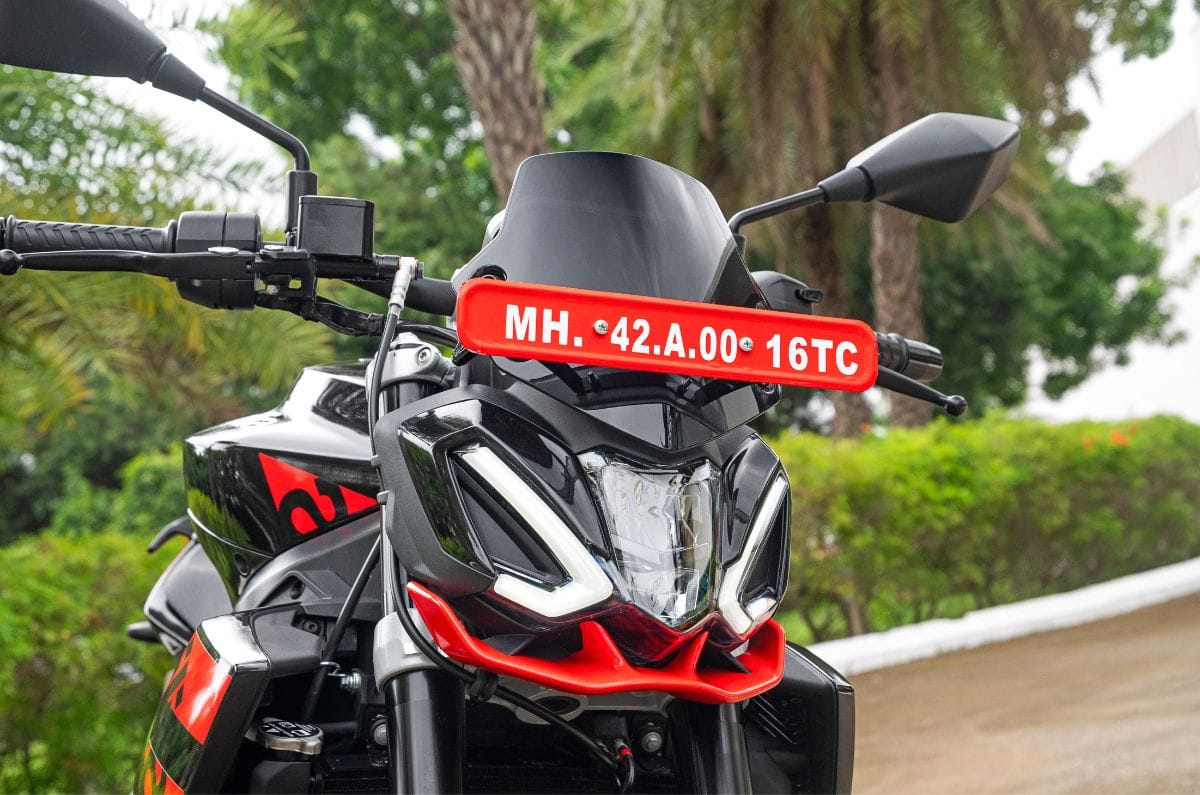
Fly screen is now standard fit

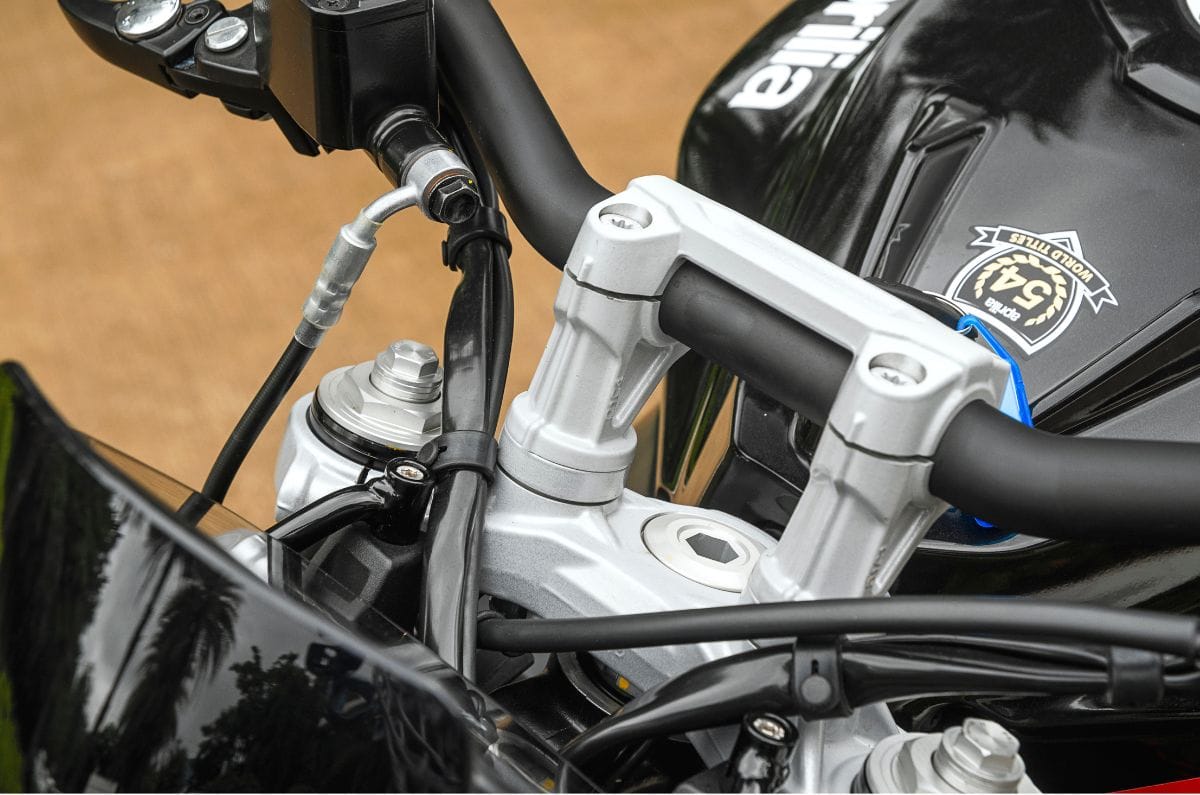
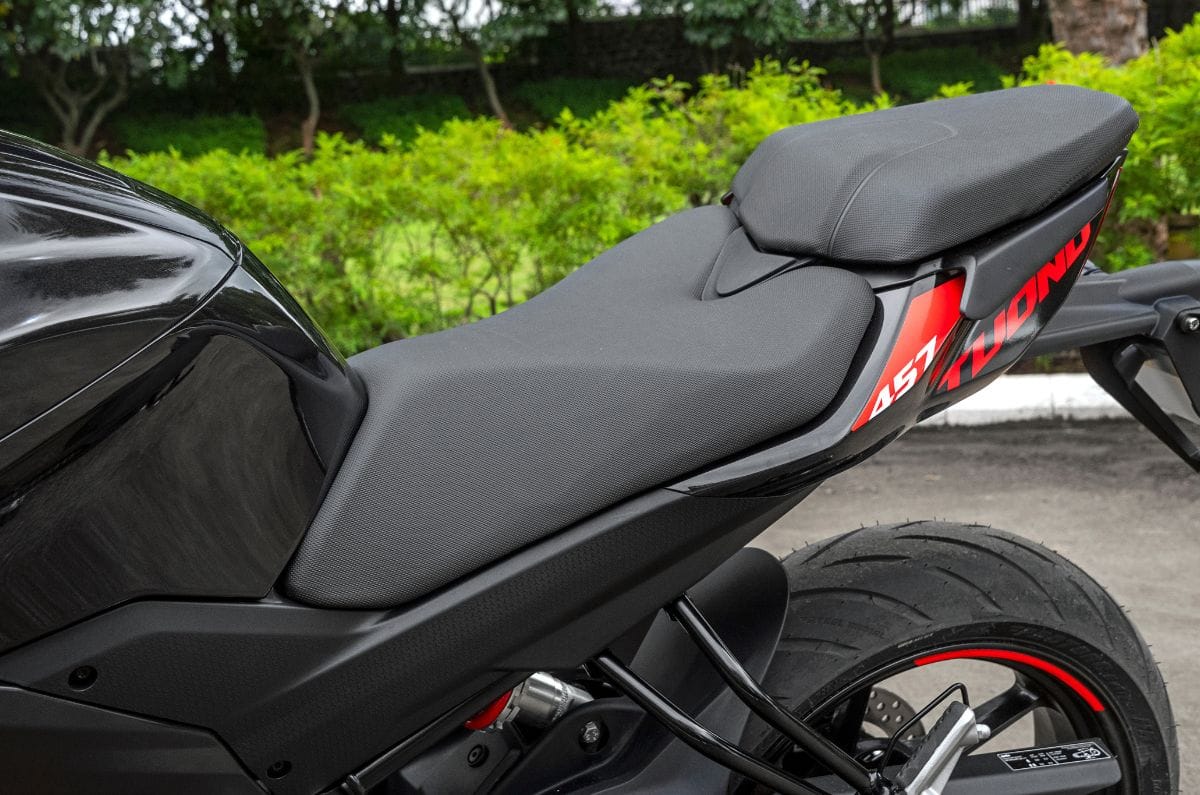
The Special Edition aims to make the Tuono more inviting with tweaks made to the riding position as well as the suspension. The handlebar is the same, but a new riser raises it by about 10mm. While the Tuono used to have the same seats as the RS 457, the rider seat now has additional padding which again raises the seat height by about 10mm.

Same handlebar as before but with taller risers

These two changes may sound marginal, but they have a noticeable effect. At 6’1”, I used to find the Tuono uncomfortably cramped, with my knees feeling locked in place by the tank and the handlebar aggressively low. The new setup improves things and while this is still a compact riding position with high-set footpegs, it’s not punishingly so – I do appreciate the difference it makes to comfort after an hour of riding.

Tuono 457 Special Edition Suspension and Handling – 9/10

SpecificationsValues
Front Suspension TypeØ 41mm USD fork, adjustable preload, 120mm wheel travel
Rear Suspension TypeMonoshock, adjustable preload, 130 mm wheel travel
Front Tyre Size110/70 – 17
Rear Tyre Size150/60 – 17
Brake typeFront – Disc, Rear – Disc

The other change comes in the form of retuned suspension with a focus on comfort. Wheel travel is unchanged, but the compression/rebound damping and spring rates have been reduced a little at the front while the rear gets reduced spring rates as well as a little less compression damping – rebound damping is similar to before. Aprilia stresses that while the suspension is softer, it will not bottom out under hard riding conditions.

The riding position is still sporty but now noticeably more comfortable
SpecificationsValues
Fuel Tank Size12.7 L
Kerb Weight175 kg

From what I could tell, the bike does feel a little softer and more absorptive in the initial travel, but we faced an unusual difficulty in making a clear verdict – the roads around Baramati where we were riding it were shockingly good! You could tell that this was still a very agile and reactive motorcycle with a taut feel. I’m quite confident that its superb handling skills are still intact and the only difference may be seen when being pushed to the limit at the race track – something we look forward to evaluating soon. At the same time, I don’t expect this to be a plush and comfortable bike over Mumbai’s bumpy concrete roads, but it should be a little less harsh than before.

Rider seat gets more padding for better comfort

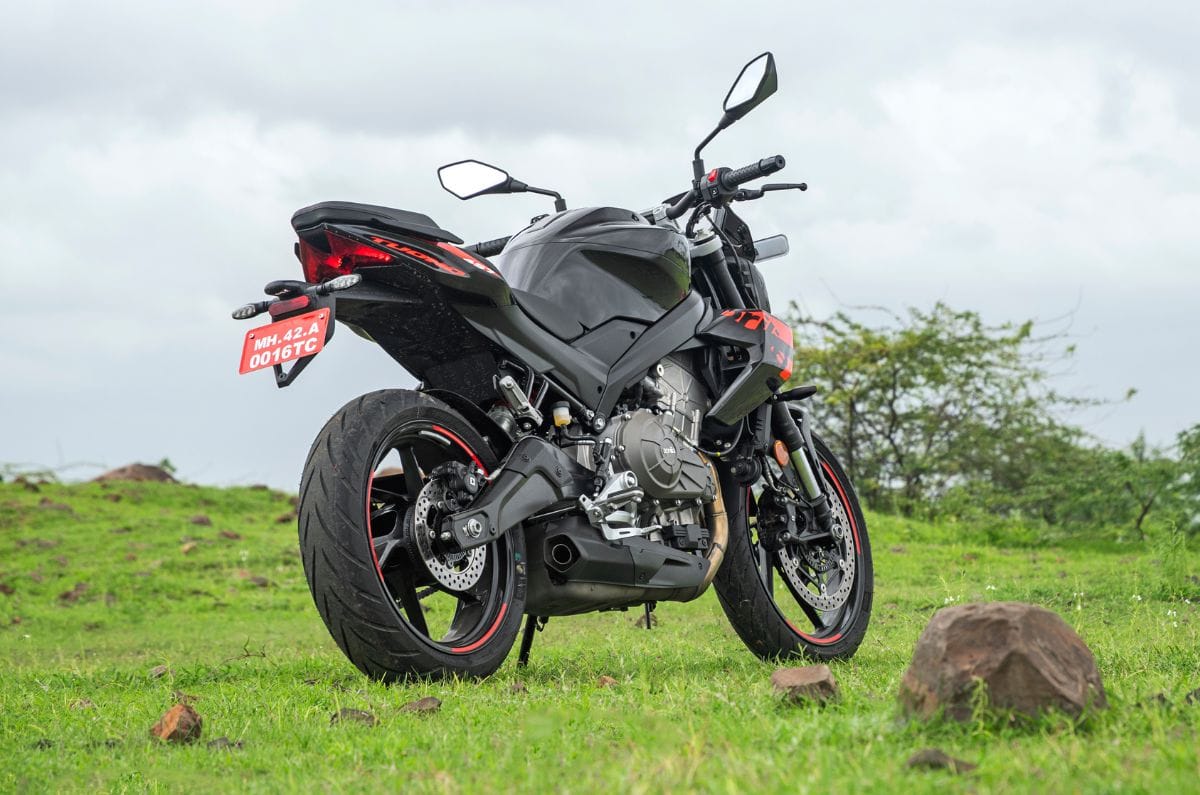
The other changes on the Tuono are largely visual. It now gets a fly screen as standard which adds to the look but doesn’t transform its wind protection capabilities in any significant way. There’s also a new adjustable brake lever and a smart shade of black that I think makes the Tuono 457 a better looking bike.

Tuono 457 Special Edition Engine and performance – 9/10

The 457cc twin cylinder engine has strong performance and makes a great sound
SpecificationsValues
Engine Displacement457 cc
Max Engine Power47.6 hp @ 9400 rpm
Max Engine Torque43.5 Nm @ 6700 rpm
Number of Gears6

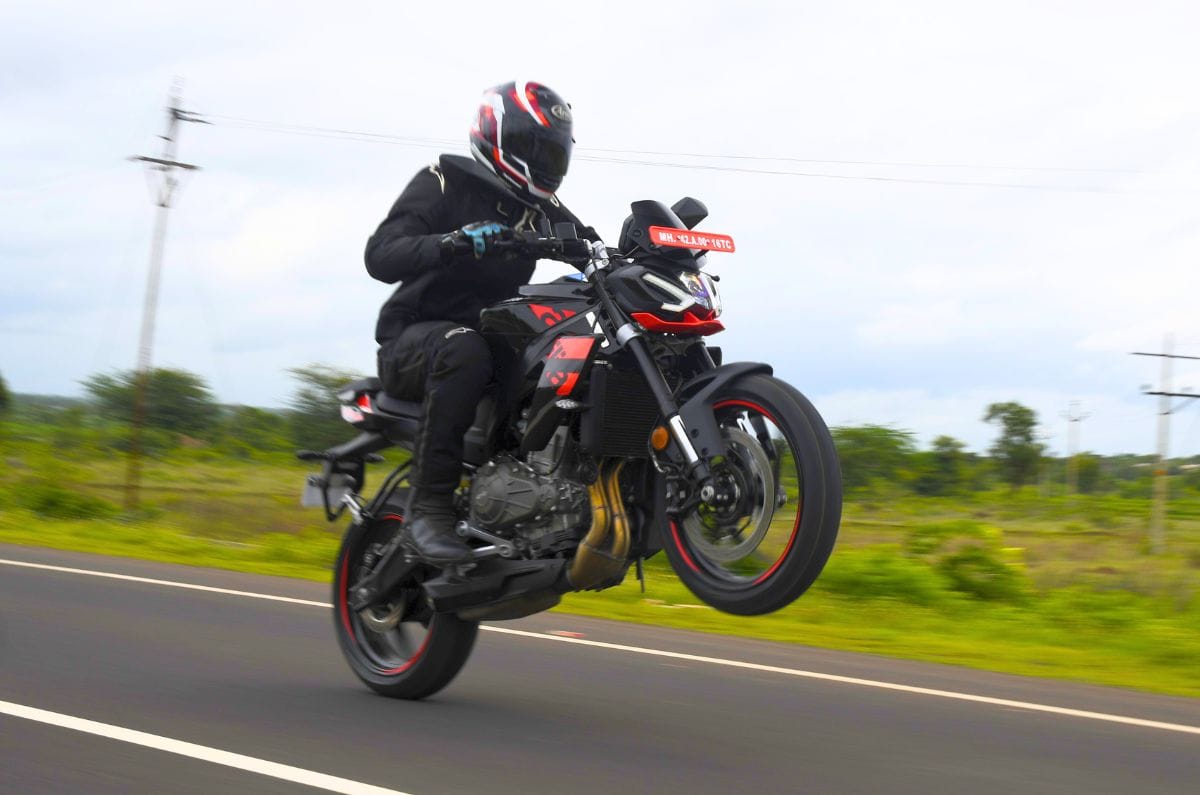
The rest remains the same, including the absolutely delectable 457cc parallel twin engine that makes a superb sound and has solid punch. The engine doesn’t have a great top end, but the mid range is strong enough to pull clutch up wheelies in second gear in a way that no other locally manufactured bike can match. Highway speeds are smooth and effortless and the bike can sit at 130 or higher without stress. This really would make for a great engine in a Tuareg 457 ADV whenever that finally becomes a reality. The company also seems to be ironing out the significant reliability concerns that plagued the first RS 457 models and the number of customer complaints has reduced.

Suspension is now a little softer while the braking set up is the same

Braking hardware is the same as well and it is good enough for road use. It’s only under repeated hard braking conditions that you will want to upgrade to better brake pads at the very least. The one missing feature is a bi-directional quickshifter which can be bought for an additional Rs 21,000.

Tuono 457 Special Edition Price and Conclusion – 8/10

The Aprilia Tuono 457’s Rs 4 lakh ex-showroom price is suddenly a lot more appealing than it used to be. That’s not because Aprilia lowered it in any way, but simply because they haven’t raised it after the GST rate hike. While its chief rival the KTM 390 Duke used to cost around Rs 1 lakh less, that difference is now just Rs 50,000 and that suddenly puts the Tuono in a new light.

It is still a more expensive bike – both to buy and run – and the dealer network is far more limited as well. However, as far as riding thrills go, no rival comes close to the ‘scaled down big bike’ feel this bike offers and with these changes, it makes for a much more appealing package at this price. 

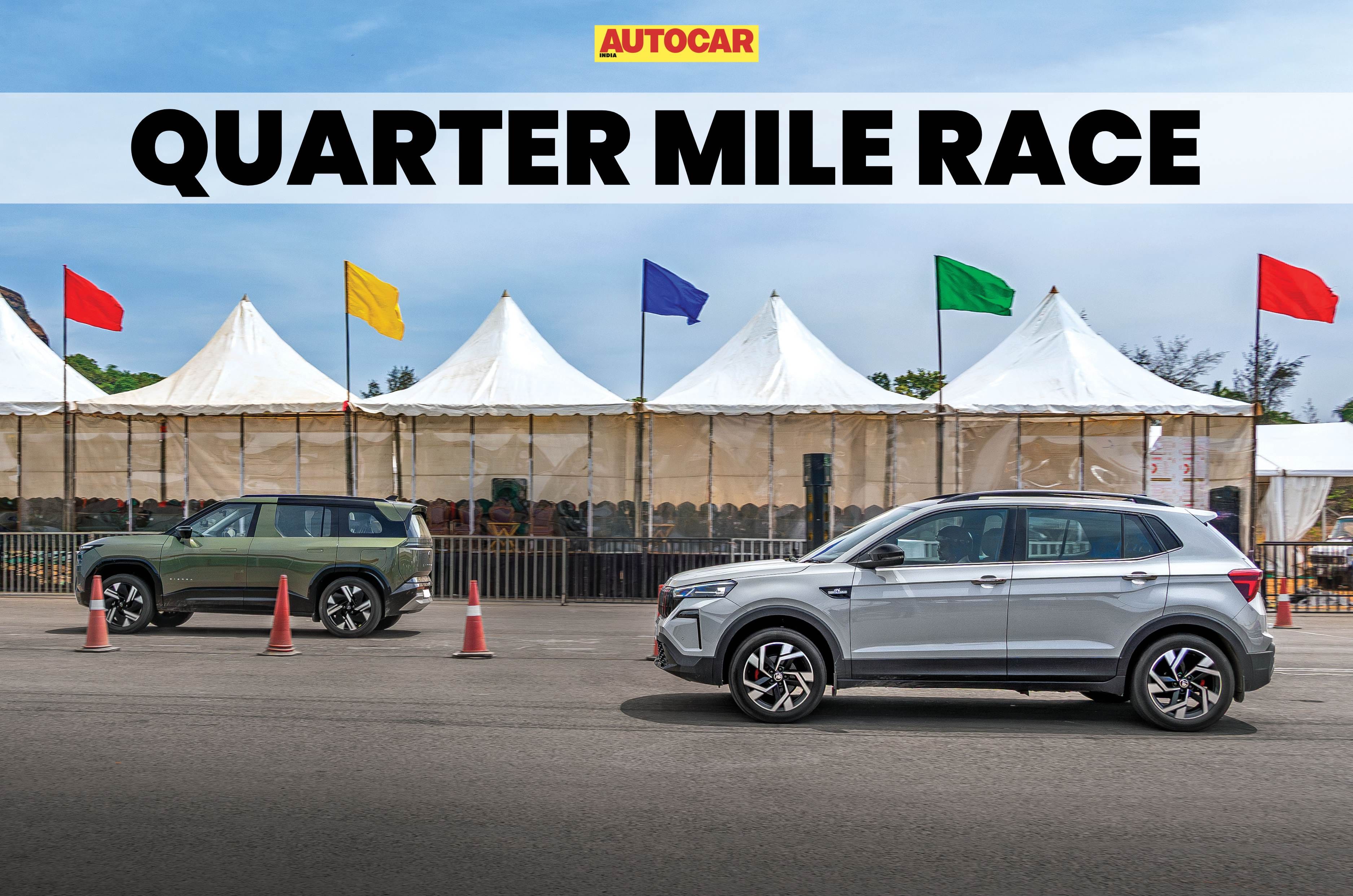
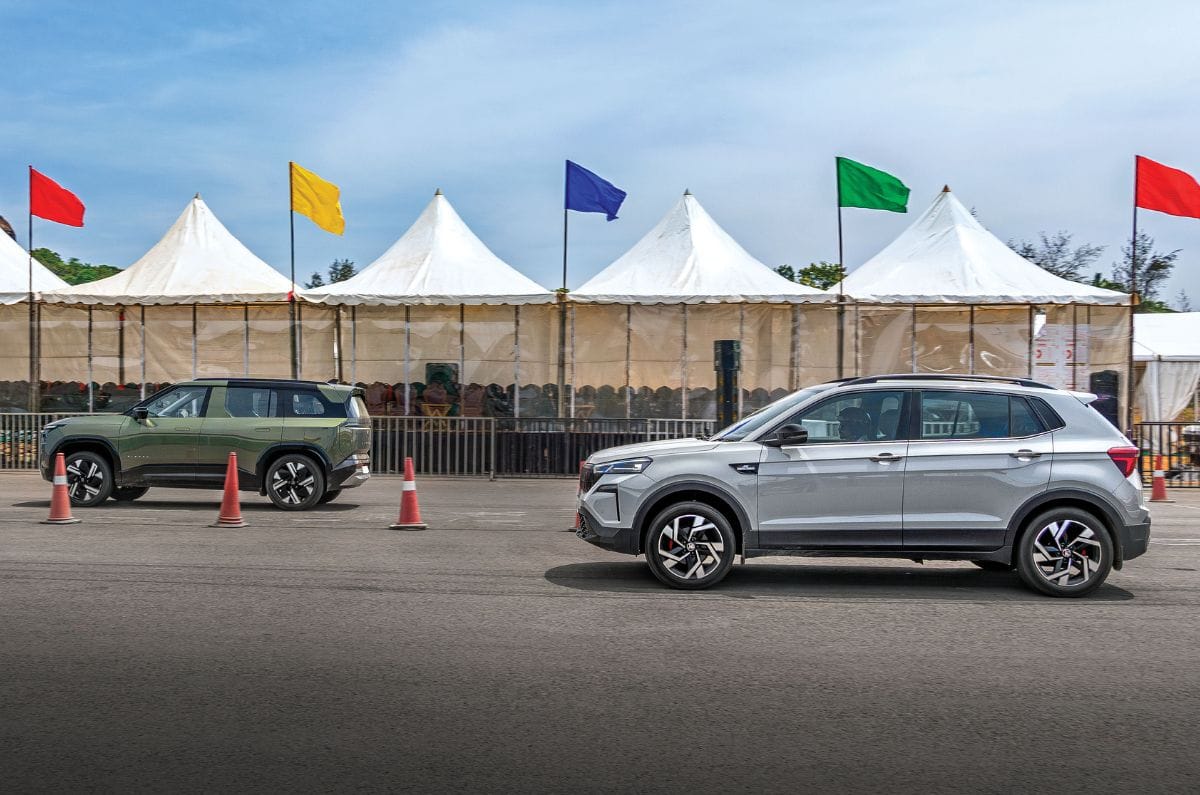
Sierra vs Seltos vs Duster vs Kushaq: quarter mile drag race

Kushaq vs Sierra drag race

There’s no simpler way to compare one car’s performance to another than with a head-to-head quarter-mile race. In this edition of Autocar India’s quarter-mile racing series, we’ve brought together some of the newest midsize SUVs in the market, including the Tata Sierra, Kia Seltos and the Renault Duster. Let’s find out which of this new crop of midsize SUVs is the quickest down the drag strip. 

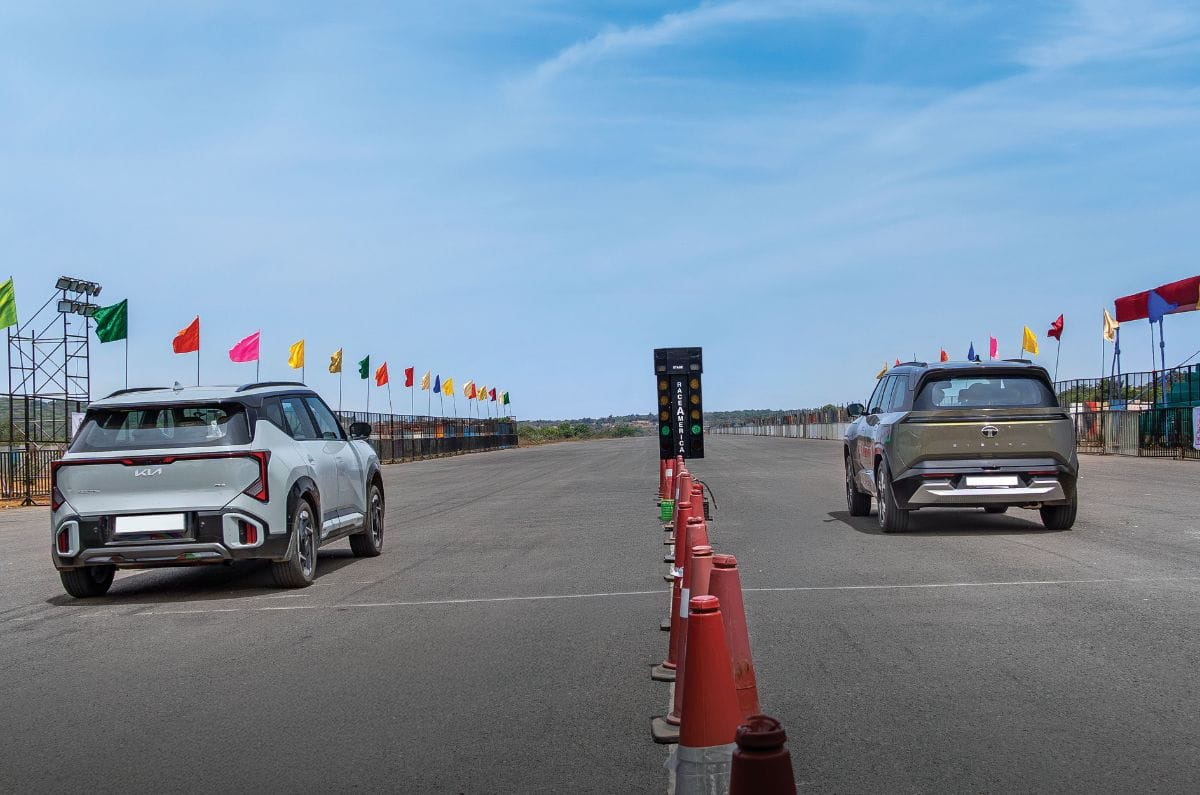
Race 1: Tata Sierra vs Kia Seltos 

SUVSeltosSierra
Engine1482cc, 4-cylinder 1498cc, 4-cylinder 
Power160hp at 5500rpm160hp at 5000rpm
Torque253Nm at 1500-3500rpm255Nm at 1750-4000rpm
Transmission7-speed dual-clutch6-speed torque converter
Kerb weight 1467kg1552kg

Our first pairing is between the Tata Sierra and the Kia Seltos, both of which are powered by 1.5-litre turbo-petrol engines, but with different gearboxes. 

These two new midsize SUVs are neck-and-neck on paper, with both featuring 160hp turbo-petrol engines, similar torque outputs and similar weight. However, the torque-converter-equipped Sierra launches much stronger than the Seltos, whose dual-clutch automatic is conservative off the line. The Kia Seltos does begin to claw back lost ground, but a little too late. The Sierra manages to win by a slender margin of about two tenths of a second. Race 2 is even closer, with a gap of just over a tenth, but the result stays the same.  

Sierra vs Seltos drag race times 
 Sierra Seltos
Race 116.92 sec17.11 sec
Race 2 17.07 sec17.19 sec 

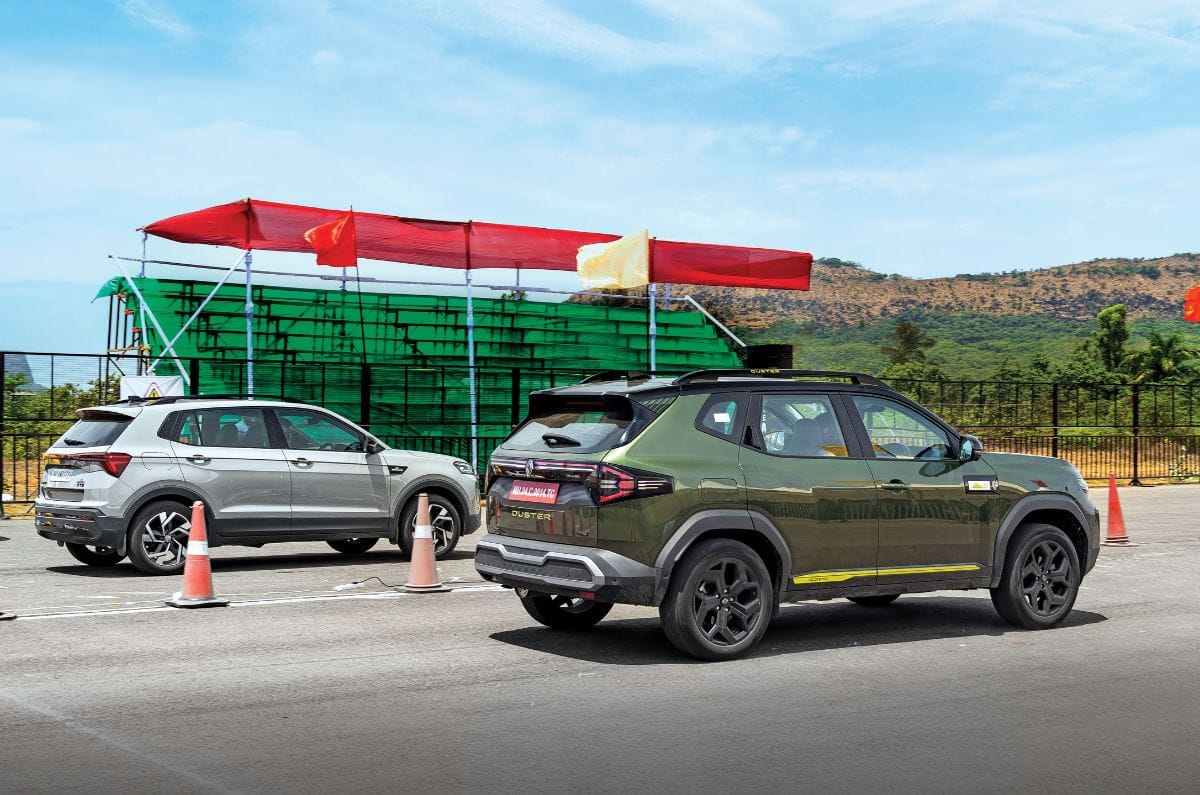
Race 2: Skoda Kushaq vs Renault Duster 

SUVKushaq Duster 
Engine1498cc, 4-cylinder 1333cc, 4-cylinder 
Power150hp at 5000-6000rpm163hp at 5,250rpm
Torque250Nm at 1600-3500rpm280Nm at 2,000-3,500rpm
Transmission7-speed dual-clutch6-speed dual-clutch
Kerb weight 1322kg 1363kg

Our next pairing is between the Skoda Kushaq and the Renault Duster. The Kushaq uses a 1.5-litre turbo-petrol engine, while the Duster uses a smaller but more powerful 1.3-litre unit. Both engines come mated to a DCT gearbox. 

The Duster has the advantage on paper with more power, and it backs it up by winning Race 1 by two tenths. The Renault’s wet-clutch DCT allows a better launch than the Skoda’s dry-clutch unit, but the Skoda’s snappier shifts and stronger top end mean it is catching up. Race 2 starts off with the Skoda getting a better launch, and as such, it goes on to beat the Renault by nearly four tenths. Race 3 is closer than Race 2, but the result stays the same, with the Kushaq coming out on top yet again. 

Kushaq vs Duster drag race times 
 Kushaq  Duster
Race 117.77 sec17.65 sec
Race 2 17.05 sec17.69 sec
Race 317.28 sec17.67 sec

Race 3: Tata Sierra vs Skoda Kushaq 

SUVSierraKushaq 
Engine1498cc, 4-cylinder 1498cc, 4-cylinder 
Power160hp at 5000rpm150hp at 5000-6000rpm
Torque255Nm at 1750-4000rpm250Nm at 1600-3500rpm
Transmission6-speed torque converter7-speed dual-clutch
Kerb weight 1552kg1322kg

Finally, we bring together the winners from the first two rounds to determine the fastest midsize SUV you can buy today.

The Sierra has the numbers on its side, but the Kushaq does tend to punch above its weight. As was the case in the earlier races, the Skoda proves tricky to launch off the line, while the Tata Sierra jumps ahead. From there on, the Kushaq does start to reel in the Sierra, but it’s just not enough. The Tata Sierra wins Race 1 by just about a tenth. Race 2 is equally close, with the gap being a minuscule 0.2 seconds, and the Sierra manages to win again. 

Sierra vs Seltos drag race times 
 Sierra Kushaq
Race 117.18 sec 17.28 sec
Race 2 17.02 sec17.21 sec 

Autocar India’s testing standards

Before we conduct our performance tests, we check and maintain tyre pressures based on the manufacturer’s recommendation and ensure the car has a full tank of fuel. The car is then tested in a controlled environment, and the data is collected via highly accurate GPS-based timing equipment.

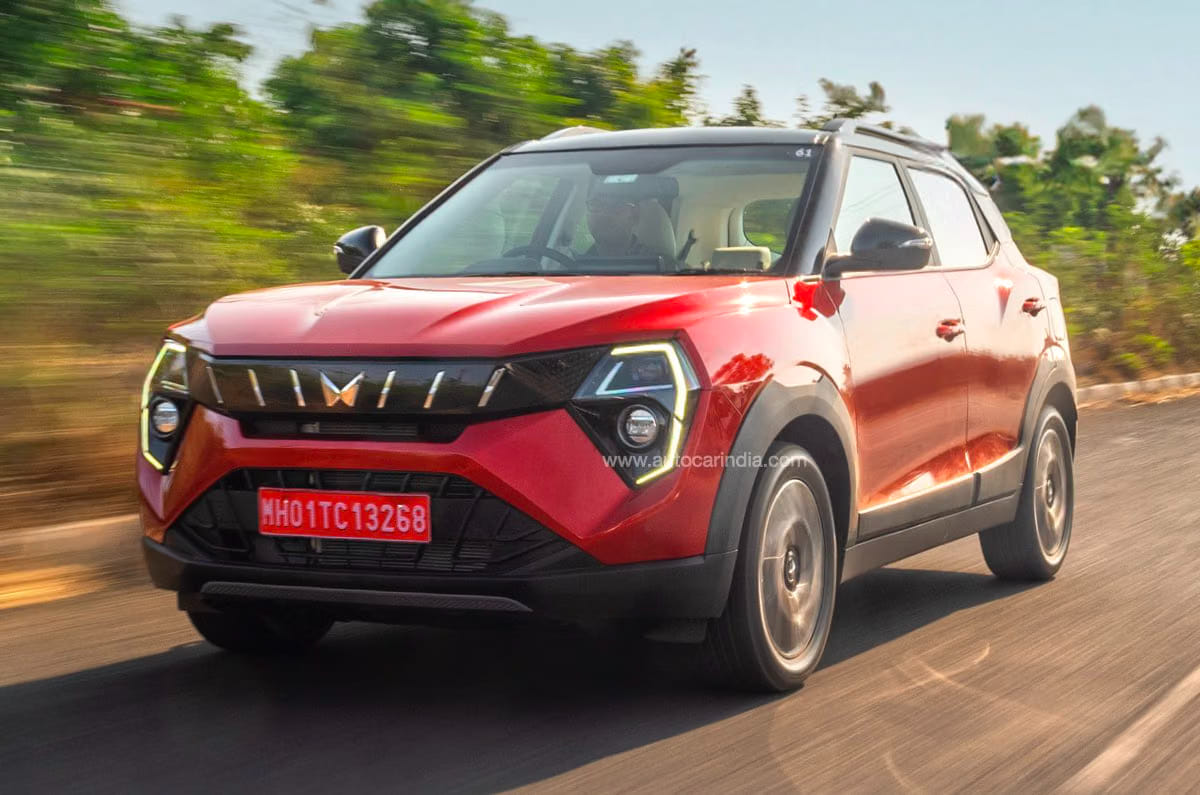
3 Reasons to buy the Mahindra XUV 3XO and 2 reasons not to

Mahindra XUV 3XO front quarter tracking

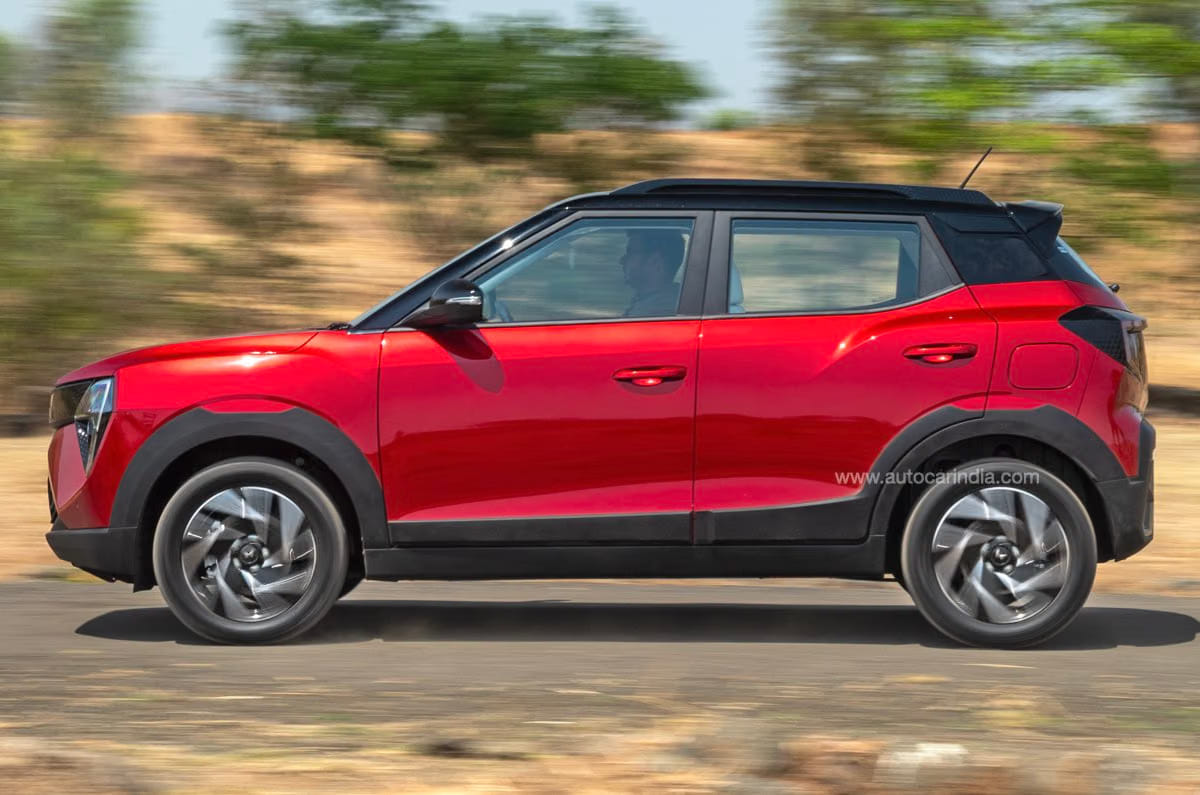
Introduced in 2024, the XUV 3XO debuted as Mahindra’s replacement for the XUV 300 in the compact SUV segment. In fact, this SUV was the first Mahindra model to have the ‘XO’ lettering in its name, a naming convention later adopted for the XUV 7XO. The XUV 3XO comes with a radical exterior, a premium interior and is powered by potent engine options. If you’re considering buying the XUV 3XO, we’ve listed reasons to go for it along with its limitations, so you can decide to look elsewhere.

Reasons to buy the Mahindra XUV 3XO

Upmarket Interior quality

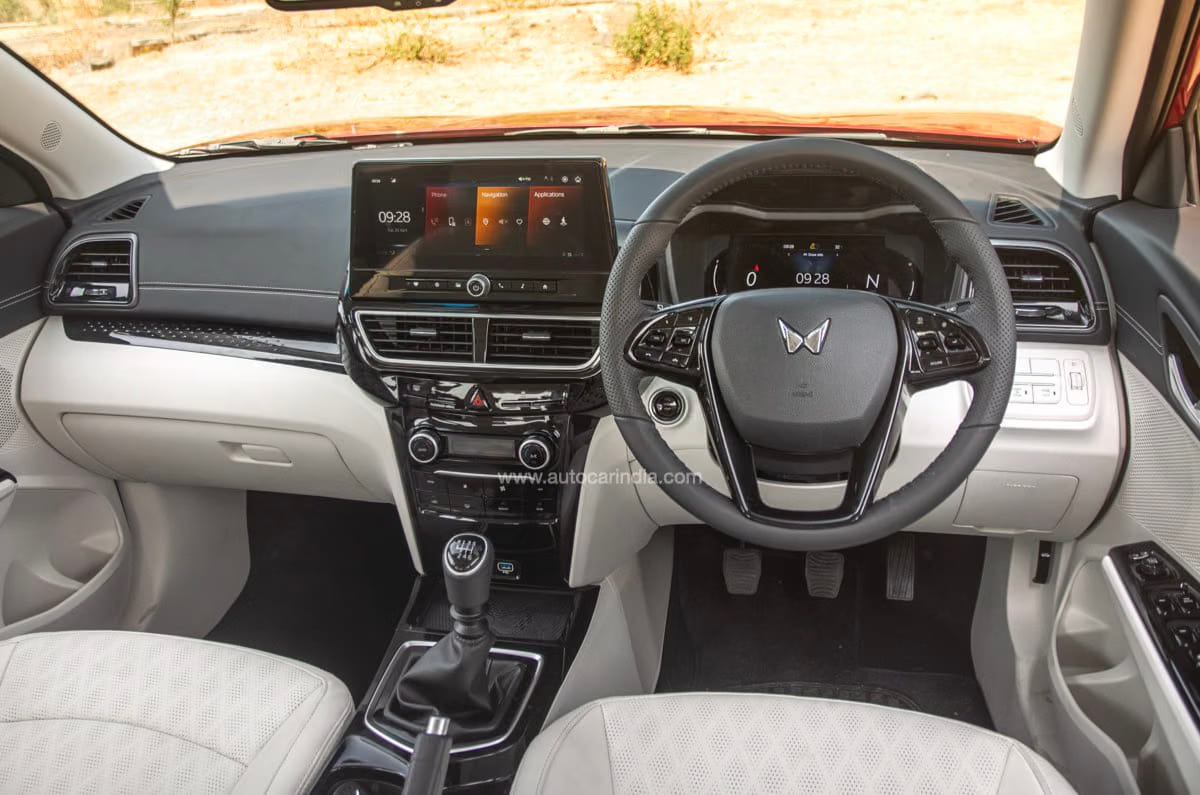
Though its interior may lack panache when compared to rivals, quality and feel, on the other hand, are up there at the top. Top-end versions come with soft-touch leatherette material on the dashboard and door trims, and the perforated leatherette seats feel quite upmarket. Even cabin bits like the leather-wrapped steering wheel, window switches, and wiper and light stalks look like they belong in a pricier car.

Strong engines

The Mahindra XUV 3XO is offered with three engine choices. There’s a 1.2-litre turbo-petrol engine producing 111hp and 200Nm, a 1.2-litre direct-injection turbo-petrol unit developing 131hp and 230Nm, and a 1.5-litre turbo-diesel churning 117hp and 300Nm. The latter two options are the most powerful in their respective segments. A six-speed manual is standard on all engines, while the turbo-petrol can also be paired to a 6-speed torque converter automatic, and the diesel can be mated with a 6-speed AMT.

The XUV 3XO feels at its best when paired with the direct-injection turbo-petrol. With 131hp on tap, power is quickly accessible, and the mid-range punch is pleasing. Its 230Nm torque figure (250Nm in overboost) is way ahead of its rivals and performance is on par with pricier SUVs. Refinement levels are remarkable for a three-cylinder engine and noise levels are kept in check. 

Like the petrol, the diesel mill is refined as well, while turbo-lag is well contained at low speeds. Performance feels effortless when getting to cruising speeds. While power isn’t instantaneous, the engine itself feels responsive throughout the power band, and the 300Nm torque comes in handy especially on the highway.

Long feature list 

High-end trims of the Mahindra XUV 3XO come equipped with features to the brim. These include dual 10.25-inch screens for the infotainment and digital driver’s display, wireless Apple CarPlay and Android Auto, a panoramic sunroof, 7-speaker Harman Kardon audio system, dual-zone climate control (segment-only), connected car tech, wireless phone charger, drive and steering modes. 

As far as safety is concerned, top-spec versions come with level 2 ADAS, a 360-degree camera, front parking sensors, an auto-dimming IRVM, an electronic parking brake with auto hold, and blind-spot detection.

Reasons to not buy the Mahindra XUV 3XO

Low boot space

While the XUV 3XO scores well for rear space and practical in-cabin storage spaces, the same can’t be said for the boot space. With a capacity of 295 litres, it has the smallest boot among its core rivals. Additionally, the low floor and high loading lip make it difficult to put things in and out of the boot.
Expensive top-end variants

Top-end versions of the Mahindra XUV 3XO are quite pricey. With prices of the top-most AX7 L trim ranging from Rs 13.32 lakh to Rs 15.04 lakh with turbo-petrol and diesel engines, you’ve entered mid-size SUV territory. At that price point, one may find a larger, more spacious mid-size SUV in mid-spec guise.

2027 Maserati GranTurismo review – GT to the T

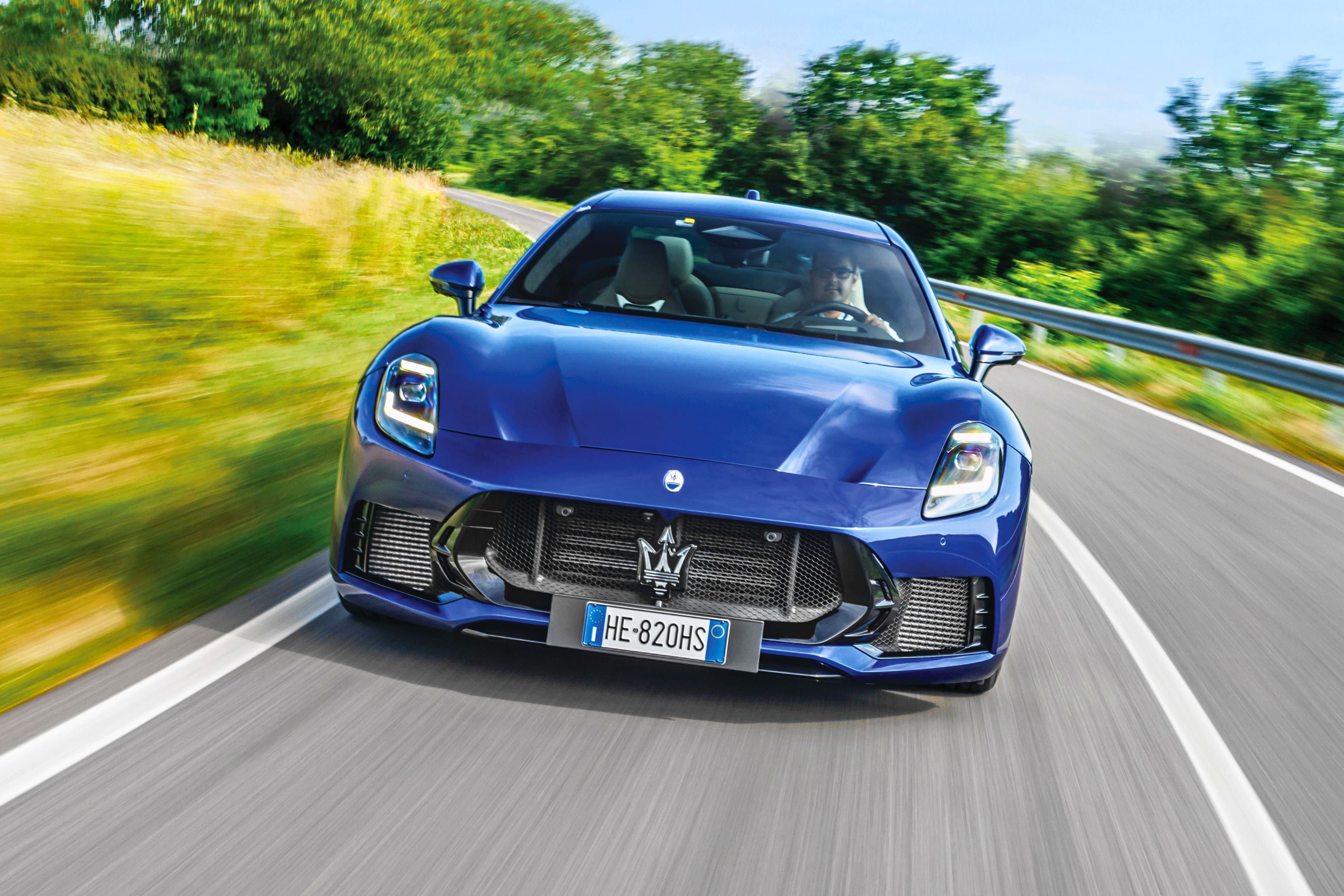
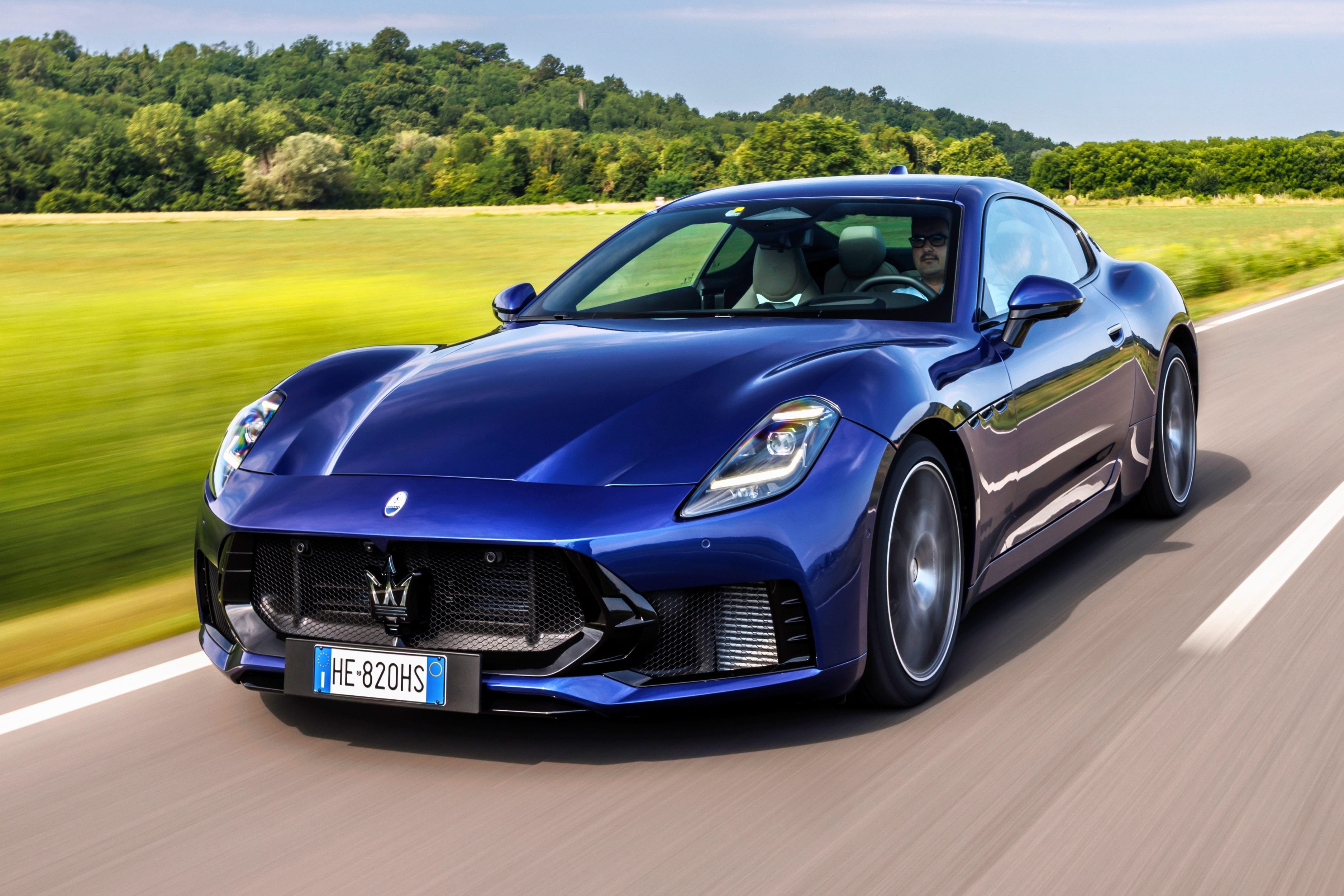
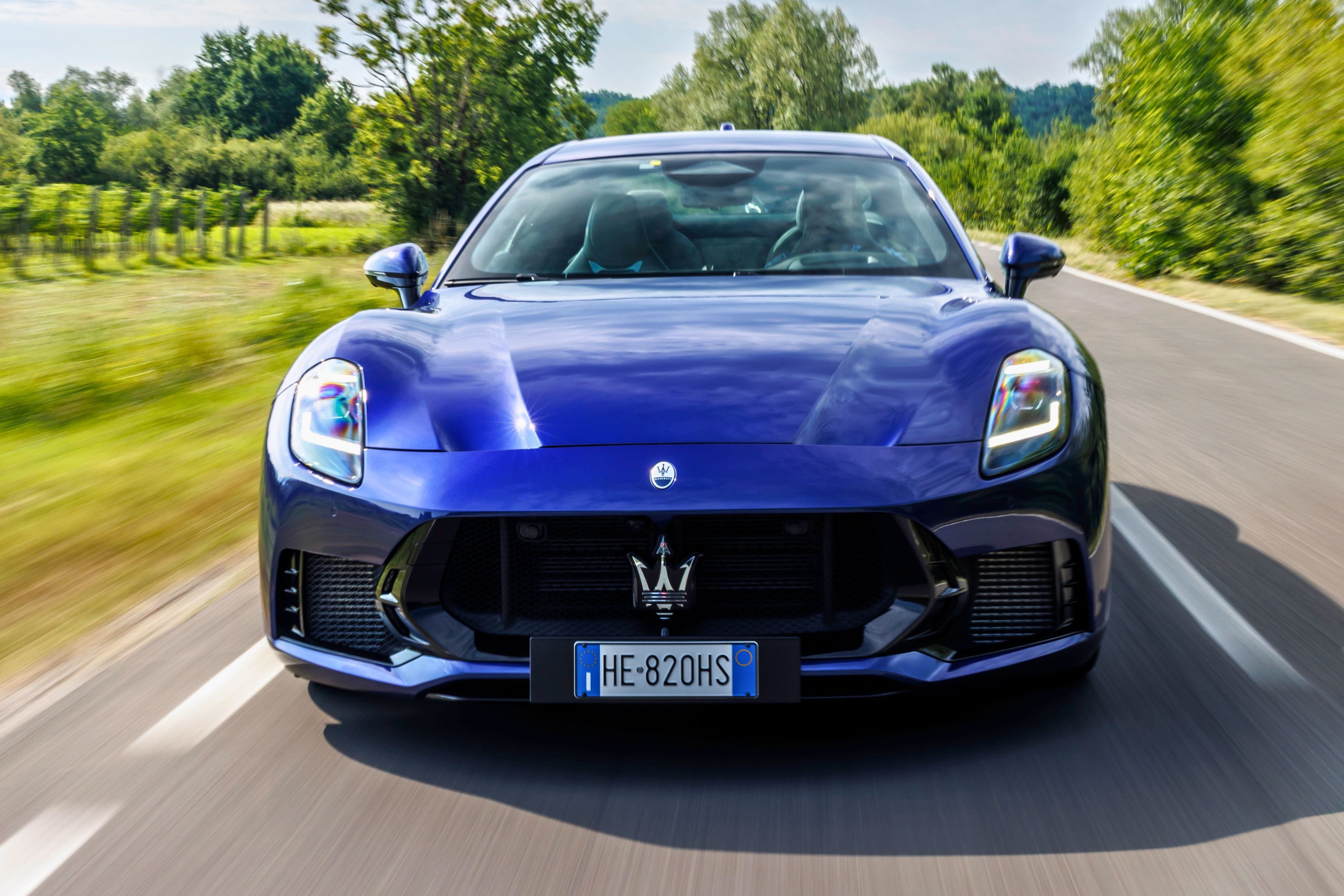
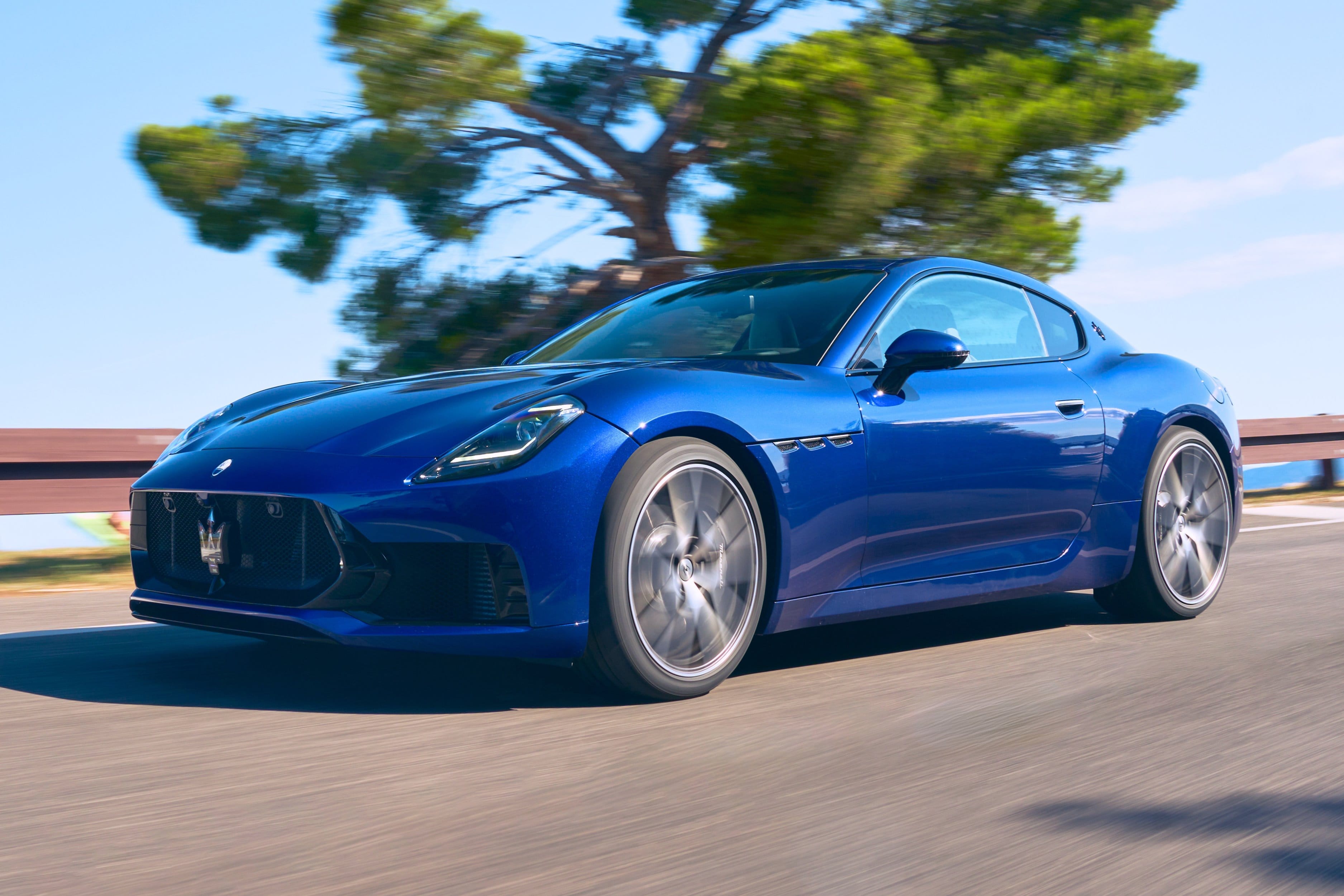
2027 Maserati GranTurismo driving

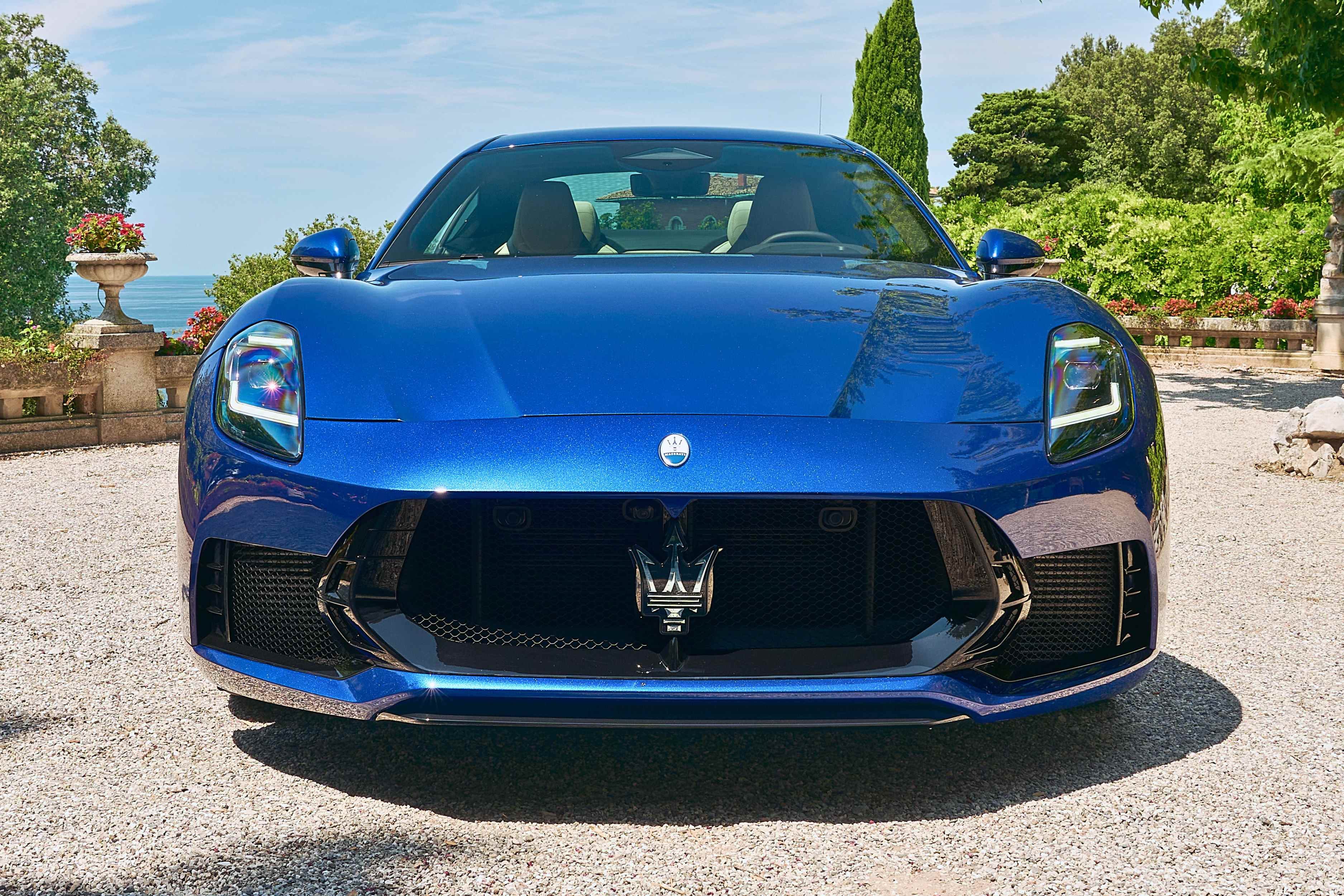
If Lamborghinis look like they’ve time-travelled from the future, and Ferraris appear shaped in wind tunnels, Maseratis are all about sculpture – flowing lines, gentle curves and delicate details. I’m no art connoisseur, but the gorgeous GranTurismo seems very much part of the awe-inspiring scenery at Italian seaside town Trieste’s Piazza Unità d’Italia.  

Maserati GranTurismo Exterior Design and Engineering – 9/10

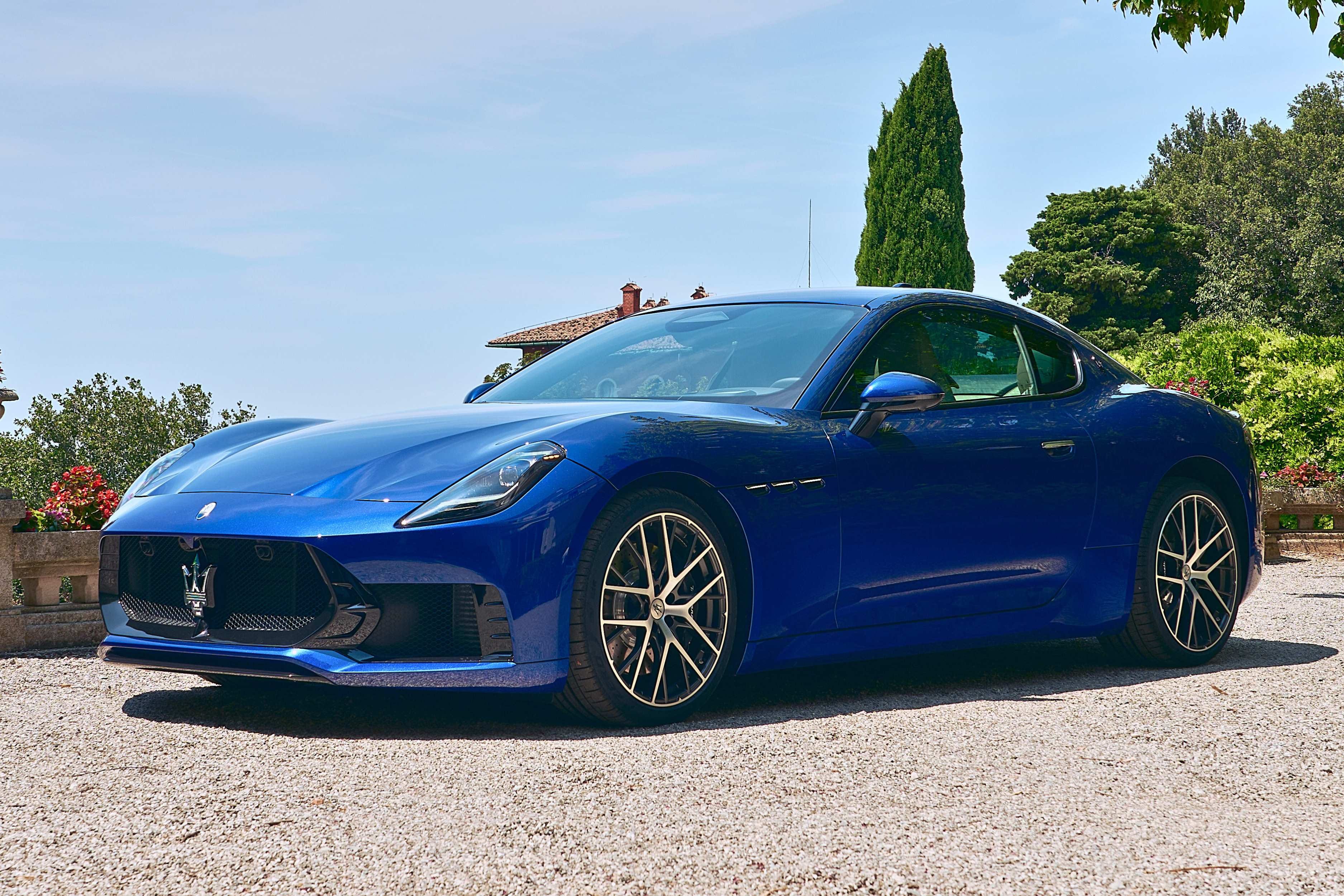
Classic GT proportions and Maserati details make it very eye-catching.

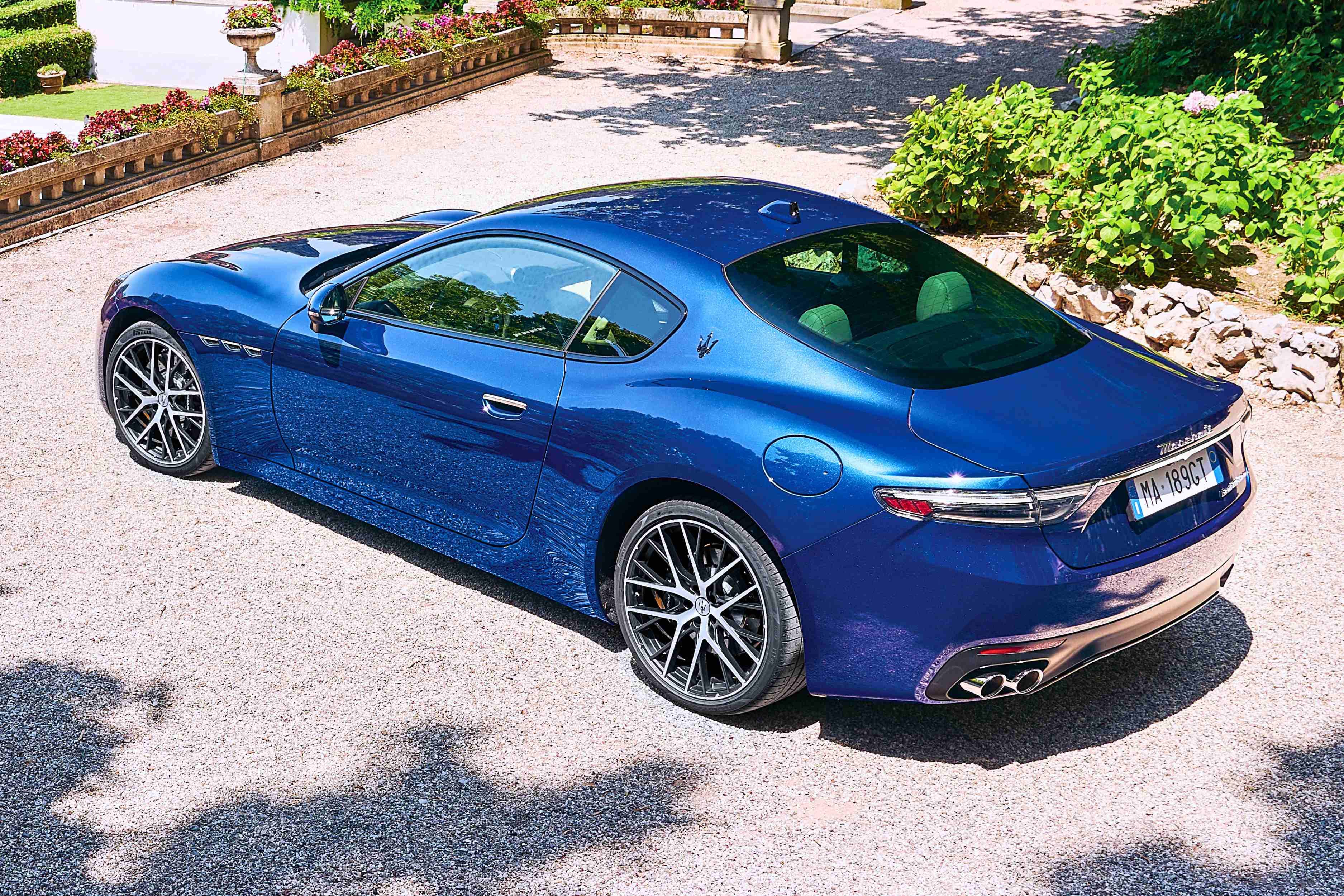
There’s the impossibly long bonnet, the neatly tucked-in cabin and the flowing rear that has become a GranTurismo trademark. Signature Maserati cues remain intact too, from the triple vents behind the front wheels to the distinctive rear quarter window and the Trident proudly displayed on the C-pillar. Even the way the muscular rear haunches merge into the tail has an elegance that’s hard to ignore.

Revised front bumper adds aggression to GranTurismo look.

2026’s styling revisions are concentrated at the front. A larger grille sits lower down, flanked by bigger intercooler openings and a more pronounced splitter that together lend the GranTurismo a more aggressive face. At the rear, the clear-lens tail-lamps are the easiest (actually, only) way to identify the updated model. Oh, and if you see a GranTurismo without quad exhausts, you should know that you’re looking at the Folgore or electric version. 

Maserati GranTurismo Interior Space and Comfort – 8/10

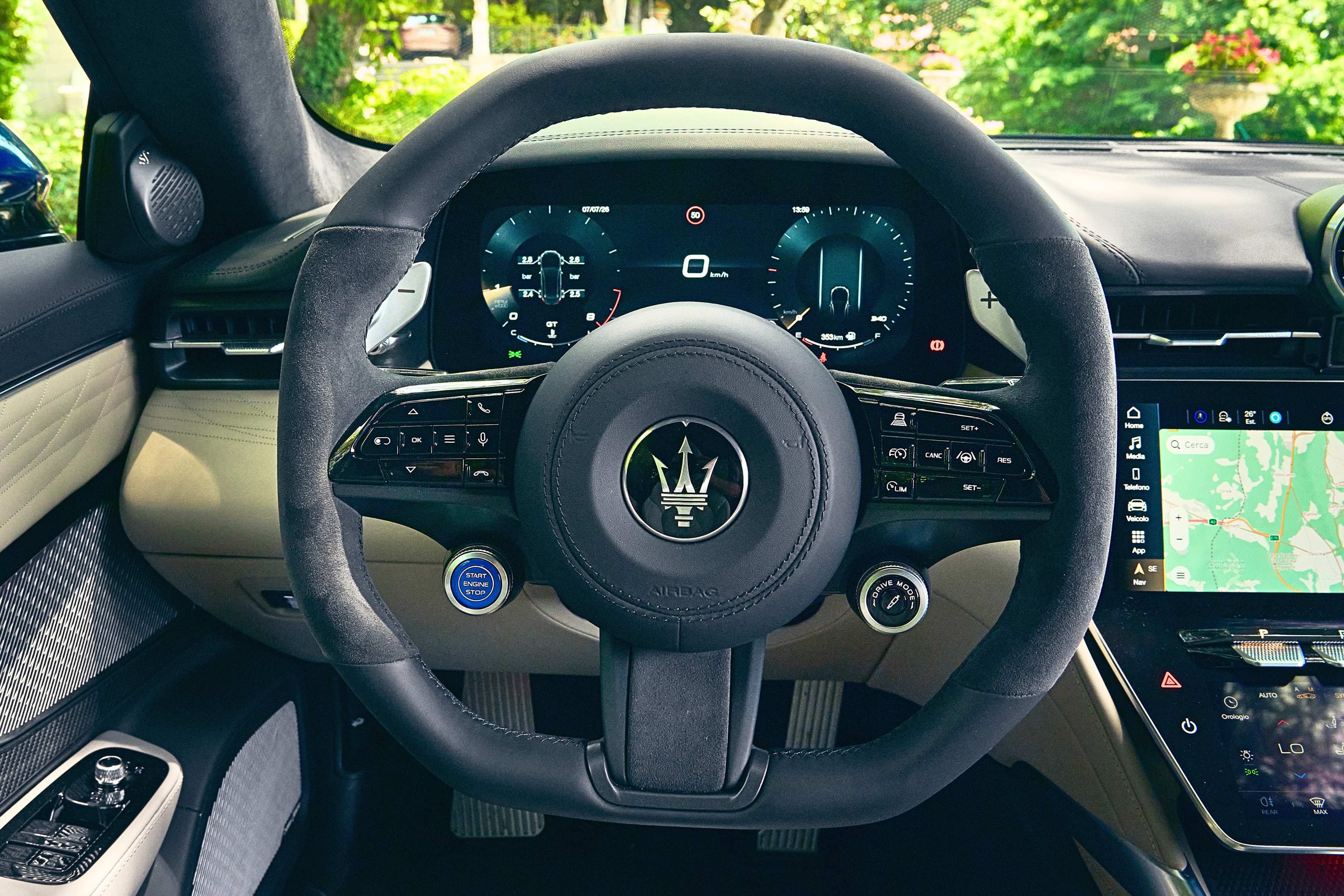
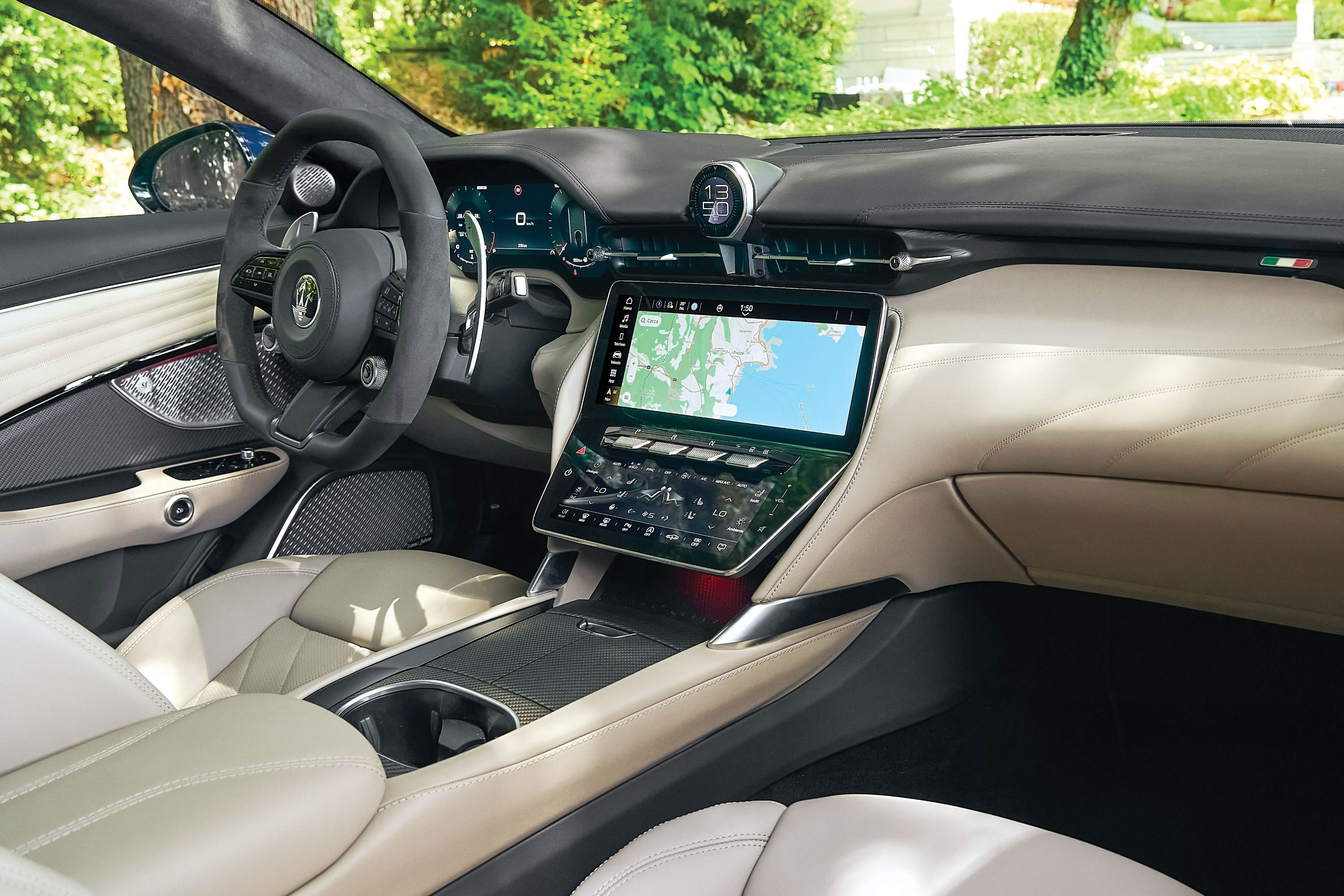
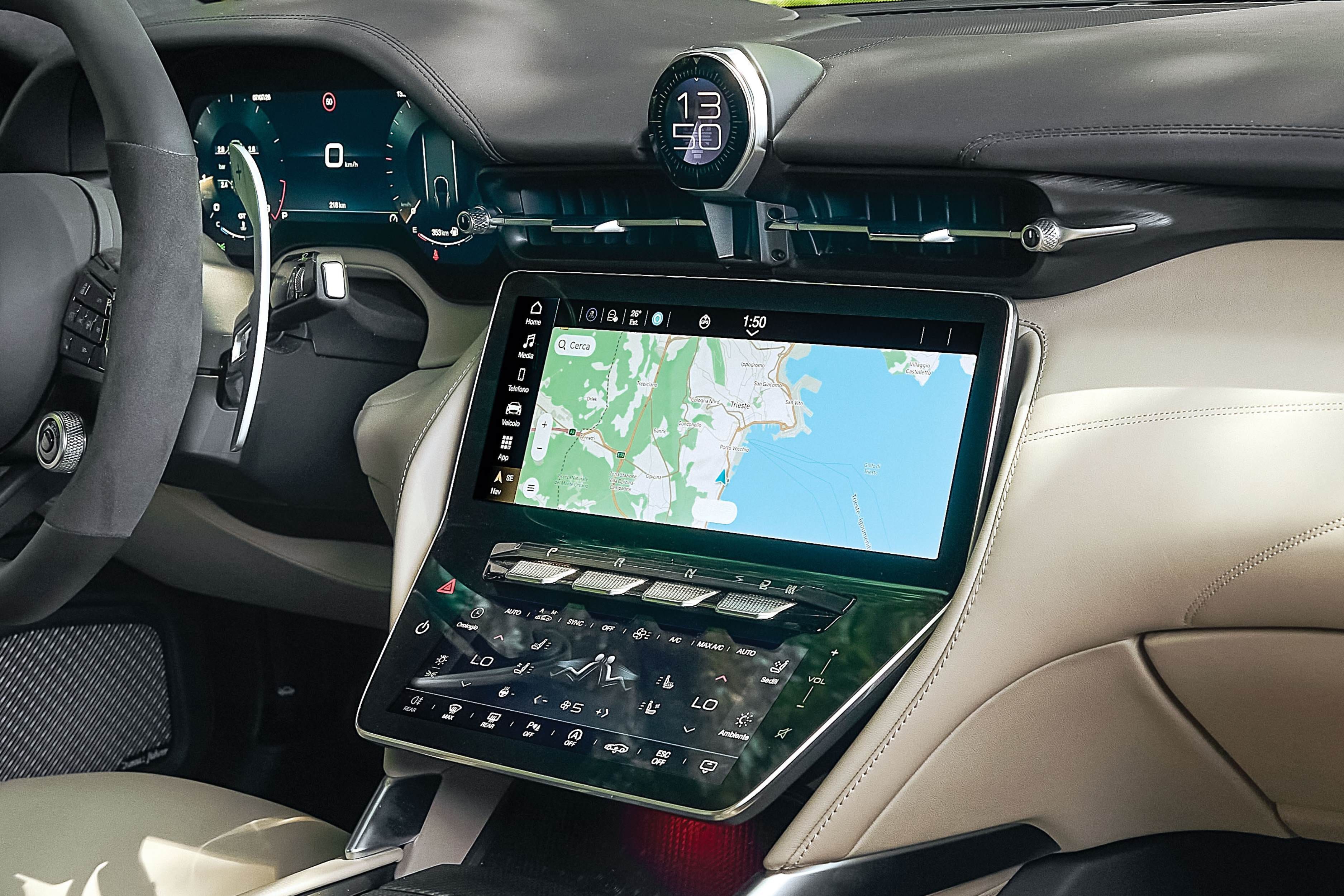
Inside too, the updates are subtle. The basic dash design is unchanged and is characterised by four screens 12.2-inch digital dials, a 12.3-inch central infotainment screen, an 8.8-inch lower touchscreen and a digital clock.

New steering and redone gear selector switches among the changes inside.

The steering gets a new squared-off design wrapped in Alcantara, and behind it remain the wonderfully oversized aluminium paddle shifters fixed to the steering column. The uninspiring P, R, N and D buttons on the dash make way for feelsome metallic toggles, while the digital clock gets a new glass face to make it look more, ahem, analogue. It works.

Interior is a happy blend of tech and craftsmanship.

Despite the abundance of screens, the cabin retains a handcrafted and very Italian feel thanks to the quality of (most) materials and intricate detailing. Maserati would only be too happy to introduce buyers to its universe of upholstery, colour and trim options to create an interior that’s truly personal. The only ergonomic complaint is the seating position, which doesn’t go quite as low as expected in a car of this nature. On the matter of seats, the GranTurismo’s rear seats aren’t just for show (I’m looking at you, 911). They are genuinely usable for short stints or the odd getaway. There’s a usable boot too, for your Gucci luggage.

Maserati GranTurismo Features and Safety – 7/10

New-age tech meets old-school warmth in here.

The GranTurismo comes with a fair bit of kit as standard. The front seats are powered and heated/ventilated, there’s a fabulous Sonus Faber sound system and enough screens to tell you you’re in 2026. The digital dials are easy to refer to, while the main touchscreen is also easy enough to navigate through. It does feel like a Stellantis group system rather than a bespoke Maserati unit, though. We’re not fans of touchscreens for climate control functions, but Maserati’s solution is among the best of the kind. Swipe sideways across the screen to adjust blower speed and vertically for temperature – intuitive to use on the move.

The safety suite includes camera- and radar-based ADAS.

Maserati GranTurismo Performance and Refinement – 8/10

Modena’s 490hp V6 offers smooth, effortless acceleration; Trofeo’s 590hp is more emotive.

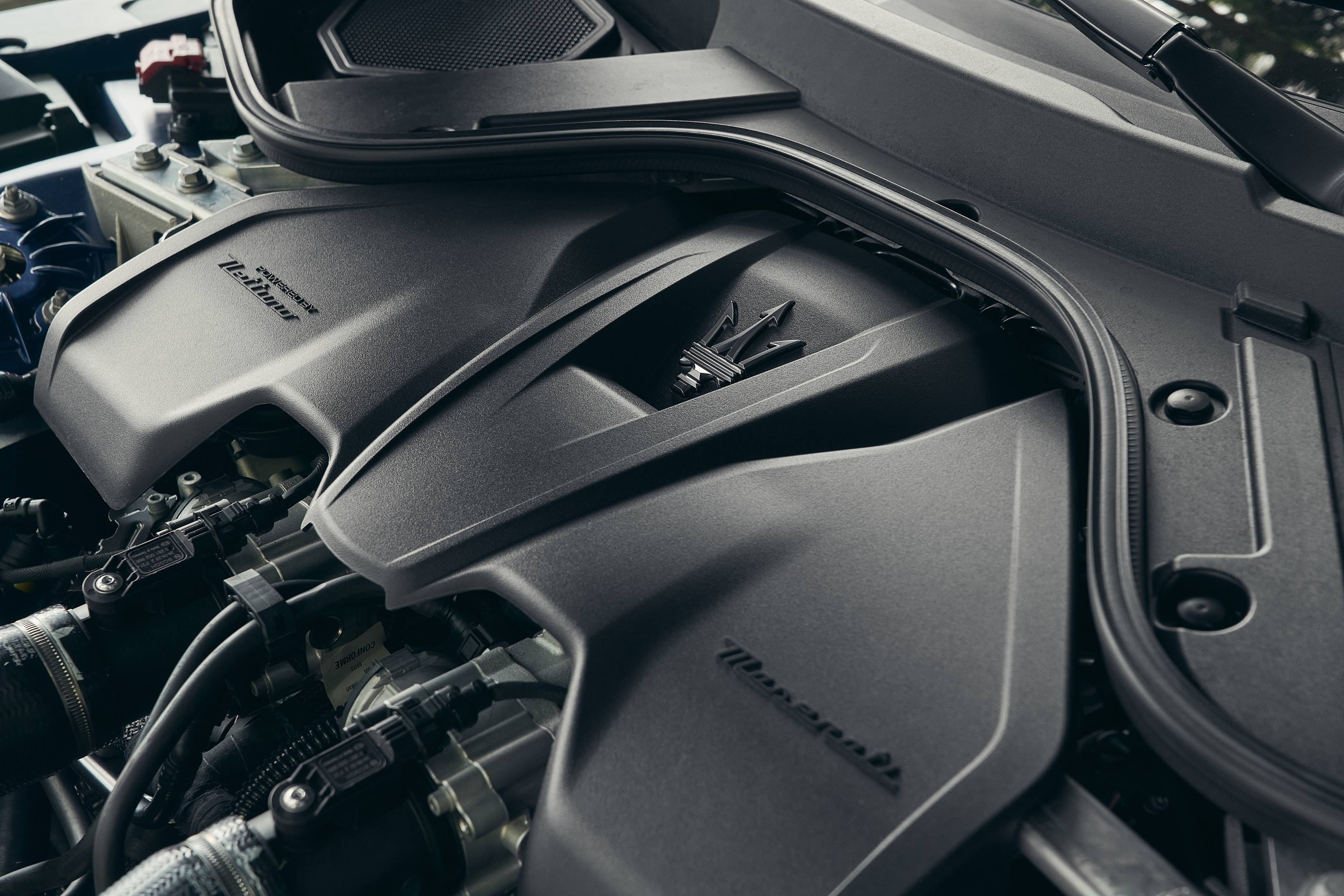
Power comes from Maserati’s own 3.0-litre twin-turbocharged ‘Nettuno’ petrol V6. In Modena guise as tested here, it produces 490hp, while the Trofeo’s output rises to 590hp from the previous 550hp. There’s also the ethanol-blending-proof all-electric Folgore, whose three-motor setup develops 760hp. 

GranTurismo Modena does 0-100kph in 3.9 sec; Trofeo takes 3.5 sec.

On the road, the GranTurismo immediately reminds you that it is, above all else, a grand tourer. Despite producing nearly 500hp, it never feels urgent or hyperactive. Instead, its responses are measured and relaxed. Press the throttle harder, and the performance arrives in one smooth, effortless surge rather than an explosive punch. Maserati claims 0-100kph in 3.9 seconds for the Modena and 3.5 seconds for the Trofeo, but it’s the manner in which the speed builds that defines the experience. It launches with elegance rather than violence.

The V6 complements that character perfectly. There’s a constant gruffness to its soundtrack that grows richer as the revs climb. The Trofeo benefits from a more emotive exhaust note.

Maserati GranTurismo Efficiency/Range – 5/10

GranTurismo excels as a grand tourer, prioritising comfort over urgency.

Maserati’s V6 features cylinder deactivation and will shut off the right bank of cylinders at light loads in the interest of better efficiency. As it is, the GranTurismo’s V6 will be more efficient than the V8s in some rivals, but only just. The GranTurismo will happily work through a full tank of 100-octane fuel if you drive with vigour, and even on relaxed drives, you’re looking at real-world figures in the region of 5-6kpl. 

The all-electric Folgore does have more to offer with the update. Range is up by 80km to 540km (WLTP) thanks to a new front-axle disconnect function.

Maserati GranTurismo Ride Comfort and Handling – 8/10

At nearly five metres long and weighing around 1.8 tonnes, the GranTurismo is no lightweight sports car. Yet, its standard air-suspension and all-wheel-drive system help disguise its size remarkably well. It doesn’t dart into corners like a Porsche 911, but there’s a lovely fluidity to the way it changes direction. The steering, in particular, deserves praise for its natural weighting and excellent feel.

Air suspension delivers a cushioned ride despite low-profile tyres.

Ride comfort is another highlight. Despite its large wheels and low-profile tyres, the suspension absorbs imperfections with impressive composure. A new ‘Country’ drive mode raises the ride height by 20mm at speeds of up to 120kph, making it particularly relevant for Indian roads.

Maserati GranTurismo Price and Verdict – 8/10

The GranTurismo (and open-top Gran Cabrio) will go on sale in India in the coming months, and we expect the range to start around Rs 2.7 crore (ex-showroom) with the Trofeo’s closer to the Rs 3 crore mark. The all-electric Folgore will also be on offer. 

Updated Maserati GranTurismo is expected to cost Rs 2.7-3 crore (ex-showroom).

Similar money could buy you a Porsche 911 GTS or a Mercedes-AMG GT, but I wouldn’t think of the GranTurismo as a direct rival. It’s not as focused as a performance car, but instead excels at a wider range of abilities. The GranTurismo story is as much about luxury as it is about sportiness. Ride comfort is a big plus, and for what it’s worth, the rear seats are usable too. It only helps that the GranTurismo is drop-dead gorgeous.

For the wealthy few shopping in the segment, the GranTurismo deserves a long, hard look. You might just fall for it.  

3 reasons to buy the Maruti Jimny and 3 reasons not to

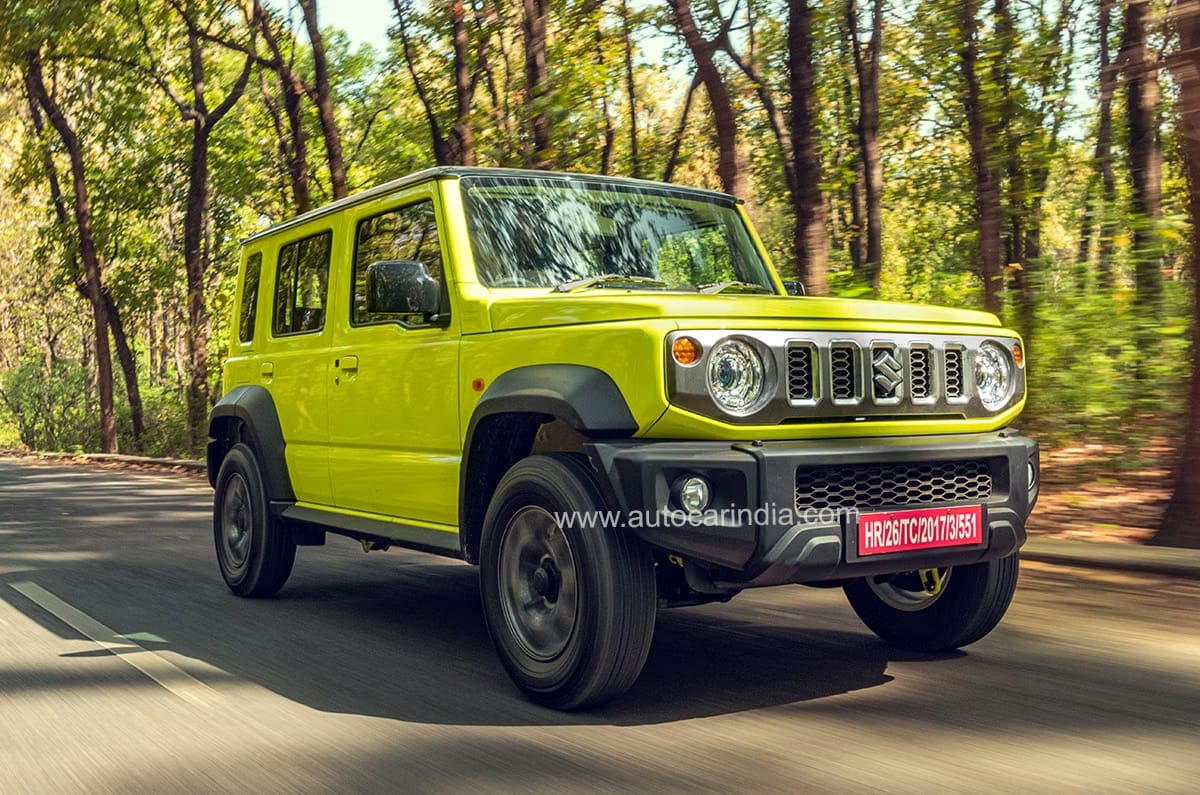
Maruti Jimny front quarter tracking

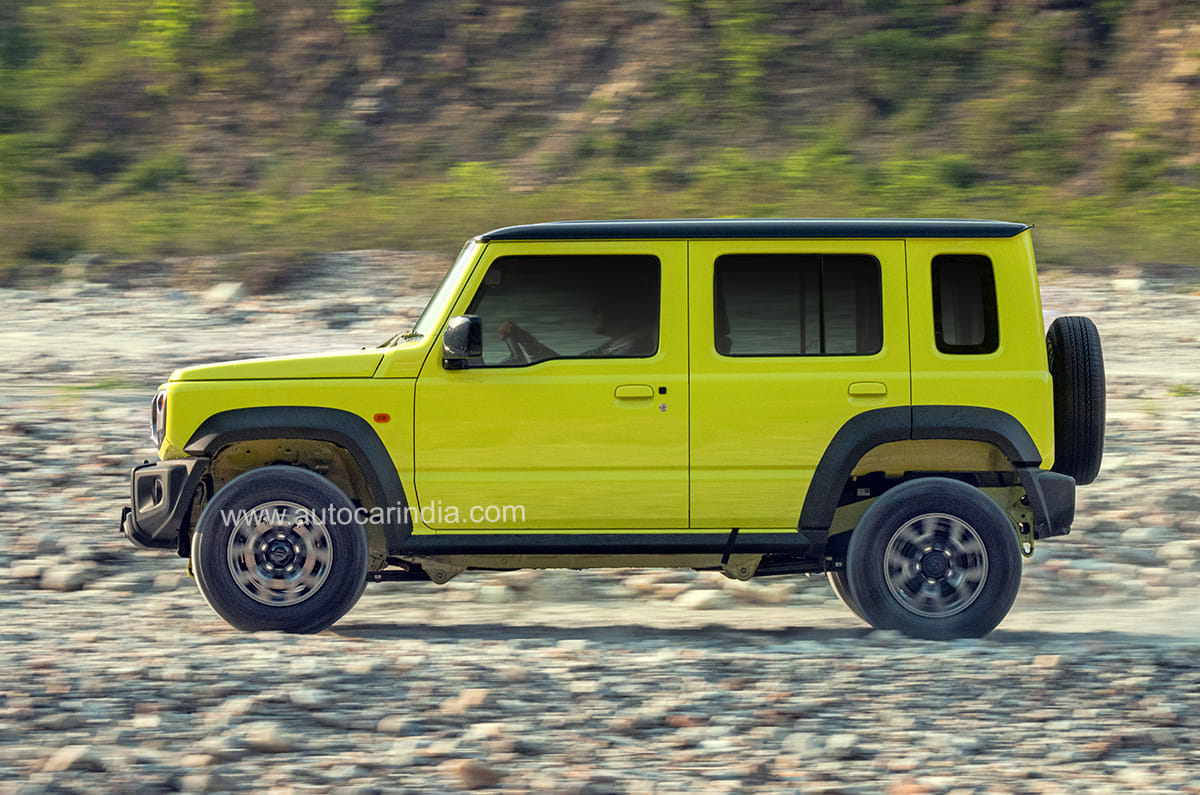
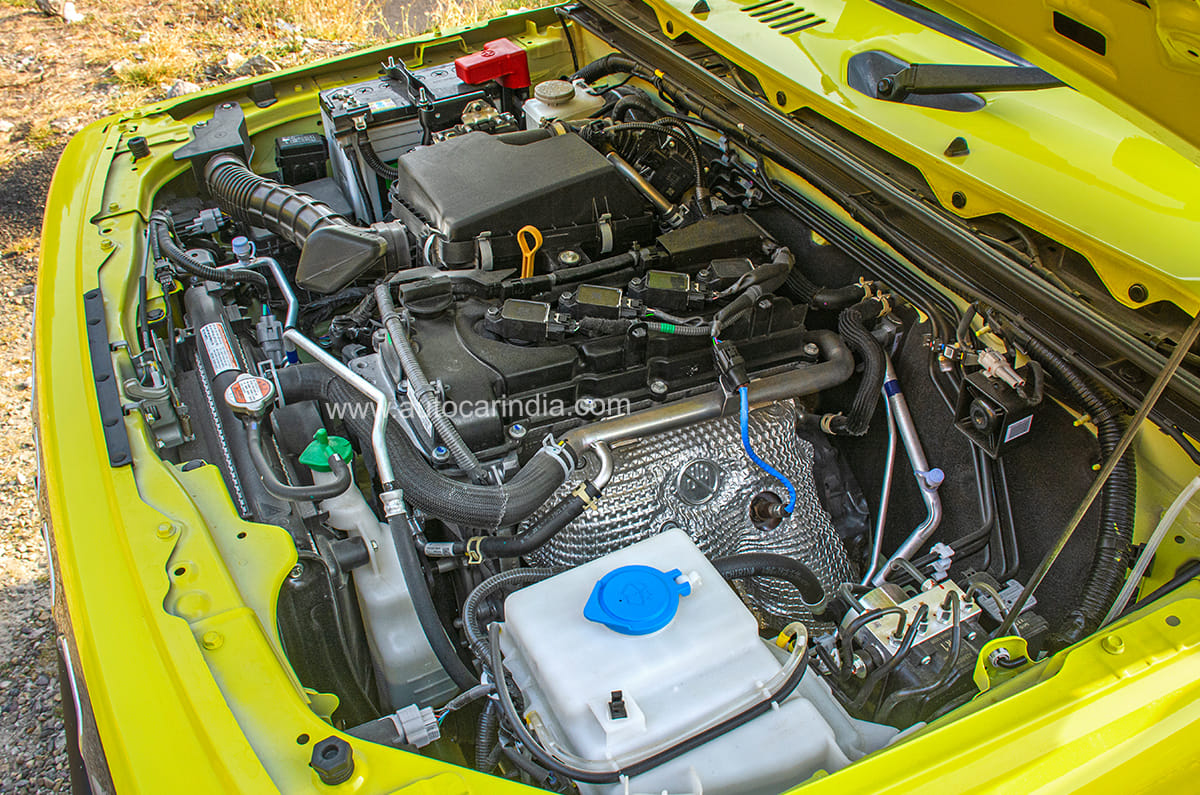
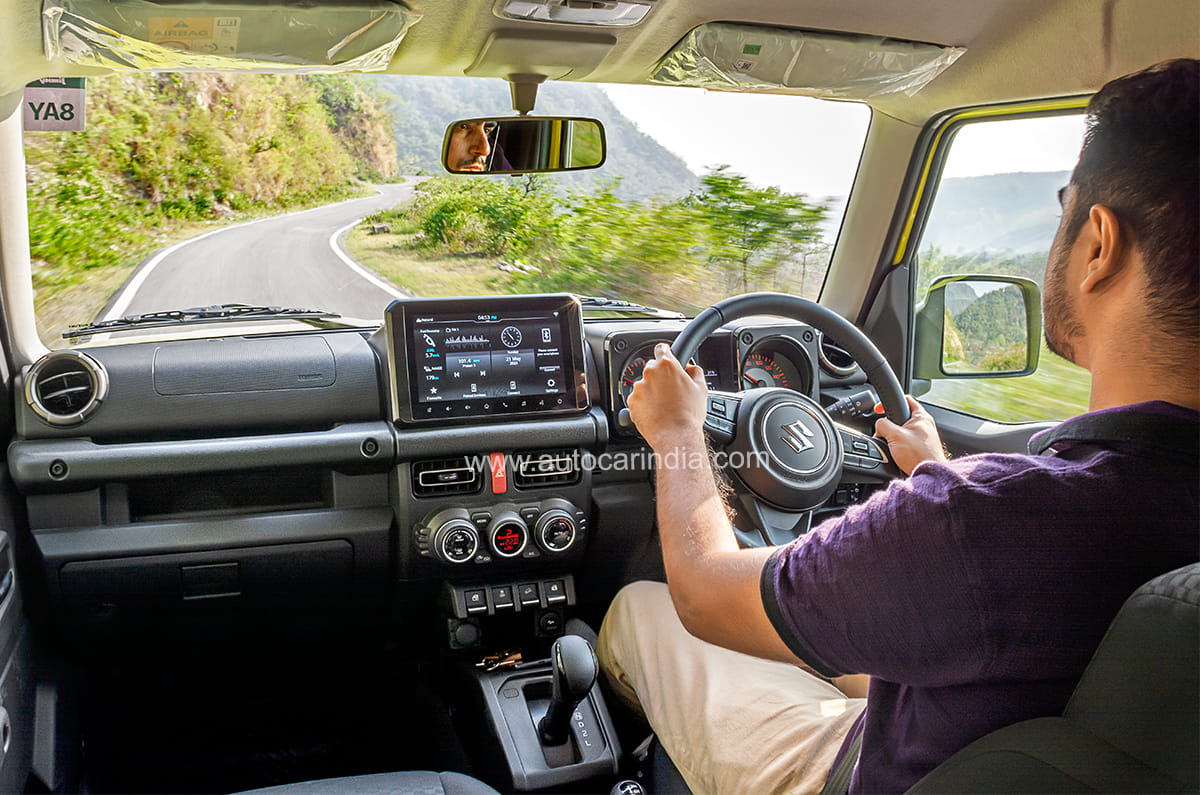
Introduced in 2023, the Jimny debuted in India as Maruti’s successor to the Gypsy. And while the Jimny was sold internationally as a 3-door model, India was the first country to have the 5-door Jimny. It gets retro-futuristic looks, high ground clearance, and a 4×4 drive system with low range. If you’re looking for a hardcore compact off-road SUV, should you consider the Jimny? We list out reasons to buy one and why it may not be the SUV for you.

Reasons to buy the Maruti Jimny  

Superb Off-road ability 

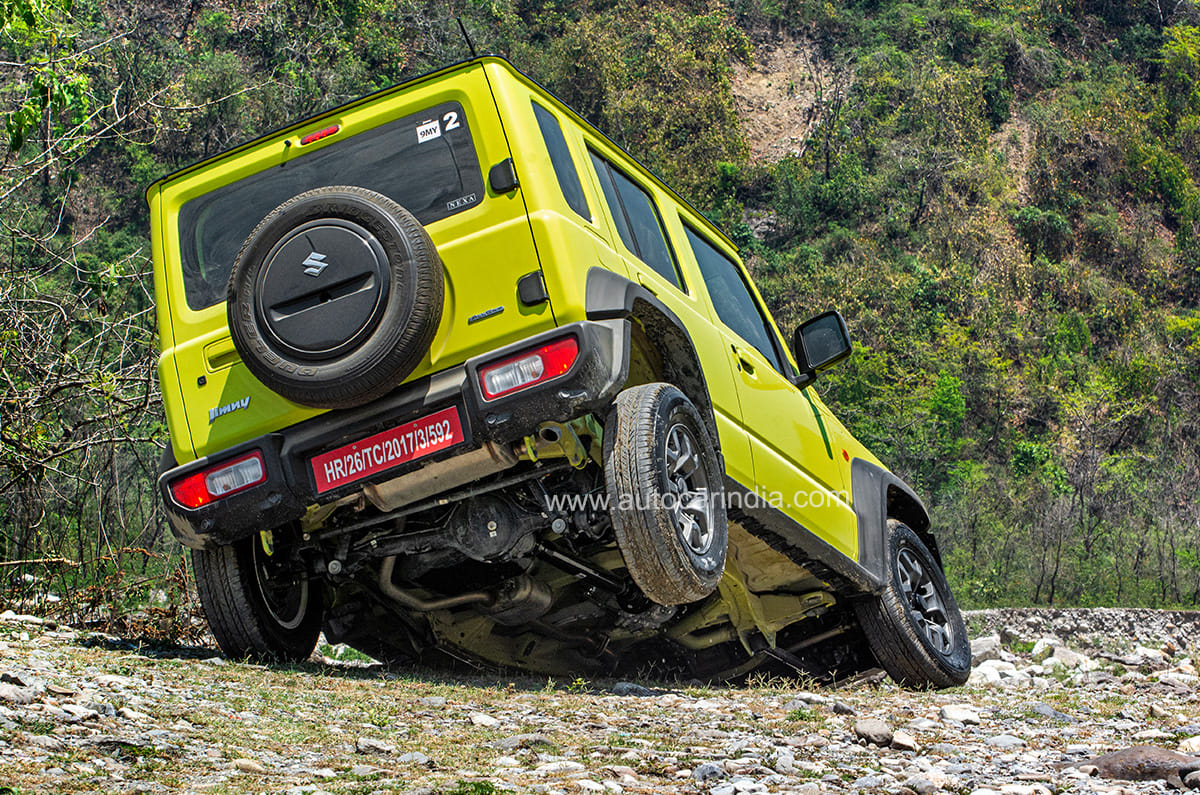
Underpinning the Jimny is a ladder frame chassis that’s best suited for heavy off-roading. Additionally, it gets Suzuki’s All Grip Pro 4×4 drive system with a lever to switch to ‘2WD-high’, ‘4WD-high’ and ‘4WD-low.’ High approach (36-degree) and departure (47-degree) angles, solid front and rear axles along with tech like hill-start assist, hill-descent control, and electronic braking differential (front and rear), help the Jimny feel right at home when off-roading. It performs superbly when wading through water, going up rock-covered steep inclines, pulling out of tricky situations and leaning at unimaginable angles all without breaking a sweat.

Charming character

In a sea of pseudo SUVs, the Jimny comes across as one of the few hardcore compact off-road SUVs that’s underpinned by a ladder-frame chassis. Additionally, it’s the only compact off-roader with 5-doors as opposed to other off-road SUVs in the segment like the Force Gurkha 3-door and Mahindra Thar. What’s best is that it isn’t as intimidating as the latter two and is very usable in the city as well. Adding to its overall appeal is a quirky exterior and interior with retro-futuristic elements all over, lending it a very charming character. 

Comfortable ride 

While ladder-frame vehicles aren’t known for their ride quality, the Jimny feels comfortable on the whole. Especially when compared to rivals, it is more pliant and has better-controlled body roll. It handles broken roads and potholes with ease, and you could take two wheels off the road to dodge traffic with confidence. With a 210mm ground clearance, you wouldn’t need to think twice about going on a beaten path. 

Reasons to not buy the Maruti Jimny

Weak engine 

The Jimny is powered solely by a 1.5-litre naturally aspirated petrol engine developing 104hp and 134.2 Nm of torque. It’s grunty enough in urban and off-road conditions, but it falls short if you ask more of it. As with naturally aspirated engines, mid-range punch is lacking. For simple overtakes, you’ll find yourself flattening your right foot and wringing the motor’s neck. 0-100kph acceleration timings were 14.59 and 17.47 seconds for the manual and automatic gearboxes respectively, which is slow.

Clunky manual gearbox 

While manual Marutis have been known for buttery-smooth operation, the same can’t be said for the Jimny. Though acceleration is quicker when paired with the manual gearbox, it doesn’t bode well with the Jimny. Shifting is firm and requires substantial effort to slot it into gears, thus taking away the fun that’s associated with driving a manual gearbox. The heavy clutch is also a let-down, especially when driving in city conditions.

Heavy steering 

The Jimny’s steering takes 4+ turns lock-to-lock, which is more than most cars, and is cumbersome. Secondly, the electric power steering is slow-geared, and while that’s good for off-roading, it does not bode well on the road. The weight of the steering itself is heavier than most vehicles of its size and has a huge turning radius of 5.7 metres.

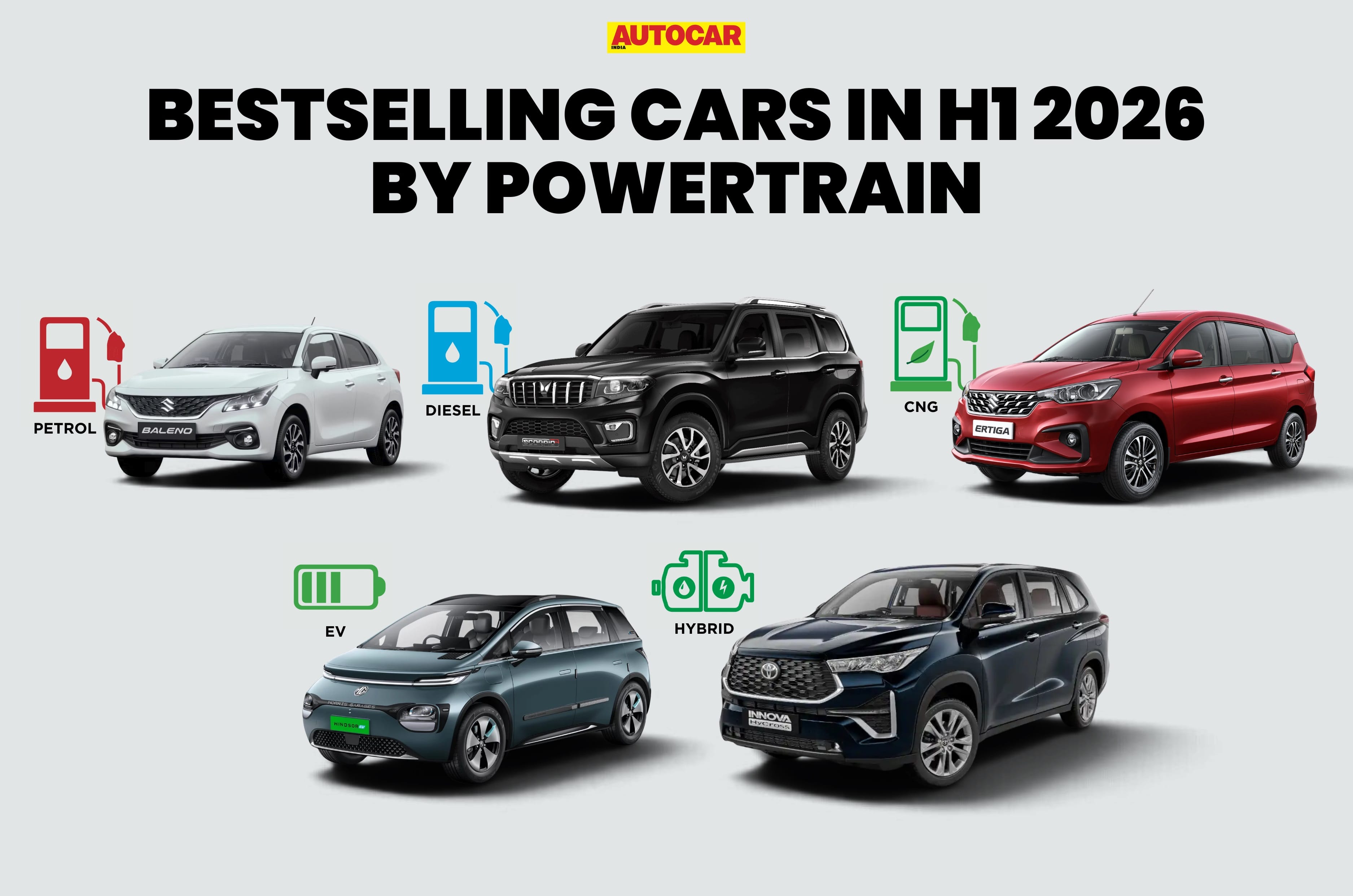
Top 10 bestselling cars in H1 2026 by powertrain type

Bestselling cars in H1 2026 by powertrain type

During the first half of calendar 2026, the Indian passenger vehicle market recorded total sales of over 25.91 lakh units across petrol, diesel, EV, CNG, and strong hybrid powertrains. Compared to the 21.88 lakh units sold in H1 2025, that’s a healthy YoY increase of around 18.4 percent. Below, we’ve sorted and listed the 10 bestselling cars of each powertrain type in H1 2026 to give you a more in-depth look at the data.

10 bestselling petrol cars in H1 2026

ModelH1 2026 salesYoY change (%)
Maruti Baleno83,552+19
Maruti Swift81,0460
Tata Punch61,701+29
Maruti Fronx61,565-6
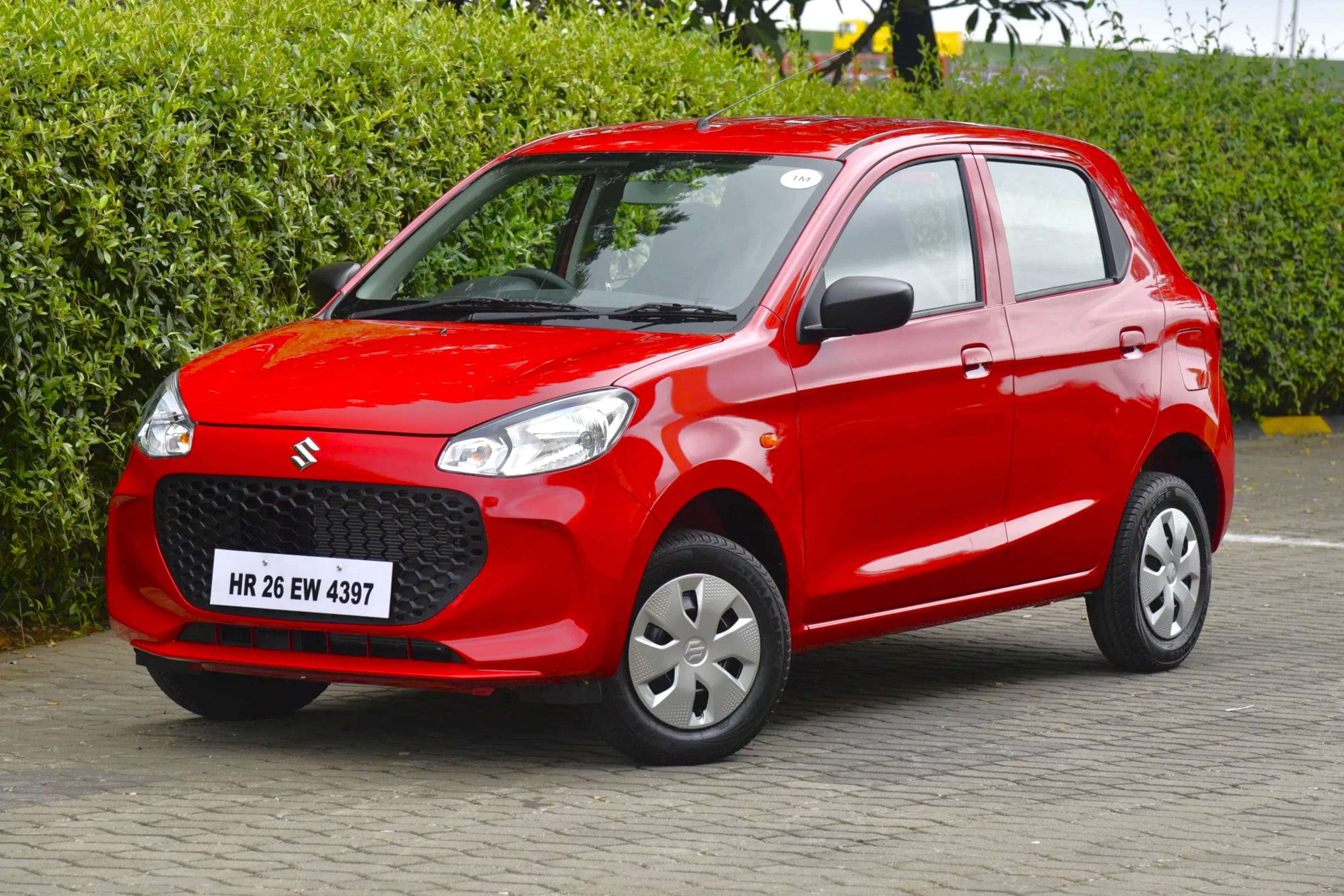
Maruti Alto K1059,165+38
Hyundai Venue55,750+26
Maruti Dzire50,865-1
Tata Nexon50,240+31
Maruti Brezza49,096-14
Hyundai Creta49,094-8

The Baleno ascended to the top spot in petrol car sales during H1 2026, followed closely by the Swift, volumes for which interestingly remained flat YoY. However, thanks to the introduction of the updated Punch at the onset of 2026, the subcompact SUV recorded a substantial 29 percent increase in sales and jumped to third position.

Other notable highlights include a 38 percent YoY uptick for the Alto K10, indicating a renewed interest in the entry-level segment, along with a 4 percent drop for the midsize SUV sales champion, the Creta. However, its younger compact SUV sibling, the Venue, did see a 26 percent YoY bump on account of the second-gen model’s launch late last year.

10 bestselling diesel cars in H1 2026

ModelH1 2026 salesYoY change (%)
Mahindra Scorpio N+Classic86,403+7
Mahindra Bolero+Neo58,457+16
Mahindra XUV 7XO42,190+29
Hyundai Creta40,116-4
Mahindra Thar Roxx37,945+19
Mahindra Thar23,860+35
Kia Seltos22,906+54
Tata Sierra22,764N/A
Toyota Innova Crysta18,498-5
Kia Sonet18,290+67

Though diesel offerings remain limited in the Indian mass market, buyers continue to show up for them. All three diesel bestsellers in H1 2026 were made by Mahindra, and all three recorded a YoY growth in sales, with the XUV 7XO achieving the highest uptick among them at 29 percent. The Thar and Thar Roxx also managed to outperform their H1 2025 sales by healthy margins.

In fact, six out of the 10 diesel bestsellers experienced double-digit YoY sales growth, with only the Creta and Innova Crysta undergoing downturns. The Sierra also made it onto this list, but doesn’t rank even among the top 20 petrol bestsellers of H1 2026, suggesting a large chunk of buyers opted for the midsize SUV’s diesel variants. Its direct rival, the Seltos, edged past by fewer than 150 units, but the other Kia SUV here, the Sonet, clocked a whopping 67 percent boost.

10 bestselling CNG cars in H1 2026

ModelH1 2026 salesYoY change (%)
Maruti Ertiga78,764+23
Maruti Dzire75,339+69
Maruti Wagon R54,267+5
Tata Punch41,919+43
Tata Nexon41,355+38
Maruti Brezza39,871+8
Maruti Victoris38,806N/A
Maruti Eeco36,075+31
Hyundai Aura35,089+29
Maruti Fronx33,876+49

CNG cars put up the most impressive performance on the sales charts, with the top 10 achieving substantial YoY gains in volumes during H1 2026. The Dzire led the pack in this regard with a staggering 69 percent surge in sales, followed by the Fronx at 49 percent and then the Punch at 43 percent.

Seven of the top 10 CNG bestsellers are Maruti Suzuki models, two are from Tata, and only one is a Hyundai, reflecting Maruti’s dominance in this space. A likely reason behind the stellar performance is the uncertainty around ethanol blending in petrol, which could be shifting buyers towards CNG.
10 bestselling EV cars in H1 2026

ModelH1 2026 salesYoY change (%)
MG Windsor EV19,080-10
Mahindra XEV 9S18,074N/A
Tata Nexon EV16,567+78
Tata Punch EV15,683+108
Mahindra XEV 9e11,242-14
Tata Harrier EV10,499+2,110
Maruti e Vitara8,572N/A
Tata Curvv EV7,281+212
Mahindra BE 66,849+13
Tata Tiago EV6,816-19

The Windsor remains untouched as the top selling EV in H1 2026, though it did record a 10 percent YoY drop in sales. Impressively, the XEV 9S finished in second place with over 18,000 units sold – far ahead of the XEV 9e and BE 6. Nexon EV and Punch EV sales saw strong upticks, especially the latter’s whopping 108 percent YoY surge due to its 2026 facelift.

However, the Tiago EV experienced a 19 percent drop in sales despite also being updated this year. It’s worth noting that while the Harrier EV’s 2,110 percent YoY increase looks bonkers, it is a result of the SUV being launched in June 2025 and thereby counted from a relatively miniscule initial figure. Interestingly, the Curvv EV more than tripled its sales YoY, likely due to discounts and the SeriesX variant rejig in 2026.
Bestselling strong hybrid cars in H1 2026

ModelH1 2026 salesYoY change (%)
Toyota Innova Hycross27,812-6
Toyota Hyryder18,577+23
Maruti Grand Vitara4,086-54
Maruti Victoris3,231N/A
Maruti Invicto1,418-26
Toyota Camry1,188-1
Toyota Vellfire914+60
Honda City659+22

Only one new strong hybrid car went on sale in India between H1 2025 and H1 2026, the Maruti Victoris, which slotted in fourth position overall. The Innova Hycross continues to be the highest selling strong hybrid car, but did slip 6 percent YoY in sales. Notably, the Innova Hycross’ rebadged sibling, the Invicto, saw a more substantial 26 percent drop.

A similar phenomenon occurred for the Hyryder and Grand Vitara, where the Toyota SUV’s sales grew 23 percent YoY, but the Maruti’s slid by 54 percent. The City hybrid also looks to have piqued buyer interest courtesy of the facelift, recording a 22 percent YoY growth but still selling in the triple digits. Interestingly, the highest YoY sales uptick was achieved by the most expensive strong hybrid here, the Vellfire, showing the growth of the luxury MPV segment.

Combined car sales in H1 2026 by powertrain type

 H1 2026 salesYoY change (%)
Petrol13,42,304+10
Diesel4,56,076+15
CNG5,96,236+40
EV1,39,065+65
Strong hybrid57,8850
Total25,91,566+18.4

While petrol cars remain the largest chunk of the Indian passenger vehicle market by a huge margin, and even clocked a respectable 10 percent YoY growth in H1 2026, CNG saw much bigger gains during the same timeframe and even recorded the highest absolute volume increase among all powertrain types. The electric segment continues to expand at a healthy rate thanks to a proliferation of capable EVs across different price points, which can’t be said for strong hybrids as they barely receive any subsidies or tax breaks. Diesel car sales impressively keep growing too, despite higher upfront costs over equivalent petrol or CNG models.

Top 10 bestselling cars in July 2026: Maruti claims 6 spots

Top 10 bestselling cars in July 2026

Sales of India’s 10 highest-selling passenger vehicles reached 2,00,868 units in July 2026, up 37.55 percent from the 1,46,029 units recorded a in the year-ago period. Last month’s sales figures highlight Maruti Suzuki’s strong hold, with six models featuring among the top 10 bestsellers. Tata Motors was the only other brand with more than one model on the list, while Hyundai and Mahindra had one offering each. Demand remained strong across the board, with all but one model registering double-digit year-on-year growth. 

RankModelJuly 2026 sales (units)July 2025 sales (units)YoY growth (percent)
1Maruti Dzire23,79120,89513.86
2Maruti Wagon R23,33814,71058.65
3Maruti Ertiga21,60616,60430.13
4Maruti Swift21,53814,19051.78
5Tata Punch, Punch EV21,31310,78597.62
6Maruti Fronx19,47312,87251.28
7Maruti Baleno18,24112,50345.89
8Hyundai Creta, Creta Electric18,08816,8987.04
9Tata Nexon, Nexon EV17,47112,82536.23
10Mahindra Scorpio, Scorpio Classic16,00913,74716.45
 Total2,00,8681,46,02937.55

1. Maruti Dzire

23,791 units

Maruti Dzire

The Maruti Dzire was India’s bestselling passenger vehicle in July, with sales of 23,791 units, up 13.86 percent from 20,895 units in July 2025. It was also the only sedan to feature among the country’s 10 bestselling models and contributed 11.84 percent of the combined sales of the top 10. 

2. Maruti Wagon R

23,338 units

With sales of 23,338 units, the Maruti Wagon R finished second. The hatchback recorded a strong 58.65 percent year-on-year growth, selling 8,628 more units than in July last year. It was also one of the three hatchbacks to feature in the top 10 list, all of which are from Maruti Suzuki. Another highlight of the Wagon R is that it is also available in a flex-fuel version compatible with E85 fuel, an option that none of the other models on this list offer.

3. Maruti Ertiga

21,606 units

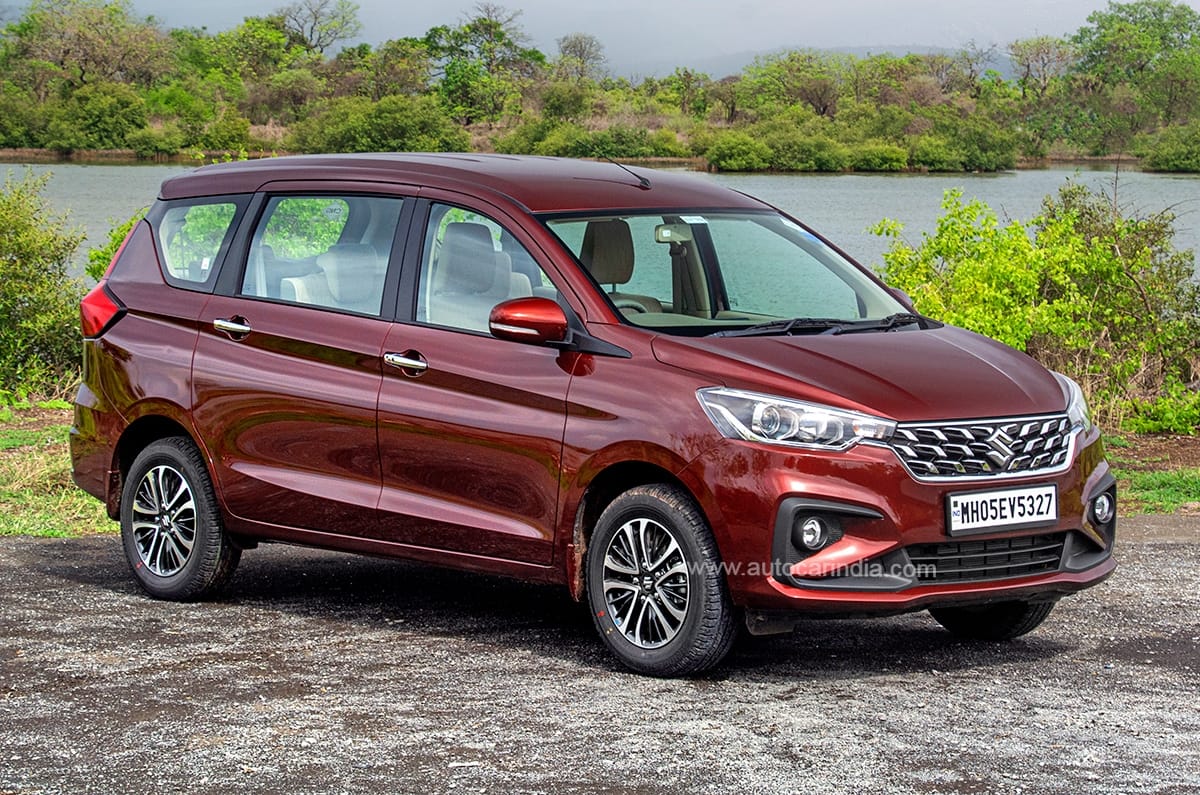
Maruti Ertiga

The Maruti Ertiga ranked third with 21,606 units sold, registering 30.13 percent year-on-year growth. Notably, it is the only MPV on the list and managed to secure a place among the country’s three bestselling passenger vehicles.

4. Maruti Swift

21,538 units

Coming in fourth was the Maruti Swift, with sales of 21,538 units. The hatchback recorded a healthy 51.78 percent year-on-year growth and was the second Maruti Suzuki hatchback to feature in the country’s top 10 bestselling models.

5. Tata Punch, Punch EV

21,313 units

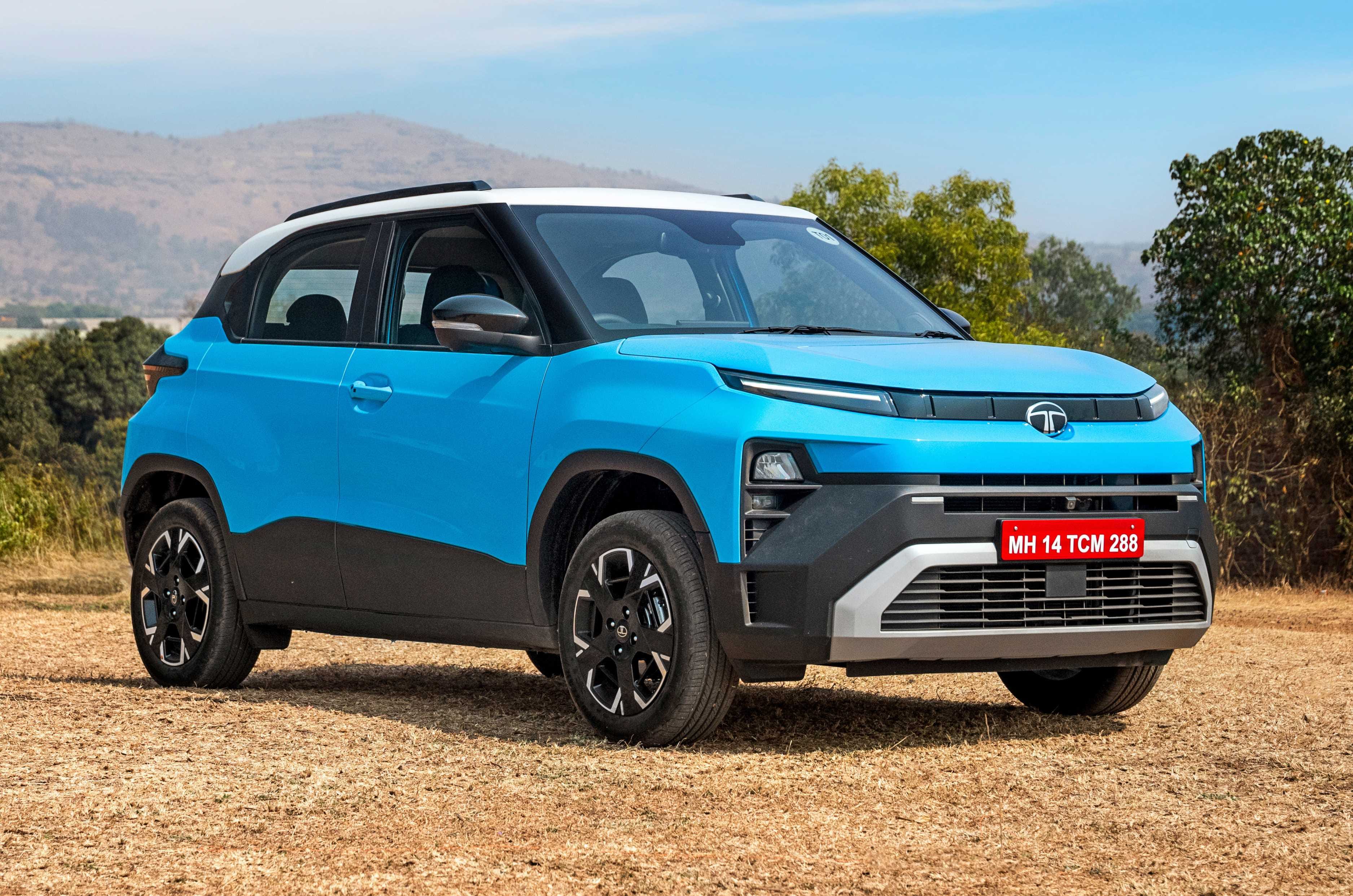
Tata Punch
Tata Punch ICE.

Ranking fifth was the Tata Punch and Punch EV, which together sold 21,313 units. Their combined sales were up 97.62 percent year-on-year, nearly doubling from the same month last year. Compared to other models on this list, the sub-compact SUV registered the highest YoY growth. The Punch also recently crossed the 8 lakh sales mark.

6. Maruti Fronx

19,473 units

Selling 19,473 units, the Maruti Fronx secured the sixth spot, registering a 51.28 percent year-on-year growth. It is also Maruti Suzuki’s highest-selling model retailed through the brand’s premium Nexa dealership network.

7. Maruti Baleno

18,241 units

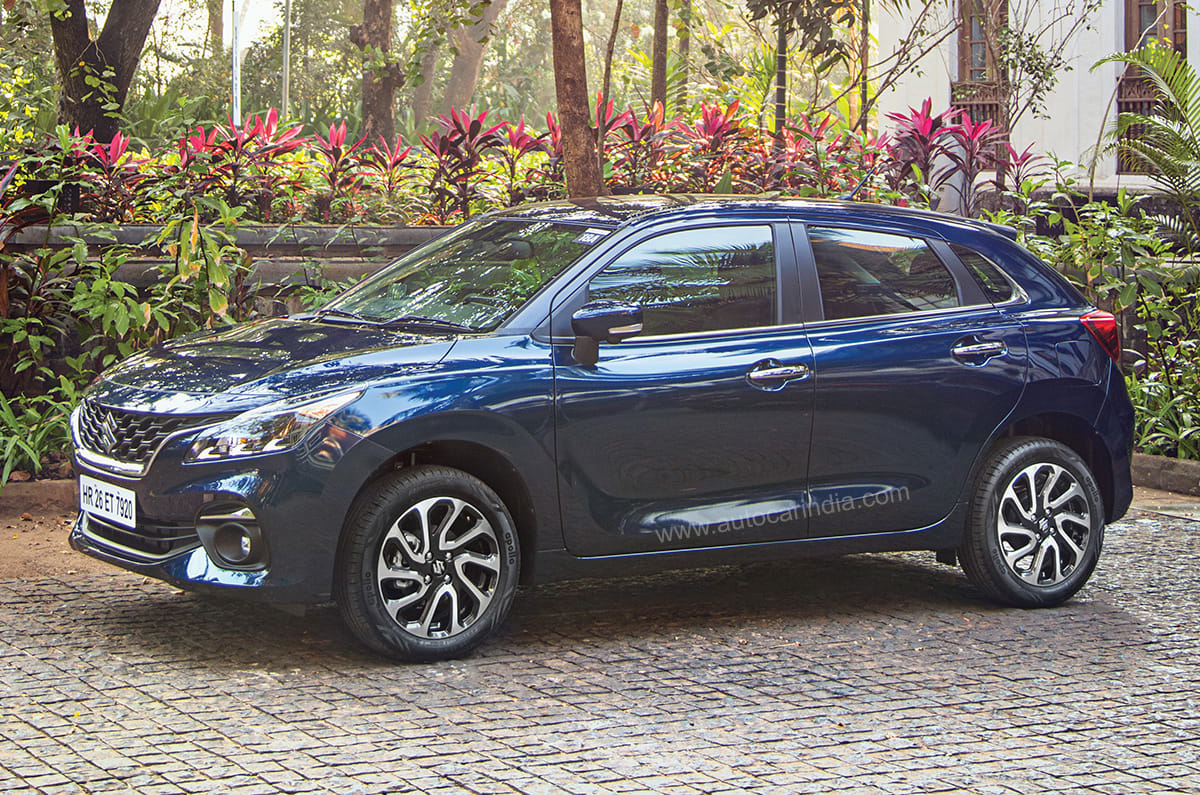
Maruti Baleno

The Maruti Baleno secured the seventh position with 18,241 units, recording a 45.89 percent increase over the same month last year. It rounded off Maruti’s six-model presence in the top 10 and was also the third hatchback on the list. Like the Fronx, the hatchback is retailed through Nexa showrooms.

8. Hyundai Creta, Creta Electric

18,088 units

Next, the Hyundai Creta and Creta Electric together secured the eighth spot with 18,088 units, registering a 7.04 percent year-on-year growth, the lowest among the top 10 models. Recently, Hyundai introduced an assured buyback programme for the Creta Electric, offering a 60 percent buyback value after three years or 45,000km, whichever comes first (terms and conditions apply). The electric SUV is also available with a Battery-as-a-Service (BaaS) option, allowing buyers to lower the upfront purchase cost.

9. Tata Nexon, Nexon EV

17,471 units

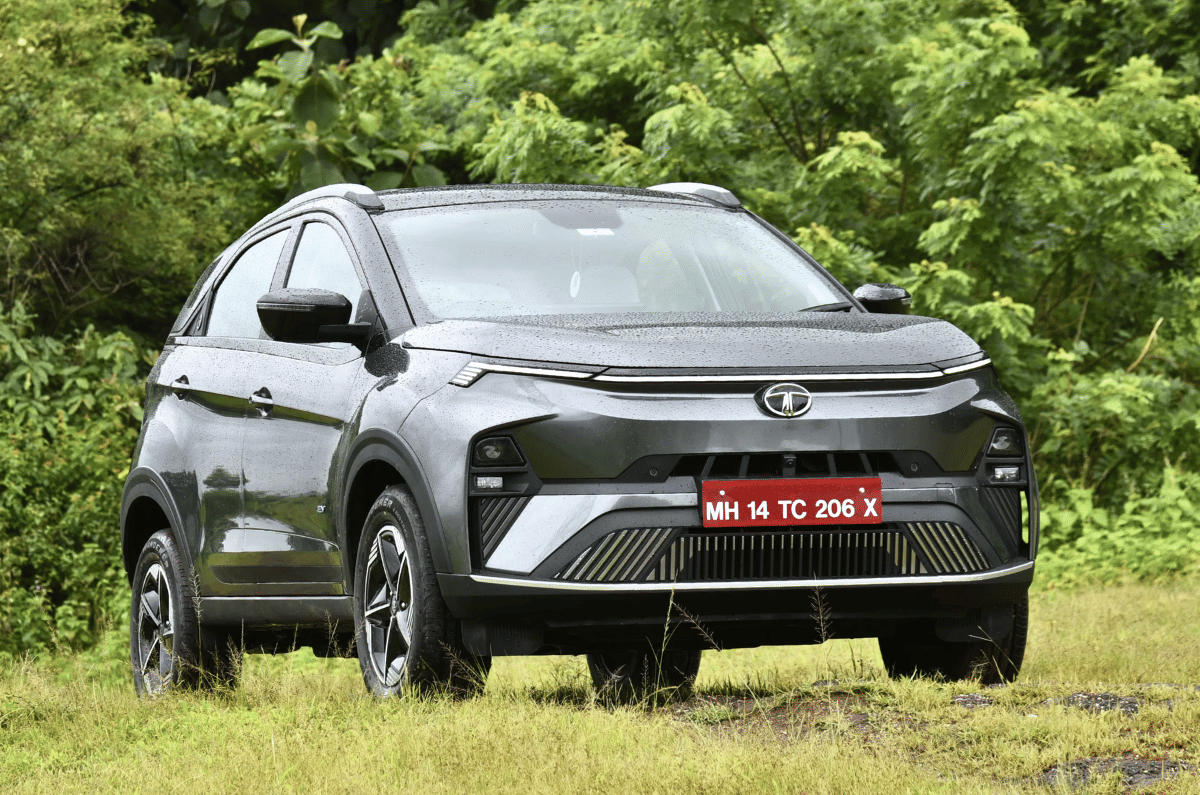
Tata Nexon EV
Tata Nexon EV.

The ninth position went to the Tata Nexon and Nexon EV, which together sold 17,471 units in July 2026, recording 36.23 percent year-on-year growth. After the Fronx, the Nexon is the only compact SUV to feature on this list.

10. Mahindra Scorpio, Scorpio Classic

16,009 units

Rounding off the top 10 were the Mahindra Scorpio N and Scorpio Classic with combined sales of 16,009 units, up 16.45 percent over the same month last year. Mahindra rolled out the 2026 update for the Scorpio N just today.