Tiger Shroff Attack: मुंबई में अभिनेता टाइगर श्रॉफ पर कथित हमले के मामले में लॉरेंस बिश्नोई गैंग का नाम सामने आया है। गैंग से जुड़े बताए जा रहे अनिल पंडित ने सोशल मीडिया पर पोस्ट कर इस हमले की जिम्मेदारी ली है। पोस्ट में यह भी कहा गया कि टाइगर श्रॉफ को सलमान खान के साथ काम न करने की चेतावनी दी गई थी, लेकिन उन्होंने इस पर ध्यान नहीं दिया। हालांकि, पुलिस अभी इस सोशल मीडिया पोस्ट और एक वॉयस नोट की जांच कर रही है।
कौन है अनिल पंडित?
32 वर्षीय पंडित के अमेरिका से काम करने का संदेह है। जांचकर्ताओं ने उसे हरियाणा, दिल्ली और पुणे में हुई गोलीबारी और जबरन वसूली (एक्सटॉर्शन) के मामलों से जोड़ा है।
मूल रूप से हरियाणा के पानीपत जिले के एक गांव का रहने वाला अनिल पंडित, 2023 में भारत छोड़कर कनाडा गया था और बाद में अमेरिका चला गया। वहां गैंगस्टर रणदीप मलिक के संपर्क में आने के बाद, वह कथित तौर पर लॉरेंस बिश्नोई गैंग में शामिल हो गया।
आरोप है कि पिछले छह महीनों में पंडित ने भारत में मौजूद शूटर्स के एक नेटवर्क का इस्तेमाल करके कई आपराधिक घटनाओं को अंजाम दिया है। हरियाणा, दिल्ली और पुणे की घटनाओं सहित गोलीबारी के कई मामलों की जांच में भी उसका नाम सामने आया है।
पानीपत से अमेरिका तक
सूत्रों के अनुसार, पंडित का सफर हरियाणा के पानीपत जिले से शुरू हुआ। बताया जाता है कि वह 2023 में भारत छोड़कर कनाडा चला गया था। बाद में, लॉरेंस बिश्नोई से जुड़े गैंगस्टर बताए जाने वाले रणदीप मलिक के संपर्क में आने के बाद, वह अमेरिका के कैलिफोर्निया पहुंच गया।
जांचकर्ताओं को शक है कि विदेश में रहते हुए भी पंडित भारत में मौजूद शूटर्स के साथ तालमेल बिठाता रहा। उससे जुड़ी कुछ घटनाओं में हरियाणा में गोलीबारी और जबरन वसूली (एक्सटॉर्शन) के मामले शामिल हैं, जिनमें पुलिस और स्पेशल टास्क फोर्स ने इसमें शामिल होने के शक में शूटर्स को गिरफ्तार किया था।
दिल्ली के जिम में हुई गोलीबारी मामले में नाम सामने आया
पंडित पर दिल्ली के पश्चिम विहार स्थित एक जिम में गोलीबारी की साजिश रचने का भी आरोप है। इस जिम में अक्सर गायक गुरु रंधावा आते-जाते थे। बताया जा रहा है कि इस घटना का संबंध गायक के सलमान खान के साथ जुड़ाव से है।
दिल्ली पुलिस की क्राइम ब्रांच और स्पेशल सेल ने इस मामले में पंडित से जुड़े चार शूटरों को गिरफ्तार किया है। जांचकर्ताओं के अनुसार, आरोपी पंडित से बातचीत करने के लिए ‘सिग्नल’ ऐप का इस्तेमाल करते थे और उनके पास से विदेशी हथियार बरामद हुए हैं।
मिली जानकारी के मुताबिक, जिम के बाहर हुई इस गोलीबारी की जिम्मेदारी पहले ही पंडित ले चुका था।
पुणेकेज्वेलरीस्टोरपरगोलीबारीमेंभीआयानाम
दिल्ली में हुई घटना के करीब 15 दिन बाद पुणे में एक ज्वेलरी स्टोर पर गोलीबारी की खबर सामने आई। इस मामले की जांच के दौरान एक बार फिर अनिल पंडित का नाम सामने आया।
महाराष्ट्र पुलिस ने इस घटना में कथित तौर पर शामिल शूटरों को गिरफ्तार किया। जांच में उनके तार अनिल पंडित और लॉरेंस बिश्नोई के करीबी बताए जाने वाले शुभम लोनकर से जुड़े होने की बात सामने आई।
रिपोर्ट के मुताबिक, गोलीबारी के तीनों आरोपी राजस्थान के हनुमानगढ़ के रहने वाले थे। उन पर शक है कि वे खास तौर पर इस वारदात को अंजाम देने के लिए पुणे पहुंचे थे।
टाइगर श्रॉफ पर हमले का दावा
यह नया घटनाक्रम तब सामने आया जब लॉरेंस बिश्नोई गैंग ने सोशल मीडिया पर टाइगर श्रॉफ पर हुए हमले की जिम्मेदारी ली। पंडित द्वारा पोस्ट किए गए संदेश में, उसने और हरमन संधू ने अभिनेता के खिलाफ की गई इस कार्रवाई की जिम्मेदारी ली है।
पोस्ट में आरोप लगाया गया है कि श्रॉफ ने सलमान खान के साथ काम न करने की चेतावनियों को नजरअंदाज किया था। साथ ही, मुंबई फिल्म इंडस्ट्री के उन अन्य लोगों को भी धमकी दी गई है जो इस सुपरस्टार के साथ काम करना जारी रखे हुए हैं। इसमें विरोधी गैंग के सदस्यों को भी धमकी दी गई है।
सूत्रों के अनुसार, हमलावरों ने कथित तौर पर कई दिनों तक श्रॉफ की गतिविधियों पर नजर रखी थी। पुलिस जांच के हिस्से के रूप में इस सोशल मीडिया पोस्ट और एक वॉयस नोट की पुष्टि कर रही है।
अलग-अलग राज्यों के मामलों में पंडित की कथित भूमिका ने भारत में सक्रिय आपराधिक नेटवर्क और विदेशों में मौजूद गैंग के सदस्यों के बीच संभावित संबंधों की ओर ध्यान खींचा है। सोशल मीडिया पोस्ट में किए गए दावे और पंडित को अलग-अलग घटनाओं से जोड़ने वाले आरोप अभी भी पुलिस जांच के दायरे में हैं।
Tiger Shroff Attack: महाराष्ट्र के उपमुख्यमंत्री एकनाथ शिंदे ने रविवार को अभिनेता टाइगर श्रॉफ से उनके घर पर मुलाकात की। उन्होंने बताया कि मुंबई के जुहू इलाके में गोलीबारी की घटना के दौरान टाइगर श्रॉफ के दाहिने हाथ पर बारूद से जलने के निशान आए हैं। हालांकि, उन्होंने इस घटना को गंभीर बताया है और जिम्मेदार लोगों के खिलाफ सख्त कार्रवाई की बात कही है। शिंदे ने चेतावनी दी कि मुंबई में किसी भी गैंग या व्यक्ति को फिर से गैंगवार शुरू करने की इजाजत नहीं दी जाएगी।
डिप्टी सीएम ने बताया कि रविवार शाम को एक फुटबॉल मैच खेलने के बाद जब टाइगर श्रॉफ अपनी BMW कार से निकल रहे थे, तो उन पर पांच राउंड फायरिंग की गई। हालांकि, अभिनेता को गोली नहीं लगी, लेकिन इस घटना में उनके ड्राइवर फिरदौस और एक ऑटो-रिक्शा चालक घायल हो गए।
वहीं टाइगर से मिलने के बाद, शिंदे ने बताया कि अभिनेता के दाहिने हाथ में चोट आई है, जो फायरिंग के दौरान बारूद से जल गया था। उन्होंने आगे कहा कि अभिनेता का परिवार और उनकी मां अपनी सुरक्षा को लेकर चिंतित हैं। उन्होंने बताया कि उनकी किसी से कोई लड़ाई या दुश्मनी नहीं है।
डिप्टी सीएम ने टाइगर श्रॉफ के परिवार को दिलाया भरोसा
शिंदे ने कहा, “मैं अभी उनसे मिला और बात की। उनके दाहिने हाथ में चोट आई है। बारूद की वजह से उनका हाथ जल गया है।” उन्होंने परिवार को भरोसा दिलाया कि मुंबई पुलिस और महाराष्ट्र सरकार उनके साथ खड़ी है।
उप मुख्यमंत्री ने कहा कि राज्य सरकार और पुलिस इस मामले को प्राथमिकता देगी। उन्होंने जोर देकर कहा कि धमकियों का सामना कर रहे मशहूर हस्तियों की सुरक्षा उतनी ही महत्वपूर्ण है, जितनी कि आम जनता की।
उन्होंने कहा, “मुंबई में किसी भी गिरोह या व्यक्ति को डराने-धमकाने या गुंडागर्दी करने की इजाजत नहीं दी जाएगी। किसी को भी बख्शा नहीं जाएगा।” उन्होंने यह भी बताया कि मुख्यमंत्री देवेंद्र फडणवीस ने इस घटना को गंभीरता से लिया है।
एकनाथ शिंदे की मशहूर हस्तियों से अपील
शिंदे ने मशहूर हस्तियों से यह भी अपील की कि अगर उन्हें धमकी भरे कॉल आते हैं, तो वे तुरंत पुलिस को सूचित करें। उन्होंने भरोसा दिलाया कि सरकार उनकी सुरक्षा सुनिश्चित करने के लिए सभी जरूरी कदम उठाएगी।
उन्होंने कहा, “मैं बस इतना ही कहूंगा कि जिस तरह 1990 के दशक में गैंगवार को खत्म कर दिया गया था, उसी तरह हम उन्हें मुंबई में वापस नहीं आने देंगे।”
टाइगर श्रॉफ पर गोलीबारी की घटना के बाद महाराष्ट्र के मुख्यमंत्री देवेंद्र फडणवीस ने मुंबई पुलिस कमिश्नर देवेन भारती और अभिनेता से बात की। फडणवीस ने पुलिस कमिश्नर से घटना की पूरी जानकारी ली और हमलावरों को जल्द से जल्द गिरफ्तार करने का निर्देश दिया। उन्होंने जांच में तेजी लाने और इस घटना के लिए जिम्मेदार लोगों के खिलाफ सख्त कार्रवाई करने को भी कहा।
हमले के पीछे बाइक सवार हमलावर
शुरुआती जानकारी के मुताबिक, तीन लोग एक मोटरसाइकिल पर आए थे। इनमें से दो ने कथित तौर पर फायरिंग की, जबकि तीसरा व्यक्ति बाइक पर ही इंतजार कर रहा था ताकि वे आसानी से भाग सकें। घटना के बाद सामने आए एक वीडियो में हमलावरों में से एक कई राउंड फायरिंग करता दिख रहा है, जबकि दूसरा भी गोली चलाने की कोशिश करता नजर आ रहा है। इसके बाद संदिग्धों को मोटरसाइकिल पर भागते हुए देखा गया।
एक चश्मदीद ने बताया कि फायरिंग से करीब आधा घंटा पहले इन संदिग्धों को एक वड़ा पाव स्टॉल के पास देखा गया था। चश्मदीद के अनुसार, दो लोगों ने फायरिंग की, जबकि तीसरा व्यक्ति उन्हें वहां से भगाने में मदद कर रहा था। बताया जा रहा है कि संदिग्ध एक पुरानी पल्सर मोटरसाइकिल पर सवार थे।
चश्मदीद के मुताबिक, गोलियां चलते ही मौके पर अफरा-तफरी मच गई। हमलावरों ने BMW कार की उस तरफ निशाना लगाकर गोलियां चलाईं, जहां टाइगर श्रॉफ के ड्राइवर बैठे थे। चश्मदीद ने यह भी दावा किया कि ड्राइवर के घायल होने के बाद उसे पिछली सीट पर बैठाया गया और फिर टाइगर खुद कार चलाकर उसे अस्पताल ले गए।
एक अन्य चश्मदीद ने बताया कि गोलीबारी के समय टाइगर श्रॉफ ड्राइवर के बगल वाली आगे की सीट पर बैठे थे। हालांकि, चश्मदीदों के इन दावों की पुलिस जांच के बाद ही पुष्टि हो सकेगी।
लॉरेंस बिश्नोई गैंग ने ली हमले की जिम्मेदारी
इस बीच, विदेश में रहने वाले बताए जा रहे गैंगस्टर अनिल पंडित और हरमन संधू के नाम से सोशल मीडिया पर एक पोस्ट सामने आई है। इस पोस्ट में लॉरेंस बिश्नोई गैंग के नाम पर हमले की जिम्मेदारी लेने का दावा किया गया है।
फिलहाल, पुलिस ने मामले की जांच शुरू कर दी है। हमलावरों की पहचान करने और उन्हें पकड़ने की कोशिश की जा रही है। इस सिलसिले में पुलिस ने पूछताछ के लिए एक व्यक्ति को हिरासत में भी लिया है।
Tiger Shroff Firing: बॉलीवुड अभिनेता टाइगर श्रॉफ को निशाना बनाकर की गई कथित फायरिंग की घटना से जुड़ा पहला वीडियो सामने आया है। मुंबई के जुहू इलाके में हुई इस फायरिंग के वीडियो में गोली चलने की आवाजें सुनाई देने और मौके पर अफरा-तफरी का माहौल दिखाई दे रहा है। शुरुआती जानकारी के मुताबिक, बाइक सवार अज्ञात हमलावरों ने टाइगर श्रॉफ की गाड़ी पर गोलियां चलाई थीं। सामने आए वीडियो में टोपी पहने दो संदिग्ध टाइगर श्रॉफ की ओर फायरिंग करते नजर आ रहे हैं। एक आरोपी ने सामने से, जबकि दूसरे ने भीड़ के बीच से गोली चलाई। वारदात के बाद दोनों फरार हो गए, जिनमें से एक मोटरसाइकिल के जरिए मौके से भाग निकला। इस घटना में अभिनेता को कोई चोट नहीं आई। जबकि उनके ड्राइवर और एक ऑटो रिक्शा चालक के घायल होने की खबर है।
वीडियो सामने आने के बाद पुलिस की जांच में अब हमलावरों की पहचान करने और घटनाक्रम की कड़ियां जोड़ने के लिए सीसीटीवी फुटेज अहम भूमिका निभा सकते हैं। हालांकि, मामले में हमलावरों की पहचान और फायरिंग के पीछे की वजह की आधिकारिक पुष्टि जांच पूरी होने के बाद ही हो सकेगी। सोशल मीडिया पर वायरल एक पोस्ट के अनुसार, लॉरेंस बिश्नोई गिरोह ने हमले की जिम्मेदारी ली है।
मौके पर मची अफरा-तफरी
सामने आए कथित वीडियो में फायरिंग के दौरान का तनावपूर्ण माहौल दिखाई देता है। फुटेज में गोलियों की आवाजें सुनाई देने का दावा किया गया है। घटना के दौरान लोग अचानक हुई गोलीबारी से घबराते नजर आते हैं और मौके पर अफरा-तफरी मच जाती है। वीडियो के एक हिस्से में एक व्यक्ति को ‘टाइगर भाई’ कहते हुए भी सुना जा सकता है। इस फुटेज को जांच के लिहाज से महत्वपूर्ण माना जा रहा है, क्योंकि इससे हमलावरों की गतिविधियों और घटना के दौरान मौके पर मौजूद लोगों की प्रतिक्रिया को समझने में मदद मिल सकती है।
हमले के बाद एक्टर ने खुद दौड़ाई कार
एक वायरल वीडियो में ड्राइवर को चोट लगने के बाद टाइगर खुद कार चलाते हुए दिखाई दे रहे हैं। वारदात के ठीक बाद टाइगर ने बहुत सूझबूझ दिखाई। गोलीबारी की घटना के बाद वह खुद कार से बाहर नहीं निकले, बल्कि अंदर ही ड्राइवर सीट बदल ली। वह जानते थे कि कार के बाहर अभी खतरा हो सकता है, इसलिए यही जगह उन्हें सबसे सुरक्षित दिखी।
Amazing presence of mind by tiger shroff , after shooting incident he Did not get out of the car , shifted the driver seat inside only .He knew that’s the safest place . https://t.co/J5ClqDpFE6
जानकारी के मुताबिक, रविवार शाम मुंबई के जुहू इलाके में पुष्पा पार्क के पास यह घटना हुई। आरोप है कि बाइक पर आए अज्ञात लोगों ने टाइगर श्रॉफ की गाड़ी को निशाना बनाकर फायरिंग की।
घटना के समय टाइगर श्रॉफ सुरक्षित थे। हालांकि, उनके ड्राइवर और एक ऑटो रिक्शा चालक के घायल होने की सूचना सामने आई है।
घायलों की स्थिति को लेकर विस्तृत आधिकारिक जानकारी उपलब्ध नहीं है। फायरिंग की सूचना मिलने के बाद मुंबई पुलिस ने जांच शुरू कर दी है। पुलिस की कई टीमें हमलावरों की पहचान करने, उनके आने-जाने के रास्ते का पता लगाने और वारदात के पीछे की वजह समझने में जुटी हैं। घटनास्थल और आसपास के इलाकों में लगे सीसीटीवी कैमरों की फुटेज भी खंगाली जा रही है।
लॉरेंस बिश्नोई गैंग के नाम से कथित ऑडियो वायरल
फायरिंग की घटना के बाद एक कथित ऑडियो संदेश भी सामने आया। इस मैसेज में अनिल पंडित नाम से अपनी पहचान बताने वाले एक व्यक्ति और हरमन संधू ने लॉरेंस बिश्नोई गैंग की ओर से घटना की जिम्मेदारी लेने का दावा किया। संदेश में सलमान खान से जुड़े फिल्म उद्योग के लोगों को भी धमकी दिए जाने की बात कही गई है।
हालांकि, इस ऑडियो की प्रामाणिकता और फायरिंग में कथित गैंग की भूमिका की पुलिस की ओर से स्वतंत्र पुष्टि नहीं हुई है। जांच एजेंसियां यह पता लगाने की कोशिश कर रही हैं कि फायरिंग के पीछे व्यक्तिगत रंजिश, धमकी या कोई अन्य वजह थी। कथित ऑडियो और घटना के बीच संबंध स्थापित करने के लिए भी जांच जरूरी है।
Actor #TigerShroff hurriedly moves to the driver’s seat moments after his car was attacked and his driver injured . https://t.co/98JQX8G9SF
मुख्यमंत्री देवेंद्र फडणवीस ने पुलिस कमिश्नर से की बात
घटना के बाद महाराष्ट्र के मुख्यमंत्री देवेंद्र फडणवीस ने मुंबई पुलिस कमिश्नर देवेन भारती से बातचीत की। उन्होंने मामले की गहन जांच करने और वारदात के लिए जिम्मेदार लोगों के खिलाफ जल्द कार्रवाई सुनिश्चित करने के निर्देश दिए। वहीं, महाराष्ट्र के उपमुख्यमंत्री एकनाथ शिंदे ने भी टाइगर श्रॉफ और उनके परिवार से मुलाकात। उन्होंने कानून-व्यवस्था बिगाड़ने वालों के खिलाफ कार्रवाई का भरोसा दिया और अभिनेता को सुरक्षा का आश्वासन दिया।
फायरिंग का कथित वीडियो सामने आने के बाद पुलिस के लिए हमलावरों की पहचान करना जांच का प्रमुख हिस्सा बन गया है। सीसीटीवी फुटेज, घटनास्थल से जुटाए गए साक्ष्य और दूसरे तकनीकी इनपुट के आधार पर वारदात की कड़ियां जोड़ी जा रही हैं। फिलहाल सबसे अहम सवाल यही हैं कि हमलावर कौन थे, उन्होंने टाइगर श्रॉफ की गाड़ी को ही निशाना क्यों बनाया और क्या इस घटना का कथित धमकी भरे ऑडियो से कोई संबंध है। इन सवालों के जवाब पुलिस जांच के बाद ही सामने आ पाएंगे।
#BREAKING: Fresh video of attack on Bollywood Actor Tiger Shroff in Mumbai surfaces. Three Gunmen of Lawrence Bishnoi Gang are visible in the video firing at his car and then rushing away on a bike. Mumbai Police form several teams to trace the shooters. https://t.co/m2fmDq64p2
ओमान के तट पर सोहर एंकरेज में निकारागुआ के झंडे वाले टैंकर पर ड्रोन हमला हुआ था। इस टैंकर पर 11 भारतीय क्रू मेंबर सवार थे। इनमें से 9 नाविकों को बचा लिया गया, जबकि 2 नाविक लापता बताए जा रहे हैं। इनके लिए खोज और बचाव अभियान चलाया जा रहा है। केंद्रीय शिपिंग मंत्री सर्बानंद सोनोवाल ने एक सोशल मीडिया पोस्ट में यह जानकारी दी। उन्होंने बताया कि यह हमला MT पेट्रो डॉल्फिन पर 11 अक्टूबर को हुआ था।
रविवार को X पर एक पोस्ट में, सोनोवाल ने कहा कि टैंकर पर सोहर एंकरेज में हमला हुआ था। उन्होंने पुष्टि की कि स्थानीय कोस्ट गार्ड सक्रिय रूप से सर्च-एंड-रेस्क्यू ऑपरेशन चला रहा था। सोनोवाल ने अपने X पोस्ट में कहा, “11 अक्टूबर को, 11 भारतीय नाविकों को ले जा रहे टैंकर MT पेट्रो डॉल्फिन पर सोहर एंकरेज में ड्रोन हमला हुआ था।” “हालांकि हमारे नौ भारतीय क्रू मेंबर को सफलतापूर्वक बचा लिया गया है और वे सुरक्षित हैं, दो भारतीय नागरिक अभी भी लापता हैं।”
IMPORTANT UPDATE
On Oct 11, tanker MT PETRO DOLPHIN, carrying 11 Indian seafarers, was subjected to a drone attack at Sohar Anchorage.
While nine of our Indian crew members have been successfully rescued and are safe, two Indian nationals currently remain missing.
Search-and-rescue operations are actively underway by the local Coast Guard. We are continuously coordinating with all relevant authorities to fully support the ongoing rescue efforts and ensure every possible action is taken to safely locate our missing personnel.
सोनोवाल ने कहा, “लोकल कोस्ट गार्ड सर्च और रेस्क्यू ऑपरेशन एक्टिव रूप से कर रहा है। हम सभी संबंधित अधिकारियों के साथ लगातार कोऑर्डिनेट कर रहे हैं ताकि चल रहे रेस्क्यू कामों में पूरी तरह से मदद मिल सके और यह पक्का किया जा सके कि हमारे लापता लोगों को सुरक्षित रूप से ढूंढने के लिए हर मुमकिन कदम उठाया जाए।” मस्कट में भारतीय दूतावास ने भी कन्फर्म किया कि जहाज पर सवार 11 भारतीय नाविकों में से दो लापता बताए गए हैं। दूतावास ने कहा कि वह स्थिति पर करीब से नजर रख रहा है और संबंधित अधिकारियों के साथ संपर्क बनाए हुए हैं।
The Embassy is closely monitoring the situation concerning MT PETRO DOLPHIN, a Nicaragua-flagged tanker. Two of the 11 Indian seafarers onboard are reported missing. The Embassy is in close and continuous contact with the concerned authorities .
— India in Oman (Embassy of India, Muscat) (@Indemb_Muscat) October 11, 2026
X पर एक पोस्ट में, दूतावास ने कहा, “एम्बेसी निकारागुआ के झंडे वाले टैंकर MT PETRO DOLPHIN से जुड़ी स्थिति पर करीब से नजर रख रहा है।” अधिकारी ने बताया, “जहाज पर सवार 11 भारतीय नाविकों में से दो लापता बताए गए हैं। एम्बेसी संबंधित अधिकारियों के साथ लगातार संपर्क में है।” यह घटनाक्रम खाड़ी क्षेत्र में कमर्शियल शिपिंग पर हमलों और इंटरनेशनल जहाजों पर काम करने वाले भारतीय नाविकों की सुरक्षा को लेकर चिंताओं के बीच हुआ है।
11 अक्टूबर को एक अलग घटना में, मार्शल आइलैंड्स के झंडे वाला टैंकर M/T वल्थेरा, जिसमें 11 भारतीय नाविक सवार थे, होर्मुज स्ट्रेट से गुजरते समय एक अनजान चीज से टकरा गया, जिससे उसमें आग लग गई।
ऑनलाइन ऐप से घर की सफाई के लिए प्रोफेशनल बुलाना आजकल आम बात है, लेकिन अगर इसी दौरान घर से कोई कीमती सामान गायब हो जाए तो भरोसे पर सवाल उठना लाजिमी है। बेंगलुरु के एक विज्ञापन पेशेवर ने Urban Company की क्लीनिंग सर्विस को लेकर ऐसा ही आरोप लगाया है। उनका दावा है कि घर की सफाई के दौरान उनकी पत्नी की शादी की सोने की अंगूठी गायब हो गई। मामला तब और चर्चा में आ गया, जब उन्होंने बताया कि पुलिस ने अंगूठी शहर से करीब 100 किलोमीटर दूर से बरामद की। इस घटना के बाद कंपनी की ग्राहक सेवा और ऑनलाइन बुकिंग वाली घरेलू सेवाओं की जवाबदेही पर बहस छिड़ गई है।
प्रीमियम क्लीनिंग सर्विस बुक की, फिर गायब हुई अंगूठी
बेंगलुरु के विज्ञापन पेशेवर शुभम मजूमदार ने LinkedIn पर अपना अनुभव साझा किया। उनके मुताबिक, उन्होंने Urban Company की InstaHelp सेवा के तहत घर की सफाई के लिए ‘Gold Expert’ कैटेगरी बुक की थी। इसी दौरान उनकी पत्नी की शादी की सोने की अंगूठी गायब हो गई।
मजूमदार ने आरोप लगाया कि सर्विस के लिए आए कर्मचारी ने अंगूठी चुराई। हालांकि, यह उनका आरोप है और मामले में किसी की दोषसिद्धि की जानकारी सामने नहीं आई है।
कंपनी से शिकायत की, लेकिन जवाब से नहीं हुए संतुष्ट
मजूमदार के मुताबिक, उन्होंने अंगूठी गायब होने की जानकारी तुरंत ऐप के जरिए कंपनी को दी। ग्राहक सहायता टीम ने उन्हें बताया कि कंपनी की रिकवरी टीम मामले की जांच करेगी और इसमें चार से पांच दिन लग सकते हैं।
उनका दावा है कि एक दिन बीतने के बाद भी कोई खास प्रगति नहीं हुई। इसके बाद उन्होंने कंपनी के शिकायत अधिकारी से संपर्क कर मामले की जानकारी और संबंधित कर्मचारी का विवरण मांगा। लेकिन मजूमदार के अनुसार, उन्हें संतोषजनक जवाब मिलने के बजाय सामान्य तरह का संदेश मिला।
उन्होंने बताया कि कंपनी की ओर से पुलिस में शिकायत दर्ज कराने की सलाह भी दी गई, जबकि वह पहले ही पुलिस से संपर्क कर चुके थे।
100 किलोमीटर दूर से मिली अंगूठी, Uber भी करनी पड़ी बुक
इस पूरे मामले में सबसे चौंकाने वाली बात अंगूठी की बरामदगी को लेकर सामने आई। मजूमदार ने दावा किया कि पुलिस ने अंगूठी बेंगलुरु से करीब 100 किलोमीटर दूर एक जगह से बरामद की। उनके मुताबिक, पुलिस को वहां तक पहुंचाने के लिए उन्हें इंटरसिटी Uber बुक करनी पड़ी।
शिकायत के बीच आया सर्विस रेटिंग का मैसेज
मजूमदार ने कंपनी के ऑटोमेटेड मैसेज के स्क्रीनशॉट भी साझा किए। उनका कहना था कि अंगूठी गायब होने की शिकायत के बीच कंपनी ने उनसे सर्विस को रेट करने और रिव्यू देने के लिए संदेश भेज दिया। इससे उनकी नाराजगी और बढ़ गई।
Urban Company ने सार्वजनिक रूप से माफी मांगते हुए उनसे रजिस्टर्ड मोबाइल नंबर निजी संदेश में साझा करने को कहा, ताकि मामले की जांच की जा सके। इस पर मजूमदार ने सवाल उठाया कि जब शिकायत पहले से दर्ज है, तो दोबारा जानकारी क्यों मांगी जा रही है।
सोशल मीडिया पर छिड़ी बहस
इस घटना के बाद कुछ लोगों ने कंपनी की ग्राहक सेवा पर सवाल उठाए, जबकि कुछ यूजर्स ने ग्राहकों को कीमती सामान सुरक्षित रखने की सलाह दी। फिलहाल, यह मामला घरेलू सेवाओं में भरोसे, सुरक्षा और कंपनियों की जवाबदेही को लेकर चर्चा में है।
इंग्लैंड के यॉर्कशायर वाइल्डलाइफ पार्क में एक खौफनाक हादसा सामने आया है, जहां बाघ के बाड़े में घुसे एक शख्स की हमले में मौत हो गई। घटना के बाद पार्क में अफरा-तफरी मच गई और सुरक्षा के मद्देनजर पूरे परिसर को खाली करा लिया गया। सूचना मिलते ही पुलिस और मेडिकल टीम मौके पर पहुंची, लेकिन तमाम कोशिशों के बावजूद व्यक्ति की जान नहीं बचाई जा सकी। पुलिस ने बताया कि मृतक की पहचान अभी सार्वजनिक नहीं की गई है और उसके परिवार को सूचना दे दी गई है।
वहीं, घटना के बाद बाघ की स्थिति को लेकर उठ रहे सवालों पर अधिकारियों ने स्पष्ट किया कि जानवर सुरक्षित है और अपने बाड़े के अंदर ही मौजूद है। फिलहाल हादसे की परिस्थितियों का पता लगाया जा रहा है। इस घटना के बाद वाइल्डलाइफ पार्क को रविवार तक बंद रखने का फैसला लिया गया है।
दोपहर में मिली हमले की सूचना, मौके पर पहुंची पुलिस
साउथ यॉर्कशायर पुलिस के मुताबिक, शनिवार दोपहर करीब 1:35 बजे उन्हें सूचना मिली कि डोनकास्टर के पास स्थित वाइल्डलाइफ पार्क में एक व्यक्ति बाघ के बाड़े के अंदर चला गया है। वहां बाघ ने उस पर हमला कर दिया, जिससे उसे गंभीर चोटें आईं।
सूचना मिलने के बाद आपातकालीन सेवाएं घटनास्थल पर पहुंचीं। मेडिकल टीम ने व्यक्ति को बचाने की कोशिश की, लेकिन उसकी जान नहीं बच सकी और मौके पर ही उसे मृत घोषित कर दिया गया। फिलहाल मृतक की पहचान सार्वजनिक नहीं की गई है। पुलिस ने बताया कि उसके परिवार को घटना की जानकारी दे दी गई है और विशेषज्ञ अधिकारी इस मुश्किल समय में परिवार की मदद कर रहे हैं।
बाघ सुरक्षित, लोगों को खतरे की आशंका नहीं
घटना के बाद सोशल मीडिया पर बाघ की स्थिति को लेकर कई तरह की चर्चाएं होने लगीं। इस पर पुलिस ने स्पष्ट किया कि हमले में बाघ को कोई चोट नहीं आई है। घटना के बाद भी वह अपने बाड़े के अंदर ही रहा।
पुलिस के अनुसार, आम लोगों के लिए किसी बड़े खतरे की आशंका नहीं है। हालांकि, व्यक्ति बाघ के बाड़े में किन परिस्थितियों में पहुंचा और उसके बाद वास्तव में क्या हुआ, इसकी आधिकारिक जानकारी अभी सामने नहीं आई है।
A man has died after entering a tiger enclosure at Yorkshire Wildlife Park near Doncaster. On Saturday, 10 October 2026, shortly after 1:30pm, South Yorkshire Police received reports that a man had entered the tiger enclosure at the popular wildlife park.
The tiger subsequently attacked him, and despite the rapid arrival of emergency services including two land ambulances, the Yorkshire Air Ambulance, and a doctor he was pronounced dead at the scene.
Witnesses at the park described seeing an agitated man jump into the Land of the Tigers area in front of other visitors.
Videos of the incident later circulated online, which police have urged the public not to share because of their distressing content.
Some people present also reported hearing a number of shots shortly after the man entered the enclosure; these were described in accounts as possibly involving gas canisters or similar measures.
Police later confirmed that the tiger itself was uninjured and remained inside the enclosure, and that there was no wider risk to the public.
Yorkshire Wildlife Park immediately activated its emergency response procedures, evacuated the site, and announced that it would remain closed for the rest of Saturday and all of Sunday.
In a statement, the park said it was working closely with the authorities to establish exactly what happened and stressed that the safety and wellbeing of its visitors, staff, and animals remained its highest priority. The man’s family has been informed and is being supported by specialist officers.
His identity has not been released, and police enquiries into how he came to be inside the enclosure are continuing. https://t.co/FNBjR53dD9
घटना के बाद यॉर्कशायर वाइल्डलाइफ पार्क को खाली करा लिया गया। पार्क प्रबंधन ने बताया कि आपातकालीन प्रतिक्रिया प्रक्रिया तुरंत शुरू कर दी गई थी और संबंधित एजेंसियों को मौके पर बुलाया गया था। अधिकारियों के साथ मिलकर यह पता लगाने की कोशिश की जा रही है कि आखिर यह घटना कैसे हुई।
पार्क प्रबंधन ने कहा कि वहां आने वाले लोगों, कर्मचारियों और जानवरों की सुरक्षा उसकी प्राथमिकता है। घटना के बाद पार्क को रविवार तक बंद रखने की घोषणा की गई।
फिलहाल पुलिस इस मामले की जांच कर रही है। व्यक्ति बाड़े में कैसे पहुंचा और घटना से पहले क्या परिस्थितियां थीं, इन सवालों के जवाब जांच पूरी होने के बाद ही सामने आ सकेंगे।
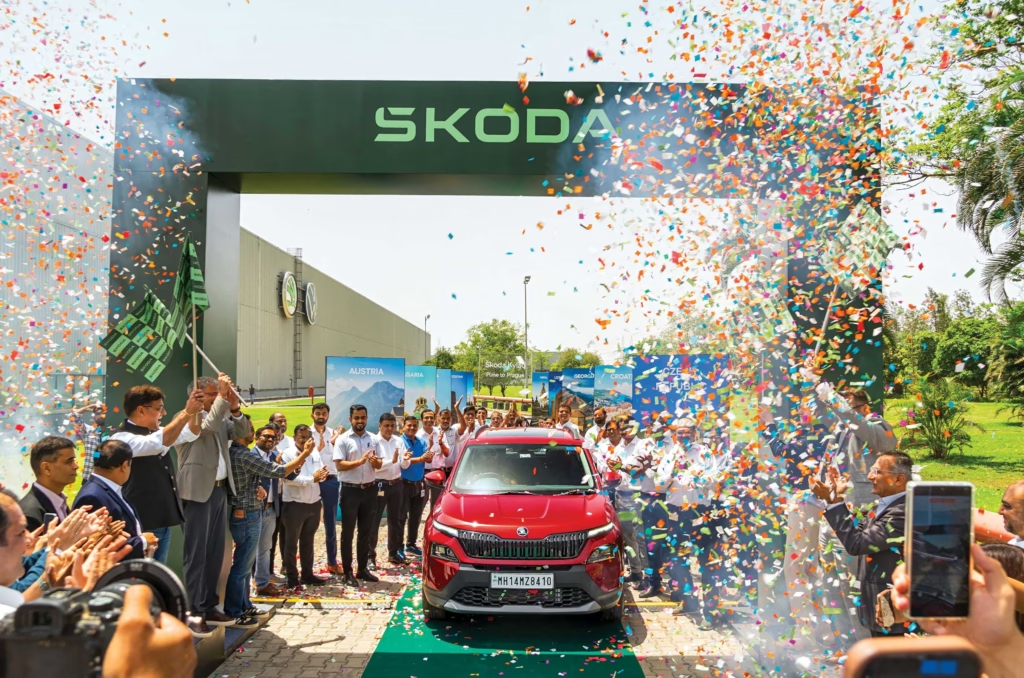
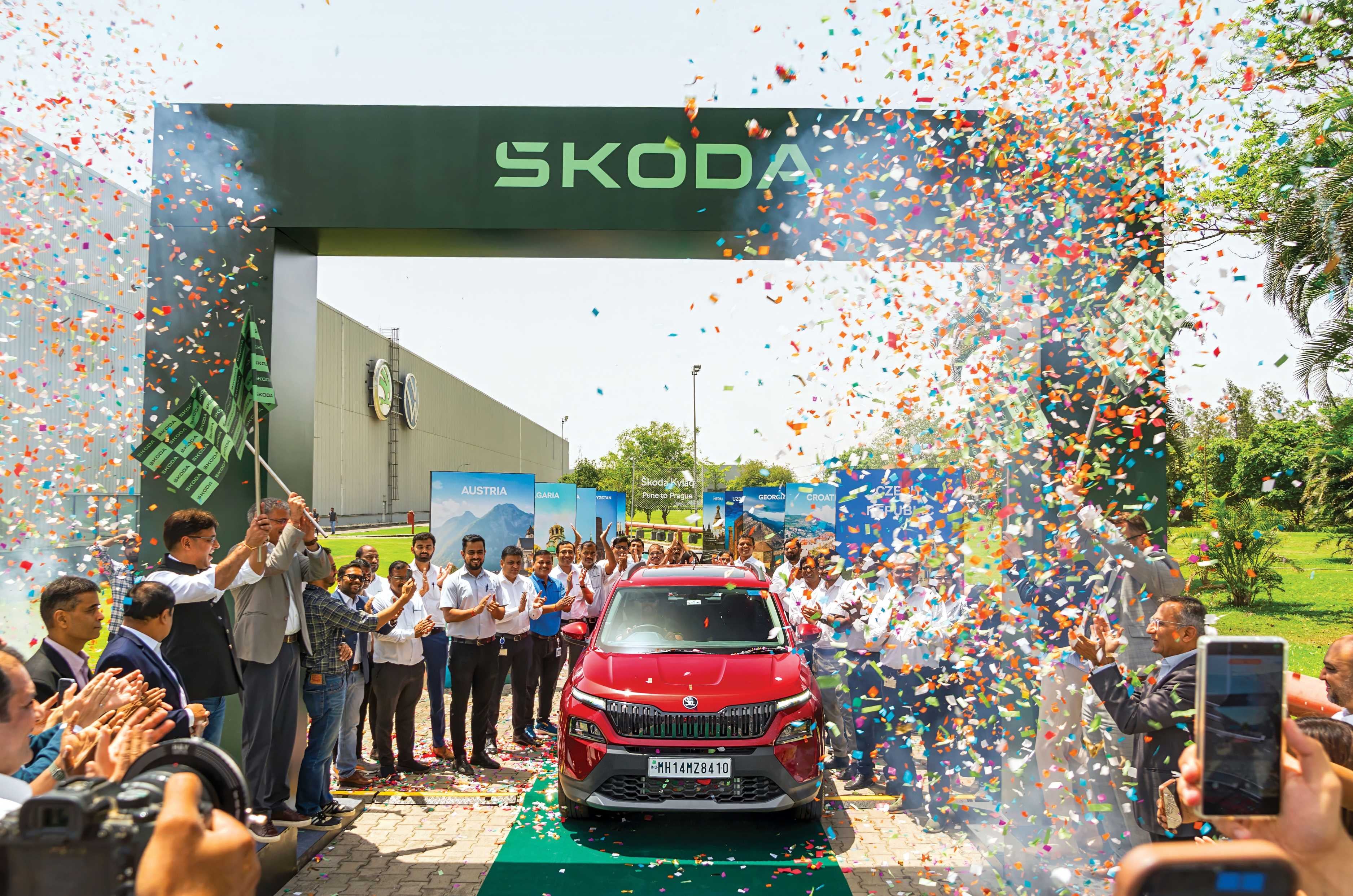
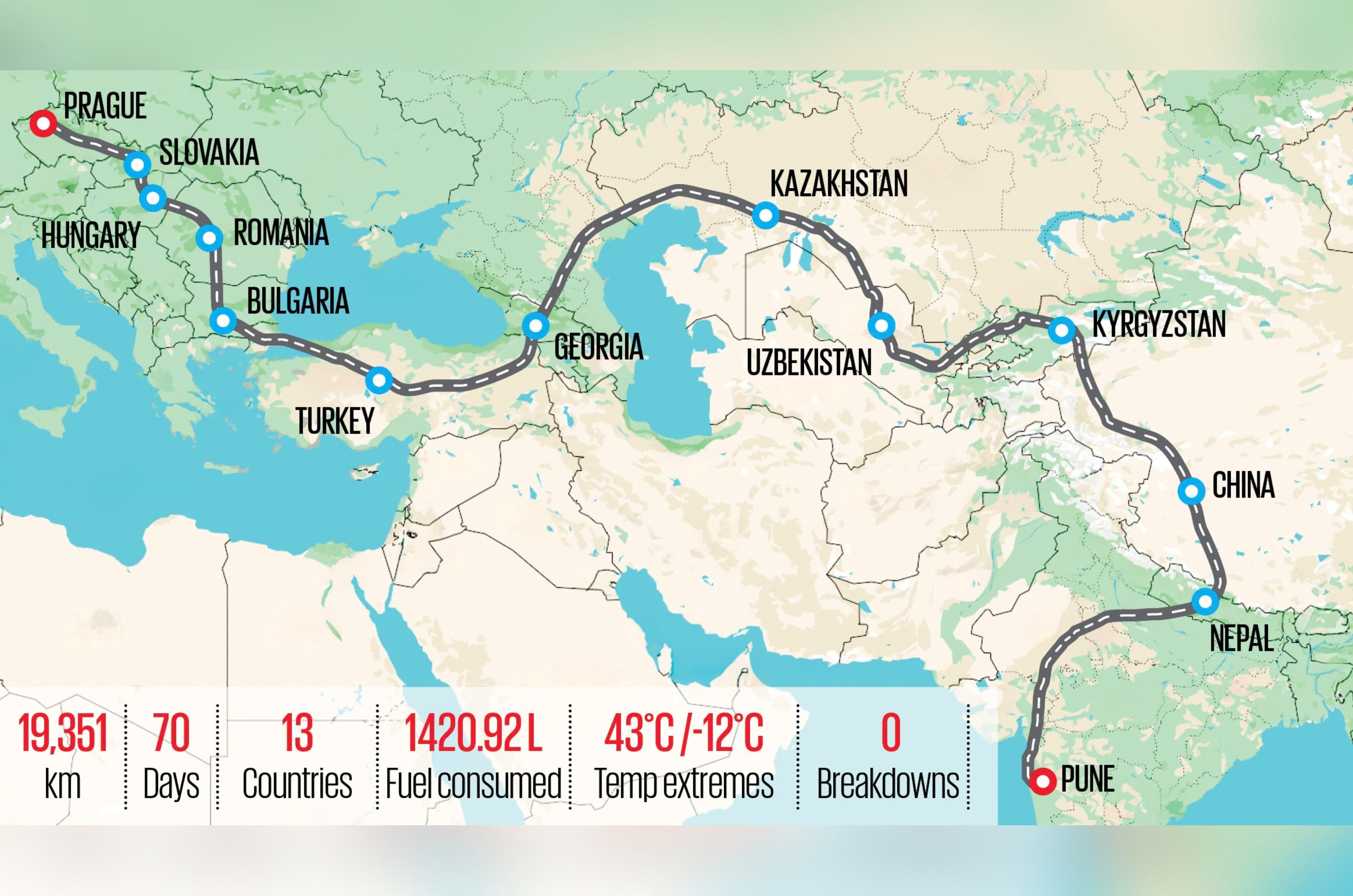
There are road trips, there are overland expeditions, and then there are journeys that become conversations with continents. This one starts in the industrial heart of Maharashtra, inside Skoda India’s sprawling Chakan facility. The end point lies nearly 20,000 kilometres away at Skoda Auto’s headquarters near Prague in Mladá Boleslav, Czech Republic, where bicycles evolved into automobiles and a 130-year-old story continues to be written.
Between these two factories lie thirteen countries, four major mountain ranges, countless cuisines, dozens of languages and enough history to fill libraries.
Our companion? Not a flagship SUV or a luxury grand tourer, but Skoda’s smallest SUV – the Kylaq, which recently celebrated its one-year anniversary. Driving it from Pune to Prague is a tall order, but surviving one year in India and being accepted with flying colours is enough cred one needs to take on the world.
India – Home Turf
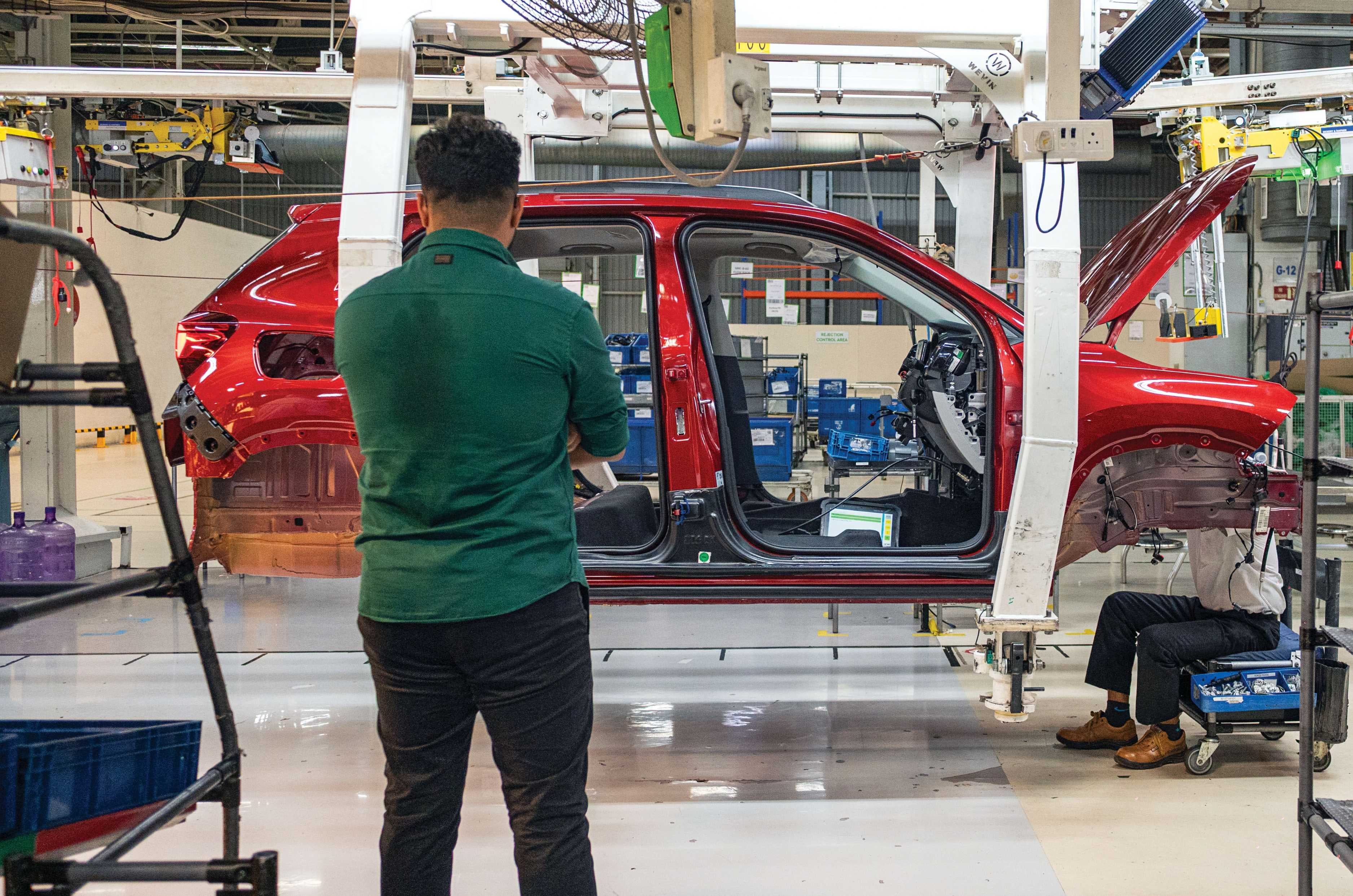
Witnessing the Kylaq’s birth added more responsibility.
On a cross-country road trip, you’d imagine the home country would be the easiest leg. With India, it was the opposite. To some, it’s organised chaos, but honestly, it’s anything but organised. Erratic traffic, erratic egos, and road conditions fit only for a Mars rover – India was the biggest challenge on the drive from Pune to Prague. As the odometer ticked over its first kilometre, right outside the gate of Skoda’s Chakan plant, a blood-red PMPML bus was ready to trade paint with the cherry-red Kylaq. A dinged-up Kylaq parked on the streets of Prague wouldn’t be a good look, so it was imperative that I babysit this compact SUV like a million-dollar supercar. Having watched the car being assembled on the factory floor, from bare bones to the finished package, only added to the emotion – driving it in traffic felt like walking a toddler across a football field. Eyes wide open, ready to block any attack.
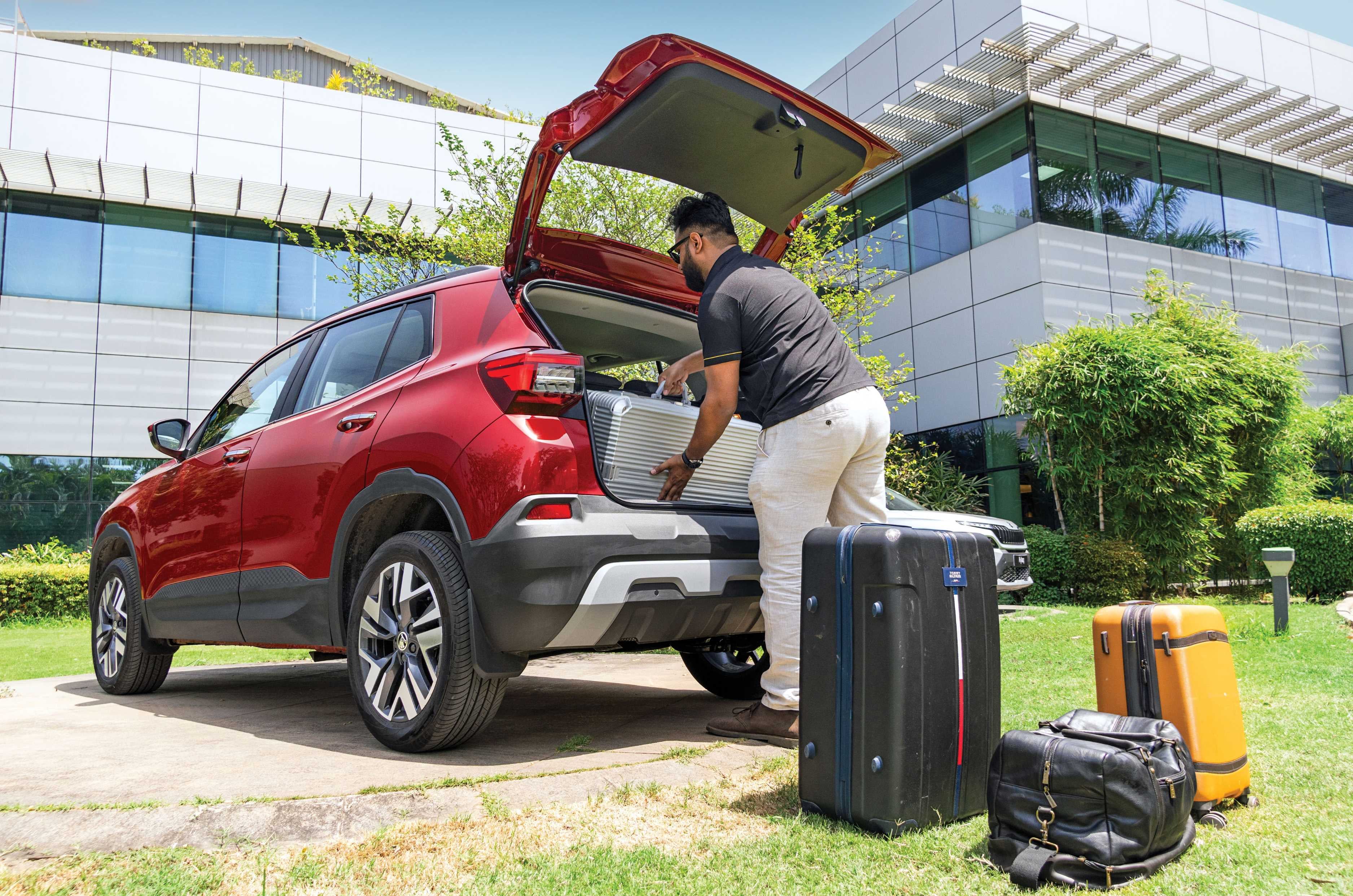
446-litre boot packed to the brim for 70 days on the road.
We got onto the Pune expressway and then crossed the Atal Setu in Mumbai, the longest sea bridge on the entire journey. Mumbai was home, both to me and to the Autocar India office, so after a few greetings from co-workers and the obligatory photos, we headed towards our first state crossing. The infamous Western Express Highway that leads out of Mumbai lived up to its reputation, but with a little anxiety, panic and a few expletives, we made it onto the national highway.
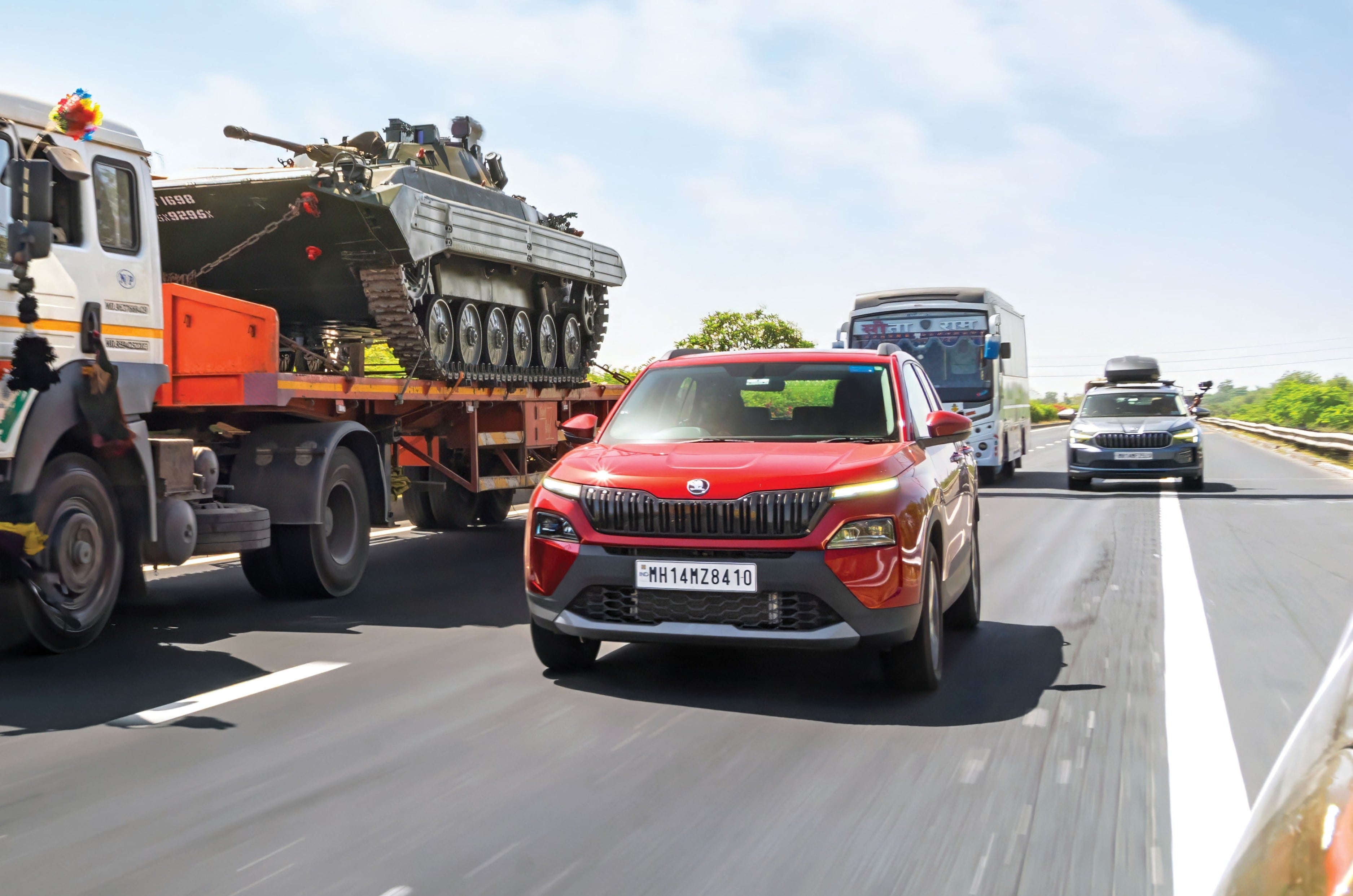
No telling what you’d spot on Indian highways.
The first of countless food stops was Hotel Ahura, renowned for its akuri and kheema. Needless to say, we carb-loaded to the max and made a beeline for Vadodara.
Pune-Birgunj in numbers
Distance covered
2,487km
Fuel consumed
234.46 litres
Average fuel economy
10.62kpl
Approximate fuel cost
Rs 23,629
Average per-litre fuel cost
Rs 100.87
Total time driven
55hrs 20min
Average speed
44.95kph
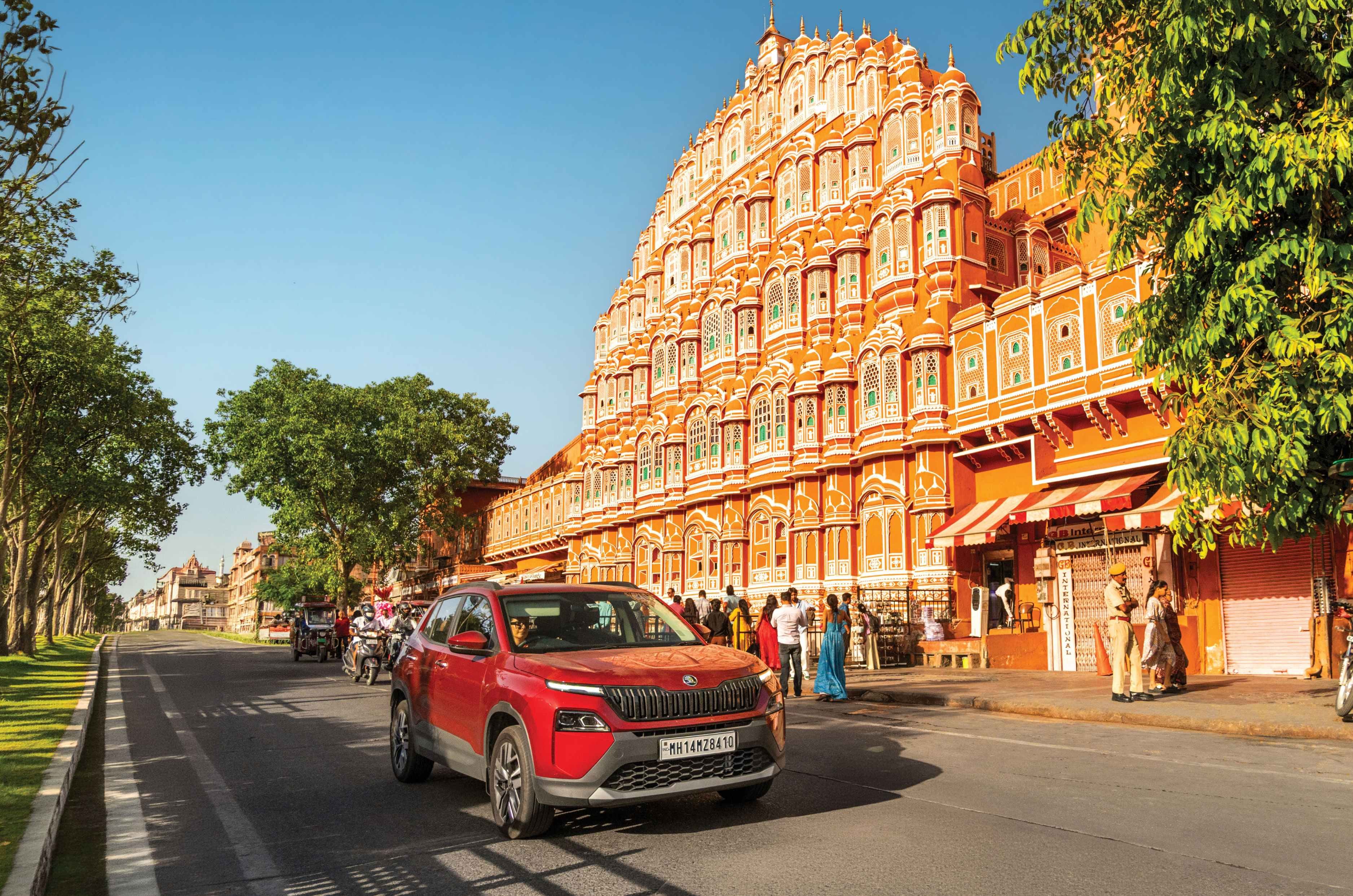
Crossing into Gujarat, the Kylaq could finally stretch its legs and spool up that turbo on the state’s spotless highways. The stability and effortless cruising were a welcome relief, since the bulk of the kilometres on this drive would be covered on long, open highways. Gujarat was a short stint – we made only an overnight halt in Vadodara before slipping out ahead of the morning traffic. The drive into Rajasthan was seamless, and Udaipur greeted us with a mix of heat and traffic. The City of Lakes is worth taking the time to explore, but a late arrival and early morning departure left us with just enough time to grab a traditional meal. All that driving had built up an appetite, so we put it to a vote between a massive vegetarian thali and laal maas – the latter won by a landslide. From the City of Lakes, we headed to Jaipur, the Pink City: just as picturesque as Udaipur, and just as colourful and chaotic. The sun setting over the beautiful Amer Fort made for a cracking backdrop, and a few glimpses of the Jal Mahal on the way back were a treat too. The iconic Hawa Mahal, with its 953 windows, never fails to amuse, but getting a photo of the five-storey icon without a chorus of honks is next to impossible. The next morning, after threading through Jaipur’s narrow lanes, we made it back onto the highway, heading for Agra.
Iconic Hawa Mahal ought to be seen first-hand.
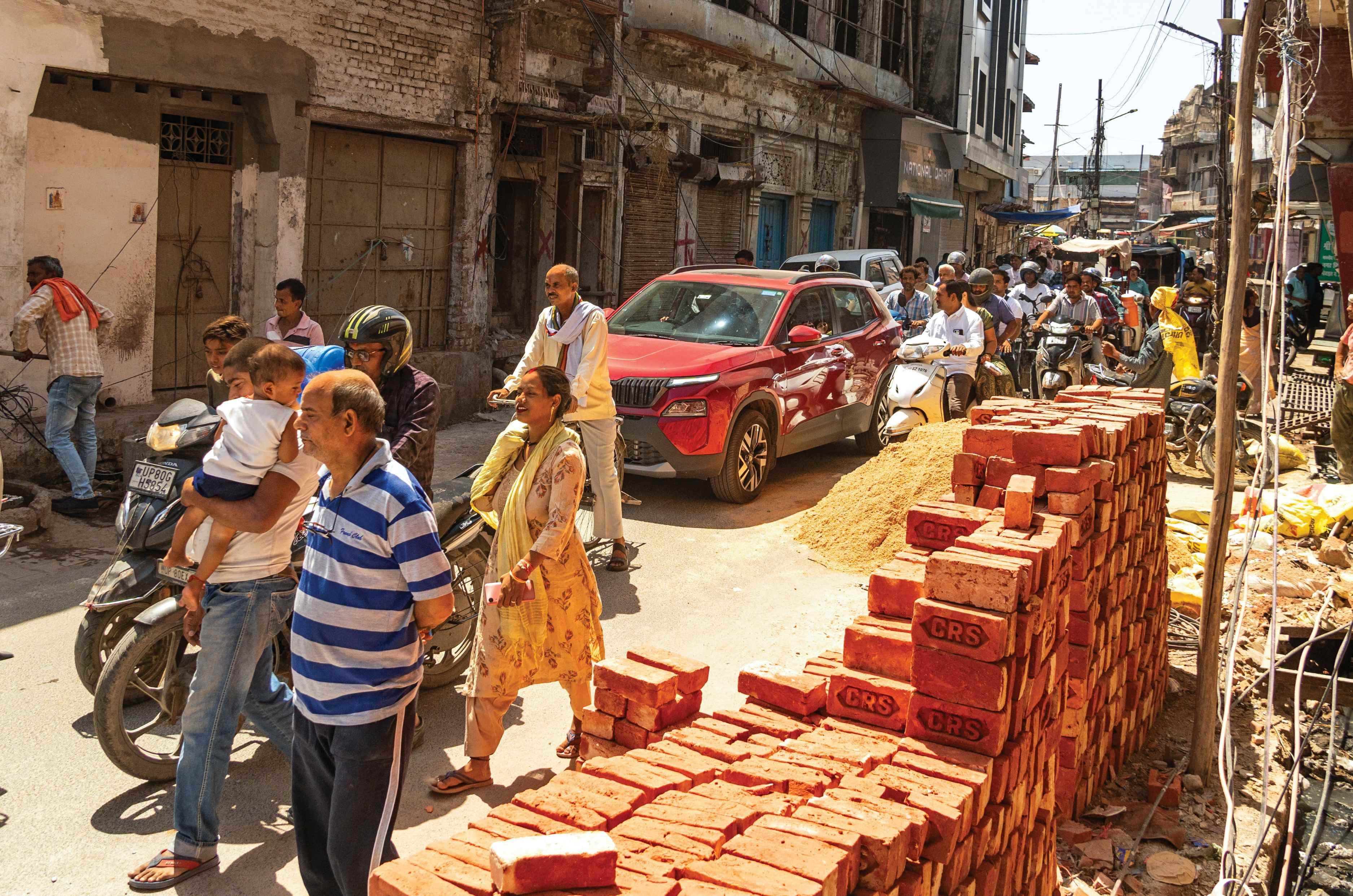
Agra is synonymous with the Taj Mahal, but the Agra Fort – from which you can see the Taj in the distance – is just as mesmerising. The detailing and architecture are second to none, and you could spend hours walking through its courtyards and passages, taking endless pictures. We, of course, also made it to the Taj itself, amid the hordes of tourists, if only to avoid the guilt of visiting Agra without a shot of the world-famous white dome. Tourism done, it was time for some petha – though the lanes near the petha shops seemed to be the exact width of the Kylaq, and that’s where peak anxiety set in. We got out of the mess, walked around the car to check for scratches and scribbles, and sighed in relief. India was adding to the tension, and we were barely halfway through it.
Agra’s narrow lanes were a nightmare to drive through.
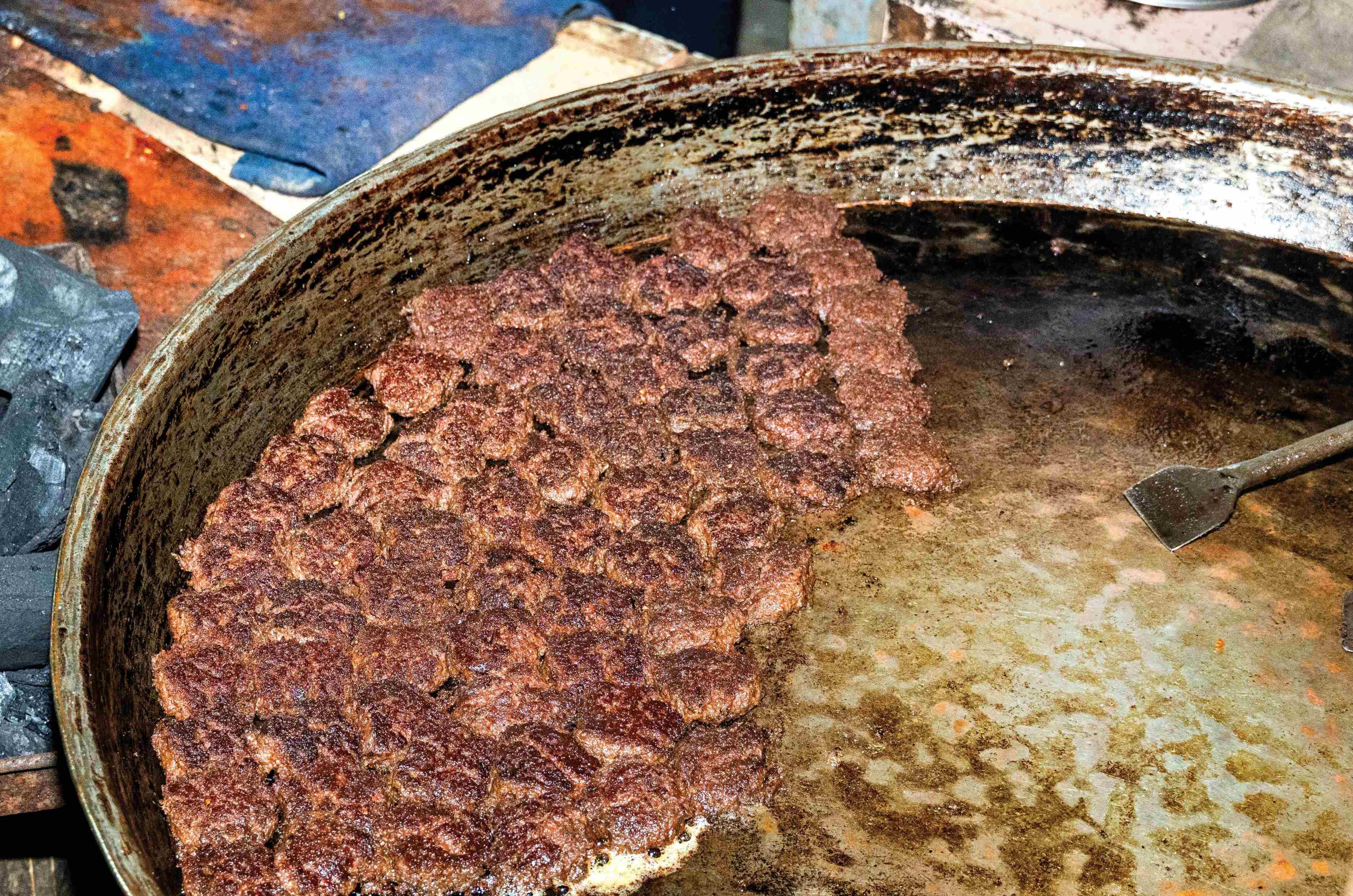
Our next stop from Agra was foodie heaven – Lucknow. The biryanis, kebabs, and tandoors were exactly what we expected, and exactly what Lucknow delivered. Finding your way here is easy – you could do it blindfolded, following the smoke and sizzle to wherever you need to be. Tunday Kababi is a must, and after a heap of biryani laced with kebabs, a long walk through the countless chikankari shops helps burn off some of the calories.
Lucknow’s Tunday Kababi still has us drooling over Galouti kebabs.
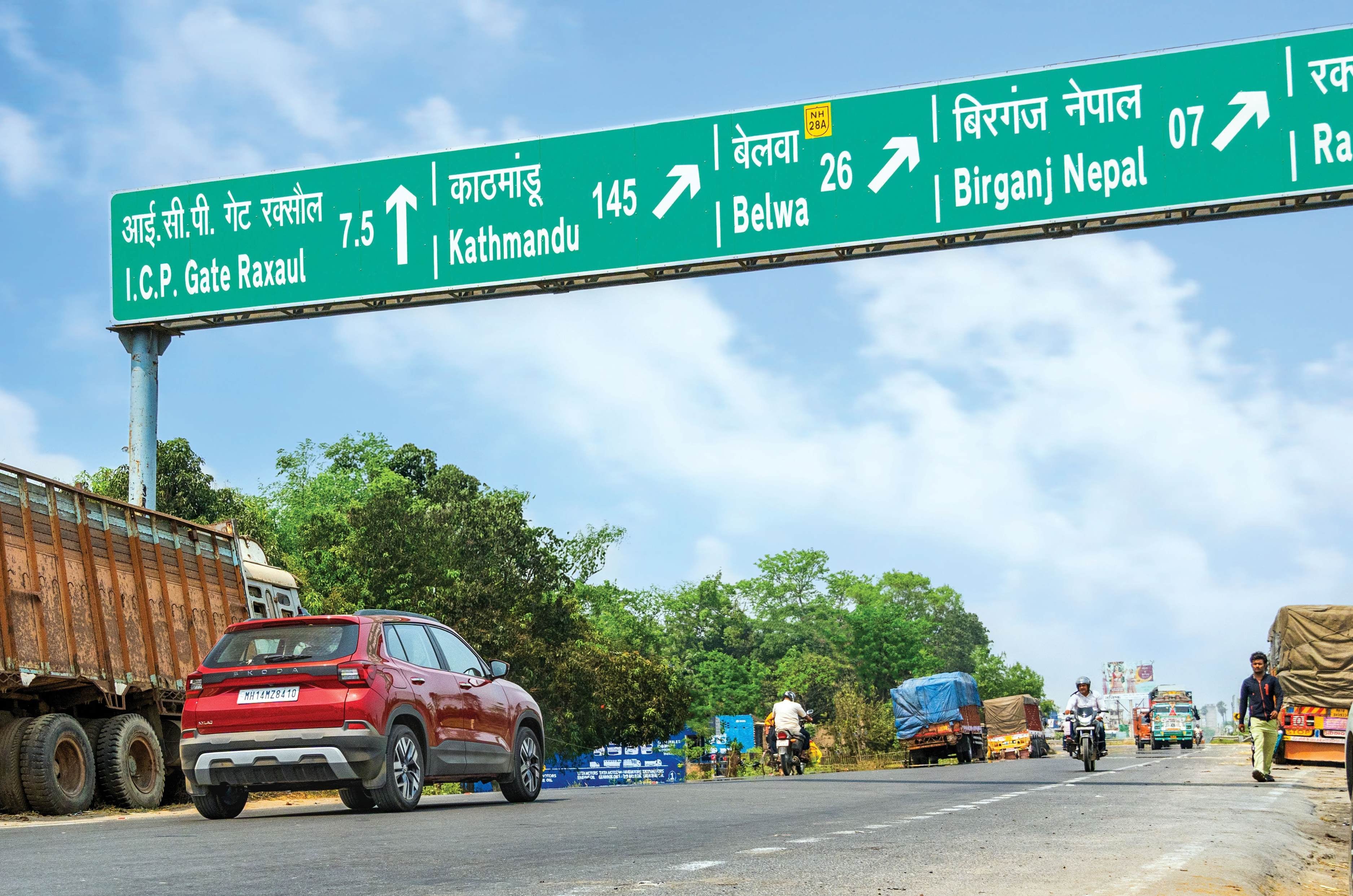
We were closing in on the end of the India leg, with one last stop in Gorakhpur before the Nepal border. To celebrate, a group of Skoda owners, officially known as the ‘Fans of Skoda’ joined us for a celebratory convoy as we drove out – everything from Octavia RS models to Kodiaqs and Kushaqs turned up as a send-off before we went international. The loud, chaotic border towns past Gorakhpur delivered one final challenge as we exited through Raxaul.
Final stretch before the Kylaq left India for the first time.
The India-Nepal border is still raw and basic, with none of the high-tech systems you might expect. A drive of this scale comes with a mountain of paperwork – visas, carnets, insurance, and more – and sifting through all of it manually takes a while. After a gruelling five hours, the Kylaq crossed out of India for the very first time.
Nepal – Old World Charm
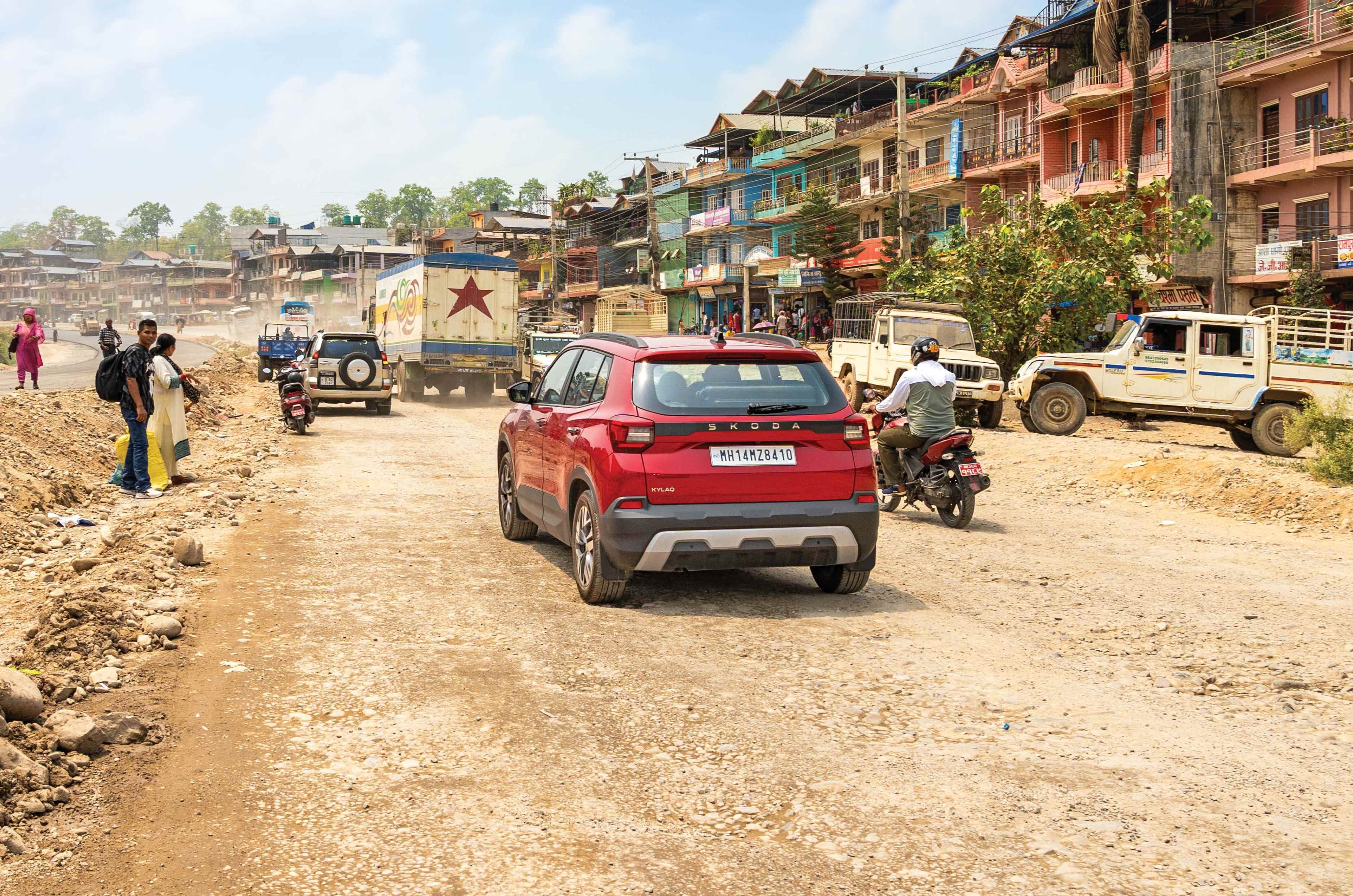
Nepal’s state highways give Indian roads a run for their money.
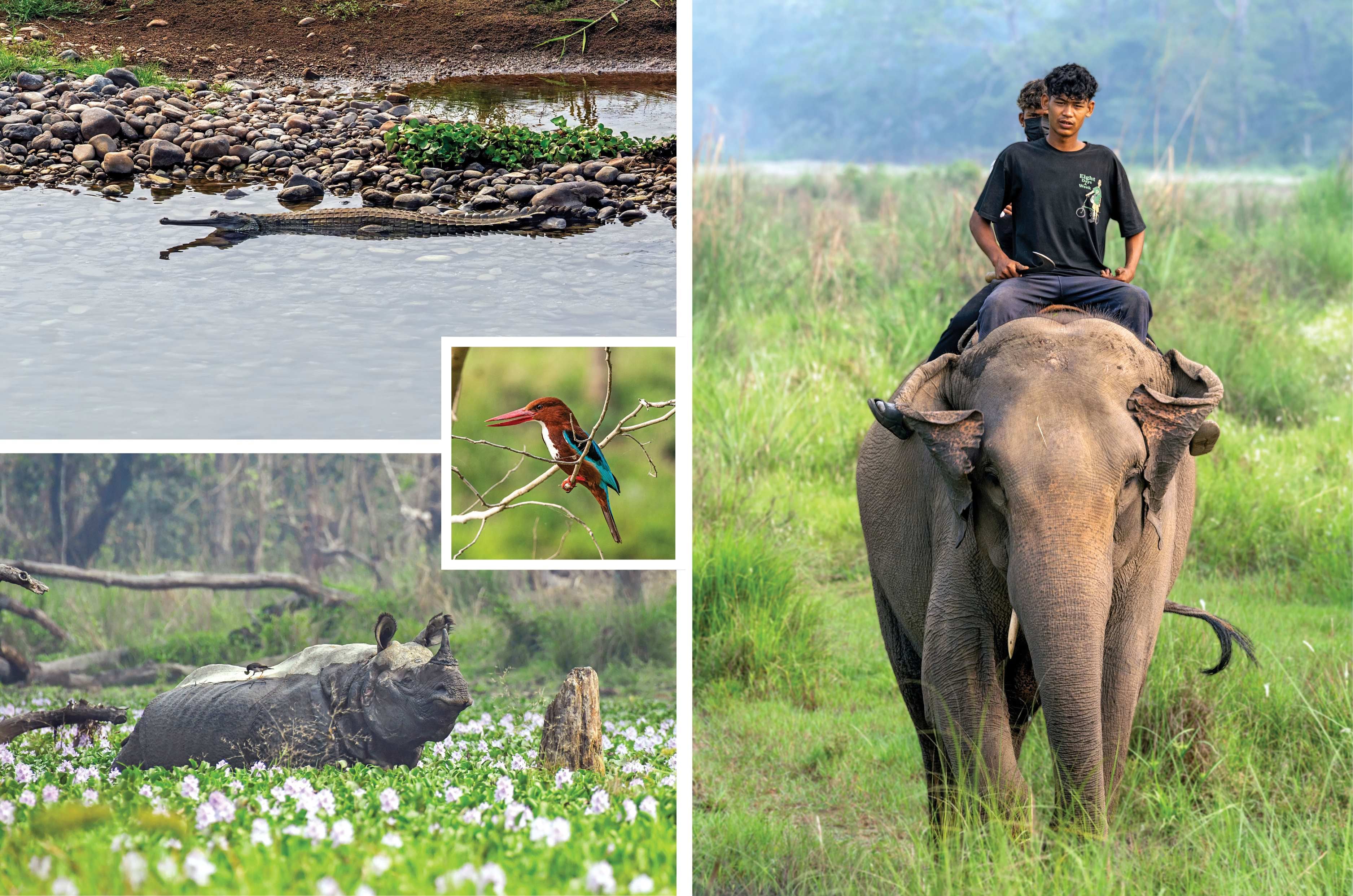
If the Indian side of the border was old-school, Nepal’s immigration post is almost antique. Drive past it, and you’d likely miss it altogether – the only tell-tale sign is a simple gate with ‘Immigration Office’ hand-painted on it. This humble-looking house is, in fact, the immigration office, where, just like on the Indian side, every check is done manually. Fine print, identity proofs, and everything in between were checked meticulously before we were welcomed into Birgunj. Our main draw in Nepal was the bustling capital, Kathmandu, but there were magnificent stops along the way, starting with Chitwan National Park. Home to nearly 700 one-horned rhinos, the park also shelters elephants, Bengal tigers, cobras, the elusive gharial, and abundant flora. The Kylaq would have been fun to explore it in, but we opted for the park’s safari vehicle to relax and take in the surroundings. Paddling a beaten-up wooden kayak past crocodiles and snakes adds a rush, but it’s nothing compared to a rhino staring you down in all its magnificence. The park gave us a welcome break from long hours behind the wheel.
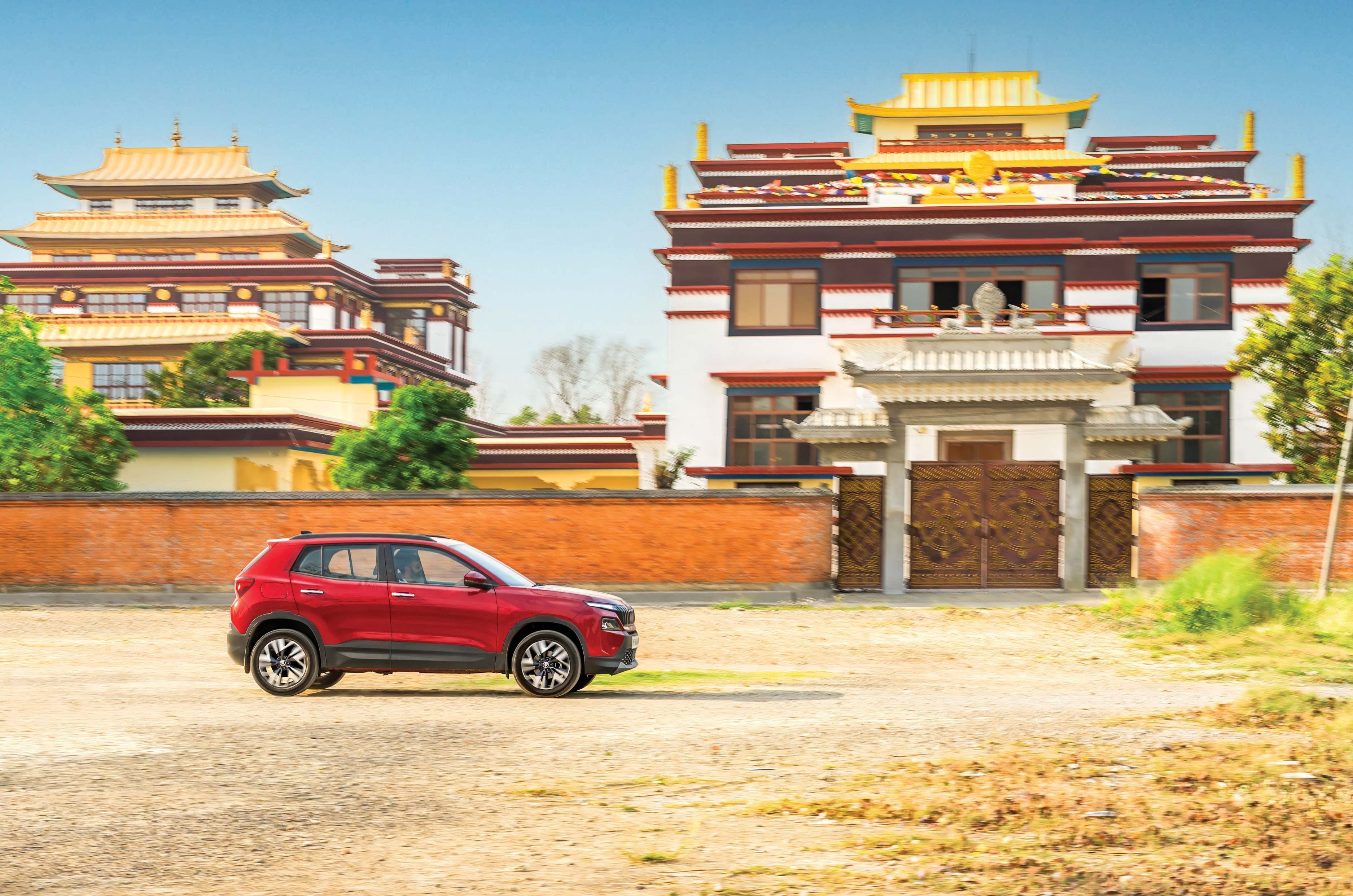
Lumbini is home to 32 unique styles of monasteries.
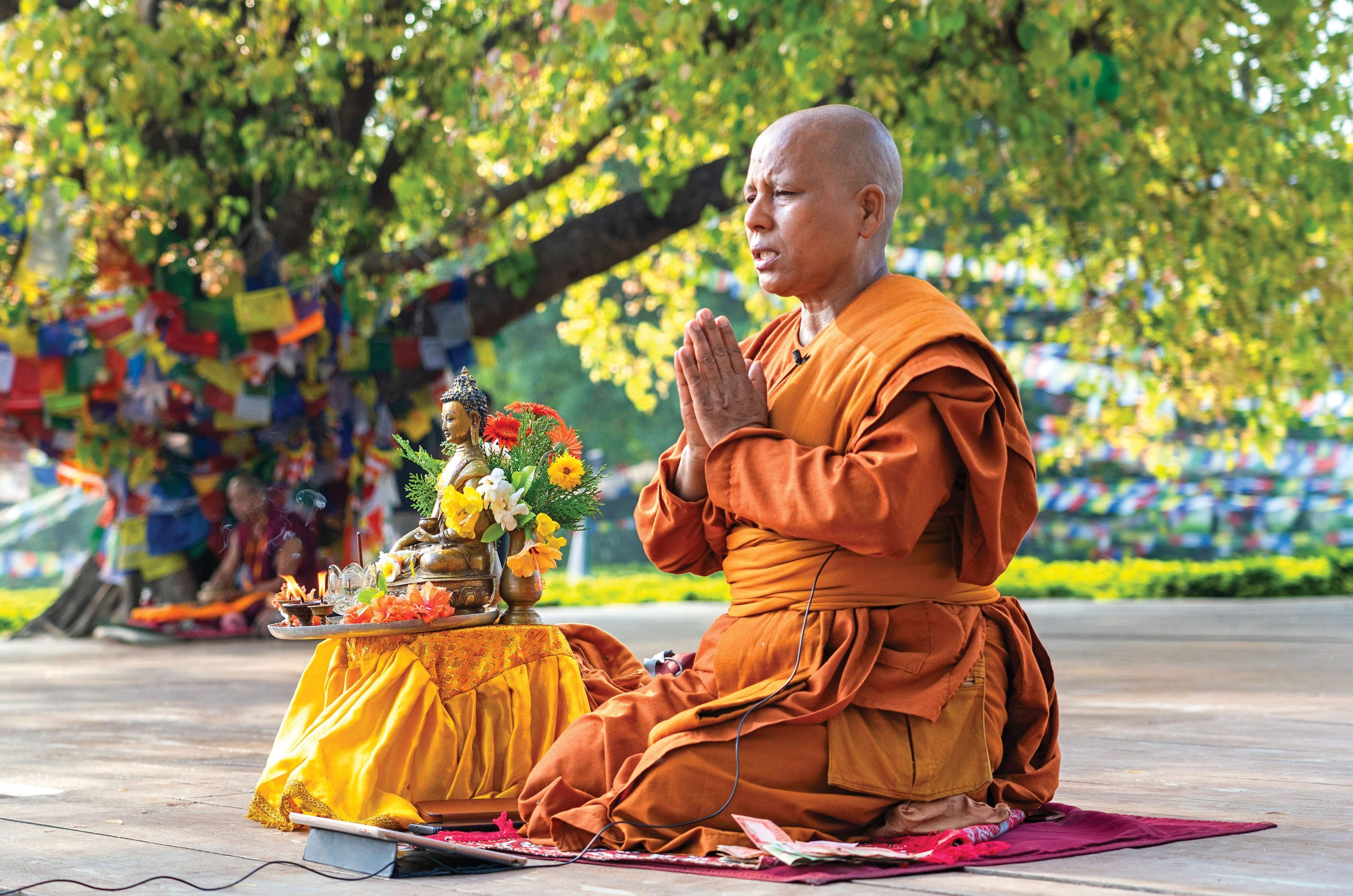
Next was Lumbini, a spiritual haven and, more importantly, the birthplace of Siddhartha Gautama (Lord Buddha) around 563 BC. Its fascinating monastic zone showcases monasteries built by Buddhist nations from around the world, each reflecting its own culture through design and architecture – a remarkable collection of temples spanning diverse traditions. The feeling of peace there was unlike anything I’d experienced, but it was soon disrupted by the road to Pokhara.
Lumbini provided a moment of calm through the chaos.
Mountain passes are notorious for destroying Google’s ETAs – landslides, breakdowns, and deteriorating roads mean a stretch that should take an hour could take five, depending on your luck. We braced for traffic and drove straight into a landslide clearing. A two-hour wait meant the sun was setting as we rolled into the quaint town of Pokhara. Bustling with cafés and pop culture, it felt like a mini Kathmandu, but with the stunning Phewa Lake turning orange at sunset. The calm that began in Chitwan came full circle on the shores of Phewa Lake.
Chitwan is home to the gharial and over 700 one-horned rhinos.
Kathmandu, though, was a different animal entirely – every bit a capital city, and a world away from the slow pace of Chitwan or Lumbini. The music is loud, the traffic is hectic, and the city is anything but quiet. Ironically, the only quiet things on the road are the cars – China’s dominance in Nepal is stark, with three in five cars on the road being Chinese EVs. Geely, BYD, and GWM rule the market, with only a handful of Hyundais and Kias as competition.
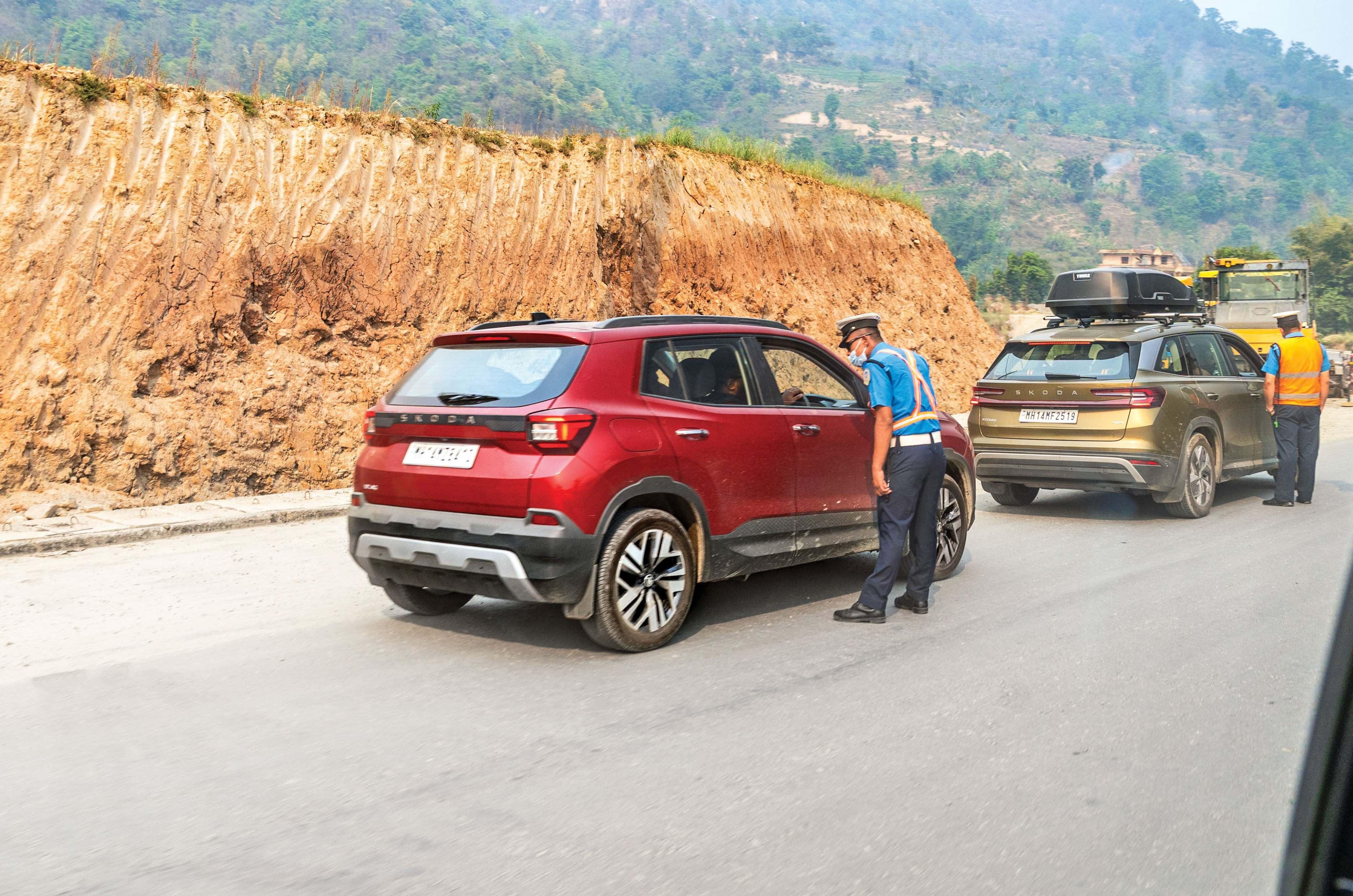
Authorities were always curious thanks to Indian number plates.
The party scene rules Kathmandu too. At night, the city comes alive as a hub for tourists from around the world. Hiking gear and North Face apparel go for a fraction of the price – and, often, a fraction of the quality – alongside quirky masks and fridge magnets at every tourist stop. Spend a little more time, though, and you’ll find excellent coffee shops and the famous Thakali thali: thick buckwheat porridge with salads, meat, and plenty of flavour. Good thing too, since walking through Durbar Square works up quite an appetite. Partly destroyed by the devastating 2015 earthquakes, the temples have since been restored to their former glory, though you can still spot the scars in a few bent pillars and roofs. It’s a culture and tradition worth preserving, and Nepal deserves credit for doing exactly that.
Birgunj-Sino-Nepal Border in numbers
Distance covered
922km
Fuel consumed
115.96 litres
Average fuel economy
7.13kpl
Approximate fuel cost
Rs 15,846
Average per-litre fuel cost
Rs 136.65
Total time driven
34hrs 25min
Average speed
27kph
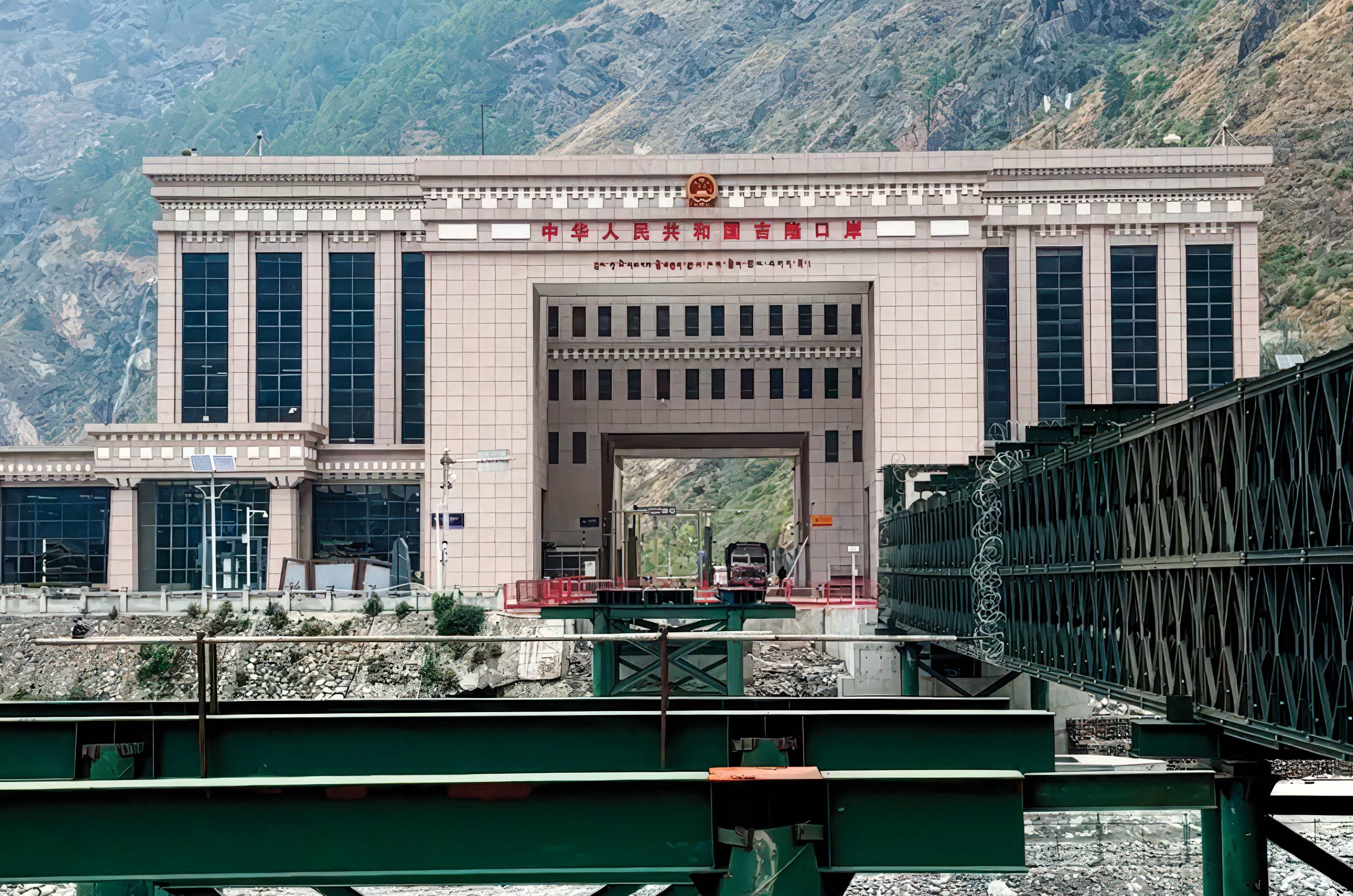
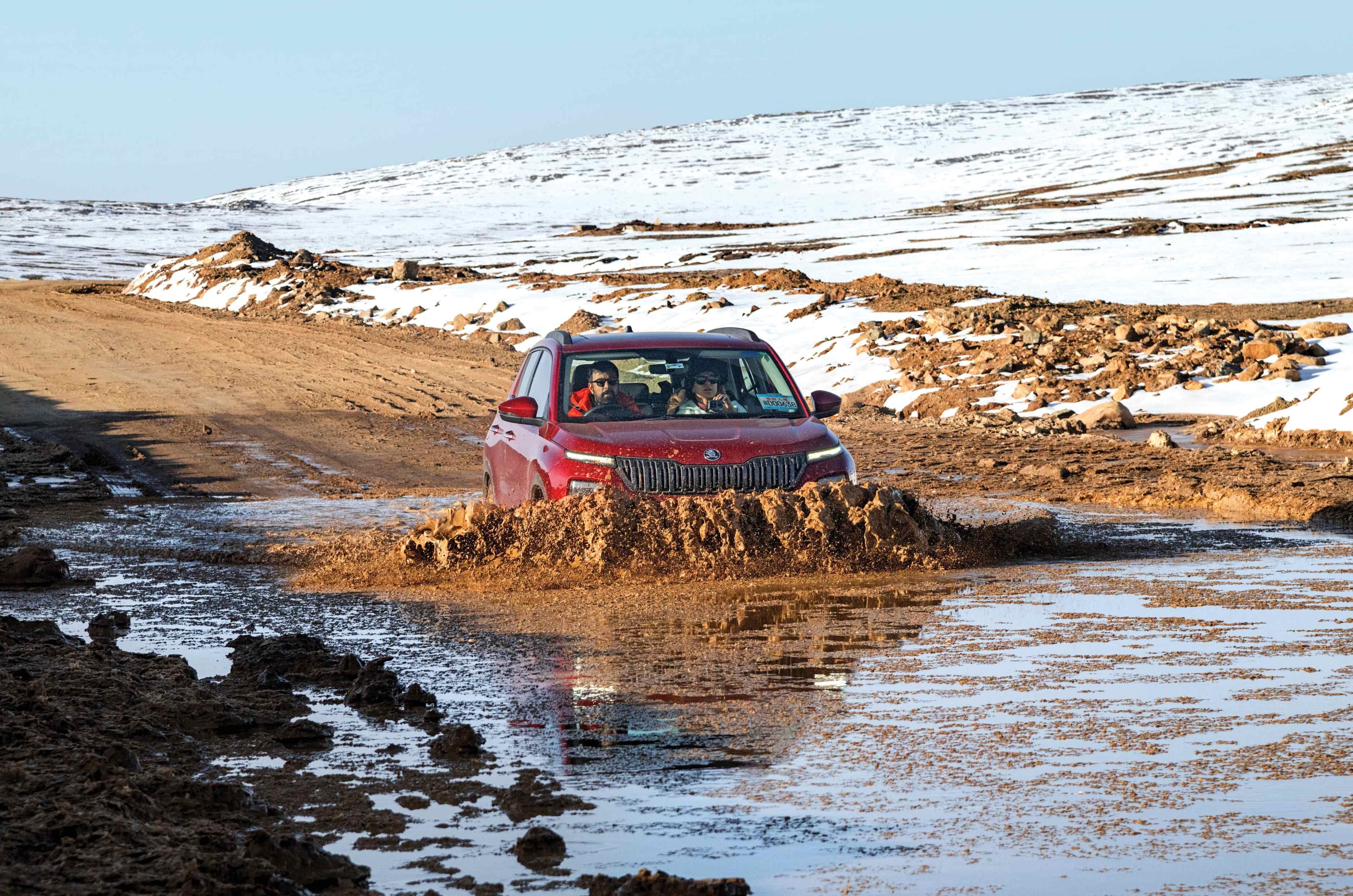
With Kathmandu explored, we headed towards our second border crossing – and this one was far more intense. Once we left Kathmandu, we left the tarmac behind too. Muddy back roads, still wet from the previous night’s rain, meant slush and a constant need for 4WD. Even so, though packed to the brim with luggage, the Kylaq stayed light enough and had enough clearance to pick its way around the mud on the approach to the Rasuwa Bridge. From there, you can see the Chinese immigration building towering over everything around it. With the Kylaq thrumming with excitement, we crossed into Tibet – the roof of the world.
Tibet/China – Roof of the World
China’s border crossing is as imposing as it gets.
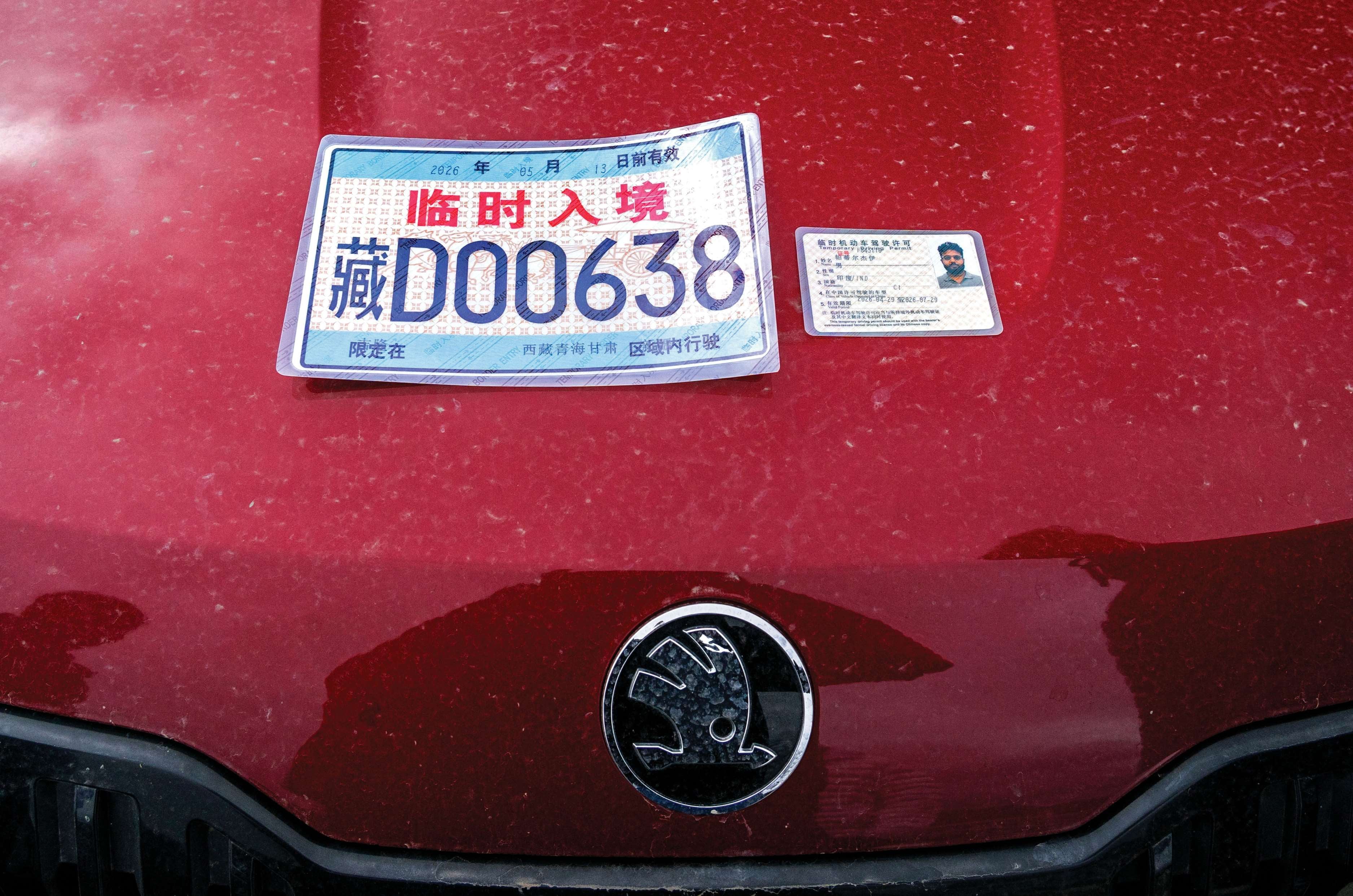
Crossing into Tibet felt like crossing into the future. For a region tucked deep into the mountains, it’s exceptionally developed – the roads are smooth and well-signed from the moment you cross the bridge, barely a hundred metres before the immigration office. In China, we weren’t taking any chances, knowing any misstep here could jeopardise the rest of the journey. After answering the customs officers honestly – and impressing them with the scale of the Kylaq’s challenge – we entered the lovely town of Gyirong. Old Chinese architecture, plenty of red, and signboards we couldn’t quite read were early signs that we really were in a different world now. Nepal had shared plenty with India – the cars, the food, the roads – but China felt entirely its own. We thought we’d seen our share of speed cameras, but China put us to shame – they appear every 50 metres or so, complete with flashes. There’s simply no room for error, and you’re monitored everywhere you go – aneerie feeling that takes some getting used to. Another non-negotiable is to obtain a special driving licence for every person that will be driving and a China-specific number plate, which you have to place on your dashboard so the cameras can pick up any infringements. A regular India-style RTO office with long queues and a lack of urgency got us homesick for a bit.
Local license and registration are non-negotiables in China.
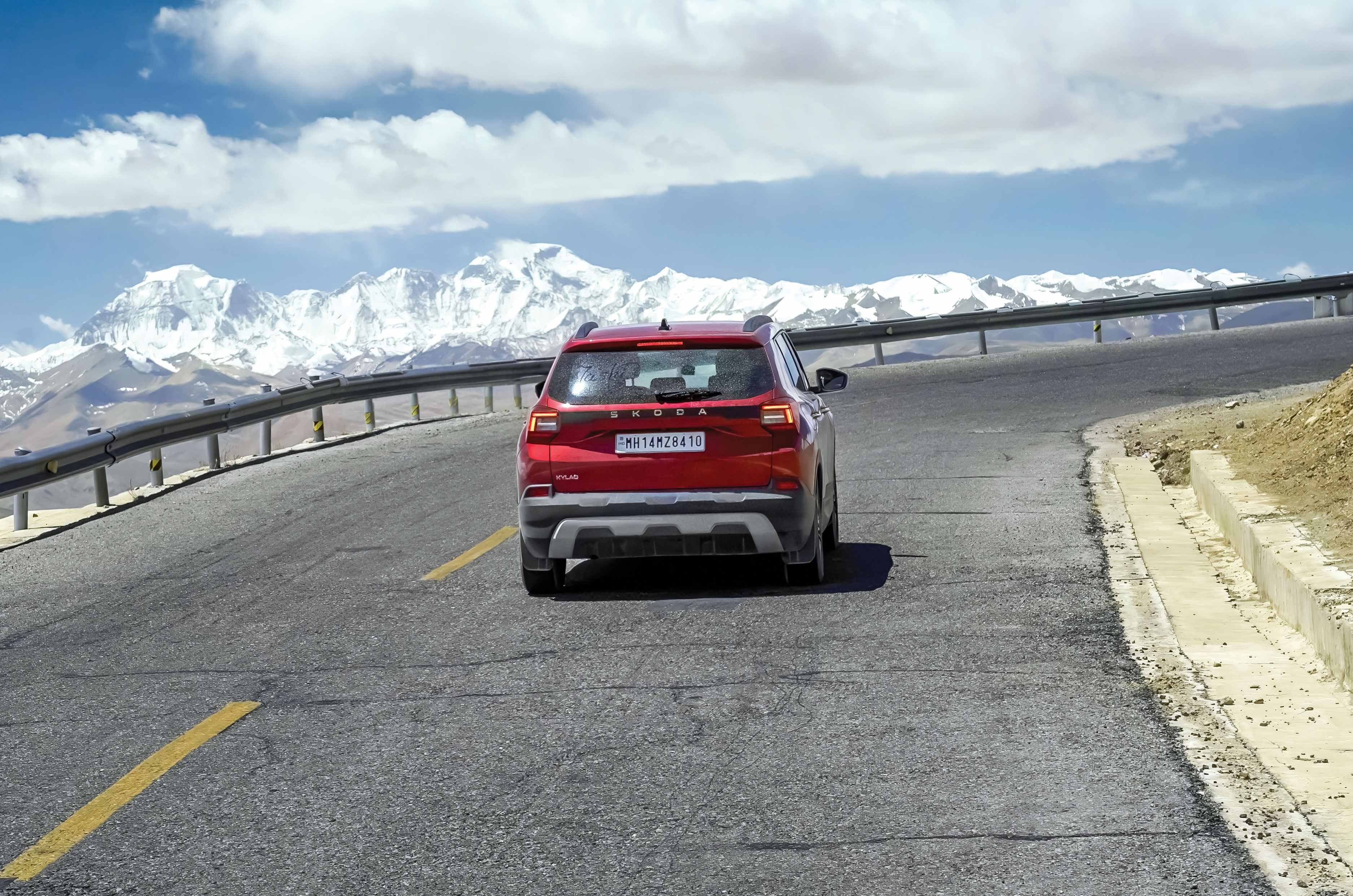
A few mugs of hot ginger-lemon tea eased us into the chill, and we set off for Mount Everest Base Camp. High altitudes are usually punishing for small-capacity engines, but thanks to its turbocharged engine, the Kylaq barely broke a sweat, buzzing through the passes. Its 6-speed automatic had been a great convenience through the chaos of India and Nepal, but the winding mountain roads and immaculate tarmac meant I could switch to manual and take control via the paddle shifters. Paddle-shift response is often sluggish, but not here – the shifts were quick, and the taut suspension held its ground even through tight hairpins.
Everest hove into view long before we made it to base camp.
It made for a great drive and great footage, right up until we spotted the peak in the distance. Even from afar, Everest is breathtaking, and mercifully the clouds stayed clear as we got closer. You can’t take a car near base camp itself – a one-hour bus ride covers that final stretch. It’s strange how you lose your breath as you approach Everest – partly the thin air and altitude, but you’d lose it all the same just from the view. Words don’t do it justice, and don’t be surprised if you shed a tear or two – it’s overwhelming.
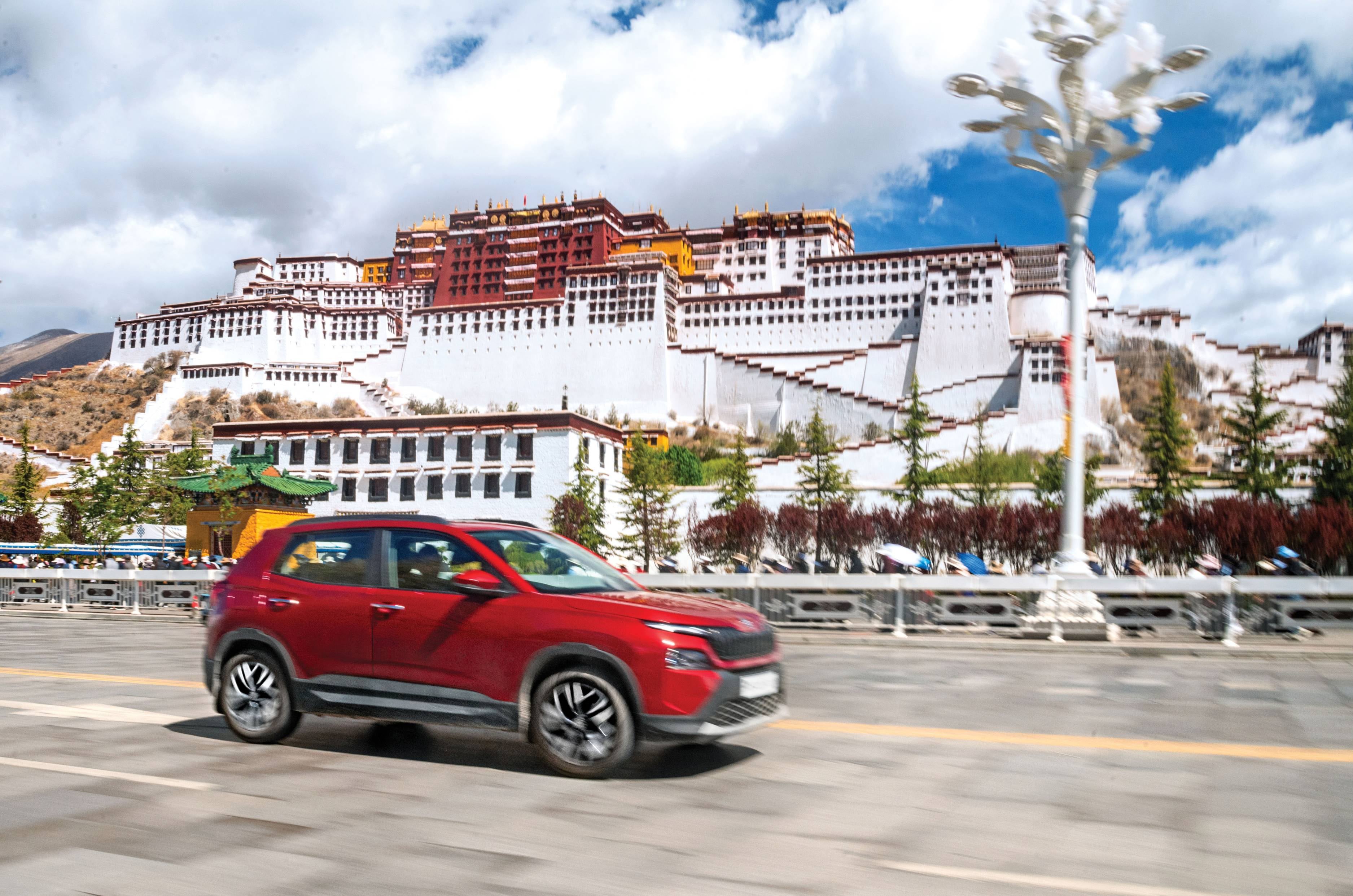
Stunning Potala Palace; once home to the Dalai Lamas.
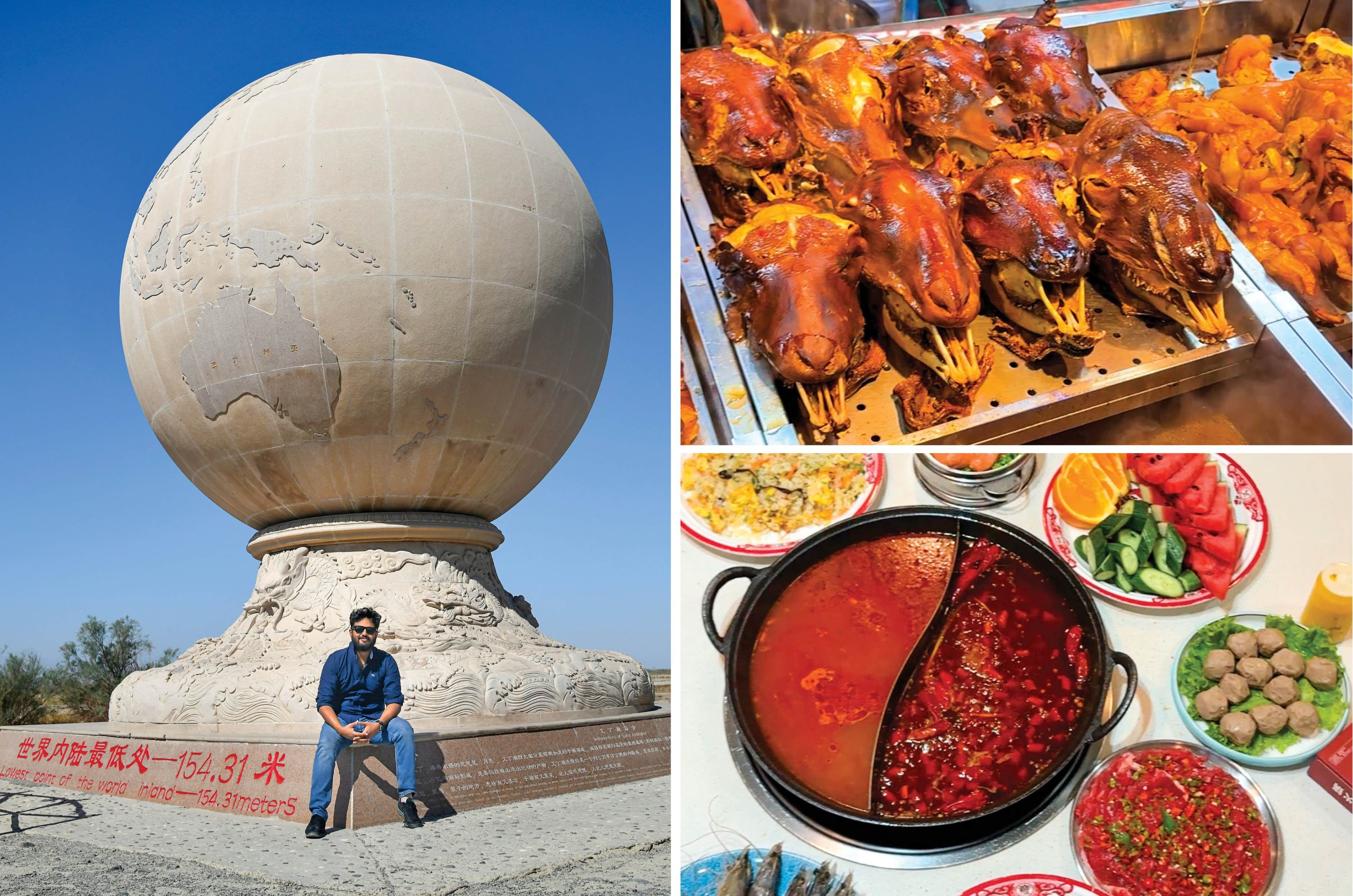
With Everest ticked off, it was time to take on China’s vastness. We headed to Lhasa, the spiritual capital of Tibet, home to the grand Potala Palace. Once home to monks and lamas, this stunning palace holds incredible history and artefacts – spiritual or not, its significance to the country’s history is unmistakable. The drive kept revealing itself through unique food, dialects, faces, and even geography. One day we were freezing thousands of feet above sea level; days later, in Turpan, we were below sea level in blistering heat. From boiling hotpots to grocery-store instant noodles, China pushed us well outside our comfort zone, and the Kylaq wasn’t spared either.
L: From EBC’s high to Turpan Depression’s low – Jay was at 154m below sea level here. R: Street food in China not for the faint-hearted.
Two full days on the way to Golmud were entirely off-road, taking over 13 hours of driving, with our average speed dropping to 18kph as the Kylaq waded through water up to its bonnet and emerged without complaint.
In China, you get perfect roads or, simply, no roads.
A stretch that would have broken most cars left the Kylaq unscathed. China hit hard, but the Kylaq hit back harder. From day one, it had faced challenge after challenge, and from day one, it had come out on top. Three countries in, it still carried the same zeal it started with – and while we were rattled, it stood strong each night, ready for the next day.
Only recently, I made the sweeping and somewhat heavy-handed statement that EVs have taken the excitement out of speed. That once you’ve done one ballistic acceleration run in an EV, you’ve done them all, and without a roaring engine, vibrations pulsating through the wheel and gearshifts jolting you in the small of your back, it all feels a bit sanitised. Well, as it turns out, all an EV needs to solve this conundrum is… even more power.
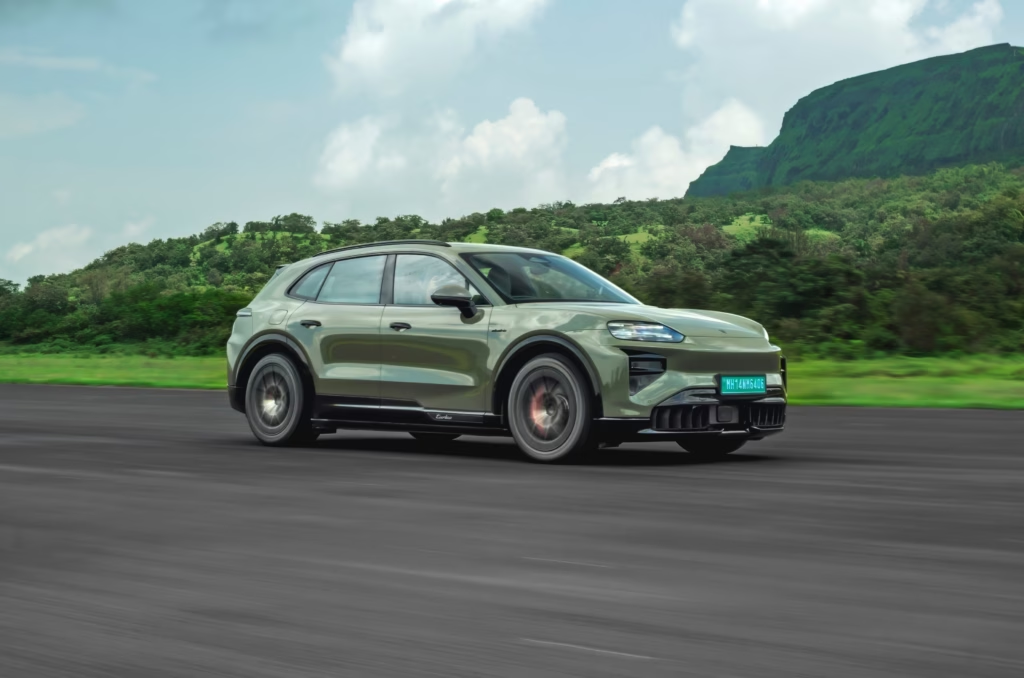
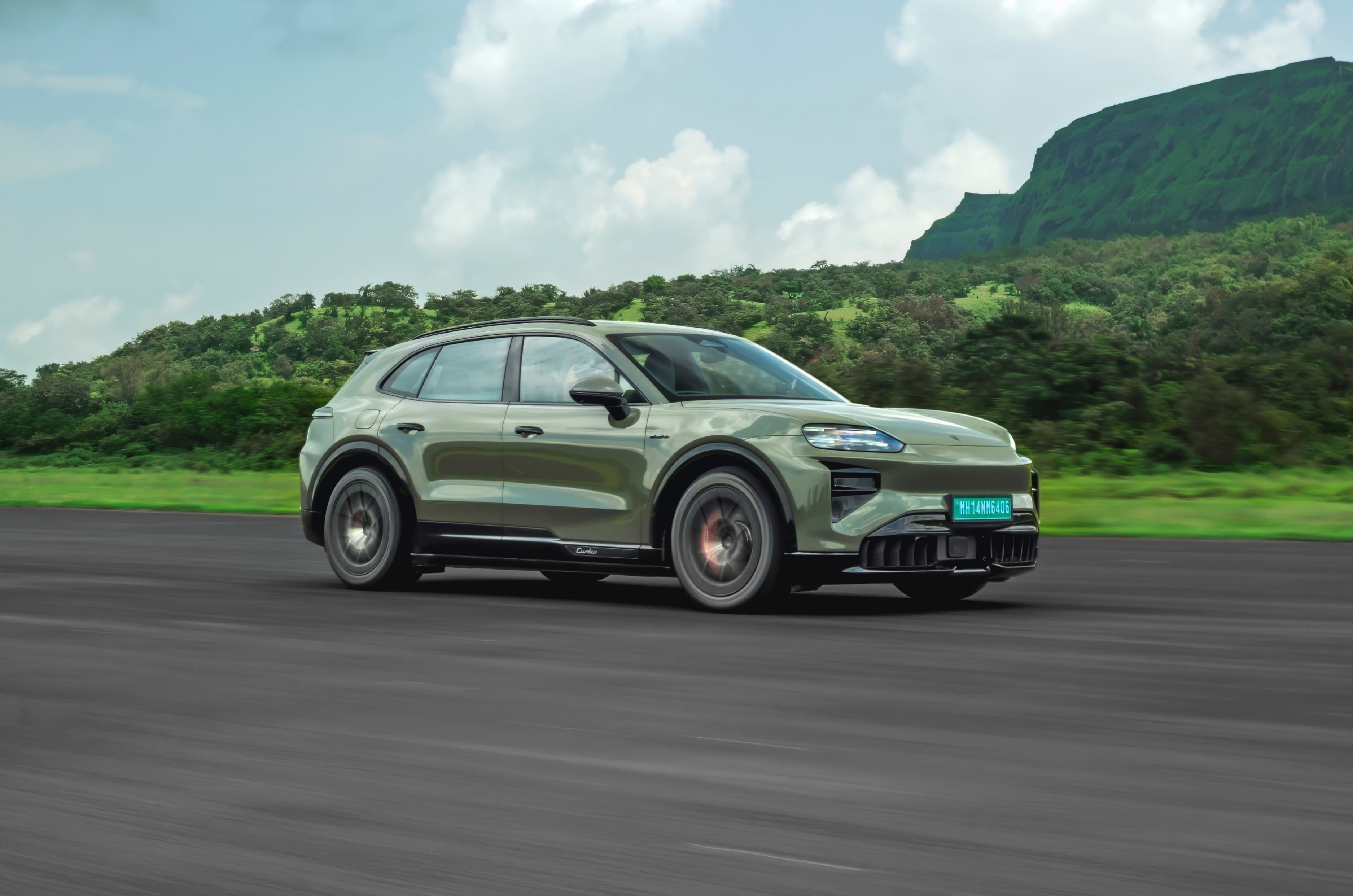
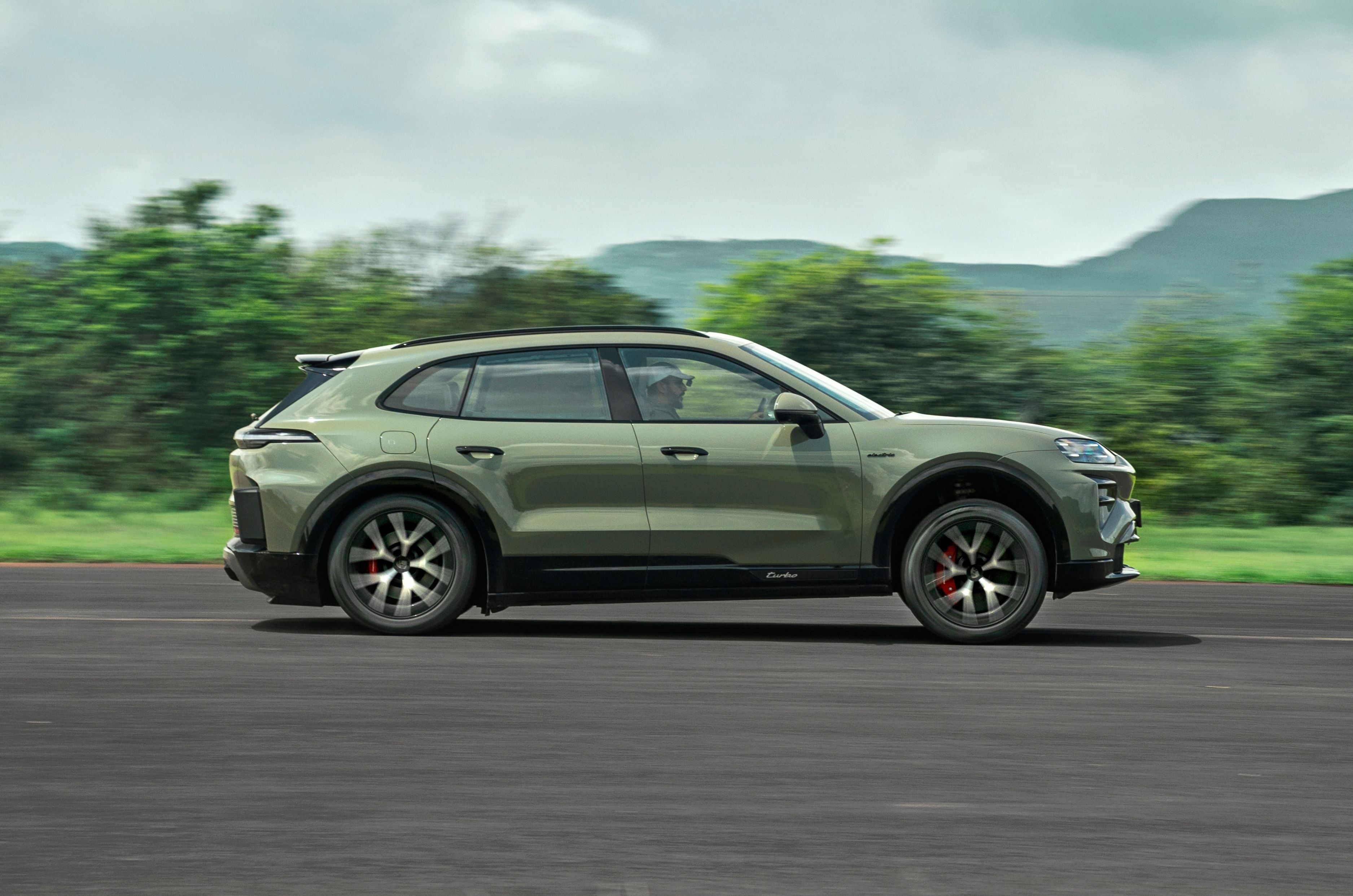
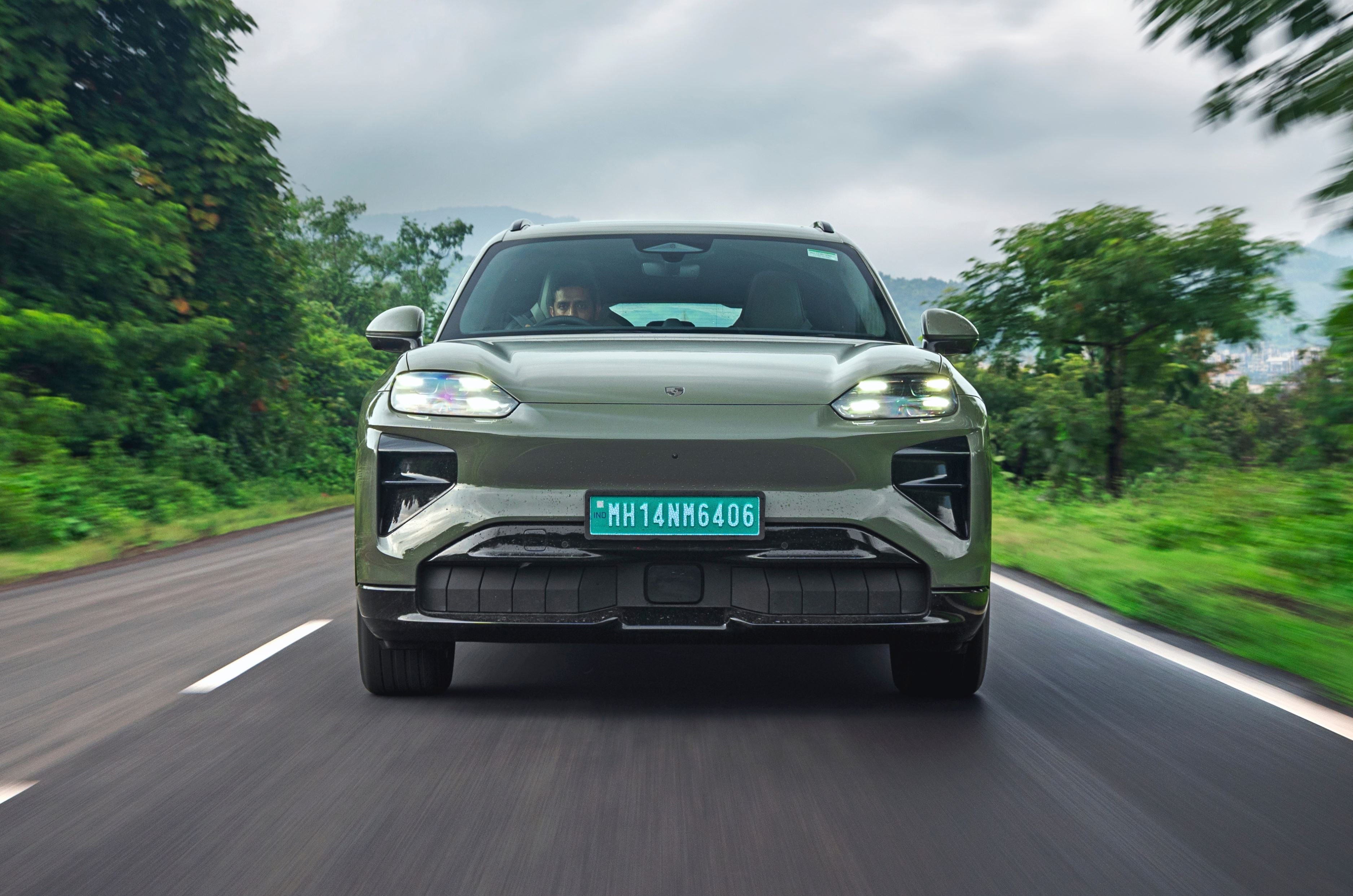
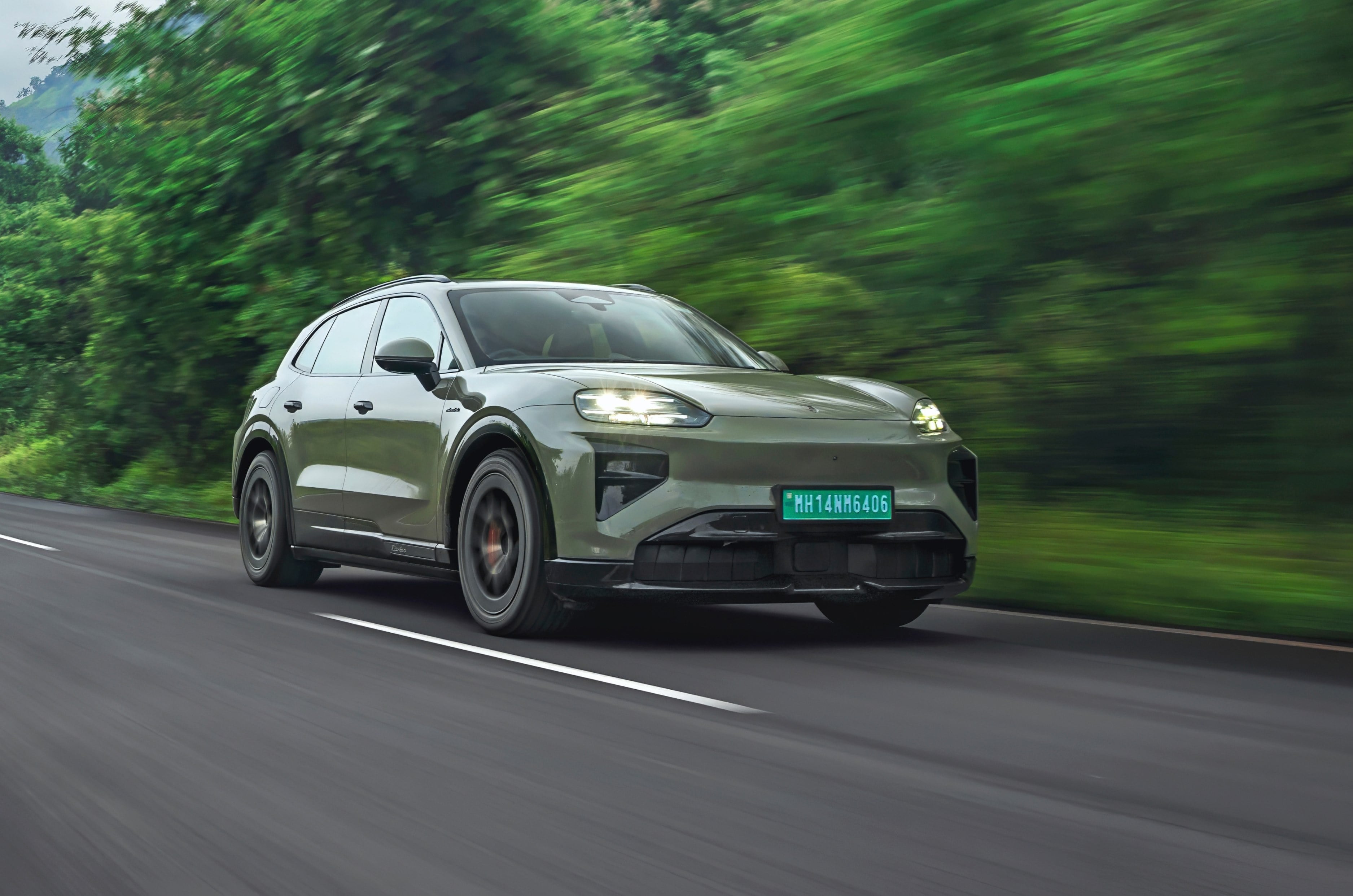
Remember when 1,000 horsepower was the sort of million-dollar pipe dream that we thought we’d only ever see on bedroom posters or YouTube videos? Well, it’s not that insane a proposition anymore, and in fact, three cars on sale in India have crossed the fabled 1,000hp mark. Two are ultra-exotic supercars that cost north of Rs 10 crore – the 1,015hp Lamborghini Revuelto and 1,050hp Ferrari Testarossa. And the third is this, the 1,156hp Porsche Cayenne Turbo Electric – a full Maruti Brezza more powerful than those Italian supercars – and yours for a fraction of the price, at Rs 2.28 crore.
That’s not a lot of money for what is the most powerful car ever to go on sale in India, and that raises a somewhat existential question. Have they gone too far?
2026 Porsche Cayenne Turbo Performance – 10/10
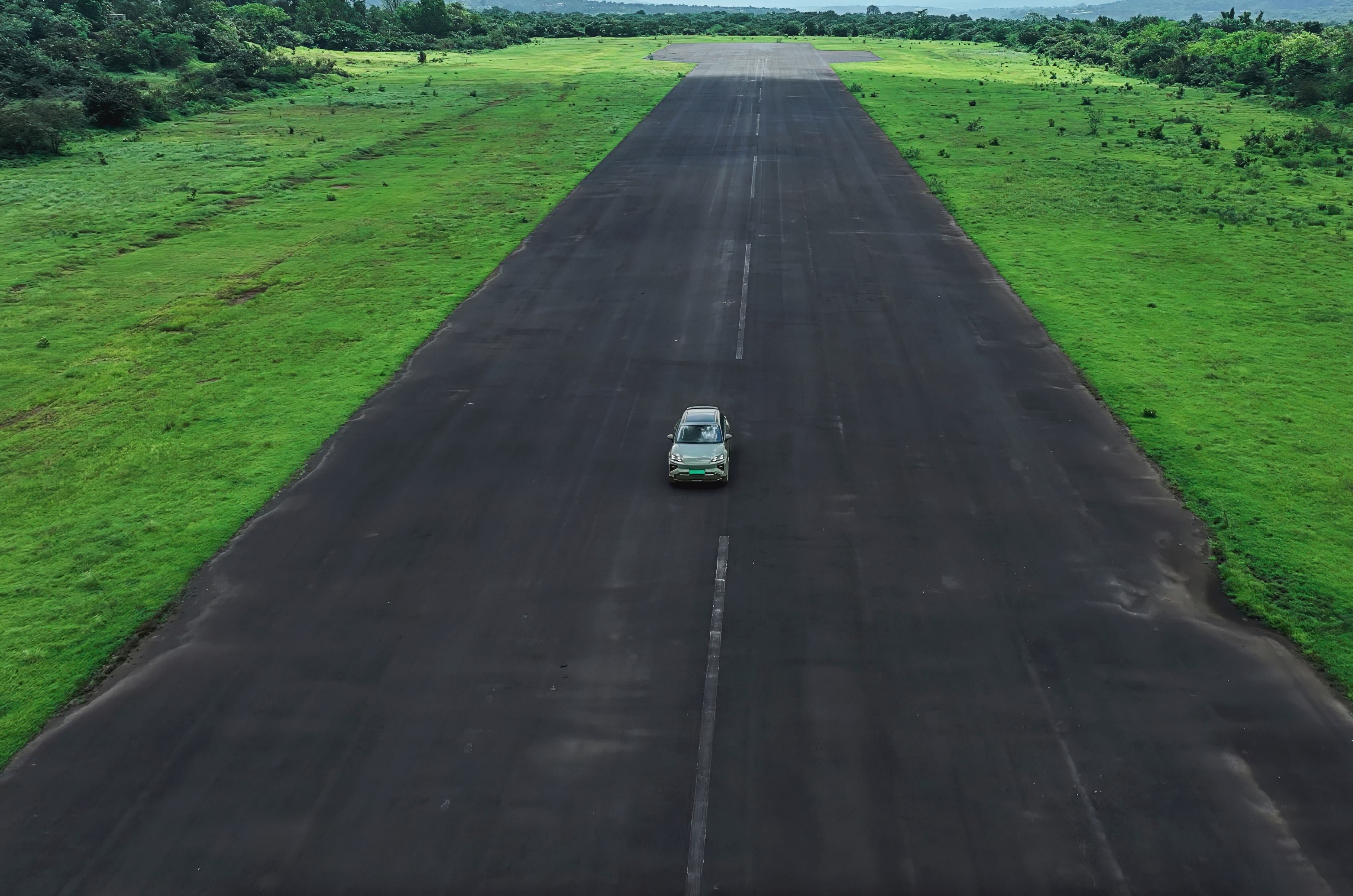
I have the Aamby Valley airstrip rolled out like a red carpet in front of me, perhaps the only place other than a race track where unlocking this hyper-SUV’s full accelerative potential is possible, and I’m about to let it rip. The process is familiar and simple enough. Twist the mode dial to Sport Plus, hold the brake with your left foot and mash the accelerator until it says ‘Launch Control Activated’. Up until this point, it’s nowhere near as dramatic as something with a four-digit power output has any right to be. The electronic sound it makes to signify all the power swelling up is gentle, and it doesn’t even give you any feedback through the pedals. Things are disconcertingly calm for what’s about to happen. I let go of the brake.
The nose lurches upwards and points to the sky like a fighter jet leaving an aircraft carrier, as the huge SUV squats onto its rear axle. It’s in this gut-twisting moment that I realise Porsche India hasn’t specified the Active Ride Control option on this car, which I’m told suppresses this issue by force-tilting the car forward, Power deployment is brutally efficient initially, with barely a chirp from the tyres and not a single of those 1,500 newton metres wasted off the line. But then I notice the nose start to go light and weave from left to right. I steady the wheel as the speed continues to build. With no engine weighing down the front axle and so much rearward lean, there is a frightening lack of traction from the front wheels at speed.
Never before has launching a car attacked so many sections of my body. It’s usually just the abdomen; a really fast car will wind you. Right now, my neck is straining as the head restraint is too far back, my cheeks are starting to ache like I’ve been pretending to find someone’s jokes funny for an hour, there’s a weird pressure coursing through my arms and legs, and my eyes are starting to water as they dart around in their sockets, not knowing what to focus on. Oh, and I’ve been winded well and good.
I’ve launched dozens of really, really fast cars down this very runway, but I don’t recall the scenery ever passing by so quickly. I can’t get a frame of reference so I glance down at the speedo. Two hundred and a blurry something; that’s way more than I expected to see and it’s climbing too fast. This doesn’t compute; it’s usually at this speed that I think about braking. But we aren’t even at the halfway mark yet; how? Brave face on, I keep my foot in. 230, 250, 27- wait, the brochure said it maxes out at 260. It lied. Then suddenly the braking point flashes by and I jump onto the wide pedal. All those forces reverse their polarity as the big Cayenne squirms down to a halt, still well clear of the end of the runway. Let’s do it again!
2026 Porsche Cayenne Turbo: Real-world acceleration test
Speed
Time (in seconds)
20kph
0.45
40kph
0.94
60kph
1.45
80kph
1.96
100kph
2.52
120kph
3.18
140kph
4.01
160kph
4.96
180kph
6.12
200kph
7.47
220kph
9.06
240kph
10.92
260kph
13.20
And it will do it again, and again, and again. Because if there’s one thing we’ve learnt about Porsches over the years, it’s that they’re engineered to perform repeatedly and consistently. The dual-motor Turbo has been certified to deliver a 2.5sec 0-100kph time; our VBOX confirmed the same several times over. But eventually, as the battery SOC dipped below 75 percent, the times started to go up, a tenth of a second at a time.
The biggest victim of the repeated runs, however, were the brakes – even for mammoth 420mm discs, arresting 2.7 tonnes is no joke, and soon their squeal was louder than their bite. I don’t usually advocate for carbon ceramic brakes on SUVs, but perhaps this is the one time Porsche India should have shelled out for the Rs 13.5 lakh option.
2026 Porsche Cayenne Turbo: Real-world braking test
80-0kph distance
23.47 metres
80-0kph time
2.08 seconds
2026 Porsche Cayenne Turbo ride comfort and handling – 8/10
However, by the twenty-seventh-or-so sprint down the runway, the car seldom missing a beat and the excitement never waning, my body decided it had taken enough of a beating. From longitudinal g-forces, at least; the lateral attack was yet to come. So we waved goodbye to the gentleman in the tower, who’s probably used to seeing much slower-moving traffic on the runway, and made our way back to reality via the twisting roads leading down to Lonavala.
It’s been a few years since I’ve come to our old stomping ground of Tiger Point and its surrounding twisties, and I can’t think of a nicer car to reacquaint myself with my favourite corners in. Muscle memory kicks in as I enter the first, fast right-hander. I lean in instinctively, but then the car starts to lean too; unexpected. It does the same on the next left, and right, and once again I start to wish they specified that Active Ride Control option. Porsche engineers are usually among the best at taming big mass, but perhaps they’ve finally met their match.
On its standard air springs and adaptive dampers, the Cayenne Turbo displays a disappointing amount of body roll, exacerbated only by the enthusiasm from the motors that begging you to push it harder. The steering too is encouraging, what with the small-diameter wheel and the fact it’s as sharp and direct as you expect. Here, too, I will say that rear-axle steering would have added a welcome extra degree of agility, but once again, Porsche India hasn’t ticked the option. It can still link together a series of corners with greater alacrity than most other big SUVs, but for the first time in recent memory, I’m not feeling that distinct Porsche magic at my fingertips.
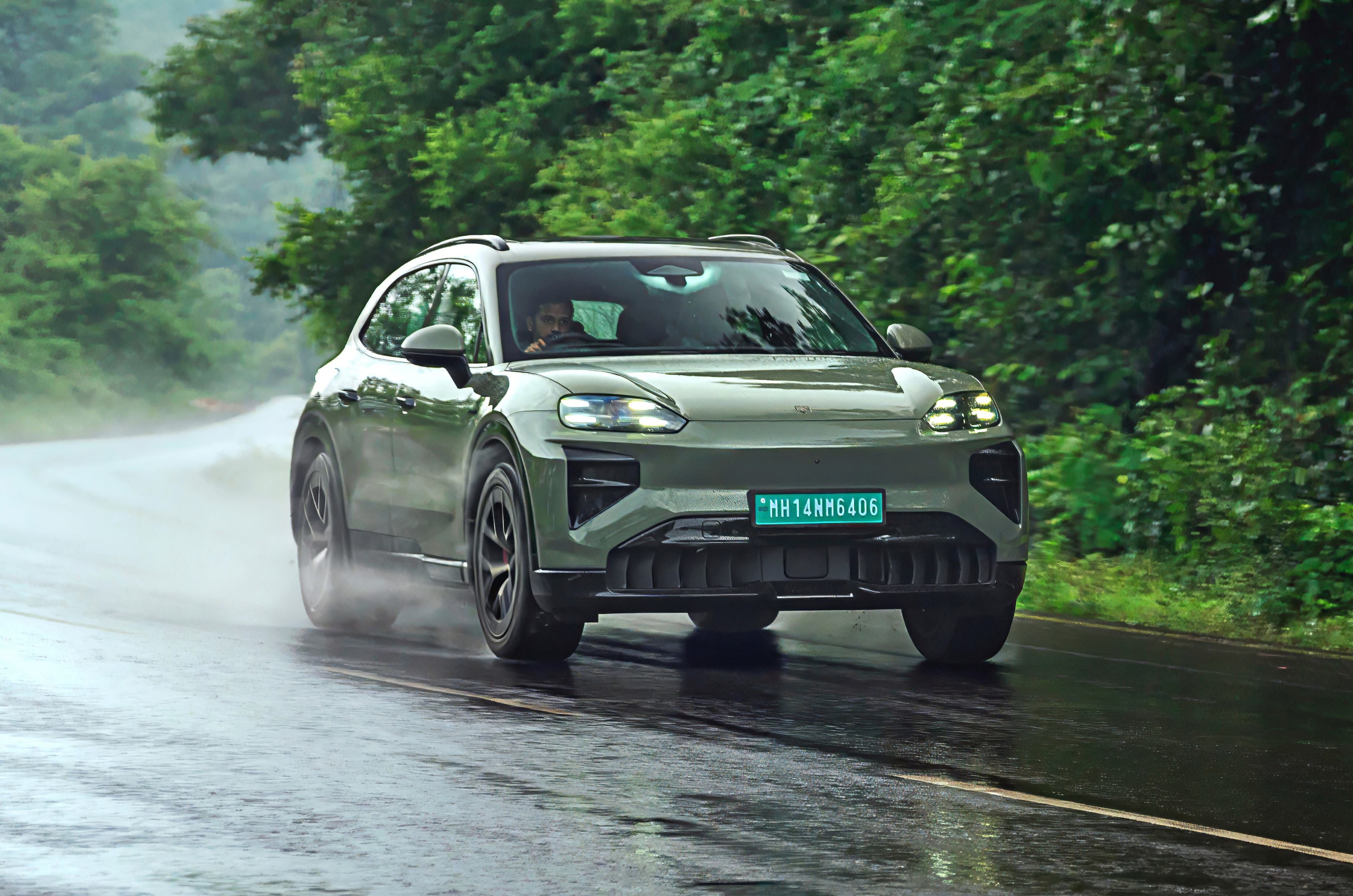
Through the narrow and bustling streets of Lonavala, I’m starting to explore the other end of this SUV’s capability spectrum. And that’s just the beauty of EVs, isn’t it? One minute you’re clocking 0-200kph in 7.4 seconds, the next you’re ambling silently through a school zone. Like the best of them, it’s refined, smooth and incredibly easy to modulate, and you could be forgiven for forgetting there’s 857hp at your behest (the full 1,156 only comes with launch control). One spec deficiency I’m glad for right now, however, is the choice of more sensible 21-inch wheels rather than the optional 22s. They don’t look as nice, but they’re soaking up the harsh hits from the rutted road beneath me.
2026 Porsche Cayenne Turbo range, battery and charging – 7/10
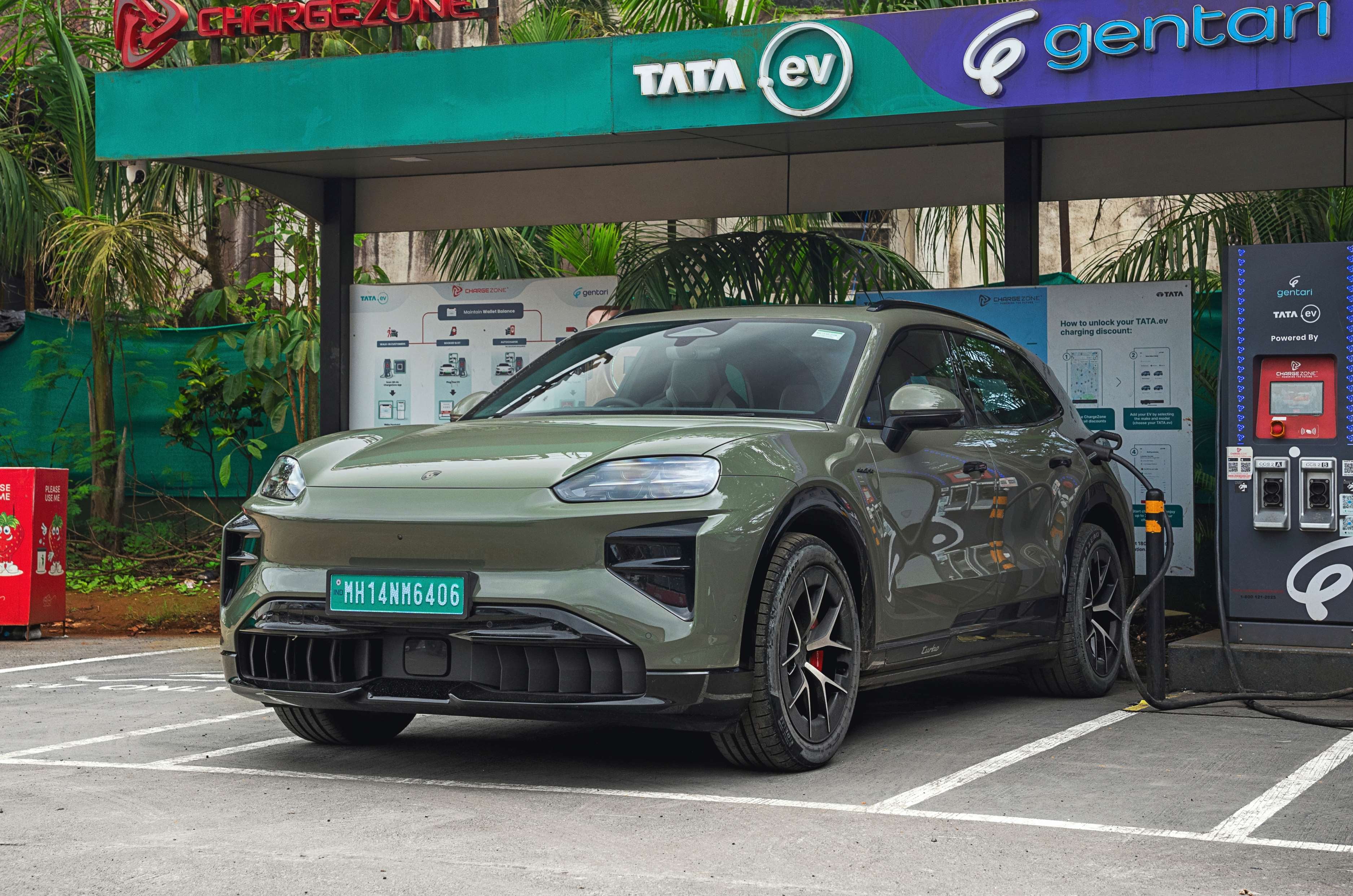
Between racing repeatedly down the runway and then trying to extract that Porsche spice in my favourite corners, I’ve reached Lonavala city with around 20 percent left in the 113kWh tank- er, pack? The Cayenne Turbo is rated at 623 kilometres on the WLTP cycle, so the ‘real’ real-world range should be far more palatable than this; to obliterate such a large chunk in such a short time requires the prolonged buffoonery I just subjected it to. Probably best to find a place to plug in soon, and grab some lunch while I’m at it. On a mythical 400kW plug, the Cayenne can be charged from 10-80 percent in just 16 minutes, but on a rainy Wednesday at a hill station, the best we can do is 60kW, so it’ll take much longer.
Today is a study in why India is far from ready for full EV adoption. Apart from ICE cars parked in charging spaces, malfunctioning plugs, unfathomable apps and an absent mobile network, we were also waylaid by two power cuts.
2026 Porsche Cayenne Turbo features and safety – 9/10
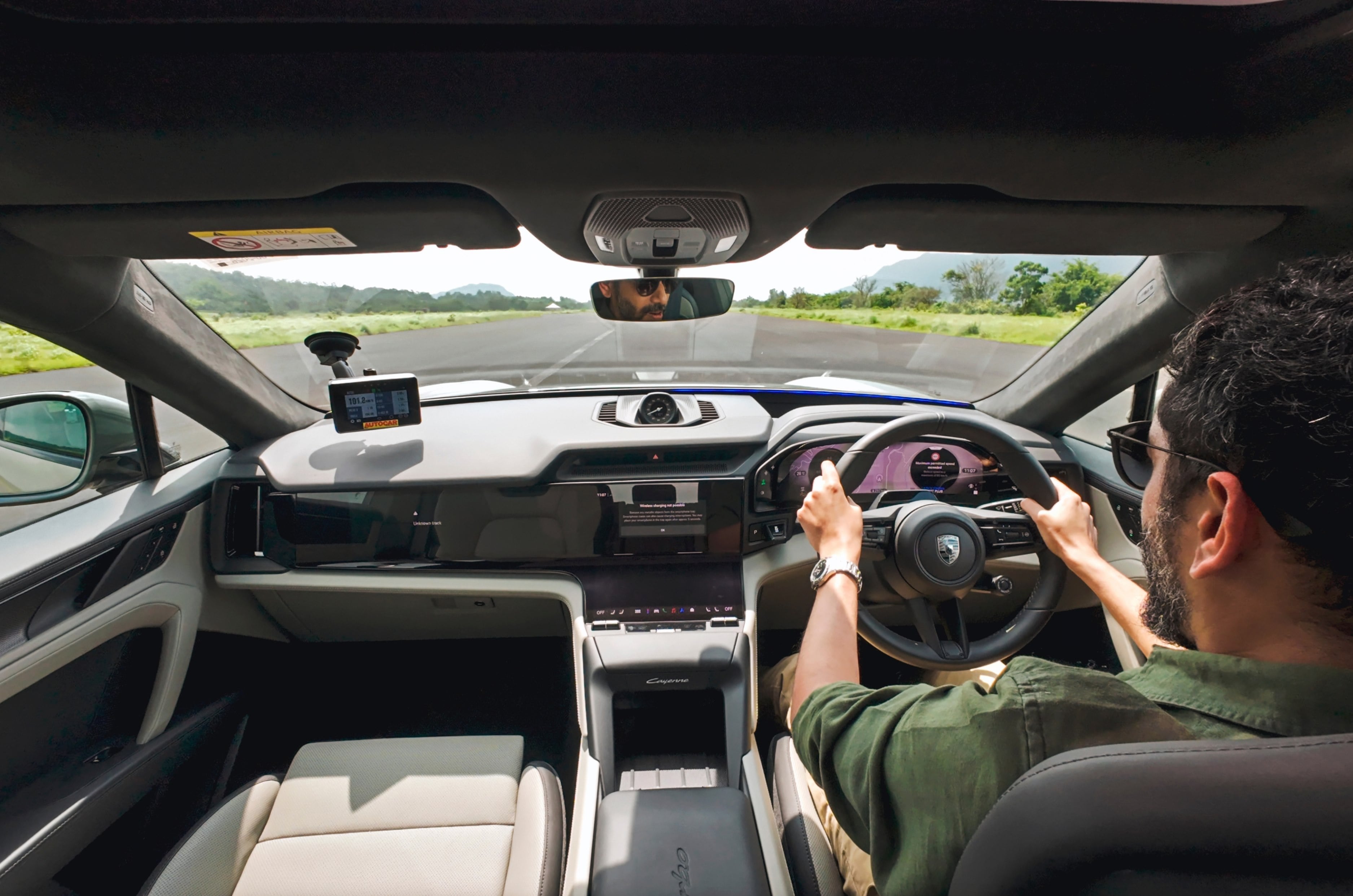
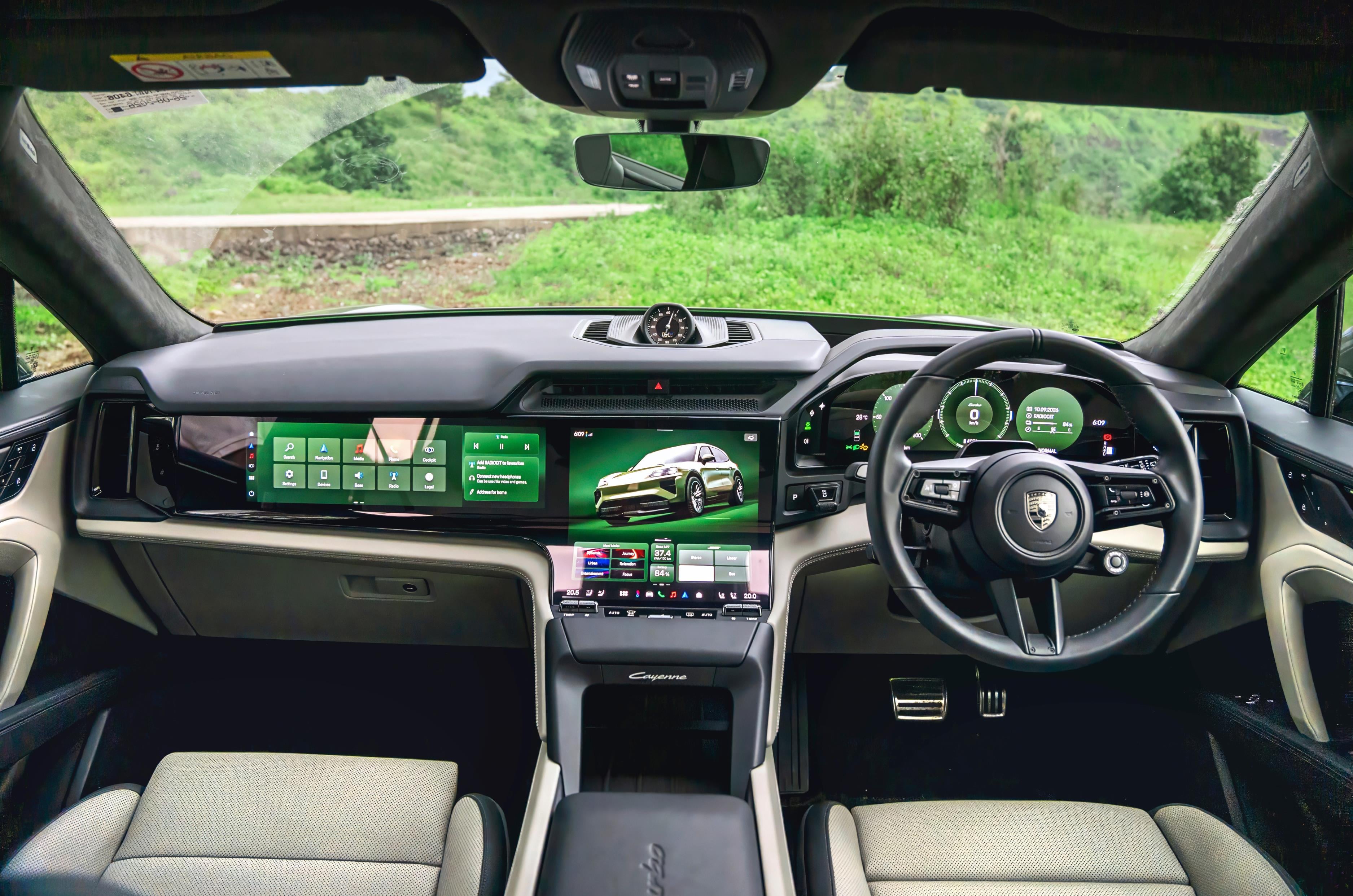
On the upside, all this gave me a chance to have a play around with the Cayenne’s new and tech-heavy interior. The passenger screen is a Rs 2 lakh option I would not tick, but the centrepiece is the cascading curved touchscreen. It looks gimmicky but actually functions really well, the bottom half of the ‘bend’ housing the major functions, while the more upright top functioning as the display. The AC vents are adjusted from the touchscreen sadly, but otherwise there are plenty of physical controls.
There’s no shortage of features here and you can add even more from the options list. For instance, the panoramic sunroof is standard, but there’s no sunshade. Instead, you can option an electrochromic function that masks out the glass in sections.
2026 Porsche Cayenne Turbo interior space and comfort – 8/10
Functionality comes first in a Porsche, and you can see that in the compact but tactile steering wheel, the clear dial-style driver’s display and the sporty ergonomics. In fact, despite all the tech, this feels instantly like a Porsche from behind the wheel.
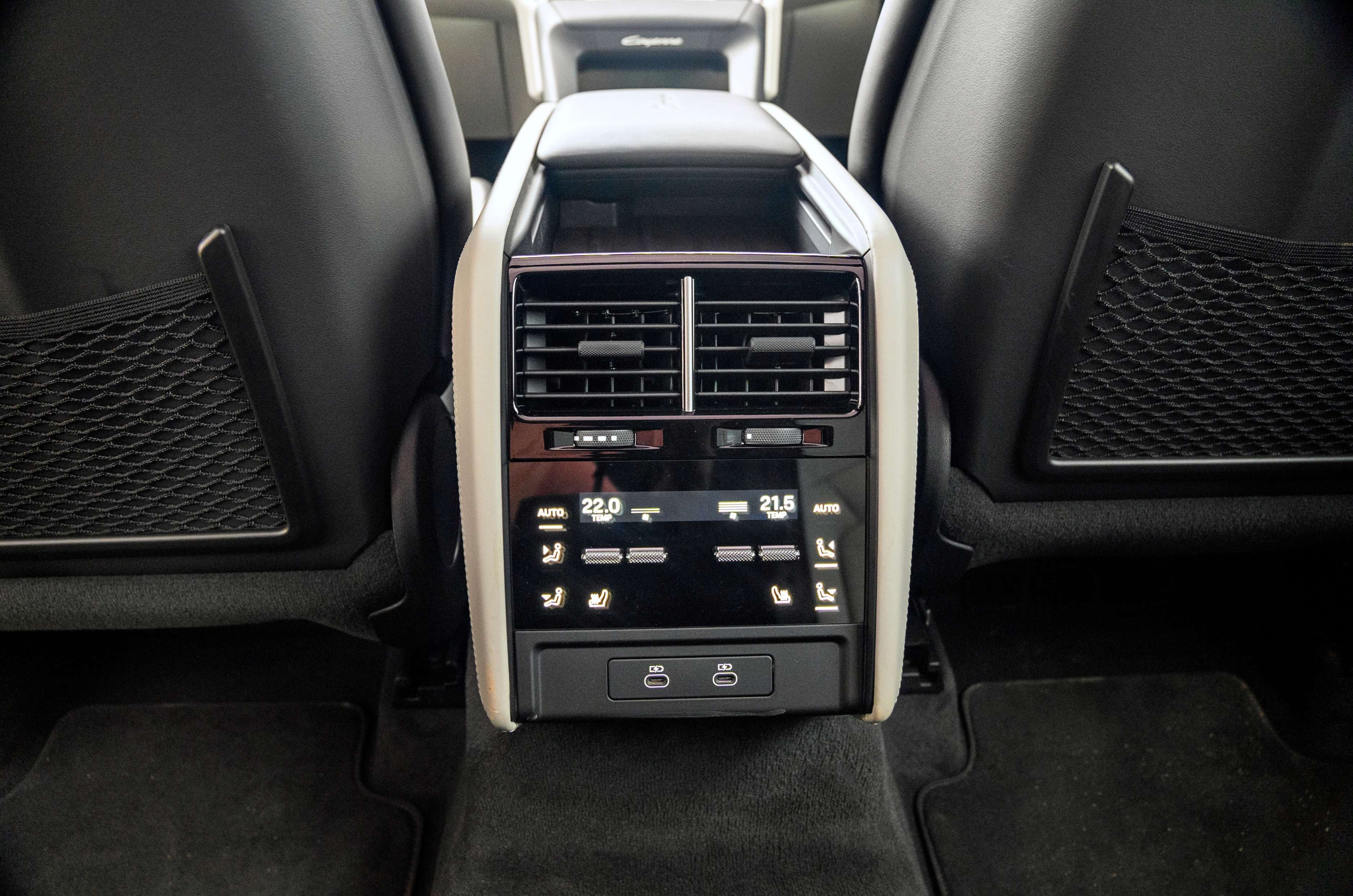
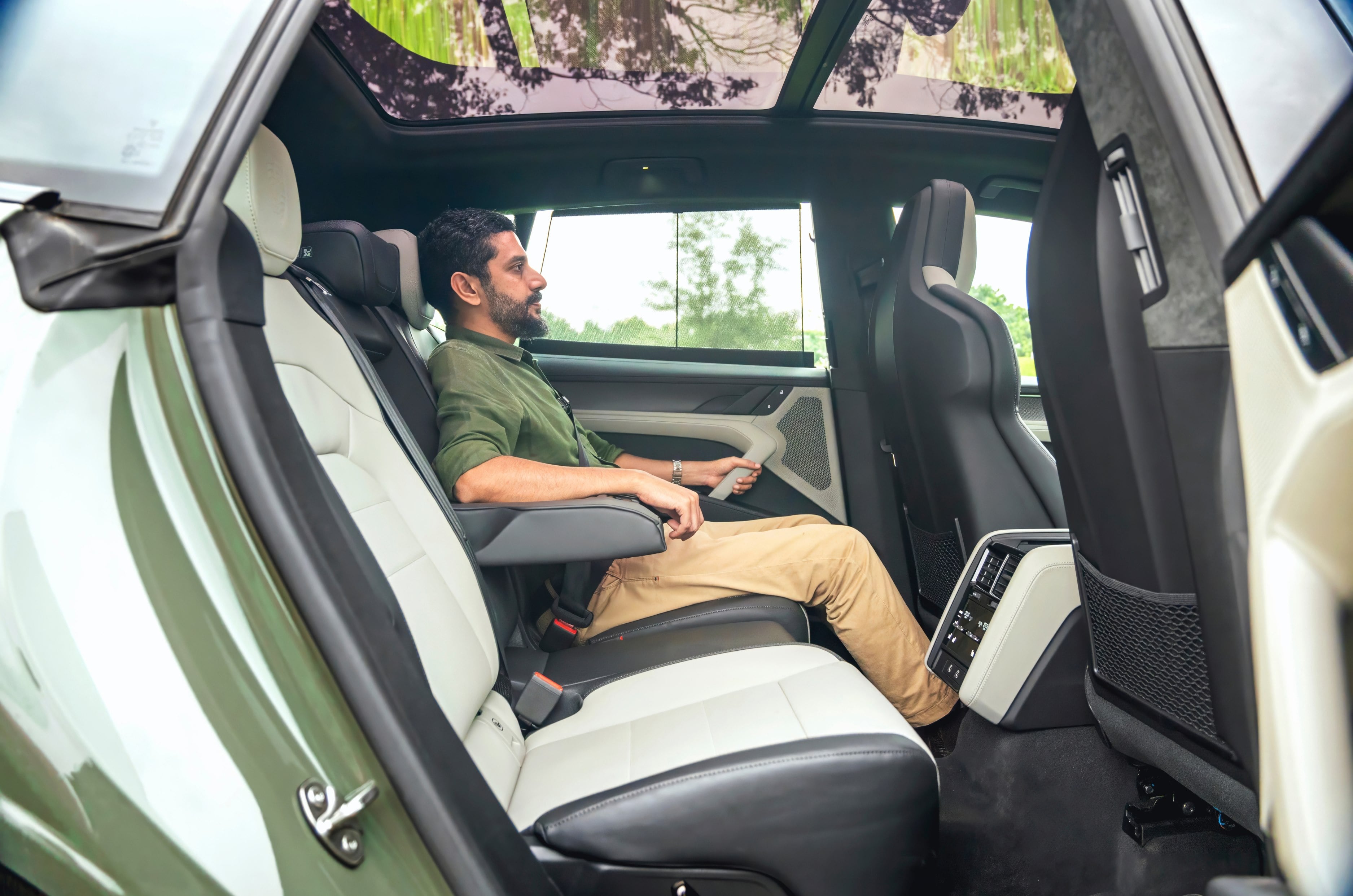
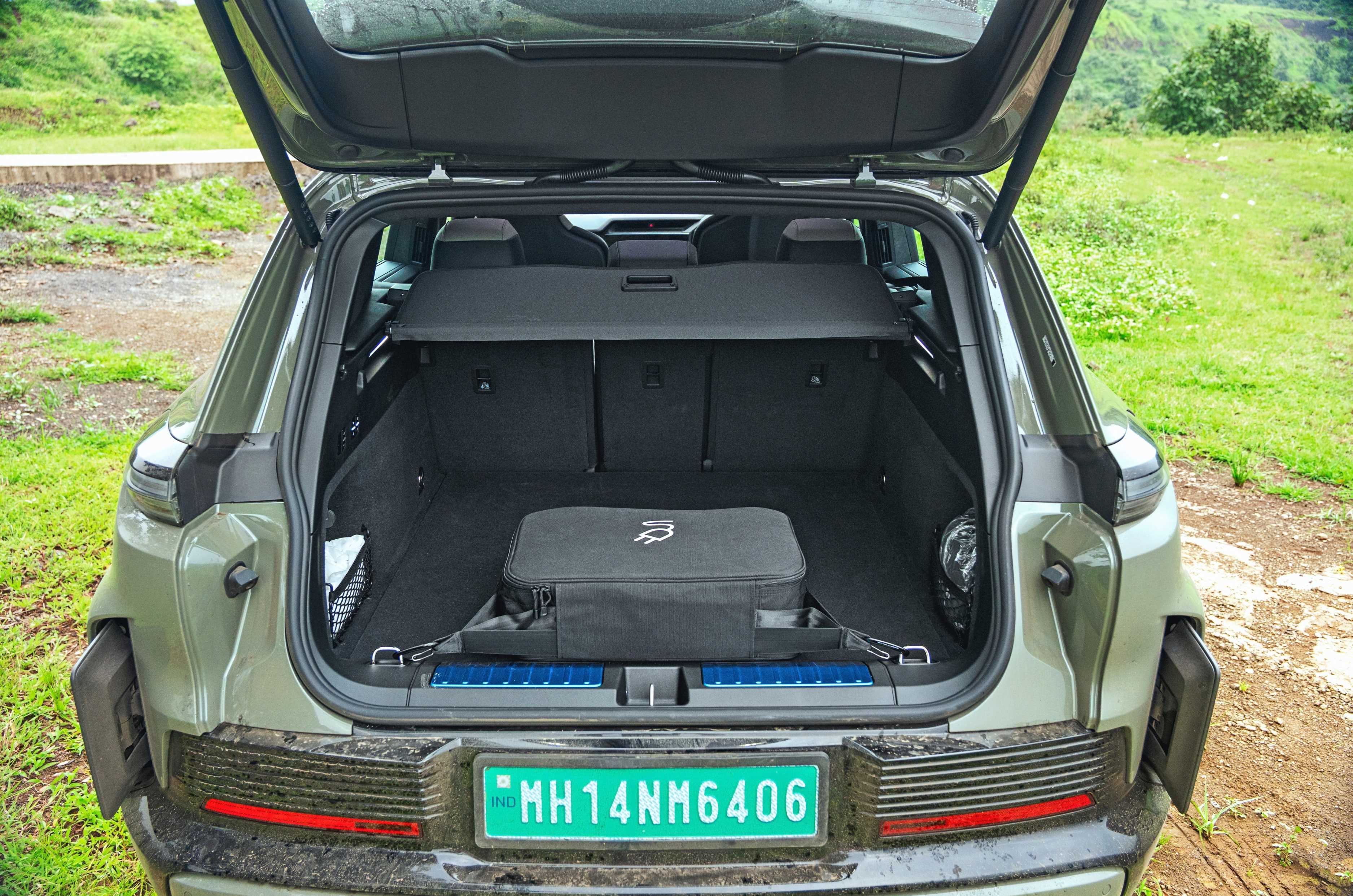
This is easily the most spacious Porsche yet, though, with the huge 3,023mm wheelbase liberating massive seating room, as well as a huge 747-litre boot and 90-litre frunk. It’s well equipped, it’s luxurious, it’s sporty; it’s almost hard to fault here.
2026 Porsche Cayenne Turbo exterior design and engineering – 7/10
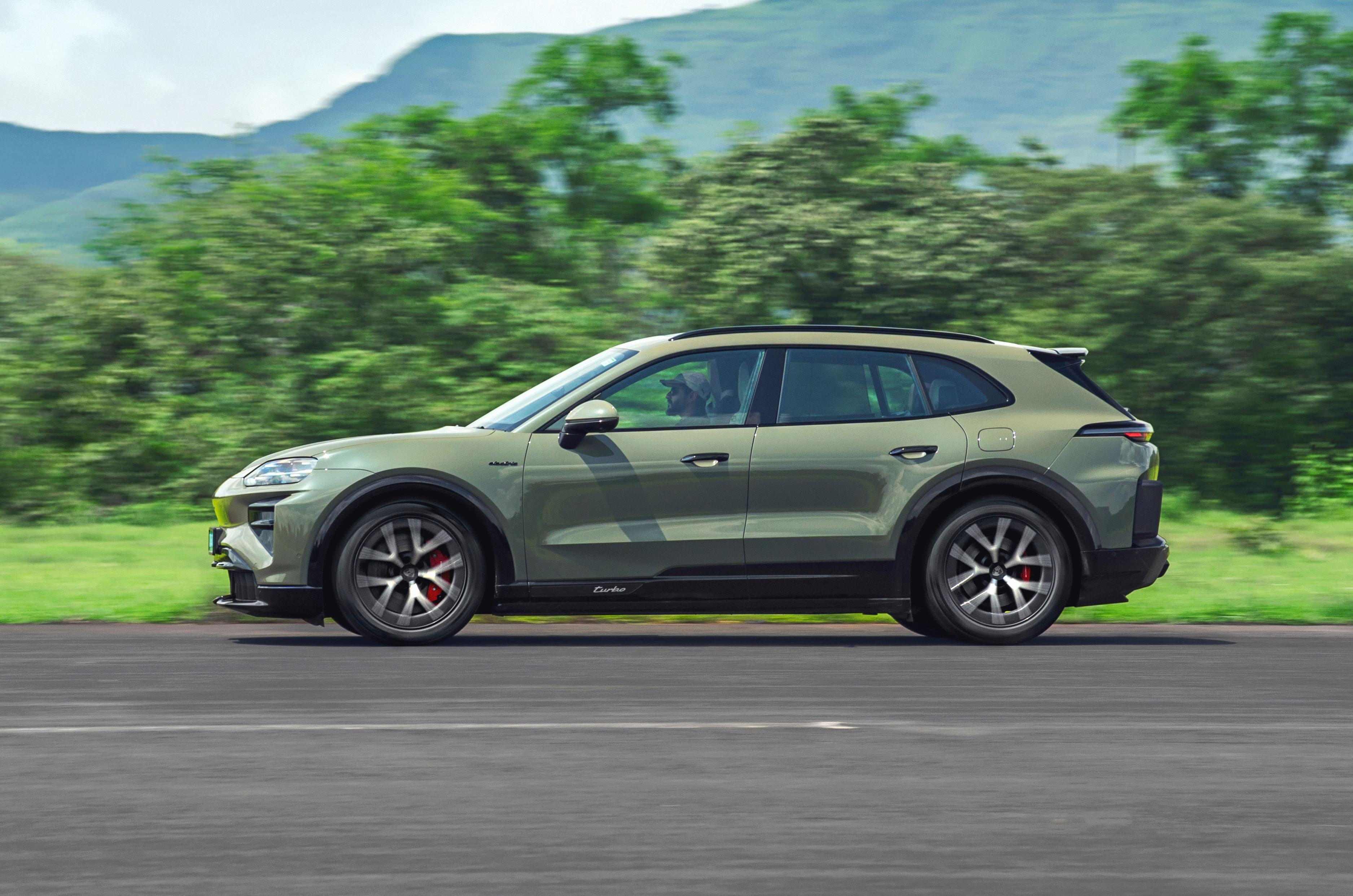
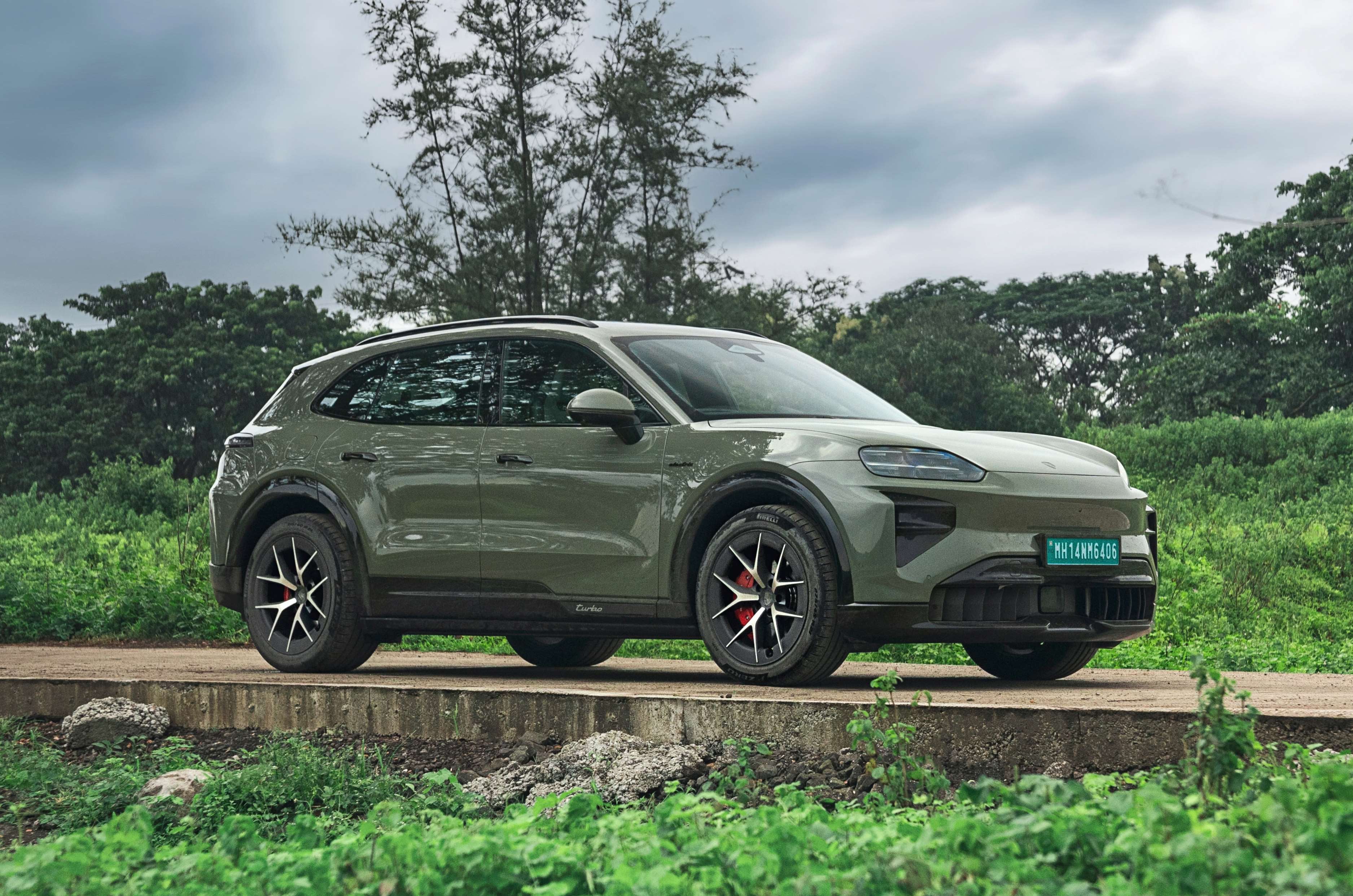
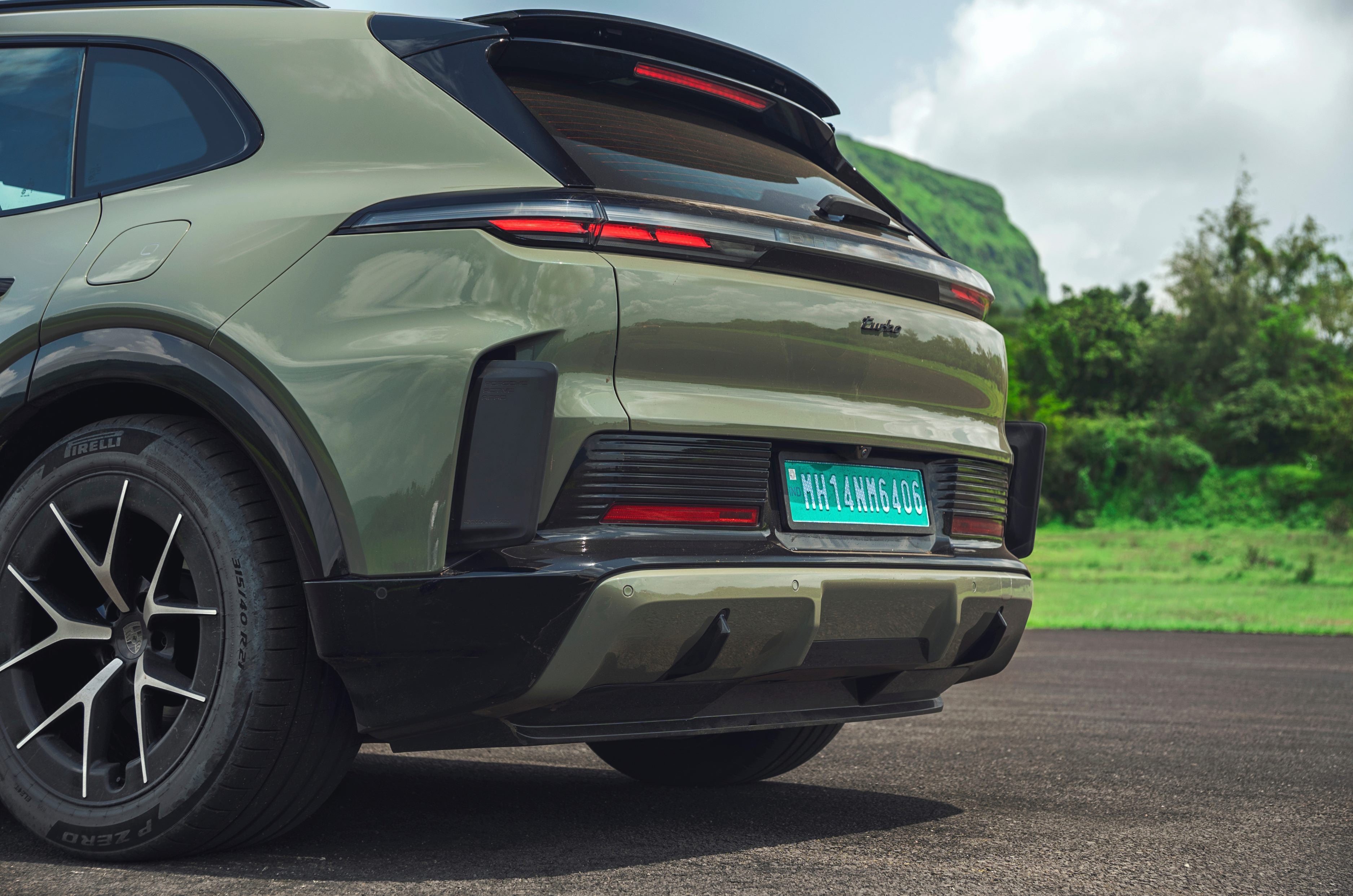
I’m less convinced by the exterior, though. It certainly has size on its side; this is the largest Porsche ever, a fact exaggerated by its slim headlamps and tail-lamps. Even the gigantic 21-inch wheels look a size down against the mass of bodywork. They’ve worked around it with plenty of contrast black details, and there are lots of cool details, like the active aero vanes up front and the flaps that extend from the rear bumper to reduce drag at speed. They’ve even got the GPS co-ordinates of Porsche’s wind tunnel embossed into them.
However, it’s also this size that works against it, as the proportions make it look bulky and a bit ungainly. This might be fine most big luxury SUVs, but in a Porsche, there’s a certain visual agility that’s missing.
2026 Porsche Cayenne Turbo price and verdict – 9/10
Is it wrong that for a car with such eye-watering headline figures, it’s the slow cruise back home that I appreciate the most? Having been pulverised by the acceleration in the morning, I’m happy to let the ventilated 18-way seats soothe my back, as my favourite tunes stream through 14 Bose speakers and adaptive cruise control keeps an Expressway pace.
Because it’s an EV, you can switch quite easily between its two personalities, and because it’s a Porsche, it does both reliably as many times as you need it to. Some of that special sauce has been lost along the way, and the smaller Macan Electric does a much better job in this regard, but I’d argue the Cayenne has an even greater breadth of ability. It’s easy to launch India’s most powerful car to stratospheric speeds, but it’s even easier to forget that you can, and perhaps that’s its biggest triumph
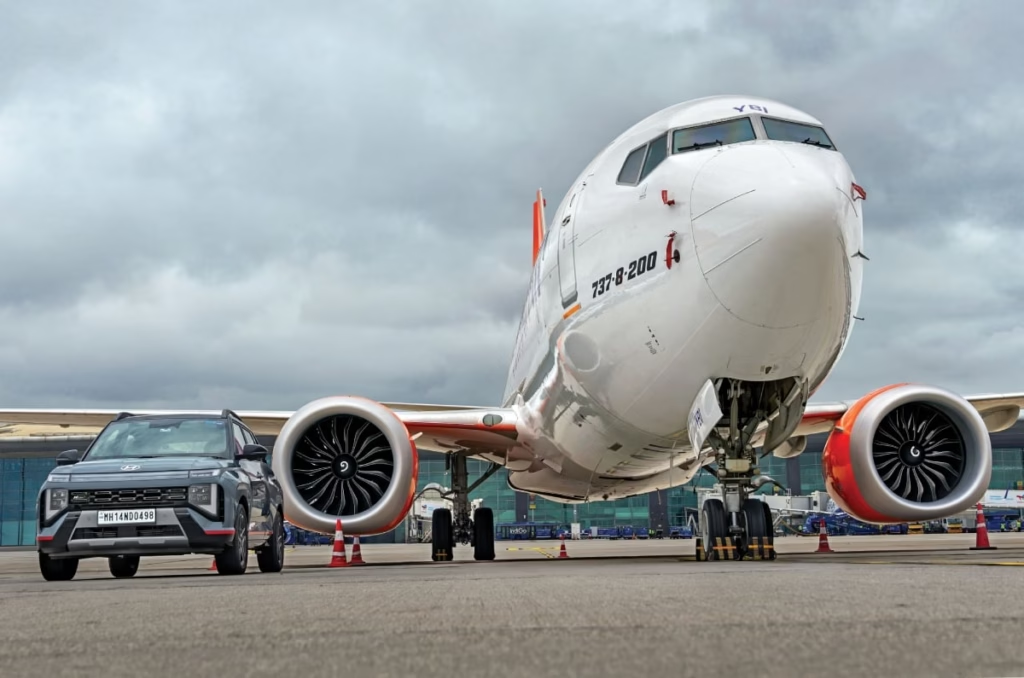
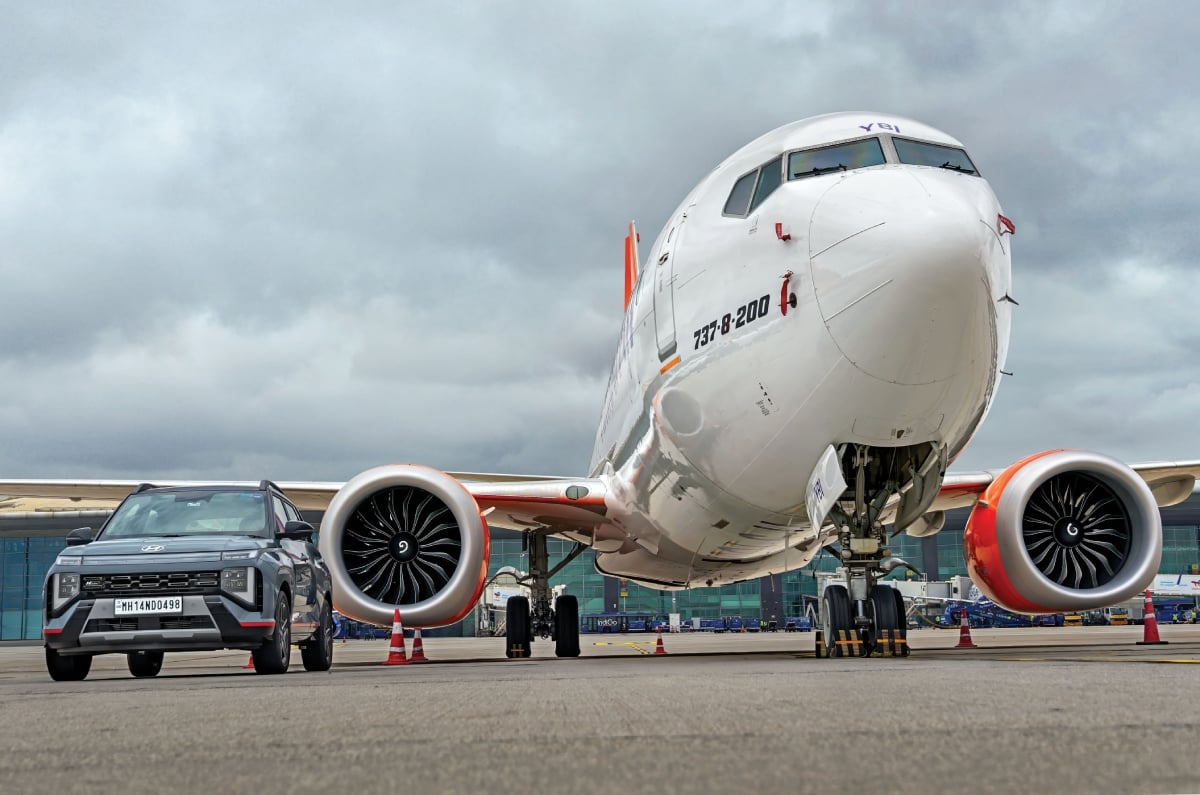
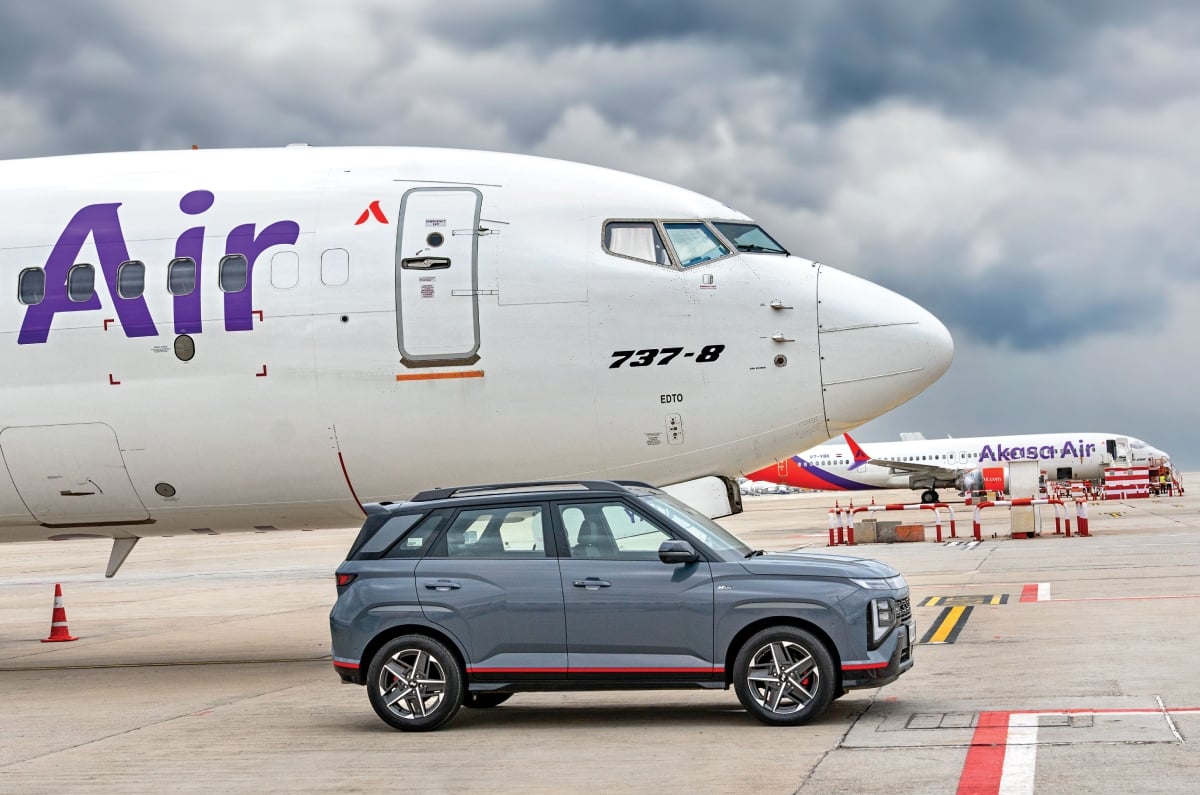
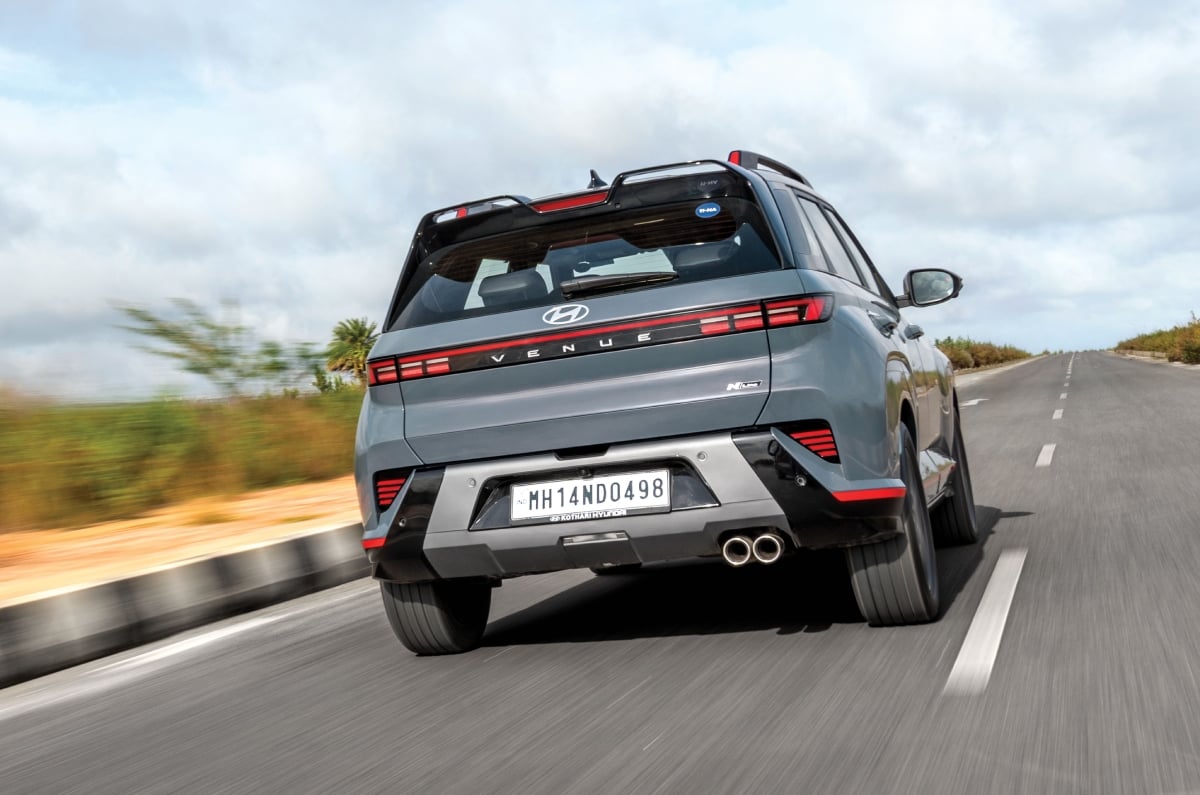
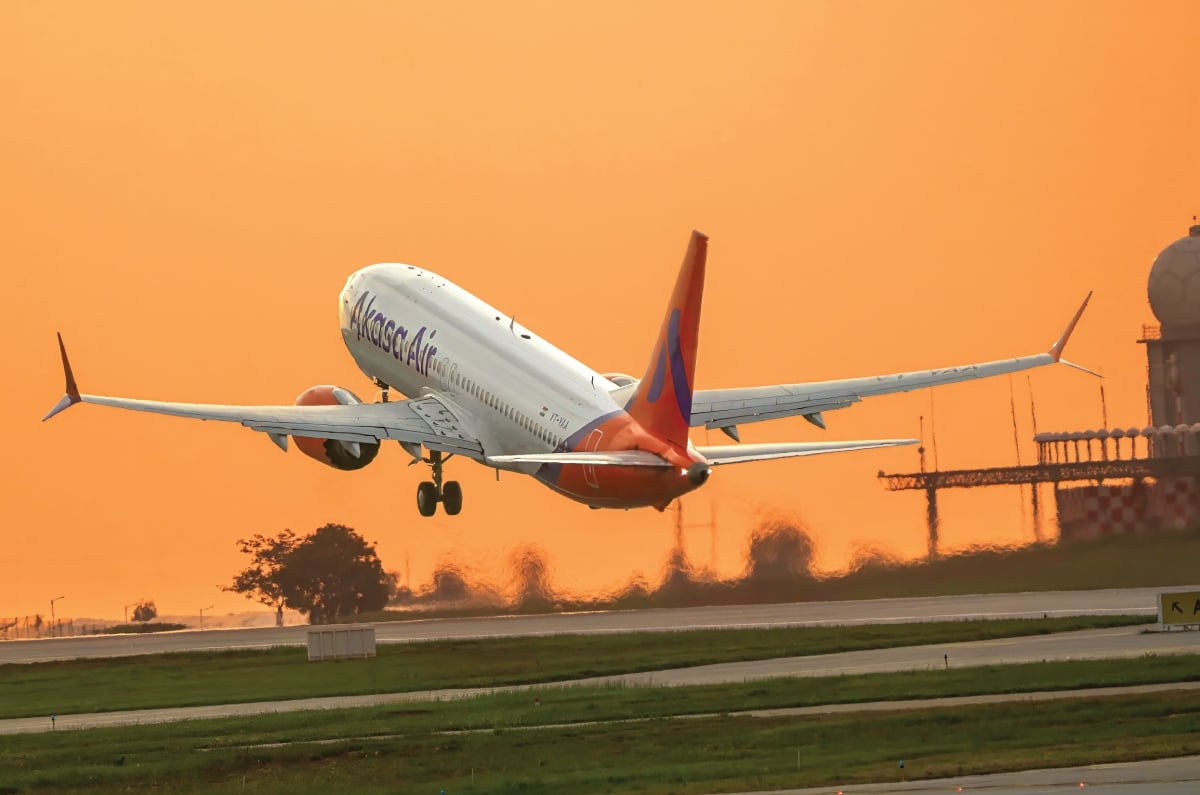
A Hyundai Venue N Line runs down a well-lined access road, its sensors alive. Off to the left overhead, an Akasa Boeing 737 Max makes its way down gracefully, flaps extended, ready to land. Both machines are bristling with technology that allows them to operate with a degree of independence once unthinkable. The car can keep itself within a lane, regulate speed in relation to the car ahead, and brake in emergencies. The aircraft can fly itself across continents, execute complex routes, and even land in zero visibility. Welcome to the new world where machines are self-aware and can operate for long stretches on their own.
Today, we dive deep into tech and compare how Advanced Driver Assistance Systems (ADAS), found in modern cars like the Hyundai Venue work, and juxtapose them against how advanced autopilot systems on airliners like the Boeing 737 Max function. Want to know how this Hyundai Venue senses lane markings, what it picks up, how it processes the data, makes a decision and executes a steering manoeuvre to keep the car within the lane, or how aircraft like the Boeing 737 Max are programmed to fly themselves and how they can even land automatically? Read on; there’s plenty of fascinating tech ahead.
Sensor fusion
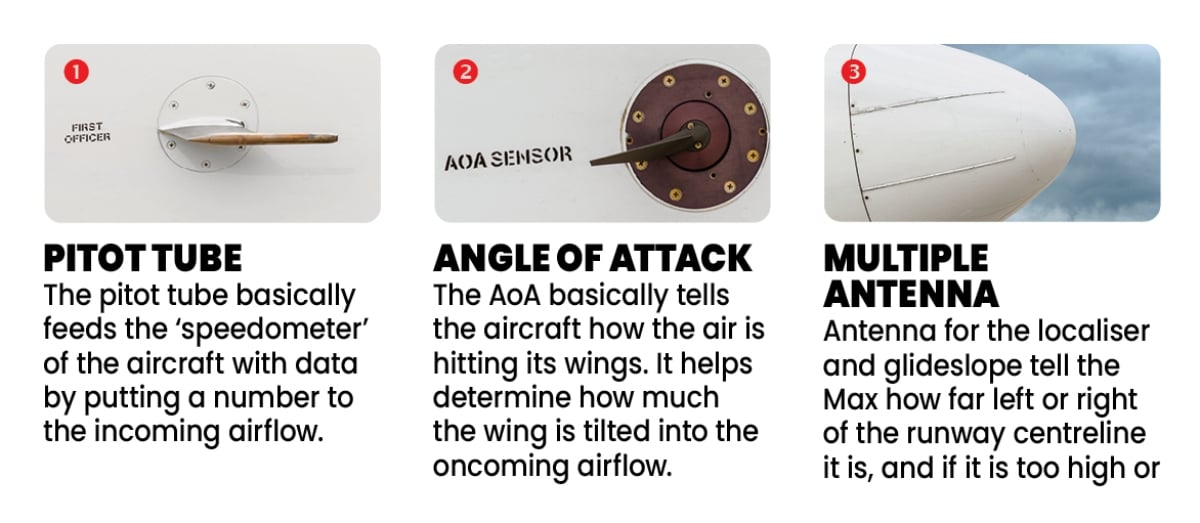
Walk around the attractive-looking Akasa 737 Max, now one of forty-three, and you notice the nose of the aircraft bristling with sensors. It’s from where a vast majority of the data for the Autopilot is collected. Showing me around and explaining things is Captain Svetlana from Akasa. First up, the speed sensors – elbow-shaped pitot tubes that stick out at an angle. This tube helps measure the airflow and, hence, the speed of the aircraft. For accuracy, this speed data is correlated with the static port, mounted flush on the side of the aircraft, which measures the real atmospheric pressure at the height the aircraft is flying.
Then there’s the AOA or Angle Of Attack sensor that basically tells you how the air is hitting the wings or how much the wing is tilted into the oncoming airflow. This is essential to know just how much lift the wing is making and how close the aircraft is to stall.
Then, inside the nose cone, apart from the weather radar, are antennas for the localiser and glideslope. Both pick up radio beams sent from transmitters positioned near the runway. The localiser tells the aircraft how far left or right of the runway centreline it is, and the glideslope tells if the aircraft is too high or too low. Together, they give the aircraft a complete three-dimensional picture of the ideal path to the runway. They feed data to the Instrument Landing System (ILS) and are what lets a 737 Max line up and descend precisely even when visibility is poor.
Further back are a pair of TCAS antennas, one on the belly and one on the top. They listen for nearby transponders (that also help flightradar24 funtion) to keep the aircraft clear of traffic.
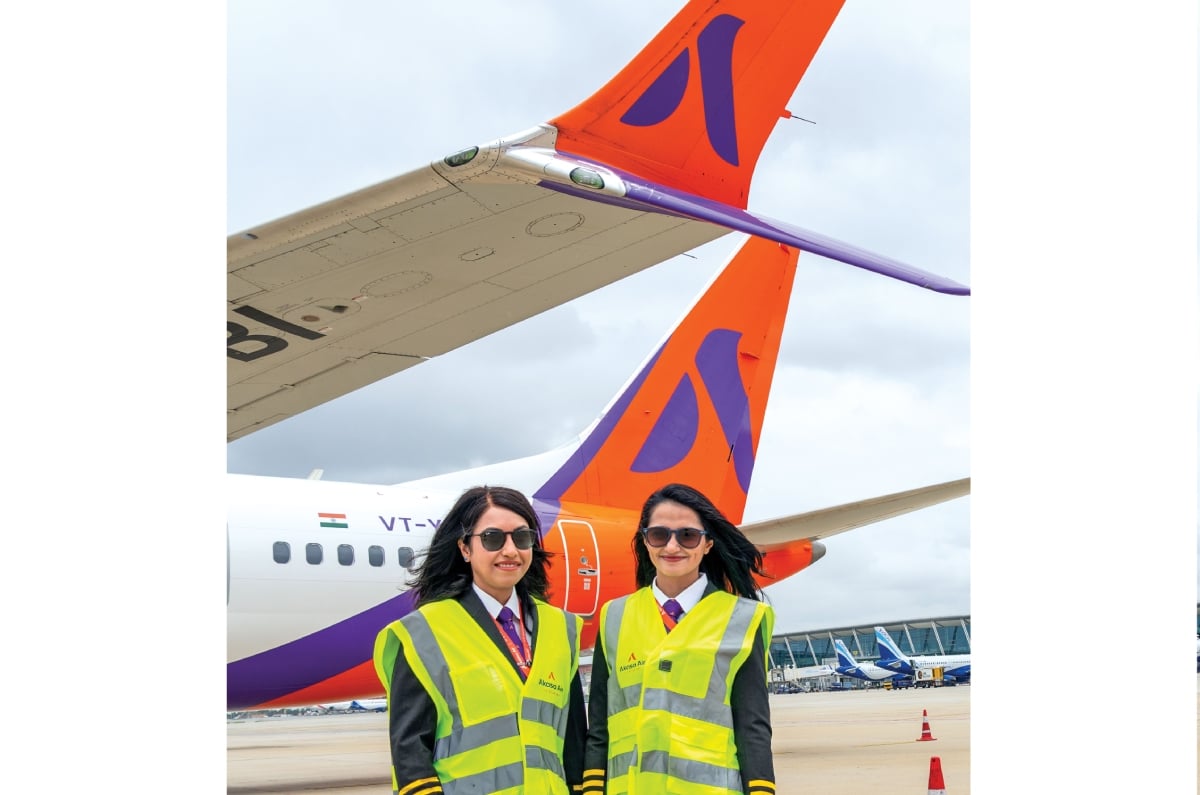
Capt. Svetlana and Capt. Sanaya help us get to grips with how the autopilot on the 737 Max functions.
Positioning is done with the help of a GPS antenna on the roof. Another system, known as the Inertial Reference System, uses laser gyroscopes bolted to the airframe to sense every turn the aircraft makes. It uses accelerometers that sense every change in speed. A computer fuses the two, continuously tracking exactly how far and in which direction it’s travelled from a known starting point, which is set by the pilots at the gate.
Road and track
Though this is a high-tech and complex system, functionality is slick and smooth.
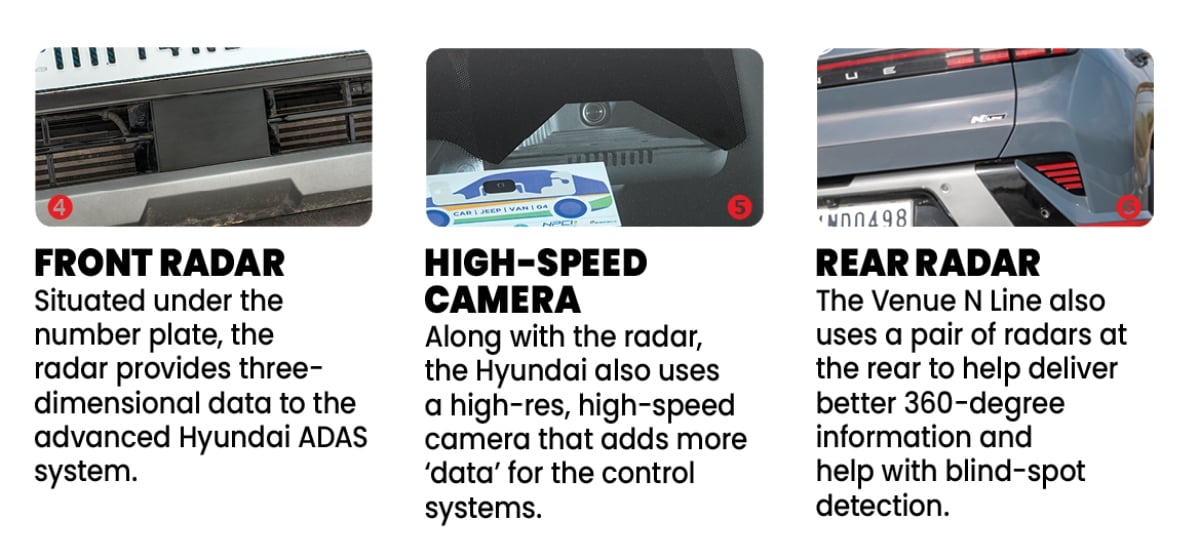
Now swap the open skies for chaotic tarmac. Here, the Venue N Line’s ADAS Level 2 suite runs off far fewer sensors or data points. The difference, however, is that the car actually ‘sees’ what is ahead, correlating data from the radar and the high-resolution camera into a single picture. Sensor fusion is essential on both the 737 and the Venue. What’s different is that the reactions of the car have to be immediate, and that means Smart Sense on the Venue not only has to process gigabytes of data every second, it also has to be ready with, say, a braking solution in milliseconds, just in case that petulant biker cuts across the Venue’s nose.
One of the primary sensors is the radar. Located behind the black square plastic panel under the number plate up front, it acts as a measuring tape, constantly tracking the exact distance and closing speed of the car ahead. Similar to a fruit bat, the radar sends out bursts of high-frequency radio waves (or chirps) that vary between 10,000-50,000 bursts per second. Just as important is how quickly the data is processed and passed on, which provides enough sharpness and resolution to differentiate between shapes ahead. This data is used by the Forward Collision-Avoidance Assist (FCA) to stop the Venue often before human reflexes can even respond to danger. In addition, the system uses a pair of rear-mounted radars, ultrasonic sensors and parking and proximity cameras for a more secure 360-degree ‘picture’.
Captain Sanaya adjusts the heading knob in the sim, the aircraft reacts in real time without disengaging the system.
The other important data source is a high-resolution, high-speed camera at the top of the windshield. While its primary job is to look for lane markings and obstacles, it also works along with the radar up front, sharing the workload. The camera, for example, sees every detail but lacks depth perception (or 3D vision), and a radar tracks distance but cannot see the same amount of detail as the camera. The camera sends data via a special, automotive application-optimised CMOS sensor, similar to the one on your Sony mirrorless camera that also has a high dynamic range (for bright lights). Hyundai’s system can even detect faded lines with its edge-detection, texture-tracking, and colour-reading systems. Hyundai’s SmartSense also integrates Artificial Intelligence (AI) and Machine Learning. So, instead of using rigid “if-then” decision-making software, it uses embedded neural networking to interpret real-time sensor data.
Together, these systems form a nervous system that feeds into the car’s brain, which then nudges the steering, modulates throttle, or applies brakes. Unlike aviation, redundancy is limited. A sensor failure usually hands control back to the driver, who remains the ultimate fallback.
Steering wheels and yokes
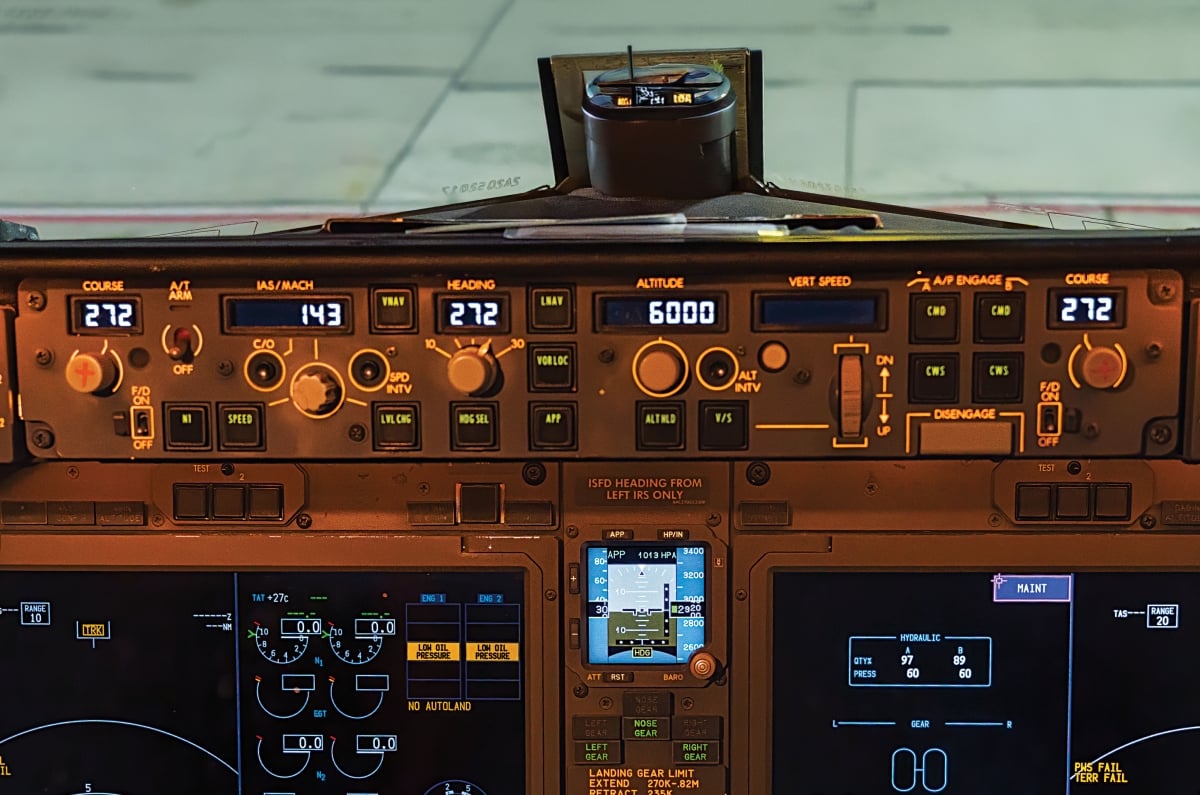
Hit ‘A/P Engage’ on mode control panel to activate autopilot; course, speed, heading and altitude are also adjustable here.
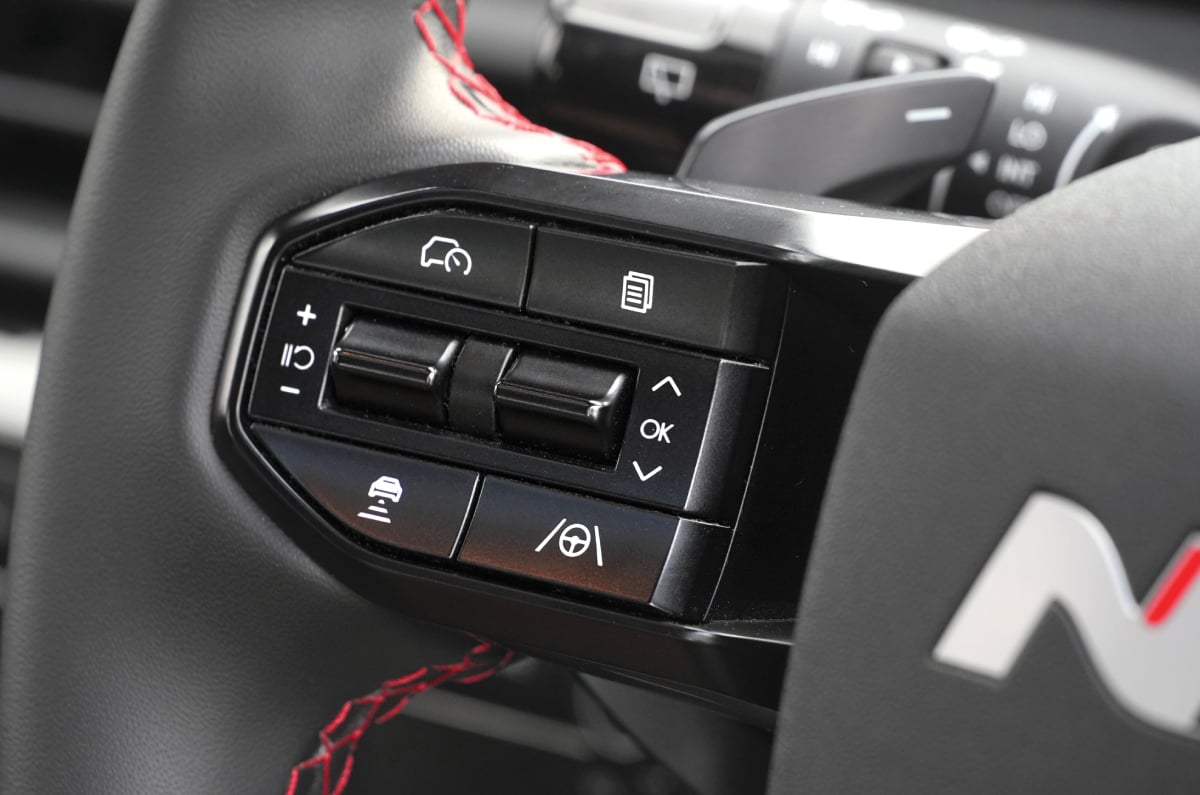
Once behind the wheel of the Venue, engaging the ADAS is seamless. You need to be above 30kph and on a well-lined road. To engage the system, you have to zoom into the left spoke of the steering wheel. Here you find the four buttons that help activate and operate the system. The first activates the Smart Cruise Control, the second allows you to increase or decrease the speed you want to run at, the third helps you set the desired safe distance to the car ahead and the fourth activates Lane Keep Assist (LKA).
Tyre pressure essential here too.
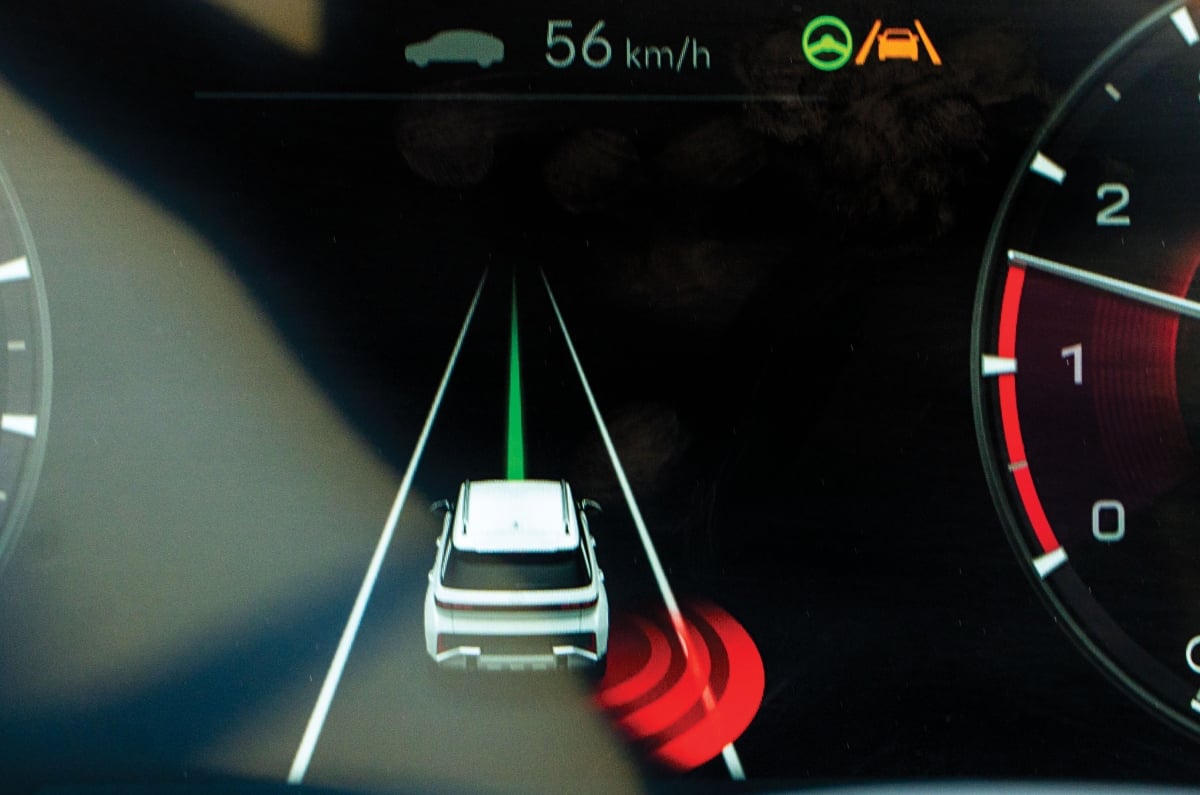
Activating LKA for me comes first, and you do this when you are running in a lane on a well-marked road. You know the system is engaged when the green steering icon lights up on the instrument panel and the car icon shows it running between the lines. Then you engage the smart cruise control and set the speed you want to run at, stepping off the accelerator simultaneously. The display on the instrument cluster lights up with the speed set, and you also get a horizontal bar showing the distance to the car ahead; which can be adjusted by the button with the distance icon.
Unseen by the driver and passengers in the car, the camera immediately begins scanning lane markings, and radar modules measure the distance to the vehicle ahead. The steering wheel then nudges itself gently to follow curves, while the throttle and brakes modulate to maintain speed and distance. The system makes split‑second decisions to help keep you out of harm’s way.
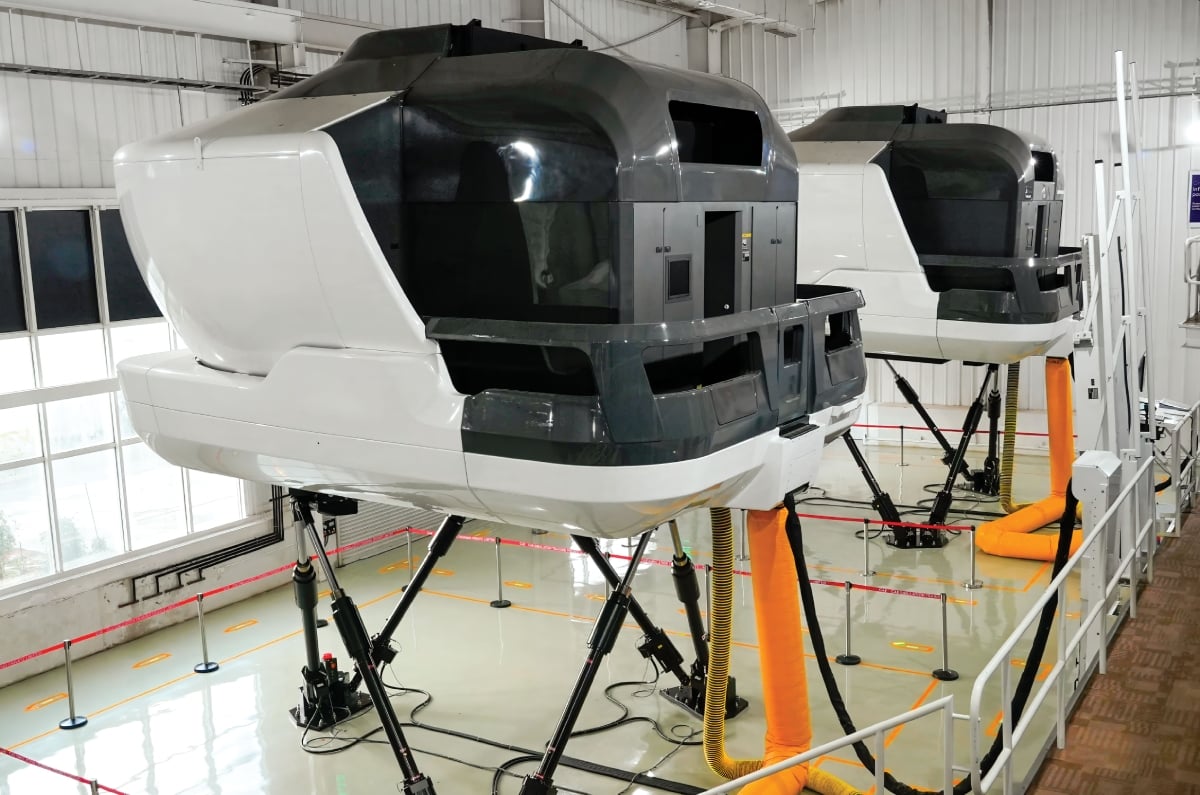
We took the assistance of the full-fledged 737 Max simulator that pilots train on to help us understand the systems better.
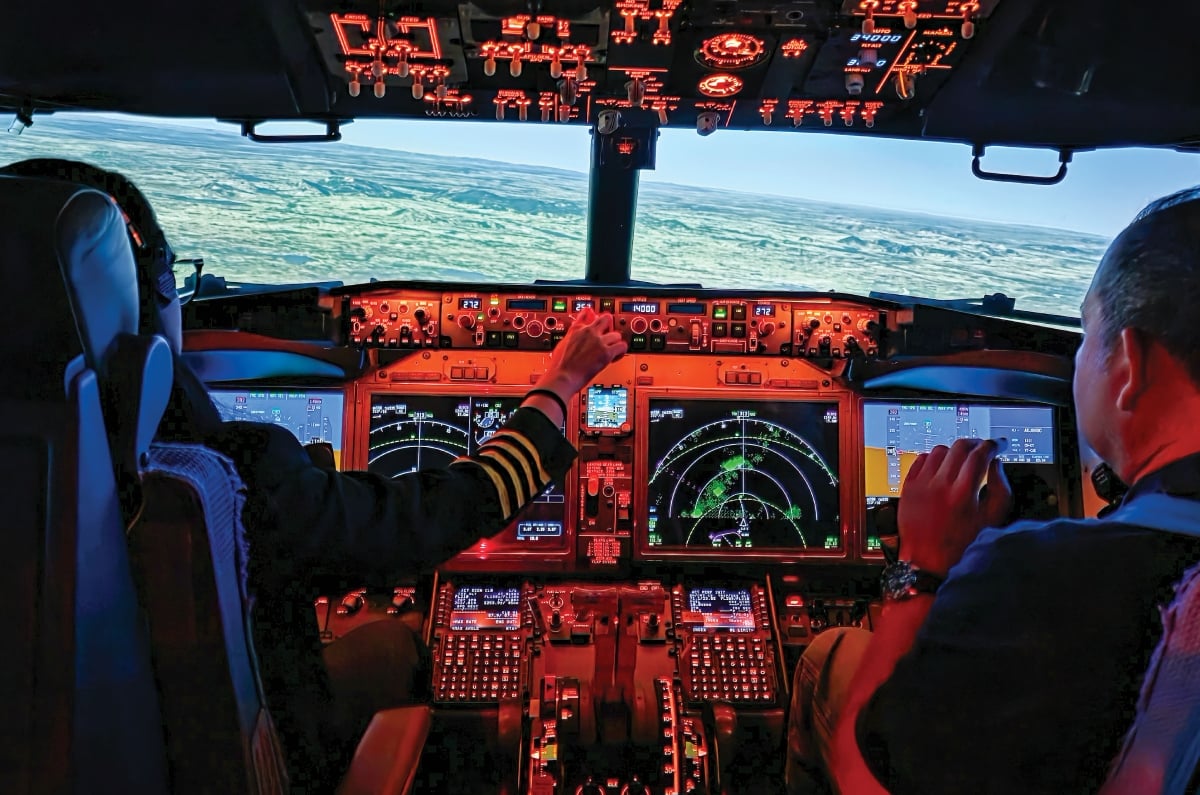
Climbing into the Akasa Boeing 737 Max cockpit is an immediate sensory overload. Hundreds of buttons, switches, levers and dials just overwhelm you. They are ahead of you, to your left, your right, and even above. There are, in fact, so many switches, buttons and dials above, I have to duck-walk in. And I’m not exactly Joel Garner or Kareem Abdul-Jabbar. Once seated, I slide the seat to the left and forward by depressing a lever, no powered seats here. And forget about comparing screen size, this is a proper ‘glass cockpit’ with wall-to-wall screens. My feet rest on the pedals that work the rudder in the tail, and ahead of me is Boeing’s famous yoke; unlike a regular joystick, you bank by turning the semi-circular bit of the ‘wheel’.
In contrast to our chaotic driving environment, the autopilot in the 737 Max operates on different principles. The environment is structured and regulated. There are no sudden jaywalkers or rogue bikers at thirty‑five thousand feet. So, unlike the Venue, the 737 doesn’t use optical cameras to see where it’s going. It doesn’t need to look for lanes or lines at 800kph. Instead, it relies on a combination of GPS, Inertial Reference Systems, antennas and sensors in the aircraft’s nose and cheek to get a fix on the exact heading, speed and altitude.
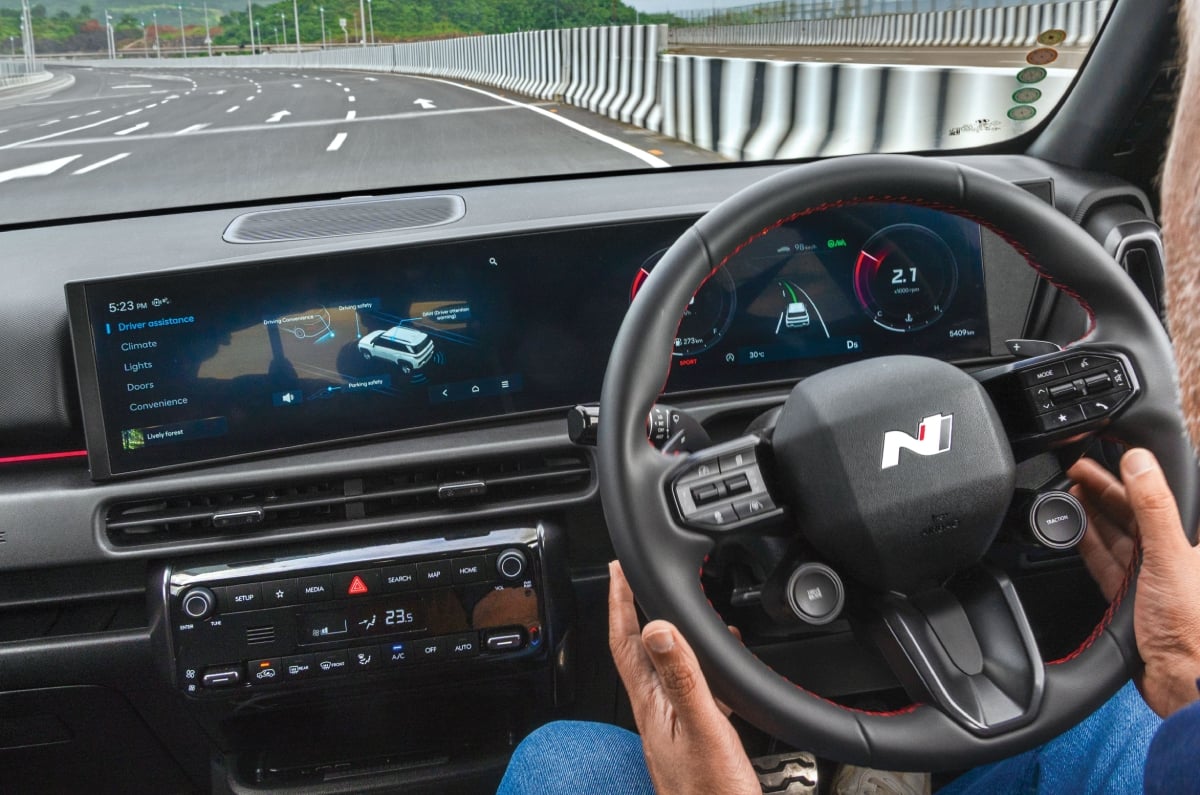
Driver’s display shows detailed ADAS information.
After taking a good look at the real cockpit and understanding some of the controls that help initiate the autopilot sequence, we shift to a full-scale moving platform simulator used to train airline pilots around the world. The cockpit is identical, down to the last detail, and here we have Captain Sanaya Chothia to help us conduct a simulated flight. Can’t help noticing, the 737 also has a tyre pressure monitor; of course, it does.
First up, a full-bore take off in the sim, Capt. Sanaya working the rudder pedals to keep the aircraft running down the centre line. Wow, this feels real, the sound, the visuals, the motion all combined. What a thing! After climbing out, we take a quick look at the sequence used to initiate the autopilot, most of the steps done on the long horizontal panel that sits between the pilots, directly in their line of vision. The first step involves checking if the auto throttle is engaged, and then all the pilot needs to do is press a single button on the autopilot panel. Unlike ADAS, the route the aircraft has to take is already pre-programmed into the navigation computer, a fairly long and detailed process. The speed, the height, the course, the heading, everything. And the autopilot just follows this.
The buttons that initiate ADAS are all placed here.
Once the system is initiated, the throttles move on their own, adjusting thrust; the yoke makes deliberate corrections and the screens display the aircraft banking smoothly along its GPS track. As the flight progresses, pilots can keep the aircraft on autopilot and make plenty of alterations to the route, either to avoid weather, get a more direct route or as directed by Air Traffic Control. There are knobs on the panel to alter course, speed, heading and altitude, with even the rate of descent and ascent adjustable.
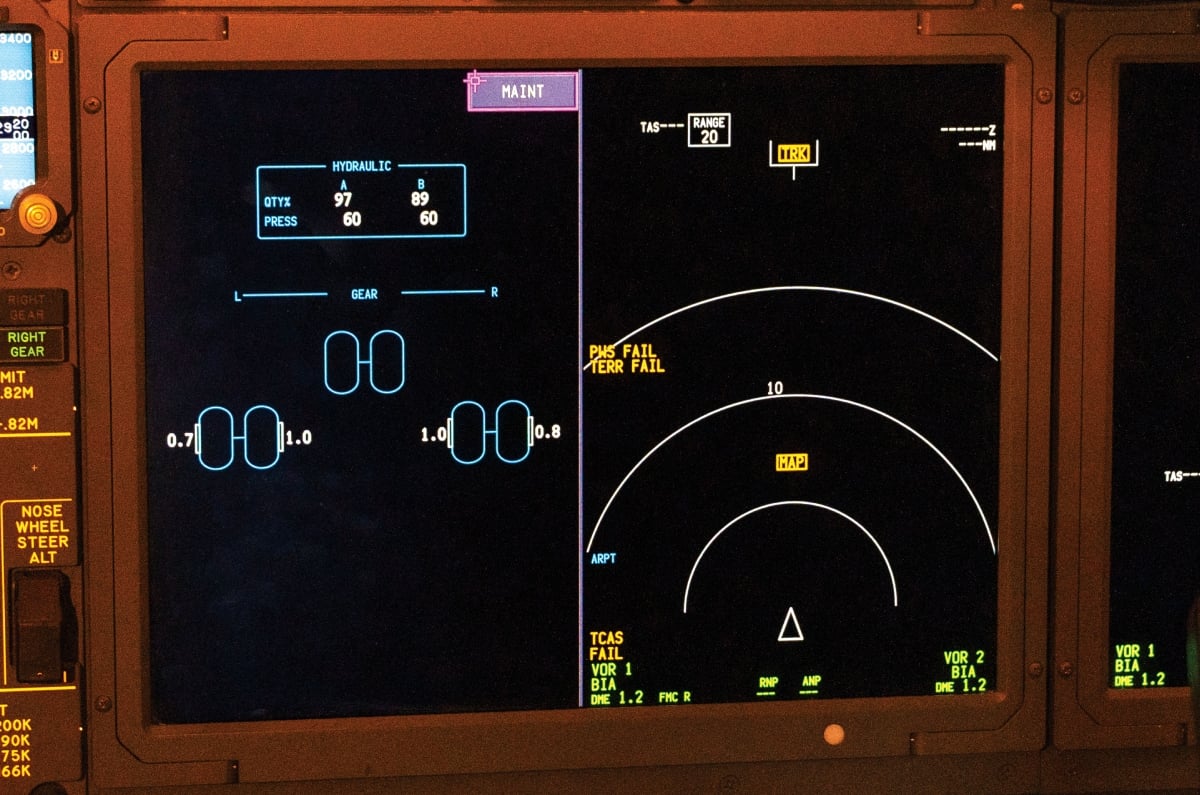
We even execute an autoland, where the aircraft lands itself. The Instrument Landing System frequency is first inputted into the Multi-Mode navigation panel, the final approach course is set for the runway on the Mode Control or autopilot panel (272 for runway 27 in this case), and then the APP or approach mode is selected once the aircraft is positioned correctly. Doing this arms the localiser and glideslope systems that, as we’ve mentioned earlier, have their sensors in the nose cone. Seeing the aircraft adjust, manoeuvre, manage its path, height and distance, and land itself is an eye-opener. What an incredible piece of technology!
Level 2 ADAS on the Hyundai Venue N Line integrates data from all its sensors for a smooth, seamless drive.
What’s fascinating is that both systems have boundaries. In aviation, autopilot is trusted to fly for hours, even land. Pilots monitor, manage and intervene when necessary, but the system is designed to shoulder the bulk of the workload. Take offs, however, are always manual. In cars, ADAS is an assistant with a much narrower scope. It reduces fatigue, takes a load off the driver and adds a safety net, but ultimately the driver is always on call at short notice and is the one in control.
Sharing the workload
Modern aircraft like this Akasa 737 Max can get onto autopilot soon after take off.
Similar in execution but very different in how they function, ADAS and Autopilot both overlap but also exist in isolation. One is designed to keep you from bumping into a hatchback on the Western Express Highway, while the other is designed to guide an 80-tonne metal tube across oceans. Both are glimpses into a future where machines will shoulder more of the burden of control and blow us away with the technology on offer. But for now, if you step into an aircraft, know that while autopilot may be doing a bulk of the flying, a pilot is always watching, and when you engage ADAS to ease your commute, keep your eyes on the road, your hands on the wheel.
मतदाता सूची के विशेष पुनरीक्षण (SIR) को लेकर चुनाव आयोग के भीतर मचे घमासान और मतभेदों की रिपोर्ट सामने आने के बाद देश की सियासत गरमा गई है। इस खुलासे के बाद लोकसभा में नेता प्रतिपक्ष राहुल गांधी ने आक्रामक रुख अपनाते हुए चुनाव आयोग, भाजपा और आरएसएस पर करारा हमला बोला है। उन्होंने सीधे तौर पर ‘वोट चोरी’ को देश की जनता के खिलाफ अपराध और ‘देशद्रोह’ करार दिया है। ALSO READ: चुनाव आयोग में आंतरिक कलह? दो चुनाव आयुक्तों ने 10 महीने में 14 बार दर्ज कराई आपत्तियां, विपक्ष ने उठाए सवाल
लोकसभा में नेता प्रतिपक्ष राहुल गांधी ने सोशल मीडिया साइट एक्स पर अपनी पोस्ट में कहा कि वोट चोरी भारतीय जनता के खिलाफ अपराध है और हमारे संविधान पर सीधा हमला है। इसे आयोजित करने वाले भाजपा, आरएसएस और चुनाव आयोग ने देशद्रोह का कृत्य किया है। न्याय जरूर मिलेगा।
Vote chori is a crime against the Indian people and a direct attack on our constitution.
The BJP, RSS and EC who organised it have committed an act of treason.
गौरतलब है कि इंडियन एक्सप्रेस की एक रिपोर्ट में दावा किया गया है कि चुनाव आयुक्त सुखबीर सिंह संधू और विवेक जोशी ने पिछले 10 महीनों में SIR से जुड़े फैसलों और आदेशों पर पर कम से कम 14 बार रिकॉर्ड पर आपत्ति जताई।
सफाई में क्या बोला चुनाव आयोग?
इस मामले पर चुनाव आयोग ने सफाई देते हुए कहा है कि ECI में मतभेदों के बावजूद सर्वसम्मति से फैसले लिए जाते हैं। कई मीडिया खबरों में मामले की सीधी जानकारी रखने वाले लोगों के हवाले से बताया कि किसी भी चुनाव आयुक्त ने कोई असहमति नहीं जताई। उन्होंने केवल कुछ टिप्पणियां की थीं जिन पर आयोग ने विचार किया। ECI द्वारा लिए गए सभी फैसलों पर तीनों अधिकारियों मुख्य चुनाव आयुक्त ज्ञानेश कुमार और चुनाव आयुक्त सुखबीर सिंह संधू और विवेक जोशी के हस्ताक्षर हैं।