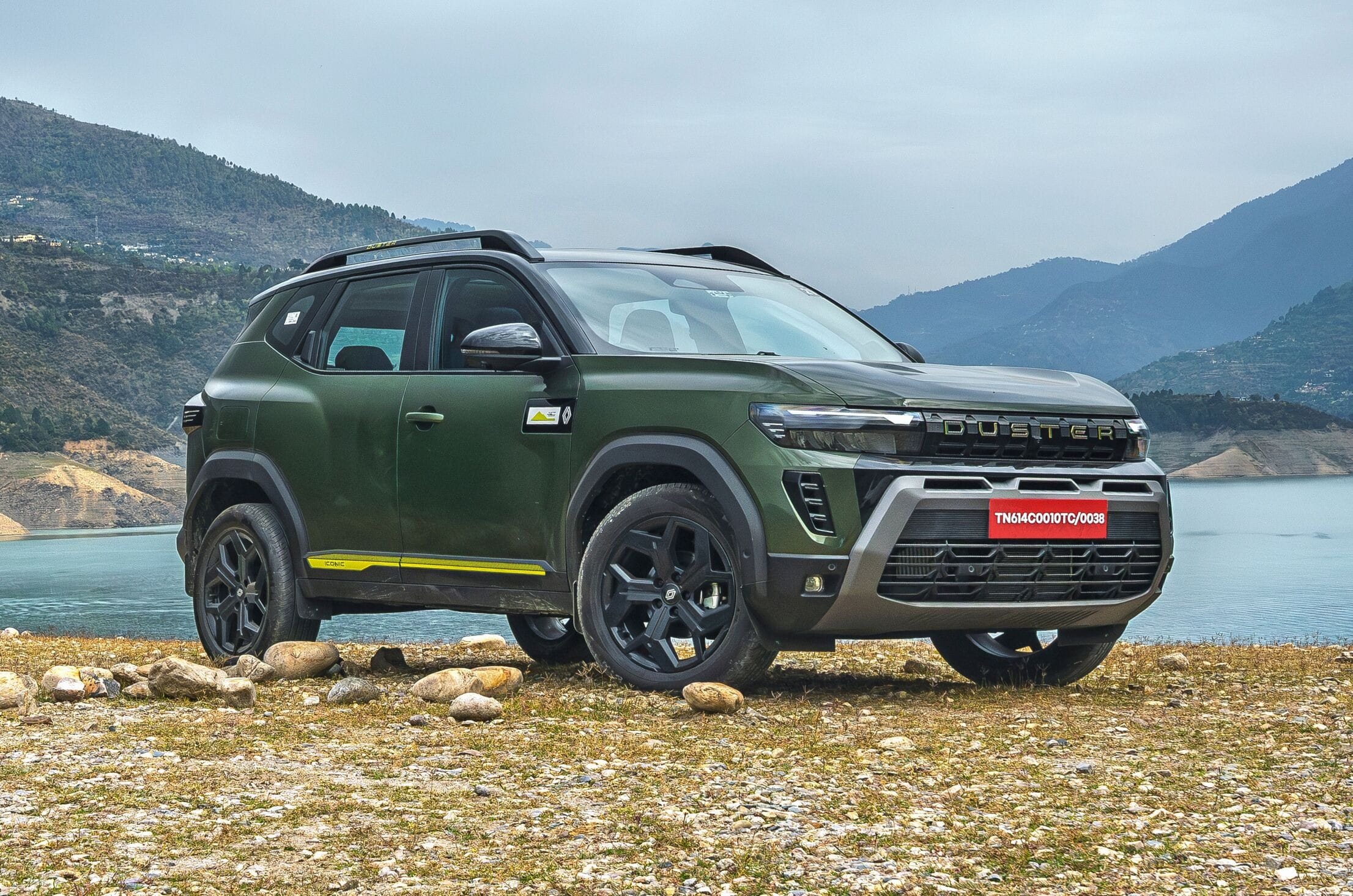
Terrible Roads to Terrific Places: The Road to Kibber in the new Renault Duster

Terrible Roads to Terrific Places: The Road to Kibber in the new Renault Duster
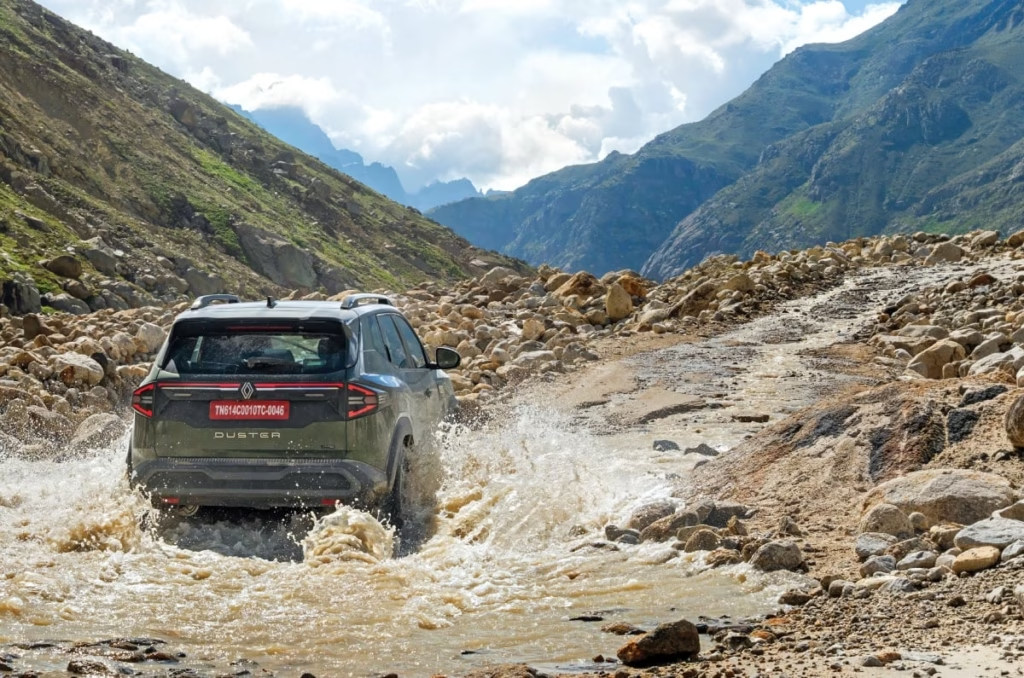
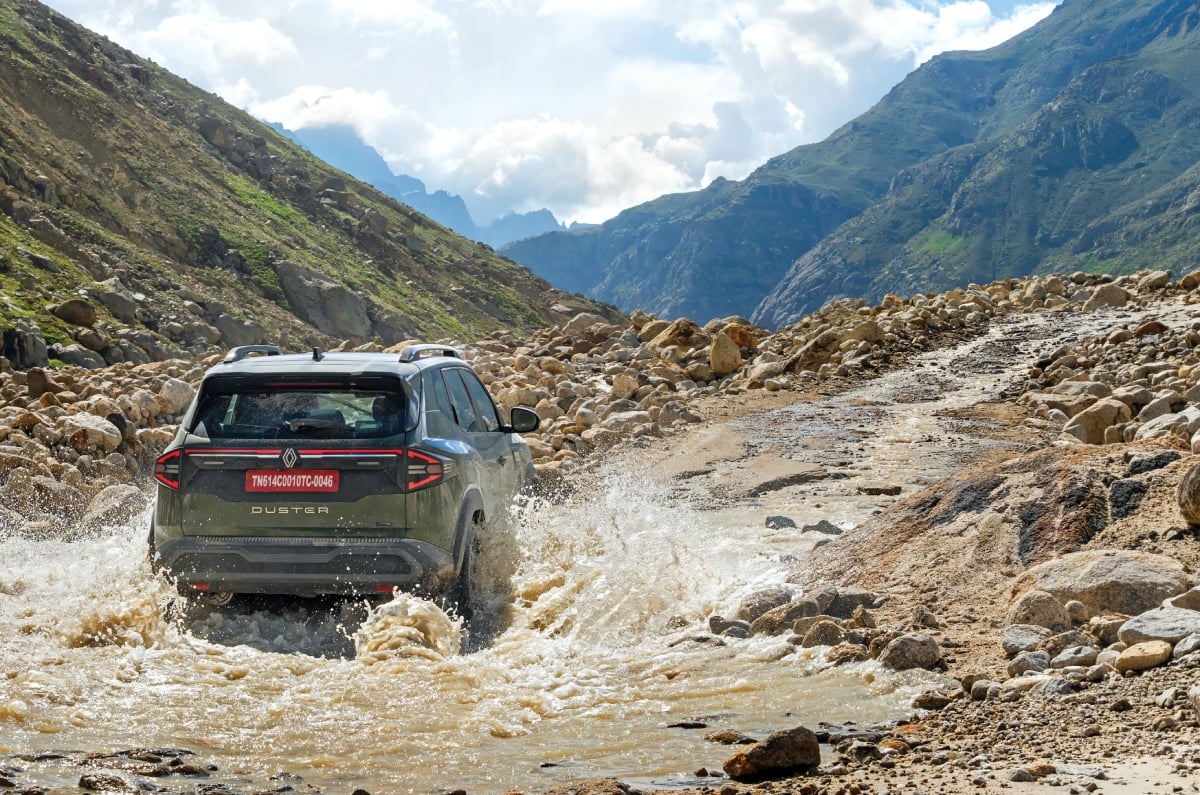
Renault Duster Kibber water wading

At Autocar India, we spend a lot of time talking about great driving roads. Smooth tarmac, flowing corners and fast highways are all very well, but some of the most memorable drives begin when the good roads run out. That’s the idea behind Terrible Roads to Terrific Places, a series in which we take the new Renault Duster to some of India’s most spectacular destinations, using the roads, and sometimes what passes for roads, to get there.
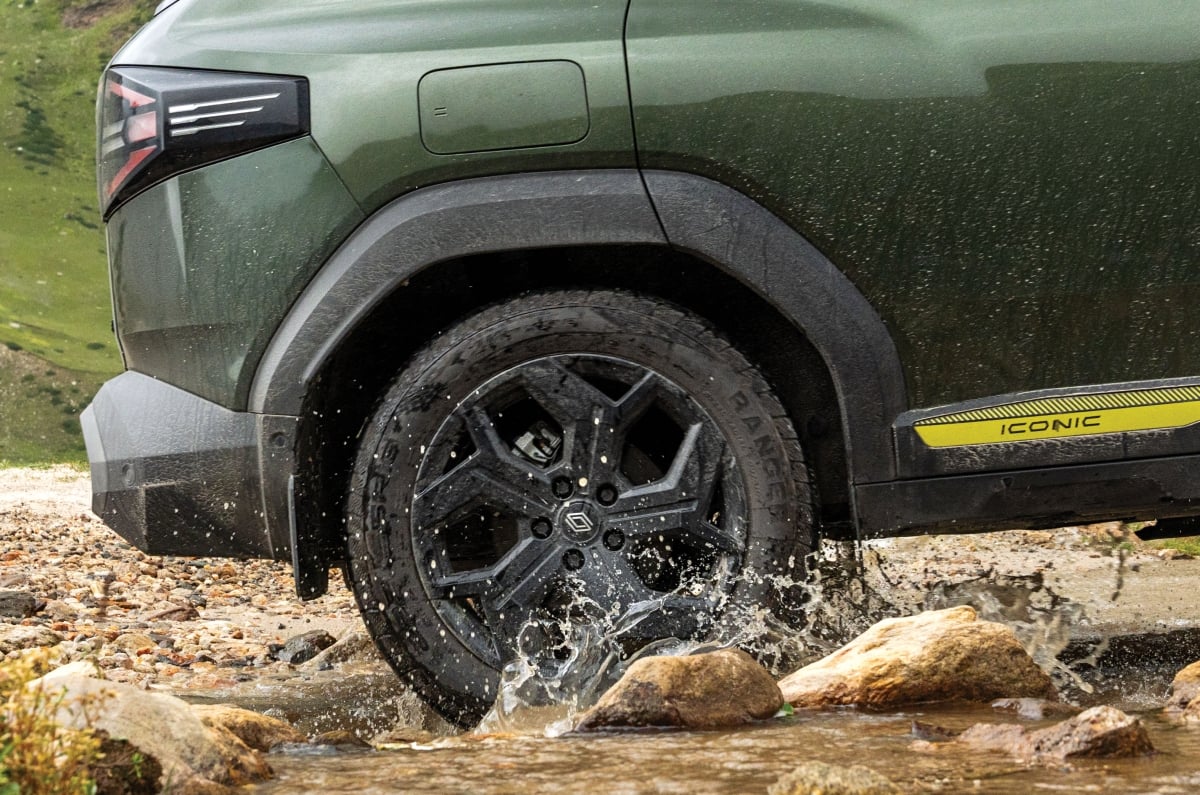
Renault Duster Kibber rough roads rear wheel

For the first drive, we picked Kibber, more than 4,200 metres above sea level in Himachal Pradesh’s Spiti Valley. Surrounded by enormous mountains and vast, stark landscapes, it’s the sort of place that looks almost too remote to be real. Getting there, however, is the tricky bit.

THE EASY PART

Our journey began in Chandigarh, with roughly 400km between us and Kibber. That might not sound like much, but distances on mountain roads aren’t like those on an expressway.

There was also the small matter of all the camera equipment and luggage that comes with a road-trip shoot. Thankfully, the Duster’s 700-litre boot (incidentally, that’s the largest in its segment) swallowed it all without complaint. With Kibber set in the navigation and Manali marked as our overnight stop, we headed out.
Renault Duster Kibber splash
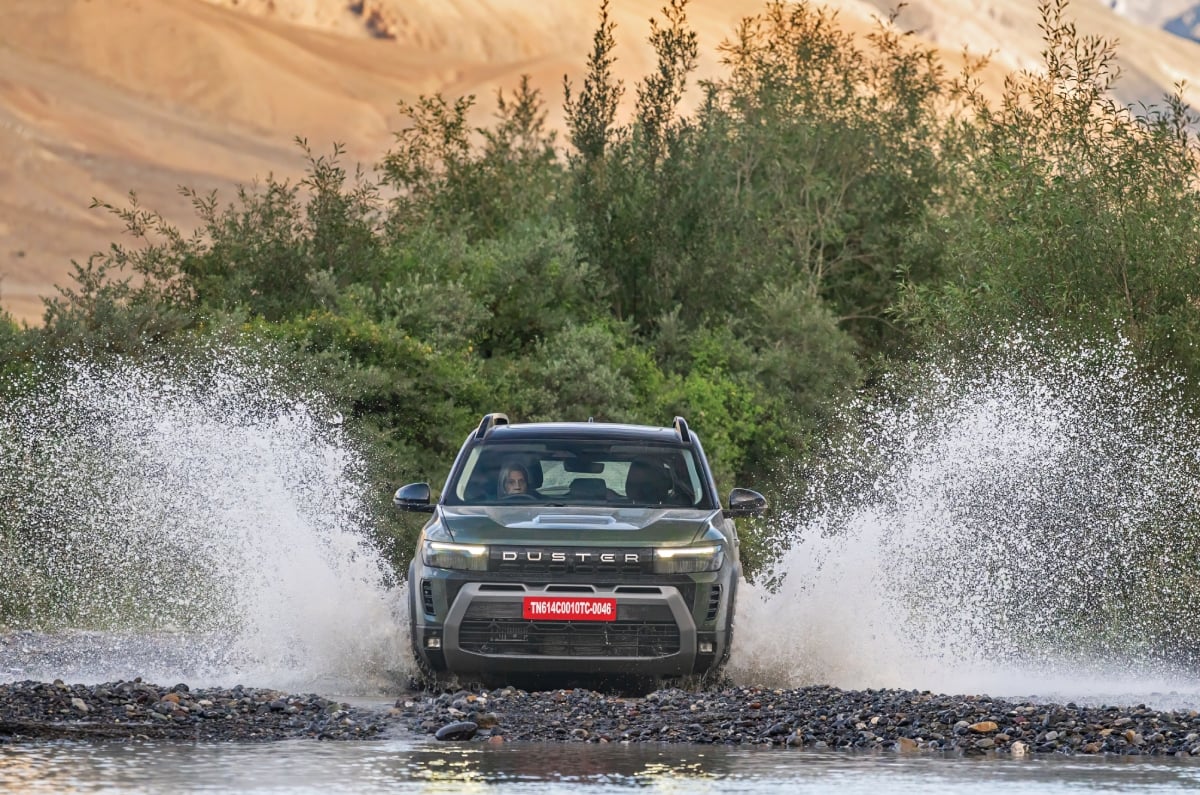
With 163hp on tap, making a splash is mandatory. 

The first part of the drive was almost civilised. Chandigarh’s wide roads and smooth surfaces gave me time to settle into the Duster. The 10.1-inch infotainment screen, with Google services integration, handled navigation, calls and music, while directions also appeared on the 10.25-inch digital driver’s display, lowering the risk of distraction.

Once we left the city, the turbo-petrol engine had some room to stretch its legs. Paired with the six-speed dual-clutch automatic, it made light work of the highway, and then the foothills arrived; corners tightening, and I found myself reaching for the paddles. The scenery was getting better, and the driving was getting more interesting.

Renault Duster Kibber rough roads fire side
The Duster was ready for more, but we had earned a warm break.

By evening, we were in Manali. The Duster felt ready to carry on, but we weren’t. The real test was still ahead.

ROADWORKS AHEAD

The next morning was rainy and quiet, and for a moment, staying put seemed like a very good idea. Everyone we’d spoken to, though, had offered the same warning: enjoy the tarmac while it lasts. They were right.

The transition is gradual with smooth tarmac giving way to broken tarmac, then gravel, and eventually sections where you have to wonder if the road was ever there in the first place. Corners tighten even more, roadworks appear and the surface becomes increasingly unpredictable.
Renault Duster Kibber landslide
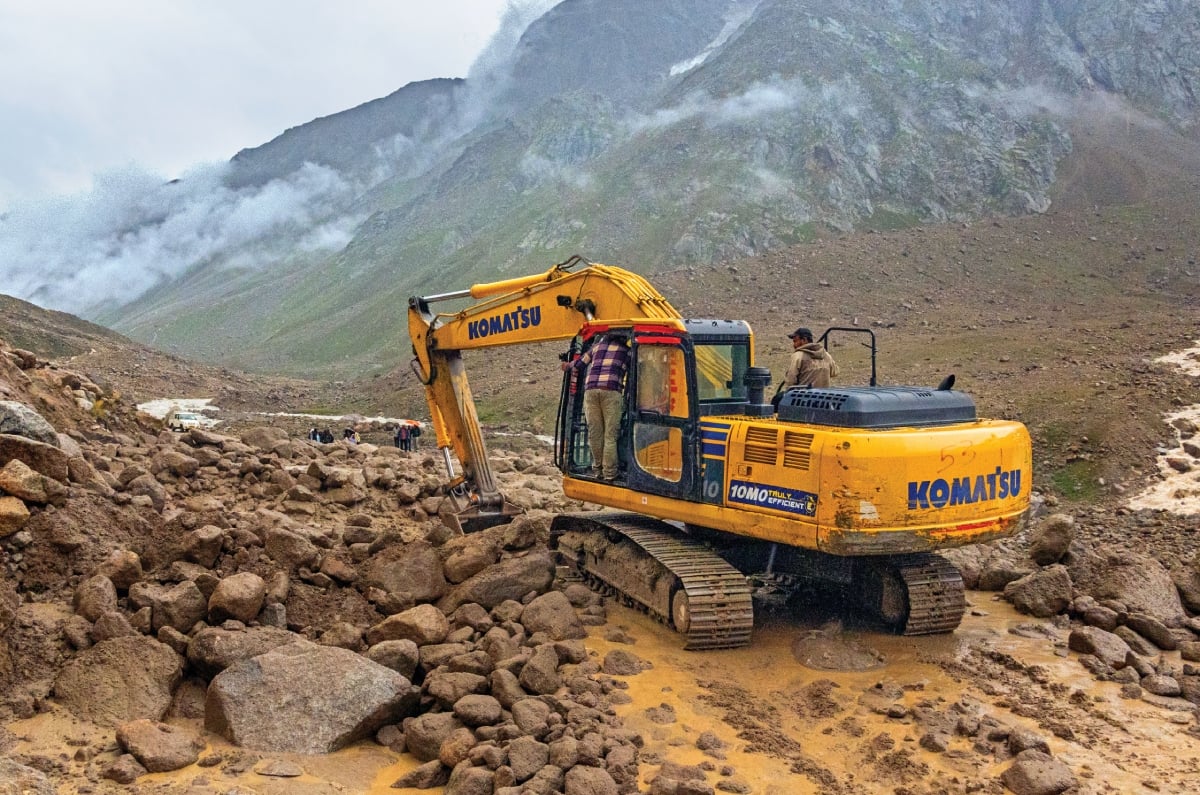
Not every delay is unwelcome, especially with a view like this. 

This is where the Duster started showing a different side. With 212mm of ground clearance, negotiating rocks and broken surfaces wasn’t especially worrying. More impressive was the suspension. On narrow sections with no guardrails, deep ruts and rough surfaces, remarkably little of the punishment made its way into the cabin. It’s the kind of terrain where you quickly appreciate a car that can take a beating without making every bump your problem.

As we climbed higher, the landscape changed dramatically. The forests disappeared, villages became smaller and the gaps between them longer. Spiti is enormous, empty and almost surreal. Here, a kilometre can feel like five, especially when you’re picking your way through dirt, potholes, loose rocks, washed-away sections and water crossings.
Renault Duster Kibber panoramic sunroof
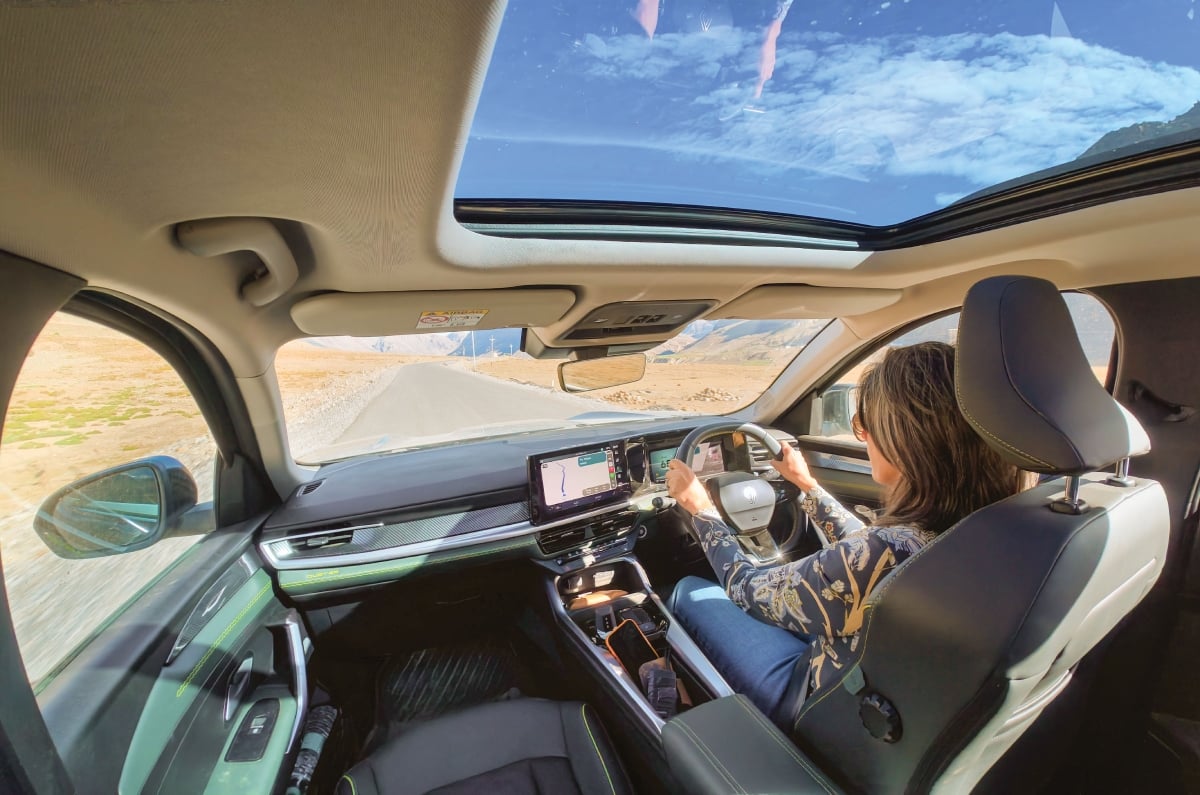
Spiti is best explored from behind the Duster’s wheel.

Then we hit a landslide. 

An enormous pile of debris had blocked the road, so we joined the queue and waited while excavators cleared a path. That’s where we met two cyclists heading towards Kaza, one of whom happened to own a Duster back home in France. It was incredible that they were tackling these mountains on two wheels! Suddenly, our journey seemed rather comfortable. Two and a half hours later, we were moving again.

By now, dusk was setting in. The road continued to throw everything at us, from deep ruts and gravel to broken sections and water crossings. These are the moments when you want to have confidence in your car. Ground clearance helps, suspension strength matters and you need enough performance to keep moving when the going gets tough. Oncoming traffic and narrow sections also meant there was often no avoiding the worst of the potholes.
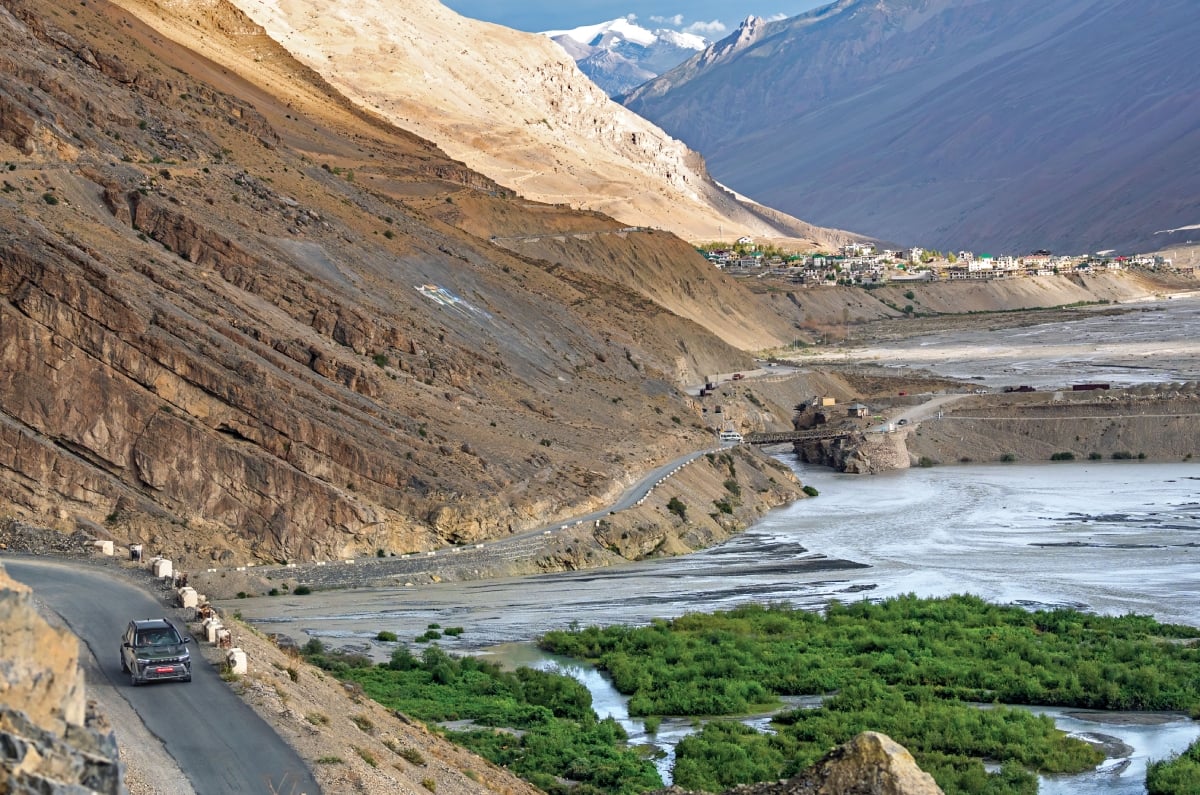
Renault Duster Kibber nice roads
Thankfully, the final stretch to Kibber is paved to perfection.

Despite it all, I never really found myself wishing for all-wheel drive. The Duster just kept going.

PEAKING AT THE SUMMIT

The landslide had delayed our arrival, and we eventually reached Kibber late at night, tired and with no idea what the place looked like. In hindsight, that may have made the next morning even better.
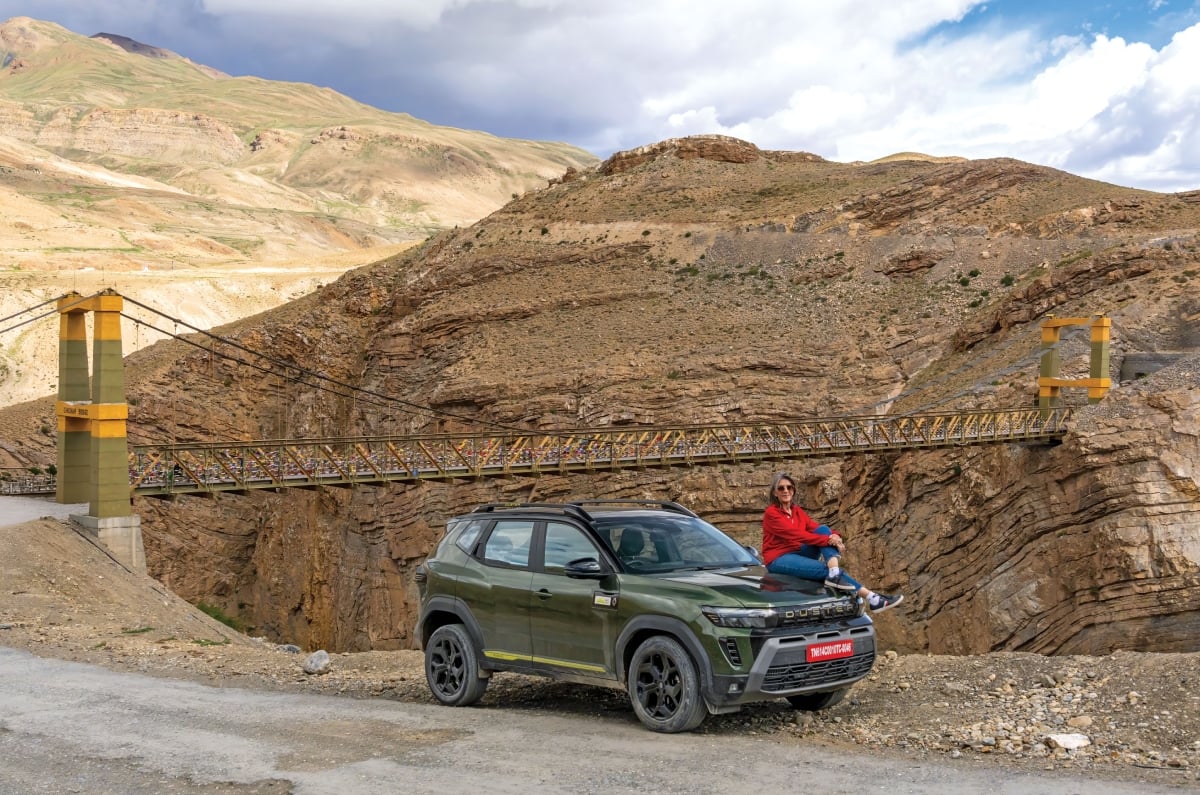
Renault Duster Kibber Chicham Bridge
At 4,145m above sea level, Chicham Bridge is Asia’s highest suspension bridge and a sight to behold.

The first thing that struck me when I stepped outside wasn’t the view. It was the silence. There was no traffic, no rush and none of the constant background noise we’re so used to. Just a tiny village surrounded by mountains.

A short drive away, Chicham Bridge hangs dramatically over a vast gorge. Photos don’t quite prepare you for the scale of it. Standing there and looking down, you finally understand the landscape you’ve spent the past couple of days driving through.

Renault Duster Kibber momos
No trip to the mountains is complete without a steaming hot plate of momos.

Looking back, the difficult bits quickly become part of the story rather than something to complain about. The landslide, the weather, the slow progress and the hours behind the wheel all fade away, leaving the views, the unexpected encounters and the satisfaction of having made it.

You don’t simply arrive at Kibber. You earn it. And that is exactly what Terrible Roads to Terrific Places is about. Some of India’s most unforgettable destinations aren’t easy to reach, and the road is as much a part of the experience as the destination itself. It helps, of course, to have a capable companion along the way. On this journey, the Renault Duster proved to be exactly that.
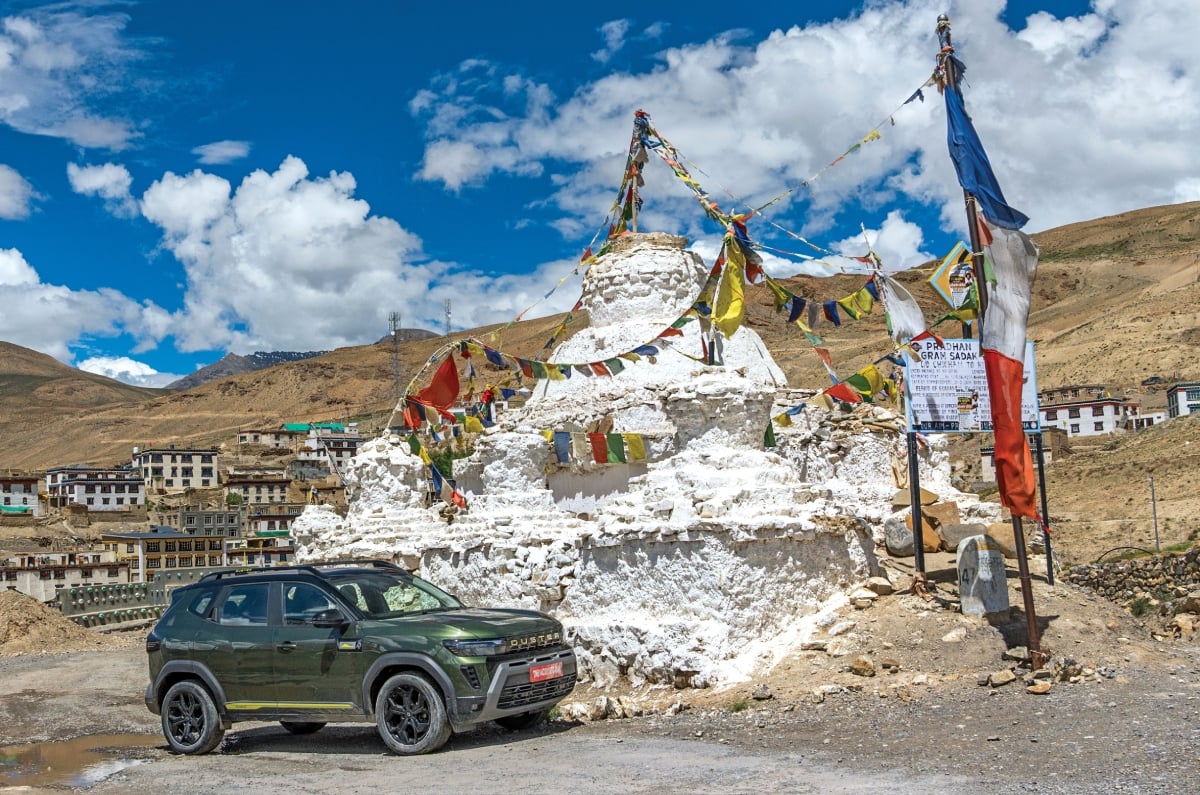
Renault Duster at Kibber village

Kibber is only the beginning, so imagine where the road, or lack of one, will take us next. In fact, if you stay tuned to this series, you’ll find out soon. But for now, I’ll leave you with a little hint: it’s a lot closer to Autocar India’s home than you think.

Renault Duster gets benefits of up to Rs 1.8 lakh in September 2026

Renault Duster gets benefits of up to Rs 1.8 lakh in September 2026
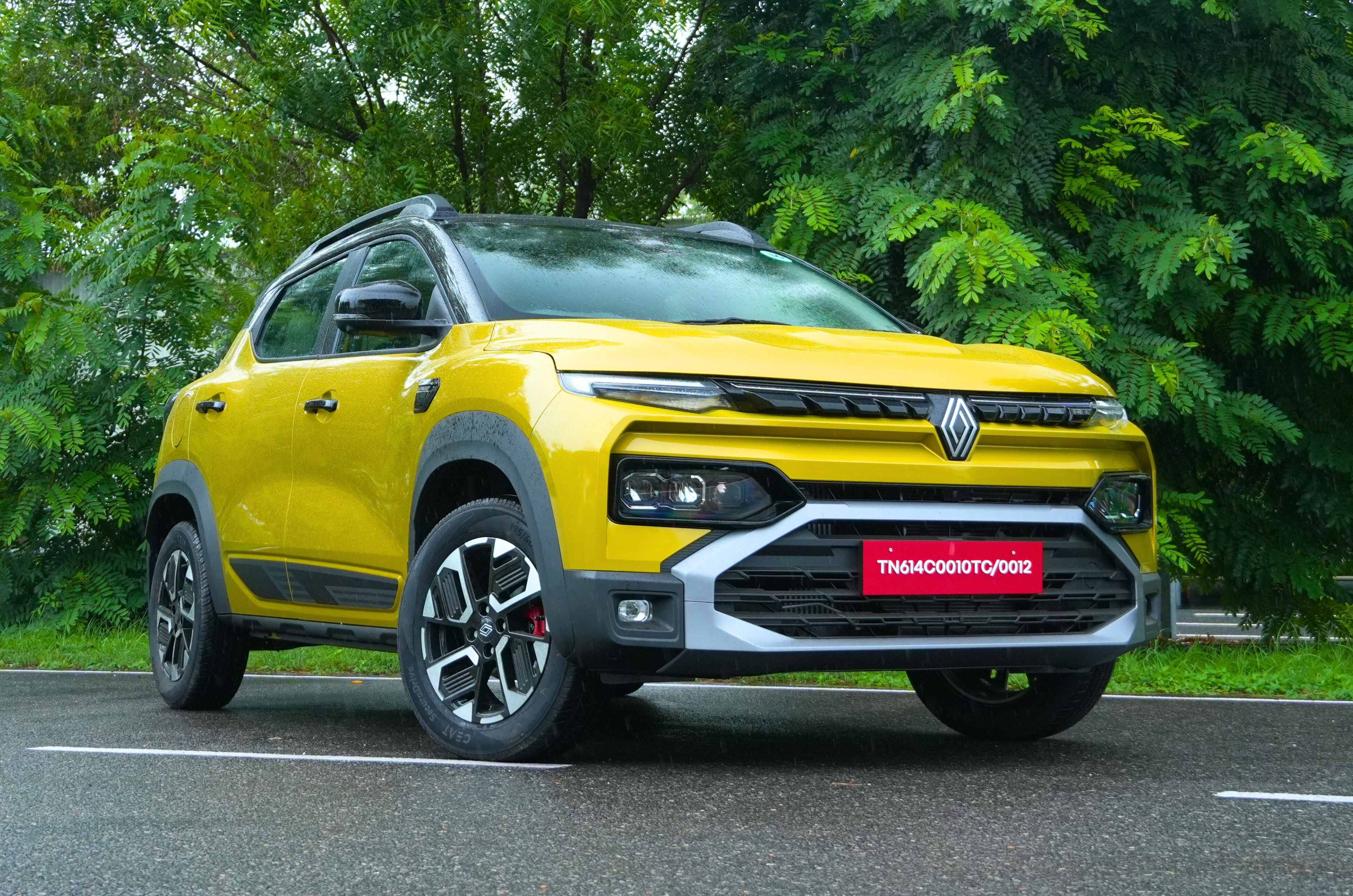
Renault Duster front quarter static

Renault India is offering substantial benefits across its portfolio in September 2026. For the first time, the latest-gen Duster is available with attractive benefits. Additionally, the French carmaker is offering cash discounts, exchange or scrappage benefits, loyalty schemes and a corporate or rural offer on its line-up. 
Disclaimer: Offers/benefits may vary by city and are subject to stock availability. Buyers are advised to check with their local dealer for exact figures. Customers can also check out Renault India’s official website for further details.

Renault Duster offers in September 2026 

Benefits of up to Rs 1.8 lakh

Select variants of the Duster SUV are available with benefits of up to Rs 1.8 lakh. These include a cash discount of up to Rs 30,000 and an exchange or scrappage bonus of up to Rs 50,000. Upgrading from a Renault car gets customers a loyalty benefit of Rs 10,000, but buyers upgrading from an older iteration of the Duster get a loyalty benefit of Rs 1 lakh. The Renault midsize SUV has a price range of Rs 10.49 lakh to Rs 18.49 lakh.

Renault Kiger offers in September 2026

Benefits of up to Rs 85,000

The Renault Kiger gets benefits of up to Rs 85,000 depending on the variant. These include a cash discount of up to Rs 30,000, a loyalty benefit of up to Rs 25,000 and an exchange or scrappage bonus of up to Rs 25,000. There’s also a corporate or rural offer of up to Rs 5,000. Renault’s crossover is priced between Rs 5.81 lakh and Rs 10.40 lakh.  

Renault Triber offers in September 2026 

Benefits of up to Rs 50,000

The Triber is available with benefits of up to Rs 50,000. These comprise a cash discount of up to Rs 20,000, an exchange or scrappage benefit of up to Rs 25,000 and a corporate or rural offer of up to Rs 5,000. Prices for the Renault MPV range between Rs 5.81 lakh and Rs 8.53 lakh.

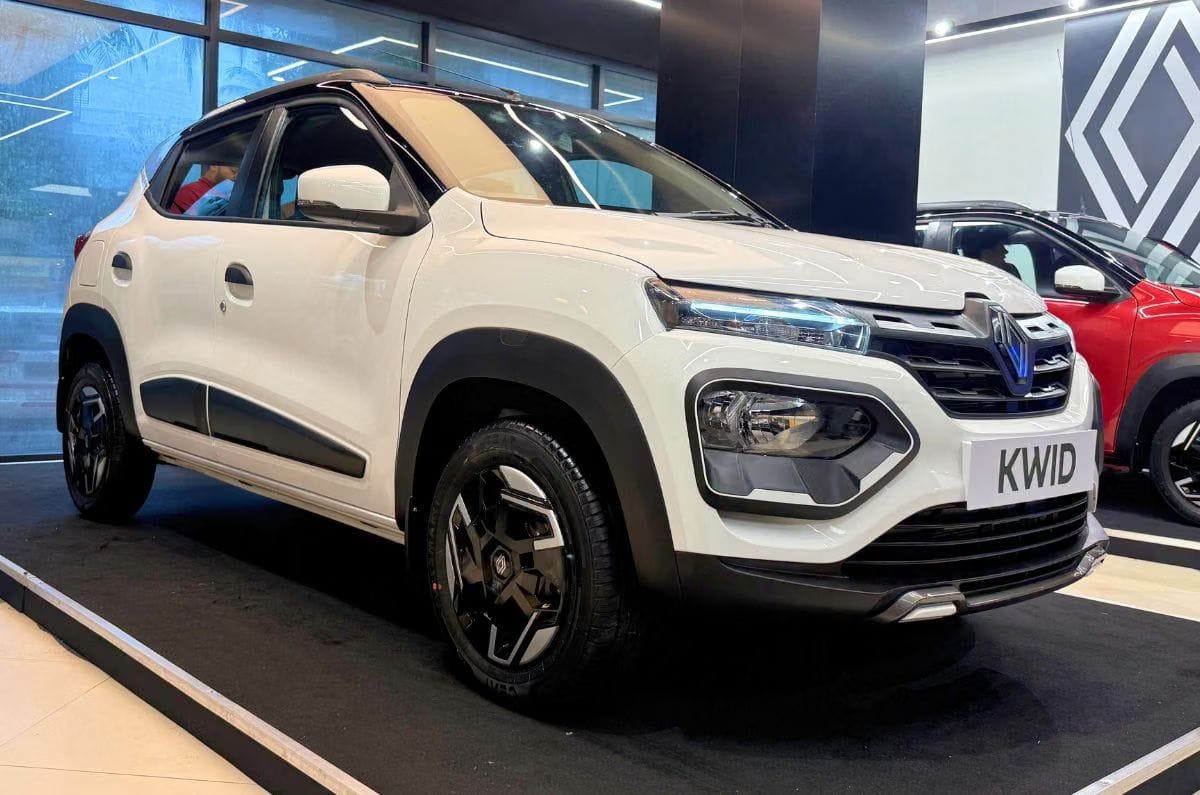
Renault Kwid offers in September 2026 

Benefits of up to Rs 40,000

The Kwid is available with benefits of up to Rs 40,000. Select variants of Renault’s most affordable car get a cash discount of up to Rs 15,000 and a scrappage bonus of up to Rs 25,000. The entry-level hatchback has a starting price of Rs 4.53 lakh, while its top variant costs Rs 5.61 lakh. 

Benefits up to Rs 3.10 lakh on Maruti Grand Vitara in September 2026

Benefits up to Rs 3.10 lakh on Maruti Grand Vitara in September 2026
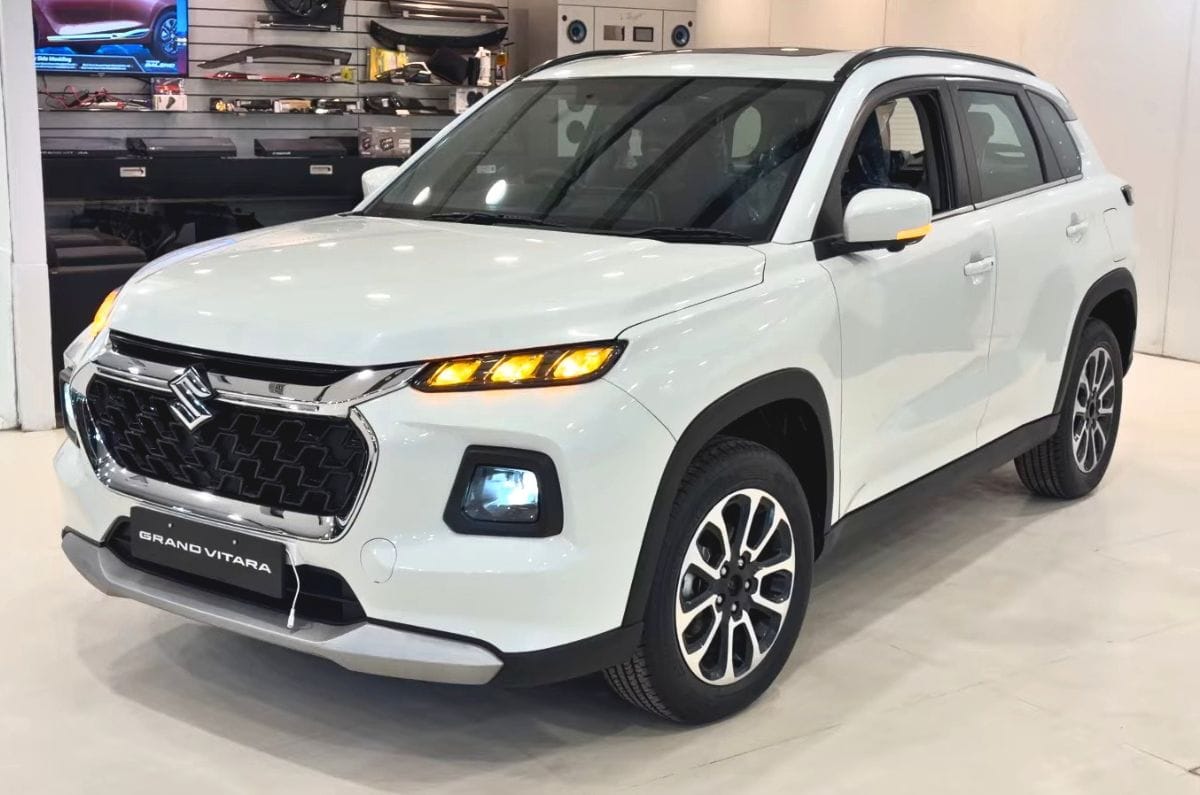
Maruti Grand Vitara front quarter static image

Offers applicable to Maruti Nexa cars in September 2026 have been revealed. Among all Nexa models, the Grand Vitara is carrying the highest benefits of up to Rs 3.10 lakh, followed by the Invicto, XL6, Jimny and Fronx. However, there are no benefits on the recently launched Baleno facelift and e Vitara EV. Let us take a look at the model-wise offer breakdown for Maruti Suzuki’s Nexa models in India for the month.

Note: These offers are applicable until September 30 and may vary by city, dealership and stock availability. Please check with your nearest Maruti Nexa dealership for the exact figures.

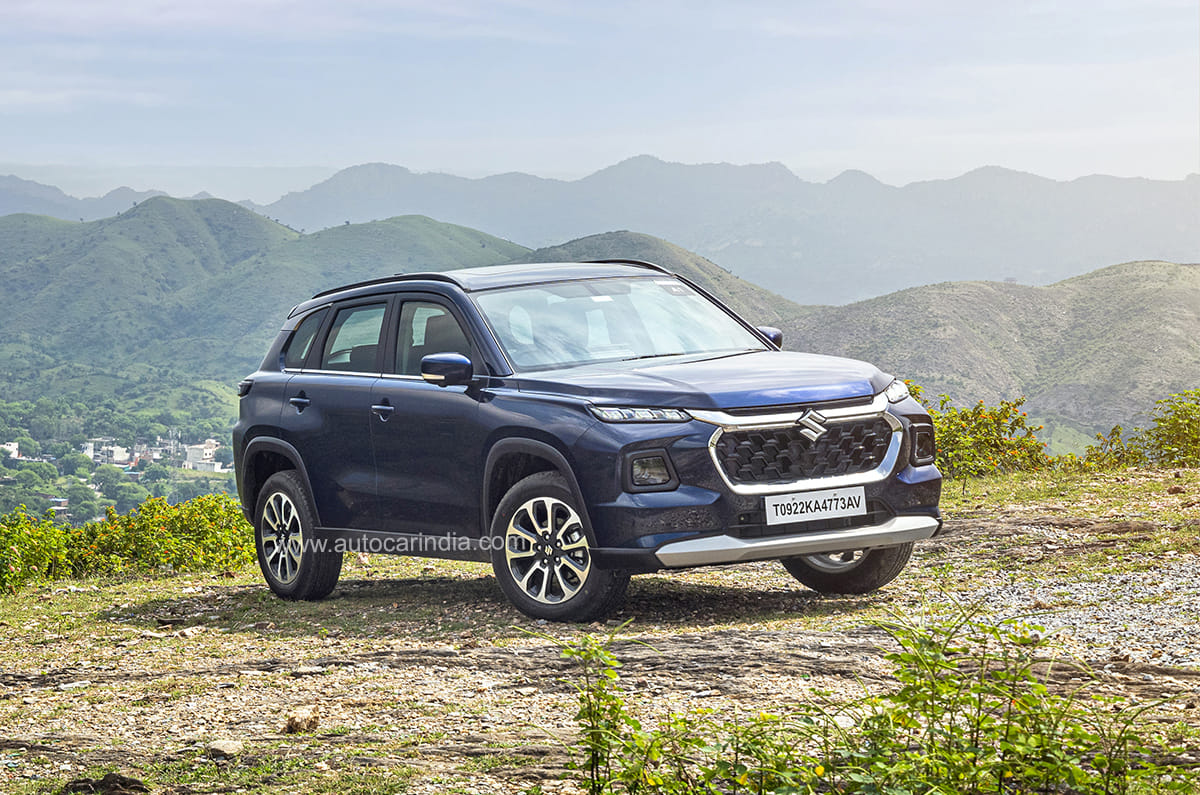
Maruti Grand Vitara September 2026 offers

Up to Rs 3.10 lakh

All Maruti Grand Vitara variants are available with either an exchange bonus of up to Rs 75,000 or a scrappage bonus of up to Rs 45,000, a loyalty bonus of up to Rs 30,000 and a corporate offer of up to Rs 20,000. Select variants are also available with a free 5-year extended warranty. Interestingly, the Grand Vitara’s strong hybrid variants are being offered with a zero road tax benefit, amounting to savings of up to Rs 1.85 lakh. The Maruti Suzuki Grand Vitara is priced from Rs 10.77 lakh to Rs 19.62 lakh and rivals midsize SUVs like the Hyundai Creta, Tata Sierra, Kia Seltos, Renault Duster and Nissan Tekton. 

Maruti Invicto September 2026 offers

Up to Rs 1 lakh

The Maruti Invicto MPV is being offered with benefits of up to Rs 1 lakh in September 2026. These include a choice between up to Rs 50,000 exchange bonus or a scrappage bonus of the same amount, a loyalty bonus of up to Rs 30,000 and a corporate offer of up to Rs 20,000. The Maruti Invicto is priced from Rs 24.97 lakh to Rs 28.71 lakh, and locks horns with the Toyota Innova Hycross and can be considered an alternative to the Toyota Innova Crysta.

Maruti XL6 September 2026 offers

Up to Rs 50,000

All Maruti XL6 variants are being offered with benefits up to Rs 50,000, which includes a cash discount of up to Rs 20,000, and a choice between an exchange bonus of up to Rs 30,000 or a scrappage benefit of up to Rs 15,000. The Maruti XL6 prices range from Rs 11.62 lakh to Rs 14.42 lakh, and it rivals the Maruti Suzuki Ertiga, Kia Carens Clavis, Kia Carens and Toyota Rumion.

Maruti Jimny September 2026 offers

Up to Rs 35,000

In September 2026, the Maruti Jimny is being offered with a cash discount of up to Rs 35,000. Other than this, it is not being officially offered with any scrappage, exchange, loyalty or corporate bonuses. The Maruti Jimny’s prices range from Rs 12.54 lakh to Rs 14.52 lakh, and it rivals the Mahindra Thar and Force Gurkha 3-door. 

Maruti Fronx September 2026 offers

Up to Rs 20,000

All variants of the Maruti Fronx are offered with an exchange bonus of up to Rs 15,000 or a scrappage bonus of up to Rs 10,000. The turbo-petrol variants are further available with a cash discount of up to Rs 5,000. Prices of the Maruti Suzuki Fronx range from Rs 6.85 lakh to Rs 11.84 lakh, and it serves as an alternative to compact SUVs like the Tata Nexon, Hyundai Venue, Kia Sonet, Mahindra XUV 3XO and Maruti Brezza.

Prices are ex-showroom, India. 

Benefits up to Rs 3 lakh on Mahindra Scorpio N in September 2026

Benefits up to Rs 3 lakh on Mahindra Scorpio N in September 2026
Mahindra Scorpio N front quarter static

September 2026 offers on Mahindra models, including the Scorpio N, Thar Roxx, 3-door Thar and XUV 3XO. The maximum benefits are available with the older Scorpio N stock, followed by the Thar Roxx. However, the XUV 7XO, or any EV, including BE 6 Sporteq, XEV 9e and XEV 9S, are not carrying any official benefits. Let us take a look at the model-wise offer breakdown for Mahindra models in India for the month of September 2026.

Note: The mentioned offers are applicable till September 30 and may vary by city, dealership and stock availability. Please check with your nearest Mahindra dealership for the exact figures.

Mahindra Scorpio N September 2026 offers

Up to Rs 3 lakh

Older-spec Mahindra Scorpio N

Select variants of the older-stock Mahindra Scorpio N are being offered with benefits up to Rs 3 lakh. This includes consumer offers of up to Rs 1.50 lakh, cash discounts of up to Rs 1.25 lakh and free accessories worth up to Rs 25,000. The current-spec Mahindra Scorpio N is priced from Rs 13.69 lakh to Rs 25.49 lakh and serves as an alternative to 3-row SUVs like the Tata Safari, Mahindra XUV 7XO, MG Hector Plus and Hyundai Alcazar. 

Mahindra Thar Roxx September 2026 offers

Up to Rs 2.40 lakh

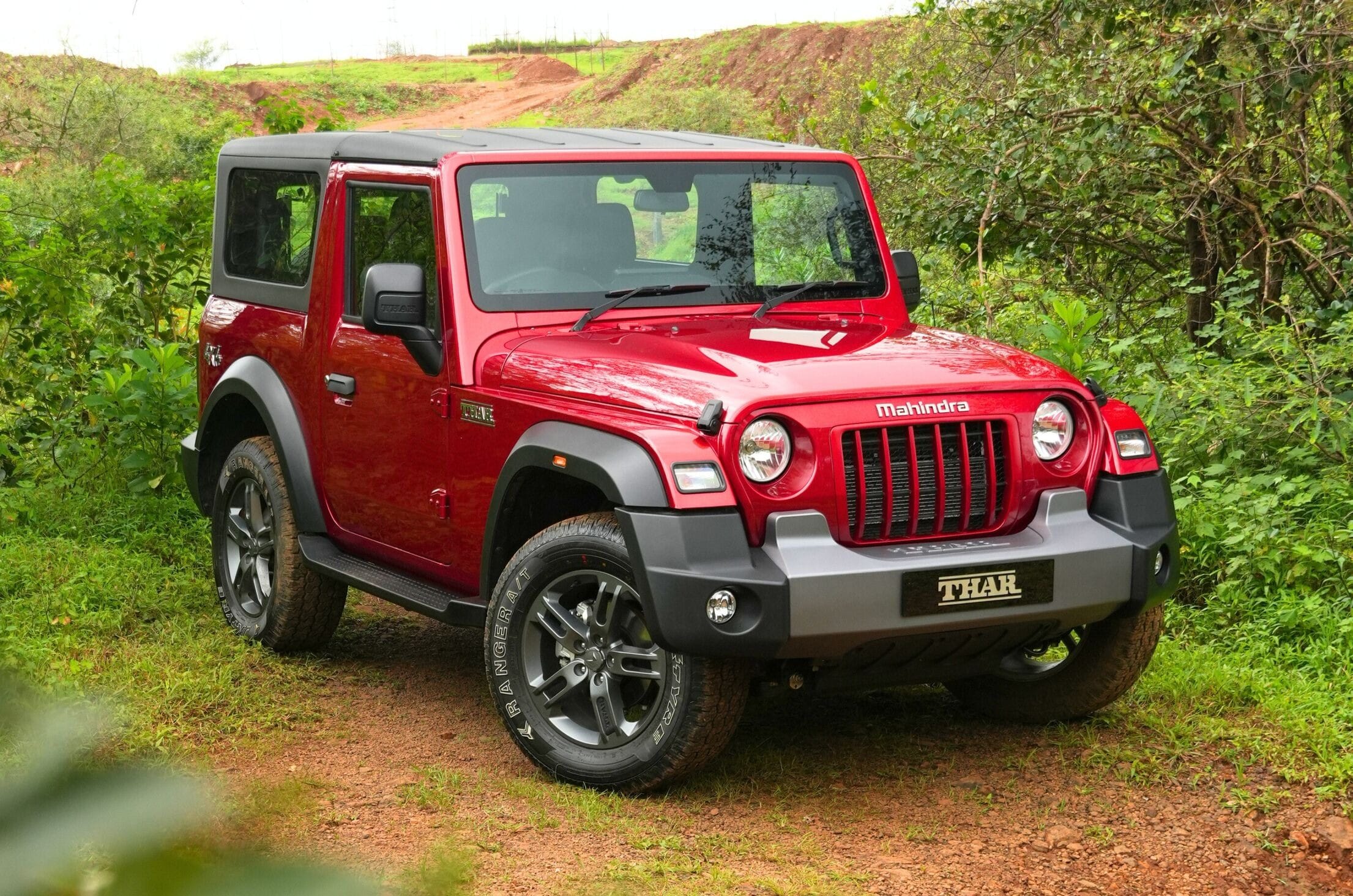
Select variants of the Mahindra Thar Roxx are available with offers of up to Rs 2.40 lakh in September 2026. Total benefits include consumer offers of up to Rs 1.20 lakh, cash discounts of up to Rs 90,000 and free accessories of up to Rs 30,000, depending on the variant chosen. The Mahindra Thar Roxx prices range from Rs 12.52 lakh to Rs 23.52 lakh. It locks horns with the Force Gurkha 5-door and can be considered an alternative to midsize SUVs like the Hyundai Creta, Tata Sierra and Renault Duster.

Mahindra XUV 3XO September 2026 offers

Up to Rs 1.20 lakh

The Mahindra XUV 3XO is offered with total benefits of up to Rs 1.20 lakh, depending on the selected variant. These include up to Rs 60,000 in consumer offers, up to Rs 40,000 cash discount and up to Rs 20,000 worth of free accessories. The Mahindra XUV 3XO is priced from Rs 7.79 lakh to Rs 15.04 lakh, and rivals compact SUVs such as the Tata Nexon, Hyundai Venue, Kia Sonet, and Maruti Suzuki Brezza.

Mahindra Scorpio Classic September 2026 offers

Up to Rs 1.10 lakh

The Scorpio Classic is being offered with total benefits of up to Rs 1.10 lakh in September 2026. Along with consumer offers worth Rs 50,000, it also includes a cash discount of up to Rs 30,000 and free accessories worth up to Rs 30,000, depending on the variant. Prices of the Mahindra Scorpio Classic range from Rs 3.37 lakh to Rs 17.40 lakh.

Mahindra Thar 3-door September 2026 offers

Up to Rs 1 lakh

Mahindra is offering the 3-door Thar’s four-wheel-drive (4WD) variants with benefits of up to Rs 1 lakh, which includes consumer offers of up to Rs 50,000, cash discounts of up to Rs 30,000 and free accessories worth up to Rs 20,000. The rear-wheel-drive (RWD) variants, however, are offered with no official offers. The Mahindra Thar is priced from Rs 10.32 lakh to Rs 18 lakh and it locks horns with Force Gurkha 3-door and can be considered an alternative to the Maruti Suzuki Jimny.

Mahindra Bolero Neo (including Neo Plus) September 2026 offers

Up to Rs 50,000

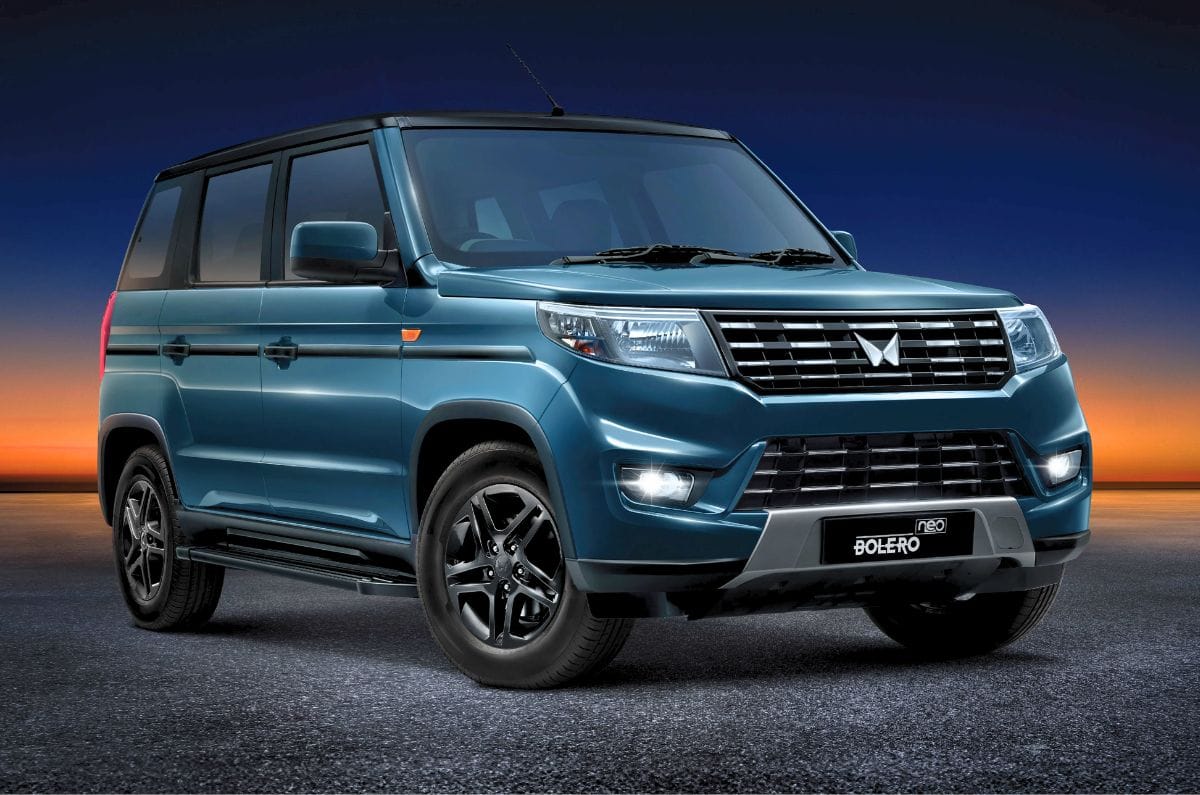
Mahindra is offering the Bolero Neo Plus with offers up to Rs 50,000, including a consumer offer of up to Rs 25,000, a cash discount of up to Rs 15,000 and free accessories worth up to Rs 10,000, depending on the variant. The Bolero Neo gets lower benefits of up to Rs 20,000, which includes a consumer offer and a cash discount of up to Rs 10,000 each. The Bolero Neo Plus is priced from Rs 11.39 lakh to Rs 13.49 lakh, while the smaller Bolero Neo prices range from Rs 8.99 lakh to Rs 10.79 lakh. 

Prices are ex-showroom, India.

Hyundai Creta gets benefits of up to Rs 1 lakh in September 2026

Hyundai Creta gets benefits of up to Rs 1 lakh in September 2026
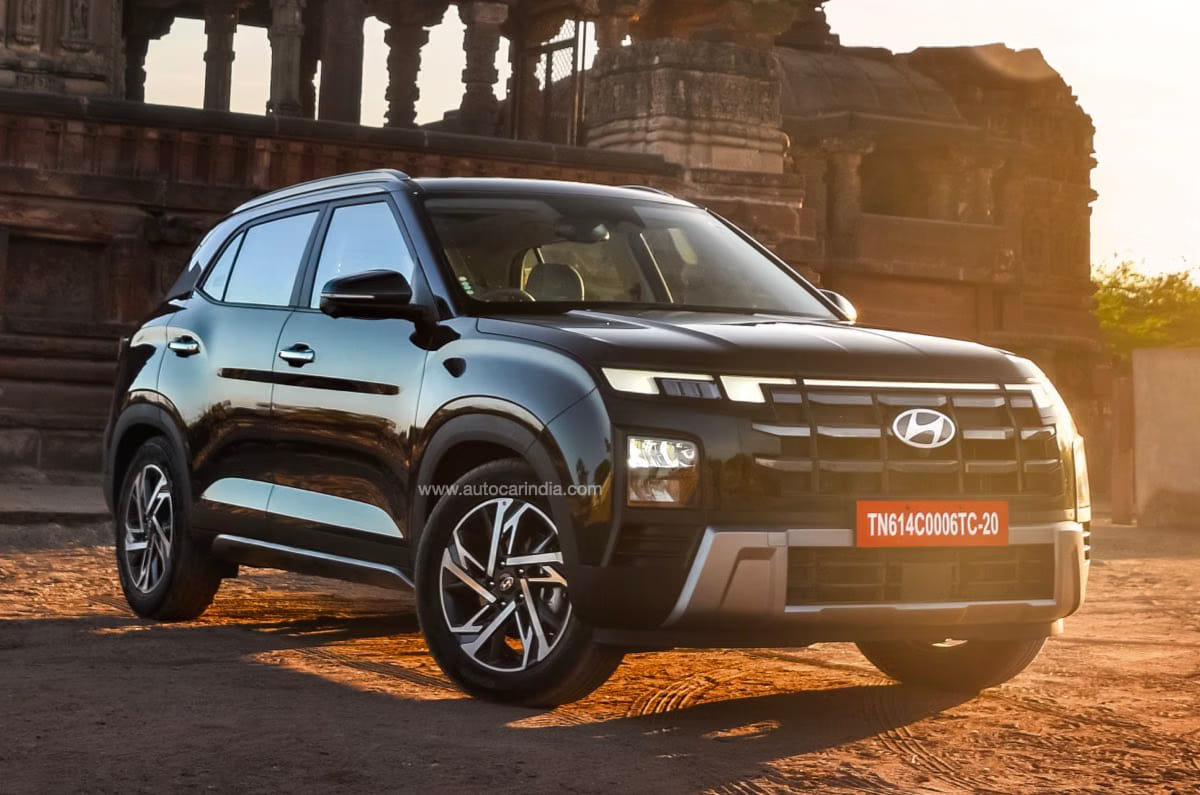
Hyundai Creta front quarter static

Hyundai India is offering an attractive range of benefits on select models in its portfolio. Depending on the model chosen, customers can avail up to Rs 1 lakh in benefits, valid until September 30, 2026.

Disclaimer: Offers/benefits may vary by city and are subject to stock availability. Buyers are advised to check with their local dealer for exact figures.

Hyundai Creta offers in September 2026

Benefits of up to Rs 1 lakh

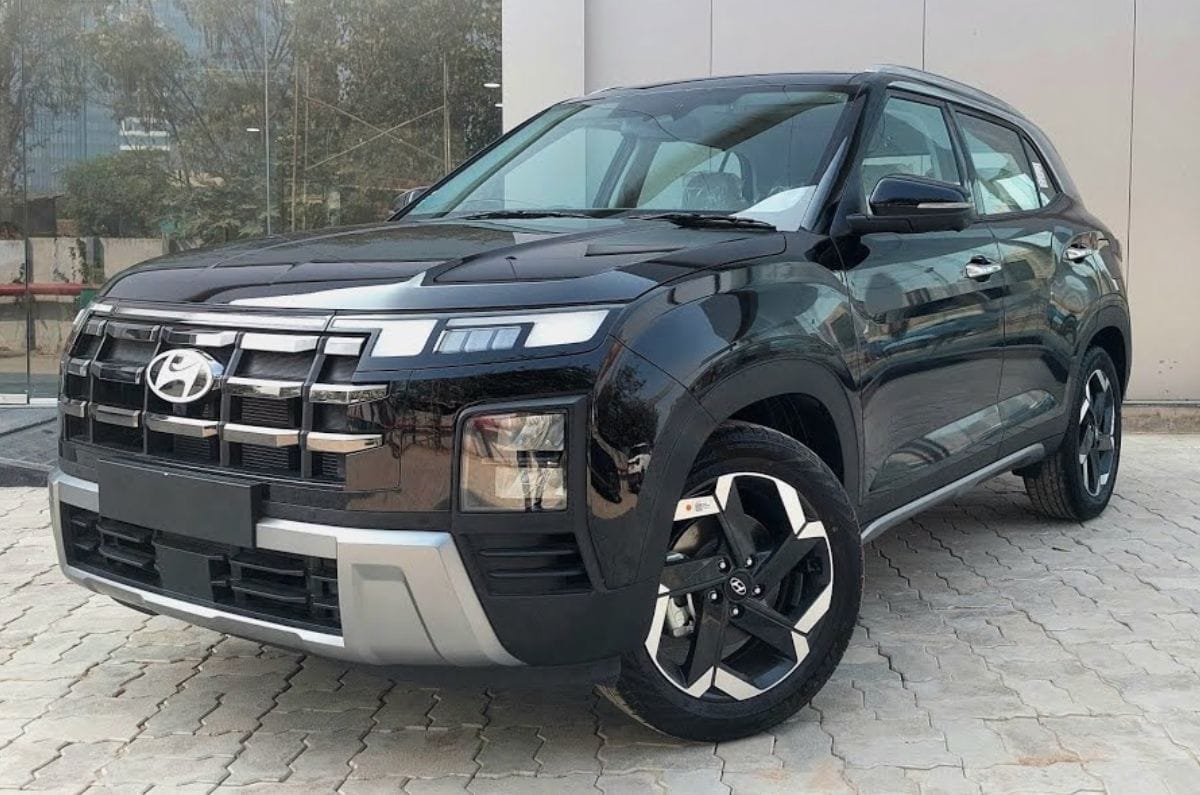
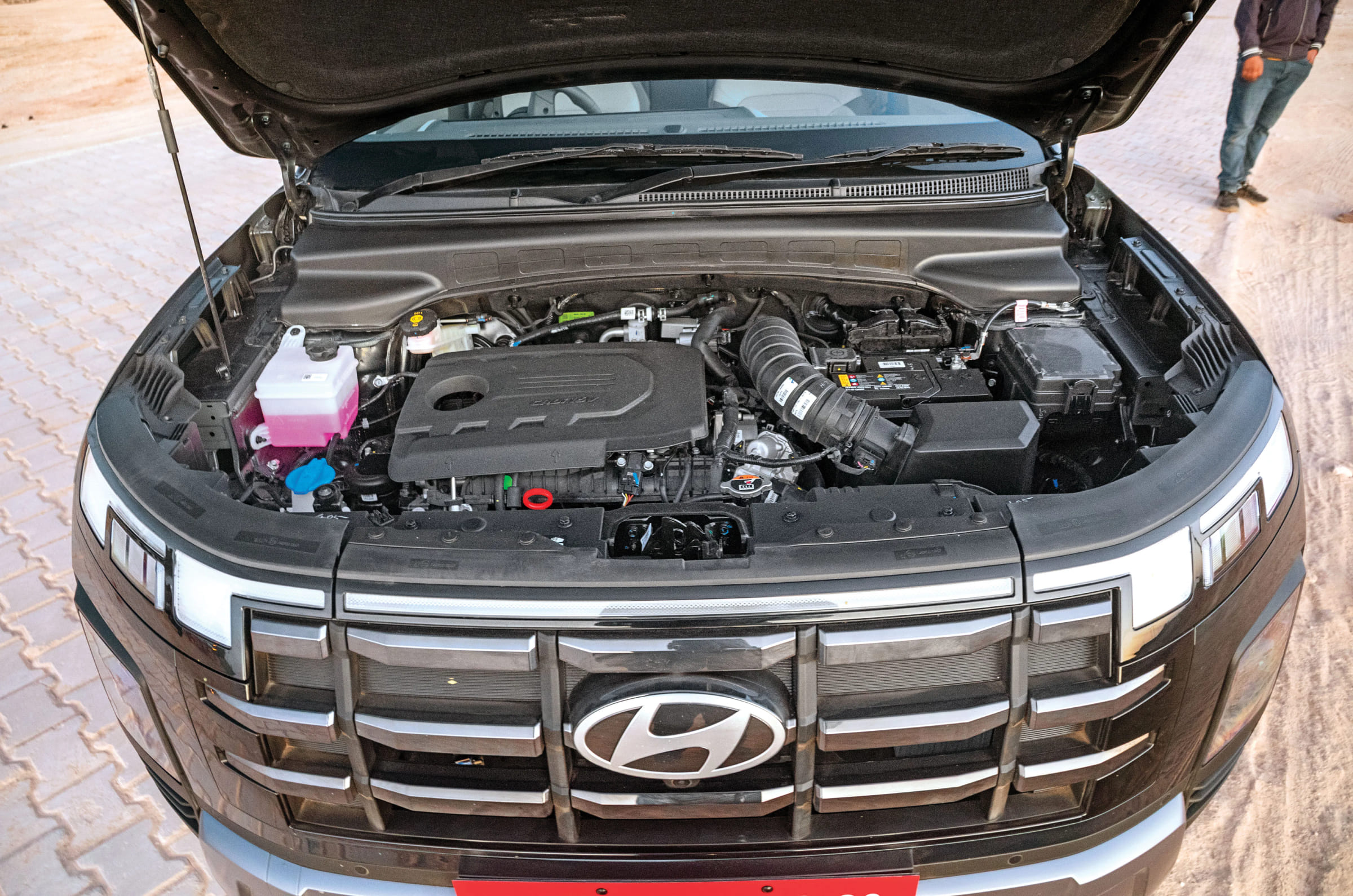
The Creta mid-size SUV is available with benefits of up to Rs 1 lakh. The Korean carmaker’s best-selling model in India is offered with a trio of 1.5-litre engines, namely, a naturally aspirated petrol, a turbo-petrol, and a diesel engine. All engines are offered with manual and automatic gearboxes. Prices range between Rs 10.90 lakh and Rs 19.91 lakh, with the Creta taking on rivals like the Tata Sierra, Kia Seltos, Renault Duster, Skoda Kushaq, and Maruti Victoris.

Hyundai Grand i10 Nios offers in September 2026 

Benefits of up to Rs 70,000

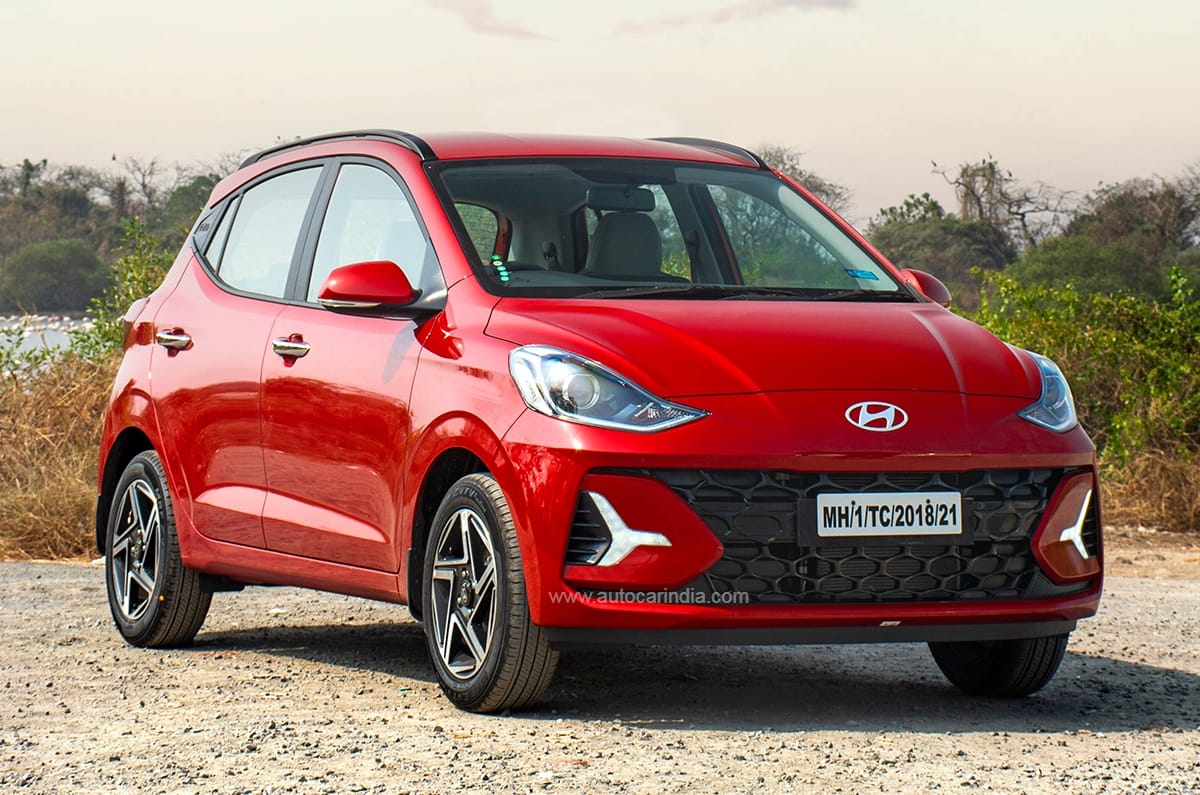
Hyundai’s Grand i10 Nios is being offered with up to Rs 70,000 in benefits. Its most affordable model in India is offered solely with a 1.2-litre petrol engine paired to either a manual or AMT gearbox. A factory-fit dual-cylinder CNG kit can be fitted to this engine and is paired exclusively with a manual gearbox. The Grand i10 is priced between Rs 5.59 lakh to Rs 8.04 lakh and is Hyundai’s answer to the Maruti Swift and the Tata Tiago.

Hyundai i20 offers in September 2026 

Benefits of up to Rs 60,000

The Grand i10’s elder sibling, the i20, is being offered with benefits of up to Rs 60,000. Standard versions of the i20 come powered by a 1.2-litre petrol engine mated with either a manual or CVT automatic gearbox. The i20 is priced from Rs 5.99 lakh to Rs 11.59 lakh, and it competes with the Maruti Baleno, Tata Altroz, and the Toyota Glanza.

Hyundai Exter offers in September 2026

Benefits of up to Rs 50,000

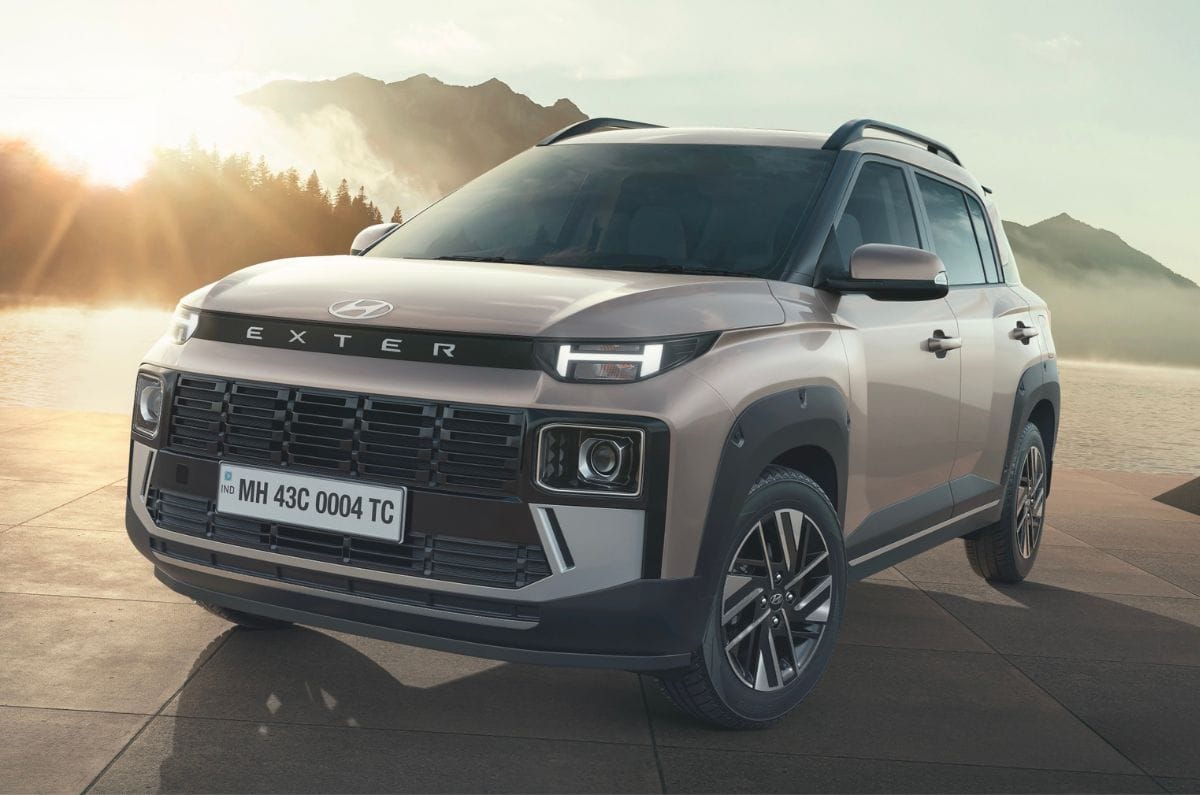
Hyundai is offering benefits of up to Rs 50,000 on the Exter. The subcompact SUV was updated earlier this year with refreshed looks and feature additions. It is powered by a 1.2-litre petrol engine and is mated with either a manual or AMT gearbox. Like the Grand i10, it also gets a CNG kit fitted to this engine. The Exter’s price begins at Rs 5.8 lakh and goes all the way up to Rs 9.46 lakh. It takes on the likes of the Tata Punch.

Hyundai Aura offers in September 2026 

Benefits of up to Rs 30,000

The Aura compact sedan is available with benefits of up to Rs 30,000. The Aura shares the same petrol engine as the Grand i10 Nios and the Exter, along with a CNG version on offer. It is priced between Rs 5.99 lakh and Rs 8.59 lakh and competes with the Tata Tigor, Maruti Dzire, and the Honda Amaze.

Renault Triber turbo to launch by September end

Renault Triber turbo to launch by September end
Renault Triber front quarter static

Renault is set to introduce a turbo-petrol powertrain option for the Triber MPV by the end of September. With this engine borrowed from the Kiger, Renault would try to address one of the Triber’s major criticisms – its underpowered naturally aspirated powertrain. A factory-fitted CNG option will also be offered with this turbo-petrol engine. 

  1. 1.0-litre turbo-petrol engine expected to produce around 100hp
  2. Factory-fitted CNG option will utilise dual-cylinder technology

Renault Triber turbo-petrol engine specifications

Three-cylinder turbo-petrol unit will be the same as the one in Kiger

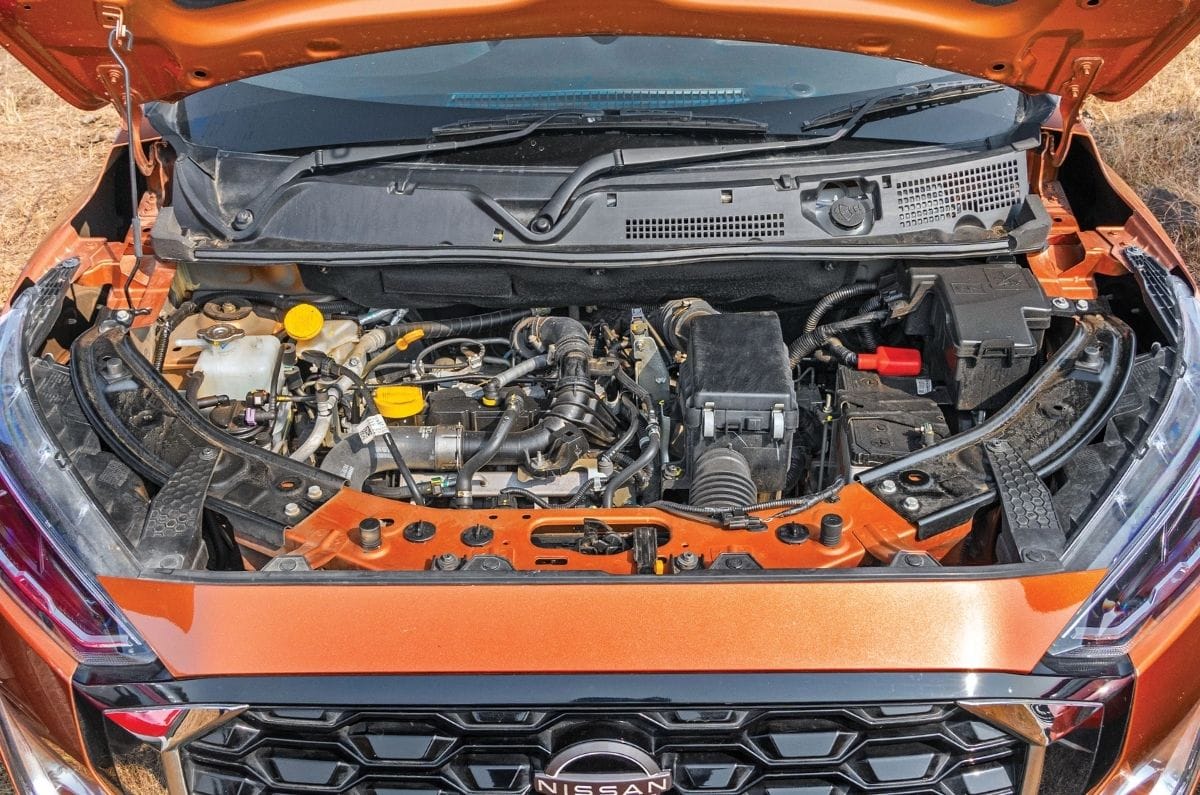
Nissan Magnite’s engine bay shown for representative purposes only. 

The upcoming three-cylinder turbo-petrol engine on the Triber, codenamed HR10, is derived from the Renault Duster’s ‘HR13’ 1.3-litre four-cylinder engine, albeit with one less cylinder. This engine is offered in the Renault Kiger and Nissan Magnite, with the option of a 5-speed manual or a CVT, and produces 100hp and up to 160Nm. This is 28hp and 62Nm more than the Triber’s naturally aspirated petrol engine and is expected to address the Triber’s criticism of being an underpowered MPV. However, it will be interesting to see whether the Triber turbo comes in the same state of tune and is offered with a CVT.  

A factory-fitted dual-cylinder CNG option will be offered with the same engine

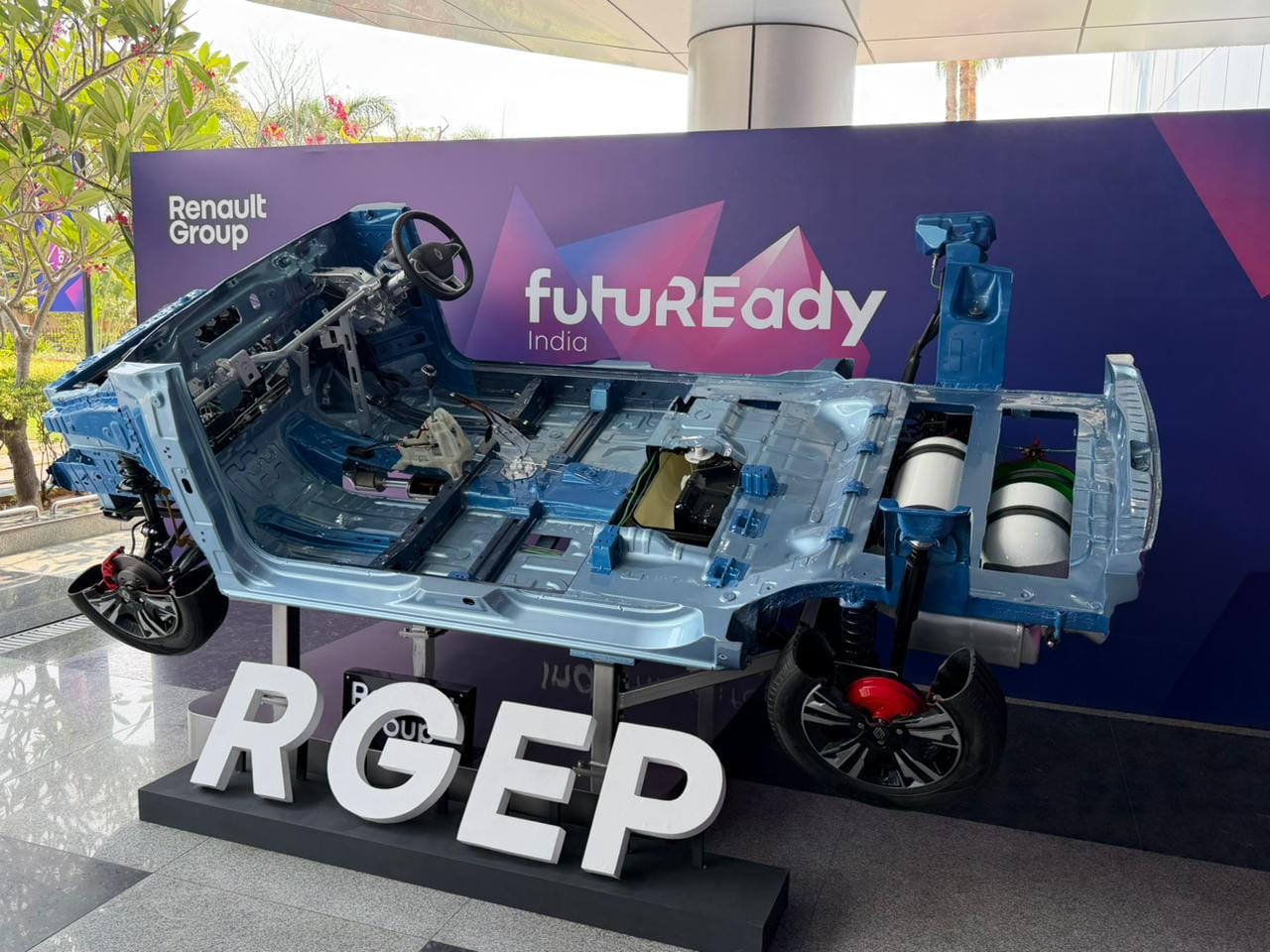
Renault will also offer the Triber with a factory-fitted CNG option, which will utilise dual cylinders placed under the boot floor for space utilisation. It is expected to be offered only with a manual transmission. This dual-cylinder CNG option will also be employed in the Kiger at a later date.

The Triber’s CMF-A platform, now called RGEP, has been modified to accommodate the new powertrains. 

Currently, the Renault Triber is offered with an aftermarket CNG kit that can be retrofitted to the MPV’s manual variants. It comes with a standard 3-year/1 lakh km warranty (whichever is first). 

With the under-the-hood changes, the turbo-petrol-powered Renault Triber is expected to offer everything the naturally aspirated petrol version offers. The prices, however, are expected to rise from the current model’s Rs 5.81 lakh to Rs 8.53 lakh range (ex-showroom). 

Hyundai confirms next-gen Creta and i10 for India

Hyundai confirms next-gen Creta and i10 for India

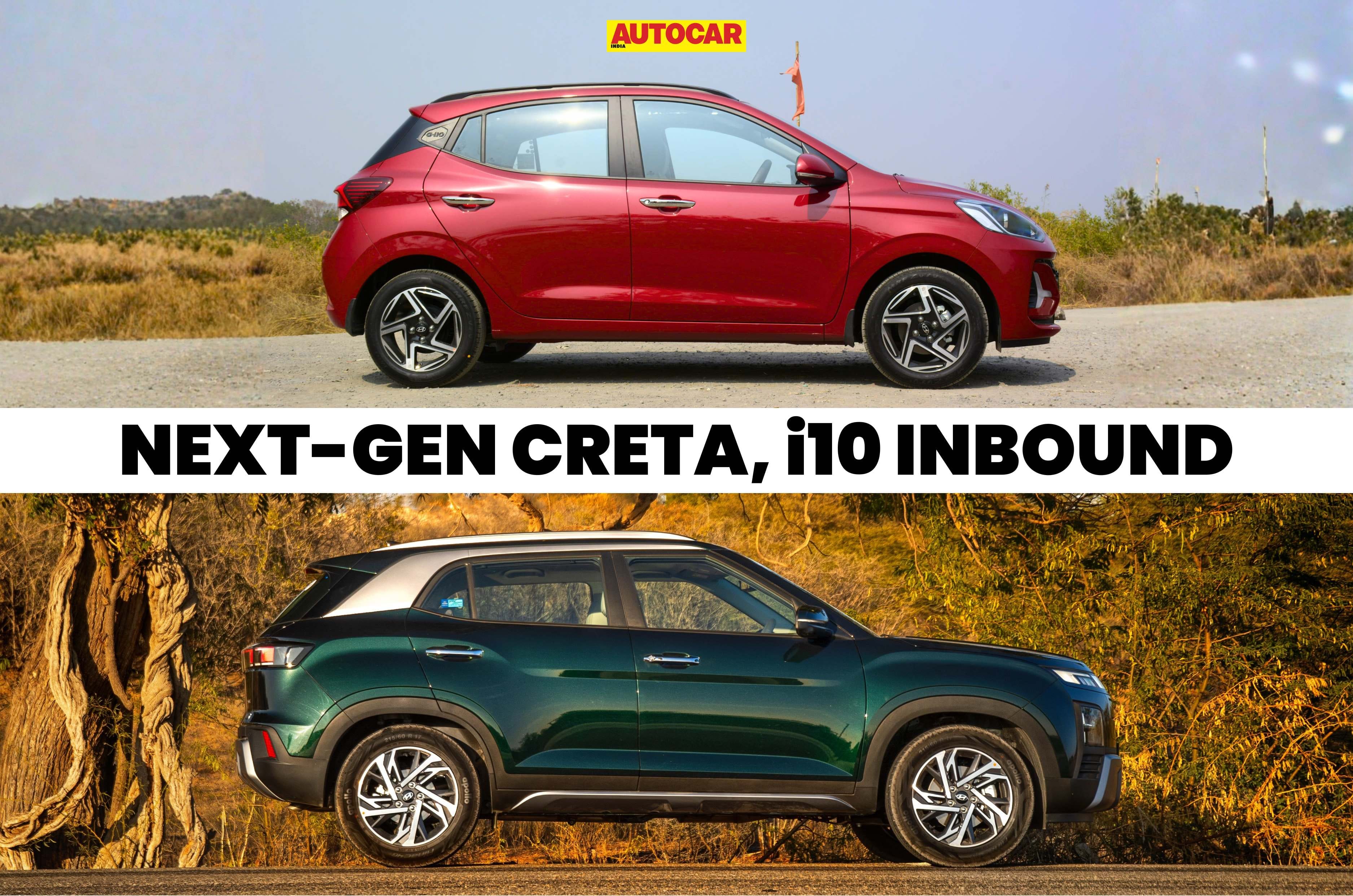
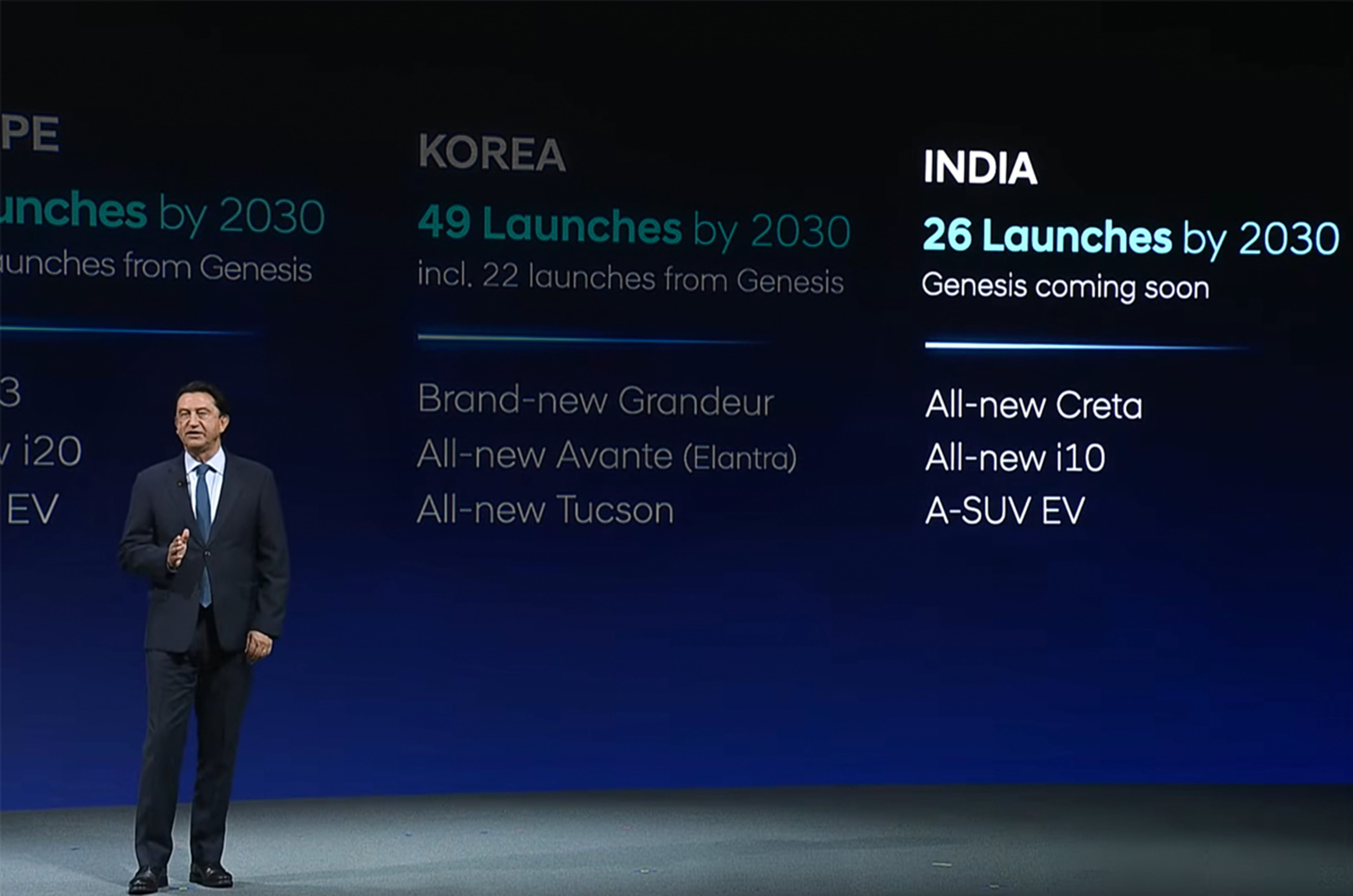
At its 2026 CEO Investor Day, Hyundai formally announced that it will bring next-gen versions of the Creta midsize SUV and i10 hatchback to India before 2030. We’ve known for quite some time that a new-gen Creta is in the works – test mules have been spied in India too – and we even reported on the next-gen i10’s launch timeline back in 2024.

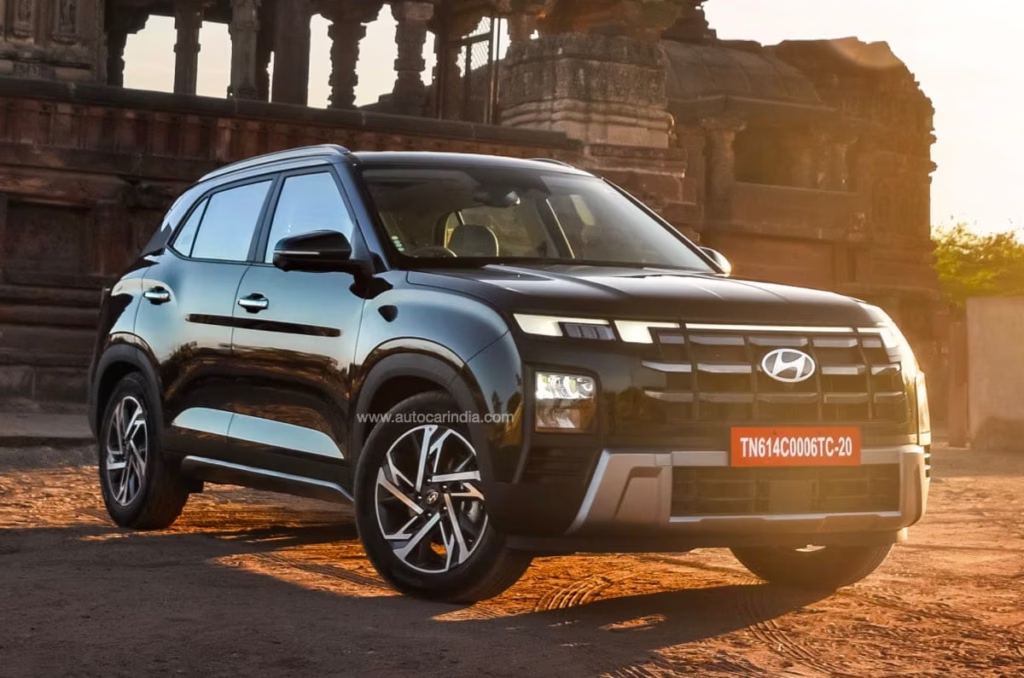
Next-gen Hyundai Creta

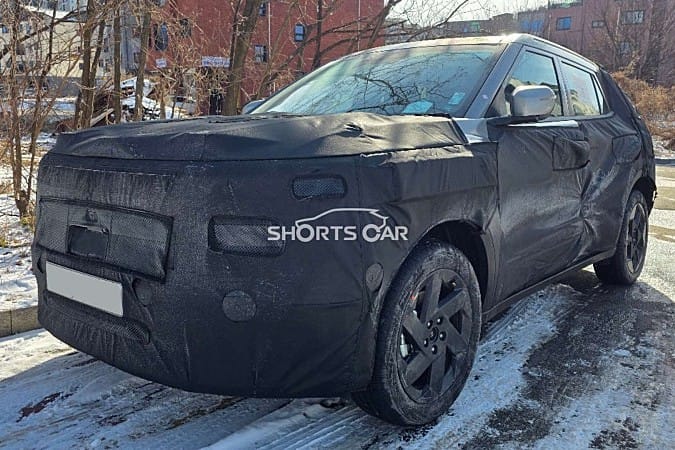
The new Creta is likely to ride on the same K3 platform that underpins the second-gen Kia Seltos. Test mules of the next-gen Creta indicate that the SUV will grow in size and sport boxier proportions, while the interior is expected to get a fresh design, Hyundai’s new Pleos Connect infotainment interface, and an enhanced feature set.

Under the bonnet, the new Creta is anticipated to carry over the existing model’s 115hp 1.5-litre naturally aspirated petrol, 160hp 1.5-litre direct-injection turbo-petrol, and 116hp 1.5-litre diesel engines, along with their respective gearbox options. In addition to those, Hyundai is likely to introduce a strong-hybrid powertrain for the next-gen Creta, which could be based on the 1.5-litre naturally aspirated petrol engine.

Third-gen Hyundai Creta test mule. Image credit: Raspberry via Autospy.net

We expect the third-gen Creta to launch sometime in 2027, possibly in the second half of the year. The current-gen Creta was first launched in 2020 and received a major facelift in 2024. However, with the recent barrage of all-new midsize SUV rivals like the Tata Sierra, Renault Duster, Nissan Tekton, and the aforementioned second-gen Seltos, the Creta is due a generational update.

Next-gen Hyundai i10

Details are scarce about the next-gen i10, but hatchback could make the switch to a new platform. Thorough redesigns for the exterior and interior, along with a bolstered list of features, are expected. As for engine options, the new i10 is expected to use the current model’s 1.2-litre naturally aspirated engine, which is available in 83hp petrol and 69hp CNG guises. Manual and AMT gearbox options are also anticipated to be retained.

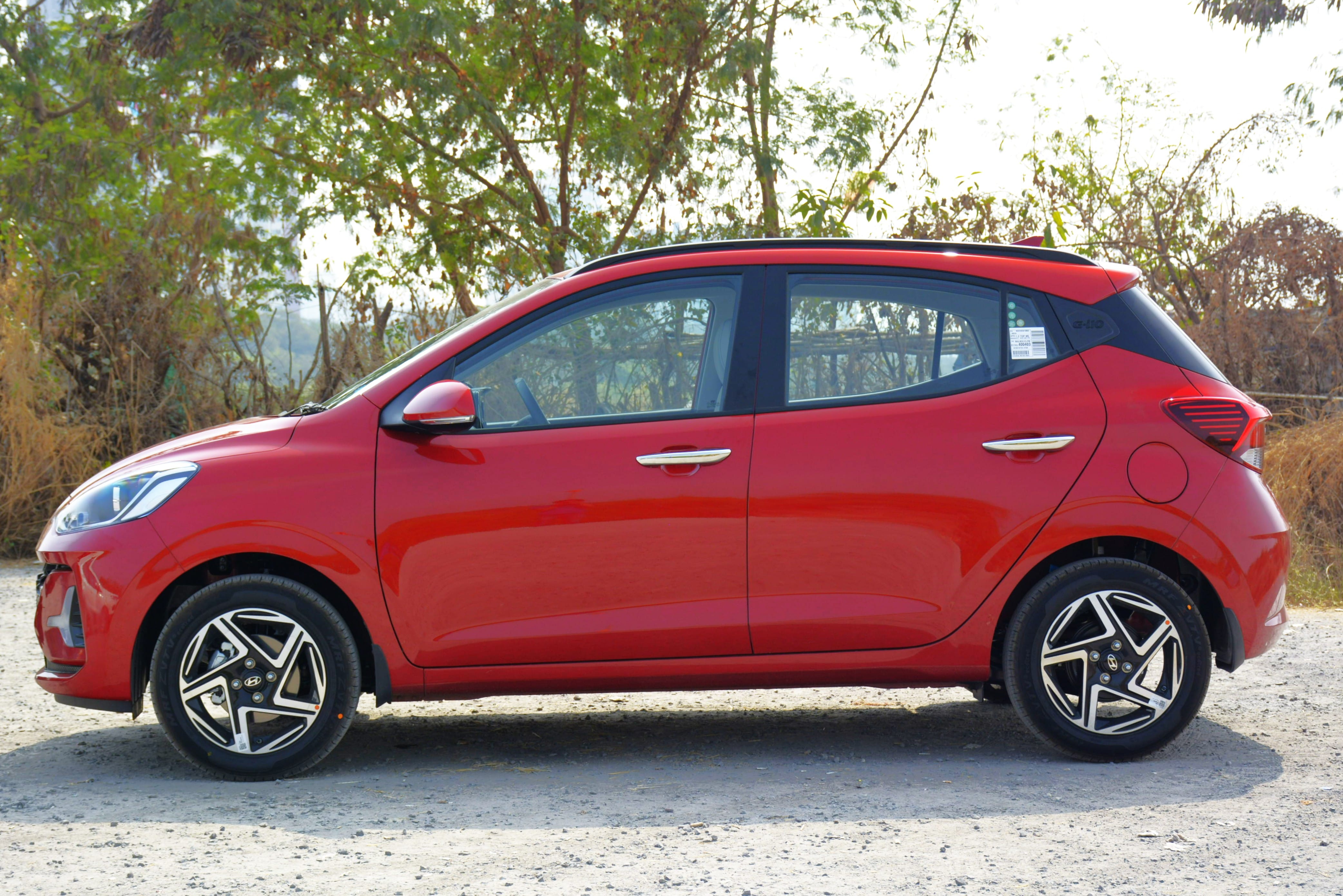
Current Hyundai Grand i10 Nios. Image used for representation only.

According to our prior report, the next-gen i10 is likely to launch in India by late 2027, which would mark a gap of around eight years following the arrival of the current Grand i10 Nios in 2019. More significantly, the next-gen i10 will reinforce Hyundai’s presence in the small-car segment, which has seen renewed interest following the 2025 GST cuts.

3 reasons to buy the Hyundai Creta and 2 to skip it

3 reasons to buy the Hyundai Creta and 2 to skip it
Creta

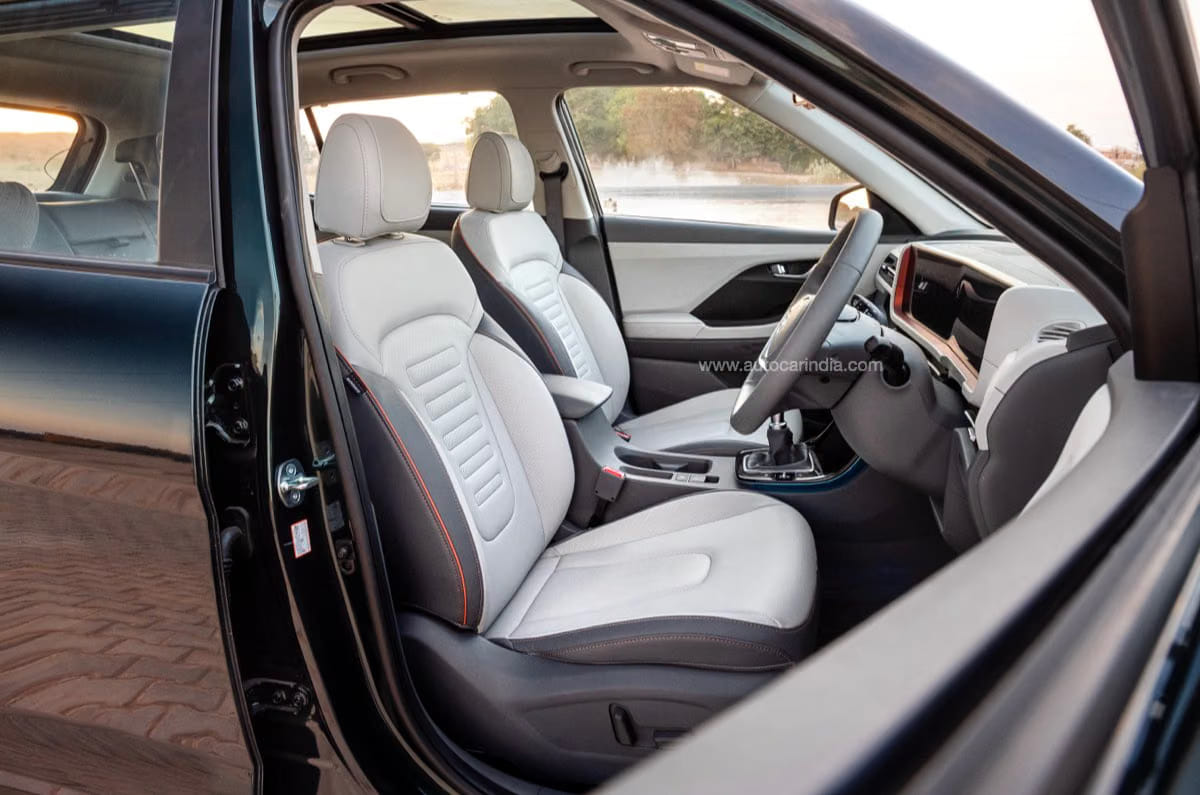
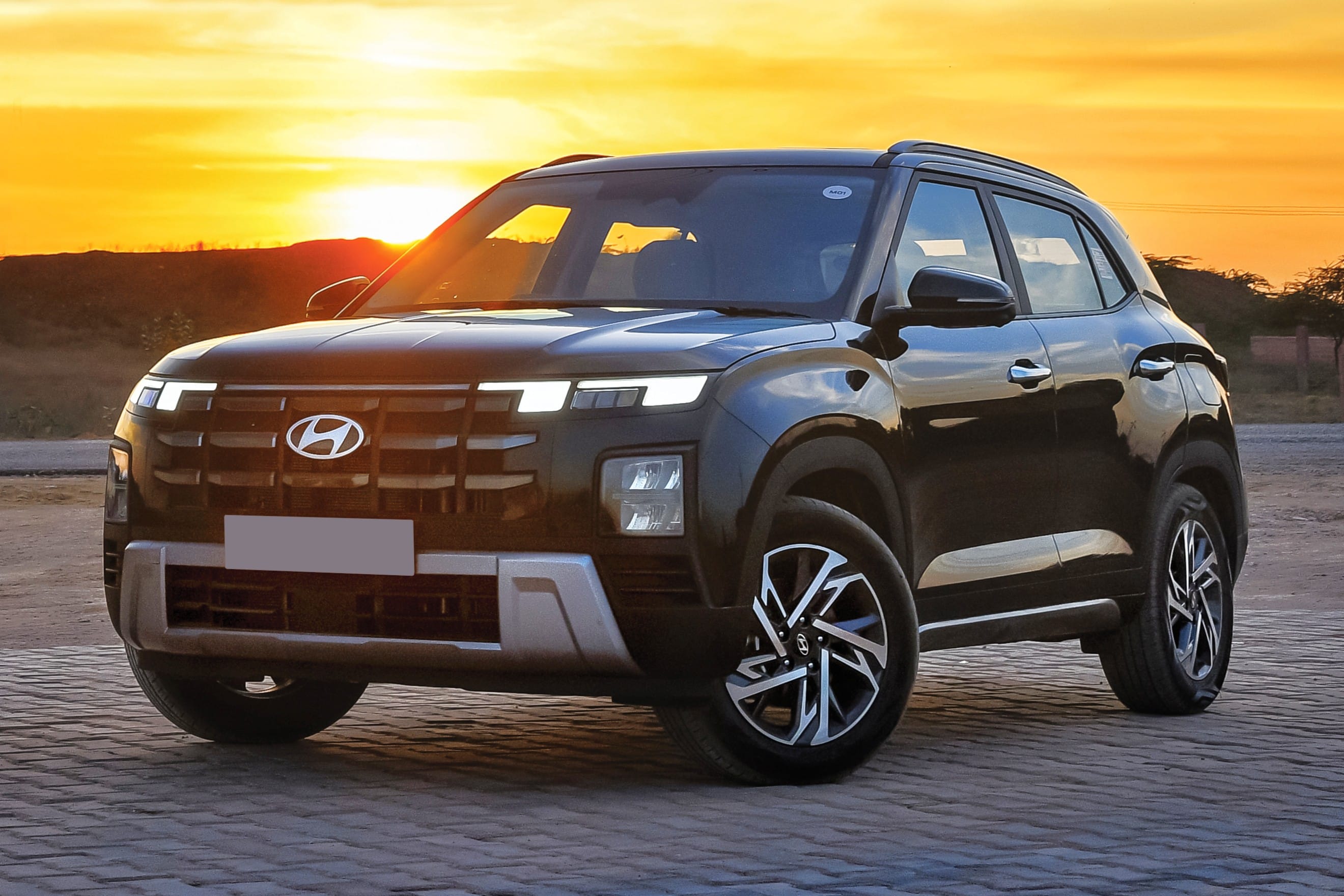
The Hyundai Creta has built its reputation on a spacious cabin, a long list of features and a wide choice of powertrains. The current model is offered with a 1.5-litre naturally aspirated petrol, 1.5-litre diesel and 1.5-litre turbo-petrol engine, with multiple gearbox options across the range. However, it isn’t without its shortcomings. Here are three reasons to consider the Creta and two reasons why you may want to look elsewhere.

Pros

1. Spacious and comfortable interior

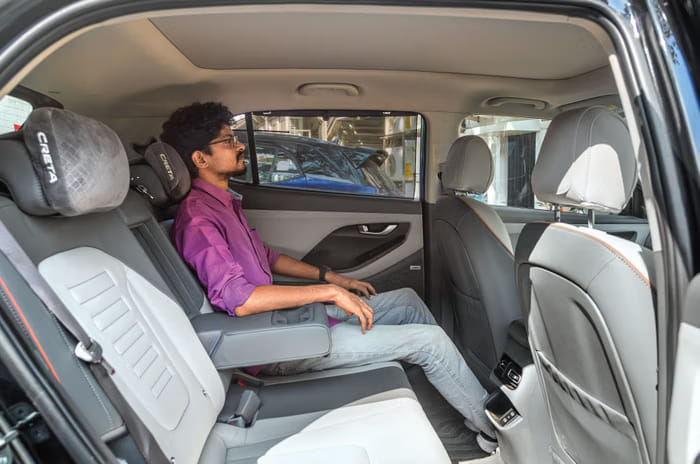
The Creta’s cabin is one of its strongest points, particularly for buyers who regularly carry passengers. There is good legroom in the rear and enough width for three adults to sit across the bench. The rear seat also gets a reclining backrest, an armrest, sunshades and neck pillows, while two USB Type-C ports are available for charging.

The front seats are comfortable and the large glasshouse provides good all-round visibility. With a manageable 4.3m length and light steering, the Creta is also easy to use in the city.

2. Feature-packed

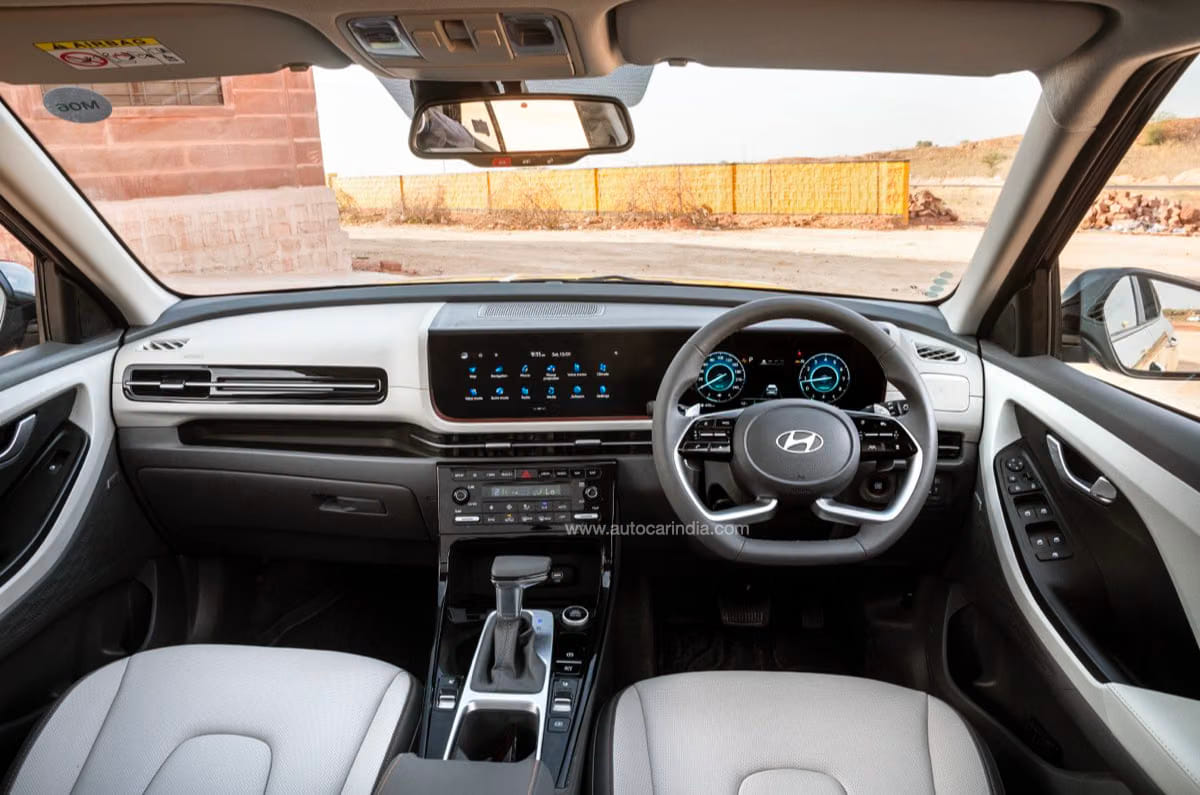
The Creta is among the better-equipped SUVs in its class. Depending on the variant, equipment includes a 10.25-inch touchscreen, 10.25-inch digital driver’s display, panoramic sunroof, ventilated front seats, powered driver’s seat, dual-zone climate control, an air purifier, 360-degree camera and Bose audio system. Higher variants also get Level 2 ADAS, including features such as adaptive cruise control, lane keep assist and autonomous emergency braking. The Creta also offers connected-car features and retains physical controls for the air-conditioning, making frequently used functions easy to operate without relying entirely on the touchscreen.

3. Wide powertrain lineup

The Creta offers one of the widest powertrain choices in the midsize SUV segment. It is available in 27 variants, with three engines to choose from: a 115hp 1.5-litre petrol, a 160hp 1.5-litre turbo-petrol and a 116hp 1.5-litre diesel. Depending on the engine, buyers can choose from a six-speed manual, CVT, six-speed torque convertor automatic or seven-speed dual-clutch automatic.

There is also the sportier N Line for buyers looking for a more performance-focused Creta. Combined with the choice of engines, gearboxes and trims, the range caters to a broad mix of requirements.

Cons

1. Some cabin plastics could be better

While the Creta’s cabin looks modern and its materials have generally pleasing textures, the quality of some of the plastics falls short of the best in the segment. There are no soft-touch materials on the dashboard and the fit and finish isn’t Hyundai’s best, with the gloss finish on the centre console also appearing uneven in places.

There are a few other minor shortcomings too. The rear centre passenger does not get a headrest, while the front armrest is not adjustable for length.

2. Top versions are pricey

The Hyundai Creta’s top-spec versions are priced up to Rs 20.11 lakh (ex-showroom). For comparison, the Renault Duster tops out at Rs 18.49 lakh, while the Skoda Kushaq goes up to Rs 18.99 lakh. That puts it Rs 1.62 lakh above the Duster and Rs 1.12 lakh above the Kushaq, making the top-spec Creta a relatively expensive proposition compared with some of its similarly sized alternatives.

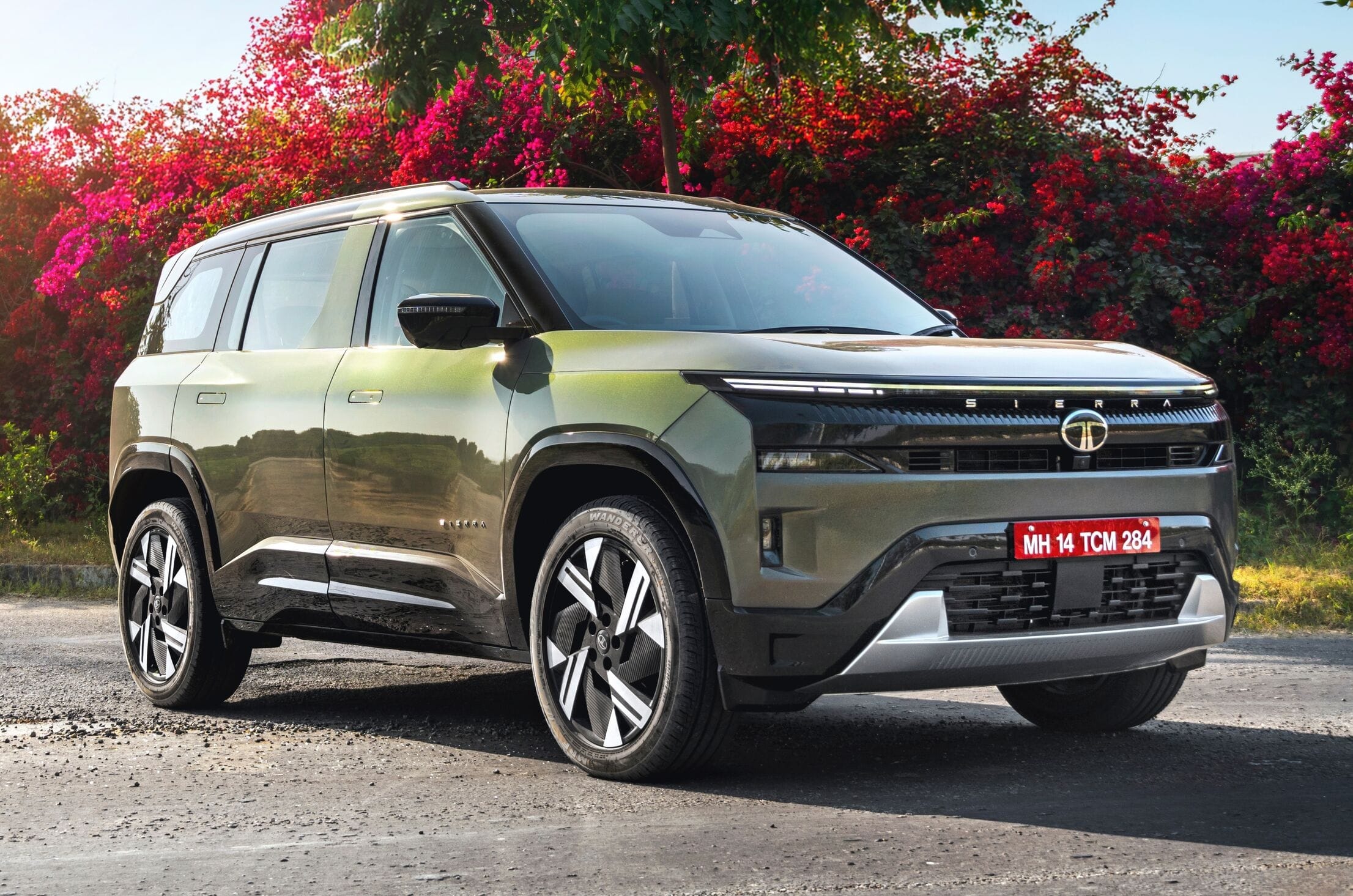
Sierra vs Seltos vs Duster vs Kushaq: quarter mile drag race

Kushaq vs Sierra drag race

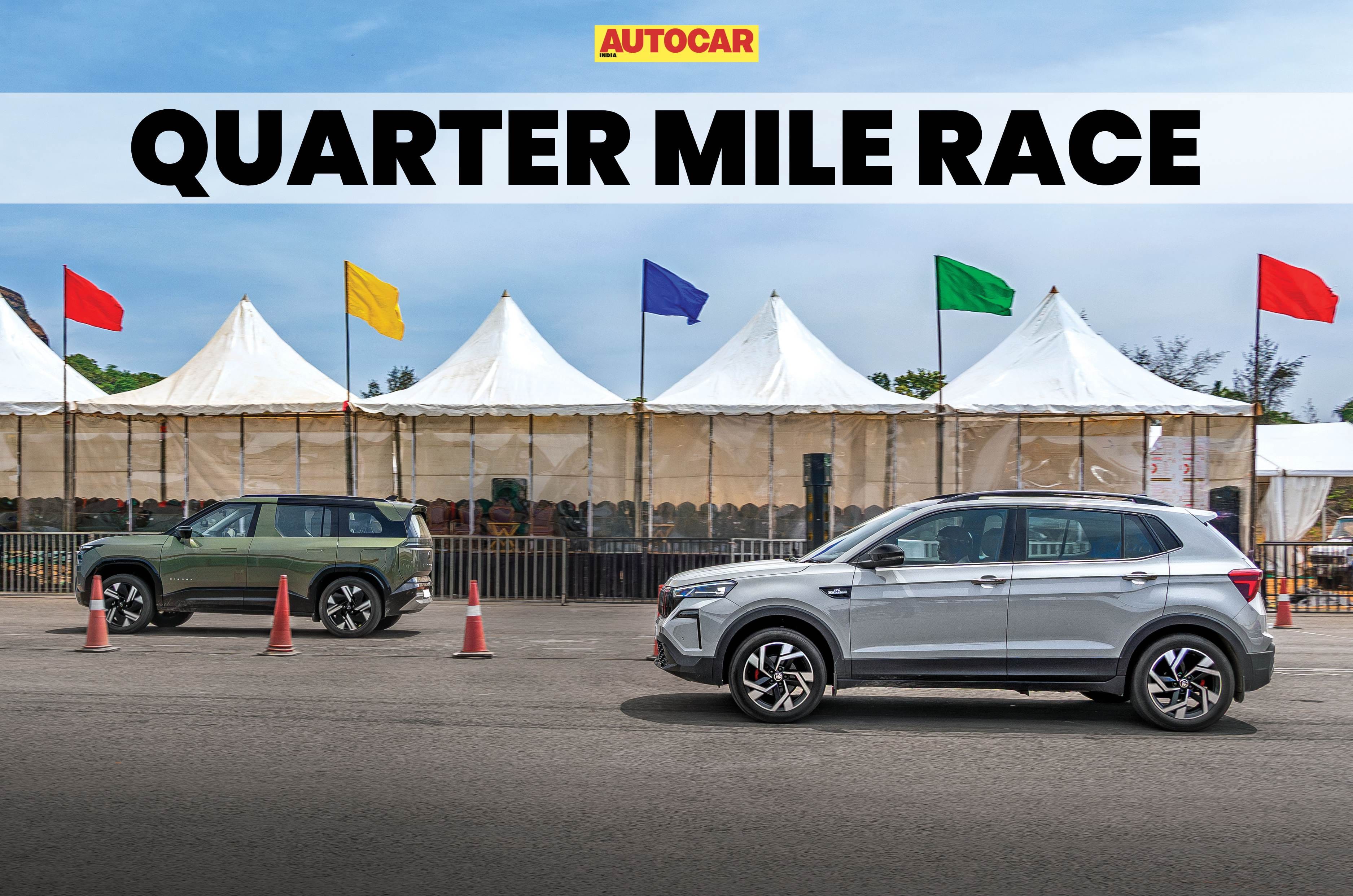
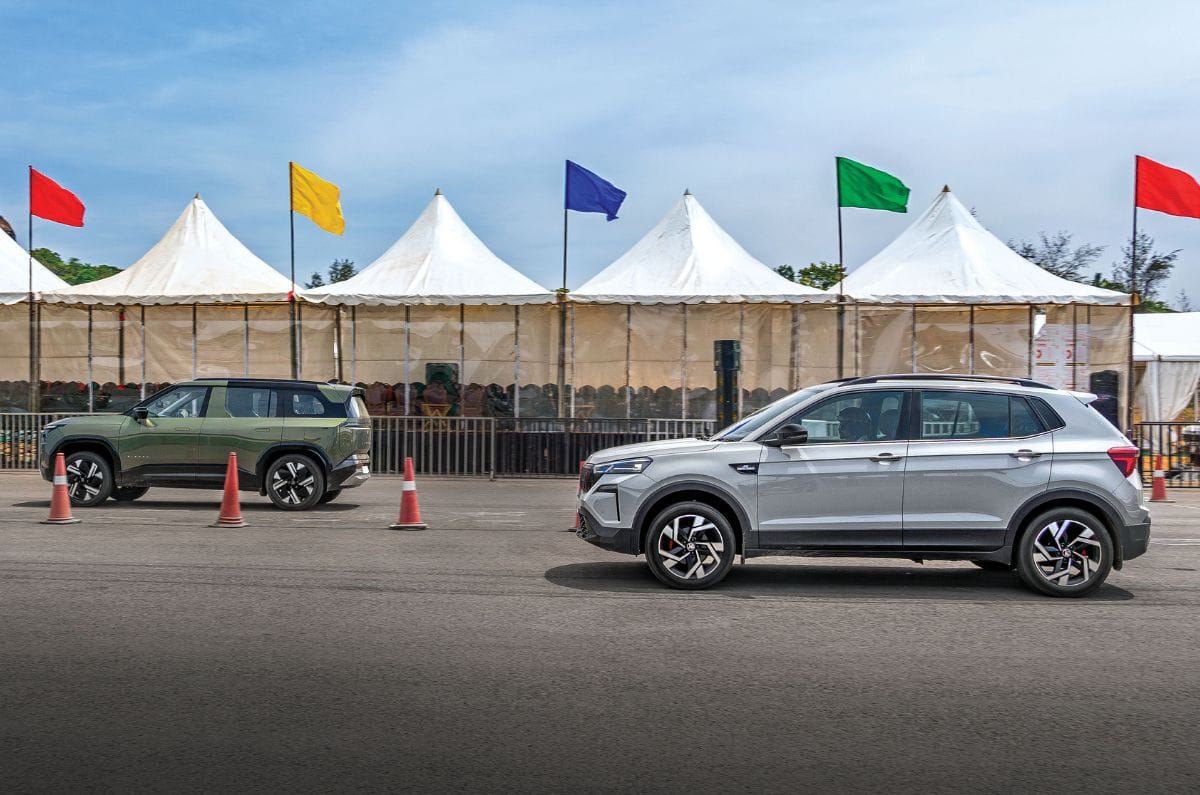
There’s no simpler way to compare one car’s performance to another than with a head-to-head quarter-mile race. In this edition of Autocar India’s quarter-mile racing series, we’ve brought together some of the newest midsize SUVs in the market, including the Tata Sierra, Kia Seltos and the Renault Duster. Let’s find out which of this new crop of midsize SUVs is the quickest down the drag strip. 

Race 1: Tata Sierra vs Kia Seltos 

SUVSeltosSierra
Engine1482cc, 4-cylinder 1498cc, 4-cylinder 
Power160hp at 5500rpm160hp at 5000rpm
Torque253Nm at 1500-3500rpm255Nm at 1750-4000rpm
Transmission7-speed dual-clutch6-speed torque converter
Kerb weight 1467kg1552kg

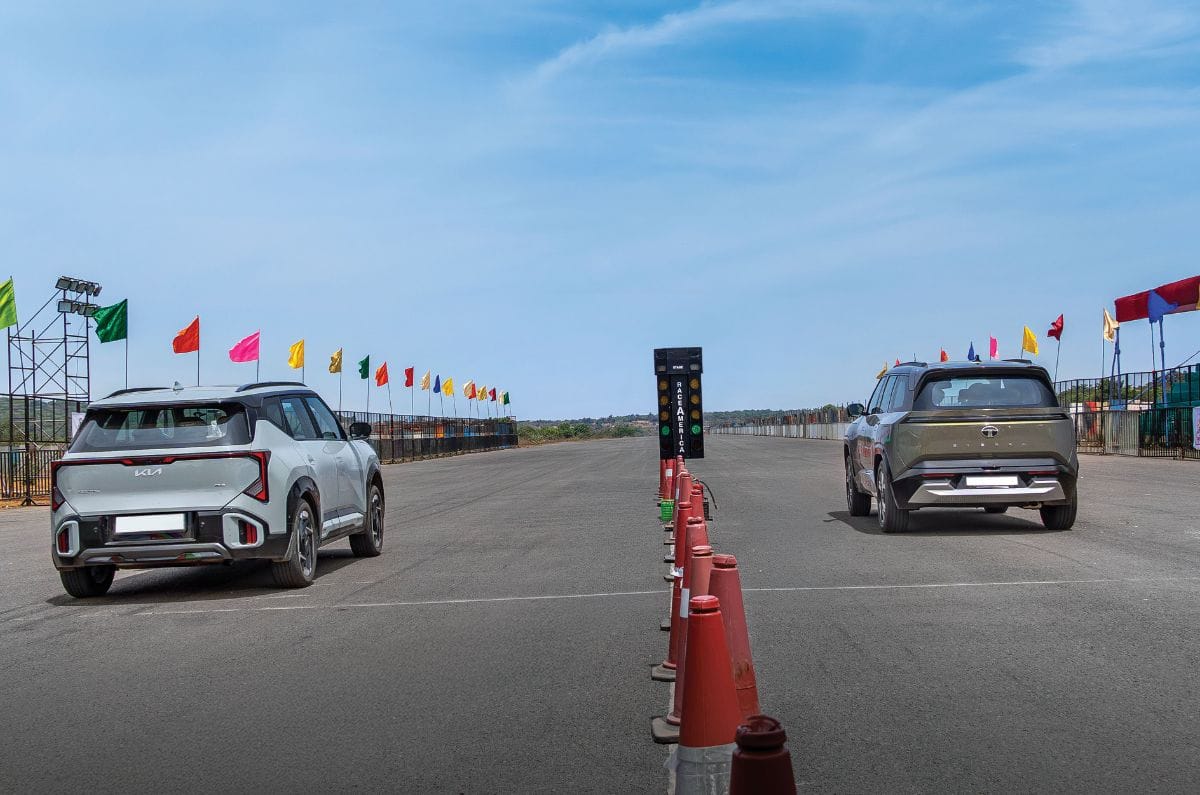
Our first pairing is between the Tata Sierra and the Kia Seltos, both of which are powered by 1.5-litre turbo-petrol engines, but with different gearboxes. 

These two new midsize SUVs are neck-and-neck on paper, with both featuring 160hp turbo-petrol engines, similar torque outputs and similar weight. However, the torque-converter-equipped Sierra launches much stronger than the Seltos, whose dual-clutch automatic is conservative off the line. The Kia Seltos does begin to claw back lost ground, but a little too late. The Sierra manages to win by a slender margin of about two tenths of a second. Race 2 is even closer, with a gap of just over a tenth, but the result stays the same.  

Sierra vs Seltos drag race times 
 Sierra Seltos
Race 116.92 sec17.11 sec
Race 2 17.07 sec17.19 sec 

Race 2: Skoda Kushaq vs Renault Duster 

SUVKushaq Duster 
Engine1498cc, 4-cylinder 1333cc, 4-cylinder 
Power150hp at 5000-6000rpm163hp at 5,250rpm
Torque250Nm at 1600-3500rpm280Nm at 2,000-3,500rpm
Transmission7-speed dual-clutch6-speed dual-clutch
Kerb weight 1322kg 1363kg

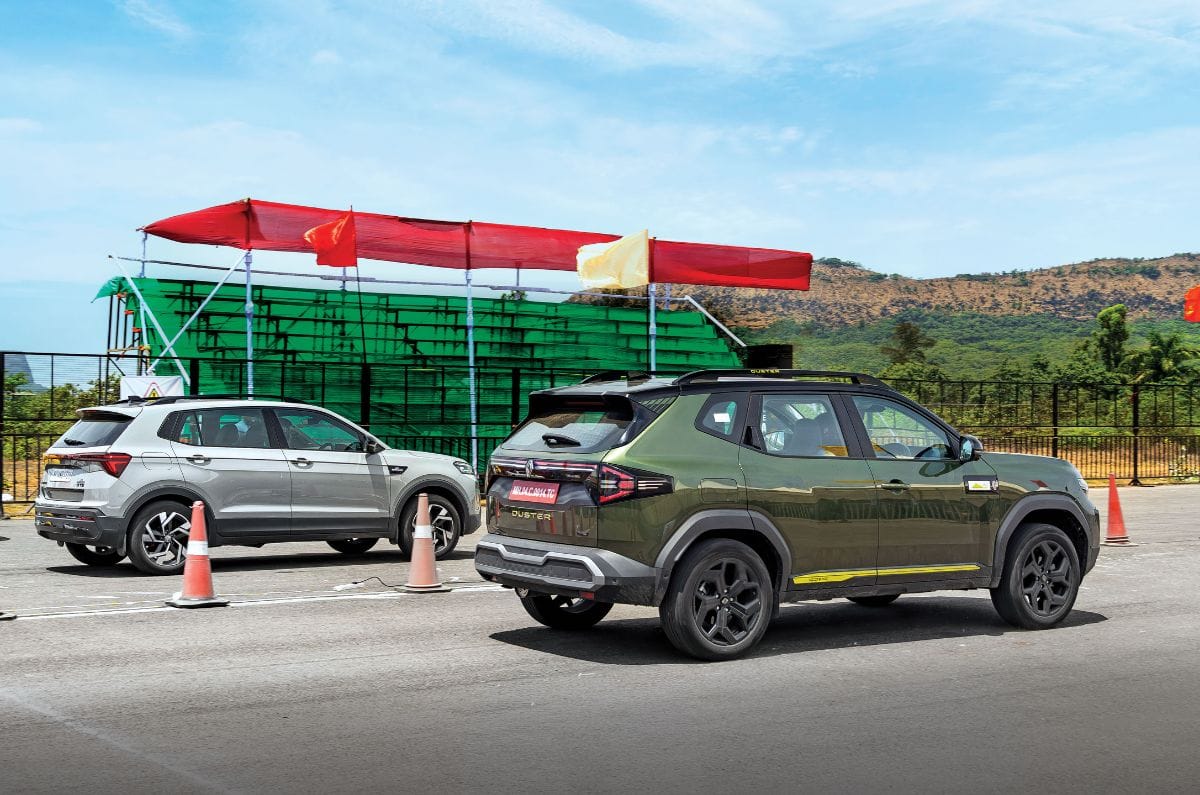
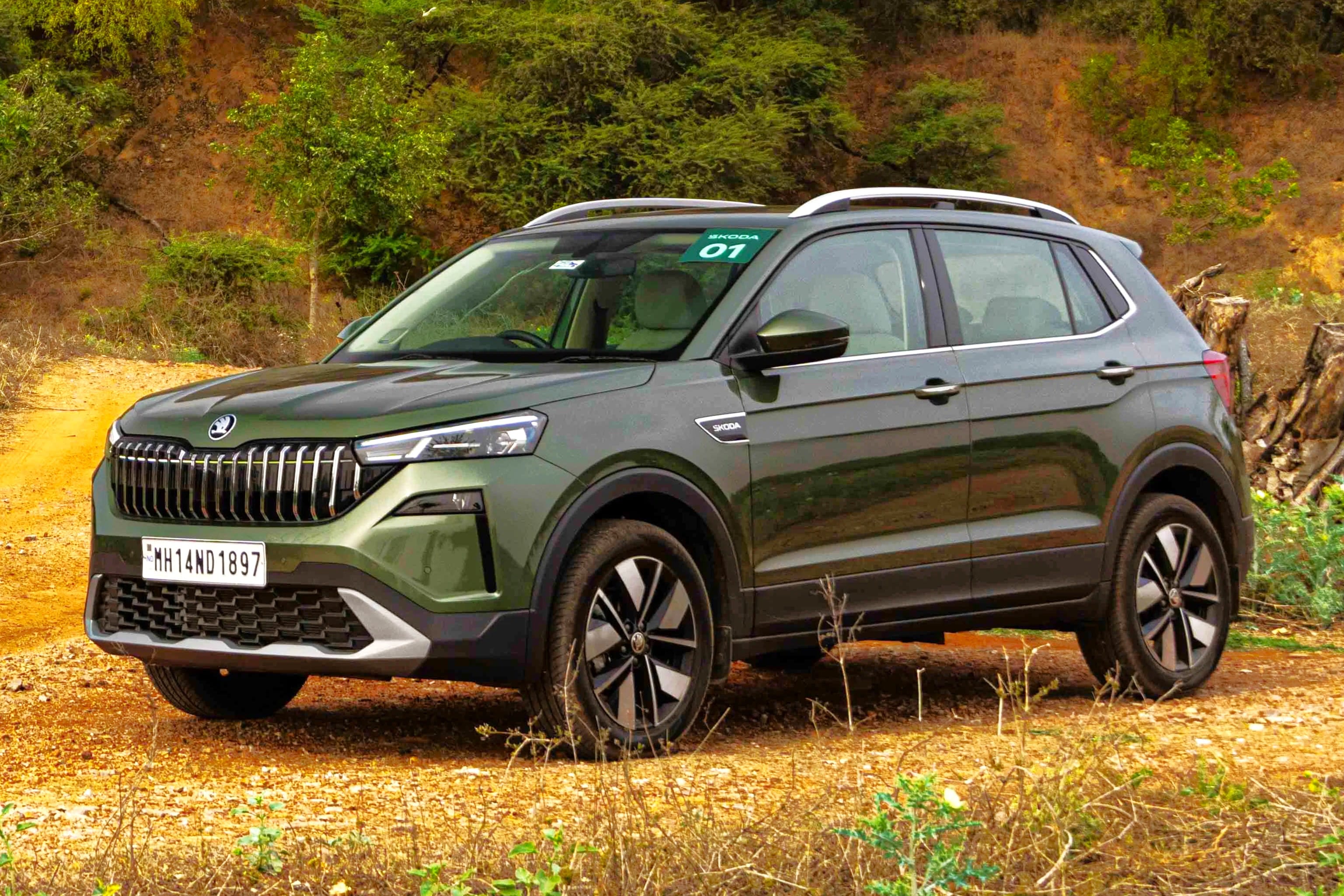
Our next pairing is between the Skoda Kushaq and the Renault Duster. The Kushaq uses a 1.5-litre turbo-petrol engine, while the Duster uses a smaller but more powerful 1.3-litre unit. Both engines come mated to a DCT gearbox. 

The Duster has the advantage on paper with more power, and it backs it up by winning Race 1 by two tenths. The Renault’s wet-clutch DCT allows a better launch than the Skoda’s dry-clutch unit, but the Skoda’s snappier shifts and stronger top end mean it is catching up. Race 2 starts off with the Skoda getting a better launch, and as such, it goes on to beat the Renault by nearly four tenths. Race 3 is closer than Race 2, but the result stays the same, with the Kushaq coming out on top yet again. 

Kushaq vs Duster drag race times 
 Kushaq  Duster
Race 117.77 sec17.65 sec
Race 2 17.05 sec17.69 sec
Race 317.28 sec17.67 sec

Race 3: Tata Sierra vs Skoda Kushaq 

SUVSierraKushaq 
Engine1498cc, 4-cylinder 1498cc, 4-cylinder 
Power160hp at 5000rpm150hp at 5000-6000rpm
Torque255Nm at 1750-4000rpm250Nm at 1600-3500rpm
Transmission6-speed torque converter7-speed dual-clutch
Kerb weight 1552kg1322kg

Finally, we bring together the winners from the first two rounds to determine the fastest midsize SUV you can buy today.

The Sierra has the numbers on its side, but the Kushaq does tend to punch above its weight. As was the case in the earlier races, the Skoda proves tricky to launch off the line, while the Tata Sierra jumps ahead. From there on, the Kushaq does start to reel in the Sierra, but it’s just not enough. The Tata Sierra wins Race 1 by just about a tenth. Race 2 is equally close, with the gap being a minuscule 0.2 seconds, and the Sierra manages to win again. 

Sierra vs Seltos drag race times 
 Sierra Kushaq
Race 117.18 sec 17.28 sec
Race 2 17.02 sec17.21 sec 

Autocar India’s testing standards

Before we conduct our performance tests, we check and maintain tyre pressures based on the manufacturer’s recommendation and ensure the car has a full tank of fuel. The car is then tested in a controlled environment, and the data is collected via highly accurate GPS-based timing equipment.

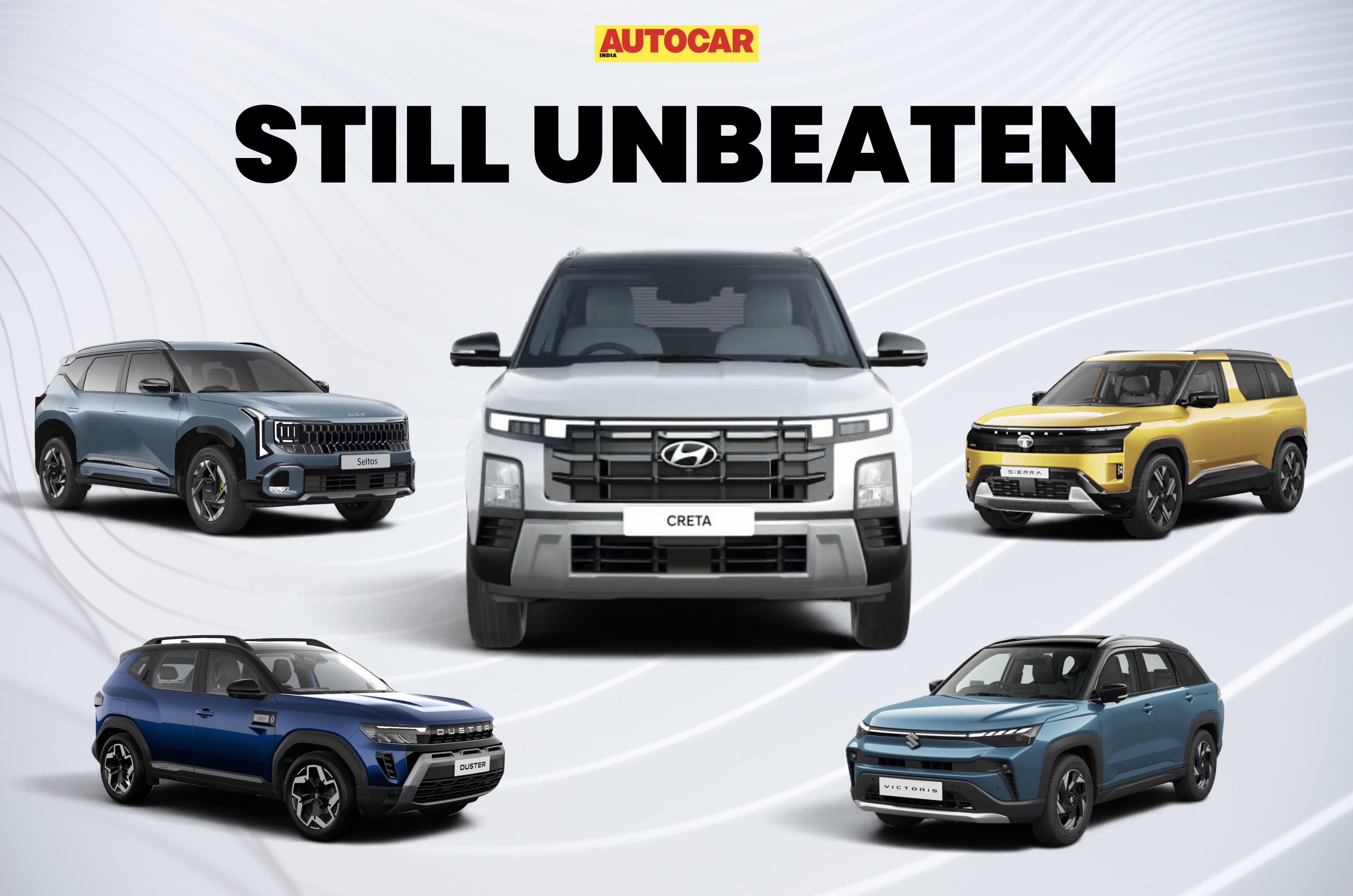
Has the latest crop of midsize SUVs dented the Hyundai Creta’s dominance?

hyundai creta h1 2026 sales compared to rivals

The Hyundai Creta wasn’t the first midsize SUV to hit the Indian market, but it sure is the most popular one of them all. At the start of 2026, however, many believed that the Creta’s dominance on the sales charts was in jeopardy on account of new and upcoming entrants in the midsize SUV space, like the Maruti Suzuki Victoris, Tata Sierra, Kia Seltos, and Renault Duster, as well as the facelifted Skoda Kushaq and Volkswagen Taigun.

If things were to pan out that way, it would be bad news for Hyundai, since the Creta is the Korean carmaker’s bread-and-butter in India. Now that we have sales data for the first half of calendar 2026, and production, deliveries have stabilized for this fresh barrage of midsize SUVs, let’s take a look if any model has eaten into the Creta’s market, or if the Hyundai SUV continues to rule its segment.

Hyundai Creta vs latest midsize SUV sales in H1 2026

ModelJanuaryFebruaryMarchAprilMayJuneTotal
Hyundai Creta^17,92117,93817,83815,29115,2357,16891,391
Maruti Victoris15,24013,02111,06213,70110,85310,03573,912
Kia Seltos*10,63910,30811,04110,56610,5979,65462,805
Tata Sierra7,0037,1009,0037,3166,6066,39243,420
Skoda Kushaq*^^––2,3071,8511,3109926,460
Renault Duster––1,4022,3591,2671,0116,039
Volkswagen Taigun*^^–––1,5431,2811,1824,006

^Includes Creta Electric sales

*May include carryover sales of outgoing models

^^Sales counted from the facelift’s month of launch

Six months into 2026, the Creta has managed to retain its moniker of midsize SUV sales champion, averaging over 15,000 sales a month. Compared to H1 2025 (1,00,560 units sold), the Creta’s sales are actually 9.12 percent down YoY, but the Hyundai SUV is still far ahead of its rivals on the chart. That said, though the newer midsize SUVs haven’t dethroned the Creta, they’ve done a lot to grow the segment.

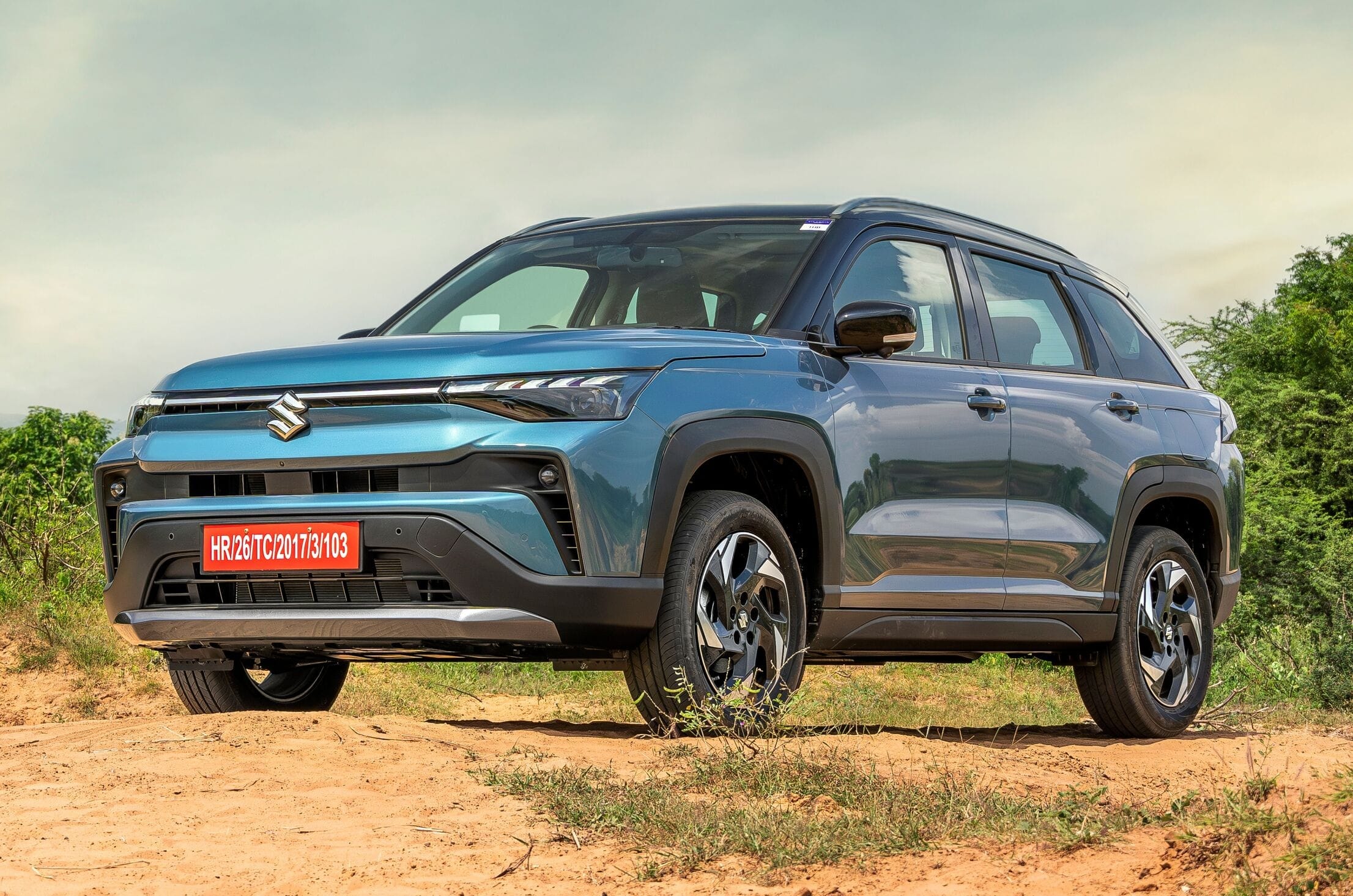
The next bestselling midsize SUV during H1 2026 was the Victoris, which fell 17,479 units behind the Creta. For perspective, you could fit the sales of the Duster, Kushaq, and Taigun within that gap and still come up around 1,000 units short. Launched in September 2025, the Victoris had a few months to establish itself in the market, and differentiates itself from the Creta by offering CNG and strong hybrid powertrains, which appeal to buyers seeking practicality and fuel efficiency, as well as Maruti’s famed peace of mind.

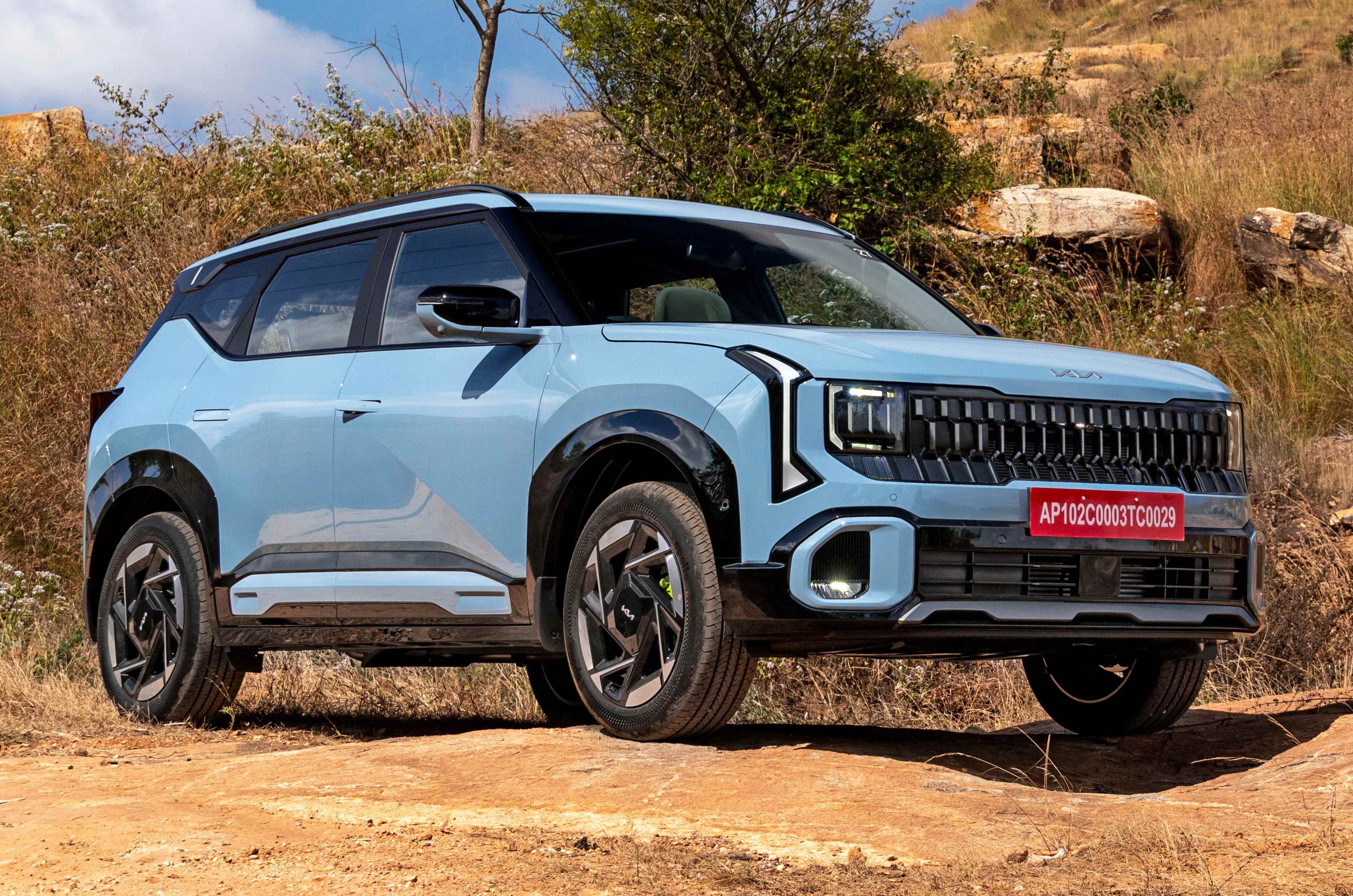
In third position comes the Seltos, which in theory should’ve been stiff competition for the Creta, with the Kia SUV offering a near-identical set of powertrains, a more modern platform (which will even underpin the next-gen Creta), similar pricing, and greater safety credentials by way of a 5-star Bharat NCAP rating. That said, the Seltos did record a whopping 70.28 percent YoY surge in sales, clearly reflecting the boosted popularity of the second-gen model.

The Sierra is Tata’s most formidable contender against the Creta to date, but sold less than half of what the Hyundai SUV did in H1 2026. It should be noted that the Sierra’s sales were initially production-constrained, with Tata steadily increasing manufacturing capacity every month to meet demand. The Sierra is undoubtedly a more feature-packed offering than the Creta, but also costs more. Concerns around fit-and-finish and Tata’s aftersales experience also play a role here.

Renault made its long-awaited return to the midsize SUV space with the new Duster in March, with deliveries commenced in April, but it hasn’t quite set the H1 sales chart alight. Like the Sierra, the Duster’s production is being increased in a phased manner, which could explain the relatively low sales numbers. The Duster has a lot going for it, like aggressive pricing, muscular looks, and a competitive feature set, but the SUV’s exclusively turbo-petrol powertrain line-up limits its appeal for many buyers. A strong hybrid powertrain is set to join the Duster line-up by Diwali 2026, and could pique buyer interest further.

Facelifts of the Kushaq and Taigun were launched in March and April, respectively – nearly five years since the midsize SUVs originally went on sale in India. Both packed some long-requested feature additions and changes, which led to demand spikes in subsequent months. Much like the Duster, though, the Kushaq and Taigun are available with turbo-petrol engines only, and are also on the dimensionally smaller side of the segment, which means they’re best-suited for enthusiast buyers.

Why does the Creta keep selling?

The biggest reason behind the Creta’s persistent reign on the midsize SUV sales charts is its deeply well-established brand name and perception. Many Indian car buyers are very conservative and safe in their purchasing decisions, and seeing a consistently high number of Cretas on the road every single day builds the image of it being the best option in the segment by virtue of sheer popularity. Not to mention, the more ubiquitous and established the car, the better its resale value, which is also very important to most Indian buyers.

Another key driver behind the Creta’s popularity is its proven reliability and no-nonsense ownership experience. Though many of the Creta’s rivals are just as, if not more durable, the Hyundai SUV’s reliability comes alongside a decently long list of features, a comfortable and well-built interior, great levels of refinement, a wide variety of powertrains, and an easy driving experience – making for an excellent overall package.

The Creta is even among the few in its segment to offer a diesel engine, which many midsize SUV buyers still prefer. For those who primarily commute in the city, there’s a smooth naturally aspirated petrol engine on offer, while enthusiast buyers can pick from the sporty Creta N Line range, which is powered by a direct-injection turbo-petrol motor. Basically, there’s something for everyone, and that’s exactly why the Creta is still unbeaten.