Hy-Tech Engineers IPO Subscription: हाइड्रोलिक फिटिंग बनाने वाली कंपनी हाई-टेक इंजीनियर्स के आईपीओ को निवेशकों ने पैसों की बारिश कर दी है। अगर आप भी इस आईपीओ में दांव लगाने की सोच रहे हैं, तो आज, 27 अगस्त पैसे लगाने का आखिरी मौका है। नेशनल स्टॉक एक्सचेंज के आंकड़ों के मुताबिक, बोली के चौथे और अंतिम दिन दोपहर तक यह आईपीओ 90 गुना सब्सक्राइब हो चुका है।
NII और रिटेल निवेशकों का भारी उत्साह
कंपनी के ₹136 करोड़ के आईपीओ में ऑफर पर मौजूद 1.81 करोड़ शेयरों के मुकाबले कुल 158.32 करोड़ शेयरों के लिए बोलियां मिल चुकी हैं:
नॉन-इंस्टीट्यूशनल इन्वेस्टर्स (NII): इस कैटेगरी में सबसे ज्यादा मांग देखी गई और यह हिस्सा 177.30 गुना भरा है।
रिटेल निवेशक: रिटेल कैटेगरी में आईपीओ 95.27 गुना सब्सक्राइब हुआ है।
IPO से जुड़ी मुख्य बातें
इश्यू साइज: ₹136 करोड़ (₹60 करोड़ का फ्रेश इश्यू + प्रमोटर्स द्वारा ₹75.73 करोड़ का ऑफर फॉर सेल)
अंतिम तिथि: 27 अगस्त, शाम 5 बजे तक
अलॉटमेंट: 28 अगस्त
लिस्टिंग डेट: 1 सितंबर को BSE और NSE पर लिस्ट होंगे।
एंकर इन्वेस्टर्स से जुटाए ₹40.72 करोड़
पब्लिक इश्यू खुलने से पहले कंपनी ने 8 एंकर इन्वेस्टर्स से ₹40.72 करोड़ जुटाए थे। कंपनी ने ₹53 प्रति शेयर के भाव पर 76.83 लाख शेयर अलॉट किए हैं। दिग्गज निवेशक प्रशांत खेमका के व्हाइटओक कैपिटल ने कुल एंकर अलॉटमेंट का 43% हिस्सा अकेले हासिल किया है।
फाइनेंशियल परफॉर्मेंस और फंड्स का इस्तेमाल
वित्तीय प्रदर्शन की बात करें तो कंपनी ने वित्त वर्ष 2025-26 (FY26) में शानदार प्रदर्शन किया है। कंपनी का मुनाफा साल-दर-साल 15.15% बढ़कर ₹22.6 करोड़ रहा। ऑपरेशंस से मिलने वाला रेवेन्यू 17.4% बढ़कर ₹189.4 करोड़ पर पहुंच गया।
फ्रेश इश्यू से मिलने वाले फंड में से ₹29.96 करोड़ का इस्तेमाल कवठे, शिरवल और पीथमपुर यूनिट्स में मशीनरी खरीदने और विस्तार के लिए किया जाएगा। वहीं ₹16 करोड़ का इस्तेमाल कर्ज चुकाने के लिए होगा, जबकि बाकी रकम सामान्य कॉरपोरेट उद्देश्यों में खर्च होगी।
GMP में आया बंपर उछाल
ग्रे मार्केट प्रीमियम (GMP) पर नजर रखने वाली वेबसाइट ‘InvestorGain’ के मुताबिक, 27 अगस्त की सुबह हाय-टेक इंजीनियर्स का शेयर ₹44 के जीएमपी पर ट्रेड कर रहा है। ₹53 के अपर प्राइस बैंड के हिसाब से यह शेयर ग्रे मार्केट में 83% के प्रीमियम पर कारोबार कर रहा है। यानी लिस्टिंग पर निवेशकों का पैसा डबल हो सकता है।
Disclaimer: यहां मुहैया जानकारी सिर्फ सूचना के लिए दी जा रही है। यहां बताना जरूरी है कि मार्केट में निवेश बाजार जोखिमों के अधीन है। निवेशक के तौर पर पैसा लगाने से पहले हमेशा एक्सपर्ट से सलाह लें। मनीकंट्रोल की तरफ से किसी को भी पैसा लगाने की यहां कभी भी सलाह नहीं दी जाती है।
Nvidia Q2 Result and IT Stocks: दुनिया की सबसे बड़ी चिप कंपनियों में शुमार एनविडिया के धमाकेदार तिमाही नतीजों ने ग्लोबल एआई ट्रेड को एक और मजबूती दी है। यह ऐसे समय में आया है जब निवेशक सवाल उठाने लगे थे कि एआई शेयरों की तेज रफ्तार आगे भी जारी रह पाएगी या नहीं। चिप कंपनी एनवीडिया ने रेवेन्यू, कमाई और गाइडेंस को लेकर बाजार के अनुमान को पछाड़ दिया। वहीं कंपनी का डेटा-सेंटर बिजनेस भी शानदार स्पीड से बढ़ता रहा। इससे एशियाई बाजारों में सेंटीमेंट मजबूत हुआ और शुरुआती कारोबार में MSCI का एशिया पैसेफिक इंडेक्स और दक्षिण कोरिया का टेक-हैवी इंडेक्स कोस्पी उछल पड़ा। हालांकि निवेशकों के लिए बड़ा सवाल ये है कि एआई पर खर्च और कमाई में बढ़ोतरी की रफ्तार इतनी मजबूत है या नहीं कि पूरे एआई इकोसिस्टम में मौजूदा ऊंचे वैल्यूएशन को सही ठहरा सके।
Nvidia ने दूर की AI की मांग से जुड़ी चिंता
एनविडिया के लिए इस वित्त वर्ष 2027 की दूसरी तिमाही यानी 26 जुलाई को समाप्त होने वाली तिमाही में इसका रेवेन्यू सालाना आधार पर दोगुने से अधिक बढ़कर $9622 करोड़ पर पहुंच गया जोकि एनालिस्ट्स के $9217 करोड़ के अनुमान से अधिक रहा। कंपनी का EPS भी $2.10 के अनुमान की तुलना में $2.22 पर रहा। सबसे मजबूत परफॉरमेंस तो कंपनी के डेटा-सेंटर बिजनेस का रहा, जिसका रेवेन्यू सालाना आधार पर 117% बढ़कर $8900 करोड़ हो गया, जबकि अनुमान $8633 करोड़ का था।
अब आगे की बात करें तो करीब 2% के कम या ज्यादा के साथ इस तिमाही में कंपनी को करीब $10.8 करोड़ के रेवेन्यू की उम्मीद है। साथ ही कंपनी ने अगले वित्त वर्ष 2028 में लगभग 70% रेवेन्यू ग्रोथ की उम्मीद जताई है। इससे AI इंफ्रास्ट्रक्चर पर लगातार मजबूत खर्च की उम्मीद बनी हुई है।
रेमंड जेम्स इंवेस्टमेंट के चीफ मार्केट स्ट्रैटेजिस्ट मैट ओर्टोन (Matt Orton) के मुताबिक इन आंकड़ों से AI ट्रेड के बने रहने के संकेत मिल रहे हैं। उनका कहना है कि इससे चिप की मजबूत कंज्यूमर डिमांड, एआई को तेजी से अपनाने और पूरी सप्लाई चेन में लगातार बढ़ते ऑर्डर बैकलॉग का संकेत मिल रहा है। यह उन चिप कंपनियों के लिए पॉजिटिव है, जिनके शेयरों में हाल में तेज गिरावट आई थी।
लेकिन बनी हुई है वैल्यूएशन की चिंता
धमाकेदार कारोबार नतीजे से एआई की मांग को लेकर कुछ चिंता जरूर कम हुई है लेकिन हाई वैल्यूएशन को लेकर चिंता अभी खत्म नहीं हुई है। मार्केट एक्सपर्ट अजय बग्गा का कहना है कि एनविडिया के ऐसे नतीजे एक-दो साल पहले आते शेयर रॉकेट बन जाते लेकिन इस बार मार्केट का रिस्पांस सीमित रहा। नतीजे के बाद इसके शेयरों में हल्की तेजी आई। हालांकि बाद में कंपनी के सीईओ जेनसेन हुआंग (Jensen Huang) के आउटलुक और एक नए AWS सौदे के बाद शेयर तेजी से ऊपर चढ़े।
अजय का कहना है कि अब निवेशकों का सवाल बदला है और अब वे एआई के डिमांड की बजाय यह पूछ रहे हैं कि AI शेयरों की कीमतों में पहले से कितनी ग्रोथ शामिल हो चुकी है। ट्रे़डिंगडॉटकॉम के सीईओ Peter McGuire का भी कहना है कि कंपनी पिछले दो वर्षों से लगातार कमाई के अनुमान को पीछे छोड़ रही है, लेकिन साल 2024 के आखिरी से शेयर पर इसका असर पहले जैसा मजबूत नहीं दिख रहा। हालांकि पीटर के मुताबिक 2023-24 के AI तेजी की तुलना में वैल्यूएशन अब थोड़े नीचे आए हैं।
AI Stocks और Indian IT Stocks के लिए क्या है मतलब
एनविडिया के नतीजे ऐसे समय आए हैं जब कई वैश्विक चिप कंपनियों के शेयर हाल ही में धड़ाम हो गए थे। अमेरिका में माइक्रोन टेक (Micron Tech) और सैनडिस्क (SanDisk) जैसी चिप कंपनियों के शेयर दो महीनों में करीब 28% तक टूट चुके हैं तो दक्षिण कोरिया की सैमसंग इलेक्ट्रॉनिक्स (Samsung Electronics) और एसके हीनिक्स में भी लगभग 25-30% की गिरावट आई। एलारा की एक रिपोर्ट के मुताबिक ताइवान-फोकस्ड फंड से इस साल पहली बार लगातार दो हफ्तों तक पैसा निकला। वहीं दक्षिण कोरिया से $75.8 करोड़ की निकासी हुई, जो तीन महीनों में सबसे अधिक रही। ऐसे में एनविडिया के धमाकेदार नतीजे काफी अहम हैं और संकेत मिल रहा कि चिप स्टॉक्स की कमजोरी एआई की मांग कम होने का संकेत नहीं है।
भारतीय आईटी कंपनियों पर असर की बात करें तो इसका रुझान मिला-जुला है। चिप स्टॉक्स की गिरावट से भारतीय आईटी स्टॉक्स को फायदा मिला क्योंकि वैश्विक निवेशक महंगे हार्डवेयर शेयरों का विकल्प खोज रहे थे। एक तरफ चिप स्टॉक्स में तेज गिरावट आई तो दो महीने में निफ्टी आईटी करीब 20% चढ़ गया। इसे बेहतर वैल्यूएशन और मजबूत घरेलू लिक्विडिटी से भी सपोर्ट मिला। अब आगे की बात करें तो मार्केट एक्सपर्ट सुनील सुब्रमणियन के मुताबिक एनविडिया के धमाकेदार नतीजे से भारतीय आईटी स्टॉक्स को झटका लग सकता है क्योंकि एक बार फिर चिप कंपनियो में निवेश बढ़ सकता है।
डिस्क्लेमर: मनीकंट्रोल.कॉम पर दिए गए सलाह या विचार एक्सपर्ट/ब्रोकरेज फर्म के अपने निजी विचार होते हैं। वेबसाइट या मैनेजमेंट इसके लिए उत्तरदायी नहीं है। यूजर्स को मनीकंट्रोल की सलाह है कि कोई भी निवेश निर्णय लेने से पहले हमेशा सर्टिफाइड एक्सपर्ट की सलाह लें।
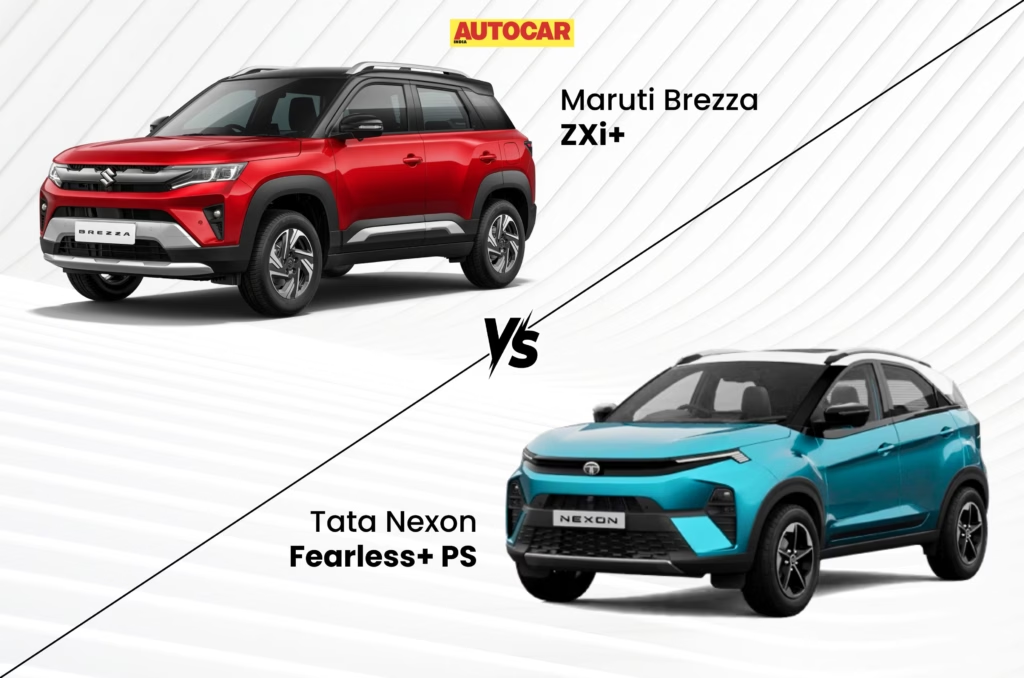
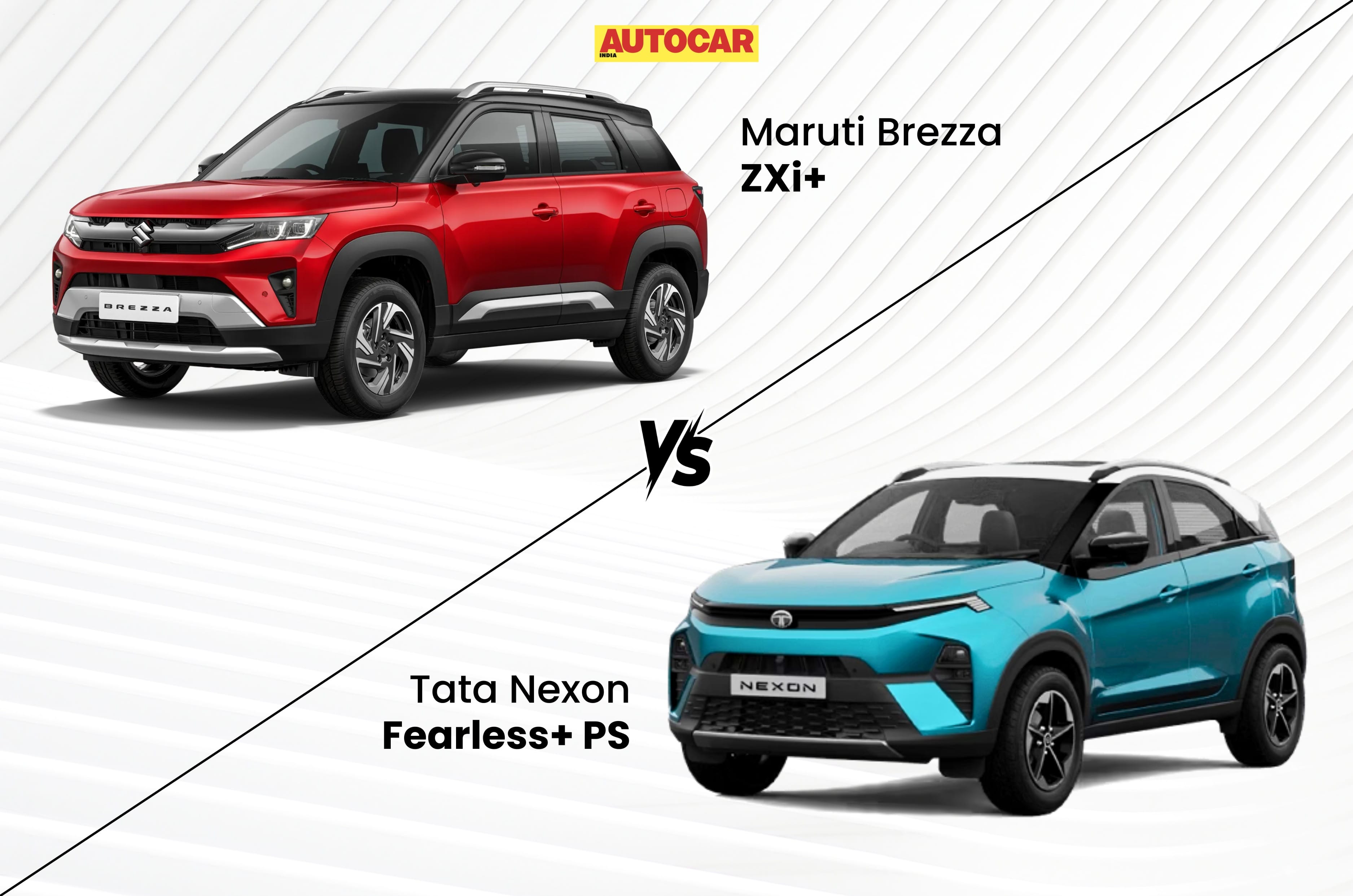
The Maruti Brezza and Tata Nexon are among the bestselling compact SUVs in the Indian market. While the former received a comprehensive update that introduced cosmetic changes, more features and a powerful new turbo-petrol engine, the latter continues to attract consumers with a wide choice of powertrains. If you are looking to buy a compact SUV, we compare the Brezza’s top-spec ZXi+ trim and the Nexon Fearless+ PS to find out which offers better value for money.
Explore full specs, features and a price breakdown in our Brezza vs Nexon comparison.
Maruti Brezza vs Tata Nexon: Dimensions
Brezza is taller, while Nexon has a bigger boot
Maruti Brezza vs Tata Nexon: Dimensions
Maruti Brezza
Tata Nexon
Difference
Length (mm)
3,995
3,995
–
Width (mm)
1,790
1,804
-14
Height (mm)
1,685
1,620
+65
Wheelbase (mm)
2,500
2,498
+2
Ground clearance (mm)
198
208
-10
Boot space (litres)
328
382
-54
Only the length of both models is identical. Beyond that, the Brezza is taller and has a slightly longer wheelbase than the Nexon. On the other hand, the Nexon is wider, rides higher off the ground and has a larger boot.
The Brezza ZXi+ is available only with the naturally aspirated petrol automatic and turbo-petrol manual powertrains. On the other hand, the Nexon Fearless+ PS offers a wide range of options: a turbo-petrol manual and automatic, a diesel manual and automatic, and a CNG manual. As for their turbo-petrol engines, the torque is identical, but the Nexon’s larger mill delivers more power.
Maruti Brezza vs Tata Nexon: Exterior features
Nexon offers some feel-good features like welcome/goodbye animations
Maruti Brezza vs Tata Nexon: Exterior features
Maruti Brezza
Tata Nexon
Headlights
LED projector
LED projector
Tail-lights
LED
Connected LED
Welcome/goodbye animations
No
Yes
Sequential turn indicators
No
Yes
Daytime running lamps (DRLs)
Yes
Yes
Fog lamps
LED
LED
Wheels
16-inch
16-inch
Outside rearview mirrors (ORVMs)
Electrically adjustable, auto-folding
Electrically adjustable, auto-folding
Roof rails
Yes
Yes
Rear wiper, washer
Yes
Yes
Colour options
Monotone and dual-tone
Dual-tone
Both the Brezza and Nexon are similarly equipped on the exterior, with LED light setups, DRLs, fog lamps, electrically adjustable and auto-folding ORVMs and 16-inch alloy wheels. However, the Nexon gets some fancier features such as welcome/goodbye animations for the light setups, along with sequential turn indicators. As for colour options, the Nexon is limited to dual-tone schemes, whereas the Brezza offers monotone options as well.
Maruti Brezza vs Tata Nexon: Interior features
Brezza not as well equipped as Nexon
Maruti Brezza vs Tata Nexon: Interior features
Maruti Brezza
Tata Nexon
Instrument cluster
Analogue dials with MID
10.25-inch display
Infotainment screen
10.1-inch
10.25-inch
Head-up display
Yes
No
Android Auto, Apple CarPlay
Wireless
Wireless
Sunroof
Single-pane
Panoramic
Audio system
6-speaker Arkamys Surround Sense
9-speaker JBL
Climate control
Automatic
Automatic
Rear AC vents
Yes
Yes
Driver seat adjustment
Manual
Manual
Front seat ventilation
Yes
Yes
Seat upholstery
Leatherette
Leatherette
Wireless phone charger
Yes
Yes
Air purifier
Yes
Yes
Connected car tech
Yes
Yes
Rear centre armrest
Yes
Yes
Rear sunshade
No
Yes
Ambient lighting
64-colour
No
60:40 split folding seat
Yes
Yes
Apart from multi-colour ambient lighting and a head-up display, the Brezza’s overall interior equipment falls short of the Nexon’s. The latter comes packed with features such as a digital driver’s display as opposed to analogue dials on the former, a panoramic sunroof, a slightly larger infotainment screen, more speakers and rear window sunshades.
Maruti Brezza vs Tata Nexon: Driving tech
Brezza misses out on drive modes
Maruti Brezza vs Tata Nexon: Driving tech
Maruti Brezza
Tata Nexon
Drive modes
No
Eco, City and Sport
Paddleshifters
Yes
Yes
Cruise control
Yes
Yes
While paddleshifters and cruise control are available on both models, drive modes are offered only with the Nexon.
Maruti Brezza vs Tata Nexon: Safety features
Brezza comes equipped with more advanced safety tech
Maruti Brezza vs Tata Nexon: Safety features
Maruti Brezza
Tata Nexon
BNCAP rating
5 stars
5 stars
Blind-spot warning
Yes
No
Safe-exit warning
Yes
No
Rear cross-traffic alert
Yes
No
Airbags
6
6
Camera setup
360-degree
360-degree
Parking sensors
Front and rear
Front and rear
Disc brakes
Front only
Front only
Tyre-pressure monitoring system
Yes
Yes
Interior rearview mirror (IRVM)
Auto-dimming
Auto-dimming
Hill-hold assist
Yes
Yes
ESC
Yes
Yes
Both the Brezza and Nexon have achieved a 5-star BNCAP crash-safety rating and are equally matched in terms of offering a basic safety kit, along with features such as a 360-degree camera and front parking sensor. But only the former comes with advanced safety systems such as rear cross-traffic alert and blind-spot and safe-exit warnings.
Maruti Brezza vs Tata Nexon: Price and verdict
Brezza’s more affordable, but Nexon’s powertrain range is hard to ignore
Maruti Brezza vs Tata Nexon: Prices
Maruti Brezza
Tata Nexon
NA petrol AT
13.54
–
Turbo petrol MT
11.16
12.34
Turbo petrol AT
–
12.55
Turbo diesel MT
–
13.45
Turbo diesel AMT
–
14.10
CNG MT
–
13.30
Comparing only the turbo-petrol manual powertrain, which is common to both, the Brezza is Rs 1.18 lakh more affordable than the Nexon. Notably, the Brezza ZXi+ NA petrol automatic costs almost a lakh rupees more than the Nexon Fearless+ PS turbo-petrol automatic. This is due to the higher tax on the 1.5-litre unit powering the Brezza. Moreover, the Nexon has a Fearless+ A PS trim that sits above the Fearless+ PS trim and brings Level 2 ADAS, but it is limited to the turbo-petrol automatic.
When it comes to choosing between the two, we’d recommend the Tata Nexon. Though the Brezza’s ZXi+ trim starts at a more affordable price point and is backed by Maruti’s widespread and hassle-free service experience, the Nexon’s multiple powertrain options are simply hard to ignore. Additionally, the Tata comes with more bells and whistles than the Maruti, and that’s why it’s our pick.
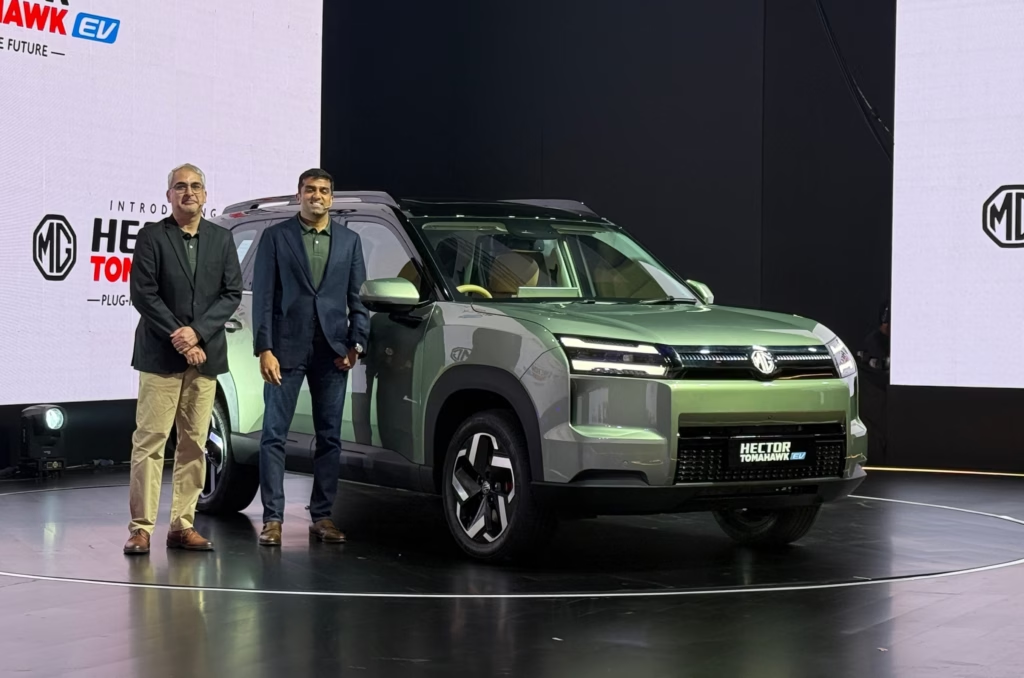
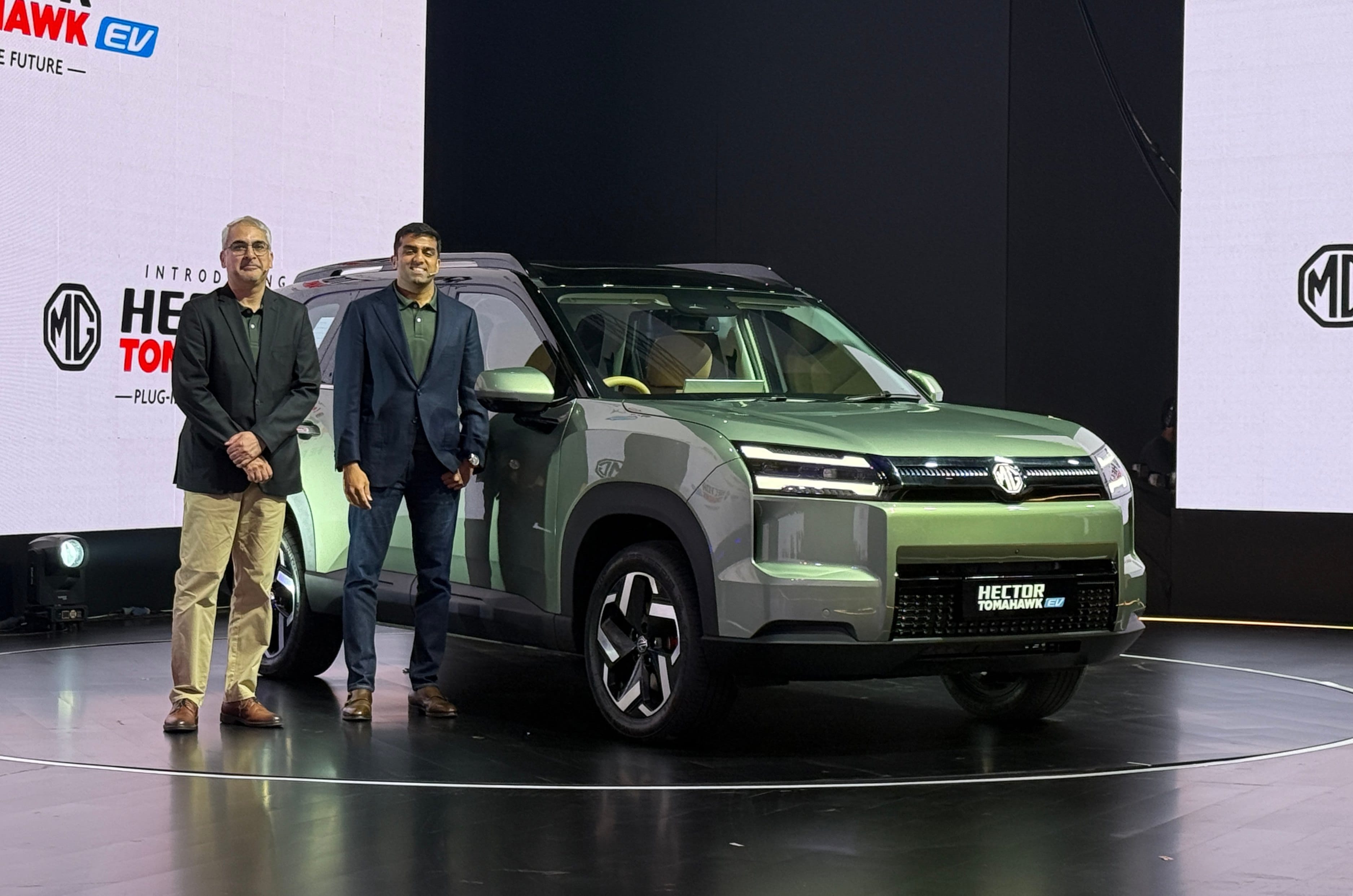
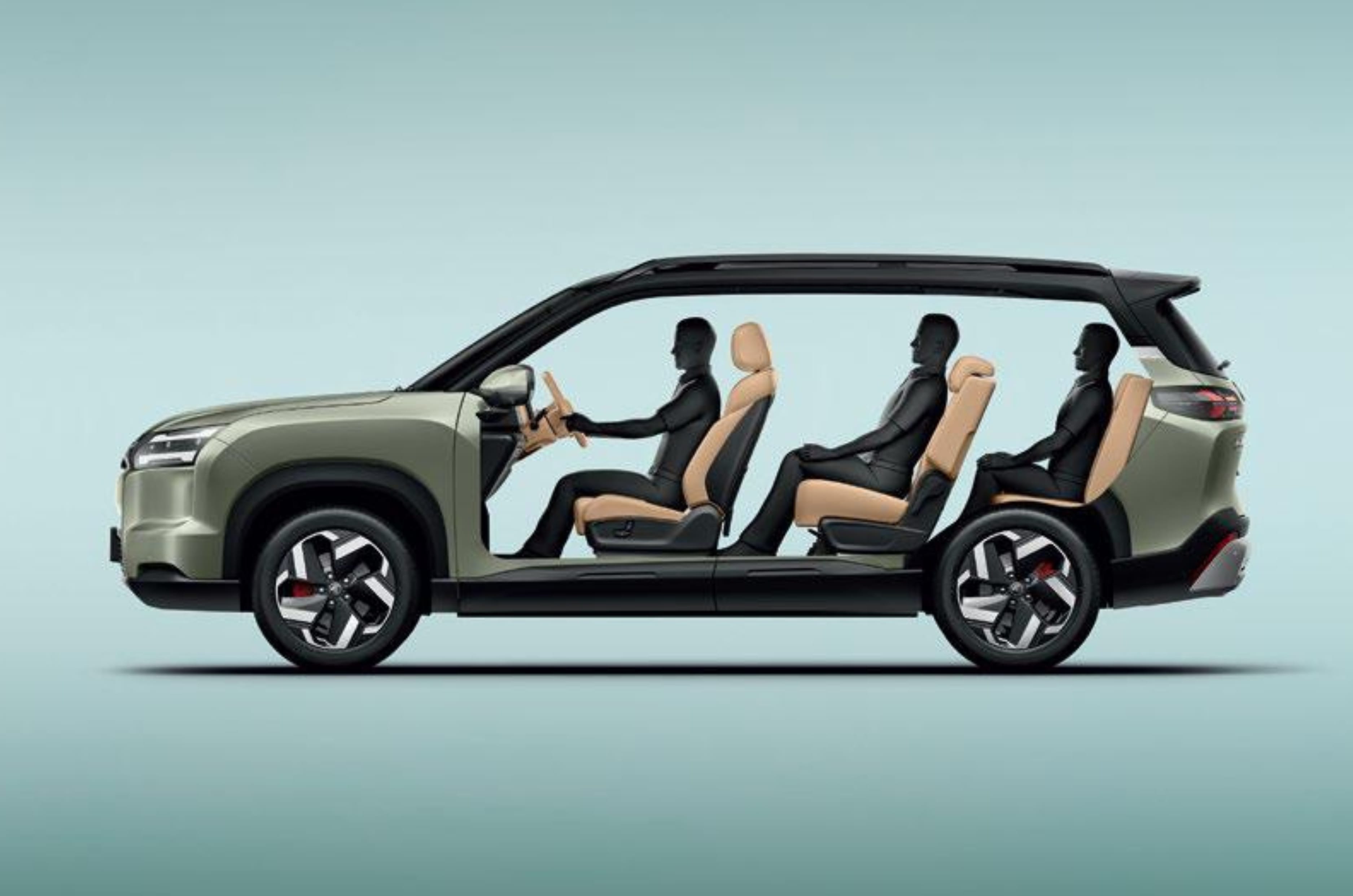
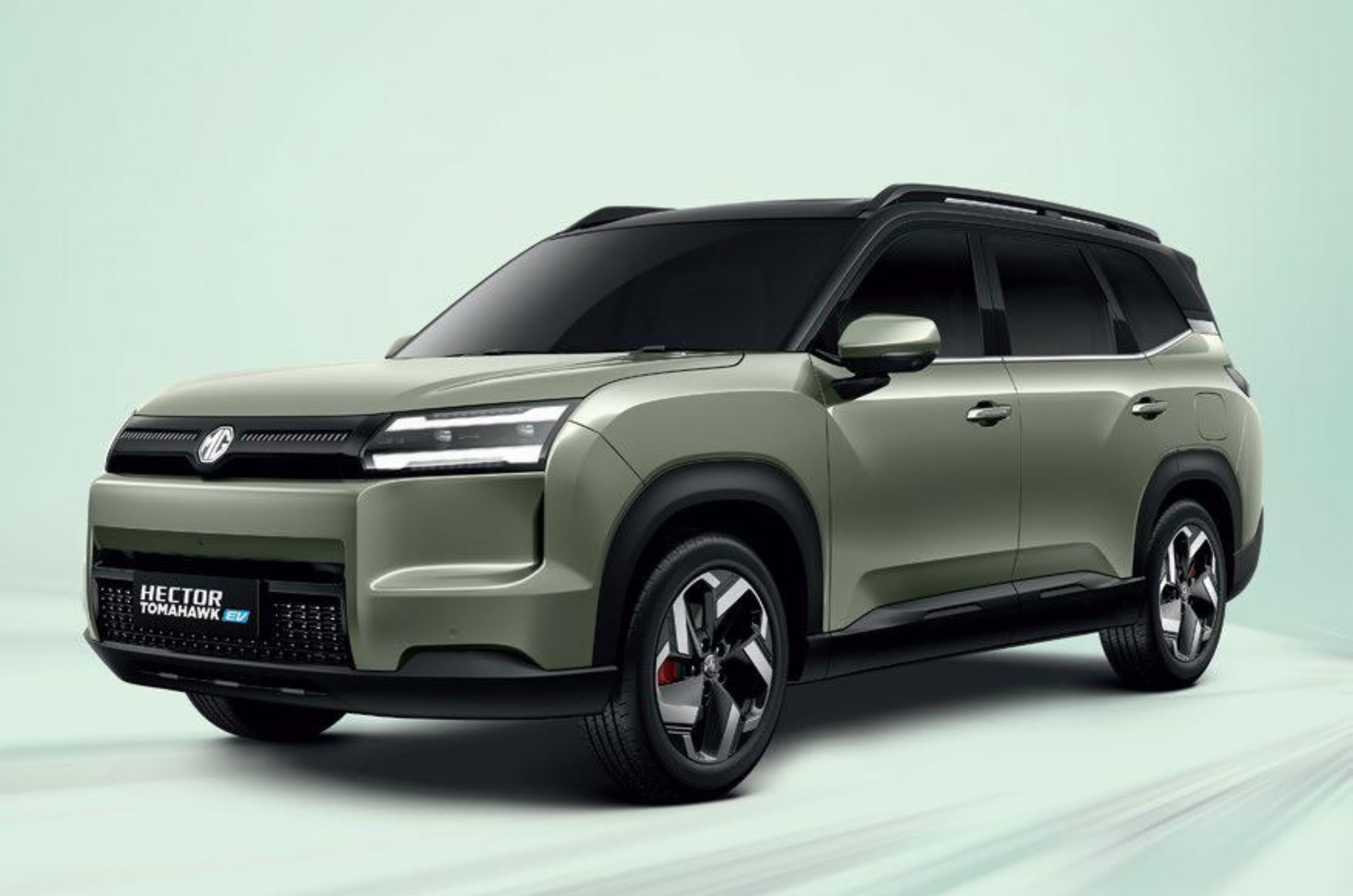
JSW MG Motor India has launched the Hector Tomahawk EV at a starting price of Rs 19.49 lakh (ex-showroom), while prices under its Battery-as-a-Service (BaaS) programme start at Rs 13.99 lakh. The electric SUV gets a 69.2kWh battery and is available in five and seven-seat configurations. The Tomahawk EV is the first MG model in India based on the brand’s ADAPT architecture.
Deliveries to commence in September
Gets a 15.6-inch touchscreen and 8.8-inch digital driver’s display
204hp electric motor develops 310Nm
90kW DC charging; 30-80 percent in 35 minutes
MG Hector Tomahawk EV: price and variants
Variant
Seating
Ex-showroom price
Excite
7-seat
Rs 19.49 lakh
Exclusive
7-seat
Rs 21.99 lakh
Essence
7-seat
Rs 23.49 lakh
Essence
5-seat
Rs 22.99 lakh
The Hector Tomahawk EV is priced from Rs 19.49 lakh to Rs 23.49 lakh (ex-showroom). The five-seat version is offered only in the Essence variant and is priced at Rs 22.99 lakh, while the seven-seat version is available in Excite, Exclusive and Essence trims.
MG is also offering the Hector Tomahawk EV under its Battery-as-a-Service (BaaS) programme, with prices starting at Rs 13.99 lakh. Buyers opting for BaaS pay a separate battery rental of Rs 4.90 per km. MG has not disclosed variant-wise BaaS prices.
The prices are introductory and applicable to limited units only.
In terms of rivals, the Hector Tomahawk EV will primarily face the Mahindra XEV 9S and Kia Carens Clavis EV, both of which are available with three-row seating. The Tomahawk EV’s five-seat version also broadens its competition to other electric SUVs in this price range.
MG Hector Tomahawk EV: exterior
The Hector Tomahawk EV gets LED projector headlamps with LED daytime running lights with an illuminated MG logo positioned between them. The front bumper has a blacked out, closed-off lower front fascia, while the SUV rides on 18-inch dual-tone alloy wheels. It also gets roof rails, black cladding around the wheel arches and lower doors and an automatic powered tailgate.
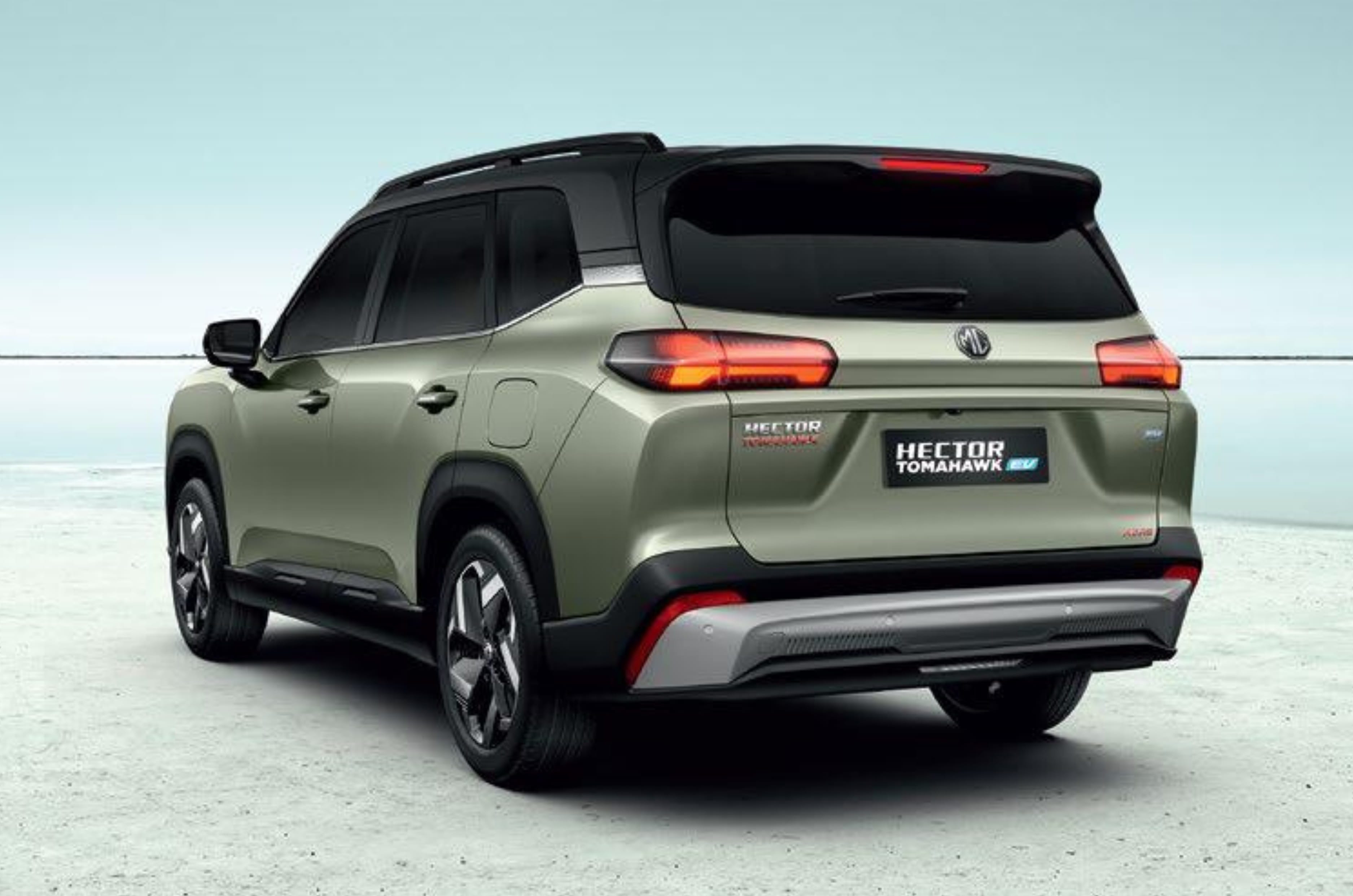
At the rear, the Tomahawk EV features wraparound LED tail-lamps and a sculpted rear bumper. The SUV measures 4,745mm long, 1,850mm wide and 1,770mm tall, with a 2,810mm wheelbase and 230mm ground clearance. The Hector Tomahawk EV gets a 610-litre boot for the five-seat version, while the seven-seat version offers 192 litres with all three rows in use and 528 litres with the third row folded.
MG Hector Tomahawk EV: interior and features
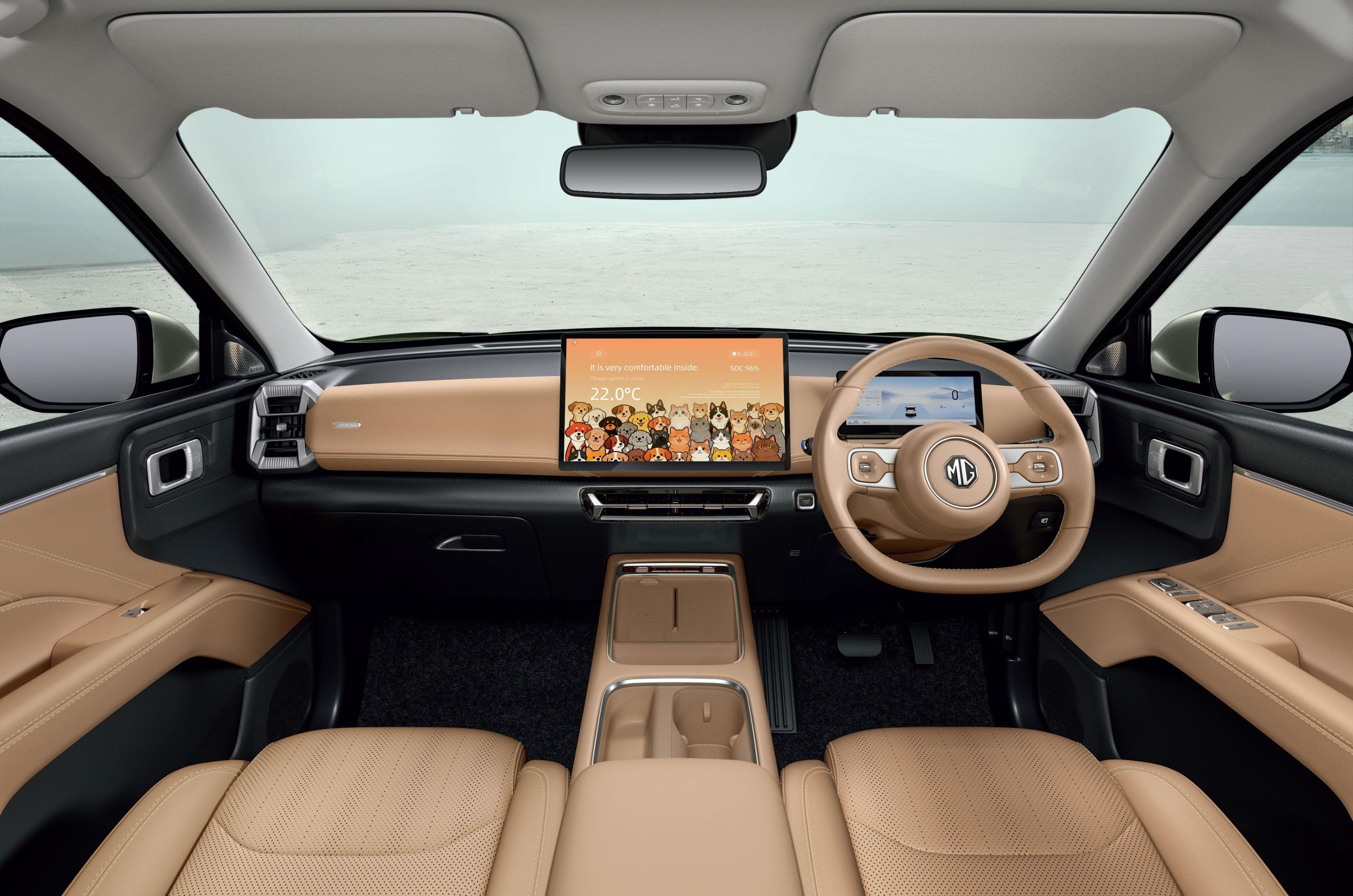
The Hector Tomahawk EV gets a 15.6-inch infotainment touchscreen, a 8.8-inch digital drivers display, wireless Apple CarPlay and Android Auto, wireless phone charging and gesture controls for functions such as the air-conditioning and audio system.
Other features include a panoramic sunroof, ventilated front seats, 256-colour ambient lighting, a 10-speaker Infinity sound system, a powered tailgate, connected car tech, rear window sunshades and a driver’s seat with memory and auto-retract functionality. The SUV also gets several cabin modes, including Nap, Camp, Energise, Pro Pet, Valet and Quiet modes.
The Hector Tomahawk EV is available with five or seven seats. The five-seat version has 610 litres of boot space, which increases to 1,053 litres with the second row folded. The seven-seat version offers 192 litres with all three rows in use and 528 litres with the third row folded.
MG Hector Tomahawk EV: battery and range
The Tomahawk EV gets a 69.2kWh battery paired with a permanent-magnet synchronous motor producing 204hp and 310Nm. MG claims a 517km MIDC range and a 0-100kph time of 8.2sec.
The EV uses a CCS2 charging connection and supports DC fast charging at up to 90kW. MG claims a 30-80 percent charge in around 35 minutes using a 90kW DC charger. With a 7.4kW AC charger, a 10-100 percent charge takes around 12.5 hours. A portable charger that plugs into a 15A socket is also offered.
The Tomahawk EV also supports vehicle-to-load (V2L) and vehicle-to-vehicle (V2V) functions. MG says V2L can power compatible external devices and appliances, while V2V allows the SUV to charge another electric vehicle. It also claims the Tomahawk EV is India’s first vehicle-to-home (V2H) vehicle, allowing its battery to supply power to household appliances through two-way charging.
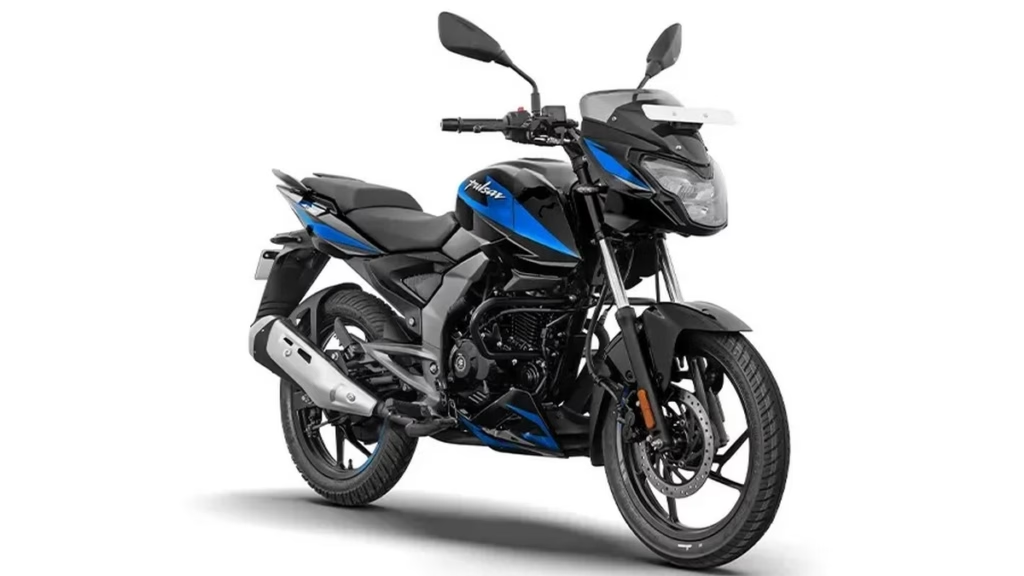
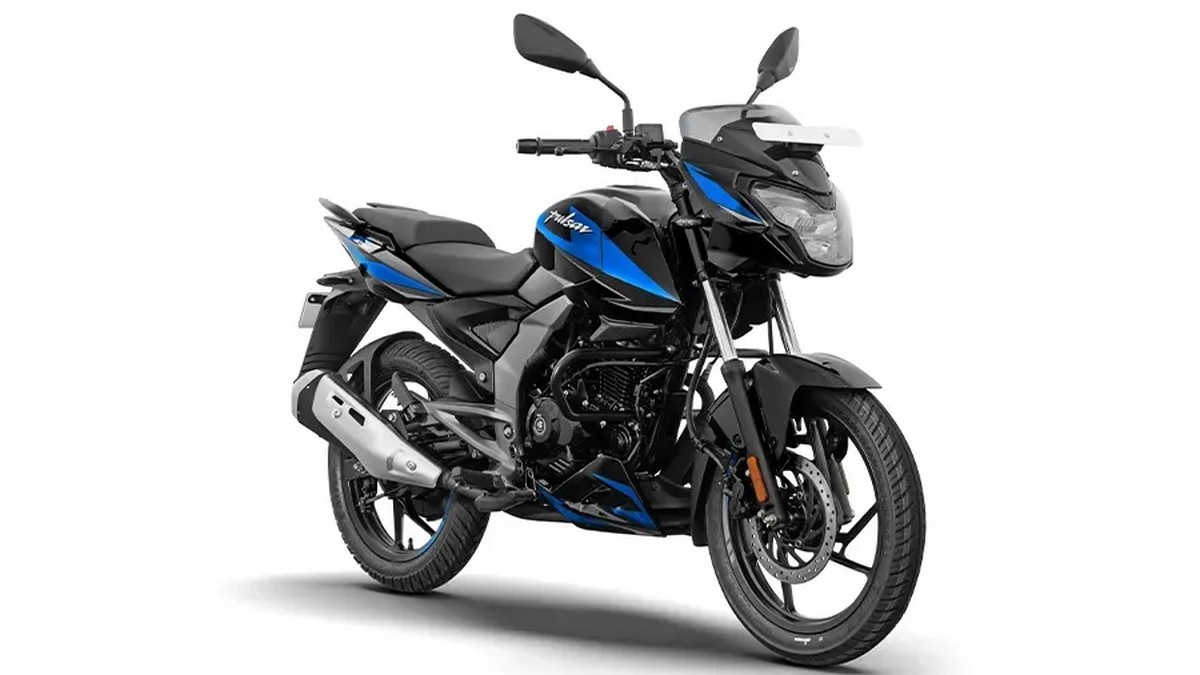
बजाज ऑटो ने भारतीय बाजार में अपनी लोकप्रिय Pulsar 125 और Pulsar 150 मोटरसाइकिलों के नए मॉडल पेश किए हैं। कंपनी ने दोनों बाइक्स में अपग्रेडेड इंजन, नया हार्डवेयर और कई नए फीचर्स जोड़े हैं। Bajaj Pulsar 125 की शुरुआती कीमत ₹92,990, जबकि Pulsar 150 की कीमत ₹1,15,233 से शुरू होती है। ये सभी कीमतें एक्स-शोरूम हैं।
नई Pulsar सीरीज को सिर्फ रोजमर्रा के आवागमन वाली बाइक के तौर पर नहीं, बल्कि ज्यादा प्रीमियम फीचर्स वाली मोटरसाइकिल के रूप में पेश किया गया है। चुनिंदा वेरिएंट में Ride Modes, Crawl Tech, Monoshock Suspension और Google Maps Navigation के साथ 5-इंच TFT डिस्प्ले जैसे फीचर्स दिए गए हैं। खास बात यह है कि इनमें से कई फीचर्स अब कम कीमत वाली मोटरसाइकिलों में भी तेजी से देखने को मिल रहे हैं।
Bajaj Pulsar 125 और Pulsar 150: कीमत और वेरिएंट
Pulsar 125 को चार वेरिएंट में पेश किया गया है। इसके बेस वर्जन की कीमत ₹92,990 है, जबकि Premium Split Seat वेरिएंट की कीमत ₹1,04,318 तक जाती है। इसके STD Single Seat वेरिएंट की कीमत ₹99,291 और STD Split Seat की कीमत ₹1,00,288 है। वहीं Pulsar 150 तीन वेरिएंट में उपलब्ध है। इसके Single Disc मॉडल की कीमत ₹1,15,233 है। इसके अलावा Twin Disc Single Seat की कीमत ₹1,22,184 और Twin Disc Split Seat की कीमत ₹1,23,187 है।
नए इंजन में लो-RPM परफॉर्मेंस पर फोकस
नई Pulsar 125 में 11.7bhp की पावर मिलती है, जबकि Pulsar 150 में 13.6bhp का आउटपुट मिलता है। बजाज के मुताबिक, दोनों मोटरसाइकिलें 3,000rpm और उससे ऊपर अपने पीक पावर का करीब 85 प्रतिशत उपलब्ध कराती हैं। कंपनी ने गियरबॉक्स में भी बदलाव किया है, जिससे कम स्पीड पर बाइक की राइडिंग क्षमता बेहतर हो सके। मोटरसाइकिलों में डीप गियर बेवल्स दिए गए हैं, जिनसे बार-बार क्लच का इस्तेमाल करने की जरूरत कम होने का दावा किया गया है। शहरी ट्रैफिक में यह बदलाव खास तौर पर उपयोगी हो सकता है, क्योंकि यहां अधिकतम पावर के बजाय कम स्पीड पर बेहतर कंट्रोल और स्मूथ राइडिंग ज्यादा महत्वपूर्ण होती है।
Crawl Tech से ट्रैफिक में आसान होगी राइडिंग
नई Pulsar का एक प्रमुख फीचर Crawl Tech है। यह फीचर बाइक को बहुत कम स्पीड पर चलाने में मदद करता है, जिससे राइडर को बार-बार थ्रॉटल दबाने की जरूरत कम पड़ती है। बजाज का दावा है कि Crawl Tech क्लच और थ्रॉटल इनपुट को आसान बनाता है और धीमे ट्रैफिक में बाइक के बंद पड़ने यानी stall होने के जोखिम को कम करता है।
किफायती Pulsar में अब ज्यादा टेक्नोलॉजी
Pulsar 125 के चुनिंदा मॉडल में Road, Rain और Sport तीन राइडिंग मोड दिए गए हैं। Pulsar 150 की पूरी रेंज में ये राइडिंग मोड उपलब्ध हैं। ऊपरी वेरिएंट में 5-इंच TFT डिस्प्ले और Google Maps Navigation के साथ LED इंडिकेटर्स, Hazard Lamps और Integrated Starter Generator (ISG) जैसे फीचर्स भी मिलते हैं।
वहीं बेस Pulsar 125 में कलर LCD, LED हेडलैंप, Monoshock Suspension और Crawl Tech दिया गया है। हालांकि इस वेरिएंट में Ride Modes और TFT डिस्प्ले नहीं मिलता। दोनों मोटरसाइकिलों में अब Monoshock Rear Suspension दिया गया है। इसके अलावा USB Type-C चार्जिंग पोर्ट भी मिलता है।
ज्यादा प्रीमियम बनाने की कोशिश
नई Pulsar 125 और Pulsar 150 के जरिए बजाज ने टेक्नोलॉजी और फीचर्स के दम पर इन मोटरसाइकिलों को पहले से ज्यादा प्रीमियम बनाने की कोशिश की है। बेस वेरिएंट अपेक्षाकृत सरल रखे गए हैं, जबकि महंगे वेरिएंट में ऐसे फीचर्स मिलते हैं जो पहले ज्यादा कीमत वाली मोटरसाइकिलों तक सीमित हुआ करते थे। अब देखने वाली बात यह होगी कि ये नए फीचर्स राइडिंग एक्सपीरियंस को कितना बेहतर बनाते हैं और अतिरिक्त कीमत के मुकाबले ग्राहकों के लिए कितने फायदेमंद साबित होते हैं।
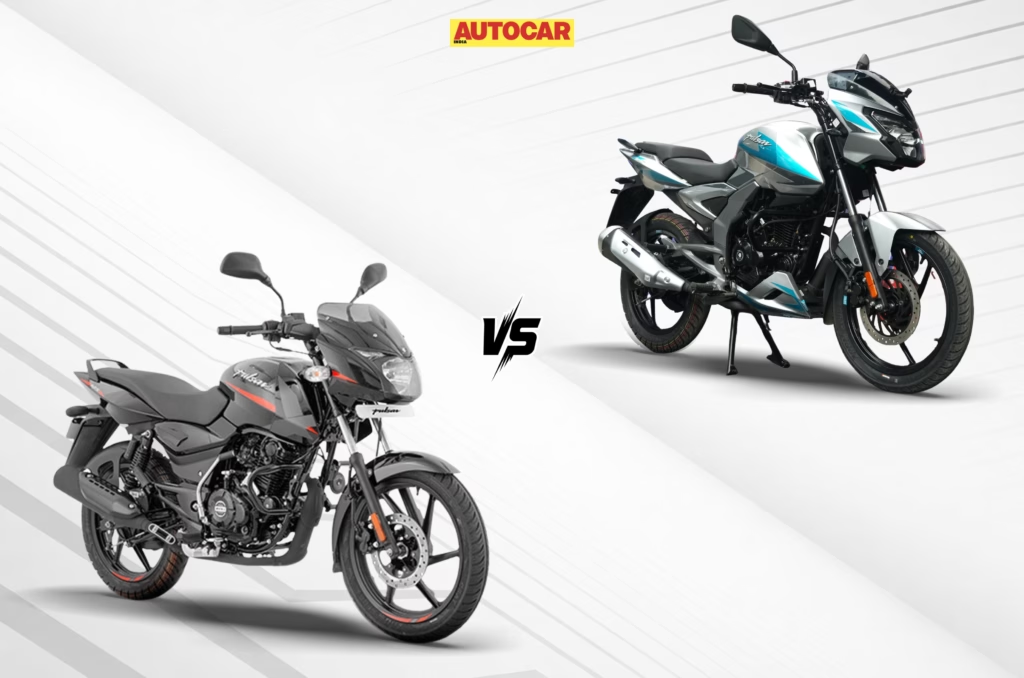
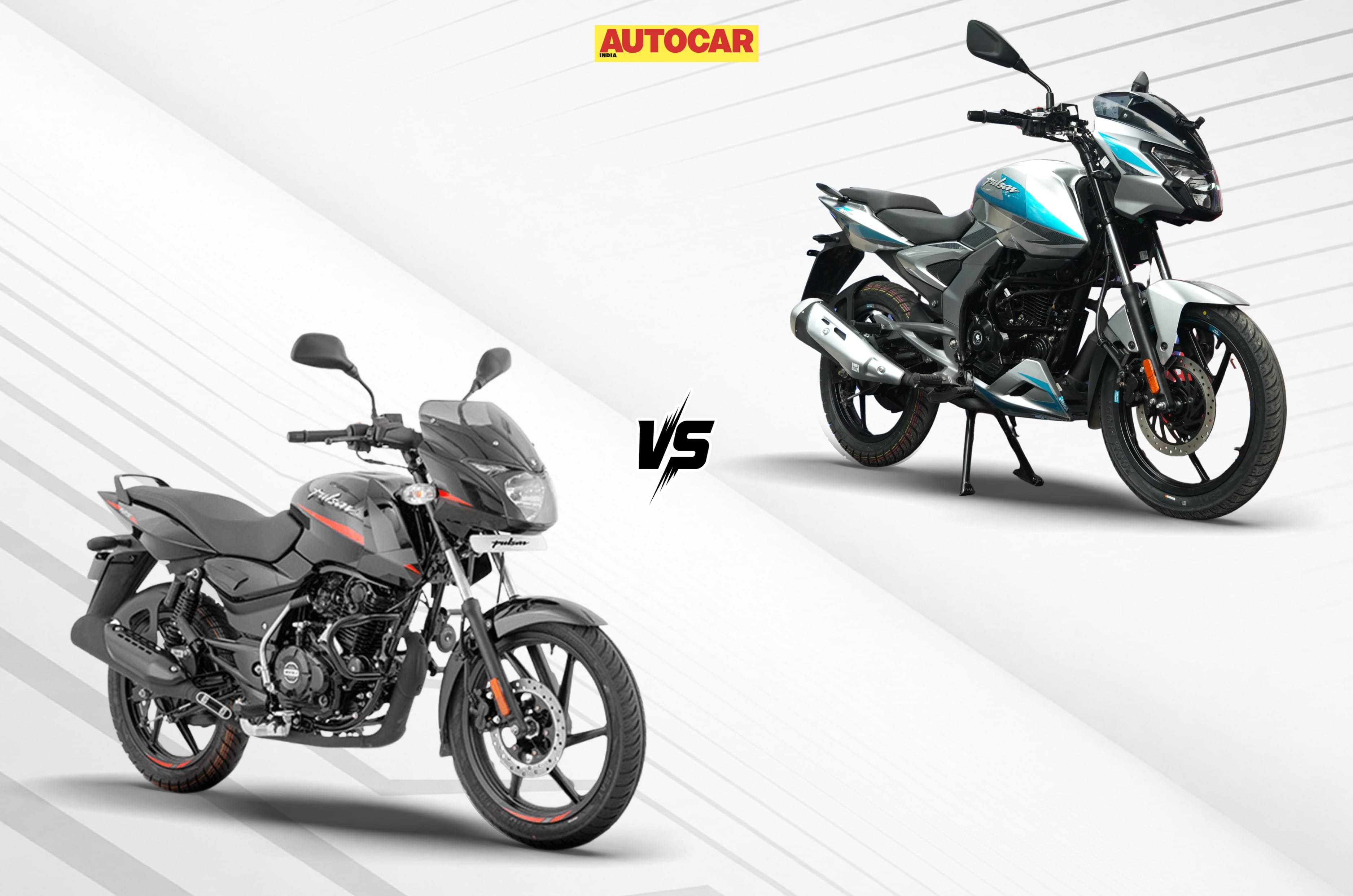
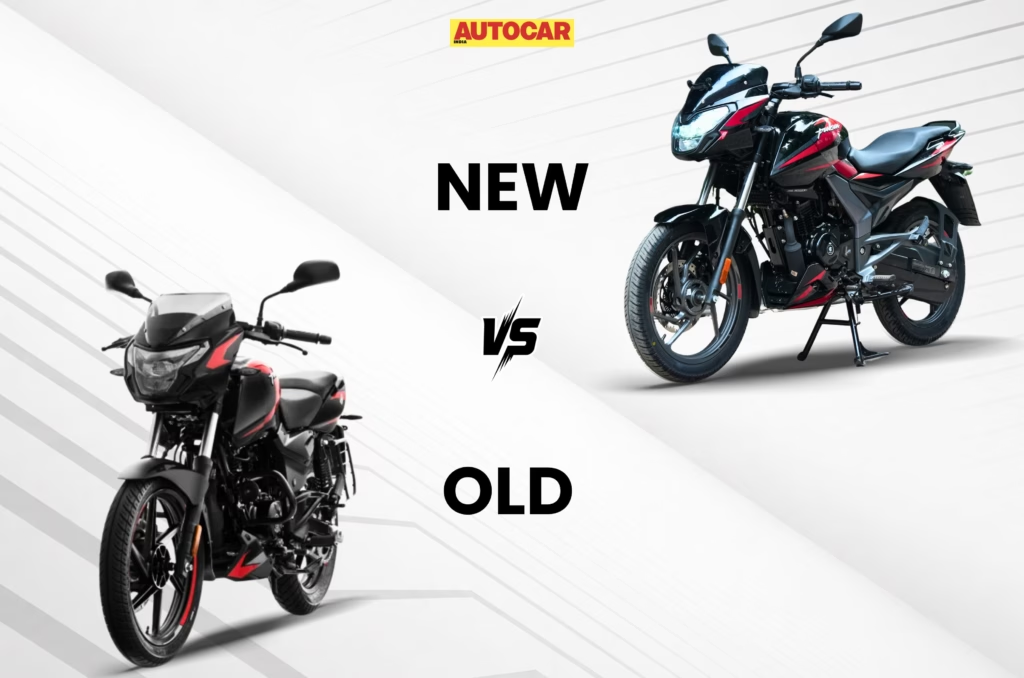
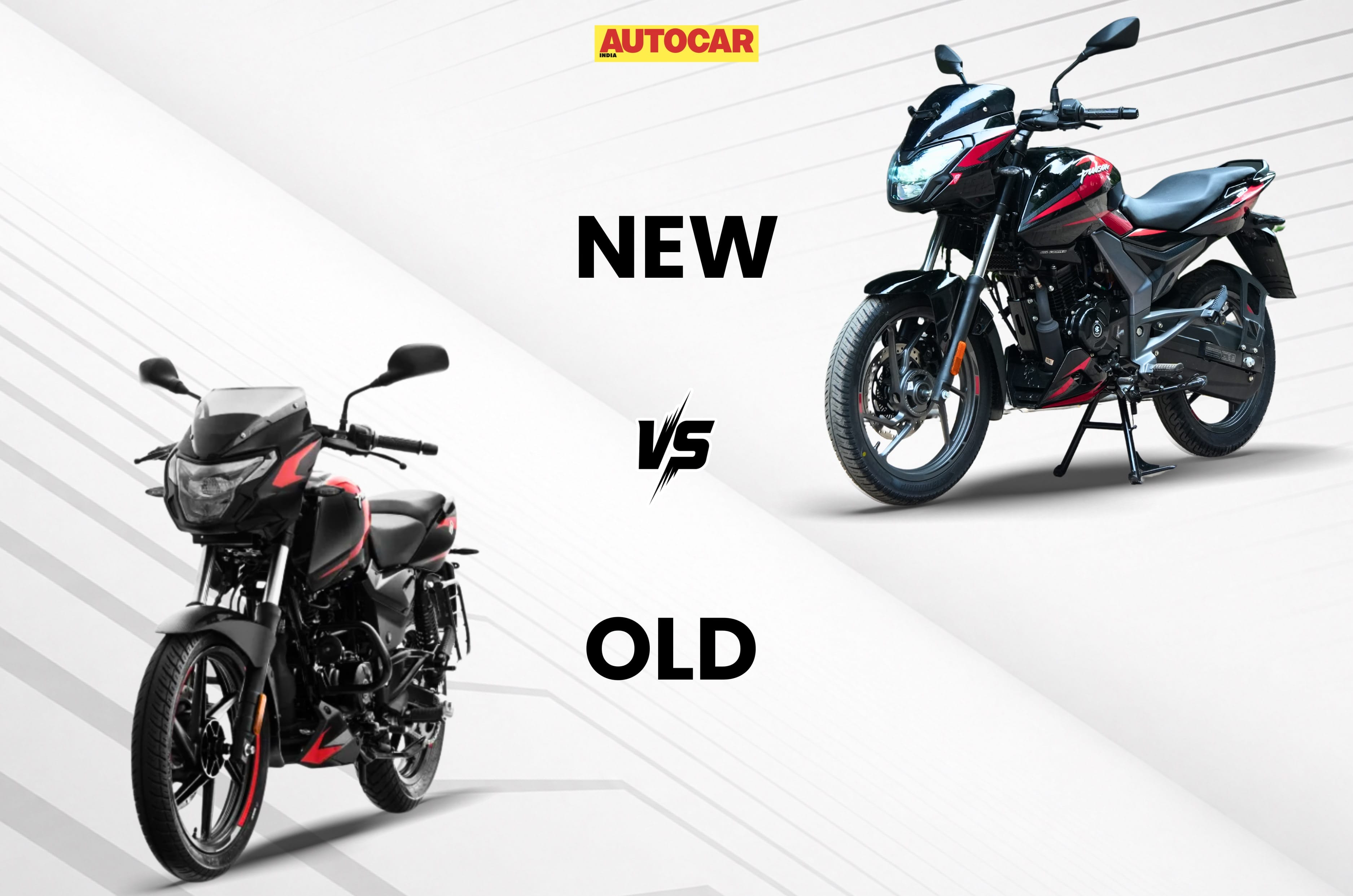
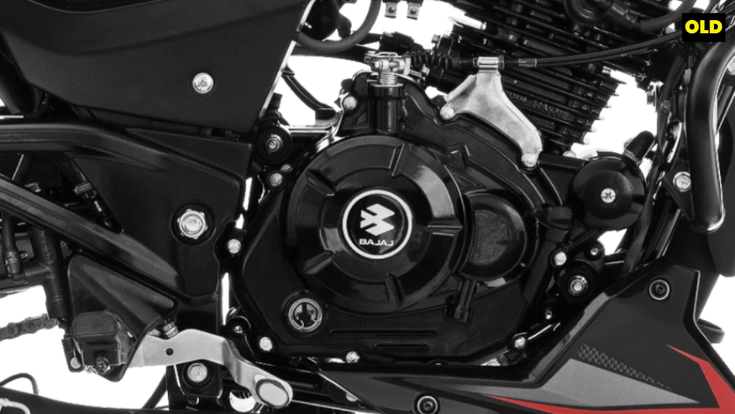
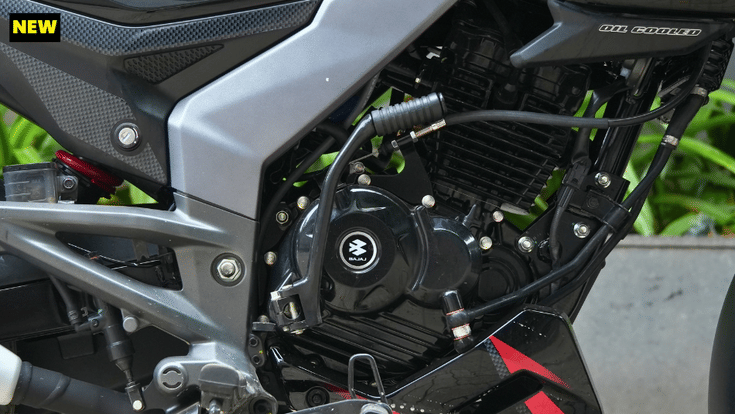
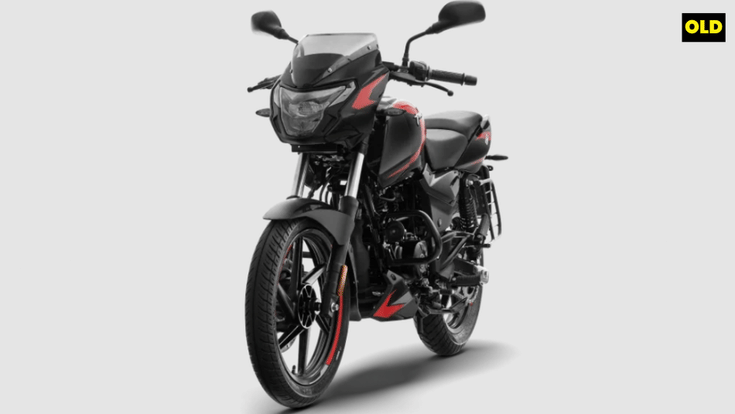
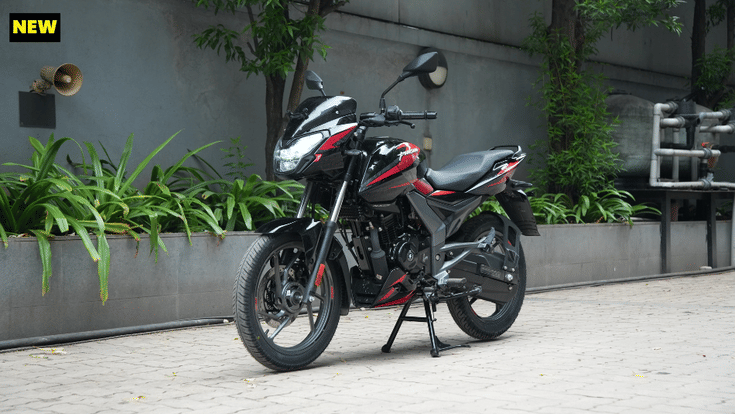
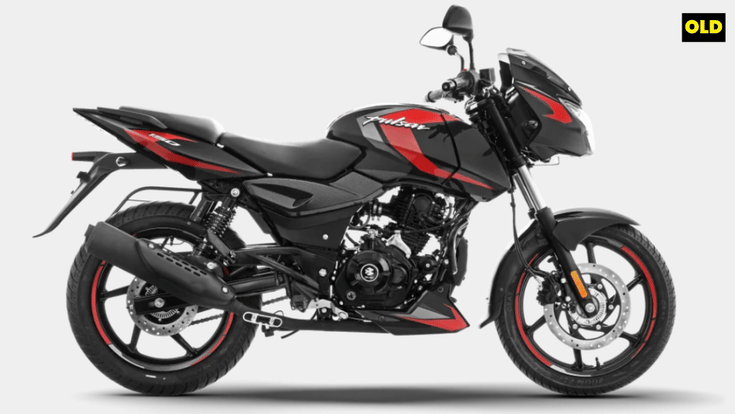
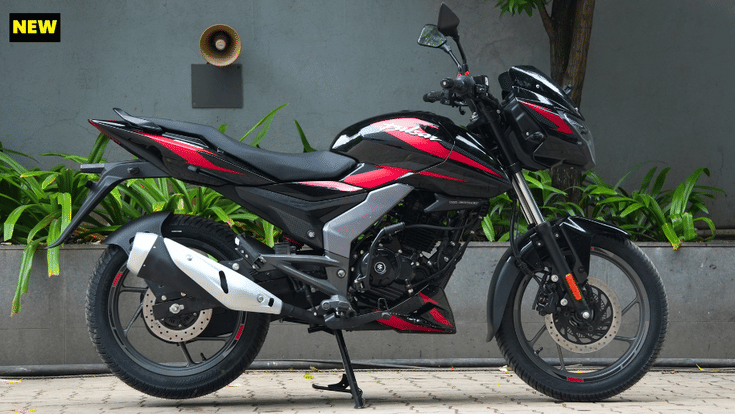
With the discontinuation of the N125 in India, the Pulsar 125 had gained attention back as the entry-level Pulsar model and Bajaj has just revamped it from the ground-up. Some of the obvious upgrades are to the engine, frame, and suspension. However, with the line-up expanding to four variants from two earlier, what exactly sets the new Pulsar 125 apart from the old? Let’s find out.
Note: At the time of writing, Bajaj hasn’t shared the exact dimensions and kerb weight for the new Pulsar 125 so this comparison skips that. We’ll update the story once we get those details.
Bajaj Pulsar 125 New vs Old: Engine
More power and torque at the same points in the rev range
New Bajaj Pulsar 125
Old Bajaj Pulsar 125
Engine
124.58cc single-cylinder, air-cooled
124.38cc single-cylinder, air-cooled
Power
12.1hp at 8,500rpm
11.8hp at 8,500rpm
Torque
11.4Nm at 6,500rpm
10.8Nm at 6,500rpm
Transmission
5-speed
5-speed
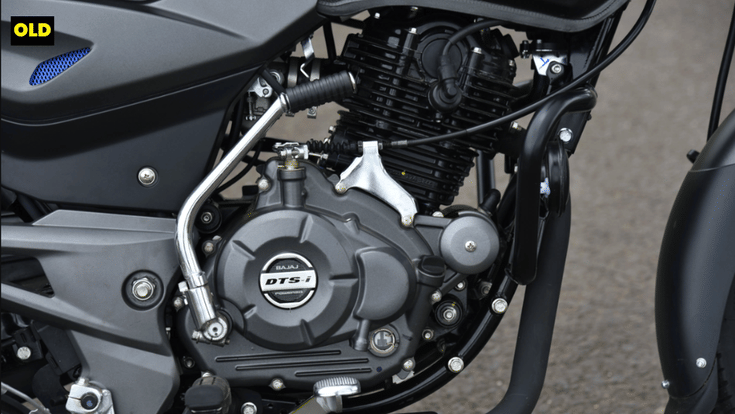
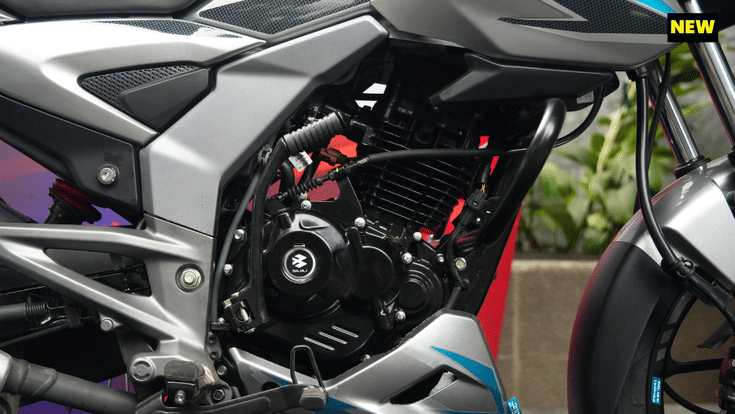
Similar to the all-new Pulsar 150, the new Pulsar 125’s engine also looks similar to the outgoing one at first glance, but that’s not the case. The cubic capacity on the new engine has increased by two-tenths and Bajaj has extracted marginally more power and torque delivered at similar rpm as before. Bajaj also claims that 80 percent of the torque is available from 3,000rpm onwards. On paper, it’s easy to dismiss this improvement as minuscule, but it bodes well with Bajaj’s placement of the 125 as an easy city commuter.
Unlike the new Pulsar 150’s oil-cooled engine, the 125 sticks to an air-cooled unit. Transmission also remains 5-speed, but Bajaj claims an upgraded gearbox for low end tractability. The power-to-weight ratio has supposedly improved, and Bajaj says acceleration has as well, but we’ll have to wait until we put the bike through our tests to confirm so.
Bajaj Pulsar 125 New vs Old: Chassis, headlight, and suspension
Chassis and suspension see major changes
Keeping in line with the all-new theme, Bajaj has also changed the chassis and the suspension setup on the new Pulsar 125. The existing dual-cradle frame has been swapped for a single-cradle or diamond frame with the engine now acting as a stressed member. Bajaj says the change enables the Pulsar 125 to have greater stiffness, enabling better handling and stability.
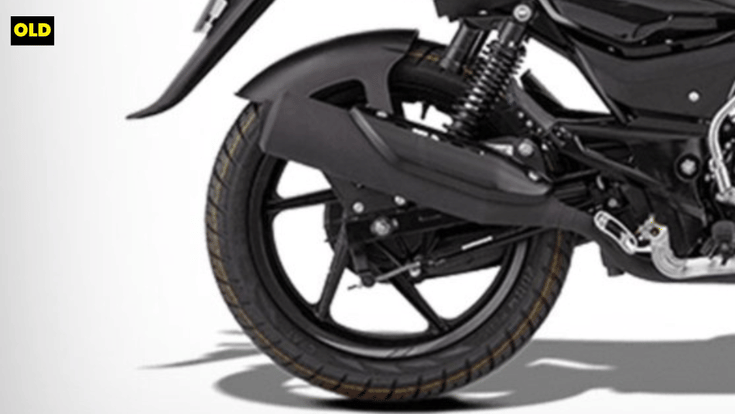
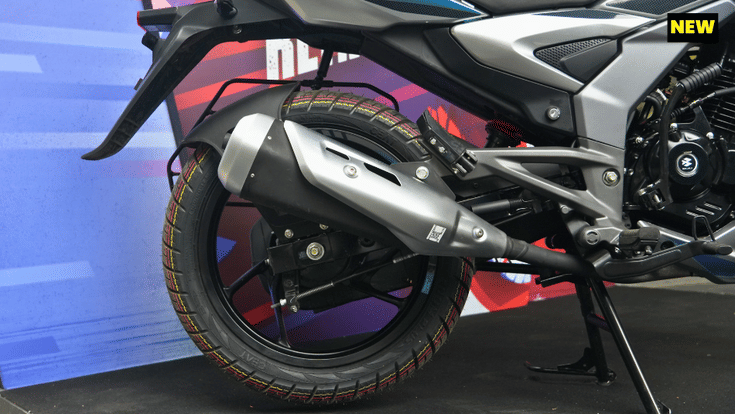
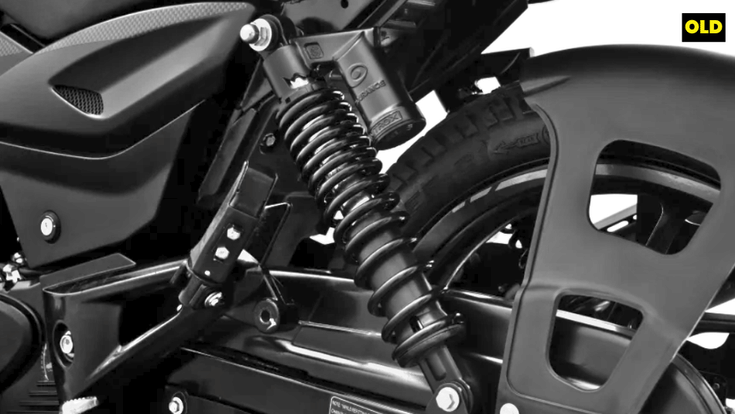
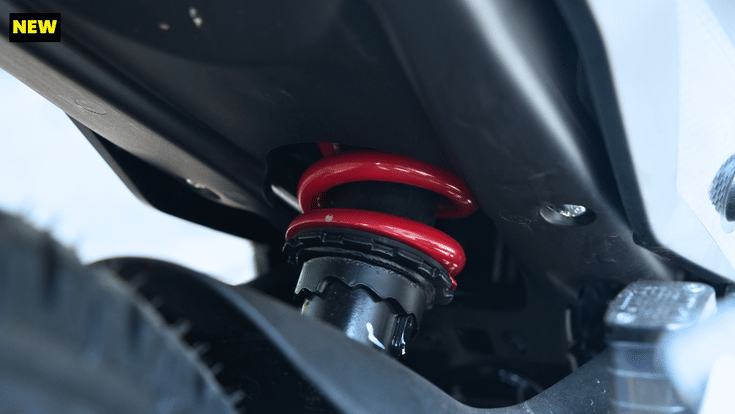
Though the fork is still a right side up (RSU) telescopic unit, the new Pulsar 125 upgrades the diameter by 1mm to 31mm, but with a 10mm shorter 125mm travel. The rear suspension has also seen improvements with the familiar twin-shock setup being swapped for a monoshock unit and the travel has been increased by 8mm to 110mm. Bajaj attributes greater stability in straight lines and corners on the new Pulsar 125 to the brand-new monoshock setup.
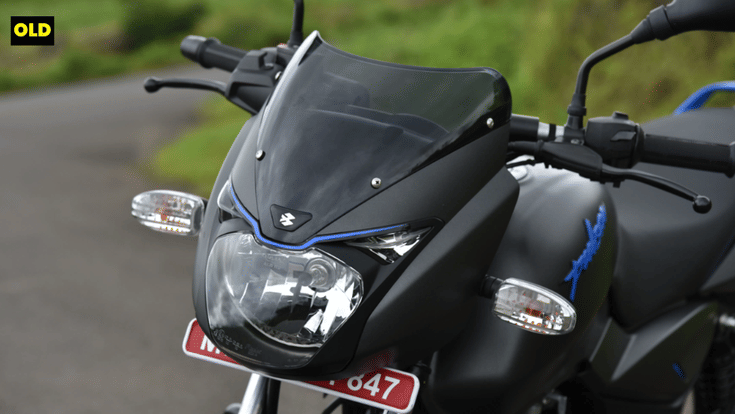
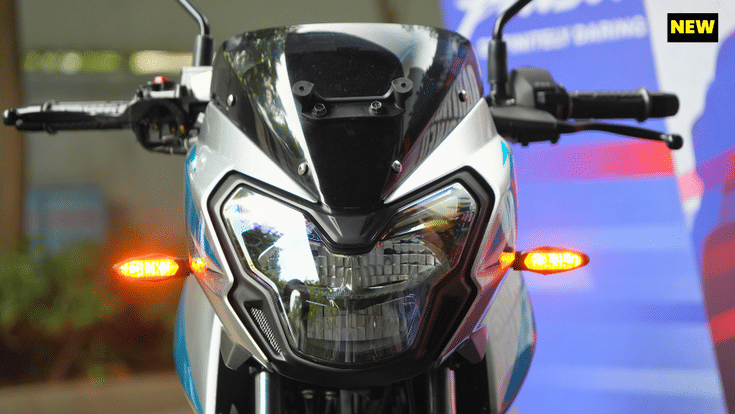
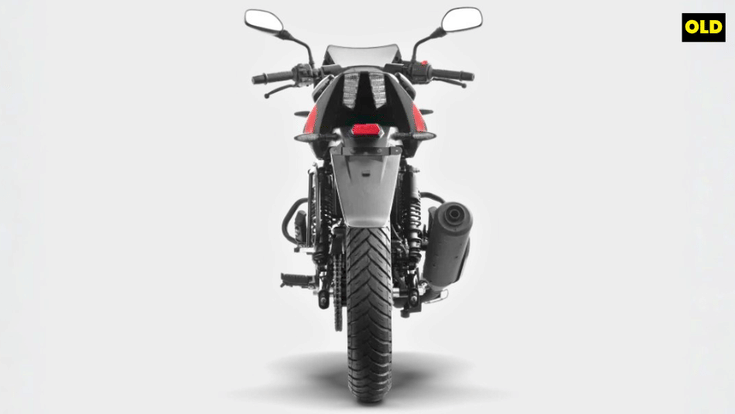
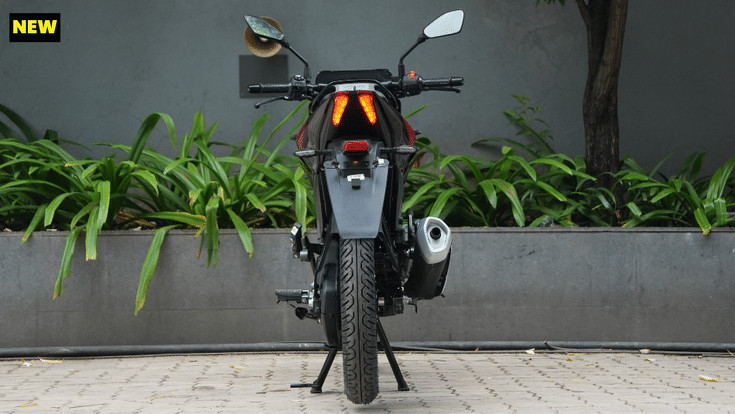
The lighting setup has also been changed, although by a tiny amount. While the headlight and taillight continue to be LED across the board, Bajaj has slightly redesigned the fairing on the new Pulsar 125. Out of the four variants, the LED indicators and hazard lights are only available on the top three variants; only the top-most variant gets a belly pan as standard.
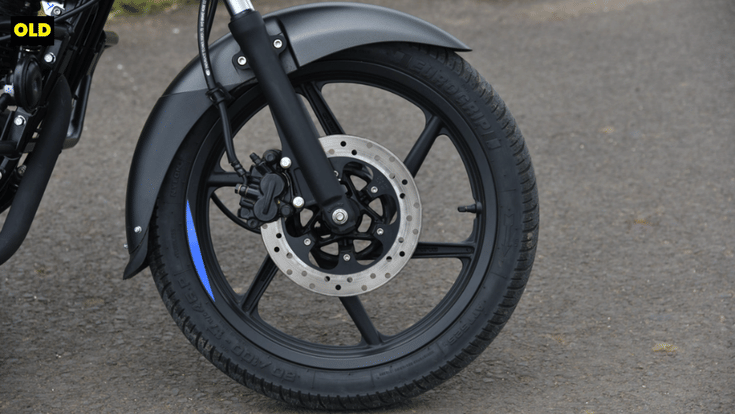
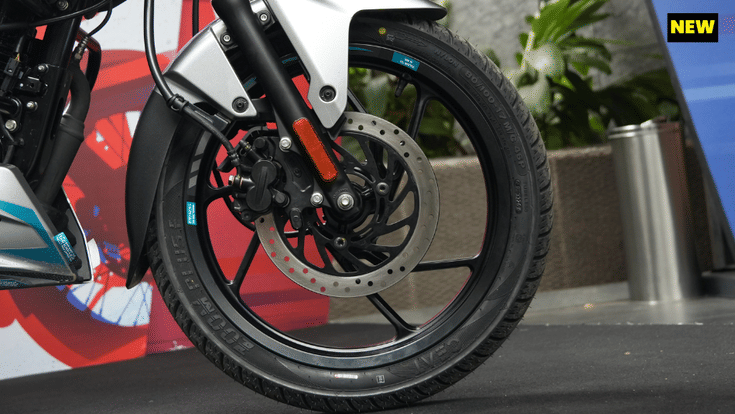
While the tyre sizes remain unchanged on the new Pulsar 125, Bajaj has increased the front disc size on the top three variants. ABS in any form continues to be missing, with the motorcycle offering Combined Braking System (CBS) as standard instead.
Bajaj Pulsar 125 New vs Old: Features
TFT Cluster and ride modes are major upgrades
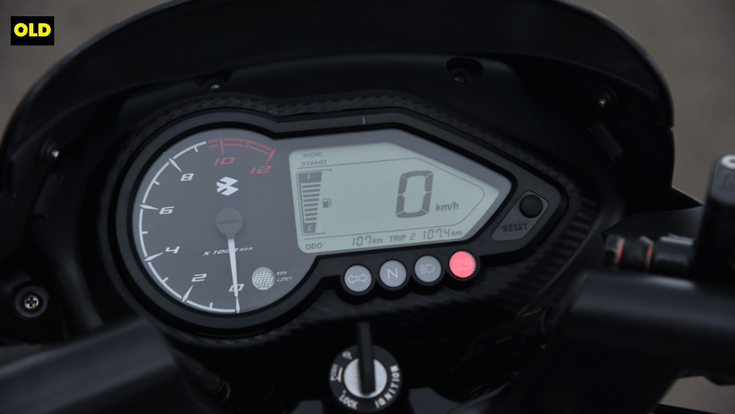
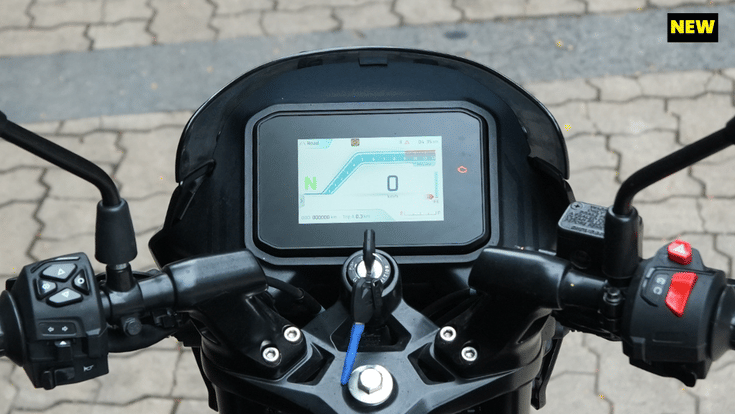
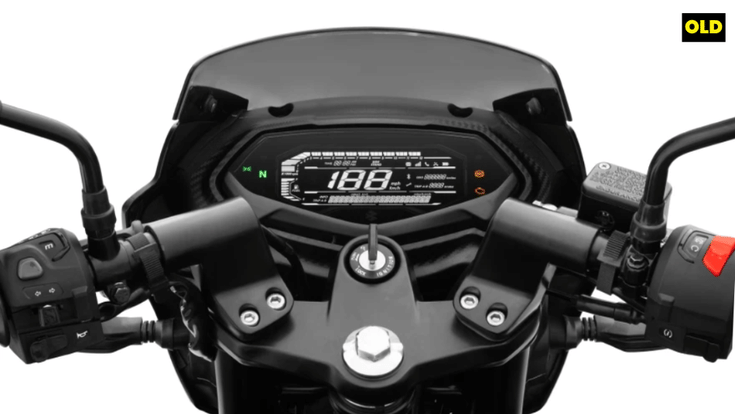
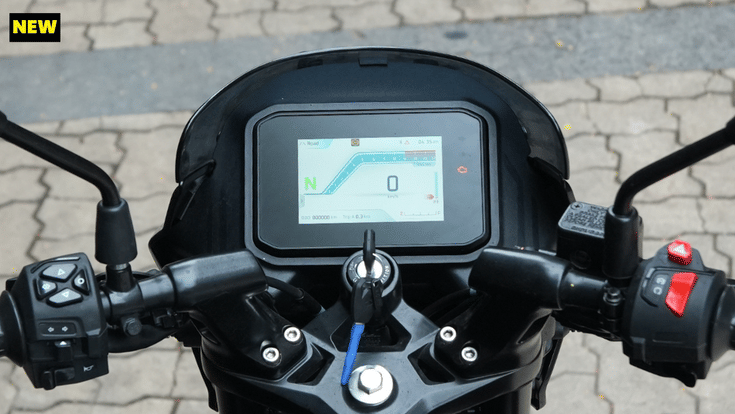
The biggest feature addition to the new Pulsar 125 starts with what you’ll see on every ride, the instrument cluster. The base variant now gets a 5-inch LCD cluster, the mid and top variants getting a 5-inch TFT cluster. Connected features like music control and call and SMS alerts are common to all four variants—thanks to the standard Bluetooth—though WiFi is limited to the top variant. Thanks to WiFi, the top variant alone gets Google Maps mirroring for navigation, whereas the others have turn-by-turn navigation.
The TFT cluster can also store important documents like licence and RC for quick access. To charge up your devices on the go, the new Pulsar 125 gives you a USB type-C port, an upgrade to the previous version’s USB type-A port. However, it’s a paid extra on the base variant. What’s standard on all variants are the three ride modes, Road, Rain, and Sport. In order to make city riding easier still, the new Pulsar 125 also gets crawl tech and ISG (Integrated Starter Generator). The former makes stop-and-go traffic easier to handle; whereas the latter, available on the top three variants, gives you silent start and a stop-start system to conserve fuel.
Bajaj Pulsar 125 New vs Old: Price
New 125’s noticeably more expensive
New Bajaj Pulsar 125
Old Bajaj Pulsar 125
Price (ex-showroom, Delhi)
Rs 92,900 – Rs 1.04 lakh
Rs 81,556 – Rs 94,518
With all the new changes and features, the new Pulsar 125 starts at Rs 92,900 for the base variant and goes up to Rs 1.04 lakh for the top variant, cracking the one lakh mark. That’s a steep increase over the outgoing model’s price range. The new Pulsar 125 does make forward strides in almost every area, but we’ll have to wait until we ride the bike to comment on whether the changes justify the unmissable premium.
After what seems like a long, drawn-out process, Bajaj has finally launched the all-new classic Pulsar 150 and Pulsar 125. The new Pulsar 150 brings a lot to the line, with a new engine and frame, along with a whole lot of new features. However, it has also lost some of the features from the previous Pulsar 150 it replaces. Let’s see what those are, in detail. At the end, you can decide if the proverbial “old is gold” applies to the Pulsar 150 too.
Note: At the time of writing, Bajaj hasn’t shared the exact dimensions and kerb weight for the new Pulsar 150, so this comparison skips that part. We’ll update this once we get the details from Bajaj.
Bajaj Pulsar 150 new vs old: Engine changes
Same power but more torque than before
New Bajaj Pulsar 150
Old Bajaj Pulsar 150
Engine
149.5cc, single-cylinder, oil-cooled
149.5cc, single-cylinder, air-cooled
Power
14hp at 8,000rpm
14hp at 8,500rpm
Torque
14.1Nm at 6,500rpm
13.2Nm at 6,500rpm
Transmission
5-speed
5-speed
Both models have a 149.5cc engine, but they are anything but the same. The old one, for example, was an air-cooled unit, but the new engine upgrades to oil cooling. And while the power figure remains the same, it’s delivered 500rpm earlier. Torque, on the other hand, has increased.
Considering that the cubic capacity itself remains unchanged, this is a commendable improvement from Bajaj. The company also claims an improved 0-60kph timing owing to an improved power-to-weight ratio. However, we don’t know by how much that has improved.
Bajaj Pulsar 150 new vs old: Chassis, headlight and suspension
The older Pulsar had a bigger fork
Keeping in line with the all-new theme, Bajaj has also changed the chassis and the suspension setup on the new Pulsar 150. The dual-cradle frame has been swapped for a simpler single-cradle or diamond frame, with the engine now acting as a stressed member. Bajaj says the change gives the Pulsar 150 greater stiffness, enabling better handling and stability.
The fork on the new Pulsar 150 remains a right-side-up (RSU) telescopic unit. However, the previous top variant of the Pulsar 150, Split Seat, had a larger 37mm fork with 130mm of travel. The base variant had a 31mm fork with an even longer 135mm of travel. The new Pulsar 150 swaps both for an in-between 33mm-diameter fork and a shorter 125mm travel. While the reduced travel is unlikely to compromise the bike’s functionality by a noticeable amount, it’s worth mentioning nevertheless. The rear suspension, on the other hand, has seen improvements across the board. The familiar twin-shock setup has been chucked for a brand-new monoshock unit, and the travel has been increased by 8mm to 110mm. Bajaj claims the change gives the Pulsar 150 greater straight-line and cornering stability.
The lighting setup on the Pulsar has also changed. While the headlight and tail-light continue to be LED across the board, Bajaj has slightly redesigned the fairing on the new Pulsar 150. The LED indicators that were previously standard, though, are now only available on the top two variants. The new Pulsar 150 also has hazard lights but only on the top two variants. These two variants get the belly pan as standard, too.
Bajaj Pulsar 150 new vs old: Wheels, tyres and brakes
Moving on to the tyres, the top variant of the outgoing Pulsar 150 had larger tyres at both the front and rear. The new one, however, standardises the base variant’s tyre sizes for all three variants. The same goes for the front brakes. Both old and new Pulsar 150s stick to having single-channel ABS as standard. If you need dual-channel ABS, you would have to upgrade to the Pulsar N160’s top variant.
Bajaj Pulsar 150 New vs Old: Features
Host of new features on the new Pulsar 150
This is the one area where the new Pulsar 150 unabashedly moves things forward. The previous Pulsar 150’s base variant had a semi-digital instrument cluster, and the top variant had the negative LCD instrument cluster. Both are gone now, with a new 5-inch LCD cluster taking their place on the base variant and the mid and top variants getting a 5-inch TFT cluster. All three variants come with Bluetooth as standard, while the top variant even adds WiFi support. All three get connected features such as music control and call and SMS alerts.
However, only the TFT cluster can store important documents like the licence and RC for quick access. Additionally, the top variant exclusively gets Google Maps mirroring for navigation, whereas the other two stick to turn-by-turn navigation. If you are worried that the navigation will drain your phone’s battery, the new Pulsar 150 also gives you a USB Type-C port, an upgrade from the previous version’s USB Type-A port, but only on the top two variants.
The Pulsar 150 has three ride modes – Road, Rain and Sport – with crawl tech and an integrated starter generator (ISG) adding to the convenience. ISG is once again exclusive to the top two variants. Crawl tech makes navigating stop-and-go traffic easier, whereas ISG gives you a silent start and a stop-start system to help conserve fuel.
Bajaj Pulsar 150 New vs Old: Price
Costlier by at least Rs 4,000
New Bajaj Pulsar 150
Old Bajaj Pulsar 150
Price range (in Rs)
1.15 lakh-1.23 lakh
1.11 lakh-1.18 lakh
With all the new changes and features, the new Pulsar 150 starts at Rs 1.15 lakh for the base variant and goes up to Rs 1.23 lakh for the top variant. For context, the old Pulsar 150’s price ranged between Rs 1.11 lakh and Rs 1.18 lakh. While the new Pulsar 150 gives you more features, it also lacks some things compared to the older model. Deciding whether it’s really an upgrade therefore requires a test ride, as the real-world experience is hard to conclude based on the spec sheet alone.
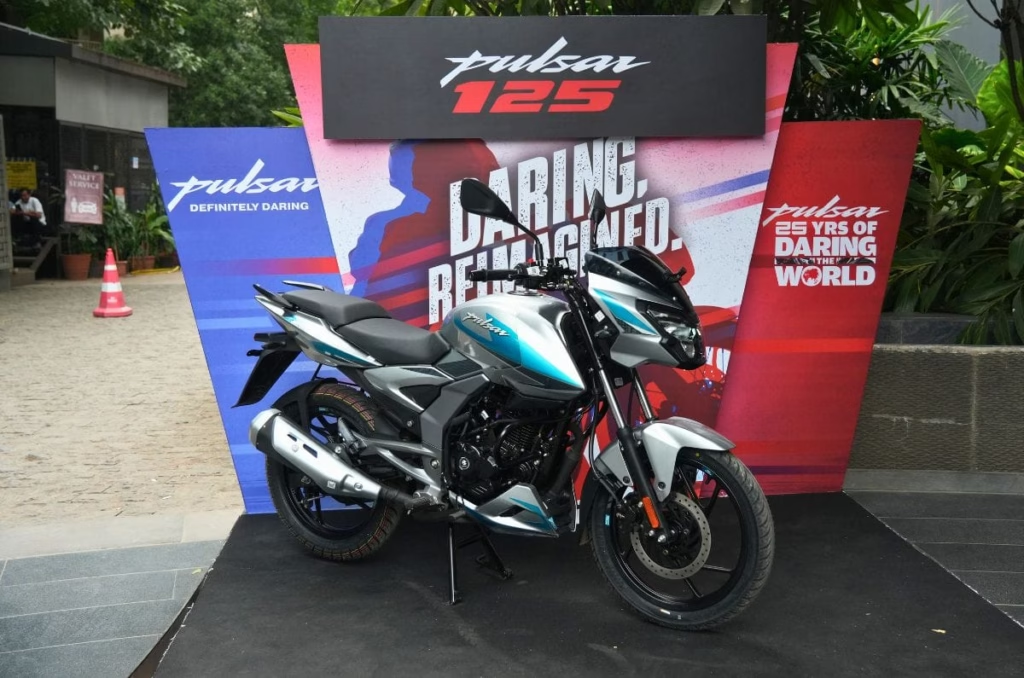
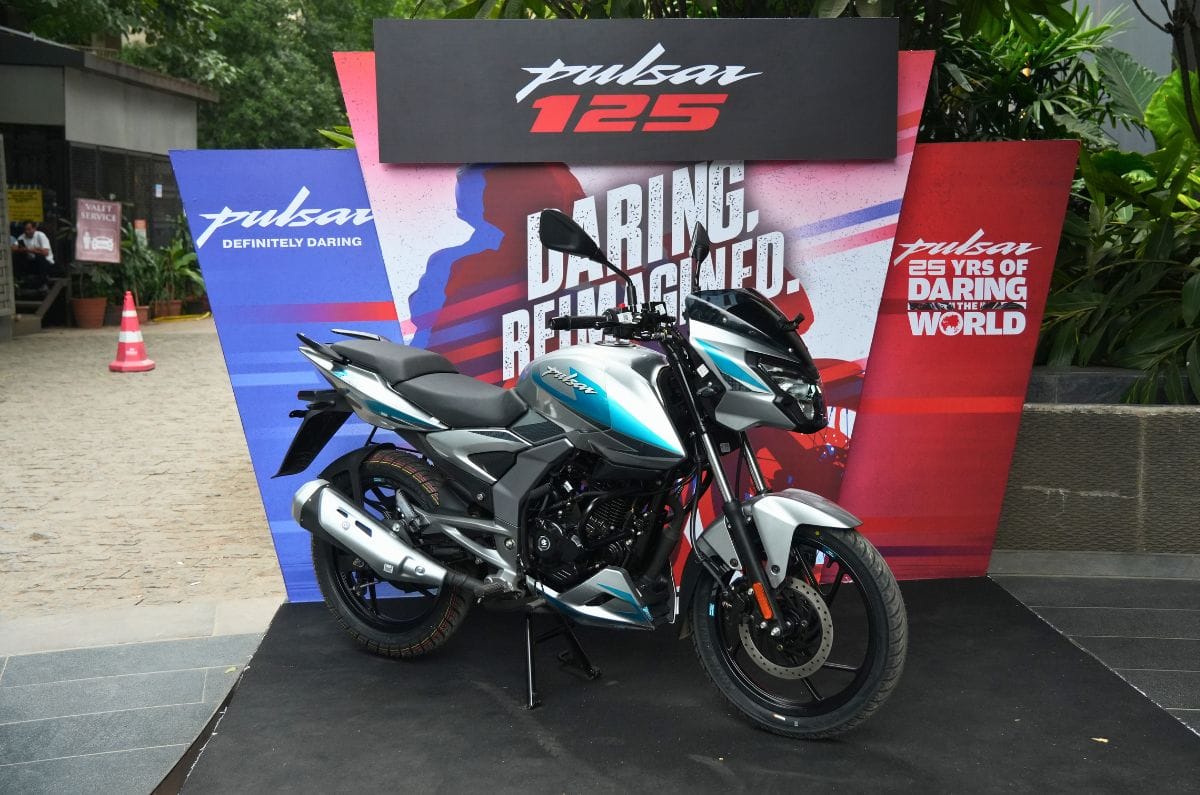
We exclusively broke the story, early this year, that Bajaj is planning on updating the Classic Pulsar range. After months of anticipation, the Chakan-based brand has finally launched the all-new Pulsar 125 as part of Pulsar’s 25th anniversary celebrations. The updated 125cc motorcycle gets a new engine and gearbox, a stiffer frame, monoshock suspension and a 5-inch TFT console with prices starting at Rs 92,990.
New 124.58cc engine makes 12hp and 11Nm
Gets monoshock suspension and new diamond-type frame
Priced at Rs 92,990 (ex-showroom, Delhi)
Bajaj Pulsar 125 engine and specs
The new Pulsar 125 is powered by a 124.58cc, single-cylinder, air/oil-cooled engine producing 12.1hp at 8,500rpm (gain of 0.3hp) and 11.4Nm at 6,500rpm (gain of 0.6Nm). Bajaj claims it is the most powerful 125cc motorcycle in the market – a title earlier held by the now discontinued Pulsar N125. The engine is paired with an all-new 5-speed gearbox, which is claimed to improve tractive effort in the lower gears and deliver stronger low-speed performance.
Bajaj also claims an improved power-to-weight ratio enables quicker 0-60kph acceleration, although it has not specified an acceleration time.
The Pulsar 125 gets a new diamond-type frame with increased stiffness, with the engine acting as a stressed member. Bajaj says this setup improves ride stability and handling. Suspension duties are now handled by a gas-charged monoshock at the rear.
Bajaj Pulsar 125 features
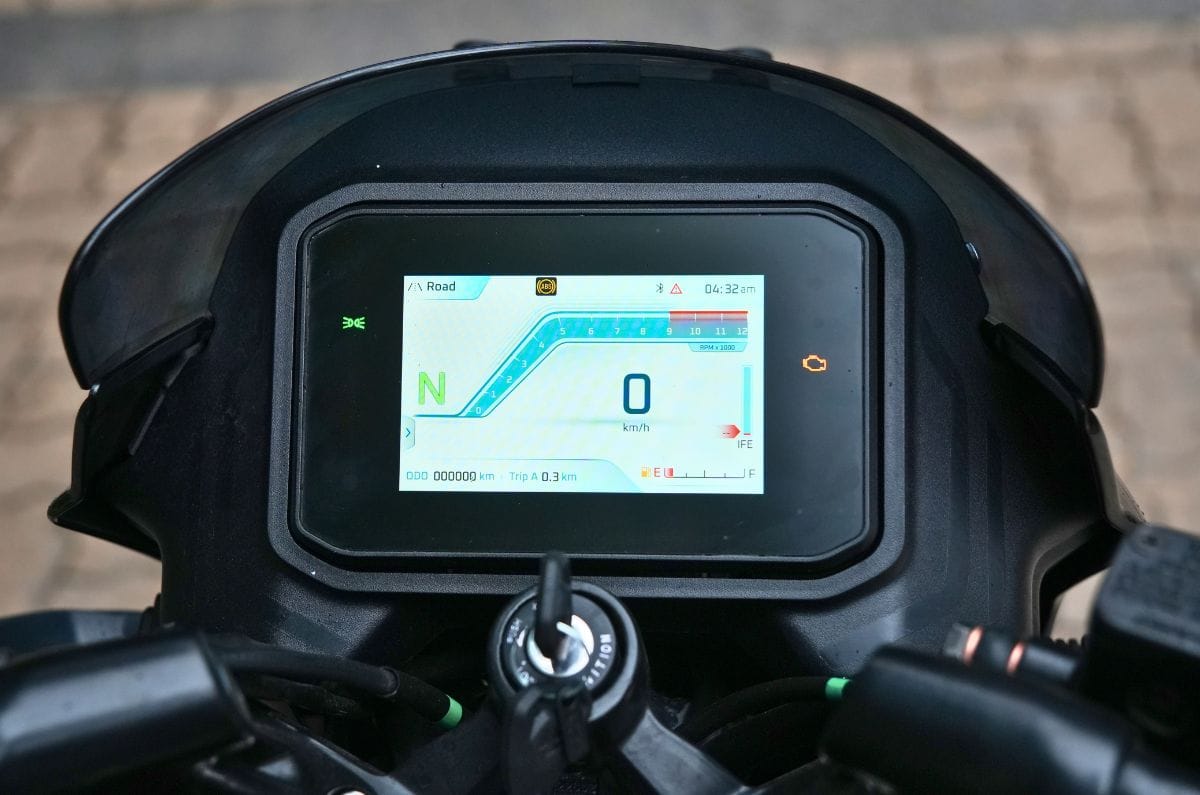
A major update is the addition of a 5-inch TFT console that debuted with the N160 SS. It supports Google Maps mirroring and navigation, while also allowing riders to store vehicle documents such as the registration certificate and insurance details.
The console also displays live call and message alerts and provides music controls. The Pulsar 125 additionally gets three ride modes: Road, Rain and Sport.
Another new feature is Crawl Tech – similar to KTM models – which is designed to provide greater control during low-speed riding in traffic.
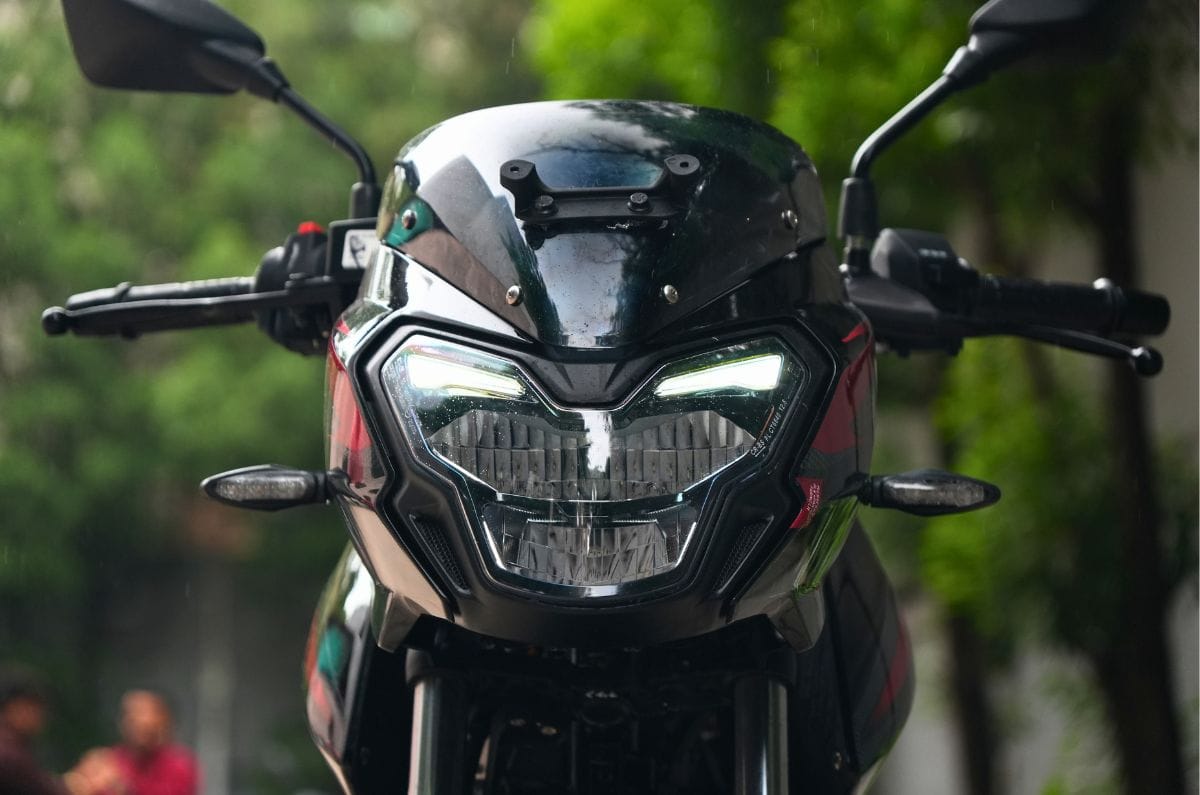
The Pulsar 125 gets a redesigned Wolf-Eye LED headlamp with larger optics, although it could only be offered . The motorcycle also features an Integrated Starter Generator (ISG) on the top three variants. The system enables automatic start-stop functionality, which Bajaj says helps improve fuel economy and enables silent starts. The new Bajaj Pulsar 125 is priced at Rs 92,990 for the LCD variant and goes up to Rs 1.04 lakh for the top-spec TFT variant(ex-showroom, Delhi).
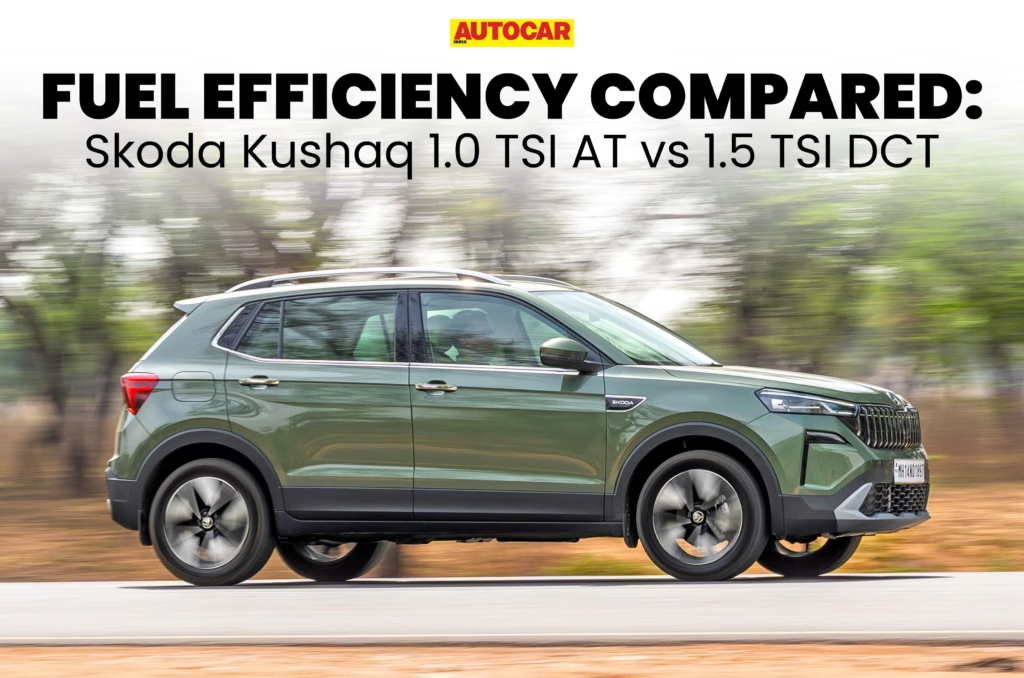
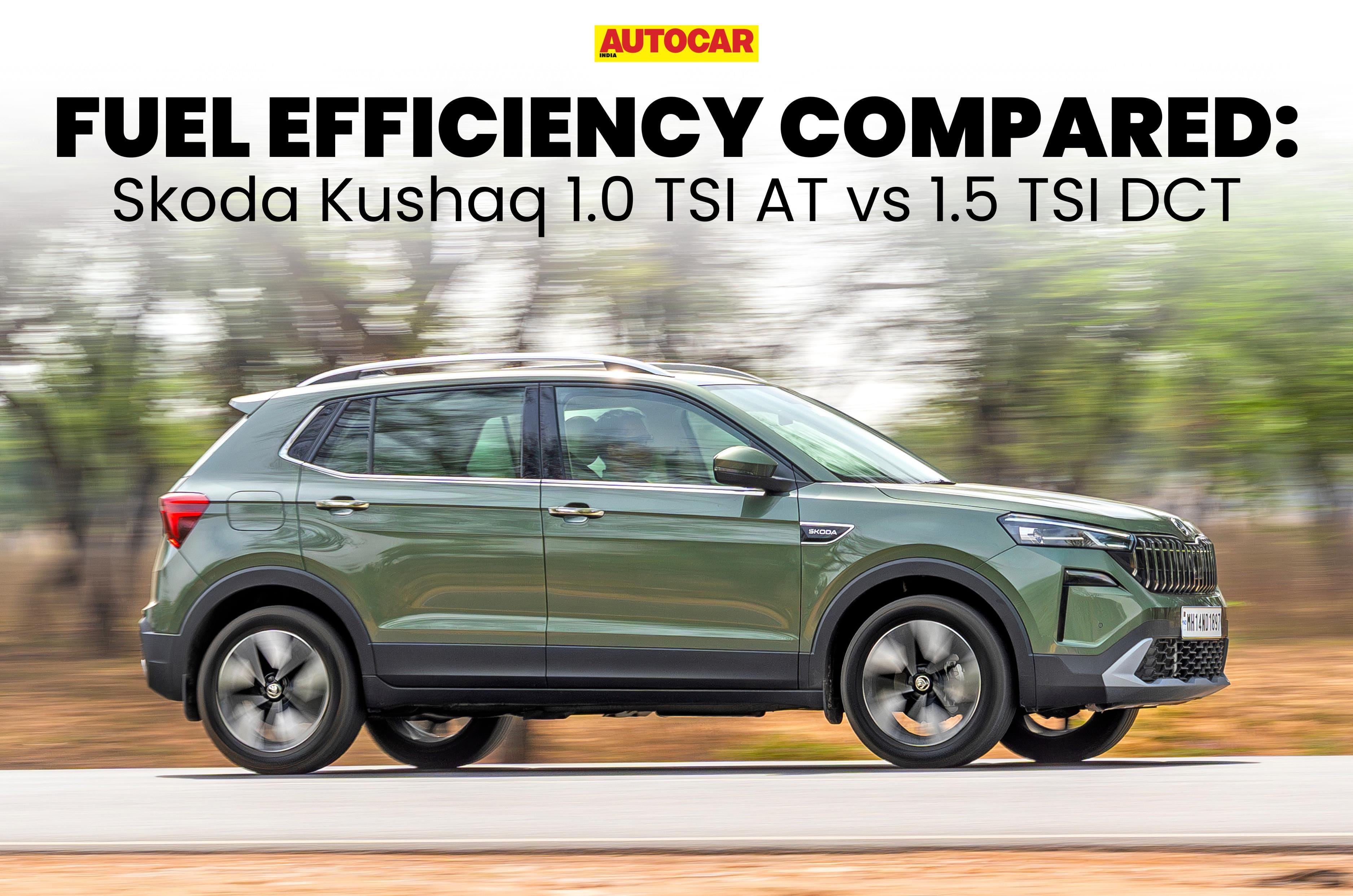
The Skoda Kushaq was updated earlier this year with much-needed improvements, and continues to offer 1.0-litre and 1.5-litre direct-injection turbo-petrol engines. In the interest of better fuel efficiency, the carmaker introduced a new automatic gearbox for the former engine option, replacing the older 6-speed unit. We’ve tested the updated Kushaq’s fuel efficiency with this new gearbox and compared it with the real-world fuel efficiency figures with the larger, more powerful 1.5 TSI engine.
Skoda Kushaq 1.0 AT vs 1.5 DCT: Specifications
1.5 unit develops more power, while the 1.0 has a much lighter kerb weight
Skoda Kushaq 1.0 AT vs 1.5 DCT:
Kushaq 1.0
Kushaq 1.5
Engine
3 cyls, turbo-petrol
4 cyls, turbo-petrol
Displacement (cc)
999
1,498
Power (hp)
115
150
Torque (Nm)
178
250
Gearbox
8AT
7DCT
Fuel tank capacity (litres)
50
50
Kerb weight (kg)
1,270 – 1,300
1,321 – 1,322
While the smaller 1.0 TSI develops 115hp and 178Nm, the 1.5 TSI mill outputs 150hp and 250Nm. In automatic guise, the former is paired to an 8-speed torque converter gearbox while the latter is paired to a 7-speed DCT. Additionally, both come with an auto engine start/stop system, but only the 1.5 TSI comes with cylinder deactivation technology, a feature that shuts off operation of two of the four cylinders depending on throttle input and engine load to curb fuel consumption. Both come with identical 50-litre fuel tanks, but the smaller 1.0 TSI helps it have a lighter kerb weight than the 1.5 TSI.
Skoda Kushaq 1.0 AT vs 1.5 DCT: Real-world fuel efficiency
1.0 AT delivers better efficiency, but the gap isn’t huge
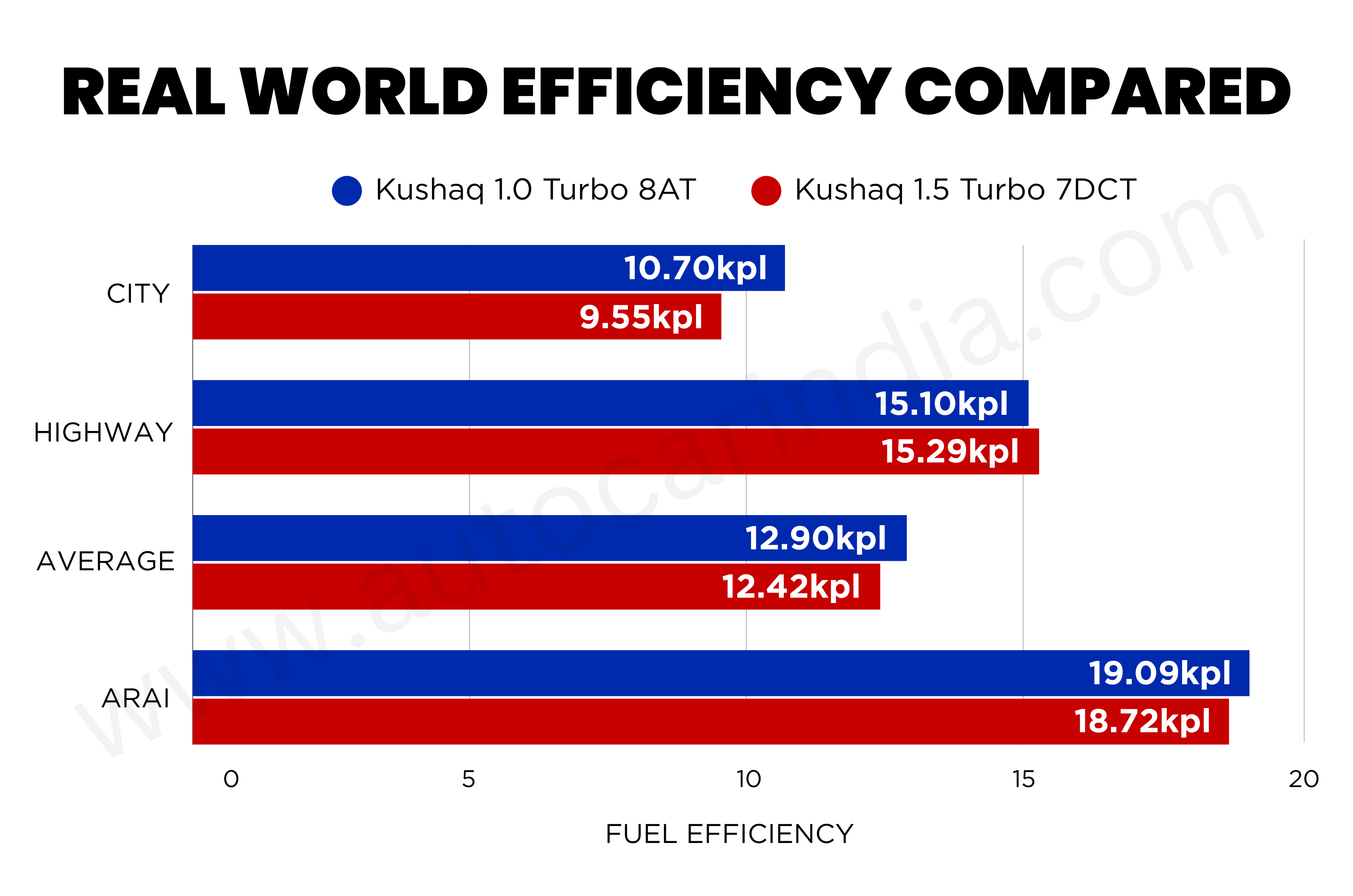
In our real-world fuel efficiency tests, the Kushaq 1.0 TSI AT averaged better than the 1.5 TSI DCT by 0.48kpl. In the city, the 1.0 TSI was more efficient than the 1.5 TSI by 1.15kpl. This is because of the 1.0’s lighter kerb weight and aggressive start/stop system. In contrast, the 1.5’s twin-cylinder deactivation tech helped it be more efficient on the highway than the 1.0 by 0.19kpl. Overall, the gap in real-world efficiency is slightly higher than their ARAI-claimed figures (0.48kpl vs 0.37kpl).
Skoda Kushaq 1.0 AT vs 1.5 DCT: Price
Availability from lower trims makes the 1.0 AT much more affordable than the 1.5 DCT
Skoda Kushaq 1.0 AT vs 1.5 DCT: Price
Kushaq 1.0 TSI
Kushaq 1.5 TSI
Petrol automatic price range (Rs lakh)
12.89 – 17.89
18.79 – 18.99
As the Kushaq’s 1.5 TSI automatic is limited to top-spec variants, it is Rs 5.9 lakh pricier than the 1.0 TSI automatic. In fact, even in top-spec guise, the latter powertrain combo is Rs 1 lakh cheaper than the former.
Autocar India’s fuel-efficiency testing
Before our real-world fuel-efficiency tests, we fill our test cars’ tanks to the brim and maintain tyre pressures based on the manufacturer’s recommendations. These cars are driven in fixed city and highway loops in and around Navi Mumbai, and we maintain certain average speeds. Throughout the tests, there is only one person in each car, operating the air conditioner and other electricals, such as the audio system, indicators and wipers, when required, just like a regular user would. Periodic driver swaps further neutralise variations in driver patterns. At the end of each cycle, we calculate efficiency by filling the tanks to full again.
Hy-Tech Engineers IPO: इंजीनियरिंग कंपनी Hy-Tech Engineers का मेनबोर्ड IPO सोमवार, 24 अगस्त से खुलेगा। ग्रे मार्केट में भी इस इश्यू को लेकर कापी उत्साह दिख रहा है। फिलहाल GMP करीब ₹25 है। यह अपर प्राइस बैंड ₹53 के मुकाबले करीब 47% की संभावित लिस्टिंग गेन का संकेत देता है।
कंपनी इंजीनियरिंग सेक्टर में हाइड्रोलिक फिटिंग्स बनाती है। पिछले तीन साल में इसका रेवेन्यू और मुनाफा दोनों बढ़े हैं। ऐसे में निवेश से पहले इसकी अहम बातें जान लेना जरूरी है।
1. प्राइस बैंड और GMP कितना है?
Hy-Tech Engineers ने IPO का प्राइस बैंड ₹50 से ₹53 प्रति शेयर रखा है। अगर ग्रे मार्केट प्रीमियम मौजूदा स्तर पर बना रहता है, तो शेयर करीब ₹78 पर लिस्ट हो सकता है। ऐसे में 47.17% का संभावित रिटर्न मिल सकता है। हालांकि GMP सिर्फ बाजार का संकेत होता है। लिस्टिंग इसी भाव पर होगी, इसकी कोई गारंटी नहीं होती।
2. IPO कब खुलेगा और कब बंद होगा?
यह IPO 24 अगस्त को खुलेगा और 27 अगस्त को बंद होगा। शेयरों का अलॉटमेंट 28 अगस्त को होने की उम्मीद है। सफल निवेशकों के डिमैट खाते में शेयर 31 अगस्त तक आ सकते हैं। कंपनी की लिस्टिंग 1 सितंबर को BSE और NSE पर प्रस्तावित है।
3. कंपनी कितना पैसा जुटाएगी?
Hy-Tech Engineers कुल ₹135.73 करोड़ जुटाएगी। इसमें ₹60 करोड़ का फ्रेश इश्यू शामिल है। वहीं ₹75.73 करोड़ का ऑफर फॉर सेल (OFS) होगा, जिसमें प्रमोटर अपनी हिस्सेदारी का कुछ हिस्सा बेचेंगे। फ्रेश इश्यू से जुटाई गई रकम का इस्तेमाल कंपनी अपने कारोबार के विस्तार में करेगी। यह पैसा नई मशीनें खरीदने, कावत्थे, शिरवाल और पीथमपुर यूनिट के विस्तार, कुछ कर्ज चुकाने और सामान्य कॉरपोरेट जरूरतों पर खर्च होगा।
4. रिटेल निवेशक को कितना निवेश करना होगा?
IPO का एक लॉट 283 शेयरों का है। ऊपरी प्राइस बैंड के हिसाब से एक लॉट खरीदने के लिए ₹14,999 लगाने होंगे। रिटेल निवेशक अधिकतम 13 लॉट के लिए आवेदन कर सकते हैं। इसके लिए करीब ₹1,94,987 का निवेश करना होगा।
5. कंपनी क्या करती है?
Hy-Tech Engineers हाइड्रोलिक फिटिंग्स बनाने वाली इंजीनियरिंग कंपनी है। इसके प्रोडक्ट कई तरह के औद्योगिक इस्तेमाल में काम आते हैं। कंपनी भारत के साथ-साथ विदेशी बाजारों में भी कारोबार करती है। इस उद्योग में उसे 40 साल से ज्यादा का अनुभव है।
6. कंपनी की कमाई कैसी रही?
पिछले तीन साल में कंपनी की कमाई लगातार बढ़ी है। इसका असर मुनाफे में भी साफ दिखा है।
वित्त वर्ष
रेवेन्यू
मुनाफा
FY24
₹137.71 करोड़
₹11.6 करोड़
FY25
₹161.4 करोड़
₹19.6 करोड़
FY26
₹189.4 करोड़
₹22.6 करोड़
FY24 से FY26 के बीच कंपनी का रेवेन्यू करीब 38% बढ़ा है। वहीं मुनाफा लगभग दोगुना हो गया है। इससे कंपनी की ग्रोथ मजबूत नजर आती है।
7. किसके लिए कितना रिजर्व है?
IPO में 50% हिस्सा क्वालिफाइड इंस्टीट्यूशनल बायर्स (QIB) के लिए आरक्षित है। 15% हिस्सा गैर-संस्थागत निवेशकों (NII) के लिए रखा गया है। बाकी 35% हिस्सा रिटेल निवेशकों के लिए है।
Disclaimer: यहां मुहैया जानकारी सिर्फ सूचना के लिए दी जा रही है। यहां बताना जरूरी है कि मार्केट में निवेश बाजार जोखिमों के अधीन है। निवेशक के तौर पर पैसा लगाने से पहले हमेशा एक्सपर्ट से सलाह लें। मनीकंट्रोल की तरफ से किसी को भी पैसा लगाने की यहां कभी भी सलाह नहीं दी जाती है।