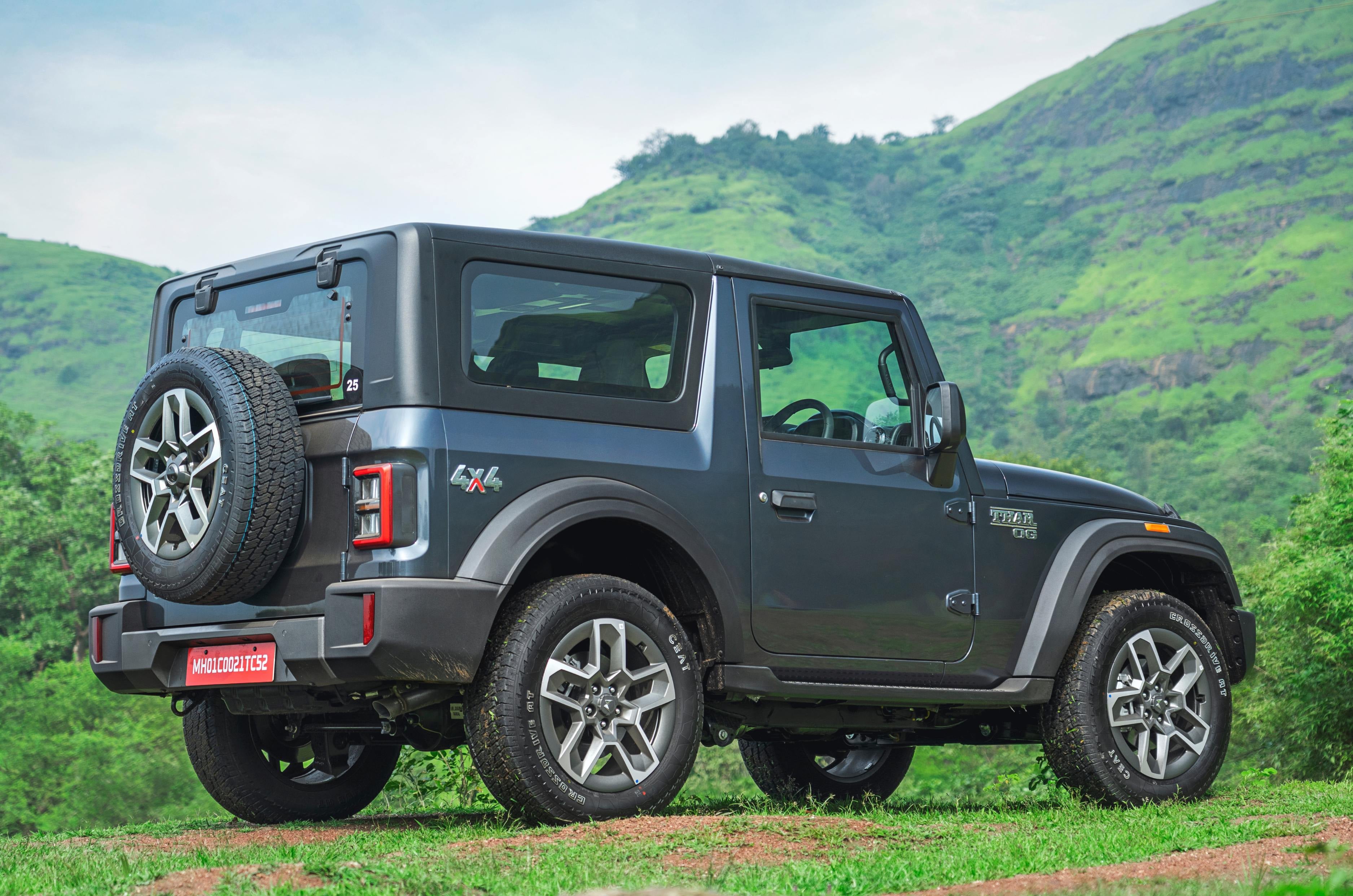
The Mahindra Thar OG was launched in September 2026 and marks the second update to the 3-door SUV in just over a year. Along with the new ‘OG’ suffix, it gets a host of changes to the design, interior and under the skin, along with several new features. If you are considering adding the Thar OG to your garage, here are three reasons to buy it and two reasons why it may not be for you.
Pros
Off-roading capability
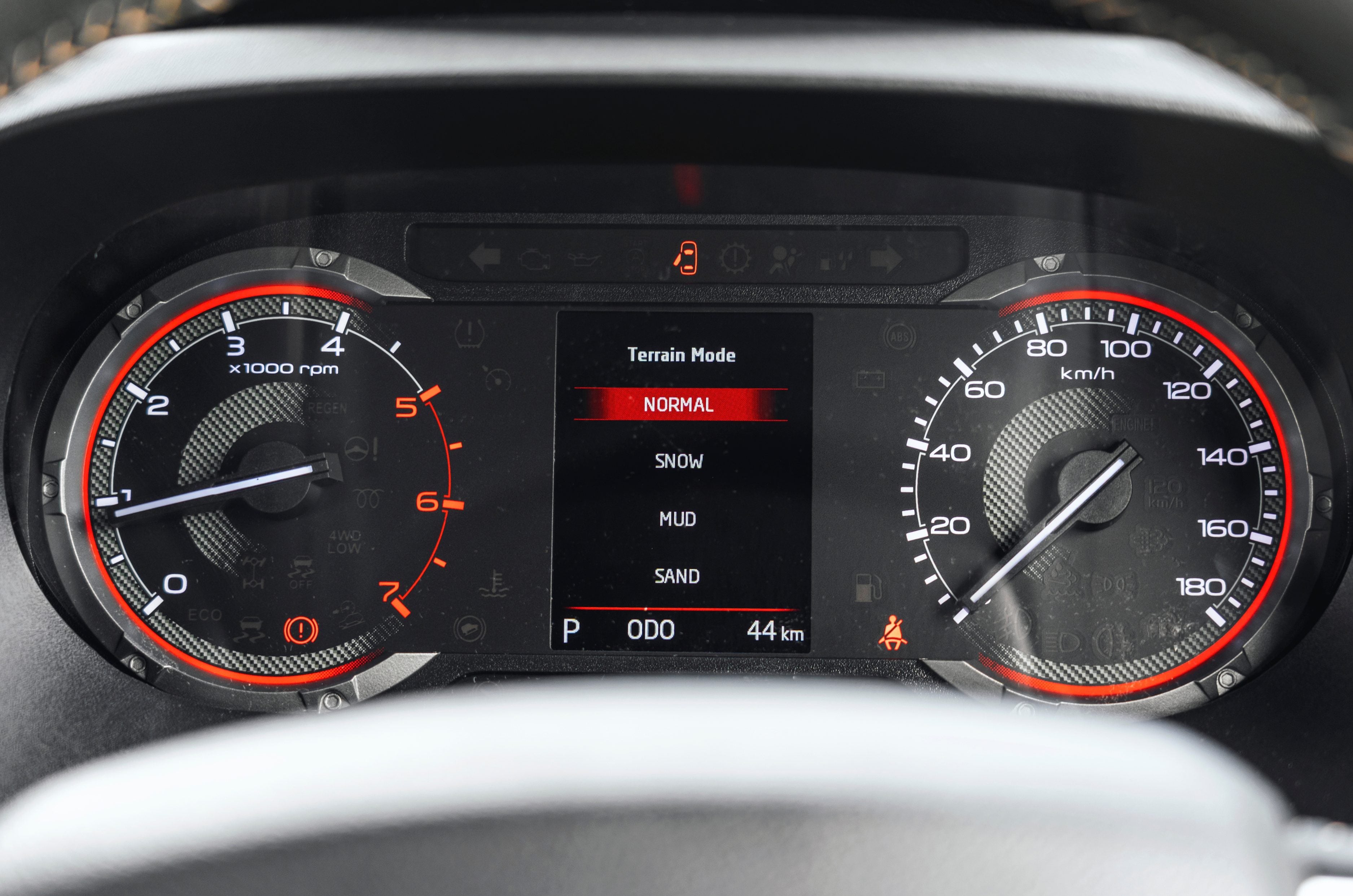
The Thar OG remains a hardcore body-on-frame SUV, and its off-roading ability has been further enhanced with new Snow, Sand and Mud terrain modes. These work with ESP, throttle control and steering input for maximum assistance while off-roading. The electronic locking differential is also more convenient to use. For someone who enjoys off-roading, there is nothing like the Thar OG under Rs 65 lakh.
Light steering
The Thar OG gets electric power steering (EPS) instead of the previously-on-offer hydraulically assisted unit, and as a result, much less effort is needed to steer and turn the Thar. Below 20kph, it’s light enough to turn with just one finger. As the speed increases, it gains heft so it does not feel uncomfortably light. As a result, you no longer need to wrangle with the steering to make a three-point turn.
Improved stability
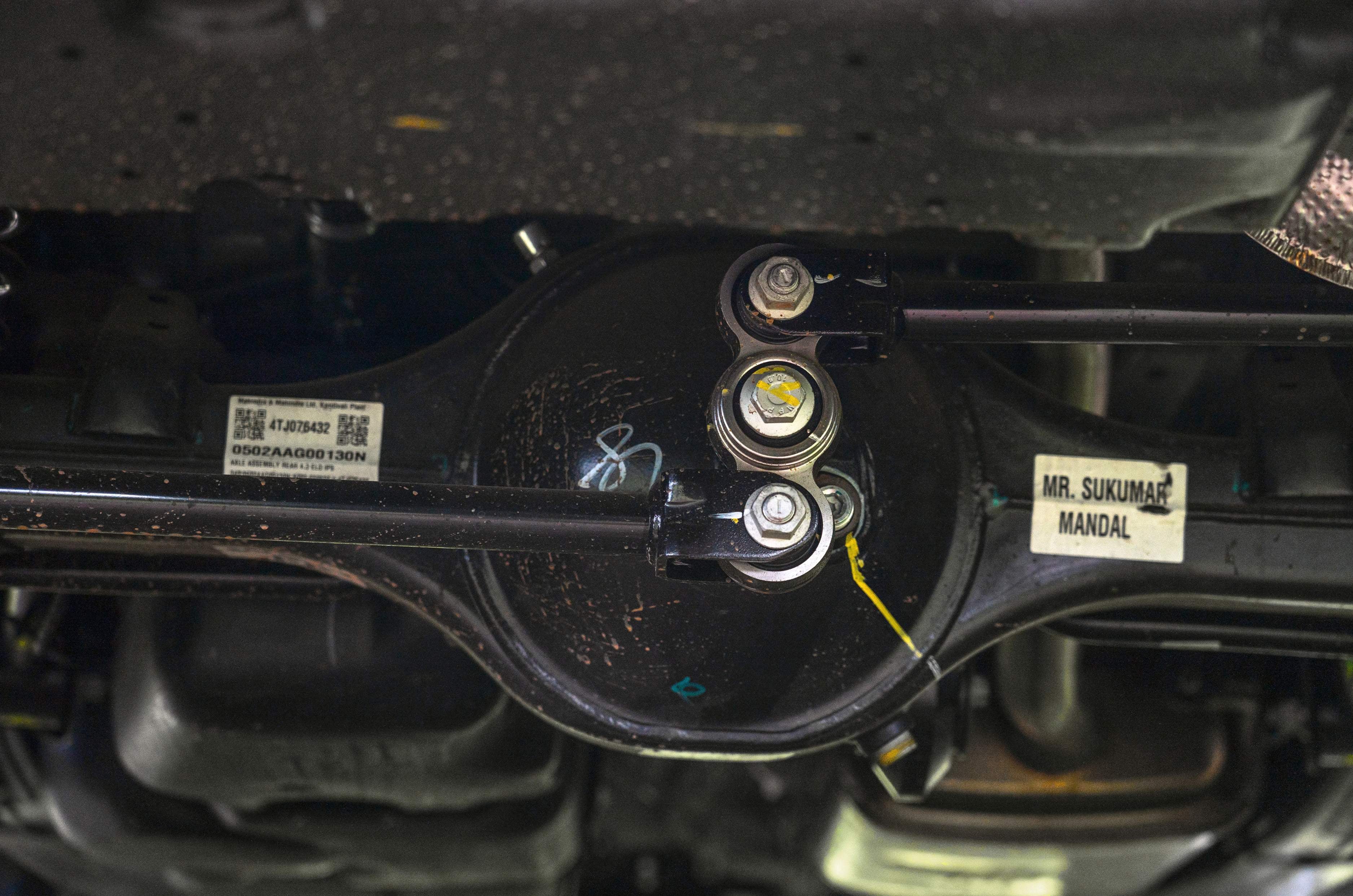
The Watts linkage at the rear adds stability by keeping the axle centred as it moves up and down. This means there is less bouncing over uneven highways and bad patches. The track has also been widened, which further improves stability, even at highway speeds.
Then there is the DaVinci damping setup. Sharp, low-speed bumps no longer send harsh thuds into the cabin. To improve comfort with the larger 19-inch wheels, the ZXT trim also gets frequency-dependent dampers alongside the DaVinci setup.
Cons
Lack of space
The Thar’s cabin remains short on space, especially at the rear. It continues to be a strict two-seater at the back. Accessing the rear seats could also be difficult for older adults. Boot space is a weak point as well, with barely enough room for an airport run. Carrying large suitcases will require folding down the rear seats.
Interior plastic quality
Unlike the soft-touch materials used in the Thar Roxx’s cabin which give it a more premium feel, the Thar OG’s hard plastics feel low rent. This becomes more noticeable when compared with rivals in the same price bracket. At the time of writing, the Thar OG is priced between Rs 10.32 lakh and Rs 17.75 lakh, ex-showroom.
Not too long after a significant update, Mahindra has given the Thar yet another shot in the arm. The Thar OG now gets a whole new set of upgrades to the design, interior and, mainly, under the skin. A new suspension, new steering and added features are all part of the aim to make it more liveable and urban-friendly while retaining the Thar’s butch and bullyish character. Have they succeeded?
Mahindra Thar OG exterior design and engineering – 9/10
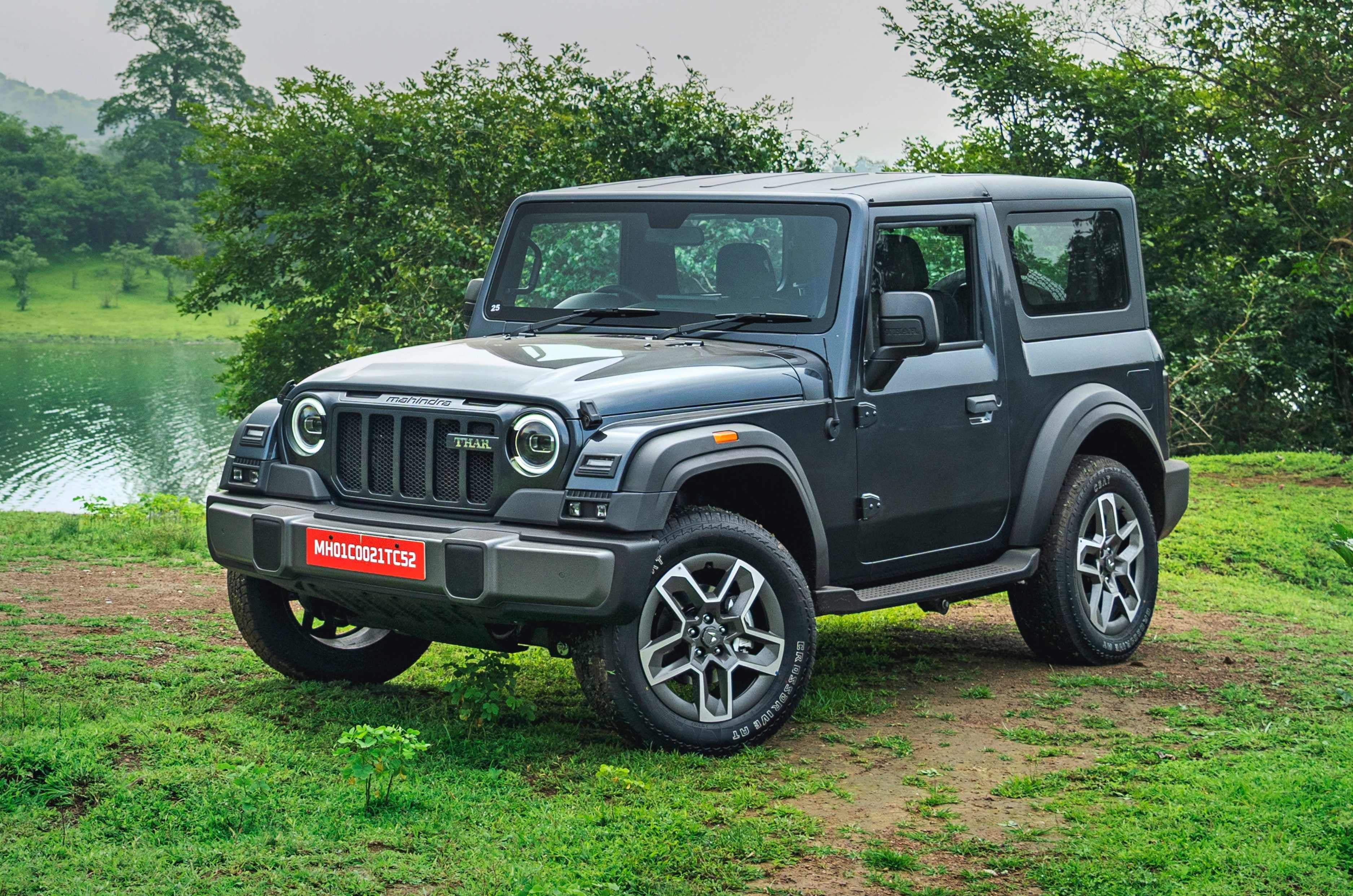
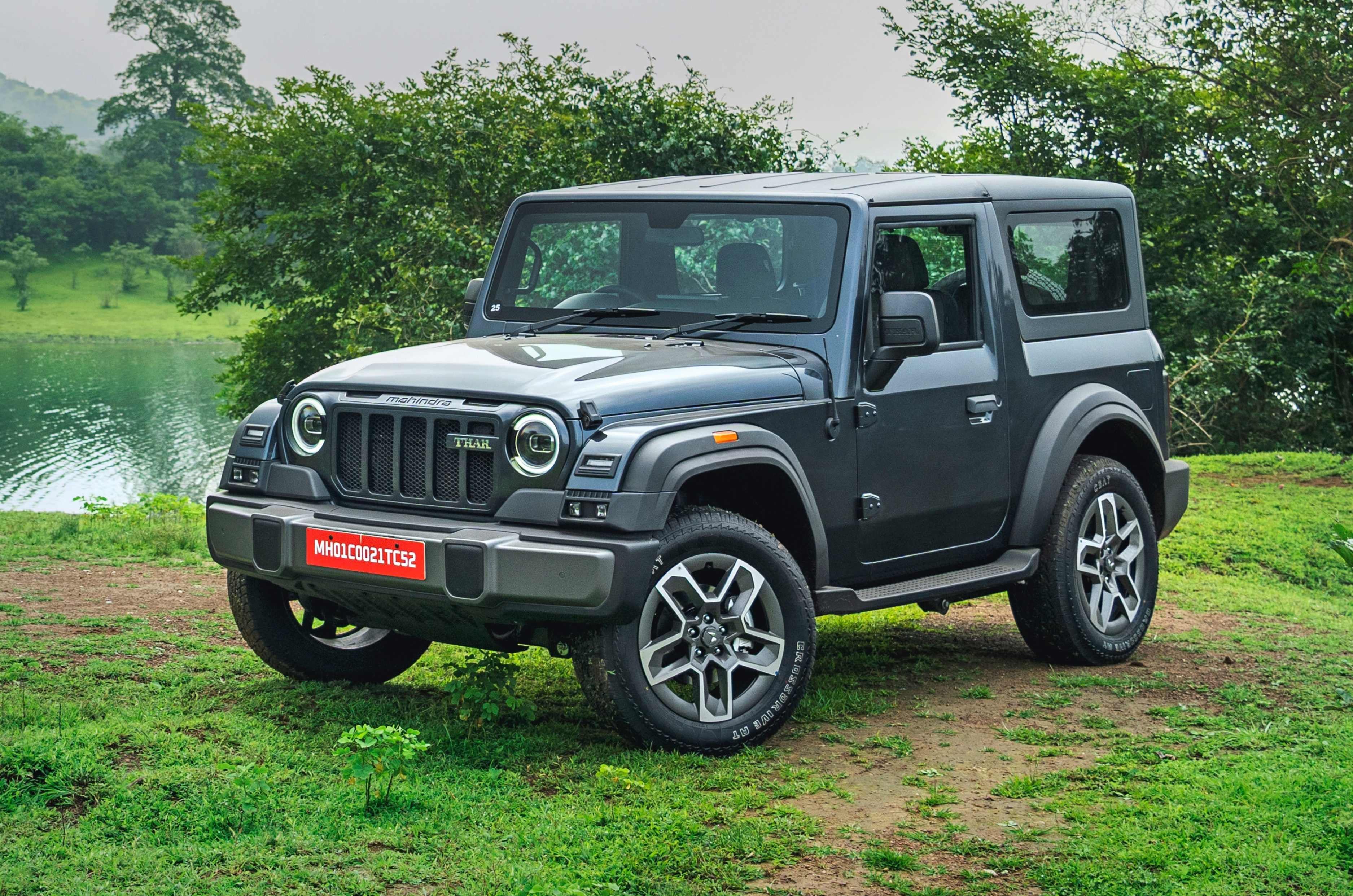
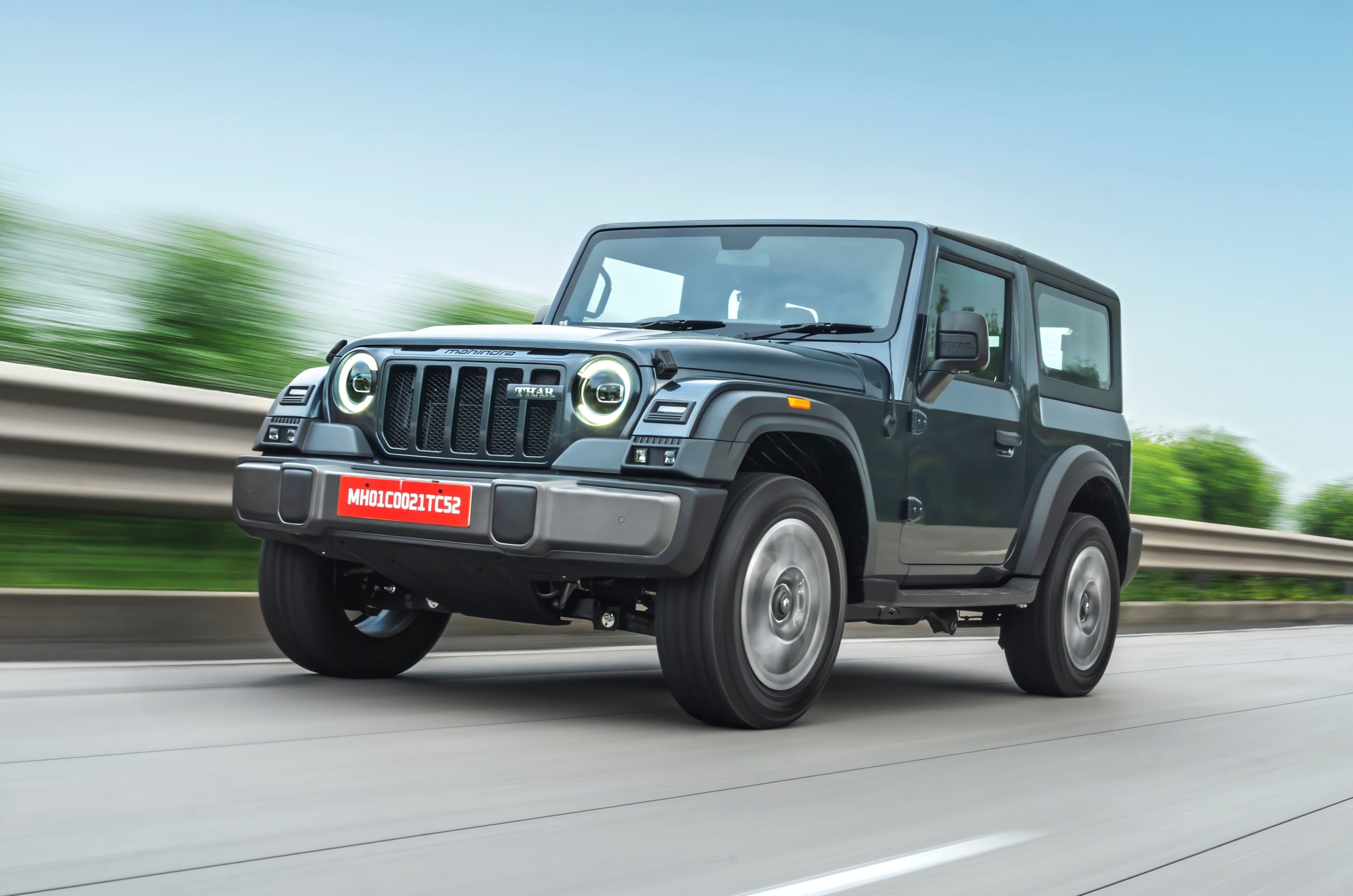
Design updates have retained the classic Thar look and road presence.
The design is why the Thar stands out, so Mahindra has not done much to change its character. However, it now gets some modern touches. At the front, the halogens are replaced with LED headlamps with C-shaped LED DRLs, along with LED fog lamps. The grille has been redesigned, with the Thar logo forged into it, and so has the front bumper. Look closer, and you will also see front parking sensors now, while the track has been widened for more stability.
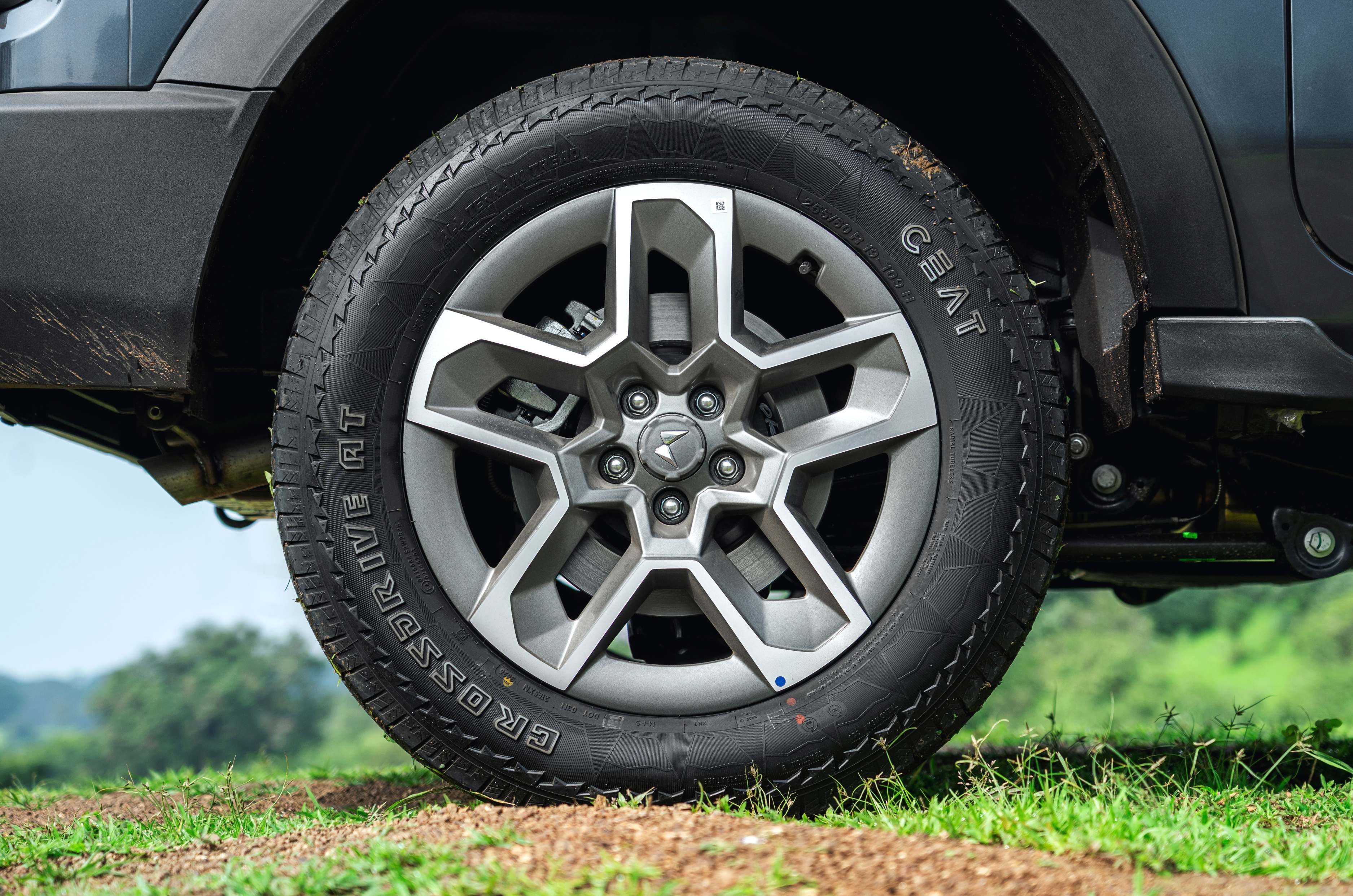
19-inch alloy wheels with AT tyres add to the toughness.
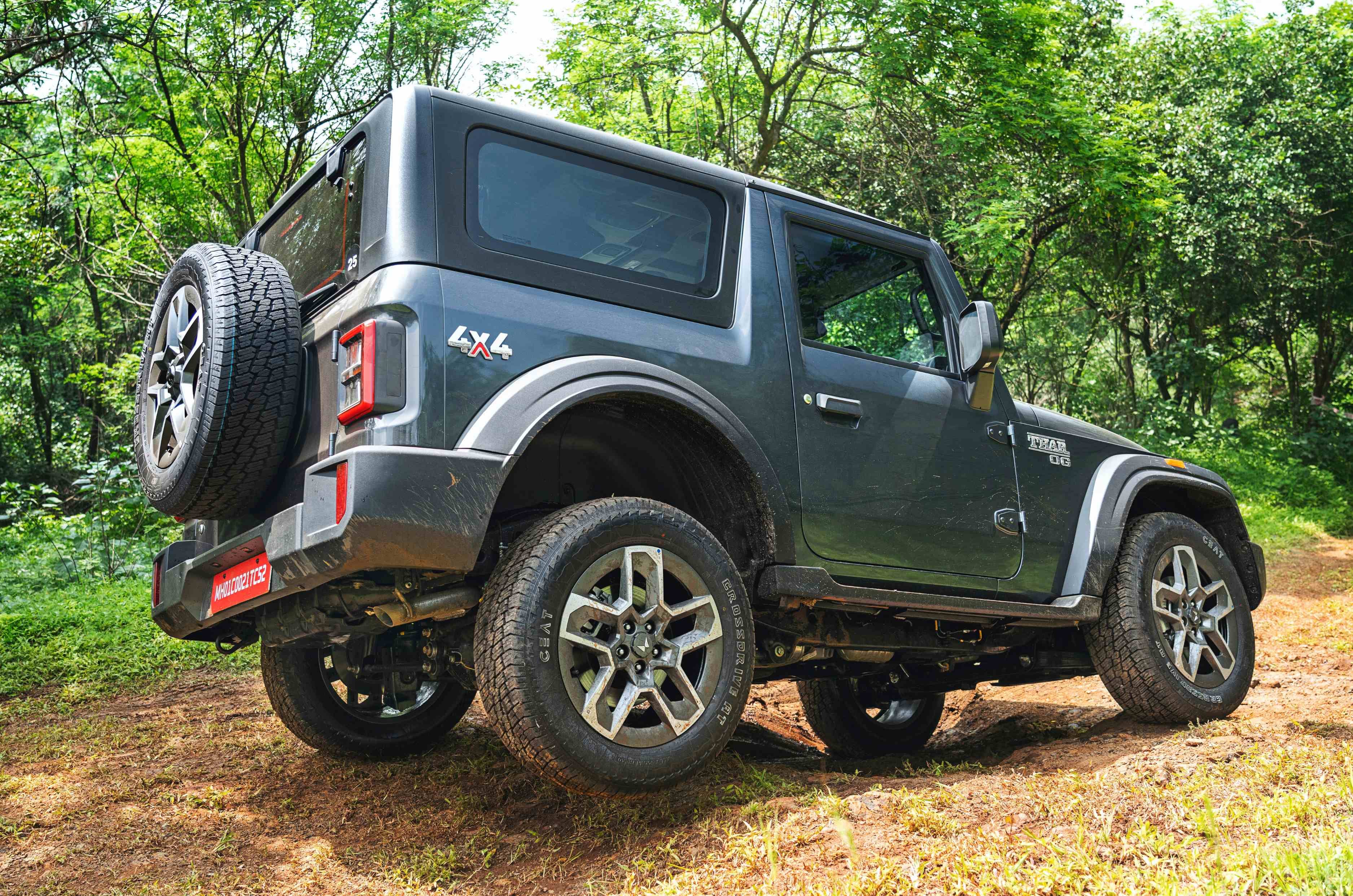
What you don’t see is the new platform the Thar sits on. The OG is now based on the Gen 4 chassis, dubbed M-Glyde, which also serves the Roxx. The side profile flaunts new 19-inch wheels with AT tyres, the Thar OG badge and a new design for the cladding.
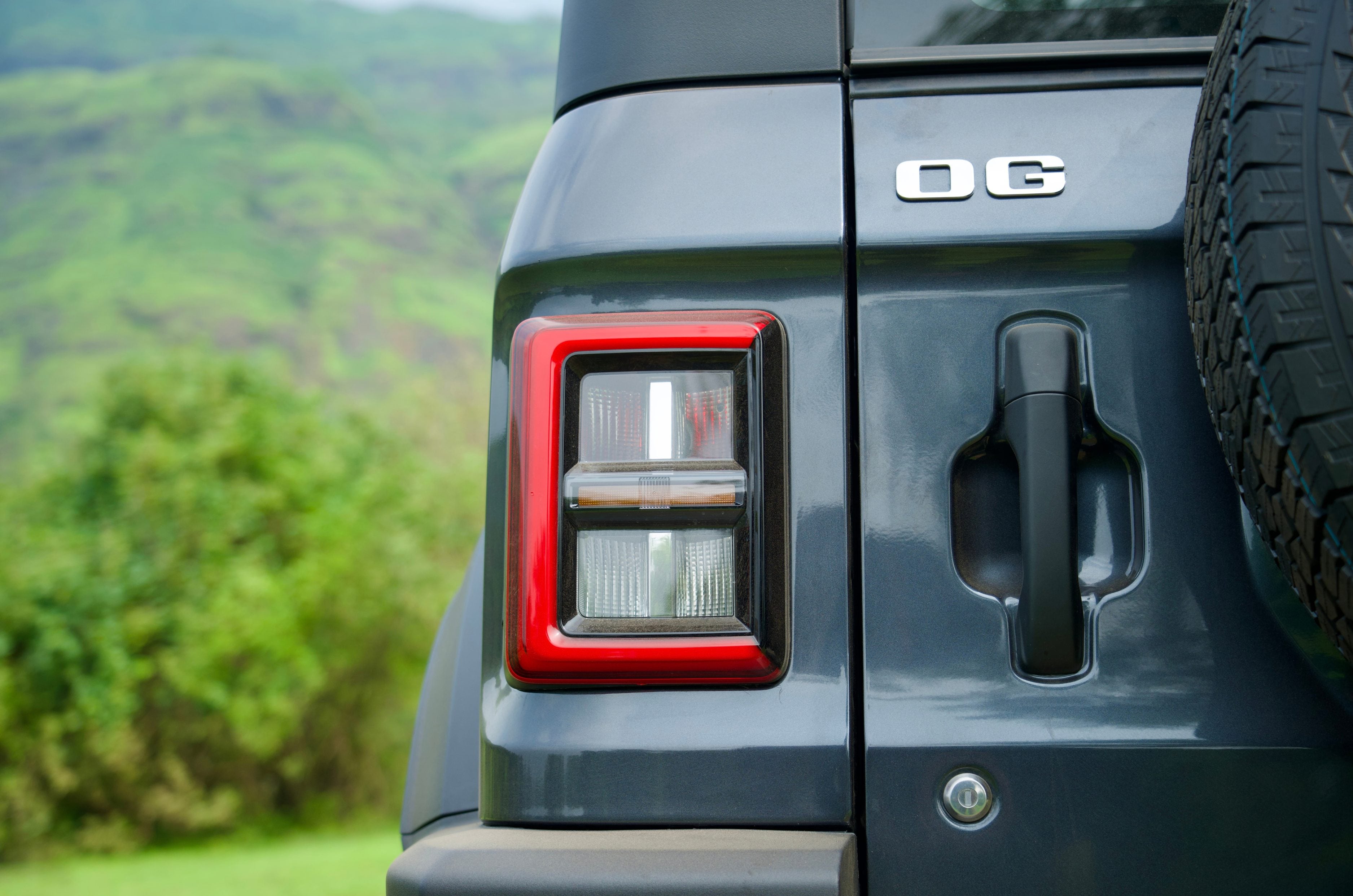
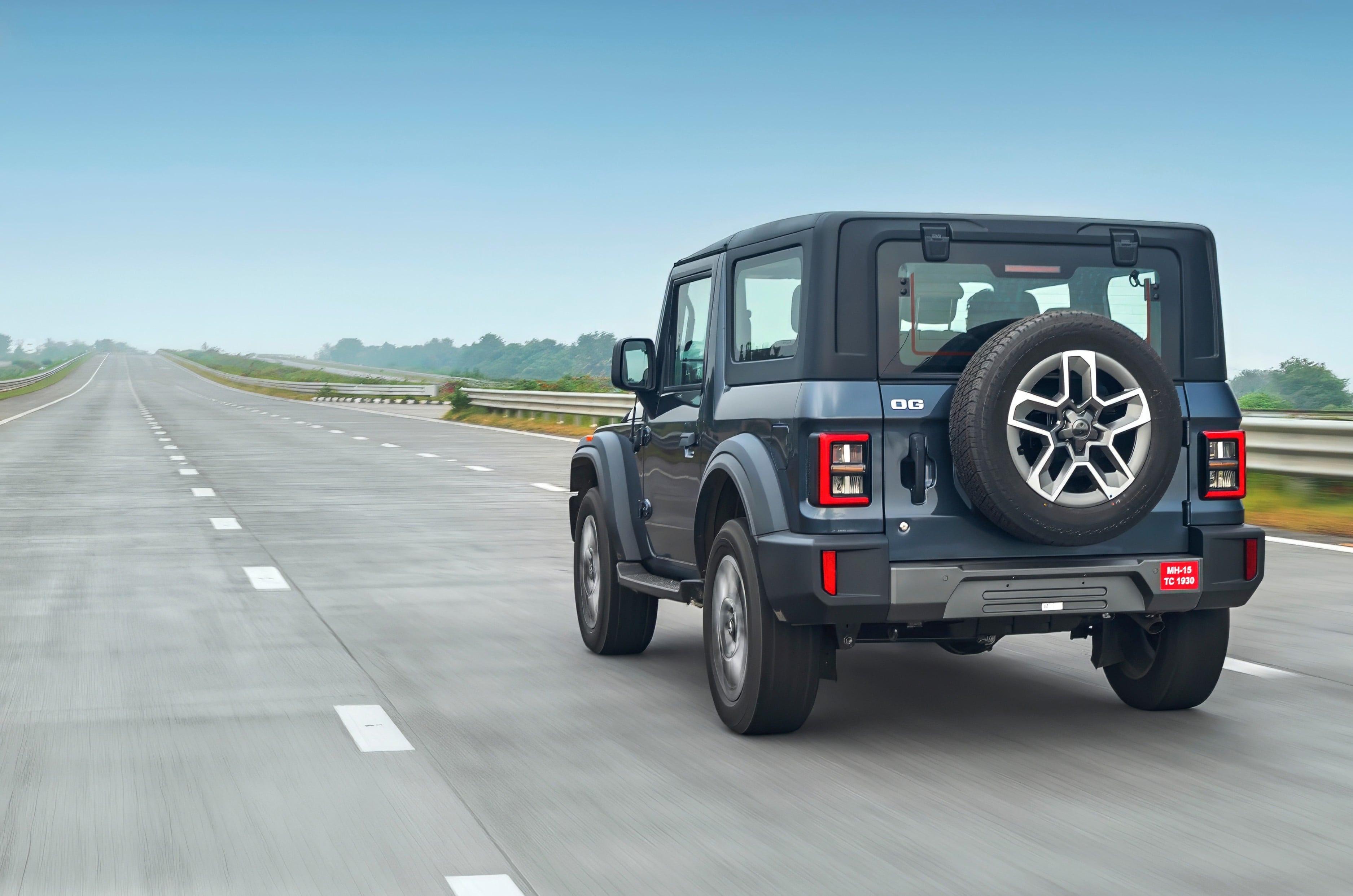
LED taillamps are similar to the Thar Roxx.
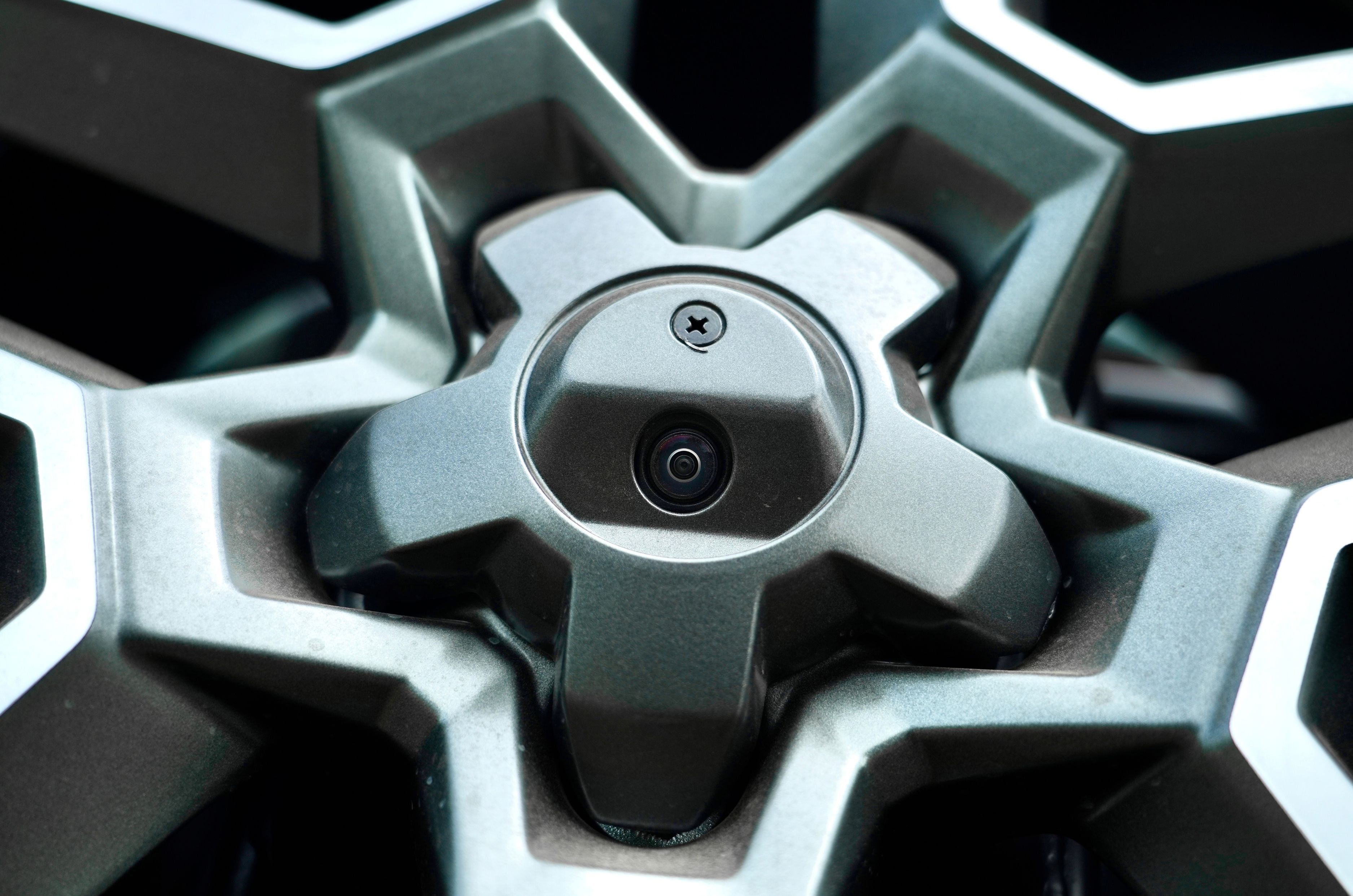
The rear continues with the LED treatment, with C-shaped taillamps, a new bumper and another OG logo. A closer look reveals a rear camera in the centre of the spare wheel.
The reversing camera is tucked in the centre of the spare wheel.
Overall, the imposing, butch design remains, with new modern touches.
Mahindra Thar OG interior space and comfort – 6/10
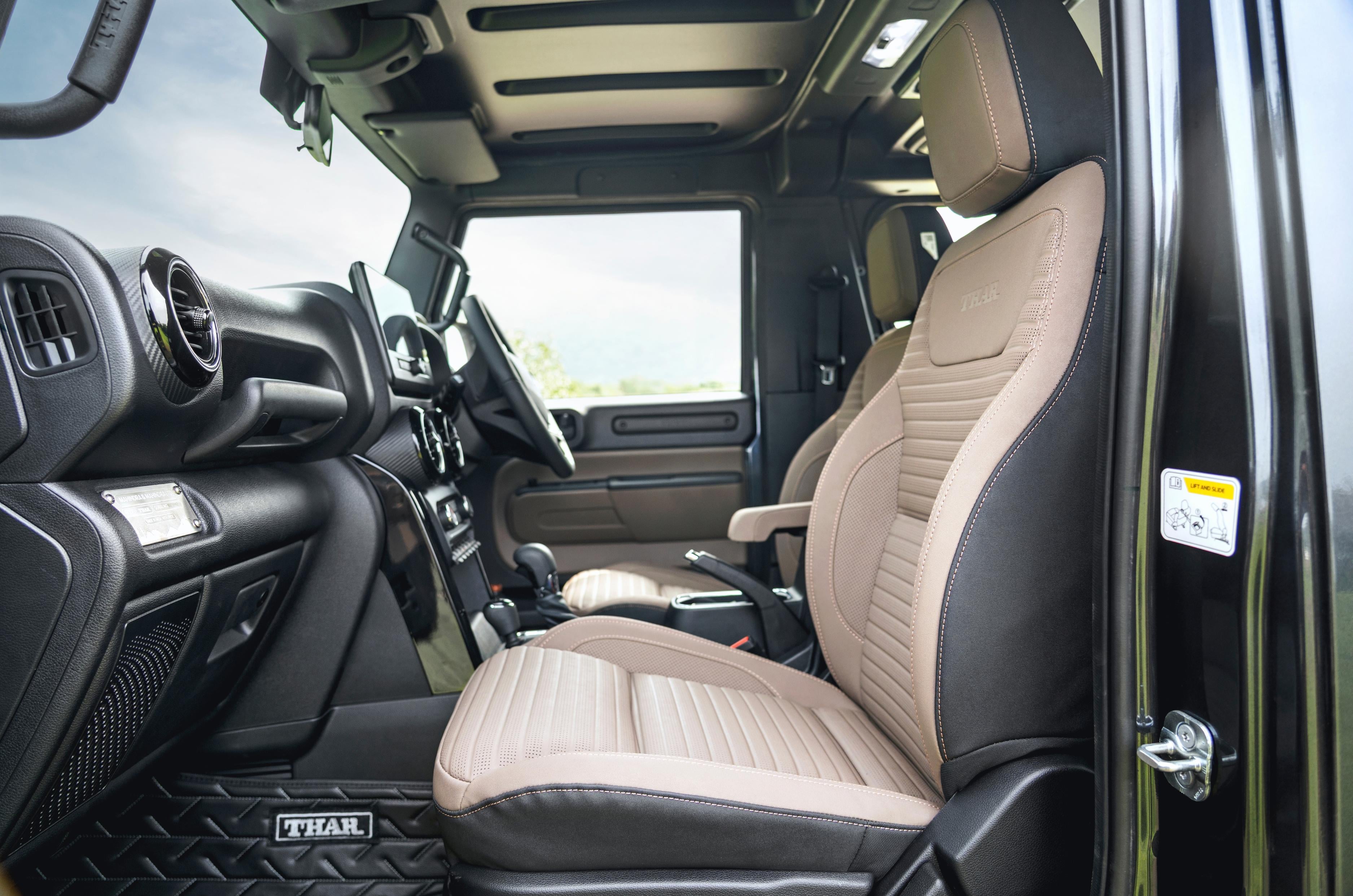
Top-spec ZXT trim gets leatherette upholstery in a new shade.
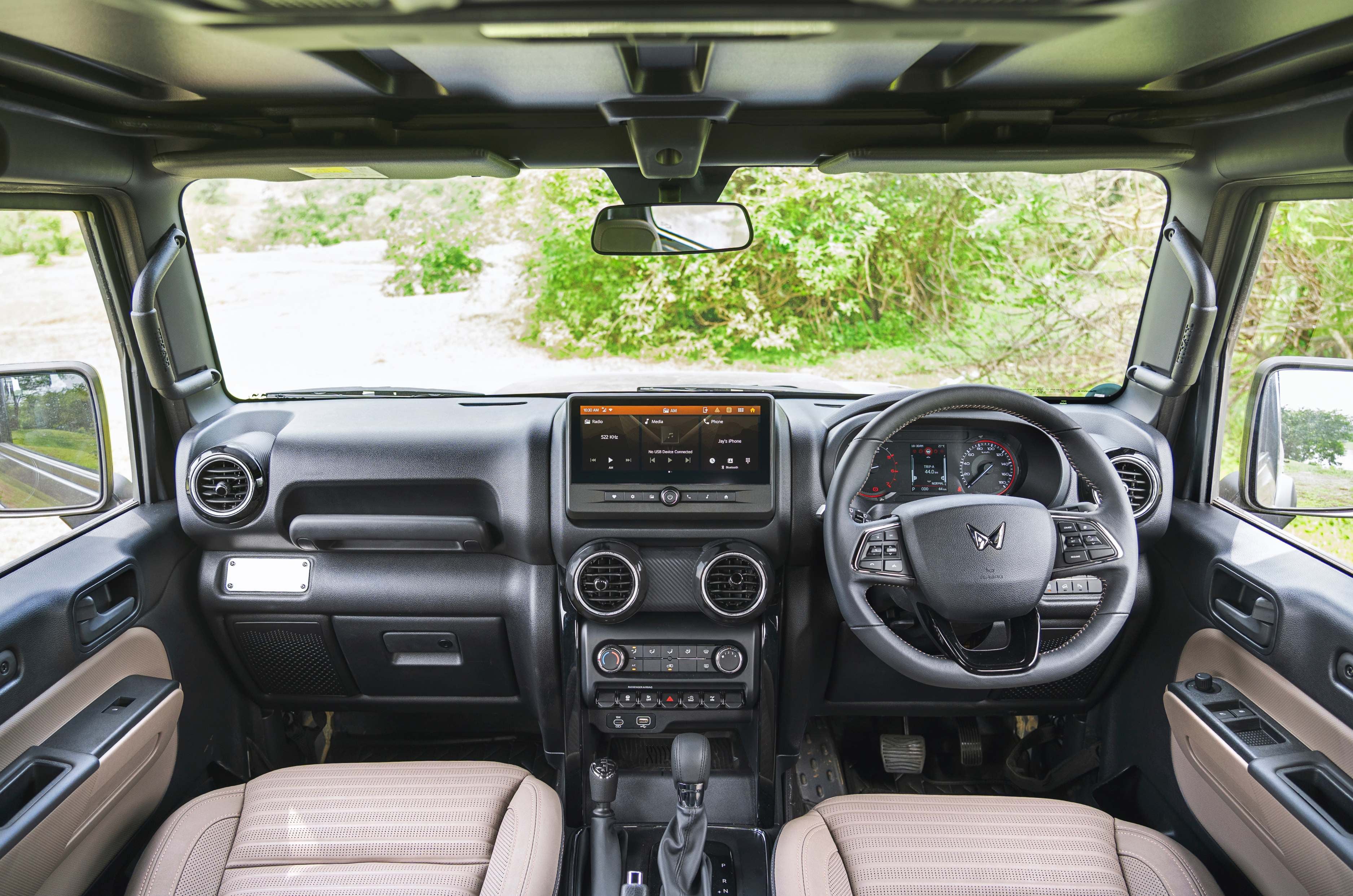
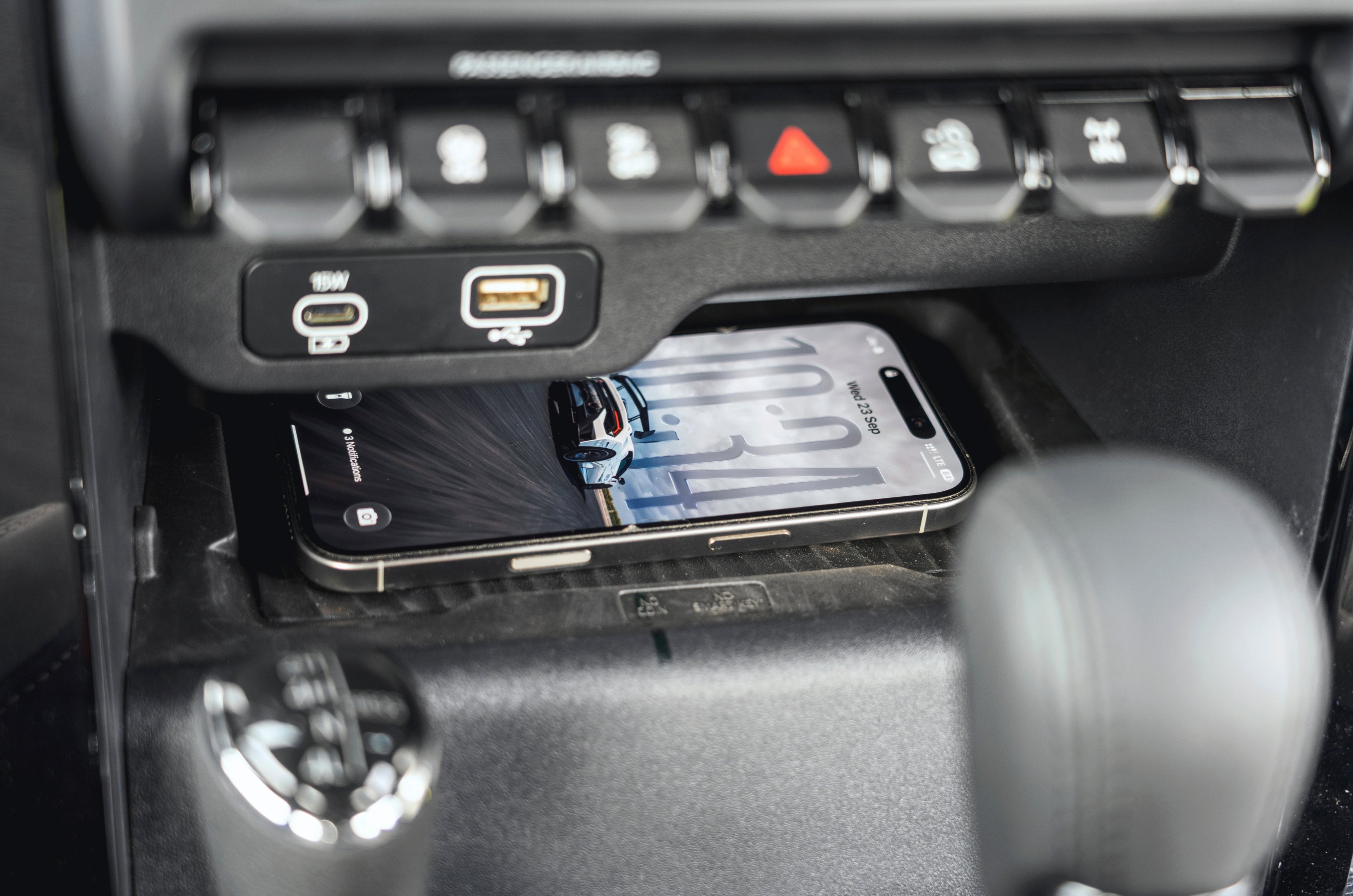
Compared to the exterior, the changes on the inside are a lot more subtle. The new top-spec ZXT trim gets leatherette upholstery finished in a shade of brown, which looks premium with the exposed stitching. There is a new wireless charger and two new switches on the centre console: one for the terrain modes and the other to engage the electronic locking differential.
Gets a new wireless phone charger and different switchgear.
The Thar received a facelift around a year ago, when the cabin was brought up to date with a new steering wheel, touchscreen and dashboard, and these features have been carried over to the OG. The seats are broad and comfy but miss out on ventilation. The two dummy buttons on the centre console will hopefully be used for this feature soon.
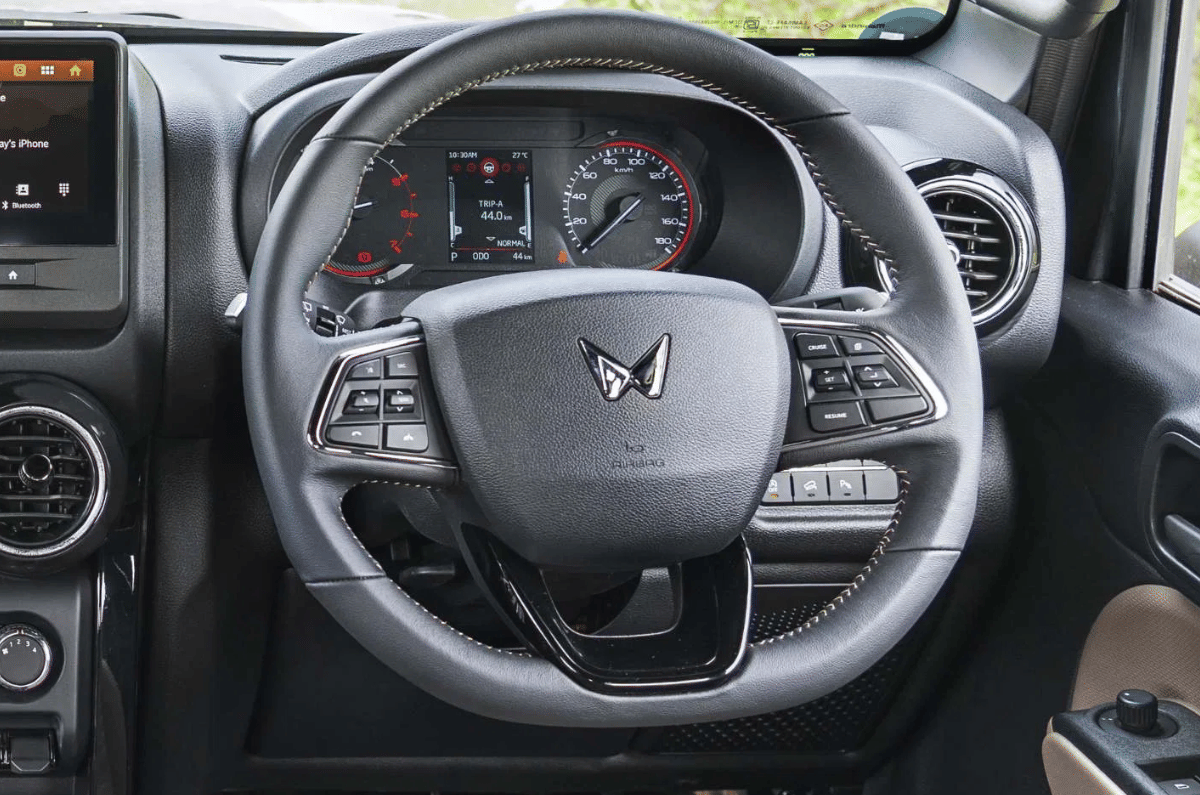
Dashboard design is unchanged from the 2025 facelift.
The steering wheel is also the same as before, as is the analogue instrument cluster with an MID in the centre. The plastics, however, feel low-rent, especially when you consider the rivals in the same price bracket.
Just enough room in the rear seat; gets AC vents now.
At the rear, space remains as it was, and it is exclusively a two-seater. However, the addition of AC vents, a USB-C port and soft-plastic armrests with cupholders has enhanced comfort. The backrest can recline, and short drives should be easy once you settle in.
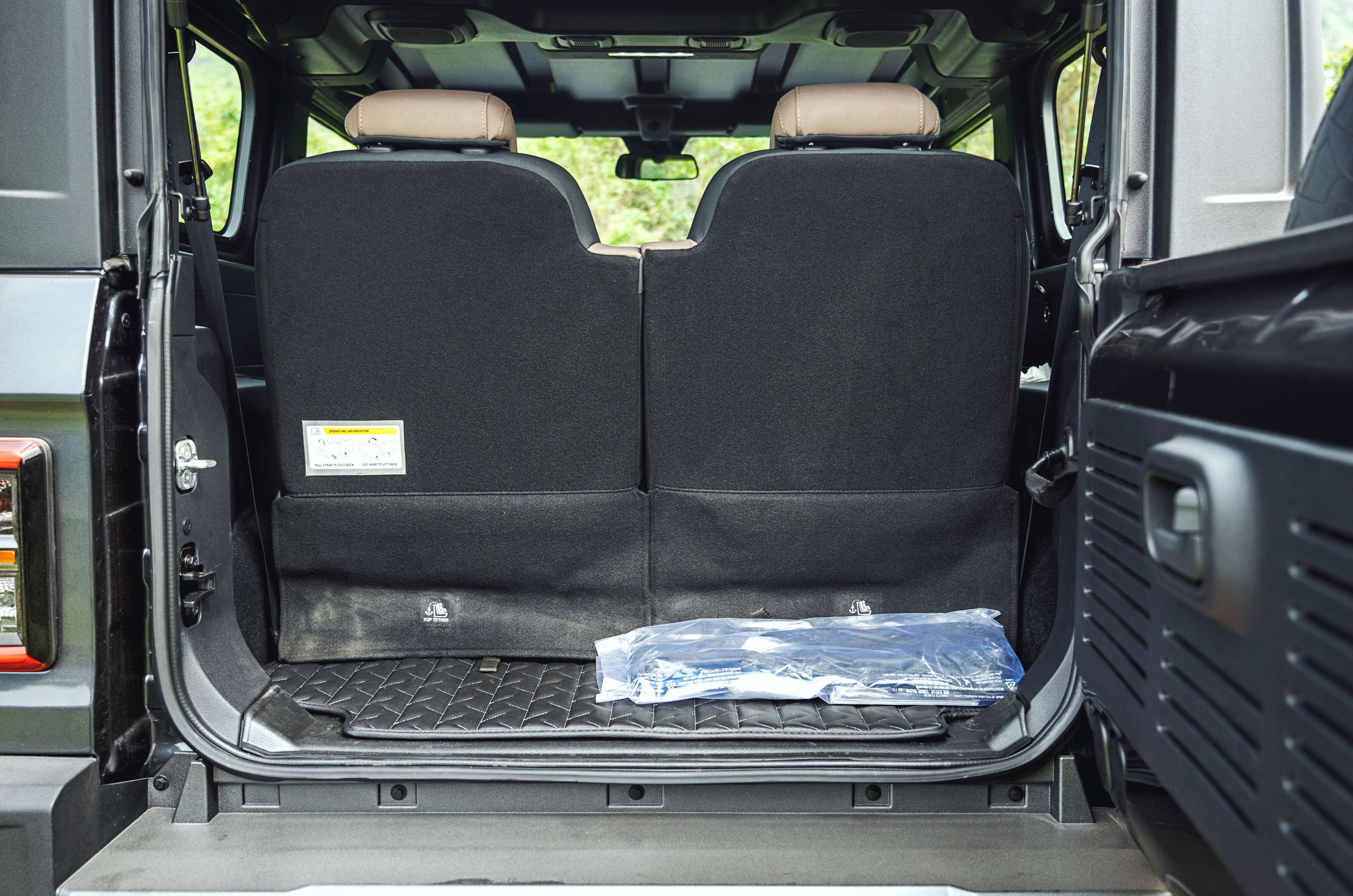
Boot space is still not adequate for long trips or airport runs without folding the second row.
The boot space remains a weak point too, with barely any room for an airport run. Large suitcases will require folding down the second row.
Mahindra Thar OG features and safety – 7/10
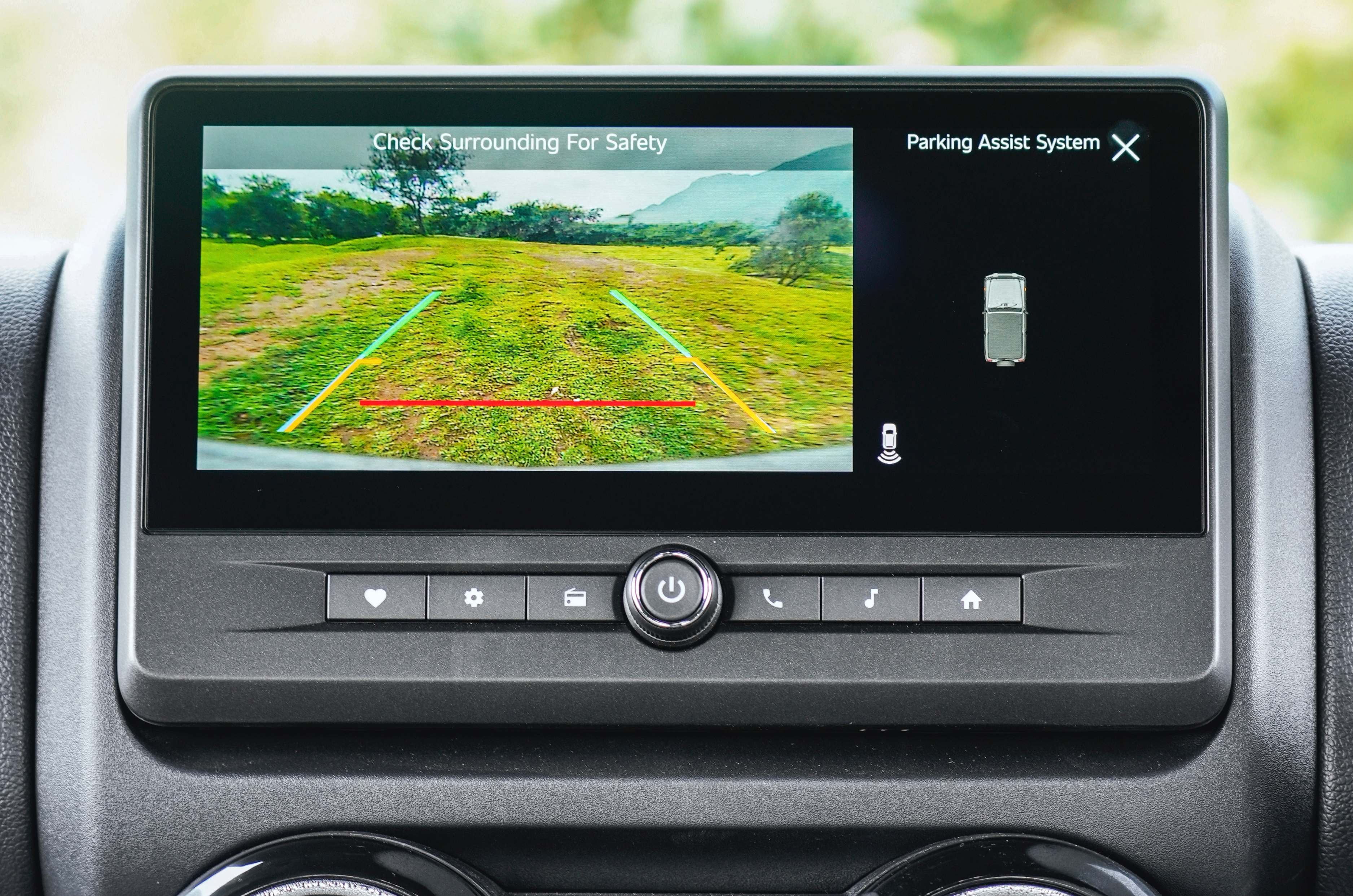
Not the best clarity and misses a 360-degree view, which is essential for off-roading.
The Thar OG isn’t on par with rival mid-size SUVs but does get the essentials this time around. There are grab handles, manual AC controls, a USB-A port for Apple CarPlay since it isn’t wireless, and a USB-C port for charging. Android Auto gets wireless connectivity.
Crucially, the ZXT trim gets six airbags now, with the launch of the new HPTS airbags, which stand for Head, Pelvis, Thorax and Shoulder. There are front parking sensors with a reversing camera now, although, given the Thar’s off-road bias, a 360-degree camera would have been a lot more useful. The ESP also gets a retune for better response, and then there are the big mechanical updates under the skin.
Mahindra Thar OG performance and refinement – 8/10
The bump in power and torque makes it better at highway cruising.
Powering the Thar OG is the same powertrain lineup as before, but with a bump in power and torque for the turbo-petrol engine and the bigger diesel. We had the 2.2-litre diesel engine on test with the six-speed automatic gearbox. The engine now produces 152hp and 330Nm, which is 18hp and 30Nm more than the outgoing unit.
To be honest, the jump in performance is not evident initially, as Mahindra engines have always had a good off-the-line response. Where the power comes in is in the second half of the rev band. Highway cruising at triple-digit speeds is a bit more effortless now, but you wouldn’t enjoy rushing the Thar. Sedate cruising is what it does best.
Highway stability is better now, but over an uneven stretch it still tosses you around.
What Mahindra has also improved is NVH, and the cabin is a bit more muted now. You still hear the diesel drone past 2,500rpm, but overall sound damping has been improved.
The gearbox, too, likes to pace itself, and quick overtakes come at the cost of engine noise. The shifts are smooth but relaxed, and even in manual mode, you don’t get much better response. Enthusiastic driving is not something the Thar enjoys, contrary to the infamous videos circulating online.
Mahindra Thar OG ride comfort and handling – 7/10
Rear pentalink suspension with Watts linkage for added stability and comfort.
The biggest advances to the Thar OG have taken place under the body. The stiffer Gen 4 chassis is paired with a new Pentalink suspension at the rear, with a Watts linkage and DAVINCI dampers. Frequency-dependent damping, however, is only available on the top-spec trim. But has that improved the Thar on the road? The simple answer is yes.
The Watts linkage is responsible for adding stability at the rear. Imagine you’re pushing a shopping trolley. If one wheel suddenly moves sideways while you hit a bump, the trolley gets wobbly. The Watts linkage basically tells the axle: “You can go up and down, but please stay in the middle.” The effect is less bouncing over uneven highways and bad patches.
The electronic locking differential is now convenient to use, making the Thar just as capable as before.
Then there is the DAVINCI damping that was seen on the XUV 7XO. The thuds coming from sharp, low-speed bumps are now not as harsh and, while it will still toss you around, if you hit a bad bump, it won’t unsettle the car. To add even more comfort with the bigger 19-inch wheels, the ZXT trim also gets frequency-dependent dampers along with the DAVINCI setup. Over a rough patch, you can tell they are working full-time to keep the cabin unfazed.
New gen 4 platform seen on the Roxx now underpins the 3-door Thar.
Now, as sophisticated as all of this is, the Thar OG is still a hardcore body-on-frame SUV at the end of the day. The new tech has certainly improved its on-road manners, but if you want a plush, supple ride, the Thar won’t cut it. A long drive will now be more comfortable, but you will still get knocked awake from your snooze.
Terrain modes work with ESP, throttle control and steering input for maximum assistance while off-roading.
The new EPS, however, has made a huge difference. The amount of effort needed to steer and turn the Thar is no longer a game of might. Under 20kph, the steering is light enough to twirl with just one finger, but as the speed rises, it gains heft so as not to feel uncomfortably light at speed. So, there is no need to wrangle with the steering to make a three-point turn anymore.
Also new and exclusive to the ZXT trim are rear disc brakes, which have added to the stopping power. The bite is stronger, and the Thar feels a lot more confident when slowing down now.
Mahindra Thar OG price and verdict – 8/10
The Thar OG is improved in all areas without sacrificing its character.
With a starting price of Rs 10.32 lakh, the Thar OG is rather tempting. However, for most of the new bells and whistles, you will have to opt for the top-spec ZXT trim, which starts at Rs 13.99 lakh for the 1.5-litre engine with RWD. The diesel-AT version we drove will set you back Rs 18.99 lakh, so you need to be sure of what you want. The Thar OG is mighty capable, has a lot of character and is a lot better in every area than before. But as an everyday car, you’d still want some more practicality, creature comforts and refinement. However, if you are someone who likes to off-road or even just take the long way home with little regard for plushness, there is nothing like the Thar OG under Rs 65 lakh.
अगर आप Mahindra Thar खरीदने का प्लान बना रहे हैं, और आप कन्फ्यूज हैं कि Thar OG खरीदें या फिर Thar Roxx। तो हम आपको बता दें कि दोनों SUVs का लुक काफी हद तक एक जैसा है, लेकिन असली फर्क इनके इंजन, पावर, ड्राइवट्रेन और इस्तेमाल के तरीके में है। जहां Thar OG को खास तौर पर ऑफ-रोडिंग के लिए पसंद किया जाता है, वहीं Thar Roxx ज्यादा स्पेस और रोजाना के इस्तेमाल के लिए बनाई गई है। ऐसे में दोनों में से कौन सी Thar आपकी जरूरत के हिसाब से फिट बैठती है, आइए जानते हैं।
Thar OG: तीन इंजन, RWD और 4WD का विकल्प
2026 Thar OG को तीन इंजन ऑप्शन के साथ पेश किया गया है। इनमें 1.5-लीटर टर्बो-डीजल, 2.2-लीटर टर्बो-डीजल और 2.0-लीटर टर्बो-पेट्रोल इंजन शामिल हैं। इनमें सबसे बेस 1.5-लीटर mHawk डीजल इंजन करीब 119 hp की पावर और 300 Nm का टॉर्क देता है। यह इंजन सिर्फ 6-स्पीड मैनुअल गियरबॉक्स के साथ आता है और इसमें रियर-व्हील ड्राइव (RWD) दिया गया है। यह आमतौर पर बेस AXT वेरिएंट में मिलता है।
2.2-लीटर mHawk डीजल इंजन अब करीब 150 hp की पावर और 330 Nm का टॉर्क देता है। पिछले वर्जन के मुकाबले इसमें 16 hp की पावर और 30 Nm का टॉर्क बढ़ाया गया है। वहीं, 2.0-लीटर mStallion TGDI पेट्रोल इंजन करीब 159 hp की पावर और 330 Nm का टॉर्क देता है।
2.2-लीटर डीजल और 2.0-लीटर पेट्रोल दोनों इंजन LXT और ZXT वेरिएंट में मिलते हैं। इनमें 6-स्पीड मैनुअल और 6-स्पीड टॉर्क-कन्वर्टर ऑटोमैटिक गियरबॉक्स का विकल्प दिया गया है। दोनों इंजन को RWD यानी रियर-व्हील ड्राइव या पार्ट-टाइम 4WD के साथ खरीदा जा सकता है। 4WD सिस्टम में हाई और लो रेंज गियर भी मिलते हैं, जो खासकर मुश्किल ऑफ-रोड रास्तों पर काम आते हैं।
4WD वेरिएंट्स में, Thar OG में इलेक्ट्रिक पावर स्टीयरिंग और सेमी-फ्लोटिंग एक्सल के साथ मैनुअल-शिफ्ट पार्ट-टाइम फोर-व्हील-ड्राइव सिस्टम का इस्तेमाल किया गया है।
Thar Roxx: दो इंजन, 4WD सिर्फ डीजल के साथ
Thar Roxx में पावरट्रेन के मामले में दो इंजन का विकल्प है: एक 2.0-लीटर टर्बो-पेट्रोल और दूसरा 2.2-लीटर टर्बो-डीजल। दोनों इंजन 6-स्पीड मैनुअल या 6-स्पीड ऑटोमैटिक ट्रांसमिशन के साथ आते हैं, लेकिन फोर-व्हील ड्राइव (4WD) का विकल्प सिर्फ डीजल इंजन के साथ ही मिलता है। बाकी सभी पेट्रोल वेरिएंट और डीजल के निचले ट्रिम्स RWD (रियर-व्हील ड्राइव) हैं।
वहीं, Roxx के लिए इस्तेमाल किए गए ज्यादा पावर वाले ट्यून में, 2.0L टर्बो-पेट्रोल इंजन लगभग 174 hp और 380 Nm तक की पावर और टॉर्क दे सकता है, जबकि टॉप स्पेसिफिकेशन वाले 2.2L डीजल इंजन में यह लगभग 172 hp और 370 Nm तक पहुंचता है। ये आंकड़े ओरिजिनल Thar (OG) की ज्यादा से ज्यादा पावर और टॉर्क से ज्यादा हैं, जो अलग ट्यूनिंग और पोजिशनिंग को दिखाते हैं। हालांकि, Roxx के कई आम वेरिएंट (जैसे MX1, MX3, MX5, AX5L, AX7L, STAR EDN) ट्रिम और मार्केट स्पेसिफिकेशन के आधार पर OG की रेंज के आस-पास की पावर के साथ आते हैं।
Thar Roxx के MX5, AX5L और AX7L ट्रिम के सिर्फ डीजल वेरिएंट में 4×4 का विकल्प मिलता है। यानी अगर आप ज्यादा जगह और बेहतर कंफर्ट के साथ पांच दरवाजों वाली डीजल 4×4 SUV चाहते हैं, तो Roxx में यह विकल्प मिलता है। Thar OG में इतनी जगह और कंफर्ट के साथ ऐसा 4×4 पैकेज नहीं मिलता।
वहीं, Roxx का पेट्रोल वेरिएंट सिर्फ RWD के साथ आता है। दूसरी ओर, Thar OG के टॉप वेरिएंट में पेट्रोल इंजन के साथ भी 4WD का विकल्प दिया गया है।
Thar OG और Thar Roxx में किसे चुनें?
अगर आप तीन दरवाजों वाली क्लासिक Thar का लुक, ज्यादा इंजन ऑप्शन और पेट्रोल इंजन के साथ 4WD चाहते हैं, तो Thar OG आपके लिए एक पारंपरिक ऑफ-रोड SUV का विकल्प है। वहीं, अगर आपकी प्राथमिकता पांच दरवाजे, ज्यादा जगह और बेहतर कंफर्ट है और आप 4WD के लिए डीजल इंजन चुनने को तैयार हैं, तो Thar Roxx परिवार और एडवेंचर दोनों तरह के इस्तेमाल के लिए ज्यादा उपयोगी हो सकती है।
दोनों ही मॉडल में अब अपडेटेड इंजन और ट्रांसमिशन मिलते हैं, लेकिन उनकी पावरट्रेन स्ट्रेटेजी एक ही Thar फैमिली के अंदर थोड़ी अलग-अलग जरूरतों को पूरा करती है। अभी, Thar OG की कीमतें 10.32 लाख रुपये से शुरू होकर 18.99 लाख रुपये तक हैं। वहीं, Thar Roxx की कीमतें 12.52 लाख रुपये से शुरू होकर 23.52 लाख रुपये तक हैं।