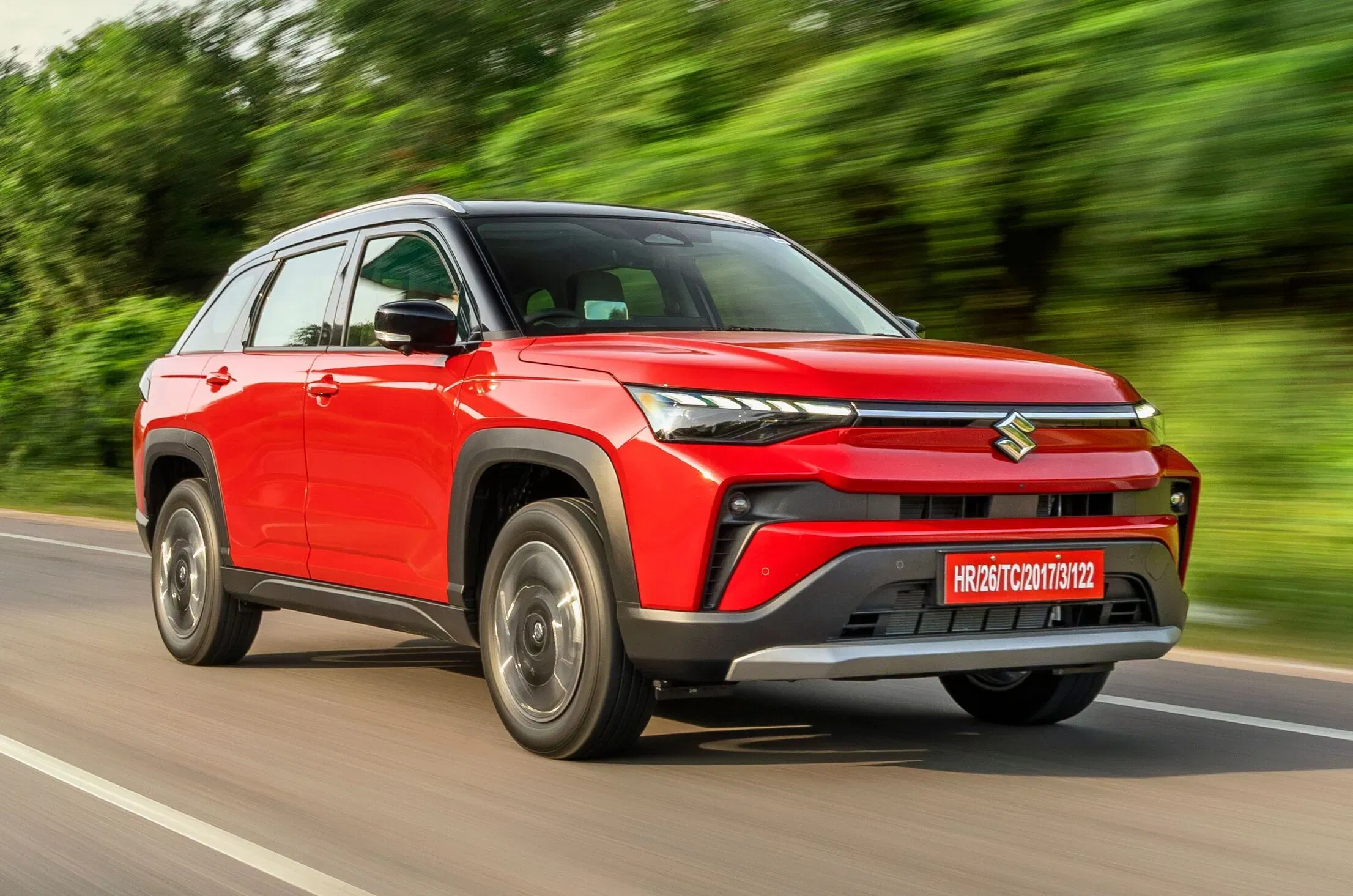
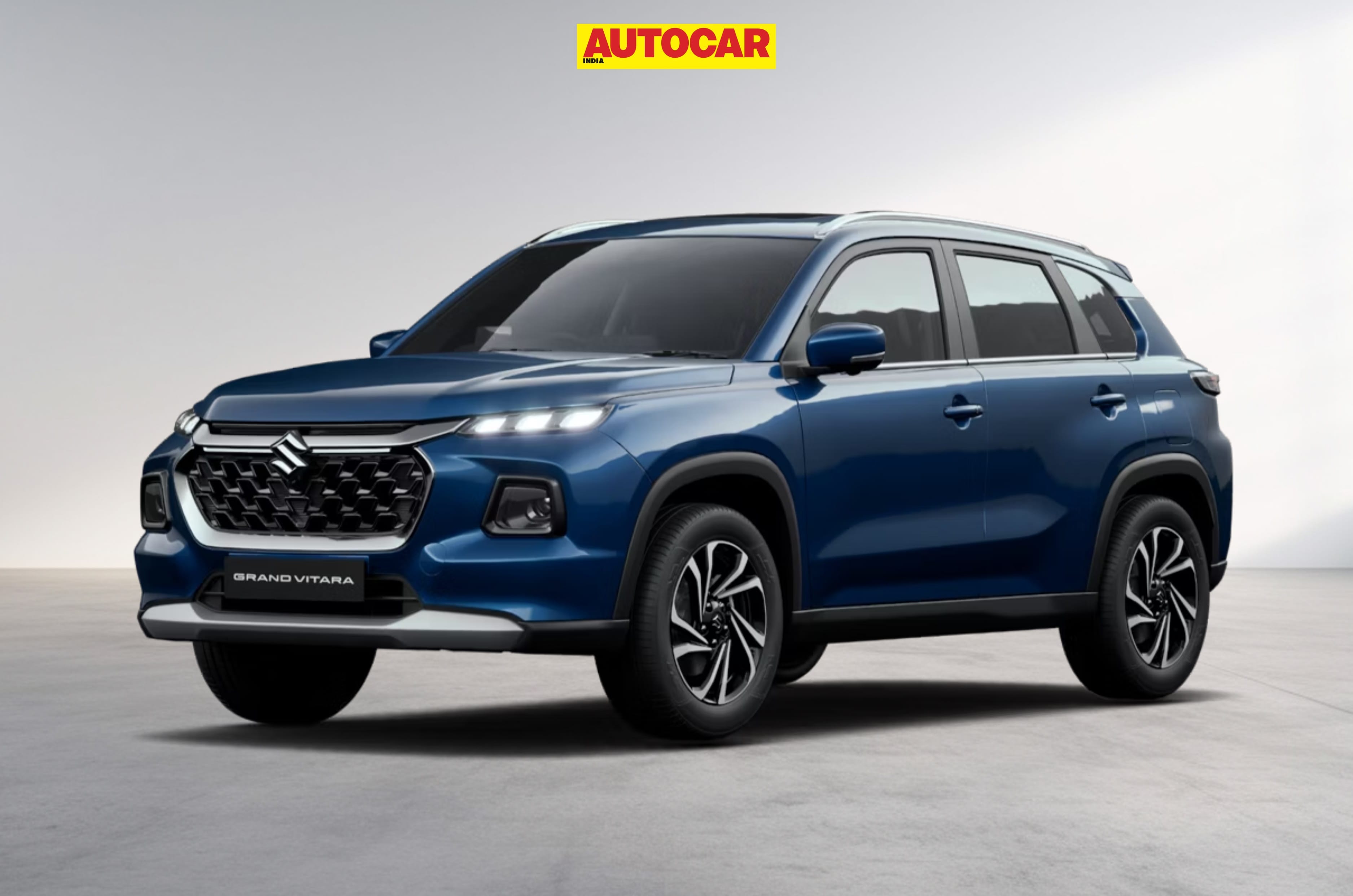
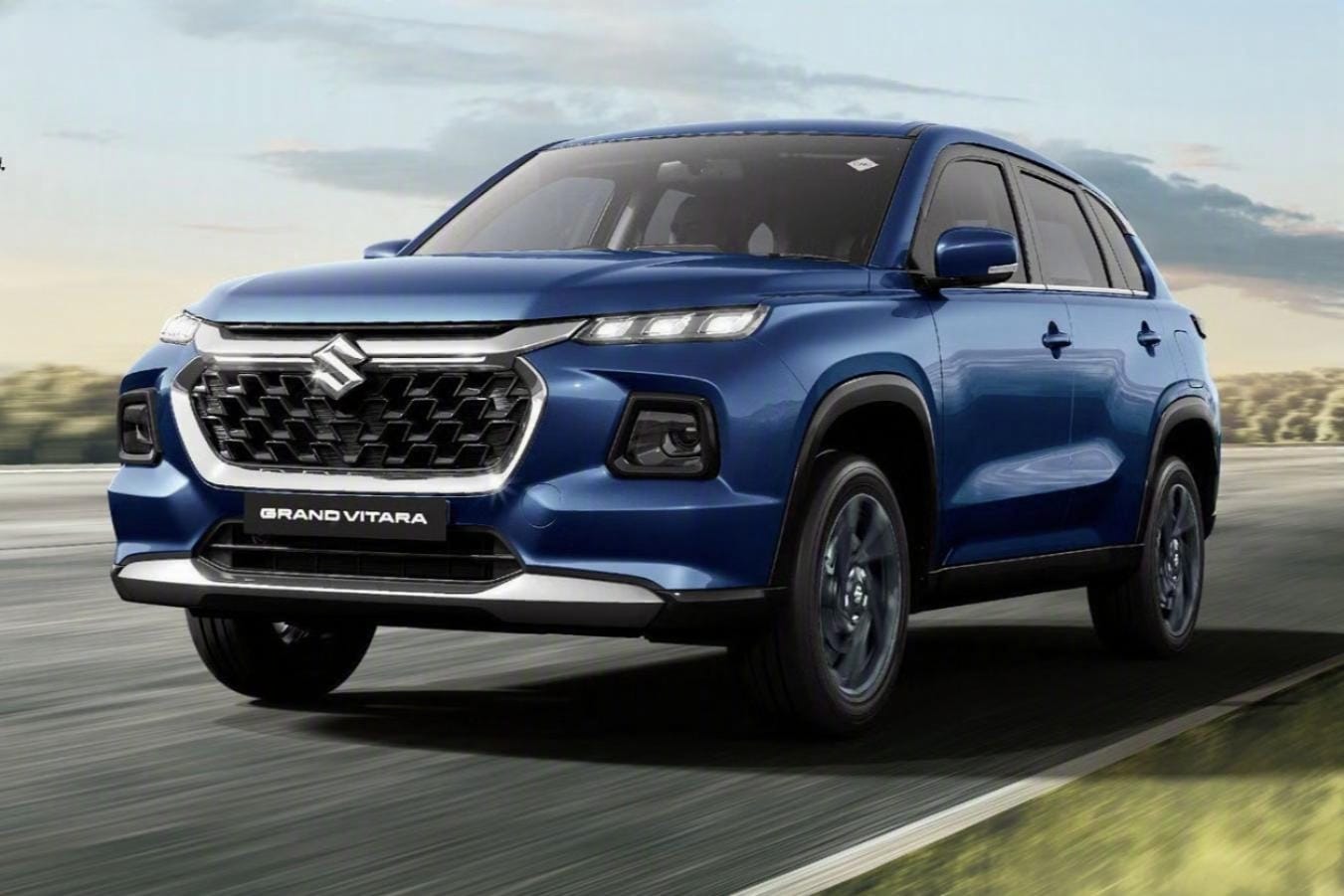
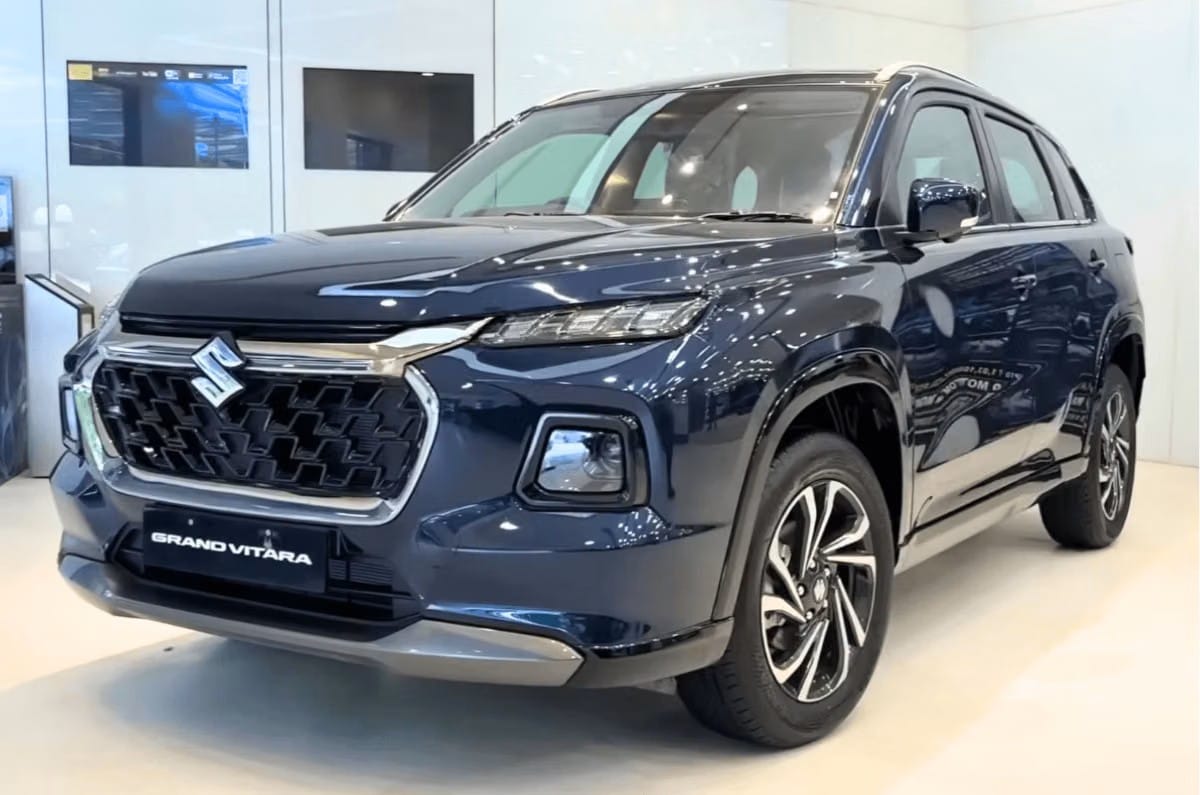
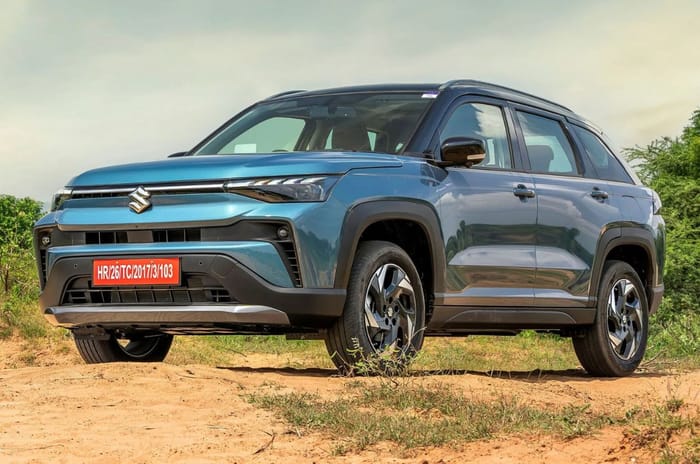
The Grand Vitara has become Maruti’s latest SUV to surpass 4 lakh wholesales in the domestic market. From its launch in September 2022 to June 2026, it has clocked domestic sales of 4,01,007 units, while 62,500 units have also been exported. It’s retailed through the Maruti premium Nexa showrooms.
Was the fastest mid-size SUV to cross the 1 lakh, 2 lakh, and 3 lakh sales milestones.
FY2025 witnessed the highest sales comprising 1,23,946 units.
35 percent contribution of Nexa UV sales sold in the past four fiscals and Q1 FY2027.
The Grand Vitara’s journey to 4 lakh+ sales took 21 months longer than what the second-generation Hyundai Creta took, which reached the same milestone just 25 months after launch in January 2024.
Maruti Grand Vitara domestic sales
Maruti Grand Vitara domestic sales (Launch date: September 26, 2022)
Fiscal
Units sold
YoY% change
FY2023 (Sep 2022 – Mar 2023)
51,315
FY2024
1,21,169
136%
FY2025
1,23,946
2%
FY2026
83,849
-32%
FY2027 (Apr – Jun 2026)
20,728
8%
Total
4,01,007
Data: SIAM *April-June 2026
FY2025 with 123,946 units was the best fiscal for the Maruti Grand Vitara. With total sales of 4,01,007 units, it is the second best-selling Nexa SUV after the Maruti Fronx (5,25,964 units).
The Maruti Grand Vitara had a chequered run till the 3 lakh milestone. It was the fastest in the midsize SUV segment to the 1 lakh unit mark, taking just 12 months from market entry. It was also the fastest midsize SUV to achieve the 2 lakh milestone in 22 months, bettering the first-generation Hyundai Creta, which took 25 months to achieve the same milestone. The run from 2,00,001 to 3,00,000 in early April 2025 took a similar 10-month timeframe, and the Grand Vitara won the title of being the fastest midsize SUV to the 3 lakh milestone.
Maruti Grand Vitara vs Victoris: Why Growth Slowed
The newer Victoris sold over 1 lakh units in just 10 months since its debut.
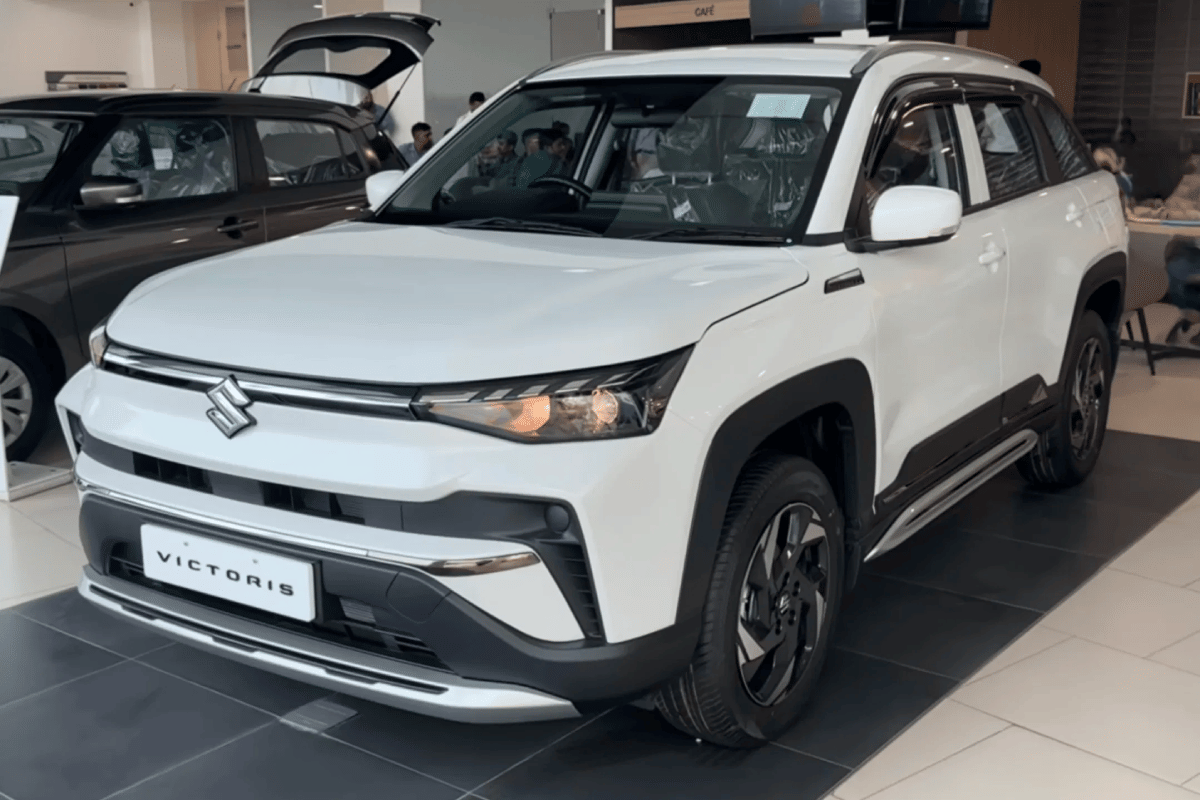
However, the fourth round of 1,00,000 sales to reach the 4,00,000 milestone has taken a little over 14 months. This slower run could be attributed to the new Maruti Victoris midsize SUV selling 1,00,165 units in just 10 months, having debuted from the more widespread Arena sales channel in August 2025 and sharing its platform and powertrains with the Grand Vitara. The Victoris is priced from Rs 10.50 lakh to Rs 19.99 lakh, while the Grand Vitara is priced from Rs 10.77 lakh to Rs 19.57 lakh.
The Grand Vitara has sold 20,728 units in Q1 FY2027. Meanwhile, rivals like the Hyundai Creta, Kia Seltos, and Toyota Hyryder outsold it in the same timeframe by selling 37,694 units, 30,817 units and 26,883 units, respectively.
Maruti Grand Vitara: Key contributions to Nexa UV sales
The Maruti Grand Vitara continues to be a key contributor to the carmaker’s Nexa brand sales. If one compares its contribution to all Nexa models since its market entry in FY2023, then only the Baleno hatchback (787,419 units from FY2023 to end-June 2026) and the Fronx compact SUV (525,964 units) are ahead of the Grand Vitara (401,077 units).
In the current fiscal’s Q1 (April-June 2026), Maruti Suzuki India has dispatched 20,728 Grand Vitaras to dealers, which makes for a 21 percent share of the 91,284 Nexa UVs (Fronx, Grand Vitara, XL6, Jimny, e-Vitara and Invicto). Q2 FY2027 has begun on a good note for the Grand Vitara with Maruti Suzuki dispatching 8,127 units to its dealers in July, the highest monthly sales in the first four months of the current fiscal.
Maruti Grand Vitara powertrain options
Grand Vitara strong-hybrid
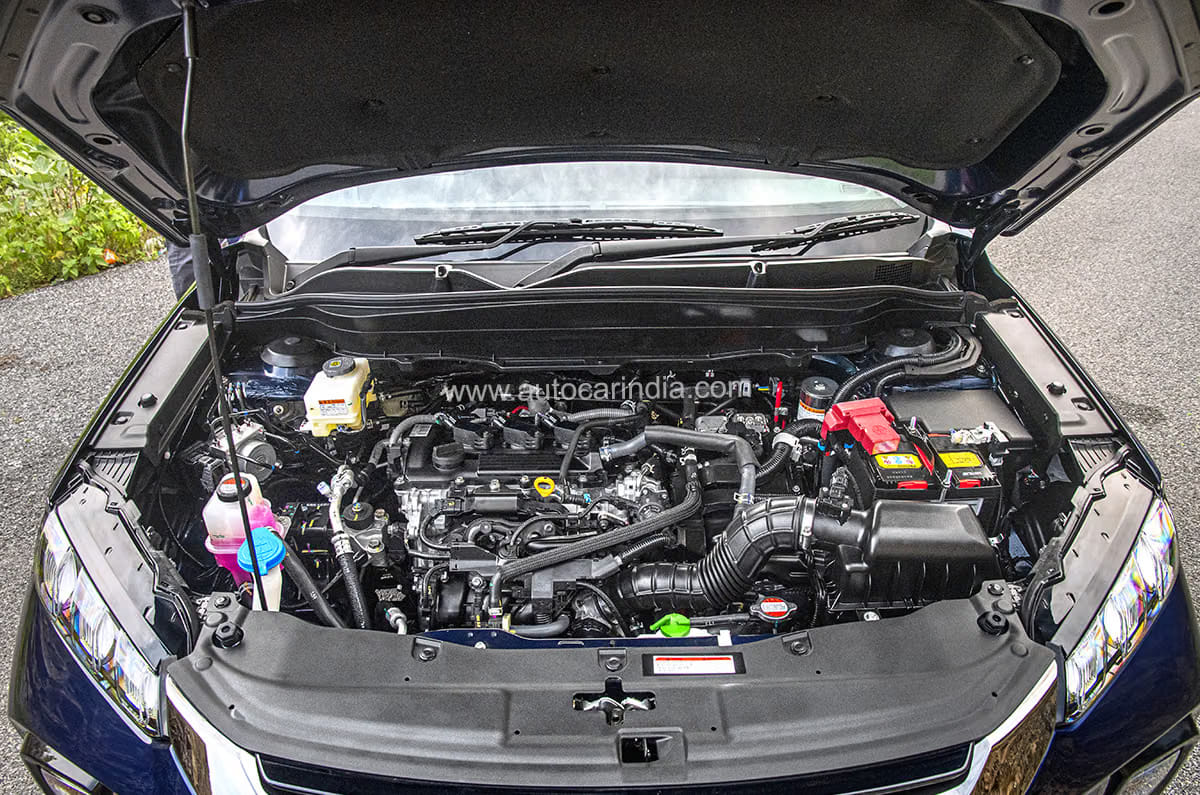
Powering the Grand Vitara is a 1.5-litre naturally aspirated petrol engine developing 103hp and 139Nm of torque. It is paired to either a 5-speed manual or a 6-speed automatic gearbox. With the latter option, AWD can also be had with dedicated terrain modes, making the Grand Vitara among the few SUVs in its class to offer the drive layout. A CNG kit can also be paired to this engine, which is paired to a 5-speed manual only.
Additionally, the Grand Vitara is also one of the few models in the mid-size SUV space to offer a strong-hybrid petrol engine. It produces a combined output of 115hp and 141Nm, and is exclusively mated with an e-CVT gearbox.
Maruti Suzuki is offering discounts across its Nexa line-up in August 2026. The offers include cash discounts, exchange or scrappage bonuses, loyalty upgrade benefits and institutional discounts, depending on the model and variant. The highest benefits this month are available on the Invicto, while the Grand Vitara, XL6, Jimny, Baleno and Fronx also receive offers.
Disclaimer: Offers may vary by city and are subject to stock availability. Check with your nearest dealer for exact details.
Maruti Invicto discounts in August 2026
Up to Rs 1.55 lakh off
The Invicto attracts the highest discounts in the Nexa range this month, with benefits of up to Rs 1.55 lakh. These include a Rs 55,000 cash discount, an exchange bonus of up to Rs 50,000 or a Rs 50,000 scrappage bonus, a Rs 30,000 loyalty bonus and a Rs 20,000 institutional discount.
Priced between Rs 24.97 lakh and Rs 28.61 lakh, the Invicto is Maruti Suzuki’s flagship MPV and rivals the Toyota Innova Hycross.
Maruti Grand Vitara discounts in August 2026
Up to Rs 1.30 lakh off
The Grand Vitara Sigma petrol receives the highest discounts of up to Rs 1.30 lakh. Delta petrol variants are available with benefits of up to Rs 1.20 lakh, while Zeta, Alpha and AWD variants get offers worth Rs 1.20 lakh, along with a complimentary five-year extended warranty.
Strong hybrid variants also receive plenty of benefits, totaling up to Rs 1.25 lakh along with zero road tax (worth up to Rs 1.85 lakh in Delhi), a five-year extended warranty. The benefits comprise of an exchange bonus of up to Rs 75,000 or a Rs 45,000 scrappage bonus, a Rs 30,000 loyalty upgrade bonus and a Rs 20,000 institutional discount. Delta CNG variants get benefits of up to Rs 1.05 lakh, while Zeta CNG variants receive up to Rs 95,000.
The Grand Vitara is priced from Rs 10.77 lakh to Rs 19.57 lakh and rivals the Hyundai Creta, Kia Seltos, Honda Elevate, Toyota Hyryder and Tata Sierra.
Maruti XL6 discounts in August 2026
Up to Rs 50,000 off
Petrol and CNG variants of the XL6 are available with benefits of up to Rs 50,000. The offer comprises a Rs 20,000 cash discount, an exchange bonus of up to Rs 30,000 or a Rs 15,000 scrappage bonus, and a Rs 10,000 institutional discount. The XL6 is priced between Rs 11.57 lakh and Rs 14.37 lakh and serves as the premium six-seat sibling to the Ertiga.
Maruti Jimny discounts in August 2026
Up to Rs 35,000 off
All variants of the Jimny are available with a Rs 35,000 cash discount this month. No exchange, scrappage, loyalty or institutional benefits are being offered. The Jimny is priced between Rs 12.39 lakh and Rs 14.37 lakh and rivals the Mahindra Thar and Force Gurkha.
Maruti Baleno discounts in August 2026
Up to Rs 30,000 off
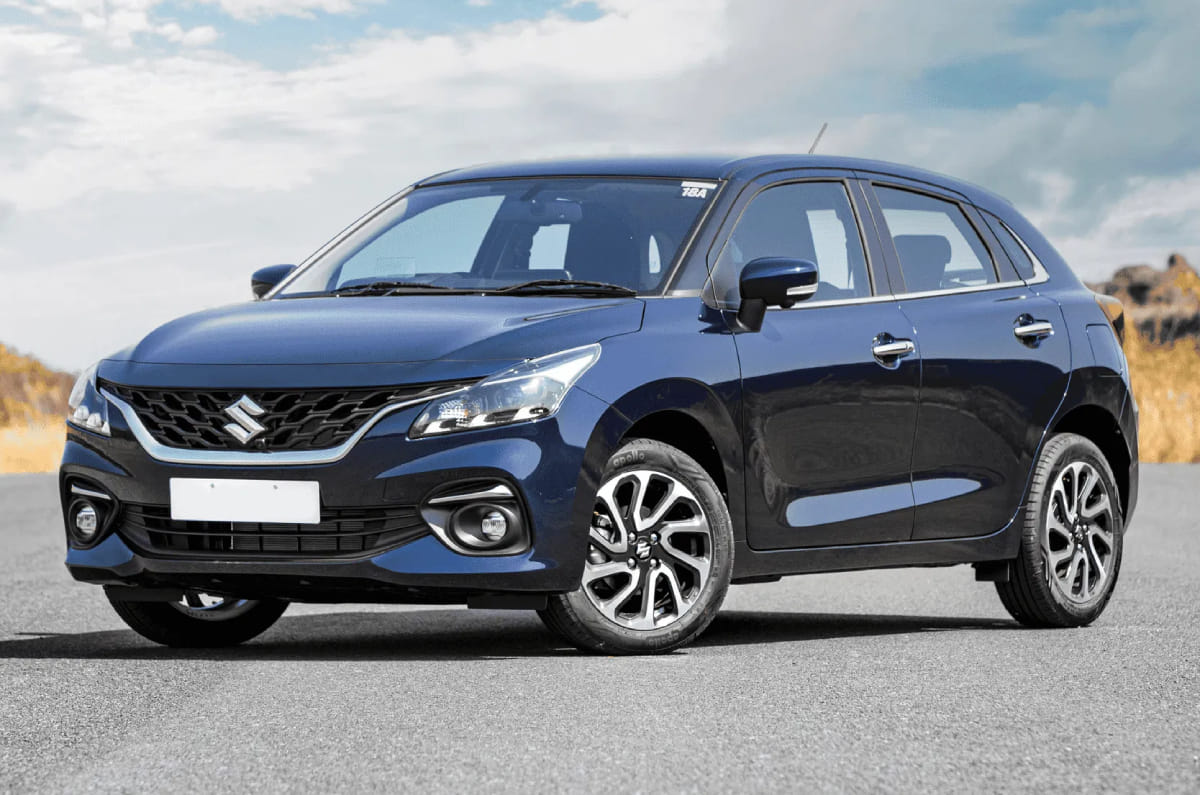
Petrol manual and AMT variants of the Baleno receive benefits of up to Rs 30,000, while CNG variants are available with discounts of up to Rs 25,000. Petrol variants get a Rs 5,000 cash discount, an exchange bonus of up to Rs 25,000 or a Rs 10,000 scrappage bonus, while CNG variants miss out on the cash offer but receive the same exchange or scrappage benefits. Priced between Rs 5.99 lakh and Rs 9.17 lakh, the Baleno rivals premium hatchbacks such as the Hyundai i20 and Tata Altroz.
Maruti Fronx discounts in August 2026
Up to Rs 20,000 off
The turbo-petrol Fronx gets the highest discounts this month, with benefits of up to Rs 20,000. Petrol and CNG variants are available with offers of up to Rs 15,000. Turbo variants additionally receive a Rs 5,000 cash discount, while all variants are eligible for an exchange bonus of up to Rs 15,000 or a Rs 10,000 scrappage bonus, along with a Rs 5,000 institutional discount. The Fronx is priced from Rs 6.85 lakh to Rs 11.84 lakh and rivals the Toyota Taisor, Tata Nexon, Hyundai Venue, Kia Sonet, Mahindra XUV 3XO and Nissan Magnite.
Maruti Suzuki is offering discounts across much of its Arena line-up, including the Victoris, Swift, Wagon R, Alto K10, Celerio, S-Presso and Eeco, in August 2026. The highest benefits are available on the Victoris, with savings of up to Rs 1.35 lakh. These offers comprise cash discounts, exchange or scrappage bonuses, loyalty benefits and institutional discounts, depending on the variant.
Disclaimer: Offers may vary by city and are subject to stock availability. Check with your nearest dealer for exact details.
Maruti Victoris discounts in August 2026
Up to Rs 1.35 lakh off
The Victoris strong hybrid attracts the highest benefits this month, with total discounts of up to Rs 1.35 lakh. These include a Rs 20,000 cash discount, an exchange bonus of up to Rs 75,000 or a Rs 45,000 scrappage bonus, a Rs 30,000 loyalty upgrade bonus and a Rs 10,000 institutional discount.
Petrol and CNG variants, meanwhile, are available with benefits of up to Rs 85,000. Both are eligible for an exchange bonus of up to Rs 55,000, while customers opting for the scrappage scheme can avail of benefits of up to Rs 25,000 on petrol variants and Rs 20,000 on CNG variants. These variants also receive a Rs 20,000 loyalty upgrade bonus and a Rs 10,000 institutional discount.
Priced between Rs 10.50 lakh and Rs 19.99 lakh, the Victoris rivals the Hyundai Creta, Kia Seltos, Tata Sierra and Honda Elevate.
Maruti Wagon R discounts in August 2026
Up to Rs 52,500 off
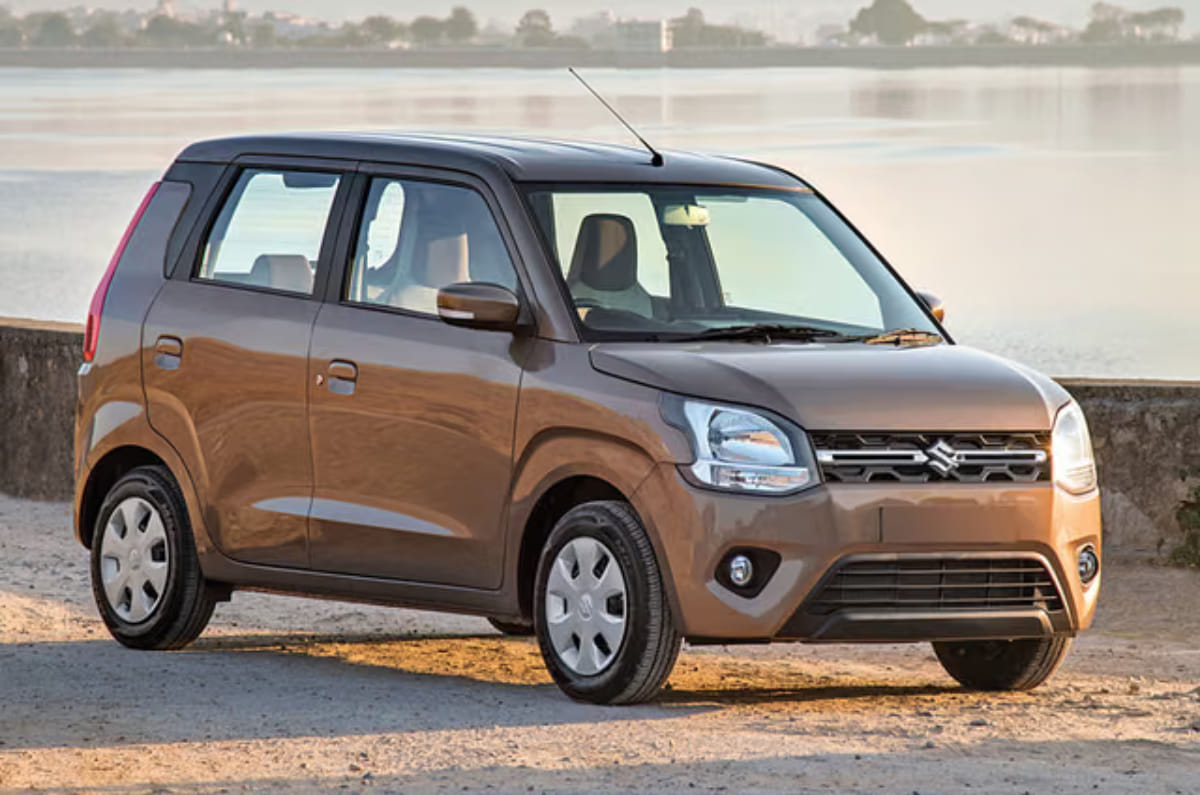
The Wagon R is available with benefits of up to Rs 52,500 across its petrol and CNG range. Buyers can avail of a Rs 25,000 cash discount, an exchange bonus of up to Rs 25,000 or a Rs 10,000 scrappage bonus, along with a Rs 2,500 institutional discount.
Priced between Rs 4.99 lakh and Rs 7.24 lakh, the Wagon R rivals the Tata Tiago and Citroen C3.
Maruti Alto K10 discounts in August 2026
Up to Rs 52,500 off
In the Alto K10 line-up, the LXi petrol variant gets the highest benefits of Rs 52,500, while other petrol variants are available with discounts of up to Rs 42,500. Benefits on CNG variants are capped at Rs 37,500.
Depending on the variant, buyers can avail of a cash discount of up to Rs 25,000, an exchange bonus of up to Rs 25,000 or a Rs 10,000 scrappage bonus, and a Rs 2,500 institutional discount. This rival to the Renault Kwid is priced between Rs 3.70 lakh and Rs 5.45 lakh.
Maruti Celerio discounts in August 2026
Up to Rs 42,500 off
Benefits of up to Rs 42,500 are available across the Celerio range this month. The offer includes a Rs 15,000 cash discount, an exchange bonus of up to Rs 25,000 or a Rs 10,000 scrappage bonus, along with a Rs 2,500 institutional discount. A rival to the Tata Tiago and Renault Kwid, the Celerio has a starting price of Rs 4.70 lakh and costs Rs 6.73 lakh for the top-spec variant.
Maruti Eeco discounts in August 2026
Up to Rs 42,500 off
Petrol variants of the Eeco receive benefits of up to Rs 42,500, while CNG versions are eligible for discounts of up to Rs 32,500. Petrol models get a Rs 15,000 cash discount, whereas CNG variants receive Rs 5,000. Both are offered with an exchange bonus of up to Rs 25,000, along with a Rs 2,500 institutional discount. The Eeco is priced between Rs 5.23 lakh and Rs 6.41 lakh.
Maruti Swift discounts in August 2026
Up to Rs 40,000 off
Petrol variants of the Swift are available with benefits of up to Rs 40,000, including a Rs 10,000 cash discount, an exchange bonus of up to Rs 25,000 or a Rs 10,000 scrappage bonus, and a Rs 5,000 institutional discount. CNG variants receive lower benefits of up to Rs 30,000, as they are not eligible for a cash discount this month.
The Swift is priced between Rs 5.79 lakh and Rs 8.69 lakh and rivals the Hyundai Grand i10 Nios and Tata Tiago.
Maruti S-Presso discounts in August 2026
Up to Rs 37,500 off
All variants of the S-Presso are being offered with benefits of up to Rs 37,500. Buyers can avail of a Rs 10,000 cash discount, an exchange bonus of up to Rs 25,000 or a Rs 10,000 scrappage bonus, and a Rs 2,500 institutional discount. Maruti’s most affordable offering currently, the S-Presso is priced from Rs 3.50 lakh to Rs 5.25 lakh and rivals the Renault Kwid and its stablemate Alto K10.
With the newly launched Syros EV and the flagship Sorento SUV inbound, Kia India has been strengthening its presence in our market. At the same time, the Korean carmaker is providing appealing offers on select models currently across its lineup in August 2026. Except for the EV6 and EV9, the remaining models in Kia’s portfolio get cash discounts, exchange or scrappage offers, and corporate benefits.
Disclaimer: Offers/benefits may vary by city and are subject to stock availability. Buyers are advised to check with their local dealer for exact figures.
Kia Carens Clavis offers in August 2026
Benefits of up to Rs 1.2 lakh
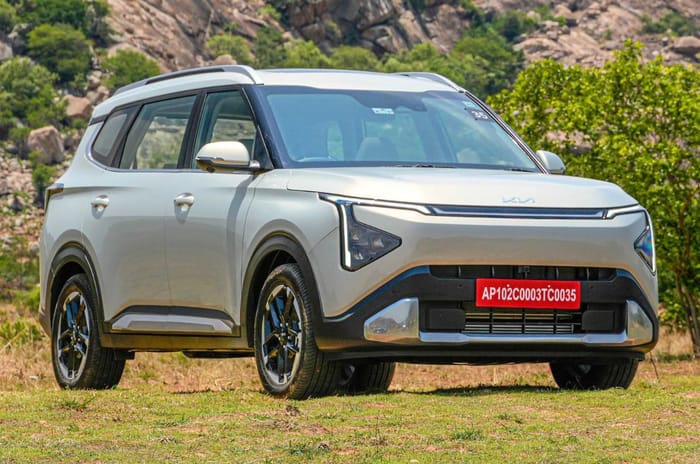
The Carens Clavis MPV is available with benefits of up to Rs 1.2 lakh. MY26 models get a cash discount of Rs 10,000, a loyalty benefit of Rs 20,000, a corporate offer of up to Rs 15,000 and either an exchange or scrappage bonus of up to Rs 30,000.
However, MY25 models of the Clavis get up to Rs 75,000 cash discount, and have the same loyalty, exchange/scrappage benefits as the MY26 models, but miss out on a corporate offer. Moreover, only MY25 turbo-petrol variants of the MPV get free extended warranty coverage. Priced from Rs 11.27 lakh to Rs 21.67 lakh, it rivals the likes of the Maruti XL6.
Kia Carnival offers in August 2026
Benefits of up to Rs 1.5 lakh
At up to Rs 1.5 lakh, the Carnival receives the highest benefits among all Kia models this month. MY26 versions either an exchange or scrappage offer of up to Rs 1 lakh, and a corporate offer of up to Rs 50,000, while MY25 versions get only a scrappage offer of Rs 20,000. The Carnival is Kia’s most expensive ICE model in our market and is priced at Rs 59.65 lakh.
Kia Carens Clavis EV offers in August 2026
Benefits of up to Rs 55,000
The all-electric counterpart of the Carens Clavis is offered with benefits of up to Rs 55,000. MY26 versions of the Carens Clavis EV are eligible for a loyalty benefit and corporate offer of Rs 20,0000 and up to Rs 15,000, respectively. Additionally, it’s also available with either a scrappage or exchange offer of Rs 20,000. For MY25 models, only the extended range (ER) variants come with loyalty and scrappage benefits of Rs 20,000 each. Currently, the most affordable electric MPV in our market, it has a price range of Rs 18.04 lakh to Rs 25 lakh. It is Kia’s answer to the BYD e MAX 7 and an MPV alternative to the likes of the Mahindra XEV 9S.
Kia Syros offers in August 2026
Benefits of up to Rs 50,000
The Syros compact SUV is available with benefits of up to Rs 50,000. The new MY26 model gets a cash discount of up to Rs 10,000, a corporate offer of up to Rs 15,000 and either an exchange or scrappage offer of Rs 20,000. On the other hand, MY25 versions get an exchange or scrappage offer of up to Rs 50,000. Like the Carens Clavis, even the Syros gets free extended warranty. It has a price range of Rs 8.42 lakh to Rs 15.82 lakh, and takes on the likes of the Mahindra XUV 3XO, Hyundai Venue, and Maruti Brezza.
Kia Sonet offers in August 2026
Benefits of up to Rs 45,000
The most affordable Kia offering in India, the Sonet is offered with benefits of up to Rs 45,000. For MY26 models, you get a cash discount of up to Rs 10,000, a corporate offer of up to Rs 15,000, and either an exchange or scrappage benefit of up to Rs 20,000, while MY25 versions of the Sonet only get a scrappage offer. Priced from Rs 7.41 lakh to Rs 14.37 lakh, it takes on rivals like the Skoda Kushaq, Tata Nexon, and contenders alongside the Syros.
Kia Seltos offers in August 2026
Benefits of up to Rs 40,000
The second-generation Seltos, which was introduced earlier this year, is available with benefits of up to Rs 40,000. These include a loyalty benefit and scrappage bonus of Rs 20,000 each.
Meanwhile, the first-generation Seltos only gets a scrappage offer. The second-generation Seltos is priced from Rs 11 lakh and up to Rs 21.82 lakh. The Seltos is Kia’s contender in the mid-size SUV space, which consists of rivals like the Hyundai Creta, Volkswagen Taigun, Renault Duster, Tata Sierra, Skoda Kushaq, MG Astor, Citroen Aircross, Maruti Victoris and Grand Vitara.
Kia Carens offers in August 2026
Benefits of up to Rs 35,000
The budget Kia Carens MPV is offered with benefits up to Rs 35,000. MY26 models get a corporate offer of up to Rs 15,000 and either a scrappage or exchange bonus of up to Rs 20,000. On the other hand, MY25 versions get only a scrappage offer. The Carens rivals the Maruti Ertiga and Toyota Rumion, while its price ranges between Rs 11.02 lakh and Rs 12.88 lakh.
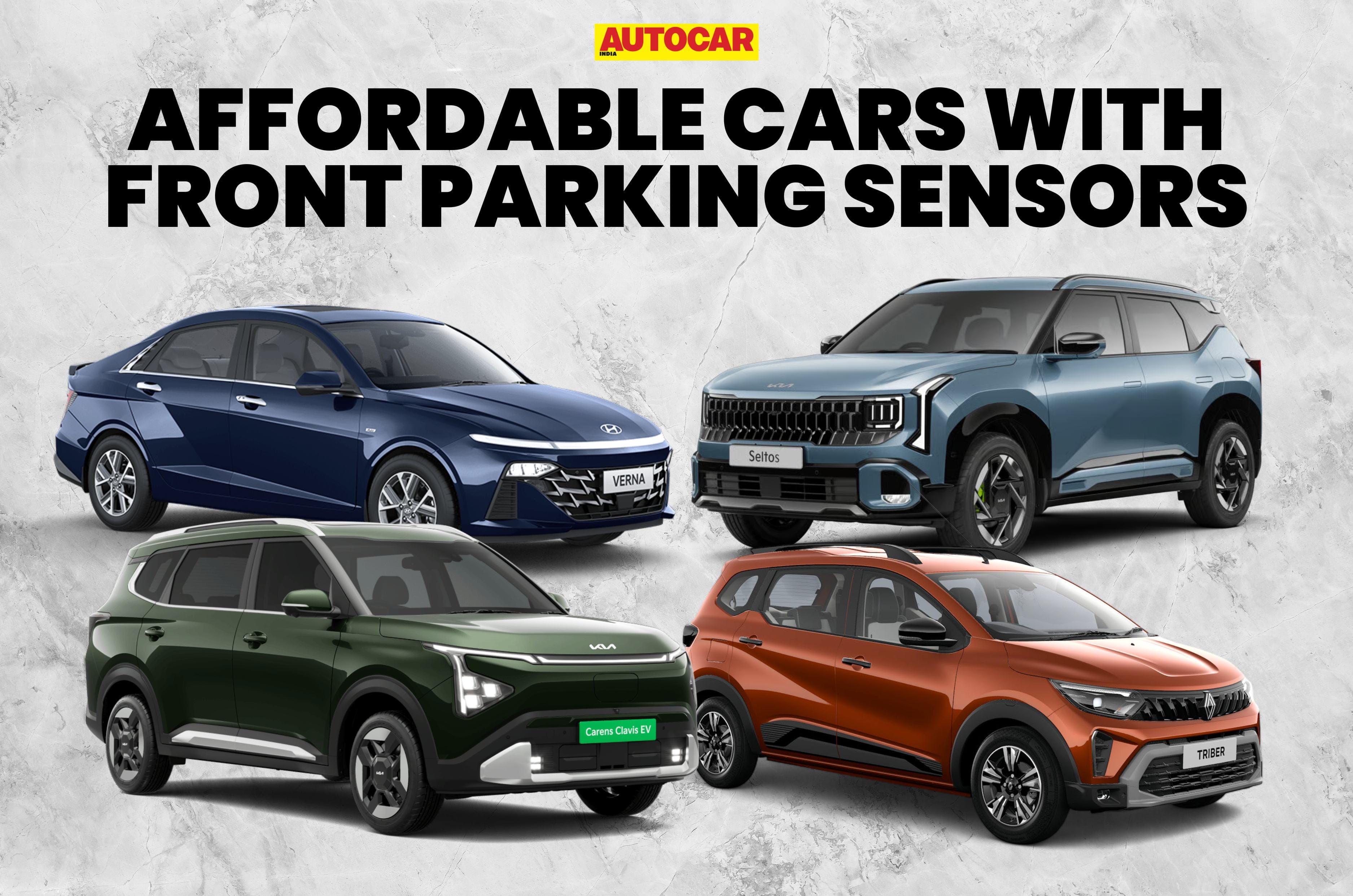
While pretty basic in their operation, parking sensors alleviate the strain involved when space is at a premium. Once the dominion of premium models, front parking sensors have now found their way into more affordable ones. We have listed the top 10 cars that get parking sensors at the front as well, and that too at an ex-showroom price of under Rs 20 lakh.
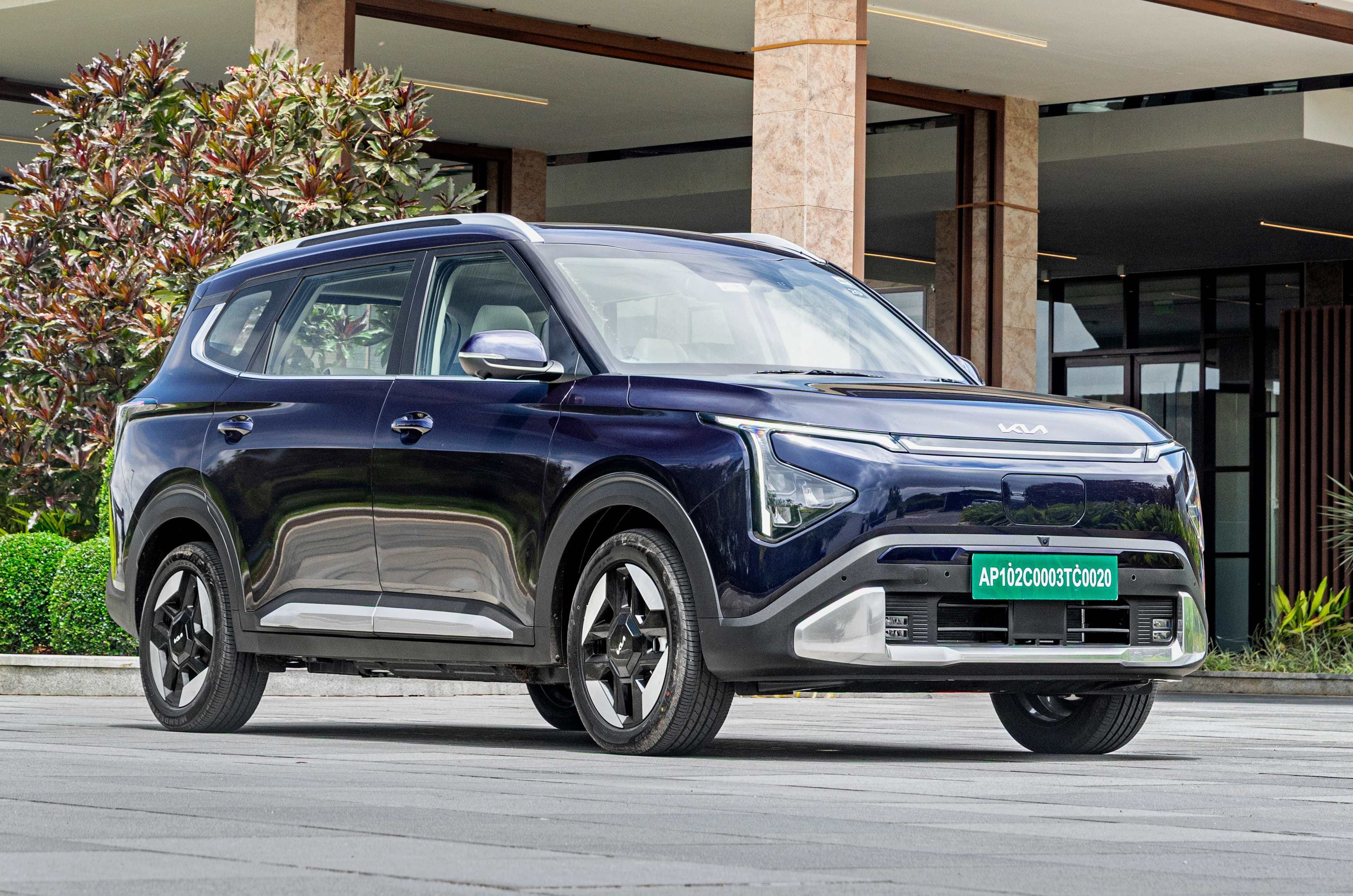
10. Kia Carens Clavis EV
Prices start at Rs 18.04 lakh
All variants of the 7-seat Kia Carens Clavis EV get front parking sensors. However, we are only considering the HTK+ and HTX E, since the rest are priced above Rs 20 lakh. These trims are offered with a 42kWh battery pack with an MIDC-claimed range of 404km. The single electric motor of the Clavis EV generates 133hp, while charging the battery from 10-80 percent takes 39 minutes when plugged into a 100kWh DC fast-charger.
Variants
Prices (Rs, lakh)
HTK+
18.04
HTX E
20.00
9. Maruti Suzuki Victoris
Prices start at Rs 15.39 lakh
The Maruti Suzuki Victoris gets front parking sensors, but only on the ZXI Plus and the top-spec ZXI Plus (O), priced at Rs 19.99 lakh. These are available with manual and automatic transmissions, petrol and strong-hybrid options, and in front-wheel drive or all-wheel drive configurations. The naturally aspirated (NA) 1.5-litre engine of the Victoris manages 103hp, whereas the strong-hybrid’s powertrain achieves a combined output of 116hp.
Variant range
Price range (Rs, lakh)
ZXI Plus – ZXI Plus (O)
15.39 – 19.99
*Dual-tone options cost around Rs 14,500 more
8. Kia Carens Clavis
Prices start at Rs 15.28 lakh
Front parking sensors are on the equipment list for the HTK+, HTK+ (O), HTX, GTX, and HTX (O) trims. The latter costs Rs 19.96 lakh, with higher trims breaching our stipulated Rs 20 lakh price cut-off. Like its EV sibling, the Carens Clavis is also a 7-seater. Kia is offering three 1.5-litre engines: a 115hp petrol, a 160hp turbo-petrol with direct injection, and a 116hp turbo-diesel. Transmissions include a 6-speed manual, a 6-speed torque converter automatic (AT) and a 7-speed dual-clutch automatic (DCT).
Variant range
Price range (Rs, lakh)
HTK+ – HTX (O)
15.28 – 19.96
7. Hyundai Venue
Prices start at Rs 14.65 lakh
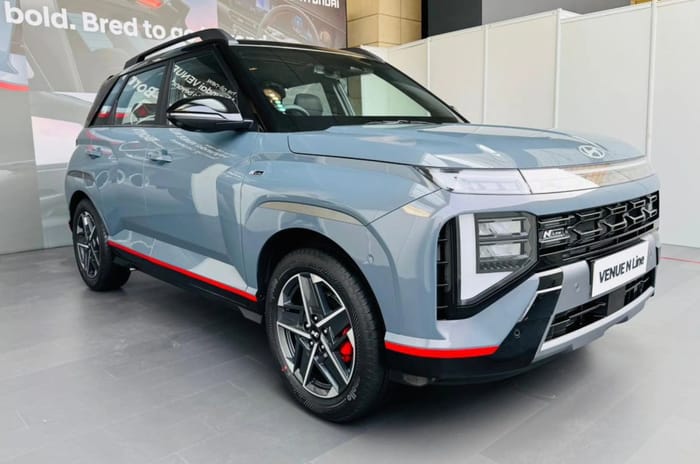
The second-gen Hyundai Venue adds front parking sensors to its already lengthy list of features. However, it is only the range-topping Venue HX10 and Venue N Line N10 variants of Hyundai’s compact SUV that get this nifty addition. The top-spec trim has a 1.5-litre turbo-diesel engine with 116hp, and costs Rs 15.65 lakh.
The HX10 also gets a 1.0-litre direct injection turbo-petrol with 120hp, which is shared with the N Line’s N10 trim. The diesel mill’s gearbox options are a 6-speed manual and a 6-speed torque converter automatic, whilst the petrol engine gets the manual and 7-speed DCT options.
Variants
Prices (Rs, lakh)
HX10 Turbo-Petrol (DCT)
14.65
HX10 Diesel (AT)
15.65
N Line N10 (DCT)
15.49
*Dual-tone options cost an additional Rs 18,000
6. Kia Seltos
Prices start at Rs 14.52 lakh
The entry-level HTE, HTE (O) and HTK trims of the Kia Seltos come equipped only with rear parking sensors. To get them on the front as well, you’ll need to step up to the HTK (O) at the bare minimum. Keeping our sub-20-lakh budget, the most expensive Seltos trims with front parking sensors are the GTX (A) and X-Line. Depending on the trim level, the Seltos can be had with one of three 1.5-litre engines and one of five gearboxes. For an in-depth look at those, click here.
Variant range
Price range (Rs, lakh)
HTK (O) – X-Line
14.52 – 20.00
5. Kia Sonet
Prices start at Rs 13.76 lakh
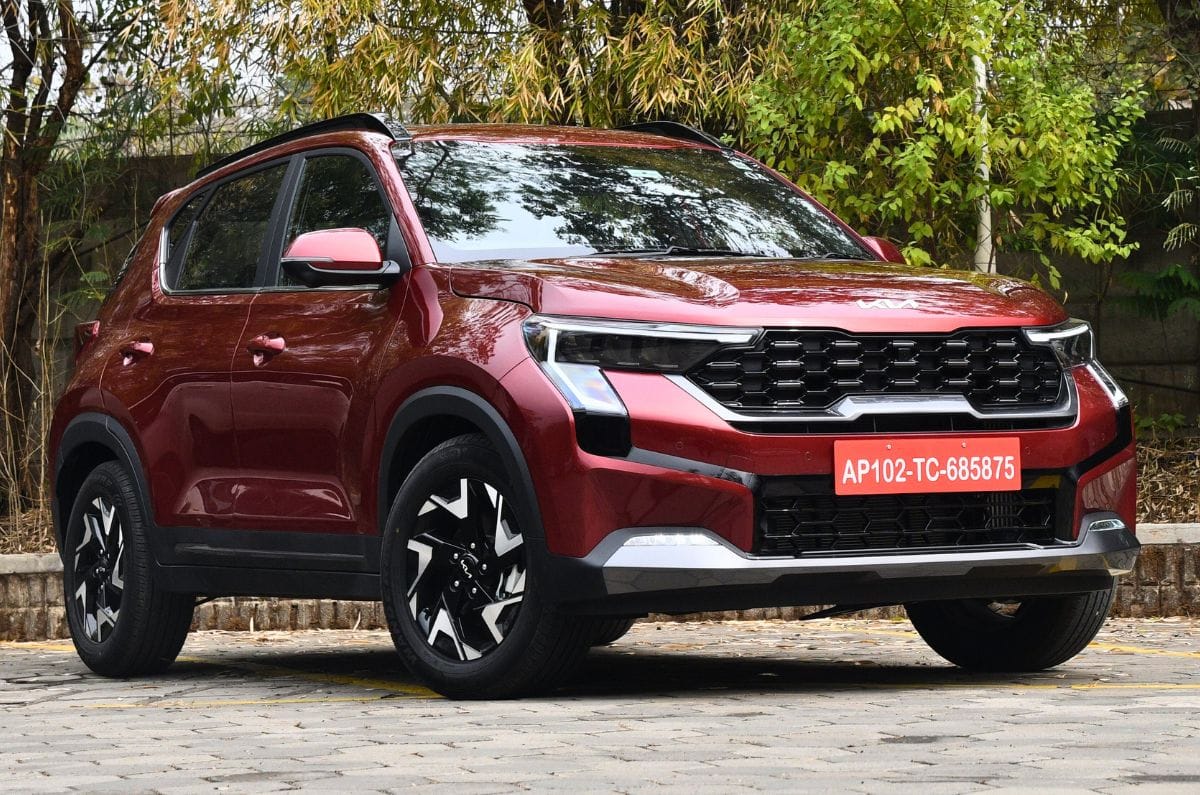
Only the top-two trims of the Kia Sonetget front parking sensors, and these are the GTX+ and X-Line. These trims are only available with the 120hp, 1.0-litre direct injection turbo-petrol engine and 116hp, 1.5-litre turbo-diesel mill. Transmission choices with these trims are a 7-speed DCT and 6-speed AT, respectively. For more information on the Kia Sonet, check out our detailed review.
Variant range
Price range (Rs, lakh)
GTX+ – X-Line
13.76 – 14.37
4. Hyundai Verna
Prices start at Rs 13.20 lakh
Buyers of the HX6, HX6+, HX8 and HX10 trims of the Hyundai Verna will benefit from having front parking sensors. The midsize sedan’s range-topping HX10 trim is priced at Rs 18.26 lakh. There are two 1.5-litre petrol mills; the naturally aspirated unit produces 115hp, with the direct injection turbo-petrol motor making 160hp. While both engines get a 6-speed manual as standard, the NA can be had with an IVT (Intelligent Variable Transmission). However, only the turbo-petrol variants get the 7-speed DCT.
Variant range
Price range (Rs, lakh)
HX6 – HX10
13.20 – 18.26
3. Mahindra XUV 3XO
Prices start at Rs 12.20 lakh
Only the AX7 and AX7 Luxury variants of the Mahindra XUV 3XO get front parking sensors, with the latter costing Rs 15.04 lakh. The sub-4-metre SUV gets a 1.2-litre MPFI (multi-point fuel injection) and 1.2-litre direct injection turbo-petrol engines producing 111hp and 131hp. A 1.5-litre turbo-diesel engine with 117hp is also available, mated to a 6-speed manual or a 6-speed AMT (automated manual transmission). The petrol versions get a 6-speed manual and a 6-speed torque converter automatic.
Variants
Prices (Rs, lakh)
AX7
12.20
AX7 Luxury
15.04
2. Tata Nexon
Prices start at Rs 11.40 lakh
The most affordable Tata Nexon variant with front parking sensors is the Creative + PS. Meanwhile, the most expensive Fearless + A PS costs Rs 13.70 lakh. Tata’s popular compact SUV is available with petrol, diesel and CNG options.
The petrol and CNG versions use a 1.2-litre turbocharged engine with up to 120hp, while the 1.5-litre diesel mill produces 115hp. The transmission choices encompass a 6-speed manual, a 6-speed AMT and a 7-speed DCT.
Variant range
Price range (Rs, lakh)
Creative + PS – Fearless + A PS
11.40 – 13.70
*Dark Edition costs around Rs 18,300 on top of the Dual Tone option
1. Renault Triber
Prices start at Rs 8.05 lakh
The most affordable car with front parking sensors is the Renault Triber. Only the top-end Emotion trim of this three-row MPV gets this feature, and the range tops out at Rs 8.53 lakh. The Triber is powered by a 1.0-litre three-cylinder petrol engine that produces 72hp and 96Nm. While there is only one engine option, buyers can choose between a 5-speed manual or a 5-speed AMT.
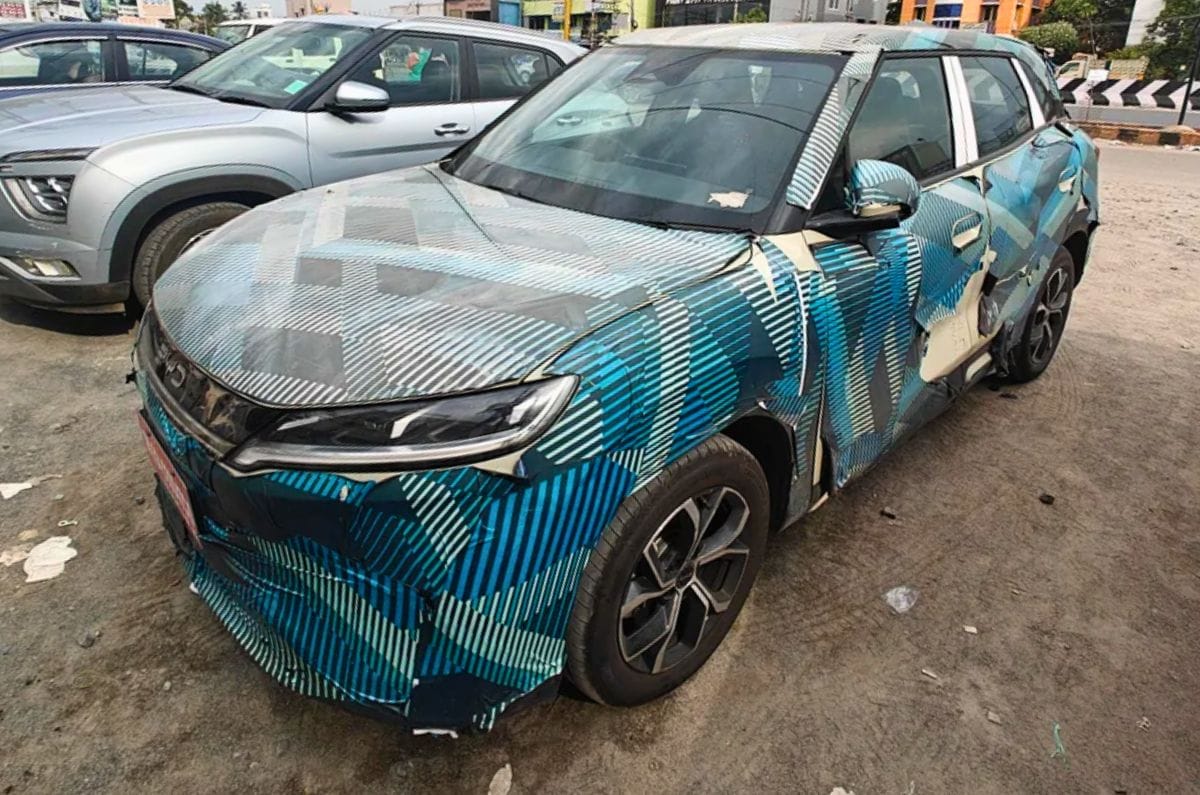
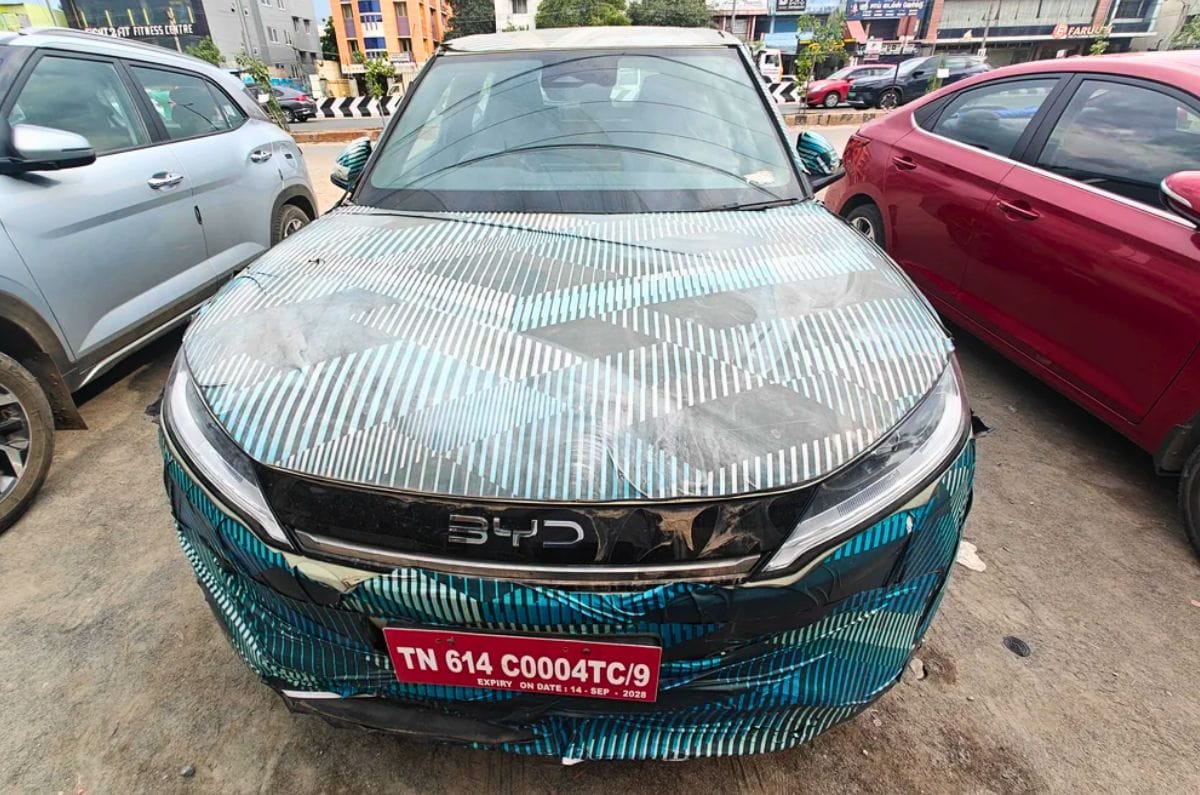
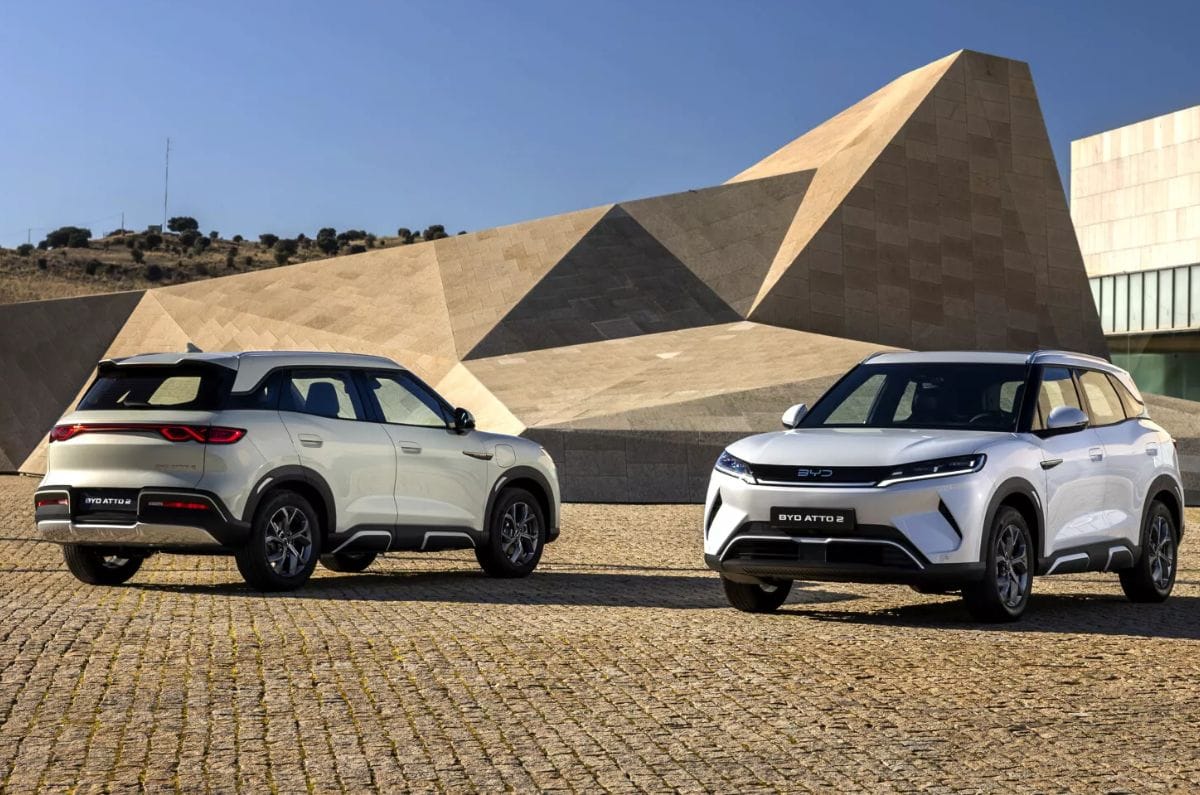
The BYD Atto 2 midsize SUV, expected to launch in India this year, has been spotted testing again. The spy shots reveal some exterior design elements of the upcoming Atto 2 similar to the internationally available model. The Atto 2 is offered in both EV and PHEV versions internationally.
Spy shots show the SUV’s front fascia and the side profile
Europe-spec EV gets up to 64.8kWh battery with 430km range
PHEV gets a 1.5L petrol engine and up to 18kWh battery
BYD Atto 2 spied: What was spotted?
Shows sleek LED headlights, alloy wheel design and a free-standing infotainment
Image source: @lostcheetos on r/CarsIndia
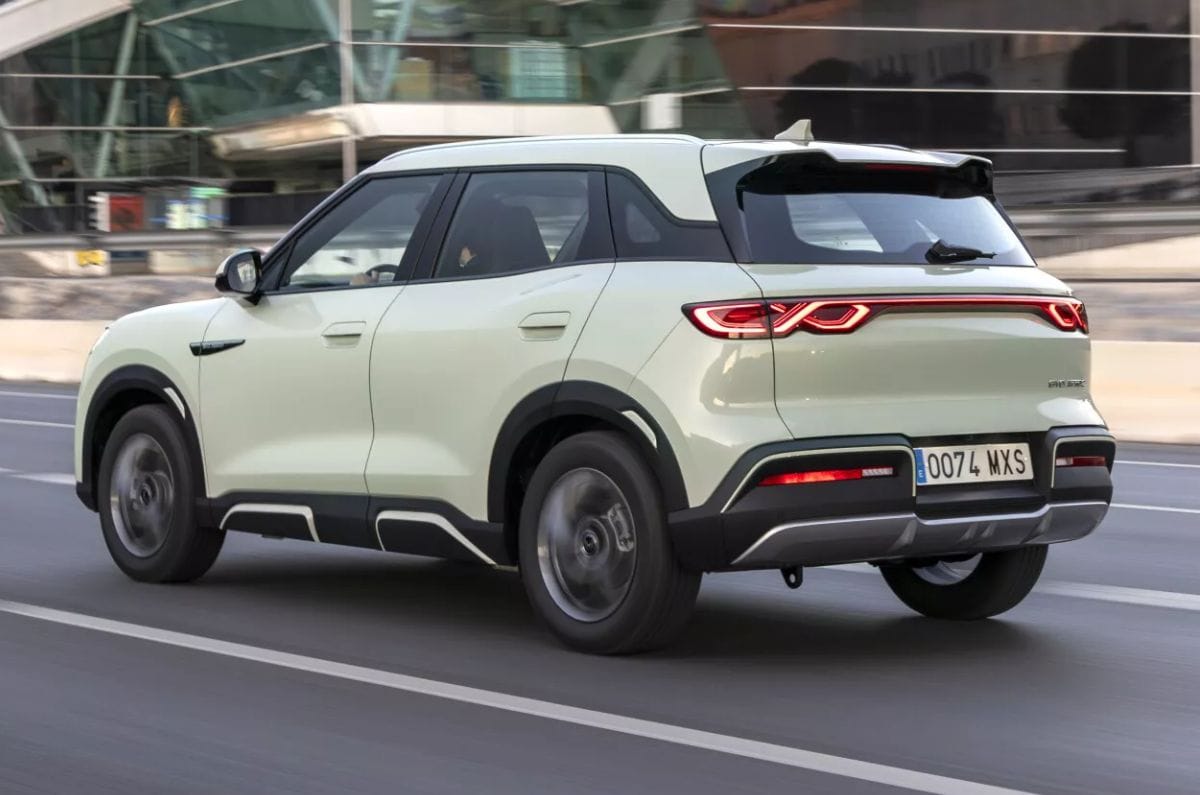
The spy shots show the Atto 2’s fascia and side profile, and although under camouflage, some design elements can be seen. These include the sleek headlights joined by a gloss-black trim with a BYD badge, the petal-shaped design elements on the alloys and the simple door handles. Keen-eyed viewers can also spot black cladding on the wheel arches and lower portion of the body. While the rear design is yet to be spied, it is expected to have connected LED taillights and a black bumper with some silver accents, like the international model.
A closer look inside the test mule reveals a camera-based ADAS sensor on the windscreen, a free-standing touchscreen infotainment system, and all-black upholstery on the seats.
Upcoming BYD Atto 2: Other details
The EV has a WLTP-claimed range of 430km, and the PHEV has a 1,000 km range
As mentioned earlier, the Atto 2 is offered in both all-electric (EV) and plug-in hybrid (PHEV) versions. In the European market, the Atto 2 EV is available with either a 45.1kWh or a 64.8kWh battery, with a WLTP-claimed range of up to 430km. Both battery versions are available with a front-axle-mounted (FWD) electric motor producing up to 201hp and 310Nm. BYD claims a 0-100kph time of 7.9 seconds and a top speed of 170kph.
International-spec BYD Atto 2 shown for representative purposes only.
The plug-in hybrid version, called the Atto 2 DM-i, is offered with a 97hp 1.5-litre 4-cylinder petrol engine and a choice of 7.8kWh or 18kWh battery mated with a 197hp front-axle-mounted (FWD) electric motor. The Atto 2 PHEV has a combined system output of up to 212hp and 300Nm and a total WLTP-claimed range of 1,000km.
Gets two interior themes and a minimalistic dashboard with two screens
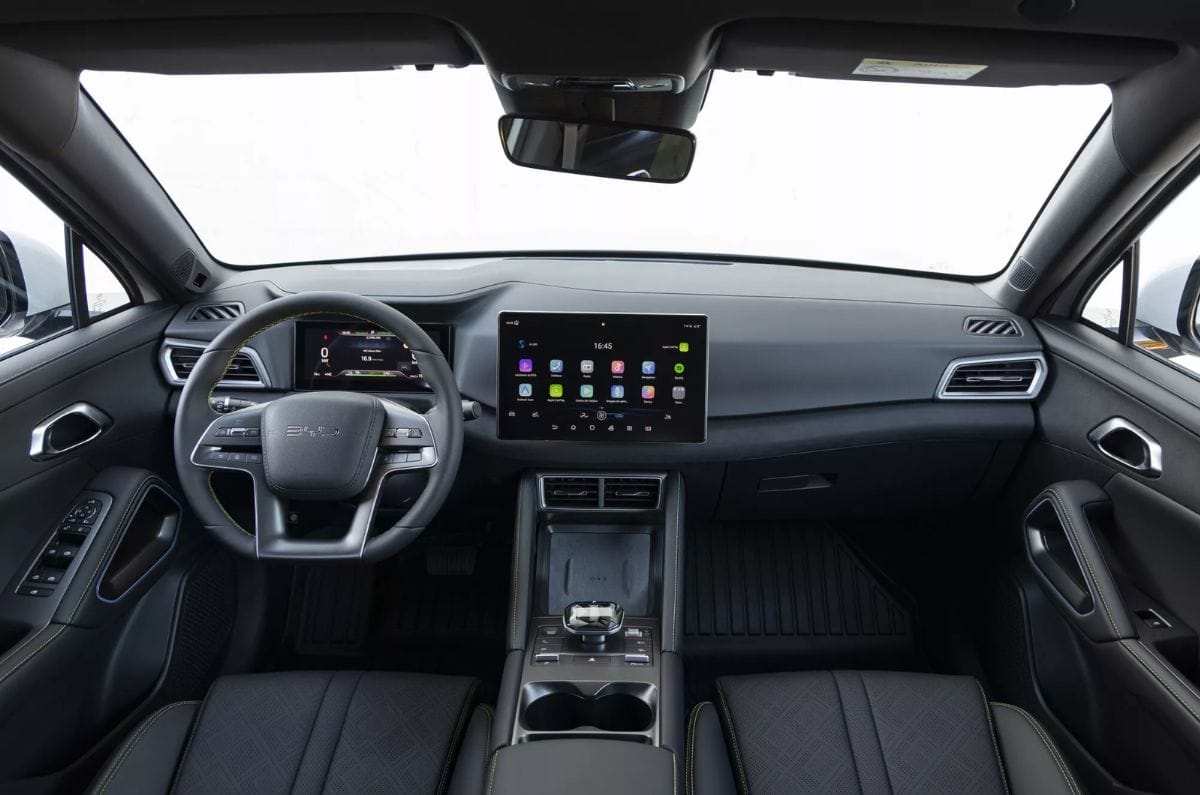
International-spec BYD Atto 2’s dashboard shown for representative purposes only.
The Atto 2’s cabin is identical for both the EV and PHEV versions, offered with either an all-black or a beige-and-black interior theme. The minimalistic dashboard features a free-standing 12.8-inch rotatable touchscreen infotainment system with integrated AC controls, an 8.8-inch digital driver’s display, and a chunky 3-spoke steering wheel with physical buttons. Features include a panoramic sunroof, 6-speaker audio system, a 50W wireless phone charger, a 360-degree camera, a vehicle-to-load (V2L) charging function, and front and rear parking sensors. The India-spec model could get a similar feature suite.
Currently, BYD sells only EVs in India. However, the manufacturer showcased its proprietary DM-i plug-in hybrid in June, revealing that the Seal U will launch as the first model with this powertrain by the end of 2026. So, it remains to be seen whether BYD expands its plug-in-hybrid plans to the Atto 2, or offers it in an electric-only guise in the country.
International-spec BYD Atto 2 shown for representative purposes only.
The BYD Atto 2 EV is expected to rival the Hyundai Creta Electric, Tata Sierra EV, Mahindra BE 6 and Maruti e Vitara. The Atto 2 PHEV will offer a more efficient option to the Hyundai Creta, Kia Seltos, Tata Sierra, Renault Duster, Nissan Tekton, Maruti Victoris and Grand Vitara, and MG Astor.
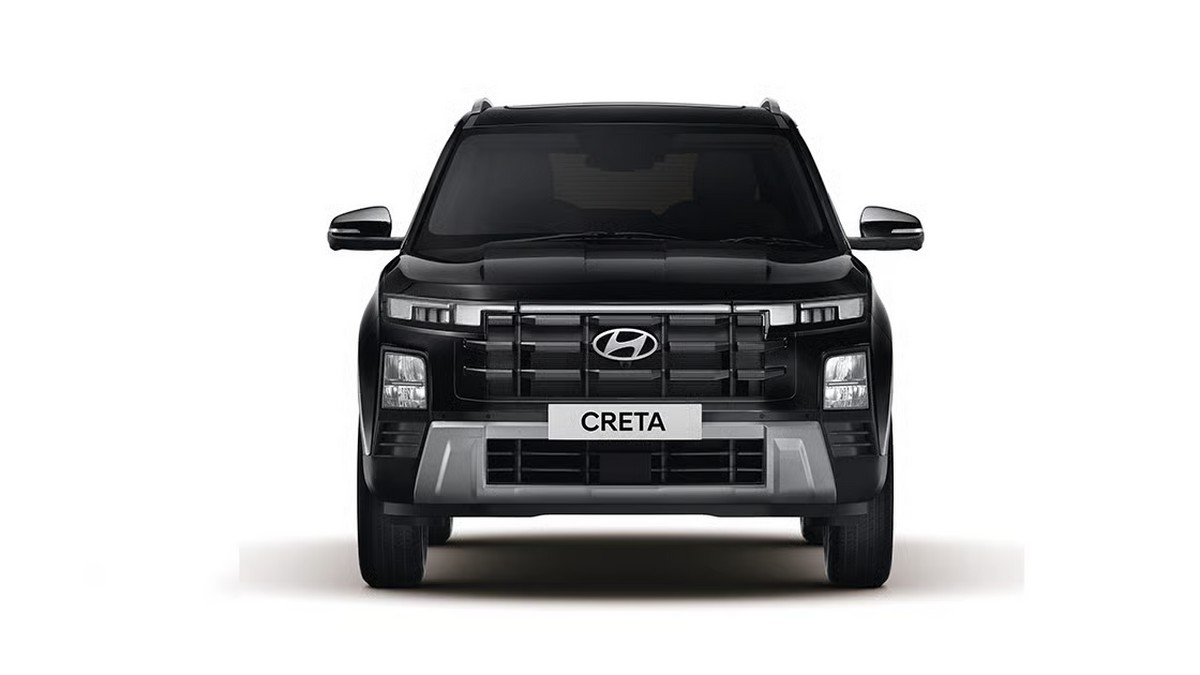
हुंडई अपनी लोकप्रिय मिड-साइज SUV Hyundai Creta की अगली जनरेशन को जल्द बाजार में उतारने की तैयारी कर रही है। नई Creta में सिर्फ नया प्लेटफॉर्म और नए पावरट्रेन ही नहीं, बल्कि पहले से कहीं ज्यादा आधुनिक फीचर्स भी देखने को मिल सकते हैं। माना जा रहा है कि कंपनी इस बार SUV के फीचर पैकेज को और मजबूत बनाएगी, क्योंकि यही इसकी सबसे बड़ी ताकत रही है।
मिलेगा एडवांस Level 2+ ADAS
मौजूदा Hyundai Creta में Level-2 ADAS के तहत 20 सेफ्टी फीचर्स दिए जाते हैं। हालांकि, नई जनरेशन मॉडल में Kia Seltos की तरह Level 2+ ADAS मिलने की उम्मीद है, जिसमें 28 तक एडवांस ड्राइवर असिस्टेंस फीचर्स शामिल हो सकते हैं।
संभावित नए ADAS फीचर्स में शामिल हैं:
Navigation-based Smart Cruise Control
Frontal Collision Warning
Junction Crossing Assist
अन्य एडवांस सेफ्टी और ड्राइविंग असिस्ट सिस्टम
मिलेगा नया PLEOS इंफोटेनमेंट सिस्टम
नई Creta के केबिन में सबसे बड़ा बदलाव Hyundai का नया PLEOS Infotainment System हो सकता है। कंपनी इस सिस्टम को पहले अपने कुछ अंतरराष्ट्रीय मॉडलों में पेश कर चुकी है। रिपोर्ट्स के मुताबिक, इसमें 15 इंच से बड़ी टचस्क्रीन मिलने की संभावना है। इसके जरिए कार के अधिकांश कंट्रोल और सेटिंग्स ऑपरेट किए जा सकेंगे।
इस सिस्टम की खासियत Over-the-Air (OTA) Updates होगी। यानी भविष्य में सॉफ्टवेयर अपडेट के साथ कुछ मैकेनिकल बदलाव, जैसे सस्पेंशन ट्यूनिंग, भी OTA के जरिए अपडेट किए जा सकेंगे। इसके अलावा मौजूदा डिजिटल ड्राइवर डिस्प्ले की जगह नया और ज्यादा स्लिम डिस्प्ले मिलने की संभावना है, जिसमें केवल जरूरी ड्राइविंग जानकारी दिखाई जाएगी। HUD और Wireless Android Auto-Apple CarPlay भी मिल सकते हैं
फिलहाल Hyundai Creta के टॉप वेरिएंट में Head-Up Display (HUD) और Wireless Android Auto एवं Apple CarPlay की सुविधा उपलब्ध नहीं है। वायरलेस कनेक्टिविटी के लिए अलग से एडेप्टर का इस्तेमाल करना पड़ता है।
नई जनरेशन Creta में यह कमी दूर हो सकती है। Kia Seltos में पहले से मौजूद इन फीचर्स को अब Hyundai Creta में भी शामिल किए जाने की उम्मीद है। साथ ही, वायरलेस Android Auto और Apple CarPlay को केवल लोअर वेरिएंट तक सीमित रखने के बजाय अधिकांश वेरिएंट्स में स्टैंडर्ड फीचर बनाया जा सकता है। हालांकि, कंपनी ने अभी तक नई Hyundai Creta के फीचर्स और लॉन्च टाइमलाइन को लेकर आधिकारिक घोषणा नहीं की है।
The Nissan Tekton joined the ever-ballooning midsize SUV segment in July 2026, becoming the third model in the Japanese brand’s India line-up. Priced between Rs 10.49 lakh and Rs 18.59 lakh (ex-showroom), the Tekton is Nissan’s flagship offering in the country. As a direct alternative to its platform sibling, the Renault Duster, does the Tekton offer compelling reasons for you to seriously consider it? Let’s find out.
Reasons to buy the Nissan Tekton
Polished dynamics
The Tekton strikes a great balance between ride and handling
If you are someone who loves getting behind the wheel of your midsize SUV but doesn’t want the ride quality to be compromised, the Nissan Tekton is a worthy candidate. Even hitting large potholes does not unsettle this SUV, merely registering in your ears. The ride remains supple and forgiving, absorbing road imperfections without complaints. There’s also no underlying, uncomfortable firmness to the Tekton’s ride at city speeds either.
Once you get going, you realise that the Tekton likes changing directions – its eagerness to turn does not come at the cost of uncontained body roll. The ‘Light’ and ‘Heavy’ steering modes work as intended, making the wheel feelsome and precise. Then there are the brakes, which offer plenty of stopping power, while the pedal itself feels natural too. All of these factors inspire confidence and let you push the Tekton a bit more.
Well-designed and tech-rich cabin
Stepping inside the Tekton reveals a premium-looking and well-equipped space
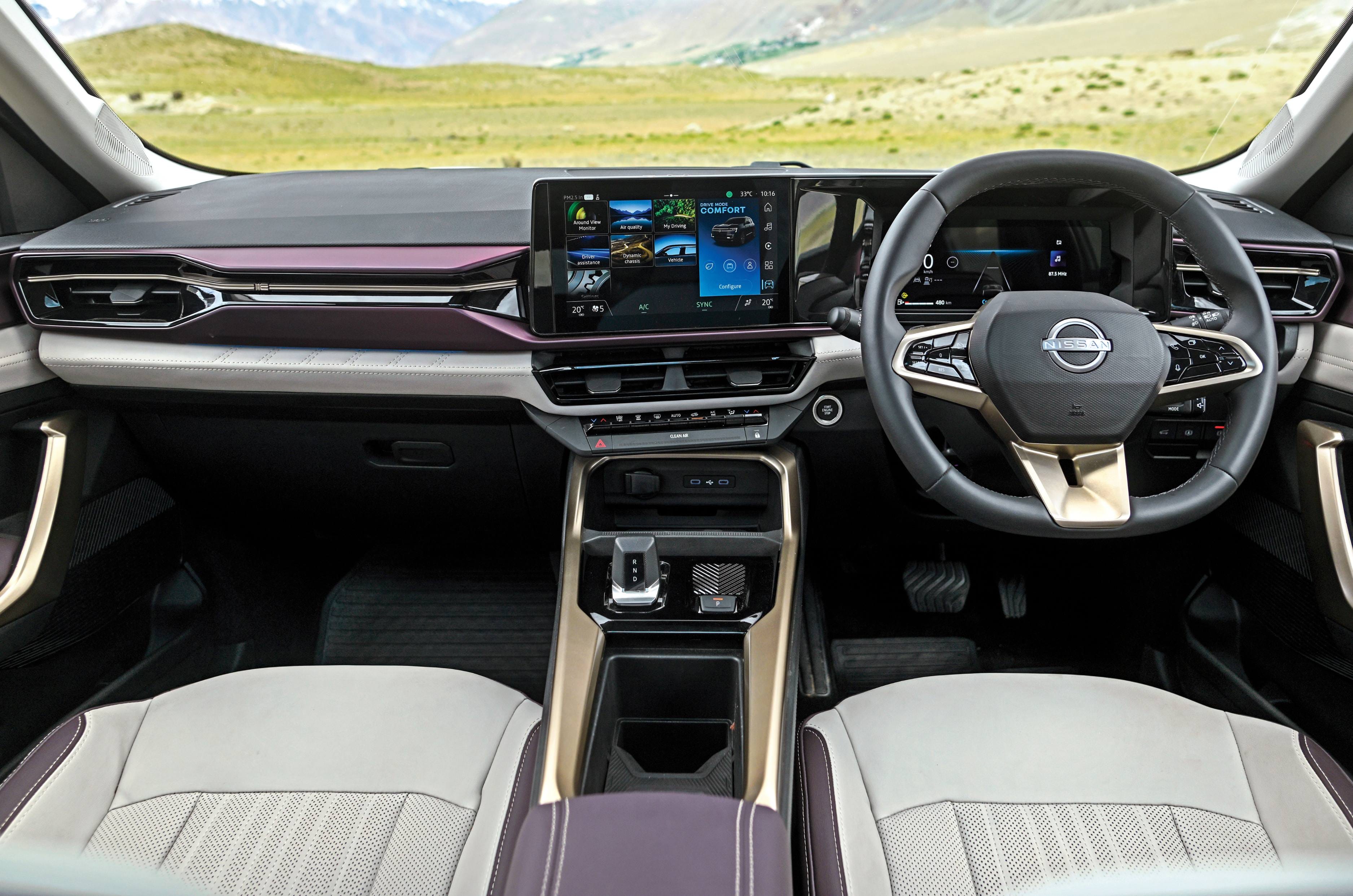
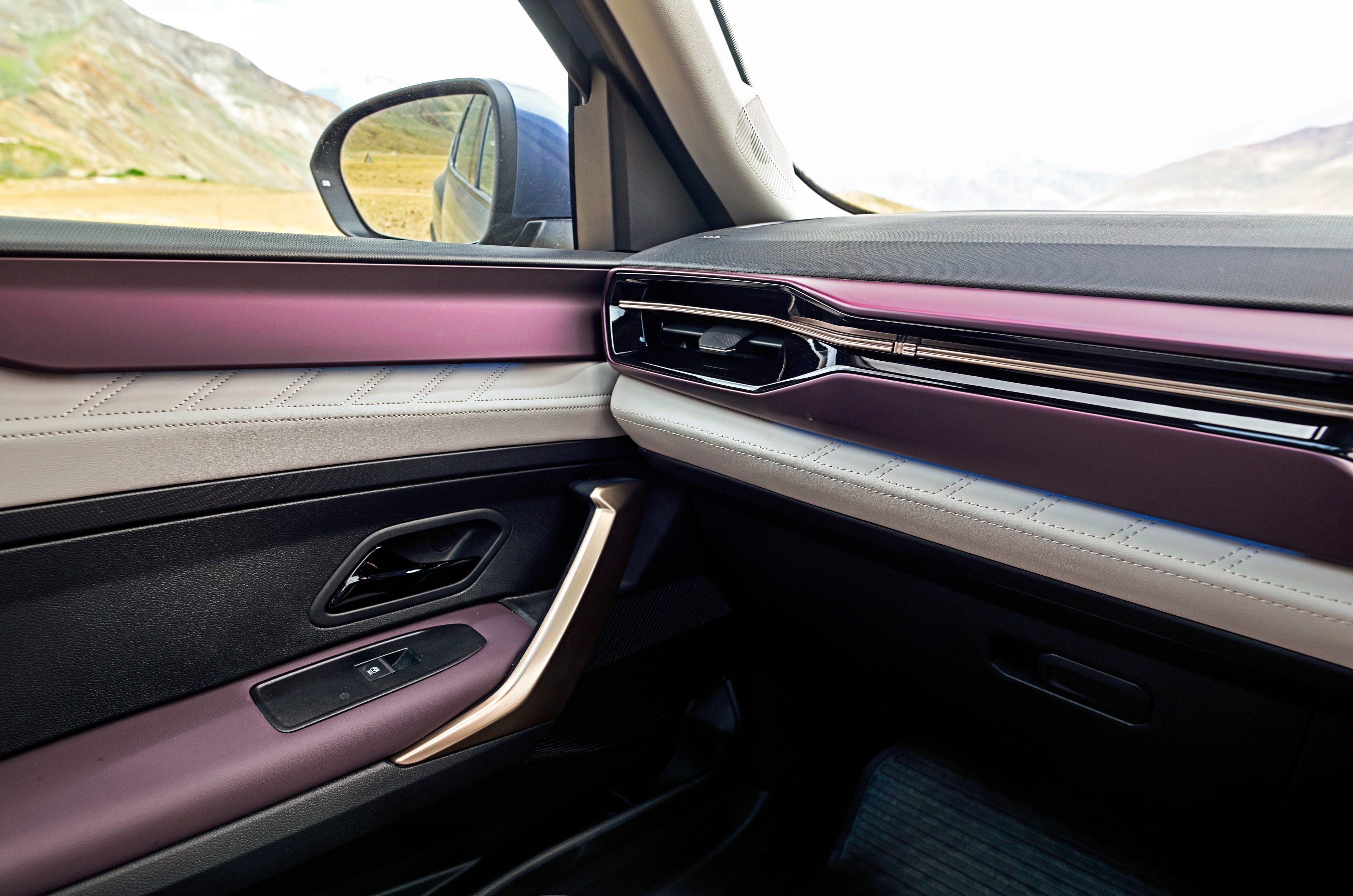
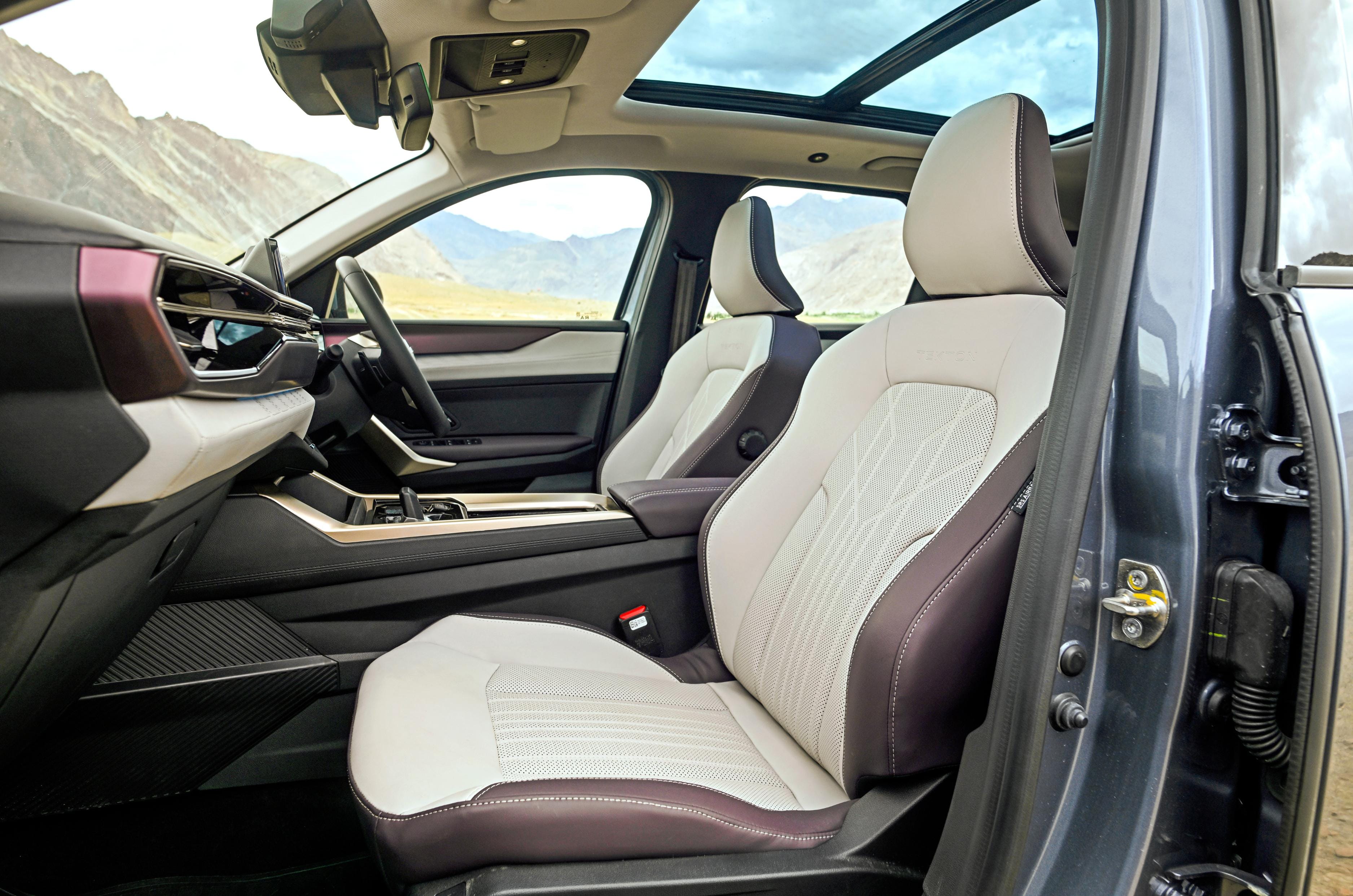
Combined with the classy-looking leatherette padding on the dash and door pads, plus the burgundy, gold and light cream colour scheme, the interior of the top-spec Nissan Tekton looks upmarket. The driving position is great and provides excellent all-round visibility, while the seats themselves are comfy enough to be occupied even over long-distance drives.
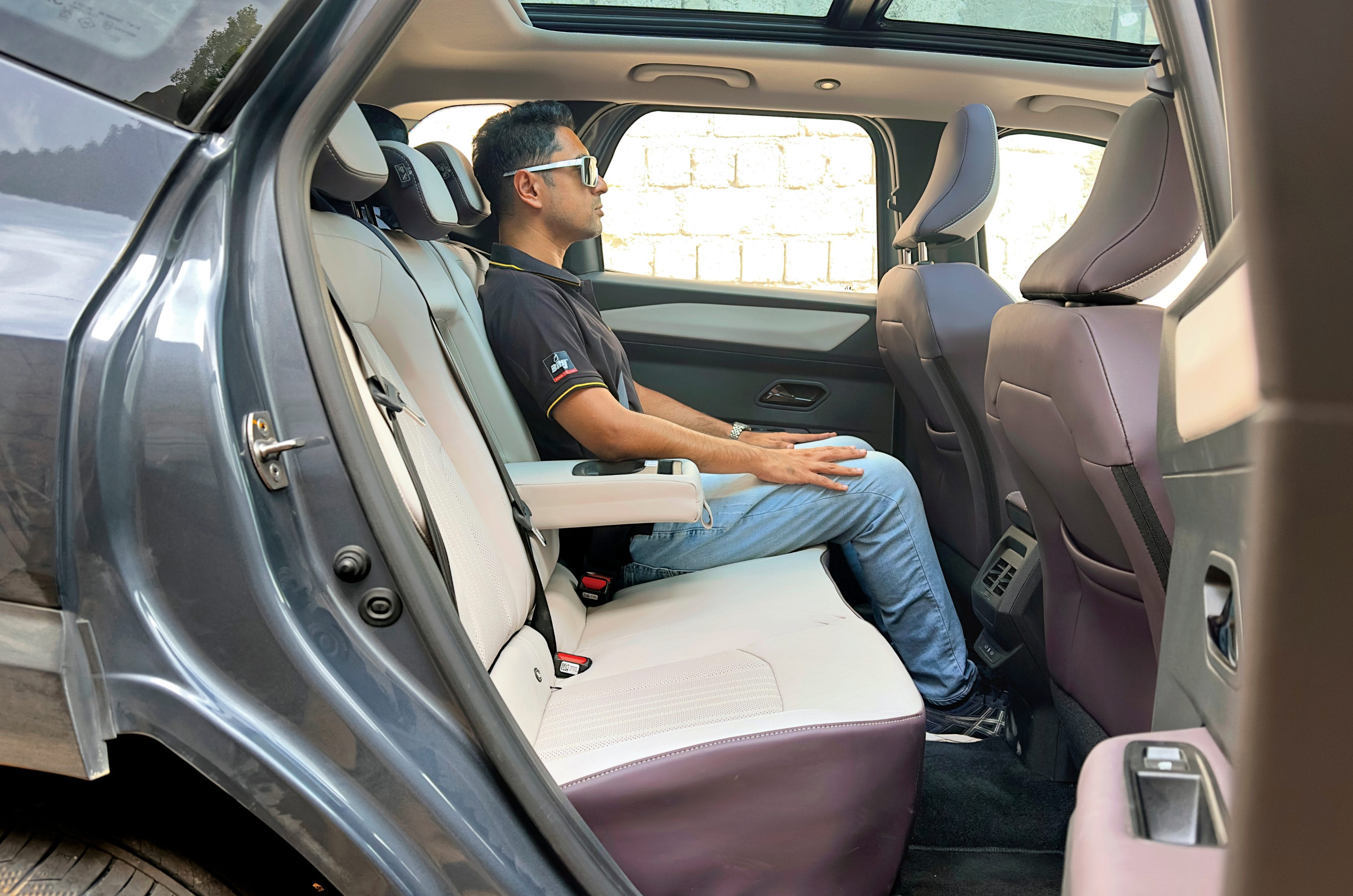
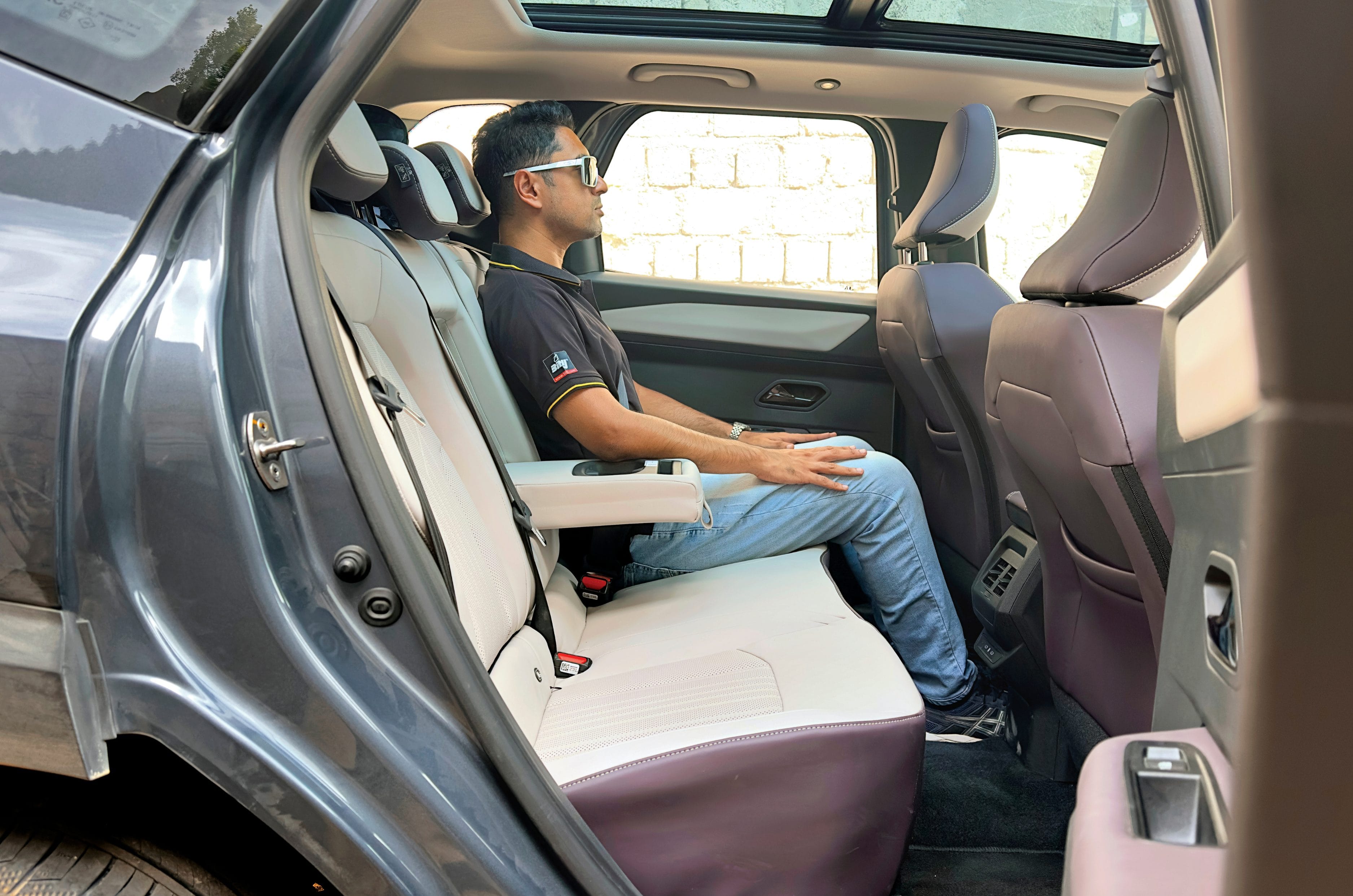
Apart from good under-thigh support and backrest angle, the rear seats offer plenty of space under the front seats, allowing the outer two occupants to stretch out and get comfortable. Furthermore, those at the back have access to USB charging ports, a centre armrest with cup holders and AC vents, with higher variants also benefiting from a panoramic sunroof.
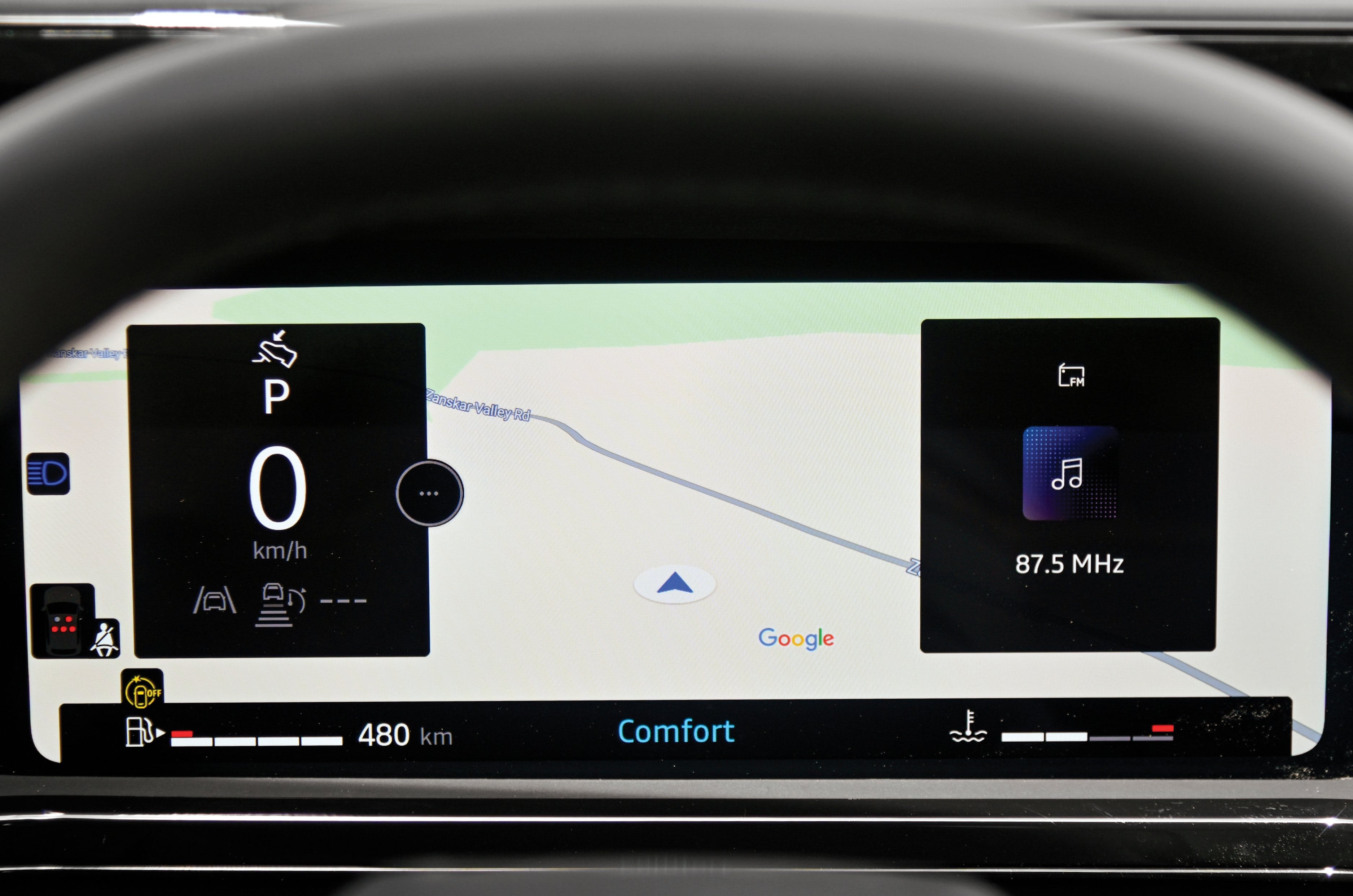
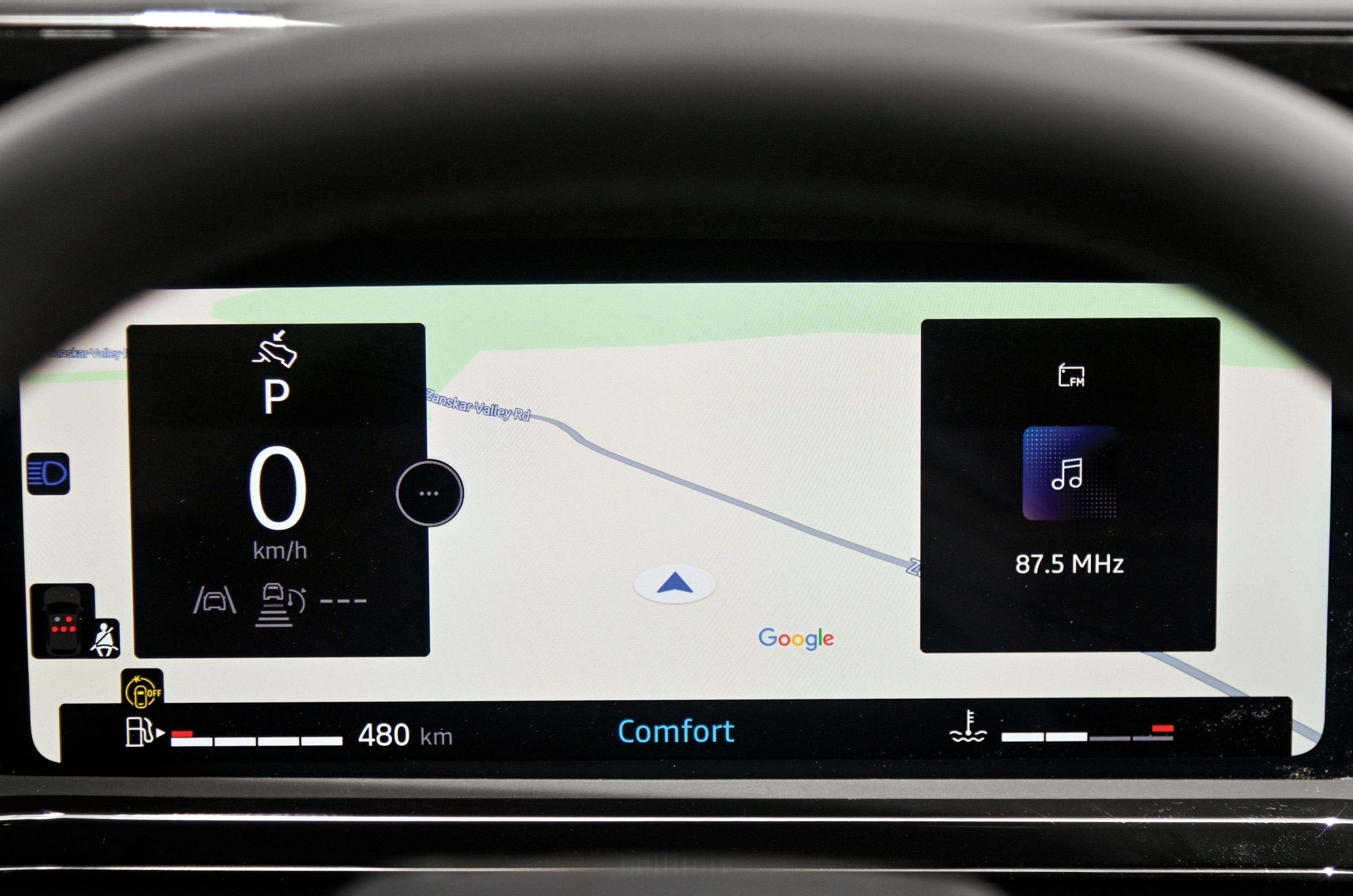
The well-designed digital instrument cluster with its multiple display modes is easy to figure out and use on the move. Coming in handy is tech such as powered front seats with ventilation, wireless Apple CarPlay and Android Auto, built-in Google apps and voice assistance, dual-zone climate control and Level 2 ADAS. Sorted ergonomics make reaching various switchgear and controls an easy affair. There are enough storage cubbies on offer, too.
Spacious boot
The Tekton’s boot can handle family outings or airport pickups
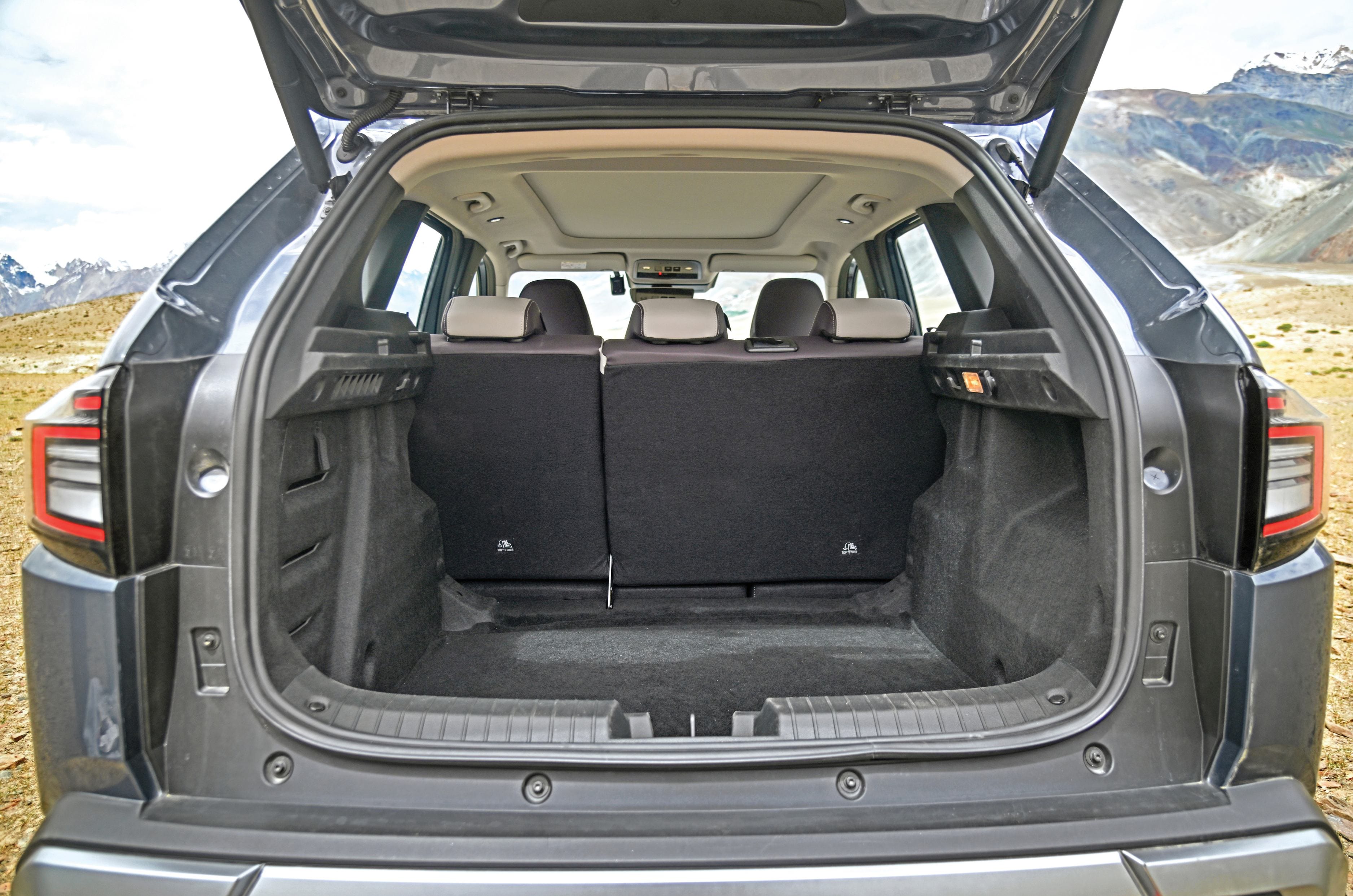
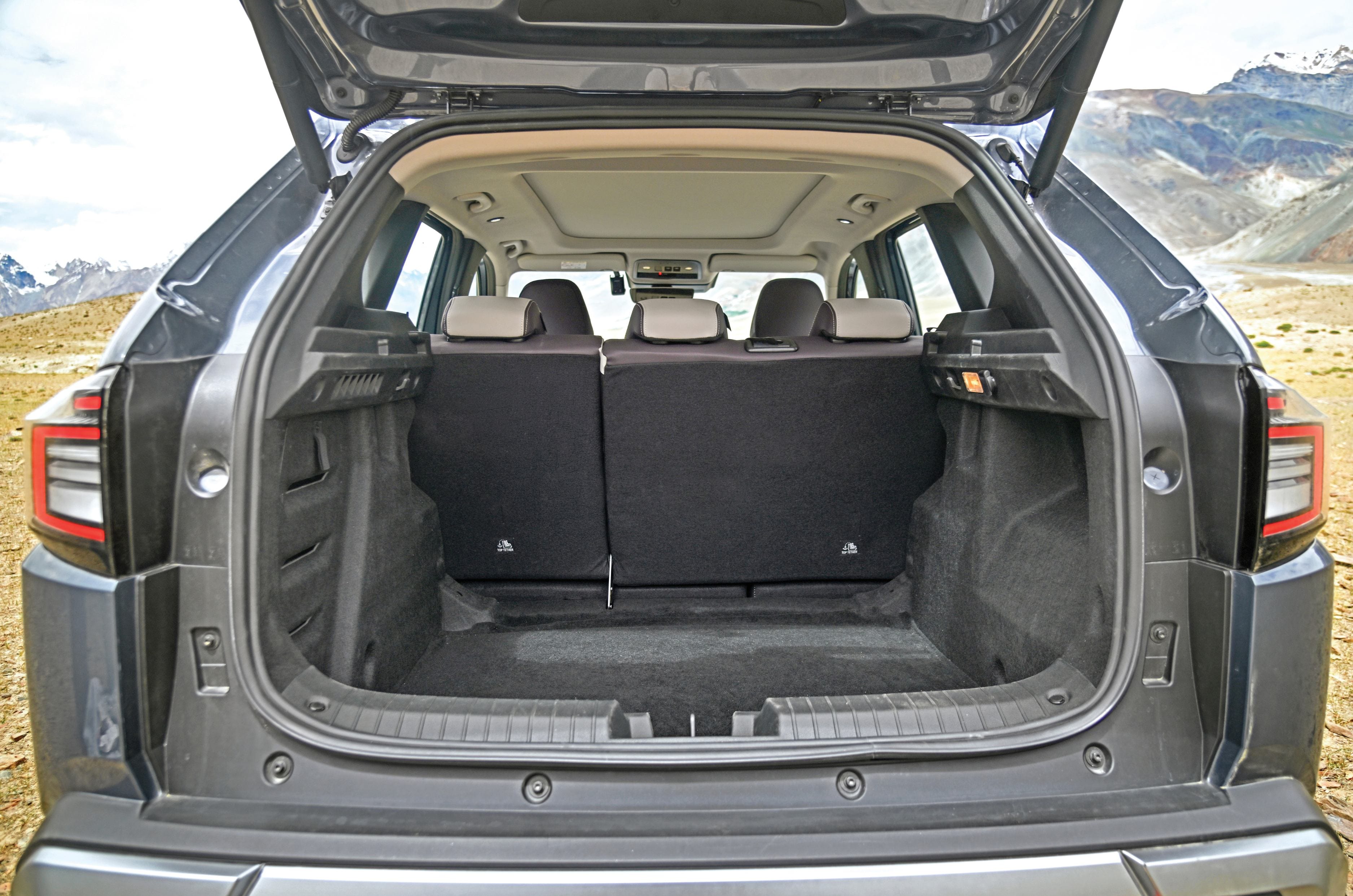
The square shape of the Nissan Tekton’s boot makes it easy to load cargo. Moreover, its 518-litre luggage capacity is the best in the segment – whether you are planning a long road trip or have to shuttle to and from the airport, space won’t be a constraining factor. What’s even more impressive here is that the Tekton’s boot also houses a full-size spare wheel. This alleviates concerns surrounding a flat tyre, should you encounter one.
Reasons not to buy the Nissan Tekton
Sub-par engine performance
Base engine isn’t apt enough, while the larger engine isn’t ideal either
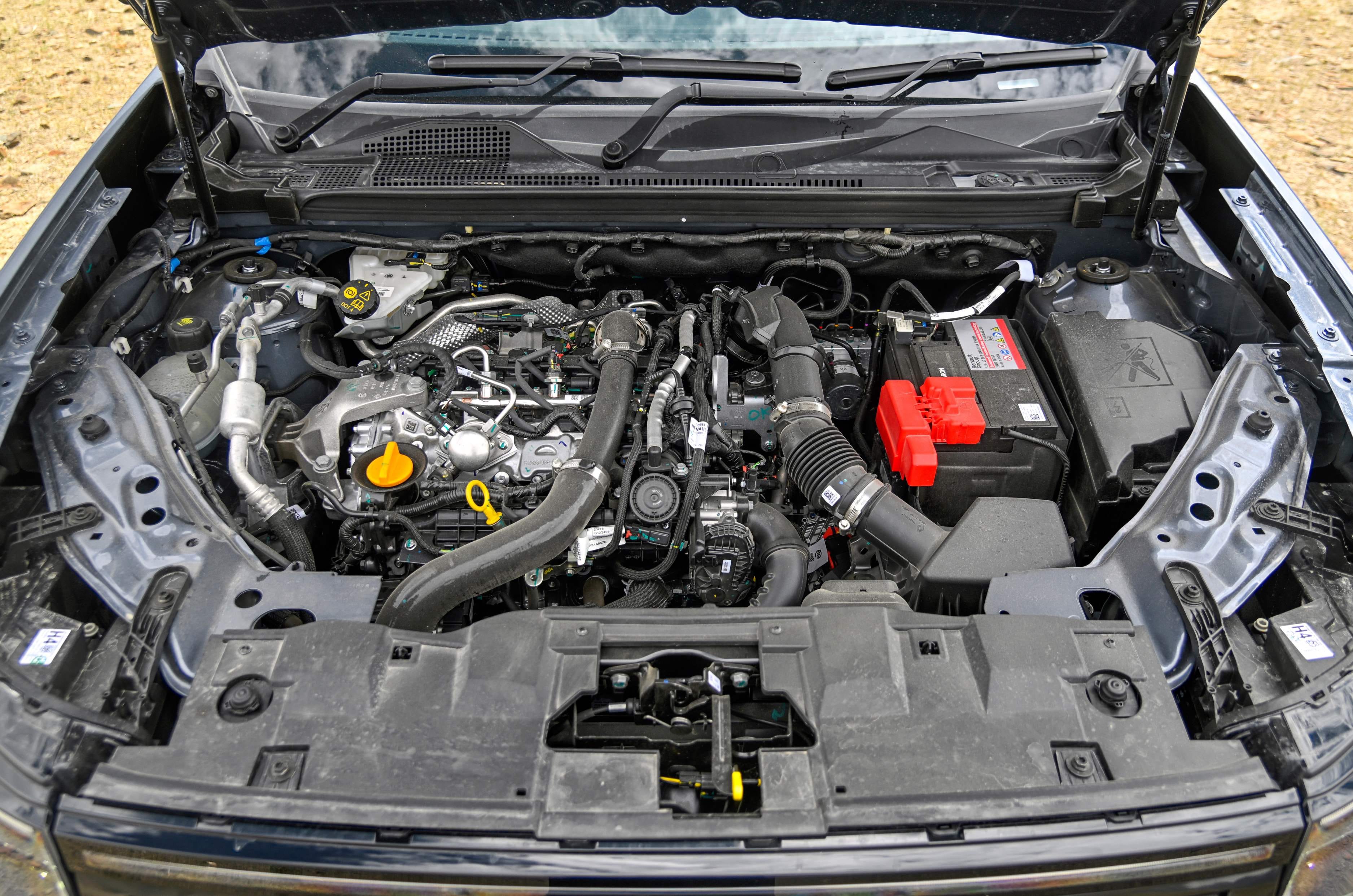
The base 100hp 1.0-litre turbo-petrol engine featuring multi-point fuel injection lacks grunt and isn’t particularly refined, with usable power only good enough for city commutes. The turbo lag is evident till you go past 3,000rpm, requiring the driver to shift gears regularly to keep the engine on the boil. The 6-speed manual transmission (MT) on duty gets shorter gearing to help matters, but you’ll need to slip the clutch to tackle steep inclines, which will be an inconvenience. The gear shifts aren’t as slick as those of a comparable Hyundai Creta or a Kia Seltos.
Moving up to the larger, 163hp 1.3-litre turbo-petrol engine with direct injection doesn’t alleviate all of the issues either. Despite this engine’s higher output than the smaller mill, its weak bottom end can leave the Tekton struggling to get up and go on steep inclines, especially with the engine stop-start function enabled. While it offers more refinement and performance, there’s still noticeable turbo lag below 2,500rpm.
The 6-speed dual-clutch transmission (DCT) shifts between cogs smoothly, but its responses aren’t as quick as one might expect from the type. It upshifts early, perhaps in a bid to boost efficiency, but this makes it feel less responsive. This means you’ll have to take manual control by using the paddleshifters if you want to execute an overtake in a hurry. There’s also no Sport mode to quicken gear shifts – only Comfort and Eco modes are provided. While we are yet to put the Tekton through our rigorous performance tests, the performance on hand is unlikely to impress some buyers.
Lacklustre fuel economy
The Tekton will not be setting mileage benchmarks in the segment
Since the powertrain is mechanically identical to the Duster’s, the fuel economy of the Nissan Tekton in the real world is unlikely to impress. For reference, the Duster with the 1.0-litre engine and 6-speed MT returned 10.98kpl. Meanwhile, the 1.3-litre version recorded 10.47kpl and 10.64kpl with the DCT and MT gearboxes, respectively.
Some features lack execution
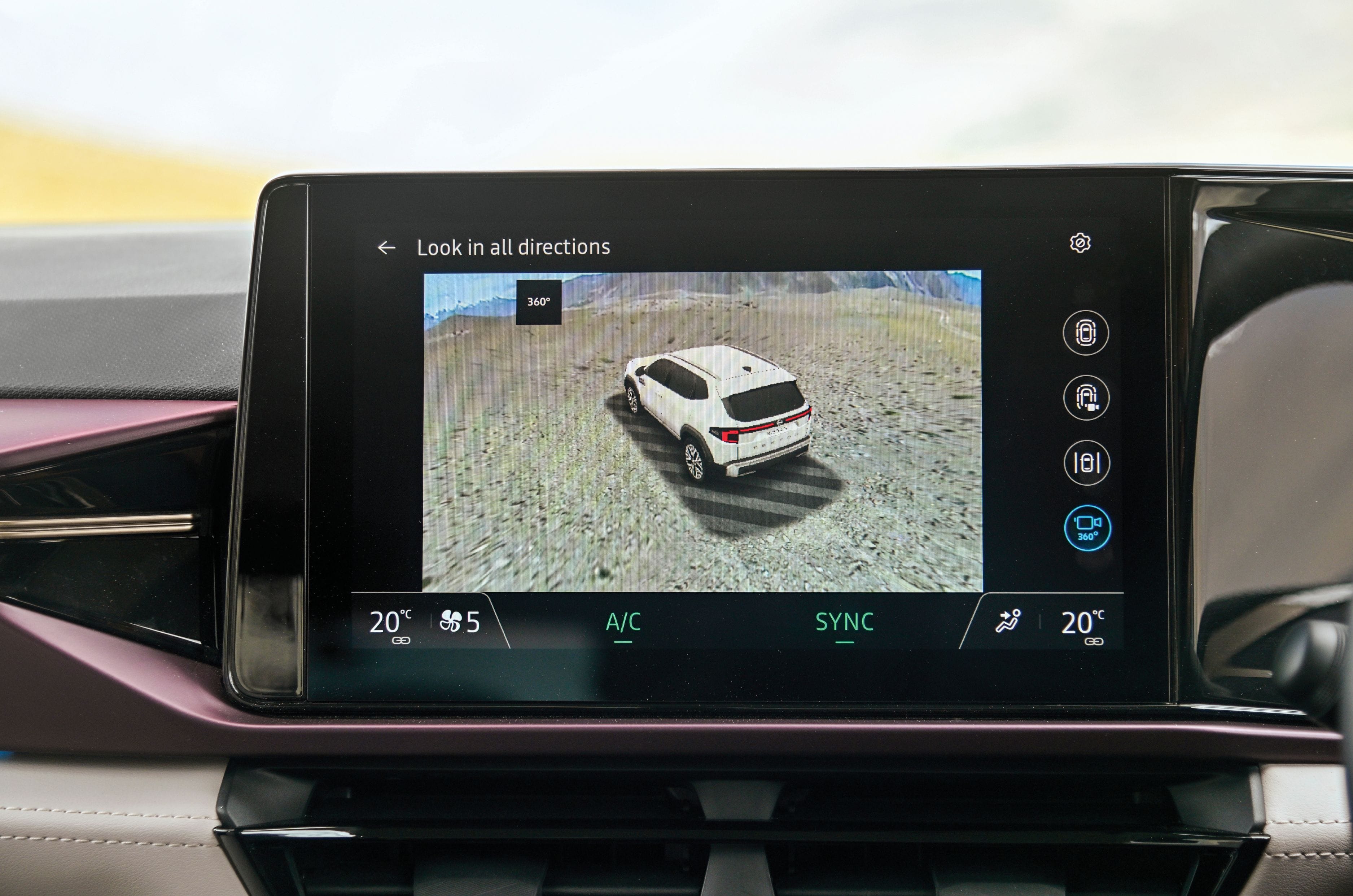
The Nissan Tekton has a few shortcomings when it comes to the quality of some of its features. The 360-degree camera system, for instance, is lacking in outright resolution, which hampers its usability under certain conditions. While the ADAS suite is comprehensive, the lane-keep assist isn’t good at keeping the SUV centred in a lane. Even the adaptive cruise control has its shortcomings – it doesn’t accelerate the Tekton back to its set speed once the traffic starts moving.
For our first drive of the all-new Tekton, Nissan organized an elaborate 700km plus test drive from Chandigarh to Leh, tackling everything from crowded city traffic and fast highways to mountain passes and broken roads. The aim was to find out whether Nissan’s new midsize SUV has what it takes to take on the Hyundai Creta, Kia Seltos and Maruti Victoris in the real world.
Nissan Tekton Exterior Design and Engineering – 9/10
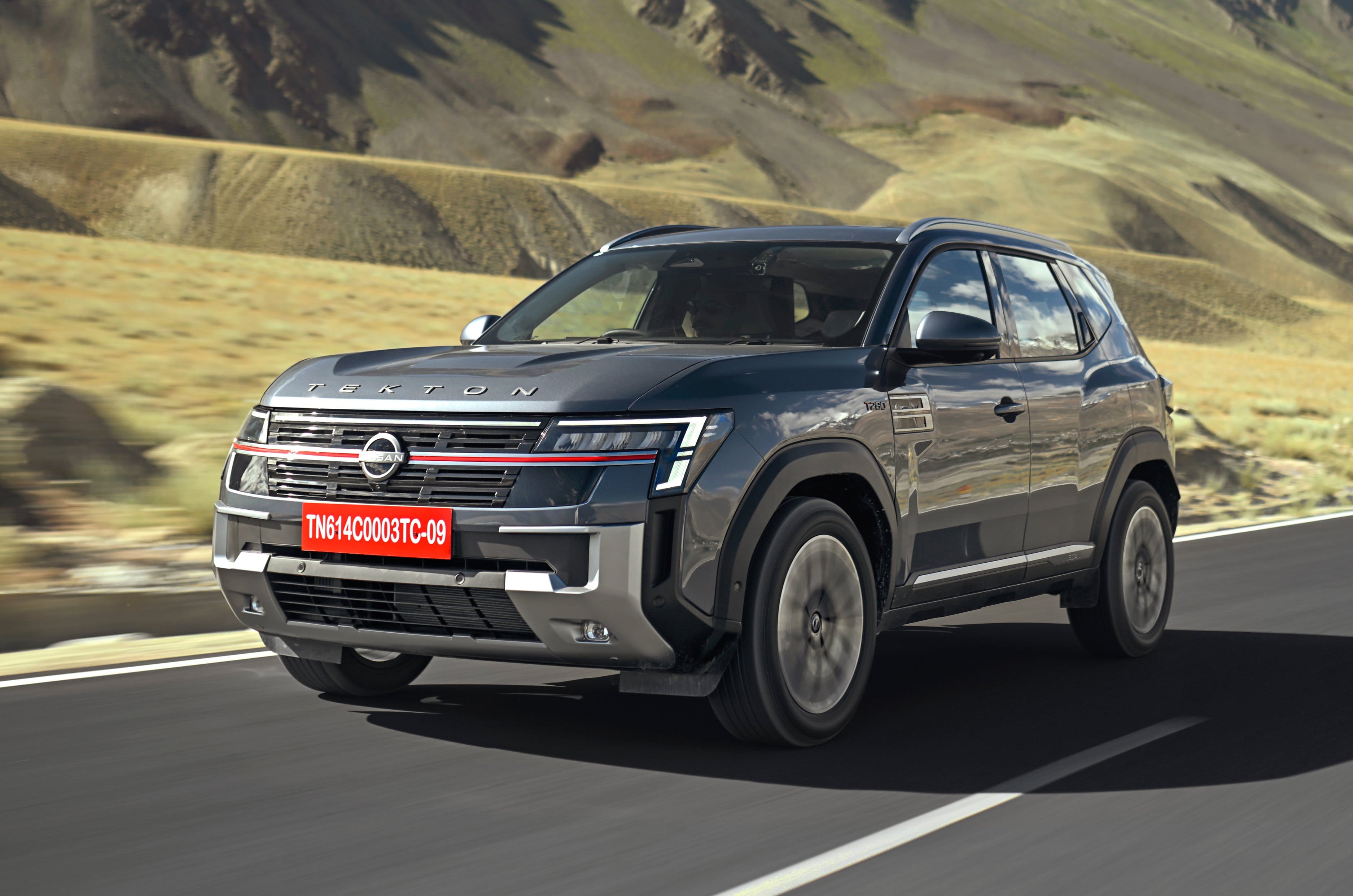
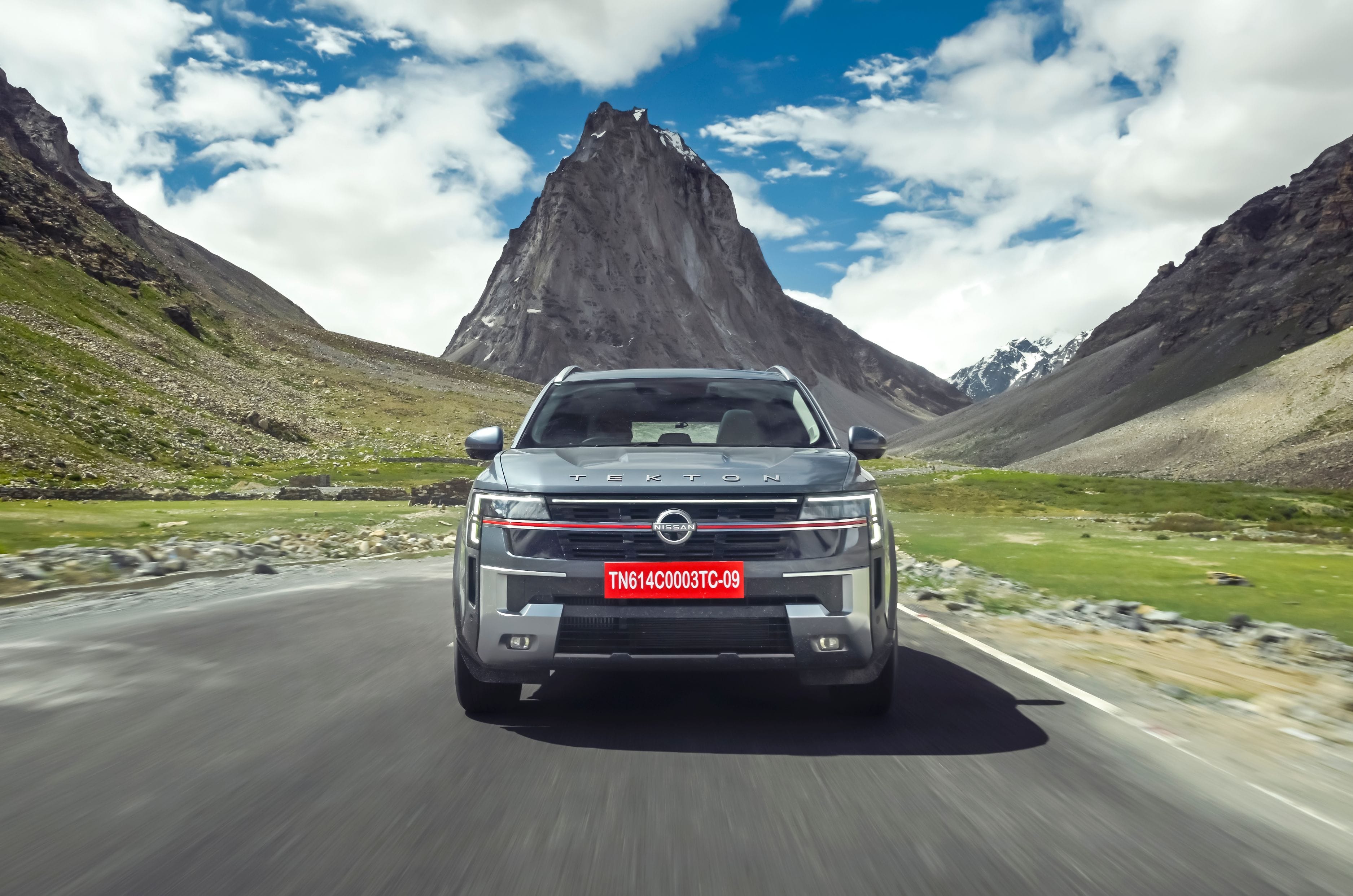
The Tekton is, in essence, a badge-engineered Renault Duster. It is built at the same plant, on the same assembly line, and shares its platform, powertrains and several components with its French sibling. Nissan, however, has worked hard to give it a distinct identity, drawing inspiration from its flagship Patrol SUV.
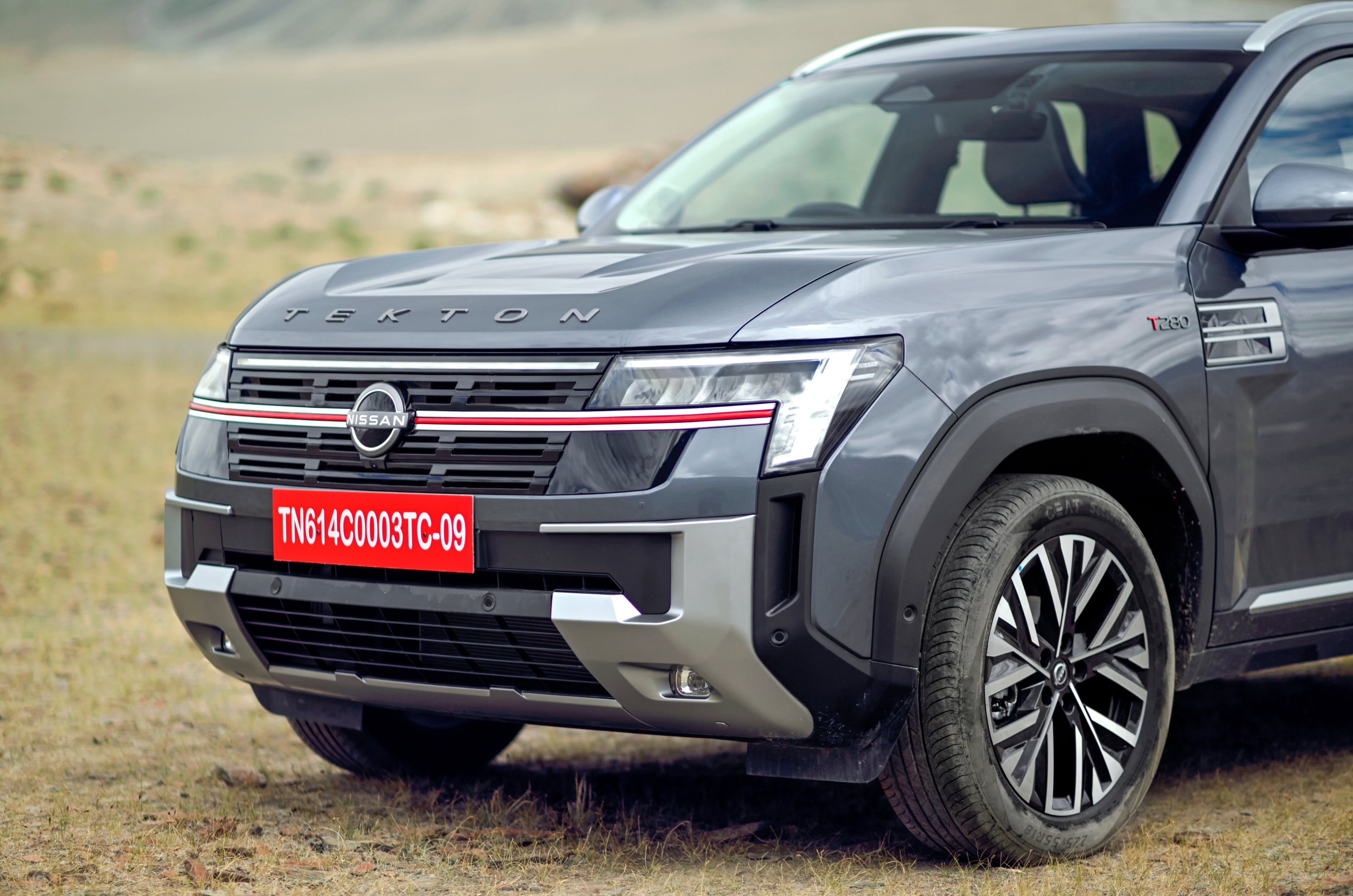
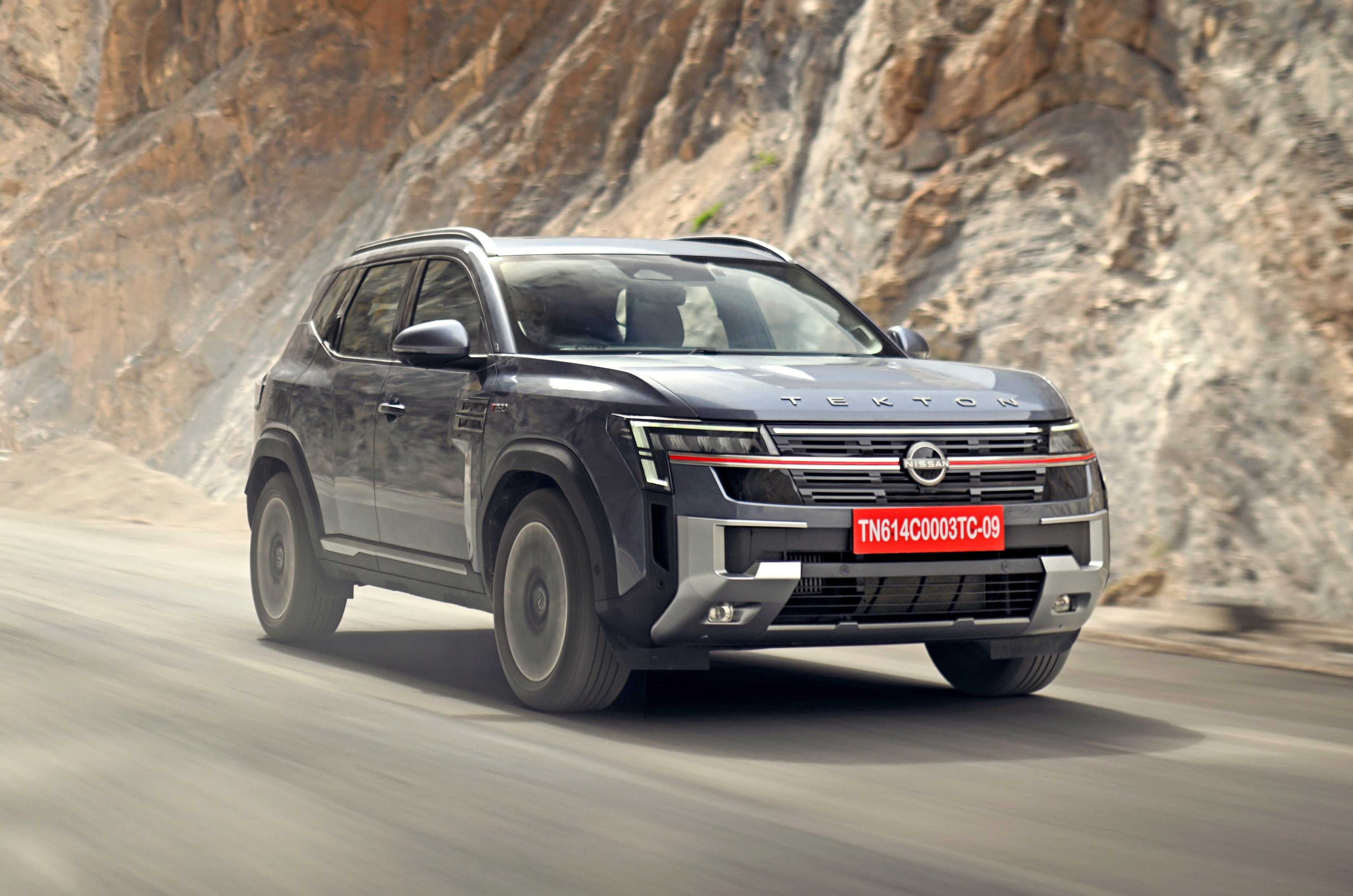
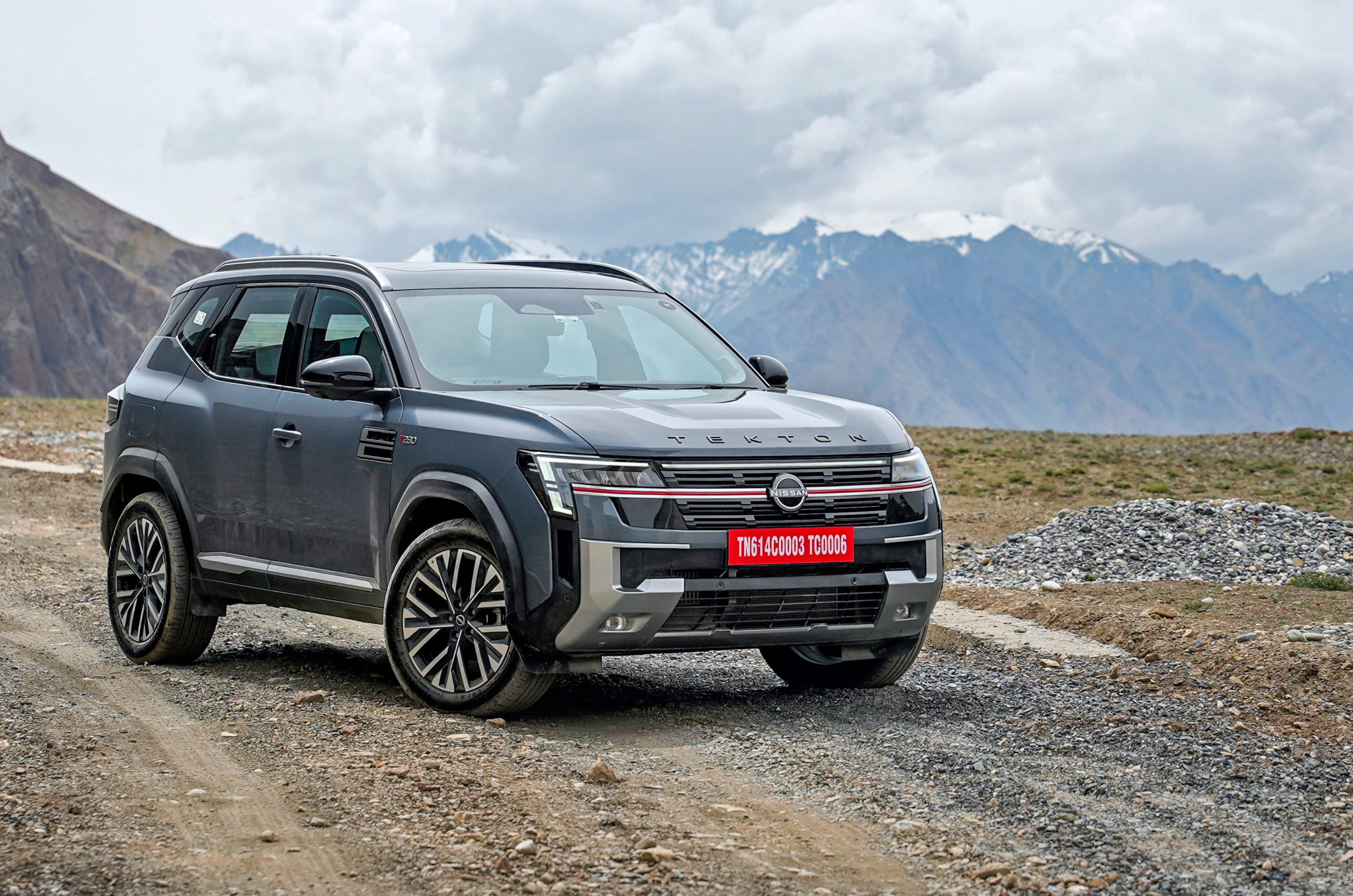
1.3 turbo variants can be identified by the red strip on the grille and T280 badge.
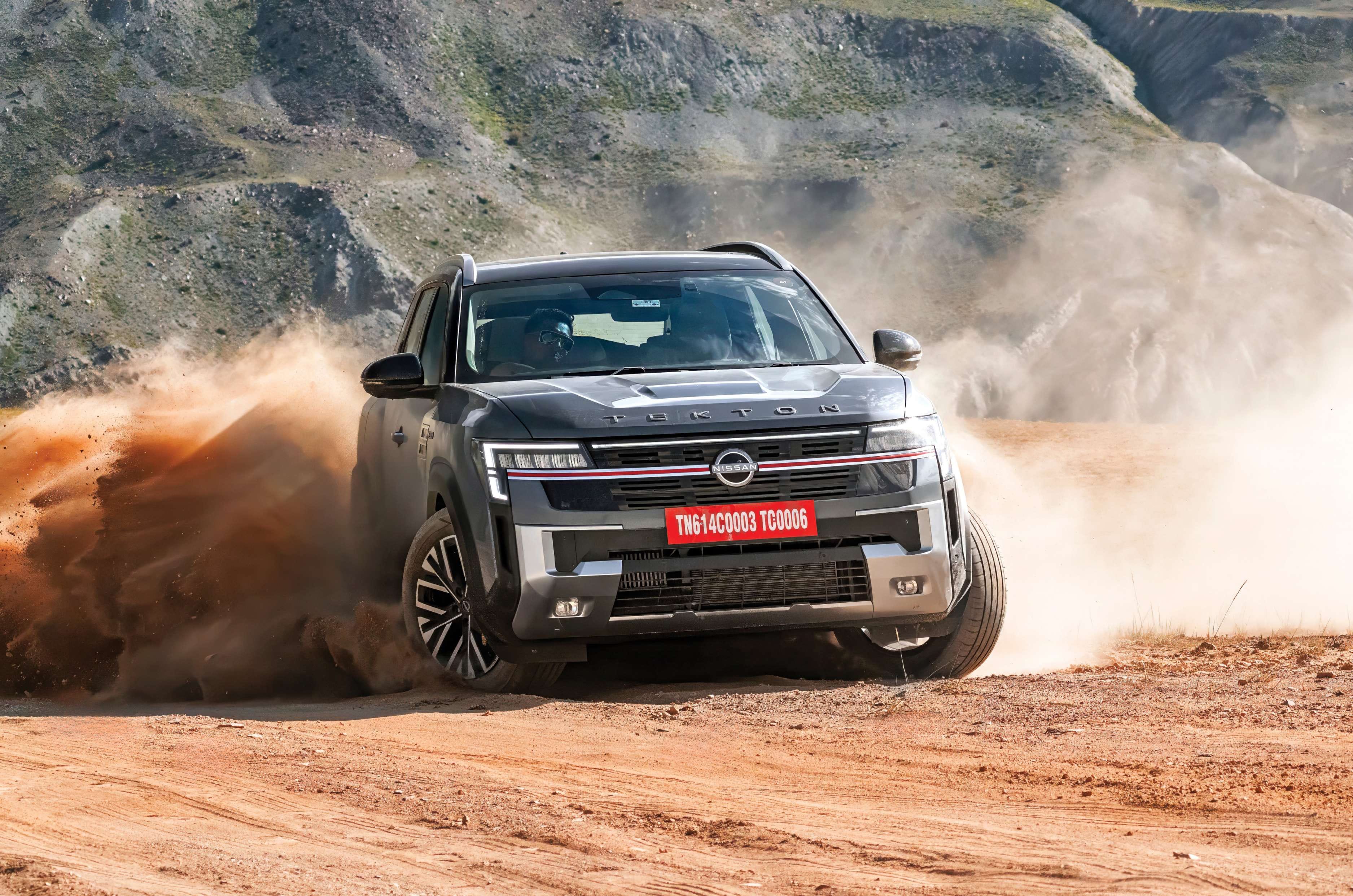
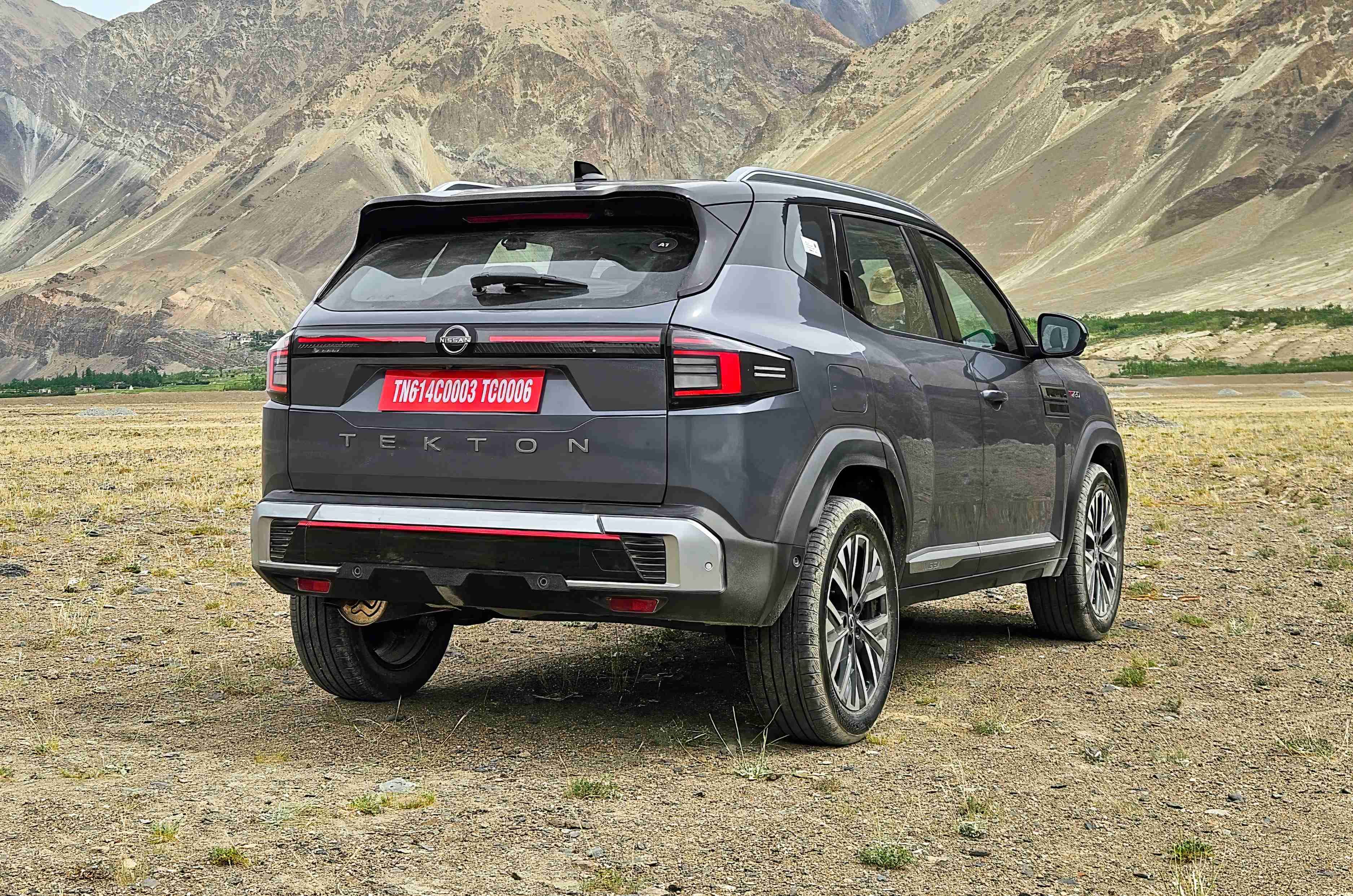
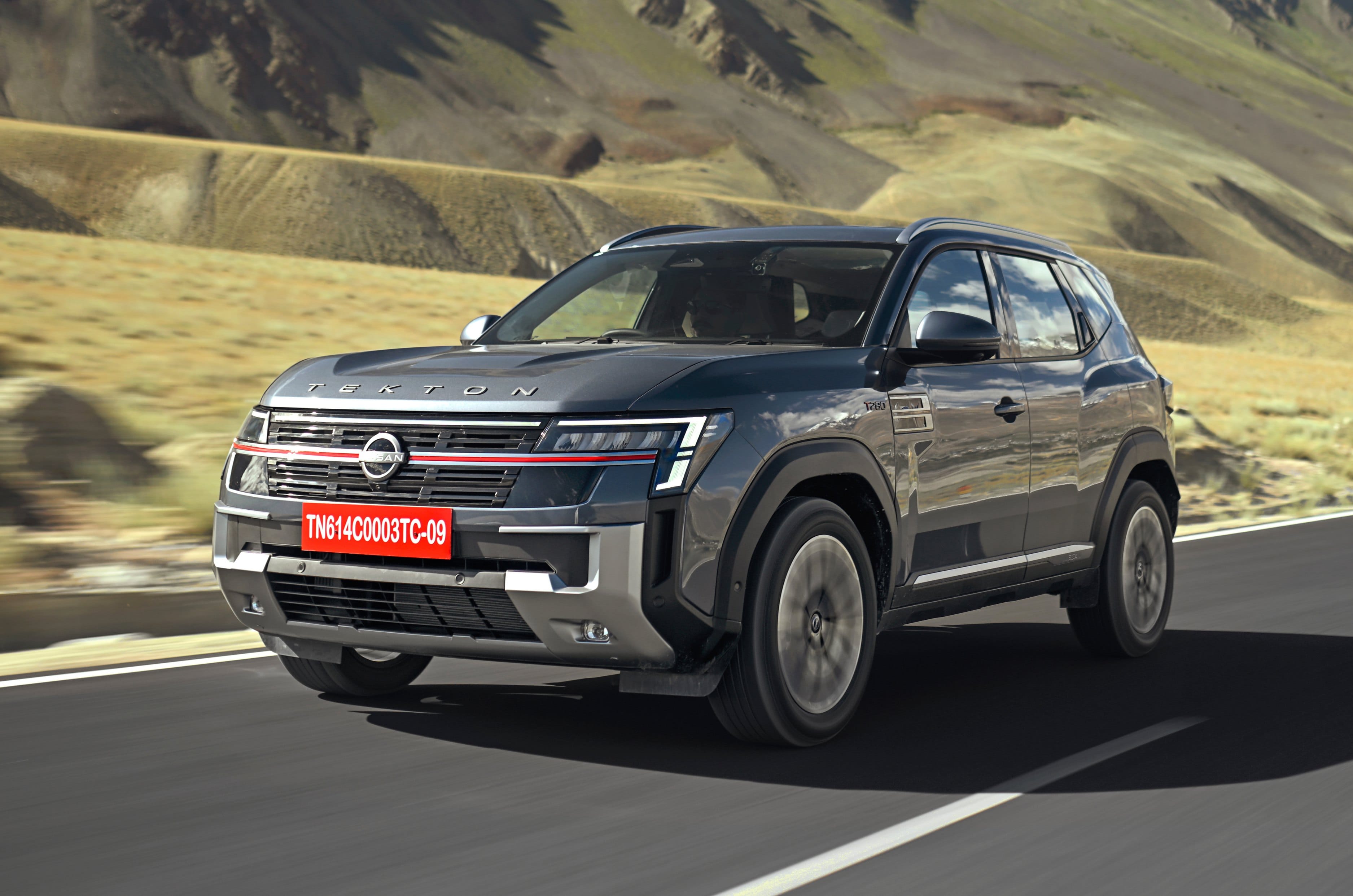
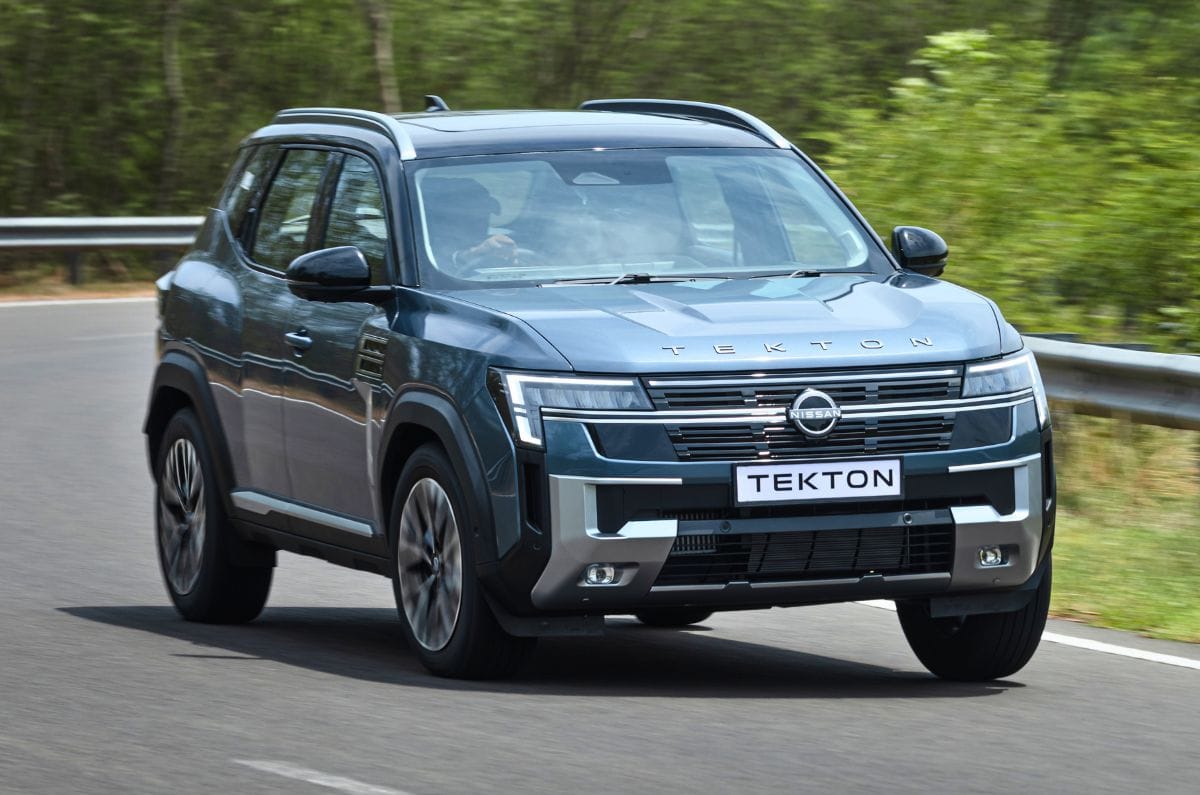
The front end is undoubtedly the highlight. The grille, connected light bar and red accents on the 1.3-litre turbo variants lend it a bold and distinctive look. It even gets functional bumper air scoops and fog lamps, the latter being an increasingly rare feature in this segment. The sculpted bonnet adds plenty of visual muscle, while the side profile is enhanced by attractive 18-inch alloy wheels wrapped in chunky, high-profile tyres.
Practicality extends beyond appearances. Ground clearance stands at an impressive 212mm, making the Tekton well suited to rough terrain. The T280 badge on the front fender denotes the 280Nm produced by the 1.3-litre turbo-petrol engine, while a unique applique depicting the Himalayas adds a touch of character. Its pillar-mounted rear door handles link ties to Nissan SUVs of yore like the Pathfinder and X-Terra.
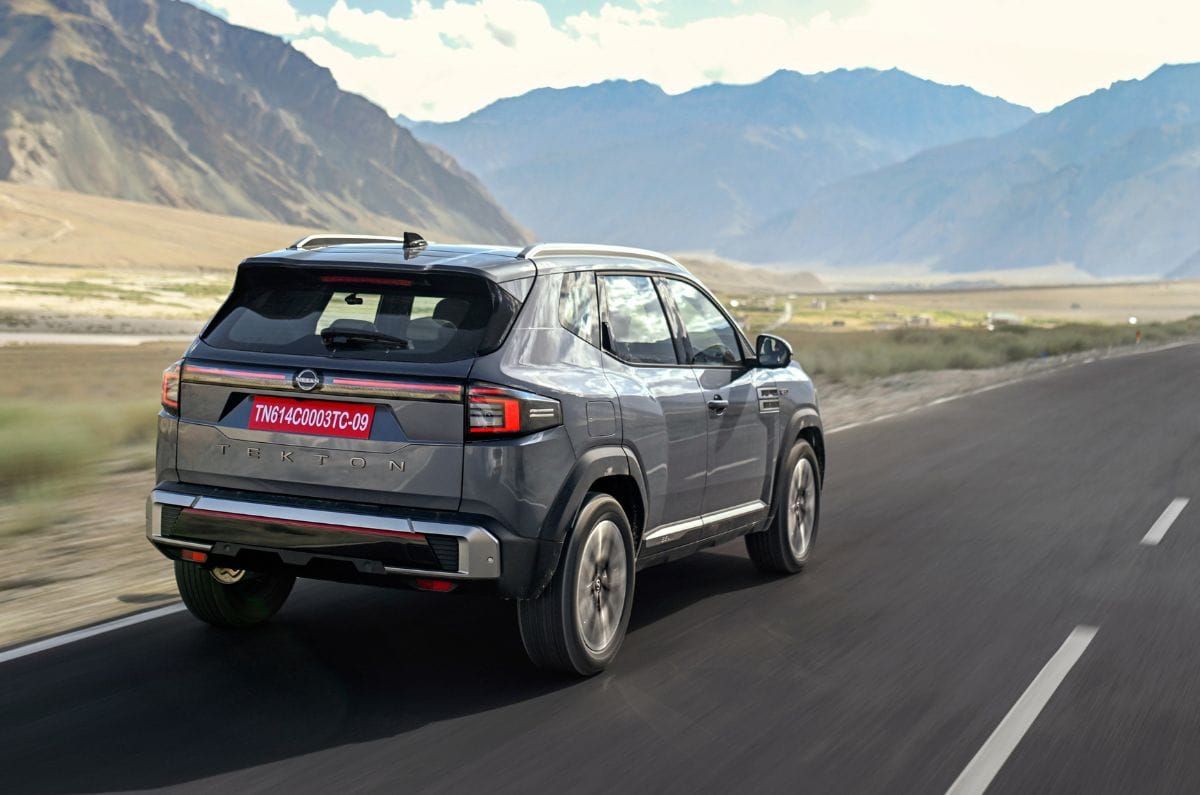
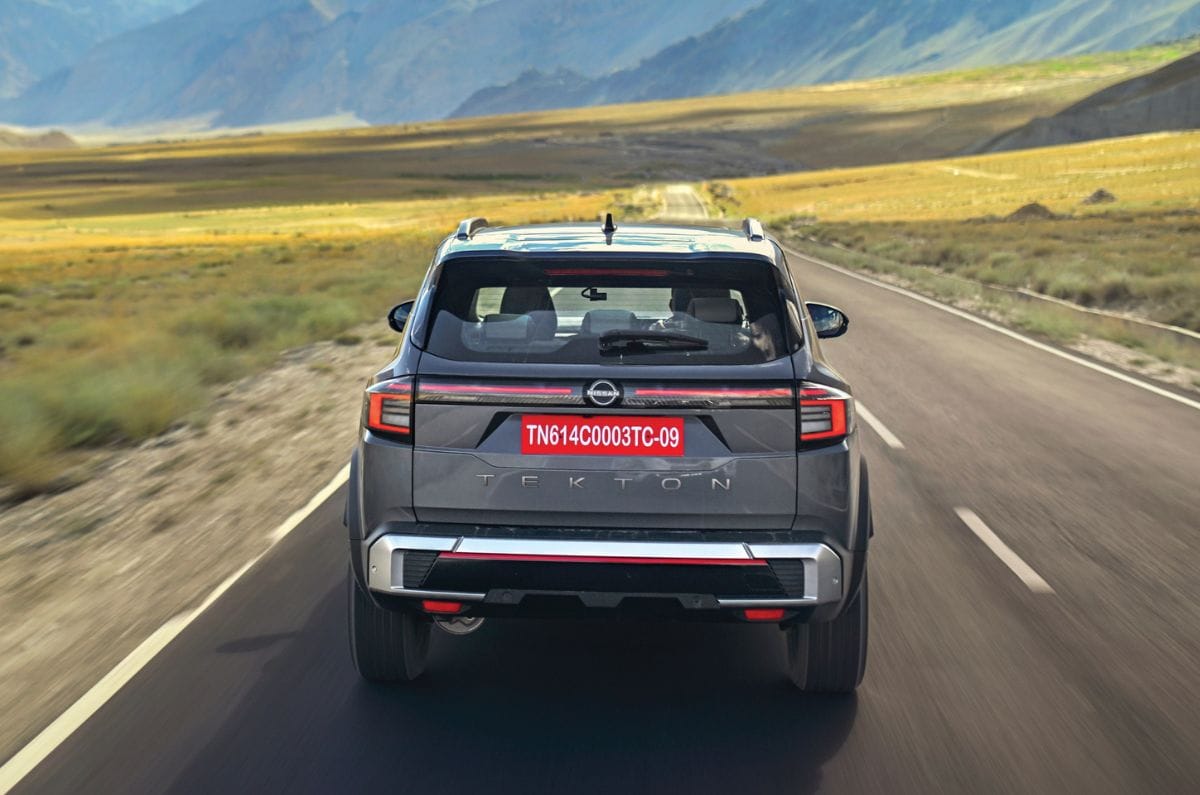
The execution of its tail-lamp design is spot on, looking most similar to the Patrol.
At the rear, the tail-lamp design bears the strongest resemblance to the Patrol and is executed rather well. While the Tekton isn’t the largest SUV in its class, it strikes a pleasing balance between road presence and urban friendliness. We suspect its styling is likely to be one of its biggest selling points.
Nissan Tekton Interior Space and Comfort – 8/10
Inside, Nissan has done a commendable job differentiating the cabin from the Renault Duster. The layout remains familiar, but the padded leatherette on the dash and doorpads look classy and along with the burgundy, gold and light cream colour scheme lends the interior a more premium ambience. There are also subtle Nissan-specific touches on the dash fascia, including an Easter egg inspired by Japanese numerals represented by 2 vertical lines (Ni) and three horizontal lines (san).
Neatly dressed-up interior look and feel quite upmarket.
The driving position is excellent. Visibility is strong, the bonnet is clearly visible from the driver’s seat, and most controls fall easily to hand. Ergonomics are largely spot-on, though taller drivers who prefer a high seating position may find the large plastic panel near the A-pillar slightly intrusive.
Burgandy, gold and light cream colour scheme, along with the soft leatherette paddings enhance the cabin’s premium feel.
One area where the Tekton needs improvement is air conditioning performance. Even at the lowest temperature setting, the cabin takes time to cool down. Thankfully, the ventilated front seats are highly effective and help offset this weakness. The seats themselves deserve praise for their excellent support and long-distance comfort. The digital instrument cluster is clear and easy to read, offering multiple display layouts, including a full-map view. Unlike the Duster’s less intuitive tachometer display, the Nissan gets a more conventional and user-friendly setup. Physical controls for climate functions, audio settings and ADAS shortcuts are particularly welcome in an era increasingly dominated by fiddly touch panels.
Powered front seats are supportive and have a very effective ventilation function.
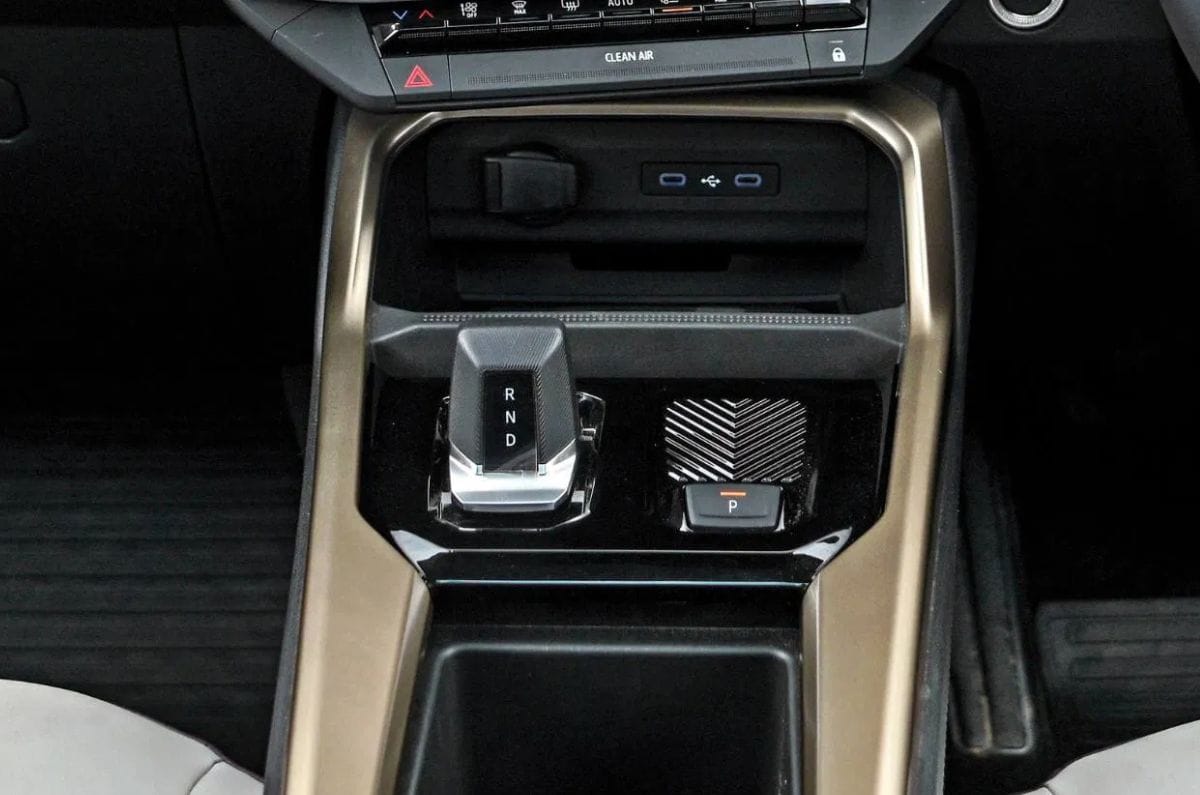
Storage solutions are generally well thought out. The cooled wireless charging pad prevents phones from overheating, while USB-C ports and a 12V socket are provided. However, 1-litre bottles cannot be stored vertically in the front door bins; although they can be placed vertically in the rear door bins. Useful storage spaces include deep cupholders and a large central armrest console. The glovebox is generous, though part of it is compromised by the fuse box, just as in the older-gen Duster.
Cabin space is adequate for four adults; seats are very comfy.
Accessing the rear seat requires a bit of effort due to the high step-in and narrow opening, but once seated, comfort levels are impressive. The seat backrest is well angled, under-thigh support is good, and there’s plenty of room beneath the front seats to stretch out. The rear bench is best suited to two adults rather than three, although all occupants get individual headrests and three point seatbelts.
Rear-seat amenities include seatback pockets, rear AC vents, two USB charging ports, a centre armrest and a phone holder. The panoramic sunroof adds a real sense of occasion, especially on scenic drives through the mountains. That said a boss mode for the electrically adjustable front passenger seat and rear sunshades aren’t available.
Cavernous 518-litre boot is ideal for road trips; gets a spare wheel too.
Open the electrically operated tailgate and you’re greeted by a massive 518-litre boot. It comfortably swallows luggage and is the largest in its class, making it ideal for long-distance touring. There’s a full-size spare tyre too.
Nissan Tekton Features and Safety – 9/10
The Tekton is otherwise generously equipped with kit like panoramic sunroof, powered and ventilated front seats, 10.25-inch instrument cluster, 10.1-inch touchscreen which not only gets wireless Android Auto and Apple CarPlay, but it also gets native Google integration including Gemini voice assistant, among other notable features. The only real disappointment is the below par quality of the 360-degree camera system.
With in-built Google, screen works well; 360-degree camera quality is below par.
Safety credentials are strong. Along with a comprehensive ADAS suite, the Tekton has secured a five-star Bharat NCAP rating, just like its Renault sibling. The lane-keep assist didn’t seem to keep the vehicle properly centred within the lane, and it tended to weave between the lane markings.
The adaptive cruise control system also performed well, maintaining safe distances and slowing progressively with traffic. Its acceleration back to the set speed, however, feels somewhat slow regardless of drive mode.
10.25-inch instrument cluster is well executed; gets a full map view too.
Nissan Tekton Performance and Refinement – 7/10
The entry-level powertrain is a 1.0-litre turbo-petrol shared with the Magnite. With some updates though that has taken torque higher to 166Nm – up from 160Nm, while power remains the same at 100hp. It is paired exclusively with a six-speed manual gearbox.
To compensate for the Tekton’s weight and performance demands, Nissan has equipped this version with shorter gearing than the 1.3-litre variants. Around town, it feels perfectly adequate, but the small-capacity turbo engine suffers from noticeable turbo lag. Steep inclines often require clutch slip to get moving, and enthusiastic driving demands frequent gear changes to keep the engine in its power band. Peak boost arrives beyond 3,000rpm, while the gearbox itself lacks the slickness of some Korean and Japanese rivals.
If you love to drive, this is one of those cars that you’re surely going to like.
The 1.3-litre turbo-petrol is significantly more appealing. Refinement levels are better, performance is considerably stronger, and overtaking requires much less planning. Turbo lag is reduced compared to the 1.0-litre, though it hasn’t been eliminated entirely. On steep gradients and under stop-start conditions, the engine occasionally struggles to build revs quickly enough, exposing a weak bottom-end response.
Once past 2,500rpm, however, the turbo wakes up and the Tekton gathers speed with enthusiasm. The engine also produces an appealing turbo whoosh at higher revs, though some may find it intrusive.
Enthusiasts are likely to yearn for a bit more responsiveness from both the engines.
This engine comes with a manual as well as a six-speed wet-clutch dual-clutch automatic transmission, which is the one we drove. Shifts are impressively smooth and seamless, but responses are slower than expected. The gearbox’s tendency to upshift early can make the Tekton feel less responsive than it actually is, often prompting the use of the paddle shifters for quick overtakes.
There are two drive modes – Comfort and Eco – though enthusiasts will miss the absence of a Sport mode. Fortunately, manual mode allows greater control over the transmission and proved particularly enjoyable on mountain roads. In city traffic, however, the combination works well, with smooth low-speed behaviour and a well-calibrated creep function.
Even though we didn’t get a chance to test the Tekton for outright performance and fuel efficiency, we have extensively tested its Renault sibling, and the numbers aren’t particularly impressive. Expectedly, the Duster’s performance testing revealed that the 1.3-litre manual is the quickest variant to 100kph (10.32 sec), , while the 1.3 DCT’s reluctance to allow aggressive launches affects its outright acceleration times (11.33 sec). The 1.0-litre (13.26 sec) delivers acceleration comparable to the naturally aspirated 1.5-litre engines found in the Creta and Seltos.
Nissan Tekton Mileage and Efficiency – 6/10
Once again, taking the Duster’s figures for refence, average real-world fuel efficiency is quite weak too with the 1.0 version (10.98kpl) faring only slightly better than the 1.3 versions (10.47kpl for DCT, 10.64kpl for MT). Like the Duster, all variants of the Tekton get an Eco mode as well as an auto engine stop-start function to keep a check on fuel consumption.
Nissan Tekton Ride Comfort and Handling – 9/10
As with the Renault Duster, Nissan has absolutely nailed the ride-and-handling balance. Unlike many European cars, the Tekton does not feel overly firm at low speeds. Instead, it delivers a supple, absorbent ride that shrugs off poor road surfaces with ease. Even sharp potholes generate more noise than impact inside the cabin.
Unlike some rivals, its low speed ride doesn’t have the typical underlying firmness.
Handling is equally impressive. The Tekton changes direction eagerly and inspires confidence, making it genuinely enjoyable to drive. Its electronic power steering offers Light and Heavy modes, though the lighter setting strikes the better balance between ease and precision. The steering feel is among the best in the segment.
Braking performance is another strong point. Throughout our drive to Leh, the brakes consistently inspired confidence, delivering strong stopping power and natural pedal feel.
Nissan Tekton Value for Money – 8/10
Priced between Rs 10.50 lakh and Rs 18.5 lakh, the Tekton commands a premium of Rs 10,000-50,000 over an equivalent Renault Duster. The range consists of 12 variants: six powered by the 1.0-litre turbo petrol, two by the 1.3-litre manual and four by the 1.3-litre auto, indicating Nissan’s focus on the smaller engine.
The biggest drawbacks of the powertrains though are the lack of outright punch and responsiveness, as well as fuel efficiency that may not satisfy high-mileage users. Neither Renault nor Nissan offers a diesel option, and while the Duster is expected to receive a hybrid powertrain, Nissan has ruled out one for now.
However after 700km behind the wheel, the Nissan Tekton leaves an overall positive impression. It is handsome, well equipped and comfortable, with a premium-feeling cabin and class leading 518-litre boot. The rear seat may not be the most spacious in the segment, but it comfortably accommodates four adults, while its ride-and-handling balance ranks among the very best in class. The Tekton then is a thoroughly competent midsize SUV. And in a segment packed with strong contenders, this one too deserves serious consideration.
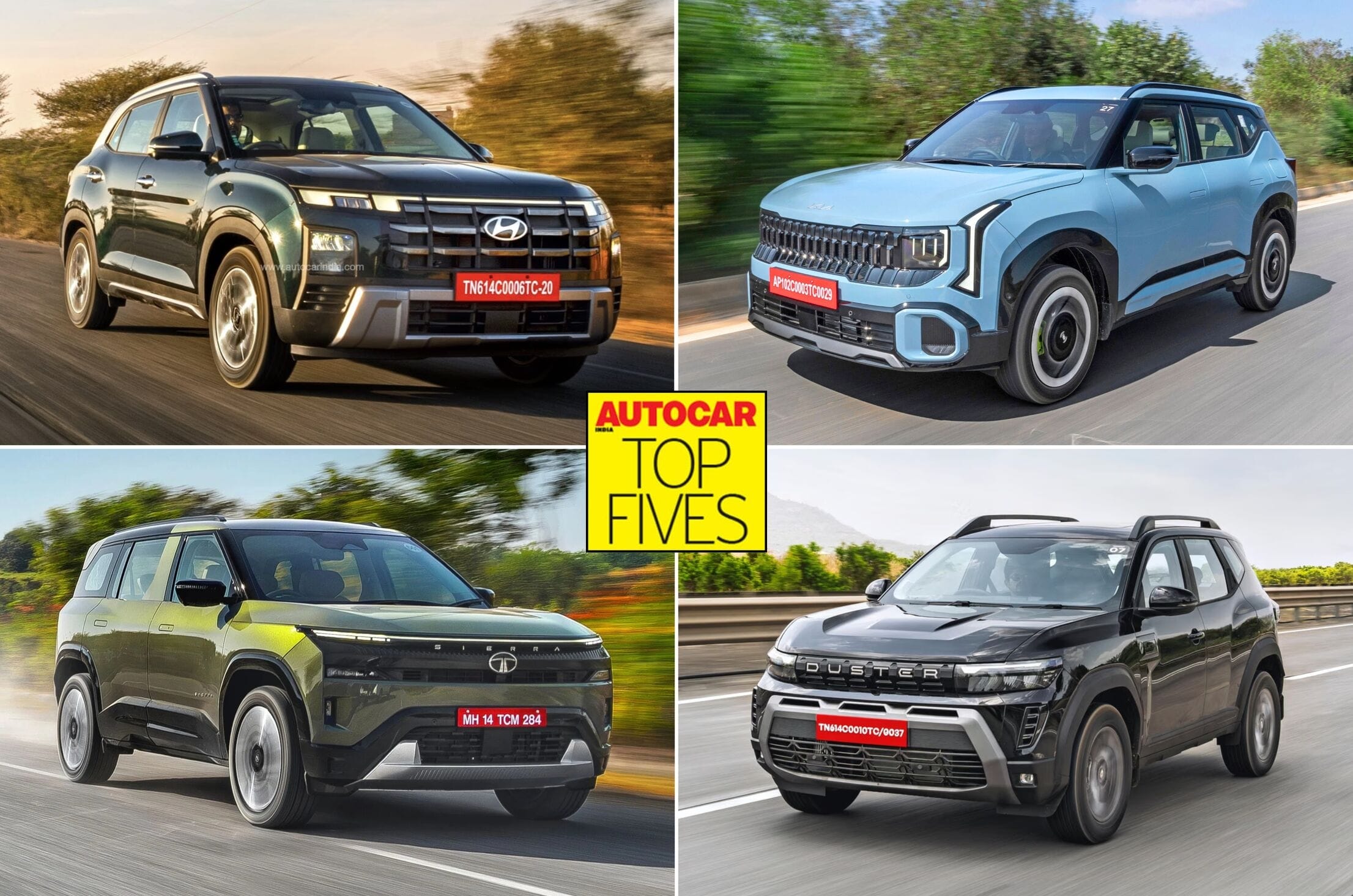
If you are in the market for a new midsize SUV, you are quite spoilt for choice. There are as many as 13 models to choose from, spanning every powertrain, including petrol, diesel, CNG, strong-hybrid and electric. With so many options, it may be quite daunting to choose the right model. To make it easier for you, we have compiled the five best midsize SUVs currently available in the market, focusing only on the ICE-powered models.
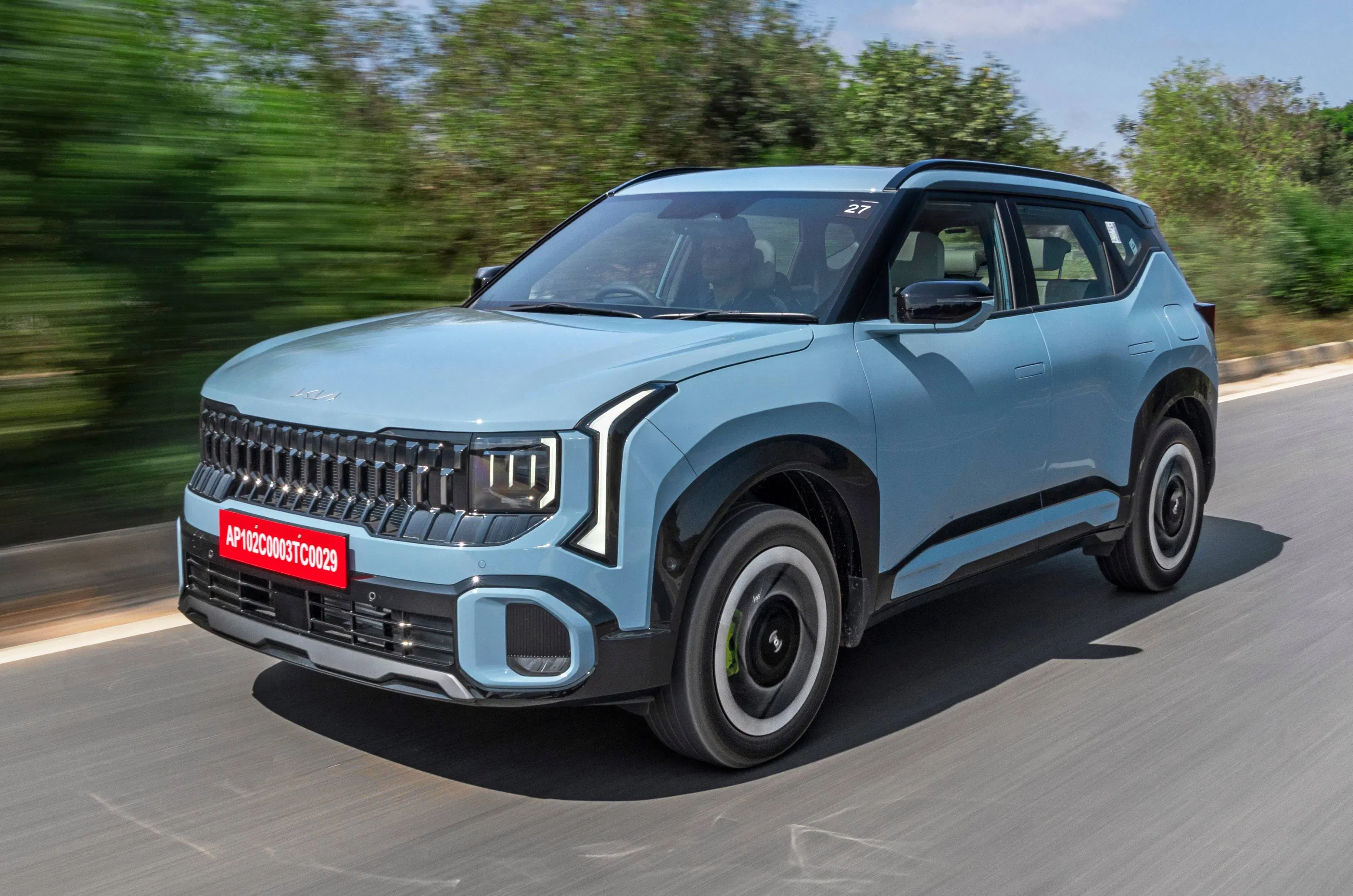
1. Kia Seltos
Price: Rs 10.99 lakh-21.82 lakh
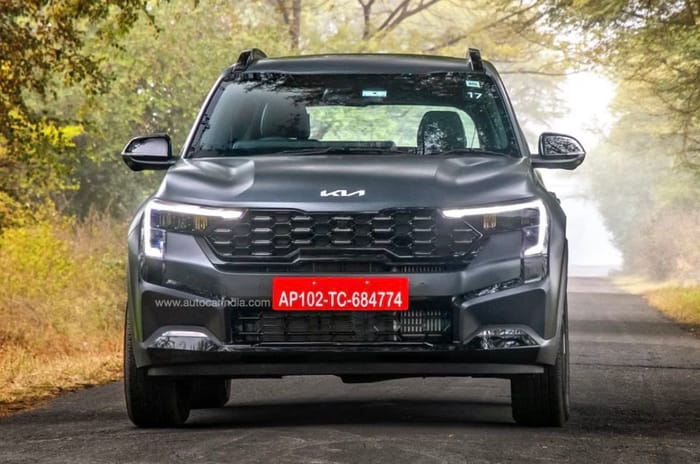
The midsize SUV segment has a new all-rounder in the Seltos. It’s got a wide range of engines, including a 115hp, 1.5-litre naturally aspirated petrol, a 160hp, 1.5-litre turbo-petrol and a 116hp, 1.5-litre diesel; gearbox options are just as diverse. The Seltos also has the most premium and inviting interior. Not only is it refined, efficient and spacious, but it also has class-leading tech and UI/UX. The only downside is that there’s a hint of firmness in the suspension setup, but it’s not a dealbreaker. It is, however, quite expensive at the top end.
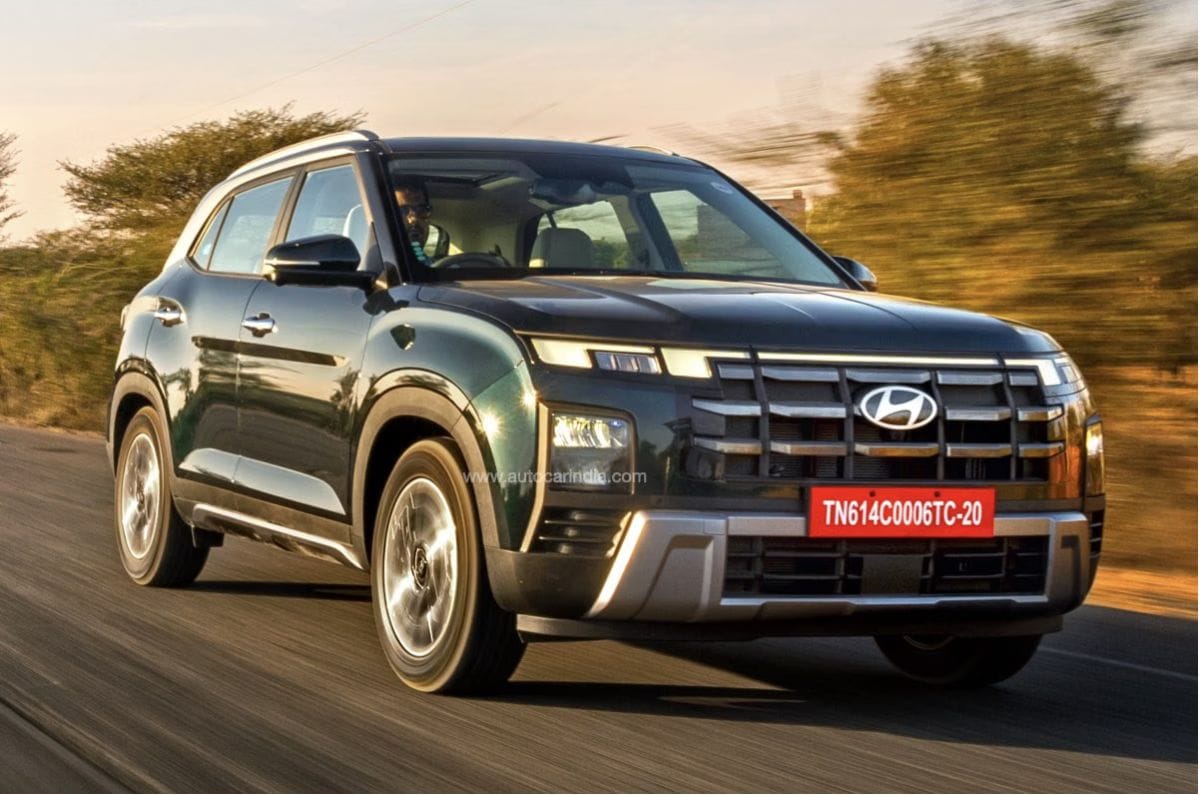
2. Hyundai Creta
Price: Rs 10.91 lakh-19.95 lakh
Despite its age, the Creta remains a competitive offering in the company of its newer rivals. It’s slightly smaller and less spacious than the Seltos because the latter has moved on to a new-generation platform, but it offers the same mix of powertrain options, a comfortable driving and riding experience and a feature-loaded cabin. Hyundai’s after-sales service experience is quite satisfactory, and there’s also the N Line version with a slightly sportier setup for the more enthusiastic buyer.
3. Maruti Victoris
Price: Rs 10.49 lakh-19.99 lakh
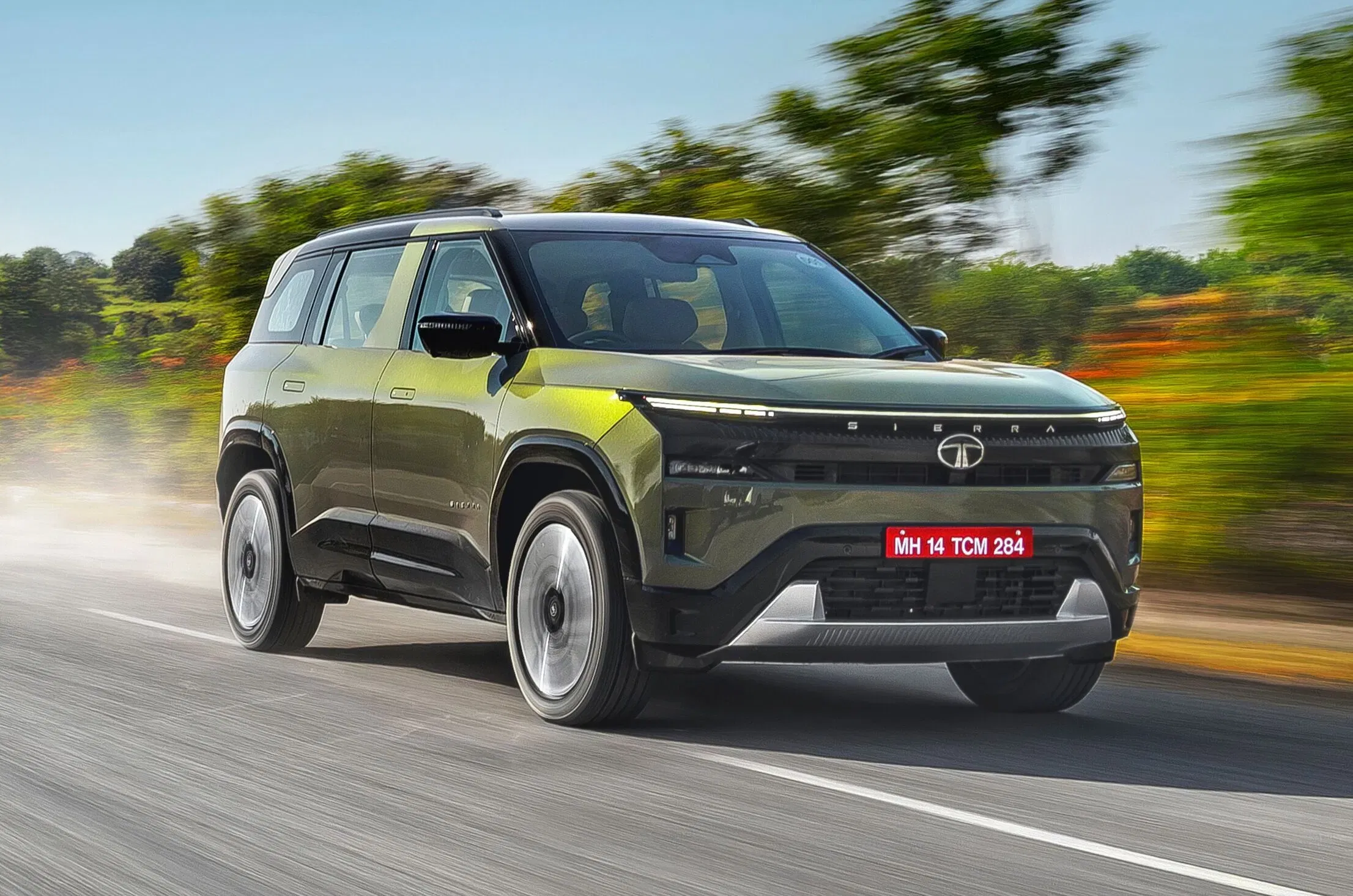
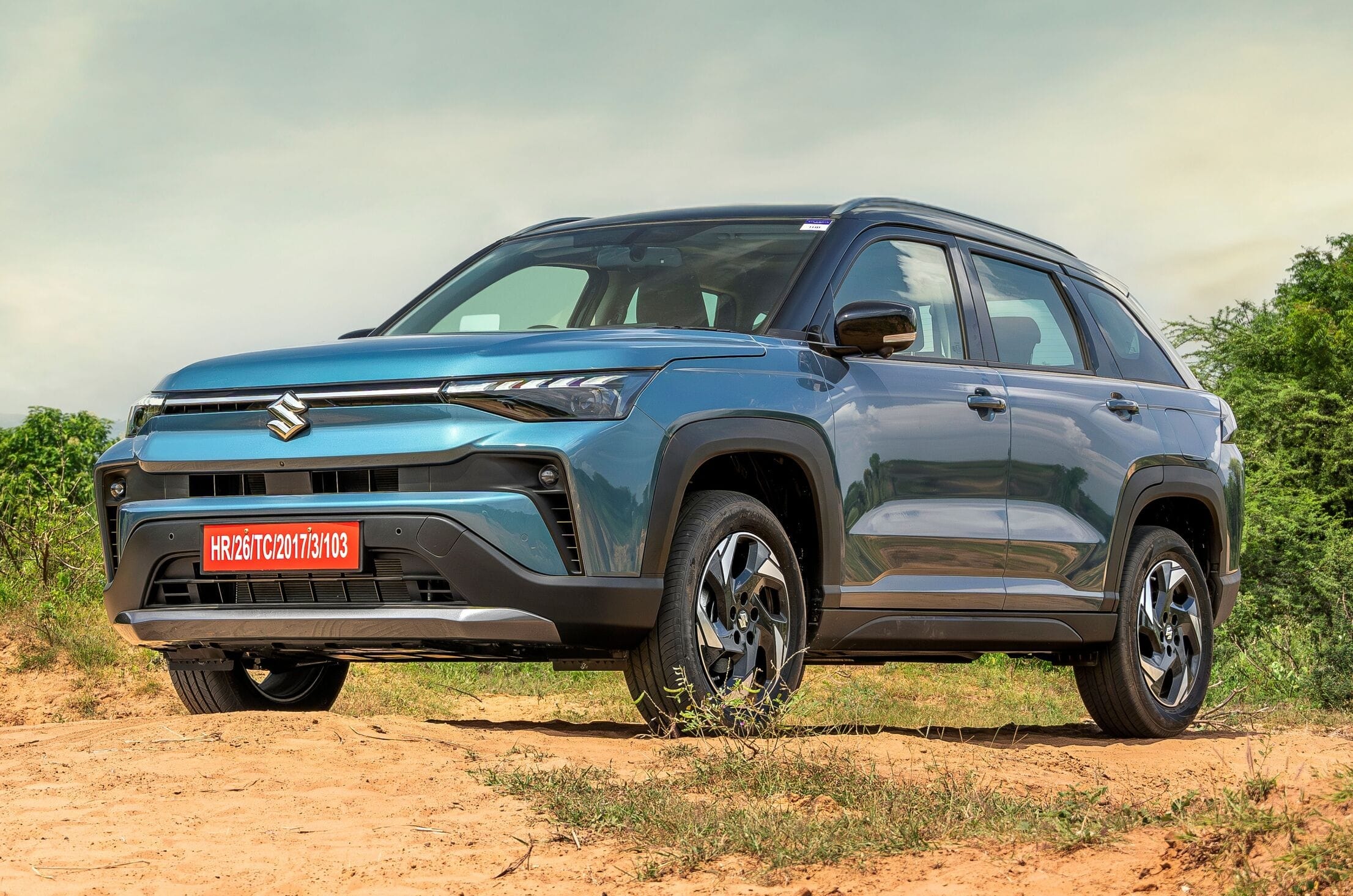
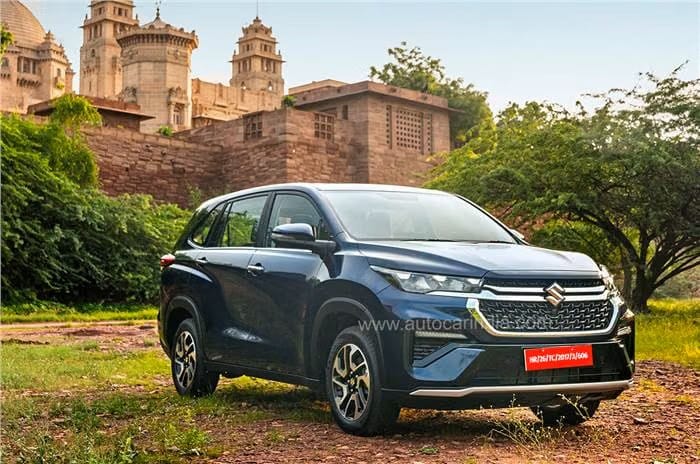
If running costs, reliability and ease of ownership are priorities, the Victoris (or the Grand Vitara and Hyryder) remains unmatched. Between the three, the Victoris is the newest and also packs some additional features. The trio has the segment’s only strong-hybrid powertrain with the 116hp, 1.5-litre strong-hybrid unit and also the option of AWD with the 1.5-litre naturally aspirated petrol engine. The Victoris rides and handles well, too, although performance isn’t particularly exciting, and rear-seat space isn’t as good as that of its rivals. There’s also the option of CNG should you want affordable running costs.
4. Tata Sierra
Price: Rs 11.49 lakh-21.29 lakh
The Sierra is the roomiest and most feature-loaded SUV in the midsize segment, uniquely even offering a third screen for the front passenger. Good ride and handling are also among its strengths. The 160hp, 1.5-litre turbo-petrol engine is the pick of the range, as the 118hp, 1.5-litre diesel and 106hp, 1.5-litre naturally aspirated petrol engines aren’t good on refinement and performance. It’s also on the more expensive side, and reliability and service experience are deterrents, too.
5. Renault Duster
Price: Rs 10.49 lakh-18.69 lakh
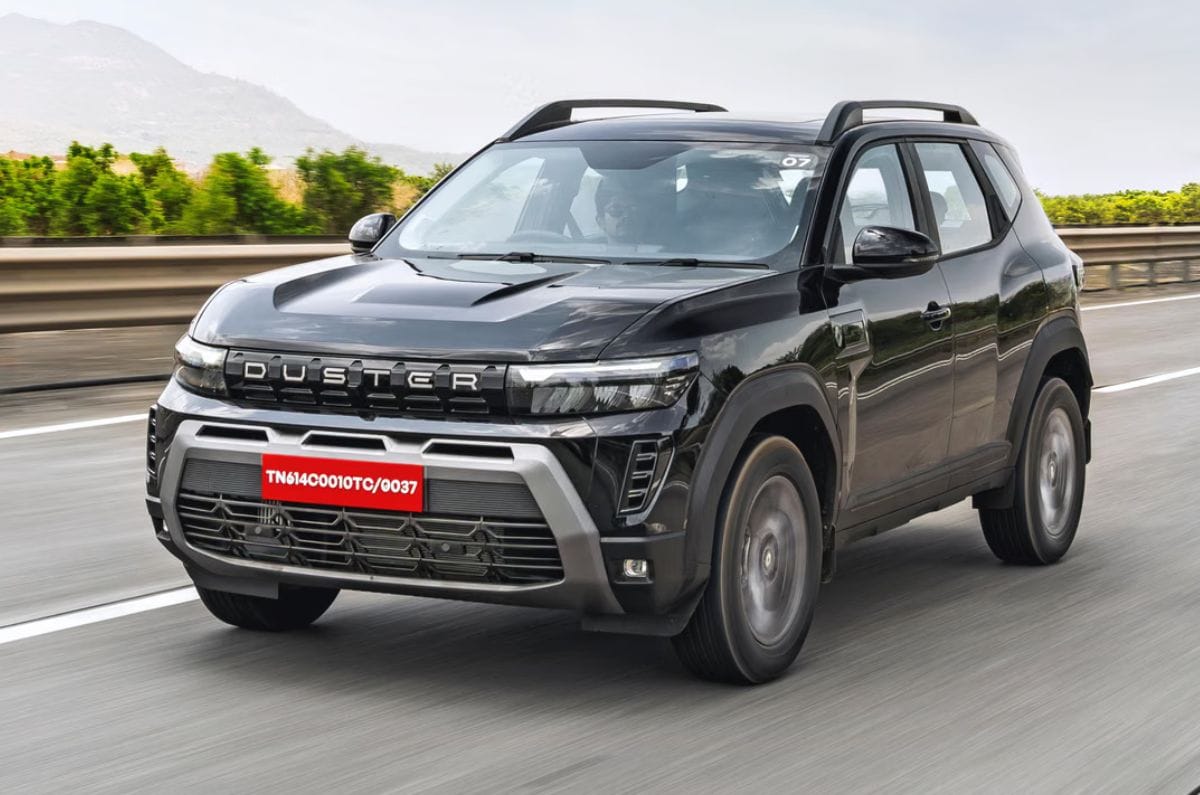
The Duster has a tough and rugged appeal, fantastic ride quality and a well-appointed interior. It offers good value for money, too, but is not as spacious as its rivals. Also, both its 100hp, 1.0-litre turbo-petrol and 163hp, 1.3-litre turbo-petrol engines suffer from turbo-lag, although performance is otherwise quite potent. A big miss is the option of an auto gearbox with the base petrol engine. Some may even miss a diesel engine and optional all-wheel-drive system offered with the original Duster.











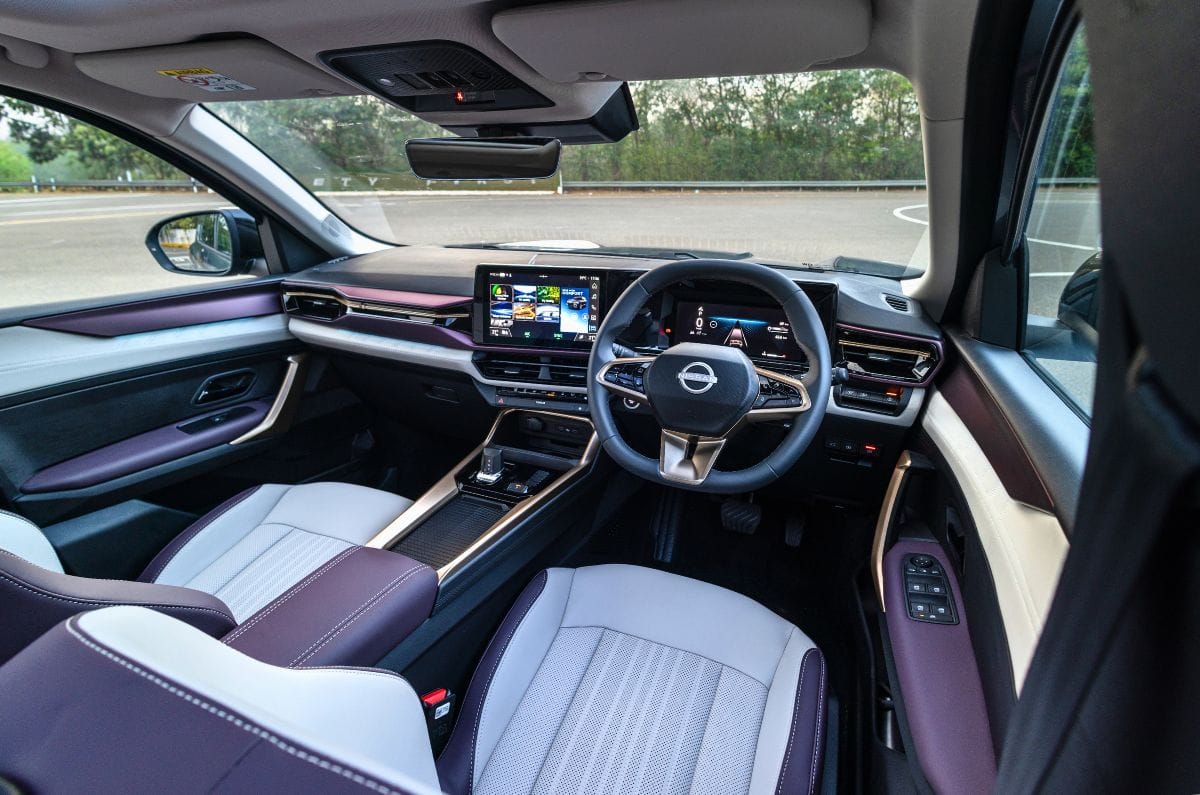 Combined with the classy-looking leatherette padding on the dash and door pads, plus the burgundy, gold and light cream colour scheme, the interior of the top-spec Nissan Tekton looks upmarket. The driving position is great and provides excellent all-round visibility, while the seats themselves are comfy enough to be occupied even over long-distance drives.