Autocar India August 2026 Issue

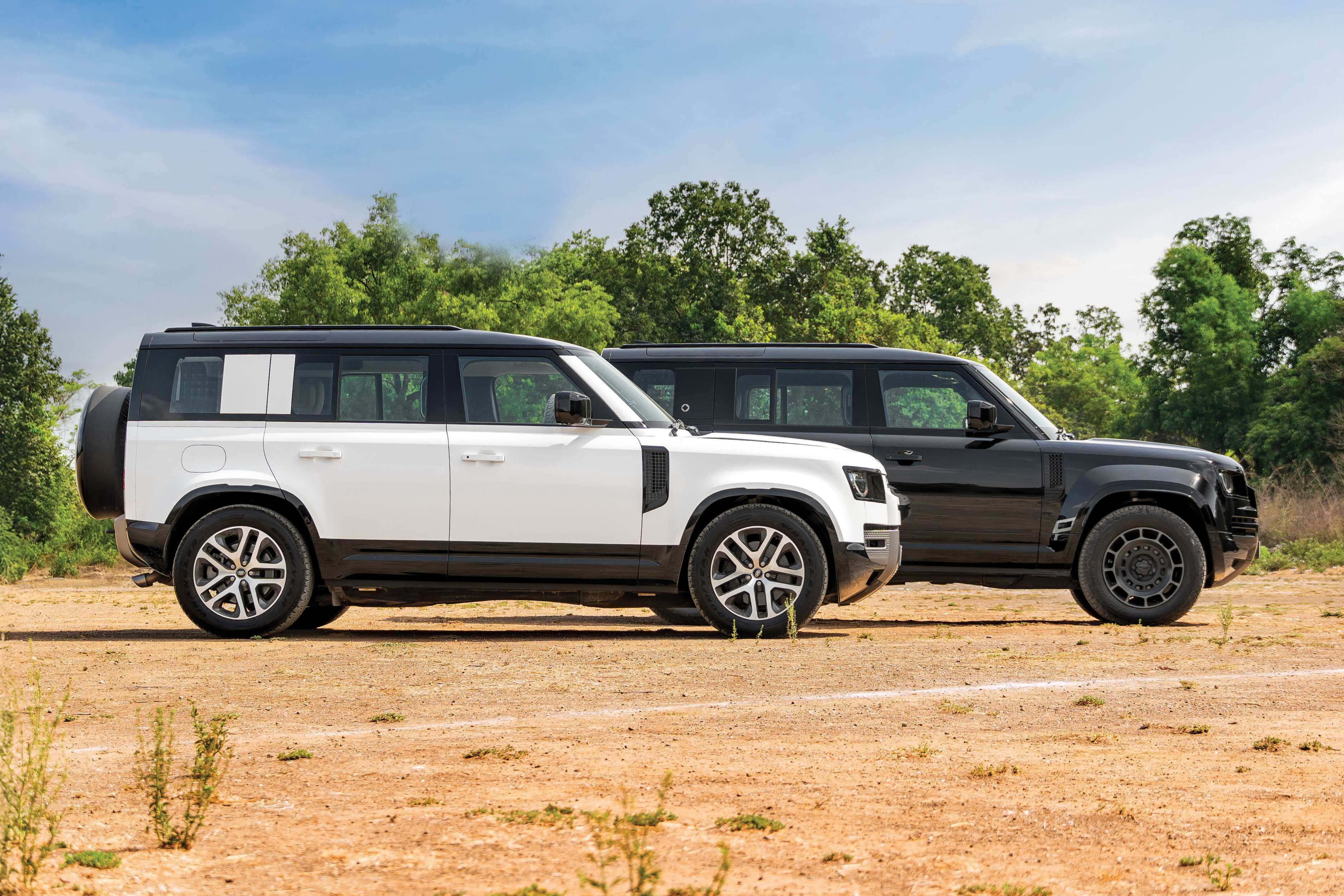
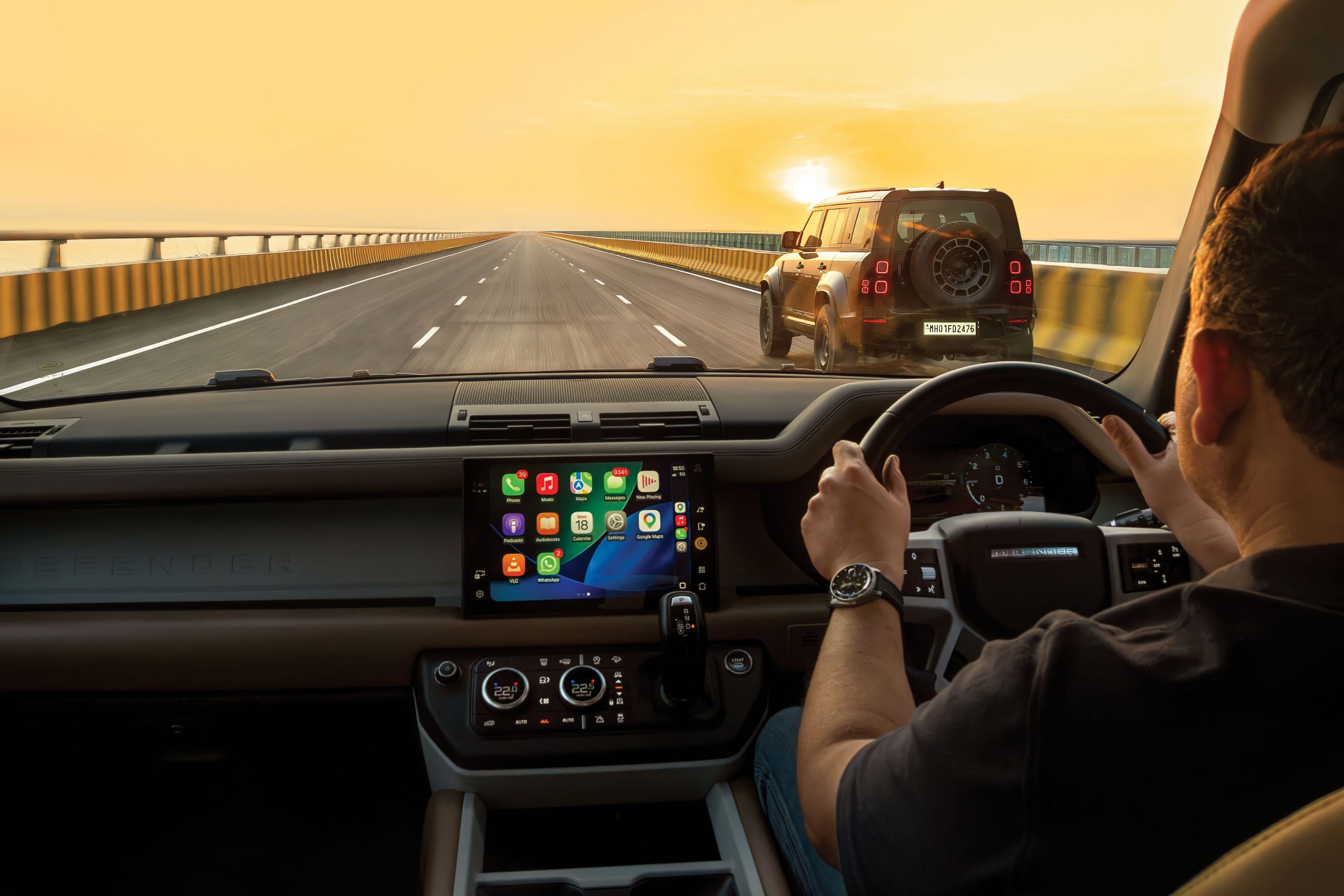
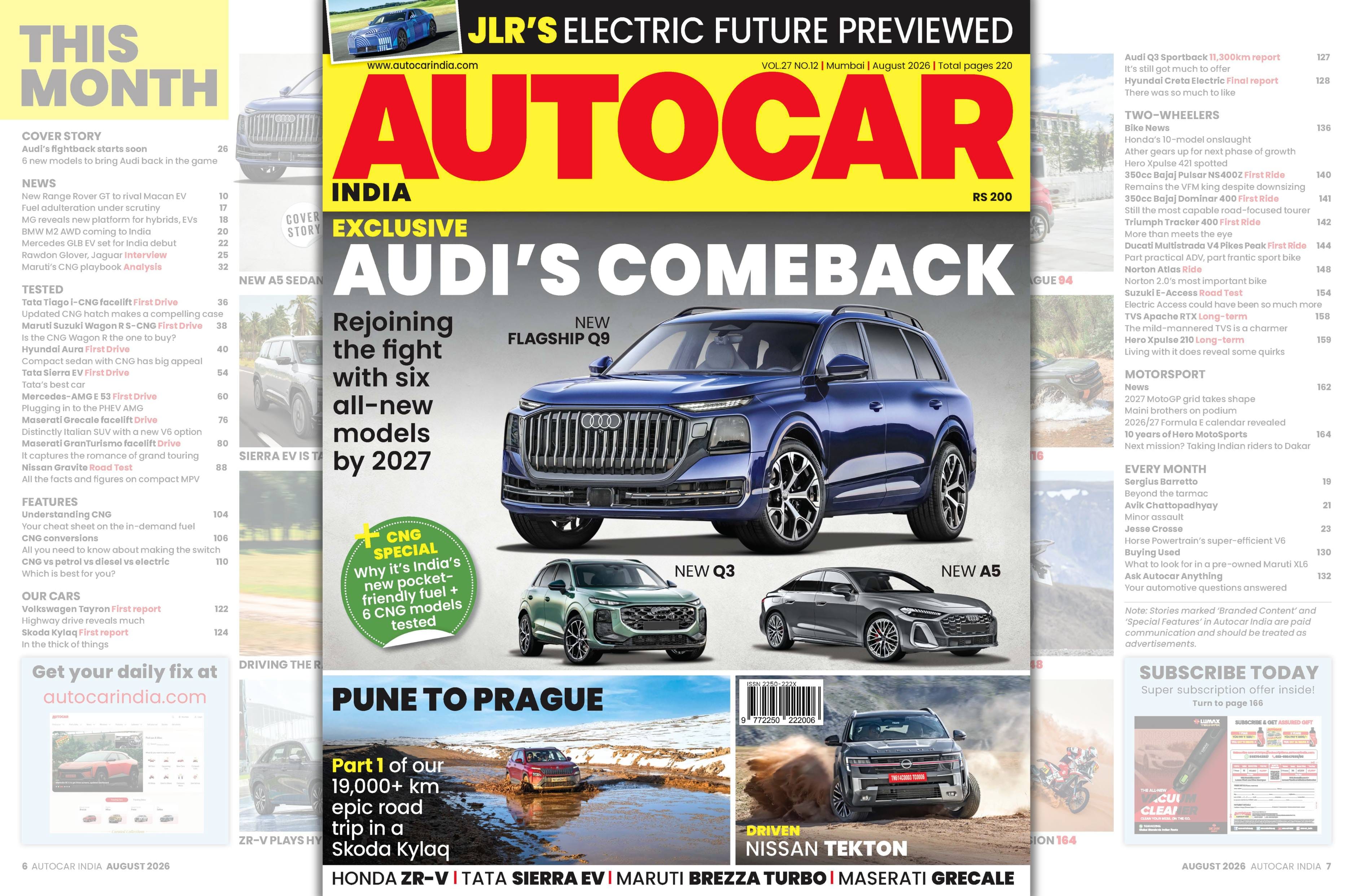
Our August 2026 issue has all the exclusive details of Audi India’s most ambitious product offensive in over a decade, with six all-new locally assembled models planned over the next 18 months. We also get behind the wheel of Jaguar’s camouflaged Type 01 prototype and drive the Range Rover Sport EV at Goodwood. Closer to home, we find out if the Tata Sierra EV lives up to its billing as the best Tata on sale, while the Nissan Tekton is put through a 700km-plus real-world test from Chandigarh to Leh. We also break down India’s new most popular fuel in our CNG special, with five models tested back-to-back. On two wheels, the new Norton Atlas is ridden in Iceland, while a special Ducati takes on some of Maharashtra’s tricky trails . All this while a Skoda Kylaq sets off on an epic 19,351km drive from Pune to Prague.

Audi’s Big Comeback: Cover Story

Audi was once India’s bestselling luxury brand. Today, it is a shadow of that. Now, with six all-new locally assembled models planned by end-2027, the four rings are back on the offensive. We have all the details, and speak to Audi India head Balbir Singh Dhillon and Audi AG chairman Gernot Döllner about the upcoming cars.

Jaguar Type 01: Drive

Jaguar has walked away from 90 years of combustion heritage, cancelled every existing model and started again with a blank sheet of paper. The Type 01 is the result – a five-metre all-electric grand tourer with a 1,000hp three-motor setup, 600km of range and a starting price north of Rs 3 crore. We drive a camouflaged prototype at JLR’s Gaydon test track to find out if the boldest bet in the car industry’s history has legs.

Range Rover Sport EV: Drive

Under its familiar skin sits an 800V architecture, two Land Rover-developed 326hp motors and a 118.5kWh battery validated over 60,000 hours of testing. The electric Range Rover Sport arrives in India around March 2027 and could set a new luxury benchmark for the brand. We drive a prototype at Goodwood to find out if it lives up to that promise.

Tata Sierra EV: First Drive

The best Tata in years gets the brand’s smoothest powertrain yet. The Sierra EV comes in rear-wheel and all-wheel-drive forms, with the AWD variant making a class-leading 306hp and bringing the first AWD option in this segment. We drive all variants, including a proper off-road test, to see if it lives up to the hype.

Honda ZR-V: Drive

Honda’s first hybrid SUV in India arrives as a full import from Japan, packing a 184hp strong-hybrid powertrain and a claimed 22.8kpl. We get a brief first taste at the Buddh International Circuit to find out if it delivers on its promise.

Mercedes-AMG E 53 Hybrid 4Matic+: First Drive

The new E 53 pairs a 3.0-litre straight-six with a 28.6kWh battery for 585hp and up to 100km of electric range. It is a PHEV AMG that also does daily commutes without a drop of fuel. But has electrification enhanced the AMG experience, or diluted it?

CNG Special: Features

CNG now accounts for nearly 20 percent of India’s passenger car market. We explain everything you need to know about the fuel – what it is, how it works and whether an aftermarket conversion makes sense. We also road test five CNG models: the Tata Tiago iCNG, Maruti Wagon R S-CNG, Hyundai Aura CNG, Maruti Brezza Turbo (petrol) and Maruti Victoris S-CNG.

Tata Nexon: Petrol vs Diesel vs Electric vs CNG

The Nexon is one of the few cars in India offered with four distinct powertrain options. We test every variant – turbo-petrol, diesel, CNG and electric – with real-world performance and efficiency figures to find the sweet spot of the range. The result might just surprise you.

Skoda Kylaq: Pune to Prague, Part 1

A made-in-India Skoda Kylaq sets off on a near-20,000km adventure from its birthplace at Skoda’s Chakan plant to Skoda Auto’s headquarters in Prague. Part 1 covers India, Nepal, Tibet and China – including a detour to Mount Everest Base Camp.

Norton Atlas: Ride

TVS’s second Norton – and the brand’s most important – debuts in Iceland. The Atlas is a 585cc parallel-twin adventure tourer with 70hp, a full electronics suite and 19-inch front wheel. We ride 200km of sweeping mountain roads and gravel trails to find out if it can justify the hype and, crucially, a competitive price tag.

Ducati Multistrada V4 Pikes Peak: First Ride

The most focused Multistrada money can buy blurs the line between a practical ADV and an out-and-out sport bike. With Öhlins semi-active suspension, a single-sided swingarm and a race-mode, it promises to be two bikes in one. We find out if the price premium is worth it.

Suzuki E-Access: Road Test

Suzuki’s first electric scooter carries a big name and an even bigger price tag. It gets some things right, but in a segment that rewards value, performance and range, does the Access badge alone justify the Rs 1.92 lakh asking price?

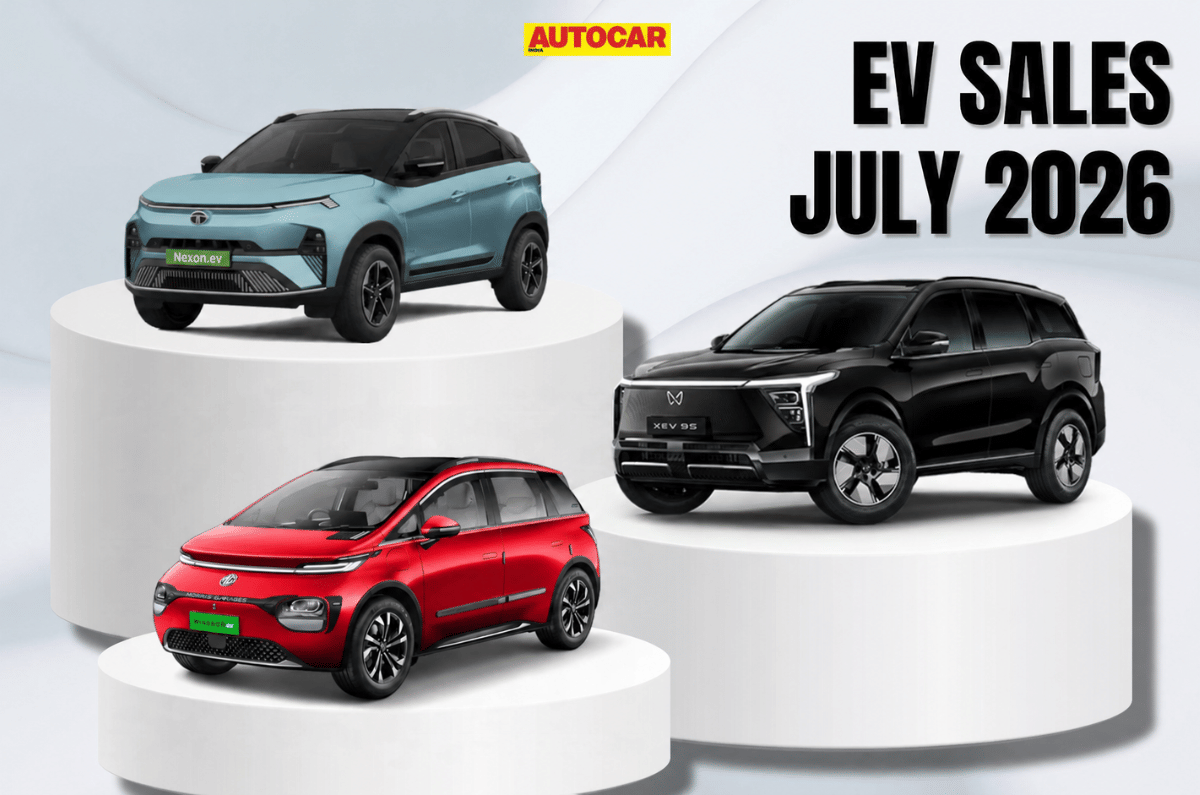
July 2026 EV sales: Monthly volumes cross 30,000 units for the second time

July EV sales

Retail sales of electric passenger vehicles breached the 30,000-unit mark for the second month in a row in July 2026. After a record 33,307 units in June, buyers took home a total of 32,609 EVs last month, up 83 percent year-on-year, as per Vahan data. Tata Motors recorded its highest-ever monthly EV sales, while Mahindra and Maruti Suzuki posted their second-highest monthly totals.

Tata Motors

July 2026: 13,578 units, up 102 percent YoY

Tata Motors, which recently expanded its EV portfolio with the launch of the Sierra EV, recorded its best-ever monthly retail sales of 13,578 units in July. This is 102 percent higher than July 2025 and 6 percent more than June 2026. The company also crossed the 40 percent EV market share mark after a long gap. Its 42 percent share in July is 4 percentage points higher than the 38 percent it held a year ago, despite growing competition.

July was also the second consecutive month that Tata sold more than 12,000 EVs, after 12,756 units in June. Cumulative sales between April and July stood at 46,697 units, up 108 percent YoY.

Mahindra 

July 2026: 7,677 units, up 125 percent YoY

Mahindra crossed the 7,000-unit mark for the second month in a row. It sold 7,677 electric SUVs in July, up 125 percent over July 2025, although this was 498 units fewer than June. The performance helped Mahindra increase its market share to 22 percent, up from 19 percent a year ago. The BE 6 and XEV 9e continue to see strong demand. The XEV 9S, Mahindra’s first three-row born-electric SUV, has further strengthened its EV line-up.

JSW MG Motor India

July 2026: 5,642 units, down 4 percent YoY

JSW MG Motor India sold 5,642 EVs in July, down 4 percent YoY and 9 percent lower than June 2026. Its market share stood at 16 percent, down sharply from 33 percent in July 2025. The Windsor EV continues to be MG’s best-selling model.

Maruti Suzuki 

July 2026: 1,590 units

Maruti Suzuki sold 1,590 e Vitaras in July. This was the fifth consecutive month of four-digit sales, following March, April and May. However, July sales were 20 percent lower than June, which remains the model’s best month so far. Until now, domestic sales of the e Vitara were limited because a larger share of production was allocated for exports. This is expected to change with the start of production at a new fourth manufacturing line at Maruti Suzuki’s Hansalpur, Gujarat plant. The expanded facility now builds the e Vitara, Fronx, Baleno and Swift.

Vinfast India

July 2026: 1,478 units

Vinfast ranked fifth among the country’s 18 electric passenger vehicle manufacturers. The Vietnamese carmaker recorded its highest-ever monthly sales in July with 1,478 units, surpassing its previous best of 1,448 units in June by 30 units, or 2 percent. This gave the company a 4 percent EV market share in July.

According to wholesales data, the VF Limo Green (for commercial use) is currently its best-selling model. In Q1 FY2027 (April-June 2026), SIAM wholesale data shows the Green Limo accounted for 2,746 units, or 46 percent of Vinfast India’s total sales of 6,001 units, well ahead of the VF7, VF6 and MPV7.

BYD India

July 2026: 742 units, up 47 percent YoY

BYD sold 742 EVs in July, up 47 percent over July 2025. However, sales were 20 percent lower than June 2026, which remains the company’s best monthly performance so far. On July 1, BYD increased prices of its EVs by 1-2 percent, marking its second price hike of the year after the one on May 1. The company’s current line-up includes the Atto 3 SUV, e-Max 7 MPV, Seal sedan and Sealion 7 SUV. BYD has also confirmed that it will launch the Seal U PHEV later this year.

Hyundai

July 2026: 565 units, down 21 percent YoY

Hyundai sold 565 EVs in July, down 21 percent compared to 719 units in July 2025. However, on a month-on-month basis, sales were up 51 percent from the 374 units sold in June 2026. At present, Hyundai’s EV portfolio in India consists of just two models: the Creta Electric and the Ioniq 5.

Kia India

July 2026: 464 units, up 614 percent YoY

Kia  ranked eighth with retail sales of 464 units in July. This is a 614 percent year-on-year increase over the low base of 65 units in July 2025. However, sales were 14 percent lower than 539 units in June 2026. Kia’s monthly sales have improved since the launch of the mass-market Carens Clavis EV MPV, which joined the much more expensive EV6 and EV9, both of which are imported as CBUs.

Toyota Kirloskar Motor

July 2026: 123 units

Toyota delivered 123 units of the Urban Cruiser Ebella in July. This placed the company 11th among the country’s electric passenger vehicle manufacturers. The Urban Cruiser Ebella is the badge-engineered version of the Maruti e Vitara, and it is currently available in a single E3 variant.

Carmaker July 2026July 2025YoY Change (in percent) 
Tata Motors 13,5786,712102
Mahindra 7,6773,416125
JSW MG Motor 5,6425,900-4
Maruti Suzuki 1,590
Vinfast 1,478
BYD 74250547
Hyundai 565719-21
Kia46465614
BMW36727036
Mercedes-Benz 16311542
Toyota123
Tesla115
Stellantis5168-25
Volvo484214
Porsche 68-25
Audi 01-100
Rolls-Royce 02-100
Jaguar Land Rover 00
Total 32,60917,82383

Luxury electric carmakers sell record  units in July

Demand for luxury electric cars continued to grow in July 2026. Carmakers in this segment sold 699 EVs, up 60 percent year-on-year. However, sales were 17 percent lower than the record 847 units sold in June 2026. BMW and Mercedes-Benz continued to lead the luxury EV market, while Tesla India crossed the 100-unit mark for the first time with its highest-ever monthly sales.

BMW India 

BMW remained the leader in the luxury EV segment with 367 units. This is 36 percent higher than 270 units sold in July 2025, giving the brand a 52 percent segment share. However, sales were 29 percent lower than 517 units in June 2026. After topping the luxury EV segment in FY2026 with a record 3,898 units, BMW has sold 1,606 EVs between April and July, which is 41 percent of its FY2026 total.

Mercedes-Benz

Mercedes- Benz sold 163 EVs in July, up 42 percent from 115 units in July 2025. However, this was 33 percent lower than the 243 units sold in June 2026. The brand’s growth has been supported by the launch of the CLA electric sedan at the end of April.

Tesla

Tesla recorded its highest-ever monthly sales in India, selling 115 Model Ys in July. This is a 203 percent increase over 38 units sold in June 2026. Its luxury EV market share also rose sharply from 4 percent in June to 16 percent in July, allowing it to move ahead of Volvo Auto India. The strong growth follows Tesla India’s decision to reduce the price of the Model Y by Rs 9 lakh, bringing the starting price down to Rs 50.89 lakh, ex-showroom.

Volvo

Volvo, now ranked fourth in the luxury EV segment, sold 48 EVs in July. This is 14 percent higher than 42 units sold in July 2025 and 23 percent more than the 39 units sold in June 2026. The Swedish carmaker increased prices of its models by up to Rs 1 lakh from May 1, citing ongoing global supply chain challenges and fluctuations in foreign exchange rates. Volvo’s market share stood at 7 percent in July, down from 10 percent a year ago.

Porsche, Audi and Rolls-Royce 

Porsche sold 6 EVs in July. According to Vahan data, Audi, Rolls-Royce and JLR India did not sell a single EV during the month.

Overall, luxury EV makers accounted for 2.14 percent of the 32,609 electric passenger vehicles sold in July 2026, compared to 2.45 percent in July 2025 and 2.54 percent in June 2026.

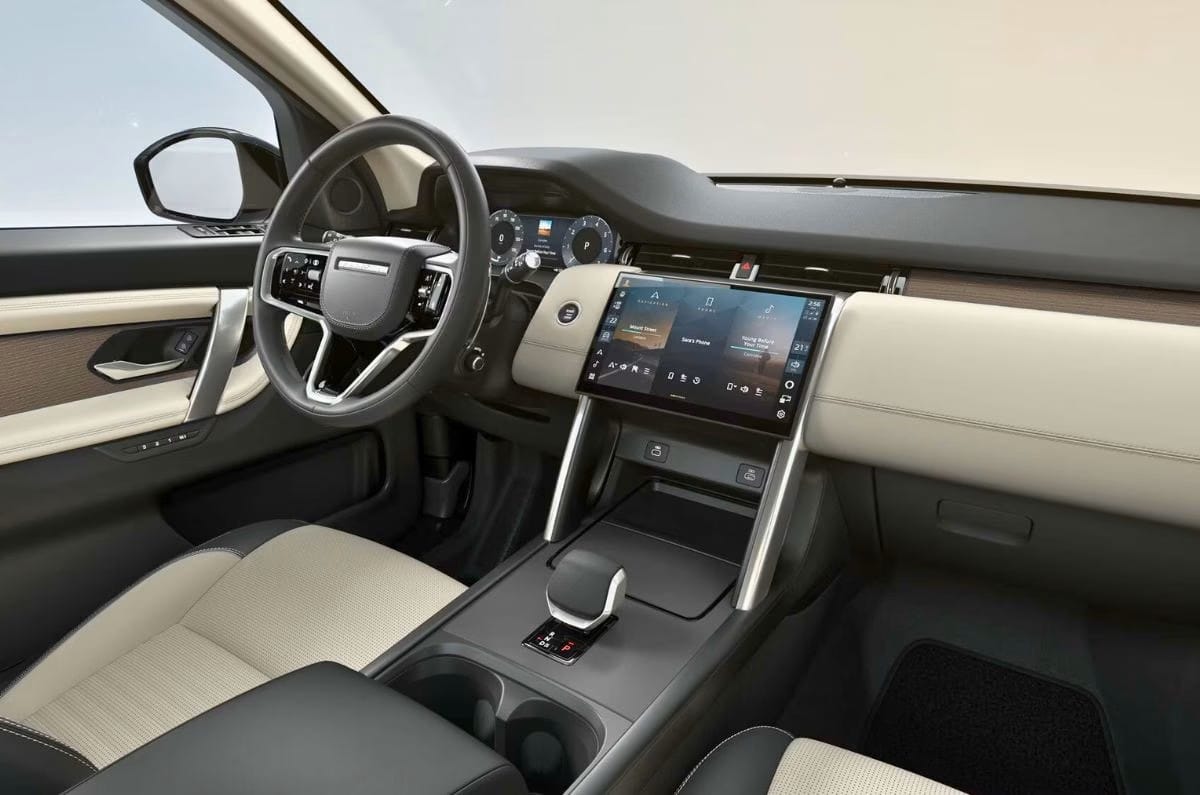
Land Rover Discovery Sport production to end in 2026

Land Rover Discovery Sport

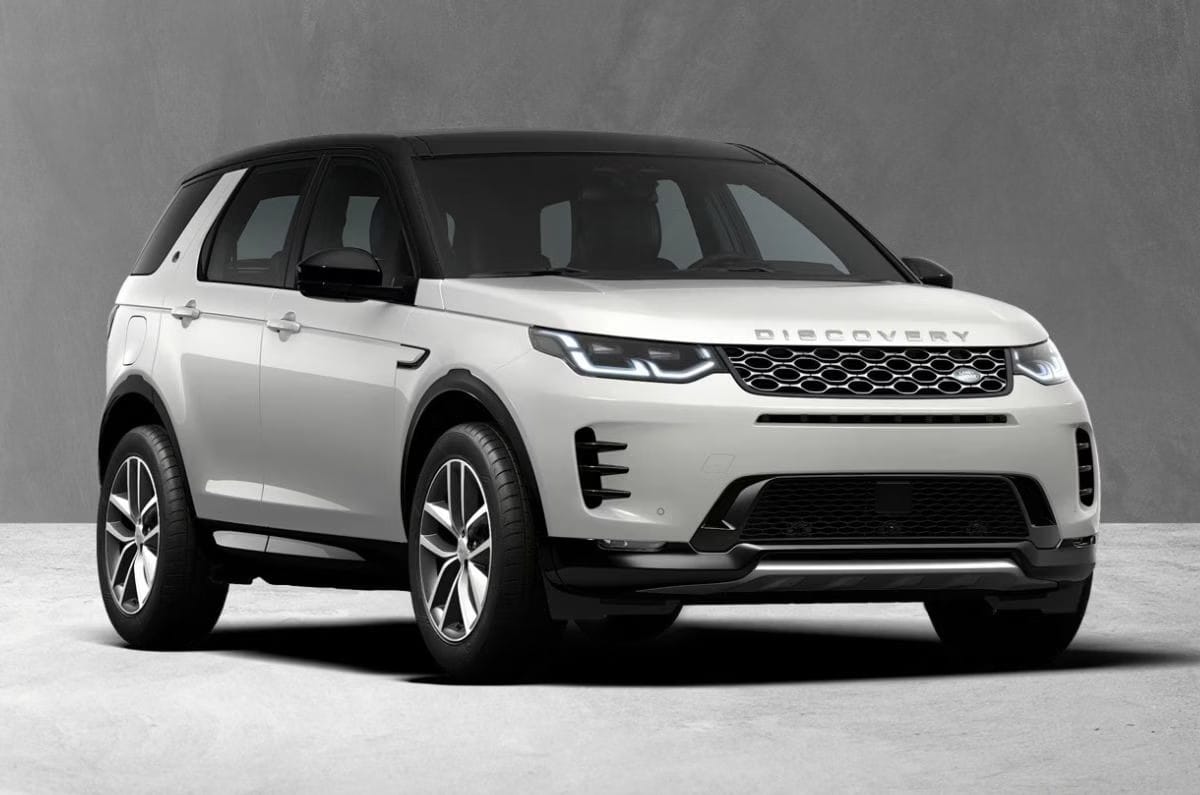
Land Rover will end production of the Discovery Sport in December 2026, bringing the entry-level SUV’s 11-year production run to a close. The model remains configurable as of now, but factory orders have already ceased in several European markets, including France, Germany and Spain.

Speaking to Autocar UK, a JLR spokesperson confirmed the timeline, saying production will end in December 2026 as part of the model’s normal lifecycle, with manufacturing already being phased out in selected markets.

  1. Discovery Sport was JLR’s best-selling model in 2016
  2. EU GSR2 safety rules contributed to the SUV’s retirement
  3. Range Rover GT expected to replace it on the Halewood plant production line

Discovery Sport sales declined sharply in recent years

The Discovery Sport was launched in 2015 as a replacement for the Freelander, and became JLR’s best-selling model in its first full year on sale, with more than 122,000 units sold globally in 2016. It received a facelift in 2020, introducing a revised platform and interior, but demand has fallen significantly since then. 

In 2025, JLR sold less than a tenth of the Discovery Sport’s 2016 volume, making it the company’s lowest-selling model. It was followed by the full-size Land Rover Discovery, which is also expected to be phased out as it approaches 10 years since its debut.

GSR2 rules contribute to Discovery Sport’s exit

The Discovery Sport’s withdrawal from several European markets coincides with the introduction of the European Union’s updated General Safety Regulation 2 (GSR2) requirements, which mandate additional safety systems not fitted to the SUV.

While JLR updated its newer models to comply with the regulations, the report states that upgrading the ageing Discovery Sport was likely not commercially viable given its stage in the product lifecycle. Porsche recently took a similar approach by ending production of the ICE Macan rather than updating it to meet the new rules.

Range Rover Evoque and Velar to remain on sale

The Discovery Sport’s retirement raised questions about the future of the closely related Range Rover Evoque, which is built alongside it at JLR’s Halewood plant in the UK. However, Range Rover Managing Director Martin Limpert told Autocar UK that the company has no immediate plans to discontinue the Evoque.

Limpert said JLR’s current focus is on launching the electric Range Rover and Range Rover Sport, while continuing to support the Evoque and Velar with updates and special editions. He added that the brand has a loyal customer base for both models and cannot renew every product simultaneously.

Range Rover GT

According to the report, the Discovery Sport’s retirement is expected to free up production capacity for the upcoming Range Rover GT, an all-electric grand tourer based on JLR’s new EMA architecture. The Evoque could remain in production until the Land Rover Defender Sport arrives next year, although JLR has not confirmed a replacement for the Discovery Sport.

Range Rover GT: The Grand Tourer That Breaks The Mould

Range Rover GT

It’s not often that Range Rover adds a fresh member to the family. The last wholly new addition to the range was the Velar in 2017. Now comes something far more radical – the Range Rover GT, a grand tourer that ditches the SUV playbook, goes all-electric and pushes the brand into uncharted territory.

Shape of a new Range Rover

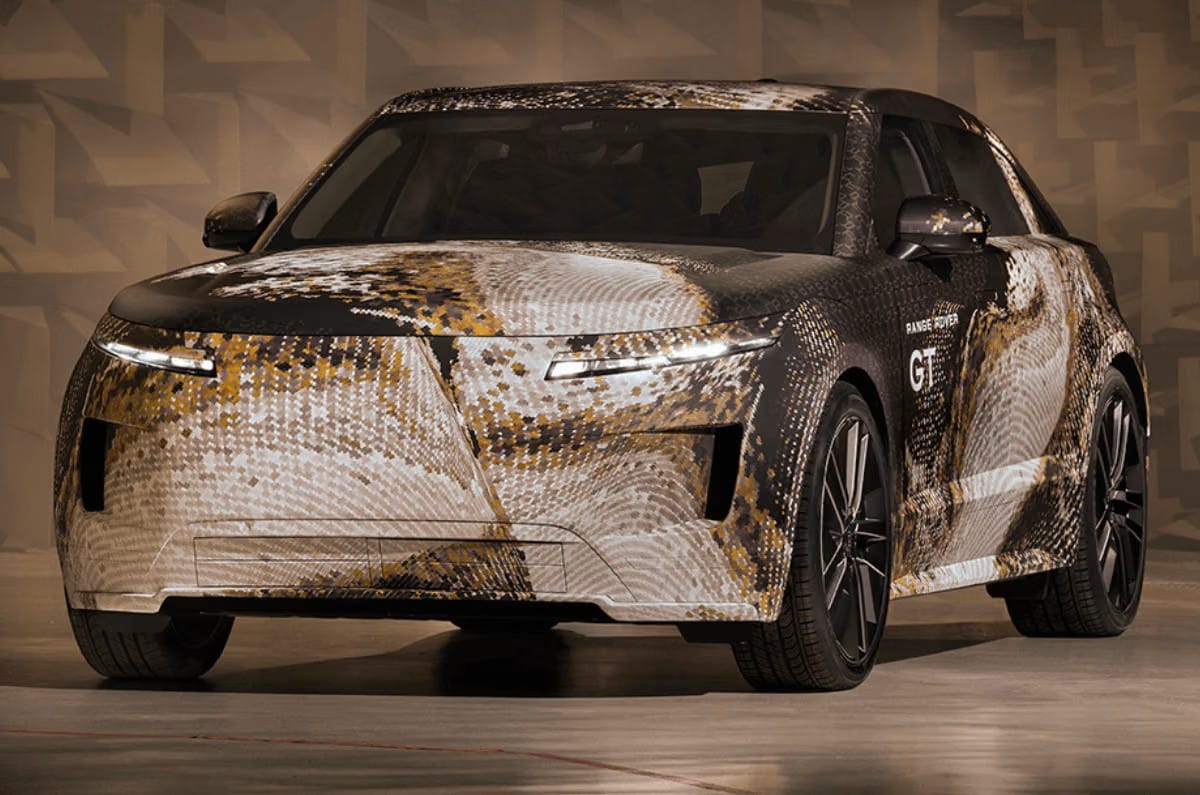
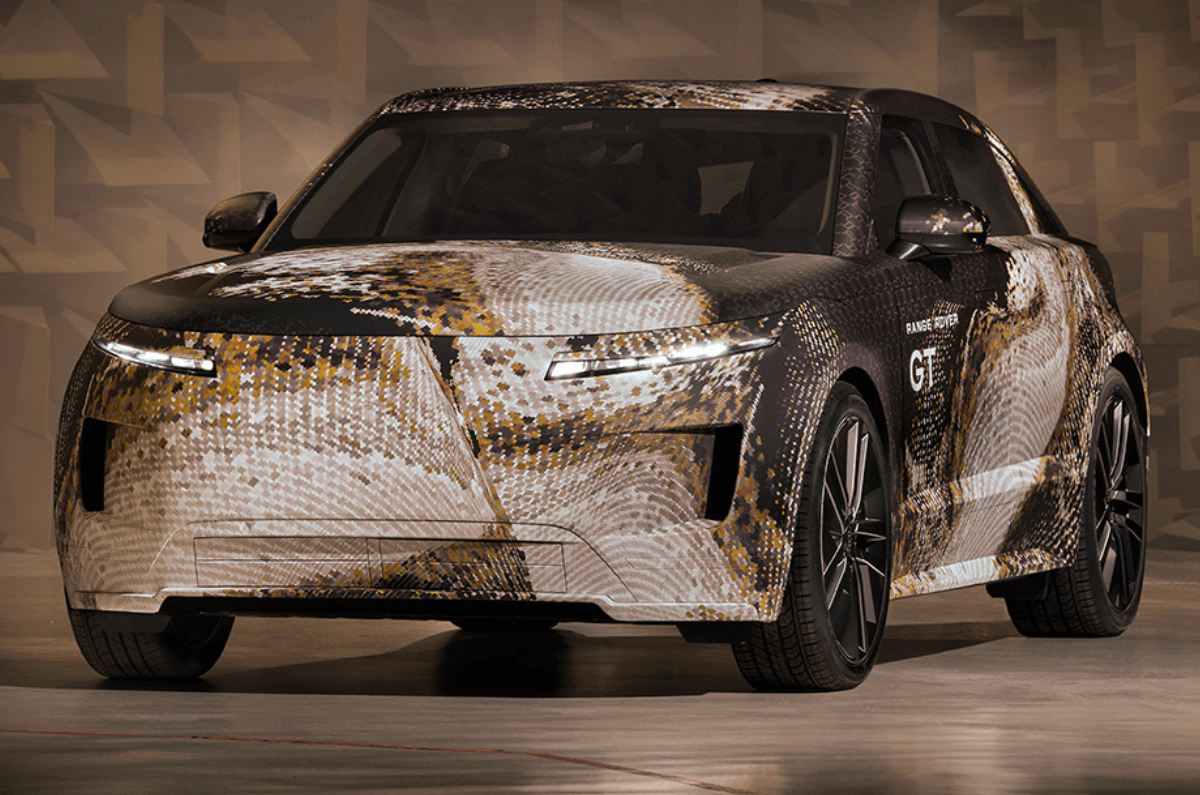
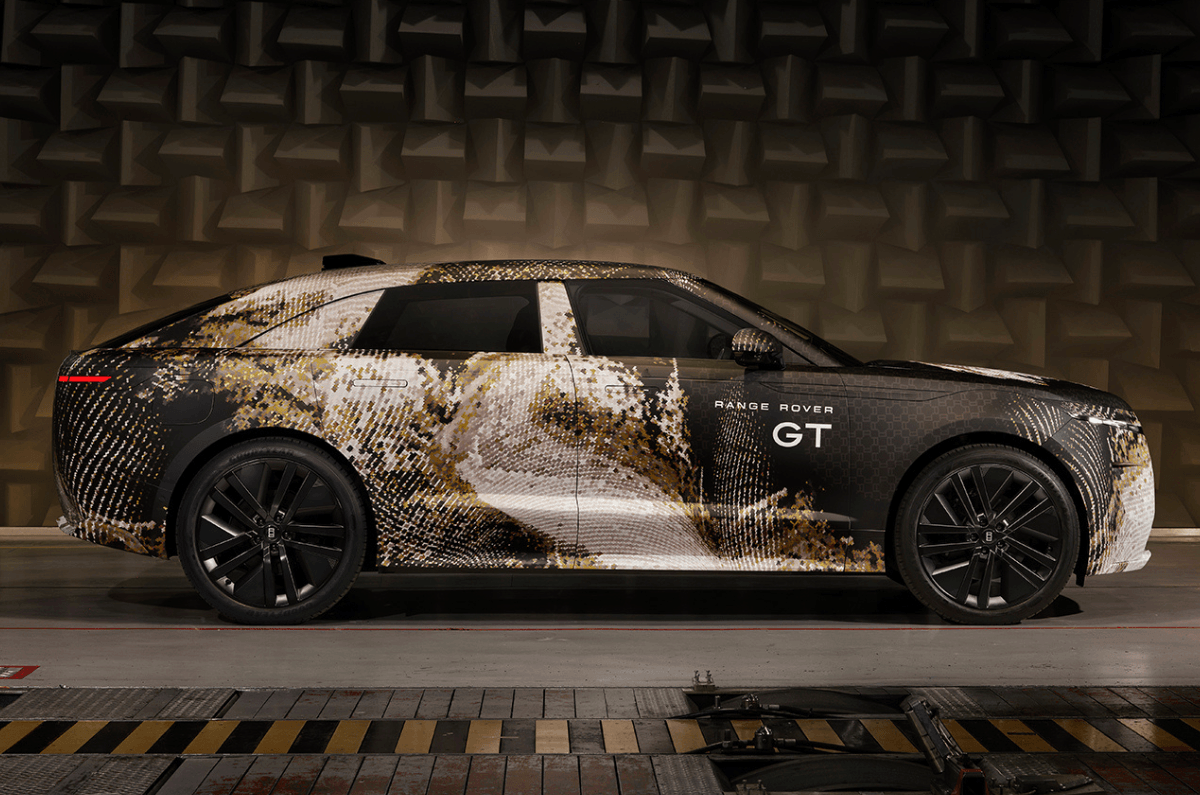
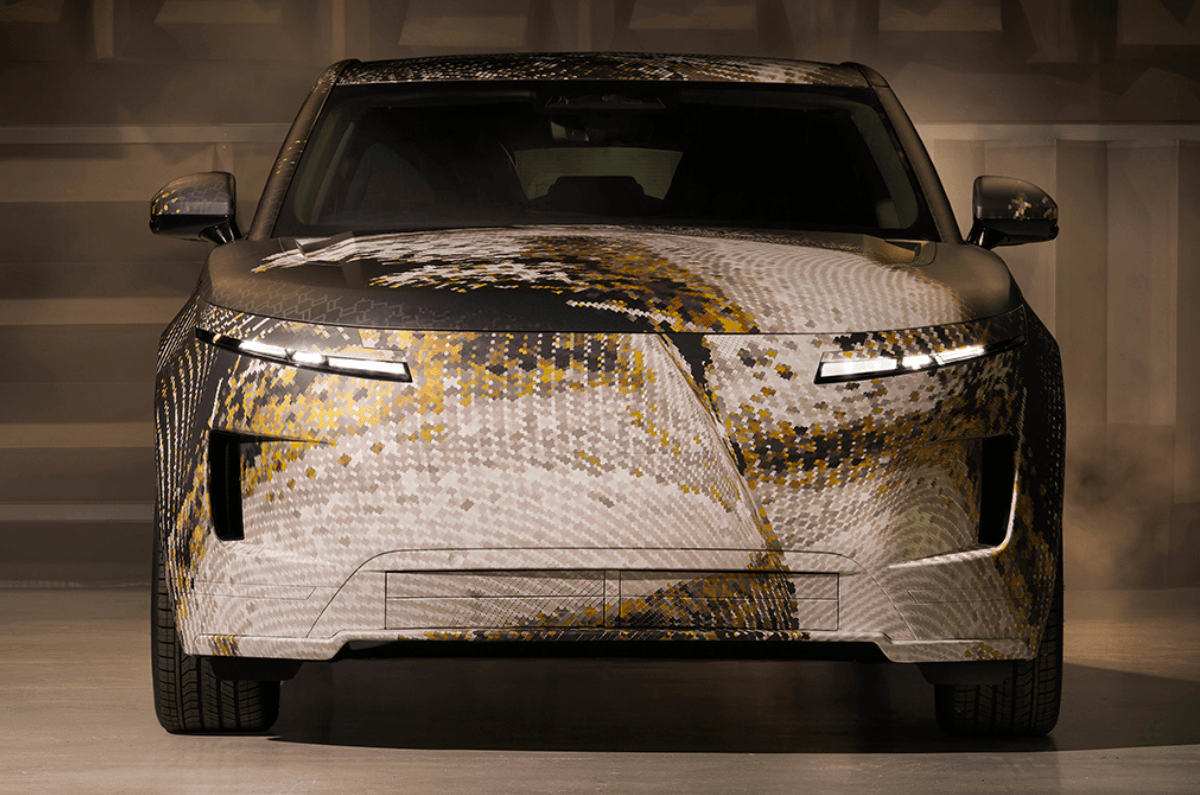
Even under the elaborate gold-on-black camouflage, the GT’s form is impossible to miss. The silhouette is long, low and almost coupe-like, with a roofline that seems to run on forever and exaggerates the car’s length.

Range Rover GT

Range Rover says the GT is longer than the standard-wheelbase Range Rover and, crucially, the lowest Range Rover yet. It also sits lower than a Porsche Macan while stretching beyond a Range Rover Sport. Those proportions immediately change what you expect a Range Rover to be. There’s still the familiar clean surfacing and tight detailing, but the GT comes across more like a fast, long-legged cruiser than a traditional go-anywhere SUV. And of course, like every Range Rover, it still drives all four wheels. The wheelbase looks to be well over three metres, which should suit the kind of high-speed stability and relaxed continent-eating ability the GT name promises.

Underpinning this shift is a clean break from the MLA architecture used by the Range Rover and Range Rover Sport Electrics. The GT rides on JLR’s new EMA platform, a born-electric architecture that gives the design and engineering teams far more freedom than a chassis that is shared with ICE powertrains.

Born-electric, engineered for refinement

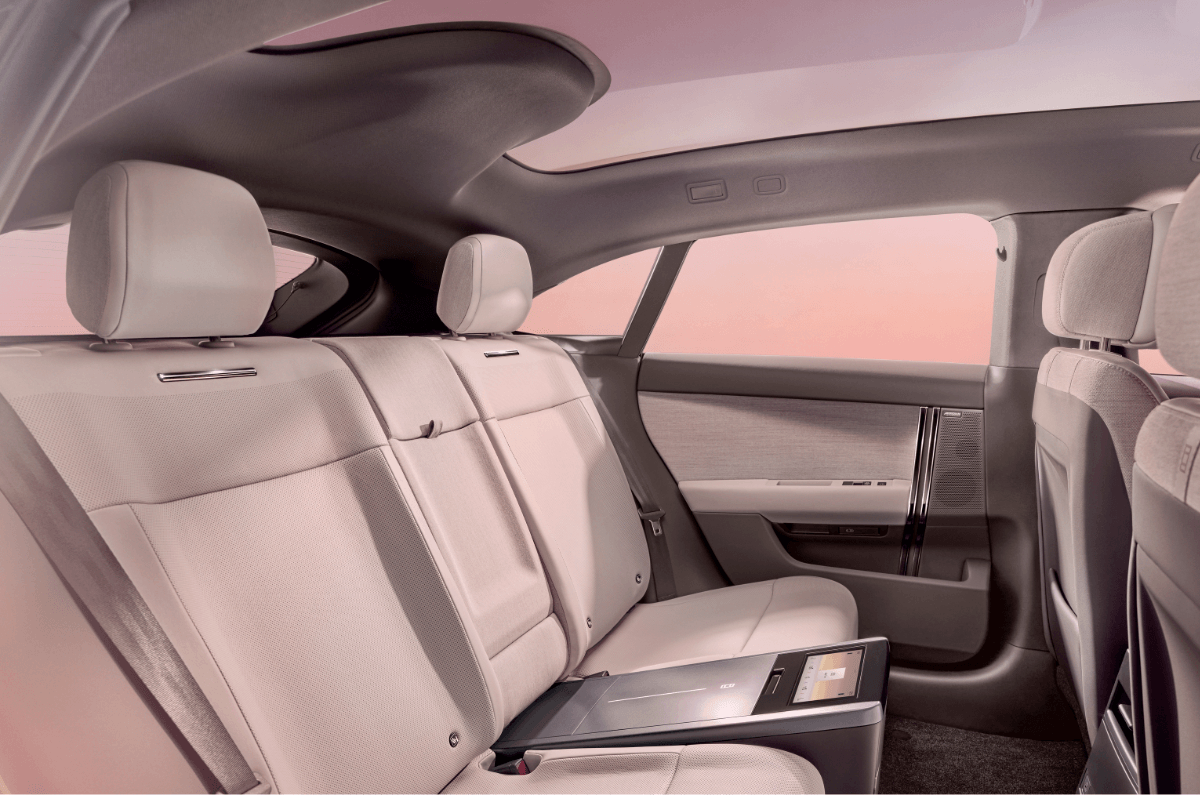
EMA’s packaging advantages are obvious here. Despite the low roofline, Range Rover says there’s enough headroom for six-footers in both rows, helped by a fixed panoramic glass roof, the largest the brand has fitted yet, which adds 40mm of headroom.

The battery uses longer cells in a single layer rather than a double-stacked layout, so the floor need not be pushed up. That should help keep the seating position natural, and the cabin feel properly spacious. There’s even a frunk up front, something you don’t get on the MLA-based Range Rover Electrics, which underlines how different this car is beneath the skin.

Range Rover GT

Refinement is clearly central to the brief. Martin Limpert, Managing Director of Range Rover, calls it “the quietest Range Rover yet”, claiming it to be 7dB quieter than the ICE Range Rover, which in acoustic terms is an exponential improvement. Besides, the inherent smoothness of an EV powertrain promises to give the GT a special calm, unhurried character that proper grand tourers are built on.

No hard figures have been released, but the wheelbase and EMA’s potential point to a sizeable battery pack and serious long-distance ability. Expect the GT to be built for fewer charge interruptions and more time spent crossing countries in near silence. Initially, the GT will be offered as a pure battery-electric vehicle, with a hybrid option planned later in the lifecycle.

A warm, reductive cabin

Range Rover GT

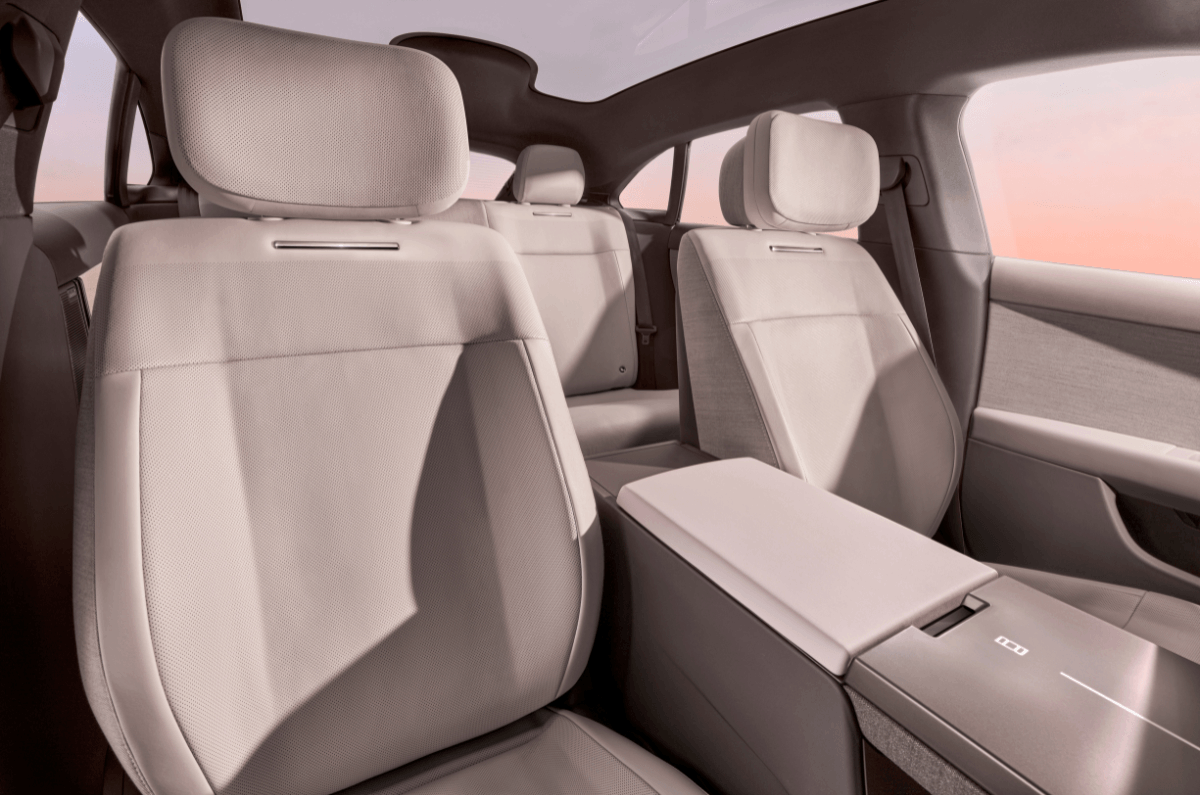
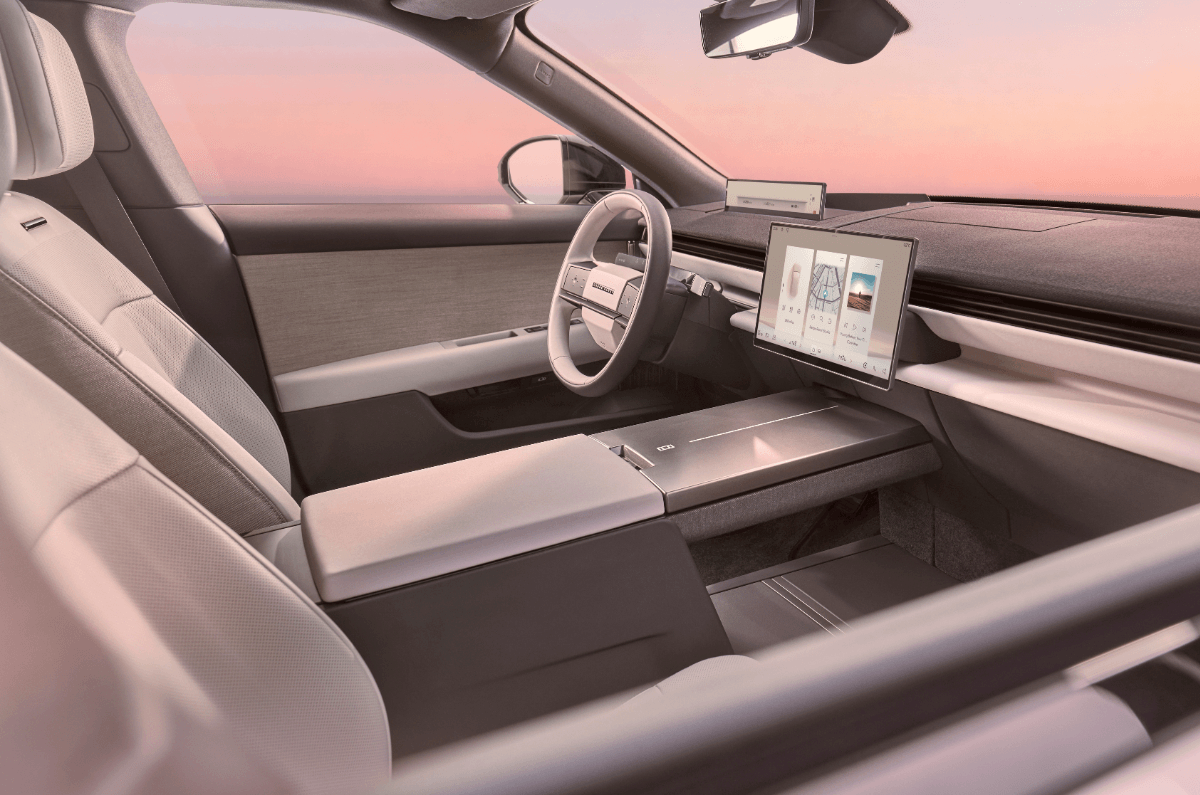
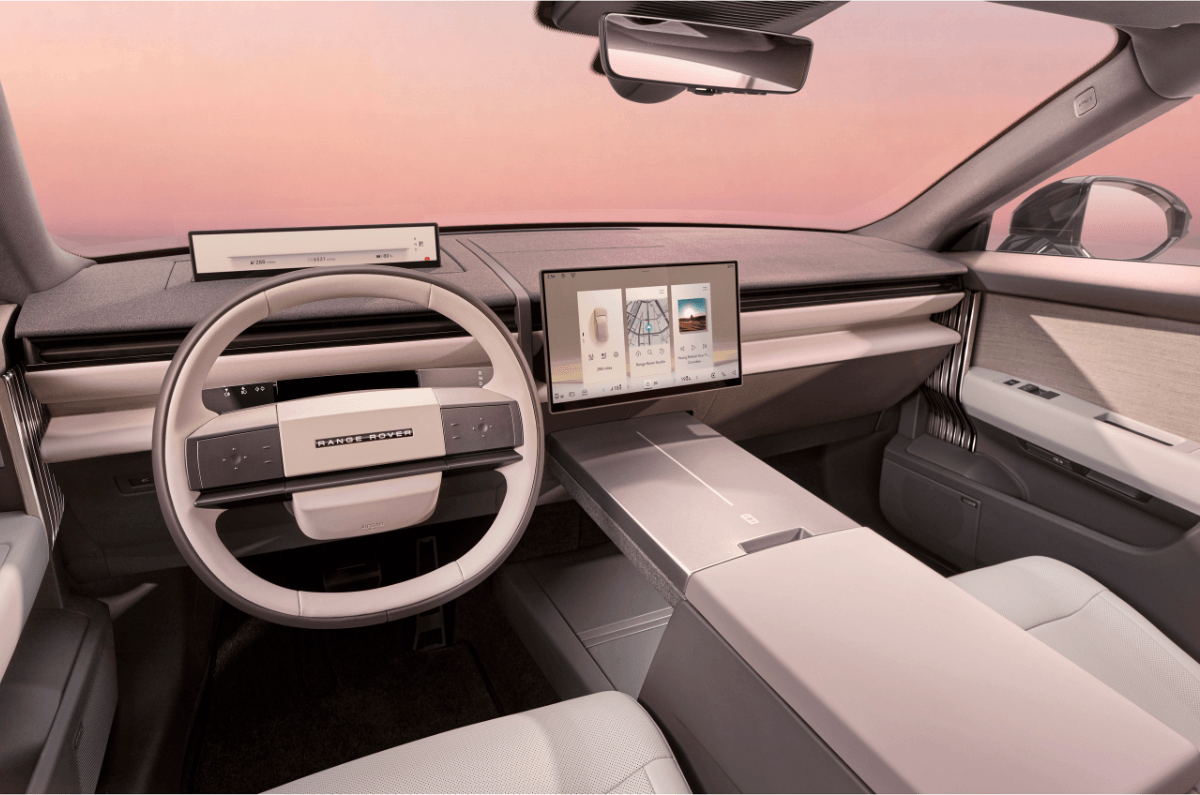
Inside, the GT continues Range Rover’s reductive design language, but in a more architectural, lounge-like way. The cabin is defined by strong horizontal lines, with a single central OLED screen paired with a compact driver display in place of a conventional instrument cluster.

Range Rover GT

That smaller display is not just a styling move. It is meant to cut clutter and reduce the amount of information the driver has to process. A concealed air vent runs the width of the dash, creating a clean horizontal graphic that ties the cabin together, while the dashboard is wrapped in a woven textile that hides the speakers within its form.

Range Rover GT

Range Rover talks about hidden technology and reduced visual and acoustic clutter, and that comes through in the way the cabin is put together. Purists may rue to the fact that there are very few hard buttons, but the controls are said to be simplified to make the interface more user-friendly.

Range Rover GT

Second-row legroom is said to be class-leading, and the stretched body and EMA packaging make that claim believable. This is clearly a car designed to make the rear seat a proper place to be, not just somewhere to sit while the driver has all the fun.

Camouflage, character and what it means

The prototype fleet now running global tests wears a bespoke camouflage inspired by the landscape around Gaydon, home to Range Rover’s design and engineering teams. The topographic pattern gives the car a graphic, almost digital feel, while also hinting at the shape beneath.

Range Rover calls the GT its most technologically sophisticated model yet. The EMA platform, deep software integration and a vast suite of driver assistance features should make it more advanced than any Range Rover before it.

Range Rover GT

Limpert’s point is that the GT is meant to blend effortless EV performance, long-haul refinement and all-terrain ability in a way no conventional GT can. That is the real story here. This is not just a lower, sleeker Range Rover. It is a new interpretation of what the badge can be when the brand is no longer tied to the old packaging rules.

Built in Halewood alongside ICE and hybrid models, the GT is the car that finally drags Range Rover’s grand touring ambitions fully into the electric era – and it does so with a shape and stance that make it look every bit as disruptive as the brief suggests.

Tata Motors begins platform testing for Avinya models

Tata Avinya EV testing

A new camouflaged prototype vehicle was recently spied testing in India, which many online reports speculated to be one of Tata’s upcoming Avinya models. Contrary to those reports, however, the spotted test mule is actually the Sterra ET, an SUV manufactured by Chinese automaker Exceed, a premium brand of Chery. Incidentally, the Exceed Sterra ET is based on the same Chery-JLR platform which Tata Motors recently announced will be underpinning its upcoming Avinya range. 

Tata Avinya EVs to Chery’s E0X platform 

Tata Motors recently confirmed that the Avinya range of models will be underpinned by the Freelander EV platform produced by Chery-JLR in China. Known as the E0X, this platform also underpins several other models in the Chinese market like the Exceed Sterra ES and Sterra ET, the latter of which has been spied testing on our roads. It’s also known as the Exceed Exlantix ET in markets outside China. 

Spied Tata test mule
Exceed Sterra ET


Essentially, the company is using the Exceed Sterra ET as a test bed for its upcoming Avinya EVs, but the spied test mule doesn’t preview any Avinya model in particular, even though its proportions are very similar to the Avinya X concept. 

While Avinya EV’s underlying mechanical architecture is expected to be similar to other models based on the E0X platform, Tata Motors is understood to be reworking key parts of the electronics, software and vehicle systems for Indian market requirements.

Exceed Sterra ET: what is it?

The Sterra ET is a near-5-meter-long SUV that’s available with both all-electric and range-extender hybrid powertrain options. It’s Exeed’s second product in its Sterra lineup after the Sterra ES sedan.

The Sterra ET is also known as the Exlantix ET in markets outside China. 

In all-electric guise, the Sterra ET gets an 800V architecture and can support batteries of up to 100kWh in size. It comes in either rear-wheel drive or all-wheel drive configurations and is claimed to return up to 760km of range in the CLTC cycle. Meanwhile, the range-extender hybrid versions use a 400V architecture and are powered by a 1.5-litre turbo-petrol engine coupled with either a 32kWh or a 41.2kWh battery packs. This, too, comes in both rear-wheel drive and all-wheel drive configurations, and is said to return a combined range of up to 1518 km on the CLTC cycle. 

First production model under Avinya brand is due in 2027. 

It remains to be seen which powertrain configurations Tata chooses for its Avinya range of EVs. The Sterra ET also gets Level 2 ADAS features, OTA updates and V2L capabilities.  

The first production model under the Avinya brand will be the Avinya X, due for a market launch in 2027. 

Image Source: torq_uenation via Instagram 

Range Rover Sport Electric previewed at Goodwood Festival of Speed

Range Rover Sport Electric prototype

JLR previewed the all-new Range Rover Sport Electric at a private event at the recently concluded Goodwood festival of Speed.  It will go on sale globally in September this year, and is expected to arrive at an Indian showroom by March 2027. Save for the powertrain, the Range Rover Sport Electric is largely identical to its ICE-powered sibling inside and out. This will be the brand’s second EV following the flagship Range Rover Electric. 

  1. Range Rover Sport Electric is powered by a 118.5kWh battery and two electric motors 
  2. It’s estimated to have a real-world driving range of around 530km 
  3. Will rival Porsche Cayenne Electric, BMW iX5 upon launch 

Range Rover Sport Electric: key specifications 

The technical details for the Sport are much the same as for the full-size Range Rover. It’s underpinned by JLR’s MLA platform, which was already designed with electrification in mind, and uses an 800V architecture. The 118.5kWh battery pack is estimated to return a real-world driving range of around 530km. There are two in-house developed electric motors (one on each axle), thereby enabling all-wheel drive, and total system out is rated at 550hp and 850Nm. Nought to 100kph is estimated to take about 4.4 seconds, which is quite brisk for an SUV that weighs about 2700kgs. 

It also gets regenerative braking, although there are no paddles for manual control, just D (which can be configured in the screen as ‘light’ or ‘standard’) and S (one-pedal) on the drive selector. 

As for the design, other than the closed-off front grille and the EV badges on the slightly more aerodynamically optimised wheels, it looks the same as any other Sport. The interior is the same as other Sports, too, which means it’s a tech-laden and premium cabin. 

We’ve already sampled a prototype of the Range Rover Sport Electric at Goodwood, and first impressions are that it has an exceptional ride quality, perhaps even better than the ICE-powered version. Performance is smooth and expectedly brisk, although there is a hint of torque steer from the front axle under hard acceleration. It also gets a single pedal mode which is particularly handy when off-roading. 

The company says it has not only tried to retain all the qualities of the ICE-powered Range Rover Sport in this EV version, but even make it better. As such, the electric Sport isn’t meant to be an EV statement but rather just another powertrain option. 

Upon launch, the new Range Rover Sport Electric will rival the likes of the Porsche Cayenne Electric and BMW iX5. When it arrives in India next year, expect it to be more expensive than the locally assembled combustion-powered variants. 

Tata Motors PV Share Price: टाटा की कंपनी पर मैक्वेरी बुलिश, टारगेट प्राइस बढ़ाया; जानिए कितनी तेजी आने की उम्मीद

Tata Motors PV Share Price: टाटा ग्रुप की ऑटो कंपनी Tata Motors Passenger Vehicles के शेयरों को लेकर विदेशी ब्रोकरेज Macquarie ने पॉजिटिव राय दी है। ब्रोकरेज ने सोमवार को शेयर की रेटिंग ‘Neutral’ से बढ़ाकर ‘Outperform’ कर दी। साथ ही टारगेट प्राइस ₹367 से बढ़ाकर ₹381 कर दिया है। मौजूदा स्तर के मुकाबले इसमें करीब 13% तक की तेजी की संभावना जताई गई है।

क्यों बढ़ी उम्मीद?

Macquarie का मानना है कि टाटा मोटर्स के लिए आने वाला समय बेहतर रह सकता है। कंपनी के नए SUV मॉडल्स लॉन्च होने वाले हैं, जिससे पैसेंजर व्हीकल कारोबार को फायदा मिल सकता है।

ब्रोकरेज का यह भी कहना है कि Jaguar Land Rover (JLR) का मार्जिन आने वाली तिमाहियों में धीरे-धीरे सुधर सकता है। इसके अलावा मौजूदा वैल्यूएशन भी आकर्षक है, जिससे शेयर में गिरावट का जोखिम सीमित दिखता है।

भारत के कारोबार से भी उम्मीद

Macquarie के मुताबिक, भारत में टाटा मोटर्स का पैसेंजर व्हीकल बिजनेस भी बेहतर प्रदर्शन कर सकता है। नए मॉडल्स की वजह से कंपनी का मार्केट शेयर बढ़ने और कमाई में सुधार आने की उम्मीद है।

जून तिमाही में बढ़ा प्रोडक्शन

हाल ही में SIAM के आंकड़ों के मुताबिक, जून तिमाही में Punch और Nexon जैसे मॉडल्स का उत्पादन और घरेलू बिक्री बढ़ी है। इससे साफ है कि कंपनी की लोकप्रिय SUV की मांग बनी हुई है।

FY31 तक बड़े लक्ष्य

हाल ही में टाटा संस के चेयरमैन एन. चंद्रशेखरन ने कंपनी की AGM में कहा था कि FY31 तक 6 नई कारें और 20 से ज्यादा प्रोडक्ट अपग्रेड लॉन्च किए जाएंगे।

कंपनी का लक्ष्य FY31 तक सालाना 12 लाख से ज्यादा गाड़ी बेचना है। इसके साथ ही 20% मार्केट शेयर और डबल डिजिट EBITDA मार्जिन हासिल करने का भी लक्ष्य रखा गया है।

एक्सपर्ट्स की क्या राय है?

Tata Motors Passenger Vehicles को कवर करने वाले 32 एनालिस्ट्स में से 13 ने Buy की रेटिंग दी है। वहीं 10 ने Hold और 9 ने Sell की रेटिंग दी है।

टाटा मोटर्स का शेयर सोमवार को 1.64% बढ़कर 343.50 रुपये पर बंद हुआ। हालांकि, 1 साल में स्टॉक 15.87% गिरा है।

TCS Share Price: टाटा की कंपनी के शेयर 6% उछले, ABB के साथ हुई बड़ी AI डील

Disclaimer: मनीकंट्रोल.कॉम पर दिए गए सलाह या विचार एक्सपर्ट/ब्रोकरेज फर्म के अपने निजी विचार होते हैं। वेबसाइट या मैनेजमेंट इसके लिए उत्तरदायी नहीं है। यूजर्स को मनीकंट्रोल की सलाह है कि कोई भी निवेश निर्णय लेने से पहले हमेशा सर्टिफाइड एक्सपर्ट की सलाह लें।