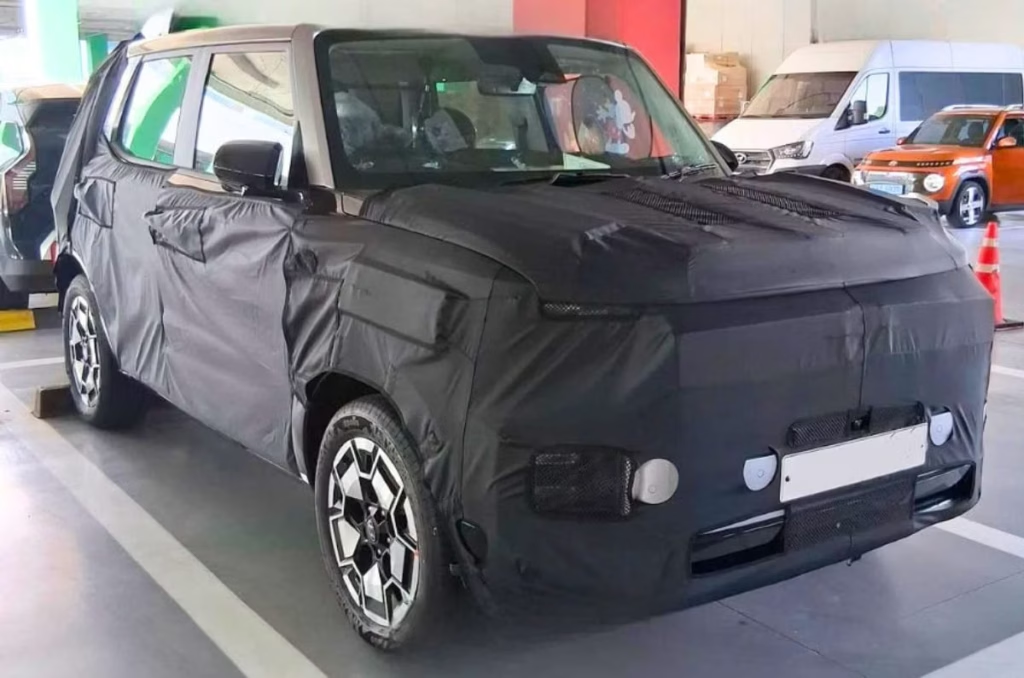
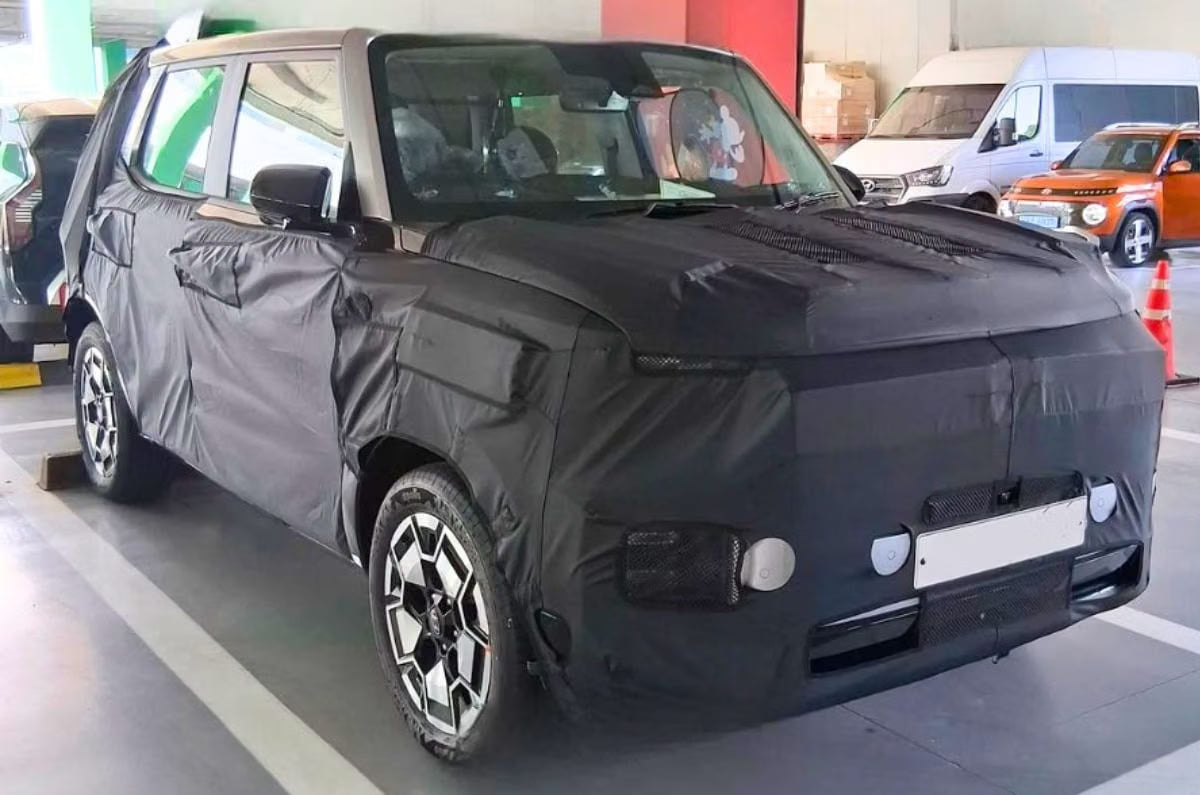
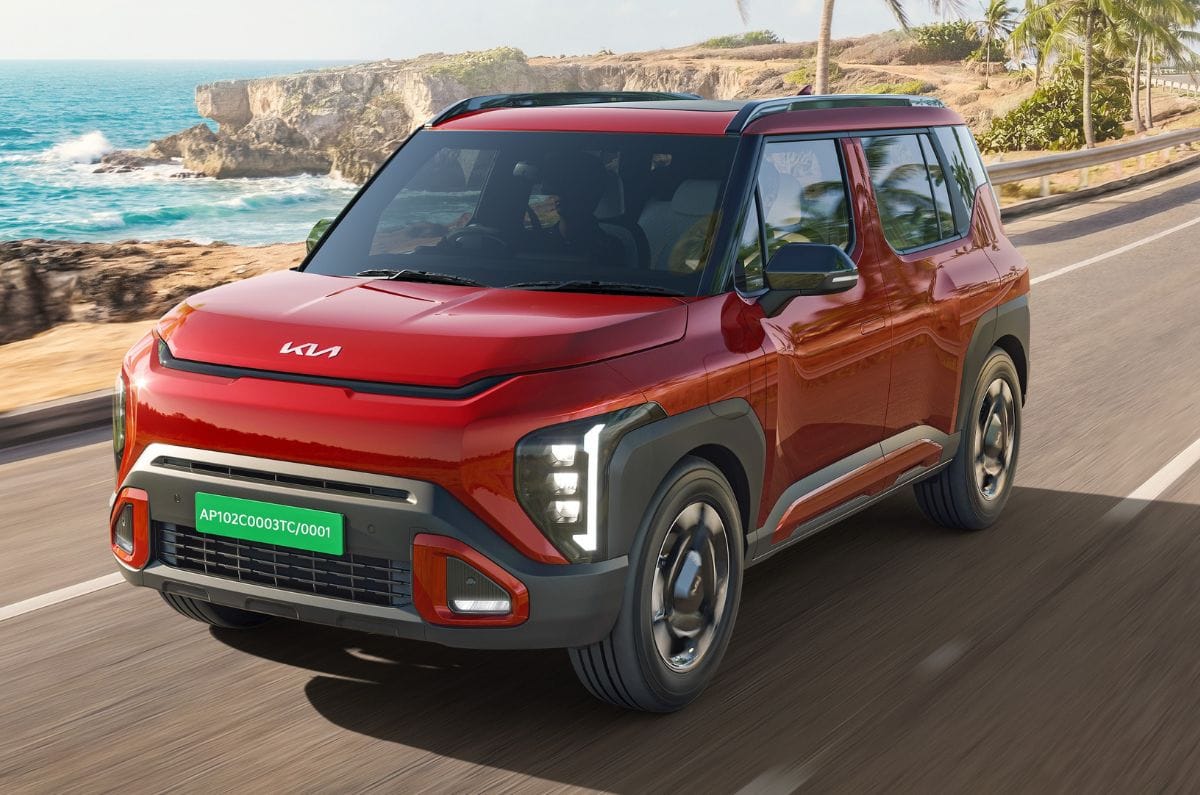
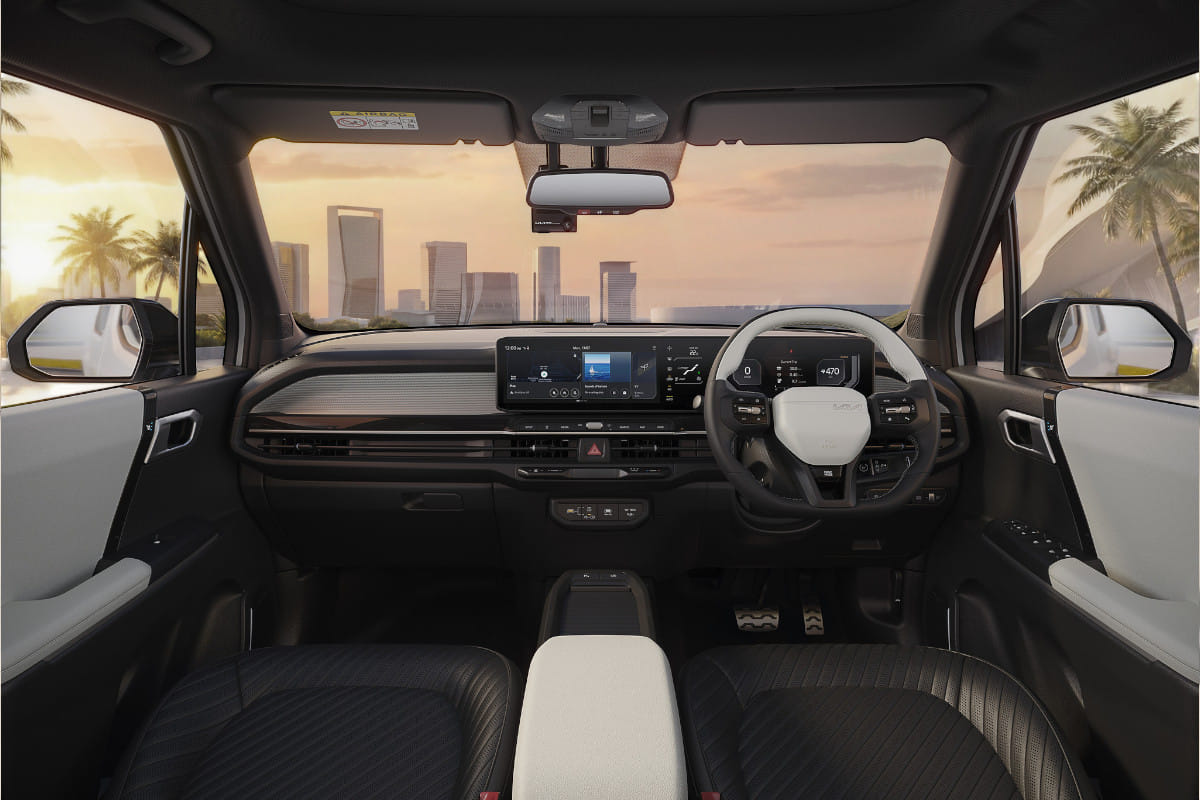
Hyundai’s upcoming compact electric SUV will debut in India in Q1 2027. The carmaker had initially outlined a debut by March 2027 at its 2026 CEO Investor Day, before Hyundai Motor India MD and CEO Tarun Garg told our sister publication Autocar Professional that the EV would arrive earlier, by the end of 2026. According to our sources, the Hyundai compact EV is now slated to debut in January 2027.
Hyundai compact EV: Platform and battery details
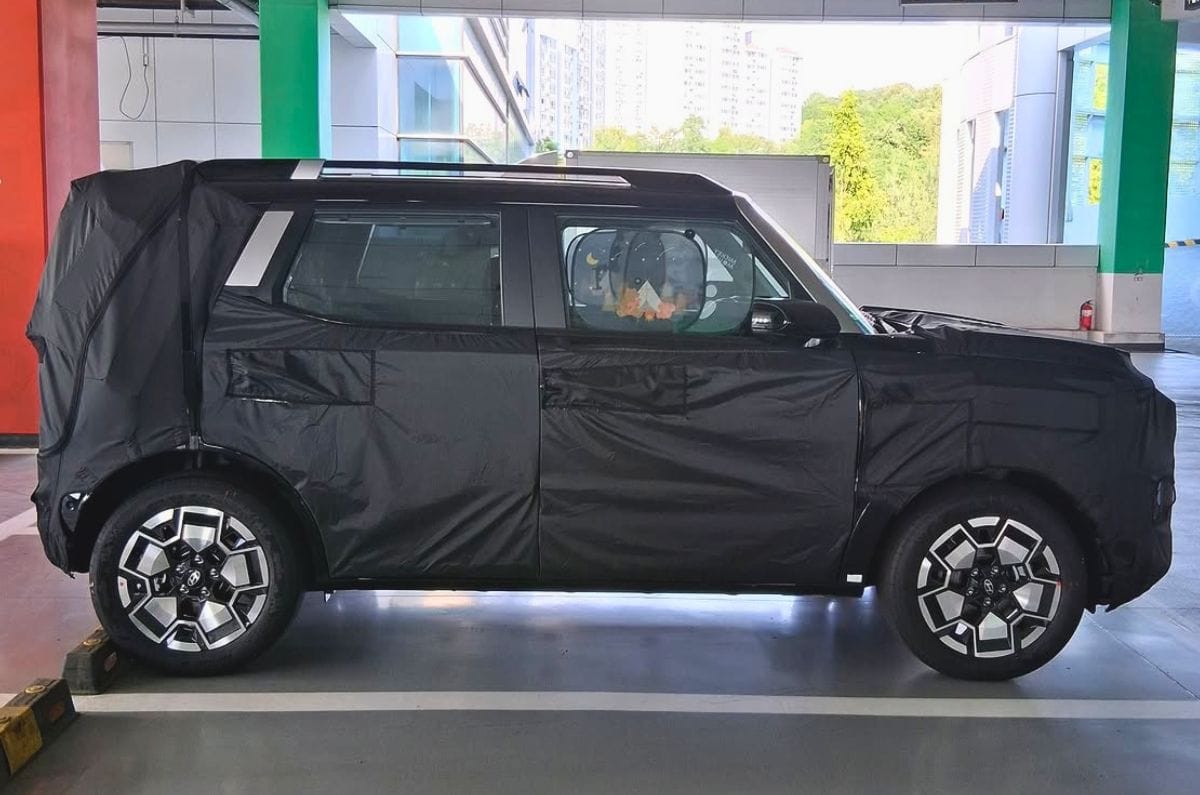
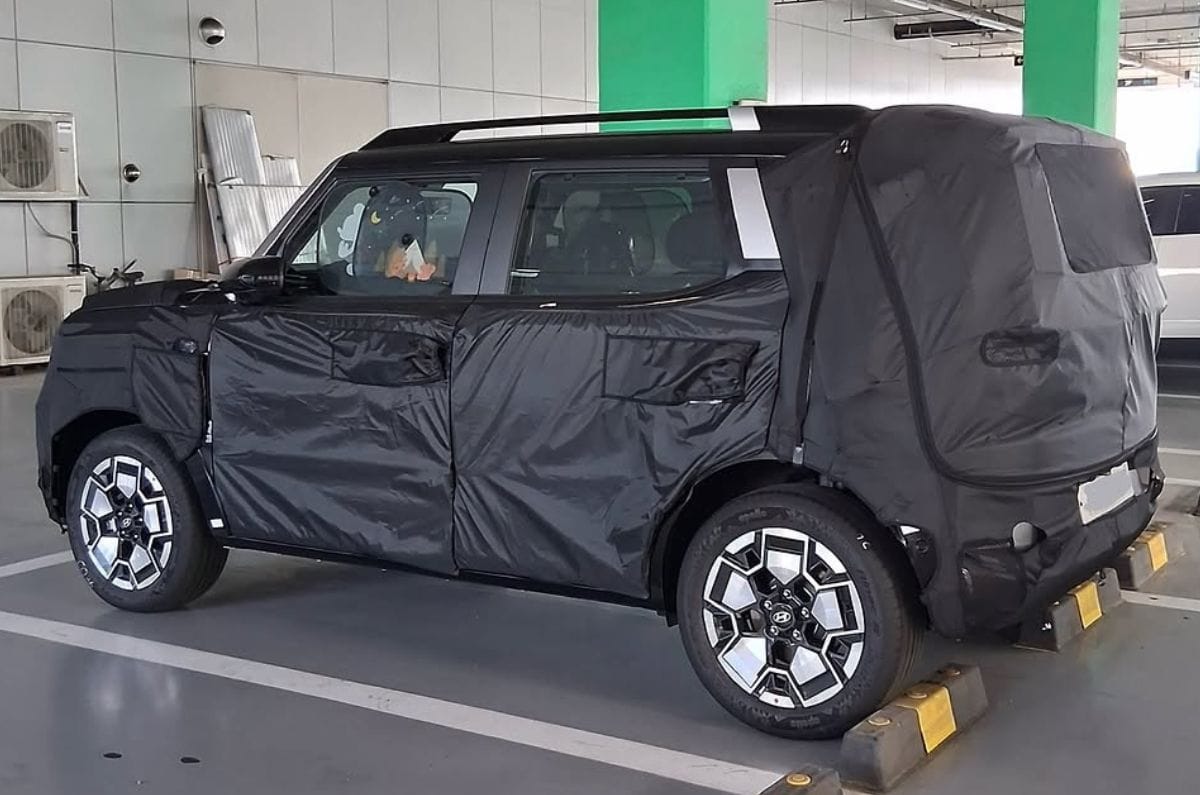
Image source: @joonsun_erin on Instagram
Codenamed HE1i, the upcoming compact electric SUV will use Hyundai’s E-GMP (K) platform, which also underpins the Inster EV sold overseas. The new model will be manufactured at Hyundai’s Sriperumbudur plant in Tamil Nadu and has been planned specifically for the Indian market.
It will be offered in two versions: Standard Range and Long Range. However, the exact specifications are under wraps. For reference, the Inster EV is offered with 42kWh and 49kWh battery packs, with claimed WLTP ranges of up to 300km and 355km, respectively. The Inster Standard Range produces 97hp and 147Nm, while the Long Range version produces 115hp and 147Nm.
The compact EV will initially use battery cells supplied by Svolt. Hyundai plans to shift to locally sourced cells through its association with Exide, following delays in the latter’s battery production.
Hyundai compact EV: Features and rivals
Hyundai has confirmed that the compact EV will feature Level 2 ADAS and a ‘next-generation infotainment system’, which could be the Pleos Connect system seen in some of the brand’s newer models.
For reference, the international-spec Hyundai Inster gets dual 10.25-inch displays for the instrument cluster and infotainment system, automatic climate control and a 360-degree camera with blind-spot monitoring. It remains to be seen which of these features will make it to the India-spec compact EV.
The Hyundai compact EV will rival the Tata Nexon EV, Mahindra XUV 3XO EV and Kia Syros EV in India.
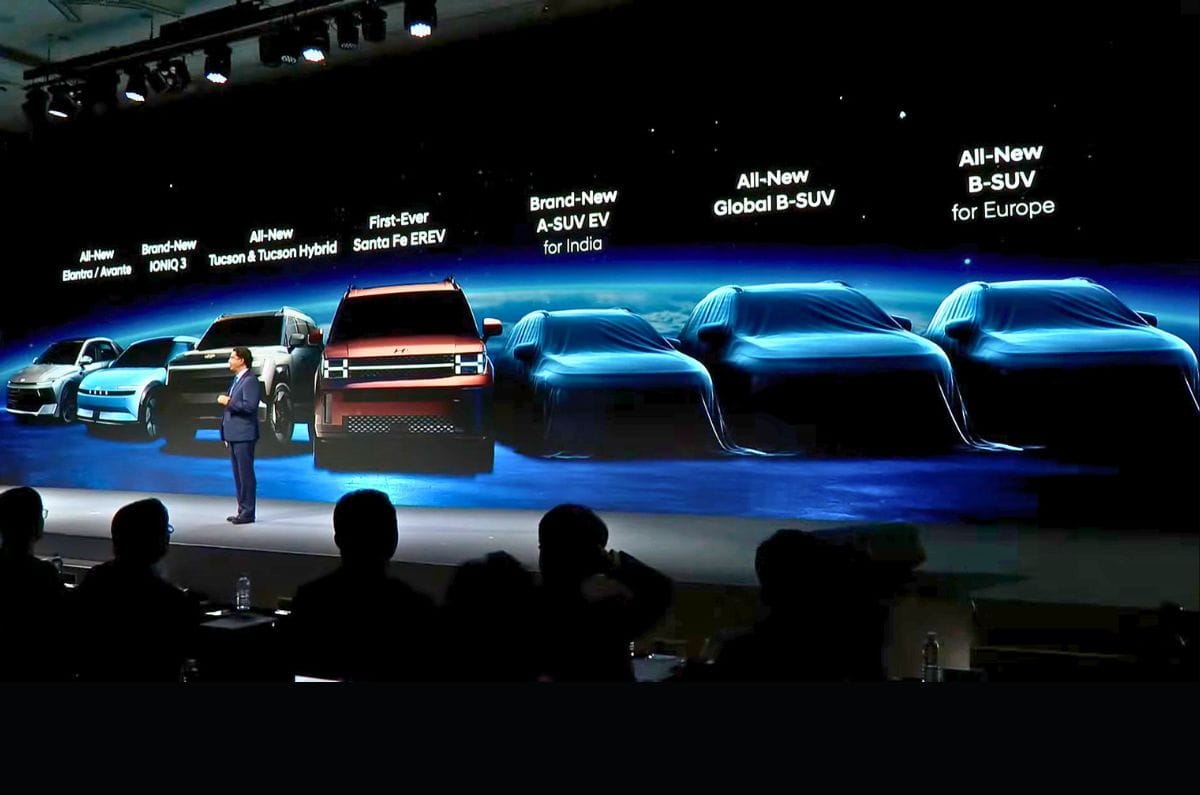
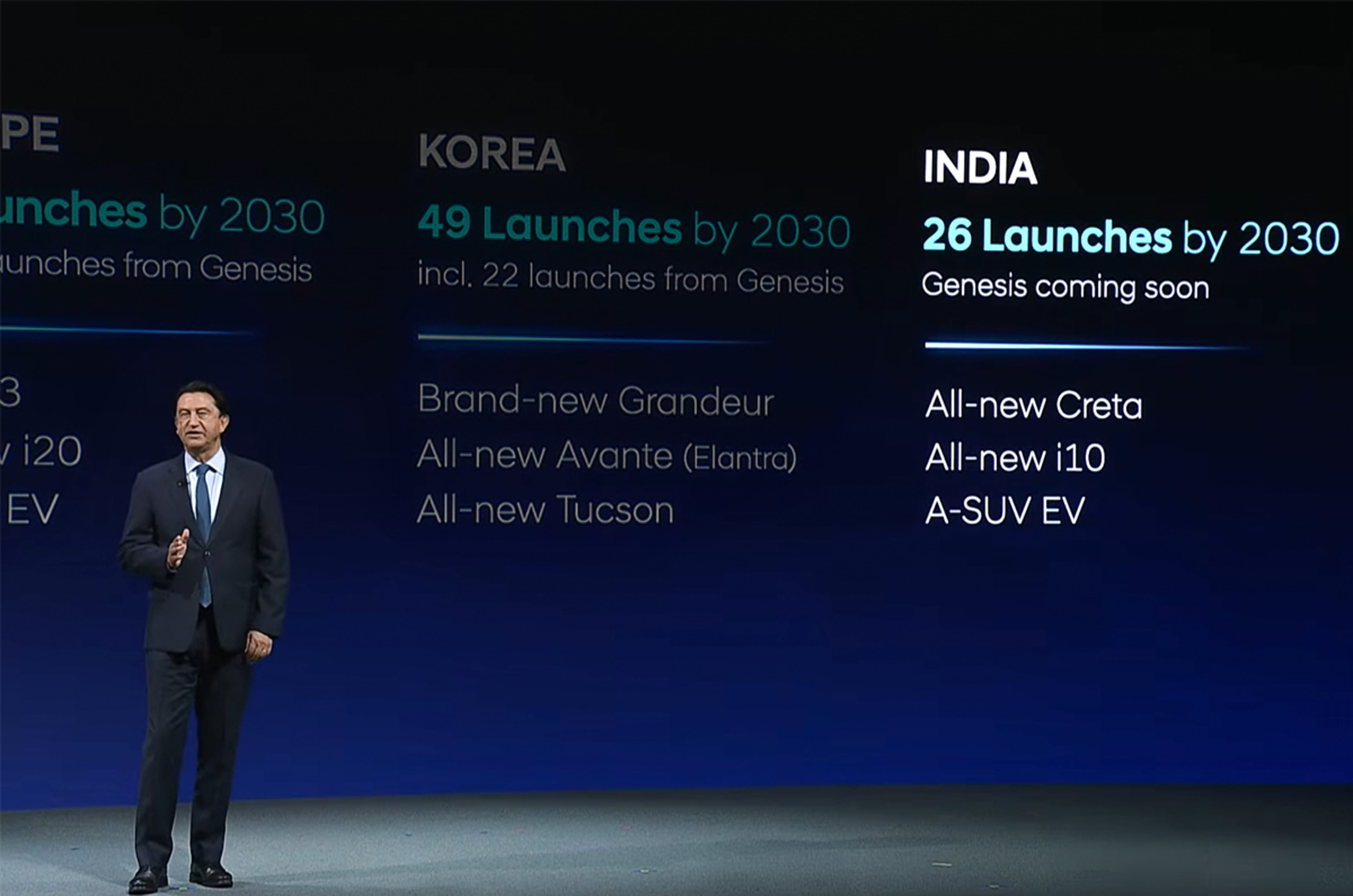
At its 2026 CEO Investor Day, Hyundai revealed plans to debut its made-in-India compact electric SUV by March 2027. However, Tarun Garg, Managing Director and CEO of Hyundai Motor India, in an interaction with our sister publication Autocar Professional, confirmed the EV will debut earlier than that, by the end of 2026. Garg also said that the EV will initially use battery cells from Svolt, before moving to its original plan to source them from Exide.
To be built on the E-GMP (K) platform that underpins the Inster EV
Will rival the Tata Nexon EV, Mahindra XUV 3XO EV and Kia Syros EV
Hyundai has also revealed it expects EVs to account for more than 7 percent of its domestic sales within the next year. In FY26 (April 2025 to March 2026), EVs accounted for a 1 percent share of total Hyundai sales in the country, a figure similar to FY25 (April 2024 to March 2025).
Upcoming Hyundai compact EV: More details
Svolt to supply battery cells initially, after Exide flagged production delays earlier
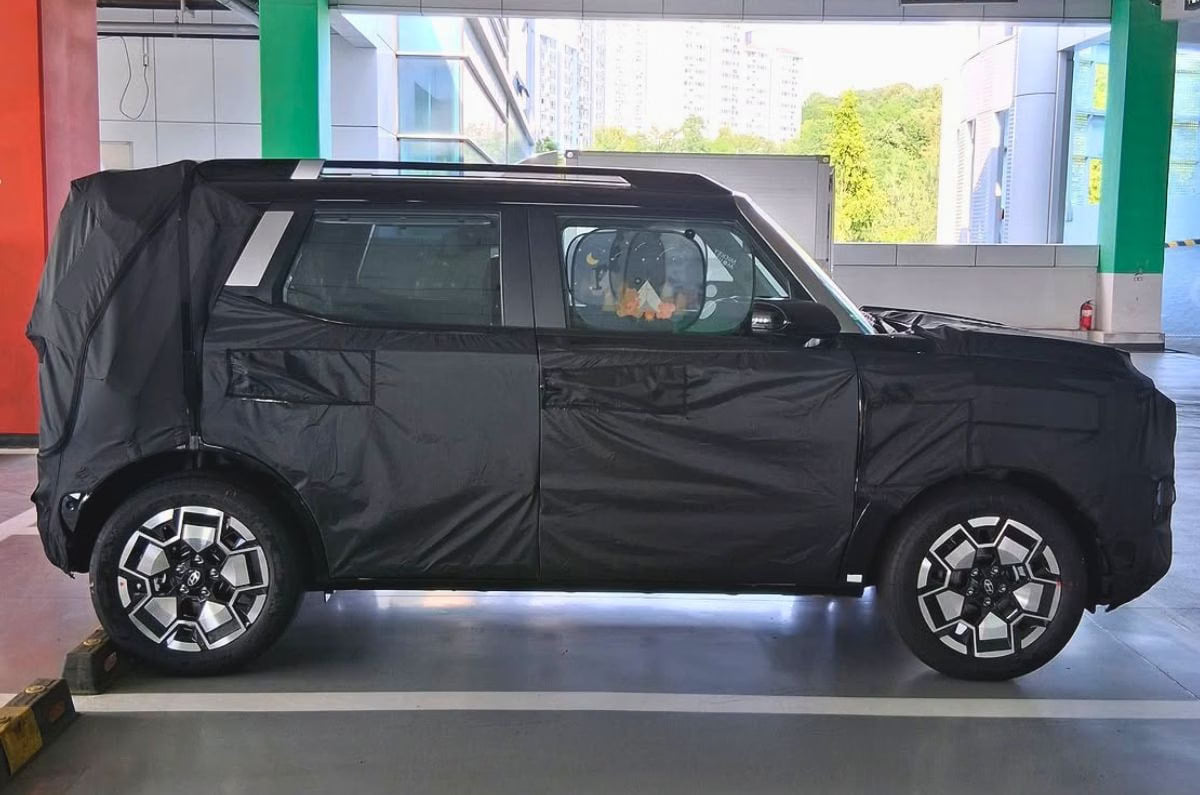
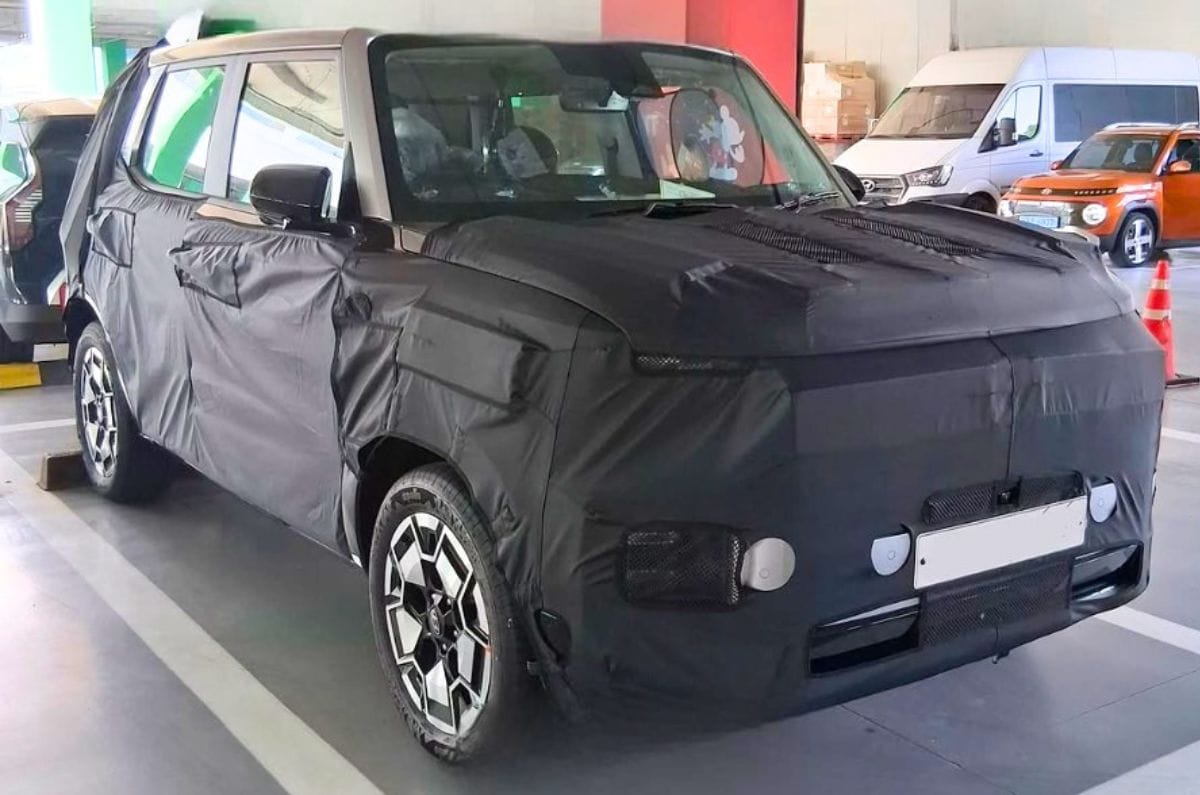
Image source: @joonsun_erin on Instagram
The upcoming compact EV will initially use Svolt battery cells. “We are already ready with the new EV using Svolt cells. Otherwise, the programme could have been delayed, and we did not want to delay the vehicle,” Garg said to Autocar Professional. However, Hyundai subsequently plans to source locally produced cells through its association with Exide, as was originally planned. Notably, Exide revealed in August 2026 that battery production is delayed and that they would not be able to supply components by FY27 (by March 2027).
Will be underpinned by the Inster’s E-GMP (K) platform
The upcoming compact EV, codenamed HE1i, will be underpinned by the E-GMP (K) platform, also used by the internationally available Inster EV. It will be offered in two versions: standard range and long range, but exact specifications are under wraps. For context, the Inster EV is also available in standard and long-range versions, with 42kWh and 45kWh batteries, respectively, offering a WLTP-claimed range of up to 355km.
Hyundai has also confirmed that the new compact EV will get a ‘next-generation infotainment system’, which could be the Pleos Connect infotainment system seen on several new-age Hyundai models now, and a ‘Level 2 assisted driving technology’. It will be manufactured at Hyundai’s Sriperumbudur facility in Tamil Nadu. Upon launch, it will lock horns with the Tata Nexon EV, Mahindra XUV 3XO EV and Kia Syros EV.
With inputs from Ketan Thakkar and Hormazd Sorabjee
Hyundai has announced a new compact electric SUV for India at its 2026 CEO Investor Day. The new EV will be designed and manufactured in India and is slated to debut in the country by the last quarter of FY 2027 (by March 2027). Jose Munoz, President and CEO of Hyundai Motor Company, said, “A brand-new compact SUV is coming, designed and localised in India.”
A ‘next-gen infotainment’ and Level-2 ADAS are confirmed features
Will be built on the E-GMP (K) platform and manufactured in Tamil Nadu
Will compete with the Tata Nexon EV and Mahindra XUV 3XO EV
Upcoming Hyundai compact EV: All we know so far
It will be built on the E-GMP (K) platform and will be a rival to the Nexon EV
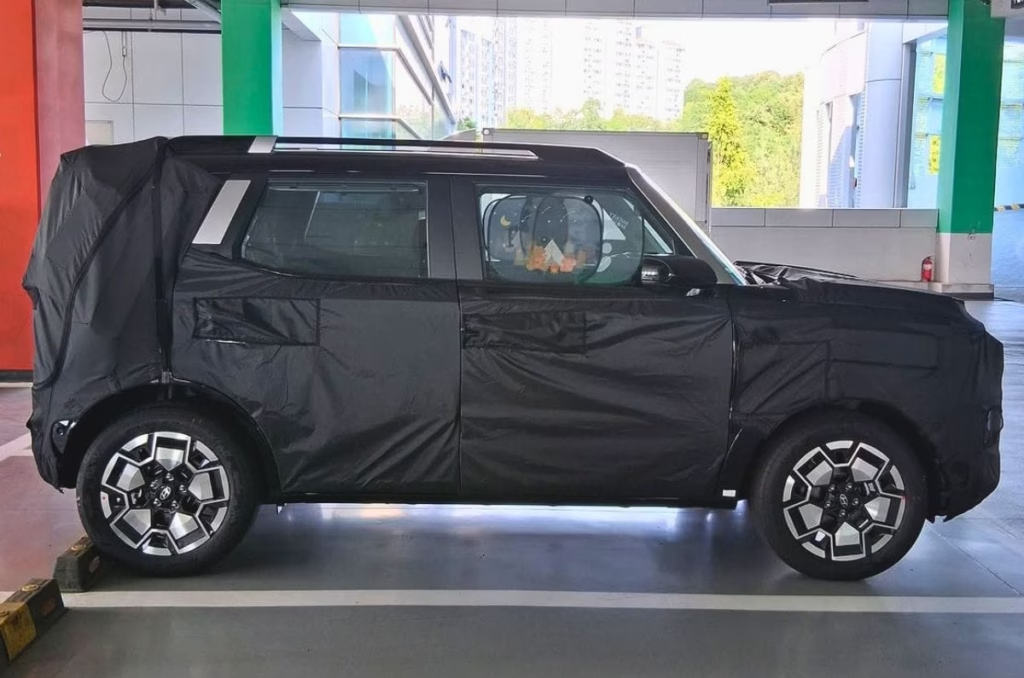
The upcoming EV, codenamed HE1i, was first announced at Hyundai’s Investor Day 2025. Later, we got to know it will be a born-electric vehicle built on the E-GMP (K) platform, which also underpins the Inster EV offered abroad. It will be manufactured at Hyundai’s Sriperumbudur facility in Tamil Nadu.
The HE1i EV will use localised Exide-sourced batteries and will be offered in two versions: standard range and long range, the exact specifications of which are unknown. For context, the Euro-spec Inster is offered with a 42kWh battery with 300km WLTP-claimed range and a long-range 49kWh battery with 355km claimed range.
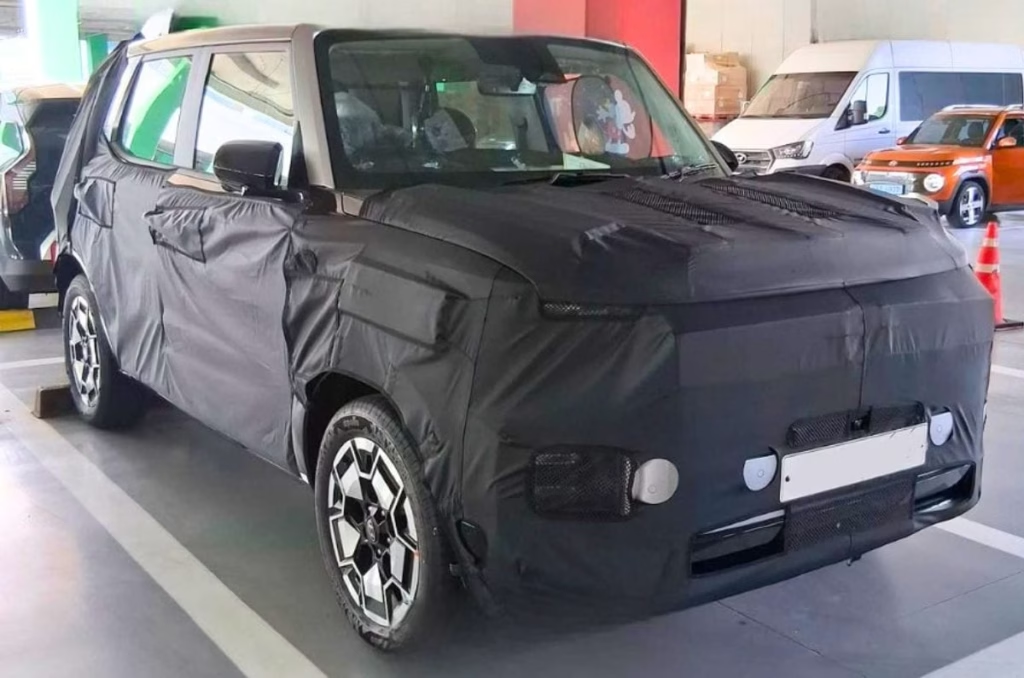
Image source: @joonsun_erin on Instagram
The new compact EV is confirmed to have a “next-generation infotainment system”, which could be the Pleos Connect infotainment system also expected on the upcoming third-generation Creta, and “Level 2 assisted driving technology”.
The upcoming Hyundai compact EV will be positioned as a rival to the Tata Nexon EV, Mahindra XUV 3XO EV and Kia Syros EV. Being a localised offering, it could have a lower price tag than the Syros EV, which is currently the most expensive option in the segment.
Hyundai expects electrified vehicles to account for 50 percent of India sales by 2030. Currently, it sells two EVs in the country: the Creta Electric and Ioniq 5, and the upcoming compact eSUV will give the carmaker a share in the more accessible segment of India’s EV market.
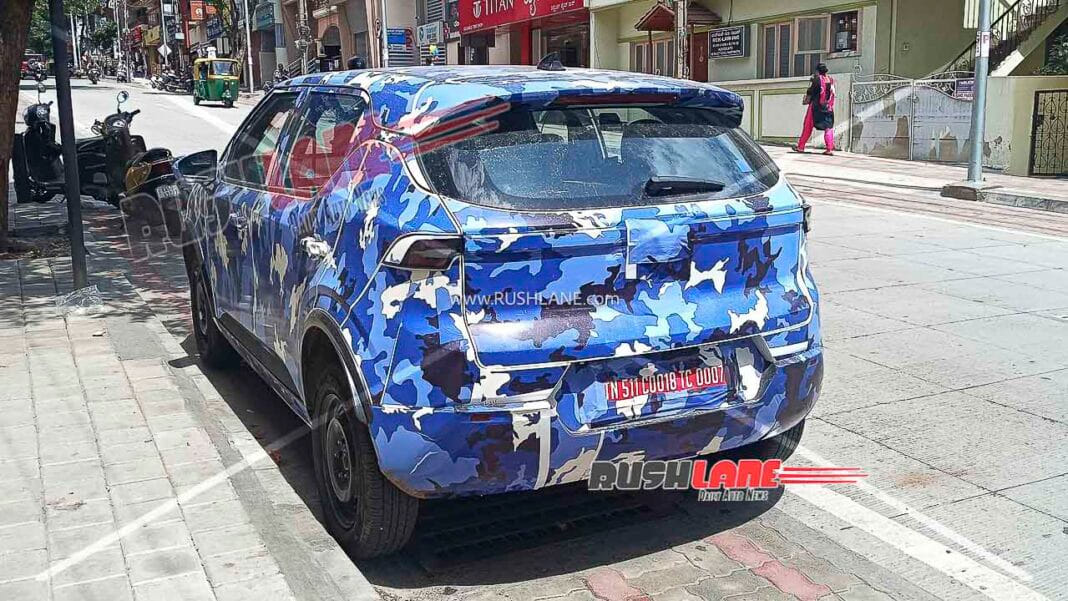
We exclusively reported earlier this year that Vinfast is considering launching the VF5 SUV in India. Ahead of its arrival, a heavily camouflaged prototype has been spotted on our roads, hinting at the design of the India-spec version. When the VF5 arrives here, it’ll be positioned below the VF6 midsize electric SUV. Secondly, the Vietnamese carmaker is also expected to utilise a fleet version of the VF5 for its Green SM taxi service.
India-spec VF5 likely to have different soft parts compared to global-spec VF5.
VF5 expected to be available for private and fleet buyers like the VF MPV 7.
Vinfast VF5: What the spy shots revealed
While the overall silhouette of the prototype is largely similar to the global-spec VF5, there were differences spotted. The front-end of the prototype has a more upright look with a clamshell bonnet compared to the global-spec VF5’s more swooping nose. Headlamp units positioned lower down on the sides of the bumper suggest a split design. The headlamps themselves feature a revised look, suggesting that the India-spec VF5 would have a revised fascia in comparison to the global-spec version.
In profile, the mule sported a similar design for the glass house, black wheel arches, a black section on the C-pillar, and moulding on the lower sides of the doors to the global-spec VF5.
The rear end was spotted with a raked windscreen, while a concealed horizontal section on the tailgate suggests a connected LED tail-lamp setup with a look that differs from the global-spec VF5. Moreover, there was also a spoiler-mounted stop lamp, while the bumper lower down gets a curved look with horizontal reflectors and a hexagonal layout for the license plate.
Inside, the test mule had a completely different layout from the global-spec VF5. It had an all-black colour scheme, a two-spoke steering wheel, and cup holders on the centre console. Unlike the global-spec VF5, which has a dedicated instrument cluster, the prototype does without it and gets a large floating infotainment display, which is likely to be the main source of all information and functionality.
The India-spec VF5 is expected to be under 4 metres in length. For context, the global-spec VF5 is 3,967mm long, 1,723mm wide, 1,579mm high and has a 2,514mm wheelbase.
Vinfast VF5: Expected powertrain
The global-spec VF5 is offered with two battery packs. There’s a 29.6kWh battery pack paired to a front-mounted motor developing 95hp and 135Nm. Also, there’s a larger 37.23kWh battery pack mated with a front-mounted motor delivering 136hp and 135Nm. NEDC-claimed ranges for the 29.6kWh and 37.23kWh are 268km and 326km, respectively. It remains to be seen what is brought to India.
Vinfast VF5: Expected price
Expect the Vinfast VF5 to be priced in the ballpark of Rs 12 lakh. Once launched, it will take on the likes of the Tata Nexon EV (Rs 12.49 lakh to Rs 17.49 lakh) and the Mahindra XUV 3XO EV (Rs 13.89 lakh to Rs 14.96 lakh).
After the Carens Clavis EV, the Kia Syros EV is the carmaker’s second mass-market zero-emission vehicle in India. The electric Syros rivals the Mahindra XUV 3XO EV and the Tata Nexon EV, and we recently got behind the wheel to find out what it does well and where it falls short. If you are planning to bring this Kia EV home, here are three reasons to consider it and two reasons why you may want to think again.
Pros
Impressive performance and range
First, let’s discuss some numbers. The Kia Syros EV is offered with two battery pack options: 42kWh and 51.4kWh. Both power a front axle-mounted electric motor, producing 135hp with the smaller battery and 171hp with the larger unit. Torque remains the same at 255Nm for both versions.
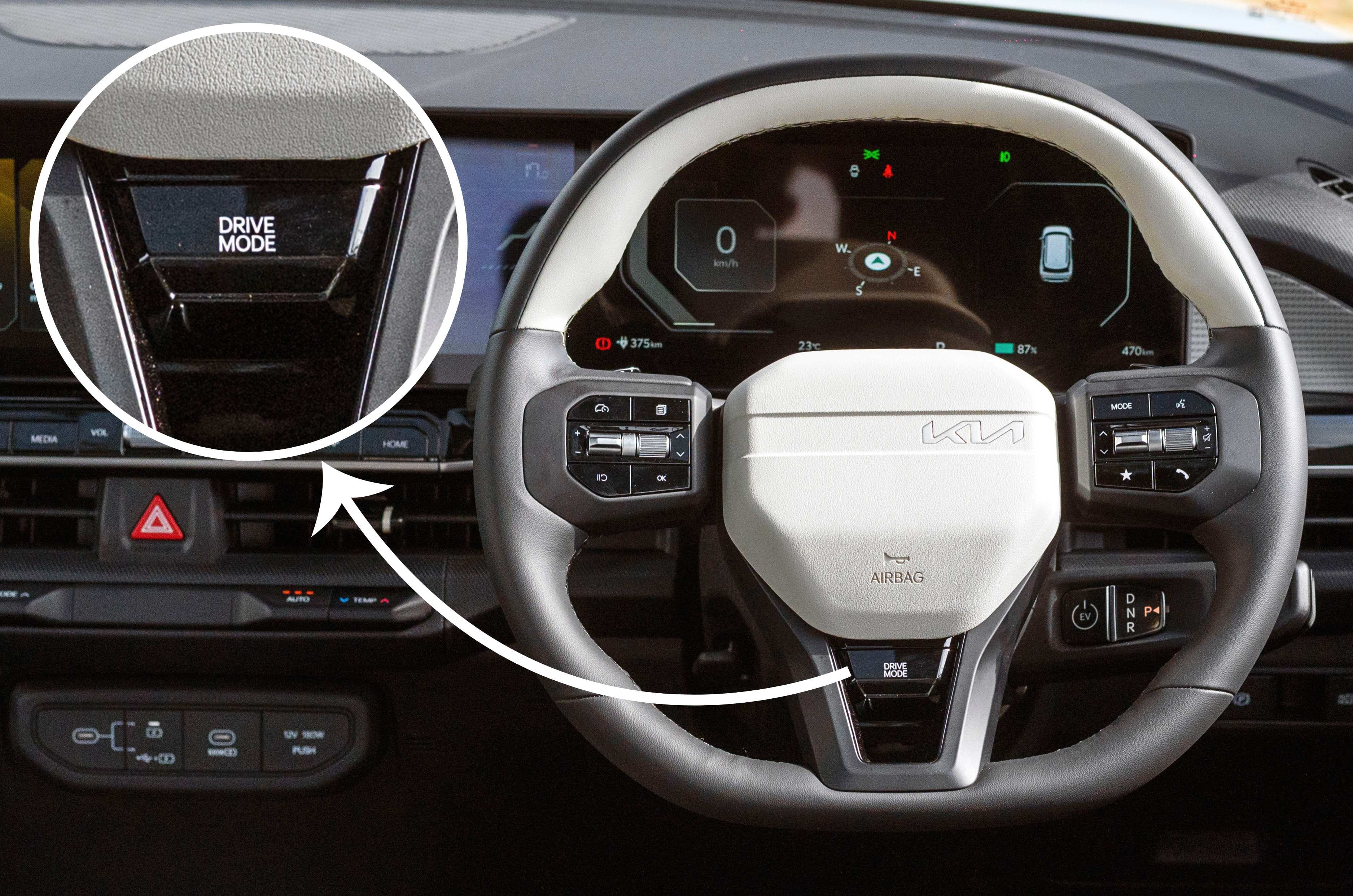
We drove the 51.4kWh version, which Kia claims can sprint from 0-100kph in 8.1 seconds. In our experience, performance was brisk. The EV comes with Eco, Normal and Sport drive modes, and throttle response becomes a little sharper as you move through them. Initial response across modes is linear, though there is a strong shove as you press the throttle further. Even in Eco and Normal, overtaking is effortless, and there is rarely a need to switch to Sport for a quick pass.
The MIDC range is 526km for the 51.4kWh battery pack and 443km for the 42kWh unit. While our short drive wasn’t enough to verify these figures, the larger battery should comfortably deliver around 400km of real-world range on a single charge.
Spacious and practical cabin
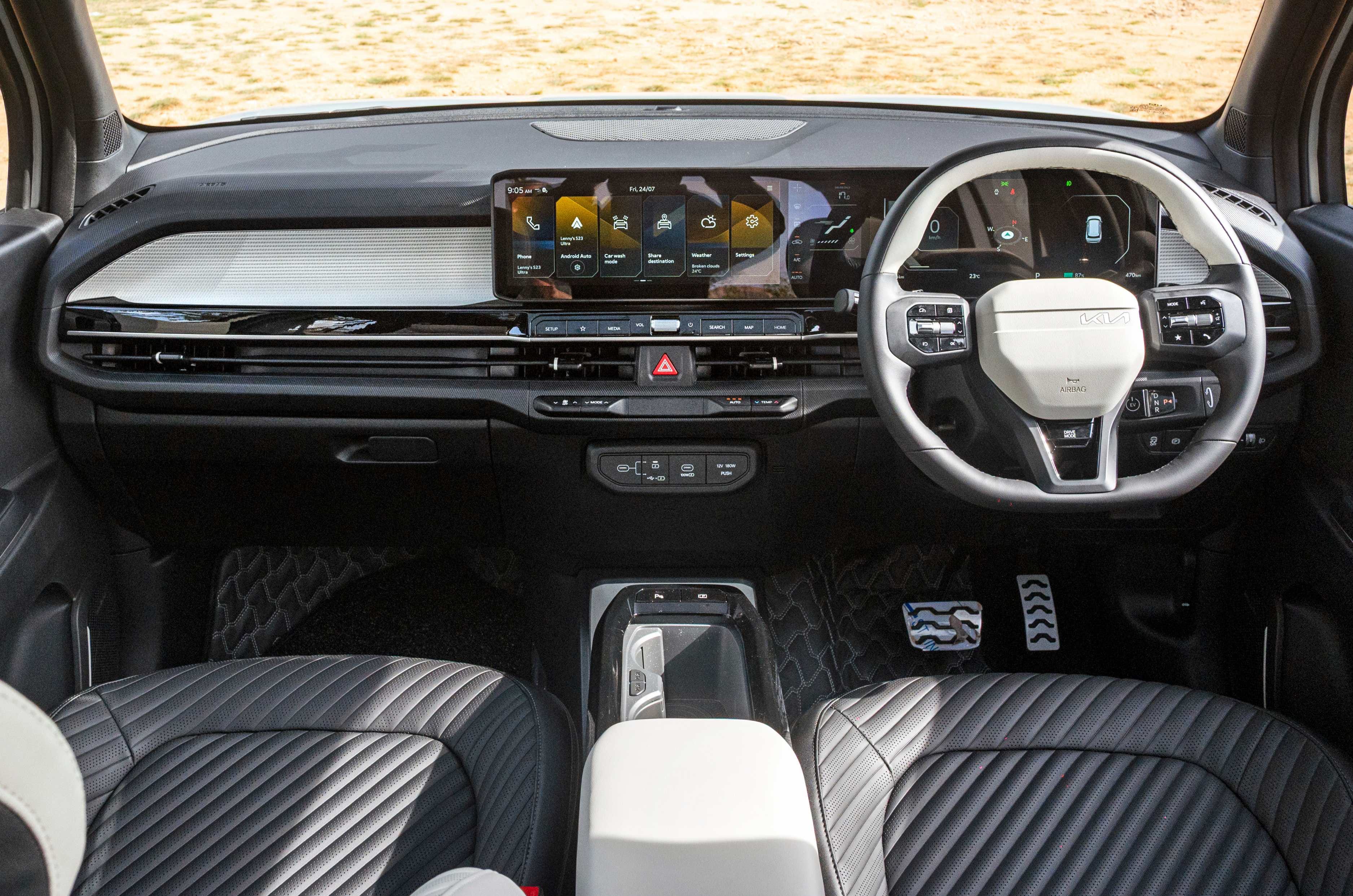
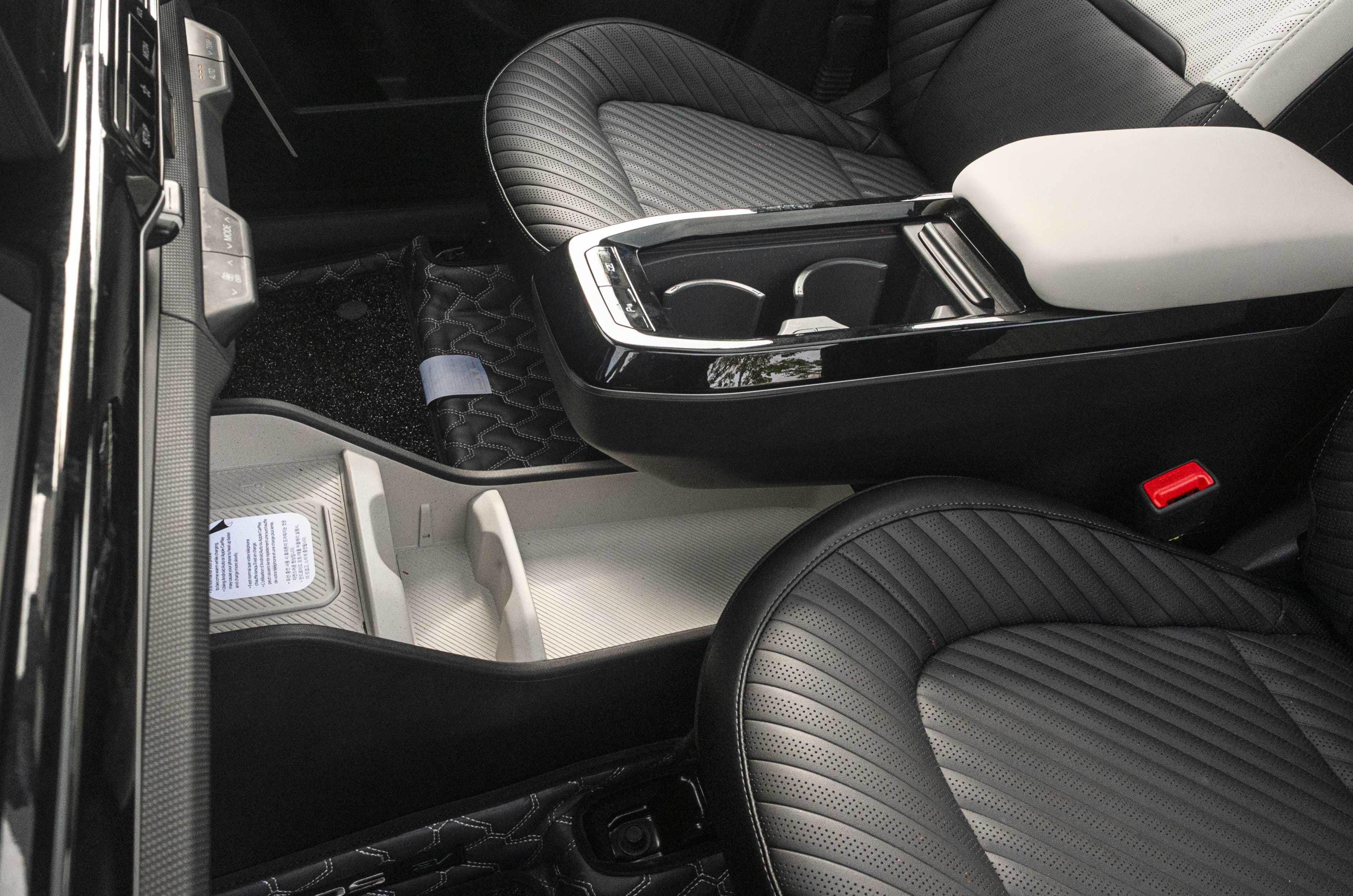
Like the ICE version, the Syros EV offers plenty of space for passengers. Since the drive selector is placed on the steering column, Kia has redesigned the centre console to create more storage space. Its upper section gets a small storage area below the armrest and two cup holders with a sliding cover. The console’s lower section offers a larger storage space for a bag, another cup holder and a wireless phone charger. Also, the front door pockets are large enough to hold a couple of bottles and an umbrella.
The front seats are comfortable and supportive, and the rear-seat space continues to be one of the compact SUV’s biggest strengths, with plenty of room all around. The battery pack raises the floor slightly, but sliding the rear bench backwards makes it much more comfortable. The EV’s flat floor is another advantage, and rear-seat ventilation (for the base) has been carried over from the ICE version.
The boot space remains unchanged at 390 litres with the rear seat pushed back and 465 litres with it slid forward. Rear seats can also be folded to carry larger items, and being an EV, it also offers a 16-litre frunk (front boot).
Feature-packed
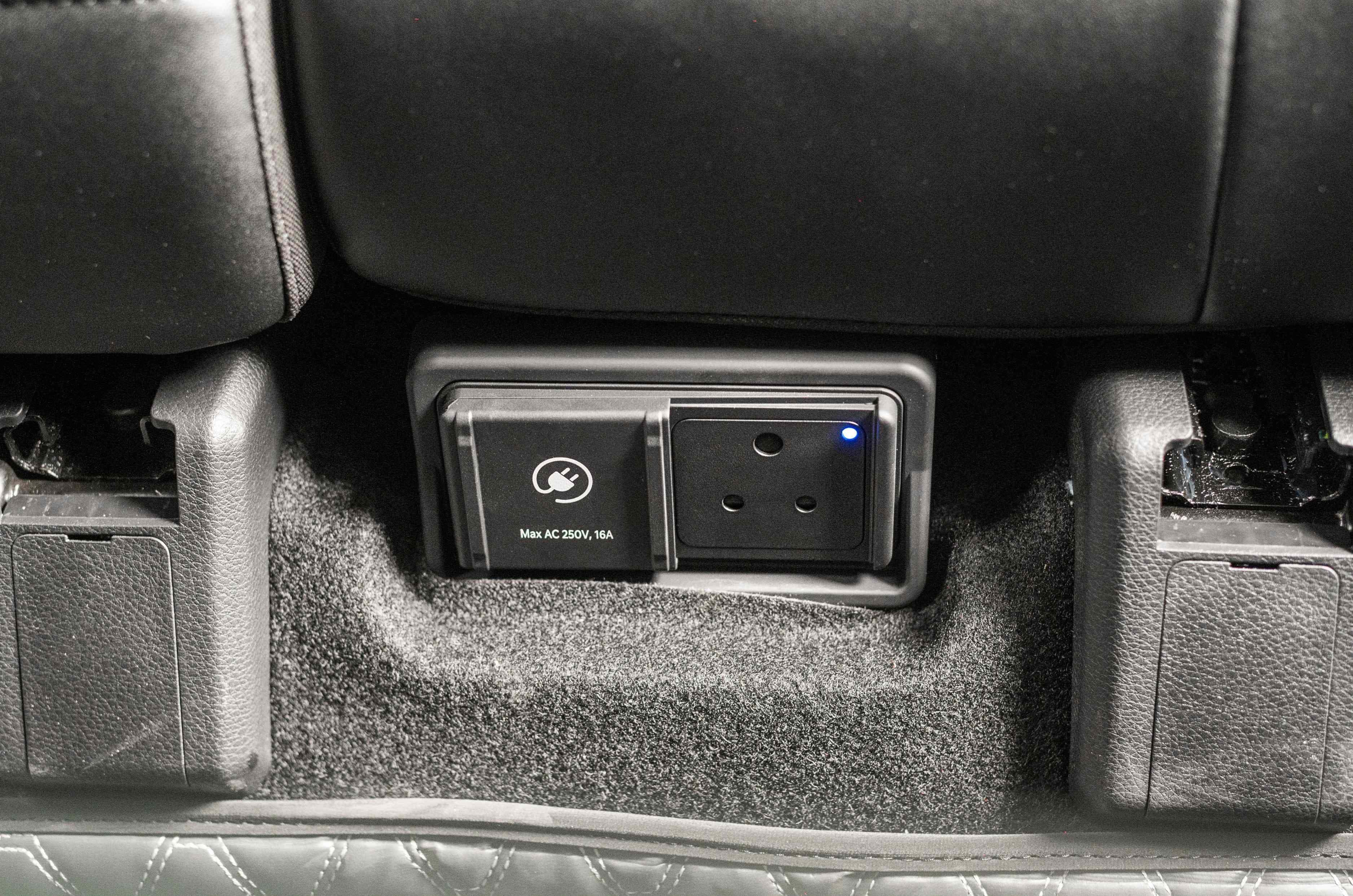
The EV gets Kia’s Trinity Panoramic Display, which includes two 12.3-inch screens for infotainment and the driver’s display, along with a 5-inch screen for the climate control. Wireless Android Auto and Apple CarPlay are offered, while the top trims also feature an eight-speaker Harman Kardon sound system. To pamper occupants at the back, AC vents and sunblinds are standard across the range. The household-style three-pin socket in the back seat is exclusive to the top-spec X-Line trim.
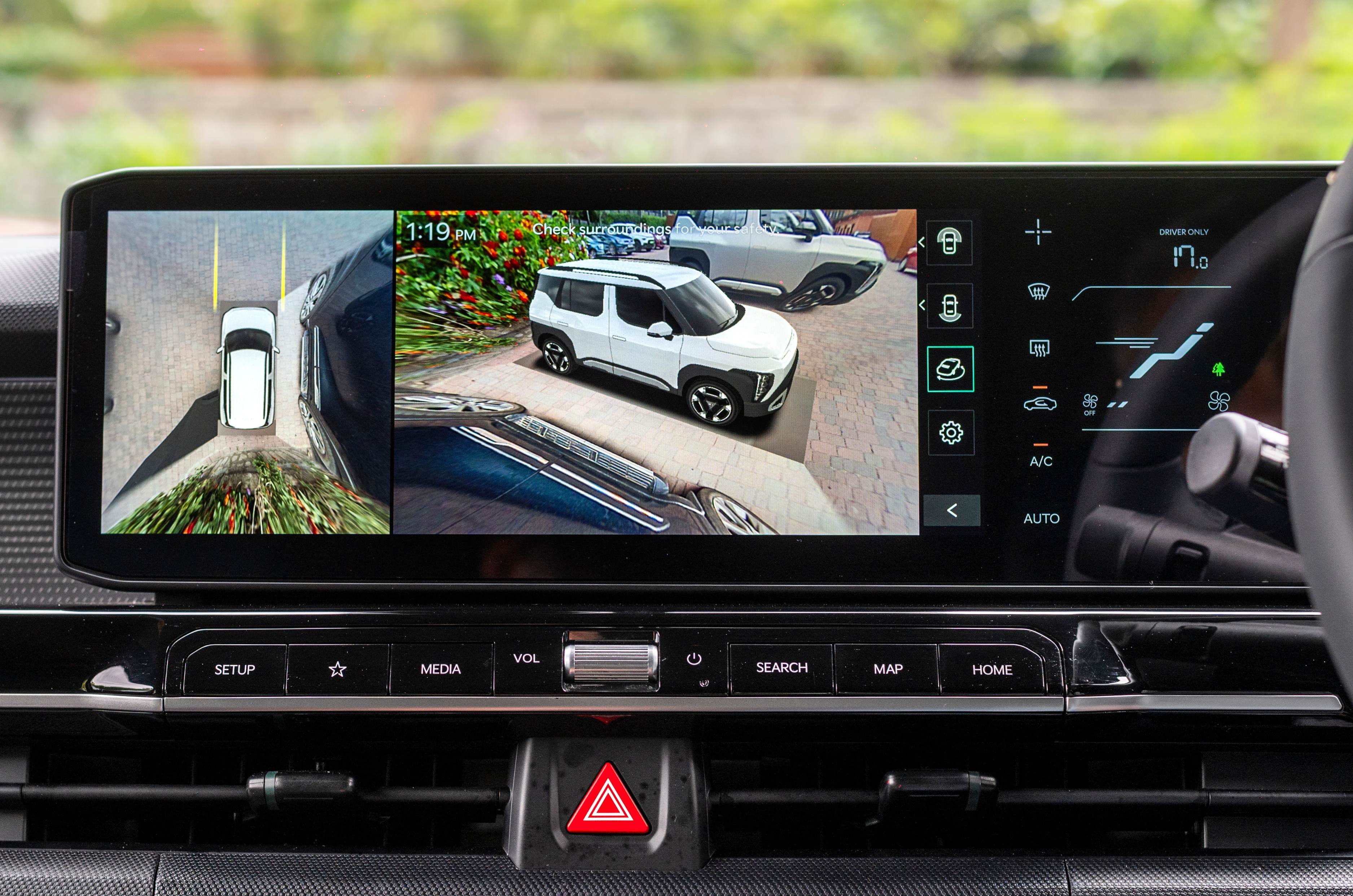
As for safety, the Syros EV comes with six airbags, all-wheel disc brakes, tyre-pressure monitoring and Isofix child-seat mounts as standard. The X-Line trim also gets a 360-degree camera and an ADAS (advanced driver assistance systems) suite with features such as adaptive cruise control with stop-and-go, lane-keep assist, forward and rear collision avoidance and a blind-spot camera. Notably, the ICE version no longer gets ADAS.
At the time of writing, the Syros EV has not yet received an official crash-safety rating. However, since the ICE version has already earned a 5-star Bharat NCAP crash-safety rating, the EV is expected to achieve a similar result.
Cons
Body roll through the corners
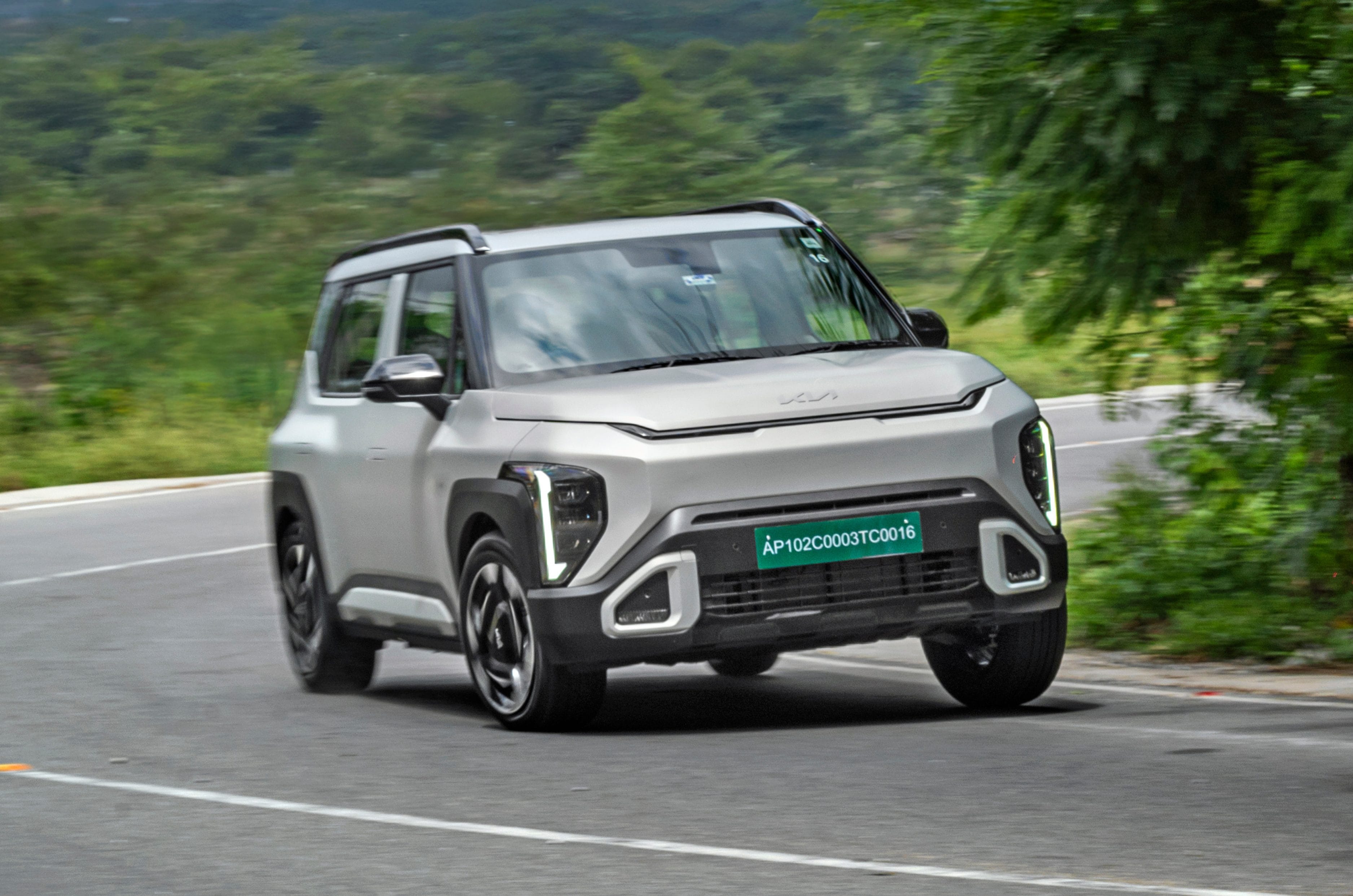
The ride on the Syros EV is slightly more absorbent than the ICE version, although there is still an underlying firmness. This helps keep the car stable, but because it is tall and narrow, there is noticeable body roll around the corners.
Pricey at the top end
The Kia Syros EV is priced from Rs 13.5 lakh for the 42kWh version, while the 51.4kWh Extended Range starts at Rs 17 lakh. The fully loaded X-Line trim is priced at Rs 20 lakh. At this price, it competes with the Tata Nexon EV (Rs 12.49 lakh-17.49 lakh) and Mahindra XUV 3XO EV (Rs 13.89 lakh-14.69 lakh) compact SUVs, as well as larger EVs such as the MG Windsor EV (Rs 14.7 lakh-19 lakh) and Maruti e Vitara (Rs 15.99 lakh-19.99 lakh).
Top-spec Kia Syros X-Line.
The 42kWh version does offer strong value for money, but the larger 51.4kWh Extended Range version is a tougher sell. It costs noticeably more than its direct rivals and even overlaps with higher-battery versions of the MG Windsor EV and Maruti e Vitara. While the Syros EV has several strengths, many buyers may want a bigger SUV for similar money. Kia’s Battery-as-a-Service (BaaS) scheme lowers the upfront purchase cost, but similar plans are also available with the MG and Maruti EVs.
Ex-showroom prices mentioned above are as of July 30, 2026.
Kia has chosen the Syros to be its second mass market EV for the Indian market. Despite its superb packaging, oddball styling and high initial prices held back the original ICE version against traditional compact SUV rivals. However, EV customers are generally more accepting of avant-garde design, so can the Syros EV find success where the ICE version couldn’t? We drove it in Bengaluru to find out.
Kia Syros EV Exterior Design and Engineering – 7/10
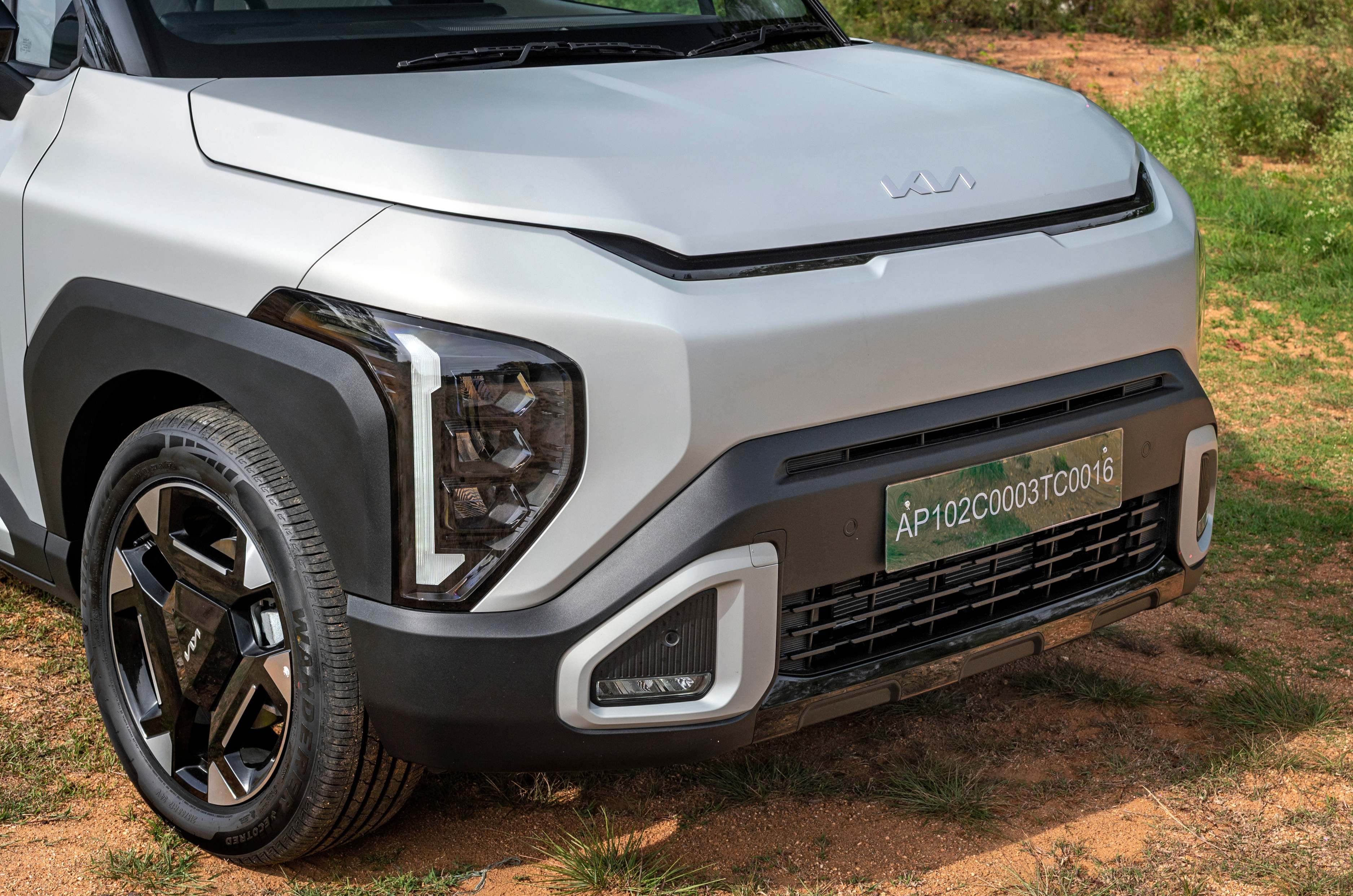
EV has a slimmer intake above the number plate and slightly different lower bumper
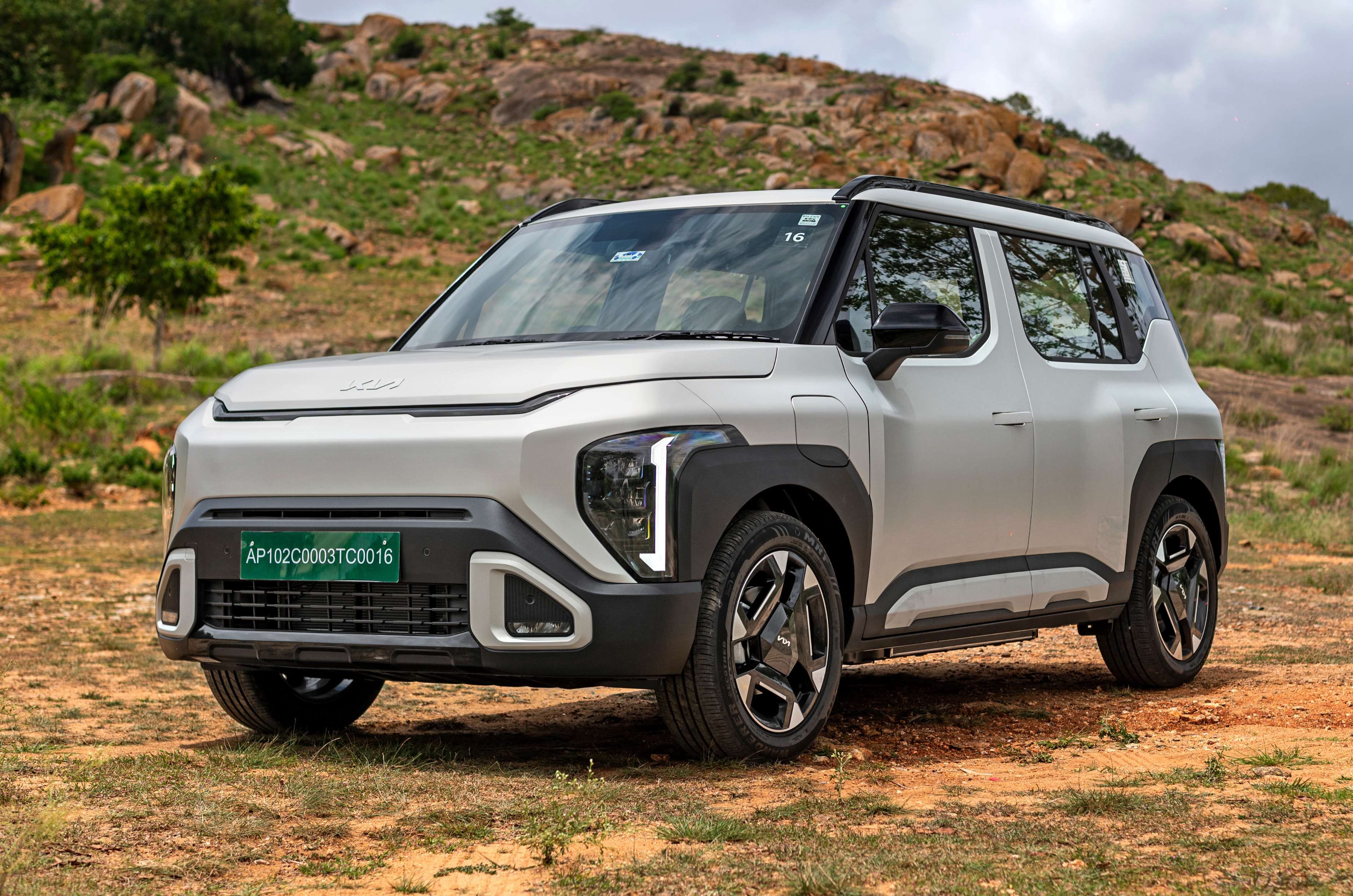
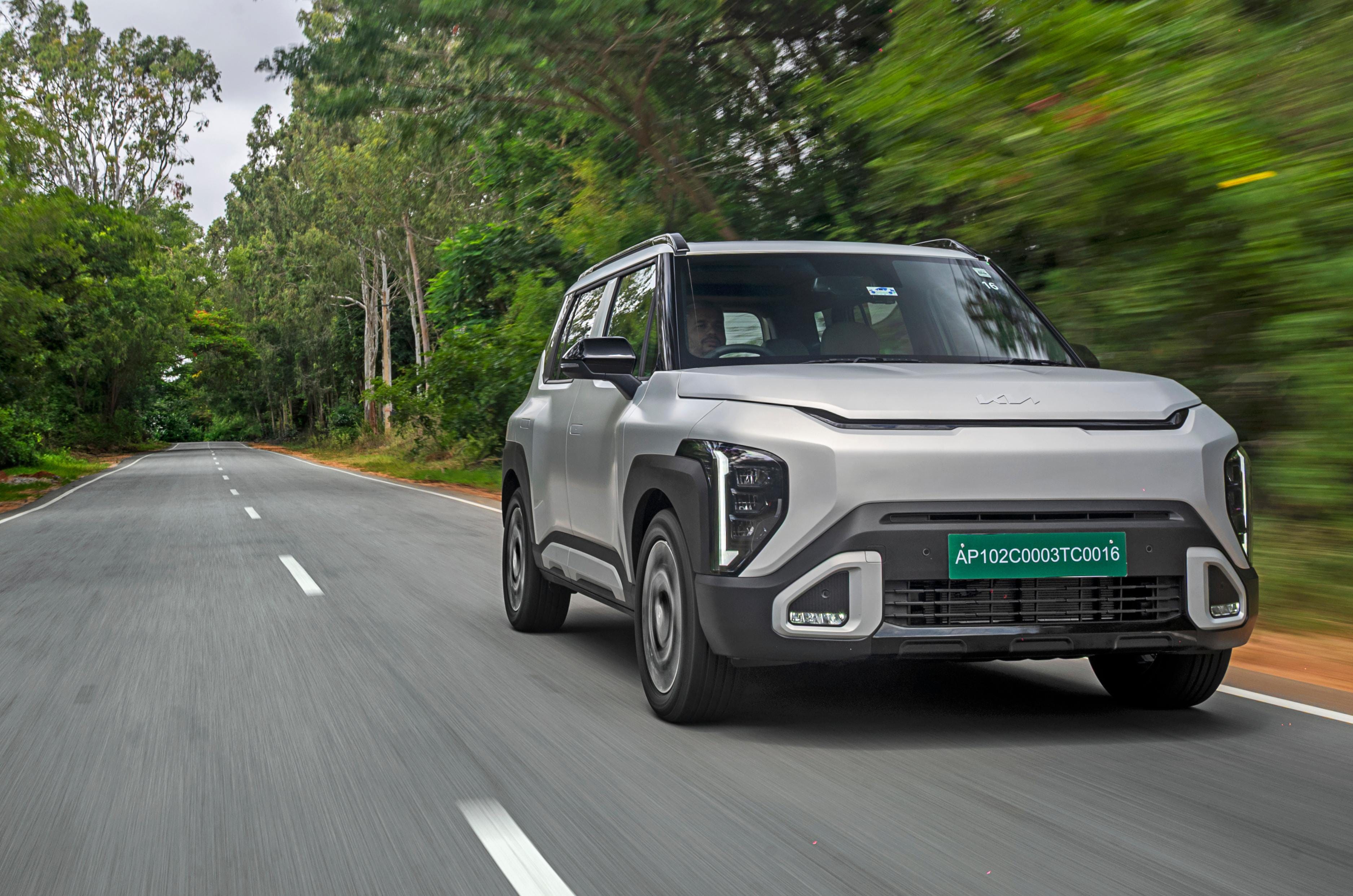
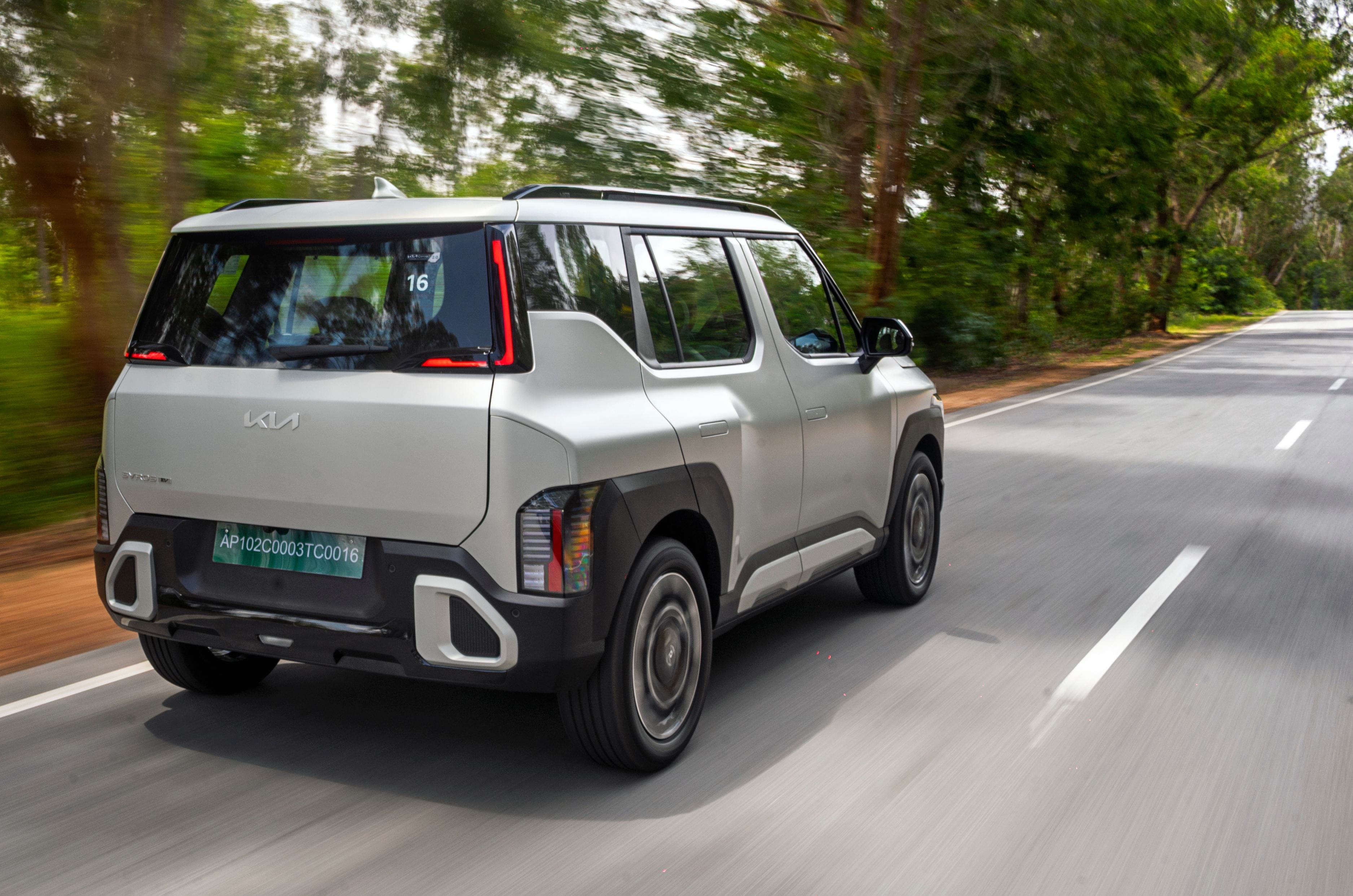
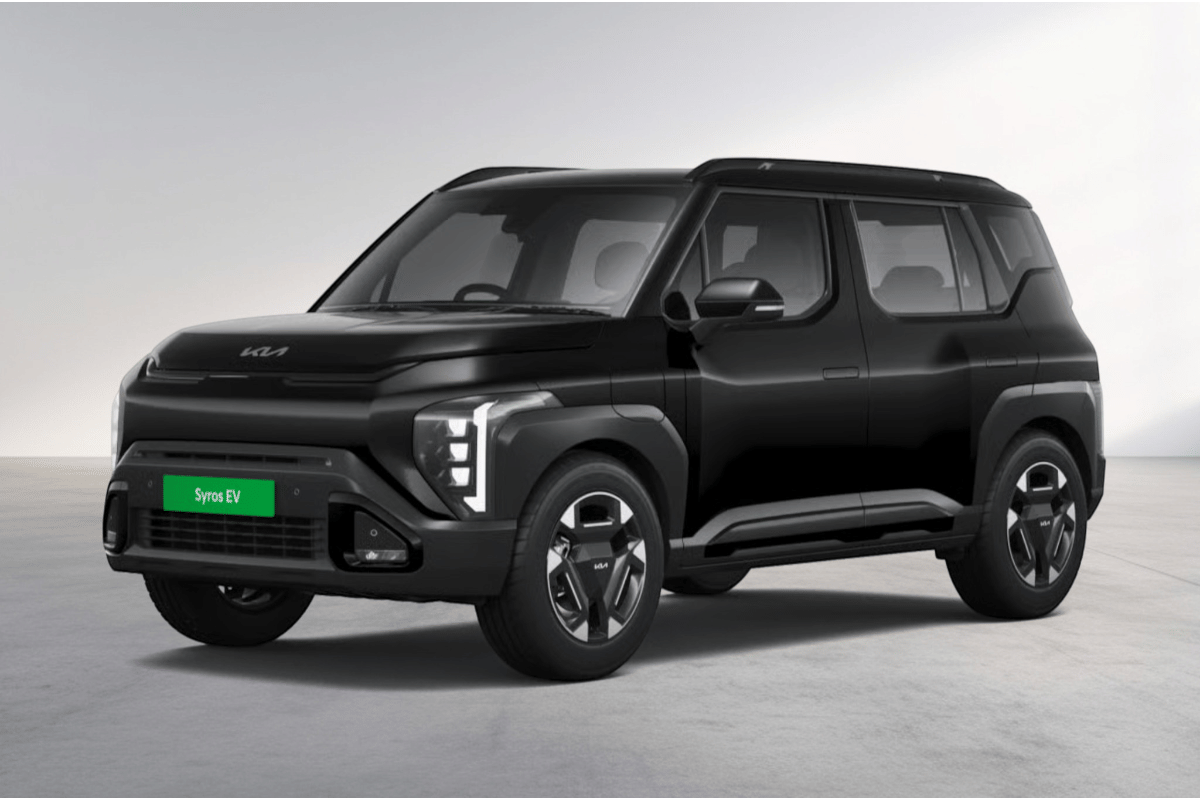
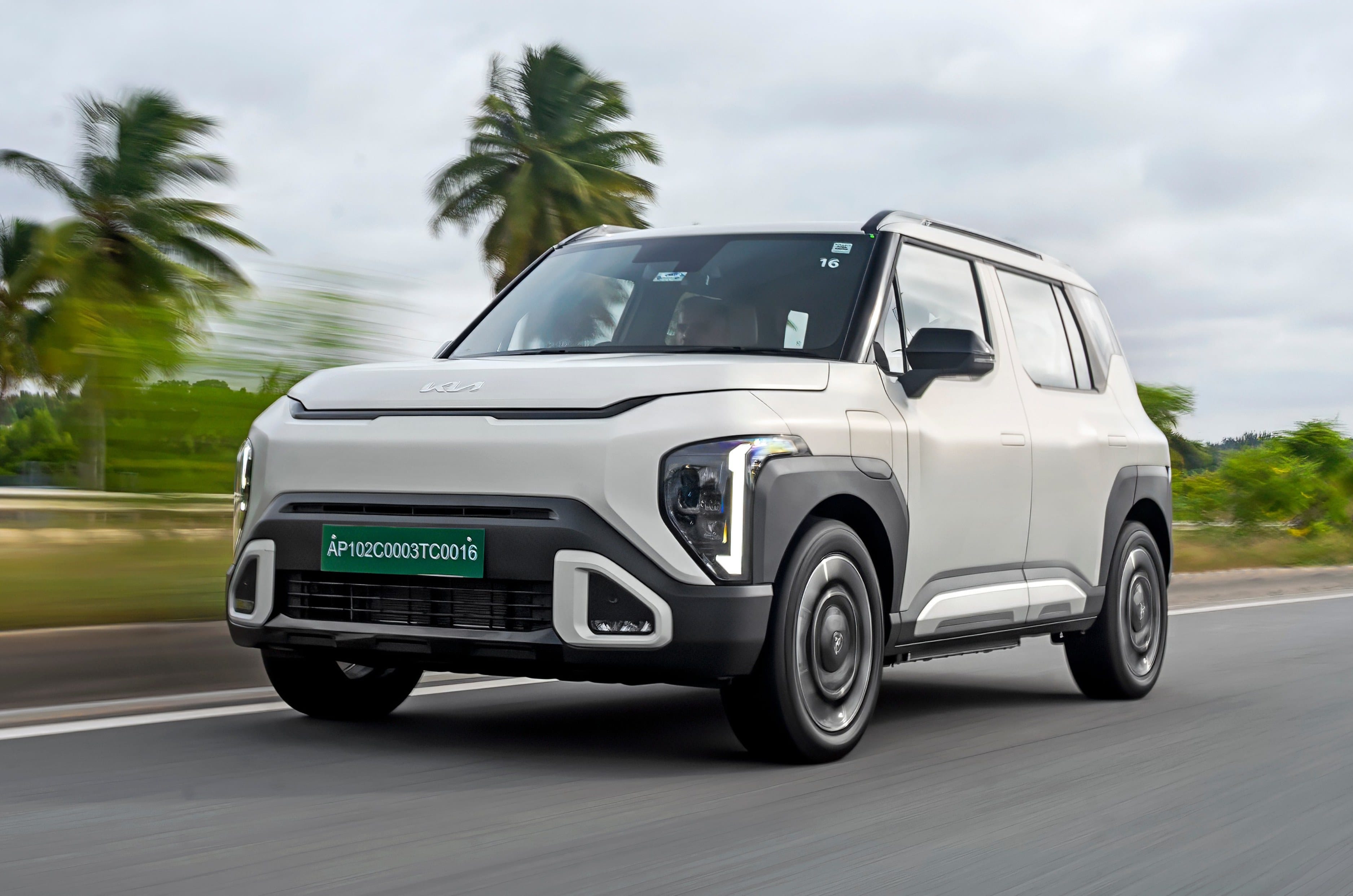
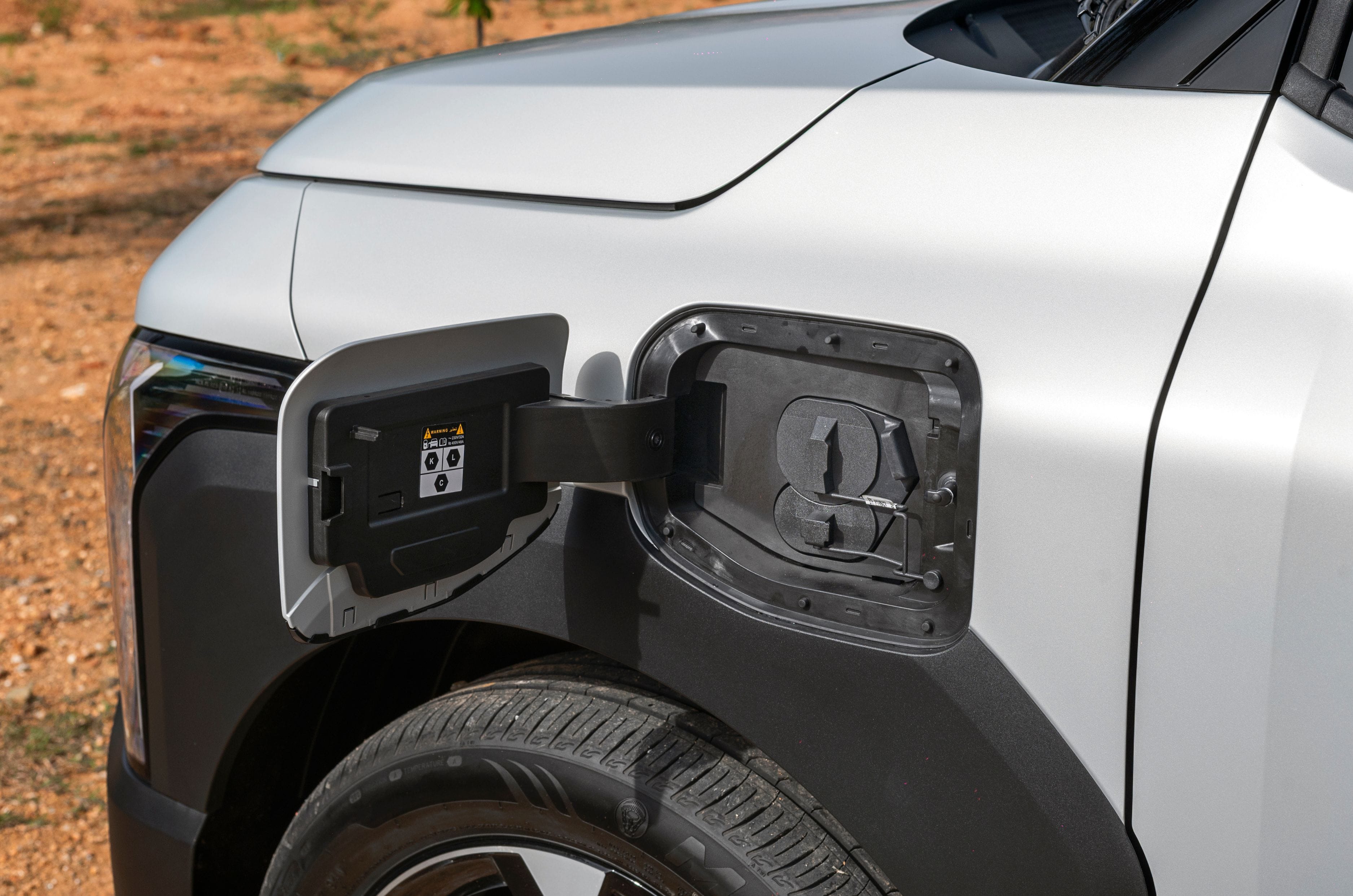
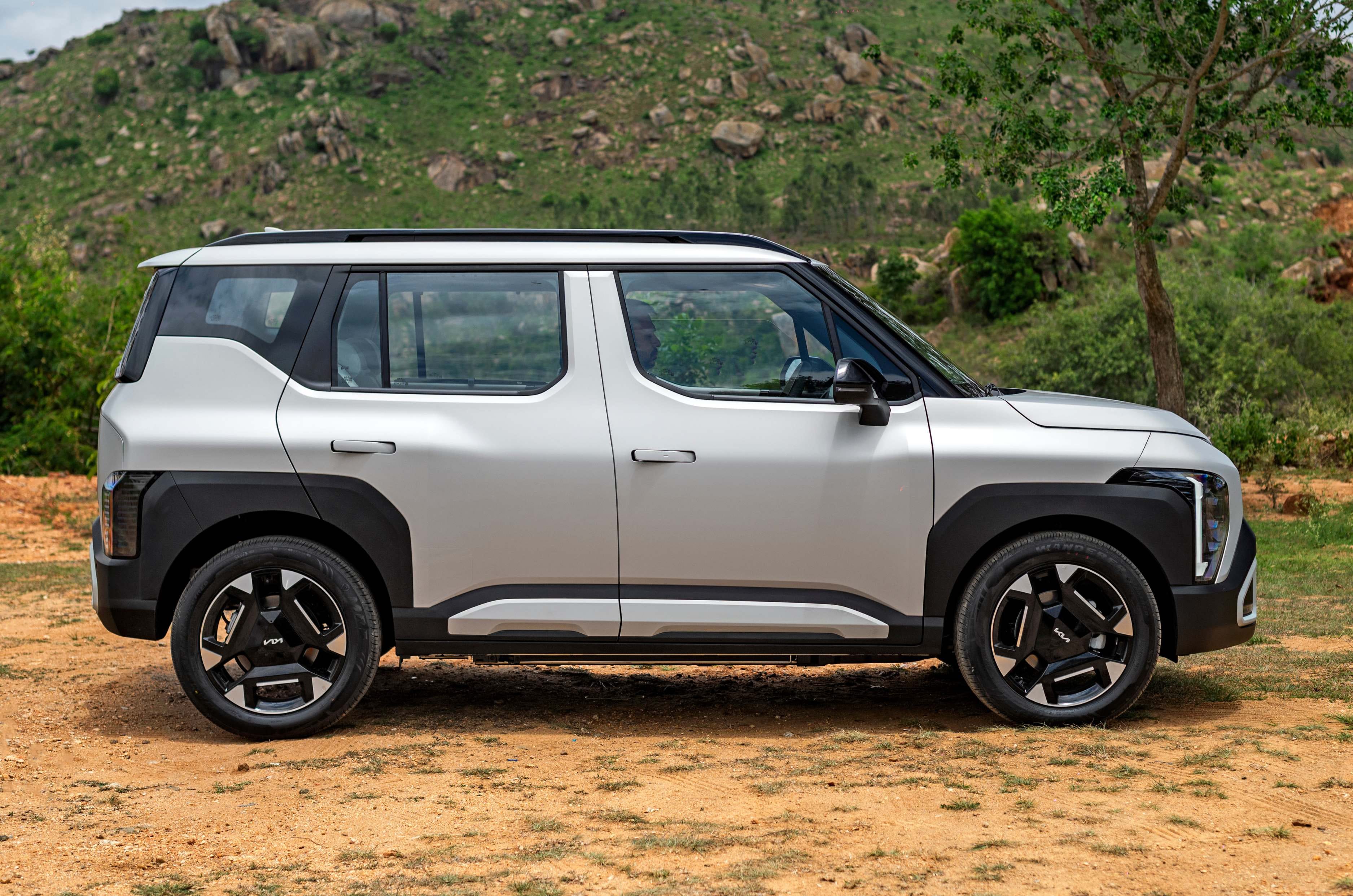
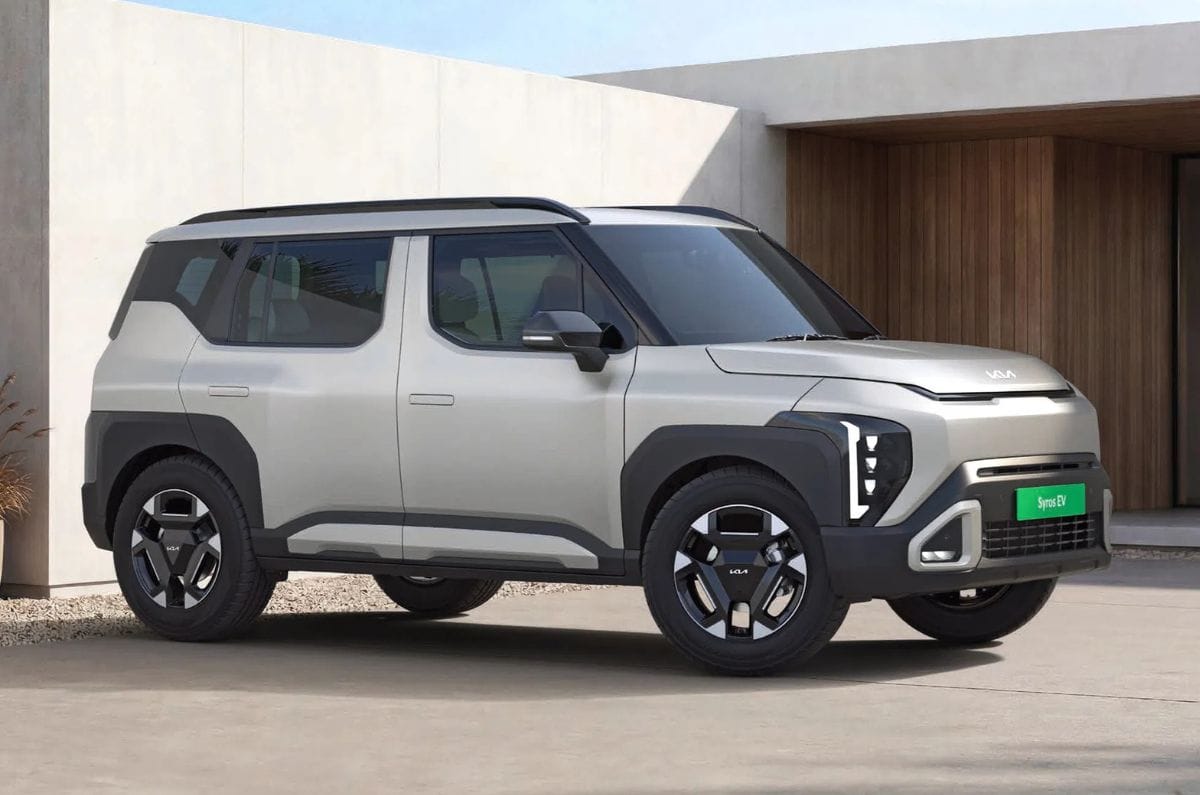
A game of spot the difference between the Syros EV and the ICE version would prove challenging for the casual observer, so here is the cheatsheet. Up front, the bumper is ever so slightly different, with a slimmer cooling slot above the number plate and minor tweaks to the body-coloured triangular pods that house the LED fog lamps. Apart from the charging port on the front left fender and the shorter roof rails, the profile is unchanged. Crouch down, though, and you’ll notice the battery pack is visible, like it is on the Hyundai Creta Electric. Kia claims ground clearance is 197mm which is 7mm more than the ICE version. The tri-spoke 17-inch alloys are the same ones that debuted on the ICE car but were discontinued with the facelift. No differences round the back either, save for an EV badge on the tailgate.
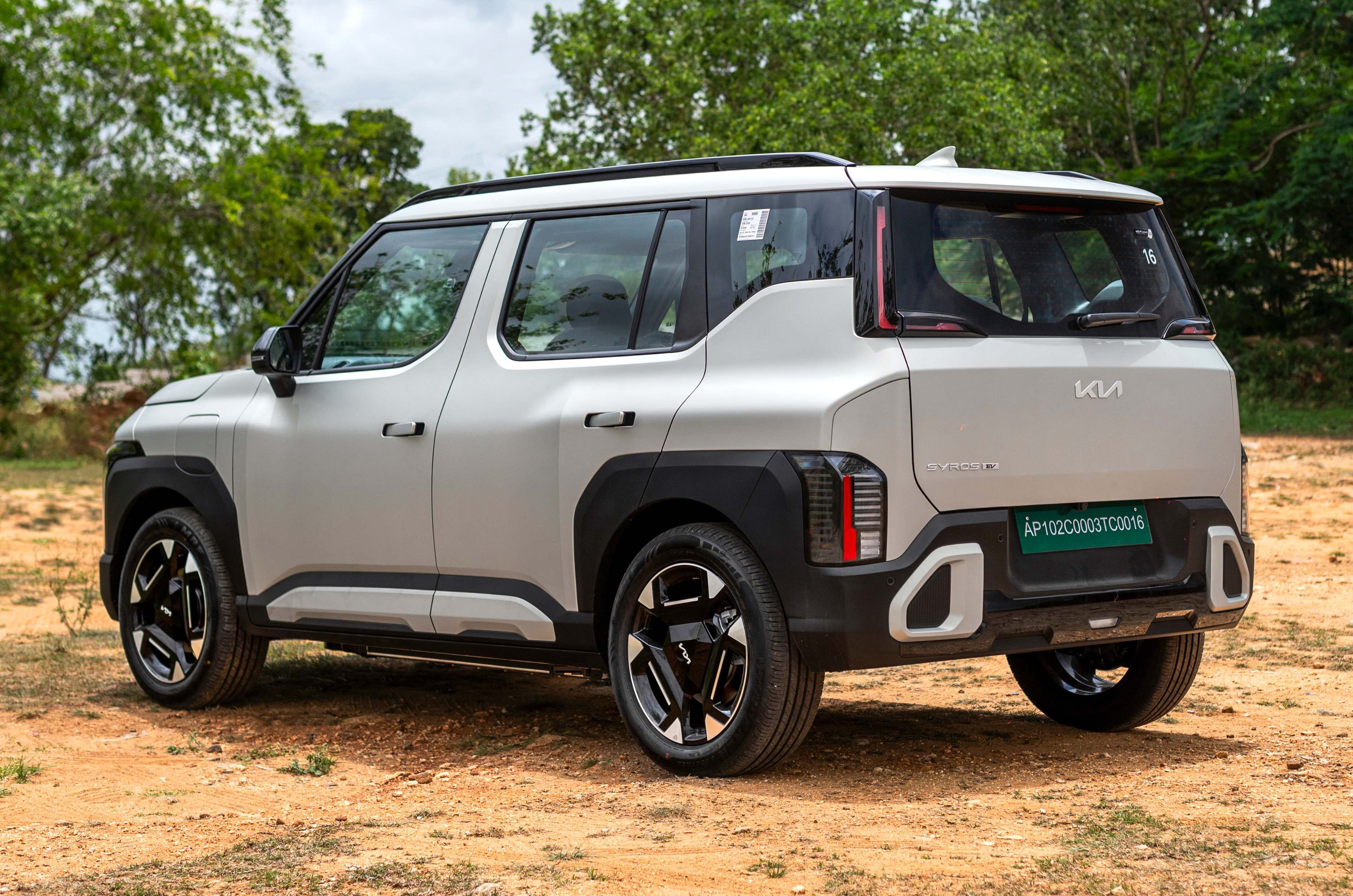
Split lighting lifts the otherwise bland rear
If you didn’t like the way the Syros looked, the EV isn’t going to change your mind. It is distinctive, though – like a Japanese kei car only larger, and Korean. Its blanked-off fascia looks appropriate on an EV, and the vertically oriented headlights give it a unique look. The cladding lower down on the bumper carries on to the wheel arches, doors and the rear, adding some muscle. Breaking up the large greenhouse are the pronounced B-pillar and the upward kink in the C-pillar, both of which are neatly done. And while the tailgate looks a bit blank, the split lighting – with L-shaped elements framing the rear windscreen and larger units at the edge of the bumper – looks great when lit up.
Syros EV Interior Space and Comfort – 10/10
Dash layout is identical to the ICE version, but it gets the 3-spoke ‘wheel from the Seltos
Step inside and you start to understand why the Syros EV looks the way it does. Space for passengers, their knick-knacks and luggage is in abundance. With the EV’s drive selector positioned on the steering column, Kia has re-engineered the centre console to liberate a lot more storage. It now has two levels: the top floating portion has a small cubby under the armrest, along with two cupholders with their own sliding cover, while the lower level has a large storage area for a bag or such, another cupholder and a wireless charger. The front door pockets are just as accommodating, with room for a couple of bottles and an umbrella.
New center console has a lot of storage spaces
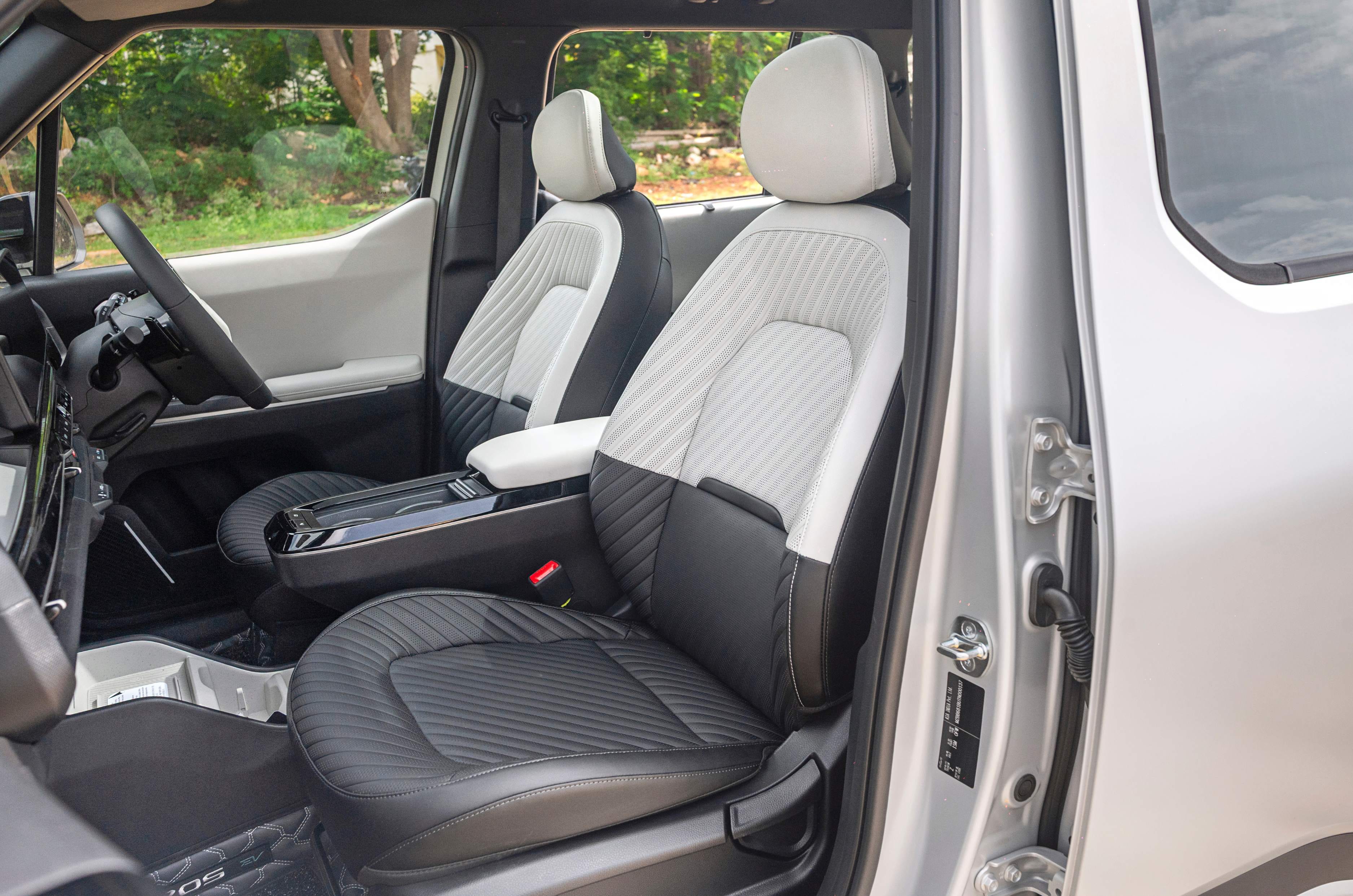
The front seats are supportive and comfortable, with heating and ventilation along with 4-way power adjustment for the driver. While the dash layout is unchanged, the EV gets the Seltos’ three-spoke steering wheel, but adjustment is still limited to rake and not reach. The EV uses a slightly different colour palette inside: our HTX+ test car gets a smart-looking black-and-off-white theme, the X-Line features a darker black-and-green ambience, while all other trims get an airy light grey and pastel blue theme. While most surfaces are hard plastic, the quality of the materials, fit and finish is top notch.
Front seats are comfy with heating, ventilation for both and power adjustment for the driver
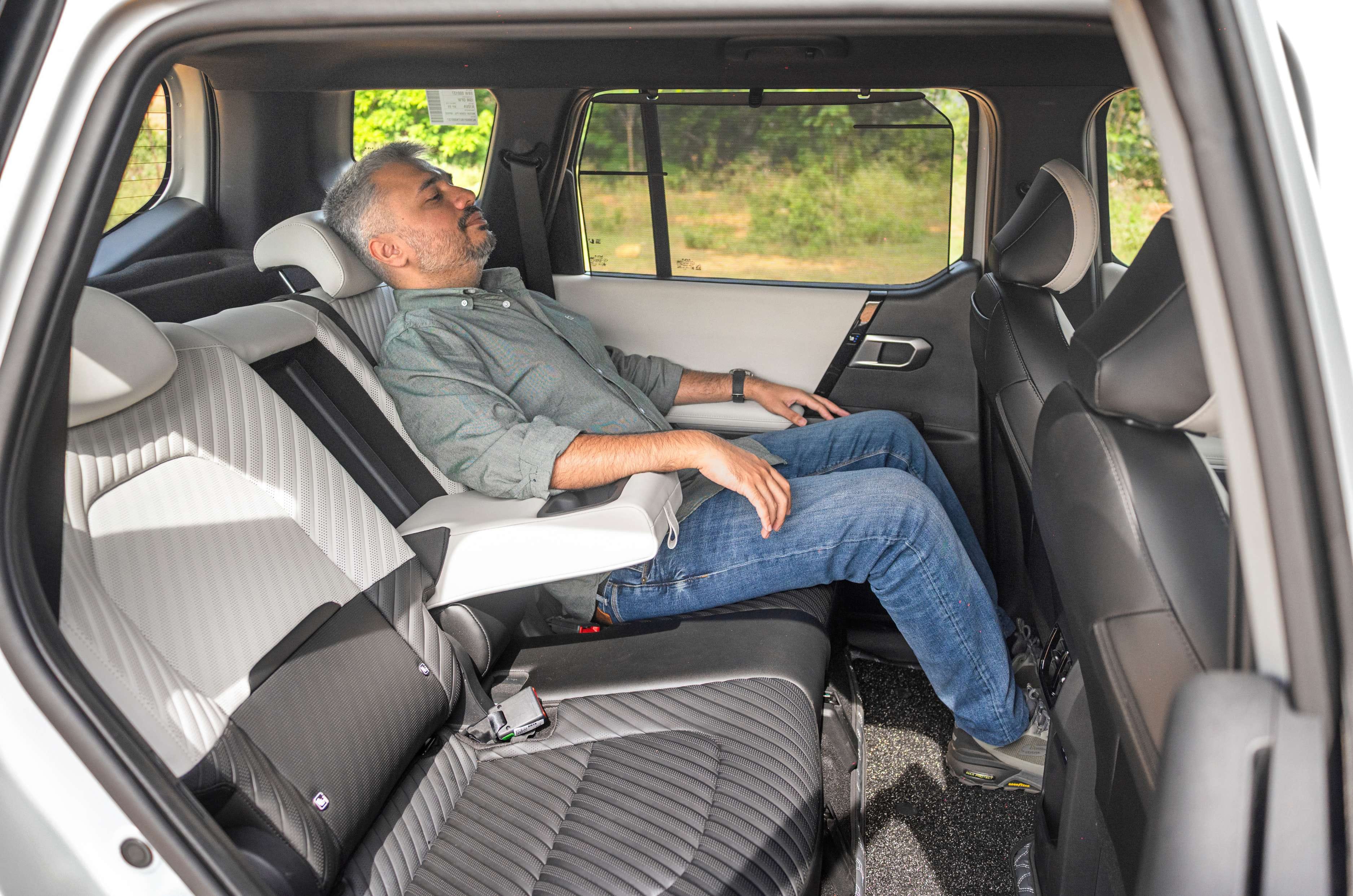
The back seat remains a highlight, with plenty of room all around. The floor is slightly higher because of the battery pack, which means thigh support isn’t as good as in the ICE version. However, if you slide the bench back and stretch out, this isn’t much of an issue. A benefit of the raised floor is that it is now completely flat. Ventilation for the seat base carries over, but the backrest still misses out, as Kia says it would restrict its recline angle.
Higher floor slightly affects thigh support, but there’s ample room to stretch out
Boot space is identical to the ICE Syros at 390 litres with the seat all the way back, and 465 litres with it slid forward. The rear seats also split-fold – though not completely flat – to carry longer items. There is a 16-litre frunk too, though it is rather narrow.
Kia Syros EV Features and Safety – 9/10
Sitting proud on the dash is what Kia calls the Trinity Panoramic Display, comprising two 12.3-inch screens for the infotainment and driver’s display, with a 5-inch screen in between for the HVAC controls. The driver’s display is logically laid out, easy to read and offers some customisation, while the infotainment is sharp, snappy and has a clean UI. The EV gets a dedicated tab that shows several parameters related to the battery, range and energy consumption. It can also help find the nearest charger, condition the battery before charging, as well as set up charging schedules.
Handy drive mode button to cycle between Eco, Normal and Sport modes
The infotainment also offers wireless Android Auto and Apple CarPlay and, on the top trims, powers a superb Harman Kardon audio system with eight speakers, including one on the dash and a subwoofer in the boot. Sunblinds and rear AC vents are standard, while the massive panoramic sunroof features on all but the bottom two trims. Our second-from-top HTX+ also gets an integrated dashcam.
360-degree camera is sharp, but only available on top X-Line trim
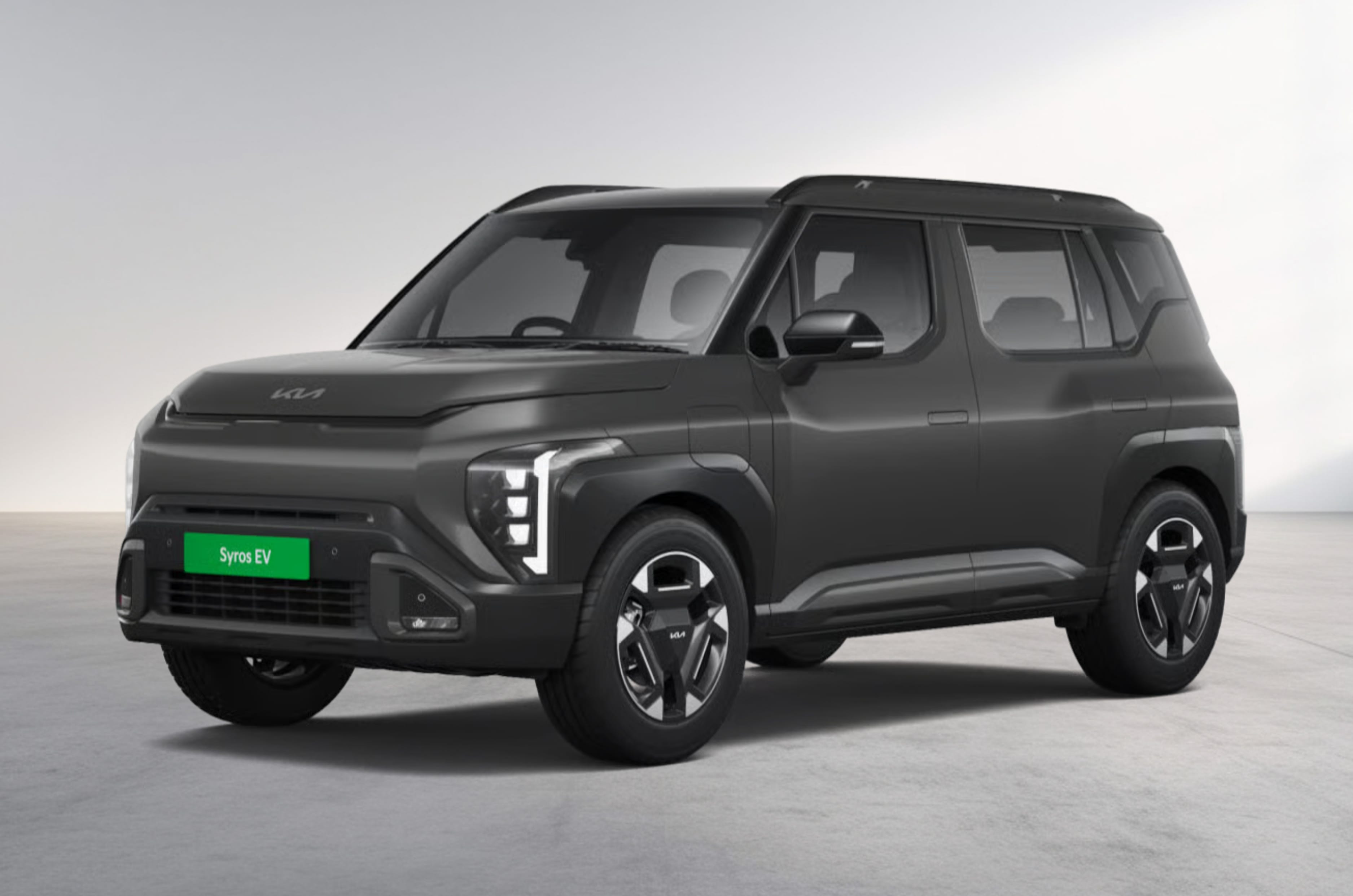
Overall, the Syros EV is very well equipped, but some features are available only on the top X-Line variant, including Level 2 ADAS, ambient lighting, a 360-degree camera and a household-style three-pin socket in the back seat. Restricting features to the top trim isn’t unusual; however, the X-Line can only be had in Aurora Black Pearl or Matte Graphite, which might not be to all tastes.
V2L power outlet under the rear seat
The standard safety suite is robust, including six airbags, all-wheel disc brakes, tyre pressure monitoring and ISOFIX mounts. The ADAS suite is also comprehensive, including adaptive cruise control with stop-and-go, lane keep assist, forward and rear collision avoidance, and a blind-spot camera. At the time of writing, the Syros EV does not yet have an official crash safety rating, but considering the ICE version has a five-star BNCAP rating, a similar result for the EV can be expected.
Kia Syros EV Performance and Refinement – 9/10
The Syros EV is available with the same 42kWh and 51.4kWh NMC battery packs as the Carens Clavis EV and the Hyundai Creta Electric. Here too, they power a single motor on the front axle producing 135hp with the smaller battery and 171hp with the extended-range version. Torque is identical on both at 255Nm.
Borrows the 42 and 51.4kWh battery packs from the Carens Clavis EV
Performance was brisk on our 51.4kWh test car, with the 0-100kph sprint claimed to take 8.1 seconds. There are three drive modes to choose from – Eco, Normal and Sport – with each sharpening throttle response a little more than the last. Initial response in all modes is linear so as not to overwhelm those who aren’t used to the instant torque, but there is a strong shove as you get further into the throttle. Overtaking, then, is quite effortless, even in Eco and Normal, almost never needing a switch to Sport for a quick pass.
Initial acceleration is linear, but there is plenty of shove for quick overtakes
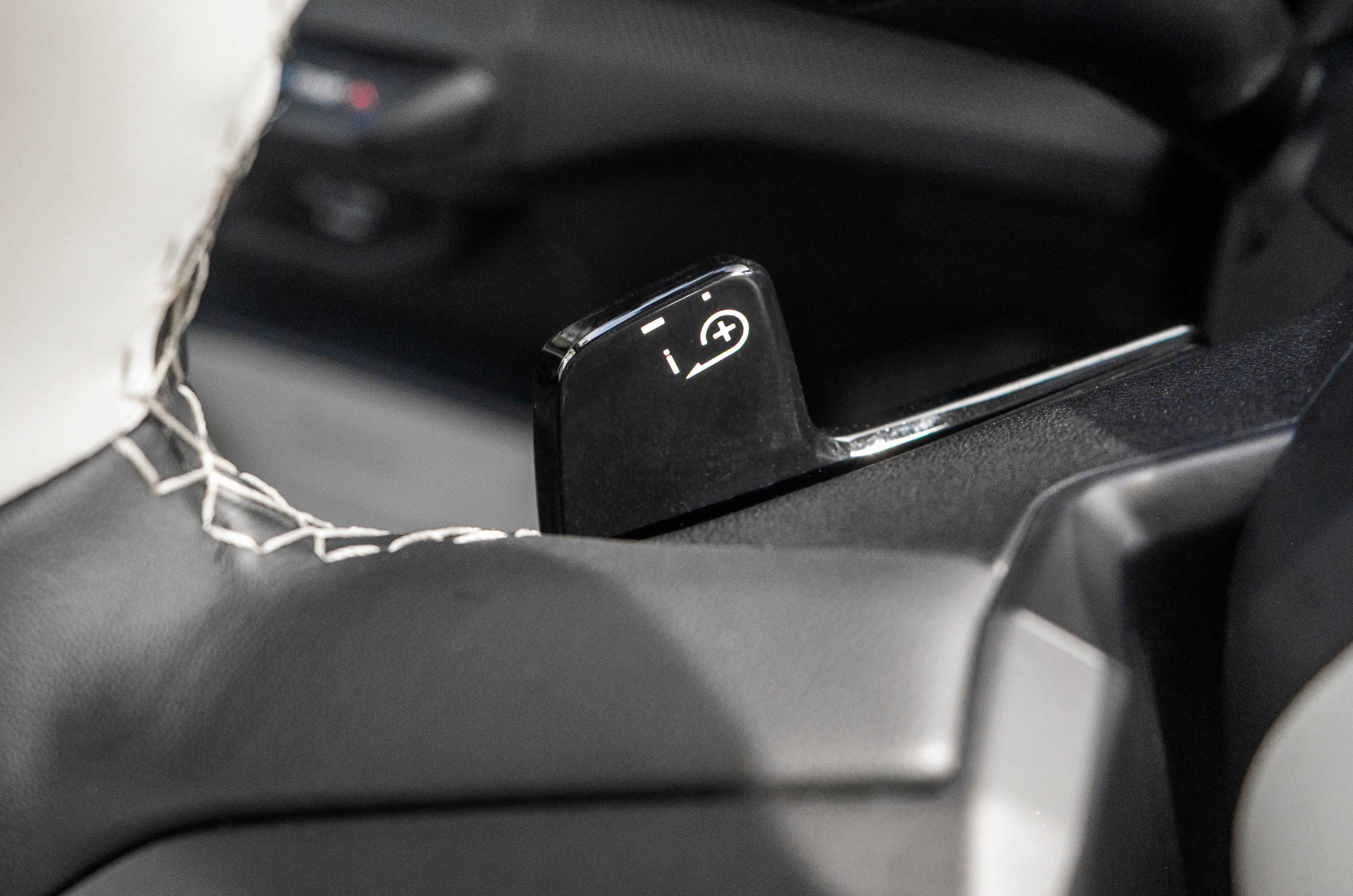
The regen braking modes – selected via the paddle shifters – are also very well calibrated, with a noticeable increase in resistance in each mode and the ability to turn it off completely. Holding the left paddle engages one-pedal driving, which uses regen to bring the car to a full stop. It works quite seamlessly and can be very convenient once you get used to it.
Regen modes are well calibrated and the i-Pedal function is handy in the city
Refinement is good too, with no noticeable motor whine making its way into the cabin. It’s so quiet, in fact, that Kia has added a virtual humming sound to warn pedestrians. Since there is no engine note inside the cabin, you do hear a bit more road noise, but at no point does it become intrusive.
Kia Syros EV Range and Efficiency – 8/10
Claimed MIDC range for the 51.4kWh battery is 526km, while the 42kWh unit claims 443km. Our short drive didn’t allow us to test these claims, but if the real-world range we achieved in the Clavis EV and Creta Electric is anything to go by, the Syros EV Extended Range should comfortably manage around 400km on a single charge. We will verify this when we have the car for longer.
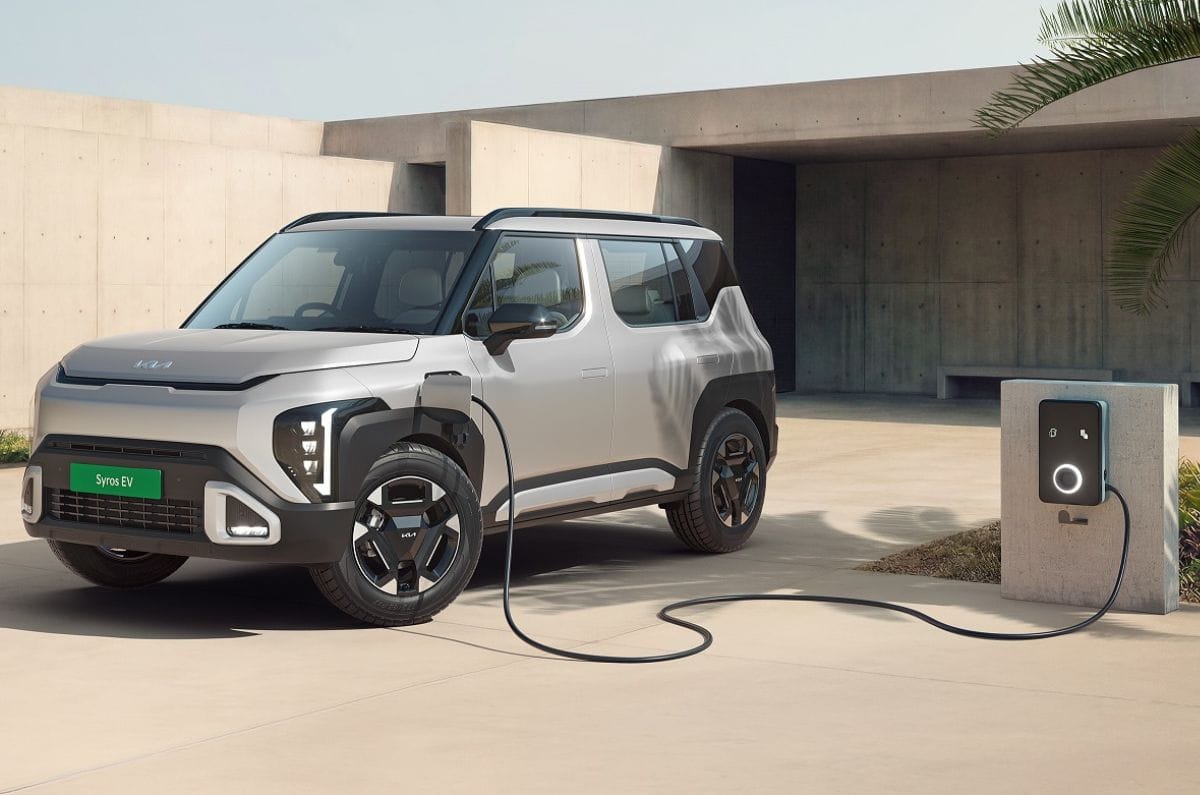
Capable of DC fast charging at up to 100kW
Topping up a depleted battery from 10 to 80 percent is said to take 39 minutes on a 100kW DC fast charger. The same charge using the optional 11kW wallbox charger, is said to take almost five hours for the Extended Range and four hours for the Standard Range.
Kia Syros EV Ride Comfort and Handling – 8/10
The ride on the Syros EV is a touch more absorbent than on its ICE counterpart. Sharp bumps don’t come through to the cabin as abruptly, but there is still an underlying firmness to it. This firmness is there to help body control, but being a tall, narrow car, there is still a fair bit of body roll through the corners. It does feel stable though, and overall grip is strong.
There’s plenty of body roll, but it remains stable through the bends
Steering feel is also good, and it weighs up as speeds rise, which helps with high-speed stability. The four-wheel disc brakes are strong too, bringing the Syros to a confident halt when you drop the anchors. Overall, it isn’t the most entertaining car to drive, but it feels stable and secure at speed while being easy to manoeuvre in tight spaces.
Kia Syros EV Value for Money – 7/10
Introductory prices for the Syros EV start at Rs 13.5 lakh for the 42kWh version and Rs 17 lakh for the 51.4kWh Extended Range. If you want the fully loaded X-Line, that’ll be a cool Rs 20 lakh. To reduce the upfront purchase cost, a BaaS scheme is available with prices starting at Rs 7.99 lakh, and battery rental costing Rs 3.3 per kilometre. To sweeten the deal, Kia is offering a 15-year/unlimited-kilometre HV battery warranty for the first owner, along with an assured buyback value of up to 80 percent after three years.
Its pricing means the Syros EV rivals the Tata Nexon EV and Mahindra XUV 3XO EV, as well as larger EVs like the MG Windsor and Maruti e Vitara. As such, the 42kWh Syros EV makes for a very compelling option, undercutting its rivals in the sub-four-metre EV space. It is easily the most spacious in this segment and is very well equipped even in the lower trims. However, its case weakens with the 51.4kWh Extended Range. It is significantly pricier than its immediate rivals, overlapping with the larger-battery versions of the Windsor and e Vitara. While the Syros EV has its merits and even outdoes them in some areas, buyers might find the allure of a bigger car for the same money too hard to resist.
The Kia Syros EV has been launched in India with prices ranging between Rs 13.49 lakh and Rs 19.99 lakh (ex-showroom). It’s also available with BaaS, under which prices start at Rs 7.99 lakh, and Rs 3.3 is charged additionally for per kilometre of usage. This is Kia’s most affordable EV in India, and the brand’s second mass-market EV offering after the Carens Clavis. It is, however, more expensive than its direct rivals, the Tata Nexon EV and Mahindra XUV 3XO EV.
Ferrari India ने अपनी नई Amalfi Spider की बुकिंग लेना शुरू कर दिया है। यह कार कंपनी की Amalfi Grand Tourer का कन्वर्टिबल वर्जन है। मार्च में ग्लोबल लॉन्च के ठीक चार महीने बाद आ रही इस कार की कीमत, ऑप्शन जोड़ने से पहले 4.6 करोड़ रुपये है। Ferrari Amalfi Spider में वही 3.9 लीटर ट्विन-टर्बो V8 इंजन दिया गया है, जो इसके कूपे मॉडल में मिलता है। यह इंजन 640 hp की पावर और 760 Nm का टॉर्क देता है। इसमें पावर को पीछे के पहियों तक पहुंचाने के लिए 8-स्पीड डुअल-क्लच गियरबॉक्स दिया गया है।
भारतीय ग्राहकों के लिए यह कार एक लग्जरी और परफॉर्मेंस का उदाहरण ज्यादा है, क्योंकि इसकी कीमत ज्यादातर लग्जरी कार खरीदारों के बजट से काफी ऊपर है। हालांकि, इससे यह जरूर पता चलता है कि Ferrari भारत को एक महत्वपूर्ण बाजार मान रही है और यहां ग्लोबल लॉन्च के करीब ही अपनी कारें पेश कर रही है।
कीमत और पोजिशनिंग
Amalfi Spider, Amalfi Grand Tourer का कन्वर्टिबल वर्जन है और जाहिर है कि इसकी कीमत इसके हार्ड-टॉप मॉडल से ज्यादा है। इसकी कीमत Amalfi Coupe से ₹52 लाख ज्यादा है, जो अभी ₹4.08 करोड़ में मिल रही है। खरीदारों को इस कार में लंबी दूरी के सफर में आराम और दमदार परफॉर्मेंस दोनों का शानदार अनुभव मिलेगा। इसके अलावा, ओपन-टॉप ड्राइविंग का मजा और अपनी पसंद के मुताबिक कार को कस्टमाइज कराने का विकल्प भी मिलेगा।
इंजन, परफॉर्मेंस
Amalfi Spider में जाना-पहचाना 3.9-लीटर ट्विन-टर्बो V8 इंजन लगा है, जो 640 hp की पावर और 760 Nm का टॉर्क देता है। यह पावर 8-स्पीड डुअल-क्लच ऑटोमैटिक गियरबॉक्स के जरिए सिर्फ पिछले पहियों तक पहुंचती है। Ferrari का दावा है कि यह कार 0 से 100 kmph की रफ्तार सिर्फ 3.3 सेकंड में पकड़ लेती है और इसकी टॉप स्पीड 320 kmph है। हालांकि, कन्वर्टिबल डिजाइन की वजह से यह कार Coupe मॉडल से 86 kg भारी है, लेकिन इसके बावजूद इसकी परफॉर्मेंस लगभग Amalfi Coupe जैसी ही दमदार बनी हुई है।
डिजाइन
दिखने में, Spider Coupe के स्लीक आकार जैसा ही है, लेकिन इसमें सबसे बड़ा फर्क इसकी फोल्ड होने वाली फैब्रिक रूफ है। यह रूफ 60 kmph तक की रफ्तार पर 13.5 सेकंड में खुल या बंद हो जाती है और यह चार कलर ऑप्शन में उपलब्ध है।
Ferrari का दावा है कि Amalfi Spider की पांच-लेयर (Five-Layer) फैब्रिक रूफ इस तरह तैयार की गई है कि कार के अंदर शोर, वाइब्रेशन और झटके लगभग हार्ड-टॉप मॉडल जितनी ही कम महसूस होती हैं। इसके अलावा, पीछे की सीटों के पीछे खास विंड डिफ्लेक्टर लगाए गए हैं, जो खुली छत के साथ ड्राइविंग के दौरान हवा के शोर को कम करने में मदद करते हैं। इससे लंबी यात्रा भी ज्यादा आरामदायक बनती है। Ferrari ने इस कार के लिए Rosso Tramonto नाम का एक एक्सक्लूसिव एक्सटीरियर (बाहरी) शेड भी पेश किया है, जिससे Amalfi Spider की पहचान बाकी मॉडलों से अलग नजर आती है।
इंटीरियर और फीचर्स
Ferrari Amalfi Spider का इंटीरियर काफी हद तक Amalfi Coupe जैसा ही है। इसमें 2+2 सीटिंग लेआउट दिया गया है, यानी आगे दो और पीछे दो सीटें मिलती हैं। कार का केबिन पूरी तरह ड्राइवर को ध्यान में रखकर डिजाइन किया गया है।
फीचर्स की बात करें तो इसमें 10.25 इंच का टचस्क्रीन इंफोटेनमेंट सिस्टम, 8.8 इंच का पैसेंजर डिस्प्ले और 15.6 इंच का डिजिटल ड्राइवर डिस्प्ले मिलता है। इसके अलावा, कार में पावर्ड स्पोर्ट्स सीट्स, तीन-स्पोक स्टीयरिंग व्हील (जिस पर कई फिजिकल कंट्रोल दिए गए हैं), स्टाइलिश AC वेंट्स और एल्यूमिनियम फिनिश सेंटर टनल दी गई है, जो इसे ‘ग्रैंड टूरर’ होने का अहसास कराते हैं।
टेक्नोलॉजी और आराम के मामले में, Amalfi Spider में वायरलेस Apple CarPlay और Android Auto, कनेक्टेड कार फीचर्स, ADAS, एडेप्टिव क्रूज कंट्रोल, ऑटोमैटिक क्लाइमेट कंट्रोल और वायरलेस चार्जिंग पैड जैसे फीचर्स मिलते हैं। रूफ बंद होने पर इसका बूट स्पेस 255 लीटर और रूफ हटने पर 172 लीटर होता है, जो कन्वर्टिबल सुपरकार के हिसाब से काफी प्रैक्टिकल है।
Ferrari इस कार में सीटों की अपहोल्स्ट्री, इंटीरियर ट्रिम और कलर स्कीम को अपनी पसंद के अनुसार कस्टमाइज कराने का विकल्प भी देती है, जिससे ग्राहक अपनी पसंद के मुताबिक एक अलग और खास Amalfi Spider तैयार कर सकते हैं।
Kia is aiming at the growing compact electric SUV segment with the upcoming Syros EV, set to be its second mass-market electric model for India. The Syros EV utilises the same K1 platform as its ICE-powered counterpart. Bookings for the Syros EV are already open ahead of its launch, scheduled for the end of July 2026. In this article, we answer everything that you need to know about the Syros EV.
1. What battery pack options does the Kia Syros EV offer, and how much power does its motor produce?
The Kia Syros EV offers the same 42kWh and 51.4kWh battery packs that do duty in the Kia Carens Clavis EV and the Hyundai Creta Electric. Both are mated to a front-mounted motor. In the 42kWh guise, the motor delivers 135hp and 255Nm, but in the 51.4kWh guise, power is bumped to 171hp, while torque remains the same. The 51.4kWh battery pack and its 171hp motor make it the model with the largest battery pack and the most powerful motor in the class. Kia claims a 0-100kph sprint in 8.1 seconds with the 51.4kWh version.
2. What is the claimed range of the Kia Syros EV?
The ARAI-rated range is 443km for the 42kWh battery pack and 543km for the larger 51.4kWh unit. Not only does the Syros EV have a higher claimed range than the Clavis EV and the Creta Electric, but its 543km figure is also the highest in the compact electric SUV segment.
3. What charging speeds does the Kia Syros EV support, and how long does it take to charge?
The Kia Syros EV supports up to 11kW AC charging speeds, while DC charging is capped at 100kW. A 10-100 percent top-up for the 42kWh version takes 6 hours with the 7.4kW charger and 4 hours with the 11kW unit. In the 51.4kWh guise, the same takes 7 hours and 15 minutes with a 7.4kW charger and 4 hours and 50 minutes with an 11kW charger. Kia also claims that with a 100kW DC fast charger, both batteries can charge from 10 to 80 percent in 39 minutes.
4. How different is the Kia Syros EV from the ICE Syros on the outside and inside?
The Kia Syros EV may look largely similar to the ICE Syros, but it comes with a charging flap on the front fender, EV badging at the rear and a different set of alloy wheels that give it some distinction. Apart from these differences, it retains the overall tall-boy silhouette, front and rear bumper designs and lighting elements found on its combustion-powered counterpart.
Inside, the dashboard layout remains the same as the ICE Syros, but there are some revisions to the centre console, which is high-set and features storage spaces and retractable cup holders. Also, the drive select lever has shifted to the steering wheel column.
5. What features does the Kia Syros EV come with?
For starters, the Kia Syros EV retains its ICE counterpart’s unique sliding and reclining rear seat with a ventilation function for the seat base. It also gets features such as dual 12.3-inch screens, a 5-inch HVAC control screen, wireless Apple CarPlay and Android Auto, a wireless charging pad, an 8-speaker Harman Kardon sound system, a panoramic sunroof, 64-colour ambient lighting and rear sunshades.
6. What does the Kia Syros EV offer over the ICE-powered Syros?
Apart from having EV-specific features such as a 16-litre frunk, regenerative braking, a virtual engine sound system and vehicle-to-load (V2L) functionality, it gets Level 2 ADAS, automatic flush door handles, a 360-degree camera setup, a dual-camera dashcam, a digital key, puddle lamps, multi-colour ambient lighting and metal pedals over the ICE-powered Syros.
7. What is the expected price of the Kia Syros EV?
The Kia Syros EV is expected to be priced from Rs 15 lakh to Rs 20 lakh, ex-showroom. It will take on the Mahindra XUV 3XO EV and the segment-reigning Tata Nexon EV, among others.
Kia Syros EV: तेजी से बढ़ते इलेक्ट्रिक SUV सेगमेंट में Tata Nexon EV और Mahindra XUV 3XO EV जैसे कॉम्पिटिटर्स को टक्कर देने के लिए, Kia ने Carens Clavis EV के बाद अब भारत में अपना दूसरा मास-मार्केट इलेक्ट्रिक मॉडल, Syros EV पेश किया है। इस EV के लिए कंपनी ने ₹25,000 में प्री-बुकिंग भी शुरू कर दी है। यह मॉडल बेहतर ड्राइविंग रेंज, तेज चार्जिंग, एडवांस्ड टेक्नोलॉजी और एक कॉम्प्रिहेंसिव ओनरशिप पैकेज देने का वादा करता है।
Kia Syros EV की खासियत क्या है?
इसकी सबसे बड़ी खासियत है इसकी ARAI-सर्टिफाइड ड्राइविंग रेंज है, जो बड़े 51.4 kWh बैटरी पैक के साथ 526 km तक चल सकती है। Kia के अनुसार, यह अपने सेगमेंट की पहली SUV है जो 500 km का आंकड़ा पार करती है। खरीदार 42 kWh बैटरी का विकल्प भी चुन सकते हैं, जिसकी रेंज 443 km बताई गई है। इसके अलावा, Kia Syros EV में लगी इलेक्ट्रिक मोटर 171 PS की पावर जनरेट करती है। वहीं, बड़े बैटरी पैक वाले मॉडल में यह SUV 0 से 100 किलोमीटर प्रति घंटे की रफ्तार सिर्फ 8.1 सेकंड में पकड़ सकती है।
रोजाना इस्तेमाल के लिए यह कितनी प्रैक्टिकल है?
Kia का कहना है कि Syros EV को 100 kW DC फास्ट चार्जर से 39 मिनट में 10% से 80% तक चार्ज किया जा सकता है। इसमें चार्जिंग परफॉर्मेंस को बेहतर बनाने के लिए 10.8 kW का ऑनबोर्ड AC चार्जर और बैटरी कंडीशनिंग टेक्नोलॉजी भी दी गई है। MyKia ऐप के जरिए, मालिक एक ही वॉलेट का इस्तेमाल करके 23 चार्जिंग ऑपरेटर्स के 20,300 से ज्यादा चार्जिंग पॉइंट्स का इस्तेमाल कर सकते हैं, जबकि Kia के डीलरशिप नेटवर्क में 129 से ज्यादा DC फास्ट चार्जिंग लोकेशन्स और 275 से ज्यादा EV-रेडी वर्कशॉप्स शामिल हैं।
Kia Syros EV में कौन-कौन से फीचर्स हैं?
Syros EV में 30-इंच का ट्रिनिटी पैनोरमिक डिस्प्ले है, जिसमें डिजिटल इंस्ट्रूमेंट क्लस्टर, टचस्क्रीन इंफोटेनमेंट सिस्टम और क्लाइमेट कंट्रोल शामिल हैं। इसके अन्य फीचर्स में वायरलेस Android Auto और Apple CarPlay, Harman Kardon का 8-स्पीकर साउंड सिस्टम, ओवर-द-एयर सॉफ्टवेयर अपडेट, आगे और पीछे वेंटिलेटेड सीटें, पैनोरमिक सनरूफ, V2L (व्हीकल-टू-लोड) क्षमता, डिजिटल की (Key) और 16-लीटर का फ्रंट स्टोरेज कम्पार्टमेंट शामिल हैं।
नई इलेक्ट्रिक SUV कितनी सुरक्षित है?
सुरक्षा एक और ऐसा पहलू है जिस पर Kia ध्यान दे रही है। Syros EV में लेवल 2 ADAS के साथ 16 ऑटोनॉमस ड्राइविंग असिस्टेंस फंक्शन मिलते हैं। इसके अलावा, इसमें छह एयरबैग, 360-डिग्री कैमरा, इलेक्ट्रॉनिक स्टेबिलिटी कंट्रोल, सभी पहियों पर डिस्क ब्रेक, टायर प्रेशर मॉनिटरिंग सिस्टम और कुल 25 स्टैंडर्ड सुरक्षा फीचर दिए गए हैं।
Kia ओनरशिप के क्या फायदे दे रही है?
प्रोडक्ट के अलावा, Kia EV की ओनरशिप से जुड़ी आम चिंताओं को दूर करने की कोशिश कर रही है। इसके लिए वह लाइफटाइम हाई-वोल्टेज बैटरी वारंटी (शर्तों के साथ, 15 साल तक), एक ‘एश्योर्ड बायबैक’ प्रोग्राम और शुरुआती खरीद लागत को कम करने के मकसद से ‘बैटरी-एज-अ-सर्विस’ फाइनेंसिंग ऑप्शन दे रही है।