
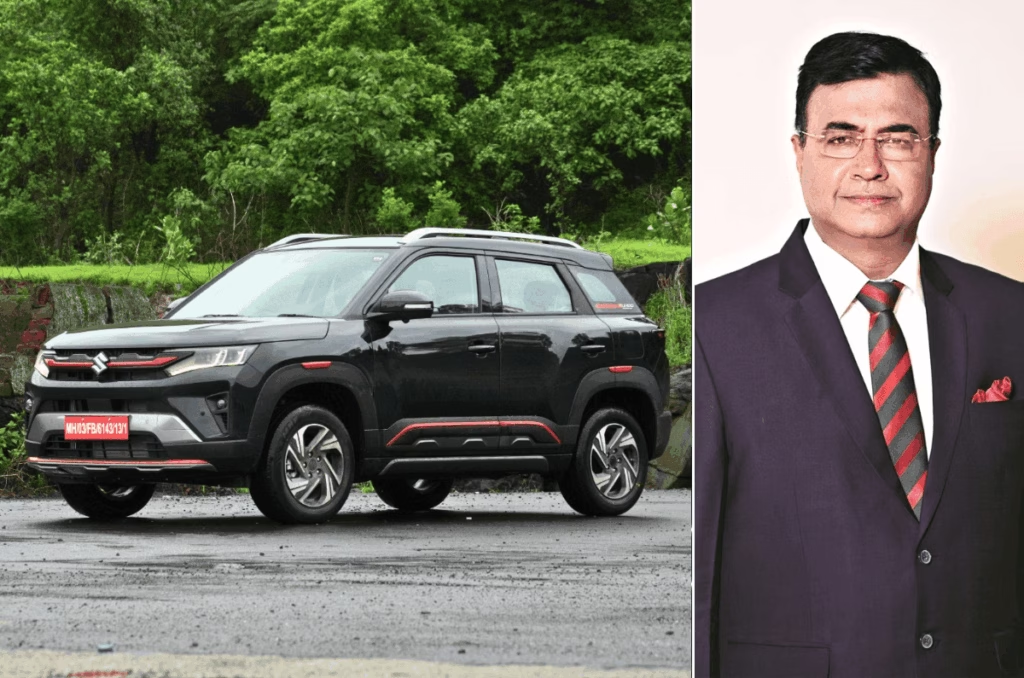
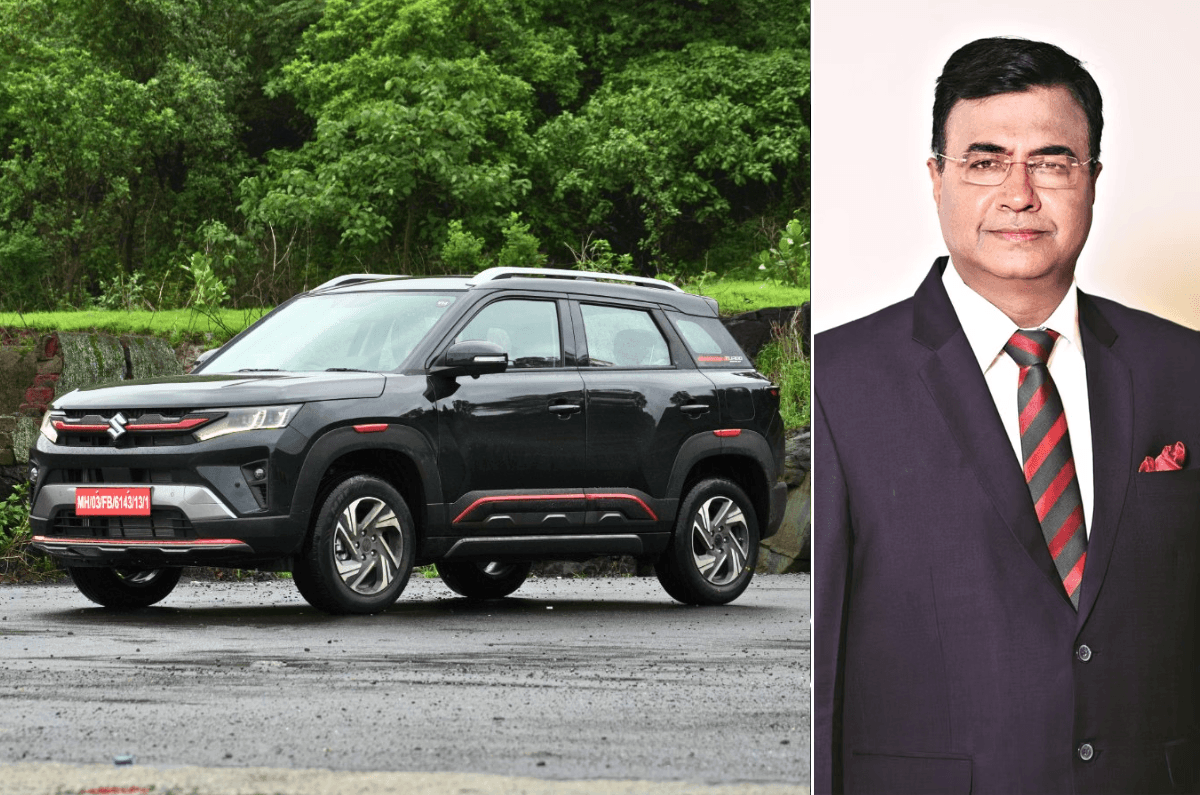
Maruti Suzuki recently launched the 2026 Brezza with prices ranging from Rs 7.40 lakh to Rs 13.55 lakh (ex-showroom). With the midlife update, Maruti has introduced a 1.0-litre direct injection turbo-petrol engine to the Brezza, while also offering a couple of new features and a few new design elements. The 2026 Brezza is being offered in four trims: LXi, VXi, ZXi and ZXi+, and alongside the turbo-petrol engine, a 1.5-litre naturally aspirated petrol mill is also available with a CNG option.
In case you want to know how much you need to pay to get your hands on one, here are the 2026 Maruti Brezza’s on-road prices across major Indian cities.
2026 Maruti Brezza on-road price range
On-road prices of the 2026 Brezza range from Rs 8.26 lakh to Rs 16.81 lakh in major cities
2026 Maruti Brezza price range in major Indian cities (in Rs, lakh)
1.0TP 6MT
1.5P 6MT
1.5P 6AT
1.5CNG 6MT
Ex-showroom
7.40-11.16
8.30-10.50
10.61-13.55
9.30-11.50
Delhi (on-road)
8.26-12.95
9.26-12.18
12.31-15.72
10.67-13.37
Kolkata (on-road)
8.48-12.95
9.51-12.18
12.31-15.72
10.65-13.34
Mumbai (on-road)
8.55-13.17
9.59-12.39
12.52-15.99
10.37-13.11
Bengaluru (on-road)
8.77-13.73
9.84-12.92
13.06-16.67
10.67-13.37
Chennai (on-road)
8.70-13.84
9.76-13.02
13.16-16.81
10.67-13.37
Note: On-road prices may vary based on city-specific registration charges and other cost components, including insurance, FASTag and RTO fees. Please check with your nearest Maruti Suzuki Arena dealership for exact figures.
The 2026 Maruti Suzuki Brezza’s on-road prices are the lowest in Delhi among all the mentioned cities. This is followed by Kolkata, Mumbai and Bengaluru, with Chennai having the highest ask. However, a CNG option on the Brezza is the most affordable in Mumbai. That being said, the difference in on-road price of the top-spec Brezza variants for the 1.0-litre turbo-petrol manual is Rs 89,000, the 1.5-litre petrol manual is Rs 84,000, 1.5-litre petrol automatic is Rs 1.09 lakh.
Tata Punch EV Facelift: 2026 टाटा पंच EV फेसलिफ्ट को हाल ही में हुए भारत NCAP क्रैश टेस्ट में 5-स्टार सेफ्टी रेटिंग मिली है। इस इलेक्ट्रिक SUV को एडल्ट ऑक्यूपेंट प्रोटेक्शन के लिए 32 में से 31.09 और चाइल्ड ऑक्यूपेंट प्रोटेक्शन (बच्चों की सुरक्षा) के लिए 49 में से 45 स्कोर मिला है। इस स्कोर के साथ यह भारत के क्रैश टेस्ट प्रोग्राम के तहत टेस्ट किए गए सबसे अच्छी रेटिंग वाले मॉडल्स में शामिल हो गई है।
भारत NCAP स्कोर और क्रैश टेस्ट परफॉर्मेंस
Punch EV फेसलिफ्ट ने एडल्ट ऑक्यूपेंट प्रोटेक्शन असेसमेंट में 32 में से 31.09 और चाइल्ड ऑक्यूपेंट प्रोटेक्शन (बच्चों की सुरक्षा) में 49 में से 45 स्कोर हासिल किया, जिस वजह से इसे दोनों कैटेगरी में फाइव-स्टार रेटिंग मिली। भारत NCAP टेस्ट रिपोर्ट के अनुसार, फ्रंटल ऑफसेट क्रैश टेस्ट में ड्राइवर और आगे बैठे पैसेंजर की सुरक्षा अच्छी रही, जबकि साइड इम्पैक्ट असेसमेंट में भी परफॉर्मेंस शानदार रही।
बता दें कि बच्चों की सुरक्षा जांचने के लिए कार में चाइल्ड रेस्ट्रेंट सिस्टम (CRS) का इस्तेमाल किया गया। इस टेस्ट में भी Punch EV ने अच्छा प्रदर्शन किया और CRS की फिटिंग व डायनामिक परफॉर्मेंस के मामले में बेहतर स्कोर हासिल किया। हालांकि, ध्यान देने वाली बात यह है कि Bharat NCAP के ये स्कोर सिर्फ उसी वेरिएंट के लिए मान्य हैं, जिसका क्रैश टेस्ट किया गया है। इसलिए बाजार में मौजूद Punch EV के हर वेरिएंट को यही सेफ्टी रेटिंग मिलेगी, ऐसा मानना सही नहीं होगा।
Tata Punch EV: सेफ्टी फीचर्स
Punch EV, Tata Motors के Acti.ev आर्किटेक्चर पर बनी है और इसमें कई तरह के एक्टिव और पैसिव सेफ्टी फीचर्स दिए गए हैं। वेरिएंट के आधार पर, इसमें छह एयरबैग, इलेक्ट्रॉनिक स्टेबिलिटी कंट्रोल (ESC), EBD के साथ ABS, ISOFIX चाइल्ड सीट माउंट, सभी पैसेंजर्स के लिए 3-पॉइंट सीट बेल्ट, टायर प्रेशर मॉनिटरिंग सिस्टम (TPMS), 360-डिग्री कैमरा और ड्राइवर की मदद करने वाले दूसरे फीचर्स मिलते हैं।
हालांकि, Bharat NCAP की सेफ्टी रेटिंग सिर्फ कार में दिए गए फीचर्स की लिस्ट देखकर तय नहीं की जाती। इस टेस्ट में कार की बॉडी स्ट्रक्चर की मजबूती, फ्रंट और साइड इम्पैक्ट क्रैश टेस्ट में उसका प्रदर्शन, यात्रियों को सुरक्षित रखने वाले सिस्टम और बच्चों की सुरक्षा से जुड़े फीचर्स को भी ध्यान में रखा जाता है।
खरीदारों को क्या जानना चाहिए
आज के समय में कार खरीदते वक्त क्रैश टेस्ट रेटिंग एक अहम फैक्टर बन गई है, खासकर कॉम्पैक्ट SUV सेगमेंट में, जहां ग्राहक सुरक्षा को काफी महत्व देते हैं। नई Bharat NCAP रिपोर्ट से पता चलता है कि टेस्ट किए गए Tata Punch EV फेसलिफ्ट ने नियंत्रित क्रैश परिस्थितियों में एडल्ट और चाइल्ड पैसेंजर्स की सुरक्षा के मामले में अच्छा प्रदर्शन किया है।
हालांकि, सिर्फ 5-स्टार रेटिंग को हर स्थिति में सुरक्षा की गारंटी नहीं माना जाना जा सकता है। क्रैश के नतीजे गाड़ी की रफ्तार, टक्कर किस जगह लगी, सड़क की हालत और इस बात पर निर्भर कर सकते हैं कि गाड़ी में बैठे लोगों ने सीटबेल्ट पहनी है या नहीं।
वहीं, इलेक्ट्रिक SUV खरीदने वाले ग्राहकों के लिए Bharat NCAP की यह रिपोर्ट एक भरोसेमंद सुरक्षा मानक के रूप में मददगार हो सकती है। हालांकि, कार खरीदने से पहले ग्राहकों को कीमत, फीचर्स, मेंटेनेंस खर्च, रनिंग कॉस्ट और आफ्टर-सेल्स सर्विस जैसे पहलुओं पर भी ध्यान देना चाहिए।
अगर आप कम बजट में एक ऐसी कॉम्पैक्ट SUV खरीदने की सोच रहे हैं, जिसमें दमदार परफॉर्मेंस के साथ बेहतर ड्राइविंग एक्सपीरियंस मिले, तो 1.0-लीटर टर्बो-पेट्रोल इंजन वाली गाड़ियां आपके लिए एक अच्छा विकल्प हो सकती हैं। दरअसल, Maruti Suzuki ने नई Brezza फेसलिफ्ट के साथ इस सेगमेंट में अपनी एंट्री कर दी है। बता दें कि नई Brezza में 1.0-लीटर टर्बो बूस्टरजेट इंजन दिया गया है, जो इसी तरह के डिस्प्लेसमेंट वाले टर्बोचार्ज्ड पेट्रोल इंजन के साथ पहले से मौजूद कई अन्य सब-4-मीटर SUV की लिस्ट में शामिल हो गई हैं। अब आइए जानते हैं ऐसी 6 SUVs के बारे में, जिन्हें आप खरीदने पर विचार कर सकते हैं।
Maruti Suzuki Brezza facelift
नई Brezza facelift में 1.0-लीटर टर्बो बूस्टरजेट पेट्रोल इंजन है, जो 110.2 PS की पावर और 170 Nm का पीक टॉर्क देता है। इसके अलावा, इस इंजन के साथ 6-स्पीड मैनुअल ट्रांसमिशन मिलता है। हालांकि, कंपनी ने इसमें ऑटोमैटिक ट्रांसमिशन का विकल्प नहीं दिया है। इस कैटेगरी में Brezza के टर्बो वेरिएंट की कीमत 7.40 लाख रुपये (एक्स-शोरूम) से शुरू होती है, जिससे यह इस कैटेगरी की सबसे सस्ती SUV बन जाती है।
Hyundai Venue
इस SUV में 1.0-लीटर टर्बो-पेट्रोल इंजन है, जो 120 PS की पावर और 172 Nm का टॉर्क जनरेट करता है। खरीदार 6-स्पीड मैनुअल गियरबॉक्स और 7-स्पीड डुअल-क्लच ऑटोमैटिक ट्रांसमिशन में से किसी को भी चुन सकते हैं। कीमत की बात करें तो, Hyundai Venue के टर्बो-पेट्रोल वेरिएंट की शुरुआती कीमत 8.91 लाख रुपये (एक्स-शोरूम) है।
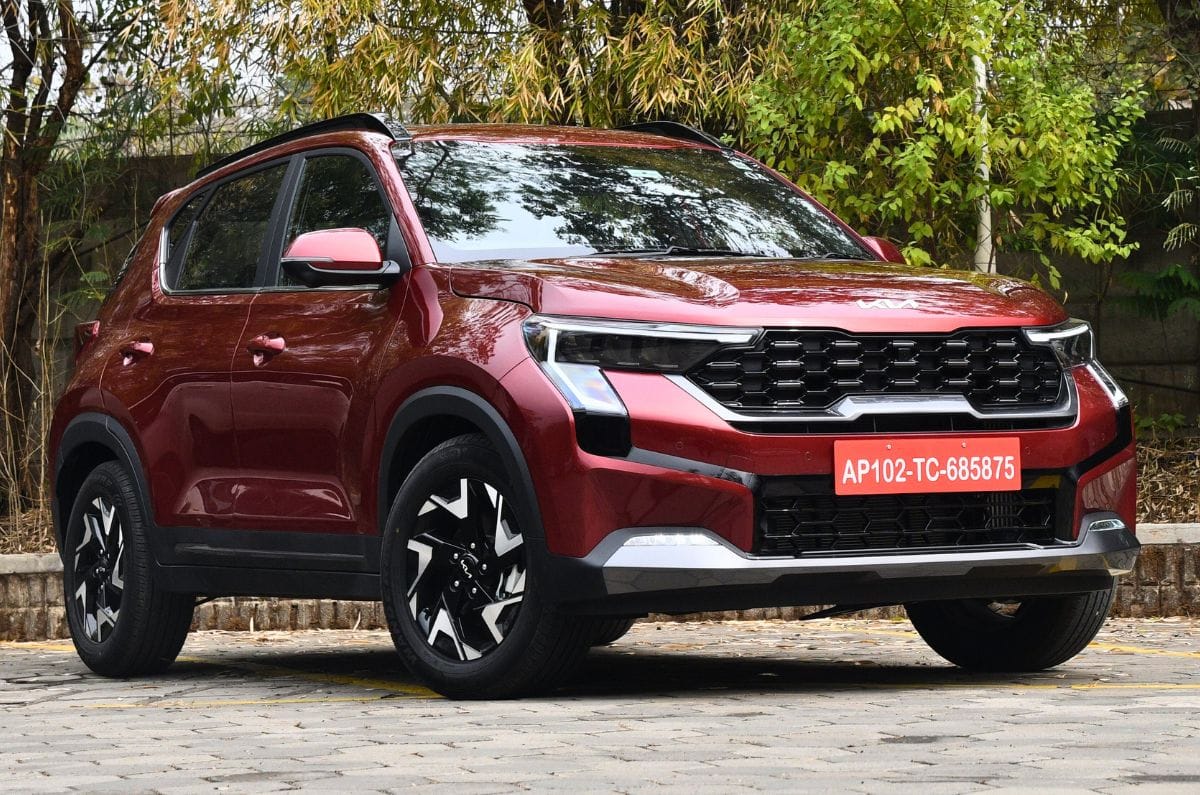
Kia Sonet
Kia Sonet में 1.0-लीटर स्मार्टस्ट्रीम T-GDi पेट्रोल इंजन मिलता है, जो 120 PS की पावर और 172 Nm का टॉर्क देता है। यह 6-स्पीड iMT और 7-स्पीड डुअल-क्लच ऑटोमैटिक ट्रांसमिशन के साथ उपलब्ध है। Kia Sonet के टर्बो-पेट्रोल रेंज की शुरुआती कीमत ₹9.25 लाख (एक्स-शोरूम) है।
Skoda Kylaq
अगर आप Skoda Kylaq खरीदने का मन बना रहे हैं तो, आपको यह जानना जरूरी है कि इस SUV में 1.0-लीटर टर्बो-पेट्रोल इंजन मिलता है, जो 115 PS की पावर और 178 Nm का टॉर्क जनरेट करता है। इसमें ग्राहकों को 6-स्पीड मैनुअल और 6-स्पीड टॉर्क कन्वर्टर ऑटोमैटिक ट्रांसमिशन का विकल्प मिलता है। प्राइस देखें तो, Kylaq के टर्बो वेरिएंट की कीमत 7.59 लाख रुपये (एक्स-शोरूम) से शुरू होती है।
Renault Kiger
Renault Kiger में 1.0-लीटर टर्बो-पेट्रोल इंजन मिलता है, जो 100 PS की पावर और 160 Nm का टॉर्क देता है। यह 5-स्पीड मैनुअल ट्रांसमिशन या CVT ऑटोमैटिक के साथ आती है। टर्बो वेरिएंट की कीमतें ₹7.89 लाख (एक्स-शोरूम) से शुरू होती हैं।
Nissan Magnite
Nissan Magnite में भी 1.0-लीटर टर्बो-पेट्रोल इंजन दिया गया है, जो 100 PS की पावर और 160 Nm का टॉर्क जनरेट करता है। इस इंजन के साथ ग्राहकों को 5-स्पीड मैनुअल गियरबॉक्स और CVT ऑटोमैटिक ट्रांसमिशन का विकल्प मिलता है। Magnite के टर्बो वेरिएंट की शुरुआती कीमत 9.25 लाख रुपये (एक्स-शोरूम) है।
कौन सी SUV है सबसे पावरफुल?
इन सभी 6 SUV में से, Hyundai Venue और Kia Sonet सबसे ज्यादा पावर (120 PS) देती हैं, जबकि Skoda Kylaq सबसे ज्यादा टॉर्क (178 Nm) देती है। वहीं, Brezza फेसलिफ्ट सबसे सस्ता ऑप्शन है, जिसके टर्बो-पेट्रोल वेरिएंट की कीमत 7.40 लाख रुपये (एक्स-शोरूम) से शुरू होती है।
जो खरीदार ऑटोमैटिक ट्रांसमिशन वाले ऑप्शन देख रहे हैं, वे Venue, Sonet, Kylaq, Kiger और Magnite पर विचार कर सकते हैं, जबकि Brezza फेसलिफ्ट का टर्बो इंजन अभी सिर्फ 6-स्पीड मैनुअल गियरबॉक्स के साथ उपलब्ध है।
The Maruti Brezza may be one of the oldest compact SUVs in the market, but it remains one of the best-selling ones by a reasonable margin. Maruti has now given it a fresh lease of life with a mid-cycle update for 2026, bringing a brand-new engine option and thereby addressing one of the biggest gripes about the Brezza – lack of multiple engine options. It’s the Boosterjet turbo-petrol engine from the Fronx, finally bringing the Brezza in the sub-4m tax slab and also a much-needed dose of performance. So, here are two reasons why you should consider buying the new Brezza Turbo, and two reasons why you might want to look elsewhere.
Reasons to buy the Maruti Brezza Turbo
1. Boosterjet engine is smooth and tractable
The 1.0-litre, three-cylinder Boosterjet engine produces 110hp and 170Nm on the Brezza, which means the numbers are up by 10hp and 23Nm compared to the Fronx. What’s most impressive about this engine on the Brezza is its refinement and driveability – it gets off the line effortlessly, with almost no lag. In fact, you can set off in second or even third with little issue. It’s only when you wring it out that you’ll get some hint of three-cylinder thrum. The 6-speed manual gearbox offered with this engine is also a joy to use, offering satisfying and progressive shifts, and the clutch too is light and easy to modulate.
The Brezza’s faimiliar 1.5-litre naturally aspirated petrol engine also remains on offer alongside the new Boosterjet engine, but it’s expectedly more expensive as it attracts a higher 40 percent GST.
2. Spacious interior and boot
Packaging has always been one of Maruti’s strengths, and it has been true for the Brezza as well. Not much has changed on the inside of the updated Brezza, which means it remains one of the more spacious models in its segment. It’s still one of the few models where you can sit three adults abreast at the rear in reasonable comfort, and the front seats are suitable for large frames, too. Maruti has also introduced a new brown and black leatherette upholstery with this update which looks more premium and classier than before. That said, seat comfort is only adequate, erring more on the firm than the outright soft side.
As for the boot, overall volume remains the same at 328 litres, and as always, its square shape offers up more practicality than the number suggests.
Reasons not to buy the Maruti Brezza Turbo
Lacks the outright punch of a turbo engine
While performance from the new turbo engine is smooth and linear, it doesn’t have outright punch you’d expect or what some rivals offer. In our preliminary tests, the 1.0 Turbo accelerated from 0-100kph in a modest 12.36sec, just 0.3sec quicker than the old 1.5 NA petrol manual version (with the 5-speed manual). We also found ourselves downshifting one or two gears to overtake out on the highway, and through the rev range, some flat spots and hesitation did appear.
Still missing some features, lack of a spare tyre
The Brezza has seen the addition of some key features with this update, including front ventilated seats, a larger touchscreen, updated UX/UI and also new safety features. But while all these are welcome additions, there are still many sought-after features offered by rivals that are missing on the Brezza. These include powered front seats, rear window blinds and a panoramic sunroof – the Brezza continues with a single-pane unit. It also doesn’t get a full ADAS suite that’s offered by some rivals, but only a few driver assist features such as blind-spot warning and rear cross-traffic alert.
Maruti has also removed the spare tyre from the Brezza, and is now only offering a puncture repair kit and a tyre inflator. This is because CNG models have moved to an underfloor tank design to free up more luggage space, and that’s resulted in the removal of the spare tyre in all models.
While not the first compact SUV to hit the market, the Maruti Suzuki Vitara Brezza didn’t take long to zoom past its peers and rise to the top of its segment. It wasn’t the best looking, most exciting, most powerful or best equipped, but instead, and in true Maruti fashion, it locked in perfectly to what the average Indian wanted more. It was well priced, it was spacious and practical, it was reliable and it had incredibly good fuel economy.
That was almost a decade ago, and now in its second generation, with the ‘Vitara’ dropped from its name, the Brezza has retained those same safe and stable qualities. The compact SUV customer, however, has evolved and in 2026, perhaps playing it safe isn’t the silver bullet it once was. It’s no surprise then, that the brand has tried to introduce some excitement in the form of the 1.0-litre Boosterjet turbo-petrol, an engine it has been very selective in its use of.
With the engine has come some mild cosmetic updates and a few feature additions, and we’ve spent a day with the car to see if they all add up to make for a more compelling package.
2026 Maruti Brezza Exterior Design and Engineering – 7/10
Boxy shape that hints at big interior space; red Turbo accents feel a bit forced.
In typical Maruti fashion, this is a very mild facelift, and only if you’ve regularly lived with the outgoing model might you be able to spot the changes. Up front, the grille trim has been revised slightly, the front bumper looks cleaner and less like a bull bar, and there are triangular housings for the fog lamps. There are almost no changes to the sides or rear, save for a bit more garnish on the side cladding, a new four-spoke dual-tone design for the 16-inch alloy wheels and some vertical slats in the base of the rear bumper, unique to the turbo model.
Also unique to turbo-petrol models are smatterings of red trim everywhere, from the grille, to the side skirts, to the bumpers and even on the wheel arches. While the idea is to give the turbo models a sporty identity, the execution feels lazy – more like aftermarket accessories than a special body kit, like what was offered on the old Baleno RS.
There are no other changes to the outside, and you get the same square and boxy shape as before, pointing to the space on the inside. As before, the body appears a bit too large for the chassis, with the wheels looking disproportionately small and inset compared to the bodywork.
Boot volume remains the same at 328 litres, and as always, its square shape offers up more practicality than the number suggests. A big change, however, is that there is no longer a spare tyre on offer; just a puncture repair kit and tyre inflator. This is because CNG models have moved to an underfloor tank design to free up more luggage space, and like in the Victoris, that’s resulted in the removal of the spare tyre in all models.
2026 Maruti Brezza Interior Space and Comfort – 8/10
Remains one of the most spacious in the segment; decent quality levels all around.
The tall, unabashedly boxy shape has meant that interior space is good, and the Brezza remains one of the few compact SUVs that can seat five adults in true comfort. Seat comfort is adequate, erring more on the firm than the outright soft side, but the design is accommodating for even large adults. The seats are trimmed, on this top ZXi+ variant, in a new bronze and black leatherette upholstery, which looks classier than before.
In fact, bronze and black is the theme for this interior, replacing the maroon and brushed silver of before, and you can see that mainly in the dashboard trim and door cards. The other subtle visual difference is that the once single-colour ambient lighting can now be set to one of 64 colours selectable from the touchscreen.
And finally, the touchscreen on the top variants is the 10.1-inch unit from the Victoris, though the large, free-standing housing it sits in hasn’t changed and still feels like a visual distraction while driving. While the cabin doesn’t immediately scream ‘quality’ like some newer entrants to the segment, in true Japanese car fashion, it feels hardy and well put together in an understated way.
2026 Maruti Brezza Features and Safety – 7/10
Gets some key feature enhancements, but still not up there with the segment best.
With the new touchscreen hardware comes the updated ‘Smartplay Pro X’ software we saw on the Victoris as well. It’s smoother and looks more up-to-date, and features a host of connectivity features, including wireless Apple CarPlay and Android Auto. There is still no digital driver’s display, but the analogue dials are clear and easy to read, and there’s always the flip-open HUD to look at as well.
Other additions include a ventilation function for the wireless charger, and ventilated front seats, but sought-after features rivals offer that aren’t found here include powered front seats, rear window blinds and a panoramic sunroof – the Brezza continues with a single-pane unit.
On the safety front, there have been a few additions too, most notable of which are front parking sensors. This has enabled a few more advanced driver assists, such as blind-spot warning and rear cross-traffic alert, though it’s not the full ADAS system that you get in the Victoris, or which rivals offer. Still, the Brezza now holds a 5-star Bharat NCAP crash test rating, which should reassure some buyers who were on the fence about the SUV.
2026 Maruti Brezza Performance and Refinement – 7/10
Turbo-petrol engine lacks outright punch but instead aces driveability.
The Brezza was thus far unique in the segment for having a 1.5-litre naturally aspirated petrol engine. While this larger-displacement engine prevented it from availing of compact-car tax benefits, Maruti still managed to price it quite competitively. The engine itself was brilliant, feeling far more effortless than the 1.2-litre naturally aspirated engines of rivals, while being incredibly fuel efficient. This engine continues in the updated Brezza, and remains the only way to have an automatic gearbox.
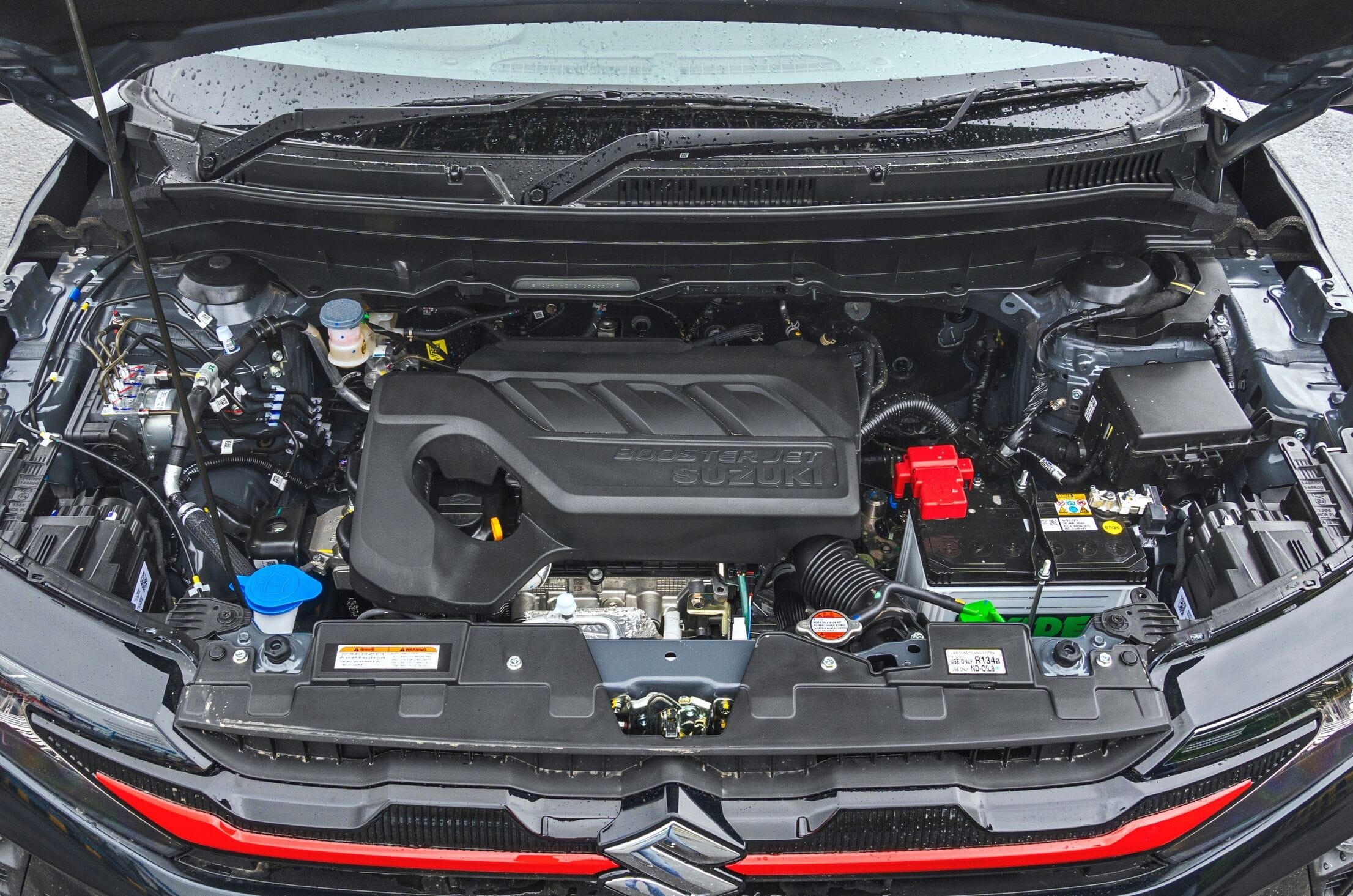
What we’re driving today, however, is the new addition to the range, which is the 1.0-litre ‘Boosterjet’ direct-injection turbo-petrol engine, finally letting the Brezza to join every other compact SUV in the segment in offering a turbo option. First seen briefly in the Gen 1 Baleno RS, this engine was then locally assembled and re-introduced in the Fronx (and its cousin the Toyota Taisor), and now has finally made its way into the Brezza, with an uprated power output of 110hp and torque output of 170Nm.
What strikes you immediately is refinement, and only when you absolutely wring it out will you get some hint of that three-cylinder thrum; commendably, it’s more audible outside than in the car. The next thing is driveability, which is excellent. There’s very little hesitation at low revs – something you typically find in 1.0-litre turbo-petrol compact SUVs – and the Brezza Turbo sets off smoothly, with almost no lag. In fact, you can set off in second or even third with little issue.
Some credit must go to the satisfying and progressive 6-speed manual (which replaces the 5-speed in the 1.5-litre engine as well), as well as the light and easy-to-modulate clutch, both of which are a joy to use.
Though it makes 31Nm more than the 1.5-litre naturally aspirated petrol, and does so from just 2,000rpm, it is tuned to be so smooth and linear, you don’t really feel the added punch. In our tests, the 1.0 Turbo accelerated from 0-100kph in a modest 12.36sec, just 0.3sec quicker than the old 1.5 NA petrol manual version (with the 5-speed manual). The added mid-range boost was more apparent in in-gear acceleration, where it was a few seconds quicker than the 1.5 from 20-80kph in third gear and 40-100kph in fourth.
While off-the line performance was smooth and general tractability in any gear was commendable, we did find ourselves downshifting one or two gears to overtake on the highway, and through the rev range, some flat spots and hesitation did appear. All things considered, the 1.0 Boosterjet is a welcome addition to the Brezza line-up.
2026 Maruti Brezza Mileage and Efficiency – 9/10
Bucks the downsized turbo petrol trend by being spectacularly efficient.
Though they make more power and torque than their naturally aspirated brethren, downsized direct-injection turbo petrols are often earn higher official fuel efficiency ratings due to these being tested in a lab under ideal conditions. In the real world, however, the reality proves to be different, as once the turbo comes into effect, fuel consumptions spikes.
The Brezza Turbo flips the script with an official rating slightly lower than the 1.5 NA, but still incredibly high at 19.96kpl for the higher variants and 20.47kpl for the lower variants.
The best news is that in the real world, the fuel economy seems like it will be excellent too. Despite our day of hard driving and non-stop shooting, the onboard fuel computer showed anywhere between 11 and 14kpl, while other turbo petrols have dropped into single digits with the advent of E20 petrol. Maruti’s mild-hybrid system with a bit of electric assist no doubt helps deliver these numbers, but we wish the engine stop/start was a little quicker to engage. Stay tuned, however, for the full Autocar India real world mileage test, which we will do soon.
2026 Maruti Brezza Ride Comfort and Handling – 8/10
Not the most enthusiastic handler but rides comfortably enough.
Where the pre-facelift Brezza had a light and loose steering that wouldn’t automatically return to the centre position, which was typical of Marutis of that era, this has been corrected to a great extent with the facelift. It still doesn’t have a lot of feel or feedback, but some weight has been dialled in and it returns to centre on its own now. This has robbed some low-speed ease of manoeuvrability, but a small and near-imperceptible amount.
High-speed lane changes, as a result of this added weight, feel a lot more secure to perform. For the most part, the Brezza feels planted, but its tall and boxy form on a narrow footprint make it quite susceptible to cross winds. In corners, too, it feels quite top heavy, and combined with the disconnected steering, doesn’t encourage you to push it hard around corners.
Ride quality is decent but should have been a bit better. Considering this engine is undoubtedly lighter than the 1.5 and the wheel size hasn’t gone up from 16 inches, Maruti could have taken the opportunity to relax the suspension setup a bit. It continues to err on the brittle side, but far from the point of being uncomfortable.
2026 Maruti Brezza Value for Money – 8/10
Turbo engine offered across entire model range, and priced lower than 1.5.
The biggest news is that Maruti hasn’t positioned the 1.0 Turbo above the 1.5 petrol, and has instead passed on the sub-4m tax benefits to the customer. The Boosterjet is available across all four variants – LXi, VXi, ZXi and ZXi+, while the 1.5 NA manual, auto and CNG skip one variant each. It’s a big price difference too, with a 1.5 AT costing over Rs 2 lakh more than the equivalent 1.0 MT. One can only wonder if Maruti will offer the 6-speed AT with the Boosterjet at some stage, as it does in the Fronx.
The Turbo is a welcome addition to the range, even if not necessarily from an outright performance standpoint, but simply from one of positioning. While the Boosterjet may have felt premature for Maruti in 2017, with far greater acceptance of downsized engines today, the huge tax benefits and the engine being locally assembled now, it was a no-brainer to introduce it in the Brezza. It’s a strong and confident statement, and we hope it finds its way into the hatchbacks too.
Given the aggressive pricing of Rs 7.4 lakh to Rs 13.55 lakh, the Brezza’s positioning in the segment has only improved, and you can forgive that it doesn’t have all the features of some newer rivals; the updates it has got are welcome. Similarly, you can forgive that the design hasn’t changed too much or that the turbo’s performance is not explosive, given that these fit perfectly with Maruti’s – and the Brezza’s – positioning of reliable, efficient and no-nonsense motoring.
Maruti Suzuki India has launched the 2026 Brezza at a starting price of Rs 7.40 lakh. This marks the first major update for the second-generation model introduced in 2022. Meanwhile, cumulative sales of the Brezza have surpassed the 15 lakh mark (15,14,717 units), and given the ongoing strong customer demand for compact SUVs – 3,97,609 units in Q1 FY2027 with 24% year-on-year (YoY) growth – Maruti will be looking to capitalise on this segment’s momentum with the updated model.
Maruti Brezza: 15 lakh units and counting
With domestic market sales of 14.6 lakh units (14,61,889 units) and exports of 52,828 units, the Maruti Brezza’s cumulative sales have surpassed the 15 lakh mark (15,14,717 units). The Brezza remains the best-selling compact SUV in India, with a yawning 422,478-unit lead over the Tata Nexon (10,92,239 units). The Tata Punch, which crossed the 800,000 milestone earlier this month, is the third highest-selling compact SUV.
Maruti Brezza cumulative sales: 15.1 lakh units since launch
Launched on March 8, 2016
Fiscal year
Units
YoY% change
Brezza exports
FY2016
5,563
–
0
FY2017
1,08,640
–
1,197
FY2018
1,48,462
36.65%
865
FY2019
1,57,880
6.34%
1,222
FY2020
1,10,641
-29.92%
546
FY2021
94,635
-14.46%
4,451
FY2022
1,13,751
20.19%
21,254
FY2023
1,45,665
28.05%
20,991
FY2024
1,69,897
16.63%
423
FY2025
1,89,163
11.33%
663
FY2026
1,80,104
-4.78%
1,111
FY2027*
37,488
-20.31%
105
Total
14,61,889
52,828
*April-June 2026
From diesel roots to multi-powertrain strategy
For the first four years of its existence, the Brezza was available only with a diesel engine – the Fiat-sourced 1.3-litre DDiS turbocharged 88hp powerplant, which was discontinued in April 2020 when Maruti Suzuki exited diesel. In February 2020, to comply with the BS VI emission norms, Maruti introduced the 1.5-litre K15B petrol engine in the new Brezza. The strategic move to have only diesel power in the initial years paid off, and the Brezza was India’s best-selling SUV for four straight years – FY2017 (1,08,640 units), FY2018 (1,48,462 units), FY2019 (1,57,880 units) and FY2020 (1,10,641 units).
First-generation Brezza
In FY2021, sales dropped 14 percent YoY to 94,635 units, which also meant that the Brezza lost its No. 1 SUV title to the Hyundai Creta (1,20,035 units) that year and has not regained it since then. Despite registering double-digit growth in FY2022, FY2023, FY2024 and FY2025, the highest overall ranking the Brezza could manage since FY2020 was No. 2 in FY2021.
Q1 FY2027 Dip and the Facelift Wait Effect
In FY2027’s first quarter (April-June 2026), the Maruti Brezza has sold 37,488 units, down 20 percent YoY (Q1 FY2026: 47,044 units), a decline which can be attributed to potential buyers awaiting the launch of the MY2026 Brezza, which gets exterior and interior updates, new features and an additional turbo-petrol engine option.
With 14.6 lakh units sold in the domestic market from launch till end-June 2026, the Brezza accounts for a third or 34 percent of Maruti Suzuki’s total UV sales of 42.7 lakh units (42,71,696 UVs) in the same period. Will the new MY2026 Brezza, which has received a 5-star Bharat NCAP crash safety rating, deliver new sales momentum for this popular SUV category remains to be seen.
Maruti Suzuki has now revealed the full price list of the 2026 Brezza, days after announcing just the base-spec turbo variant’s price on July 24. The new Maruti Brezza starts at Rs 7.4 lakh and goes up to Rs 13.70 lakh (both ex-showroom).
Maruti Brezza 2026: Maruti Suzuki India ने उन बातों को खारिज कर दिया है, जिनमें कहा गया था कि नई Brezza कॉम्पैक्ट SUV का 1.0-लीटर टर्बो बूस्टरजेट पेट्रोल इंजन बदले हुए GST स्ट्रक्चर का फायदा उठाने के लिए लाया गया था। कंपनी का कहना है कि यह इंजन टैक्स में बदलाव लागू होने से काफी पहले से ही डेवलप किया जा रहा था।
नई Brezza के लॉन्च के मौके पर Maruti Suzuki India के सीनियर एग्जीक्यूटिव ऑफिसर (मार्केटिंग और सेल्स) पार्थो बनर्जी ने कहा, “नई Brezza में टर्बो पेट्रोल इंजन लाने के पीछे GST कोई वजह नहीं थी। यह बाद में सोचा गया फैसला नहीं था। हम इस पर पहले से ही काम कर रहे थे।”
उन्होंने आगे कहा, “प्रोडक्ट साइकल लंबे होते हैं। इसका GST से कोई लेना-देना नहीं है।”
यह स्पष्टीकरण इसलिए जरूरी है क्योंकि नए GST स्ट्रक्चर में कुछ छोटी पेट्रोल कारों के लिए कम टैक्स ब्रैकेट बनाया गया है। सितंबर 2025 में लागू हुए GST बदलावों के बाद, 4,000mm से कम लंबाई और 1,200cc से छोटे इंजन वाली पेट्रोल कारों पर 18% GST लगता है। जबकि बड़ी इंटरनल कंबशन इंजन (ICE) वाली कारों पर 40% की दर से टैक्स लगाया जाता है।
GST स्लैब में आई नई Brezza
नई Brezza की लंबाई 3,995 mm है। जहां इसका नया 1.0-लीटर टर्बो बूस्टरजेट पेट्रोल इंजन (997 cc) 18% GST स्लैब के दायरे में आता है। वहीं, इसका मौजूदा 1.5-लीटर K15C पेट्रोल इंजन (1,462 cc डिस्प्लेसमेंट वाला) अभी भी 40% स्लैब में शामिल है।
GST कटौती से सस्ती हुई Brezza
GST में बदलाव से पहले, Brezza पर कुल 45% टैक्स लगता था, जिसमें 28% GST और कंपनसेशन सेस शामिल था। बदलाव के बाद, इस पर टैक्स घटकर 40% हो गया, जिससे पूरी रेंज की कीमतों में 1.12 लाख रुपये तक की कमी आई। जहां पुरानी Brezza की शुरुआती कीमत 8.26 लाख रुपये (एक्स-शोरूम) थी, वहीं नए मॉडल की शुरुआती कीमत 7.40 लाख रुपये (एक्स-शोरूम) है।
नई Brezza में तीन पावरट्रेन ऑप्शन
नई Brezza में 1.0-लीटर टर्बो बूस्टरजेट पेट्रोल इंजन दिया गया है, जो 110.2 PS की पावर और 170 Nm का टॉर्क जनरेट करता है और इसके साथ छह-स्पीड मैनुअल ट्रांसमिशन मिलता है। हालांकि, मारुति सुजुकी ने 1.5-लीटर K15C पेट्रोल इंजन को छह-स्पीड मैनुअल और ऑटोमैटिक ट्रांसमिशन ऑप्शन के साथ बरकरार रखा है। इसके अलावा, S-CNG वेरिएंट भी पेश किया है जिसमें नए अंडरबॉडी CNG टैंक का कॉन्फिगरेशन दिया गया है।
SUV सेगमेंट की रफ्तार धीमी, लेकिन बाजार में दबदबा बरकरार
Maruti Suzuki की SUV रणनीति में Brezza की भूमिका अहम बनी हुई है। हालांकि, SUV सेगमेंट का तेजी से बढ़ना अब थोड़ा धीमा हो गया है, फिर भी भारत के पैसेंजर व्हीकल (PV) मार्केट में इसका सबसे बड़ा योगदान है।
बनर्जी ने कहा, “अब SUV सेगमेंट की हिस्सेदारी कुल PV इंडस्ट्री का लगभग 57-58% है। इसमें अब ज्यादा बढ़ोतरी नहीं हो रही है। वहीं, कॉम्पैक्ट SUV की हिस्सेदारी लगभग 30% है।”
FY26 में बिकीं 47 लाख से ज्यादा कारें
इंडस्ट्री के आंकड़े भी इस बात की पुष्टि करते हैं। FY26 में कुल 47.07 लाख पैसेंजर व्हीकल की बिक्री हुई, जिसमें से 26.70 लाख यूनिट SUV थीं। यानी कुल PV मार्केट में SUV की हिस्सेदारी करीब 57% रही। वहीं, कॉम्पैक्ट SUV सेगमेंट में 14.46 लाख यूनिट की बिक्री हुई, जो पूरे पैसेंजर व्हीकल बाजार का लगभग 31% हिस्सा है।
पार्थो बनर्जी ने कहा “कॉम्पैक्ट SUV सेगमेंट तेजी से बढ़ रहा है क्योंकि इस सेगमेंट में ज्यादा प्रोडक्ट्स मौजूद हैं। मिड-साइज SUV सेगमेंट भी बढ़ रहा है। यह ग्रोथ पूरी तरह से मार्केट में आने वाले नए प्रोडक्ट्स पर निर्भर करती है।”
बता दें कि Brezza देश की सबसे ज्यादा बिकने वाली कॉम्पैक्ट SUV में से एक बनी हुई है। FY26 में, इसकी बिक्री करीब 1.80 लाख यूनिट रही। वहीं, , इस सेगमेंट में Tata Nexon सबसे आगे रही, जिसकी बिक्री 2.16 लाख यूनिट दर्ज की गई।
बनर्जी ने यह भी कहा कि मौजूदा फाइनेंशियल ईयर में Brezz की बिक्री में गिरावट आई क्योंकि ग्राहक नए मॉडल का इंतजार कर रहे थे, और प्रोडक्शन से जुड़ी दिक्कतों की वजह से सप्लाई सीमित रही।
उन्होंने बताया, “इस साल (FY27) हमारी Breza की बिक्री कम रही क्योंकि मार्केट को नए मॉडल का इंतजeर था। हमें प्रोडक्शन से जुड़ी दिक्कतों का भी सामना करना पड़ा।”
Maruti has introduced the 2026 Brezza at Rs 7.4 lakh for its new turbo-petrol version. Apart from updates to its powertrains, looks and features, the carmaker has revised its colour palette. For 2026, the Brezza is offered with six monotone and three dual-tone versions. The latter options get a roof finished in Bluish Black. The monotone colour options include Lustrous Beige (new), Pearl Arctic White, Vivacious Orange (new), Bluish Black, Splendid Silver, and Magma Grey. Only the Lustrous Beige and Pearl Arctic White colours are available in a dual-tone finish. Additionally, the Sizzling Red colour option is exclusively offered in dual-tone guise. Swipe to check out all the colours available on the 2026 Maruti Brezza.
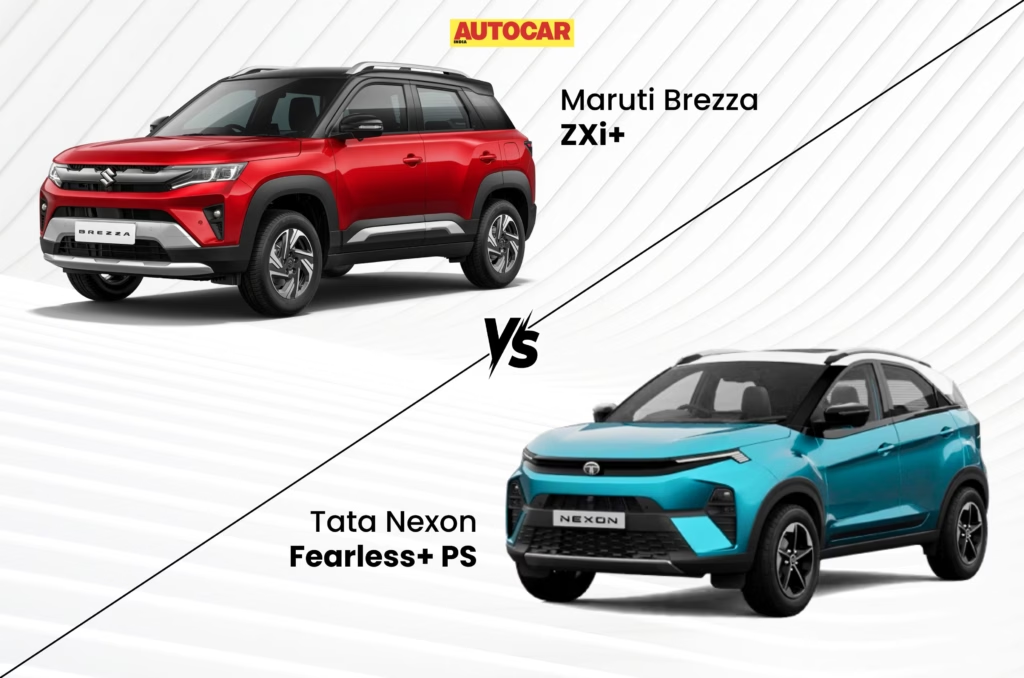
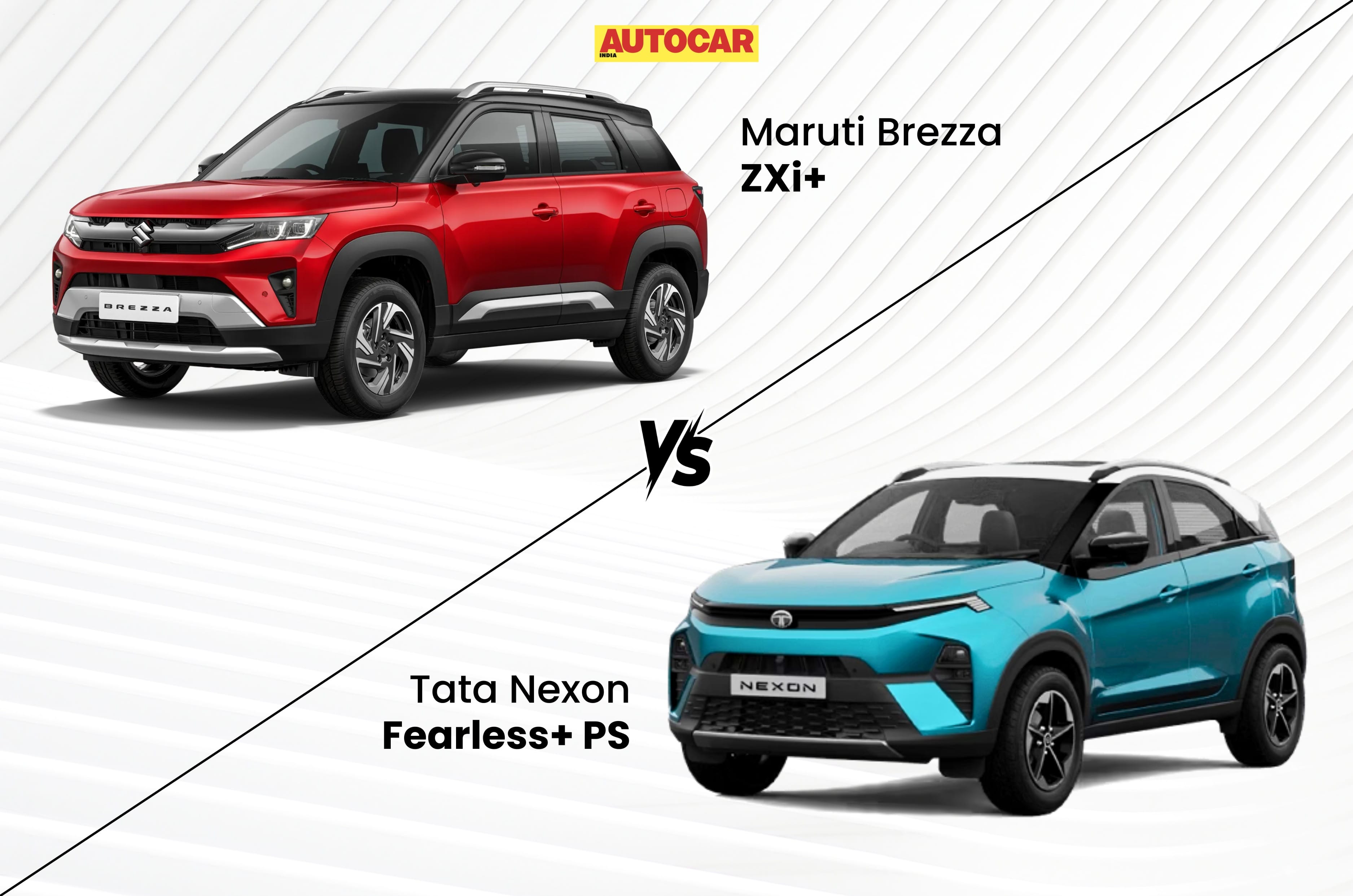
Four years after replacing the Vitara Brezza, the ‘Brezza’ nameplate has received its first lifecycle update. With this, the 2026 Maruti Brezza offers buyers a multitude of new features and styling tweaks that the brand hopes will keep its compact SUV competitive among segment rivals that include the Hyundai Venue, Kia Sonet, Skoda Kylaq and Tata Nexon. Having said that, let’s find out the main differences between the new Maruti Suzuki Brezza and its predecessor.
Maruti Brezza new vs old: Exterior design
Changes on the outside are mostly limited to the soft parts
To help differentiate the 2026 Brezza from the old model, Maruti Suzuki has given it a few noticeable styling tweaks. For starters, there’s a new grille at the front and it’s finished in dark chrome. The front bumper has been redesigned as well, and it comes with an additional silver plastic garnish. Maruti has also re-done the front fog-lamp design. The LED units now sit inside a cone-shaped housing and have been moved further up the bumper compared to the old Brezza.
Along the sides, the 2026 Brezza features new 16-inch alloy wheels with a two-tone finish and dual-tone body cladding. The rest of the styling details remain identical to the old model. Maruti has done away with the Brave Khakhi and Exuberant Blue mono-tone colours, replacing them with Vivacious Orange and Lustrous Beige tones. The Sizzling Red with Bluish Black Roof dual-tone colour remains, but the other two options are now Lustrous Beige and Pearl Arctic White with the same ‘Blueish Black’ roof. The rear of the 2026 Brezza looks largely similar to the old model. Finally, the new Brezza Turbo gets red accents all around and different door cladding, along with ‘Turbo Boosterjet’ branding.
Maruti Brezza new vs old: Interior design and features
Few styling tweaks and new features add to this interior’s overall appeal
The overall design and layout of the Maruti Brezza’s interior hasn’t changed with the 2026 facelift. However, some of the tweaks that the brand has made are quite easy to spot. The first amongst these is the new 10.1-inch touchscreen head unit, which features the Suzuki SmartPlay Pro X infotainment system. For reference, the previous mode’s SmartPlay Pro+ system came with a 9-inch touchscreen. The silver-coloured plastic trim on the dashboard and doors in the old Brezza have given way to gloss-black trim in the 2026 model. These look nice and premium but are a magnet for fingerprints and scratches.
Further down the centre stack, the Brezza facelift gets a new HVAC panel with physical, piano-style keys and a single rotary dial – this has been borrowed from the Victoris. Although stylish to look at, it no longer has a dedicated display to show the temperature and blower speed – these have been moved to the infotainment screen. The climate control does get a PM2.5 filter with an AQI display now, though.
While the design of the steering wheel and instrument cluster remain unchanged, the Brezza now gets suction-type front-seat ventilation, 64-colour ambient lighting, dual-tone part-leatherette seats, Suzuki Navigation built-in, and new driver-assistance features like safe-exit warning, blind-spot warning, lane-departure alert and rear cross-traffic alert.
Maruti Brezza new vs old: Engine and gearbox
Differences between the old and new Brezza are more than skin-deep
Maruti has carried over the K15C four-cylinder petrol engine with the automatic engine stop-start system from the pre-facelift Brezza. In the 2026 Brezza, this 1.5-litre mill continues to produce 103hp and 139Nm. In its CNG avatar as well, the Brezza facelift’s engine output of 88hp and 122Nm remains the same as the old model. However, the difference with the new model is that it gets underbody CNG tanks, which don’t eat up boot space.
The other difference between the 2026 Maruti Brezza and its predecessor is the inclusion of a 1.0-litre turbo-petrol engine with direct injection. Also used in the Fronx, this ‘Boosterjet’ powerplant has been retuned for the Brezza, so it now makes 110hp and 170Nm. The Turbo and CNG versions are only offered with the new 6-speed manual gearbox, which replaces the old 5-speed unit. Meanwhile, the naturally aspirated engine can be paired with the 6-speed torque converter automatic transmission, which was available with the pre-facelift model as well.
The step up from a 5-speed manual gearbox to a 6-speed unit also means that the 2026 Brezza offers better fuel economy. The pre-facelift Brezza with the naturally aspirated engine and manual gearbox had a claimed mileage of up to 17.80kpl, while its 2026 equivalent claims a figure of up to 21.09kpl. The 2026 Brezza CNG also has a higher claimed fuel economy of 26.90km/kg, where the old model’s was 25.51km/kg. Maruti claims that the new Turbo variants of the Brezza have a fuel economy of up to 20.47kpl.
Maruti Brezza new vs old: Prices
Despite the various updates and additions that the 2026 Maruti Brezza gets over its predecessor, its new Turbo version starts at an introductory price of Rs 7.40 lakh. This is lower than the base price of the pre-facelift model, which started at Rs 8.26 lakh. The 1.0-litre engine of the new Turbo variants make them eligible for higher tax breaks – the old Brezza’s 1.5-litre engine didn’t allow for this. That said, Maruti Suzuki is yet to disclose the prices of the rest of the variants of the 2026 Brezza.