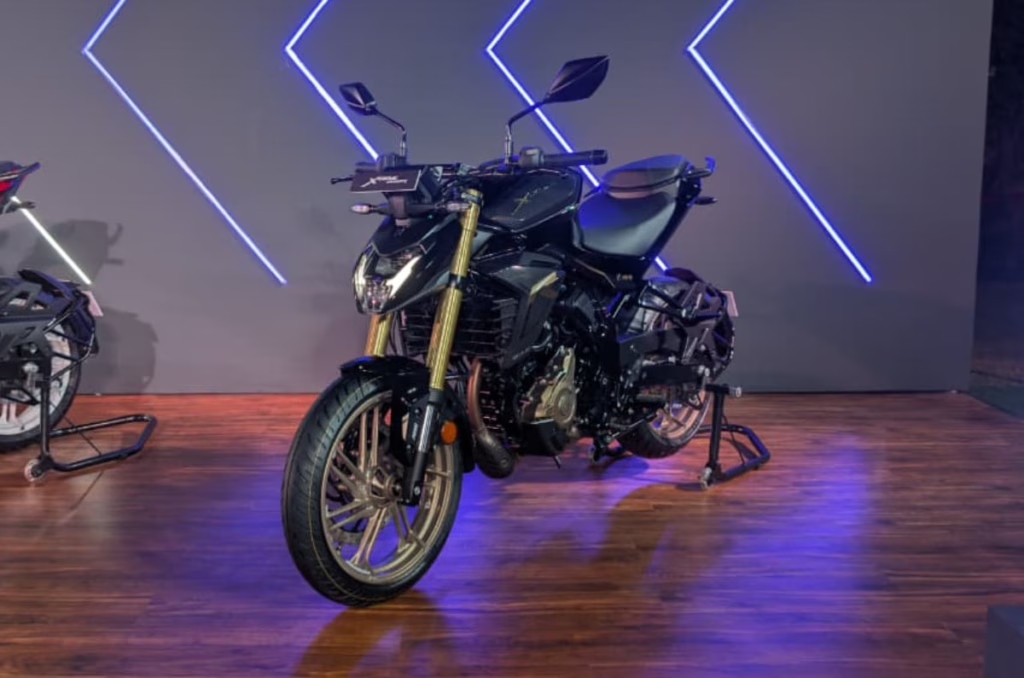
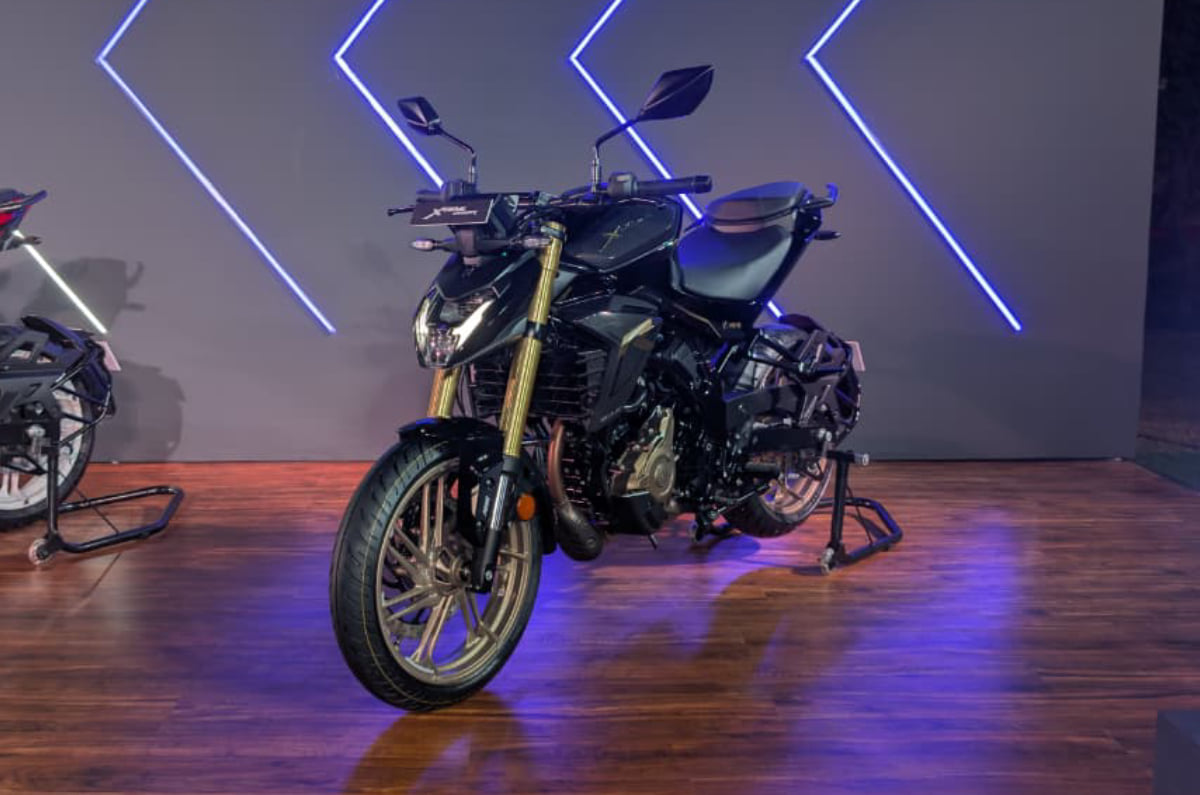
Alongside the heavily revised Xtreme 160R 4V, Hero has also taken the wraps off an updated Xtreme 250R that brings a significant addition of electronics and rider aids.
Gets a TFT display, bi-directional quickshifter, riding modes and traction control
Adds segment-first Frequency Selective Damping (FSD) rear suspension
249cc liquid-cooled single makes 30hp and 25.3Nm
What’s new on the updated Hero Xtreme 250R?
The engine and overall design remain largely unchanged
For starters, the Xtreme 250R now features a 4.2 inch TFT instrument cluster (from the Xpulse 210) that replaces the older LCD unit, enabling multiple features, including smartphone connectivity, turn-by-turn navigation, and a lap timer. The addition of a ride-by-wire throttle system introduces four riding modes – Rain, Road, Sport and Track – along with traction control. Each mode gets its own traction control calibration. A bi-directional quickshifter is also new, as are cruise control and a tyre pressure monitoring system.
Other notable additions include a rear monoshock with Frequency Selective Damping (FSD). It uses a secondary valve system to automatically vary damping stiffness based on the frequency of road inputs, making the suspension firmer over high-frequency surface chatter and softer over low-frequency bumps. The 43mm USD fork at the front remains unchanged.
Not much has changed with regard to the powertrain, and the bike continues to be powered by a 249cc liquid-cooled, single-cylinder engine producing 30hp at 9,250rpm and 25.3Nm at 7,500rpm – the latter represents a 0.3Nm bump, delivered 250rpm higher in the rev band.
The new Xtreme 250R will be available in three new colour options – Carbon Red, Carbon Black and Carbon White. At Rs 1.98 lakh, the added features come at a substantial Rs 25,000 premium over the existing standard Xtreme 250R, bringing it much closer to rivals like the KTM 250 Duke, which is priced at Rs 2.28 lakh.
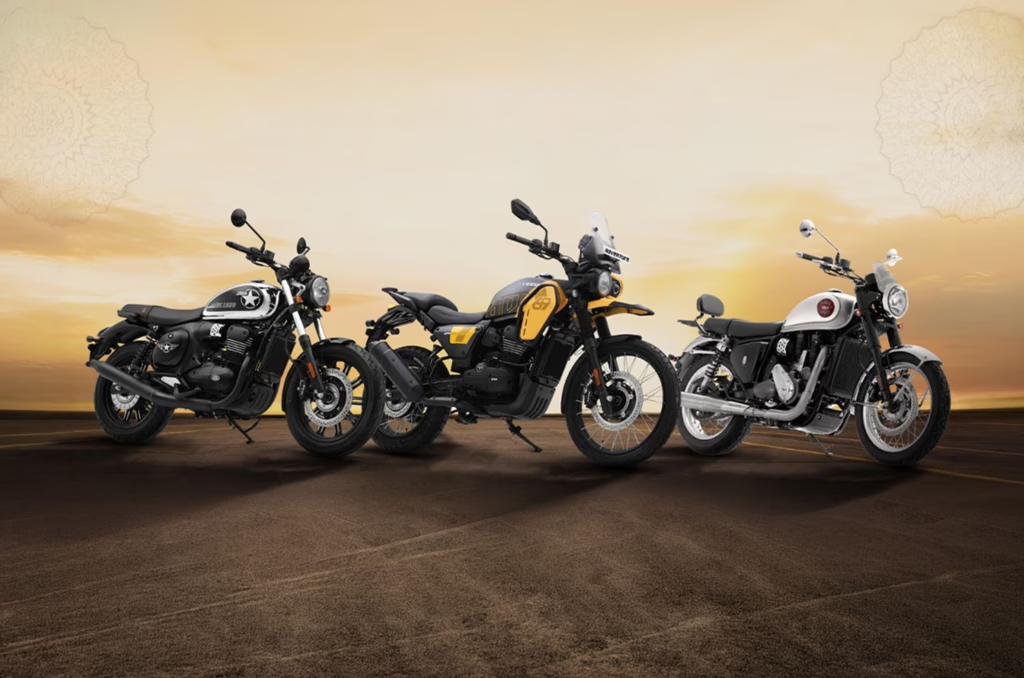
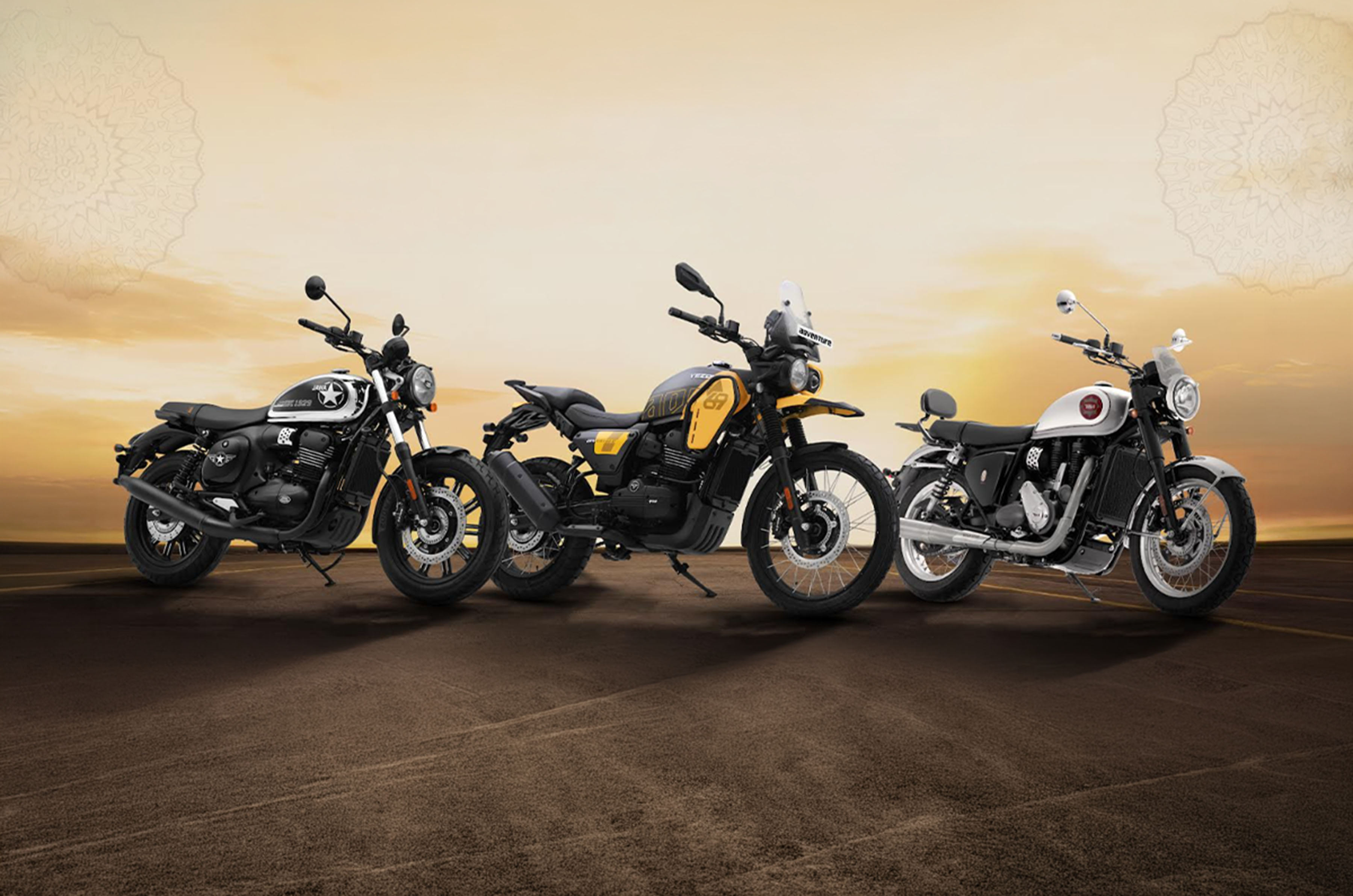
As part of its festive offers, Classic Legends has announced flexible financing options for its motorcycles. These offers are aimed at making its Jawa, Yezdi and BSA motorcycles more accessible to buyers.
Up to 100 percent funding with zero downpayment plans
Interest rates starting at 5.99 percent with loan tenures up to 72 months
Buy now, pay later and no-hypothecation schemes also available
Jawa Yezdi Motorcycles festive financing offer details
The company has not specified model-wise financing benefits in the announcement
The financing schemes include up to 100 percent funding, zero down payment, interest rates starting at 5.99 percent and repayment tenures of up to 72 months, subject to eligibility, terms and conditions. Eligible customers can choose Buy Now Pay Later (BNPL) schemes, while select financing options offer no-hypothecation benefits. The brand has also introduced specially designed ownership programmes for Mahindra Group employees as well.
These offers cover motorcycles under the Jawa, Yezdi and BSA brands, which are part of the Classic Legends portfolio, though it has not specified model-wise financing benefits in the announcement. The company said the financing options are intended to benefit buyers with different financial requirements and ownership preferences. Customers will need to check the applicable terms, eligibility criteria and availability of offers with authorised dealerships.
Currently Classic Legends offers a wide range of motorcycles under the Jawa, Yezdi, and BSA brand umbrellas. The Jawa lineup comprises models ranging from the All Star 42 OG (Rs 1.87 lakh to Rs 1.90 lakh) to the Jawa 350 (Rs 2.11 lakh to Rs 2.22 lakh). The Yezdi range starts with the base Roadster at Rs 2 lakh and goes up to the tubeless-wheel-equipped Adventure at Rs 2.33 lakh. Rounding out the portfolio are BSA’s 650cc offerings, the Scrambler (Rs 3.25 lakh to Rs 3.41 lakh) and the flagship Gold Star 650 (Rs 3.42 lakh to Rs 3.65 lakh).
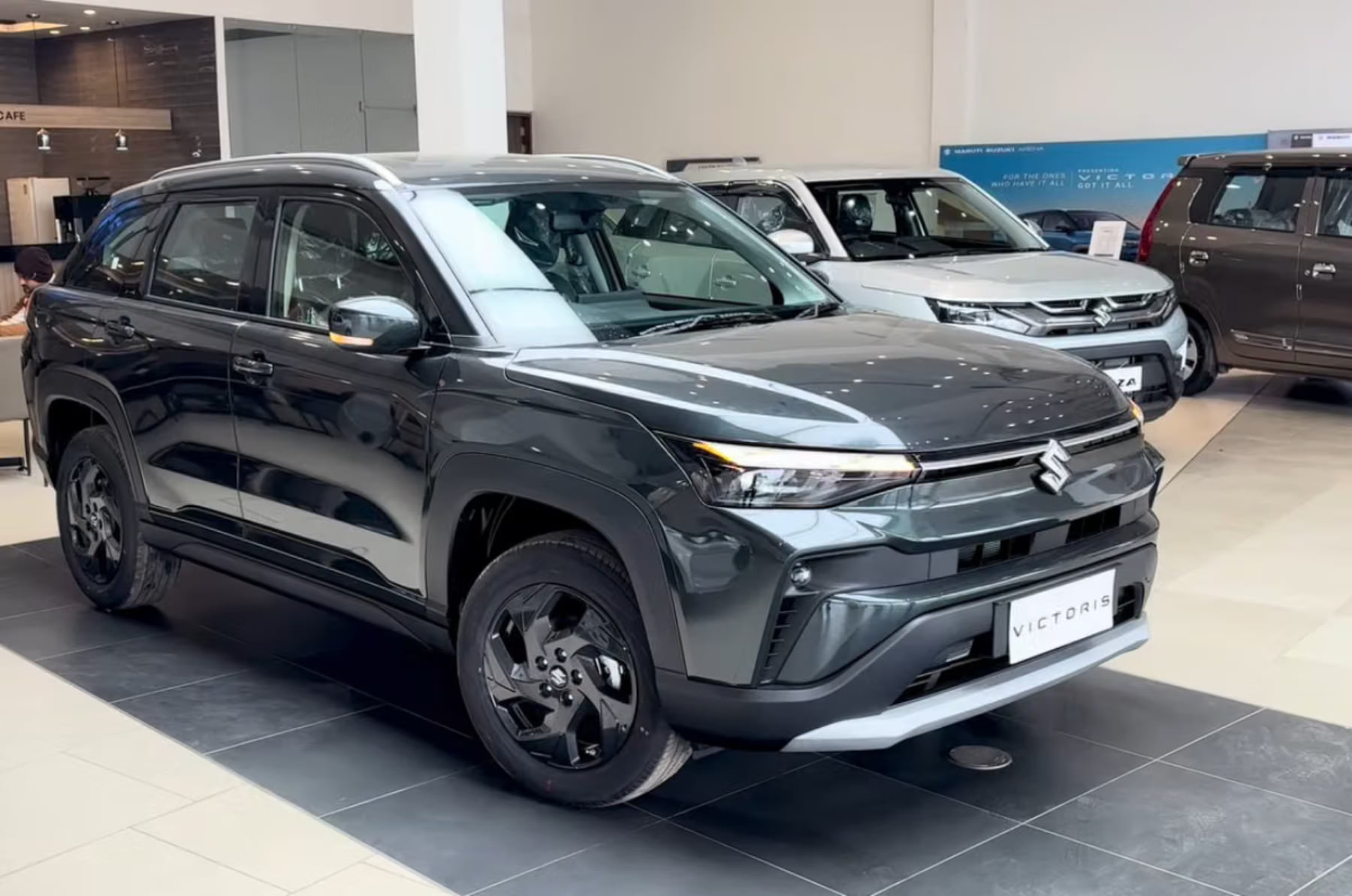
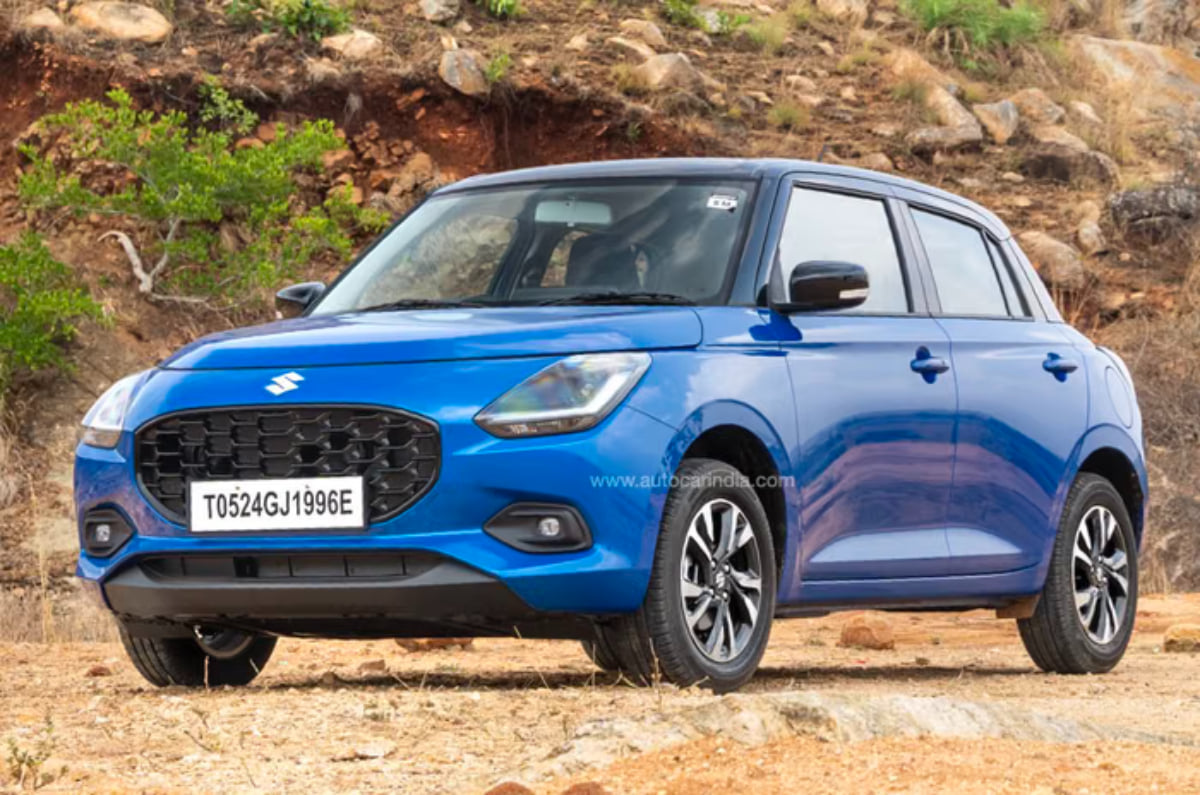
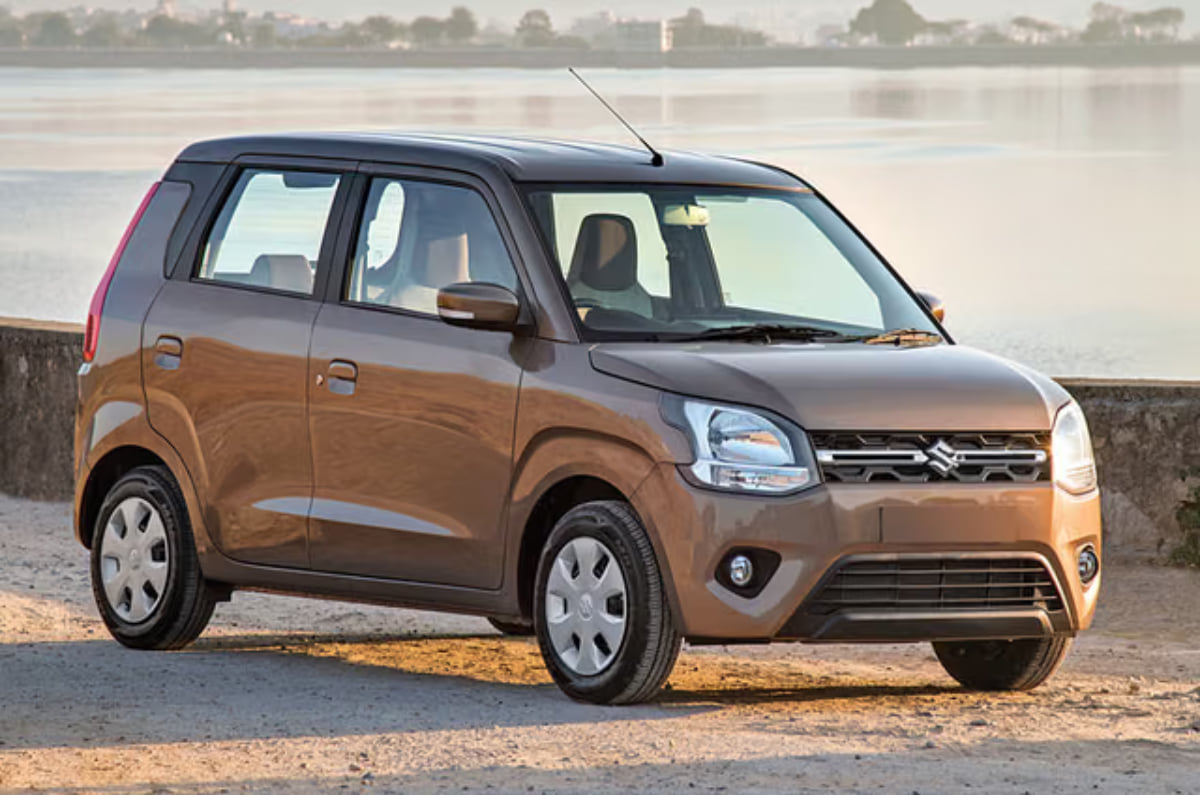
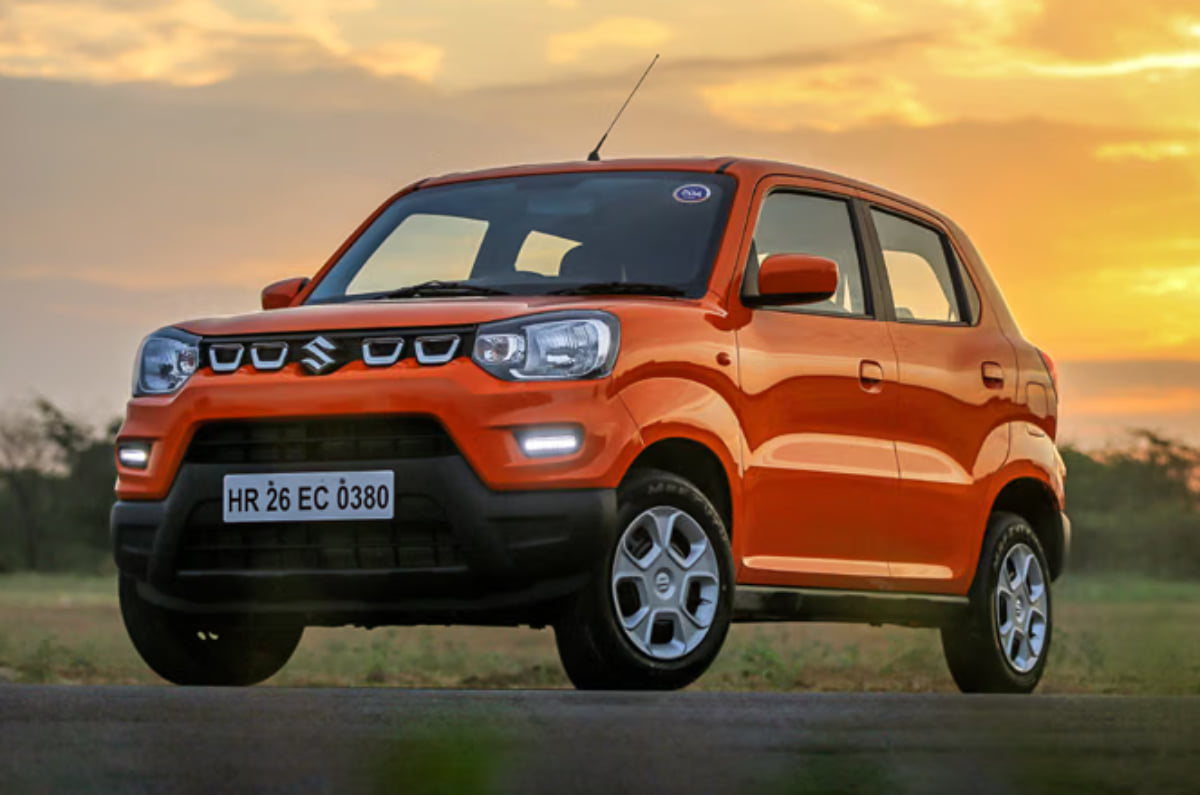
Maruti Suzuki is offering discounts on the Victoris, Swift, Wagon R, Alto K10, Celerio, S-Presso and Eeco in October 2026. The highest benefits are available on the Victoris strong hybrid, at up to Rs 1.65 lakh. These offers include cash discounts, exchange or scrappage bonuses, loyalty benefits and additional offers, depending on the model and variant.
Disclaimer: Offers may vary by city and are subject to stock availability. Check with your nearest dealer for exact details.
Maruti Victoris discounts in October 2026
Up to Rs 1.65 lakh off
The Maruti Victoris strong hybrid gets benefits of up to Rs 1.65 lakh, comprising a Rs 40,000 cash discount, a Rs 30,000 loyalty upgrade bonus and an exchange bonus of up to Rs 95,000. A scrappage bonus of up to Rs 45,000 is available as an alternative to the exchange bonus. The petrol variant gets benefits of up to Rs 1.10 lakh, while the CNG variant gets benefits of up to Rs 95,000. Both variants are available with exchange or scrappage benefits, alongside other applicable offers.
The Victoris is priced between Rs 10.50 lakh and Rs 19.99 lakh and rivals the Hyundai Creta, Kia Seltos, Tata Sierra and Honda Elevate.
Maruti Swift discounts in October 2026
Up to Rs 71,000 off
The Swift Blitz Edition petrol variants are available with benefits of up to Rs 71,000, including discounted accessory kits. Other petrol variants get benefits of up to Rs 40,000, comprising a Rs 10,000 cash discount, a Rs 25,000 exchange bonus and a Rs 5,000 additional discount. The CNG variants get benefits of up to Rs 30,000, including an exchange bonus of Rs 25,000 and an additional discount of Rs 5,000. The Swift is priced between Rs 5.84 lakh and Rs 8.74 lakh and rivals the Hyundai Grand i10 Nios and Tata Tiago.
Maruti Celerio discounts in October 2026
Up to Rs 67,500 off
The Maruti Celerio petrol variants get benefits of up to Rs 67,500, comprising a Rs 40,000 cash discount, a Rs 25,000 exchange bonus and a Rs 2,500 additional discount. The CNG variants get benefits of up to Rs 47,500, including a Rs 20,000 cash discount, a Rs 25,000 exchange bonus and a Rs 2,500 additional discount. The Celerio is priced between Rs 4.70 lakh and Rs 6.75 lakh and rivals the Tata Tiago and Renault Kwid.
Maruti Wagon R discounts in October 2026
Up to Rs 67,000 off
The Wagon R Waltz Edition petrol variants get benefits of up to Rs 67,000, including a free accessory kit worth Rs 38,000 and an additional offer of Rs 1,900. Other petrol variants get benefits of up to Rs 57,500, comprising a Rs 30,000 cash discount, a Rs 25,000 exchange bonus and a Rs 2,500 additional discount. The CNG variants get benefits of up to Rs 52,500, including a Rs 25,000 cash discount, a Rs 25,000 exchange bonus and a Rs 2,500 additional discount. The Wagon R is priced between Rs 4.99 lakh and Rs 7.24 lakh and rivals the Tata Tiago and Citroen C3.
Maruti Alto K10 discounts in October 2026
Up to Rs 57,500 off
The Alto K10 LXi petrol variant gets benefits of up to Rs 57,500, comprising a Rs 30,000 cash discount, a Rs 25,000 exchange bonus and a Rs 2,500 additional discount. Other petrol variants get benefits of up to Rs 47,500, while the CNG variants are available with benefits of up to Rs 37,500. A scrappage bonus of up to Rs 10,000 is available as an alternative to the exchange bonus. The Alto K10 is priced between Rs 3.70 lakh and Rs 5.45 lakh and rivals the Renault Kwid.
Maruti S-Presso discounts in October 2026
Up to Rs 37,500 off
The S-Presso petrol variants get benefits of up to Rs 37,500, comprising a Rs 10,000 cash discount, a Rs 25,000 exchange bonus and a Rs 2,500 additional discount. The CNG variants get benefits of up to Rs 27,500, including an exchange bonus of Rs 25,000 and an additional discount of Rs 2,500. The S-Presso is priced between Rs 3.50 lakh and Rs 5.27 lakh and rivals the Renault Kwid and Alto K10.
Maruti Eeco discounts in October 2026
Up to Rs 37,500 off
The Eeco petrol variants get benefits of up to Rs 37,500, comprising a Rs 10,000 cash discount, a Rs 25,000 exchange bonus and a Rs 2,500 additional discount. The CNG variants get benefits of up to Rs 32,500, with a lower cash discount of Rs 5,000, while the exchange bonus and additional discount remain unchanged. The Maruti Eeco is priced between Rs 5.28 lakh and Rs 6.46 lakh.
Honda Activa News: कहते हैं कि बूंद-बूंद से घड़ा भरता है और छोटी-छोटी बचत से बड़े से बड़े सपने पूरे हो जाते हैं। तेलंगाना के मंचेरियल जिले के एक शख्स ने इस कहावत को सच कर दिखाया है। उन्होंने तीन साल तक ₹10 के सिक्के जमा किए और जब पर्याप्त रकम इकट्ठा हो गई, तो उन्हीं सिक्कों से 1 लाख 23 हजार रुपये की होंडा एक्टिवा (Honda Activa) स्कूटर खरीद ली। उनकी इस अनोखी कहानी ने शोरूम के कर्मचारियों से लेकर स्थानीय लोगों तक का ध्यान खींचा है। लक्षेट्टीपेट निवासी बी. रवि जोसेफ ने बताया कि उन्होंने परिवार के लिए कोई उपयोगी चीज खरीदने के उद्देश्य से रोजमर्रा के लेनदेन, जैसे किराने का सामान खरीदने के दौरान मिले 10 रुपये के सिक्कों को सावधानीपूर्वक बचाकर रखा।
परिवार को पहले था शक, लेकिन बाद में किया सपोर्ट
पीटीआई के मुताबिक, जोसेफ ने कहा कि शुरुआत में परिवार के सदस्यों को उनके इस विचार पर शक हुआ था। लेकिन बाद में उन्होंने उनका साथ दिया। रवि ने बताया कि उनकी पुरानी बाइक खराब होने लगा था, जिसके बाद उन्होंने नया स्कूटर खरीदने का फैसला किया। शोरूम के मैनेजर ने बताया कि रवि जोसेफ करीब 15 दिन पहले यह पता करने आए थे कि क्या शोरूम स्कूटर के पेमेंट के लिए सिक्के स्वीकार करेगा। मैनेजर के अनुसार, शोरूम ने सिक्के स्वीकार करने पर सहमति जताई। मैनेजर ने बताया कि इसके बाद रवि जोसेफ एक लाख 23 हजार रुपये के 10 रुपये के सिक्के लेकर शोरूम पहुंचे और स्कूटर खरीदा।
रोजमर्रा के खर्च से बचाए पैसे
रवि जोसेफ पेशे से चर्च के पादरी हैं। रवि ने रोजमर्रा के खर्चों में से थोड़े-थोड़े पैसे बचाकर यह रकम जुटाई। पोर्ट के मुताबिक, उन्होंने 10 अक्टूबर 2023 से ₹10 के सिक्के जमा करना शुरू किया था। किराने का सामान खरीदने और रोजमर्रा के लेन-देन के दौरान मिलने वाले सिक्कों को वह अलग रख देते थे। इस तरह तीन साल तक लगातार बचत करते हुए उन्होंने करीब ₹1.23 लाख जमा कर लिए।
पुराना वाहन खराब हुआ तो लिया नया स्कूटर खरीदने का फैसला
रवि जोसेफ का पुराना वाहन बार-बार खराब होने लगा था। ऐसे में उन्होंने नया दोपहिया वाहन खरीदने का फैसला किया। उनका सपना पहले रॉयल एनफील्ड बुलेट खरीदने का था। लेकिन आर्थिक स्थिति को देखते हुए उन्हें अपना यह इरादा छोड़ना पड़ा। इसके बाद उन्होंने अपनी जमा की गई रकम से परिवार के लिए एक नया स्कूटर खरीदने का फैसला किया। जिस पैसे को उन्होंने लंबे समय तक धीरे-धीरे जमा किया था, वही आखिरकार उनके काम आया।
परिवार ने भी जताई थी चिंता
रवि जोसेफ के लिए तीन साल तक सिक्के जमा करना आसान नहीं था। इस दौरान उनके परिवार के लोगों ने भी चिंता जताई। ₹10 के सिक्कों को लेकर बाजार में इनके बंद होने या कानूनी मान्यता खत्म होने जैसी अफवाहों की चर्चा से परिवार को लगा कि कहीं उनकी मेहनत बेकार न चली जाए। परिवार ने उन्हें सिक्के जमा करना बंद करने की सलाह भी दी। लेकिन रवि जोसेफ ने हार नहीं मानी। उन्होंने अपना लक्ष्य नहीं छोड़ा और लगातार बचत करते रहे।
दो घंटे तक सिक्के गिनते रहे शोरूम के कर्मचारी
शख्स ने होंडा मोटर्स शोरूम में अपनी जमा रकम से स्कूटर खरीदने का फैसला किया। इसके बाद जब रवि जोसेफ अपने परिवार के साथ सिक्के लेकर शोरूम पहुंचे, तो कर्मचारियों के सामने उन्हें गिनने और रकम का मिलान करने की चुनौती थी। रिपोर्ट के अनुसार, सिक्कों को गिनने और कुल राशि की पुष्टि करने में कर्मचारियों को करीब दो घंटे लग गए। आखिरकार, सिक्कों की कुल कीमत ₹1.23 लाख निकली और रवि जोसेफ ने इन्हीं पैसों से अपनी सपनों की Honda Activa खरीद ली।
रवि जोसेफ की यह कहानी केवल एक स्कूटर खरीदने तक सीमित नहीं है। यह बताती है कि नियमित रूप से थोड़ी-थोड़ी रकम बचाकर भी किसी बड़े लक्ष्य को हासिल किया जा सकता है। जहां कई लोग छोटी रकम को नजरअंदाज कर देते हैं। वहीं, रवि ने रोजमर्रा के लेन-देन से मिलने वाले ₹10 के सिक्कों को अपनी ताकत बना लिया। तीन साल की मेहनत के बाद जब वह अपने परिवार के साथ नया स्कूटर लेकर निकले, तो उनकी बचत की कहानी दूसरों के लिए भी प्रेरणा बन गई। रवि सोशल मीडिया पर चर्चा का विषय बने हुए हैं।
A 51-year-old church pastor, B. Ravi Joseph, from Luxettipet, Telangana bought a Honda Activa worth Rs 1.23 lakh using Rs 10 coins saved over three years. Showroom staff took nearly two hours to count the coins. Joseph said he saved the money from daily expenses to fulfil his dream of owning a two-wheeler.
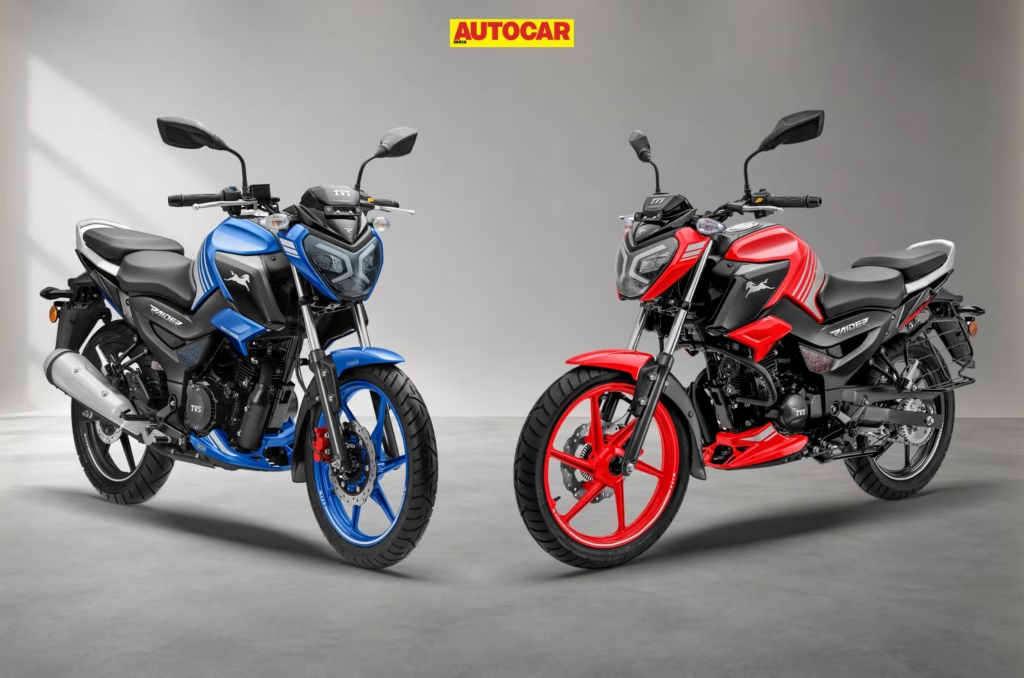
It wouldn’t be an exaggeration to say the TVS Raider 125 played a part in rejuvenating the sporty 125 segment in 2021. It garnered such a positive reception and sales that manufacturers like Hero, Honda and Bajaj responded with options of their own. TVS evidently keeps a close eye on the Raider, as it has just given it a new set of features.
Feature additions are limited to the top two variants: SXC DD and TFT DD
Rear tyre is one section larger than before, at 120/70-17
TVS Raider 125 gets four new features
No changes to the design or engine
TVS hasn’t made any changes to the Raider’s design or its 124.8cc engine; neither are there any updates to the looks of the SXC DD and TFT DD variants. The new features added to these two variants are traction control, emergency brake warning and a 27W USB-C charger.
The Raider is the first in the 125cc segment to get traction control. For the uninitiated, traction control reduces rear-wheel slip, so both wheels offer enough grip over loose surfaces; think gravel-ridden and/or uneven roads. The wider 120/70-17 rear tyre (previously 110/80-17) should also help with grip and stability. The emergency brake gives an earlier heads-up to those behind during sudden braking by triggering the hazard lights. As a convenience addition, TVS has now added a 27W USB-C charger (versus a 12W USB-A charger before), which should help charge your devices much faster.
Apart from these additions, the Raider remains where it was earlier, which means its engine still puts out 11.2hp and 11.75Nm, of which 0.55Nm is supplied by its integrated starter-motor-generator. The dual-disc brakes with single-channel ABS also remain exclusive to the top two variants. With these updates, the Raider TFT DD variant costs Rs 1,03,170, and the SXC DD variant costs Rs 1,00,330. TVS says the updated versions will be available at its dealerships across the country.
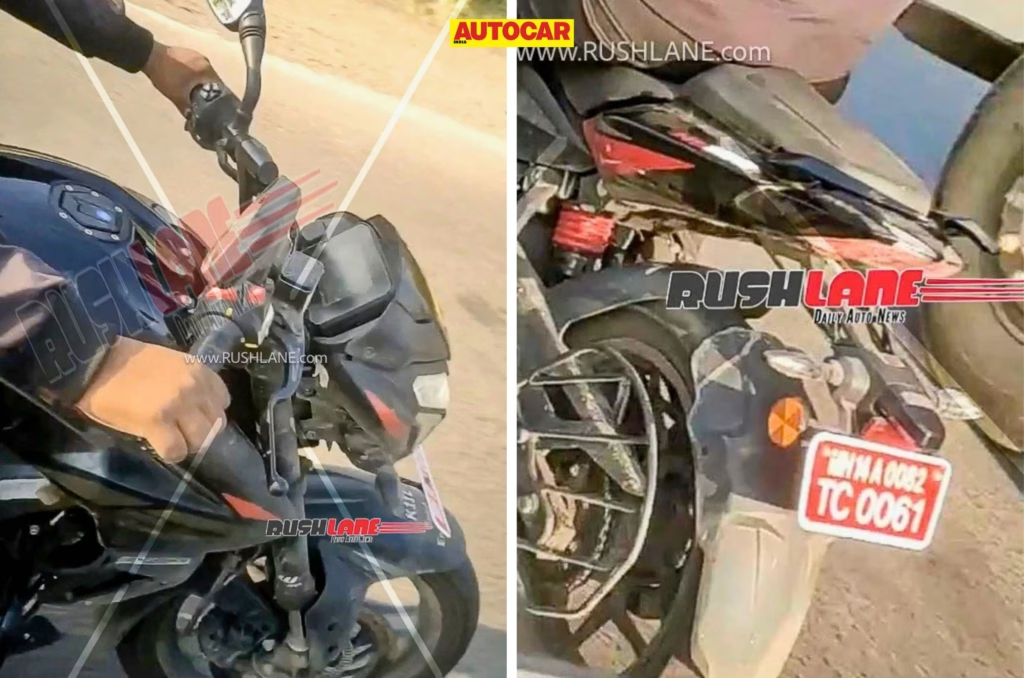
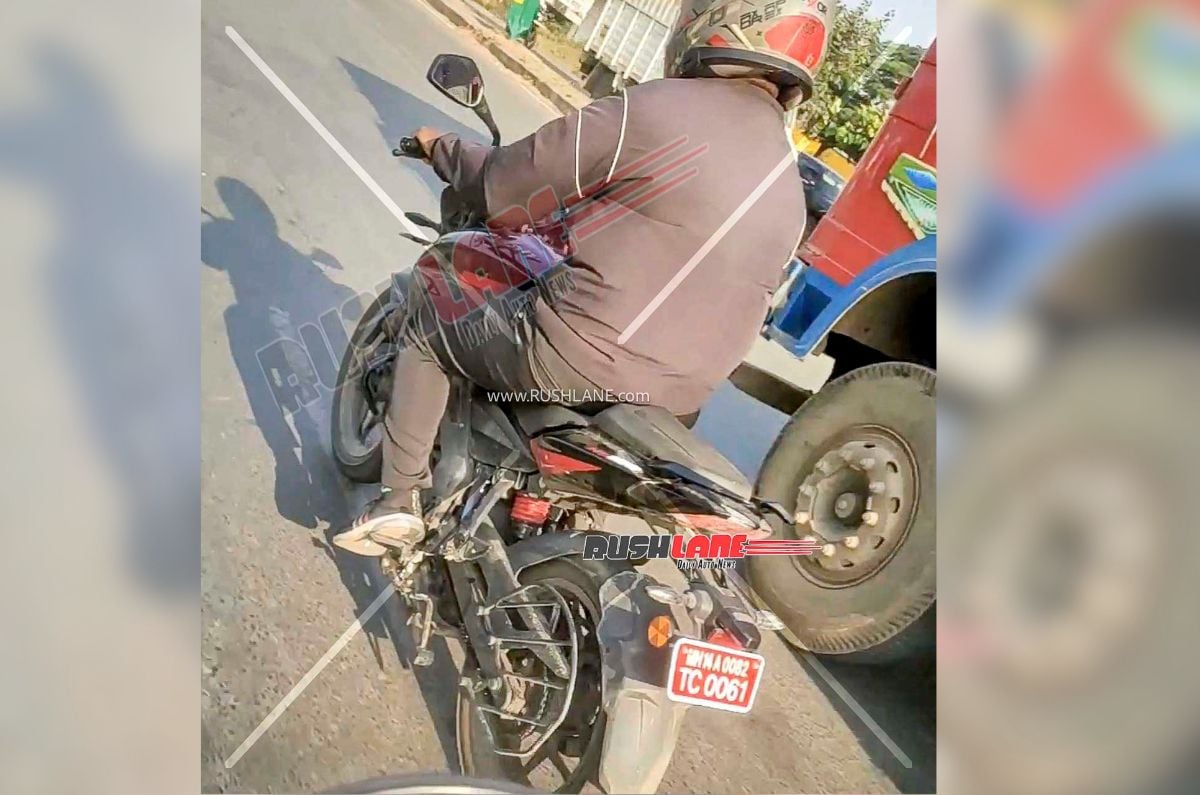
Another day, another new Pulsar that has been spotted testing. This time, it’s the NS160, and it appears to be getting a new WP USD fork and the same TFT display that we have already seen multiple other Pulsars gaining since August. If this feels really familiar to you, that’s because the elder sibling NS200 was also spotted last month with the exact two changes.
NS160 is expected to share the 5-inch TFT display with the NS200 and the NS400Z
Could get more features the updated NS200 is expected to get
New Bajaj Pulsar NS160: What’s not changing?
Most parts are expected to remain unchanged
Based on the images, let’s understand what Bajaj doesn’t seem to be changing with this new NS160. First up, it looks almost exactly the same as the current version, with no apparent changes to the decals, at least not on the Ebony Black colour in the images. At this time, we also expect the motorcycle to retain its 160.3cc single-cylinder liquid-cooled engine. The elder NS200 is purported to get 1hp extra power (claims a Bajaj dealer), and we’ll have to see if that’s extended to the middle child as well. Currently, the NS160’s engine makes 17hp and 14.6Nm.
The N250, NS200 and RS200 were the last three Pulsars spotted testing – in that order. The N250 and NS200, specifically, are expected to get ride-by-wire, proper ride modes (versus the current ABS modes), a quickshifter and traction control. We are uncertain whether these features will reach the NS160 (and the RS200). What we can be certain about is that the NS160 has the 5-inch TFT cluster – which the Pulsar NS400Z was the last to get – and the WP USD fork. The WP fork was also spotted in an earlier test mule of the NS200, but it’s conspicuously missing from the feature set mentioned by the Bajaj dealer. As has been the trend, it’s likely that Bajaj will restrict the TFT display to the highest variant of the NS160. The lower variants could stick to the updated negative LCD screen present on the NS125 and the like.
Bajaj currently sells the Pulsar NS160 at Rs 1.26 lakh for the base variant and at Rs 1.35 lakh for the higher variant with a USD fork. As we’ve seen with other new Pulsars, the company will likely raise the NS160’s price, but we’ll have to wait for the official launch to see the extent of the hike.
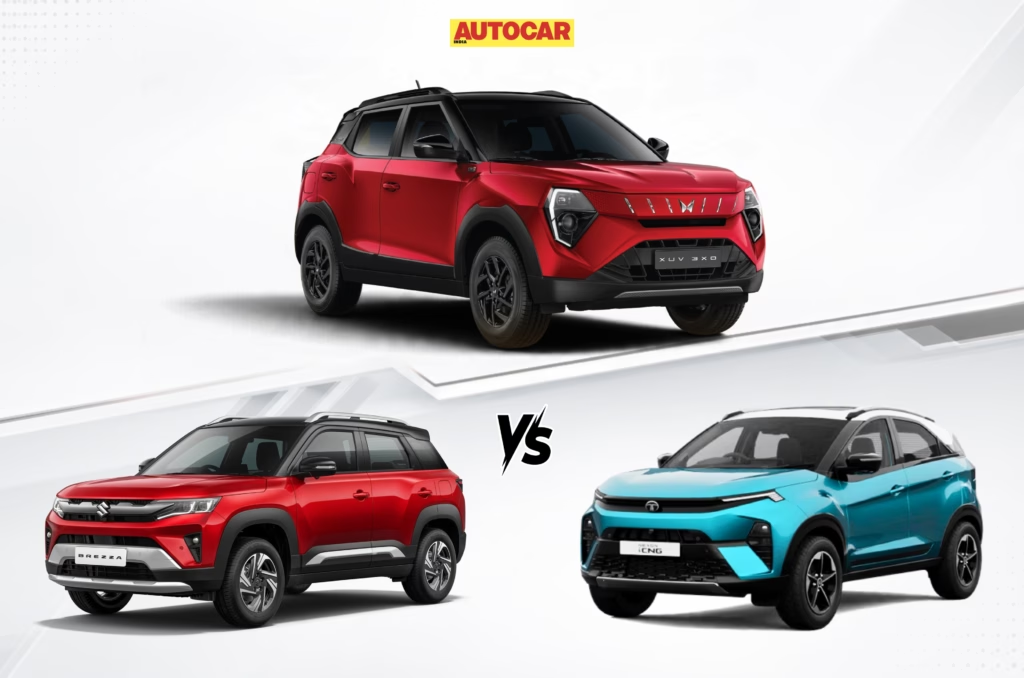
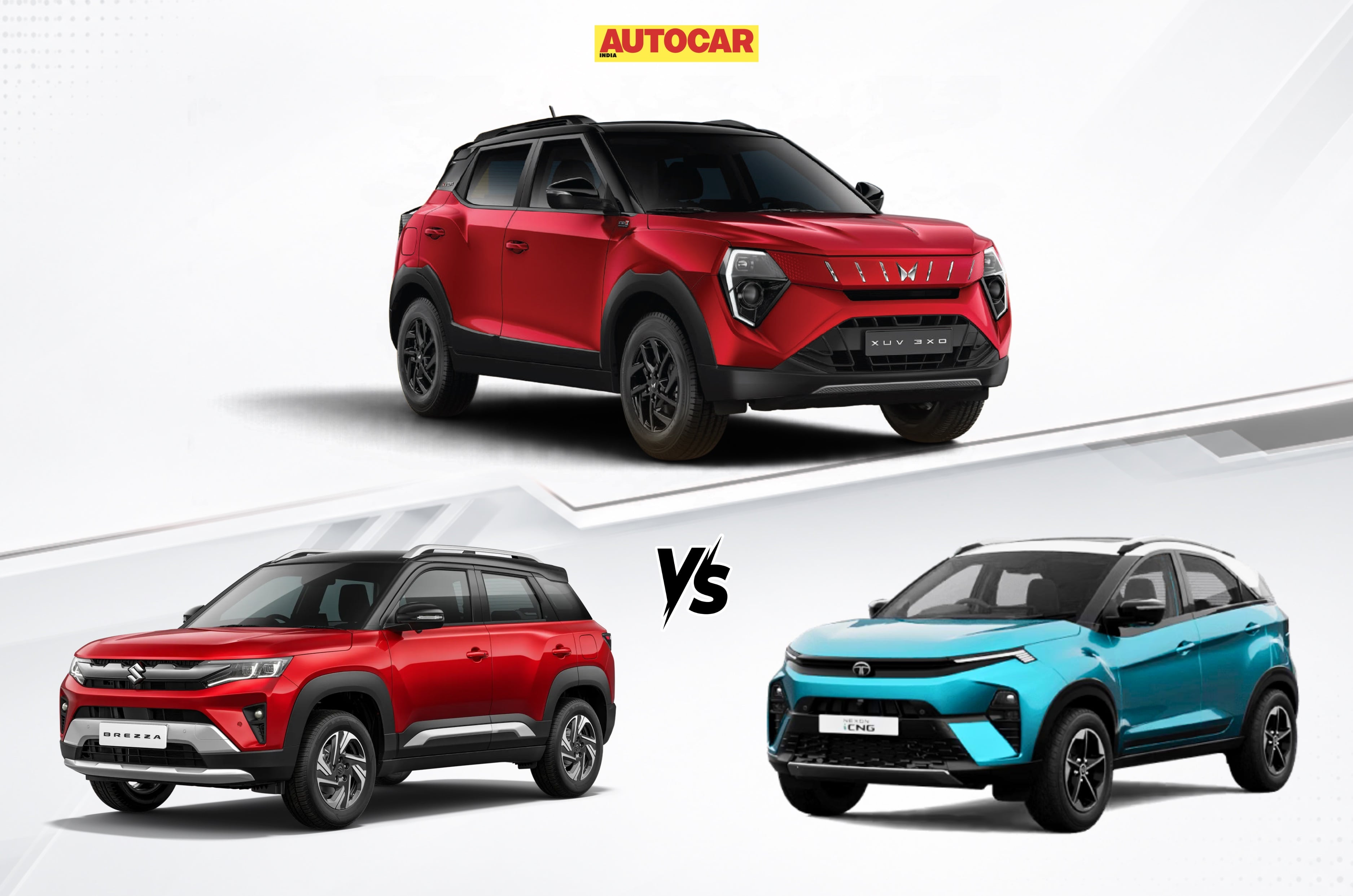
Mahindra’s entry-level offering, the XUV 3XO, is now available with a factory-fitted CNG kit in certain trim levels. This allows the XUV 3XO to directly rival CNG variants of the Tata Nexon and Maruti Suzuki Brezza. We take a look at how Mahindra’s first non-commercial car with a factory-fitted CNG kit fares against its competitors, spec sheet to spec sheet.
Mahindra XUV 3XO CNG vs rivals: Dimensions
XUV 3XO
Brezza
Nexon
Length (mm)
3,990
3,995
3,995
Width (mm)
1,821
1,790
1,804
Height (mm)
1,647
1,685
1,620
Wheelbase (mm)
2,600
2,500
2,498
Wheel size (inches)
16
16
16
Boot space (litres)
270
328
321
The XUV 3XO is slightly shorter overall than the Nexon and Brezza, but ekes out the longest wheelbase and is the widest compact SUV here. In terms of height, the XUV 3XO falls just short of the Maruti, and all three SUVs offer 16-inch alloy wheels. Coming to boot space, though, the XUV 3XO lags substantially behind its rivals, despite having a similar boot-mounted twin-cylinder setup to the Nexon. The Brezza, meanwhile, has the highest boot space here due to its underbody CNG tank setup.
Mahindra XUV 3XO CNG vs rivals: Engine and gearbox
XUV 3XO
Brezza
Nexon
Engine
1.2 turbo-petrol
1.5 petrol
1.2 turbo-petrol
Cylinder count
3
4
3
Power (hp)
111
88
100
Torque (Nm)
200
121.5
170
Gearbox
6-speed manual
6-speed manual
6-speed manual
Claimed mileage (km/kg)
24.7
26.9
24
Where CNG cars are usually weaker in CNG mode, the XUV 3XO flips the script by outputting identical power and torque figures in its petrol and CNG modes – Mahindra has achieved this by optimising the turbocharger calibration and ECU mapping. Therefore, the XUV 3XO CNG is the most powerful compact SUV here, beating the Nexon CNG by 11hp and 30Nm, and the Brezza CNG by a considerable 23hp and 78.5Nm margin.
That said, the Brezza CNG does claw a point in its favour by offering the biggest engine here and an additional cylinder over its rivals, which could make the driving experience feel smoother and more refined. Another big upside to the Brezza CNG is its segment-best claimed fuel efficiency. The XUV 3XO trails just behind the Brezza on the mileage front, while the Nexon CNG sports the lowest claimed figure.
Mahindra XUV 3XO CNG vs rivals: Price
Price (Rs, lakh)
XUV 3XO
9.99-12.27
Brezza*
9.40-11.60
Nexon*
8.35-13.42
*Excluding premiums for dual-tone paint finishes and/or cosmetic packages.
The XUV 3XO CNG carries the highest starting price compared to its rivals, with the Nexon CNG undercutting it by Rs 1.54 lakh and the Brezza CNG by Rs 59,000. Looking at top-spec variant prices, the order sees a rejig, with the Tata SUV commanding the highest price due to a broader spread of variants. At Rs 13.42 lakh, the range-topping variant of the Nexon CNG is Rs 1.15 lakh pricier than the XUV 3XO CNG’s equivalent version, and Rs 1.82 lakh more expensive than that of the Brezza CNG.
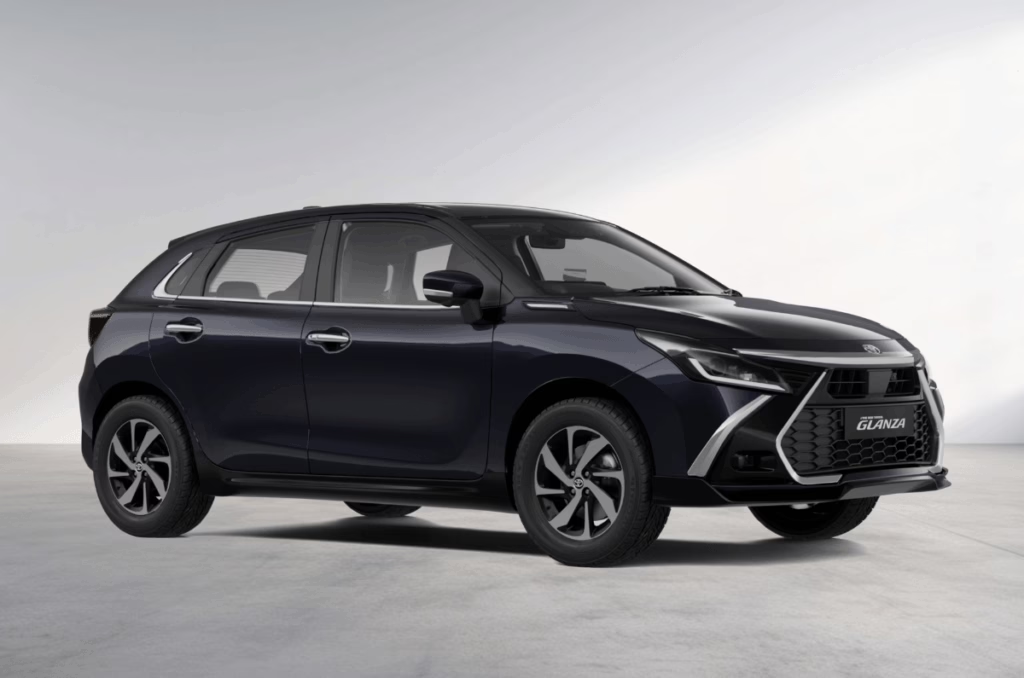
The 2026 Toyota Glanza facelift was launched in October, and it gets new powertrain options, additional features and minor design changes. However, it also misses out on a few things. Here, we look at what the updated Toyota hatchback gets right and where there is room for improvement.
Hits
More efficient powertrain
The Glanza now gets a new 1.2-litre, 3-cylinder naturally aspirated engine that runs on petrol and CNG. Compared to the previous four-cylinder engine, claimed fuel efficiency in petrol mode has improved to 23.80kpl with the manual transmission, up from 22.35kpl, and 24.77kpl with the AMT, up from 22.94kpl.
In CNG mode, the claimed mileage has increased to 33.61km/kg with the manual gearbox, up from 30.61km/kg. The new AMT option for the Glanza CNG has a claimed mileage of 34.47km/kg.
Automatic gearbox choice with CNG
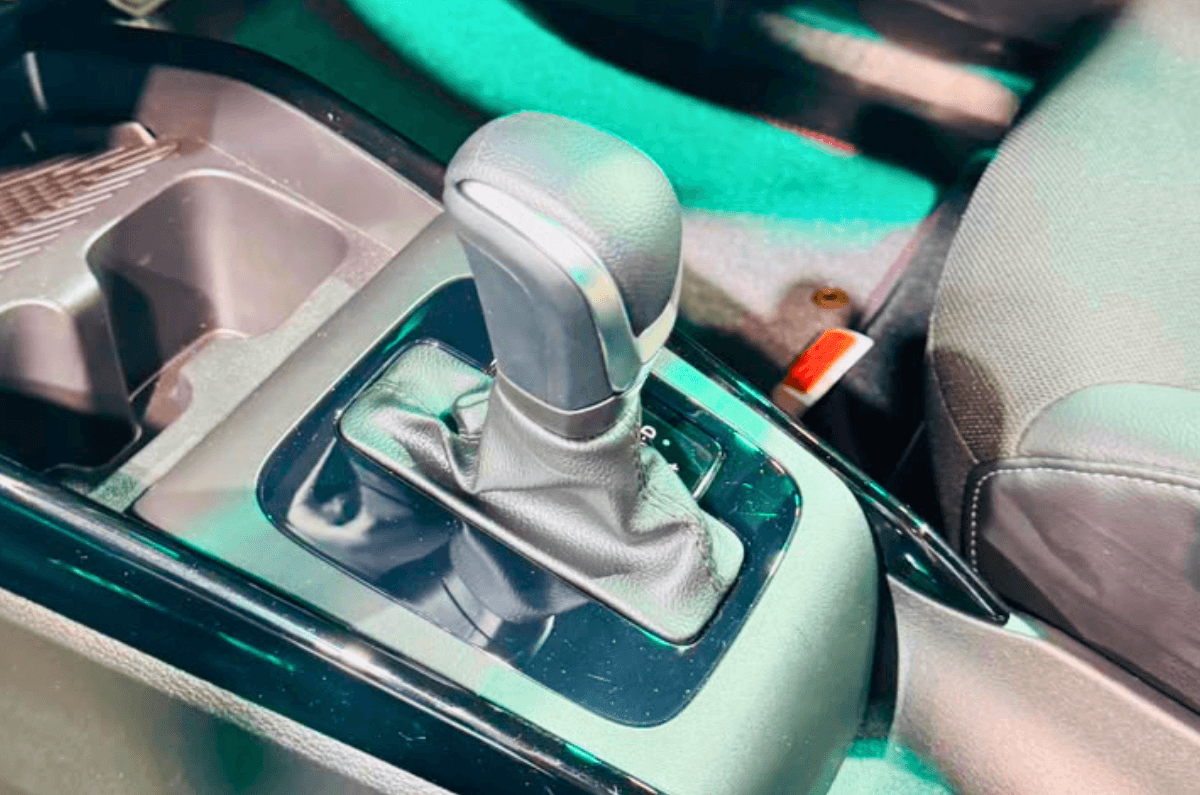
With the Glanza facelift, Toyota has introduced the choice of an automatic gearbox, an AMT in this case. Buyers who regularly commute in stop-and-go traffic will appreciate the ease of driving, along with the good fuel efficiency claimed by the carmaker.
New convenience and safety features
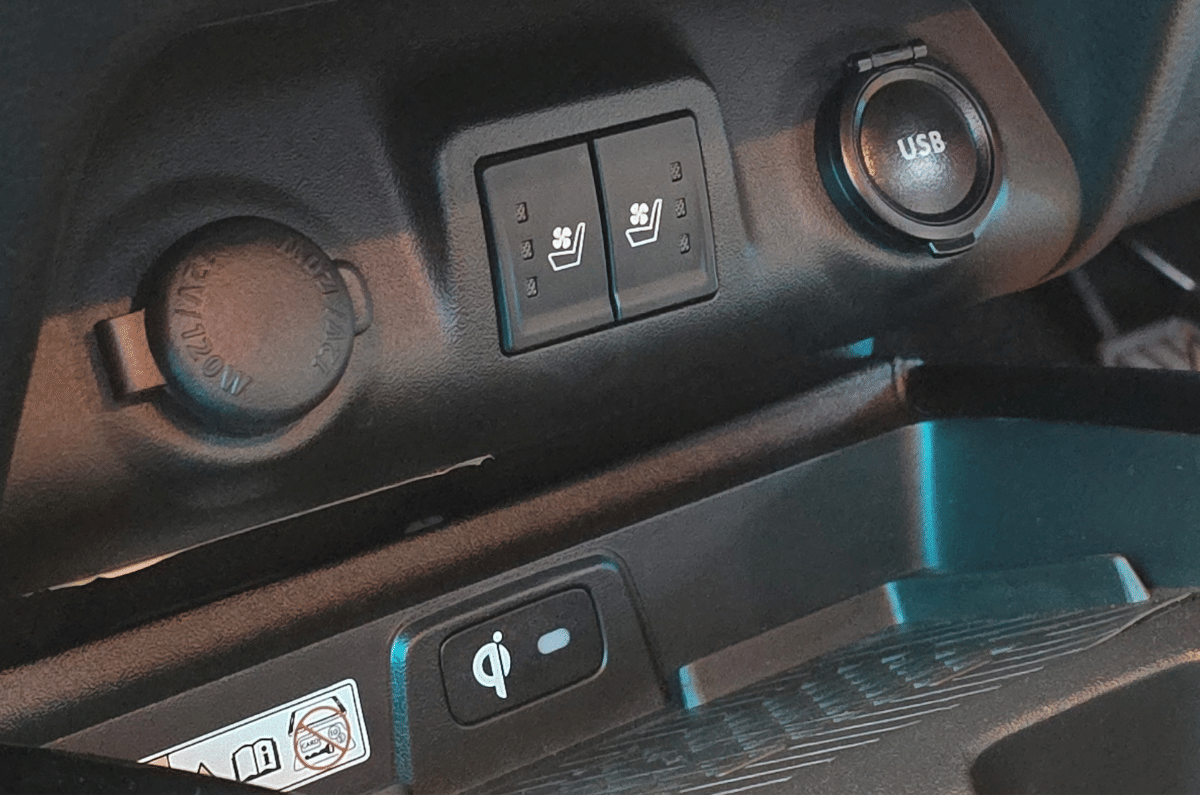
Given our climate, ventilated front seats are a welcome addition. The new Level 2 ADAS suite should also improve the Glanza’s safety quotient.
While we haven’t reviewed the new Glanza yet, our experience with the Baleno facelift gives us a reference point. During our brief test drive, the ADAS features worked as intended and felt well calibrated, without being overly intrusive. A wireless charger with ventilation has been added as well.
Continues to offer physical controls
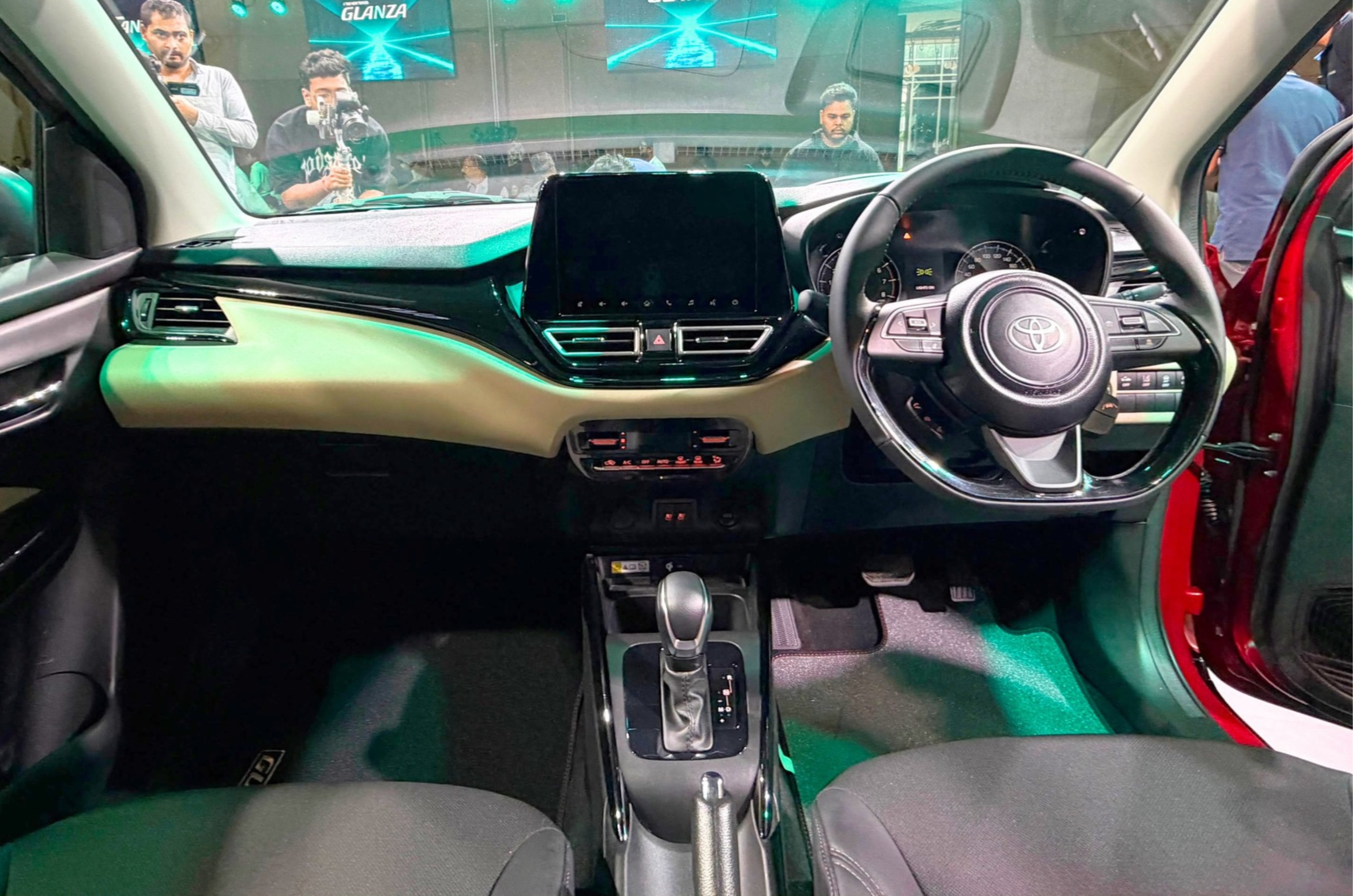
Like the outgoing model, the facelifted Glanza continues to offer plenty of physical controls for functions such as climate control and audio. These are easier to use and less distracting than accessing functions buried under multiple sub-menus on the touchscreen.
Misses
Priced comparatively higher than Baleno
Glanza vs Baleno petrol prices (Rs lakh)
Glanza petrol trim
Price
Baleno petrol trim
Price
Price difference
E MT
6.99
Sigma MT
5.99
-1
S MT | AMT
7.71 | 8.31
Delta MT | AMT
7 | 7.5
-0.71 | -0.81
G MT | AMT
8.73 | 9.33
Zeta MT | AMT
8 | 8.5
-0.73 | -0.83
V MT | AMT
9.99 | 10.59
Alpha MT | AMT
9.1 | 9.6
-0.89 | -0.99
V(O) MT | AMT
10.49 | 10.98
Alpha (O) MT | AMT
9.5 | 9.99
-0.99
Glanza vs Baleno CNG prices (Rs lakh)
Glanza CNG trim
Price
Baleno CNG trim
Price
Price difference
S MT | AMT
8.76 | 9.31
Delta MT | AMT
7.92 | 8.32
-0.84 | -0.99
G MT | AMT
9.68 | 10.23
Zeta MT | AMT
8.92 | 9.32
-0.76 | -0.91
The Glanza is pricier than the Baleno across comparable petrol variants, with the price difference ranging from Rs 71,000 to Rs 1 lakh. The gap is similar for the CNG versions, with the Toyota hatchback costing between Rs 76,000 to Rs 99,000 relatively more. Since the changes between the two are largely cosmetic, the price difference seems significant.
New engine makes relatively less power and torque
In petrol mode, the new engine produces 83hp and 112Nm, which is 7hp and 1Nm less than the outgoing model’s four-cylinder unit. In CNG mode, it produces 70hp and 102Nm. This is 7hp less but 4.5Nm more than the outgoing model. Based on our experience with the Baleno, which uses the same powertrains, the new engine doesn’t feel as peppy as the older K-Series unit or as strong at higher revs.
Misses out on some features offered by rivals
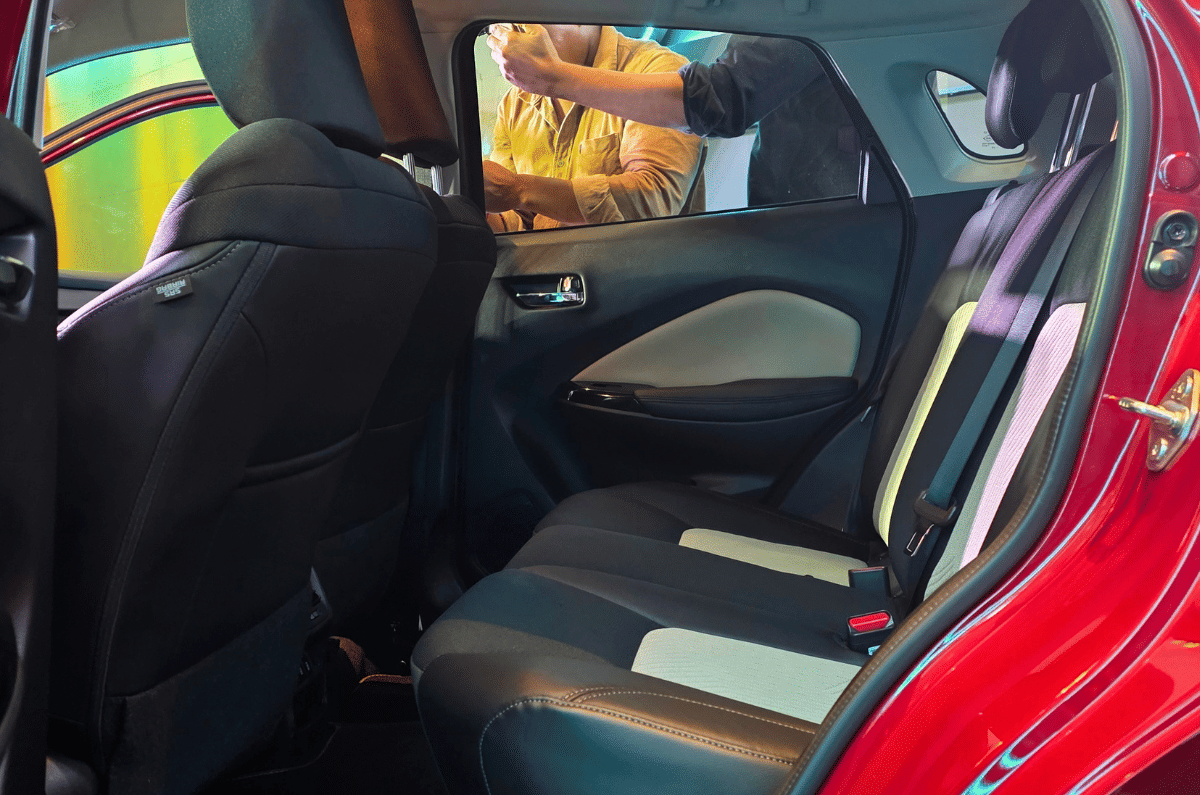
A rear centre armrest would have improved passenger comfort in a premium hatchback like the Glanza, and a single-pane sunroof would also have added to its appeal. Both features are available on its direct rivals, the Tata Altroz and Hyundai i20.
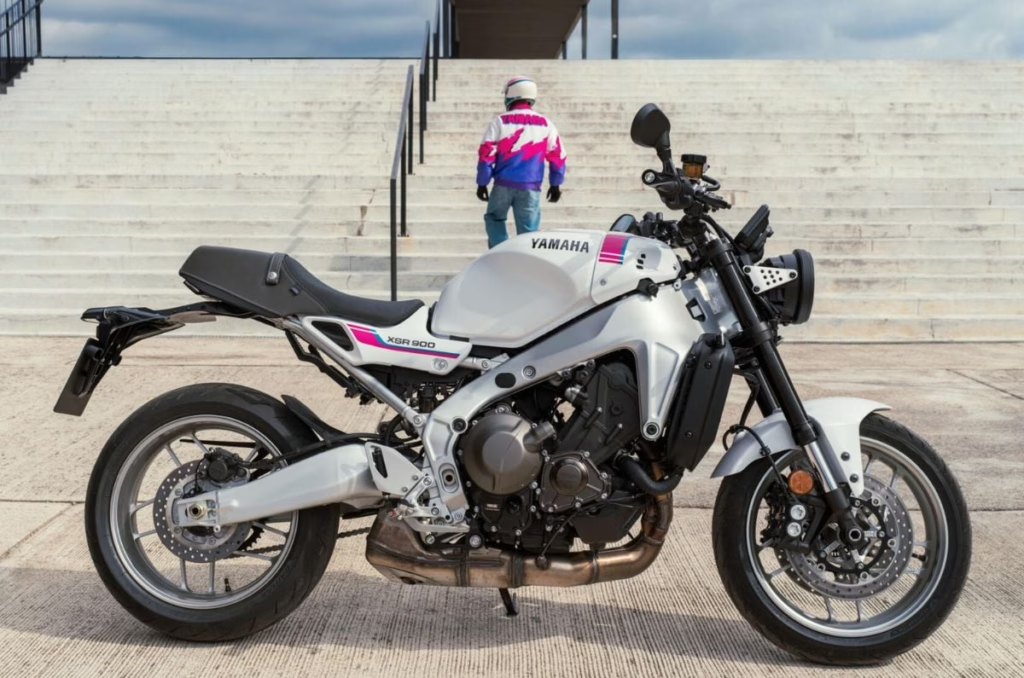
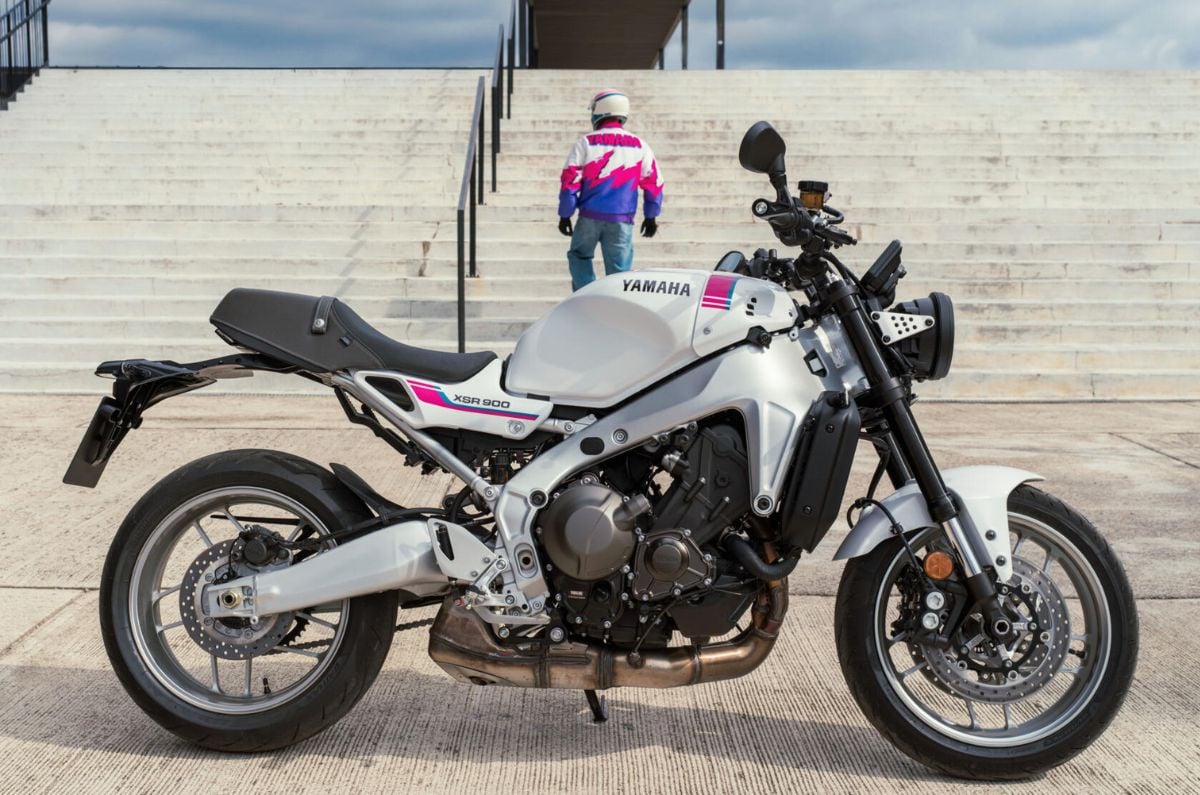
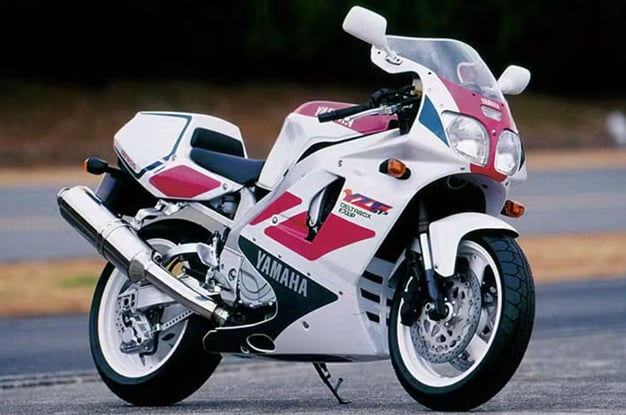
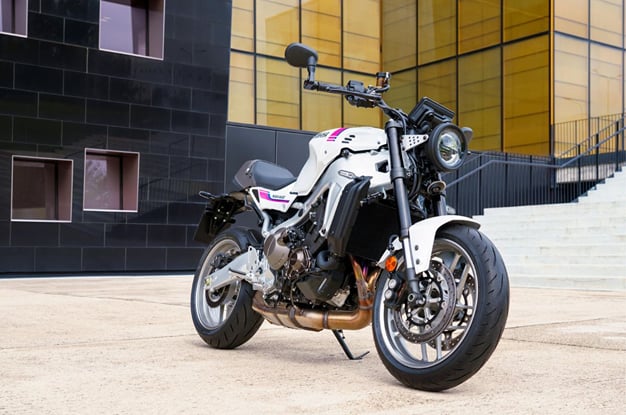
The Yamaha XSR900 has been a successful model for the Japanese manufacturer abroad, and it looks like that is recognised. For 2027, the company has just revealed a new colour option for the retro-roadster, which it says is a throwback to the iconic YZF750R supersport of the mid-1990s. Apart from the new colour, Yamaha has retained every other thing on the XSR900, mechanically and aesthetically.
XSR900 is powered by an 890cc triple-cylinder engine, making 119hp and 93Nm
Yamaha hasn’t revealed the price for the 2027 model yet
Yamaha XSR900 2027: A cosmetic upgrade
Mechanically the same
To jog your memory, the XSR900 is a retro-naked that shares its platform and engine with the YZF-R9, Yamaha’s middleweight supersport. It’s powered by an 890cc triple-cylinder liquid-cooled engine making 119hp and 93Nm. Although the XSR looks retro, as expected of the line-up, Yamaha has given it many modern features such as a 5-inch TFT display, ride modes, a quickshifter, fully adjustable KYB suspension units, a lightweight aluminium deltabox frame and all-LED lighting. All of that and the pre-existing Midnight Black colour stay intact for 2027. Yamaha has replaced the Heritage White colour with the Neon White colour (pictured).
The 2027 model is already listed on Yamaha UK’s website, although there’s no price at the moment. The 2026 model was priced from GBP 11,104 (Rs 14.01 lakh), and it remains to be seen whether Yamaha increases prices for the next year. If you really like what you are seeing, do remember that India only got the smaller, R15-based XSR155 last year, starting from Rs 1.50 lakh.
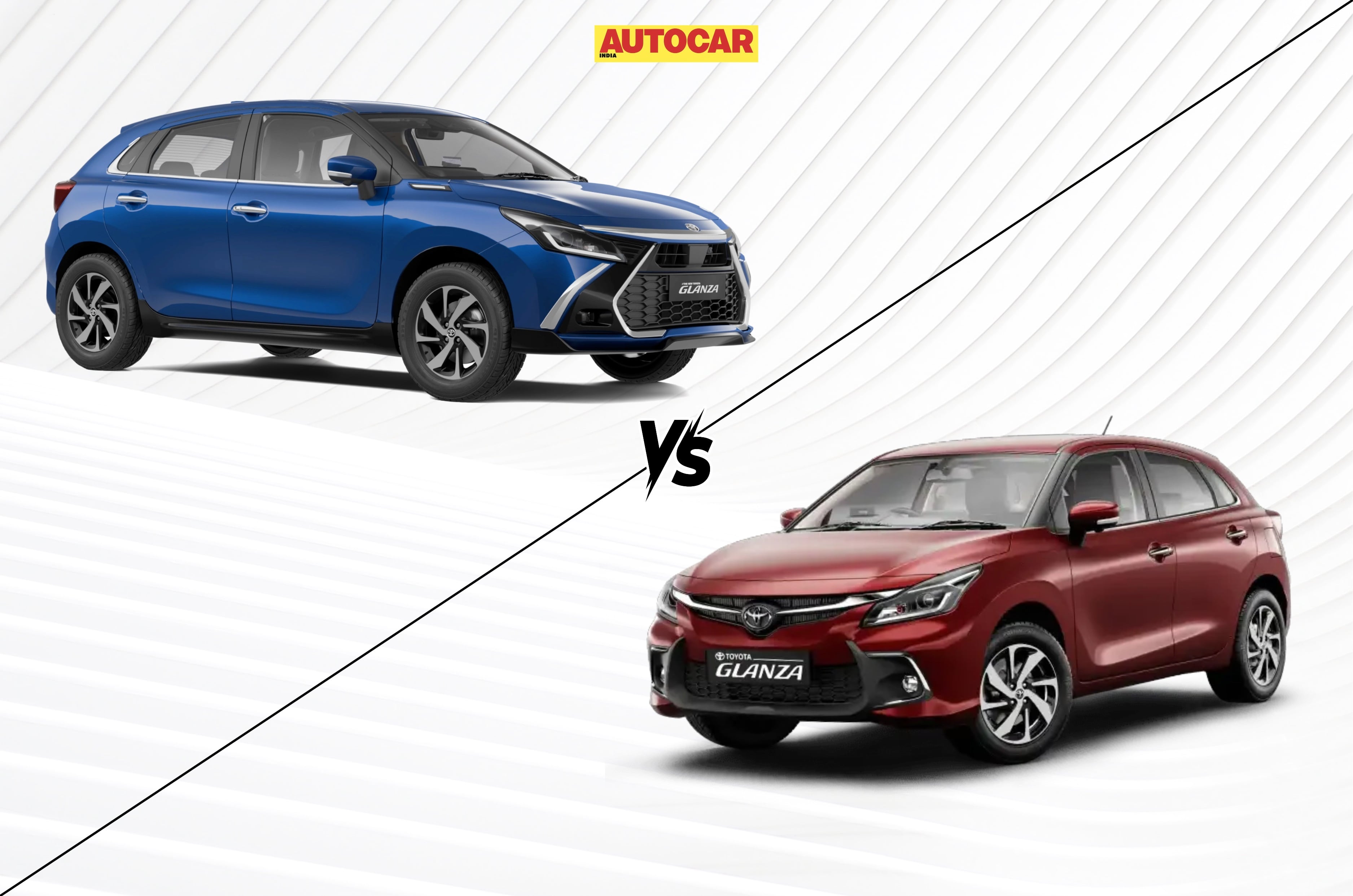
The Toyota Glanza has received a major update, following the same for the Maruti Baleno. This one brings some cosmetic revisions, an entirely different engine under the bonnet, a longer equipment list and a new top-spec trim level. Depending on the variant, prices now range between Rs 6.99 lakh and Rs 10.98 lakh (ex-showroom). That’s an increase of about Rs 26,000 to Rs 1 lakh over the old Glanza. Rivals include the Maruti Baleno, Hyundai i20 and Tata Altroz. Here’s a closer look at what’s changed and what’s been carried over.
Toyota Glanza new vs old: Exterior design
A new front fascia and a couple of different colour options do it for the exterior
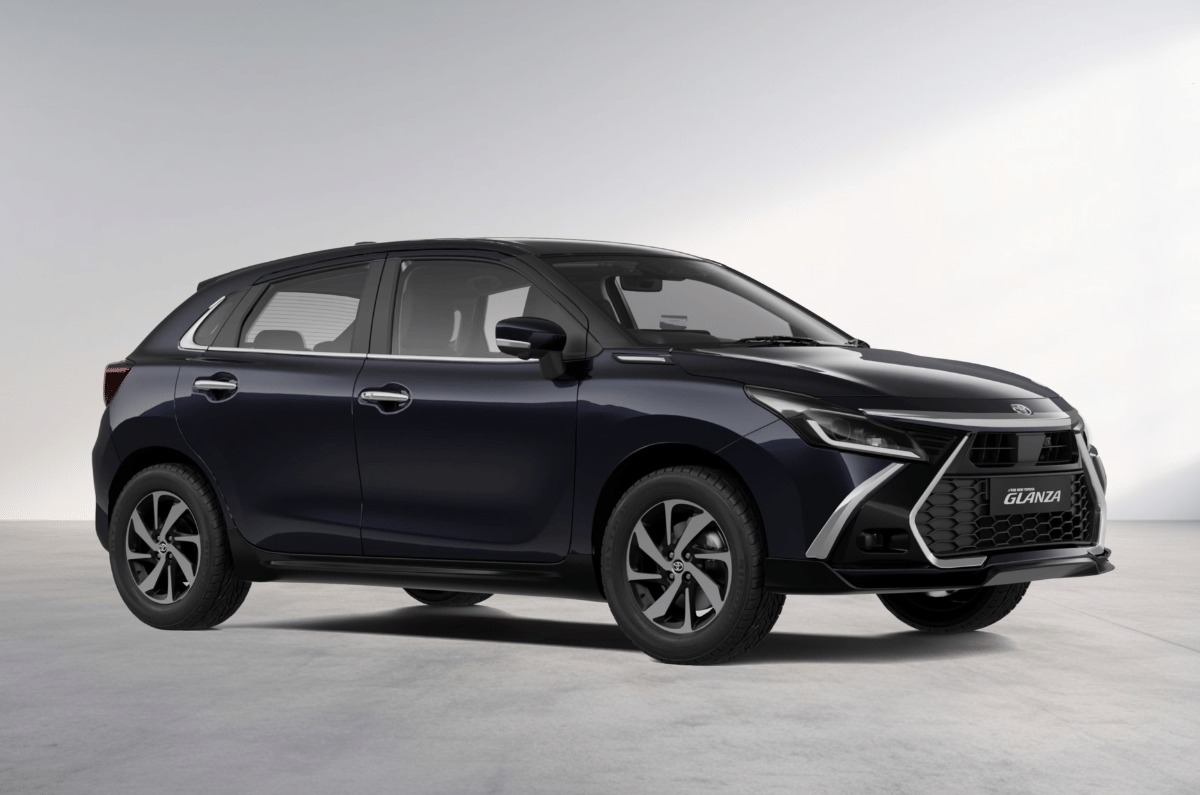
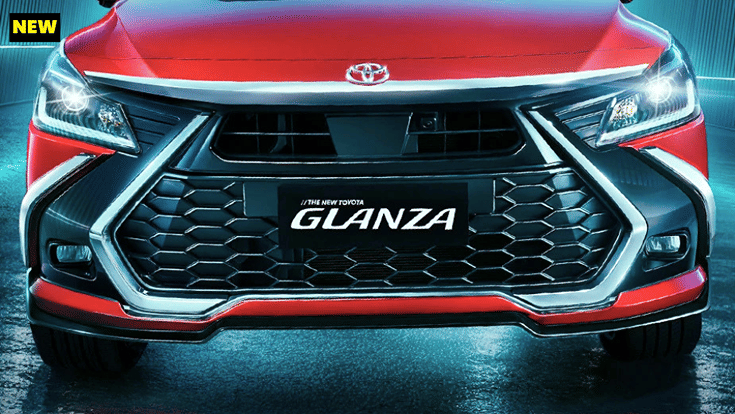
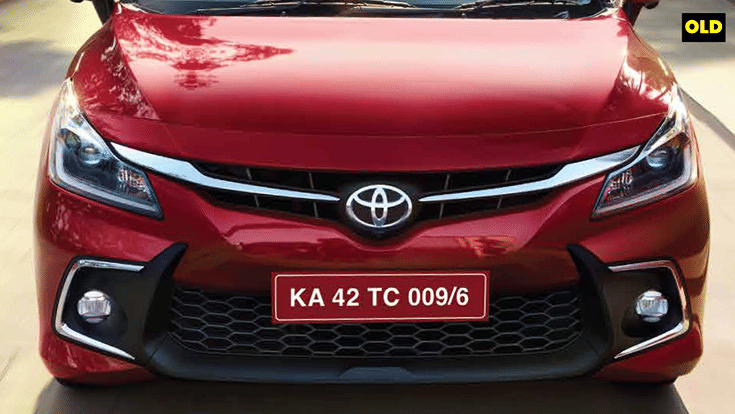
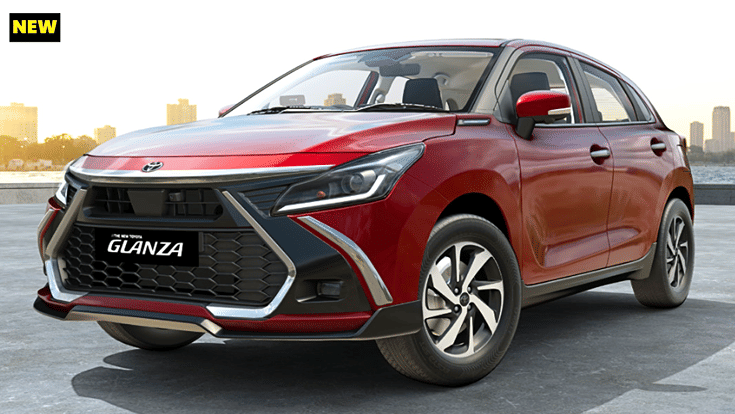
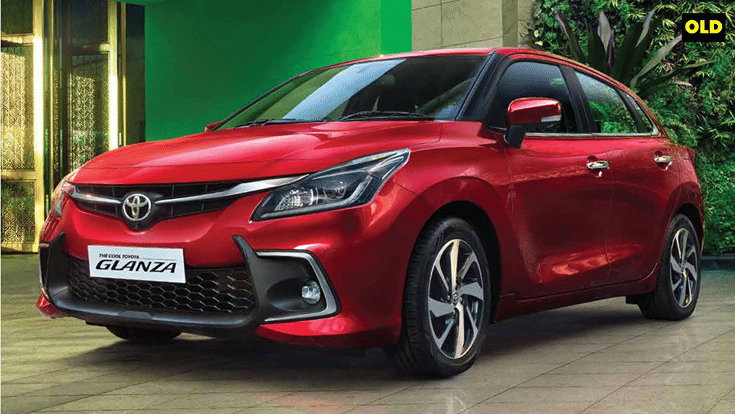
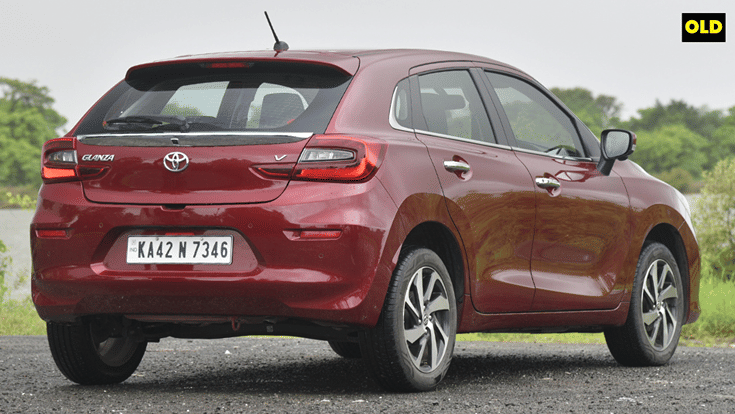
Most of the changes with this update are to be found at the front. The front fascia of the new Glanza looks more aggressive than the old model, with a taller middle section that integrates the upper grille and lower intake into a single-piece design. The intakes are larger and the Toyota logo now sits higher, just aft of the chrome strip connecting the headlamps.
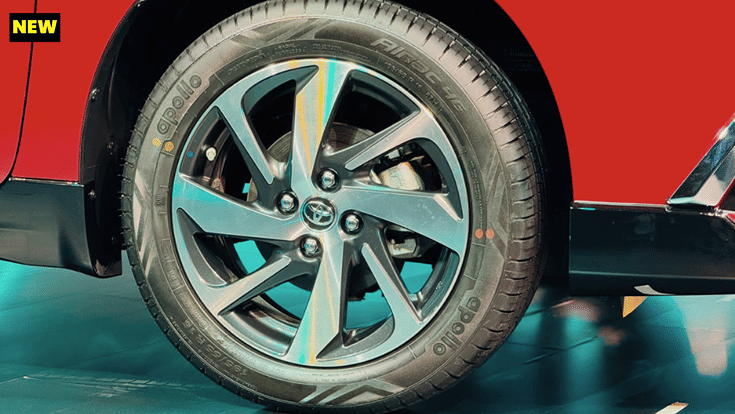
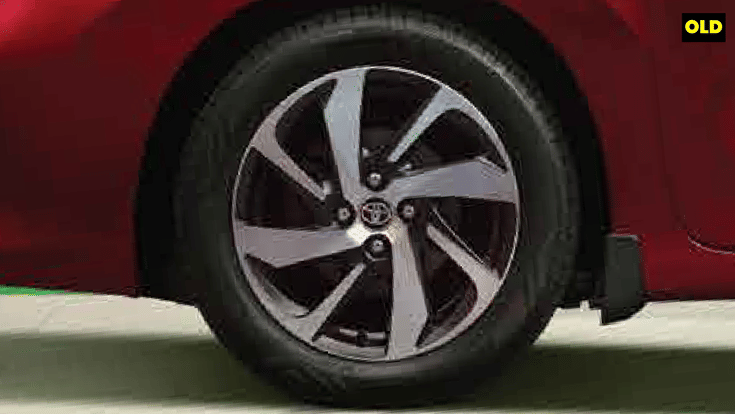
The headlamps have been carried over from the old Glanza, whilst the redesigned front bumper gets rectangular fog lamps in place of the old model’s circular units. The Glanza now gets side skirts and a sharkfin antenna, but the design of its 16-inch alloy wheels and the chrome strip beneath the windowline are carry-over from the old model.
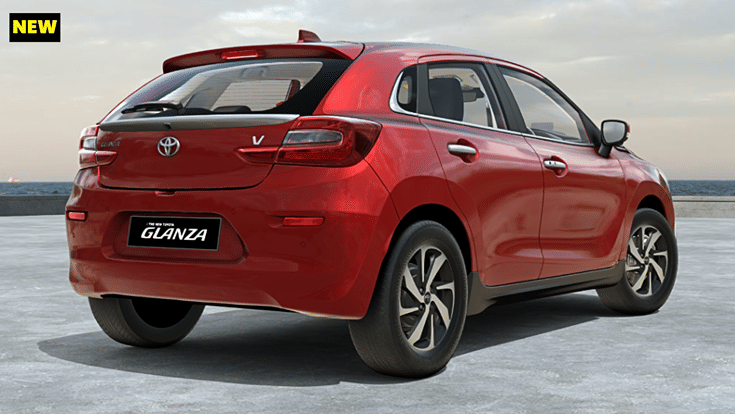
There are no changes made to the rear of the updated Glanza. This means that it retains the old model’s tail-lamps with their C-shaped elements, the roof spoiler and the wiper & washer setup. Along with the colours offered earlier, the Toyota Glanza facelift adds Digital Teal Green and Bluish Black to the list as well.
Toyota Glanza new vs old: Interior design and features
The 2026 update adds more features, but lower trims now lose out on auto AC
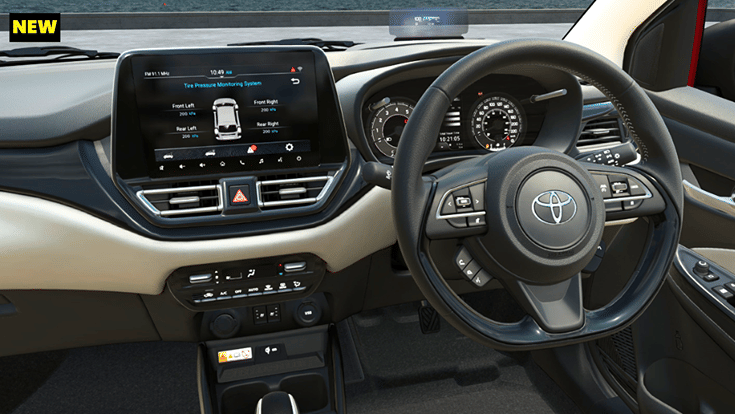
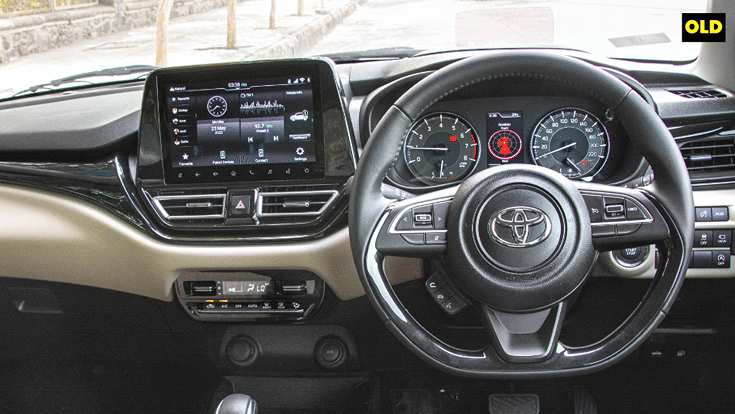
The overall design and layout of the cabin haven’t changed with this update, and the dual-tone dashboard and seats are carried over. However, the V and the new top-spec V (O) trims now get leatherette upholstery, with the front row featuring seat ventilation.
The two high-end trims also get a new premium audio system by Clarion, whilst the earlier Arkamys setup moves to the mid-spec G. The G also gets a 9-inch touchscreen in place of the old 7-inch screen, while the lower-spec S gets a 7-inch unit. The S also offers a sliding front armrest, rear AC vents, and Type-A and Type-C ports. However, the lower trims now lose out on automatic AC.
Other noteworthy additions include a wireless charger with active cooling (G trim and above) and a tyre-pressure monitoring system (TPMS) on all but the entry-level E. Standard kit includes 6 airbags, electronic stability control, hill-hold assist and ISOFIX anchors.
Level 2 ADAS (advanced driver assistance systems) is new, but is limited to the top-spec V (O). It brings adaptive cruise control, autonomous emergency braking, lane-keeping assist, lane-departure warning and high-beam assist. As with the old Glanza, the head-up display and 360-degree camera are reserved for the V trims.
Toyota Glanza new vs old: Engine and transmission
A three-cylinder engine replaces the old four-cylinder unit
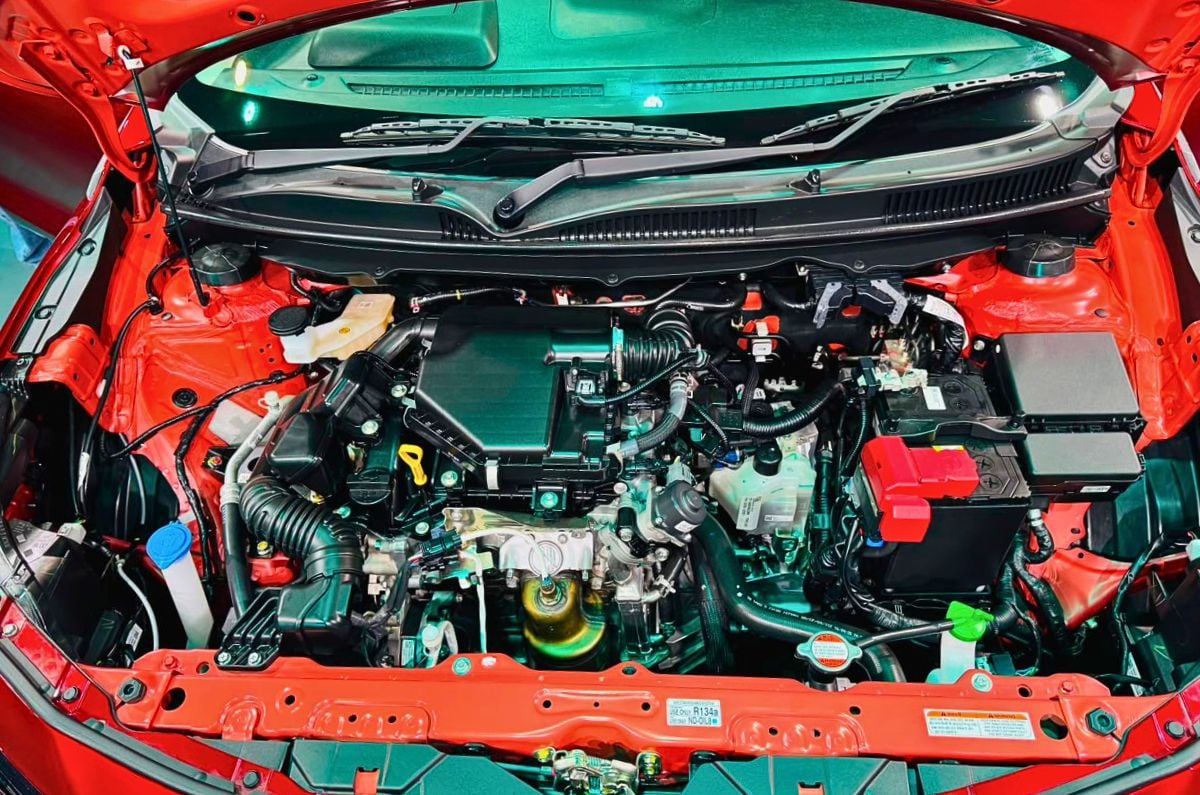
The old Toyota Glanza was powered by a 1.2-litre four-cylinder K-series petrol engine that produced 90hp and 113Nm of torque. With this update, the Glanza switches to the 1.2-litre three-cylinder Z-series engine that also powers the updated Maruti Baleno. This new unit puts out 83hp and 112Nm of torque, representing a loss of 7hp and 1Nm over the old model. The 5-speed manual and 5-speed AMT (automated manual transmission) have been carried over.
The claimed mileage has gone up from 22.35kpl to 23.80kpl for the manual and 22.94kpl to 24.77kpl for the AMT. While the old Glanza had automatic engine stop-start as standard only with the petrol versions, the updated model gains the fuel-saving tech for the CNG versions too. The new AMT variant of the Glanza CNG is rated at 34.47km/kg, with the manual’s claimed mileage going up from 30.61km/kg to 33.61km/kg.
In terms of output, the updated Glanza CNG sees power dropping from 77hp to 70hp, though the torque figure has gone up from 98.5Nm to 102Nm. Finally, the 2026 Toyota Glanza weighs up to 30kg more than the old model it replaces.