Range Rover GT: The Grand Tourer That Breaks The Mould

Range Rover GT

It’s not often that Range Rover adds a fresh member to the family. The last wholly new addition to the range was the Velar in 2017. Now comes something far more radical – the Range Rover GT, a grand tourer that ditches the SUV playbook, goes all-electric and pushes the brand into uncharted territory.

Shape of a new Range Rover

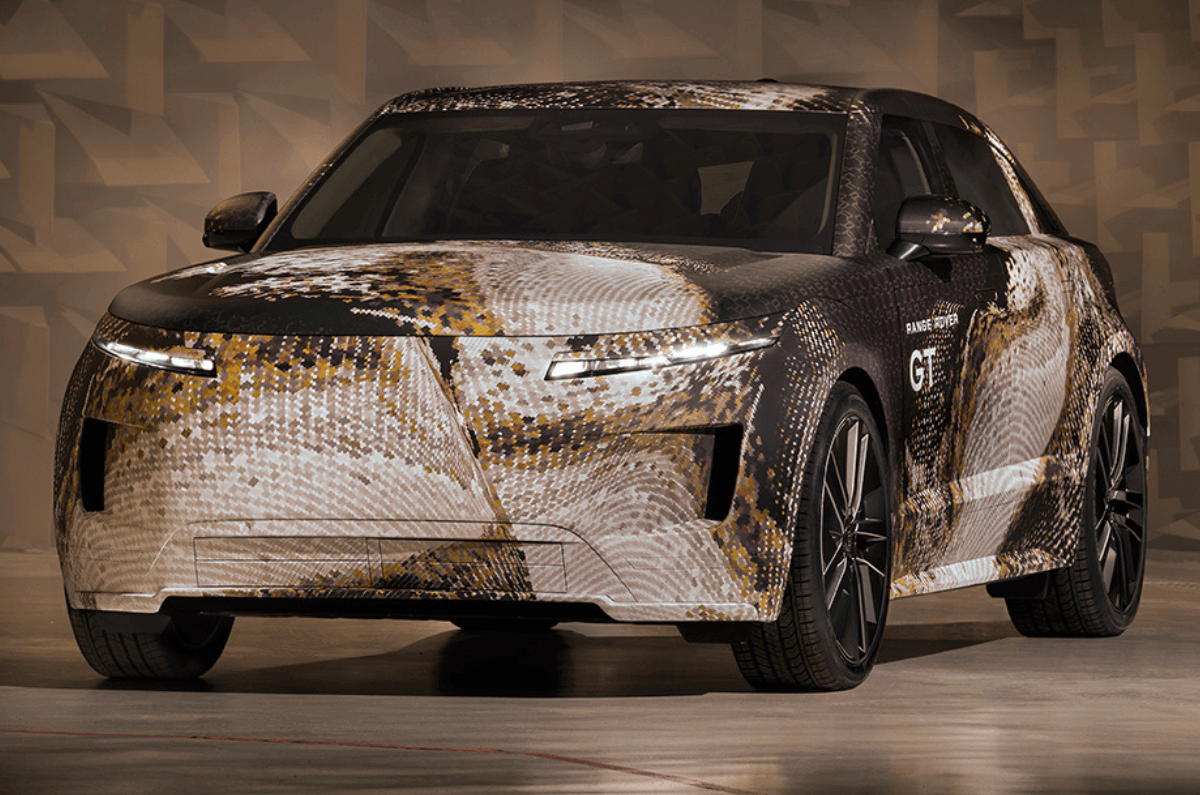
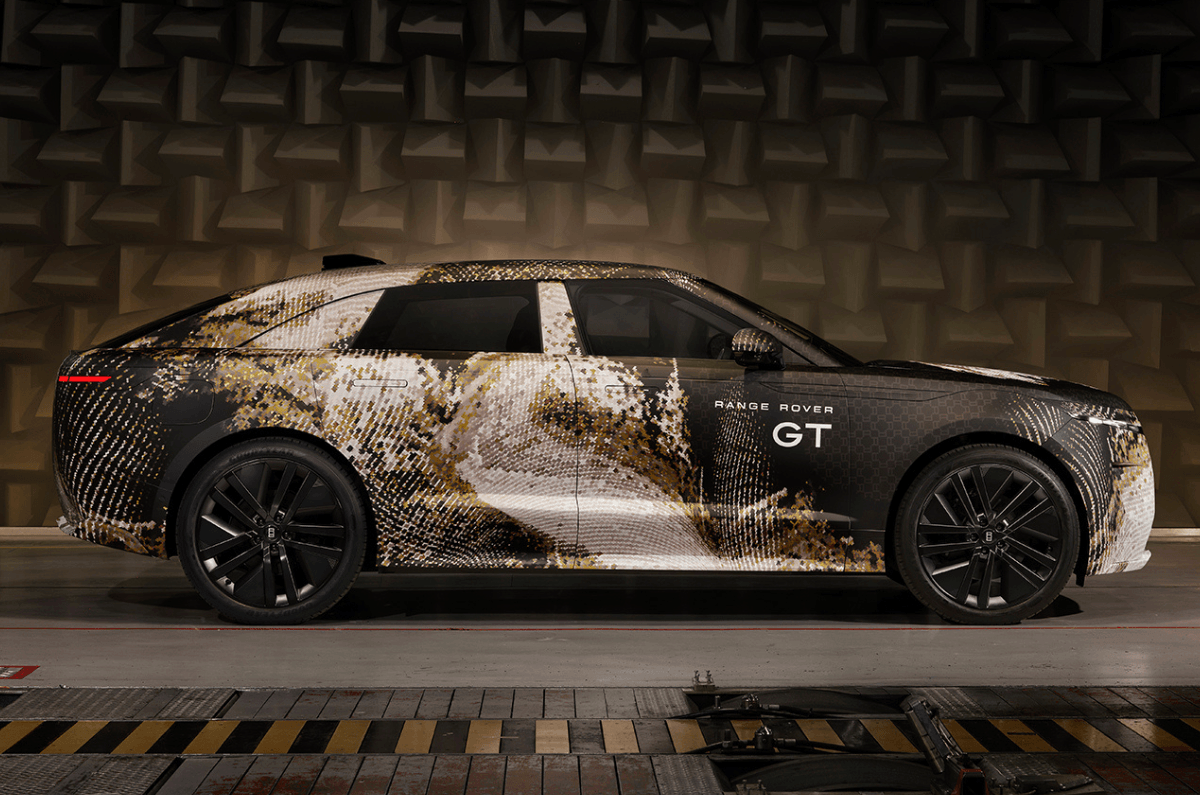
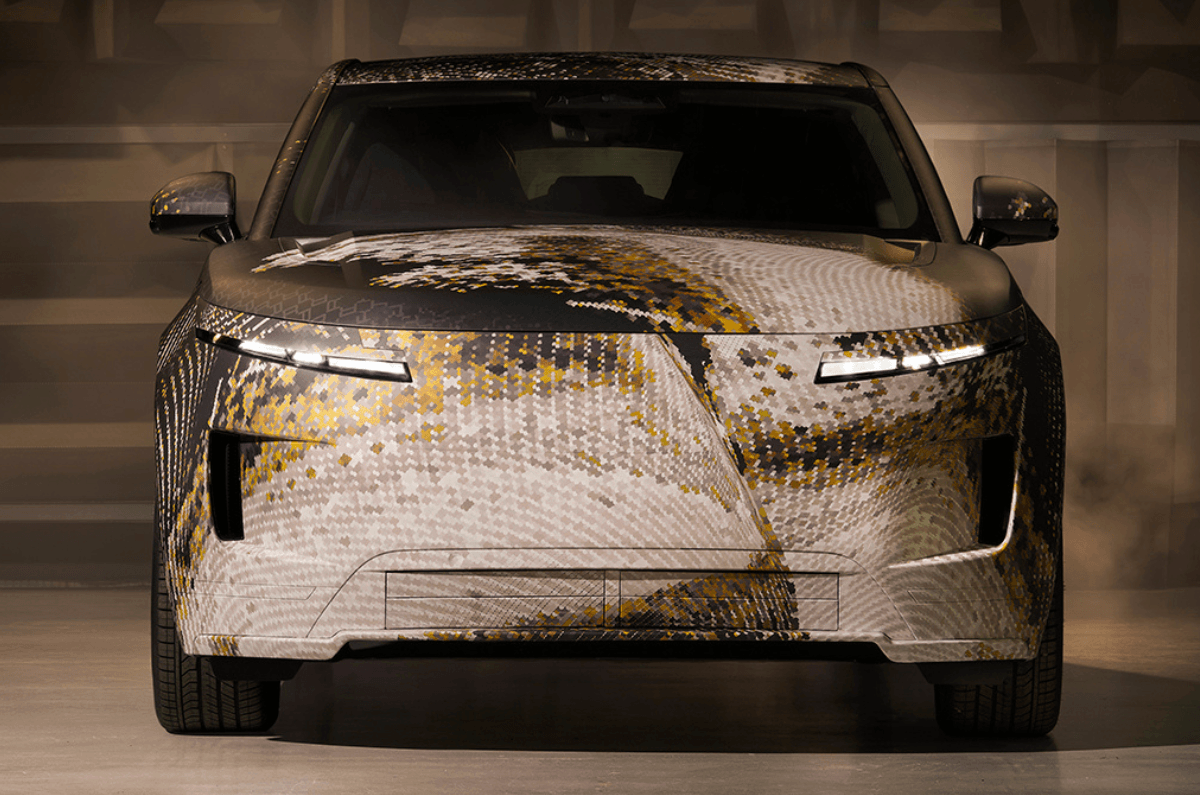
Even under the elaborate gold-on-black camouflage, the GT’s form is impossible to miss. The silhouette is long, low and almost coupe-like, with a roofline that seems to run on forever and exaggerates the car’s length.
Range Rover GT

Range Rover says the GT is longer than the standard-wheelbase Range Rover and, crucially, the lowest Range Rover yet. It also sits lower than a Porsche Macan while stretching beyond a Range Rover Sport. Those proportions immediately change what you expect a Range Rover to be. There’s still the familiar clean surfacing and tight detailing, but the GT comes across more like a fast, long-legged cruiser than a traditional go-anywhere SUV. And of course, like every Range Rover, it still drives all four wheels. The wheelbase looks to be well over three metres, which should suit the kind of high-speed stability and relaxed continent-eating ability the GT name promises.

Underpinning this shift is a clean break from the MLA architecture used by the Range Rover and Range Rover Sport Electrics. The GT rides on JLR’s new EMA platform, a born-electric architecture that gives the design and engineering teams far more freedom than a chassis that is shared with ICE powertrains.

Born-electric, engineered for refinement

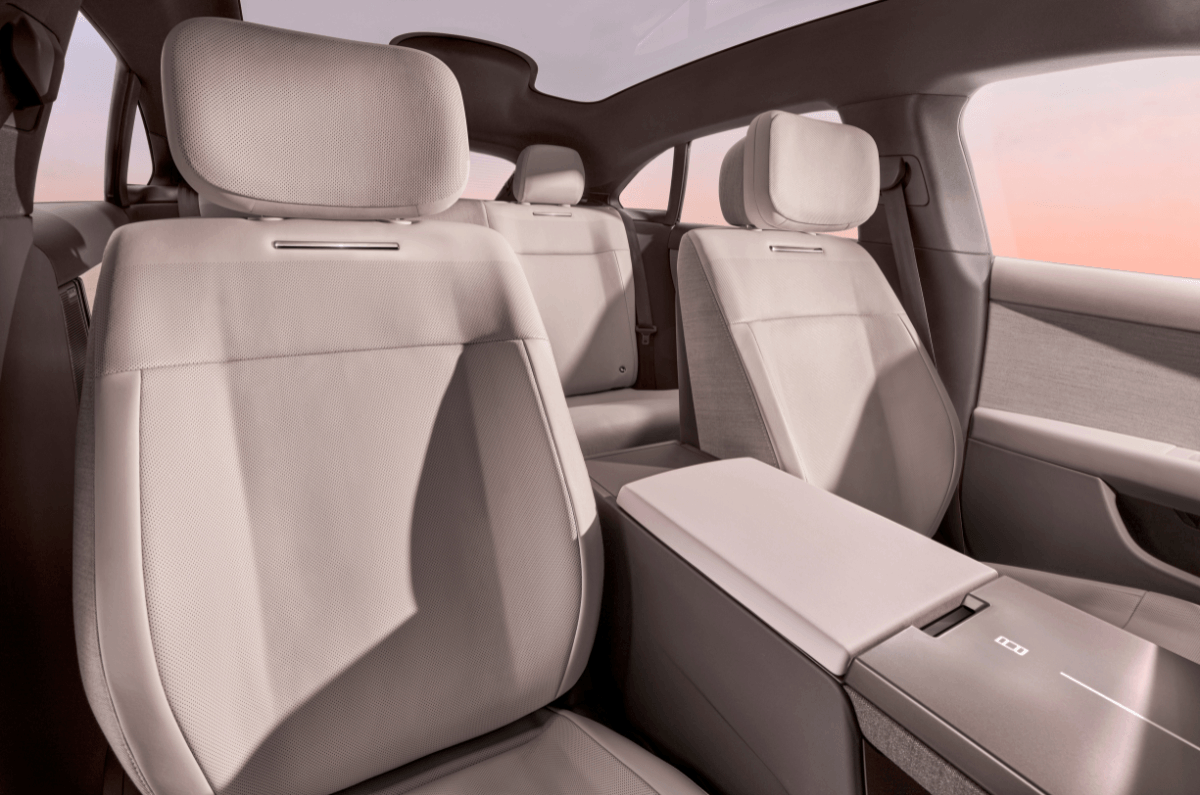
EMA’s packaging advantages are obvious here. Despite the low roofline, Range Rover says there’s enough headroom for six-footers in both rows, helped by a fixed panoramic glass roof, the largest the brand has fitted yet, which adds 40mm of headroom.

The battery uses longer cells in a single layer rather than a double-stacked layout, so the floor need not be pushed up. That should help keep the seating position natural, and the cabin feel properly spacious. There’s even a frunk up front, something you don’t get on the MLA-based Range Rover Electrics, which underlines how different this car is beneath the skin.
Range Rover GT

Refinement is clearly central to the brief. Martin Limpert, Managing Director of Range Rover, calls it “the quietest Range Rover yet”, claiming it to be 7dB quieter than the ICE Range Rover, which in acoustic terms is an exponential improvement. Besides, the inherent smoothness of an EV powertrain promises to give the GT a special calm, unhurried character that proper grand tourers are built on.

No hard figures have been released, but the wheelbase and EMA’s potential point to a sizeable battery pack and serious long-distance ability. Expect the GT to be built for fewer charge interruptions and more time spent crossing countries in near silence. Initially, the GT will be offered as a pure battery-electric vehicle, with a hybrid option planned later in the lifecycle.

A warm, reductive cabin
Range Rover GT

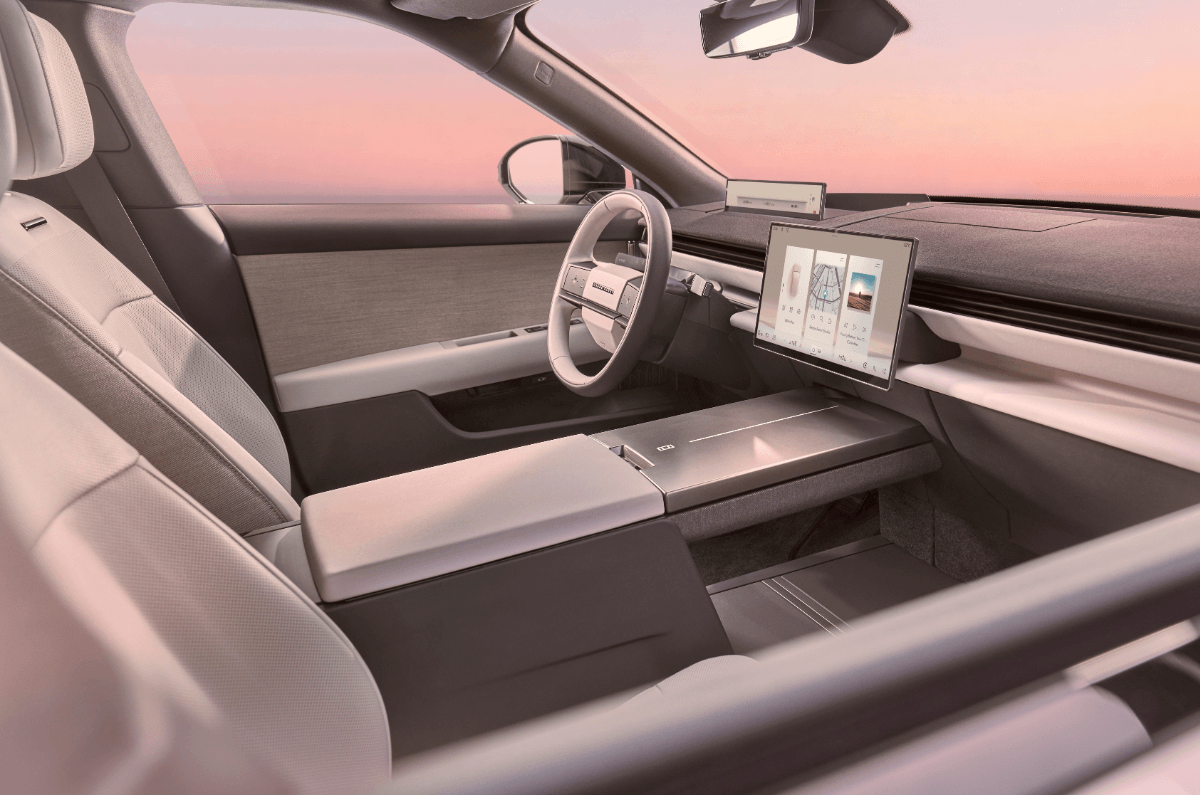
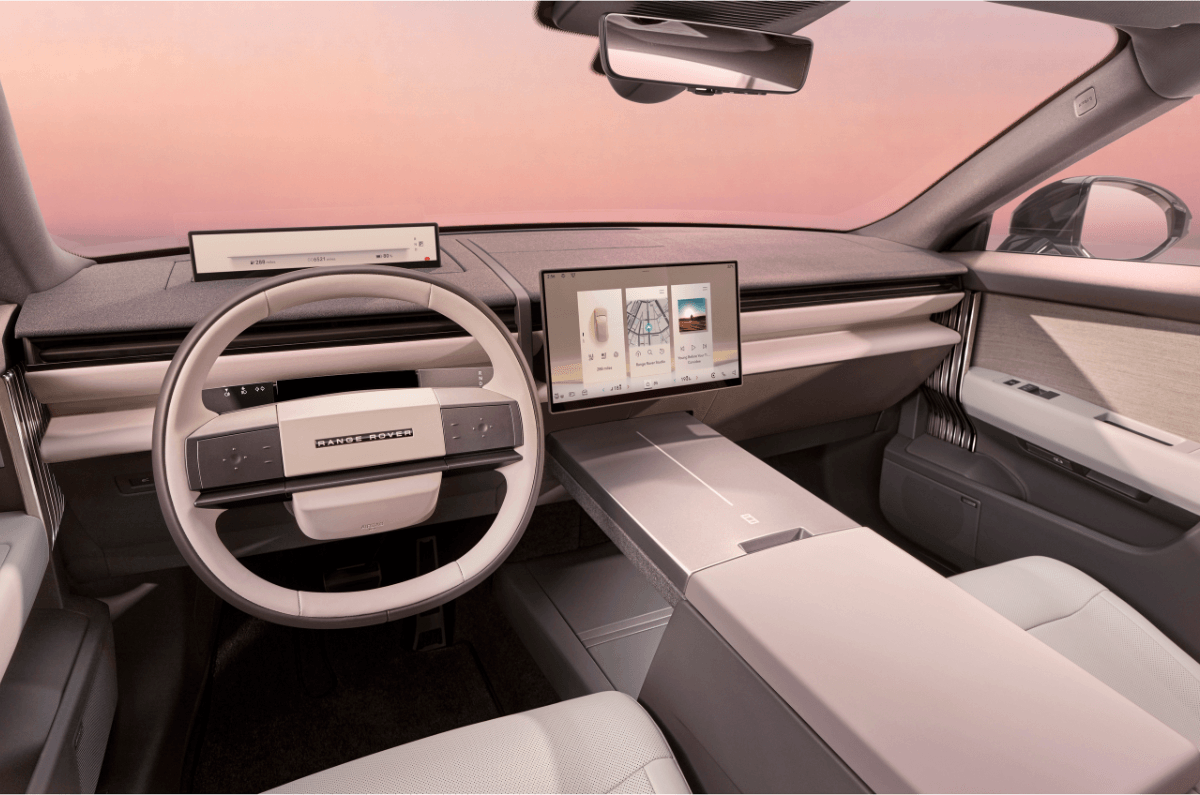
Inside, the GT continues Range Rover’s reductive design language, but in a more architectural, lounge-like way. The cabin is defined by strong horizontal lines, with a single central OLED screen paired with a compact driver display in place of a conventional instrument cluster.
Range Rover GT

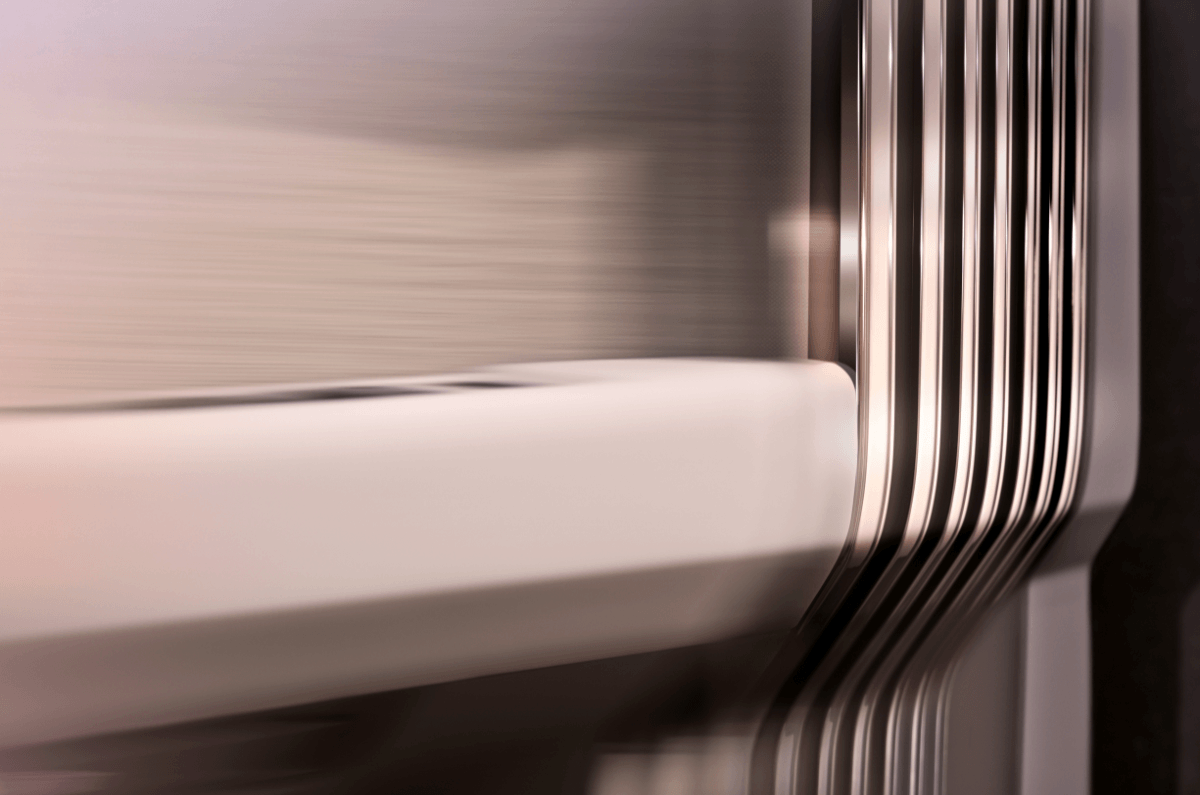
That smaller display is not just a styling move. It is meant to cut clutter and reduce the amount of information the driver has to process. A concealed air vent runs the width of the dash, creating a clean horizontal graphic that ties the cabin together, while the dashboard is wrapped in a woven textile that hides the speakers within its form.
Range Rover GT

Range Rover talks about hidden technology and reduced visual and acoustic clutter, and that comes through in the way the cabin is put together. Purists may rue to the fact that there are very few hard buttons, but the controls are said to be simplified to make the interface more user-friendly.
Range Rover GT

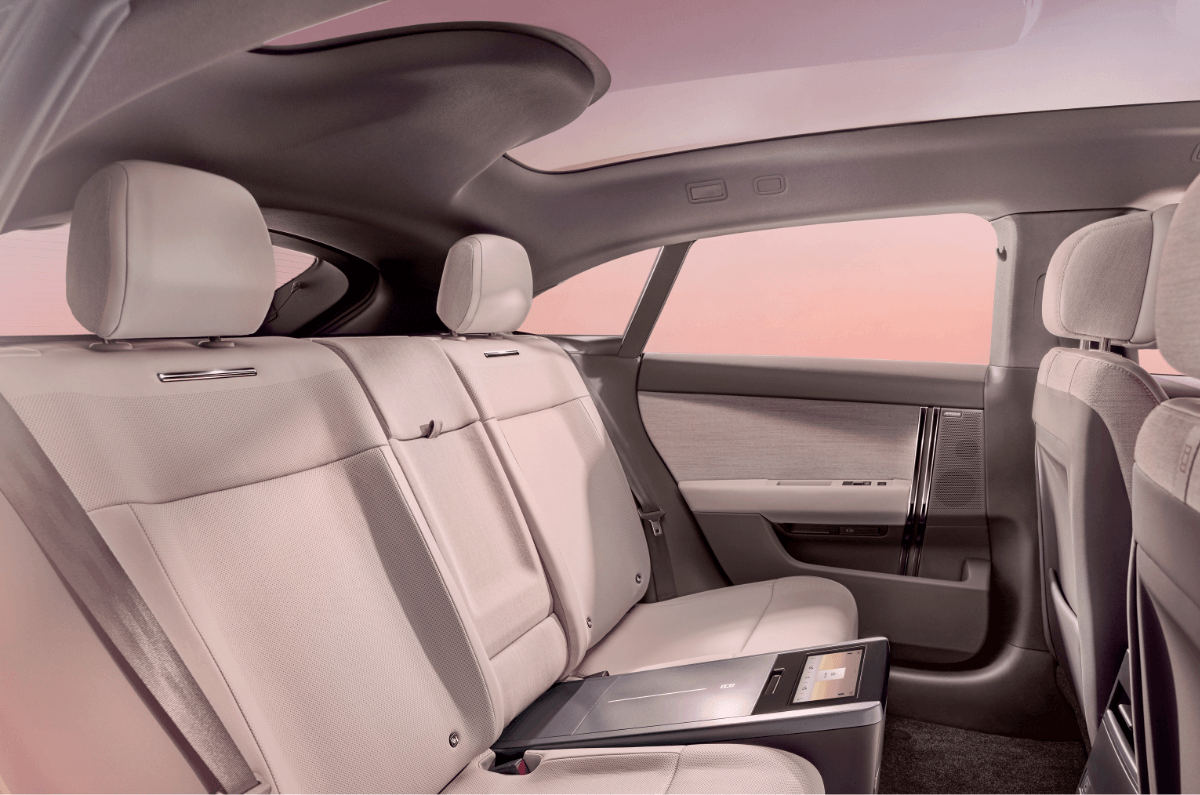
Second-row legroom is said to be class-leading, and the stretched body and EMA packaging make that claim believable. This is clearly a car designed to make the rear seat a proper place to be, not just somewhere to sit while the driver has all the fun.

Camouflage, character and what it means

The prototype fleet now running global tests wears a bespoke camouflage inspired by the landscape around Gaydon, home to Range Rover’s design and engineering teams. The topographic pattern gives the car a graphic, almost digital feel, while also hinting at the shape beneath.

Range Rover calls the GT its most technologically sophisticated model yet. The EMA platform, deep software integration and a vast suite of driver assistance features should make it more advanced than any Range Rover before it.
Range Rover GT

Limpert’s point is that the GT is meant to blend effortless EV performance, long-haul refinement and all-terrain ability in a way no conventional GT can. That is the real story here. This is not just a lower, sleeker Range Rover. It is a new interpretation of what the badge can be when the brand is no longer tied to the old packaging rules.

Built in Halewood alongside ICE and hybrid models, the GT is the car that finally drags Range Rover’s grand touring ambitions fully into the electric era – and it does so with a shape and stance that make it look every bit as disruptive as the brief suggests.

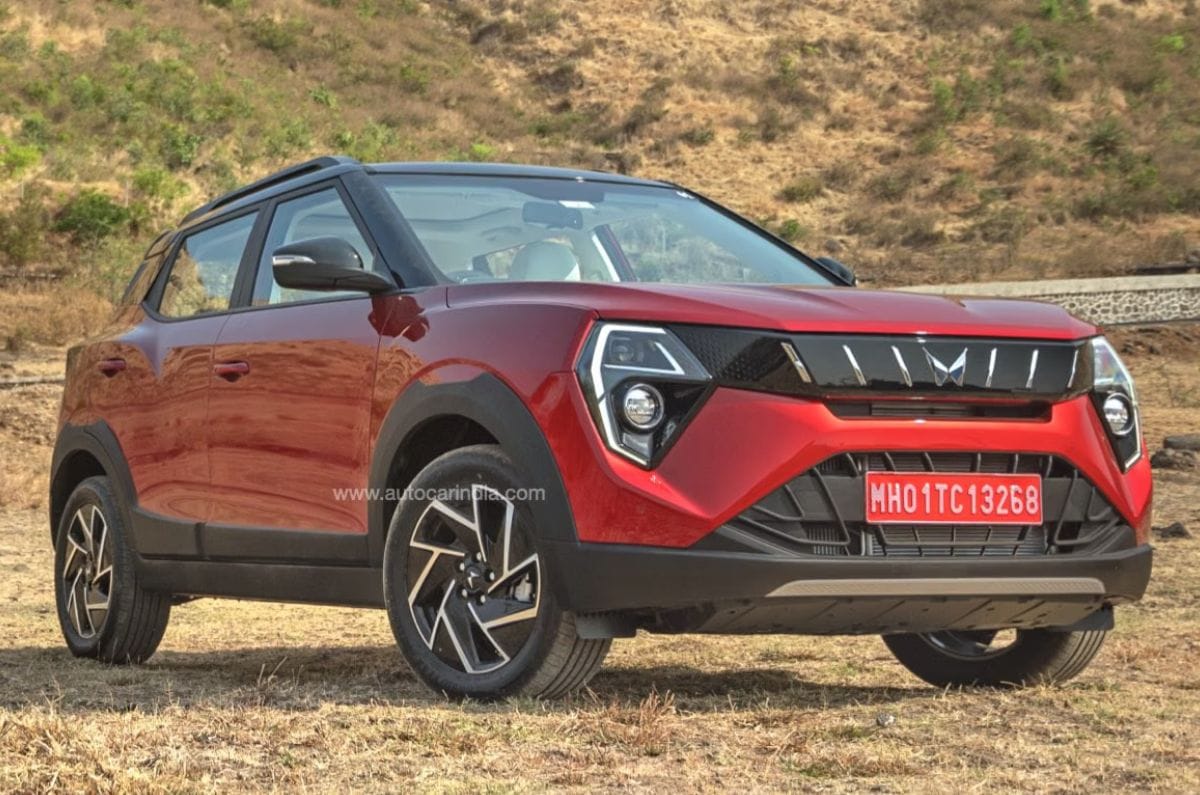
3 reasons to buy the Mahindra XUV 3XO and 2 to skip it

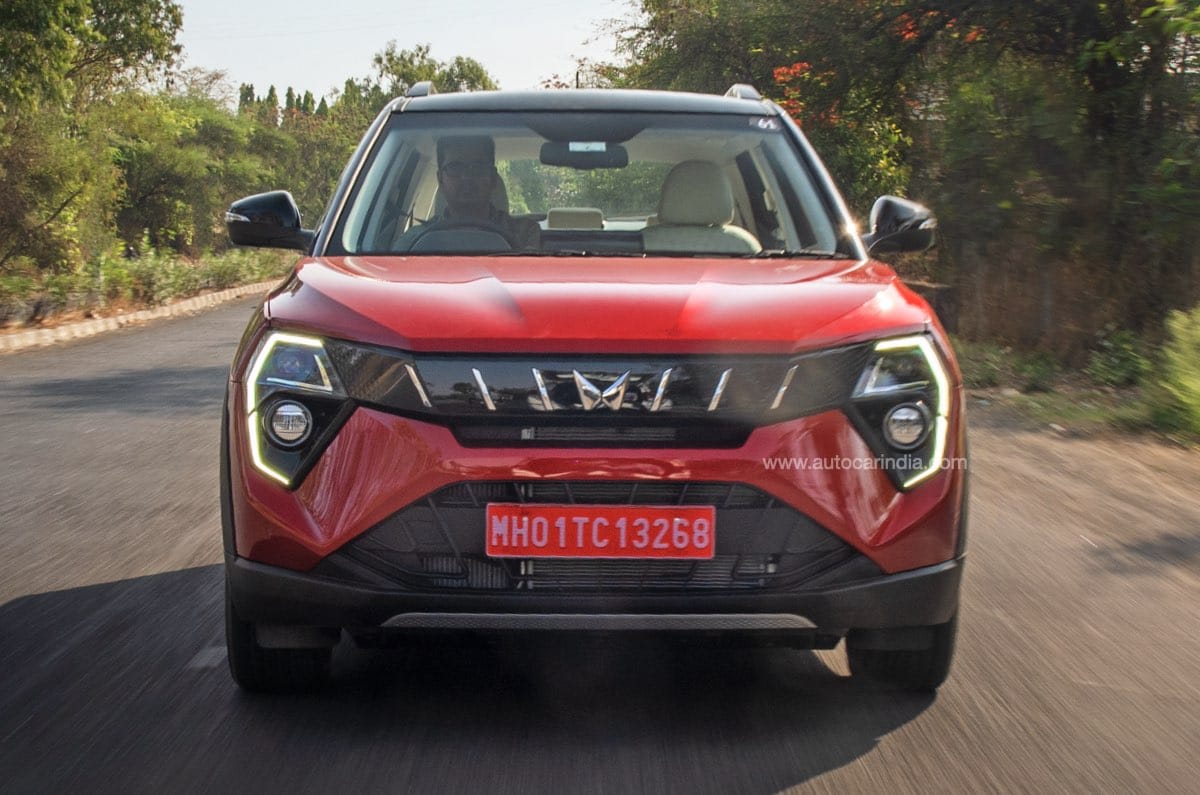
Mahindra XUV 3XO front quarter

In the crowded compact SUV segment, the XUV 3XO is among the few models that offers petrol and diesel engine options plus a variety of transmission choices. Mahindra brought the XUV 3XO to market in 2024 as a successor to the XUV300, and it’s the home-grown automaker’s smallest SUV. If you’re interested in buying the Mahindra XUV 3XO which, for reference, is priced between Rs 7.79 lakh and Rs 15.04 lakh (ex-showroom), here are its key pros and cons you must consider.

Reasons to buy the Mahindra XUV 3XO

Punchy powerplants

The direct-injection turbo-petrol and turbo-diesel engines allow strong performance

The XUV 3XO’s 1.2-litre direct-injection turbo-petrol engine pushes out 131hp and up to 250Nm of torque. Despite being a three-cylinder engine, this ‘mStallion’ unit is noticeably refined and provides power with eagerness. This eagerness can be a bit tricky to manage at low speeds, but the Zip, Zap and Zoom drive modes come in handy to help fine-tune the driving experience. The mid-range power delivery of this petrol engine is good, too. Then there’s the Aisin-sourced 6-speed torque converter automatic gearbox, which operates smoothly and shifts in a timely manner.

Mahindra XUV 3XO front tracking

For those who prefer an oil burner, there’s the 1.5-litre four-cylinder turbo-diesel engine. It produces 117hp and 300Nm of torque – the latter being the highest in the segment. There’s also no hint of turbocharger lag even at low speeds. While refinement is just about decent, this diesel unit’s ample power is spread well throughout the rev range. This, along with a 6-speed AMT (automated manual transmission) gearbox, makes long-distance cruising on the highway a relaxing experience. Meanwhile, the base engine option of the XUV 3XO is an 115hp, 1.2-litree three-cylinder turbo-petrol engine with multi-point fuel injection.

Gifted handler

The XUV 3XO can handle paved and unpaved surfaces without breaking a sweat

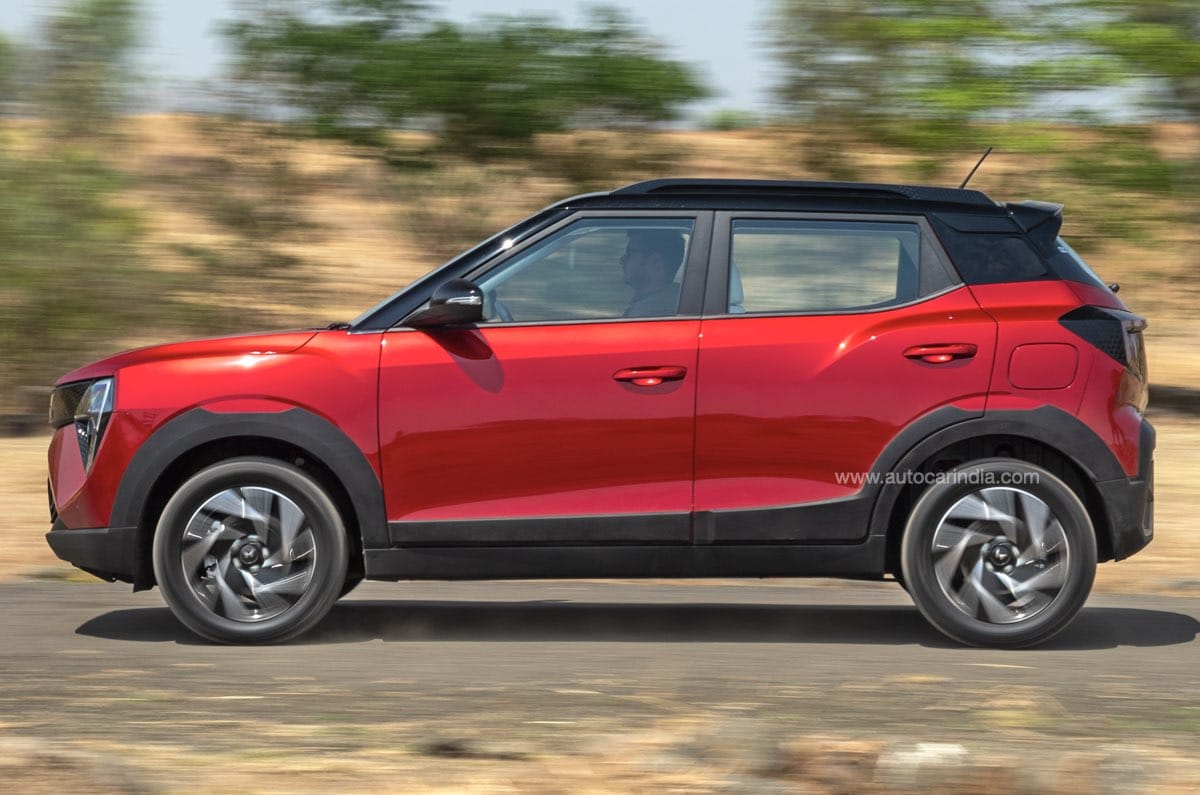
Mahindra XUV 3XO side tracking

The Mahindra XUV 3XO not only has pace on its side, its confidence-inspiring brakes mean that it’s also adept at dropping anchors at a moment’s notice. The XUV 3XO’s suspension is a bit firm, but it still manages to take on bad roads with verve – there’s a feeling of toughness to this SUV that inspires confidence no matter the surface condition.

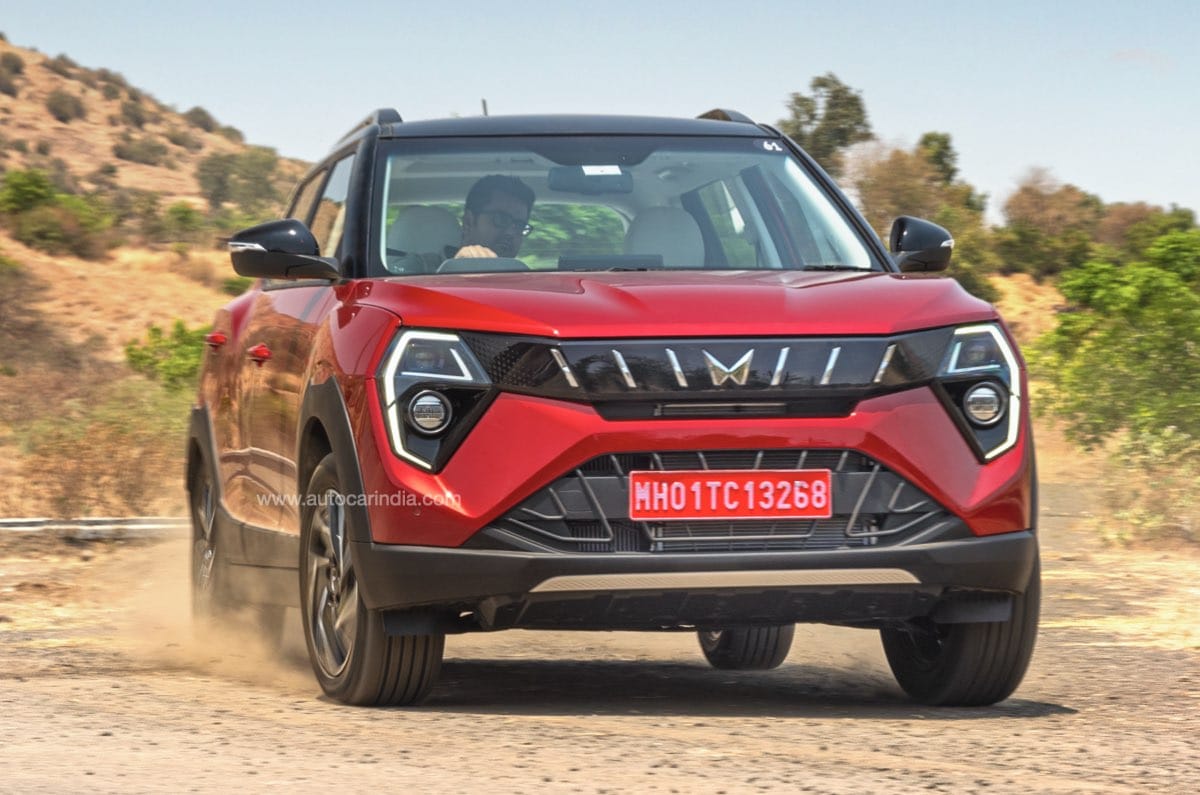
Mahindra XUV 3XO cornering

The suspension also provides enough travel and there’s no issue with ground clearance either. This sense of surefootedness comes to the fore when you tackle corners, and even though the steering isn’t that precise, there’s plenty of grip on offer.

Premium interior, lengthy equipment list

Although rivals have caught on, the XUV 3XO’s interior is modern and well-equipped

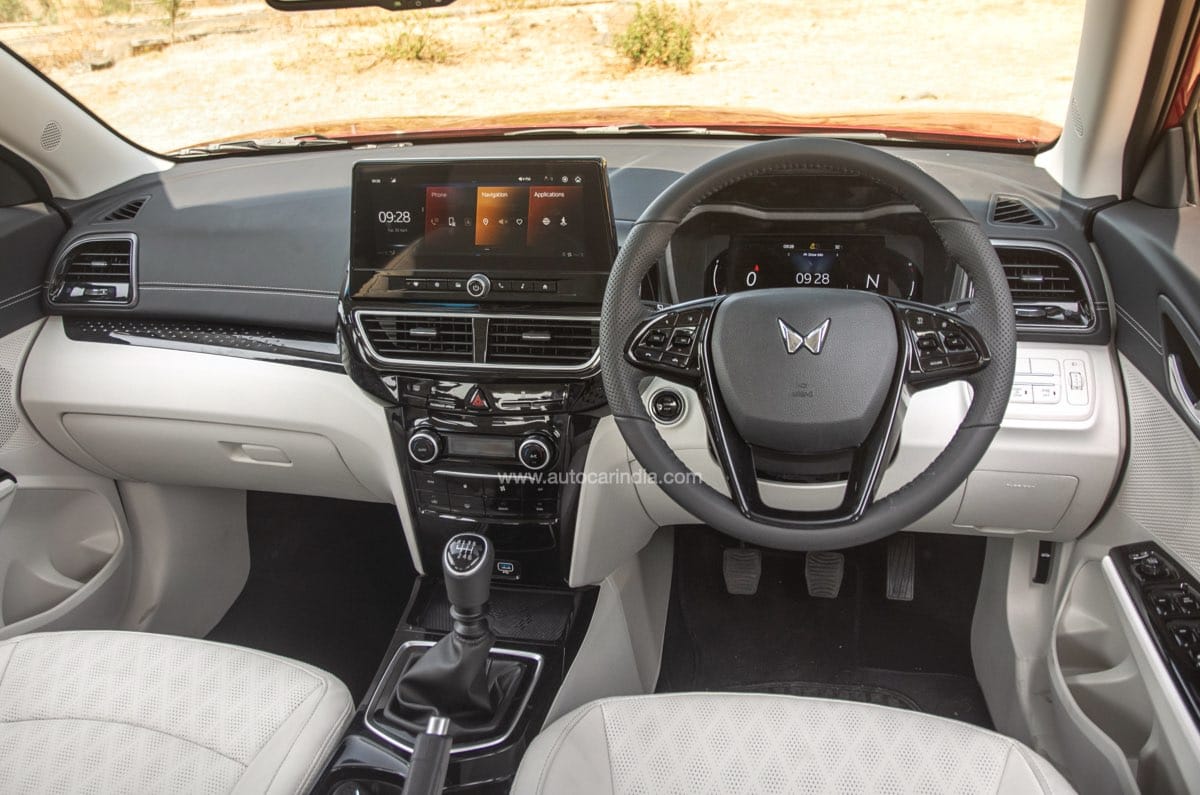
Mahindra XUV 3XO interior

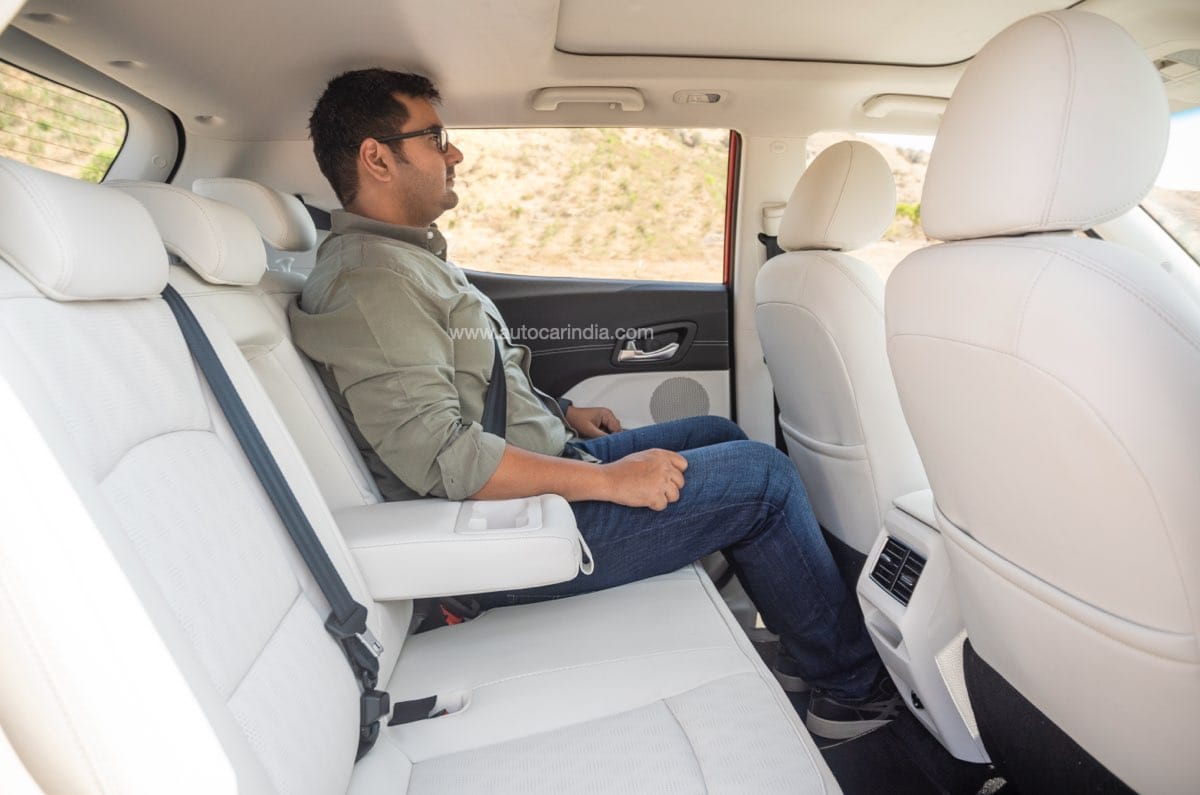
The dual-tone interior theme of the Mahindra XUV 3XO looks premium and sports soft-touch materials as well. The perforated leather-wrapped steering wheel feels upmarket to hold, while other touchpoints such as the steering-mounted stalks and power-window switches on the doors feel just as nice to use. Where he front seats can feel narrow for some, the rear ones are spacious and comfortable even if you choose to carry three adults there.

Mahindra XUV 3XO rear seats

The rear seats are well-padded, whilst kneeroom and footroom aren’t lacking either. Adding to the convenience at the back are the AC vents, a centre armrest with cupholders, and two charging ports. Features included on higher variants are a 65W fast charger at the front, wireless Android Auto and Apple CarPlay, a wireless charging tray, dual-zone automatic climate control, a Harman Kardon premium audio system, Dolby Atmos, a panoramic sunroof, a cooled glovebox, 360-degreem camera, an electric parking brake with auto hold, and a Level 2 ADAS (Advanced Driver Assistance Systems) suite.

Reasons to not buy the Mahindra XUV 3XO

Limited cargo space

This isn’t the SUV for you if you haul loads of luggage regularly

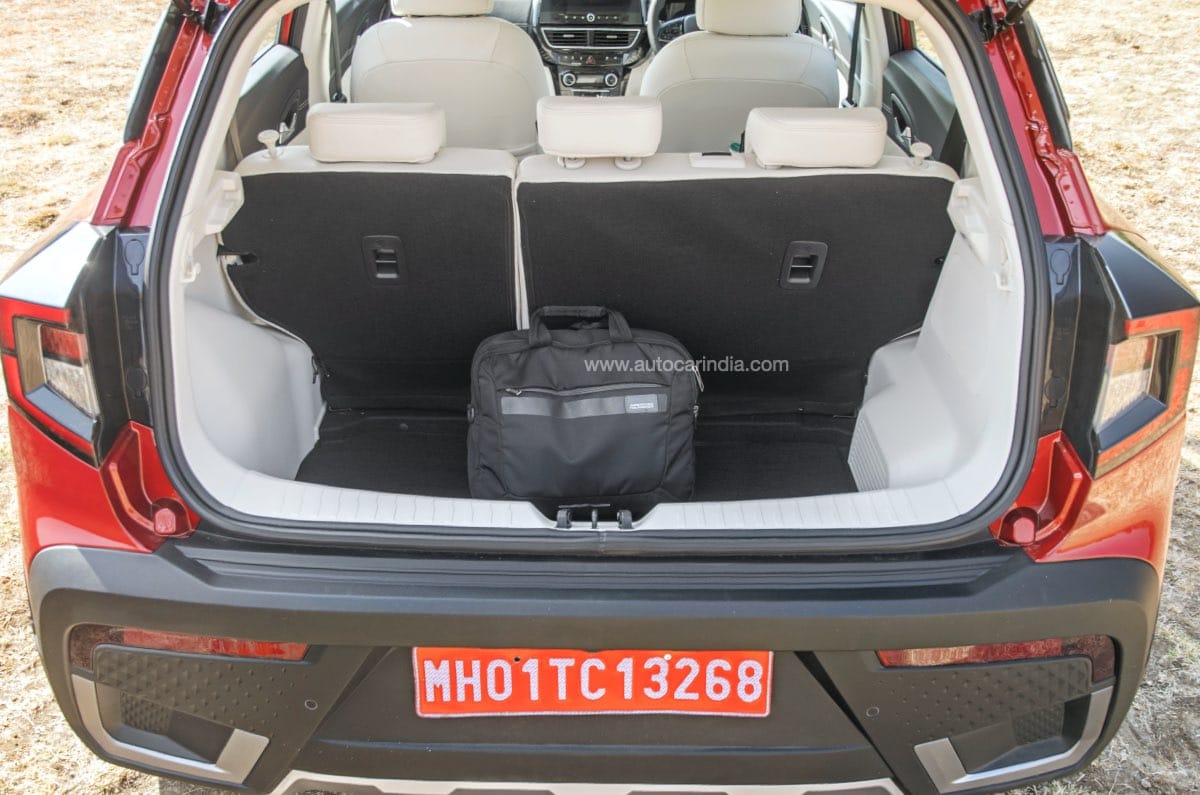
Mahindra XUV 3XO boot

Users can find hauling luggage in or out of the XUV 3XO’s boot tiresome because of the low boot floor and high loading lip. And while there’s 295 litres of cargo space, this is far lower than what most rivals offer in this segment. The lack of a parcel shelf also means that any items you do store in this boot will remain visible to those peeking in.

Pricey top variants

The XUV 3XO is one of the most expensive cars in the segment

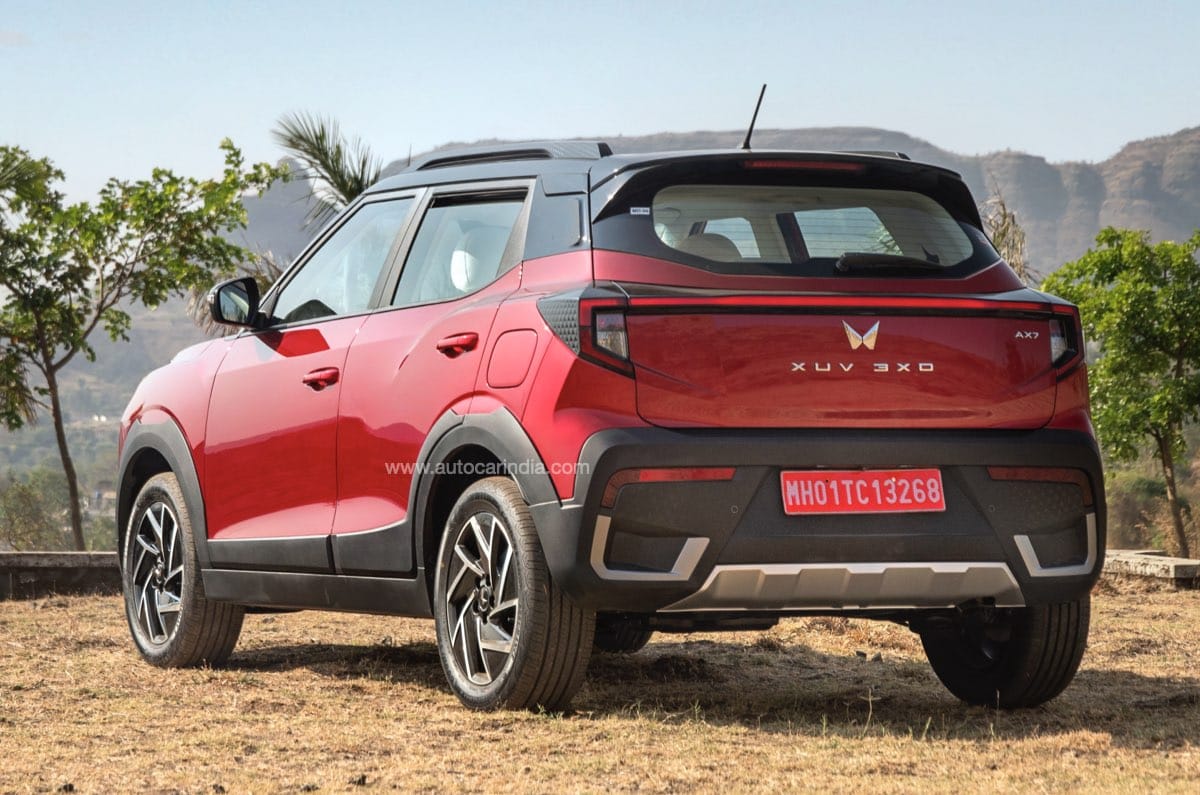
Mahindra XUV 3XO rear quarter

The Mahindra XUV 3XO’s top variants are some of the most expensive offerings in the compact SUV segment. And while the Hyundai Venue’s range-topping variants are pricier still, they pack even more features and the car itself is newer than the XUV 3XO.

Also read

3 reasons to buy the Kia Sonet, 2 reasons not to

Tata Harrier vs MG Hector petrol automatic: Real world mileage compared

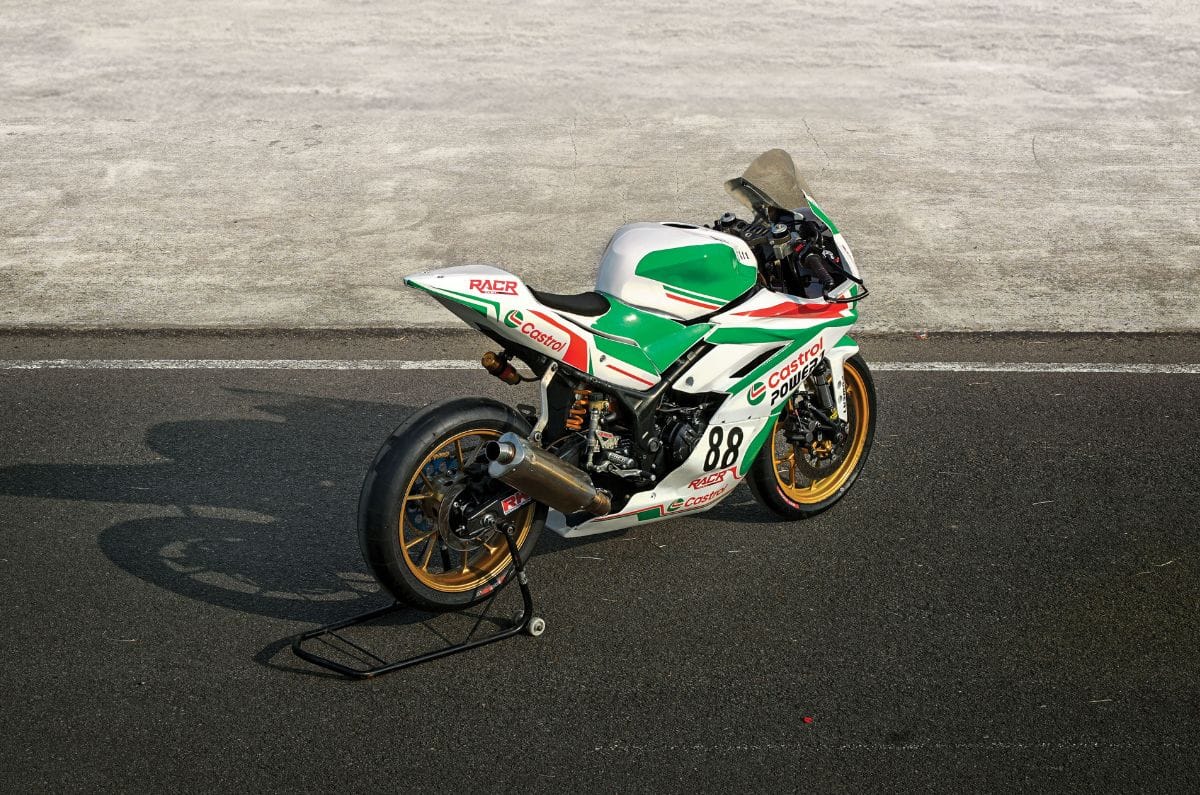
Pro-Stock Yamaha R3 Race bike: Giant Killer

Race-spec Yamaha R3: Giant Killer

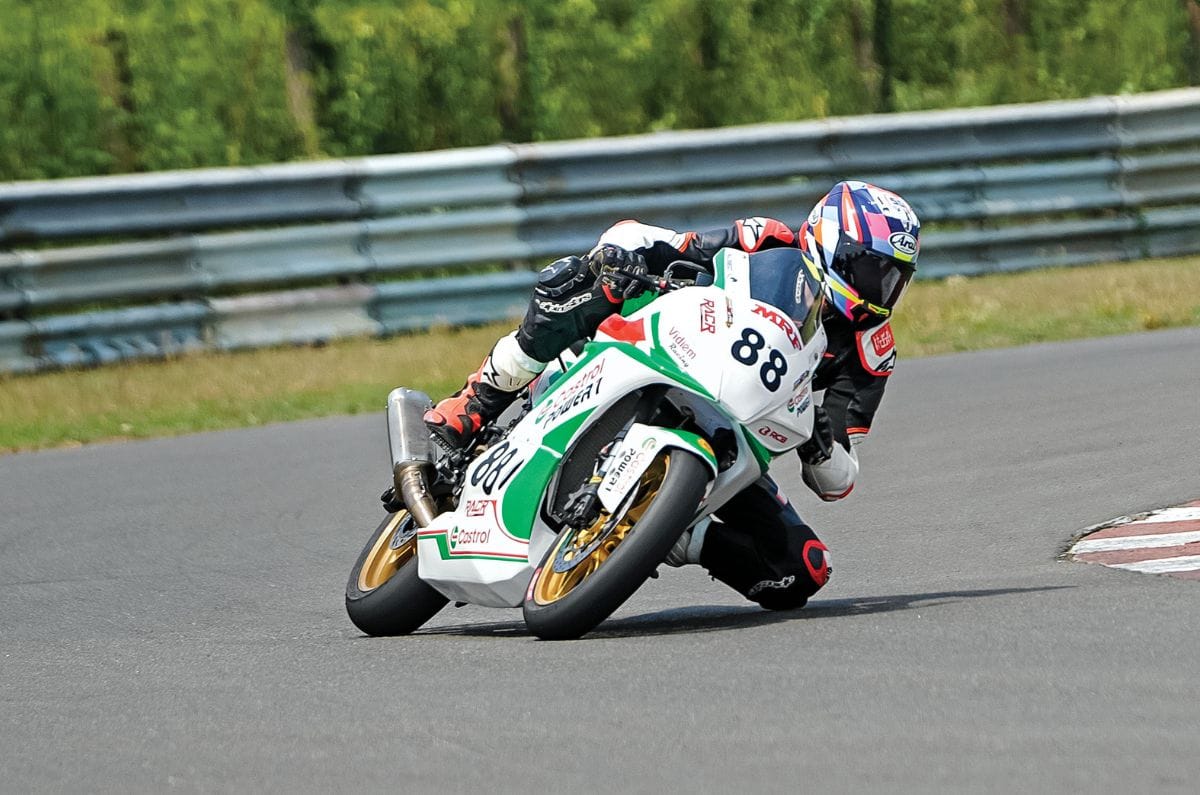
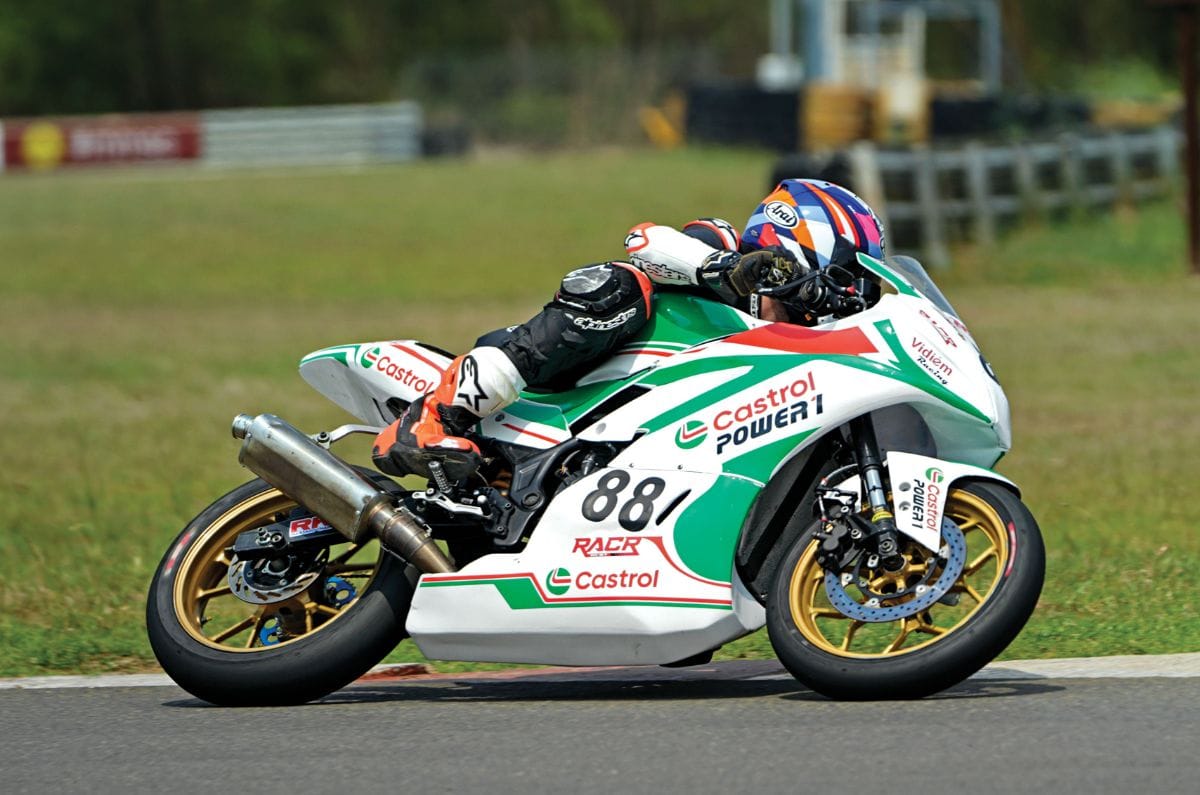
1:47.392. That’s the new lap record set last year by Team RACR’s Rahil Pillarisetty on this very bike. If you know your lap times around the Madras International Circuit, you’ll realise just how devastatingly fast that is. For some frame of reference, the fastest stock bike we ever ran at the Autocar Track Day (back when it used to be held at the MIC) was a 2019 Ducati Panigale V4 S, ridden by 11-time national champion Rajini Krishnan, which set a 1:49.001. Yes, Rajini also would have surely improved the timing if he had more time to work on the bike setup, and yes, the latest Panigale will be quicker. However, it still bends the mind when you realise that this race bike you see here is based on a humble Yamaha R3.

Recipe for speed

As you can imagine, a lot has changed on the donor bike, but there’s still a fair amount of the stock motorcycle’s soul preserved underneath. That’s because this bike comes under the Pro Stock 300-400cc category, which allows a lot of modifications, but also places quite a few restrictions.

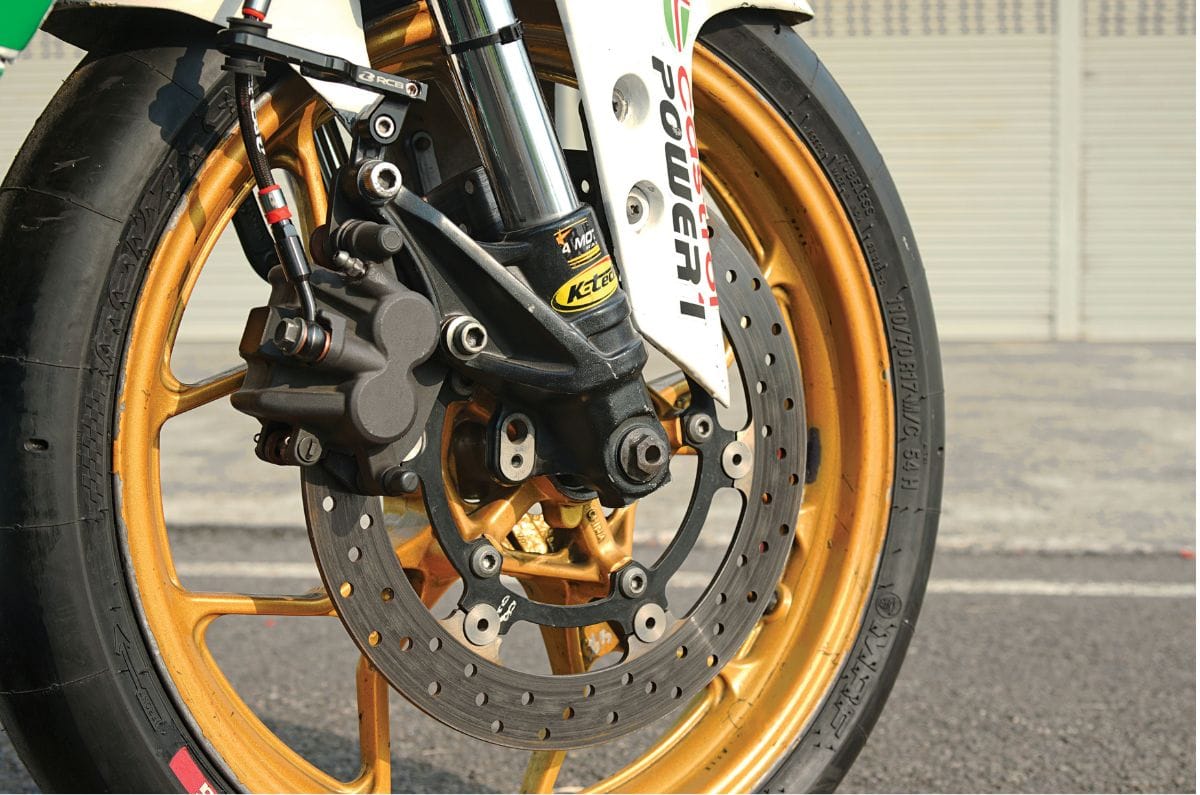
It would be easier to start with the significant things that aren’t allowed. The brake components have to be from any FMSCI homologated vehicle, and aftermarket brakes aren’t allowed. Forged metal or carbon-fibre wheels are not allowed either, although replacement wheels from any Indian-made FMSCI homologated vehicle are permitted. Fancy weight saving materials like carbon fibre, titanium and magnesium are also on the no-no list, and the main chassis has to be absolutely stock.

The engine capacity cannot be changed, but major modifications are allowed. This bike uses racing camshafts, larger throttle bodies, a ported head and bigger valves (by 1mm). Engine management is handled by an ARacer ECU, which also brings in a quickshifter, and the engine breathes through large trumpets. Cooling is vital, and the 321cc parallel-twin engine runs a massive racing radiator, which fills up much of the frontal area.

Deceptive power

The result of all these changes is a 55hp power output measured at the rear wheel, which is a big jump over the 36hp dyno figure recorded by the stock motorcycle. The engine redline is set at 14,000rpm, and the peak power sweet spot is between 12,000 and 13,000rpm. That power, combined with a super-light racing chassis, explains how speeds as high as 190kph were recorded during the races at the MIC circuit.

Very short action quick throttle, but it’s quite heavy.

Having ridden plenty of big bikes over the years, I wasn’t initially overwhelmed by the performance. But witnessing how effortlessly it would fly past stock RC 390s and R3s on the straights quickly made it evident that this is a seriously quick bike. In fact, the RACR R3 was never dropped dramatically even by more powerful bikes between the corners.

Because the rules don’t allow gearbox modifications, the engine doesn’t scream through the gears with the short-geared ferocity I’d anticipated. Instead, it spends time revving through each gear, and you have to be careful not to go much higher than that 12-13,000rpm sweet spot. An extremely short throttle action (all of it in about a quarter turn of the accelerator) meant that it’s easy to call for all fifty five horses. However, that quick-turn throttle was also quite heavy, and I found this to be one of the more fatiguing aspects of riding this bike. After all, this was the only ‘heavy’ element to this motorcycle.

Featherweight fun

Things like an aluminium fuel tank and subframe, as well as fibreglass bodywork and a complete strip-down of every non-essential element, help cut the weight down to just 132kg – with its 8-litre fuel tank full! That lack of weight, along with the high-performance K-Tech/Öhlins front/rear suspension combo, is what really made this bike magic to ride.

Regulations don’t allow for aftermarket brakes.

The corner speeds that it is capable of nearly fried my brain, and this is entirely where the bike makes that incredible lap time. No matter how much I tried, I simply couldn’t get myself to fling the bike into corners with the sort of speed that it is built for. Despite this, I had a blast riding the bike through the day, and that was largely because it was rather friendly and encouraging. The suspension was set to perfectly handle MIC’s bumpy layout, and I only truly realised how well it was doing this when I hopped onto the Ducati Panigale V2 the next day (page 122), and was startled by how much it was being affected by the bumps.

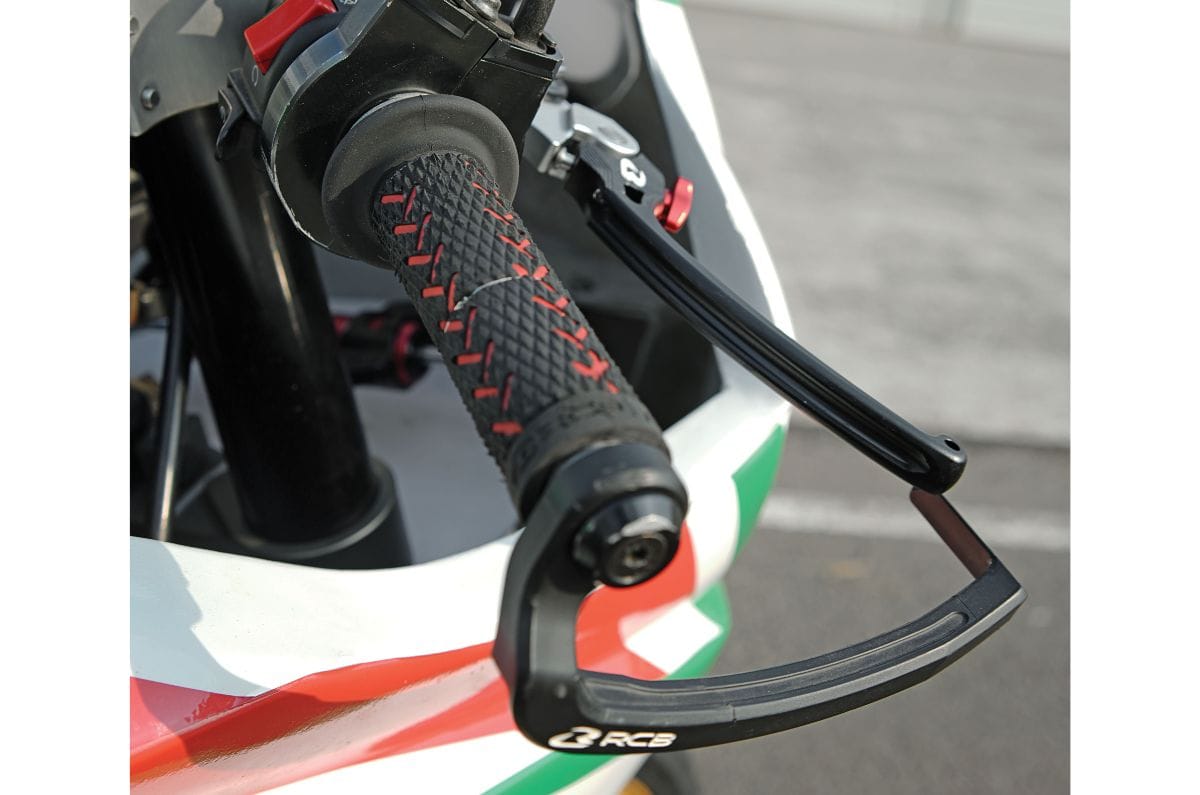
Of course, the bike is quite tiny, but I did manage to fit on it okay after the RACR crew kindly set the adjustable RCB footpegs to their lowest position. We left the suspension settings in Rahil’s setup, and that seemed to work well for me. He is a good ten-fifteen kilos lighter than me, but his immense skill and speed also make the suspension work much harder than I could, so it evened out in the end.

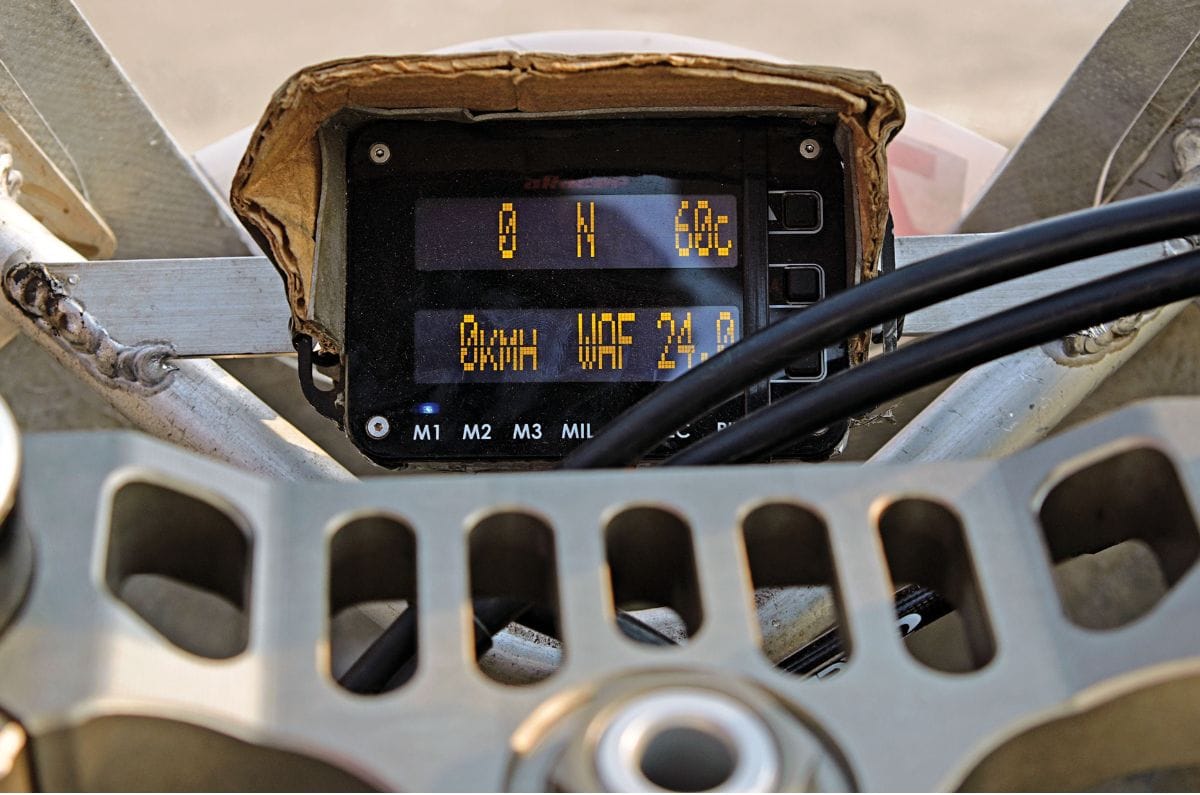
This bike is purely built to function, evident in the ‘jugaad’ sun visor for the tiny racing display!

As you’d expect from something that carries such little mass, the R3’s steering is light and incredibly quick, but it also has a reassuring sense of composure. This faith in the chassis quickly allowed me to stop being intimidated by the bike and simply enjoy riding it. All things considered, the bike’s deliciously light and poised handling is why I truly fell in love with it.

Even the stock brakes worked perfectly well, partly because of the lack of weight, and also because MIC doesn’t have many particularly heavy braking zones. Of course, at pure race pace, I imagine it could be quite a different animal, and that’s where the steering damper would earn its place, but for my pace, it was a complete joy.

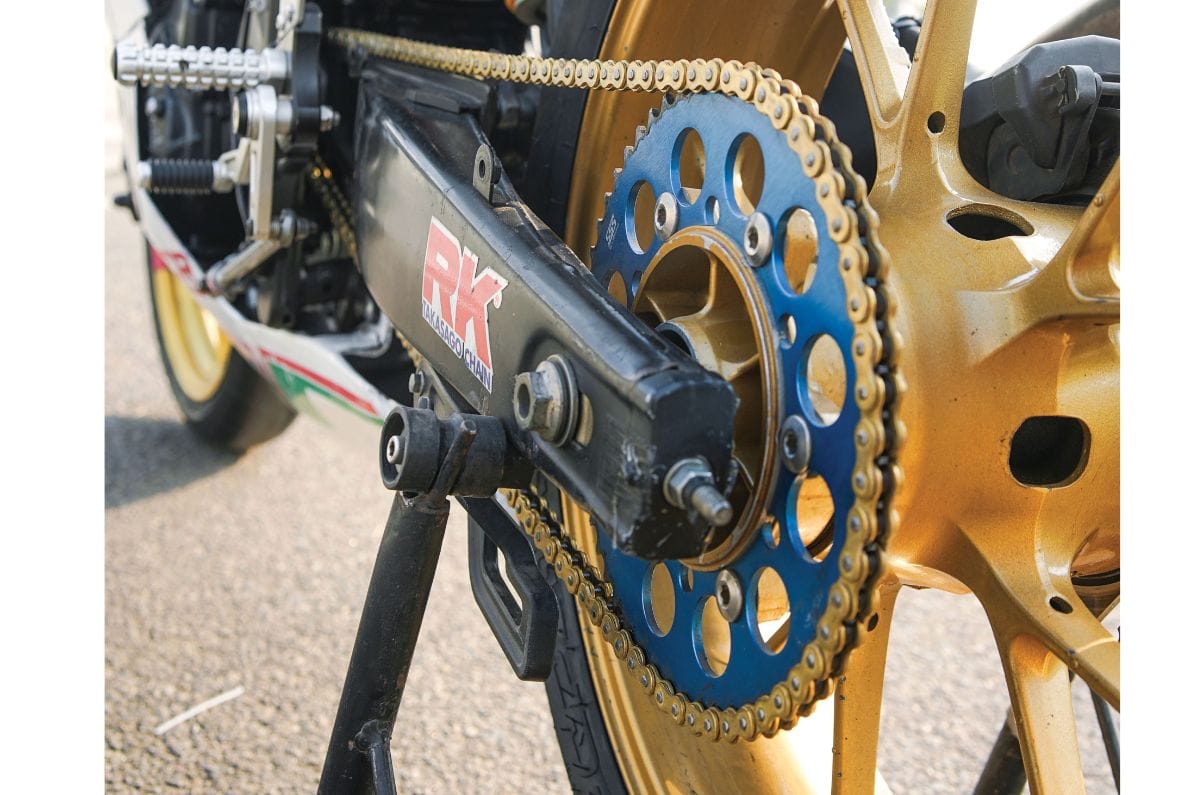
Like many internal engine components, this skinny, lightweight racing chain has a very short life and needs replacing every race weekend.

Racing 101

As you might expect, there are zero electronic rider assists, but I never felt like it needed any. The bike runs on MRF racing slick tyres, which offered very good grip, but not a lot of feedback, and I wasn’t getting much feel for where the limit lay. Team RACR made sure I had the full racing experience, with tyre warmers being slapped on between every session and a giant cooling fan being pointed at the radiator when the bike was parked in the pits.

In fact, a bike like this would make for a superb track toy, and it will teach you the art of carrying higher corner speeds instead of more lazily using the power of a bigger bike on corner exits. However, such major engine modifications are best avoided. Because this is such a highly stressed engine, it needs part changes every race weekend and a full rebuild every two race weekends. The latter includes changing core components like the camshafts, pistons, and even the crankshaft!

In fact, Rajini let me know that running just one of these bikes for an entire season costs about Rs 25 lakh when you factor in routine part-change costs and crash damage. Team RACR ran three of them last year, with Rajini himself piloting one – and they even had an additional bike as a spare!

Racing is undoubtedly an expensive business, and Team RACR does this with no support from Yamaha India, something that will hopefully change soon. What really earns my respect, though, is that this is a relatively small operation that has fully developed this bike in-house in Chennai. Despite this, they managed to beat a factory race team last year, and Rahil won the overall championship on this very bike.

All you need to know about the Suzuki e-Access

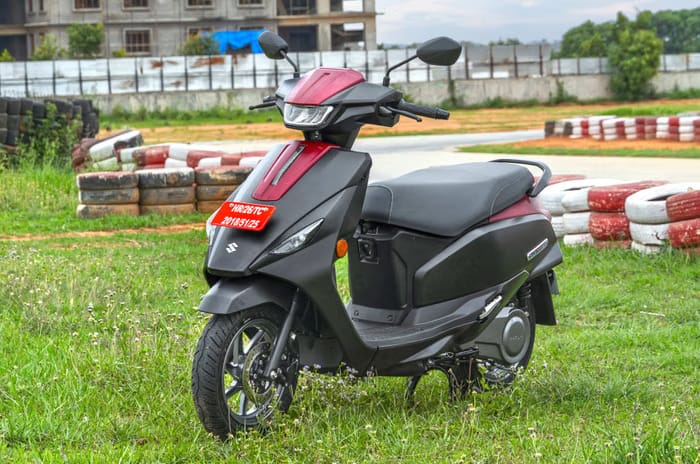
Suzuki e-Access

The Suzuki e-Access is the first electric two-wheeler from Suzuki Motorcycle India, built on an entirely new platform developed in-house rather than shared with the petrol Access 125. It brings Suzuki’s reputation for reliability to a segment increasingly crowded with newer entrants. Here are answers to some of the most commonly asked questions about it.

What is the price of the Suzuki e-Access?

The Suzuki e-Access is available in a single variant priced at Rs 1.88 lakh (ex-showroom, Delhi). At this price, it is one of the more expensive electric scooters from a mainstream manufacturer in the country, sitting above the TVS iQube S and Bajaj Chetak C3501, and closer to the Ather Rizta S in pricing.

What motor and battery does the Suzuki e-Access use?

The Suzuki e-Access is powered by a hub-mounted permanent magnet synchronous motor producing 3.5kW of rated power and 6kW of peak power, with 90Nm of torque at the rear wheel. The battery is a 3kWh LFP (Lithium Ferrous Phosphate) pack – a chemistry that offers relatively longer battery life and better thermal stability compared to the NCM batteries used in most rival electric scooters, but at the cost of lower energy density and, as a result, lower range for a given pack size. 

What is the charging time of the Suzuki e-Access?

The e-Access ships with a portable 600W charger capable of topping up a flat battery to full in 6 hours 20 minutes. In our real-world test, we verified the actual charging time to be 6 hours flat when plugged into a standard 12A, 3-pin socket – slightly faster than the claimed figure. There is no fast-charging option available.

What is the range of the Suzuki e-Access?

Suzuki claims an IDC range of 95km on a full charge. In our real-world range test conducted in Ride A mode – the more powerful of the two ride modes – the e-Access covered 88.4km before the battery was fully depleted. Notably, the range indicator on the display was reliable throughout, with the scooter displaying an estimated range of 93km at the start of the run and never catching us by surprise as the battery dropped. Riding in the more efficient Eco mode will yield additional range. The e-Access comes closest to its claimed IDC figure in real-world conditions compared to other electric scooters we have tested.

What is the top speed of the Suzuki e-Access?

The Suzuki e-Access has a claimed top speed of 80kph, which should be achievable in either of its two Ride modes – Ride A and Ride B. Both offer identical peak power and throttle response, differing only in the level of regenerative braking intervention, with Ride B providing a gentler regen effect than Ride A. There’s also a lower-power Eco mode, which in our tests reached a VBOX-verified 55kph.

Vida V2: Price and variants explained

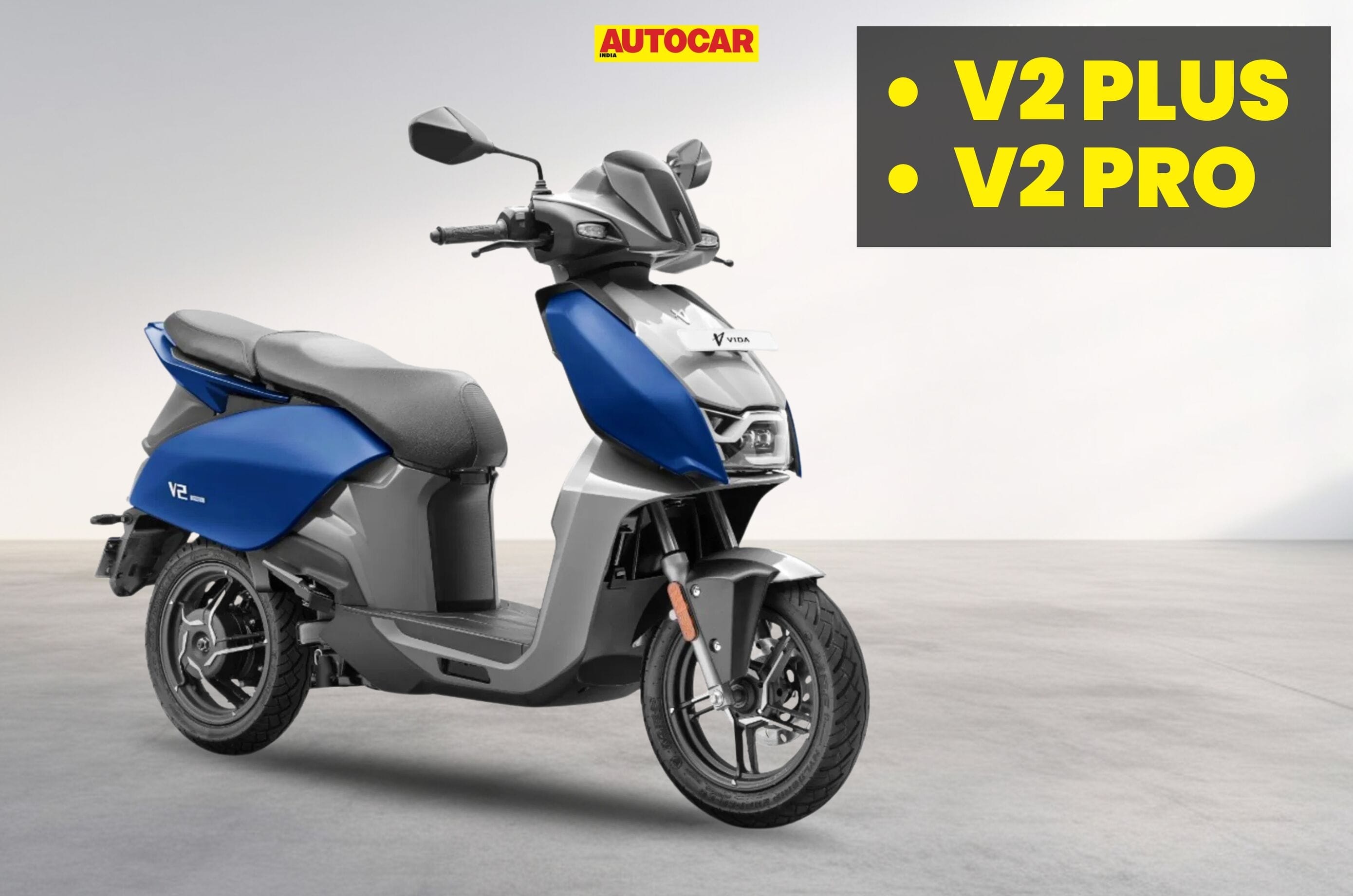
Vida V2 studio image

The Hero Vida V2 is currently offered in two variants – Plus and Pro. Both use the same electric motor, producing 6kW of peak power, 3.9kW of continuous power and 25Nm of torque. They also share the same bodywork, chassis components, dimensions and 7-inch TFT touchscreen. The differences are primarily limited to battery capacity, range, performance and a handful of features.

Here’s what each variant offers.

Vida V2 variant breakdown

V2 Plus

The Vida V2 was previously also available in an entry-level Lite variant, but that has now been removed from the brand’s website, making the V2 Plus the entry point into the line-up. It uses a removable 3.44kWh battery pack split across two 1.72kWh units, offering a claimed IDC range of 143km. Charging from 0 to 80 percent takes a claimed 5 hours and 15 minutes using the portable home charger. The scooter can accelerate from a standstill to 40kph in a claimed 3.4 seconds and has a top speed of 80kph.

The Plus gets three riding modes – Eco, Ride and Sport – and has a kerb weight of 124kg. The Vida V2 Plus is priced at Rs 1.05 lakh.

V2 Pro

The range-topping V2 Pro steps up to a 3.94kWh battery pack, made up of two removable 1.97kWh units, increasing the claimed IDC range to 165km. Performance also improves, with the 0-40kph sprint dropping to a claimed 2.9 seconds and the top speed rising to 90kph, despite the Pro weighing a marginally higher 125kg.

Charging times increase slightly to accommodate the larger battery, with a 0-80 percent charge taking a claimed 5 hours and 55 minutes using the portable home charger. DC fast-charging speed remains unchanged at a claimed 1.2km/minute. The Pro also gets a fourth riding mode – Custom – in addition to Eco, Ride and Sport. The Vida V2 Pro is priced at Rs 1.10 lakh.

All prices are ex-showroom, Delhi, and include the portable charger and applicable state subsidy under the PM E-Drive Scheme.

20 दिन की भूख हड़ताल के बाद सोनम वांगचुक की बिगड़ी तबीयत, दिल्ली पुलिस ने अस्पताल में कराया भर्ती

दिल्ली के जंतर-मंतर पर पिछले 20 दिनों से अनशन कर रहे एक्टिविस्ट सोनम वांगचुक को शनिवार को पुलिस अस्पताल लेकर गई। लंबे समय से जारी भूख हड़ताल के कारण उनकी सेहत को लेकर काफी चिंता जताई जा रही थी। पुलिस द्वारा वांगचुक को अस्पताल ले जाने के बाद प्रदर्शन स्थल पर मौजूद अन्य प्रदर्शनकारियों को भी वहां से हटाया जा रहा है। बता दें कि सोनम वांगचुक 28 जून से नीट (NEET) जैसी बड़ी परीक्षाओं के पेपर लीक के मामलों को लेकर केंद्रीय शिक्षा मंत्री धर्मेंद्र प्रधान के इस्तीफे की मांग कर रहे हैं।

वहीं, पुलिस द्वारा सोनम वांगचुक को अस्पताल ले जाने के बाद ‘कॉकरोच जनता पार्टी’ के कार्यकर्ताओं ने विरोध-प्रदर्शन और नारेबाजी शुरू कर दी।

दिल्ली हाईकोर्ट के आदेश पर हुई कार्रवाई

यह कार्रवाई दिल्ली हाई कोर्ट में वांगचुक की बिगड़ती सेहत पर हुई सुनवाई के बाद की गई। दो दिन पहले, कोर्ट ने अधिकारियों को निर्देश दिया था कि वे इस क्लाइमेट एक्टिविस्ट की रोजाना क्लिनिकल जांच करें। साथ ही यह भी कहा था कि “किसी भी नागरिक की जान कीमती होती है” और उनकी सेहत पर लगातार नजर रखने के साथ जरूरत पड़ने पर तुरंत मेडिकल सहायता दी जानी चाहिए।

एक रिपोर्ट के मुताबिक, रोजाना जारी होने वाले मेडिकल बुलेटिन में लगातार वांगचुक की हालत को लेकर चिंता जताई गई थी। दो दिन पहले जारी एक अपडेट में डॉक्टरों ने बताया था कि भूख हड़ताल के दौरान उनका वजन 8 किलोग्राम से ज्यादा घट गया है और उनकी सेहत लगातार बिगड़ रही है।

दिल्ली पुलिस ने दी जानकारी 

वहीं, अब दिल्ली पुलिस ने बताया कि जंतर-मंतर पर भूख हड़ताल कर रहे एक्टिविस्ट सोनम वांगचुक को शनिवार को अस्पताल में भर्ती कराया गया है, क्योंकि उनके अनशन के 21वें दिन उनकी तबीयत बिगड़ गई थी।

पुलिस ने एक बयान में कहा, “माननीय हाई कोर्ट के आदेशों और एक्सपर्ट मेडिकल सलाह के अनुसार, सोनम वांगचुक की बिगड़ती सेहत को देखते हुए उन्हें जरूरी मेडिकल देखभाल के लिए अस्पताल ले जाया गया है। माननीय हाई कोर्ट के आदेशों का पालन करते हुए जब उन्हें ले जाया जा रहा था, तो प्रदर्शनकारियों ने बाधा डालने की कोशिश की, जिससे थोड़ी अफरातफरी मची। हालांकि, पुलिस ने बहुत संयम बरता और पूरी प्रक्रिया को सुरक्षित रूप से पूरा किया।”

वहीं, दिल्ली पुलिस ने प्रदर्शनकारियों से अपील की है कि वे अपना आंदोलन खत्म कर जंतर-मंतर स्थल को जल्द से जल्द शांतिपूर्ण तरीके से खाली कर दें।

यह भी पढ़ें: Delhi Metro: दिल्ली वालों के लिए बड़ी खुशखबरी! द्वारका से राजीव चौक तक सिर्फ 25 मिनट में पहुंचेगी मेट्रो