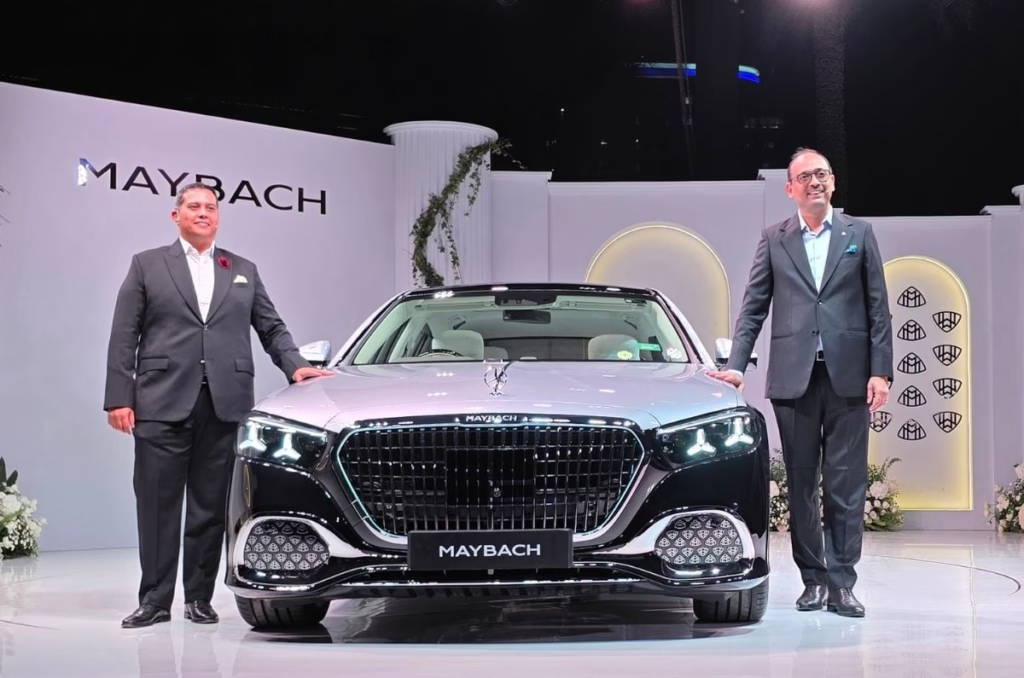
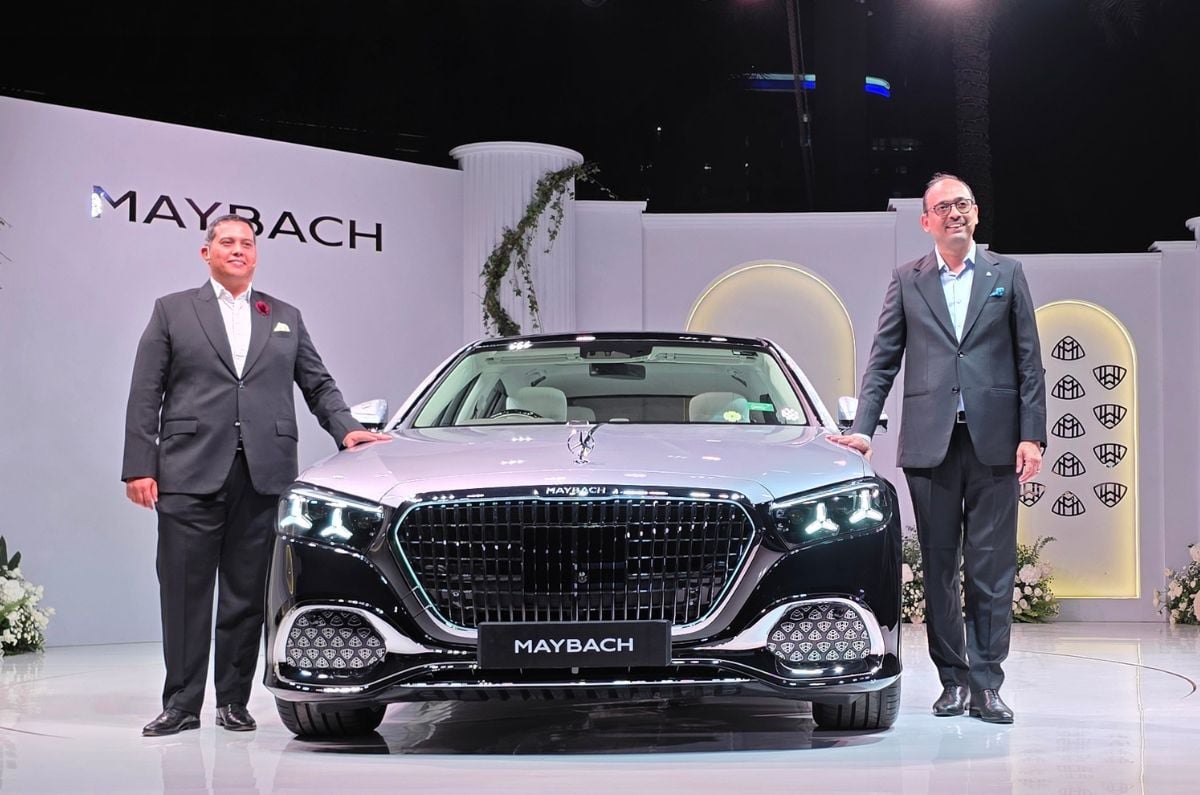
Mercedes-Benz has launched the Maybach S-Class facelift at Rs 3.35 crore (ex-showroom). It has been brought to India in S 580e guise, making it the first Maybach in India to be offered with a plug-in hybrid powertrain. Only 30 units have been allocated in the first batch, costing Rs 97 lakh more than the ‘regular’ S-Class Manufaktur Edition AMG Line that was launched just a couple of months ago. This is also Mercedes’s third PHEV in India, following the updated S-Class and AMG E 53 Hybrid. Mercedes says around 50 percent of its S-Class sales in India are of the Maybach variant.
Maybach S-Class comes to India in S 580e guise with 3.0-litre PHEV powertrain
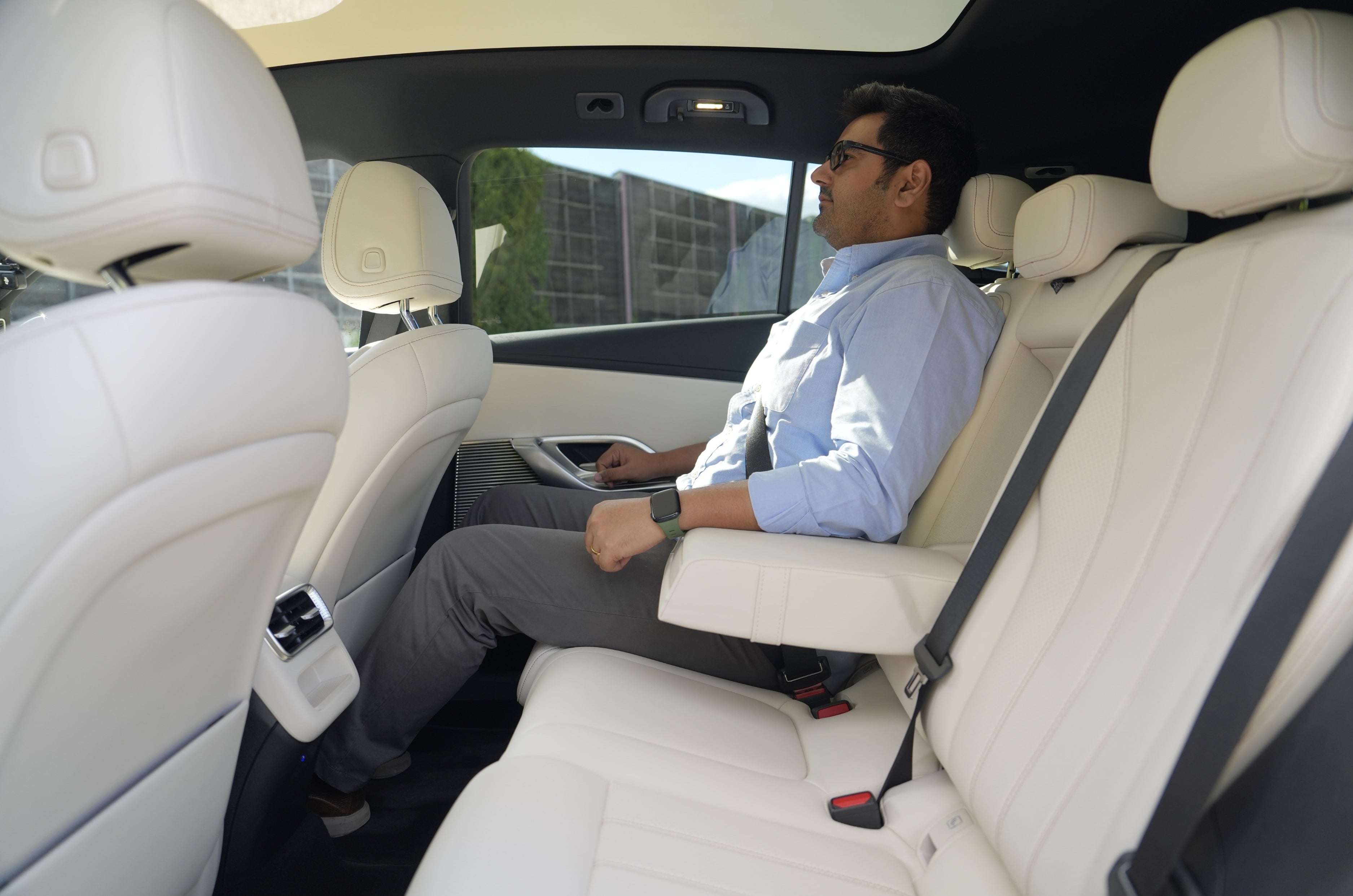
Gets executive rear seats with full-length business console as standard
Offers 98km electric-only range thanks to a 22kWh battery
Mercedes-Maybach S 580e powertrain and specs
The new PHEV powertrain is one of the biggest updates to the Maybach S-Class, as the outgoing model was offered with a 4.0-litre V8. The S 580e uses a 443hp/560Nm 3.0-litre inline-six petrol engine paired with a 160hp/480Nm electric motor and a 22kWh battery. Total system output is 585hp and 750Nm, and it comes with all-wheel drive as standard. Mercedes claims the car can travel up to 98km and reach a top speed of 140kph on electric power alone. It also has a WLTP-certified fuel efficiency of 34.48kpl, although it’s likely not to be of much interest to a Maybach owner.
The S 580e offers three drive modes – Maybach, Electric and Battery Hold – along with adjustable energy recuperation, including one-pedal driving. As for charging, Mercedes will offer an 11kW AC on-board charger, and the car is also compatible with up to 60kW DC fast charging. The S 580e gets air suspension and rear-axle steering as standard.
Mercedes-Maybach S 580e interior and features
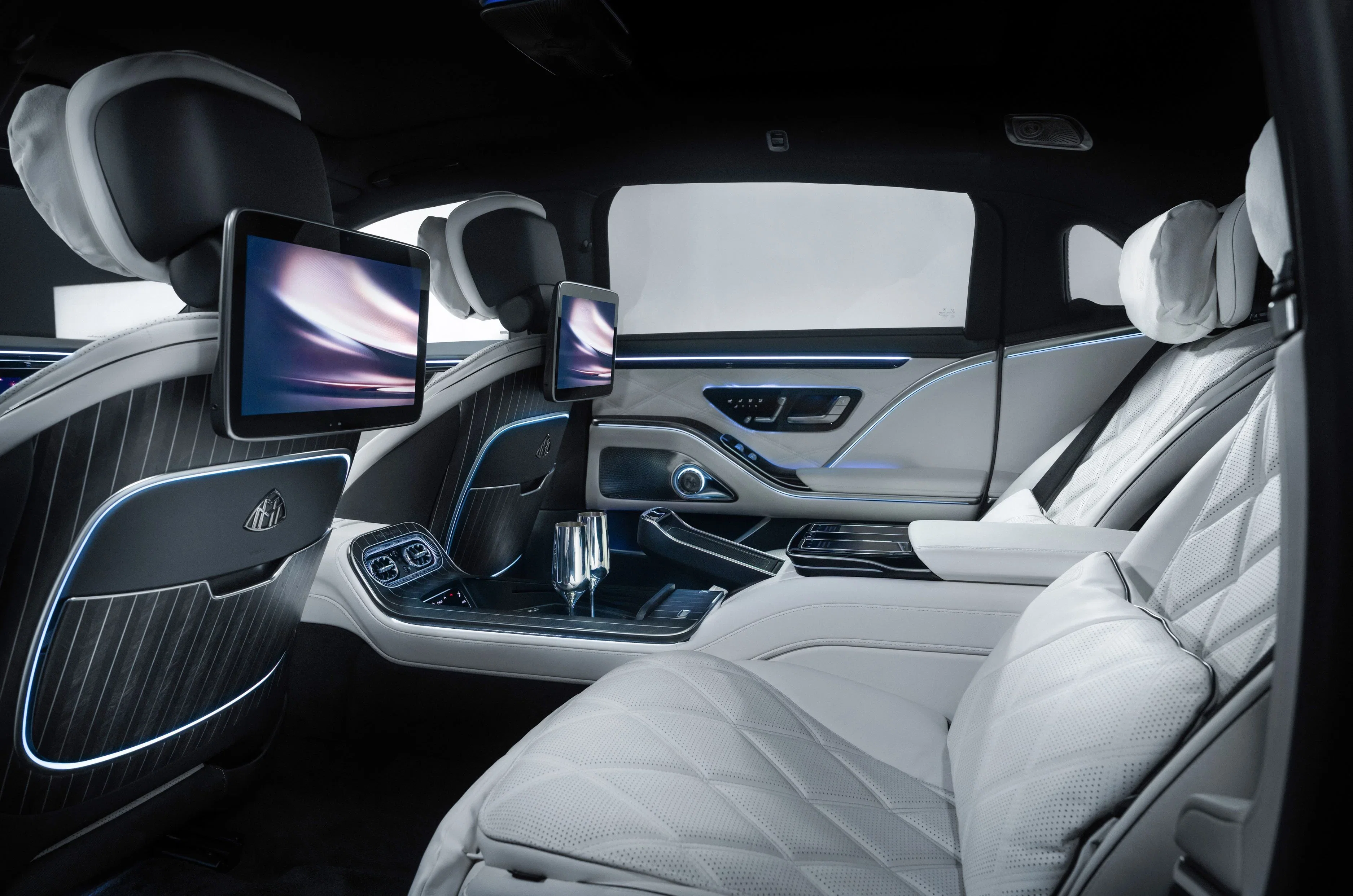
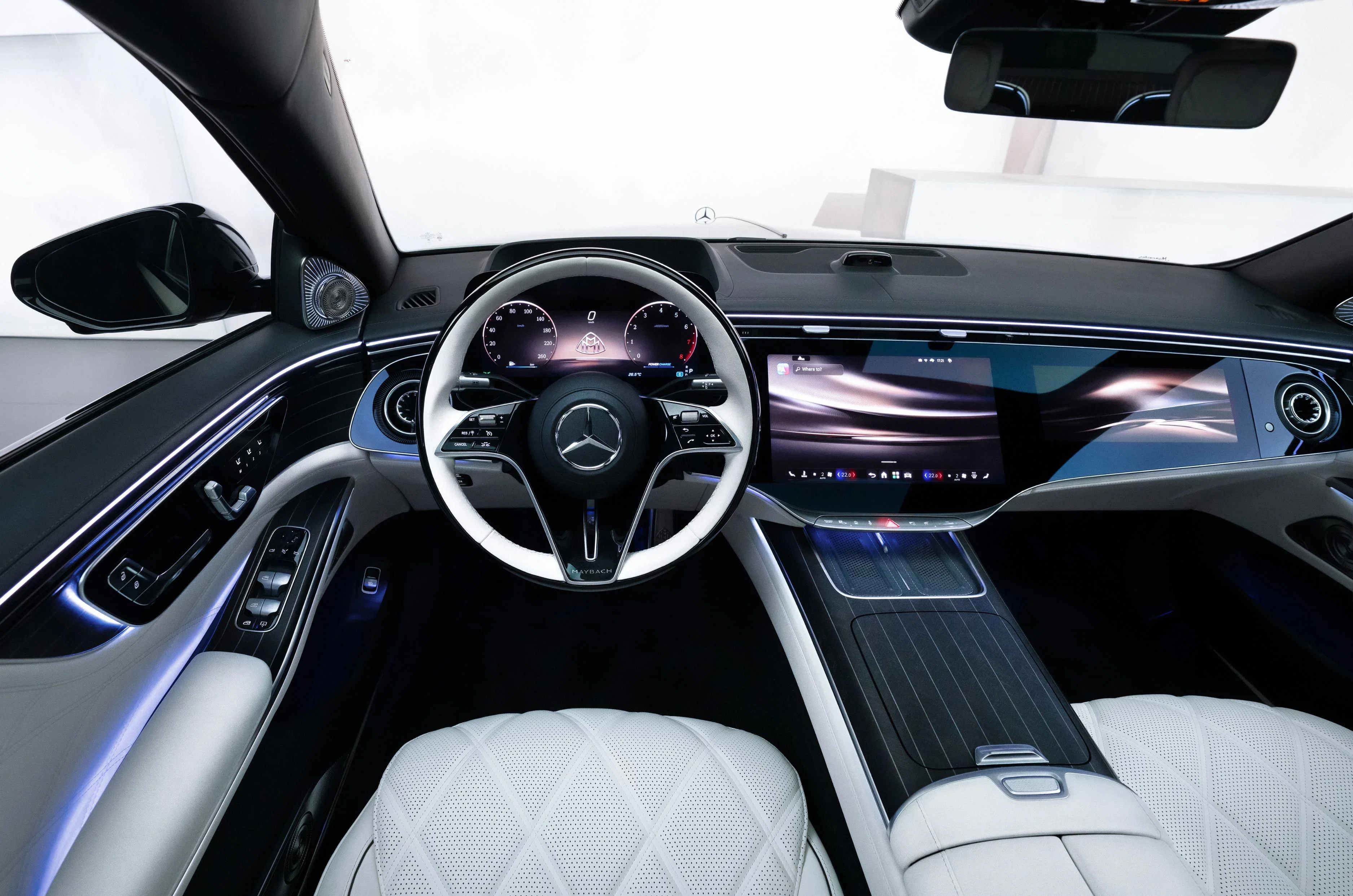
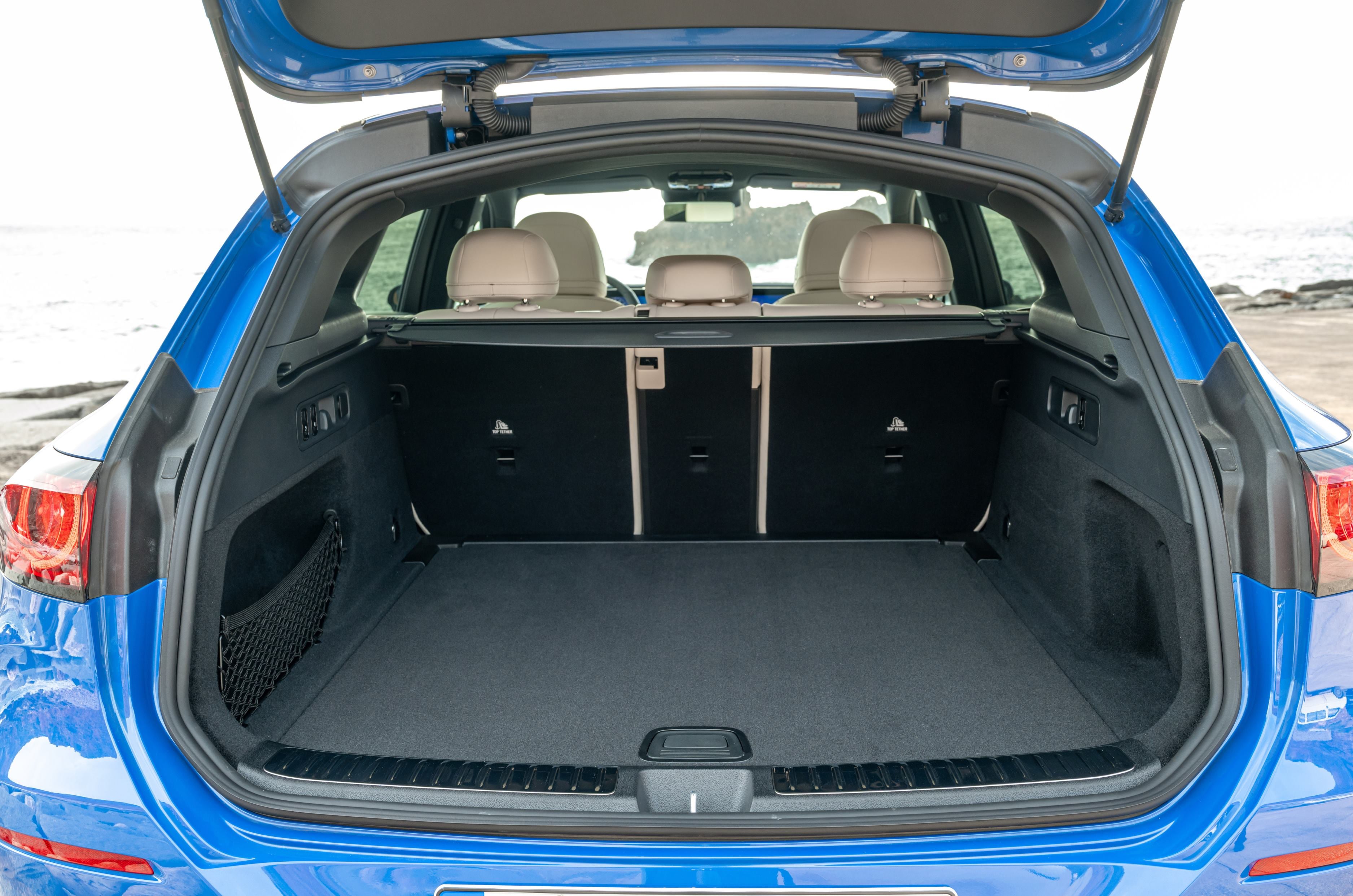
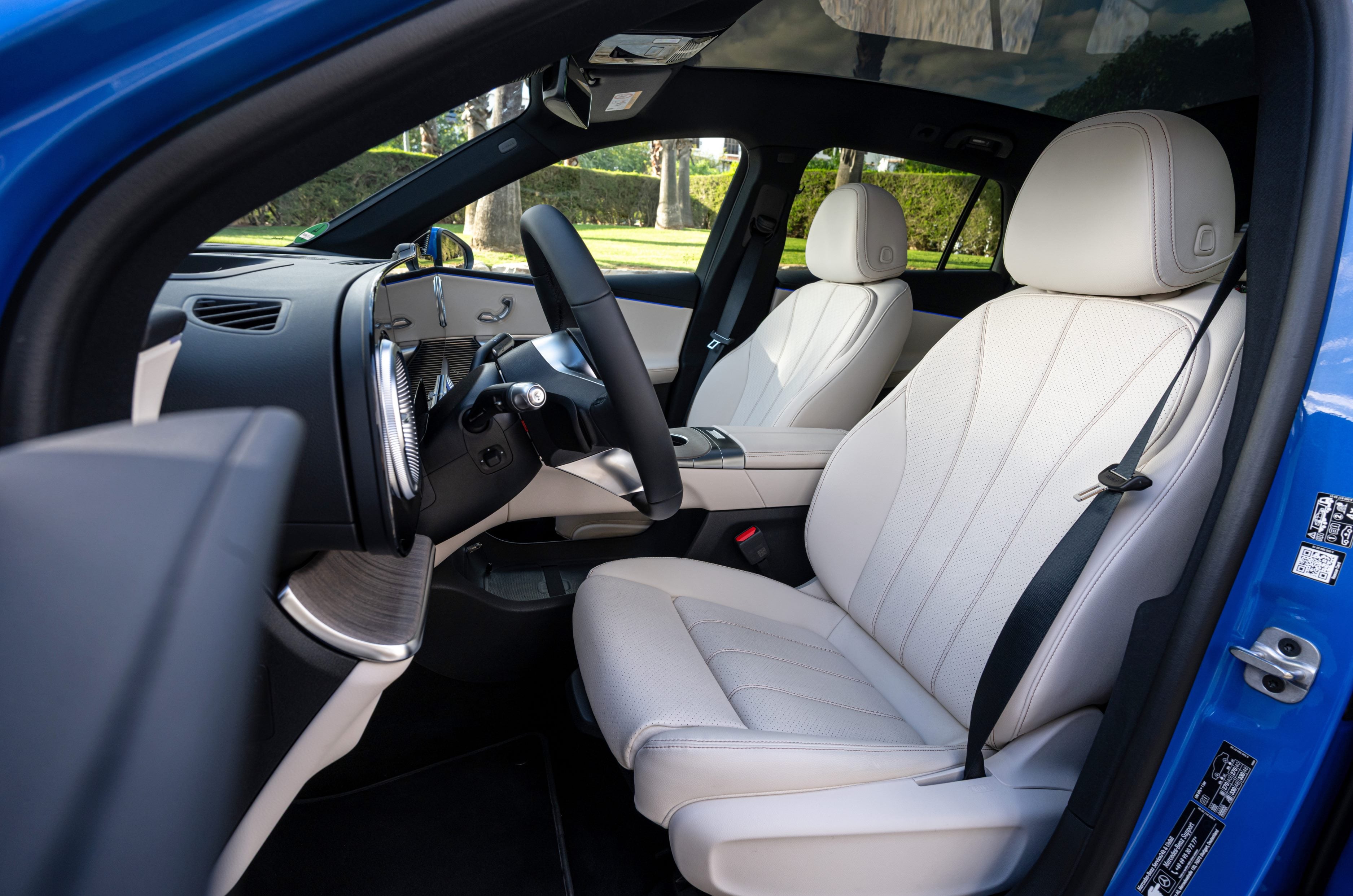
The focus of any Maybach is, of course, the back seat, and in that regard, Mercedes is offering the S 580e in a four-seat layout with executive seats with a full-length business console. Rear Comfort Package Plus is standard, offering fold-out tray tables, wireless charging pads, rear-compartment ambient lighting and even temperature-controlled cup holders. The seats recline to 43 degrees (compared to the regular S-Class’s 38 degrees) and are heated, ventilated and massaging. You also get two individual ‘smartphone’ remotes to operate everything instead of the tablet controller from before.
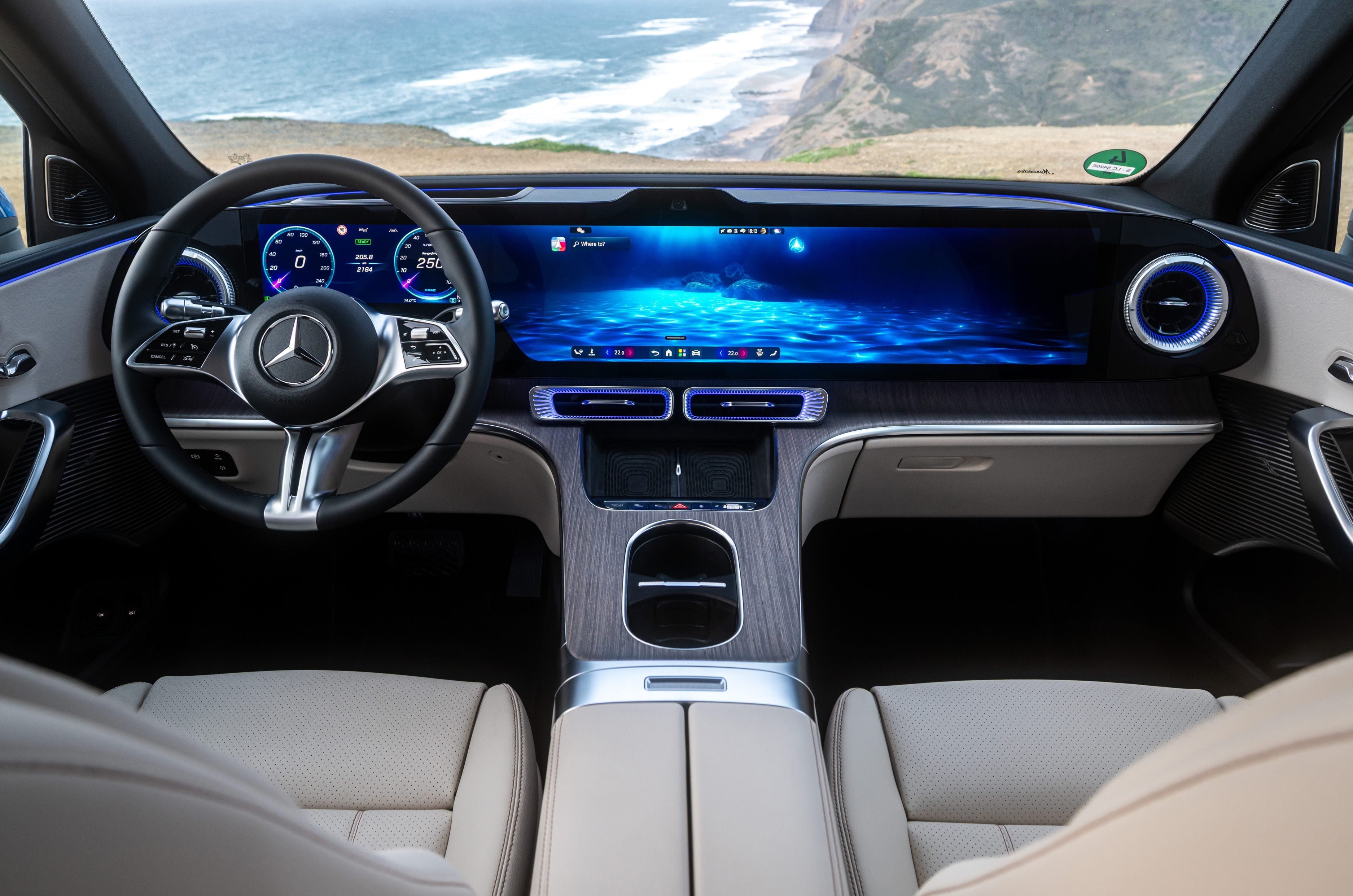
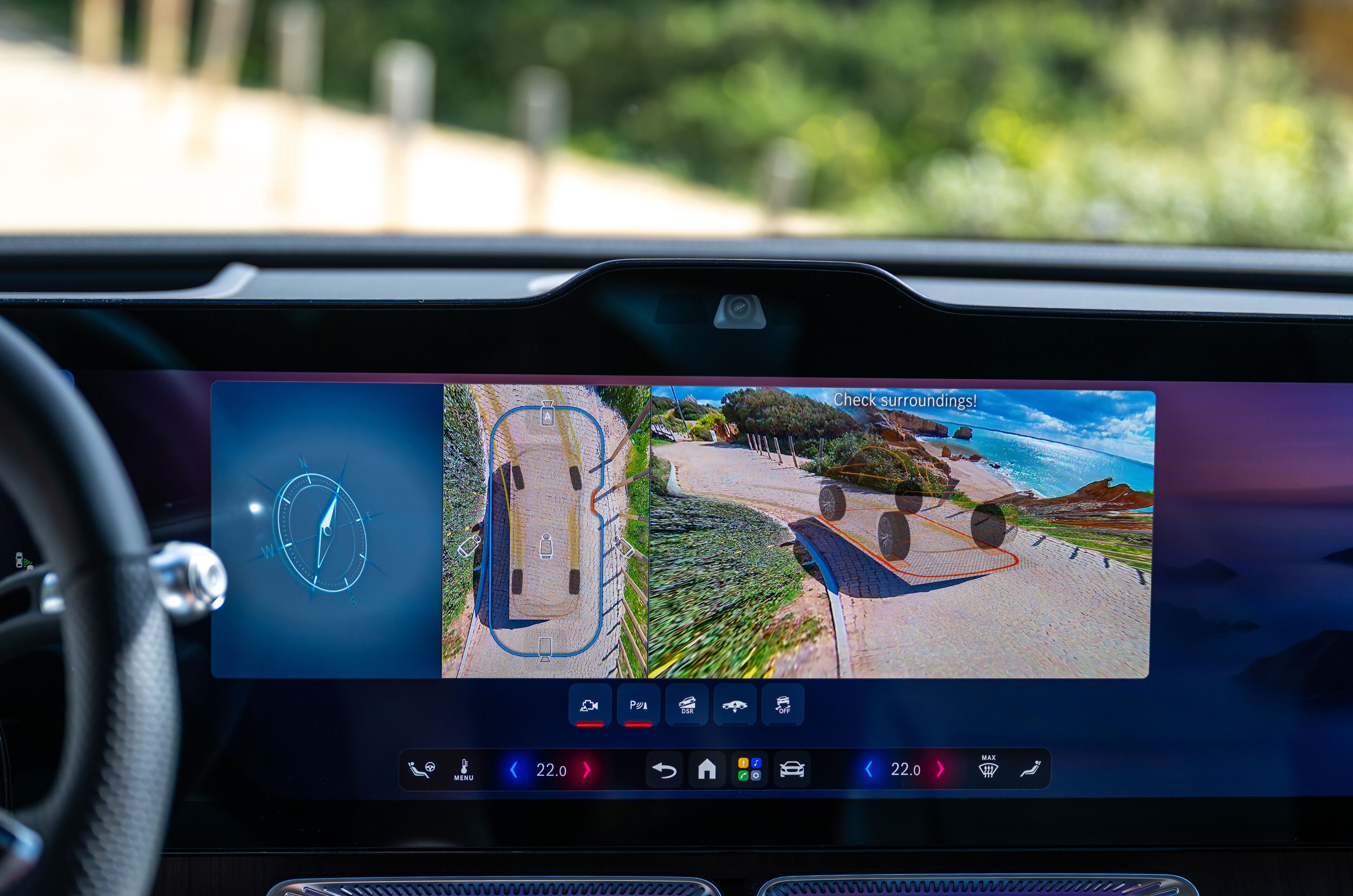
Up front, the dashboard remains largely unchanged from the regular S-Class. The MBUX Superscreen spans the front of the cabin, combining the central display with a front passenger display carrying a privacy function, while the driver gets a free-standing 3D display. The difference here is that you get a unique Maybach graphical theme for all screens, along with signature rose gold accents. Some of the equipment highlights include an augmented reality head-up display and navigation, a 31-speaker Burmester 4D surround sound system and two rear entertainment screens with wireless headsets.
The cabin is trimmed in Maybach-exclusive Nappa in crystal white and silver grey pearl, with Manufaktur piano lacquer trim, a Manufaktur roof liner in crystal white Nappa leather and Manufaktur seat backrest trim.
Mercedes-Maybach S 580eexterior design
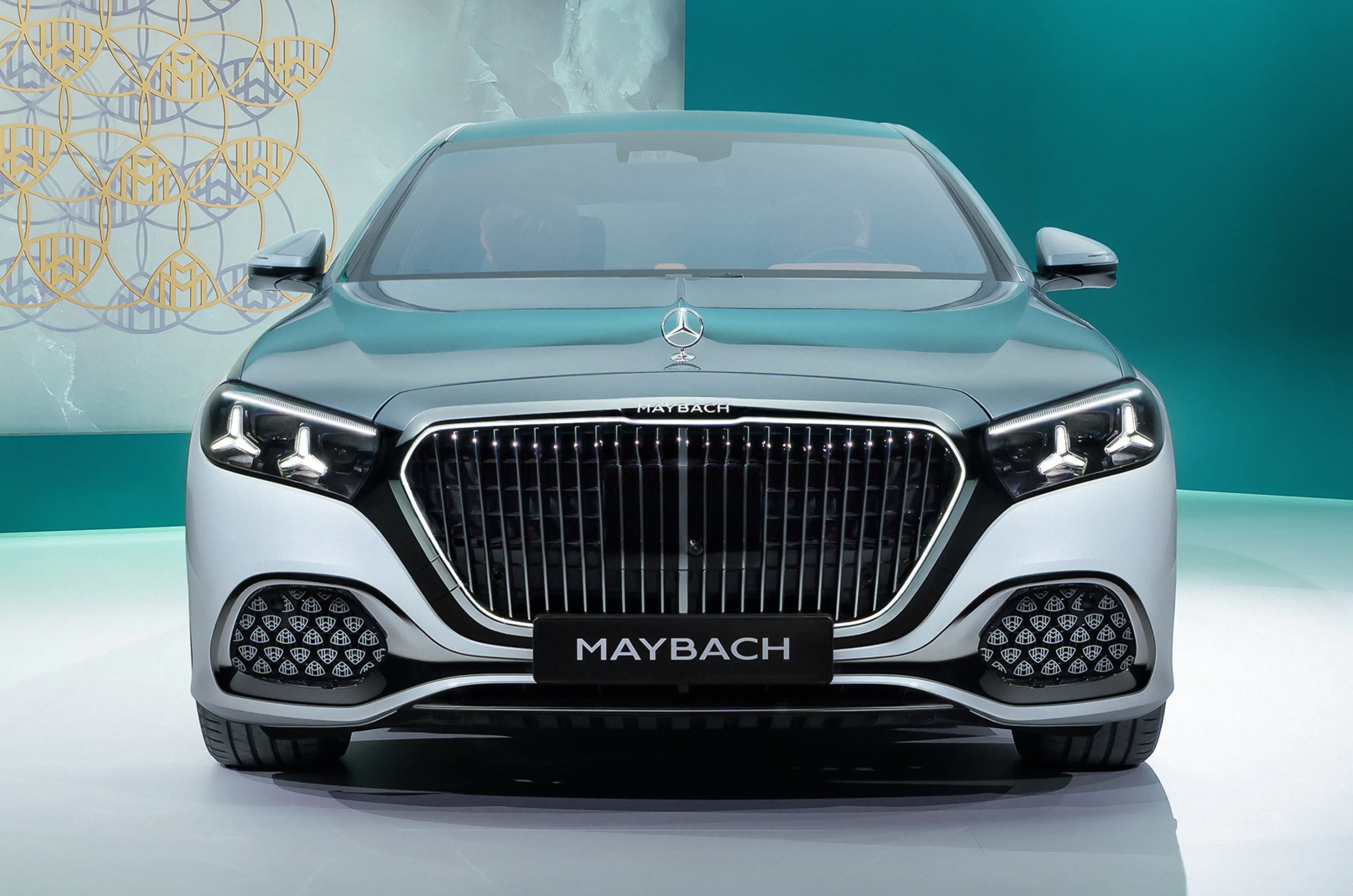
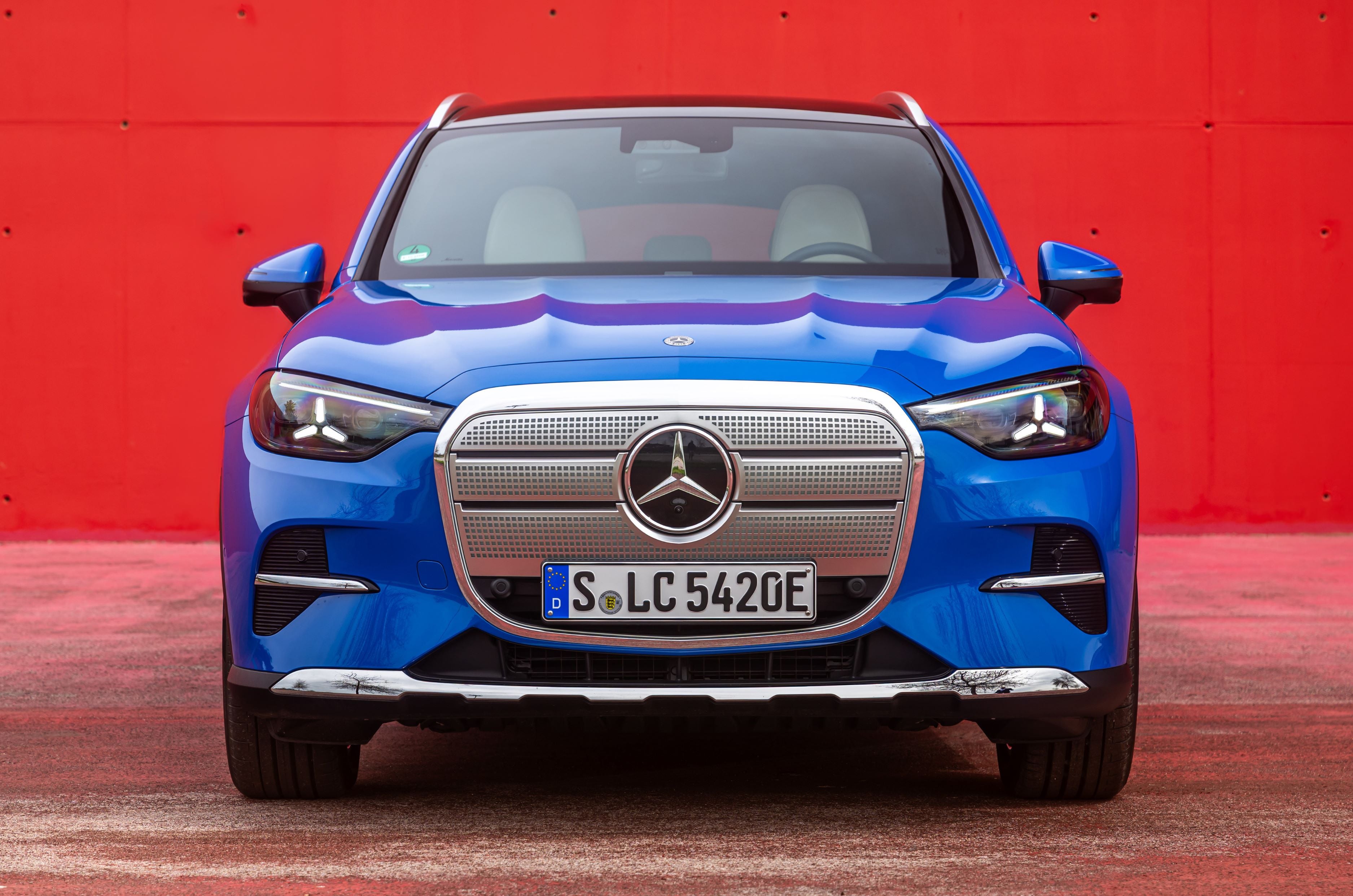
Changes to the exterior are similar to those on the regular S-Class facelift, albeit with a few Maybach-specific twists. For instance, here too the grille is 20 percent larger and framed by LED illumination, with an illuminated Mercedes star on the bonnet above. The difference is that the grille uses the Maybach signature vertical slats, and there’s an illuminated ‘Maybach’ wordmark above them.
The headlamps are the new, larger units with the latest version of Mercedes’s Digital Light ambient lighting and three-pointed star daytime running lamps (DRLs), but rather than the techie blue accents, there are rose gold embellishments with the Maybach logo on them.
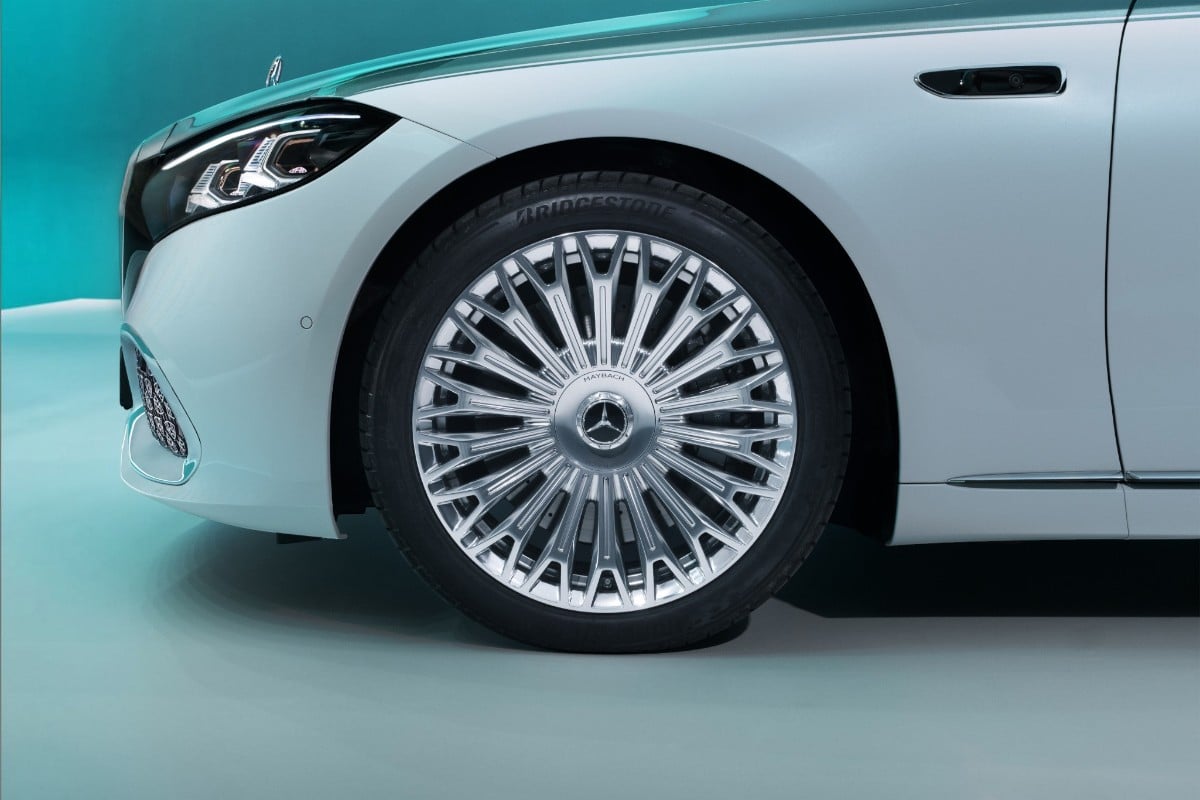
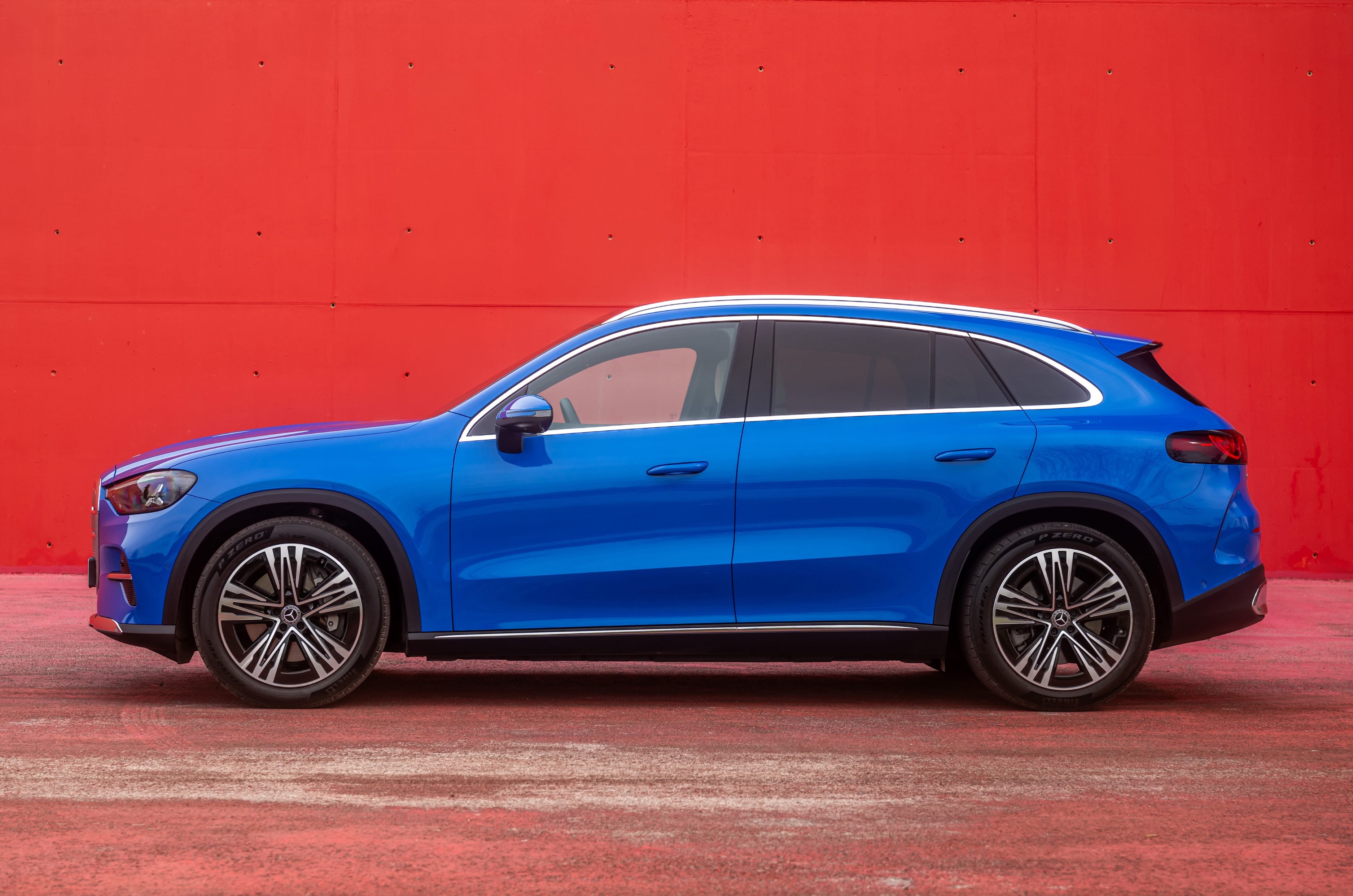
As before, the Maybach is 180mm longer than the long-wheelbase S, and that’s plain to see in profile. The India-spec model rides on 20-inch forged Maybach wheels, which also house a counterweighted Mercedes logo that always stays upright as the wheels turn. The Maybach logo on the D-pillar is illuminated as well, and the tail-lamps also get the triple-three-pointed star LED signature, like in the standard S-Class.
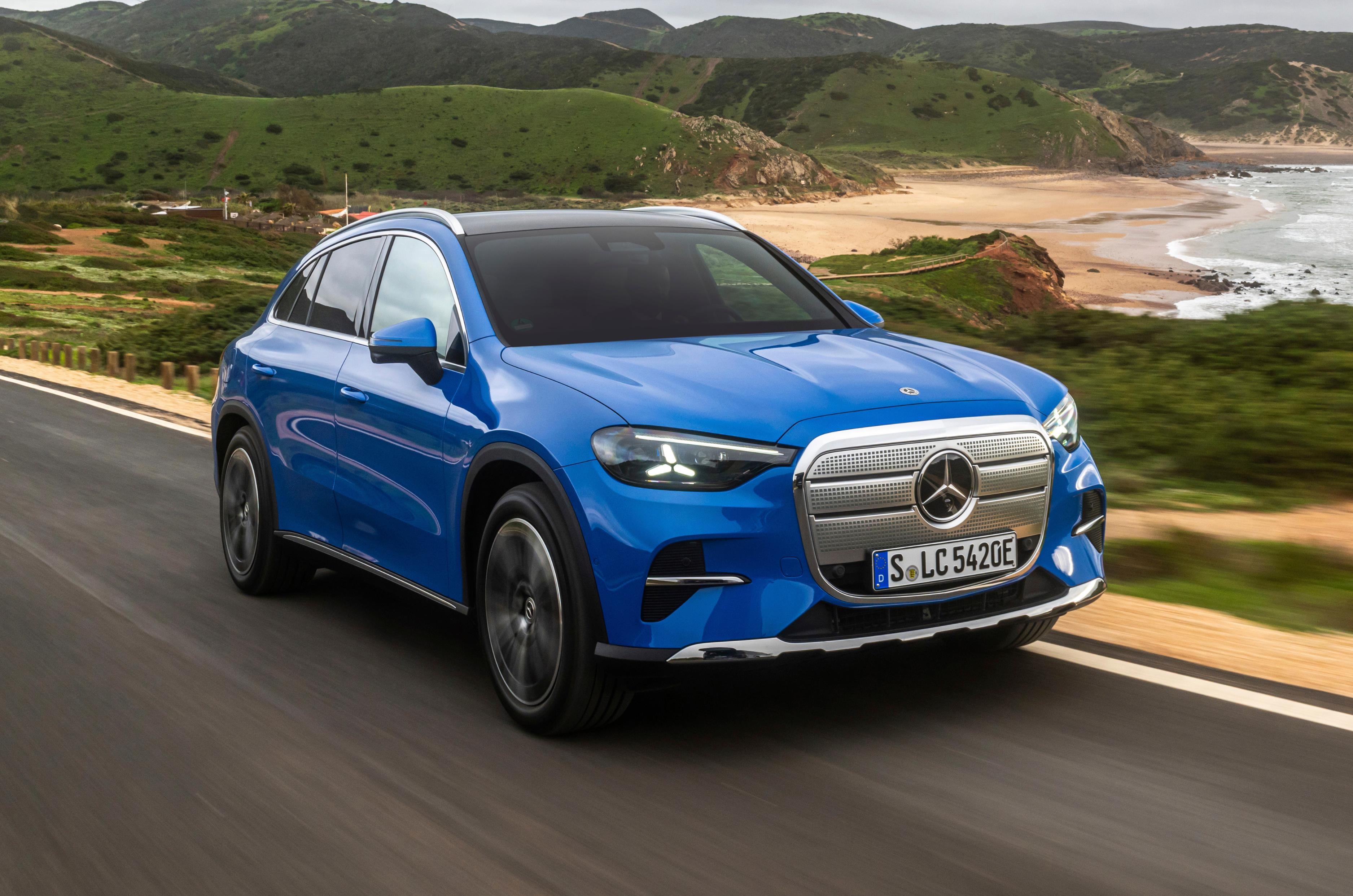
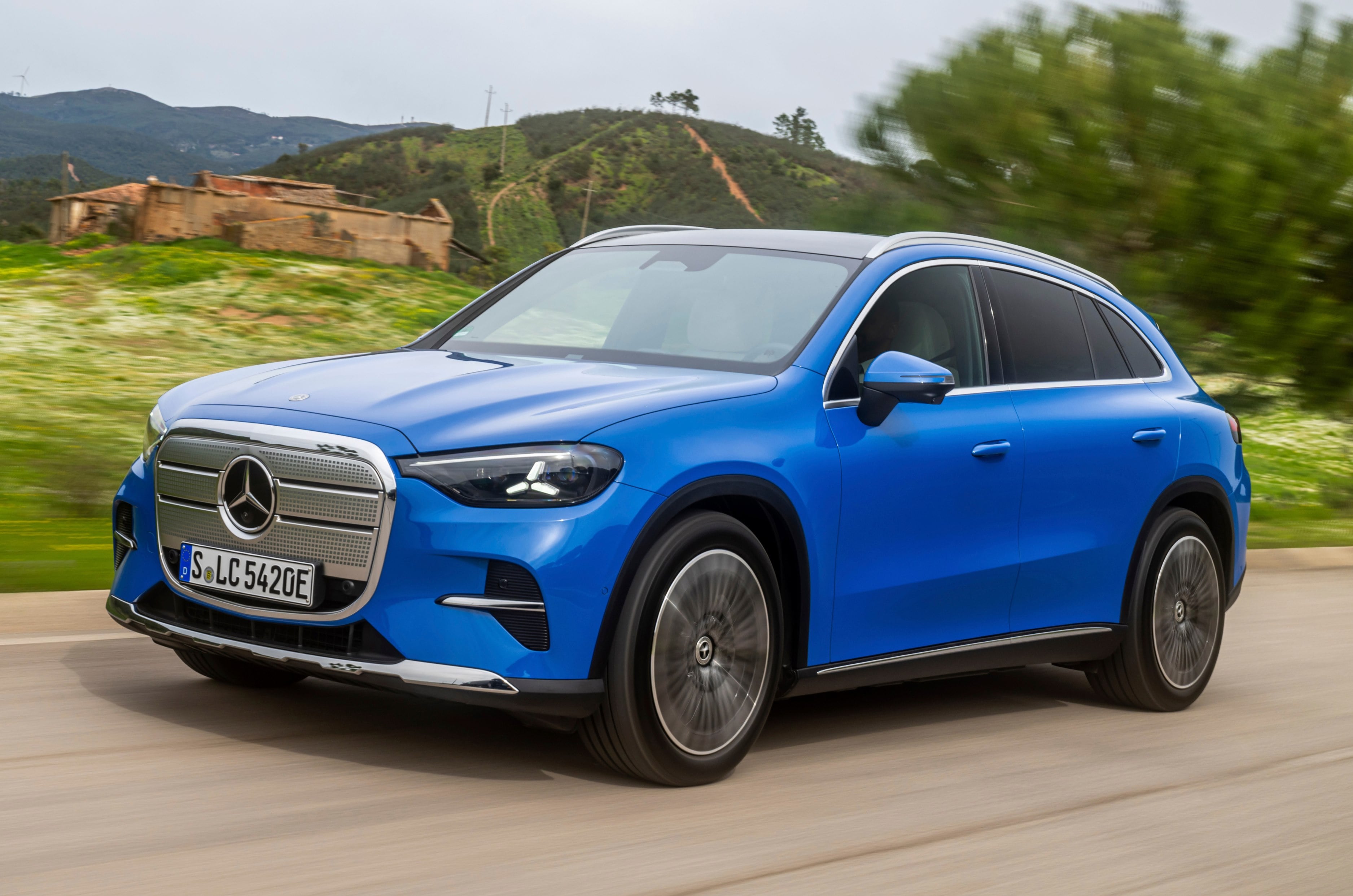
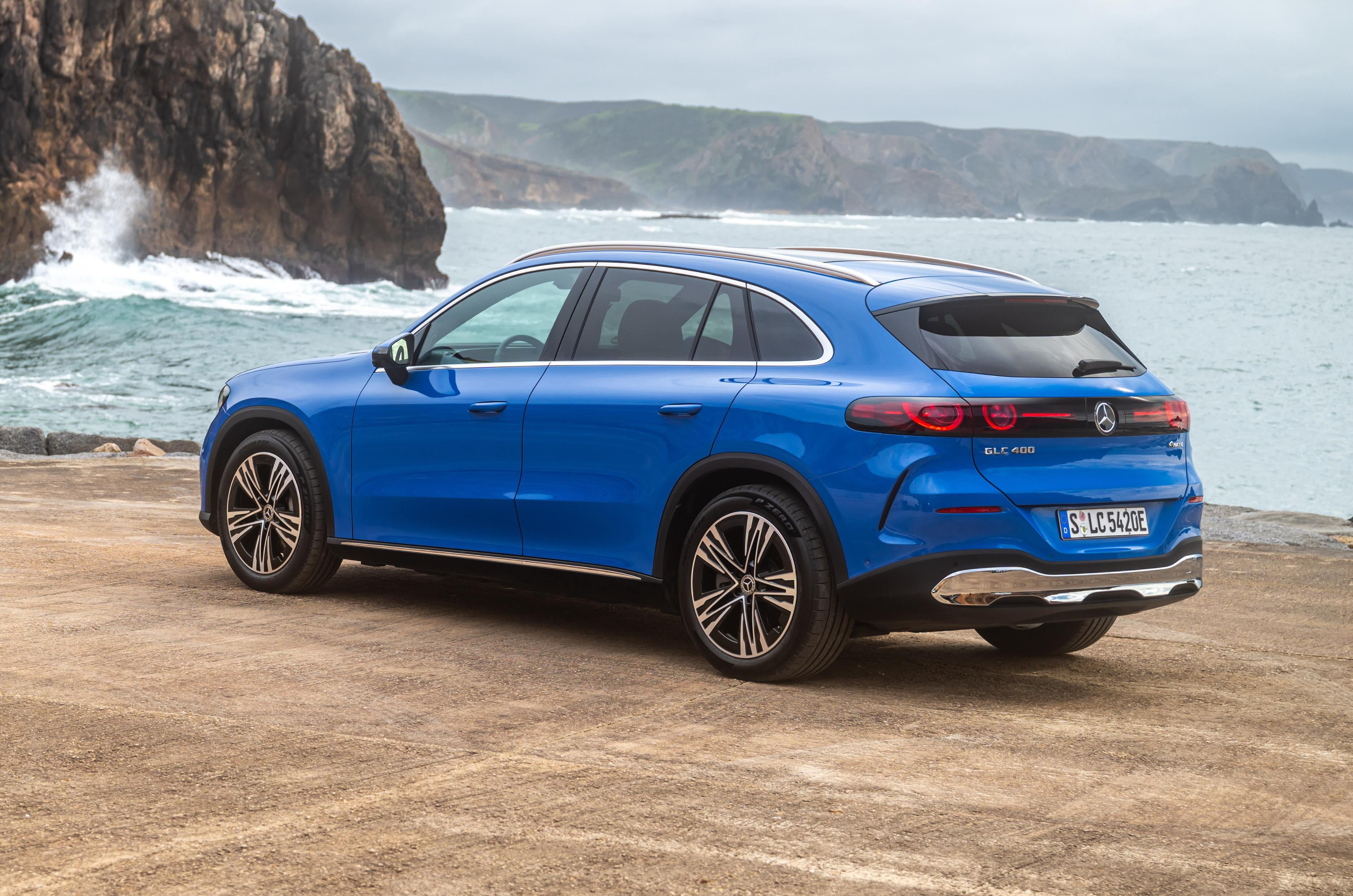
Bookings for the Mercedes-Benz GLC Electric have commenced across India. Slated to launch in the country on November 4, the GLC Electric will be offered here in the 400 4Matic guise, which will be assembled at the manufacturer’s Chakan plant in Pune. Internationally, this 400 4Matic variant gets a 94kWh battery and a dual-motor all-wheel-drive (AWD) setup.
It will rival the BMW iX3 Long Wheelbase, which is launching in 2027
Puts out 490hp and 800Nm and claims a 0-100kph time of 4.3 seconds
Mercedes-Benz GLC Electric: All you need to know
Will get a 94kWh battery, over 700km claimed range and 490hp dual motors
International-spec model used for representational purposes only.
Internationally, the Mercedes-Benz GLC Electric 400 4Matic is offered with a 94kWh battery pack that has a claimed WLTP range of 715km. The battery powers a dual-motor AWD setup that produces a combined output of 490hp and 800Nm, enabling the SUV to accelerate from 0-100kph in a claimed 4.3 seconds, which is fairly quick considering its 2.5-tonne kerb weight.
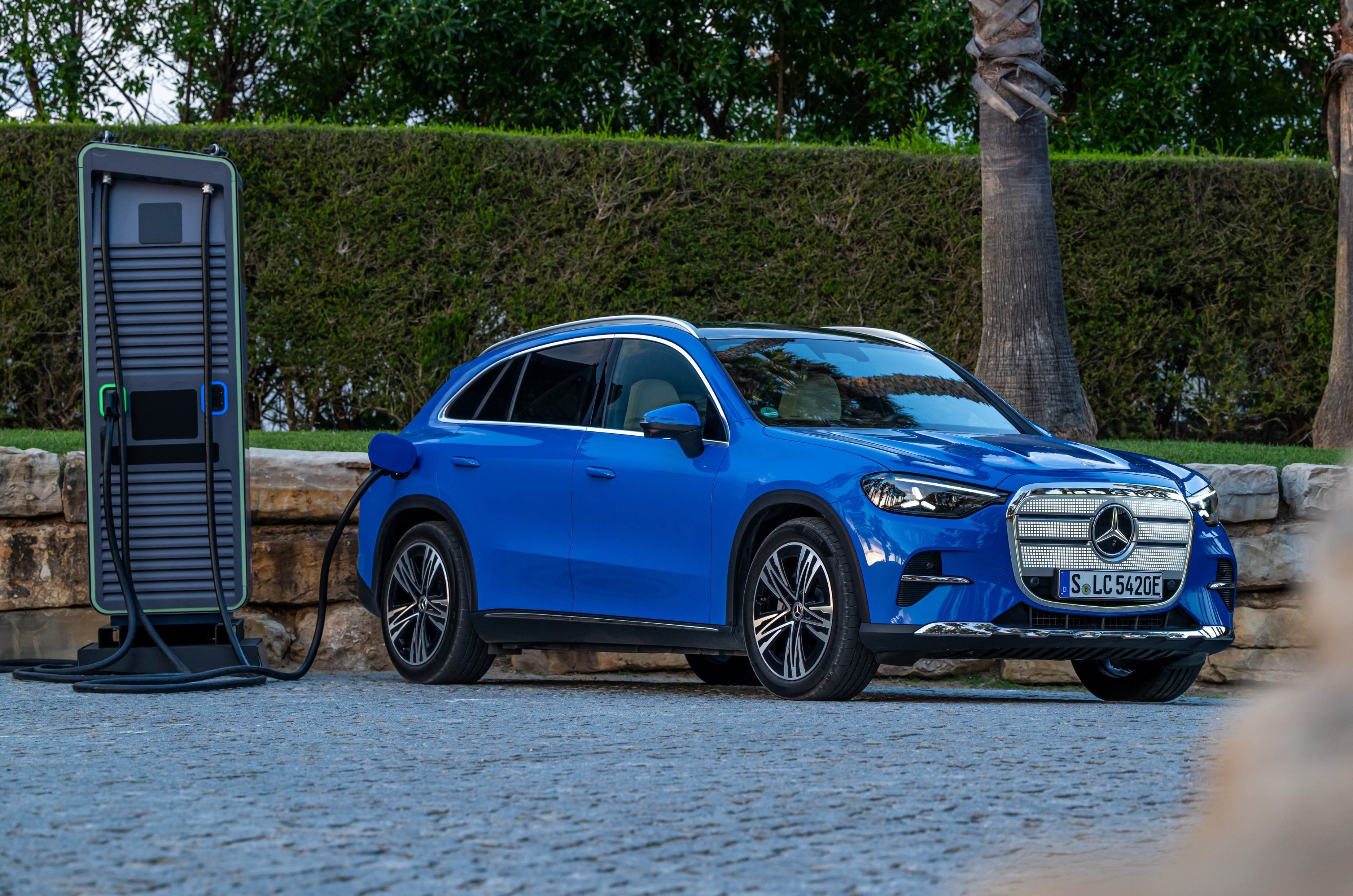
It supports up to 330kW DC fast charging, which can top up the battery for a claimed range of up to 300km in 10 minutes. The international-spec GLC Electric 400 4Matic comes standard with 4.5-degree rear-axle steering and air suspension.
Offered with plenty of star-shaped illuminated elements
International-spec model used for representational purposes only.
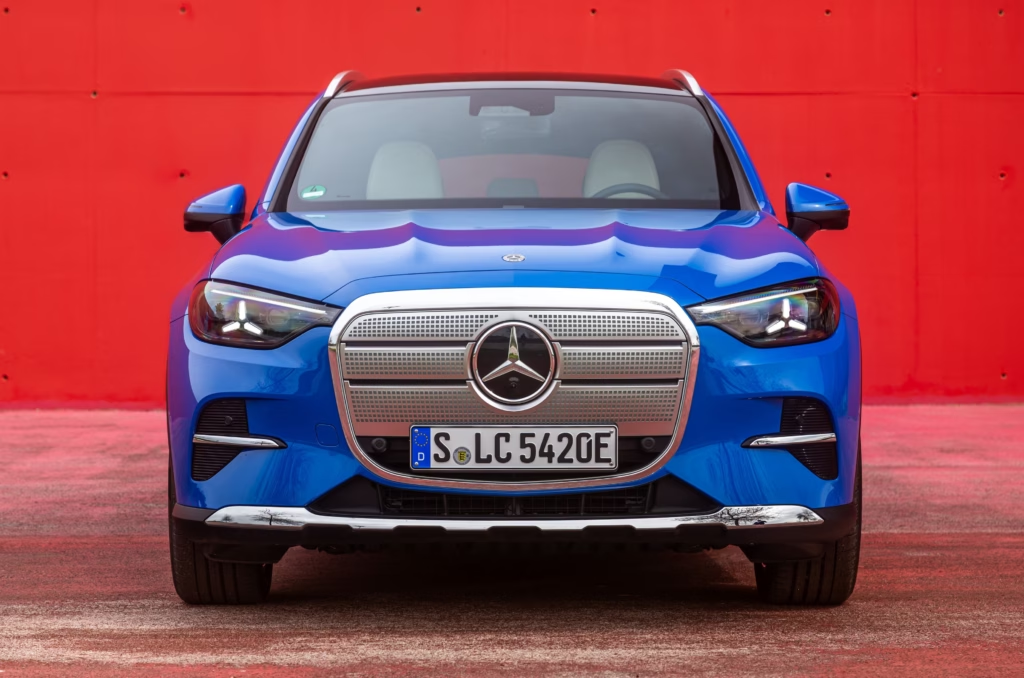
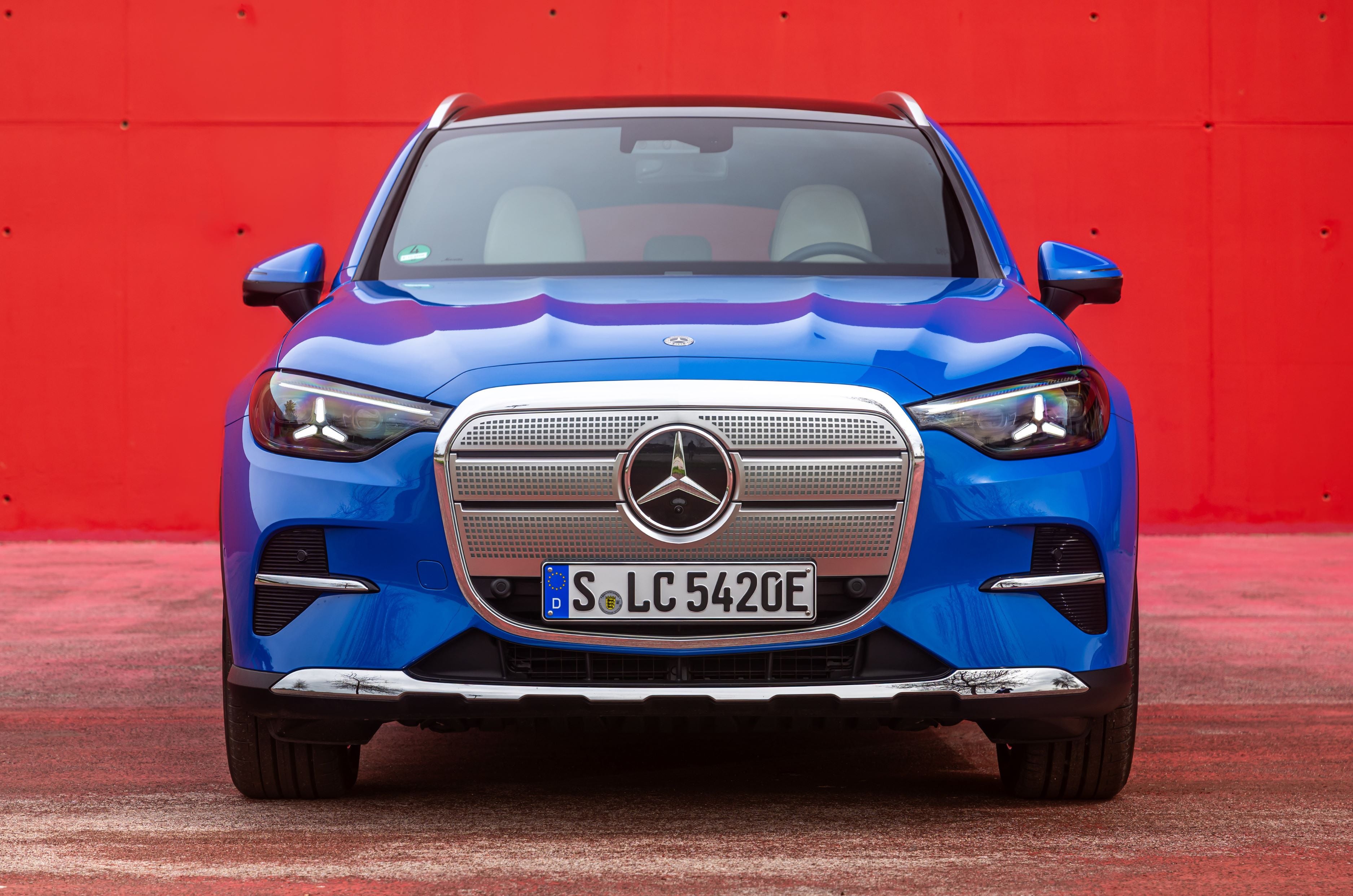
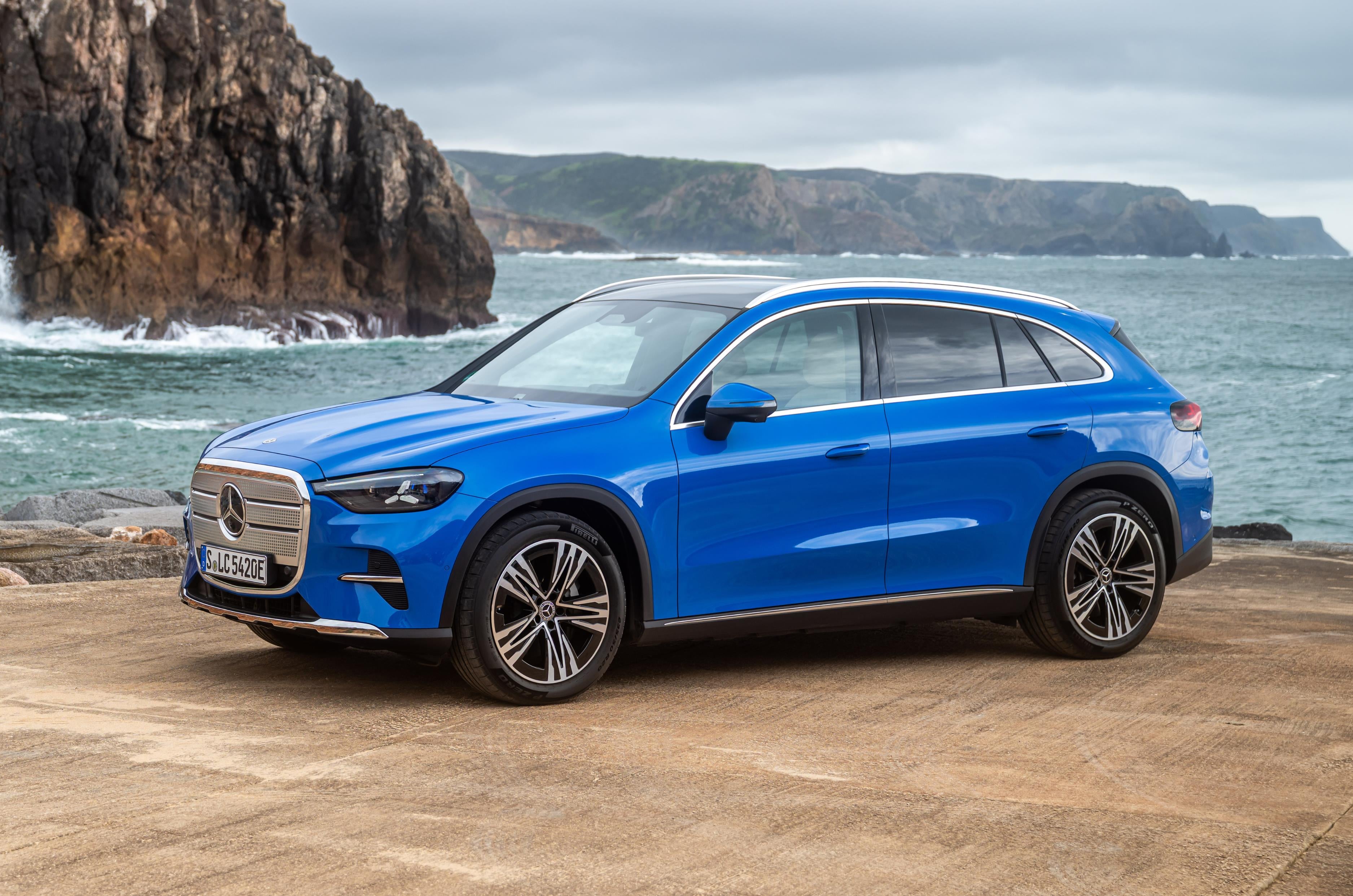
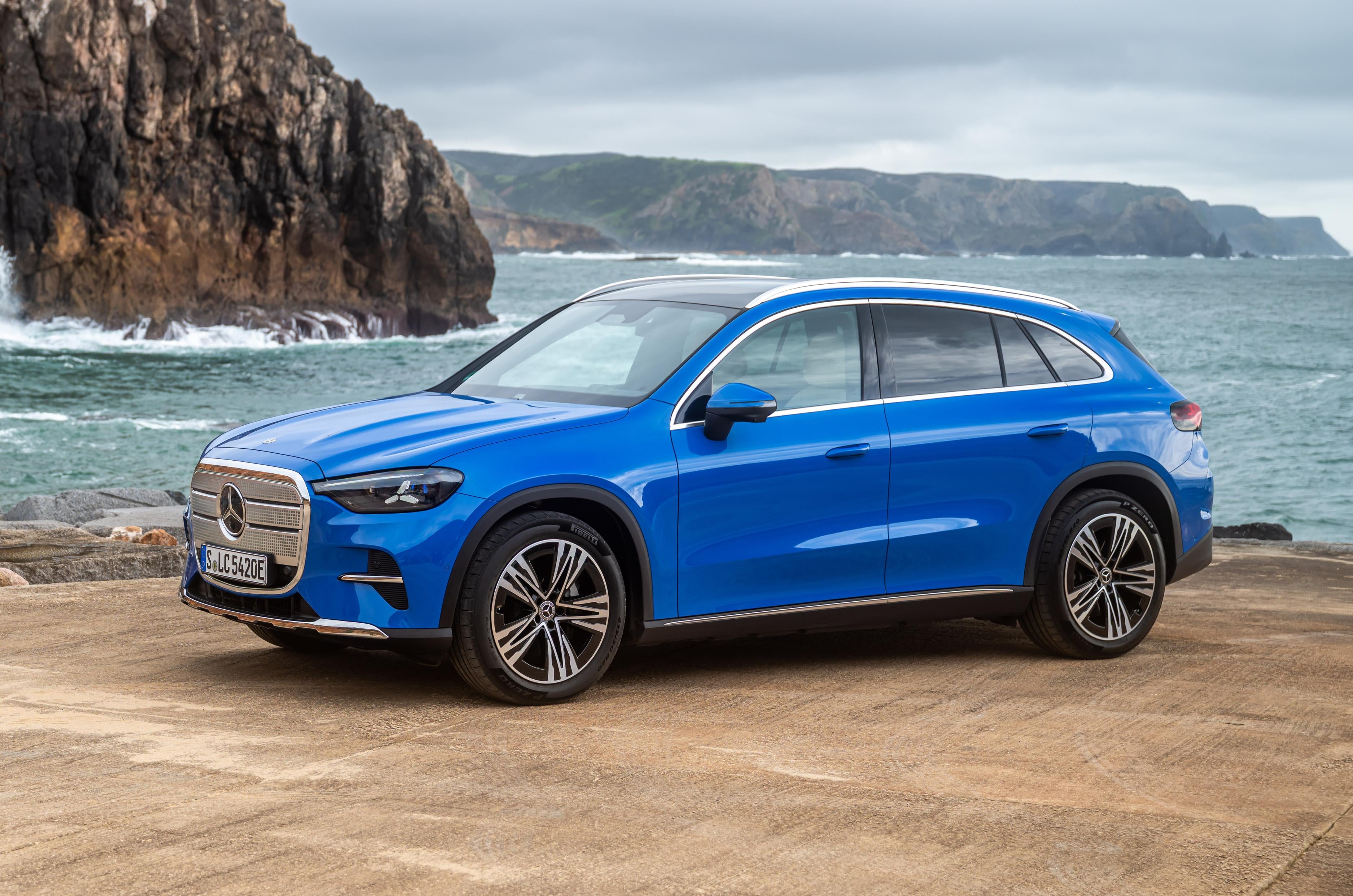
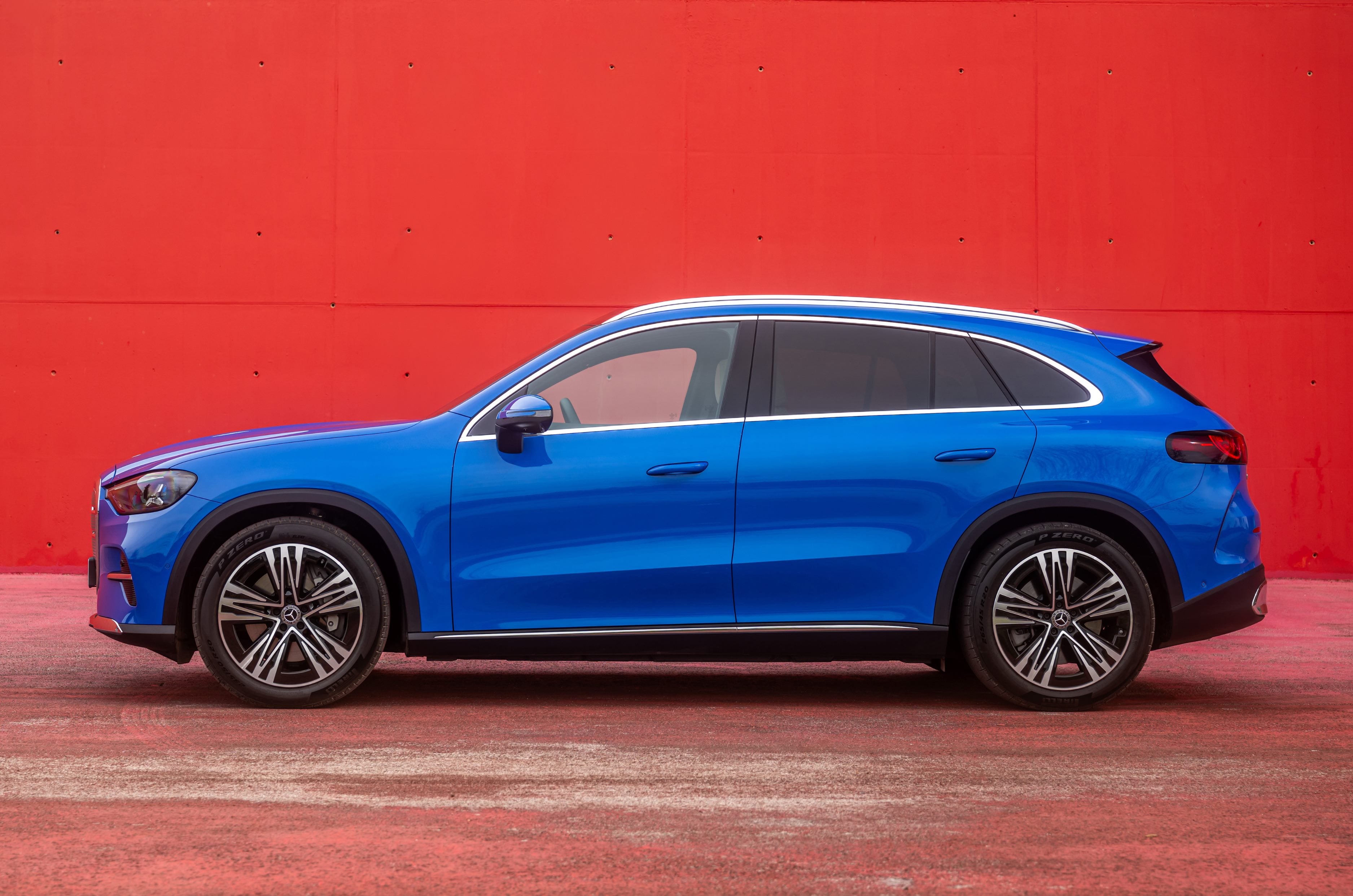
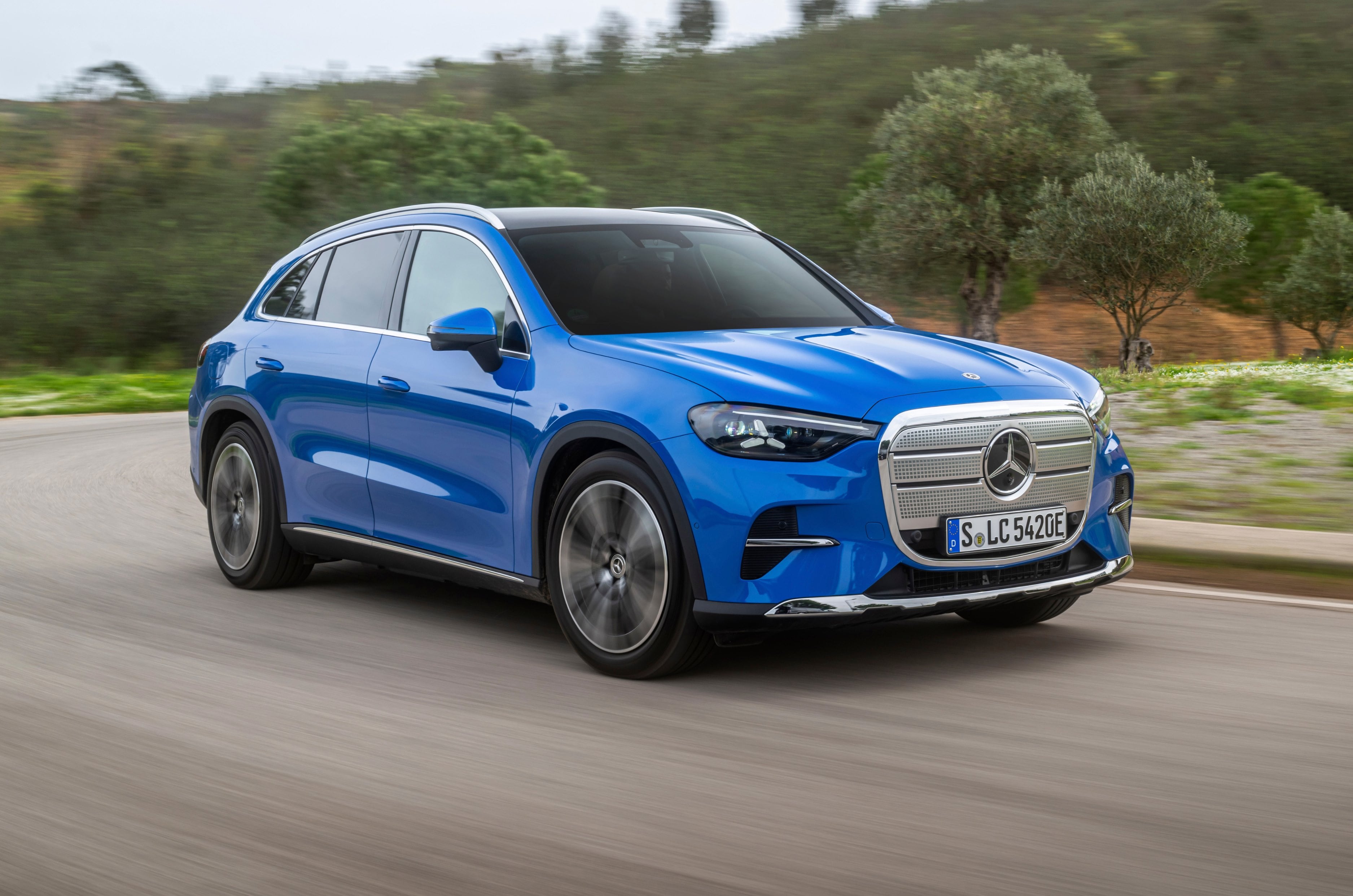
The Mercedes GLC Electric features a large, rounded-edge grille with illuminated elements, tristar-shaped LED daytime running lamps (DRLs) and projector LED headlights. The side profile is relatively simple, with up to 21-inch alloy wheels, flush-fitting door handles and slim cladding on the wheel arches.
International-spec model used for representational purposes only.
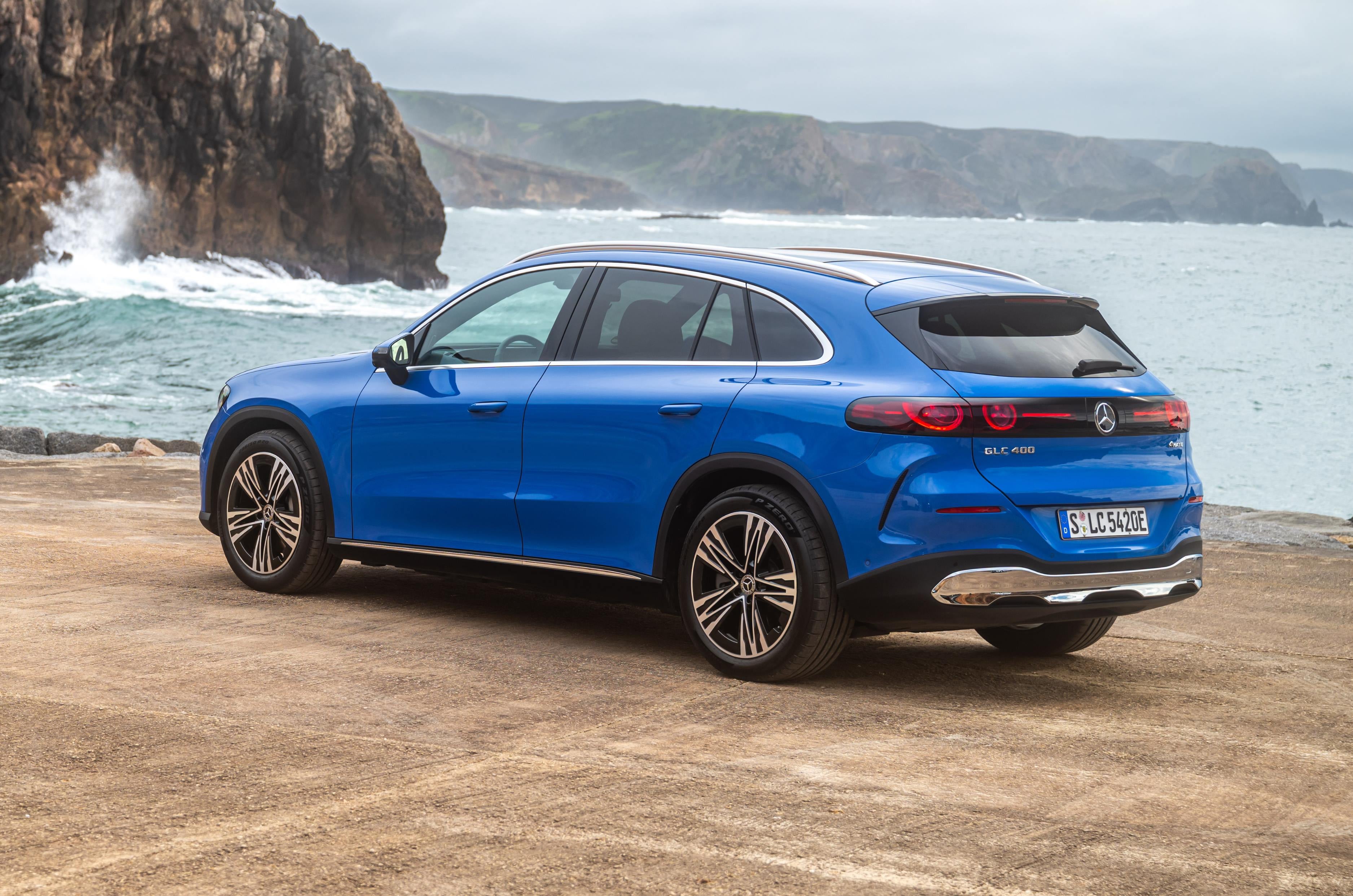
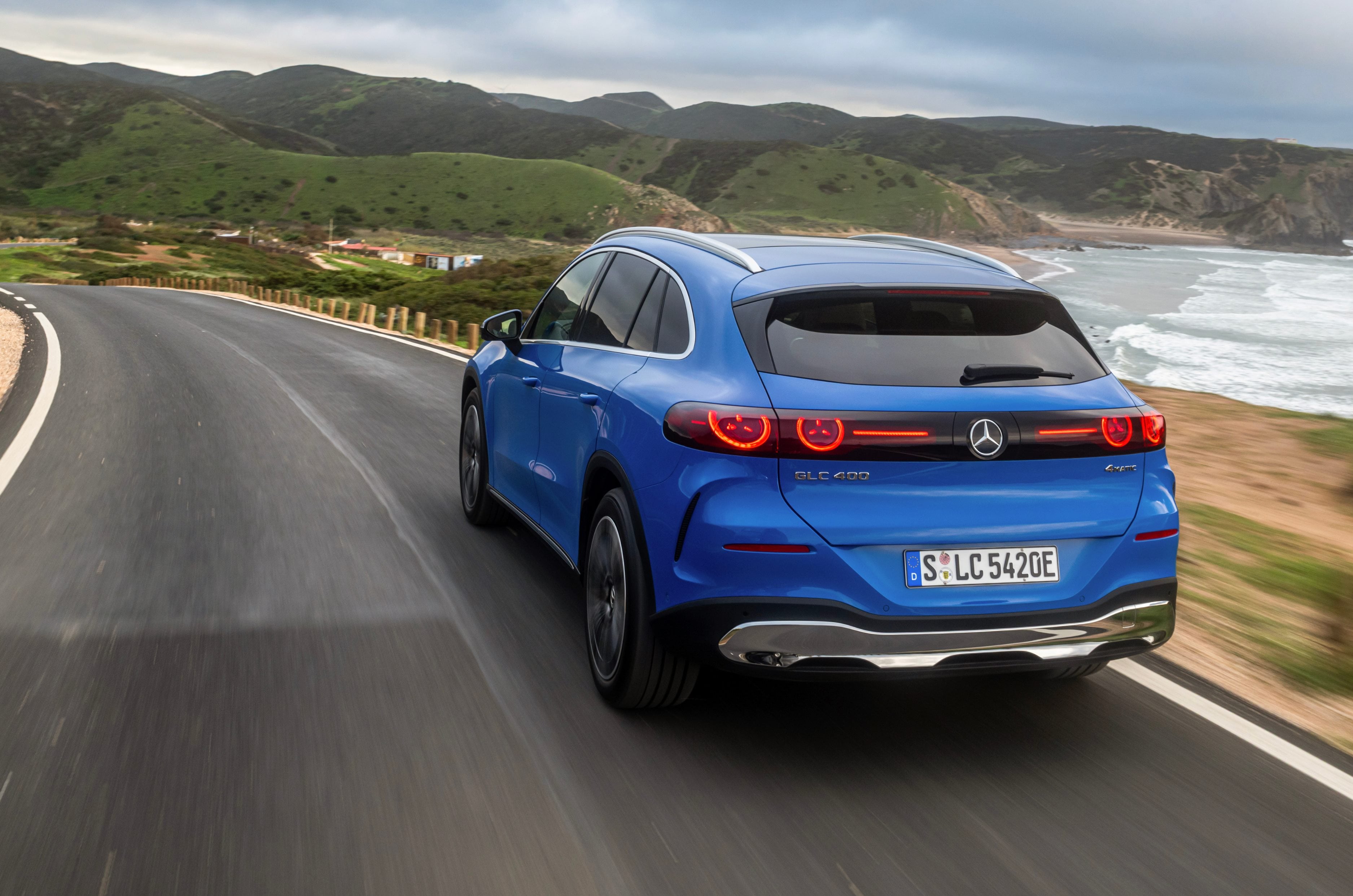
At the rear, the GLC Electric gets star-shaped LED tail-lights with circular outlines, connected by a gloss-black trim. While the front Mercedes logo is illuminated, the rear features a solid 3D badge. Internationally, the 400 4Matic is also available in an AMG Line guise, which gets a more aggressive grille and sportier alloy-wheel designs.
A massive screen occupies the dashboard, but some physical controls are also present
International-spec model used for representational purposes only.
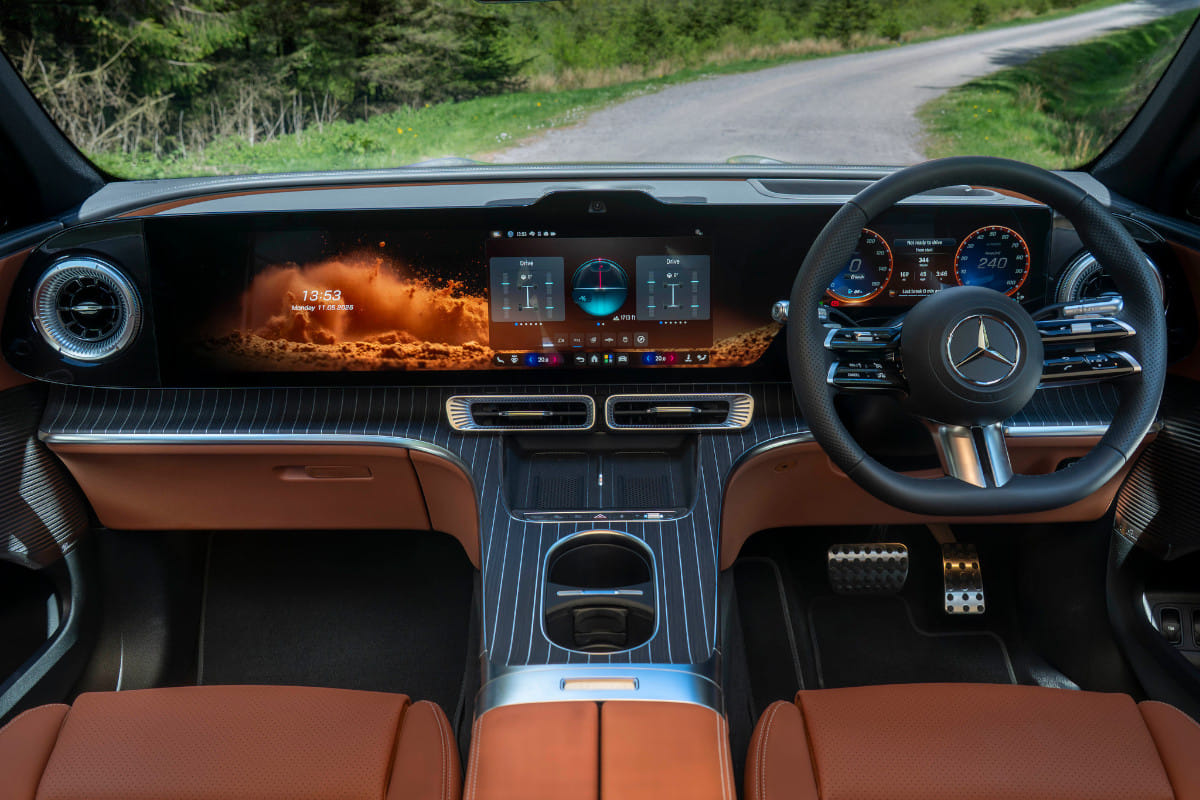
Inside, the GLC Electric features a massive 39.1-inch MBUX Hyperscreen, which Mercedes-Benz claims is the largest display it has ever fitted to a car. The setup seamlessly integrates the driver’s display, infotainment touchscreen and passenger display into a single unit. It runs on the fourth-generation MBUX interface and features a built-in AI assistant. Unlike many modern EVs, the GLC Electric also retains physical controls on the steering wheel and centre console. It has a five-seat configuration.
The Mercedes-Benz GLC Electric’s prices are expected to be in the Rs 80 lakh to Rs 90 lakh range (ex-showroom). It will rival the BMW iX3 Long Wheelbase, which is slated to launch in India in 2027.
Only recently, I made the sweeping and somewhat heavy-handed statement that EVs have taken the excitement out of speed. That once you’ve done one ballistic acceleration run in an EV, you’ve done them all, and without a roaring engine, vibrations pulsating through the wheel and gearshifts jolting you in the small of your back, it all feels a bit sanitised. Well, as it turns out, all an EV needs to solve this conundrum is… even more power.
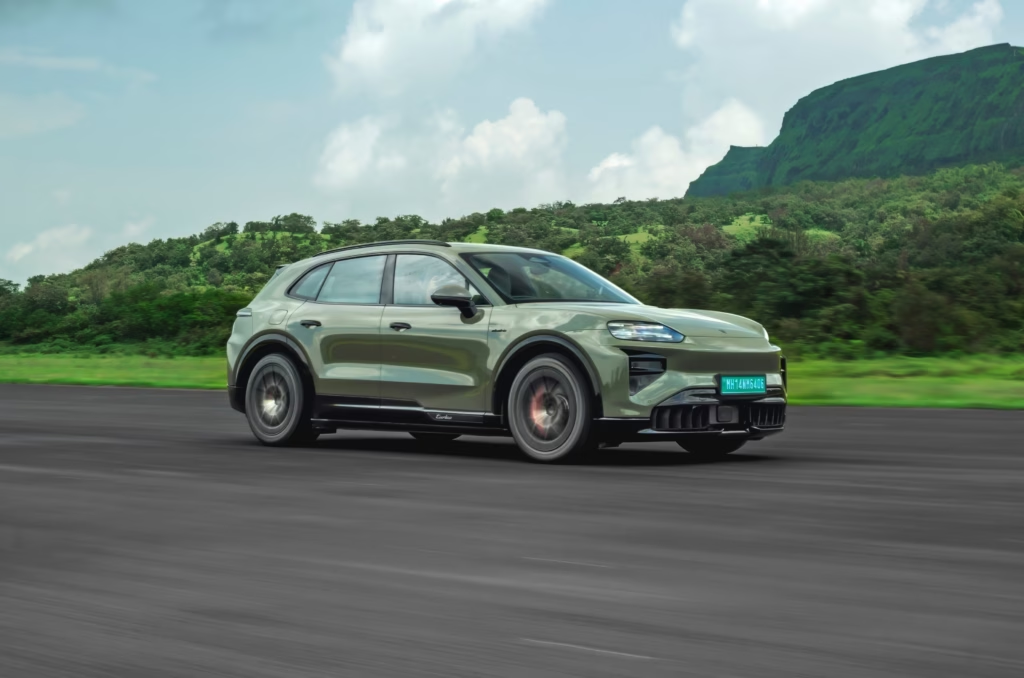
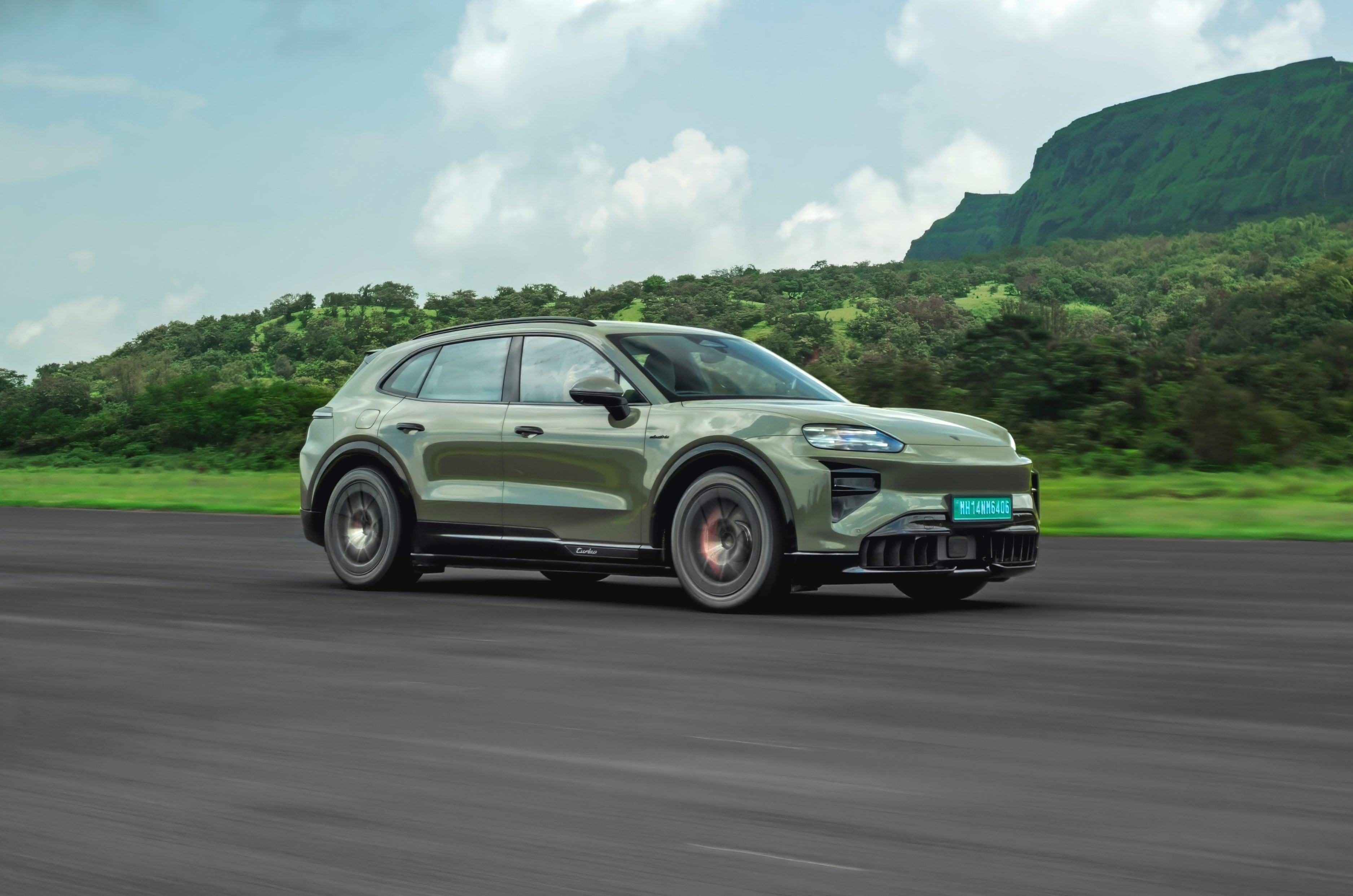
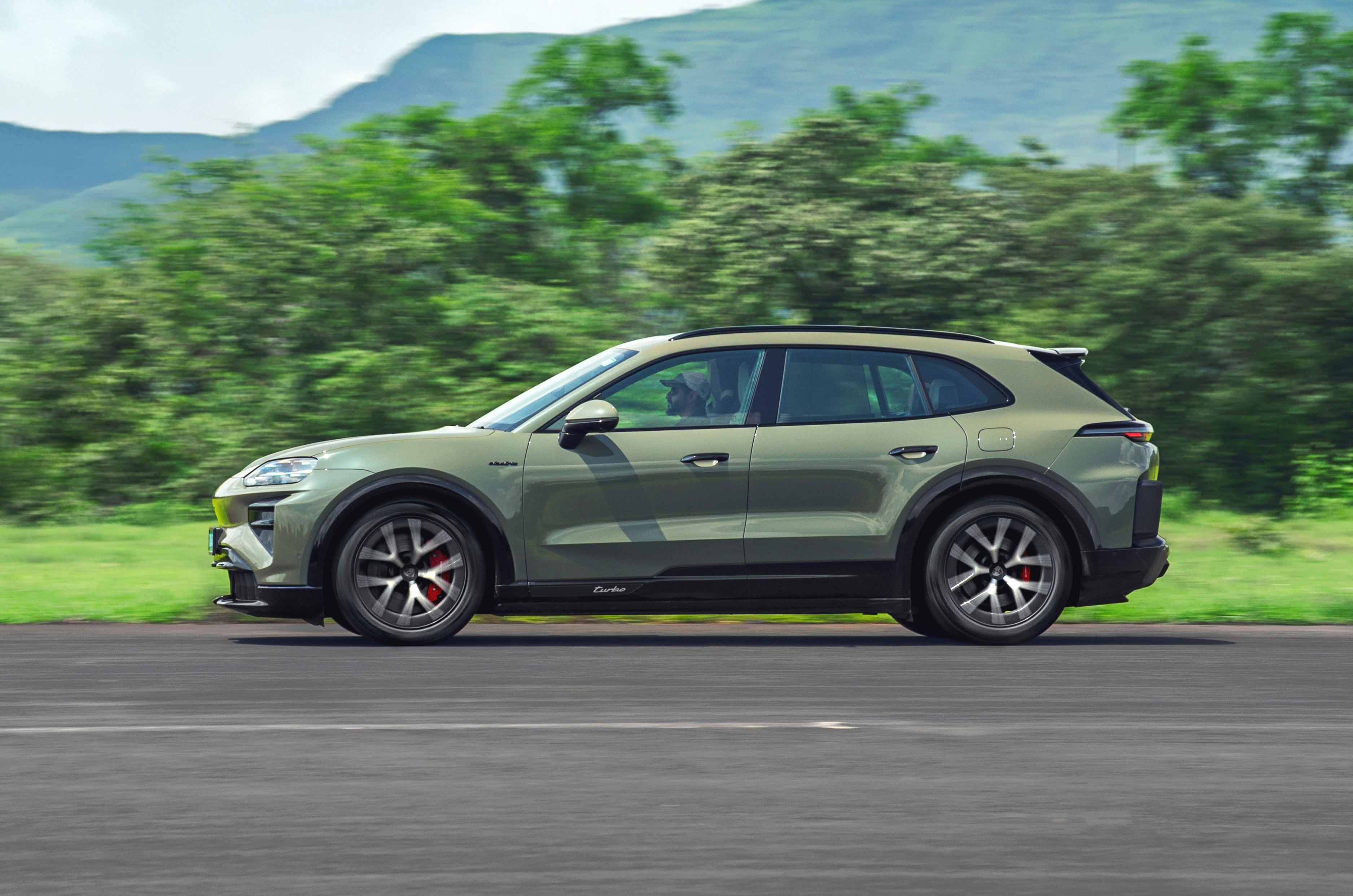
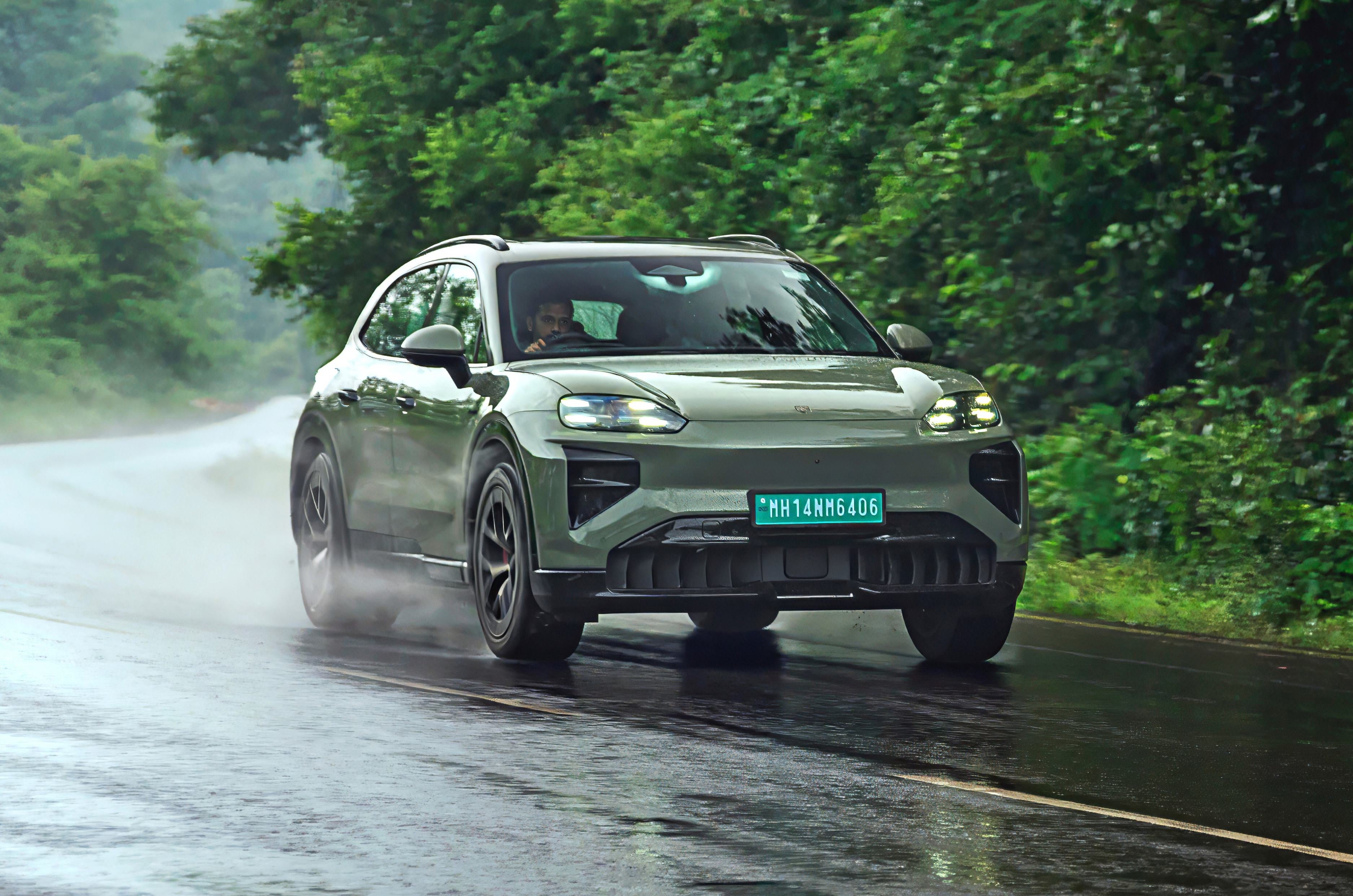
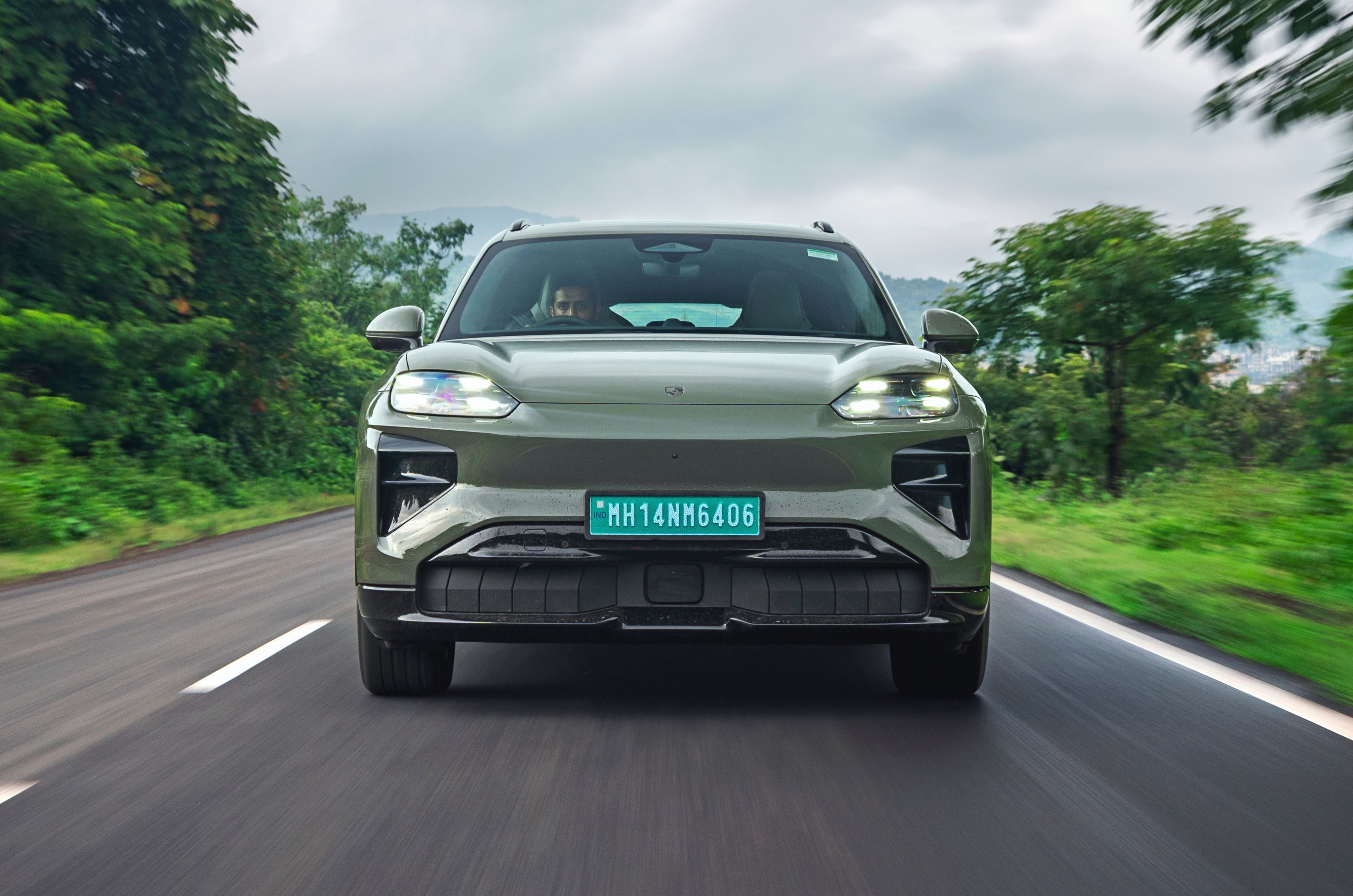
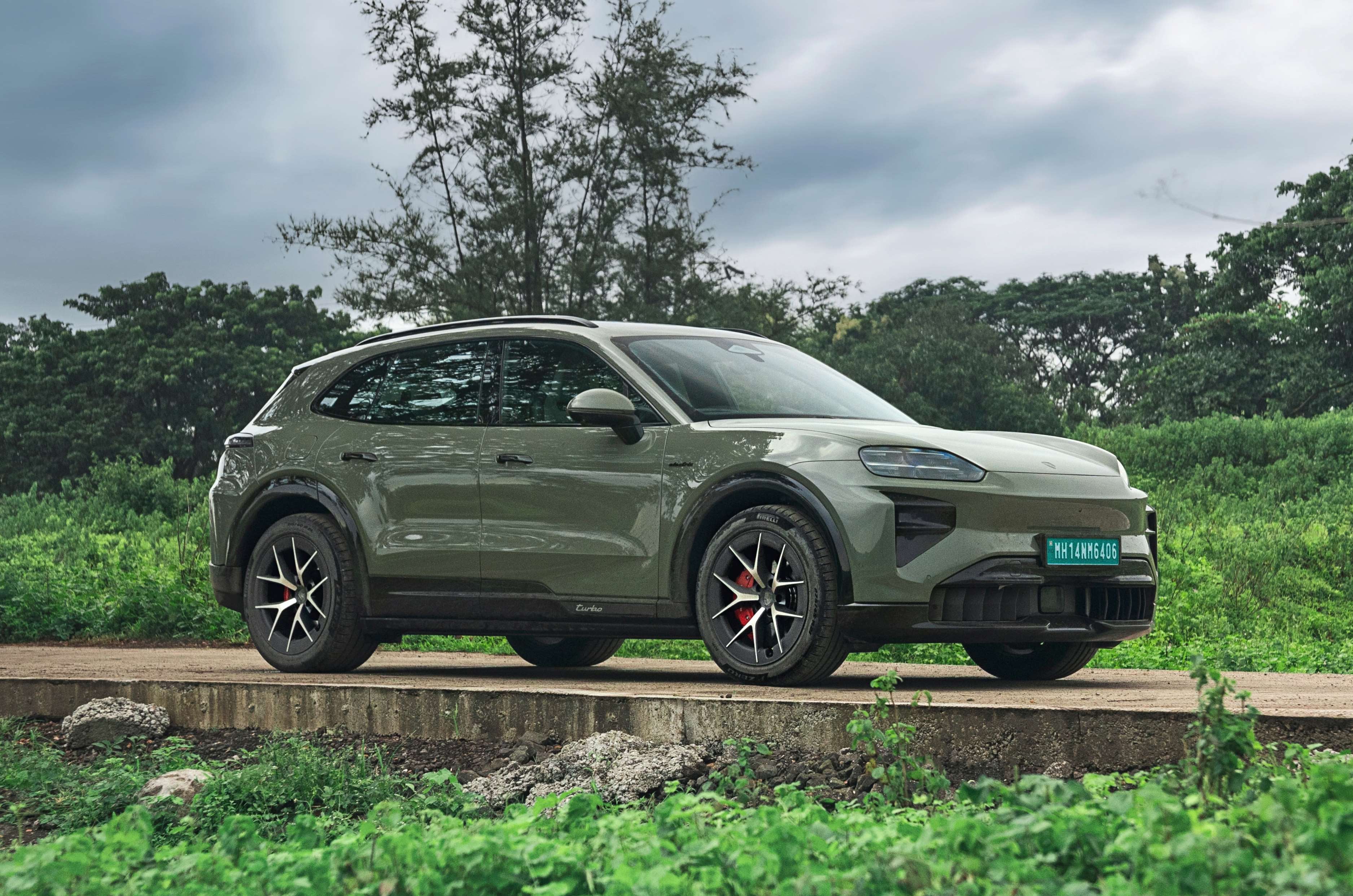
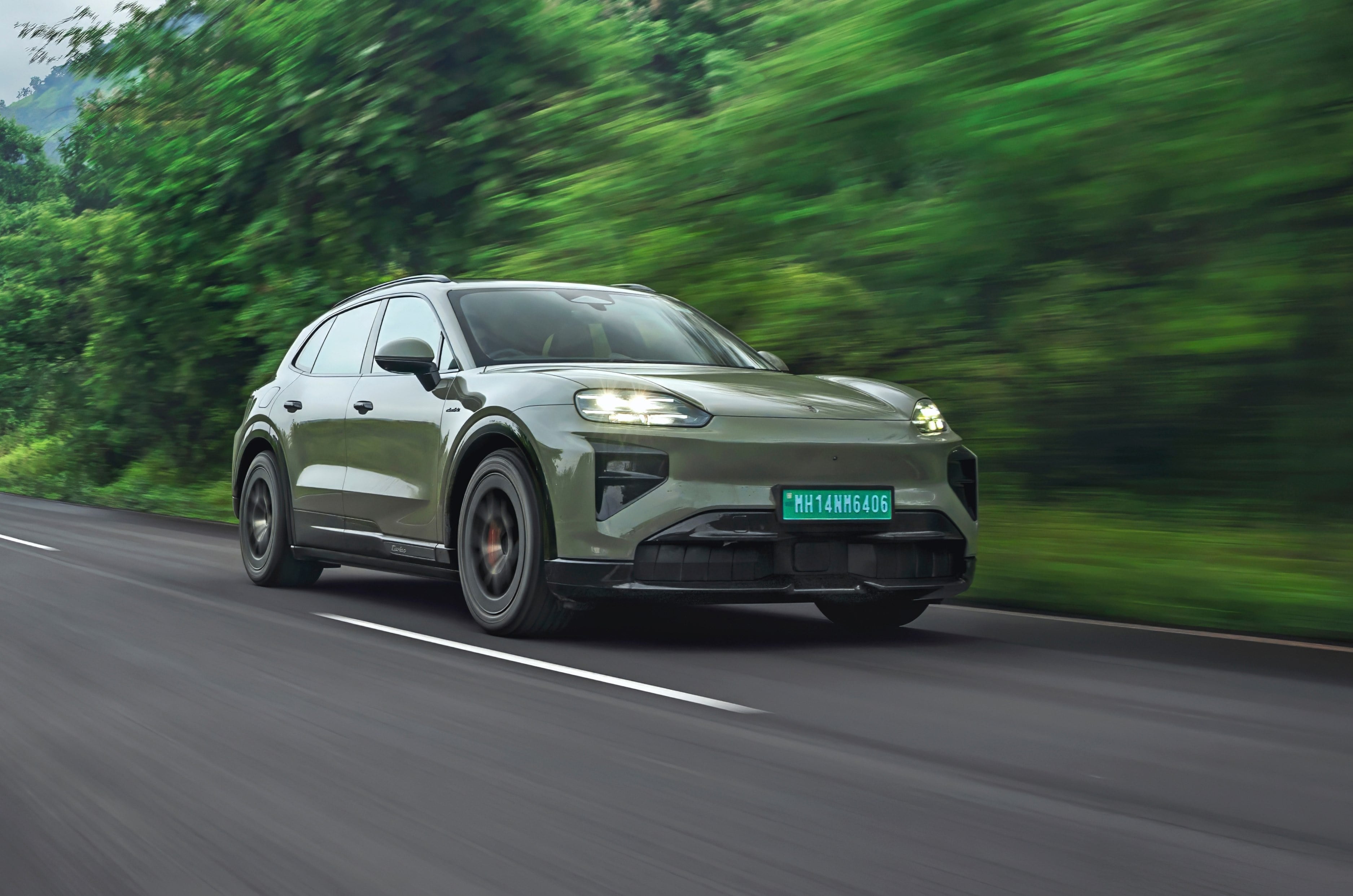
Remember when 1,000 horsepower was the sort of million-dollar pipe dream that we thought we’d only ever see on bedroom posters or YouTube videos? Well, it’s not that insane a proposition anymore, and in fact, three cars on sale in India have crossed the fabled 1,000hp mark. Two are ultra-exotic supercars that cost north of Rs 10 crore – the 1,015hp Lamborghini Revuelto and 1,050hp Ferrari Testarossa. And the third is this, the 1,156hp Porsche Cayenne Turbo Electric – a full Maruti Brezza more powerful than those Italian supercars – and yours for a fraction of the price, at Rs 2.28 crore.
That’s not a lot of money for what is the most powerful car ever to go on sale in India, and that raises a somewhat existential question. Have they gone too far?
2026 Porsche Cayenne Turbo Performance – 10/10
I have the Aamby Valley airstrip rolled out like a red carpet in front of me, perhaps the only place other than a race track where unlocking this hyper-SUV’s full accelerative potential is possible, and I’m about to let it rip. The process is familiar and simple enough. Twist the mode dial to Sport Plus, hold the brake with your left foot and mash the accelerator until it says ‘Launch Control Activated’. Up until this point, it’s nowhere near as dramatic as something with a four-digit power output has any right to be. The electronic sound it makes to signify all the power swelling up is gentle, and it doesn’t even give you any feedback through the pedals. Things are disconcertingly calm for what’s about to happen. I let go of the brake.
The nose lurches upwards and points to the sky like a fighter jet leaving an aircraft carrier, as the huge SUV squats onto its rear axle. It’s in this gut-twisting moment that I realise Porsche India hasn’t specified the Active Ride Control option on this car, which I’m told suppresses this issue by force-tilting the car forward, Power deployment is brutally efficient initially, with barely a chirp from the tyres and not a single of those 1,500 newton metres wasted off the line. But then I notice the nose start to go light and weave from left to right. I steady the wheel as the speed continues to build. With no engine weighing down the front axle and so much rearward lean, there is a frightening lack of traction from the front wheels at speed.
Never before has launching a car attacked so many sections of my body. It’s usually just the abdomen; a really fast car will wind you. Right now, my neck is straining as the head restraint is too far back, my cheeks are starting to ache like I’ve been pretending to find someone’s jokes funny for an hour, there’s a weird pressure coursing through my arms and legs, and my eyes are starting to water as they dart around in their sockets, not knowing what to focus on. Oh, and I’ve been winded well and good.
I’ve launched dozens of really, really fast cars down this very runway, but I don’t recall the scenery ever passing by so quickly. I can’t get a frame of reference so I glance down at the speedo. Two hundred and a blurry something; that’s way more than I expected to see and it’s climbing too fast. This doesn’t compute; it’s usually at this speed that I think about braking. But we aren’t even at the halfway mark yet; how? Brave face on, I keep my foot in. 230, 250, 27- wait, the brochure said it maxes out at 260. It lied. Then suddenly the braking point flashes by and I jump onto the wide pedal. All those forces reverse their polarity as the big Cayenne squirms down to a halt, still well clear of the end of the runway. Let’s do it again!
2026 Porsche Cayenne Turbo: Real-world acceleration test
Speed
Time (in seconds)
20kph
0.45
40kph
0.94
60kph
1.45
80kph
1.96
100kph
2.52
120kph
3.18
140kph
4.01
160kph
4.96
180kph
6.12
200kph
7.47
220kph
9.06
240kph
10.92
260kph
13.20
And it will do it again, and again, and again. Because if there’s one thing we’ve learnt about Porsches over the years, it’s that they’re engineered to perform repeatedly and consistently. The dual-motor Turbo has been certified to deliver a 2.5sec 0-100kph time; our VBOX confirmed the same several times over. But eventually, as the battery SOC dipped below 75 percent, the times started to go up, a tenth of a second at a time.
The biggest victim of the repeated runs, however, were the brakes – even for mammoth 420mm discs, arresting 2.7 tonnes is no joke, and soon their squeal was louder than their bite. I don’t usually advocate for carbon ceramic brakes on SUVs, but perhaps this is the one time Porsche India should have shelled out for the Rs 13.5 lakh option.
2026 Porsche Cayenne Turbo: Real-world braking test
80-0kph distance
23.47 metres
80-0kph time
2.08 seconds
2026 Porsche Cayenne Turbo ride comfort and handling – 8/10
However, by the twenty-seventh-or-so sprint down the runway, the car seldom missing a beat and the excitement never waning, my body decided it had taken enough of a beating. From longitudinal g-forces, at least; the lateral attack was yet to come. So we waved goodbye to the gentleman in the tower, who’s probably used to seeing much slower-moving traffic on the runway, and made our way back to reality via the twisting roads leading down to Lonavala.
It’s been a few years since I’ve come to our old stomping ground of Tiger Point and its surrounding twisties, and I can’t think of a nicer car to reacquaint myself with my favourite corners in. Muscle memory kicks in as I enter the first, fast right-hander. I lean in instinctively, but then the car starts to lean too; unexpected. It does the same on the next left, and right, and once again I start to wish they specified that Active Ride Control option. Porsche engineers are usually among the best at taming big mass, but perhaps they’ve finally met their match.
On its standard air springs and adaptive dampers, the Cayenne Turbo displays a disappointing amount of body roll, exacerbated only by the enthusiasm from the motors that begging you to push it harder. The steering too is encouraging, what with the small-diameter wheel and the fact it’s as sharp and direct as you expect. Here, too, I will say that rear-axle steering would have added a welcome extra degree of agility, but once again, Porsche India hasn’t ticked the option. It can still link together a series of corners with greater alacrity than most other big SUVs, but for the first time in recent memory, I’m not feeling that distinct Porsche magic at my fingertips.
Through the narrow and bustling streets of Lonavala, I’m starting to explore the other end of this SUV’s capability spectrum. And that’s just the beauty of EVs, isn’t it? One minute you’re clocking 0-200kph in 7.4 seconds, the next you’re ambling silently through a school zone. Like the best of them, it’s refined, smooth and incredibly easy to modulate, and you could be forgiven for forgetting there’s 857hp at your behest (the full 1,156 only comes with launch control). One spec deficiency I’m glad for right now, however, is the choice of more sensible 21-inch wheels rather than the optional 22s. They don’t look as nice, but they’re soaking up the harsh hits from the rutted road beneath me.
2026 Porsche Cayenne Turbo range, battery and charging – 7/10
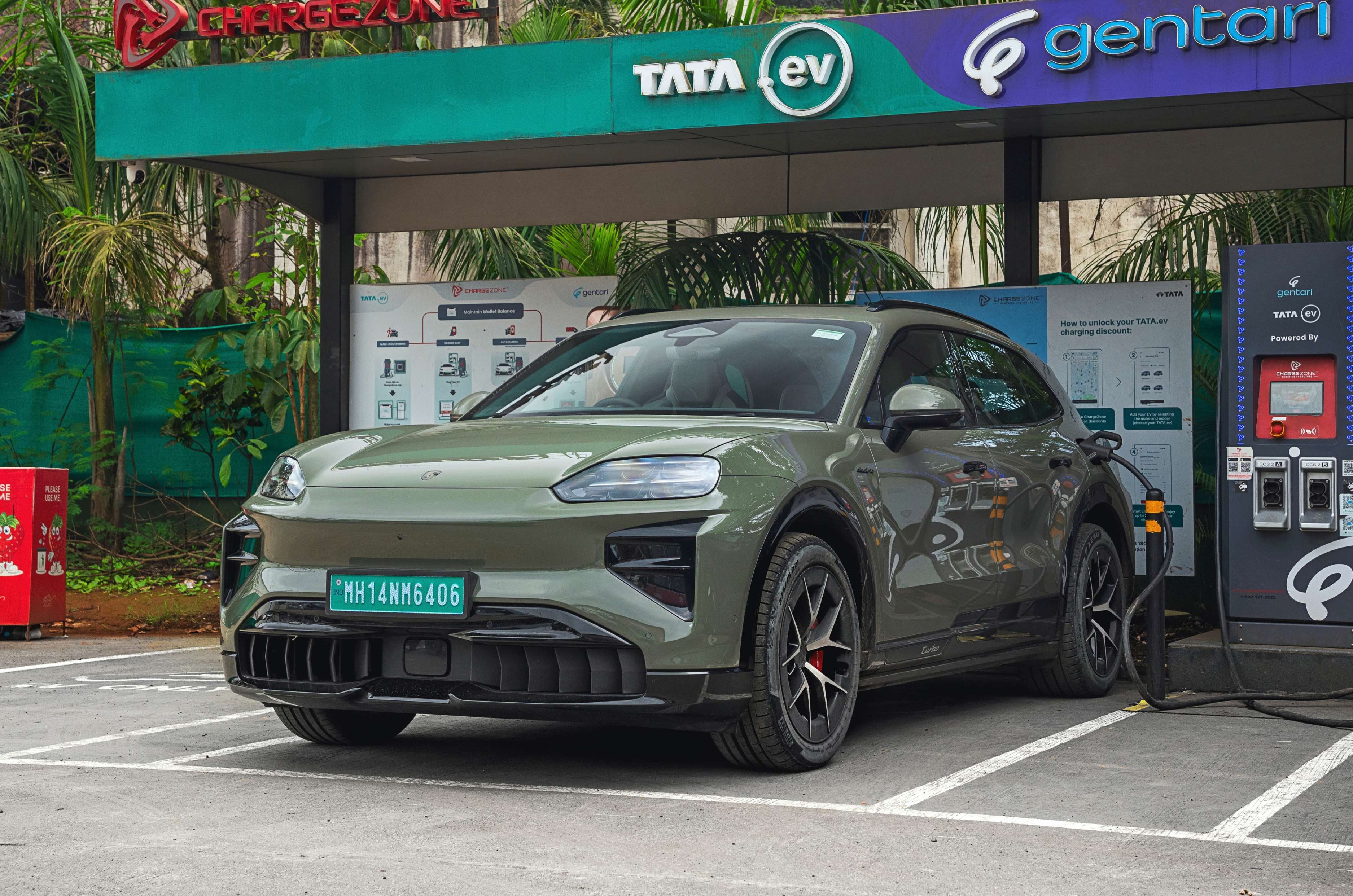
Between racing repeatedly down the runway and then trying to extract that Porsche spice in my favourite corners, I’ve reached Lonavala city with around 20 percent left in the 113kWh tank- er, pack? The Cayenne Turbo is rated at 623 kilometres on the WLTP cycle, so the ‘real’ real-world range should be far more palatable than this; to obliterate such a large chunk in such a short time requires the prolonged buffoonery I just subjected it to. Probably best to find a place to plug in soon, and grab some lunch while I’m at it. On a mythical 400kW plug, the Cayenne can be charged from 10-80 percent in just 16 minutes, but on a rainy Wednesday at a hill station, the best we can do is 60kW, so it’ll take much longer.
Today is a study in why India is far from ready for full EV adoption. Apart from ICE cars parked in charging spaces, malfunctioning plugs, unfathomable apps and an absent mobile network, we were also waylaid by two power cuts.
2026 Porsche Cayenne Turbo features and safety – 9/10
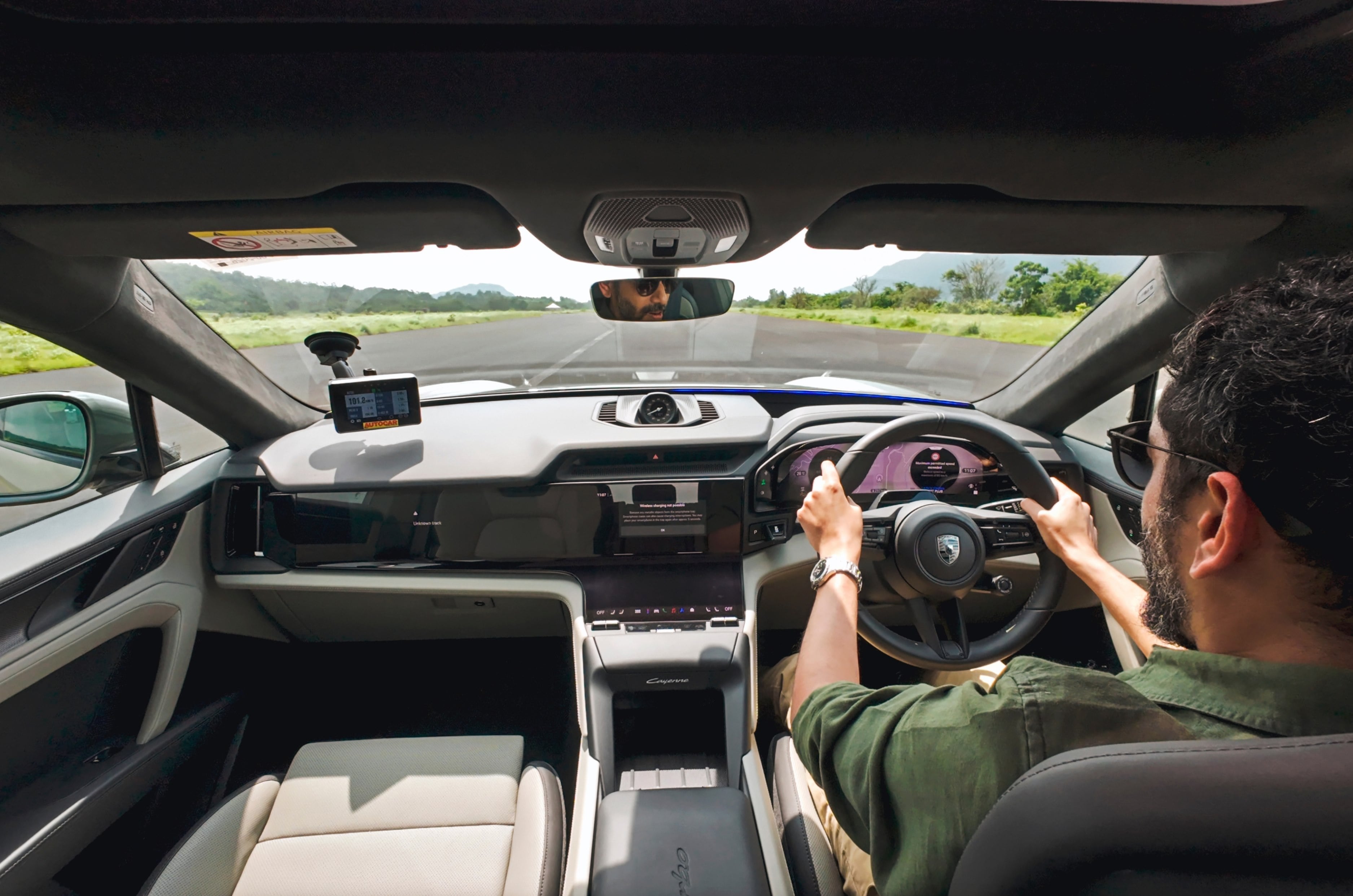
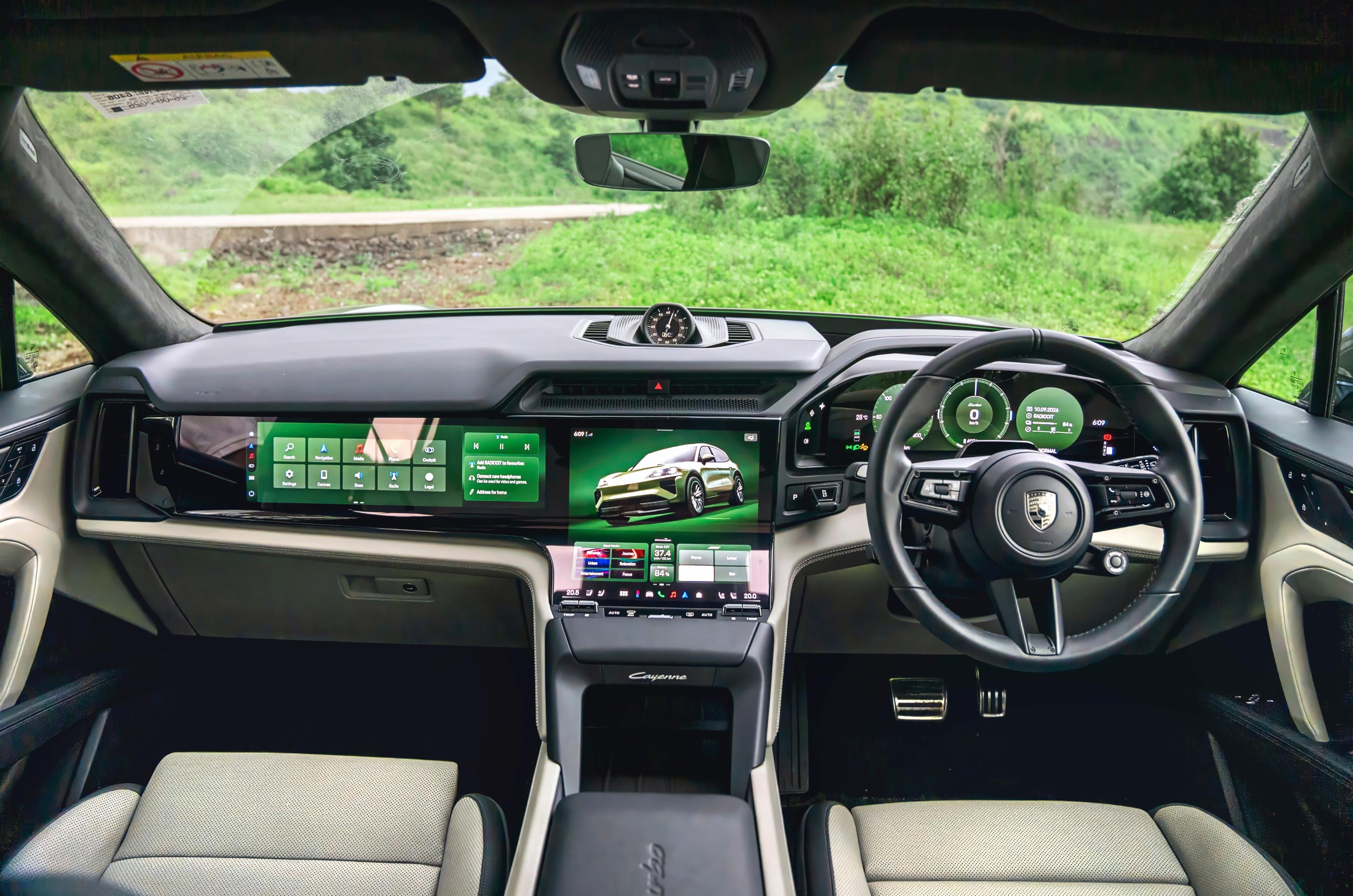
On the upside, all this gave me a chance to have a play around with the Cayenne’s new and tech-heavy interior. The passenger screen is a Rs 2 lakh option I would not tick, but the centrepiece is the cascading curved touchscreen. It looks gimmicky but actually functions really well, the bottom half of the ‘bend’ housing the major functions, while the more upright top functioning as the display. The AC vents are adjusted from the touchscreen sadly, but otherwise there are plenty of physical controls.
There’s no shortage of features here and you can add even more from the options list. For instance, the panoramic sunroof is standard, but there’s no sunshade. Instead, you can option an electrochromic function that masks out the glass in sections.
2026 Porsche Cayenne Turbo interior space and comfort – 8/10
Functionality comes first in a Porsche, and you can see that in the compact but tactile steering wheel, the clear dial-style driver’s display and the sporty ergonomics. In fact, despite all the tech, this feels instantly like a Porsche from behind the wheel.
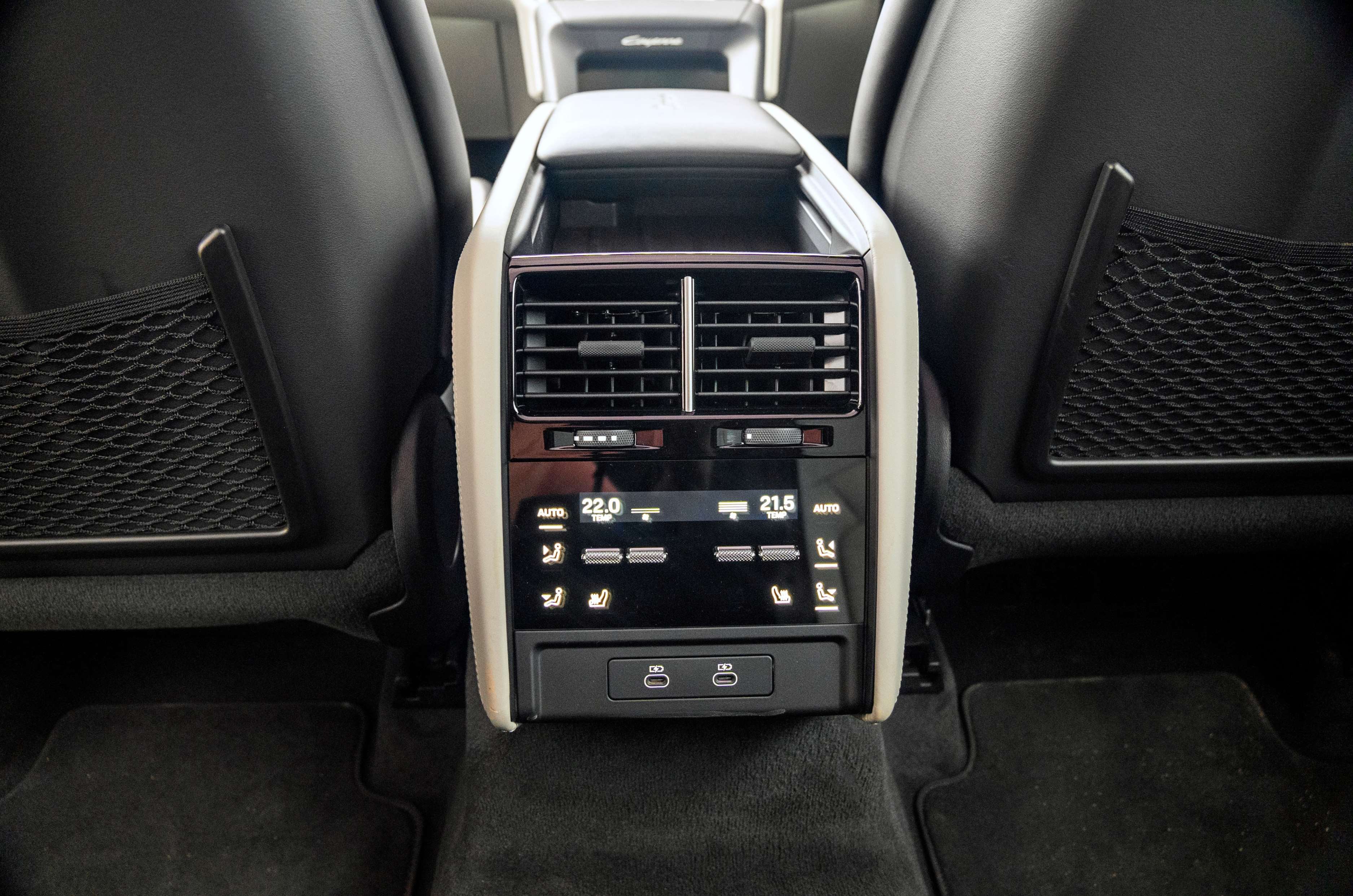
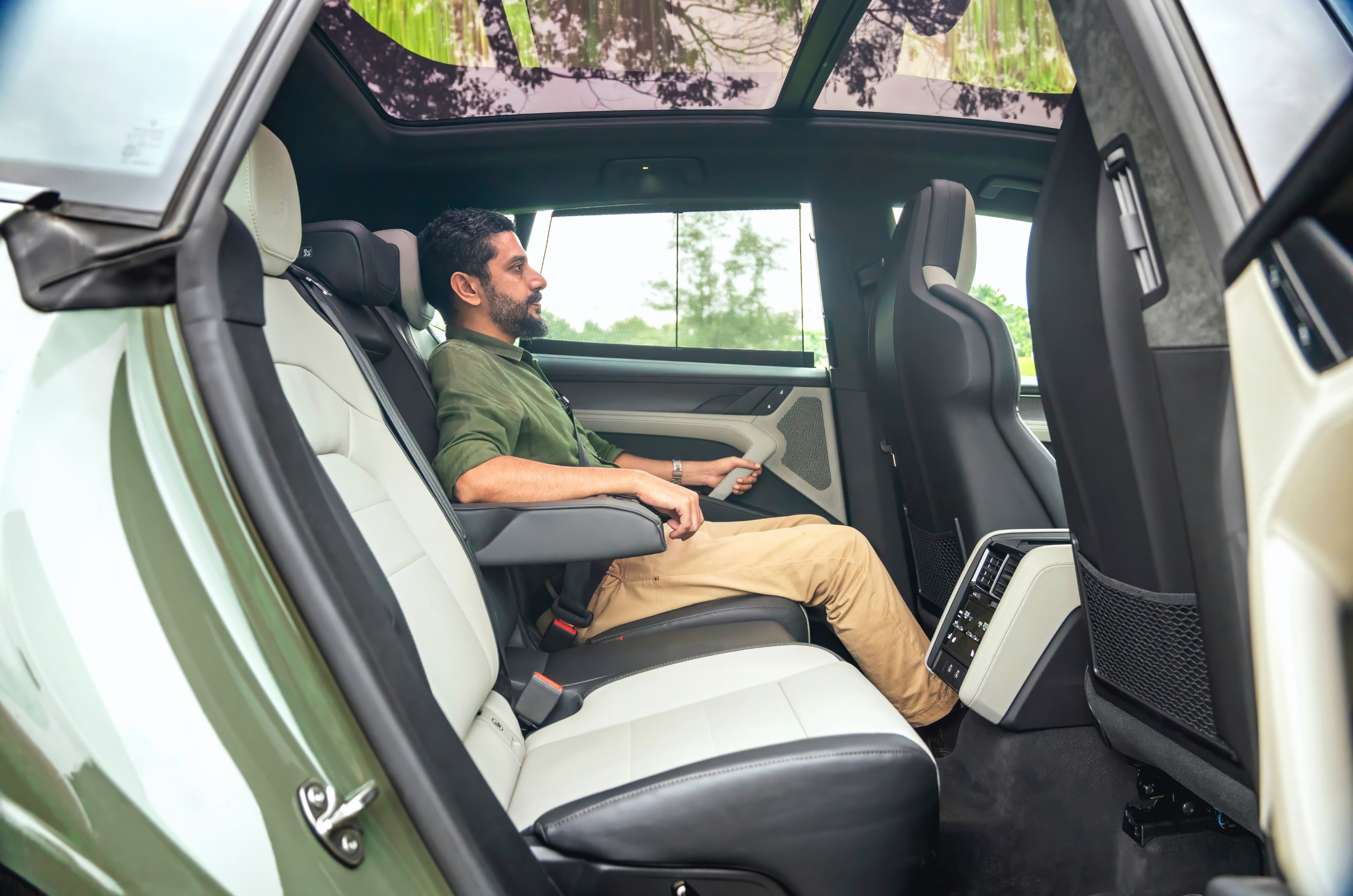
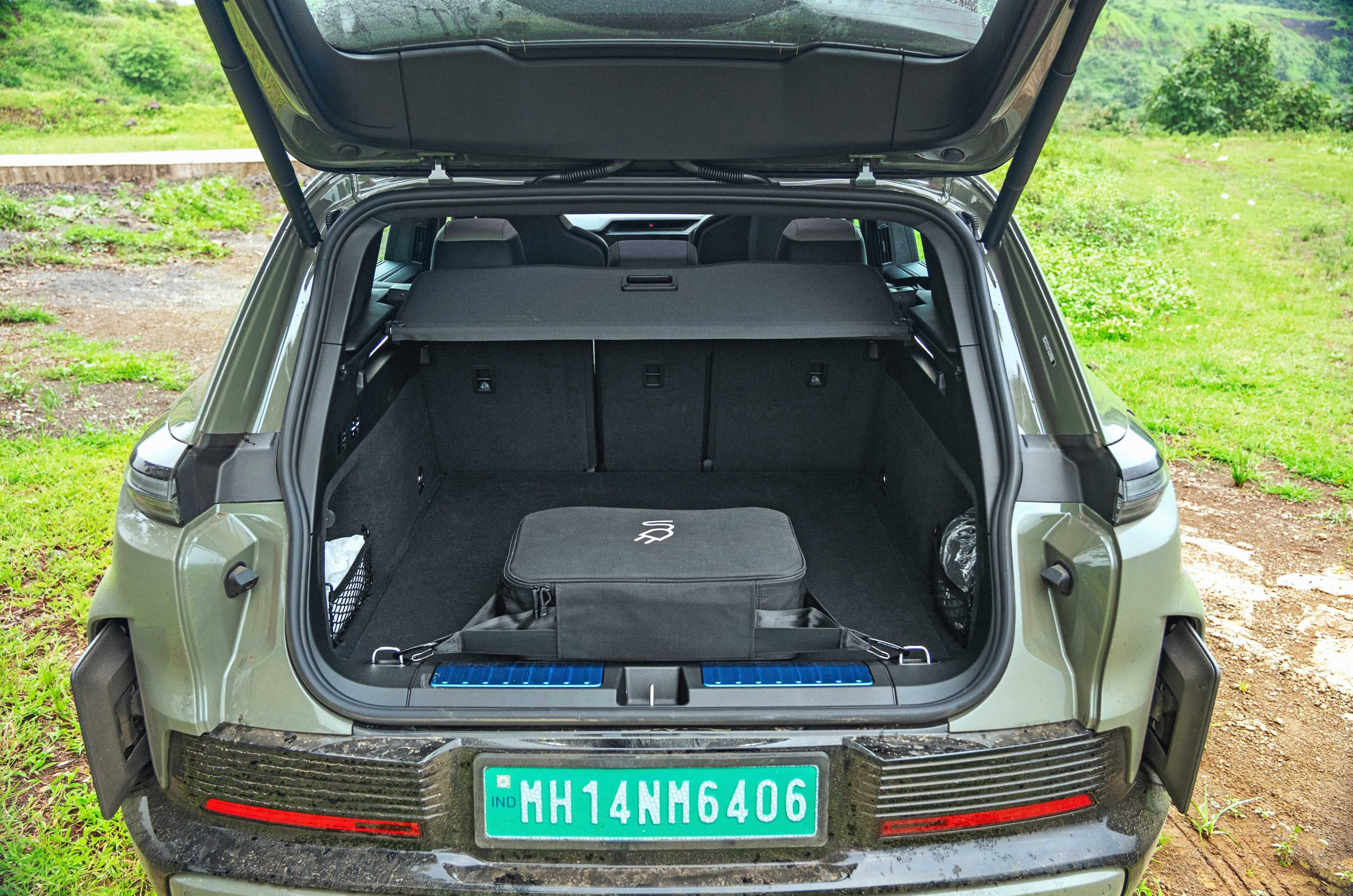
This is easily the most spacious Porsche yet, though, with the huge 3,023mm wheelbase liberating massive seating room, as well as a huge 747-litre boot and 90-litre frunk. It’s well equipped, it’s luxurious, it’s sporty; it’s almost hard to fault here.
2026 Porsche Cayenne Turbo exterior design and engineering – 7/10
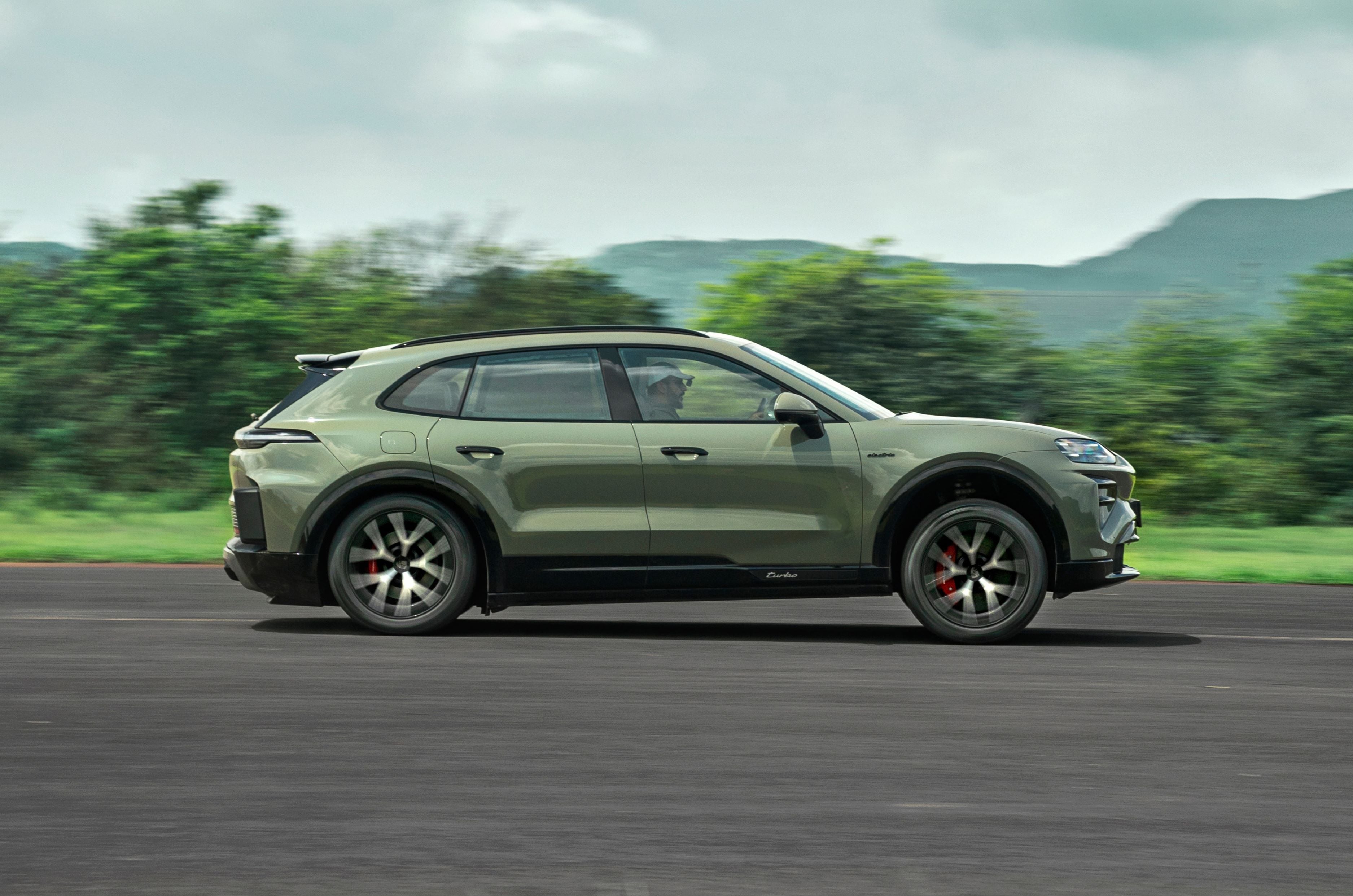
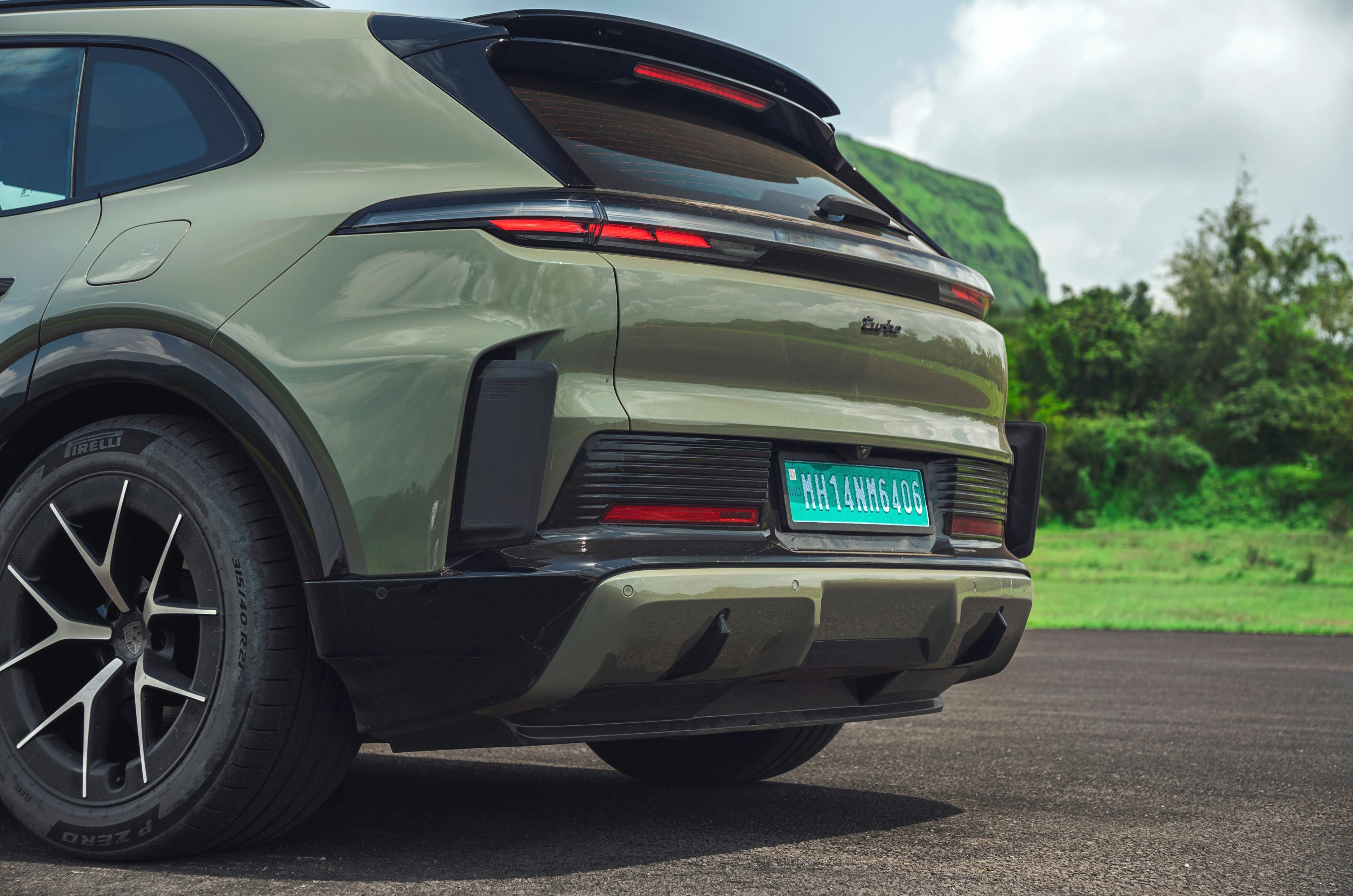
I’m less convinced by the exterior, though. It certainly has size on its side; this is the largest Porsche ever, a fact exaggerated by its slim headlamps and tail-lamps. Even the gigantic 21-inch wheels look a size down against the mass of bodywork. They’ve worked around it with plenty of contrast black details, and there are lots of cool details, like the active aero vanes up front and the flaps that extend from the rear bumper to reduce drag at speed. They’ve even got the GPS co-ordinates of Porsche’s wind tunnel embossed into them.
However, it’s also this size that works against it, as the proportions make it look bulky and a bit ungainly. This might be fine most big luxury SUVs, but in a Porsche, there’s a certain visual agility that’s missing.
2026 Porsche Cayenne Turbo price and verdict – 9/10
Is it wrong that for a car with such eye-watering headline figures, it’s the slow cruise back home that I appreciate the most? Having been pulverised by the acceleration in the morning, I’m happy to let the ventilated 18-way seats soothe my back, as my favourite tunes stream through 14 Bose speakers and adaptive cruise control keeps an Expressway pace.
Because it’s an EV, you can switch quite easily between its two personalities, and because it’s a Porsche, it does both reliably as many times as you need it to. Some of that special sauce has been lost along the way, and the smaller Macan Electric does a much better job in this regard, but I’d argue the Cayenne has an even greater breadth of ability. It’s easy to launch India’s most powerful car to stratospheric speeds, but it’s even easier to forget that you can, and perhaps that’s its biggest triumph
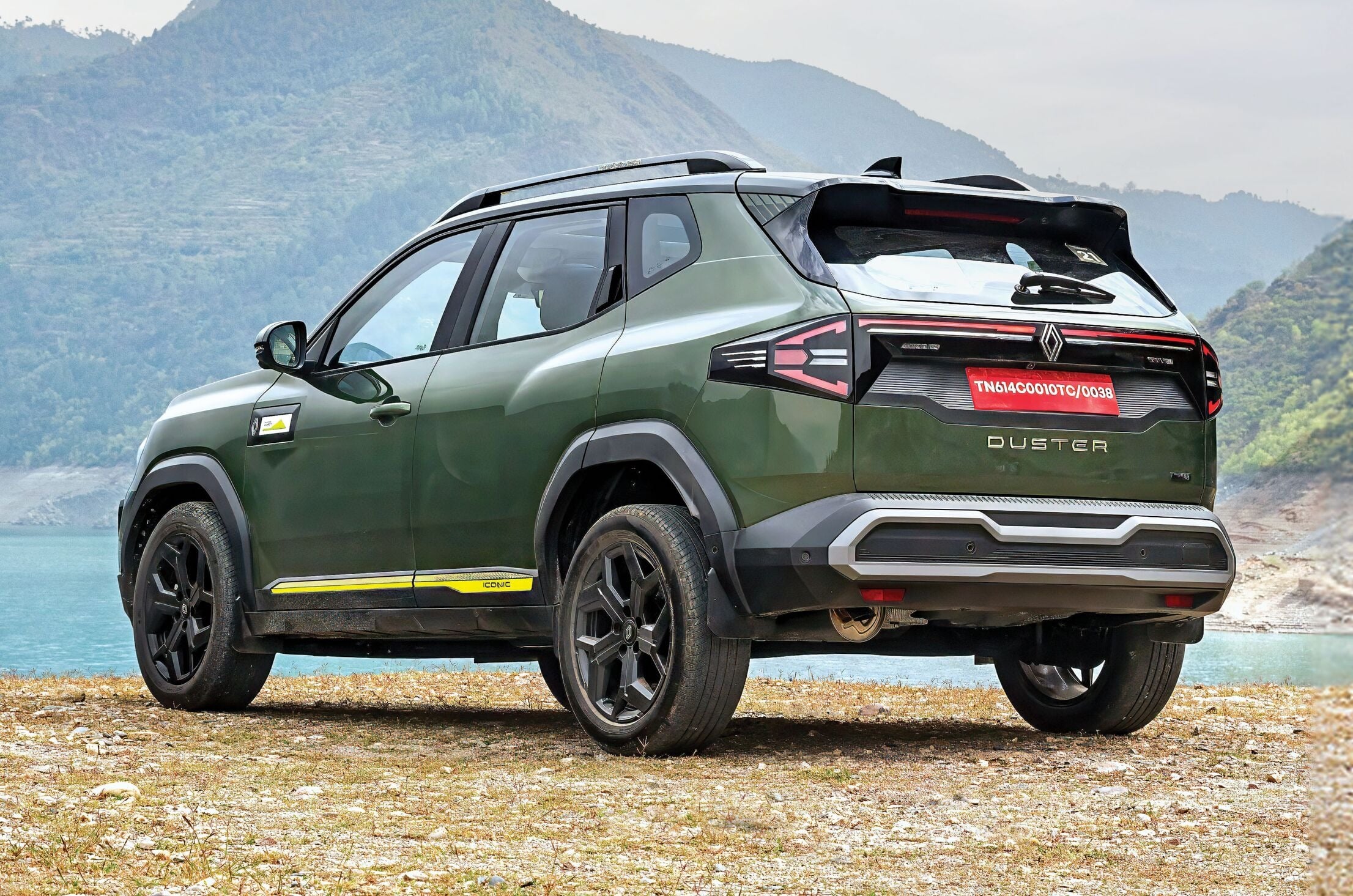
Renault India is gearing up to launch its first strong-hybrid powertrain under the bonnet of the Duster on October 17. The French carmaker expects strong-hybrid cars to become major volume drivers in India over the coming years. Speaking to our sister publication, Autocar Professional, Francisco Marques – Renault India’s Vice President for Sales and Marketing – described strong hybrids as a bridge between combustion-powered cars and EVs: “Hybrid is the perfect transition.”
Strong hybrids could drive sales for the next 20 years, says Marques
Marques expects this transitional period to last much longer than the immediate future. “Hybrid is going to be the main volume-making technology probably for the next 10, 15, or 20 years to come,” he said. According to Marques, EVs are not yet ready to dominate the Indian market on their own, with charging infrastructure and charging capacity likely to limit the pace of adoption.
The Indian passenger vehicle market continues supporting multiple powertrain technologies, including hybrids, CNG, and EVs, instead of one technology immediately replacing another. “Until EVs become something more, then there will be hydrogen,” Marques stated. He also expects strong hybrids to attract customers who might otherwise opt for diesel. “I see diesel declining, I see a strong hybrid growing very fast. And it’s related to the offer,” he said. Interestingly, diesel car sales grew by 15 percent year-on-year in the first half of CY2026, indicating that there still is a lot of demand for them.
More powertrain variety can improve the Duster’s slow sales pace
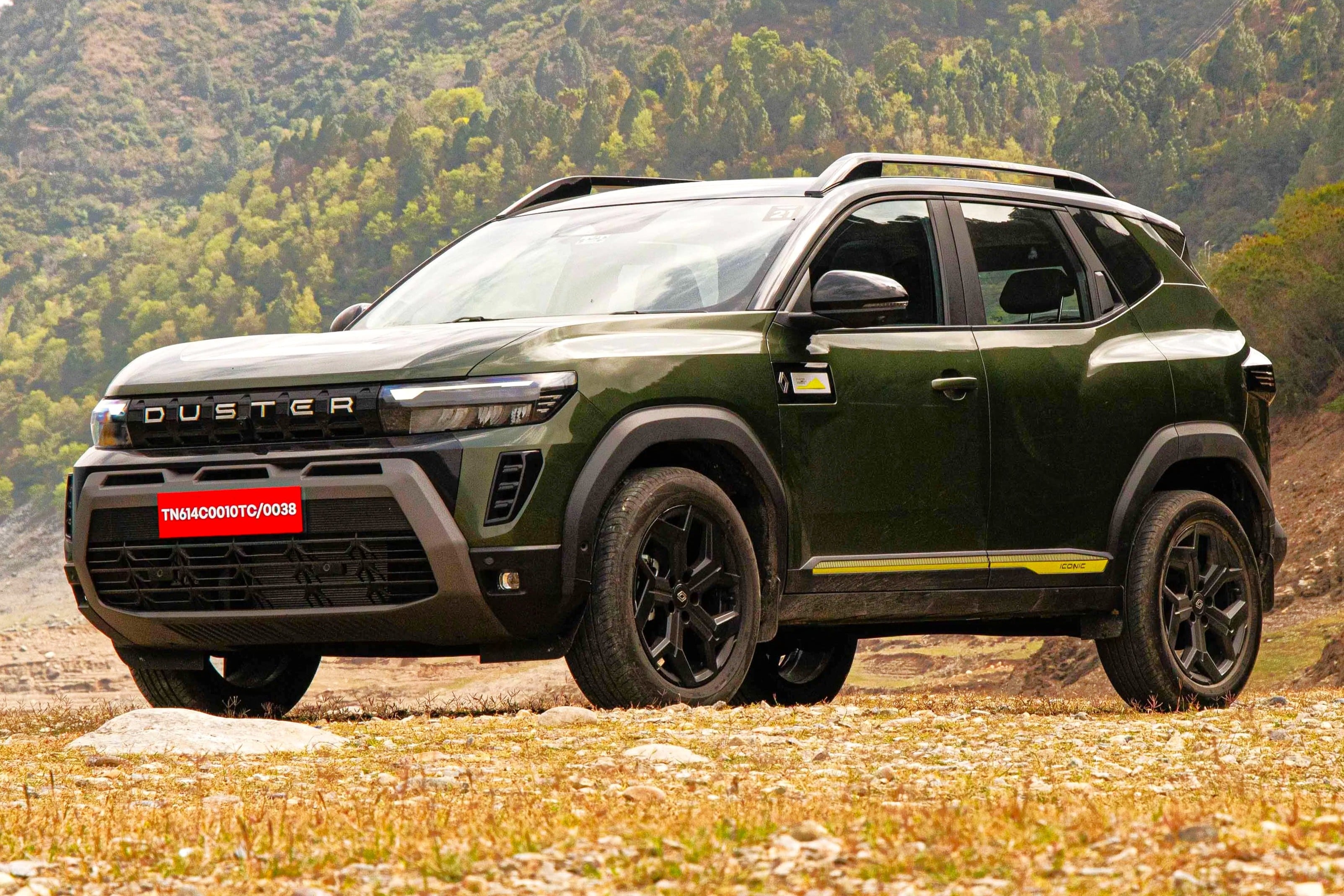
Since it went on sale in March, the Duster has been available exclusively with turbo-petrol engines – a sore point for many fans of the original Duster and its punchy 1.5-litre K9K diesel mill. It doesn’t help that many of the Duster’s midsize SUV rivals feature broader powertrain offerings: naturally aspirated petrol, diesel, CNG, hybrid, and electric. The lack of variety in fuel types is likely one of the reasons why the Duster has been falling behind in the sales charts – it managed a mere 406 wholesales in August, and has sold fewer than 7,000 units since launch. For perspective, the Kia Seltos sells an average of 10,000-11,000 units a month, while the segment-dominating Hyundai Creta averages 15,000-16,000 units sold.
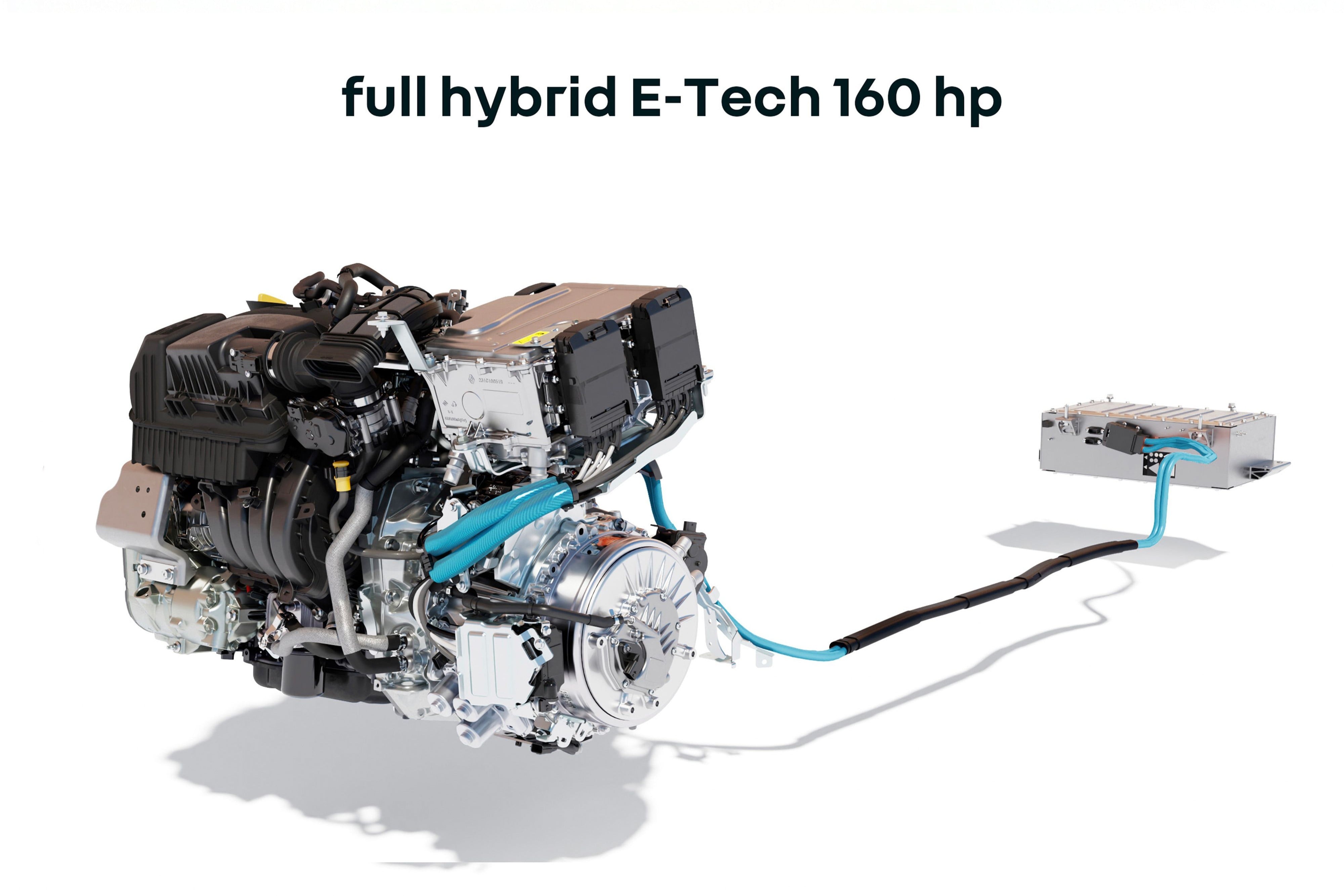
A strong-hybrid powertrain will let the Duster directly rival the subset of hybrid midsize SUVs, namely the Toyota Hyryder, Maruti Grand Vitara, and Maruti Victoris. On paper, the Duster’s upcoming ‘E-Tech 160’ hybrid setup has an edge over those of its rivals. Where the Hyryder, Victoris, and Grand Vitara use a 116hp 1.5-litre three-cylinder strong-hybrid system and an e-CVT gearbox, the Duster’s E-Tech 160 powertrain combines a larger 1.8-litre four-cylinder naturally aspirated petrol engine, two electric motors, and a 1.4kWh battery pack (the Hyryder has a 0.6kWh unit). Combined output is 160hp and 172Nm, with drive sent to the wheels through a segment-first 8-speed dedicated hybrid transmission. Renault also claims that the E-Tech 160 can deliver 80 percent of urban driving in all-electric mode.
That said, pricing is likely to be crucial to the Duster hybrid’s reception in the market, which is why Renault has been working on localising the E-Tech 160. Strong-hybrid variants of the Grand Vitara, Hyryder, and Victoris are priced in the Rs 16 lakh-20 lakh (ex-showroom) ballpark, so if the Duster hybrid is priced similarly, or even lower, Renault can trigger renewed interest in its midsize SUV.
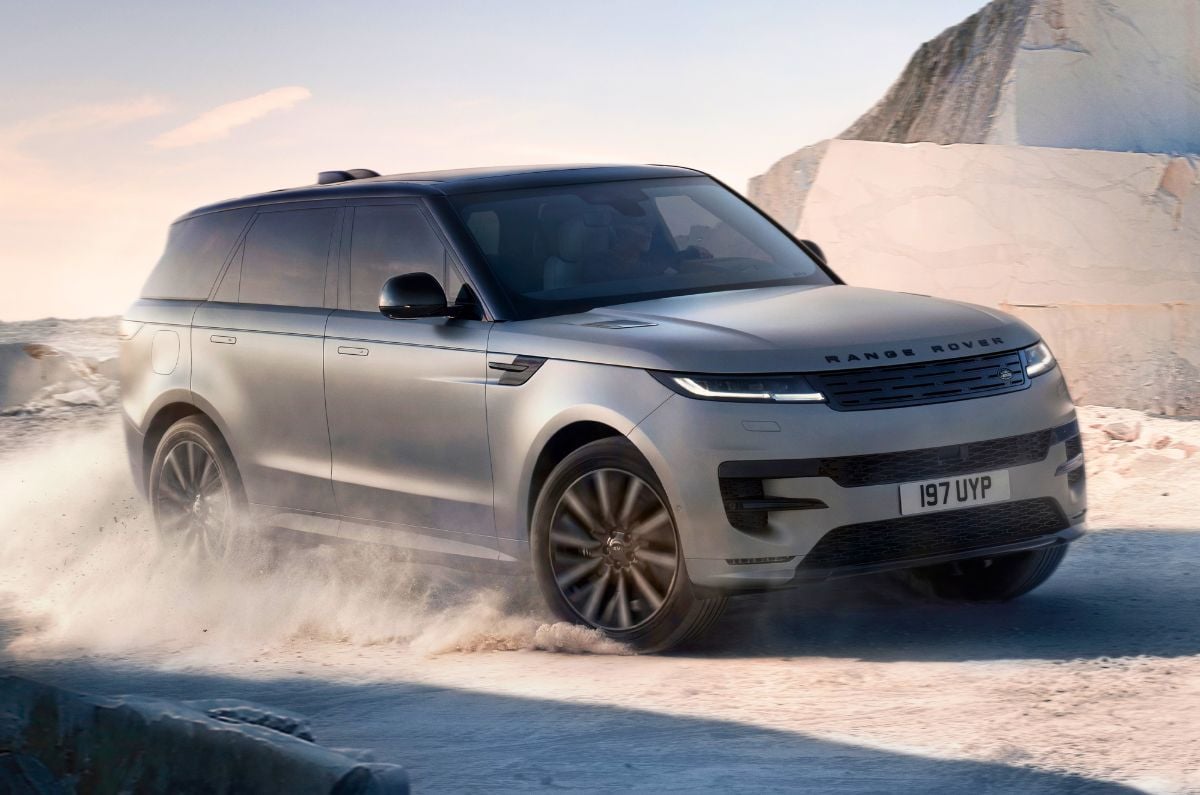
JLR has unveiled the Range Rover Sport Electric and opened order books for the SUV in India. It is the first all-electric model in the Range Rover Sport lineup and gets a 118.5kWh battery pack, the same unit used by the previously revealed Range Rover Electric, albeit with a higher 609km claimed WLTP range. It gets a dual-motor all-wheel-drive (AWD) setup, which delivers “performance to match the V8-powered Range Rover Sport”.
The dual-motor setup produces up to 550hp and 850Nm
0-100kph acceleration is claimed at 4.5 seconds
Exterior and interior designs are similar to the ICE model
Range Rover Sport Electric: Powertrain details
Gets a 118.5kWh battery, 609km claimed range and a 550hp dual-motor setup
The Range Rover Sport Electric is built on JLR’s 800-volt Flexible Modular Longitudinal Architecture (MLA-Flex), which also underpins the flagship Range Rover Electric. It uses the same 118.5kWh battery pack as the Range Rover Electric, but offers a slightly higher claimed range of 609km, up by 9km. The battery is offered with an 8-year or 1.6 lakh km standard warranty (whichever comes first).
The electric SUV gets a dual-motor all-wheel-drive (AWD) setup that produces up to 550hp and 850Nm. JLR claims the torque builds 50 percent faster than in the larger Range Rover Electric, while the 850Nm output is also the highest of any Range Rover Sport model yet. The Range Rover Sport Electric can sprint from 0-100kph in a claimed 4.5 seconds, matching the claimed acceleration time for the P540 V8-powered Range Rover Sport.
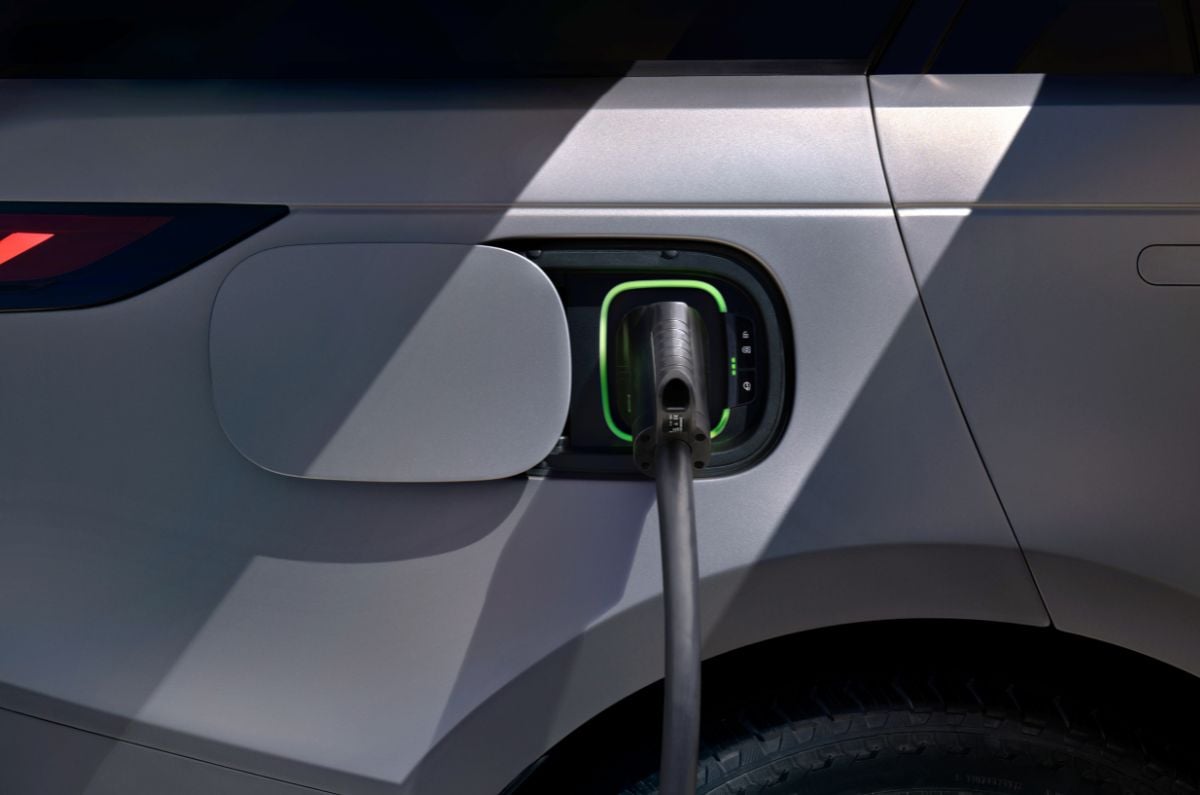
The Range Rover Sport Electric supports DC fast charging at up to 350kW, allowing its battery to replenish from 10 to 80 percent in a claimed 22 minutes. A 10-minute charge can add up to 220km of range to the eSUV.
The Range Rover Sport Electric also features a 61 percent stiffer body structure and a centre of gravity that is 73mm lower than the ICE Range Rover Sport. Its suspension setup comprises double wishbones at the front and a five-link arrangement at the rear, along with air suspension, twin-valve dampers, active roll control and all-wheel steering. Braking hardware includes 380mm ventilated discs with four-piston callipers at the front and 355mm discs at the rear.
Range Rover Sport Electric: Exterior design
Exterior design is largely similar to the ICE model
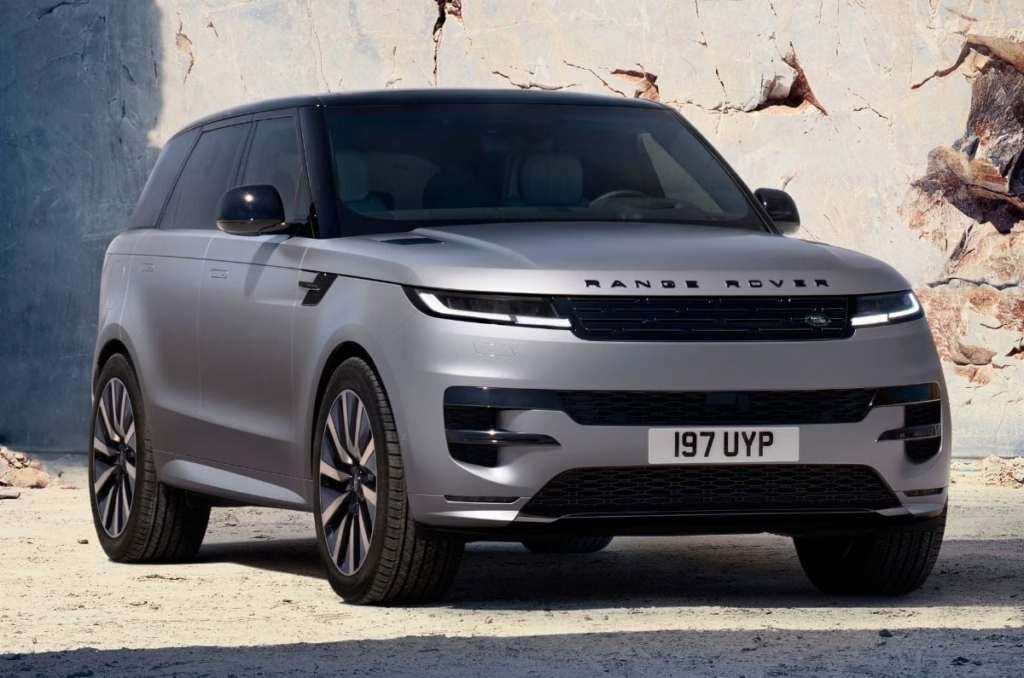
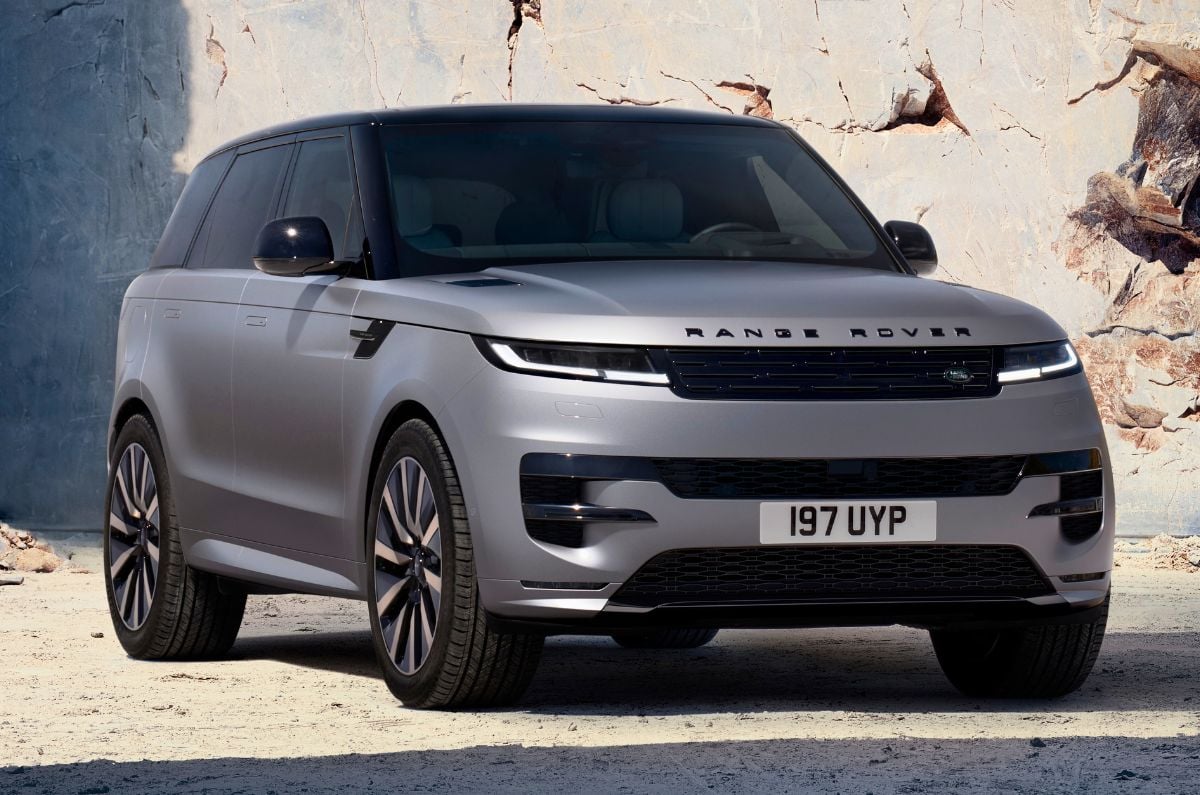
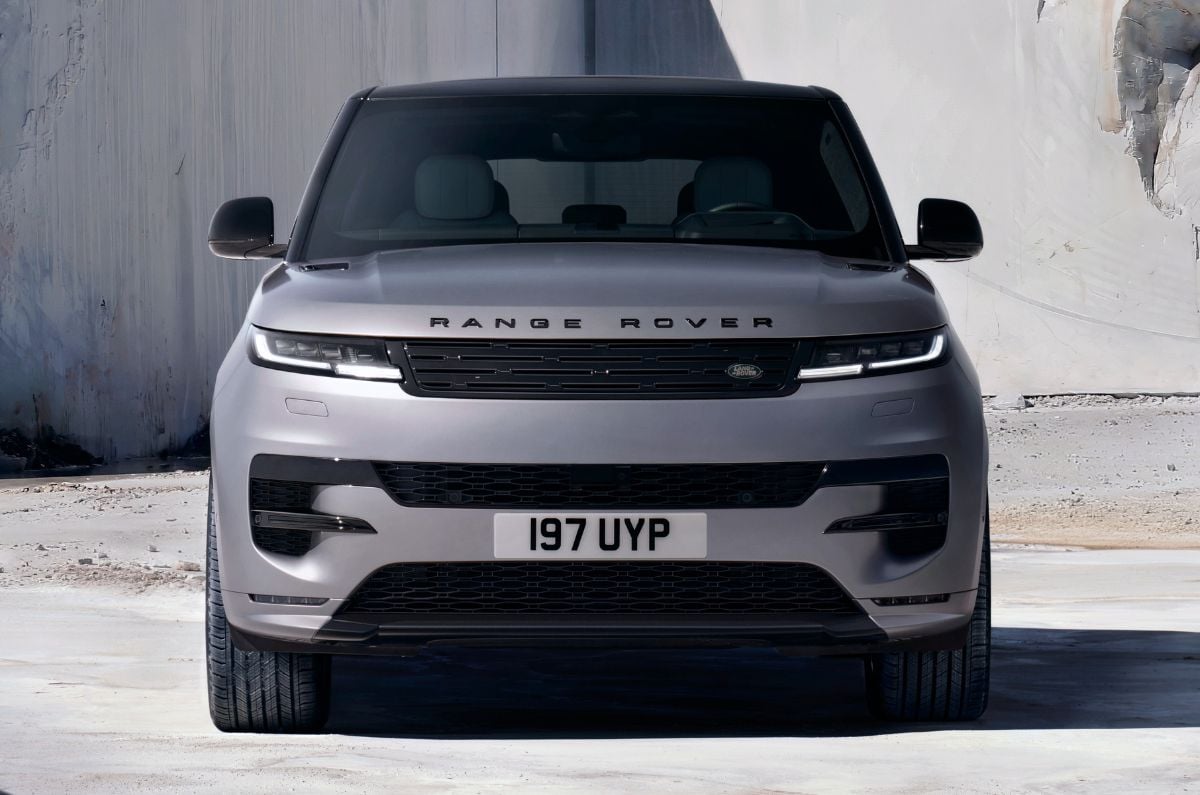
The Range Rover Sport Electric’s exterior design closely mirrors that of its ICE counterpart. Up front, it features the same sleek LED headlights, an aero-optimised black grille with horizontal elements and an offset Land Rover logo, Range Rover lettering on the bonnet, and functional air inlets in the bumper.
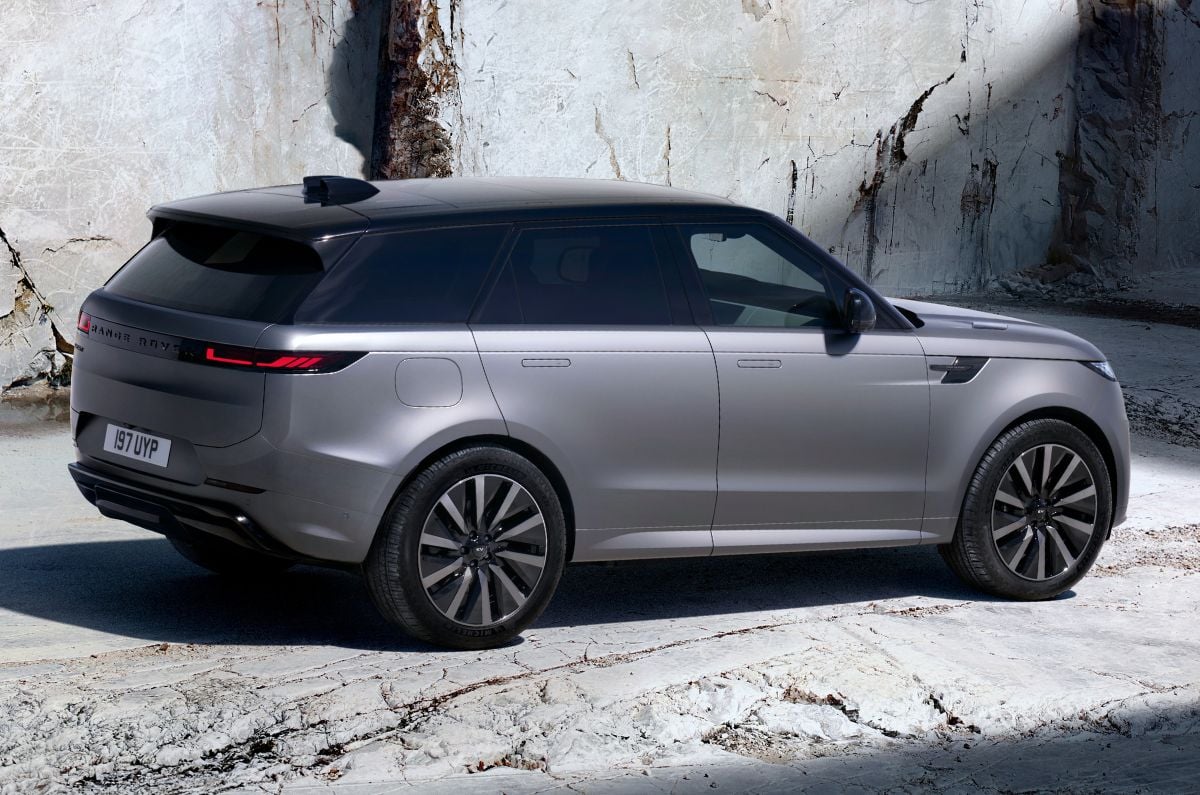
In profile, the SUV gets up to 22-inch alloy wheels with aerodynamic inserts and EV-badged wheel caps, along with flush-fitting door handles and blacked-out A-, B- and C-pillars. The ORVMs and roof are also finished in black.
The rear design remains largely similar to the ICE model, with wraparound LED taillights positioned above a gloss-black trim panel that carries Range Rover lettering in the centre. The tailgate gets a black Sport badge, but has no EV badge.
JLR is offering the Range Rover Sport Electric in four variants: Dynamic SE, Dynamic HSE, Autobiography and First Edition. Customers can also opt for a Black Pack and Satin Wrap for a more understated, stealthy look. The First Edition comes finished in Zadar Grey with a Satin Wrap, a black contrast roof and 22-inch alloy wheels. Meanwhile, Autobiography customers can further personalise their SUV through Range Rover Bespoke, JLR’s in-house commissioning service for bespoke models.
Range Rover Sport Electric: Interior design and features
Gets the same dashboard design as the combustion-powered model
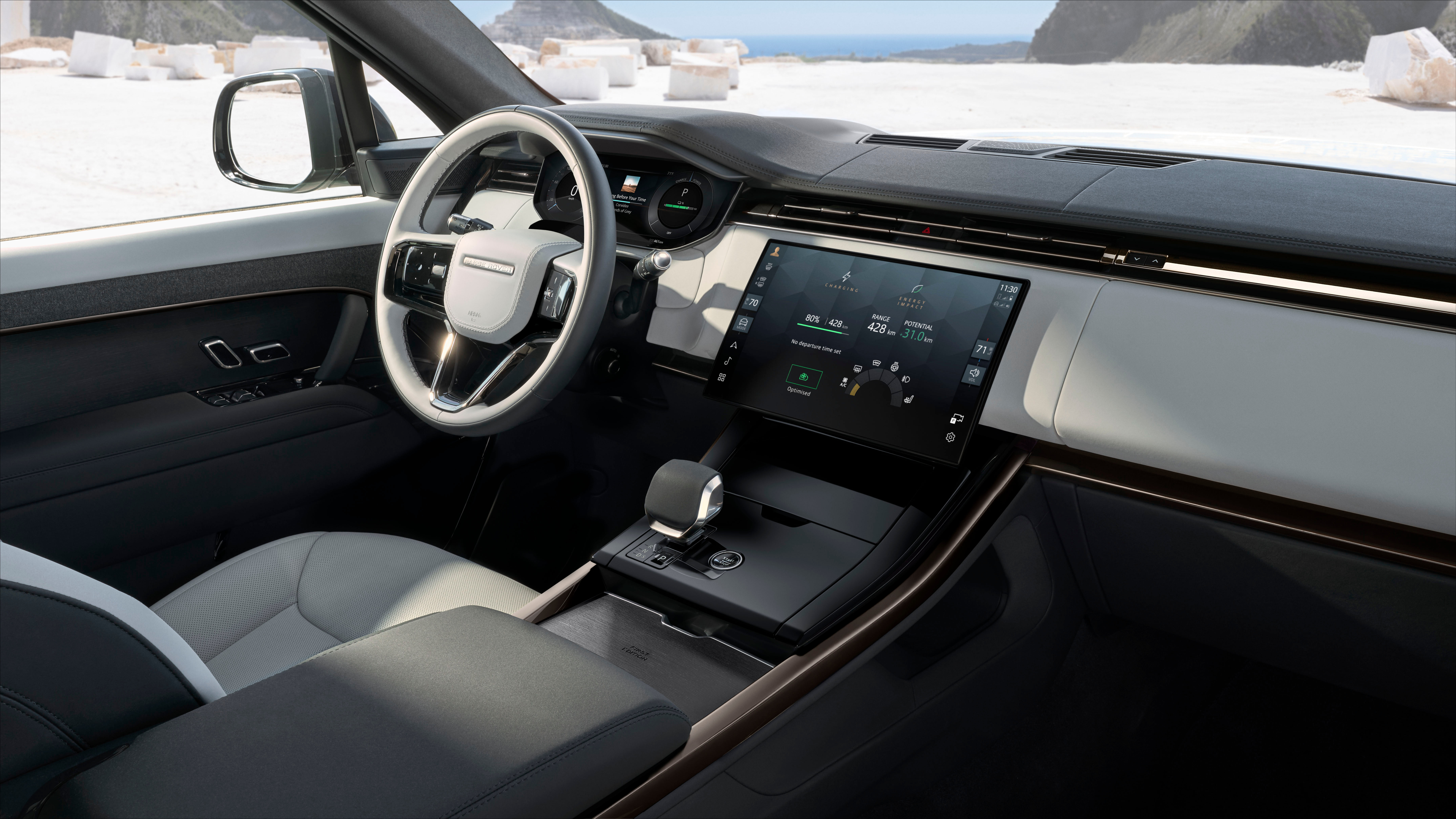
The Range Rover Sport Electric’s interior closely mirrors that of the ICE model. The dashboard features a three-spoke steering wheel with touch-sensitive controls, a 13.1-inch infotainment touchscreen and a 13.7-inch digital driver’s display. Both screens get EV-specific menus, while the centre console and drive mode selector stalk are carried over from the ICE model. Like its combustion-engined counterpart, the Sport Electric has a five-seat layout.
In terms of equipment, the SUV comes with a wireless phone charger, 4-zone climate control, rear sunblinds, and powered, heated and ventilated seats for both the front and rear passengers.
Range Rover Sport Electric: India launch and prices
Expected to be priced at around Rs 2.50 crore
The Range Rover Sport Electric is expected to arrive in India by March 2027 as a fully imported model. As an EV, it will not be eligible for tariff concessions under the India-UK Free Trade Agreement (FTA). It is expected to be priced at around Rs 2.5 crore, placing it at a considerable premium over the ICE-powered, non-SV Range Rover Sport, which is currently priced between Rs 1.43 crore and Rs 1.60 crore.
Mercedes-Benz will launch the GLC Electric in India on November 4, 2026. The electric SUV will be assembled at the manufacturer’s Chakan plant in Pune and, according to Mercedes-Benz, will become the fastest global model to arrive in India as a locally assembled vehicle, just six months after sales began in Europe. The GLC Electric will be offered here in the 400 4Matic guise, and bookings are set to open in October.
Mercedes-Benz GLC Electric: All you need to know
Will get dual electric motors producing 490hp and 800Nm
The Mercedes-Benz GLC Electric 400 4Matic is available internationally with a 94kWh battery pack and a claimed WLTP range of 715km. Its dual-motor all-wheel-drive (AWD) setup produces a combined 490hp and 800Nm, enabling the 2.5-tonne SUV to accelerate from 0-100kph in a claimed 4.3 seconds.
It supports up to 330kW DC fast charging, which can top up the battery for a claimed range of up to 300km in 10 minutes. The international-spec GLC Electric 400 4Matic is offered with 4.5-degree rear-axle steering and air suspension.
Gets plenty of illuminated elements outside
Unlike some of Mercedes-Benz’s newer designs, which can be polarising, the GLC Electric has a more conventional appearance. At the front, it features a large, rounded-edge grille with illuminated elements, star-shaped LED daytime running lamps (DRLs) and projector LED headlights. The side profile is relatively simple, with up to 21-inch alloy wheels, flush-fitting door handles and slim cladding on the wheel arches.
At the rear, the GLC Electric gets star-shaped LED tail-lights with circular outlines, connected by a gloss-black trim. While the front Mercedes logo is illuminated, the rear features a solid 3D badge. Internationally, the 400 4Matic is also available in an AMG Line guise, which gets a more aggressive grille and sportier alloy-wheel designs.
Features a massive 39.1-inch MBUX Hyperscreen on the dashboard
Inside, the GLC Electric features a massive 39.1-inch MBUX Hyperscreen, which Mercedes-Benz claims is the largest display it has ever fitted to a car. The setup seamlessly integrates the driver’s display, infotainment touchscreen and passenger display into a single unit. It runs on the fourth-generation MBUX interface and features a built-in AI assistant. Unlike many modern EVs, the GLC Electric also retains physical controls on the steering wheel and centre console. It has a five-seat configuration.
The Mercedes-Benz GLC Electric is expected to be priced in the range of Rs 80 lakh to Rs 90 lakh (ex-showroom). It will rival the BMW iX3 Long Wheelbase, which is slated to launch in India in 2027.
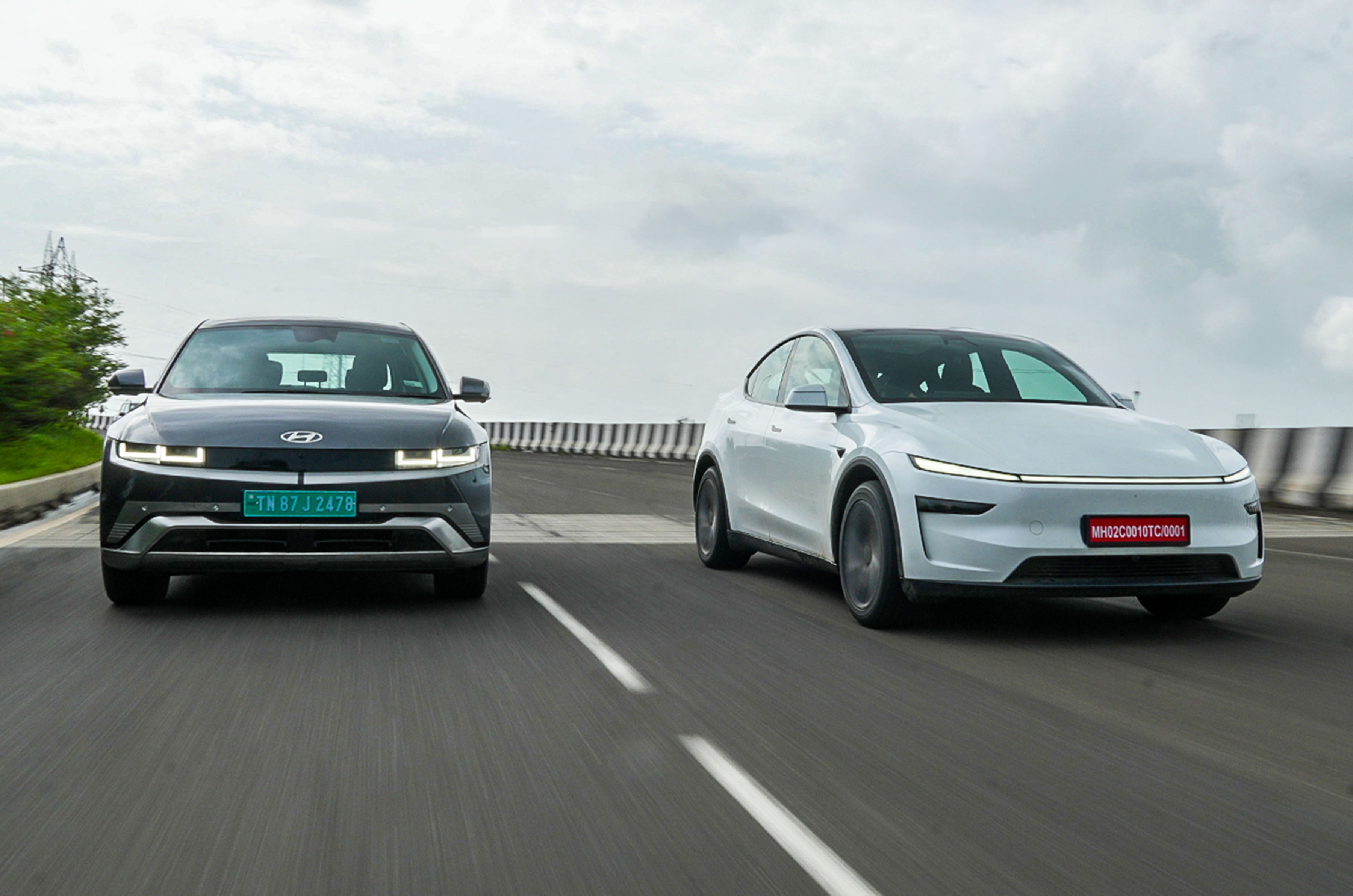
The Hyundai Ioniq 5 has been one of the standout EVs of recent years, so much so that we crowned it our 2024 Car of the Year. Back then, besides being one of the most impressive electric cars on sale, it was also among the most affordable in its segment. And when compared with rivals like the BYD Sealion 7 and BMW iX1, the Ioniq 5 came out on top thanks to its comfort, practicality and value.
Fast forward to 2026, and the landscape has changed. Hyundai has updated the Ioniq 5, and the biggest talking point is its larger 84kWh battery. But in the process, this value-focused EV has become one of the most expensive options available.
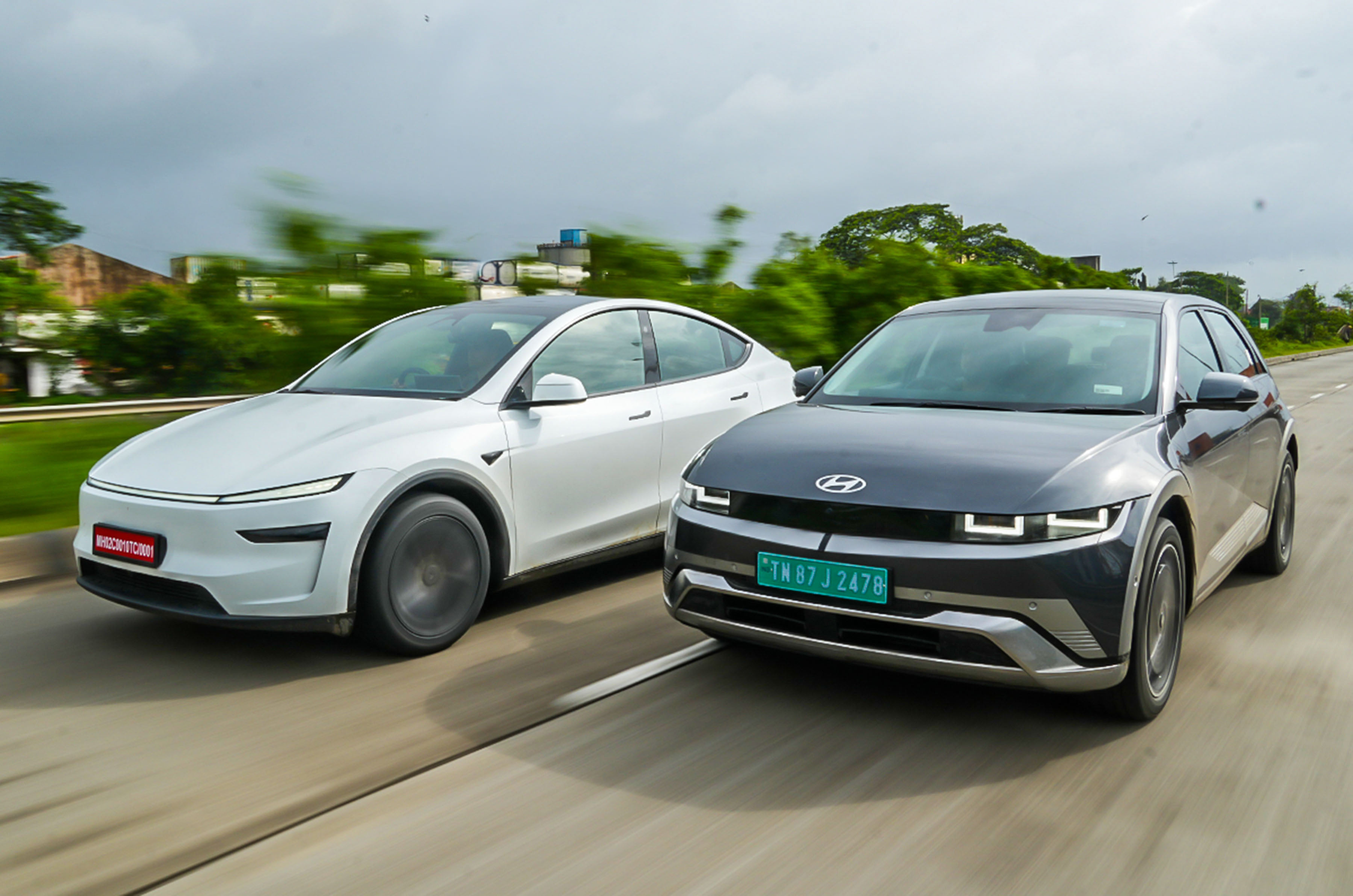
Tesla, meanwhile, has dropped prices. The Model Y now starts at just under Rs 51 lakh, undercutting the Ioniq 5 and transforming itself from one of the pricier alternatives into the more affordable option. With the pricing hierarchy flipped, this comparison has become more interesting than ever.
Tesla Model Y vs Hyundai Ioniq 5: Exterior design
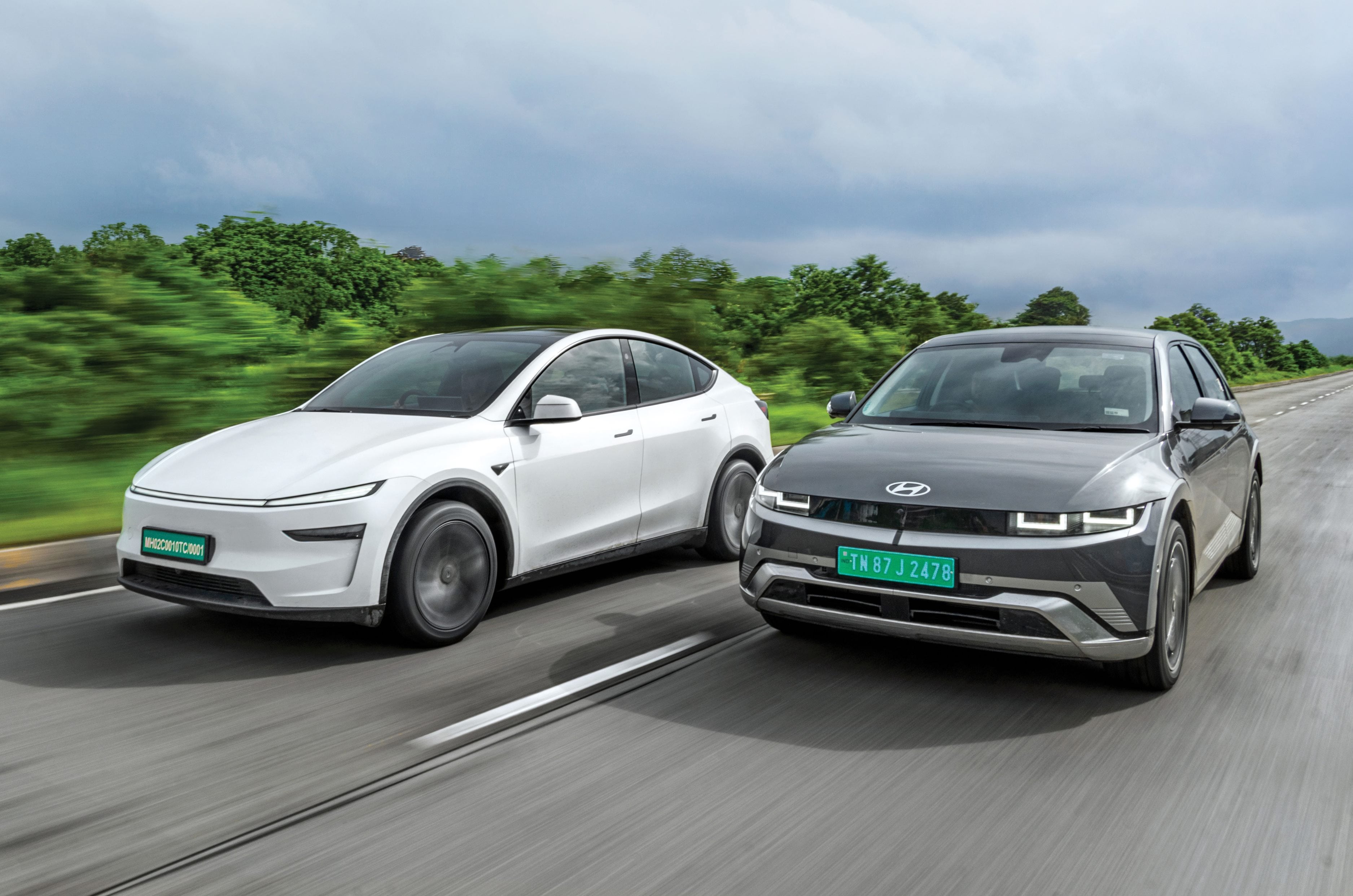
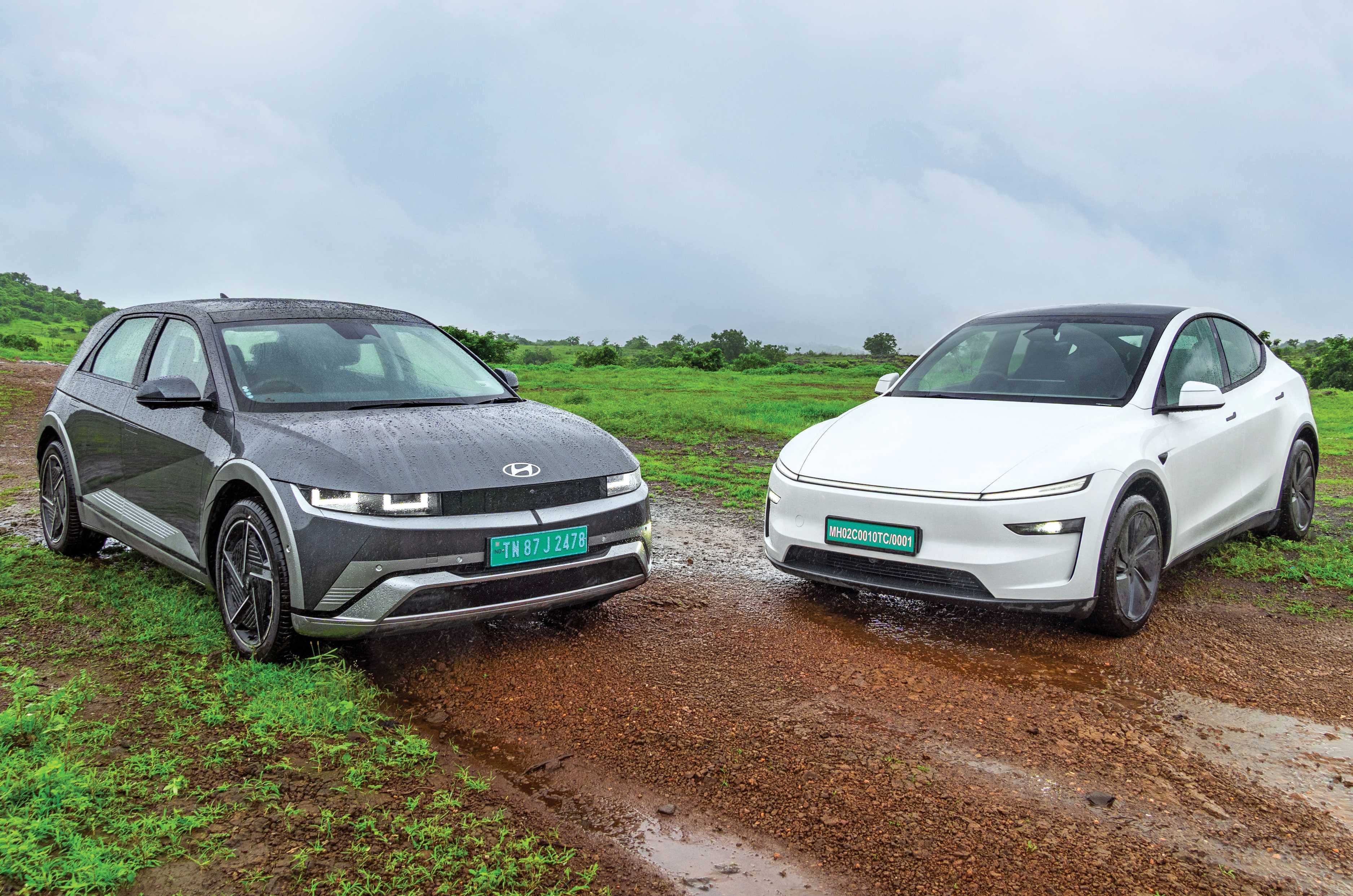
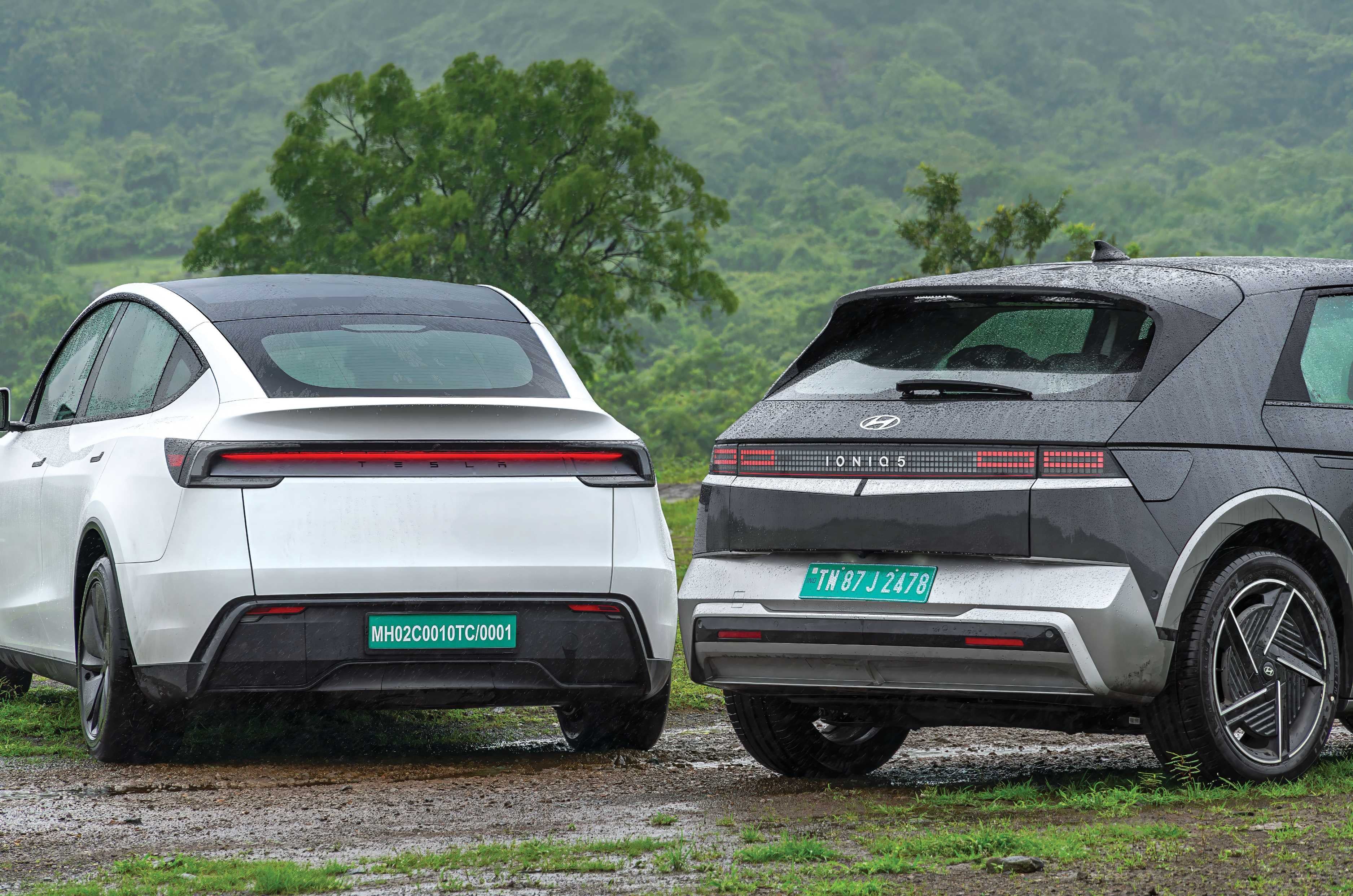
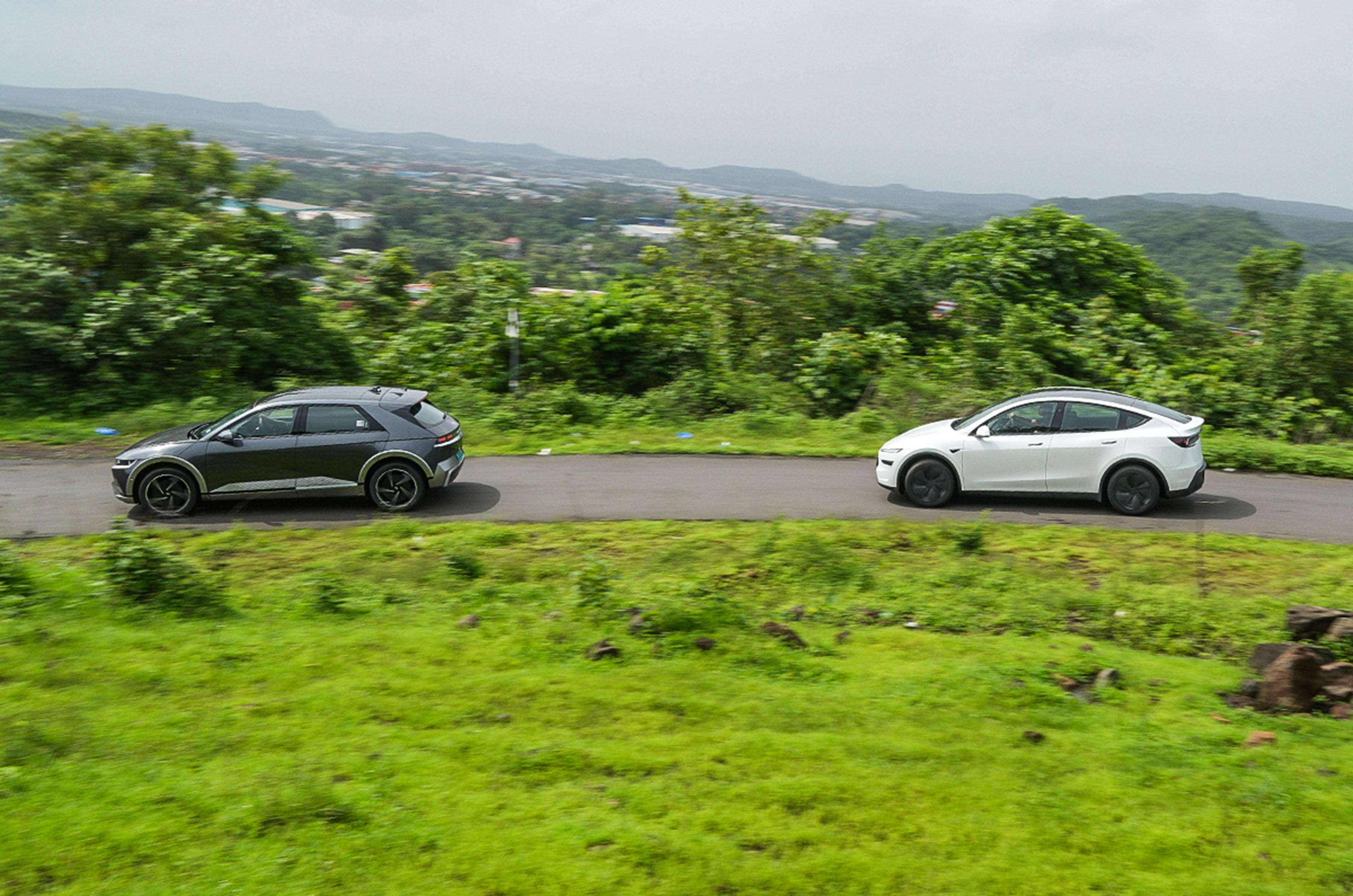
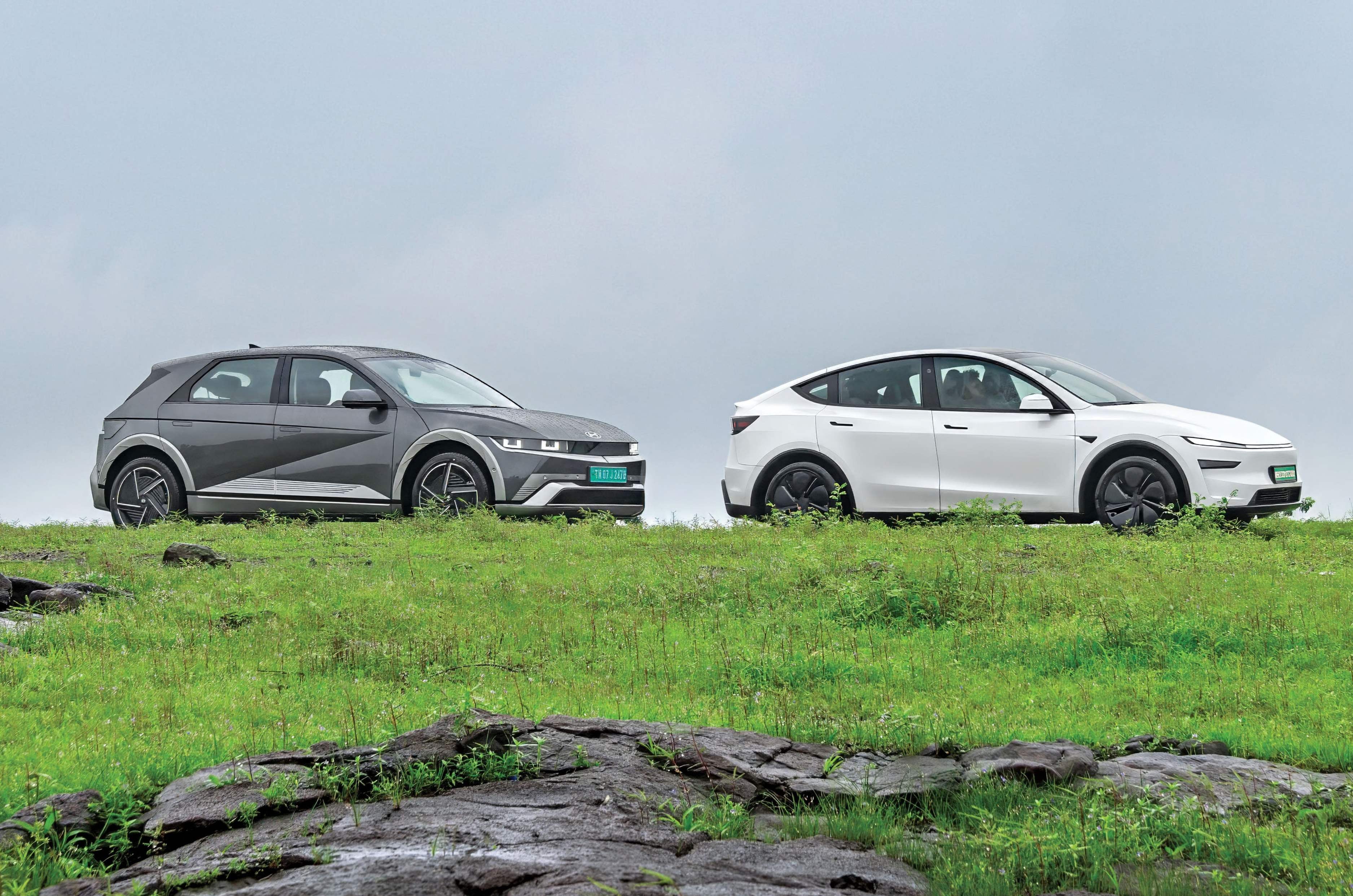
The Tesla Model Y is the larger vehicle overall, although the Hyundai counters with a longer wheelbase. Neither car follows a traditional SUV or sedan template, with muscular proportions and aggressive styling, but the Ioniq 5 stands out with its retro-futuristic design language, blending hatchback and crossover cues into a shape that is both distinctive and characterful. That said, its styling will continue to divide opinion.
The Tesla, by comparison, plays it a little safer. It too wears a crossover body style, but with a minimalist design that is unlikely to offend anyone. Frameless windows and a unique tail-lamp treatment with a hidden light bar add some flair to its otherwise fuss-free styling.
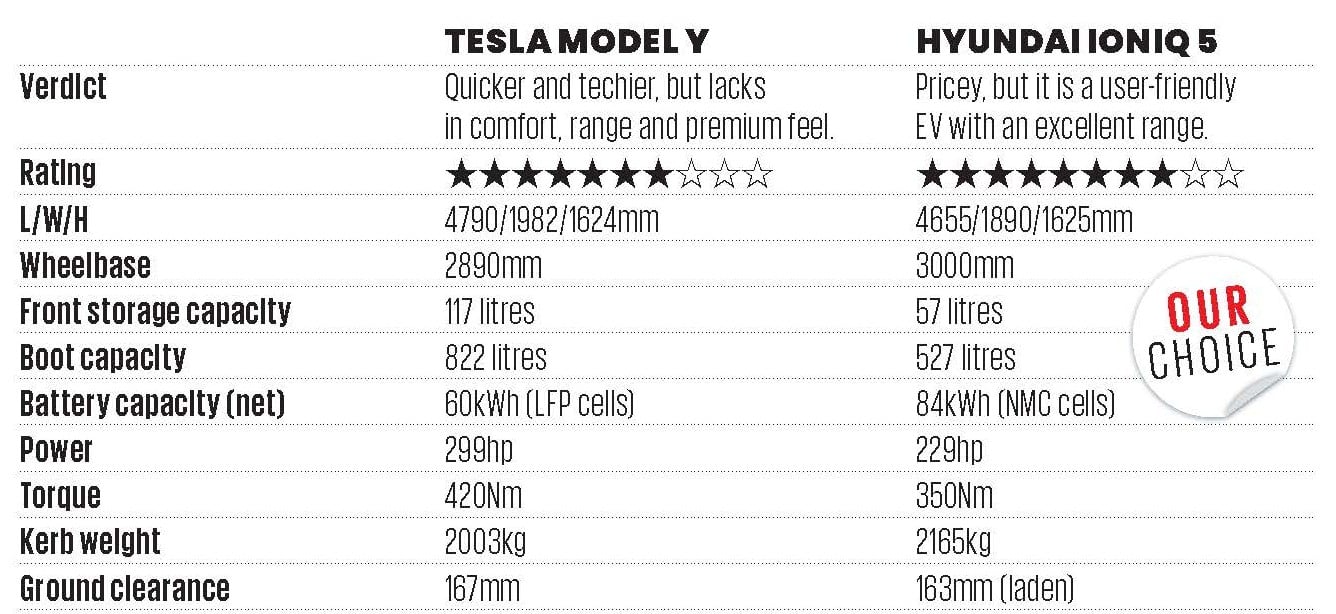
It’s worth noting that Tesla lists ground clearance at 167mm (unladen), while the Ioniq’s figure is specified as laden, coming in at 163mm. In the real world, the Tesla occasionally scrapes over unusually large speed breakers, while the Hyundai clears most of them despite its longer wheelbase.
Tesla Model Y vs Hyundai Ioniq 5: Interior and features
Takes minimalism to a whole different level, with merely a handful of physical controls. Lack of design elements, vegan materials don’t feel special.
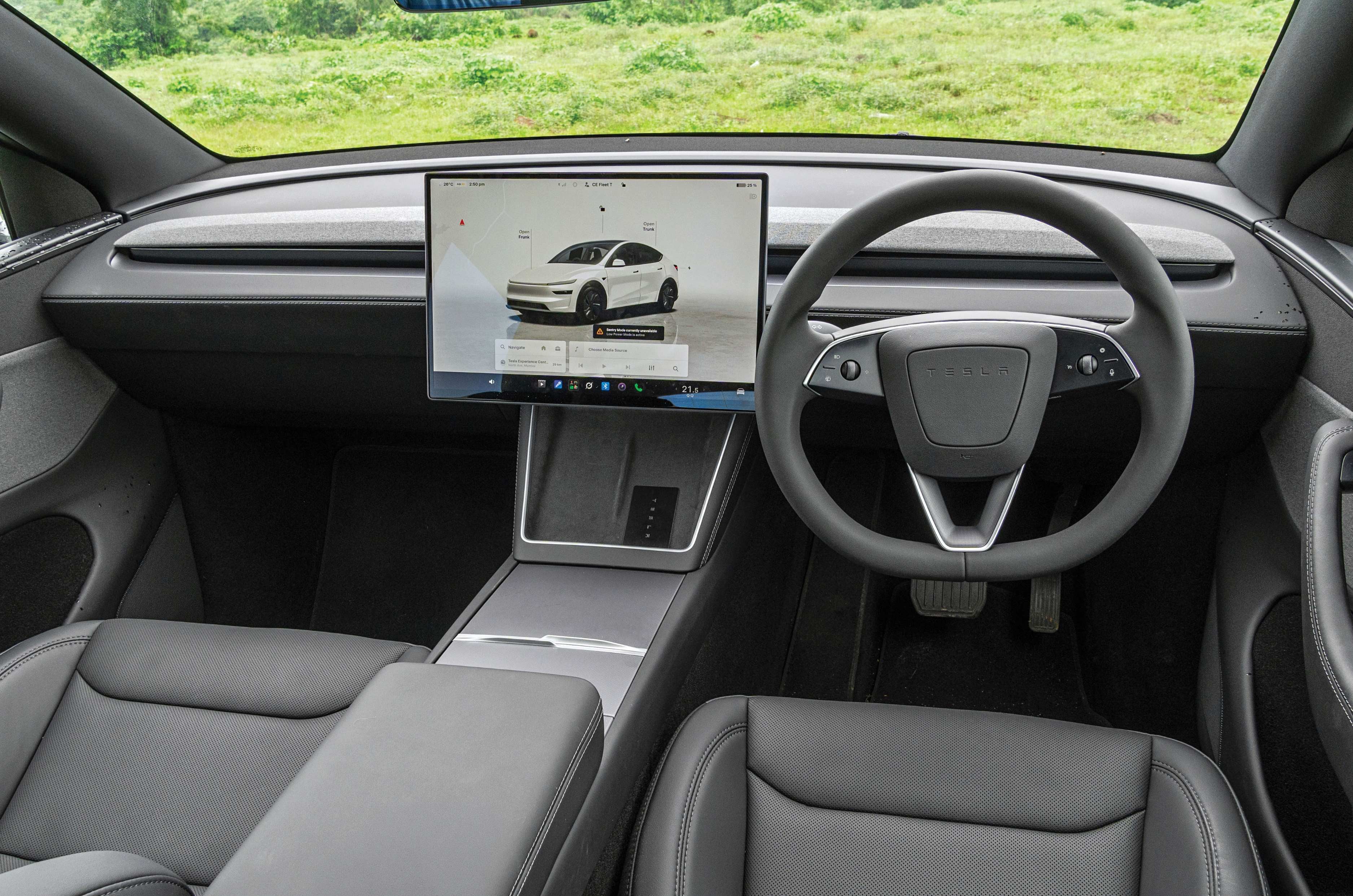
Tesla’s non-motorised flush door handles remain a usability frustration, requiring an awkward push-and-pull action to operate. On the inside, the Model Y’s cabin embraces minimalism to an even greater extent. Even the air vents are hidden. The lack of design elements looks clean, but this and the choice of materials diminish the sense of occasion one expects at this price point.
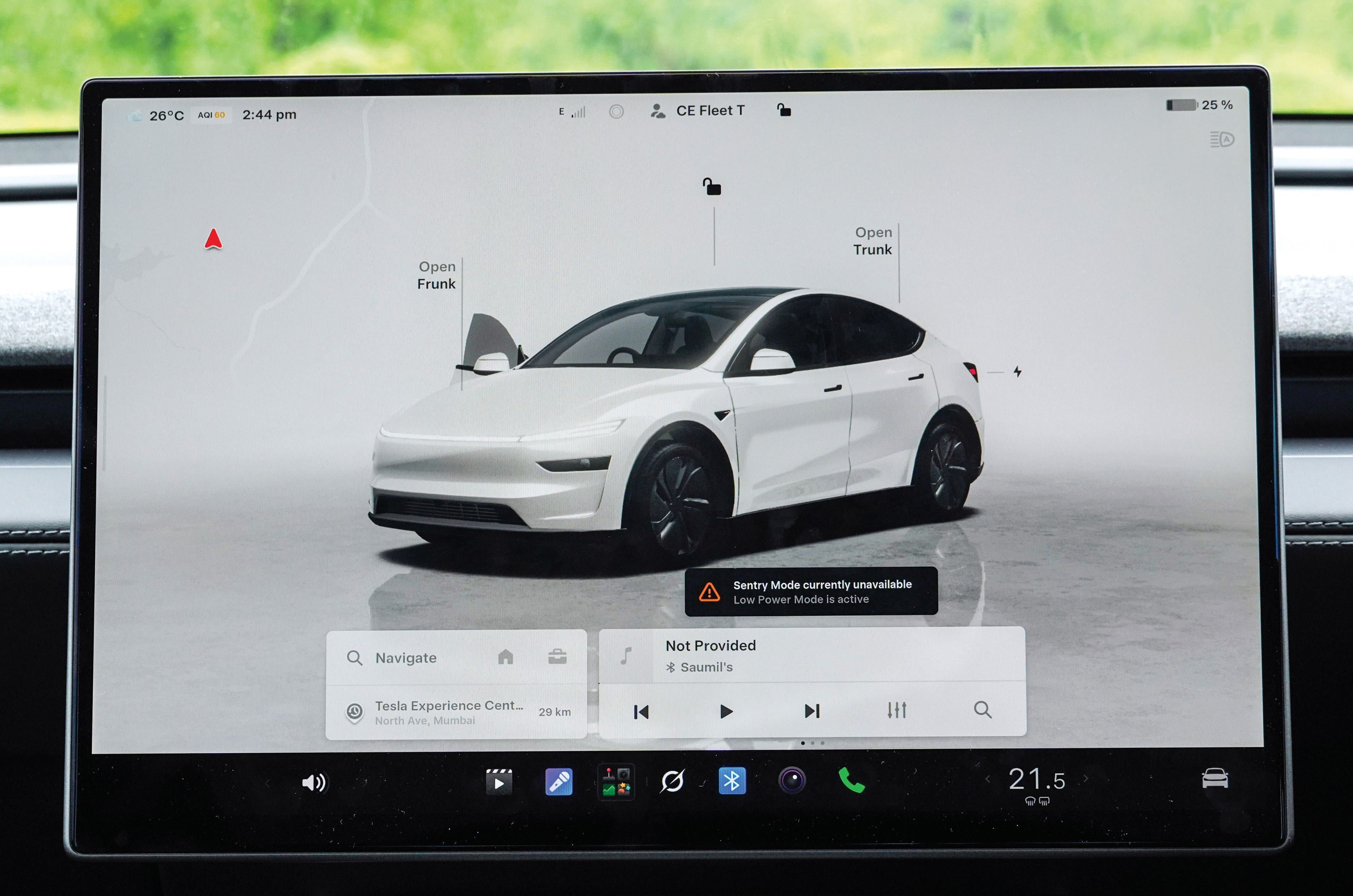
All functions are relegated to its slick screen.
Taking centre stage, quite literally, is a massive touchscreen. Nearly every function is controlled via the screen, including controls for the frunk, tailgate, glovebox, climate control, seats and steering, and mirror adjustments, among many others. This over-reliance on the touchscreen is daunting at first, but Tesla’s software experience is exceptional. The interface remains the benchmark for responsiveness, fluidity and overall usability.
The steering wheel features multi-function controls that take some time to get accustomed to. The high-beam flasher is integrated into the steering wheel too. Thankfully, the indicators and power-window switches remain physical controls. The lack of buttons might seem futuristic, but it often feels as though technology has taken precedence over usability. There are two charging pads, and below them sits an unusually bulky centre console that robs the cabin of some of its sense of space. Hampering usability further is the exceptionally deep storage area, which requires you to stretch to reach items placed inside.
Albeit a bit low-set, this space feels airy thanks to its low window line.
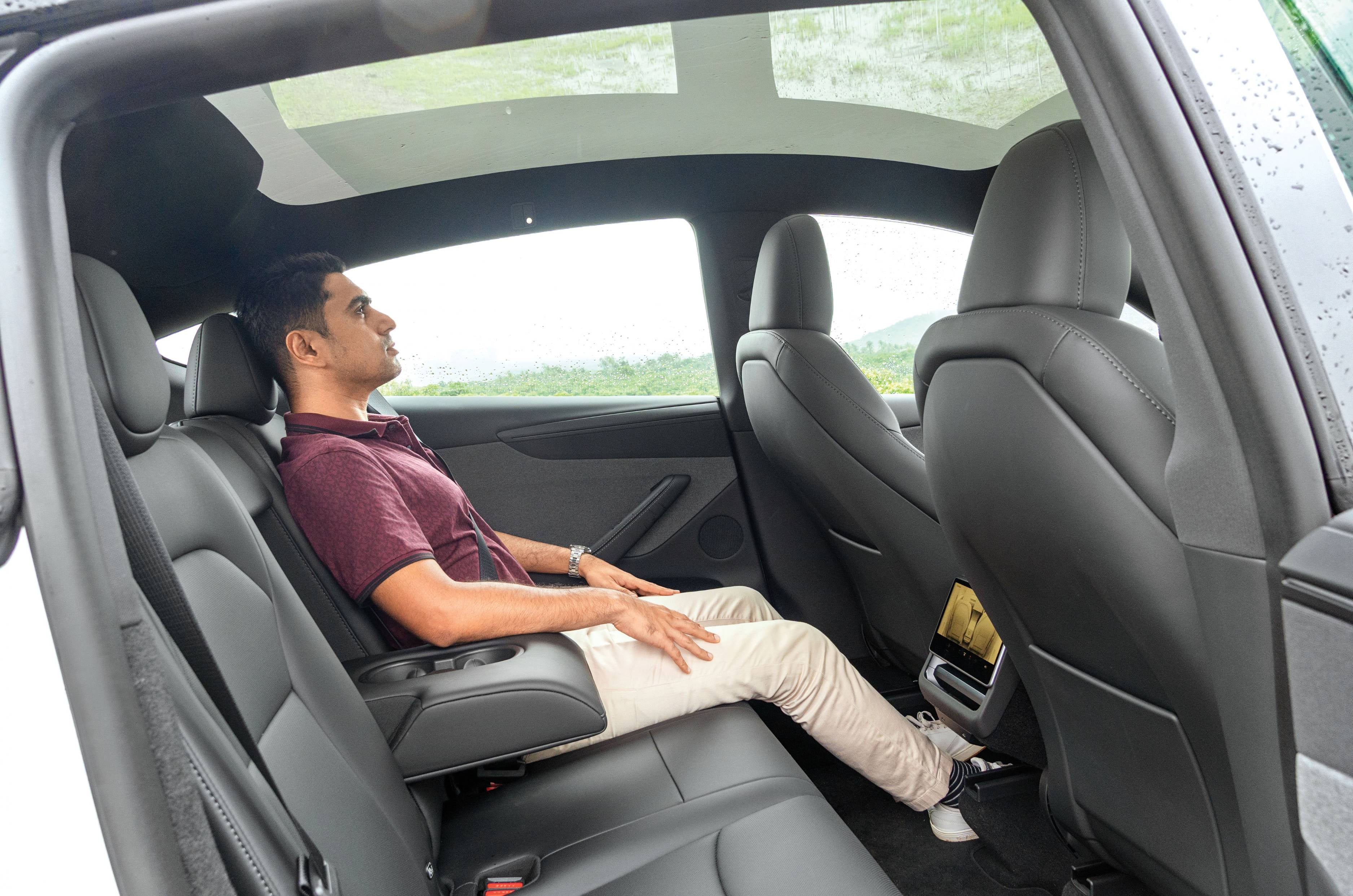
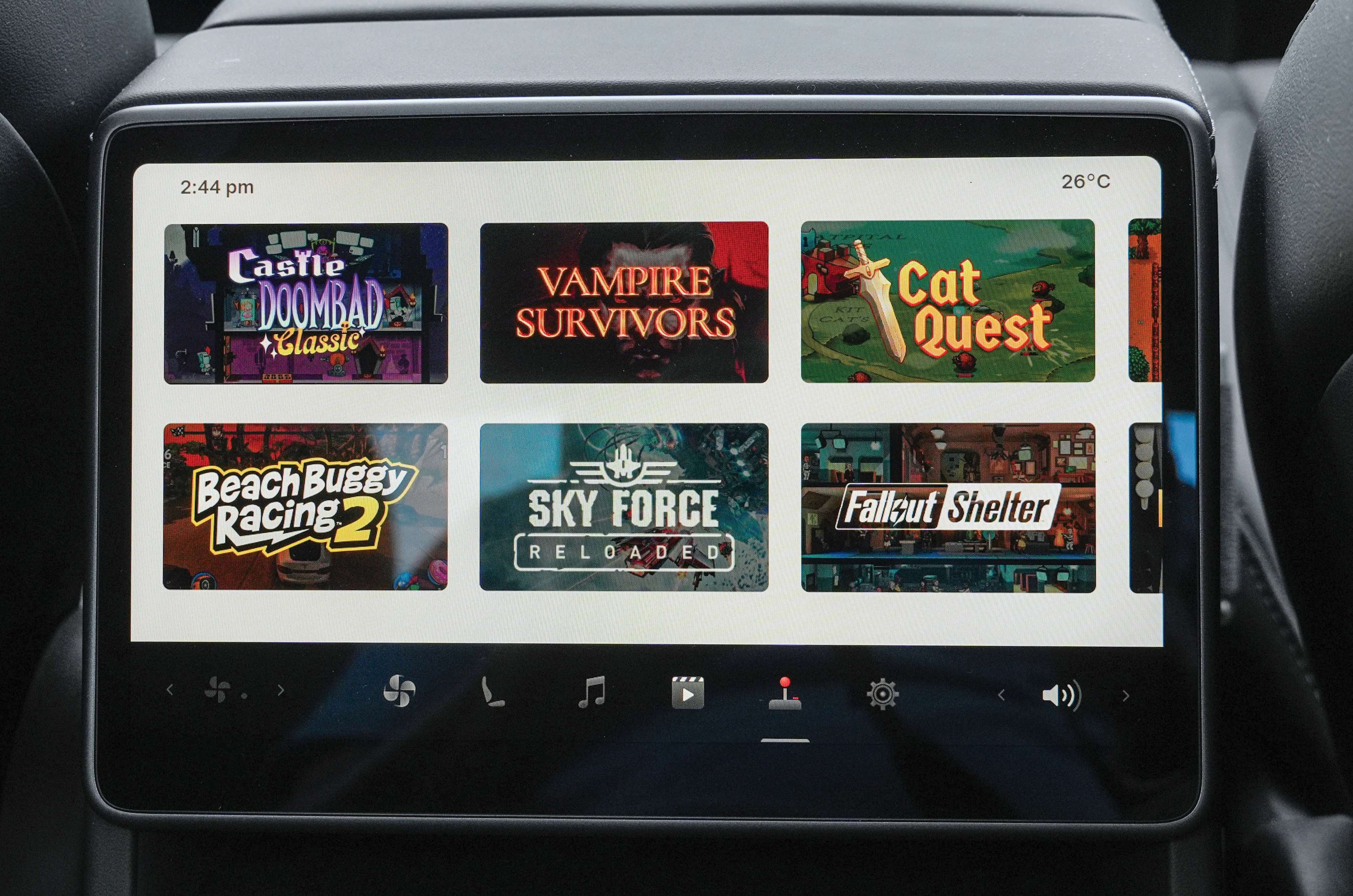
The front seats look simple and are surprisingly comfortable, with heating and ventilation functions. The rear seat is equally comfortable, although the seating position is somewhat low, resulting in a knees-up posture. What’s nice is that the backrest reclines to a comfortable angle. Rear-seat passengers are also treated to a dedicated touchscreen capable of controlling climate functions, streaming content and even gaming.
Rear screen for controls, games and videos.
One major drawback is that the sunroof still lacks a dedicated sunshade, causing the cabin to heat up considerably under the afternoon sun. The rear windows also miss out on sunshades.
More suited to our conditions, the black interiors are well-finished. It gets full marks as far as storage, ergonomics and usability goes.
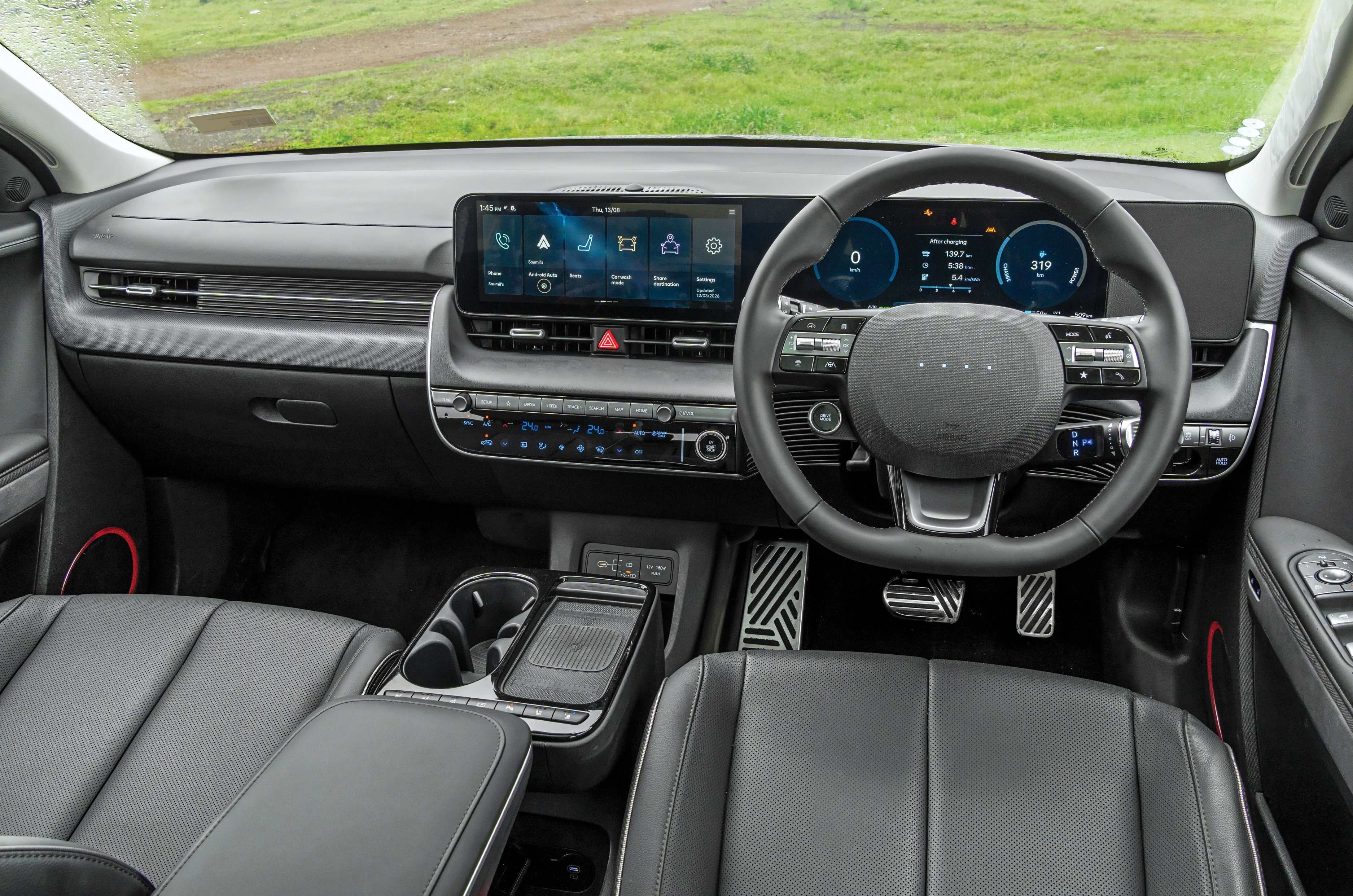
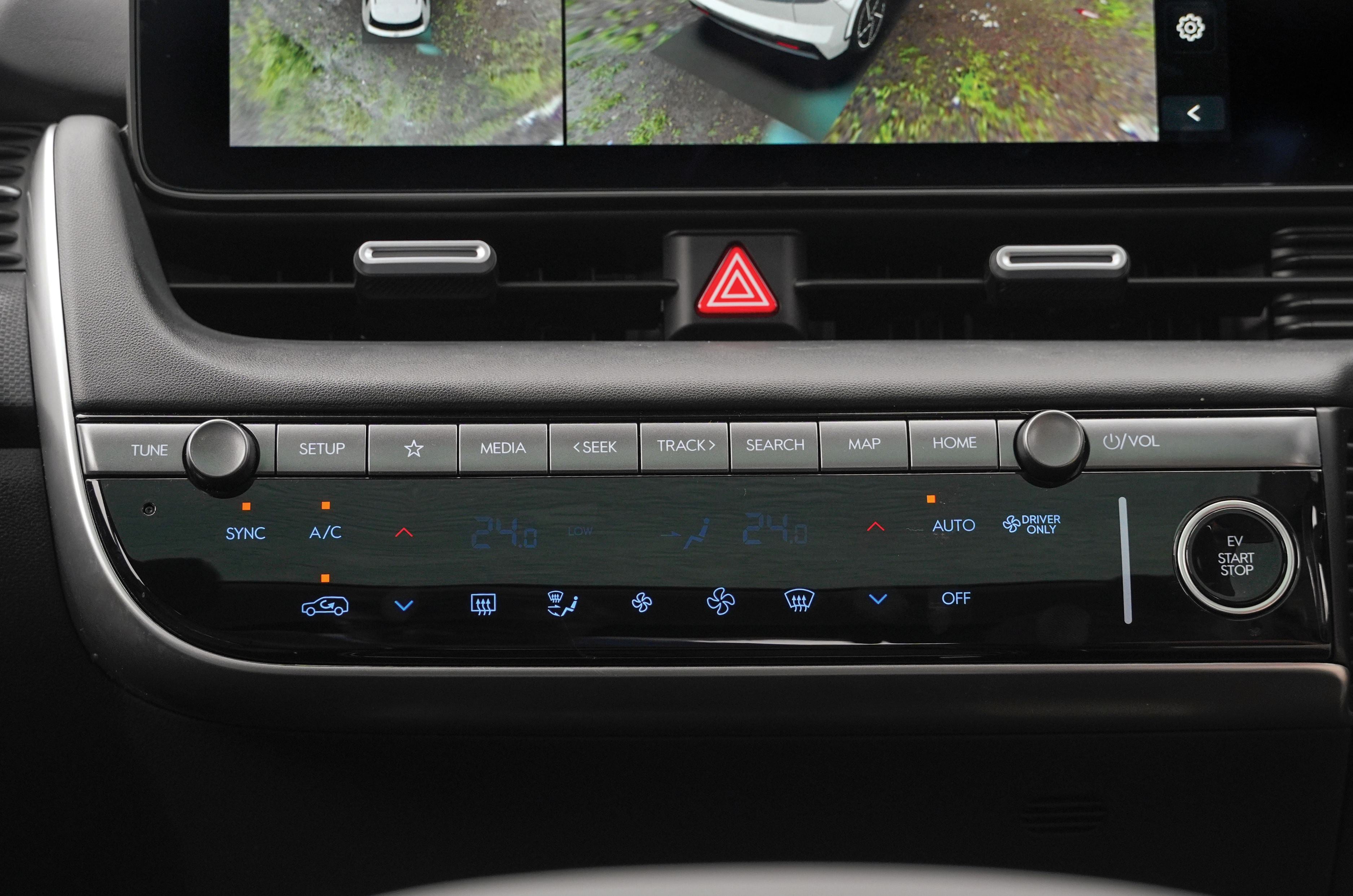
The Ioniq 5’s interior takes a more balanced, user-friendly approach. Not only does it get motorised pop-out door handles, but its cabin also combines touch-sensitive controls with physical buttons and knobs, creating an environment that feels intuitive from the moment you step in.
Thankfully, it retains physical controls.
Material quality is impressive, and where the Hyundai truly excels is in comfort and practicality. Storage areas are thoughtfully integrated throughout the cabin, and the sense of space is outstanding, making the Ioniq 5 particularly easy to live with.
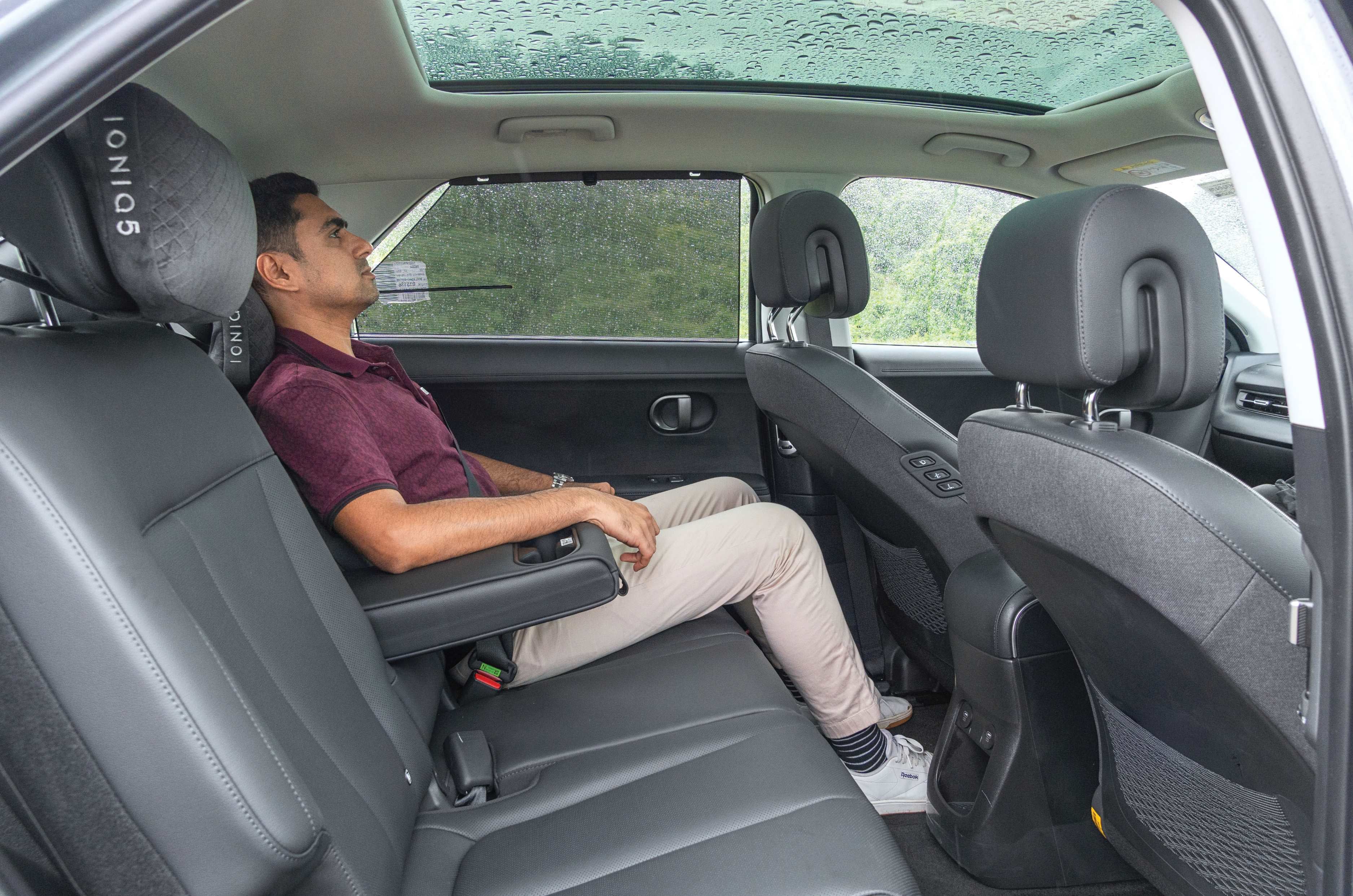
Slide, recline, boss function and sunshades mean a better rear experience.
The front seats are broader and more comfortable, with extensive adjustment, including an ottoman-style leg support. Both front seats can be set up in a ‘zero-gravity’ position, where your back is reclined and legs lifted on the ottoman, making it very comfy. Plus, you can have the seats cooled or heated too, which adds to the relaxing experience. Rear-seat comfort is equally impressive, thanks to a bench that both slides and reclines. While it doesn’t get a dedicated rear screen like the Tesla, it does offer window sunshades and a 3-pin socket to power larger electronic devices.
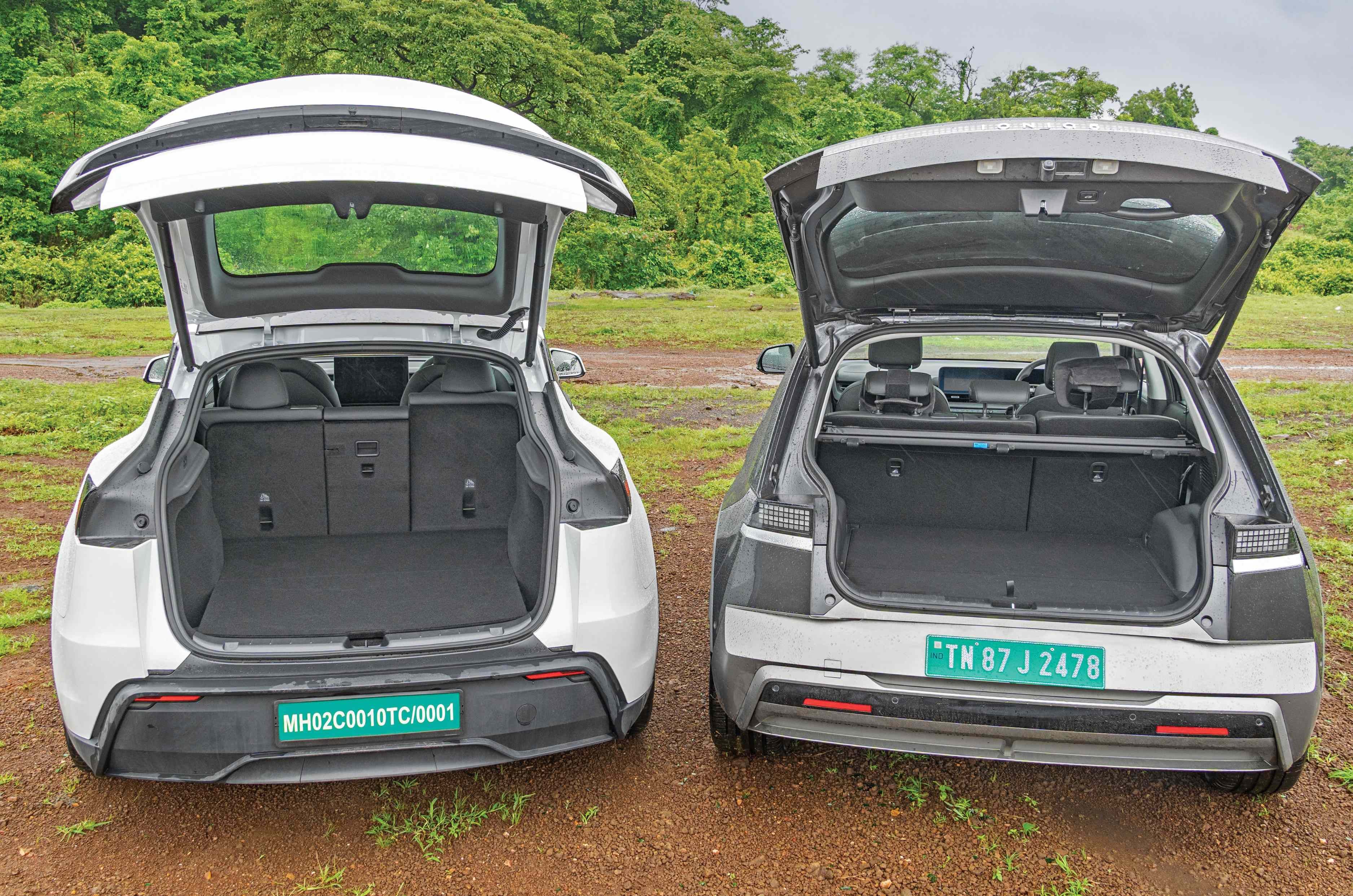
Along with a larger boot, the Tesla gets substantial underfloor storage.
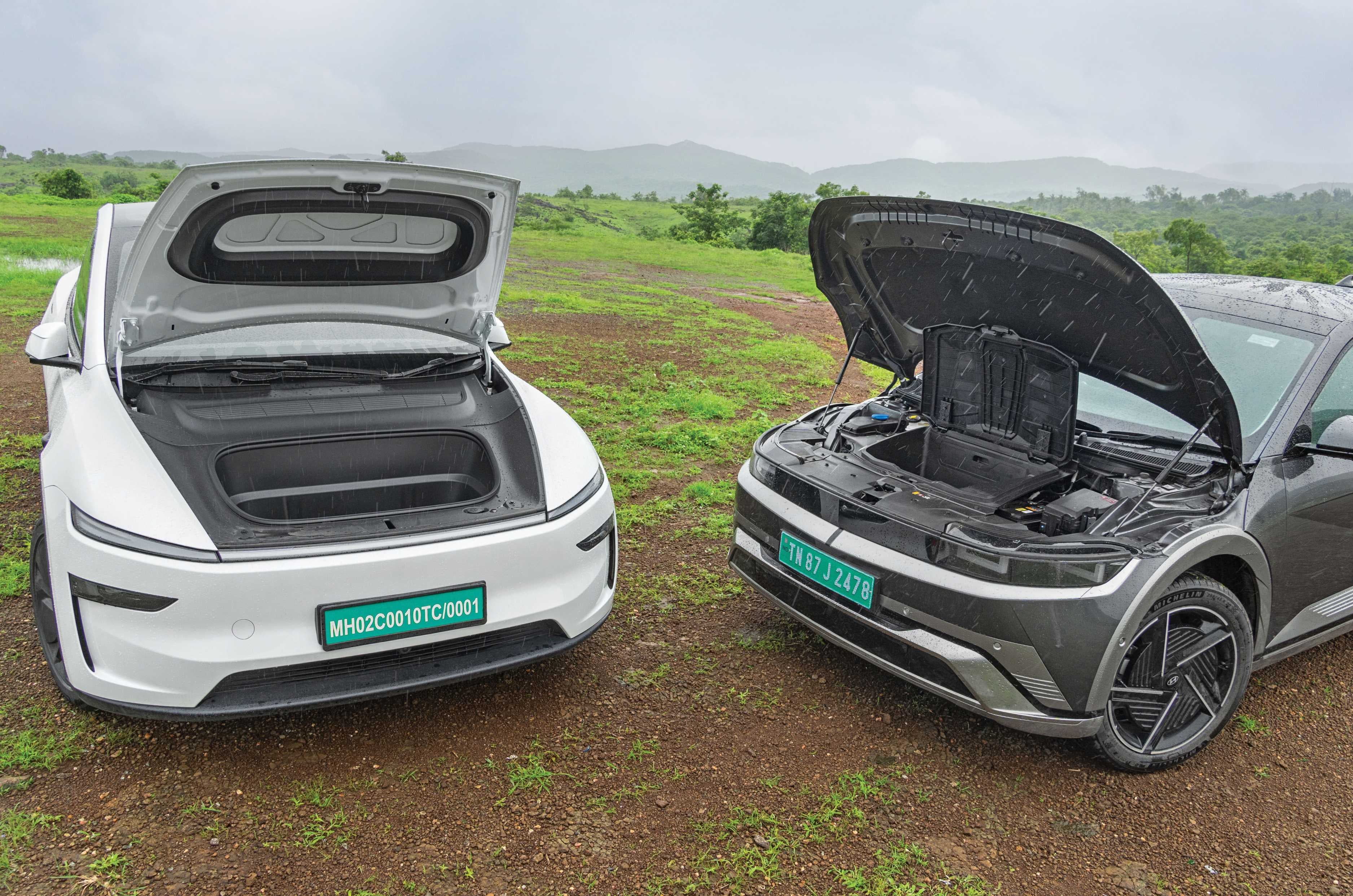
The Tesla regains some lost ground when it comes to luggage-carrying capacity. Its front luggage compartment is broader and deeper than the Ioniq’s, and its boot is more spacious too. Additionally, it offers even more storage space beneath the boot floor. The Ioniq 5, on the other hand, not only falls a bit short in outright boot capacity, but also has a relatively higher loading lip, making it slightly more challenging to load heavy luggage.
The Model Y has a deeper and wider front-loading area than the Hyundai.
Tesla Model Y vs Hyundai Ioniq 5: Powertrain and performance
Hyundai has increased the battery size from 72.6kWh to 84kWh (gross capacity) while continuing to use Nickel Manganese Cobalt (NMC) cell chemistry. This feeds a 229hp/350Nm rear-mounted motor, which is 12hp more than before. However, the larger battery has pushed kerb weight up to 2,165kg, which is 150kg more than the outgoing version.
In contrast, the Model Y uses a 64kWh (gross capacity) battery with Lithium Ferrous Phosphate (LFP) cell chemistry, powering a 299hp/420Nm rear-mounted electric motor. While it is significantly more powerful, the Tesla is also 162kg lighter. As a result, its performance feels considerably stronger. It feels quicker off the line, accelerates harder and responds more eagerly to throttle inputs than the Hyundai.
Tesla keeps things simple with just two drive modes: Standard and Chill, the latter serving as an economy setting. Impressively, Chill mode remains highly usable and, despite being toned down, still accelerates as strongly as the Hyundai in its sportiest setting.
Tesla Model Y vs Hyundai Ioniq 5: Acceleration test (in seconds)
Tesla Model Y
Hyundai Ioniq 5
20kph
1.29
1.31
40kph
2.33
2.66
60kph
3.48
4.05
80kph
4.69
5.71
100kph
6.19
7.97
120kph
8.23
10.83
140kph
10.78
14.63
160kph
14
20.27
To put its performance into perspective, the Model Y accelerates from 0-100kph in just 6.19 seconds in Standard mode and reaches its 203kph top speed in roughly 25 seconds. Even in Chill mode, it completes the 0-100kph run in a respectable 8.25 seconds, just 0.28 seconds slower than the Ioniq 5. More interestingly, the Tesla reaches 160kph in 18.58 seconds, making it 1.6 seconds quicker to the mark.
Tesla Model Y vs Hyundai Ioniq 5: Regenerative braking distance (80-20kph)
Tesla Model Y
Hyundai Ioniq 5
Strongest
116.71m (Standard)
136.45m (i-Pedal)
Weakest
223.55m (Reduced)
391.50m (Level 1)
In the Model Y, regenerative braking has just two modes – Standard and Reduced – and the retardation is seamless, though quite strong when you lift off the accelerator. Notably, Standard mode generates stronger deceleration than the Ioniq 5 in its most aggressive single-pedal setting. And while both cars support true one-pedal driving, the Tesla’s implementation feels more natural and intuitive. The Ioniq, though, with its multiple levels, can be set up to have retardation feel more ICE-like and thus very familiar.
Turning our attention to the Hyundai Ioniq 5, it may not dominate traffic-light drag races, but the good news is that power delivery is exceptionally smooth, and the overall driving experience feels highly refined. It offers multiple drive modes that alter part-throttle responses, steering feel and brake-pedal feel, although outright acceleration remains largely unchanged between them.
In general, the Ioniq 5’s cabin feels slightly more hushed than the Model Y’s, with a quieter motor and lower levels of road and tyre noise. Notably, though, the Tesla’s frontal sound insulation is exceptional – from inside the cabin, you would swear its horn is rather meek, but we assure you, that isn’t the case.
Tesla Model Y vs Hyundai Ioniq 5: Ride and handling
The Model Y is quicker, but the Ioniq 5 betters it on range and fast-charging speed.
On the move, the Model Y inspires confidence. High-speed stability is excellent, and it changes direction with greater eagerness compared to the Ioniq. The small-diameter steering wheel offers different weight settings, but even its lightest mode feels substantial; it isn’t that light, one-finger-twirl setup and does come across as heavy. Ride comfort also doesn’t feel particularly plush. The suspension is quite firm and thuds noticeably over potholes and broken surfaces, making it less suited to rough Indian roads.
The Ioniq 5 takes a different approach. It feels far more comfortable and user-friendly, thanks to lighter steering and a softer suspension that, despite its 20-inch alloy wheels, absorbs road imperfections with much greater composure than the Tesla. The result is a more relaxed and comfortable driving experience. Sure, it doesn’t feel as sporty while changing direction and can feel a touch floaty at higher speeds, but that is a compromise many buyers will gladly accept for its low-speed pliancy and overall comfort.
Tesla Model Y vs Hyundai Ioniq 5: Range and efficiency
For our real-world range test, we ran the Hyundai Ioniq 5 in Eco mode and the Model Y in Chill mode, with the former’s regenerative braking set to Level 2 in the city and Level 1 on the highway, and the latter’s set to Standard in the city and Reduced on the highway.
As far as efficiency goes, the Ioniq 5 was more efficient in the city, delivering 6.22km/kWh, while the Model Y managed 5.84km/kWh. On the highway, the Tesla’s superior aerodynamics yielded 6.52km/kWh, whereas the Ioniq 5 managed 5.71km/kWh. However, thanks to Hyundai’s substantially larger battery, its overall average range extrapolates to 501km, comfortably ahead of the Tesla’s 371km.
Tesla Model Y vs Hyundai Ioniq 5: Real-world range and efficiency
Tesla Model Y
Hyundai Ioniq 5
Claimed range
500km
690km
City range
350km
523km
City efficiency
5.84km/kWh
6.22km/kWh
Highway range
391km
479km
Highway efficiency
6.52km/kWh
5.71km/kWh
Average range
371km
501km
Average efficiency
6.18km/kWh
5.96km/kWh
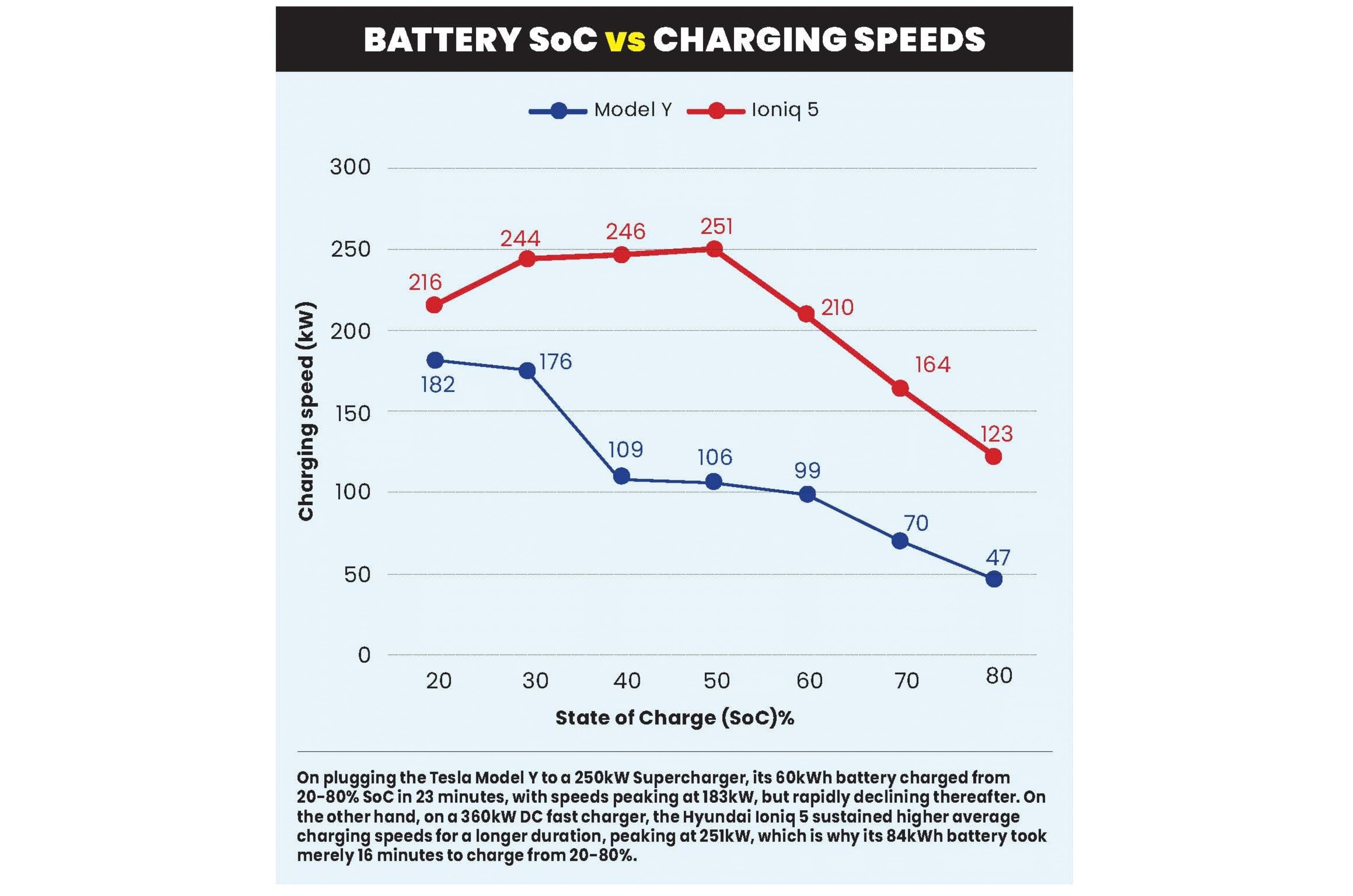
As for charging performance, we plugged the Model Y into a 250kW Tesla Supercharger, where it achieved peak charging speeds of 183kW. However, the Model Y does not sustain such high speeds for long, and its 60kWh battery is charged from 20-80 percent SoC in 23 minutes. From there, it took an additional 30 minutes to reach a full charge.
The Hyundai Ioniq 5 performs even better. Connected to a 360kW DC fast charger, its 800V electrical architecture enabled it to consistently maintain higher average charging speeds, peaking at 251kW. As a result, its 84kWh battery charged from 20-80 percent SoC in just 16 minutes. Like the Tesla, however, it required an additional 33 minutes to charge from 80 percent to full.
Tesla Model Y vs Hyundai Ioniq 5: Verdict
The Ioniq 5 no longer offers the value it once did. The Model Y, however, does.
The Tesla Model Y makes a compelling case for itself. It is quicker, more technologically advanced and backed by software that remains among the best in the automotive world. Crucially, it is now the more affordable option, making it a very tempting proposition. However, its over-reliance on the touchscreen, heavy steering, a firm low-speed ride and limited range due to the smaller battery count against it.
In comparison, the Hyundai Ioniq 5 remains the more rounded package. Its superior ride comfort, more intuitive cabin, significantly longer real-world range and impressive charging performance give it a clear edge where it matters most. More importantly, it feels better adapted to Indian roads and daily usage, thanks to its lighter steering and more comfortable ride.
At current prices, though, the Hyundai no longer holds the value card, nor does the brand command the same equity or snob value as some similarly priced rivals. But judged purely on its merits, the Hyundai Ioniq 5 continues to be the best all-round EV at this price point and thus gets our vote.
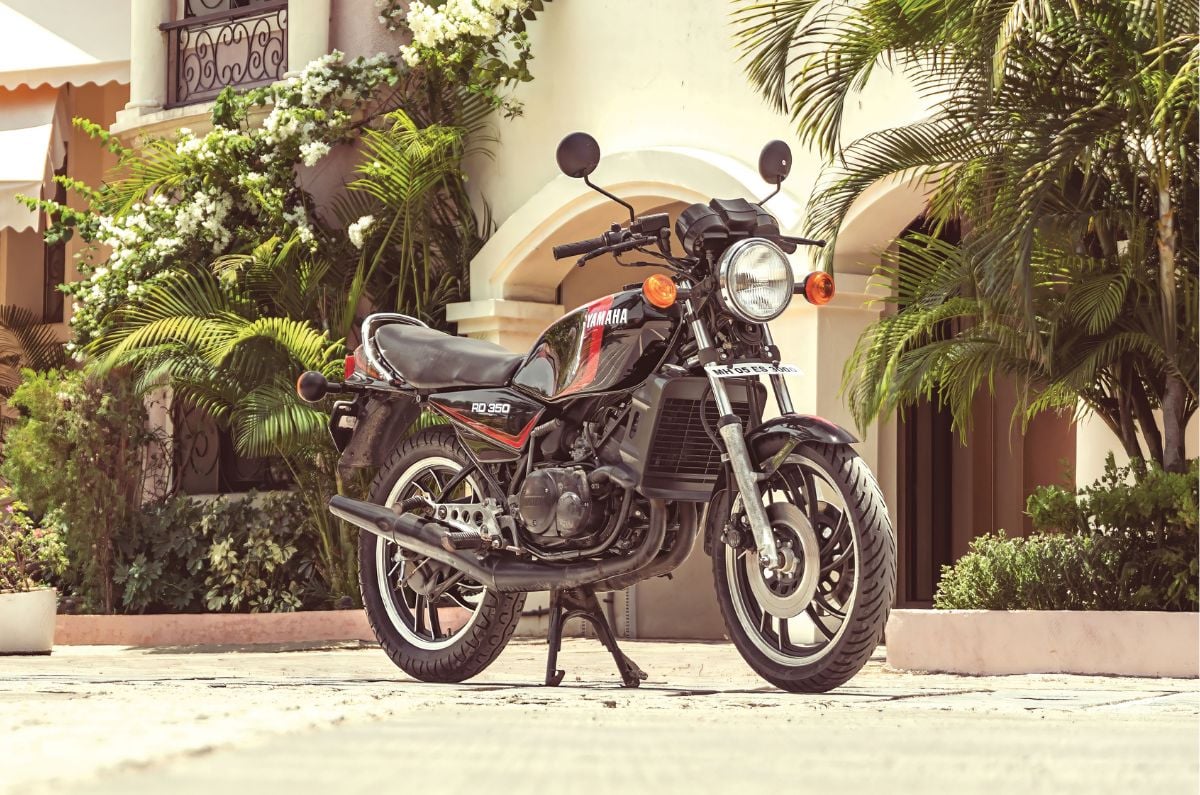
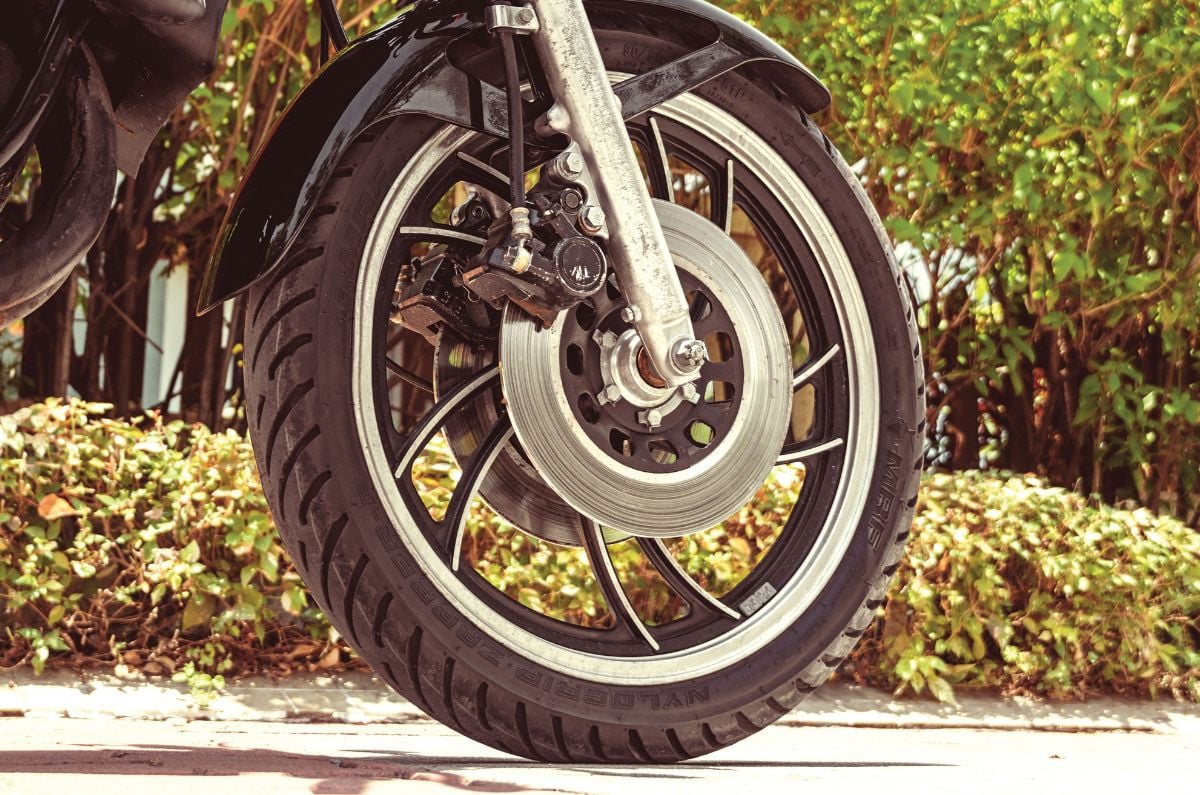
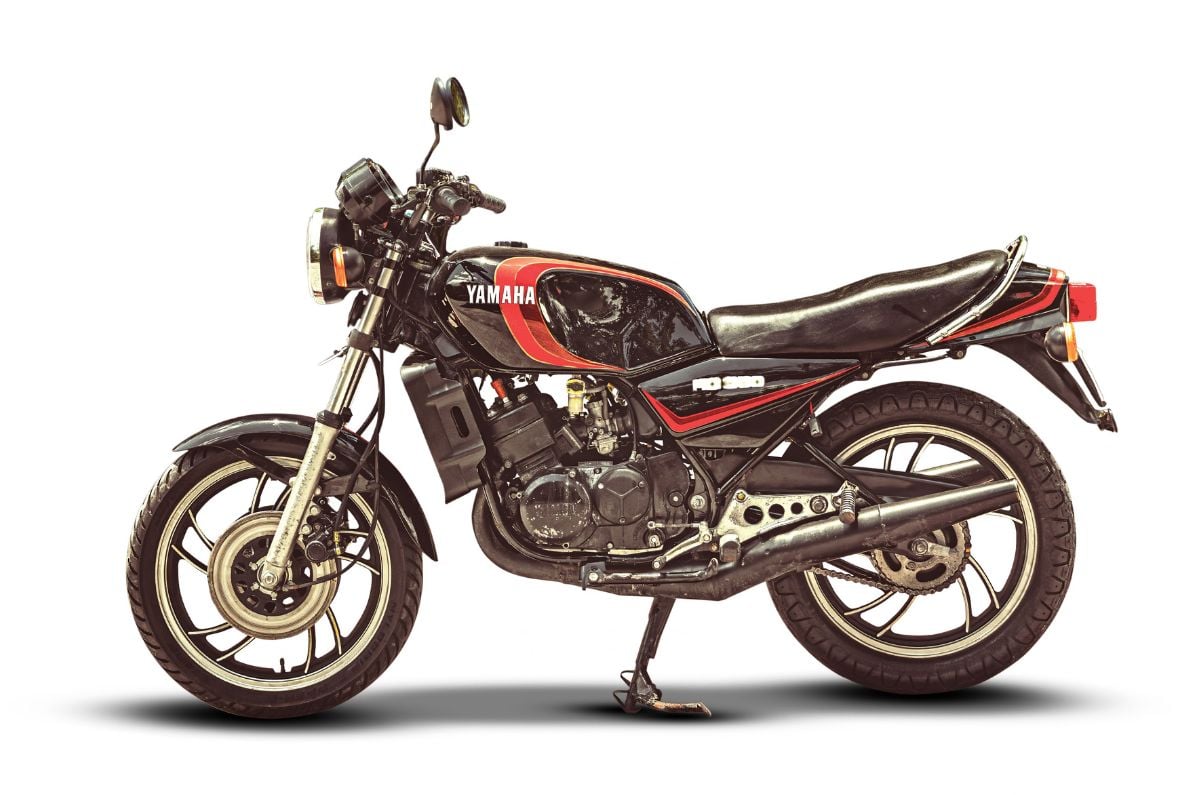
When most Indians picture a Yamaha RD350, a bike that looks like a UJM (Universal Japanese Motorcycle) with an air-cooled, twin-cylinder motor comes to mind. This was the bike on sale in India in the ‘80s via the Escorts licensing agreement, and it cemented Yamaha’s reputation as a maker of seriously fast motorcycles. However, during the same era, in global markets, there was a completely different bike being sold bearing the RD350 nameplate, crucially with an LC suffix (informally) attached to it. This version was never officially sold in India and packed a more powerful liquid-cooled motor, a sportier chassis and very different styling. What you see here is that very bike and, as you’ll read, this is quite a different animal to the air-cooled RD.
Genesis
At the end of the air-cooled RD’s lifecycle, Yamaha must have realised that while it was undoubtedly violently quick, it was also like wielding a double-edged sword – the rider could get hurt when putting its power down. Taming such a ferocious engine would simply need more sophistication from the chassis. To achieve that, the LC moved from the air-cooled bike’s archaic chassis to a new one that was actually inspired by Yamaha’s TZ350 racer of the era. This was complete with monoshock rear suspension and lighter cast alloy wheels, which also brought in the convenience of tubeless tyres.
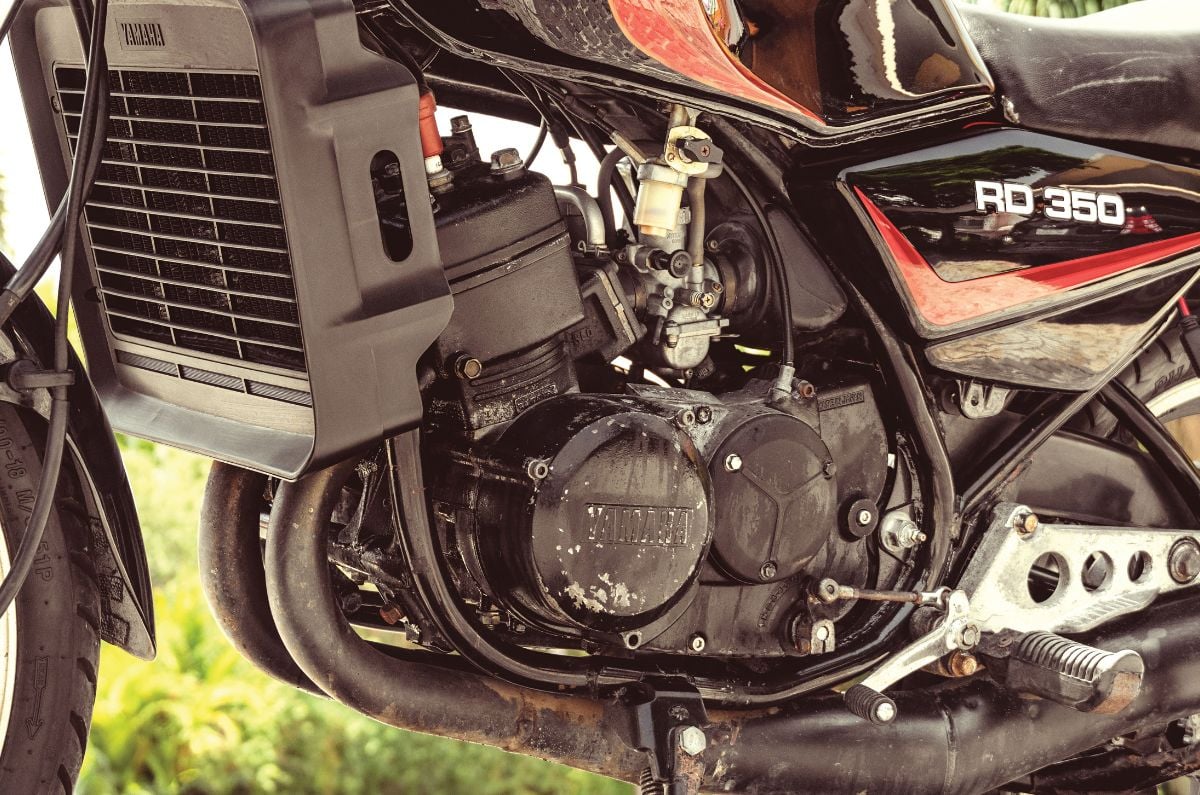
The LC suffix in its name stands for liquid cooling, and Yamaha moved to this more modern architecture to extract more output from the 347cc twin-cylinder motor. Plus, with liquid cooling, you have tighter tolerances and better reliability even when you keep pushing the performance envelope – which a lot of people back in the day did, because the LC was a common sight on racetracks overseas owing to its relative affordability.
Water-cooled twin needs revs to make power, but once you do so, you better hold on!
Over the years, there were subsequent versions that made more power courtesy of YPVS (Yamaha Power Valve System), and at one point, there was even a fully faired version. This very example is from 1980 and is one of the earliest ones from the LC’s lifecycle. Introductions made, now it’s time to get down to business – what is it like riding this nearly half-a-century-old bike?
Forward Progress
Today, this bike might be 46 years old, but it honestly doesn’t feel ancient like the air-cooled RD does in many respects. However, on both RDs, the star of the show is the vociferous and powerful engine. Once you find an empty road, it is monumental fun to chase the 9,500rpm redline, grab another gear and repeat this grin-inducing cycle. Blasting past 100-120kph is very easy and the performance that the ‘Elsie’ has to offer feels much stronger than the roughly 45-50hp output its engine can make at its peak in stock form.
Now, the three words “at its peak” are very important ones here because the bottom end is very dull and weak, and the engine vehemently protests being below 4,000rpm! Perhaps it was just this bike, but anything below 3,000rpm required constant clutch slipping, and the engine really didn’t like being there. Above that threshold, you’ll make quick progress, although the real fun is to be had between 6,000rpm and the 9,500rpm redline.
This is a trait demonstrated by pretty much every two-stroke machine, no matter its displacement, architecture or cylinder count, so this isn’t a criticism, more a personality trait you need to work your way around. In fact, I’d wager that the way the LC pulls in the top three and a half thousand revs is so hard that it feels like even some current-day 60hp machines will be left in the dust.
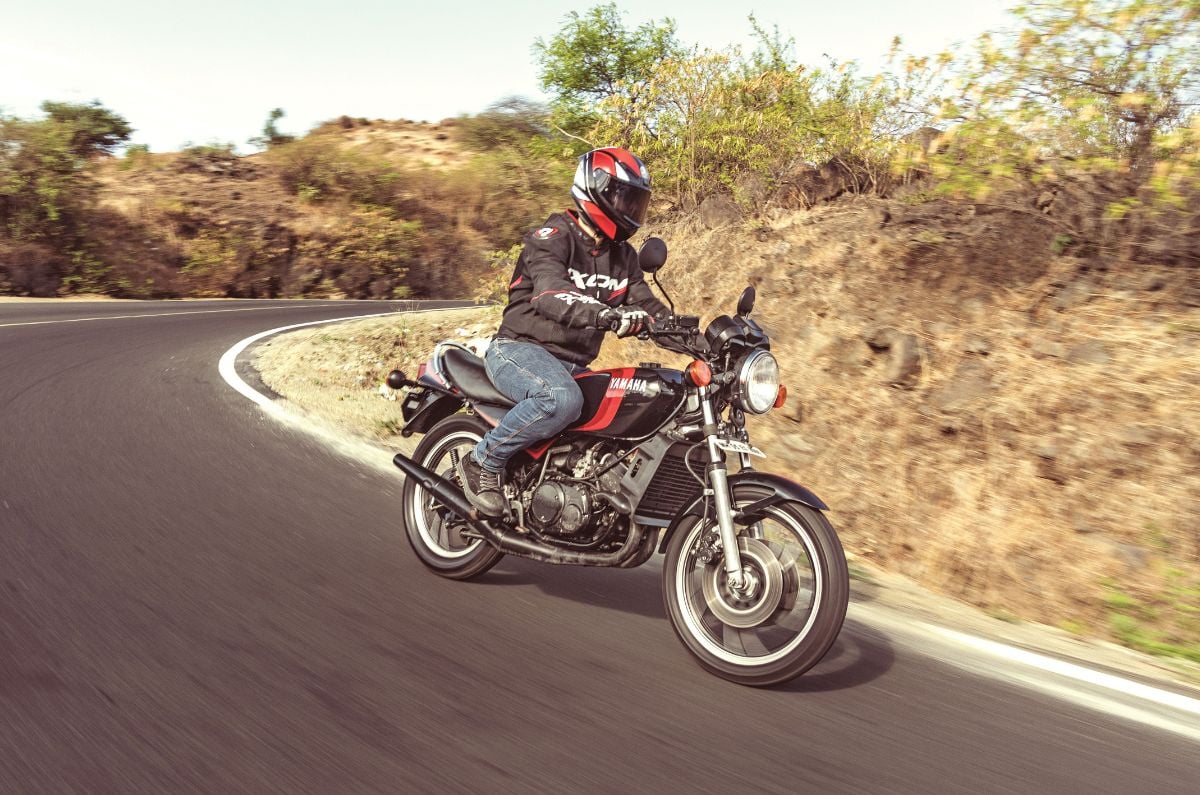
It is pleasantly well-behaved around a corner for a near 50 year old bike.
Another reason you’ll very much want to keep the revs up is the high-pitched banshee howl it has for an exhaust note. The sound emanating from its twin upswept pipes when the revs are high and you’ve got the throttle pinned is a thing of real beauty! It’s real childlike fun to listen to a 2-stroke motor roar its heart out, and this twin belts out an awesome soundtrack, one that – sadly – no longer exists today.
In the past, I have had the pleasure of riding an air-cooled RD350, and while the violent nature of the engine and its rather heavy clutch pull are also present here, the LC’s ride and handling are a pleasant surprise! Since the LC’s frame was inspired by the TZ350 racebike (but was unique and road-biased), you actually had decent handling to somewhat effectively wield the firepower on tap. It doesn’t feel as delightfully taut as a similarly sized modern machine, but it also doesn’t feel like a horse-drawn carriage when you take a corner at speed.
Another very welcome surprise was that the LC provided surprisingly good ride comfort. Over the few bad roads we encountered through the course of our shoot, it kept me reasonably comfortable. Truthfully, the one facet that feels woefully out of place here is the weak binders. The LC’s twin disc brakes are an upgrade on the air-cooled RD’s single disc (India-spec ones came with an even weaker front drum brake to cut costs), but the stopping force still feels more like a suggestion than a direct order.
Feeble brakes will instil the fear of God in you.
Intangible Special Sauce
But this is not a review, and I’m not here to evaluate this bike – I’m here to experience it, and what an experience it has been! I’ve said this before and I’ll say it again, from the rider’s POV, it’s so refreshing and heartwarming to see two honest-to-goodness physical needles circling around in this day and age, and no TFT can come close to a set of analogue gauges.
Twin-pod analogue clocks a very refreshing sight today.
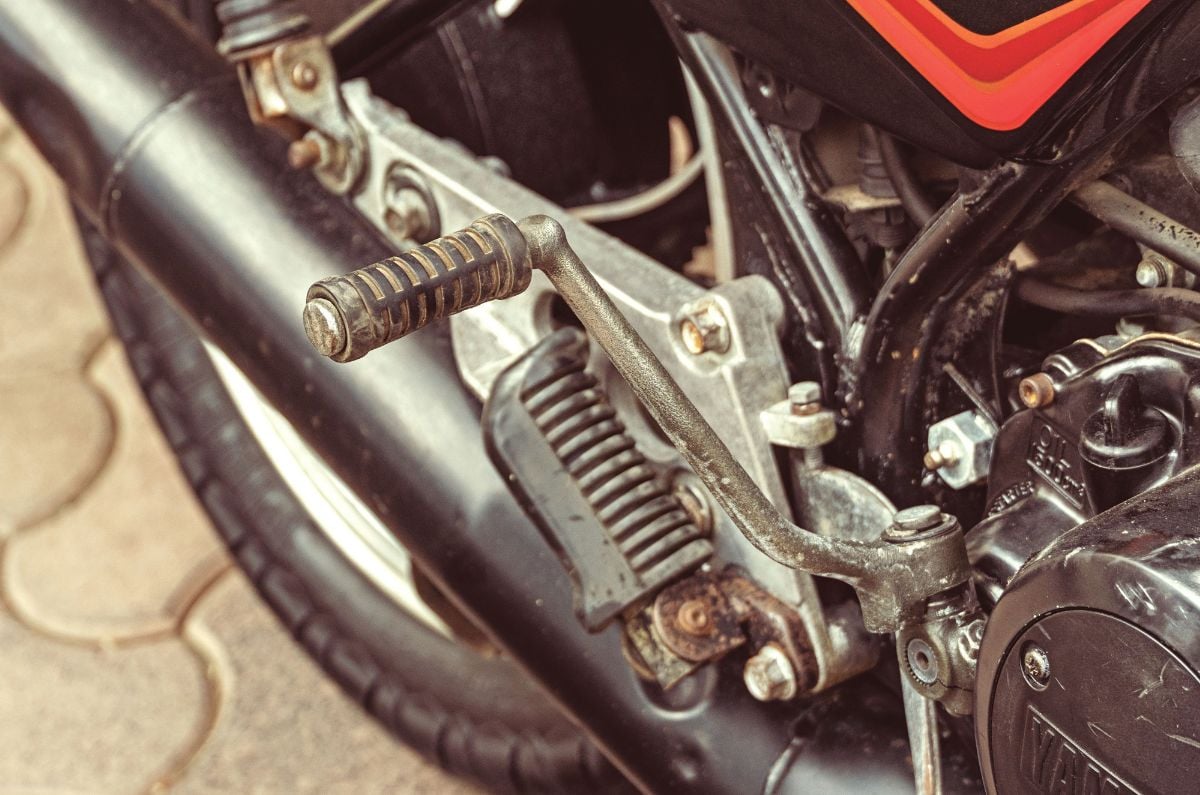
This was a raw, unadulterated machine before electronics and rider aids, so to keep yourself upright, you had to be both sensible and skilled. Of course, there’s no electric start here, and you’ll need to use your leg to start the motor, with a good old-fashioned swift kick! Speaking of, one quirk the LC had was that the rider’s footrest needed to be folded inward to make room for the kick lever to go down fully.
Rider footrest needs to be folded to kickstart the motor.
Yes, these are some areas where the LC very obviously feels its age, but today, even a single-cylinder 2-stroke machine is a rare sight, let alone a twin, and this liquid-cooled one is rarer than hen’s teeth because it was never officially sold in India. This bike was a private import back in the day (one of a single-digit handful), and currently it is in the custody of a very kind and gracious friend of mine who let us have it for a day!
Big props to the owner, Leo Noronha, for letting us have his ‘Elsie’ for a day.
One rather funny way the LC feels its age is that even though it was considered a properly sporty machine for its time, it’s actually not a hard-edged, uncompromising machine. The rider isn’t hunched over the ‘bar, there’s a flat seat, which will seat a pillion comfortably without them feeling like they’re perched precariously on the first floor, and it even has a centre stand!
I think somewhere along the way, racetrack performance, bragging rights for how much horsepower your machine has, and the latest gizmos and gadgets trumped rider involvement and real-world practicality, which seems like motorcycling may have veered off course.
Nevertheless, for one very happy morning, I got to tick off one of my bucket list riding dreams. This proverbial hero lived up to my expectations and how! Yes it’s old, yes it can be a bit cantankerous and temperamental at times, yes it pollutes the air a little too much and yes, it’s expensive to own and maintain, but all of those drawbacks pale in the face of the joy you’ll feel when you start riding!
This particular example is maintained at Kumar Auto Works in Andheri, Mumbai.
This isn’t a machine built to tick any boxes or fill a clearly demarcated role, and its only purpose is to put a smile on the rider’s face. All said and done, the RD350LC is an extinct breed in today’s ever-so-strict times, and as motorcyclists, we should ensure that bikes like these continue to survive and be enjoyed rather than just being relegated to a footnote in the history books.
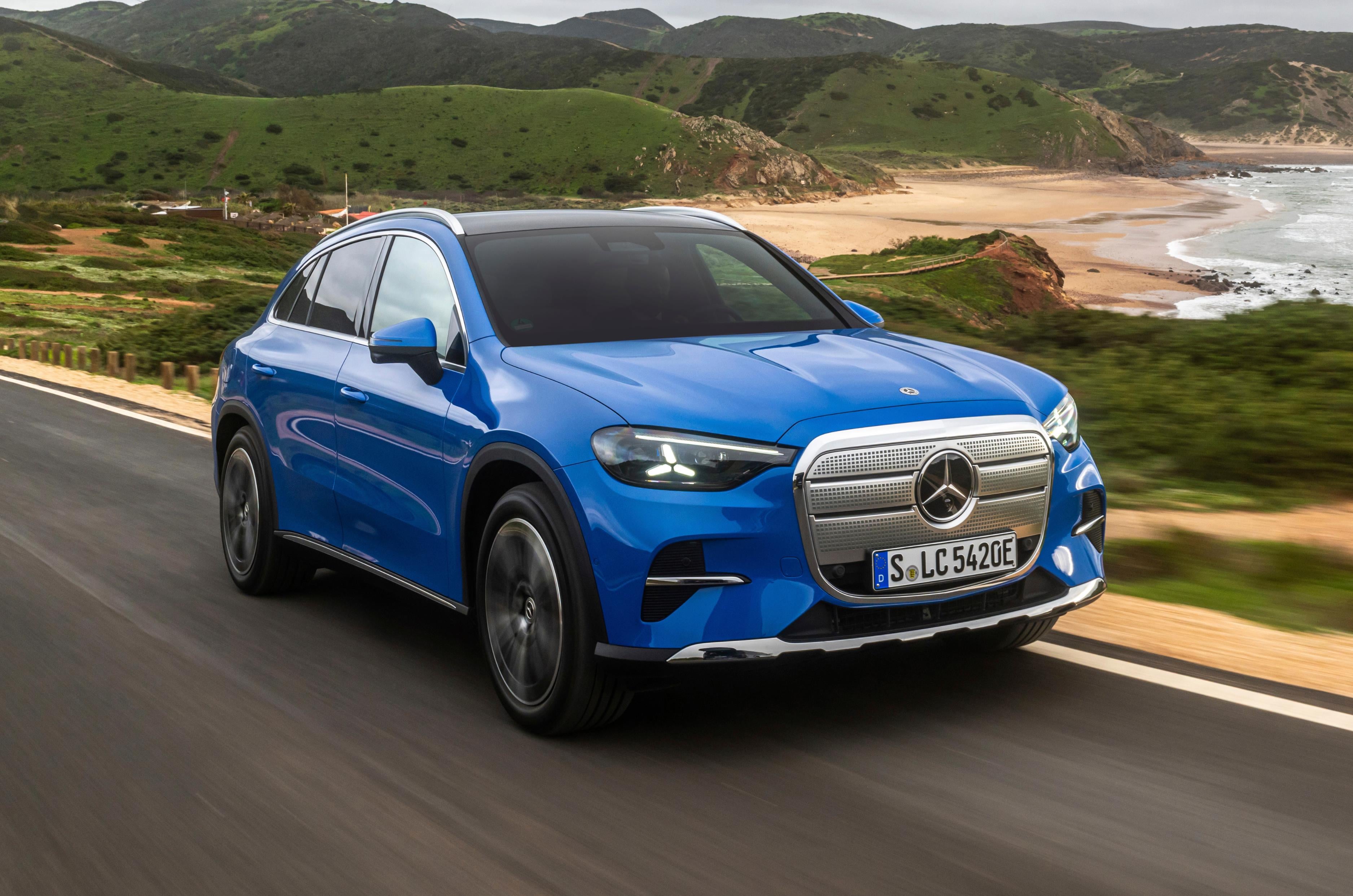
The Mercedes-Benz GLC EV you see here is not merely an electric derivative of the GLC you and I are familiar with. It’s built on an all-electric platform, and it’s longer, wider, and built on a slightly larger wheelbase than the GLC. And it also does 0-100kph in just 4.3 seconds.
The big news is that it’s coming to India by the end of the year. There’s lots to talk about, so let’s go one by one.
Mercedes-Benz GLC EV Exterior Design and Engineering – 8/10
Large new grille reminiscent of older Mercs
Let’s talk styling first, and what catches your attention up front is this large new grille. It’s very different from what we’ve seen of Mercs of late, but it actually has a link to Mercs of old. The upright grille is styled to look like the one on iconic models like the W112 S-Class, but there’s a lot of modernity built into it as well. There are 942 lighting elements in it! Talking of lighting, the three-pointed star on the nose glows and there’s a tri-star DRL pattern in the headlights too. And unlike other Merc EVs from the (recent) past, there is a functional frunk with a handy 129 litres of space.
Gets an 84mm longer wheelbase than the ICE version.
The GLC EV doesn’t look all too different to the ICE GLC in profile. Which is to say it is not an upright SUV but curvy, low-slung and aerodynamic. What is noticeably different is the wheelbase, which is a full 84mm longer. Mind you, this is the standard wheelbase GLC EV. There’s a long-wheelbase version sold in markets like China. India will get the GLC with 20-inch rims and flush-fitted door handles that pop out when the doors are unlocked.
570-litre boot is spacious, but a caveat is the absence of a spare wheel.
Styling at the back is quite distinct from the other lot of Mercedes SUVs, and that’s thanks to a band of black that runs the width of the tailgate. There’s full-LED lighting at the back replete with three-pointed star light signatures.
The powered tailgate opens up to a 570-litre luggage area, which is quite sizable. The only catch is that there’s no space for a spare tyre. Mercedes India will probably have to provide one to sit on the boot floor, which means not much space will be left for luggage.
Before we proceed, I have to admit, I didn’t like what I saw of the GLC EV in pictures. In reality, it is eye-catching, and in a very good way.
Mercedes-Benz GLC EV Interior Space and Comfort – 8/10
Interior quality is impressive, with open-pore wood trim while physical steering knobs and AC vents have a tactile feel
That new-age Mercedes vibe continues inside too, and that feeling is all thanks to a 39-inch Hyperscreen that extends nearly the entire width of the dash. There’s a seamless connection between the digital instrument cluster, the centre touchscreen and front passenger display, and it does look really impressive. That being said, the screens have taken away some of the warmth that you’d expect in a Merc.
Comfy front seats come with various levels of adjustment, massage and heating. India-spec model expected to come with a cooling function.
In terms of quality, though, the GLC EV feels like an expensive Mercedes. There’s open-pore wood, the AC vents operate with very satisfying clicks and clacks, and physical rotary controllers make a welcome comeback to the steering wheel.
The front seats are as comfy as they look, with multi-way powered adjustment, massage and heating. We expect the model for India to pack in ventilation as well.
You get more space than the standard GLC, and unlike some EVs, you do get good foot room. However, it’s best suited for two.
It’s at the back where things get really interesting for buyers confused between a GLC and a GLC EV. Rear seat space is a bit more generous than the standard GLC. There’s also good foot room under the front seats, which is not something you can say about all EVs, and even the seating position isn’t the typical knees-up that we’ve come to associate with EVs. A longer seat squab would have upped the experience. Also, the rear seat is best for two. A middle passenger will have to contend with a high centre tunnel.
Mercedes-Benz GLC EV Features and Safety – 9/10
The Hyperscreen is the focal point of the dash and delivers brilliant graphics across the entire display. The digital dials, centre touchscreen and passenger screen appear to be part of a seamless display and look terrific. There are themes for the screen too that also adjust other functions for the full effect. For instance, a bonfire on the screen will be accompanied by the seat heating coming on.
Massive 39-inch hyperscreen has a good UI and seamlessly integrates with other in-car displays but packs in too many functions.
The thing is, there’s just too much packed onto the centre touchscreen. The UI is good but more physical controls would just make life easier. The passenger display is slick in its own right but only blanks out if it detects the driver looking at it (a camera on the dash monitors the driver’s gaze). A privacy glass would have just been better.
Among the other features, the panoramic glass roof is made up of nine segments which can be individually controlled for transparency. You can make them completely opaque, and they did a surprisingly good job of keeping the heat out. You could even have the glass roof specced with 162 stars that change colour with the ambient lighting.
Panoramic glass roof comprises nine individually configurable segments to control transparency.
Features-wise, aside from the screens and glass roof, the other highlight is the Burmester 4D sound system with exciters in the seat, so you can actually feel the bass. The head-up display and cameras are also top-class, while the AI integration doesn’t feel like a tick-mark item. You can actually converse with your car for restaurant recommendations or even abstract general knowledge.
The safety suite includes 9 airbags, ESC and a full suite of ADAS features.
Mercedes-Benz GLC EV Performance and Refinement – 9/10
Your friendly Mercedes salesperson will only be too happy to run you through the GLC 400’s big numbers: 489hp, 800Nm and a 4.3 sec 0-100kph time. The figures are made possible by front and rear permanently excited motors that draw power from a 94kWh battery pack.
489hp from its dual motors makes the GLC EV feel like an AMG compared to its ICE counterpart.
How does it all come together? The first thing that gets you is the silence. The drive experience is just what you’d expect in a plush Mercedes electric car. So it’s really quiet, and you don’t hear much of the world outside. There is a bit of wind noise if you really pay attention, but honestly, with some music piping out of the Burmester sound system, it’s not something that will catch your attention in the least.
What’s also clear is that the GLC EV is the strong and silent type. The performance makes the GLC EV feel like an AMG compared to the standard GLC petrol and diesel. A two-speed gearbox ensures quick getaways when needed, as well as the long legs for a more relaxed drive. Stomp down on the accelerator from a steady cruise, and you can feel the kickdown.
You won’t need to drive like a hoon to enjoy the GLC EV. Performance, no surprises, is very brisk when you put some weight on the accelerator pedal, with easy access to power. You can make the GLC EV feel a bit more urgent when you play around with the drive modes, but honestly, you won’t really need to because of how friendly the power feels and how ready the GLC EV feels at all times.
Power is easily accessible and is ready to push further when you put your foot down.
You’ll also take very naturally to the regen braking levels. One-pedal driving is included, and there’s the option of an intelligent mode too that reads the driving environment and optimises regen force.
The GLC EV also gets sound profiles, and we have to say they’re a bit unusual. They’re not trying to mimic the sound of a V8 or a V6 or any kind of ICE engine. The sounds are more on the sci-fi spectrum, so if you accelerate hard, you’d get the feeling of being in a UFO, which is disconcerting, if we can be honest. We’d rather enjoy the quiet inside.
Mercedes-Benz GLC EV Range and Efficiency – 8/10
Its large 94kWh battery can be charged from 10-80 percent in 22 minutes with a 330kW DC fast charger.
Now, on to the matter of range. Mercedes claims a 715-kilometre range on the WLTP cycle. Even if you account for real-world Indian conditions, you’re looking at a comfortable range of over 550 kilometres. Drive with a bit of care, and you could see that figure go past 600 kilometres. We really have come a long way in just a few years, haven’t we?
Of course, the go-to charging solution for most owners will be home charging. There’s up to 22kW AC support. The GLC can also be charged at up to 330kW using DC charging. Theoretically, at max speed, the GLC EV’s 94kWh battery can be juiced up from 10 to 80 percent in 22 minutes. A 10-minute charge alone can give you 300 kilometres of range.
Mercedes-Benz GLC EV Ride Comfort and Handling – 8/10
We can’t give a definitive verdict on cornering ability, as the bulk of our route was on the Autobahn outside Stuttgart, which has the gentlest of curves.
At Autobahn speeds, the GLC EV feels really planted and drives like a proper German car should. There’s pleasant weight at the steering wheel as well.
In terms of high-speed ride comfort, the GLC EV doesn’t come across as softly sprung as something like an EQS SUV, which really feels a bit roly-poly. There is still some vertical movement even when you switch to Sport mode, but it’s not to the point of being an irritant.
Feels planted out on the Autobahn and the steering is well-weighted
We’ll reserve judgement on the air suspension’s bump absorption till we drive the GLC EV on our roads, but on the sole patch of broken road on our route, the GLC EV didn’t feel entirely plush. Perhaps that’s something for Mercedes India to have on their list of things to do for the version headed our way.
A cool feature on the GLC’s suspension is its use of Google Maps to identify the vehicle’s environment and adjust ride height. For instance, the car automatically lowers on a highway. Also cutting-edge is how the suspension preps damping force in advance of a bump based on Car2X information from a Mercedes vehicle driving ahead. The systems better be up for the challenge of our roads.
Bundled in with air suspension is rear-axle steer, and the 4.5 degrees of movement does help greatly at parking speeds.
Mercedes-Benz GLC EV Should You Buy Now or Wait – 9/10
Bookings for the GLC EV open in early October, and the model will be launched in India within 2026.
It’s a big deal because the GLC EV comes to India within just six months of its European rollout. What makes the timeline even more impressive is the fact that the GLC EV won’t be an import, but will be assembled in India. Local assembly points at keen pricing.
The GLC EV will be locally assembled 6 months after its European version goes on sale.
We expect the model to be priced at about Rs 85-90 lakh (estimated, ex-showroom), which wouldn’t be all too far from the ICE GLC’s price. Factor in the registration benefits on EVs, and the price gets more tempting still.
As a product, the GLC EV does have lots going for it. It’s got the power, the refinement and the tech you’d expect on a luxury EV. Importantly, it doesn’t feel like your dad’s Mercedes, and that new-age cool is something many buyers will resonate with.
BMW’s iX3 Long Wheelbase and Audi’s Q6 e-tron are alternatives to watch out for in 2027, but in the near future, the GLC EV looks set for a clean run.
When we first drove the all-new, all-electric Mercedes-Benz CLA, we came away impressed with its smooth powertrain and its promise of a substantial real-world range. We’ve now subjected it to our real-world performance and efficiency tests to see if it delivers on that promise.
Mercedes CLA 250+ exterior design and engineering – 8/10
Polarising, aero-efficient design; based on new MMA platform.
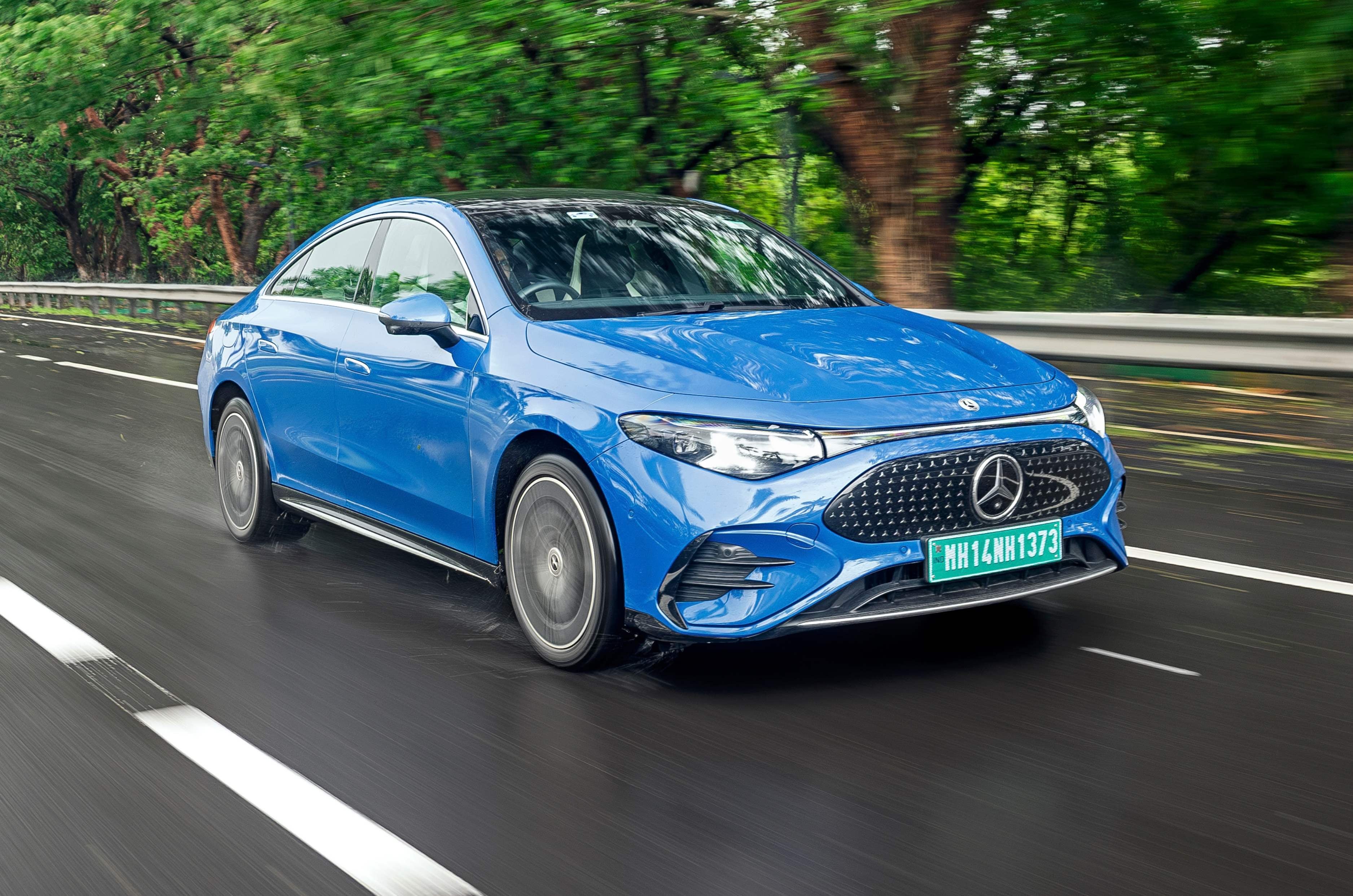
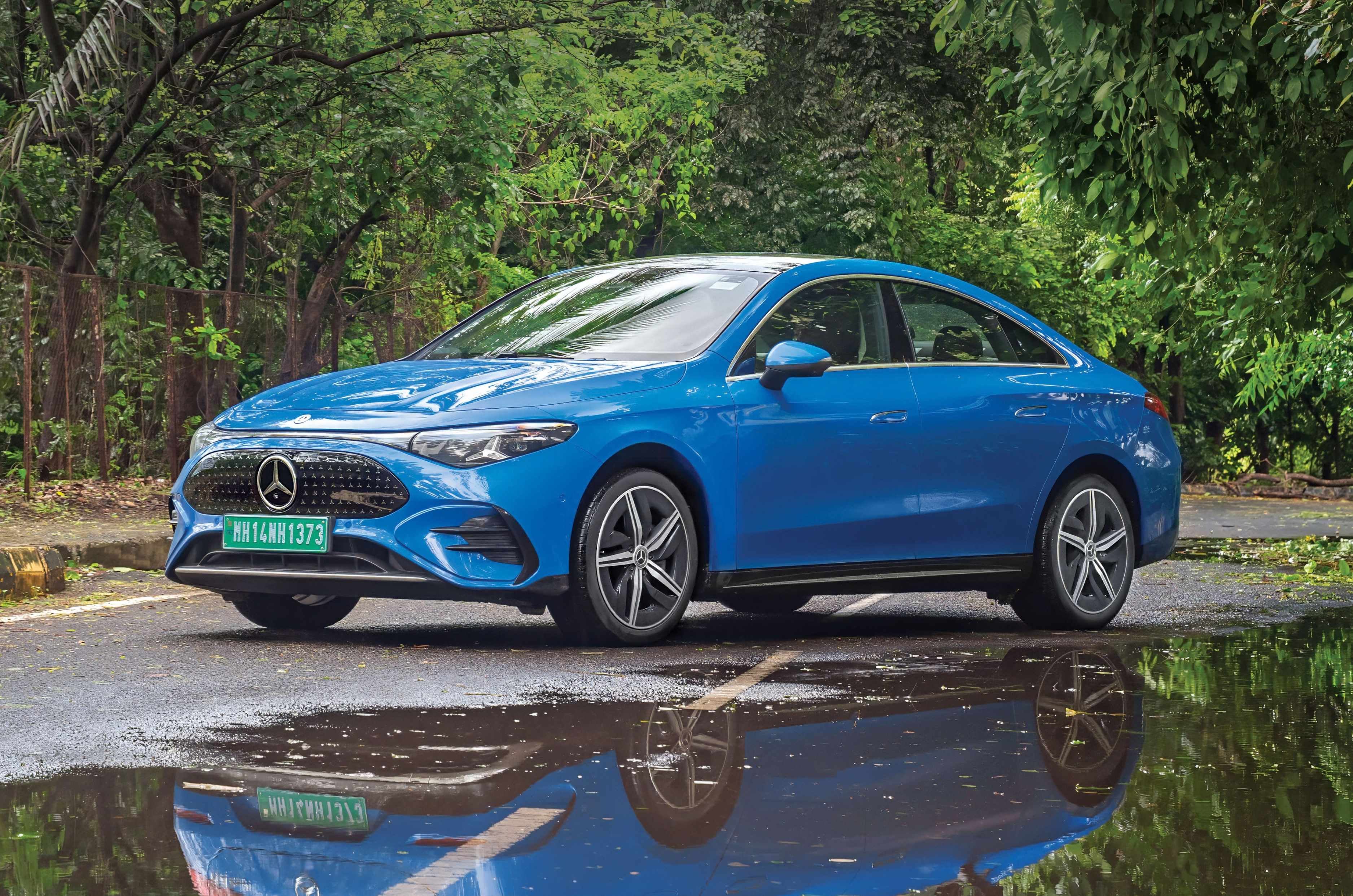
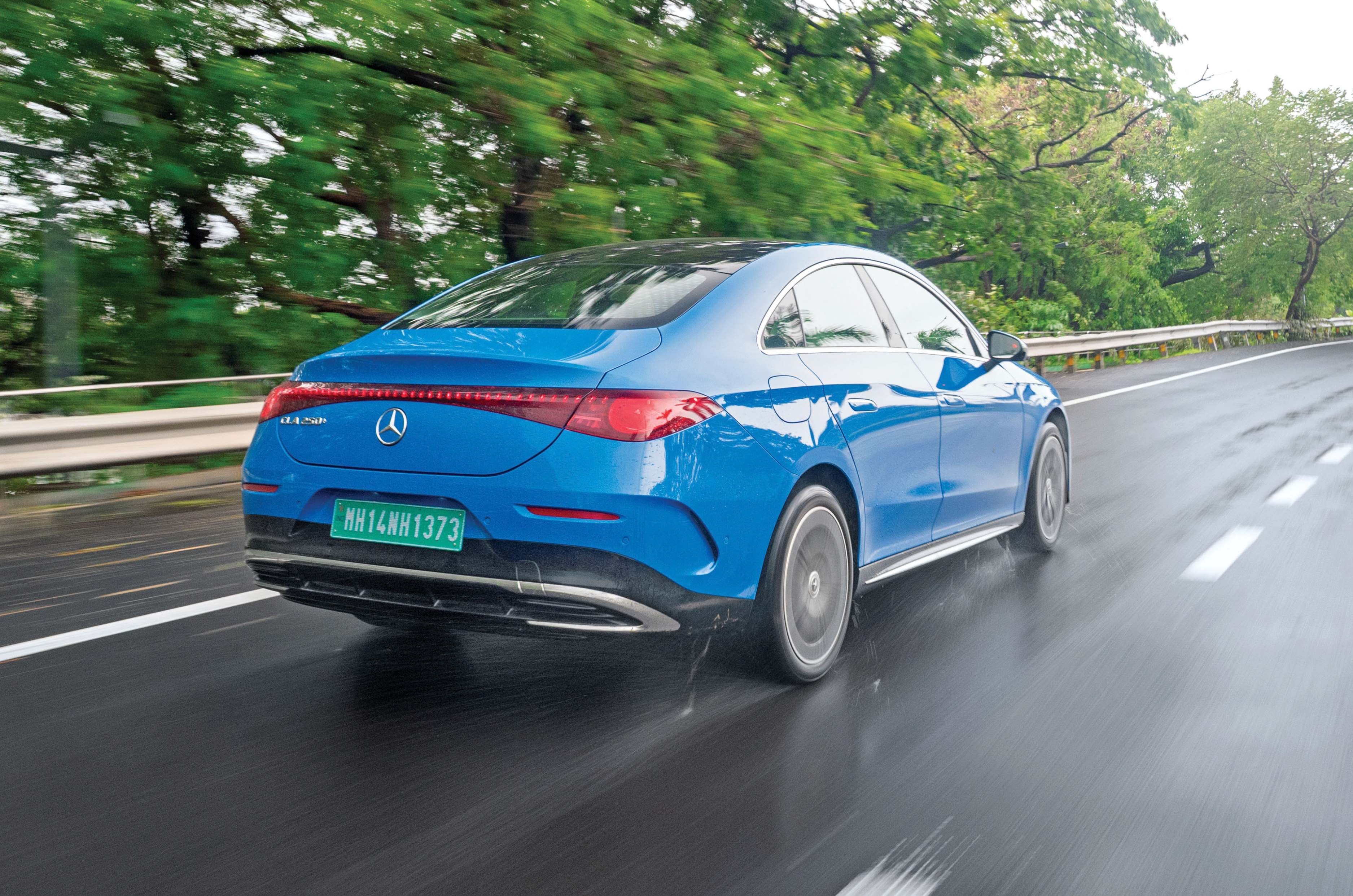
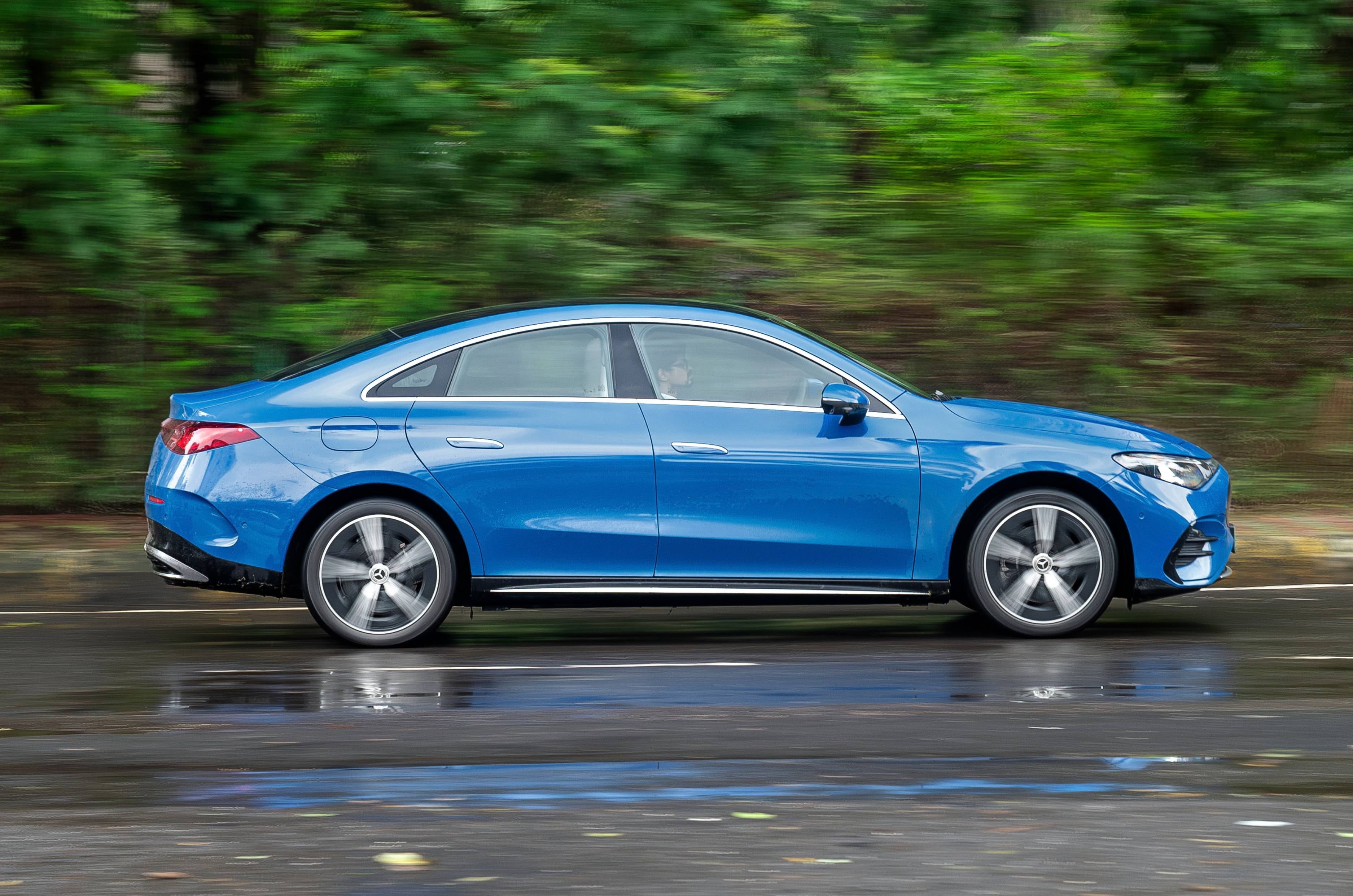
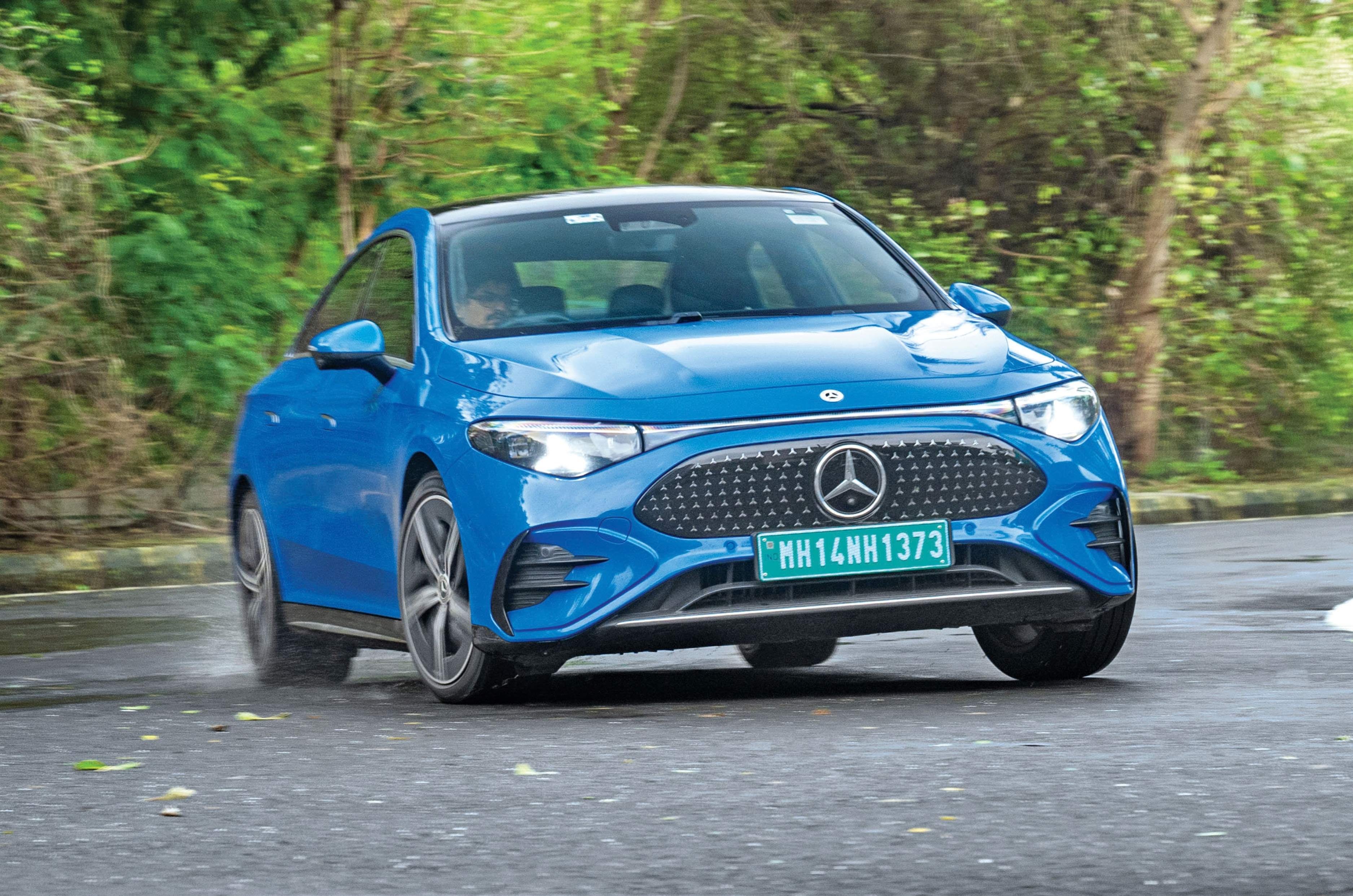
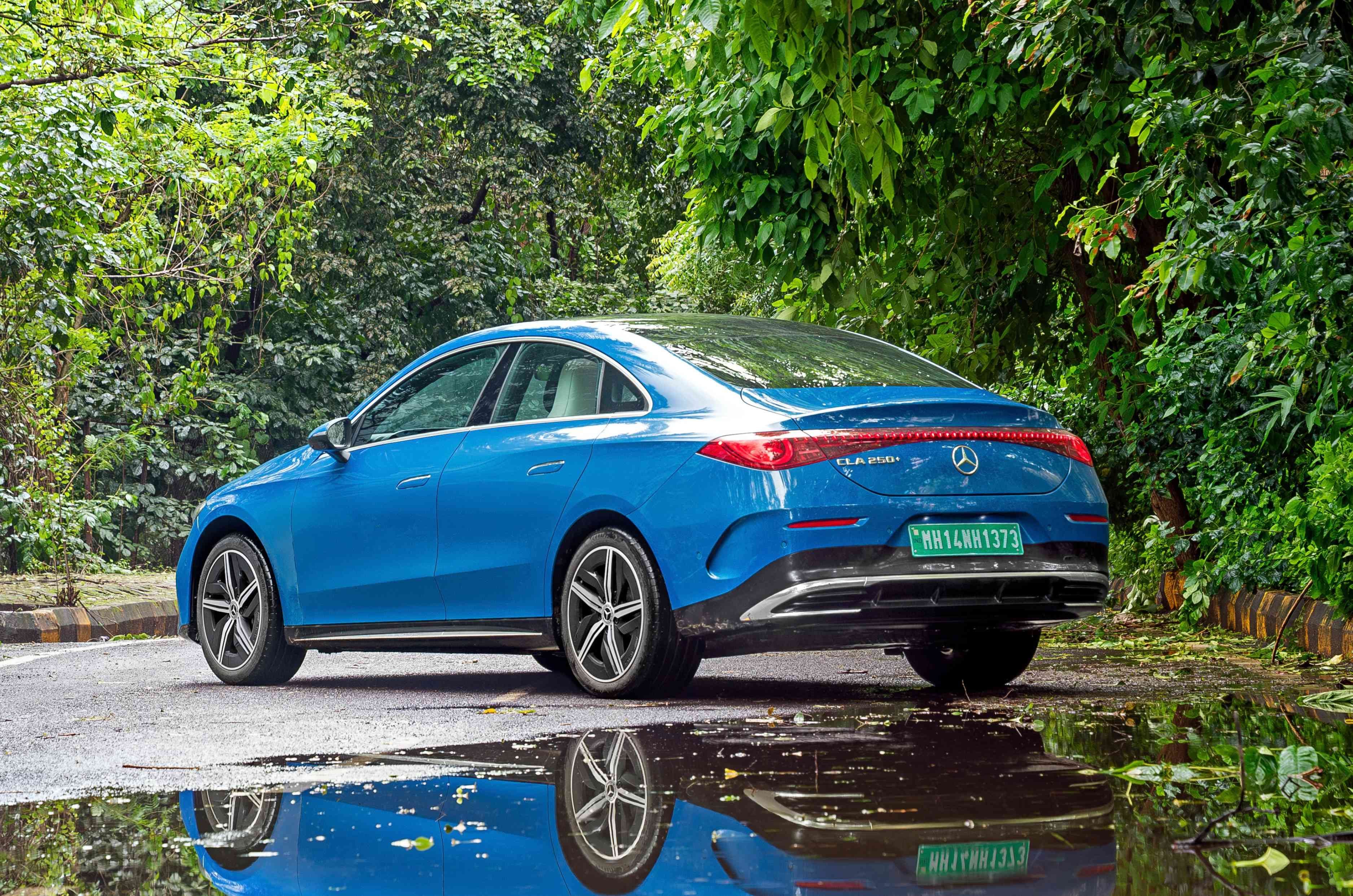
The new CLA has been designed with efficiency very much in mind, but Mercedes hasn’t completely abandoned the visual character that made the original car appealing. Its smooth, rounded silhouette is familiar from other Mercedes EVs, yet the low-slung, coupé-like roofline and frameless doors give it a distinct identity. Flush-fitting door handles, a sealed-off grille, aero-optimised 18-inch AMG alloys and a fully sealed underbody all contribute to an exceptionally slippery shape, with a drag coefficient of just 0.21Cd.
Mercedes’ three-pointed star features prominently across the CLA, appearing on the bonnet, grille, headlamps and tail-lamps. The grille itself gets 142 illuminated stars, which might sound excessive on paper, but they do give the CLA a distinctive look and, in person, seem to work rather well.
More significant, however, is what lies underneath. The CLA EV is the first Mercedes to use the new Modular Architecture (MMA) skateboard platform, which will also underpin future models. At over 4.7m long, more than 1.8m wide and over 1.4m tall, with a wheelbase approaching 2.8m, it is roughly the same size as a BYD Seal.
Mercedes CLA 250+ interior space and comfort – 7/10
Impresses with tech and quality; cramped rear with high floor.
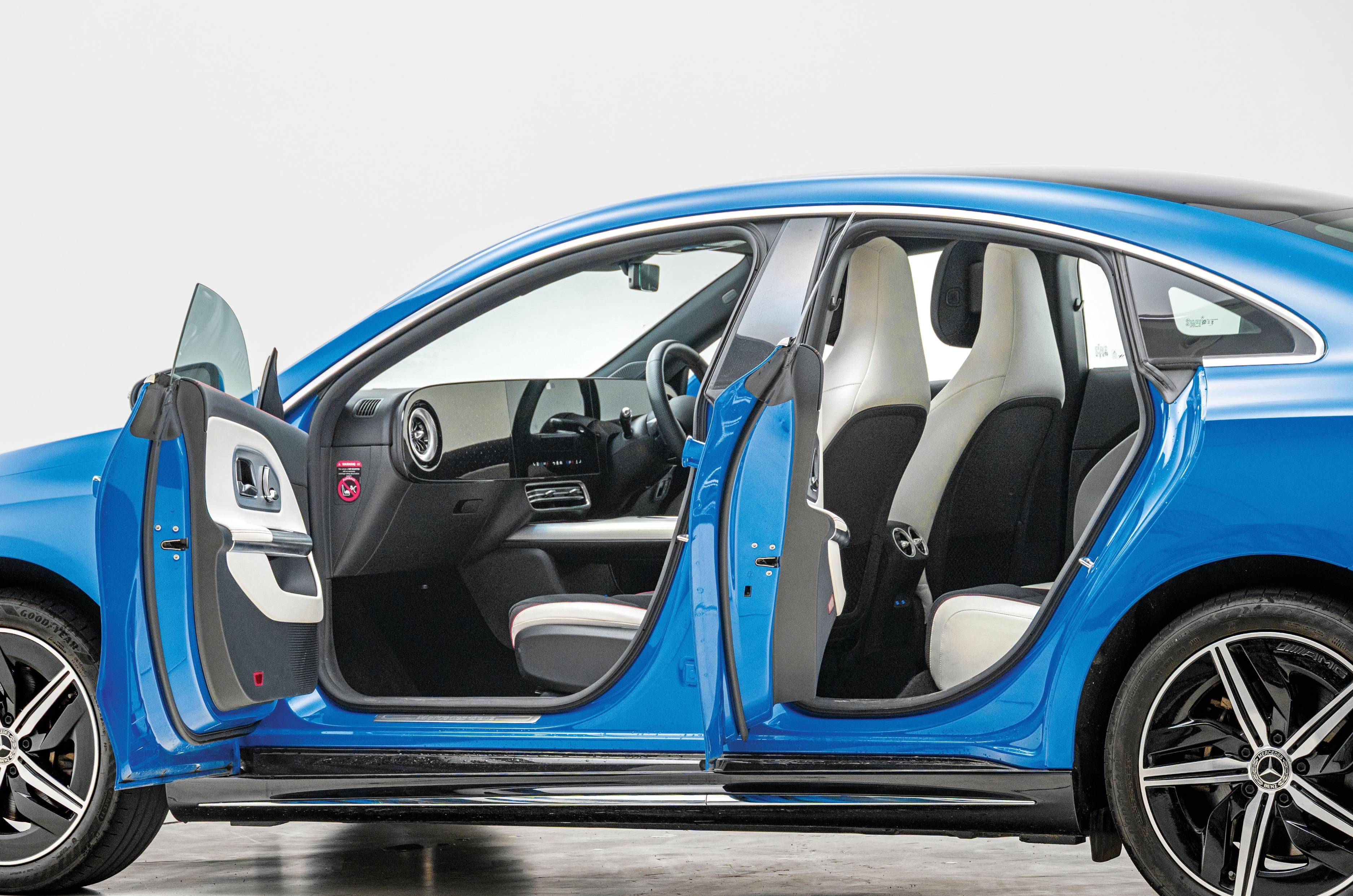
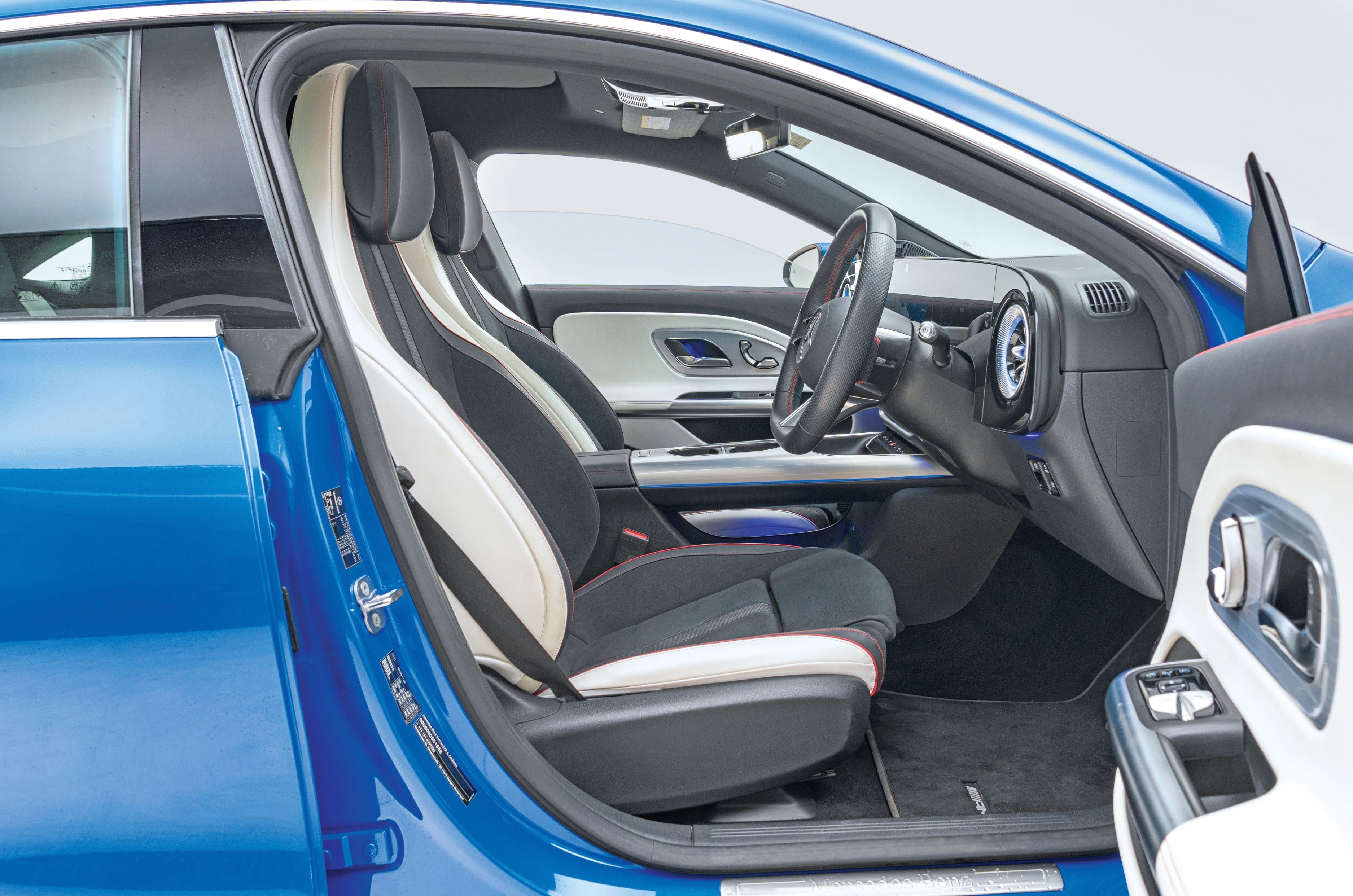
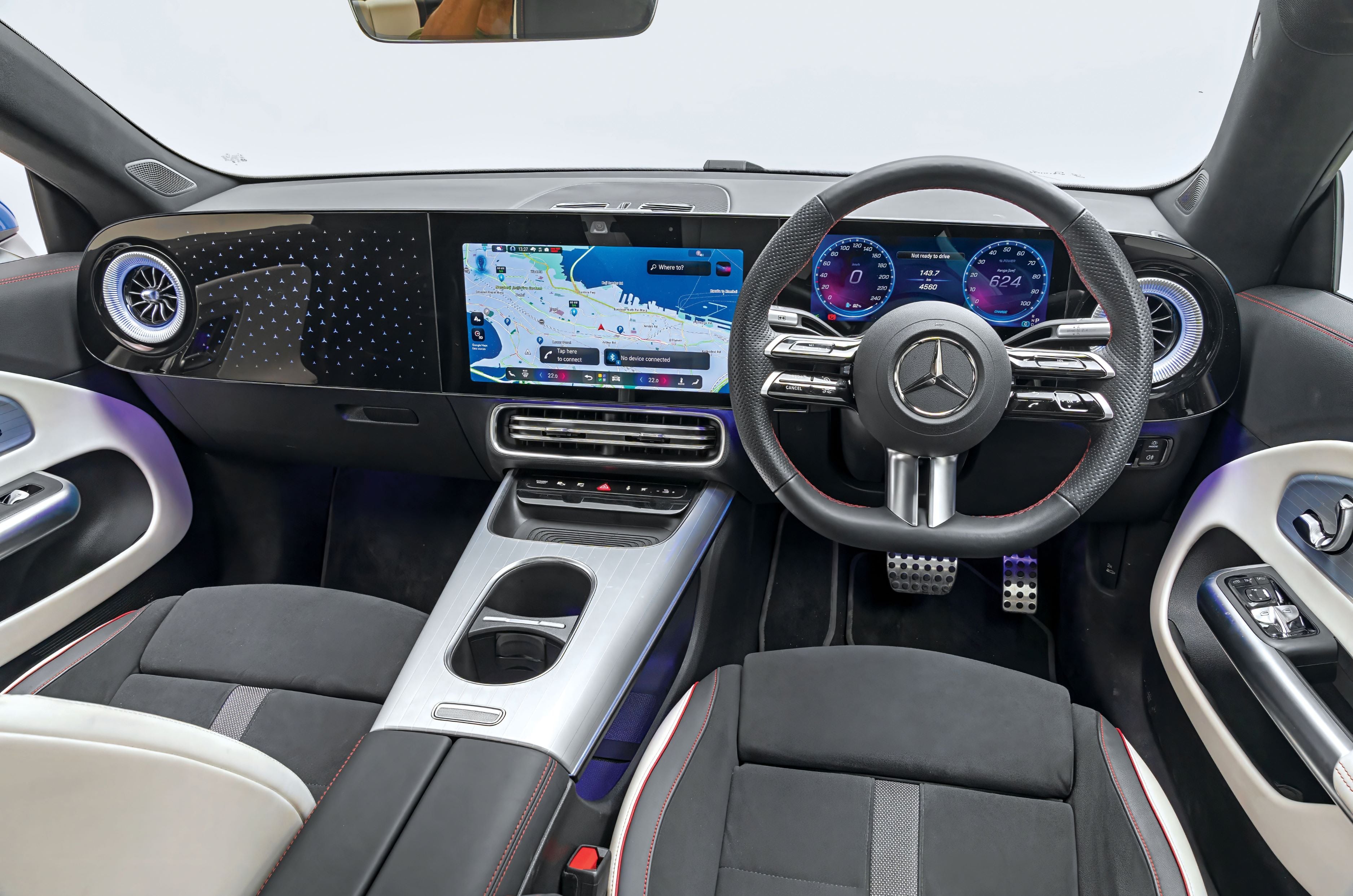
The CLA makes a good first impression inside. Its doors open wide for easy access, while the cabin combines smart design with good materials and build quality. The CLA 250+ is offered in AMG Line trim, so you get a flat-bottomed AMG steering wheel, sporty metal pedals and AMG-spec upholstery.
Doors open wide to aid access to the cabin; retains the stylish frameless doors.
The dashboard is dominated by a large gloss-black panel housing the digital displays. The graphics are sharp, the interface is clean, and the system is easy to navigate. What isn’t quite as convincing is the near-total absence of physical controls. Apart from a few capacitive shortcuts for functions such as volume and drive modes, most functions are accessed through the touchscreen, which isn’t ideal while on the move.
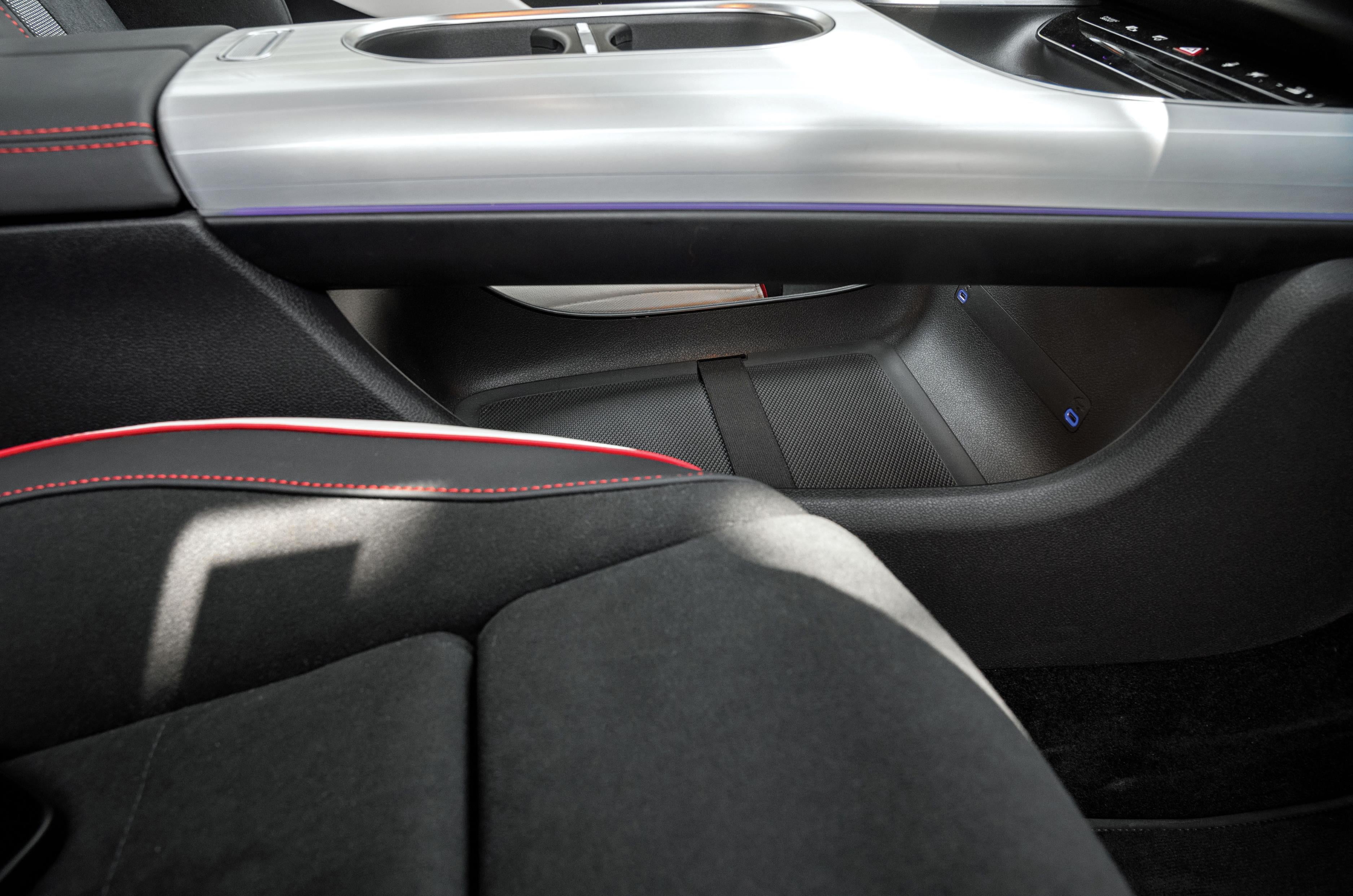
Centre console has two levels, with the top featuring cupholders and a wireless charger, and a large cubby space below.
The third passenger display offered in the 250+ Launch Edition has been omitted here, with its place taken by a gloss-black panel featuring illuminated Mercedes stars. The turbine-style air vents at either end of the dashboard are a nice touch, though, and are particularly satisfying to operate.
There is decent storage, too. You get a large glovebox, storage beneath the centre armrest, bottle holders in the doors and a floating centre console with cupholders and a wireless charger on top, along with a large storage area underneath.
AMG Line brings Alcantara and leather trim for the snug and supportive seats; relatively knees-up seating here too.
The front seats are supportive and well padded, although larger occupants might find them a little snug. More importantly, the relatively high floor means you sit with your knees raised even in the front. At the rear, this issue is more pronounced.
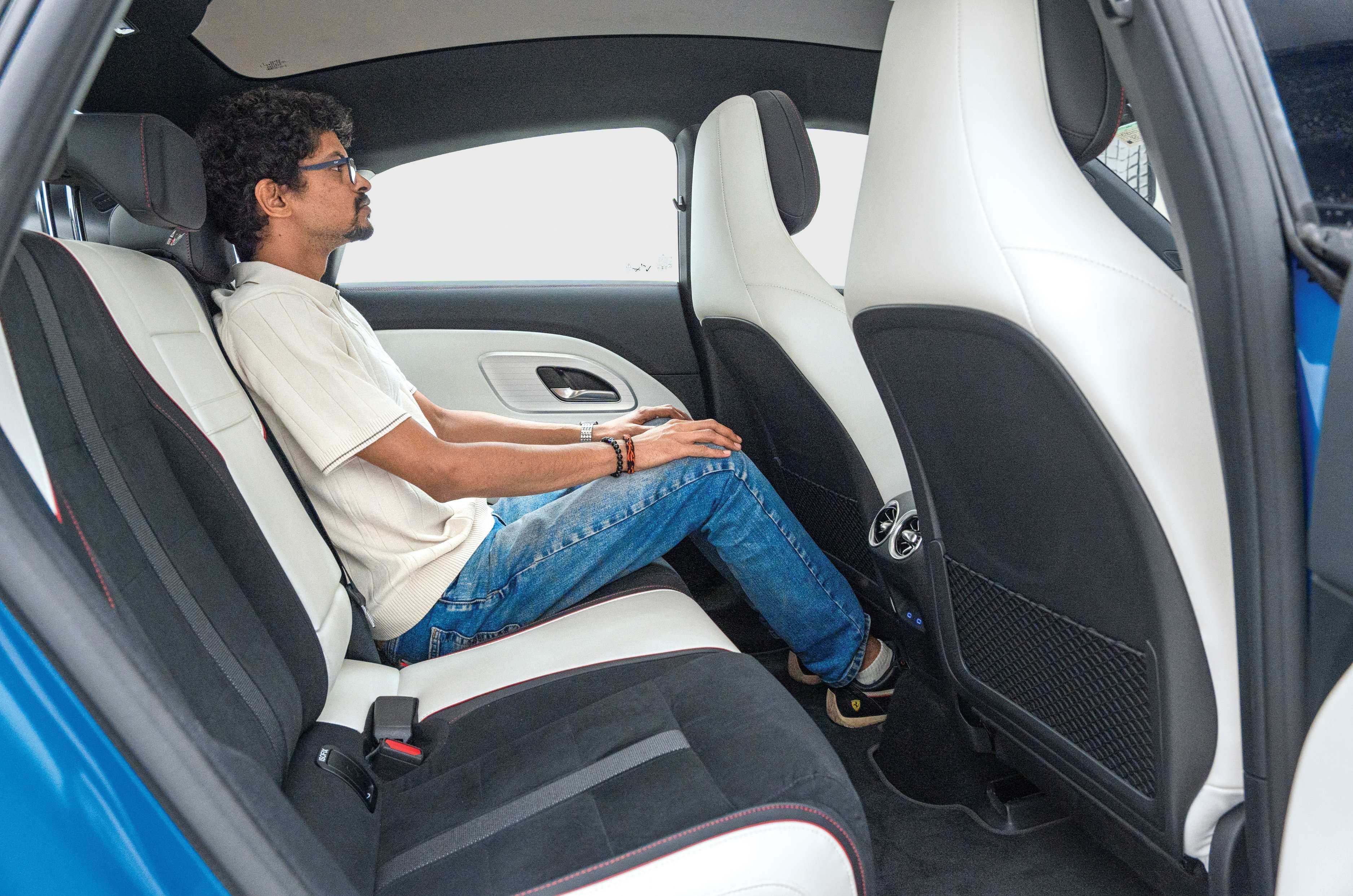
High floor results in knees-up seating, upright backrest and sloping roof further compromise rear seat’s comfort.
Although the CLA has a longer wheelbase than its predecessor, which improves knee room, the battery beneath the floor eats into under-thigh support and results in a knees-up seating position. The upright backrest and sloping roofline further compromise comfort, particularly for taller passengers. There is a centre armrest with cupholders and dedicated rear AC vents, but this still isn’t a car we’d recommend for regular chauffeur-driven use.
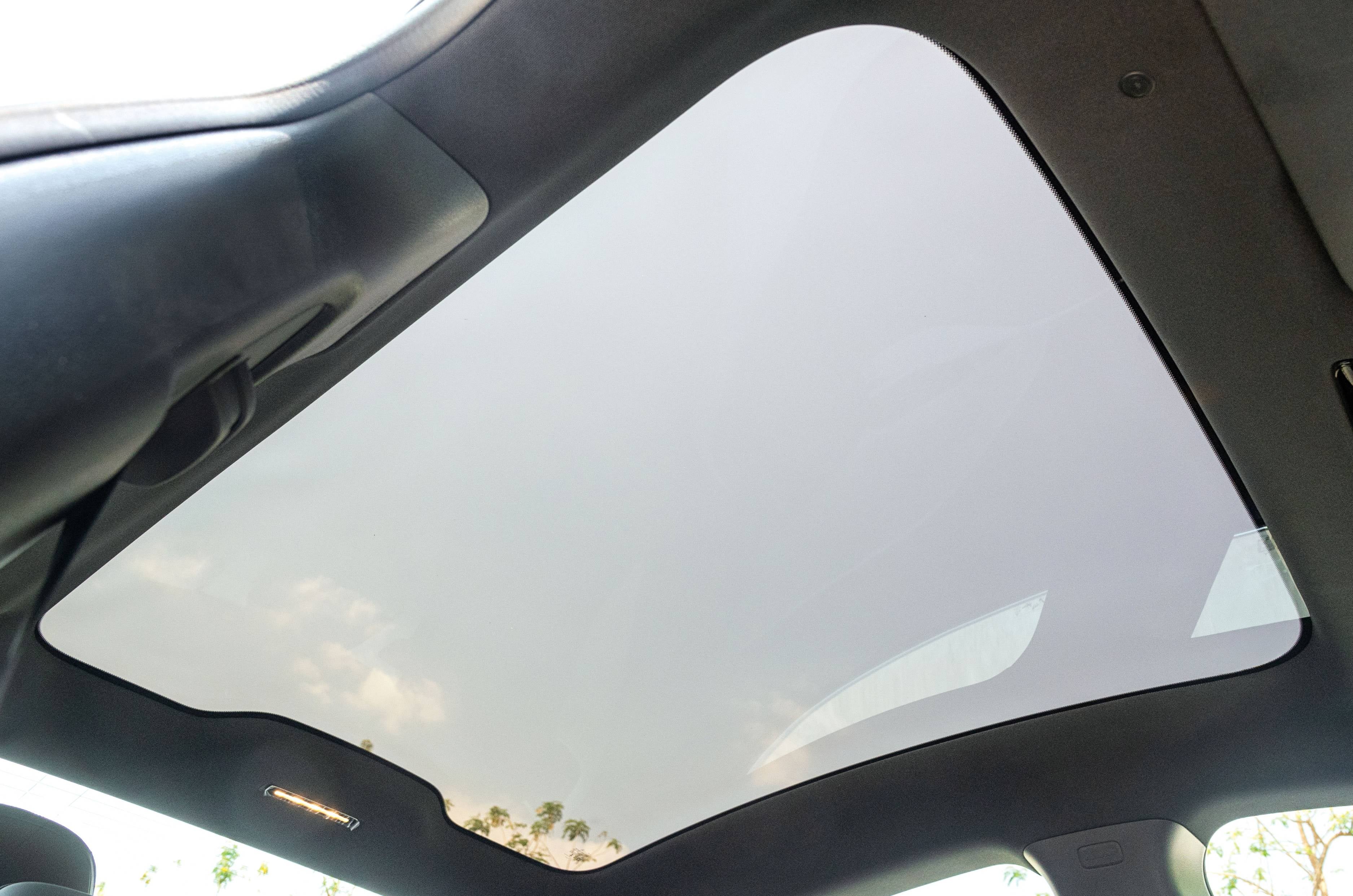
There is a large fixed panoramic glass roof that does make the cabin feel more spacious. Mercedes says the glass is heat-insulated, but a sunshade would have been welcome, particularly in our climate. It also misses sunblinds for the rear windows, meaning the rear AC has to work particularly hard to keep the back of the cabin cool.
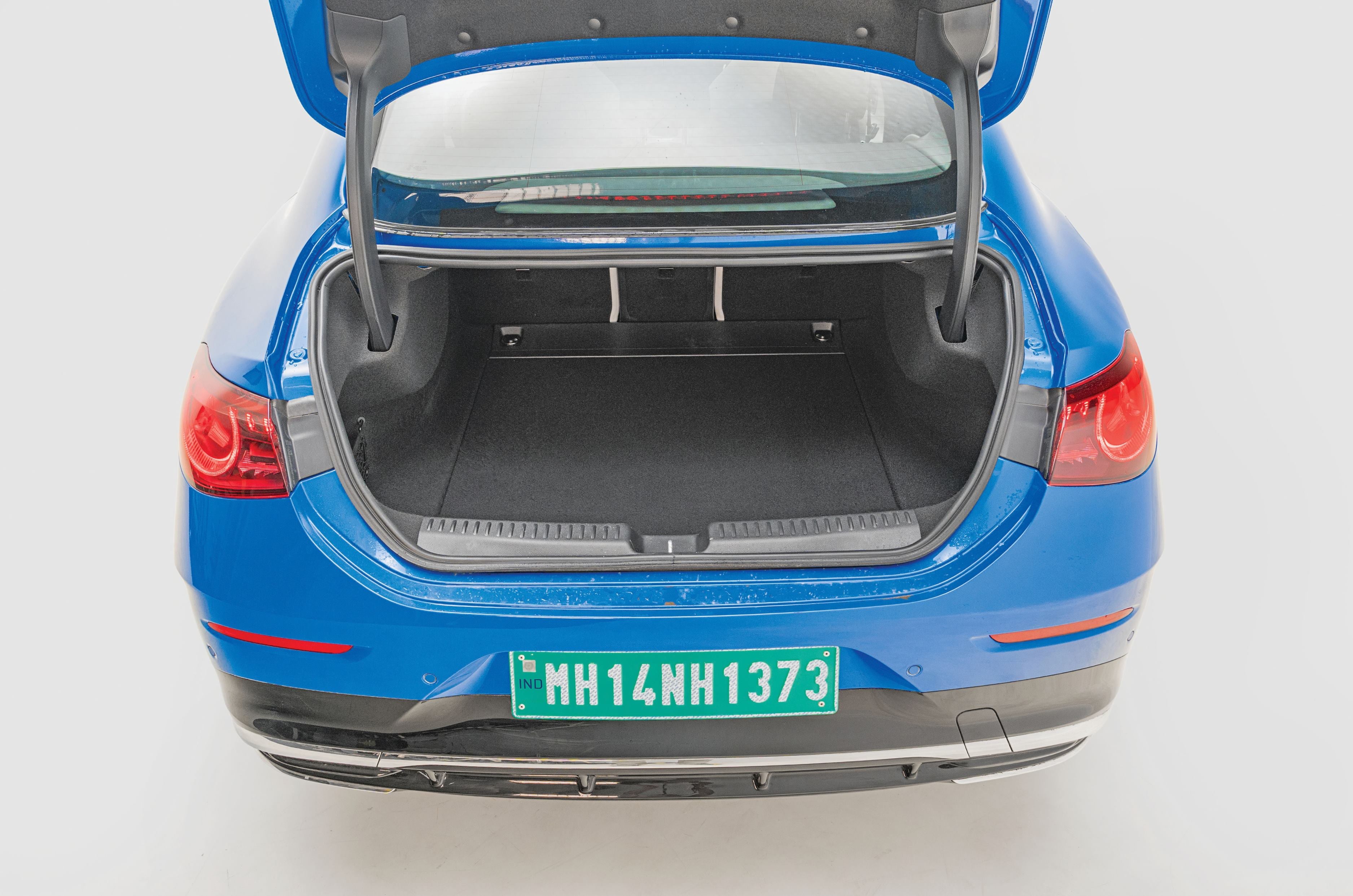
Cargo space is a useful 405 litres; boot opening isn’t large, though.
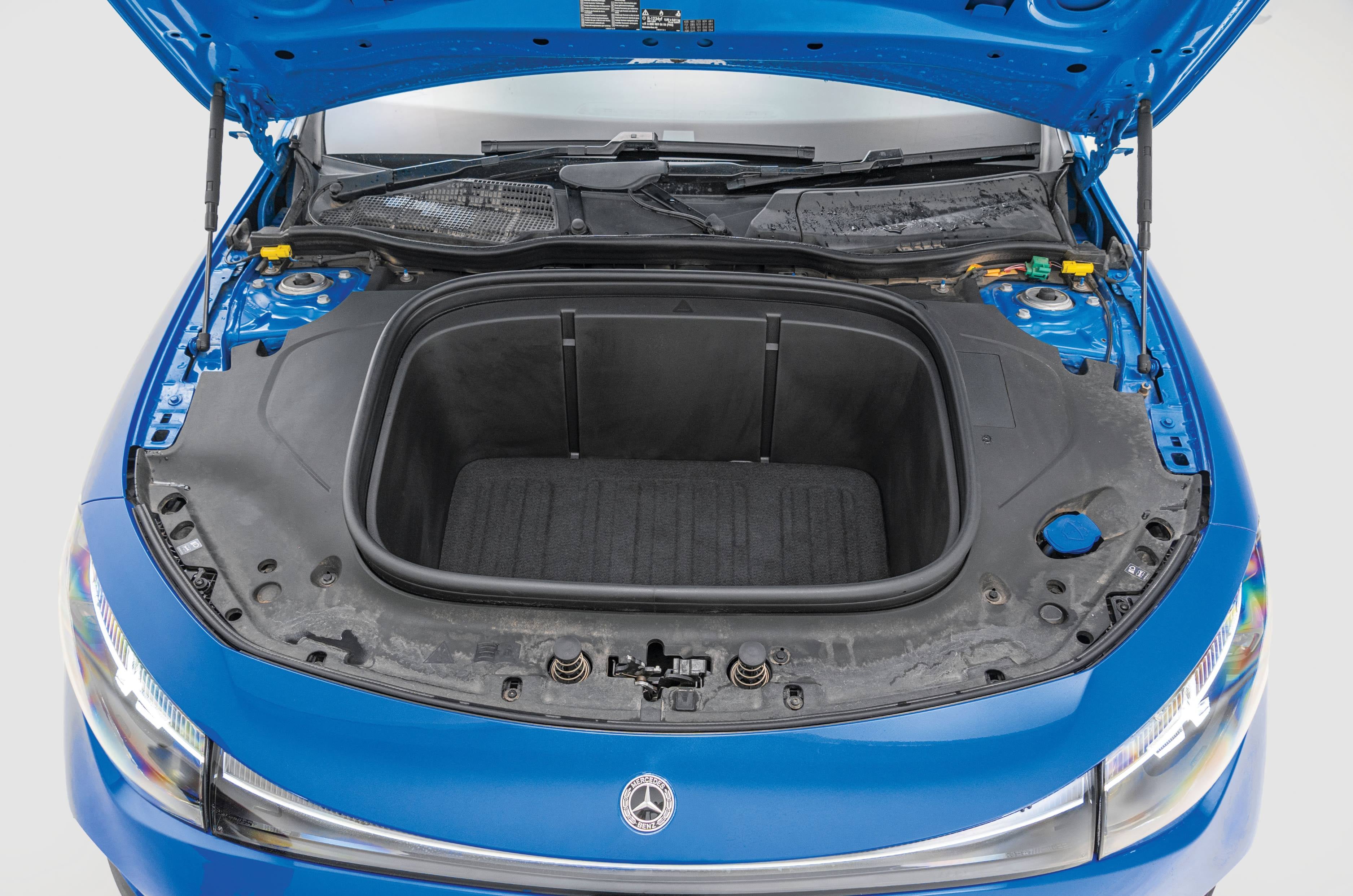
Boot space stands at a useful 405 litres. More interestingly, the CLA gets a 101-litre front trunk – the first time Mercedes has offered a frunk on one of its EVs.
In a first for Mercedes-Benz EVs, there’s a convenient 101-litre front trunk.
Mercedes CLA 250+ features and safety – 9/10
Packed with cutting-edge tech and features; no seat ventilation.
The CLA is a showcase for Mercedes’ latest technology. Four supercomputers provide the computing power, which Mercedes says is more than 200 times that of the previous CLA. It is also the first Mercedes to use the company’s new MB.OS infotainment operating system.
With the AMG Line styling package, the 250+ gets a flat-bottomed AMG steering, metal pedals and AMG seat upholstery; third passenger screen is reserved for the Launch Edition; cabin is practical with loads of storage, and overall fit/finish is good.
An Nvidia processor allows for quick responses, while over-the-air updates mean the system can be updated without a visit to the workshop. There’s also a new MBUX Virtual Assistant, which learns about the driver, including their language, accent and mood. It uses AI tools, including ChatGPT, Gemini and Bing, to further make your life easier, and you can ask them to do just about anything from setting navigation to changing the AC and so much more.
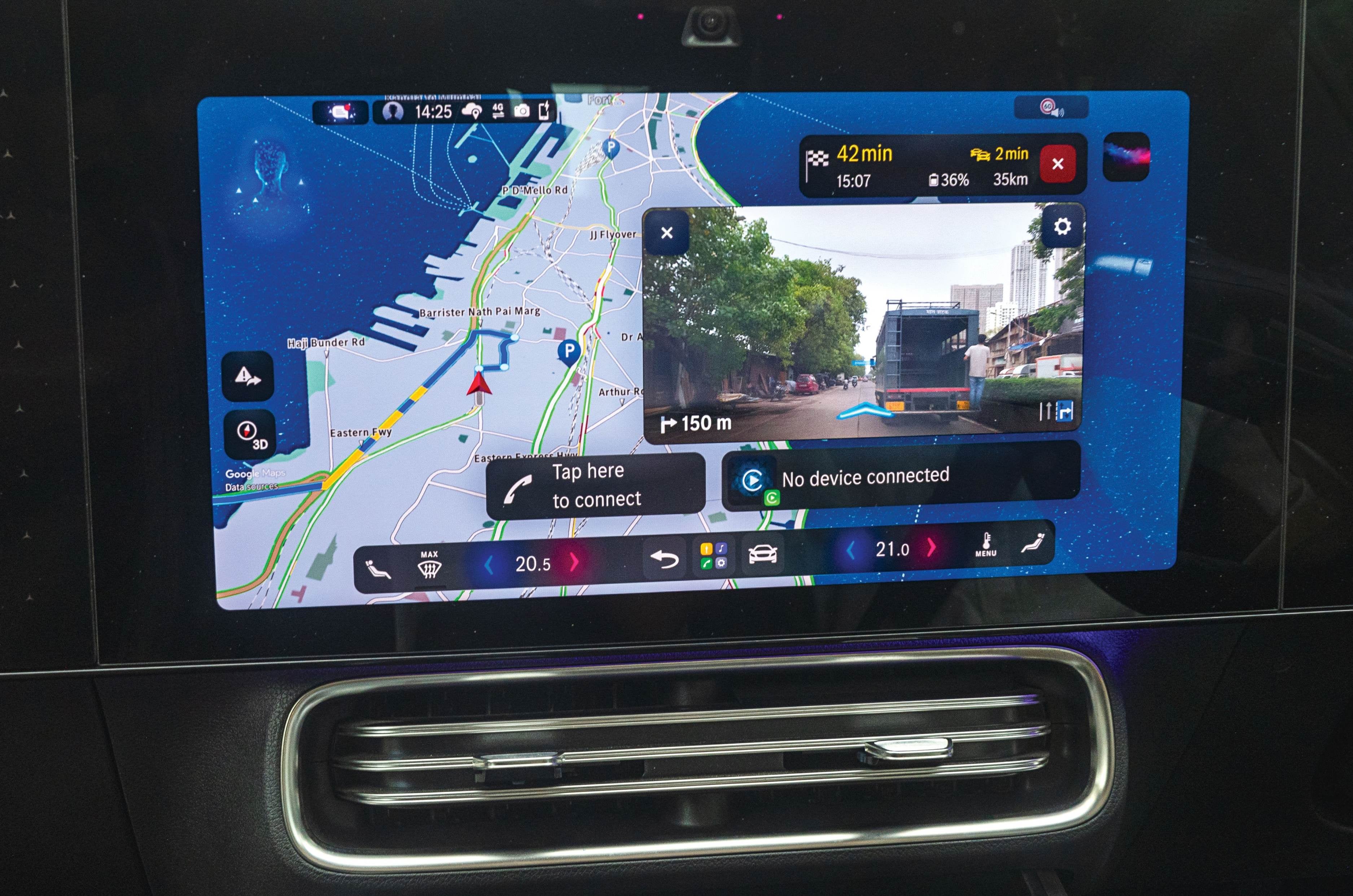
Screen is slick, has sharp graphics and native maps, which show directions in real-time using the camera feed.
The CLA also gets the new MB.Charge app, which brings charging providers together in one place. It can locate chargers, show their real-time availability, help plan a journey and even handle payment for a charging session.
The feature list is extensive. Highlights include a 14-inch central touchscreen, 10.25-inch digital driver’s display, powered, heated and massaging front seats, dual-zone climate control, configurable ambient lighting, a panoramic glass roof, Burmester 3D audio, wireless phone charging and auto parking. Ventilated front seats, however, aren’t offered.
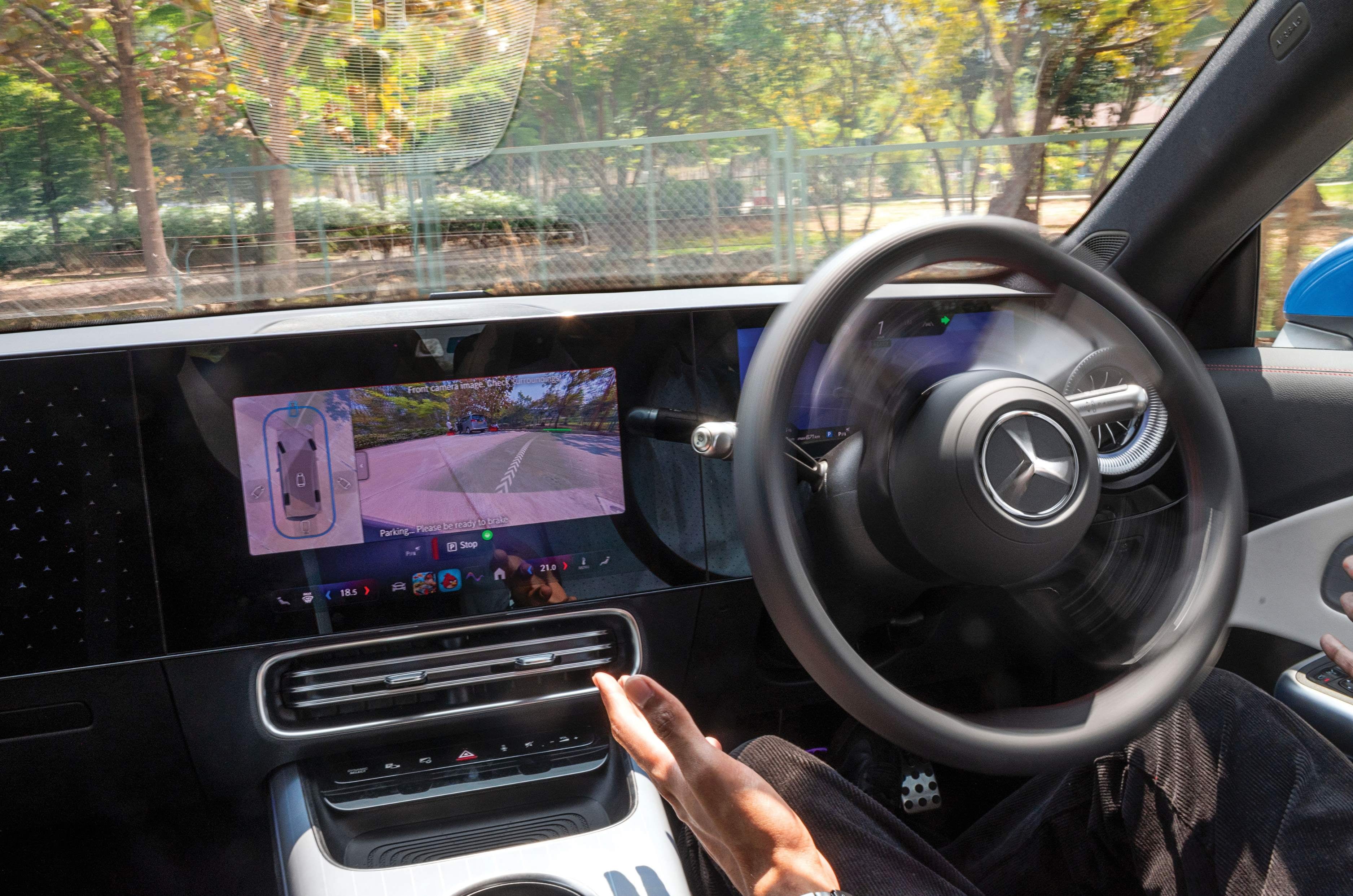
CLA 250+ packs in an auto park feature, which works very well in unmarked spaces too.
Safety equipment is comprehensive, with six airbags, a 360-degree camera and Level 2+ ADAS, which Mercedes calls MB.Drive. It includes adaptive cruise control, lane-keep assist, blind-spot monitoring, autonomous emergency braking and semi-autonomous driving functions. The system uses a combination of radar sensors and cameras and didn’t feel overly intrusive; better than previous Mercs, which feel trigger-happy with emergency braking. The CLA was also the safest car tested by Euro NCAP in 2025.
Mercedes CLA 250+ performance and refinement – 9/10
Smooth, progressive powertrain; refinement is impressive.
The CLA 250+ uses a rear-mounted electric motor producing 272hp and 335Nm. Performance is brisk, but what stands out more than outright acceleration is the way it delivers its performance.
Unlike some performance EVs that deliver power aggressively from the moment you bury the accelerator, the CLA builds speed in a smooth, progressive manner. The power delivery is linear, and there’s always enough performance on tap. Sport mode sharpens the response, while synthesised sounds played through the speakers add a little more theatre.
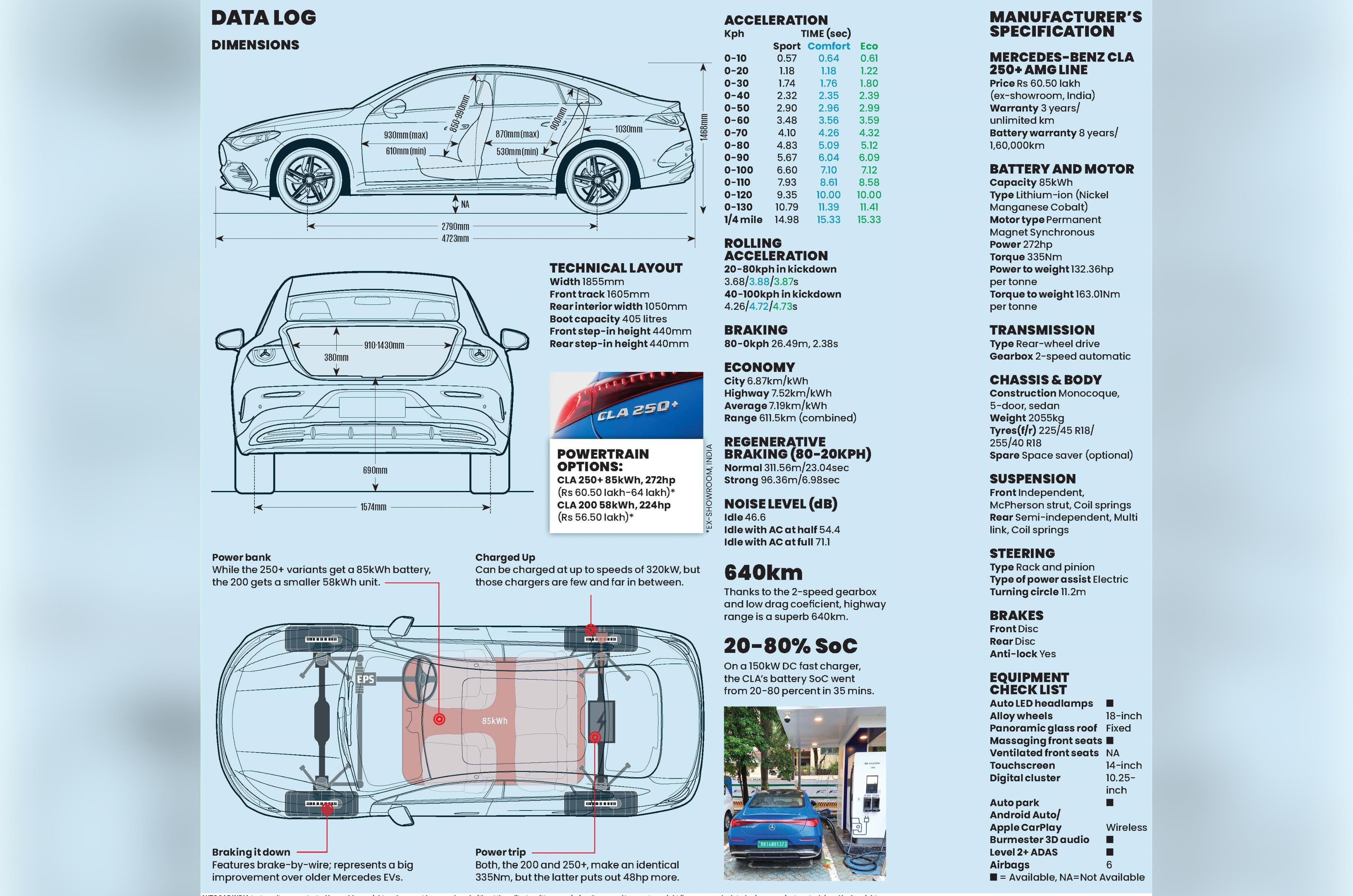
In our performance tests, it managed a 0-100kph time of 6.6sec in Sport mode, narrowly beating the claimed time of 6.7sec. Rolling acceleration is impressive too, with 20-80kph in Sport taking 3.68sec, and 40-100kph being dealt with in 4.26sec. Naturally, performance in the Comfort and Eco drive modes is more sedate than Sport, with the difference between the former two being almost negligible.
Mercedes has also opted for a two-speed gearbox, which is unusual for an EV, but makes sense here. The short 11:1 first gear helps with initial acceleration, while the taller 5:1 second gear is intended to improve efficiency at higher speeds. And from behind the wheel, you can feel when it shifts gears. Mercedes claims a drivetrain efficiency of 93 percent, and that plays an important role in the CLA’s impressive range.
The new brake-by-wire system is another area where the CLA makes a big improvement over older Mercedes EVs. Brake response is reassuring, with a good bite and a natural, consistent feel. In our braking test, the CLA came to a halt from 80kph in 26.49m despite it being on a damp surface.
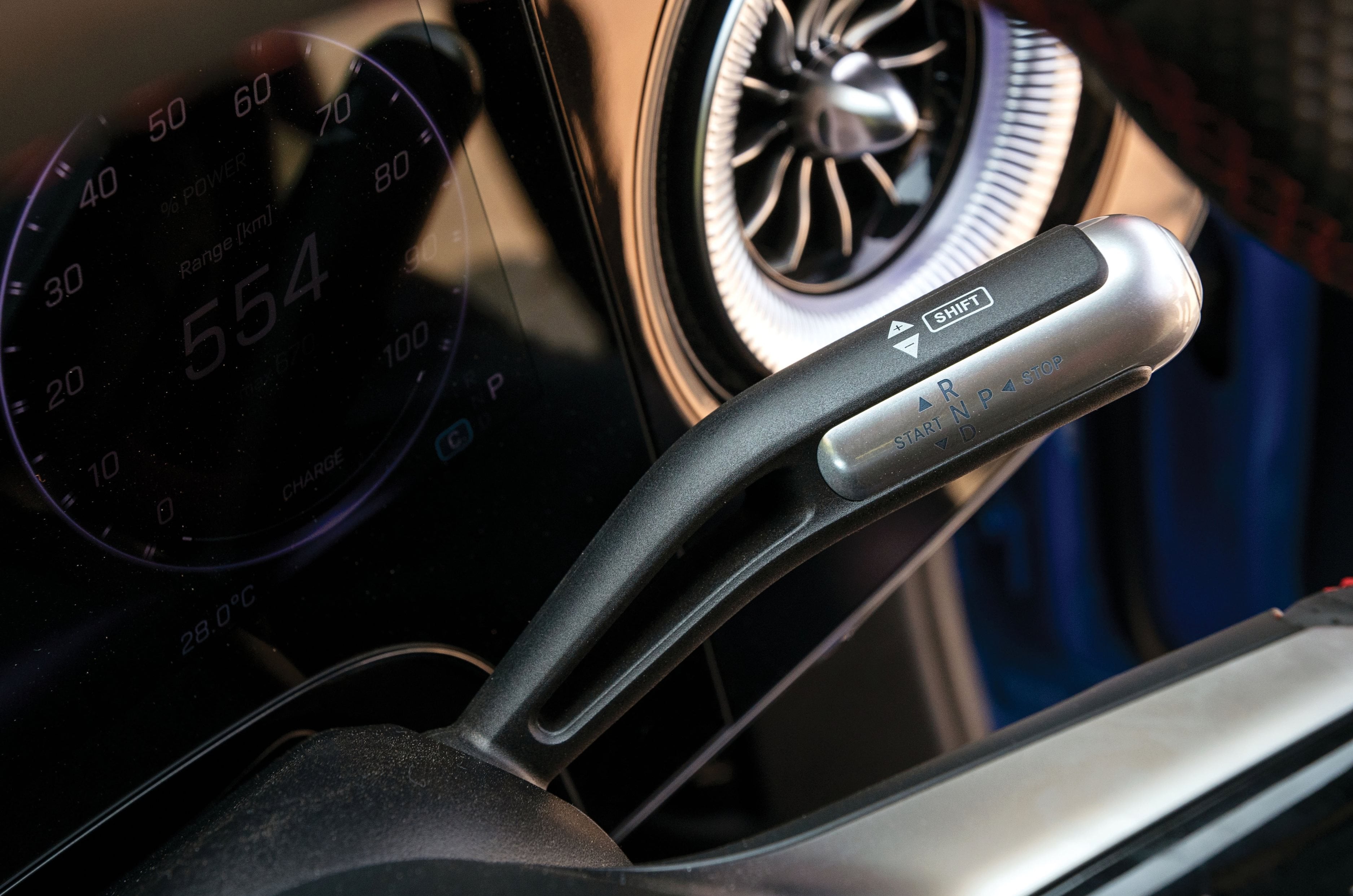
Control stalk now houses the start/stop button, the drive selector, and is also used to toggle between regen braking modes.
There are four levels of regenerative braking, including a one-pedal mode and an adaptive setting. They work well, with the Normal setting bringing it from 80-20kph in 311.56m, while the Strong setting takes 96.36m for the same. It’s worth noting, however, that Mercedes has moved the controls for the regen from the steering-mounted paddles used on some EVs to the gear selector stalk. You push or pull the stalk to change the regen level, and this isn’t quite as intuitive. The same stalk also incorporates the start/stop button.
Where the CLA really impresses is refinement. The absence of an engine obviously helps, but Mercedes has also done an excellent job of keeping wind and road noise out. At speed, the cabin remains remarkably quiet. A CLA 200 variant is also available in India, using the same rear-mounted motor layout but producing a lower 224hp and 335Nm. However, we’re yet to test this version.
Mercedes CLA 250+ tested acceleration times (sec)
Sport
Comfort
Eco
0-10kph
0.57
0.64
0.61
0-20kph
1.18
1.18
1.22
0-30kph
1.74
1.76
1.80
0-40kph
2.32
2.35
2.39
0-50kph
2.90
2.96
2.99
0-60kph
3.48
3.56
3.59
0-70kph
4.10
4.26
4.32
0-80kph
4.83
5.09
5.12
0-90kph
5.67
6.04
6.09
0-100kph
6.60
7.10
7.12
0-110kph
7.93
8.61
8.58
0-120kph
9.35
10
10
0-130kph
10.79
11.39
11.41
1/4 mile
14.98
15.33
15.33
20-80kph (rolling)
3.68
3.88
3.87
40-100kph (rolling)
4.26
4.72
4.73
Mercedes CLA 250+ range and efficiency – 9/10
Low drag, efficient powertrain mean superb real-world range.
Mercedes claims a WLTP range of 792km from the 85kWh (net) NMC battery, although, predictably, the real-world range is lower. In the city, with the regen set to the strongest mode, it delivered an efficiency of 6.87km/kWh that translates to a range of 584km. On the highway, with the regen set to ‘Normal’, it delivered an efficiency of 7.52km/kWh for a 640km range. With an average efficiency of 7.2km/kWh, you can expect a real-world range of 612km on a single charge, which is very impressive.
In the city, the strongest regen setting enabled it to recoup energy effectively, which helped boost efficiency, while the two-speed gearbox, with its taller 5:1 second gear, enabled greater efficiency at higher speeds and thus contributed to the EV’s highway efficiency. Combined with the low 0.21Cd drag coefficient and the normal regen mode that allows for more coasting, it proved even more efficient on the highway, which isn’t usually the case with EVs.
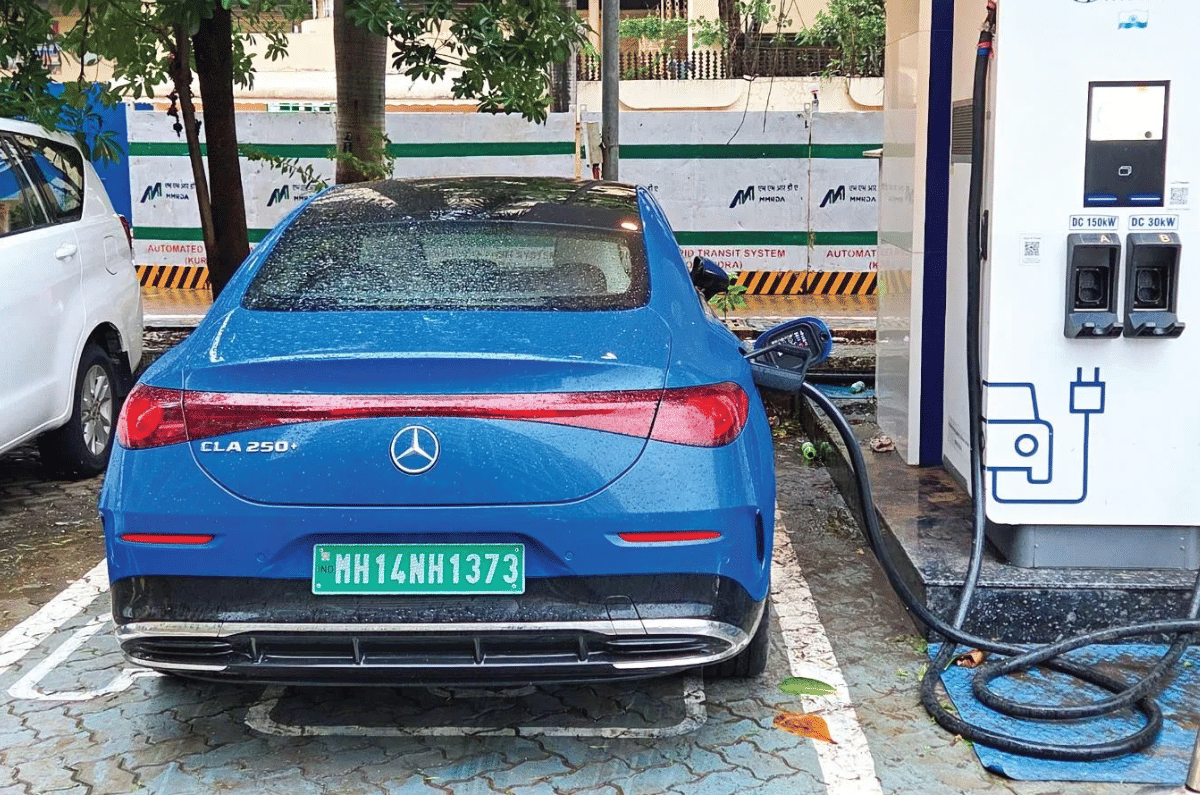
The CLA 250+ uses an 800V electrical architecture and supports charging at up to 320kW, but chargers capable of delivering that output remain few and far between in India. In our charging test using a 150kW DC fast charger, we saw an average charging speed of around 92kW with a peak charging speed of 125kW. To charge from 20-80 percent, it took 35 minutes and consumed 53.89kWh in total. This, combined with the efficiency and large real-world range, should make long-distance driving relatively stress-free.
Mercedes CLA 250+ tested range
City (km/kWh)
6.87
Highway (km/kWh)
7.52
Average (km/kWh)
7.19
Range (km)
611.5
Mercedes CLA 250+ ride comfort and handling – 8/10
Strikes a mature balance between ride and handling.
The CLA’s rear-wheel-drive layout gives it an enjoyable character on a winding road, and the steering is one of its stronger points. With no drive being sent through the front wheels, it feels precise, building up weight progressively with speed. It’s light enough at low speeds to make manoeuvring easy, yet gains enough weight as you go faster.
Thanks to the CLA’s rear-wheel-drive setup and precise steering, it feels agile and good fun around corners.
Mercedes has increased the Euro-spec CLA’s 107mm ground clearance for India and made suspension changes to better suit our roads, and both have worked. There’s enough clearance to deal with regular-sized speed breakers, while the additional height hasn’t really compromised the car’s handling or comfort. Around corners, the CLA remains agile, and body roll is well controlled. The ride does have a hint of firmness to it, but it deals with road imperfections without fuss and feels composed at both low and high speeds. Overall, it’s a mature combination of ride comfort, stability and handling.
Mercedes CLA 250+ value for money – 8/10
Refined and efficient powertrain, long range and sorted ride and handling make it Merc’s best EV yet.
Priced at Rs 60.50 lakh (ex-showroom), the CLA 250+ is a fairly compelling proposition, considering what it brings to the table. There are shortcomings, most notably the cramped rear seat, knees-up seating even at the front, and the absence of sunshades for the panoramic roof and rear windows. But if you’re going to drive yourself and want a luxury EV that’s distinctive, the CLA makes a strong case for itself.
Its powertrain is smooth and refined, its efficiency is excellent, it has an impressive real-world range of over 600km, and it strikes a very good balance between ride comfort and handling. Add to that a cabin packed with cutting-edge tech, and the new CLA emerges as one of the company’s most accomplished EVs yet.